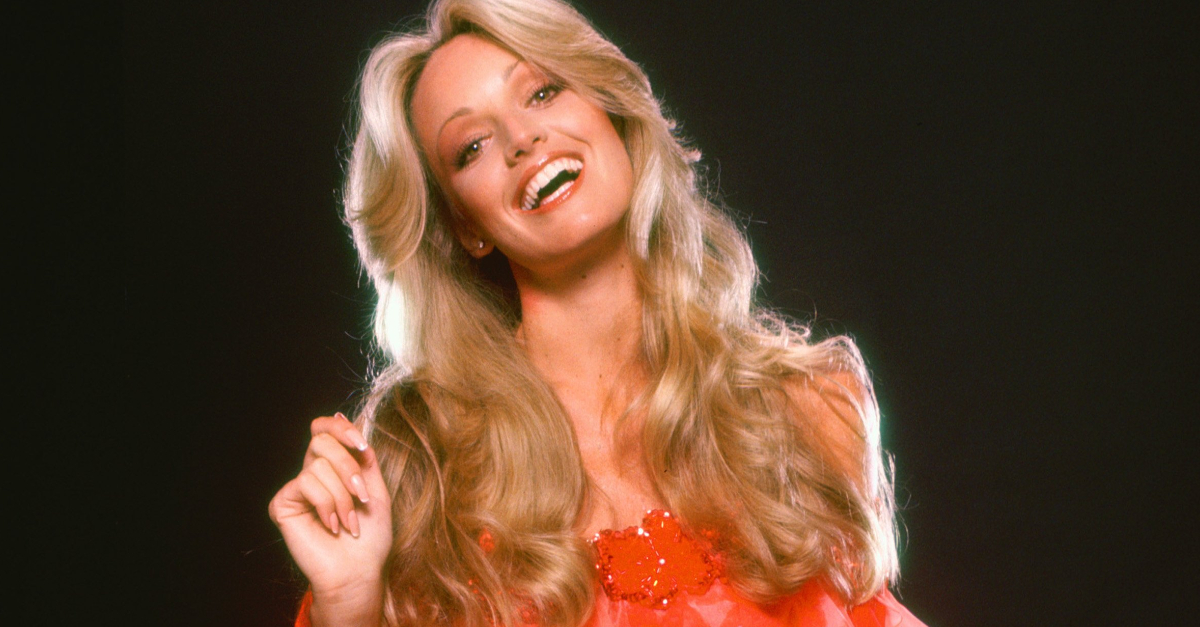
He Was Everywhere...Until He Wasn’t
In the early 90s, Jonathan Brandis felt unavoidable. Teen magazines, TV, movies—he had the kind of momentum most young actors never reach. Everything pointed toward a long, steady career.
But what is so shocking about his story isn’t how fast he rose—it’s how quickly he fell.

He Wasn’t Born Into Hollywood
Jonathan Brandis was born in Danbury, Connecticut, far from the center of the entertainment industry. He didn’t grow up surrounded by studios or industry connections. His entry into acting came from a much more traditional path, which makes how quickly he broke through feel even more notable compared to many others who had a clearer way in.
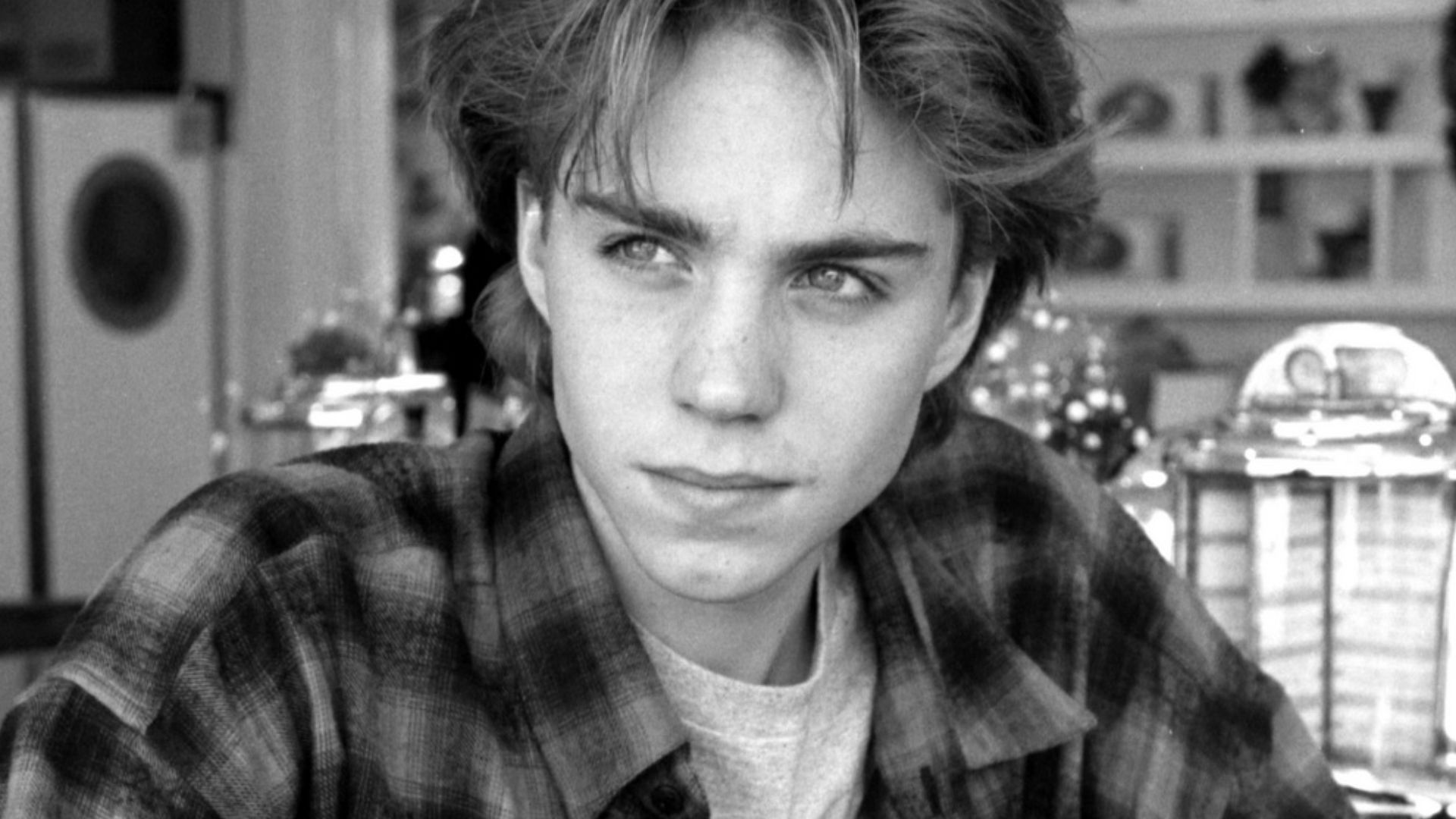 Airwolfberlin, Wikimedia Commons
His Career Started Before He Could Even Choose It
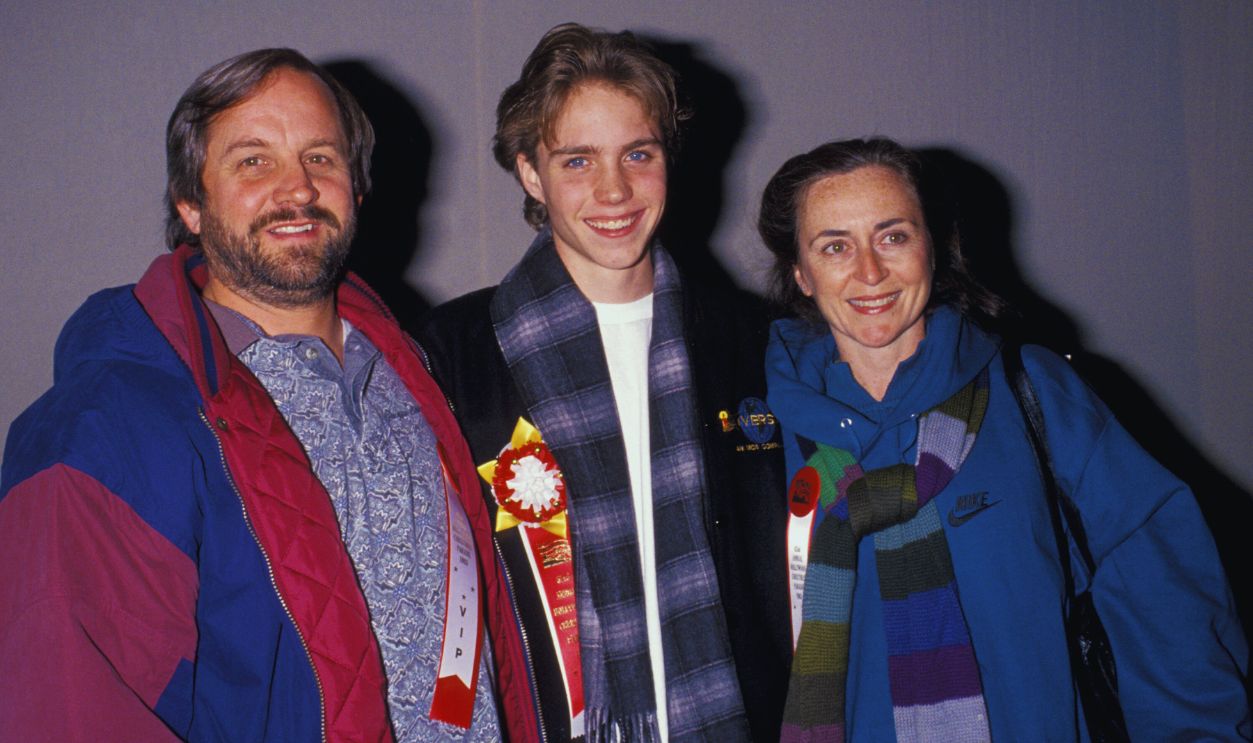
His parents got him into child modeling at a very young age, which led to commercial work and then acting roles. By the time he reached his teens, being on camera wasn’t something new—it was something he had already been doing for years, giving him a level of comfort that stood out early.
He Moved Through The Industry Step By Step
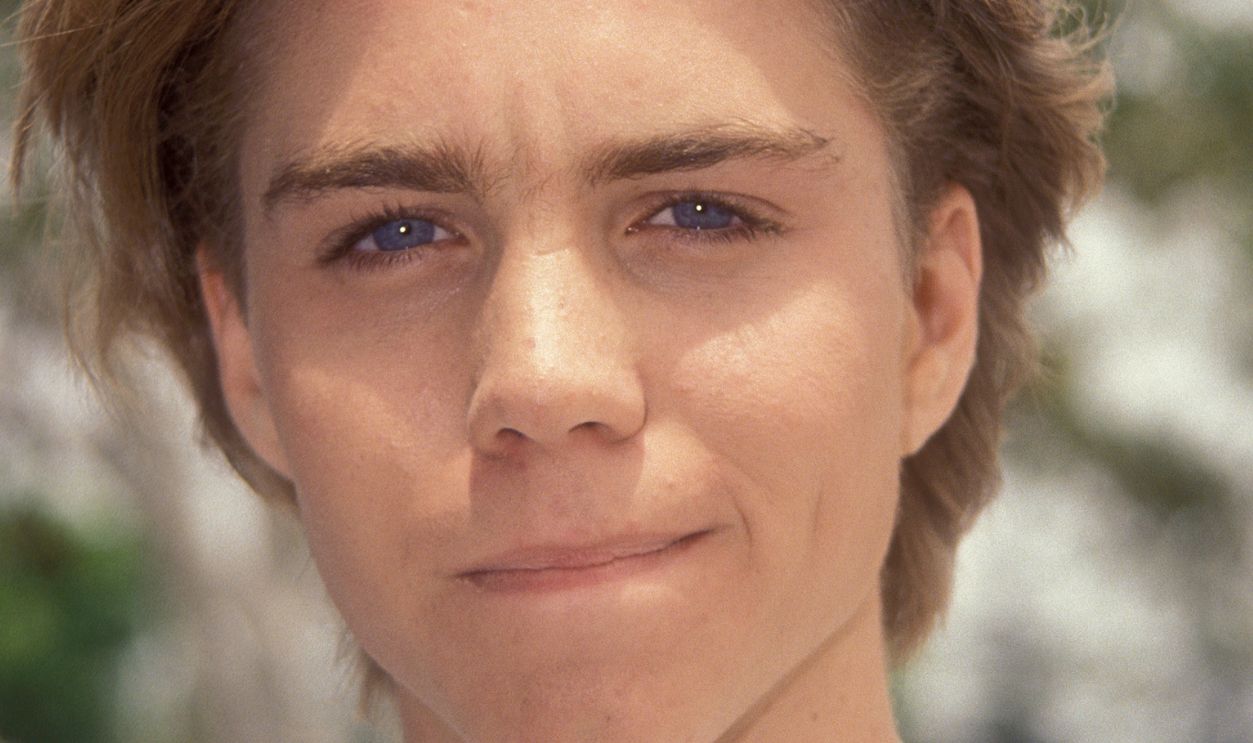
From commercials to One Life to Live, then into primetime TV and films, his early career followed a steady progression. Each role built on the last, which is part of why his rise felt stable and predictable at the time, rather than sudden or accidental.
Early TV Roles Helped Build Recognition
He appeared in shows like The Wonder Years and Full House, landing small but noticeable parts. These roles helped establish him as a familiar face and made it easier for him to land more prominent opportunities shortly after.
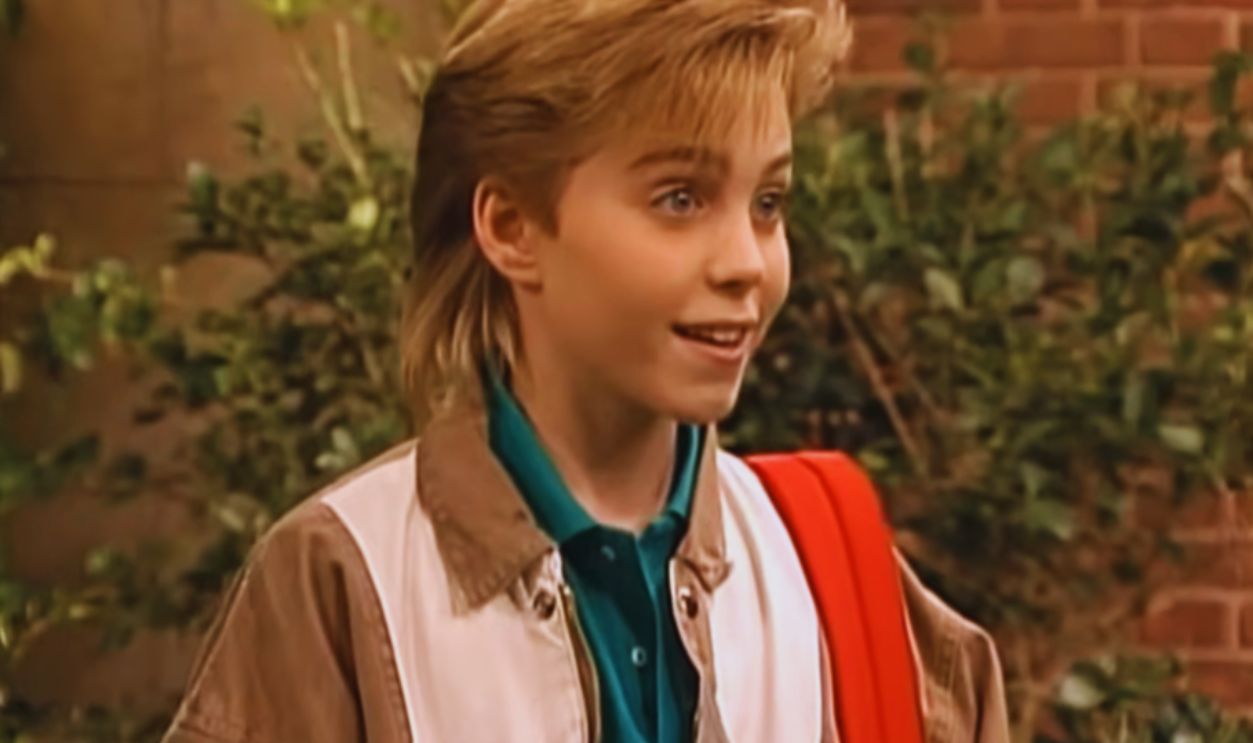 Screenshot from Full House, Warner Bros. Discovery (1987-1995)
“The NeverEnding Story II” Put Him In The Spotlight
When he starred in The NeverEnding Story II: The Next Chapter (1990), everything changed. He went from a working young actor to leading a major film, introducing him to a much wider audience almost overnight.
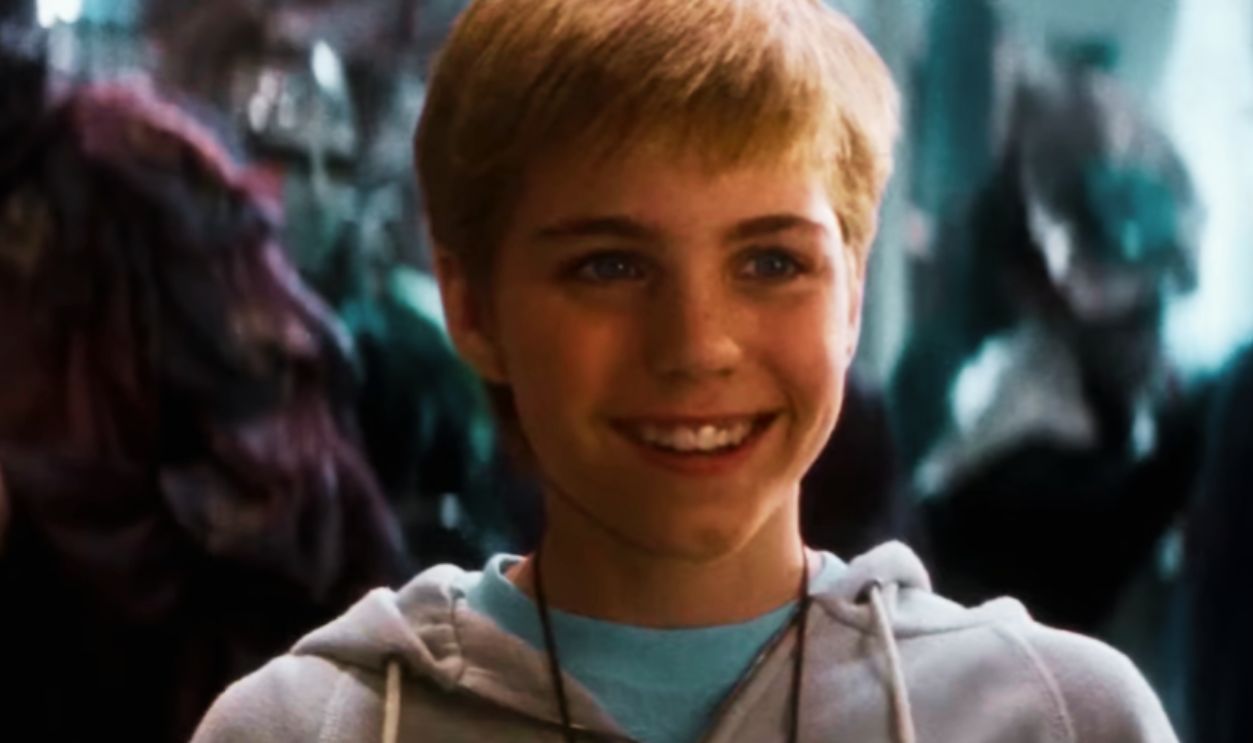 Screenshot from The NeverEnding Story II: The Next Chapter, Warner Bros. Discovery (1990)
He Became A Full Teen Idol
By the early 90s, Brandis was everywhere teens looked: Tiger Beat, Bop, interviews, and fan features. He wasn’t just acting anymore, he was part of that highly visible teen idol wave that defined the era.
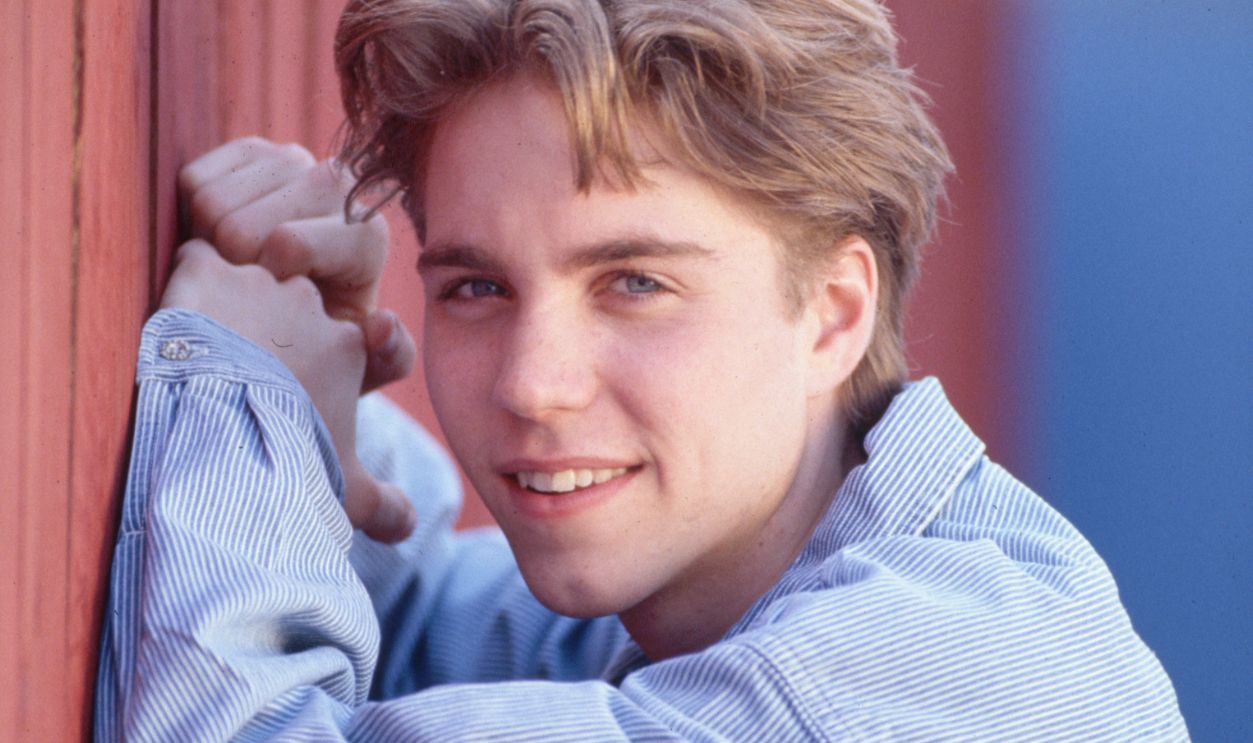
“SeaQuest DSV” Was Supposed To Be The Next Step
In 1993, he landed SeaQuest DSV, a high-profile sci-fi series backed by Steven Spielberg. Playing Lucas Wolenczak gave him a role that combined intelligence, youth appeal, and weekly exposure.
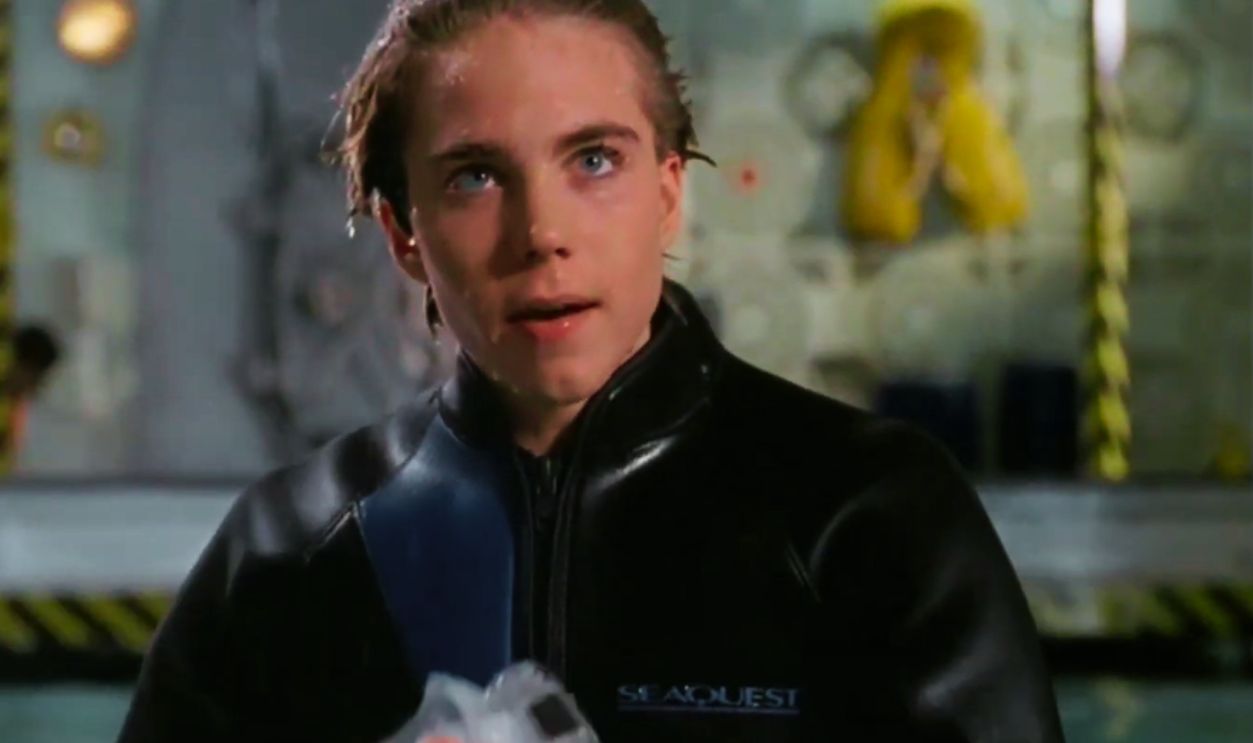 Screenshot from SeaQuest DSV, NBCUniversal (1993-1996)
For A While, Everything Was Lined Up
The show launched with strong ratings and major promotion. Brandis became a regular presence in millions of homes each week, and it felt like a natural transition into a long-term television career.
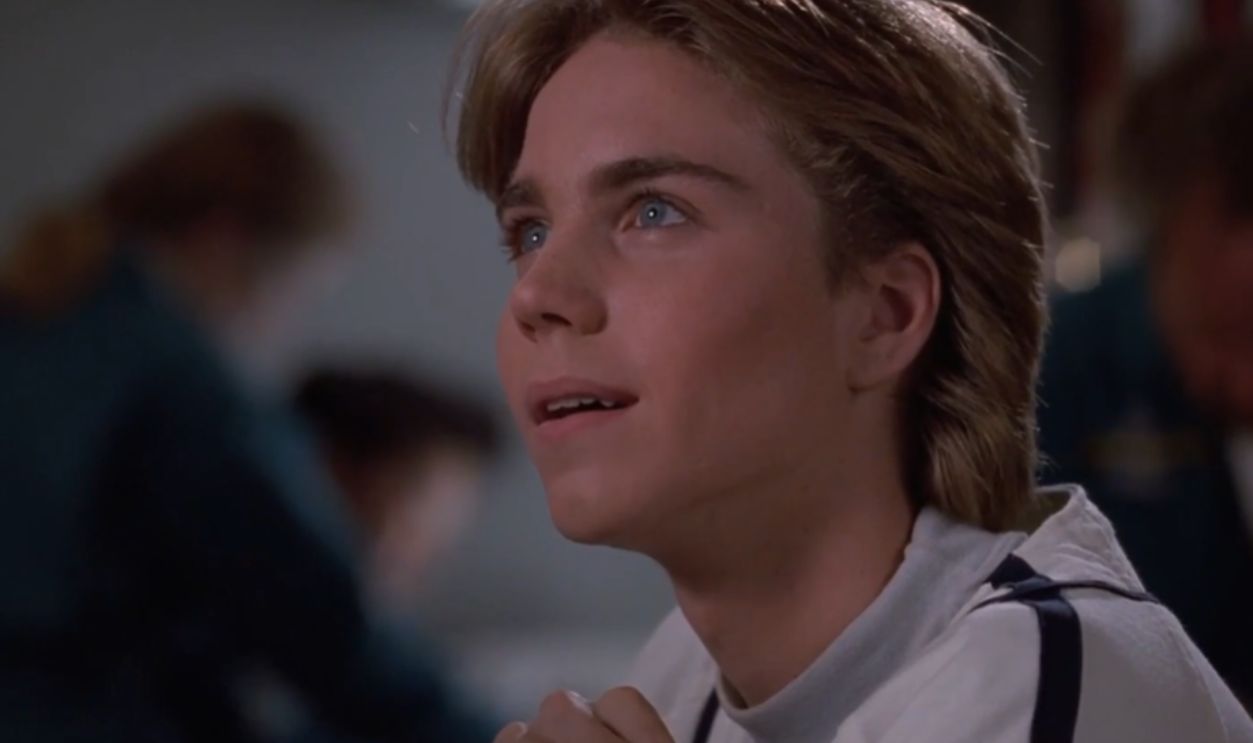 Screenshot from SeaQuest DSV, NBCUniversal (1993-1996)
But The Show Was Unstable Behind The Scenes
Despite its strong start, seaQuest DSV dealt with ongoing issues. Creative direction shifted frequently, cast members changed, and the tone of the show became inconsistent, making it harder to sustain its early success.
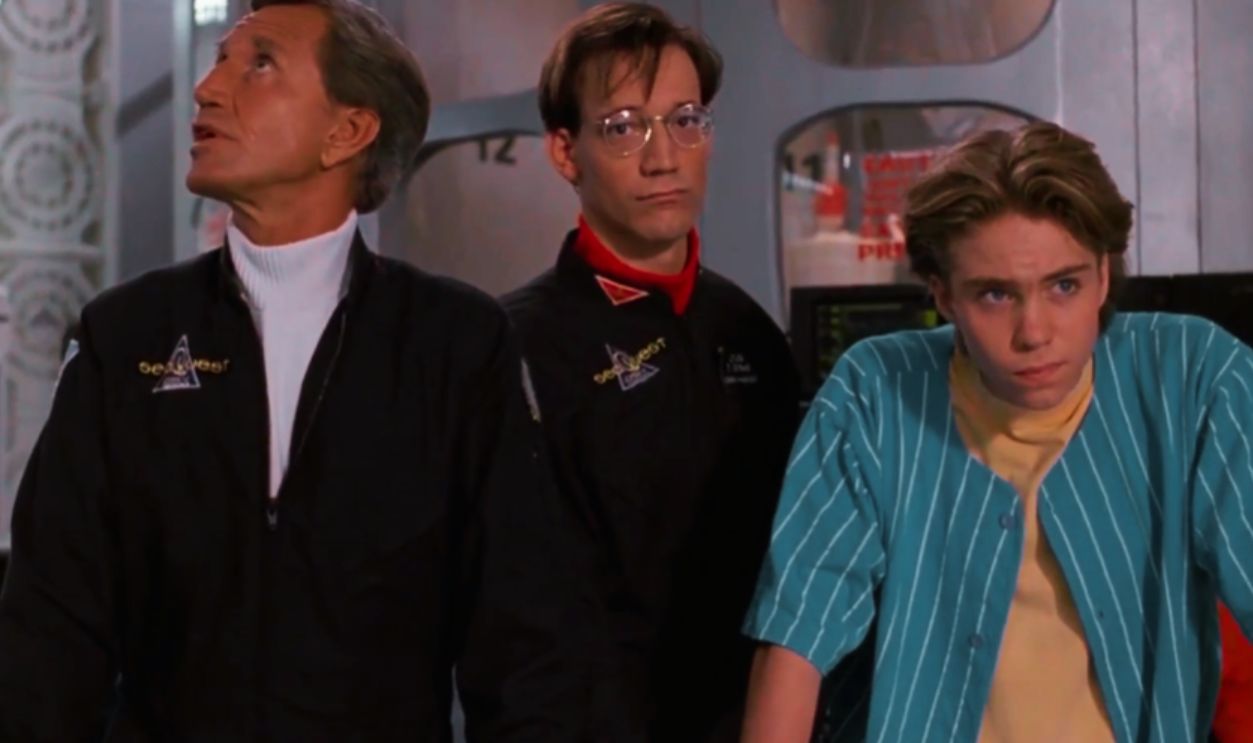 Screenshot from SeaQuest DSV, NBCUniversal (1993-1996)
The Decline Became Visible
As the show struggled to maintain its identity, ratings began to drop. What had started as a confident concept slowly lost momentum, and the platform that had helped elevate Brandis began to weaken.
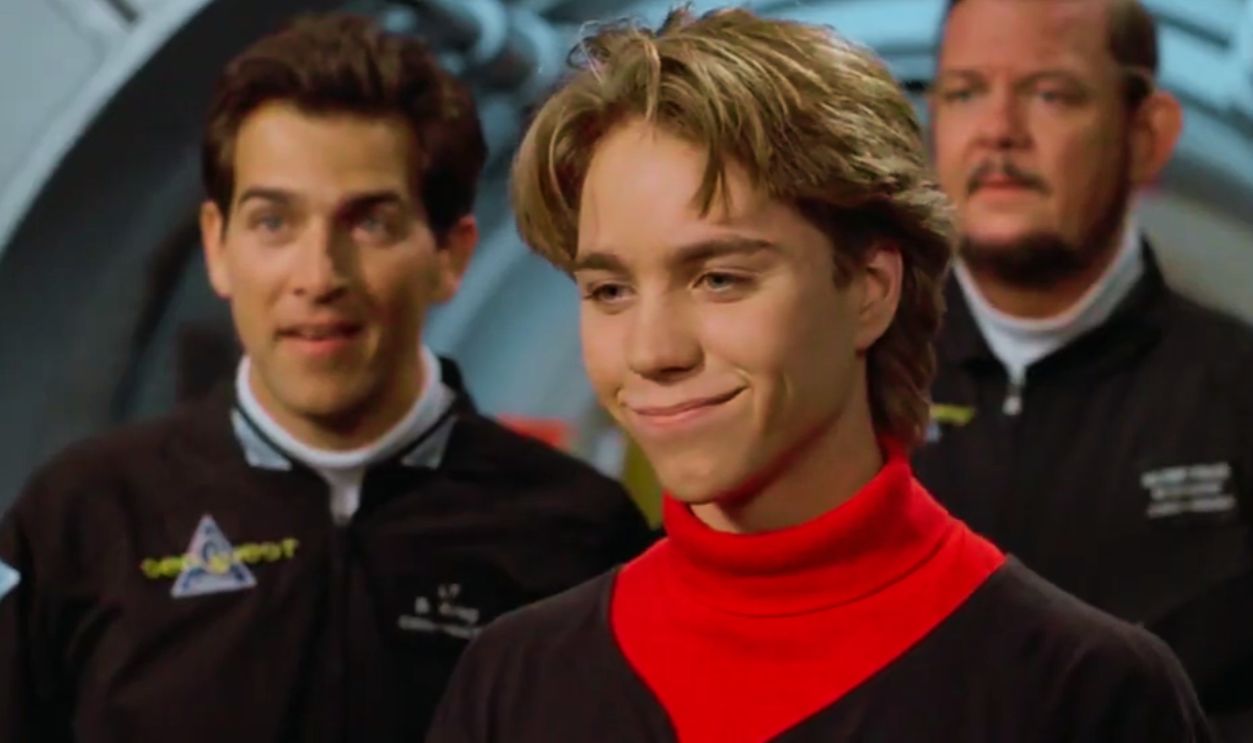 Screenshot from SeaQuest DSV, NBCUniversal (1993-1996)
When It Ended, The Timing Was Tough
The cancellation in 1996 came at a difficult point. He was no longer a child actor, but he also hadn’t fully transitioned into adult roles, leaving him in a challenging in-between stage.
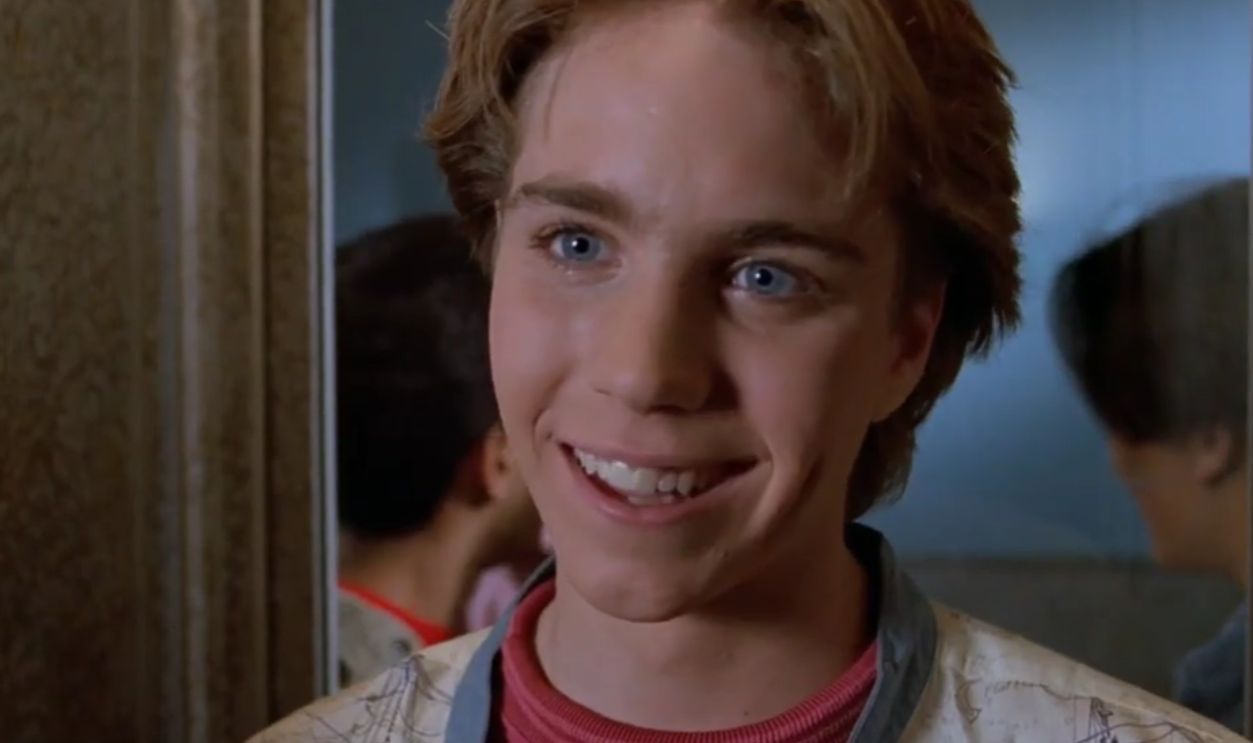 Screenshot from SeaQuest DSV, NBCUniversal (1993-1996)
He Was Still Part Of The 90s Teen Star Scene
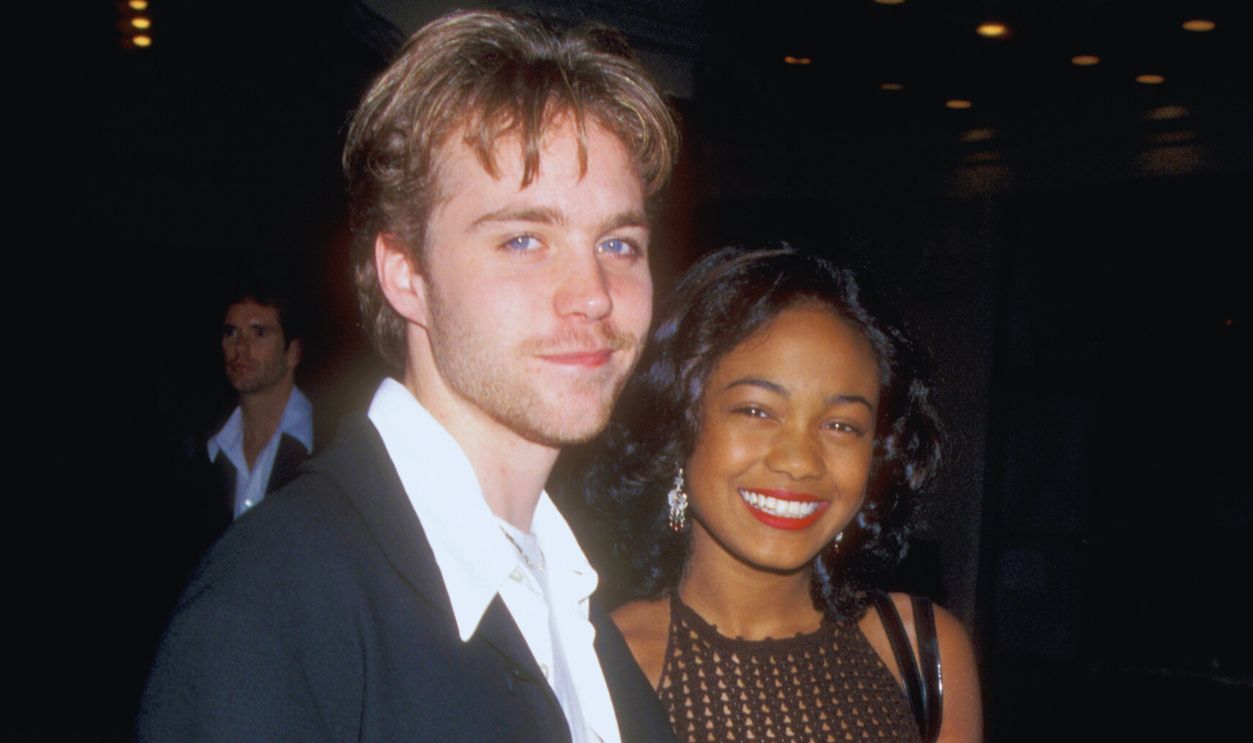
During his peak years, Brandis dated Tatyana Ali from The Fresh Prince of Bel-Air. It placed him within that circle of young stars who were all rising at the same time and seemed to be building similar careers.
His Personal Life Stayed Largely Private
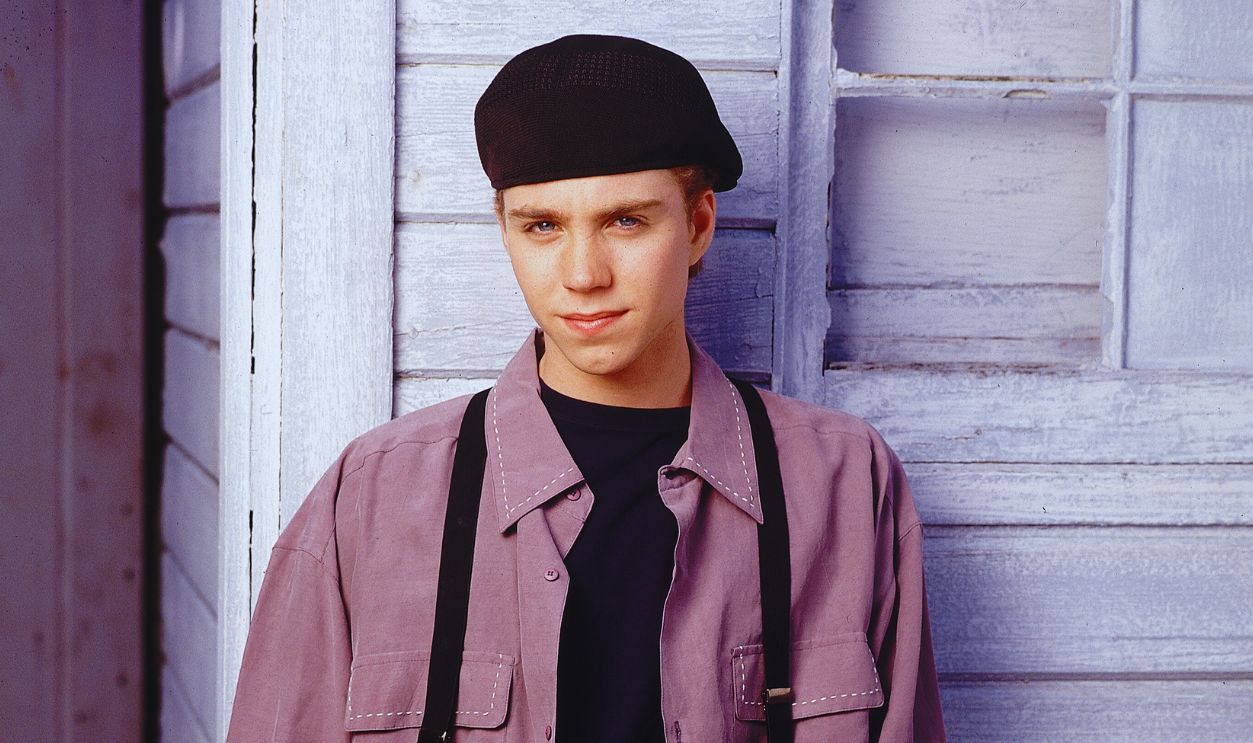
Unlike many young actors of that era, he wasn’t constantly featured in tabloids. There were no major public scandals or ongoing headlines, and much of his personal life remained out of view, leaving fewer clues about what was happening behind the scenes.
He Was Known For Being More Reserved
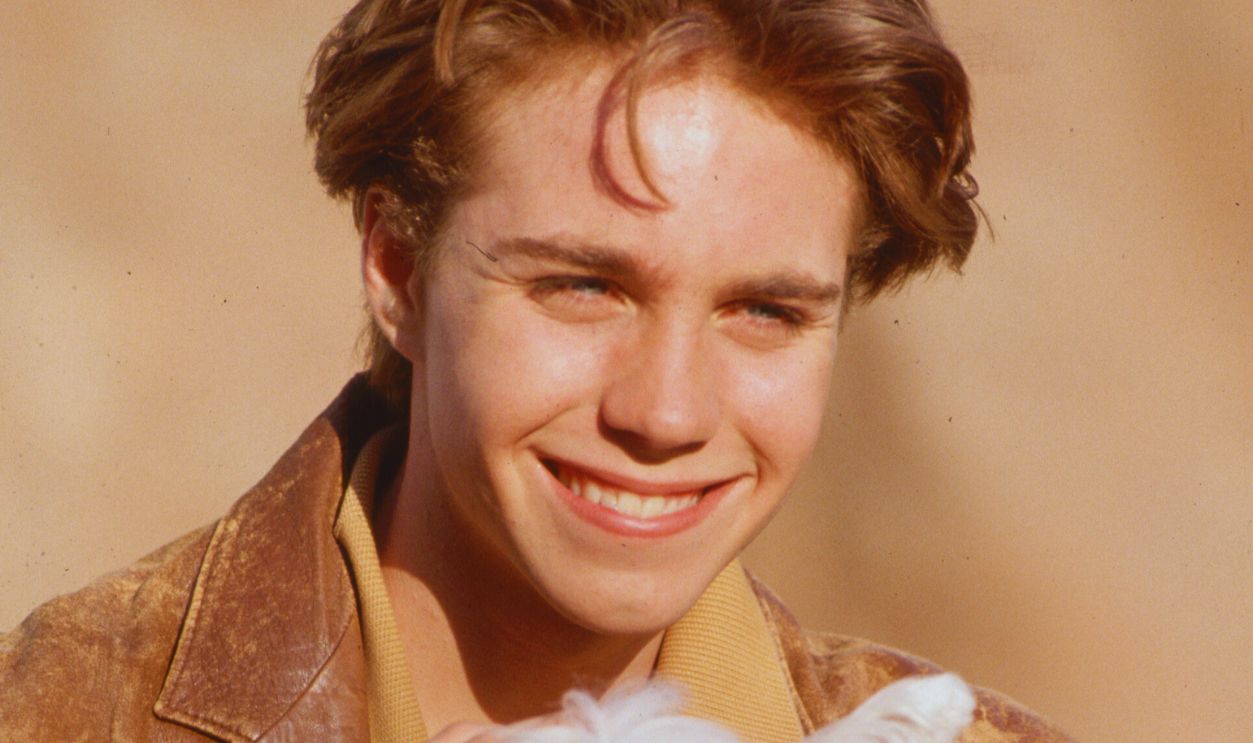
People who worked with him often described him as quieter than many of his peers. He wasn’t focused on off-screen attention, which made his on-screen work stand out more clearly, but also meant he kept much of his life to himself.
After “SeaQuest,” The Roles Got Smaller
Through the late 90s, he continued working in projects like Her Last Chance and Born Free: A New Adventure. The work didn’t disappear, but the scale and visibility were noticeably reduced compared to what he had been doing earlier.
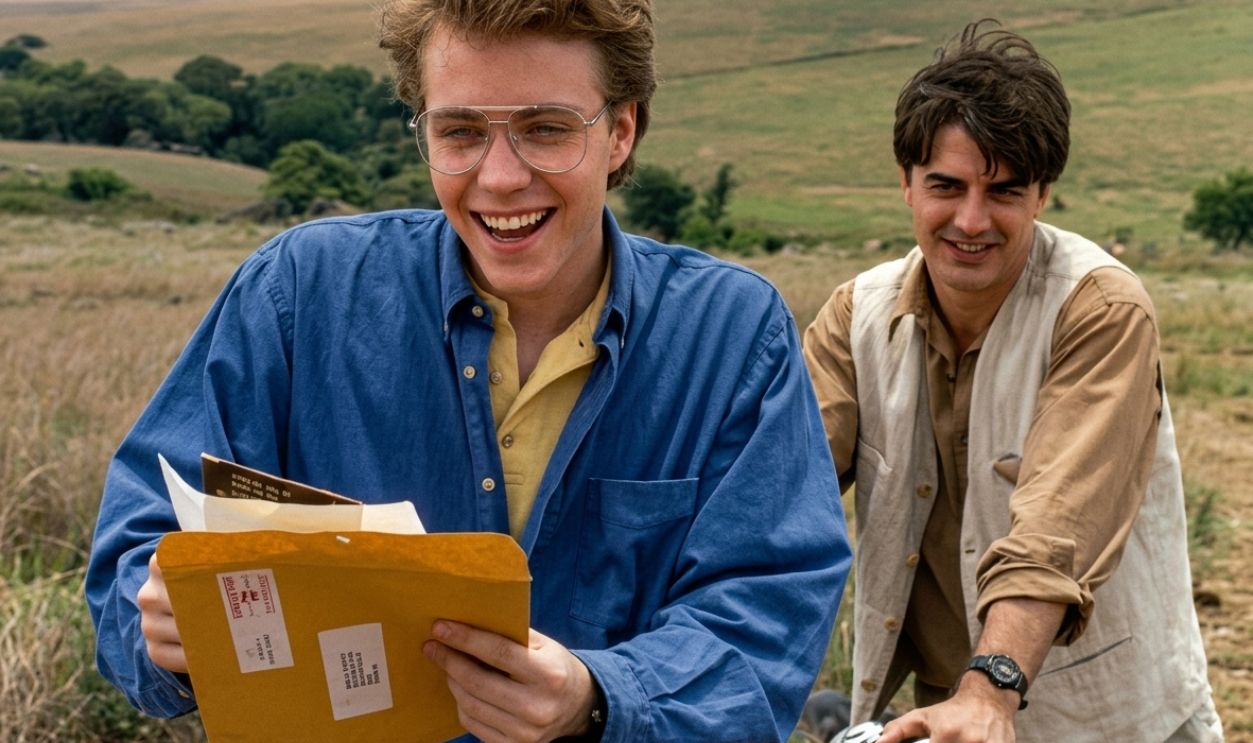 Screenshot from Born Free: A New Adventure, Sony Pictures Television (1996), enhanced
The Change In His Career Was Clear
After 1996, he didn’t land another major studio lead role like he had earlier in his career. The steady run of high-visibility projects gave way to more sporadic and lower-profile work.
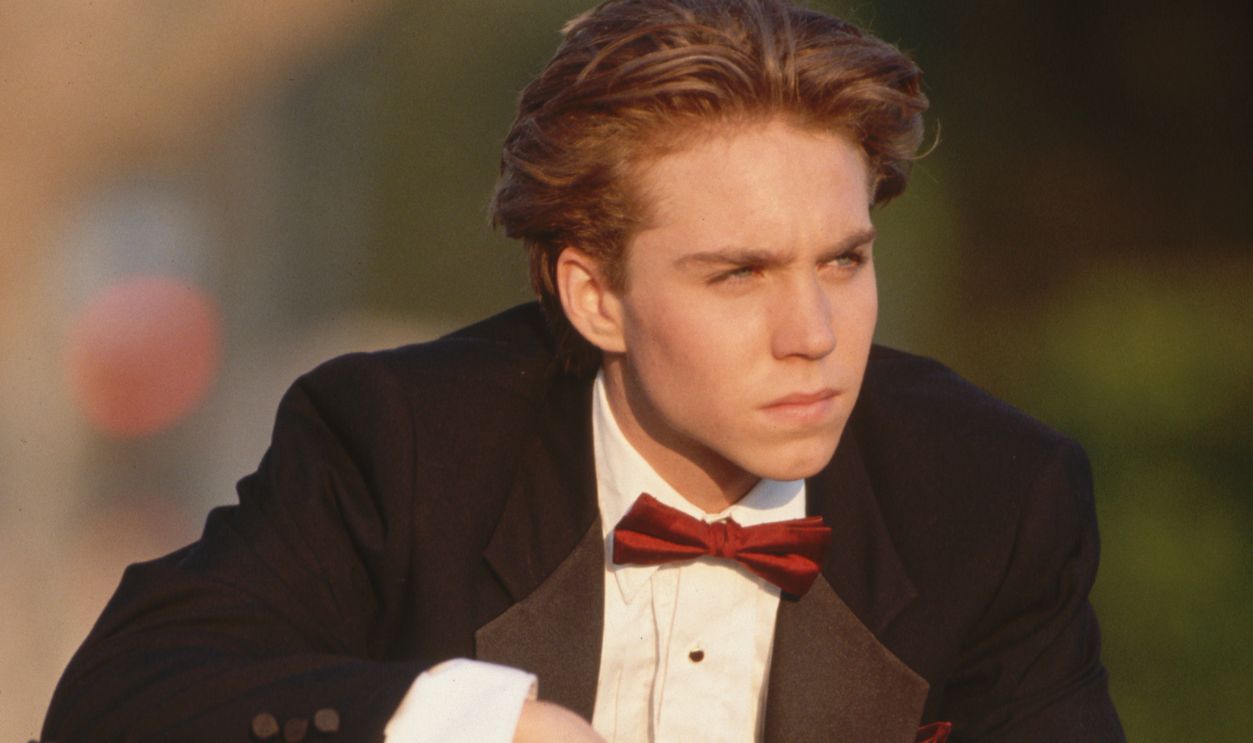
He Was No Longer The Obvious Choice
Where roles once came naturally, he was now in a more competitive position. He was no longer being positioned as the clear choice for leading roles, which marked a significant shift in how he fit into the industry.
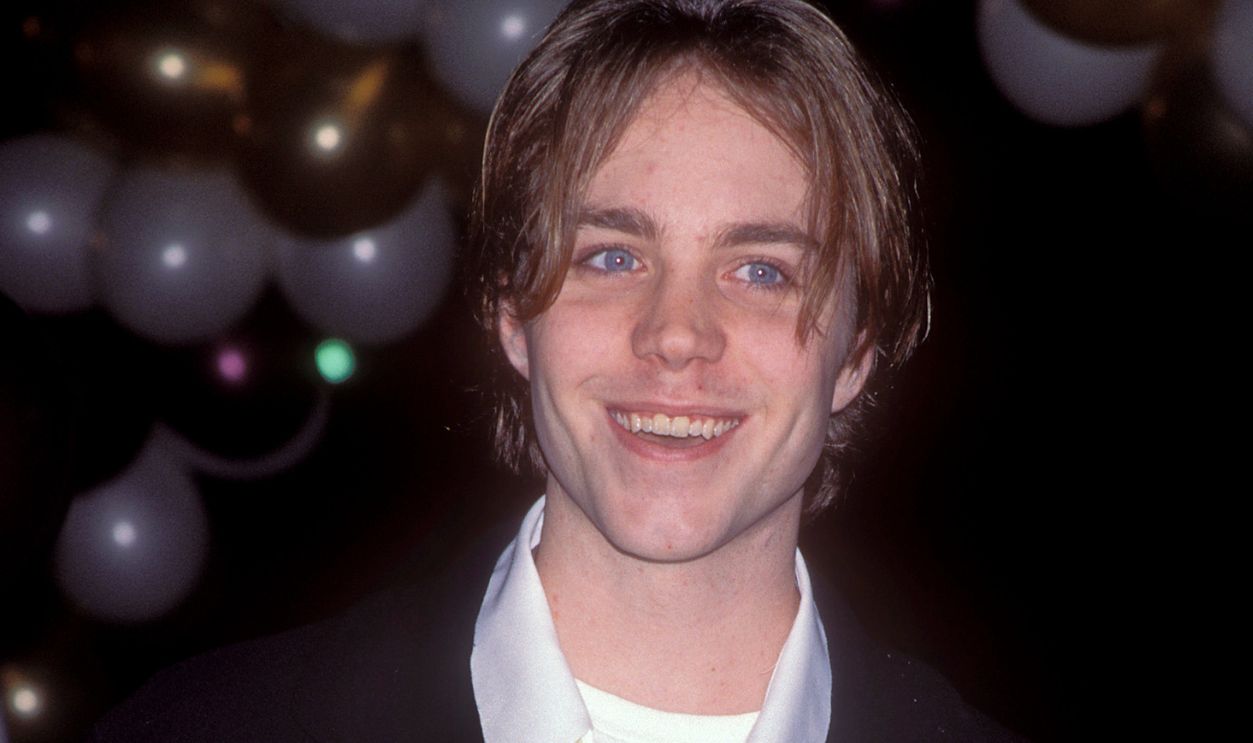
He Tried Expanding Beyond Acting
As roles became less consistent, Brandis started focusing more on work behind the camera. He wrote and directed short films, including projects he developed himself rather than waiting on casting decisions. It wasn’t just a side interest, he was actively trying to build a second path in the industry.
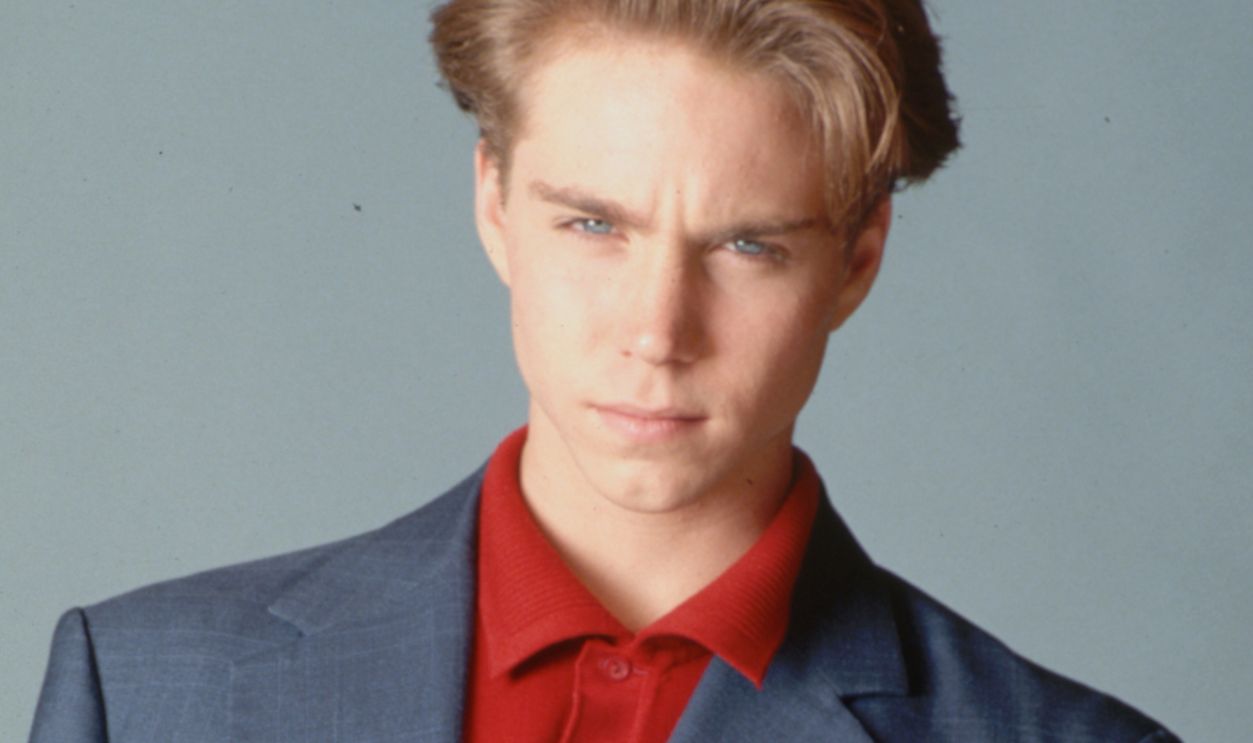
He Was Still Looking For A Way Back
Even while exploring other creative work, Brandis continued pursuing acting roles. He hadn’t stepped away from the industry, he was still trying to land something that could shift his trajectory again. But most opportunities were smaller, making it harder to regain the momentum he once had.
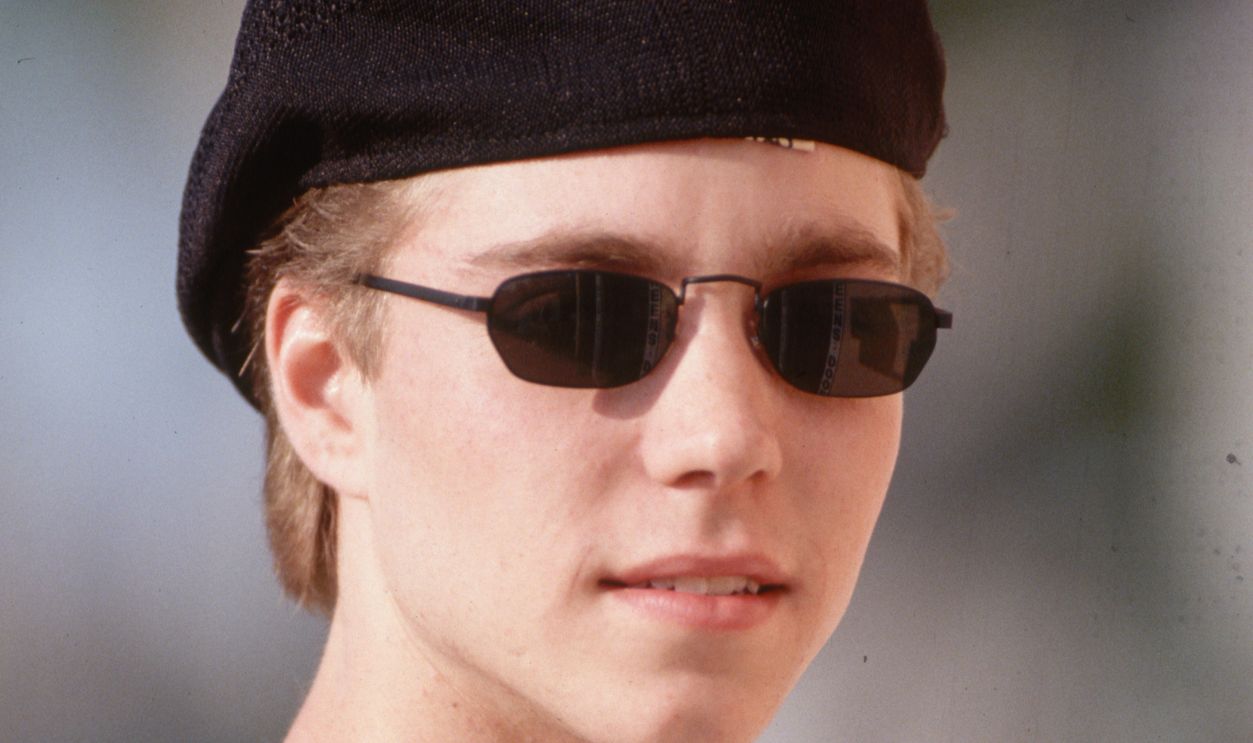
“Hart’s War” Looked Like That Opportunity
Being cast in Hart’s War (2002), alongside Bruce Willis and Colin Farrell, seemed like a real chance to return to a bigger stage. It was the kind of film that could have reintroduced him to a wider audience.
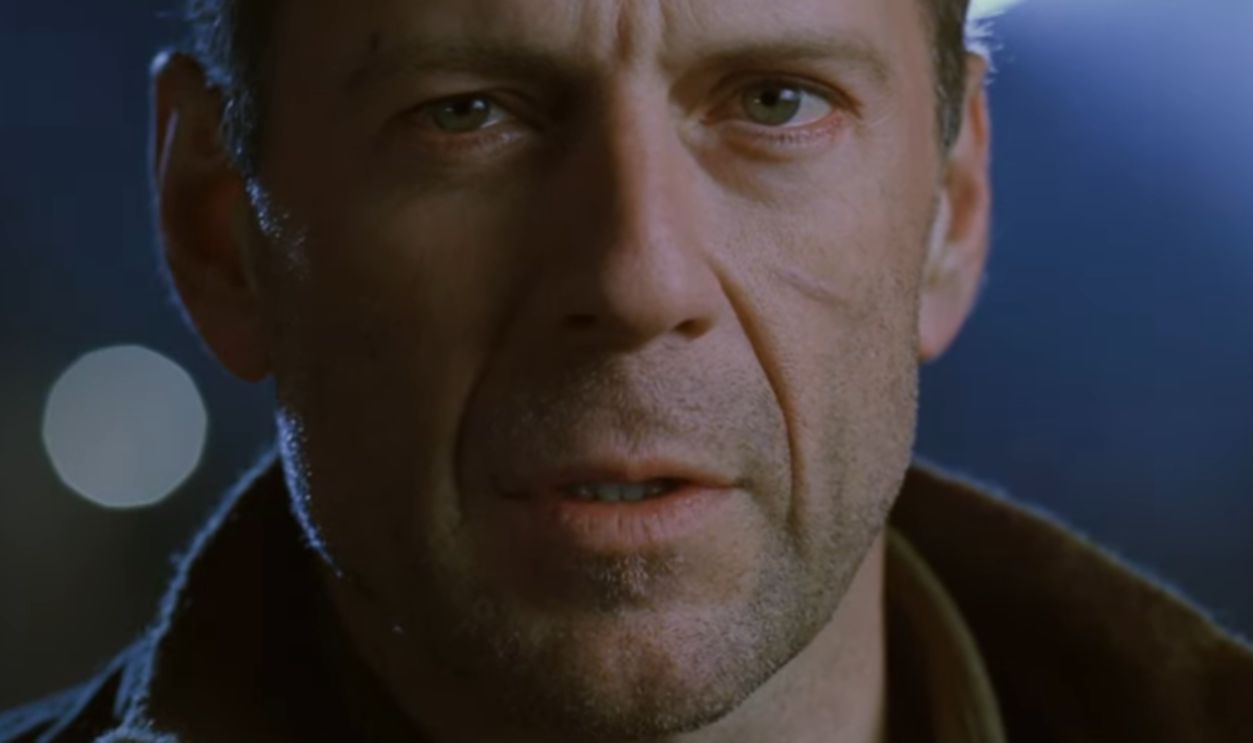 Screenshot from Hart’s War, Amazon MGM Studios (2002)
But The Final Cut Changed That
During filming, Brandis had a more substantial supporting role. But after editing, much of his material was removed. When the film was released, his presence was minimal, and the opportunity to be seen again at that level was largely lost.
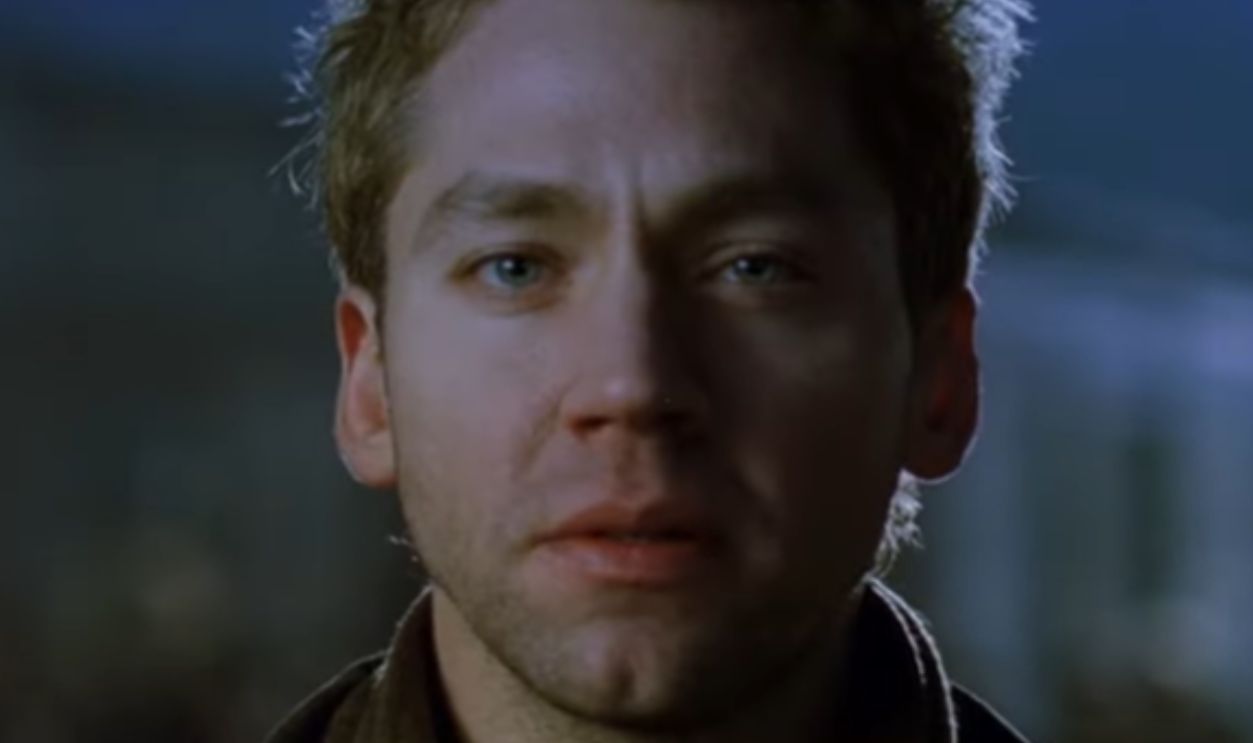 Screenshot from Hart’s War, Amazon MGM Studios (2002)
That Moment Stood Out
This wasn’t just a routine edit. It came at a time when he was actively trying to rebuild his career. Instead of becoming a turning point, the project became another example of how close he was getting without things fully coming together.
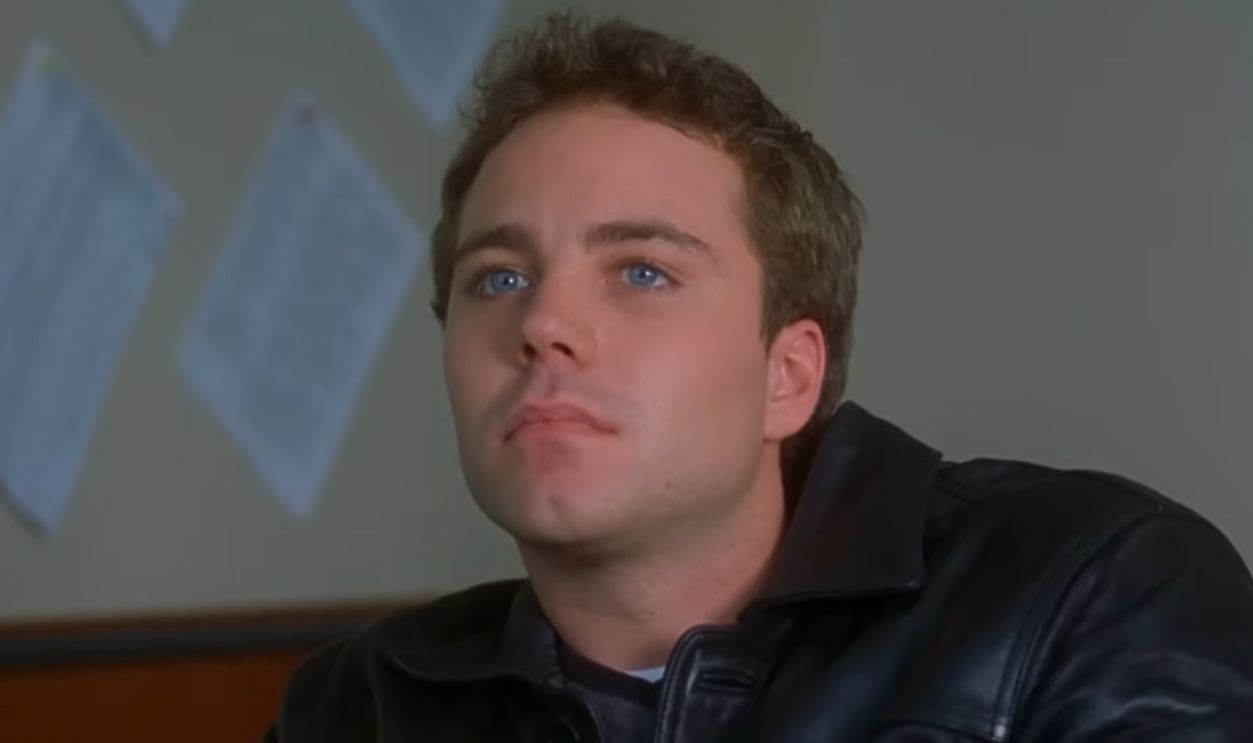 Screenshot from Bad Girls from Valley High, NBCUniversal (2005)
The Early 2000s Became A Quiet Stretch
After Hart’s War, there were fewer major credits. His filmography shows longer gaps between roles and less mainstream visibility, a sharp contrast to the steady presence he had earlier in his career.
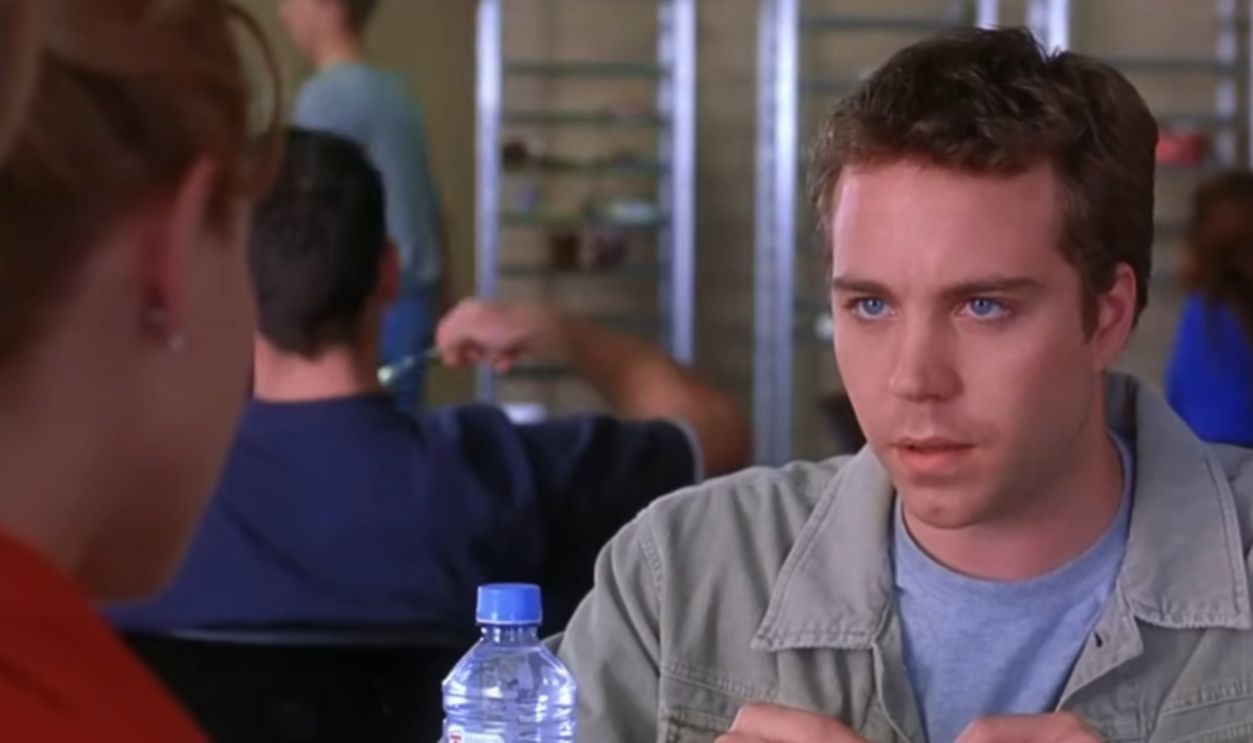 Screenshot from Bad Girls from Valley High, NBCUniversal (2005)
There Was No Clear Breaking Point
People around him later described subtle changes (he seemed more withdrawn at times) but there wasn’t a single moment that clearly signaled what would happen. Looking back, those shifts stand out more than they did at the time.
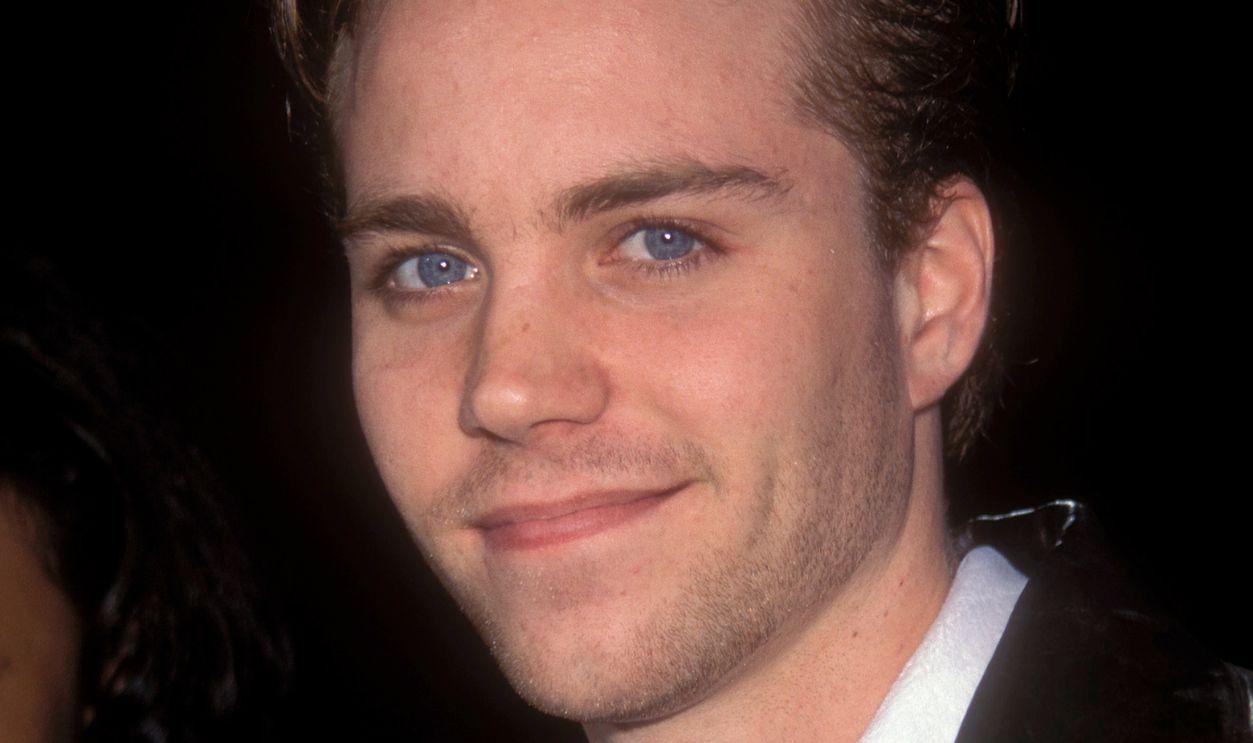
His Life Came To A Sudden End
In November 2003, Jonathan Brandis was found at his Los Angeles apartment and taken to the hospital, where he passed away shortly after. He was 27 years old when he ended things, and the news came as a shock to many who knew him and those who remembered his earlier success.
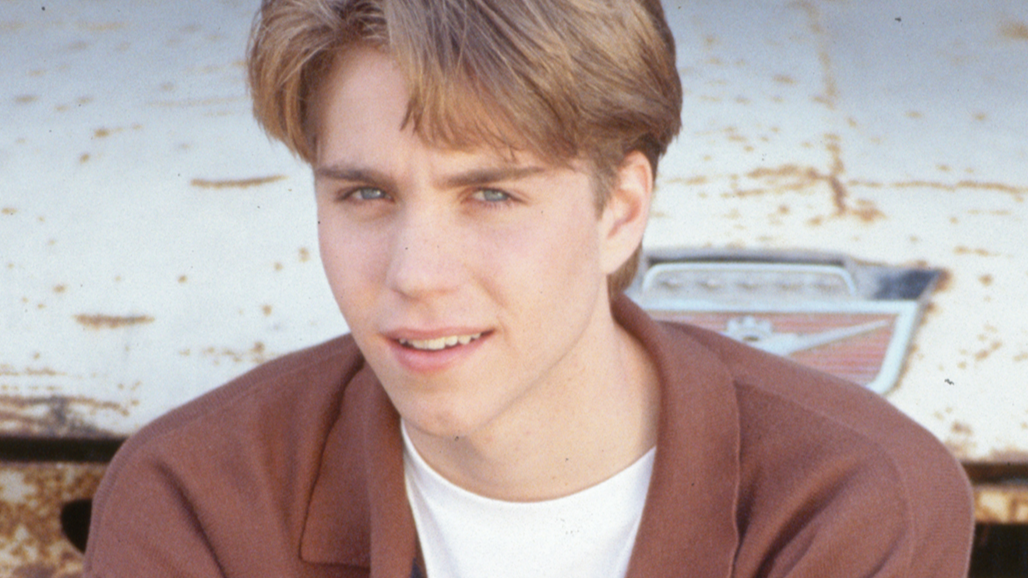
It Changed How People Looked Back At His Career
For many fans, the news felt sudden. It led to a renewed focus on his earlier work and a closer look at how quickly his career had changed behind the scenes.
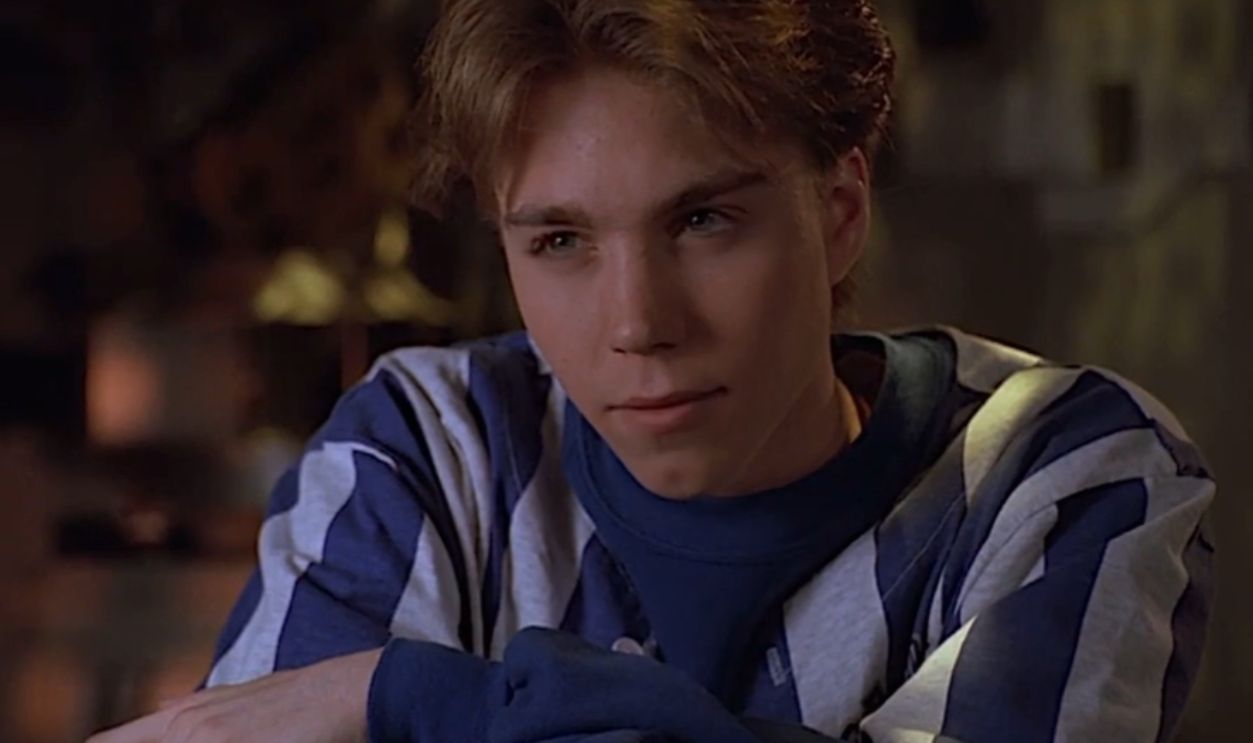 Screenshot from SeaQuest DSV, NBCUniversal (1993-1996)
Why His Story Still Gets Talked About
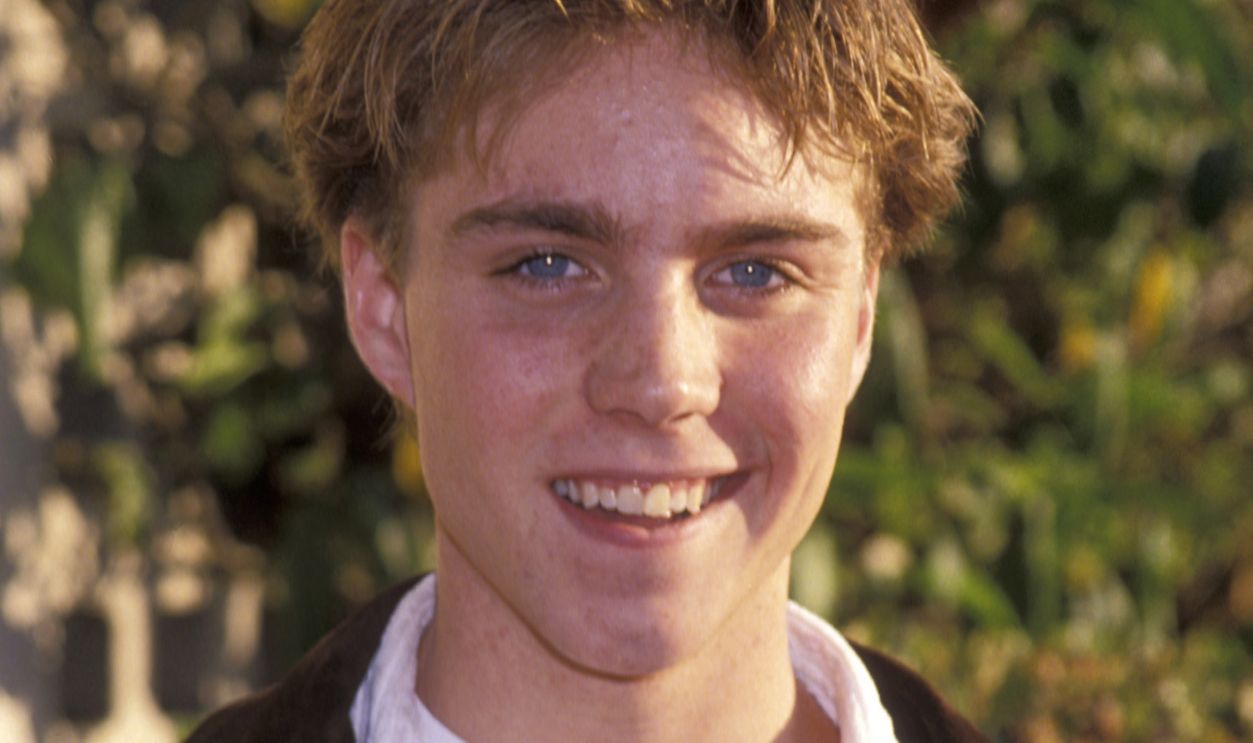
It’s the contrast that stays with people—the version of him who seemed set for a long career, and how quickly things became uncertain. That gap between expectation and reality is what keeps his story from fading away.
You Might Also Like:
Resilient Facts About Betty Hutton, The Incendiary Blonde
The Most Amazing Comeback Stories In Film
The Rat Pack Never Had A Sixth Member—But If They Did, It Would’ve Been Her