When Real Life Gets Uncomfortable
Some documentaries don’t just inform you. They poke, provoke, and sometimes flat-out upset people. These are the films that sparked arguments, headlines, boycotts, and endless debates about ethics, truth, and how far a documentary should go. Whether you love them or hate them, they made people talk, and that’s exactly why they still matter.
Blackfish
Blackfish completely changed how people looked at SeaWorld. By focusing on the orca Tilikum and the realities of captivity, the film sparked massive public backlash and forced SeaWorld into damage-control mode. Critics accused it of being one-sided, while supporters praised it for exposing animal abuse. Either way, it permanently shifted public opinion.
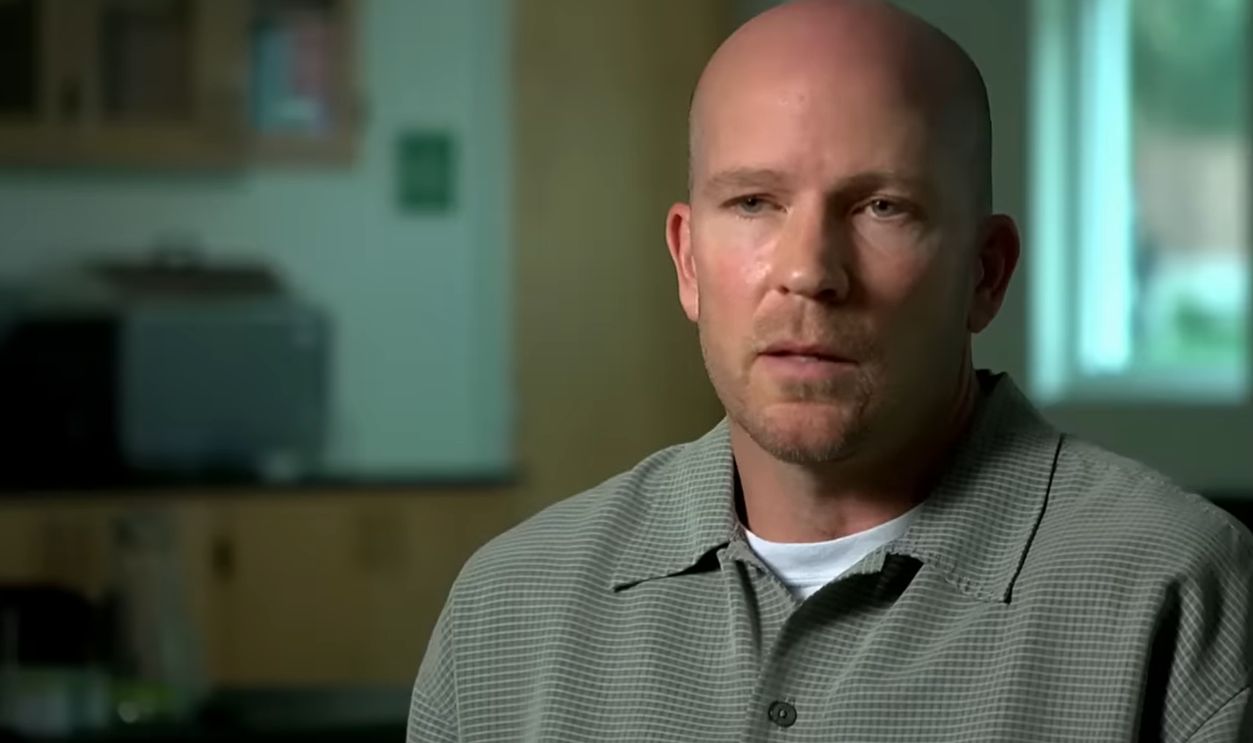 Screenshot from Blackfish, Magnolia Pictures (2013)
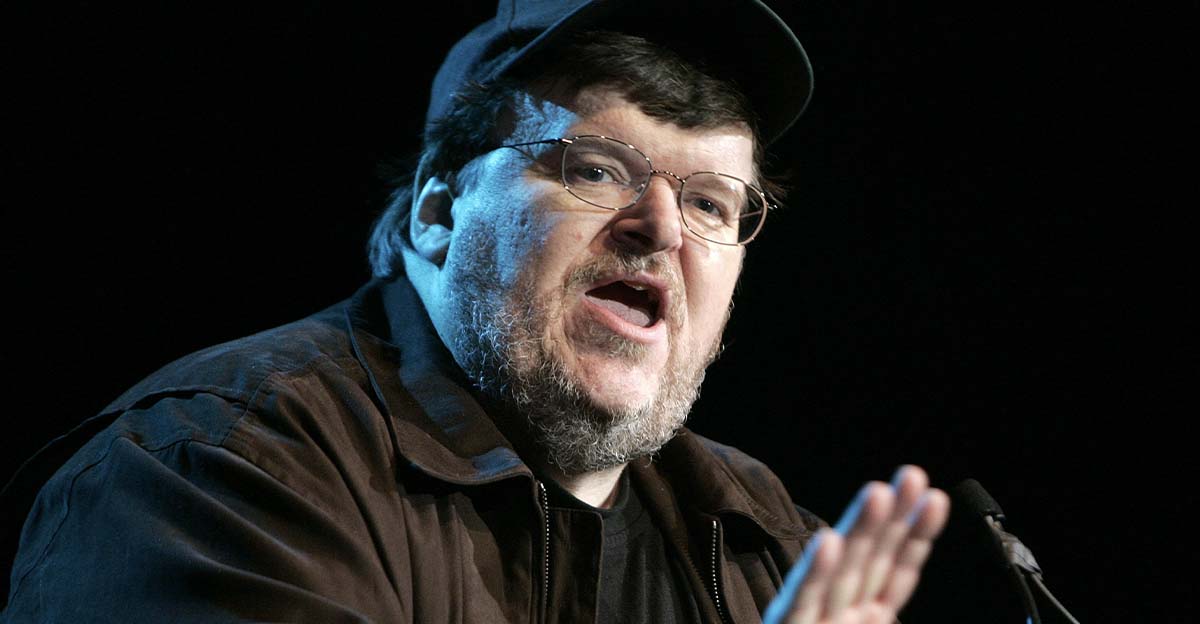
Fahrenheit 9/11
Michael Moore did not hold back here. The film takes aim at George W Bush, the Iraq War, and the media’s role after 9/11. Released right before the 2004 election, it was praised as bold and condemned as propaganda. Love Moore or hate him, this documentary became unavoidable cultural lightning.
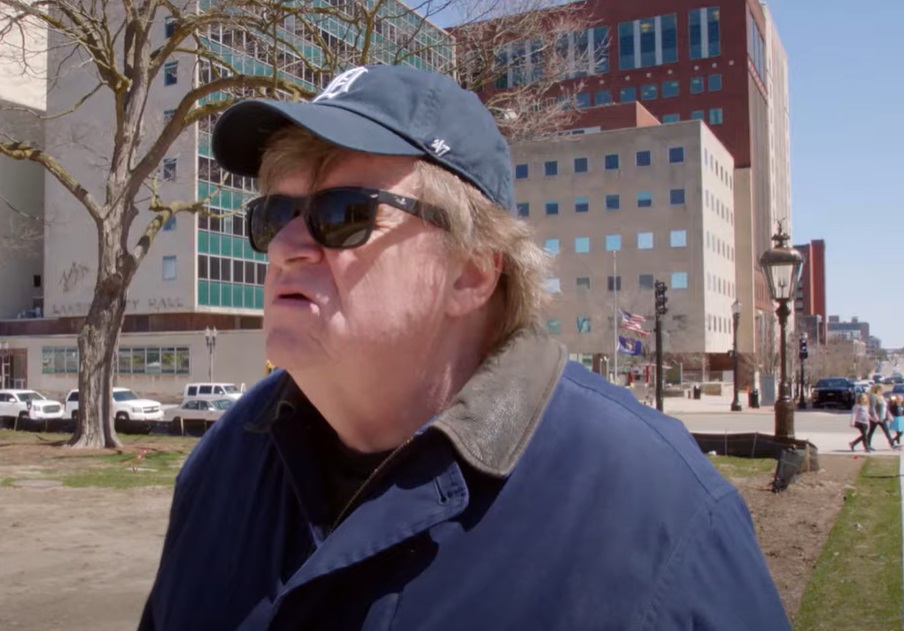 Screenshot from Fahrenheit 9/11, Lionsgate (2004)
The Bridge
This documentary crossed a line for a lot of viewers. It filmed people jumping to their end at the Golden Gate Bridge, raising serious questions about consent and exploitation. Some saw it as a necessary confrontation with a taboo subject. Others felt it never should have been made at all.
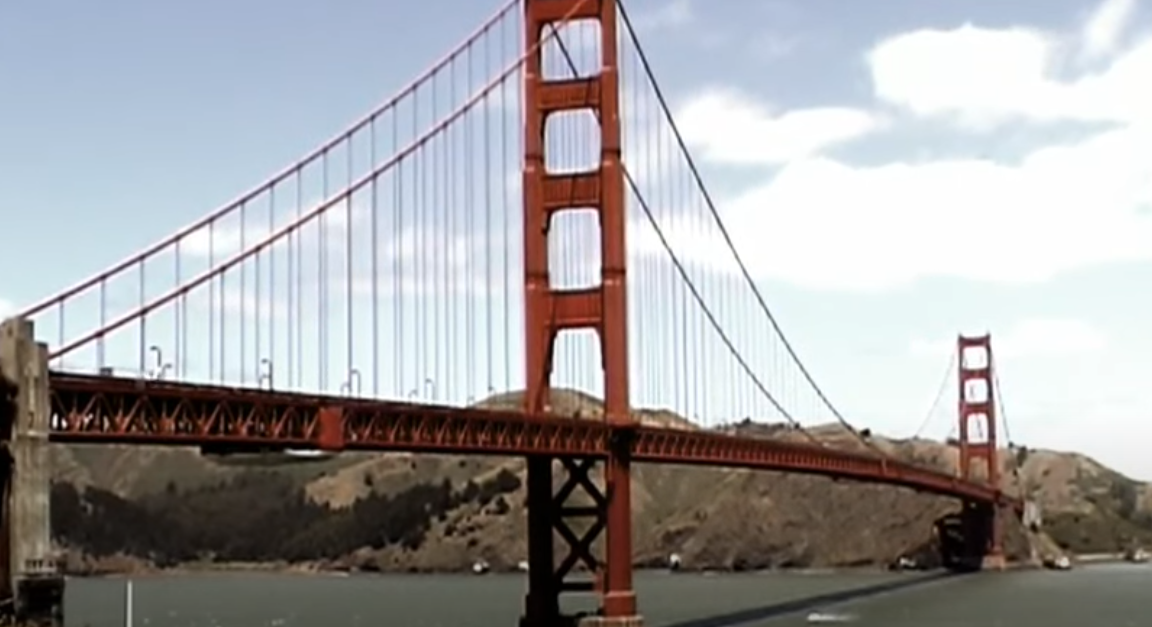 Screenshot from The Bridge, IFC Films (2006)
Jesus Camp
Watching children being trained as religious warriors unsettled audiences across the political spectrum. The filmmakers claimed neutrality, but many viewers saw the film as a critique of extremism. The backlash was intense enough that the camp eventually shut down, making the documentary’s impact very real.
 Screenshot from Jesus Camp, Magnolia Pictures (2006)
Bowling For Columbine
This film blends humor, outrage, and uncomfortable facts about gun violence in America. Michael Moore’s confrontational style rubbed plenty of people the wrong way, but it also forced a national conversation. Critics accused it of oversimplifying issues, while supporters called it fearless.
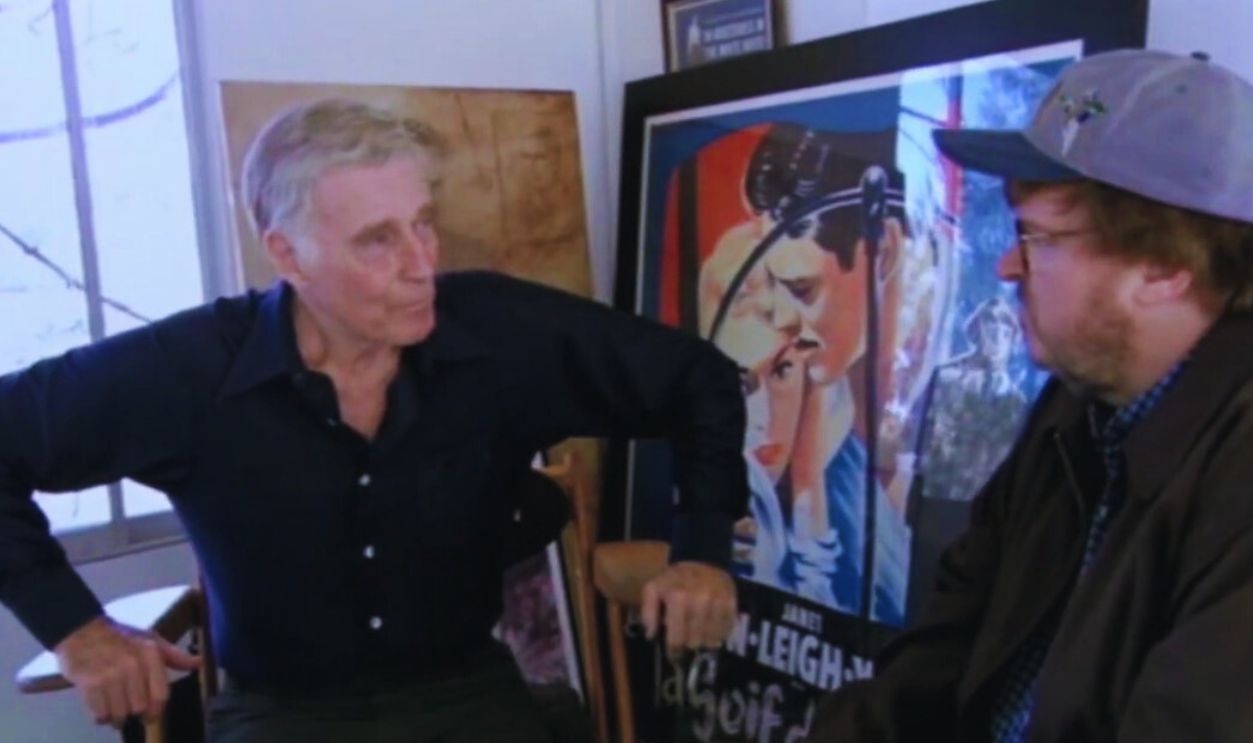 Screenshot from Bowling for Columbine, United Artists (2002)
Capturing The Friedmans
This documentary is disturbing precisely because it never gives easy answers. It presents a family torn apart by abuse allegations and lets the audience sit with uncertainty. Viewers still argue over what actually happened, which raises questions about truth, bias, and responsibility in documentary storytelling.
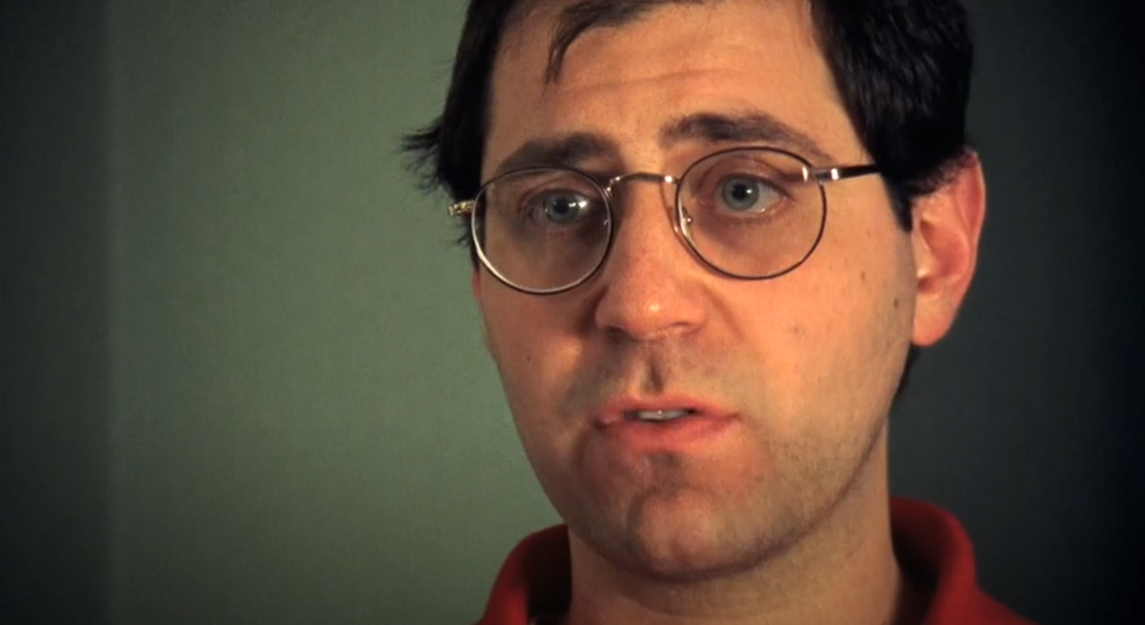 Screenshot from Capturing the Friedmans, Magnolia Pictures (2003)
The Inventor: Out For Blood In Silicon Valley
The rise and fall of Theranos feels like fiction, but it’s all real. This documentary exposed how Elizabeth Holmes fooled investors, media, and the tech world. It sparked debates about startup culture, charisma, and how hype can override common sense.
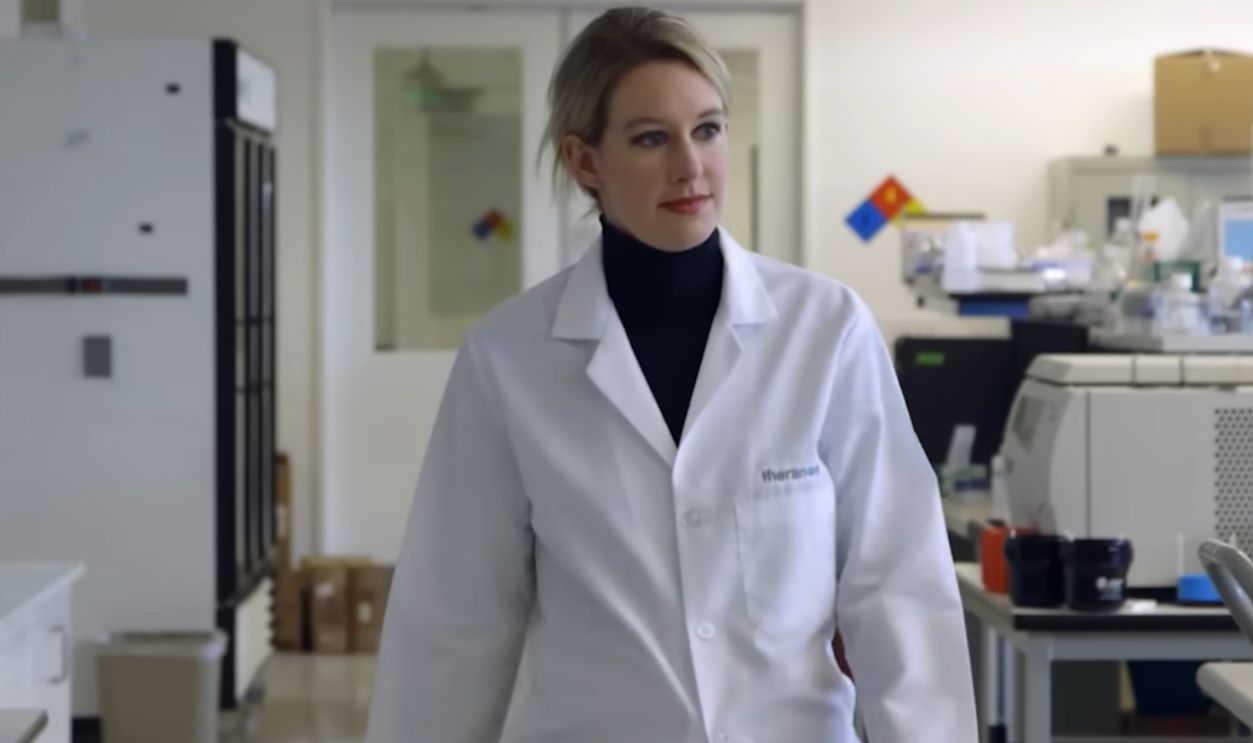 Screenshot from The Inventor: Out For Blood In Silicon Valley, HBO Documentary Films (2019)
The House I Live In
This film takes a hard look at the War on Drugs and its devastating consequences. By focusing on real people caught in the system, it challenges the idea that harsh punishment equals justice. It angered some political groups while resonating deeply with others.
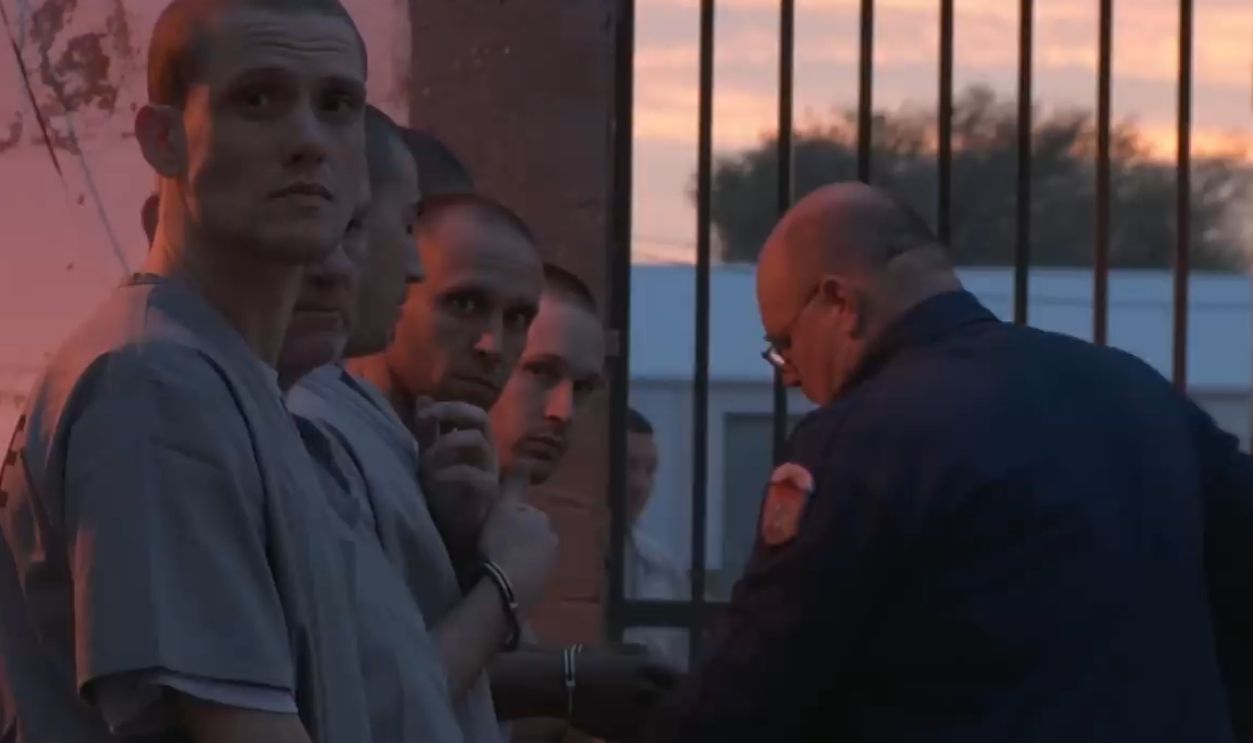 Screenshot from The House I Live In, Magnolia Pictures (2012)
The Cleaners
This documentary pulls back the curtain on social media moderation, showing the people who decide what stays online and what disappears. It raised uncomfortable questions about free speech, mental health, and corporate responsibility in the digital age. Many viewers were shocked by how invisible this labor is.
 Screenshot from The Cleaners, Roco Films (2018)
Dreamcatcher
Dreamcatcher dives into the controversial world of repressed memory therapy and satanic panic cases. The film stirred debate about whether memories can be implanted and how easily fear can spiral into legal disasters. It left audiences questioning what happens when belief overrides evidence.
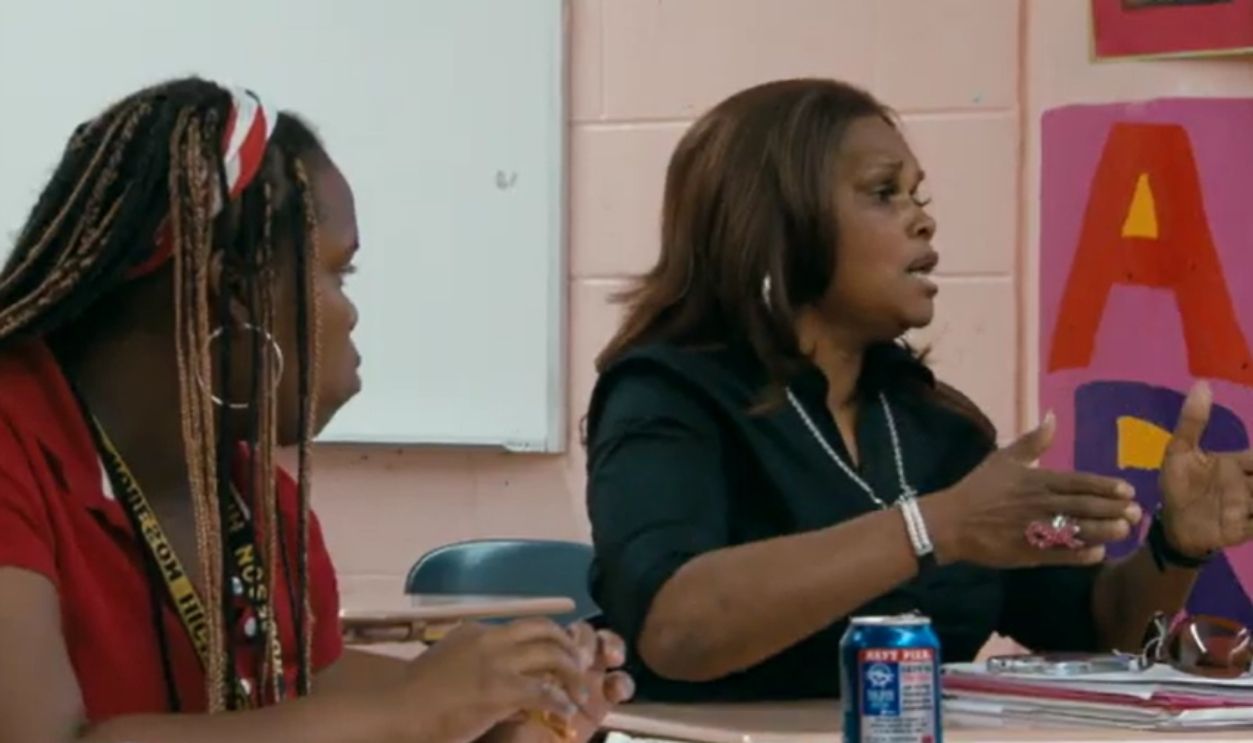 Screenshot from Dreamcatcher, Showtime (2015)
Mommy Dead And Dearest
This true crime story shocked viewers with its layers of manipulation and abuse. The film sparked debate about who the real victim was and how documentaries shape sympathy. Some felt it leaned too far into sensationalism, while others argued it exposed a terrifying form of control.
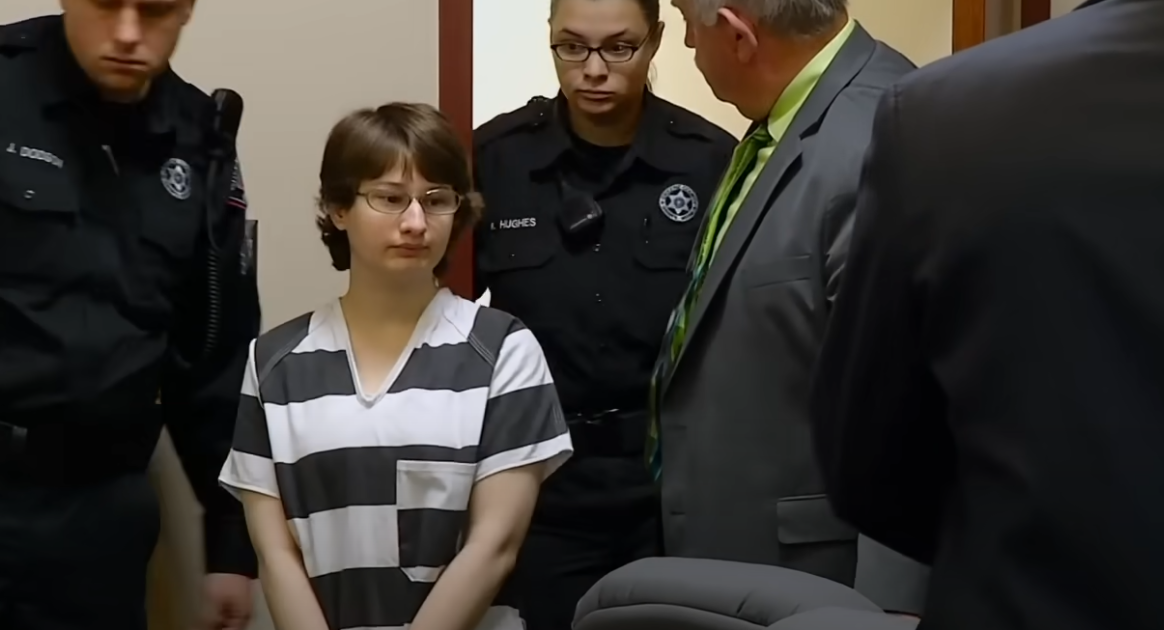 Screenshot from Mommy Dead and Dearest, HBO (2017)
The Work
Set inside a maximum-security prison, The Work is emotionally intense and deeply personal. It follows inmates and outsiders during raw group therapy sessions. Some praised its honesty and vulnerability, while others questioned whether such private moments should ever be filmed.
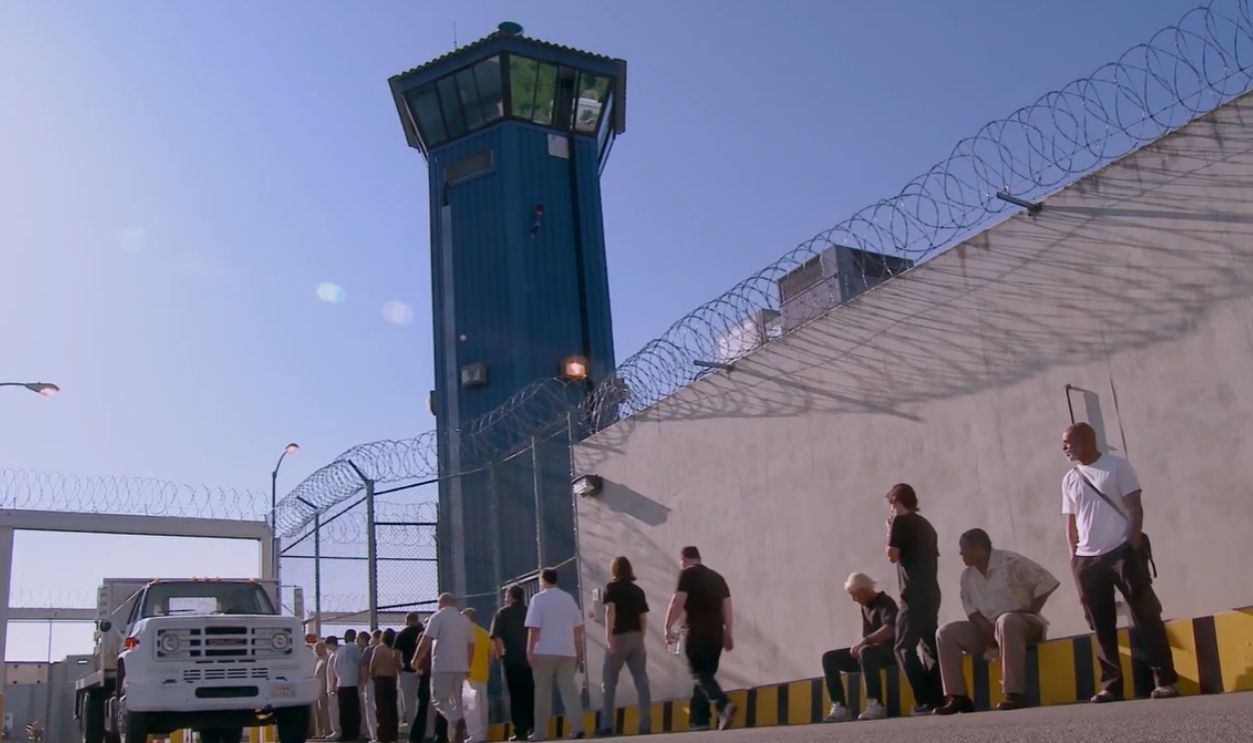 Screenshot from The Work, The Orchard (2017)
Gringo: The Dangerous Life Of John McAfee
This documentary feels like a fever dream. It follows the bizarre, chaotic life of tech mogul John McAfee, blending interviews, allegations, and wild behavior. Viewers debated whether it uncovered truth or simply amplified McAfee’s self-mythology.
 Screenshot from Gringo: The Dangerous Life Of John McAfee, Showtime (2016)
Hot Girls Wanted
By looking at the amateur adult industry, this documentary sparked heated conversations about exploitation and agency. Critics questioned whether the film protected its subjects enough, while supporters argued it revealed uncomfortable truths about the industry and the pressures young performers face.
 Screenshot from Hot Girls Wanted, Netflix (2015)
CITIZENFOUR
This film drops viewers directly into Edward Snowden’s hotel room as history unfolds. Watching classified secrets leak in real time was thrilling and terrifying. The documentary sparked global debates about surveillance, privacy, and whether Snowden was a hero or a traitor.
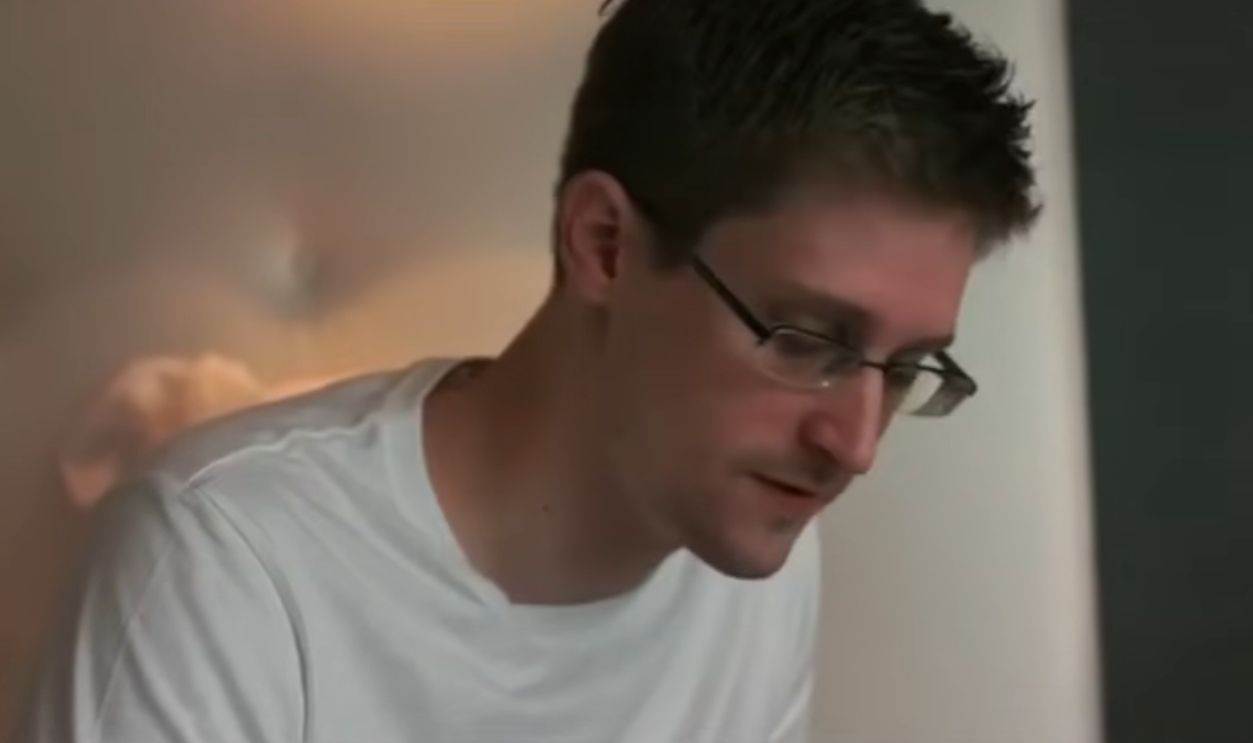 Screenshot from CITIZENFOUR, HBO Documentary Films(2014)
Mea Maxima Culpa: Silence In The House Of God
This film exposes abuse within the Catholic Church and the systems that allowed it to continue. It gave survivors a platform but also forced institutions to confront uncomfortable truths. The reactions ranged from praise to outrage, especially within religious communities.
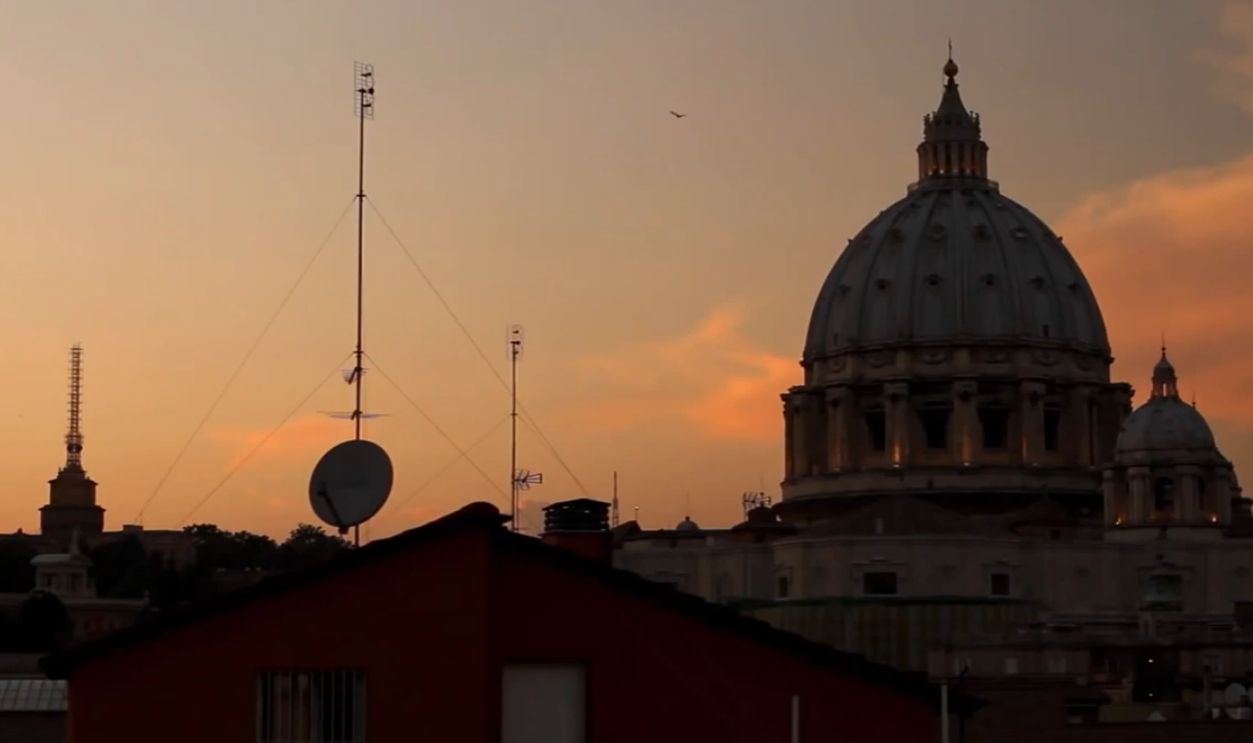 Screenshot from Mea Maxima Culpa: Silence In The House Of God, HBO Documentary Films (2012)
Super Size Me
Morgan Spurlock’s fast-food experiment became a cultural phenomenon. While critics later challenged its scientific rigor, the film undeniably changed how people talked about nutrition and corporate responsibility. It proved that a simple concept could spark a nationwide conversation.
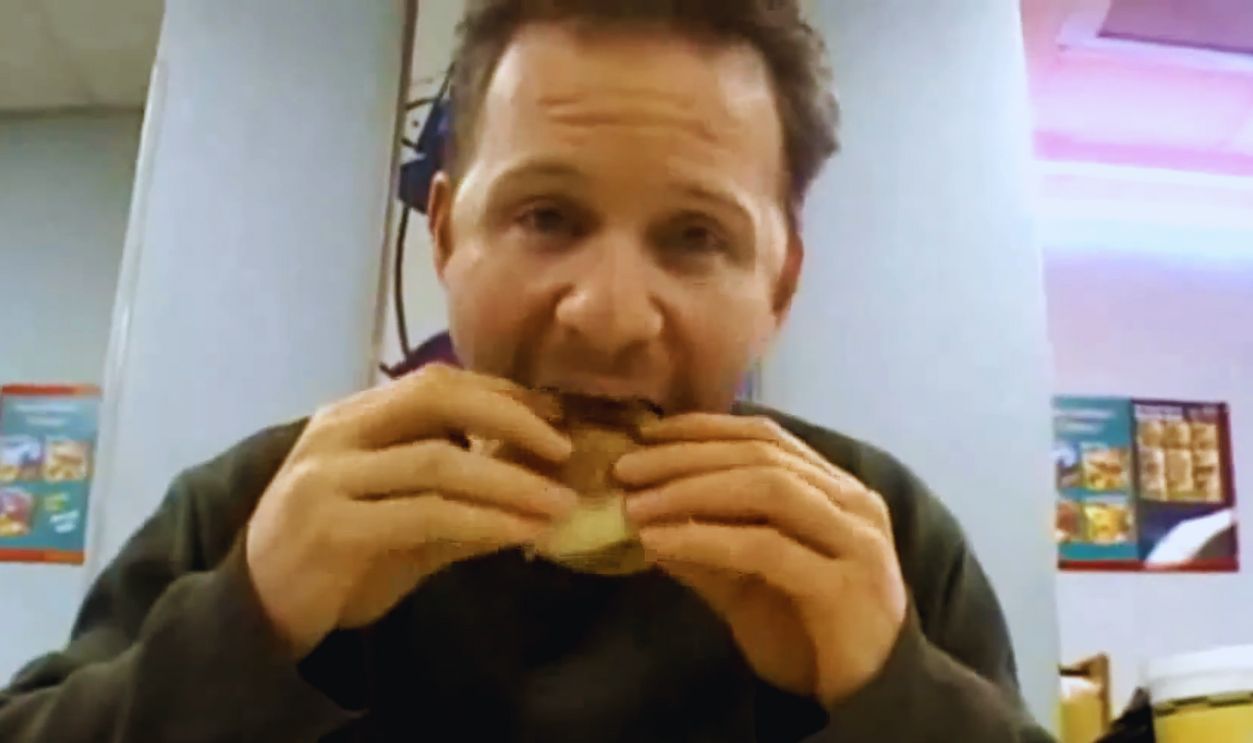 Screenshot from Super Size Me, Samuel Goldwyn Films (2004)
The Act Of Killing
This documentary is unlike anything else. By asking perpetrators of mass murder to reenact their crimes, it forces viewers to confront evil in a surreal, disturbing way. Some called it groundbreaking. Others found it morally troubling. Almost no one forgot it.
 Screenshot from The Act of Killing, Drafthouse Films (2012)
There’s Something Wrong With Aunt Diane
This film explores a tragic car crash and the unanswered questions surrounding it. As it digs deeper, it raises ethical concerns about privacy and grief. Viewers were divided between wanting answers and feeling uneasy about scrutinizing a family’s worst moment.
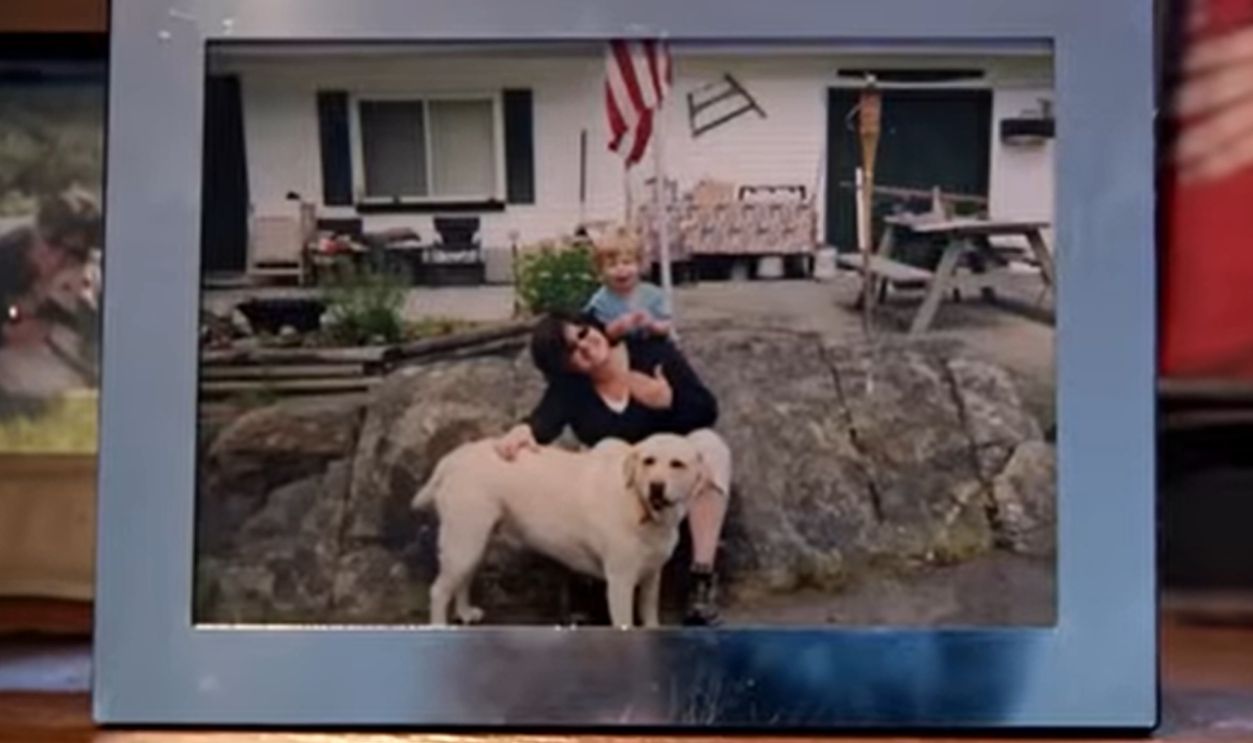 Screenshot from There’s Something Wrong With Aunt Diane, Apple TV (2011)
The Thin Blue Line
This documentary helped free an innocent man from death row, but it also changed documentary filmmaking forever. Its dramatic reenactments blurred lines between fiction and nonfiction. Critics debated its methods, but its impact on justice and true crime is undeniable.
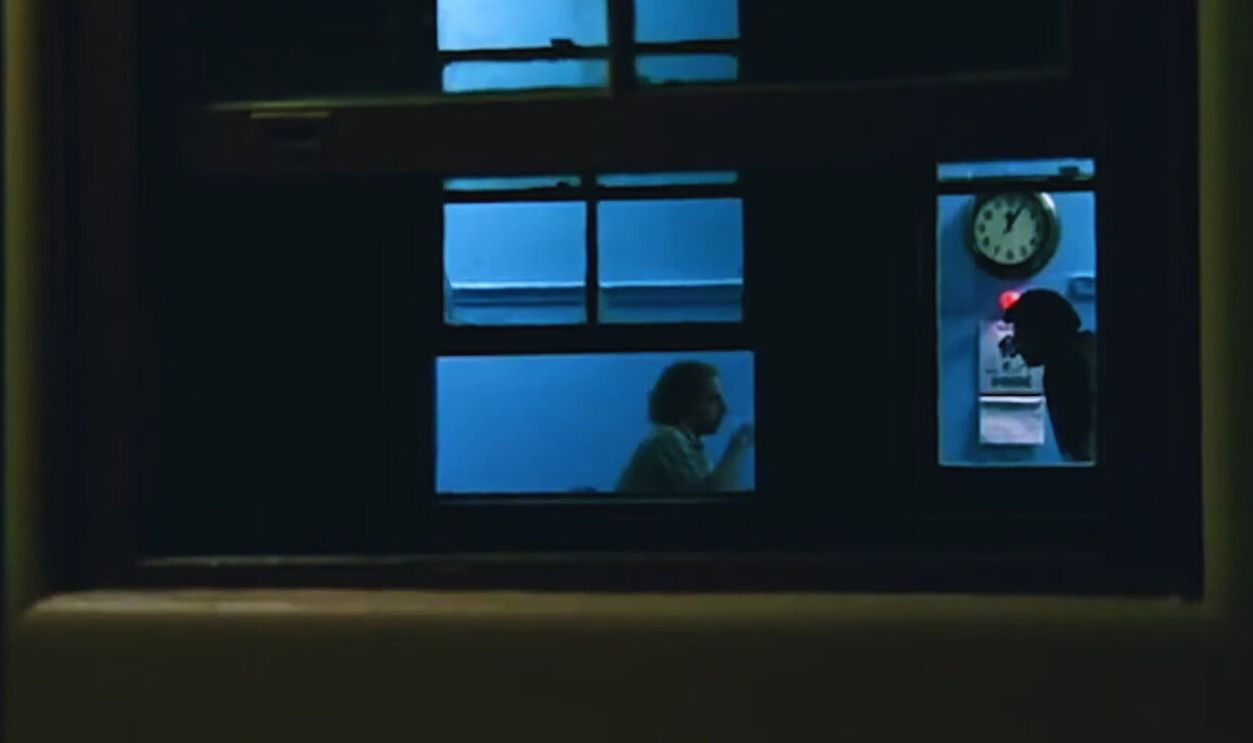 Screenshot from The Thin Blue Line, Miramax Films (1988)
You May Also Like:
The Best Documentaries Ever Made
True Crime Documentaries That Will Keep You Up At Night