When Television Movies Became National Events
In the streaming era, it can be hard to imagine a made-for-TV movie becoming a major cultural moment. But during the 1980s, television films regularly drew audiences in the tens of millions and sparked conversations across the country. Some tackled difficult social issues, others told unforgettable true stories, and a few left viewers genuinely shaken. Decades later, these are the TV movies people still remember.
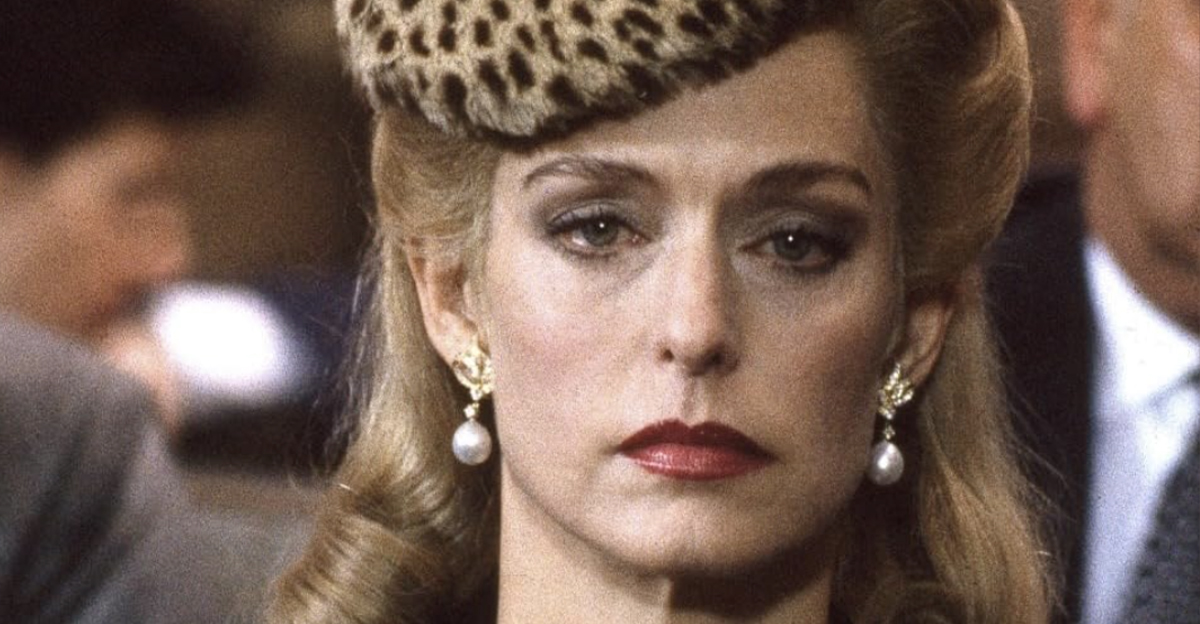 Screenshot from Poor Little Rich Girl: The Barbara Hutton Story, ITC Entertainment / NBC (1987)
Small Sacrifices (1989)
Farrah Fawcett earned some of the best reviews of her career playing Diane Downs, the Oregon woman convicted of shooting her children. Based on Ann Rule's bestselling true-crime book, the miniseries gripped viewers with its disturbing real-life story. Fawcett's chilling performance helped transform her image from television star to serious dramatic actress.
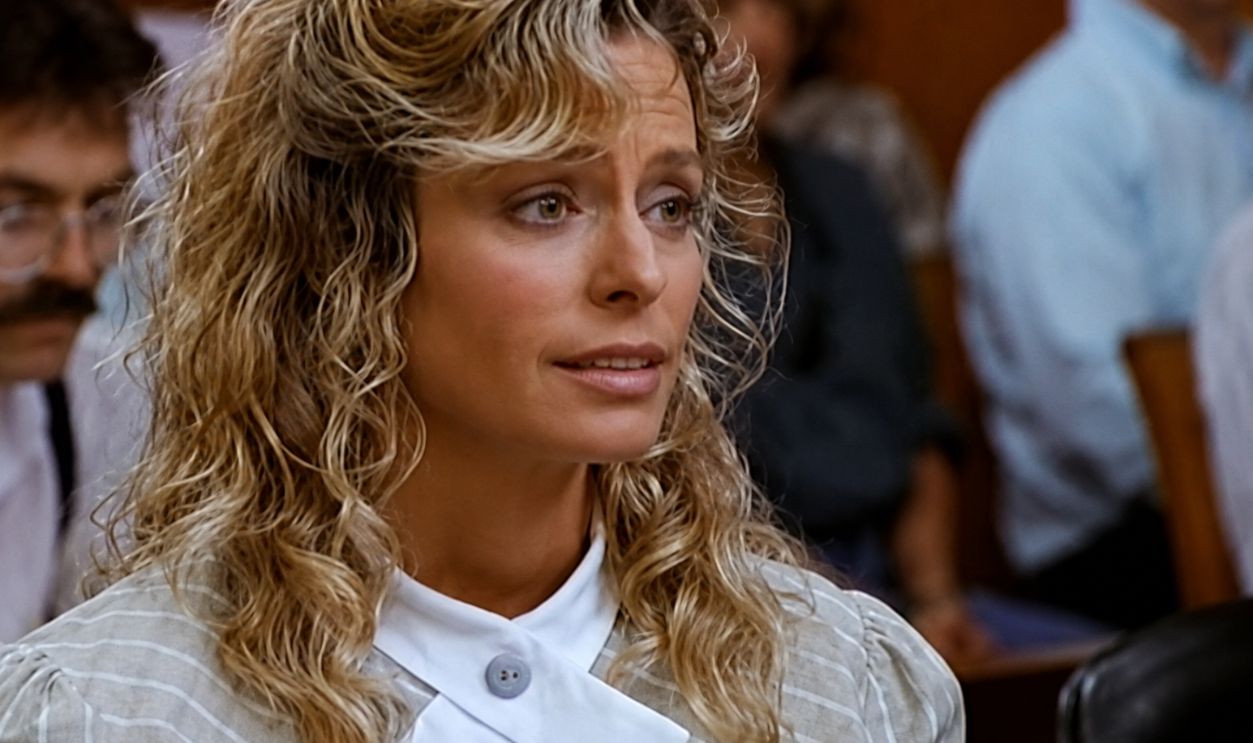 Screenshot from Small Sacrifices, ABC (1989)
The Day After (1983)
Few television movies have ever generated as much discussion as The Day After. Depicting the aftermath of a nuclear war in the American Midwest, it attracted more than 100 million viewers during its original broadcast. The film was so unsettling that it reportedly influenced public discussions about nuclear weapons during the Cold War.
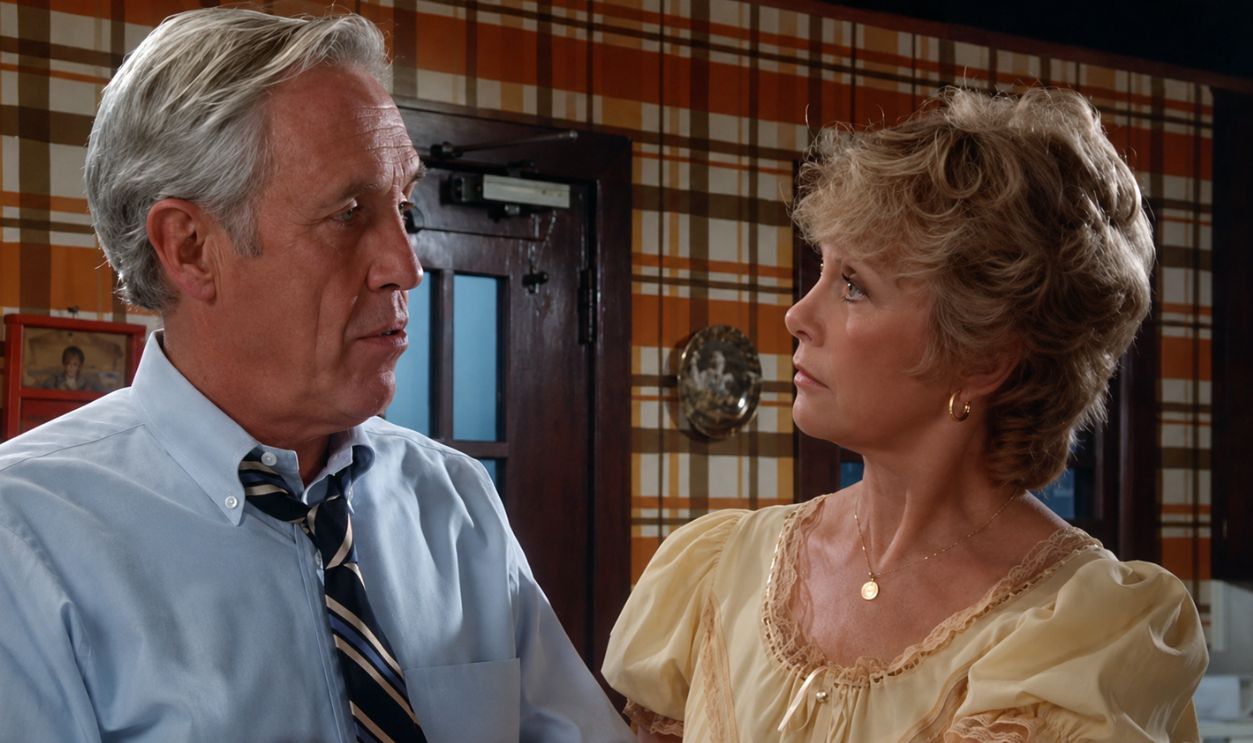 Screenshot from The Day After, ABC(1983)
The Executioner's Song (1982)
Based on Norman Mailer's Pulitzer Prize-winning book, this miniseries told the story of convicted murderer Gary Gilmore. Tommy Lee Jones delivered a career-defining performance that earned him an Emmy Award. The film stood out for treating a notorious criminal with complexity rather than sensationalism.
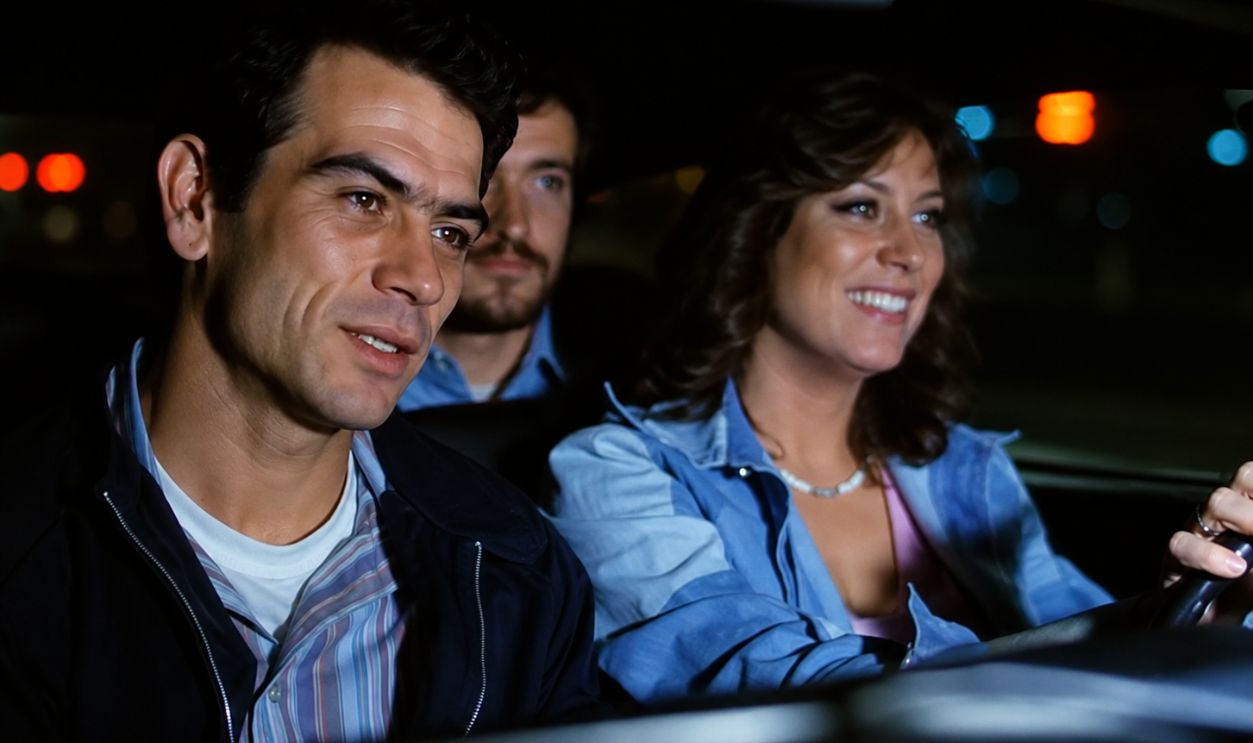 Screenshot from The Executioner's Song, NBC (1982)
The Burning Bed (1984)
Perhaps the most famous television movie of the decade, The Burning Bed starred Farrah Fawcett as Francine Hughes, a woman who endured years of domestic abuse before setting fire to the bed where her husband slept. The film sparked national conversations about domestic violence and remains one of the most influential TV movies ever made.
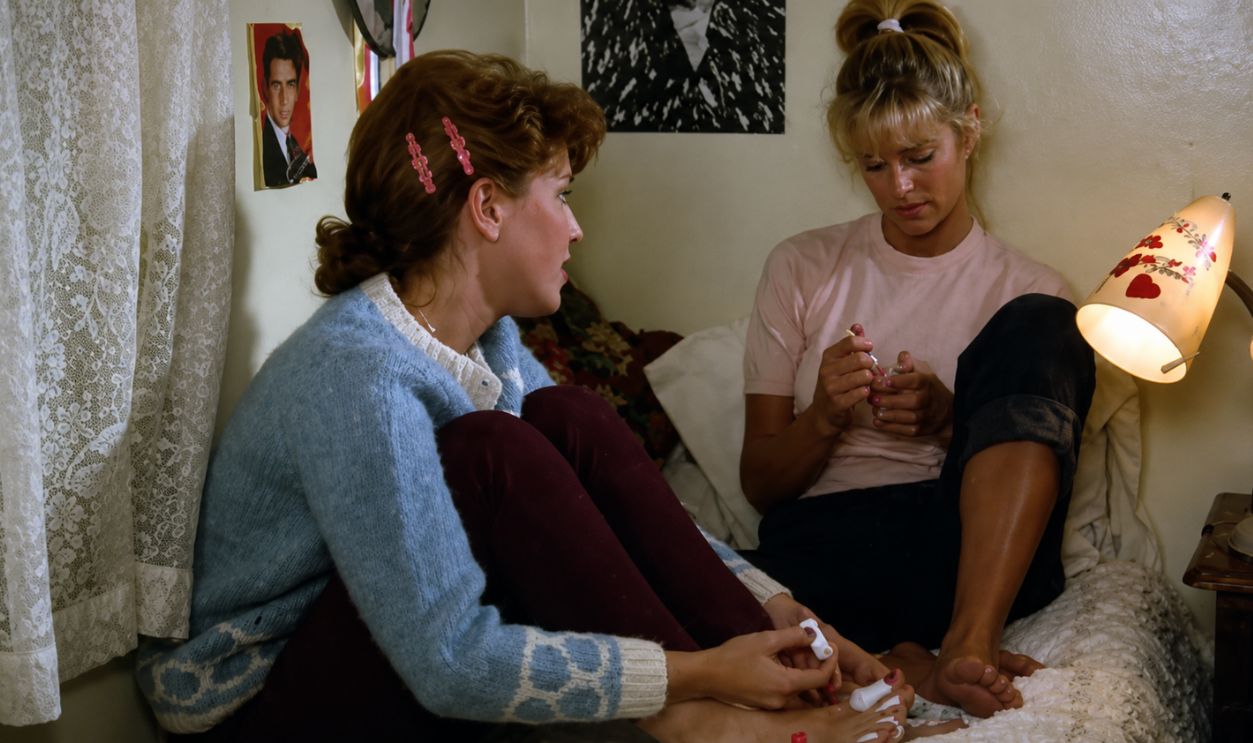 Screenshot from The Burning Bed, NBC (1984)
Silence Of The Heart (1984)
This powerful drama tackled teenage suicide at a time when television rarely addressed such difficult topics. Starring Chad Lowe and Charlie Sheen, the film examined the pressures facing young people and the devastating impact of loss. For many viewers, it was one of the first TV movies that felt genuinely emotionally raw.
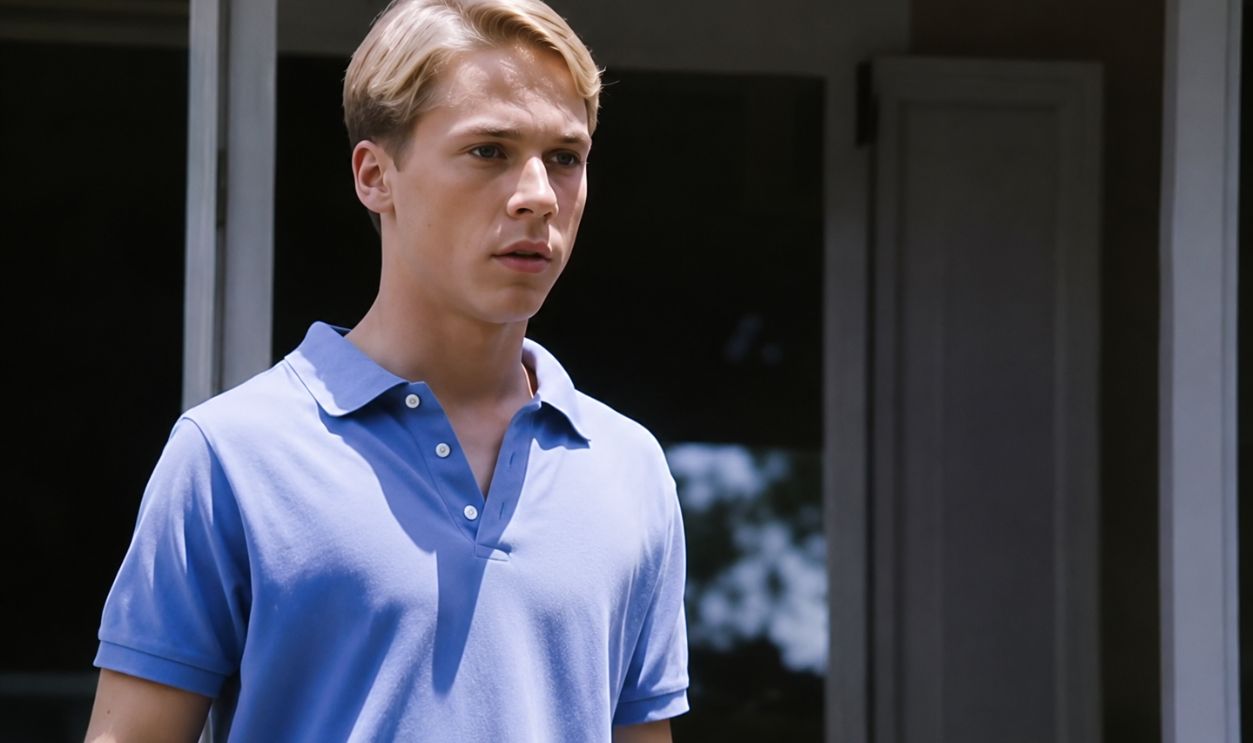 Screenshot from Silence Of The Heart, CBS (1984)
An Early Frost (1985)
One of the first major television films to address the AIDS crisis, An Early Frost was groundbreaking when it aired. Aidan Quinn stars as a young lawyer diagnosed with AIDS who must confront both his illness and his family's reactions. The film earned widespread praise for bringing a misunderstood issue into millions of homes.
 Screenshot from An Early Frost, NBC (1985)
Poor Little Rich Girl: The Barbara Hutton Story (1987)
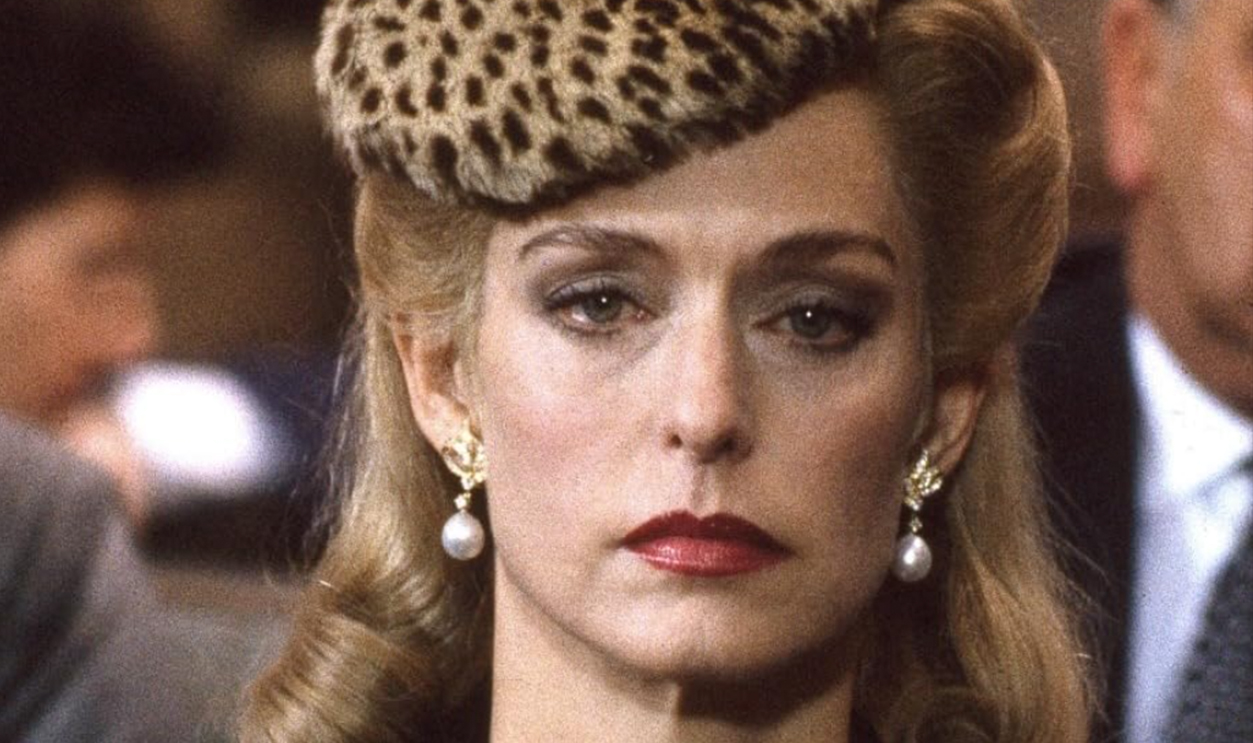
Farrah Fawcett appears again here, portraying Woolworth heiress Barbara Hutton. The lavish miniseries chronicled Hutton's wealth, troubled personal life, and search for happiness despite her enormous fortune. Audiences were drawn to the glamorous setting as well as the tragic story at its center.
 Screenshot from Poor Little Rich Girl: The Barbara Hutton Story, NBC(1987)
Between Two Women (1986)
This emotional drama starred Farrah Fawcett and Colleen Dewhurst as a daughter-in-law and mother-in-law whose relationship evolves over many years. Rather than relying on melodrama, the film focused on realistic family dynamics and emotional growth. Its strong performances helped it stand out among the decade's many television dramas.
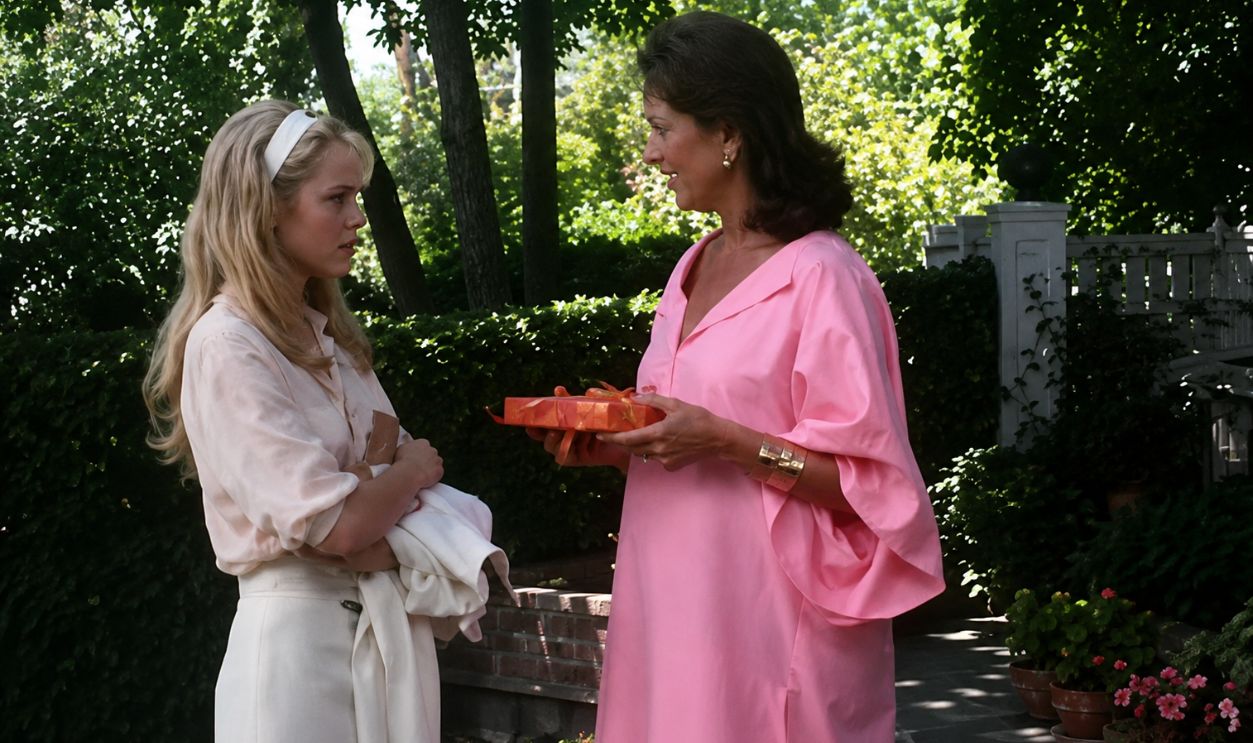 Screenshot from Between Two Women, ABC (1986)
A Long Way Home (1981)
Michael Landon starred in and directed this moving story about a widowed farmer trying to rebuild his life after tragedy. The film emphasized resilience, family, and community, themes that resonated strongly with television audiences of the era. Its heartfelt storytelling helped make it a memorable TV event.
 Screenshot from A Long Way Home, ABC (1981)
The Scarlet Pimpernel (1982)
Anthony Andrews and Jane Seymour brought swashbuckling adventure back to television in this adaptation of the classic novel. Set during the French Revolution, the story follows a seemingly foolish English aristocrat secretly rescuing victims from the guillotine. The production's scale and strong performances helped it earn enduring popularity.
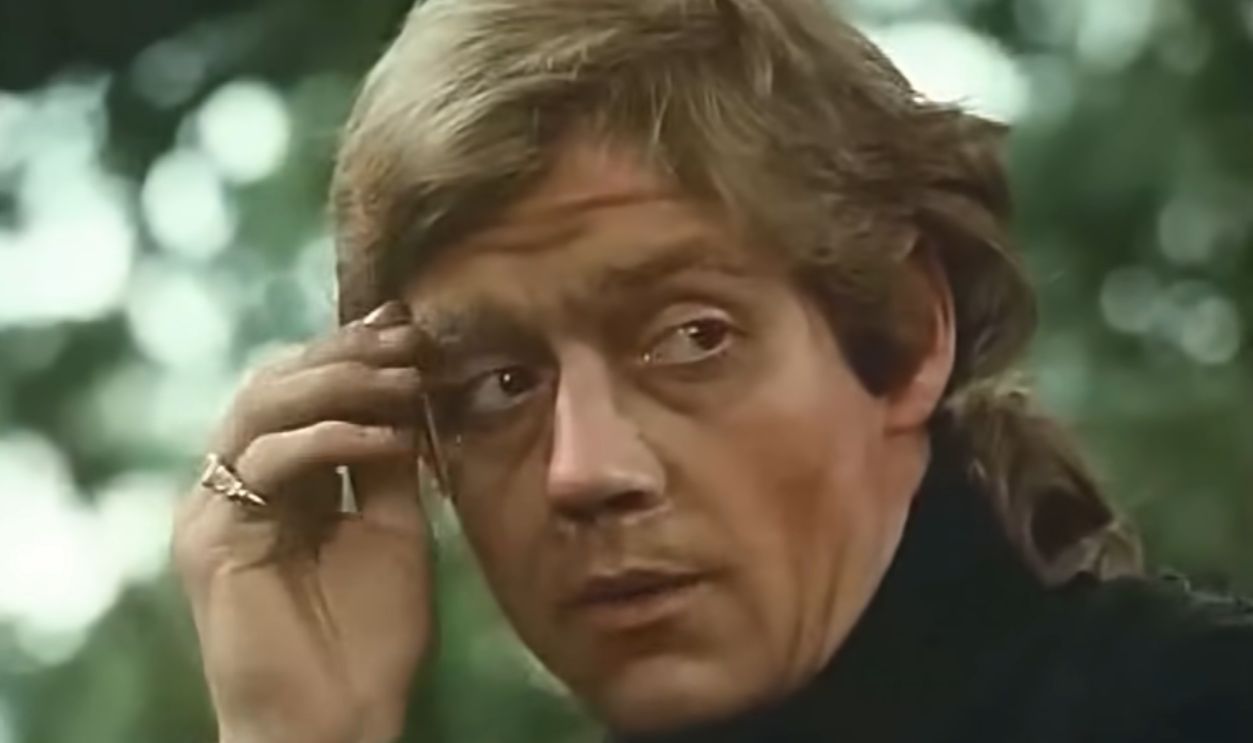 Screenshot from The Scarlet Pimpernel, CBS (1982)
Johnny Belinda (1982)
This remake of the classic drama starred Rosanna Arquette as a deaf woman living in a small fishing village. The film dealt with themes of isolation, prejudice, and resilience, offering a more serious and thoughtful story than many television productions of the period. Arquette's performance received considerable praise.
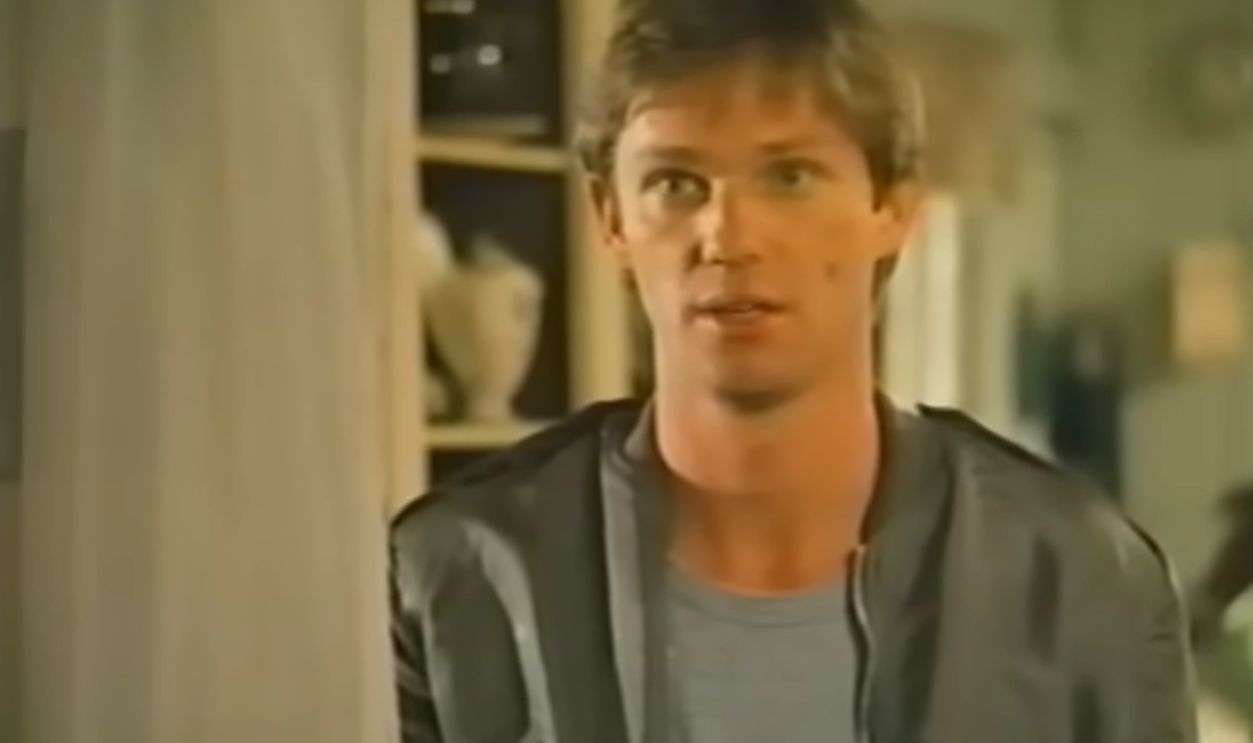 Screenshot from Johnny Belinda, CBS (1982)
Deadly Intentions (1985)
Based on a shocking true story, this thriller starred Michael Biehn as a seemingly charming doctor who secretly terrorizes his wife. The film balanced suspense with a realistic portrayal of domestic abuse, creating a deeply unsettling viewing experience. Many audiences found it difficult to forget long after the credits rolled.
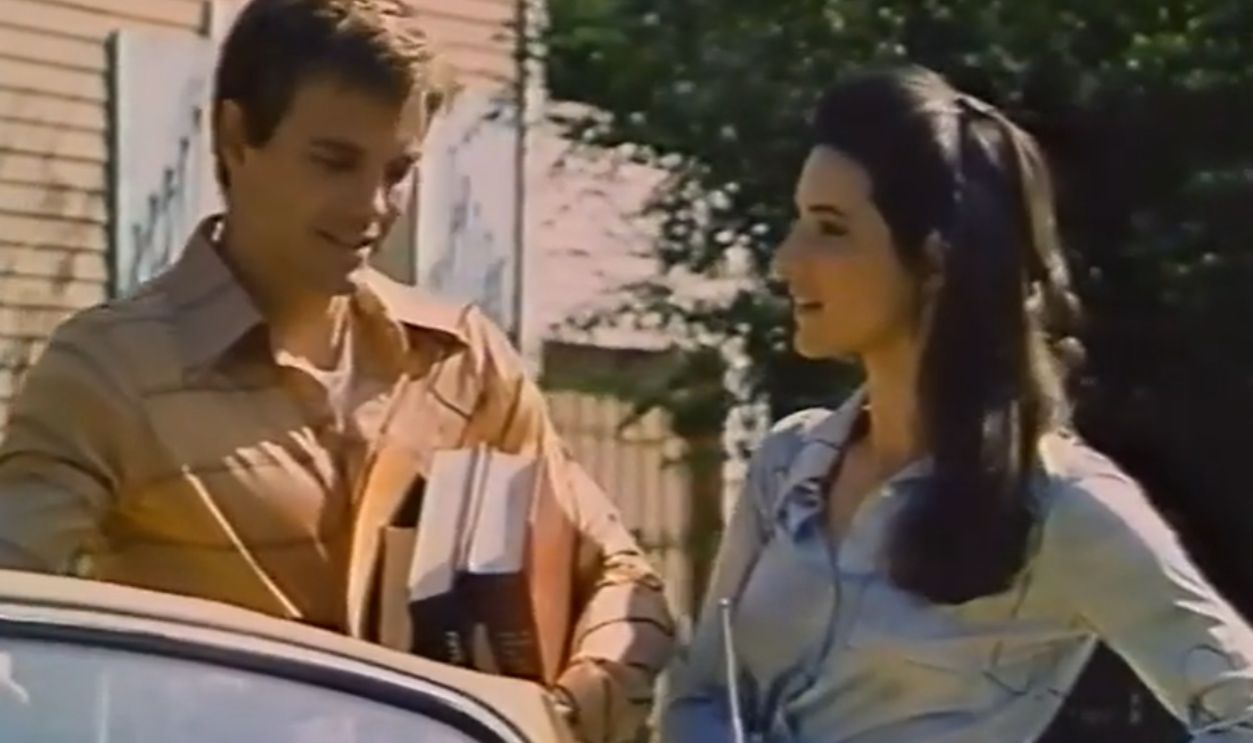 Screenshot from Deadly Intentions, ABC(1985)
Murder In Texas (1981)
This true-crime drama told the story of socialite Joan Robinson Hill and the suspicious circumstances surrounding her death. Featuring a cast that included Farrah Fawcett, Katharine Ross, and Sam Elliott, the film combined courtroom drama with real-life intrigue. It became one of the decade's most talked-about TV movies.
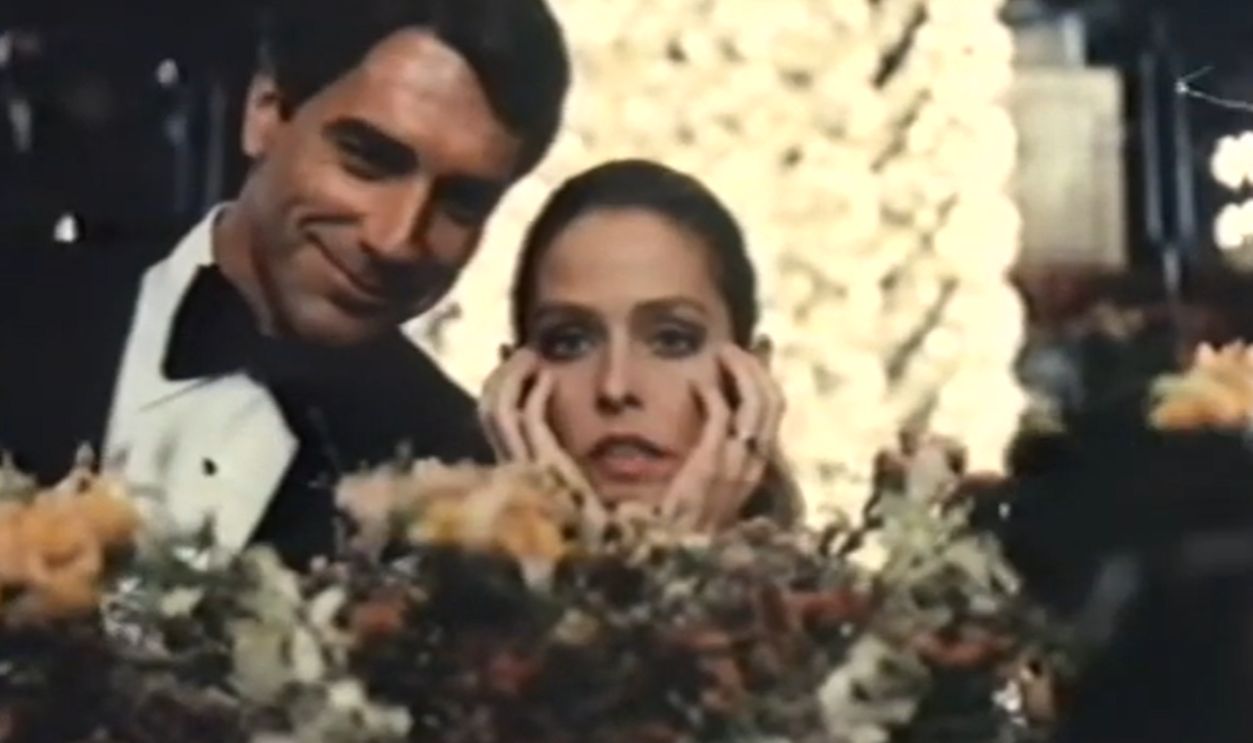 Screenshot from Murder In Texas, NBC (1981)
China Rose (1985)
George C. Scott and Laura Dern starred in this mystery drama set in a small California town. The story slowly unravels a murder investigation while exploring the hidden lives of its characters. Critics praised the film's atmosphere and mature storytelling, helping it stand apart from more conventional television mysteries.
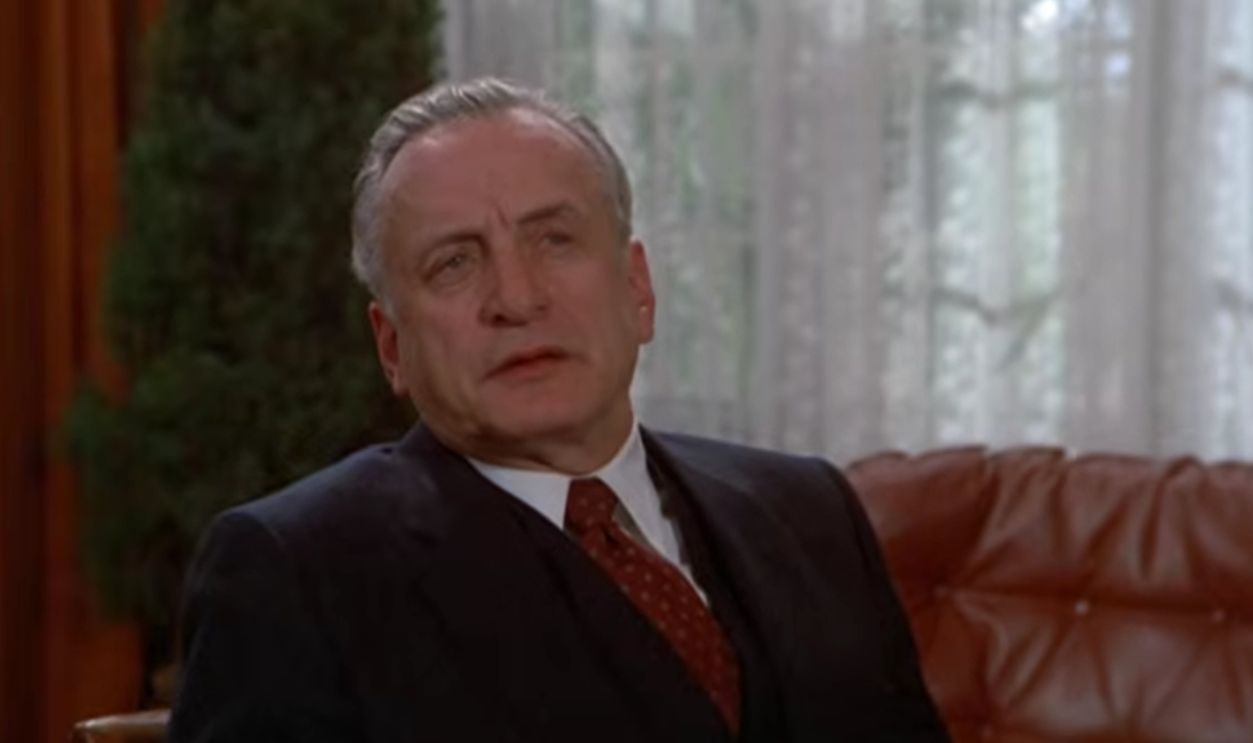 Screenshot from China Rose, CBS Entertainment Productions (1985)
Nazi Hunter: The Beate Klarsfeld Story (1986)
Farrah Fawcett took on another dramatic role as real-life activist Beate Klarsfeld, who dedicated herself to tracking down former Nazis after World War II. The film introduced many viewers to Klarsfeld's remarkable story and highlighted her relentless pursuit of justice. It remains one of Fawcett's most ambitious projects.
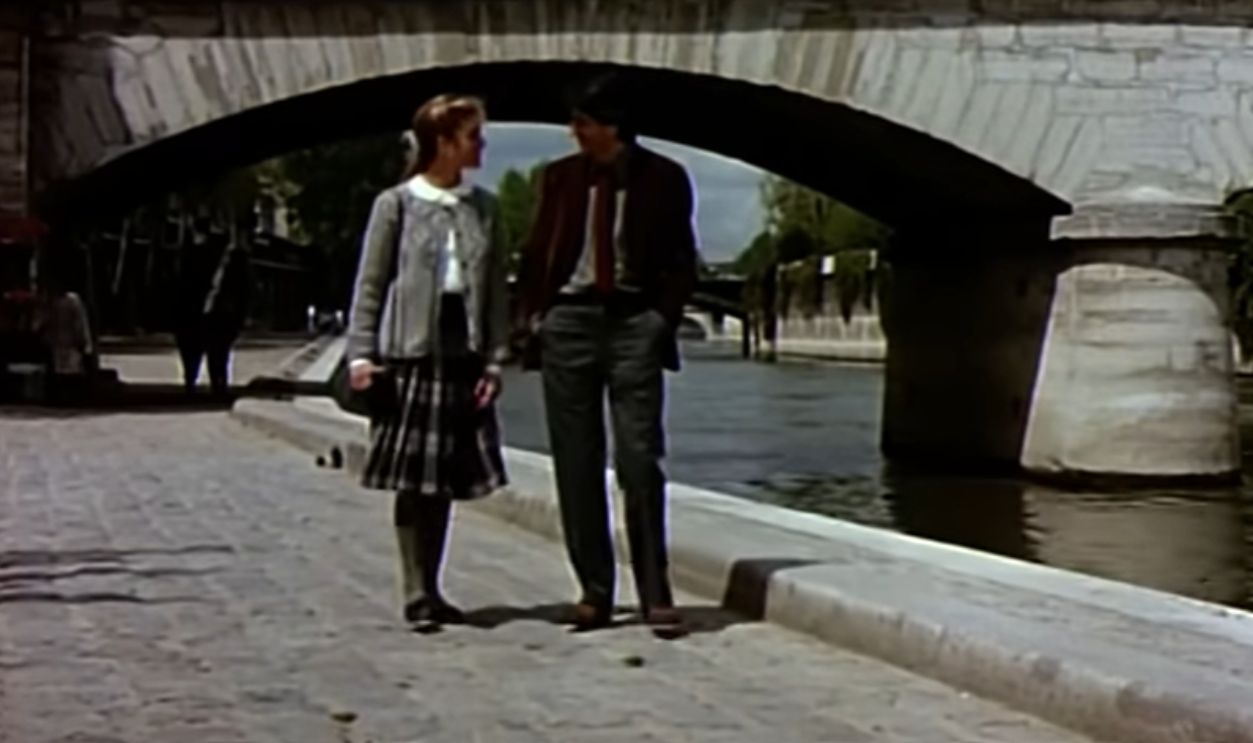 Screenshot from Nazi Hunter: The Beate Klarsfeld Story, ABC(1986)
Promised A Miracle (1988)
This emotional drama was based on the true story of a family whose son suffered from severe developmental disabilities. The film explored the lengths parents will go to help their children and challenged assumptions about disability and education. Its uplifting message resonated strongly with viewers.
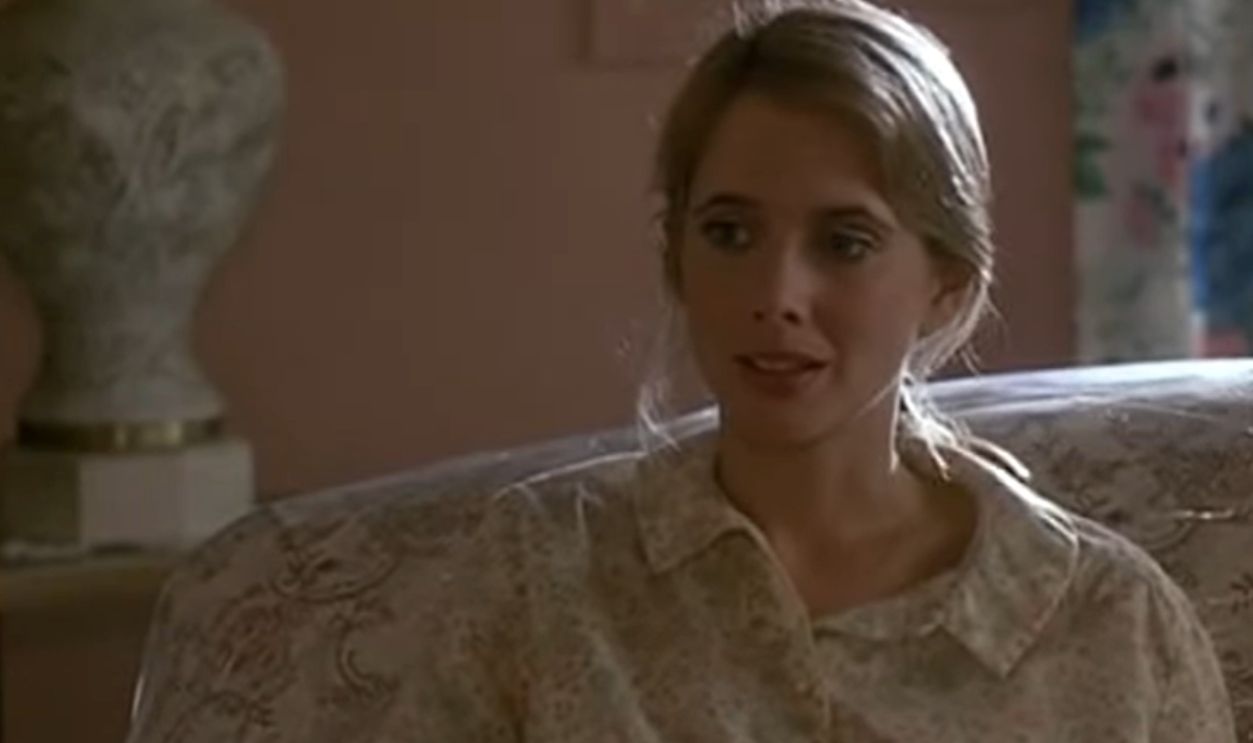 Screenshot from Promised A Miracle, Republic Pictures (1988)
Fortress (1985)
This Australian television thriller followed a schoolteacher and her students after being kidnapped by masked criminals. What begins as a simple survival story gradually becomes much darker and more intense. The film gained a cult following because of its unexpectedly disturbing atmosphere and memorable climax.
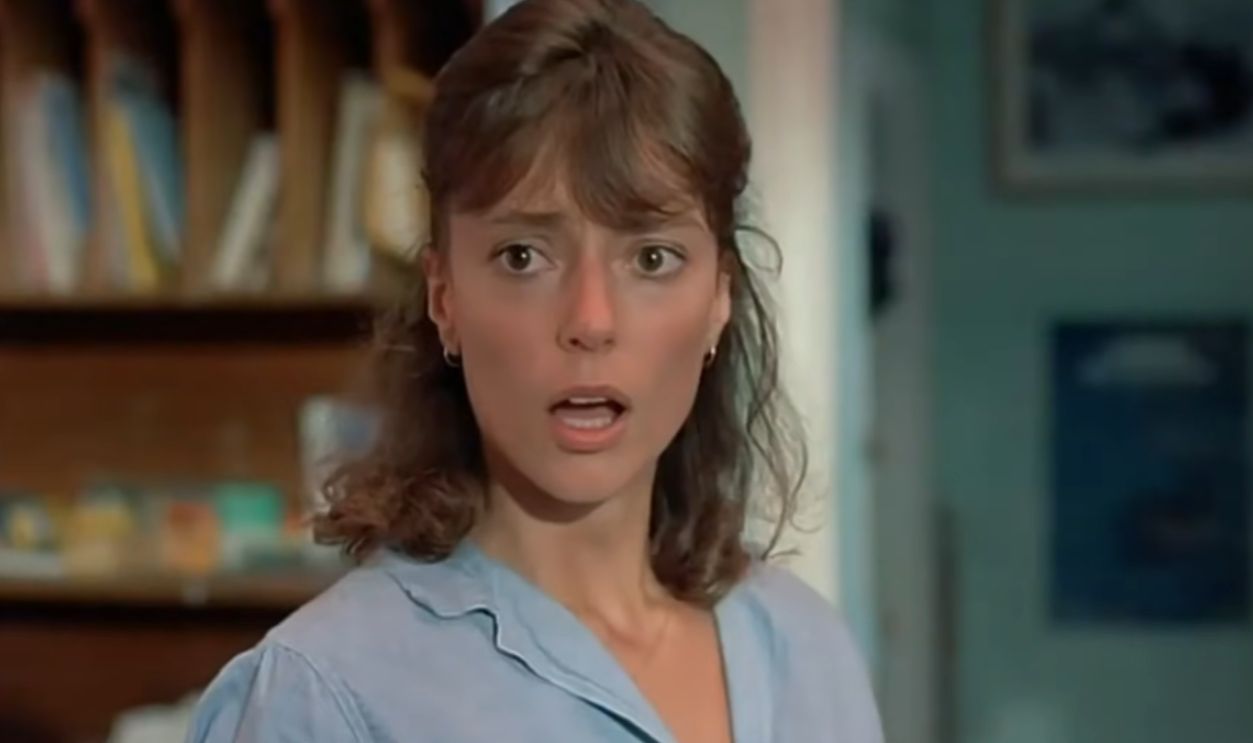 Screenshot from Fortress, HBO Premiere Films (1985)
Threads (1984)
Although produced in Britain, Threads became one of the most unforgettable television movies ever made. Like The Day After, it examined nuclear war, but in an even bleaker and more realistic fashion. Decades later, many viewers still describe it as one of the most frightening things they have ever watched.
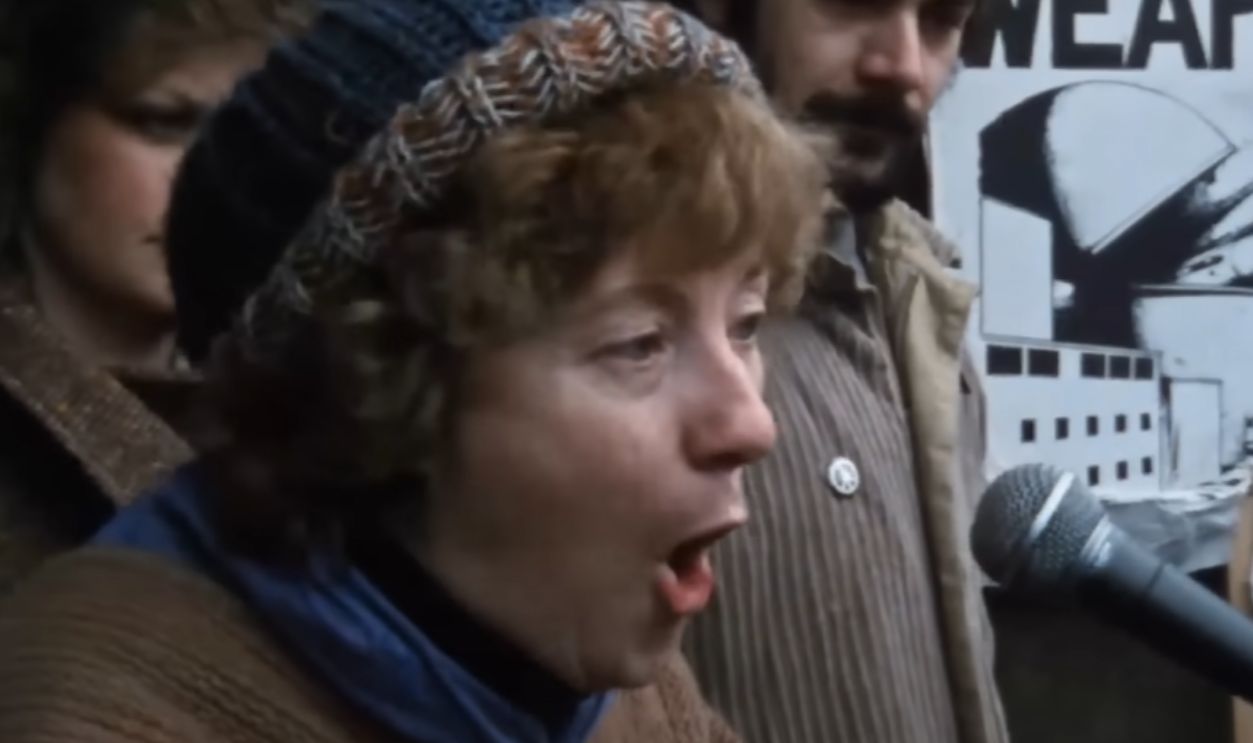 Screenshot from Threads, BBC (1984)
The Wall (1982)
Adapted from Pink Floyd's landmark rock album, this ambitious television presentation combined live action, animation, and surreal imagery. Its exploration of isolation, trauma, and fame created a uniquely unsettling experience. While not a traditional TV movie, its television broadcasts introduced countless viewers to its unforgettable visuals.
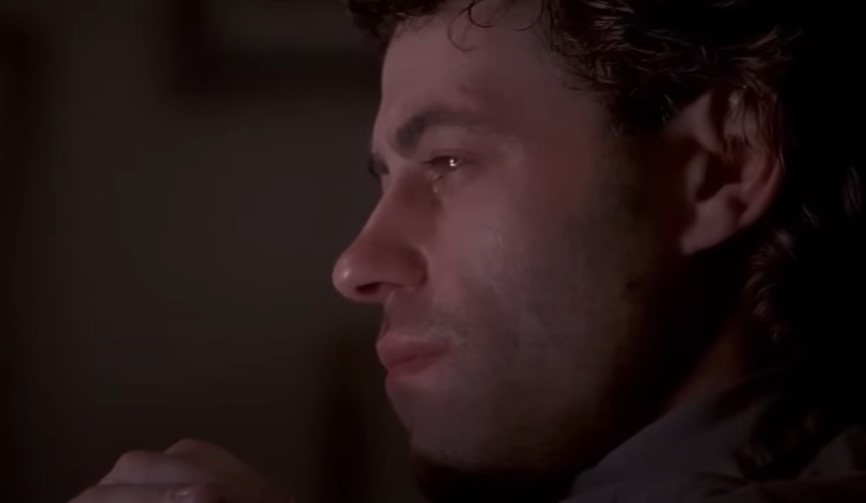 Screenshot Pink Floyd: The Wall, MGM (1982)
I Know My First Name Is Steven (1989)
Based on the true story of Steven Stayner, this miniseries chronicled the kidnapping and eventual return of a young boy who had been missing for years. The story captivated audiences because it seemed almost impossible to believe. The emotional impact of Steven's journey made the film one of the decade's most memorable television events.
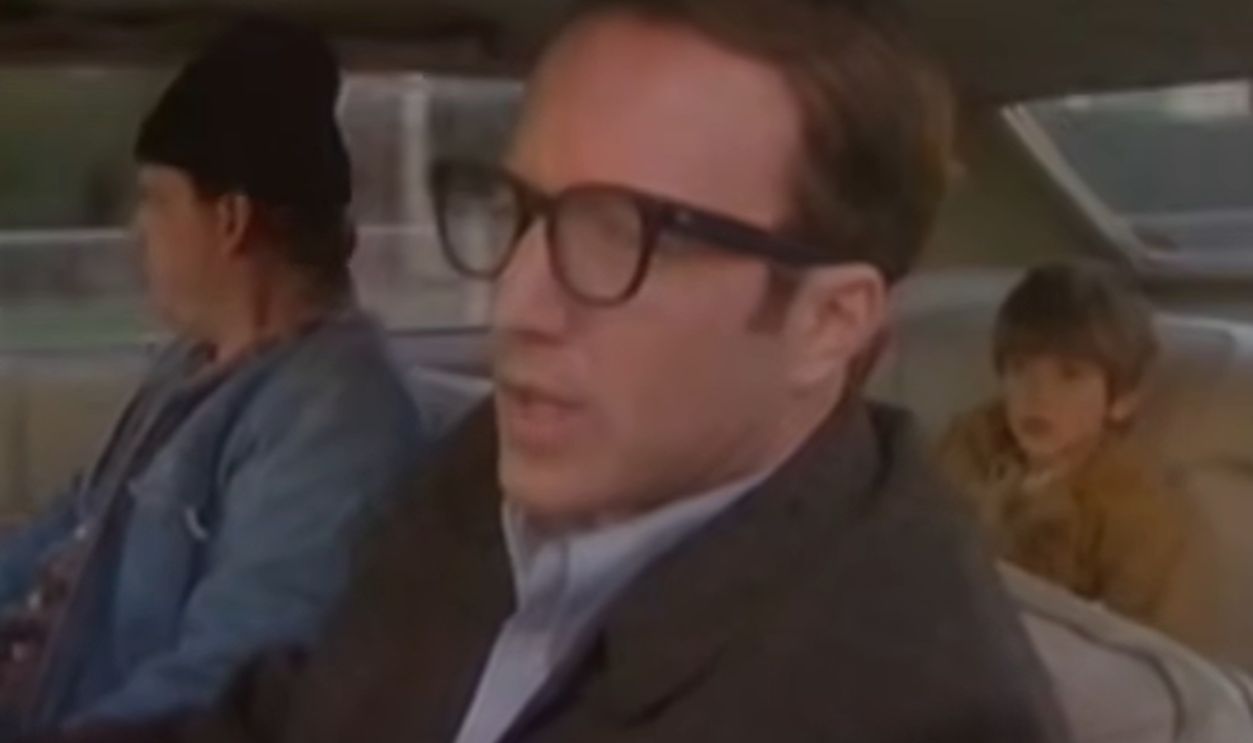 Screenshot from I Know My First Name Is Steven, Warner Bros. Home Entertainment (1989)
You May Also Like:
These Hollywood Actors Were Fired From Set After Filming Had Already Begun—Here’s What Went Wrong
TV Shows From The 1980s That No One Remembers—Seriously, Do You Remember Even 5 Of These Shows?