When Directors Made Movies That Could Only Be Theirs
Auteur filmmaking is about unmistakable voice. These are movies where you can feel the director’s fingerprints in every frame, from dialogue and camera movement to themes and tone. Whether wildly stylized, politically charged, or structurally daring, each of these films helped define what it means for a director to fully own their vision.
Pulp Fiction – Quentin Tarantino
With its fractured timeline, hyper-stylized dialogue, and genre remixing, Pulp Fiction announced Quentin Tarantino as a filmmaker with total command of tone and structure. The film transformed crime storytelling into something playful and self-aware, influencing independent cinema and pop culture while proving that bold formal choices could still achieve massive mainstream success.
 Screenshot from Pulp Fiction, Miramax Films (1994)
Parasite – Bong Joon-ho
Parasite showcases Bong Joon-ho’s mastery of tonal control, shifting seamlessly between comedy, thriller, and social satire. Every visual choice reinforces themes of class inequality, turning genre filmmaking into sharp political commentary. Its historic Best Picture win solidified Bong as a global auteur whose work transcends language and borders.
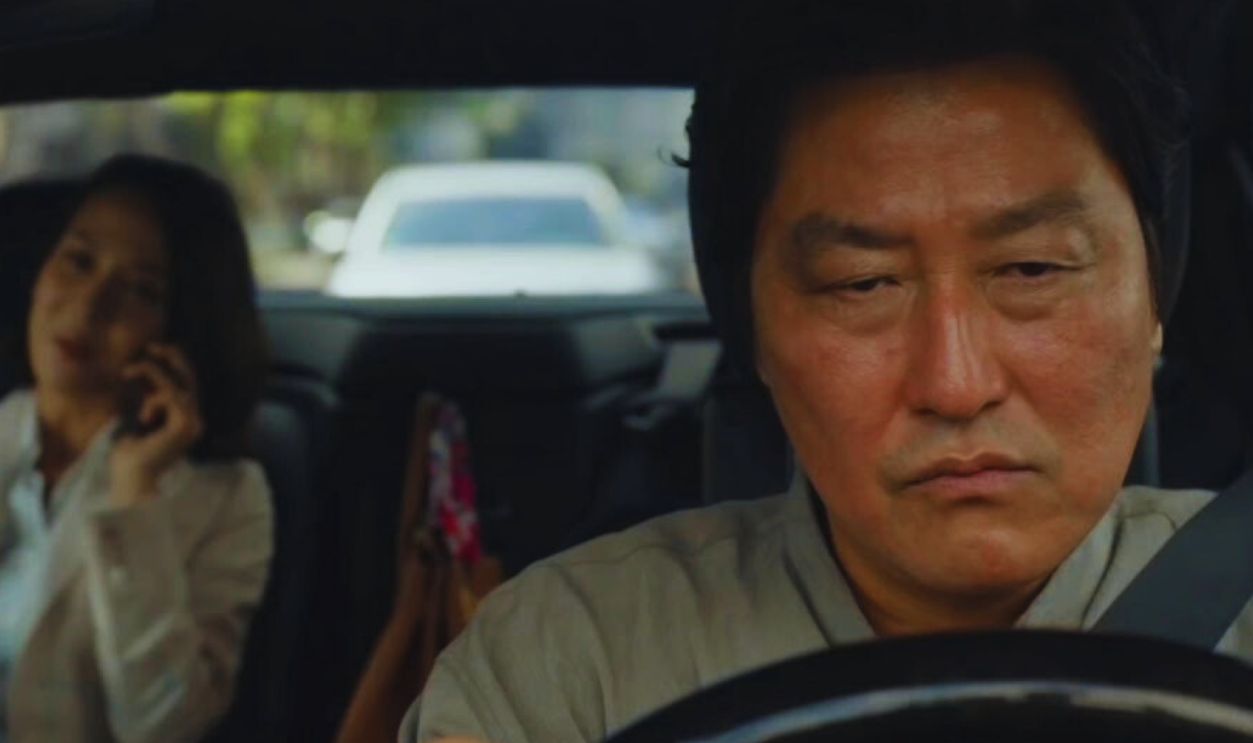 Screenshot from Parasite, CJ Entertainment (2019)
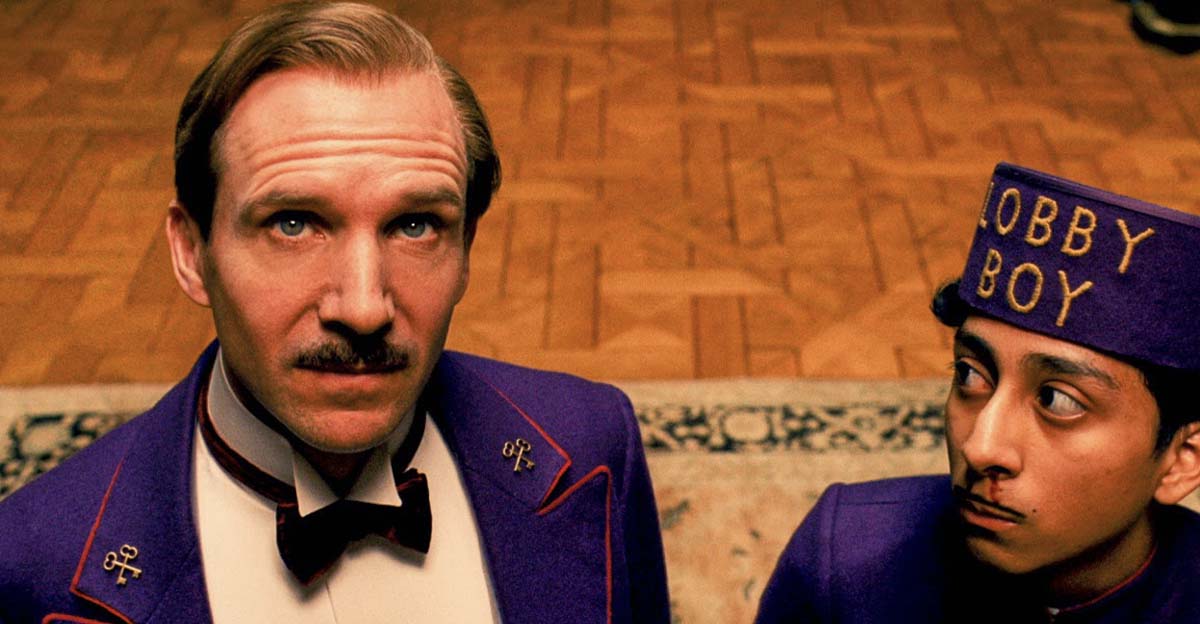
The Grand Budapest Hotel – Wes Anderson
This film represents Wes Anderson’s aesthetic at full maturity, with meticulous symmetry, color coordination, and storybook framing. Beneath the whimsy lies a melancholy meditation on loss and nostalgia. The precise visual language makes the film instantly recognizable while still delivering emotional depth.
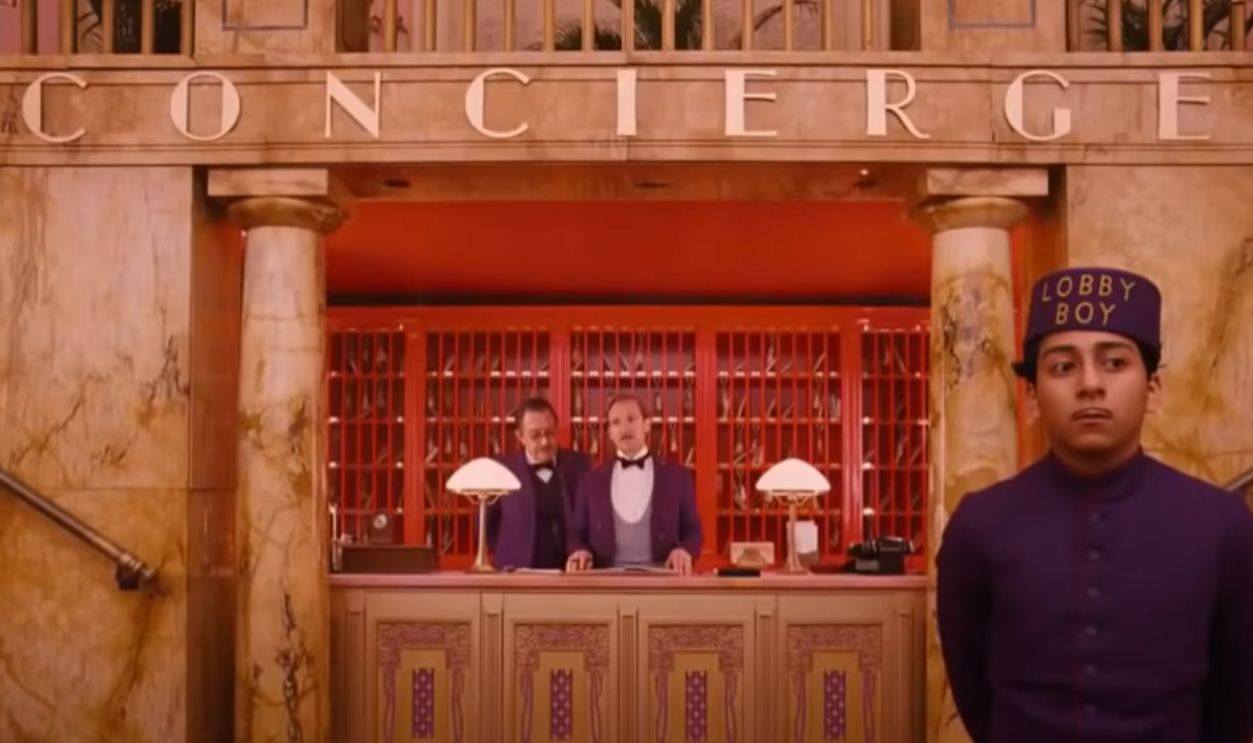 Screenshot from The Grand Budapest Hotel, Fox Searchlight Pictures (2014)
Mulholland Drive – David Lynch
Abandoning conventional narrative logic, Mulholland Drive immerses viewers in dreams, identity fractures, and subconscious fear. David Lynch prioritizes mood and emotional resonance over clarity, creating a film that demands interpretation rather than explanation. It remains a definitive statement of his surreal, deeply personal approach to cinema.
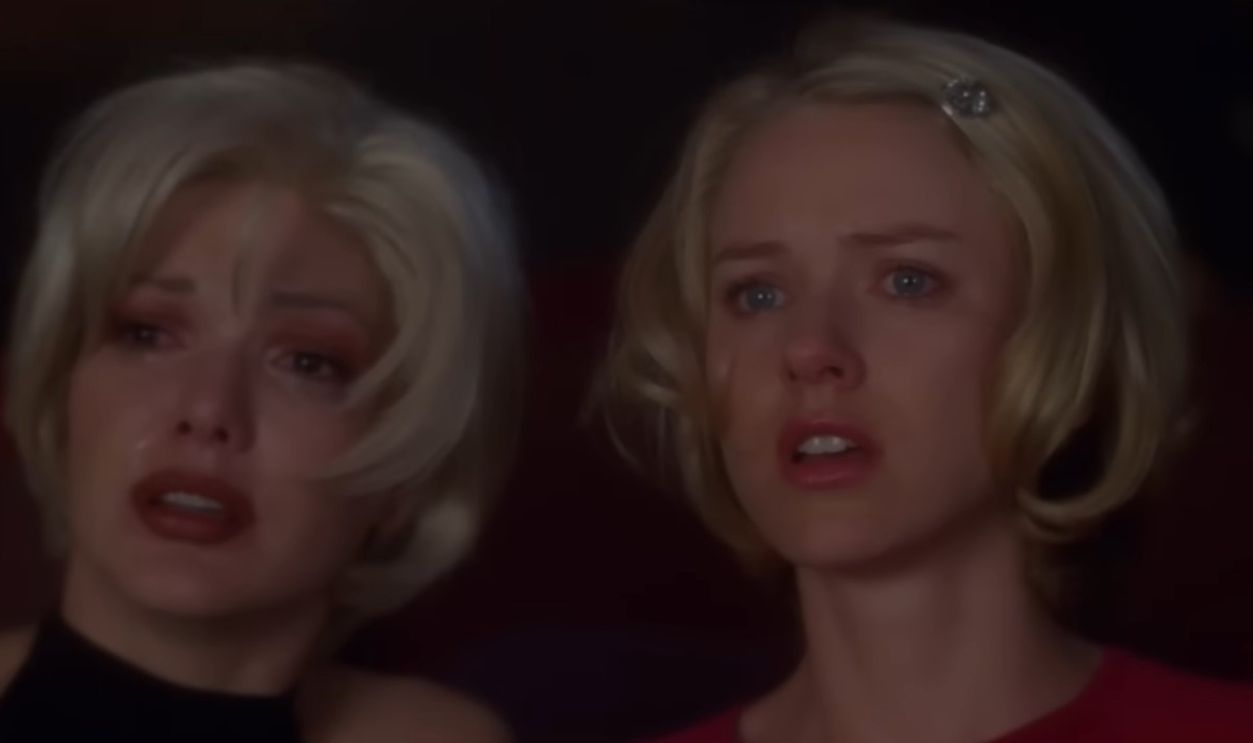 Screenshot from Mulholland Drive, Universal Pictures (2001)
Throne Of Blood – Akira Kurosawa
Akira Kurosawa reimagines Shakespeare’s Macbeth within feudal Japan, translating ambition and betrayal into visual poetry. Stark compositions, fog-drenched battlefields, and restrained performances emphasize atmosphere over exposition. The film exemplifies Kurosawa’s ability to adapt Western literature while maintaining a distinctly Japanese cinematic voice.
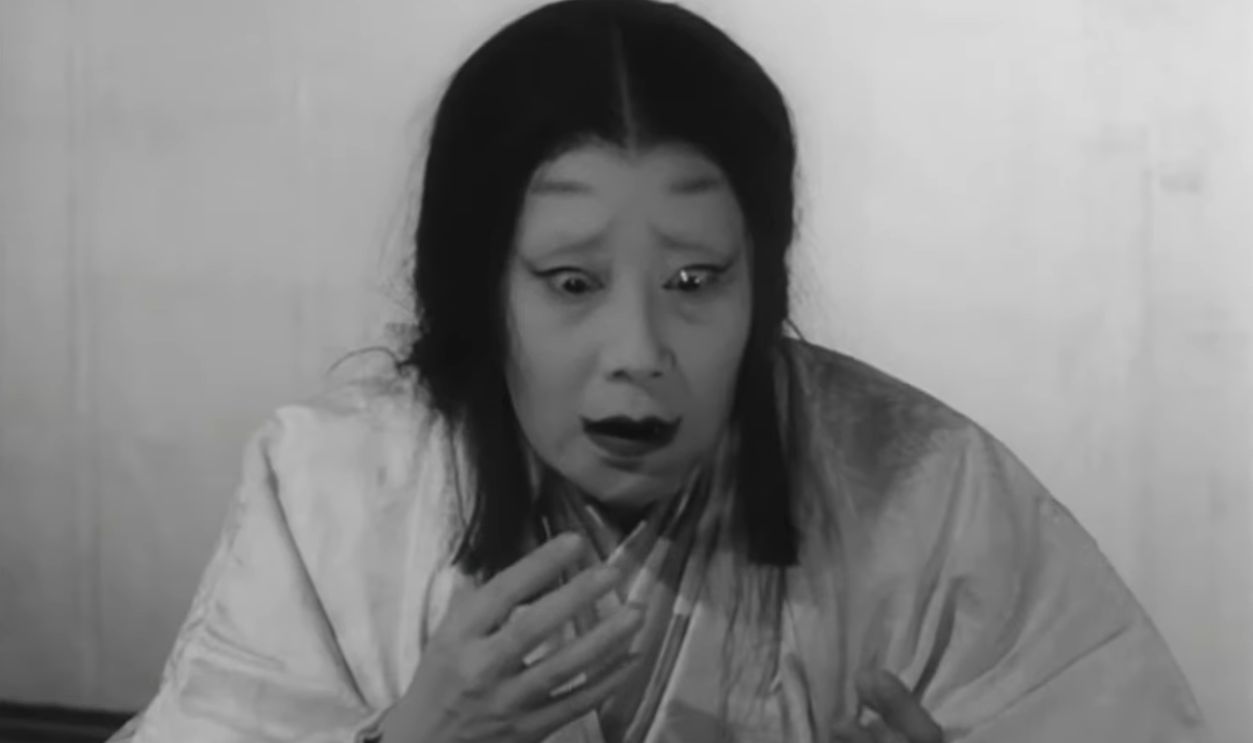 Screenshot from Throne of Blood, Toho Co., Ltd. (1957)
Spirited Away – Hayao Miyazaki
Spirited Away blends fantasy, environmentalism, and emotional growth into a richly imagined world. Miyazaki’s hand-drawn animation and gentle storytelling reject conventional villains, focusing instead on empathy and transformation. The film reflects his belief that imagination and kindness are essential forces in both art and life.
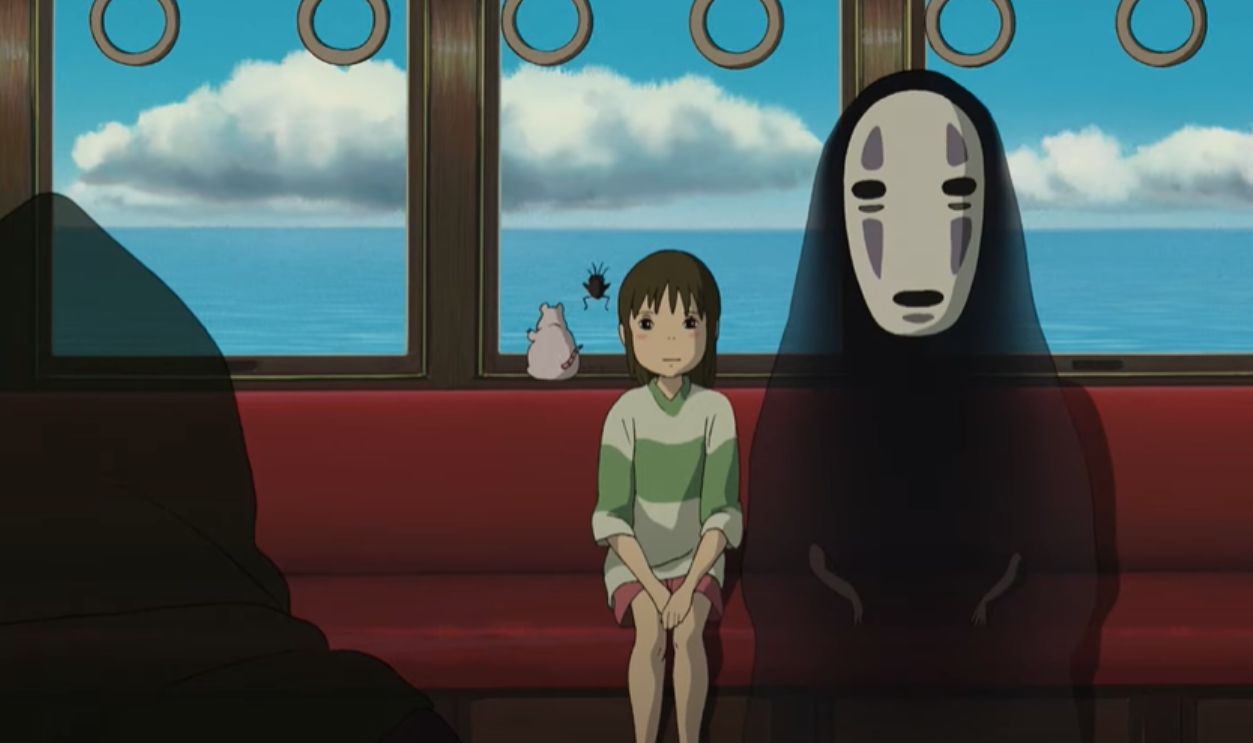 Screenshot from Spirited Away, Studio Ghibli (2001)
Boogie Nights – Paul Thomas Anderson
This sprawling ensemble drama tracks ambition, excess, and disillusionment in the adult film industry. Paul Thomas Anderson’s long tracking shots and emotional intimacy reveal his fascination with found families and fragile egos. The film announced a director unafraid of scale, risk, or raw vulnerability.
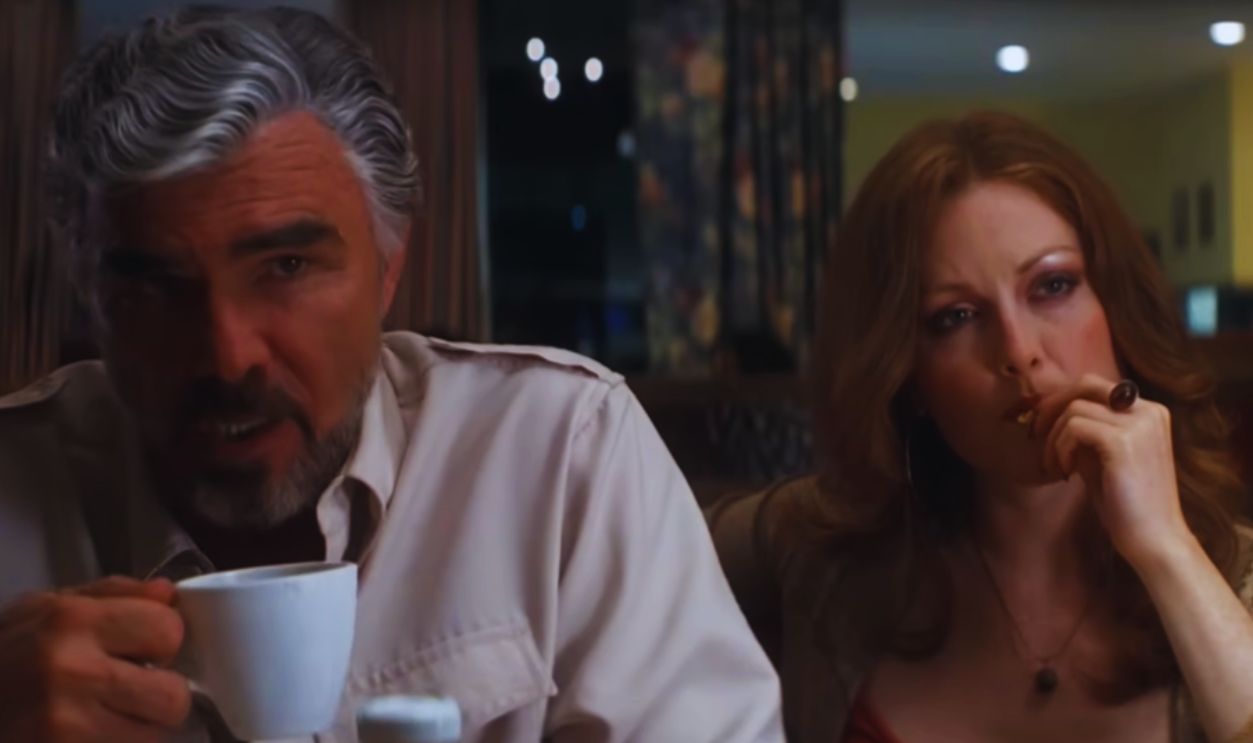 Screenshot from Boogie Nights, New Line Cinema (1997)
Magnolia – Paul Thomas Anderson
Magnolia pushes Anderson’s ambition even further, weaving multiple lives into an operatic meditation on regret and forgiveness. Bold narrative choices, heightened emotion, and stylized coincidence reflect a director exploring the limits of personal storytelling. It remains one of the most divisive yet defining works of his career.
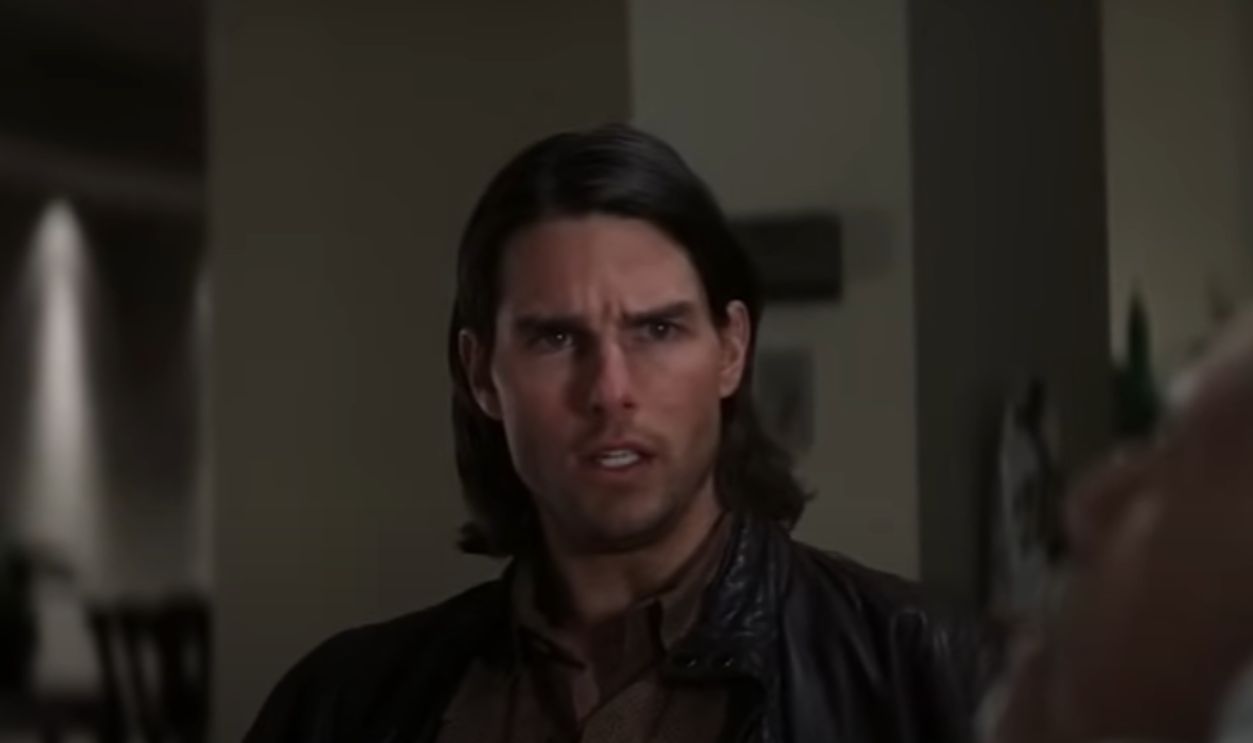 Screenshot from Magnolia, New Line Cinema (1999)
Three Kings – David O Russell
Blending war film, heist movie, and political satire, Three Kings showcases David O Russell’s early stylistic restlessness. Its kinetic visuals and moral ambiguity reflect his interest in flawed characters navigating chaotic systems, hinting at the emotionally volatile storytelling that would define his later films.
 Screenshot from Three Kings, Warner Bros. Pictures (1999)
Silver Linings Playbook – David O Russell
This character-driven drama applies Russell’s signature intensity to romantic storytelling. Overlapping dialogue, emotional volatility, and improvisational energy give the film a lived-in feel. Its success demonstrated how an auteur’s distinct rhythm could thrive within mainstream, awards-friendly cinema.
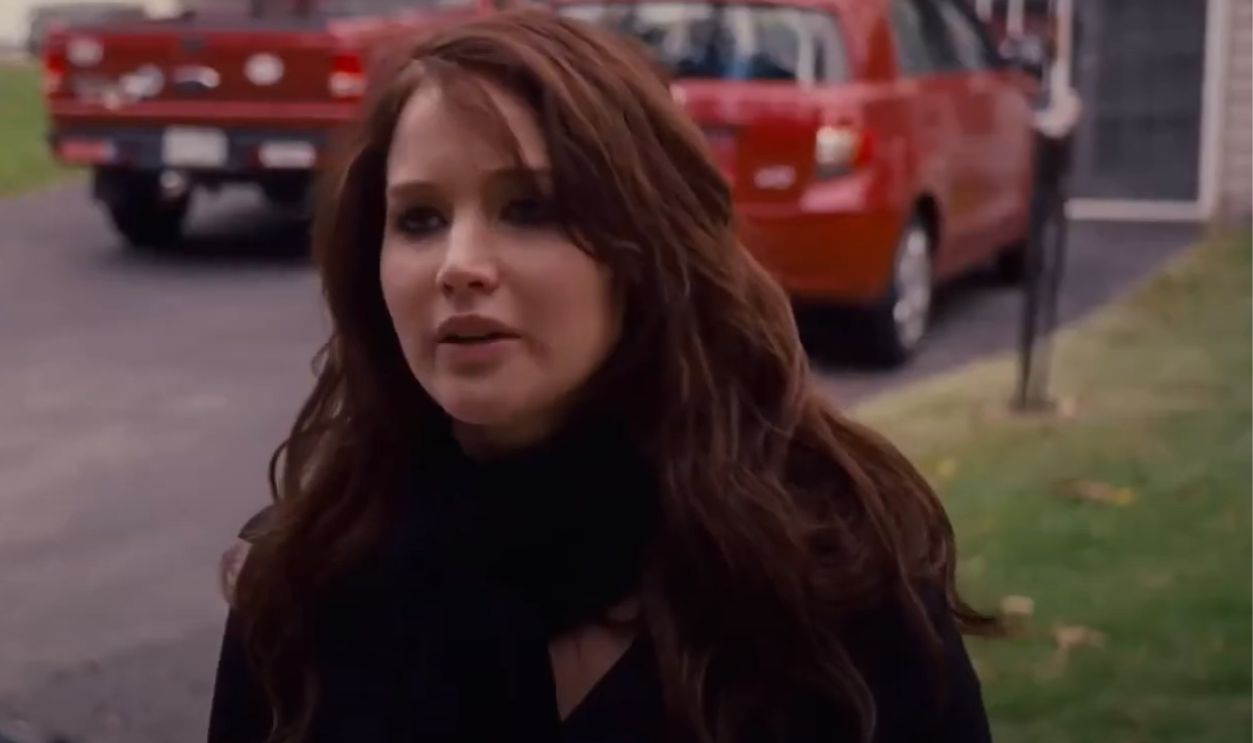 Screenshot from Silver Linings Playbook, The Weinstein Company (2012)
A Simple Plan – Sam Raimi
Departing from his usual genre excess, Sam Raimi delivers a restrained moral thriller about greed and consequence. The film’s controlled pacing and bleak tone reveal Raimi’s underlying fascination with human weakness, proving his auteur instincts extend beyond stylistic spectacle.
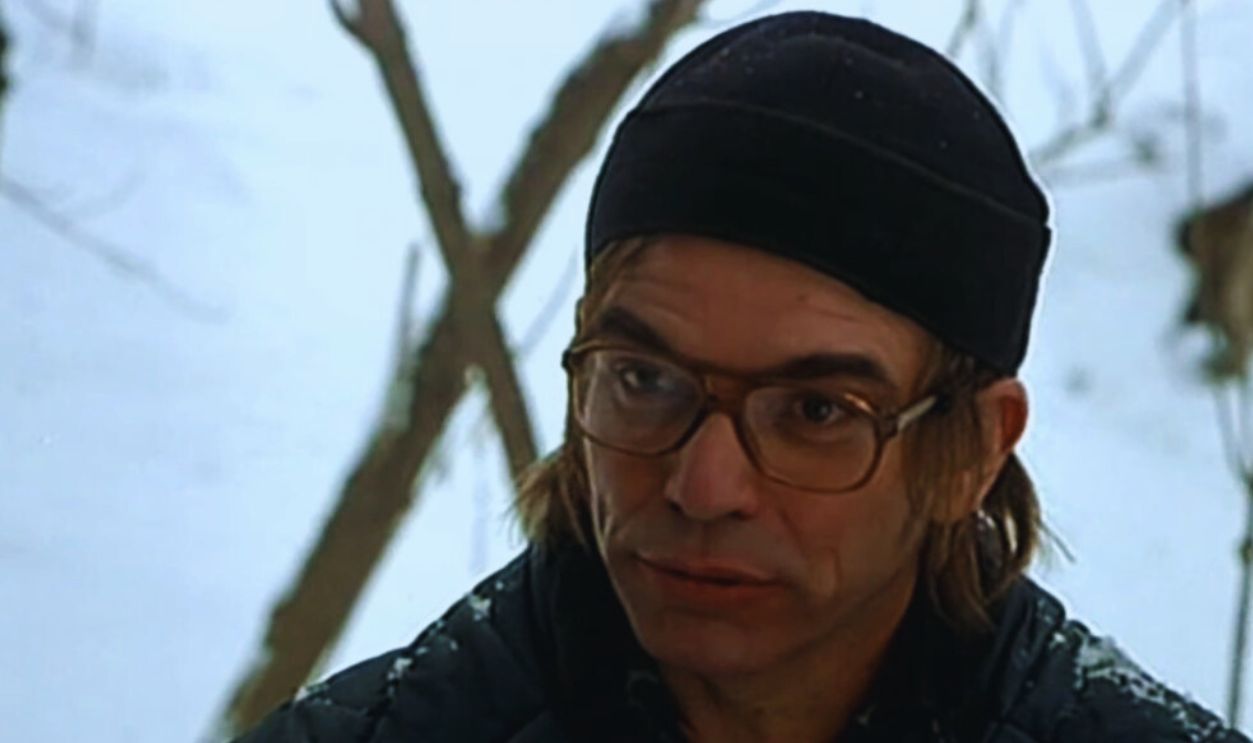 Screenshot from A Simple Plan, Paramount Pictures (1998)
Until The End Of The World – Wim Wenders
An expansive road movie spanning continents and ideas, this film explores memory, technology, and isolation. Wim Wenders’ meditative pacing and philosophical curiosity turn the journey itself into the subject, reflecting his long-standing interest in movement, identity, and existential longing.
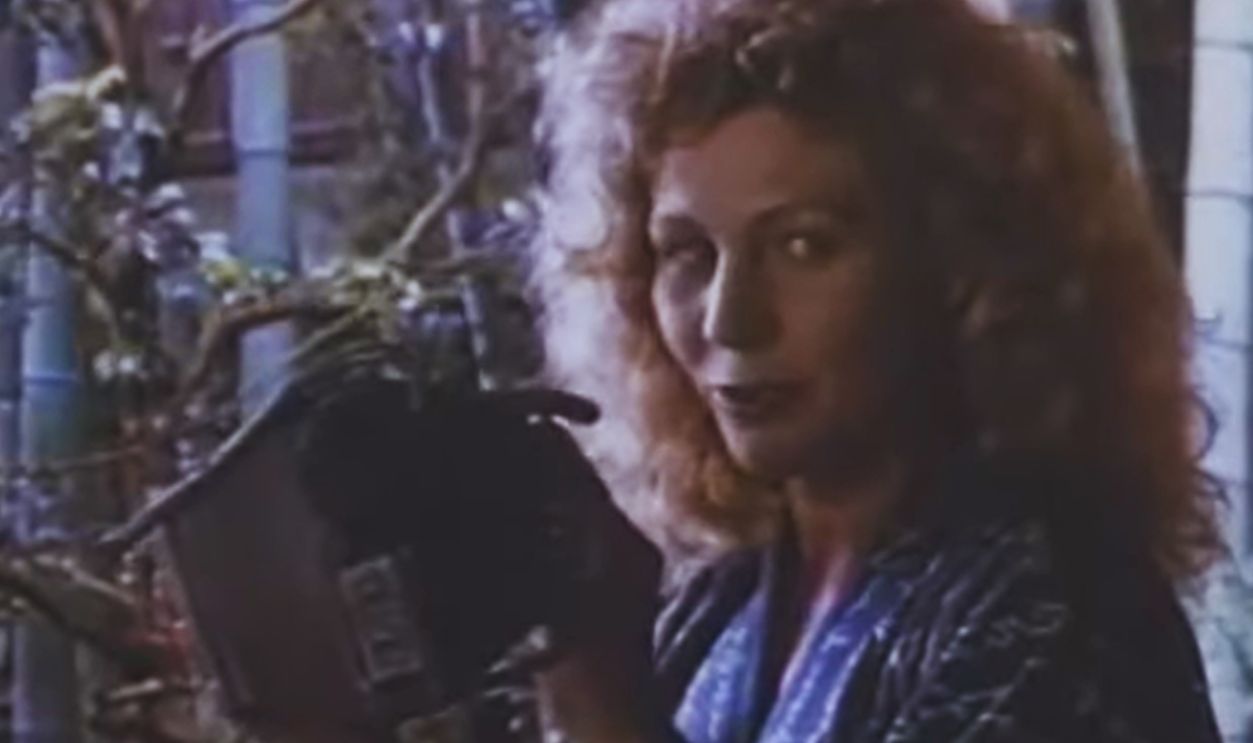 Screenshot from Until the End of the World, Warner Bros. Pictures (1991)
Tape – Richard Linklater
Set almost entirely in one motel room, Tape strips filmmaking down to dialogue and performance. Richard Linklater’s focus on real-time conversation and moral tension transforms minimalism into intensity, showcasing his belief that human interaction alone can drive compelling cinema.
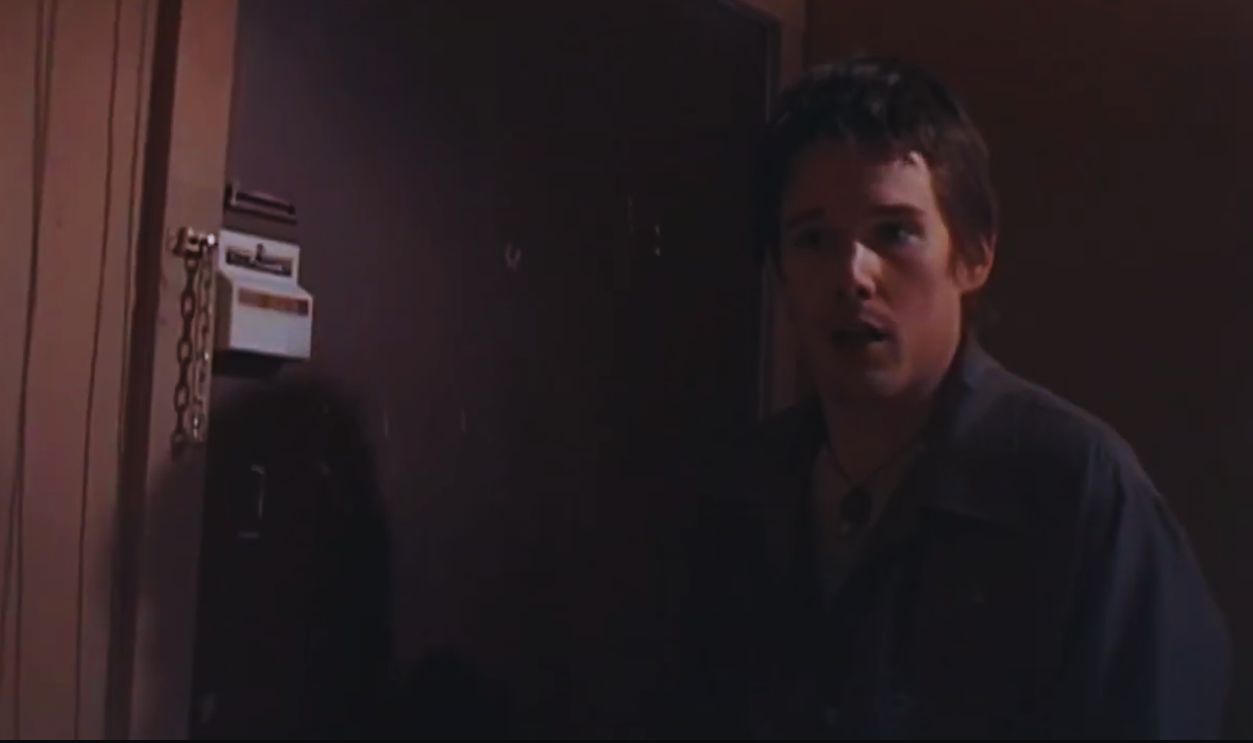 Screenshot from Tape, Lionsgate (2001)
Strange Days – Kathryn Bigelow
Kathryn Bigelow blends science fiction, noir, and political unrest into a visceral experience. The film’s immersive perspective and kinetic energy reflect her fascination with adrenaline, technology, and power. Though underappreciated at release, it stands as a bold statement of genre-driven auteur ambition.
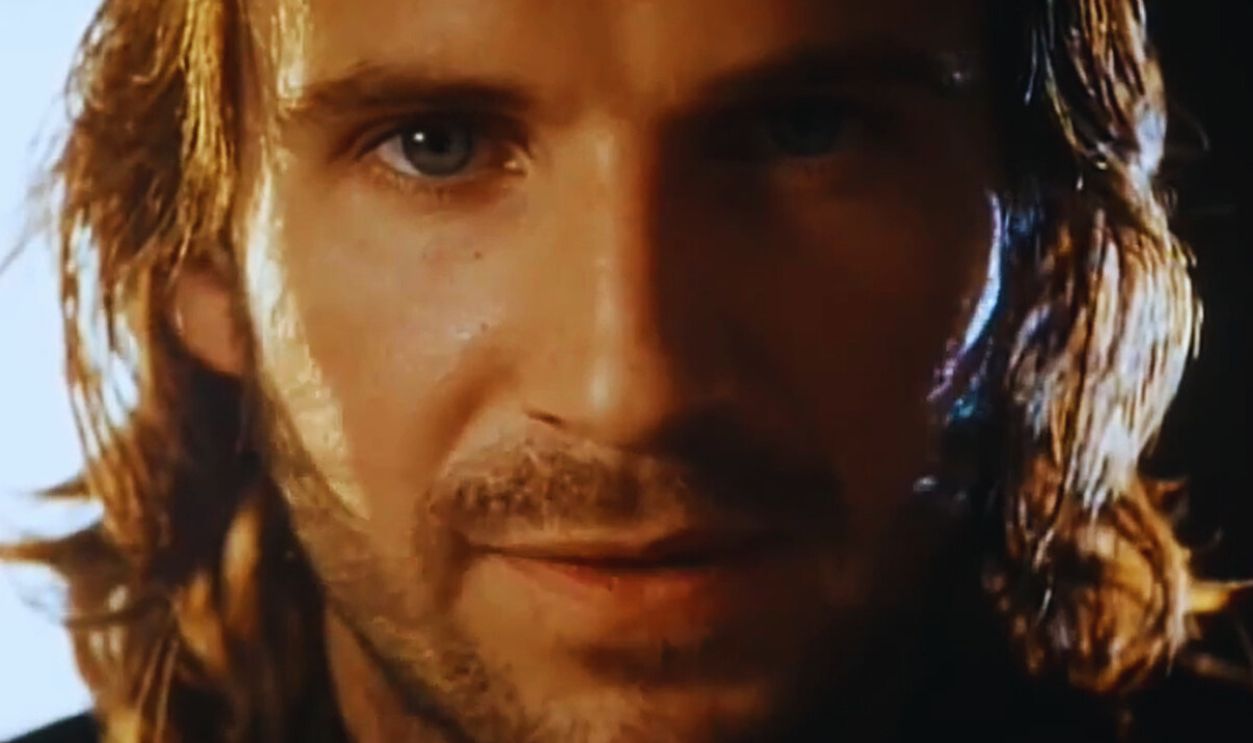 Screenshot from Strange Days, Warner Bros. Pictures (1995)
Father Of The Bride – Vincente Minnelli
Even within studio-era comedy, Vincente Minnelli’s visual elegance shines. Thoughtful framing, color, and emotional sensitivity elevate a family story into something refined and intimate, demonstrating how auteur influence could flourish within classical Hollywood systems.
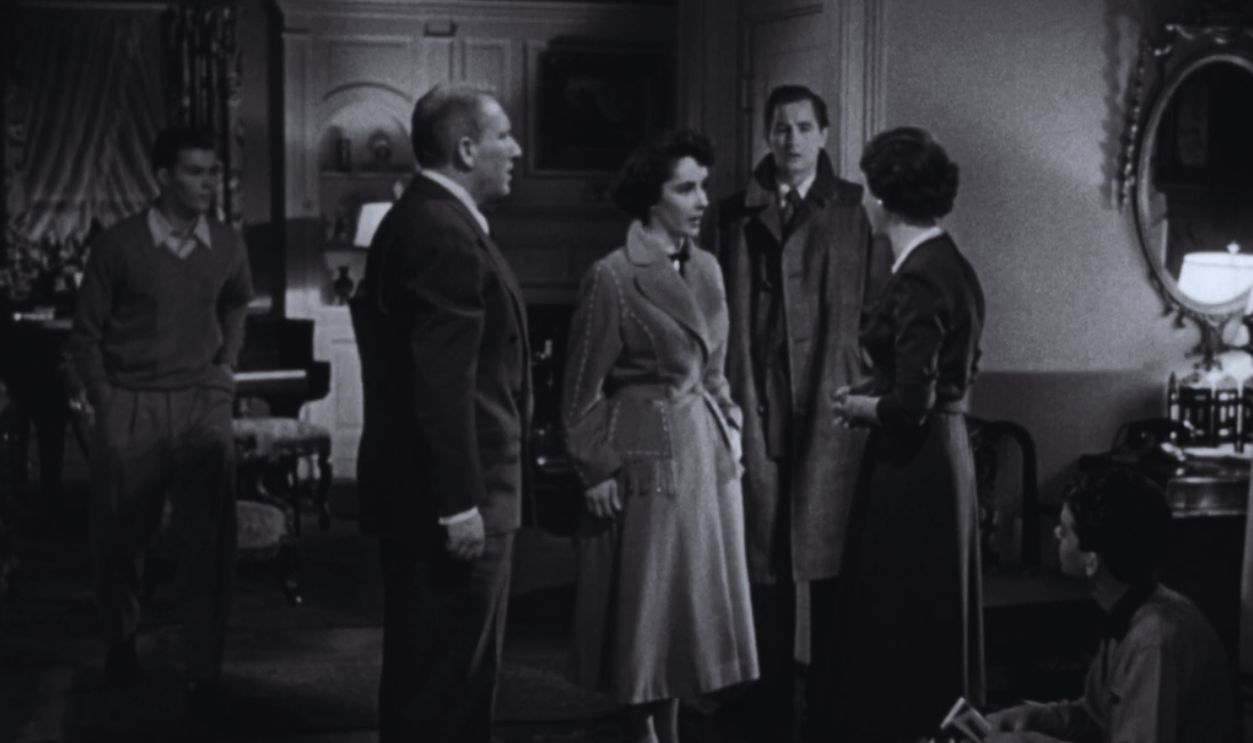 Screenshot from Father of the Bride, Warner Bros. Pictures (1950)
My Fair Lady – George Cukor
George Cukor’s direction emphasizes performance, character relationships, and emotional nuance amid lavish production design. His careful balance of spectacle and intimacy showcases an auteur who understood that even grand musicals are driven by human connection.
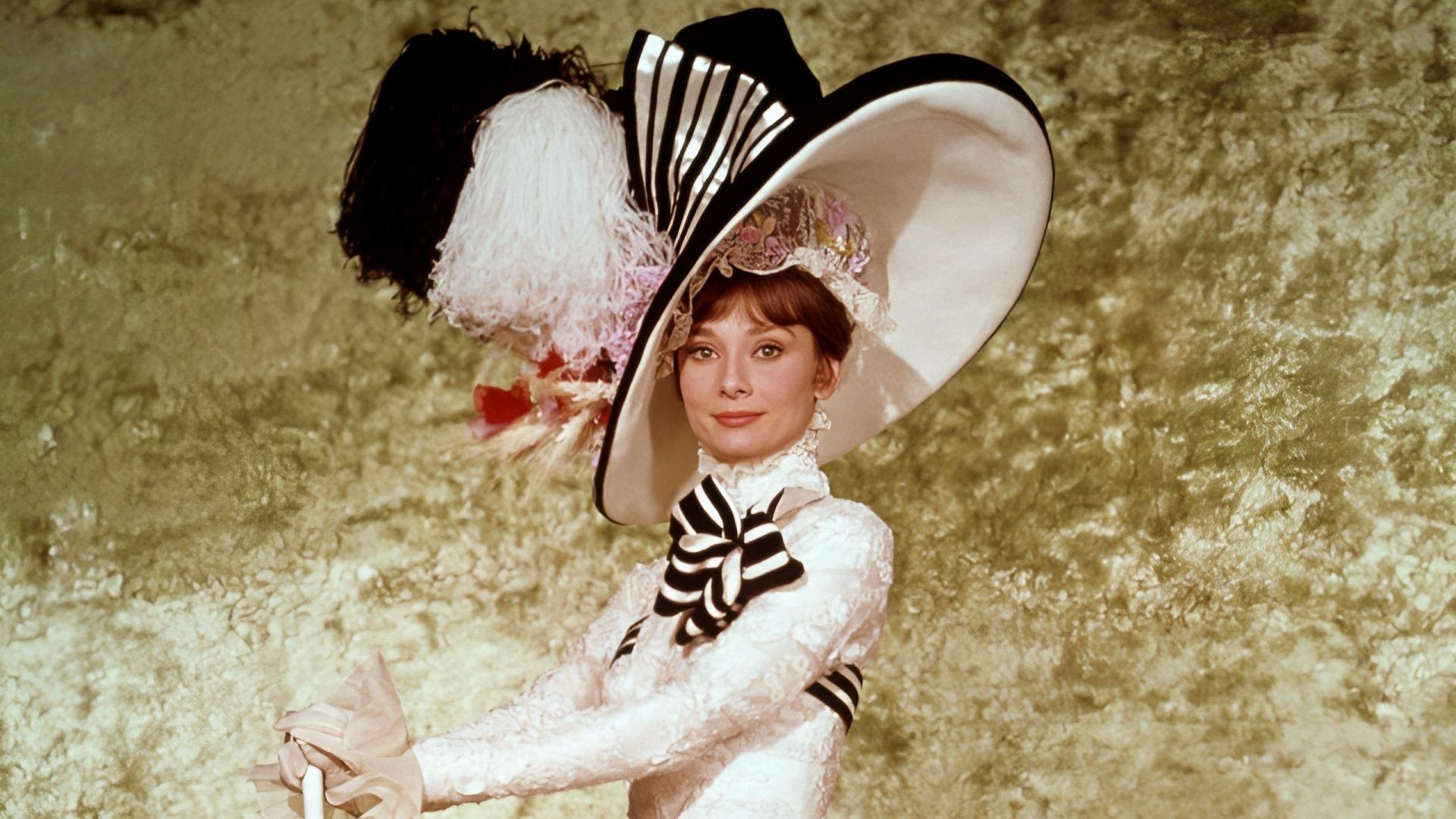 Cecil Beaton, Wikimedia Commons
A Star Is Born – George Cukor
This Hollywood tragedy examines fame, love, and self-destruction through Cukor’s empathetic lens. His focus on character psychology over melodrama gives the film lasting emotional power, reinforcing his reputation as a director deeply attuned to performance and vulnerability.
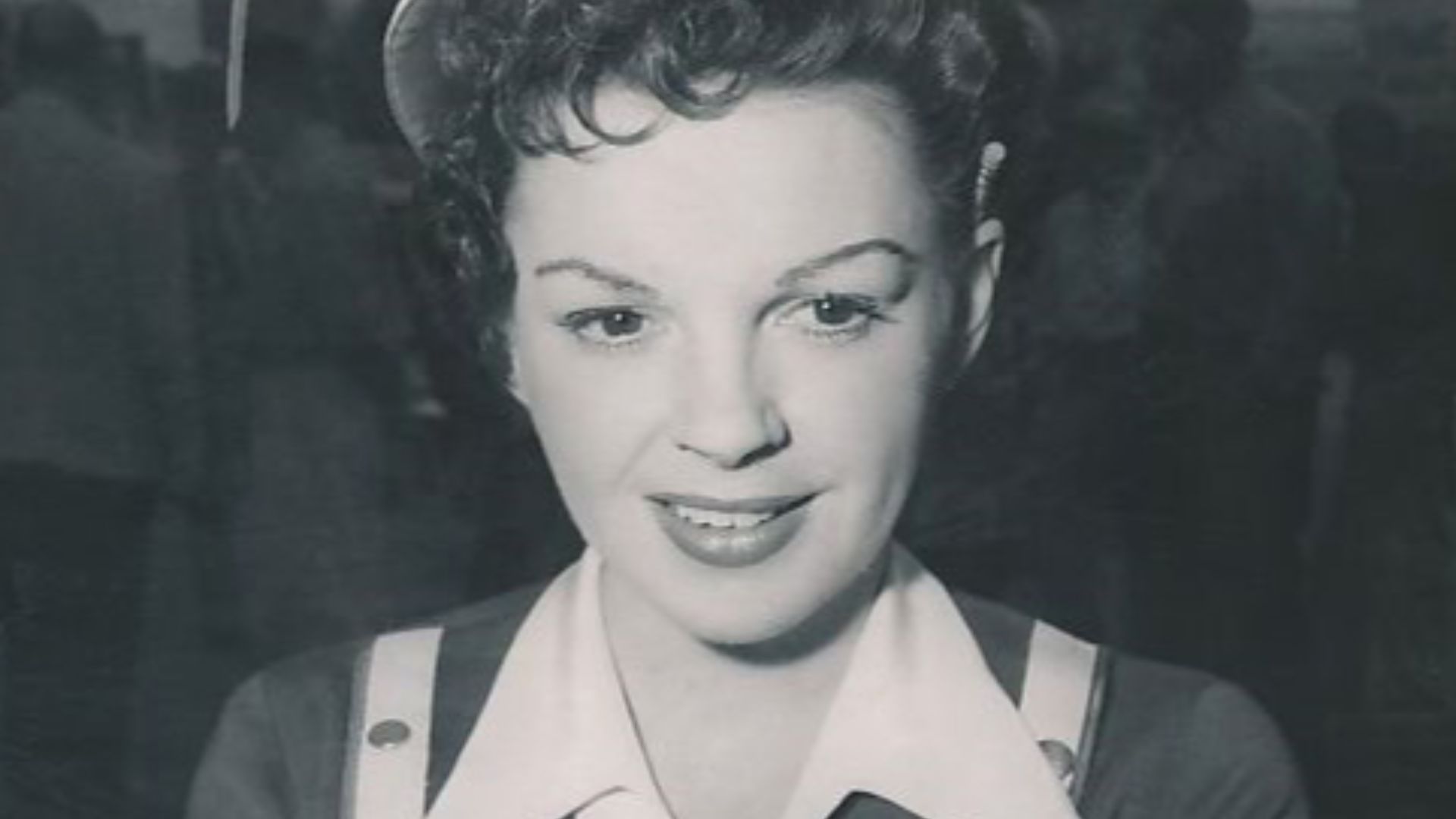 Warner Bros., Wikimedia Commons
Gangs Of New York – Martin Scorsese
Scorsese’s obsession with history, violence, and identity explodes across this ambitious epic. Though uneven, the film’s raw energy, operatic violence, and thematic density reflect a deeply personal engagement with American mythology and the director’s lifelong cinematic preoccupations.
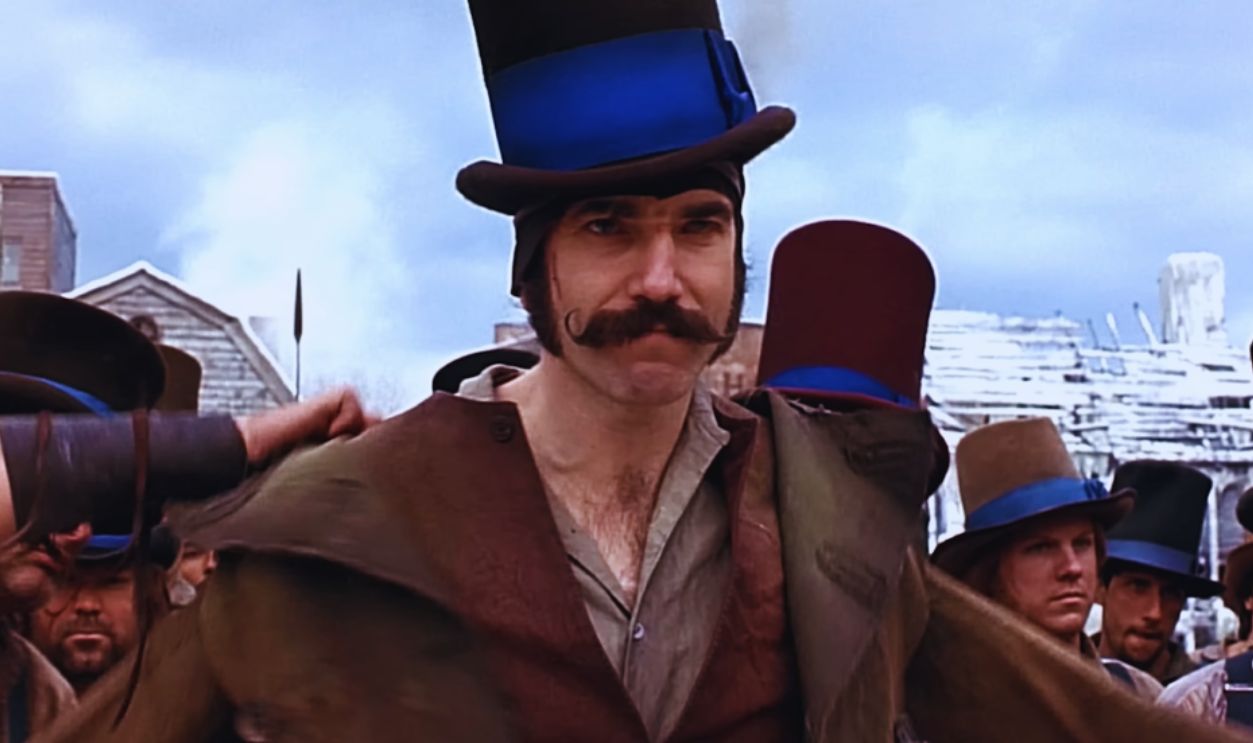 Screenshot from Gangs of New York, Miramax Films / Touchstone Pictures (2002)
Se7en – David Fincher
Cold, methodical, and relentlessly grim, Se7en defined David Fincher’s visual and thematic precision. Controlled camerawork and oppressive atmosphere mirror the film’s moral decay, establishing Fincher as an auteur obsessed with order, obsession, and psychological darkness.
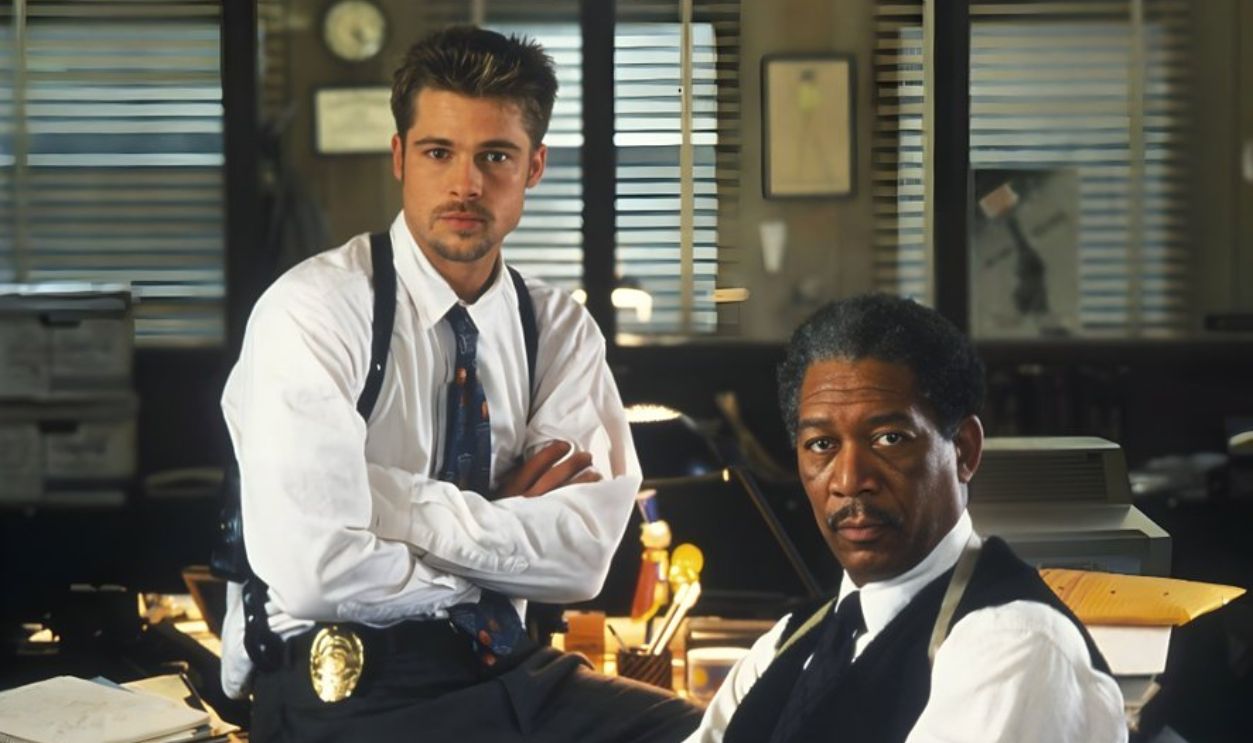 Screenshot from Se7en, New Line Cinema (1995)
Pi – Darren Aronofsky
Shot on a tiny budget, Pi introduced Darren Aronofsky’s fascination with obsession and mental collapse. Aggressive editing and claustrophobic visuals turn mathematical inquiry into psychological horror, announcing a director unafraid to push viewers into discomfort.
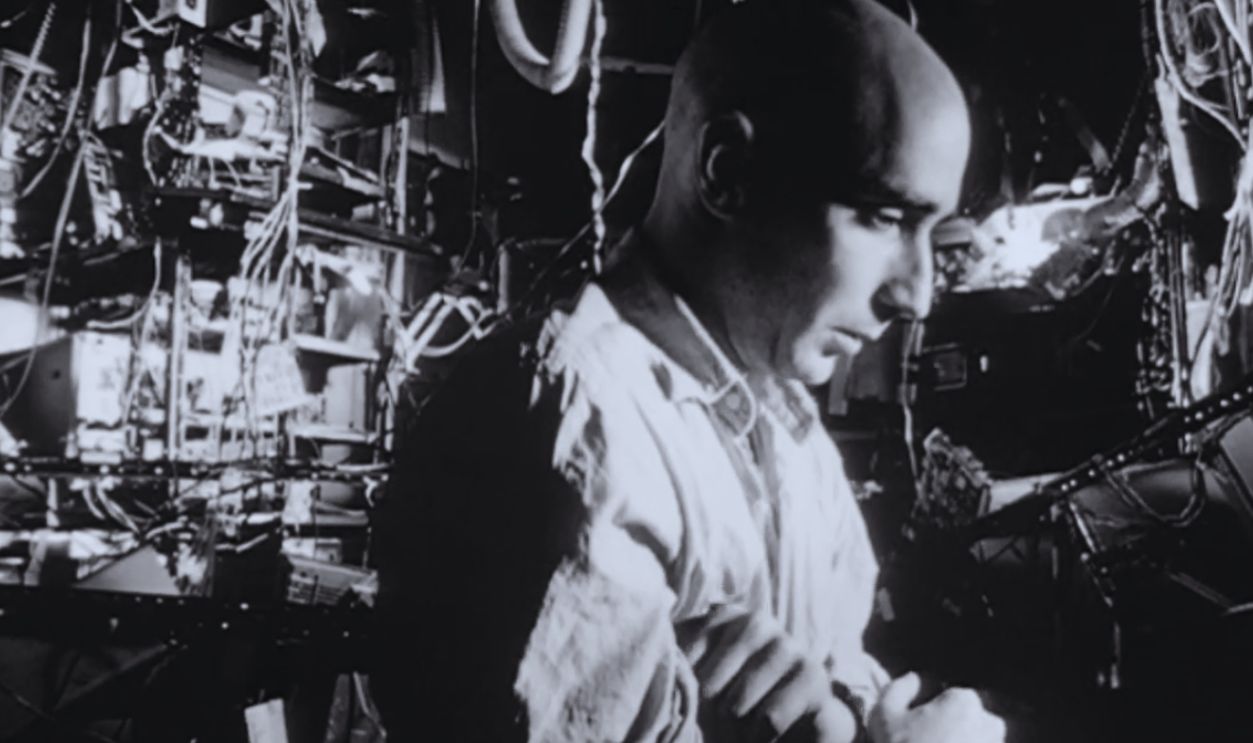 Screenshot from Pi, Artisan Entertainment (1998)
Malcolm X – Spike Lee
Spike Lee transforms biography into a sweeping political and personal statement. The film blends epic scope with intimate character study, reflecting Lee’s commitment to history, identity, and unapologetic perspective. It stands as one of the most definitive examples of auteur-driven historical cinema.
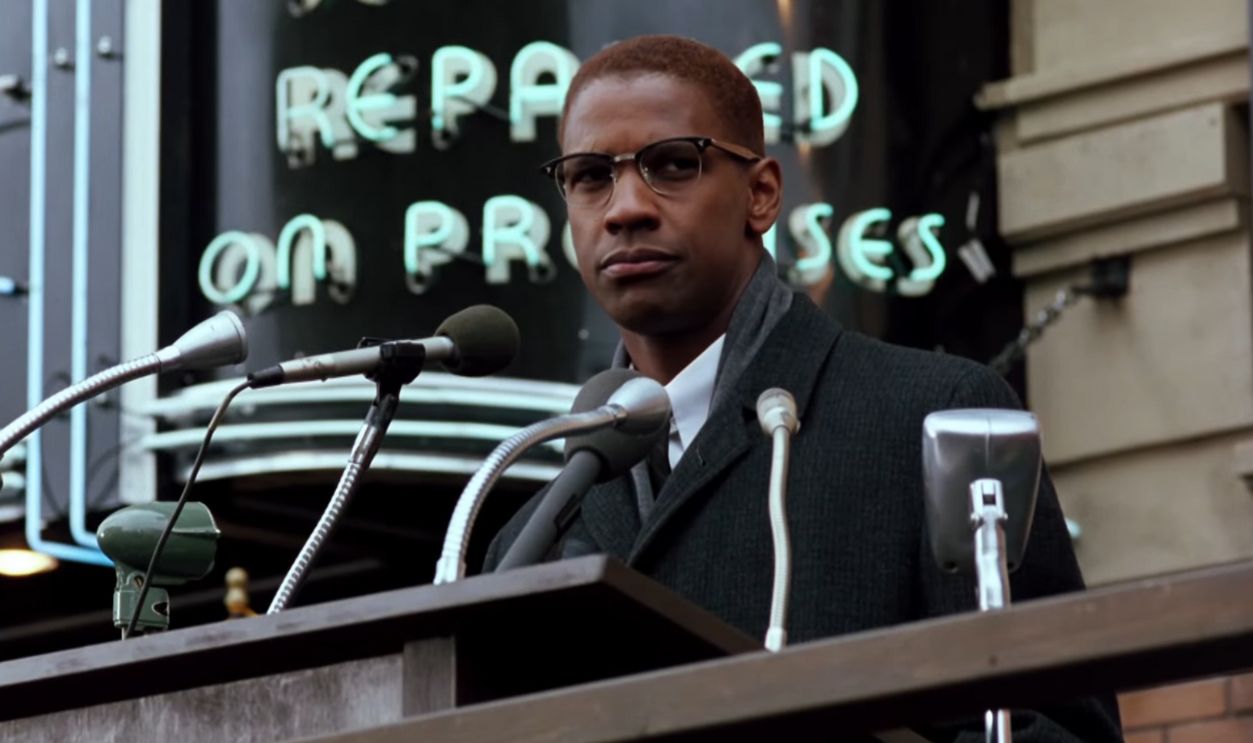 Screenshot from Malcolm X, Warner Bros. Pictures (1992)
School Daze – Spike Lee
This early film tackles colorism, class, and identity within Black communities through direct address and cultural specificity. Its raw energy and confrontational style highlight Lee’s fearless approach to social commentary and his insistence on using cinema as a platform for dialogue.
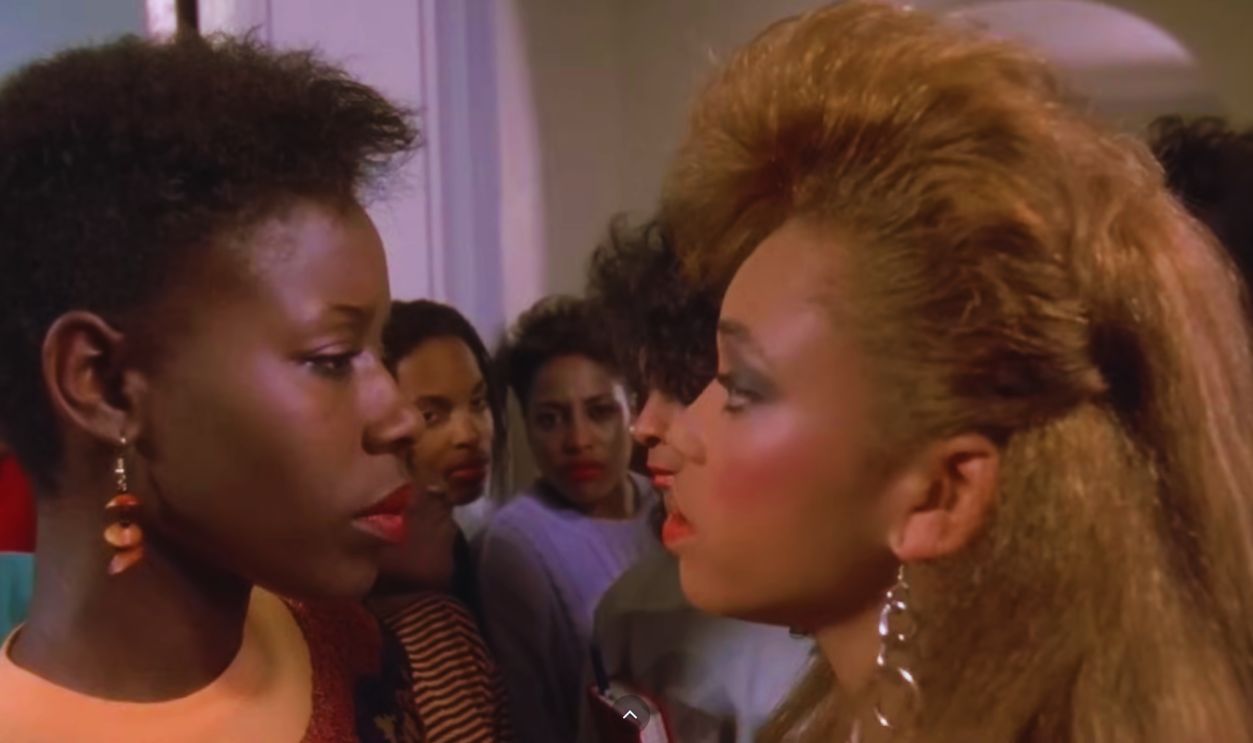 Screenshot from School Daze, Columbia Pictures (1988)
Salvador – Oliver Stone
Fueled by political outrage, Salvador captures Oliver Stone’s confrontational filmmaking style. Chaotic energy, journalistic immediacy, and moral urgency combine to create a film that reflects his belief that cinema should provoke, challenge, and disturb audiences.
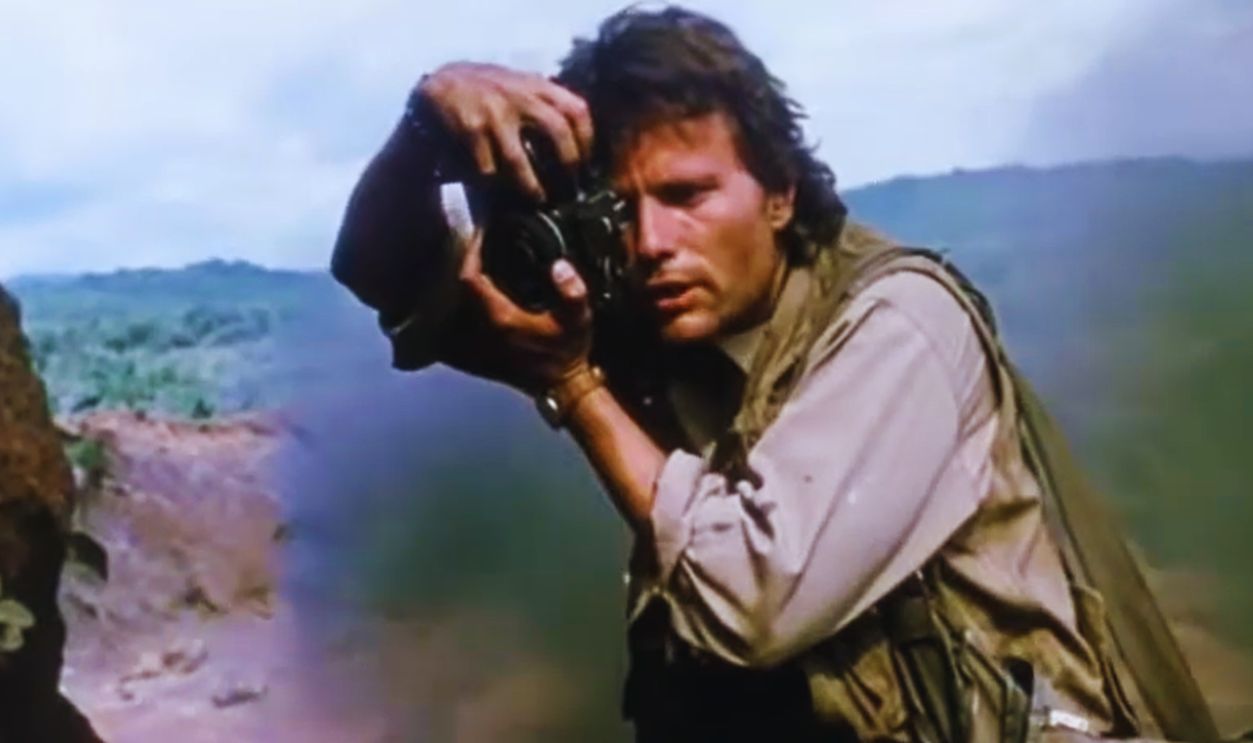 Screenshot from Salvador, Orion Pictures (1986)
Scott Pilgrim Vs. The World – Edgar Wright
Edgar Wright fuses video game logic, comic-book visuals, and razor-sharp editing into a hyperkinetic spectacle. The film’s rhythmic precision and pop-culture density make it unmistakably his, influencing a generation of fast-paced, stylized genre filmmaking.
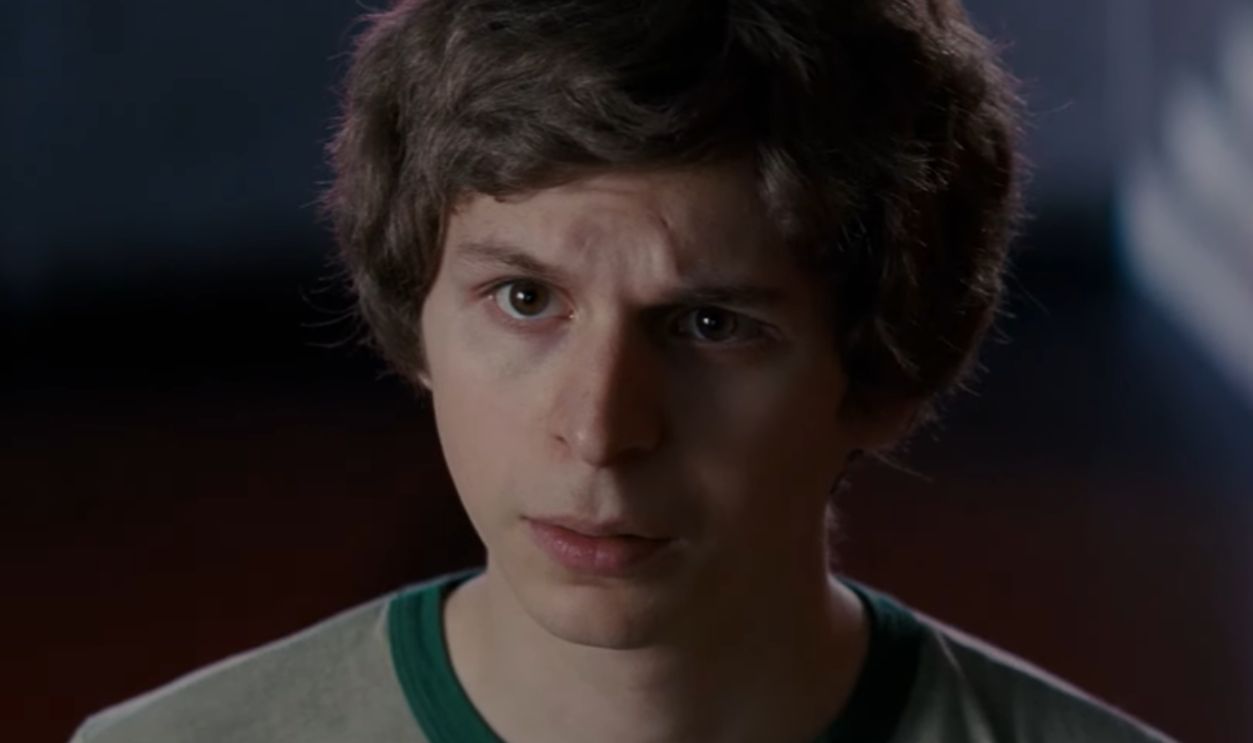 Screenshot from Scott Pilgrim vs. the World, Universal Pictures (2010)
Memento – Christopher Nolan
Told in reverse, Memento turns narrative structure into thematic engine. Christopher Nolan’s fascination with memory, identity, and perception transforms a simple mystery into a cerebral experience, establishing his reputation for high-concept storytelling rooted in character psychology.
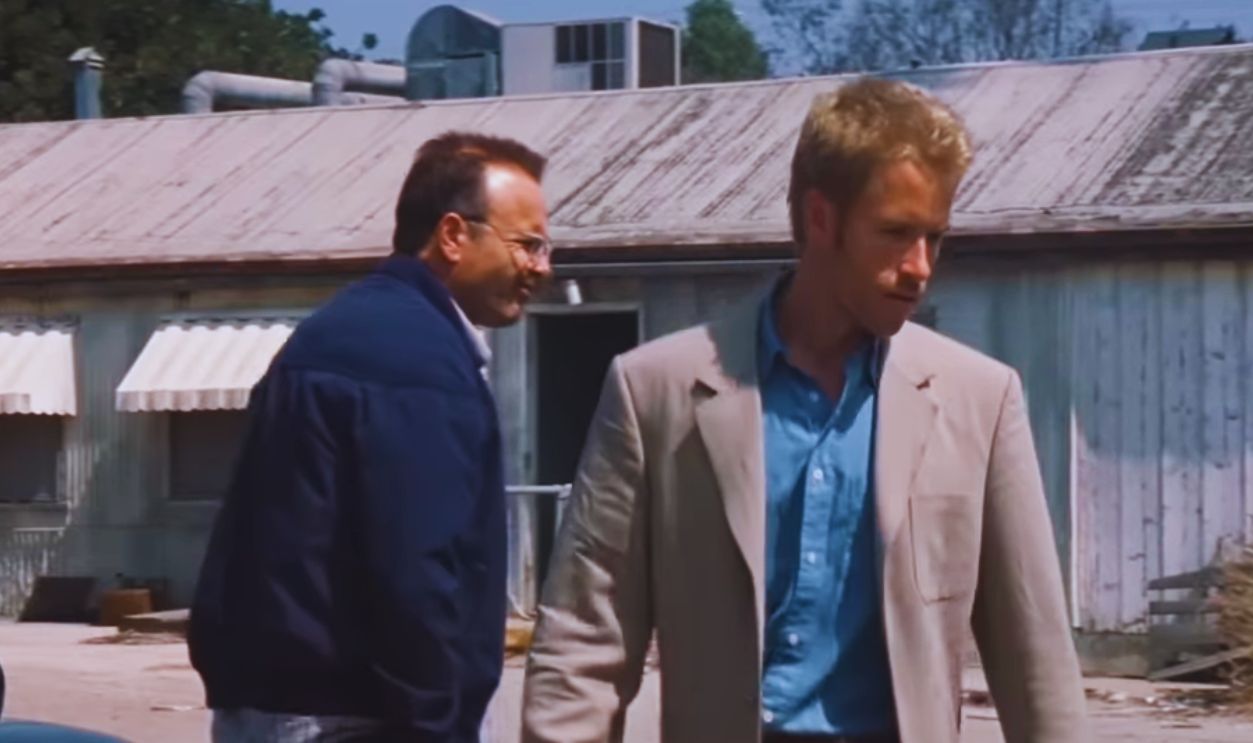 Screenshot from Memento, Newmarket Films (2000)
You May Also Like:
Mind-Bending Movies That Used Non-Linear Storytelling Brilliantly
The Best Long Takes Ever Captured On Film