When Small Movies Made The Loudest Noise
Independent films don’t play by studio rules. They take risks, embrace weirdness, and often say things mainstream movies won’t touch. Sometimes they quietly change the culture. Other times they explode into it. These films shaped indie cinema by proving that originality, voice, and heart can matter more than budgets or box office expectations.

Little Miss Sunshine (2006)
This scrappy road-trip comedy sneaks up on you with its humor, then punches you in the feelings. Powered by a perfectly mismatched ensemble cast, it turned family dysfunction into something tender and hilarious. Its Sundance buzz and massive word-of-mouth success showed how far a small, heartfelt indie could travel.
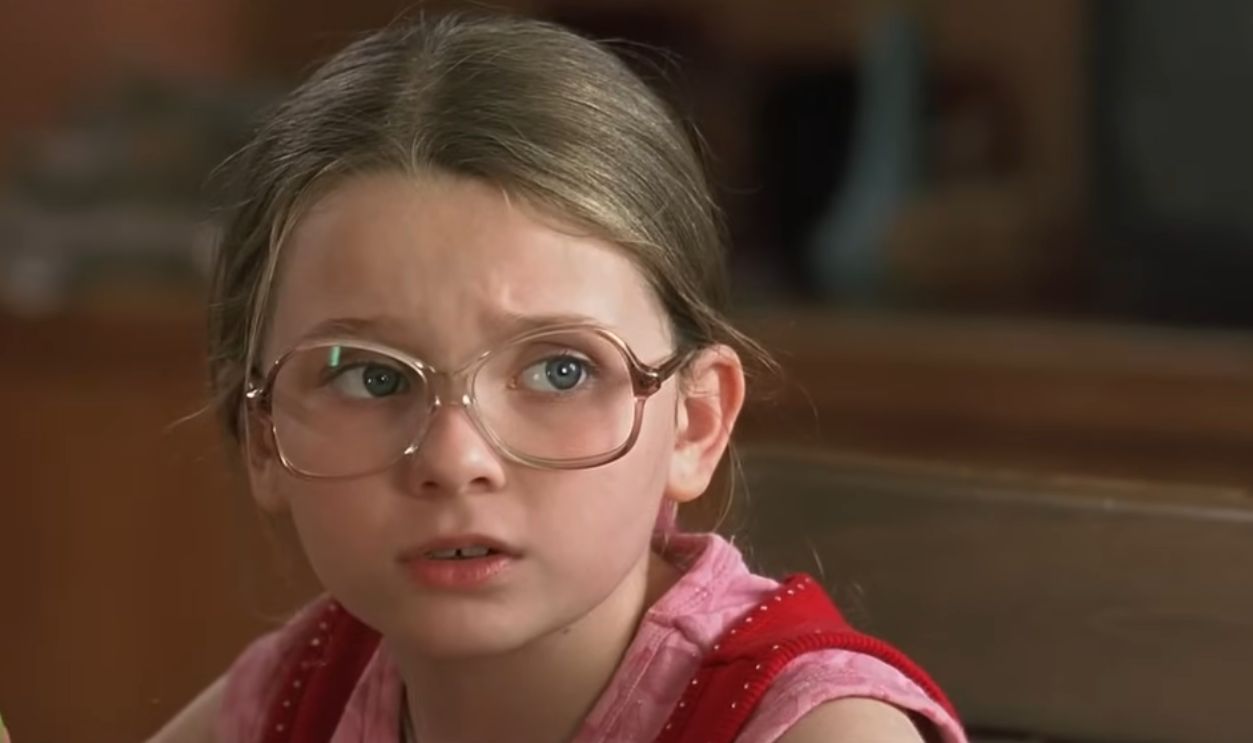 Screenshot from Little Miss Sunshine, Fox Searchlight Pictures (2006)
The Blair Witch Project (1999)
Made for almost nothing and marketed like a real urban legend, this movie changed horror forever. Its shaky cam style and minimalist scares rewired audience expectations and inspired endless found-footage imitators. It also proved that clever marketing could turn an indie experiment into a cultural event.
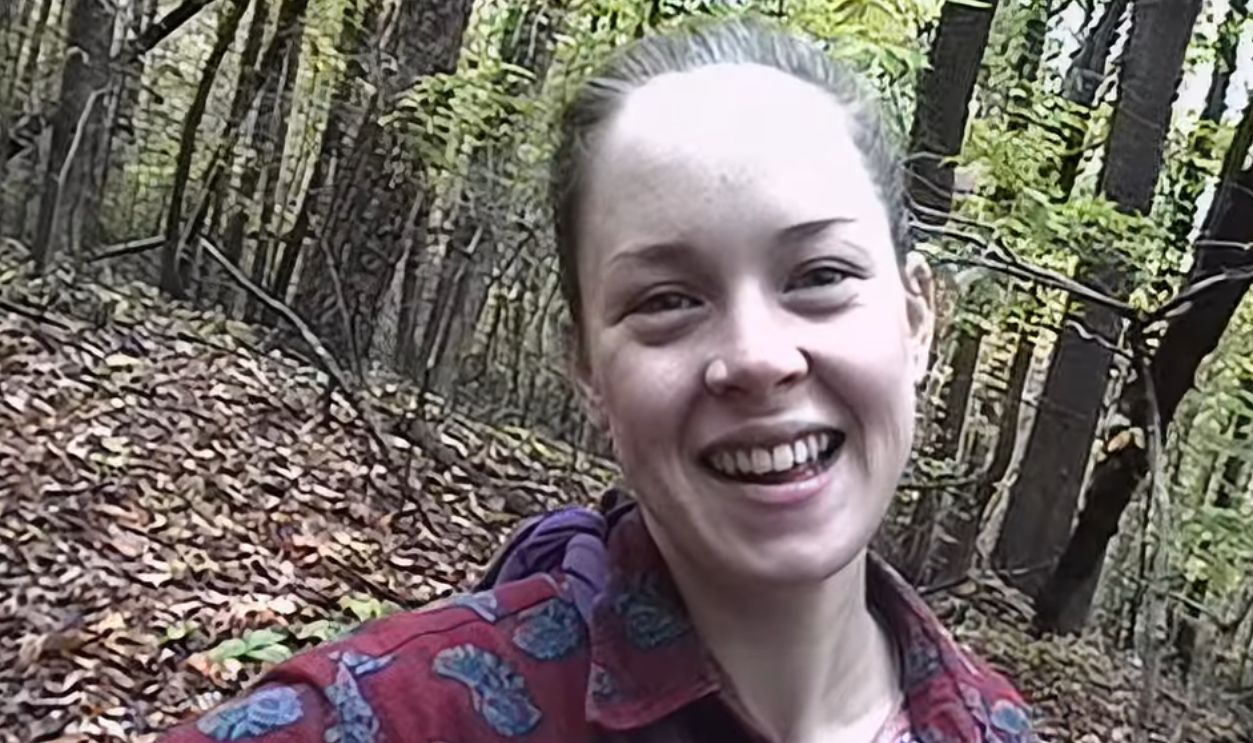 Screenshot from The Blair Witch Project, Artisan Entertainment (1999)
Lady Bird (2017)
Greta Gerwig turned growing up into something funny, painful, and deeply recognizable. The film’s specificity—Sacramento streets, awkward conversations, mother-daughter tension—made it feel universal. It reenergized the coming-of-age genre without relying on nostalgia or cliché.
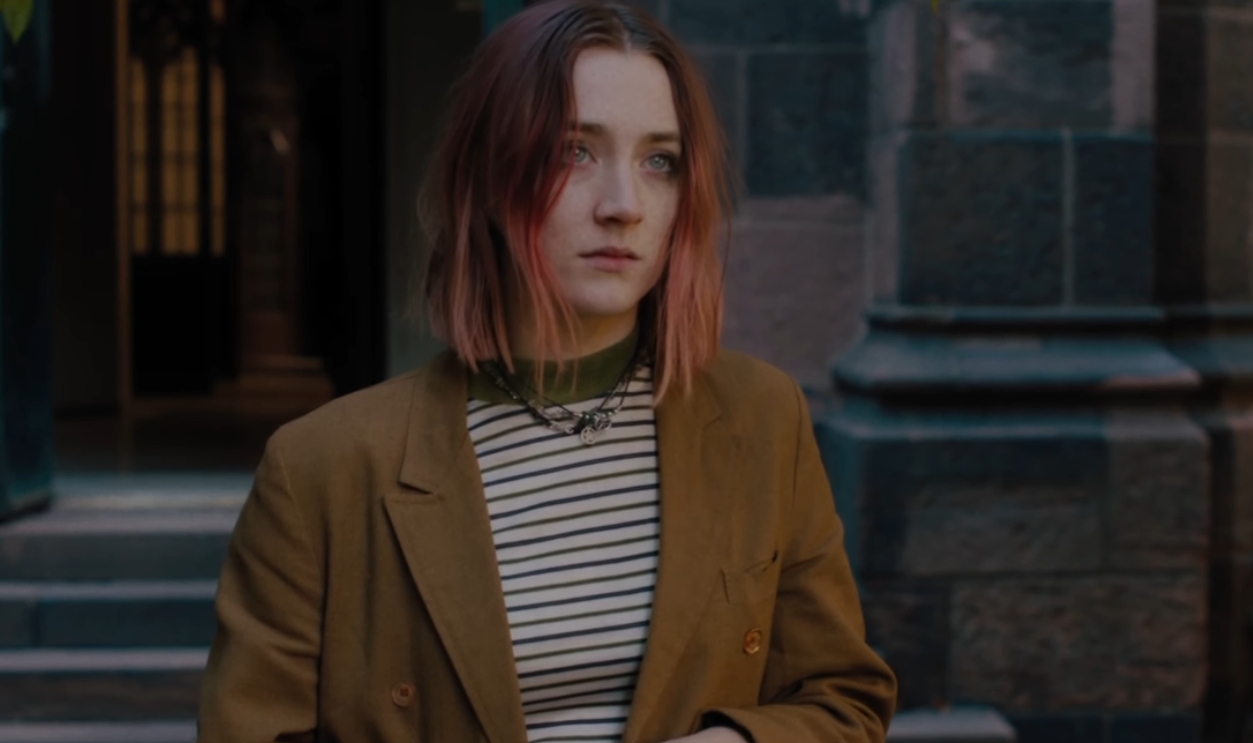 Screenshot from Lady Bird, A24 (2017)
Winter’s Bone (2010)
Cold, quiet, and unforgiving, this film pulls you into a world rarely shown on screen. Its realism and moral weight feel distinctly indie. It also quietly introduced Jennifer Lawrence as a once-in-a-generation talent.
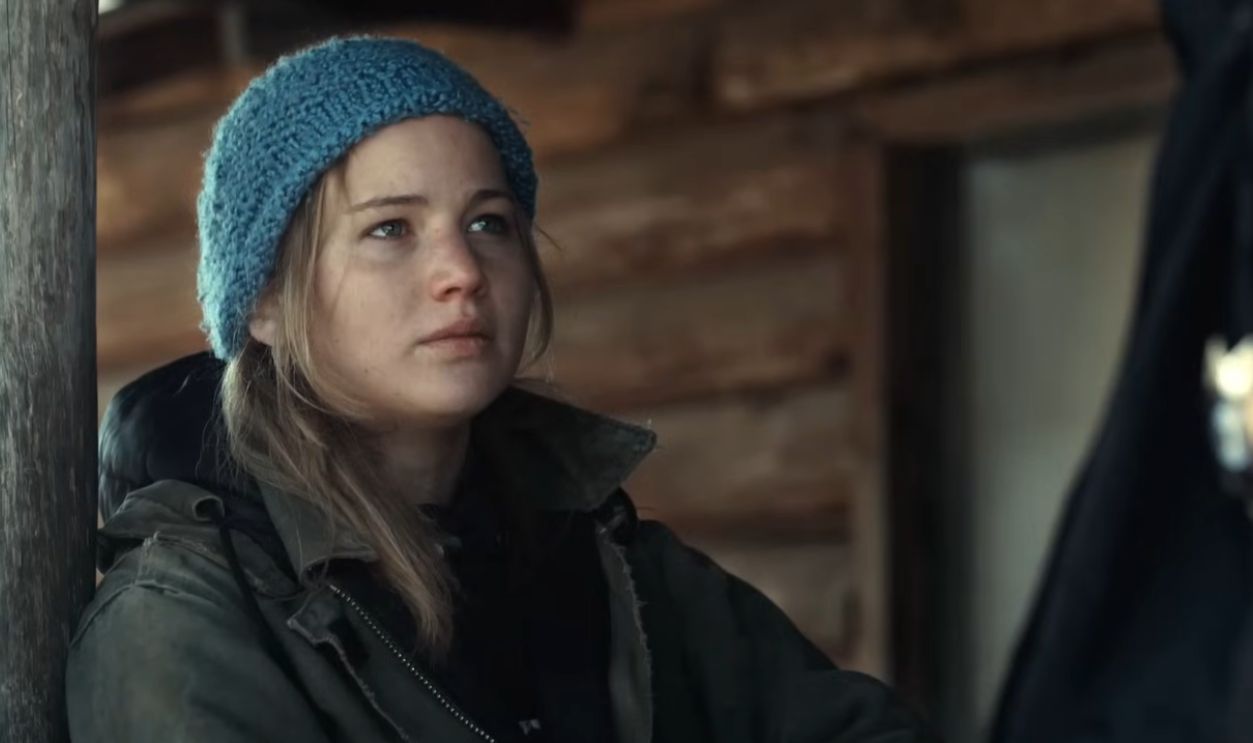 Screenshot from Winter’s Bone, Roadside Attractions (2010)
Parasite (2019)
Before it swept the Oscars, Parasite was already a razor-sharp indie genre blender. Bong Joon-ho’s control of tone, space, and tension turned social commentary into edge-of-your-seat entertainment. Its global success cracked open the door for international indie films on the world’s biggest stages.
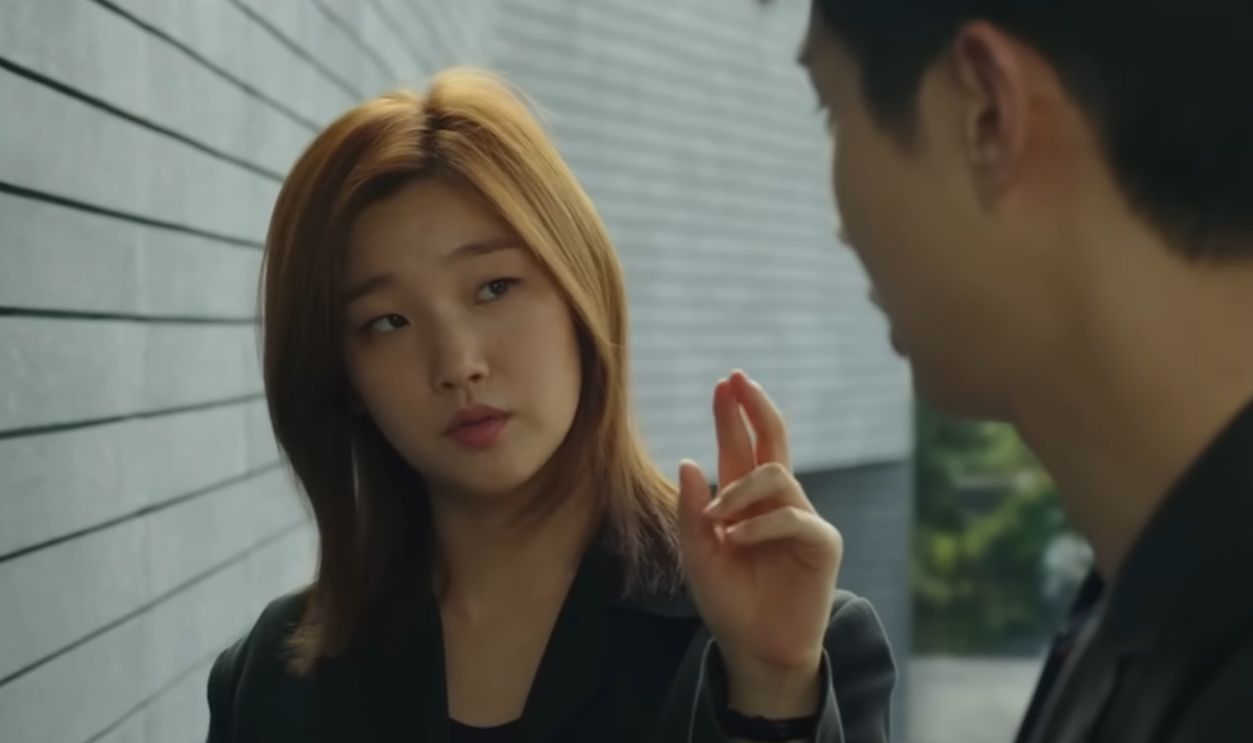 Screenshot from Parasite, CJ Entertainment (2019)
Past Lives (2023)
Quiet, reflective, and emotionally devastating in subtle ways, Past Lives feels like a memory unfolding in real time. Its natural performances and unforced emotion captured how small moments can shape entire lives. It’s modern indie filmmaking at its most intimate and restrained.
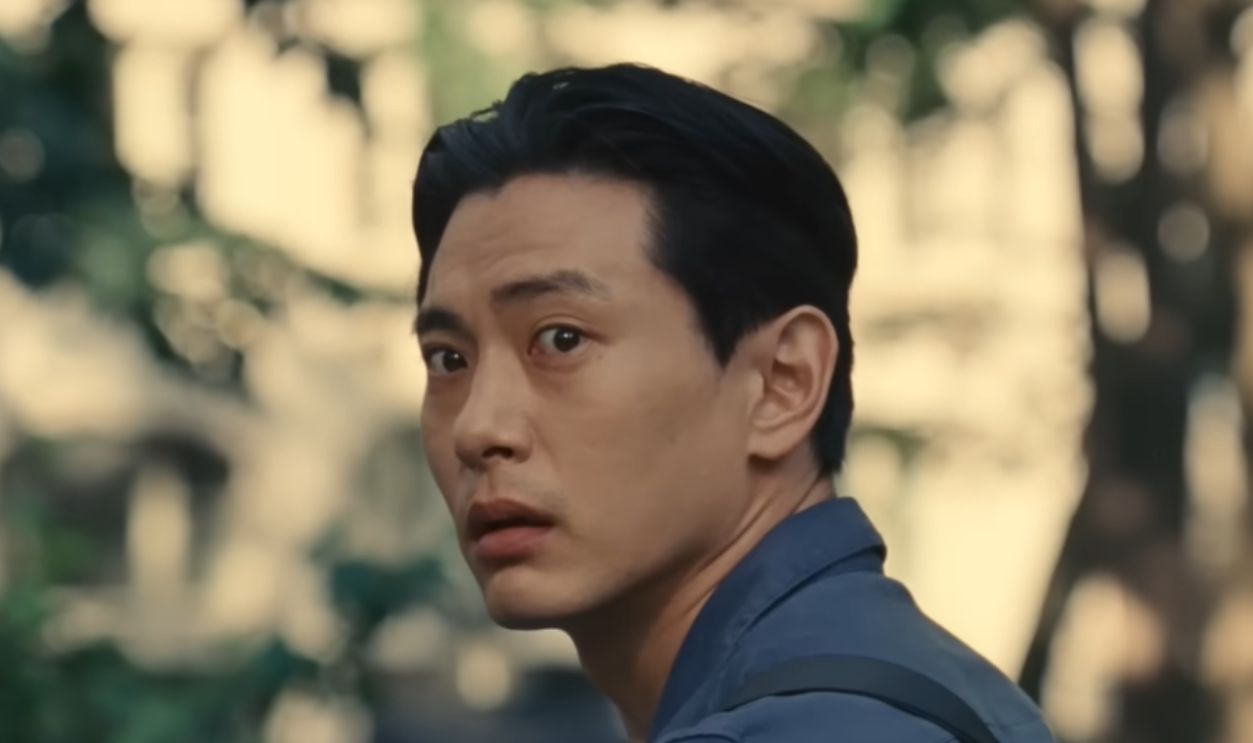 Screenshot from Past Lives, A24 (2023)
Fruitvale Station (2013)
Ryan Coogler’s debut hits hard because it stays human. By focusing on the everyday moments of Oscar Grant’s final day, the film builds empathy before devastation. Its grounded approach showed how indie cinema could confront real-world injustice without exploitation or spectacle.
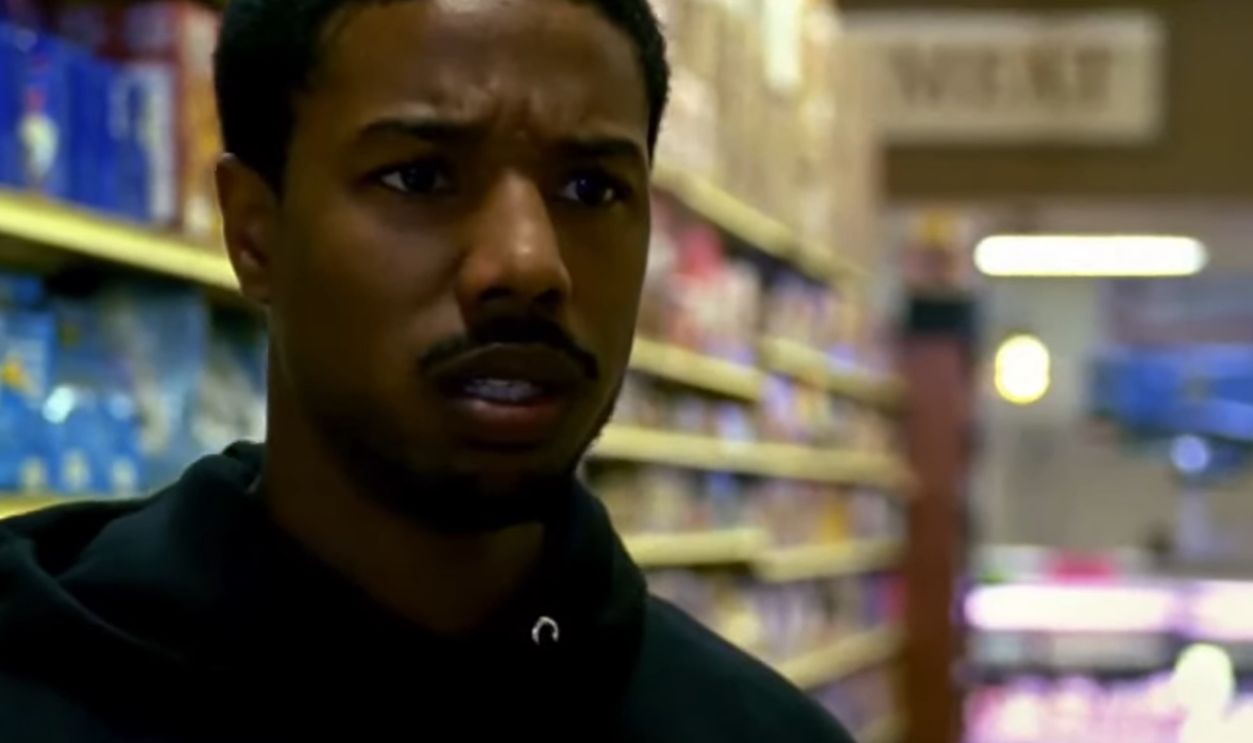 Screenshot from Fruitvale Station, The Weinstein Company (2013)
The Lighthouse (2019)
Uncomfortable, hypnotic, and intentionally alienating, The Lighthouse commits fully to its madness. Shot in black-and-white with a suffocating aspect ratio, it feels like a descent into myth and insanity. It’s the kind of bold, uncompromising swing indie cinema exists for.
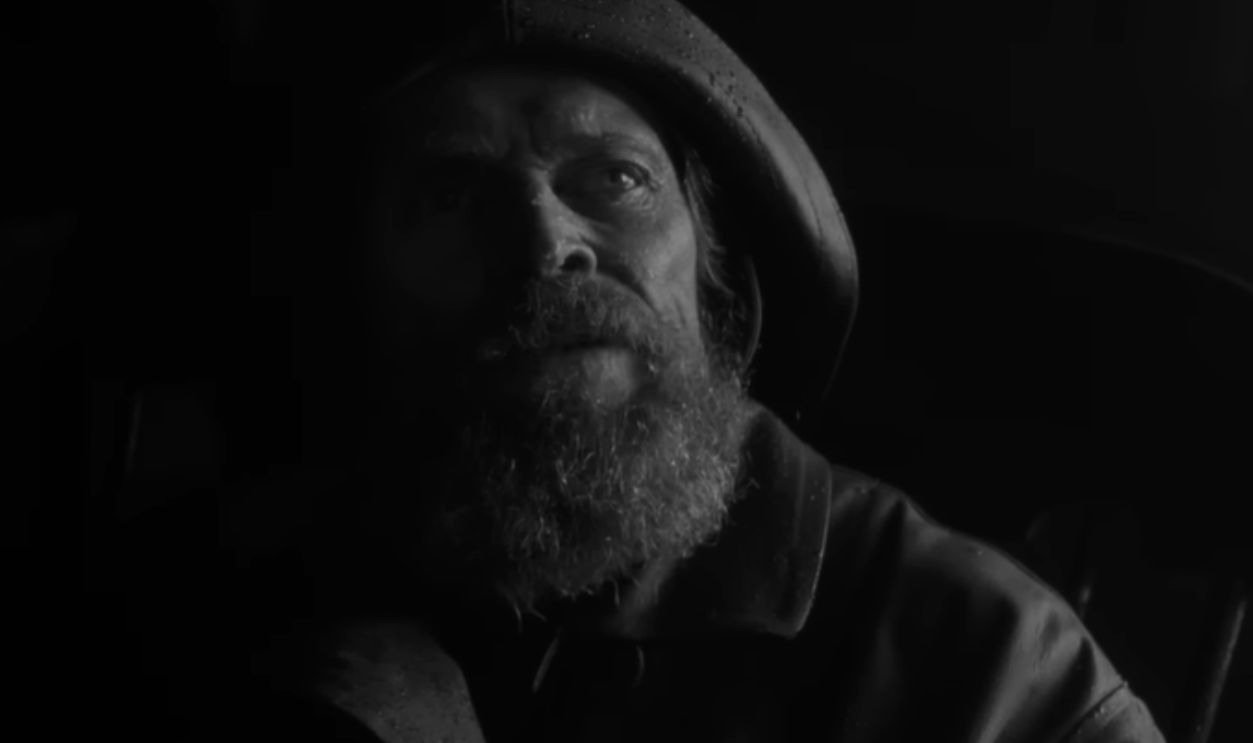 Screenshot from The Lighthouse, A24 (2019)
Donnie Darko (2001)
This movie didn’t find its audience right away, but once it did, it never let go. Mixing time loops, teenage angst, and existential dread, Donnie Darko thrived on ambiguity. Home video and midnight screenings turned it into a cult classic that defined early-2000s indie cool.
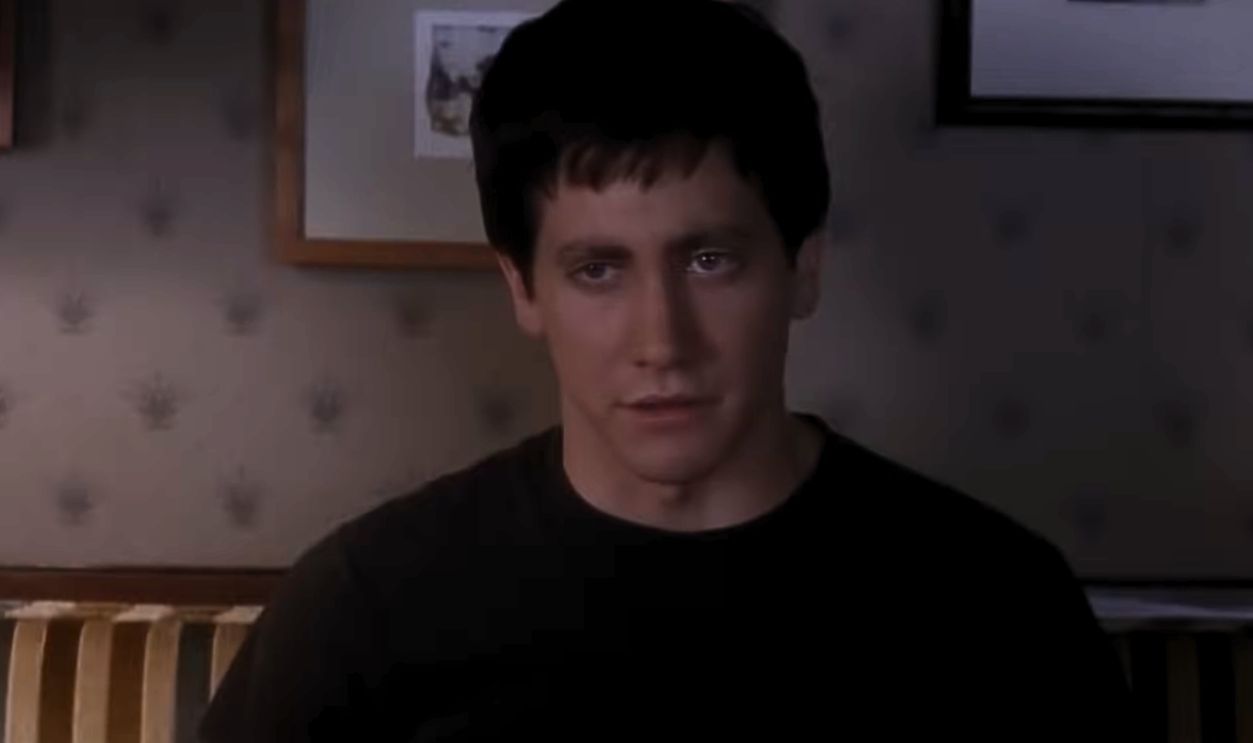 Screenshot from Donnie Darko, Newmarket Films (2001)
Aftersun (2022)
This film feels like remembering something you didn’t realize mattered until years later. Using fragments, glances, and music, Aftersun trusts the audience to feel rather than be told. It’s a great example of how indie films can be emotionally overwhelming without being loud.
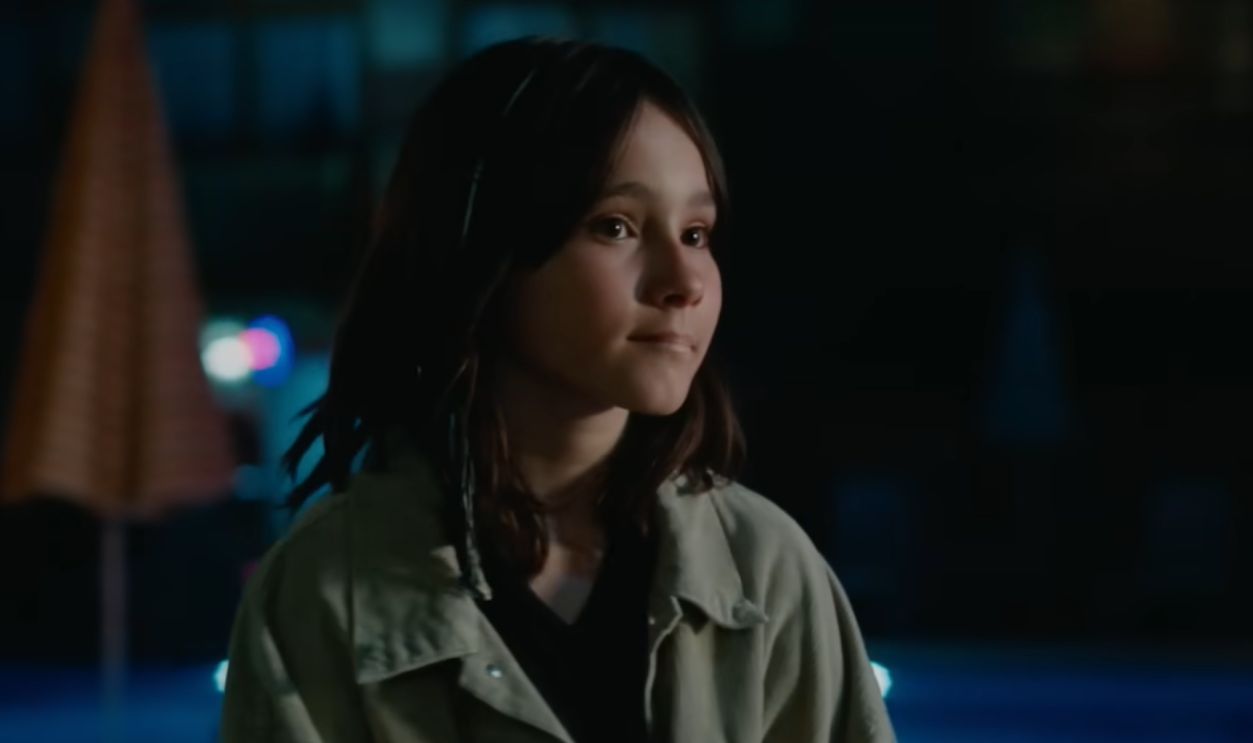 Screenshot from Aftersun, A24 (2022)
Anora (2024)
Sean Baker’s Palme d’Or winner blends humor, chaos, and intimacy into a raw character study. Like much of Baker’s work, it centers people rarely treated as protagonists. Its success reaffirmed that indie films rooted in authenticity can still dominate the global festival conversation.
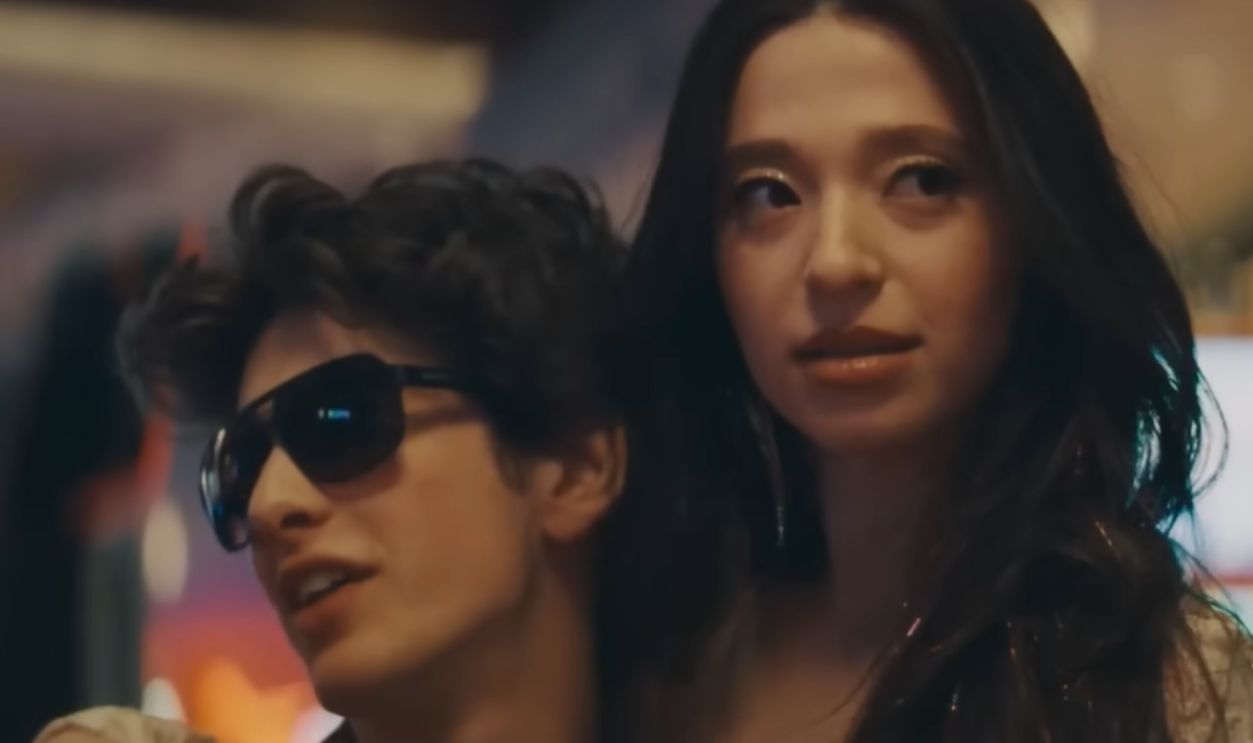 Screenshot from Anora, Neon (2024)
Lost In Translation (2003)
More mood than plot, this film captures loneliness in a way few movies have. Sofia Coppola lets silence and atmosphere do the heavy lifting, creating a film that feels personal and ephemeral. It became a defining touchstone of early-2000s indie sensibility.
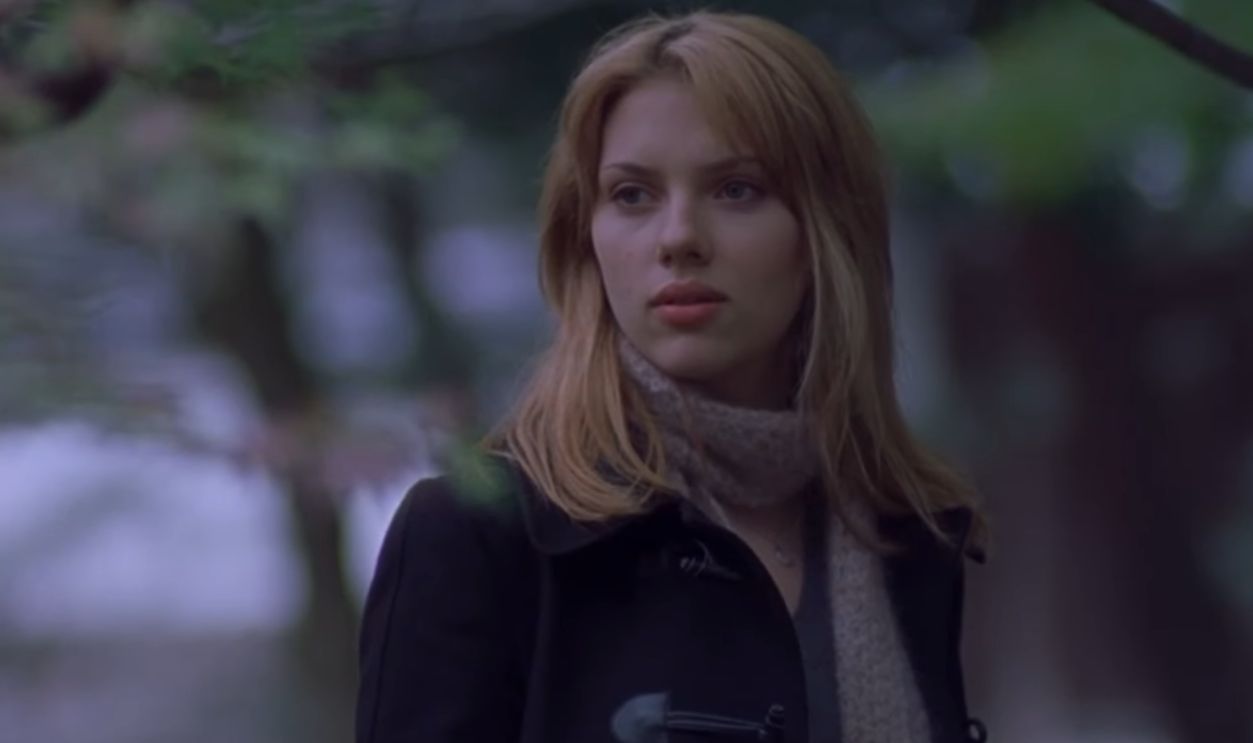 Screenshot from Little Miss Sunshine, Focus Features (2006)
Everything Everywhere All At Once (2022)
This movie throws literally everything at the screen and somehow makes it emotional. Beneath the chaos is a deeply personal story about family, regret, and connection. Its massive awards success proved that indie films can be both wildly experimental and massively crowd-pleasing.
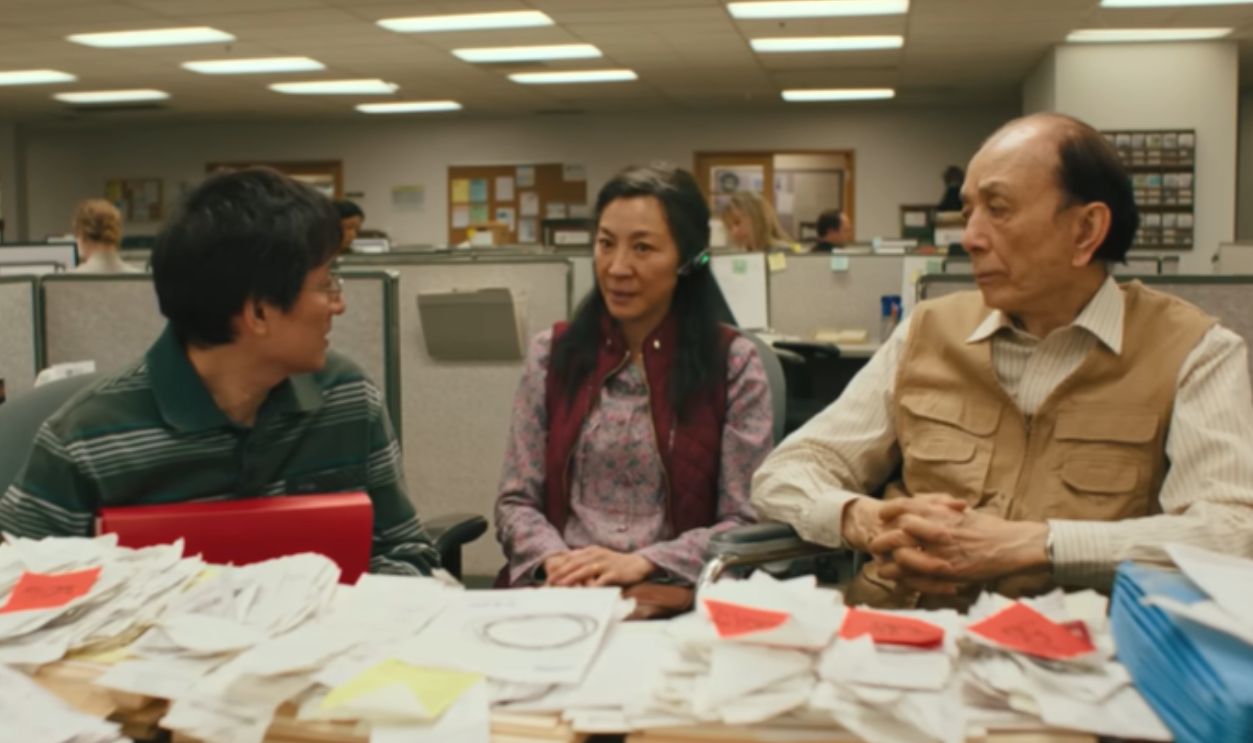 Screenshot from Everything Everywhere All at Once, A24 (2022)
Moonlight (2016)
Told in three chapters, Moonlight unfolds with patience and grace. Its focus on quiet moments and interior lives made it feel revolutionary. Winning Best Picture cemented its place as one of the most important indie films of the modern era.
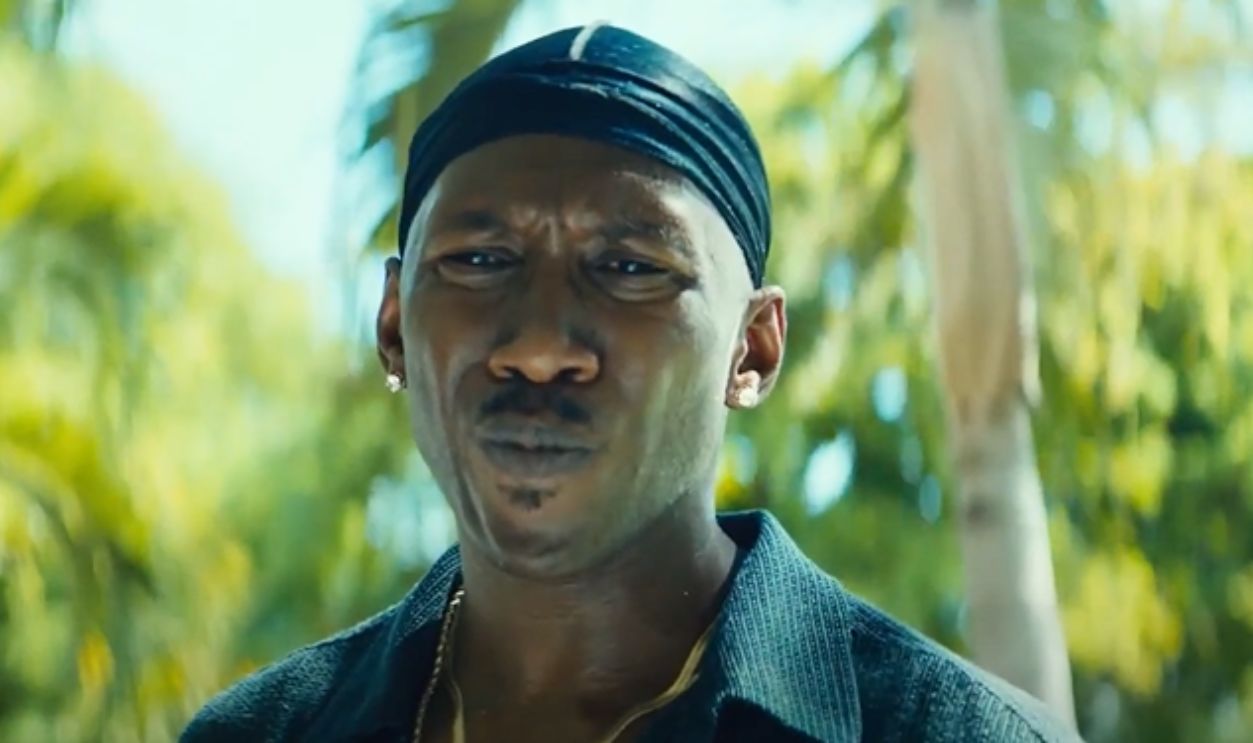 Screenshot from Moonlight, A24 (2016)
Clerks (1994)
Shot at night in a convenience store Kevin Smith actually worked at, Clerks became a DIY legend. Its rapid-fire dialogue and low-budget honesty inspired countless filmmakers to just start making movies, no permission required.
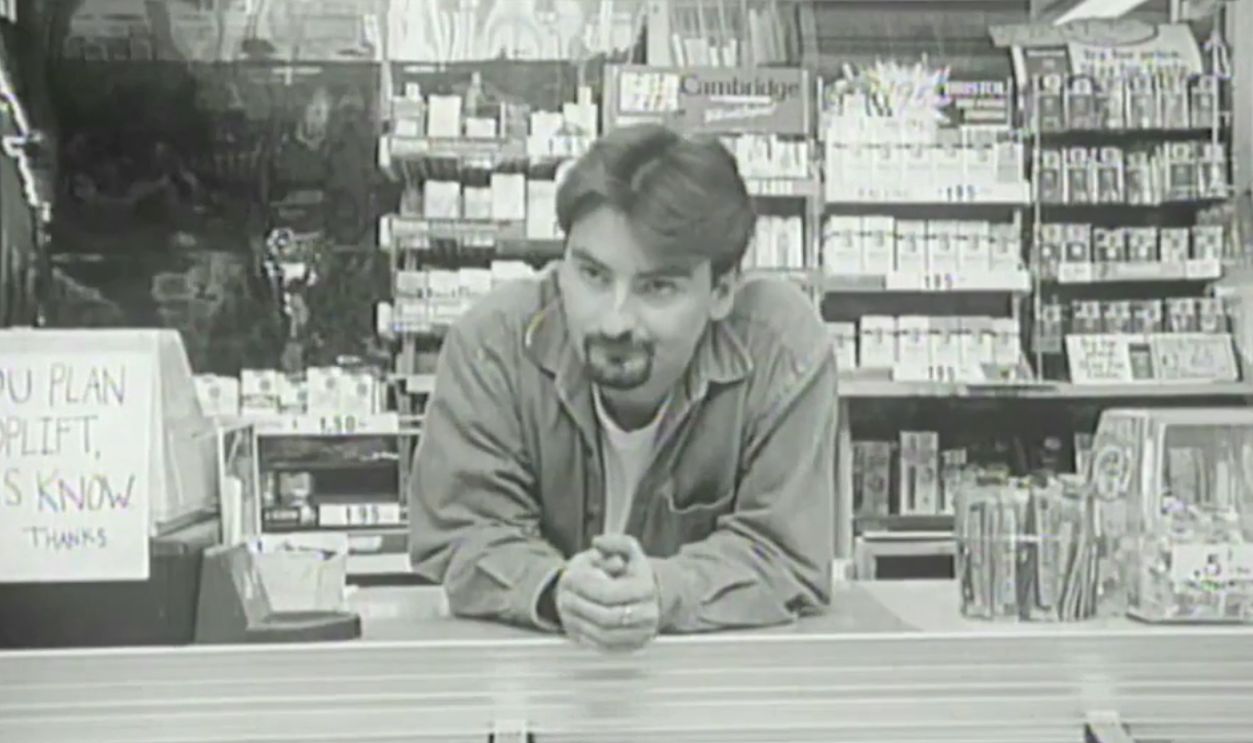 Screenshot from Clerks, Miramax Films (1994)
Juno (2007)
Sharp dialogue and a distinctive voice helped Juno stand out in a crowded indie landscape. It walked a fine line between quirky and sincere, influencing a wave of indie-flavored studio comedies. The film proved tone and voice could be just as important as story.
 Screenshot from Juno, Fox Searchlight Pictures (2007)
Blue Velvet (1986)
This movie peels back suburbia to reveal something deeply unsettling underneath. David Lynch’s refusal to explain anything turned confusion into a feature, not a flaw. It helped define indie cinema as a space for provocation, discomfort, and artistic risk.
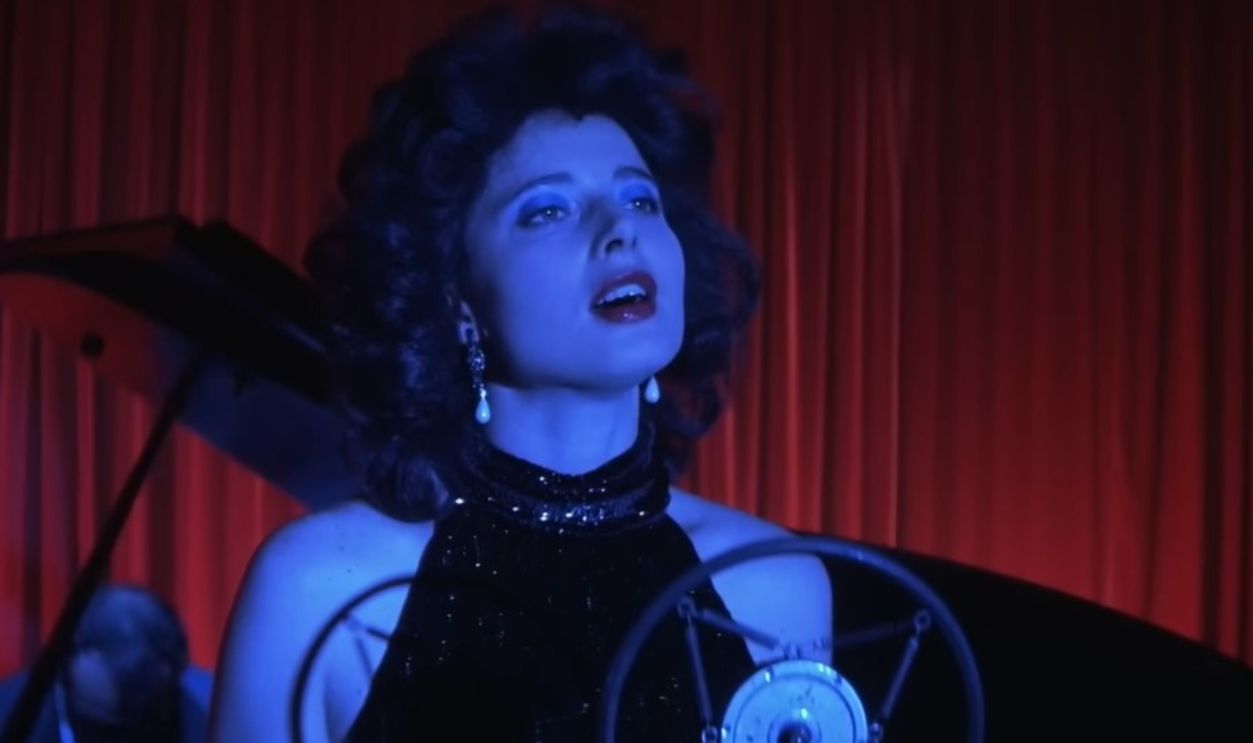 Screenshot from Blue Velvet, De Laurentiis Entertainment Group (1986)
Before Sunset (2004)
Essentially two people walking and talking, this film is quietly mesmerizing. Its real-time structure and natural dialogue make it feel intimate and honest. It’s a reminder that indie films don’t need plot twists when emotional truth does the work.
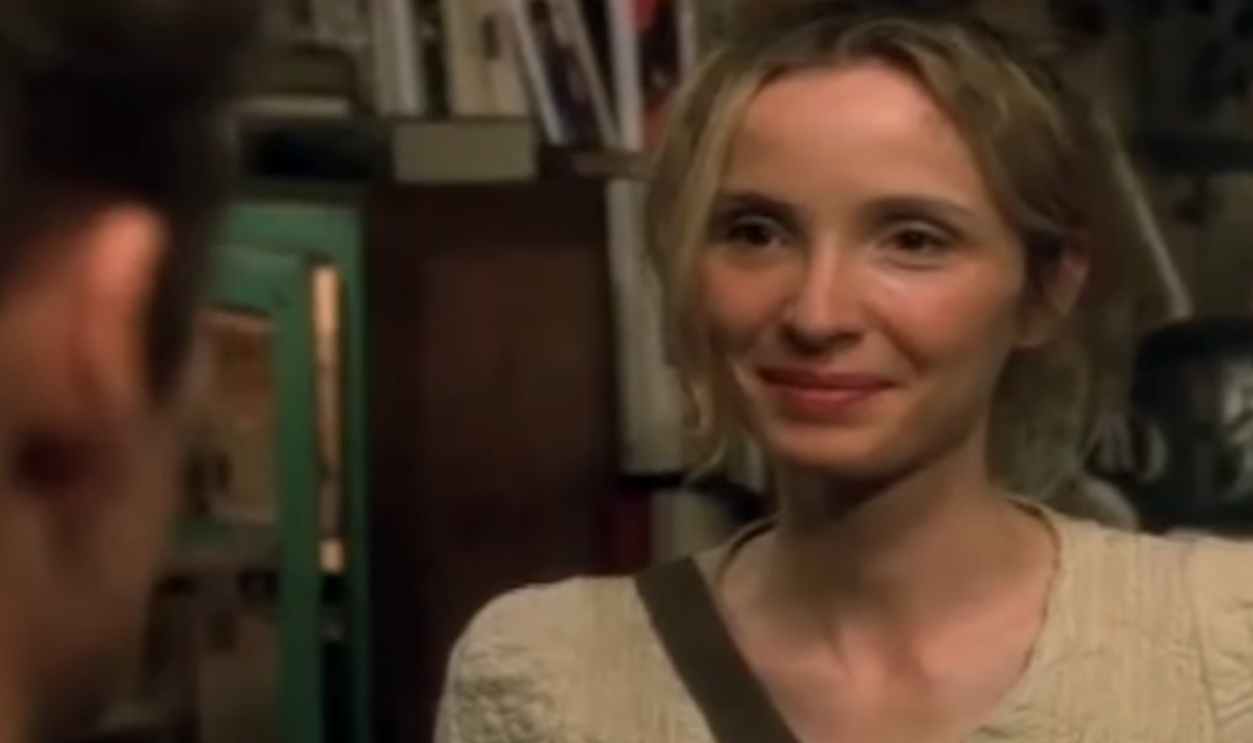 Screenshot from Before Sunset, Warner Independent Pictures (2004)
The Usual Suspects (1995)
Built around one unforgettable ending, this indie crime thriller punched far above its budget. Its clever structure and sharp writing made it endlessly rewatchable. The film helped prove indie genre movies could compete with big studio thrillers.
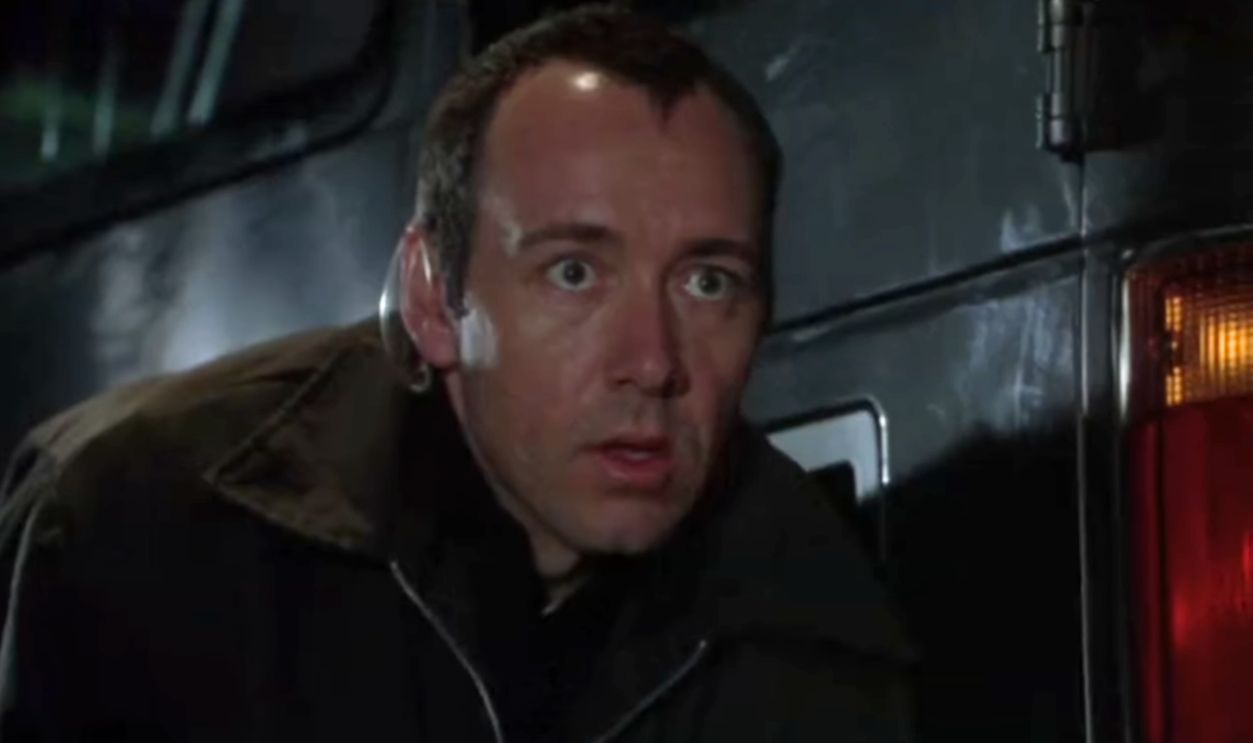 Screenshot from The Usual Suspects, Gramercy Pictures (1995)
Being John Malkovich (1999)
Completely unhinged in the best way, this film dives headfirst into absurdity. It never explains itself and never apologizes. That confidence in weirdness is exactly what made it an indie landmark.
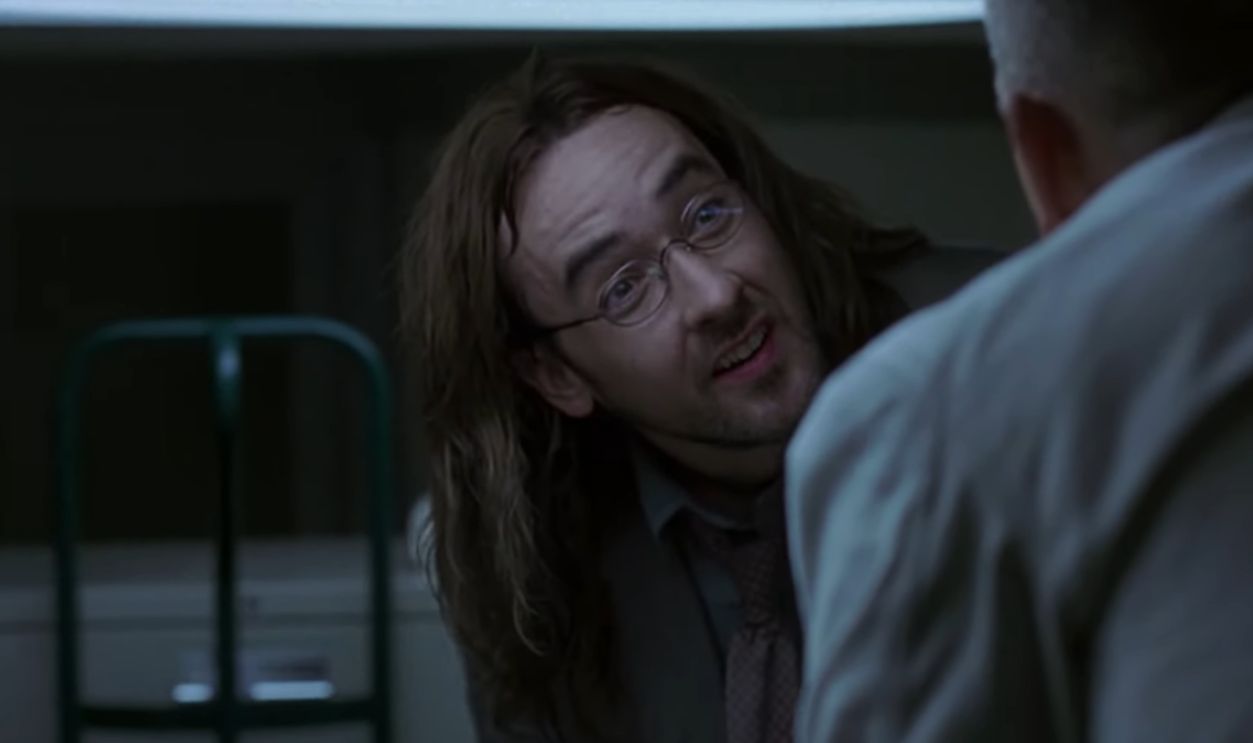 Screenshot from Being John Malkovich, USA Films (1999)
Brokeback Mountain (2005)
Though widely released, this film carries the soul of an indie. Its quiet storytelling and emotional restraint gave space to a love story rarely treated with such seriousness at the time. The cultural impact was enormous, reshaping conversations around representation and romance in cinema.
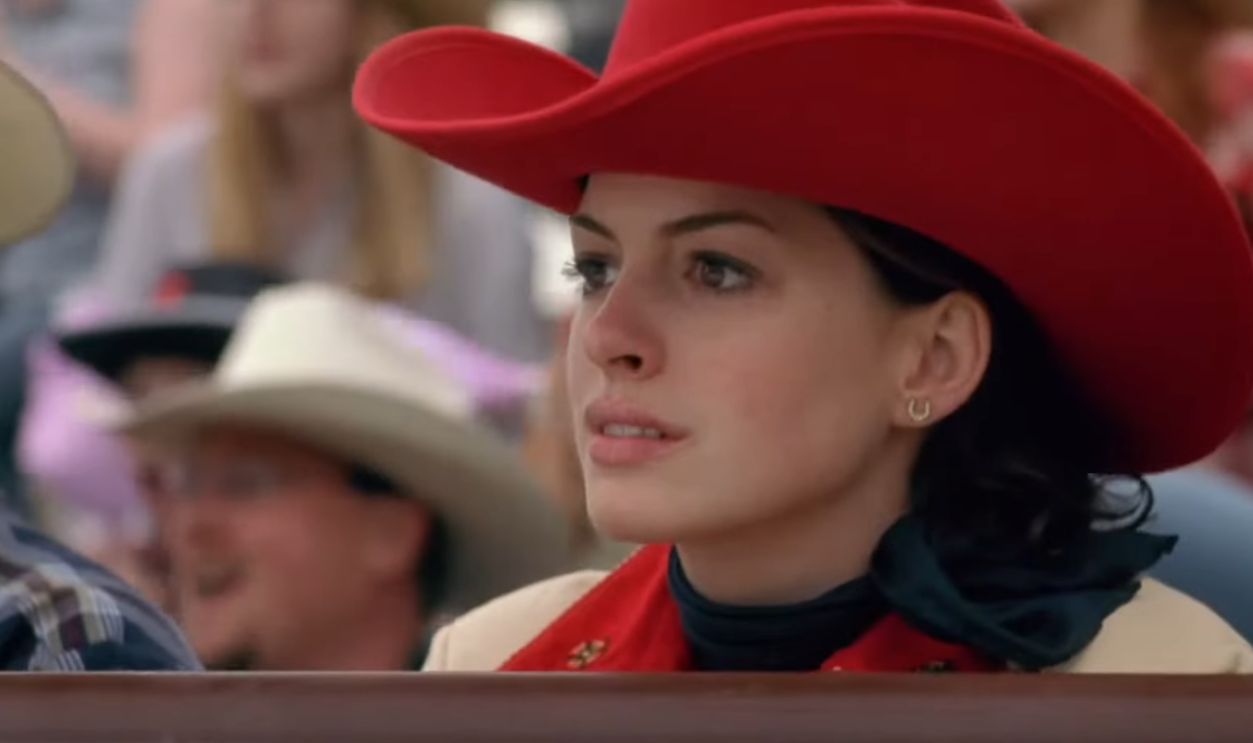 Screenshot from Brokeback Mountain, Focus Features (2005)
Night Of The Living Dead (1968)
Made outside the studio system, this horror classic rewrote genre rules. Its bleak tone and social commentary were shocking at the time. The film proved independent cinema could challenge audiences and change culture simultaneously.
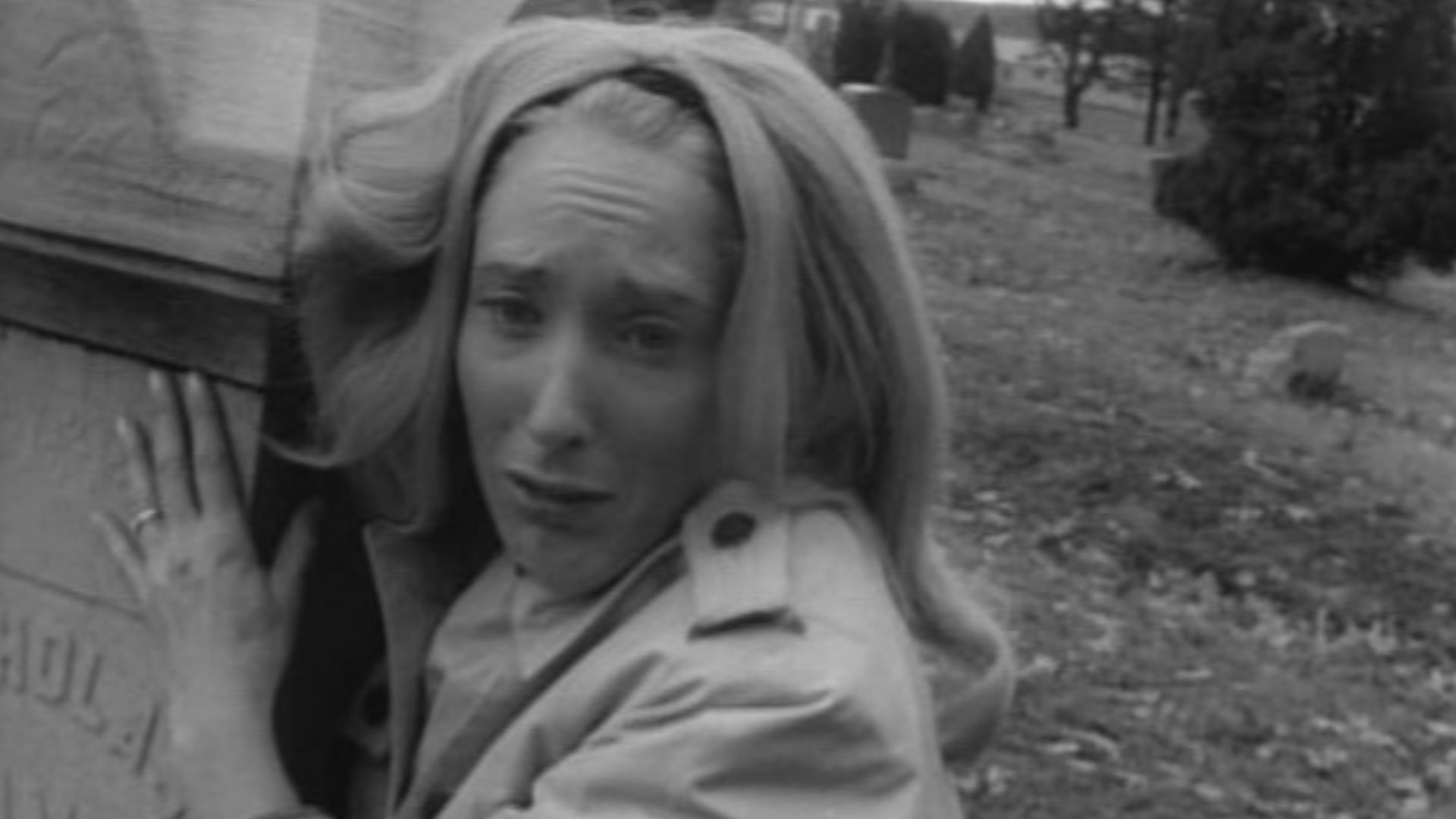 Direction and cinematography both by George A. Romero, Wikimedia Commons
Dazed And Confused (1993)
There’s no plot here, just vibes—and that’s the point. Richard Linklater captures the feeling of youth slipping by, one hangout at a time. Over the years, the film’s loose, observational style has become endlessly influential.
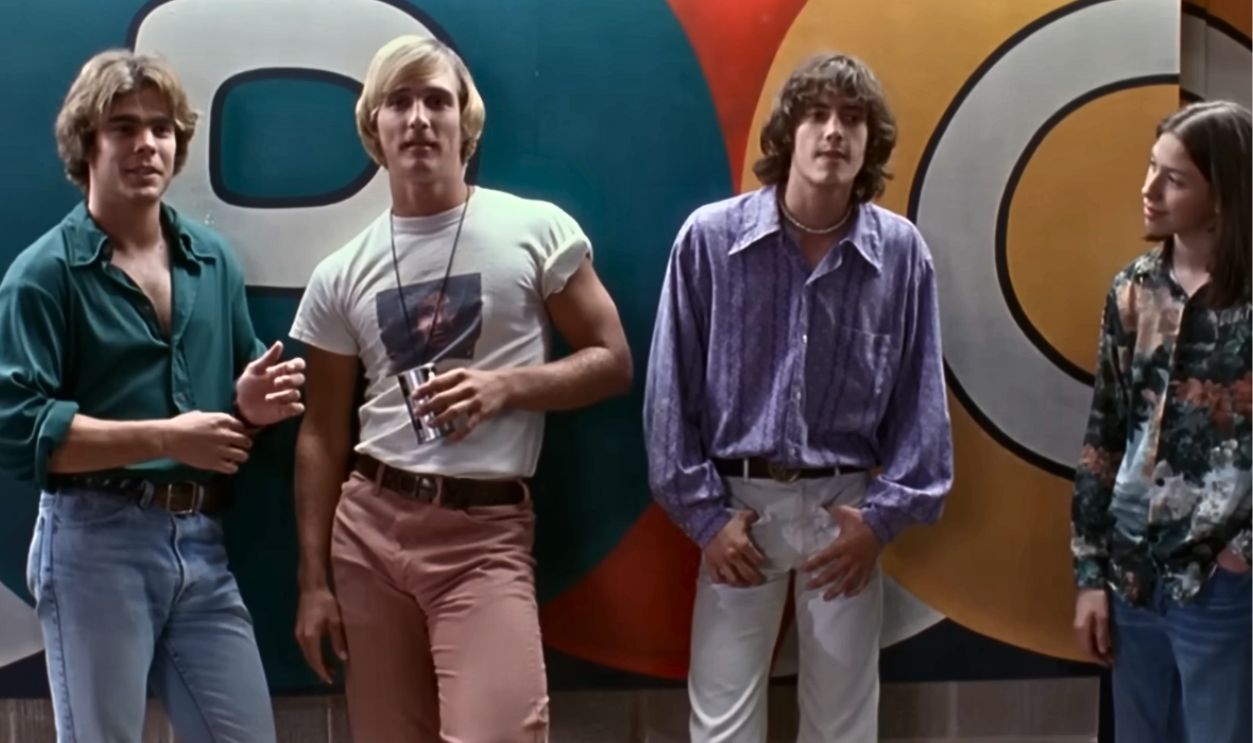 Screenshot from Dazed and Confused, Gramercy Pictures (1993)
Pi (1998)
Shot in grainy black-and-white, Pi is intense from the first frame. Darren Aronofsky uses sound and editing to trap viewers inside obsession. It’s rough, uncomfortable, and unmistakably indie.
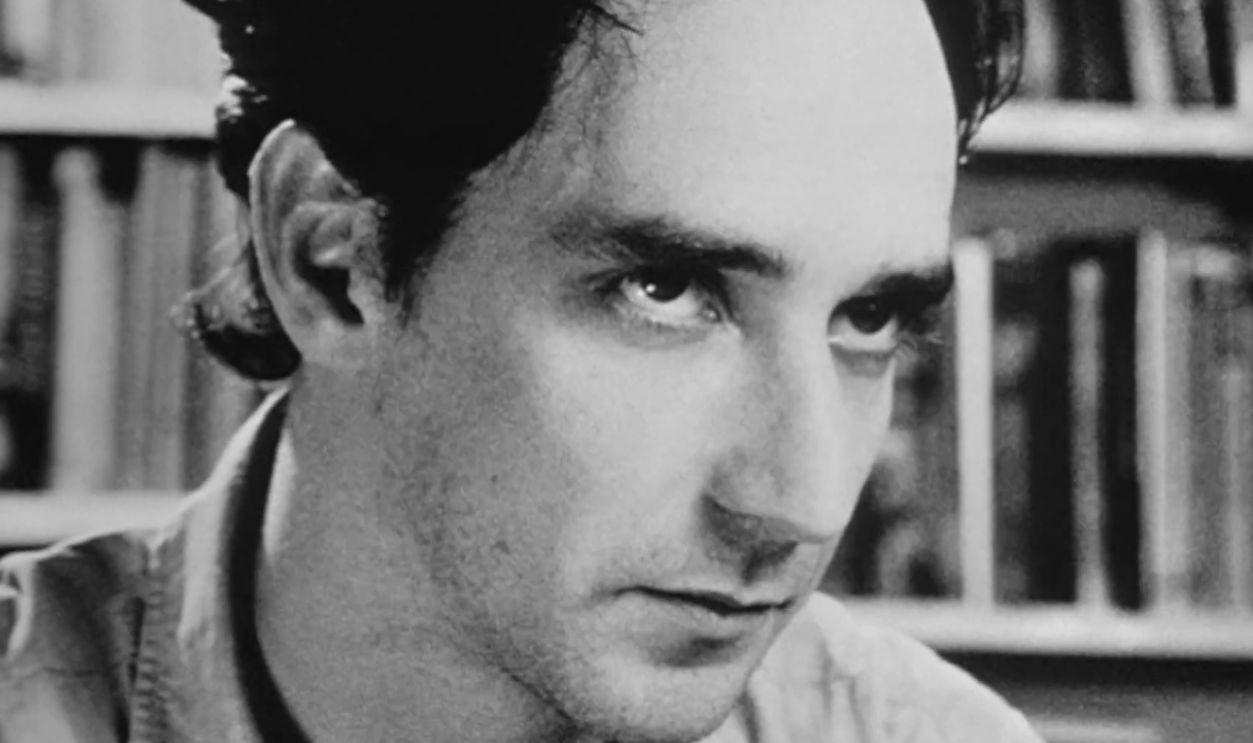 Screenshot from Pi, Artisan Entertainment (1998)
Requiem For A Dream (2000)
This film does not let you breathe. Its aggressive style and emotional brutality left a lasting mark on audiences. Love it or hate it, it remains one of the most unforgettable—and uncompromising—indie films ever made.
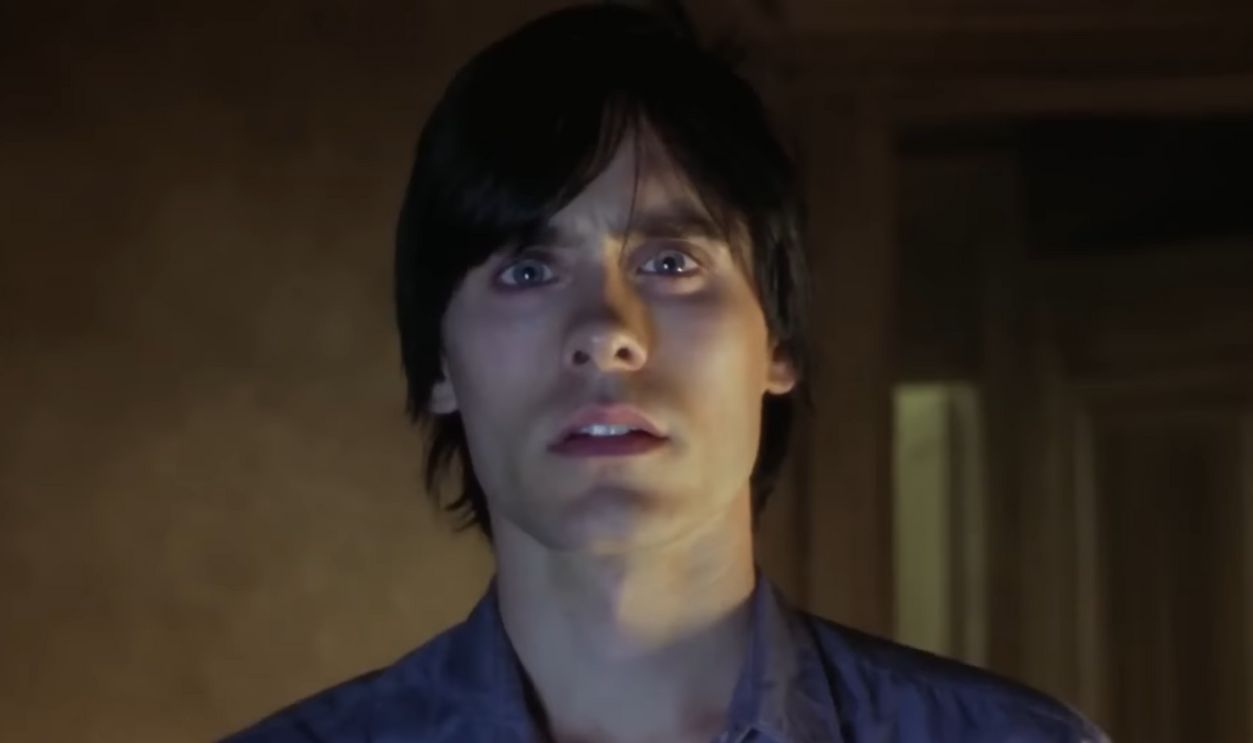 Screenshot from Requiem for a Dream, Artisan Entertainment (2000)
You May Also Like:
Indie Tracks That Deserve Way More Love
Mind-Bending Movies That Used Non-Linear Storytelling Brilliantly
Every Film Fan Needs To Check These Iconic Black & White Movies Off Their List