Hollywood's Boy Wonder
Few filmmakers rose as quickly or fell as dramatically as Peter Bogdanovich. During the 1970s, he became one of Hollywood's most celebrated directors, earning critical acclaim and industry prestige. But a series of turbulent relationships, professional disappointments, and personal tragedies would reshape the course of his life.
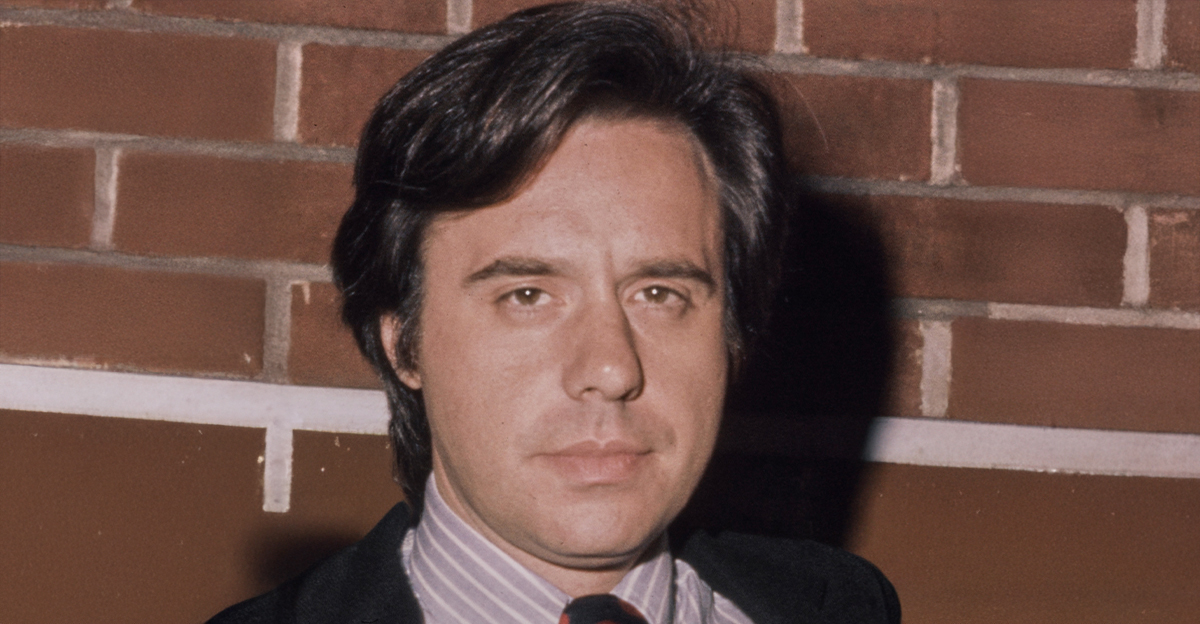 Michael Ochs Archives/Getty Images
Immigrant Family Roots
Peter Bogdanovich was born in Kingston, New York, on July 30, 1939. His father was a Serbian immigrant and painter, while his mother came from a wealthy Austrian family. The household encouraged intellectual curiosity, literature, music, and film appreciation from an early age.
![Title: Peter Bogdanovich, director
Creator(s): Gotfryd, Bernard, photographer
Date Created/Published: [1973]
Medium: 1 photograph : color transparency ; 35mm (slide format)
Reproduction Number: LC-DIG-gtfy-00573 (digital file from original)
Rights Advisor](https://www.factinate.com/storage/app/media/theshot/2026/6/15/1781513829e8b9cd62a2418b4bf8fe2fdf268e1a080c79a217.jpg) Bernard Gotfryd, Wikimedia Commons
Bernard Gotfryd, Wikimedia Commons
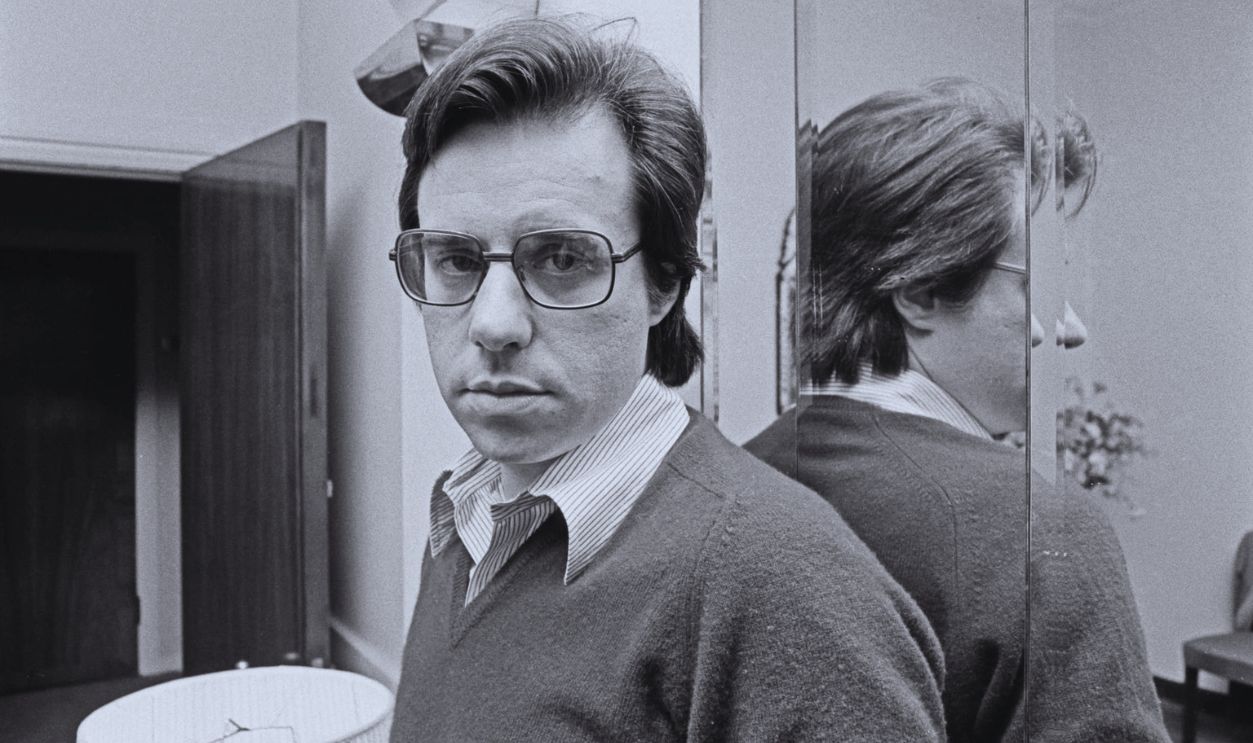
Obsessed With Movies
As a teenager, Bogdanovich developed a near-encyclopedic knowledge of cinema. He watched countless films, kept detailed viewing notes, and immersed himself in Hollywood history. Long before he ever became a filmmaker himself, he was already studying the work of great directors.
 Michael Ochs Archives/Getty Images
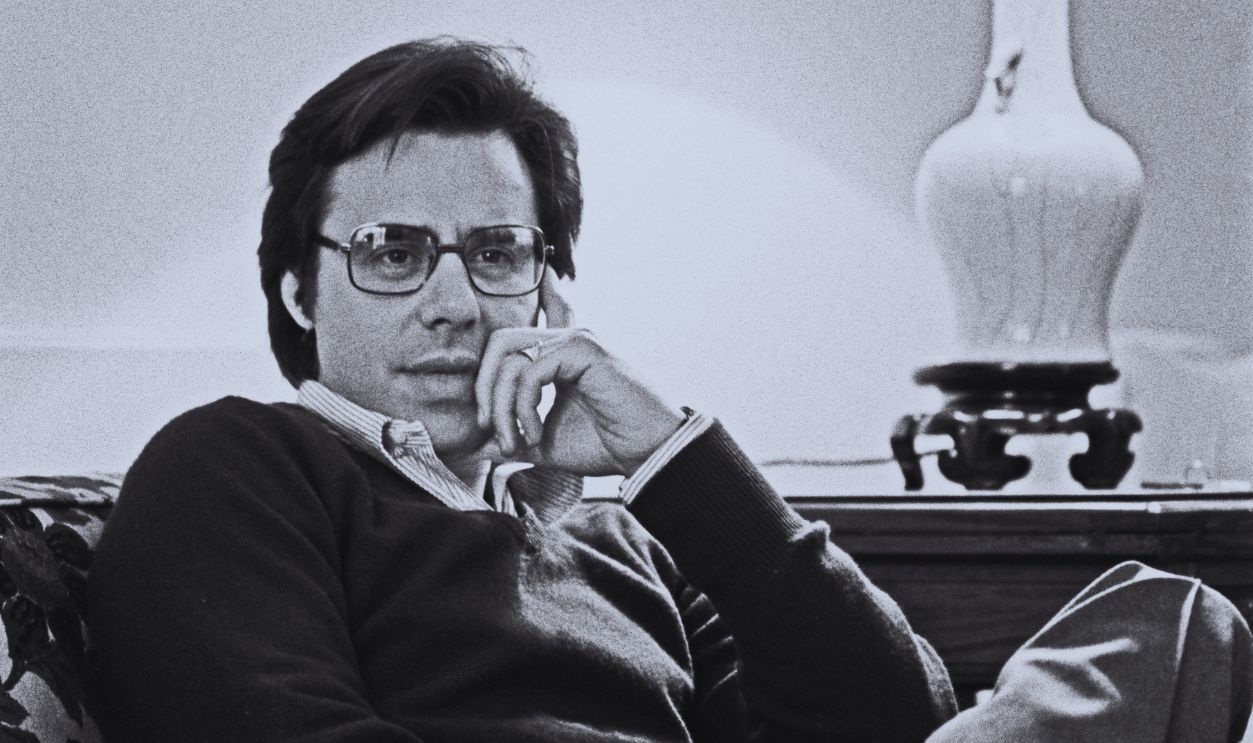
Critic And Historian
Before directing movies, Bogdanovich built a reputation as a critic and film historian. He wrote extensively about classic Hollywood filmmakers and helped introduce younger audiences to directors whose work had sometimes been overlooked by contemporary critics.
 Evening Standard, Getty Images
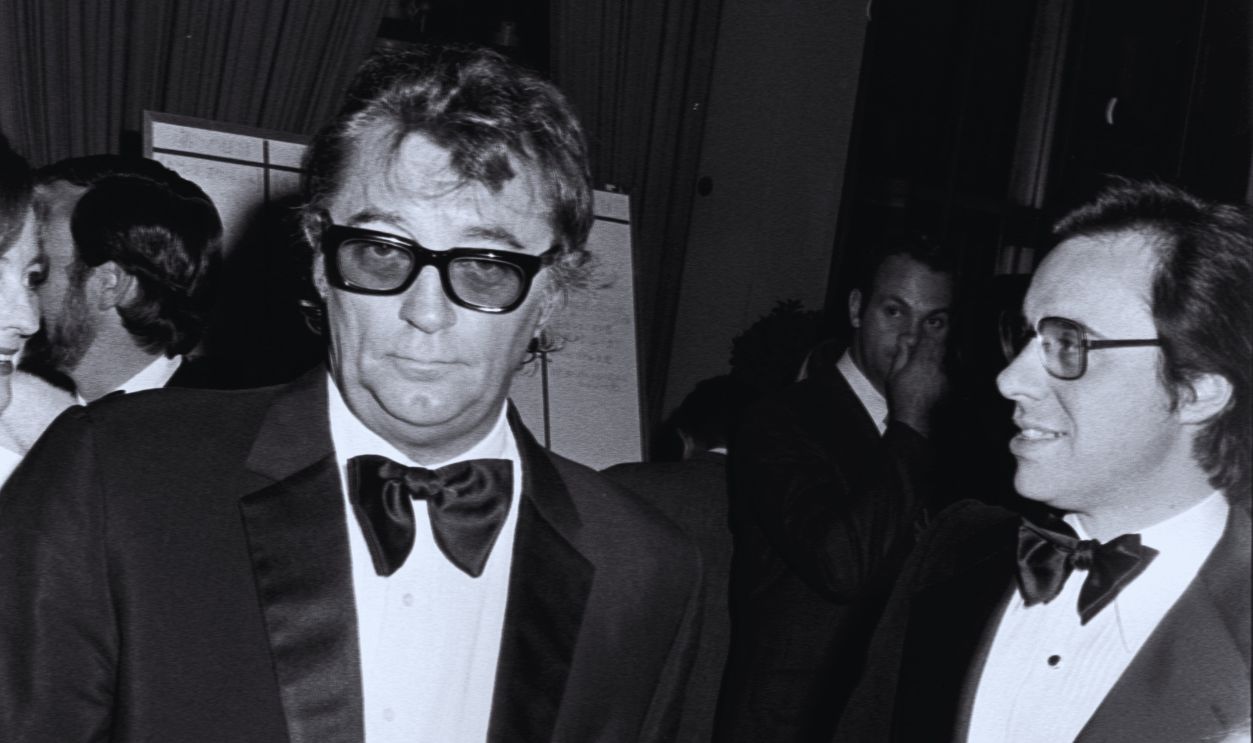
Championing Old Masters
Bogdanovich conducted interviews with legendary filmmakers including John Ford, Howard Hawks, and Orson Welles. His admiration for classical Hollywood storytelling would later shape his own directorial style, setting him apart from many younger filmmakers of the era.
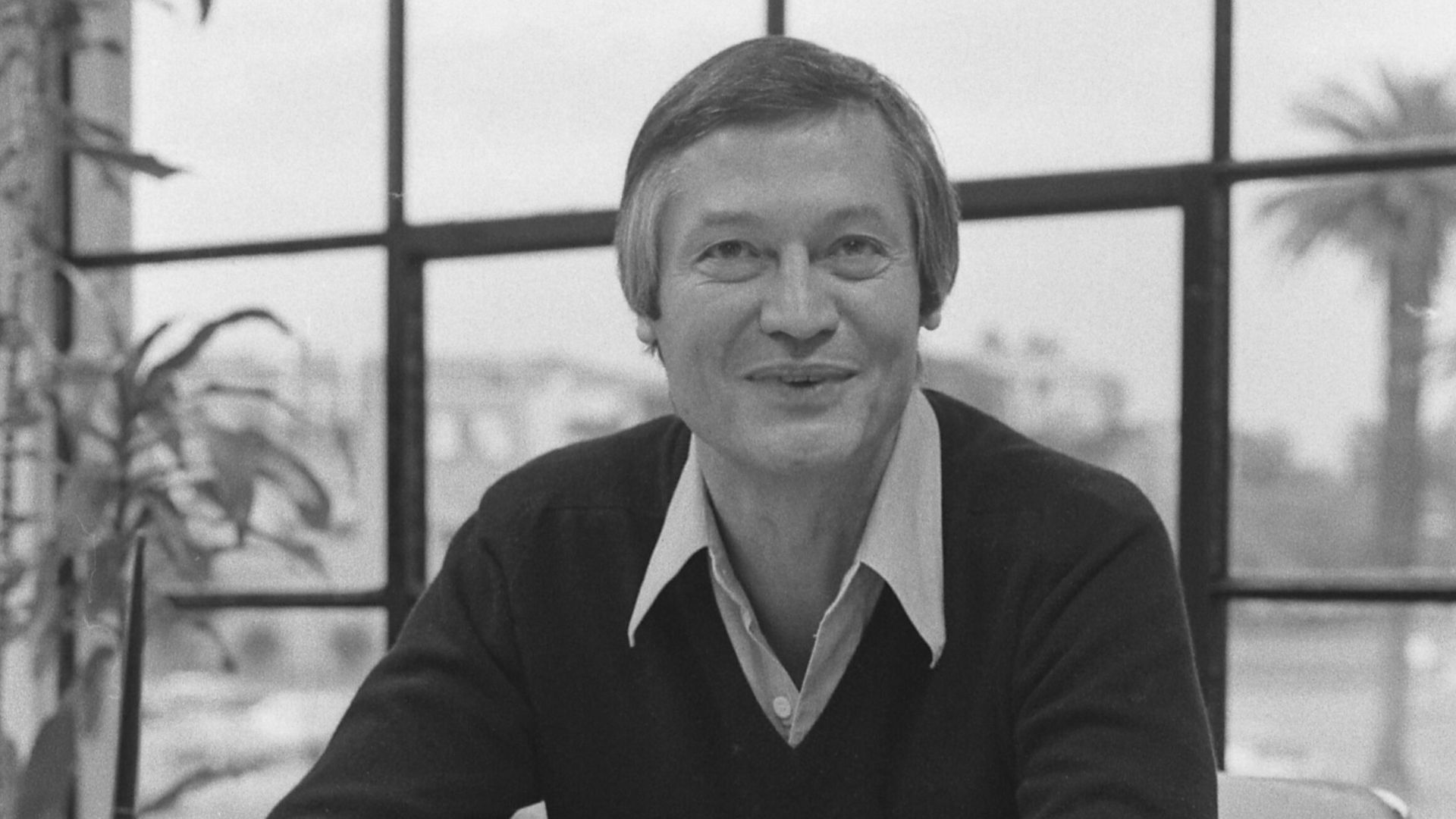
Roger Corman Opportunity
His transition into directing came through Roger Corman, who was well known for giving ambitious young filmmakers opportunities to prove themselves. Bogdanovich directed low-budget genre films that allowed him to gain practical experience behind the camera while developing confidence as a storyteller.
 Marianna Diamos, Los Angeles Times, Wikimedia Commons
Discovering A New Face
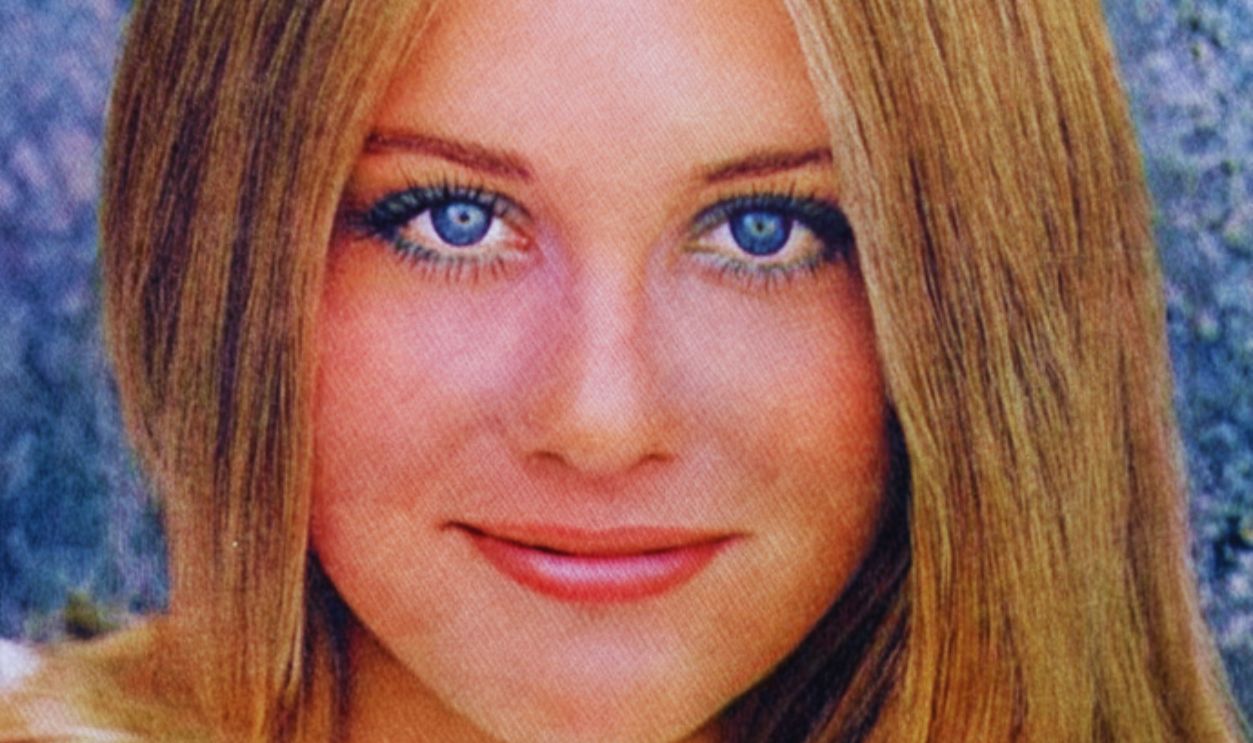
While preparing to direct his film, The Last Picture Show, Bogdanovich spotted a photograph of a young model named Cybill Shepherd on the cover of Glamour magazine. Struck by her appearance, he arranged an audition and ultimately cast her in a major role in his upcoming film.
 Noxell Corporation-makers of Noxema., Wikimedia Commons
The Last Picture Show
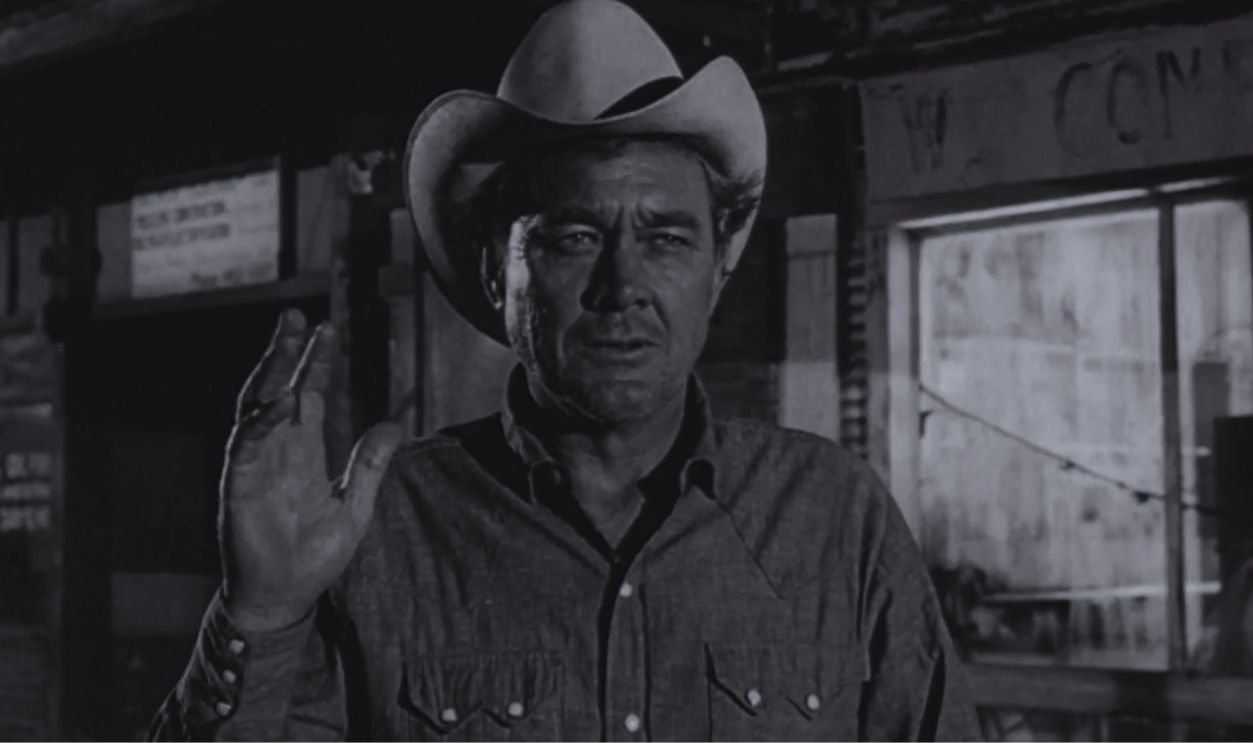
Released in 1971, The Last Picture Show became a sensation. Its nostalgic portrait of a fading Texas town earned enormous critical praise and multiple Academy Award nominations. Suddenly, Bogdanovich was viewed as one of Hollywood's brightest young directors.
 Screenshot from The Last Picture Show, Columbia Pictures (1971)
Falling For Cybill
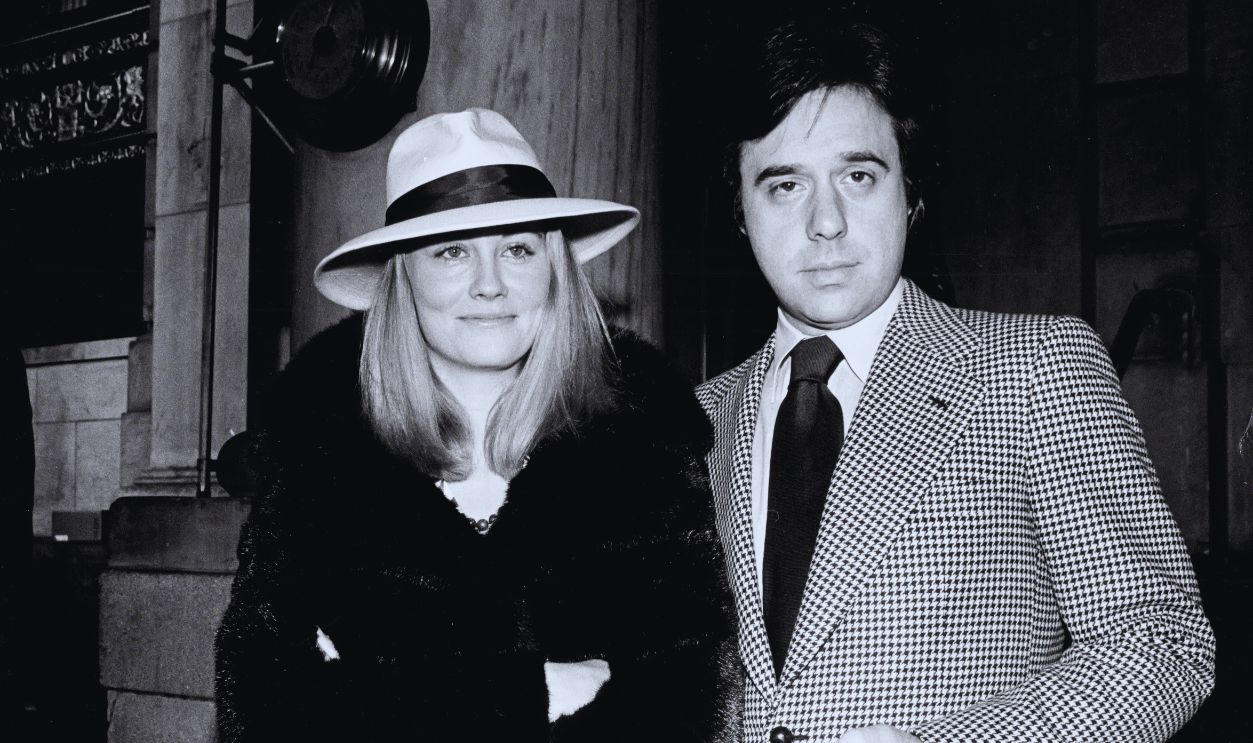
During production, Bogdanovich and Shepherd began a romantic relationship. The affair quickly got serious, which created personal turmoil because Bogdanovich was already married to production designer and creative collaborator Polly Platt at the time.
Leaving His Family
The relationship led Bogdanovich to leave Platt, who was pregnant with the couple's second child. The decision shocked many observers and permanently altered both their personal lives. Platt remained a respected producer and creative force despite the painful breakup.
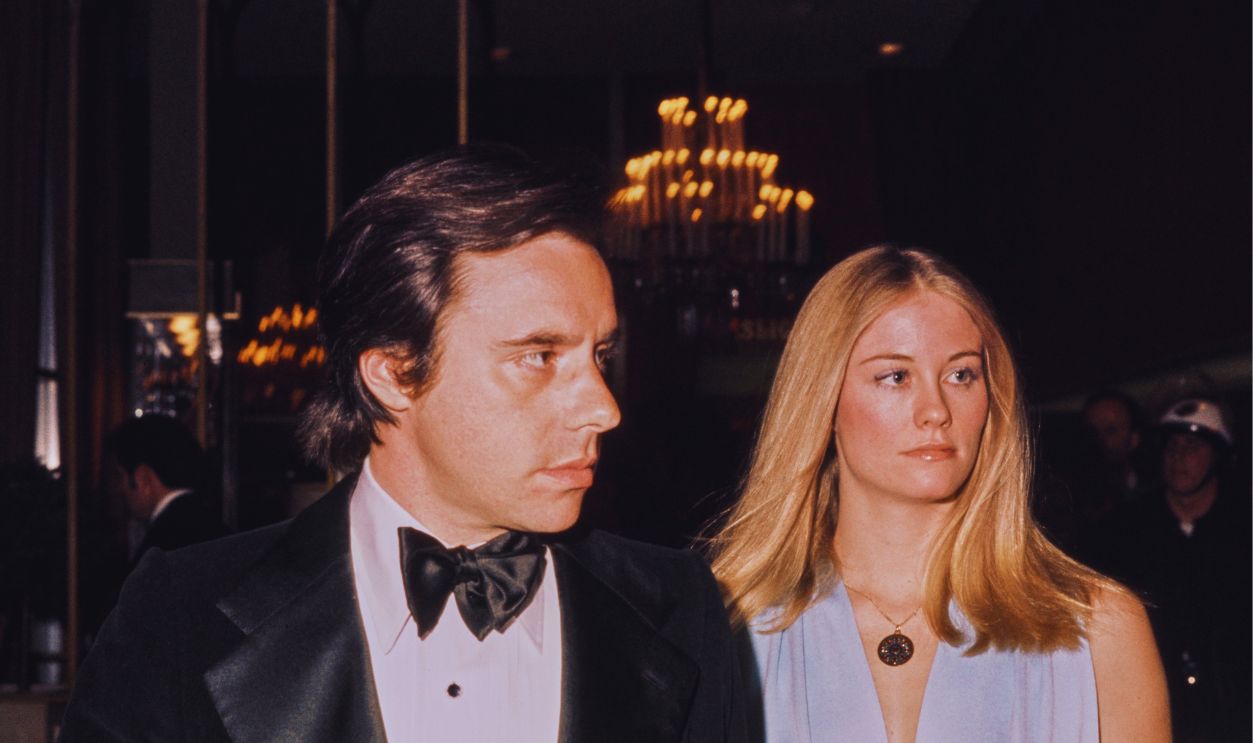
Hollywood's Glamorous Couple
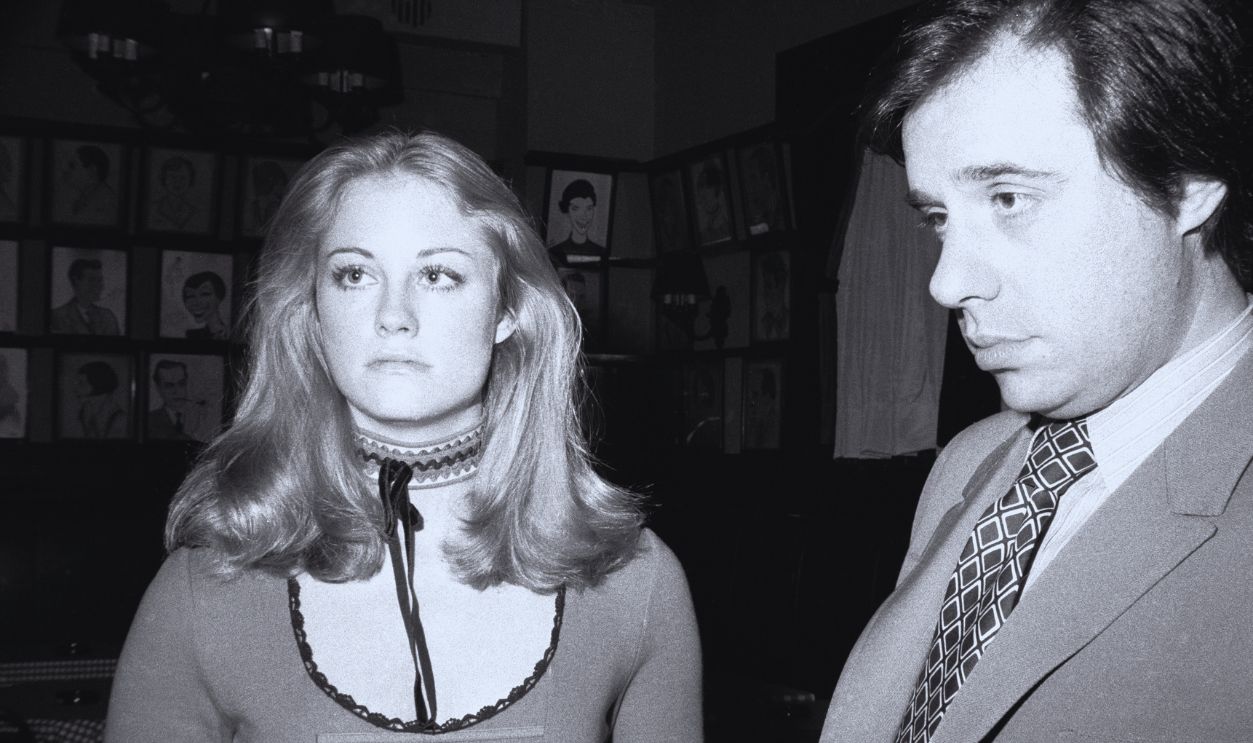
Throughout much of the 1970s, Bogdanovich and Shepherd became one of Hollywood's most talked-about couples. They attended premieres, appeared in magazines, and embodied the glamour associated with the era's emerging generation of filmmakers and stars.
 Michael Ochs Archives, Getty Images
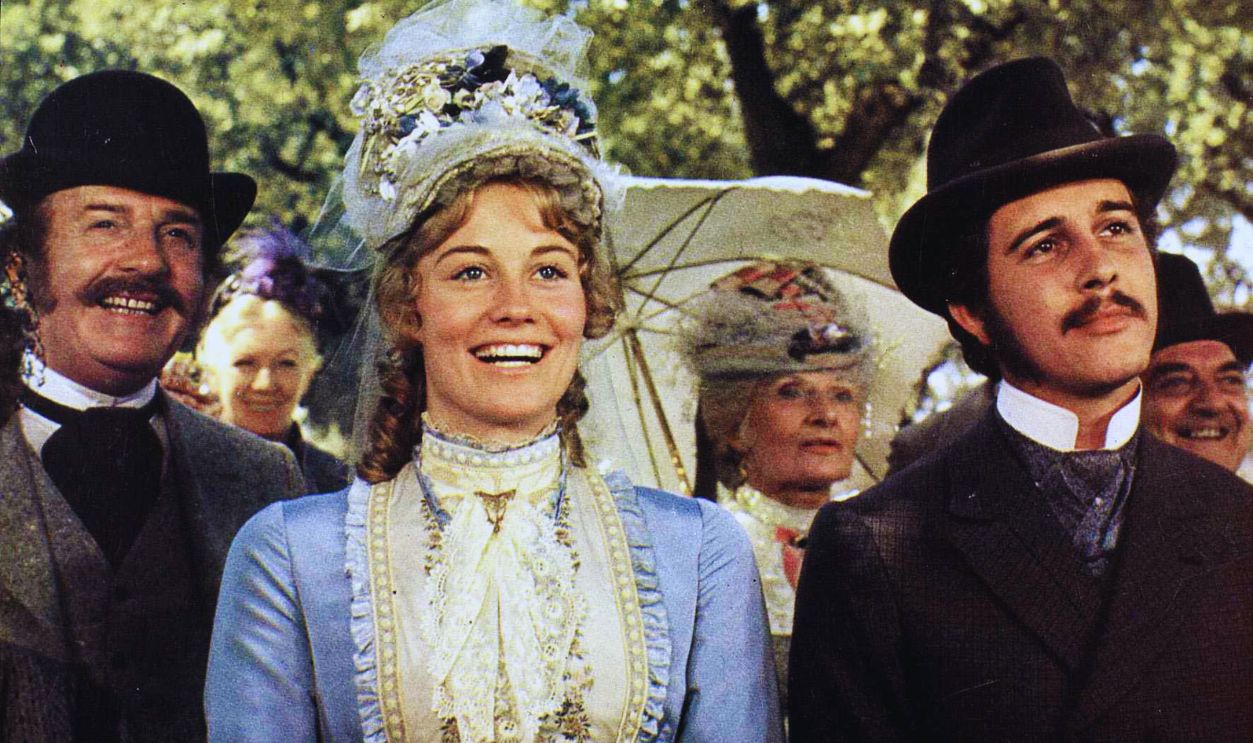
Critics Vs Cybill
Although Shepherd became famous, many film critics never fully embraced her acting. Reviews often focused on her beauty rather than her performances. Some observers felt critics judged her more harshly because of her relationship with the influential director.
Another Major Triumph
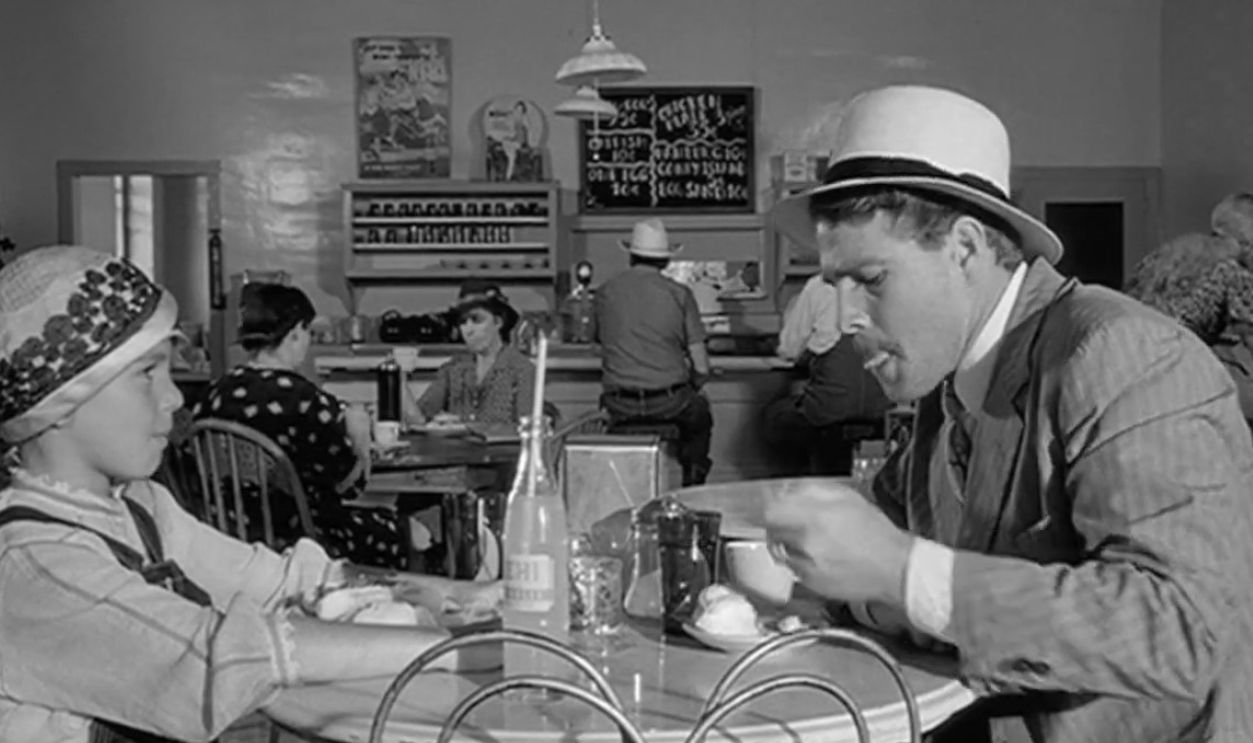
Bogdanovich followed his breakthrough with Paper Moon in 1973. The Depression-era comedy-drama that starred Ryan and Tatum O'Neal earned widespread acclaim and became another commercial success. For a brief period, it seemed he could do almost no wrong in Hollywood.
 Screenshot from Paper Moon, Paramount Pictures (1973)
Success Begins To Fade
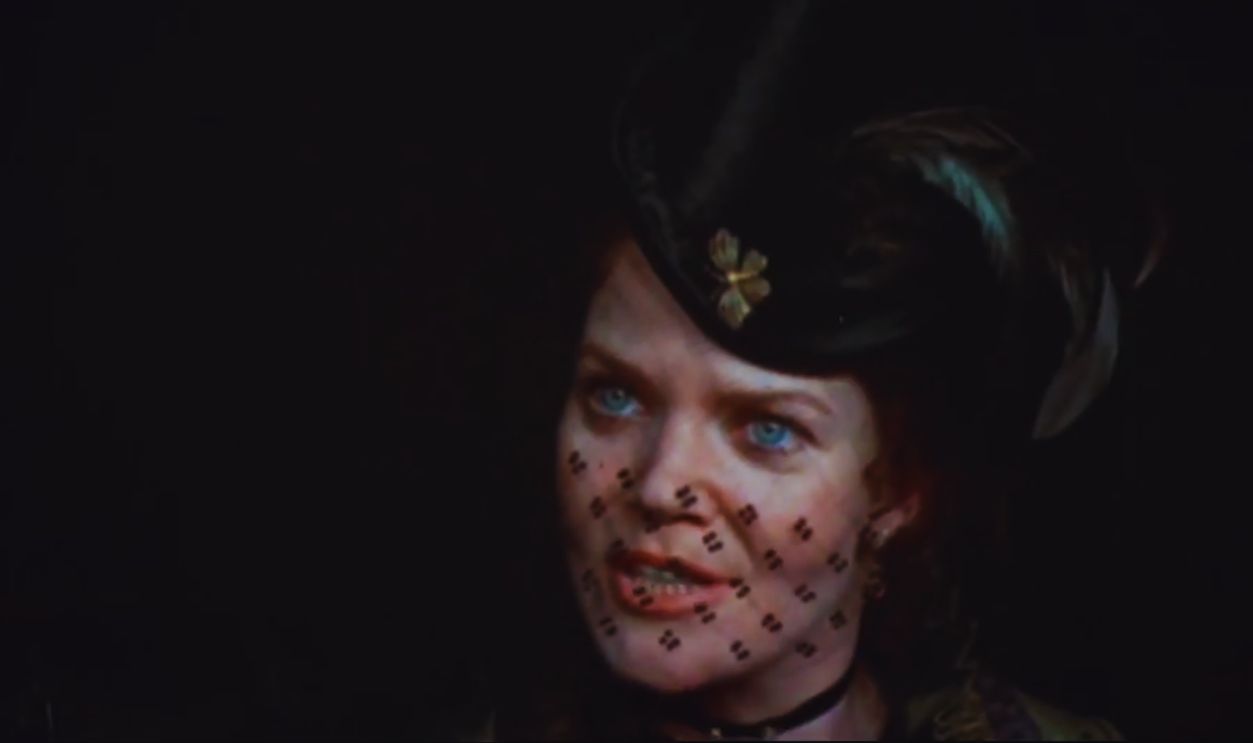
The streak eventually ended. Films such as Daisy Miller (1974) failed to generate the same enthusiasm from audiences or critics. Expectations remained extraordinarily high, making every disappointment seem larger than it otherwise might have been.
 Screenshot from Daisy Miller, Paramount Pictures (1974)
Career Under Pressure
Several subsequent projects struggled financially. Films such as At Long Last Love (1975) and Nickelodeon (1976) failed to connect with audiences despite ambitious production values. Hollywood's perception of Bogdanovich shifted from unstoppable wunderkind to talented filmmaker searching for another major breakthrough.
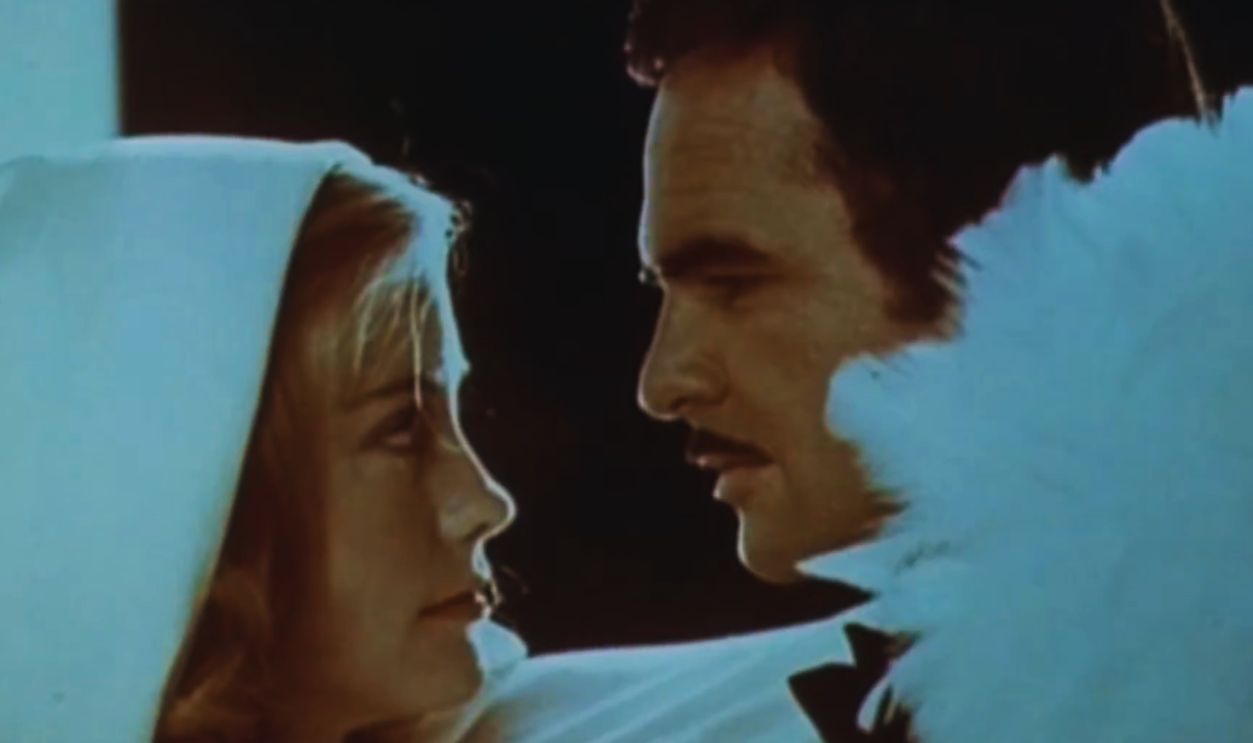 Screenshot from At Long Last Love, 20th Century Fox (1975)
Meeting Dorothy Stratten
In the very late 1970s, Bogdanovich met aspiring actress and model Dorothy Stratten. He was immediately impressed by her charisma and potential, believing she possessed the qualities needed to become a major screen star. He was also smitten by her beauty.
 Unknown authorUnknown author, Wikimedia Commons
Casting Her In Film
Bogdanovich cast Stratten in They All Laughed (1981). The romantic comedy featured an ensemble cast that included Audrey Hepburn, Ben Gazzara, and John Ritter. It represented another attempt by Bogdanovich to regain commercial momentum. During production, the director and Dorothy Stratten grew increasingly close.
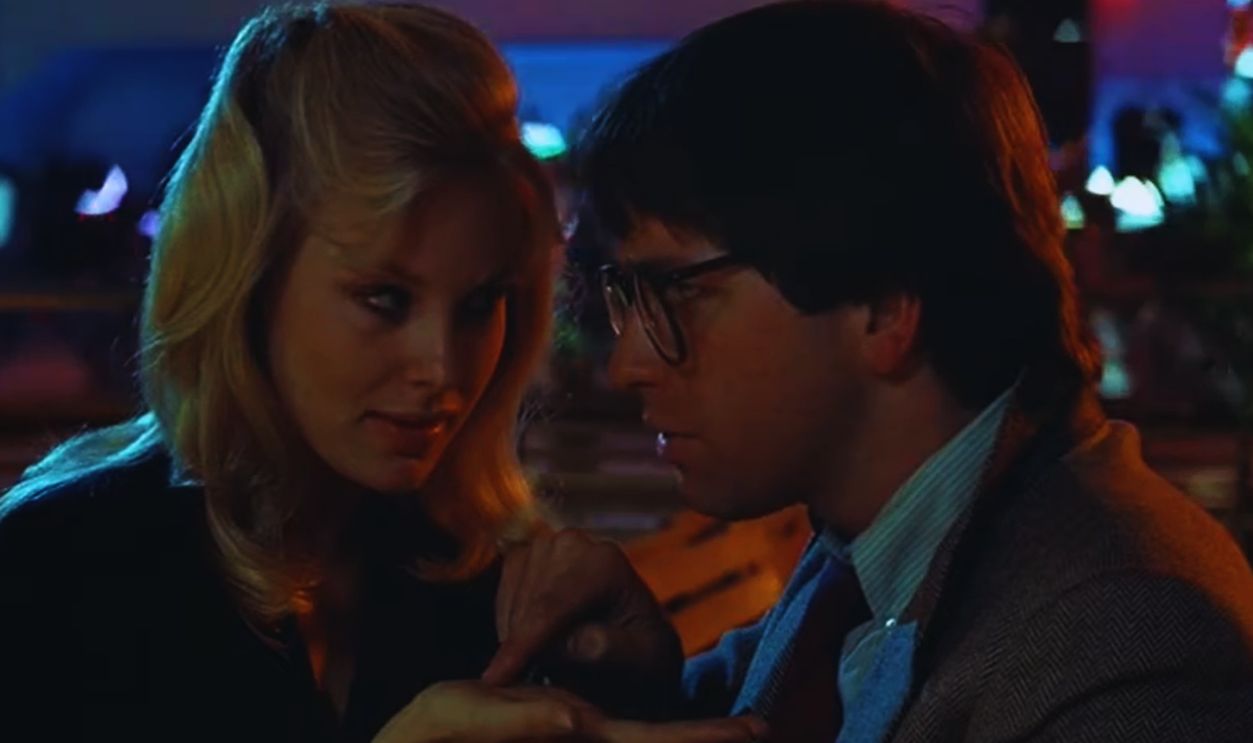 Screenshot from They All Laughed, PSO International (1981)
Unthinkable Tragedy
Before the film's release, Stratten was murdered in August 1980 by her estranged husband, Paul Snider, who then took his own life. The shocking crime stunned Hollywood and devastated everyone who knew her.
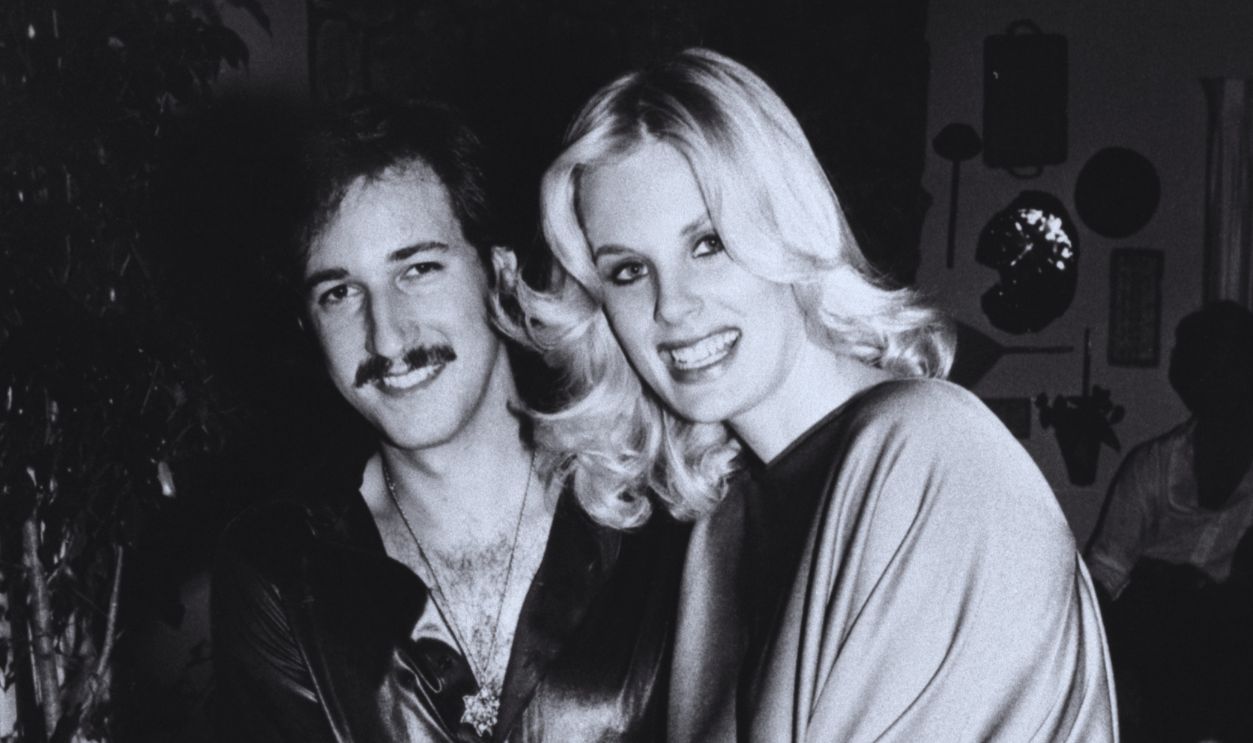
Devastated By Loss
Bogdanovich was shattered by Stratten's death. Friends described him as profoundly affected by the tragedy. The loss haunted him for years and became one of the defining emotional events of his life. By 1985 Bogdanovich had to file for bankruptcy, as he had taken over distribution of They All Laughed himself.
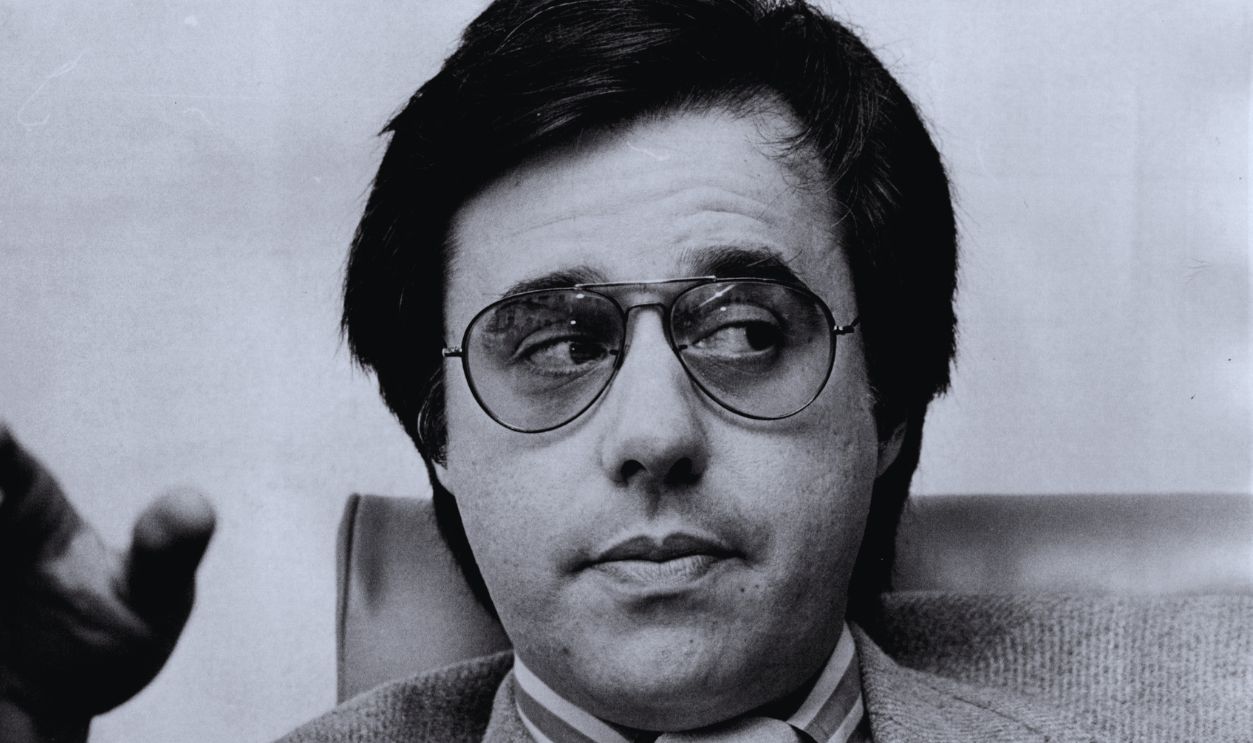 Fairfax Media Archives, Getty Images
Fighting Her Memory
When the 1983 film Star 80 dramatized Stratten's life and slaying, Bogdanovich objected strongly to aspects of the portrayal. He threatened legal action and criticized the film's director Bob Fosse for what he viewed as inaccuracies.
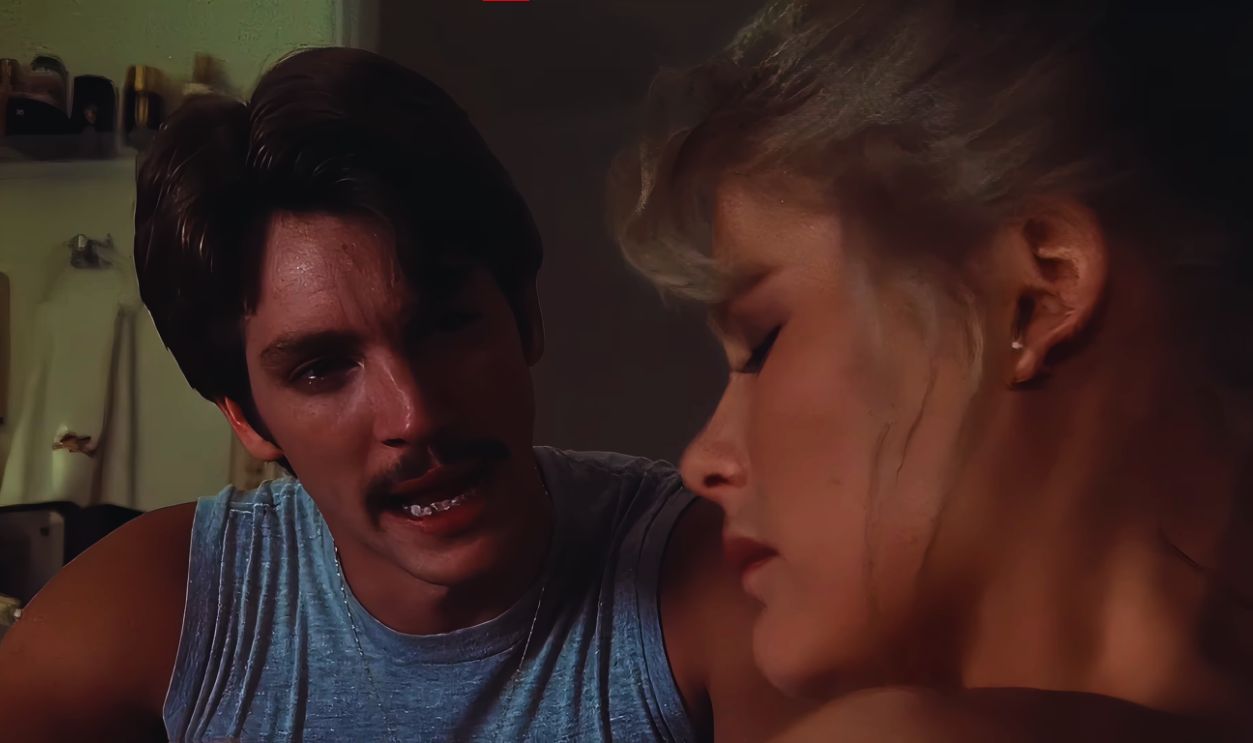 Screenshot from Star 80, The Ladd Company (1983)
Writing About Dorothy
Determined to preserve Stratten's memory, Bogdanovich wrote a book about her life and death. The project reflected both his grief and his belief that public understanding of Stratten had been distorted by sensationalized coverage.
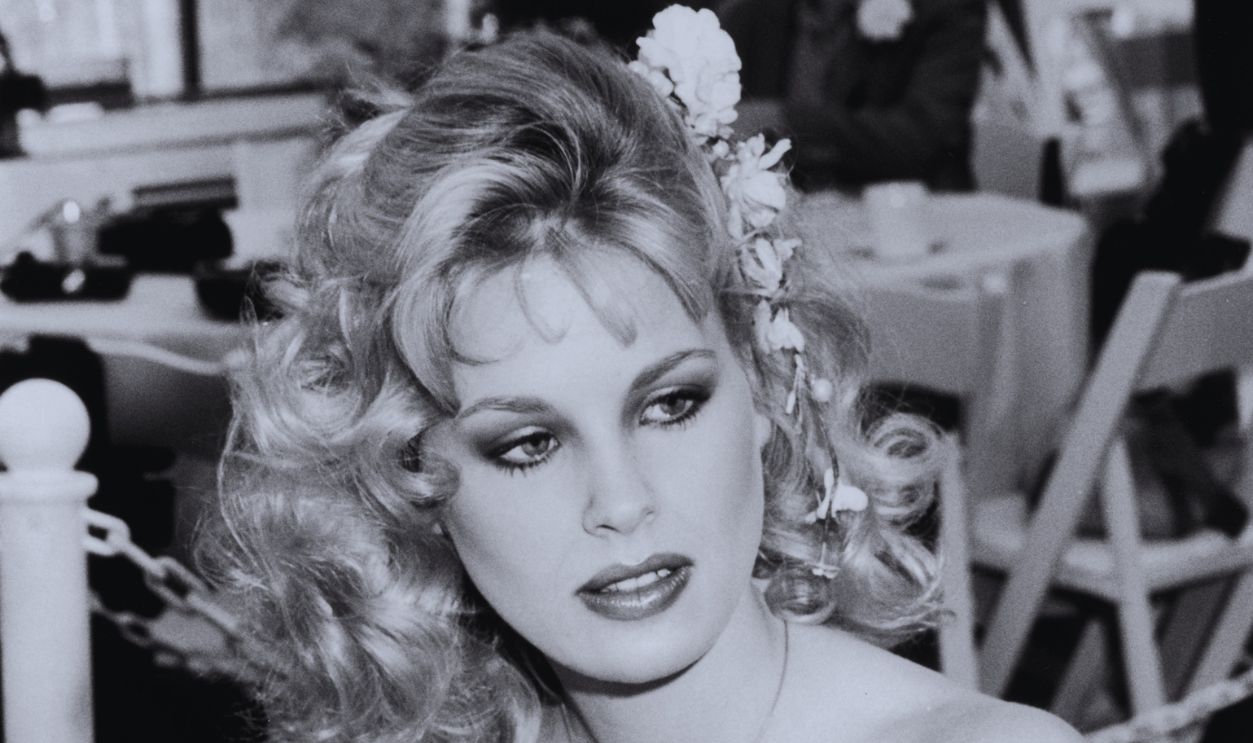 Fotos International, Getty Images
An Unusual Marriage
Years later, Bogdanovich married Dorothy Stratten's younger sister, Louise Stratten. The 29-year age difference between the two of them attracted considerable media attention and generated controversy among some observers.
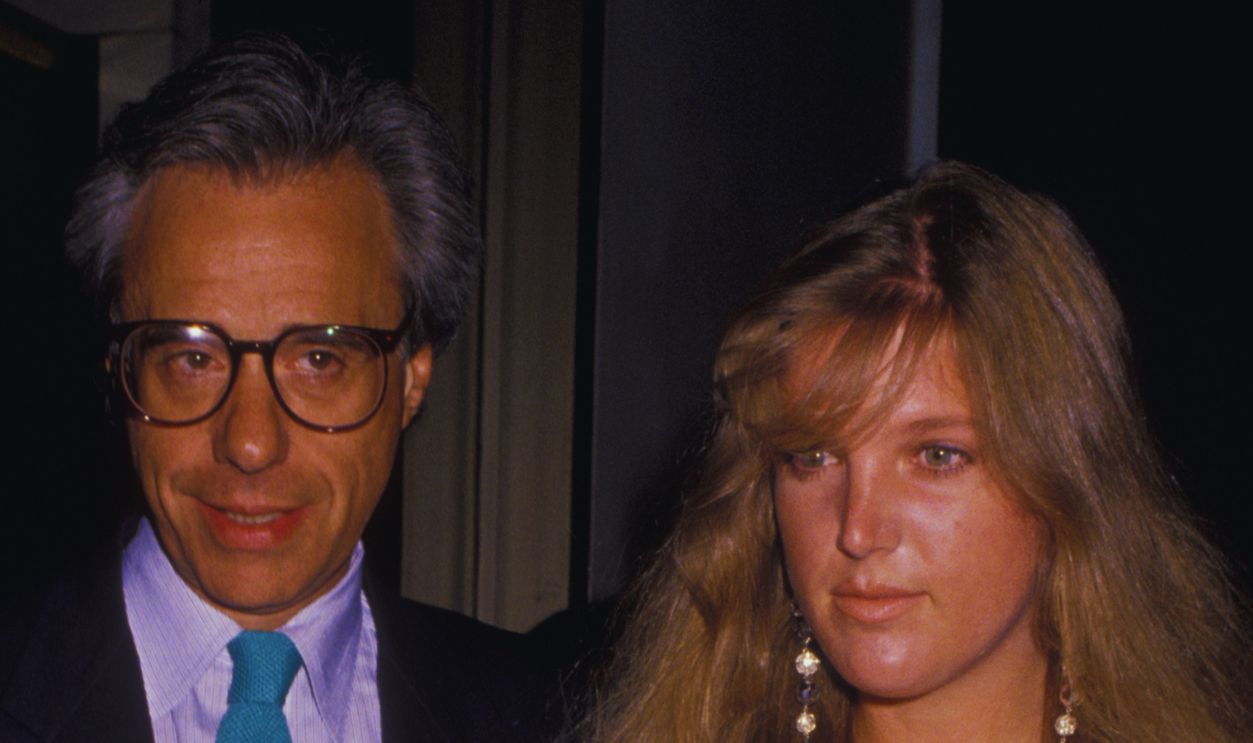 Ron Galella, Ltd., Getty Images
Finding Stability
Despite public skepticism, Bogdanovich and Louise enjoyed many years together. The marriage provided a measure of personal stability after decades marked by professional turbulence, heartbreak, and intense public scrutiny.
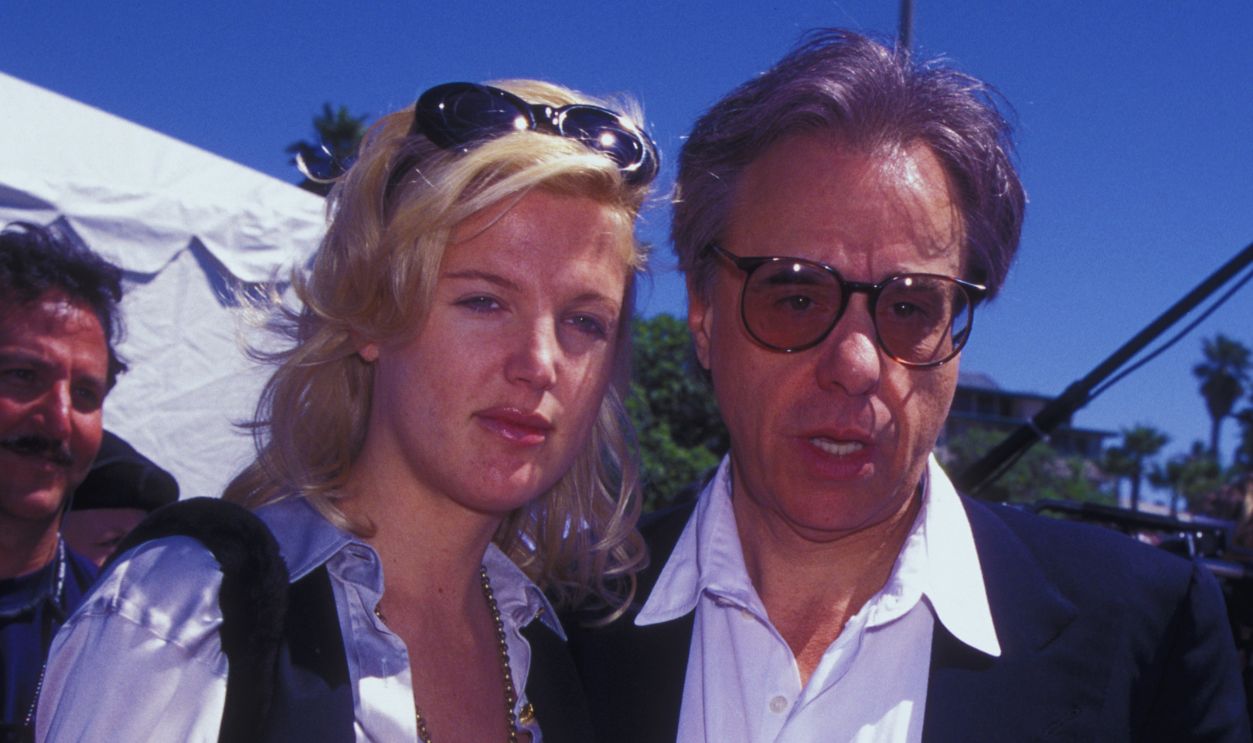 Ron Galella, Ltd., Getty Images
Elder Statesman Years
In later decades, Bogdanovich remained active as a filmmaker, actor, writer, and film historian. He continued giving interviews, appearing in documentaries, and sharing insights about classic Hollywood and the directors he had always admired since his youth.

Final Projects
His final years included directing The Cat's Meow (2001) and the documentary The Great Buster (2018) on silent film star Buster Keaton. He also remained active in film preservation, interviews, and television appearances, continuing to champion classic cinema and the filmmakers who had inspired his own career.
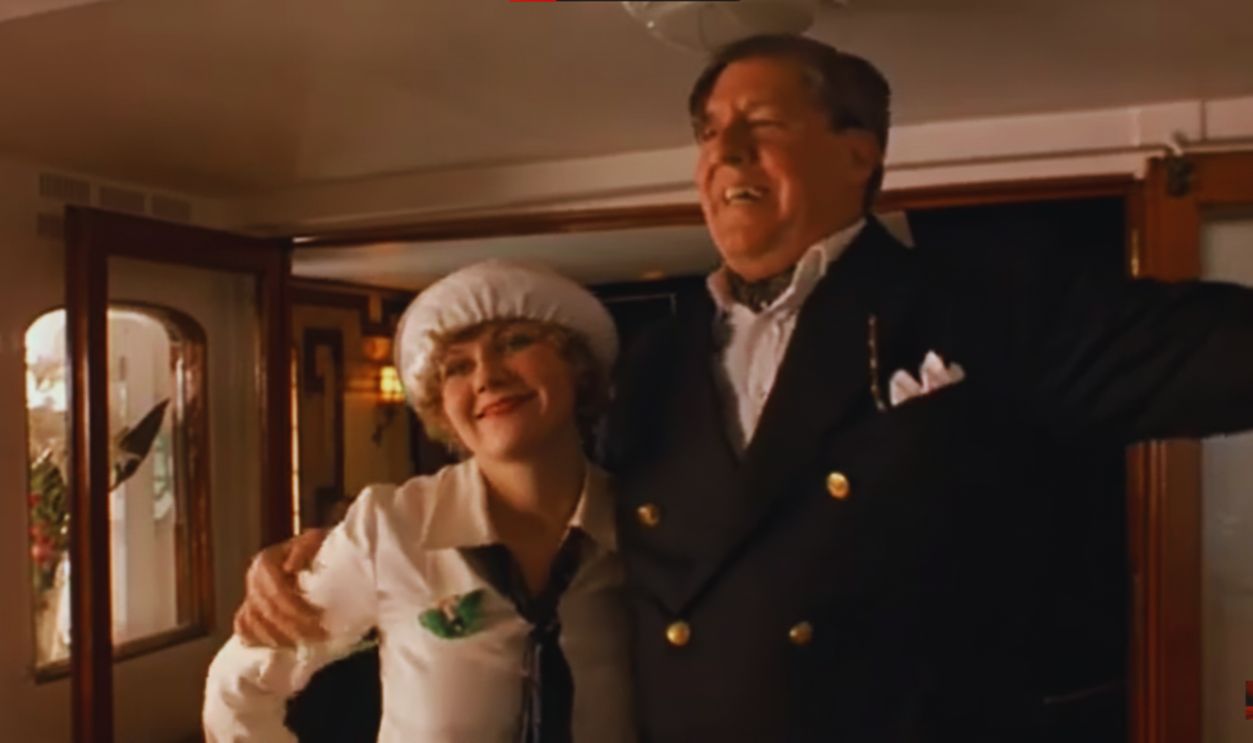 Screenshot from The Cat's Meow, Lionsgate (2001)
A Complicated Legacy
Peter Bogdanovich died on January 6, 2022, at age 82. He left behind an extraordinary legacy filled with artistic achievement, romantic scandal, devastating tragedy, and enduring contributions to film history. Few Hollywood careers combined such remarkable success and heartbreak.
You May Also Like:
Think You Remember The Top Movies Of 1975? Let’s See!
Chilling Facts About Alfred Hitchcock, The Dark Genius