These TV Shows Will Be Remembered For The Movies That Came Before Them
Sometimes, a great story doesn’t end when the credits roll. Some movie worlds are just too fascinating, too rich, or too full of lovable (and complicated) characters to fit inside two hours of screen time. That’s where television comes in — the perfect space to stretch out, dig deeper, and rediscover what made us fall in love with those stories in the first place. Here are the movie spin-offs that didn’t just survive the jump to TV — they thrived.
Fargo – The Midwest Never Looked So Murderous
When Fargo was announced as a TV show, everyone rolled their eyes. How do you re-create the Coen Brothers’ dark, twisted charm? But then the first season dropped, and it wasn’t trying to copy the movie — it was reinventing its spirit. Each season told a new story: quirky criminals, messy morality, and snow as far as the eye can see. What started as a gamble became one of TV’s smartest crime anthologies, reminding us that weirdness and brilliance often go hand-in-hand.
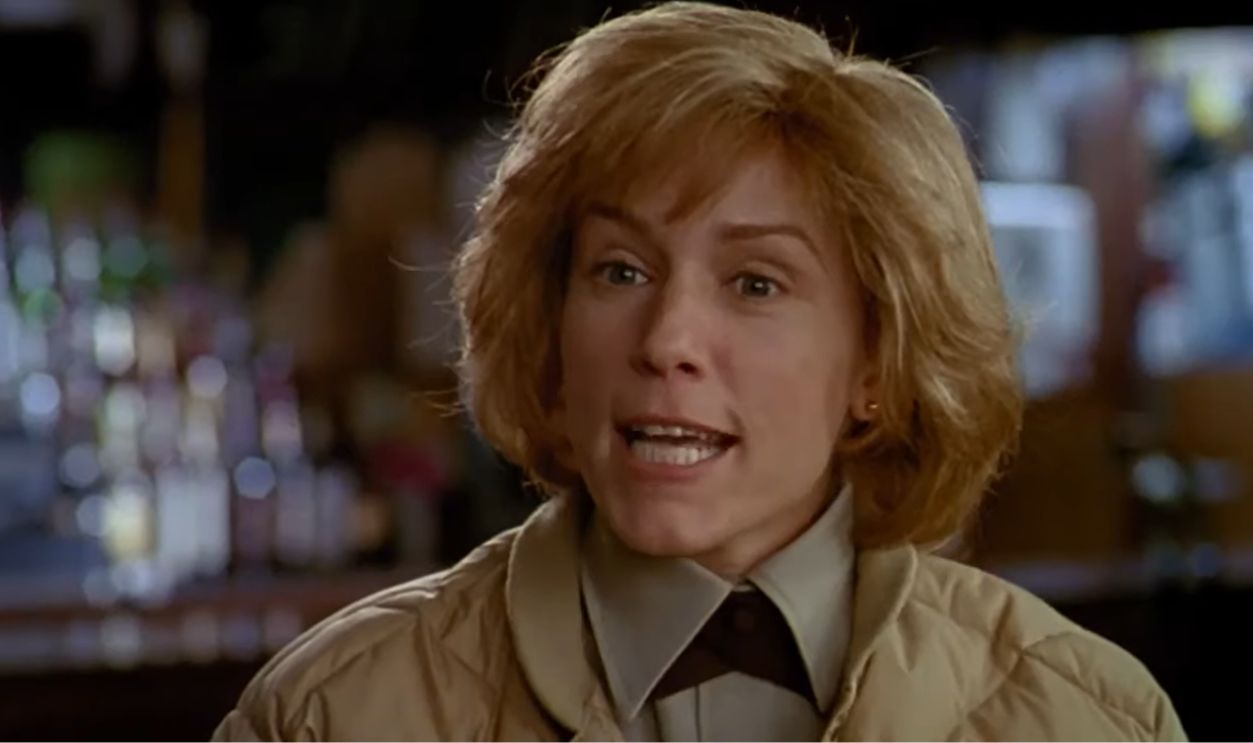 Gramercy Pictures, Fargo (1996)
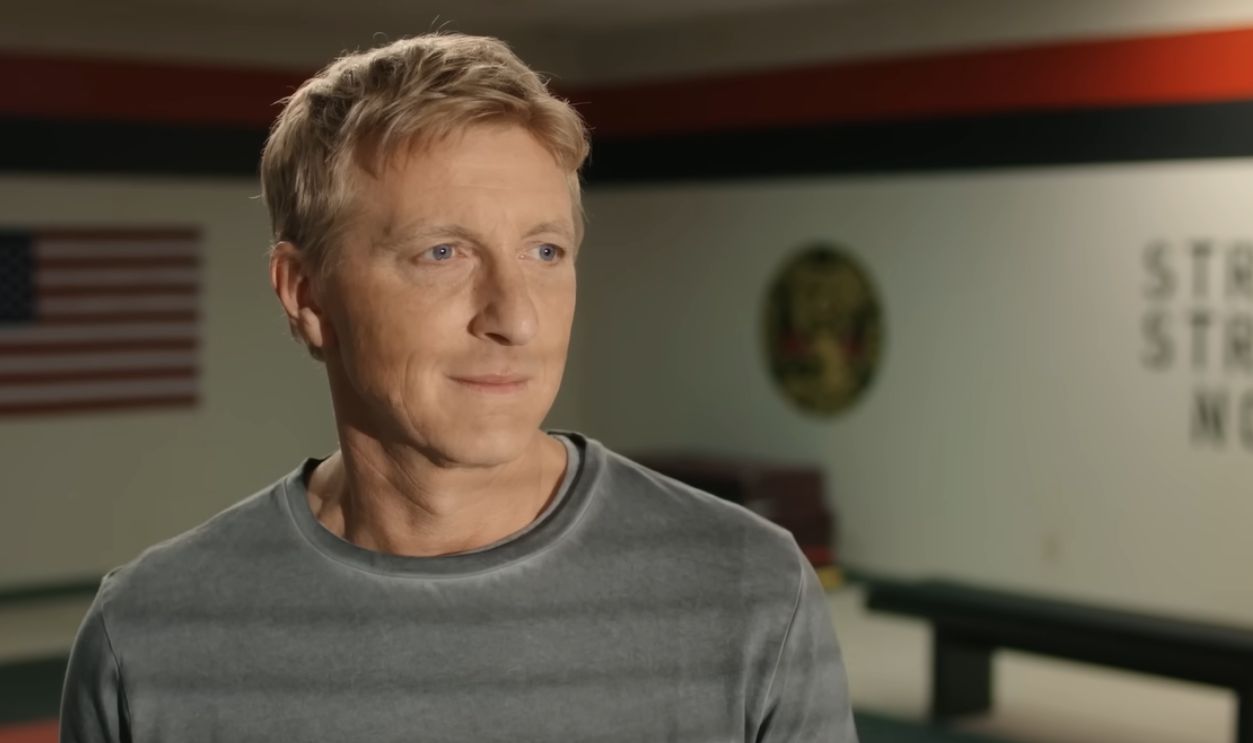
Cobra Kai – The Karate Kid Grows Up
It’s rare for nostalgia to feel this fresh. Cobra Kai took The Karate Kid and flipped it on its head, giving the “villain” Johnny Lawrence a second chance — and a lot of emotional baggage. The show’s mix of humor, heart, and high kicks turned it into a worldwide hit. It’s proof that revisiting the past can actually move the story forward.
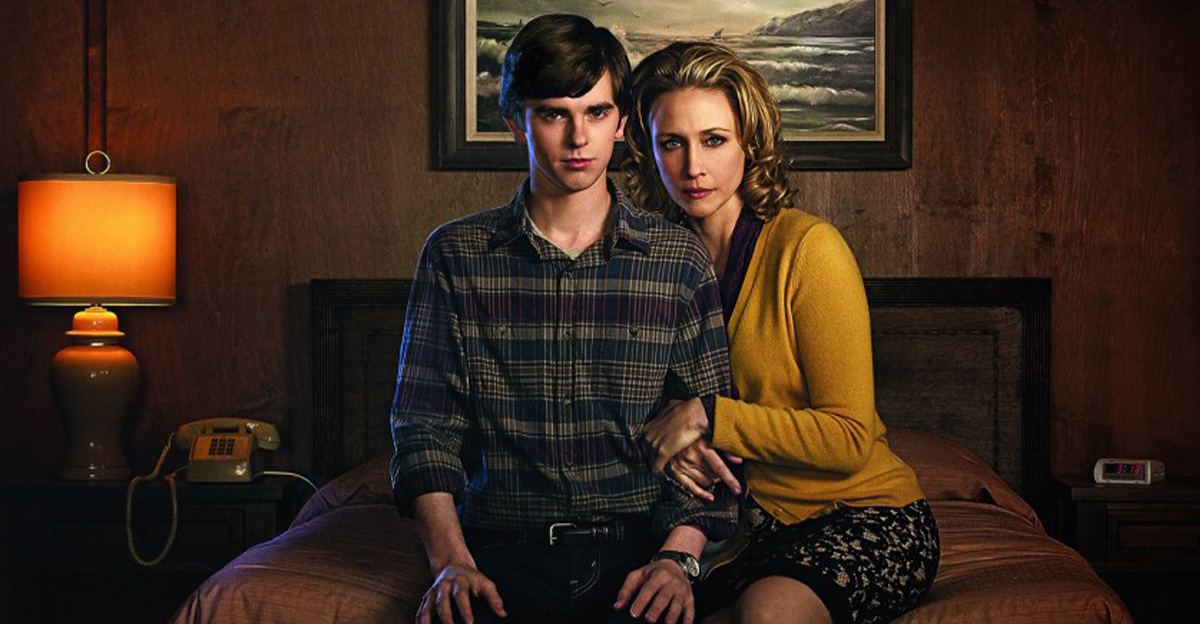
Bates Motel – Checking Into Madness
Turning Psycho into a TV show sounded like a horror fan’s fever dream — but Bates Motel went beyond scares. Freddie Highmore and Vera Farmiga turned Norman and Norma Bates into a hauntingly human mother-son duo. It explored love, obsession, and the fragile line between normal and... not so normal. Creepy, yes — but also strangely heartbreaking.
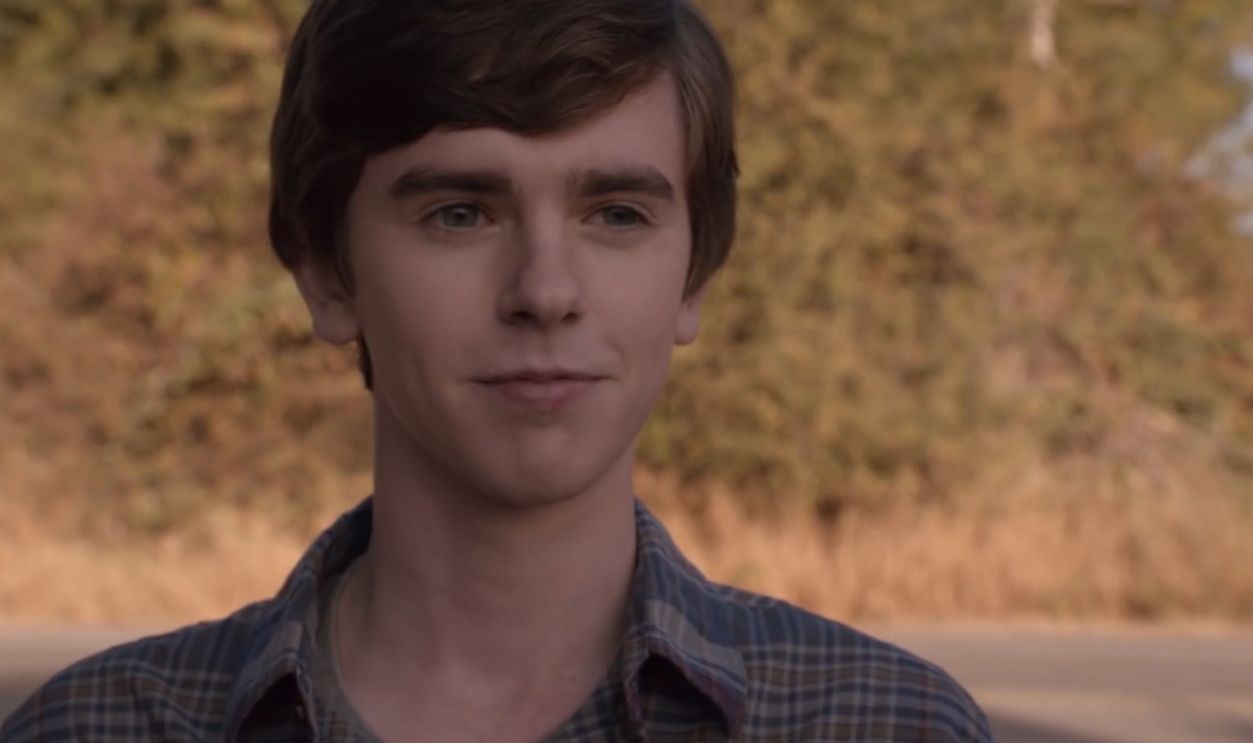 A&E Networks, Bates Motel (2013–2017)
MAS*H – War, Wounds, And Wit
The 1970 movie MASH* was funny. The TV show? Legendary. Over 11 seasons, it became one of television’s most profound commentaries on war — all while making us laugh. It balanced comedy with compassion, turning a battlefield into a space for humanity. The finale still holds the record as one of the most-watched moments in TV history, and for good reason.
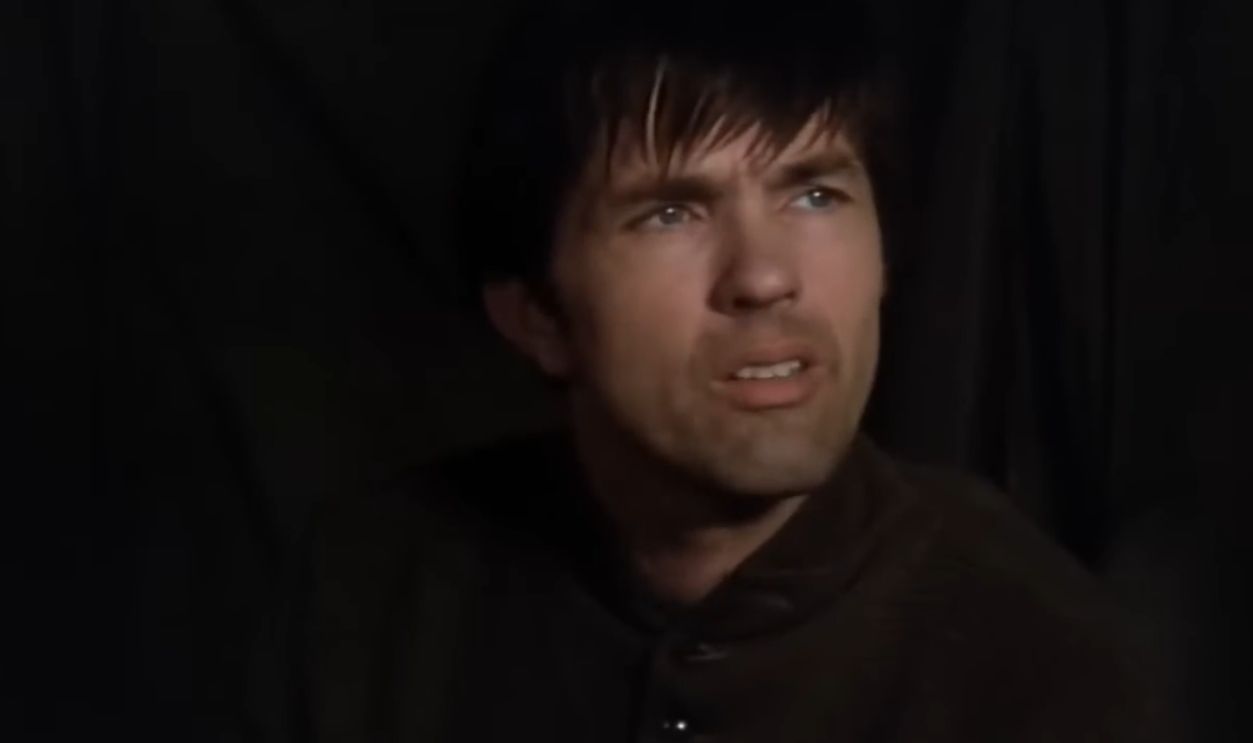 20th Century Studios, M*A*S*H (1970)
Buffy The Vampire Slayer – Stakes, Heartbreak, And Heroism
What started as a goofy movie turned into one of the most empowering TV shows ever made. Buffy The Vampire Slayer gave us a heroine who could slay monsters and metaphorical demons alike. Joss Whedon’s writing mixed wit, heartbreak, and plenty of high school trauma. Buffy wasn’t just a Slayer — she was every teenager trying to survive the chaos of growing up.
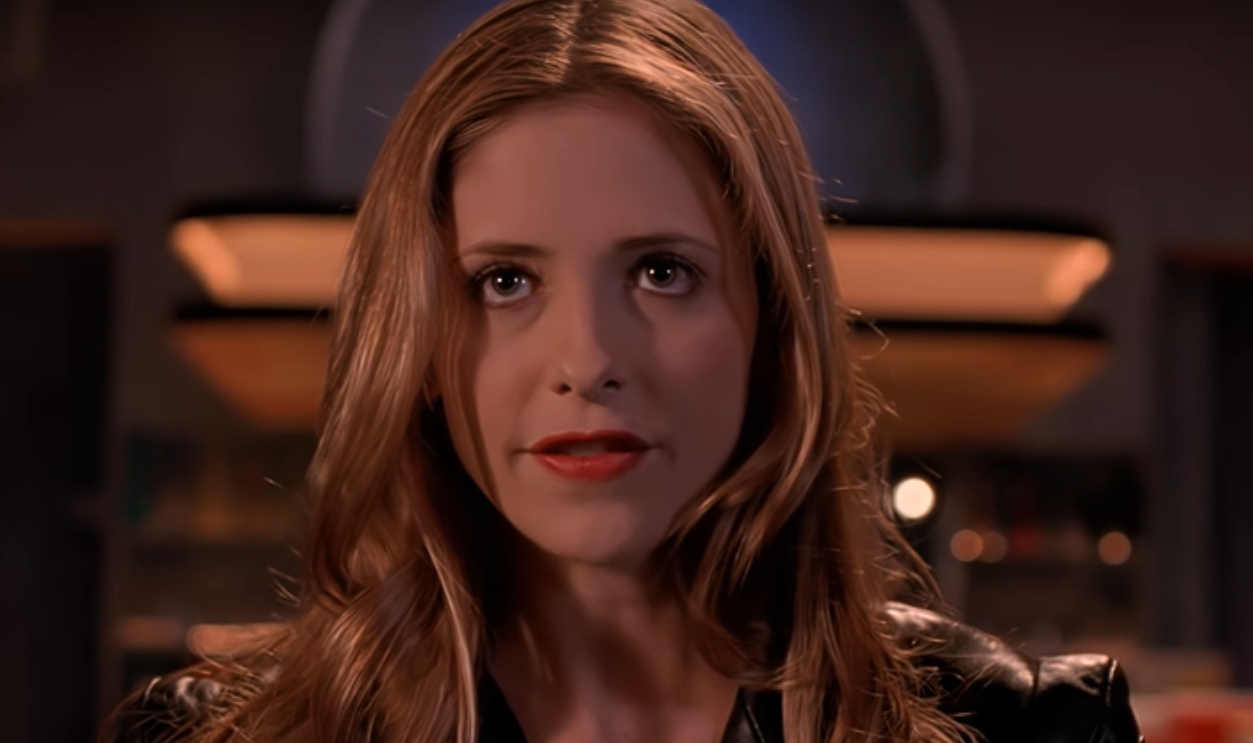 20th Television (Disney), Buffy the Vampire Slayer (1997–2003)
Friday Night Lights – Small Town, Big Hearts
The Friday Night Lights movie was great, but the show turned it into something special. It wasn’t just about football — it was about family, dreams, and resilience in small-town America. Coach and Tami Taylor’s marriage became TV legend, and every episode felt like a love letter to community. Clear eyes, full hearts, can’t lose — and honestly, neither could this show.
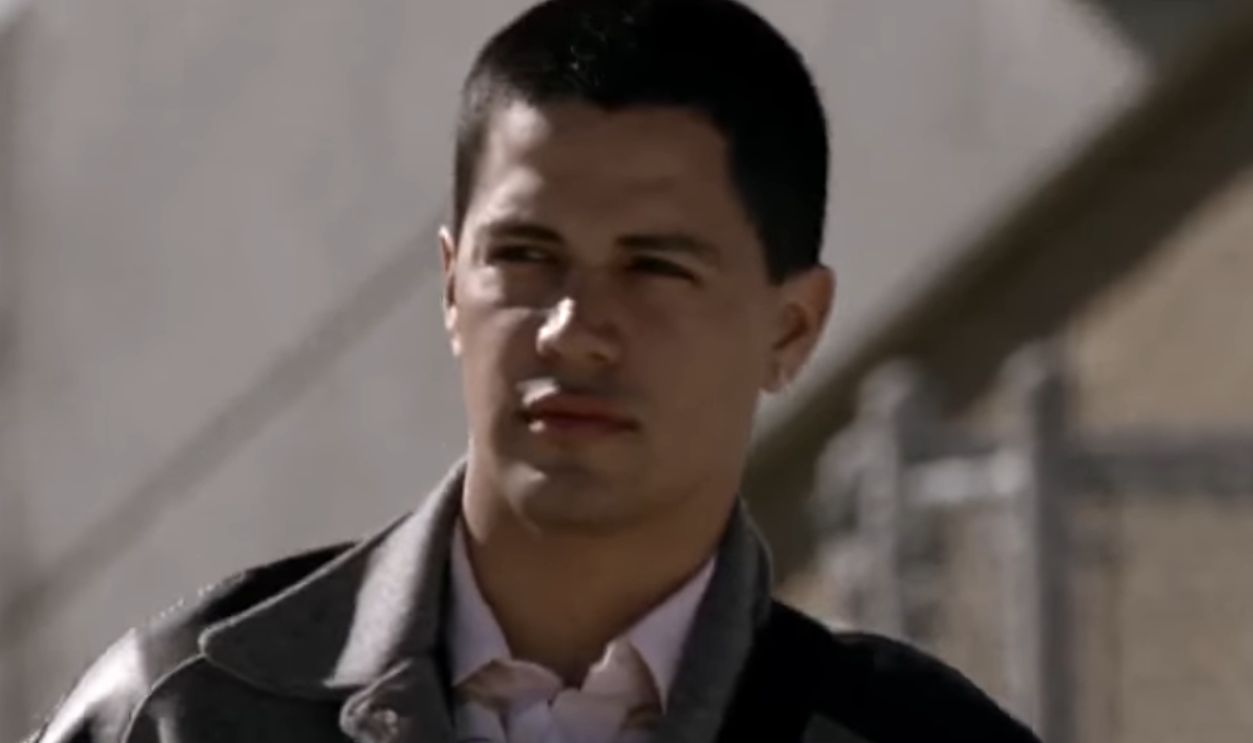 Universal Pictures, Friday Night Lights (2004)
Teen Wolf – From Goofy To Gritty
Remember that ’80s comedy with Michael J. Fox turning into a basketball-playing werewolf? MTV’s Teen Wolf decided to take that idea and make it... hot. Dark, emotional, and packed with supernatural drama, it gave us werewolves, heartbreak, and enough angst to fill a full moon. Who knew the idea had this much bite?
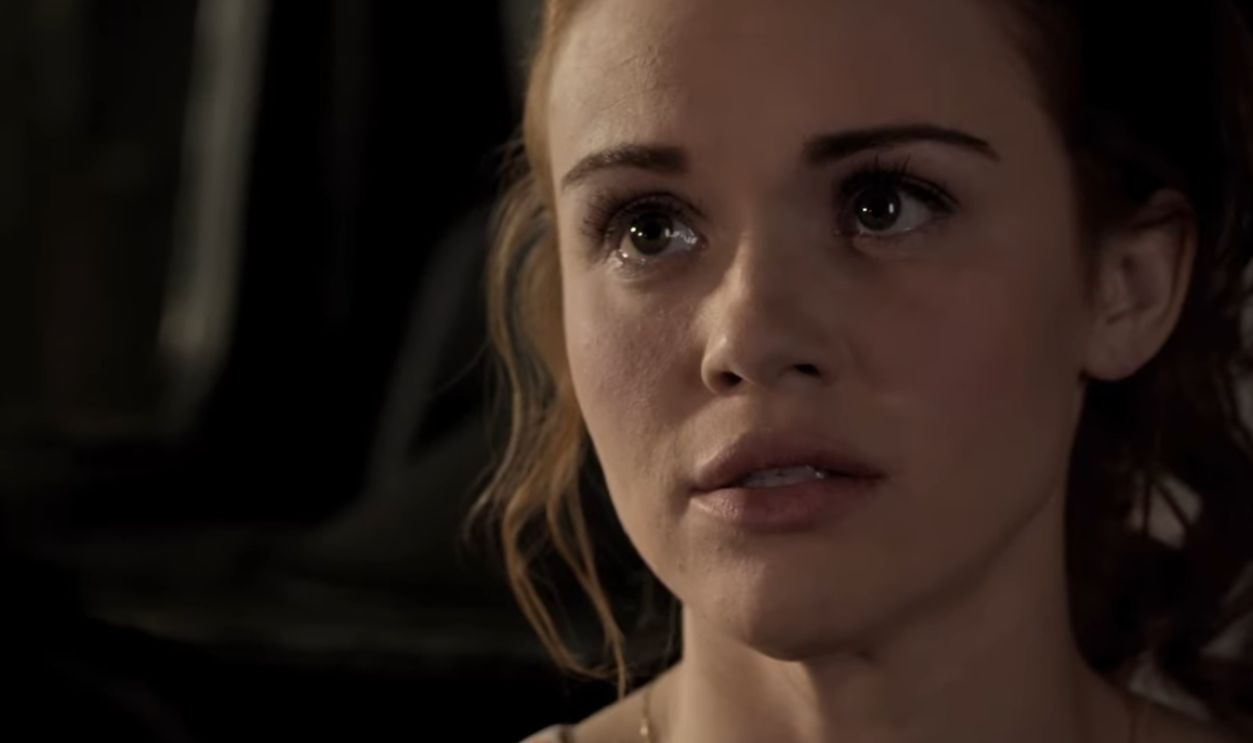 MTV Entertainment Studios, Teen Wolf (2011–2017)
Westworld – Robots, Reality, And Revolution
The 1973 movie was a fun sci-fi thriller, but HBO’s Westworld turned it into a haunting puzzle about free will and identity. With jaw-dropping visuals and mind-bending storytelling, it made viewers question what it means to be alive — and who’s really pulling the strings. When the cowboys are robots and the guests are worse, humanity gets... complicated.
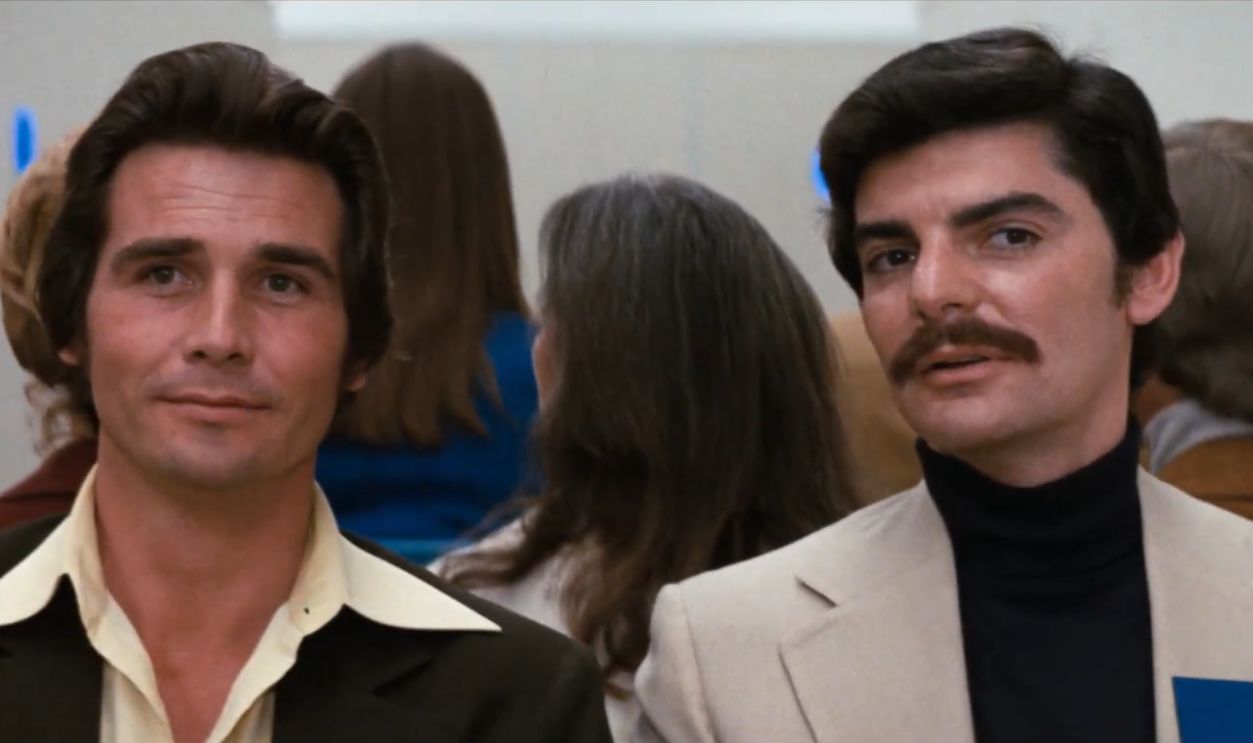 Metro-Goldwyn-Mayer (MGM), Westworld (1973)
What We Do In The Shadows – Vampires, But Make It Funny
If you haven’t seen What We Do In The Shadows, imagine The Office — but everyone’s undead. The movie was already hilarious, but the show somehow topped it. Following a new group of vampire roommates in Staten Island, it’s absurd, heartfelt, and full of surprisingly sweet moments (and blood). Easily one of the funniest shows on TV.
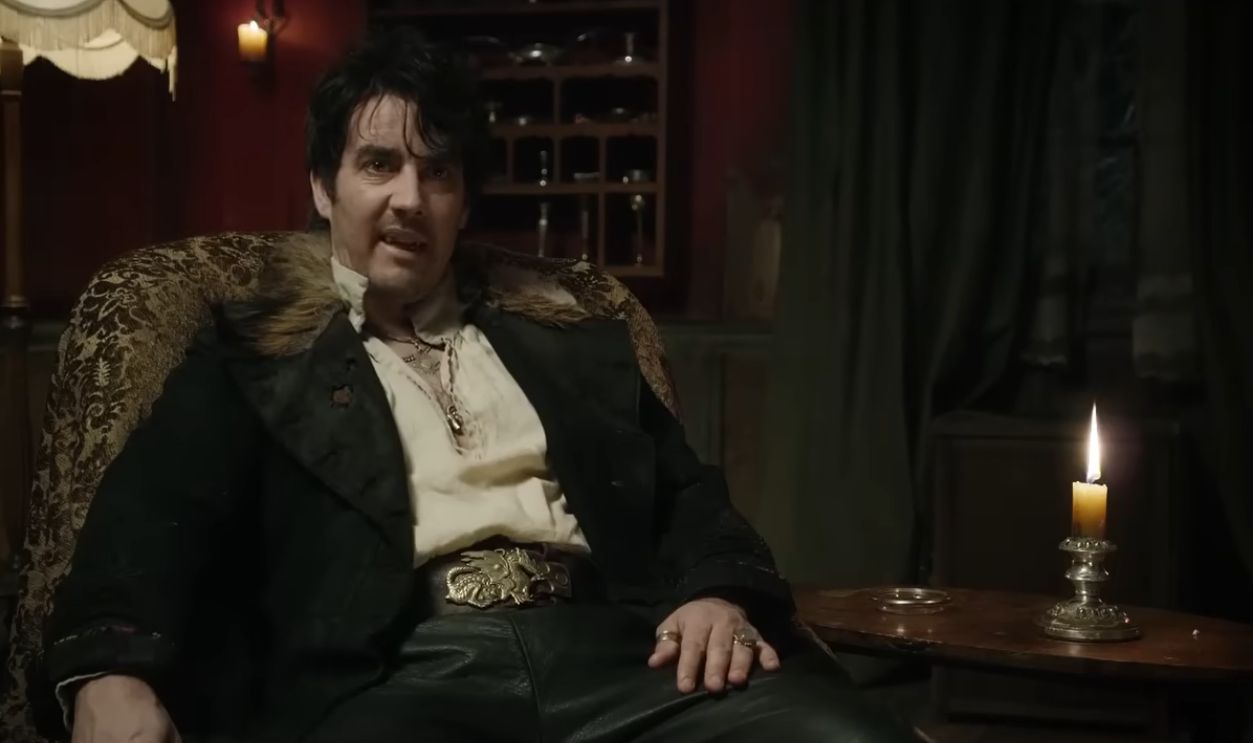 Madman Entertainment, What We Do in the Shadows (2014)
Ash Vs Evil Dead – Groovy, Baby
Bruce Campbell returned as Ash Williams, older, crankier, and still hilariously cocky. Ash vs Evil Dead felt like a party for horror fans — full of ridiculous gore, chainsaws, and one-liners that make you cackle. It was proof that some legends never die… they just get bloodier.
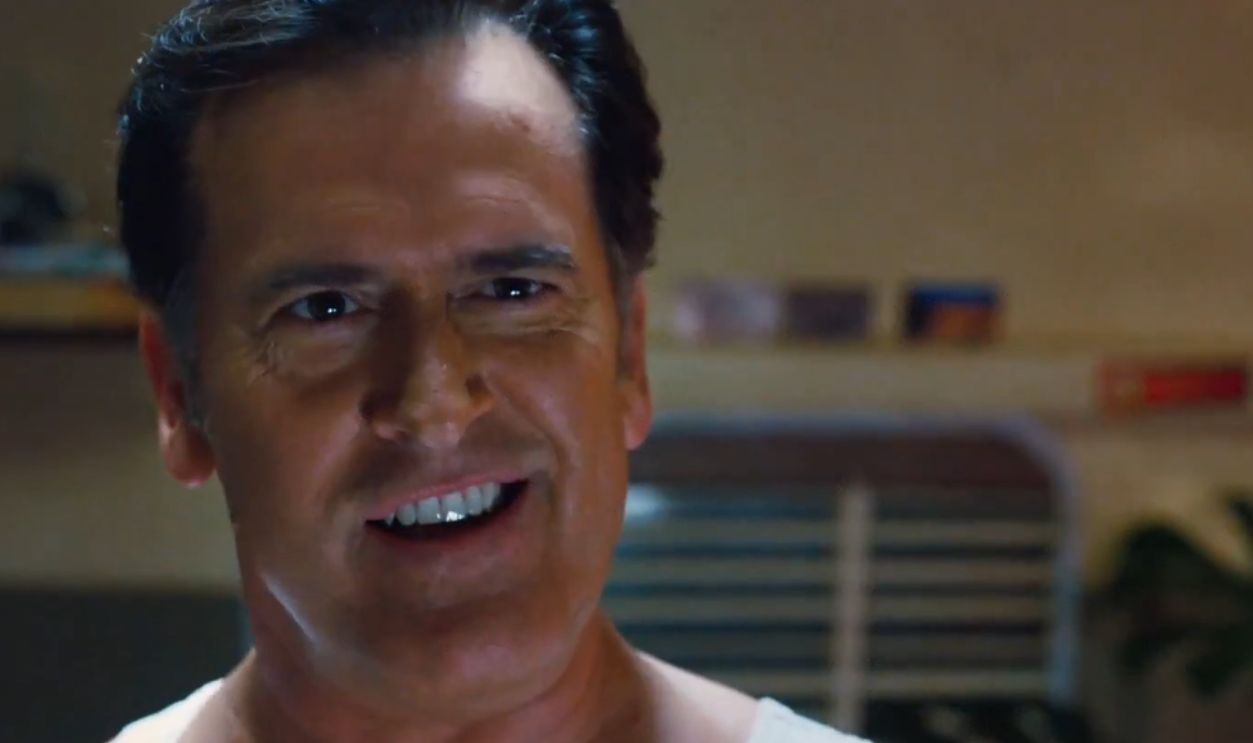 Starz, Ash vs Evil Dead (2015–2018)
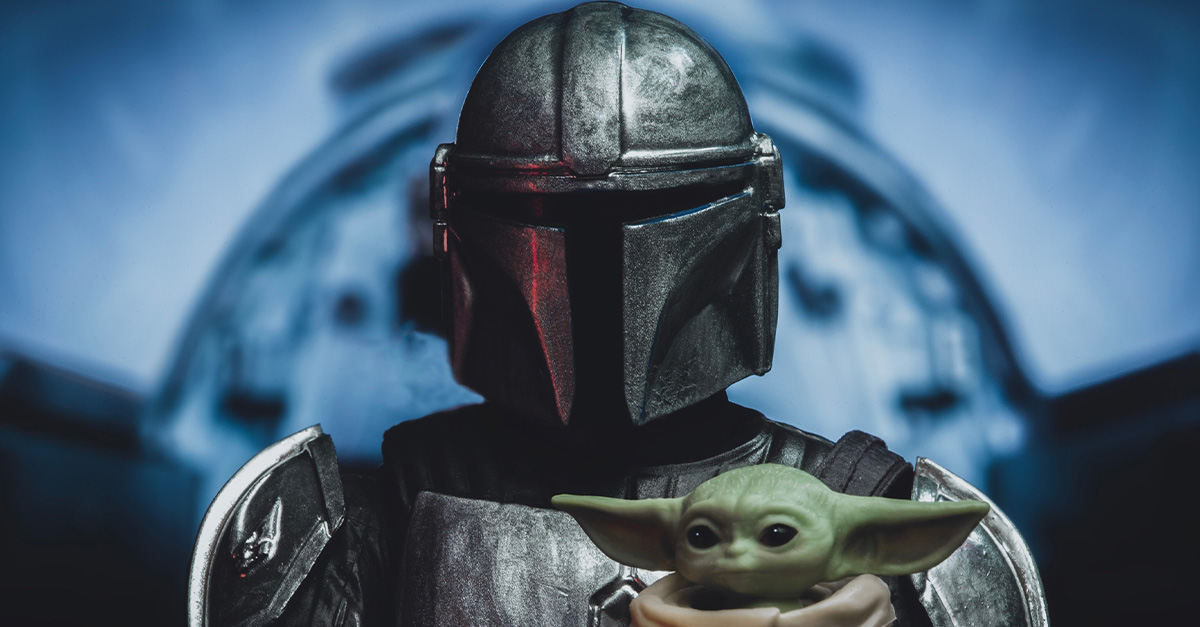
The Mandalorian – The Western In Space
At first, The Mandalorian sounded like a risky Star Wars experiment. But it turned out to be everything fans wanted — epic yet intimate, mysterious yet warm. Din Djarin and Grogu (Baby Yoda to the rest of us) gave the galaxy far, far away a new kind of heart. Who knew a helmeted bounty hunter could make us feel so much?
 Disney+, The Mandalorian (2019– )
Lethal Weapon – New Faces, Same Chaos
The Lethal Weapon films practically invented the buddy-cop genre, and the TV series carried that torch well. Damon Wayans brought the laughs, Clayne Crawford brought the action, and together they brought that chaotic, explosive energy fans loved. It didn’t last long, but it sure went out swinging.
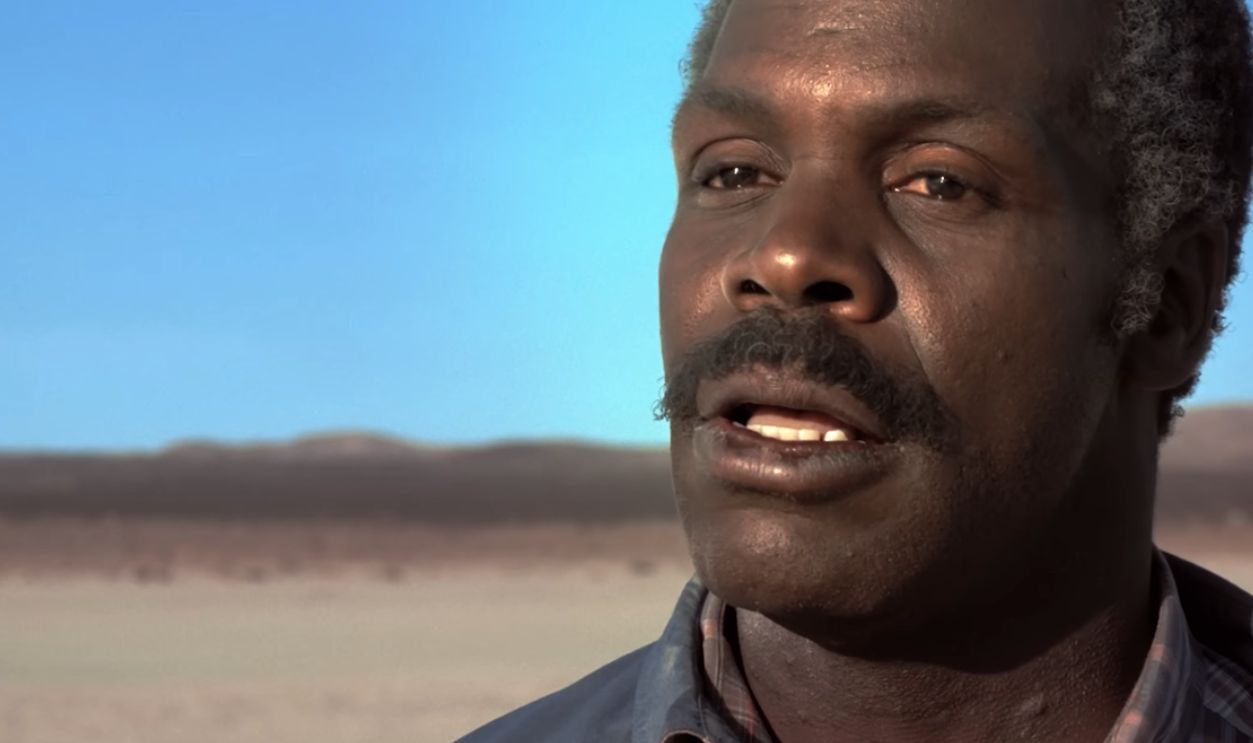 Warner Bros. Pictures, Lethal Weapon (1987)
Highlander: The Series – Immortality Never Gets Old
“There can be only one”… unless there’s a TV show! Highlander: The Series followed Duncan MacLeod, cousin to the movie’s hero, in an epic tale of immortals dueling through centuries. It had action, history, and a touch of philosophy. For fans of sword fights and destiny, it was a hidden gem.
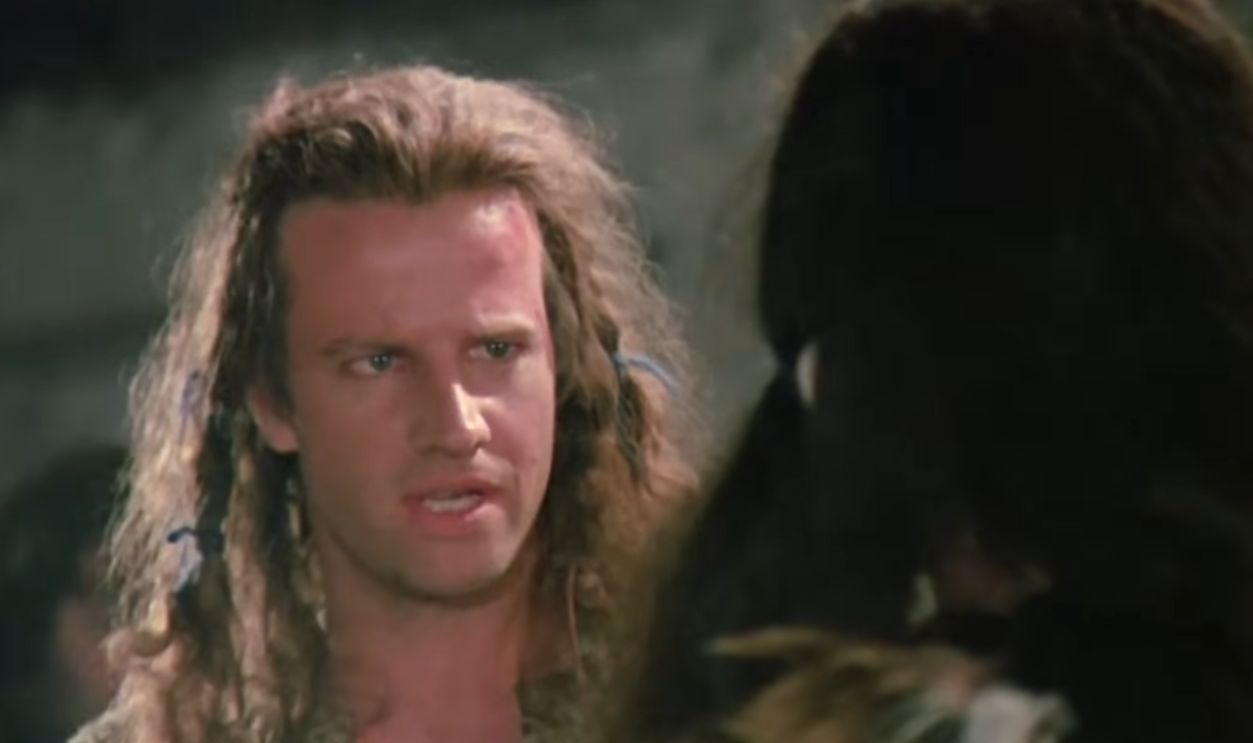 Thorn EMI Screen Entertainment, Highlander (1986)
Limitless – One Pill, Infinite Potential
The movie Limitless asked, “What if you could unlock your brain’s full potential?” The show asked, “What if that power actually had a conscience?” With snappy humor, clever twists, and a connection to the original film (yes, Bradley Cooper shows up), it was a smart, fast-paced thrill ride that deserved more love.
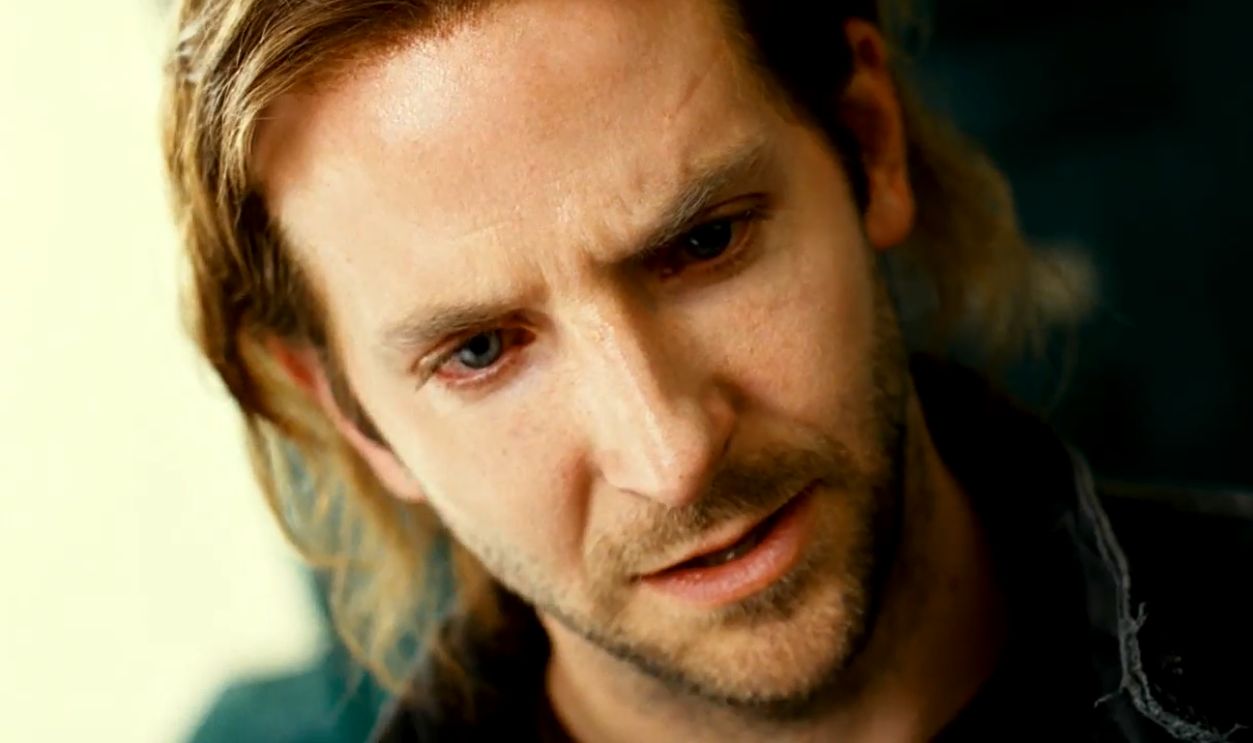 Relativity Media, Limitless (2011)
Snowpiercer – Humanity On Ice
Snowpiercer took Bong Joon-ho’s vision of class warfare on a train and stretched it into a gripping series. Jennifer Connelly and Daveed Diggs anchored a show full of tension, politics, and survival — all in a frozen world where the train is all that’s left. Every episode felt like a slow climb toward revolution.
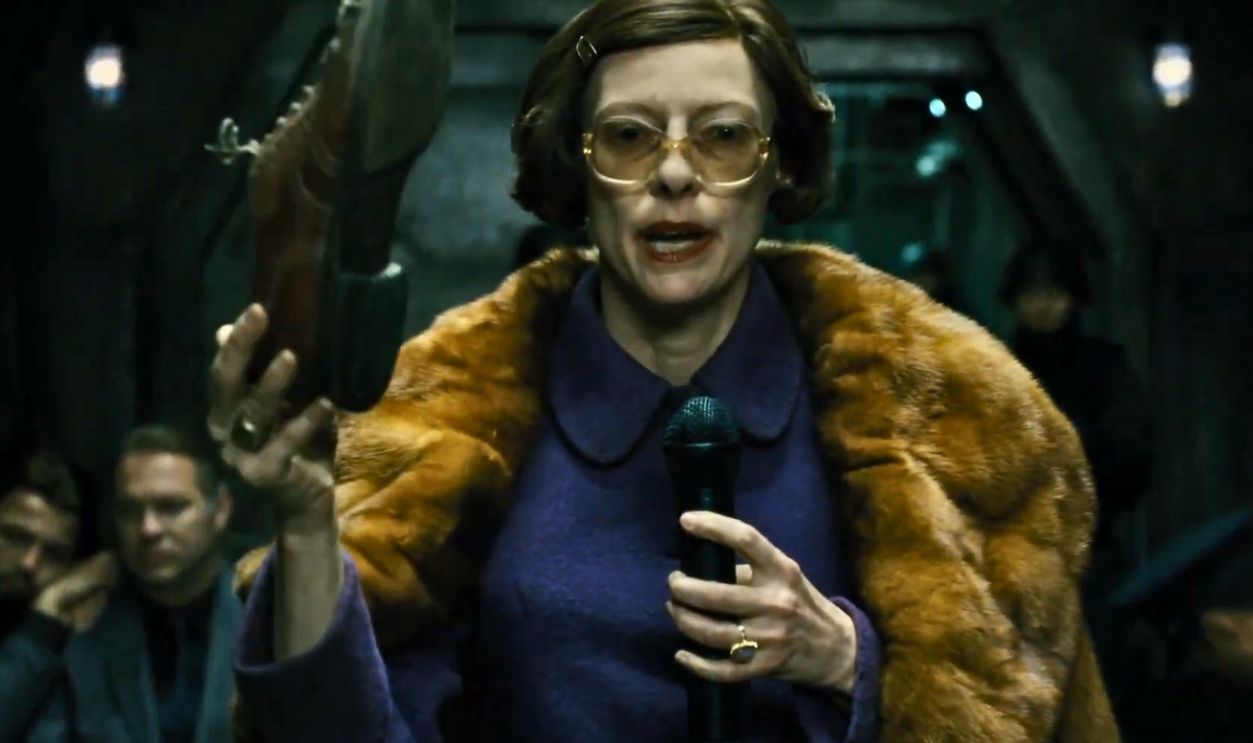 CJ Entertainment, Snowpiercer (2013)
The Exorcist – Faith, Fear, And Family
Turning one of the scariest movies ever made into a series? Bold. But The Exorcist did it beautifully. It wasn’t just about demons — it was about faith, guilt, and the people who fight darkness every day. The writing was sharp, the scares were real, and the emotional weight hit harder than expected.
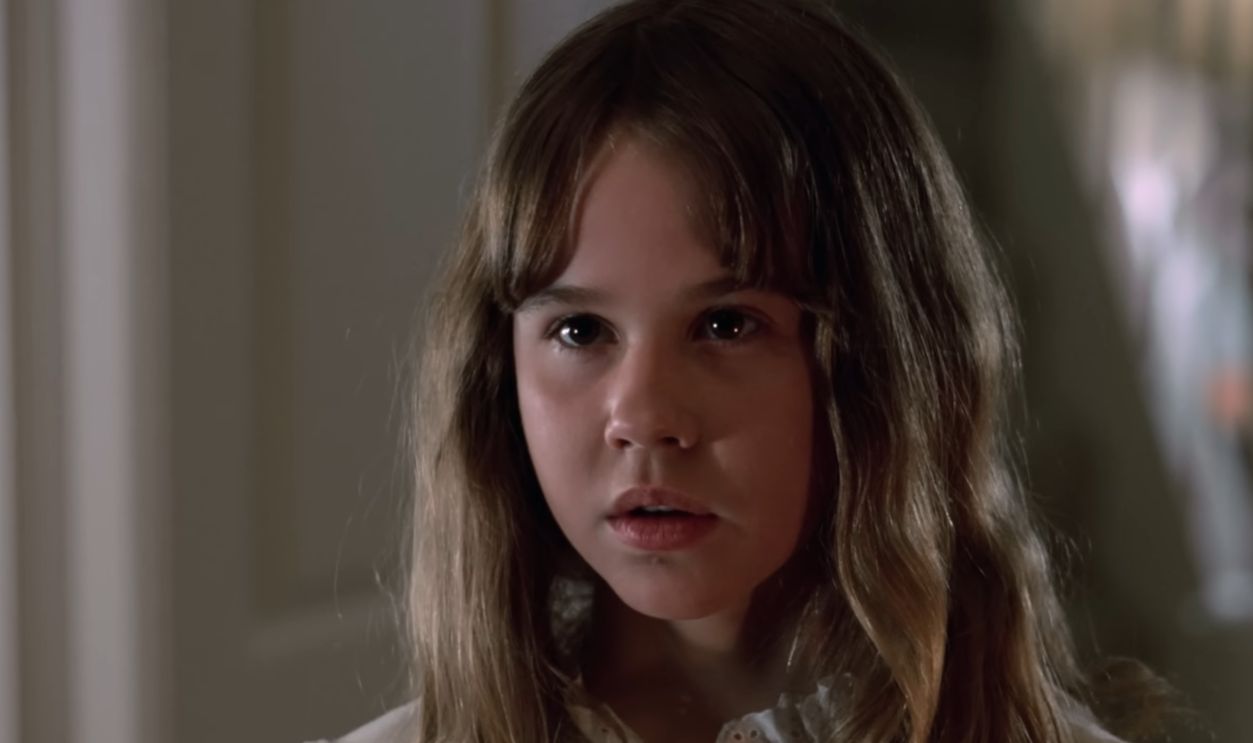 Warner Bros. Pictures, The Exorcist (1973)
The Young Indiana Jones Chronicles – Adventure Begins Here
Long before Disney+ made spin-offs cool, George Lucas gave us The Young Indiana Jones Chronicles. It wasn’t all action — it was part history lesson, part coming-of-age journey. Young Indy met real historical figures, traveled the world, and showed that curiosity really is the best adventure of all.
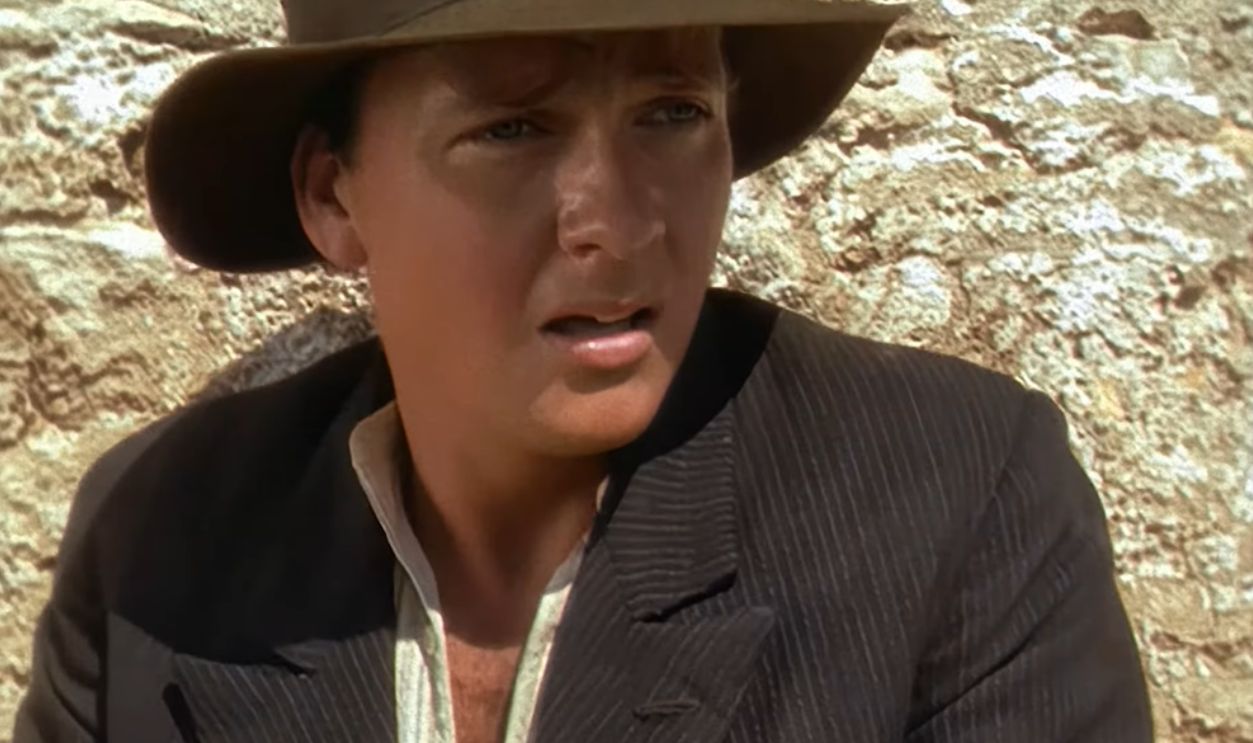 Lucasfilm, The Young Indiana Jones Chronicles (1992–1996)
From Dusk Till Dawn – Vampires, Crime, And Chaos
Robert Rodriguez turned his cult movie into a TV show that went bigger, bloodier, and stranger. From Dusk Till Dawn built an entire mythology around its vampire-crime world, mixing Aztec legends with wild shootouts. It was pure pulp — and pure fun.
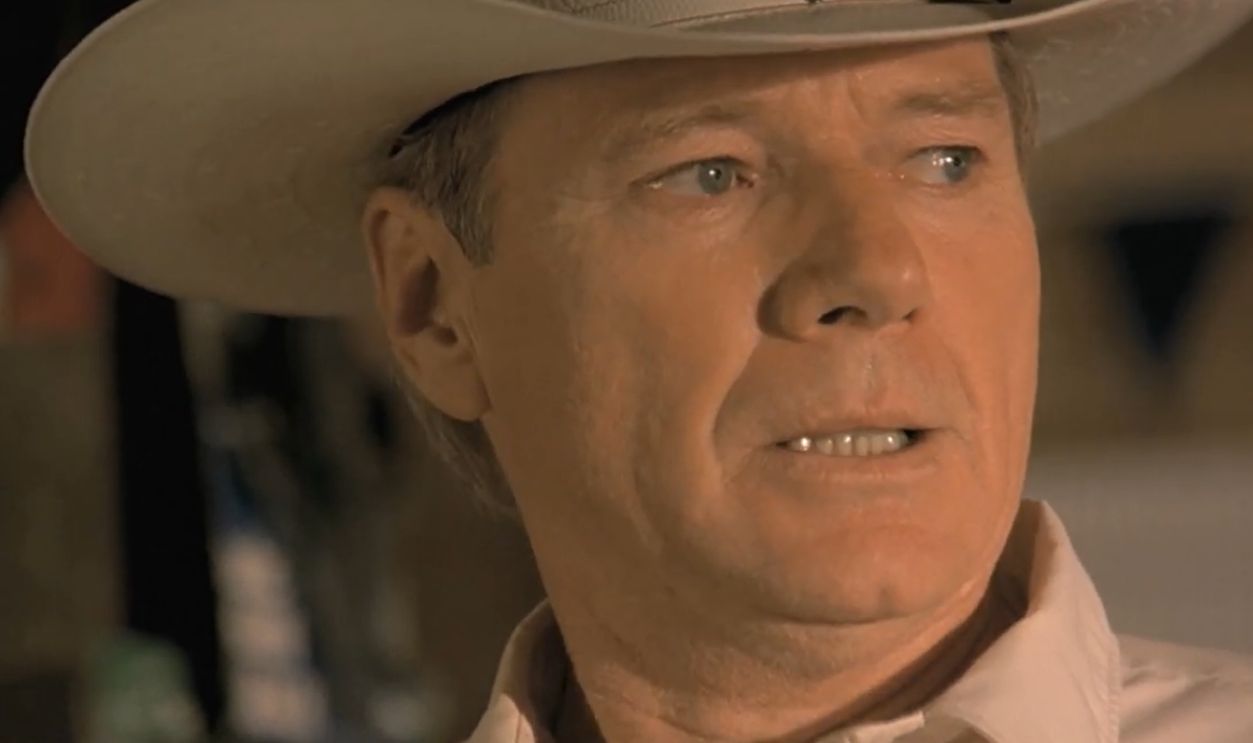 Miramax, From Dusk Till Dawn (1996)
Dear White People – Witty, Raw, And Real
The indie film Dear White People was sharp. The Netflix show? Even sharper. Creator Justin Simien turned his college satire into a heartfelt, funny, and brutally honest exploration of race and identity. It was socially conscious without being preachy — a rare balance that made it essential viewing.
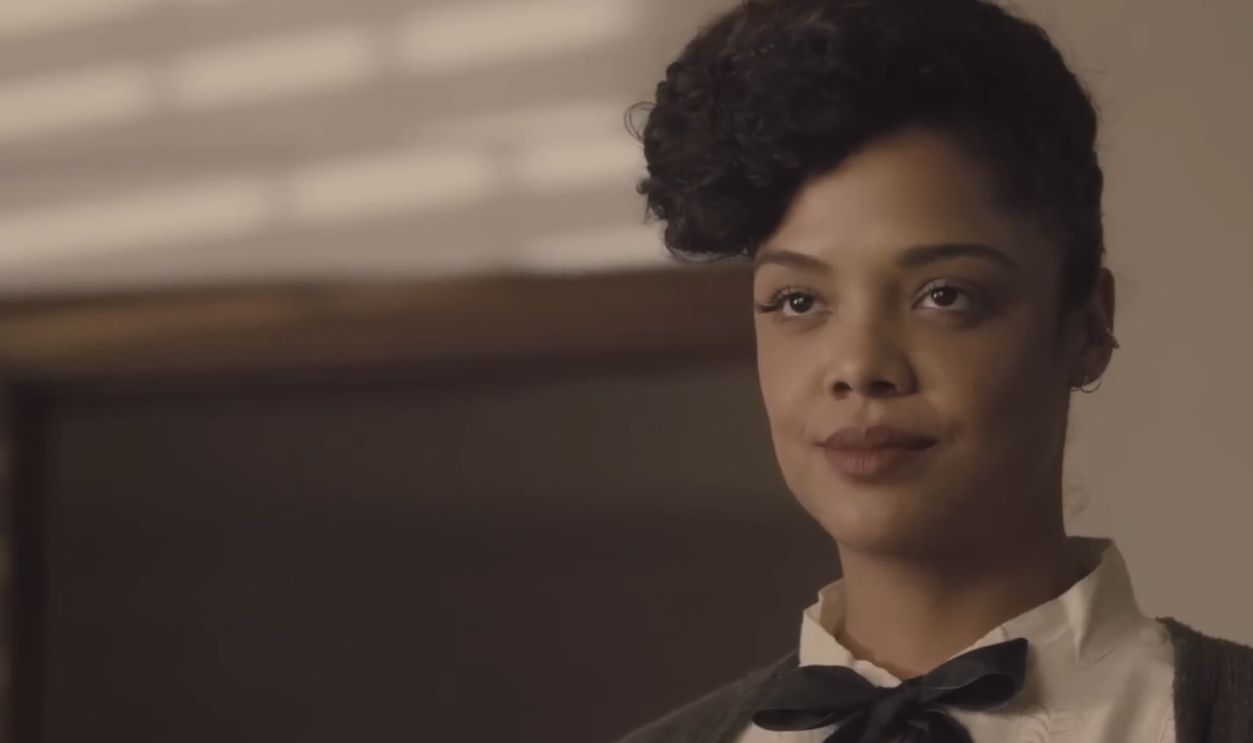 Lionsgate, Dear White People (2014)
12 Monkeys – Time Travel, Done Right
Based on Terry Gilliam’s movie, 12 Monkeys expanded its world with more heart and complexity. What could’ve been a confusing mess turned into one of the smartest, most emotionally satisfying sci-fi shows in years. It’s the rare adaptation that doesn’t just match its source — it surpasses it.
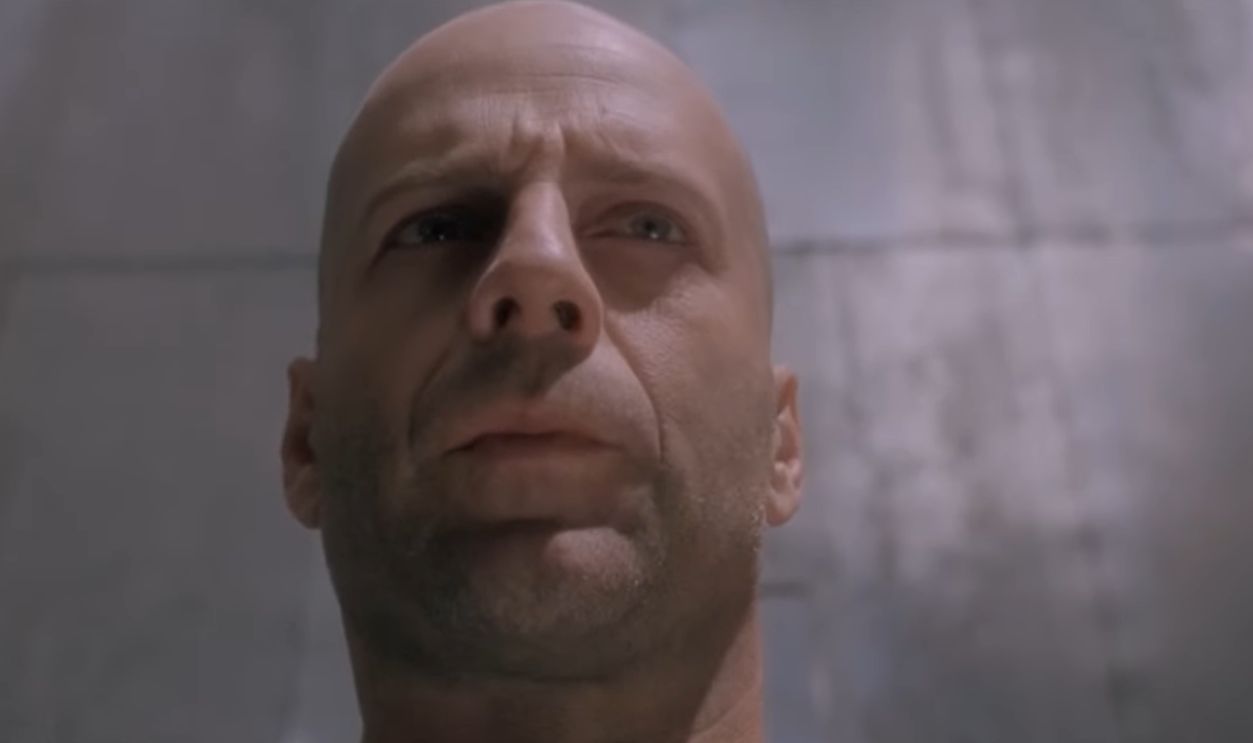 Universal Pictures, 12 Monkeys (1995)
Taken – Before The Skills Were Particular
Before Liam Neeson growled his way through kidnappers, Taken the series showed us how Bryan Mills got his start. It leaned into the espionage and action, building a prequel world full of gadgets, grit, and revenge. It wasn’t perfect, but it scratched that high-octane itch.
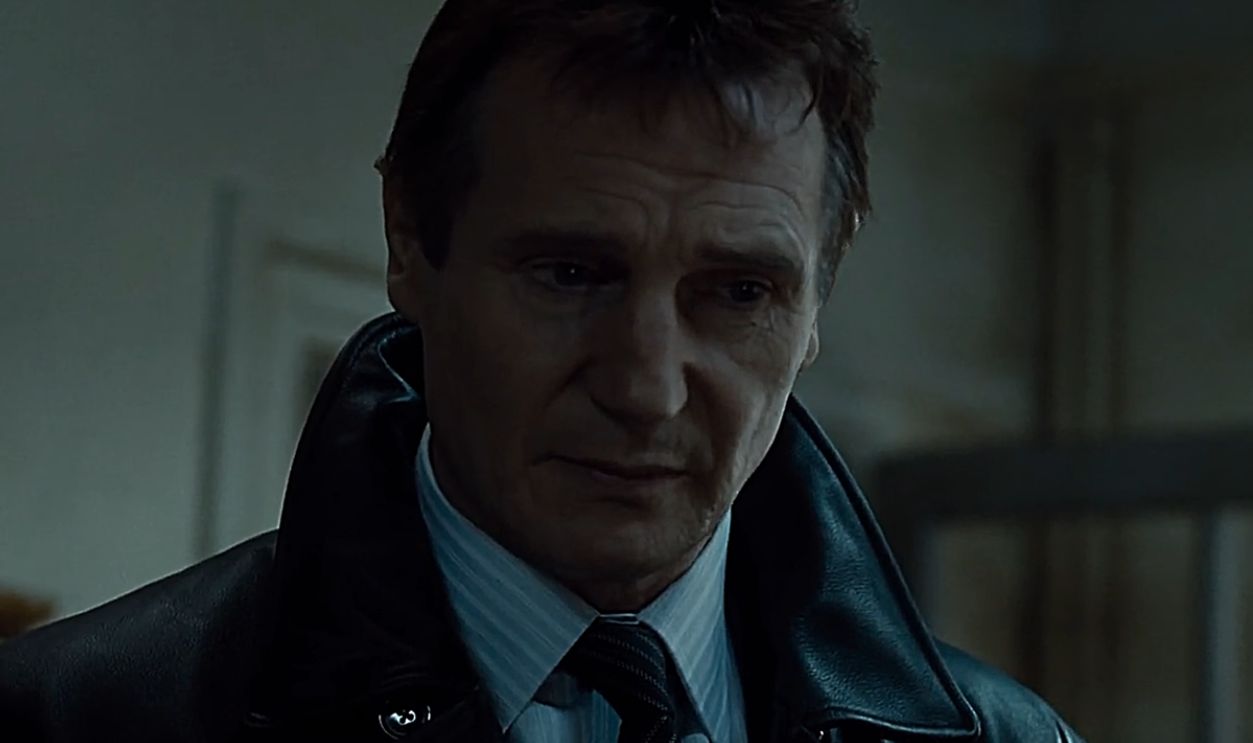 20th Century Studios, Taken (2008)
Minority Report – The Future Is Watching
Picking up after Spielberg’s film, Minority Report imagined a world where “precrime” is over, but the consequences linger. While it didn’t last long, the show’s ambition and visuals were impressive — and it had something important to say about second chances and human choice.
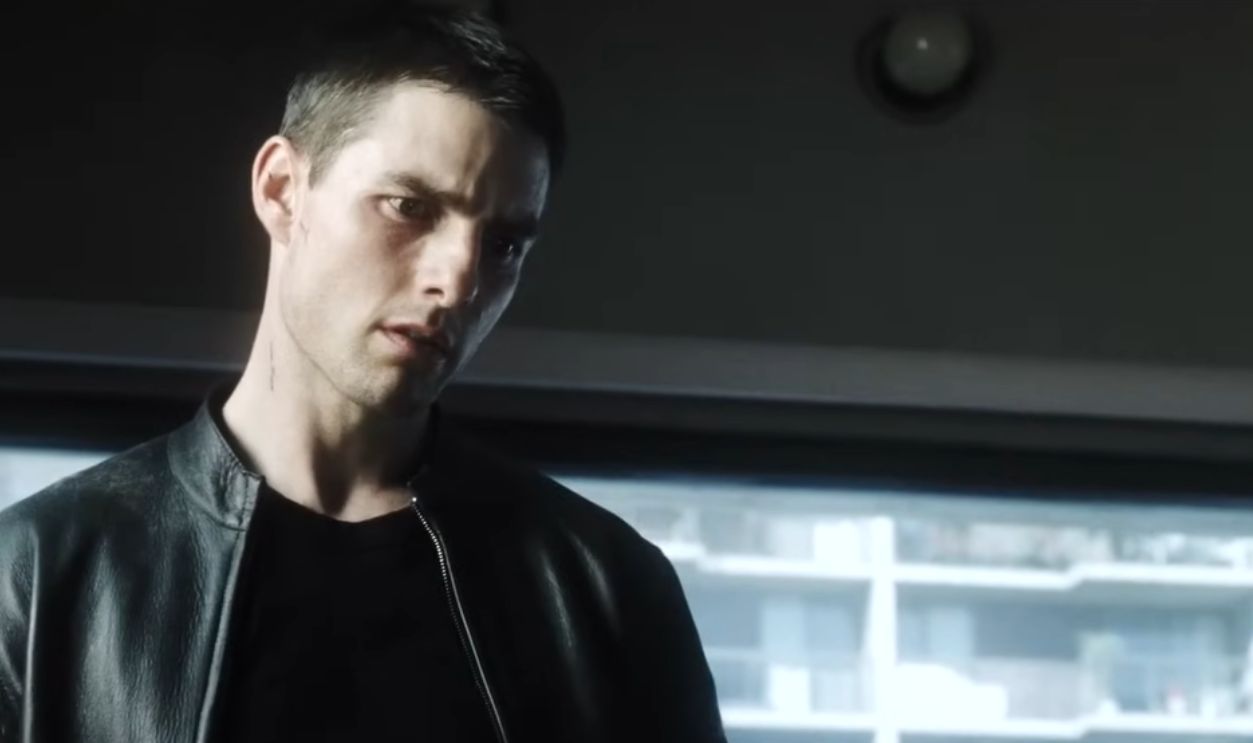 20th Century Studios, Minority Report (2002)
Wet Hot American Summer – Growing Younger, Growing Funnier
Netflix pulled off something absurdly brilliant: reuniting the entire Wet Hot American Summer cast to play their teenage selves… years later. The result? Glorious chaos. It was a perfect mix of parody and nostalgia, and a reminder that comedy works best when it’s in on the joke.
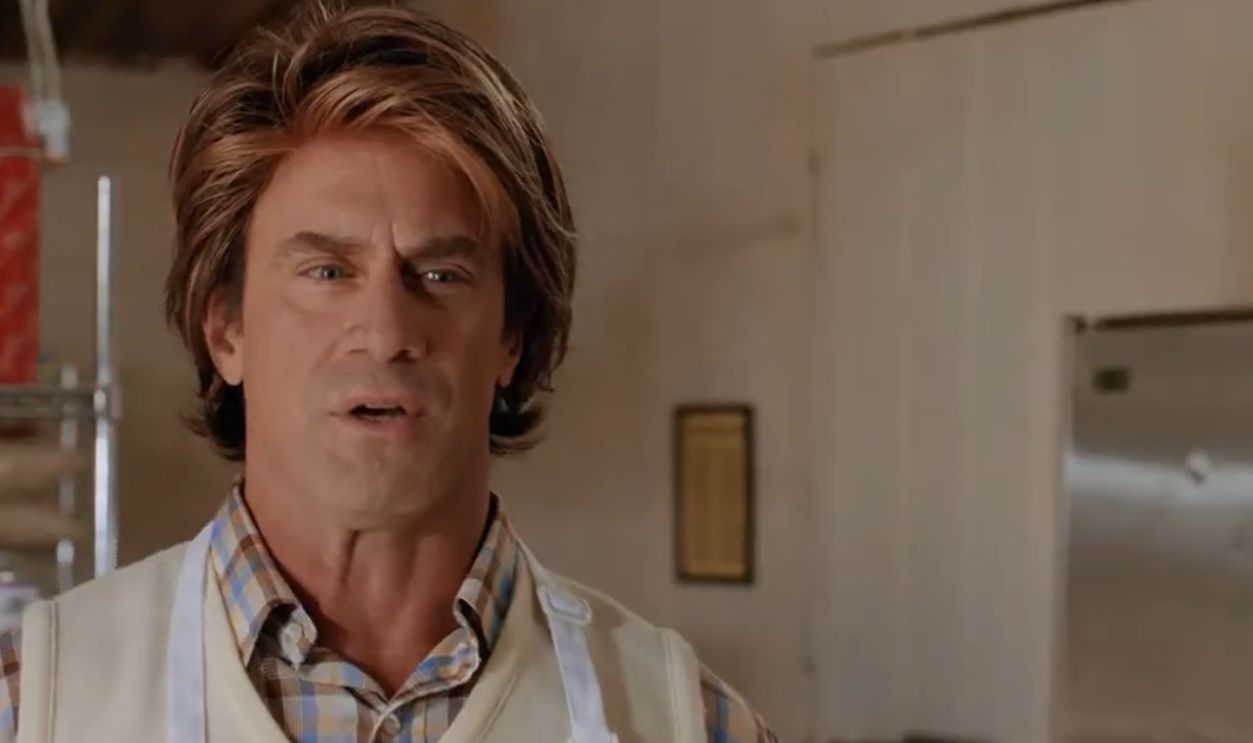 Netflix, Wet Hot American Summer (2015–2017)
Hannibal – Deliciously Disturbing
Mads Mikkelsen’s Hannibal was more than just a prequel — it was art. Each episode felt like a painting soaked in dread and beauty. Hugh Dancy’s Will Graham and Mikkelsen’s Hannibal shared one of TV’s most haunting relationships. Elegant, eerie, and unforgettable.
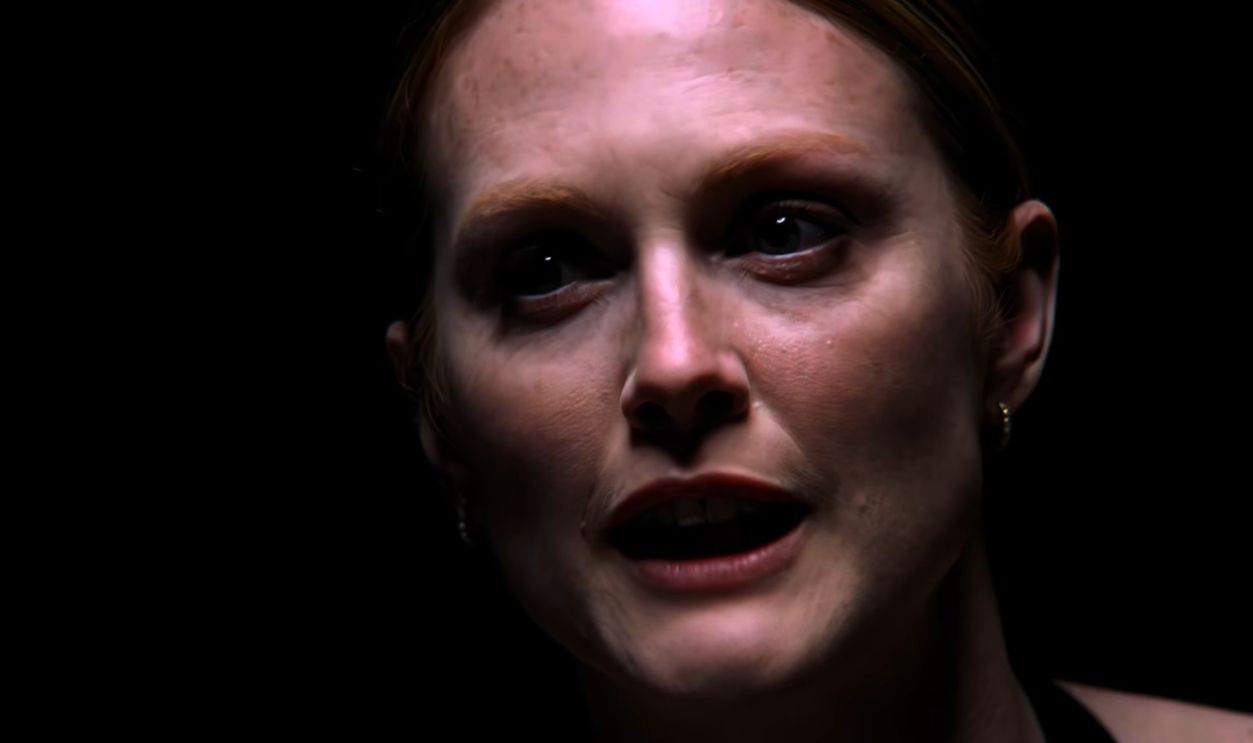 Metro-Goldwyn-Mayer (MGM), Hannibal (2001)
When The Story’s Too Good To End
A great spin-off isn’t just about milking nostalgia — it’s about expanding worlds worth revisiting. These shows took their cinematic roots and grew into something deeper, stranger, and more human. When done right, a spin-off doesn’t just keep the story alive — it makes us fall in love with it all over again.
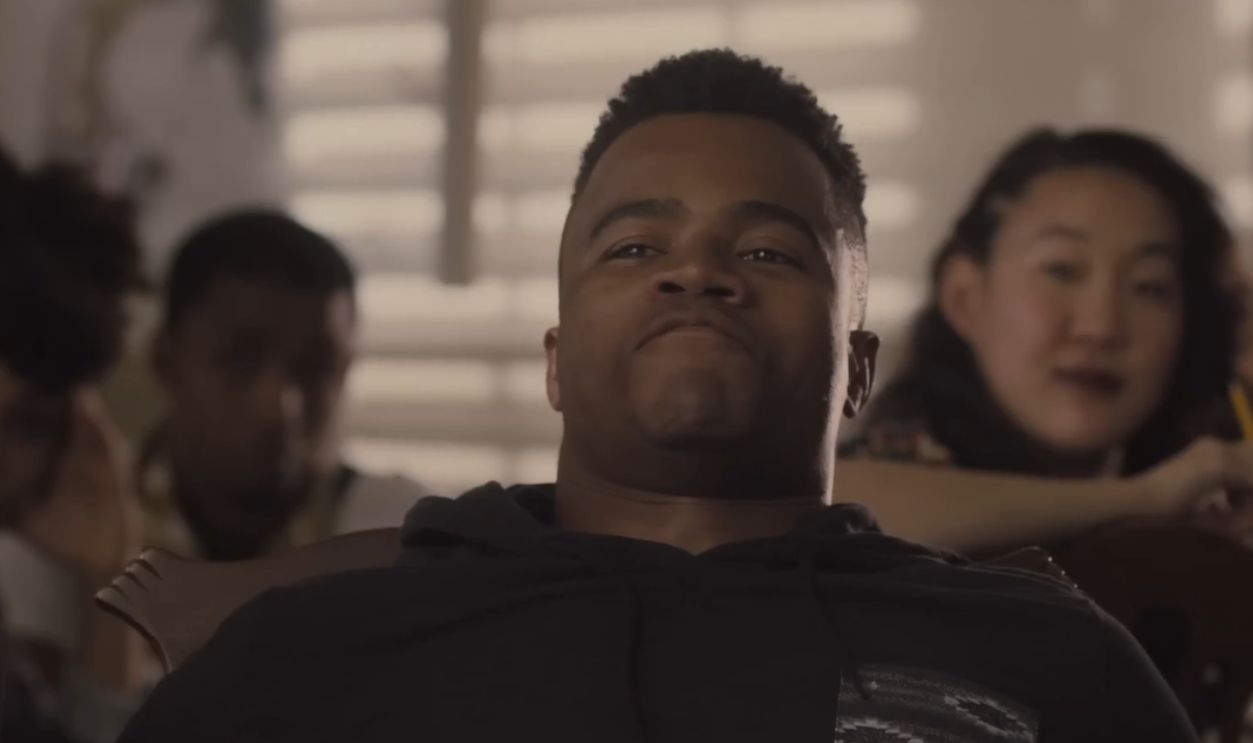 Lionsgate, Dear White People (2014)
You May Also Like:
Devastating TV Character Deaths
One-Hit Wonders You Forgot Had A Second Hit