Measuring A Legend's Work
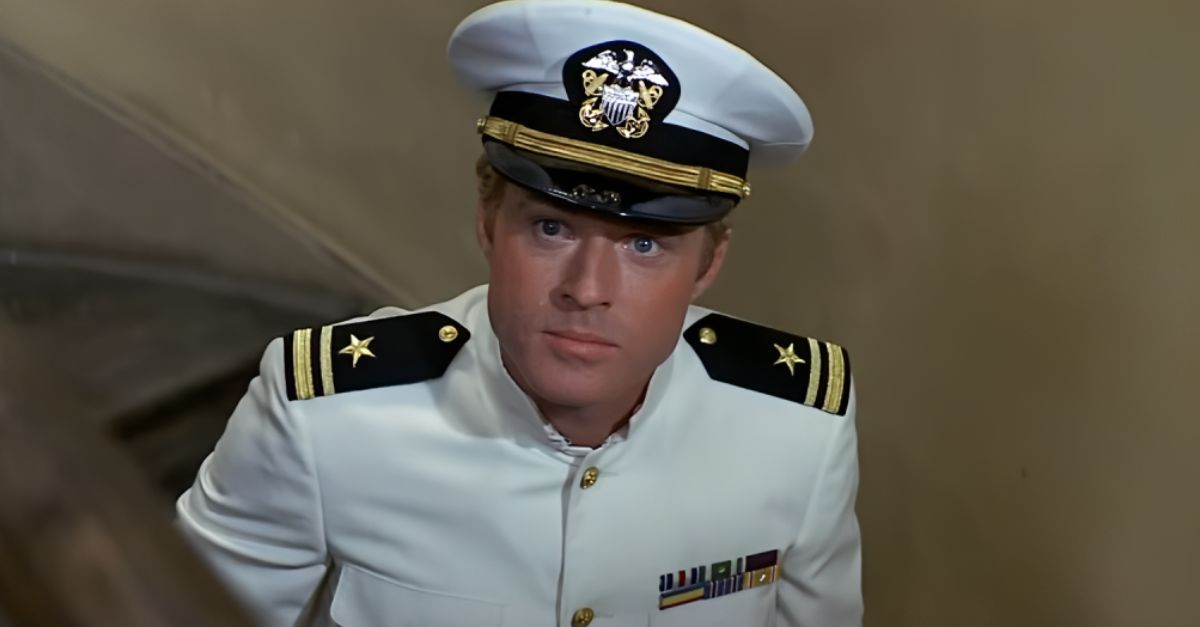
Few actors dominated Hollywood quite like Robert Redford during his prime years. His filmography includes romantic leads, political thrillers, westerns, and everything in between, each with its individual merits.
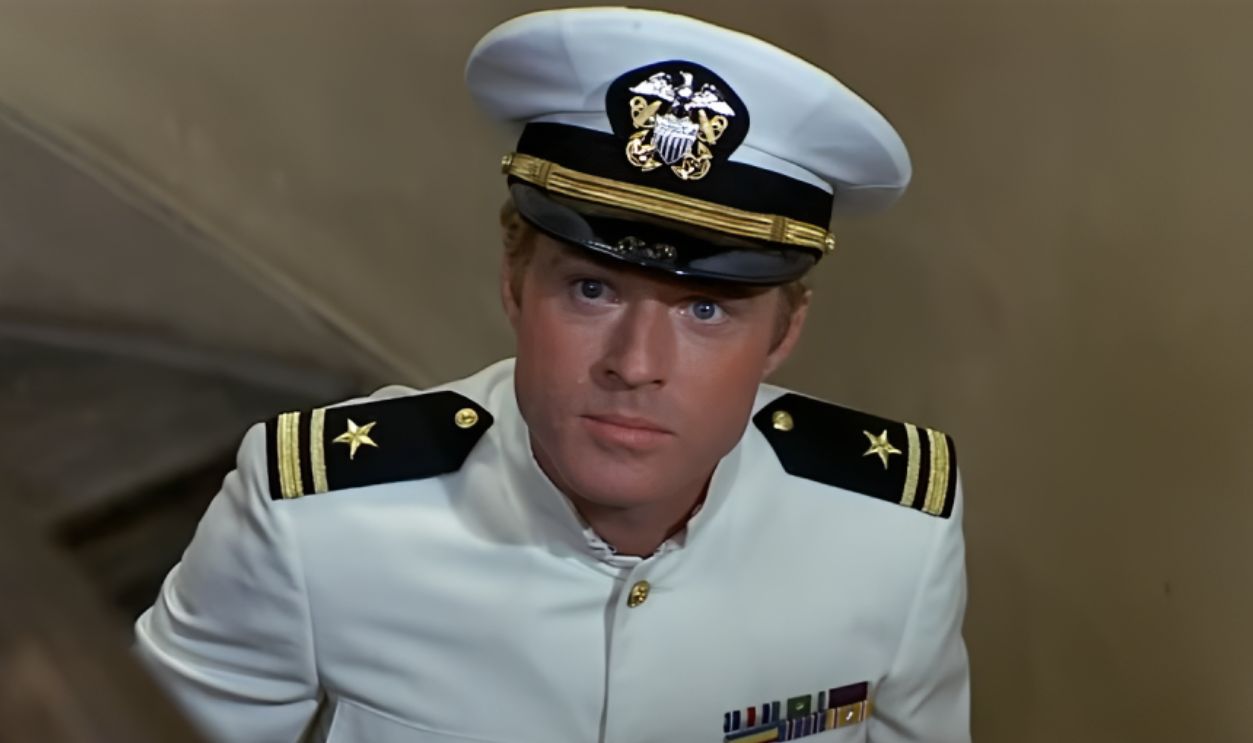 Screenshot from The Way We Were, Columbia Pictures (1973)
25. A Bridge Too Far (1977)
Richard Attenborough assembled an all-star cast for this WWII epic. The film sprawls across multiple storylines documenting “Operation Market Garden's” failure. Redford delivers solid work in limited screen time, though he gets overshadowed by the sheer number of famous faces competing for attention in this lengthy war drama.
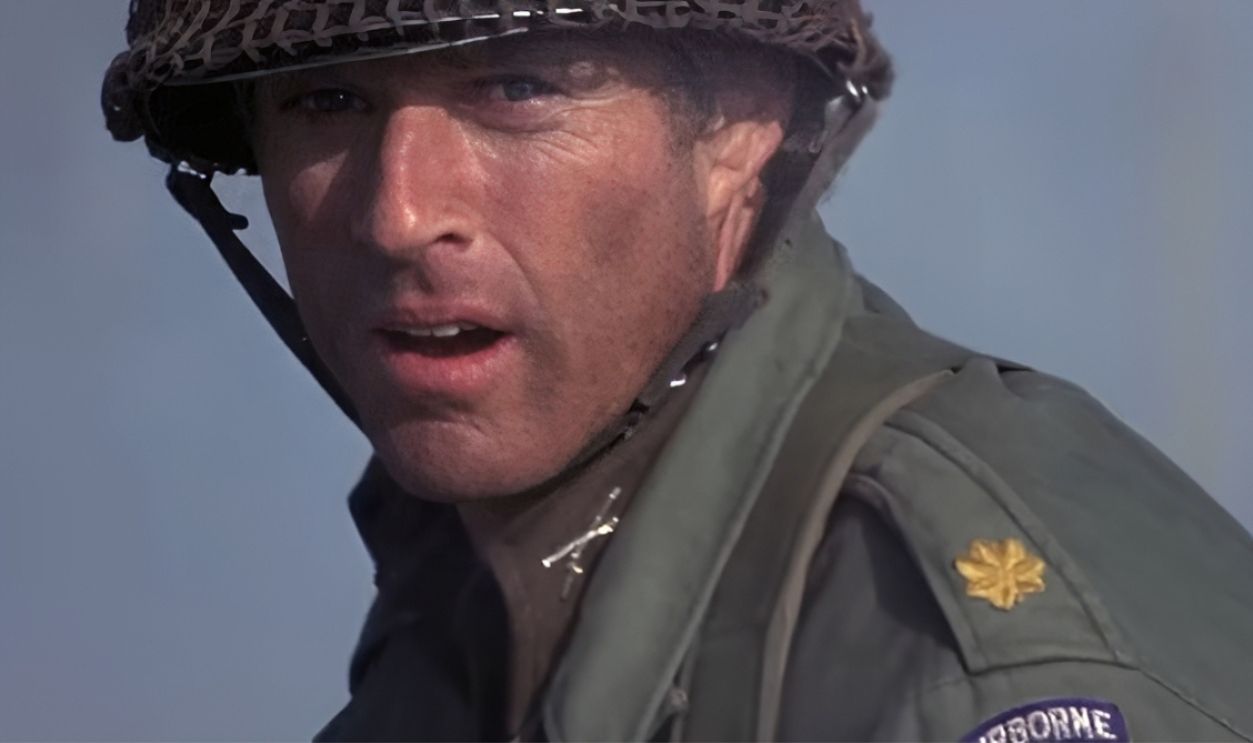 Screenshot from A Bridge Too Far, United Artists (1977)
24. The Chase (1966)
Marlon Brando dominates this Southern thriller, yet Robert Redford holds his own as escaped convict Bubber Reeves. Director Arthur Penn builds tension as townspeople brace for Bubber’s return. Redford runs for much of the film, but his scenes with Jane Fonda reveal the star power soon to follow.
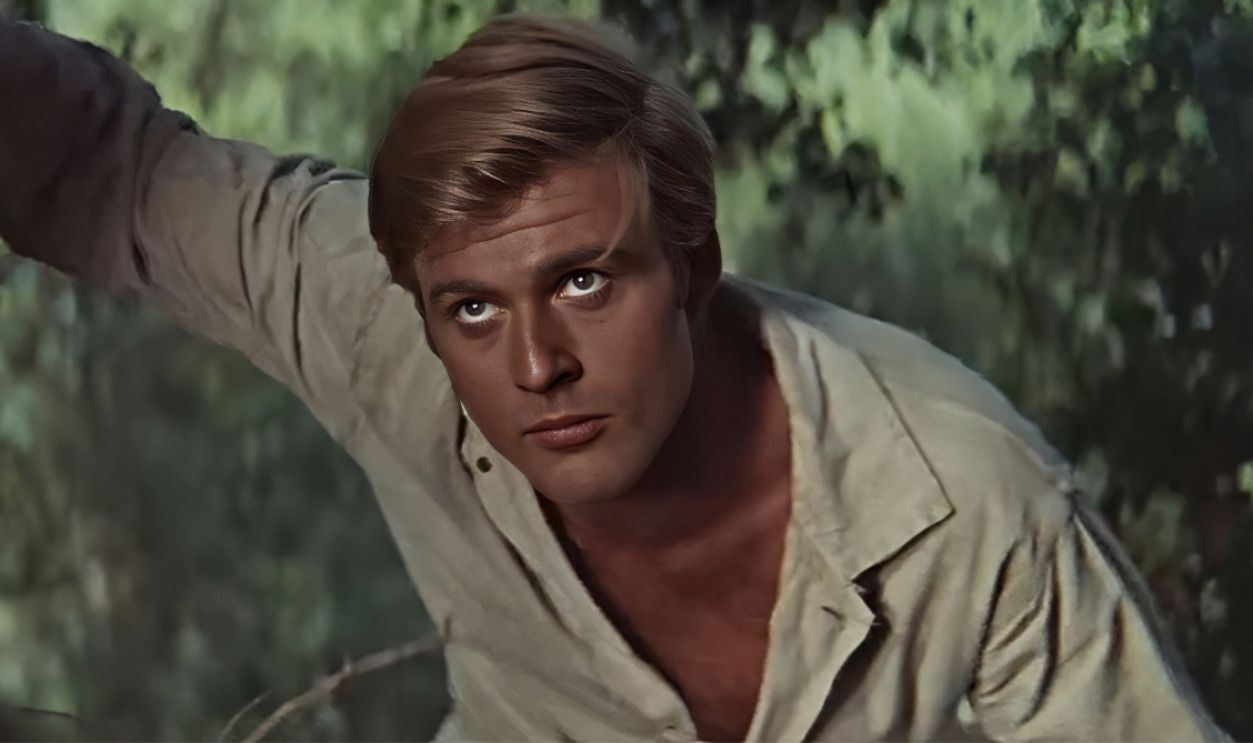 Screenshot from The Chase, Columbia Pictures (1966)
23. This Property Is Condemned (1966)
Natalie Wood plays a boarding house resident who falls for Redford's railroad official tasked with closing the town's railway. Here, Redford brings unexpected depth to what could've been a one-dimensional role, establishing his ability to enhance material through sheer commitment and natural charm.
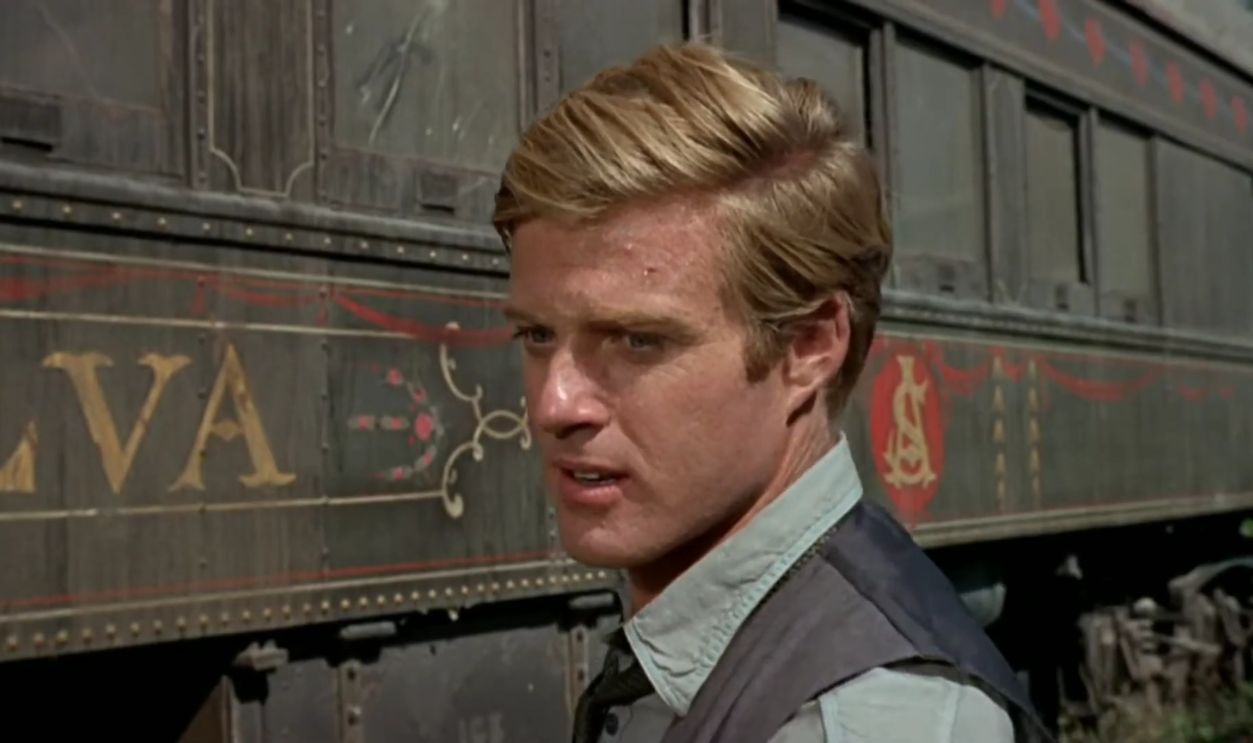 Screenshot from This Property Is Condemned, Paramount Pictures (1966)
22. The Old Man & The Gun (2018)
The actor announced this charming caper as his final acting role before retirement. He plays Forrest Tucker, a real-life bank robber who couldn't stop stealing even in old age. The performance radiates warmth and playfulness, with Redford clearly enjoying himself as he delivers a low-key farewell.
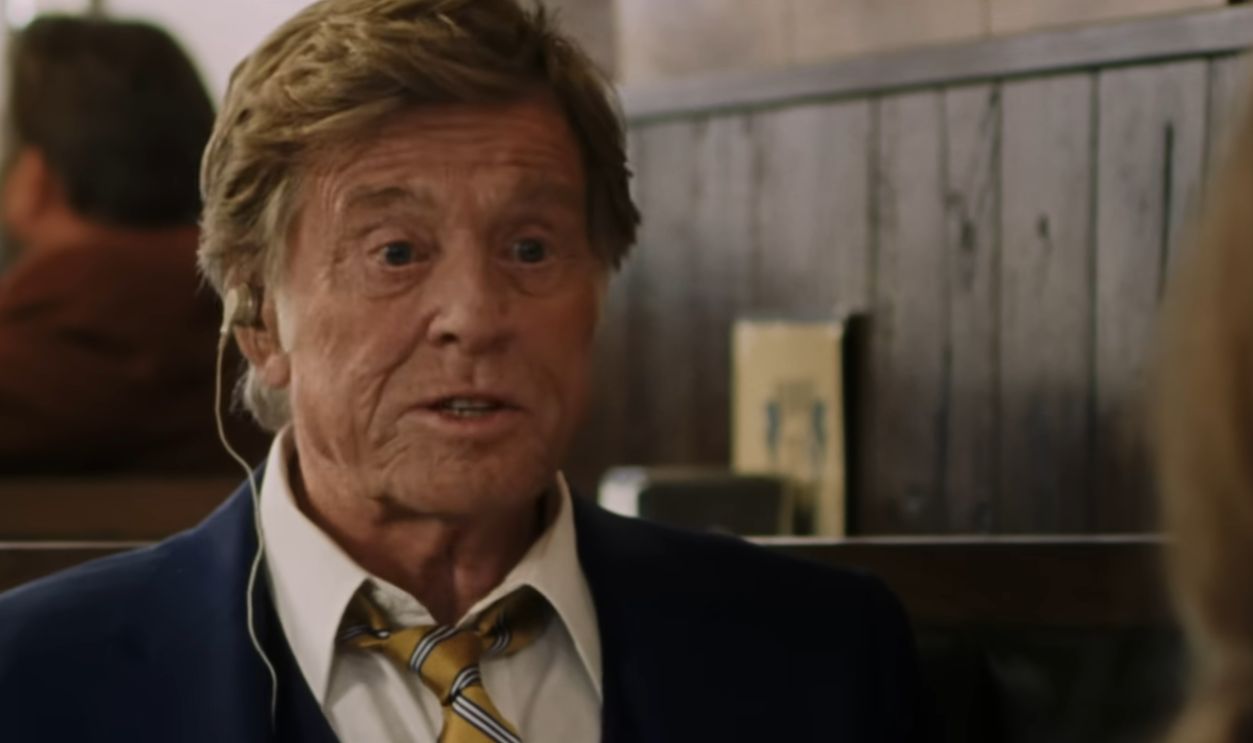 Screenshot from The Old Man & The Gun, Searchlight Pictures (2018)
21. Legal Eagles (1986)
Ivan Reitman directed this legal thriller pairing Redford with Debra Winger as attorneys investigating art fraud. The chemistry works despite a convoluted plot that never quite gels. Redford coasts on charisma here. He could anchor a commercial vehicle through sheer star power even when the material wasn’t his best work.
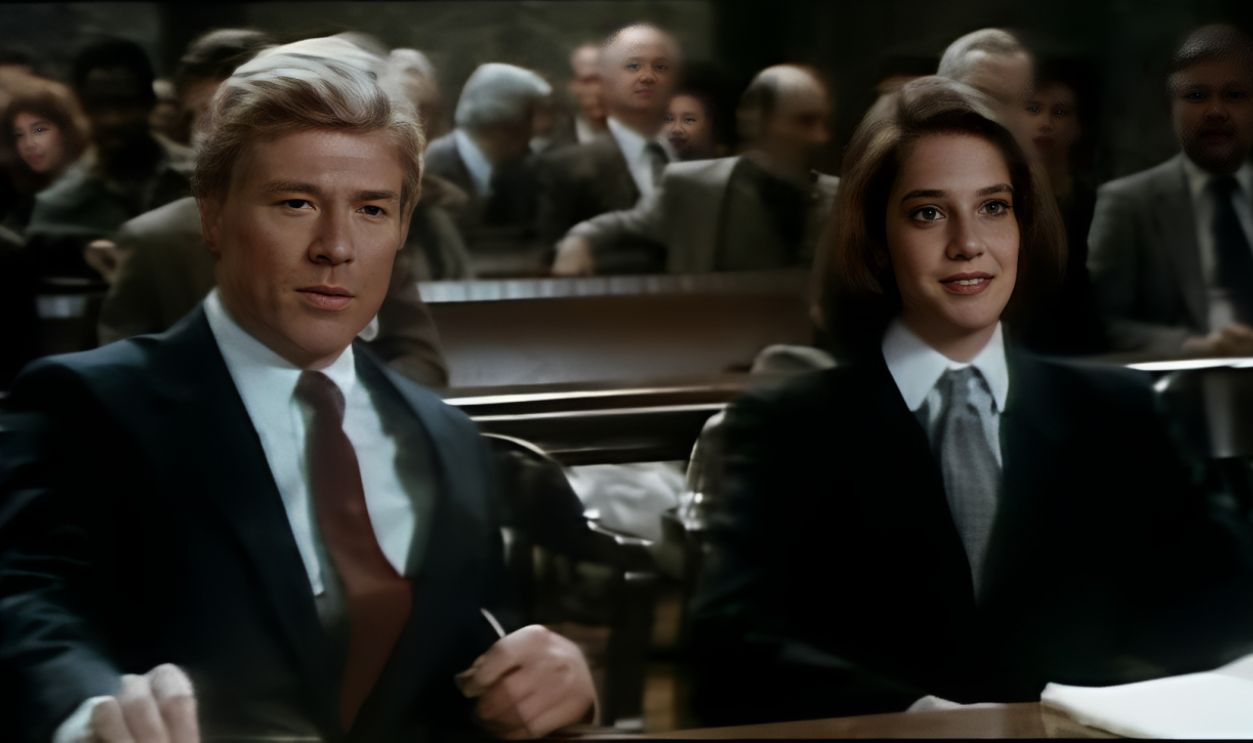 Screenshot from Legal Eagles, Universal Pictures (1986)
20. The Great Waldo Pepper (1975)
Robert plays a WWI pilot turned barnstormer in this Depression-era drama. The film explores masculine ego and missed opportunities through Waldo's obsession with aerial combat he never experienced. This picture gave Redford room to play vulnerability beneath the cocky aviator persona.
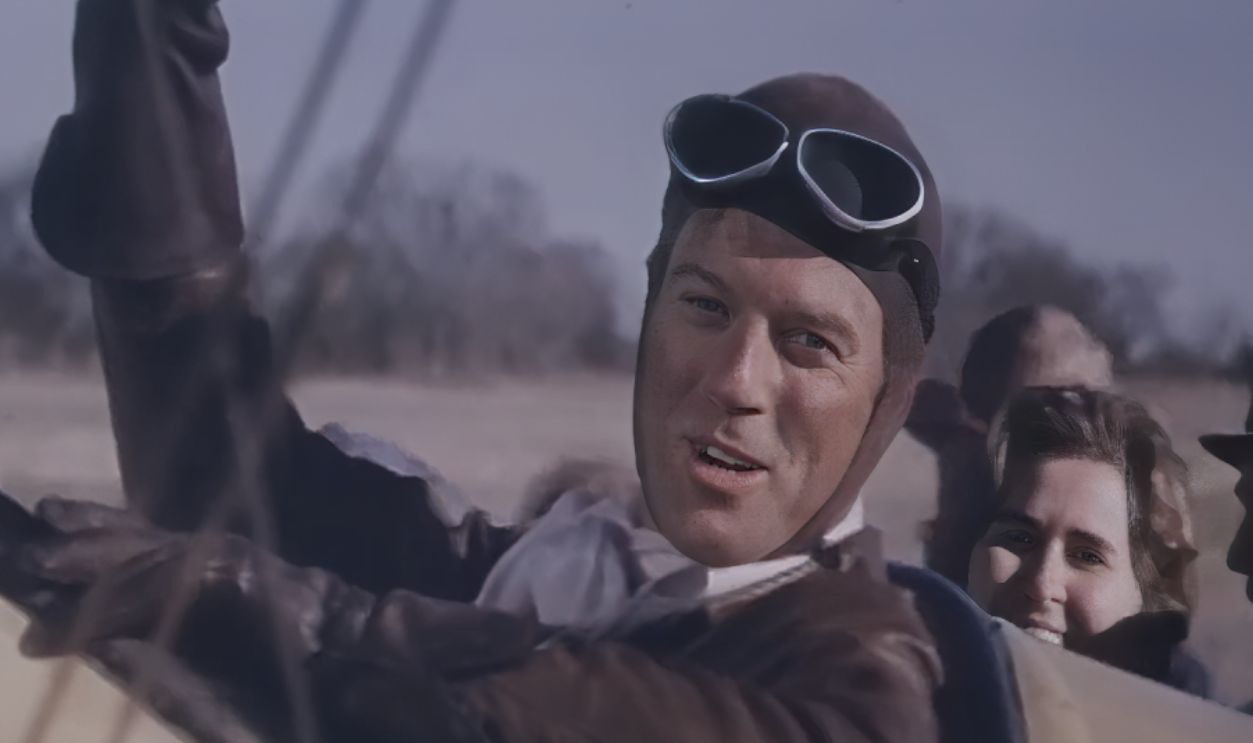 Screenshot from The Great Waldo Pepper, Universal Pictures (1975)
19. Sneakers (1992)
This tech thriller assembled an ensemble cast, including Redford as the leader of security experts testing systems for vulnerabilities. The film anticipated modern concerns about digital surveillance and data security years before they became mainstream. Redford anchors the team with understated leadership.
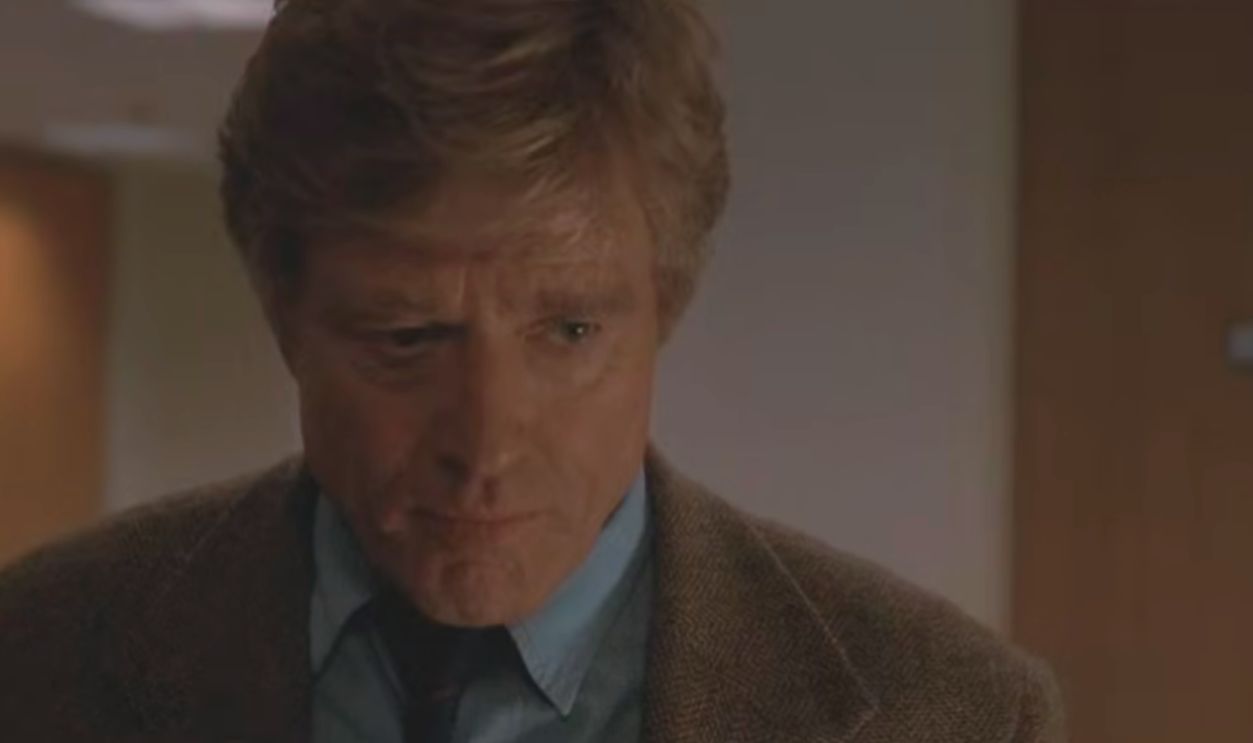 Screenshot from Sneakers, Universal Pictures (1992)
18. Spy Game (2001)
Tony Scott directed this espionage thriller spanning decades of CIA operations. Redford plays veteran operative Nathan Muir, who attempts to rescue his former protege, Tom Bishop (Brad Pitt), from a Chinese prison. The non-linear storytelling showcases Redford at different ages, highlighting how he aged into roles requiring world-weariness rather than just youthful charm.
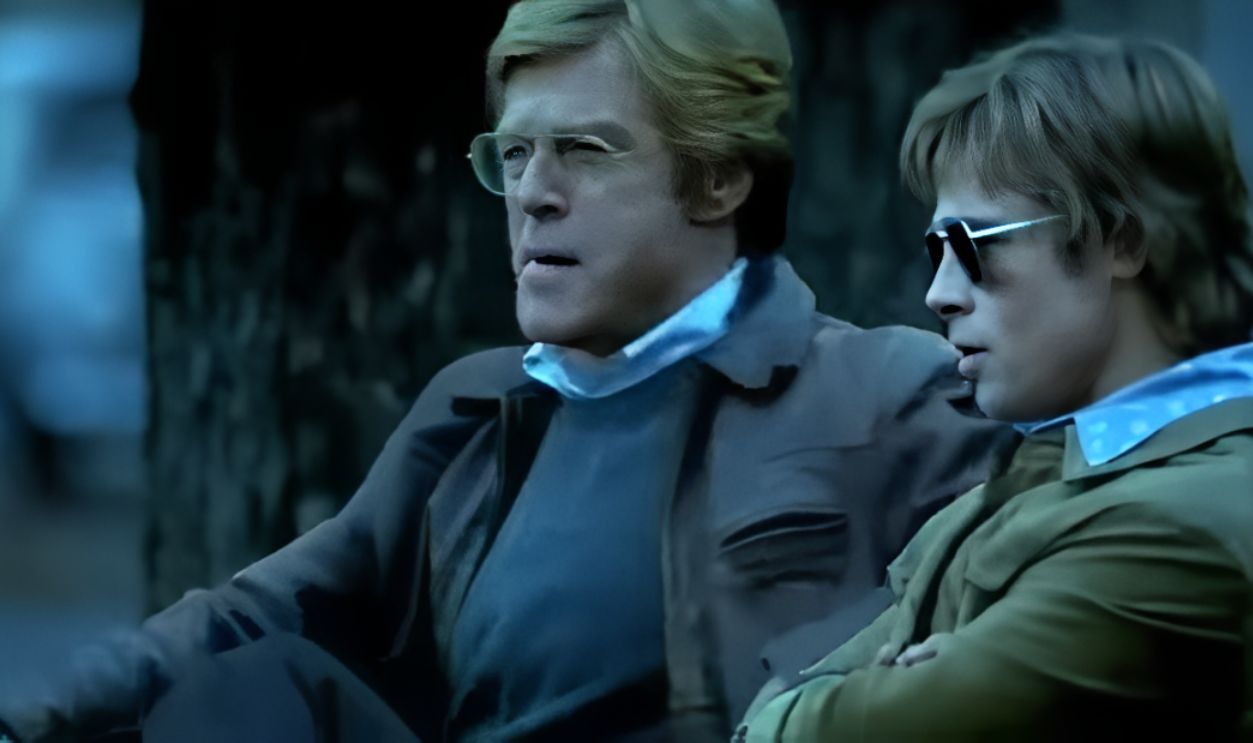 Screenshot from Spy Game, Universal Pictures (2001)
17. Indecent Proposal (1993)
Adrian Lyne's provocative drama asks whether a couple would accept a million dollars for one night together. The actor plays the billionaire, making the offer with surprising restraint, given the lurid premise. His performance adds layers of loneliness and genuine attraction that prevent the character from becoming a simple villain.
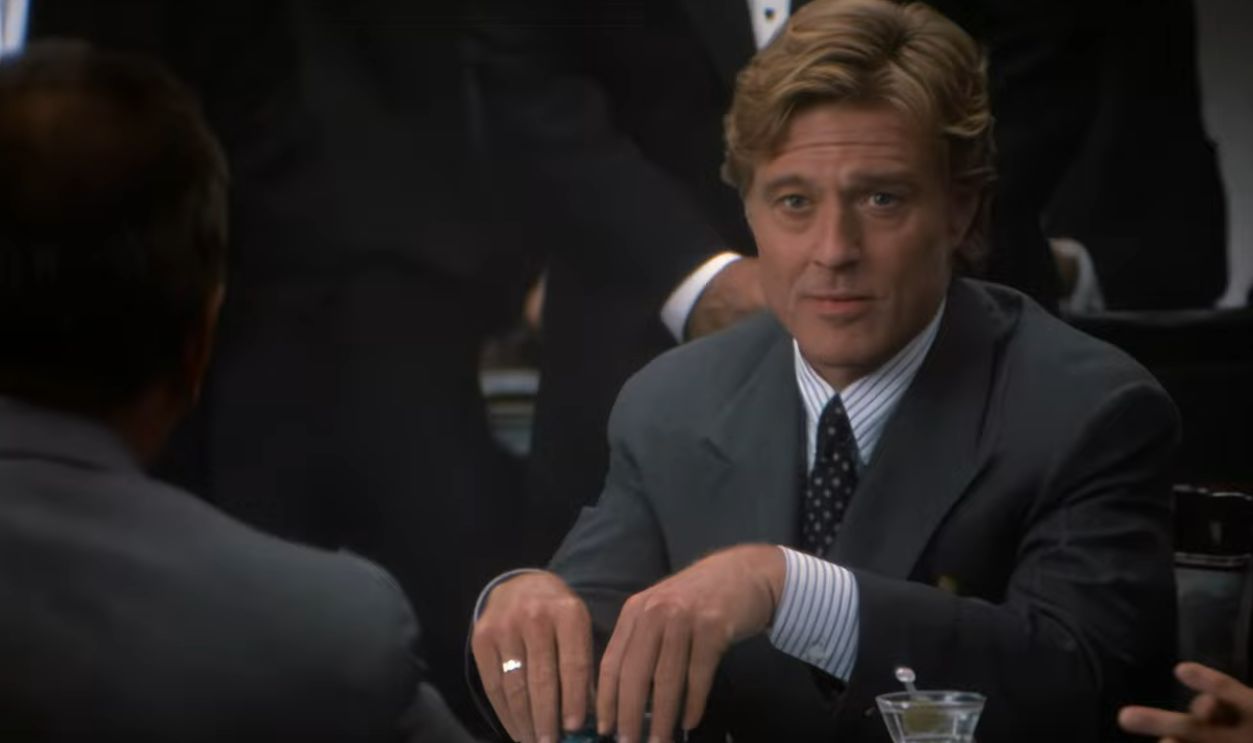 Screenshot from Indecent Proposal, Paramount Pictures (1993)
16. The Electric Horseman (1979)
Redford reunites with Sydney Pollack for this modern western about a washed-up rodeo star who steals a corporate-owned racehorse. Jane Fonda plays the journalist pursuing the story. The film critiques commercialization while celebrating individualism, with Redford perfectly being a man rediscovering his principles.
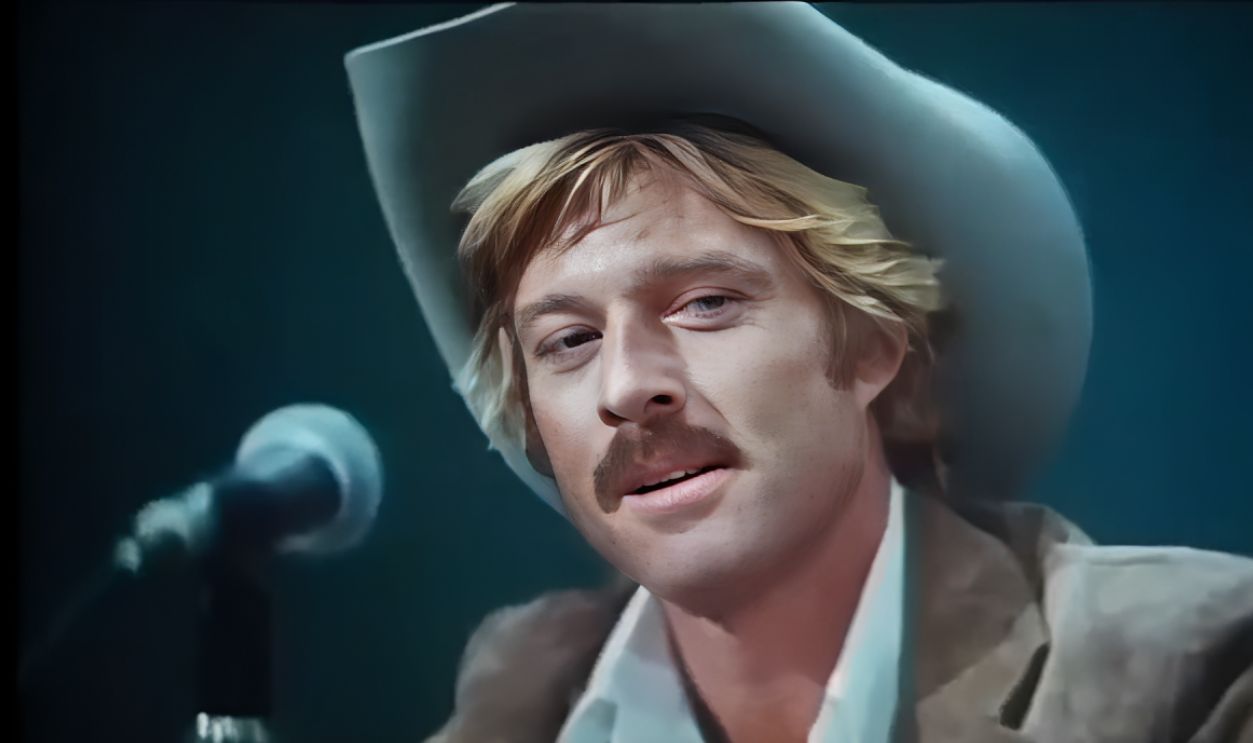 Screenshot from The Electric Horseman, Columbia Pictures (1979)
15. The Hot Rock (1972)
This was a caper comedy featuring Redford as John Dortmunder, a thief tasked with stealing the same diamond over and over. George Segal co-stars as his partner in a series of increasingly absurd heists that keep going wrong. His comedic timing worked best when grounded in frustration rather than broad humor.
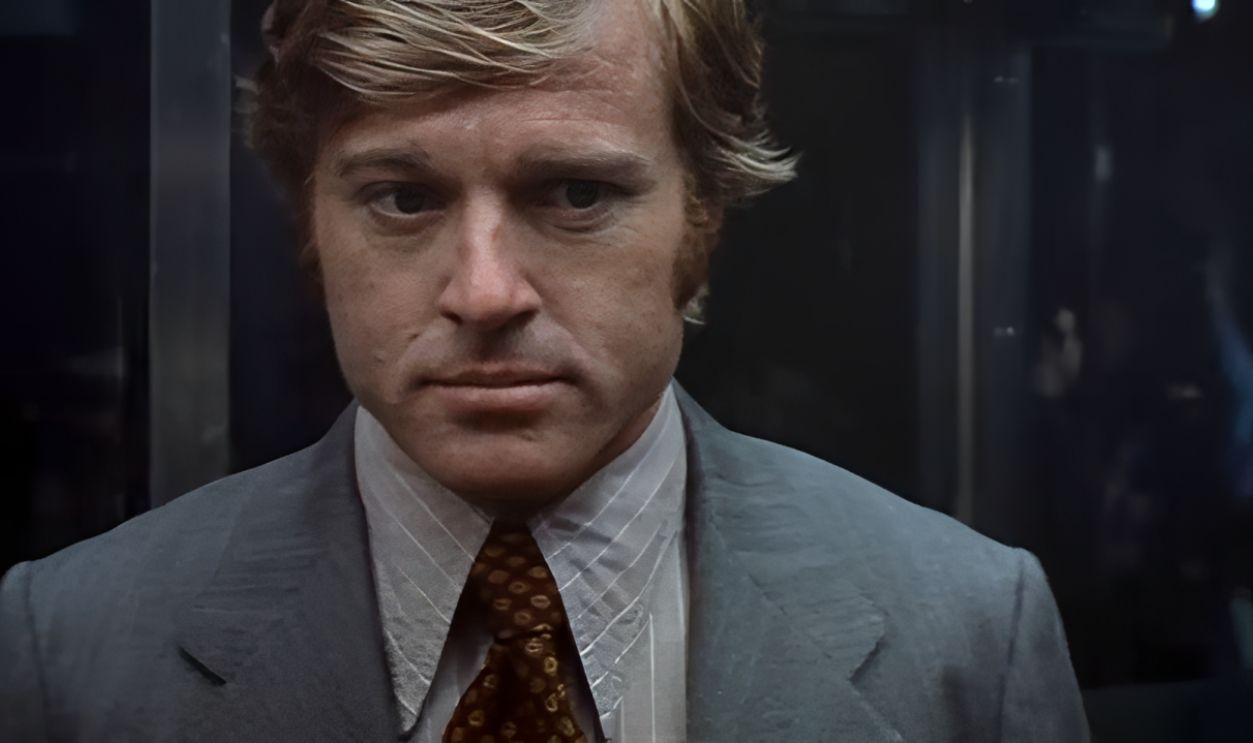 Screenshot from The Hot Rock, 20th Century Fox (1972)
14. Inside Daisy Clover (1965)
Natalie Wood stars as a teenager thrust into Hollywood's studio system, while Redford plays her secretly queer husband in this daring melodrama. The role earned him a Golden Globe for Most Promising Newcomer despite his relatively brief screen time. With this early role, Redford made a bold choice, showing a willingness to tackle complex characters.
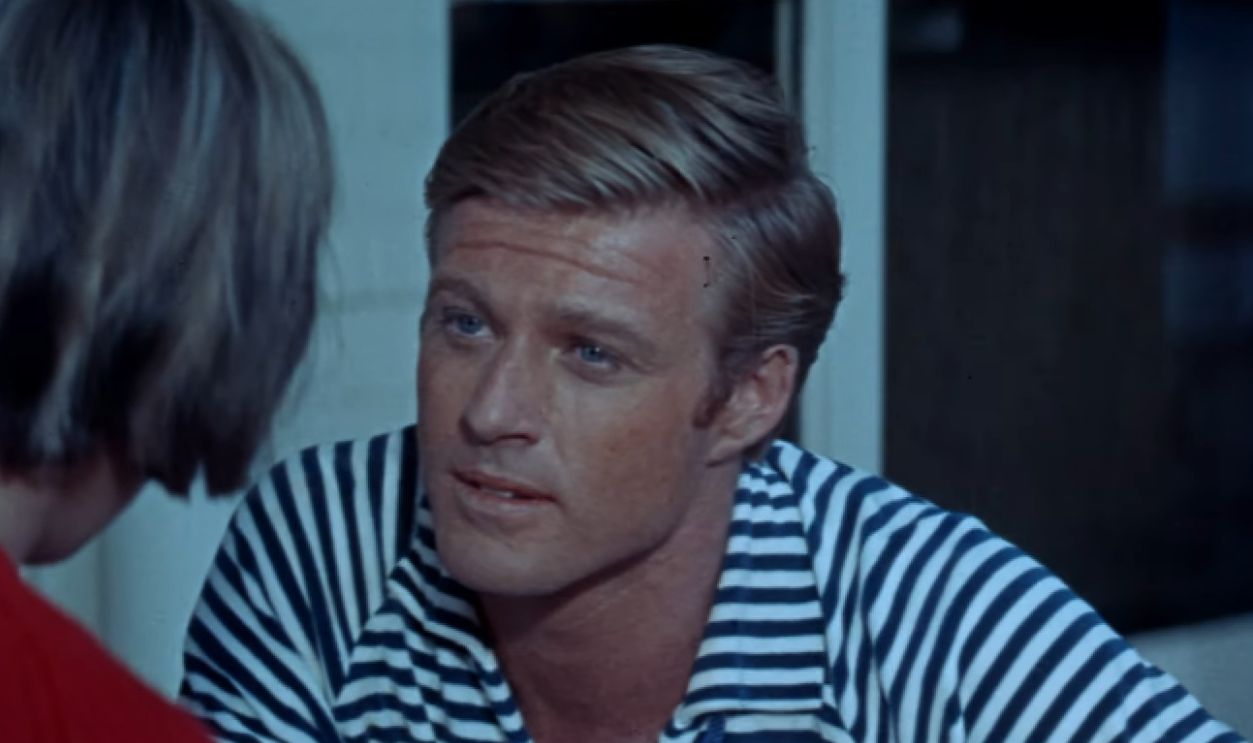 Screenshot from Inside Daisy Clover, Warner Bros. (1965)
13. Brubaker (1980)
Robert plays a prison warden going undercover as an inmate before revealing his identity to expose corruption. The picture exposes systemic abuse within the penal system with gritty realism. Director Stuart Rosenberg lets Redford convey moral outrage through measured reactions to create a character driven by principle.
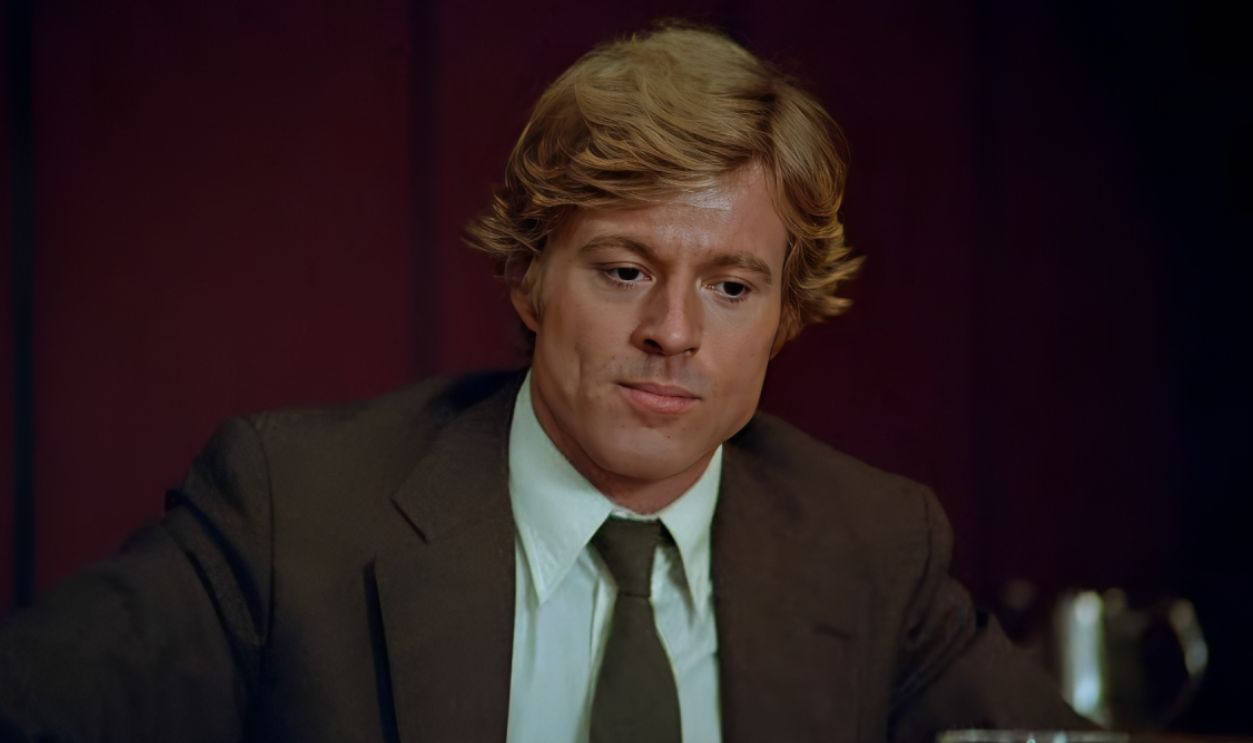 Screenshot from Brubaker, 20th Century Studios (1980)
12. Up Close & Personal (1996)
An ambitious, aspiring TV anchor, portrayed by Michelle Pfeiffer, finds guidance in Robert Redford’s seasoned station manager. Career momentum unfolds alongside a complicated romance. Embracing his age, Redford brings credibility to a mentor whose experience and steadiness attract a younger woman without making their relationship feel forced or implausible.
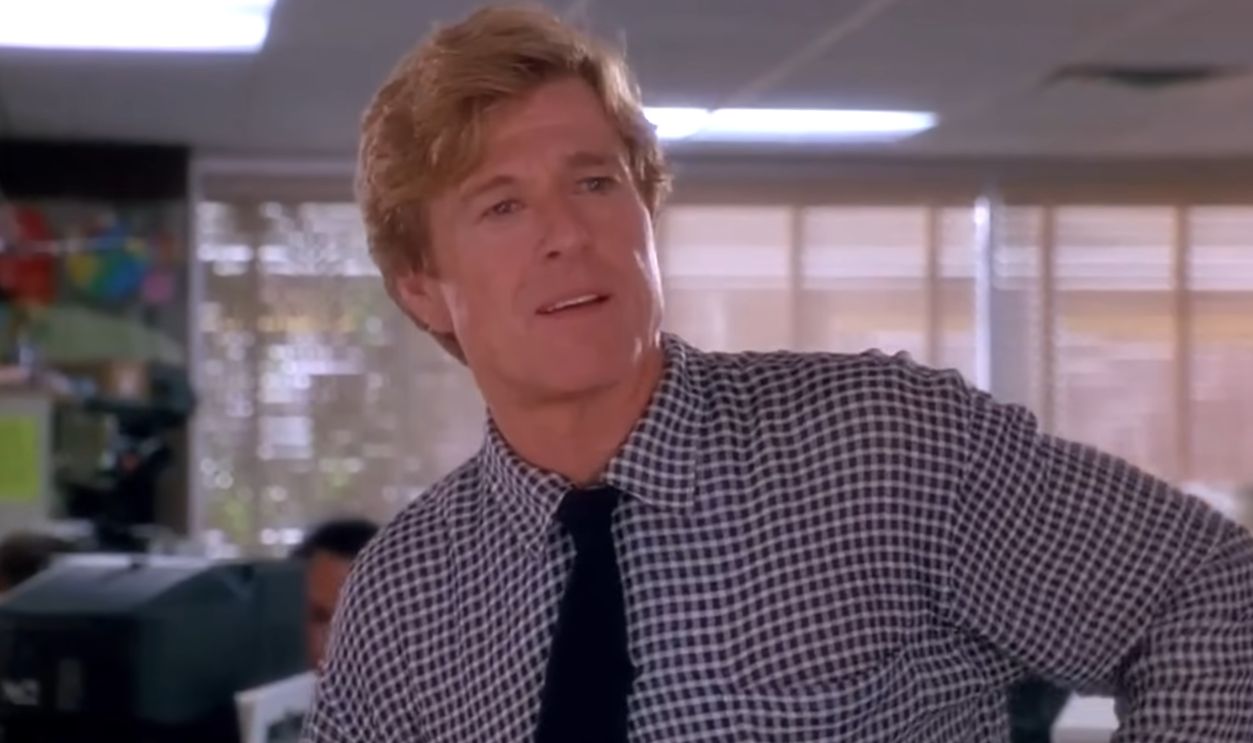 Screenshot from Up Close & Personal, Buena Vista Pictures Distribution (1996)
11. Downhill Racer (1969)
In Michael Ritchie’s debut feature, Redford plays an arrogant Olympic skier obsessed with victory. Traditional sports movie formulas fall away, with no sentimental arc or tidy redemption. Complete commitment to an abrasive, single-minded athlete who alienates everyone around him reveals a range far beyond the familiar, charming persona.
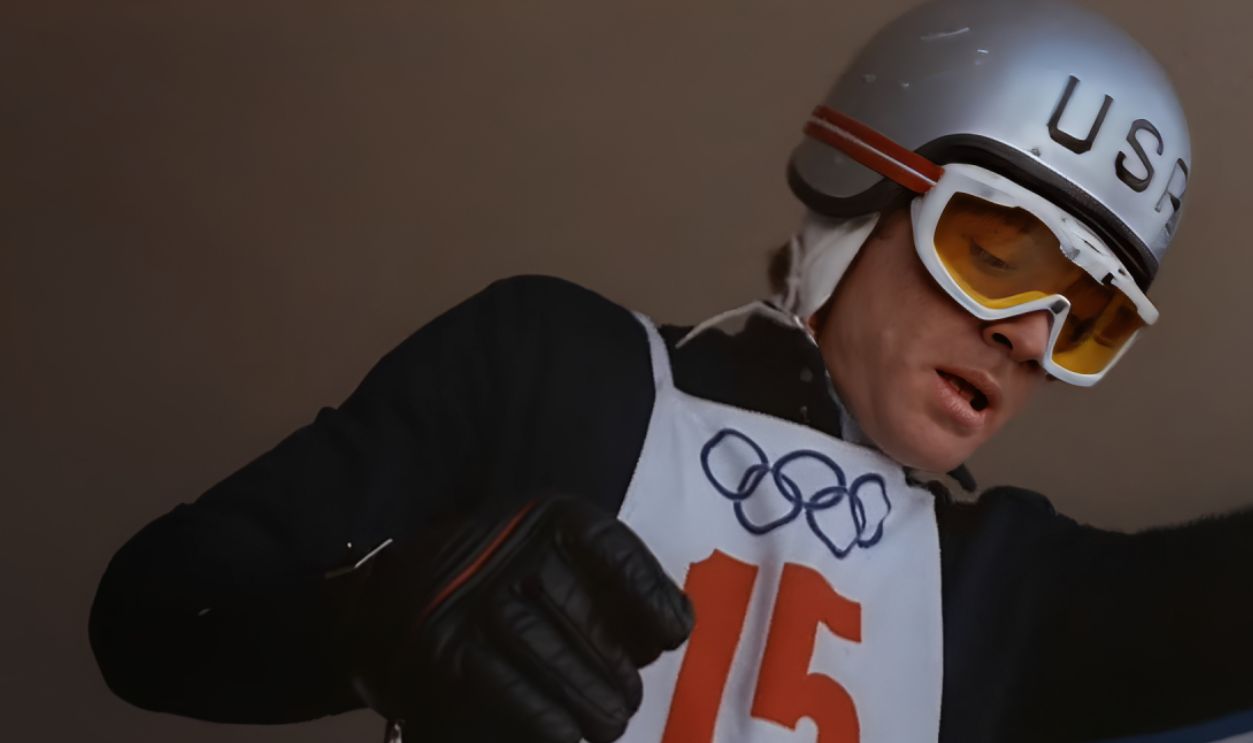 Screenshot from Downhill Racer, Paramount Pictures (1969)
10. The Candidate (1972)
As Bill McKay, an idealistic lawyer persuaded to challenge an unbeatable incumbent for the Senate, Redford charts a steady moral unraveling. Jeremy Larner’s Oscar-winning script examines how campaigns trade conviction for electability. After victory, a haunting “What do we do now?” captures a man who sacrificed beliefs without fully realizing it.
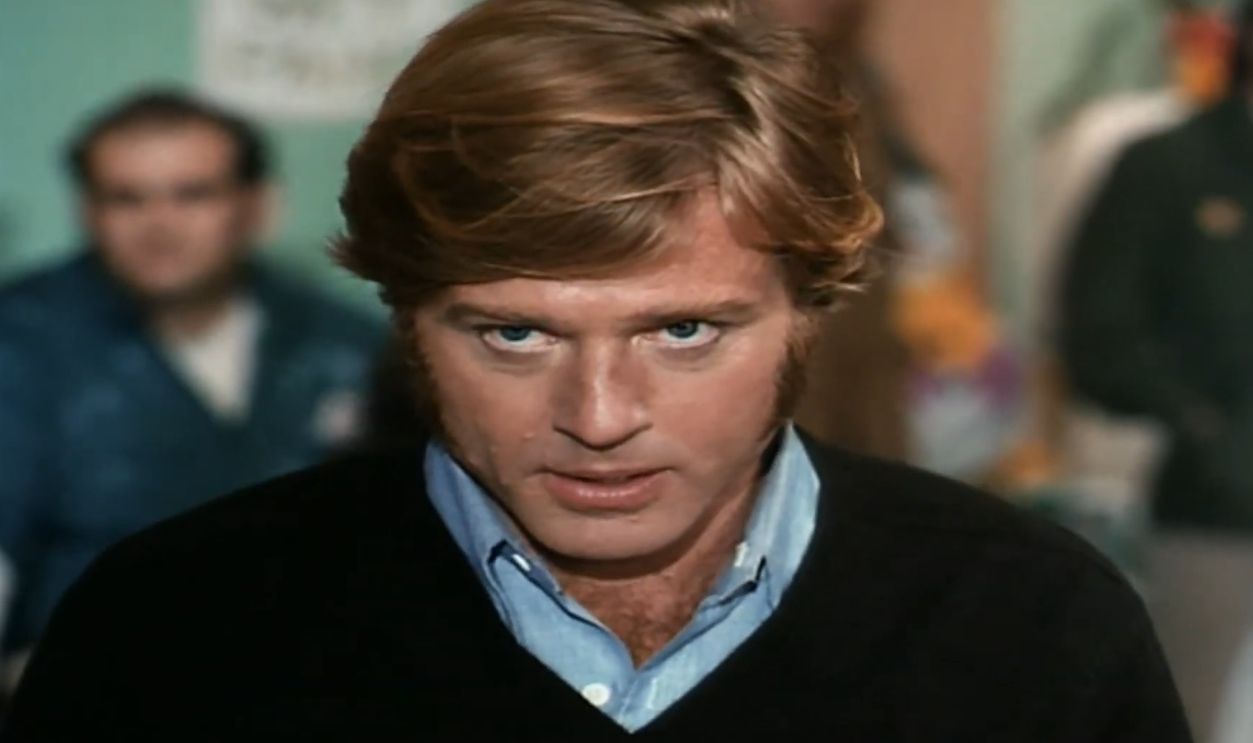 Screenshot from The Candidate, Warner Bros. (1972)
9. Barefoot In The Park (1967)
Neil Simon's Broadway hit became Redford's breakthrough film role opposite Jane Fonda as newlyweds. Gene Saks directed this romantic comedy that let Redford showcase both comic timing and romantic appeal. His uptight lawyer character provided the perfect foil to Fonda's free spirit, establishing the template for many future romantic pairings.
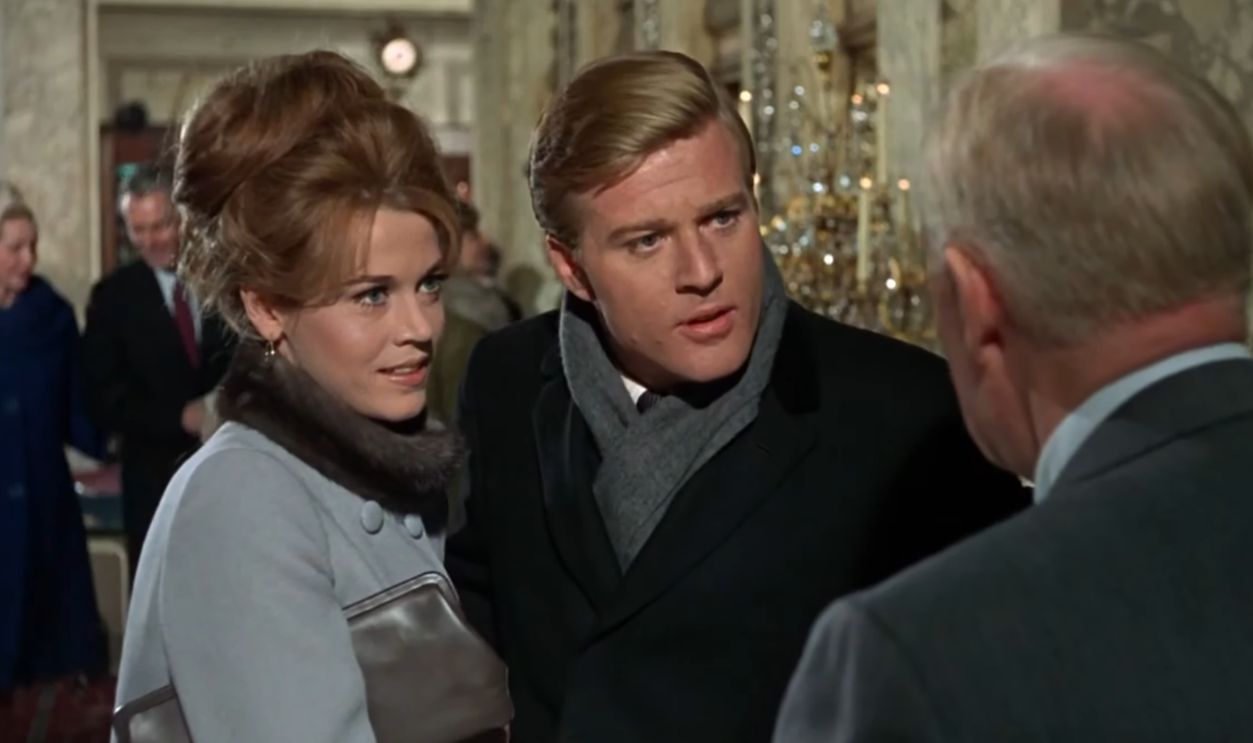 Screenshot from Barefoot In The Park, Paramount Pictures (1967)
8. Jeremiah Johnson (1972)
Under Sydney Pollack’s direction, a frontier epic follows a man who retreats to the Rocky Mountains to live as a trapper. Survival, solitude, and clashes with Native American tribes unfold through sparse dialogue and sweeping cinematography. Physical transformation and weathered silence convey years of isolation without relying on words.
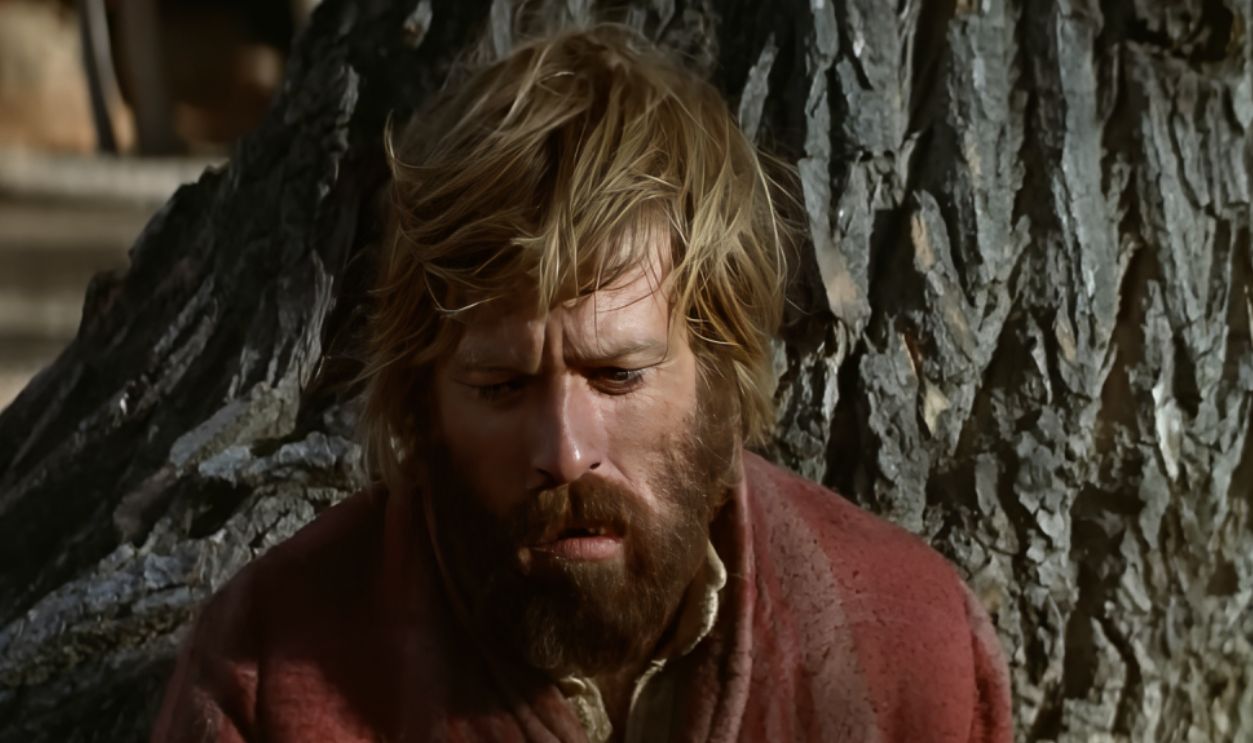 Screenshot from Jeremiah Johnson, Warner Bros. (1972)
7. Out Of Africa (1985)
A sweeping epic from Sydney Pollack pairs Redford with Meryl Streep as Denys Finch Hatton and Karen Blixen in colonial Kenya. Best Picture followed despite criticism of its romanticized colonial lens. Warmth and intelligence shape Finch Hatton’s free-spirited worldview, though skipping a British accent drew complaints from purists.
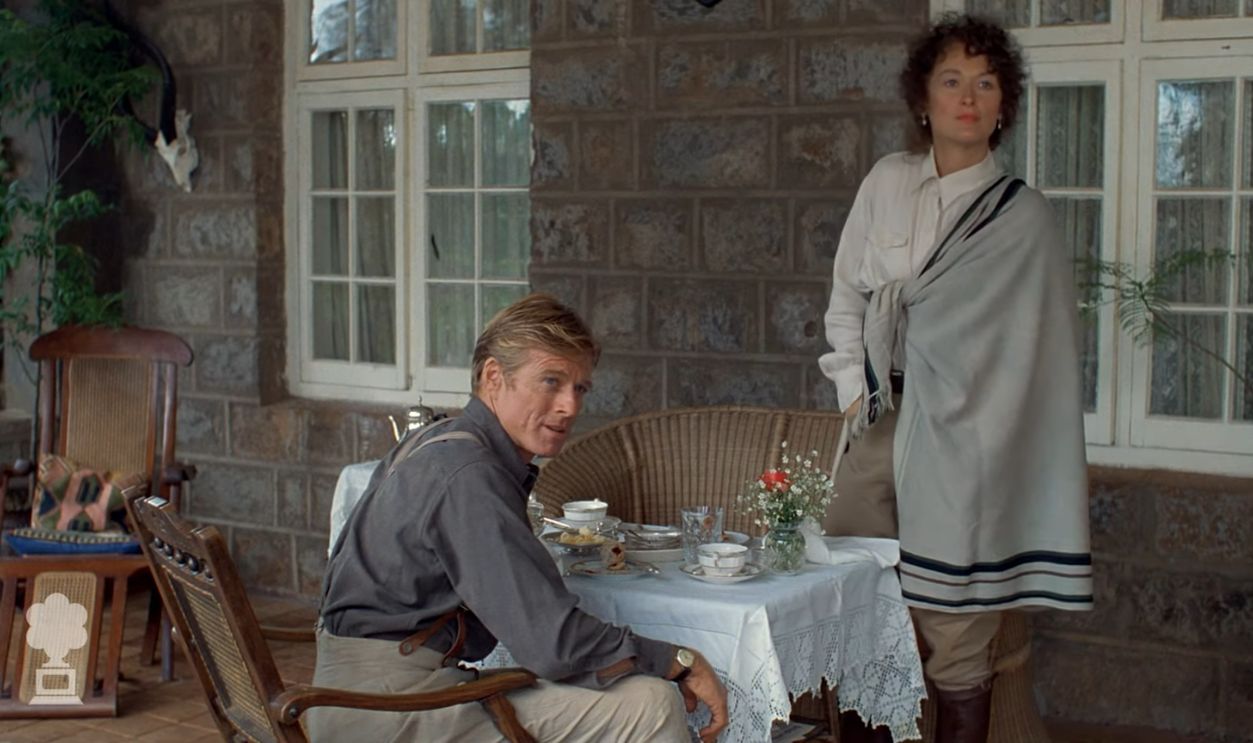 Screenshot from Out Of Africa, Universal Pictures (1985)
6. Three Days Of The Condor (1975)
Another Sydney Pollack creation, this paranoid thriller casts Redford as a CIA researcher who discovers his colleagues murdered. Faye Dunaway plays a stranger he takes hostage while fleeing assassins. Post-Watergate cynicism saturates every scene, as mounting desperation mirrors America’s collapsing trust in government institutions.
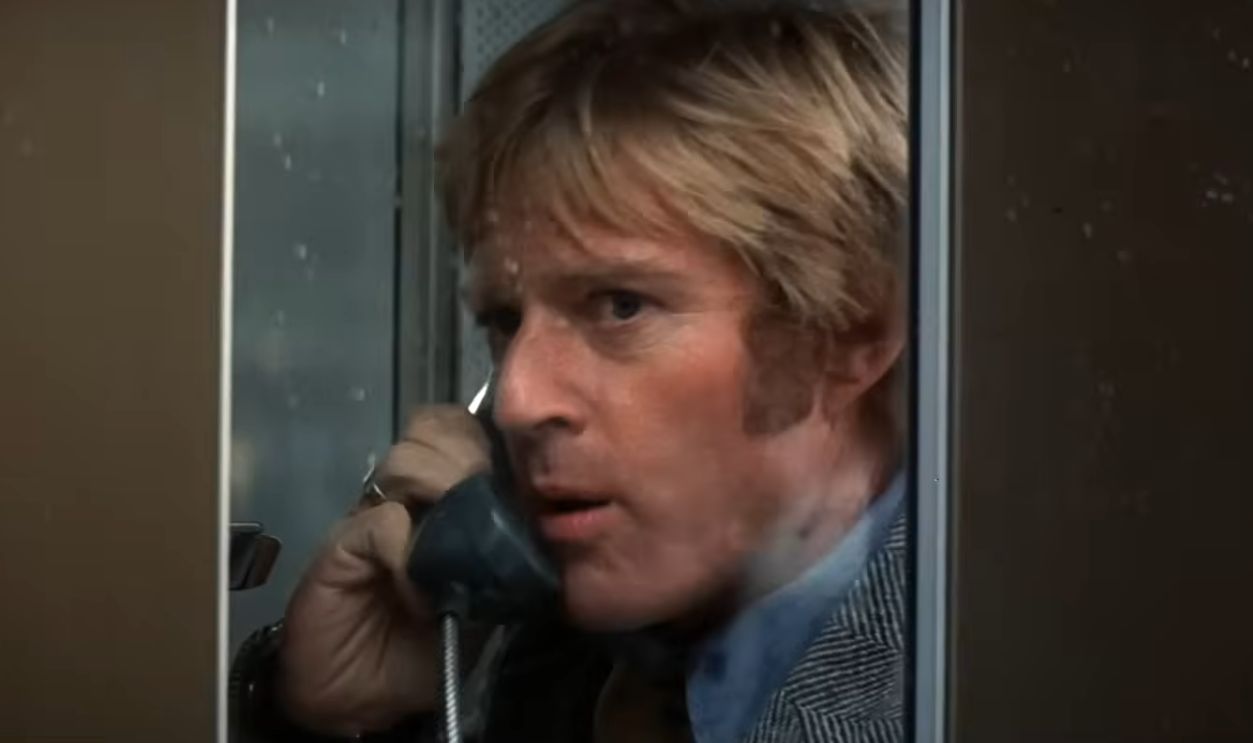 Screenshot from Three Days Of The Condor, Paramount Pictures (1975)
5. The Natural (1984)
A return after a four-year hiatus arrives through Barry Levinson’s adaptation of Bernard Malamud’s novel. Roy Hobbs earns one final shot at baseball glory after a violent derailment. Luminous cinematography and Randy Newman’s mythic score turned the sports drama into American folklore shaped by regret and resilience.
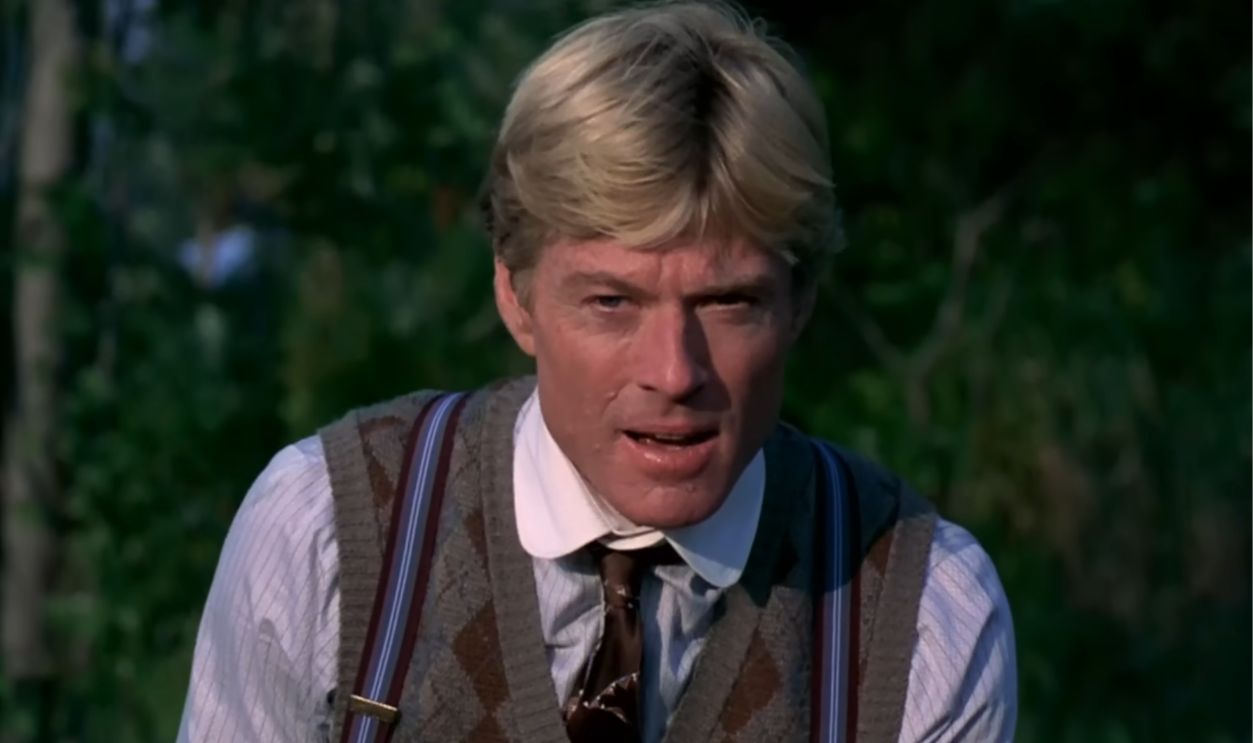 Screenshot from The Natural, Tri-Star Pictures (1984)
4. All Is Lost (2013)
Nearly all dialogue disappears in this stark survival thriller centered on a 77-year-old man alone at sea. Failing equipment and fading hope create relentless tension. Physical endurance and minute facial shifts sustain every scene, proving presence alone can command a screen.
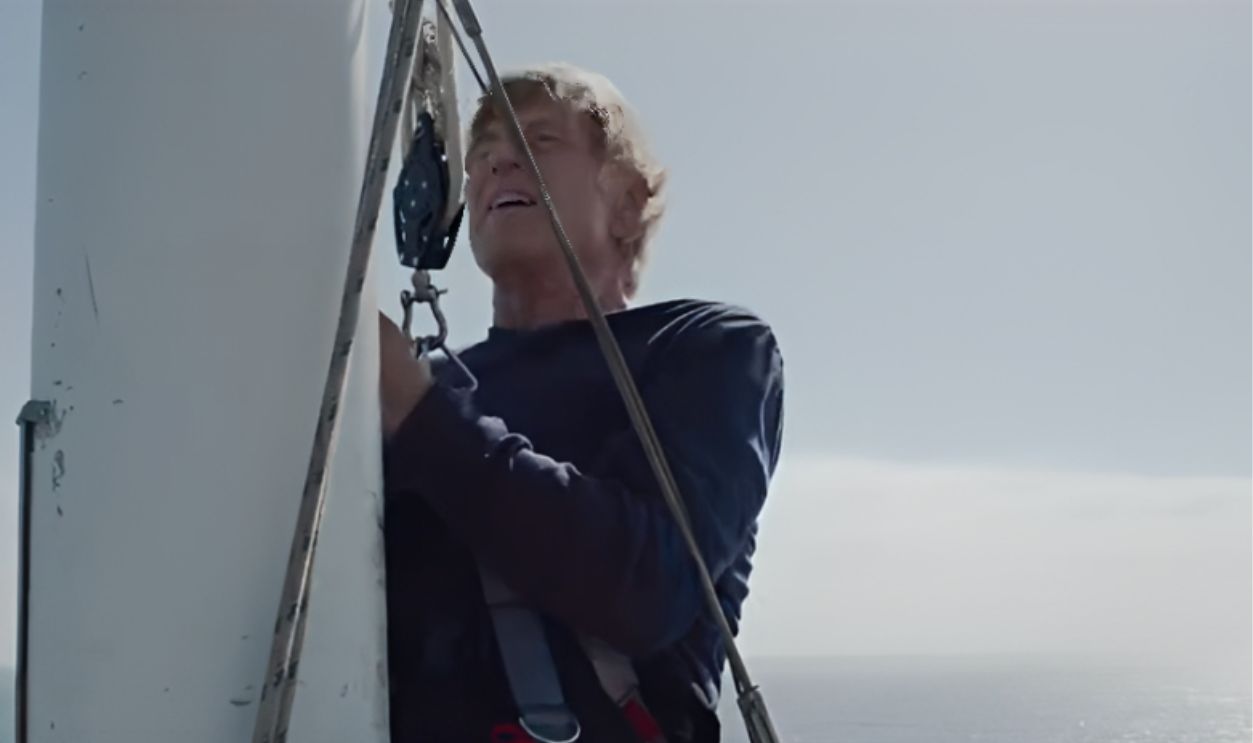 Screenshot from All Is Lost, Roadside Attractions (2013)
3. The Way We Were (1973)
Romantic tension ignites between a political activist and a privileged novelist, divided by ideology. A decades spanning narrative examines love strained by conviction and complacency. Easy charm gradually exposes moral passivity to form one of Hollywood’s most honest portrayals of a relationship undone by values.
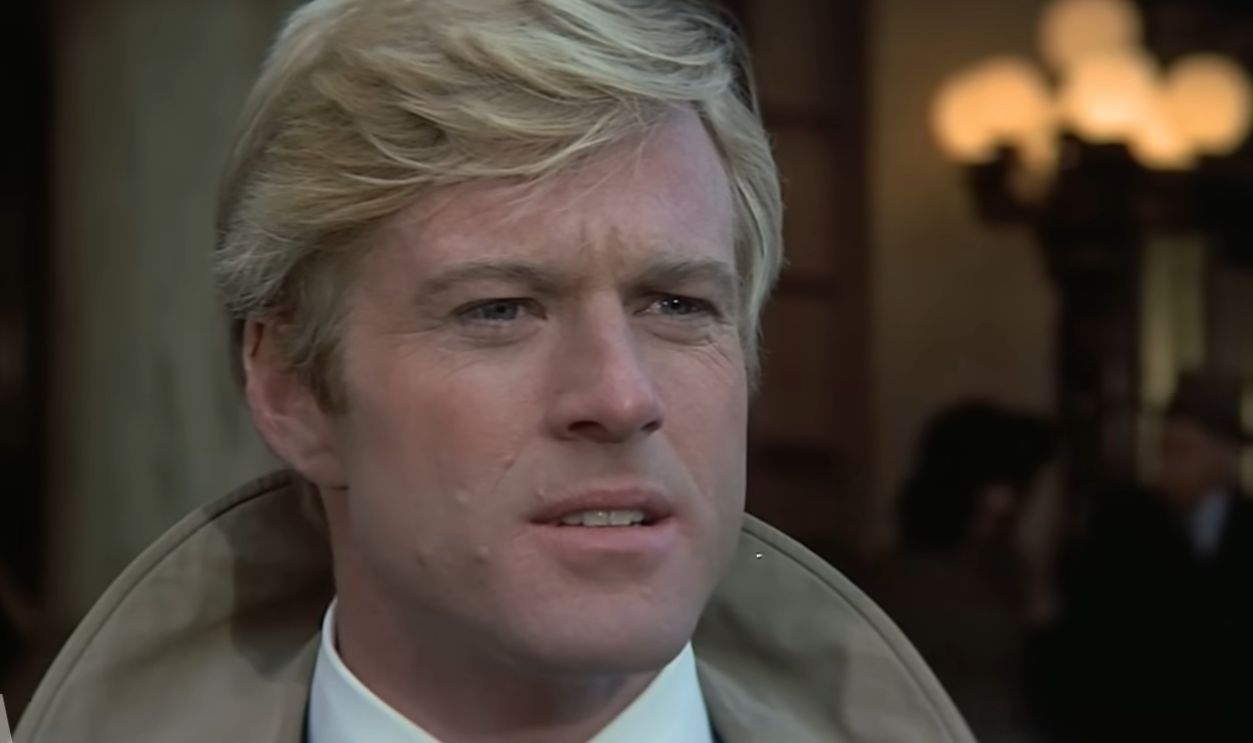 Screenshot from The Way We Were, Columbia Pictures (1973)
2. Butch Cassidy And The Sundance Kid (1969)
Humor and melancholy intertwine as two legendary outlaws escape toward Bolivia. Revisionist Western energy reshapes genre expectations through wit and fatalism. Quiet menace balances a partner’s bravado, and this created a gold standard for buddy films and launched a decade-defining rise to stardom.
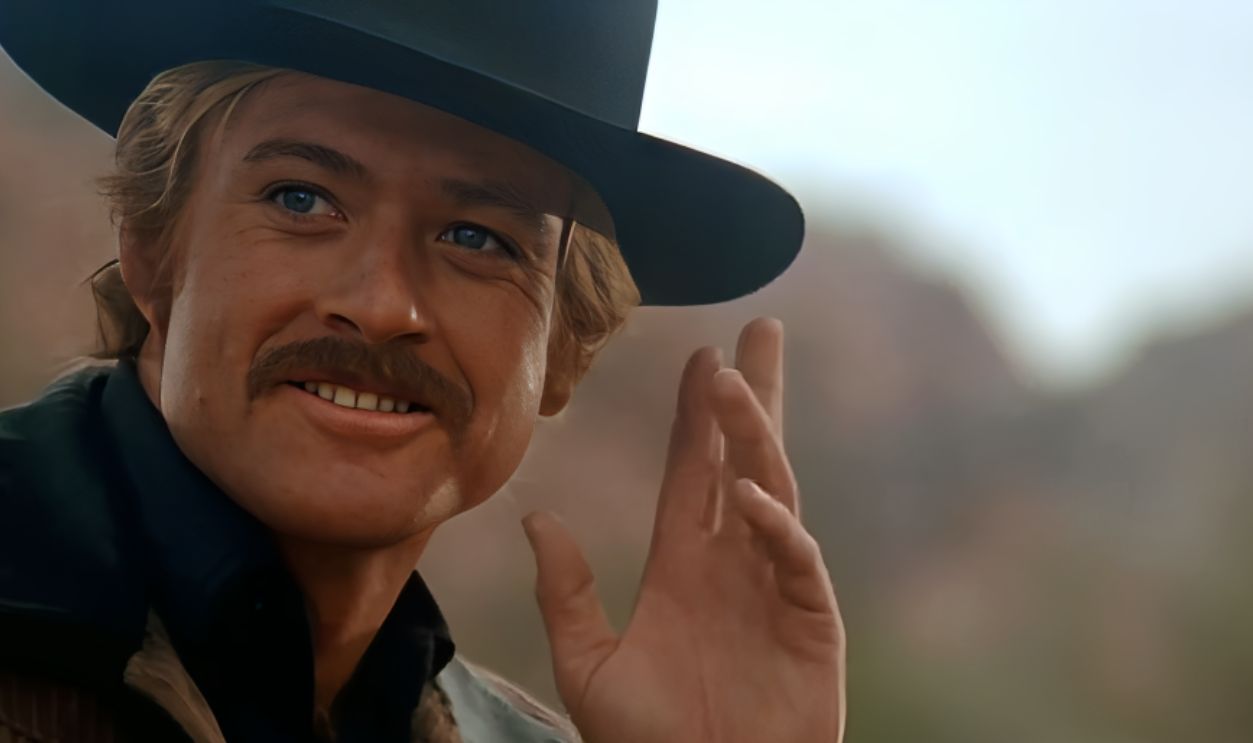 Screenshot from Butch Cassidy And The Sundance Kid, 20th Century-Fox (1969)
1. All The President’s Men (1976)/The Sting (1973)–Tie
Dual masterworks reveal striking versatility. A Depression era grifter radiates sly charm in a Best Picture winner. A determined reporter anchors a Watergate investigation with moral intensity. Critical acclaim and commercial dominance followed, confirming command across political drama and caper alike.
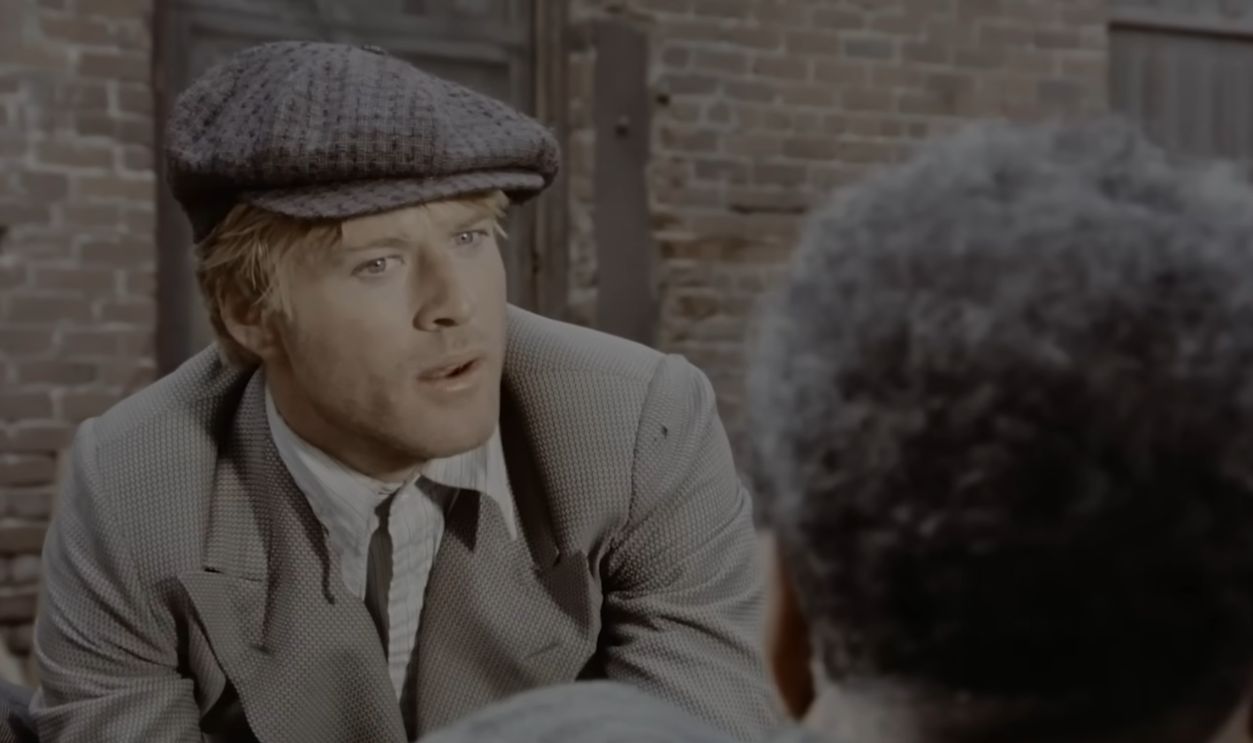 Screenshot from The Sting, Universal Pictures (1973)