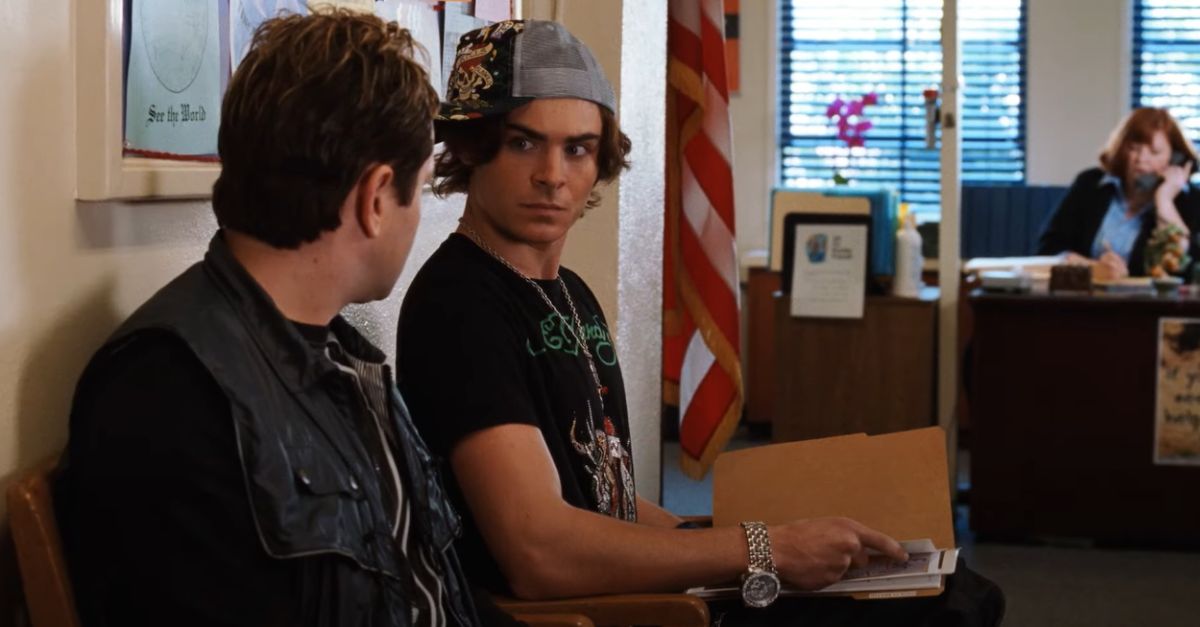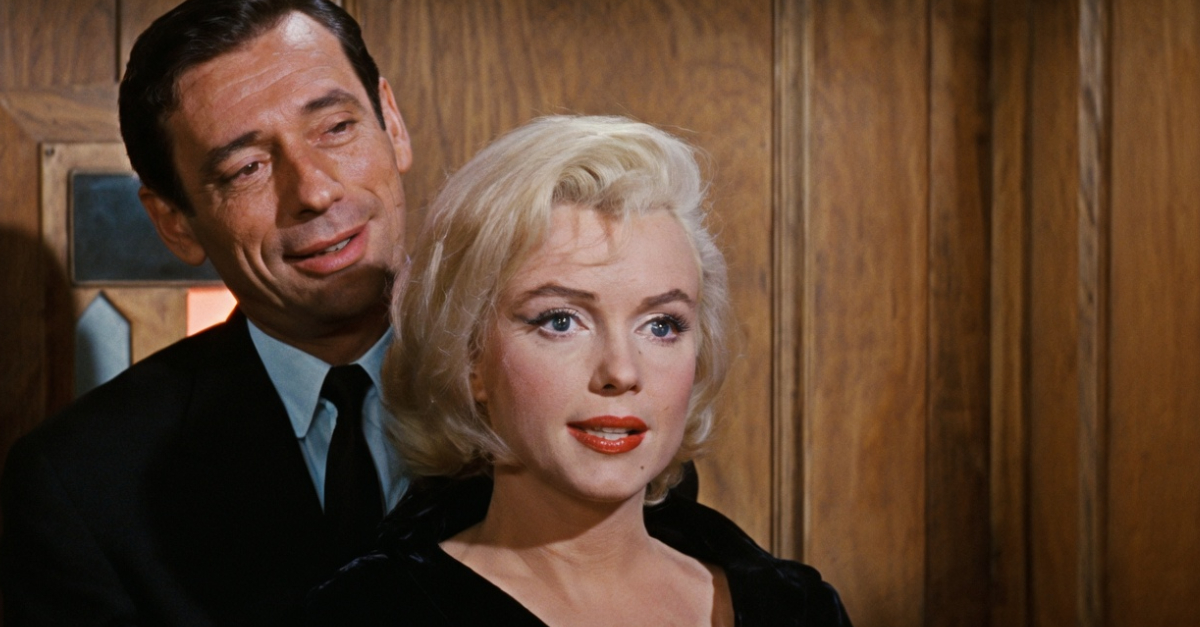
In The 70s And 80s, Hollywood Declared War On Happily Ever After
For decades, American movies had certainly acknowledged bad marriages, but the 1970s brought something different. Divorce, separation, custody battles, infidelity, and the emotional wreckage of broken homes moved from the margins into the center of mainstream films. By the end of the 1980s, filmmakers had gone from treating divorce as painful adult drama to turning it into the stuff of savage black comedy.
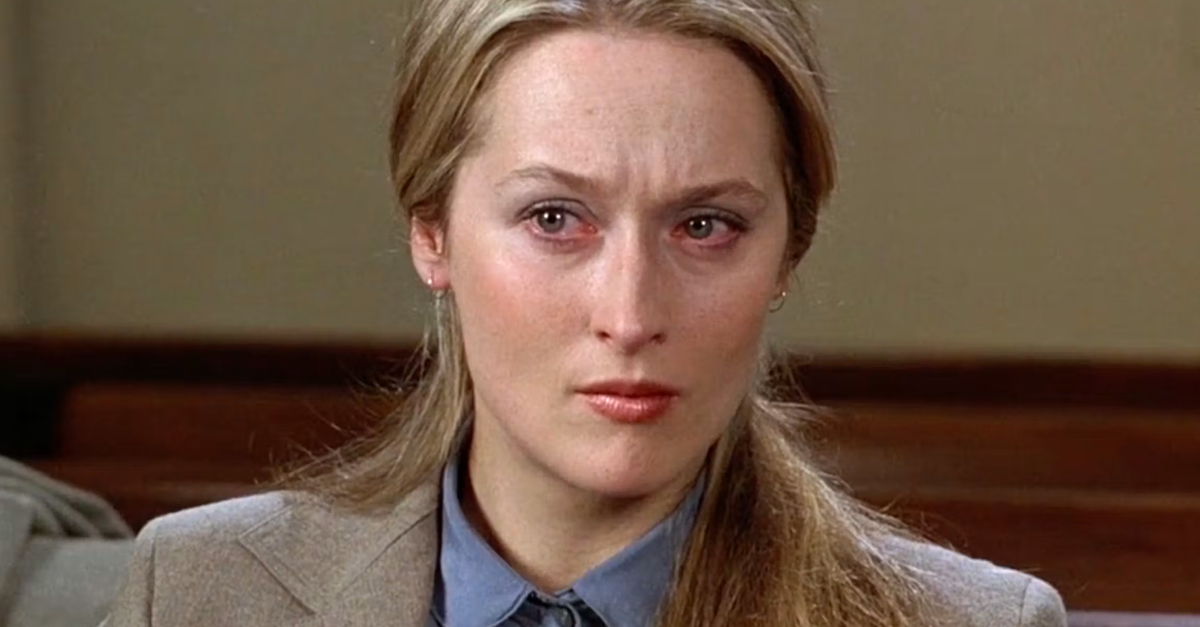
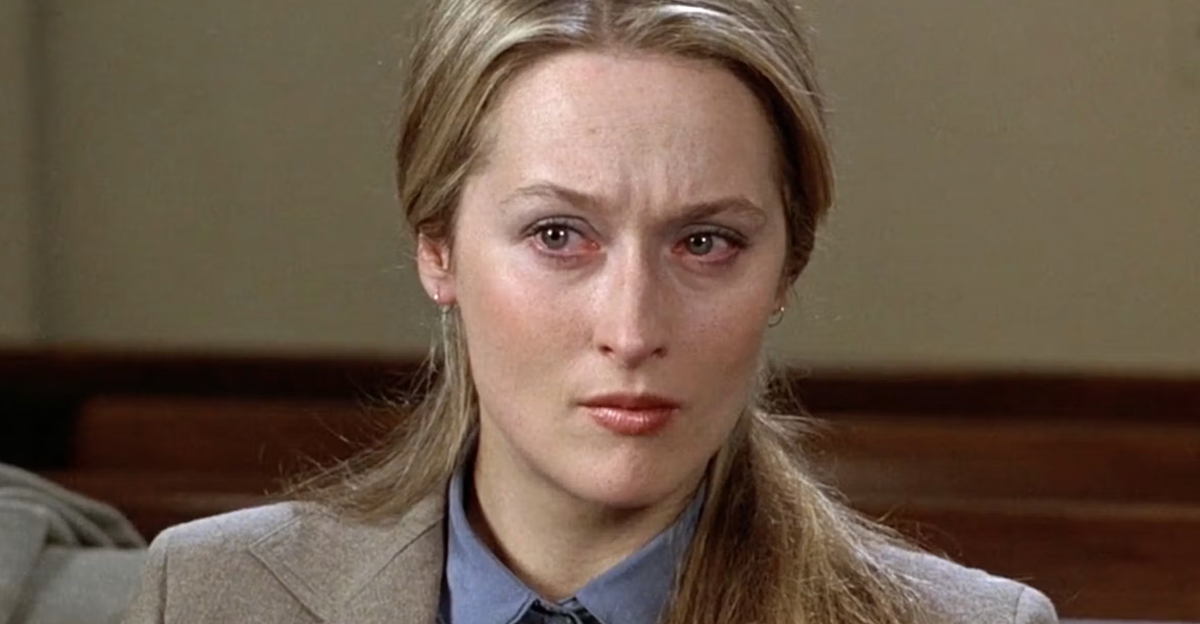 Kramer vs. Kramer, Columbia Pictures (1979)
America Was Changing Fast
The shift did not happen inside a Hollywood bubble. Federal health statistics show that the U.S. divorce rate climbed sharply during the late 1960s and 1970s, reaching a record 5.3 divorces per 1,000 people in 1979. With divorce becoming a much more familiar part of American life, filmmakers increasingly had an audience that recognized the experience firsthand.

Divorce Became Easier To Obtain
The law was changing too. California became the first state to adopt no-fault divorce in 1969, replacing the old requirement that one spouse prove wrongdoing with a system based on irreconcilable differences. Other states followed, and the American Bar Association notes that every state had adopted some form of no-fault divorce within the next sixteen years.
 https://kaboompics.com/, Pexels
Hollywood Had Already Started Testing The Waters
One useful preview arrived just before the new decade. Paul Mazursky's Bob & Carol & Ted & Alice, released in 1969, followed two married couples experimenting with the supposedly liberated attitudes of the sexual revolution. Divorce was not the film's main subject, but marriage was no longer being treated as a tidy institution protected from infidelity, jealousy, therapy, or sexual uncertainty.
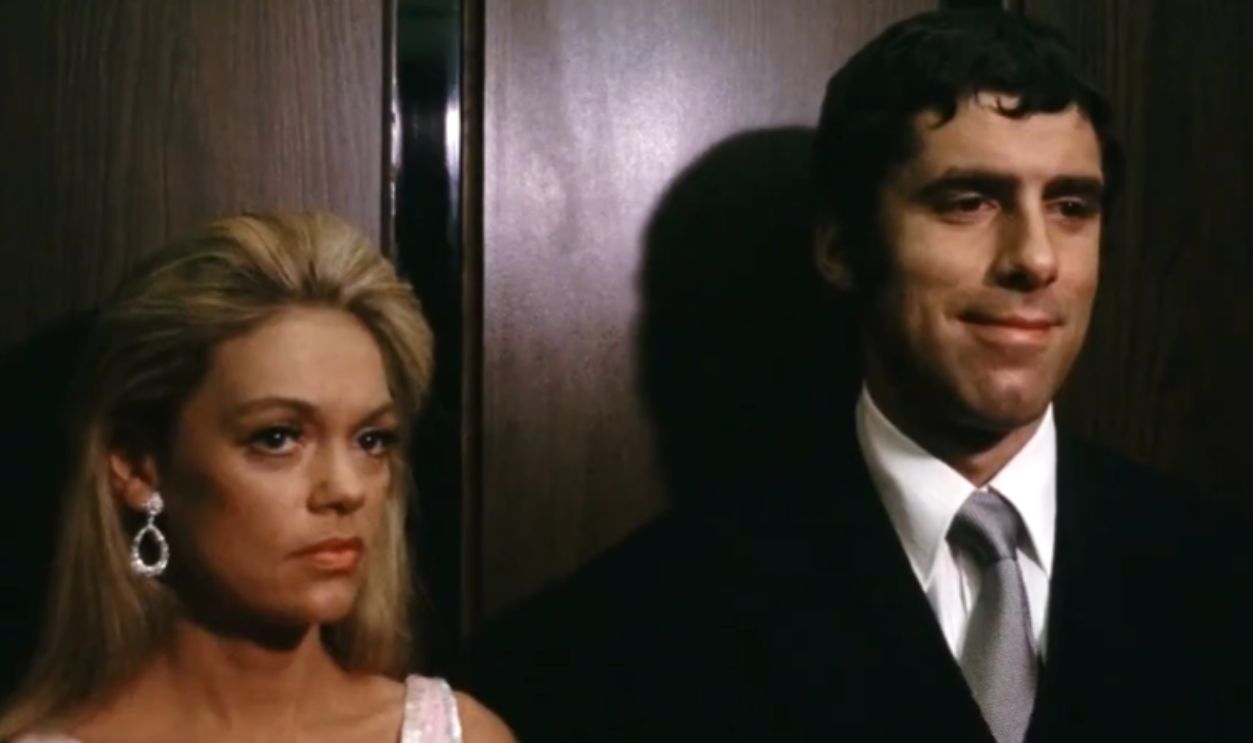 Screenshot from Bob & Carol & Ted & Alice, Columbia Pictures (1969)
Paul Mazursky Kept Digging
Mazursky returned directly to divorce with 1973's Blume in Love. George Segal played Stephen Blume, a divorce lawyer trying to win back the wife he lost after his own infidelity. The movie bounced between their marriage, separation, and Blume's attempts at reconciliation, presenting divorce as emotionally messy rather than merely scandalous.
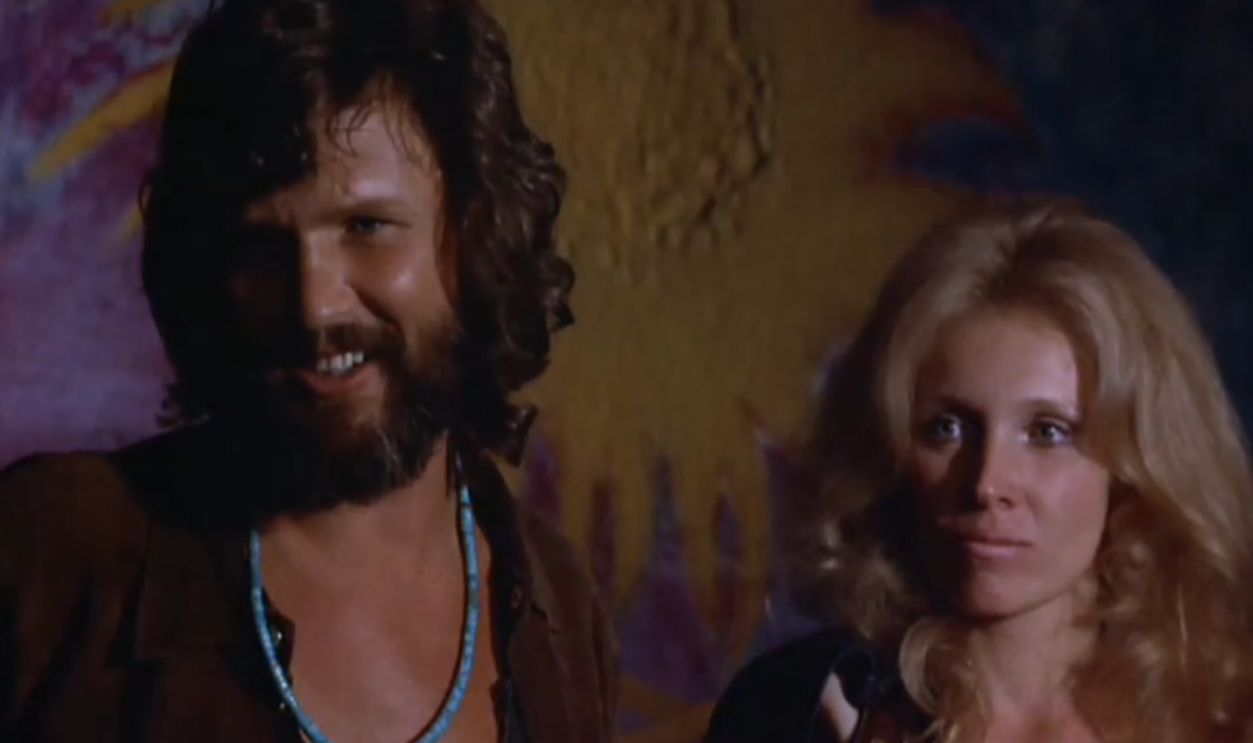 Screenshot from Blume in Love, Warner Bros. (1973)
Even The Divorce Lawyer Was Divorced
There was an especially pointed irony in making Blume a divorce attorney. His professional life revolves around other people's broken marriages while he proves incapable of managing his own. Mazursky even filled the film with therapy, sexual freedom, regret, and confused attempts to define what commitment should look like in the new decade.
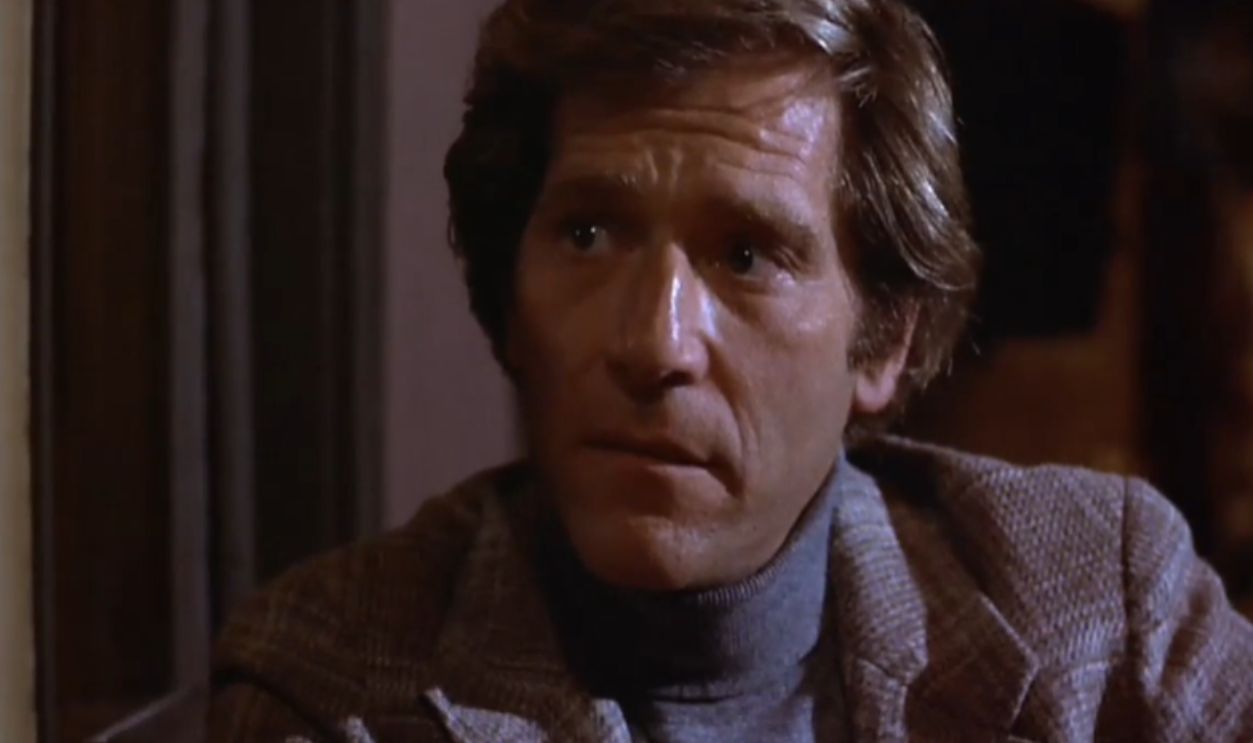 Screenshot from Blume in Love, Warner Bros. (1973)
Europe Offered An Even Harsher Vision
Ingmar Bergman's Scenes from a Marriage was Swedish rather than Hollywood-made, but its treatment of marital collapse became part of the same cultural moment. Originally created as a six-part television production in 1973, it followed Johan and Marianne through marriage, infidelity, divorce, and later relationships. Its stripped-down intimacy showed how gripping two people talking through the death of a relationship could be.
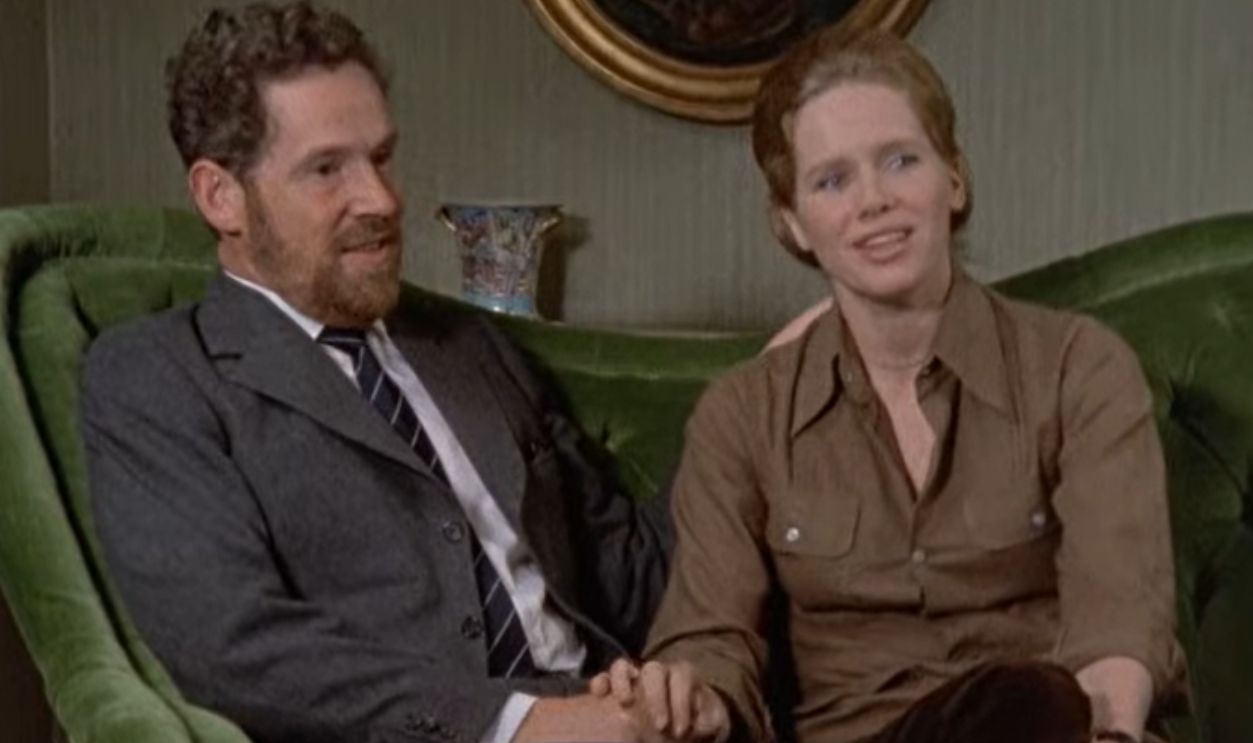 Screenshot from Scenes from a Marriage, Sveriges Television (1973)
Divorce Became A Woman's Story Too
Then came An Unmarried Woman in 1978. Paul Mazursky's film begins when Erica, played by Jill Clayburgh, discovers that her husband of sixteen years is leaving her for a younger woman. Instead of making the husband's affair the entire story, the film follows Erica as she rebuilds an identity outside her marriage.
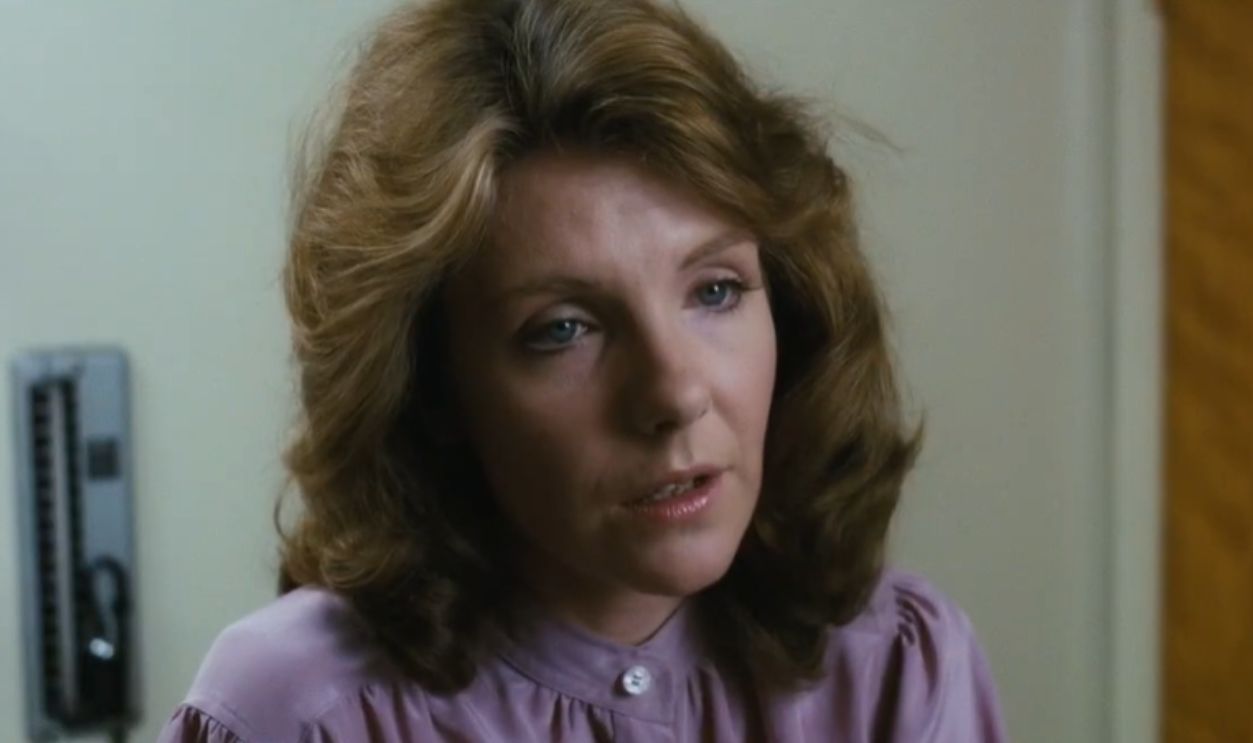 Screenshot from An Unmarried Woman, 20th Century Fox (1978)
Jill Clayburgh Changed The Center Of Gravity
Erica's life after separation includes therapy, friendships, loneliness, sex, and a new relationship, but the movie refuses to suggest that finding another man is the only possible happy ending. Criterion describes the film as an unusually frank exploration of female liberation, intimacy, and divorce. Clayburgh's performance earned an Academy Award nomination for Best Actress, while the film itself was nominated for Best Picture and Original Screenplay.
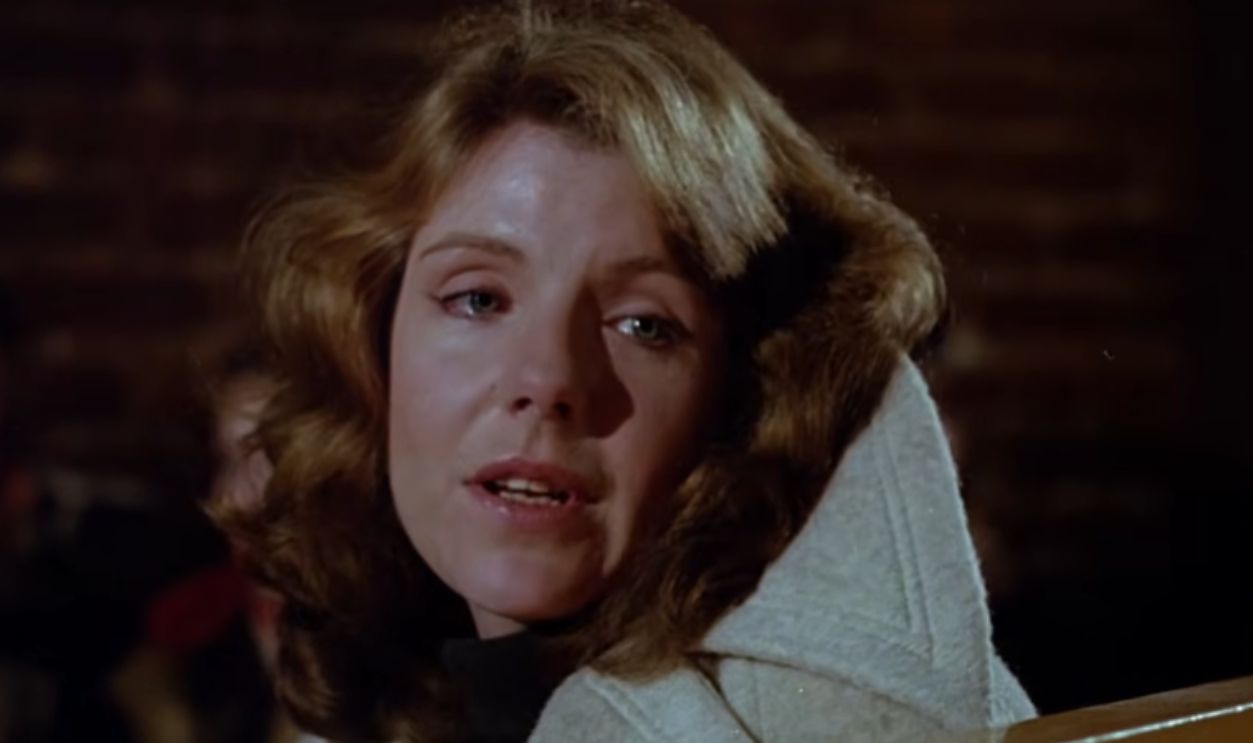 Screenshot from An Unmarried Woman, 20th Century Fox (1978)
Suddenly Divorce Was Prestige Material
That awards attention mattered. An Unmarried Woman demonstrated that a contemporary story about the emotional life of a newly single middle-aged woman could compete at Hollywood's highest level. Divorce movies were no longer simply melodramas about adultery or cautionary tales about broken homes.
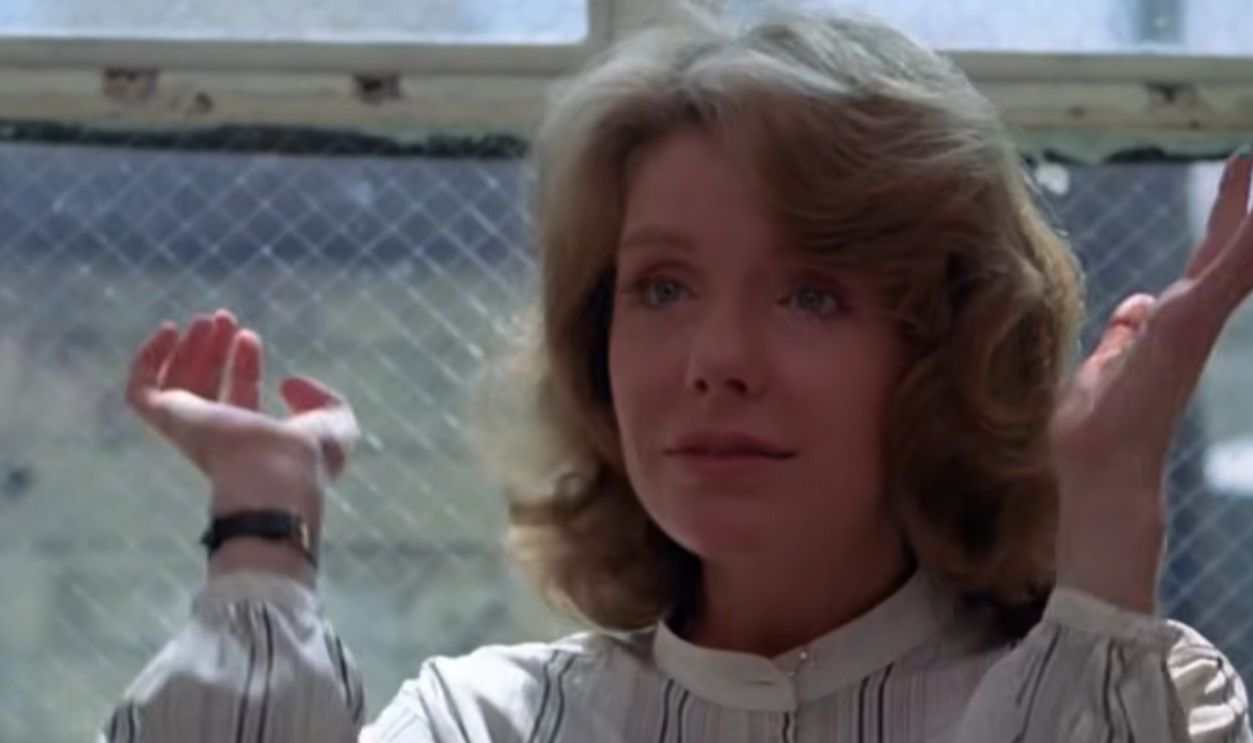 Screenshot from An Unmarried Woman, 20th Century Fox (1978)
Neil Simon Found The Comedy In Custody
Later in 1978, California Suite offered a different tone. One of Neil Simon's interwoven stories involves a divorced couple confronting questions about their daughter, while the larger film turns romantic disappointment and troubled relationships into sophisticated comedy. The movie's ensemble structure also showed how casually fractured relationships could now coexist with lighter Hollywood entertainment.
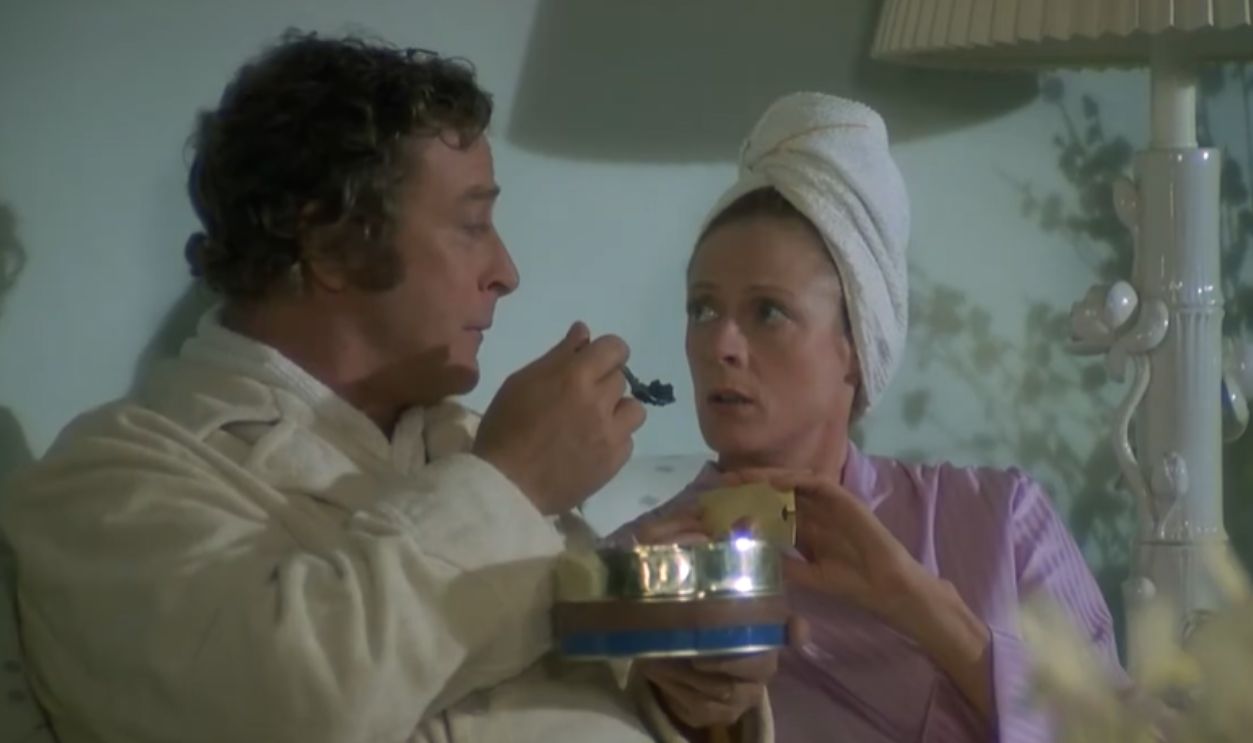 Screenshot from California Suite, Columbia Pictures (1978)
Then Came A Divorced Leading Man
Starting Over arrived in 1979 with Burt Reynolds playing a newly divorced man trying to reconstruct his romantic life. Jill Clayburgh played his new love interest, while Candice Bergen played the ex-wife who complicates his attempt to move on. The film was written by James L. Brooks and directed by Alan J. Pakula.
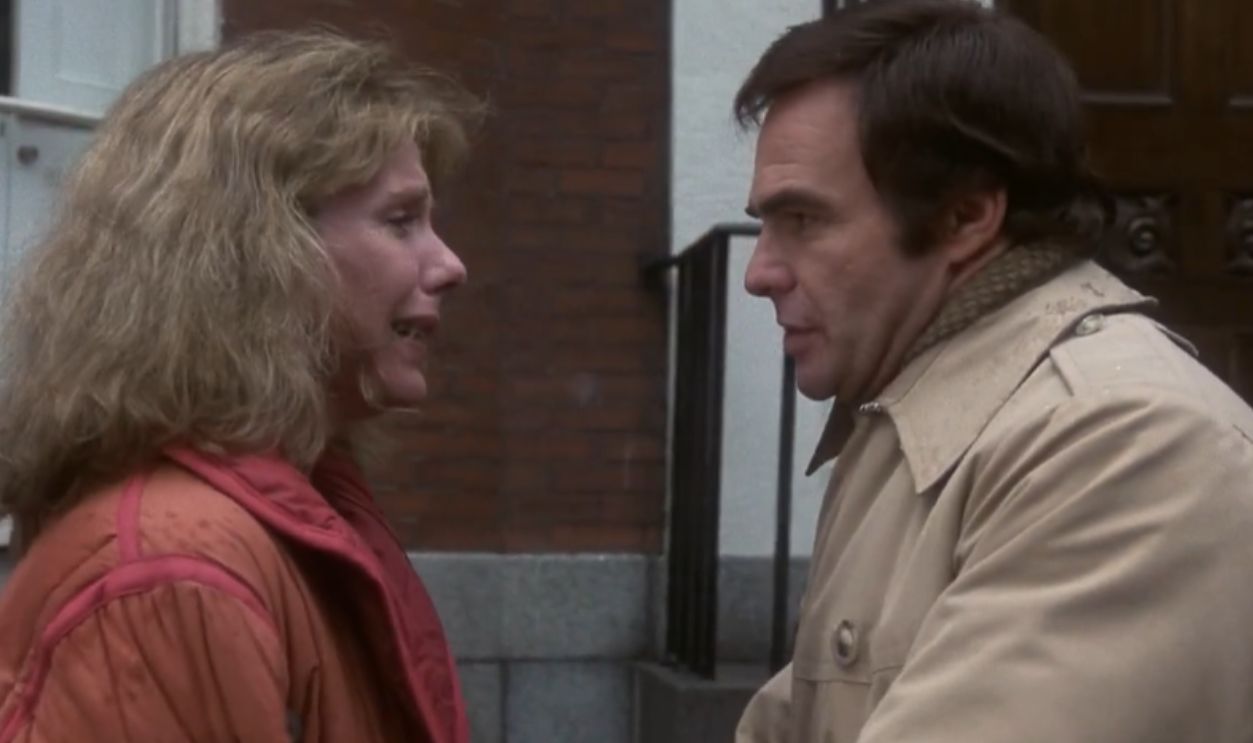 Screenshot from Starting Over, Paramount Pictures (1979)
The Women Stole The Show
Both Clayburgh and Bergen received Academy Award nominations for Starting Over. Clayburgh was nominated for Best Actress, while Bergen competed in the supporting category. That made divorce and post-marital dating prominent material in the same awards season that would soon be dominated by an even bigger breakup movie.
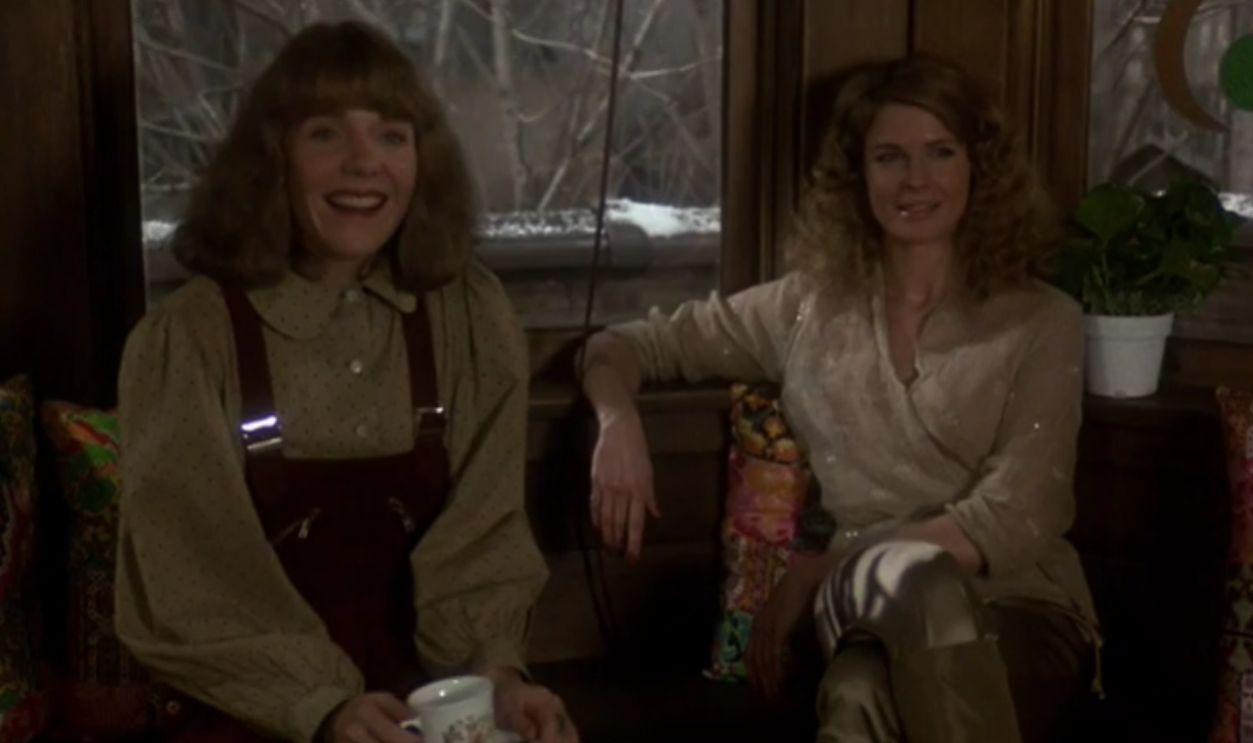 Screenshot from Starting Over, Paramount Pictures (1979)
Kramer Vs. Kramer Made Divorce A Blockbuster Drama
Robert Benton's Kramer vs. Kramer was released in December 1979. Dustin Hoffman played Ted Kramer, an advertising executive who suddenly becomes his son's primary caregiver after his wife Joanna, played by Meryl Streep, leaves the marriage. When Joanna later seeks custody, the family's private pain moves into the courtroom.
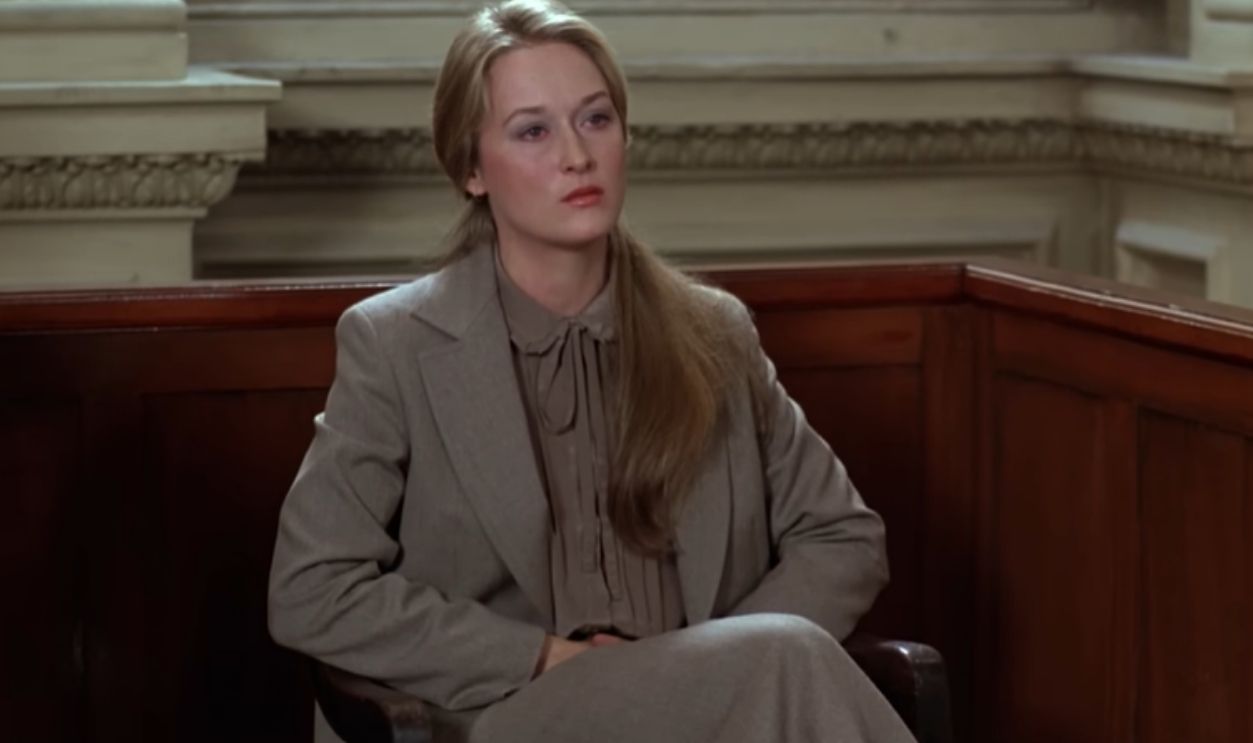 Screenshot from Kramer vs. Kramer, Columbia Pictures (1979)
The Father Had To Change Too
Ted begins the film deeply invested in his career and poorly prepared for day-to-day parenting. His separation forces him to learn the routines of raising Billy while attempting to keep his professional life intact. That gave the movie another layer, because divorce became a story about changing expectations of fathers as much as changing expectations of wives.
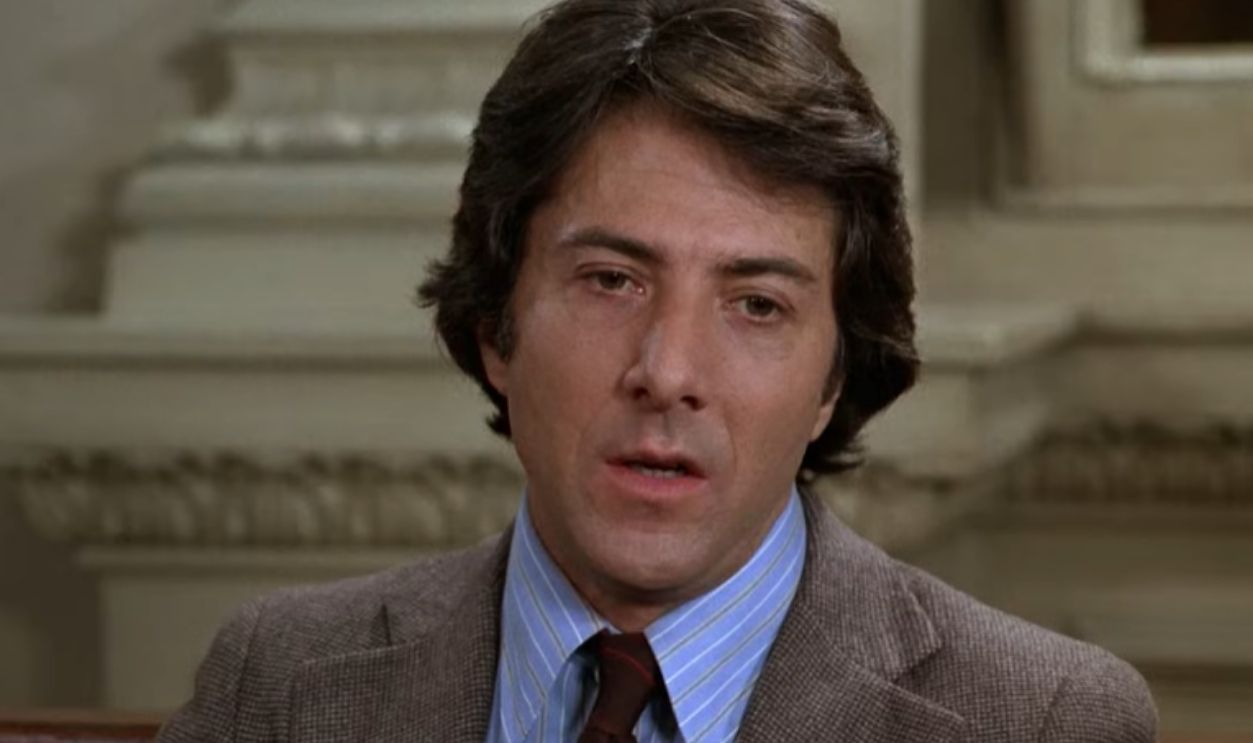 Screenshot from Kramer vs. Kramer, Columbia Pictures (1979)
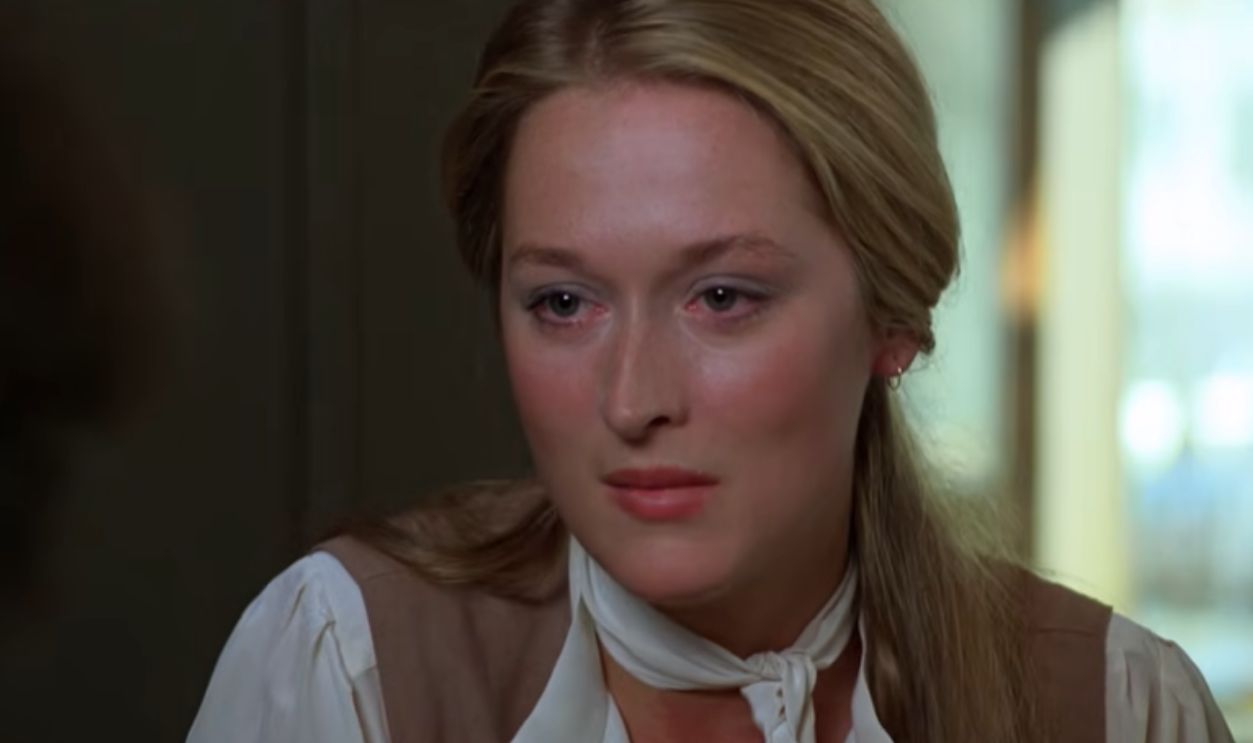
Joanna Was More Complicated Than A Villain
The film could easily have portrayed Joanna simply as the mother who abandoned her child. Instead, Streep's character explains that she felt trapped and needed to discover a life outside the role she had been occupying. Whatever viewers thought of her decision, the movie allowed the wife who left to articulate her dissatisfaction rather than merely serving as an obstacle for the husband.
 Screenshot from Kramer vs. Kramer, Columbia Pictures (1979)
Hollywood Rewarded It Handsomely
Kramer vs. Kramer won five Academy Awards from nine nominations. It took Best Picture, Best Director for Benton, Best Actor for Hoffman, Best Supporting Actress for Streep, and Best Adapted Screenplay. Justin Henry, who played Billy, also became the youngest competitive acting nominee in Academy history at the time.
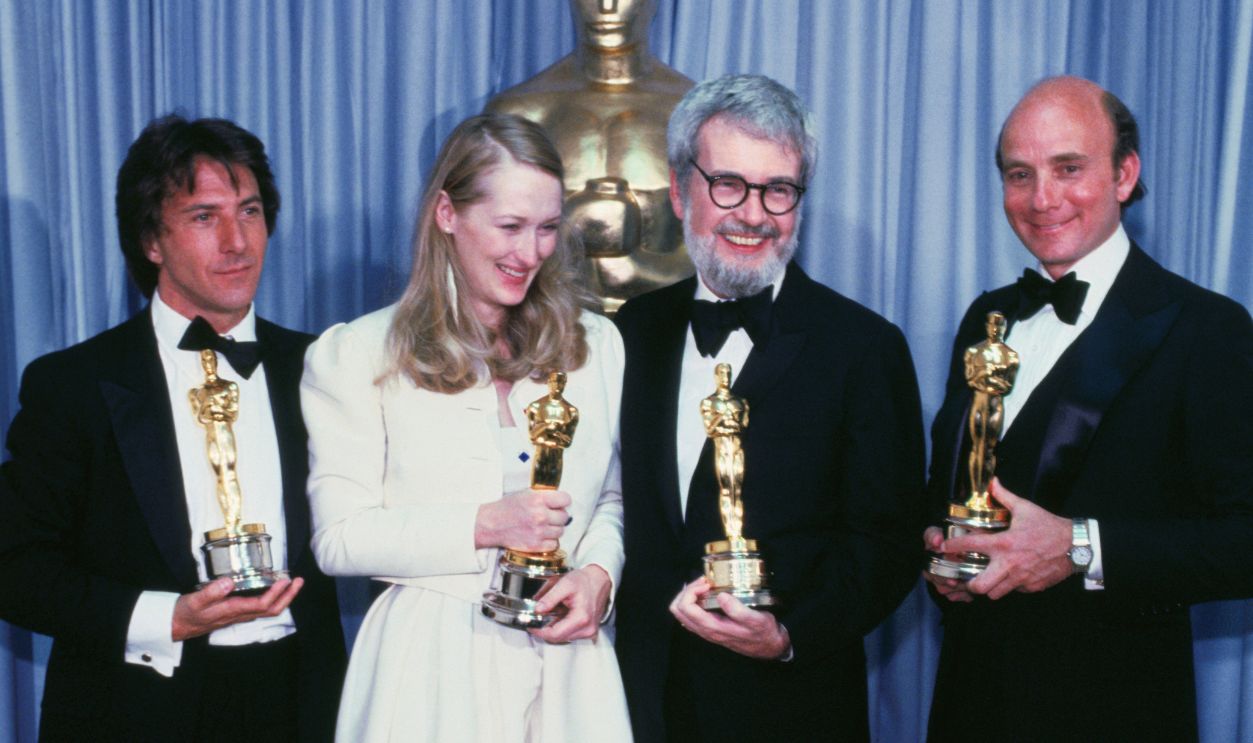
Divorce Had Become The Main Event
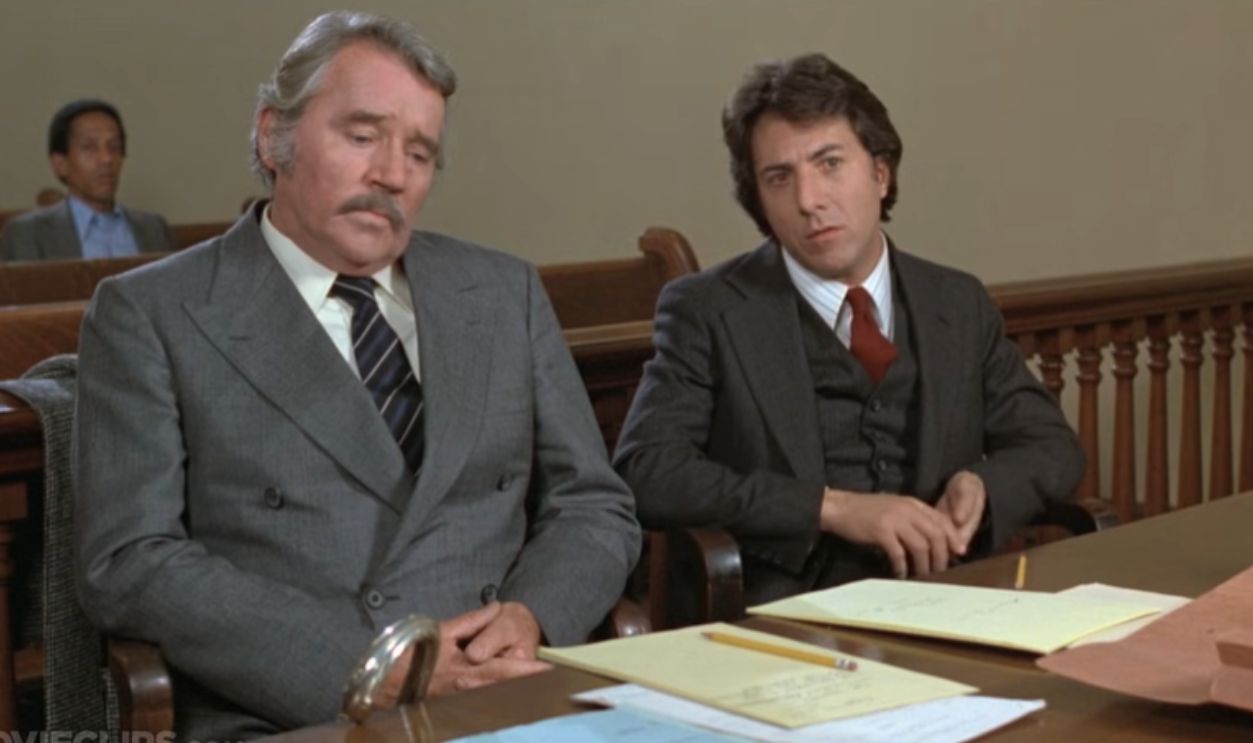
That Best Picture victory was a cultural marker. One of Hollywood's most celebrated films of 1979 was not about war, crime, adventure, or historical spectacle, but about two parents fighting over a child after their marriage failed. The subject was now firmly inside the mainstream.
 Screenshot from Kramer vs. Kramer, Columbia Pictures (1979)
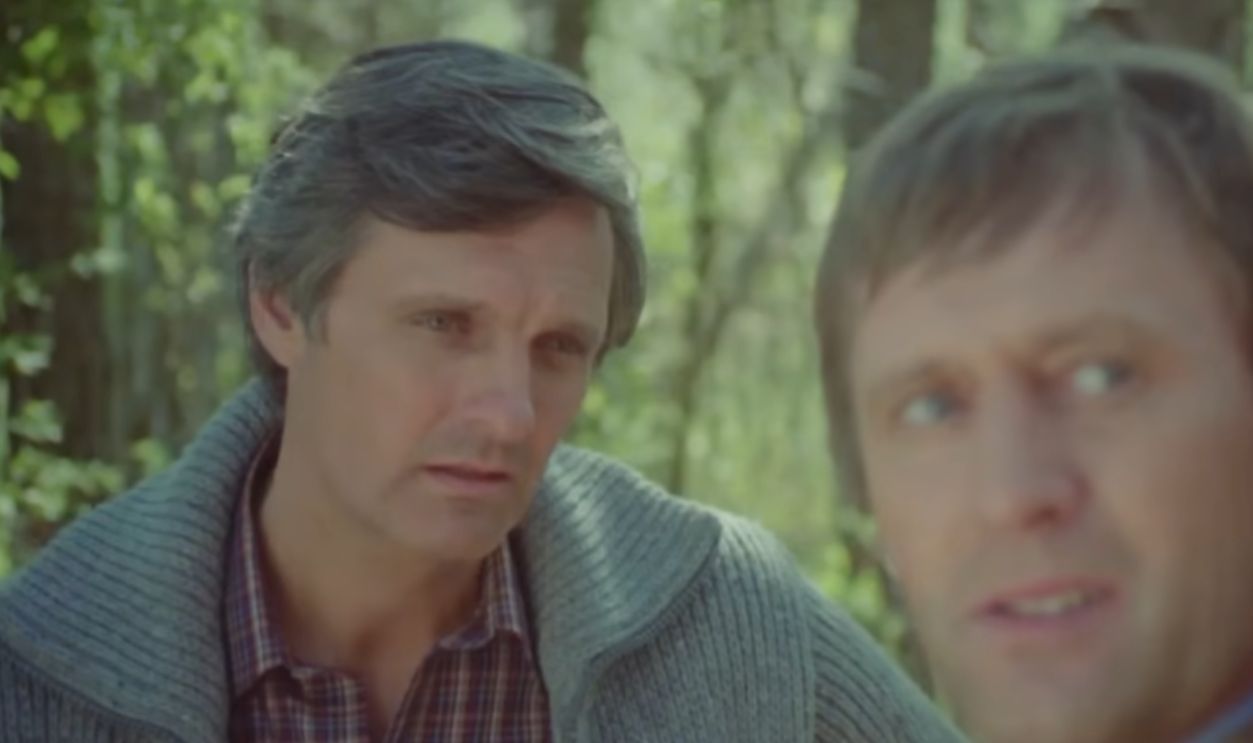
The Four Seasons Watched A Social Circle Crack
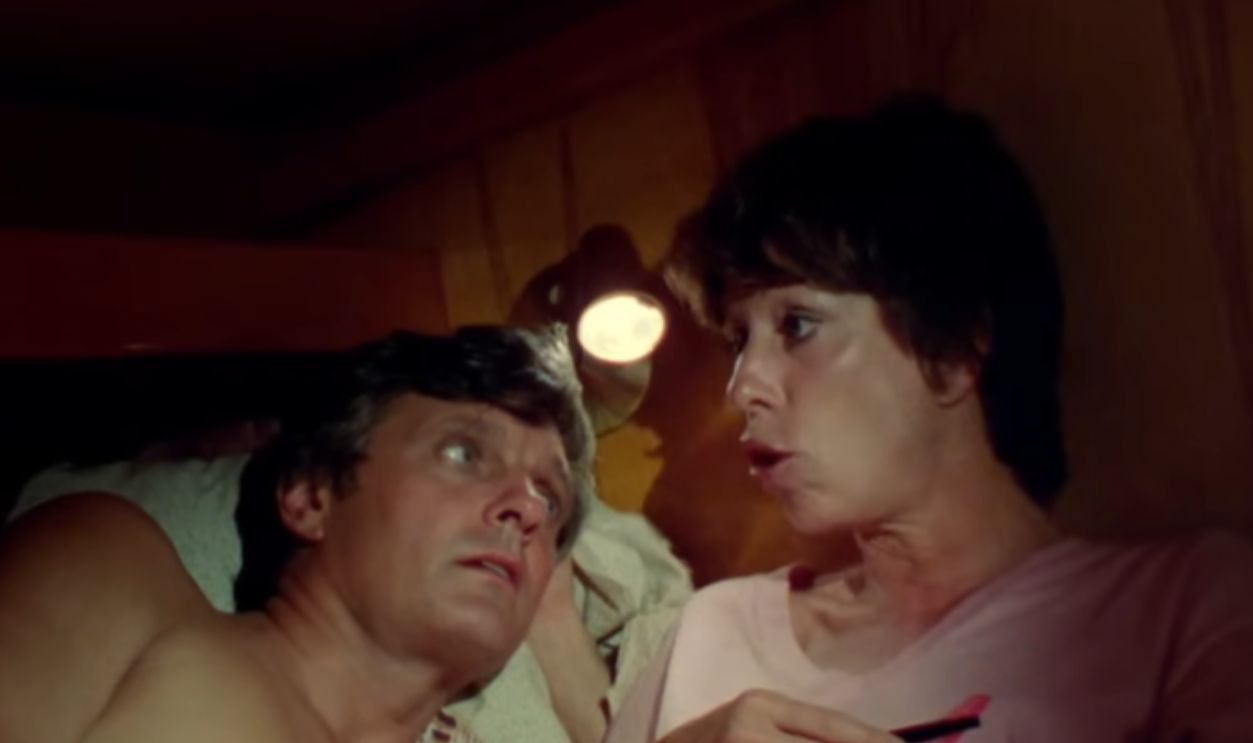
Alan Alda's The Four Seasons brought marital trouble into a group of longtime friends in 1981. The comedy-drama follows three couples whose regular vacations become uncomfortable after one husband leaves his wife and introduces a younger girlfriend to the group. Divorce becomes a social earthquake, forcing everybody around the couple to reconsider old loyalties.
 Screenshot from The Four Seasons, Universal Pictures (1981)
Audiences Clearly Recognized Something
The Four Seasons became a substantial commercial success. AFI records show that it earned more than $11 million during its first ten days and had passed $33 million by early July 1981. Its strong performance demonstrated that audiences would turn out for a comedy in which middle-aged friendship and marital collapse were the central attractions.
 Screenshot from The Four Seasons, Universal Pictures (1981)
Shoot The Moon Removed The Safety Net
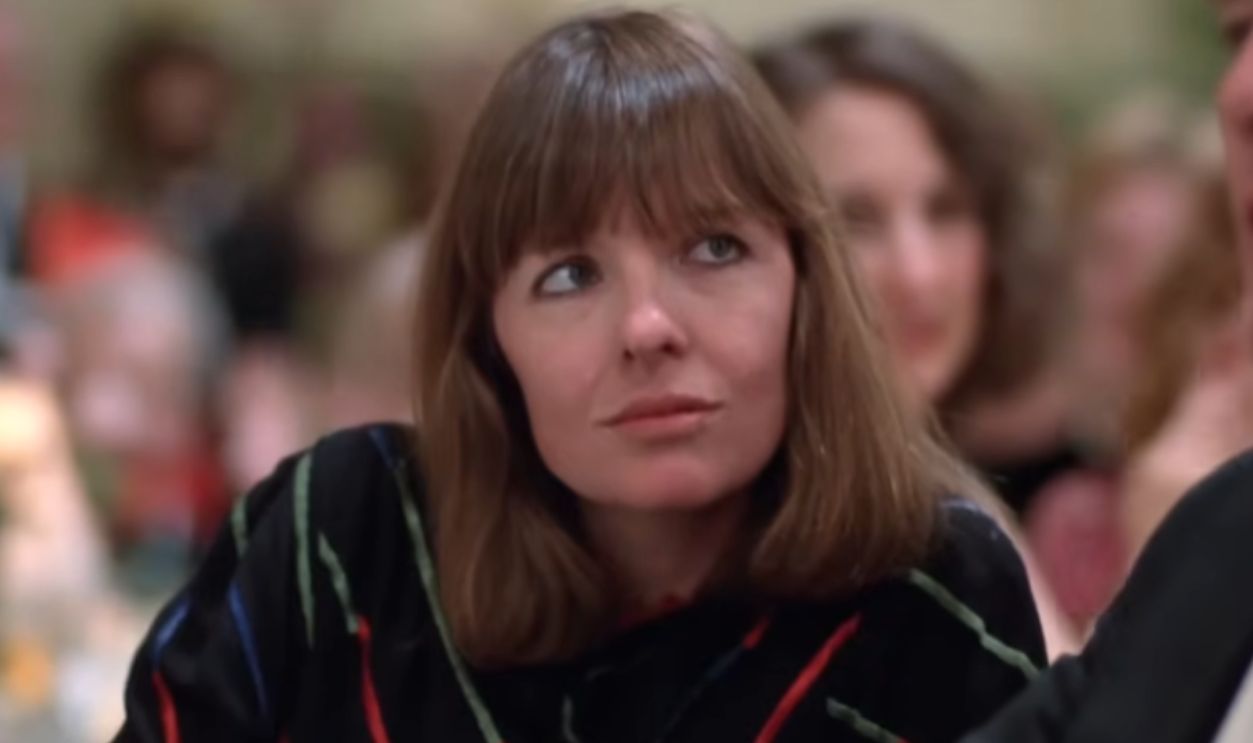
If some divorce films softened the pain with humor, Alan Parker's Shoot the Moon did almost the opposite. The 1982 film starred Albert Finney and Diane Keaton as George and Faith, parents of four daughters whose marriage disintegrates after George becomes involved with another woman. Roger Ebert praised its unusually raw emotional power even while criticizing parts of its storytelling.
 Screenshot from Shoot the Moon, Warner Bros. (1982)
The Children Could Not Escape The Fallout
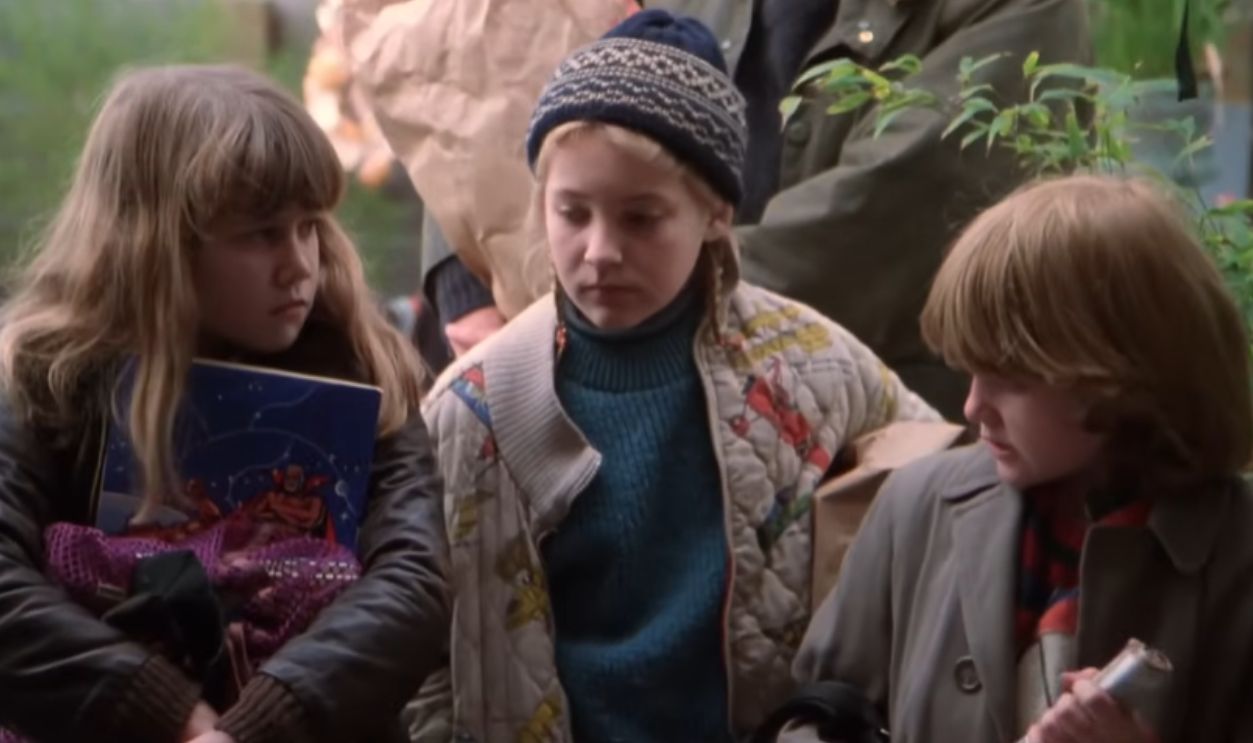
Shoot the Moon spends considerable time on what marital collapse does to children. The daughters are angry, confused, and repeatedly pulled into their parents' conflict. Finney's George can leave the marriage, but the film makes painfully clear that he cannot simply leave the family's emotions behind.
 Screenshot from Shoot the Moon, Warner Bros. (1982)
Hollywood Even Let The Kid Sue
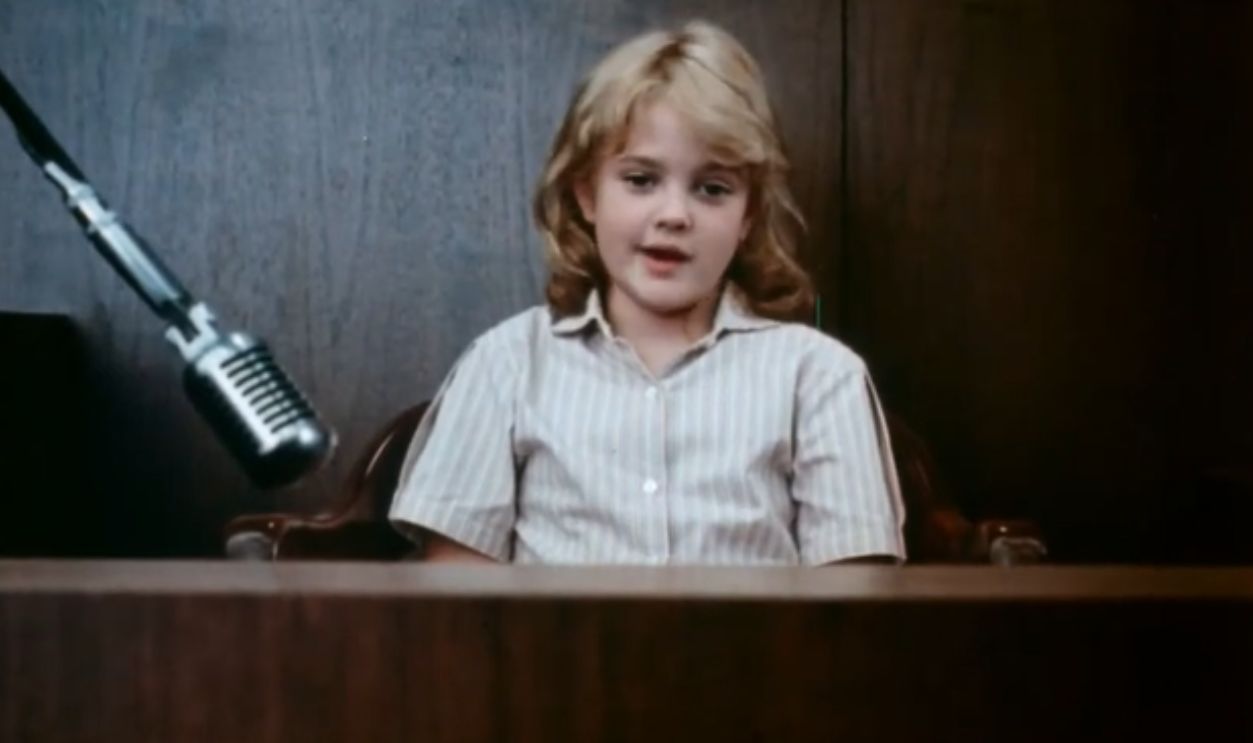
By 1984, Irreconcilable Differences found a sharper comic gimmick. Drew Barrymore played eight-year-old Casey, who takes her divorced parents to court and seeks legal emancipation because she believes their ambitions and marital warfare have made them unfit parents. The movie's title borrowed the language of no-fault divorce and turned adult self-absorption into a child's courtroom complaint.
 Screenshot from Irreconcilable Differences, Warner Bros. (1984)
Divorce Could Cross Class Lines
Twice in a Lifetime approached the subject from a blue-collar perspective in 1985. Gene Hackman played a married Seattle-area family man who leaves his wife, played by Ellen Burstyn, after falling for a bartender played by Ann-Margret. Director Bud Yorkin described the script as brutally honest about marriage, divorce, and separation.
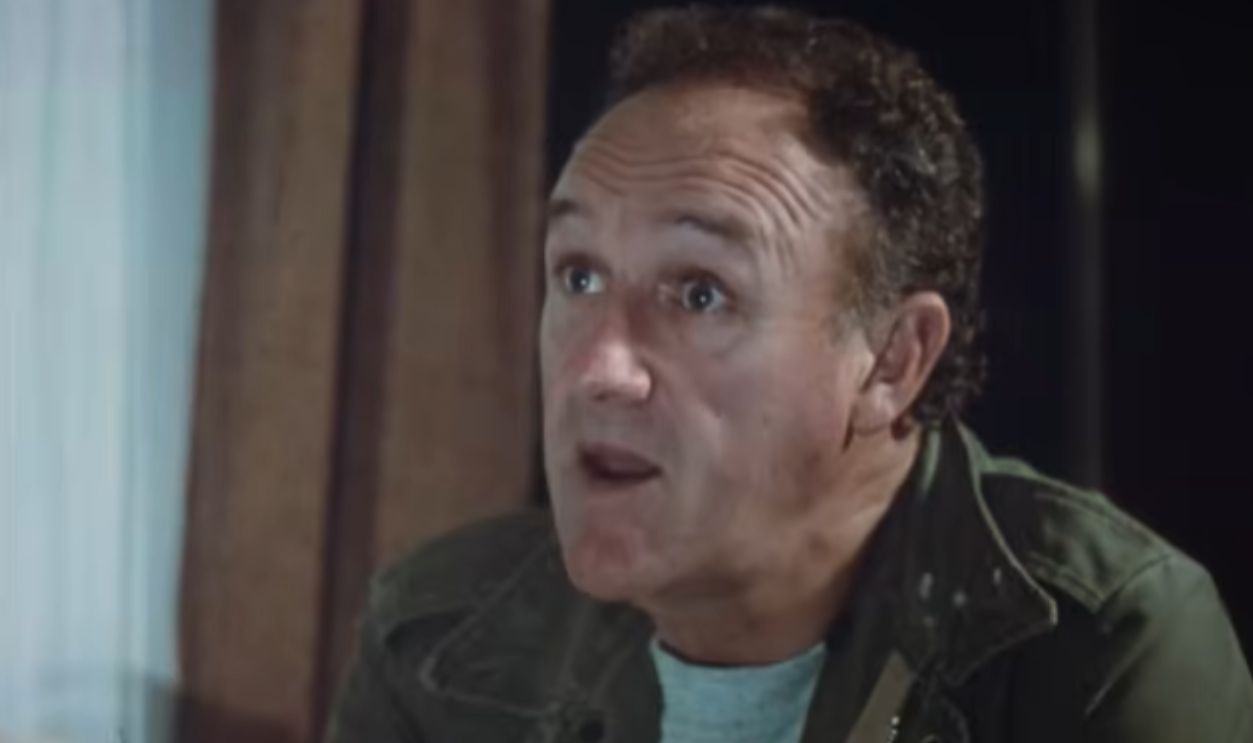 Screenshot from Twice in a Lifetime, Vestron Pictures (1985)
Real Life Made It Uncomfortably Close
Both Hackman and Yorkin were going through divorces while making Twice in a Lifetime. Hackman later acknowledged that playing the role could be painful, although he said he found it difficult to channel his own situation directly into the performance. The film's cast was widely praised, and Amy Madigan earned an Academy Award nomination for playing the furious daughter.
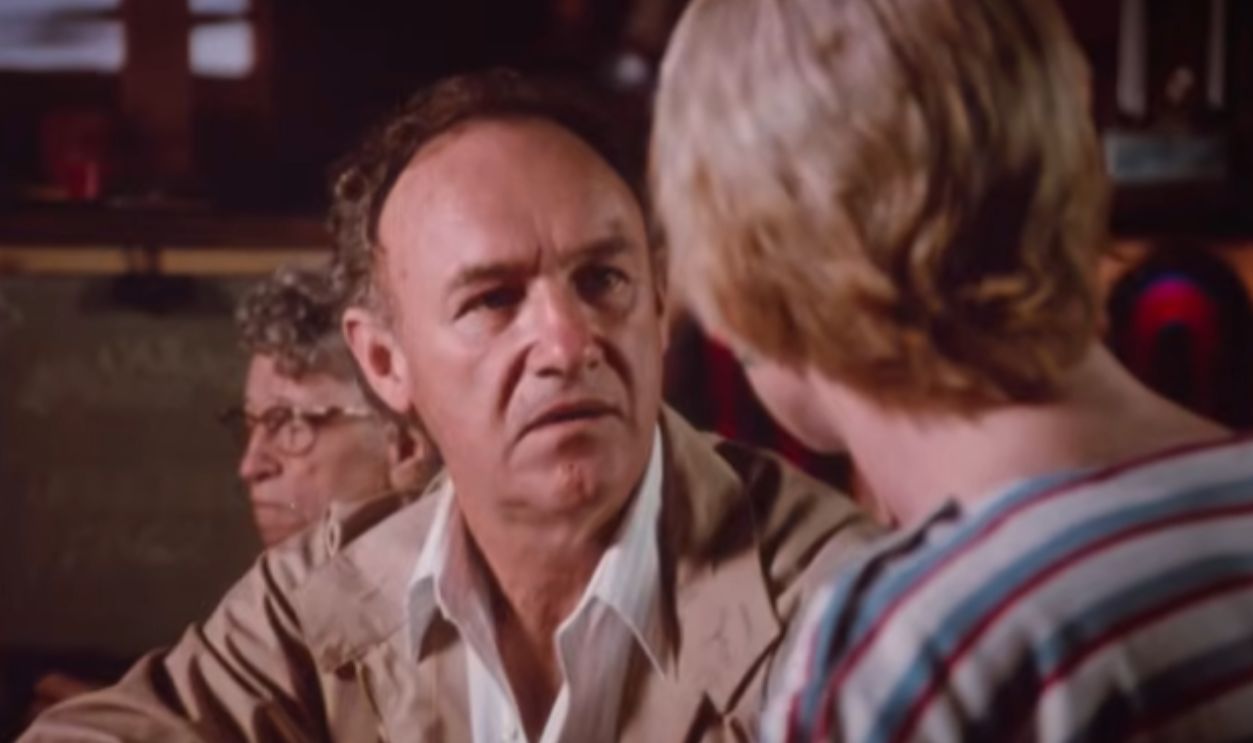 Screenshot from Twice in a Lifetime, Vestron Pictures (1985)
Nora Ephron Turned Heartbreak Into Material
Few 1980s divorce stories blurred fiction and real life as openly as Heartburn. Nora Ephron adapted her own novel into the 1986 Mike Nichols film starring Meryl Streep and Jack Nicholson. AFI describes the source material as a thinly disguised account of Ephron's marriage to and divorce from journalist Carl Bernstein.
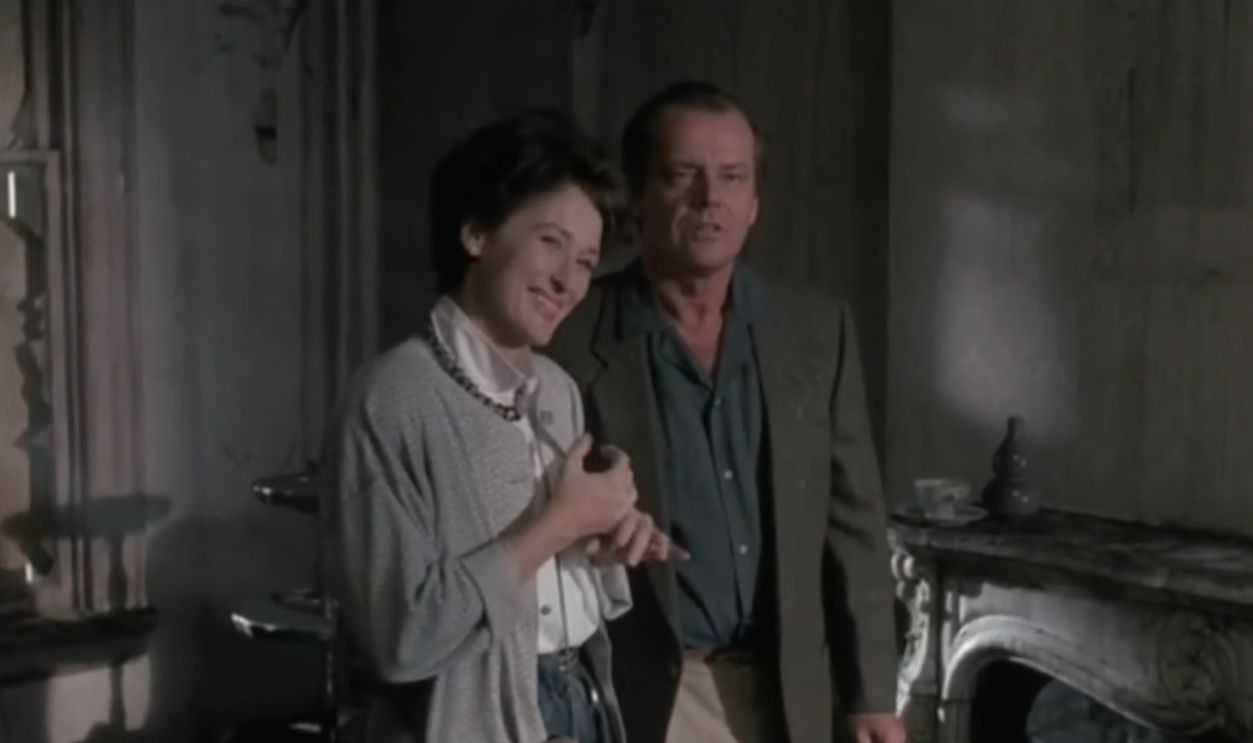 Screenshot from Heartburn, Paramount Pictures (1986)
Heartburn Was Bitter On Purpose
The story follows a writer who discovers that her husband is unfaithful while she is pregnant. Roger Ebert found the movie too angry to work fully as comedy, but that criticism also illustrates how far divorce movies had traveled from genteel marital farce. Ephron was turning betrayal, humiliation, pregnancy, and separation into autobiographical comic drama.
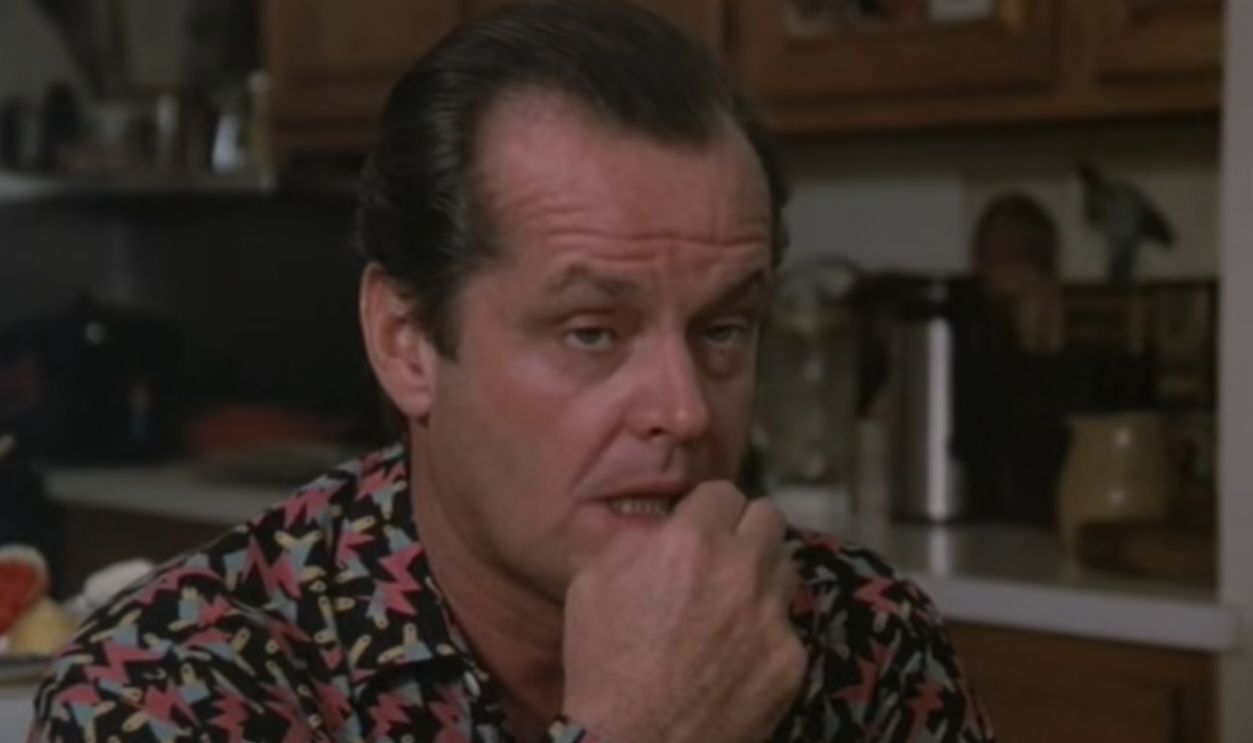 Screenshot from Heartburn, Paramount Pictures (1986)
Then Marriage Became A Punch Line
Other filmmakers went much broader. In 1986's Ruthless People, Danny DeVito plays Sam Stone, a man who openly despises his wealthy wife Barbara and is secretly delighted when kidnappers carry her away. AFI's synopsis notes that Sam had actually been plotting to kill her himself before the kidnapping interrupted his plans.
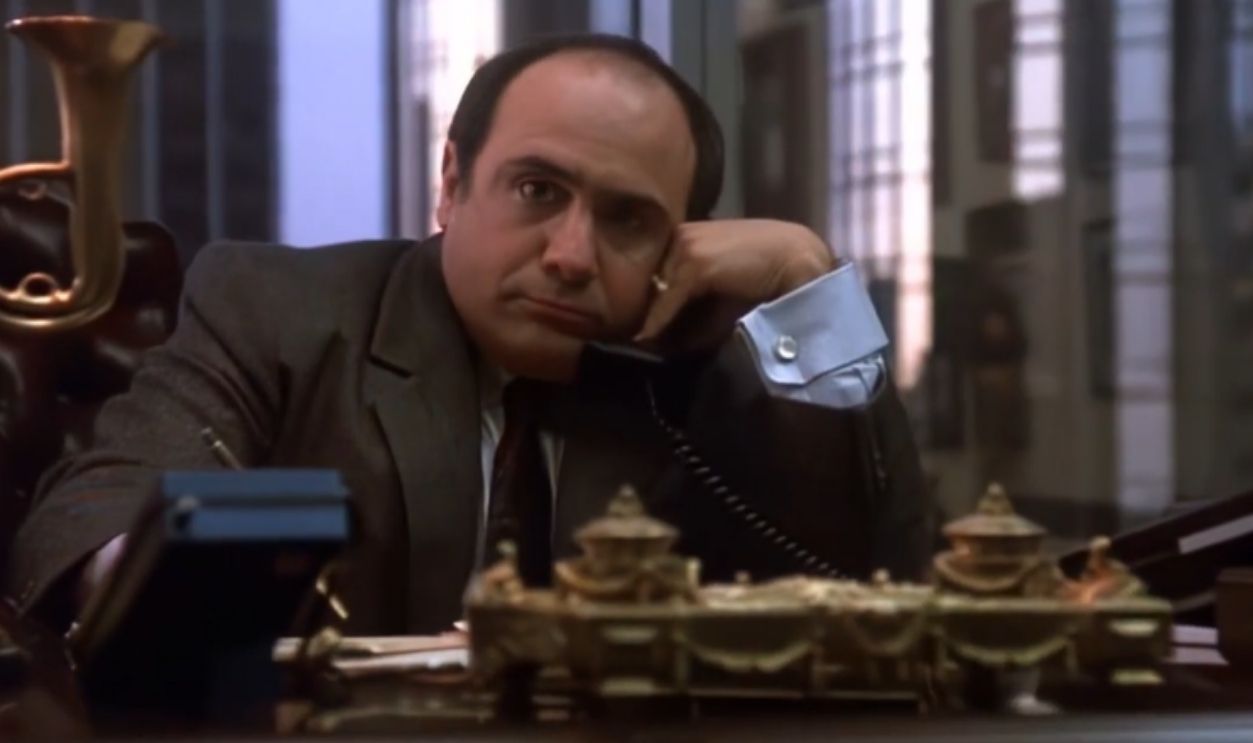 Screenshot from Ruthless People, Buena Vista Distribution (1986)
The Old Ideal Was Now Fair Game
Nobody watching Ruthless People was expected to treat the marriage as sacred. The comedy depends on the outrageous idea that husband and wife can dislike each other so intensely that kidnapping starts to look preferable to reconciliation. By the middle of the 1980s, marital misery had become flexible enough to support everything from intimate drama to near-cartoon farce.
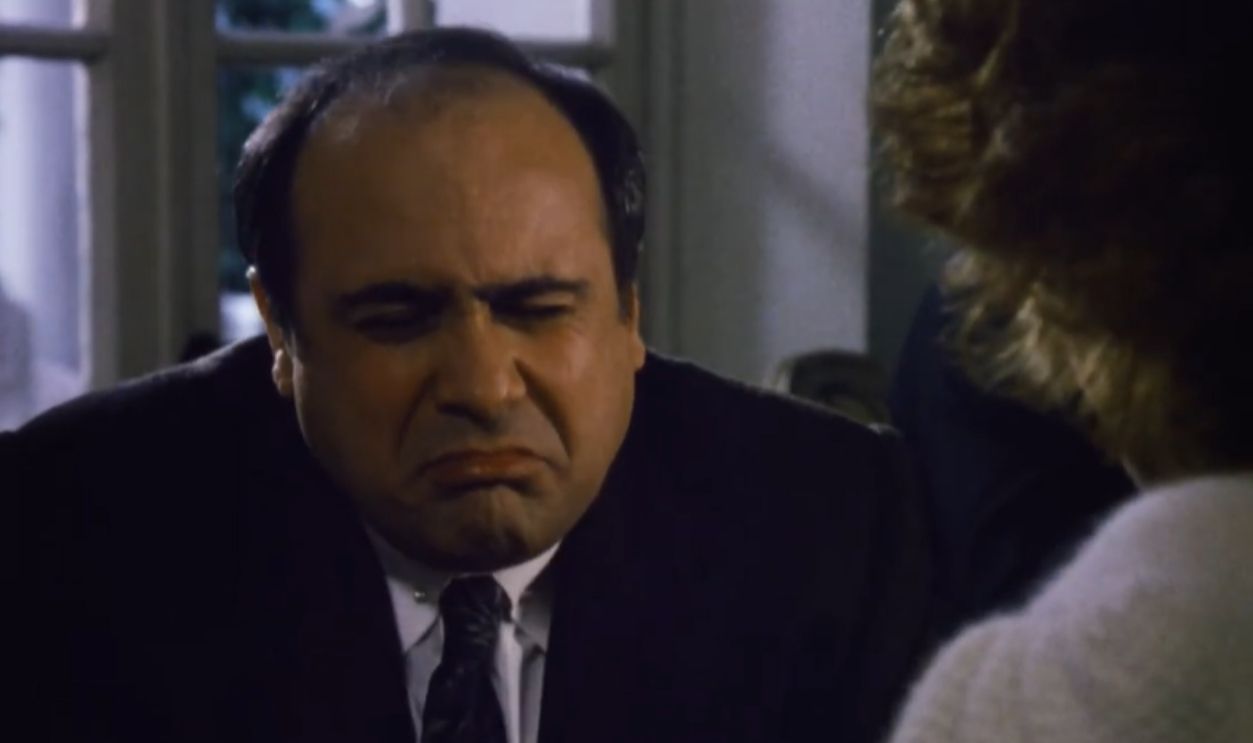 Screenshot from Ruthless People, Buena Vista Distribution (1986)
She-Devil Made The Abandoned Wife Fight Back
In 1989, Susan Seidelman's She-Devil pushed the revenge fantasy even further. Roseanne Barr played Ruth, a suburban wife whose husband leaves her for glamorous romance novelist Mary Fisher, played by Meryl Streep. Ruth responds by methodically dismantling the life her husband values.
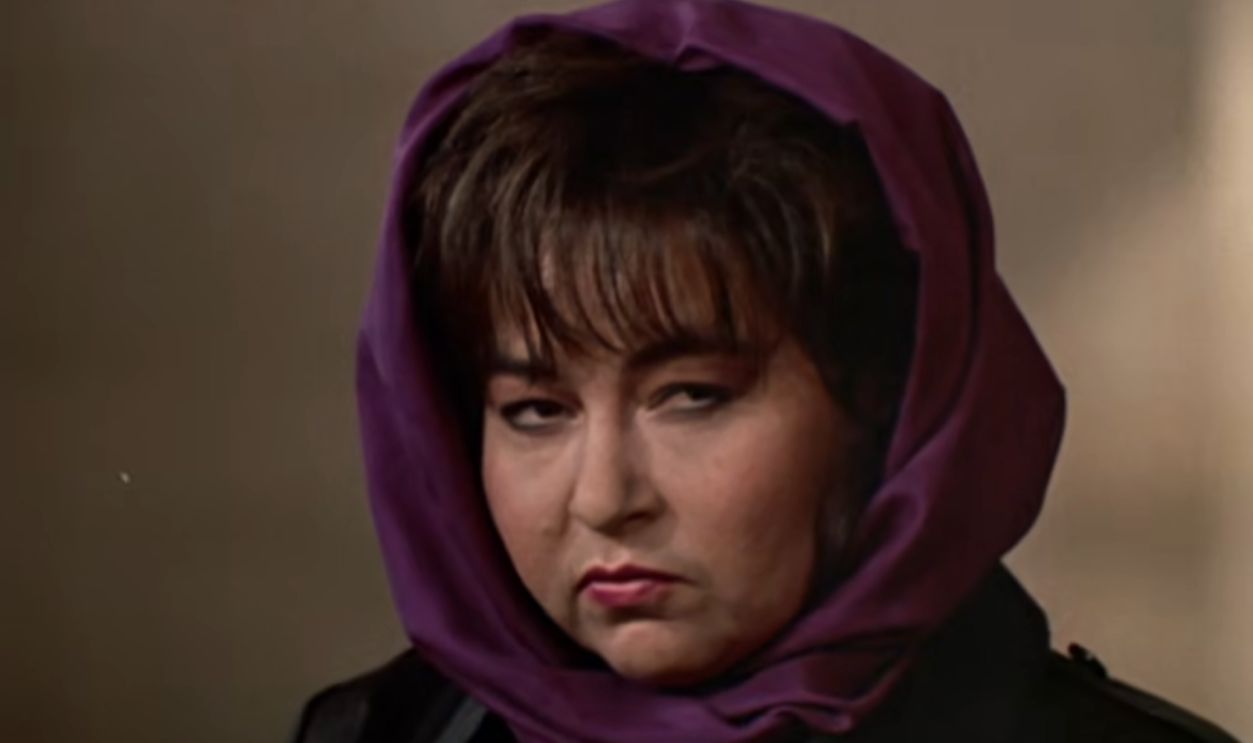 Screenshot from She-Devil, Orion Pictures (1989)
Meryl Streep Had Come Full Circle
The casting carried an amusing bit of movie-history symmetry. A decade after Streep played the wife who walked out in Kramer vs. Kramer, she was now playing the glamorous other woman who helps break up somebody else's marriage. Critics were mixed on She-Devil, but Streep's comic performance earned a Golden Globe nomination.
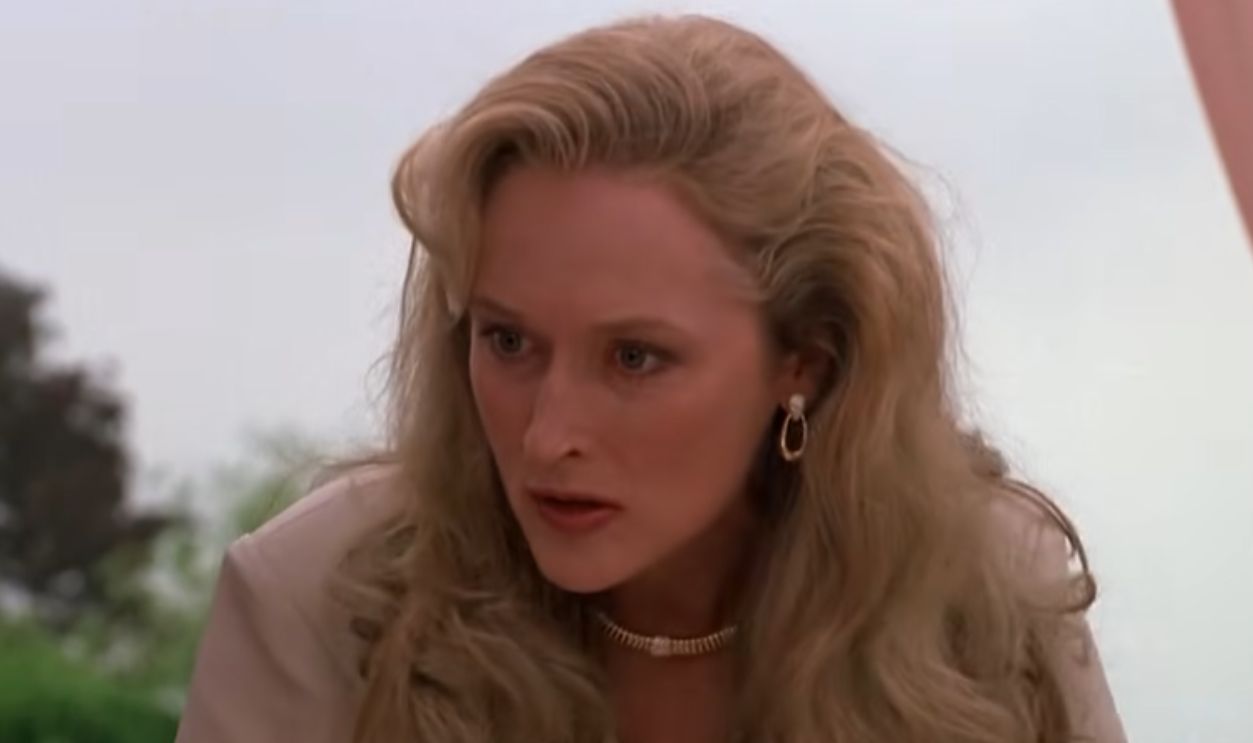 Screenshot from She-Devil, Orion Pictures (1989)
The War Of The Roses Went Nuclear
That same December brought perhaps the decade's most ferocious divorce comedy. Danny DeVito directed The War of the Roses, with Kathleen Turner and Michael Douglas playing Barbara and Oliver Rose, a prosperous married couple whose separation becomes an escalating battle over their luxurious home. DeVito also plays the divorce attorney who tells their story as a warning to another client.
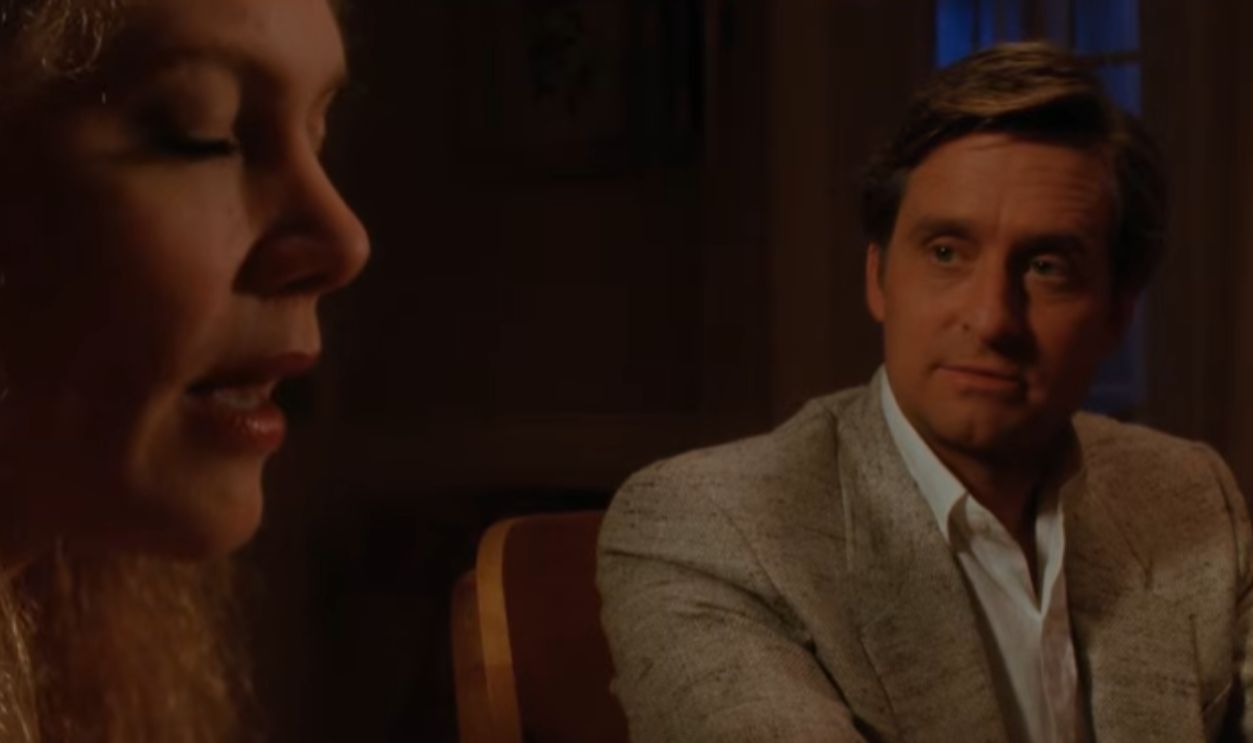 Screenshot from The War of the Roses, 20th Century Fox (1989)
Nothing About It Was Civilized
The joke is that neither spouse can let go. Property disputes turn into psychological warfare and eventually physical destruction, with the house itself becoming the battleground. The Los Angeles Times described the film as a biting attack on the notion of civilized divorce, while Roger Ebert called it angry, bitter, and unrelenting.
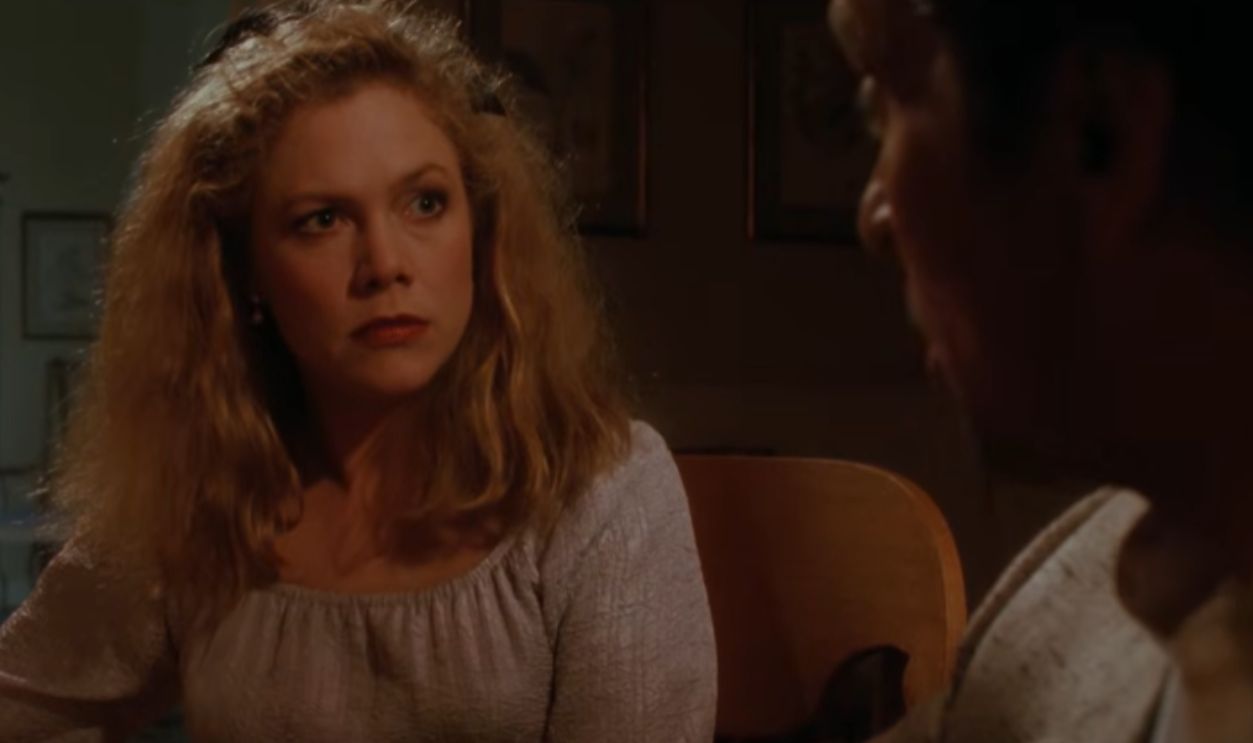 Screenshot from The War of the Roses, 20th Century Fox (1989)
Hollywood Had Reached The End Of The Road
The contrast between An Unmarried Woman in 1978 and The War of the Roses in 1989 is striking. The earlier movie treats divorce as a painful opening into a new adult identity, while the later film imagines marital resentment escalating almost to apocalypse. In barely more than a decade, Hollywood had explored separation as tragedy, liberation, custody battle, family trauma, romantic reset, autobiography, revenge fantasy, and black comedy.
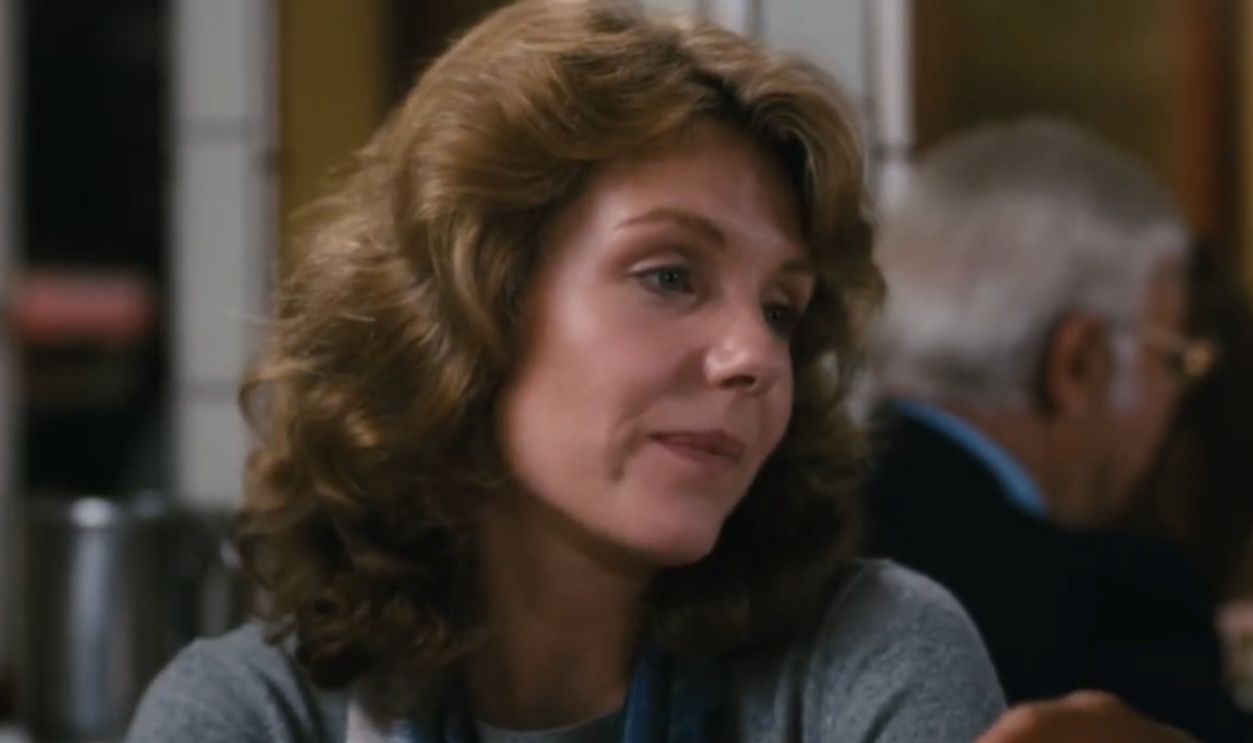 Screenshot from An Unmarried Woman, 20th Century Fox (1978)
Marriage Was No Longer A Guaranteed Ending
These films did not prove that Americans had stopped believing in marriage, nor did every movie of the period portray husbands and wives cynically. What changed was the range of stories mainstream filmmakers could tell once a wedding was no longer assumed to be the end of the romantic narrative. By the close of the 1980s, divorce itself had become one of Hollywood's richest subjects, capable of revealing how people behaved when the promise of happily ever after fell apart.
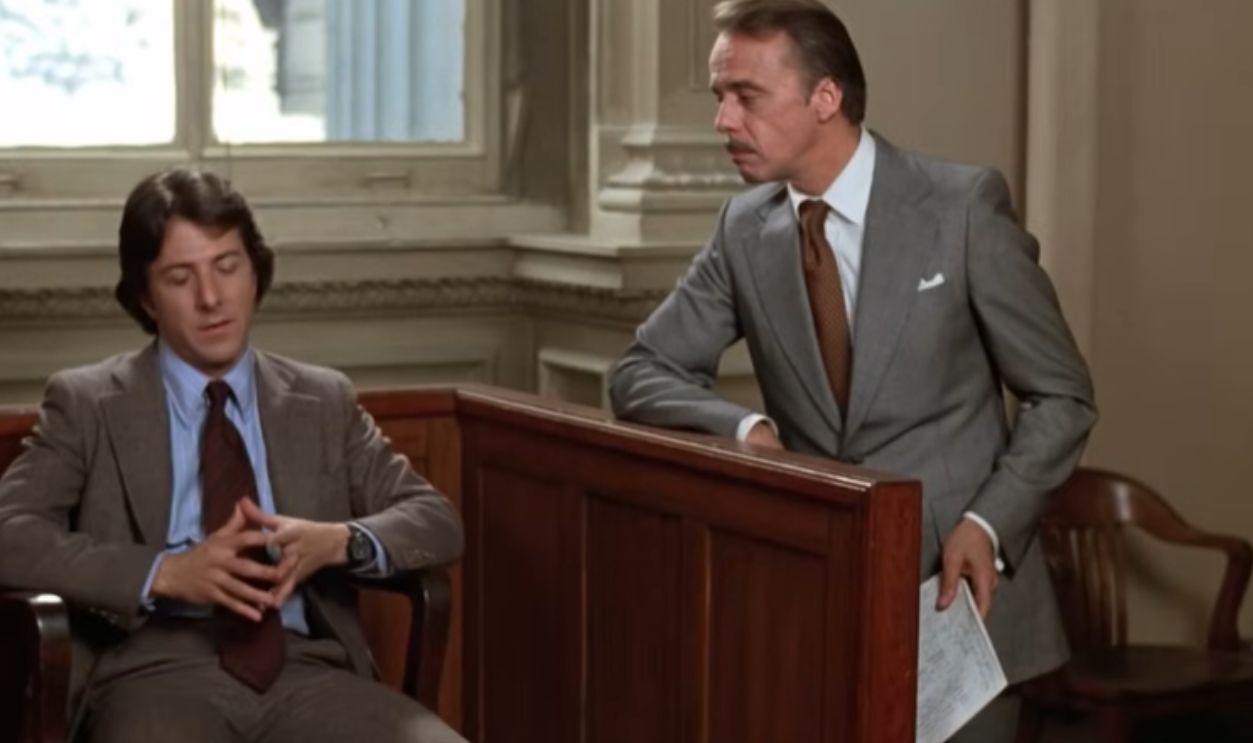 Screenshot from Kramer vs. Kramer, Columbia Pictures (1979)
You May Also Like:
I Just Picked The 30 Best Movies From The 1970s. Do You Agree With My List?
Best Picture Winners You've Probably Never Heard Of
These Co-Stars Hated Each Other On Set
Sources: 1, 2, 3, 4, 5, 6, 7, 8, 9, 10, 11, 12, 13, 14, 15, 16, 17, 18, 19, 20, 21, 22, 23, 24, 25