From Flop to Fantastic
Sometimes the movies we cherish most weren’t hits when they first came out. In fact, plenty of today’s cult classics were box office failures, leaving studios baffled and critics unimpressed—at least at first.
Over time, though, they found loyal fans, midnight screenings, and new life on VHS and streaming. Let’s revisit the biggest misfires that turned into legends.
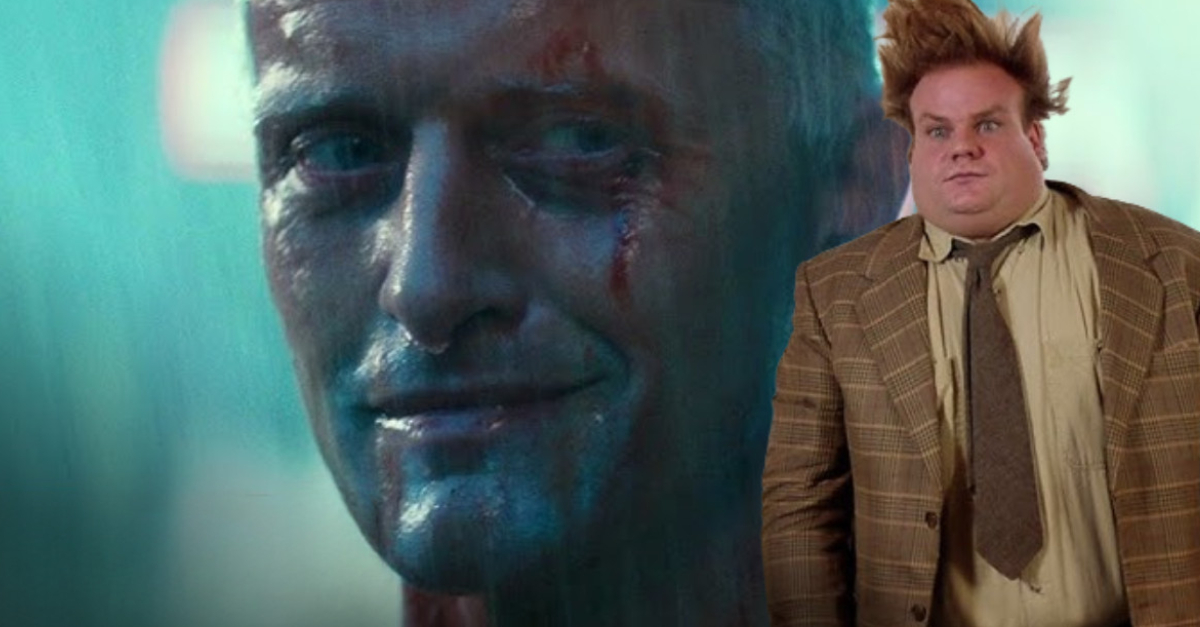
"Blade Runner" (1982)
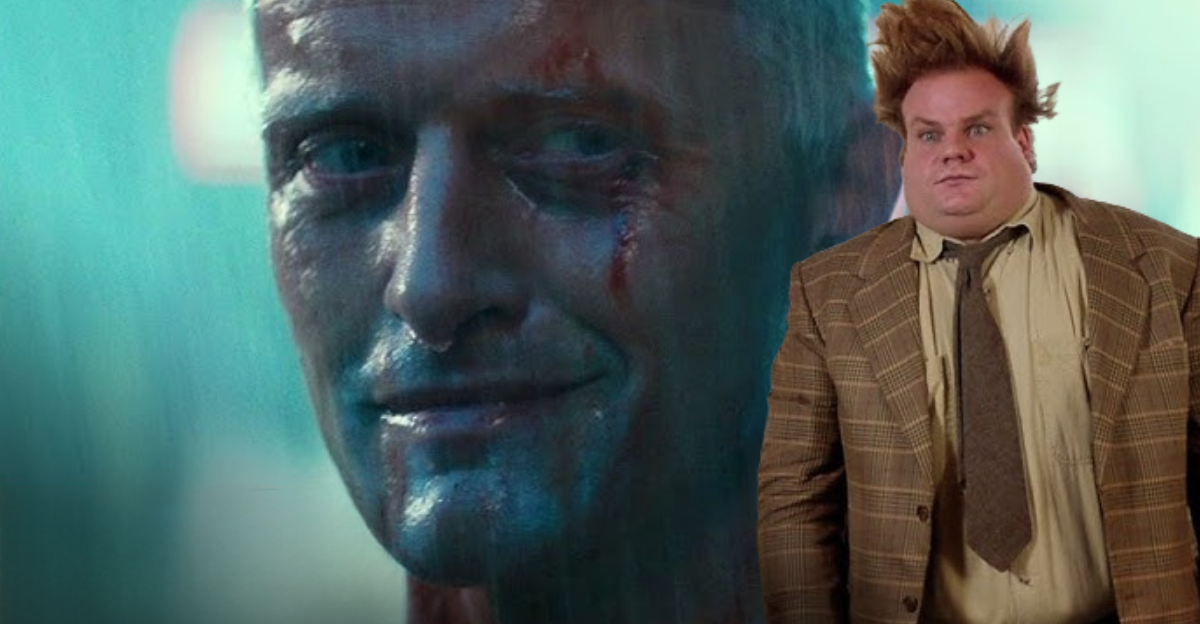
Ridley Scott’s Blade Runner cost about $30 million but only made $41 million worldwide—not exactly a win after marketing costs. Critics were mixed, and audiences wanted something lighter. But later, director’s cuts and cult love turned it into one of the most influential sci-fi films ever made.
 Warner Bros., Blade Runner (1982)
"Tommy Boy" (1995)
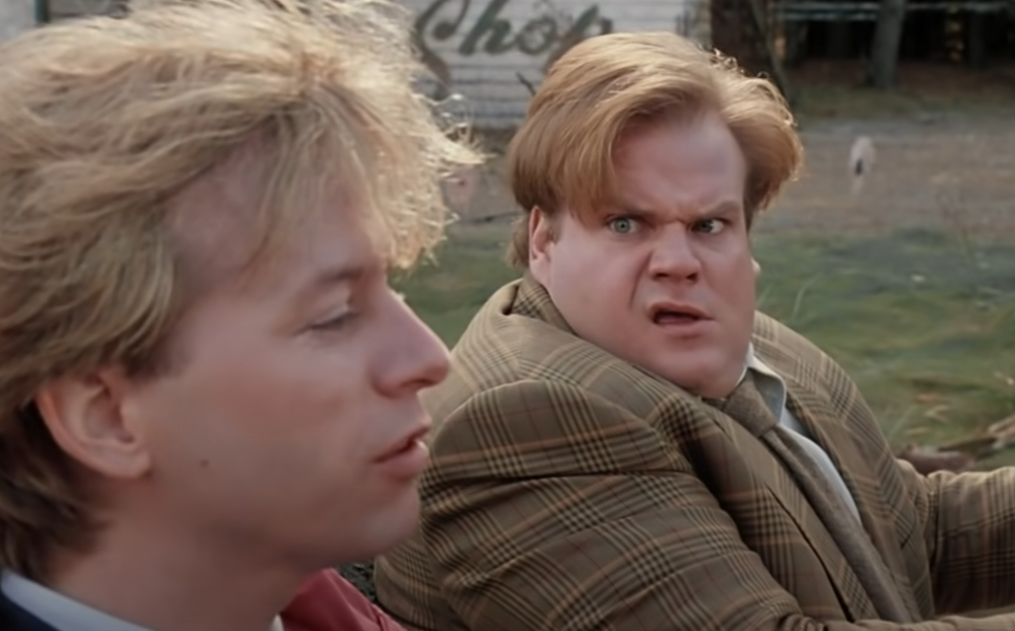
Chris Farley’s Tommy Boy earned only $32 million on a $20 million budget, making it a modest success at best. Critics were lukewarm, too. But home video turned it into a comedy classic, with “Fat guy in a little coat” forever cemented in pop culture.
"The Shawshank Redemption" (1994)
With a $25 million budget, Shawshank earned only $28 million at the box office—not enough to cover costs. But it later became the most-rented movie of 1995 and now tops IMDb’s list of greatest films ever made. Talk about a turnaround.
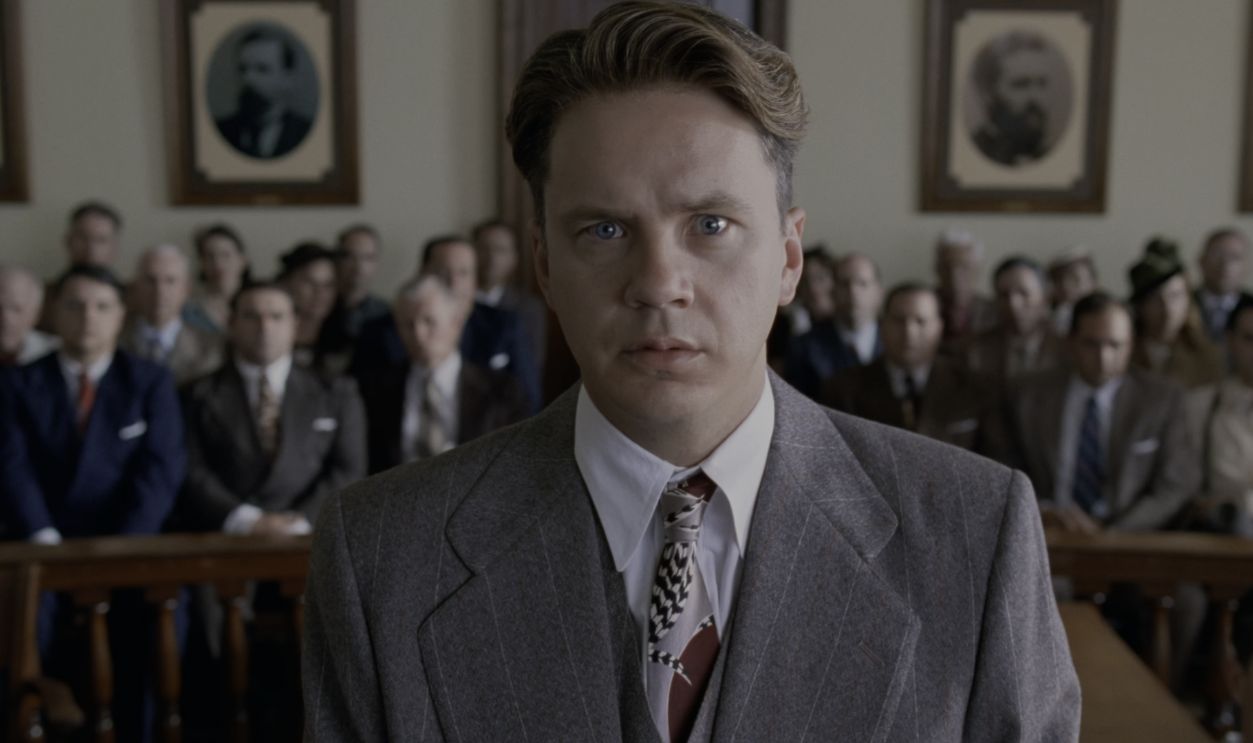 Columbia Pictures, The Shawshank Redemption (1994)
"Fight Club" (1999)
Made for $63 million, Fight Club only pulled in $37 million domestically. Audiences didn’t know what to make of its violent satire. But DVDs saved it—Fox sold over 6 million copies in the first few years, turning it into a generation-defining film.
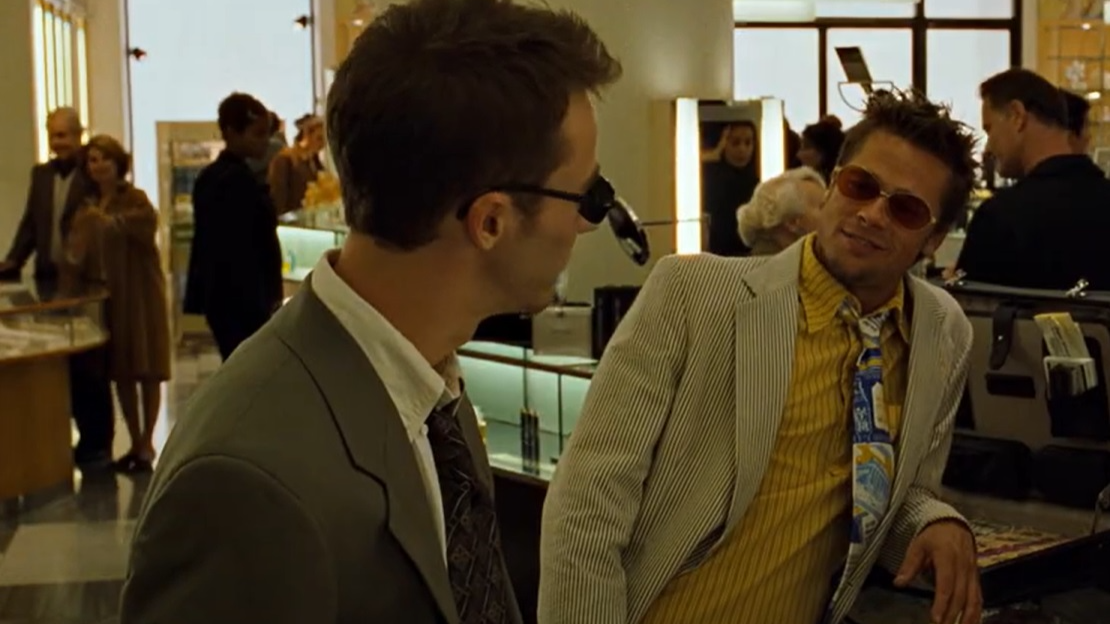 Twentieth Century, Fight Club (1999)
"The Big Lebowski" (1998)
The Coen Brothers’ The Big Lebowski cost around $15 million and earned just over $18 million in theaters. Not great. But fans latched onto The Dude’s laid-back philosophy, and now it’s celebrated with yearly “Lebowski Fests” and remains endlessly quotable.
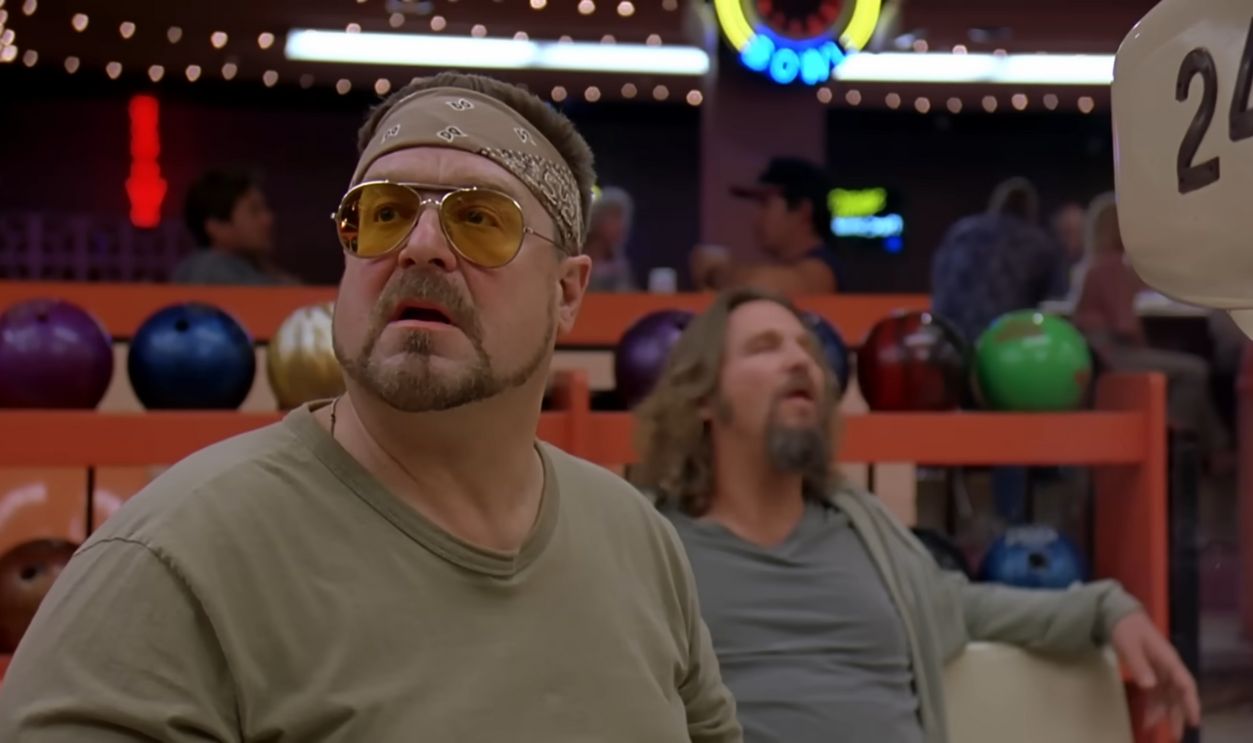 Gramercy Pictures, The Big Lebowski (1998)
"Donnie Darko" (2001)
Released right after 9/11, Donnie Darko made under $1 million in theaters—ouch. The plane crash imagery scared off distributors. Yet on DVD, it sold more than 10 million copies, making it one of the biggest cult turnarounds ever.
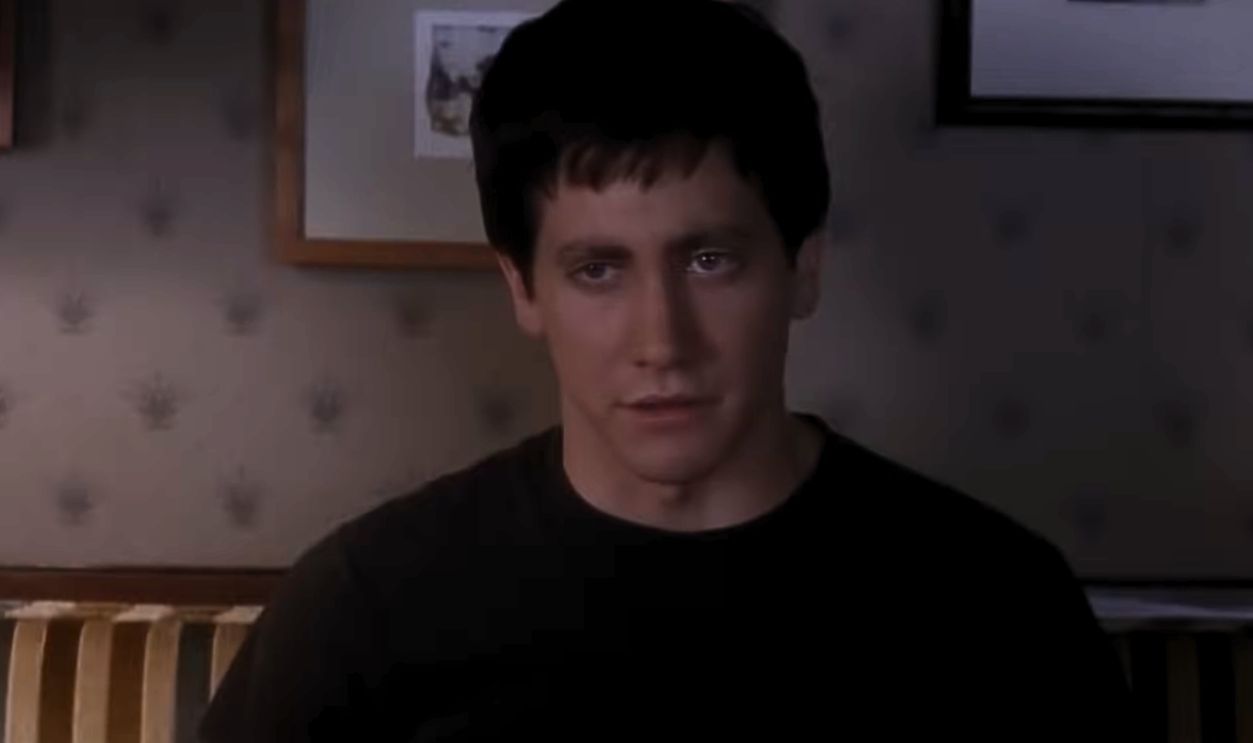 Newmarket Films, Donnie Darko (2001)
"Heathers" (1989)
Heathers cost about $3 million but barely broke even. Its dark comedy about high school violence was way ahead of its time. Over the years, though, its biting dialogue turned it into a cult classic, even inspiring a Broadway musical and a TV reboot.
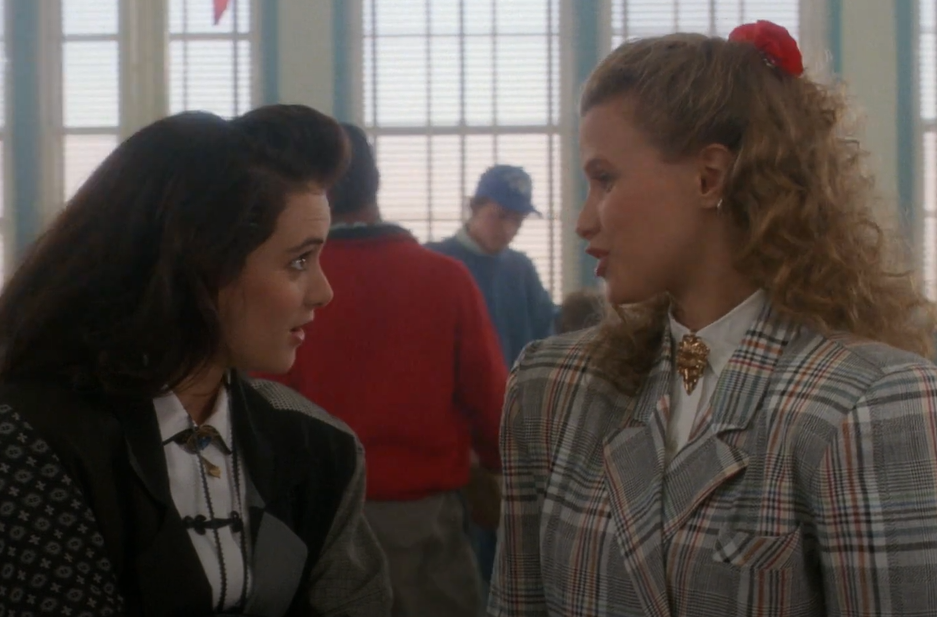 New World Pictures, Heathers (1988)
"The Rocky Horror Picture Show" (1975)
When Rocky Horror first hit theaters, it flopped—critics hated it, and box office receipts were dismal. But midnight screenings saved it. Fans dressed up, shouted back at the screen, and made it interactive. It’s now grossed more than $100 million, thanks to decades of repeat showings.
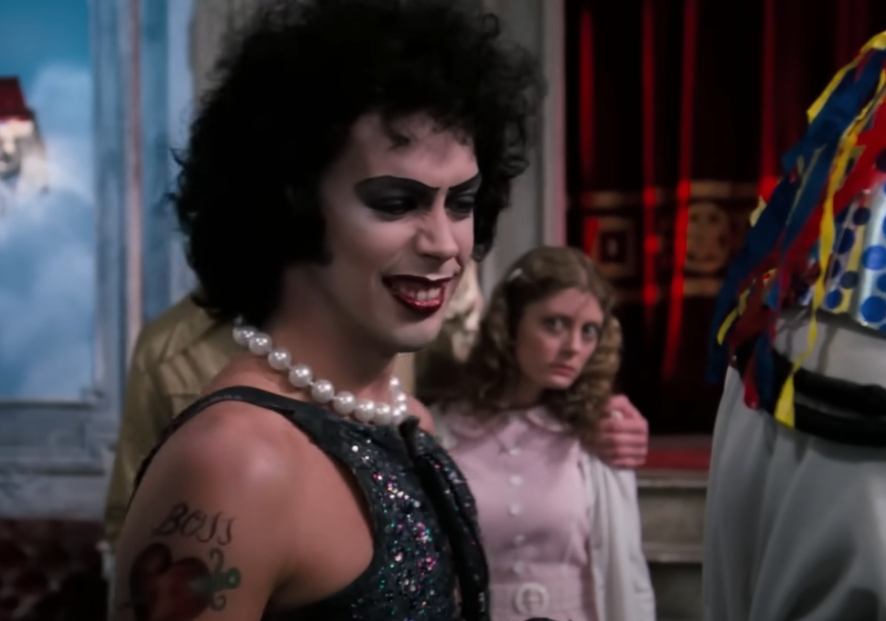 Twentieth Century, The Rocky Horror Picture Show (1975)
"Children of Men" (2006)
Alfonso Cuarón’s Children of Men cost $76 million but made just $70 million worldwide. Too bleak for casual moviegoers, it faded fast. But today, its long takes and themes about immigration and fertility have made it one of the most rewatched dystopian films of the 21st century.
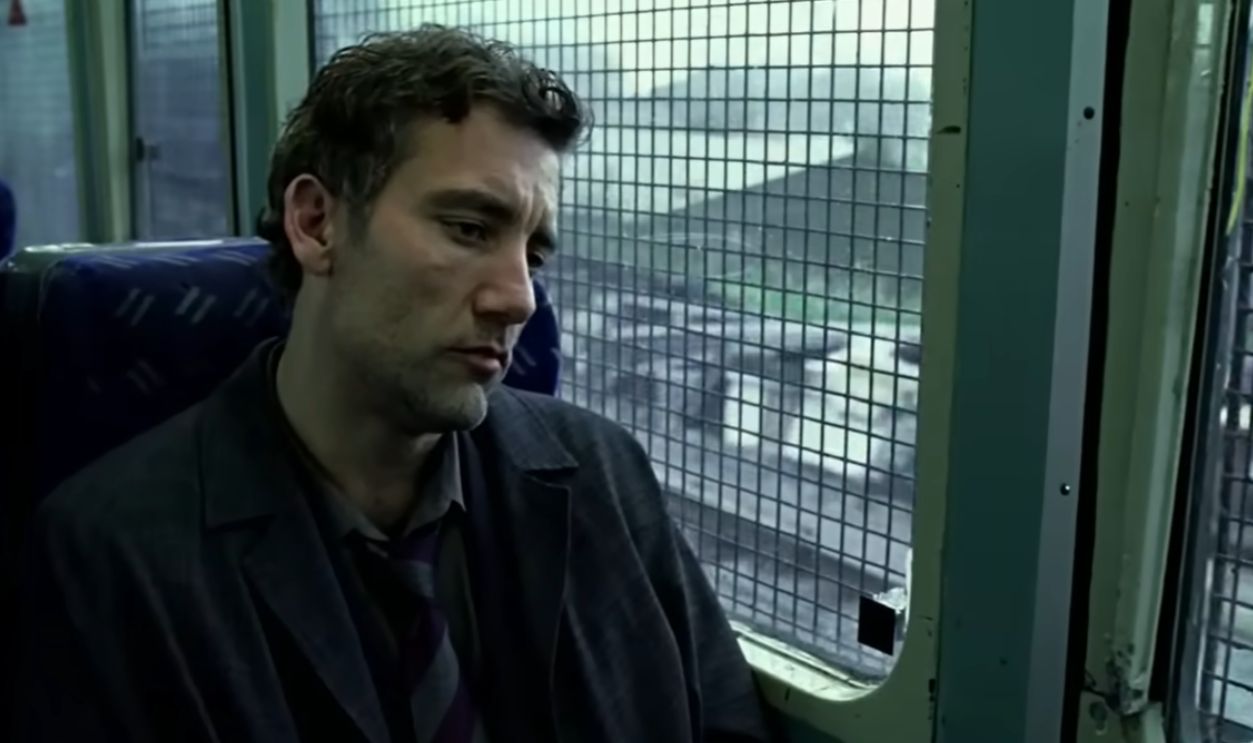 Universal Pictures, Children Of Men (2006)
"The Thing" (1982)
John Carpenter’s The Thing had a $15 million budget but opened against E.T. and only earned $19 million total. Critics called it “gross-out horror.” Decades later, fans and filmmakers now hail it as a sci-fi horror masterpiece.
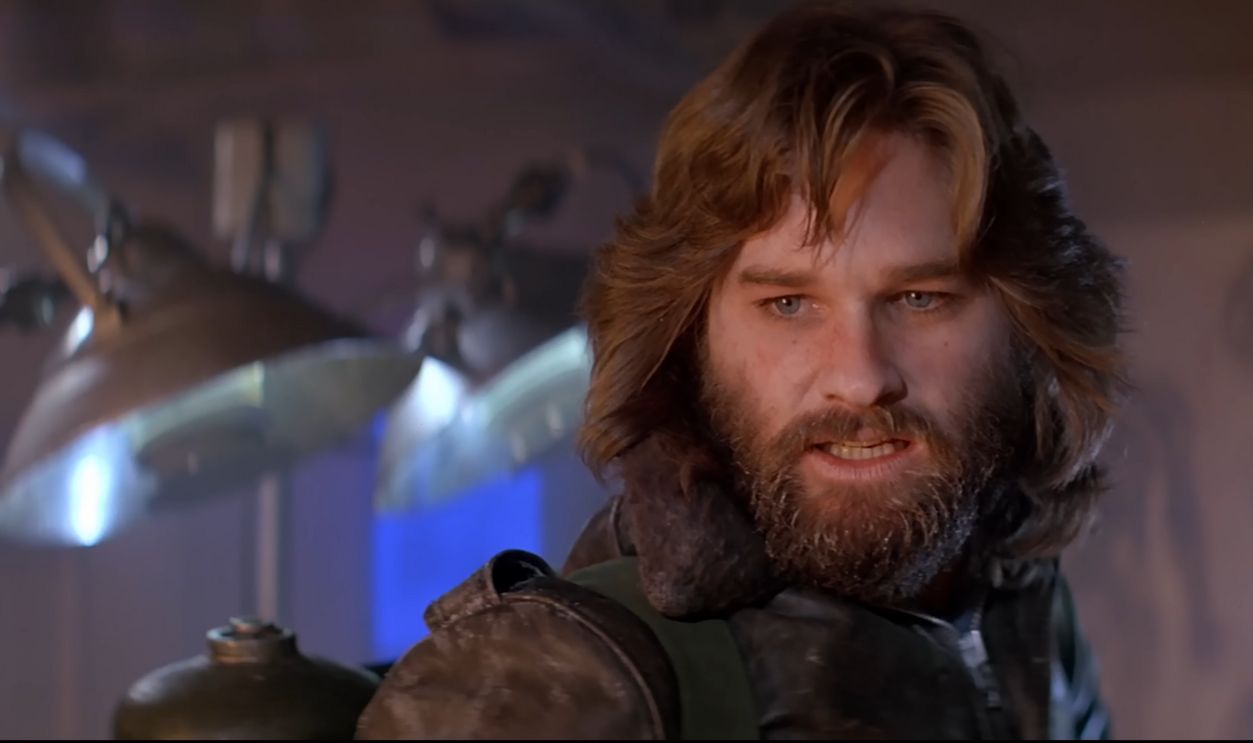 Universal Pictures, The Thing (1982)
"Scott Pilgrim vs. The World" (2010)
With a $60 million budget, Scott Pilgrim grossed only $49 million worldwide. But its hyper-stylized visuals and indie-rock energy found an audience on Blu-ray and streaming. Today, it’s widely regarded as one of the most inventive comic adaptations ever.
 Universal Pictures, Scott Pilgrim vs. The World (2010)
"Office Space" (1999)
Office Space earned only $12 million on release, hardly blockbuster numbers. But repeated airings on Comedy Central and strong DVD sales turned it into the ultimate cubicle comedy. Red staplers and TPS reports are now pop culture icons.
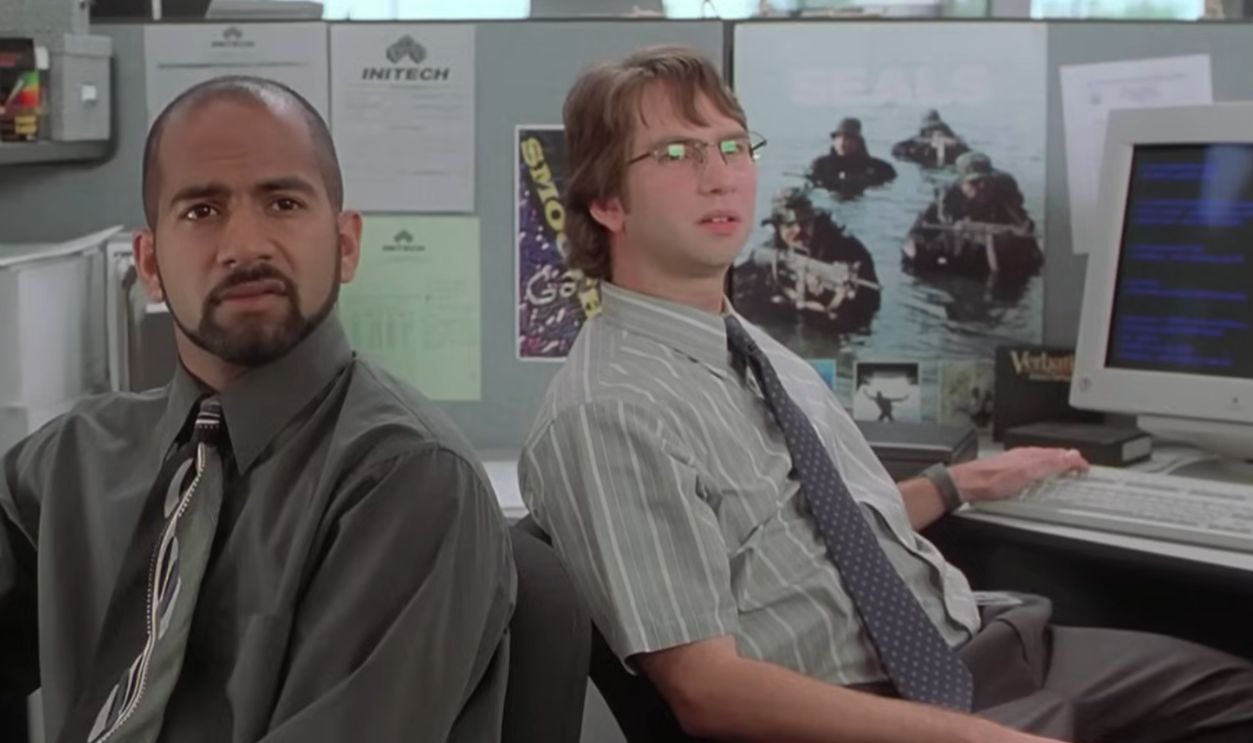 20th Century Fox, Office Space (1999)
"Dune" (1984)
David Lynch’s Dune was hyped as the next Star Wars. With a $40 million budget, it only grossed $30 million. Audiences were baffled, and Lynch disowned it. Still, it grew a cult following for its surreal style and bold ambition.
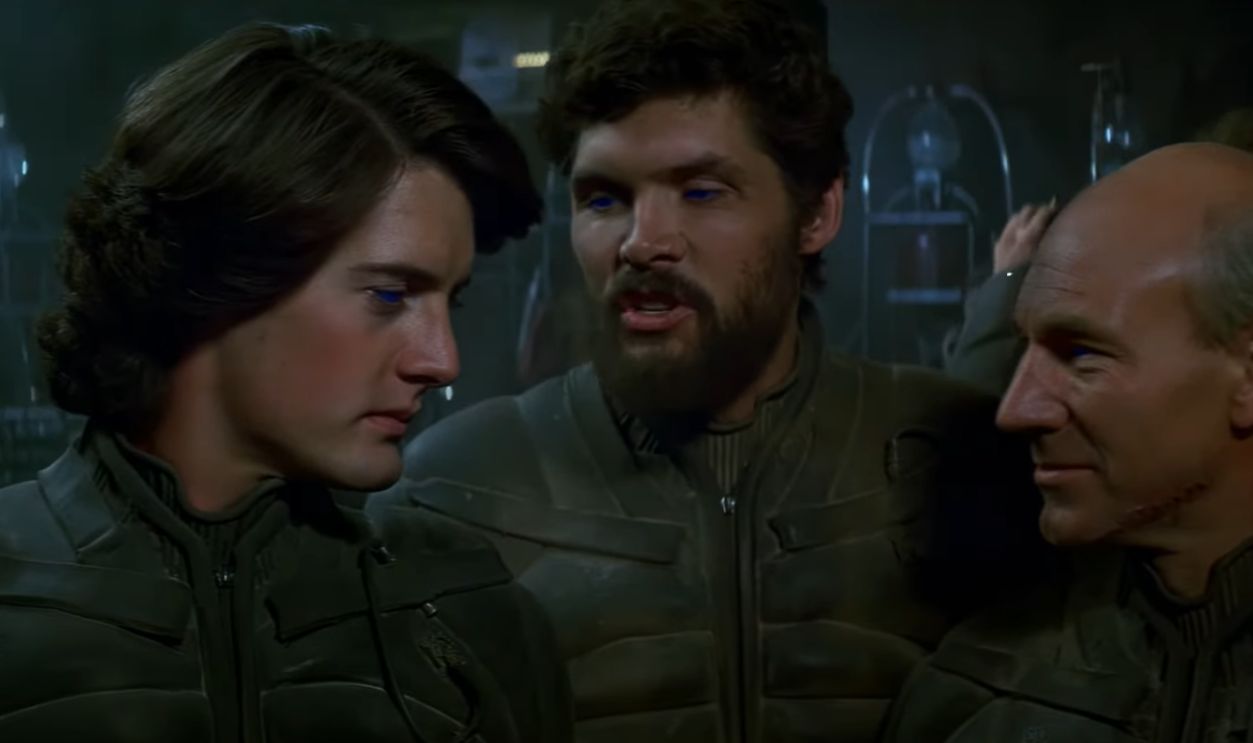 Universal Pictures, Dune (1984)
"The Iron Giant" (1999)
Despite glowing reviews, Warner Bros. barely marketed The Iron Giant. With a $50 million budget, it grossed only $23 million. But on home video, families discovered it, and it became a heartfelt classic about friendship and sacrifice.
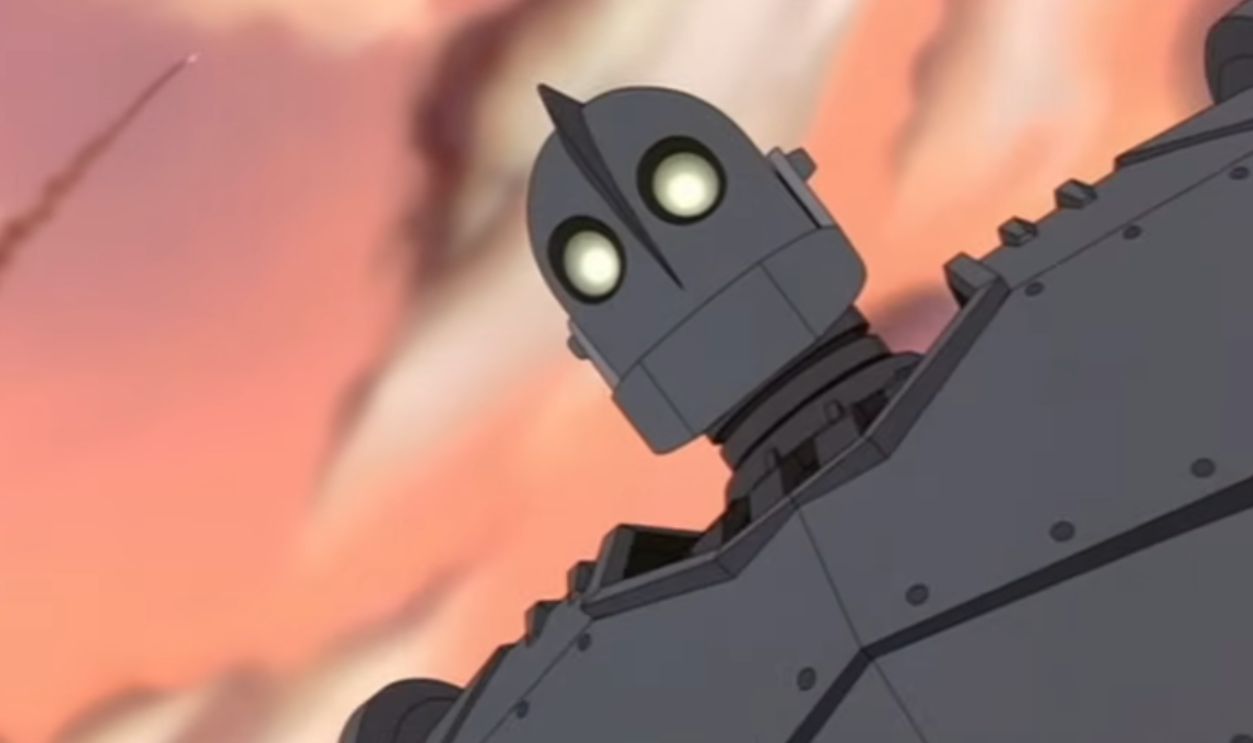 Warner Bros, The Iron Giant (1999)
"Brazil" (1985)
Terry Gilliam’s Brazil suffered studio meddling and limited release. It cost about $15 million but made only $9 million. Yet fans loved its Orwellian satire and darkly comic visuals, and it’s now considered a dystopian masterpiece.
 Universal Pictures, Brazil (1985)
"Wet Hot American Summer" (2001)
Wet Hot American Summer barely made $295,000 in theaters. But thanks to DVD and word of mouth, its absurd humor became beloved. Years later, Netflix revived it with new series—proof of just how strong its cult following had grown.
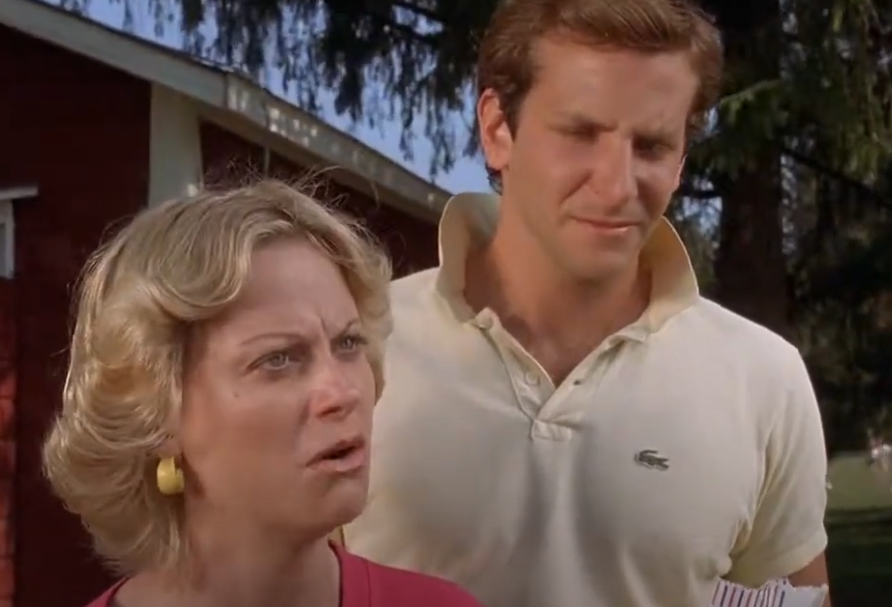 Eureka Pictures, Wet Hot American Summer (2001)
"Showgirls" (1995)
Showgirls cost $45 million and only made $20 million in the U.S. Critics roasted it as trash. But midnight screenings and campy appreciation kept it alive. Today, fans celebrate its so-bad-it’s-good appeal.
 Carolco Pictures, Showgirls (1995)
"Clue" (1985)
Clue had a fun gimmick with three possible endings, but audiences didn’t bite. It grossed only $14 million on a $15 million budget. Yet its witty lines and ensemble cast made it a cult favorite on cable reruns.
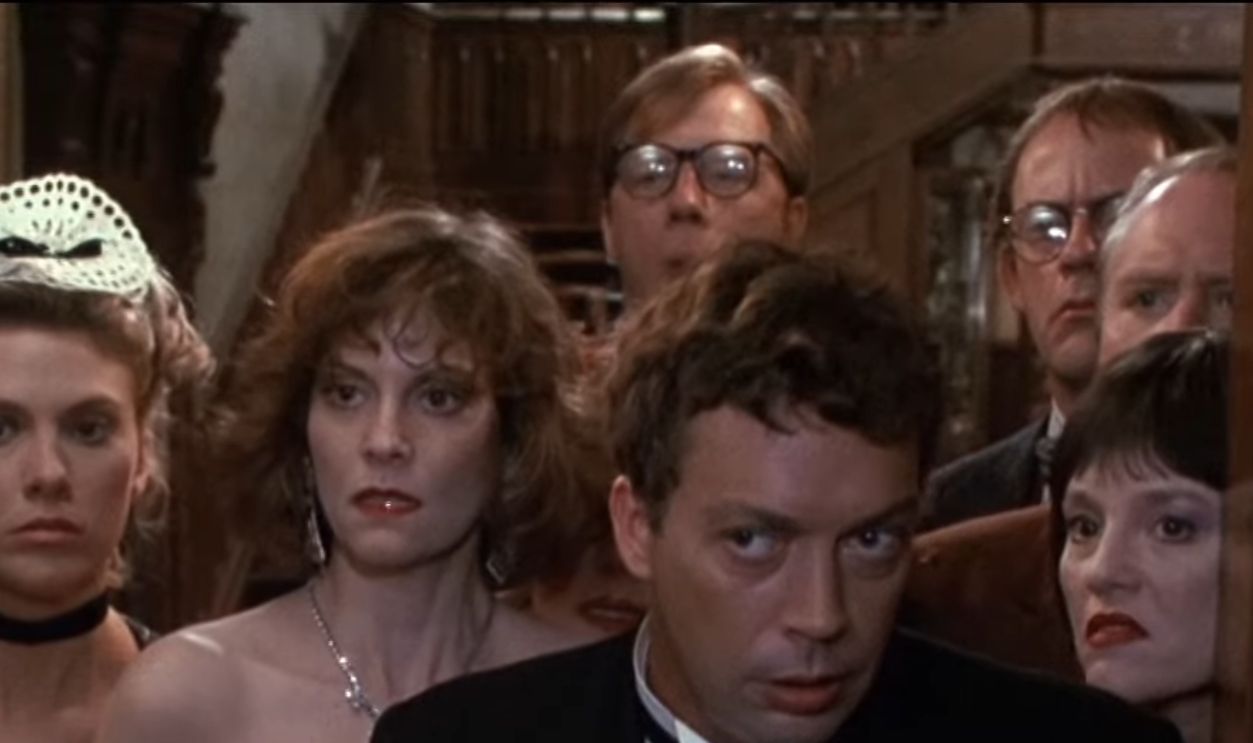 Paramount Pictures, Clue (1985)
"Hocus Pocus" (1993)
Disney spent about $28 million on Hocus Pocus, but it only earned $39 million. Hardly a big win. But annual Halloween showings turned it into a seasonal must-watch, and now it’s a merchandising powerhouse.
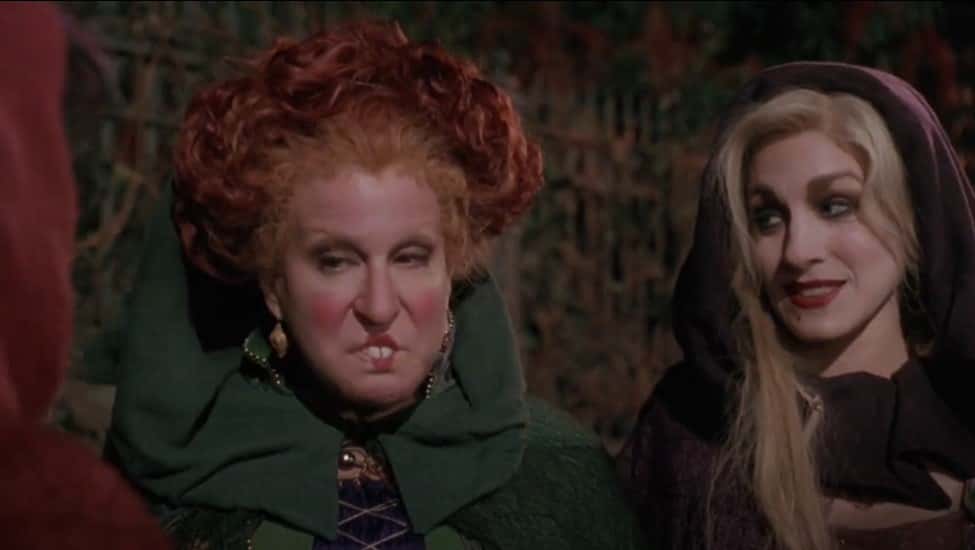 Hocus Pocus (1993), Walt Disney Pictures
"Big Trouble in Little China" (1986)
Costing $25 million, Carpenter’s kung fu fantasy earned only $11 million. Too weird for its time, it later became a cult favorite. Now, Kurt Russell’s swaggering Jack Burton is one of his most iconic characters.
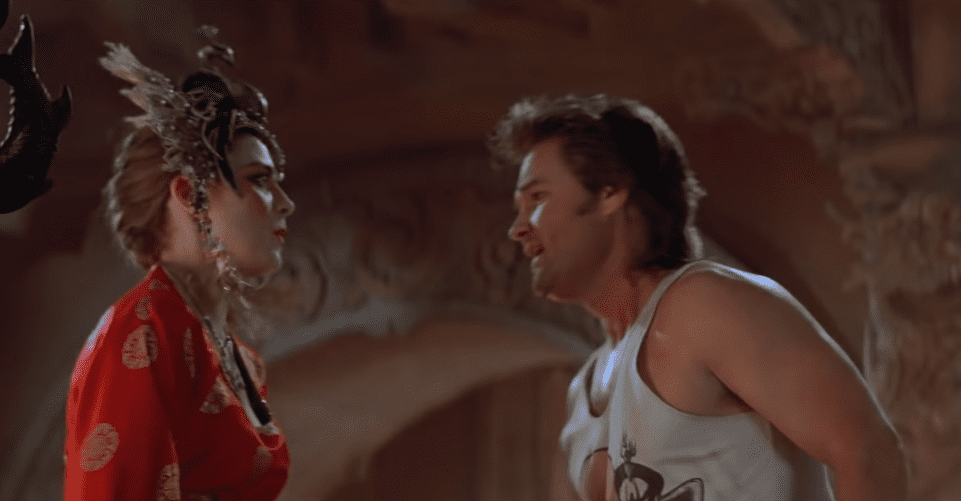 20th Century Fox, Big Trouble in Little China (1986)
"Speed Racer" (2008)
The Wachowskis spent $120 million on Speed Racer, but it only made $93 million worldwide. Critics panned its candy-colored visuals. Today, fans defend it as ahead of its time, praising its emotional core and bold style.
 Warner Bros. Pictures, Speed Racer (2008)
"Dark City" (1998)
Dark City cost $27 million but grossed just $27 million worldwide, barely breaking even. Its blend of noir and sci-fi confused casual moviegoers. But critics and fans now celebrate its influence, especially on The Matrix.
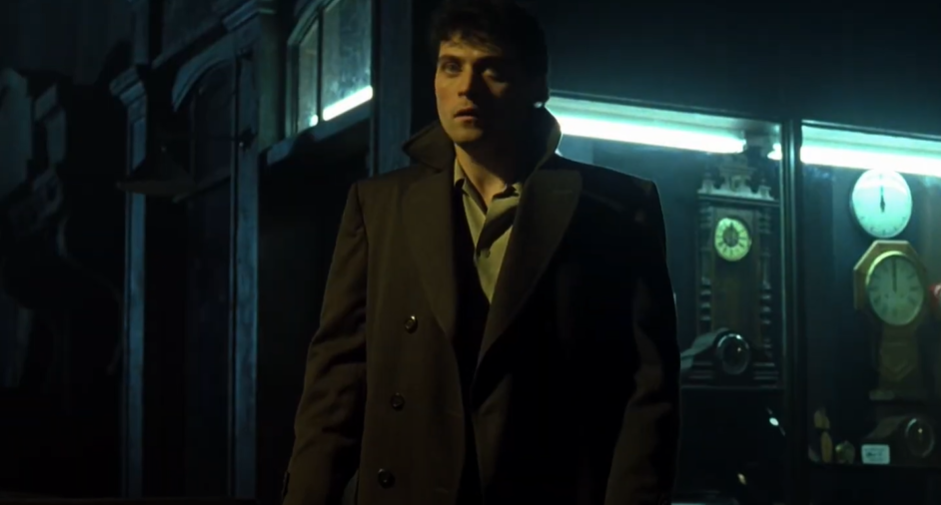 New Line Cinema, Dark City (1998)
"Treasure Planet" (2002)
Disney sunk $140 million into Treasure Planet—and it only made $109 million worldwide, a major loss. But its mix of classic adventure and futuristic design has earned it a devoted fanbase, especially among animation lovers.
 Walt Disney, Treasure Planet (2002)
"Labyrinth" (1986)
Jim Henson’s fantasy epic cost $25 million but only grossed $12 million in the U.S. Over time, though, David Bowie’s Goblin King and the movie’s inventive puppetry made it a cult classic adored by fantasy fans.
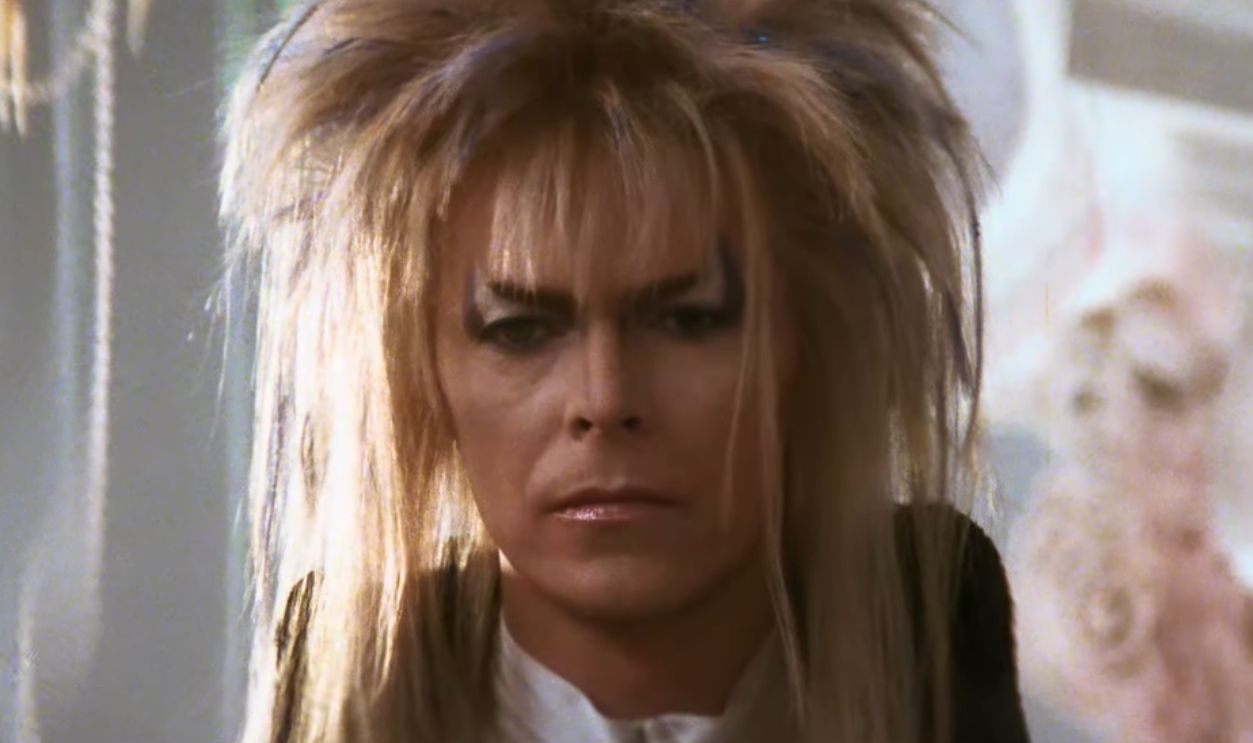 TriStar Pictures, Labyrinth (1986)
"Fear and Loathing in Las Vegas" (1998)
With a $18 million budget, Fear and Loathing earned only $10 million worldwide. Critics were split, and audiences were baffled. But Johnny Depp’s gonzo performance won over Hunter S. Thompson fans, making it a stoner-cinema staple.
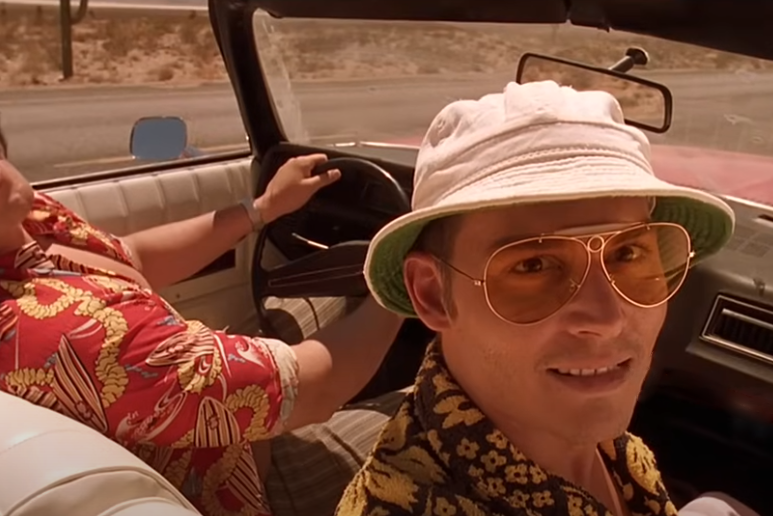 Rhino Films, Fear and Loathing in Las Vegas (1998)
"The Wizard of Oz" (1939)
It may be iconic now, but The Wizard of Oz was so expensive ($3 million budget) that its initial box office didn’t cover costs. Only after re-releases and its 1956 TV debut did it become one of the most beloved movies ever made.
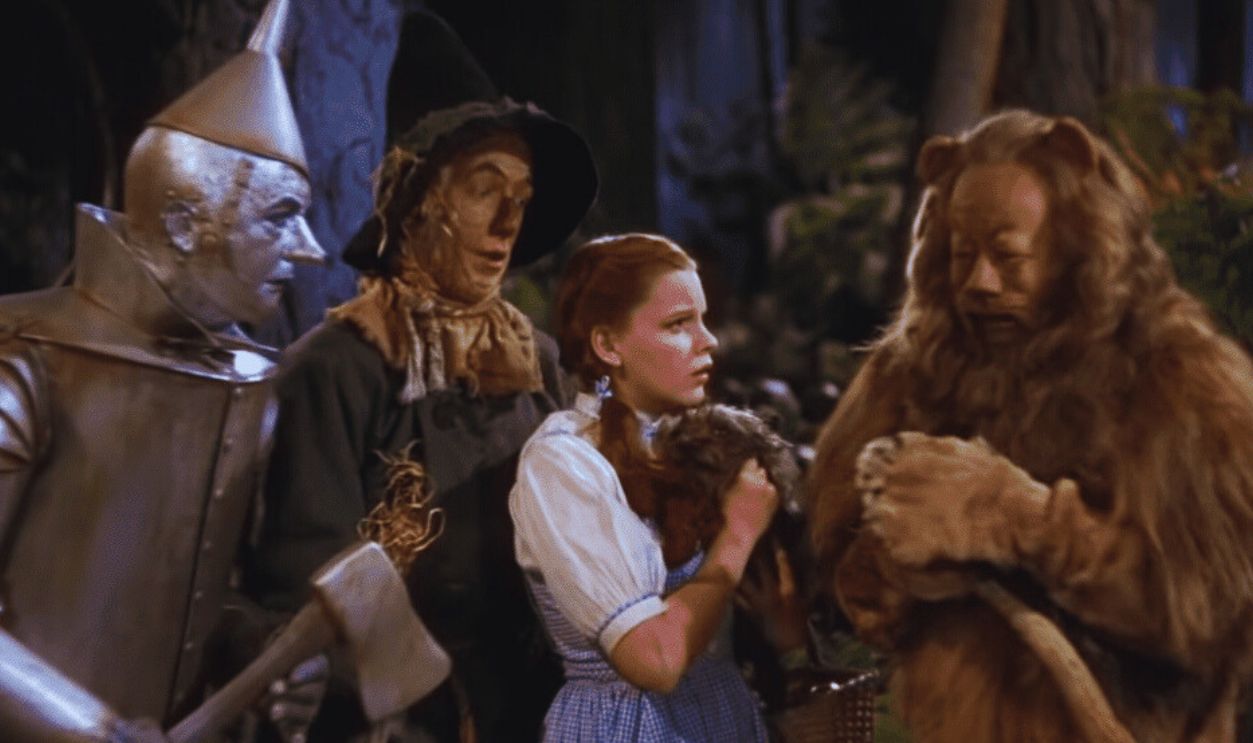 Warner Bros., The Wizard of Oz (1939)
"The Adventures of Baron Munchausen" (1988)
Terry Gilliam again—this fantasy extravaganza cost over $40 million but earned only $8 million in the U.S. Despite the financial disaster, its creativity and quirky humor kept it alive as a cult favorite.
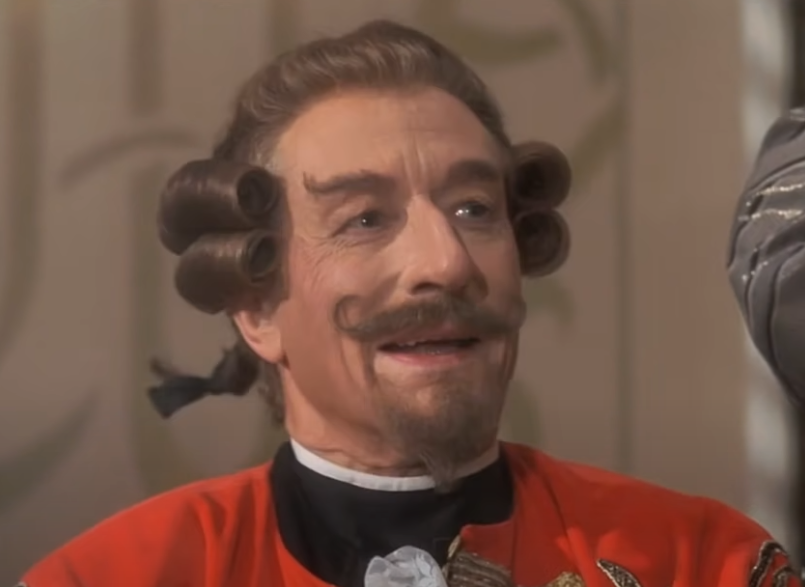 Laura Film, The Adventures of Baron Munchausen (1988)
"Repo Man" (1984)
Alex Cox’s Repo Man cost just $1.5 million and grossed only $3.7 million. Not great, but its punk-rock spirit and strange humor earned it a passionate underground following, especially on VHS.
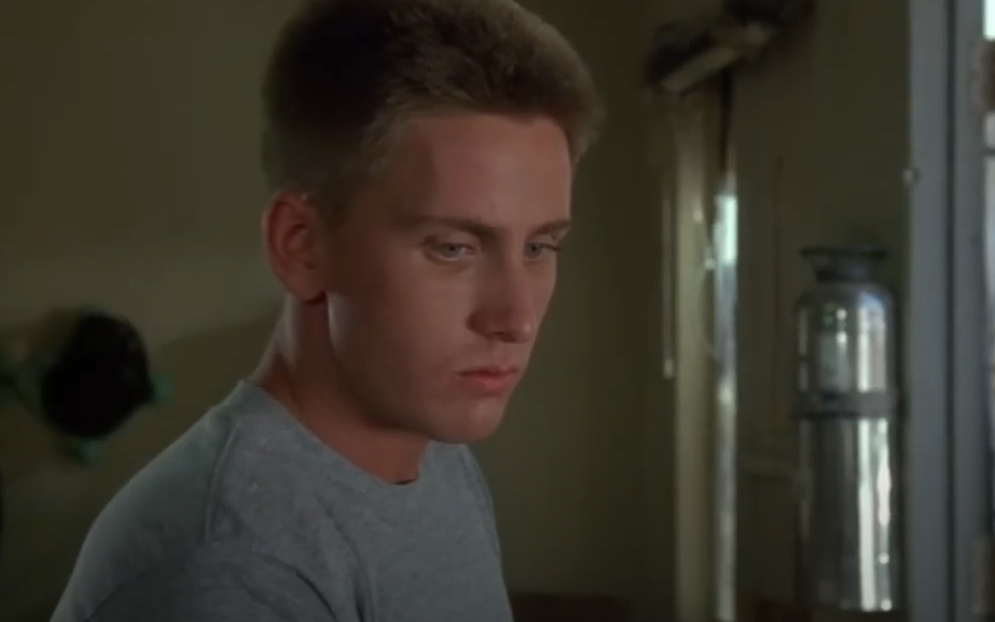 Edge City Productions, Repo Man (1984)
"Almost Famous" (2000)
Cameron Crowe’s semi-autobiographical Almost Famous had a $60 million budget but grossed only $47 million. Yet it went on to win an Oscar for Best Original Screenplay, and its nostalgic love letter to rock made it a long-lasting fan favorite.
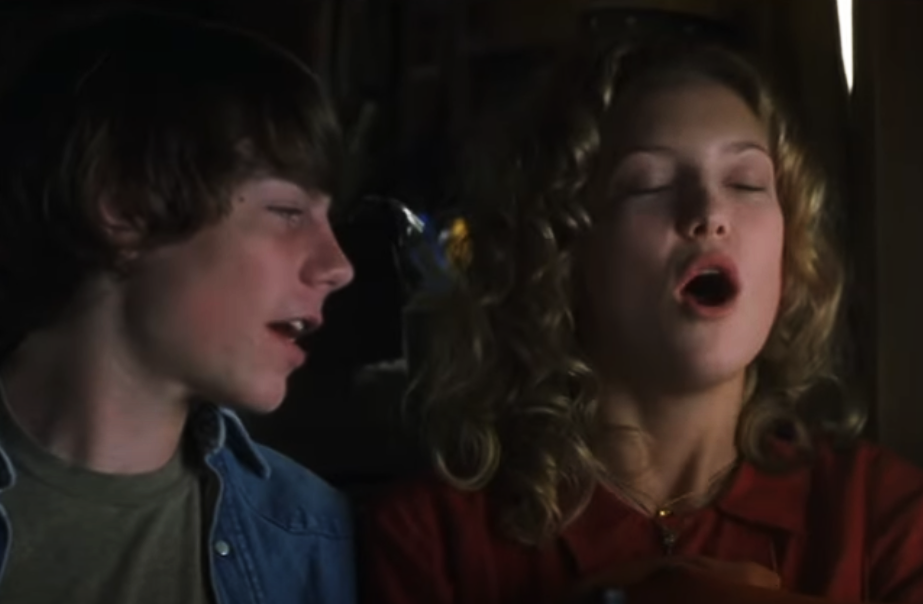 DreamWorks, Almost Famous (2000)
You Might Also Like:
The Best Sci-Fi Shows That Still Hold Up
Amazing Movies You Should Never Watch With Your Boomer Parents