Familiar Elements
Each Conjuring movie feels different on the surface, yet something familiar always lingers beneath the scares. Certain story turns repeat with surprising consistency, and spotting shared elements reveals why the tension works so reliably.

The Story Is Framed As Being Based On Real Events
Every Conjuring film opens by grounding its horror in real-life claims, presenting the case as inspired by documented events involving Ed and Lorraine Warren. This framing encourages viewers to suspend disbelief and emphasizes the unsettling idea that these stories could happen beyond screens.
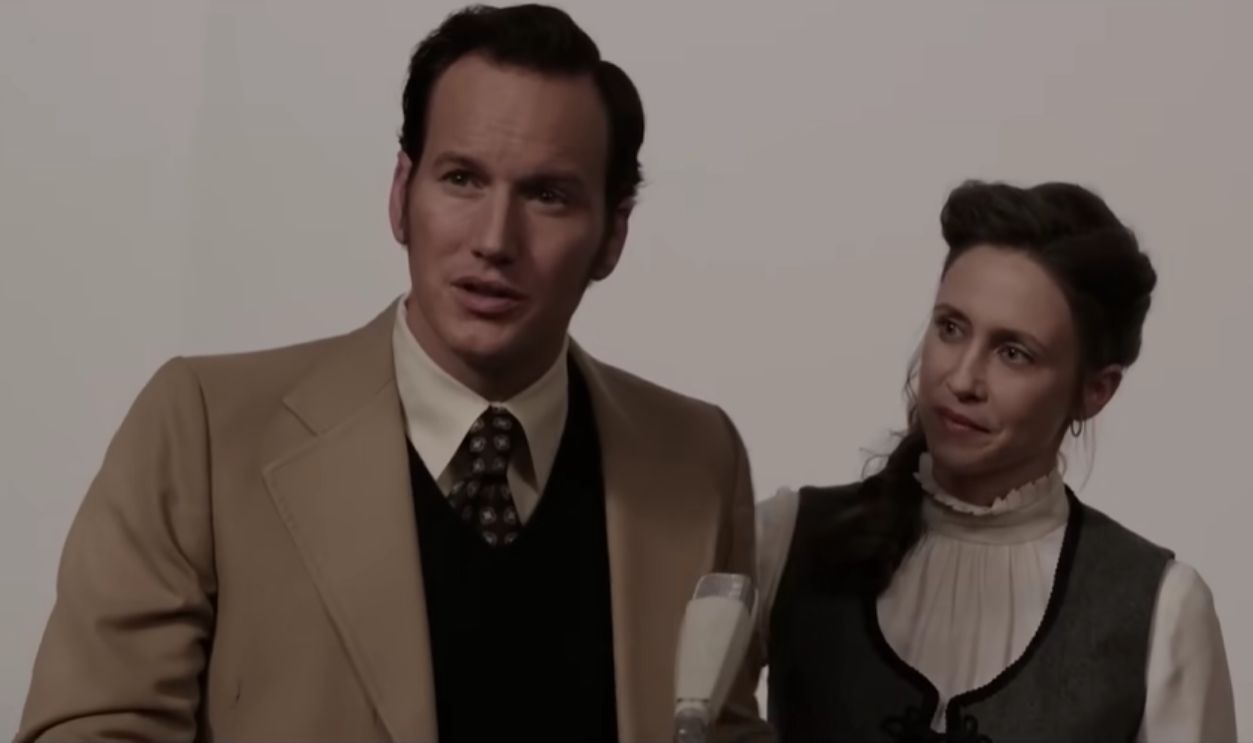 Screenshot from The Conjuring, Warner Bros. Pictures (2013)
A Family Under Stress Becomes The Central Target
In every movie, the central haunting affects a family already facing emotional or financial strain. Such vulnerability matters because the supernatural activity feeds on existing tension. By focusing on family stress, the films connect paranormal terror to relatable, everyday anxieties.
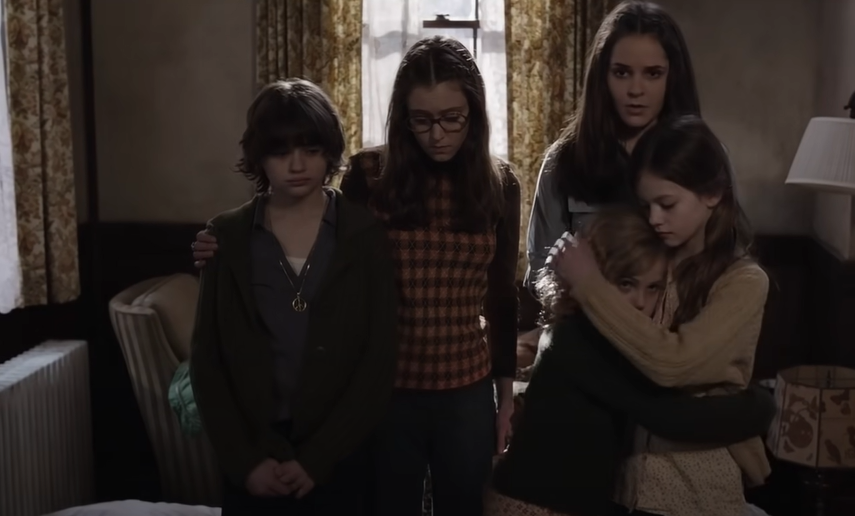 Screenshot from The Conjuring, Warner Bros. Pictures (2013)
The Haunting Begins With Subtle Disturbances
Rather than immediate chaos, each installment introduces the haunting through small disturbances like sounds or uneasy sensations. The early signs build tension gradually and mirror how people often rationalize strange experiences in a slow escalation that makes later terror feel earned and deeply unsettling.
 Screenshot from The Conjuring: The Devil Made Me Do It, Warner Bros. Pictures (2021)
Entities Impersonating Deceased Loved Ones Or Innocent Figures
Across The Conjuring films, malevolent entities often disguise themselves as harmless or familiar figures to gain trust. The manifestations appear nonthreatening at first to lower defenses before revealing a darker intent.
 Screenshot from The Conjuring 2, Warner Bros. Pictures (2016)
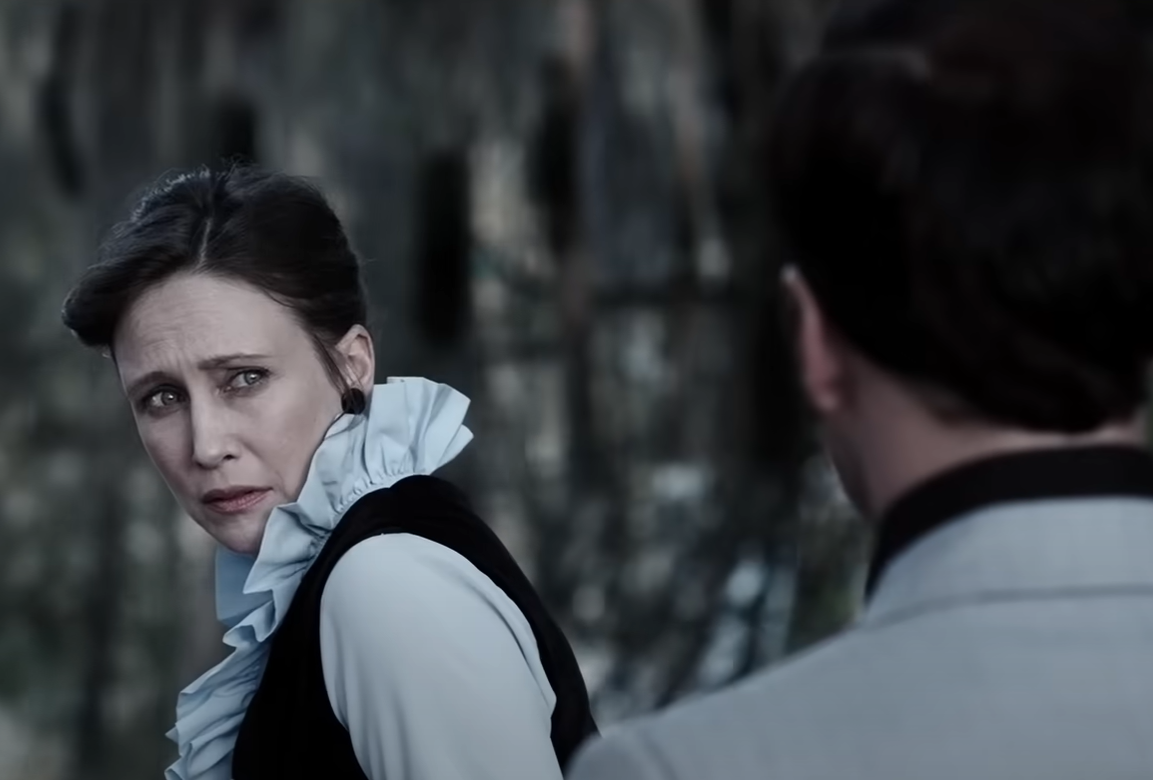
Classic Jump Scares Involving Sudden Appearances In Mirrors Or Reflections
Mirrors and reflective surfaces usually serve as tools for sudden scares throughout the franchise. Characters glimpse threats only when looking away or turning back, which creates disorientation and shock. Such moments exploit everyday reflections and transform ordinary spaces into sources of anxiety.
 Screenshot from The Conjuring, Warner Bros. Pictures (2013)
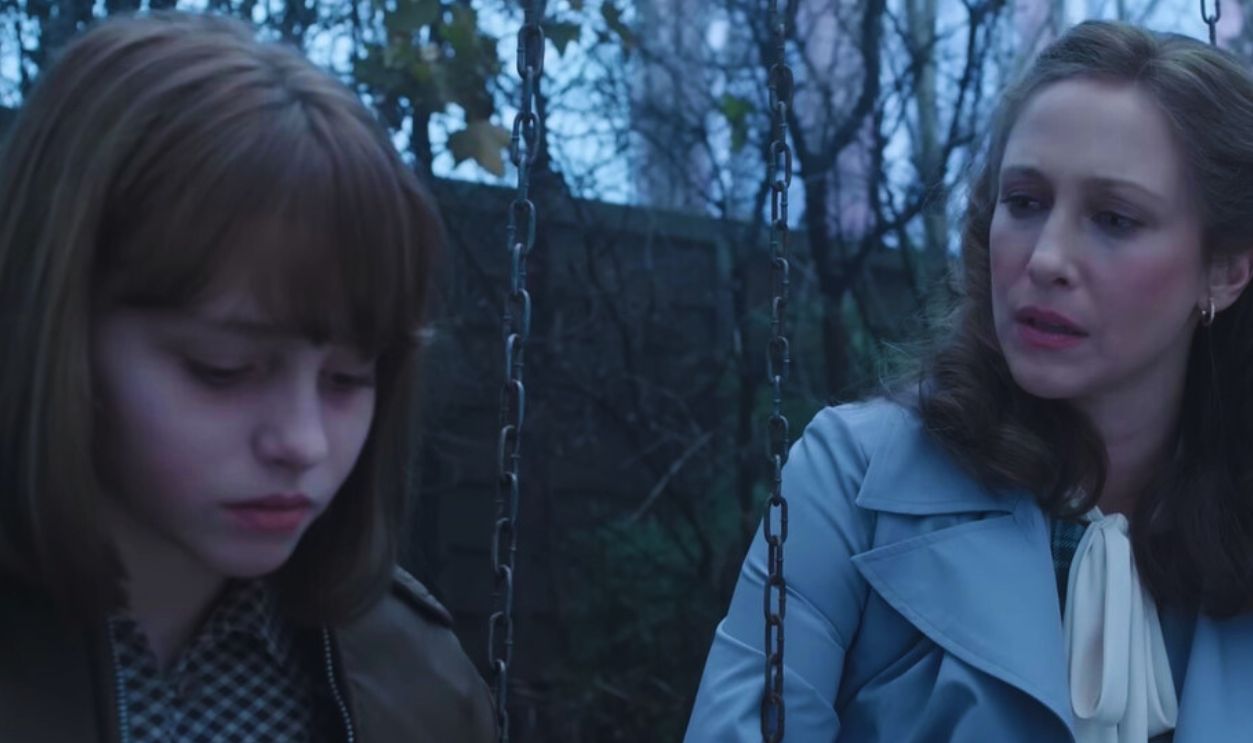
Children Are The First To Experience The Supernatural
Kids are consistently the first to notice something is wrong, whether through imaginary companions or frightening encounters. Their sensitivity heightens the stakes, since the films emphasize innocence at risk. This choice also reflects common horror traditions while remaining grounded in family dynamics.
 Screenshot from The Conjuring 2, Warner Bros. Pictures (2016)
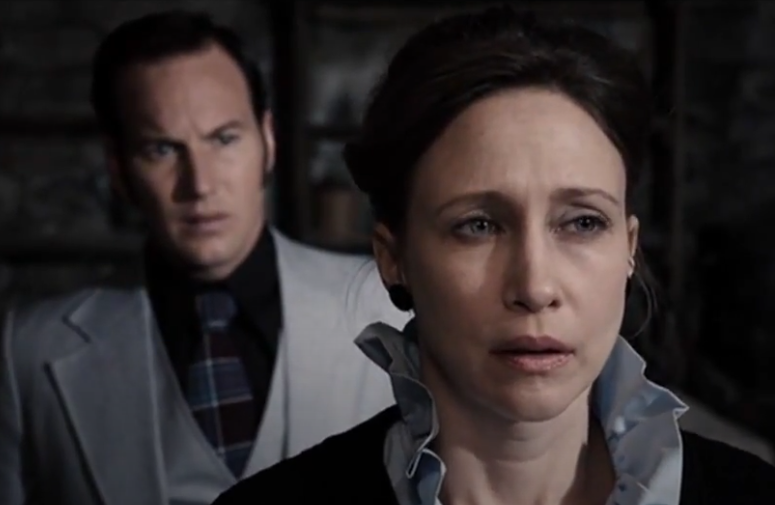
The Family Contacts Ed And Lorraine Only After The Situation Escalates
The Warrens are contacted only after fear overwhelms skepticism and normal solutions fail. Each family delays seeking help and hopes the disturbances stop in a pattern that shows reluctance to involve paranormal investigators and highlights how desperation ultimately drives the call for professional intervention.
 Screenshot from The Conjuring, Warner Bros. Pictures (2013)
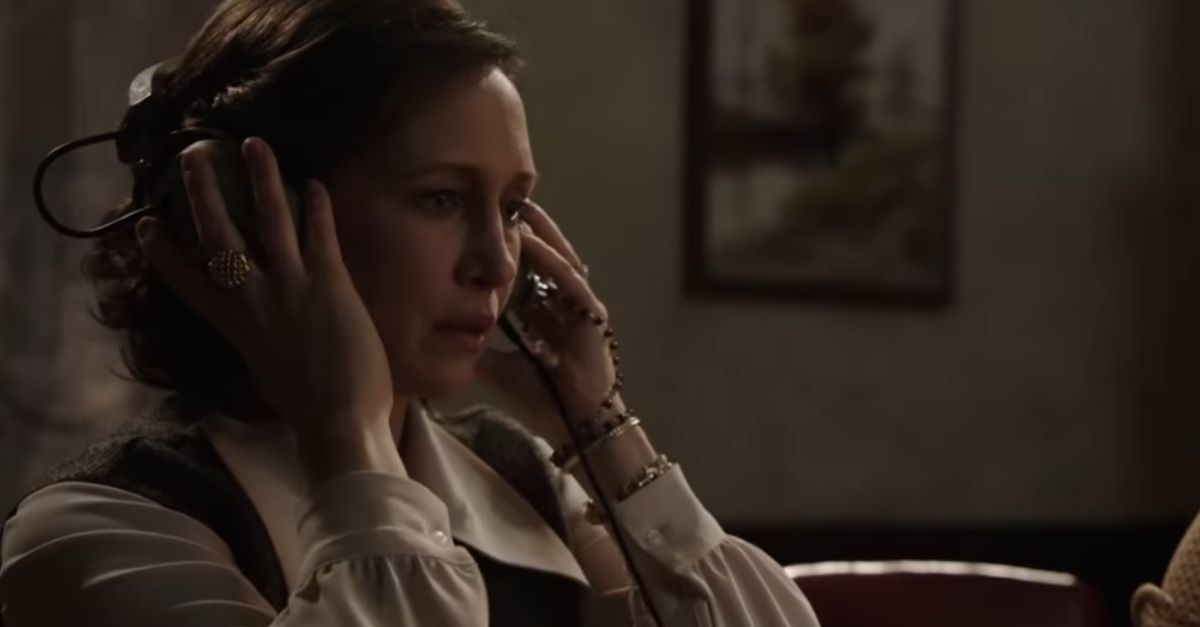
Lorraine Experiences Psychic Visions That Reveal Hidden Danger
Lorraine’s clairvoyant abilities consistently provide insight no one else can access. Her visions uncover past violence and looming danger tied to each case. These moments guide investigations while placing emotional strain on her.
 Screenshot from The Conjuring, Warner Bros. Pictures (2013)
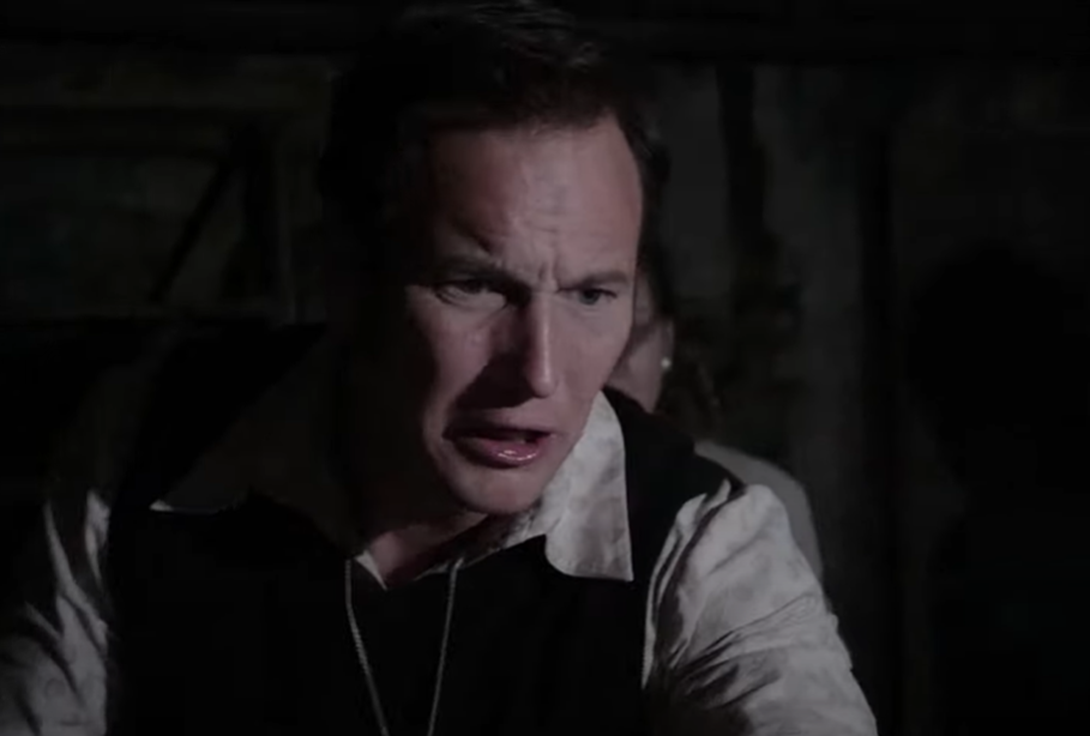
Ed Serves As Both Investigator And Emotional Anchor
Ed approaches every case with methodical investigation, as he offers steady emotional support. He researches history and performs rituals, but also calms frightened families. His grounded presence balances Lorraine’s sensitivity in teamwork, which feels essential when confronting forces designed to overwhelm victims emotionally.
 Screenshot from The Conjuring, Warner Bros. Pictures (2013)
Religious Symbols Play A Central Role In Confronting Evil
Christian symbols repeatedly appear as tools of resistance in The Conjuring films. Crucifixes, prayer, holy water, and exorcism rites define how evil is challenged. Faith is portrayed as an active force, which emphasizes belief and commitment over spectacle when facing entities that thrive on fear.
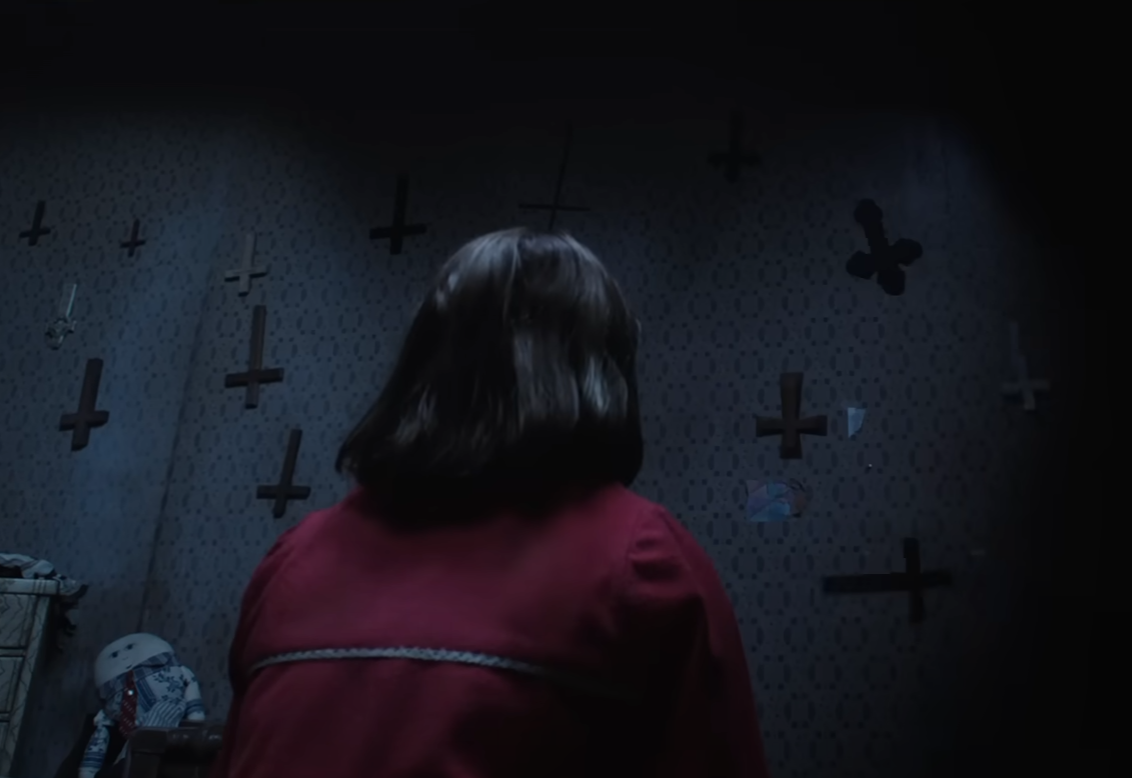 Screenshot from The Conjuring 2, Warner Bros. Pictures (2016)
The Supernatural Threat Shows Intelligence And Adaptability
The entity in each film reacts strategically, and not randomly. As resistance increases, the haunting changes tactics to target emotions and weaknesses. It heightens suspense by suggesting a conscious opponent. The idea that evil learns makes every failed attempt to resist feel more dangerous.
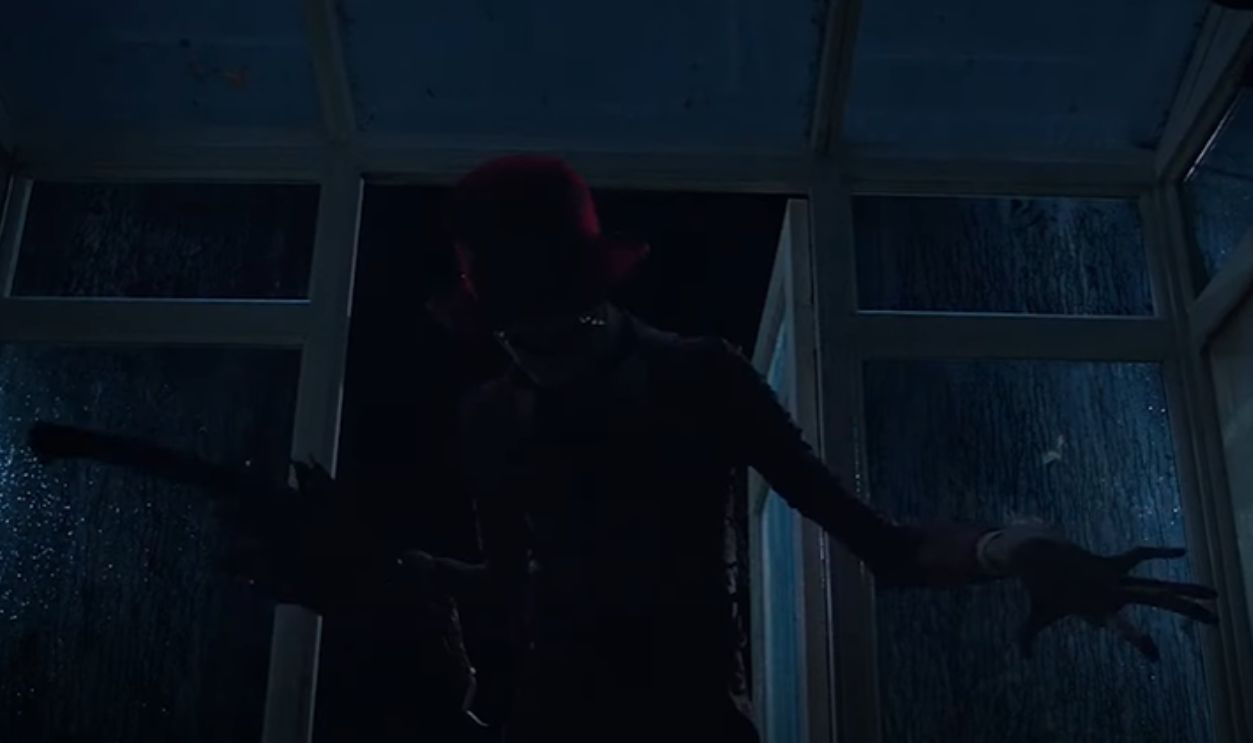 Screenshot from The Conjuring 2, Warner Bros. Pictures (2016)
Physical Manifestations Intensify After The Presence Is Acknowledged
Once the family recognizes the haunting as real, disturbances escalate into physical harm. Objects move and environments turn hostile in these haunted spaces. The movies consistently link acknowledgement with escalation, as they imply that awareness provokes confrontation and removes the false safety created by denial.
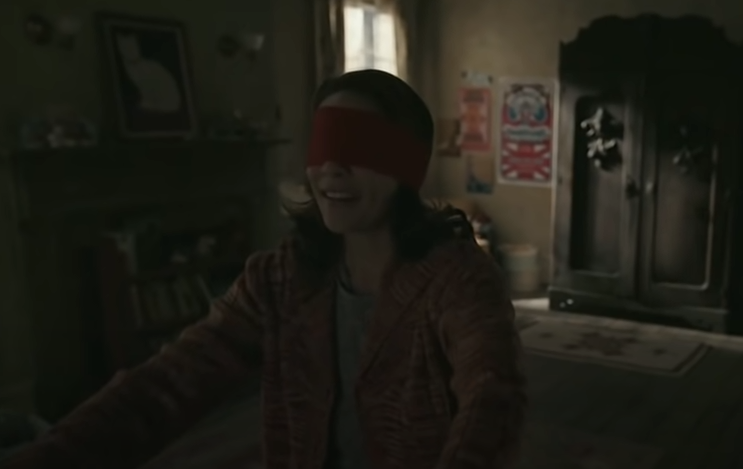 Screenshot from The Conjuring, Warner Bros. Pictures (2013)
Possession Or Attempted Possession Marks The Turning Point
Each story reaches a pivotal moment when possession, or the threat of it, becomes undeniable. Such a shift changes fear into urgency. The focus moves from investigation to survival, by raising personal stakes and forcing the Warrens to act quickly before permanent harm occurs.
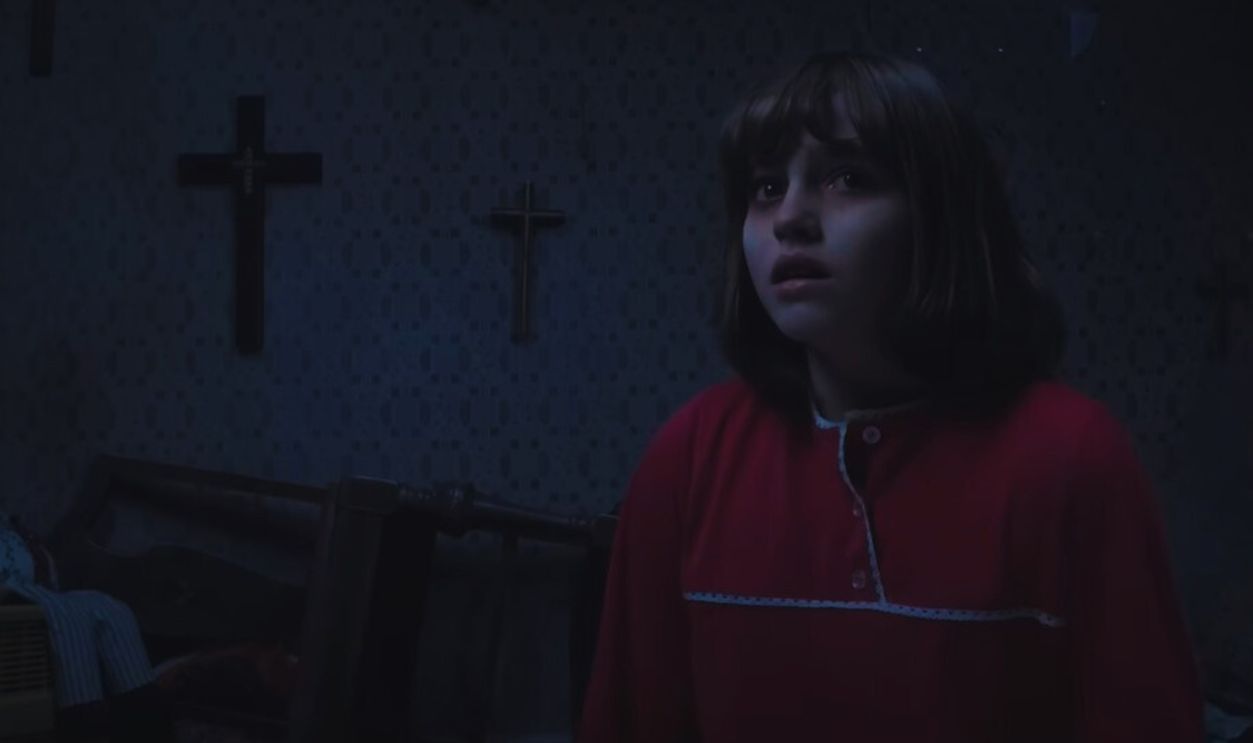 Screenshot from The Conjuring 2, Warner Bros. Pictures (2016)
Lorraine Senses A Direct Personal Threat Connected To The Case
In every film, Lorraine realizes the danger extends beyond the family and reaches her personally. Her visions often reveal consequences that follow her home, creating emotional stakes beyond professional duty.
 Screenshot from The Conjuring, Warner Bros. Pictures (2013)
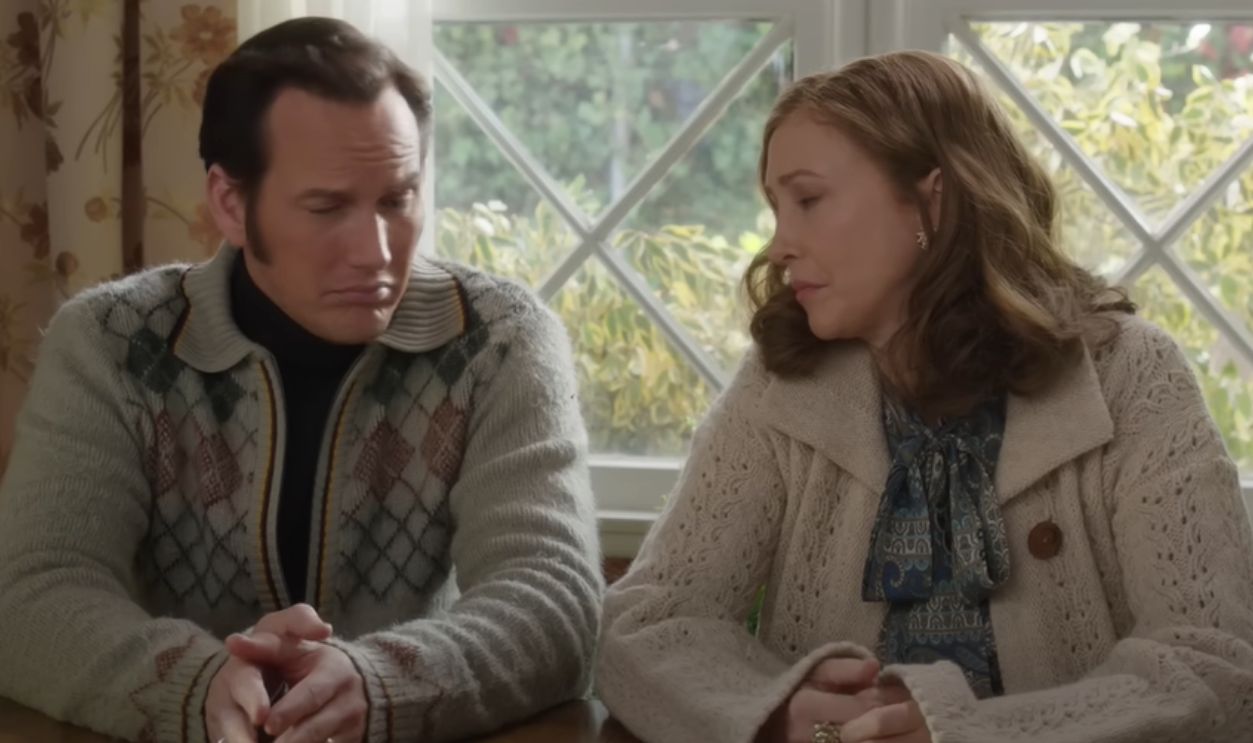
Ed Is Placed In Physical Or Spiritual Danger
Ed consistently faces direct harm during investigations, whether through violent attacks, spiritual retaliation, or life-threatening confrontations. His role is not symbolic or ceremonial, as the films stress that protecting others requires genuine personal risk.
 Screenshot from The Conjuring 2, Warner Bros. Pictures (2016)
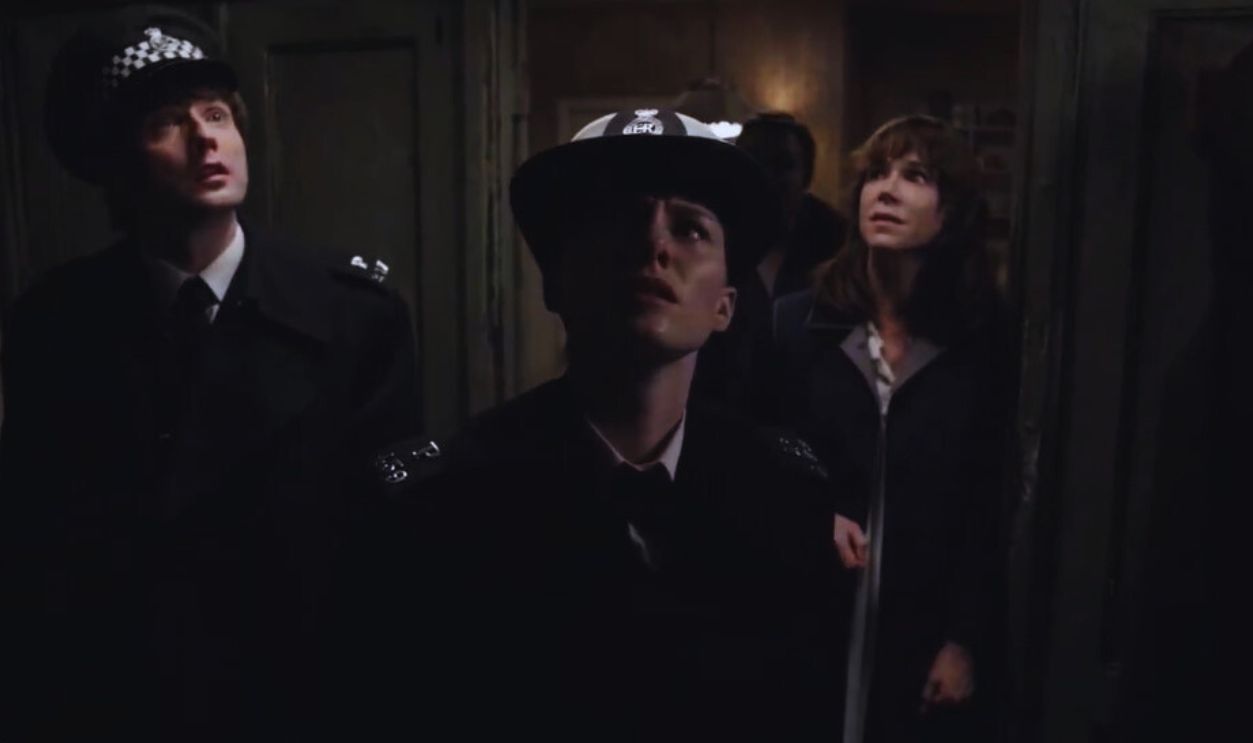
Authorities Initially Resist Acknowledging The Supernatural
Police and religious institutions hesitate to fully accept supernatural explanations at first. This resistance creates obstacles that delay intervention and heighten tension. By showing institutional skepticism, The Conjuring films reflect real-world doubt.
 Screenshot from The Conjuring 2, Warner Bros. Pictures (2016)
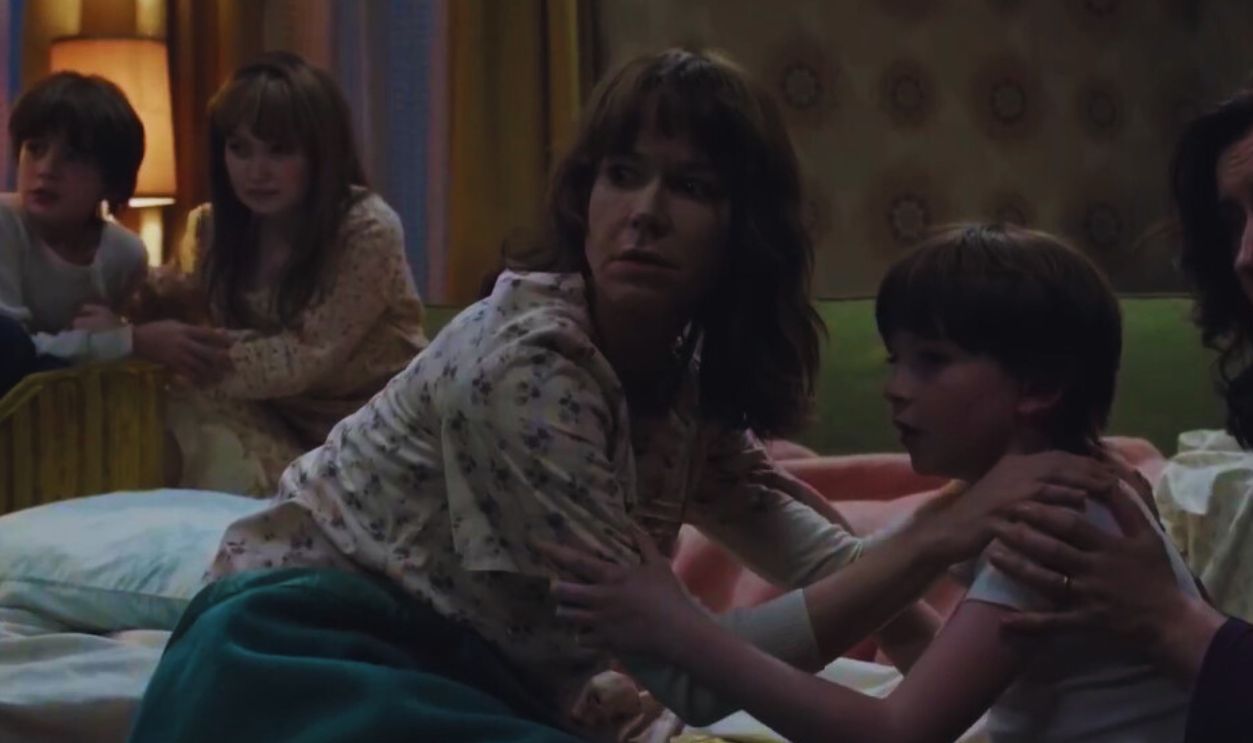
Fear Invades The Family’s Daily Routine
The haunting disrupts normal life long before climactic events occur. Work and family relationships suffer as fear becomes constant. Erasing routines makes the horror feel personal and realistic, and it illustrates how sustained psychological pressure can be as damaging as overt supernatural violence.
 Screenshot from The Conjuring 2, Warner Bros. Pictures (2016)
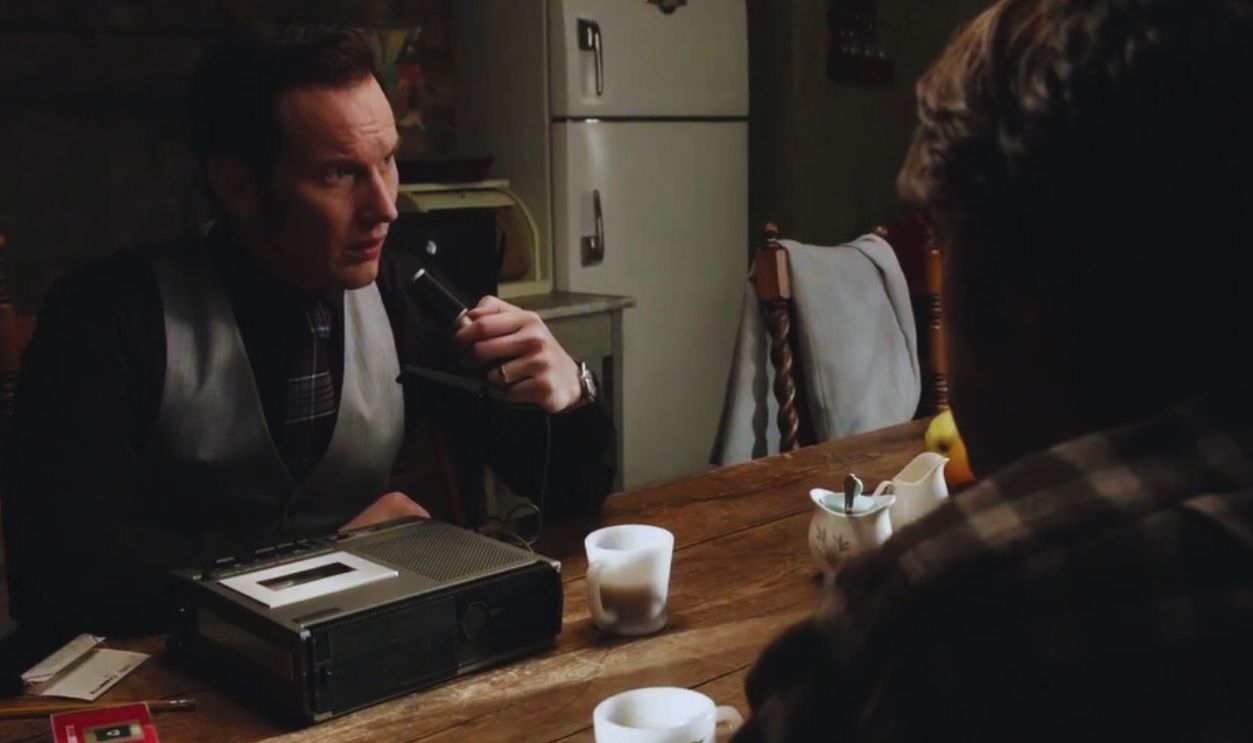
The Warrens Carefully Document The Case
Each investigation includes documentation through recordings, photographs, notes, and recovered objects. It grounds the story in procedure rather than spectacle. Additionally, it adds to the Warrens’ credibility while supporting the claim of real-world inspiration.
 Screenshot from The Conjuring, Warner Bros. Pictures (2013)
The Entity Exploits Emotional Vulnerability
Rather than relying solely on brute force, the supernatural threat targets grief or strained relationships in an approach that personalizes the horror and explains why certain individuals are targeted. These films show that emotional fractures offer entry points for escalating spiritual manipulation.
 Screenshot from The Conjuring, Warner Bros. Pictures (2013)
The Conflict Becomes A Race Against Time
As possession or permanent harm approaches, urgency overtakes investigation. Deadlines emerge and force rapid decisions. The structure shifts momentum and keeps tension high by showing that hesitation can carry irreversible consequences when confronting unknown forces.
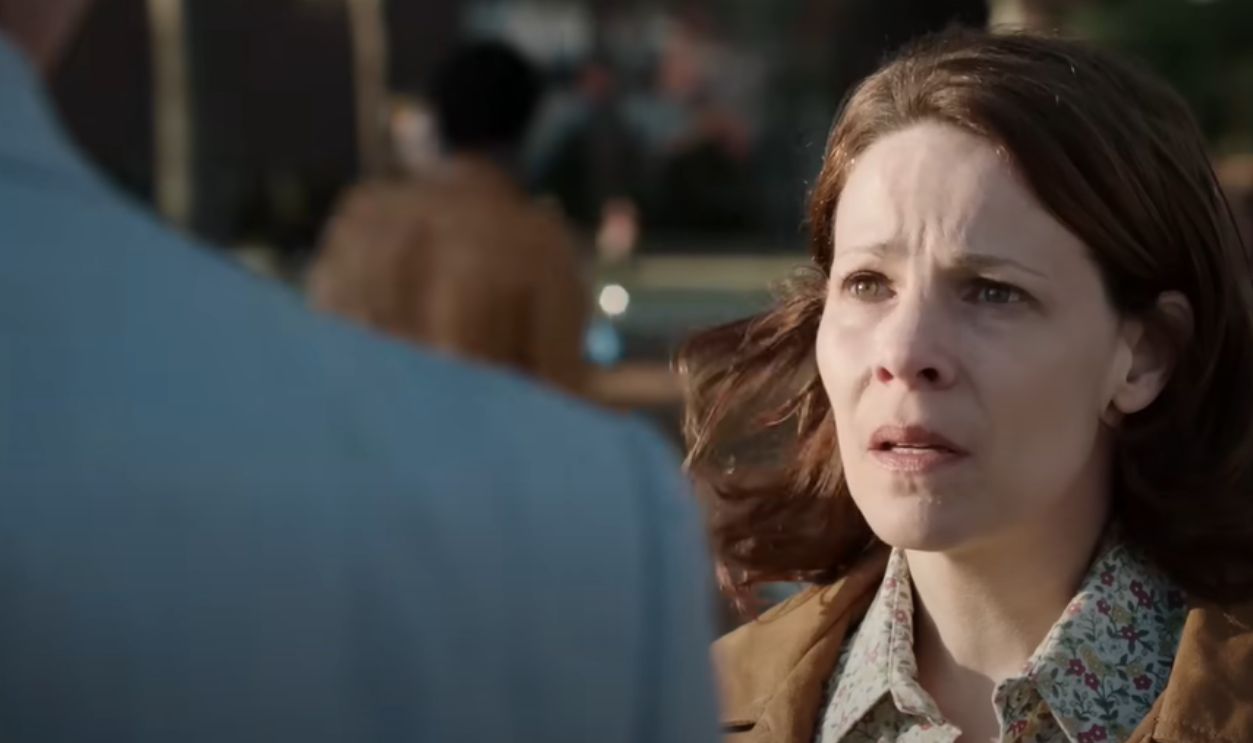 Screenshot from The Conjuring, Warner Bros. Pictures (2013)
Lorraine’s Emotional Connection Weakens The Entity’s Hold
Lorraine uses empathy and emotional connection to reach victims under supernatural influence. By grounding them in love, she helps interrupt possession. Her emotional strength is a strong defensive tool, and her compassion can counter manipulation.
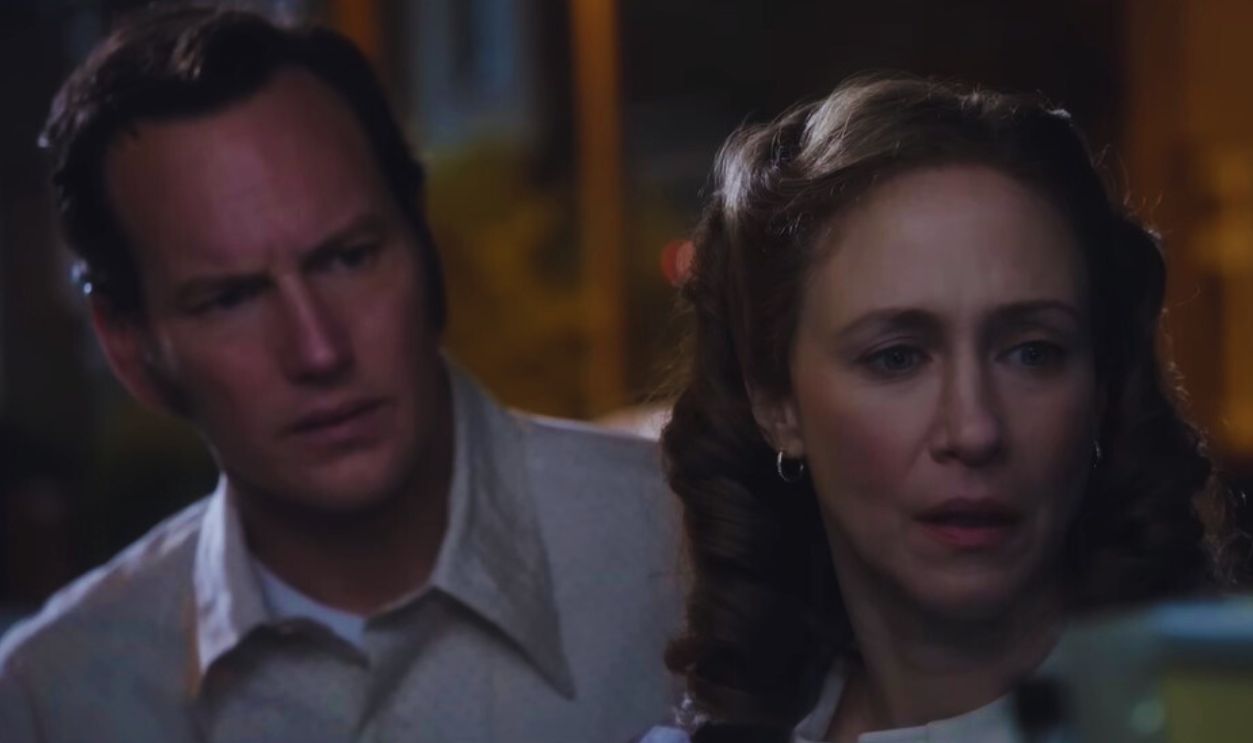 Screenshot from The Conjuring 2, Warner Bros. Pictures (2016)
Victory Comes At A Personal Cost
Although the immediate threat ends, consequences remain. Physical injury, emotional trauma, or lingering fear follows each resolution. The films avoid tidy endings to remind viewers that survival does not erase damage, which adds realism that distinguishes the franchise from other horror stories.
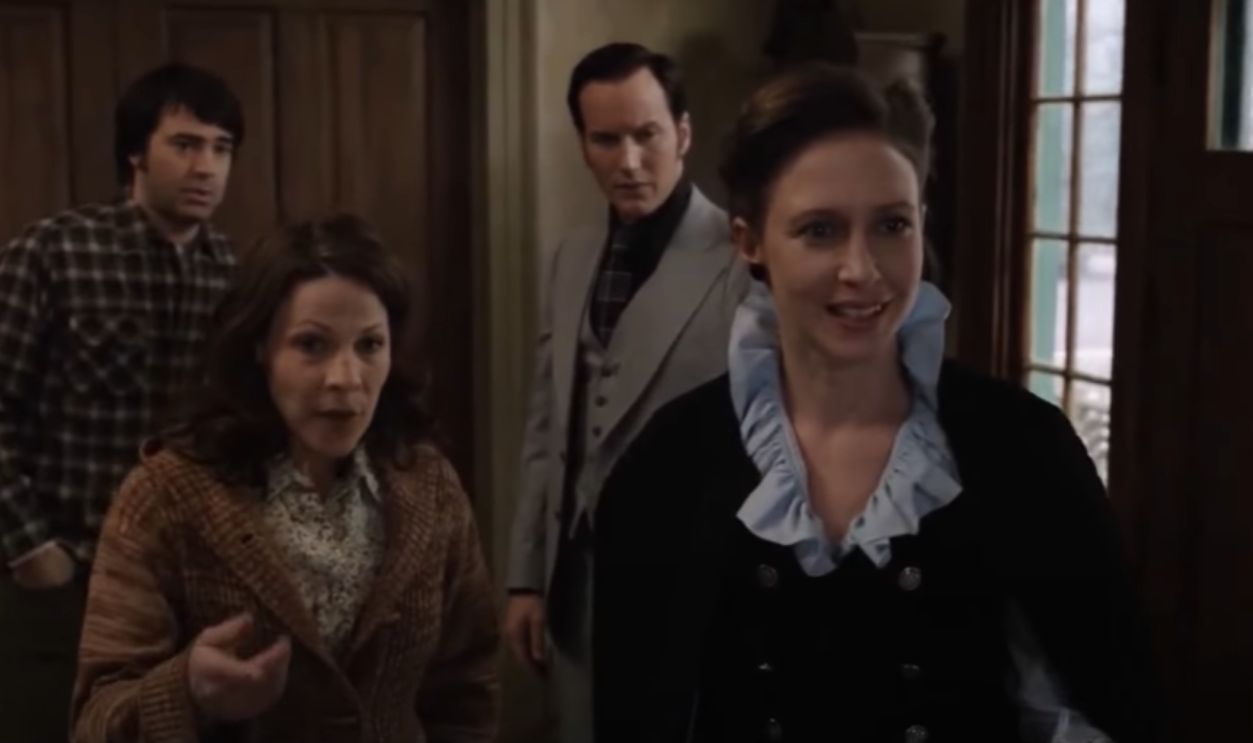 Screenshot from The Conjuring, Warner Bros. Pictures (2013)
The Entity Is Defeated Without Full Explanation
Each movie resists fully explaining the nature or origin of the evil encountered. Limited answers preserve mystery and unease, which suggests forces that are beyond human understanding. The deliberate ambiguity is connected to cosmic fear and prevents the supernatural from becoming predictable.
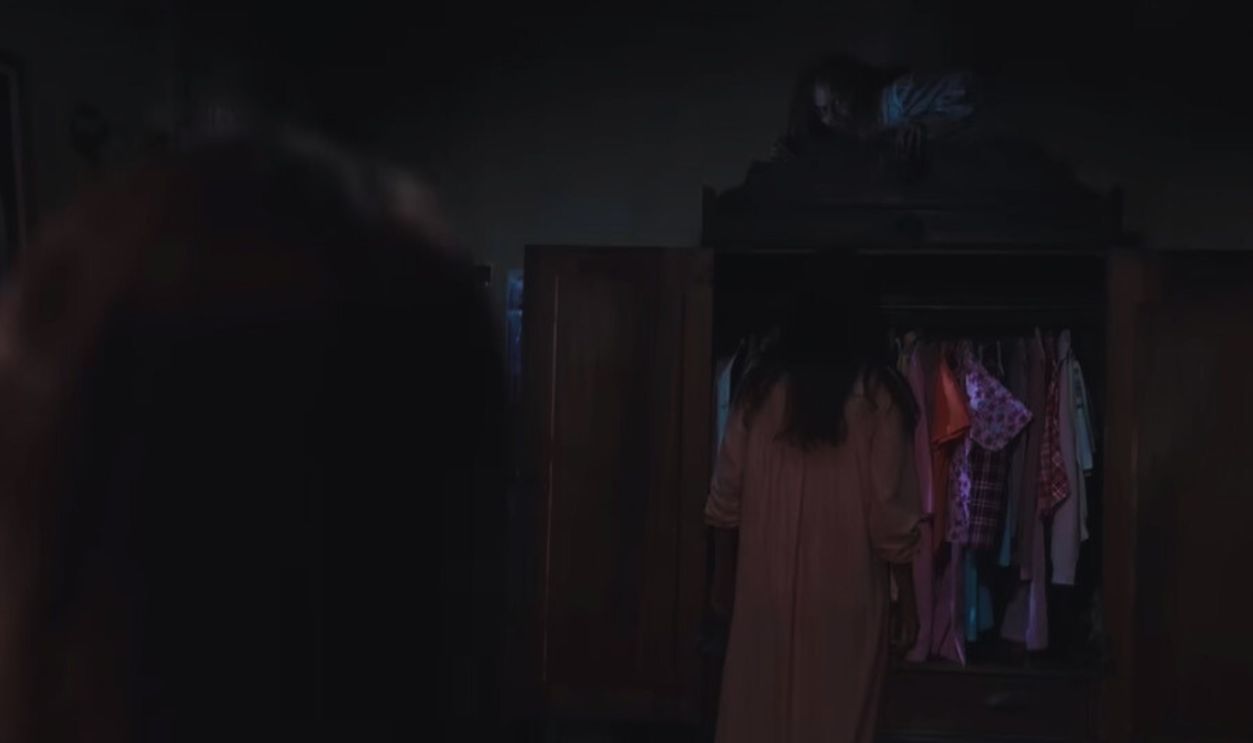 Screenshot from The Conjuring, Warner Bros. Pictures (2013)
Love And Faith Are Presented As The Ultimate Defense
Across all films, love and faith consistently counter supernatural influence more effectively than force. Emotional bonds and personal conviction weaken evil’s control. The theme anchors the horror in human resilience by presenting spiritual strength as a practical, lived response.
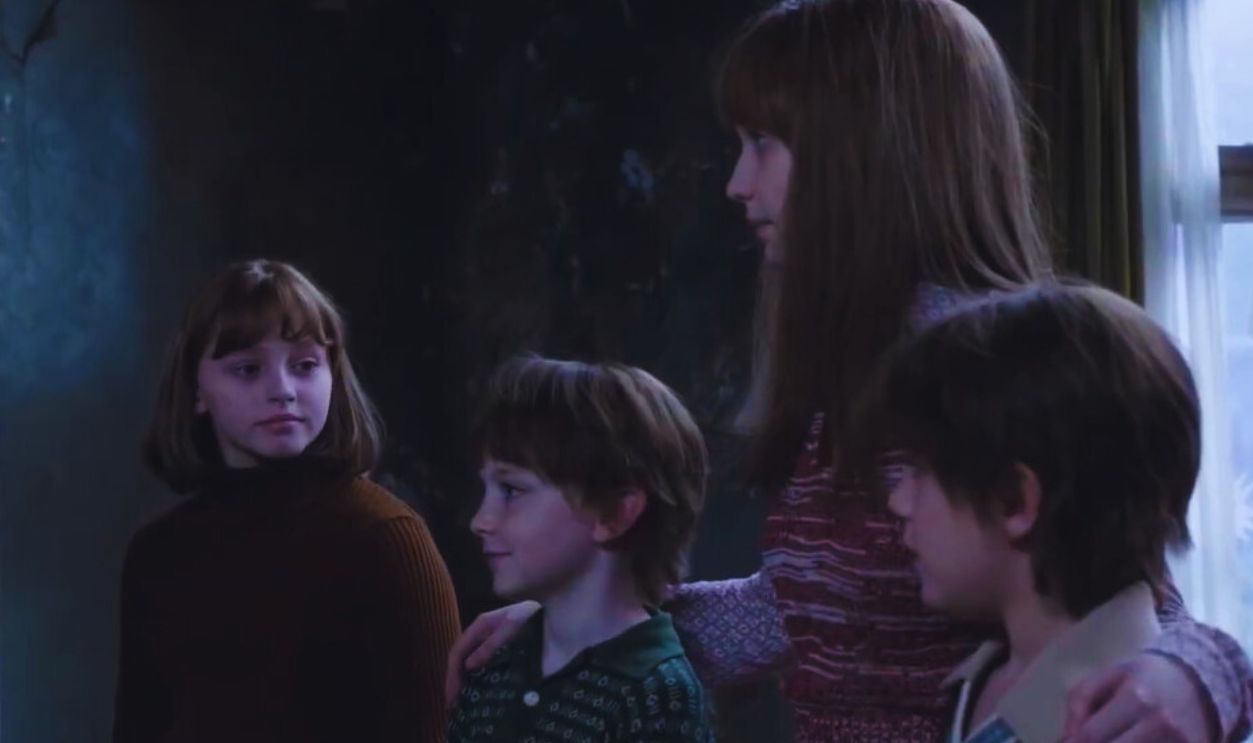 Screenshot from The Conjuring 2, Warner Bros. Pictures (2016)
A Quiet Final Moment Follows The Chaos
Every installment ends with a restrained, quiet scene that contrasts sharply with the preceding terror. This pause allows emotional weight to settle rather than relying on shock. By slowing the ending, the films emphasize reflection and the uneasy calm that follows extreme trauma.
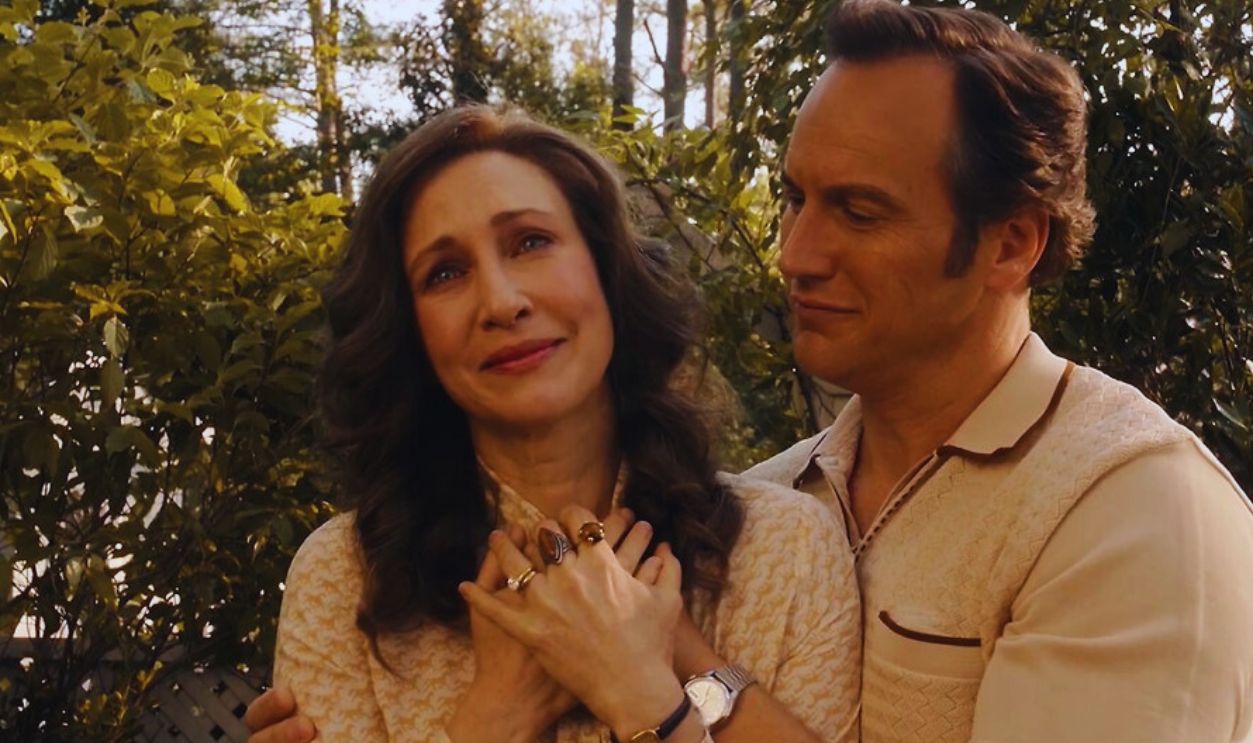 Screenshot from The Conjuring: The Devil Made Me Do It, Warner Bros. Pictures (2021)