
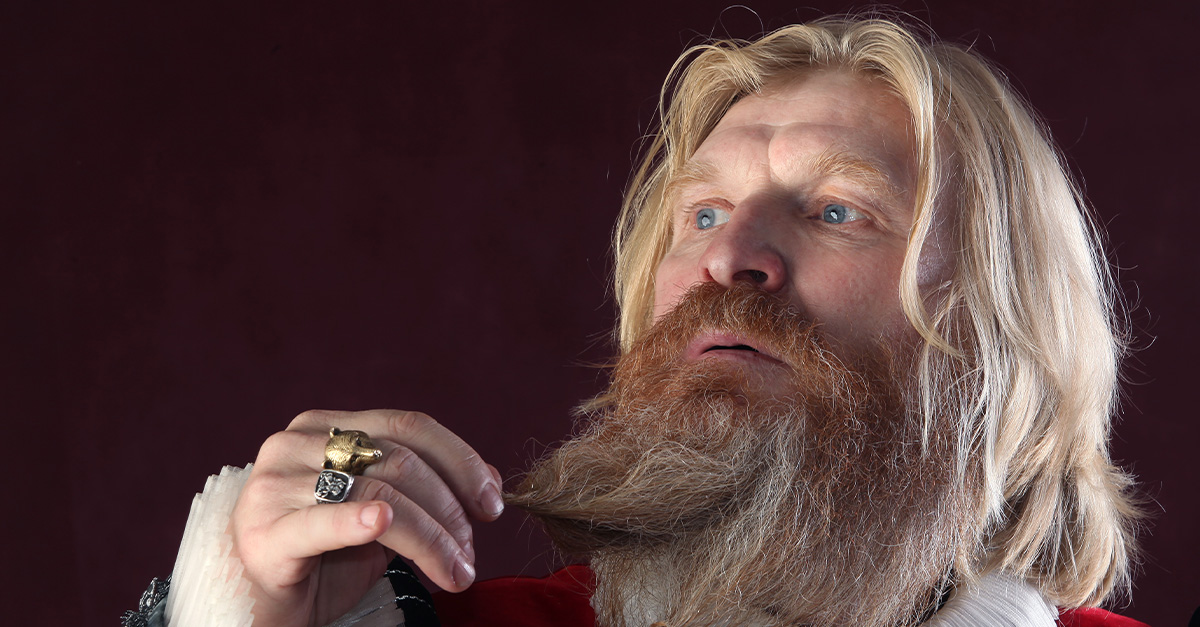
20 Everyday Phrases Created By Shakespeare
Have you ever used "Neither rhyme nor reason"? Or, perhaps exasperatedly mentioned that you've "not slept a wink"? You're using the language of William Shakespeare, likely without even knowing it. Here are 20 everyday phrases that the Bard of Avon popularized or outright created in his writings.

We Have Seen Better Days
The original line, spoken by Duke Senior in As You Like It is: "We have seen better days. And with holy bell been knoll'd to church, and sat at good men's feasts and wip'd our eyes". Translating to, if something has "seen better days", it is often worn out and worn down.

Neither Rhyme Nor Reason
The original line, spoken by Dromio in The Comedy Of Errors, is: "Was there ever a man thus beaten out of season, when in the why and the wherefore is neither rhyme nor reason?" It's today used to describe something having no common sense.
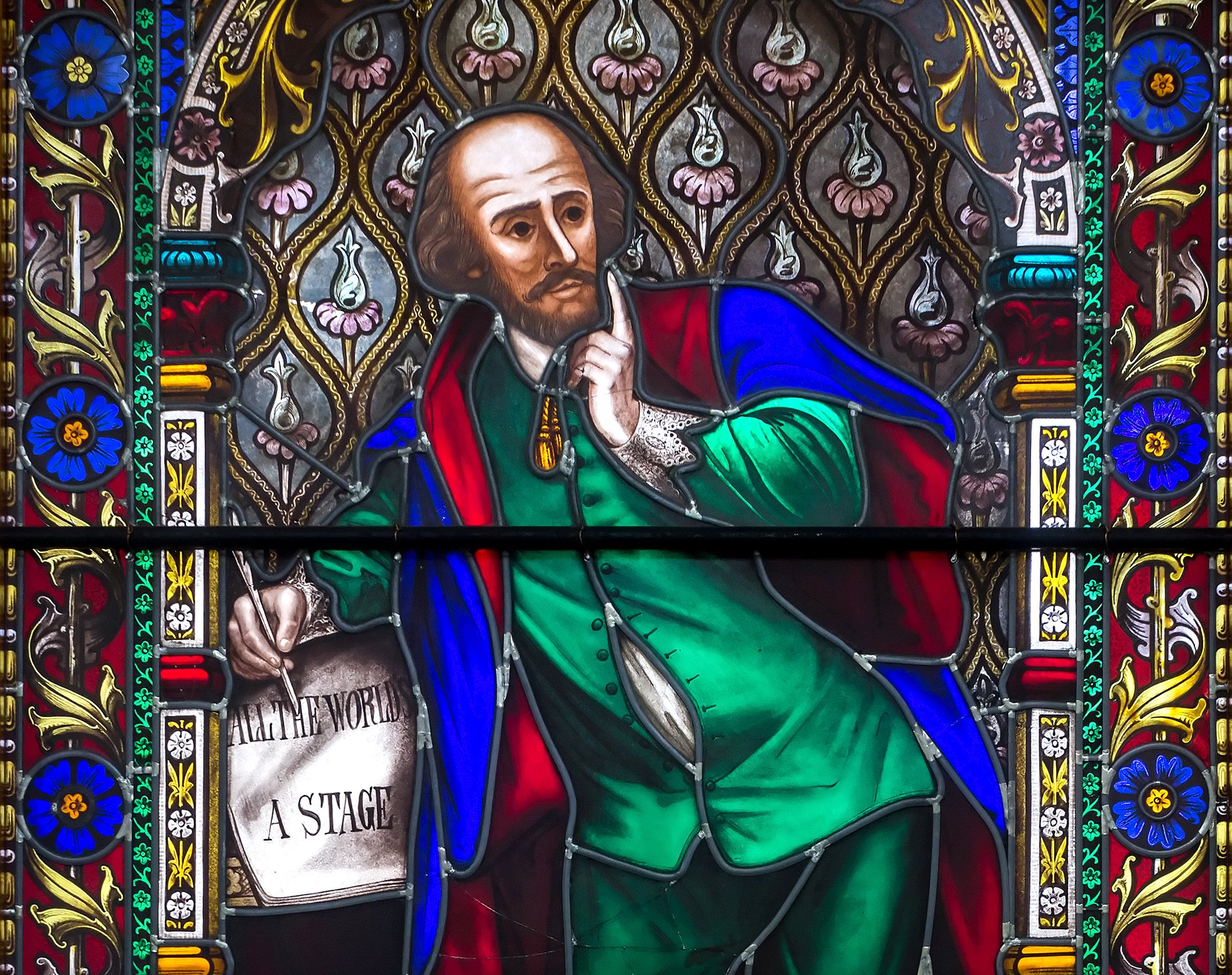 Crisco 1492, CC BY-SA 4.0, Wikimedia Commons
I Have Not Slept One Wink
This one is fairly self-explanatory, but originally appeared in Cymbeline. Although the phrase has been around since the 14th century, Shakespeare's Cymbeline play from 1611 popularized the notion of not getting even a single moment of sleep. Since then, our poor, tired souls "haven't slept a wink".
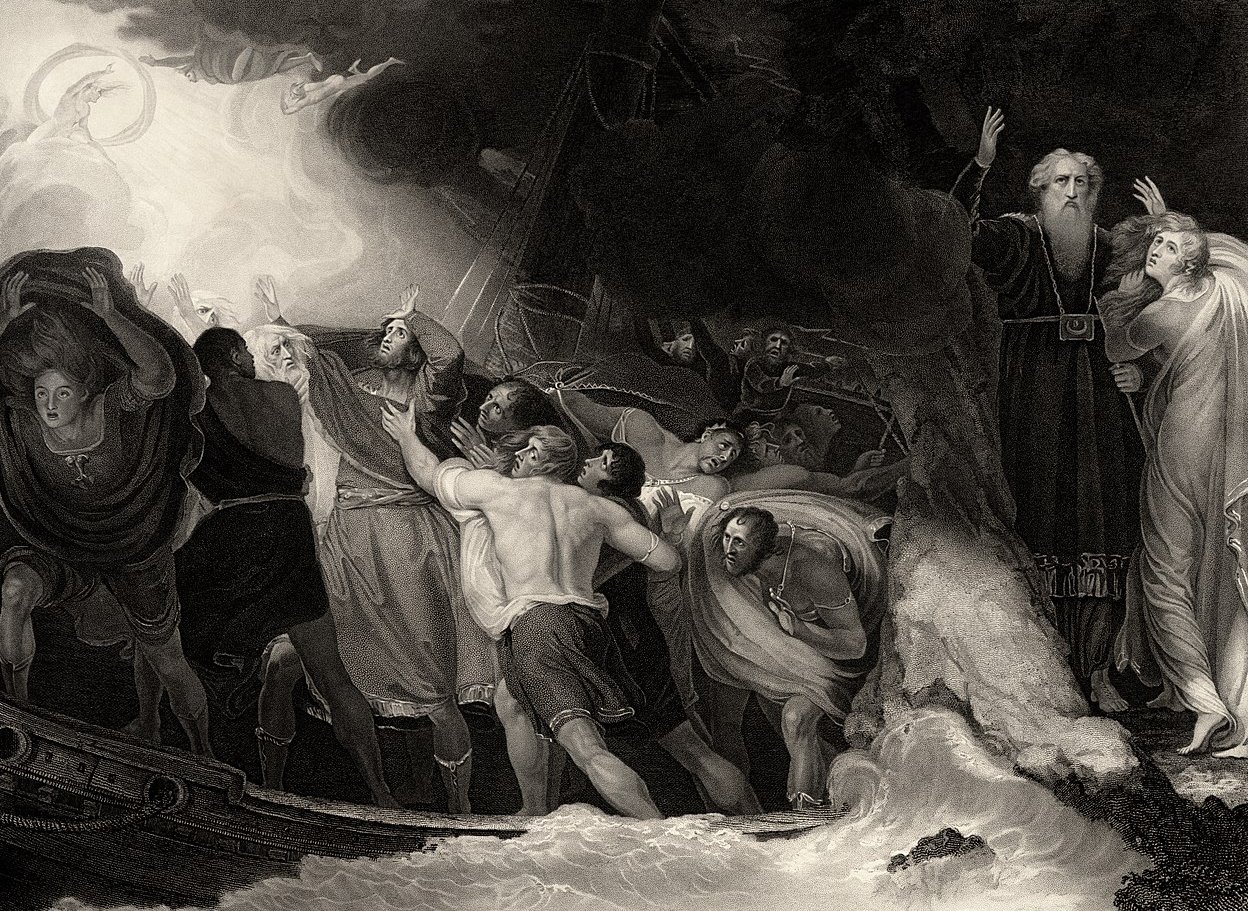 George Romney, Wikimedia Commons
In My Heart Of Hearts
Have you ever felt something in your "heart of hearts"? So did Hamlet in Hamlet. You may have used this phrase when describing love, or some other strong emotion—feeling it in your heart-of-hearts, as it were.
 BatyrAshirbayev98, CC BY-SA 4.0, Wikimedia Commons
It's Cruel To Be Kind
Another idiom from Mr Idiom himself, it seems. In Hamlet, Hamlet says, "I must be cruel to be kind" in a literary demonstration of what we know today as "tough love". Unfortunately, it didn't exactly work out for the young prince. Cruel to be kind, indeed.
 Sicinius, CC BY-SA 4.0, Wikimedia Commons
Eating Someone Out Of House And Home
You may have heard your parents complaining that you "ate them out of house and home" as a youngster. The phrase comes from Henry IV, translating to eating so much that there's nothing left for anyone else.
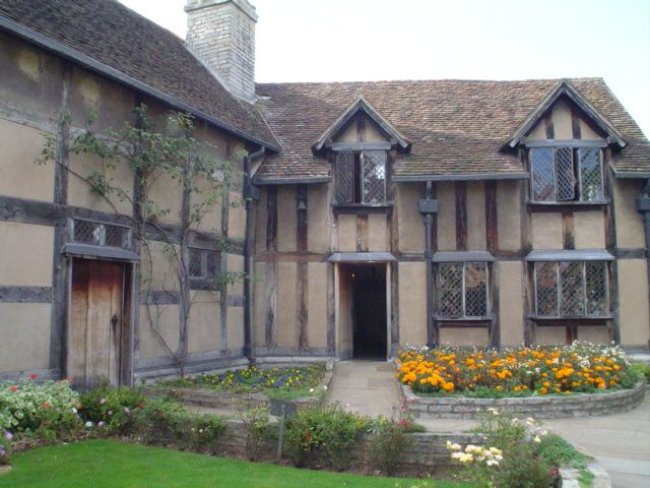 Iliana.Quintanar, CC BY-SA 4.0, Wikimedia Commons
Something Wicked This Way Comes
While less common, the phrase was used in Macbeth to describe an evil so unspeakable that it cannot be human. The line is part of the iconic, "Double, double toil and trouble; Fire burn and cauldron bubble. By the pricking of my thumbs, something wicked this way comes".
 Cobbe Collection, Wikimedia Commons
Wear My Heart Upon My Sleeve
One of the first lines in Othello, during scene one of the first act, the full line is: "I shall wear my heart upon my sleeve, for daws to peck at". It's the declaration of making oneself vulnerable. Nowadays, it translates to not hiding your true feelings about a particular person or situation.
 Photochrom Print Collection, Wikimedia Commons
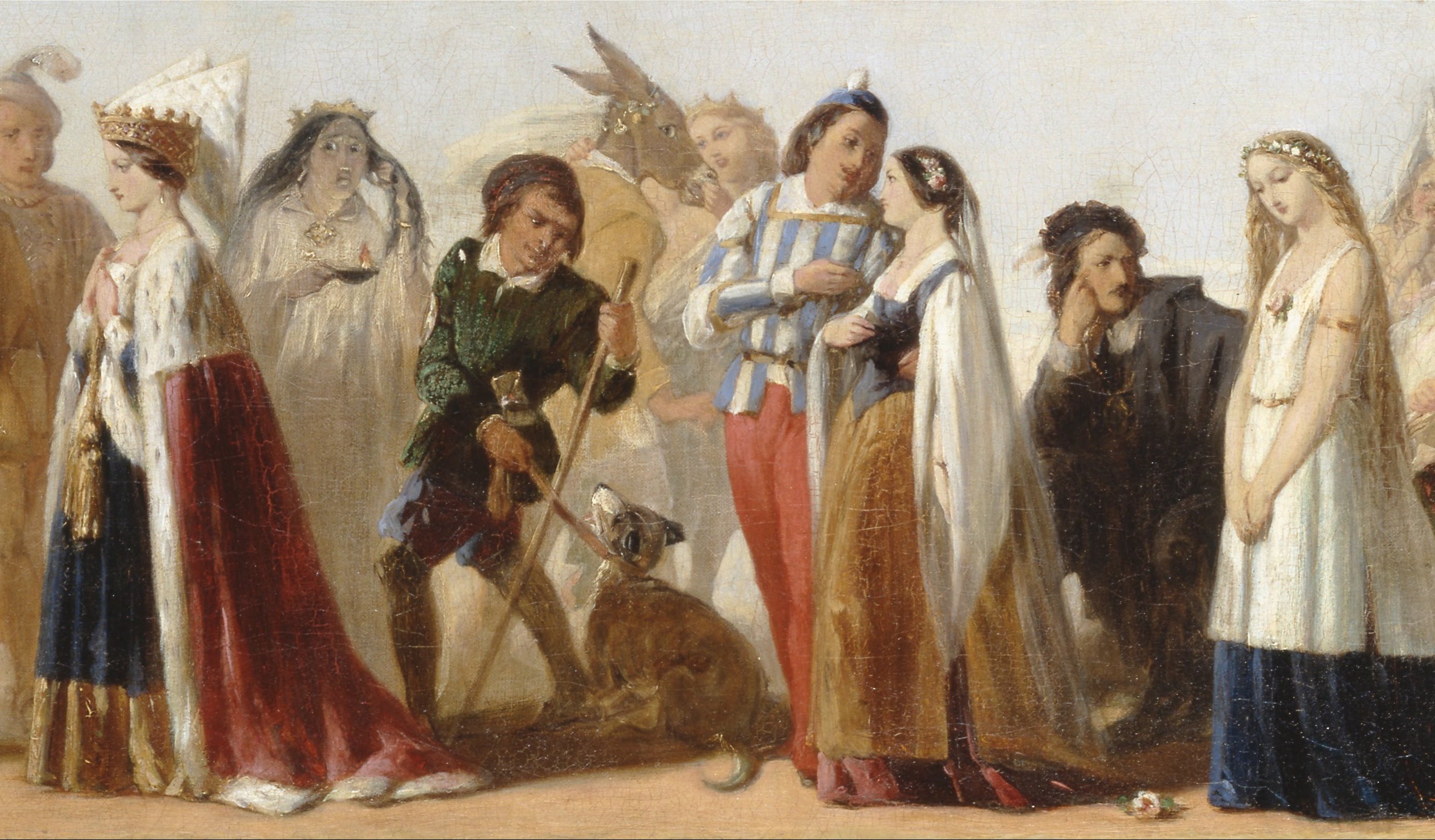
All That Glitters Is Not Gold
From The Merchant Of Venice, the line "all that glitters is not gold" is found on a casket chosen by the Prince of Morocco, one potential suitor for Portia—along with a skull and crossbones and a rejection letter. Despite the appearance of success, all is not what it seems for the Prince. Now, it's a phrase you'll often hear when discussing something that might be "too good to be true".
 Yale Center for British Art, Wikimedia Commons
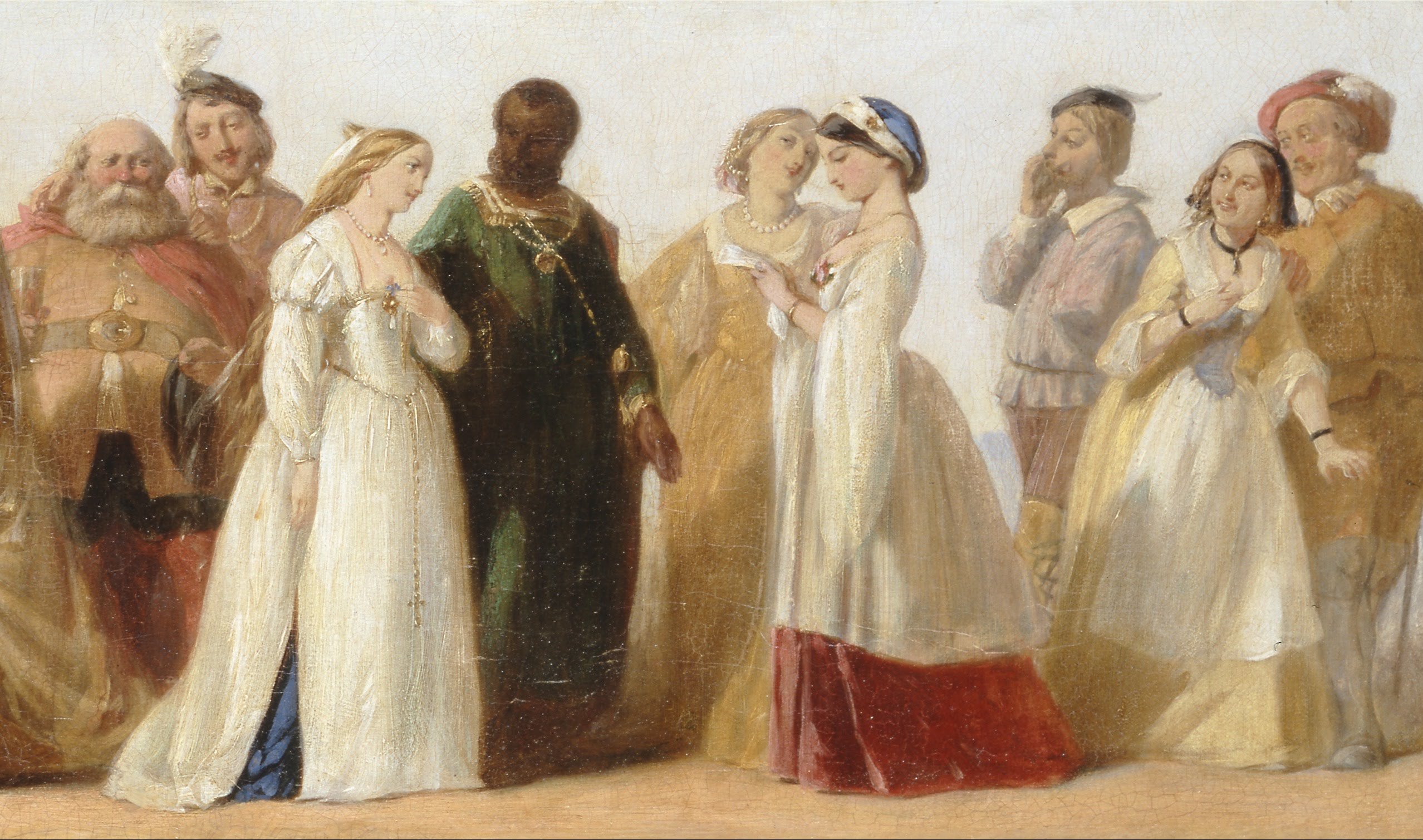
The World Is My Oyster
If you've ever heard, "The world is your oyster," you're hearing a line from The Merry Wives Of Windsor: "The world is mine oyster, which I with sword will open". A declaration from Pistol in response to Falstaff's comment about not lending him a penny, the world being one's oyster implies that you can make of your life whatever you want—though hopefully perhaps without the ironically-named Pistol's sword.
 Yale Center for British Art, Wikimedia Commons
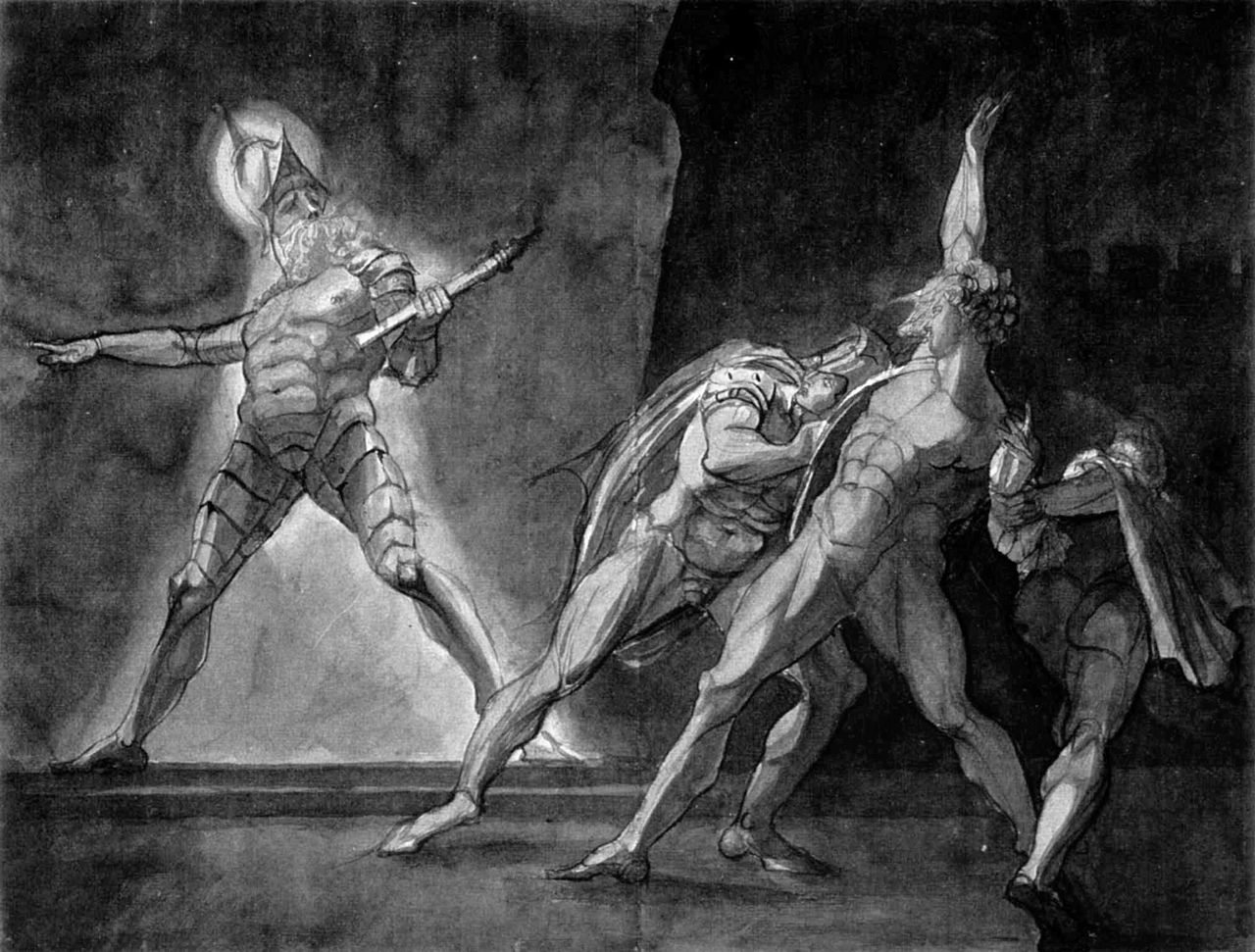
Star-Crossed Lovers
We're certain that you've heard "star-crossed lovers" before. Though perhaps not in its full, tragic context: "From forth the fatal loins of these two foes, a pair of star-crossed lovers take their life". While star-crossed lovers may today be a playful phrase describing love between two people who seemed destined to be together, it was originally written for the tragedy of Romeo And Juliet.
 Henry Fuseli, Wikimedia Commons
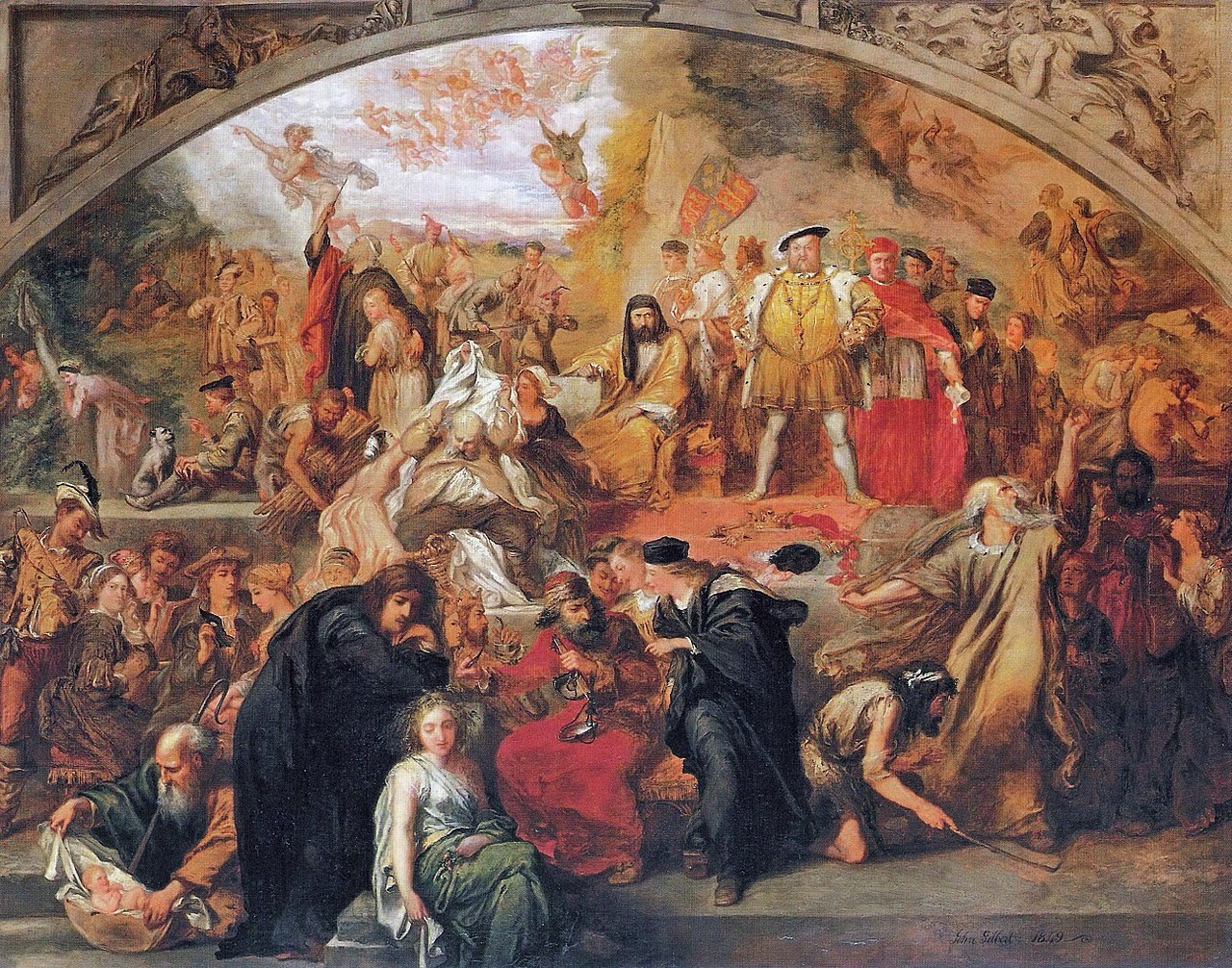
A Wild Goose Chase
Have you ever constantly searched for something, only to not be able to find it? Maybe you've said, "I feel like I'm being sent on a wild goose chase!" That line originally appears in Romeo And Juliet in the context of Romeo explaining to Mercutio that he will chase Juliet's heart, even though it is unattainable—as nobody can catch a "wild goose".
 John Gilbert, Wikimedia Commons
Break The Ice
Breaking the ice, appearing first in The Taming of the Shrew, means to reduce awkwardness or tension in a conversation. In the play, Tranio is discussing "breaking the ice" with his love, Katherine, who has an unfriendly personality. If you're good at "breaking the ice", you have William Shakespeare to thank for it.
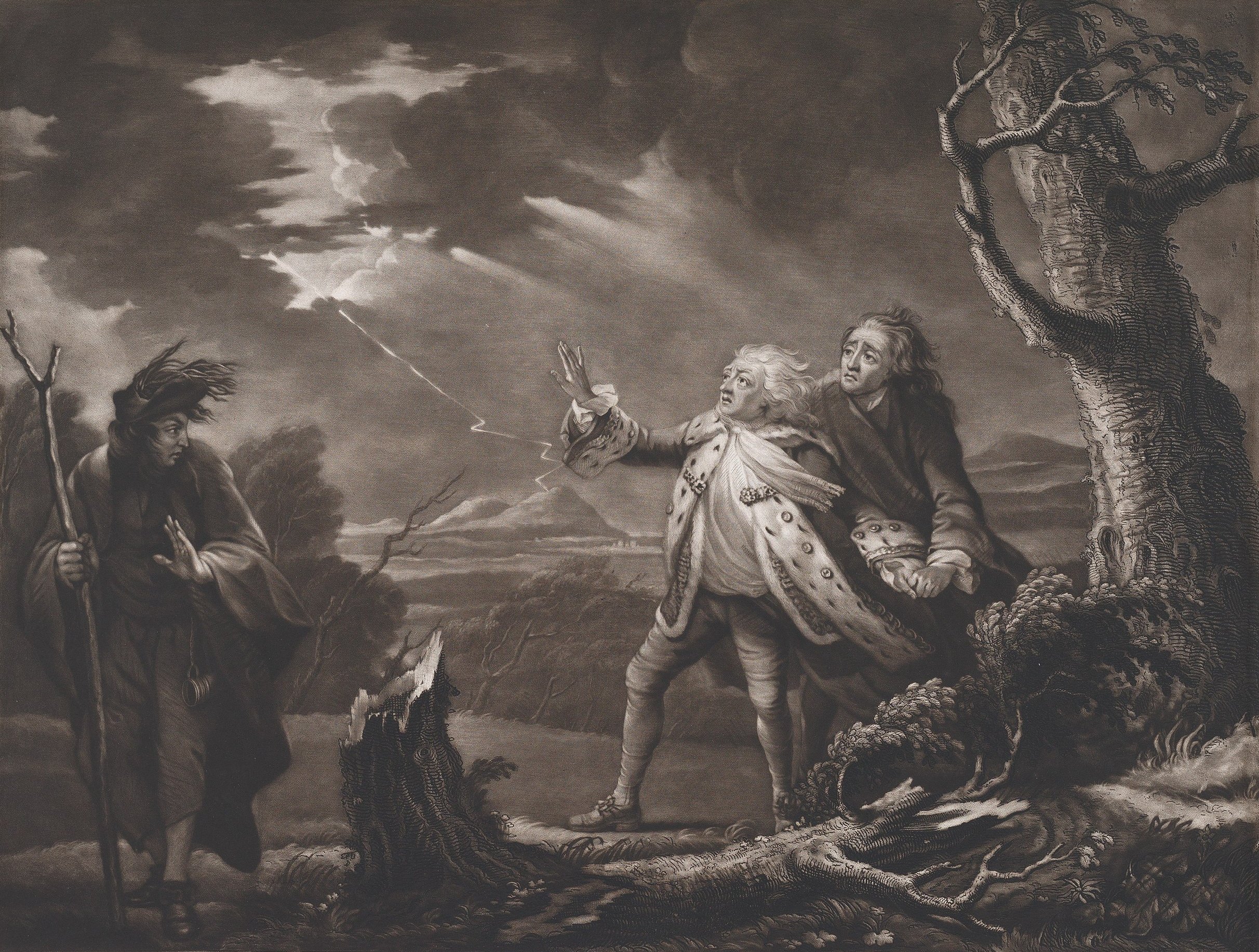 William Shakespeare, CC0, Wikimedia Commons
Brave New World
While Aldous Huxley's eponymous novel may have popularized the phrase in its common meaning, it first appears in Shakespeare's The Tempest. The line reads: "O brave new world, That has such people in it". Spoken by Miranda (the only woman in The Tempest), used ironically to express her naivete at first meeting the people on the island. Now, the phrase is most commonly associated with Aldous Huxley's dystopian novel.
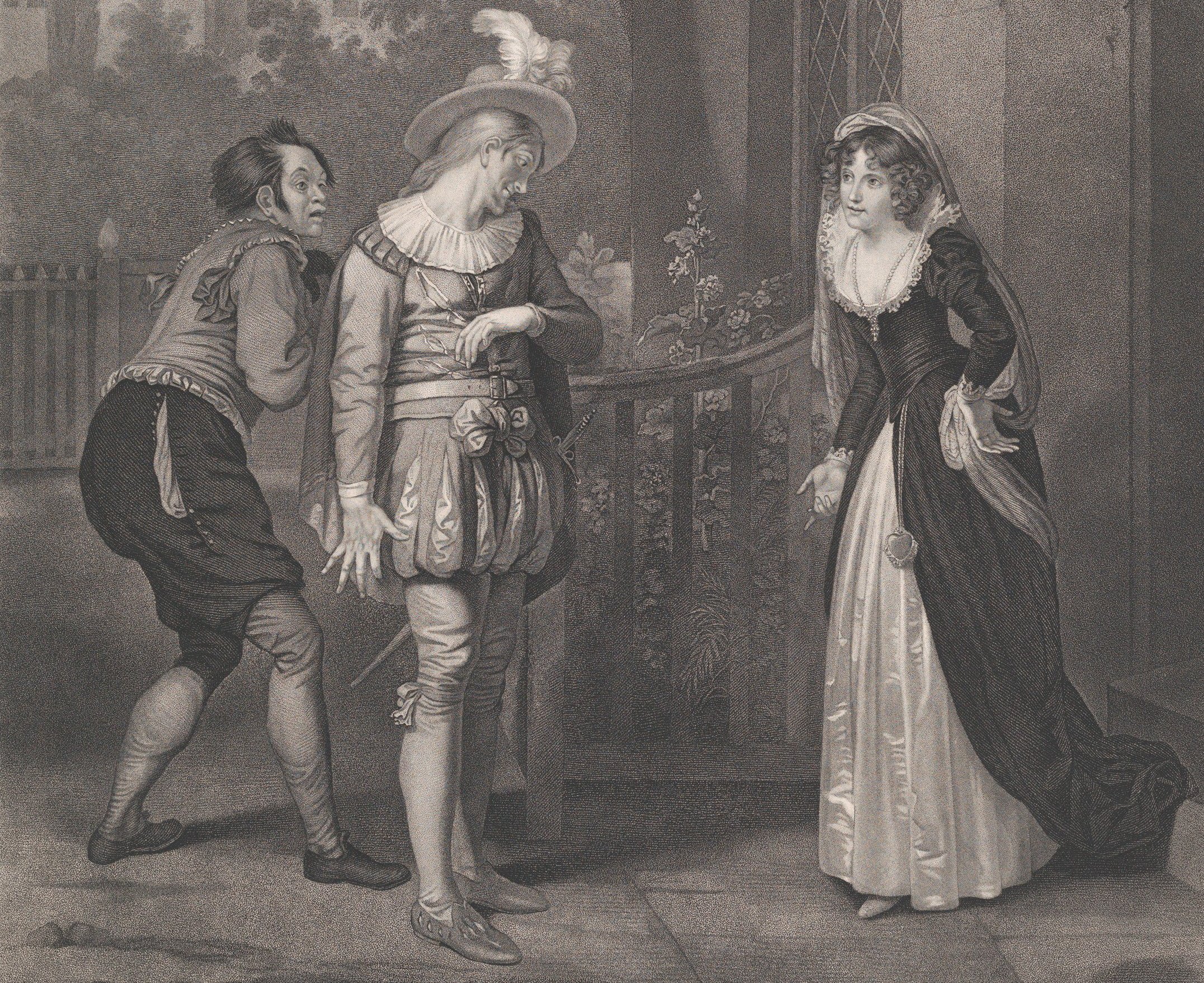 Jean-Pierre Simon, CC0, Wikimedia Commons
Green-Eyed Monster
You may have heard "jealousy is a green-eyed monster" to describe the emotion of jealousy, as the color green is associated with envy and the emotion is often personified in novels and books as a monster. The line of the green-eyed monster is from Othello: "O beware, my Lord, of jealousy; it is the green-eyed monster which doth mock the meat it feeds on".
 Henry Fuseli, Wikimedia Commons
Knock Knock! Who's There?
Now, it's the iconic beginning of any good (and bad) knock-knock joke, but "Knock knock! Who's there?" comes from Macbeth. In a twist of irony in the play, Macbeth has already murdered the King of Scotland in the previous scene. Then, the porter on the other side of the King's chamber door asks, "Knock knock! Who's there, i' the name of Beezlebub?" Just hope that next time you tell a knock-knock joke, you aren't met with a kingslayer on the other side of the door.
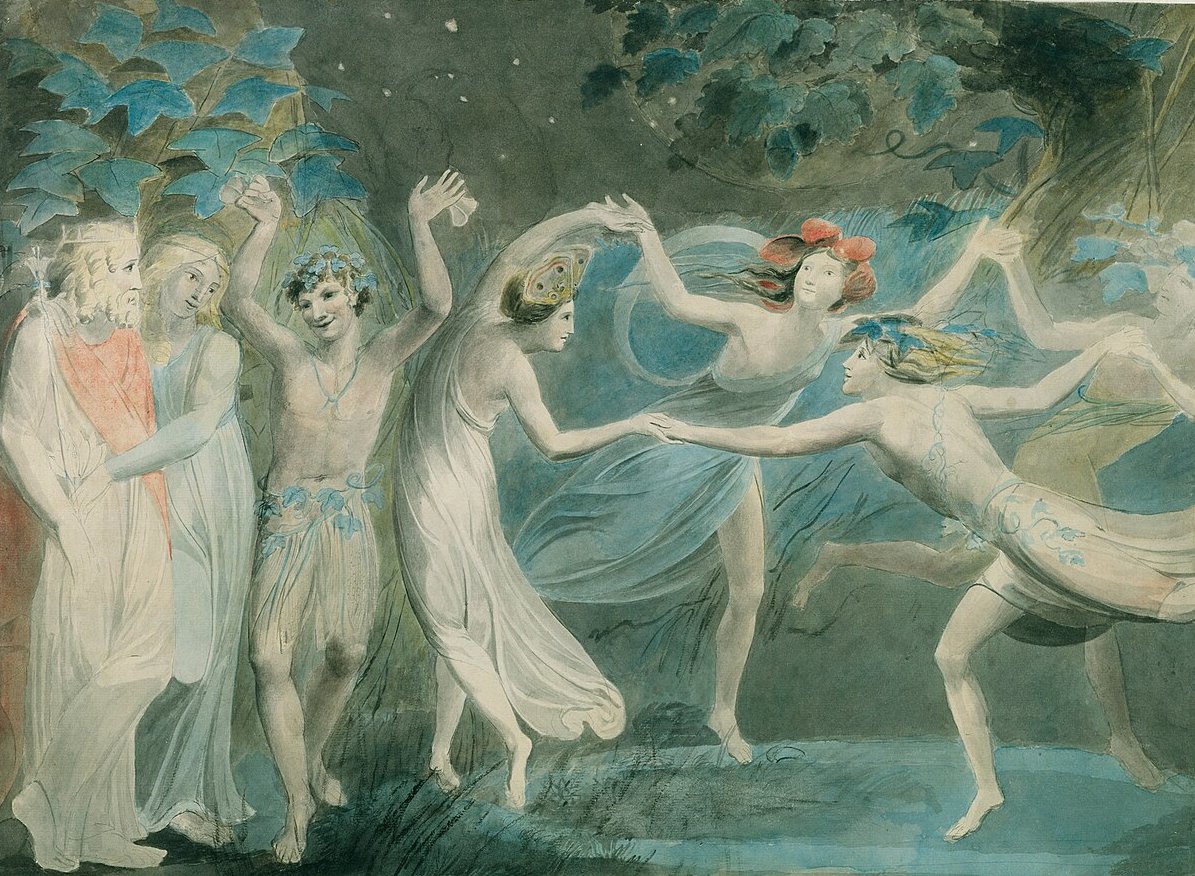 William Blake, Wikimedia Commons
A Heart Of Gold
If someone has a "heart of gold", they're generally thought of as being a good person. The line comes from Henry IV, where the King disguises himself as a soldier and goes to chat with other soldiers to find out what their morale is like. When he asks Pistol if he thinks of himself as a better man than the King, Pistol replies, "The king's a bawcock, and a heart of gold, a lad of life, and an imp of fame", suggesting that he admires the King.
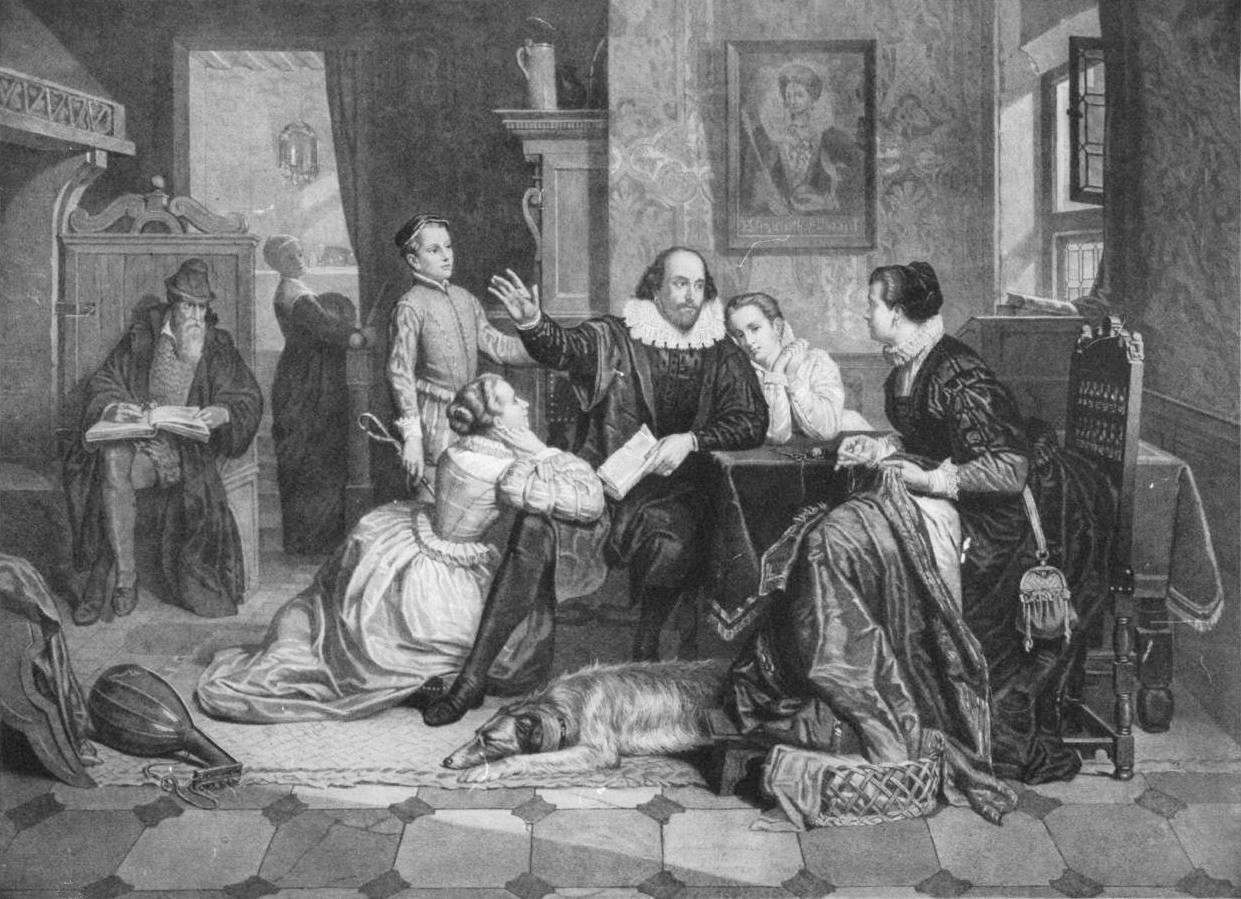 Perine, George Edward, Wikimedia Commons
Good Riddance
You may have heard "Good riddance to bad rubbish" while discussing something or someone you don't like leaving a room or a party. That line was originally, "A good riddance" from Shakespeare's Trollius and Cressida, spoken by Patroclus whenever someone he didn't like left the stage.
 William Blake, Wikimedia Commons
It Was Greek To Me
Not used by Greeks, obviously, but if something is "Greek to me", it generally means that you don't understand it. It's first used by Shakespeare in Julius Caesar, spoken to Cassius by Casca, following a Greek festival where Caesar is offered a crown.
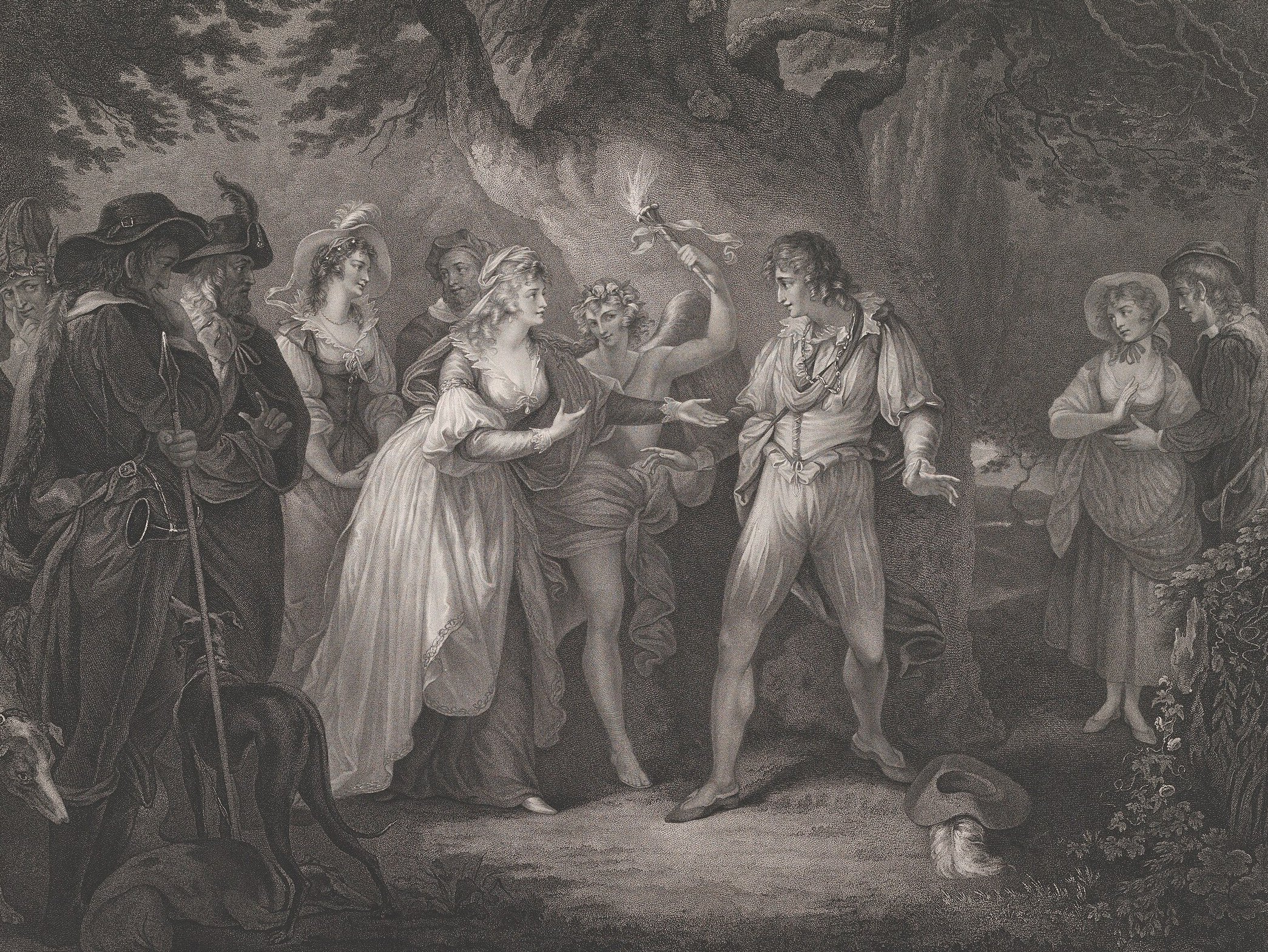 Jean-Pierre Simon, CC0, Wikimedia Commons
Be True To Yourself
The phrase is "To thine own self be true", which comes from a line in Hamlet, spoken by Polonius as part of a speech of advice he is giving to his son, Laertes. Today, it's better known as "being true to yourself", meaning being honest with yourself about your feelings, emotions, and thoughts.
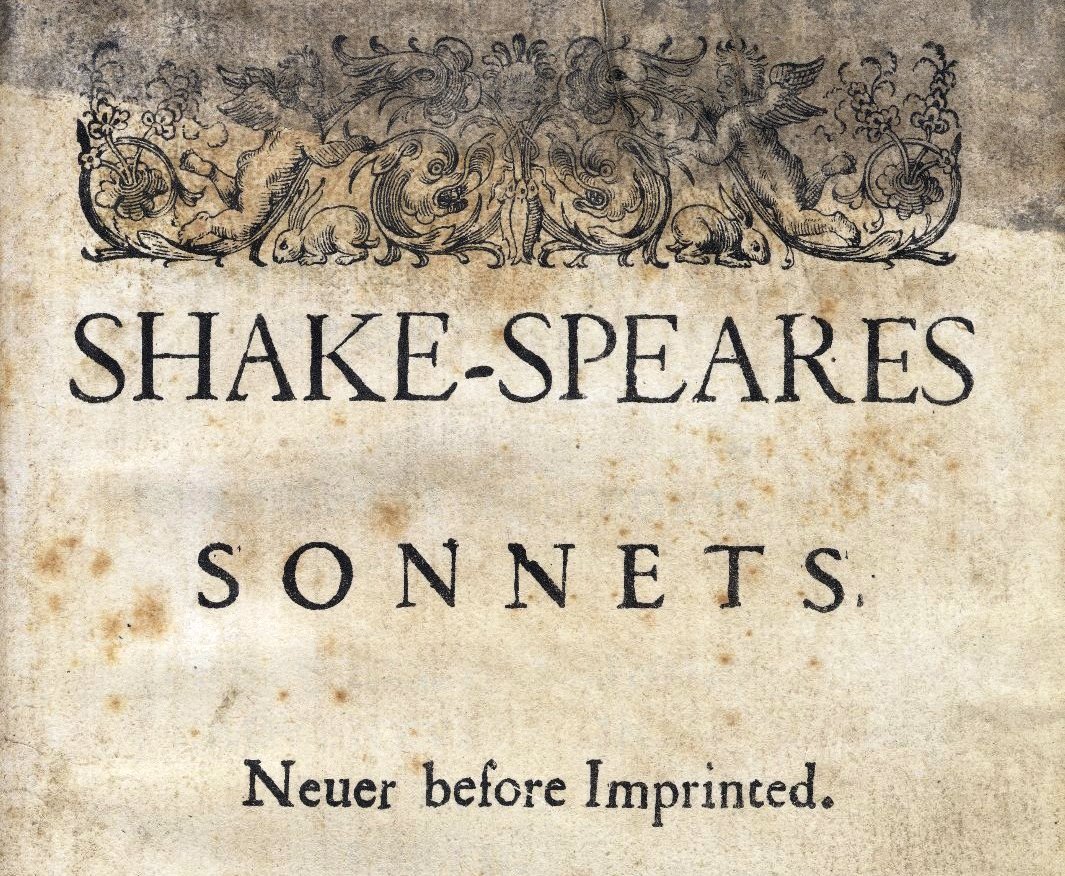 William Shakespeare, Wikimedia Commons







_MET_DP859436.jpg)
_MET_DP859579.jpg)


_MET_DP859576.jpg)
