
Engineering Mystery
Have you ever wondered how the great architectural marvels of Egypt were built, considering the limited technology of that time? Well, in this article, you will learn about examples of hard stone craftsmanship, which could never have been achieved during the dynastic Egyptian period (around 2500 to 1500 BC).
Ancient Structures Defy Time
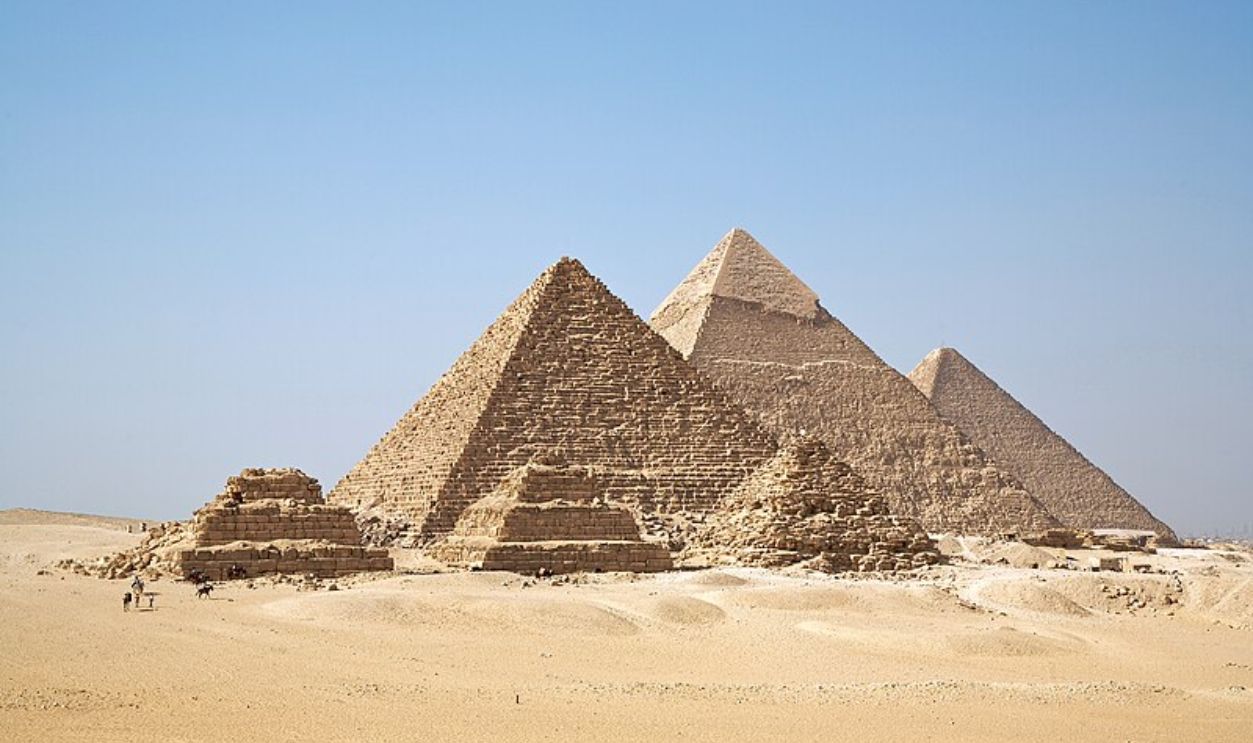
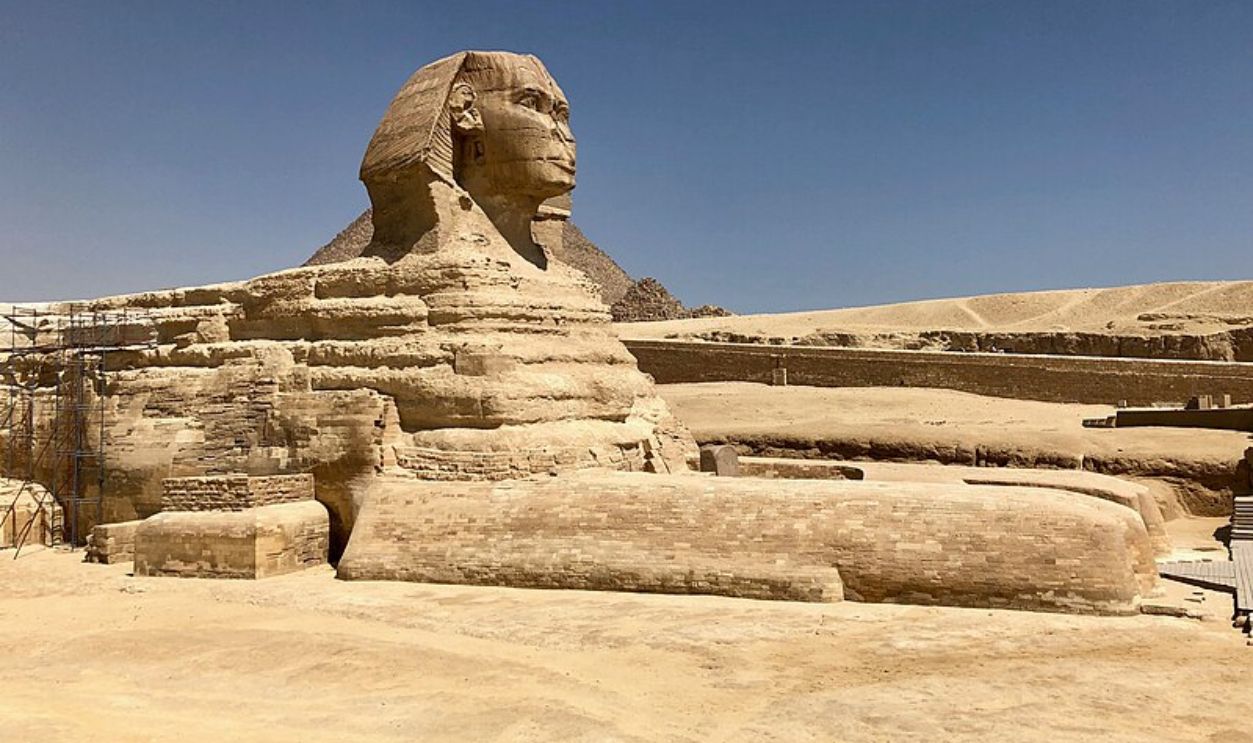
Most people are aware of the mighty structures built by the ancient Egyptians like the pyramids, temples on the Giza Plateau, and the Sphinx. Many books and documentaries illustrate huge groups of workers cutting through massive stone blocks under the blazing desert sun and placing them precisely.
 Ricardo Liberato, CC BY-SA 2.0, Wikimedia Commons
Brien Foerster's Book Says Otherwise
However, some of these incredible structures couldn't have been built by the people of dynastic Egypt within the time period associated with them, as explored in the book Lost Ancient Technology Of Egypt by Brien Foerster.
 Warren LeMay from Chicago, IL, United States, CC0, Wikimedia Commons
Iron Seen As Impure Metal
Until the 7th century BC, iron was rare in Egypt and only became widely used after the Assyrian invasion. In fact, the ancient Egyptians saw iron as an impure metal linked to Seth, the spirit of evil who, according to their beliefs, ruled over the central deserts of Africa.
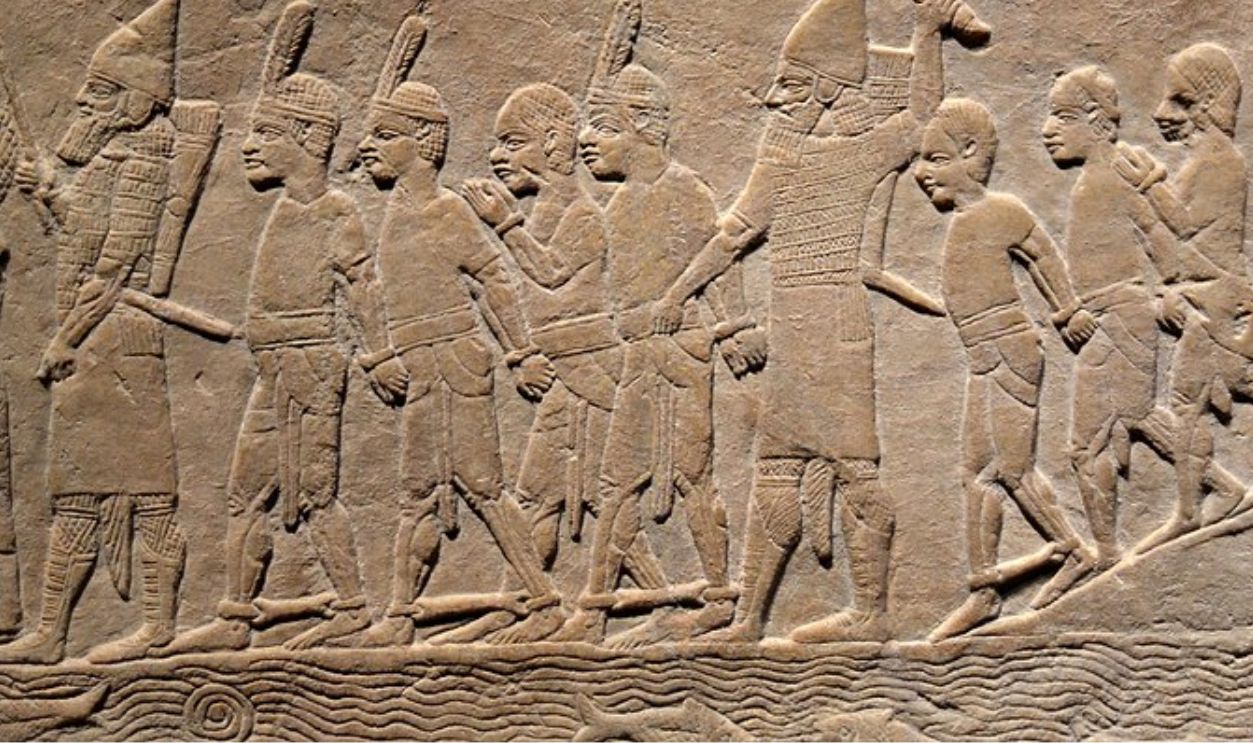 Carole Raddato from FRANKFURT, Germany, CC BY-SA 2.0, Wikimedia Commons
Ancient Tools Vs Hard Stone
Some pieces of meteoric iron were discovered before the Assyrians arrived, but these were mostly small decorative beads. The main issue is that many ancient sites in Egypt contain finely crafted objects made from extremely hard stones like basalt, quartzite, granite, and diorite.
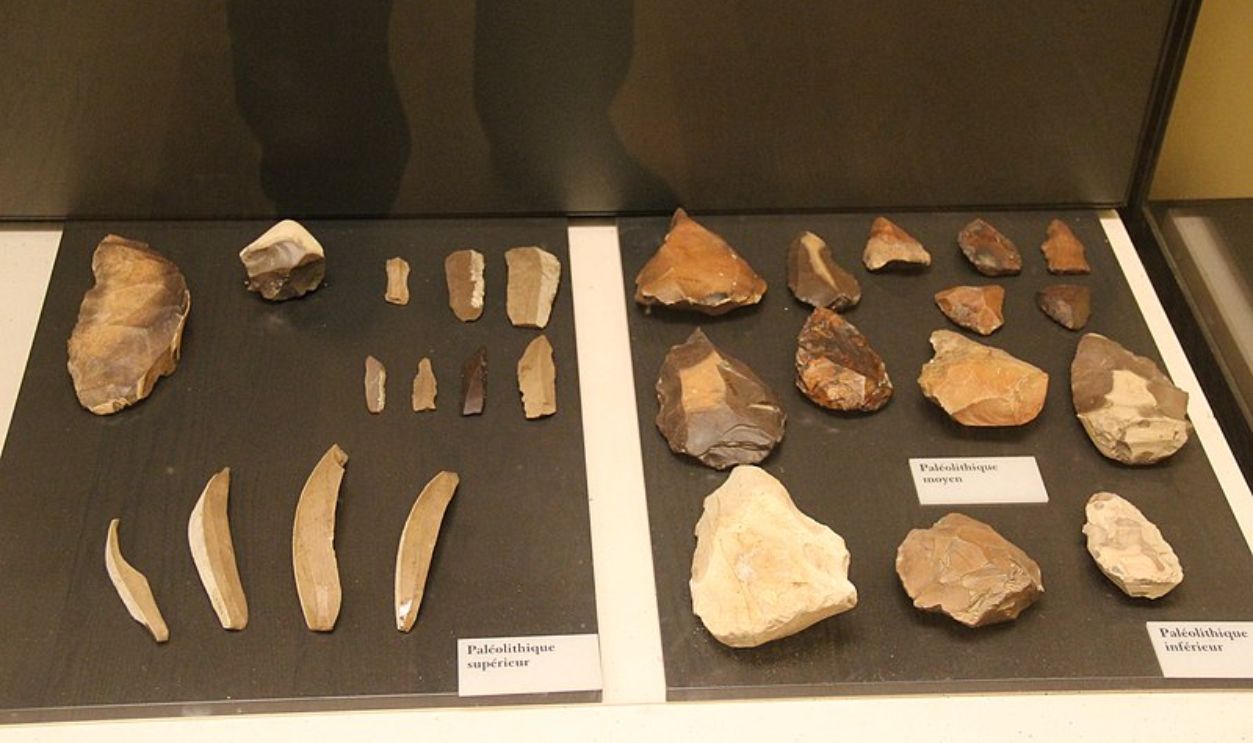 Gary Todd from Xinzheng, China, CC0, Wikimedia Commons
Stonework Beyond Ancient Tools
These materials are so tough that even hardened iron tools wouldn’t have been able to shape them efficiently. For most of Egypt’s history, the tools used to shape stone were made of hardened bronze, which is even softer than iron.
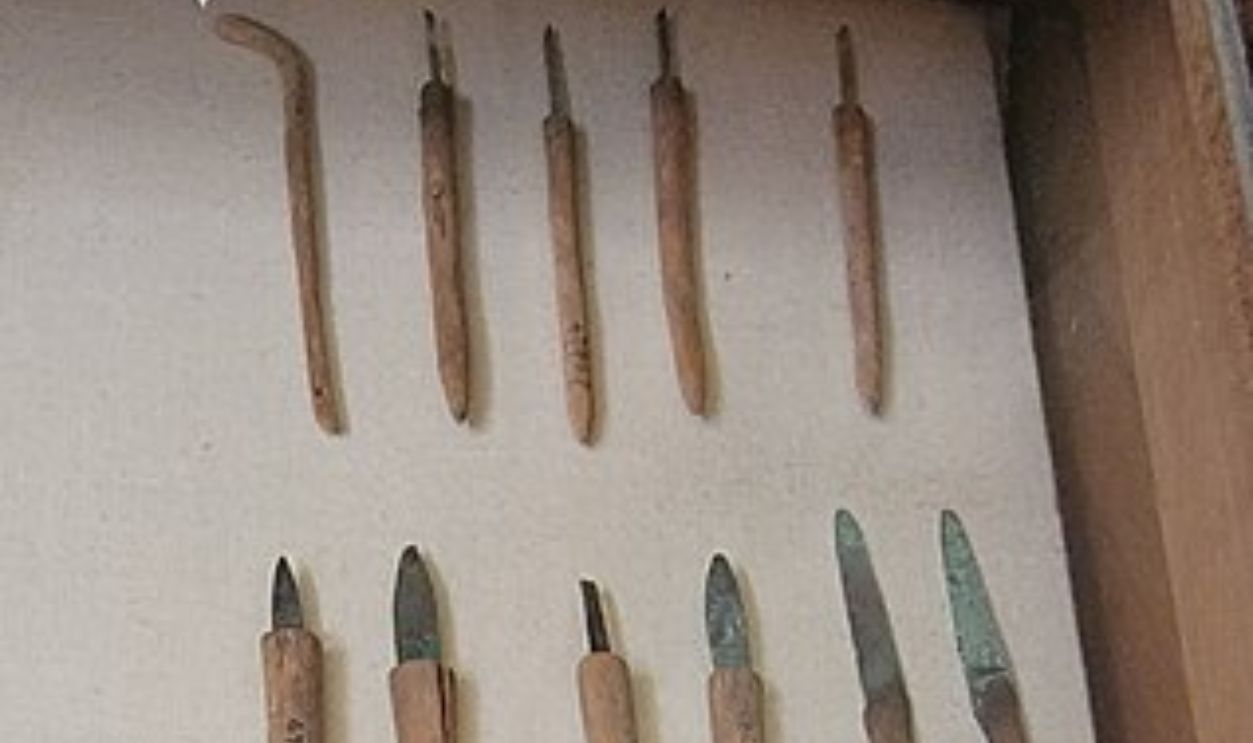 Votpuske, CC BY-SA 4.0, Wikimedia Commons
Unfinished Obelisks Of Aswan
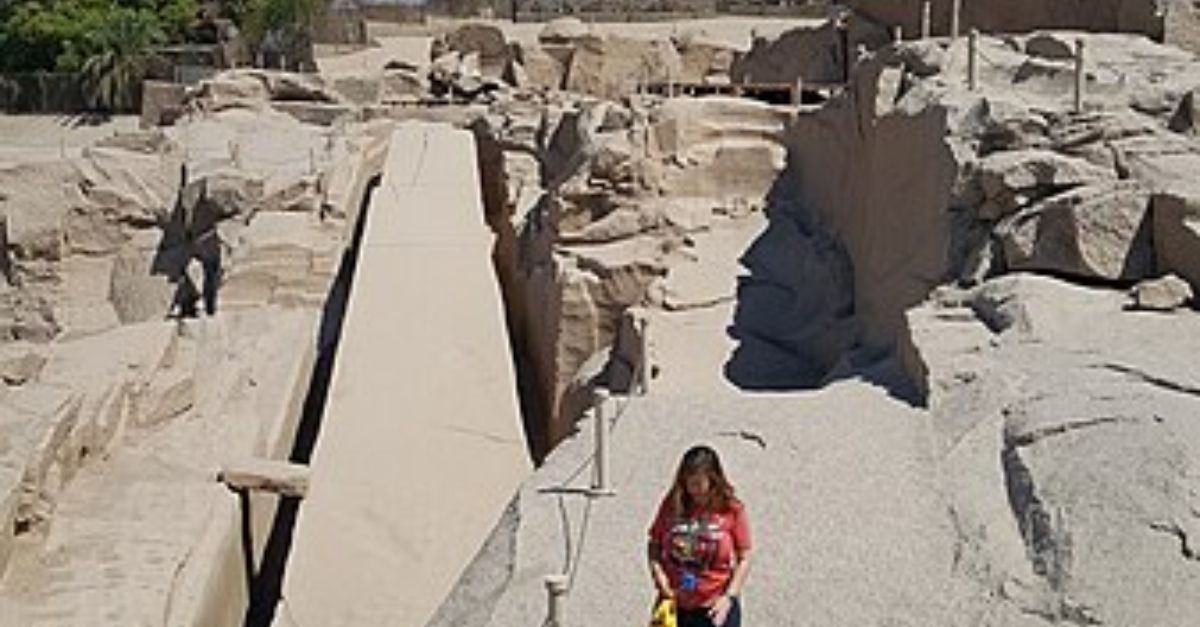
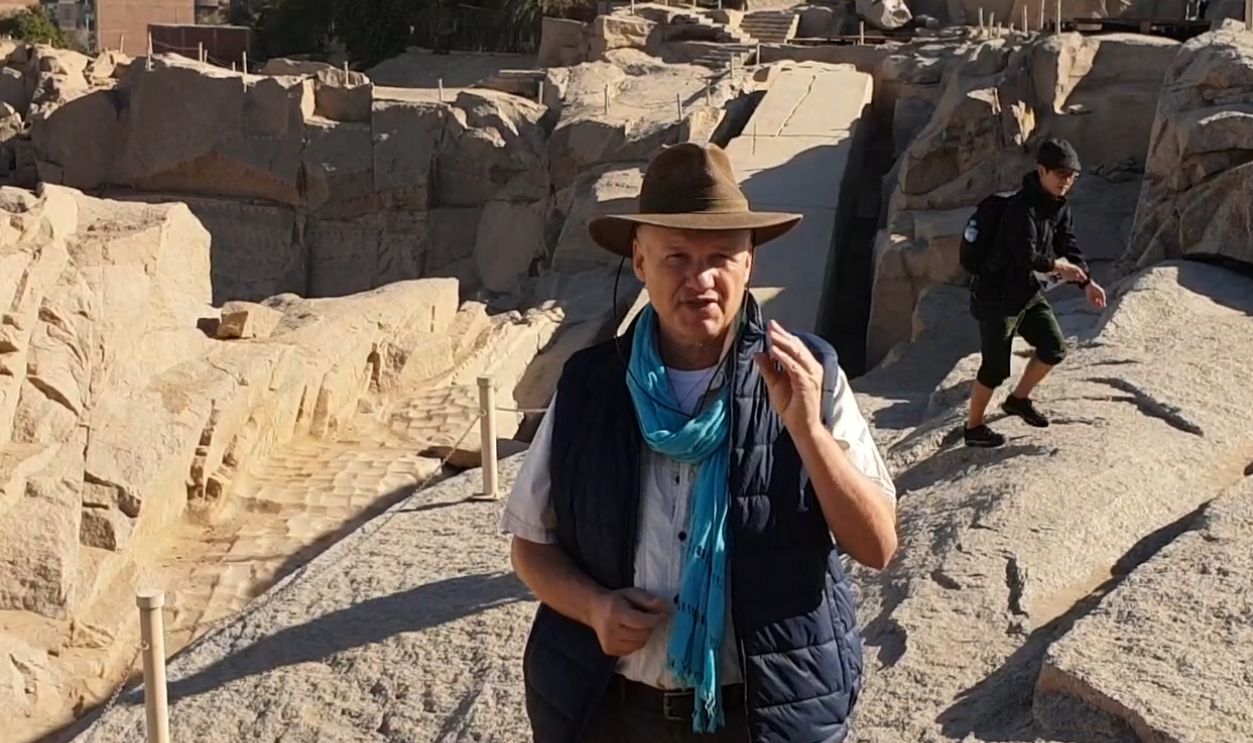
Let’s begin in Aswan, near the border of Sudan, where the famous unfinished obelisk is located, along with a smaller one still connected to the granite bedrock. Archaeologists believe that Hatshepsut, the female ruler who took the throne in 1478 BC, ordered the construction of the larger obelisk.
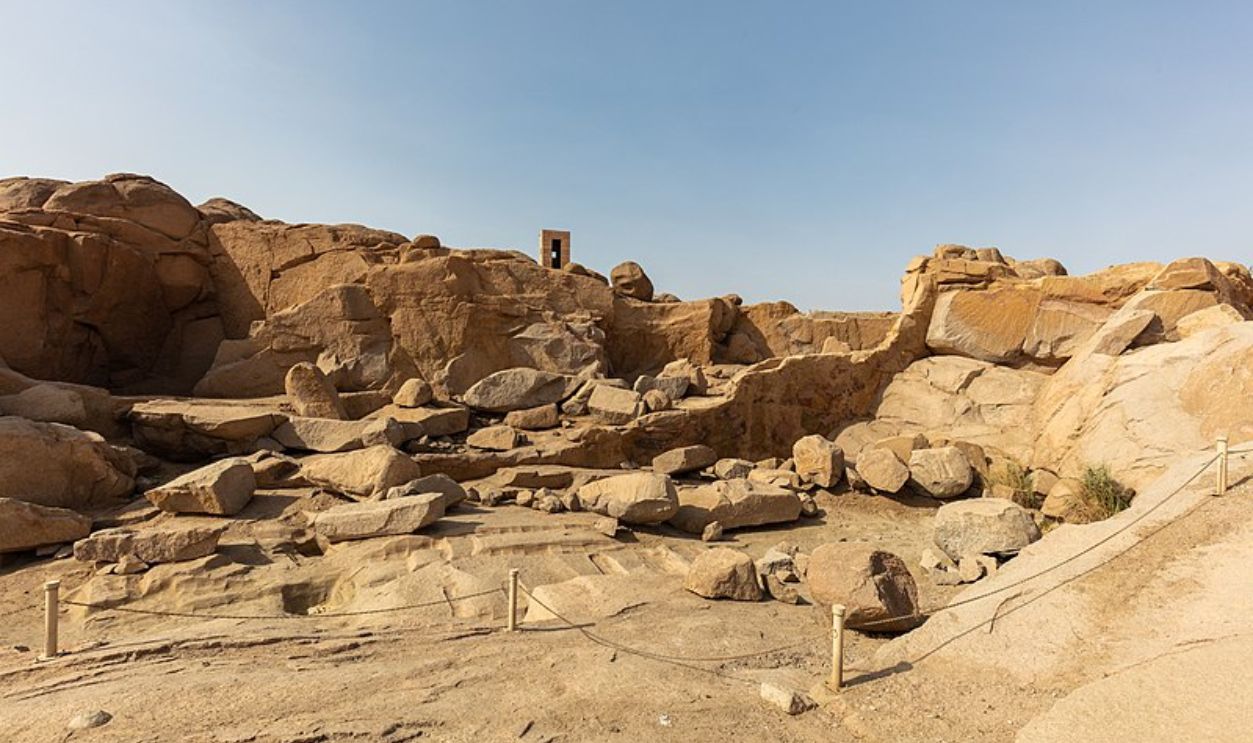 Diego Delso, CC BY-SA 4.0, Wikimedia Commons
Colossal Obelisk Left Unfinished
It is about one-third bigger than any other obelisk ever successfully erected in ancient Egypt. If completed, the obelisk would have been about 42 meters (137 feet) tall and weighed almost 1,200 tons. Let’s see why this is not digestible.
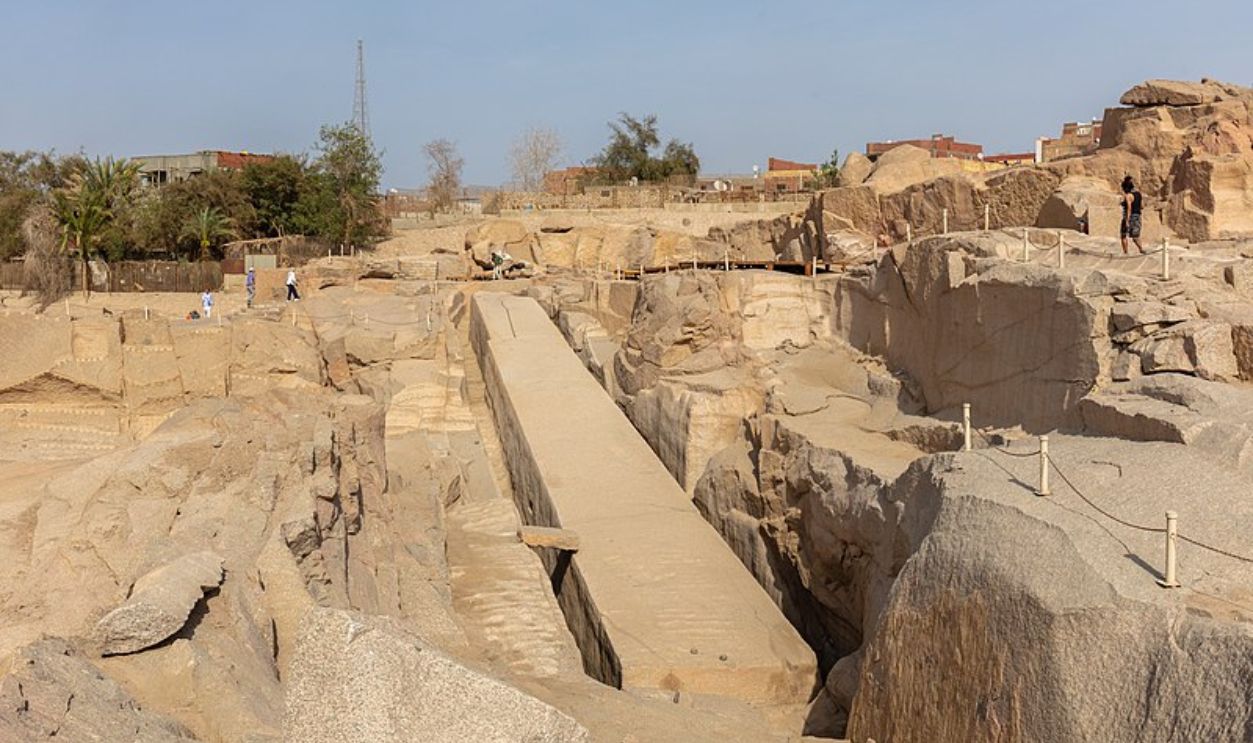 Diego Delso, CC BY-SA 4.0, Wikimedia Commons
Unsolved Mysteries Of Obelisks
The obelisk raises two major questions: What kind of tools could have been used to shape such a massive stone, and how did the ancient Egyptians plan to lift it out of the pit, given its enormous size?
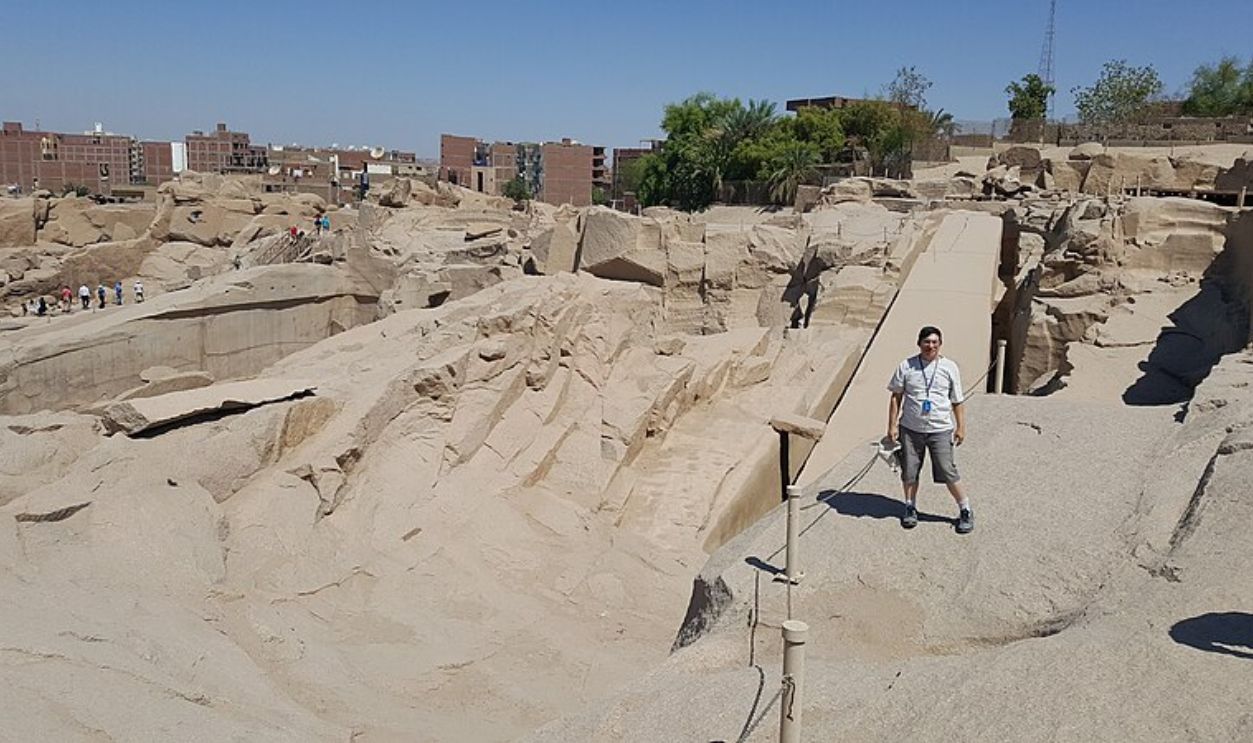 Ovedc, CC BY-SA 4.0, Wikimedia Commons
Granite Harder Than Tools
Most Egyptologists believe that the main tools used were round, hand-held dolerite pounders. However, for a tool to effectively cut or shape a material, it should be harder than the material itself. The pink granite of the unfinished obelisk has a Mohs hardness between 6 and 7.
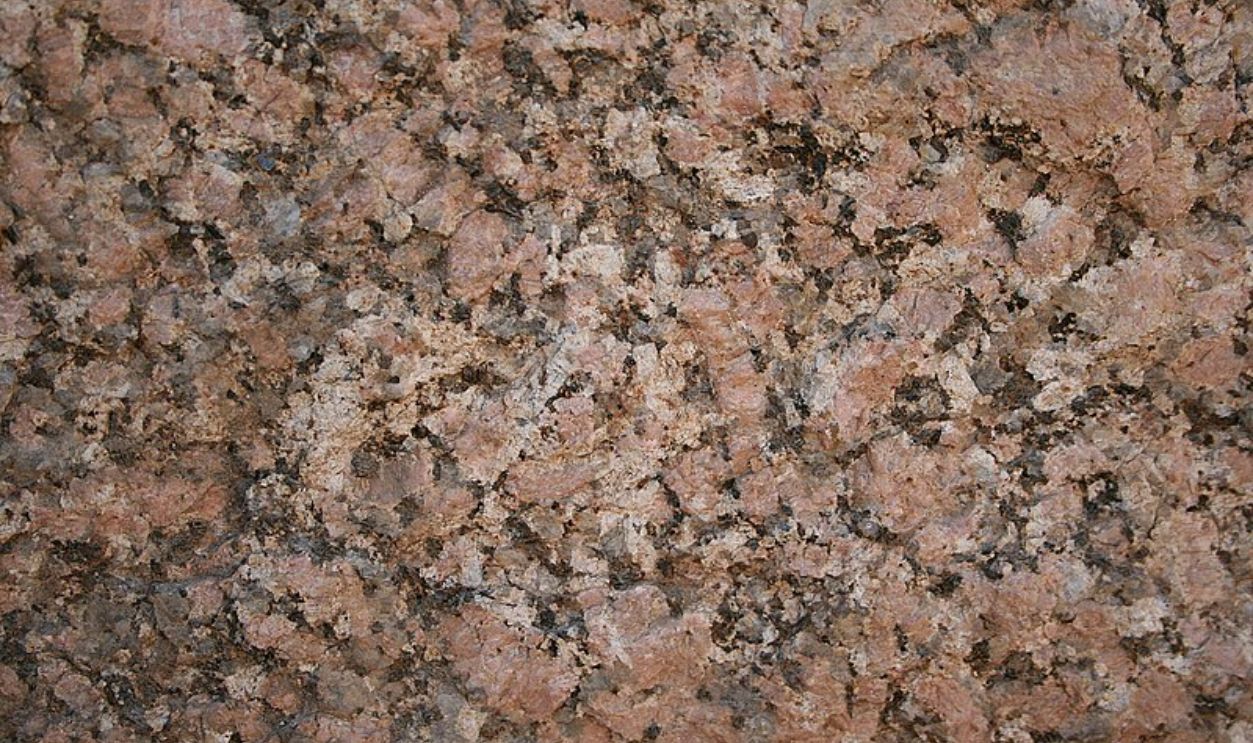 Glenn Ashton, CC BY-SA 3.0, Wikimedia Commons
Dolerite Dilemma In Stonework
By the way, Mohs hardness is a scale used to rank minerals based on their ability to scratch one another. Dolerite has a similar hardness and is an ineffective material for shaping granite. Bronze, the other known tool material used by the ancient Egyptians, is even softer, with an average Mohs hardness of about 3.5.
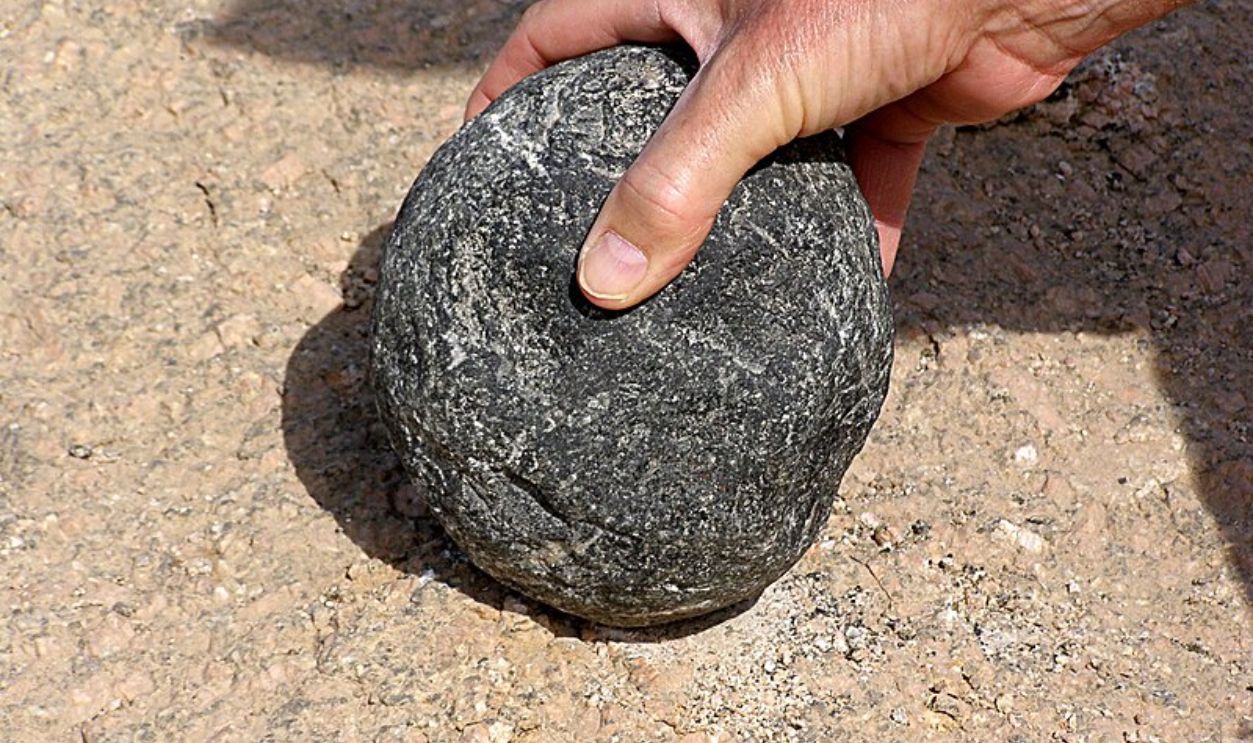 Claude Valette, CC BY-SA 3.0, Wikimedia Commons
Granite Too Hard To Carve
In simple terms, a tool should be harder than the material it is cutting or shaping. However, as clear from the previous slides, both dolerite and bronze couldn’t have shaped the unfinished obelisk due to their softness.
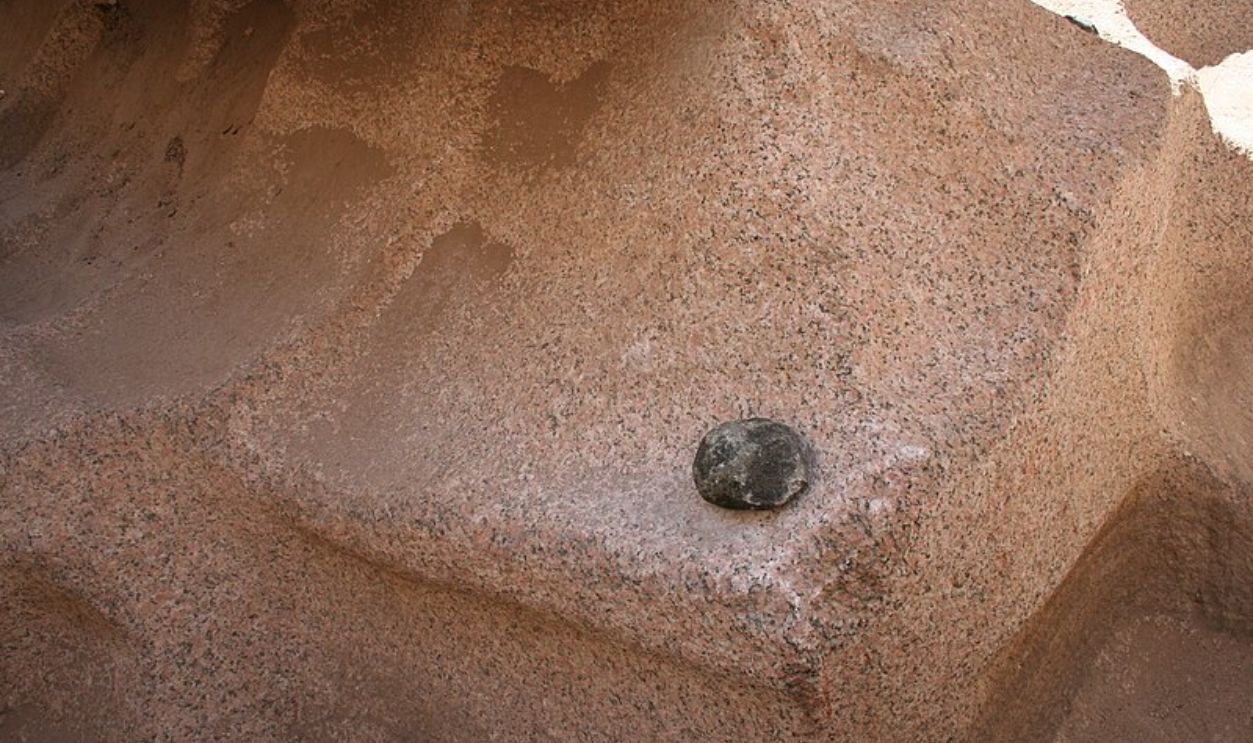 Glenn Ashton, CC BY-SA 3.0, Wikimedia Commons
Shaping Stone In Tight Spaces
Another problem with the unfinished obelisk is the limited space inside the trench, making it difficult to deliver strong blows. Repeated strikes could also cause the dolerite tools to break, which adds to the challenges of shaping the massive stone.
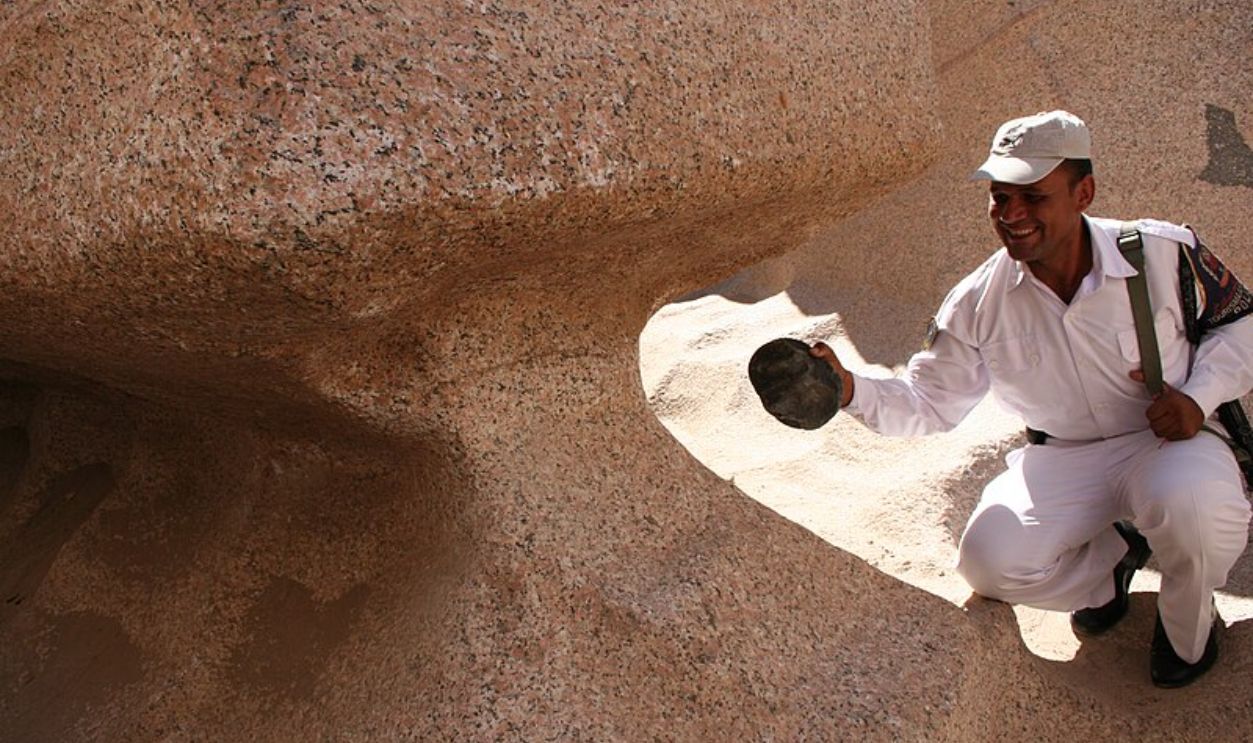 Glenn Ashton, CC BY-SA 3.0, Wikimedia Commons
Obelisk Hints At Lost Methods
According to Christopher Dunn, an engineer and expert machinist, the unfinished obelisk provides strong indirect evidence about the level of technology its creators had. He stated that rather than clearly showing what methods were used, it strongly suggests what methods could not have been used.
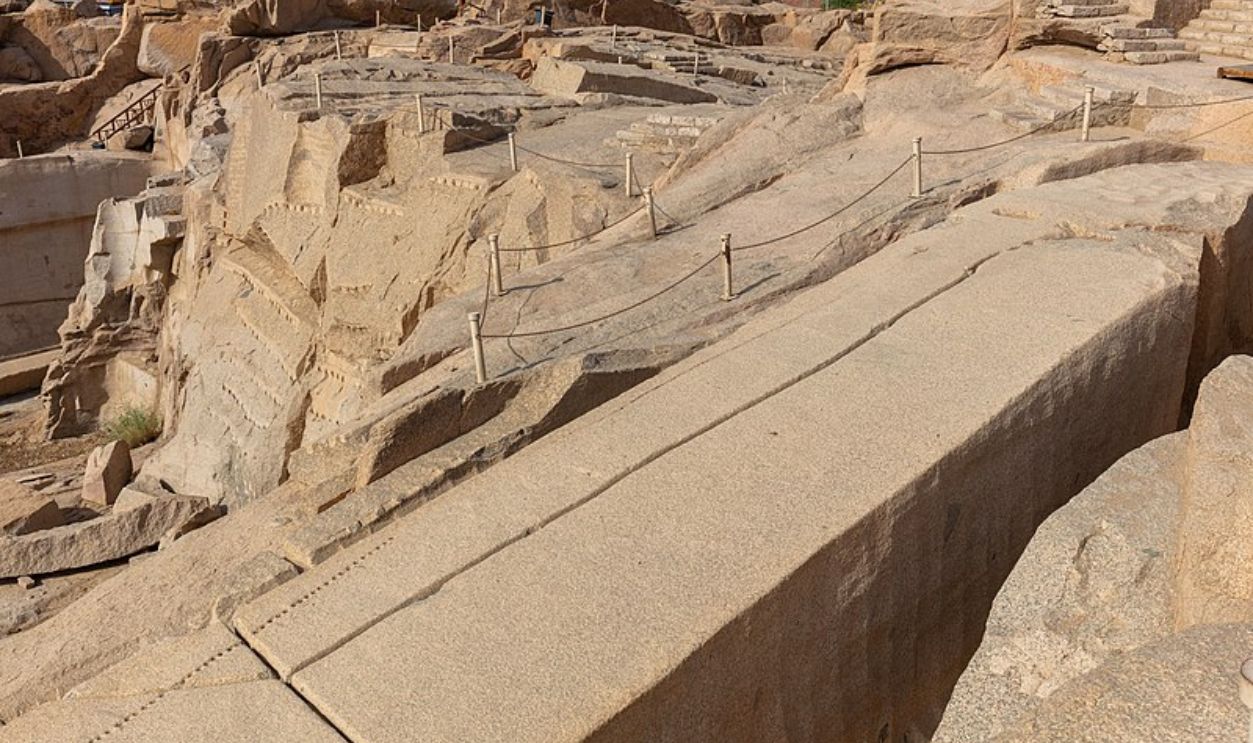 Diego Delso, CC BY-SA 4.0, Wikimedia Commons
Unknown Tools
The idea that hand-held pounders were used in shaping the obelisk is quite out of the question since pounders cannot perform the work at all. However, if it was not a pounder, then what sort of technology did they use?
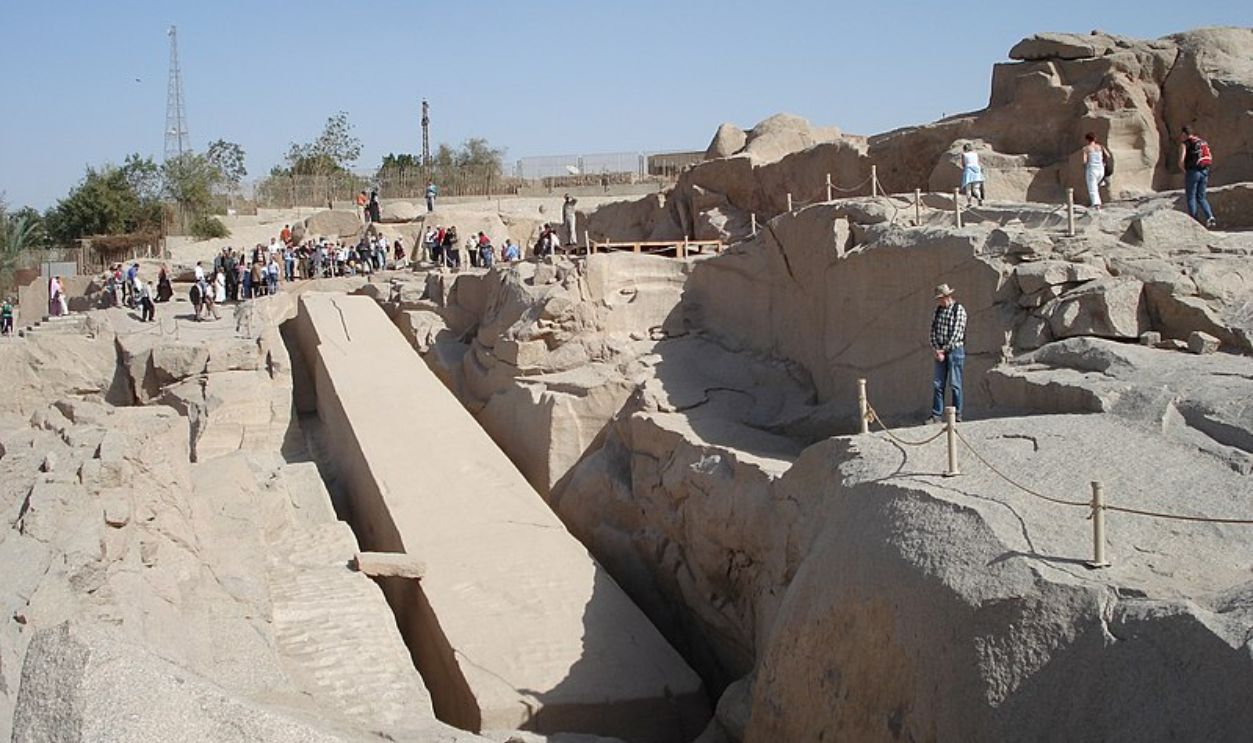 BlackNose, CC BY 3.0, Wikimedia Commons
Tool Marks Hint At Technology
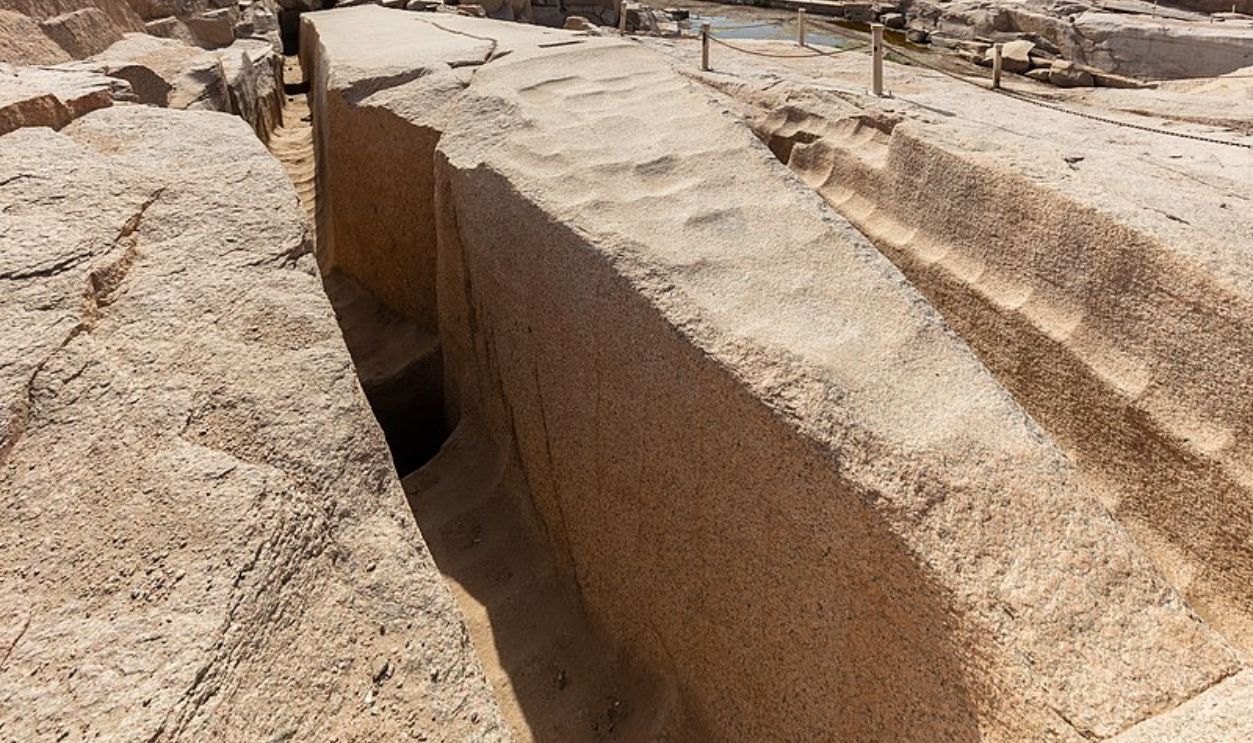
According to Chris Dunn, the marks left on the trench walls around the obelisk are consistent in pattern, something unlikely to have been made by simple hand tools like pounders. This suggests that a more advanced method was used.
 Diego Delso, CC BY-SA 4.0, Wikimedia Commons
Unexplained Striations
Chris has stated that horizontal striations are typical in cutting when a tool removing material pauses along its path, is withdrawn to clear waste and leaves a mark on the surface. Let’s dive deeper to see the whole picture in the next slides.
 Warren LeMay from Cullowhee, NC, United States, CC0, Wikimedia Commons
Tool Rocking May Explain Marks
Another possibility is that as the tool was being rocked back and forth against the walls of the trench to remove waste, horizontal striations appeared where the tool pressed against the side wall to prevent the trench from narrowing.
 Claude Valette, CC BY-SA 3.0, Wikimedia Commons
Technology Beyond Dynastic Egypt
In other words, this suggests the use of a technology that the dynastic Egyptians simply did not possess. This raises an important question: if the dynastic Egyptians couldn’t have created these features, and neither the later Greeks nor Romans were responsible, then who did and when?
 Olaf Tausch, CC BY 3.0, Wikimedia Commons
Pre-Pharaonic Advanced Civilization
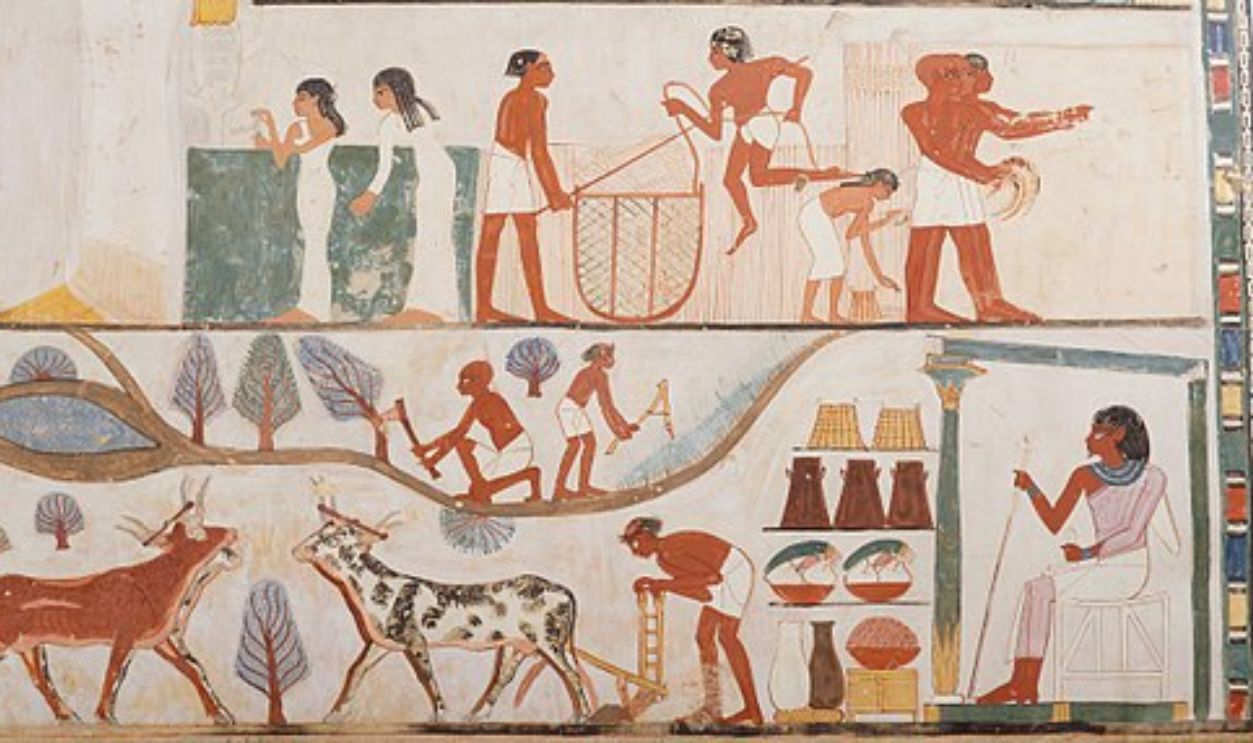
The only logical conclusion reportedly is that an earlier civilization existed before the pharaohs, one that had advanced technology. This implies that these people lived in the region before 3100 BC and possessed skills far beyond what is traditionally believed.
 Norman de Garis Davies, CC0, Wikimedia Commons
Mysterious Schist Bowl Of Sabu
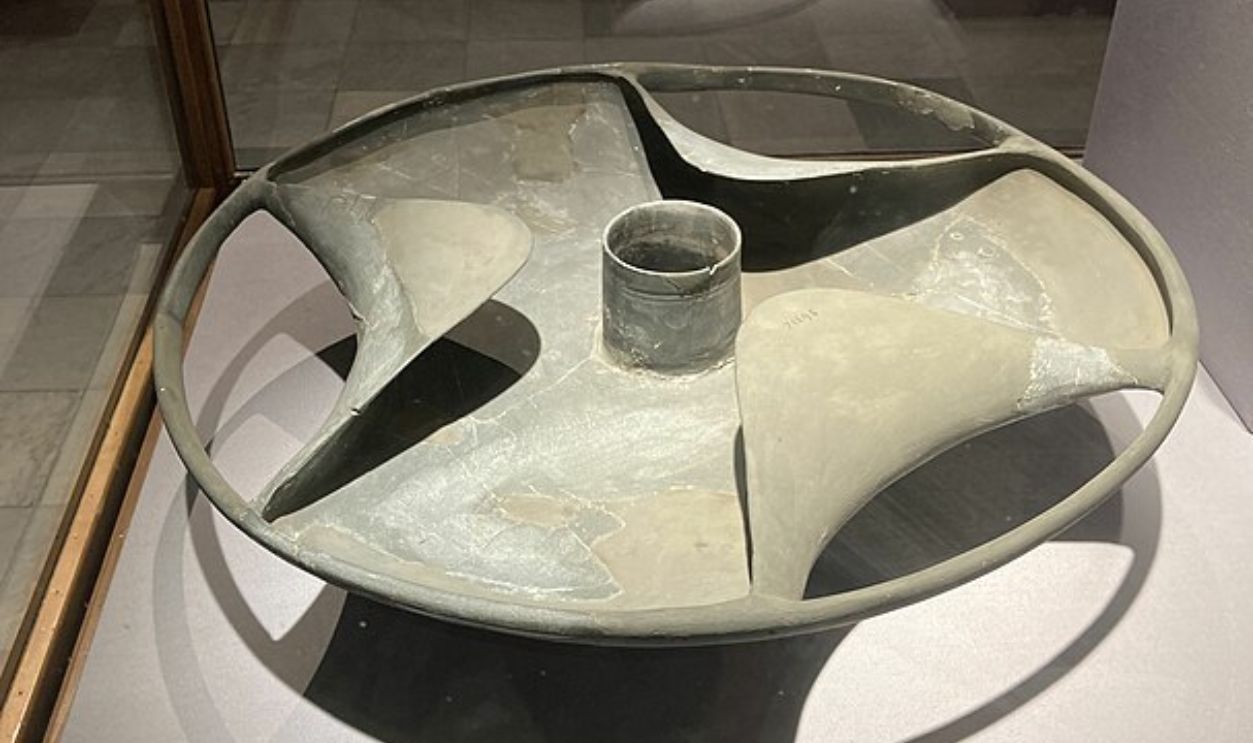
During excavations in Saqqara in 1936, archaeological experts discovered Prince Sabu's tomb. However, they found this enigmatic schist bowl that remains unexplained despite initial thoughts that it was a simple tray. Despite debate, the artifact is still displayed in the Cairo Museum and raises further questions.
 Martin1833, CC0, Wikimedia Commons
Ancient Drills Defy Explanation
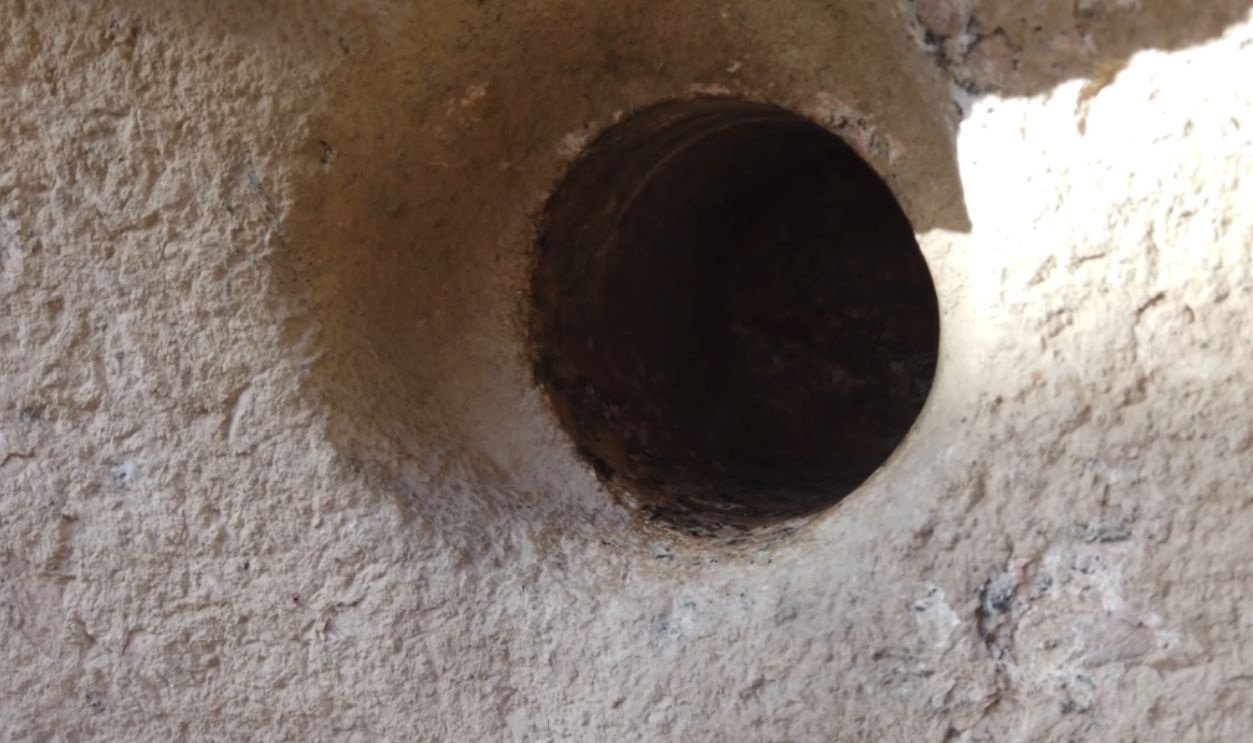
At Karnak, a vast temple complex, several ancient core drill holes have been found, including one wider than a human hand. Moreover, its drill wall is thinner than modern examples. Engineers and mining experts were puzzled about what material could have created it.
 Clear Evidence Of Ancient Advanced Machining Technology At Karnak In Egypt by Brien Foerster
Massive Stone Boxes Mystery
Another puzzling site is the Serapeum at Saqqara. It contains giant 70-ton granite boxes dating back to the 13th century BC built under Khaemweset for the burials of Apis bulls. However, experts like Chris Dunn question this. They suggest something more advanced, older in origin.
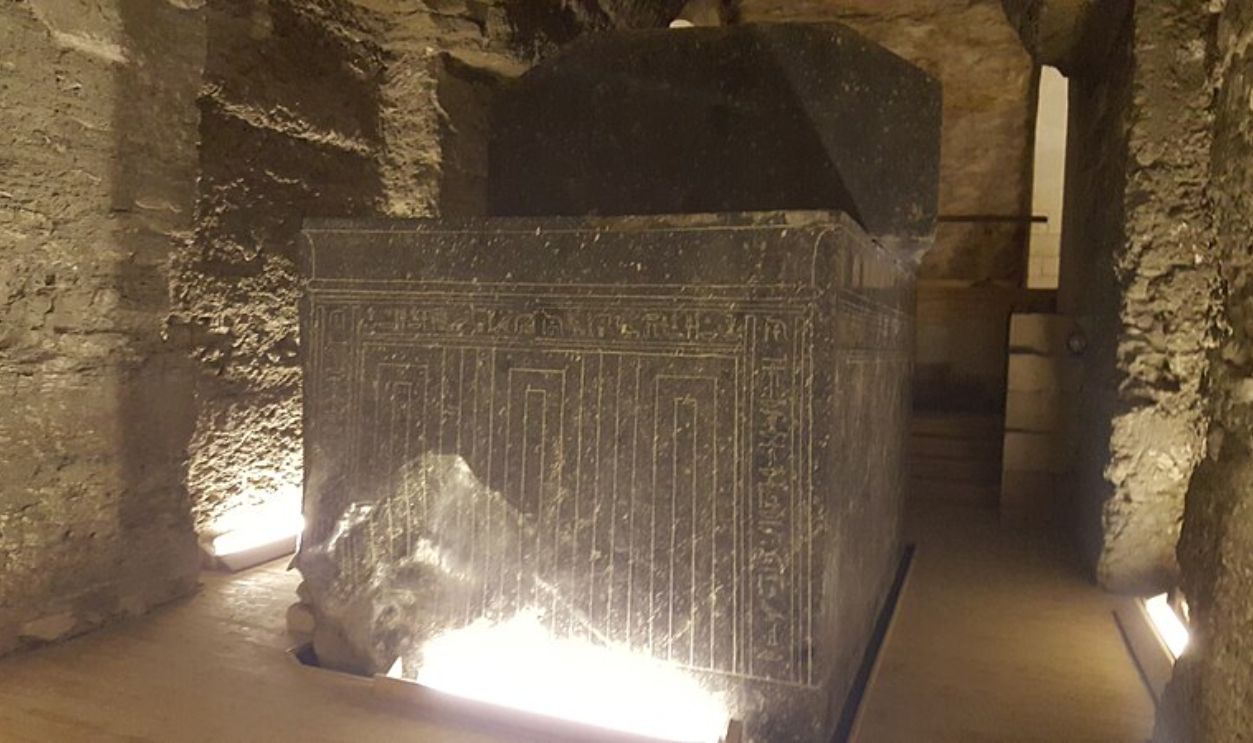 Ovedc, CC BY-SA 4.0, Wikimedia Commons
Lost Civilization Before Egypt
The artifacts you have seen and read about are just a few examples that don’t match the skills of the dynastic Egyptians. According to Brien Foerster, his studies in Egypt are clear proof that a more advanced civilization existed before the dynastic Egyptians and these artifacts are from that point.
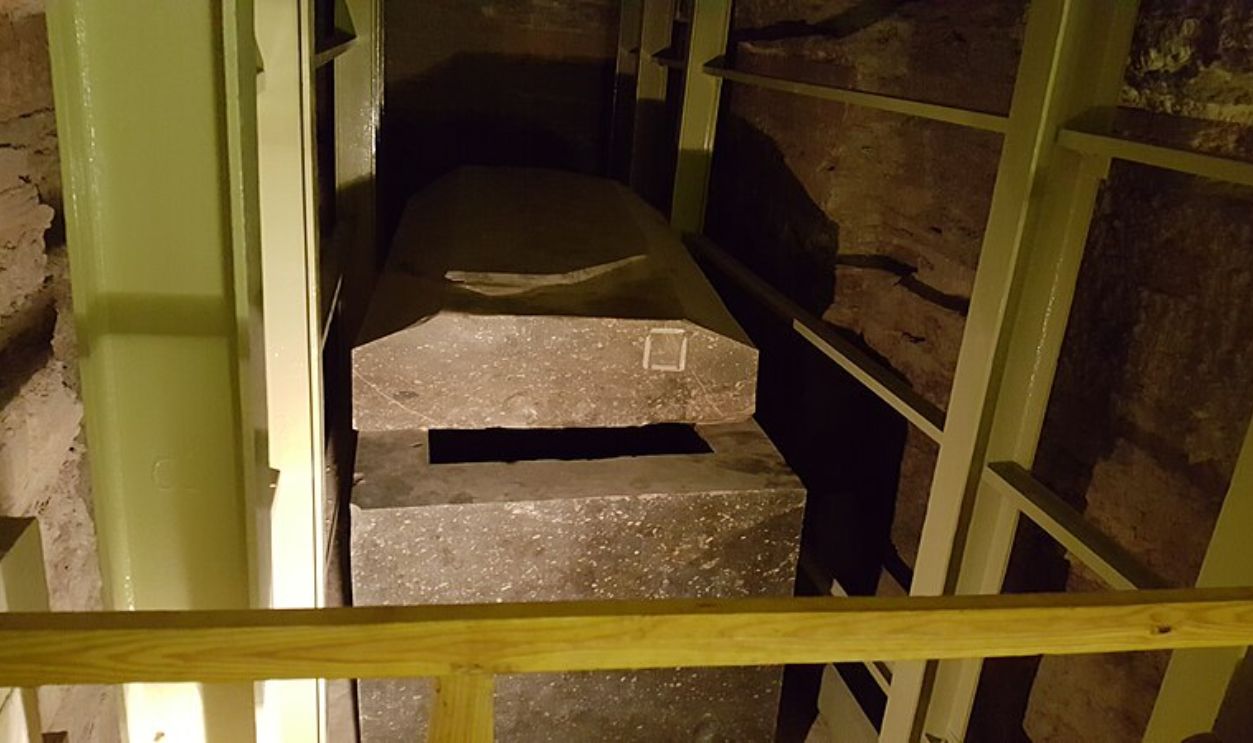 Ovedc, CC BY-SA 4.0, Wikimedia Commons
Recognizing Prehistoric Ingenuity
Chris Dunn reportedly said that as an engineer and craftsman with over 40 years of experience in manufacturing and creating precise objects in the modern world, he believes this prehistoric achievement deserves more recognition. He believes no one puts this much effort unless the artifact has a very important purpose.
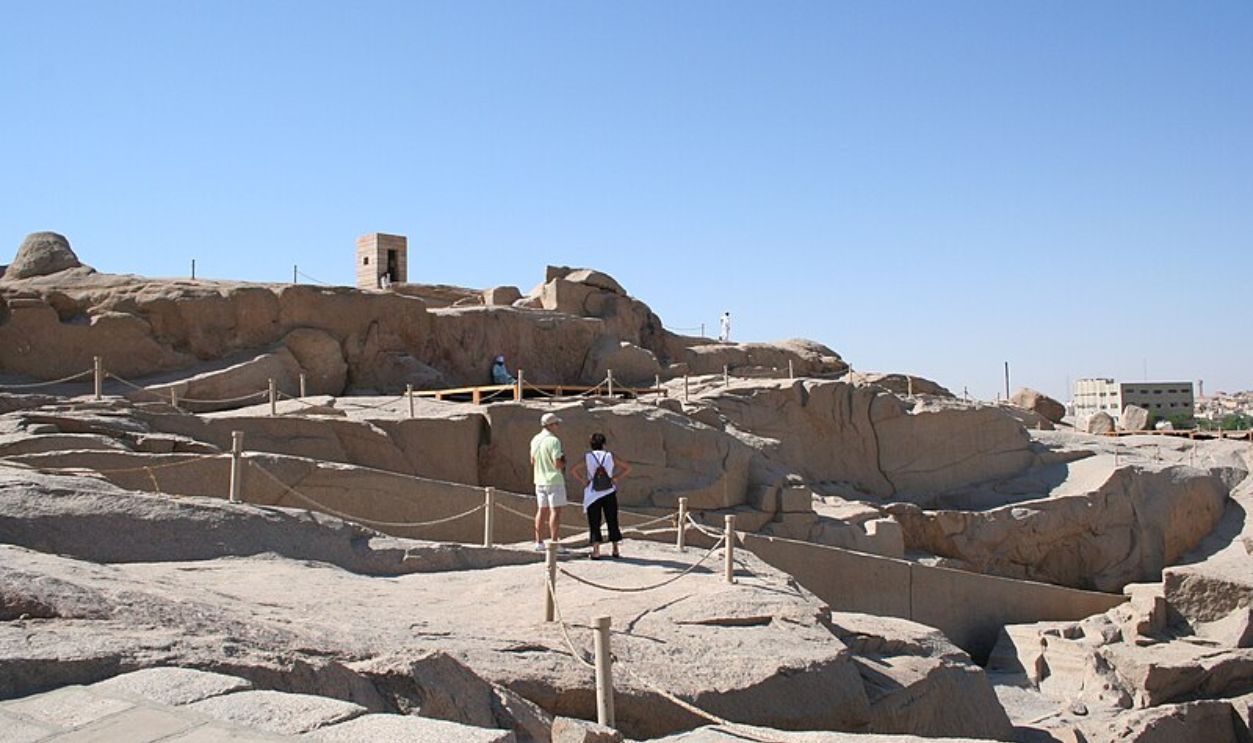 Glenn Ashton, CC BY-SA 3.0, Wikimedia Commons







.jpg)
.jpg)
.jpg)


.jpg)


