Heart First, Helmet Second
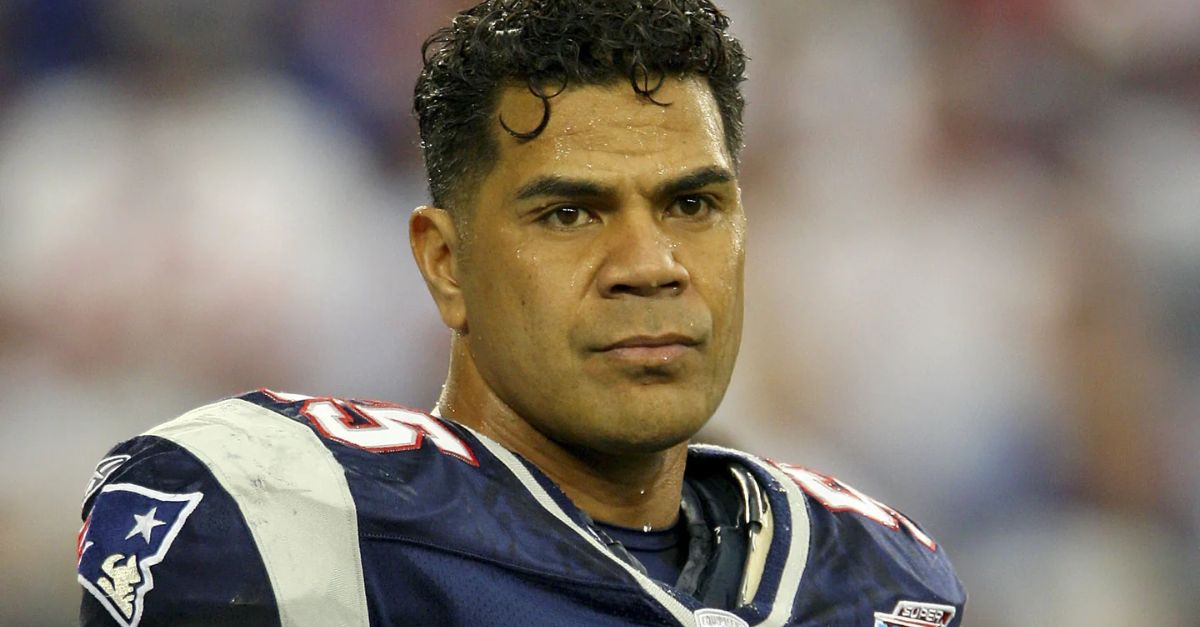
Every inch of turf he covered told a story of loyalty and love for the game. Even when the whistle stopped, his purpose didn’t.
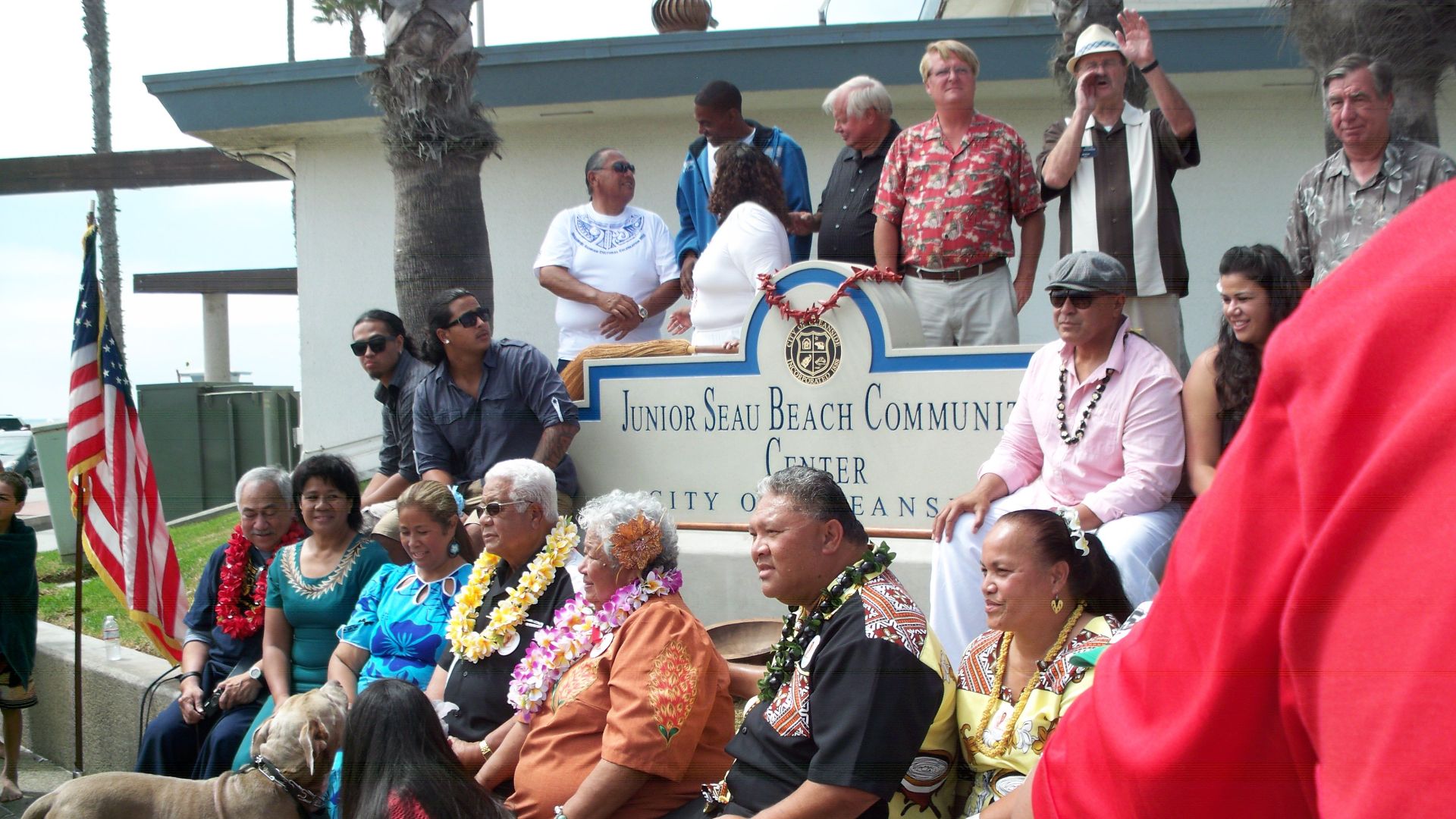
Born In Oceanside, California
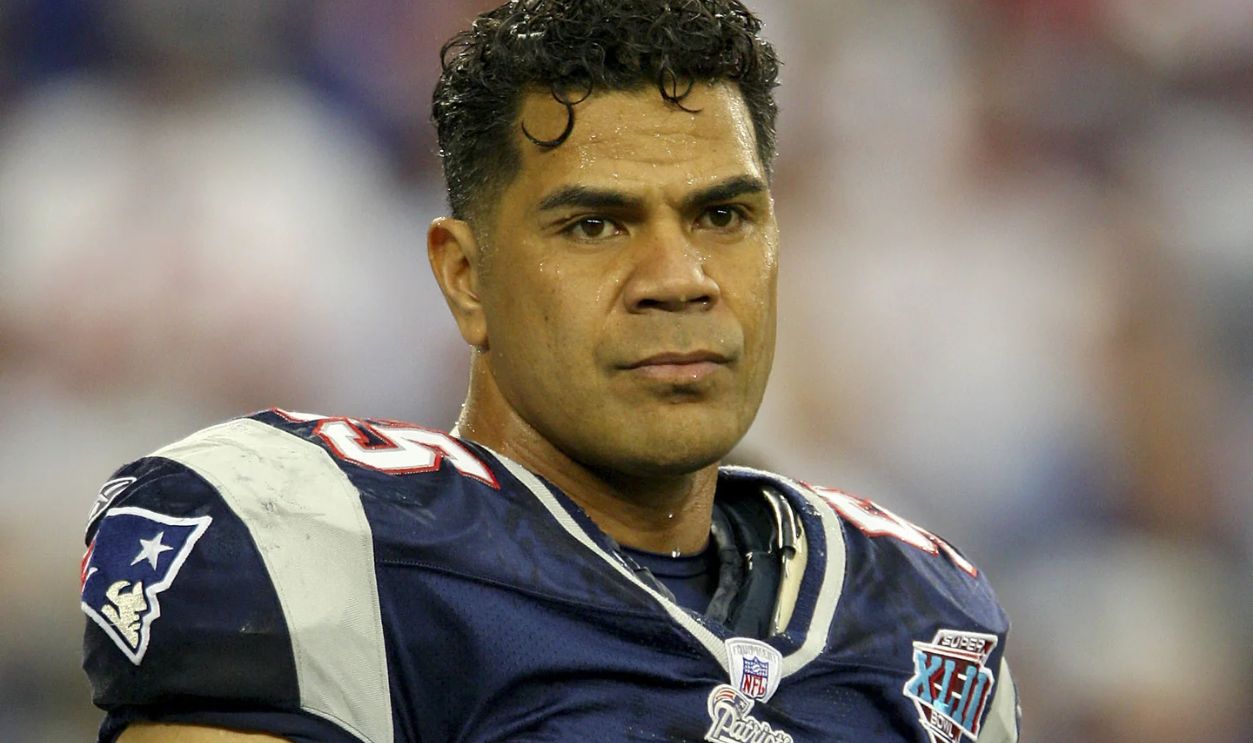
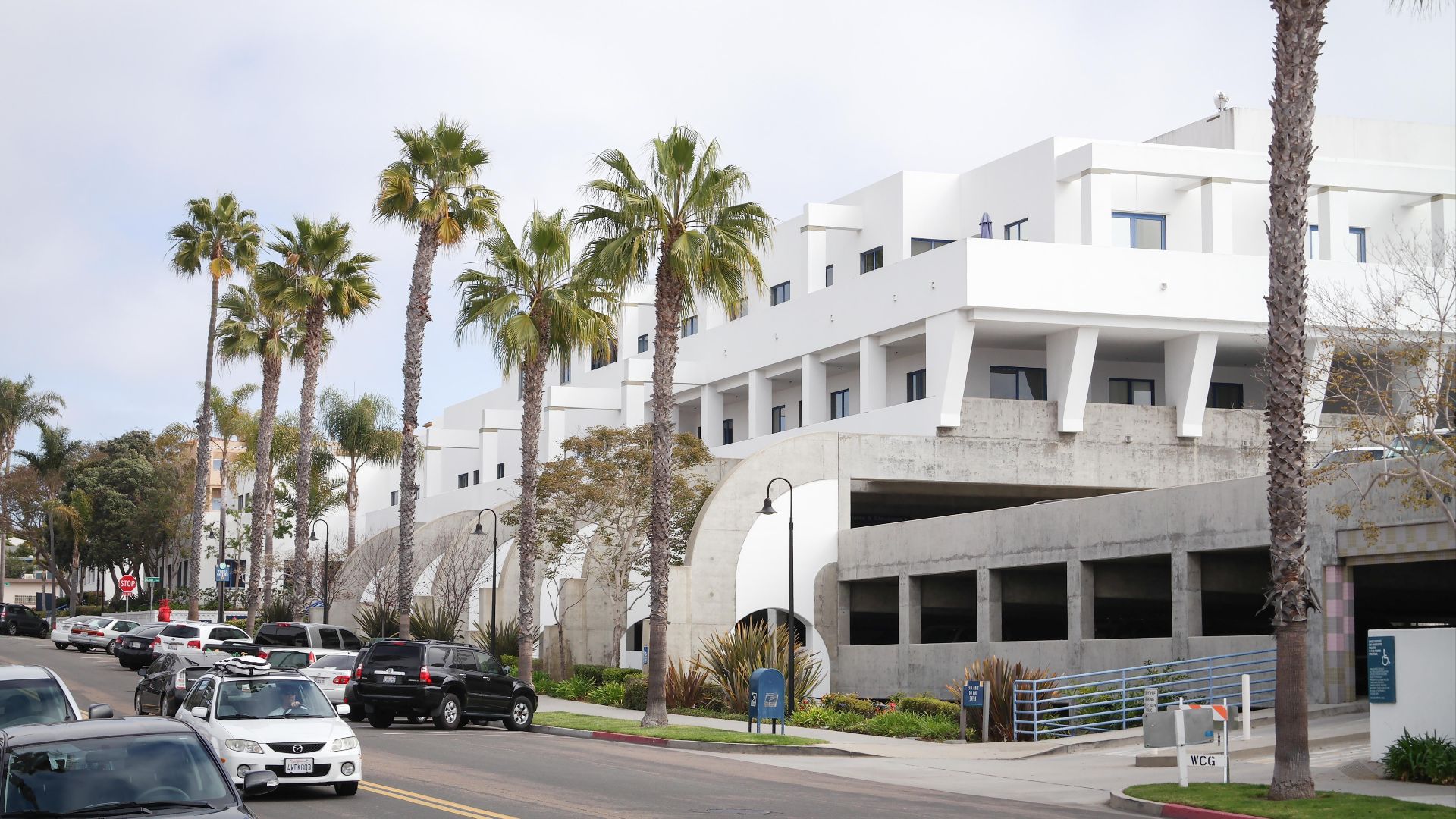
The story starts in a coastal California town where a kid named Tiaina “Junior” Seau first learned to hit the waves before he ever hit the field. Raised in Oceanside by his Samoan immigrant parents, Tiaina Sr and Luisa, alongside five siblings, where Junior found early lessons in discipline and resilience.
Growing Up Samoan-American
Life in a proud Samoan household meant respect, family, and hard work. English came later, but body language—especially football—spoke loudest. His parents pushed education (and humility), constantly reminding him that every touchdown meant representing his entire heritage, not just his own number.
 Matt McIntosh/National Oceanic and Atmospheric Administration, Wikimedia Commons
The Multi-Sport High School Standout
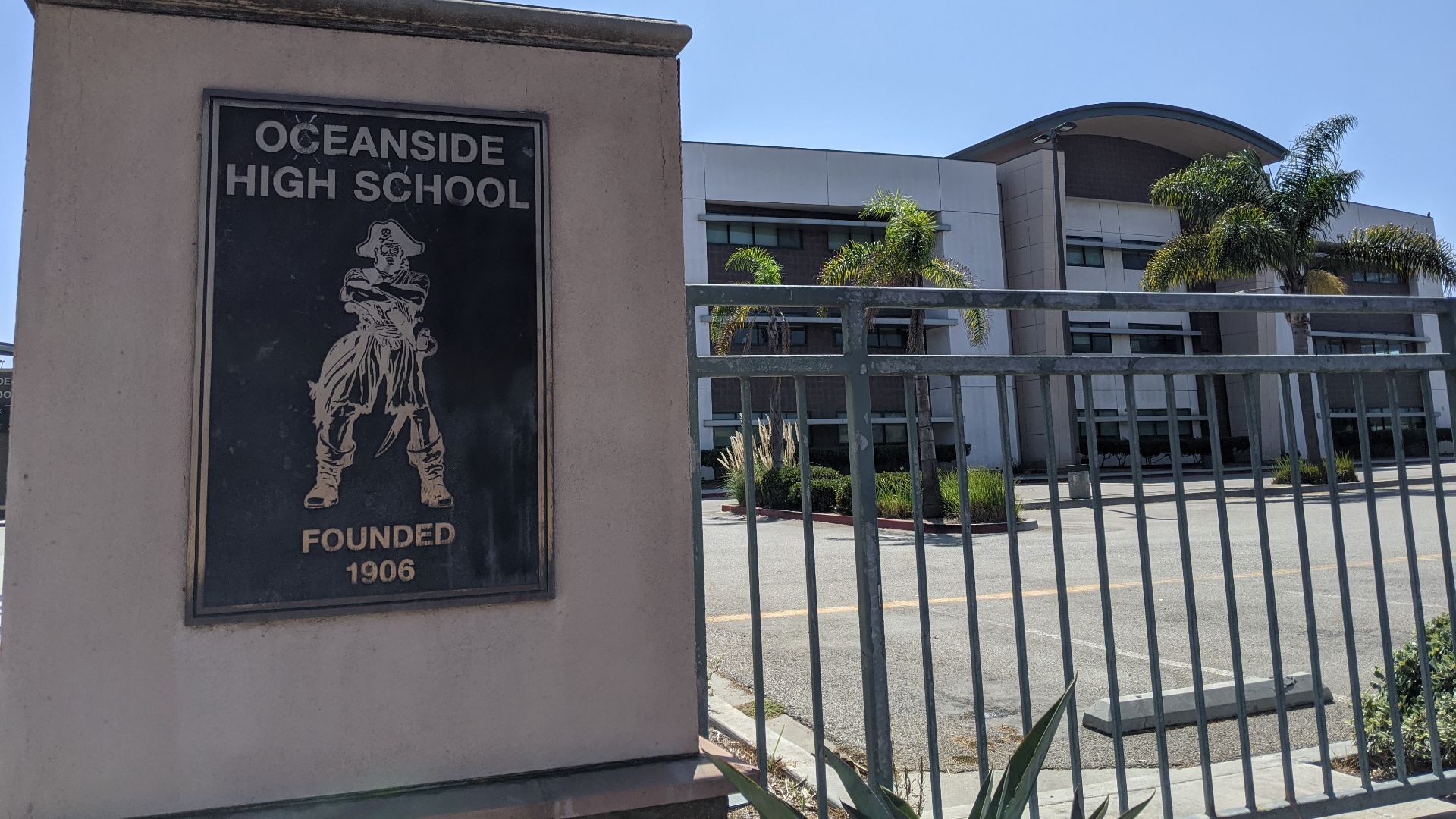
At Oceanside High, he sprinted and tackled as if competition were oxygen. Coaches said he could’ve gone pro in nearly anything. Yet football pulled him hardest—it gave him permission to channel that energy, that laughter, that ferocity—all in one perfect outlet.
USC’s Relentless Linebacker
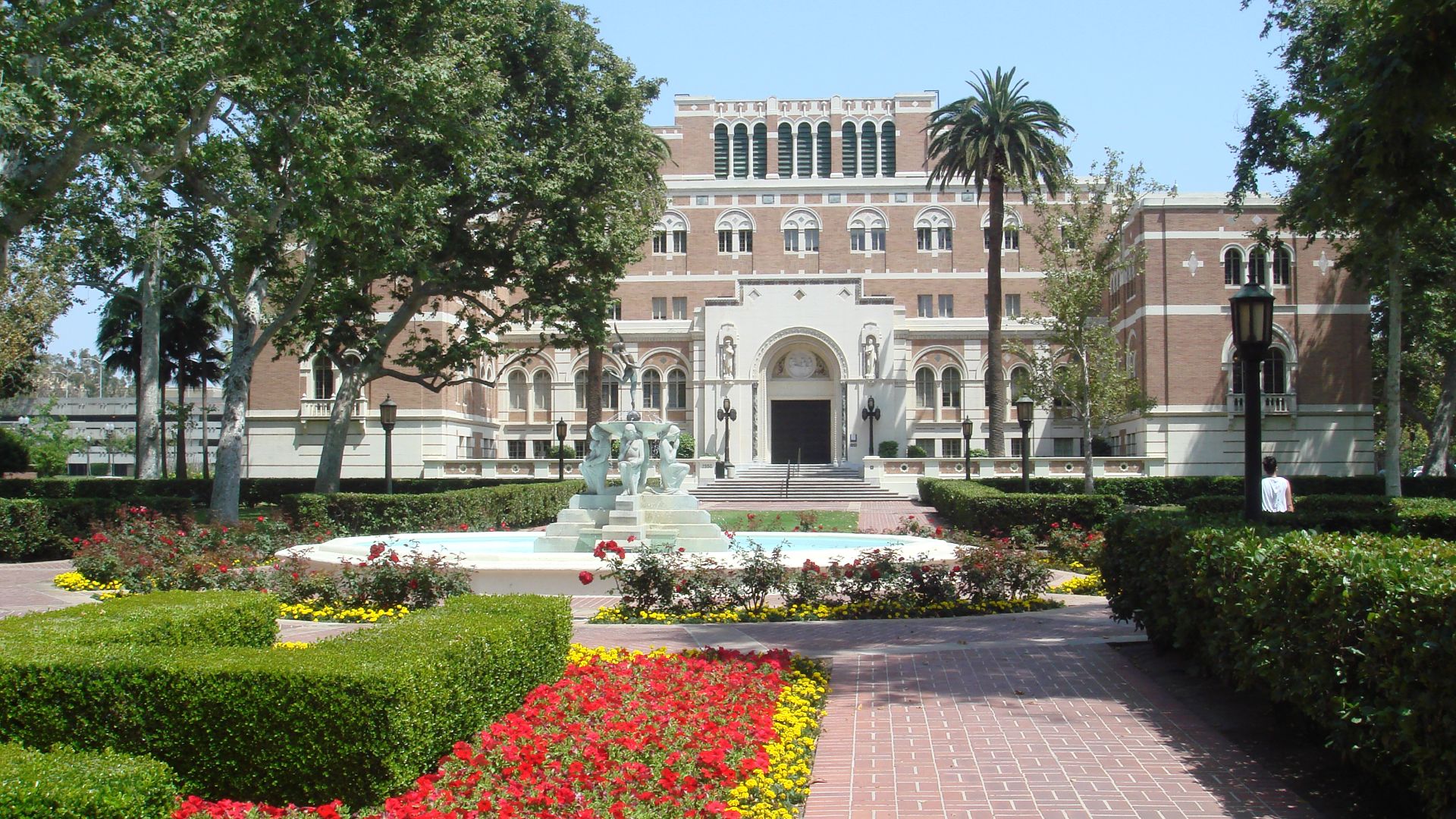
At the University of Southern California, he didn’t wait to be noticed. His 1989 season exploded with tackles for opposing offenses. The Trojans’s defense practically revolved around his instincts. This turned him into the kind of player scouts described as “a force, not a position”.
 Bobak Ha'Eri, Wikimedia Commons
Draft Day Triumph
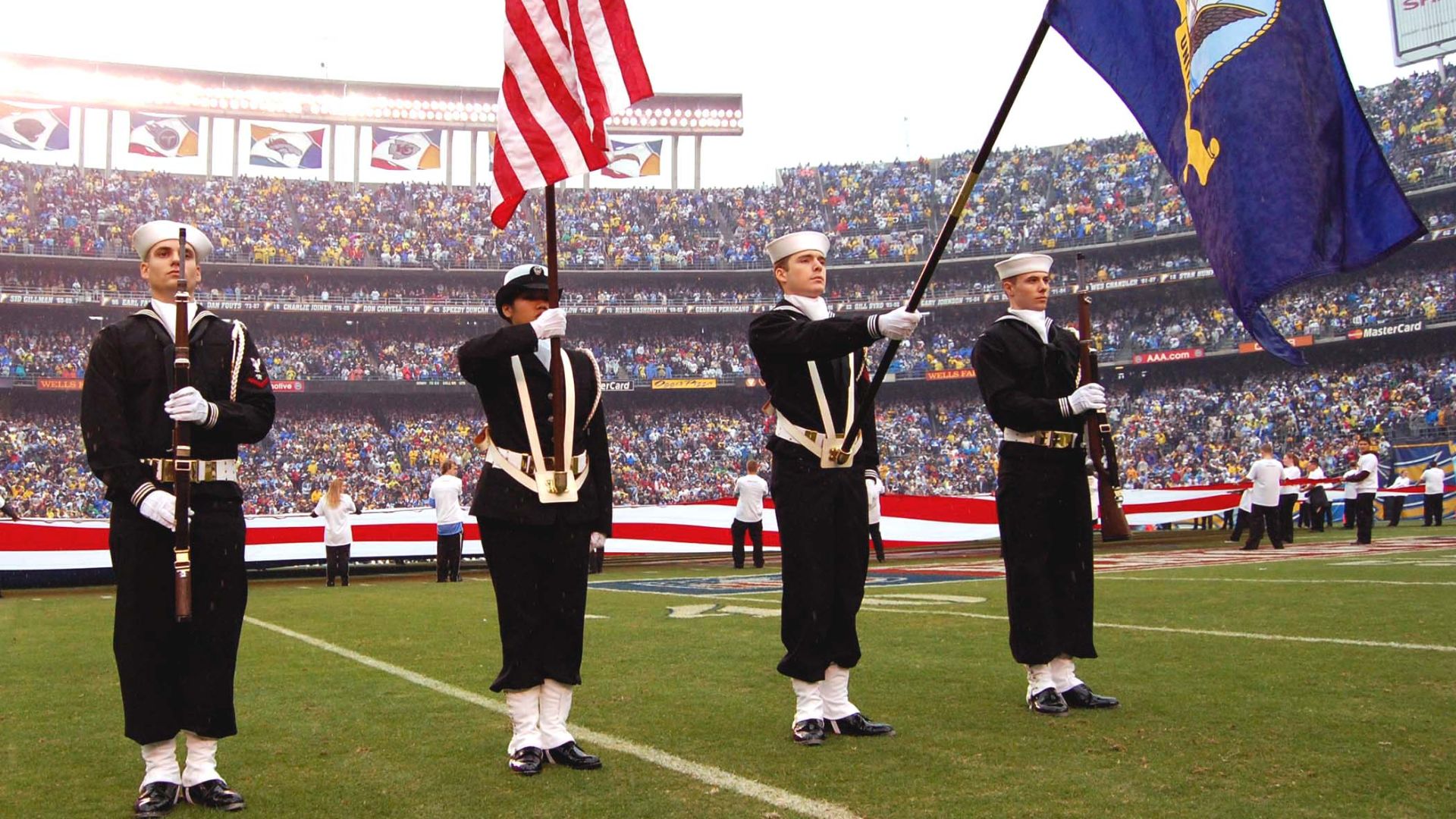
The San Diego Chargers called his name fifth overall in 1990, and suddenly the local kid became the city’s heartbeat. Fans saw a hometown dream realized. Teammates saw leadership arrive early; his voice in the huddle already sounded like Sunday afternoon tradition.
 U.S. Navy photo by Mass Communication Specialist Third Class Drew Williams, Wikimedia Commons
A Rookie Who Played Like A Veteran
That first season was all about leading. He started nearly every game, calling out plays like he’d been in the league for years. His combination of speed and anticipation had quarterbacks glancing twice before every snap.
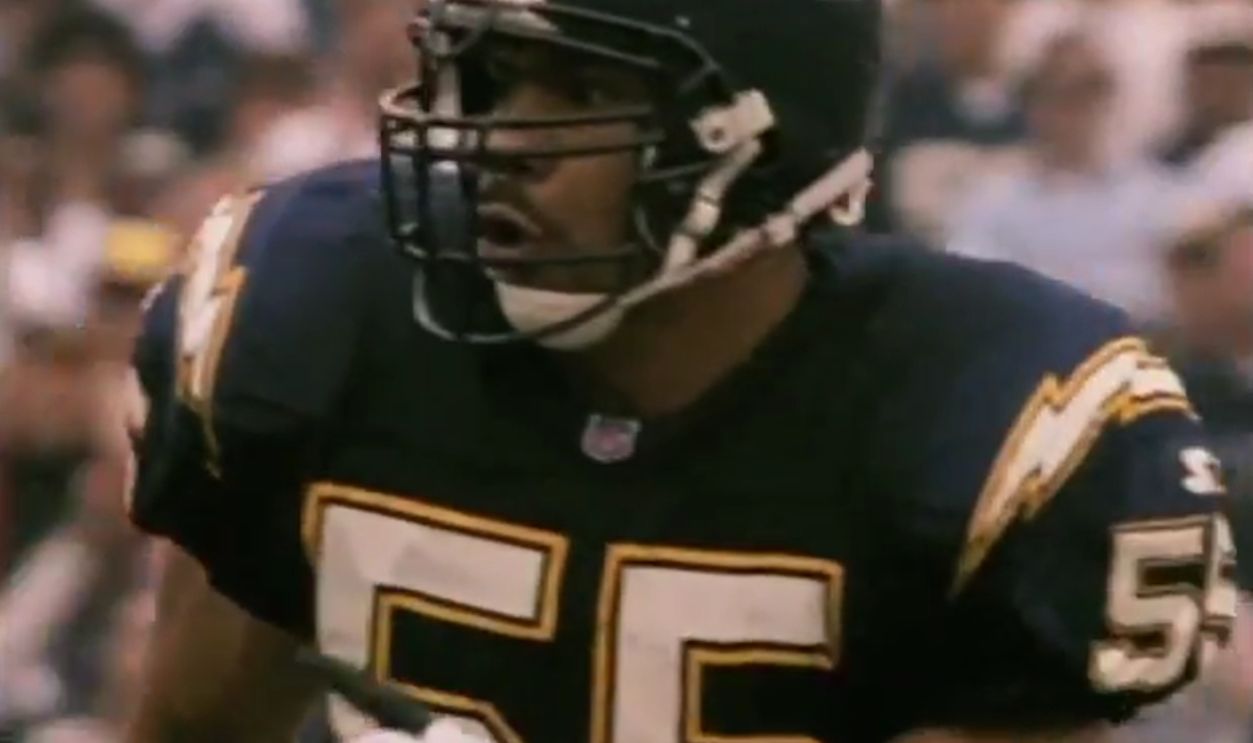 Junior Seau Tribute (Highlight Video) by Trailer Blend
Defensive Player Of The Year
By 1992, honors had started pouring in. United Press International named Seau Defensive Player of the Year—an accolade that felt inevitable. Coaches described him as the heartbeat of every defense, a man who turned chaos into choreography with just a glance before the snap.
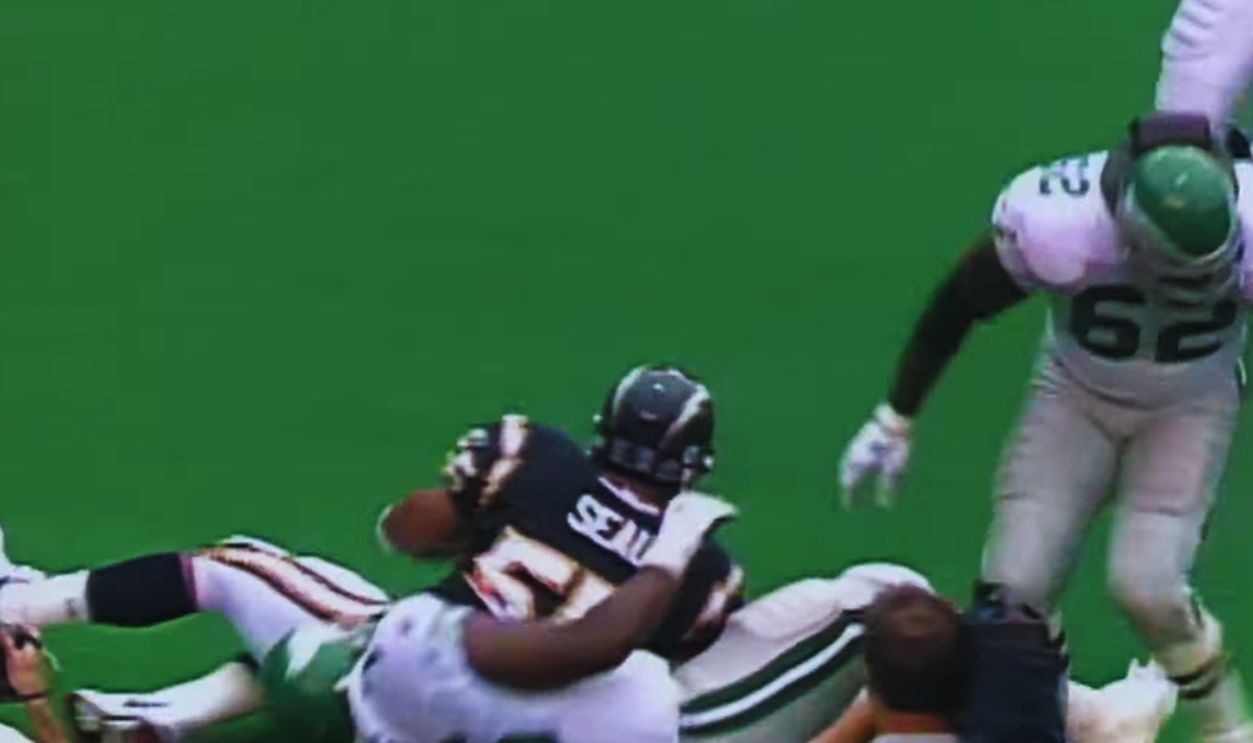 Junior Seau Top Chargers Career Plays | LA Chargers by Los Angeles Chargers
The Foundation For Future Players
Seau’s foundation, which he established in 1992, became his second team. Focused on education and youth sports, it gave kids scholarships and gear before they had dreams of college. Every event reflected the fact that one shouldn’t ever forget where they came from, or who cheered first.
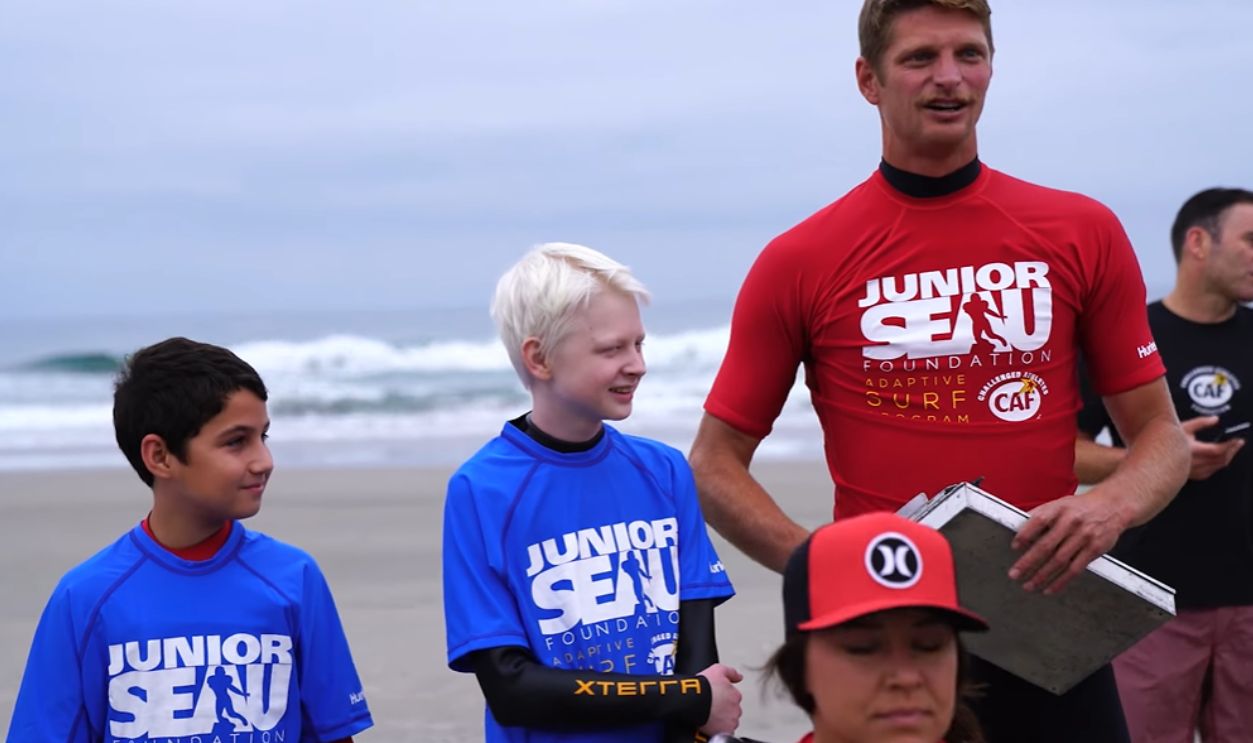
Leading The Chargers To Glory
In 1994, Seau captained San Diego’s only Super Bowl team. His locker buzzed with energy before every game—music, laughter, and pre-kickoff fire. Fans called him “The Heart of 55”. Even in defeat, his leadership cemented a bond between city and team that still stands.
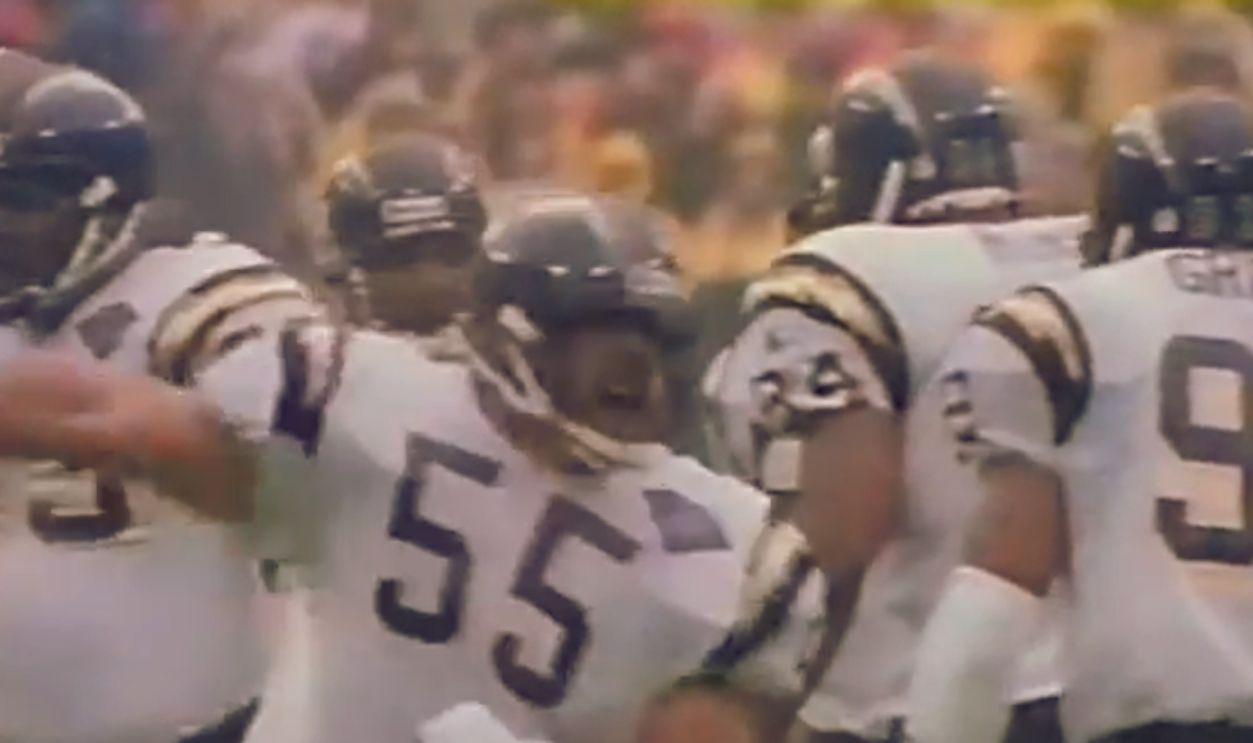 1994 - Junior Seau is True Value / NFL Man of the Year by Ken Owen Video Vault
Playing Through The Pain In 1994
The Chargers’s Super Bowl run came with agony under the pads. He battled a pinched nerve yet still racked up 16 tackles in the AFC Championship. Fans didn’t know he could barely lift his arm between downs—only that number 55 never left the field.
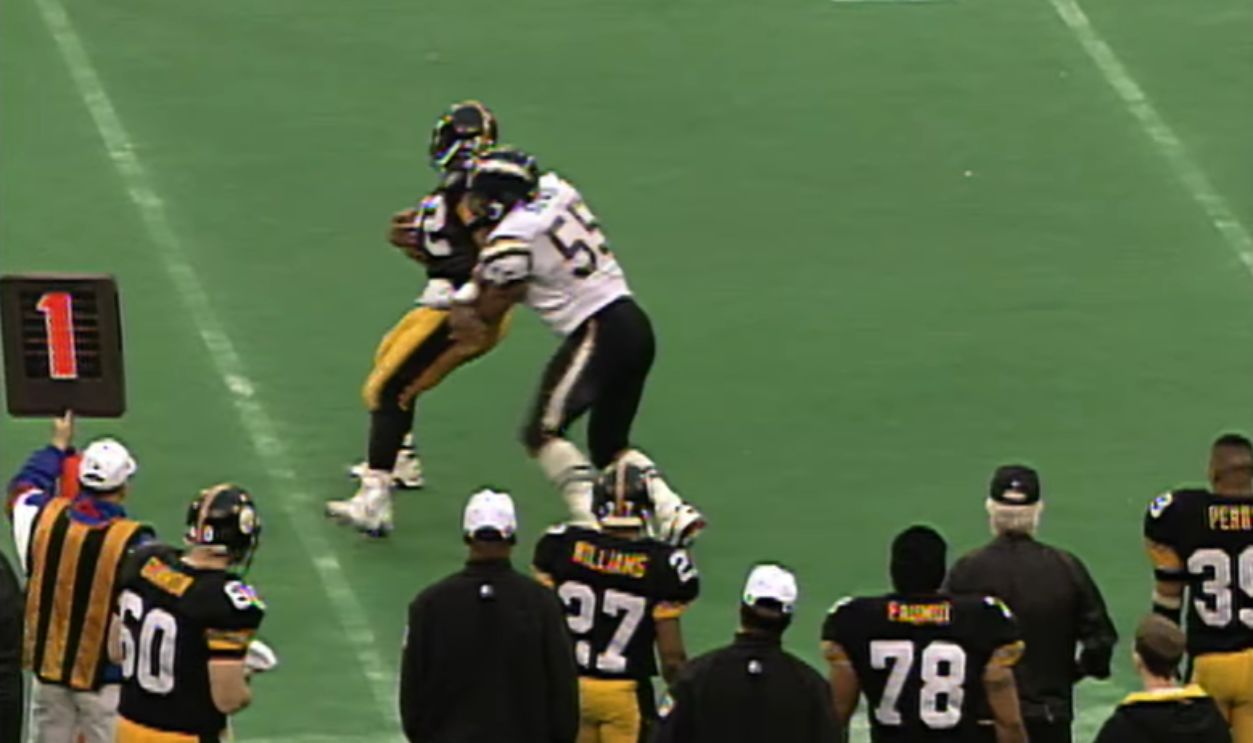 1994 AFC Championship: Junior Seau & Chargers take on Mighty Steelers | NFL Full Game by NFL
The 2002 Ankle Strain
Years later, injuries were more than bruises; they were history repeating itself. An ankle strain limited his final Charger season, cutting short another Pro Bowl nod. Still, he refused sympathy to show everyone who cared to watch him that football was not easy.
 F. Schümmelfeder, Wikimedia Commons
The Torn Muscle In Miami
When he joined the Dolphins, the hits didn’t slow down. A torn pectoral muscle ended his 2004 campaign, but coaches noted his presence on the sideline never wavered. He motivated rookies like he once did teammates—through laughter and a watchful eye.
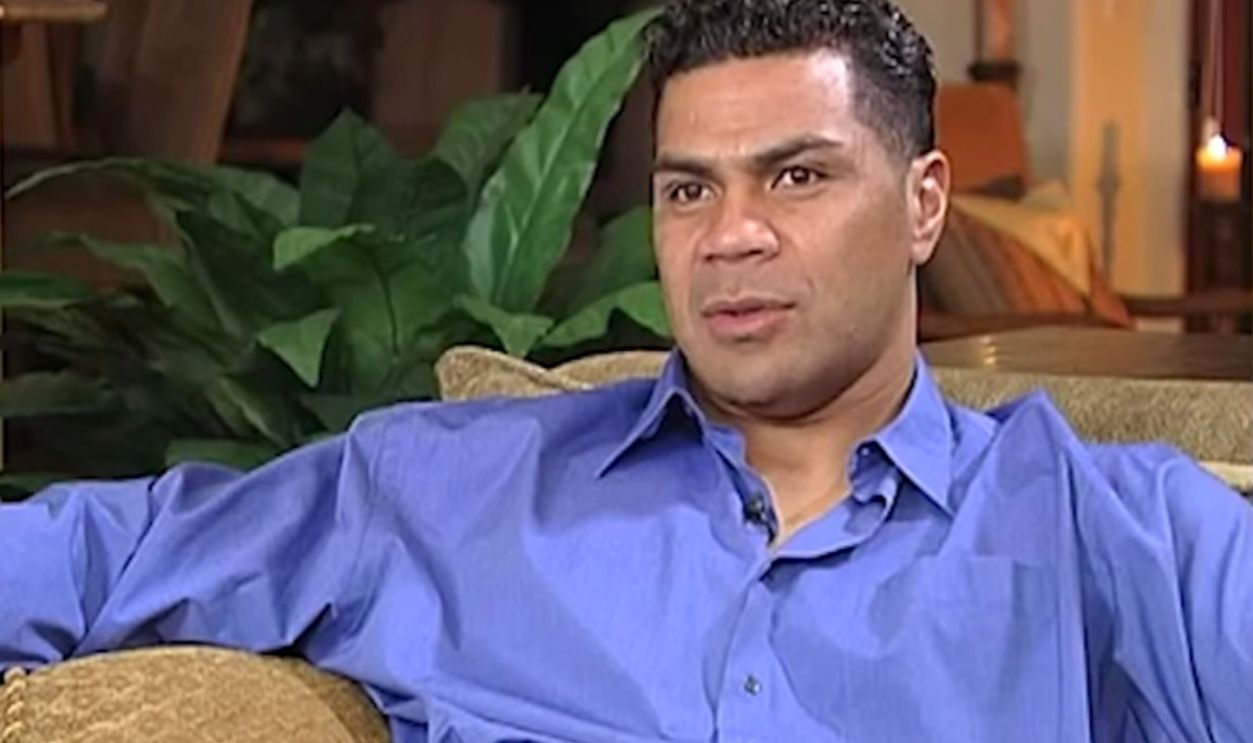 Ep. 60 - Junior Seau | Last Days Podcast by TMZ Audio Network
Achilles Setback And A Relentless Return
The following year brought another blow—an Achilles injury. Most would have called it a career, but Seau just called it a detour. Rehab became another competition, and he attacked it the same way he chased quarterbacks.
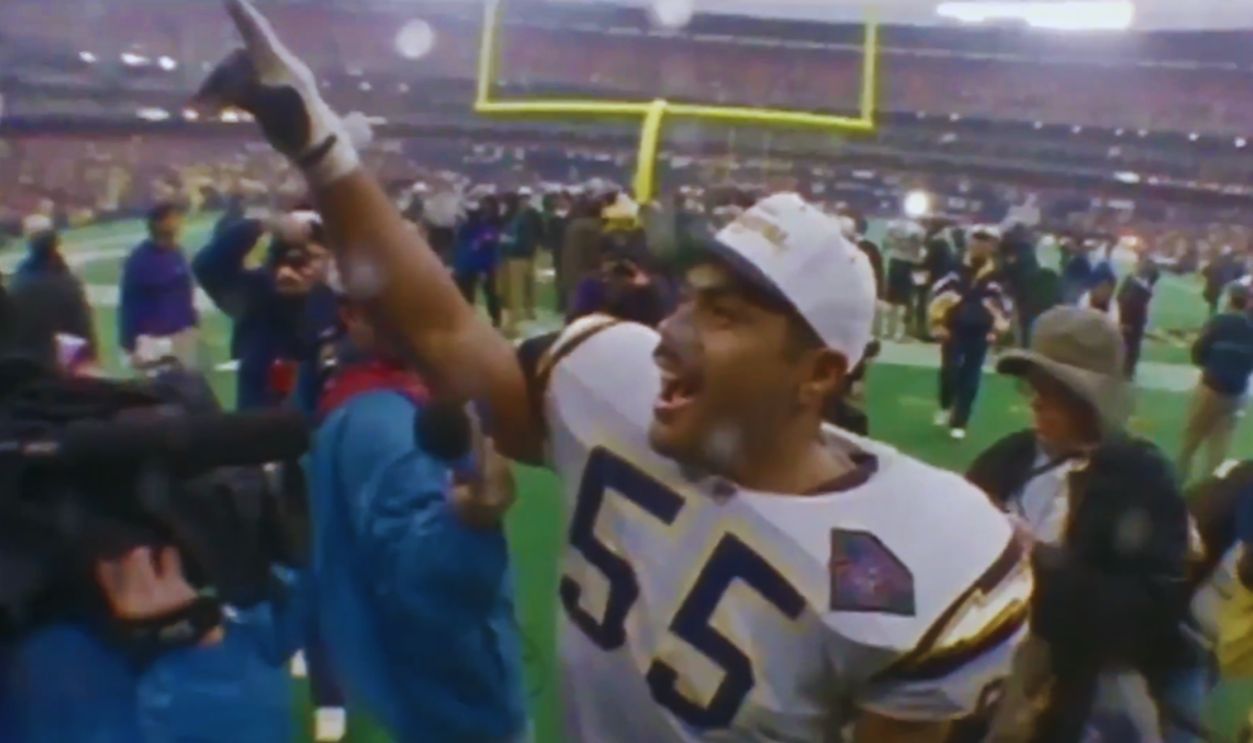 Best of Junior Seau | Career Highlights | 1990-2010 by Mike Vaz
Twelve Pro Bowls And A Decade Of Dominance
Throughout the 90s and early 2000s, Seau’s presence in the Pro Bowl became routine. Twelve selections later, he’d secured his legend. He wasn’t chasing personal accolades; he was setting a standard, reminding younger defenders that leadership was part of the uniform.
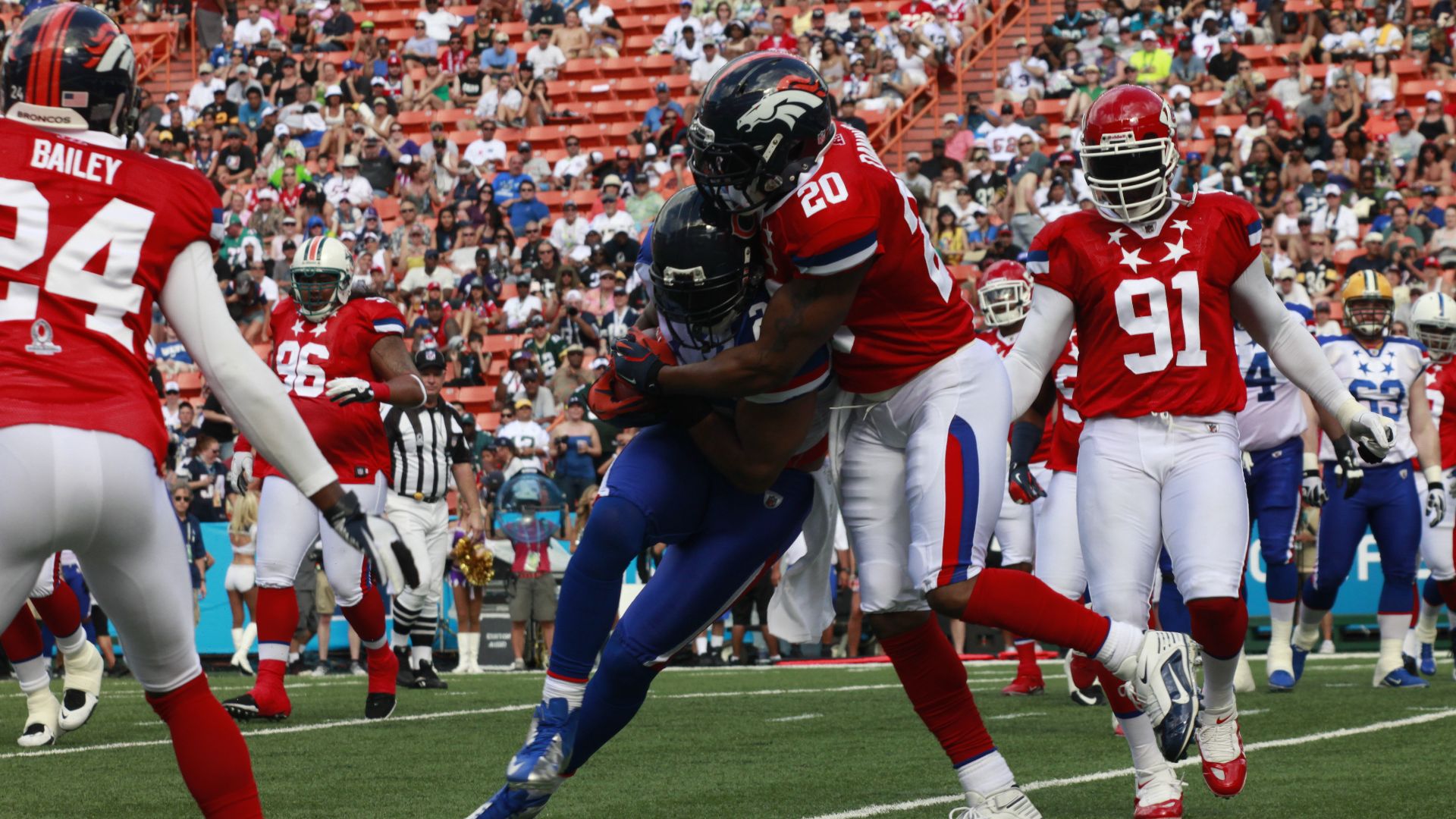 Cpl. Jody Lee Smith, Wikimedia Commons
Playing Style That Defined A Decade
Teammates described him as “a storm inside shoulder pads”. Offenses built entire plans just to contain him. He’d anticipate snaps, explode through gaps, and smile afterwards. That blend of ferocity and charm turned defensive football from grunt work into electrifying entertainment.
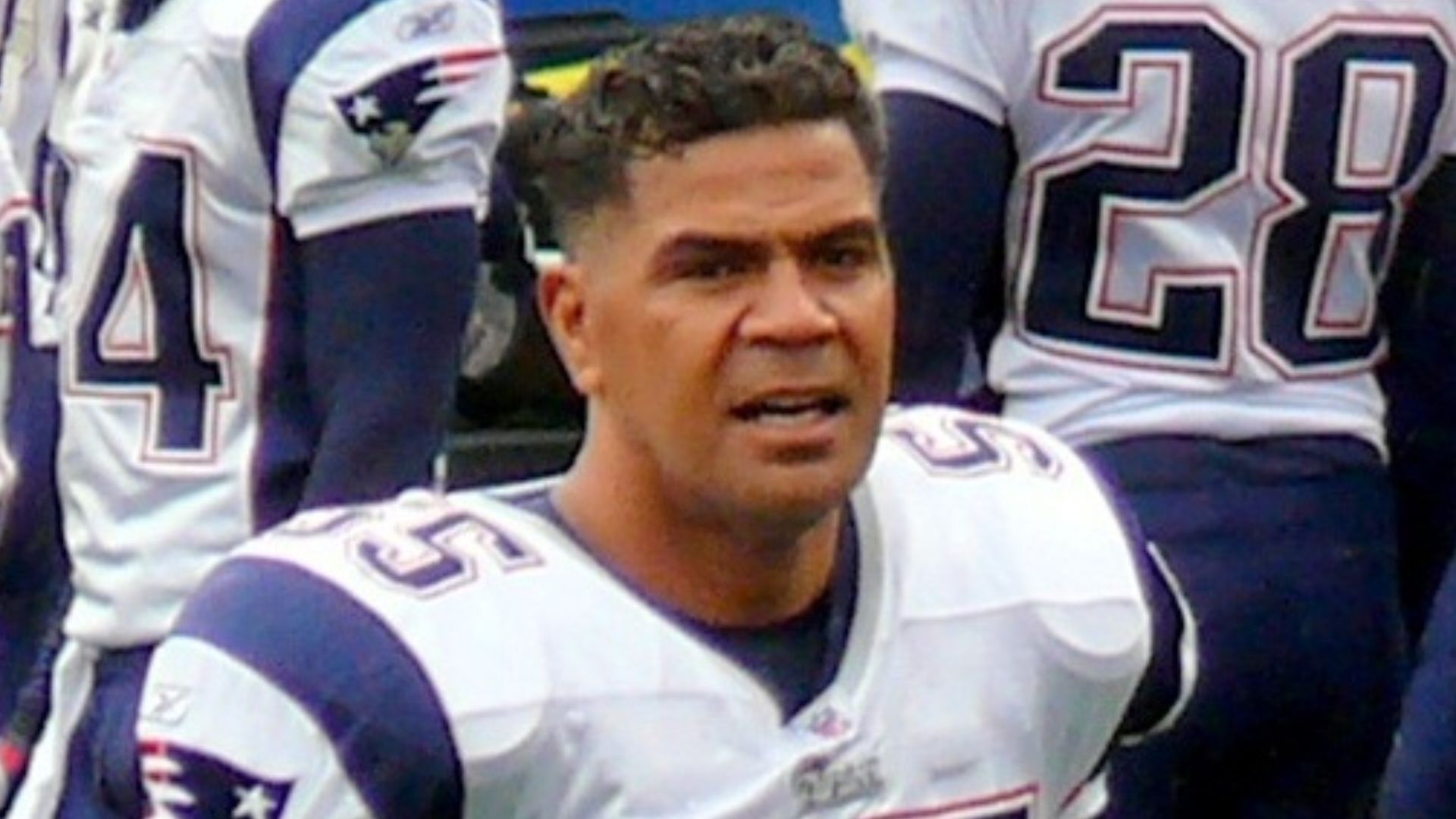
The Final Retirement
After twenty seasons, Seau hung up his cleats in 2010, closing a career defined by consistency. Few players ever matched his longevity. His farewell wasn’t teary because it felt like another locker-room speech, a quiet nod to years of bruised glory.
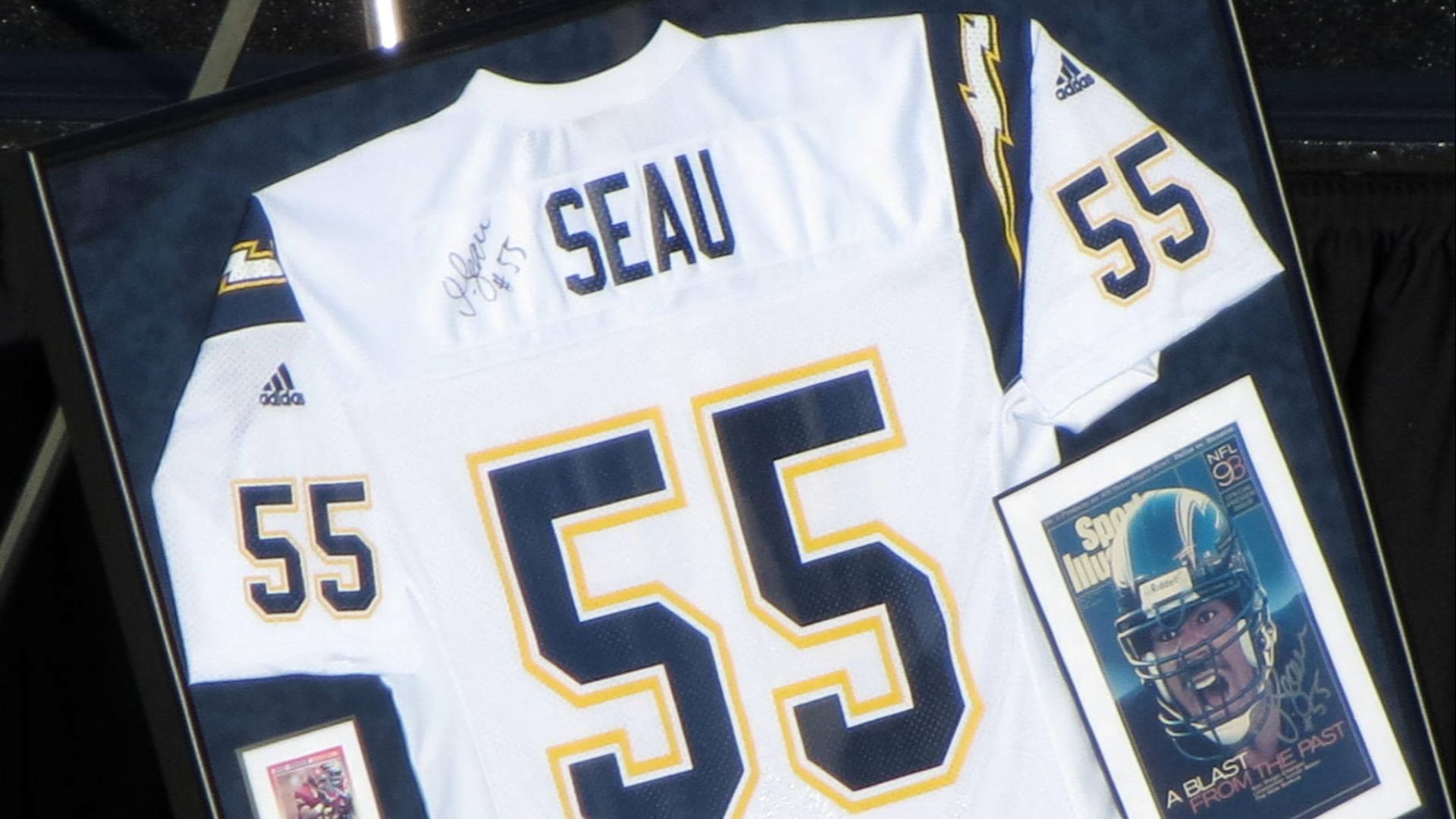 Deejay from SoCal, U.S.A., Wikimedia Commons
Retirement Of A Legendary Number
When the Chargers retired #55, the ceremony felt like a hometown reunion. Former teammates lined the sidelines, and even rivals applauded. The banner rose slowly at Qualcomm Stadium, sealing his number in history, and proving loyalty sometimes lasts longer than a career itself.
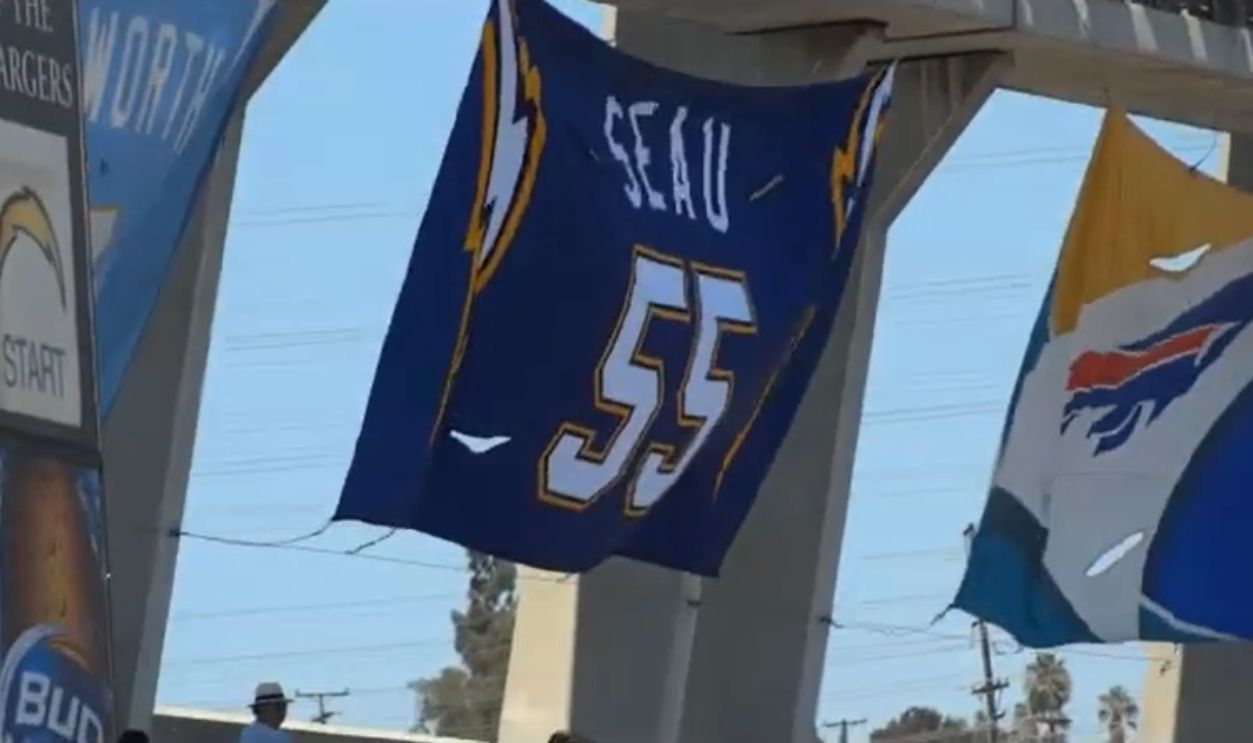 Junior Seau's Number Retirement Ceremony Sept 16, 2012 by TheBigwill619
The Day The Game Fell Silent
On May 2, 2012, Seau was gone. News spread faster than any highlight. Fans left Chargers jerseys on doorsteps and beaches alike. His passing shook the sport, and it forced every sideline conversation to pause long enough to ask what endless toughness really costs.
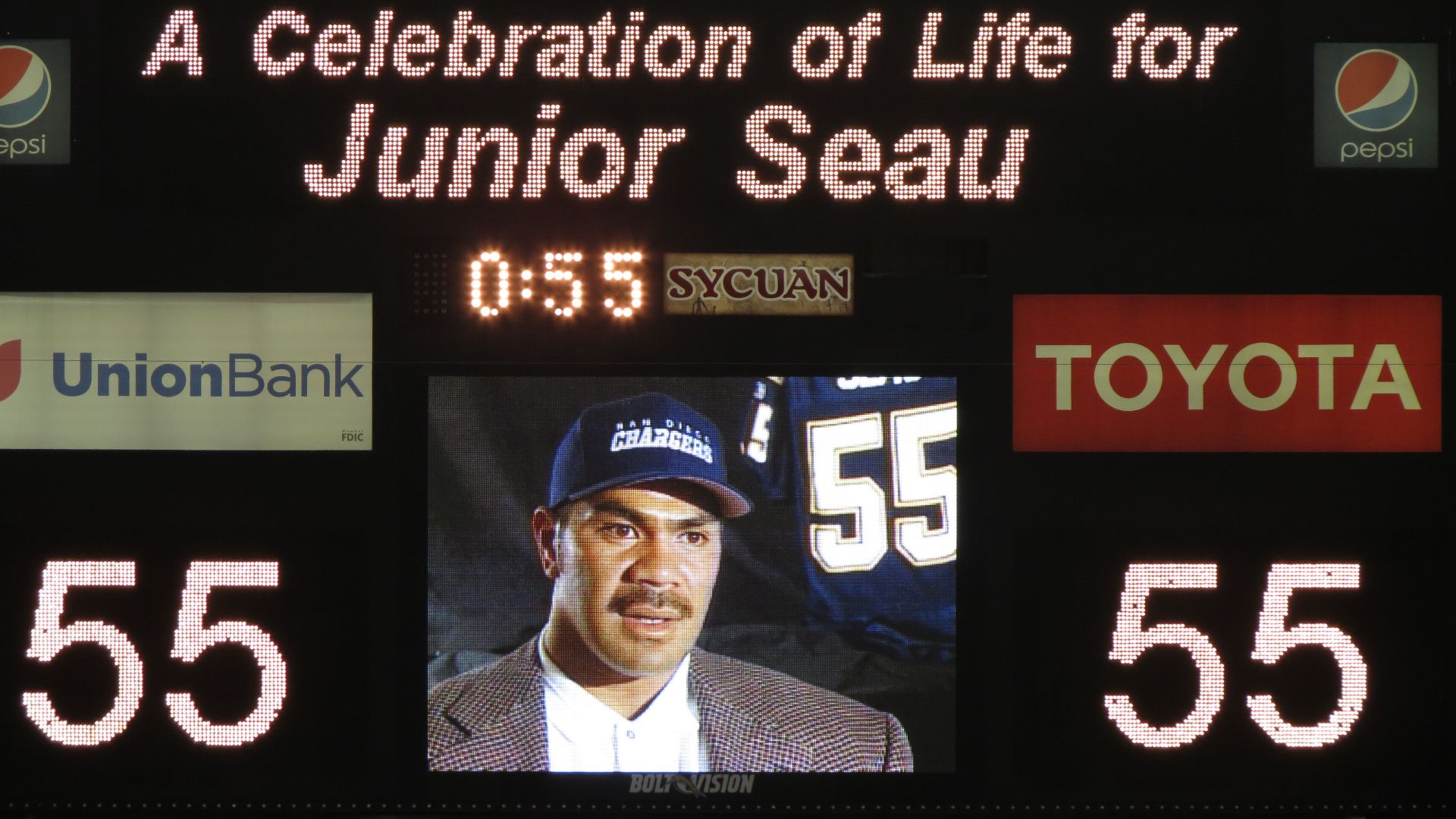
A Family’s Extraordinary Decision
In the wake of heartbreak, his family did something remarkable; they agreed to donate his brain tissue to science. No press conference, no theatrics, just resolve. That choice turned private grief into a public step toward understanding what repeated impact does to greatness.
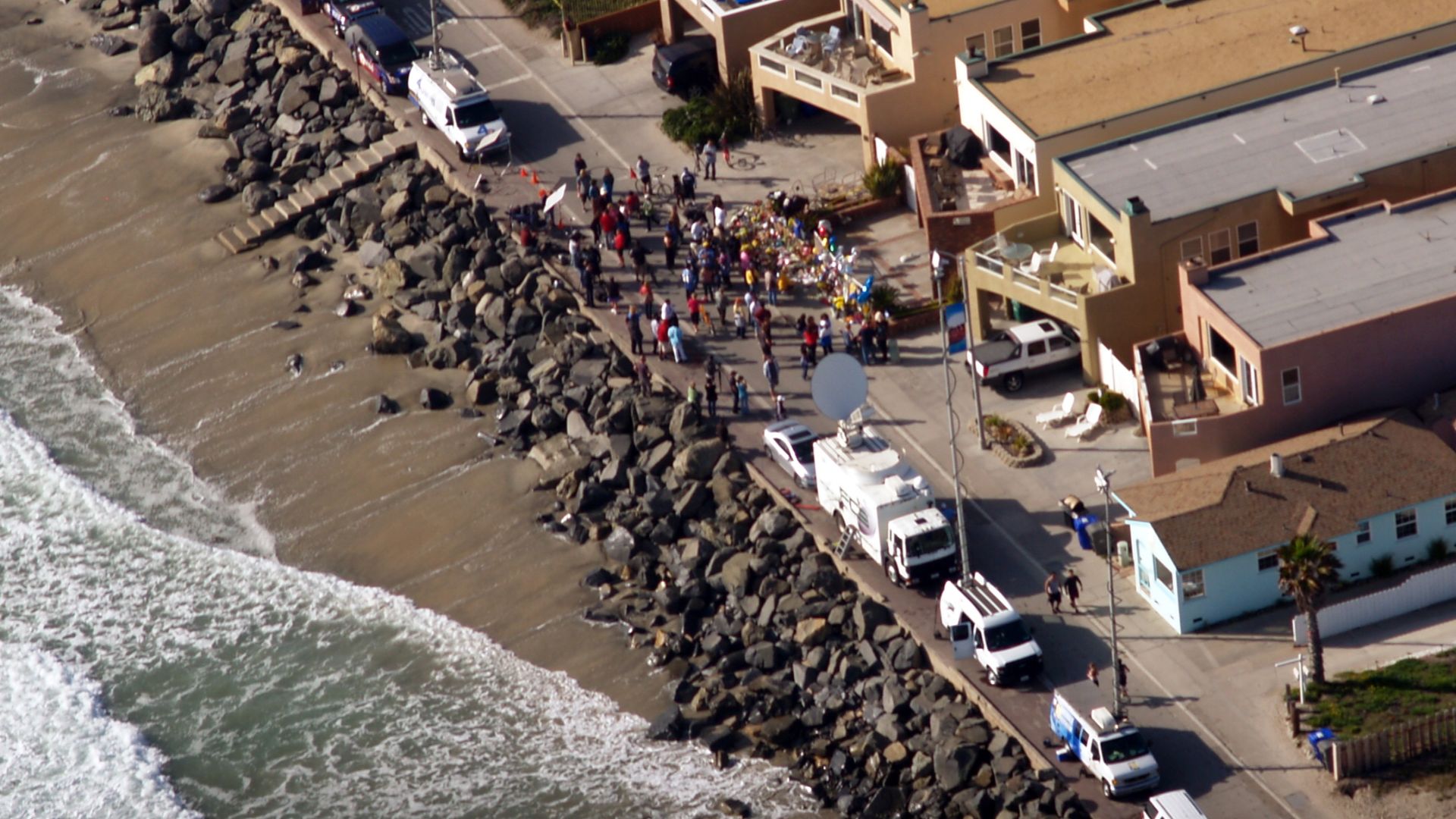 Philkon (Phil Konstantin), Wikimedia Commons
Science Finds Its Evidence
Months later, researchers at the National Institutes of Health discovered Seau’s brain carried signs of chronic traumatic encephalopathy, or CTE. The finding confirmed that each collision leaves an invisible echo. Seau’s diagnosis became a cornerstone for modern sports medicine.

Changing The NFL Conversation
After CTE confirmation, the league faced tough questions about helmet technology, practice limits, and concussion protocol. Seau’s case became the emotional catalyst behind reforms. And every new safety initiative after him carried a shadow of that once-unstoppable linebacker from San Diego.
 Duane Lempke, Wikimedia Commons
A Brain Donation That Sparked Awareness
His brain’s inclusion in medical research marked a turning point. Headlines moved from box scores to brain scans. Seau’s story encouraged other families to participate in CTE studies to transform tragedy into education that continues to help scientists understand the price of professional football.
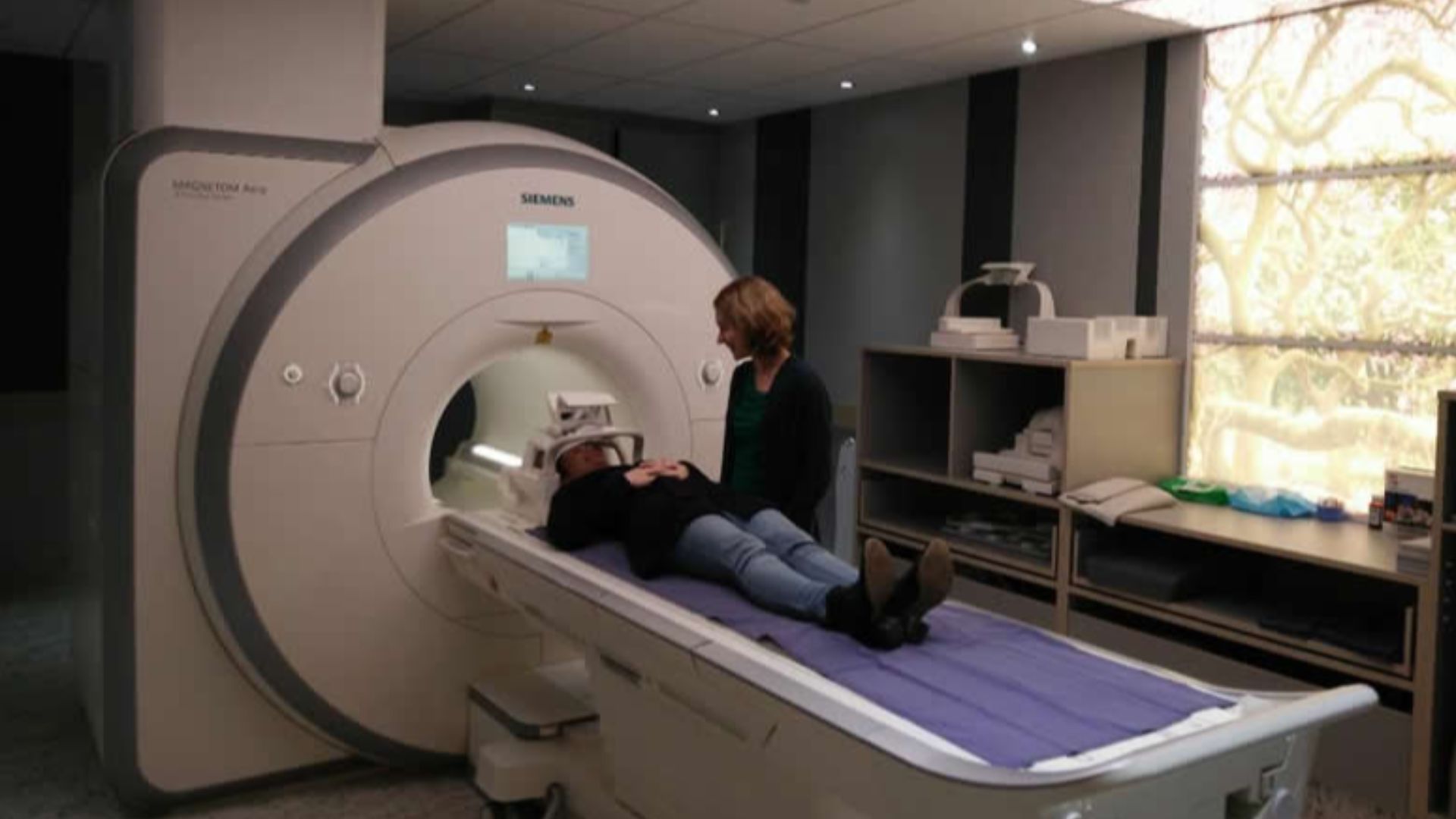 DanaAlmutawaaa, Wikimedia Commons
Immortalized In The Hall Of Fame
Three years after his passing, Seau’s name joined football’s most sacred list—the Pro Football Hall of Fame. His family accepted on his behalf. Every clip replayed his passion, but what lingered was how deeply teammates trusted the man wearing fifty-five.
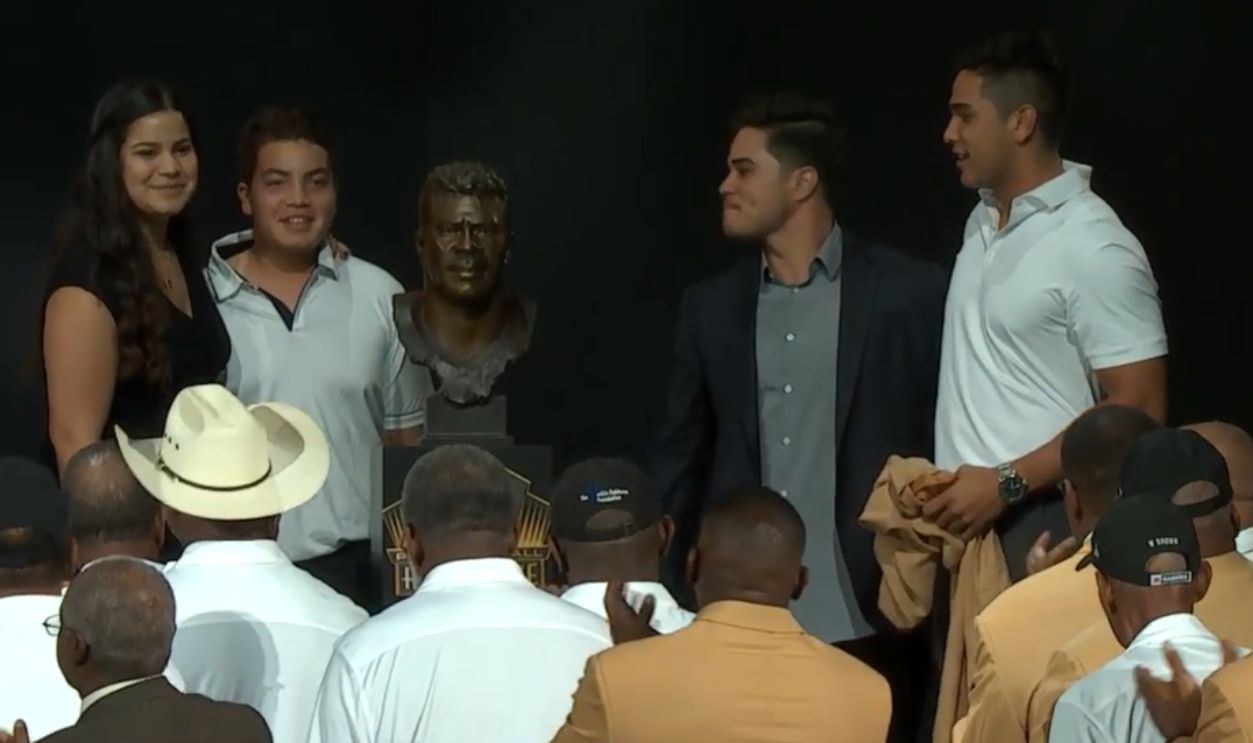 Junior Seau gets inducted into Pro Football Hall of Fame on behalf of family by NFL
The Teams That Shaped Him
Across two decades, Seau wore the colors of the Chargers, Dolphins, and Patriots. Each franchise gained a piece of his spirit—intensity in San Diego, mentorship in Miami, and resilience in New England. His influence traveled wherever football demanded heart over comfort.
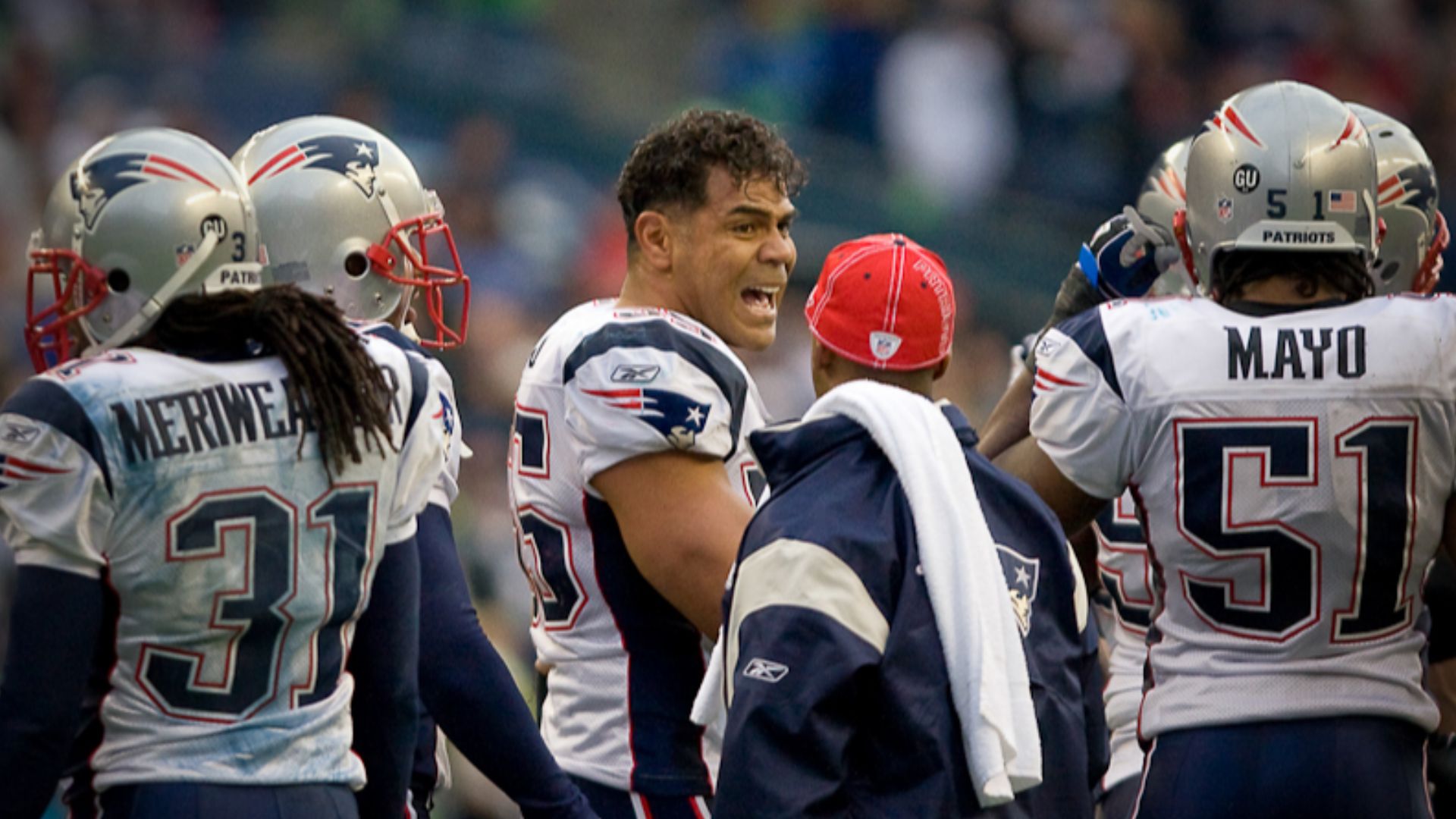
A Legacy That Keeps The Game Honest
Today, Seau’s story lives in documentaries and youth camps. Coaches use his name to define grit with purpose. His life didn’t end with a whistle—it became a caution and a celebration to remind everyone what sacrifice in sports truly means.