
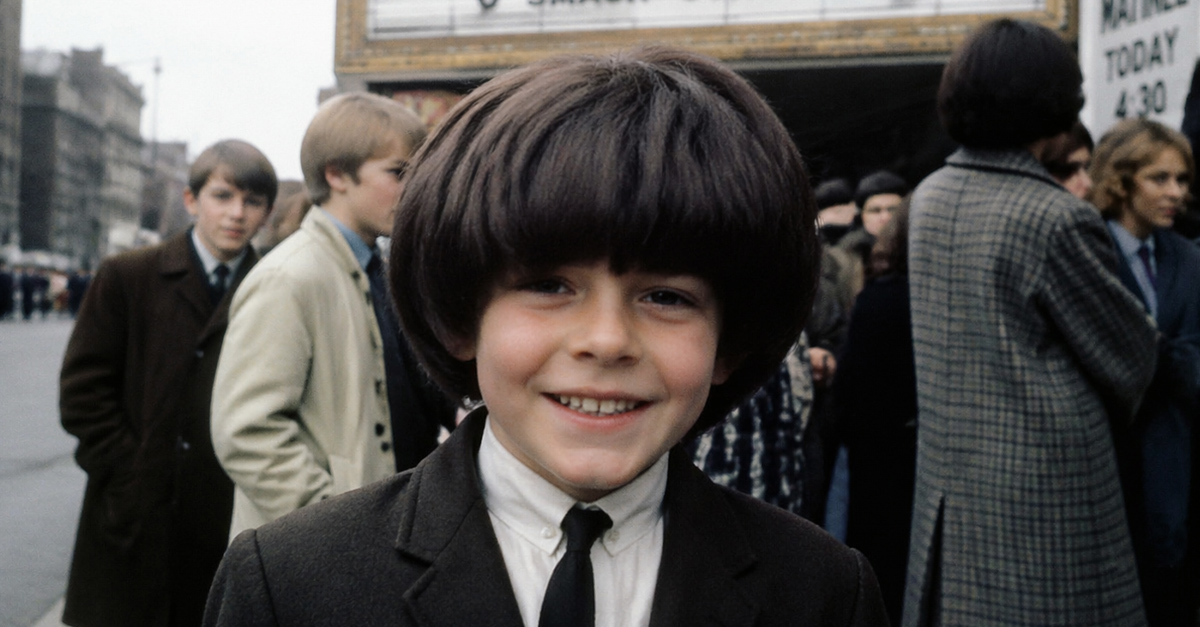
It's Just A Fad
The Baby Boomer generation invented the fad like we know it today. Legions of young people suddenly hopping on the bandwagon for "the next big thing"—only to forget about it a year later. Do you remember living through trends?
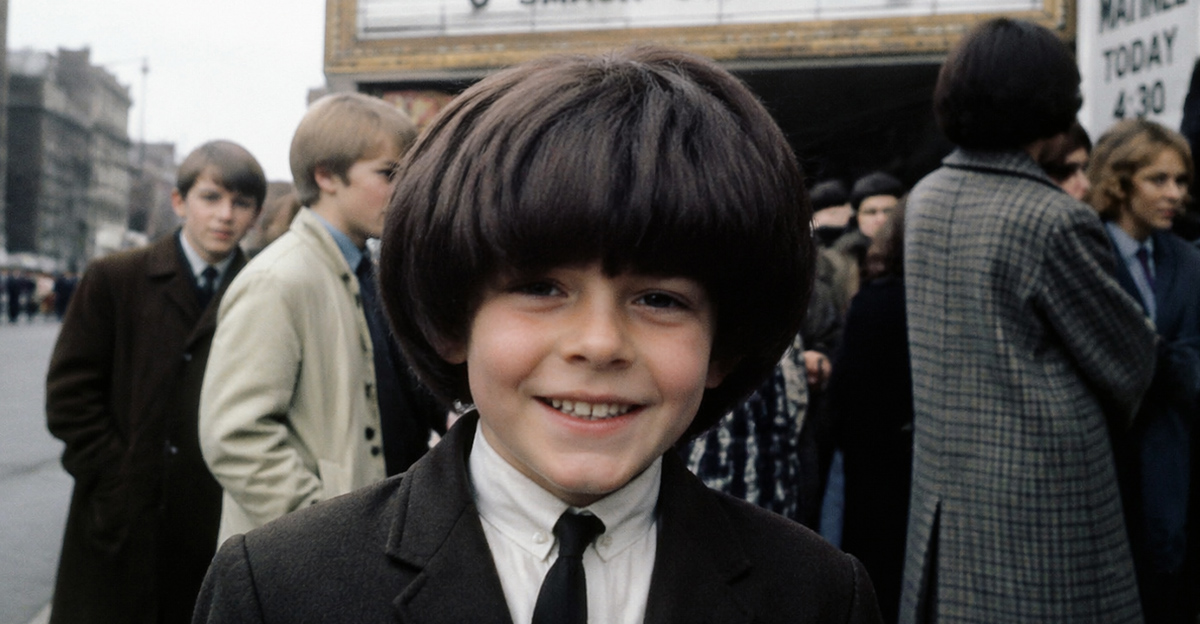
Hula Hoop Mania
When Wham-O introduced the Hula Hoop in 1958, it became an overnight sensation. An estimated 25 million hoops were sold in just four months. Many kids were sure it would stay a backyard staple forever, but the craze cooled almost as quickly as it started.
 GeorgeLouis, Wikimedia Commons
Davy Crockett Coonskin Caps
After Disney’s Davy Crockett miniseries aired in 1954 and 1955, coonskin caps were suddenly everywhere. Sales reportedly reached into the millions as kids channeled their inner frontiersman. The fad faded by the end of the decade, but for a brief moment it felt like a permanent uniform.

3D Movies
The early 1950s saw Hollywood experiment heavily with 3D films to compete with television. Movies like House of Wax in 1953 drew big crowds eager for immersive thrills. The technology proved cumbersome, and the first 3D boom fizzled within a few years.
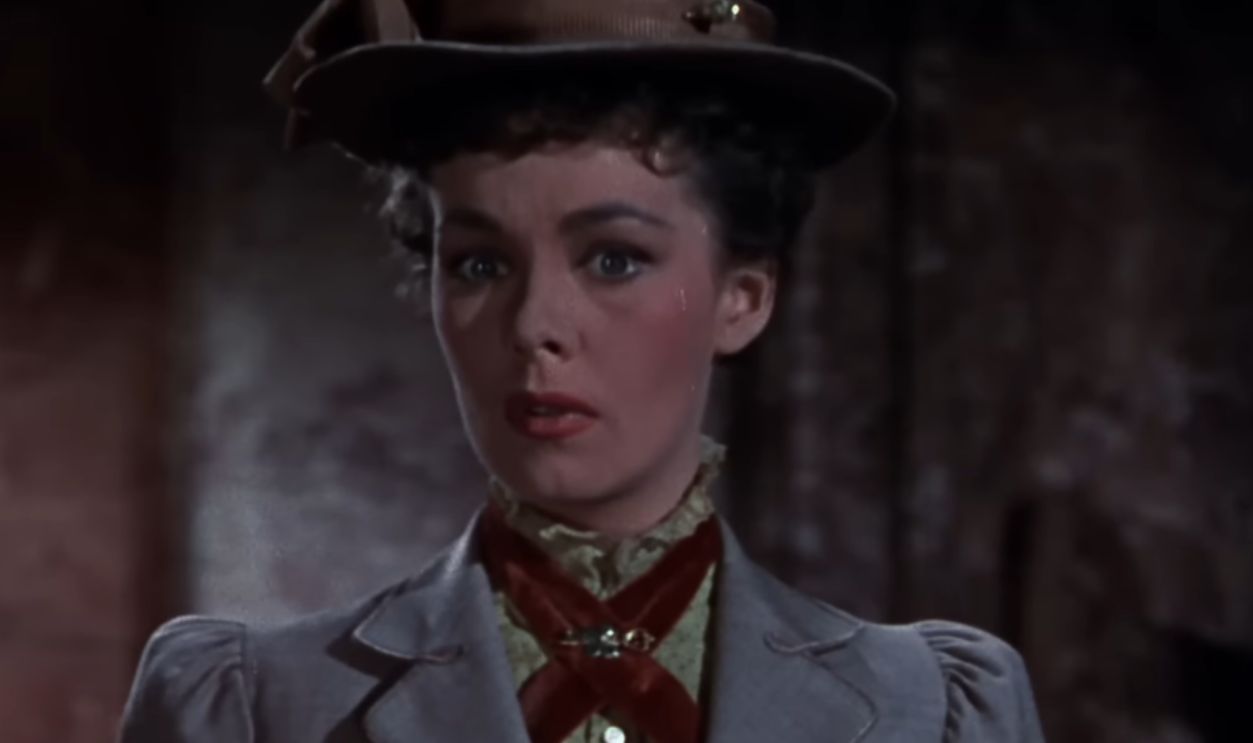 Screenshot from House of Wax, Warner Bros. Entertainment (1953)
Poodle Skirts
Poodle skirts became a defining look for teenage girls in the mid-1950s. The felt skirts often featured appliqué poodles and were worn with saddle shoes and cardigans. They symbolized youthful rebellion and rock and roll culture, but by the early 1960s they were already nostalgic.
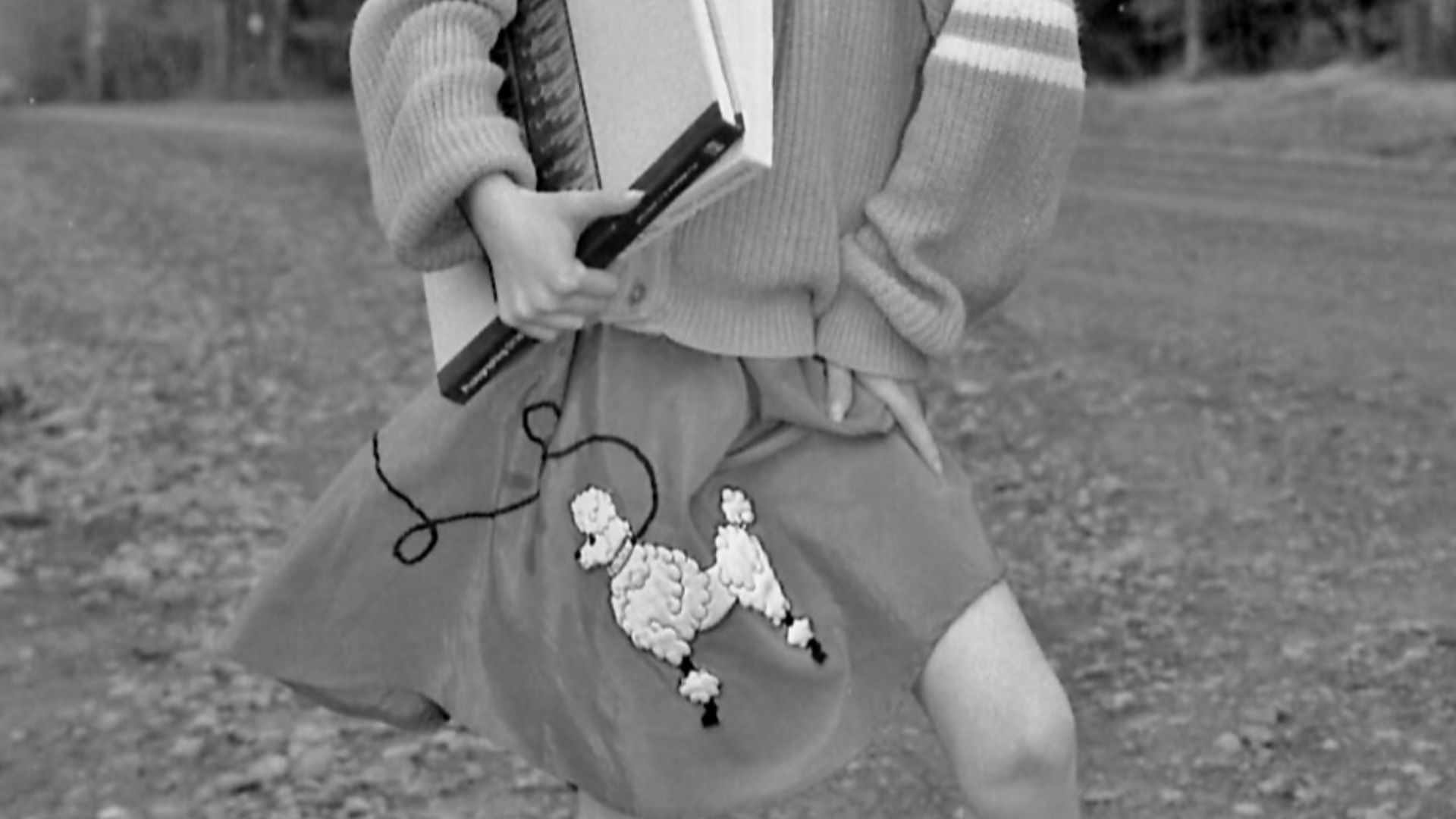 Tom Roy Hobbs from Field Of Dreams, USA, Wikimedia Commons
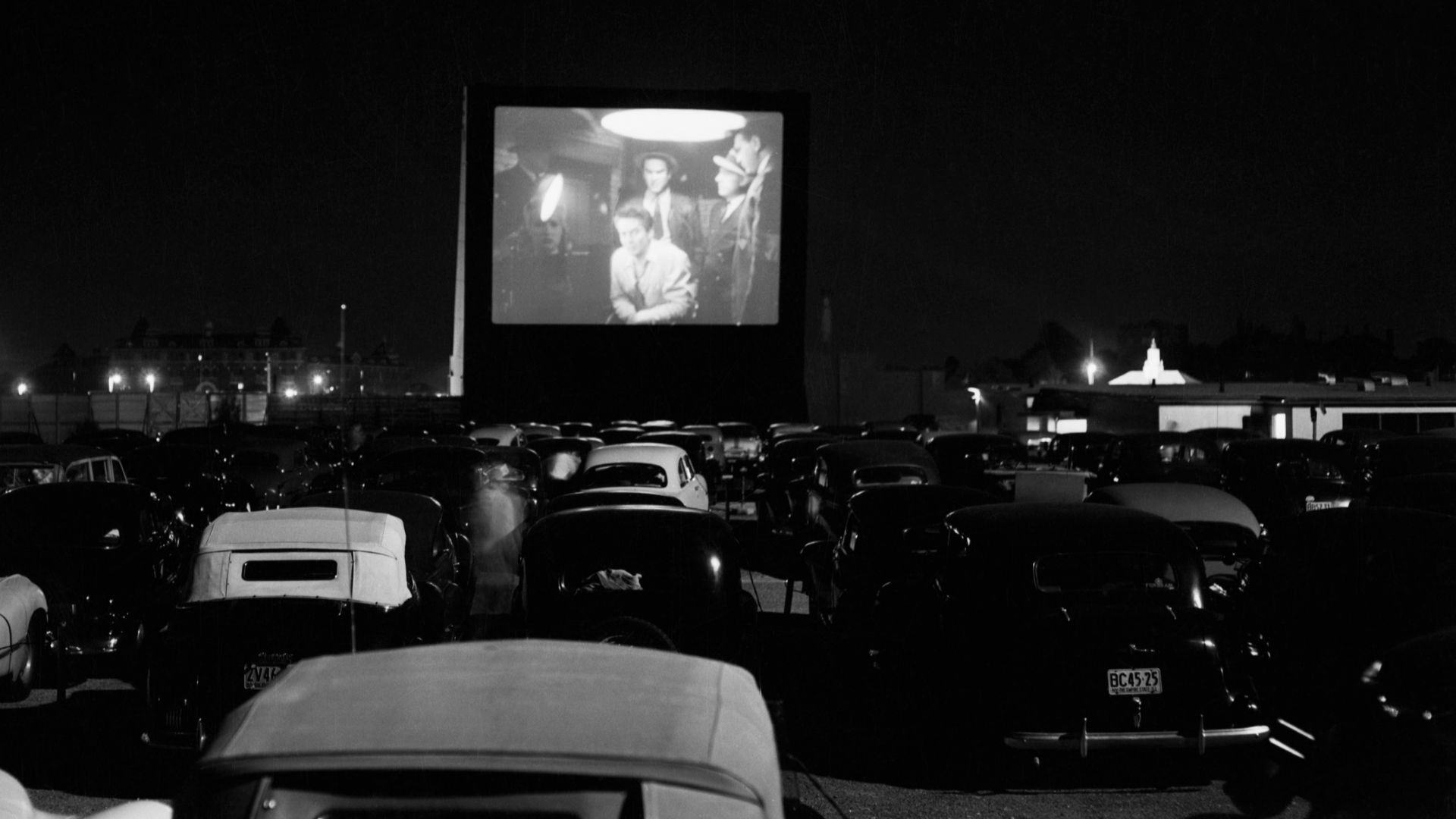
Drive-In Theaters
Drive-in theaters peaked in the late 1950s, with more than 4,000 operating across the United States. Families and teens loved the privacy and novelty of watching films from their cars. Rising land values and changing viewing habits eventually led to their decline.
 Tullio Saba, Wikimedia Commons
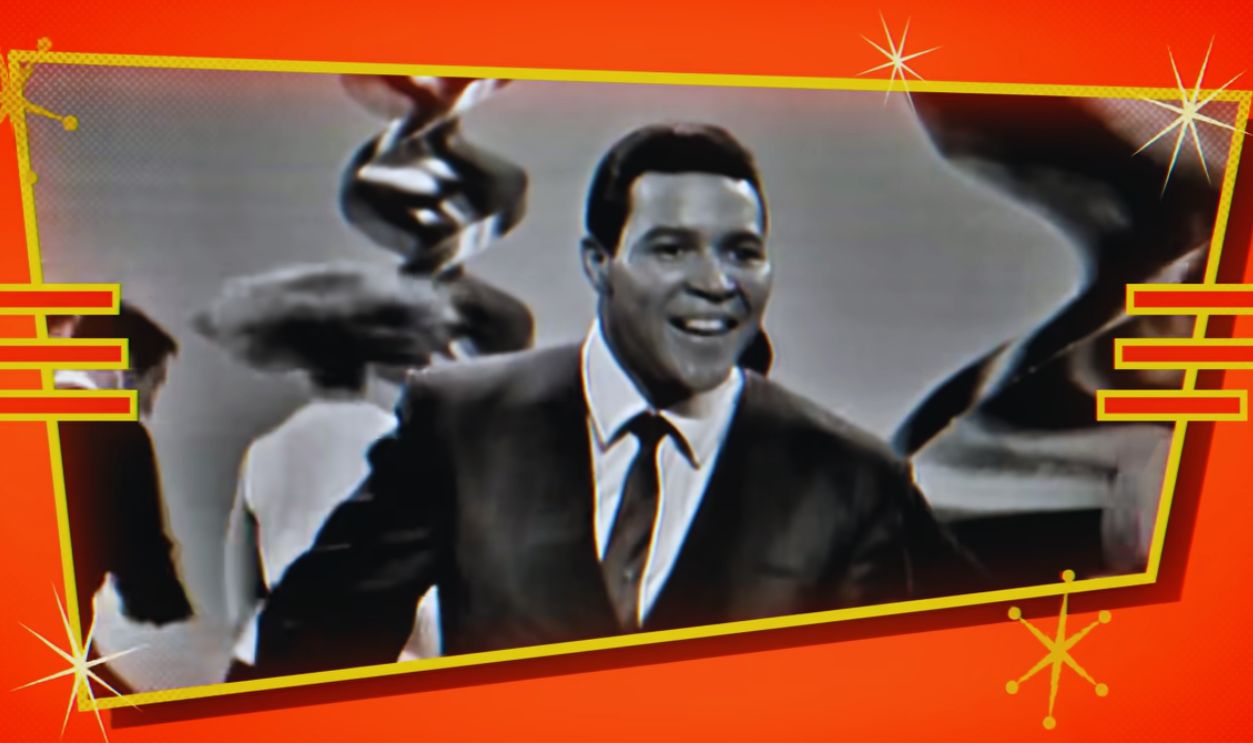
The Twist
Chubby Checker’s 1960 hit “The Twist” sparked a dance phenomenon that swept the nation. The dance was simple, energetic, and embraced by adults and teens alike. For a time it seemed like dance had changed forever, but the Twist faded almost as quickly as it appeared.
 Screenshot from The Twist, ABKCO Music & Records (1960)
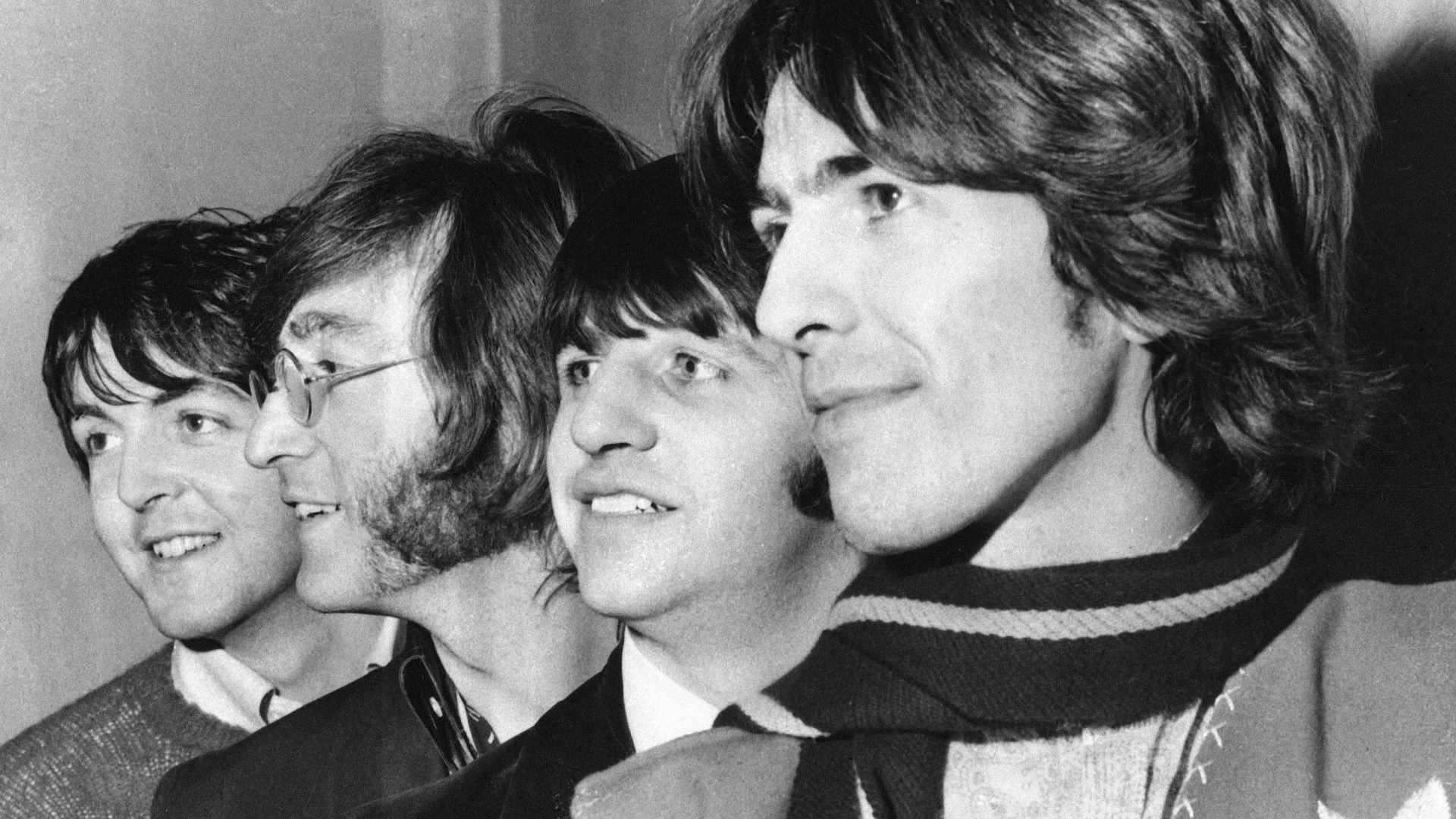
Beatlemania
When The Beatles arrived in America in 1964, hysteria followed. Their appearance on The Ed Sullivan Show drew about 73 million viewers. Fans believed the band would dominate pop culture forever, though even Beatlemania evolved as the group changed and eventually broke up.
 Associated Press, Wikimedia Commons
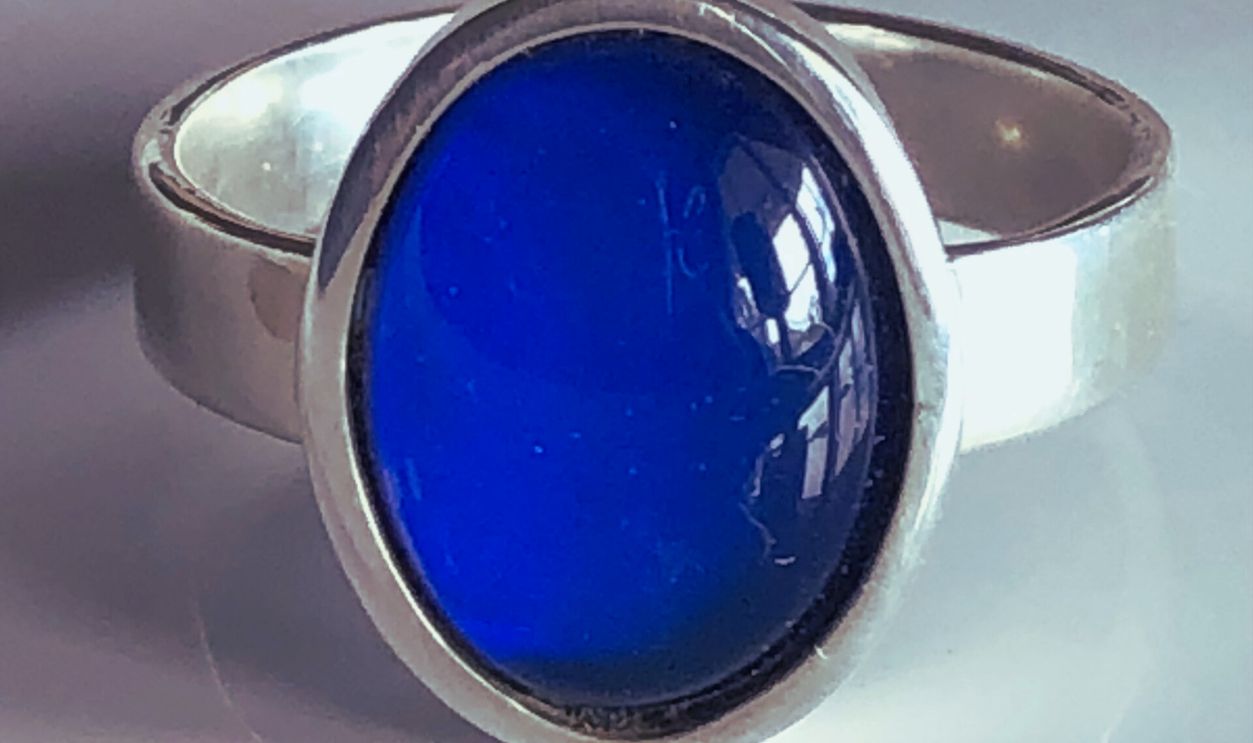
Mood Rings
Mood rings emerged in the late 1960s, claiming to reflect the wearer’s emotional state through thermochromic liquid crystals. They became wildly popular for their mystical appeal. Science eventually clarified that the color shifts were simply temperature-based, and the craze cooled.
Pet Rocks
While Pet Rocks technically debuted in 1975, their roots lie in the novelty culture that began in the 1960s. Creator Gary Dahl was selling 10,000 rocks a day at one point, and eventually the gag product made him a millionaire. It proved that even the most unlikely fads could feel unstoppable for a moment.
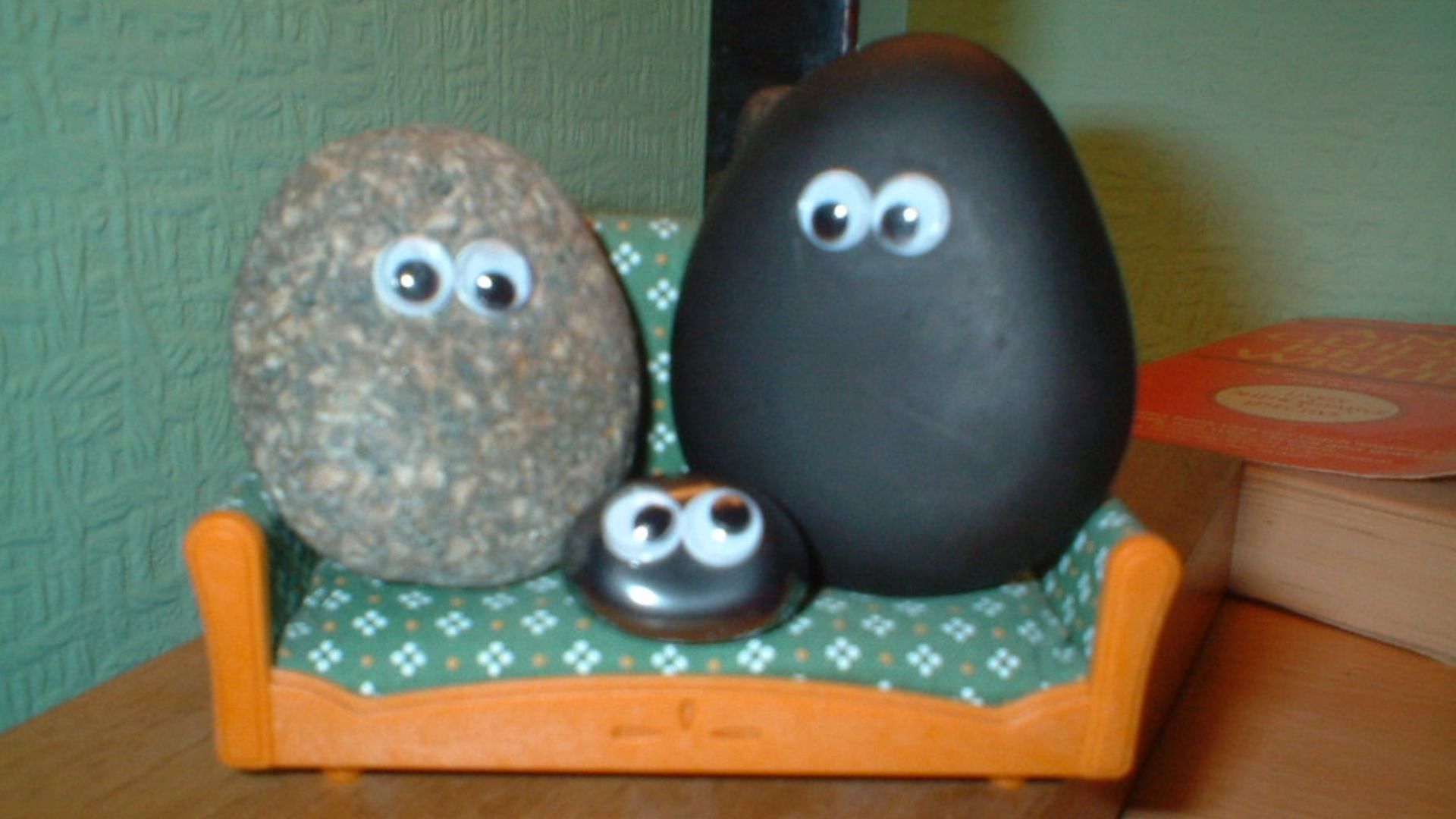 Owner of Pet Rock Net, Wikimedia Commons
Sock Hops
Sock hops were informal high school dances where students literally danced in their socks to protect gym floors. They became a hallmark of 1950s teen life, often soundtracked by early rock hits. As music and youth culture shifted, so did the dance scene.
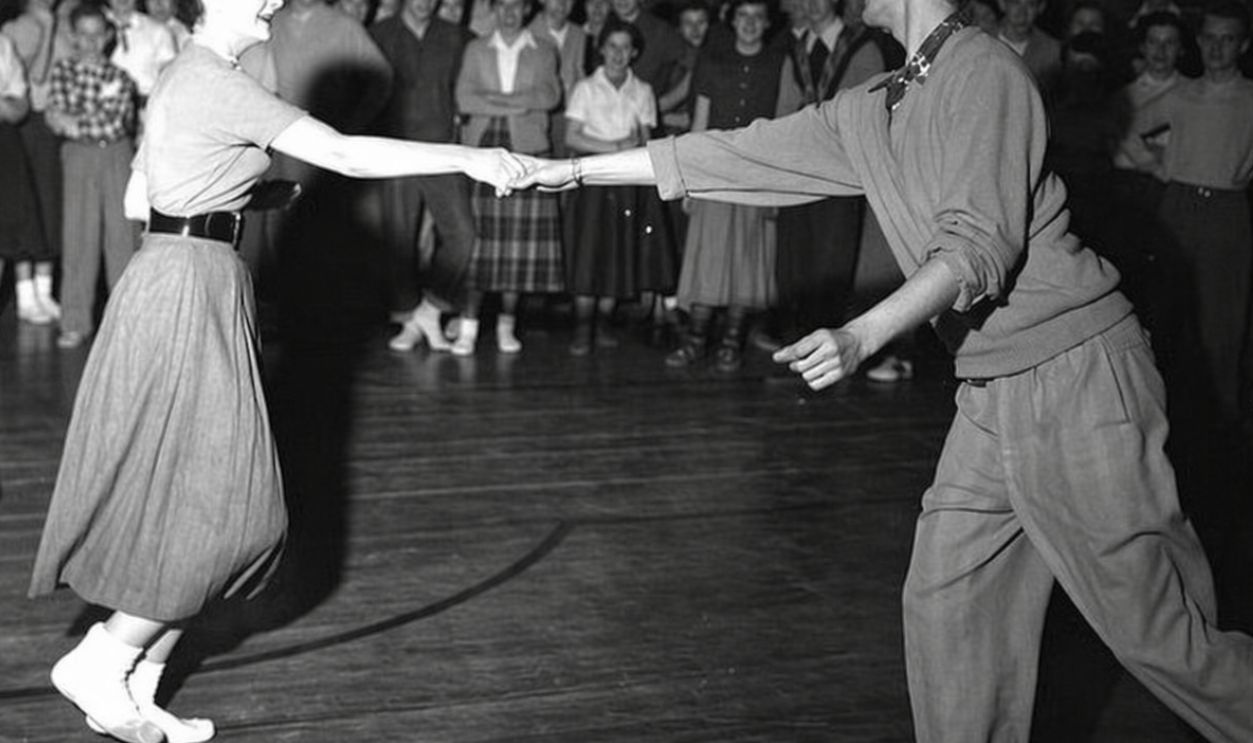
Lava Lamps
Invented in 1963 by British entrepreneur Edward Craven Walker, the lava lamp became a symbol of psychedelic style. Its slow-moving blobs perfectly matched the era’s fascination with altered states and bold design. Many thought it would remain a permanent decor staple, but it quickly devolved into retro kitsch.
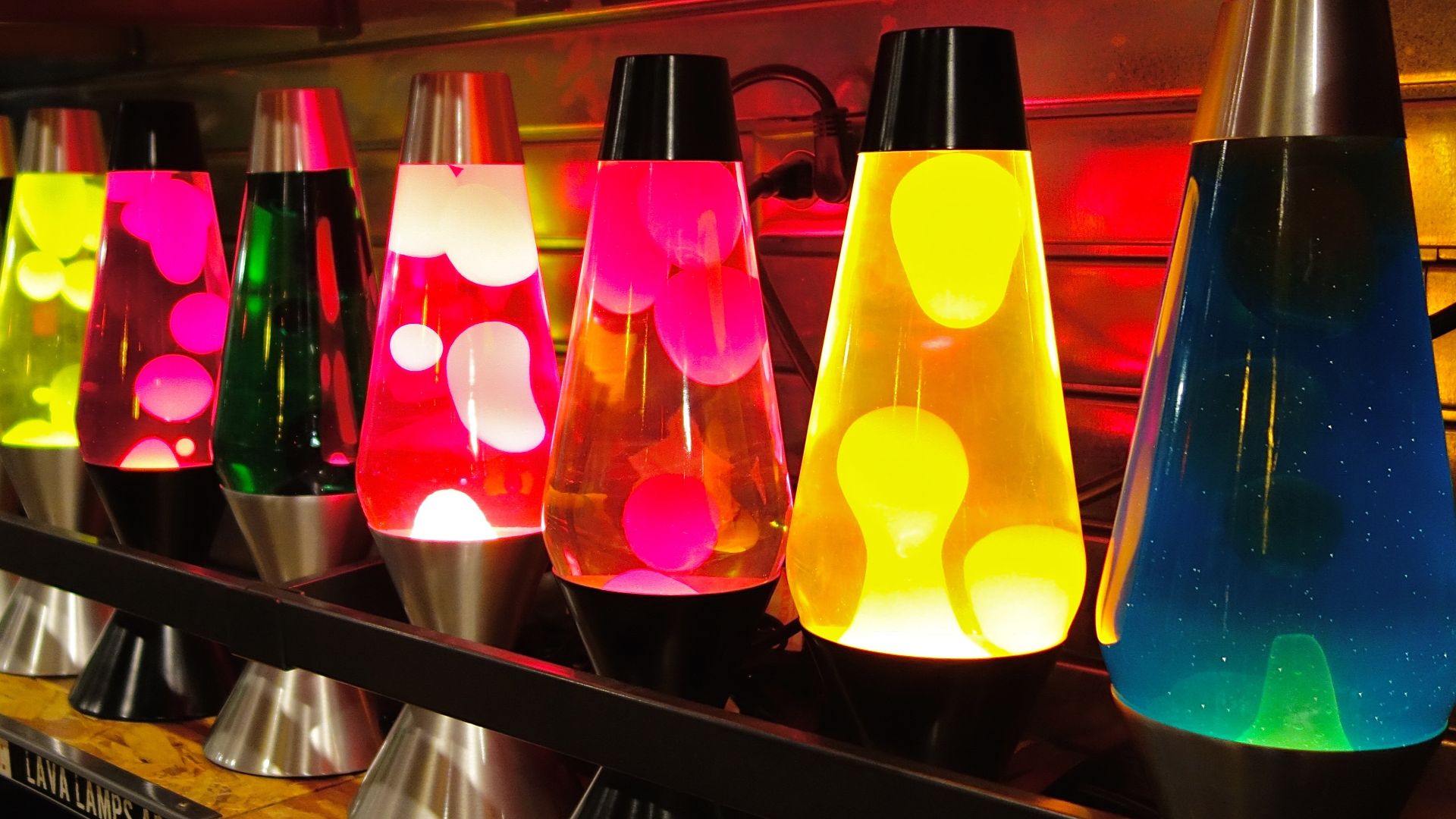 Dean Hochman from Overland Park, Kansas, U.S., Wikimedia Commons
The Pony Dance Craze
Following The Twist, new dances like The Pony and The Mashed Potato popped up almost weekly. Each came with its own song and set of moves. The rapid turnover showed how quickly trends could burn bright and disappear.
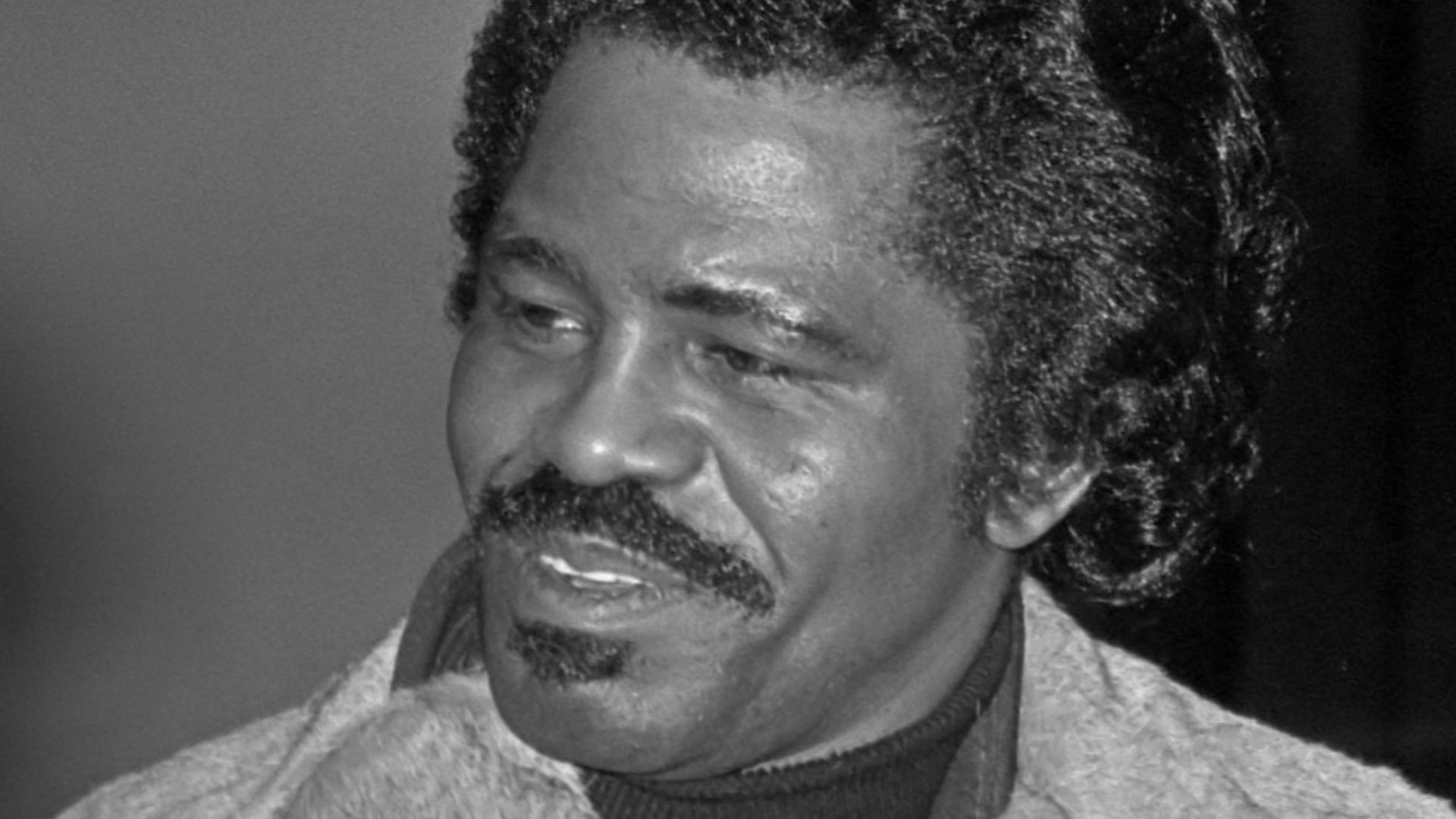 Koen Suyk / Anefo, Wikimedia Commons
Home Tanning Reflectors
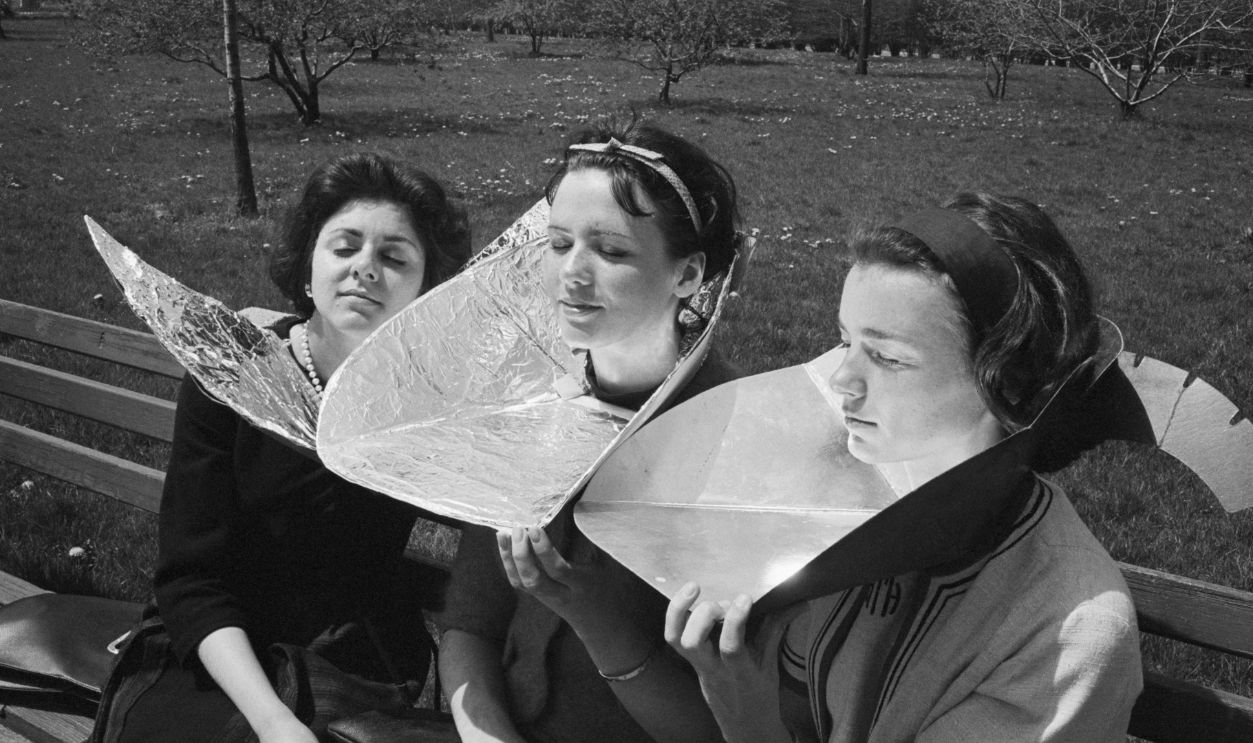
In the 1950s, chrome sun lamps and reflectors were marketed as a way to achieve a glamorous tan indoors. Advertisements promised health and beauty benefits. As awareness of skin cancer risks increased, these devices lost favor.
Cabbage Patch Precursors: Troll Dolls
Troll dolls were introduced in 1959 by Danish woodcutter Thomas Dam as a last-ditch effort to solve his financial troubles. Their wild hair and quirky grins made them collectible items for children and adults. The original wave subsided, though they would resurface decades later and now children everywhere are still obsessed thanks in large part to the modern movie franchise.
 Gary Halvorson, Oregon State Archives, Wikimedia Commons
The Space Age Toy Craze
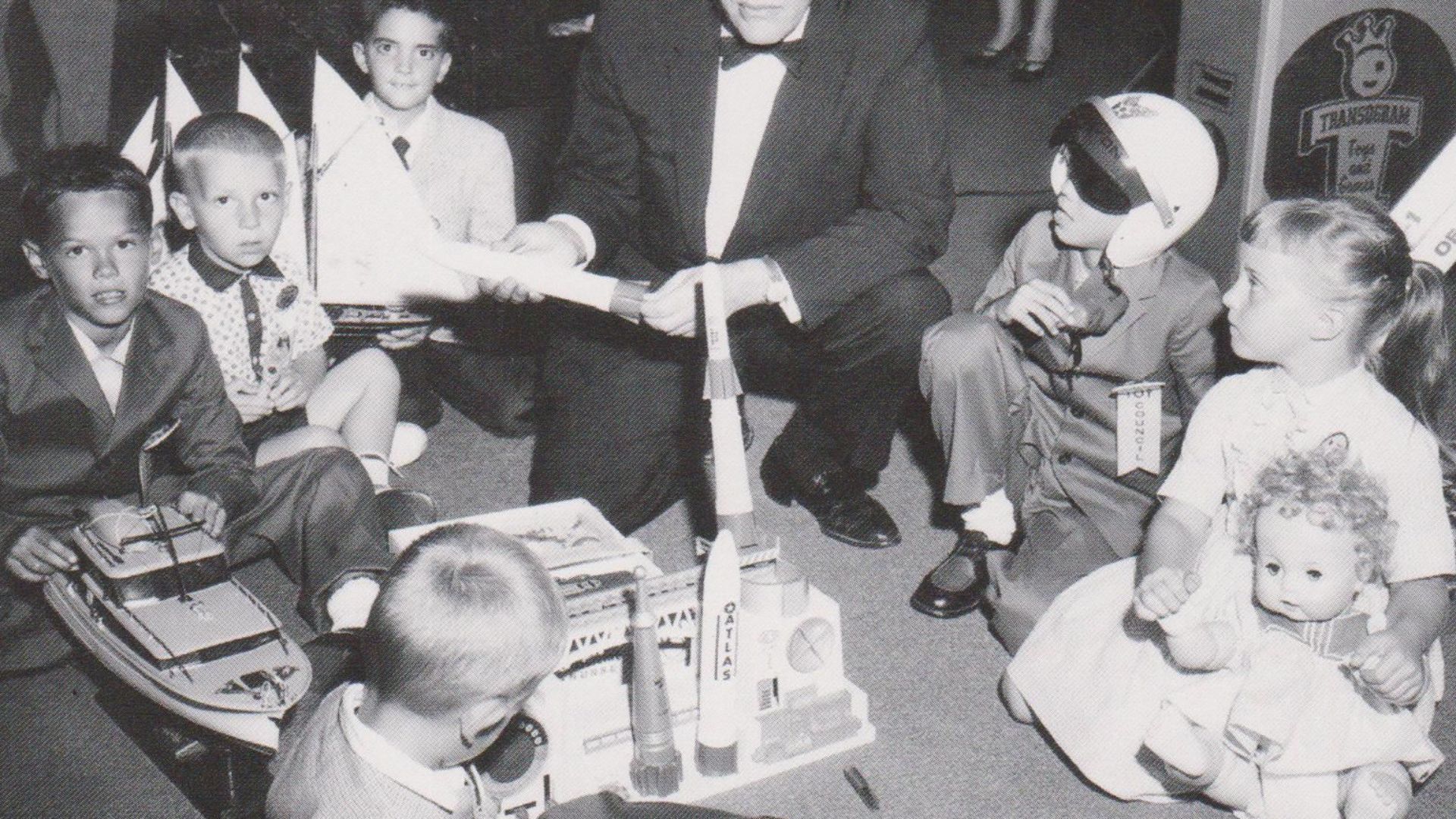
After the launch of Sputnik in 1957, space-themed toys flooded the market. Kids played with rocket ships, ray guns, and astronaut helmets. Many believed the Space Age aesthetic would define childhood forever, but as space exploration waned, so too did the children's craze.
 Unknown author, Wikimedia Commons
Rat Pack Cool
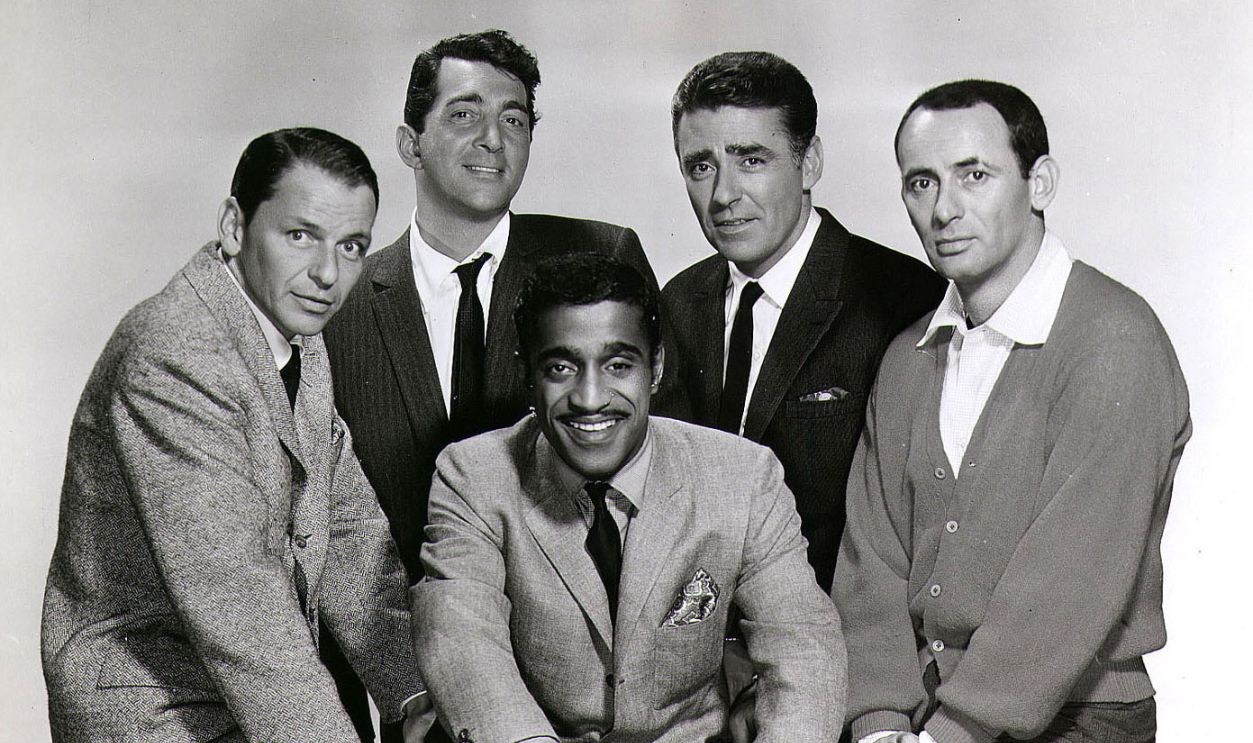
Frank Sinatra, Dean Martin, and Sammy Davis Jr. embodied a suave, cocktail-fueled image in the late 1950s and early 1960s. Their Las Vegas performances set trends in fashion and nightlife. Cultural tastes shifted in the late 1960s, and the Rat Pack era dimmed.
Beatnik Culture
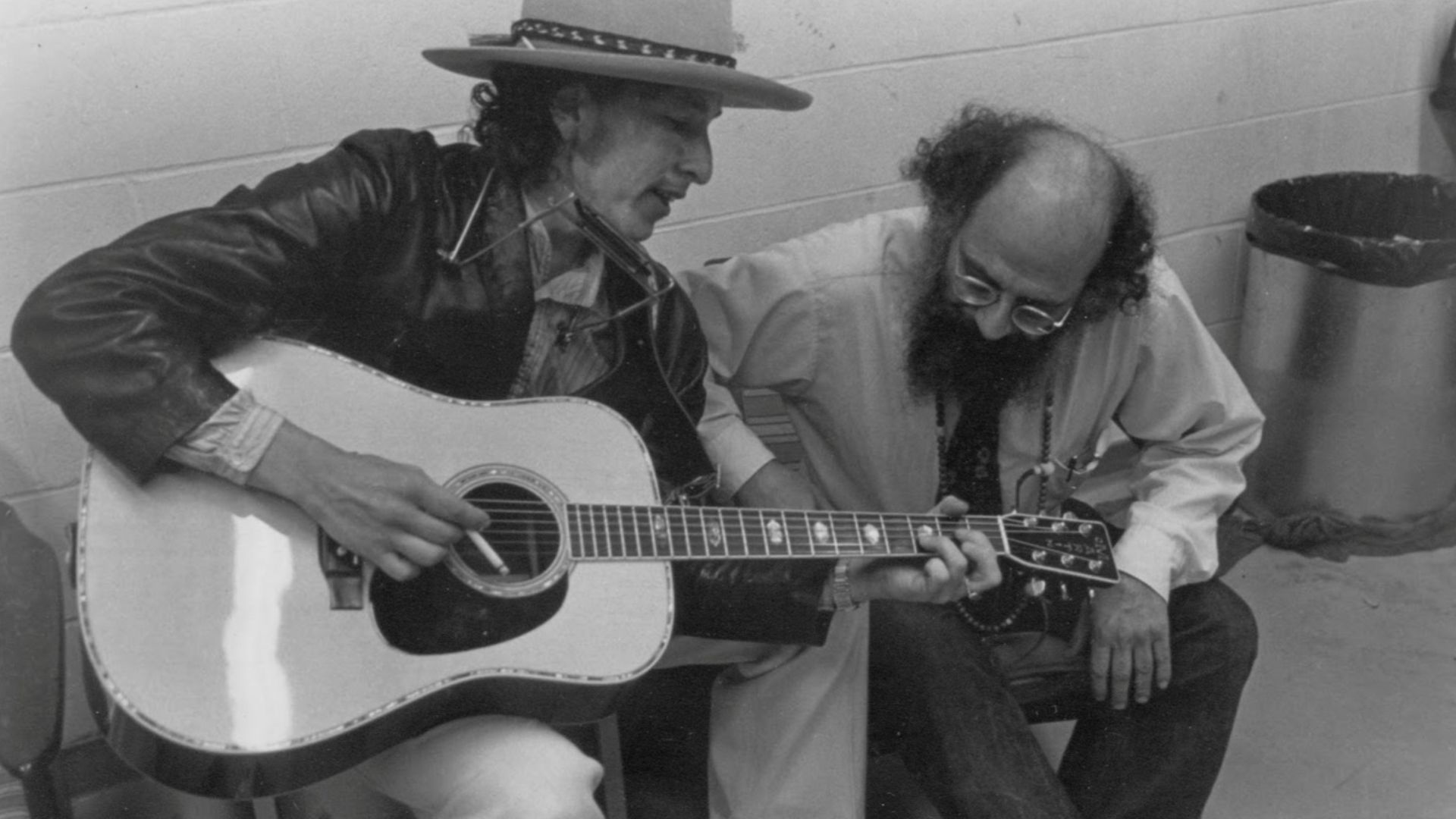
Beatniks, inspired by writers like Jack Kerouac and Allen Ginsberg, embraced poetry readings and coffeehouse culture. Black turtlenecks and bongo drums became shorthand for intellectual rebellion. The movement influenced later counterculture, but the beatnik aesthetic faded as the free love movement took over.
 Elsa Dorfman, Wikimedia Commons
TV Antenna Crowns
As television ownership skyrocketed in the 1950s, rooftop antennas became common sights. Families constantly adjusted “rabbit ears” to improve reception. The ritual felt like a permanent part of American life until cable and satellite technology made them seem like an artifact of the ancient past.
 H. Armstrong Roberts, Getty Images
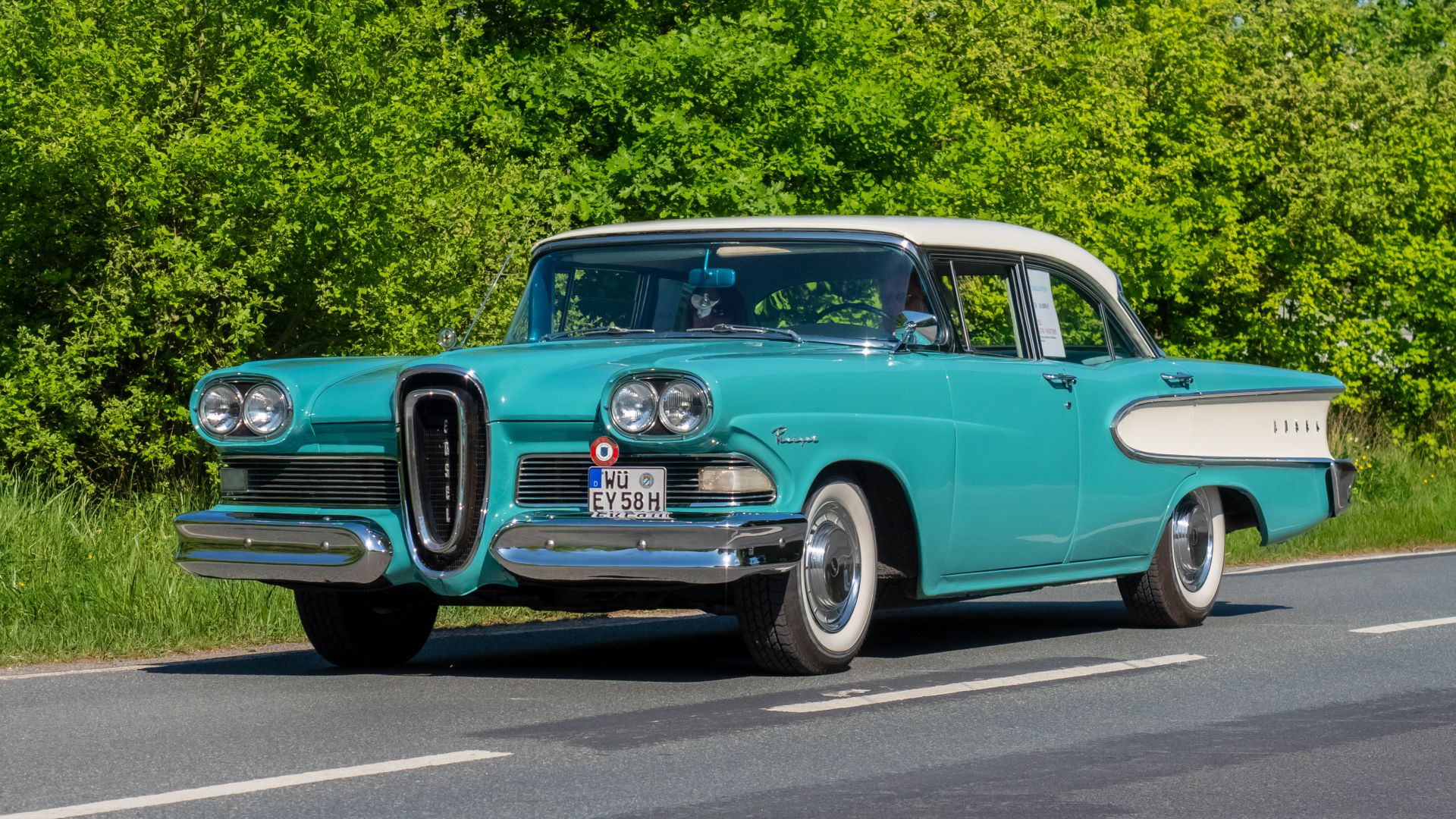
The Edsel
Ford introduced the Edsel in 1957 with enormous hype and marketing investment. It was intended to fill a gap in the company’s lineup. Poor sales and public ridicule quickly turned it into a symbol of failed trends.
Plastic Slipcovers
In the 1950s and 1960s, many households covered sofas in clear plastic to protect the upholstery. The look was practical but often uncomfortable in warm weather. Over time, and as materials improved, comfort won out over preservation.

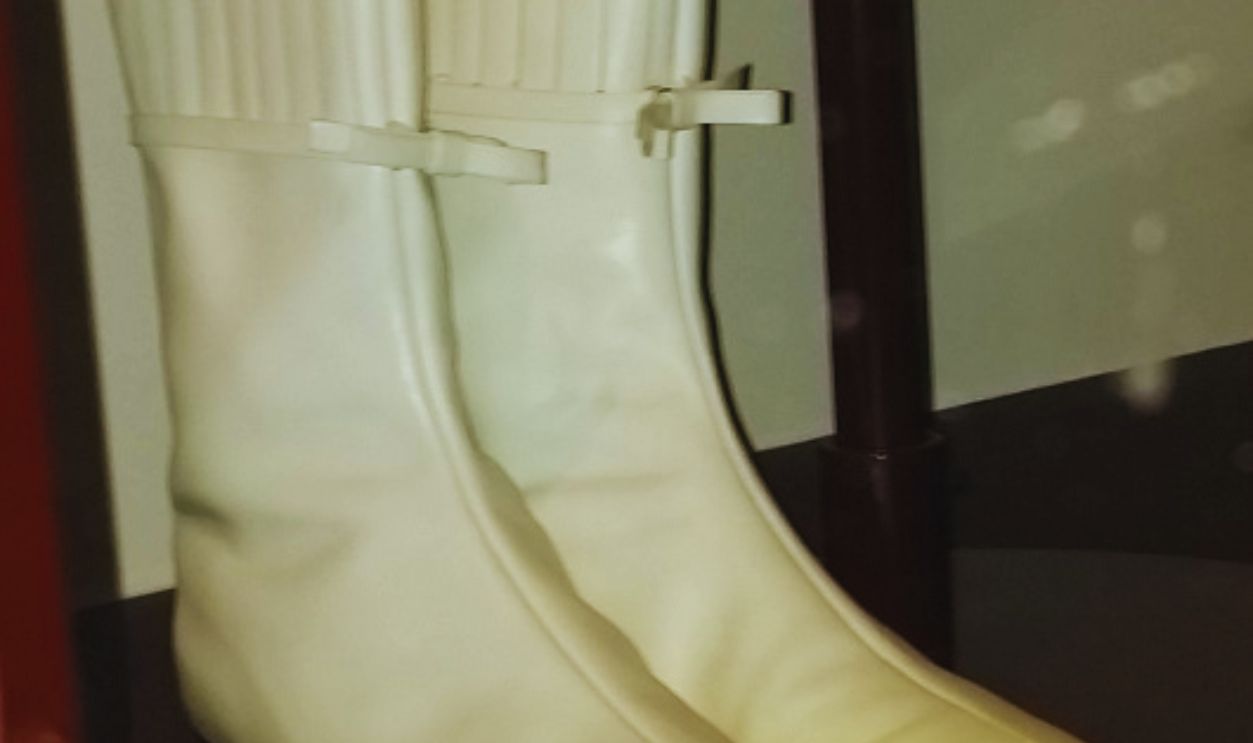
Go-Go Boots
Go-go boots became a fashion staple in the mid-1960s, often paired with miniskirts. Designers like André Courrèges helped popularize the futuristic white boot style. The bold look defined a moment but did not remain a cultural sensation for long.
The British Invasion Haircut
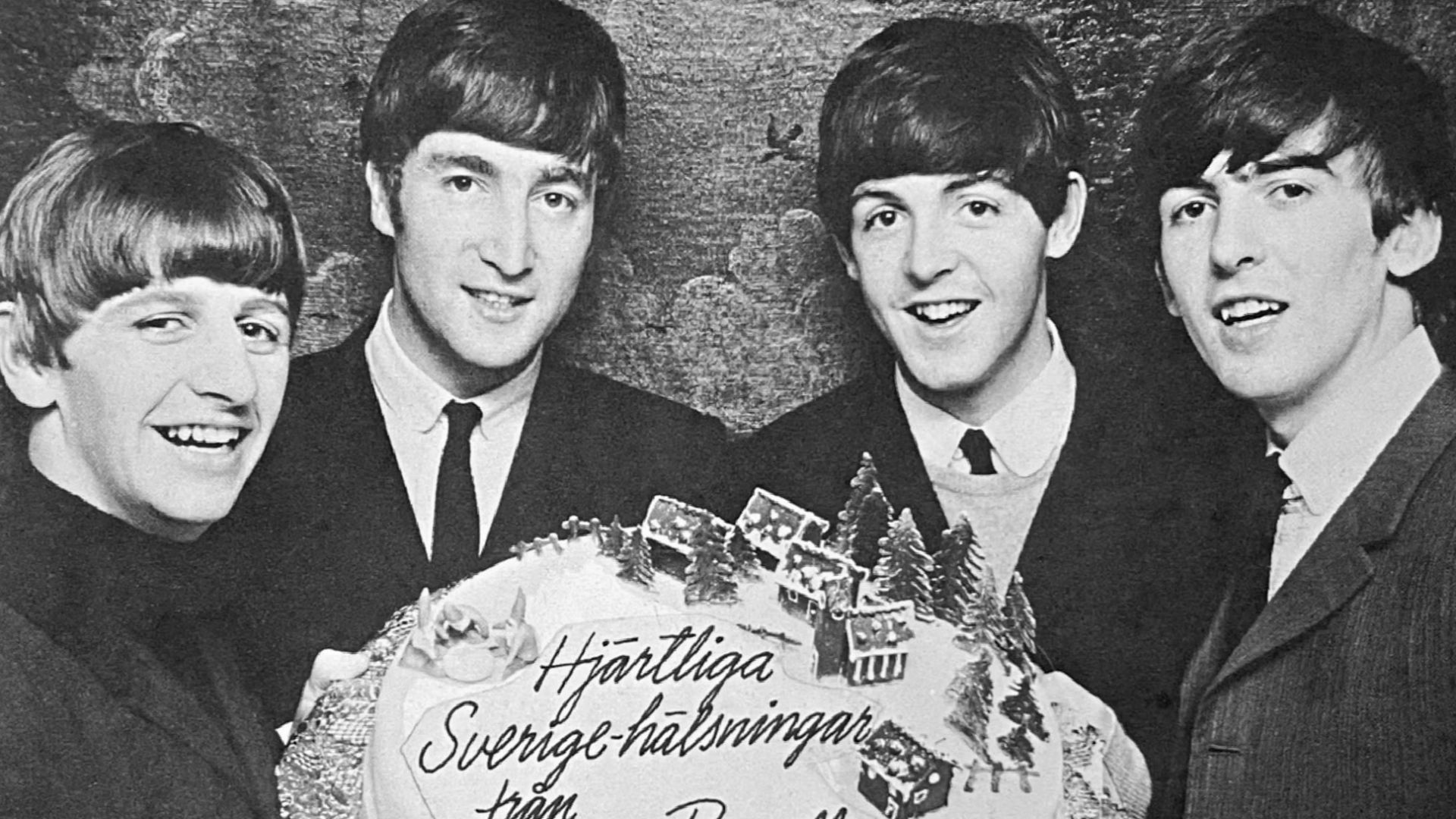
Longer hair on men became mainstream during the British Invasion of the 1960s. The Beatles’ mop-top style initially shocked older generations. It soon became normal, and then evolved into even longer counterculture styles, making the once-scandalous hairstyle seem tame and childish.
CB Radio Fever
Citizens band radio gained popularity toward the end of the 1960s, especially among truckers and hobbyists. Users adopted colorful handles and developed their own slang. The community aspect was strong and eventually led to a string of movies, but the peak enthusiasm did not last.
 Junglecat at English Wikipedia, Wikimedia Commons
Tang And Space Food Craze
Tang, an orange-flavored drink mix, was marketed heavily after NASA astronauts used it during space missions in the 1960s. Consumers associated it with cutting-edge science and national pride. The novelty wore off, and it became just another cheap grocery item.
 Chris Radcliff from San Diego, CA, USA, Wikimedia Commons
Miniskirts Everywhere
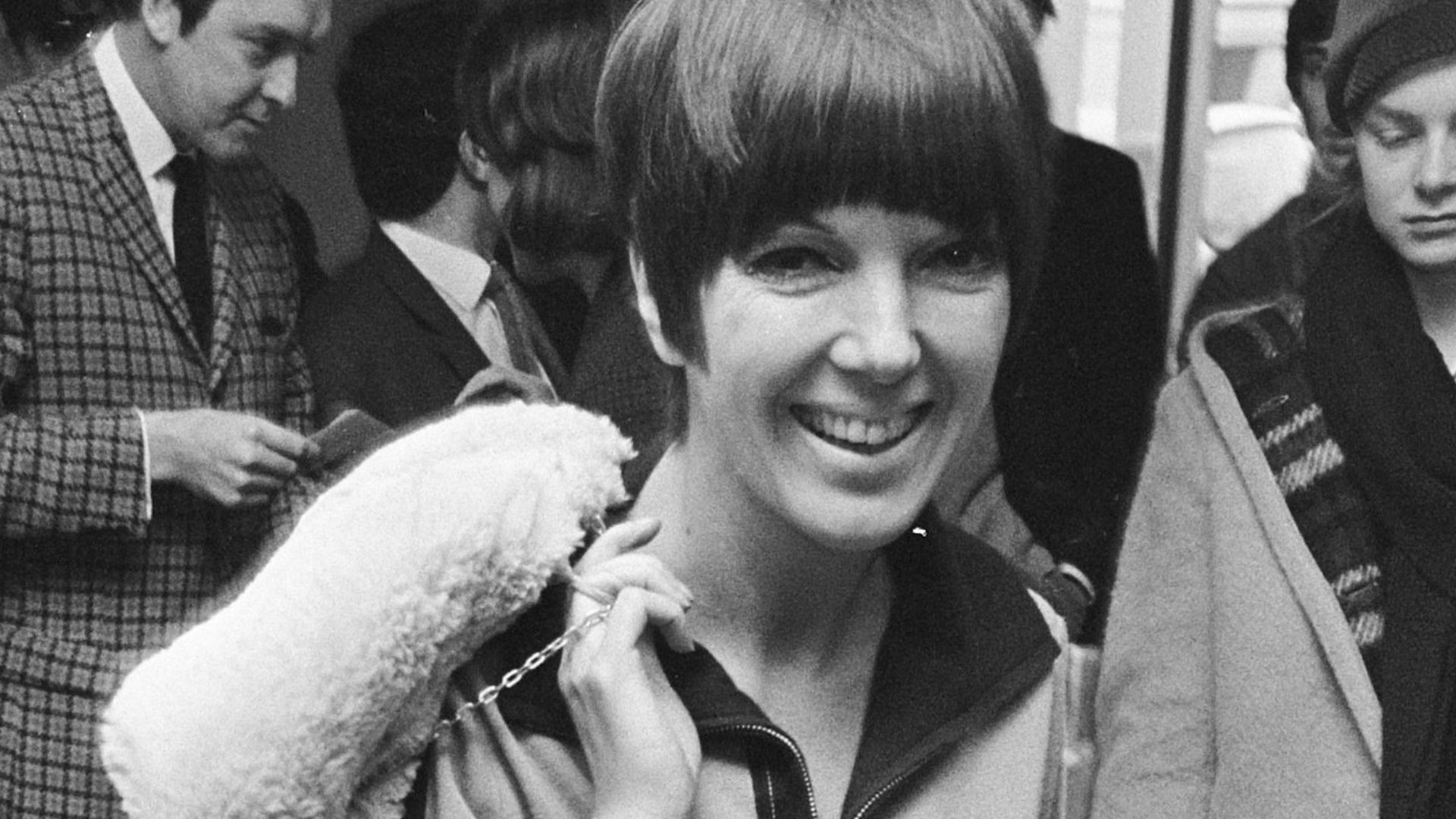
British designer Mary Quant helped popularize the miniskirt in the mid-1960s. The style symbolized youthful freedom and social change. While hemlines continue to rise and fall, the original shock factor did not last.
 Jack de Nijs for Anefo / Anefo, Wikimedia Commons
Goldfish Swallowing Stunts
In the late 1950s, a bizarre college fad involved swallowing live goldfish. It reportedly began at Harvard and spread to other campuses. Public backlash and animal cruelty concerns quickly ended the stunt.

It Wouldn't Be Fun If It Lasted Forever
Every teenage generation wants to make their own stamp on the world, proving once and for all that "parents just don't understand." But no matter how big a fad gets, time comes for them all. The Baby Boomers may have invented the modern fad, but every generation since has followed suit. From Pogs to 6-7, what would kids be without a good fad? Which was your favorite?







.jpg)
