
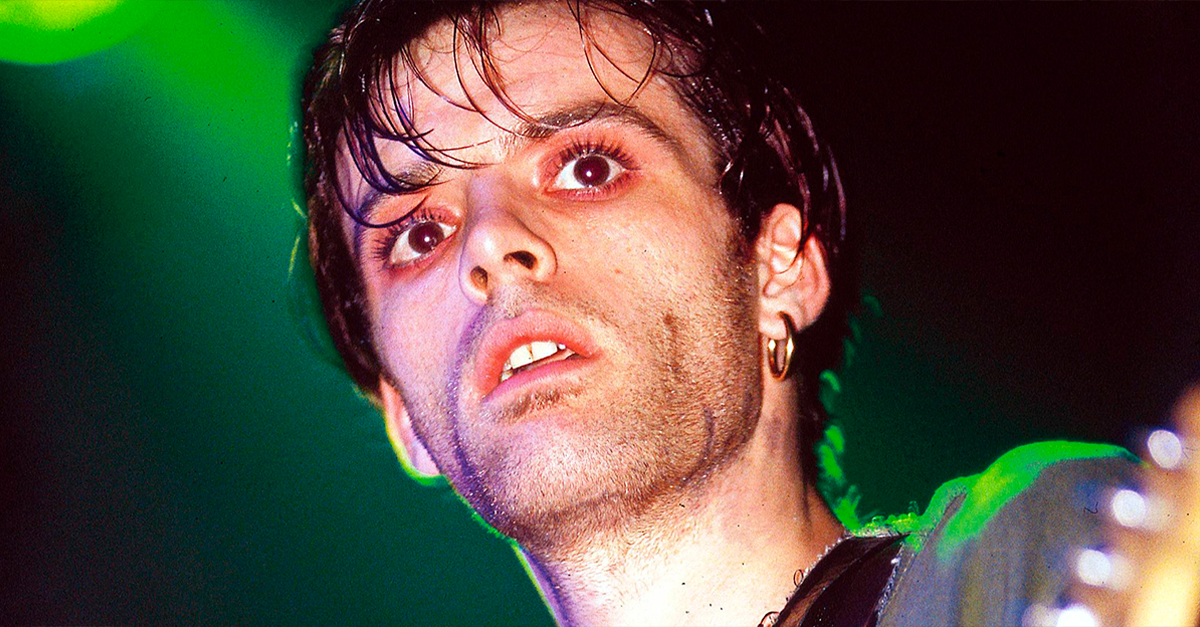
Richey Edwards' Disappearance Was Only The Beginning
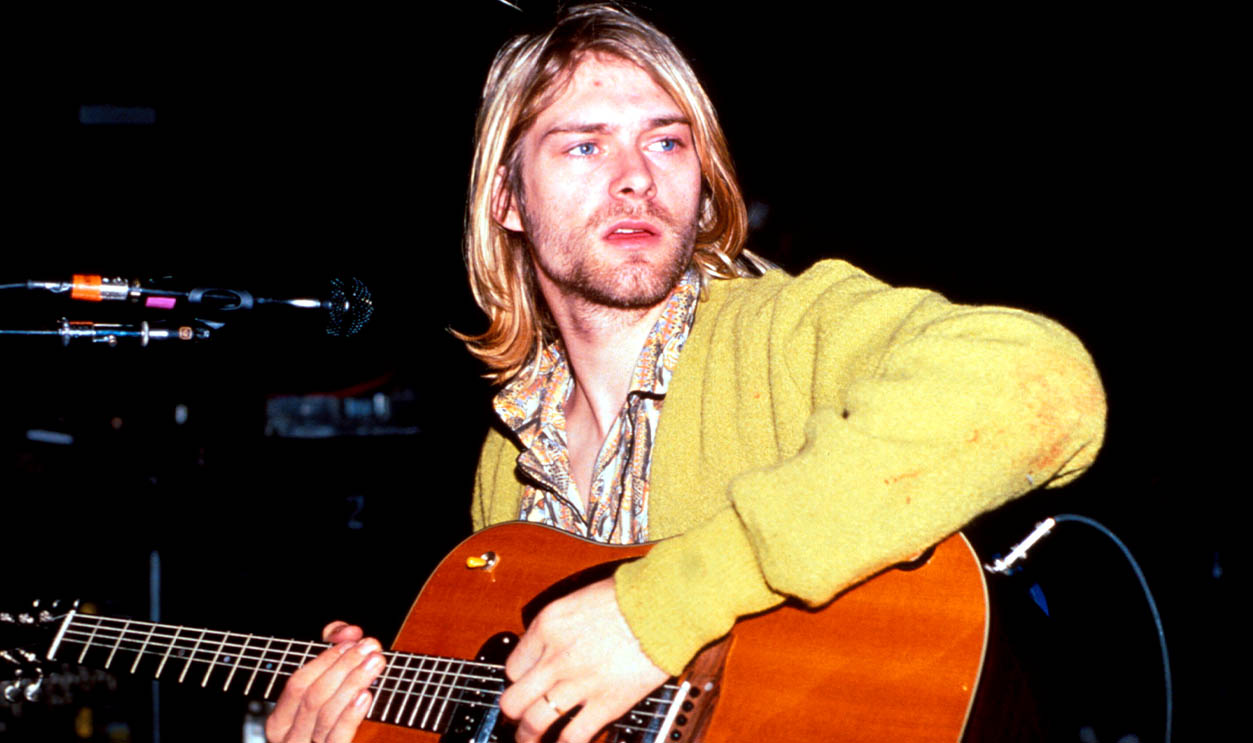
If Britain had its answer to Kurt Cobain, it might have been Richey Edwards of the Manic Street Preachers. Both transformed their inner pain into something loud, raw, and strangely beautiful. Cobain took his own life at 27. 10 months later, Edwards—also 27—vanished.
One burned out while the other seemed to fade away…but not before leaving behind a trail of unsettling clues, and a mystery that refuses to be solved.
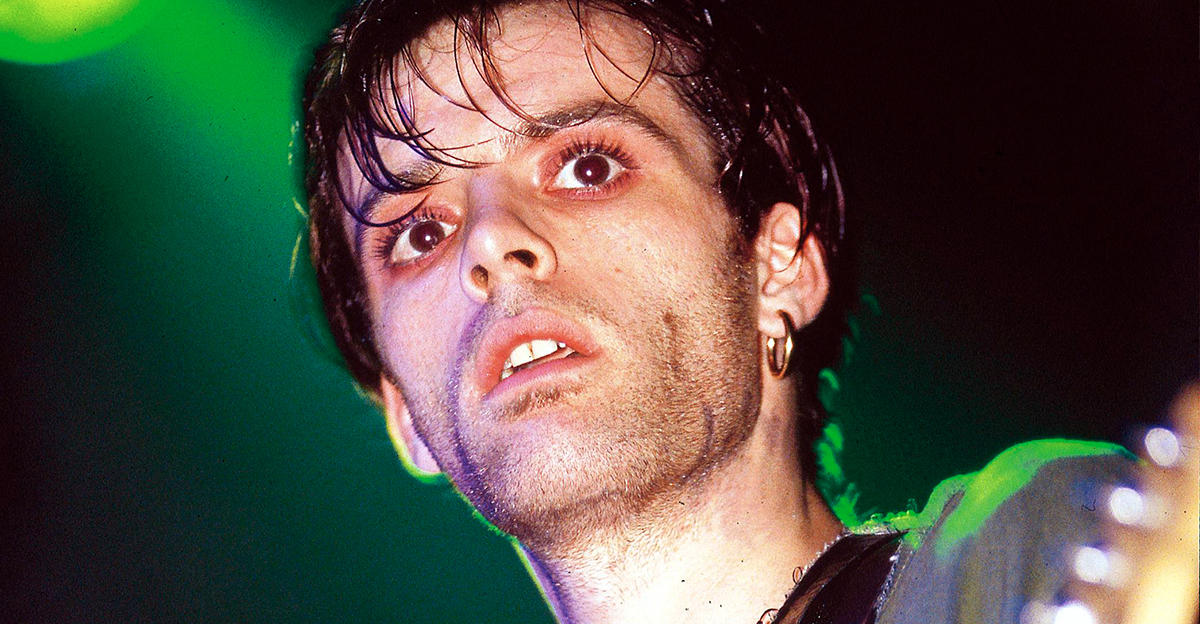
1. He Started Strong
As soon as someone vanishes under strange circumstances, everyone becomes an armchair detective. With Richey Edwards, there weren’t many clues in his childhood. Born December 22, 1967, in Blackwood, Wales, he had one younger sister and described his childhood as “ecstatically happy”. His sister remembered him being “very supportive”.
According to Richey, it was after the age of 13 that “everything started going wrong”.
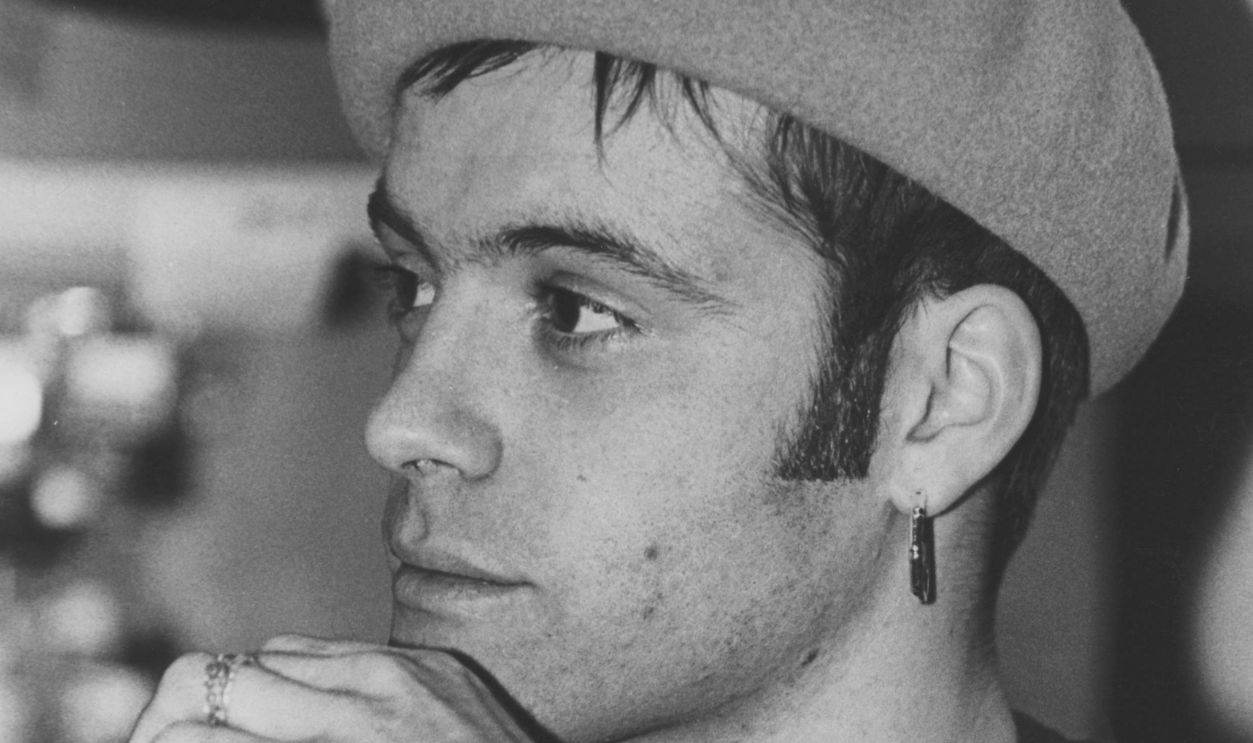
2. He Was Not Hometown Proud
The 1980s brought big hair, bright neon, and a booming economy, but Richey’s hometown of Blackwood, a faded mining hub, didn’t get the memo. Growing up, Richey felt trapped in the post-industrial gloom. “Depression is just our natural mood,” he later said. “Where we come from, there’s a natural melancholy in the air”.
He would escape to his room with his books—at least until he found something more powerful.
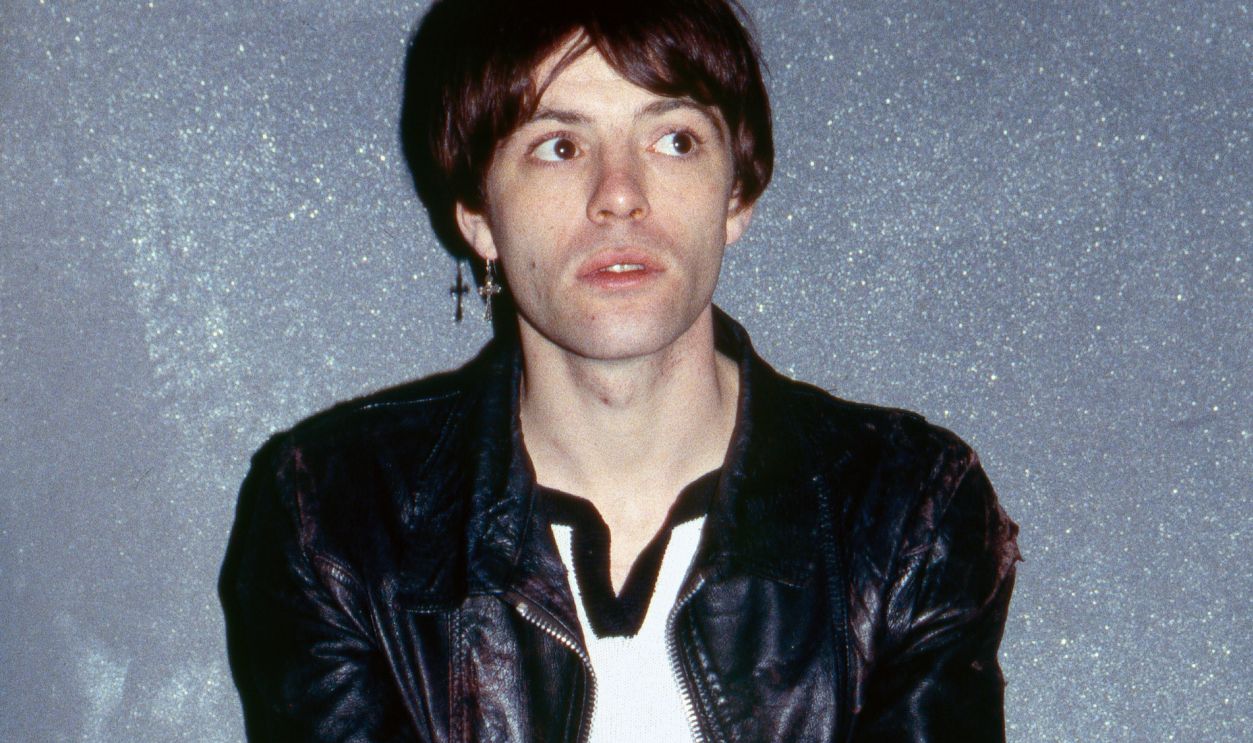
3. He Had An Escape Plan
Richey Edwards was not your typical kid—he once said he wanted to be “someone like Napoleon”. An avid reader, he initially believed higher education would be his way out of Blackwood. Then he discovered music—especially the Clash: “...that was it. My destiny was determined”. For a moment, the dark clouds seemed to lift. Kind of.
4. His Story Took A Dark Turn
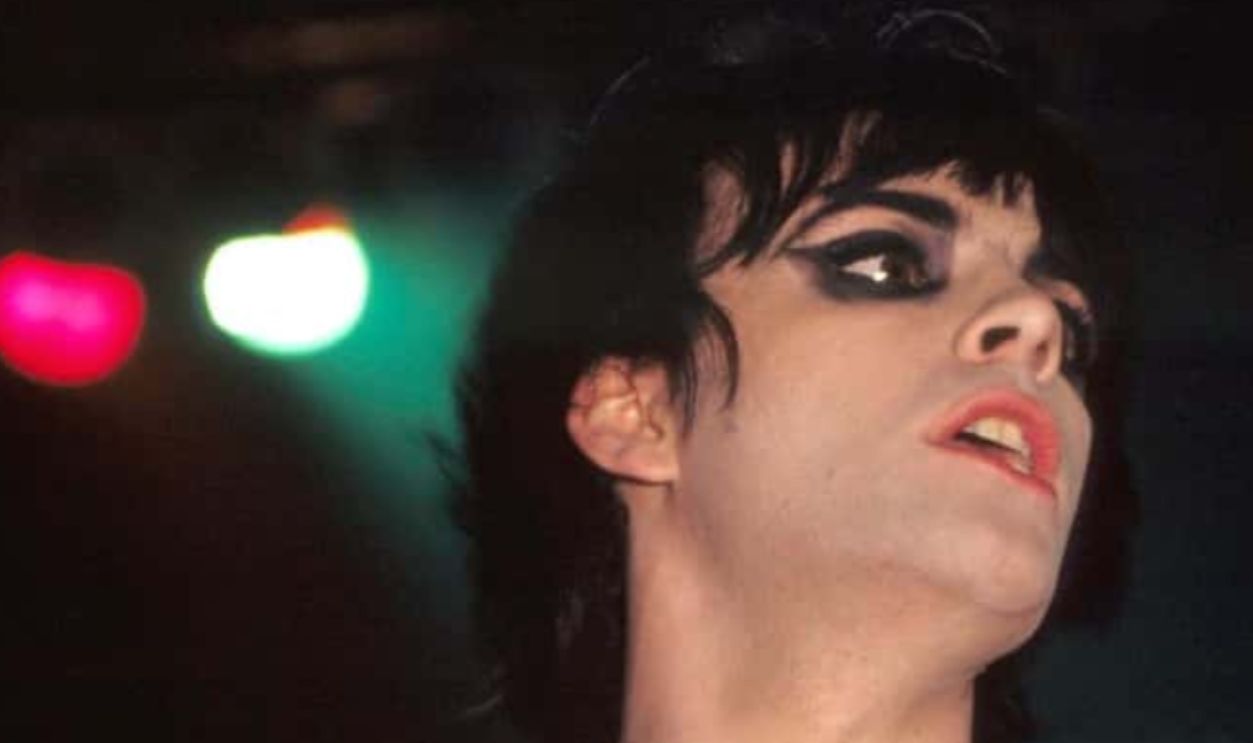
By the age of 10, Richey seemed to have it all: a growing vinyl collection, a new puppy he named Snoopy, who quickly became his constant sidekick, good grades, and close relationships with family and friends. But in the years after his disappearance, his sister thought back to when things began to shift—and one memory stood out.
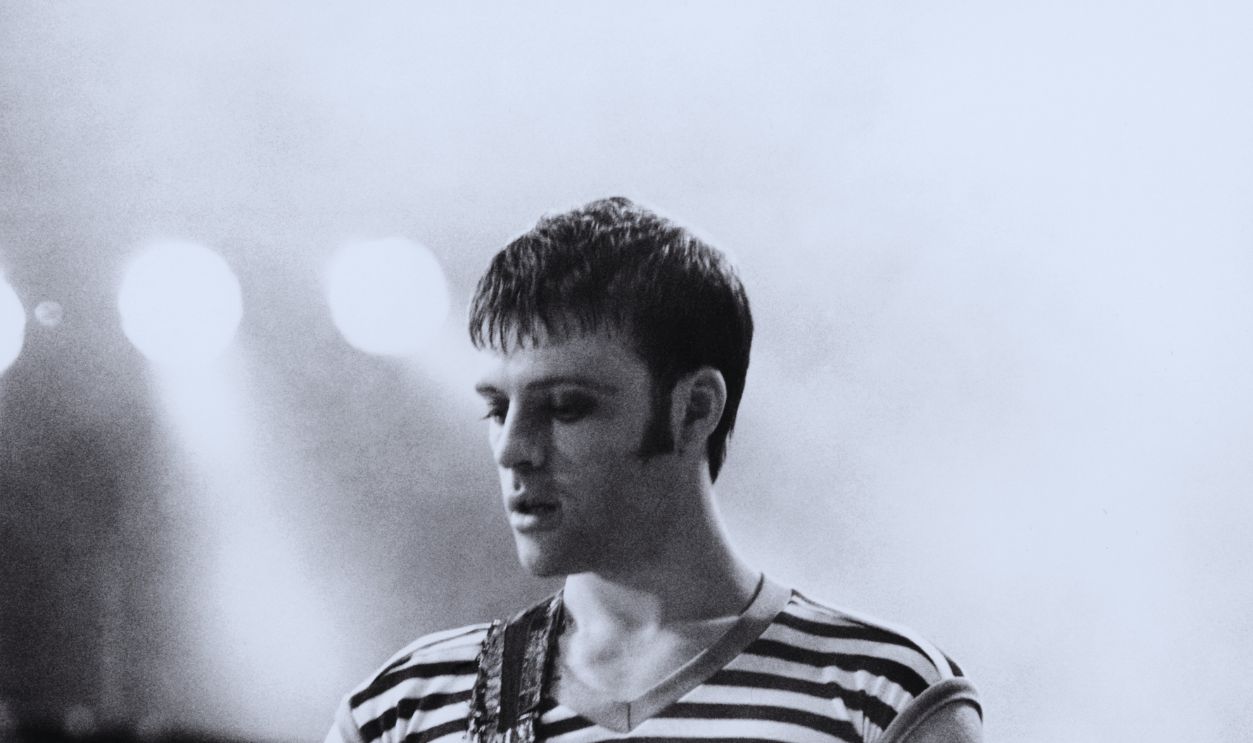 Rune Hellestad - Corbis, Getty Images
5. He Was Shook
Years later, while trying to make sense of that moment, Richey’s sister Rachel recalled how 10-year-old Richey had been playing in the woods. Suddenly, he came running out—screaming, and crying so hard that she barely recognized him. When she looked toward the trees, she saw an older boy from the area, someone known locally as an “oddball”.
Richey refused to say what happened. But whatever it was left him visibly shaken.
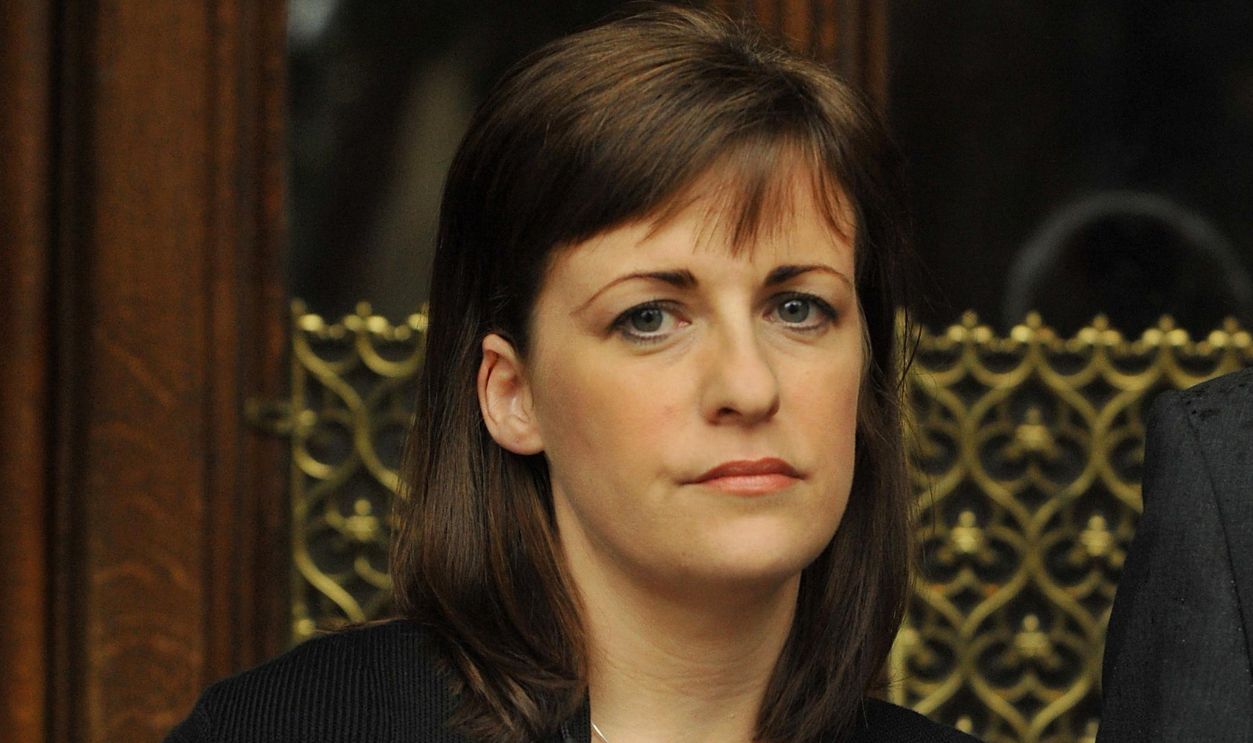 Clive Gee - PA Images, Getty Images
6. He Bent It Like Beckham
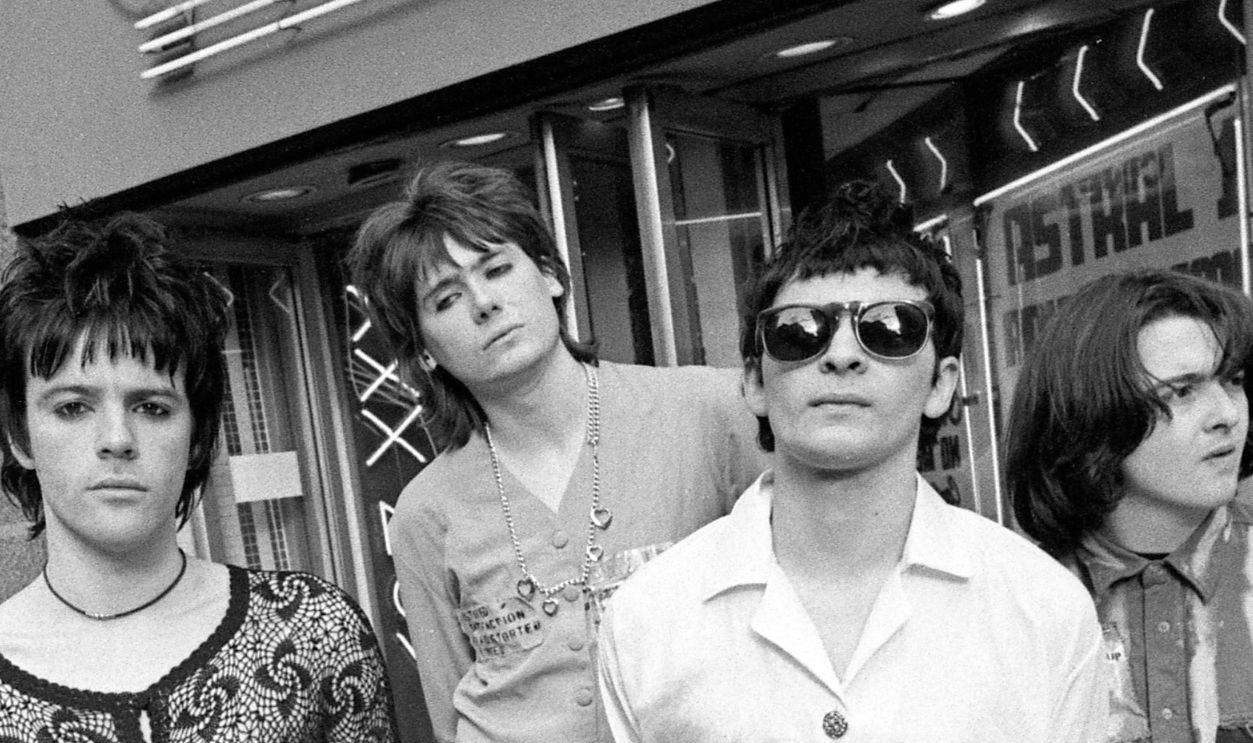
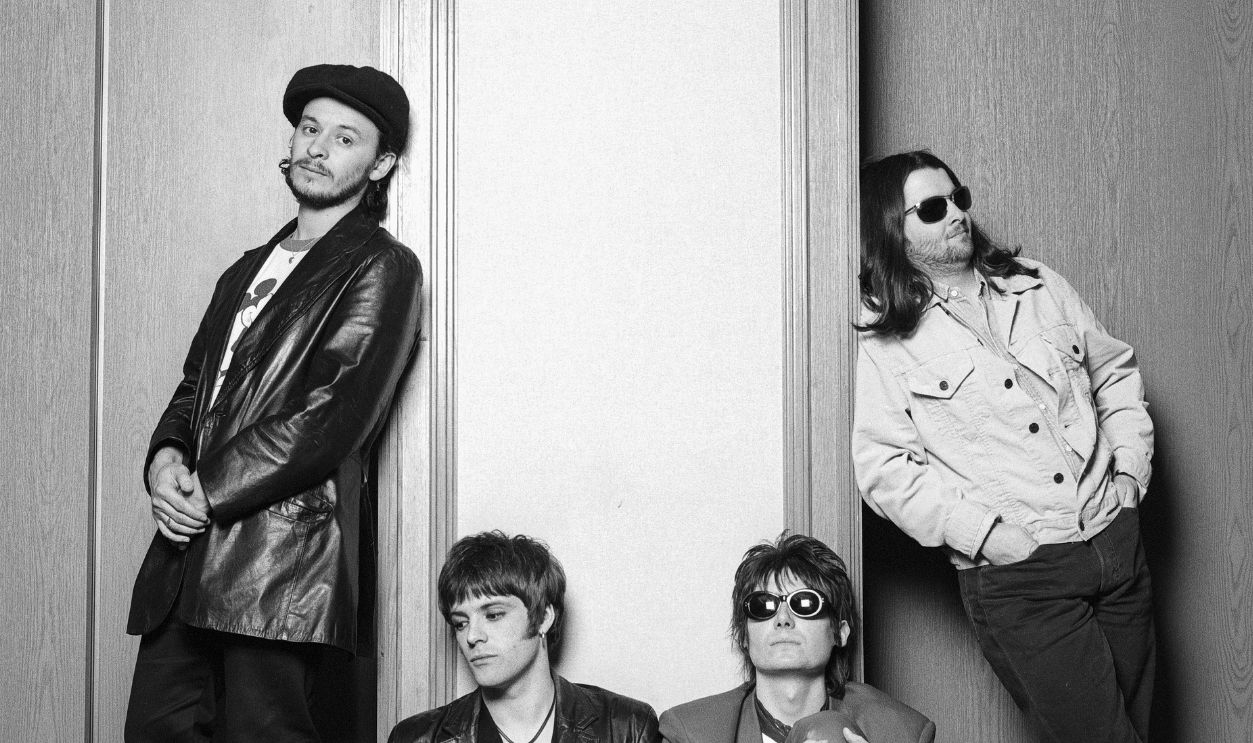
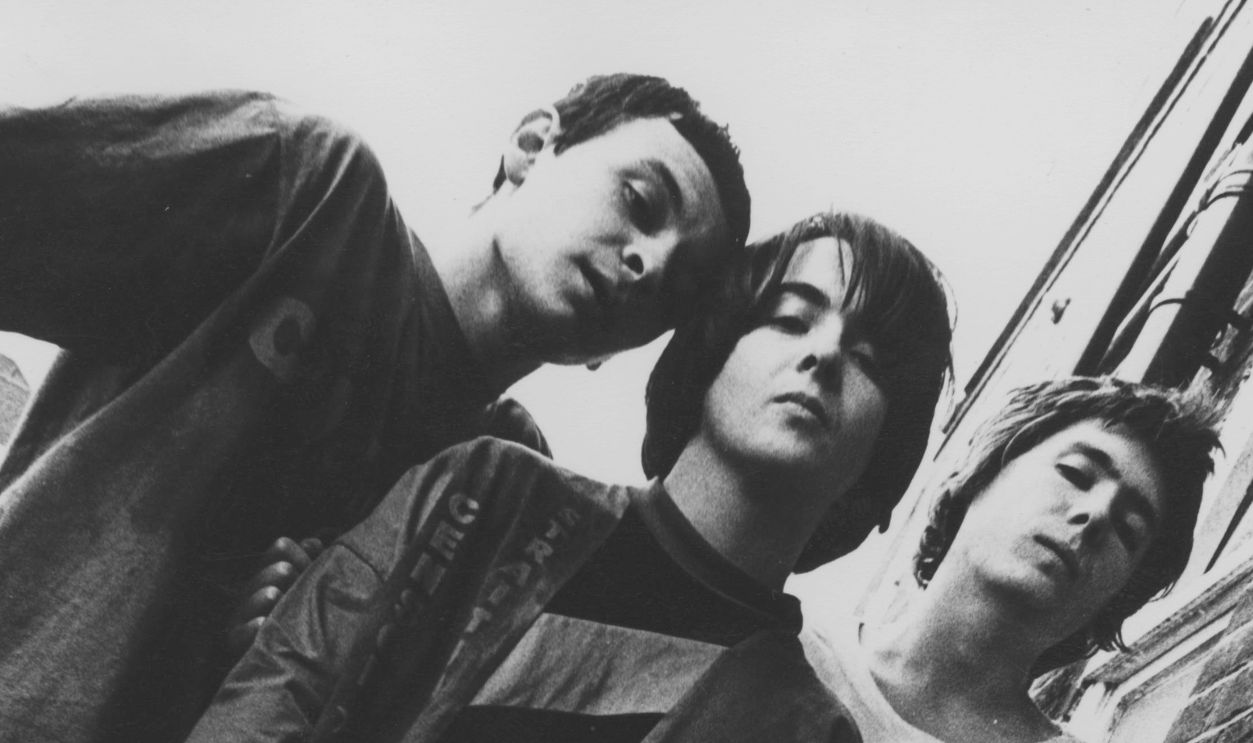
Not too many legendary bands start on a football pitch, but that’s where Richey Edwards first crossed paths with the boys he would one day join forces with: Nicky Wire, Sean Moore, and James Dean Bradfield. The four later attended Oakdale Comprehensive School together, and in 1986, Bradfield, Wire, and Moore formed the Manic Street Preachers (aka the Manics).
Richey didn’t join them right away. Instead, he found his way into the band in a much stranger way.
7. He Was A Rock Scholar
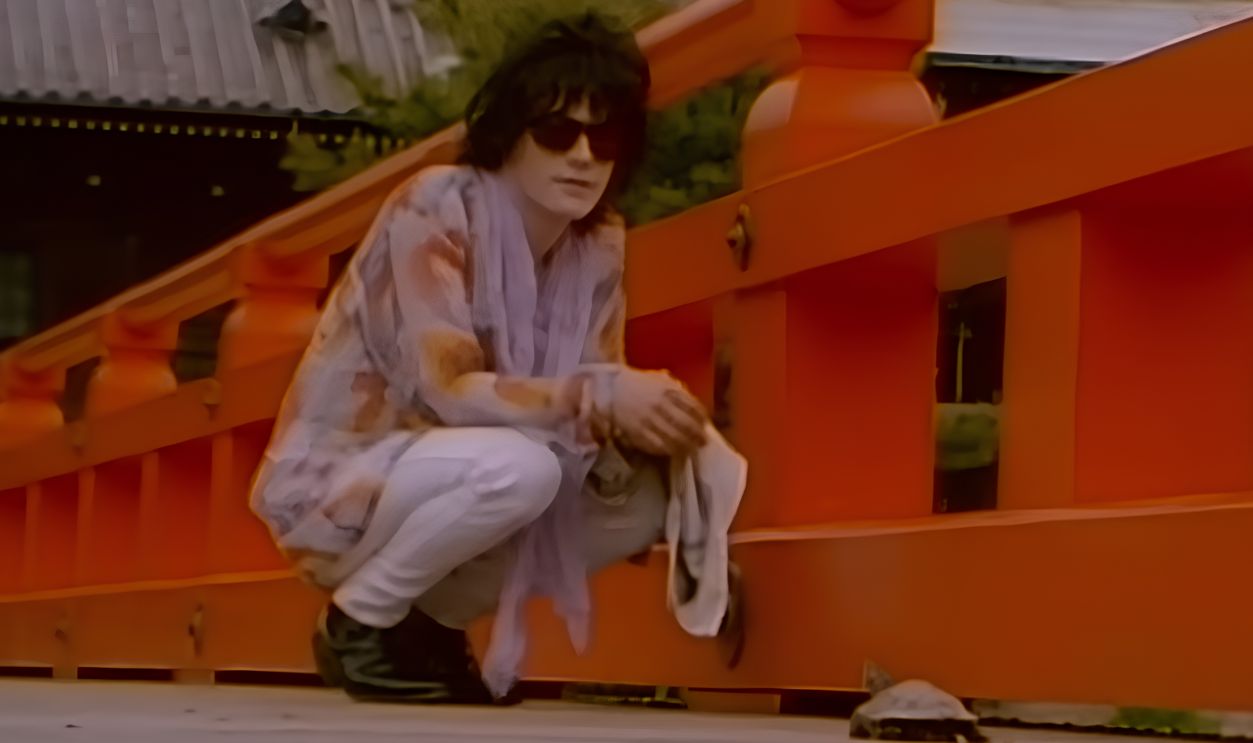
Richey lived and breathed music. At the University of Wales, friends remembered him as “the music aficionado” and “much more passionate than the average person”. While others partied, he studied band interviews, dissected concerts, and organized folders like a music business scholar (his actual degree was in political history).
Every list, schedule, and deep dive brought him closer to something bigger.
 Screenshot from Motorcycle Emptiness, Sony Music Entertainment (1992)
8. His Mystery Deepened
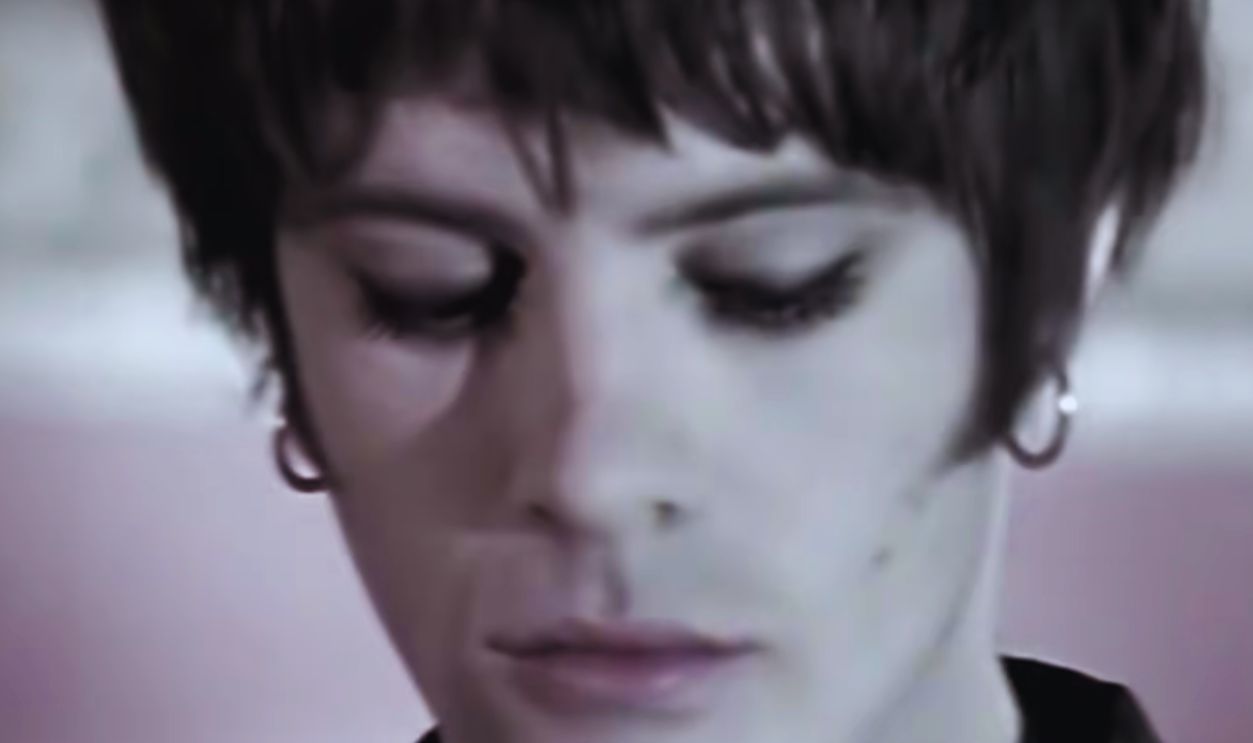
Some biographers now speculate that Richey Edwards may have had autism. It could explain his extreme focus—and why the world sometimes felt overwhelming. But let’s not get ahead of ourselves. At this point, Richey was ready to take all his knowledge and vision and join the Manics. There was just one small problem…
 Screenshot from From Despair to Where, Sony Music Entertainment (1993)
9. He Almost Had It All
Richey had the looks, the dreams, and the intellect to make it. He immersed himself in politics and literature, which gave him a darkly alluring poetic edge. He did everything for the Manics: driver, roadie, promoter, designer, and photographer. What he couldn’t do was play an instrument.
He hated practicing. “I’m a pretty sad person,” he said, “but anybody who practises guitar in their bedroom is a…sight sadder than me!” It didn’t matter. The band knew they needed him anyway.
10. He Was On The Edge
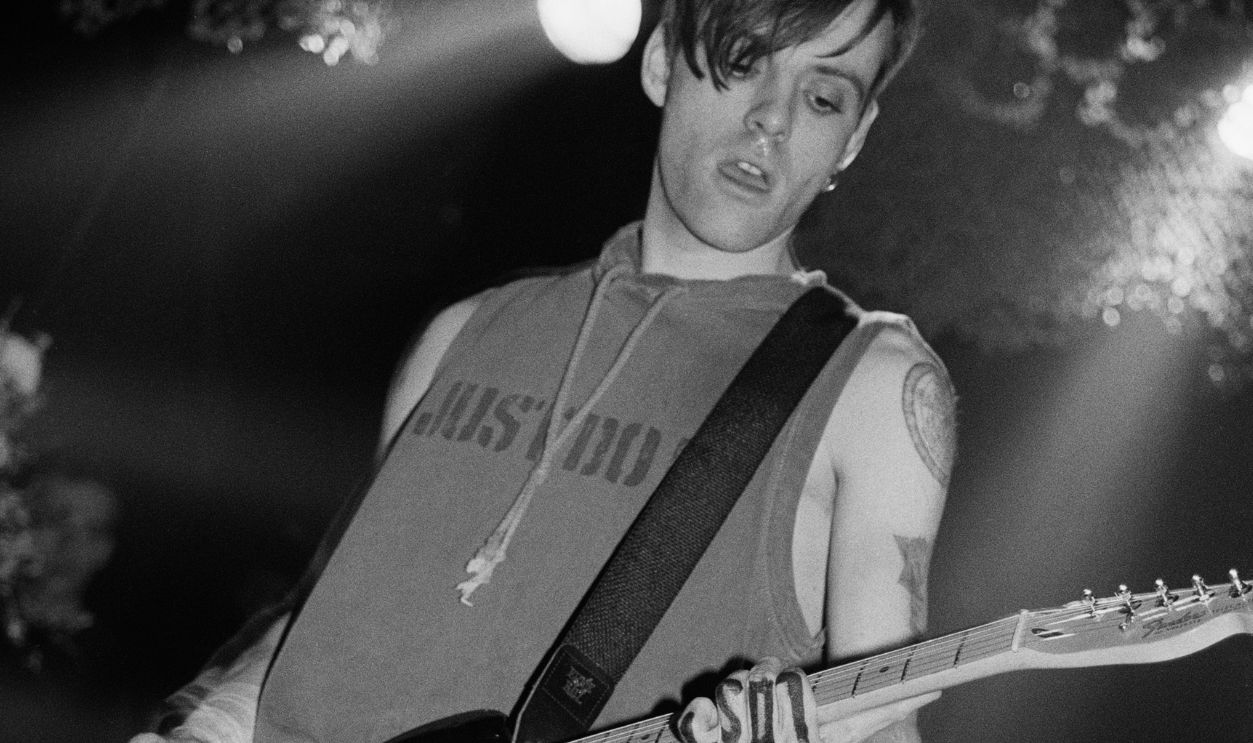
While at university, Richey had more on his mind than the music scene. Finals were looming, and he’d chosen a super ambitious course on German-Soviet relations. The pressure became unbearable, and his friends noticed the change immediately. His weight dropped dangerously, and he later admitted he coped through control: he turned to “not eating very much” and harming himself.
But his struggle was only beginning…
 Screenshot from No Manifesto: A film about Manic Street Preachers, November Films (2015)
11. He Nailed The Attitude And The Aesthetic
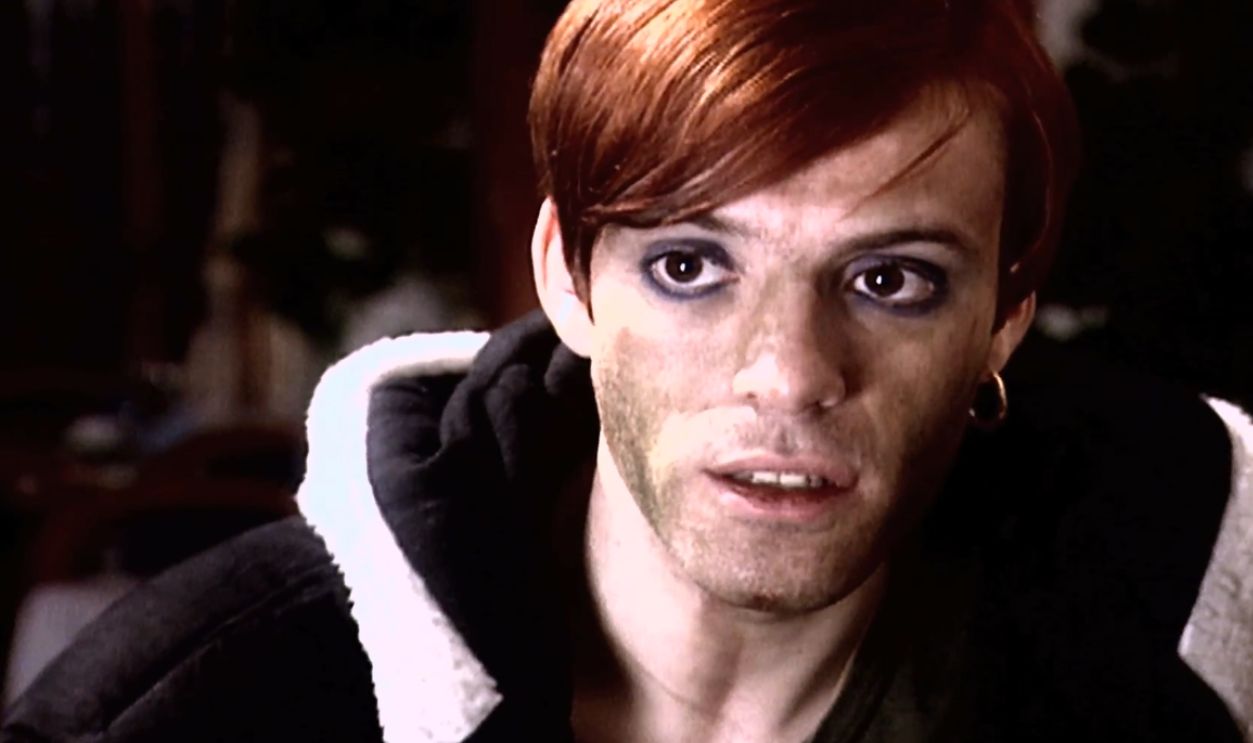
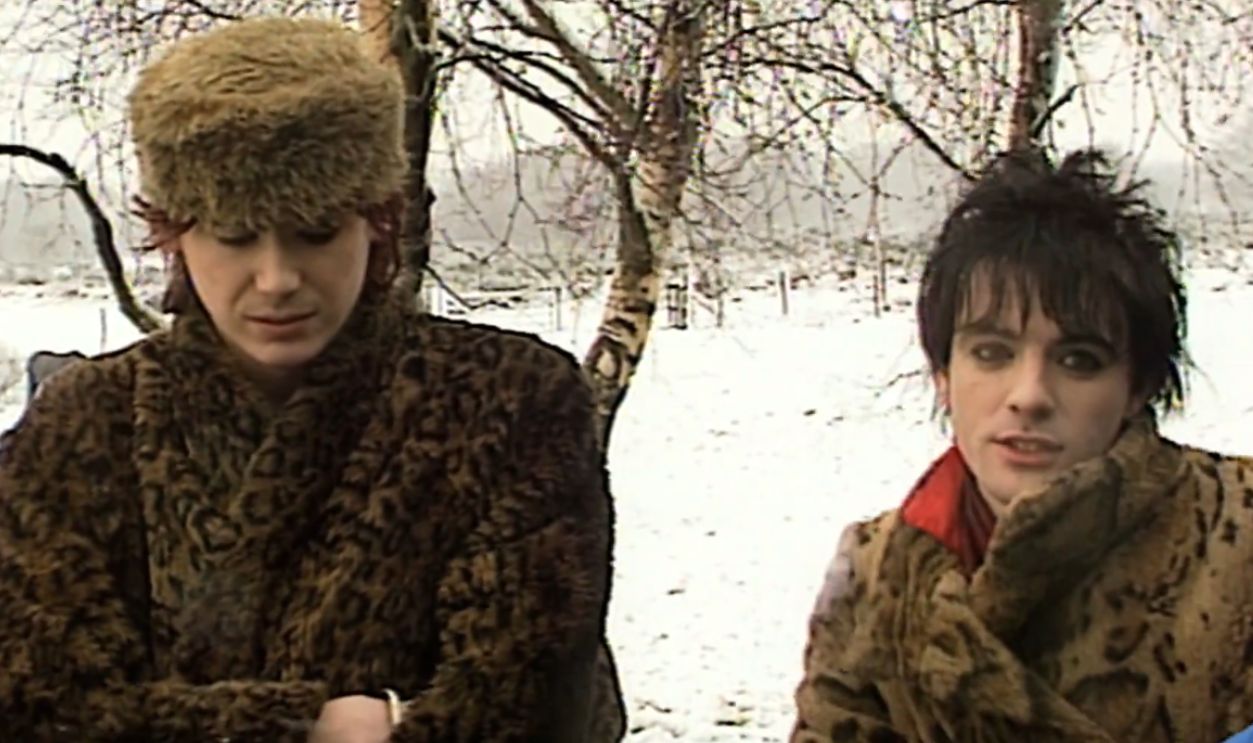
The same year Richey Edwards graduated from university, he was officially accepted into the Manics. With Richey as lyricist and unofficial “Minister of Propaganda,” they pushed a raw political vision. They’d spray paint slogans like “USELESS GENERATION” onto their clothes.
As Richey put it, “We’d rather be sensationalized [in the tabloids] than just be another NME band and get critical respect”. Soon, he’d prove just how far they were willing to go.
 Screenshot from No Manifesto: A film about Manic Street Preachers, November Films (2015)
12. He Was A Rock God Who Couldn’t Play
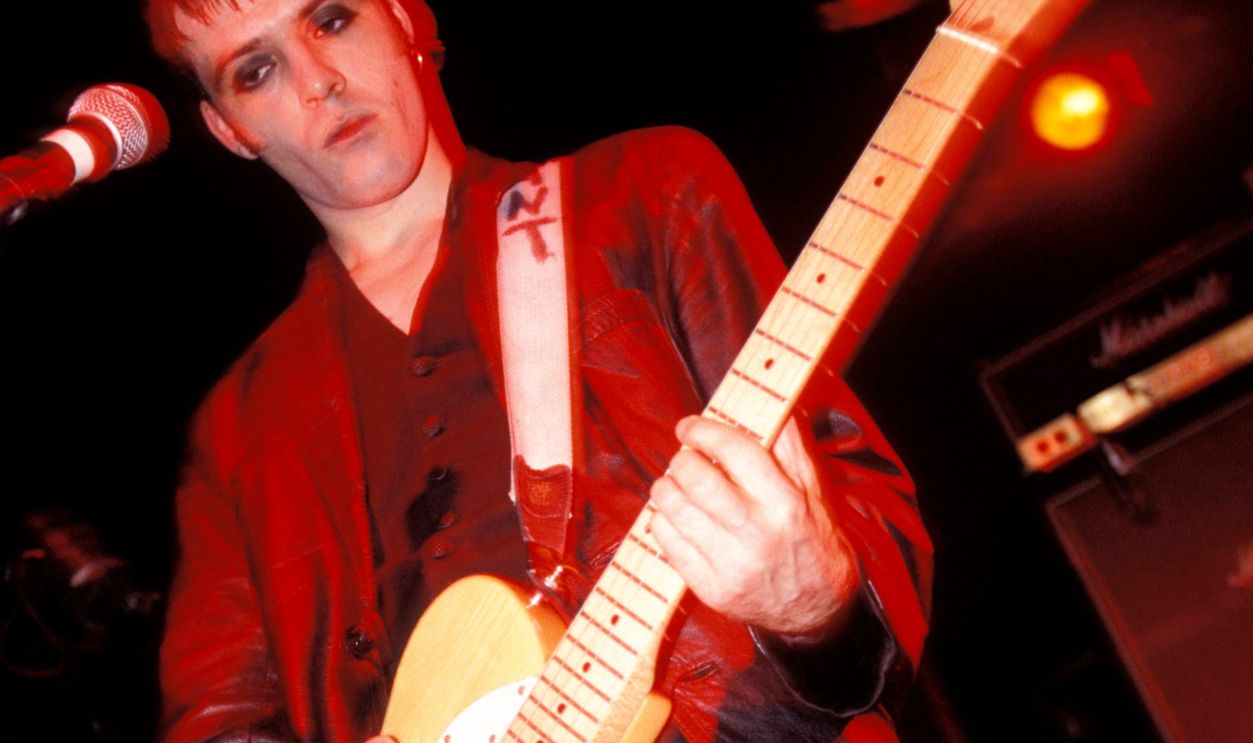
In a great Aaron Sorkin line of movie dialogue, Steve Jobs says, “Musicians play their instruments, I play the orchestra”. Well, when it came to the Manics, that’s very much what Richey did. On stage, he pretended to play guitar with the volume muted. But offstage, he was a virtuoso in myth-making who knew exactly how to turn interviews into splashy headlines.
No quote was too controversial—but in 1991, he pushed it too far.
13. He Was Provoked
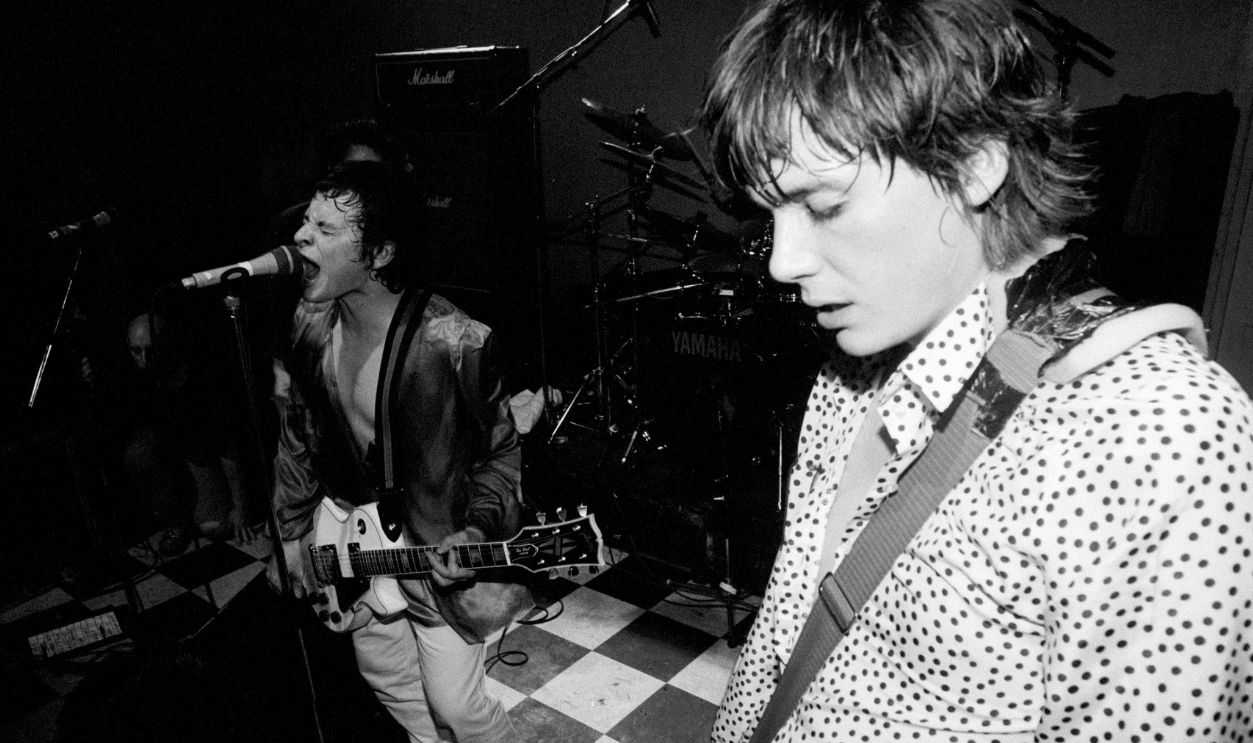
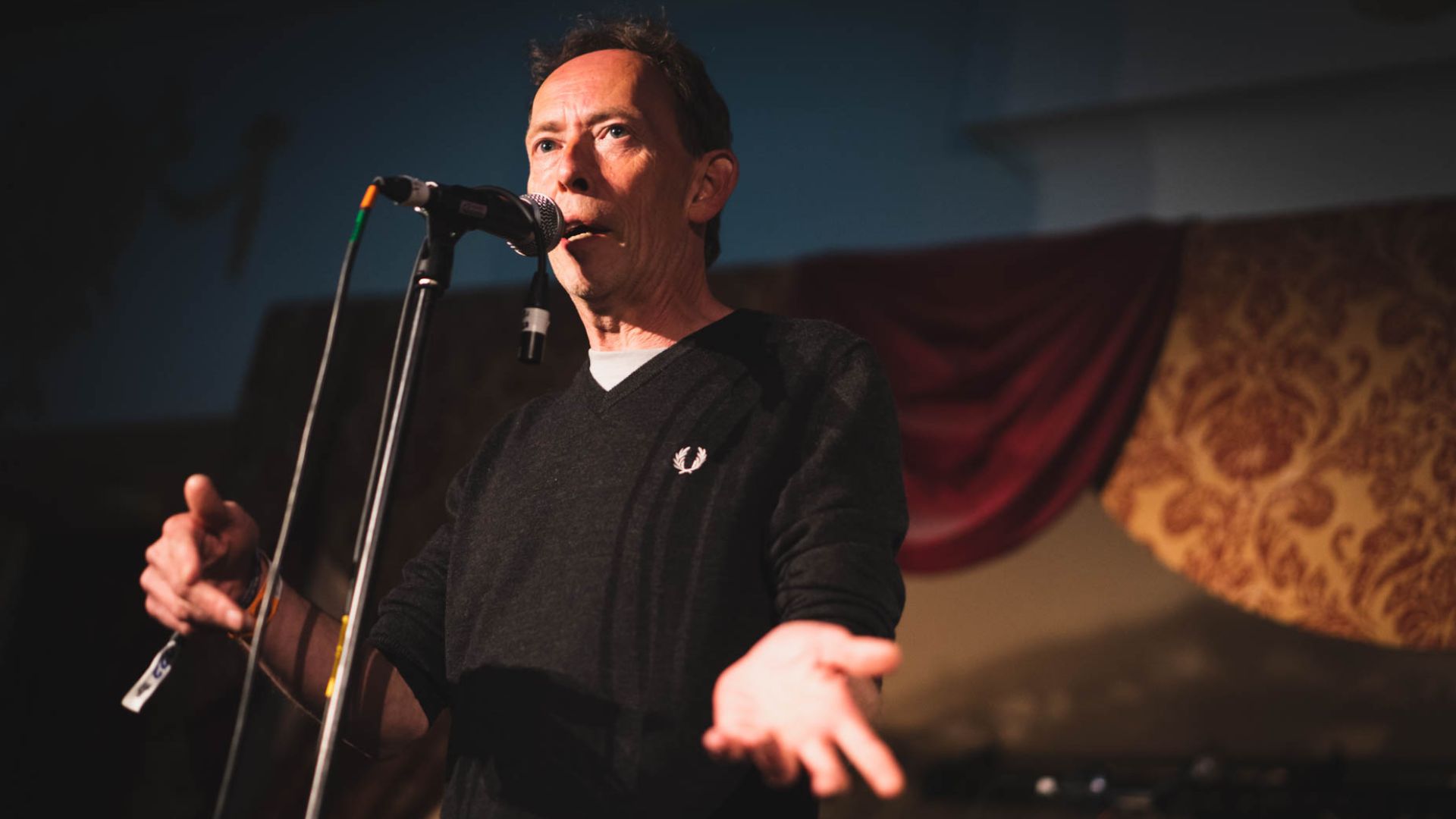
Music critics in the early 90s hit different: think snarky know-it-alls who loved geeking out and gatekeeping. The sight of four glammed-up guys from a depressed Welsh town quoting Camus baffled the critics, who quickly turned to mocking the Manics. In a 1991 post-gig interview, music journalist Steve Lamacq kept insisting that they were all image and no substance.
Richey Edwards did not take it well.
14. He Had Beef
The backstage interview with Lamacq was a powder keg, built from months of sparring in the music mags. Richey later said, “He saw us as four hero-worshipping kids trying to replicate our favorite bands. There was no way I could change his mind”. While trying to make his case, Richey pulled out a razor and carved “4 REAL” into his forearm.
“I just [did it]...To show that we are no gimmick”.
 Paul Hudson from United Kingdom, Wikimedia Commons
15. He Changed The Game
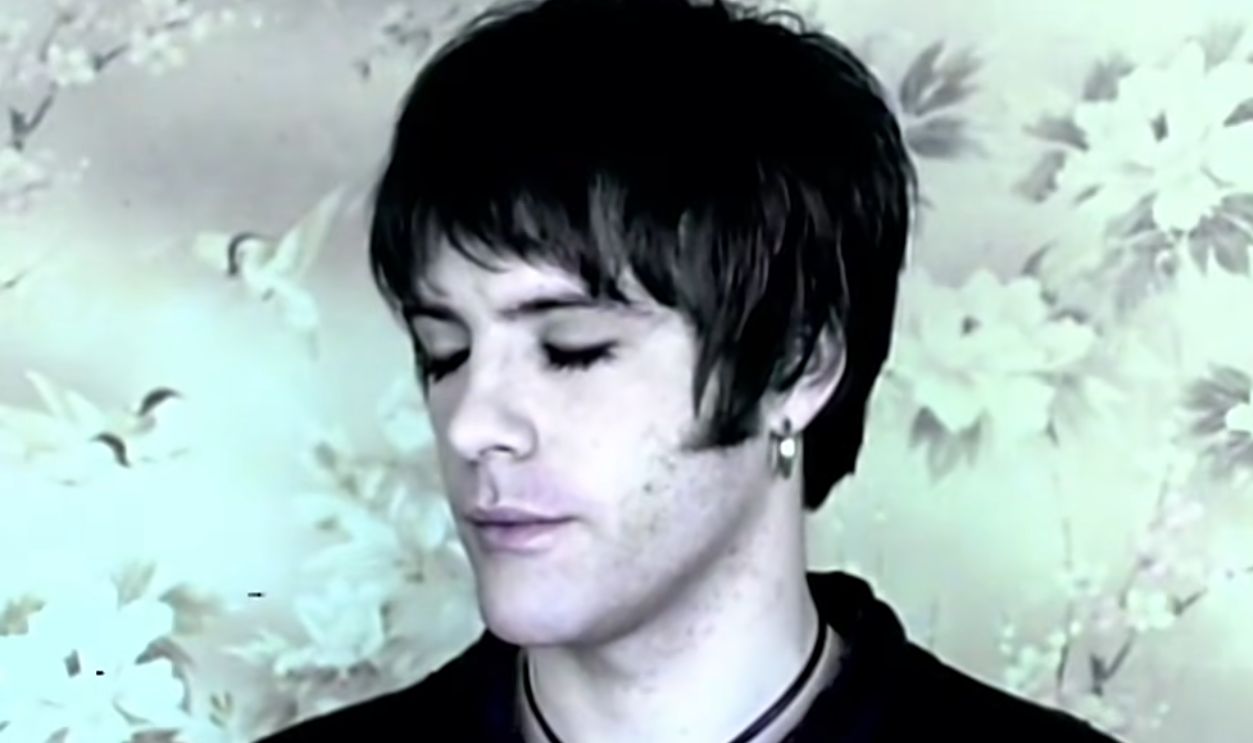
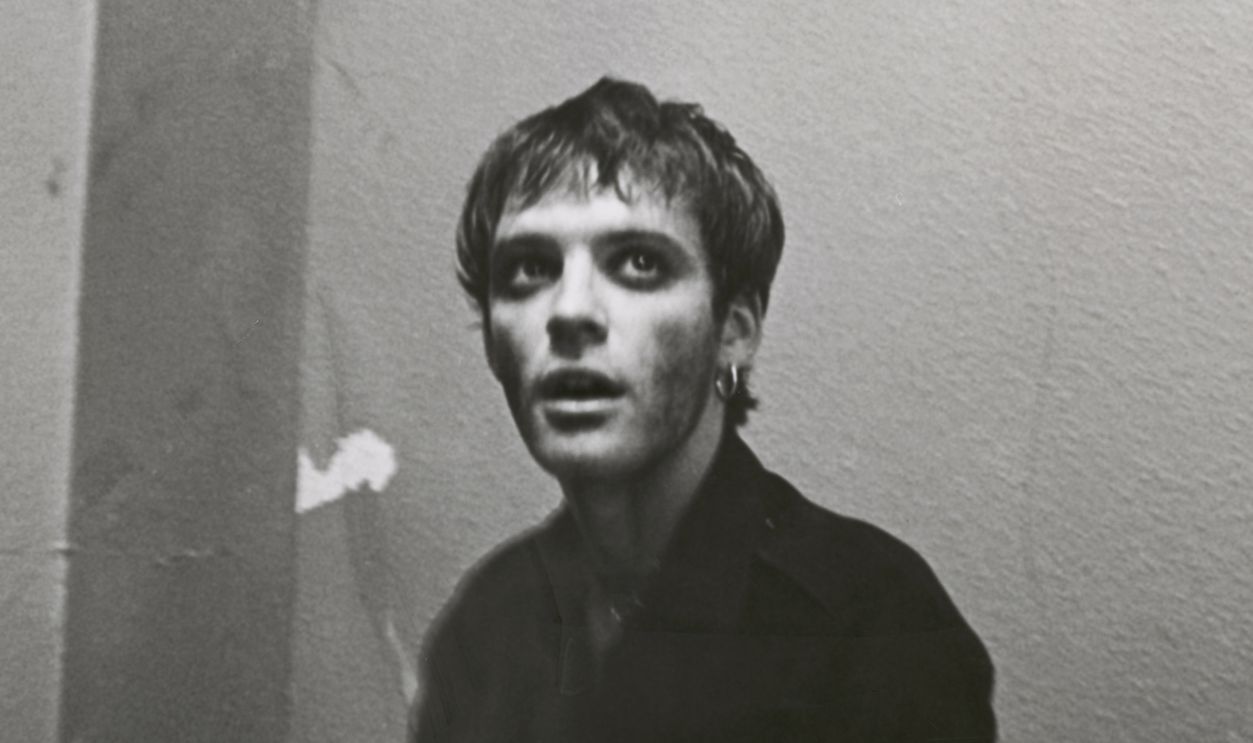
Strangely enough, the conversation between Lamacq and Richey continued for a few more minutes as a puddle of blood formed on the floor. Ever image-conscious, Richey flagged down a photographer who took the now-famous photo: Richey with a bandaged hand and his wide eyeliner-rimmed eyes staring down the camera. His team then rushed him to the hospital, where he needed 17 stitches.
The aftermath was surprising…
 Screenshot from From Despair to Where, Sony Music Entertainment (1993)
16. He Blew Up
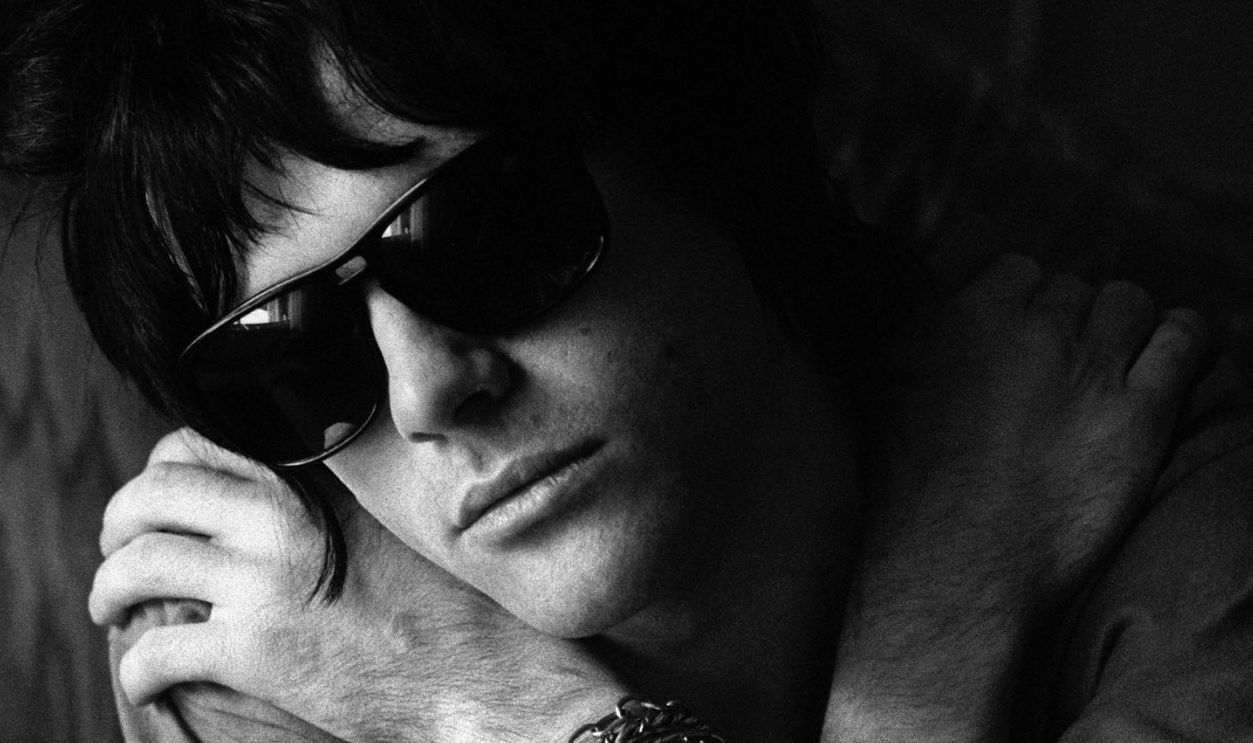
The “4 REAL” moment sent shockwaves through the press. Call it what you want—Richey’s bloodletting was genius. It proved the band’s authenticity, finally silencing the “poser” accusations, and it was a stroke of business smarts. Suddenly, major record labels were knocking, and a new group of fans was attracted to the danger.
Amid the chaos, few noticed that the incident was also a grim symbol of Richey’s perfectionism and self-destruction.
17. He Hit The Sophomore Slump
After the “4 REAL” chaos, the Manics’ first major label album exploded. It went gold, with even the cynics at NME handing out a rare 10/10. Then came the test: Would the band step into their new role of indie darlings or end up as the bloated rock stars they once mocked? The pressure was massive, and 1993’s Gold Against the Soul fell short.
For a perfectionist like Richey, the disappointment was huge. It was the first loose thread in what would become a long unravelling.
18. He Dreamed Of Disappearing
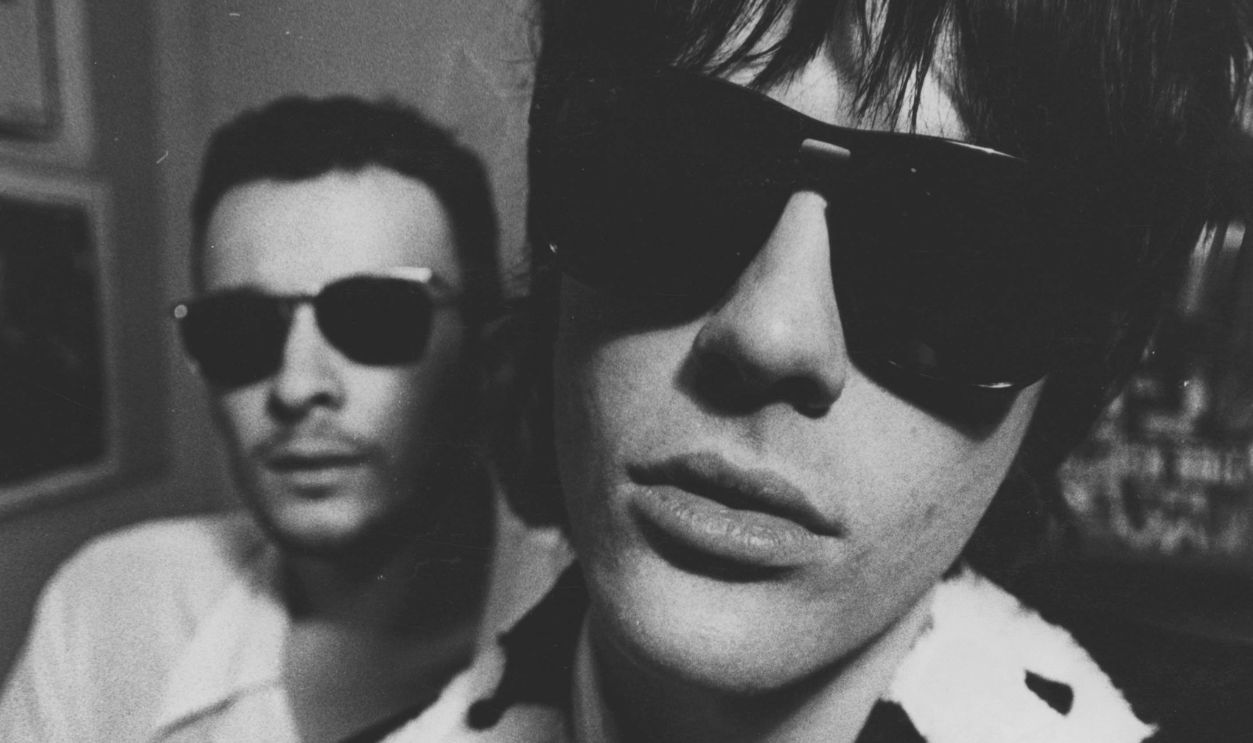
You’d think that someone as punk rock as Richey would have a loud personality and big dreams. In fact, the opposite was true. In a haunting February 1994 interview, his outlook was less than rosy: “The older you get, the more life becomes more miserable”. In an almost defeated whisper, he spoke of wanting to go live by the coast with his dogs.
In light of what happened later, it didn’t sound so offhand—it sounded like a plan.
19. His Victory Was Short-Lived
One place where Gold Against the Soul did explode? Thailand. The band stormed Bangkok for two sold-out shows with NME along to capture every unhinged moment. It was doomed from the jump: the band was shaken by the dark side of the Thai tourist industry, grieving the recent loss of their OG manager, and stung by Gold’s failure to crack the US market.
Let’s just say it was not a recipe for good vibes…
20. His Band Went Off The Rails
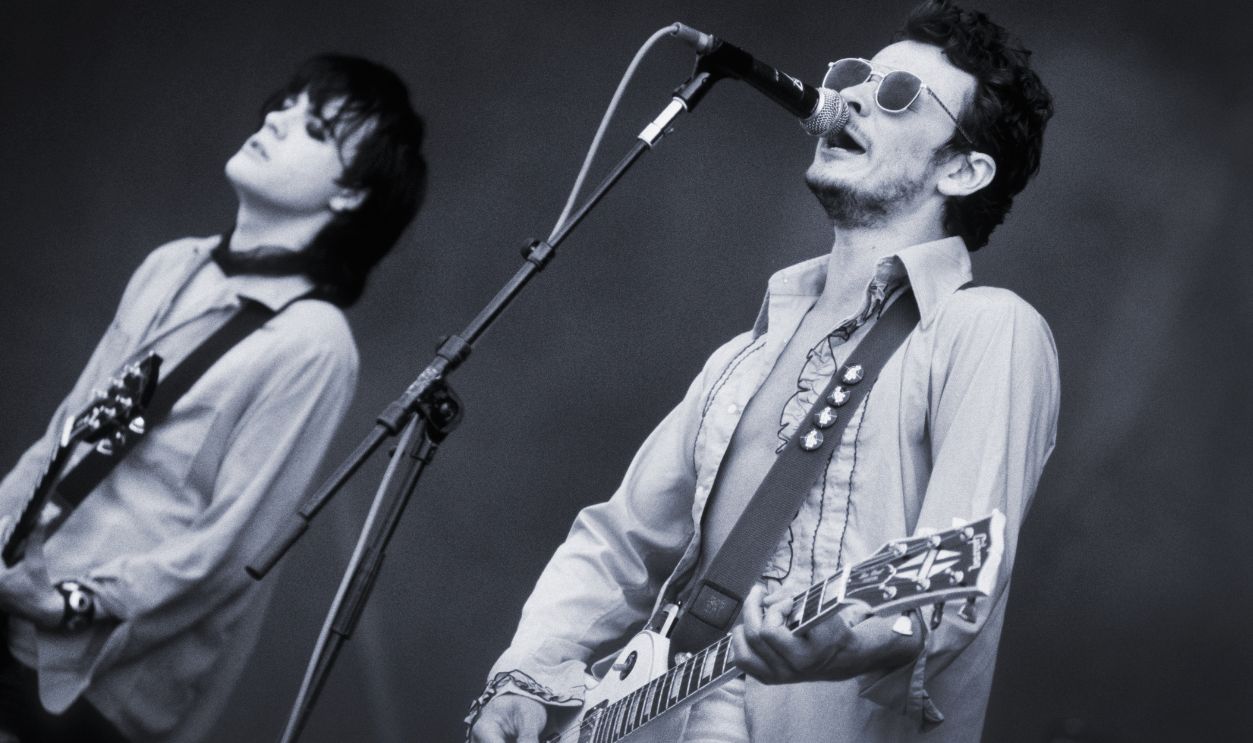
The Bangkok shows were pure anarchy. Security were wielding cattle prods for crowd control, Nicky Wire insulted Thai royalty, and Richey was vaguely strumming his guitar as blood poured out from where he’d sliced himself across the chest. Of course, NME reported breathlessly on every scandalous moment.
It didn’t help that it was only weeks after Kurt Cobain had ended his life. The darkness was closing in, and it was only a matter of time before Richey disappeared.
21. He Was Plummeting
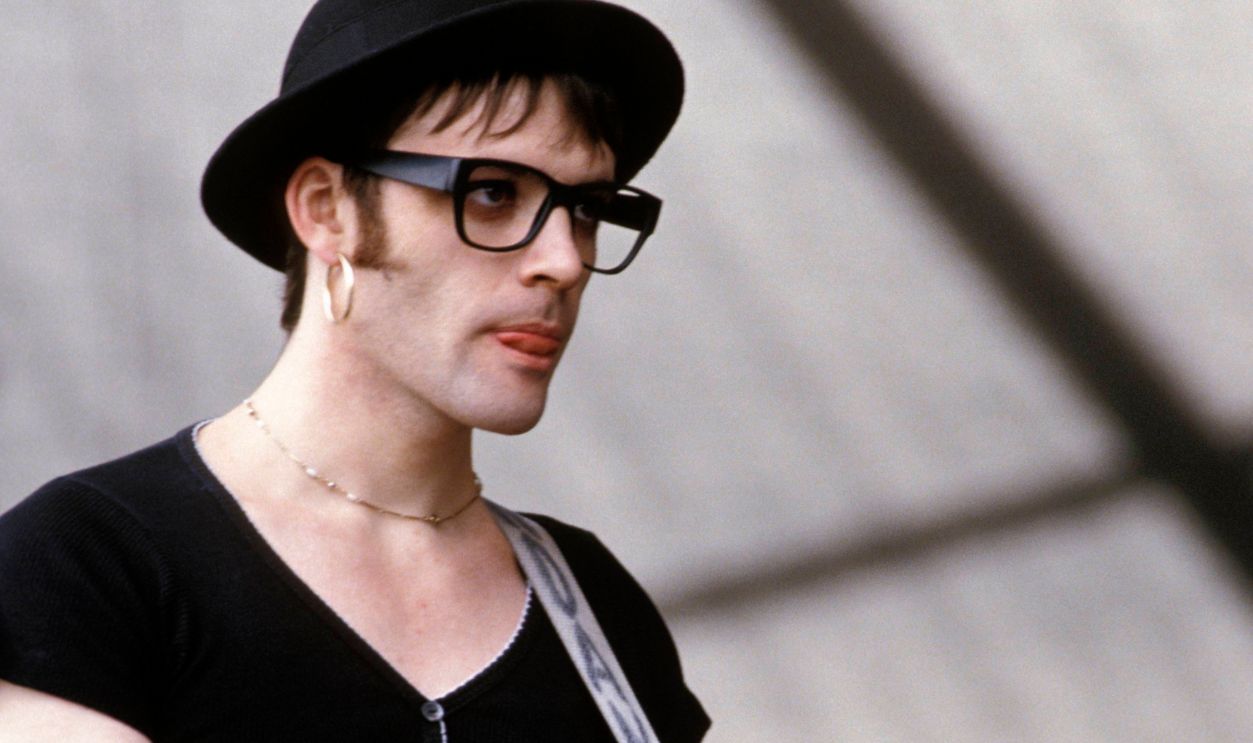
Richey wasn’t exactly being subtle about his unravelling. During the recording of The Holy Bible, the Manics’ last album as a four-piece, he was suffering from anorexia, a drinking problem, depression, and self-harm. His day would start with the “schhht” of a booze can, there’d be lots of tears, and before long, he’d be out cold. Then a close friend of his ended his own life.
According to bandmate Nicky Wire, Richey’s problems had “escalated to a point where everybody got a bit frightened”. The dam was about to break.
22. He Hit Rock Bottom
In July 1994, Richey made the call that no parent wants to receive. He told his mother that he’d done something he might regret. His parents immediately raced to his flat in Cardiff, and what they found was chaos. Empty booze bottles and trash were everywhere. He had covered the walls with graffiti mourning Kurt Cobain.
With trepidation, his parents headed toward the bathroom…not knowing what waited on the other side.
23. His Parents Were Living A Nightmare
Richey’s parents opened the door to a horrific scene. Richey, all 84 lb (38 kg) of him, was in the bathtub with blood seeping out of his forearms and into the water. There was an empty bottle next to the tub, as well as an illicit substance. They rushed him to the emergency room.
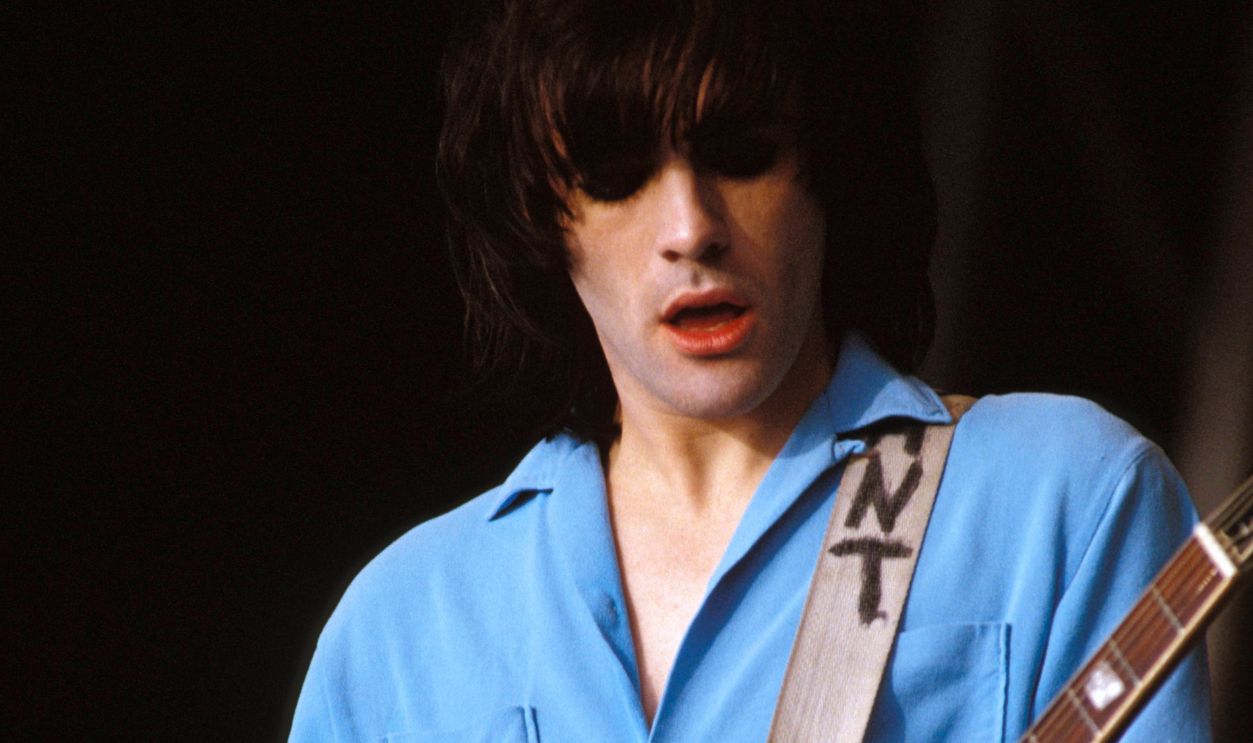
24. He Needed Help
Richey’s wounds weren’t lethal, but the diagnosis was grim: severe depression. He voluntarily checked into Whitchurch, a publicly funded psychiatric hospital. It was a crumbling Gothic building that his sister Rachel said felt “haunted”. When manager Martin Hall came to visit, he couldn’t believe how doped up Richey was—and immediately made plans to get Richey out of there.
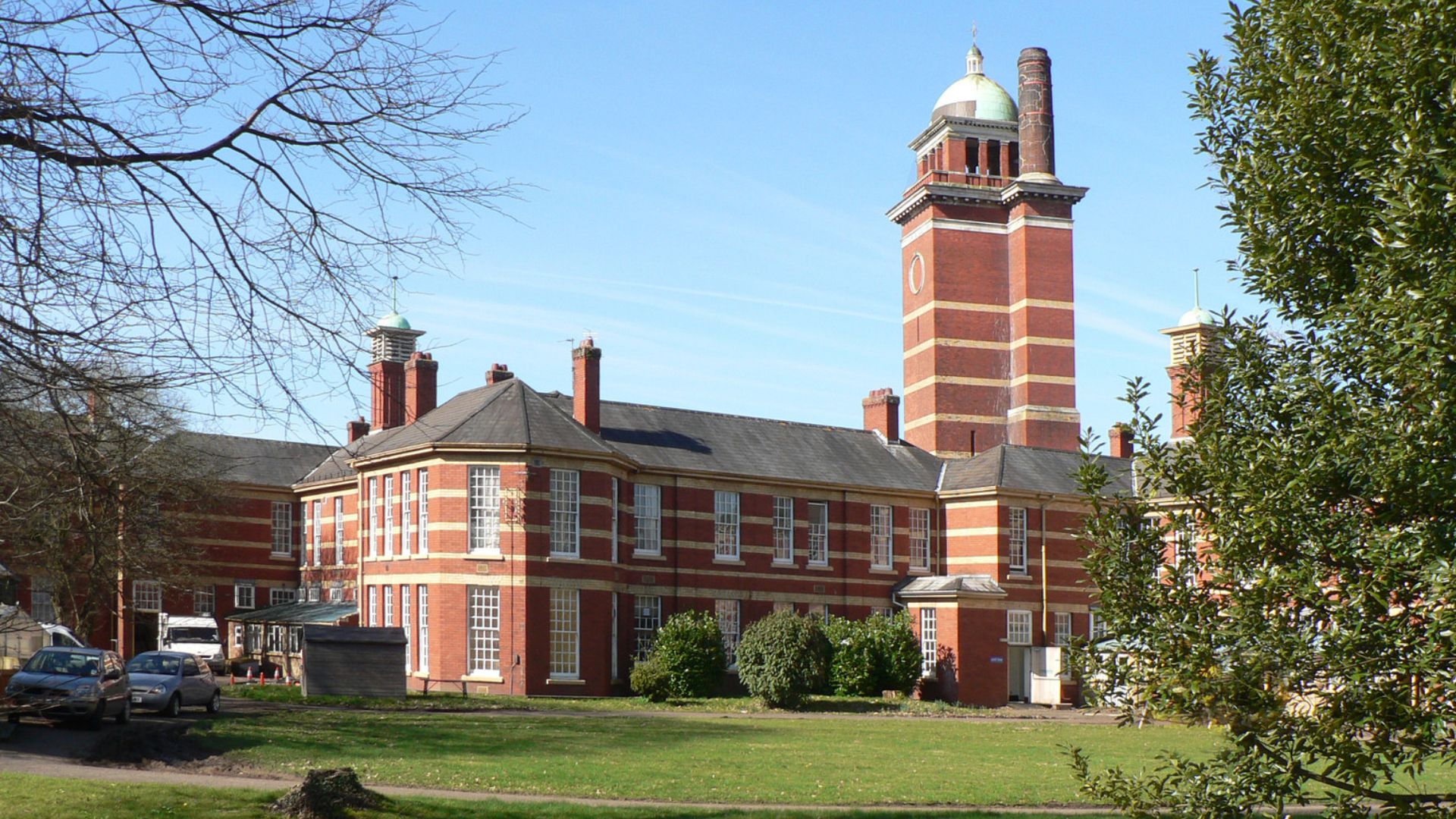
25. He Levelled Up
Richey moved out of eerie Whitchurch and into another universe: The Priory in south-west London. Known as a discreet sanctuary for high-profile patients, this private rehab was peaceful, posh, and worlds away from the chaos he’d left behind. It has hosted stars like Kate Moss and Amy Winehouse. Too bad the calm wouldn’t last.
 eddievanderwalt, Wikimedia Commons
26. His Album Was Not Easy Listening
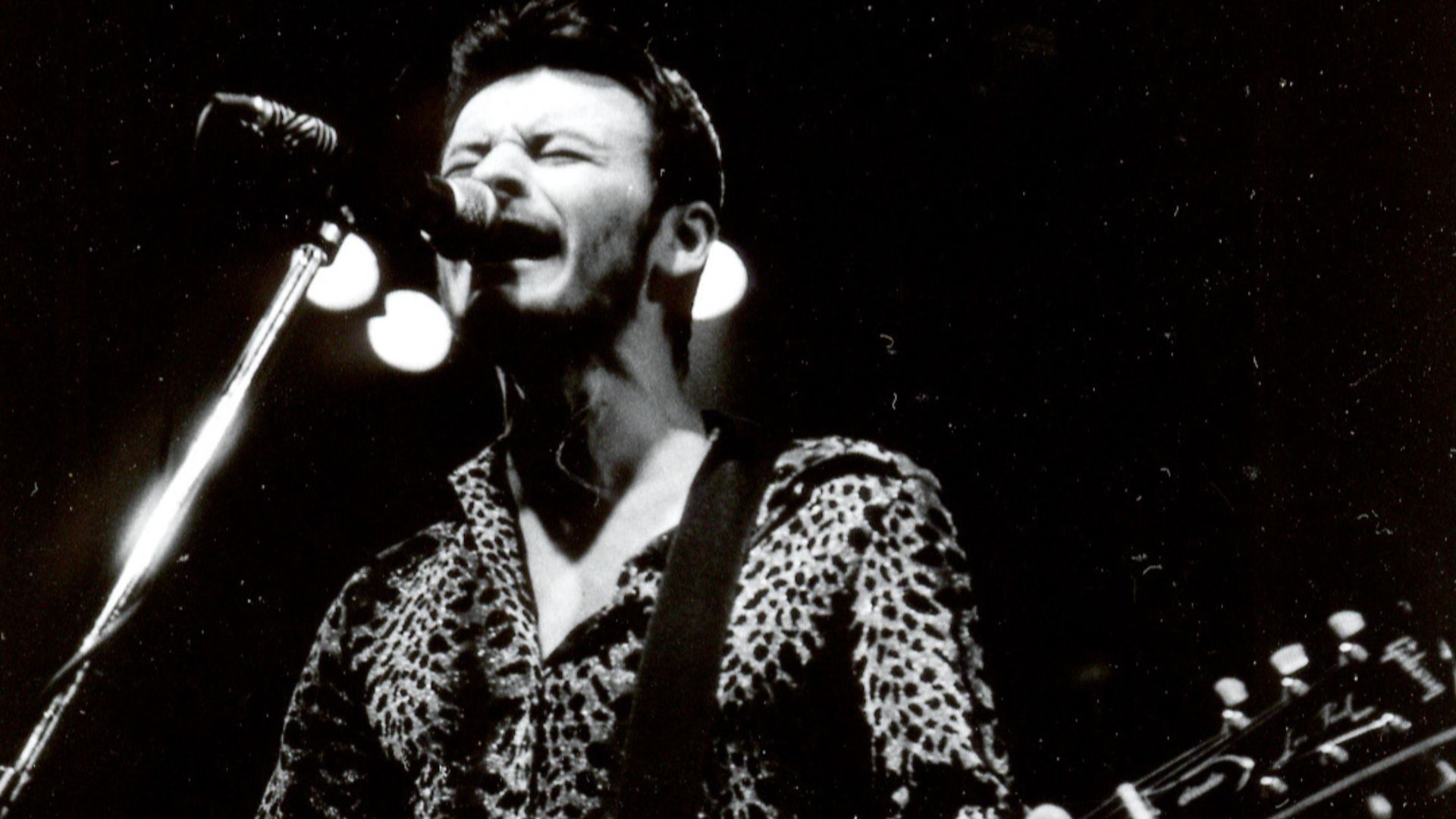
While Richey Edwards was in rehab, the Holy Bible album dropped. One reviewer called it a “violent [surge] of self-lacerating punk fury which infamously details the horrors in Richey Edwards' head”. To explain Richey’s absence, bandmate James Dean said: “It wasn’t a breakdown. It was much worse than that…Richey went bonkers, something just flipped in his head”.
At The Priory, doctors diagnosed him with borderline personality disorder. It looked like a step forward, but the struggle was far from over.
 Masao Nakagami, Wikimedia Commons
27. He Had A Strange Encounter
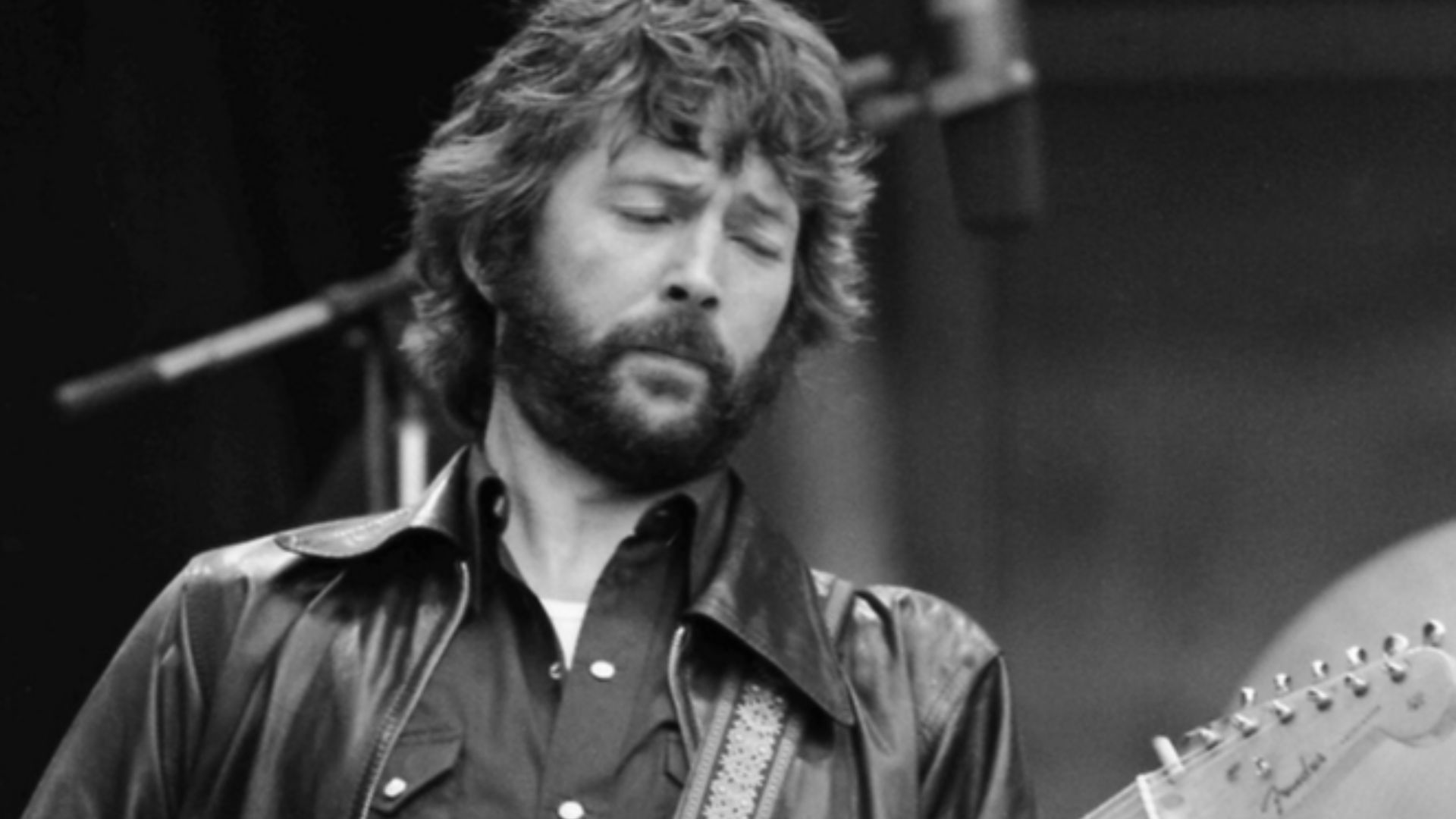
While at The Priory, Richey Edwards had an unsettling brush with fame. One day, there was a knock on his door. On the other side? Guitar legend Eric Clapton, who was there volunteering. Clapton had heard a musician was staying there and made a casual offer to jam. Richey froze. How could he tell the guitar god that he couldn’t actually play very well?
 Chris Hakkens, Wikimedia Commons
28. He Faced Reality
After a summer in rehab, Richey checked out, and less than two weeks later, he was back on tour with the Manics. It was too much, too soon. As his friend from The Priory, Rosie Dunn, put it, “A sober world, a scary world…You’re meant to do things gradually, but he made himself so vulnerable. It’s not just about putting down the drink; it’s about your whole lifestyle”.
Not surprisingly, chaos soon ensued.
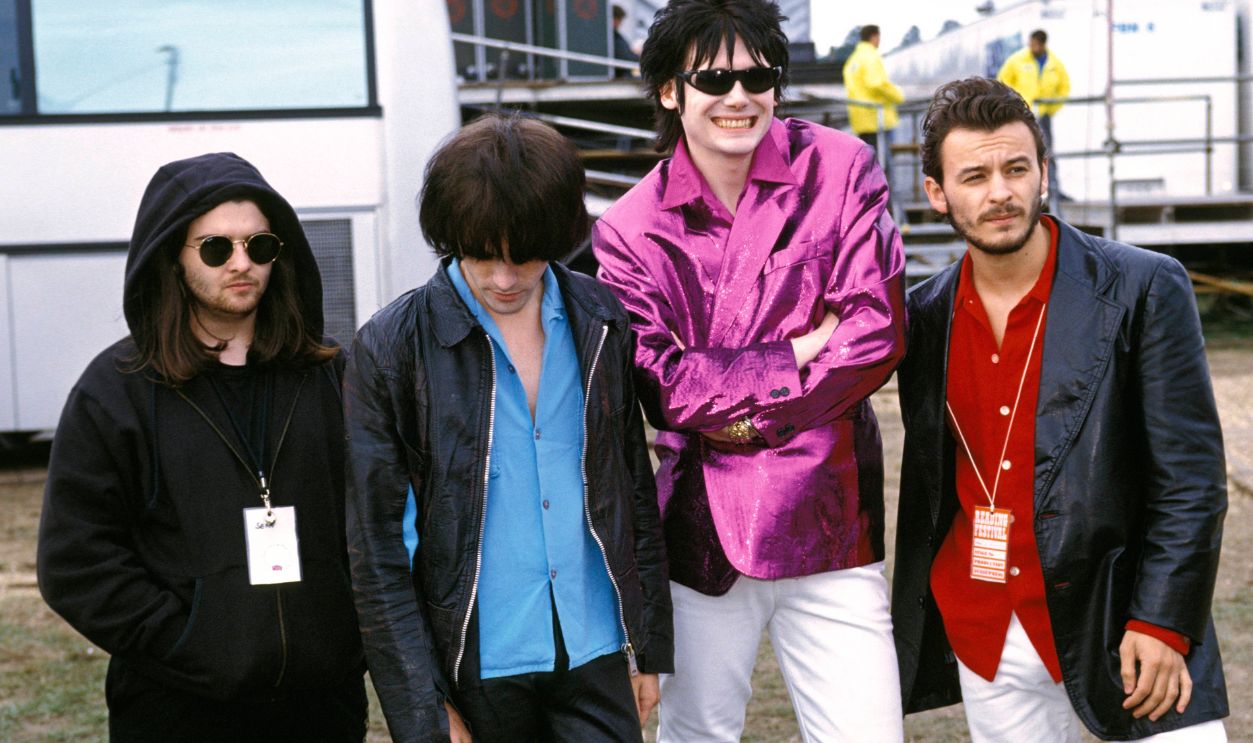
29. His Last Show Was Explosive
By the end of the UK leg of their tour, Richey Edwards and the band were running on fumes. On December 21, 1994, they took the stage at London’s Astoria—unaware it would be for the final time. As bandmate Nicky Wire recalled, they smashed thousands of dollars' worth of gear in a euphoric, destructive finale.
The high didn’t last long.
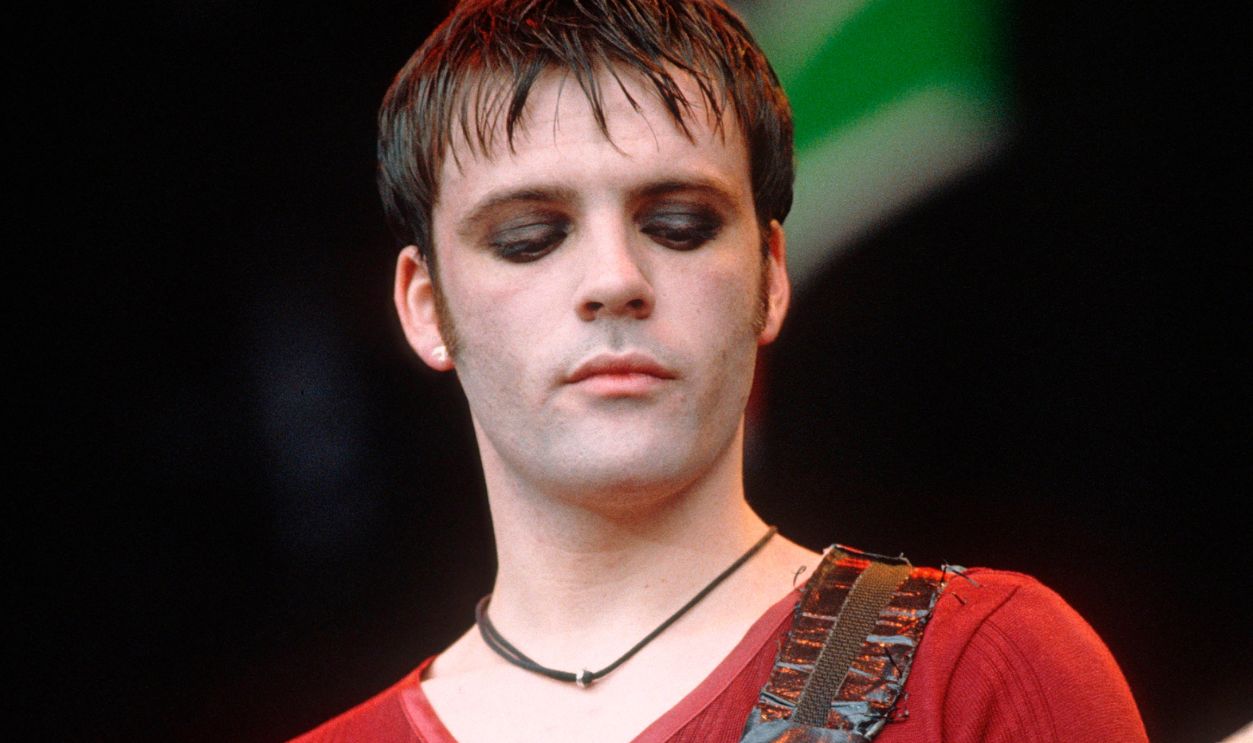
30. He Edged Toward Adulting
Richey decided to start 1995 off with a grand, desperate gesture—and it didn’t go well. After driving seven hours to propose to his long-term, on-off girlfriend, Jo, she turned him down. Devastated, he took it out on himself by hacking off a chunk of hair. He ended up shaving it all off, but nothing could stop his world from crumbling.
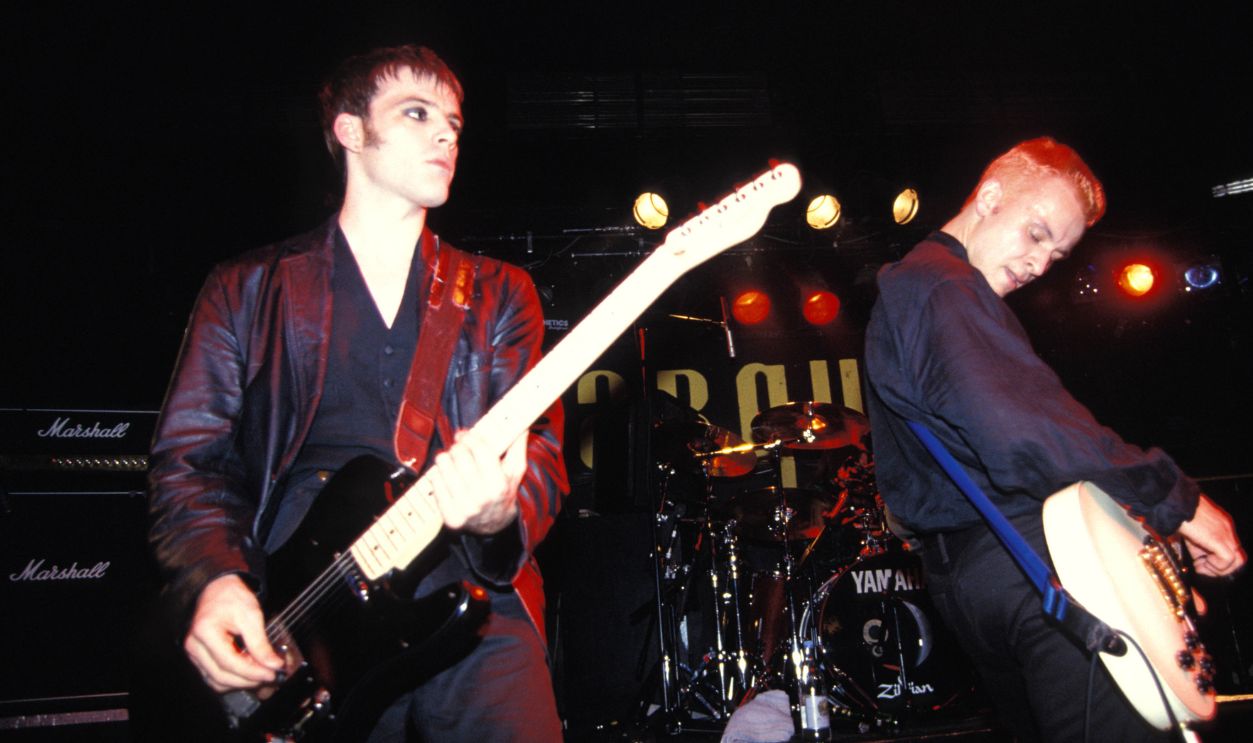
31. He Kept Spiraling
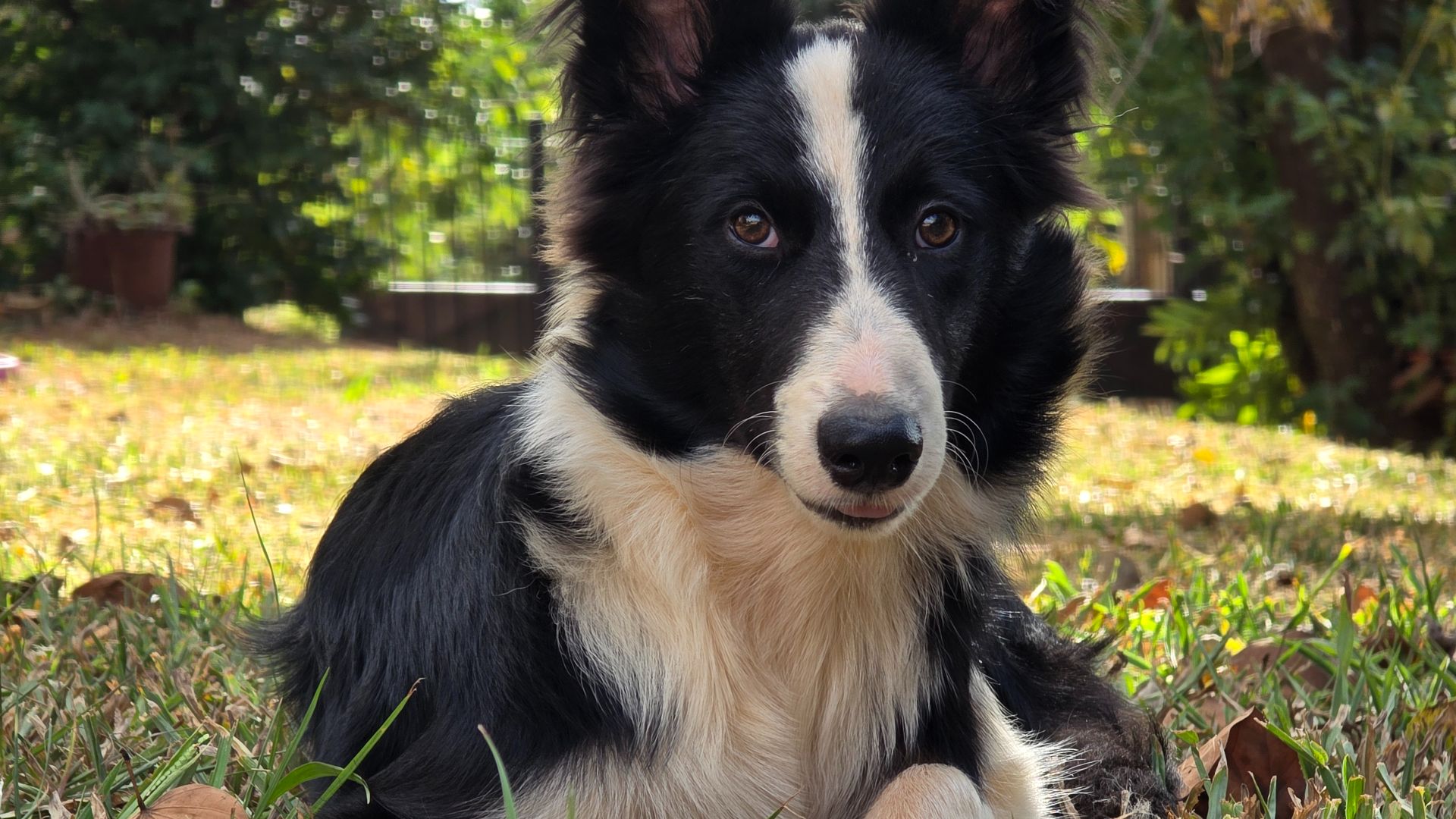
Richey Edwards was already teetering on the breaking point when, in mid-January, his childhood dog, Snoopy, had to be put down at 17. Richey’s sister recalls finding her brother on the floor, sobbing uncontrollably as he hugged Snoopy’s body. To Richey, the dog was the last link to happier times. Just two days later, his diary entries ended.
Richey’s world kept closing in, and there was no escape from what was coming.
 Horacio Cambeiro, Wikimedia Commons
32. He Had Other Plans
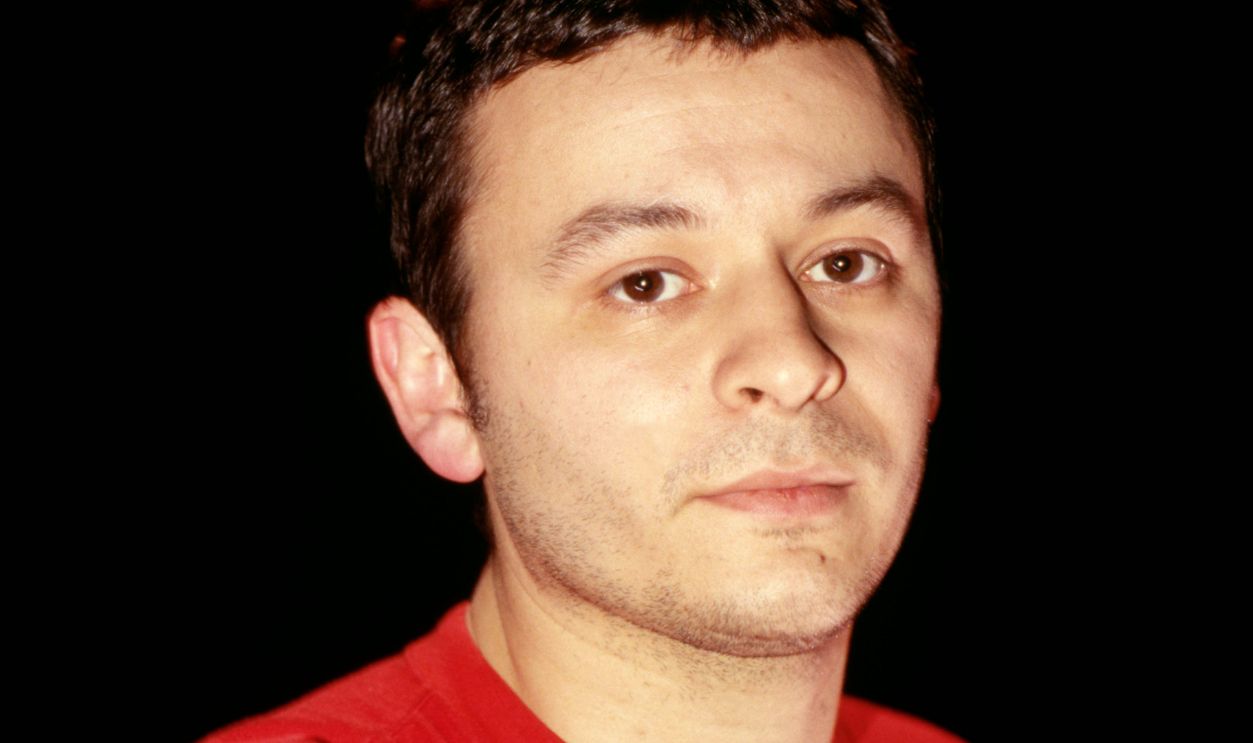
What should have been an exciting time for Richey was anything but. On January 31, 1995, he and bandmate James Dean Bradfield checked into London’s Embassy Hotel ahead of a US tour. After settling in, Bradfield knocked on Richey’s door. Richey answered, smiling, mid-bath. They decided to go to the movies. “Come back in half an hour,” Richey said.
Bradfield did—but Richey said he had changed his mind and decided to stay in.
33. He Made One Last Call
That same night, Richey Edwards called home. He told his mother that he didn’t want to go to America. At the time, nothing about the conversation seemed seriously alarming—at least to her. It would be the last time they ever spoke. That night, the band later revealed that Richey also had a visitor that night: a possible fan-turned-friend known only as Vivian.
By morning, he would be gone.
34. He Wasn’t Where He Should Be
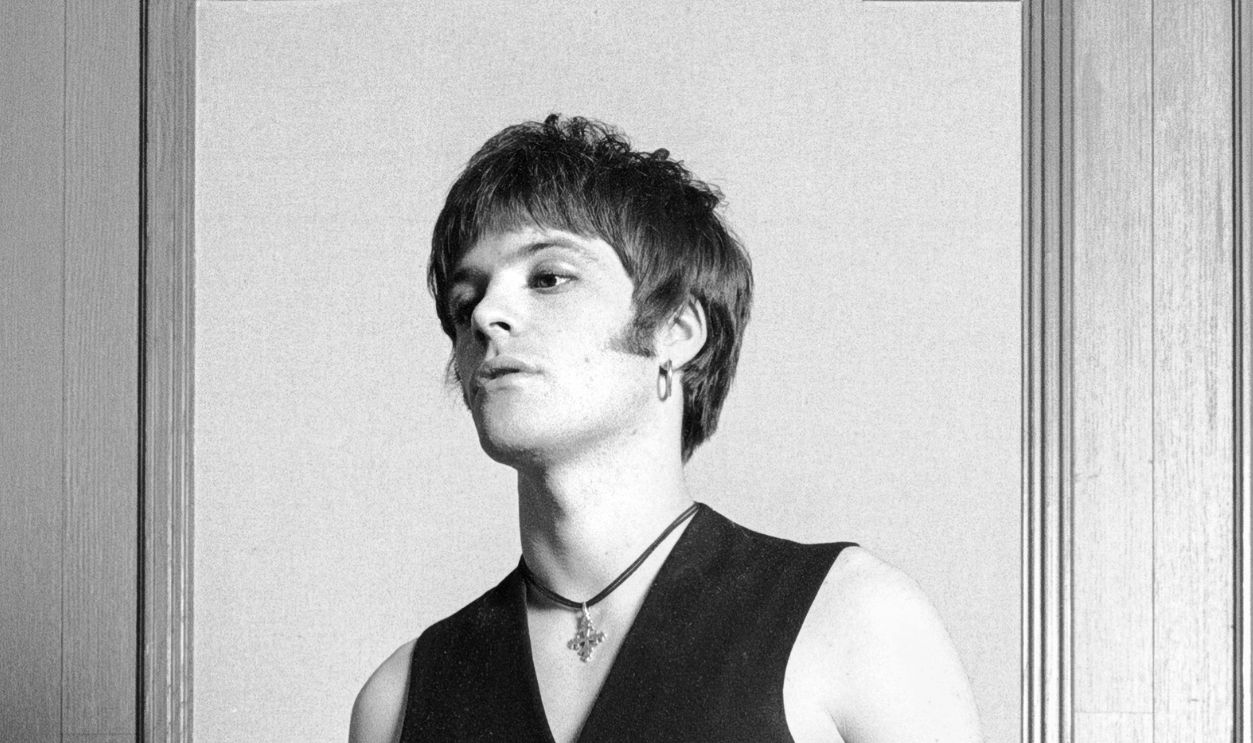
As troubled as Richey had always been, he was always punctual. So when he failed to meet Bradfield in the hotel lobby the next morning, his bandmate immediately knew something was wrong. There was no answer at his door. When the staff unlocked the room, he wasn’t there. The bath was full of water, and his toiletries and packed suitcase had been left behind.
Richey had also left something else behind…
35. He Didn’t Forget His Ex
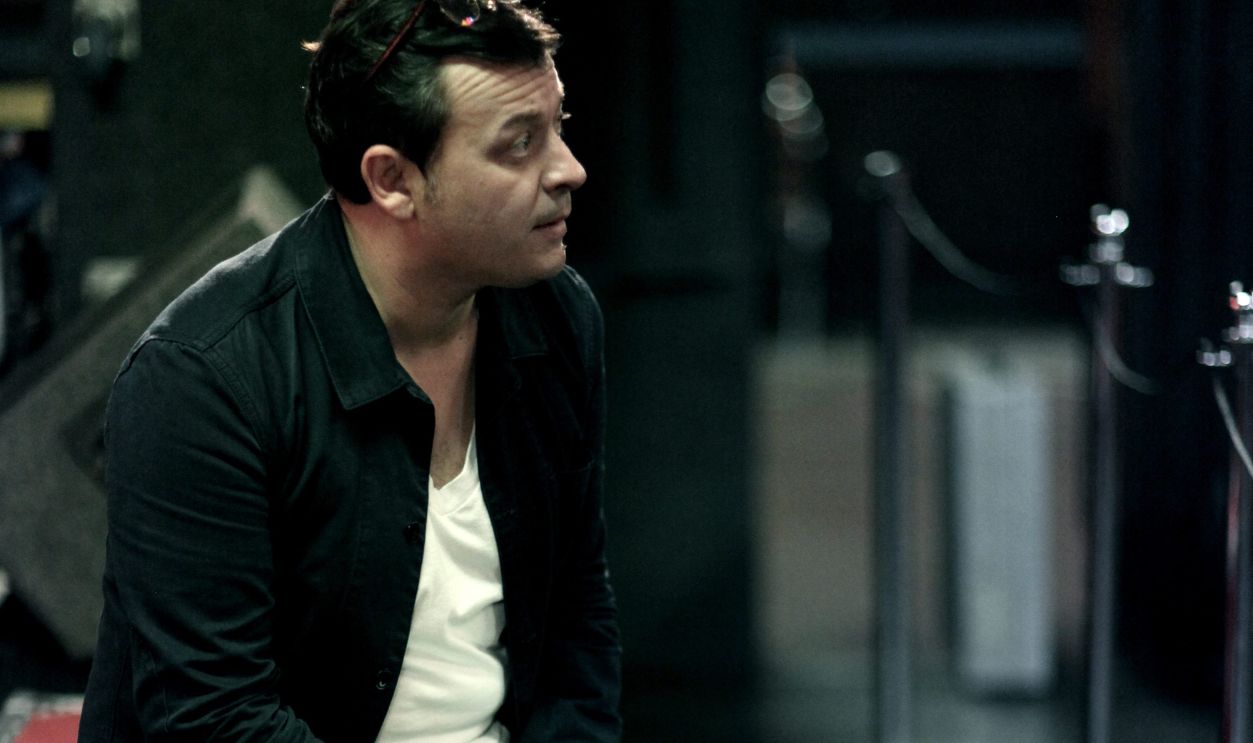
When Bradfield and the hotel employee opened Richey’s hotel room, they likely were expecting the worst. Instead, they found a gift box, addressed to Richey’s former girlfriend, Jo. Inside were books, videos, photographs—and a single note: “I love you”. He had decorated the outside with quotes and various images.
A nearby receipt showed he visited a printer the day before.

36. He Had Vanished
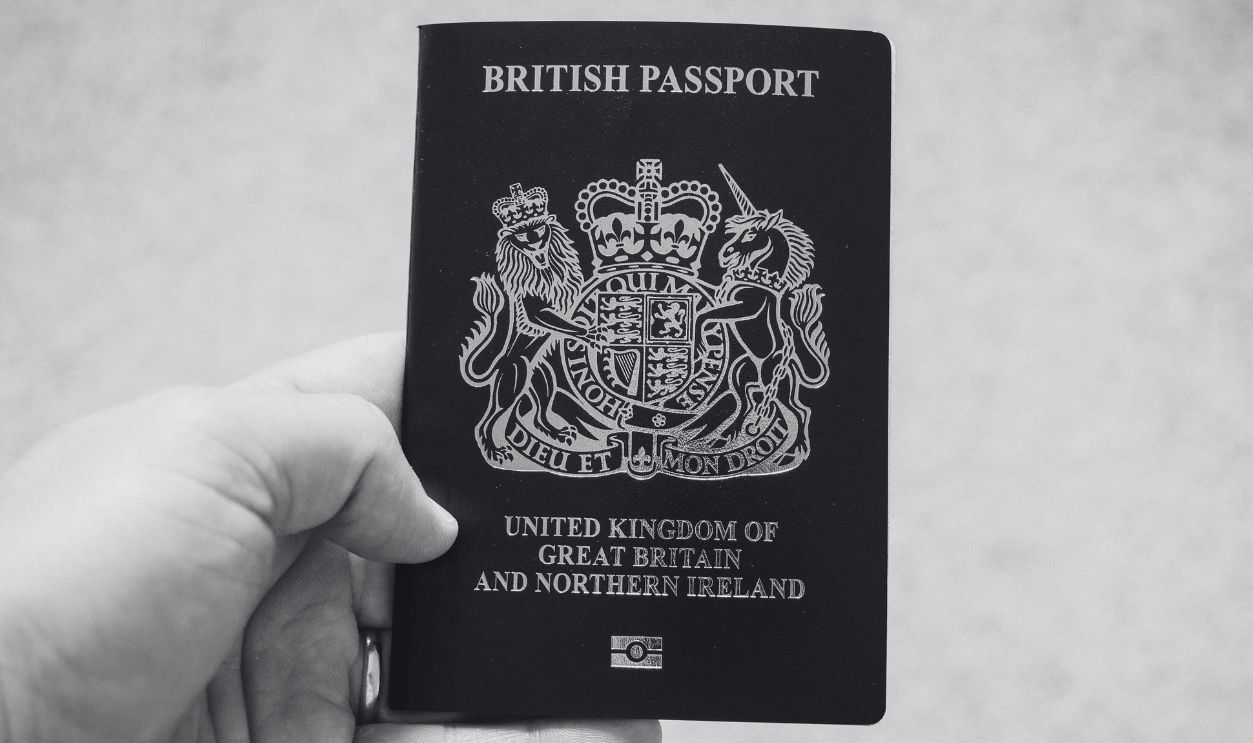
At first, it looked like Richey had simply vanished from his room. But as investigators began retracing his steps, a strange pattern emerged. Sometime that morning, he had quietly checked out of the hotel and driven to his Cardiff apartment. There, he left behind his passport, a bottle of Prozac, and a tollbooth receipt time-stamped 2:55.
This didn’t look like items he just haphazardly left behind. They looked like someone had deliberately placed them there.

37. He Left A Trail
The items at Richey’s apartment raised an unsettling question. Was he leaving clues using the same media-savvy mind that had once shaped the band’s image? Or was he just shedding pieces of his life as he fulfilled some dark plan? Either way, the deeper investigators looked, the stranger it became—especially when they got to his bank records.
38. His Bank Statements Spoke Volumes
Money talks, and in the case of Richey’s vanishing, it said, Something is off. In the two weeks before he vanished, Richey withdrew £200 from his bank account—every day. It added up to a large chunk of change—roughly $6,000 in today’s dollars. Some believed it was for his trip. Others pointed to a desk he planned to buy—but there’s no record it was ever purchased.

39. He Left Easter Eggs
One of his bandmates described Richey Edwards as always being “more into books and films than rock ’n’ roll”—and it feels like his reading list was a road map to his vanishing. According to novelist Emma Forrest, the night before Richey disappeared, he handed a friend a novel by M Ageyev and specifically told her to read the introduction.
It describes an author who checks into a mental hospital…and then disappears without a trace.
40. He Was Playing The Long Game
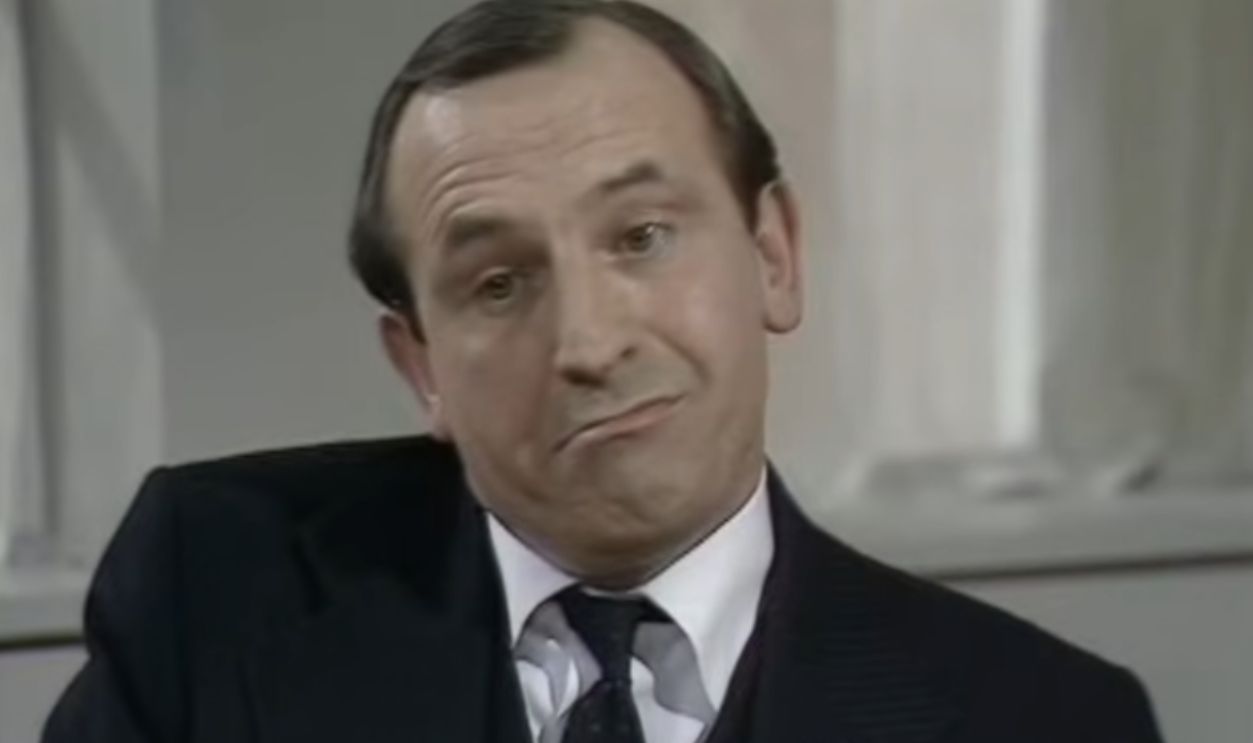
Richey’s trail of breadcrumbs didn’t end there. In rehab, he had repeatedly told a fellow patient that he loved The Fall and Rise of Reggie Perrin. In this BBC sitcom, a depressed executive fakes his own demise by leaving his clothes on a beach. Richey’s friend later said, “He kept mentioning it to me, like he wanted it to hit home”.
And it did—enough for her to remember these conversations after he vanished.
 Screenshot from The Fall and Rise of Reginald Perrin, BBC (1976-1996)
41. He Took A Ride To Remember
In a surreal scene that sounds stranger than fiction, a taxi driver reported a passenger matching Richey’s description a week after Richey vanished. The driver said the person lay across the back seat and spoke in a fake Cockney accent while being driven around Richey’s childhood haunts. To friends, it all seemed too close to his favorite film, Eddie and the Cruisers—a cult classic about a rock star who fakes his demise to live in anonymity.
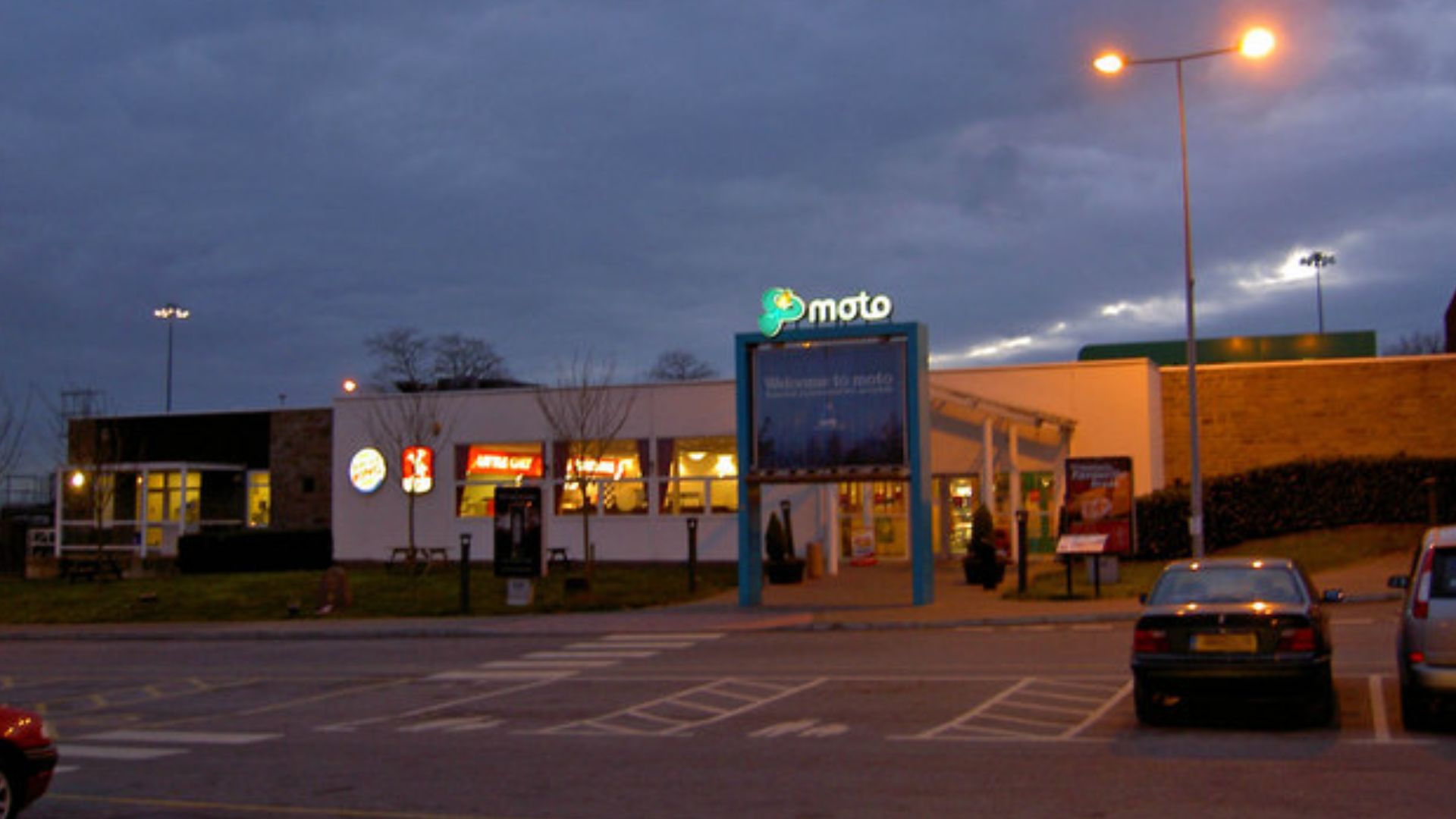
After paying the £68 fare, the passenger stepped out at the Severn View service station—the literal ground zero of the mystery.

42. His Family Went Public
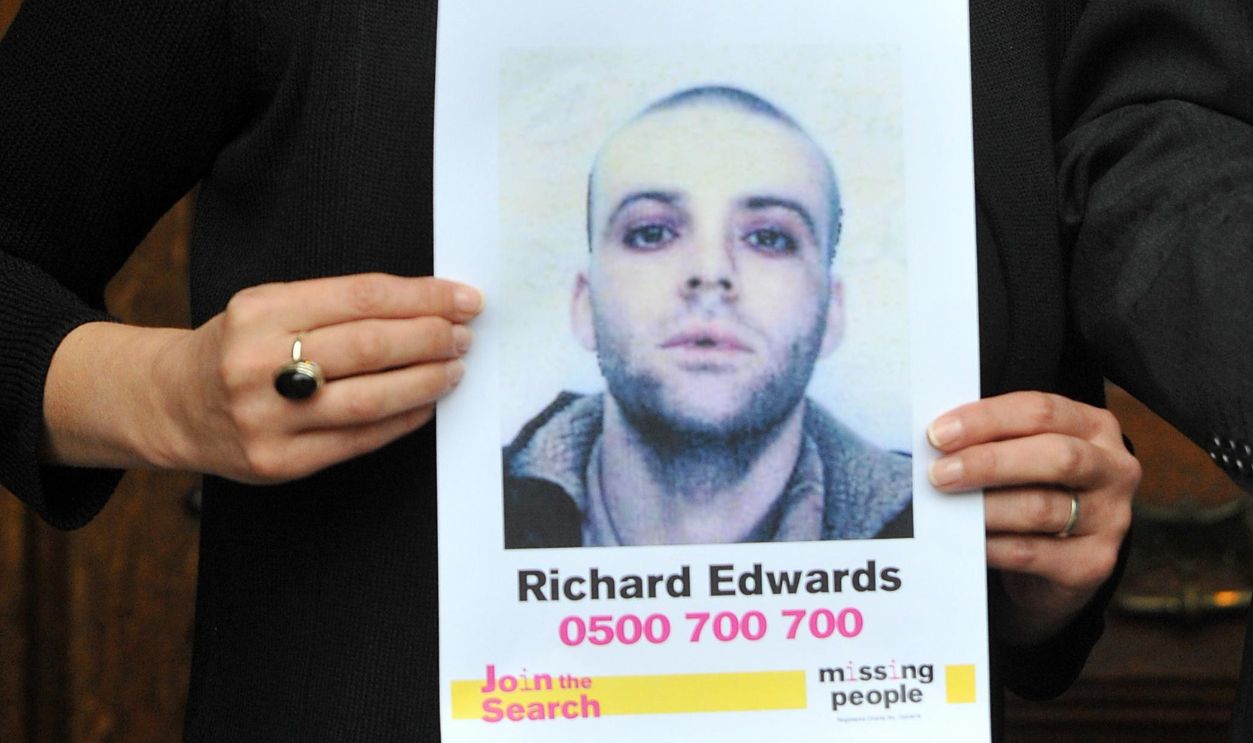
As the days stretched on, Richey’s father, Graham, felt he could no longer stay silent. At first, he had wanted to respect his son’s independence, but he finally accepted that Richey was unwell and could be in trouble. Graham went public with a radio interview and a newspaper article sharing his desperate appeal: “Please make contact, Richard”.
Richey’s response? A haunting silence, and a discovery that only deepened the mystery.
 Clive Gee - PA Images, Getty Images
43. His Loved Ones Kept The Door Open
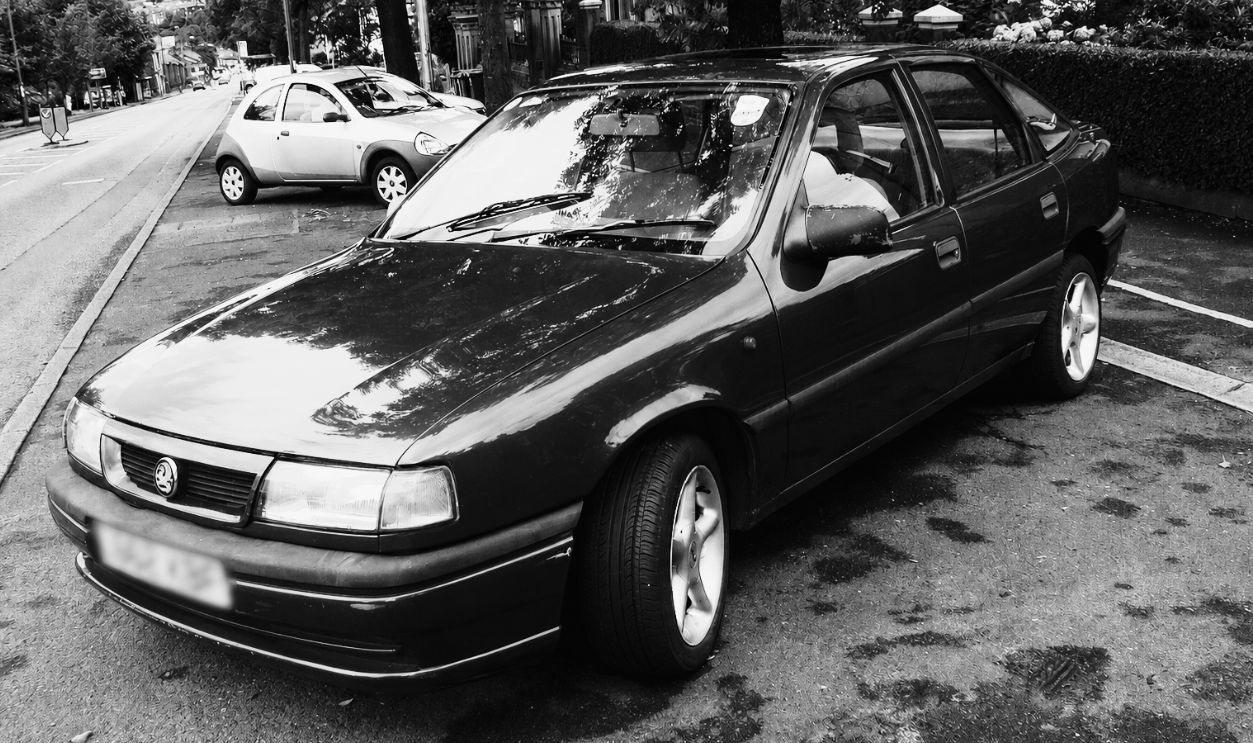
On February 15, two weeks after Richey Edwards had gone missing, the search escalated into a national manhunt. Cardiff law enforcement issued an urgent alert for his car, a silver Vauxhall Cavalier. In a public statement, the band and his parents promised that there would be no pressure on him to return—they just wanted to know if he was okay.
Then came the discovery: His car had been found.
 Kieran White from Manchester, England, Wikimedia Commons, modified
44. He Vanished With Some Traces
On February 17, a call came in to report an abandoned car. It was Richey’s. Unfortunately, the discovery only deepened the mystery. The car was found at the Severn View service station (where he had exited the taxi). Inside, it was a mess of burger wrappers and family photos. The battery was totally drained. This suggested that he had been living in the car for days.
But there was one item in the car that gave his parents a flicker of hope…
45. He Had Crossed The Bridge
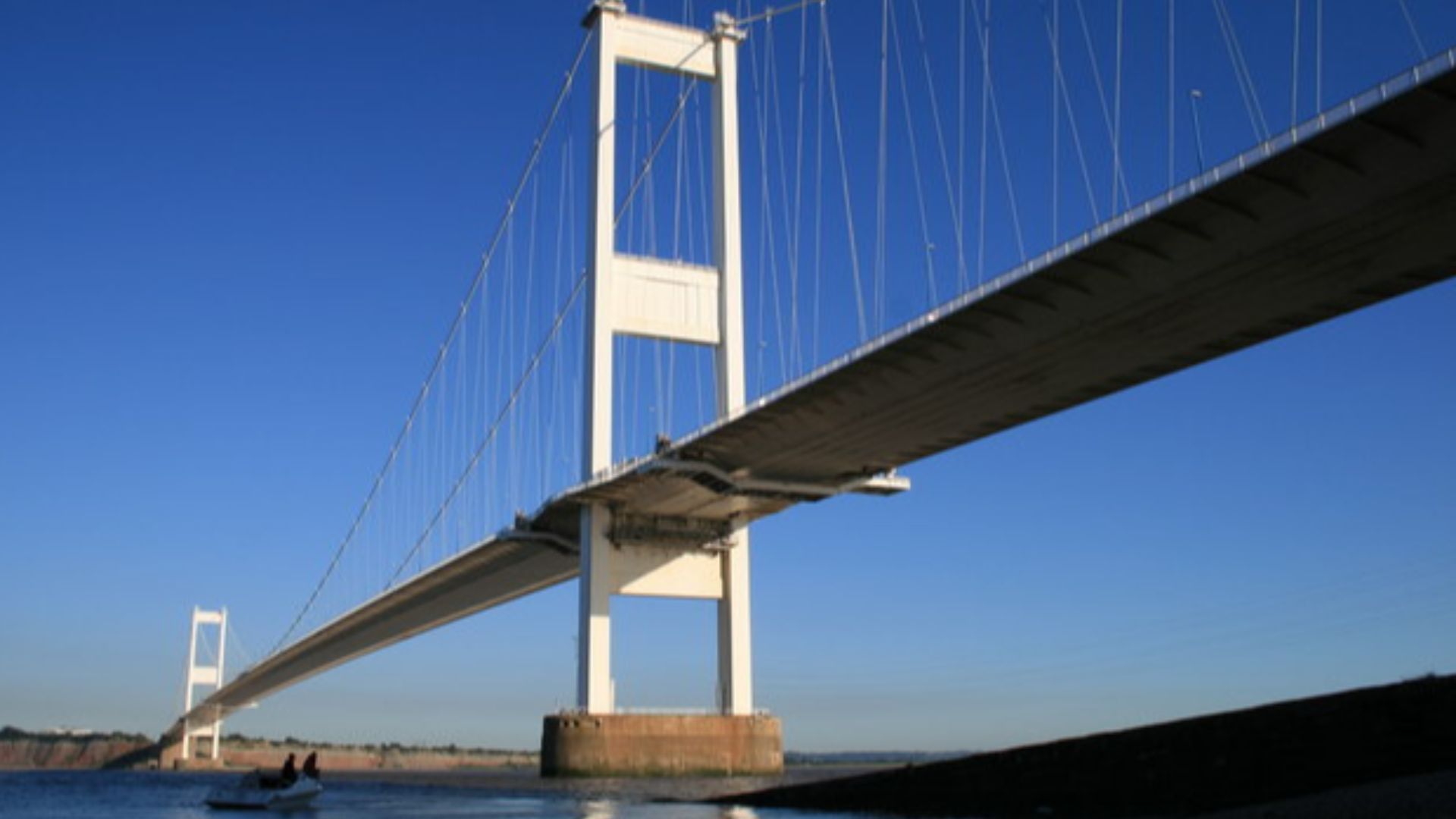
It’s hard to ignore the poetic weight behind the location of Richey’s abandoned car. The service station overlooked the Severn Bridge, which linked Wales to England—and was famous for fatal jumps. Richey, a Welshman, had parked on the English side. Had he run the car’s battery down trying to stay warm while he decided between escape or oblivion?
And if it was the latter, why on earth would he attach a steering-wheel lock before taking the plunge?
 Martin Edwards, Wikimedia Commons
46. He Had A Flair For The Dramatic
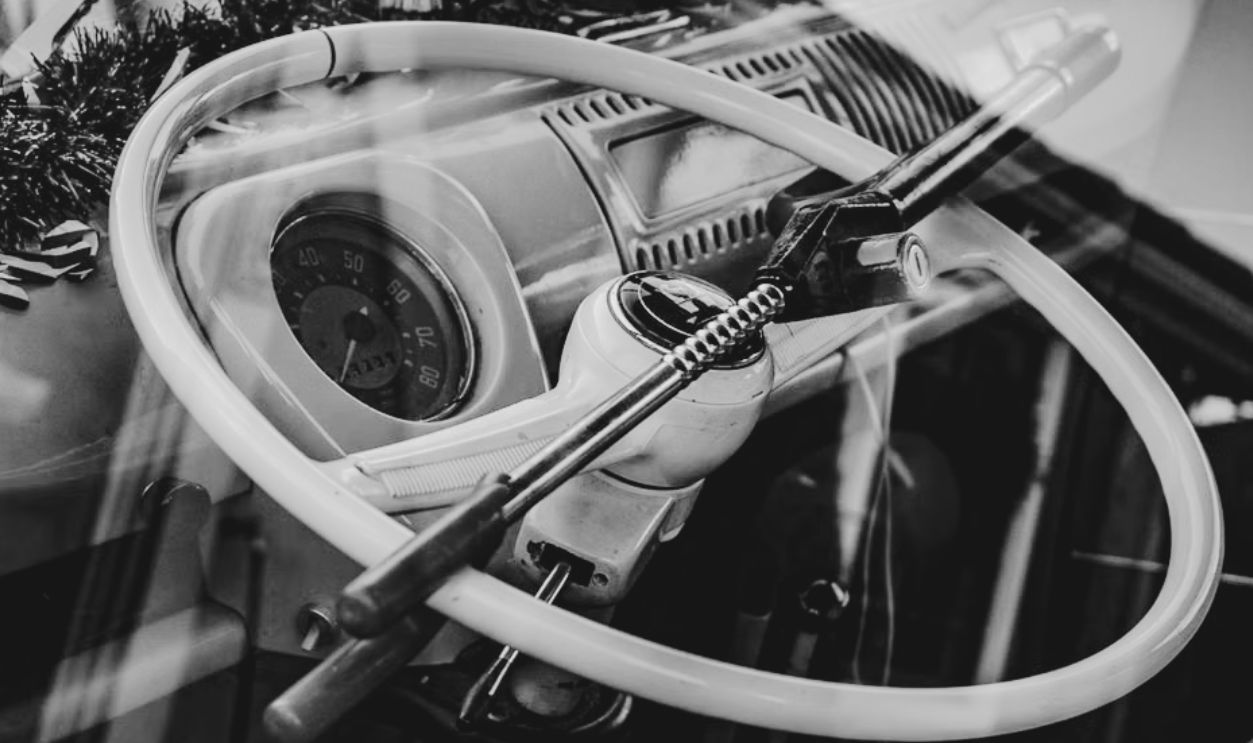
The steering lock gave Richey’s parents a sign of hope. As his mother asked, "Why would you worry about theft if you were chaotically thinking of ending your life?" His sister later wondered if the inside of the car seemed too staged. She thought that the steering lock could have been put on by Richey or someone else to ensure that someone discovered the vehicle.
Adding to the mystery, after Richey vanished, his bandmate James described him as being “adept at dramatic symbolism”. Of course, it didn’t help that the investigation left much to be desired.
47. His Investigation Was Botched
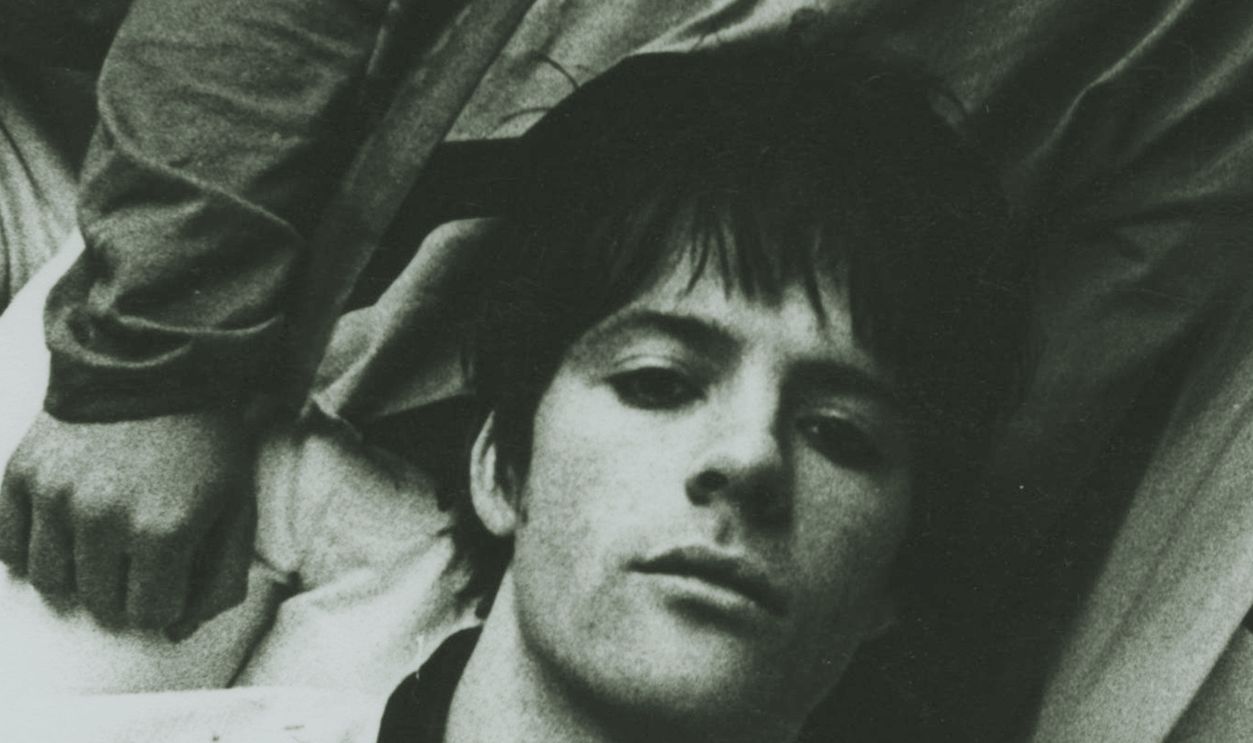
Several baffling oversights hampered the search: No one fingerprinted the steering lock. The toll bridge receipt found at his flat was later discovered to be for 2:55 AM, which messed up the entire timeline. Even worse, there was no water search in the area of the bridge, despite it being standard procedure.
In the Severn Estuary, the complex currents and massive silt deposits can bury a body forever. Richey’s sister did much of the “soul-destroying” footwork herself, writing to coroner’s offices across the UK, requesting details about unidentified bodies that had washed up.
48. He Haunted His Fans
While his family searched for clues in dark places, his fans thought they spotted him in sunny locales. In the years after he vanished, British tourists spotted a man matching Richey’s description wearing a caftan and living as a hippie in Goa, India. He was also seen at a bar in the Canary Islands. Although these sightings were never confirmed, they offered a glimmer of hope.
His bandmates hadn’t given up on him—and they made a move that proved it.
49. His Bandmates Made A Leap Of Faith
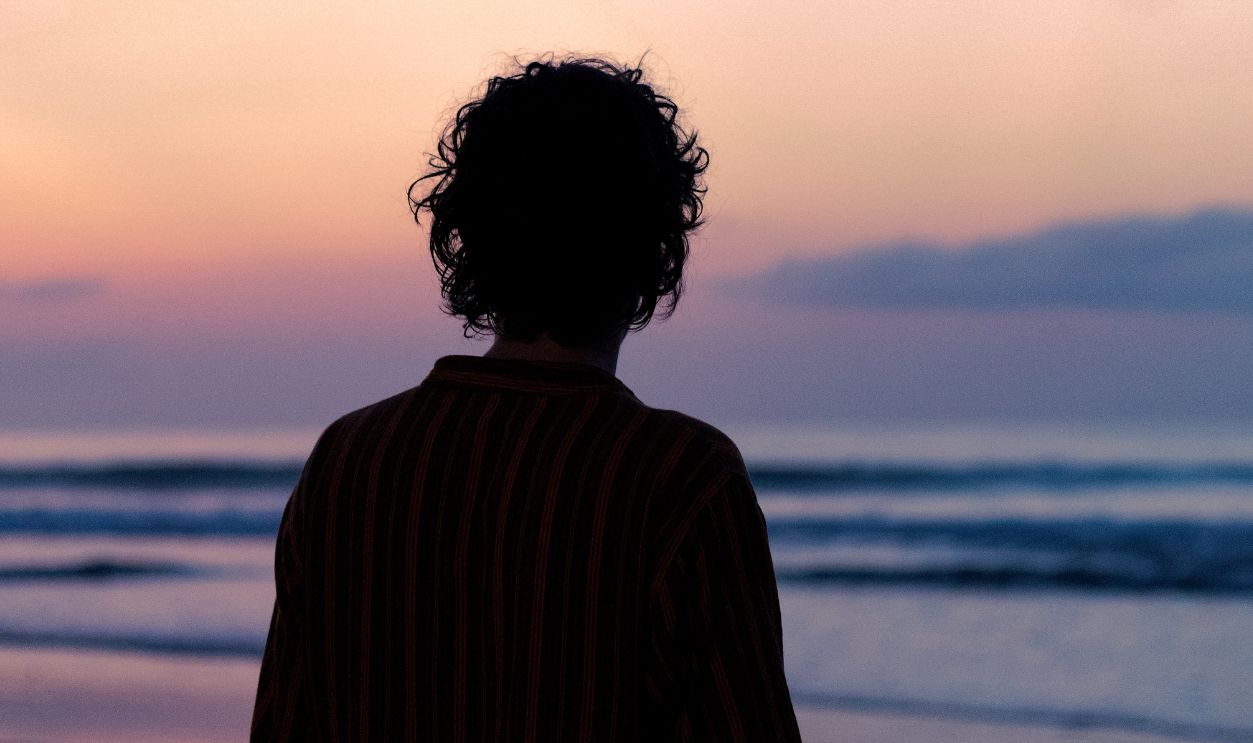
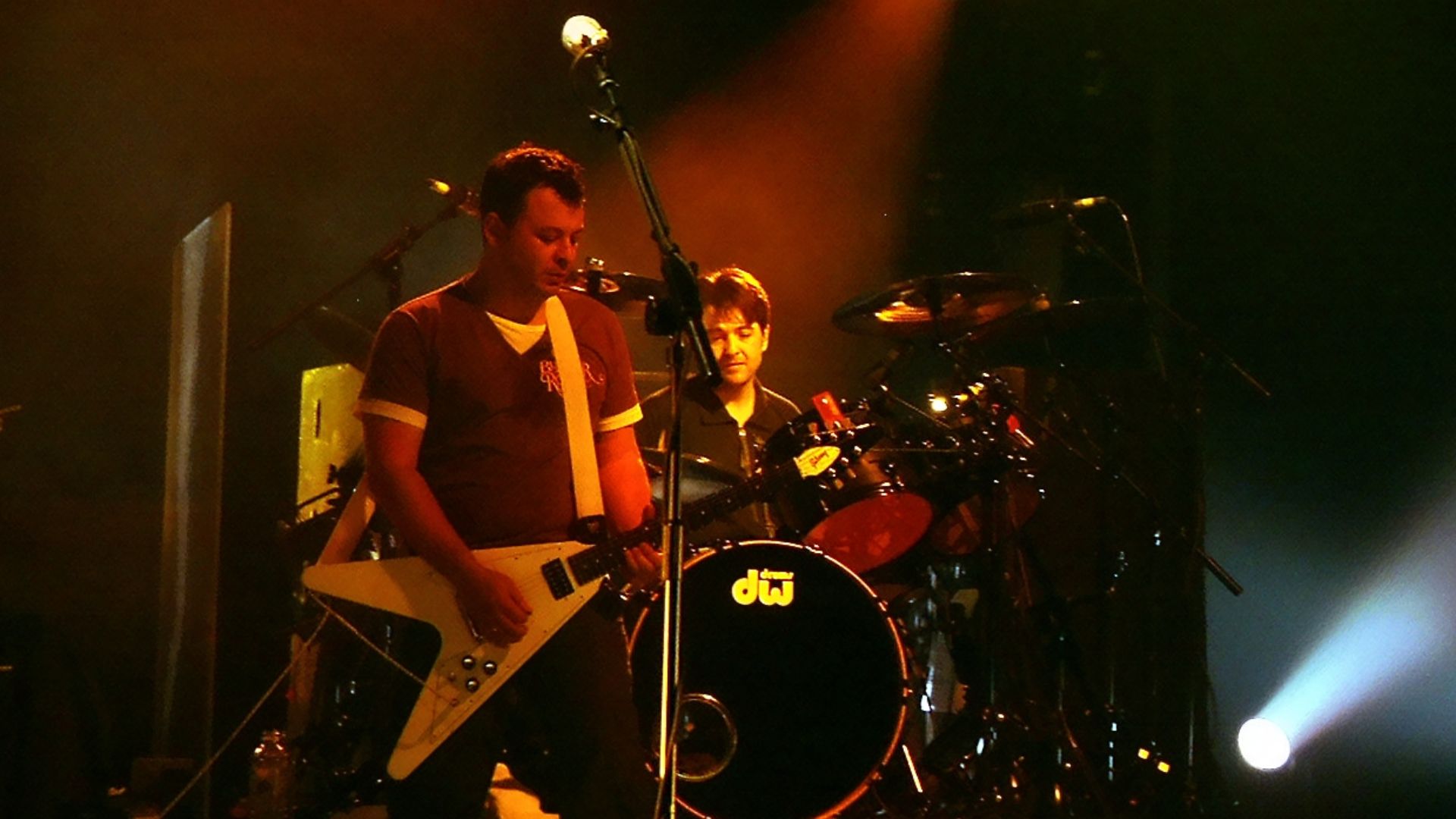
The most haunting proof of the Manic Street Preachers’ loyalty is a bank account that keeps growing. Even after Richey Edwards disappeared—13 years after his disappearance—the band still deposits 25% of the royalties into a bank account in Richey’s name. Even though it’s been more than 30 years, they stubbornly refuse to believe he’s truly gone.
 Markus Unger, Wikimedia Commons
50. His Mystery Lives On
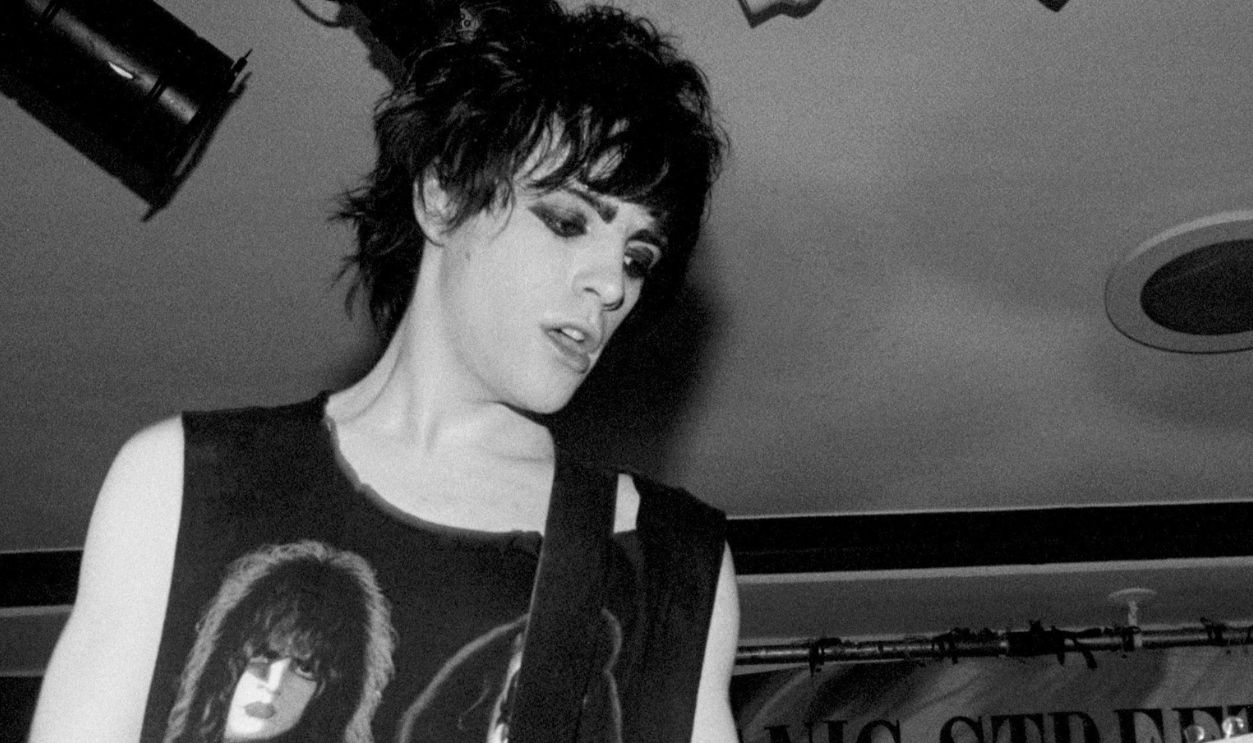
Decades later, questions about Richey Edwards still linger, but so do his music, words, and the legend he so carefully created. As his sister, Rachel, put it: “People seem to think there are only two outcomes…"One is that he walked off into the sunset to go somewhere exotic and the other is that he jumped off the bridge. There are a million different scenarios between those two things".
Or maybe he’s just living on the coast with a bunch of dogs.
You May Also Like:
Harry Nilsson Was Every Musician’s Favorite Musician—But He Was Haunted By Tragedy
The Side Of Cher That No One Knows
Pattie Boyd Was Rock’s Greatest Muse
Sources: 1, 2, 3, 4, 5, 6, 7, 8, 9, 10, 11, 12, 13, 14, 15, 16, 17
.jpg)
.jpg)
