Nobody Saw This Career Coming
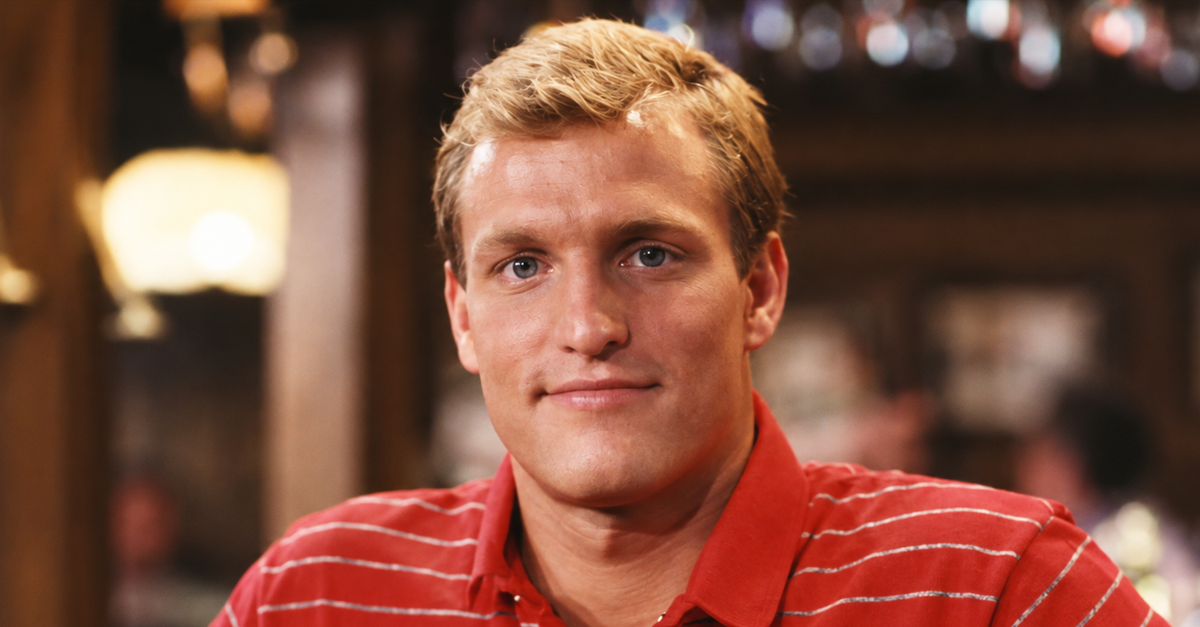
When Woody Harrelson joined Cheers in 1985, he looked like the show’s goofy new bartender. Woody Boyd was sweet, clueless, and usually the punchline of the joke. Then Harrelson did something almost nobody expected. He became an Oscar-nominated dramatic actor, blockbuster star, and one of Hollywood’s most unpredictable performers.
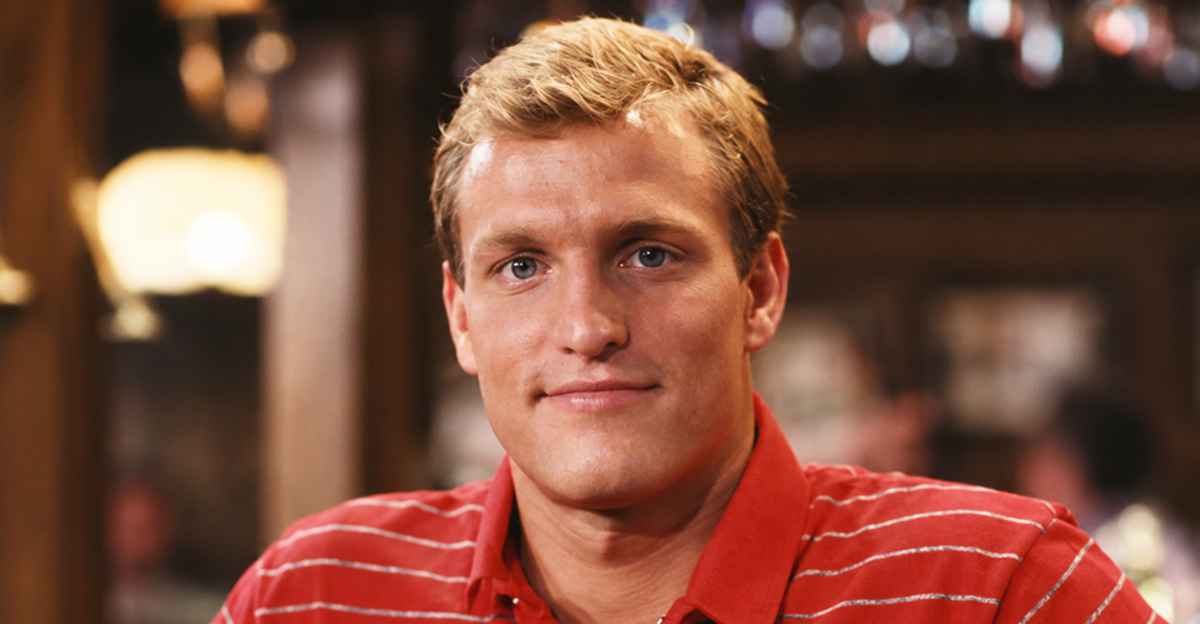 Screenshot from Cheers, NBC (1982–1993)
He Grew Up Far From Hollywood
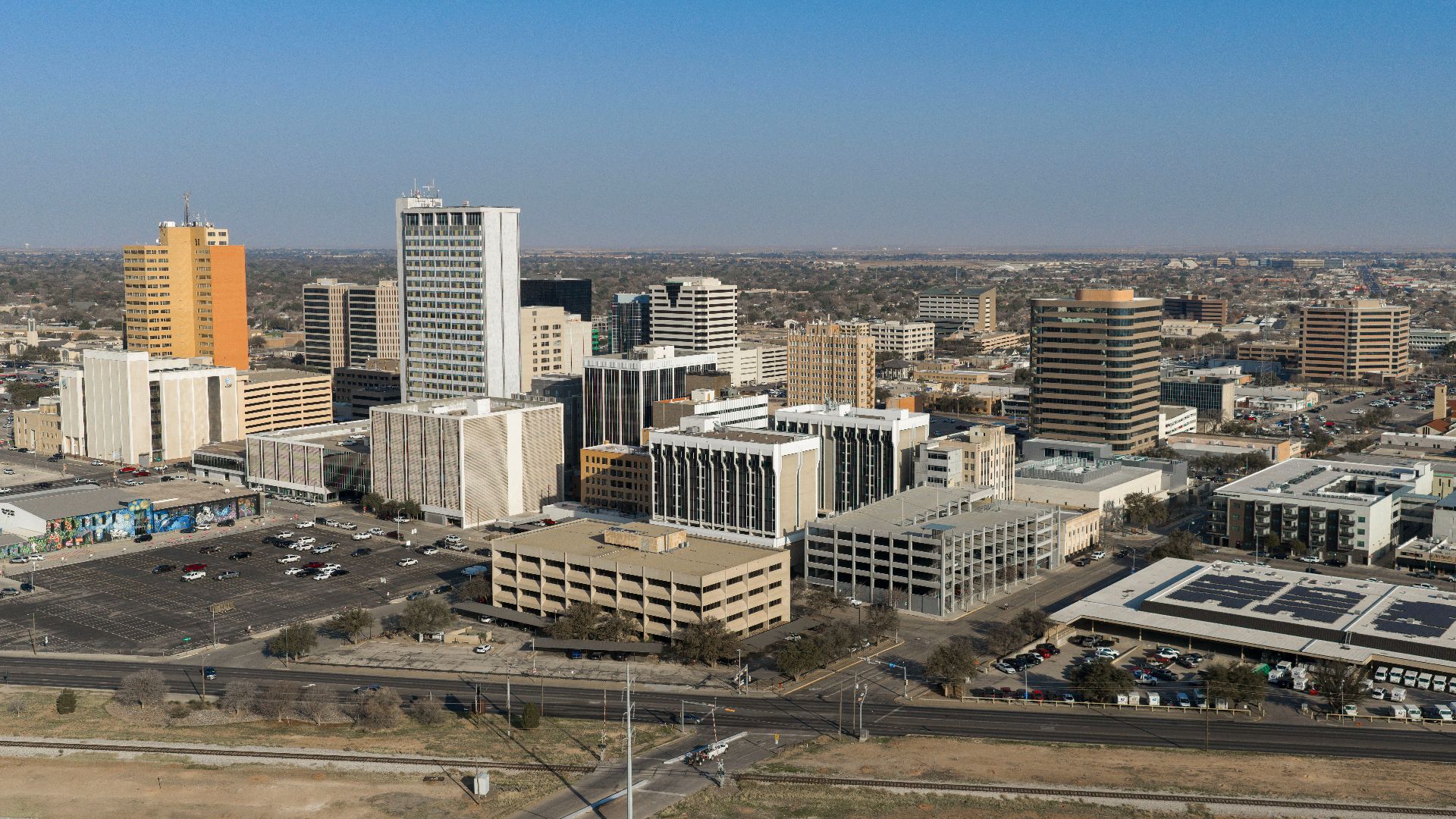
Harrelson was born in Midland, Texas, in 1961 and later grew up in Lebanon, Ohio. His mother largely raised Woody and his two brothers while his father was frequently absent. Harrelson has described his childhood as deeply religious. Hollywood hardly seemed like an obvious destination.
 Quintin Soloviev, Wikimedia Commons
His Father Had A Notorious Past
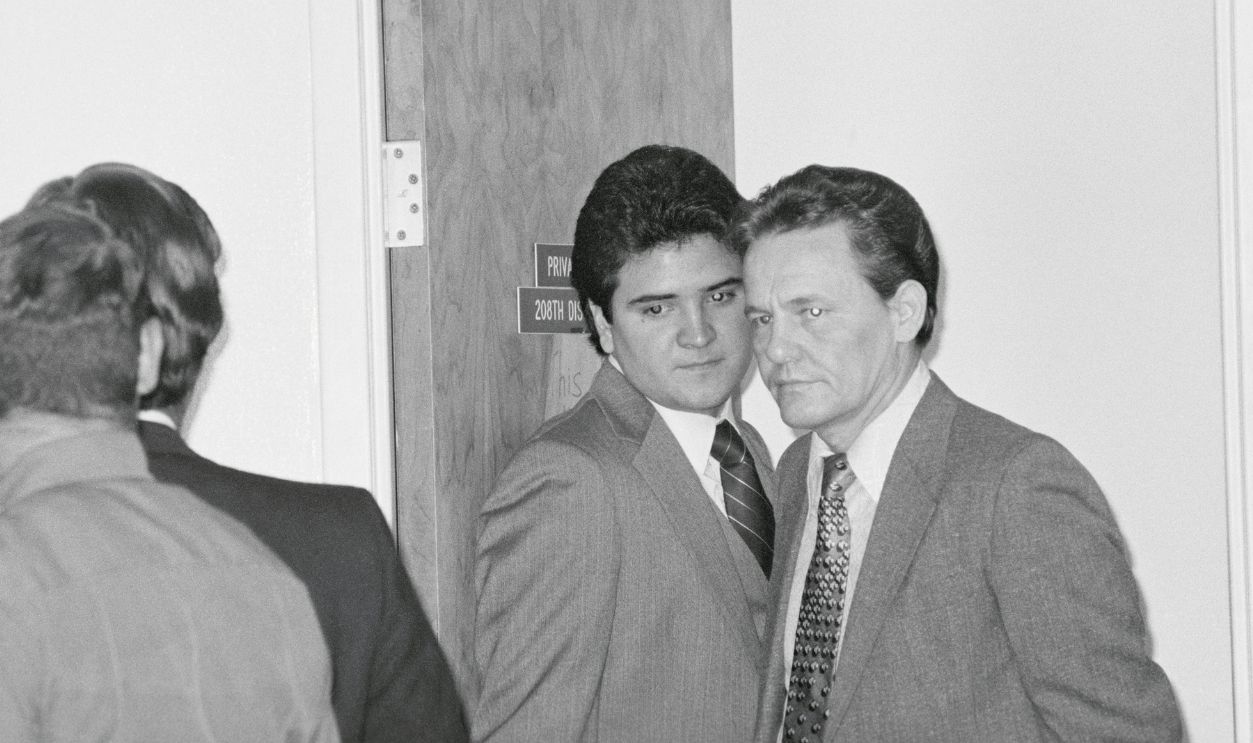
Harrelson’s father, Charles Harrelson, was a convicted contract killer who spent much of Woody’s childhood in and out of prison. He was eventually convicted of murdering federal judge John H. Wood Jr. and received two life sentences. Woody later recalled hearing about one of his father’s murder trials on the radio. It was an extraordinarily dark family background for a future sitcom star.
College Changed His Direction
Harrelson attended Hanover College in Indiana and graduated in 1983. He studied English and theater while his religious beliefs gradually began changing. Acting became increasingly important to him. After college, he headed to New York to pursue it seriously.
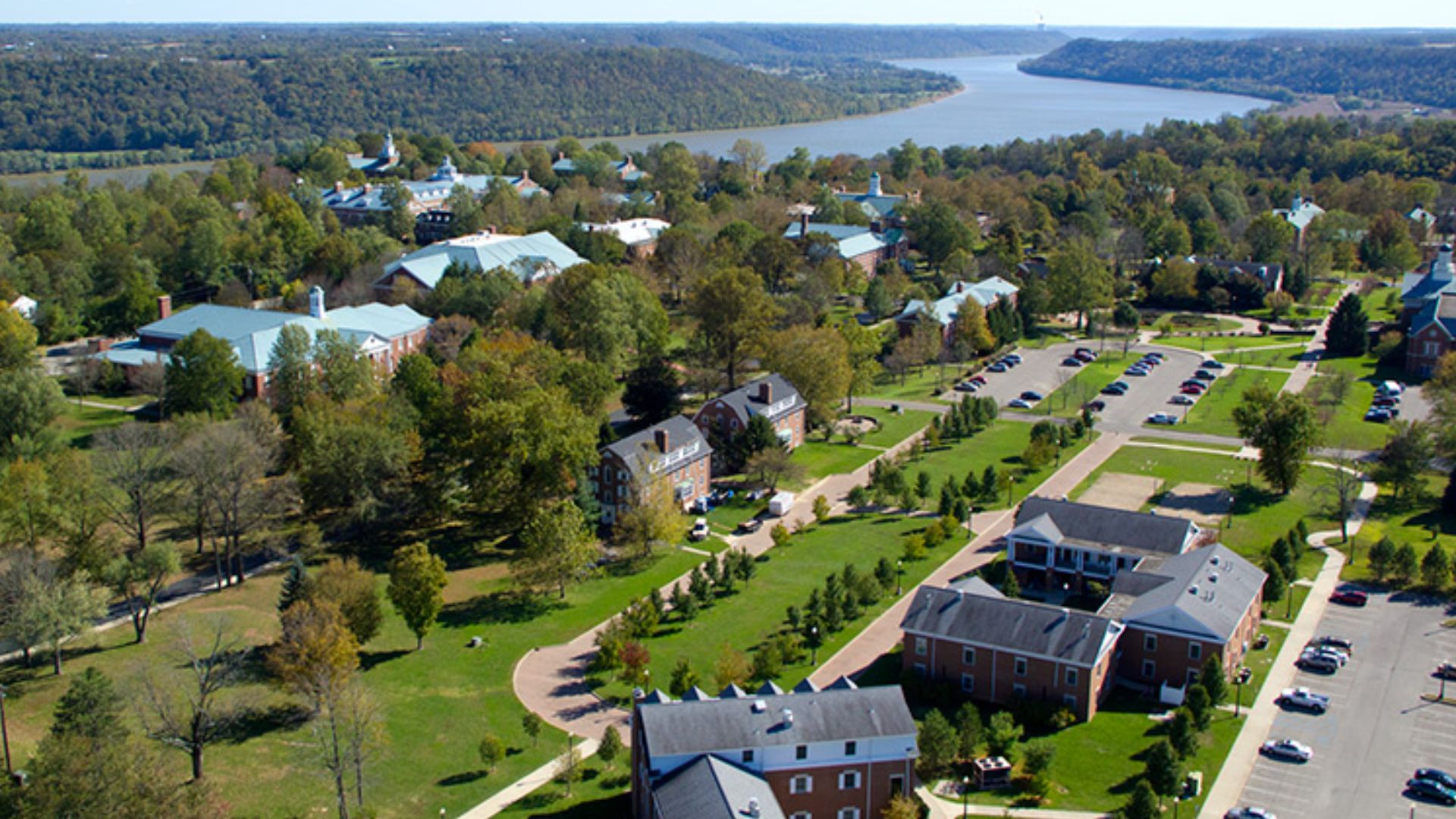 Hanover College, Wikimedia Commons
New York Was Harder Than He Expected
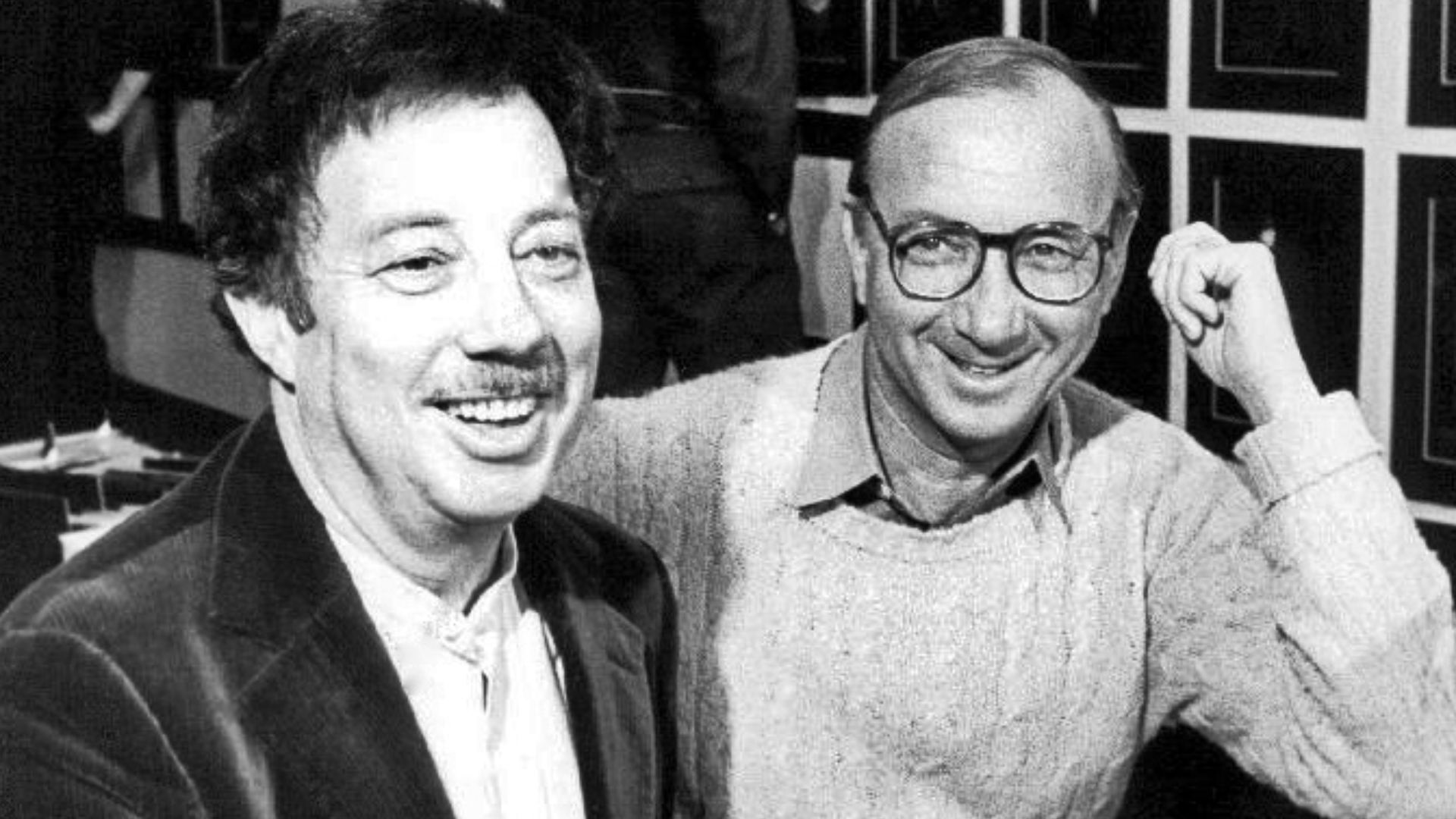
Harrelson did not arrive in New York and instantly find success. He bounced between jobs while trying to establish himself as an actor. His fortunes improved when he became an understudy in Neil Simon’s Broadway production of Biloxi Blues. At the time, theater was still his main goal.
Television Was Not The Plan
While connected to Biloxi Blues, Harrelson heard about an audition for Cheers. He later said he was reluctant because he wanted theater and movies, not television. He had barely watched the show before auditioning. That lack of desperation may have worked in his favor.
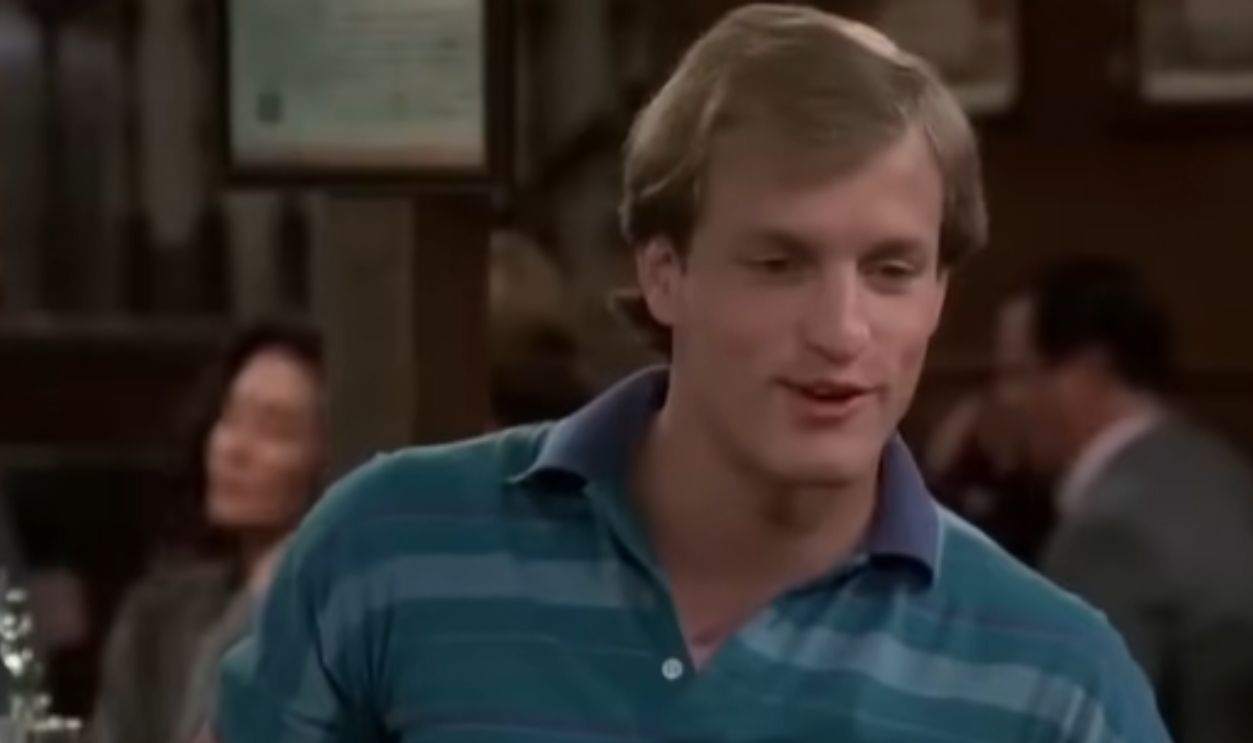 Screenshot from Cheers, CBS Television Distribution (1982-1993)
Cheers Suddenly Needed Someone New
Cheers faced a major loss when Nicholas Colasanto, who played Coach, died in 1985. Instead of recasting him, the producers created a new young bartender. Woody Boyd was innocent, eager, and hilariously naïve. The challenge was finding someone who could fit an already beloved cast.
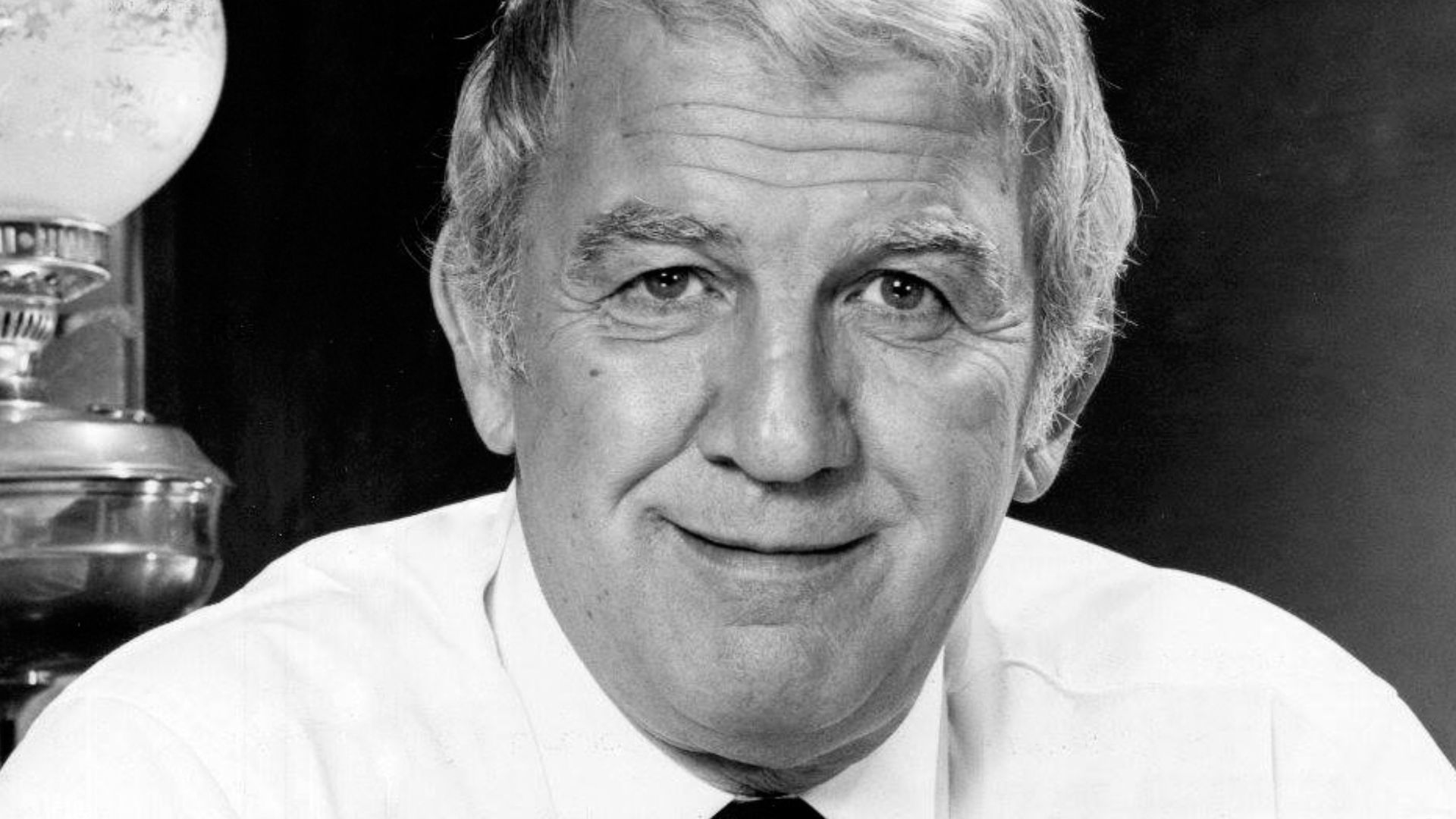 NBC Television, Wikimedia Commons
His Audition Immediately Stood Out
Casting director Lori Openden saw hundreds of actors for the role. She later recalled quickly recognizing something special in Harrelson. Harrelson remembered walking into the audition while casually blowing his nose. He hardly looked like someone terrified of blowing his big chance.
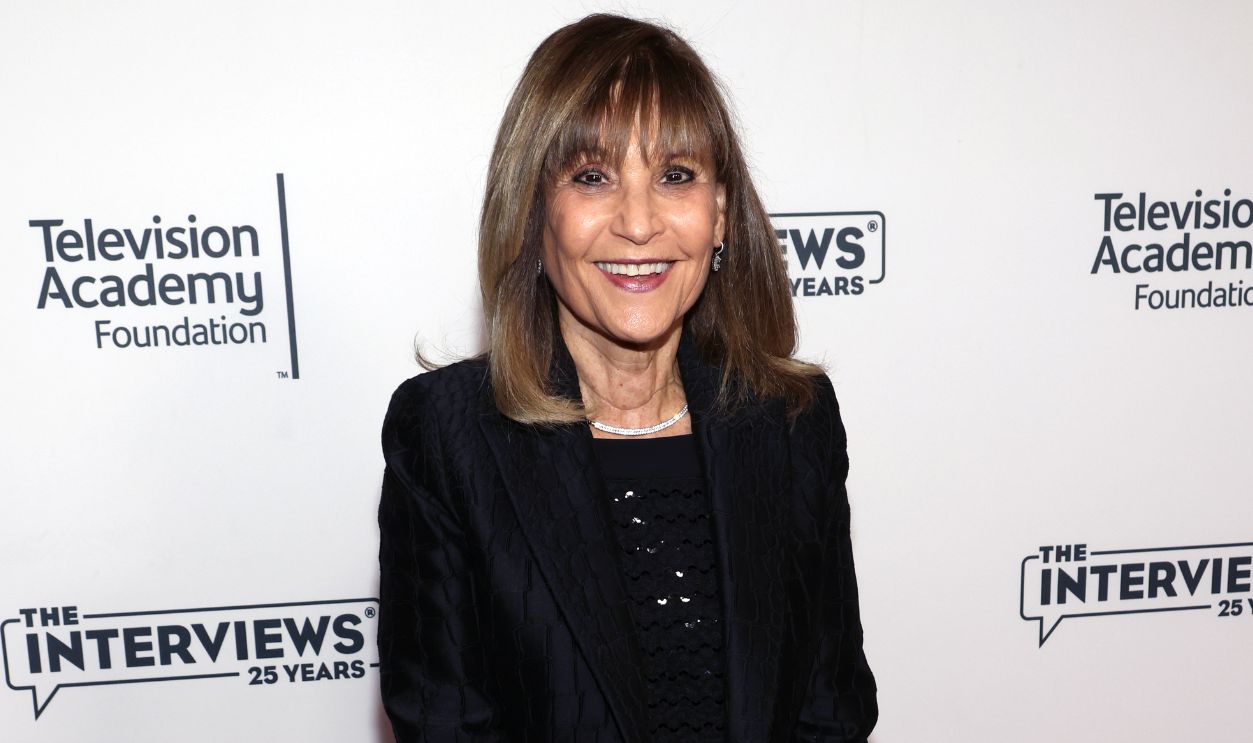 David Livingston, Getty Images
Ted Danson Helped Tip The Scales
Harrelson still had to impress the people already behind television’s biggest comedy. Ted Danson later recalled strongly supporting him during casting. Danson thought Harrelson was more interesting than the safer alternative. Harrelson got the role, despite barely wanting television work in the first place.
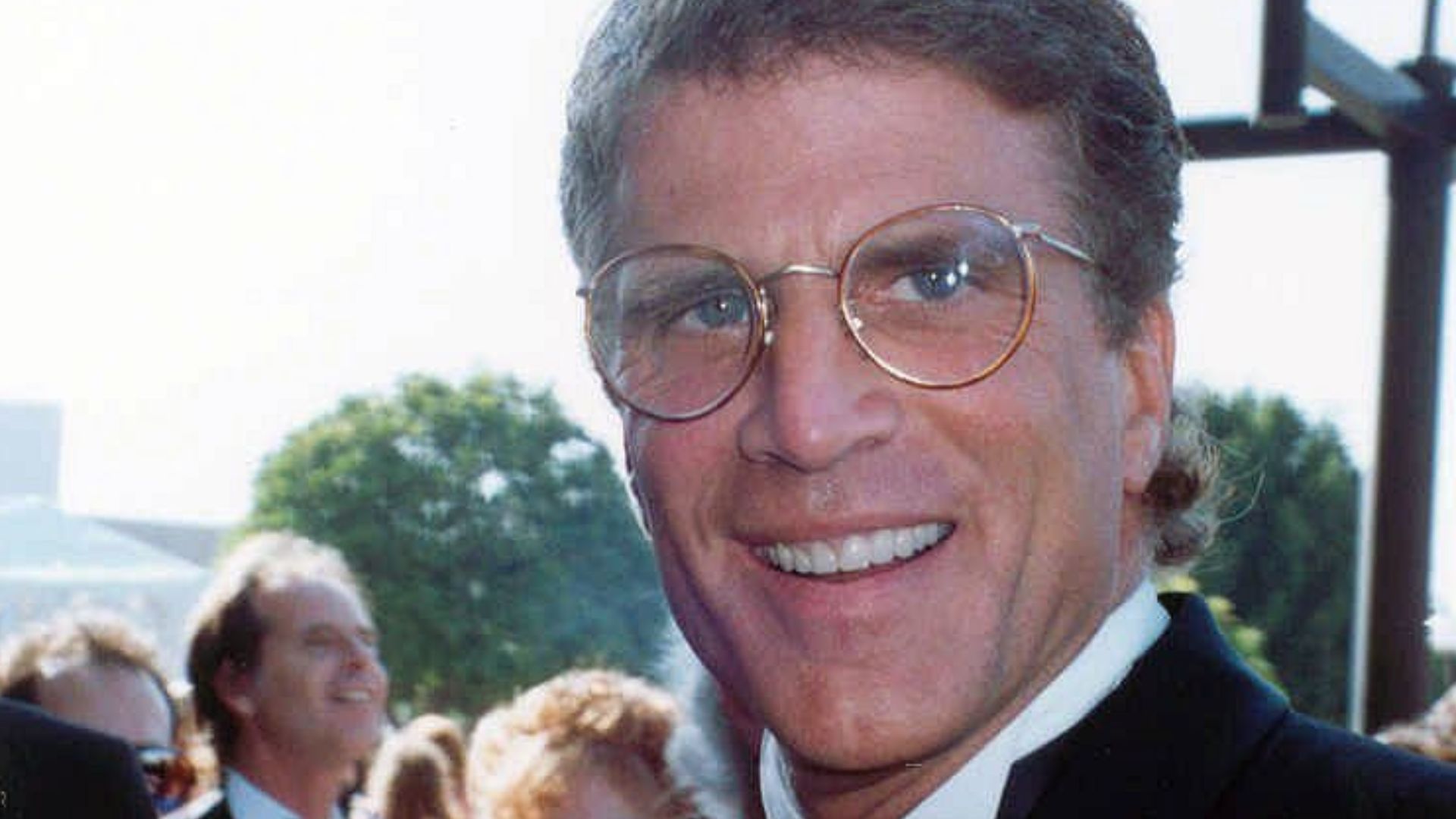
Woody Boyd Was Almost Too Perfect
There were amusing similarities between Harrelson and his character. Woody Boyd came from Indiana, while Harrelson had attended college there, and Harrelson’s full first name is Woodrow. More importantly, he played Woody’s innocence without making him feel ridiculous. That sincerity helped the character fit perfectly into the cynical bar.
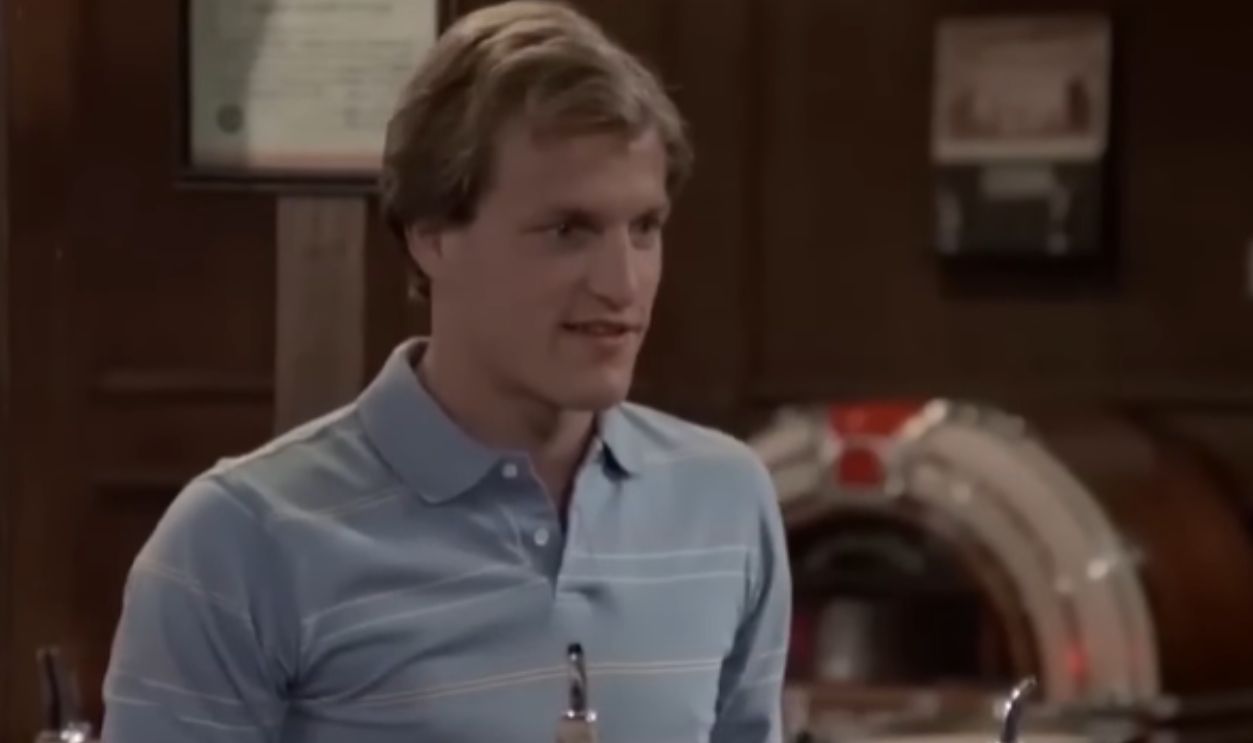 Screenshot from Cheers, CBS Television Distribution (1982-1993)
Cheers Made Him Famous Fast
Harrelson joined Cheers in its fourth season and stayed through the 1993 finale. Woody quickly became an essential part of the ensemble. Harrelson later admitted that becoming famous so young was a major adjustment. At 24, millions of viewers suddenly knew his face.
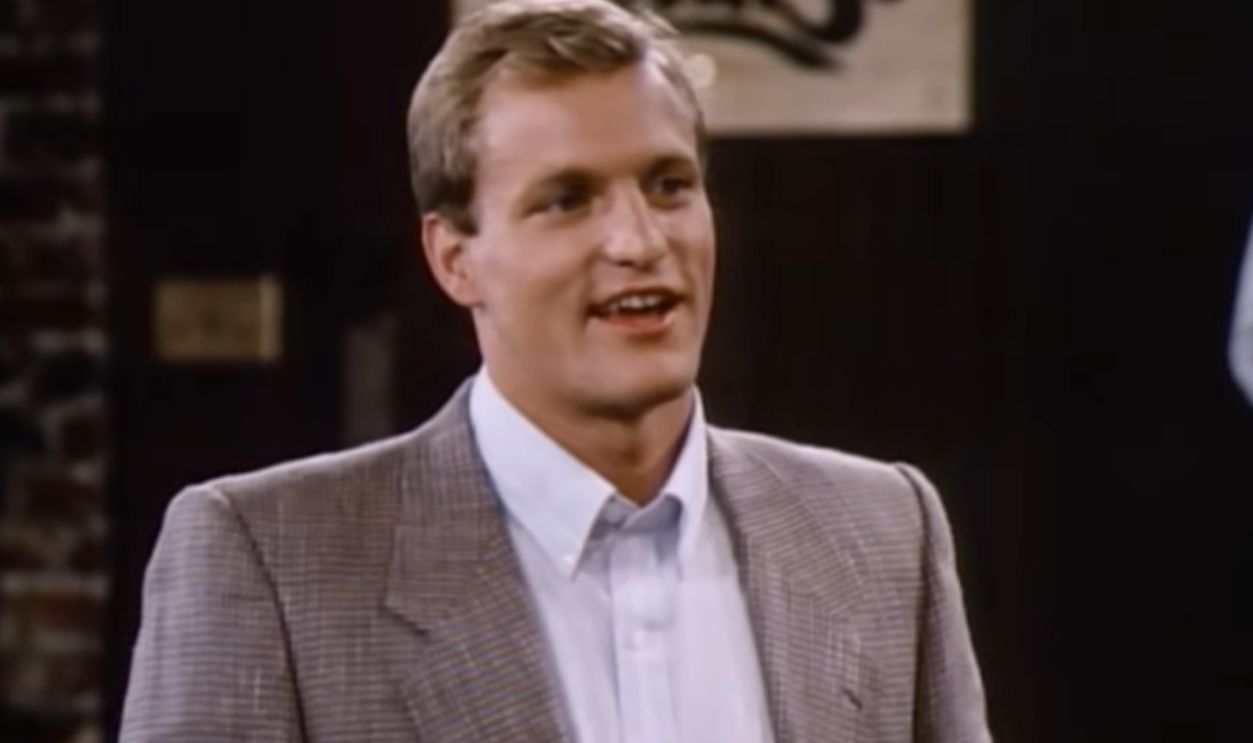 Screenshot from Cheers, CBS Television Distribution (1982-1993)
Then He Won An Emmy
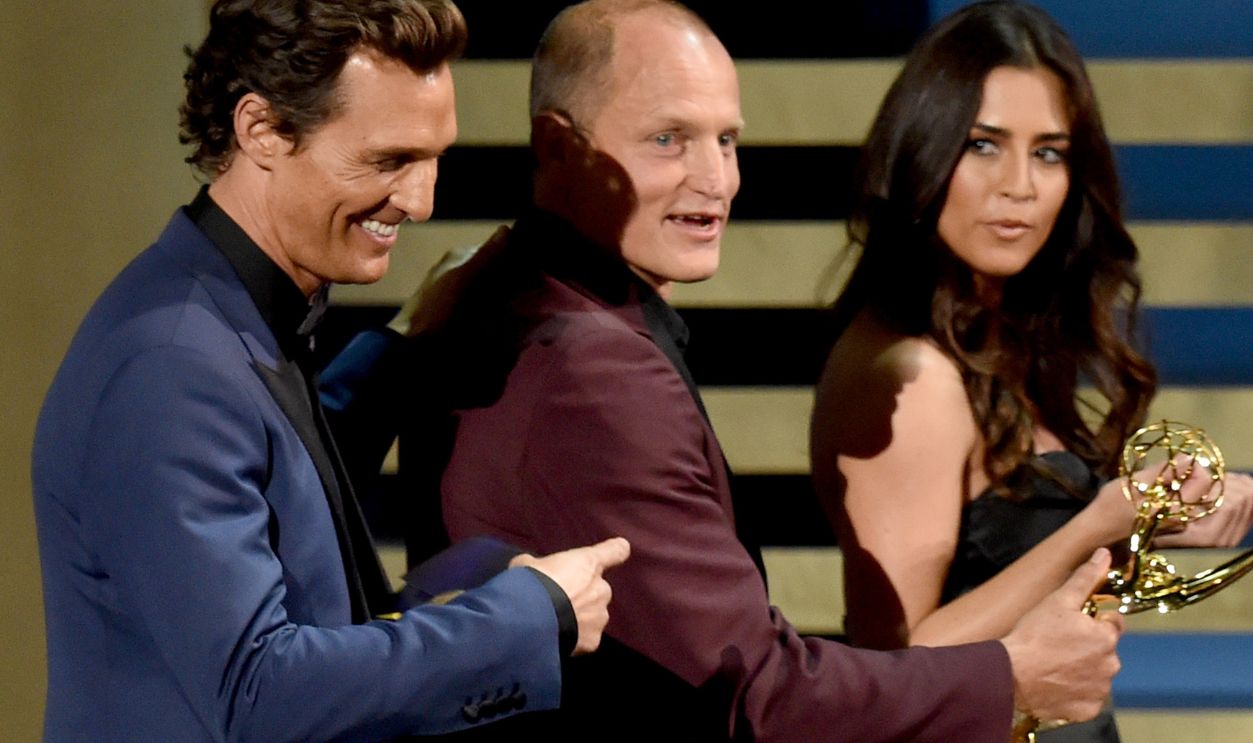
Harrelson’s work quickly earned more than laughs. He received five consecutive Emmy nominations for Cheers between 1987 and 1991. In 1989, he won Outstanding Supporting Actor in a Comedy Series. The unknown young actor had become an Emmy winner.
Success Came With A Problem
Playing Woody Boyd so well created a new challenge. Harrelson worried audiences would never see him as anyone else. For years, his face was closely tied to the cheerful, clueless bartender. Escaping that image became his next major hurdle.
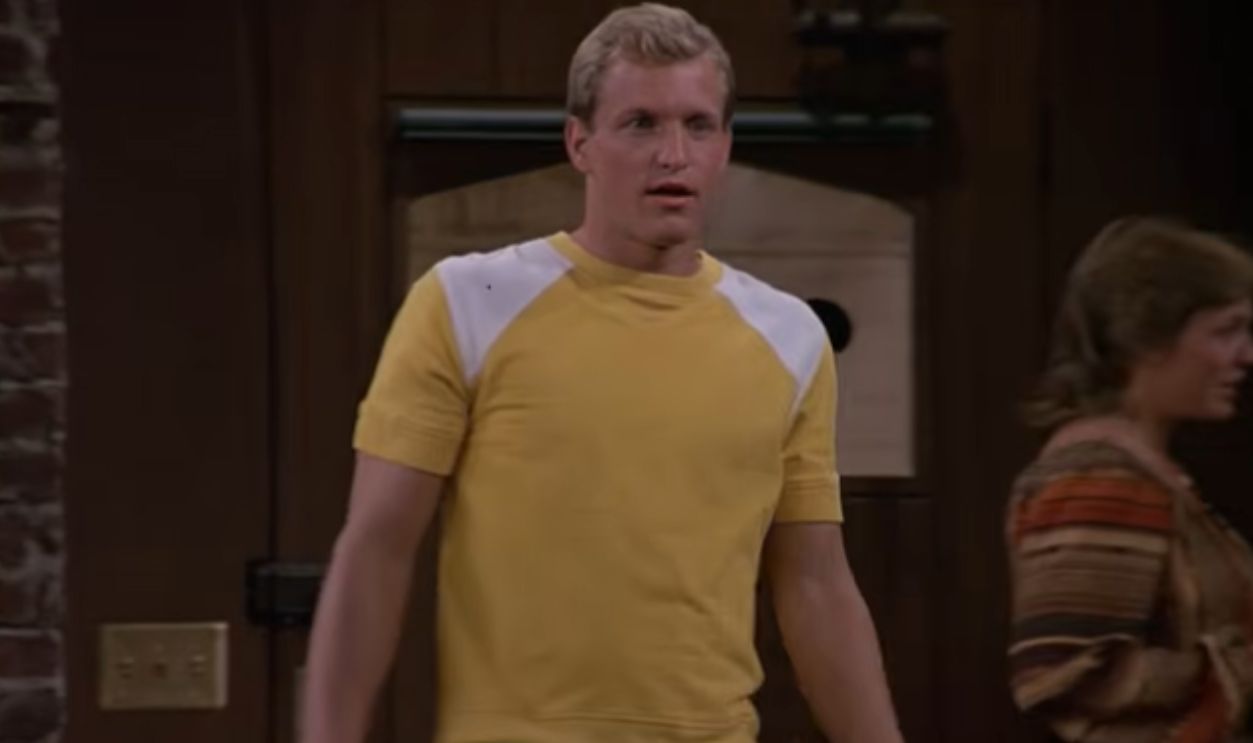 Screenshot from Cheers, CBS Television Distribution (1982-1993)
Movies Finally Gave Him An Opening
Harrelson had already appeared with Goldie Hawn and Wesley Snipes in Wildcats, but television still defined him. He later viewed Doc Hollywood as an important chance to stretch beyond Woody Boyd. Then a much bigger opportunity arrived. Harrelson was about to prove he could carry a movie.
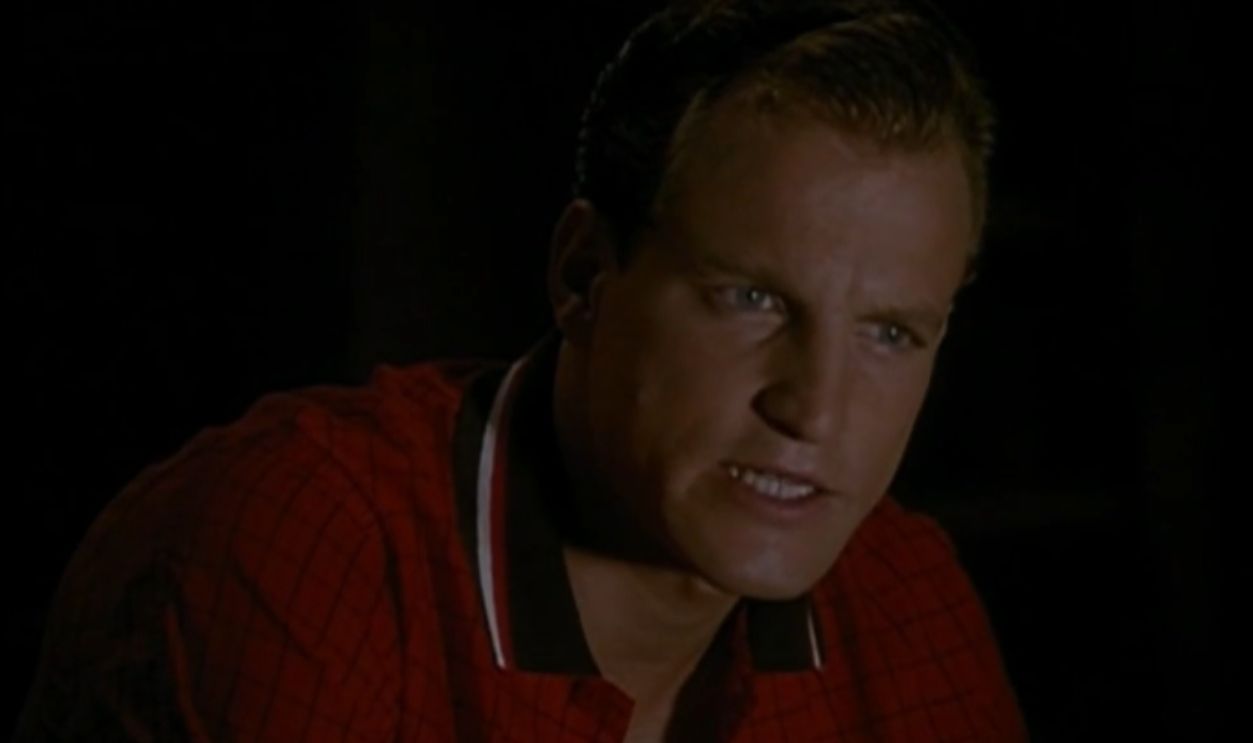 Screenshot from Doc Hollywood, Warner Bros. (1991)
White Men Can't Jump Changed Everything
Harrelson reunited with Wesley Snipes for 1992’s White Men Can't Jump. He played Billy Hoyle, a cocky basketball hustler nothing like Woody Boyd. His chemistry with Snipes helped make the film a major comedy hit. Suddenly, Harrelson looked like a genuine movie star.
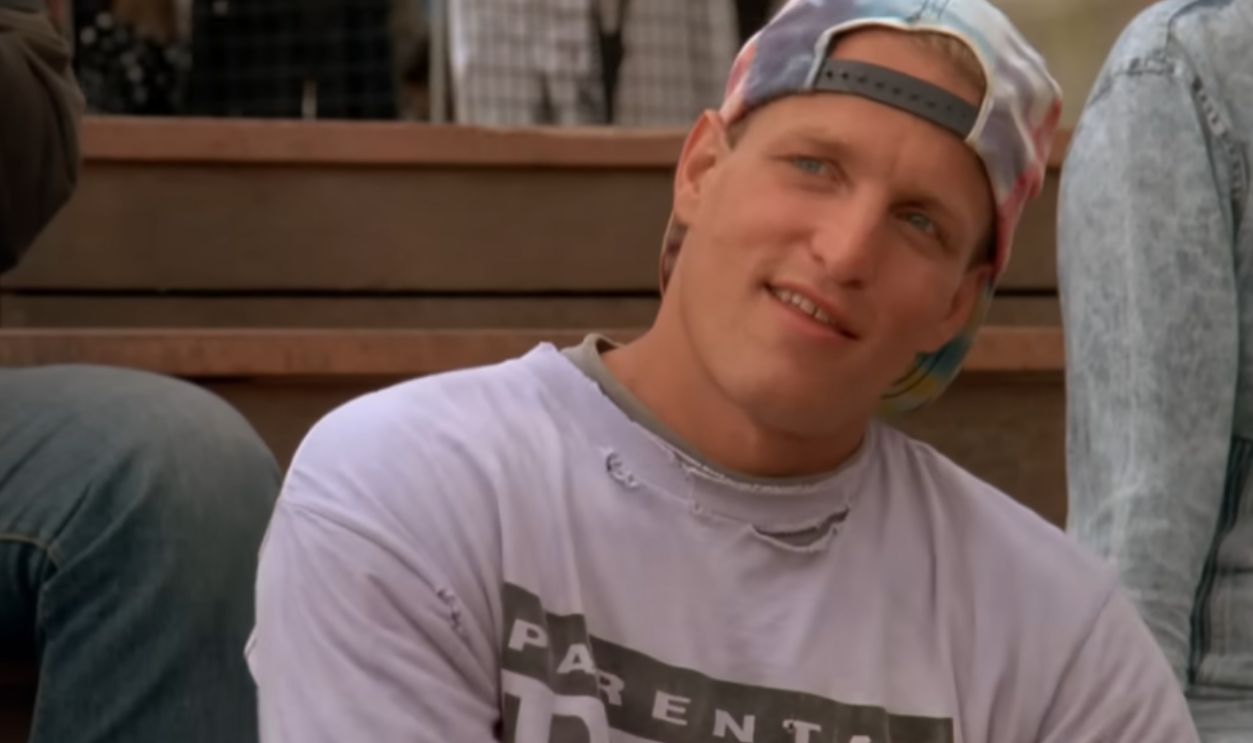 Screenshot from White Men Can't Jump, 20th Century Fox (1992)
Indecent Proposal Pushed Him Further
A year later, Harrelson starred opposite Demi Moore and Robert Redford in Indecent Proposal. The drama gave him a far more serious and emotionally complicated role. By then, he was moving comfortably between comedy and drama. His career was becoming much harder to predict.
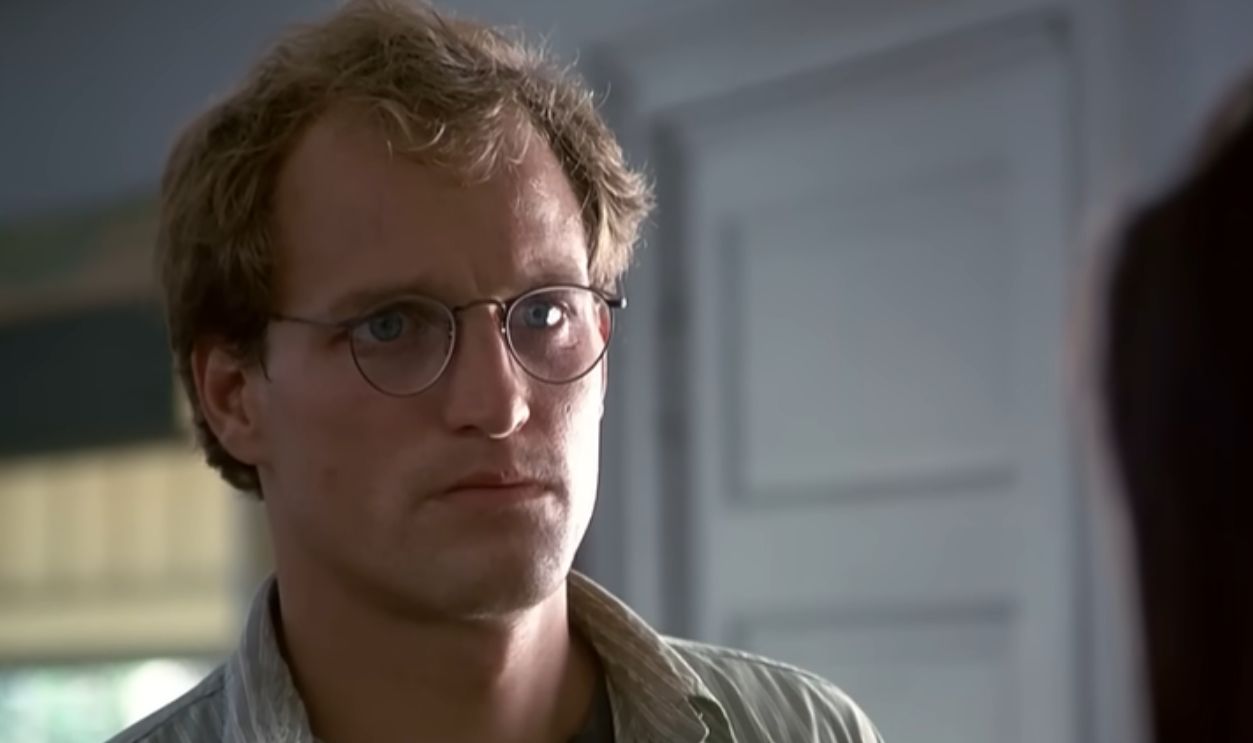 Screenshot from Indecent Proposal, Paramount Pictures (1993)
Natural Born Killers Destroyed The Nice-Guy Image
Anyone still expecting harmless Woody Boyd got a shock with Natural Born Killers. Oliver Stone cast Harrelson as Mickey Knox, one half of a murderous couple at the center of the violent satire. The role was dark, aggressive, and deliberately unsettling. Harrelson had officially blown apart his nice-guy image.
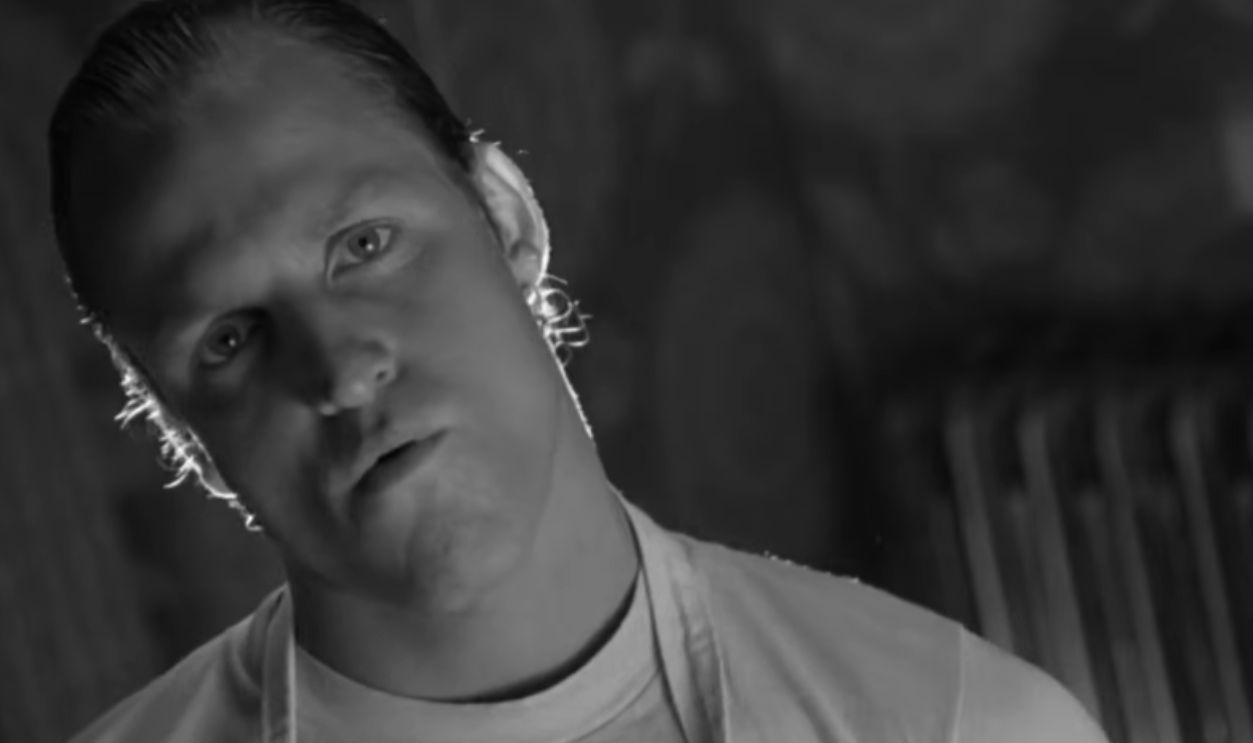 Screenshot from Natural Born Killers, Warner Bros. (1994)
Larry Flynt Brought His First Oscar Nomination
Harrelson took another major leap with The People vs. Larry Flynt. He played controversial publisher Larry Flynt in Miloš Forman’s drama about censorship and free speech. The performance earned Harrelson his first Academy Award nomination for Best Actor. Eleven years after joining Cheers, he was an Oscar contender.
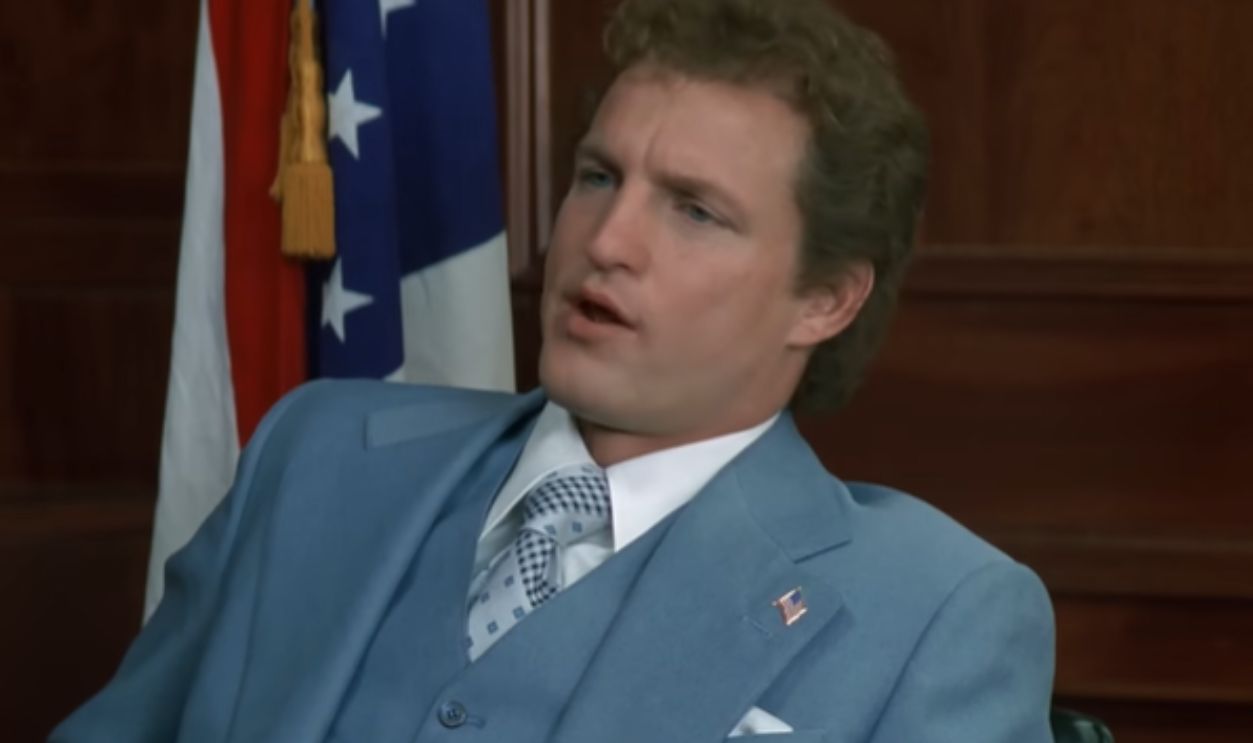 Screenshot from The People vs. Larry Flynt, Columbia Pictures (1996)
He Refused To Stay In One Lane
Harrelson spent the following years jumping between wildly different projects. He appeared in comedies, war films, political dramas, and independent movies. Kingpin, Wag the Dog, Welcome to Sarajevo, and The Thin Red Line showed just how broad his range had become. Unpredictability became part of his appeal.
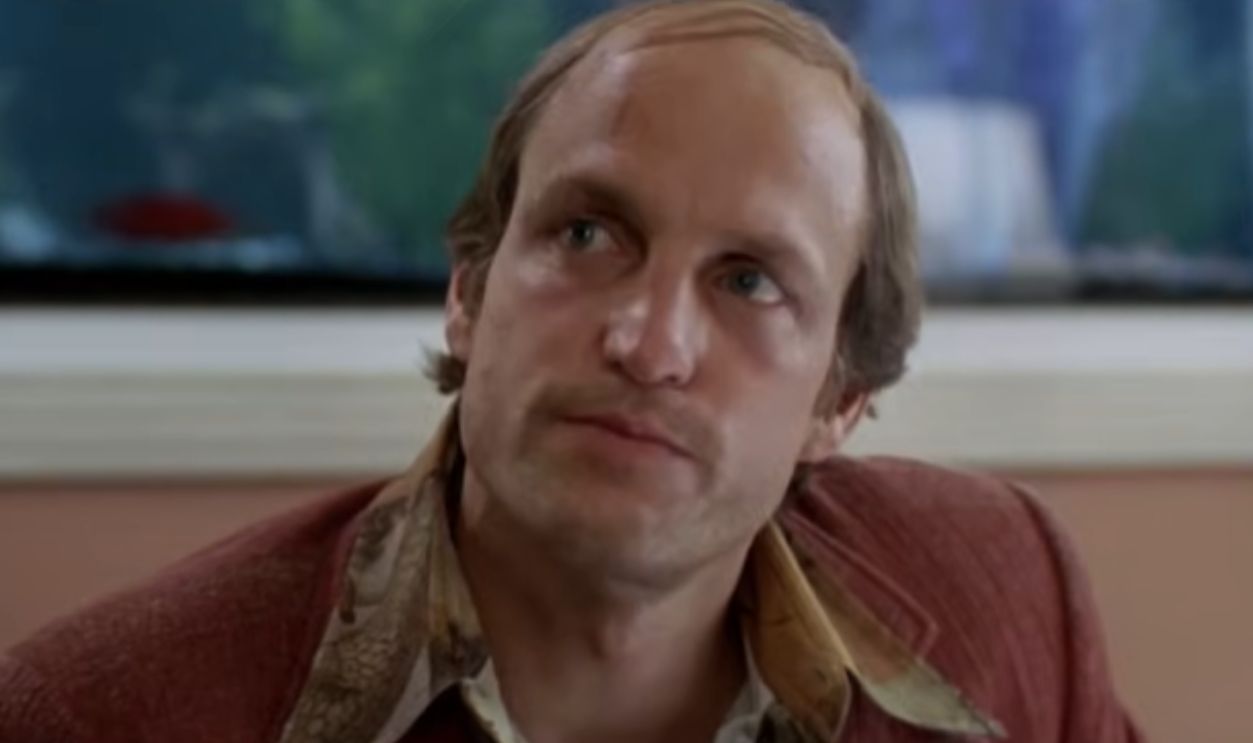 Screenshot from Kingpin, Metro-Goldwyn-Mayer (1996)
Then He Stepped Away From Hollywood
Around the turn of the millennium, Harrelson moved with his family to Hawaii. He later said there was a stretch of roughly three years when he did not make a movie. The break let him focus more on family and life outside Hollywood. He clearly was not chasing fame at any cost.

No Country Put Him In An Oscar Winner
Harrelson returned strongly and appeared in the Coen brothers’ No Country for Old Men in 2007. He played Carson Wells, a man hired to track the film’s deadly antagonist. The movie went on to win Best Picture. Harrelson was now firmly at home in prestigious adult dramas.
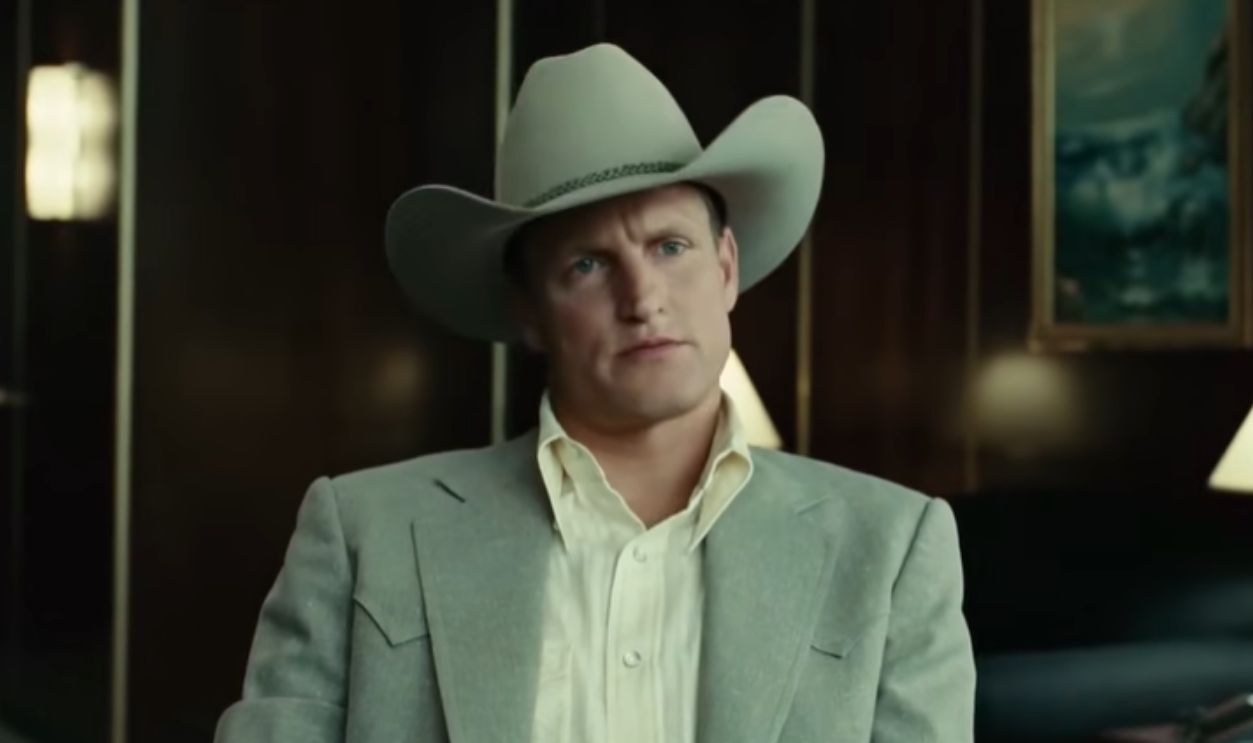 Screenshot from No Country for Old Men, Miramax (2007)
Zombieland Let Him Be Funny Again
Serious roles never stopped Harrelson from returning to comedy. In 2009’s Zombieland, he played the wildly aggressive zombie hunter Tallahassee. The role blended his comic timing with the tougher image he had developed over the years. That combination suited him perfectly.
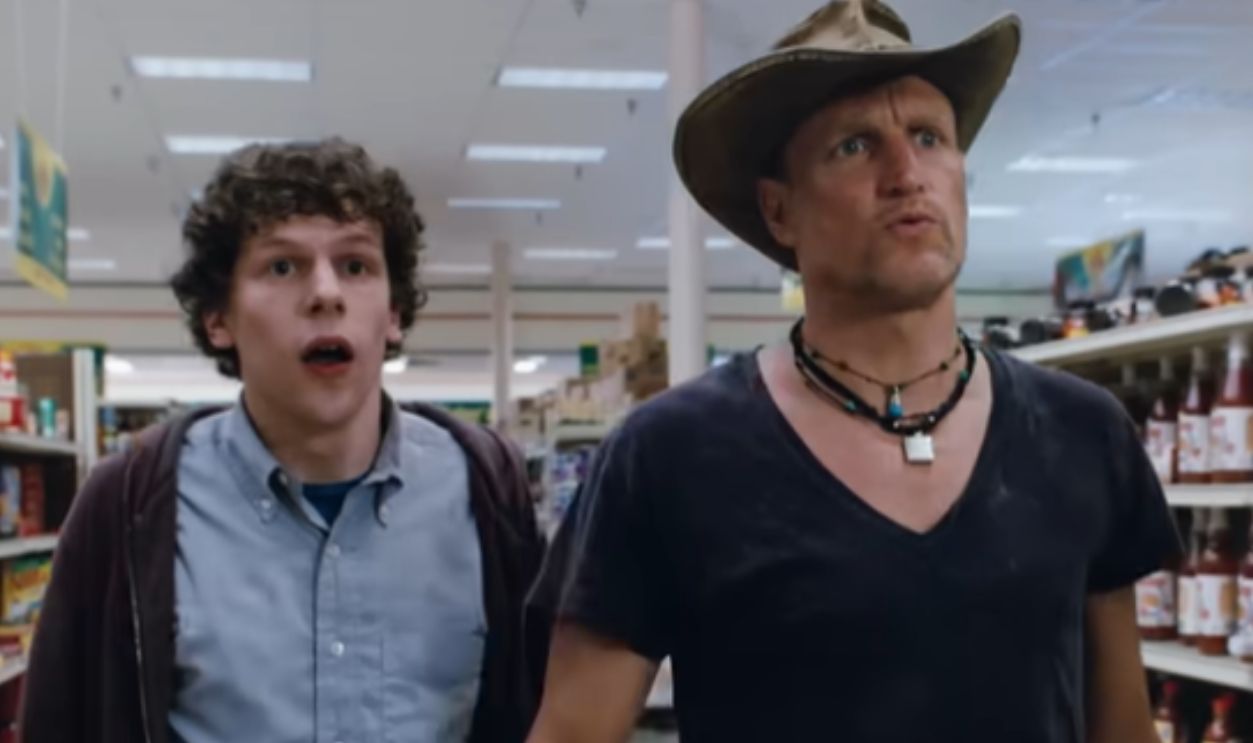 Screenshot from Zombieland, Sony Pictures (2009)
The Messenger Brought Oscar Number Two
That same period produced one of Harrelson’s quieter dramatic performances. In The Messenger, he played an Army officer assigned to notify families of soldiers’ deaths. The role earned him an Academy Award nomination for Best Supporting Actor. Once again, he proved he could pivot completely from comedy.
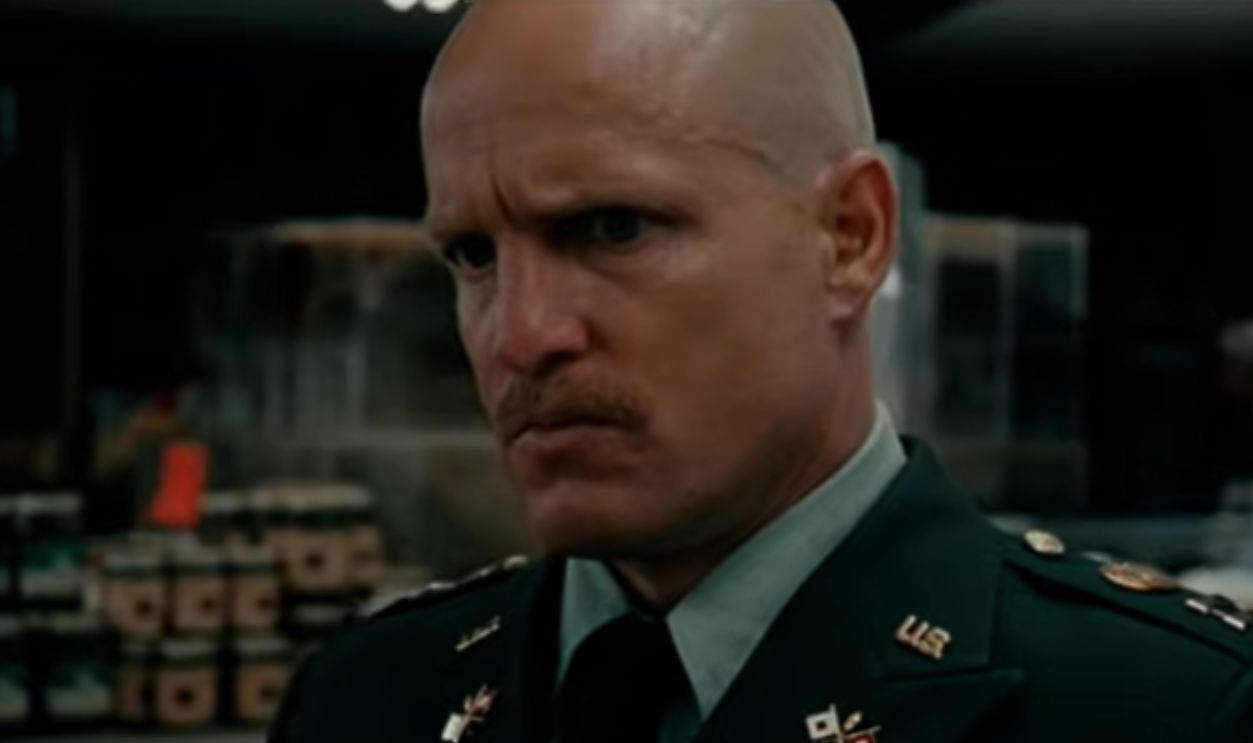 Screenshot from The Messenger, Oscilloscope Pictures (2009)
The Hunger Games Found A New Generation
Harrelson reached a younger audience as Haymitch Abernathy in The Hunger Games. He initially turned down the role before director Gary Ross persuaded him to reconsider. Harrelson brought humor to Haymitch without ignoring the character’s trauma. The franchise introduced him to millions of viewers who had never seen Cheers.
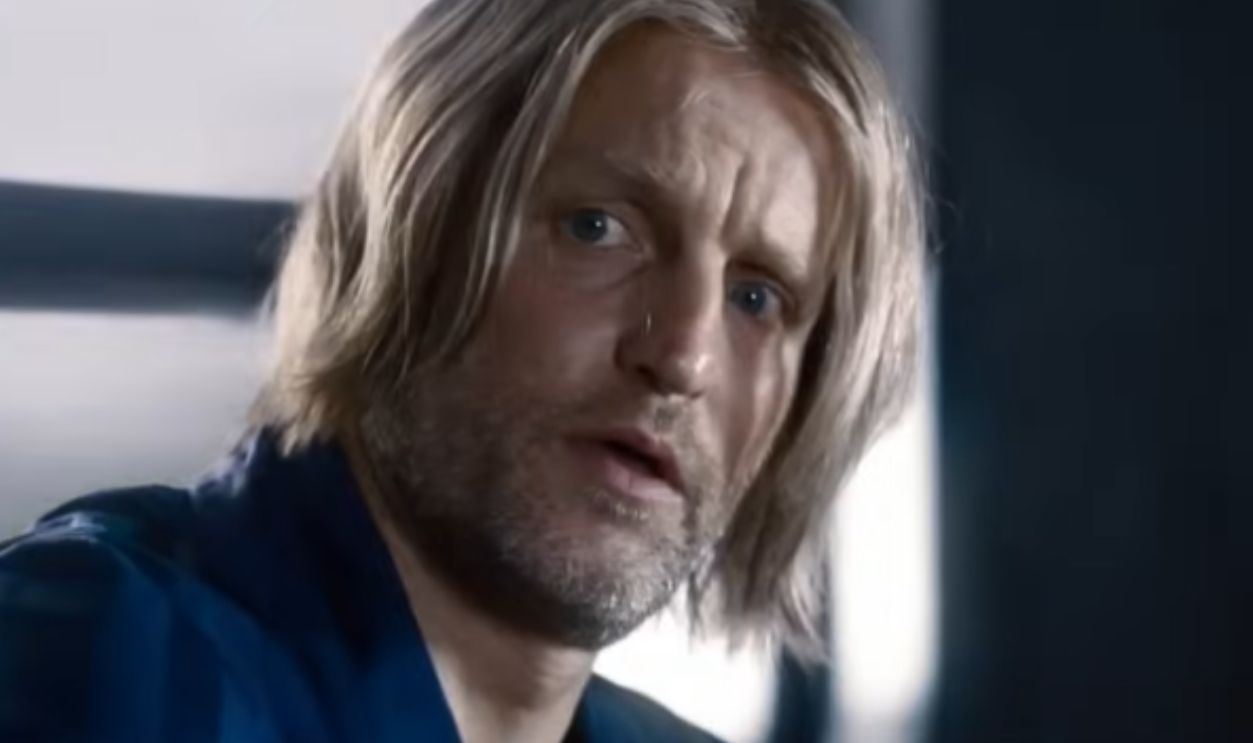 Screenshot from The Hunger Games, Lionsgate (2012)
Television Had Changed Around Him
By the 2010s, returning to television no longer felt like a step backward. Harrelson played Republican strategist Steve Schmidt in HBO’s Game Change. The performance earned him another Emmy nomination. Television had become another place for ambitious dramatic work.
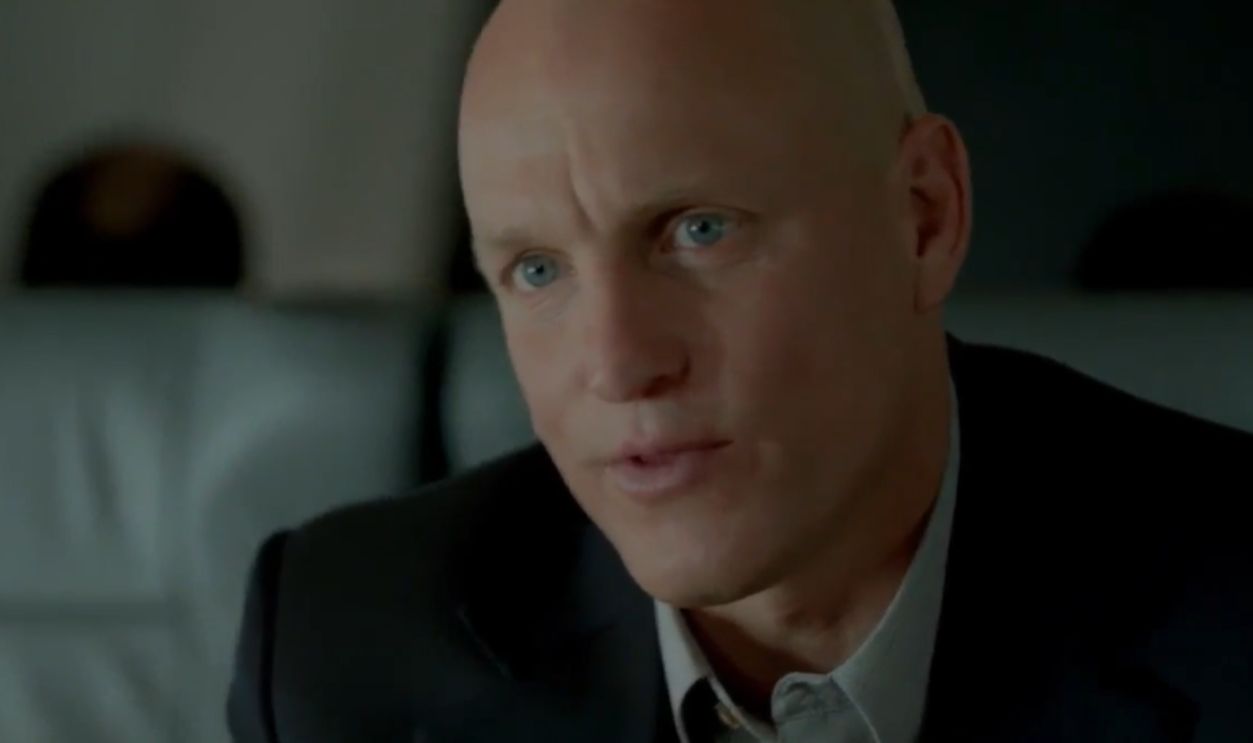 Screenshot from Game Change, HBO (2012)
True Detective Completed The Transformation
In 2014, Harrelson starred opposite Matthew McConaughey in HBO’s True Detective. He played Louisiana detective Marty Hart, whose personal flaws were as important as the murder case he was investigating. Harrelson earned another Emmy nomination. The former sitcom bartender was now leading one of television’s biggest prestige dramas.
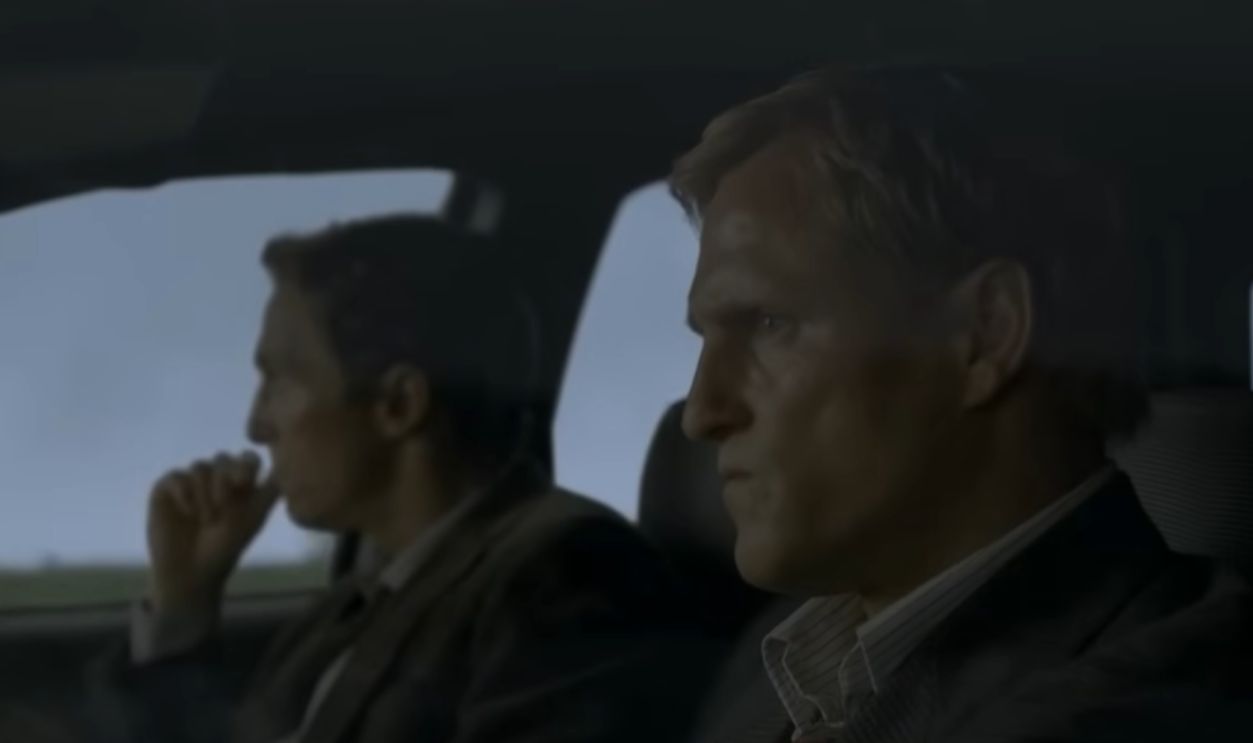 Screenshot from True Detective, HBO (2014-)
He Even Tried Live Filmmaking
Harrelson pushed himself further with Lost in London. He wrote, directed, and starred in the 2017 film, which was shot in one continuous take and broadcast live to hundreds of cinemas. The production moved through multiple London locations in real time. Decades into his career, Harrelson was still taking strange risks.
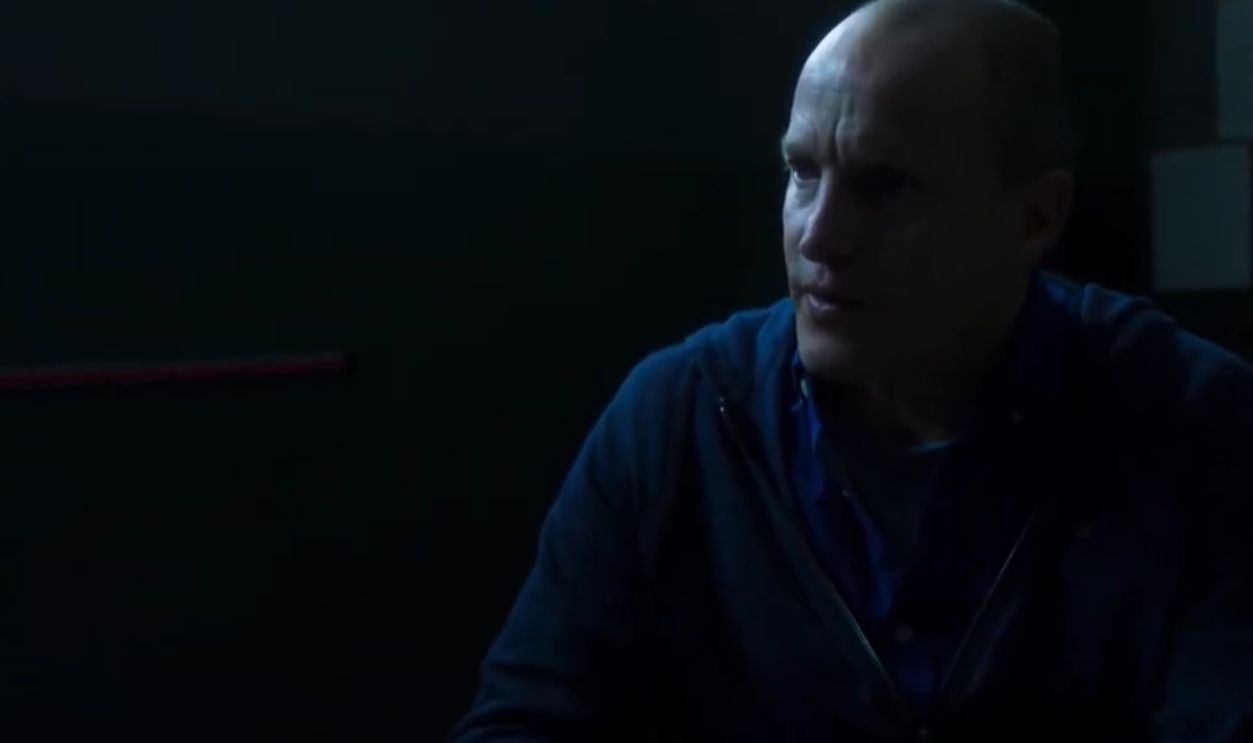 Screenshot from Lost in London, Picturehouse Entertainment (2017)
Three Billboards Brought Oscar Number Three
Later in 2017, Harrelson appeared in Three Billboards Outside Ebbing, Missouri. He played police chief Bill Willoughby, a character balancing humor, authority, compassion, and tragedy. The performance earned Harrelson his third Academy Award nomination. By then, typecasting him as Woody Boyd seemed almost unbelievable.
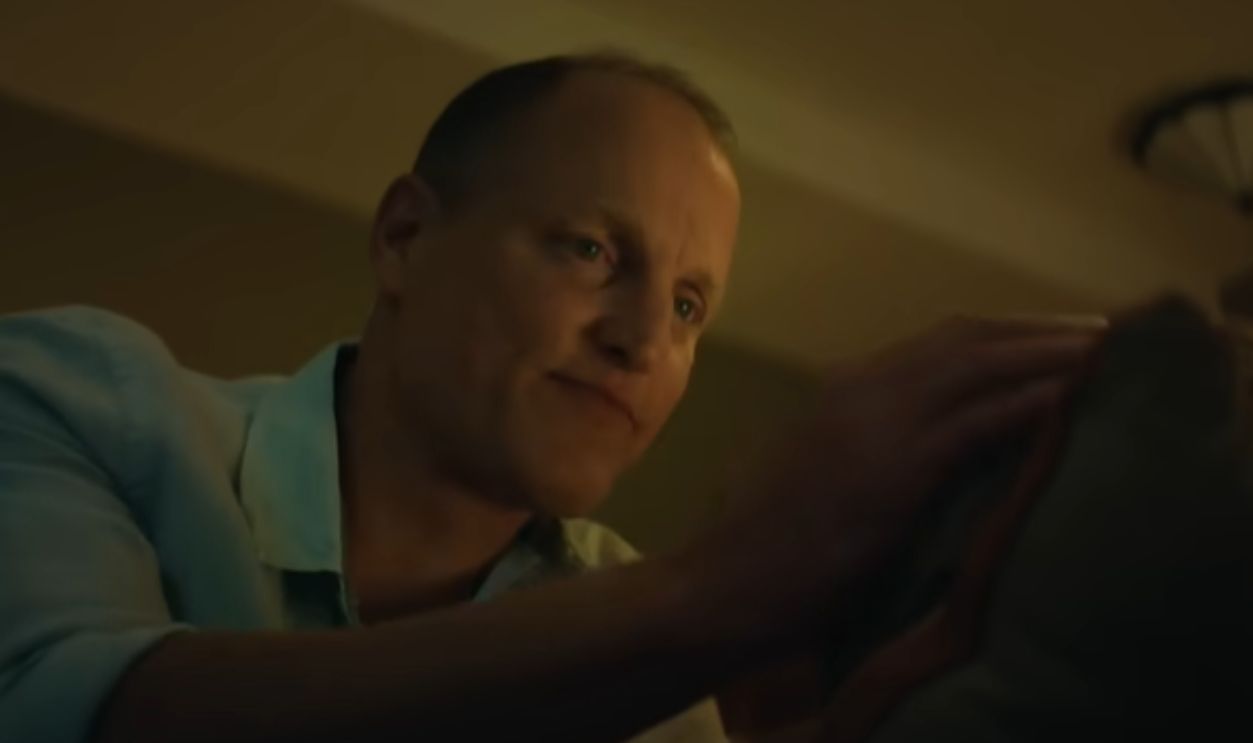 Screenshot from Three Billboards Outside Ebbing, Missouri, Fox Searchlight Pictures (2017)
He Was Still Taking Chances Decades Later
Harrelson continued choosing unusual projects with 2022’s Triangle of Sadness. He played the eccentric captain of a luxury yacht in Ruben Östlund’s social satire. The film won the Palme d’Or at Cannes. Nearly four decades after Cheers, Harrelson was still refusing to become predictable.
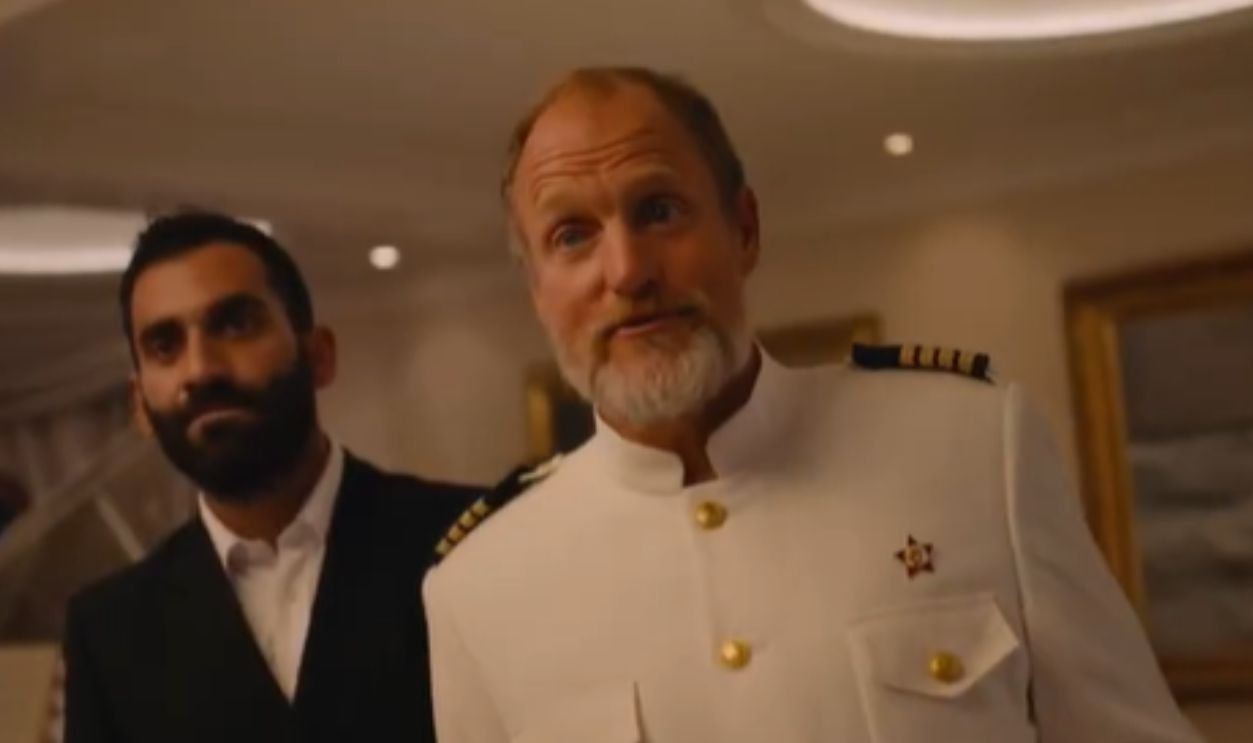 Screenshot from Triangle of Sadness, Neon (2022)
Somehow, It All Leads Back To Cheers
For all his reinvention, Harrelson never completely left Cheers behind. In 2024, he reunited with Ted Danson for the podcast Where Everybody Knows Your Name with Ted Danson and Woody Harrelson (Sometimes). By then, Harrelson had three Oscar nominations, an Emmy, blockbuster franchises, and acclaimed dramas behind him. Woody Boyd started as the joke, but Woody Harrelson became something nobody saw coming.
You May Also Like:
What Happened To The Cast Of Cheers After The Series Ended?
Kirstie Alley Helped Keep Cheers On Top, But Replacing Shelley Long Terrified The Cast
TV Characters Fans Loved Despite Being Objectively Terrible People
Sources: 1, 2, 3, 4, 5, 6, 7, 8, 9, 10, 11, 12, 13, 14, 15, 16, 17, 18, 19