
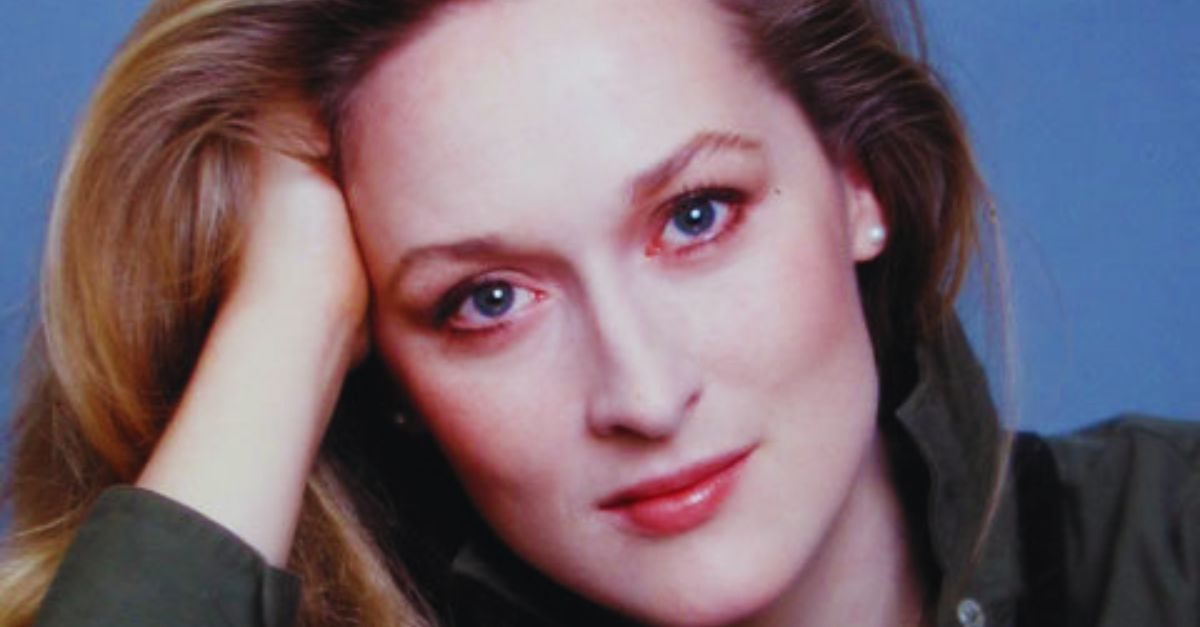
Hollywood Doubted Who Redefined Star Power
Industry opinions can shape careers before they even begin, especially when appearance enters the conversation. Several actresses faced blunt rejection that questioned their value rather than their skill. However, the box office and creative choices told another story.
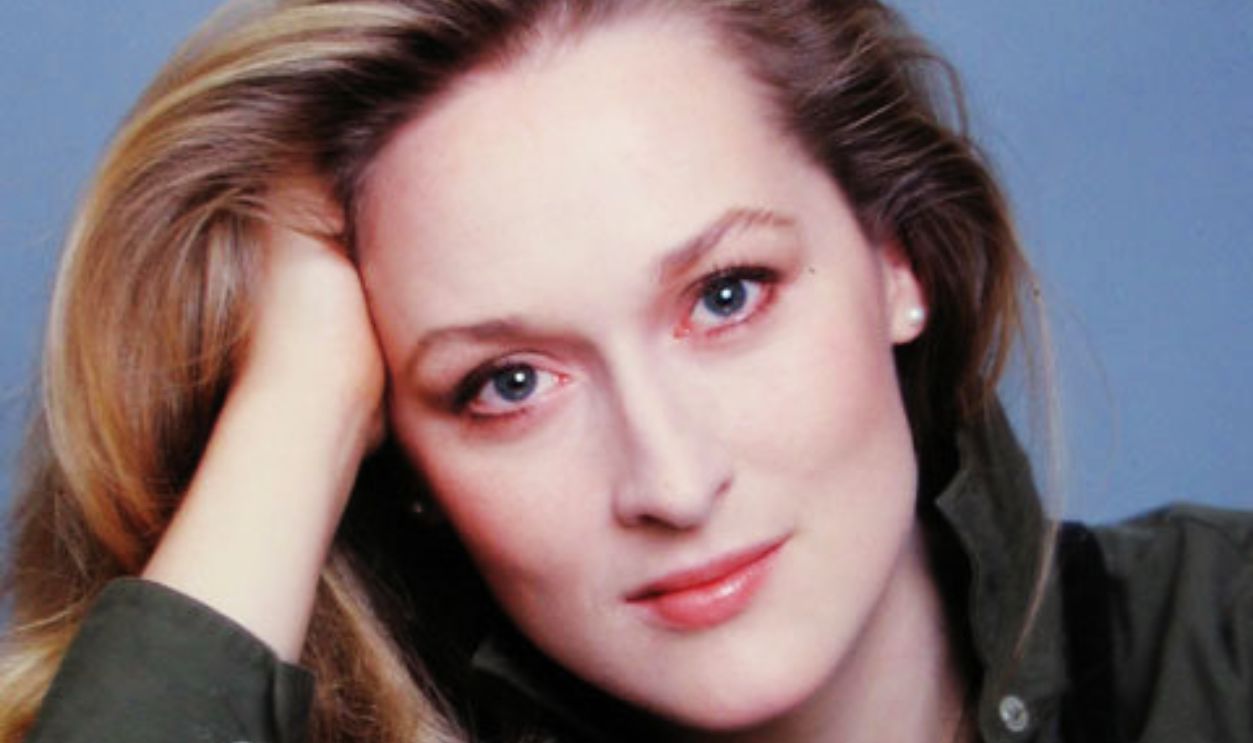 Jack Mitchell, CC BY-SA 4.0, Wikimedia Commons
Meryl Streep
Early in her career, Meryl Streep was bluntly told she was not attractive enough for a major film role, a remark she later recalled publicly. That dismissal preceded decades of acclaim, record-breaking Oscar nominations, and a reputation built on unmatched range and skill.
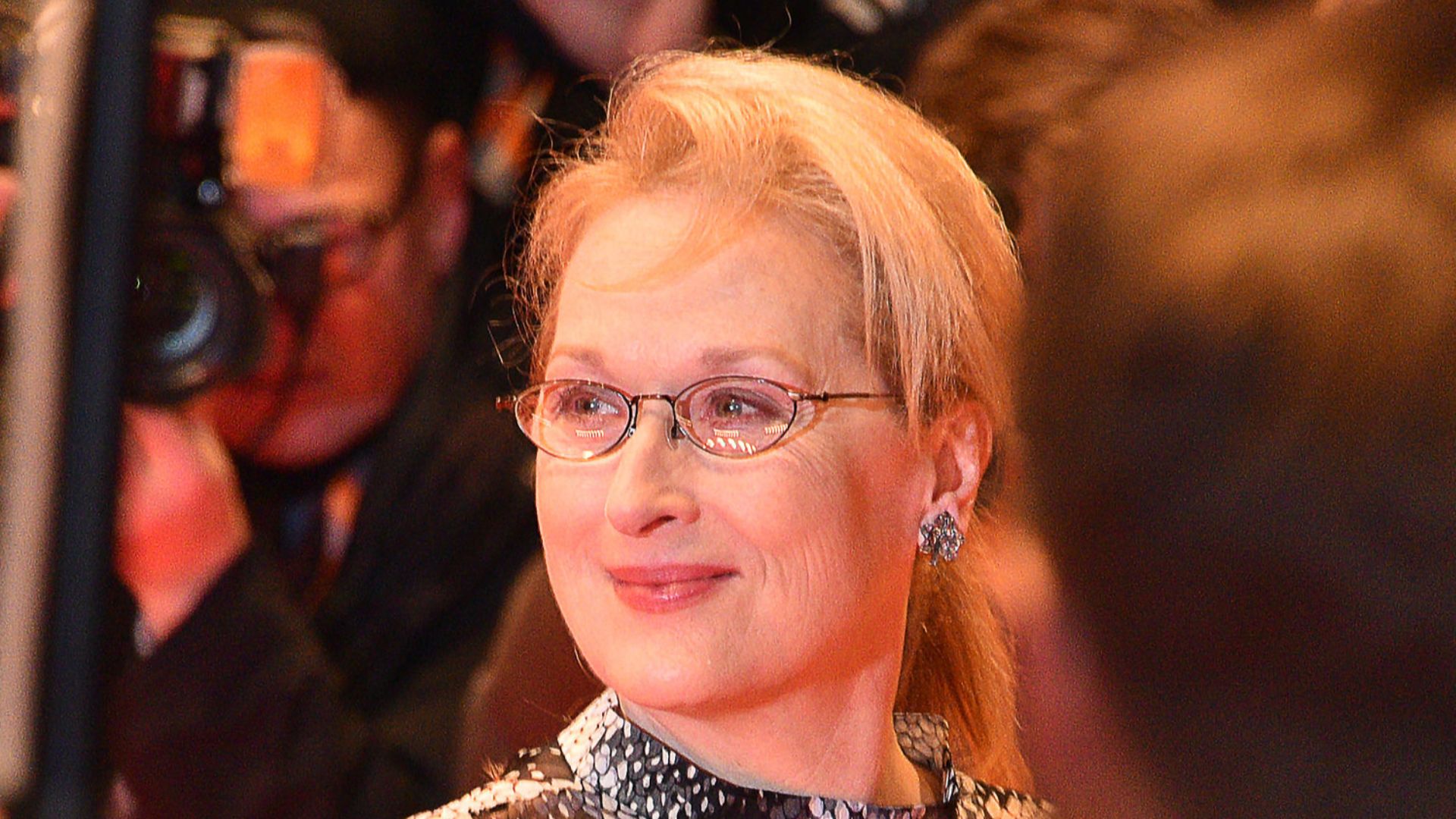 www.GlynLowe.com from Hamburg, Germany, Wikimedia Commons
Barbra Streisand
Studio executives frequently criticized Barbra Streisand’s looks and urged cosmetic changes, particularly early in her career. She refused, betting on talent over conformity. Her decision paid off as she became an Oscar-winning actress and chart-topping singer.
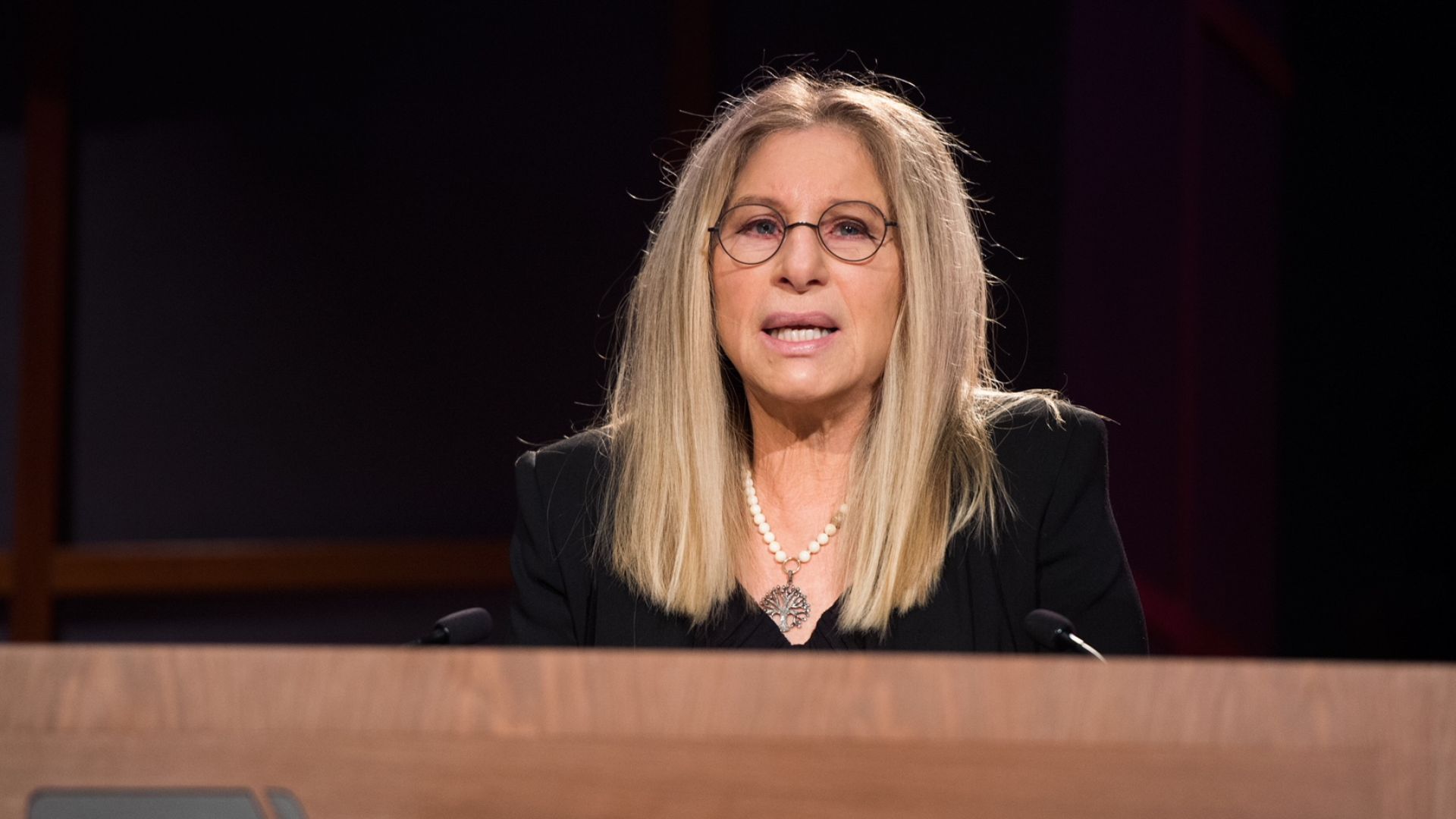 NIH Image Gallery from Bethesda, Maryland, USA, Wikimedia Commons
Sally Field
As a young actress, some industry experts told Sally Field that she was not pretty enough for film stardom. However, television success provided a foothold as she expanded into cinema. Two Academy Awards for Norma Rae and Places in the Heart, followed by decades of respected work, ultimately disproved those early assessments.
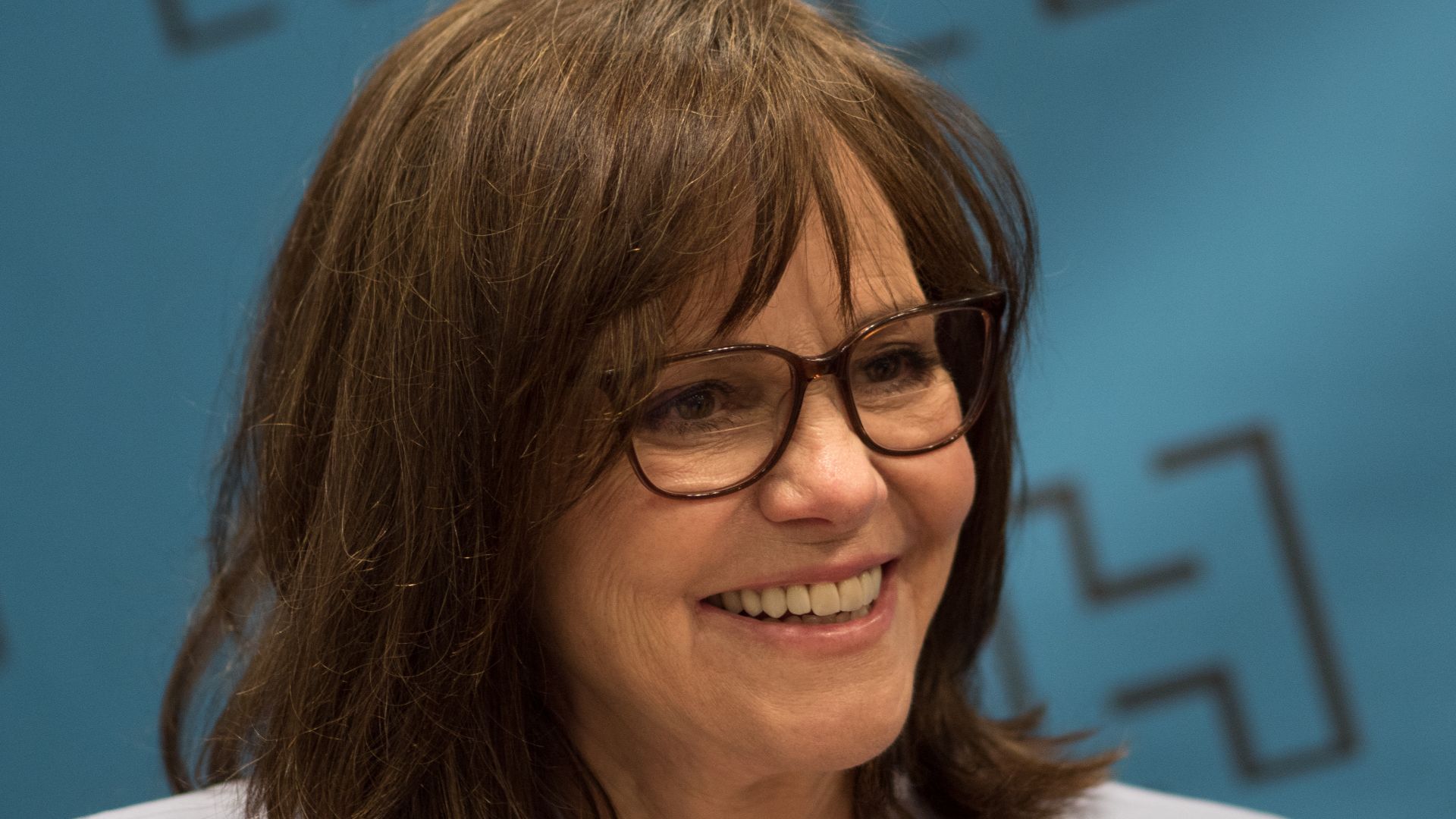 Rhododendrites, Wikimedia Commons
Jodie Foster
Transitioning from child actor to adult roles proved difficult for Jodie Foster, with early skepticism about her image and longevity. Careful role selection changed that trajectory. Two Academy Awards and a sustained career highlighted her intelligence and discipline.
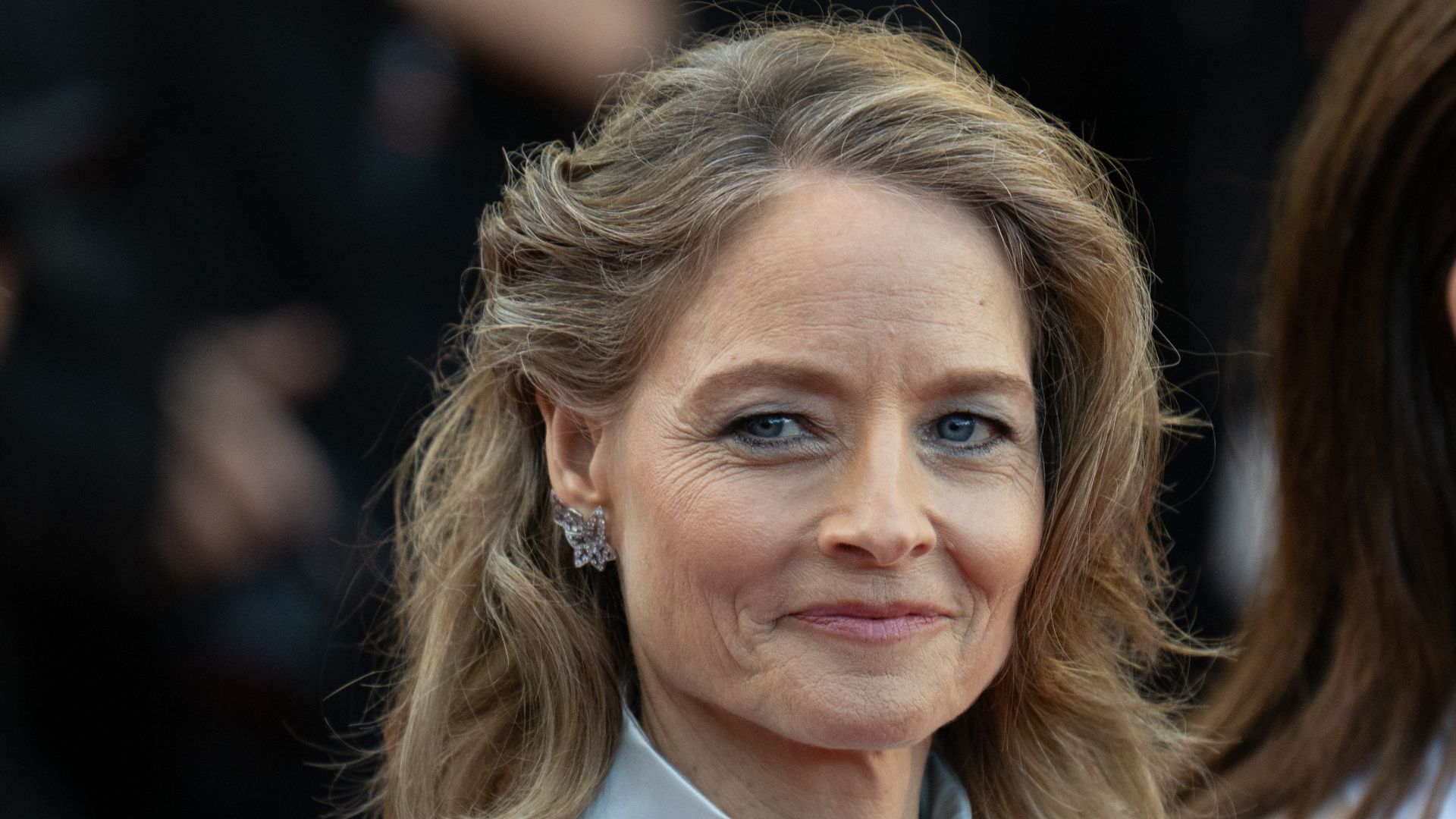 YantsImages, Wikimedia Commons
Melissa McCarthy
Early auditions often dismissed Melissa McCarthy and limited her opportunities. Persistence through television and comedy eventually changed perceptions. Breakout performances showcased range and timing, which led to box office hits that forced Hollywood to reconsider ideas of appeal.
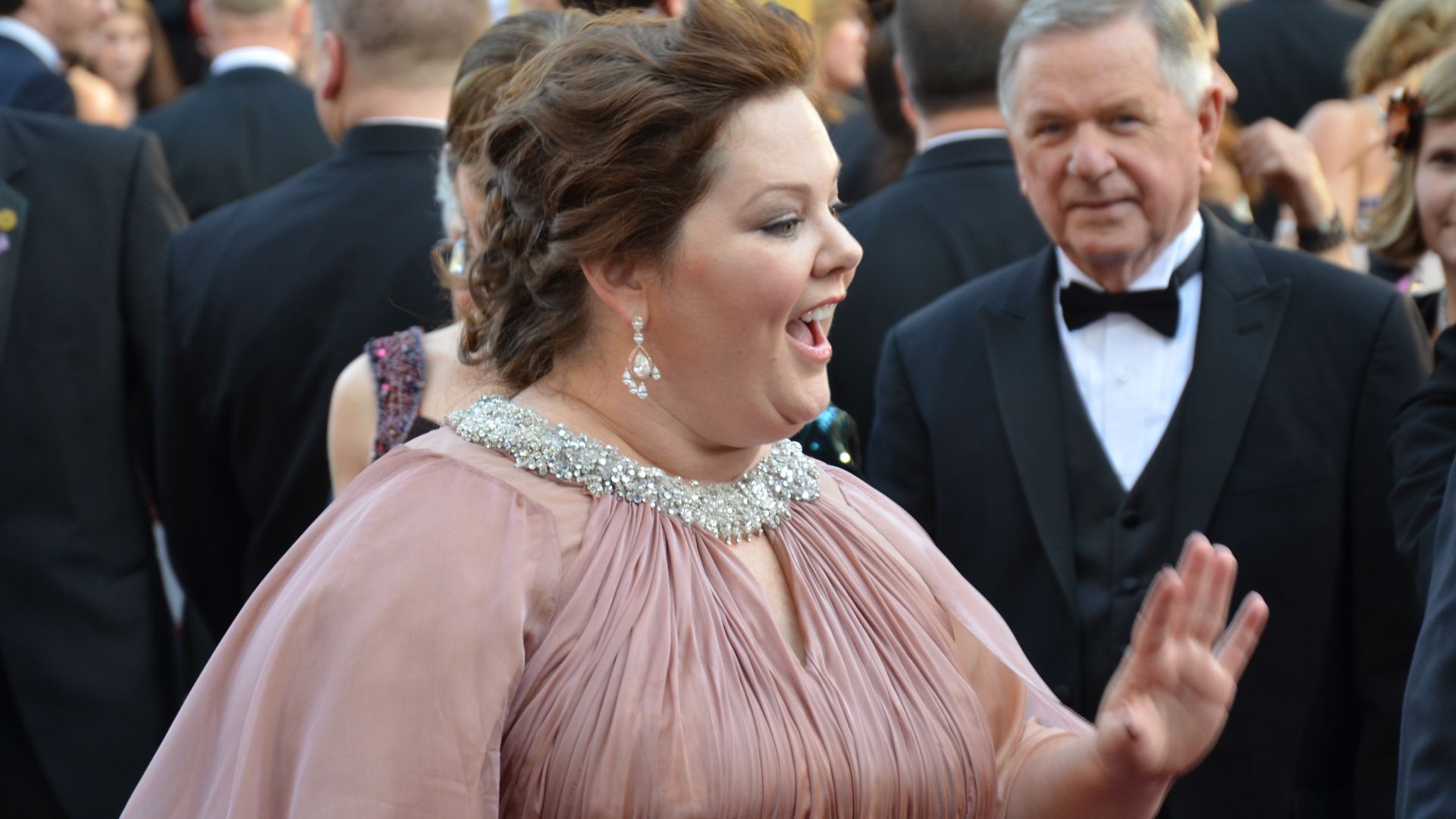 Mingle MediaTV, Wikimedia Commons
Whoopi Goldberg
Whoopi Goldberg has spoken about being told she did not fit Hollywood’s idea of attractiveness or leading-lady appeal. Undeterred, she built a singular career spanning comedy, drama, and hosting. She’s become one of the few entertainers to achieve Emmy, Grammy, Oscar, and Tony recognition.
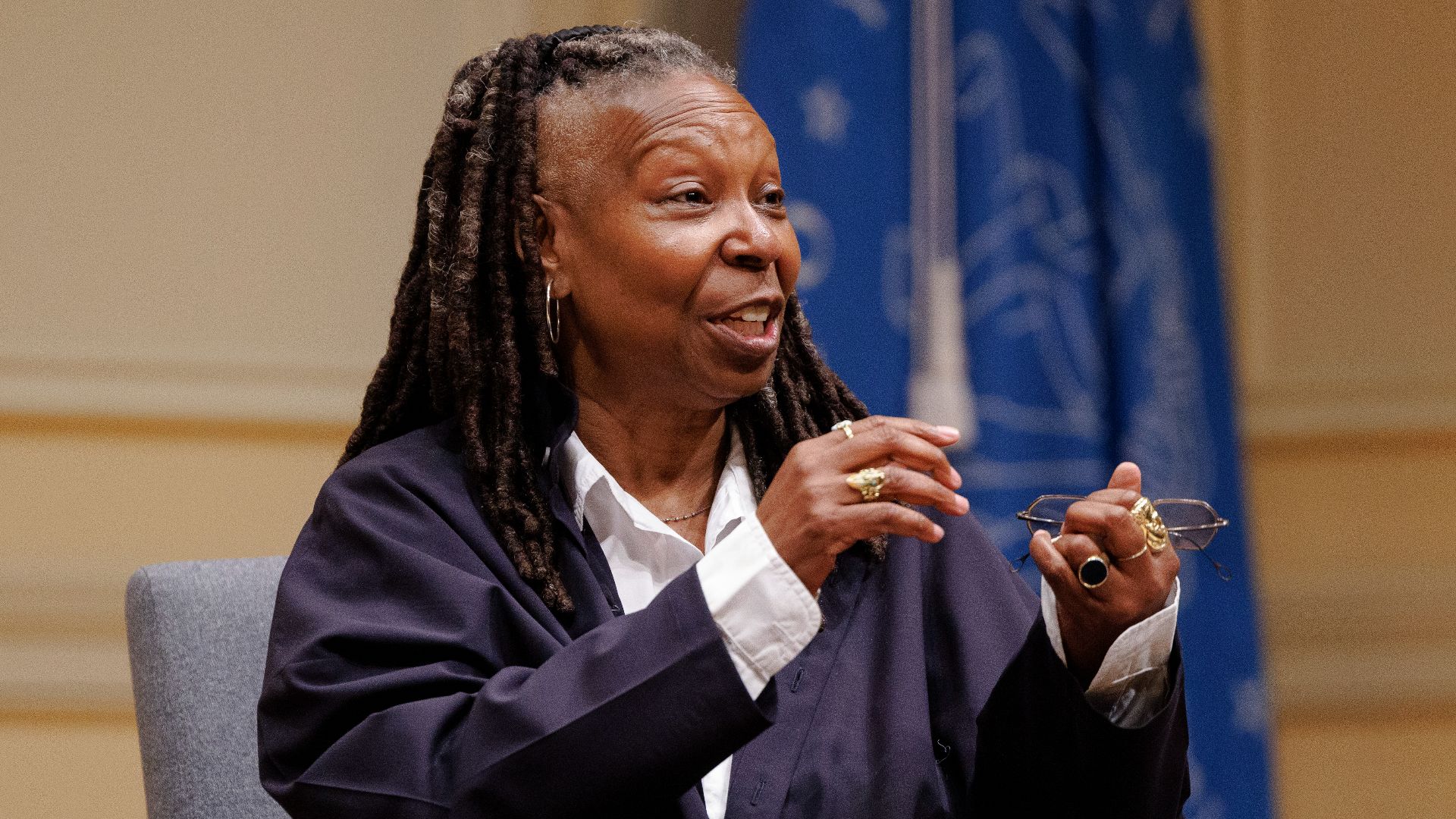 Library of Congress Life, Wikimedia Commons
Bette Midler
When she transitioned from stage to film, early reviews questioned Bette Midler’s appearance and mainstream viability. But she leaned into a strong screen presence and musical talent. Success followed across movies, Broadway, and recordings, as she earned awards and long-term cultural relevance.
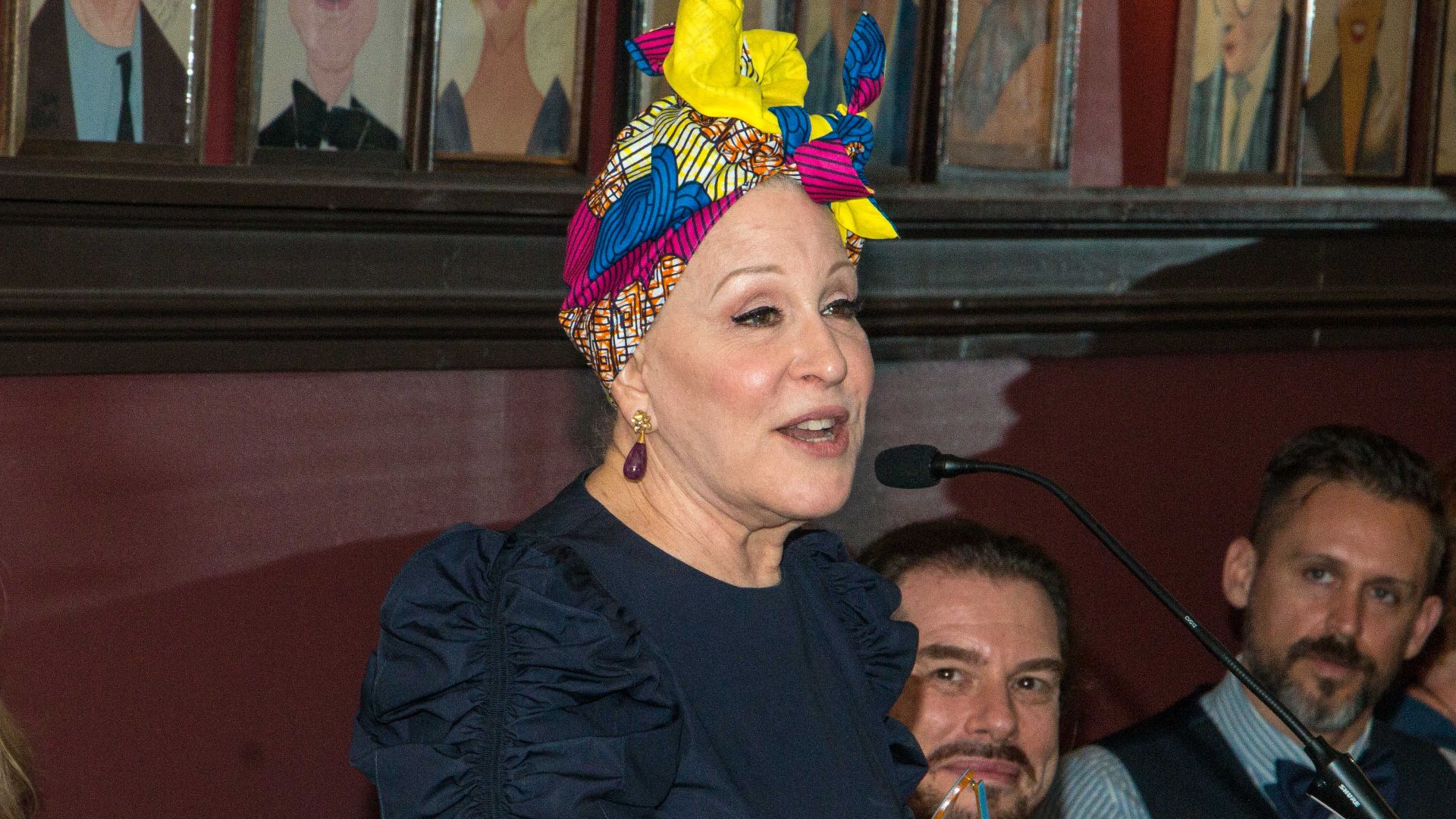 MrDavidGordon, Wikimedia Commons
Goldie Hawn
Goldie Hawn was sometimes dismissed as lightweight or unsuitable for serious roles early in her career. She steadily proved otherwise through comedic precision and emotional depth. An Academy Award win and decades of leading performances established her as both a crowd-pleaser and a respected actress.
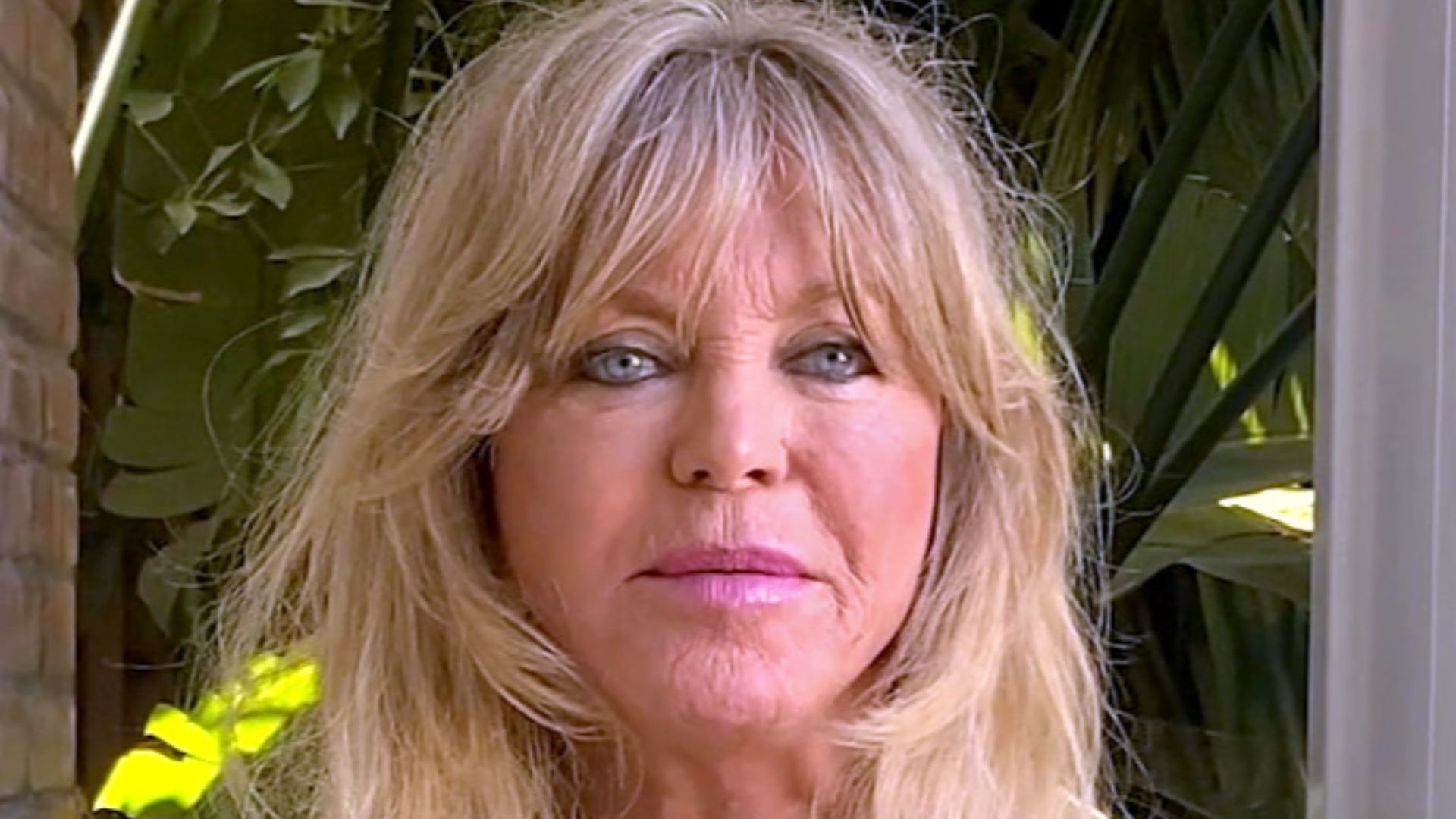 Peabody Awards, Wikimedia Commons
Hilary Swank
Several industry experts told Hilary Swank that she lacked traditional attractiveness for leading parts, a comment later quoted widely. She responded with disciplined performances in demanding roles in movies like Boys Don’t Cry. Two Academy Awards ultimately highlighted how misguided those early judgments had been.
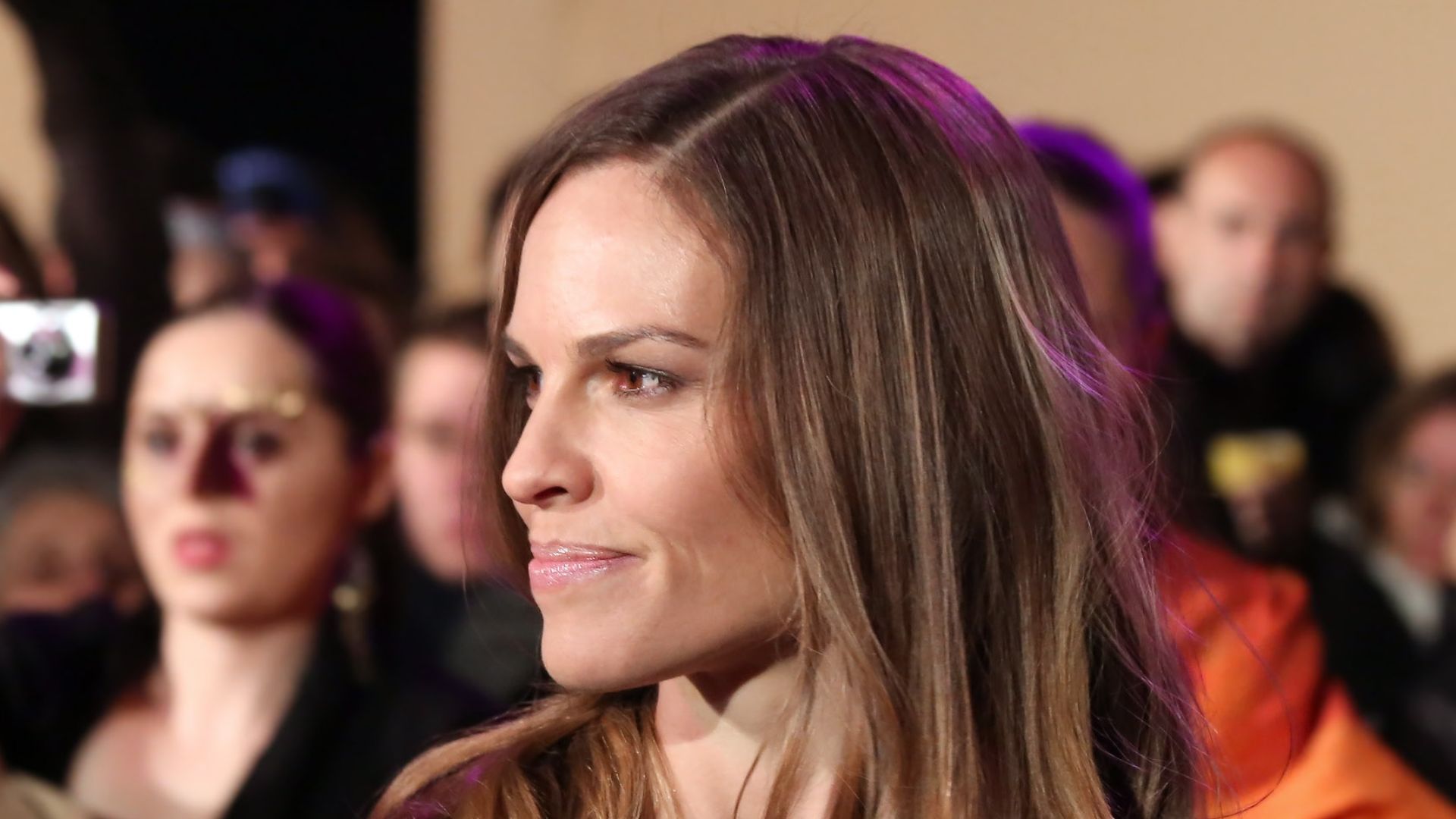 Manfred Werner (Tsui), Wikimedia Commons
Tilda Swinton
Often described as unconventional and difficult to market, Tilda Swinton was rarely considered for traditional leading roles early on. She embraced that difference and chose bold projects in independent film. The approach led to an Academy Award for Michael Clayton and a career that continually challenges Hollywood’s narrow ideas.
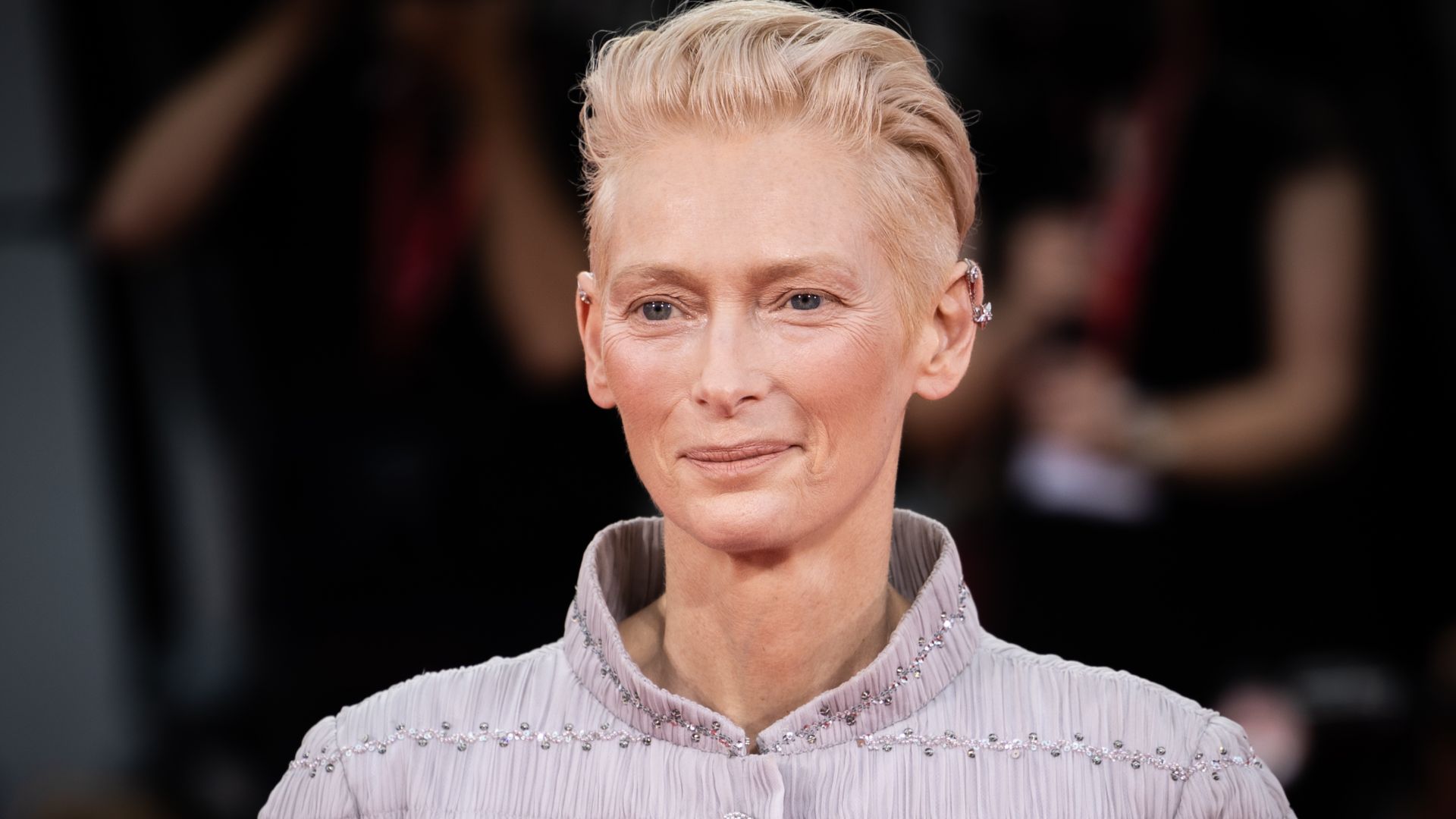 Harald Krichel, Wikimedia Commons
Maggie Gyllenhaal
Publicly sharing her experience, Maggie Gyllenhaal once revealed being told she was too old for a major role while still in her 30s. Rather than withdrawing, she pursued complex characters to earn critical acclaim and greater creative control.
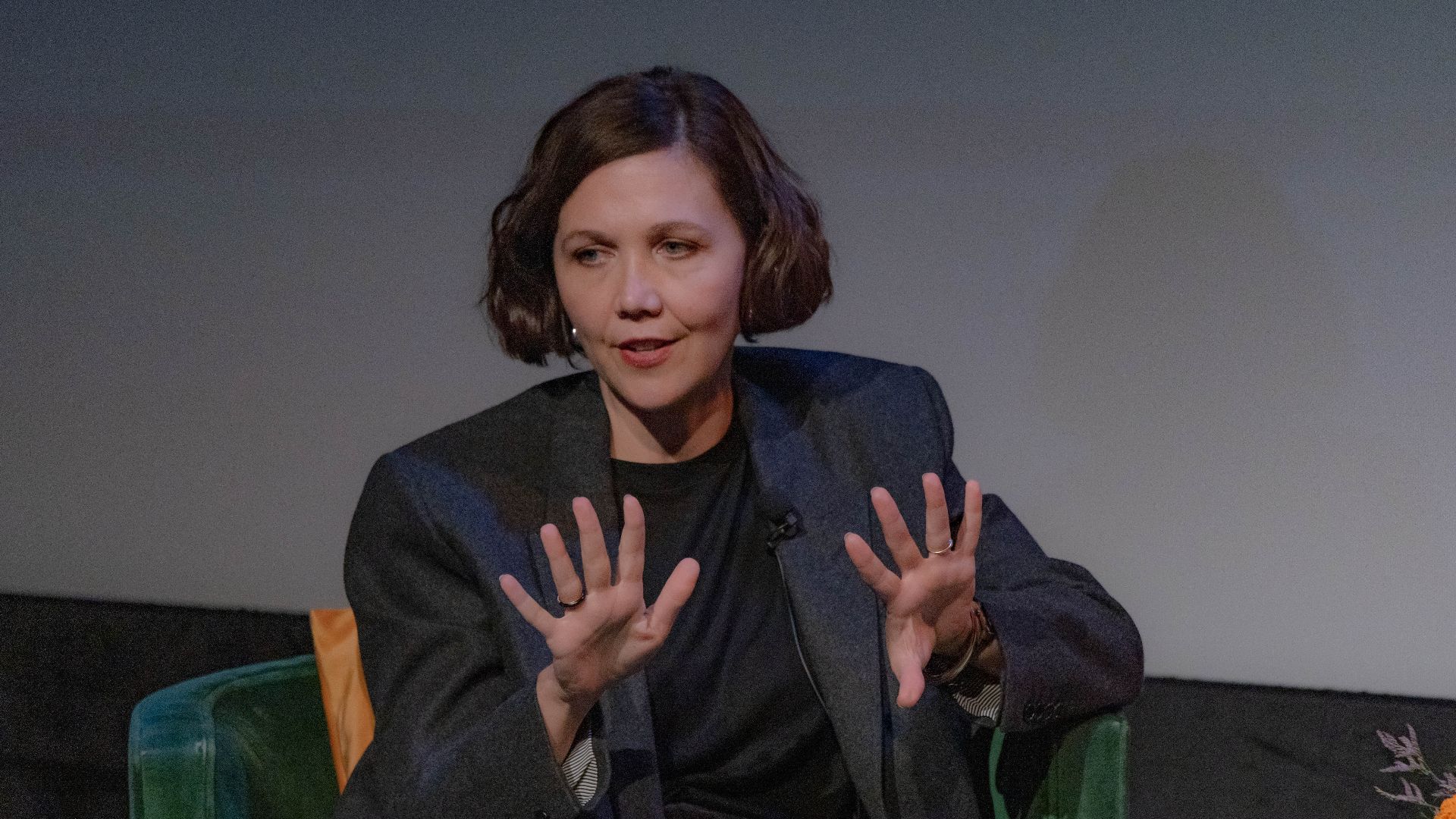 Montclair Film, Wikimedia Commons
Kate Winslet
After Titanic made her famous, Kate Winslet endured harsh tabloid scrutiny about her body and appearance rather than praise for her performance. She openly rejected those standards, choosing challenging roles instead. Her career later earned an Academy Award and lasting respect for artistic integrity.
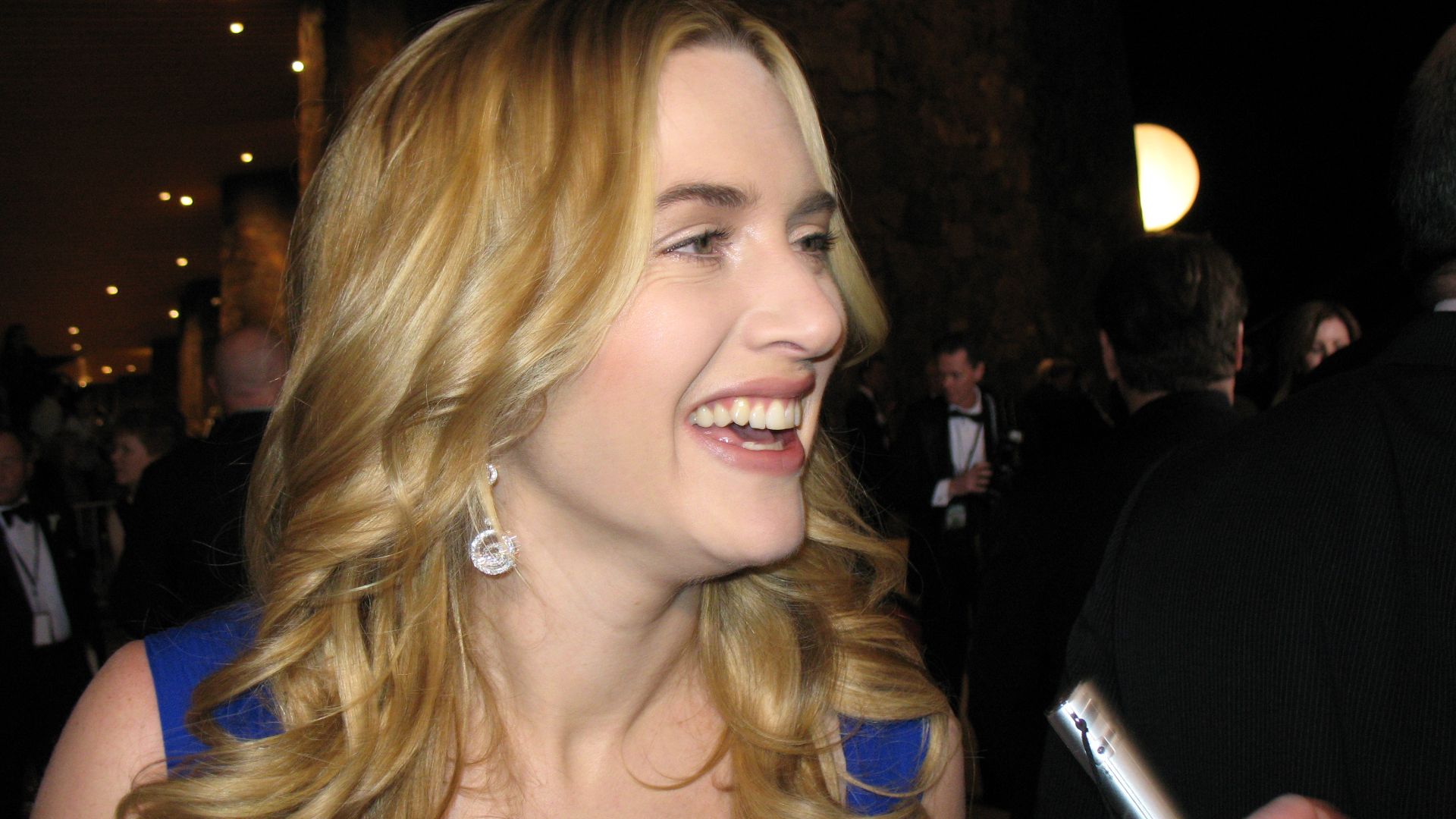 Maggie (Maggiejumps) from Palm Springs, United States, Wikimedia Commons
Sigourney Weaver
Casting agents once viewed Sigourney Weaver as too tall and unconventional for prominent roles. That perception changed dramatically after Alien, where her commanding performance changed expectations for women in science fiction. She built a respected career balancing blockbuster films and award-winning dramatic performances.
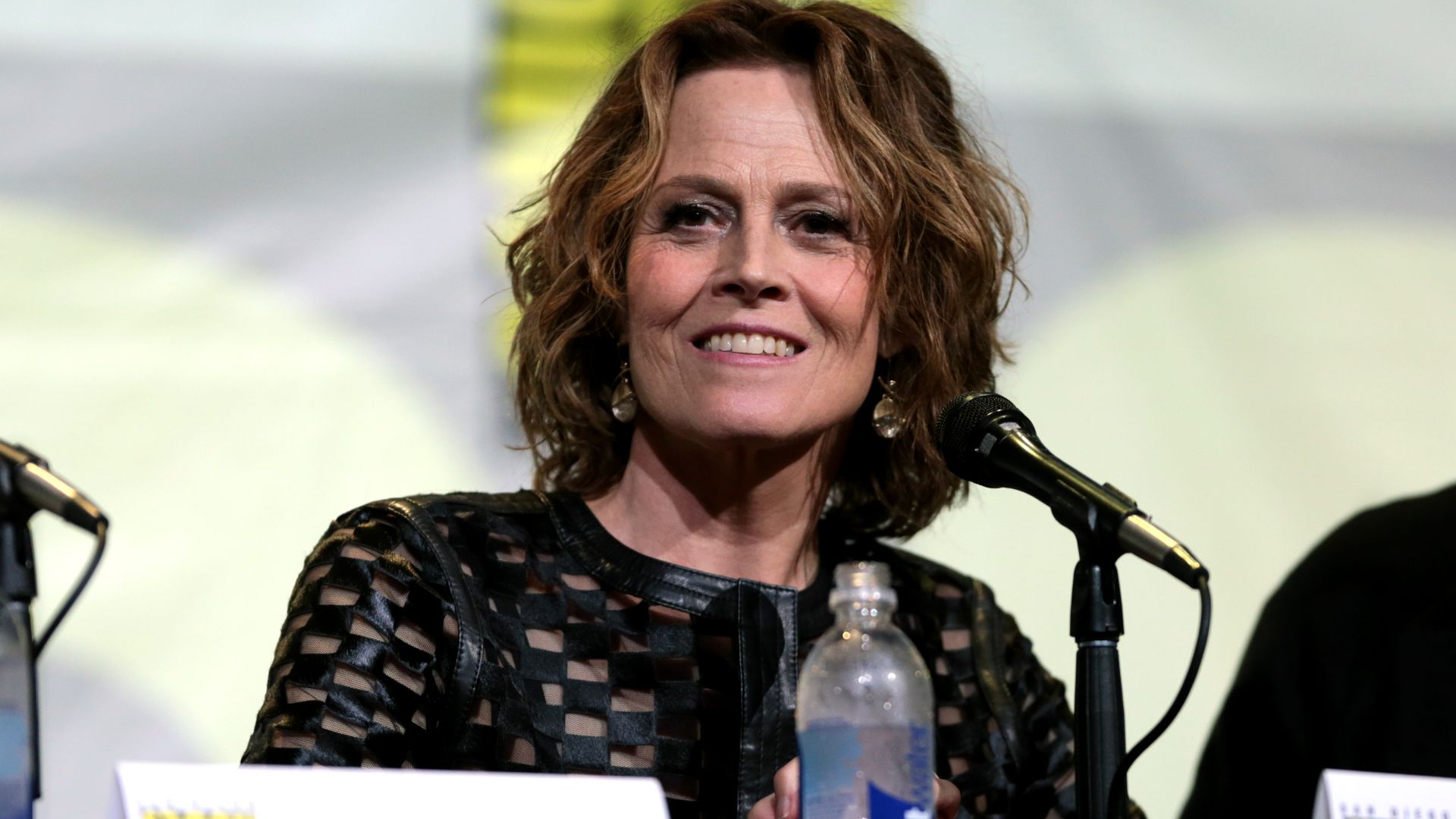 Gage Skidmore from Peoria, AZ, United States of America, Wikimedia Commons
Kathy Bates
Executives questioned whether Kathy Bates could carry the main roles due to her appearance. However, years of stage work and perseverance paid off. Her Oscar-winning performance and sustained career demonstrated how talent can outweigh superficial standards.
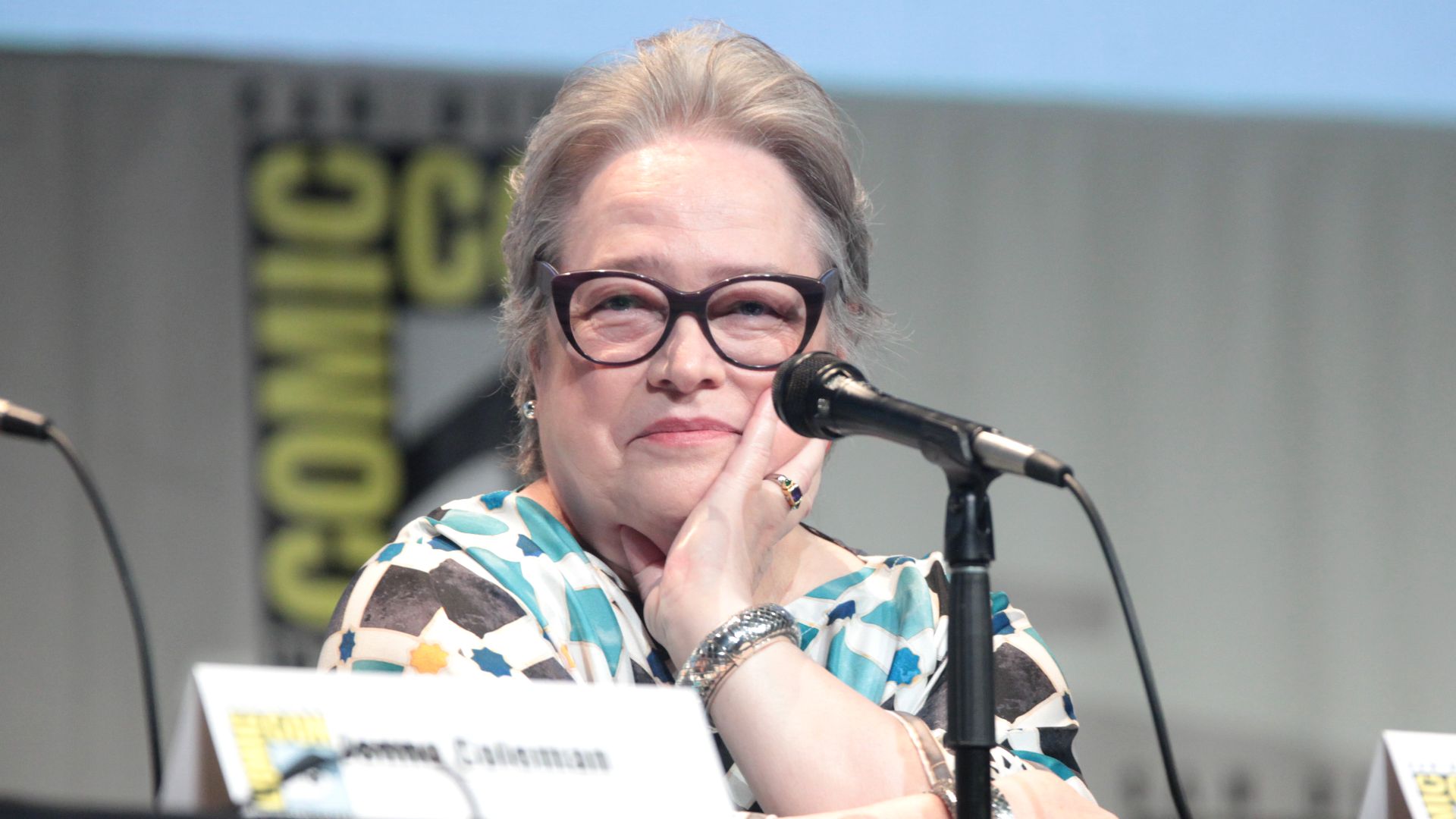 Gage Skidmore from Peoria, AZ, United States of America, Wikimedia Commons
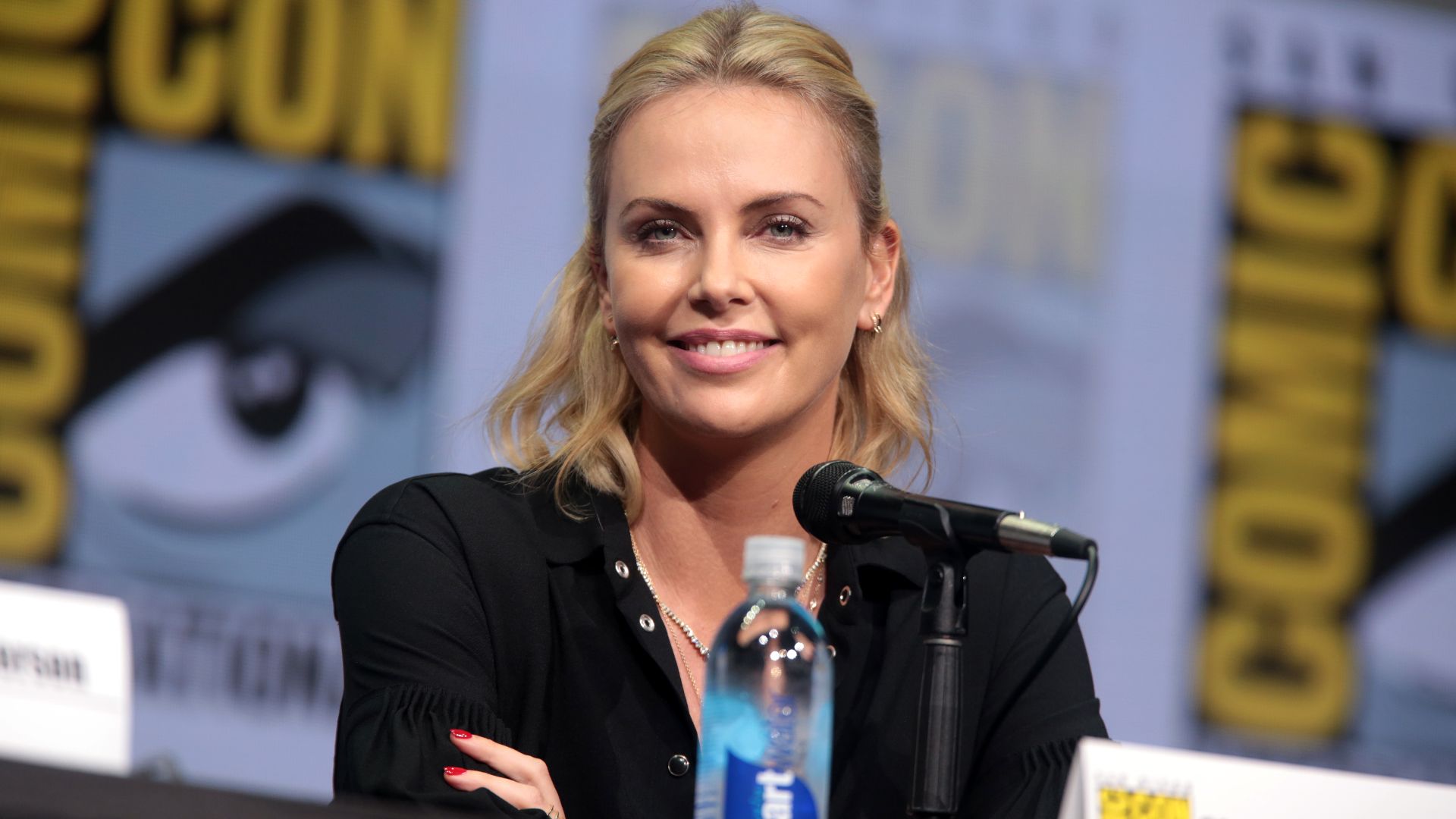
Charlize Theron
As a former model, initial skepticism framed Charlize Theron as lacking dramatic range, and this limited how she was cast. That narrative changed decisively when she chose physically and emotionally demanding roles. An Academy Award win for Monster confirmed her transformation into one of Hollywood’s most respected dramatic performers.
 Gage Skidmore from Peoria, AZ, United States of America, Wikimedia Commons
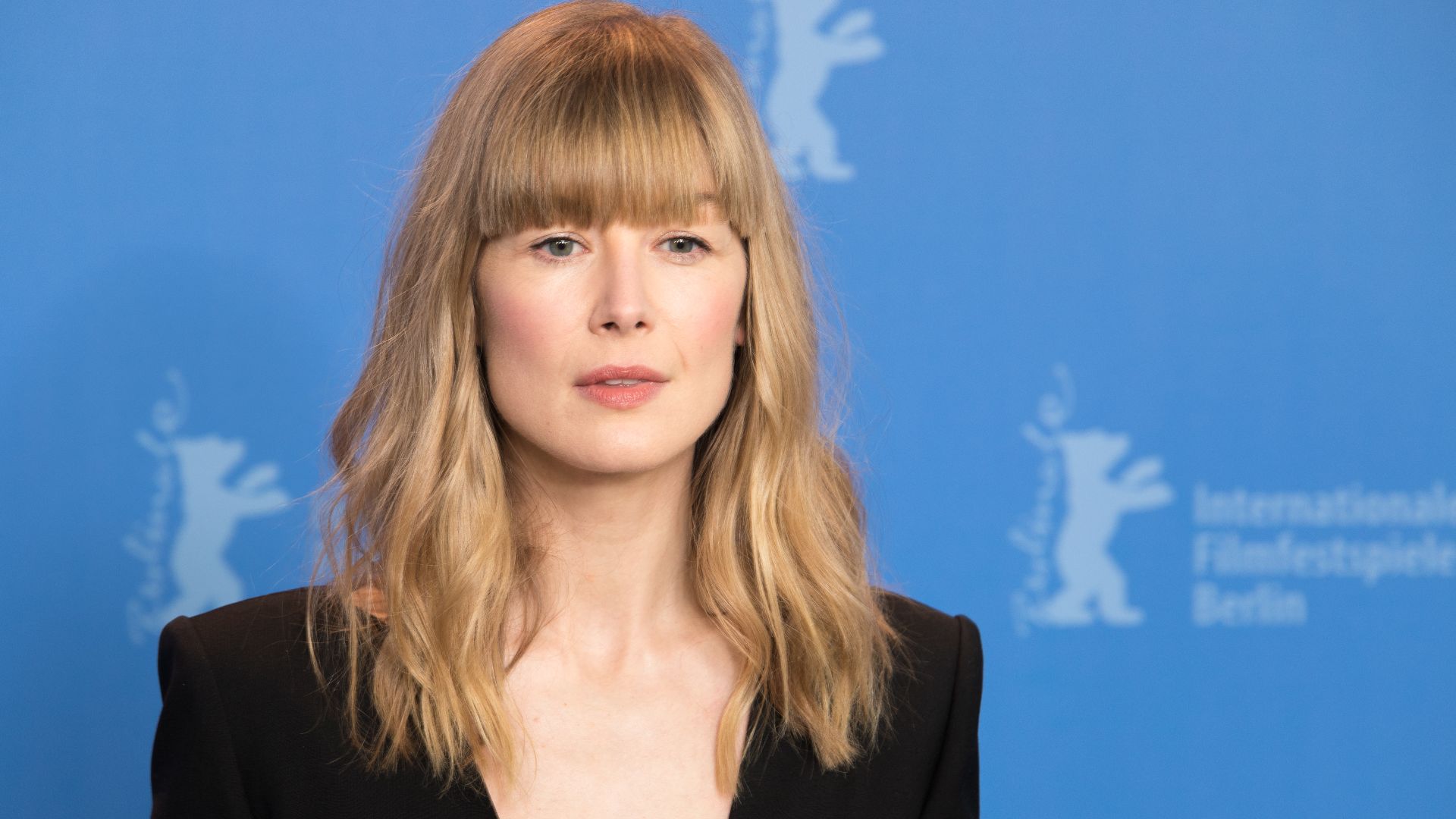
Rosamund Pike
Despite strong early performances, Rosamund Pike spent much of her career overlooked for leading roles due to narrow ideas of screen presence. Broader recognition arrived later. An Oscar nomination and steady high-profile work ultimately dismantled assumptions about her marketability and depth.
 Martin Kraft, Wikimedia Commons
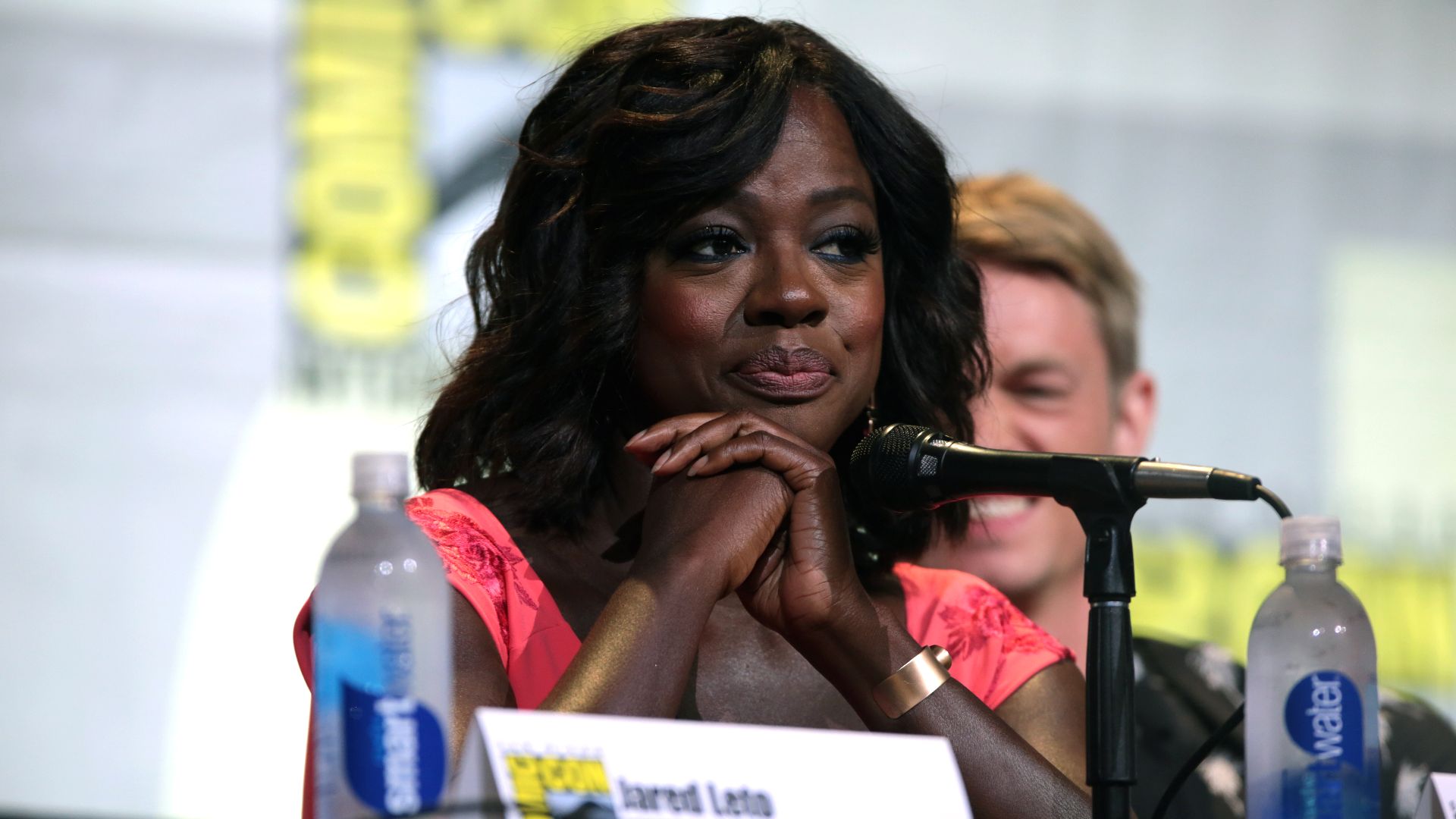
Viola Davis
Viola Davis has spoken candidly about being told she did not fit accepted beauty standards early in her career. She focused instead on craft and emotional truth. Historic awards recognition and powerful performances in Fences and The Help positioned her as one of the most influential actresses of her generation.
 Gage Skidmore from Peoria, AZ, United States of America, Wikimedia Commons
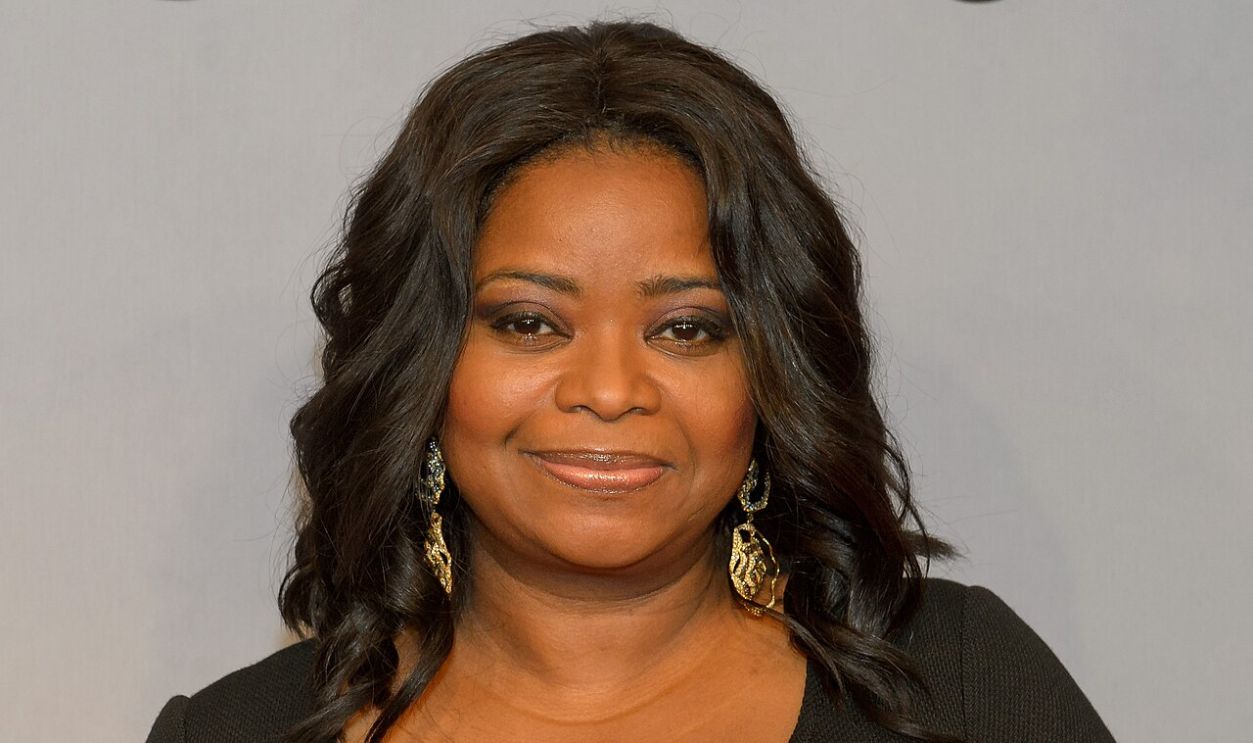
Octavia Spencer
For years, roles offered to Octavia Spencer were constrained by stereotypes tied to appearance and typecasting. Persistence and skill gradually expanded her opportunities. A breakthrough Oscar win led to sustained success and influence that helped shift conversations around representation.
 NASA/Bill Ingalls, Wikimedia Commons
Frances McDormand
Rarely framed as a conventional star, Frances McDormand built her career around fully realized characters instead of glamour. Consistent collaboration with strong filmmakers led to remarkable success. Multiple Academy Awards and enduring respect show how authenticity resonates more powerfully than traditional beauty ideals.
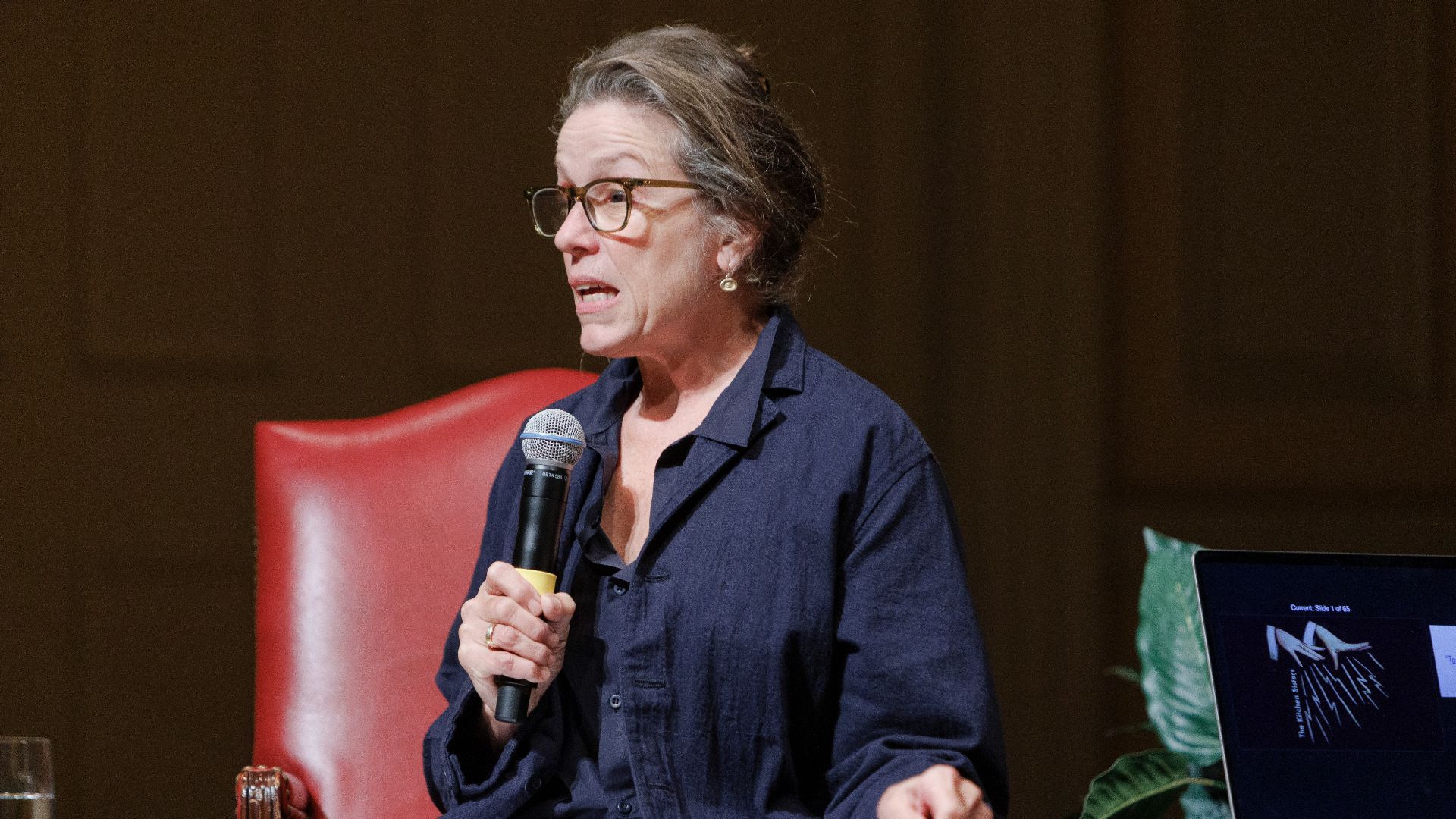 Library of Congress Life, Wikimedia Commons
Uma Thurman
Early evaluations of Uma Thurman’s performances sometimes fixated on her voice and unconventional looks rather than her ability. However, that initial skepticism faded as she collaborated with bold filmmakers. Her commanding roles in influential films reshaped her reputation.
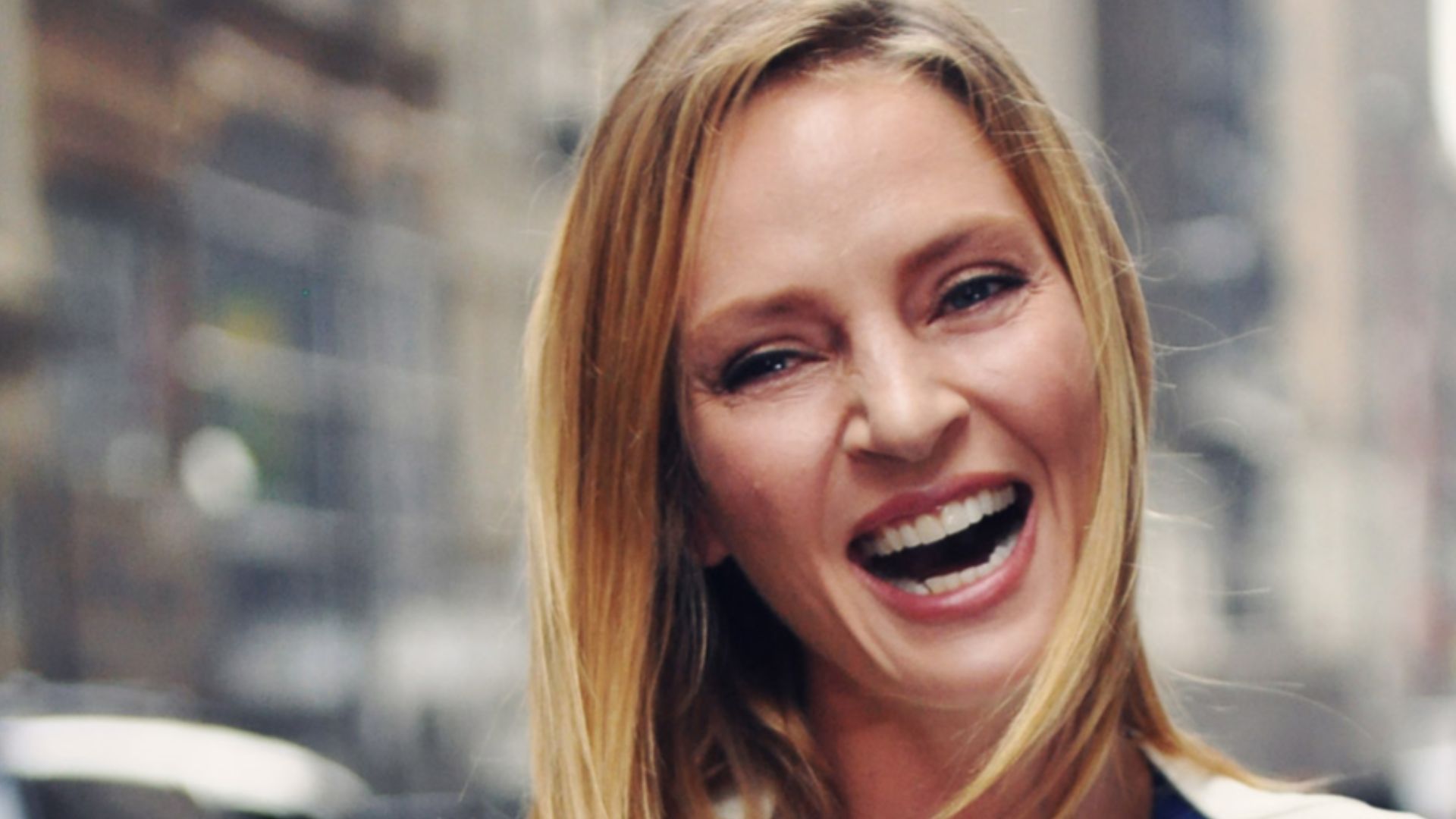 Jiyang Chen, Wikimedia Commons
Glenn Close
Throughout her career, Glenn Close was often described as lacking traditional leading-lady beauty, despite clear talent. Instead of limiting her, that perception pushed her toward complex roles. Multiple Academy Award nominations and acclaimed performances cemented her status as a formidable actress.
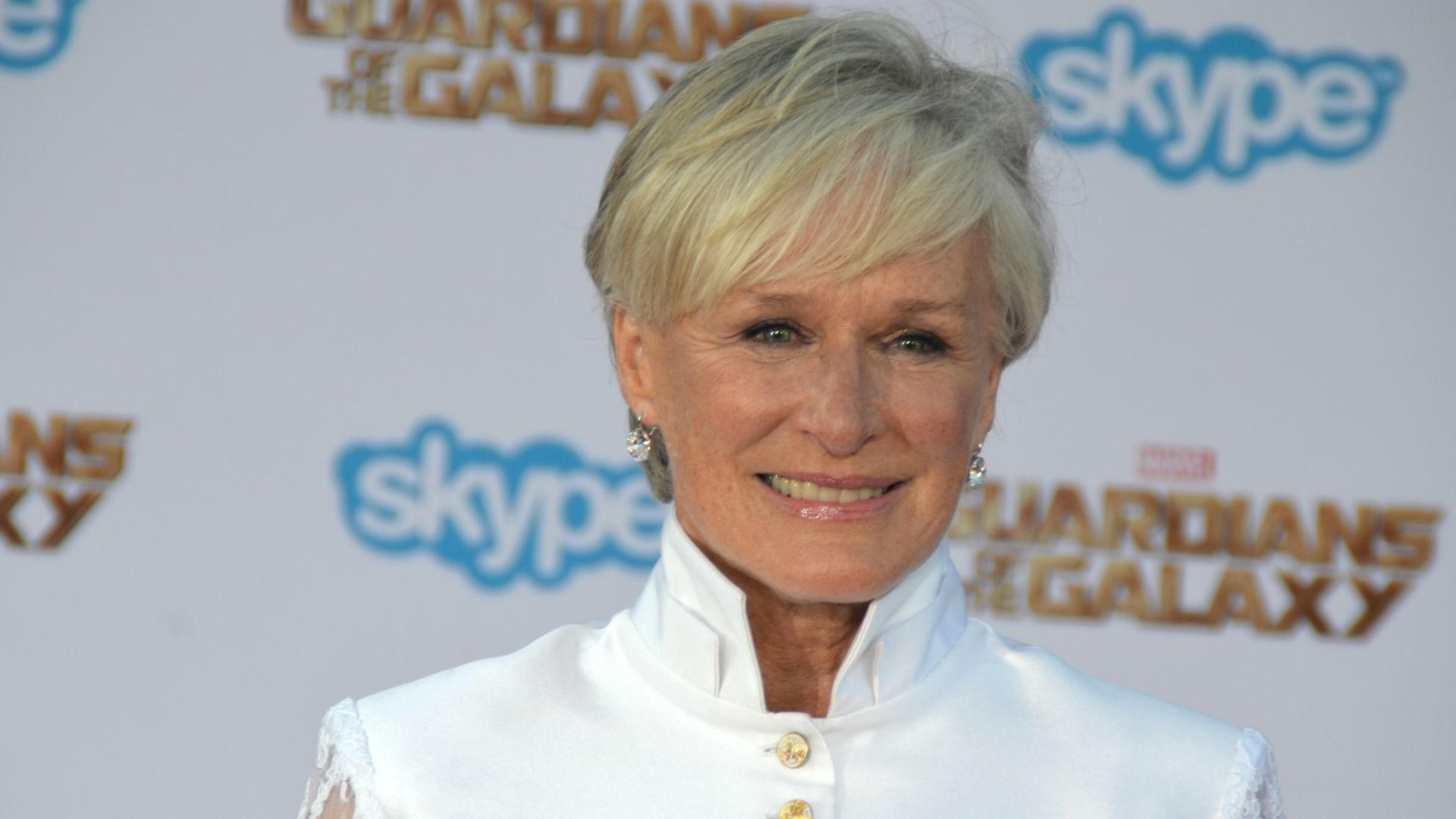 Mingle Media TV, Wikimedia Commons
Sandra Oh
Sandra Oh encountered limited opportunities shaped by casting expectations and appearance-based stereotypes. She steadily built credibility through layered performances on television and film, including her famous role in Grey’s Anatomy. Breakout success and major awards emphasized her range.
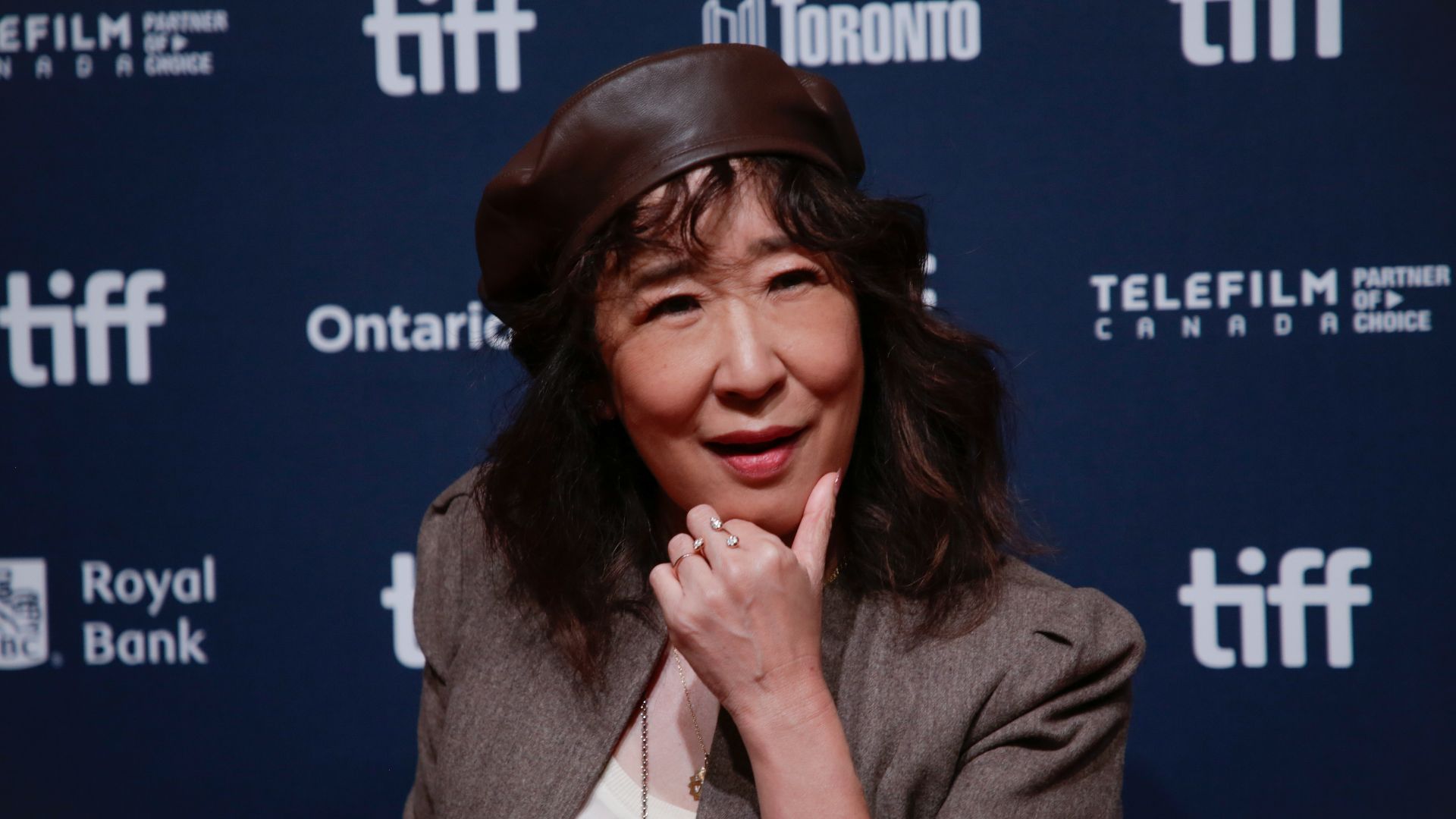 Sara Komatsu, Wikimedia Commons
Toni Collette
Industry decisions early on often overlooked Toni Collette because she did not fit Hollywood’s conventional image of a star. Nevertheless, her commitment to emotionally demanding roles changed that narrative. Memorable performances across genres established her as a remarkably versatile and respected actress.
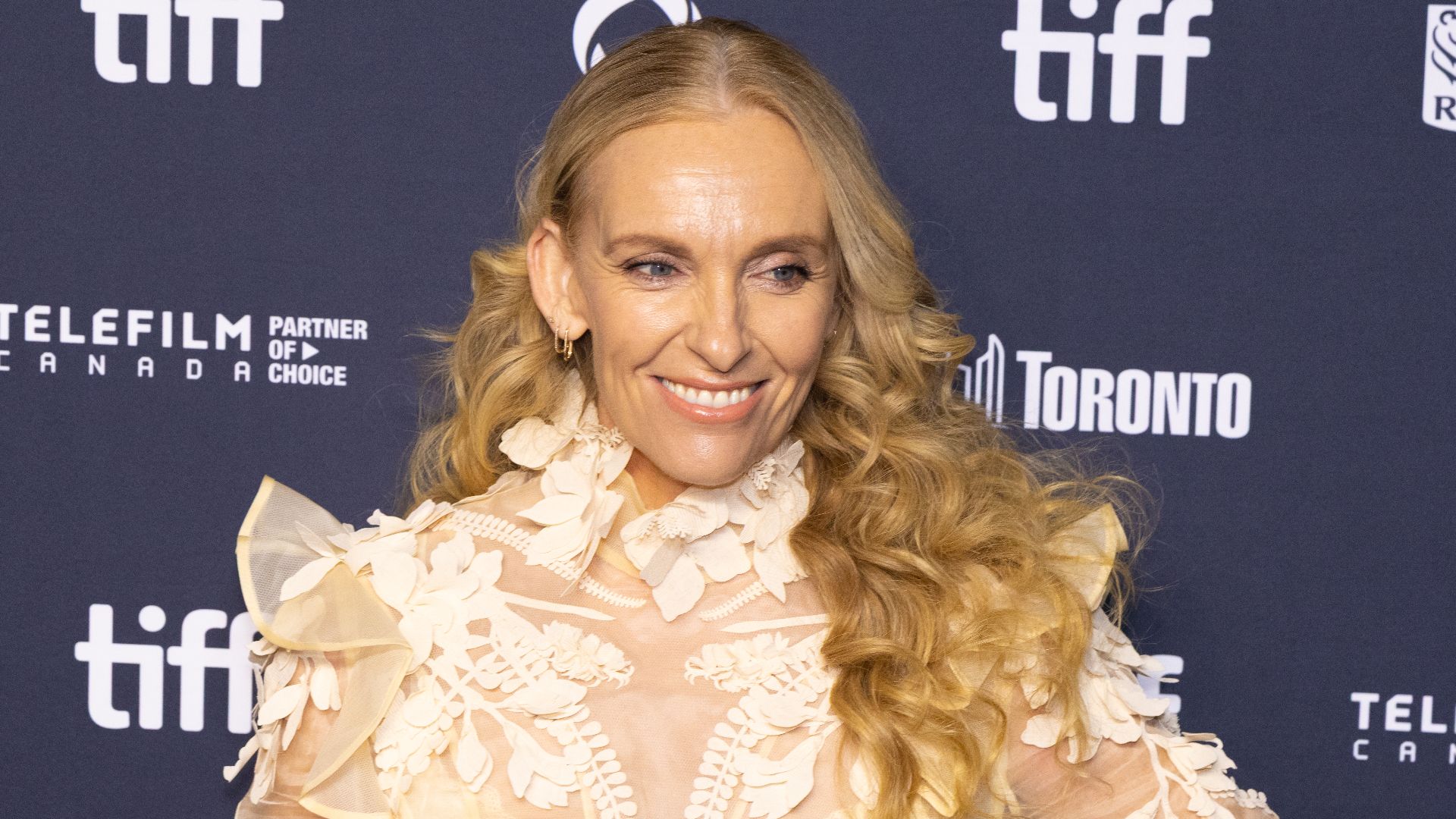 Desmond Herzfelder, Wikimedia Commons
Gwendoline Christie
Standing far outside traditional casting norms, Gwendoline Christie was told that her height and appearance limited opportunities. Breakthrough success arrived with Game of Thrones, and global recognition followed. She proved that audiences readily embrace performers who challenge long-standing visual stereotypes.
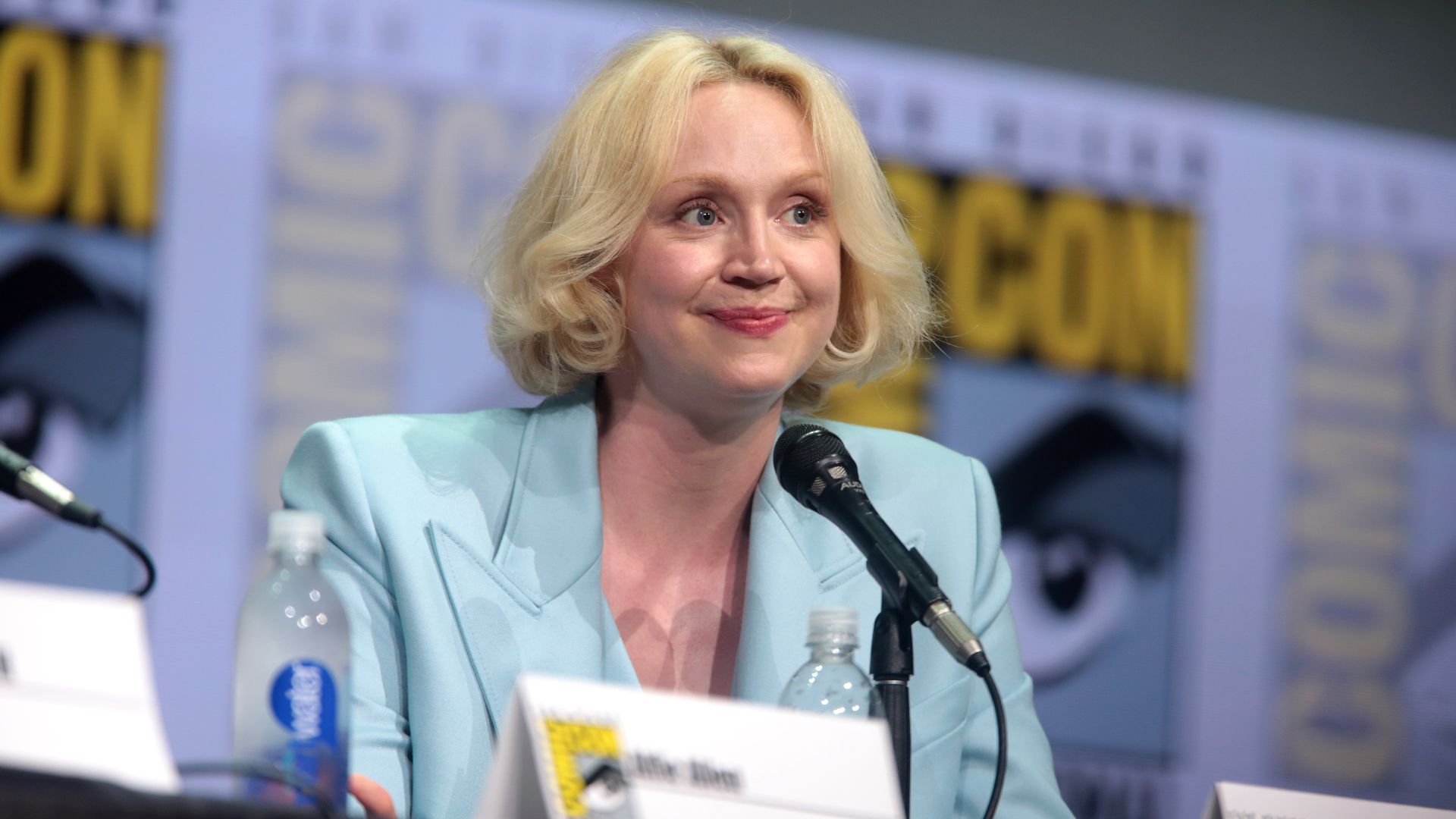 Gage Skidmore from Peoria, AZ, United States of America, Wikimedia Commons
Reese Witherspoon
Early feedback sometimes framed Reese Witherspoon as too small or insufficiently glamorous for serious roles. Rather than accepting that limitation, she sought characters with depth. An Oscar for Walk the Line and subsequent success as a producer demonstrated how strategic choices can redefine value in Hollywood.
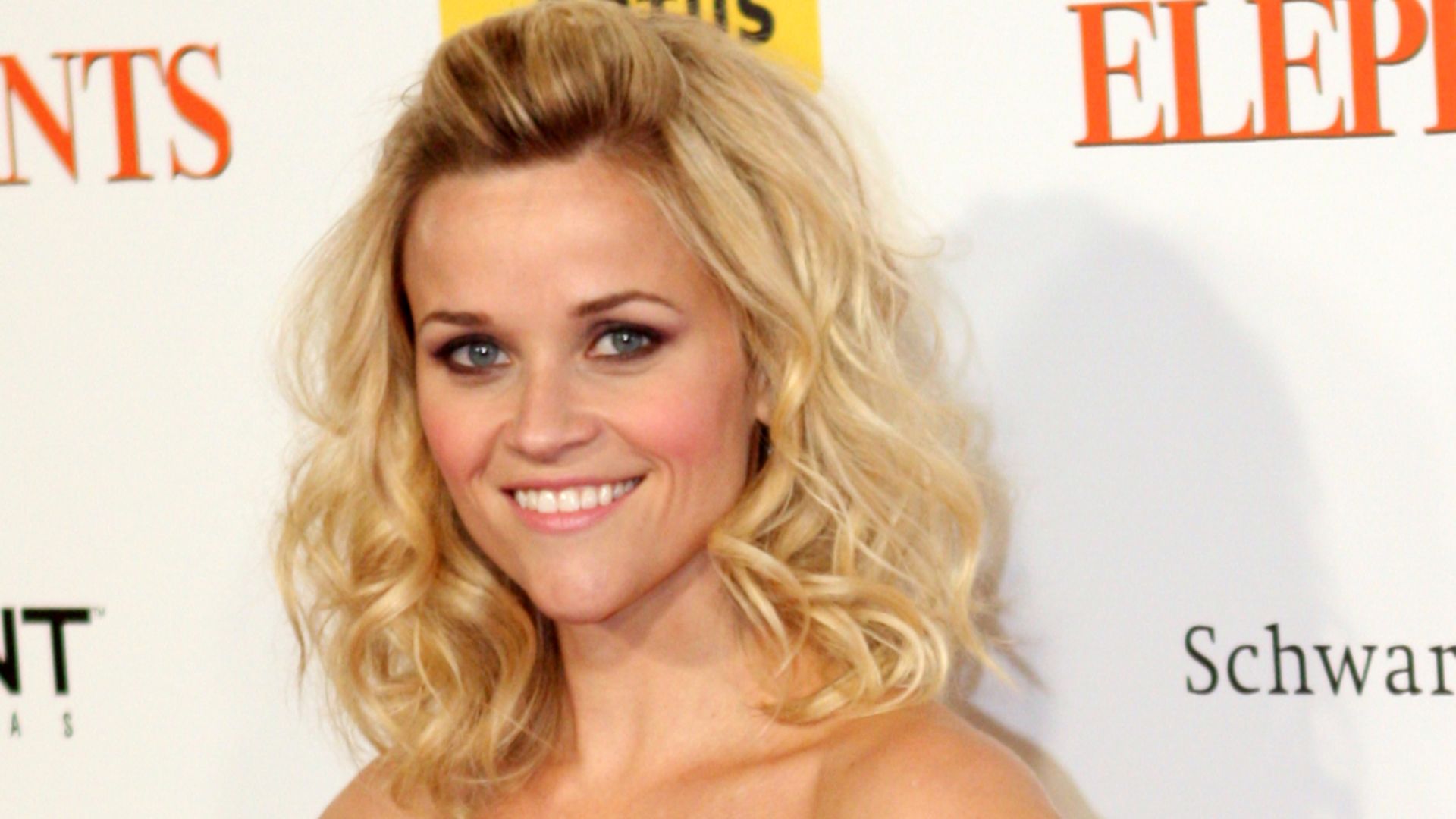 Eva Rinaldi, Wikimedia Commons
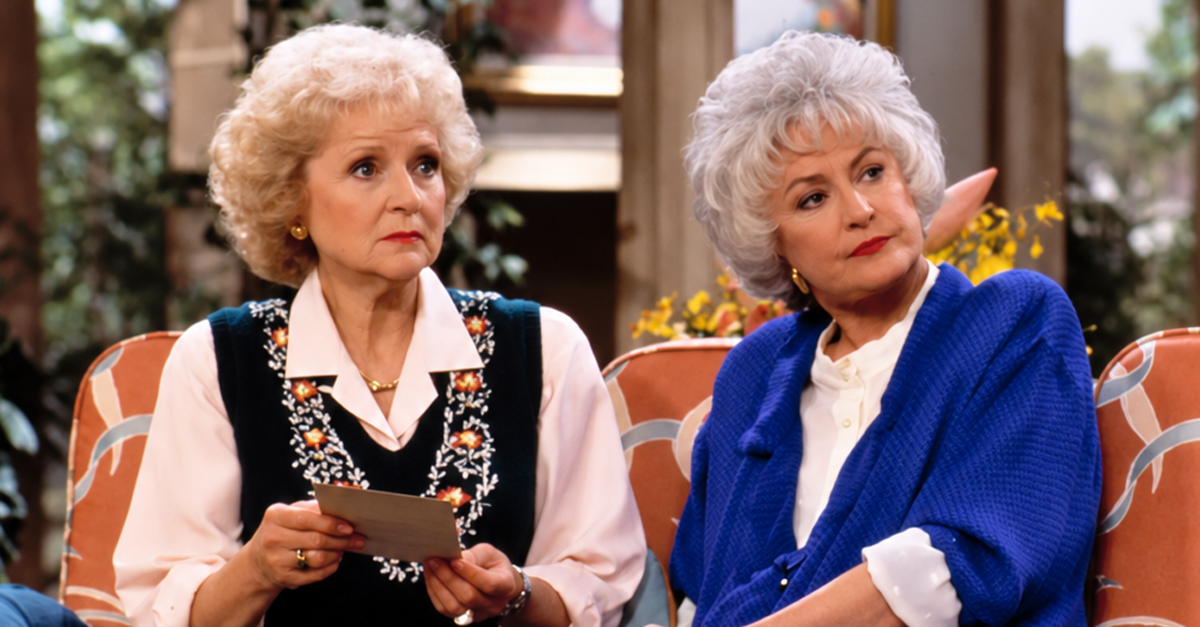

.jpg)