She Did Not Disappear.
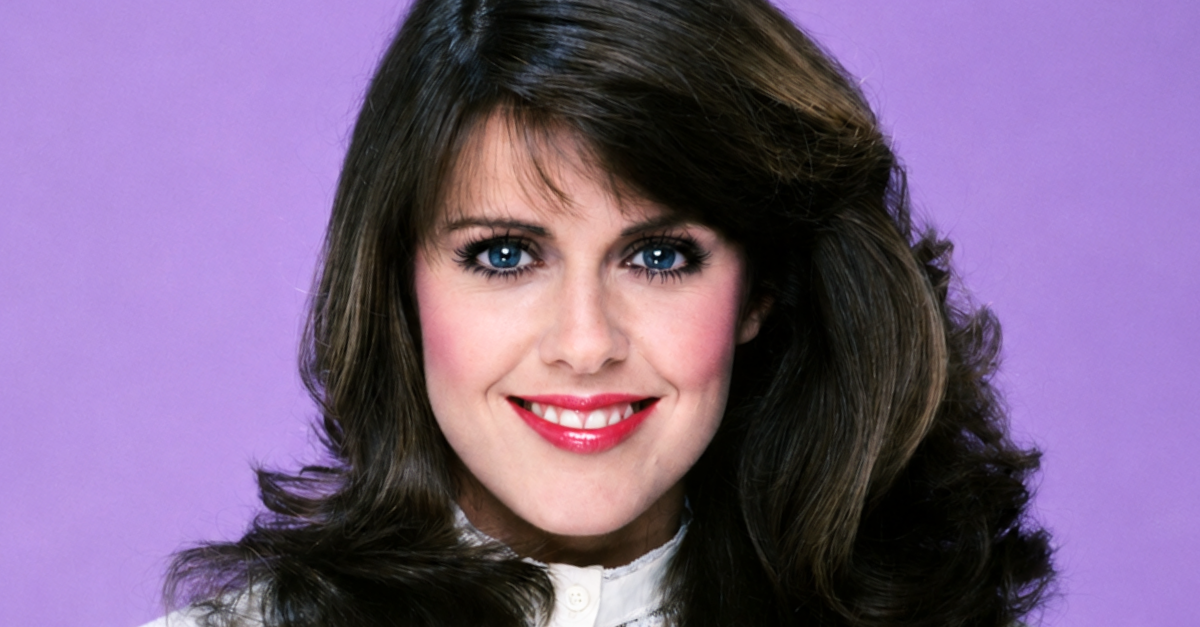
Pam Dawber went from modeling to one of television’s hottest sitcoms almost overnight, then proved with My Sister Sam that she could carry another comedy without Robin Williams beside her. What surprised Hollywood was what came next, because Dawber eventually decided that protecting her family life mattered more than chasing another hit.
 Bob D'Amico/Disney General Entertainment Content via Getty Images
Michigan Came Before Hollywood
Dawber was born in Detroit and grew up in suburban Michigan, where television stardom was hardly preordained. She attended North Farmington High School and later studied at Oakland Community College. Her earliest professional path pointed toward fashion rather than sitcom comedy.
Modeling Took Her To New York
Dawber eventually worked as a professional model with Wilhelmina Models in New York. Modeling gave her experience in front of cameras, but it did not immediately turn her into an actress. Even so, her fresh, approachable screen presence would become exactly what television producers soon wanted.
Robert Altman Gave Her An Early Movie Credit
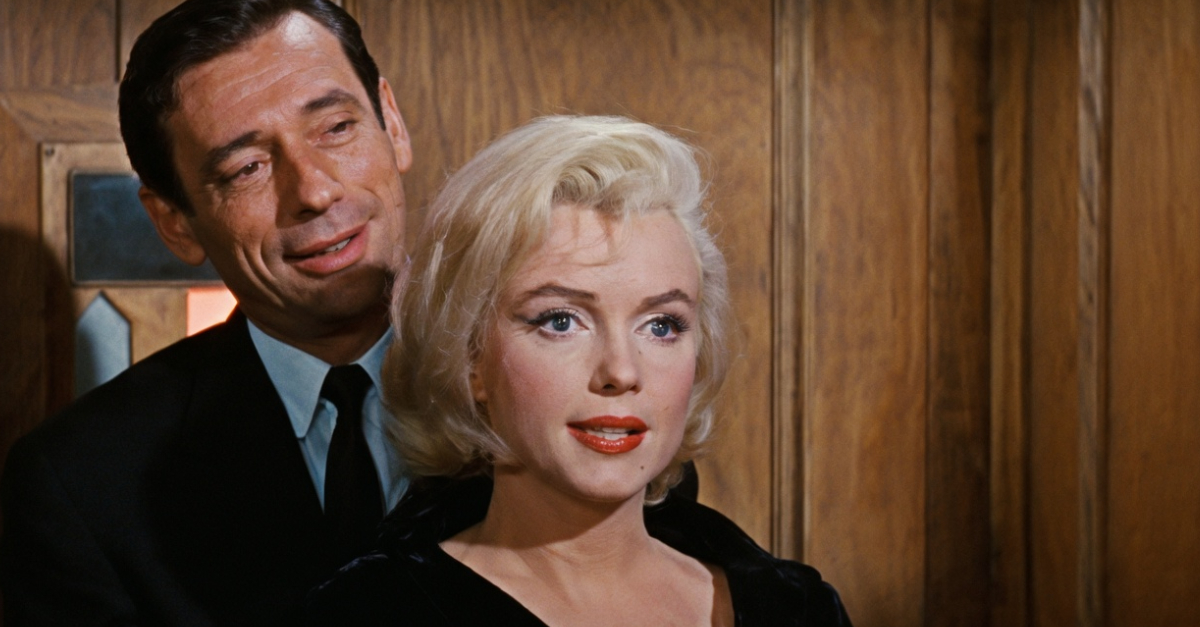
One of Dawber’s first credited screen appearances came in Robert Altman’s 1978 ensemble comedy A Wedding. The film featured a huge cast that included Carol Burnett, Desi Arnaz Jr., Geraldine Chaplin, and Mia Farrow. Dawber was still far from being the main attraction, but she had entered professional filmmaking just before television changed everything.
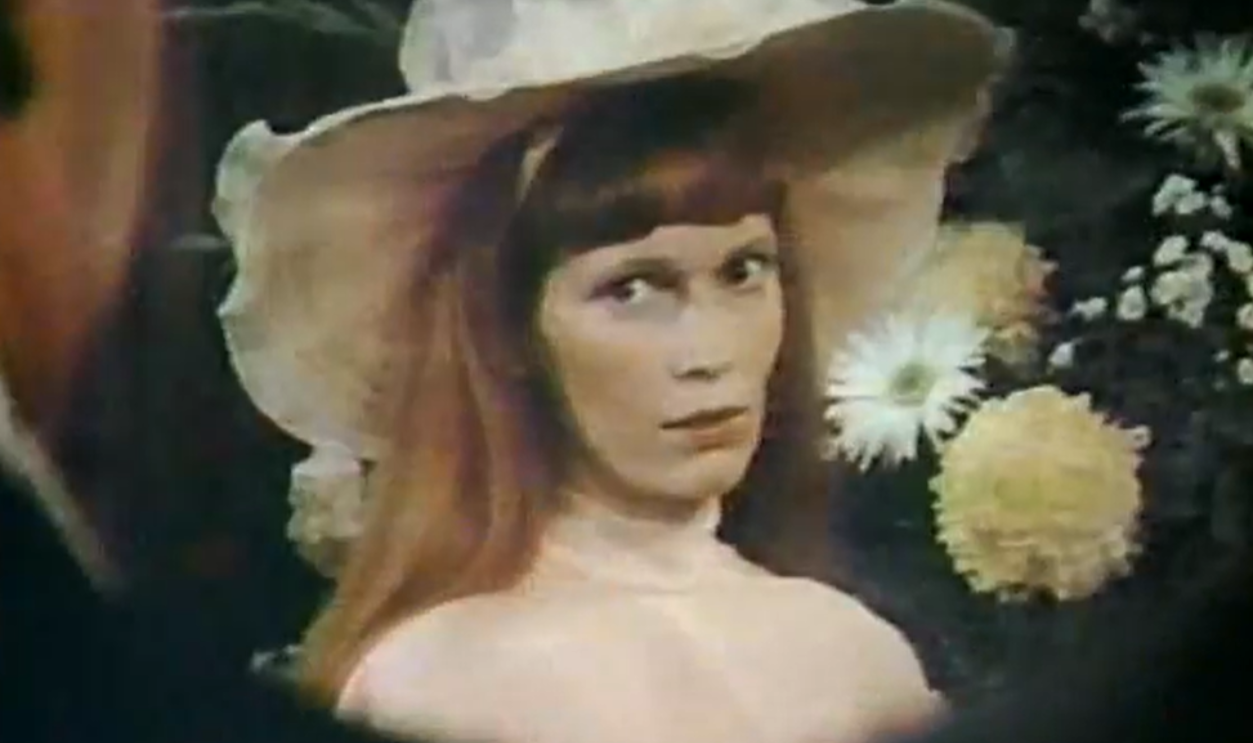 Screenshot from A Wedding, 20th Century Fox (1978)
Mork Was Born On Another Sitcom
Robin Williams first played the alien Mork on Happy Days, where the character generated an unusually enthusiastic response. Director Howard Storm later recalled that ABC received thousands of calls and letters after the appearance. That reaction convinced the network there might be an entire series hiding inside one bizarre guest character.
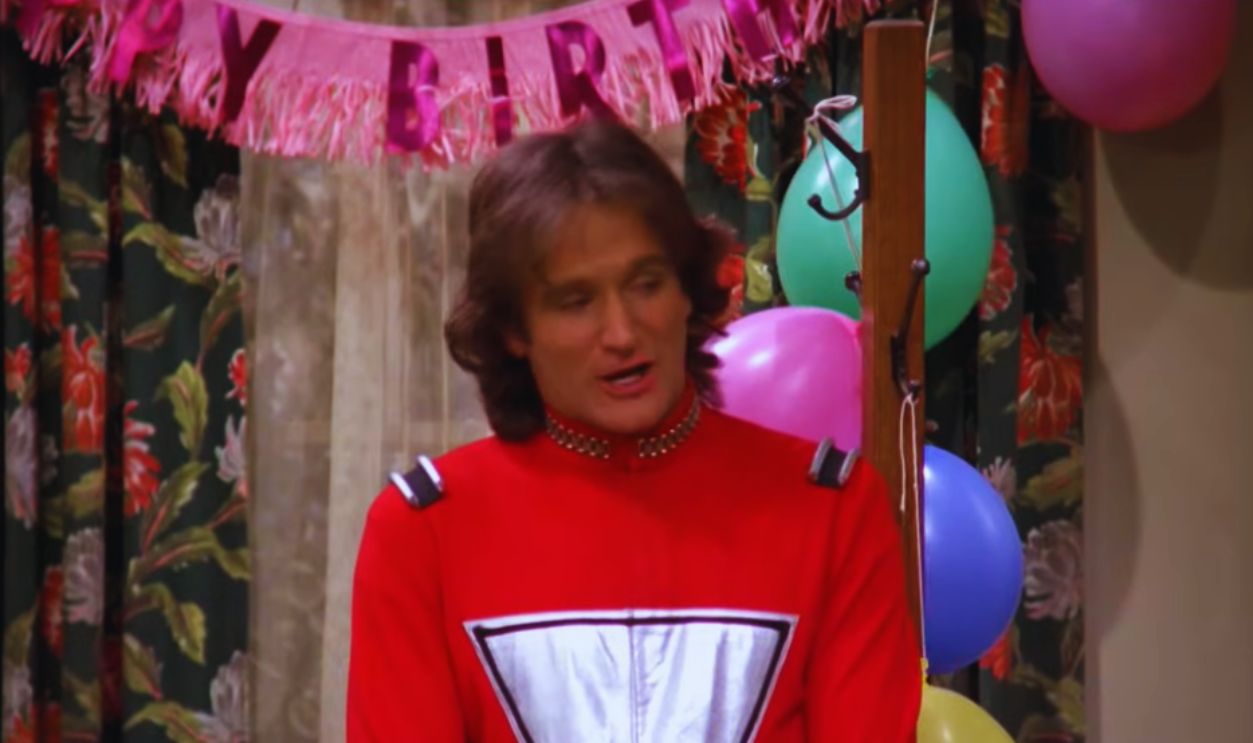 Screenshot from Happy Days, Paramount Television (1974-1984)
Garry Marshall Needed The Right Mindy
Creating Mork & Mindy meant finding somebody who could stand beside Williams without trying to imitate him. Garry Marshall later discussed casting Dawber specifically as Mindy McConnell while developing the new series. Her comparatively calm presence provided the contrast the entire premise required.
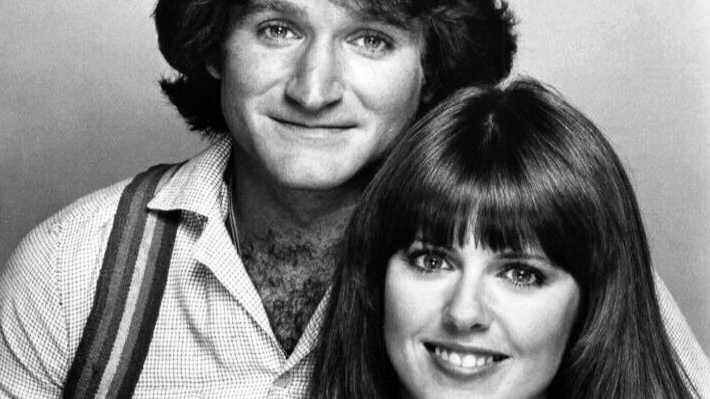
Mindy Became The Audience’s Way Into Mork’s World
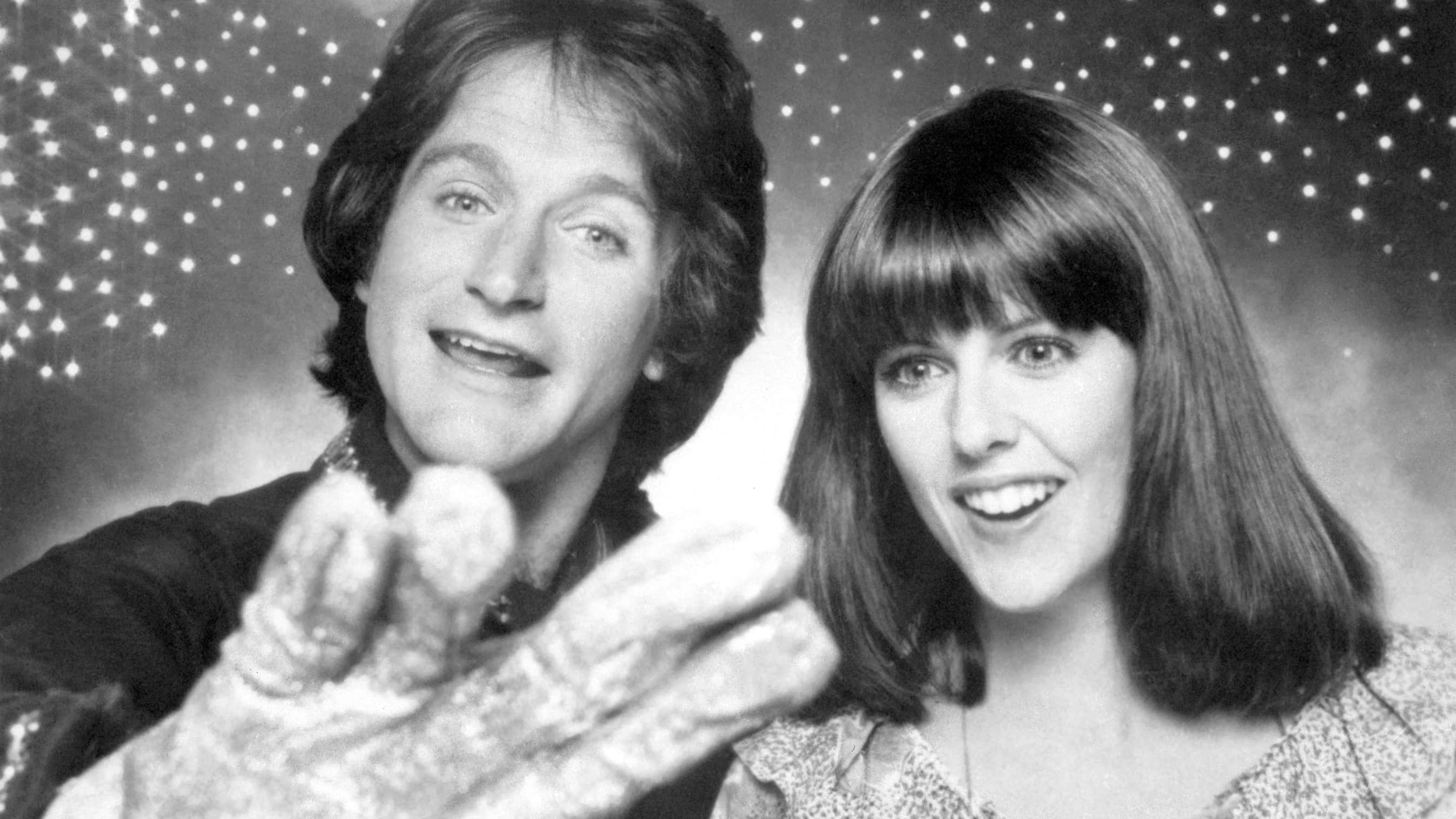
The sitcom placed alien visitor Mork in Boulder, Colorado, where Mindy befriends him after his arrival on Earth. She lets him stay in her attic while he attempts to understand ordinary human behavior. Dawber therefore became the character responsible for making Williams’s unpredictable outsider understandable to viewers.
 Screenshot from Mork & Mindy, Paramount Global (1978-1982)
Howard Storm Called Her The Foundation
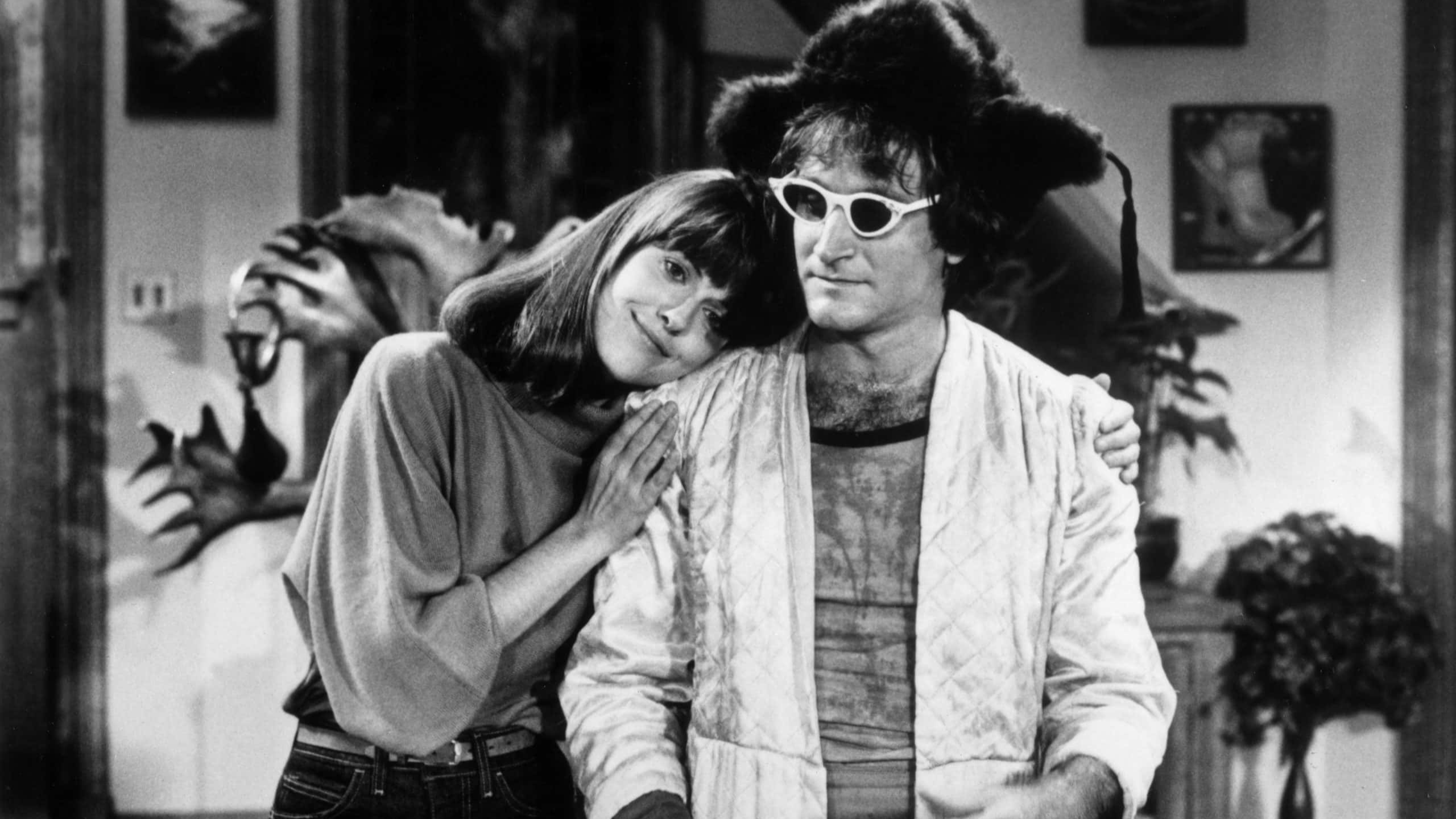
Storm later gave Dawber unusually strong credit for making the show work. He described her as the foundation and power of the series because Williams needed someone dependable to play against. In his view, a weaker performer opposite Williams could have created serious problems for the entire production.
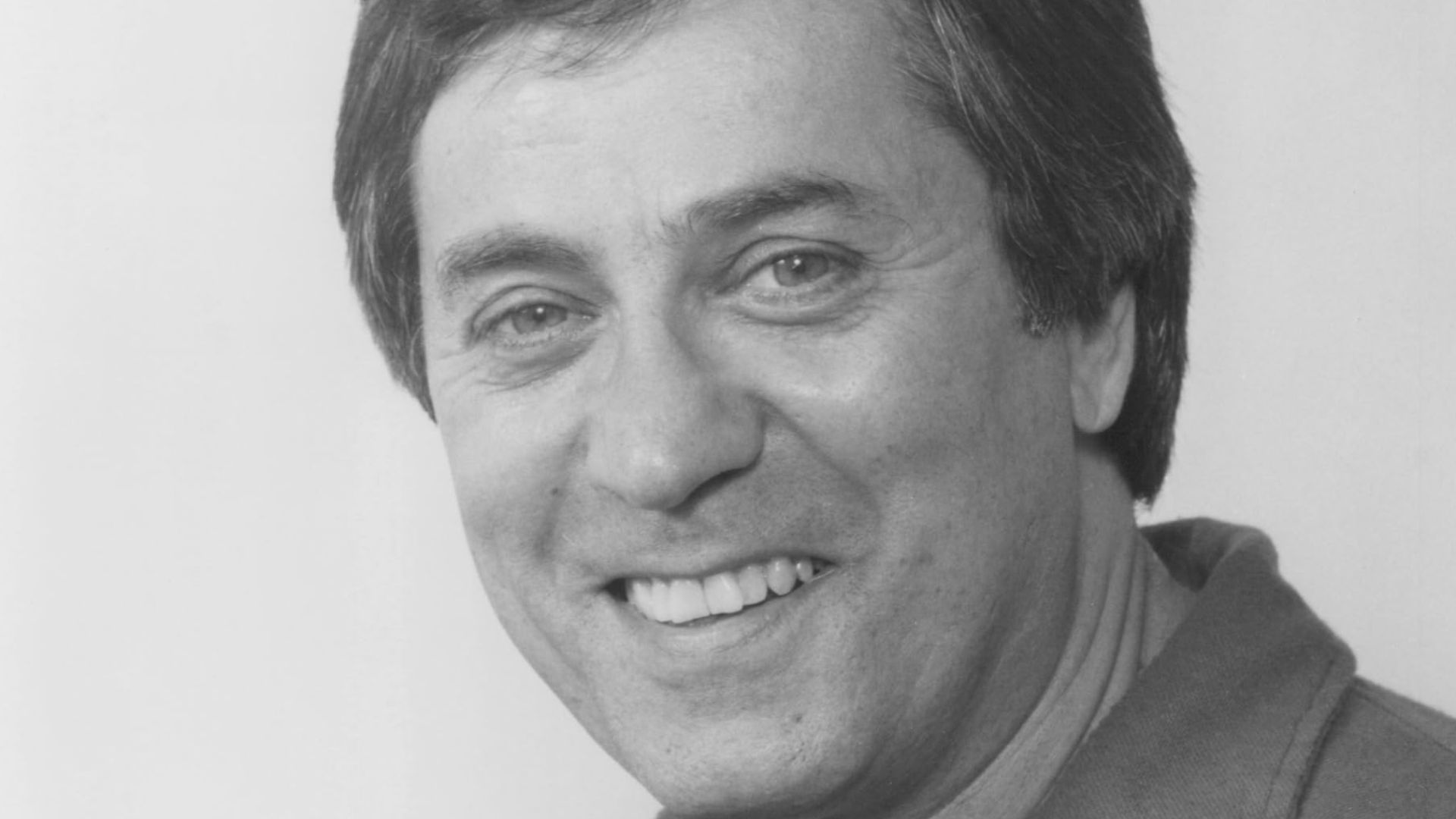 The Samuel Goldwyn Company, Wikimedia Commons
Working With Robin Williams Required Nerves
Williams could change directions during rehearsal with astonishing speed. Storm explained that the actor needed room to improvise before scenes could gradually be shaped into something repeatable. Dawber had the difficult job of responding naturally even when she could not always predict exactly where her costar was going.
Her Restraint Made Robin Even Funnier
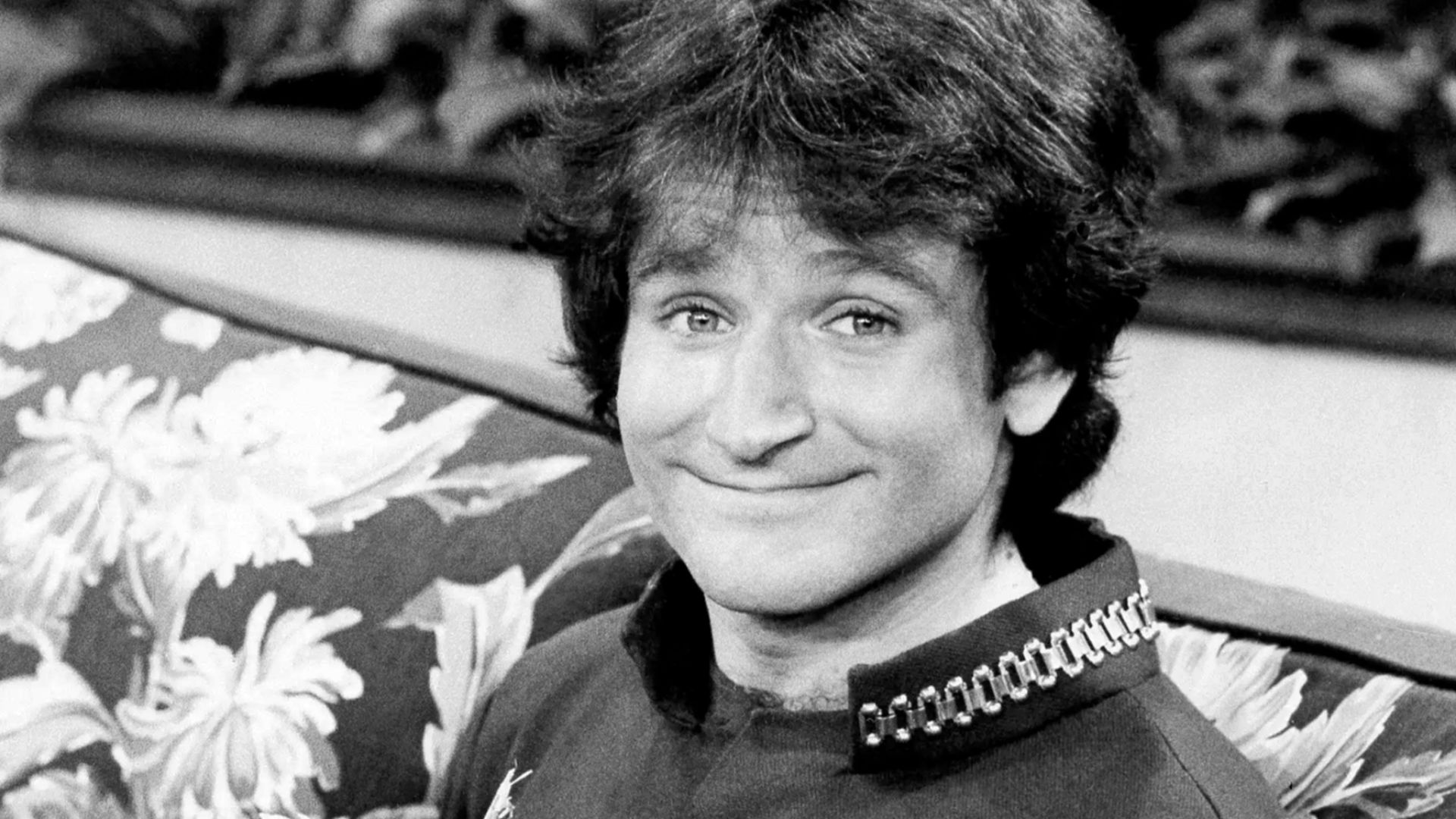
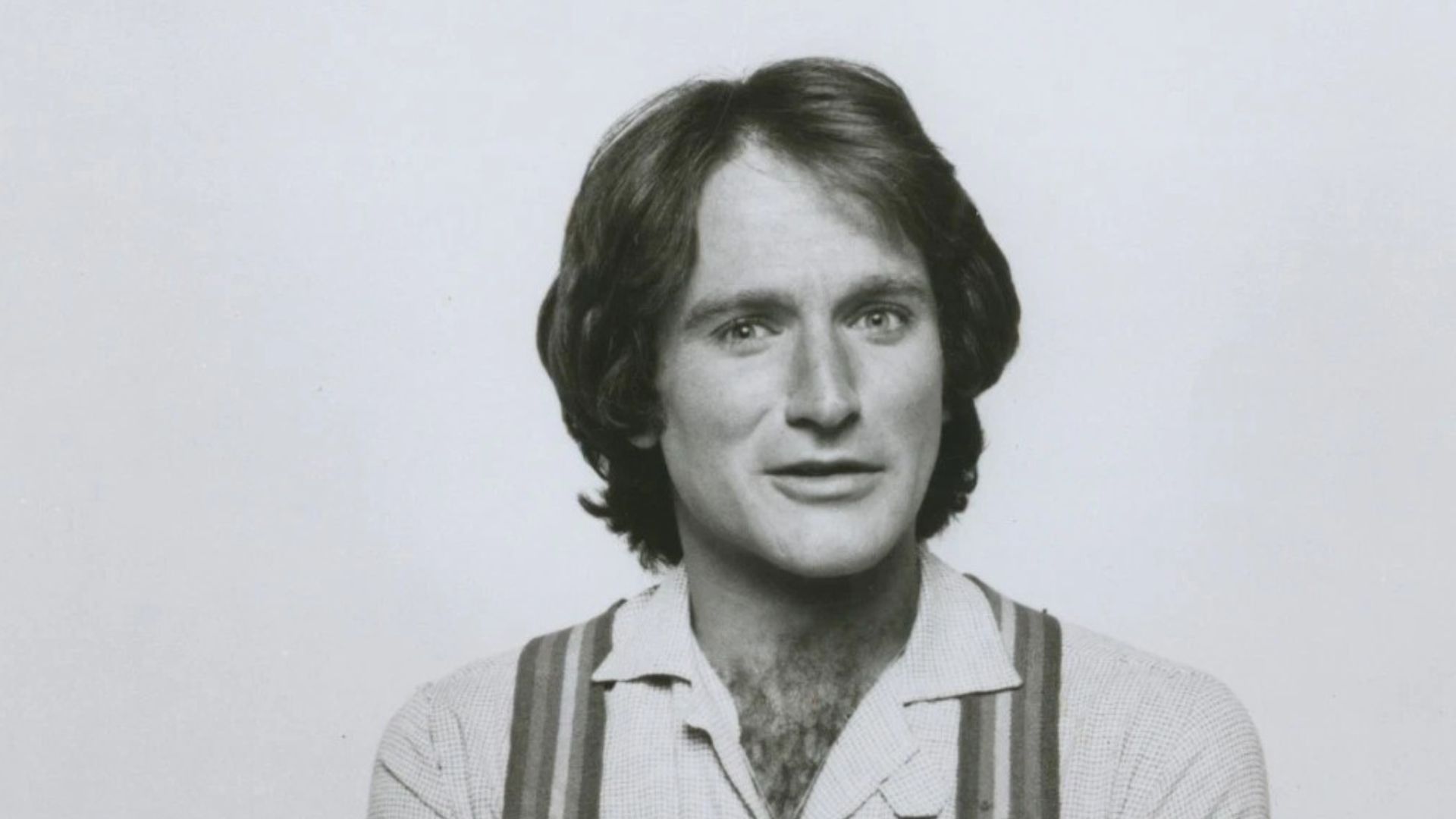
Dawber did not try to defeat Williams at his own game. Mindy often reacted with disbelief, patience, or affection while Mork exploded into voices, movements, and strange observations. That restraint created a comic balance in which Williams could appear completely untethered without the sitcom itself losing control.
 ABC Television, Wikimedia Commons
Mork And Mindy Made Them Household Names
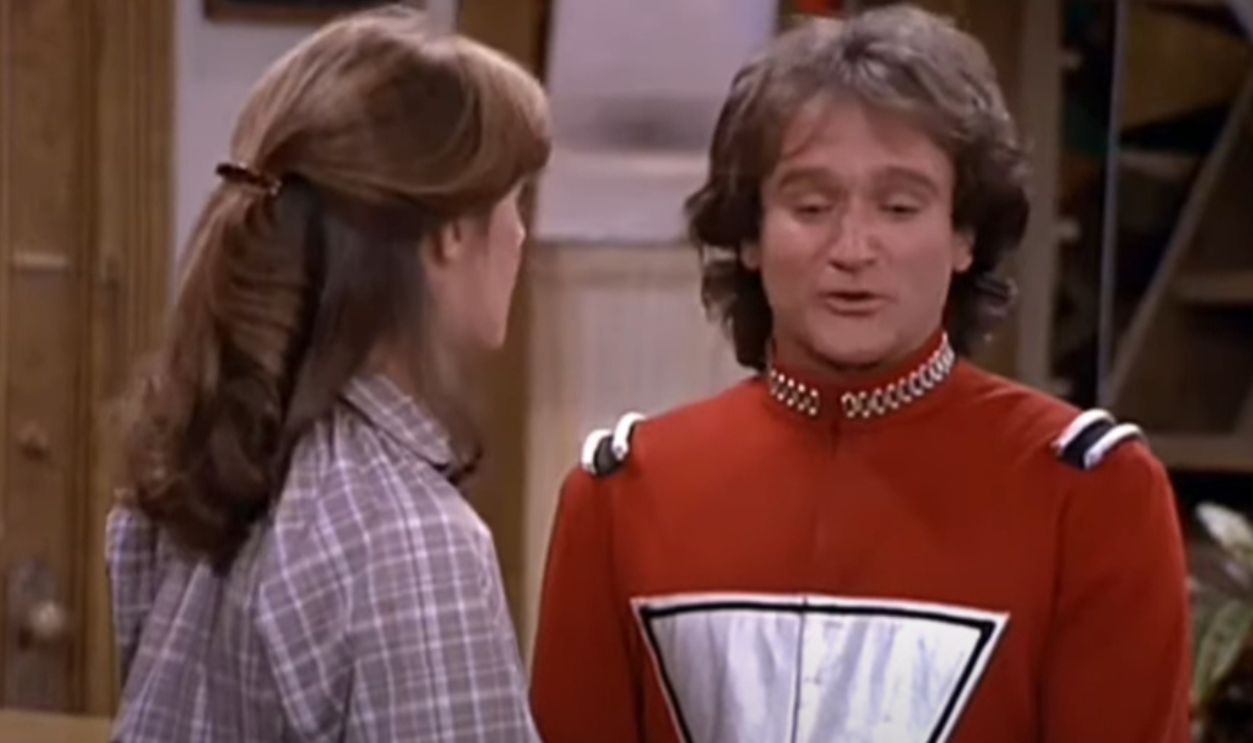
Mork & Mindy premiered in 1978 and remained on ABC until 1982. The show became the vehicle that turned Williams into a major star while making Dawber one of the era’s most recognizable sitcom actresses. For viewers, Mork and Mindy quickly became inseparable parts of the same television memory.
 Screenshot from Mork & Mindy, ABC (1978–1982)
Fame Arrived Faster Than Expected
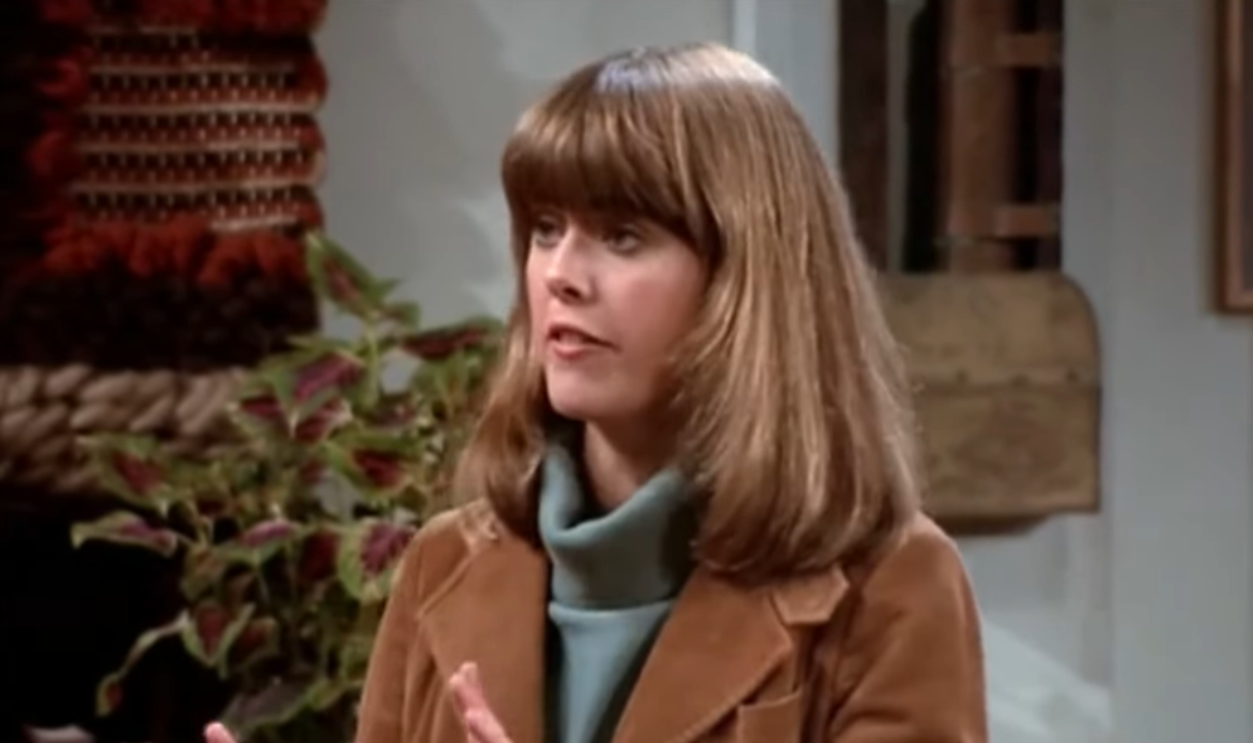
The sudden popularity of Williams also meant that Mork & Mindy received intense attention almost immediately. A 1978 Washington Post visit to the set captured Williams constantly improvising while Dawber tried to remain inside the scene with him. She had gone from professional modeling to anchoring one of television’s most talked-about new comedies in remarkably little time.
 Screenshot from Mork & Mindy, Paramount Global (1978-1982)
The Show Kept Reinventing Itself
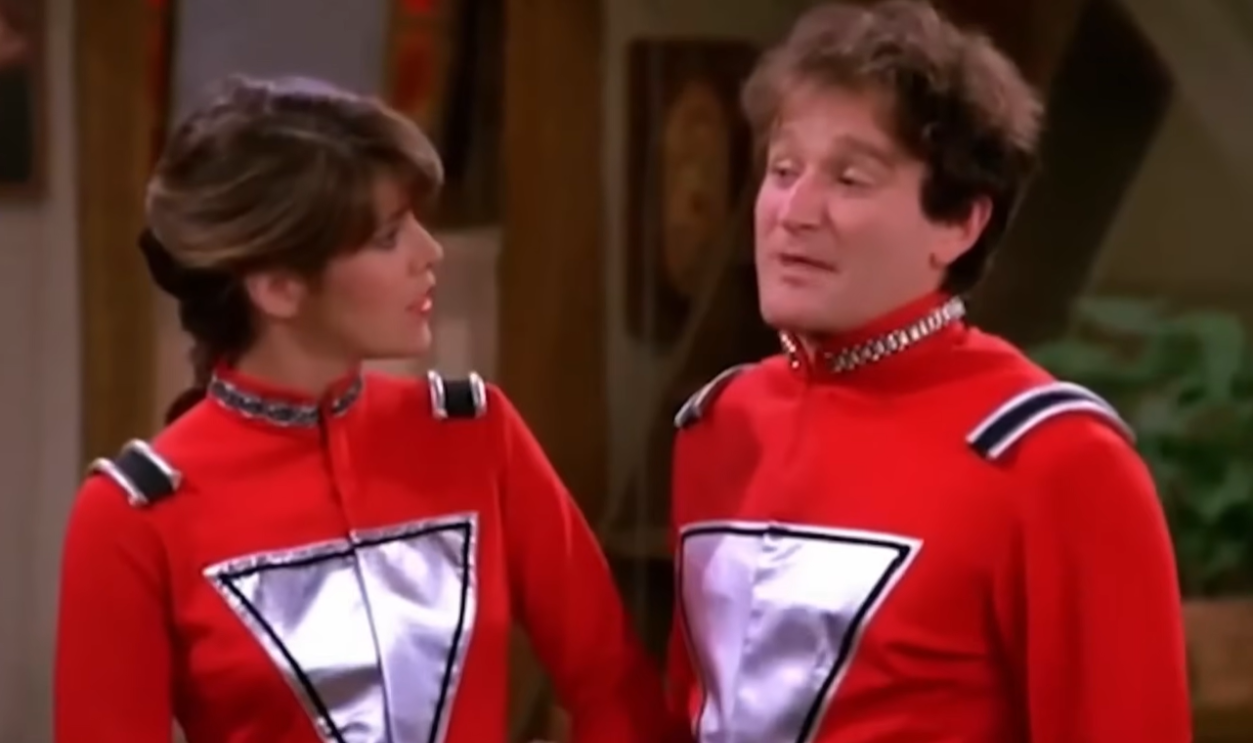
As Mork & Mindy continued, producers repeatedly adjusted the supporting cast and premise. Jonathan Winters eventually joined as Mearth, the unusually aged son of Mork and Mindy. The increasingly fanciful stories required Dawber to keep treating an absurd television universe as though it made perfect emotional sense.
 Screenshot from Mork & Mindy, Paramount Global (1978-1982)
Four Seasons Were Enough To Define Her
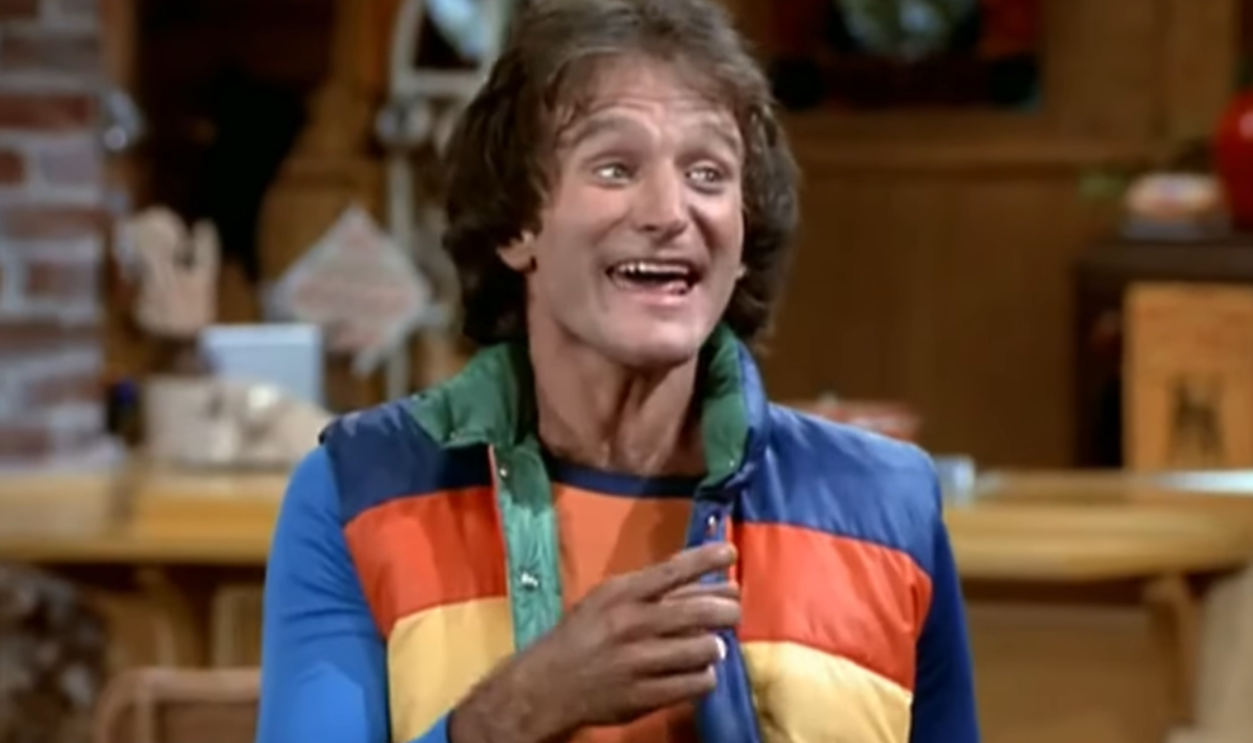
When Mork & Mindy ended in 1982, Dawber was only in her early 30s but already permanently associated with Mindy McConnell. That kind of identification can become both a gift and a trap for a performer. Dawber’s next challenge was proving she could succeed without Williams providing the comic whirlwind beside her.
 Screenshot from Mork & Mindy, Paramount Global (1978-1982)
She Did Not Rush Straight Into Another Sitcom
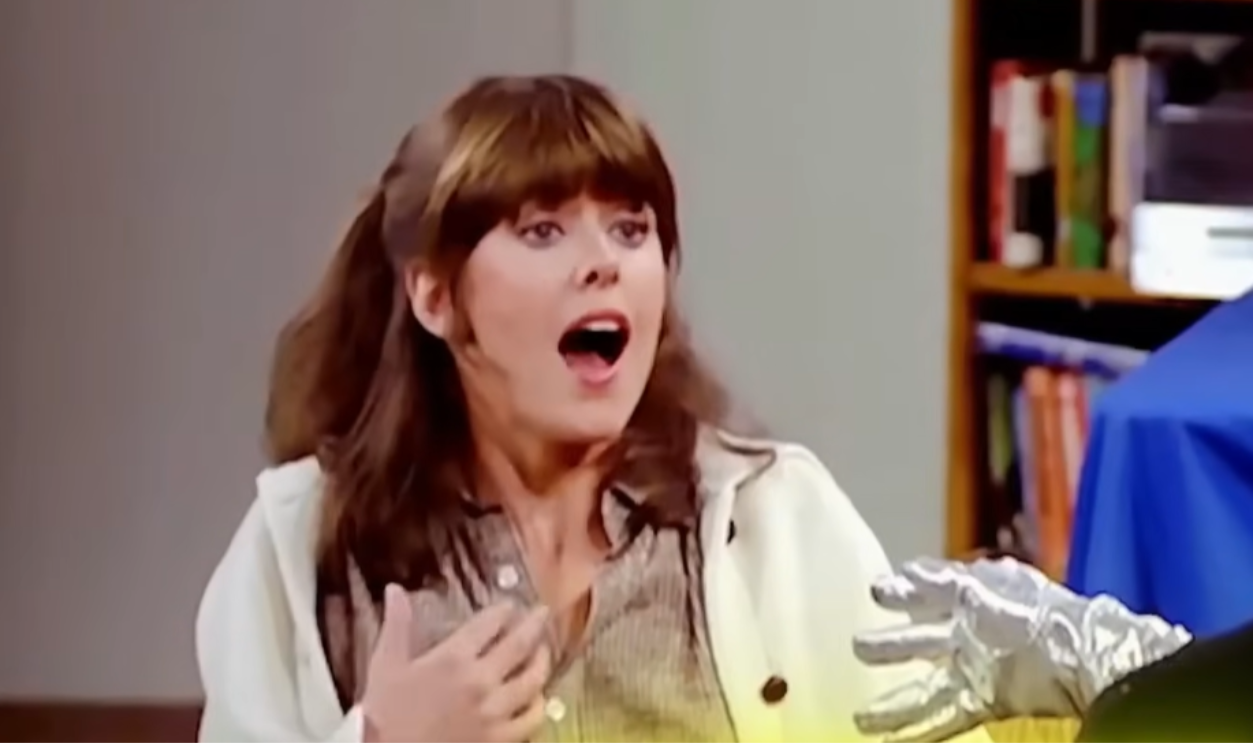
Dawber took on television movies and other projects rather than immediately recreating Mindy. In 1985, the Los Angeles Times reported that she was starring in the CBS television movie American Geisha, filmed in Japan. The project gave her a setting and dramatic challenge far removed from Mork’s attic.
 Screenshot from Mork & Mindy, Paramount Global (1978-1982)
My Sister Sam Put The Series On Her Shoulders
Dawber returned to regular sitcom television in 1986 with My Sister Sam. She played Samantha Russell, a San Francisco freelance photographer whose teenage sister Patti comes to live with her. This time Dawber was the established star around whom the new comedy was built.
 Screenshot from My Sister Sam, Warner Bros. Television (1986–1988)
Rebecca Schaeffer Became Her Television Sister
Young actress Rebecca Schaeffer played Patti opposite Dawber’s Sam. The Los Angeles Times found their sibling relationship appealing when reviewing the series premiere. Dawber was no longer reacting to an alien comic genius, but she was again showing how effective she could be at grounding a younger, more unpredictable costar.
 Screenshot from My Sister Sam, Warner Bros. Television (1986–1988)
The New Show Initially Looked Promising
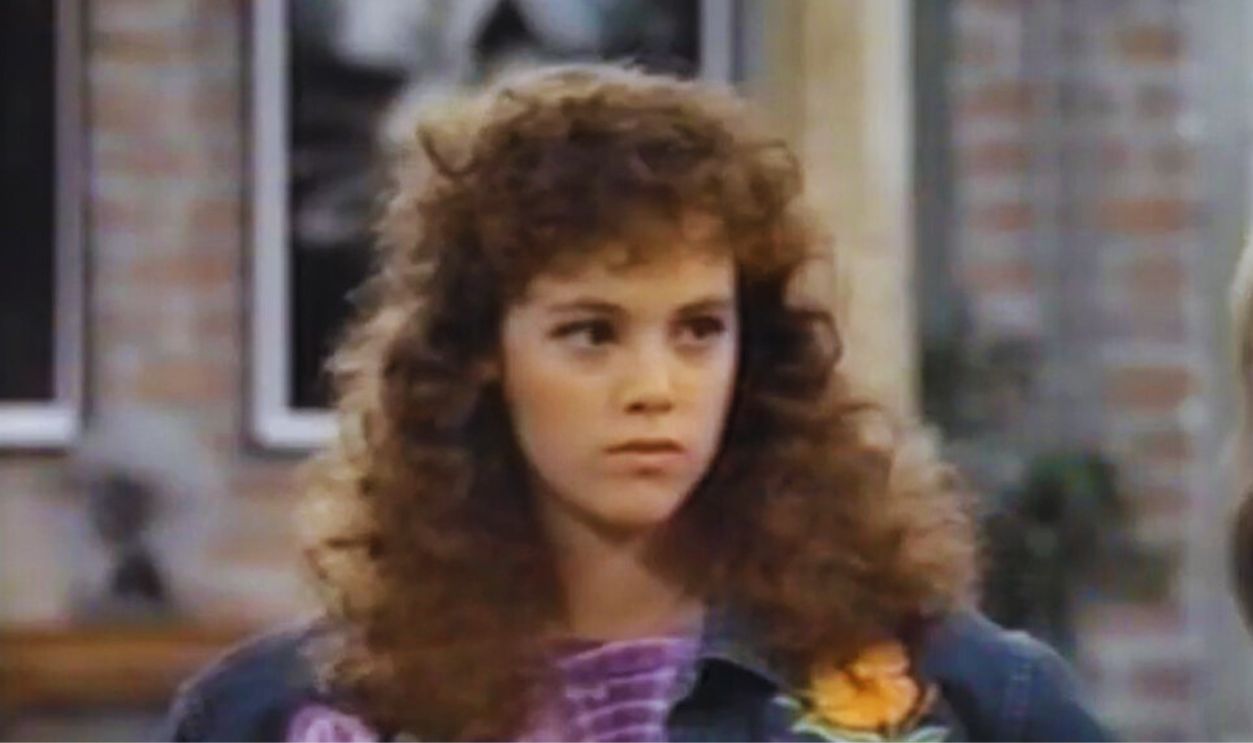
The revised premiere of My Sister Sam earned a cautiously positive assessment from Los Angeles Times critic Howard Rosenberg, who thought the relationship between the sisters was worth following. The series gave Dawber another identifiable television character eight years after Mindy first made her famous. It demonstrated that she could headline a sitcom without simply repeating the earlier formula.
 Screenshot from My Sister Sam, Warner Bros. Television (1986–1988)
Television Success Could Still Vanish Quickly
My Sister Sam eventually struggled after schedule changes and weakening ratings. CBS removed it from the schedule, later attempted to bring it back, and finally included it among the series dropped during the network’s troubled 1987-88 season. Dawber had now experienced both extremes of series television, from instant phenomenon to a show fighting simply to remain on the air.
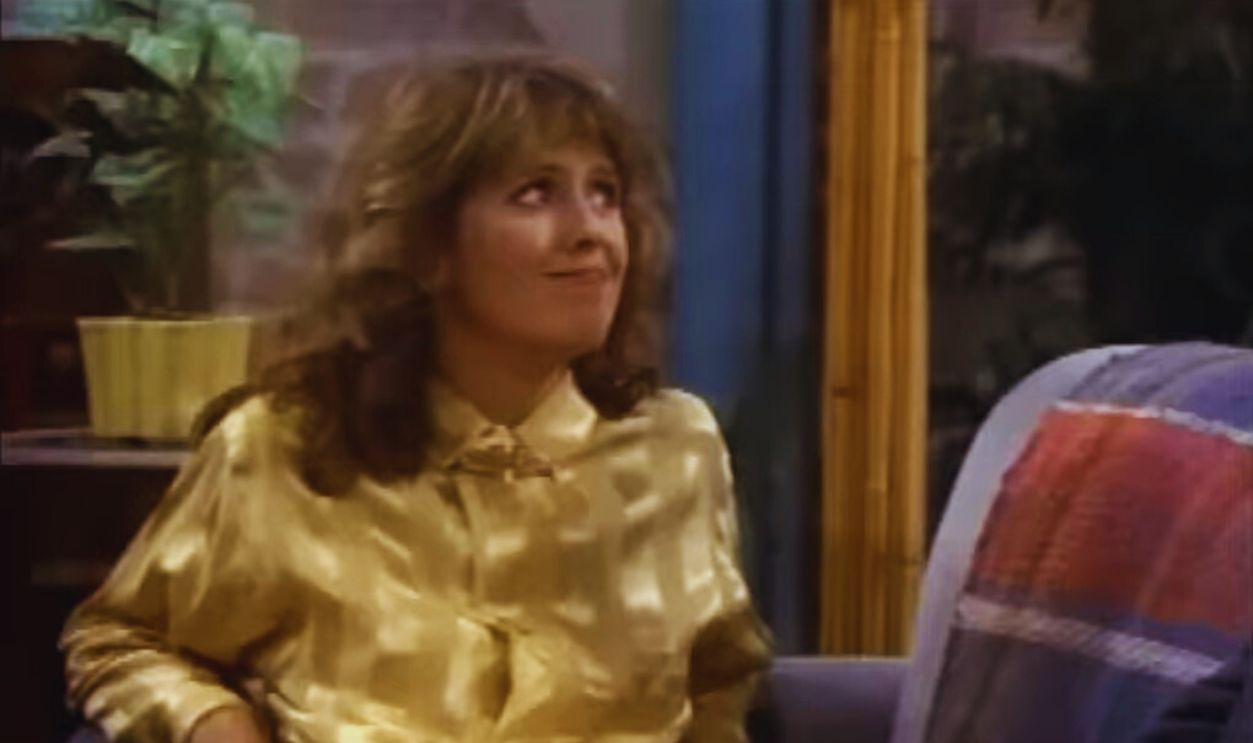 Screenshot from My Sister Sam, Warner Bros. Television (1986–1988)
Rebecca Schaeffer’s Death Changed Everything
In 1989, Schaeffer was murdered at age 21 after My Sister Sam had ended. The loss devastated people who had worked closely with her, including Dawber. Years later, Dawber described continuing to think about Schaeffer constantly for a long period afterward.
 Screenshot from My Sister Sam, Warner Bros. Television (1986–1988)
The Cast Turned Grief Into Advocacy
Dawber reunited with former My Sister Sam cast members David Naughton, Jennie O’Hara, and Joel Brooks to make a public-service announcement supporting handgun-control efforts. She emphasized that Schaeffer had been their friend rather than merely someone from television. The tragedy pushed Dawber into public advocacy at a moment when she could easily have retreated from attention altogether.
 Screenshot from My Sister Sam, Warner Bros. Television (1986–1988)
Mentoring Became A Long-Term Commitment
Dawber also became deeply involved with Big Brothers Big Sisters. The Los Angeles Times identified her as a national spokeswoman for Big Brothers/Big Sisters of America in the 1990s and later reported that she had served as Big Sisters’ national spokeswoman for 14 years. Her public work increasingly revolved around children and mentoring rather than promoting another television series.
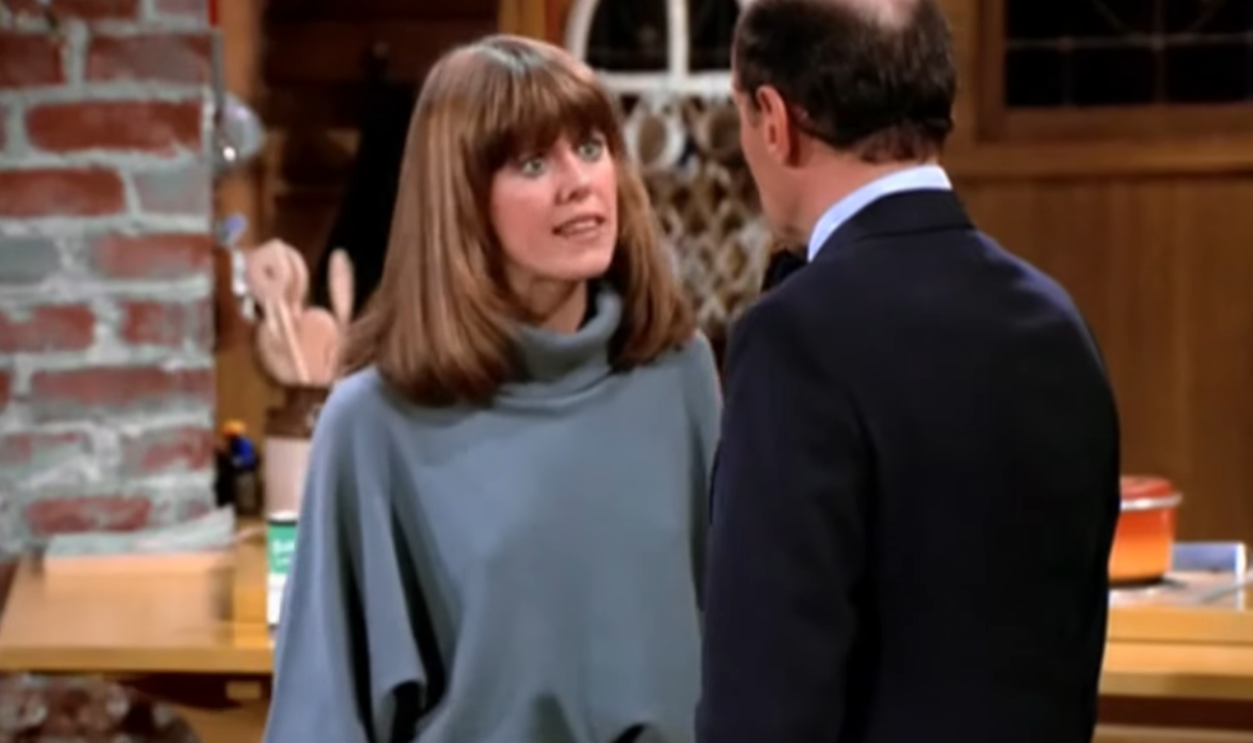 Screenshot from Mork & Mindy, Paramount Global (1978-1982)
Mark Harmon Became Her Partner Away From The Cameras
Dawber married actor Mark Harmon in 1987. Harmon continued building a major television career while Dawber gradually reduced her own screen work. Their marriage ultimately became one of the more enduring partnerships between two recognizable television performers.

Parenthood Changed What Success Meant
Dawber and Harmon became parents to two sons, Sean and Ty. Dawber later explained that having children changed the way she looked at the pursuit of fame and constant employment. She had already experienced a number-one series and other professional milestones, so another relentless chase for visibility no longer seemed necessary.
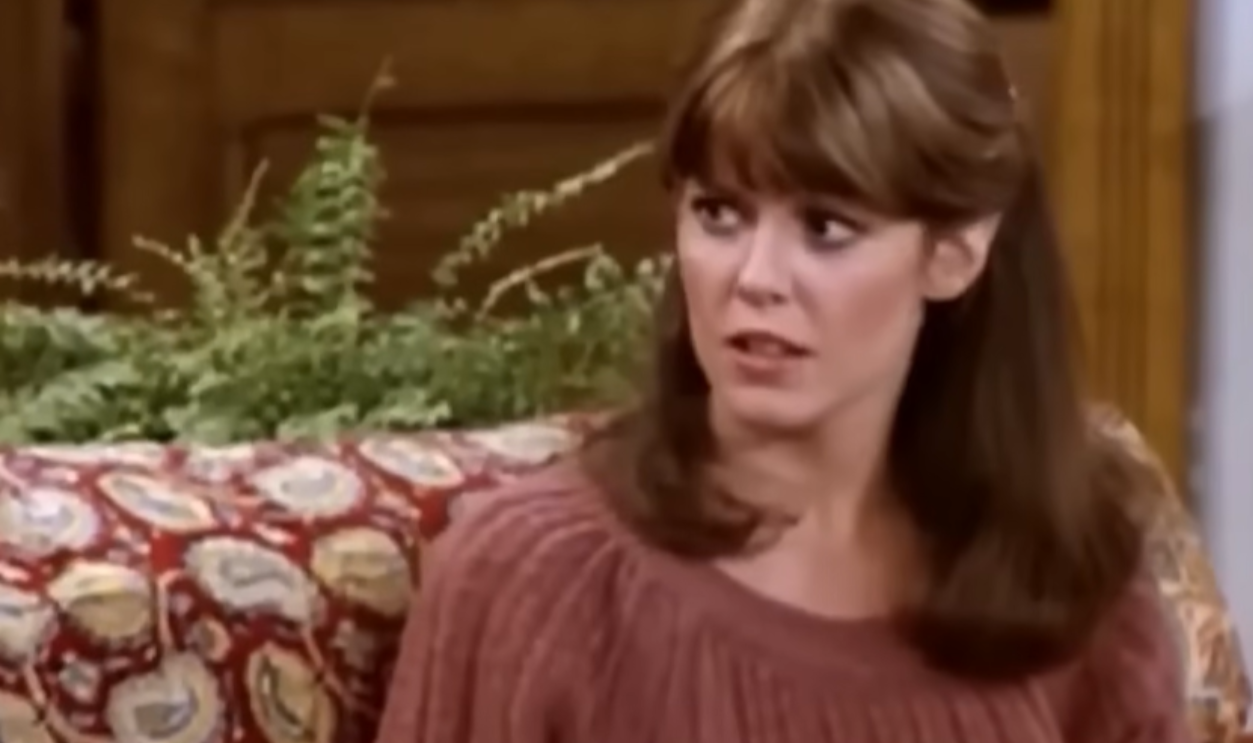 Screenshot from Mork & Mindy, Paramount Global (1978-1982)
She Wanted The Ordinary Parts Of Motherhood
Dawber has been remarkably specific about what she wanted instead of another full-time series. She wanted to drive her children to school, attend birthdays and festivals, bring treats to school, and even help teach art class. Those experiences were not consolation prizes for leaving Hollywood because she described herself as genuinely happy to have chosen them.
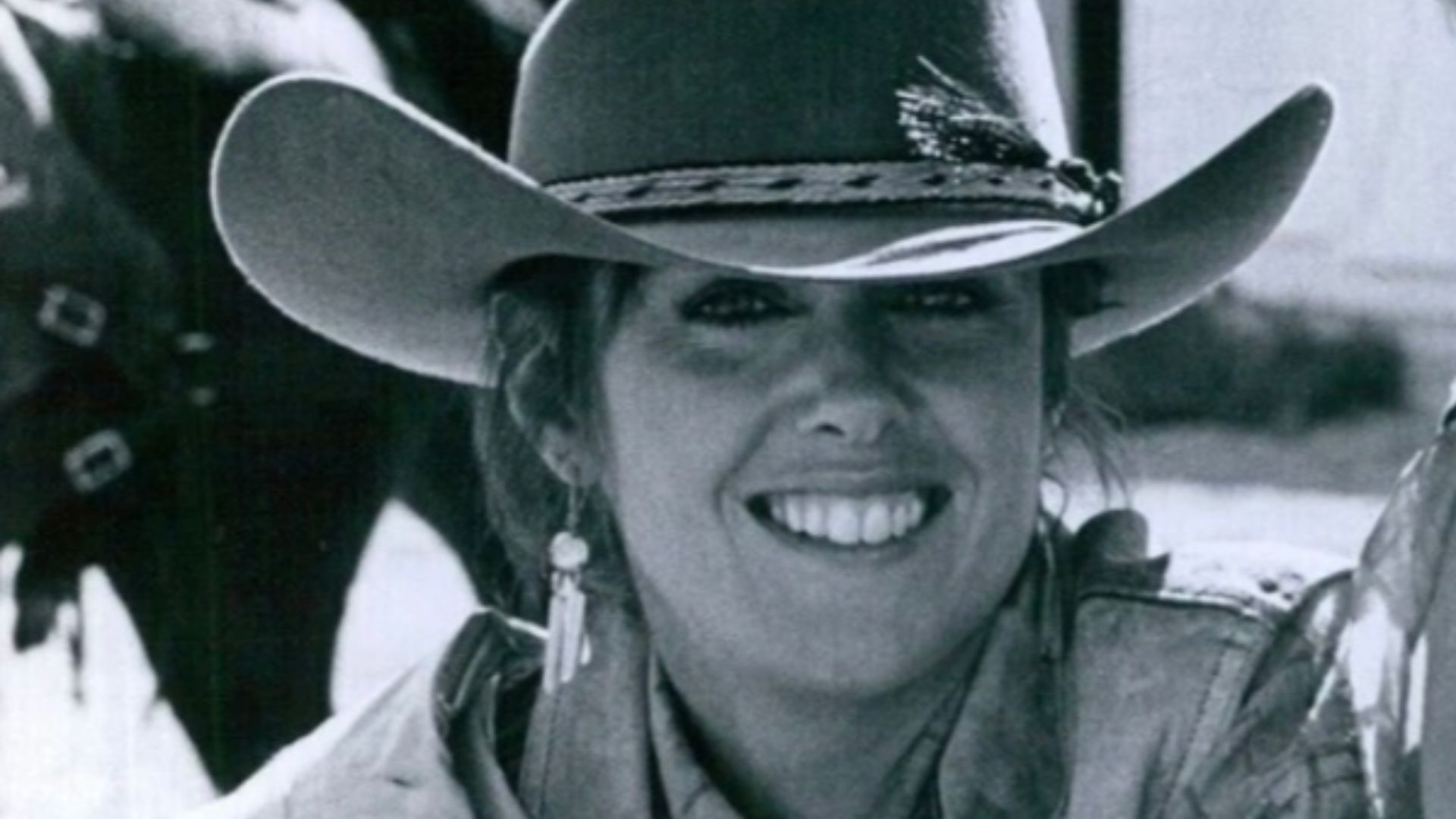 CBS Television, Wikimedia Commons
Privacy Became A Family Rule
Dawber and Harmon also made a point of keeping their sons away from celebrity publicity. She argued that marriage and family belonged to real life rather than to magazines and promotional exposure. That approach helps explain why her reduced public profile was deliberate rather than evidence that opportunities had simply disappeared.
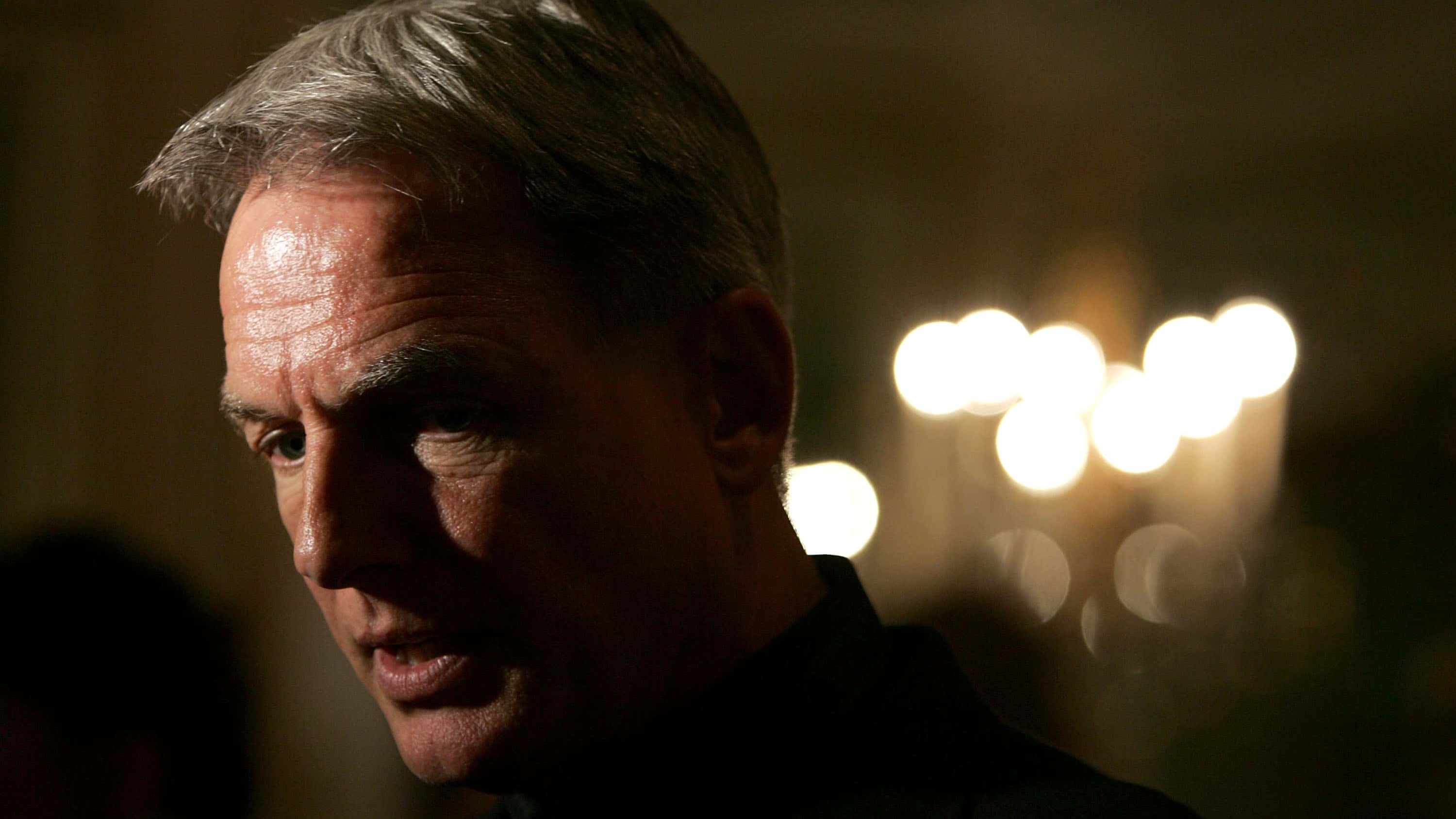
She Never Completely Stopped Performing
Stepping back did not mean Dawber permanently retired. She continued taking occasional jobs, including voice work as Perdita on Disney’s 101 Dalmatians: The Series. D23 lists her among the show’s voice cast during its 1997 launch, giving Dawber a role she could perform without returning to the weekly visibility of a live-action sitcom.
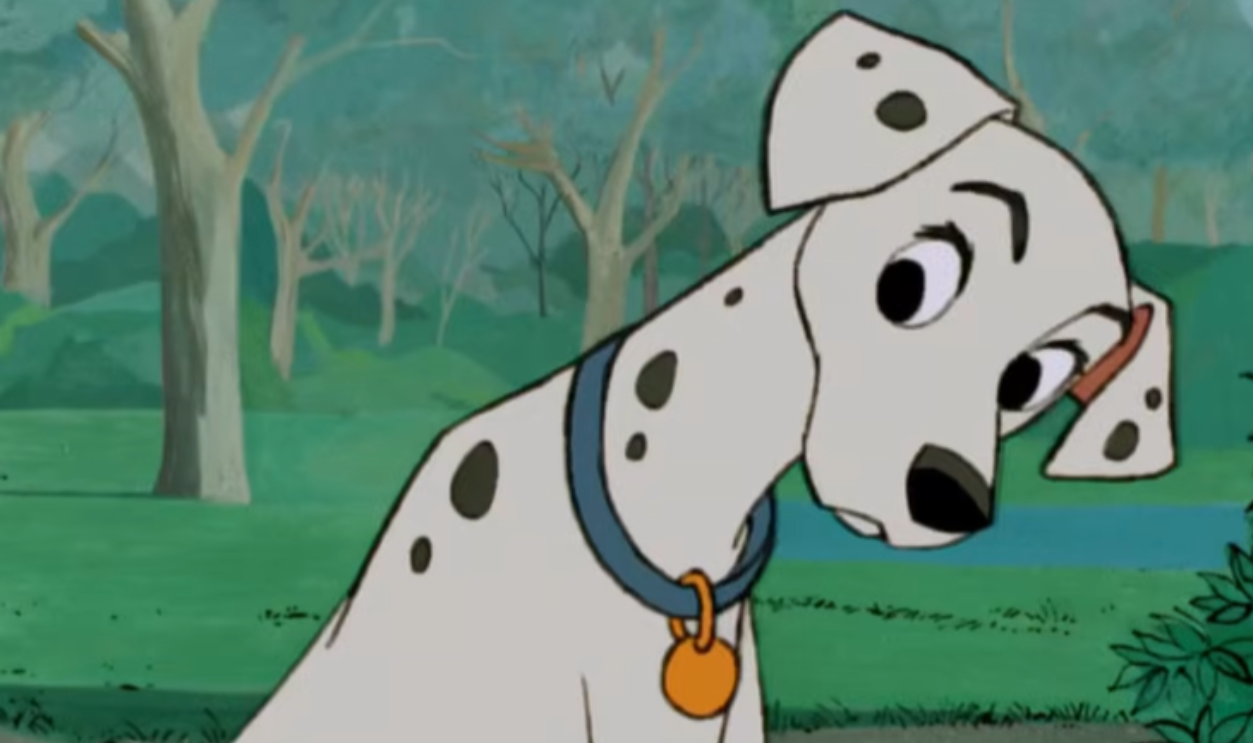 Screenshot from 101 Dalmatians: The Series, Walt Disney Television Animation (1997–1998)
Robin Williams Eventually Brought Her Back
In 2014, Dawber guest-starred opposite Williams on his CBS sitcom The Crazy Ones. It was their first substantial television reunion in decades, although they deliberately played entirely different characters rather than simply reviving Mork and Mindy. The Los Angeles Times noted that Dawber had not appeared on television since 1999 before accepting the guest role.
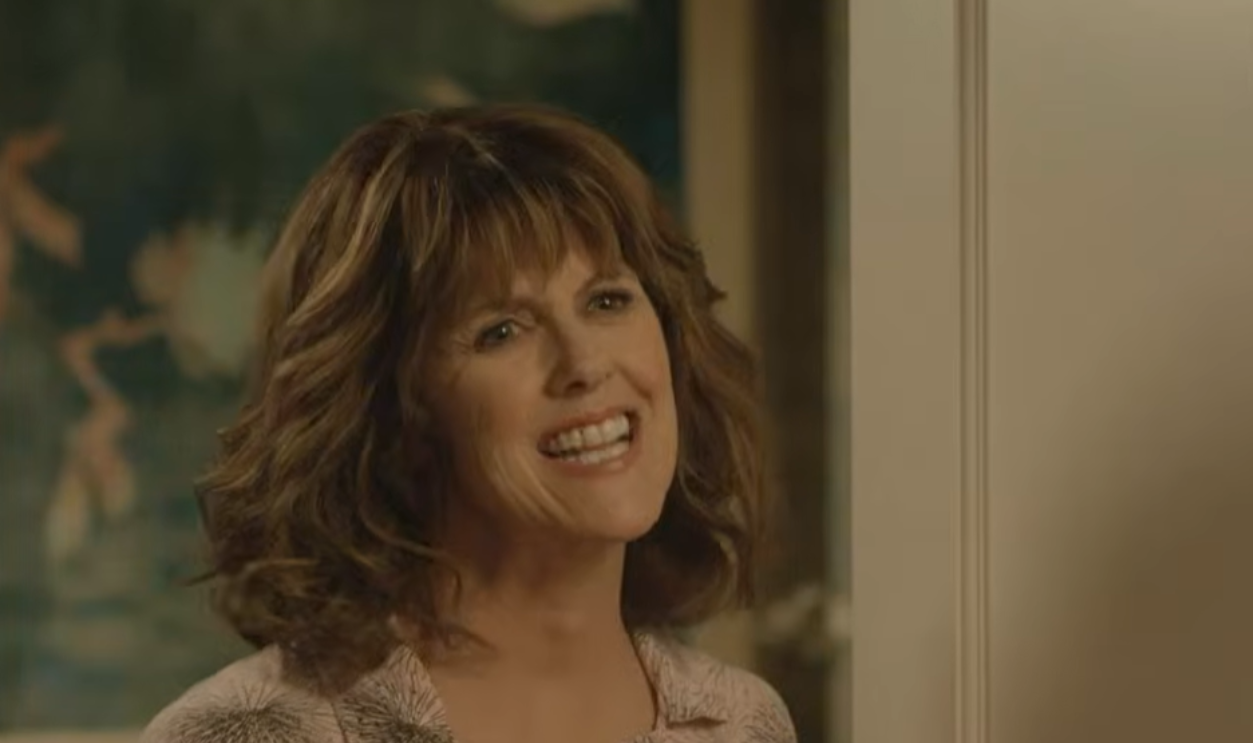 Screenshot from The Crazy Ones, 20th Century Fox Television (2013–2014)
Their Reunion Carried Decades Of History
Seeing Dawber and Williams together again inevitably reminded viewers how strongly the two performers remained connected to Mork & Mindy. Yet the reunion also demonstrated how much time had passed and how differently their careers had developed. Williams had remained intensely visible, while Dawber had built the quieter life she had chosen for herself.
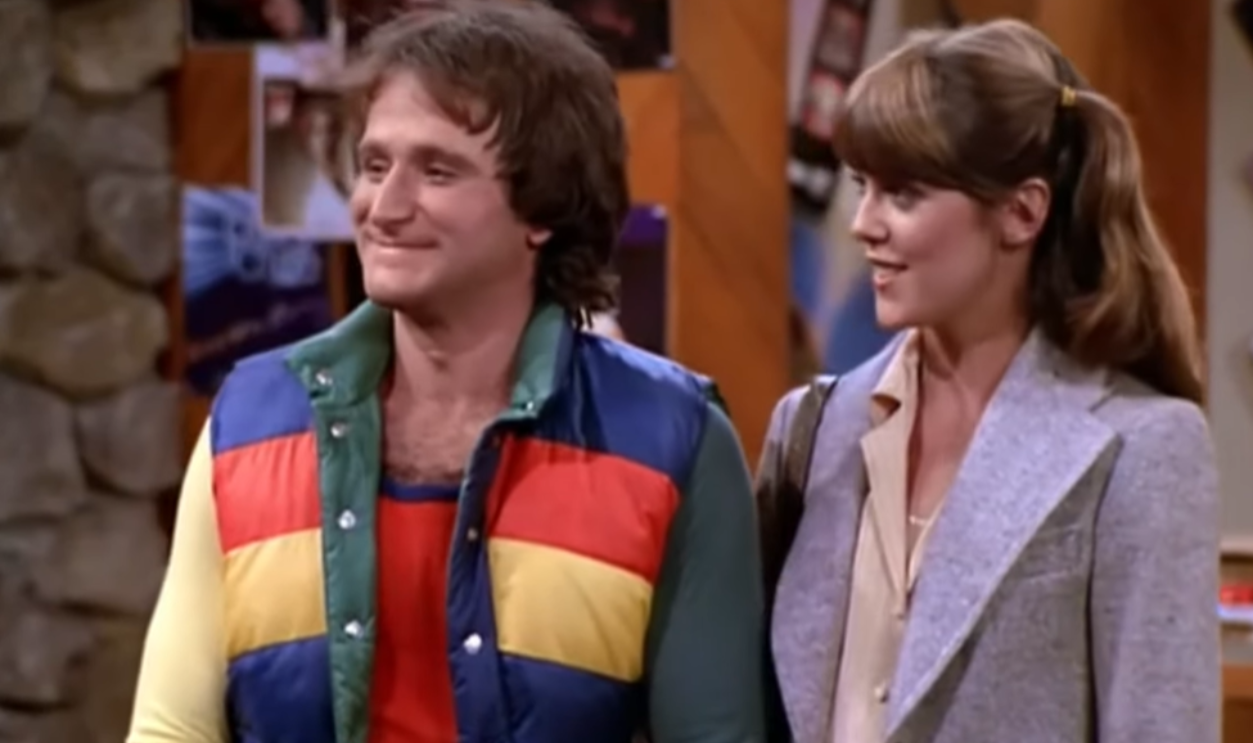 Screenshot from Mork & Mindy, Paramount Global (1978-1982)
NCIS Finally Put Her Beside Mark Harmon
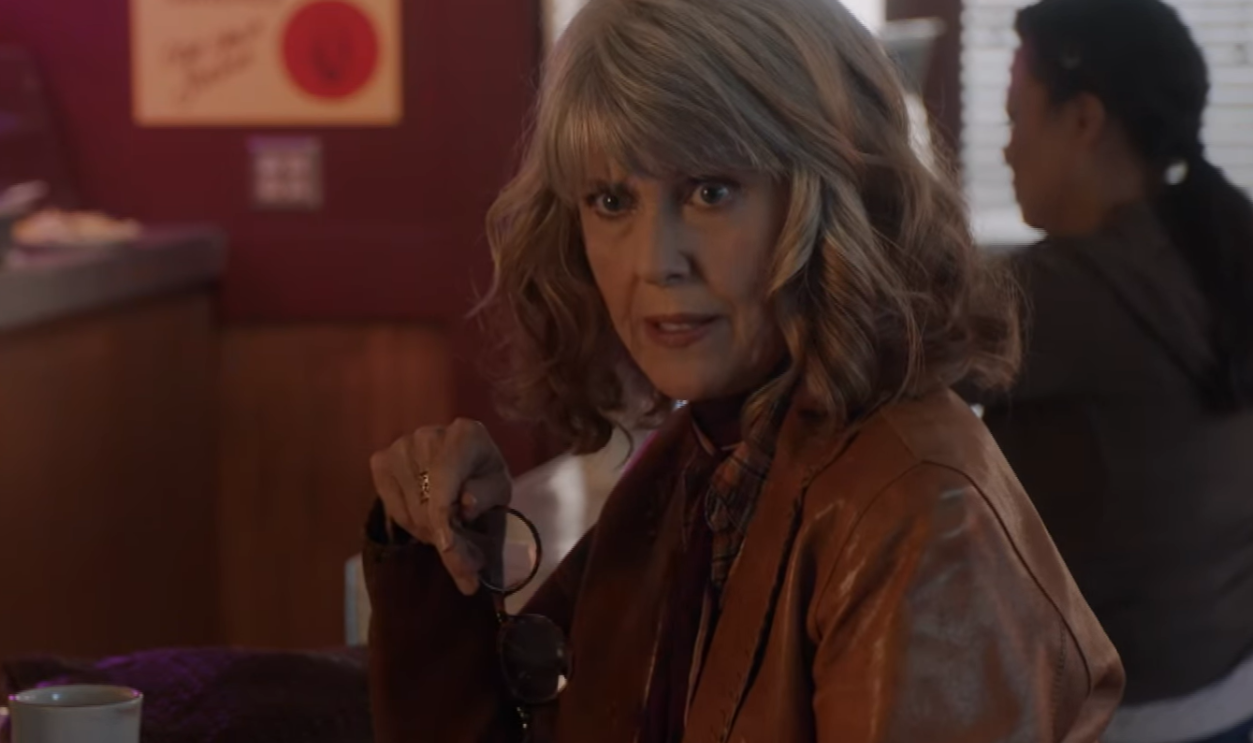
Dawber returned again in 2021 for a multi-episode role on NCIS, playing investigative journalist Marcie Warren opposite Harmon’s Leroy Jethro Gibbs. She revealed that the series had approached her before, but earlier characters or circumstances had never felt right. After years away from regular acting, she admitted she was nervous about returning but decided she would regret backing out.
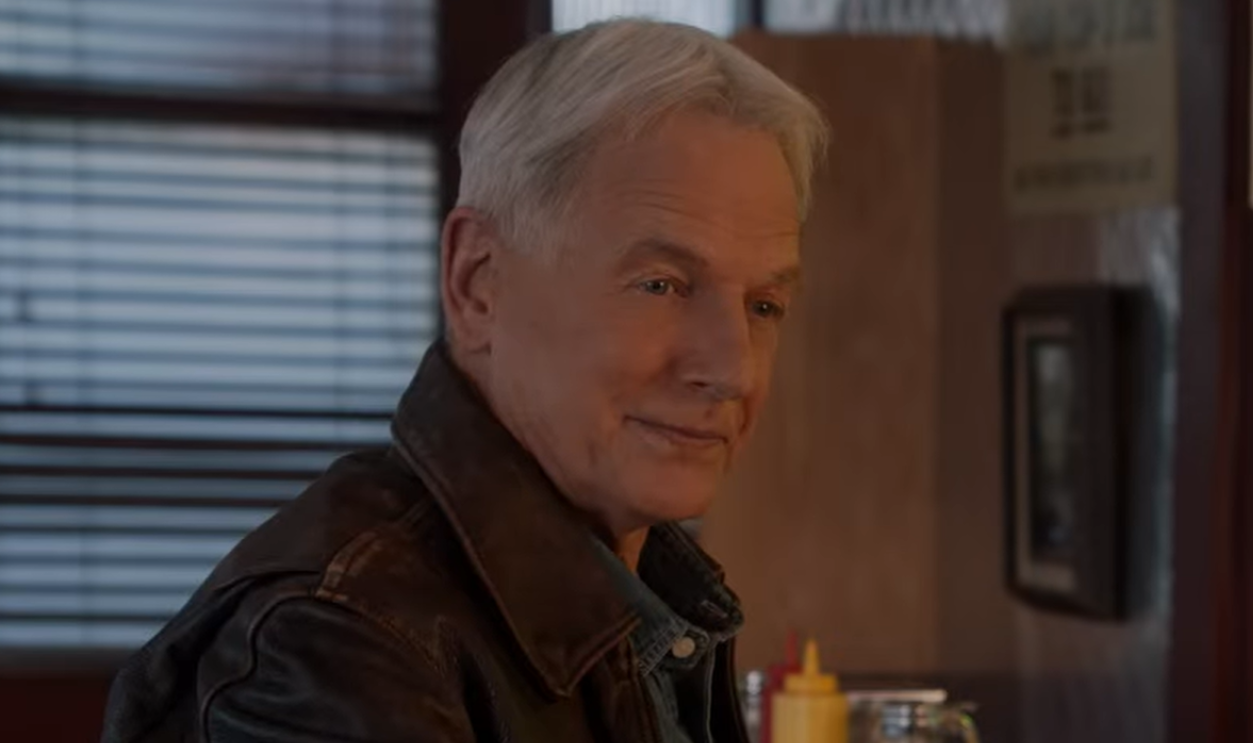 Screenshot from NCIS, CBS Studios (2003–present)
She Chose The Role Instead Of The Comeback
Dawber’s NCIS appearance did not signal an attempt to restart the career she had left behind. Her own explanation emphasized that the character and timing finally interested her after previous offers had not. That selectiveness was completely consistent with the way she had approached Hollywood for years.
 Screenshot from NCIS, CBS Studios (2003–present)
Walking Away Became Its Own Kind Of Success
Pam Dawber had already experienced the kind of fame most actors spend their lives pursuing before deciding she did not need to keep proving herself. She helped make Robin Williams’s first major sitcom work, carried My Sister Sam, performed in movies and animation, and later returned only when a project genuinely appealed to her. Her quieter life was not the story of a star Hollywood forgot, but of one who decided she had already gotten enough from fame and wanted something different.
 Angela George, Wikimedia Commons
You May Also Like:
Facts About Classic TV Shows That Will Make You Nostalgic
The First TV Shows To Break Major Barriers
Does Anyone Remember These Television Shows? Anyone?
Sources: 1, 2, 3, 4, 5, 6, 7, 8, 9, 10, 11, 12, 13, 14, 15, 16, 17, 18, 19, 20, 21, 22, 23, 24, 25