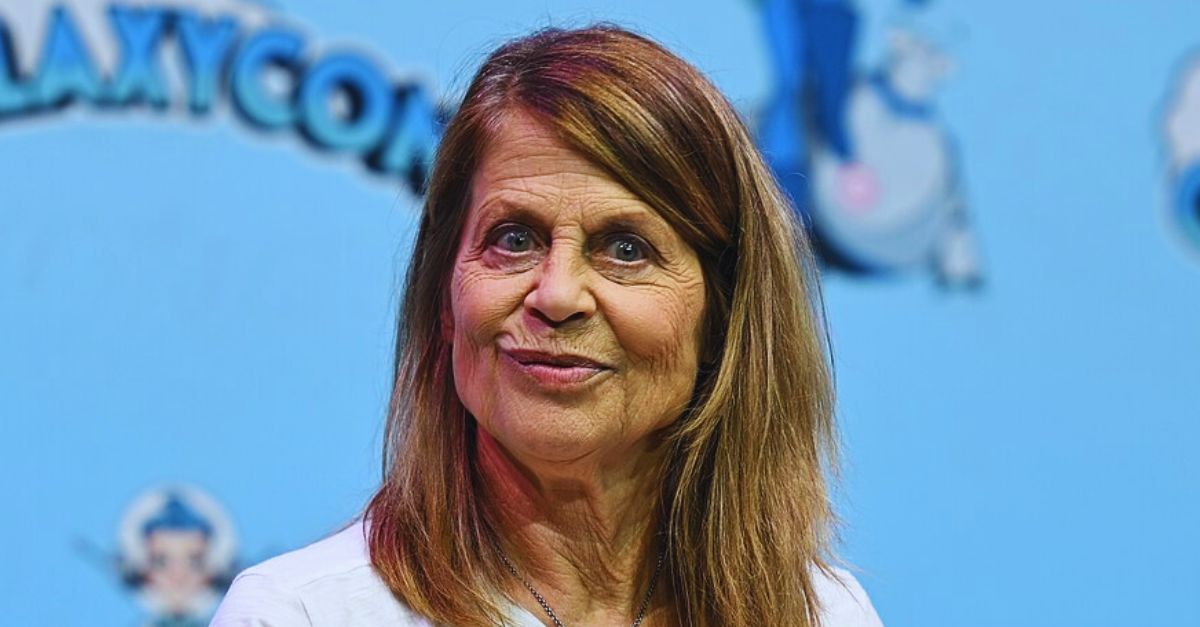
The Making Of A Female Action Hero
Linda Hamilton didn’t walk onto screens as an action icon. She paved her path carefully. Her presence rewired how strength felt in movies for women, making toughness look earned through experience and visibly human onscreen.
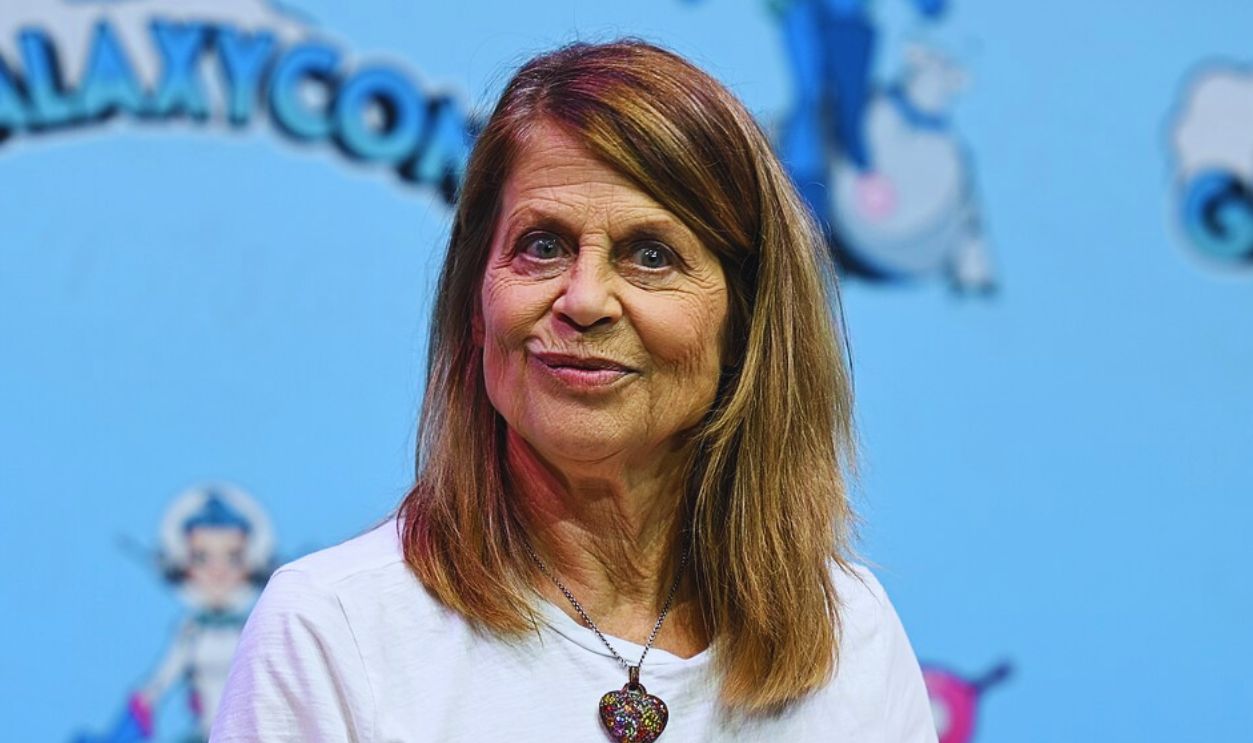 Super Festivals, Wikimedia Commons
Who Is Linda Hamilton?
She is an acclaimed American actress who is known for her roles in movies, television, and OTT across various genres. However, she emerged as one of the pioneering women who played demanding action roles on screen.
 Nightscream, Wikimedia Commons
Before Cameras And Fame
She was born in Maryland in 1956 and grew up in a middle‑class household far removed from Hollywood. Early loss shaped her childhood, but her mother’s remarriage emphasized stability and independence. Those early years built a quiet confidence that later translated into grounded performances.
 Quintin Soloviev, Wikimedia Commons
Discovering Acting As A Craft
College introduced acting as a serious pursuit. She studied at Washington College, then continued training in New York at the Lee Strasberg Institute. The focus stayed on emotional truth and craft, which built confidence without chasing attention or instant fame.
 JERRYE & ROY KLOTZ, M.D., Wikimedia Commons
Hollywood In The Early 1980s
The early 1980s film industry followed clear formulas, especially in genre cinema. Female characters were often written to support the story from the sidelines. This professional layout rewrote the opportunities available as she began working on screen in that era.
 Librarybell, Wikimedia Commons
Small Roles, Real Experience
Early experience came through television and included roles on Hill Street Blues and Secrets of Midland Heights. These sets taught timing and restraint. Small film parts followed by movies like Night-Flowers to build confidence and craft long before a breakthrough arrived.
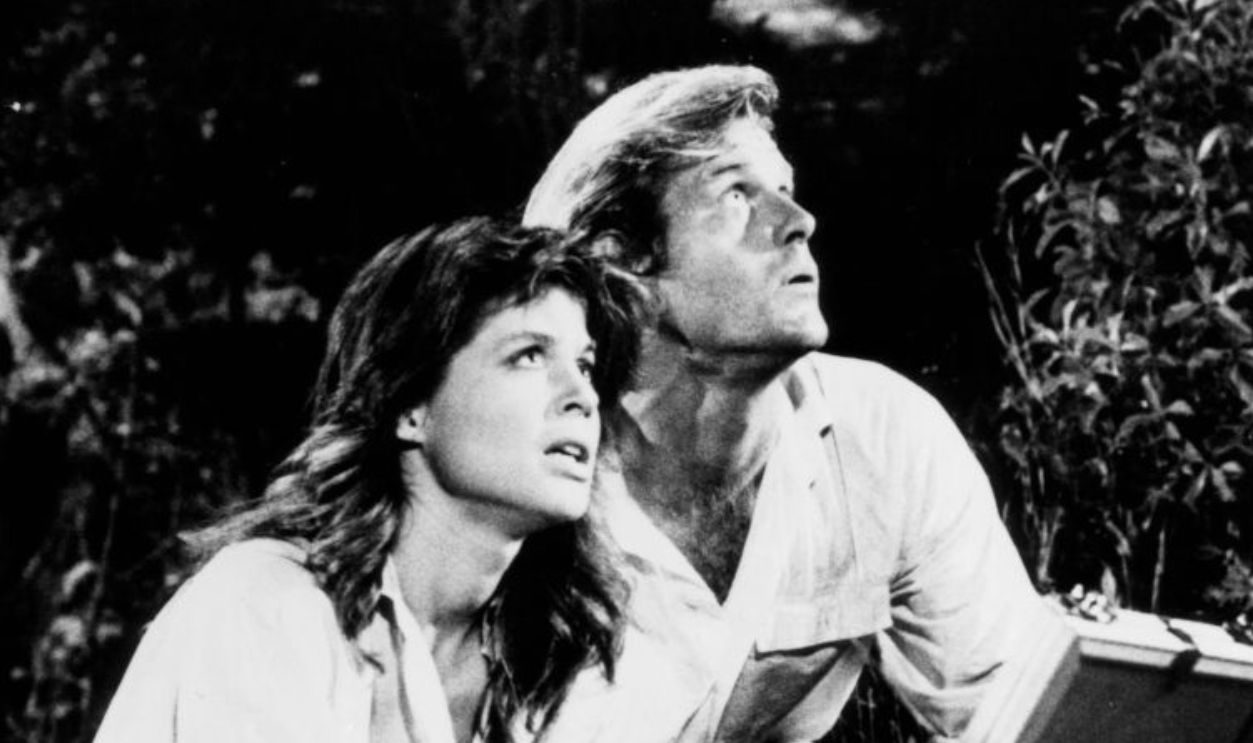 Michael Ochs Archives, Getty Images
The Terminator Arrives
In 1984, Linda’s career intersected with a low-budget science-fiction film titled The Terminator. Directed by James Cameron, it brought together technology anxiety with human survival. Few involved expected its grounded tone to resonate far beyond genre audiences.
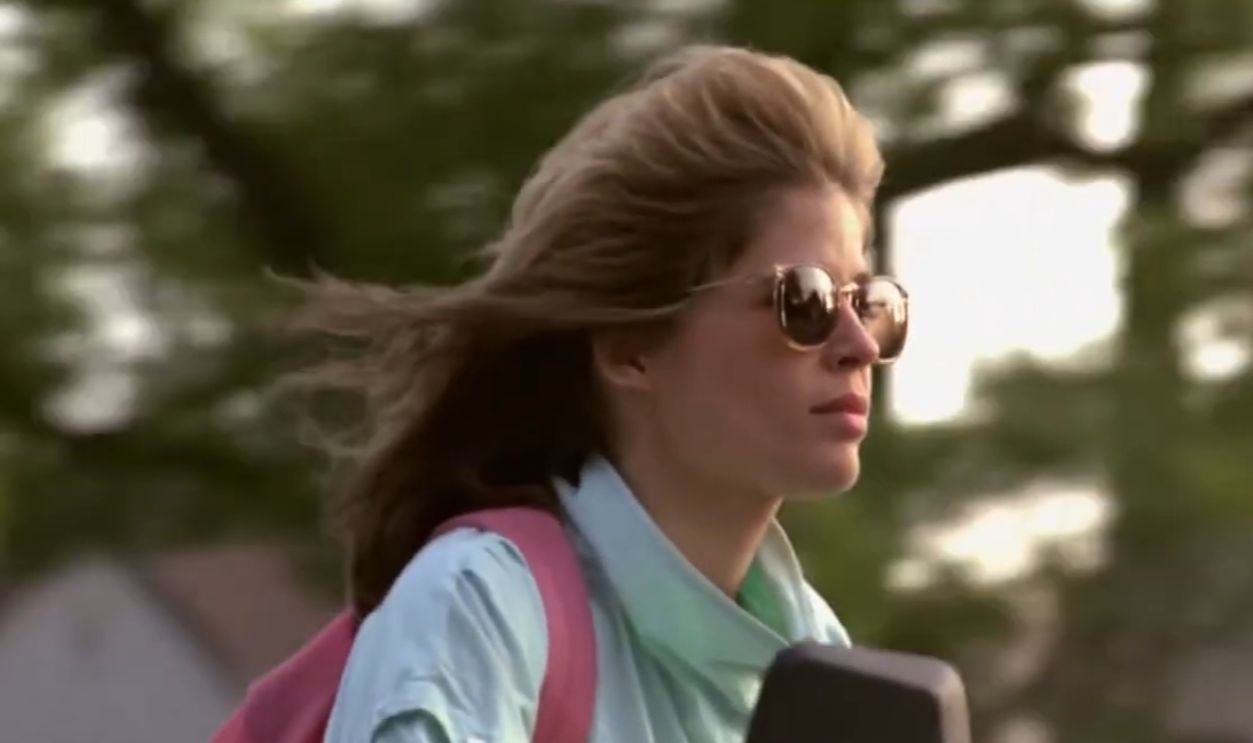 Screenshot from The Terminator, Orion Pictures (1984)
Introducing Sarah Connor
At first, her character appears as a young woman going through ordinary days in Los Angeles. Work feels routine, and the future looks predictable. Then everything shifts, and that normal rhythm makes the chaos that follows feel even more immediate.

Why The Performance Connected
She portrayed Sarah Connor with natural reactions instead of instant heroics. That grounded style made the character believable, sustaining emotional investment as tension escalated and ensuring audiences connected deeply with her transformation throughout the unfolding narrative.

A Defining Turn
This success reshaped her professional path. Industry attention sharpened when the expectations shifted, and future roles expanded in scale. One performance had quietly established her as someone audiences trusted to carry high-stakes stories without losing credibility.
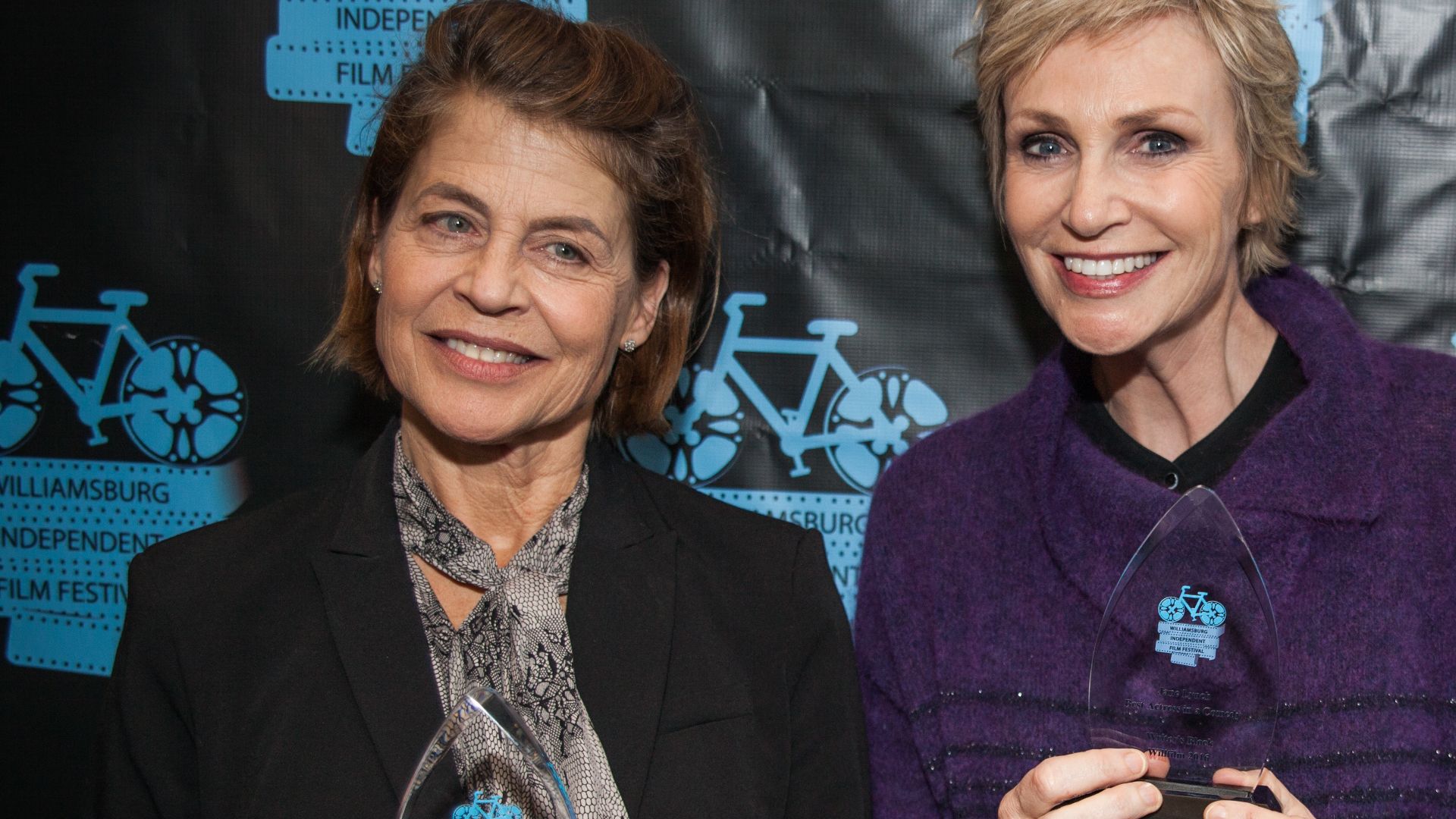
Life After Recognition
Public attention around Linda Hamilton grew quickly. At the same time, she was unknowingly managing bipolar disorder, which affected daily life and relationships. As fame increased, those internal challenges made this period far less steady.
 Educational and Cultural Affairs (ECA) of the U.S. Department of State, Wikimedia Commons
Exploring Strength On Television
A leading television role opened space to show strength through emotional intelligence rather than physical force. Beauty and the Beast allowed her to carry a story through empathy and restraint. It earned her recognition and expanded how audiences understood her range.
 Screenshot from Beauty and the Beast, The Cannon Group (1987)
The Strain Beneath The Surface
As professional demands increased, her mental health started getting affected even more. Managing work and public life, along with personal life, became part of the same reality. This is when she realized the importance of choosing the roles wisely and making some tough decisions professionally.

Returning With Perspective
When the opportunity to return as Sarah Connor appeared in 2019, it followed years of lived experience. Time had altered how she carried herself on screen. That change fed directly into the role, which made the character’s evolution feel authentic and convincingly earned.
 Screenshot from Terminator 2: Judgment Day, TriStar Pictures (1991)
Preparing For A Different Sarah Connor
For the sequel, Linda Hamilton trained for over a year under fitness expert Mackie Shilstone. Her preparation included intensive weight training, endurance work, and weapons handling, designed to make Sarah Connor’s physical confidence and combat readiness look practical and believable on screen.
 Screenshot from Terminator 2: Judgment Day, TriStar Pictures (1991)
Transformation On Screen
She appeared physically hardened and mentally alert in the movie, which was also a result of her time off from the screen and personal determination to get better. She moved with controlled precision and spoke with authority. Even quiet scenes reflected vigilance.
 Screenshot from Terminator 2: Judgment Day, TriStar Pictures (1991)
Twin Sister And Family Background
Family shaped more than her personal life. She had a twin sister, Leslie Hamilton Gearren, who appeared as her double in Terminator 2. That factory sequence remains a rare case of real-life twins being used so seamlessly in a major film.
 Screenshot from Terminator 2: Judgment Day, TriStar Pictures (1991)
Post-Terminator 2 Career
After Terminator 2, the focus shifted beyond science fiction. In Dante’s Peak, she starred opposite Pierce Brosnan, which grounded the large-scale disaster with emotional credibility. The role showed her ability to lead mainstream films without relying on franchise momentum.
 Screenshot from Dante’s Peak, Universal Pictures (1997)
Independent And Television Work
As the industry evolved, so did her choices. Smaller films and television roles followed, including a recurring arc on Chuck. Playing a covert operative highlighted adaptability and a willingness to explore new spaces instead of repeating past success.
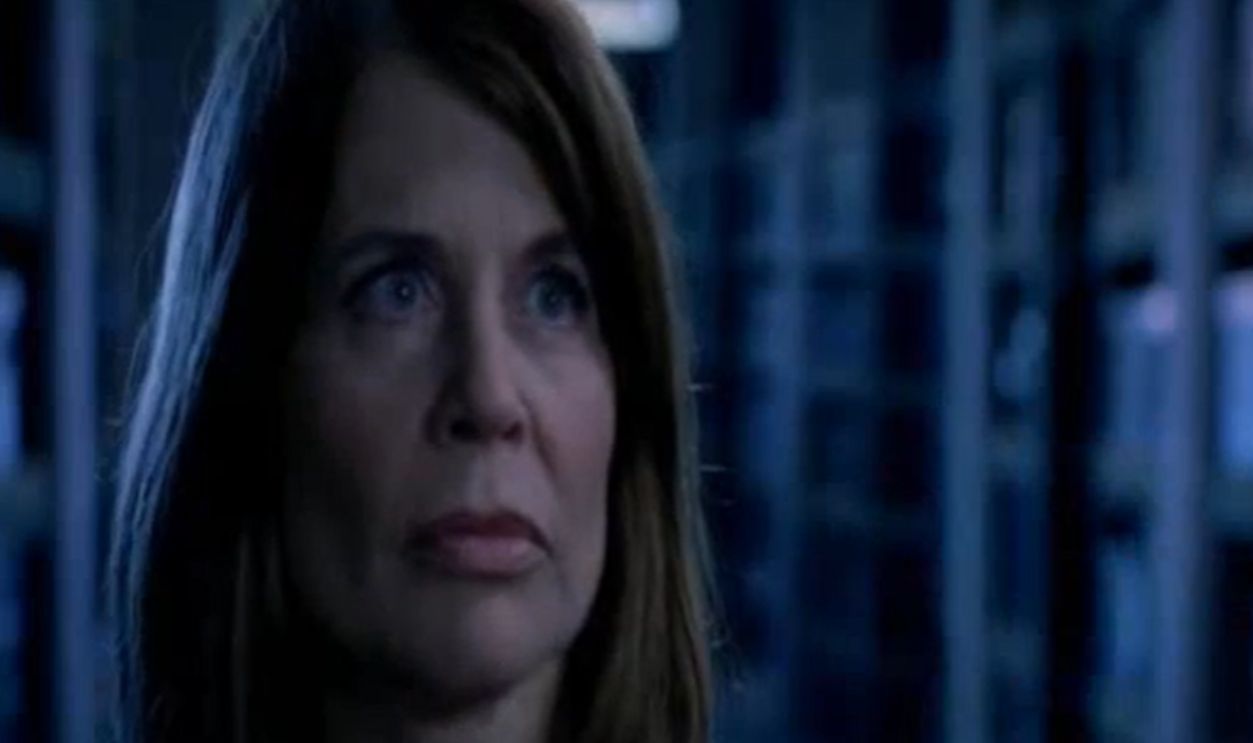 Screenshot from Chuck, NBC (2007-2012)
Fame And Family
Life away from cameras remained demanding for the actress. Her two marriages during high-profile career periods coincided with raising two children. It shaped a resilience built quietly over time and reflected later in more grounded performances.

Speaking Openly About Mental Health
By speaking openly about bipolar disorder, she challenged a culture that preferred avoidance. In doing so, she changed how strength was viewed. It could come from self-awareness and facing difficulties head-on rather than hiding them.
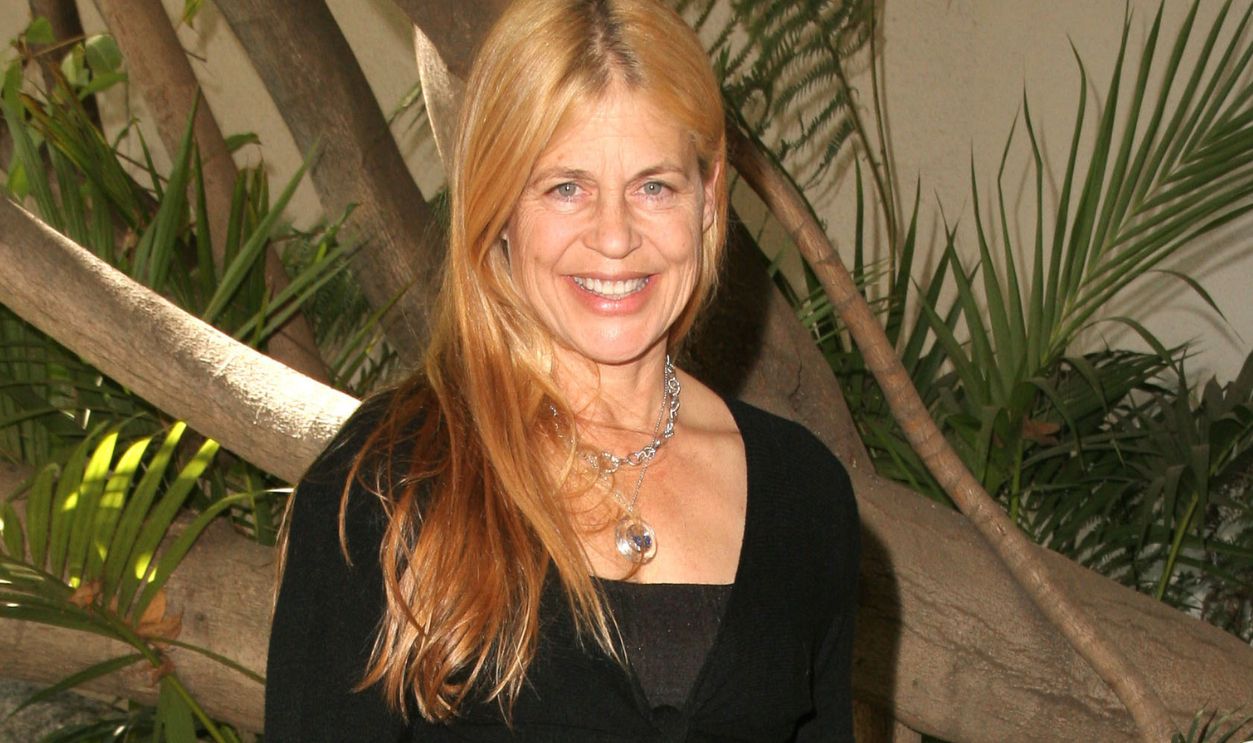
Recognition Across Genres
Recognition followed across film and television. She won the Saturn Award for Best Actress for Terminator 2: Judgment Day, earned a Blockbuster Entertainment Award for Dante’s Peak, and received CableACE, Golden Globe, and Emmy nominations that reflected sustained industry respect.
 Peter Dutton from Forest Hills, Queens, USA, Wikimedia Commons
Critical Legacy Of Sarah Connor
Critics continue to cite Sarah Connor as one of cinema’s most transformative female roles. The character influenced later heroines such as Furiosa in Mad Max: Fury Road and Katniss Everdeen in The Hunger Games.
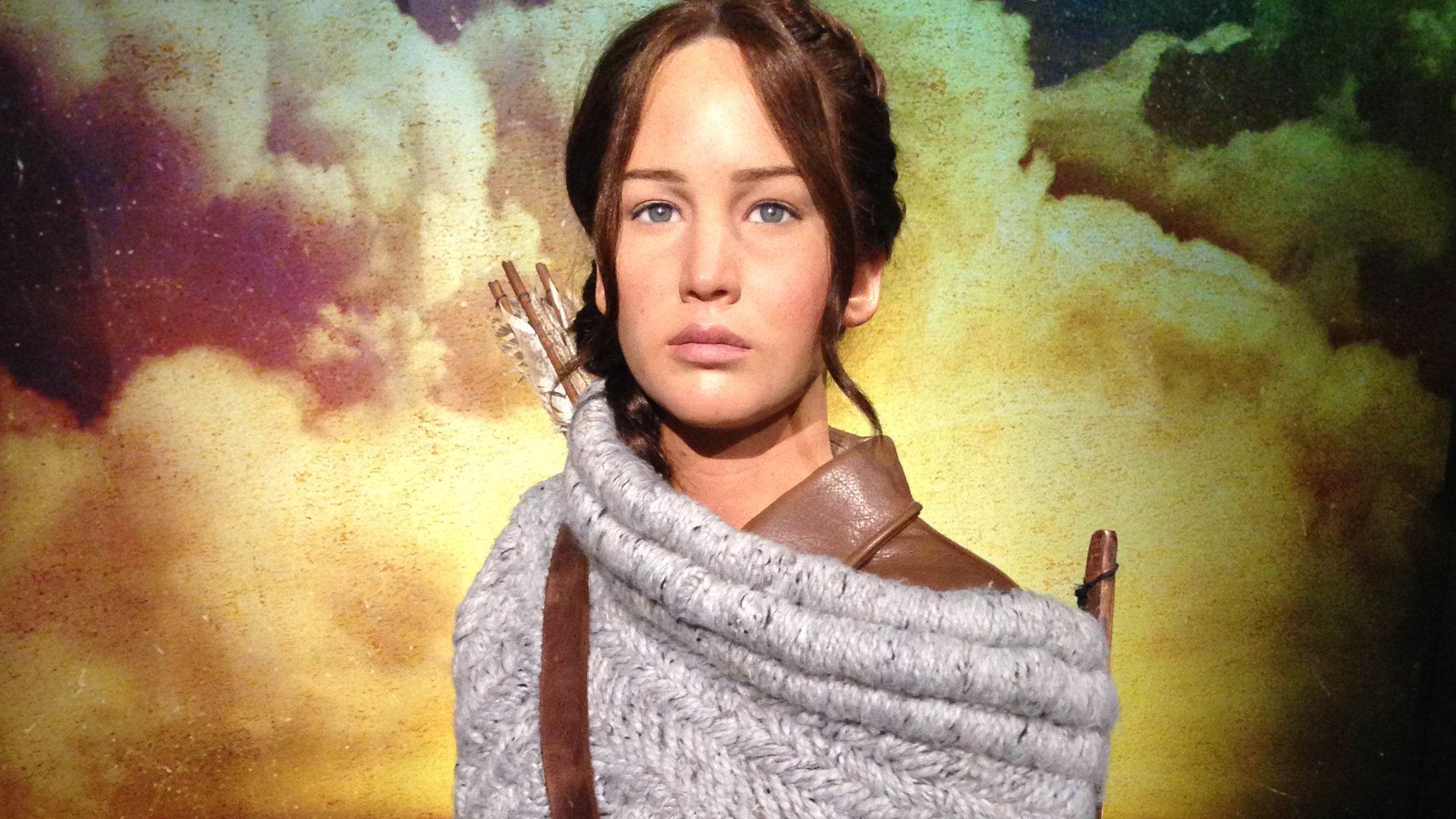 https://www.flickr.com/photos/100061098@N03/, Wikimedia Commons
Influence On Future Generations
Later generations of actresses benefited from the space this work created. Performers such as Charlize Theron have acknowledged how earlier portrayals expanded what women could lead onscreen, especially in physically demanding, high-stakes roles. Before this, they were generally typecast.
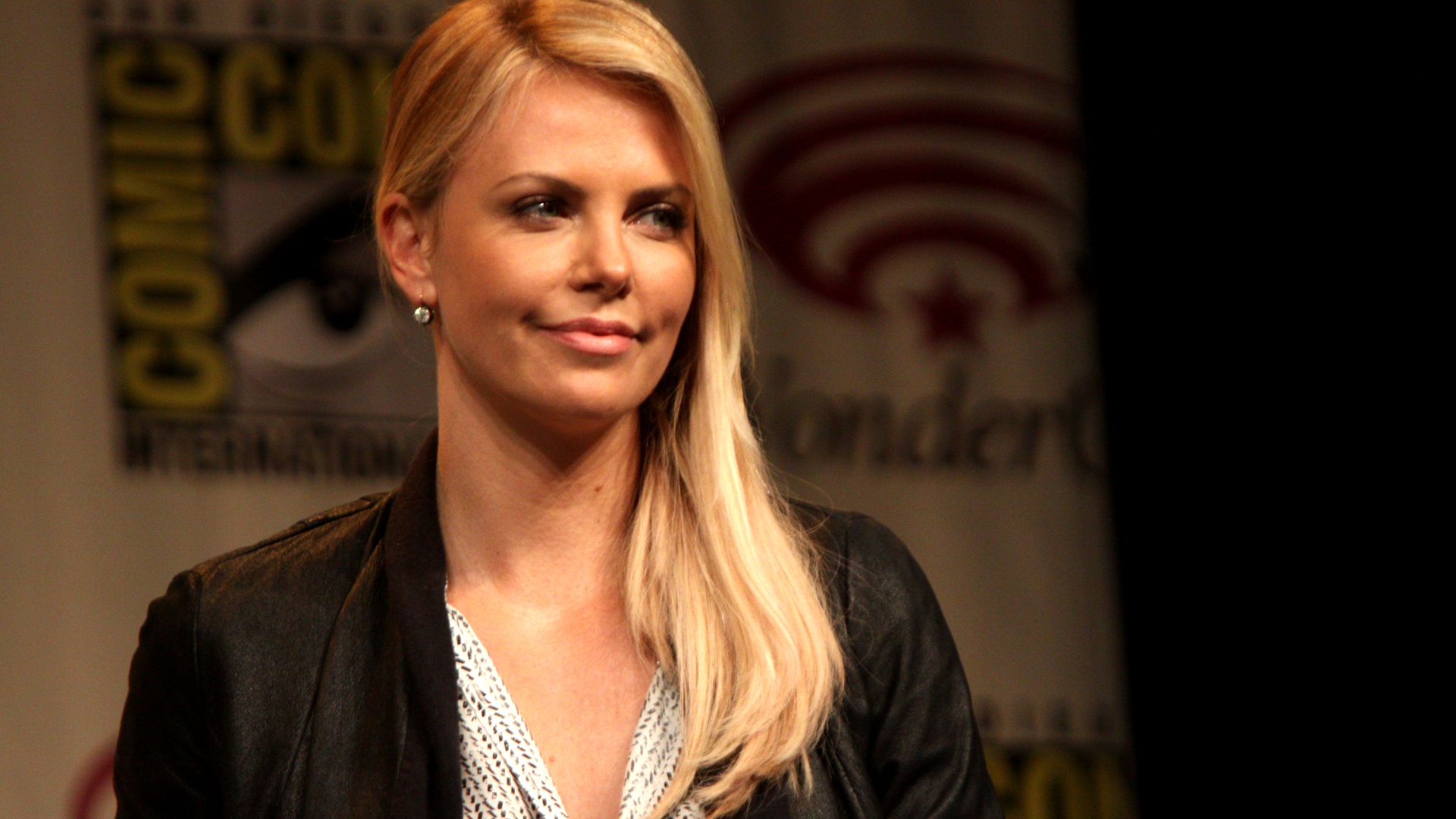 Gage Skidmore from Peoria, AZ, United States of America, Wikimedia Commons
Current Work
Even later in her career, new opportunities keep arriving. She starred in Netflix’s Stranger Things for its final season as Major General Dr. Kay, marking a high-profile return. She also appeared in Resident Alien and films like Osiris.
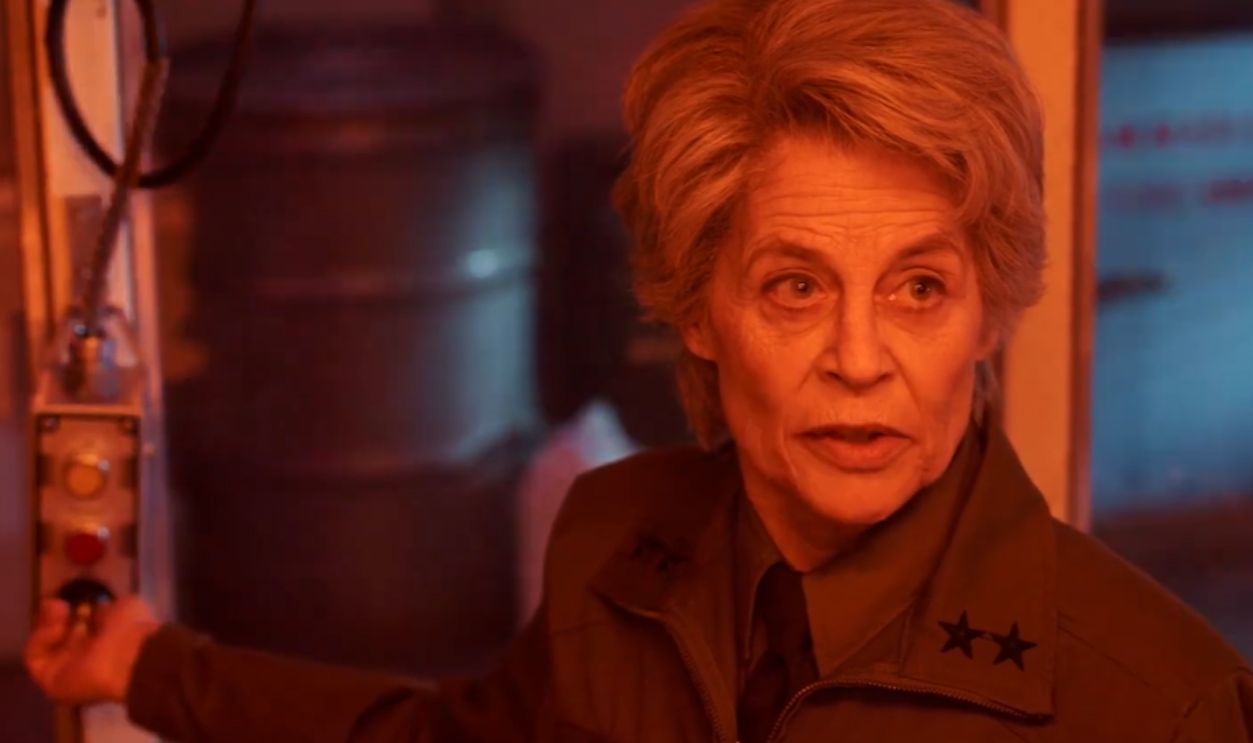 Screenshot from Stranger Things, Netflix (2016 - 2025)