A Golden Ticket To Stardom
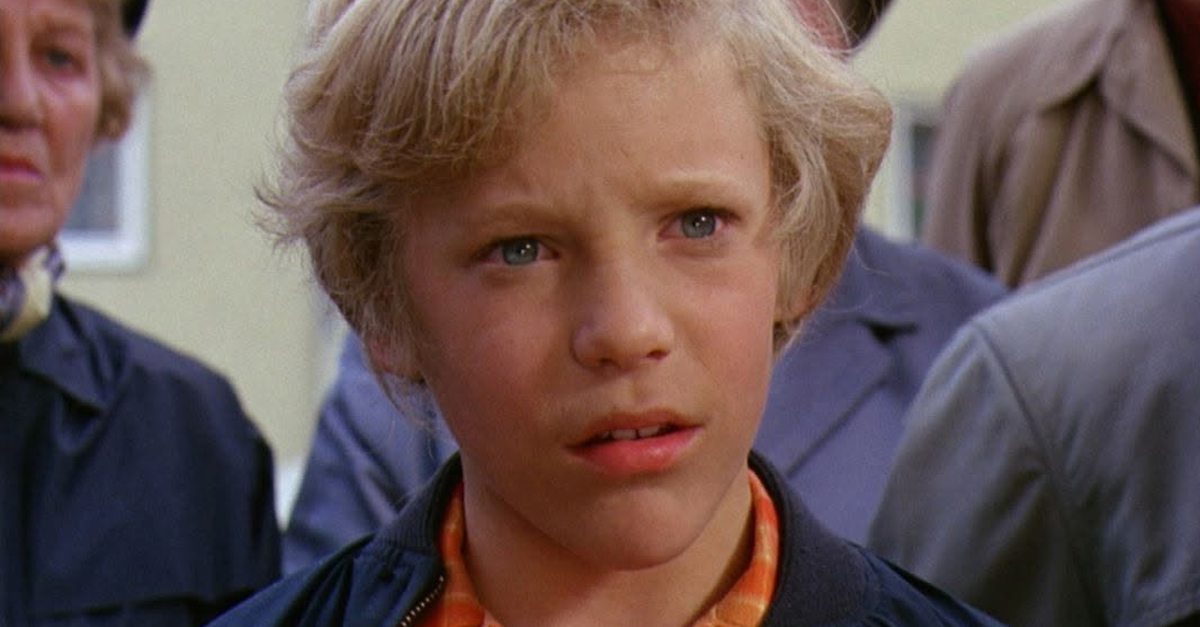
When Willy Wonka & The Chocolate Factory premiered in 1971, audiences met Peter Ostrum as the kindhearted Charlie Bucket. The role became one of the most beloved child performances in movie history. Surprisingly, it also became the only film role Ostrum ever accepted.
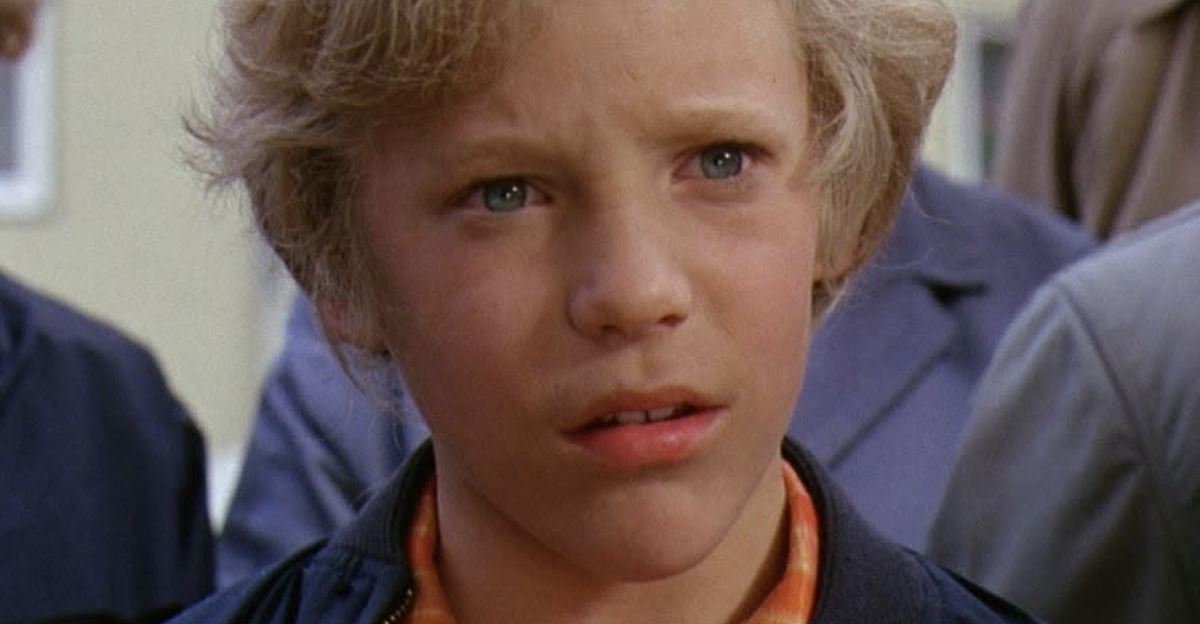 Willy Wonka & the Chocolate Factory, Paramount Pictures
An Unlikely Discovery
Ostrum was just 12 years old when talent scouts spotted him at the Cleveland Play House children's theater. After a series of auditions, he was cast as Charlie and sent to Munich, Germany, where most of the movie was filmed. It was an extraordinary opportunity for a child with no professional acting experience.
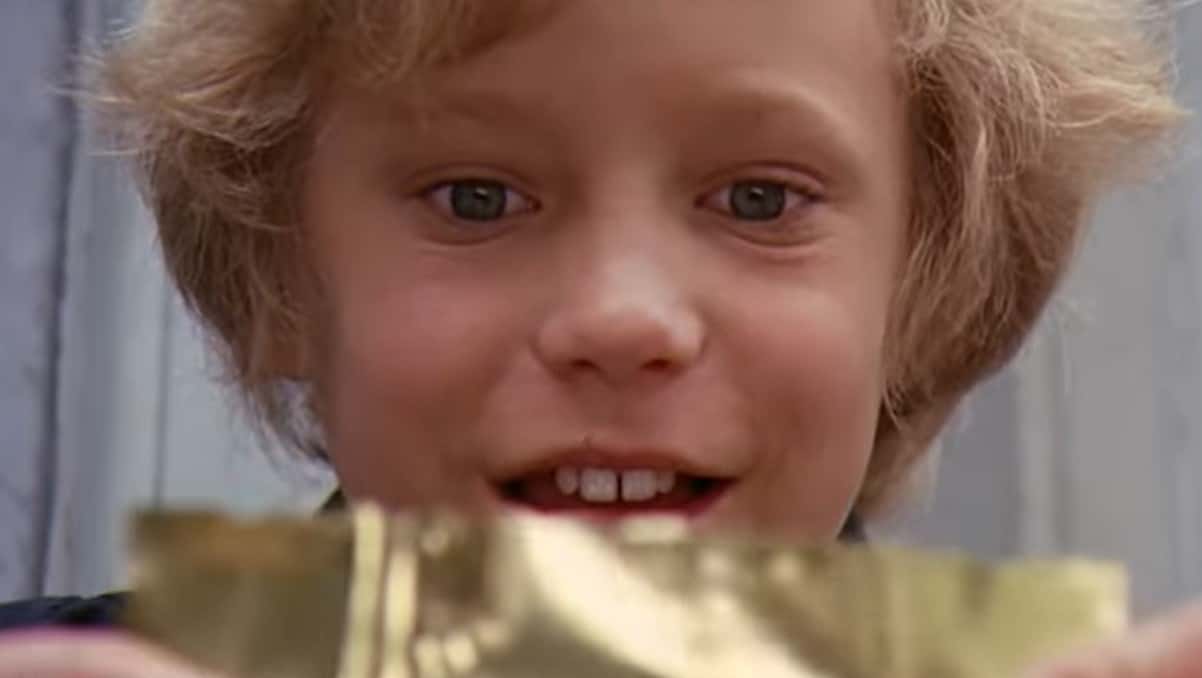 Screenshot from Willy Wonka & the Chocolate Factory, Paramount Pictures (1971)
Filming Became An Adventure
Living in Germany for several months was exciting for the young actor. Ostrum later compared the experience to being an exchange student. He formed close friendships with the cast and enjoyed exploring a different country while making the film.
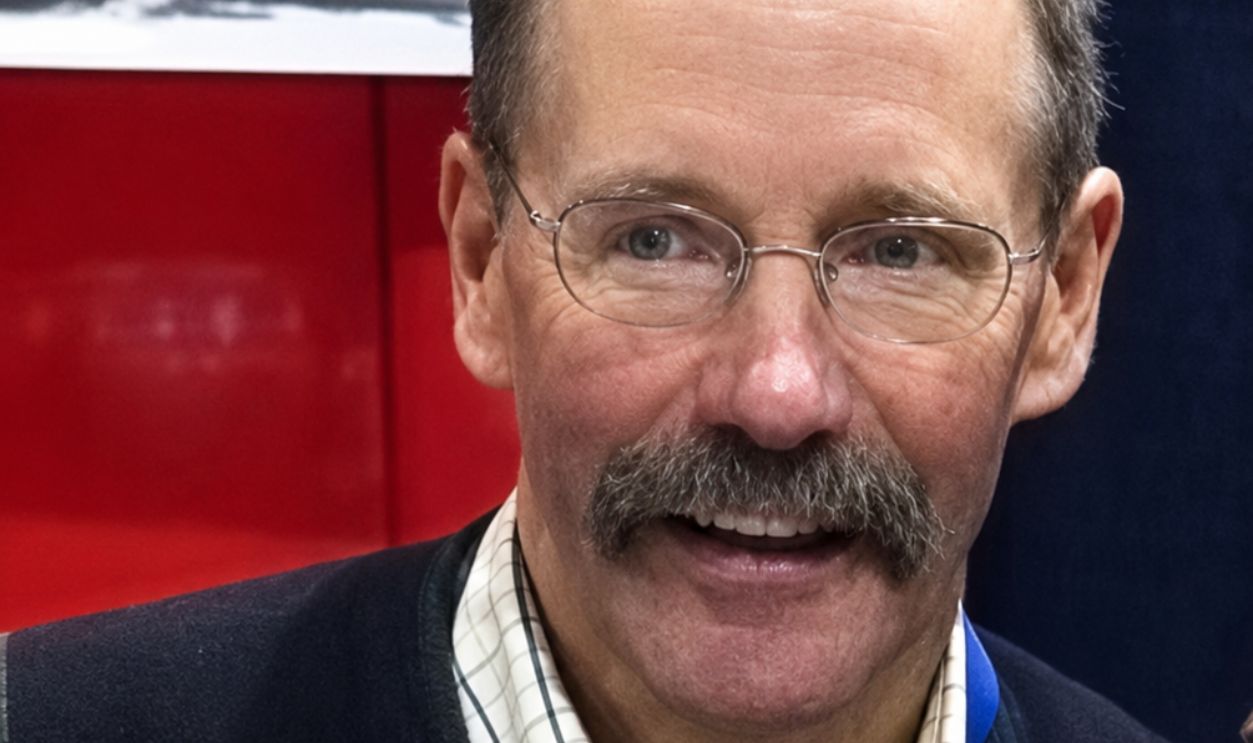 Scott Cranfill, Wikimedia Commons, Modified
Gene Wilder Made A Lasting Impression
Gene Wilder played the mysterious candy maker with warmth both on and off camera. Ostrum has often described Wilder as patient, generous, and respectful toward everyone on set. He even recalled Wilder acting like a father figure during filming.
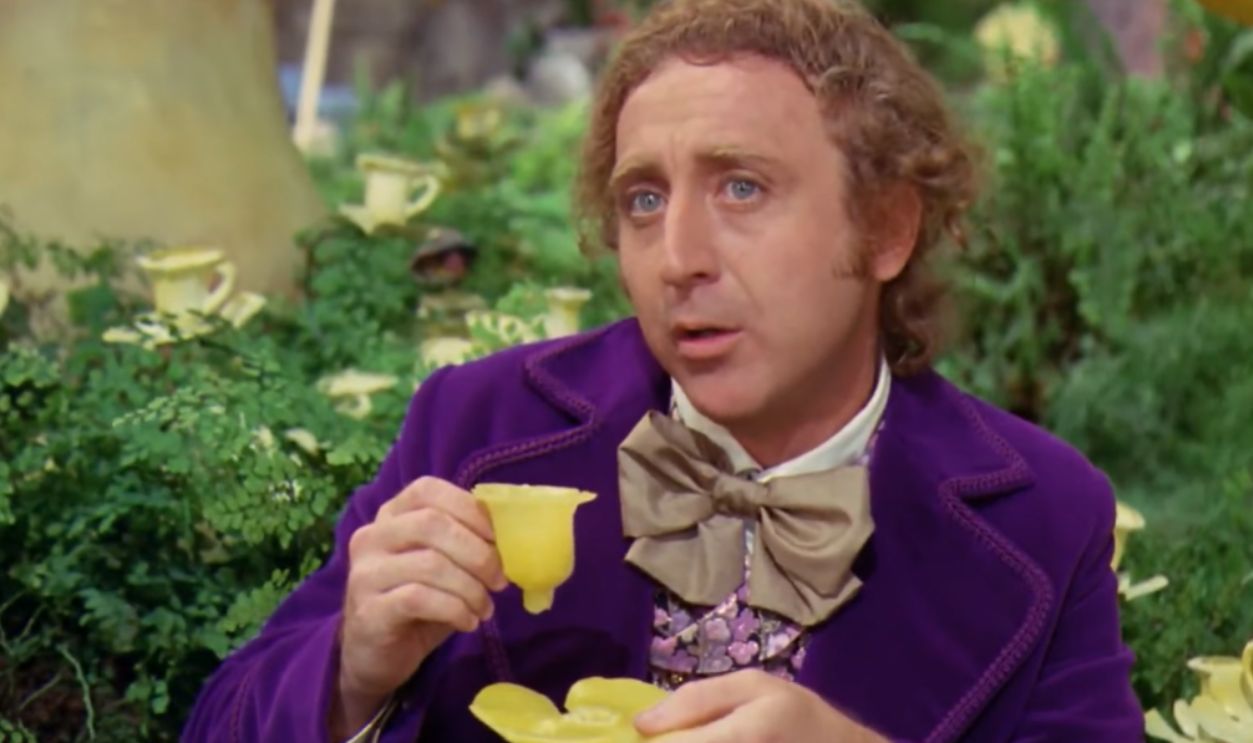 Screenshot from Willy Wonka & the Chocolate Factory, Warner Bros. Discovery (1971)
A Film That Was Not An Instant Smash
Today, Willy Wonka & The Chocolate Factory is considered a classic. That was not the case in 1971. The movie received mixed reviews, earned modest box office returns, and faded from public attention not long after its release.
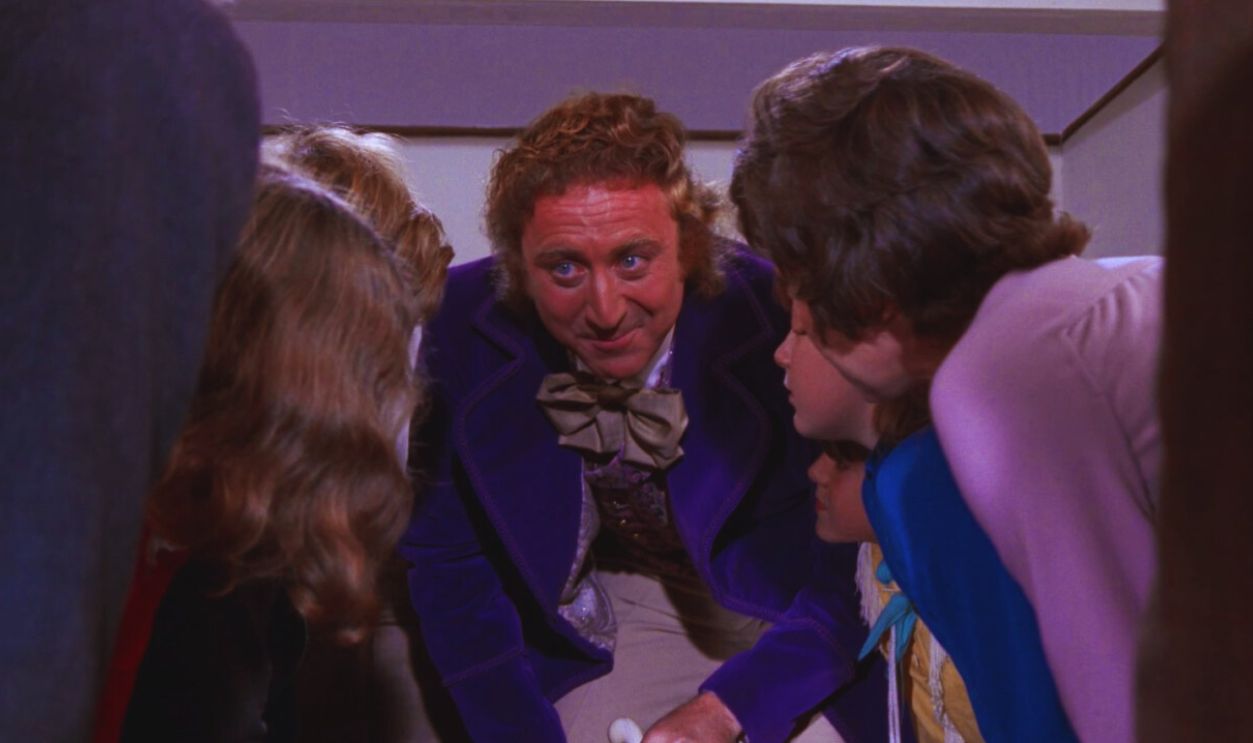 Screenshot from Willy Wonka & the Chocolate Factory, Paramount Pictures (1971)
Fame Arrived Years Later
The movie found a much larger audience during the home video era. Television broadcasts and VHS releases introduced Charlie Bucket to entirely new generations. By then, however, Peter Ostrum had already moved on with his life.
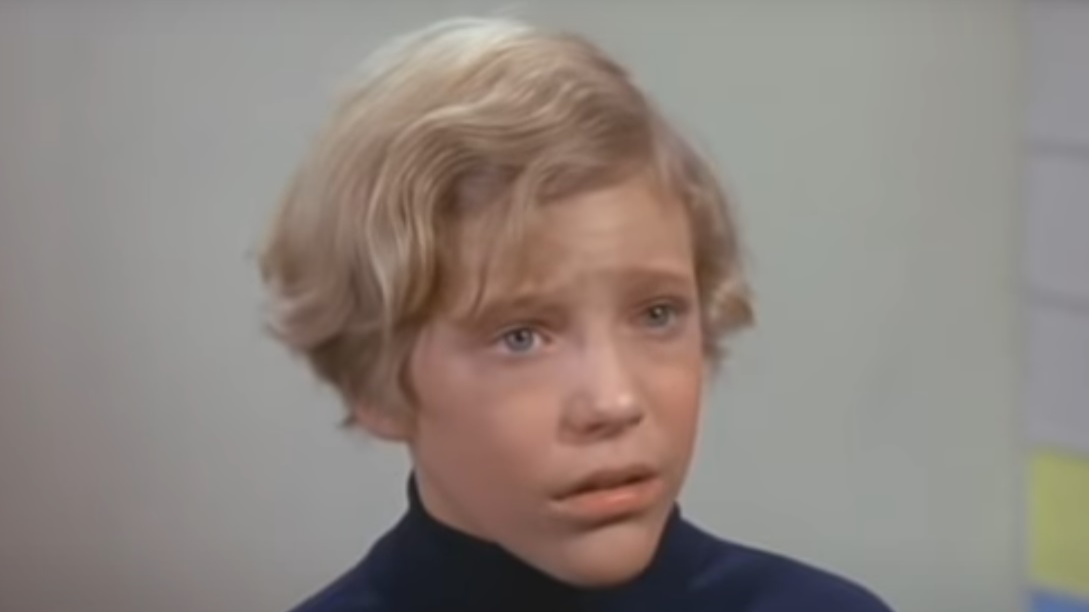 Screenshot from Willy Wonka & the Chocolate Factory, Paramount Pictures (1971)
Hollywood Wanted More
After production wrapped, producer David L. Wolper offered Ostrum a three-picture contract. Most young actors would have jumped at the opportunity. Ostrum surprised nearly everyone by declining the offer.
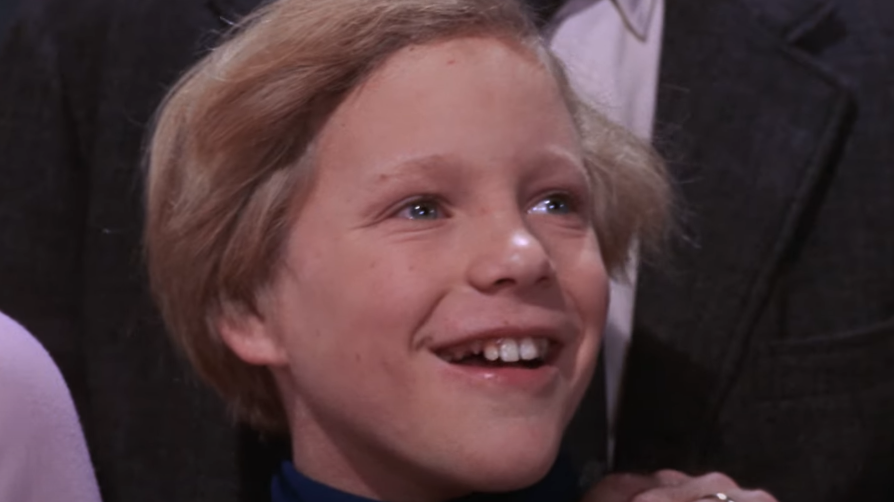 Screenshot from Willy Wonka & the Chocolate Factory, Paramount Pictures (1971)
It Was Never About Fear
Many people assume he left because he disliked acting. That was not true. Ostrum has repeatedly said he enjoyed making the movie and appreciated the experience, but he simply could not picture acting as his lifelong career.
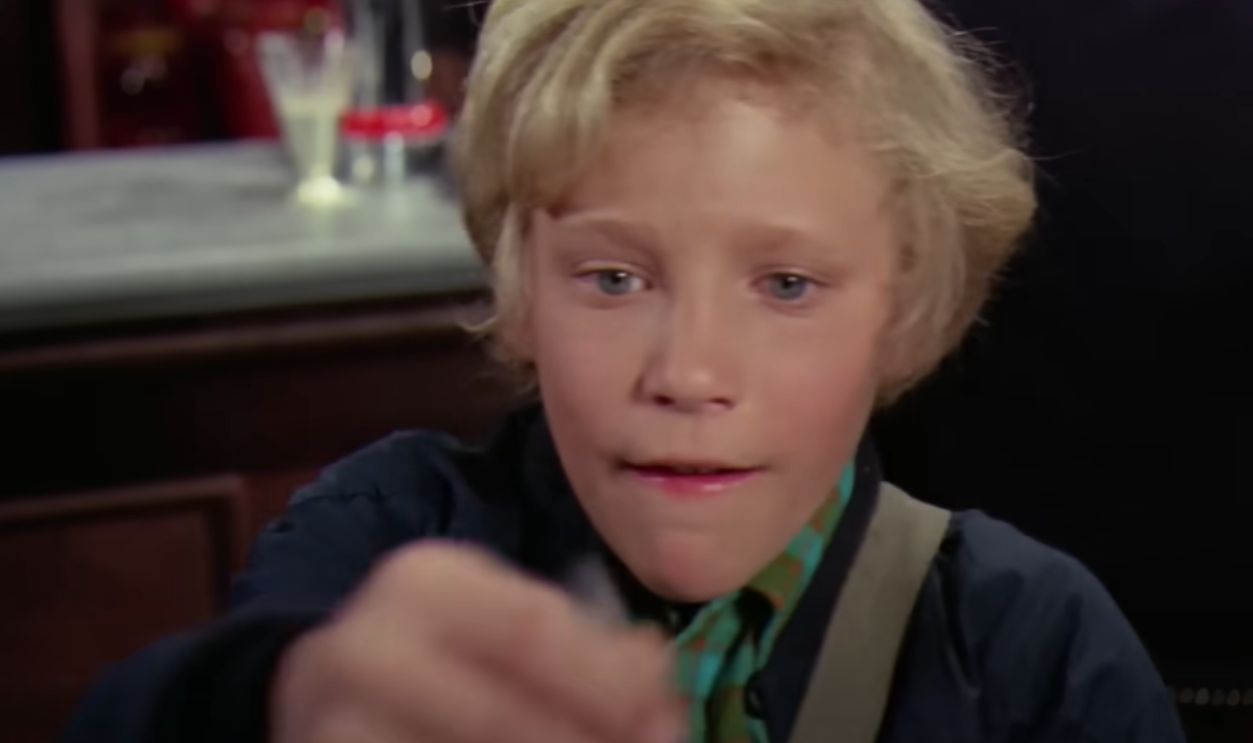
Missing Home Played A Role
Spending months away from family was difficult for a young teenager. Ostrum later admitted that he missed home while filming overseas. That experience helped him realize he preferred a quieter and more familiar life.
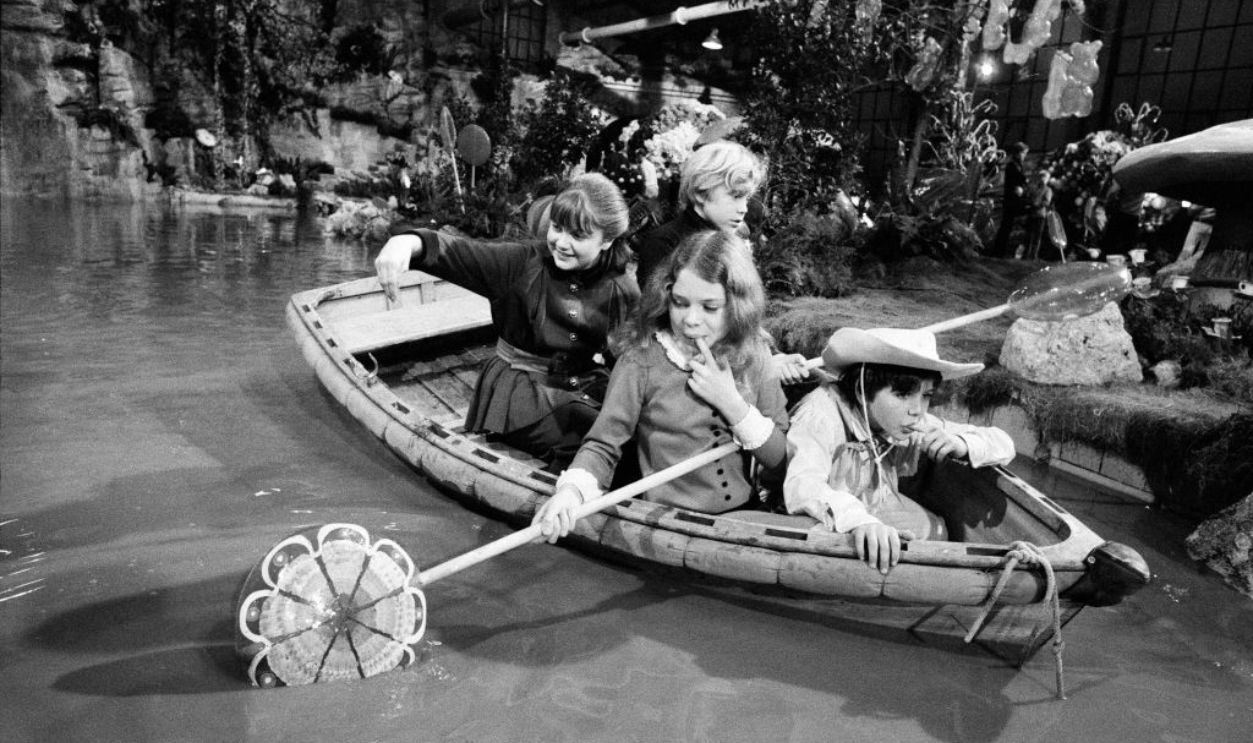
He Wanted The Freedom To Choose
Ostrum also disliked the idea of committing himself to several movies before he knew what he wanted to do with his future. Rather than locking himself into Hollywood, he wanted to keep his options open. That decision proved to shape the rest of his life.
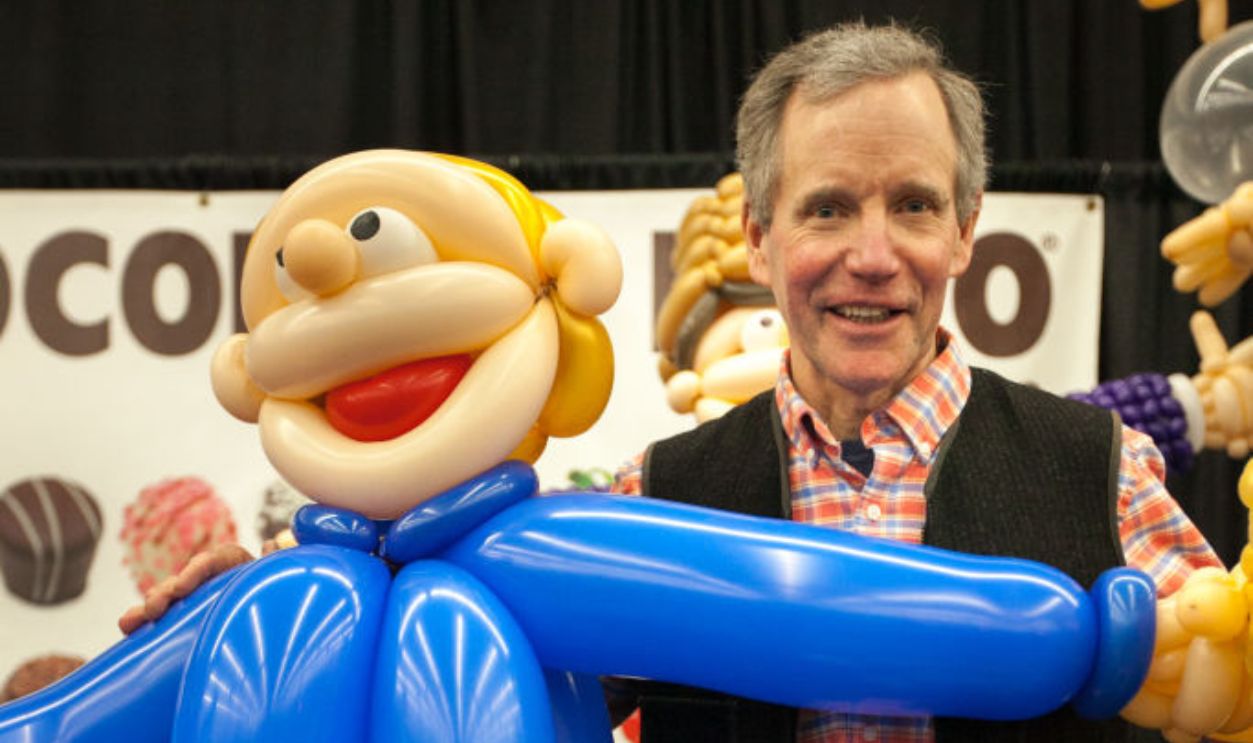
A Horse Changed Everything
Not long after returning home, Ostrum's family bought a horse. Caring for the animal introduced him to the family's veterinarian. Watching the vet work sparked a completely new interest that would eventually become his career.
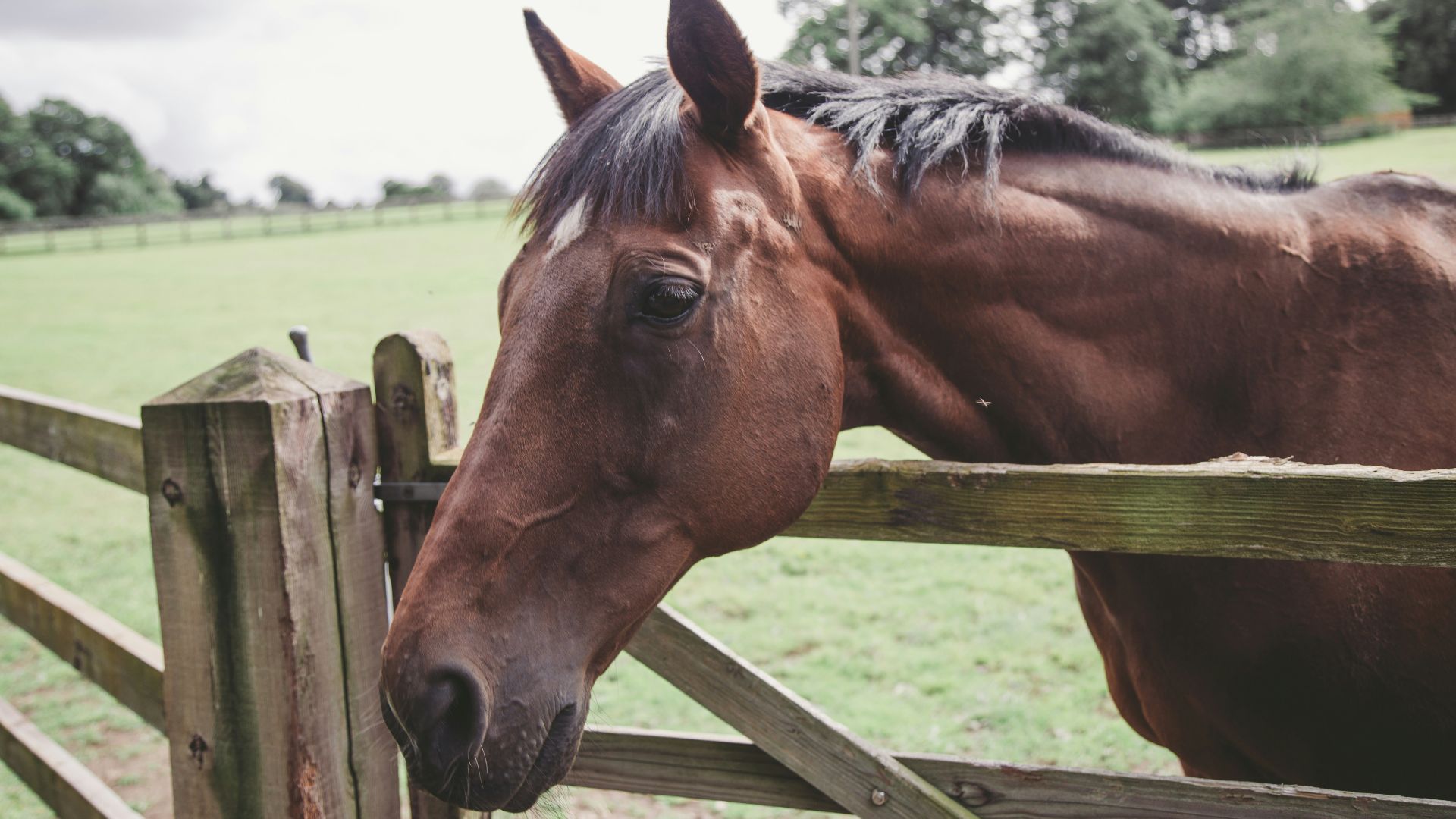 Ambitious Studio* | Rick Barrett, Unsplash
Finding A Different Inspiration
Ostrum later said he admired how much the veterinarian genuinely enjoyed the job. Unlike many careers that seemed abstract to him as a child, veterinary medicine had a clear purpose he could see every day. That passion made a lasting impression.
 Fourthords, CC BY-SA 4.0, Wikimedia Commons
School Came First
Rather than chasing auditions, Ostrum focused on his education. He realized veterinary medicine would require strong grades in math and science. That goal gave him a clear direction during his teenage years.
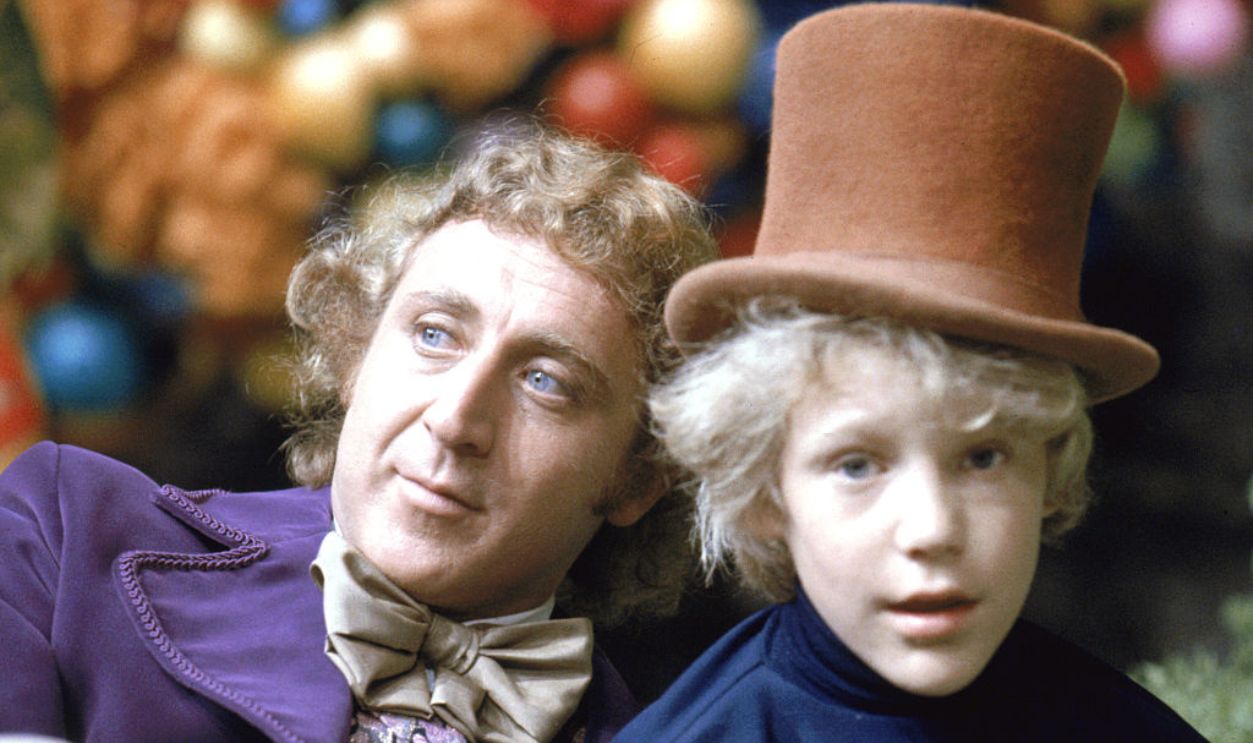 Silver Screen Collection, Getty Images
Testing The Waters One Last Time
Ostrum did briefly wonder whether Hollywood might still be an option. He even spent about a week in California to see if acting still interested him. In the end, he decided his future belonged elsewhere.
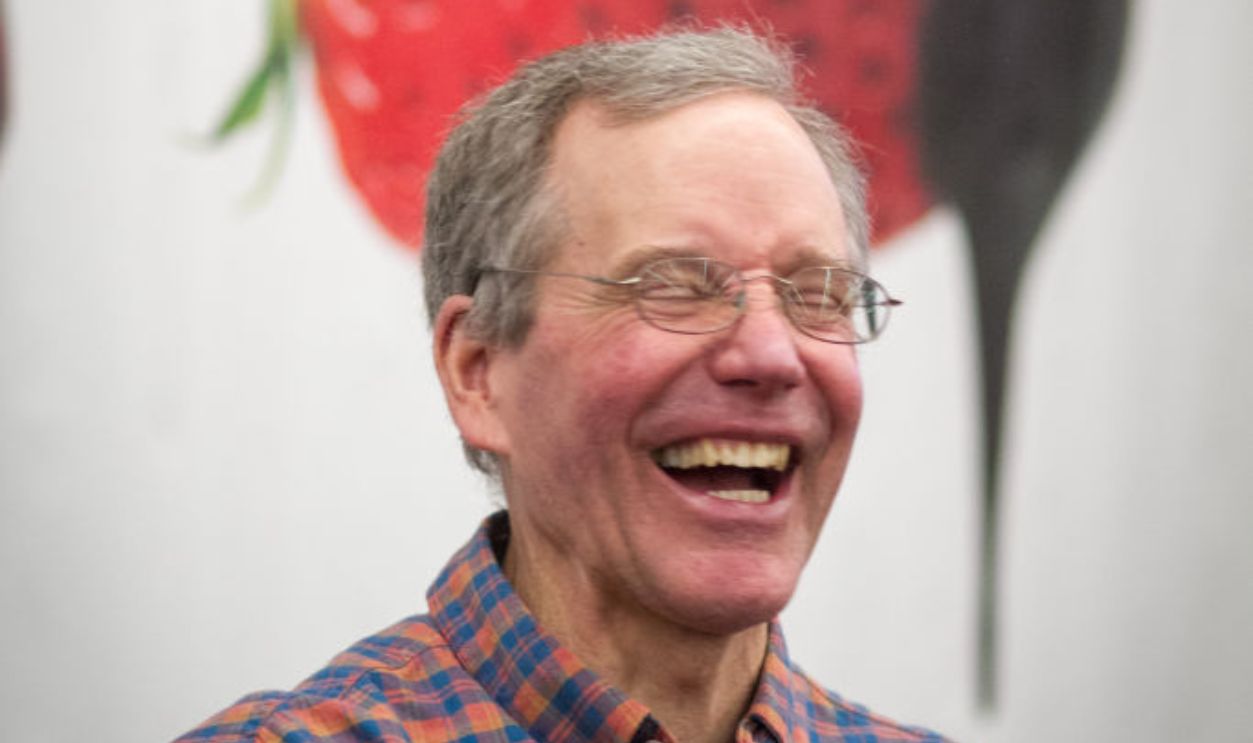
Cornell Became The Next Destination
Ostrum enrolled at Cornell University College of Veterinary Medicine. He earned his Doctor of Veterinary Medicine degree in 1984. By then, his acting career was firmly in the past.

A Career Helping Animals
Instead of movie sets, Ostrum spent decades caring for horses and cattle. He worked as a large-animal veterinarian in upstate New York. His patients became far removed from chocolate rivers and candy factories.
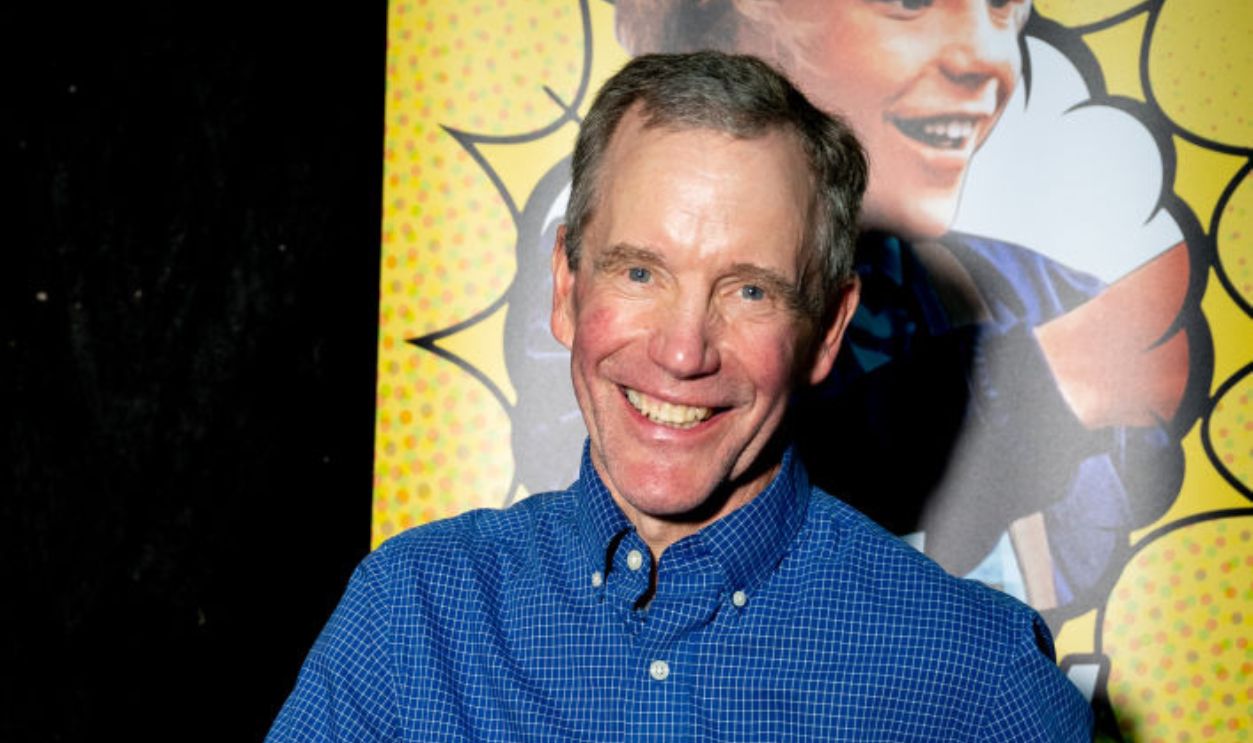 Shirlaine Forrest, Getty Images
Success Came In A Different Form
Veterinary medicine provided the kind of meaningful work Ostrum had been searching for. He often said he enjoyed helping farmers care for their animals. That sense of purpose outweighed the appeal of celebrity.

He Never Regretted His Decision
Over the years, interviewers repeatedly asked whether he wished he had stayed in Hollywood. His answer remained remarkably consistent. He has always said he was happy with the path he chose.
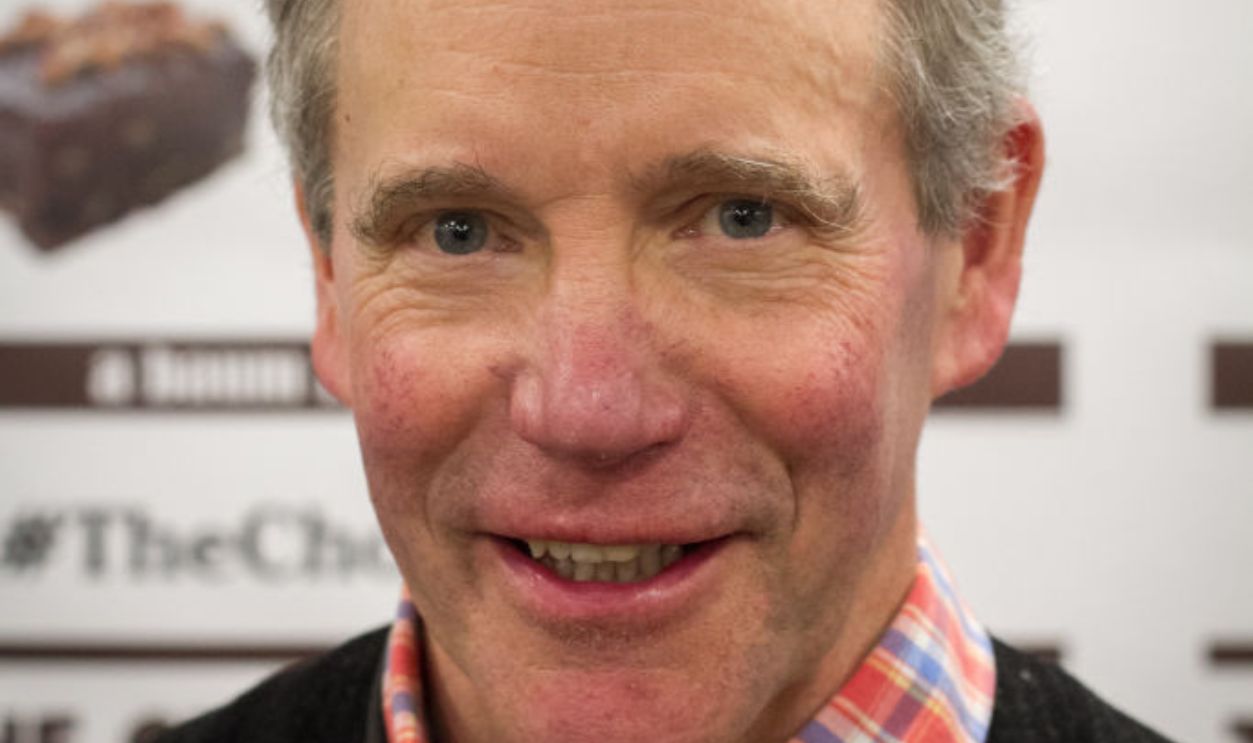
The Movie Never Left Him
Although he avoided acting, Ostrum did not reject his Wonka past. As the film grew into a cultural phenomenon, fans became increasingly interested in meeting Charlie Bucket. He gradually became more comfortable discussing the experience.
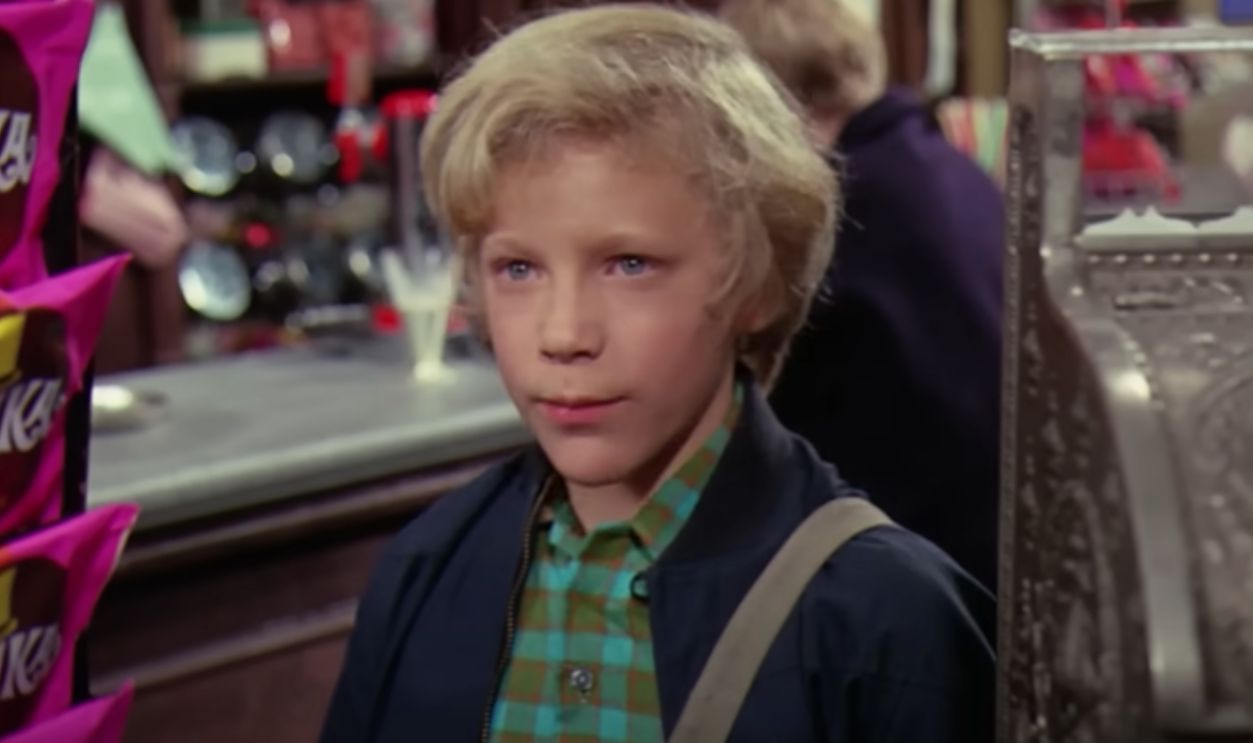 Paramount Pictures, Willy Wonka & the Chocolate Factory (1971)
Speaking To Students
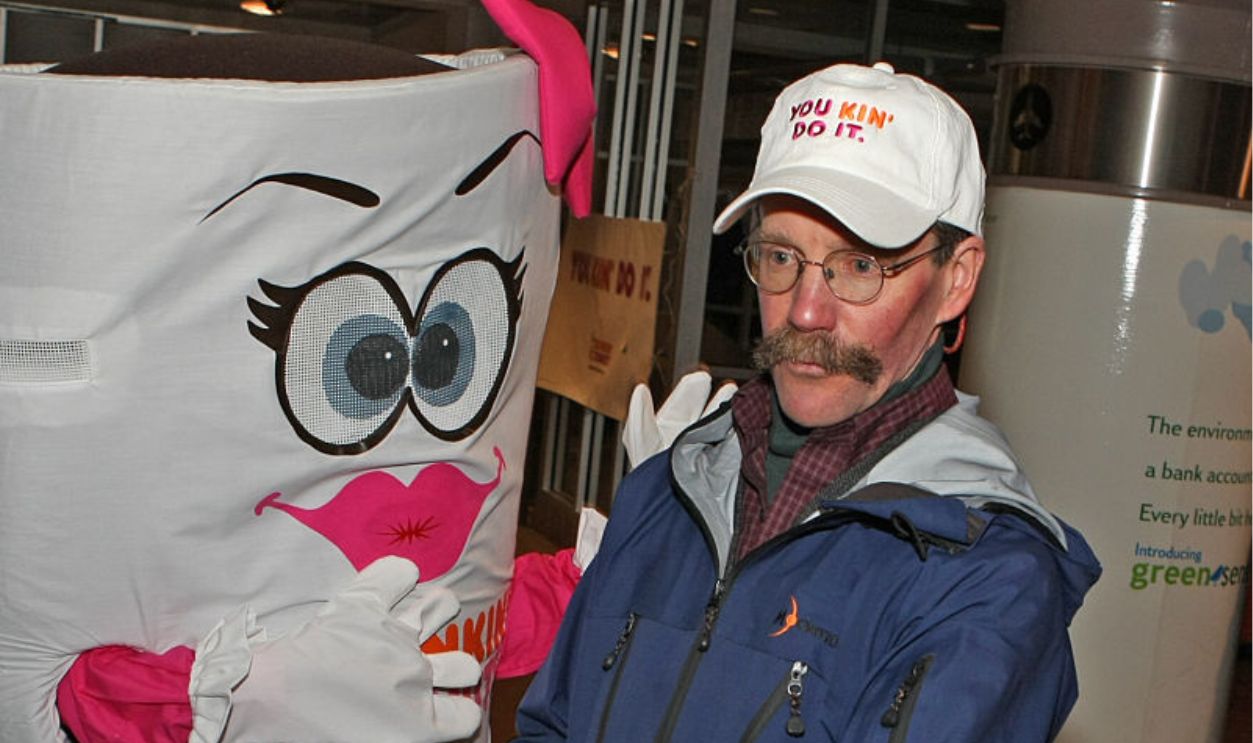
Beginning in the early 1990s, Ostrum started visiting schools to talk about both the movie and veterinary medicine. Students naturally wanted to hear behind-the-scenes stories from the chocolate factory. He used those visits to encourage children to follow their own interests.
Reunions Became A Treat
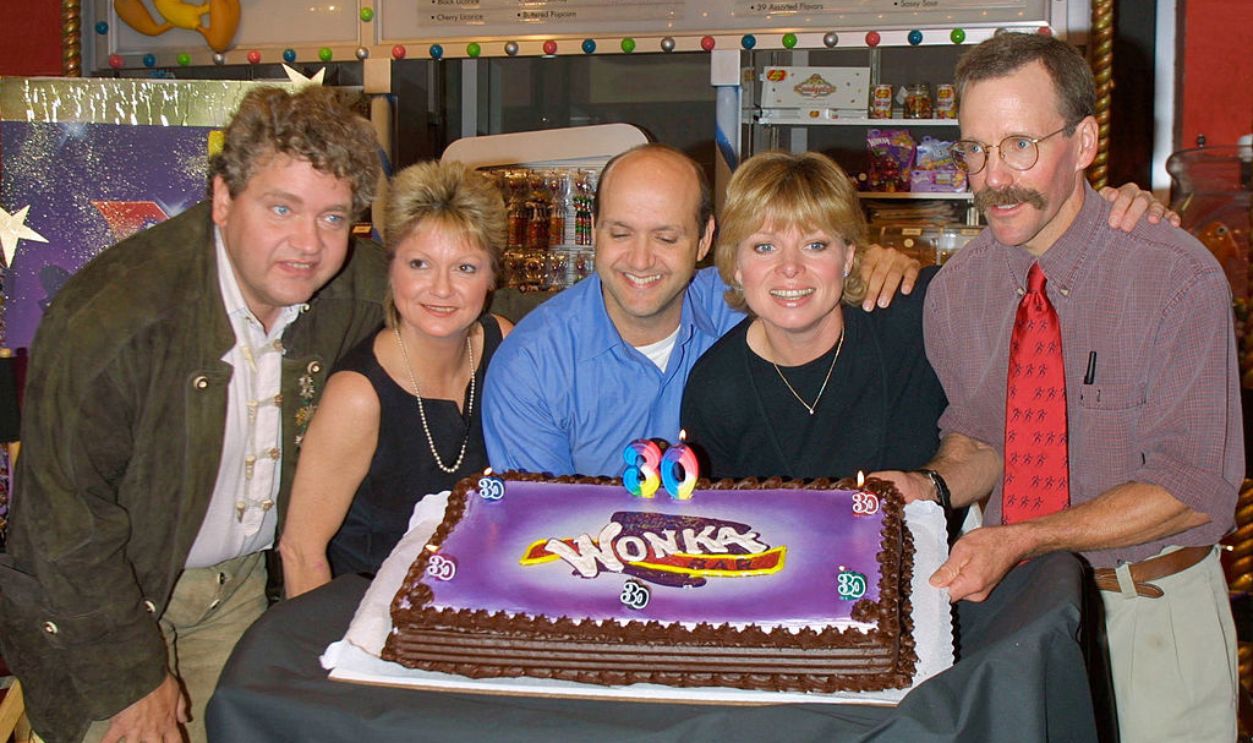
Ostrum has occasionally attended anniversary screenings, conventions, and cast reunions. Fans appreciate hearing firsthand memories from the production. These appearances allow him to celebrate the movie without returning to acting full time.
His Royalties Are Surprisingly Small
One detail that often surprises fans is how little Ostrum still earns from the film. He has said his television royalty checks amount to only about eight or nine dollars every few months. He laughs about the amount and says the experience itself was always the real reward.
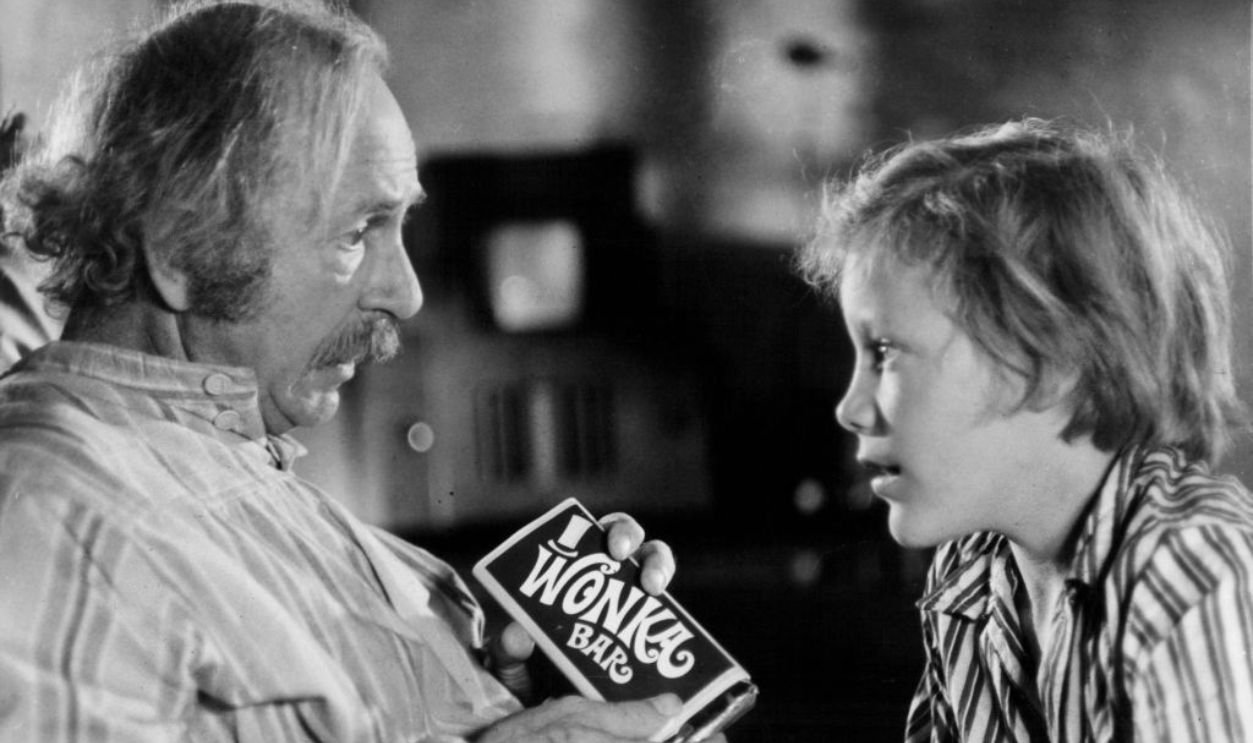 Michael Ochs Archives, Getty Images
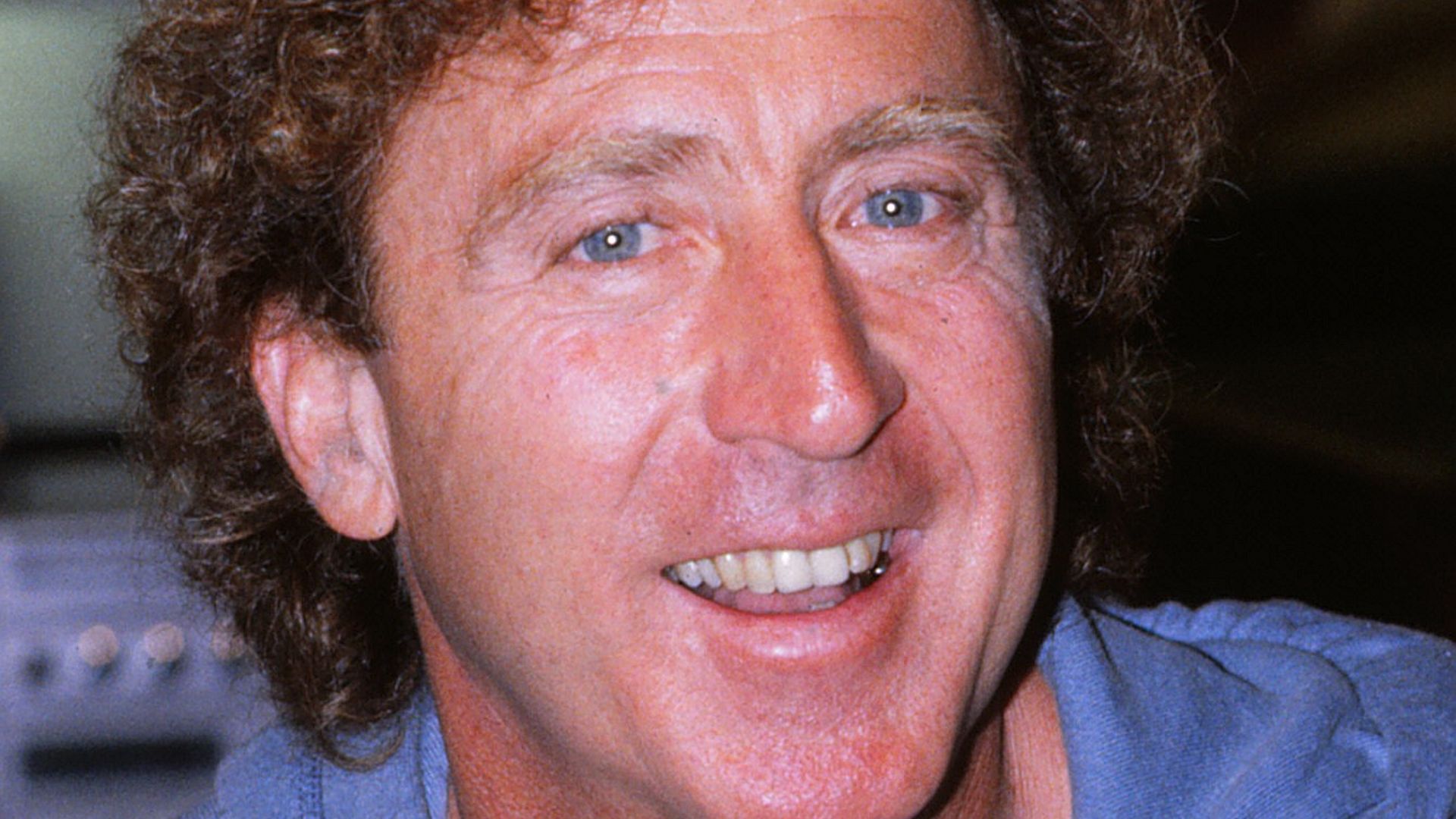
Losing Gene Wilder Was Emotional
When Gene Wilder died in 2016, Ostrum spoke warmly about his former co-star. He described Wilder as someone who treated everyone with kindness and dignity. Ostrum even said losing him felt somewhat like losing a parent.
Retirement After Decades Of Service
After nearly four decades as a veterinarian, Ostrum retired in 2023. His professional life had been devoted almost entirely to caring for large animals. It was a career that lasted far longer than his brief time in Hollywood.
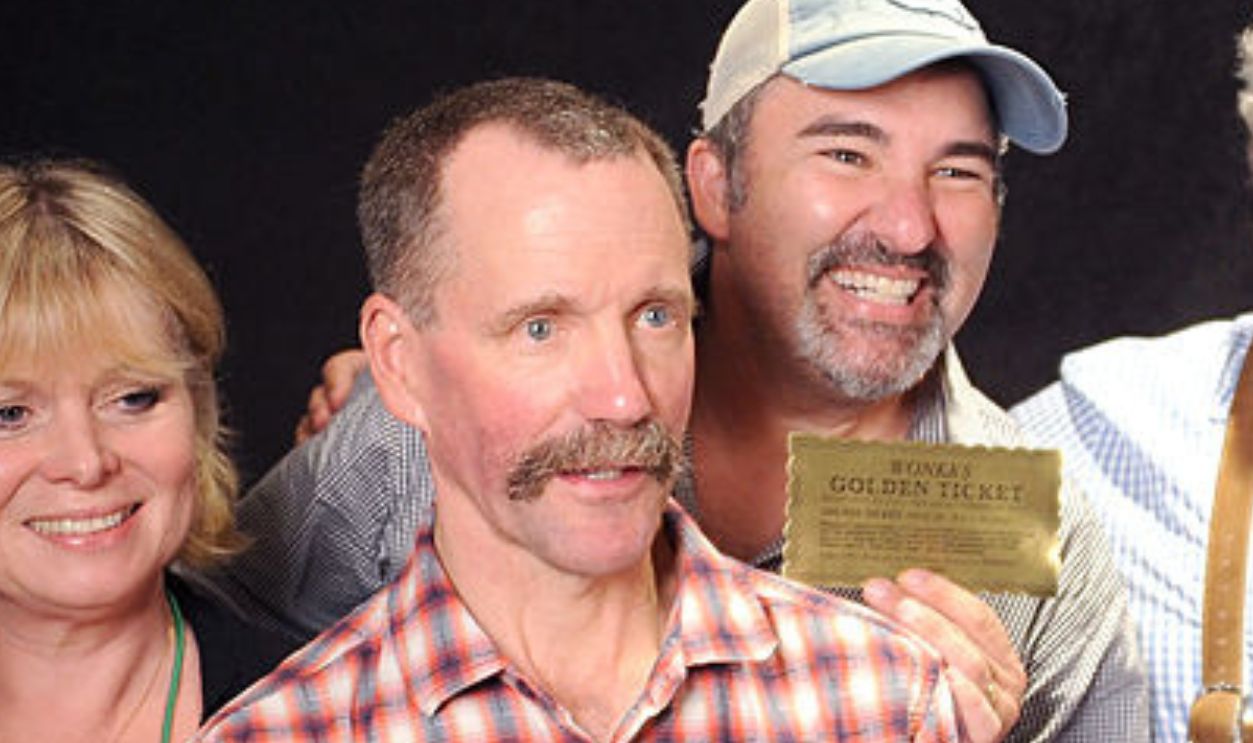 Albert L. Ortega, Getty Images
The Original Film Keeps Finding New Fans
The 2005 adaptation starring Johnny Depp and the 2023 prequel Wonka introduced fresh audiences to Roald Dahl's story. Those newer films also encouraged many viewers to revisit the Gene Wilder original. As a result, Peter Ostrum's lone performance continues to reach new generations.
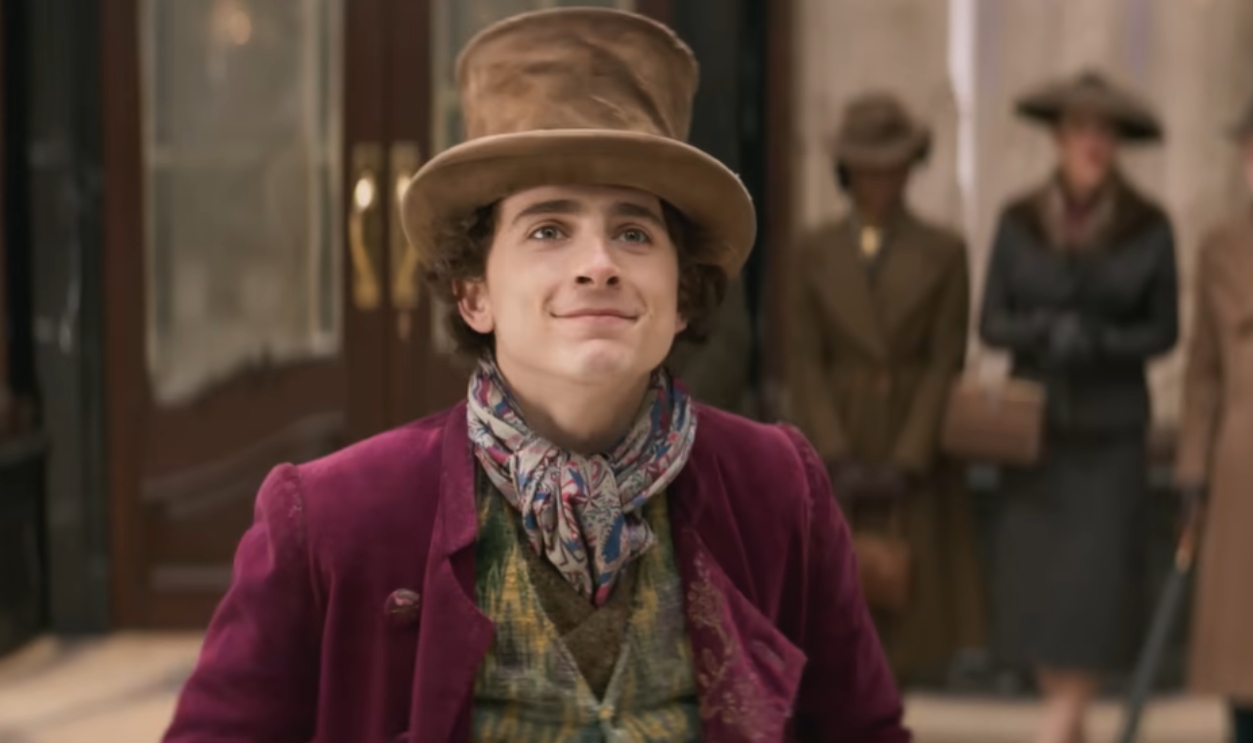 Screenshot from Wonka, Warner Bros. Pictures (2023)
A Different Definition Of Success
Hollywood often measures success by awards, fame, and longevity. Peter Ostrum chose a different definition centered on meaningful work, family, and personal fulfillment. His story shows that walking away from fame can sometimes be the happiest ending of all.
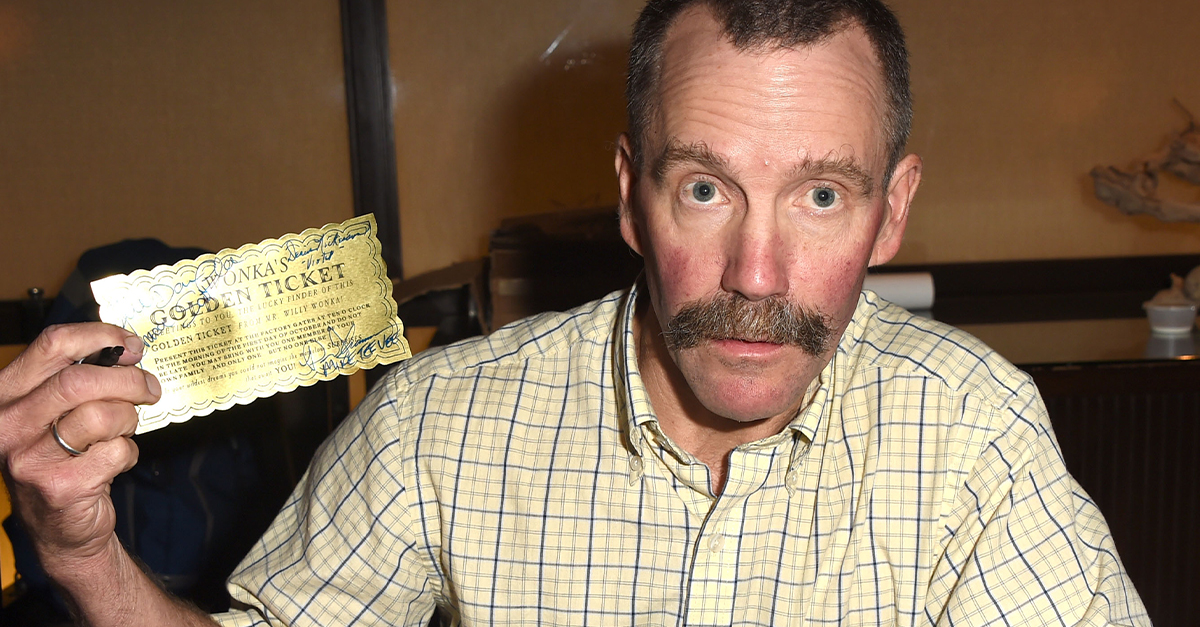
Why He Left Hollywood
In the end, Peter Ostrum did not leave because of scandal, disappointment, or failure. He simply discovered another passion that mattered more to him than acting. More than 50 years later, his decision remains one of Hollywood's most remarkable examples of choosing fulfillment over fame.
 Gage Skidmore from Peoria, AZ, United States of America, Wikimedia Commons
You May Also Like:
Candy-Coated Facts About Willy Wonka & The Chocolate Factory
Movies You Loved As A Kid—But Had Super Dark Themes