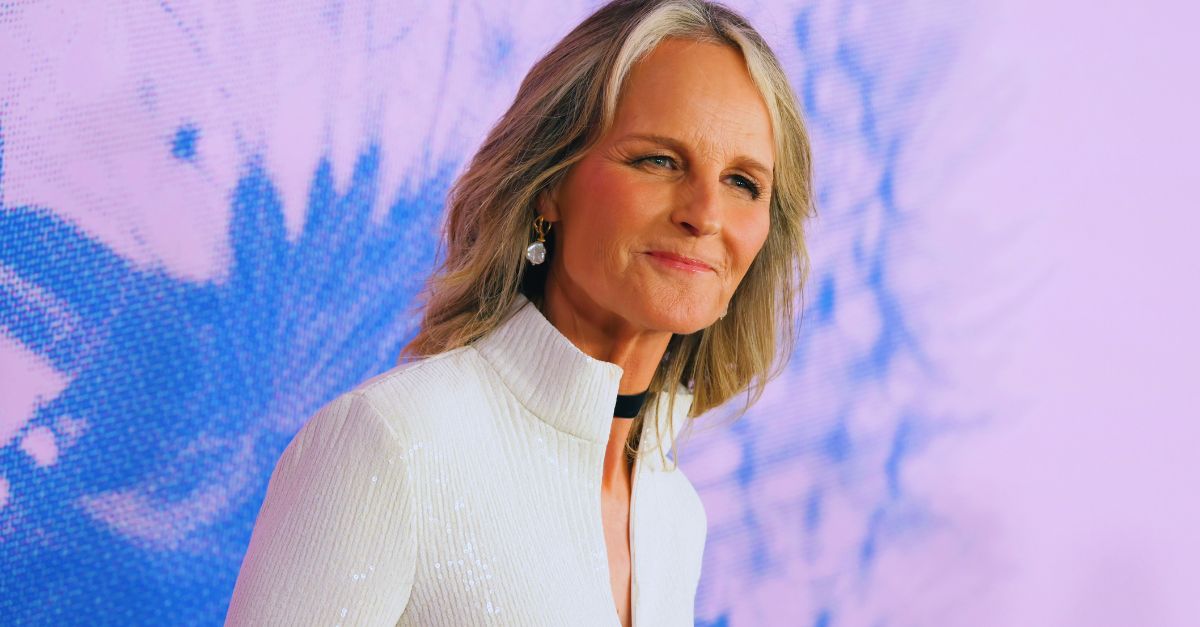
The Name You Used To See Everywhere
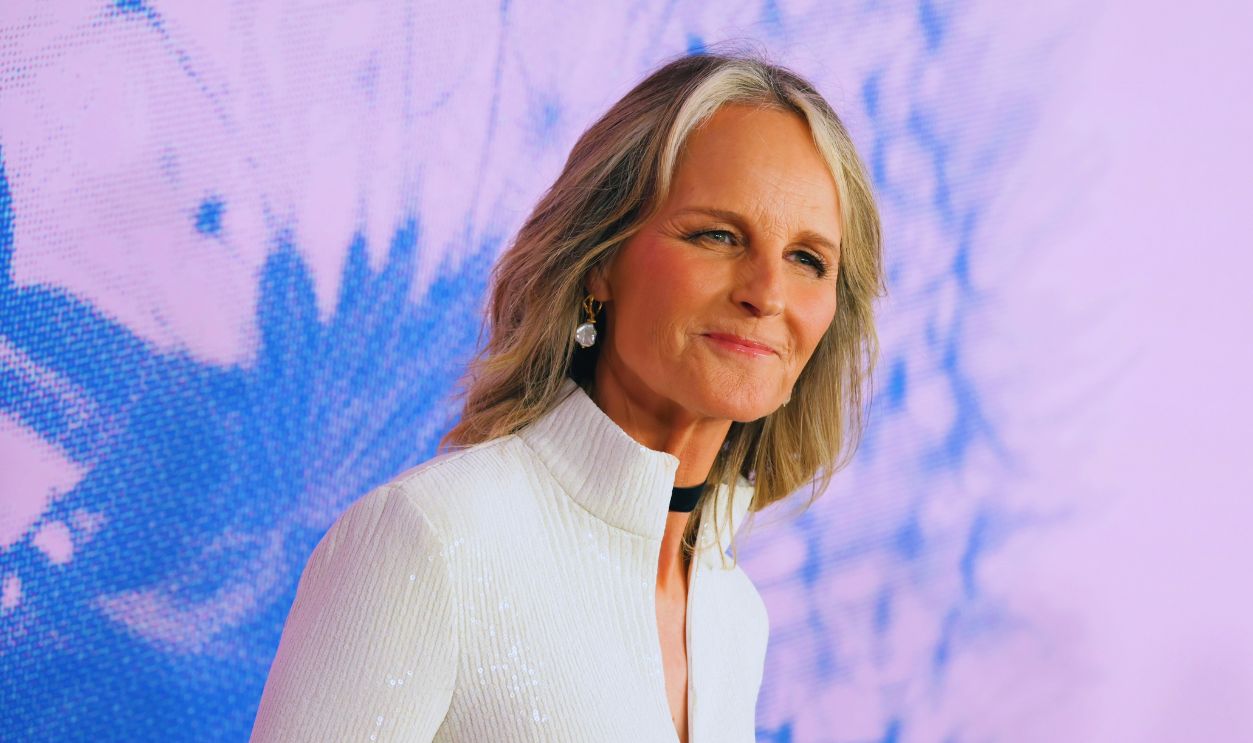
Helen Hunt once ruled both TV and film. She won an Oscar, starred in major comedies, and was everywhere in the 90s. Then, almost without warning, she faded from view. So where did she go—and why did Hollywood’s golden girl quietly disappear?
 Featureflash Photo Agency, Shutterstock
Born Into The Industry
Before her fame, Helen was already steeped in the entertainment world. Her father, Gordon Hunt, was a respected director and acting coach. Growing up in Los Angeles, she often watched rehearsals at home, which made the idea of performing feel completely natural.
 ABC Television, Wikimedia Commons
A Child Star On The Rise
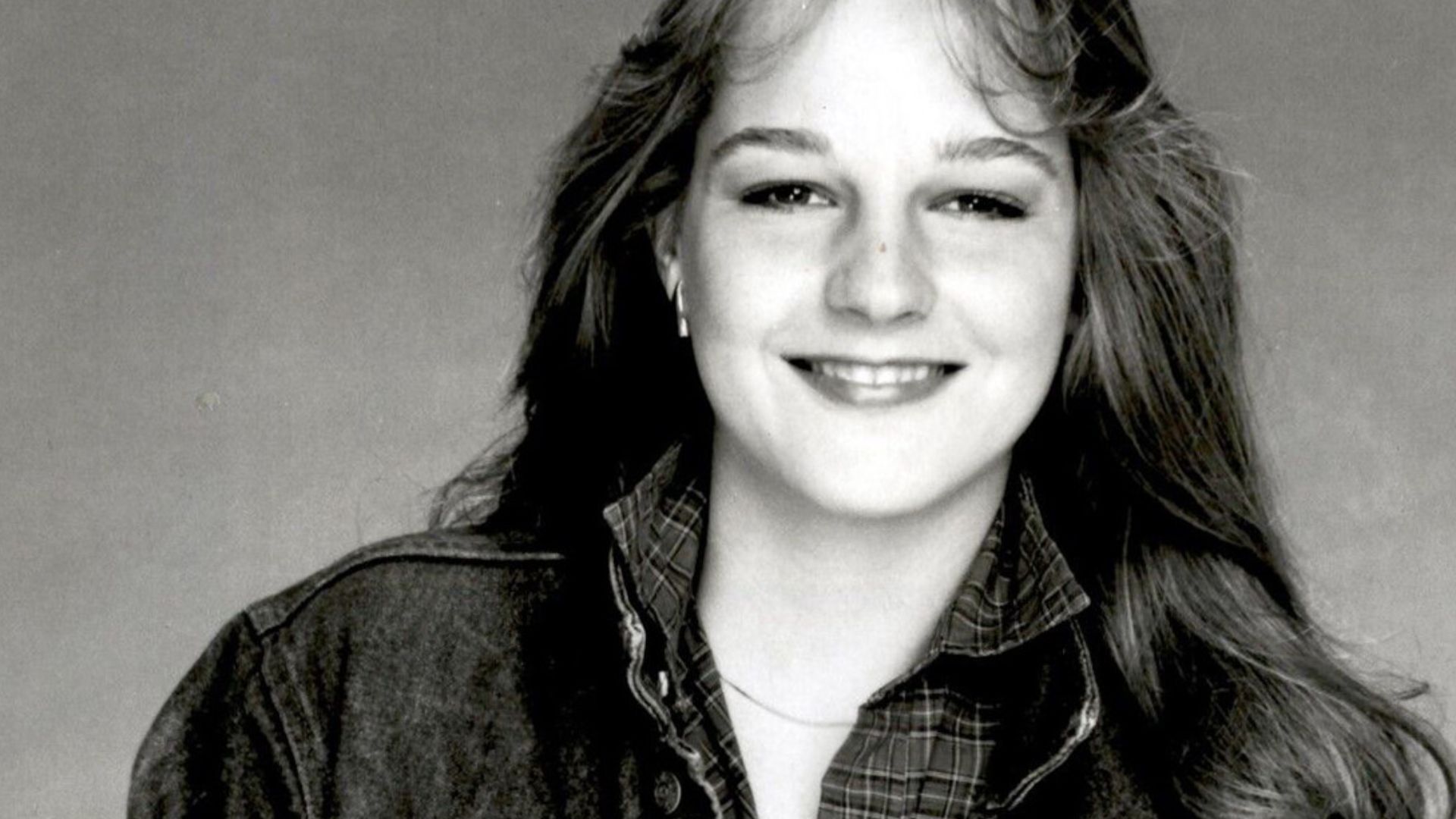
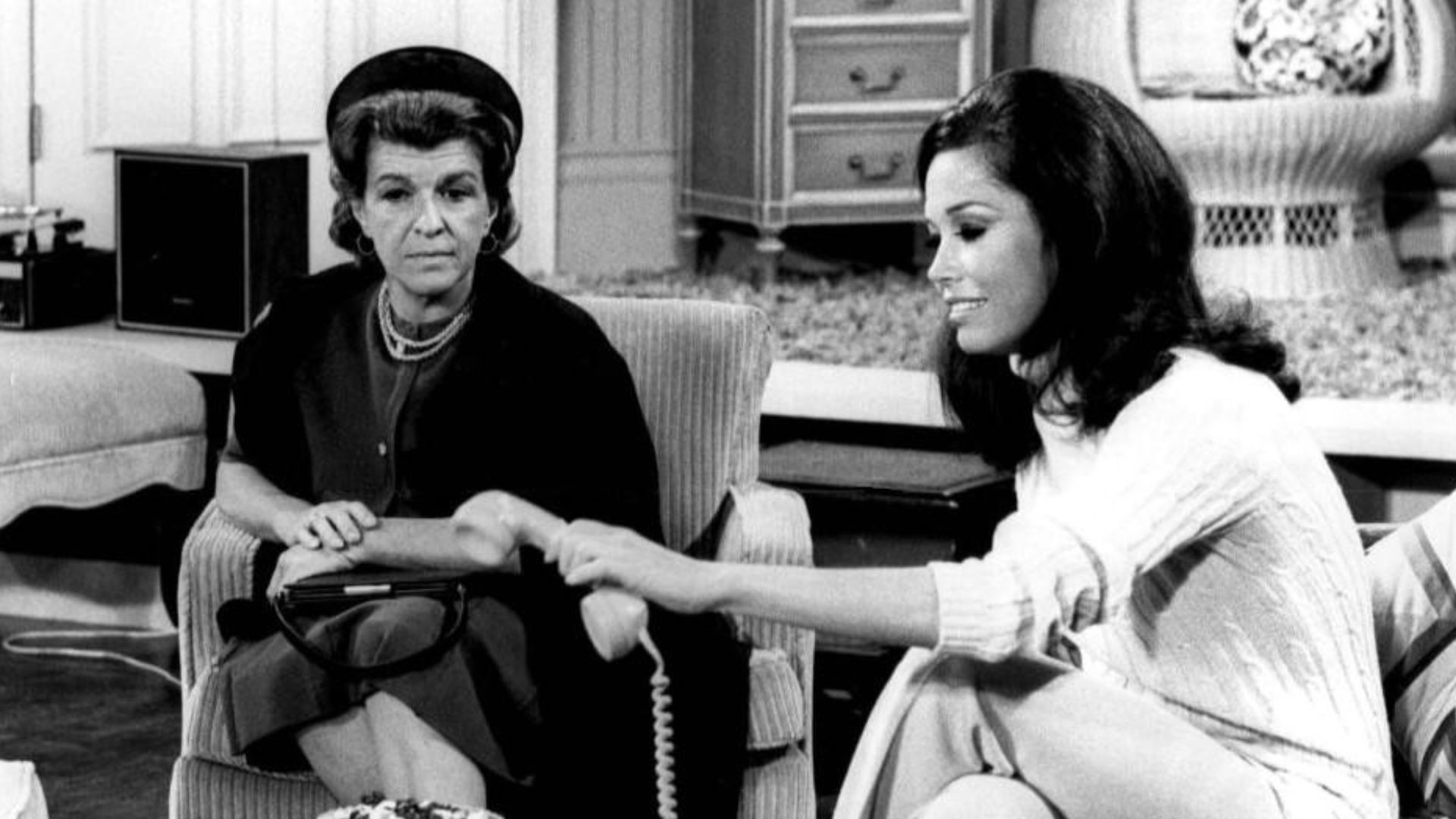
Helen landed her first acting job at just nine years old. She quickly became a familiar face on shows like The Swiss Family Robinson and The Mary Tyler Moore Show. While other kids were in school, Helen was already building a career in the entertainment world.
 CBS Television, Wikimedia Commons
TV Work That Quietly Built A Career
Throughout the 80s, Helen stayed busy with guest roles on popular shows like Highway to Heaven. These parts weren’t glamorous, but they sharpened her skills. Bit by bit, she was earning respect within the industry—just not yet headline status.
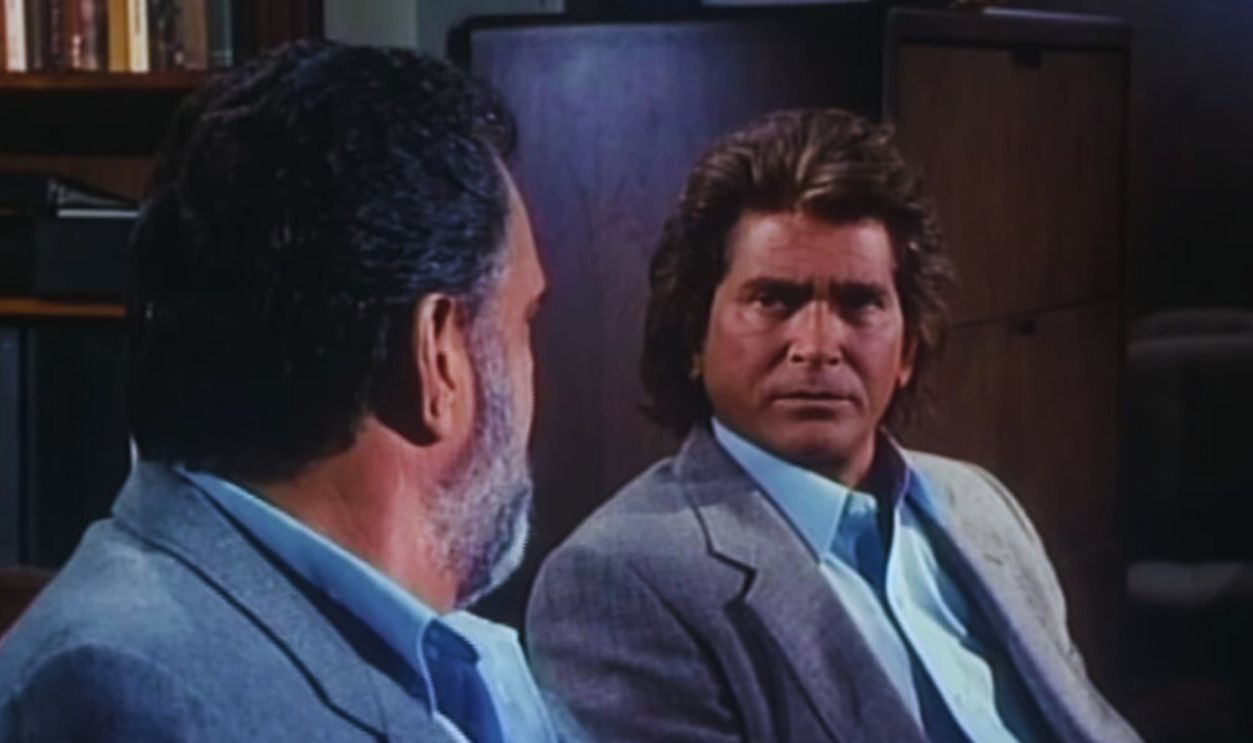 Highway to Heaven, NBC (1984–1989)
The Role That Changed Everything
The whole non-headline matter changed in 1992, when Helen landed the role of Jamie Buchman in Mad About You, a sitcom about married life in New York. The show’s emotional honesty and clever humor made it a hit, and Helen suddenly became one of TV’s biggest names.
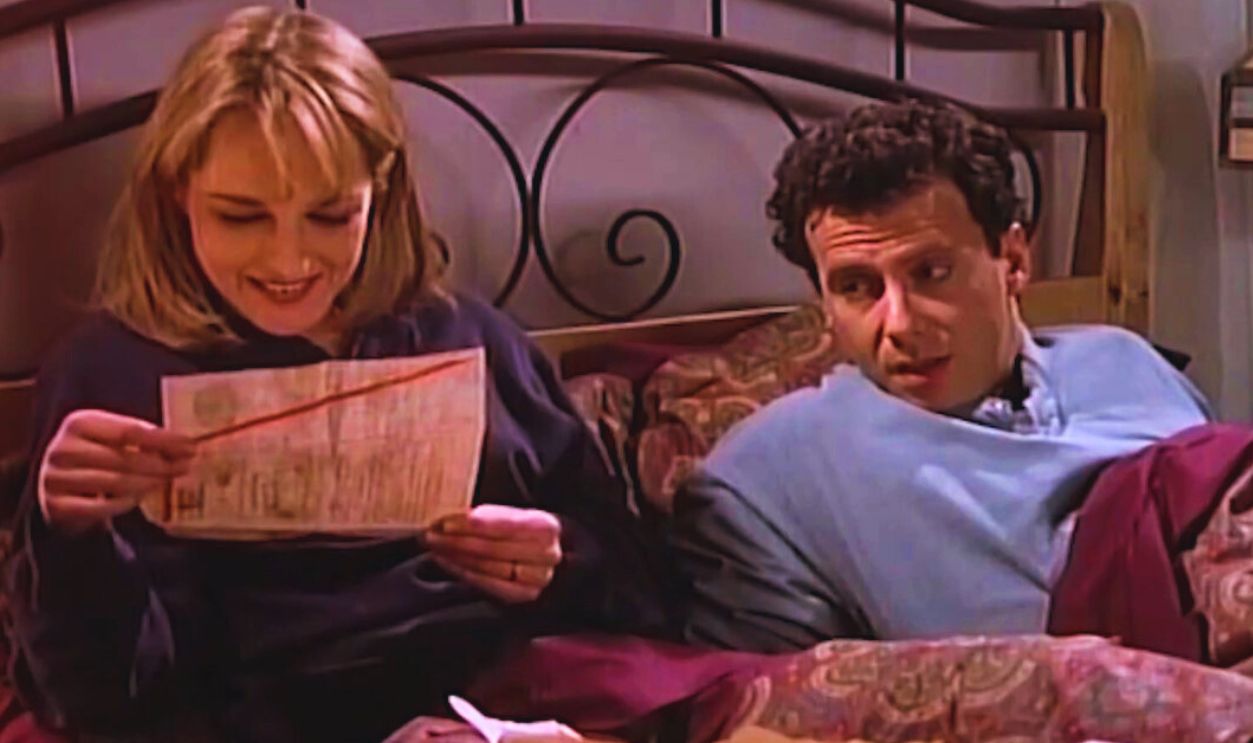 Screenshot from Mad About You, NBC (1992-1999)
The Sitcom Phenomenon Of The 90s
Mad About You defined a generation of romantic comedies on TV. Audiences loved the relatable characters, the warmth, and the quick wit. Helen’s on-screen chemistry with Paul Reiser also made their fictional marriage feel real, and fans tuned in religiously every week.
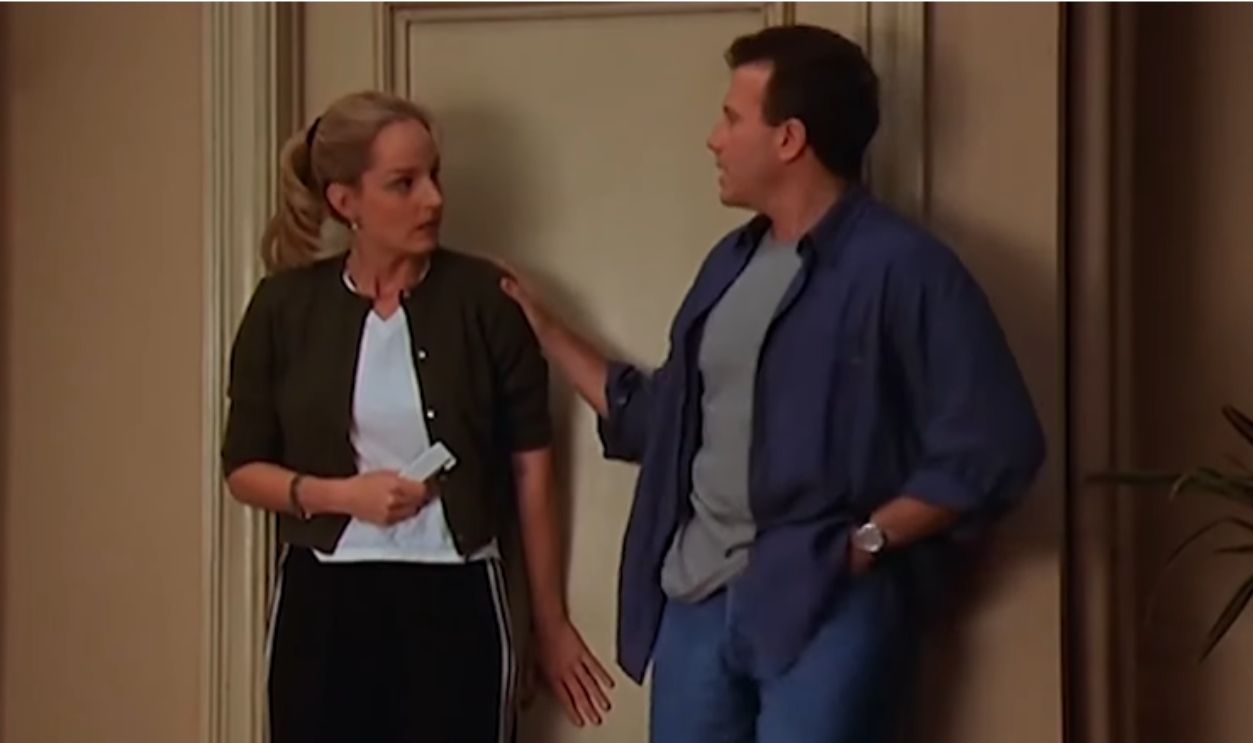 Screenshot from Mad About You, NBC (1992-1999)
Emmys And Recognition For TV Work
The show’s success brought critical acclaim. Helen won four consecutive Emmy Awards for Lead Actress in a Comedy and added a Golden Globe to her shelf. It wasn’t just fame—Helen was being recognized as one of television’s most talented performers.
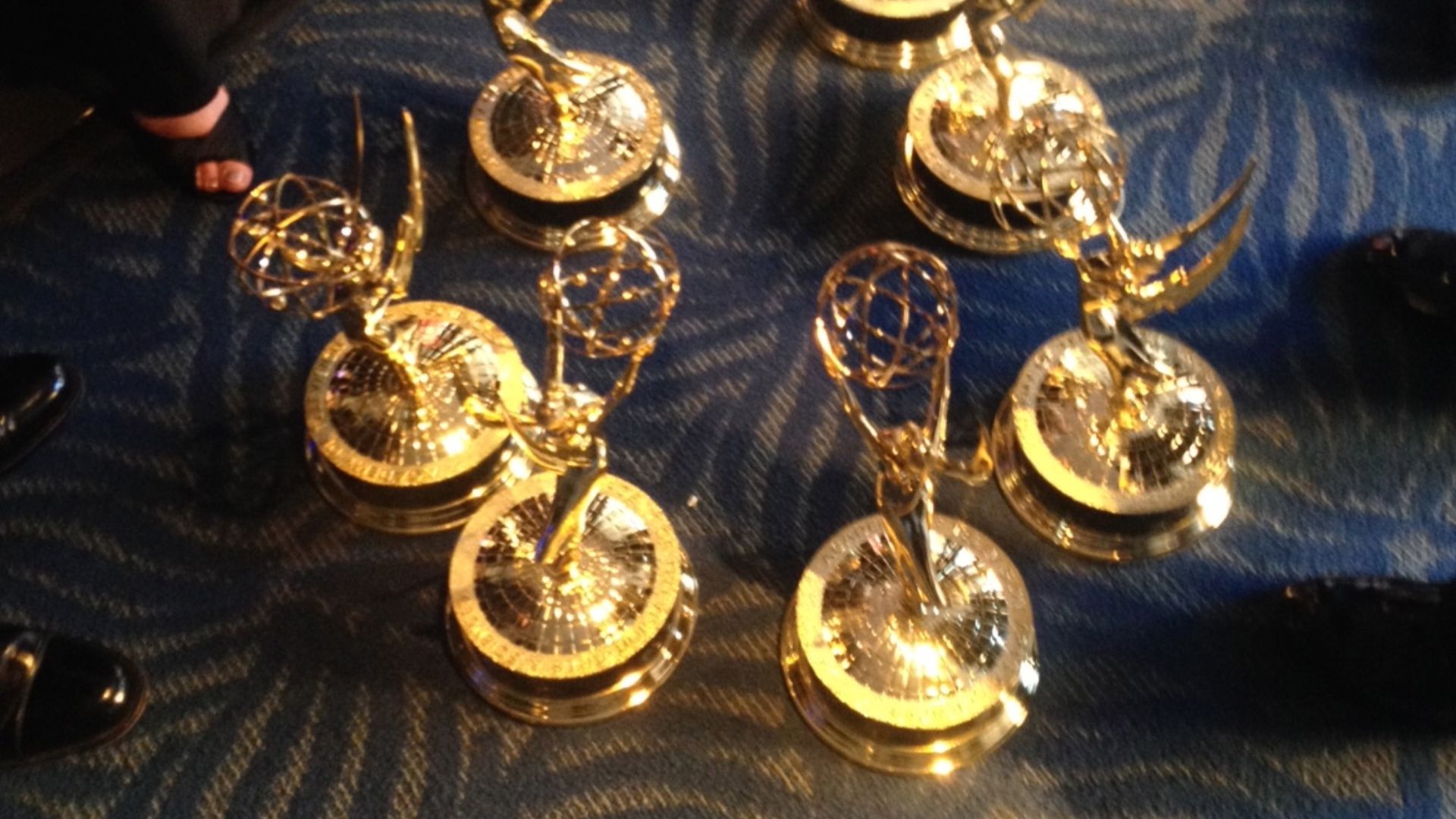 Sally H's Emmy Photos, Wikimedia Commons
Transition To Big Screen
While working on Mad About You, she started appearing in feature films. Her roles in The Waterdance and Mr Saturday Night introduced her to wider audiences and showed she could move seamlessly from TV to film, which was a rare leap at the time.
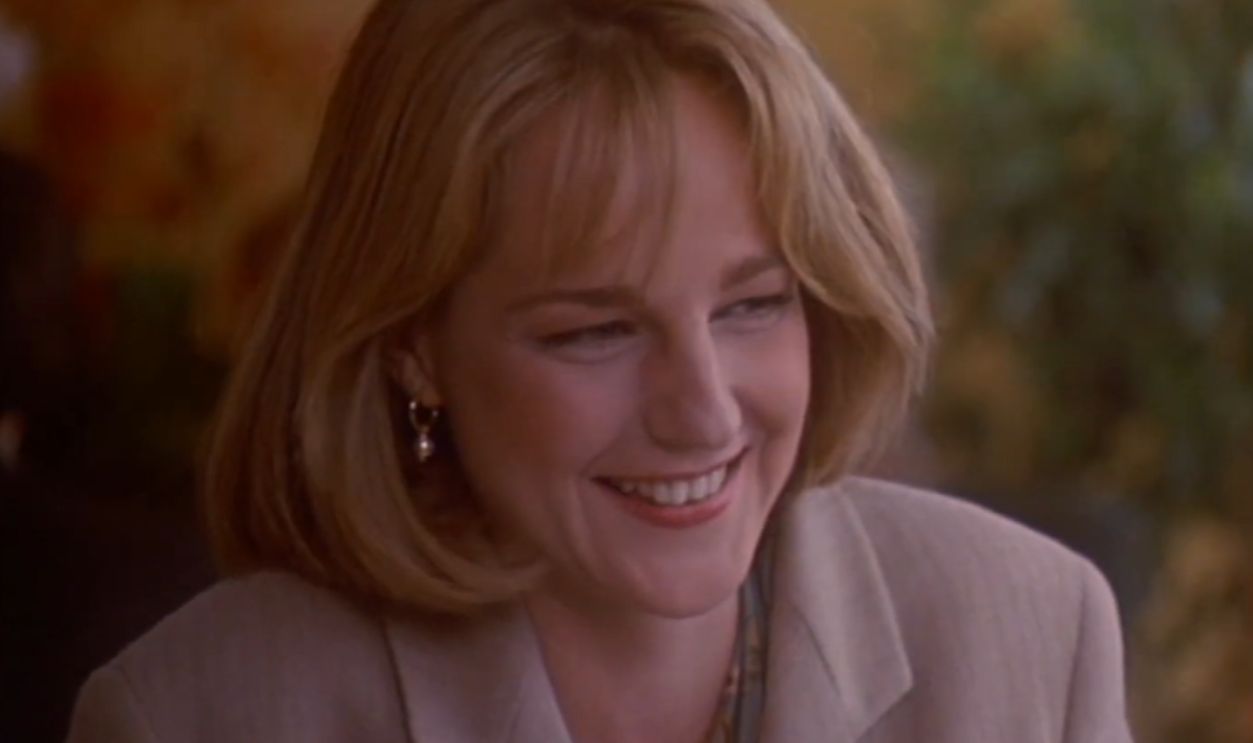 Screenshot from Mr. Saturday Night, Columbia Pictures (1992)
1996’s Twister And Blockbuster Stardom
Then came Twister, the high-octane disaster film that became a massive hit. Helen starred as a fearless storm chaser alongside Bill Paxton. With over $495 million earned worldwide, the film turned her into a movie star almost overnight.
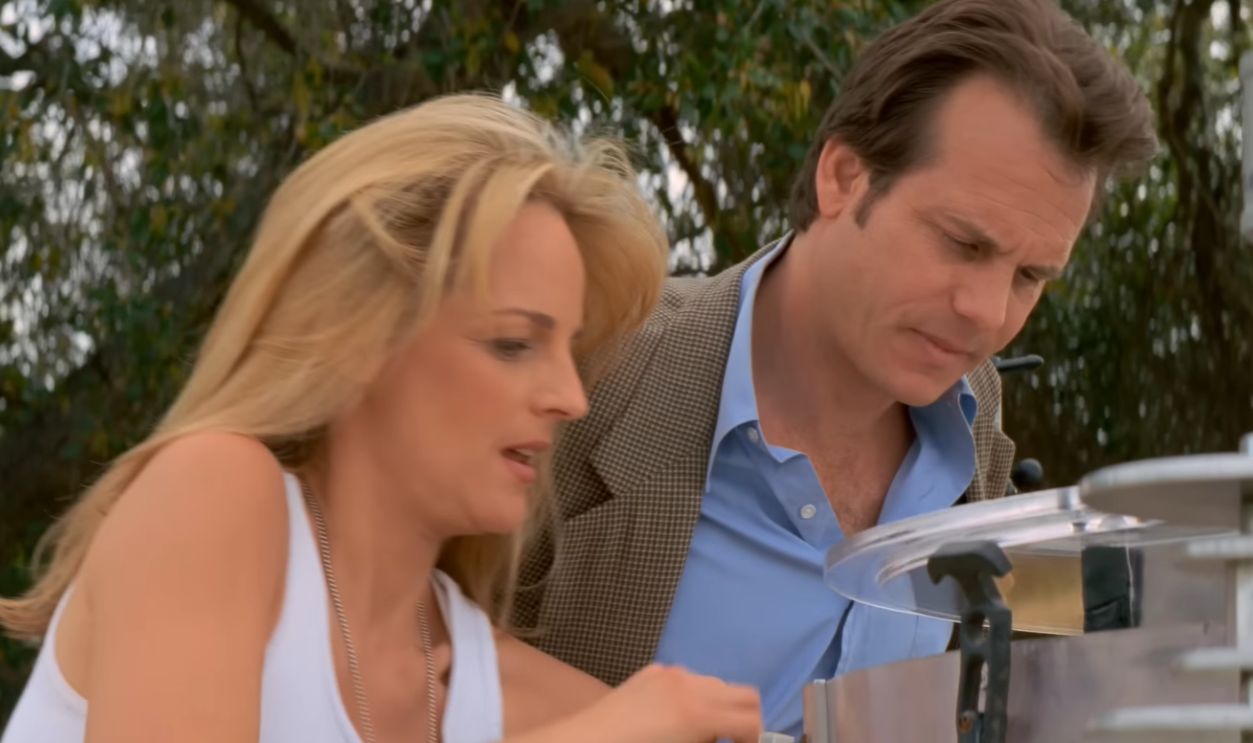 Screenshot from Twister, Warner Bros. (1996)
Oscar Triumph With As Good As It Gets
In 1997, Helen delivered a standout performance in As Good As It Gets alongside Jack Nicholson. Playing a hardworking single mother, she earned the Academy Award for Best Actress the following year, marking a rare achievement as a star who had mastered both television and film.
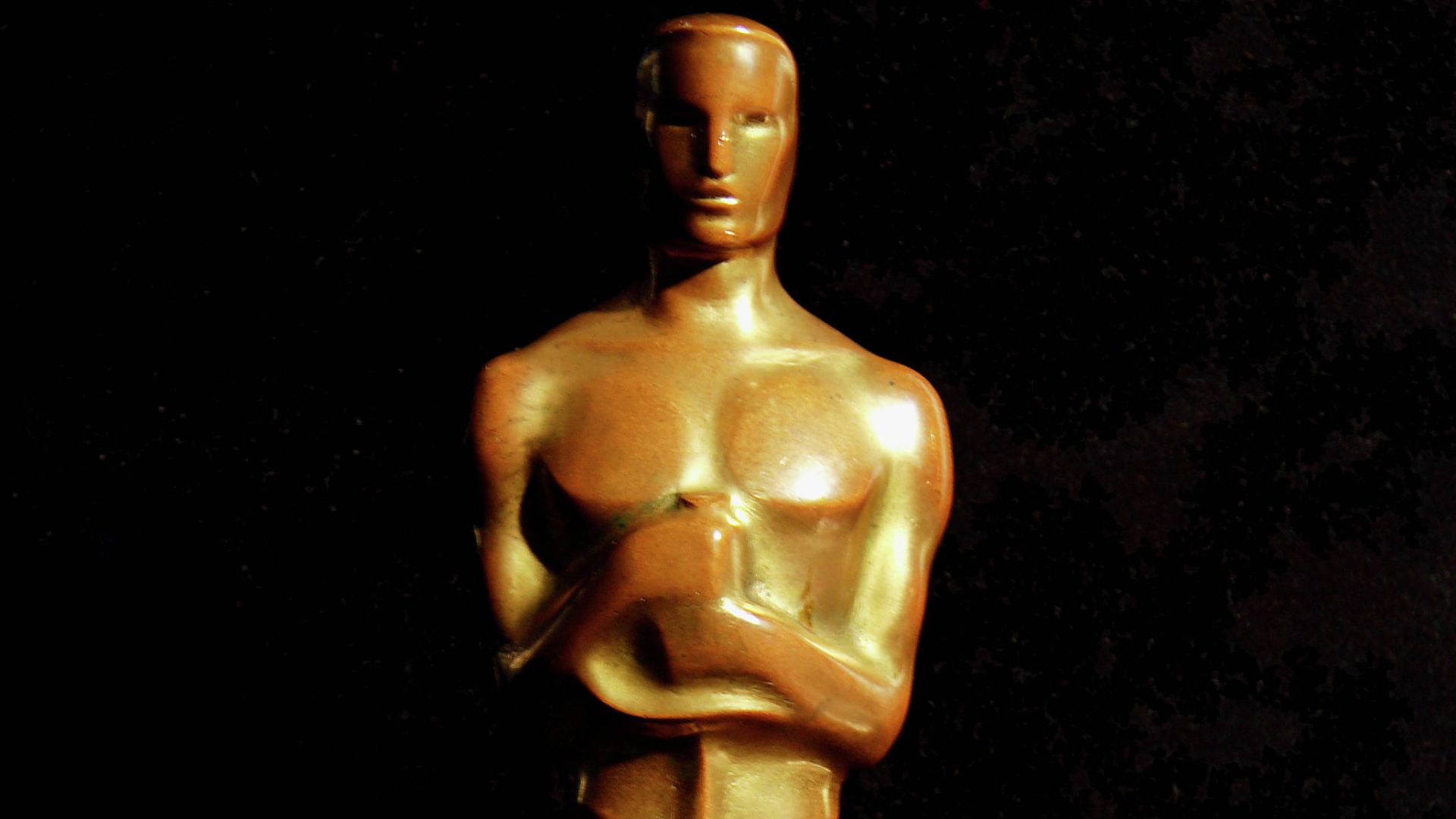 Academy of Motion Picture Arts and Sciences, Wikimedia Commons
2000s Hits Like What Women Want And Cast Away
Helen’s winning streak continued. In 2000, she starred with Mel Gibson in What Women Want and played Tom Hanks’s love interest in Cast Away. Both films were major hits, which just confirms her as one of Hollywood’s most bankable leading ladies.
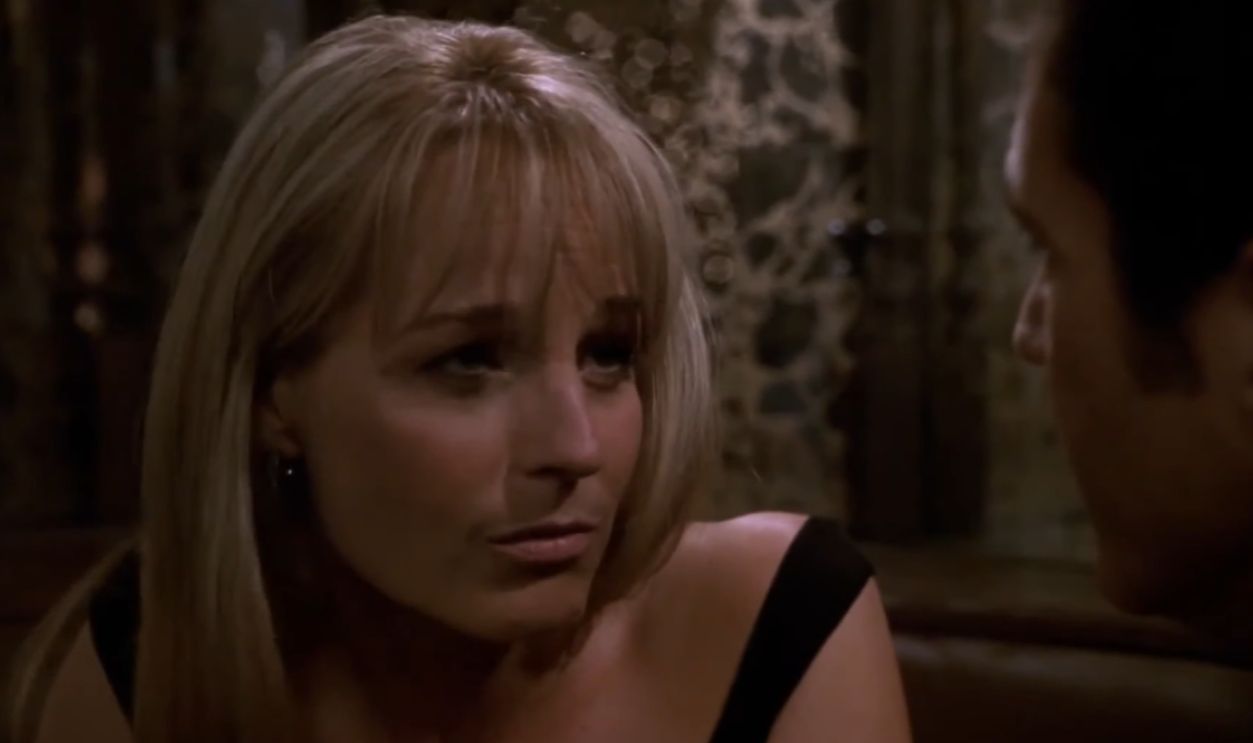 Screenshot from What Women Want, Paramount Pictures (2000)
Post–Mad About You Career Choices In The 2000s
After Mad About You ended in 1999, Helen took a step back from blockbuster films. Instead of chasing fame, she turned toward smaller, character-driven projects like The Sessions. Her choices reflected a desire to tell more meaningful, personal stories.
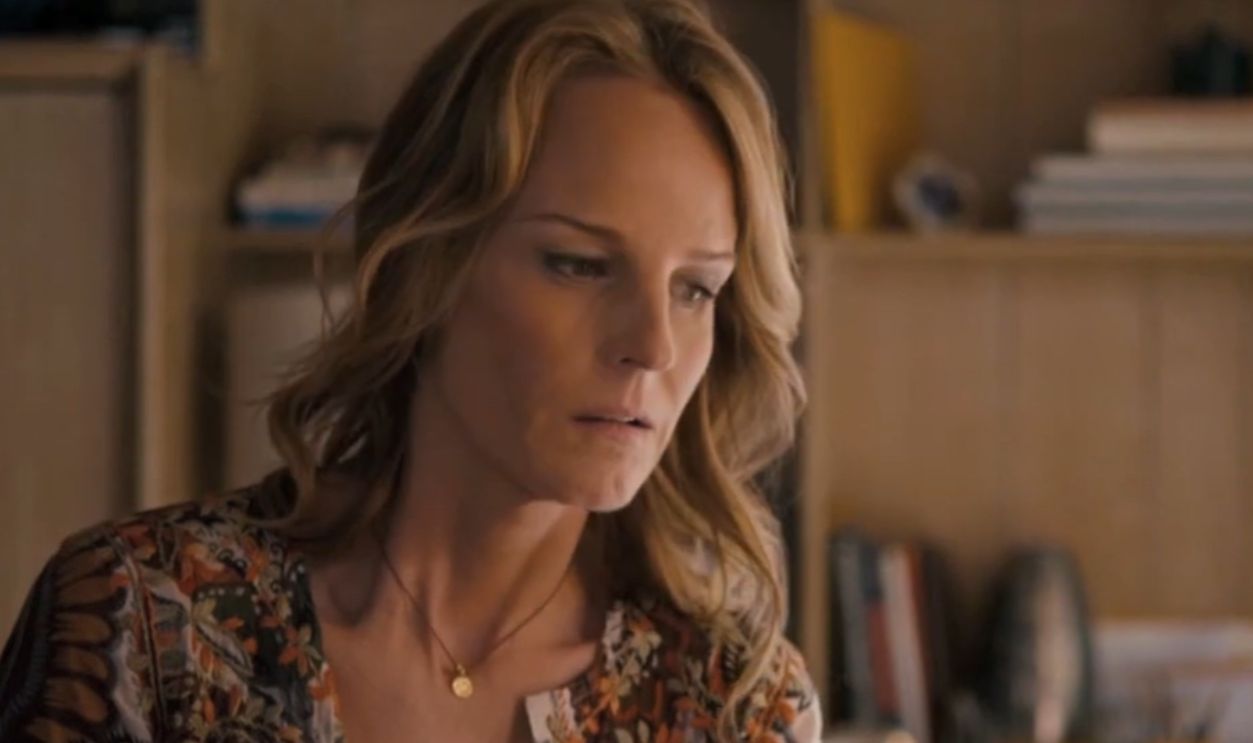 Screenshot from The Sessions, Fox Searchlight Pictures (2012)
Stepping Into Directing And Producing
In 2007, Helen made her directorial debut with Then She Found Me, which she also co-wrote and starred in. The film marked a shift behind the camera, giving her more creative control and showing audiences a new side of her talent.
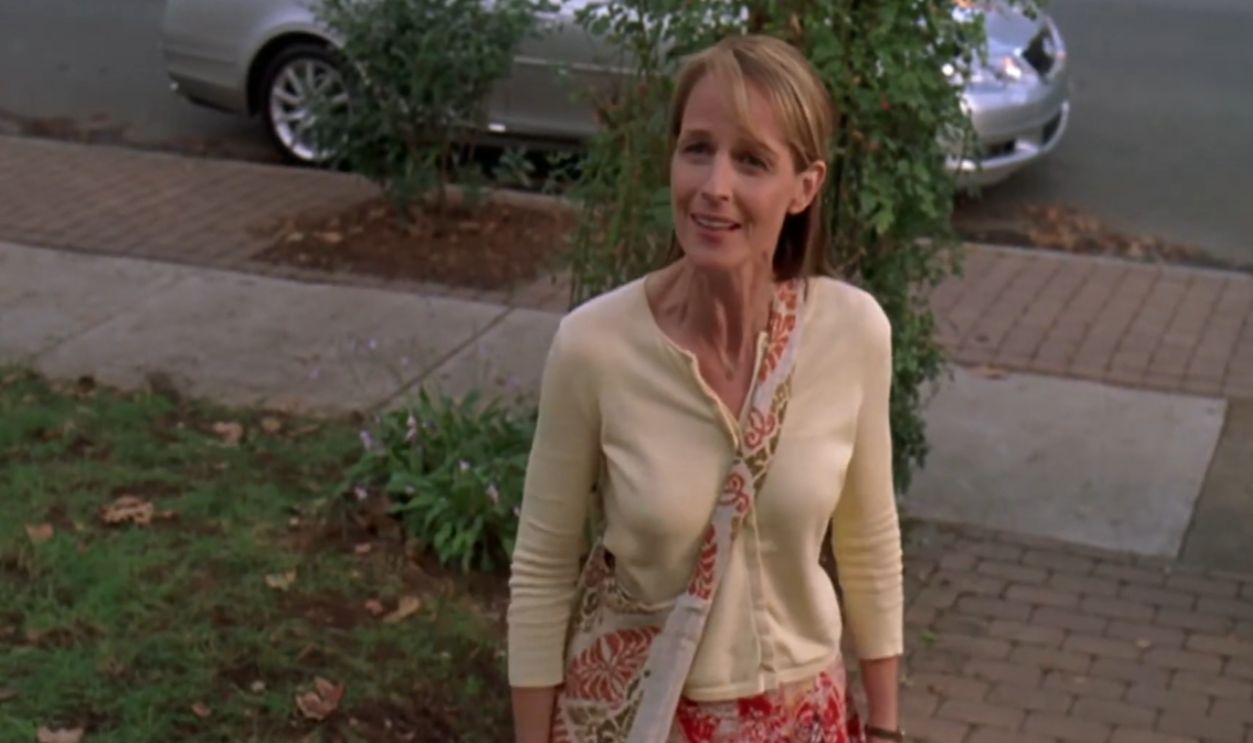 Screenshot from Then She Found Me, THINKFilm (2007)
Challenges As A Filmmaker
Despite her extensive resume, Helen found it difficult to secure funding for directing projects. She later revealed how being a woman in Hollywood made it harder to gain studio backing. Some of her favorite scripts, she admitted, never made it off the page because of this.
 John Guccione www.advergroup.com, Pexels
Motherhood And Life Off Camera
In 2004, she became a mother, so raising her daughter became her biggest priority. She gradually stepped back from the spotlight to focus on parenting and choosing roles that allowed her to balance work with life at home.

The Pressure Of Fame And Privacy Struggles
With years of fame behind her, Helen admitted that she never loved the attention. Paparazzi, red carpets, and the glare of constant scrutiny wore her down. As time went on, she craved a quieter, more grounded life away from the chaos of celebrity.

Career Lulls And Box Office Flops
Not every project during this period found success. Films like Ride and The Miracle Season failed to draw large audiences. Critics noted her strong performances, but some questioned whether Hollywood still knew how to use her talents effectively.
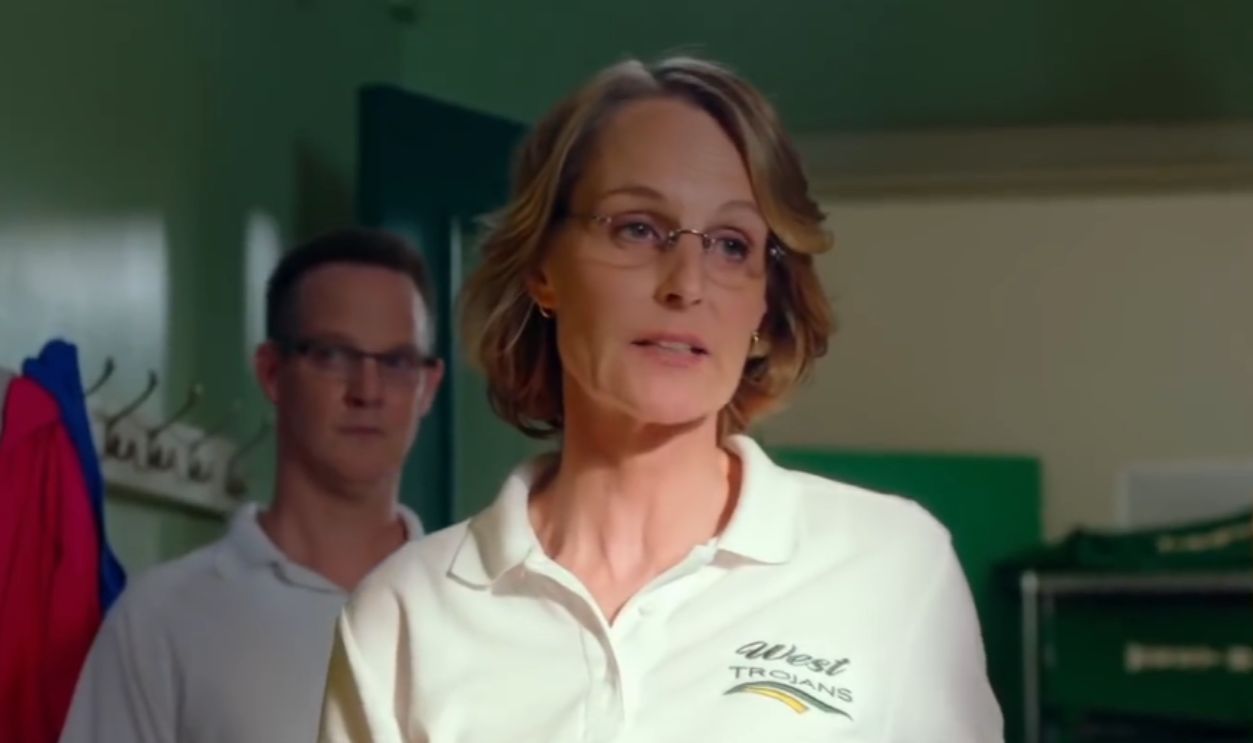 Screenshot from The Miracle Season, LD Entertainment (2018)
The Twister 2 Sequel That Didn’t Happen
At one point, Helen pitched a Twister sequel featuring a more diverse cast and updated storyline. Despite her enthusiasm, studios rejected the idea. For her, it was a disappointing moment—especially given how much the original helped shape her career.
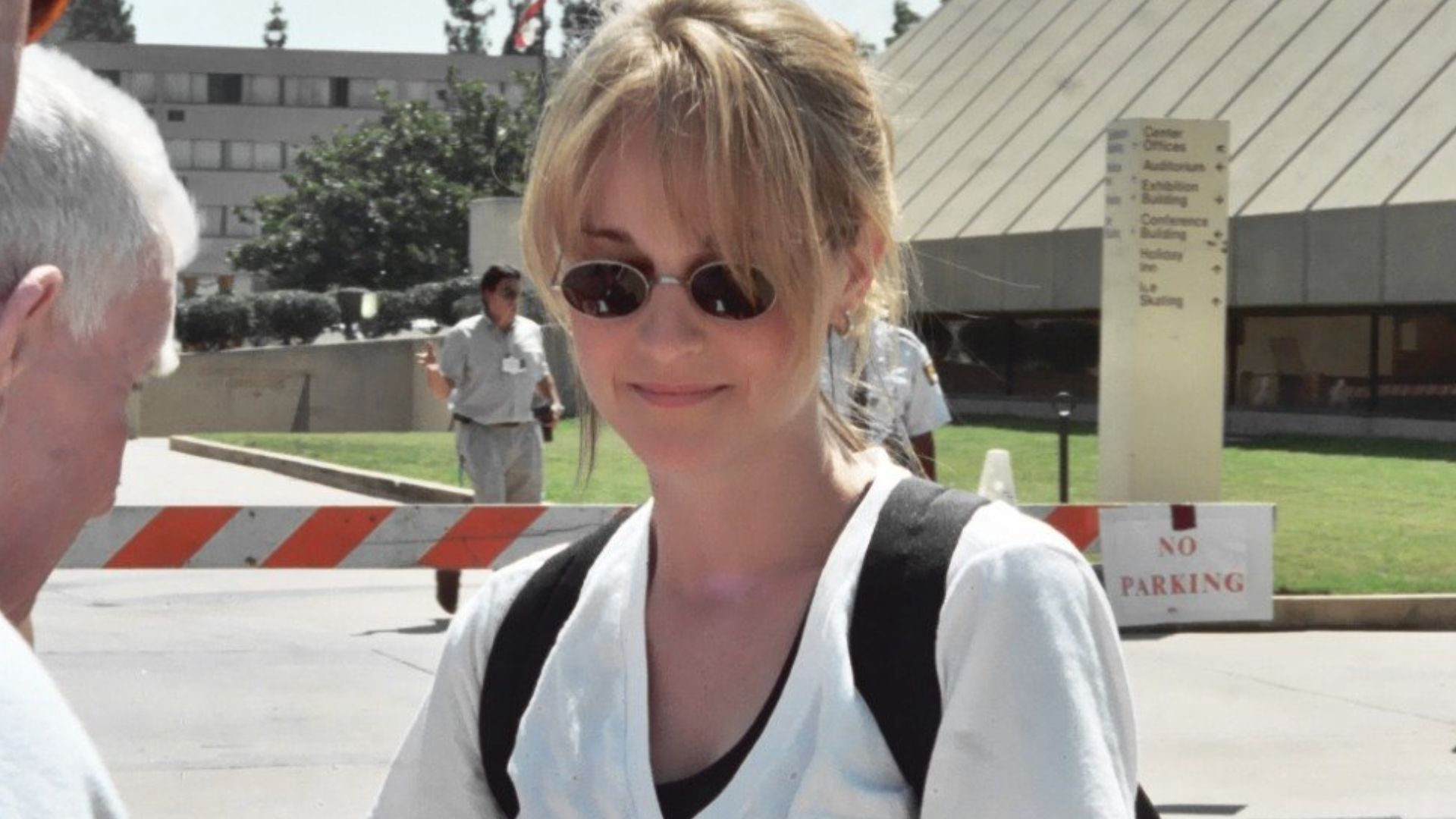
Big Personal Changes Breakup After 16 Years
Helen was in a long-term relationship with writer-producer Matthew Carnahan. They were together for 16 years and shared a daughter. But in 2017, the couple quietly split, marking another significant change in both her personal and professional life.

Low Profile In The 2010s
As the 2010s rolled in, Helen chose to stay out of the Hollywood spotlight. She appeared in fewer films and rarely attended public events. While some fans assumed she had retired, she was simply making more intentional, low-profile decisions.
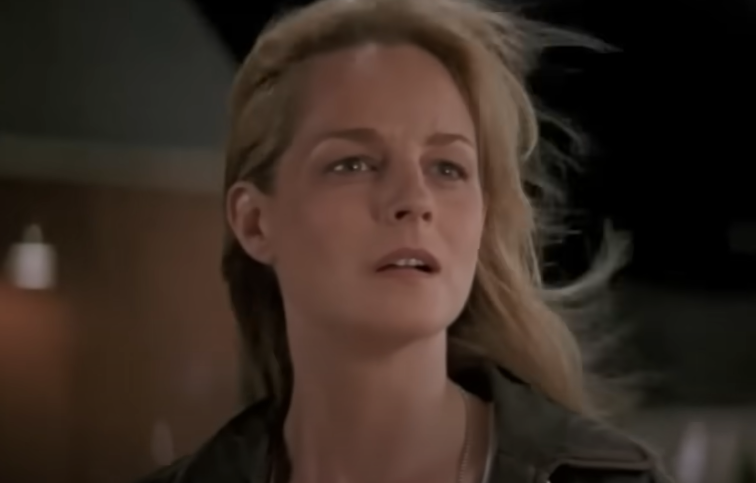 Screenshot from Twister, Warner Bros. (1991)
Selective Roles And Cameos
Helen never fully left acting, but she became highly selective. She focused on roles in indie films and TV that meant something to her. The Sessions and Ride reflected her evolving taste—stories with heart, nuance, and space for quiet performances.
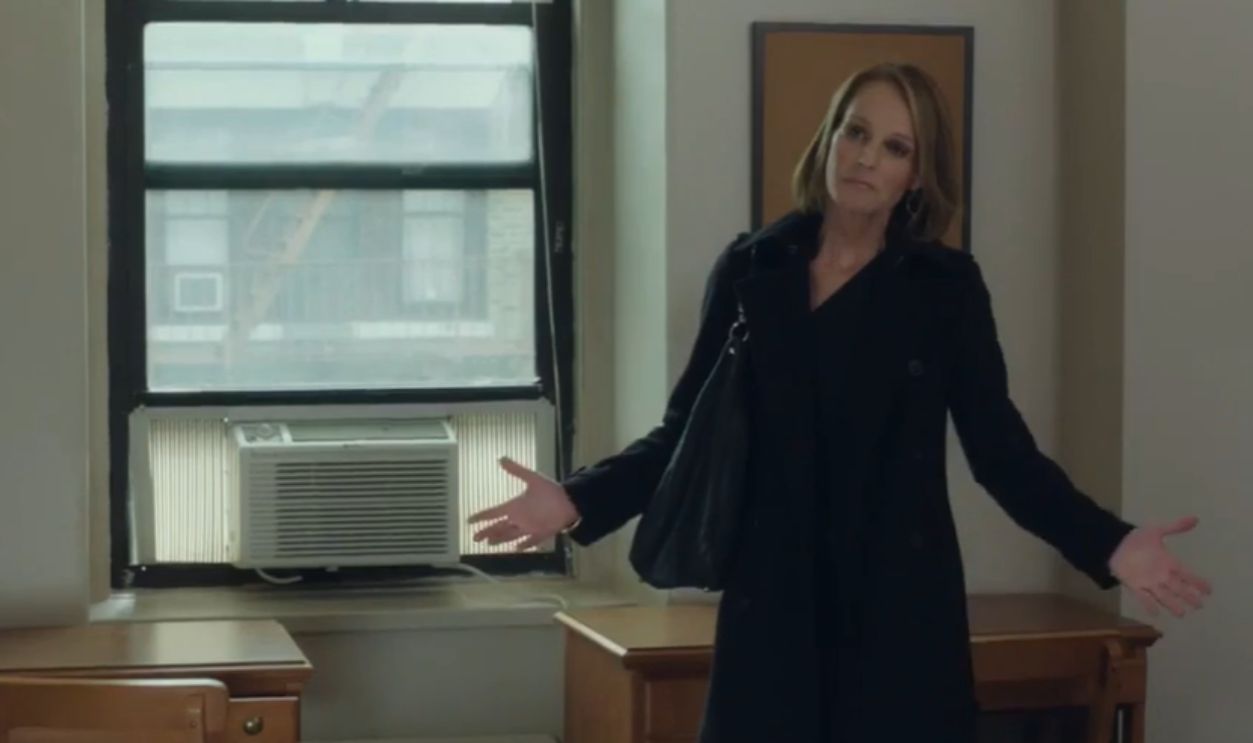 Screenshot from Ride, Screen Media Films (2015)
Return To TV
In 2019, Helen briefly returned to familiar ground. Mad About You was revived for a limited series, reuniting her with Paul Reiser. The revival had mixed reviews, but for fans, it was a nostalgic return to one of TV’s most beloved couples.
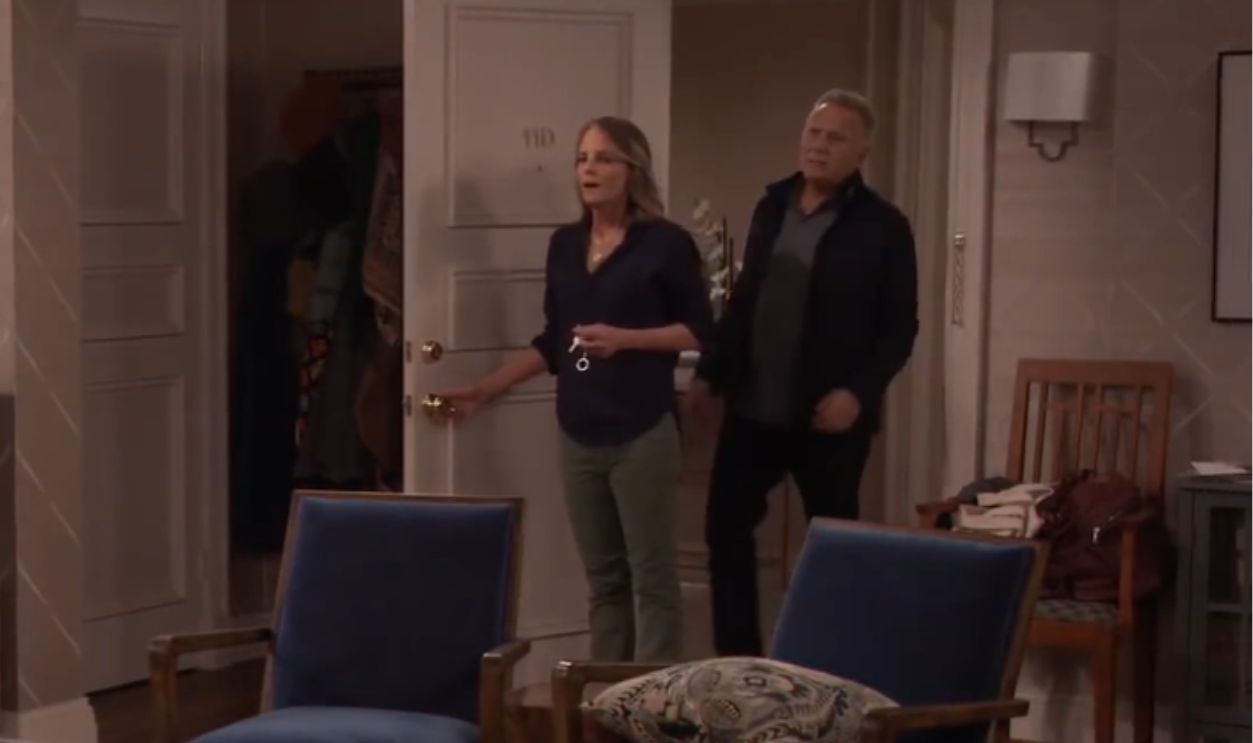 Screenshot from Mad About You, Spectrum Originals (2019)
Stage Work And Theater Pursuits
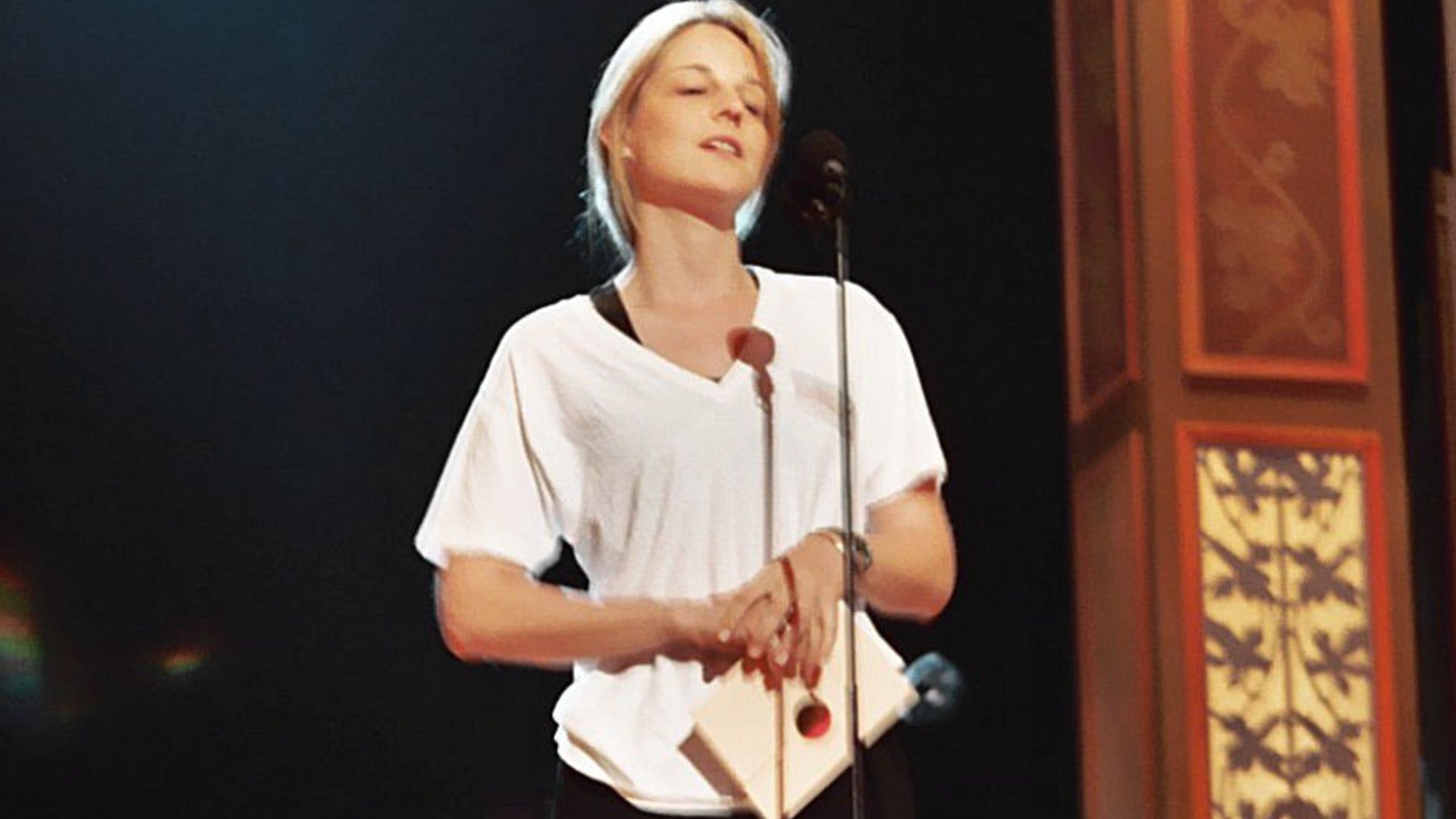
Helen also returned to the stage, performing in plays like “Twelfth Night” and “Our Town”. Theater gave her a creative outlet away from the screen and allowed her to stay connected to storytelling in a more intimate, live setting.
Current Projects
More recently, she took on a new challenge with the Starz series Blindspotting, where she’s acting and directing episodes. The show tackles race and social justice, and her role behind the scenes showed that she’s still committed to meaningful, thought-provoking work.
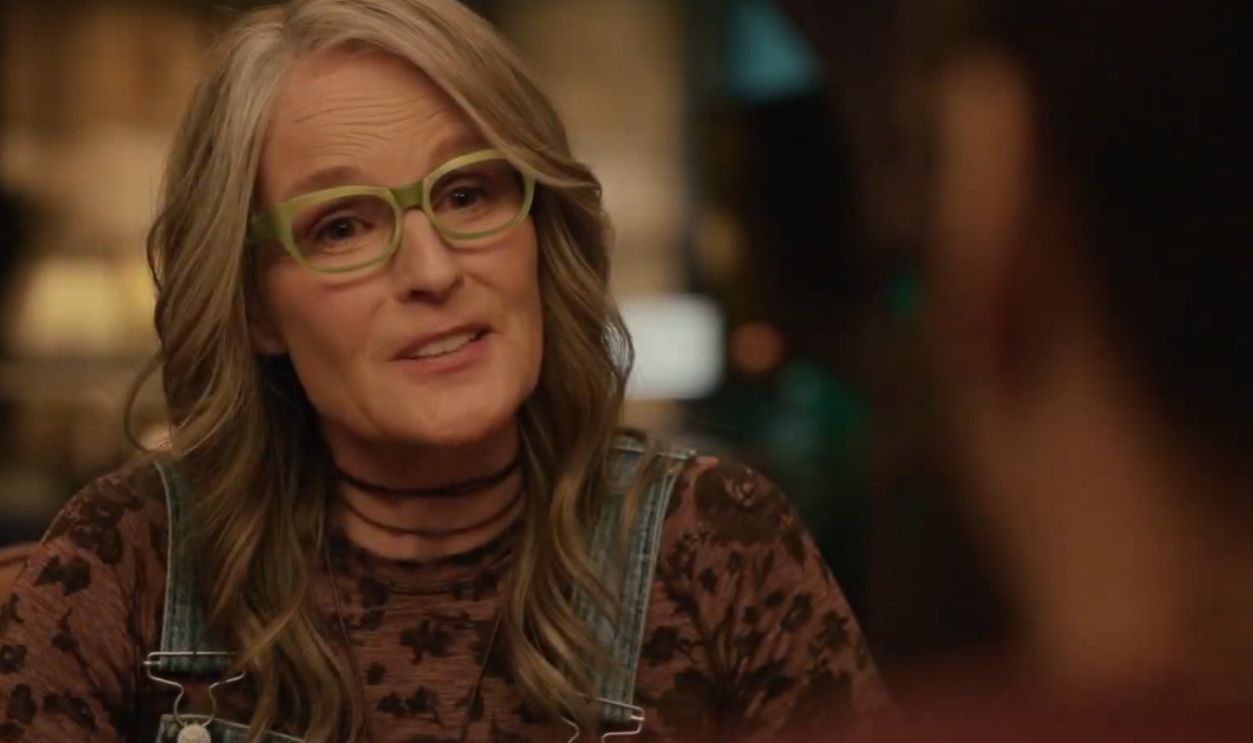 Screenshot from Blindspotting, Lionsgate (2018)
Reinventing Success On Her Terms
Helen Hunt didn’t disappear—she evolved. After conquering both TV and film, she chose a life filled with meaning and creative freedom. Whether she’s directing, acting, or simply living quietly, she’s still writing her own story. Just not the one Hollywood expected.
 Smokeonthewater, Wikimedia Commons