
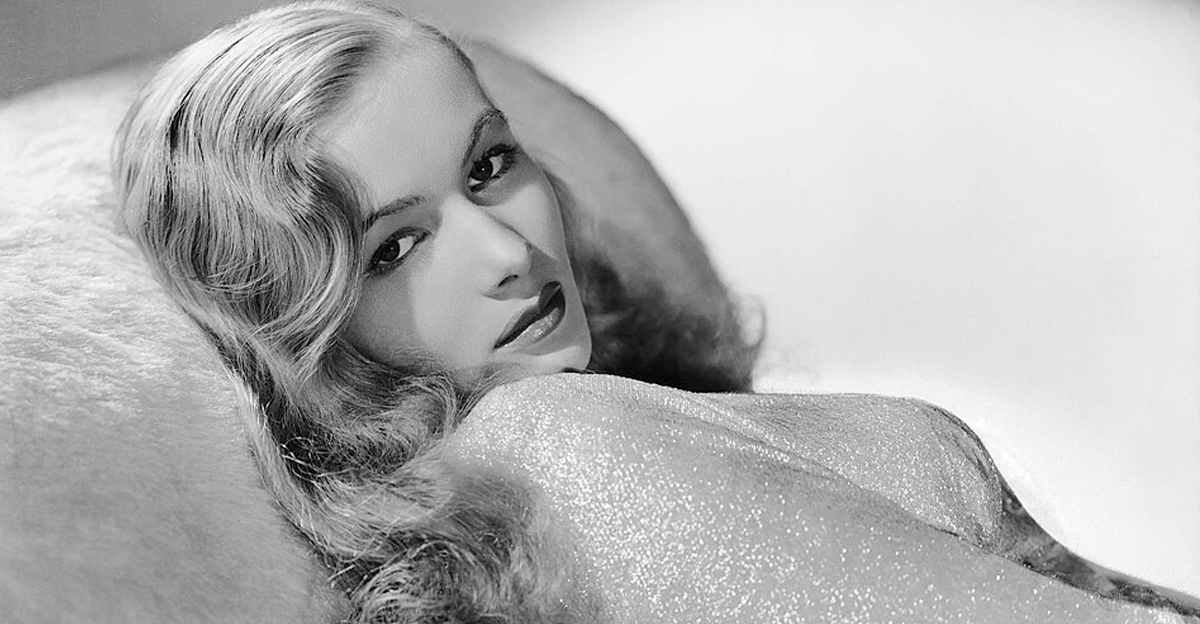
The Blonde Who Defined An Era
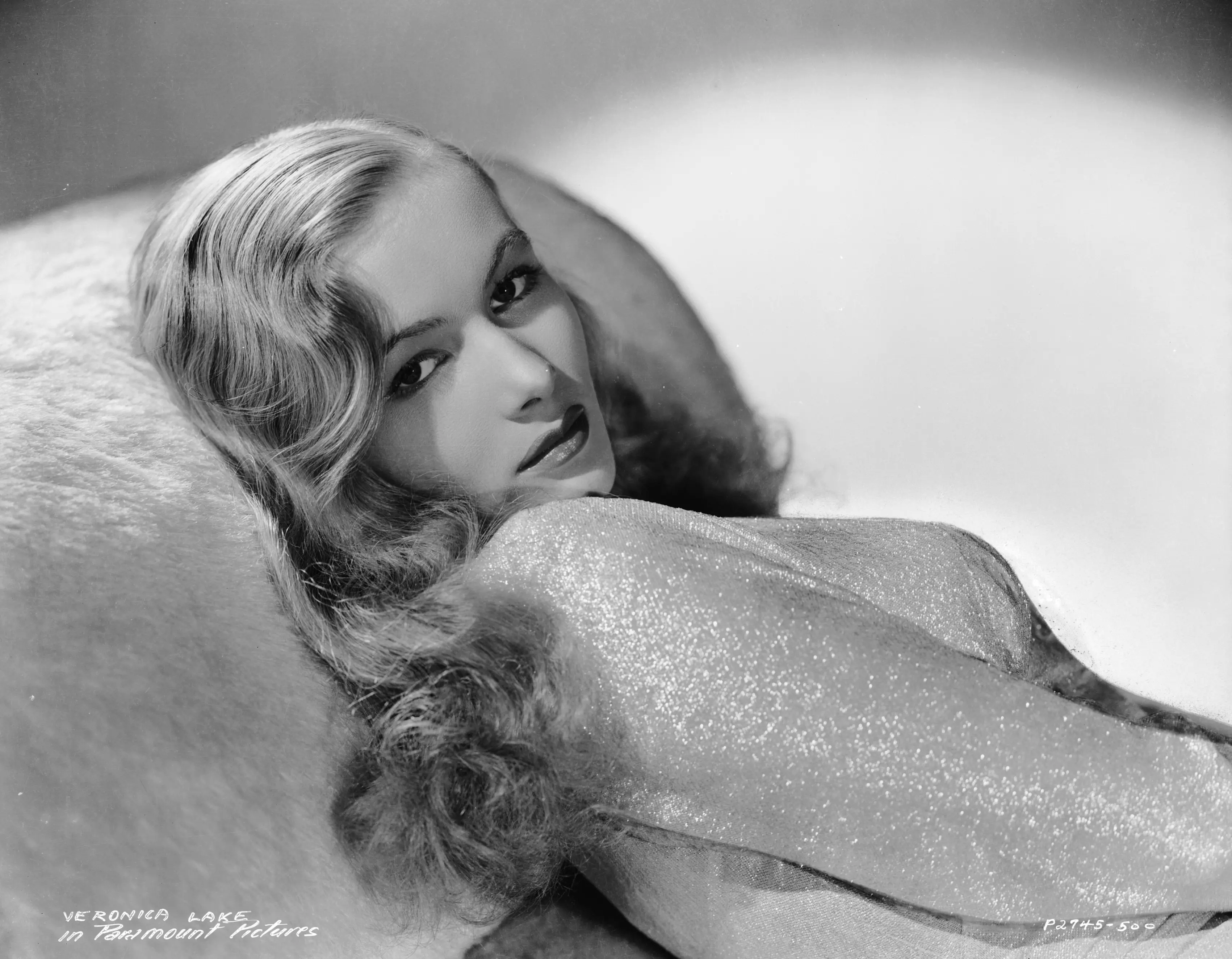
Veronica Lake became one of the biggest stars of the 1940s almost overnight. Her glamorous screen presence and famous peek-a-boo hairstyle made her an international sensation. Millions admired her beauty, but few realized how quickly that success would fade.
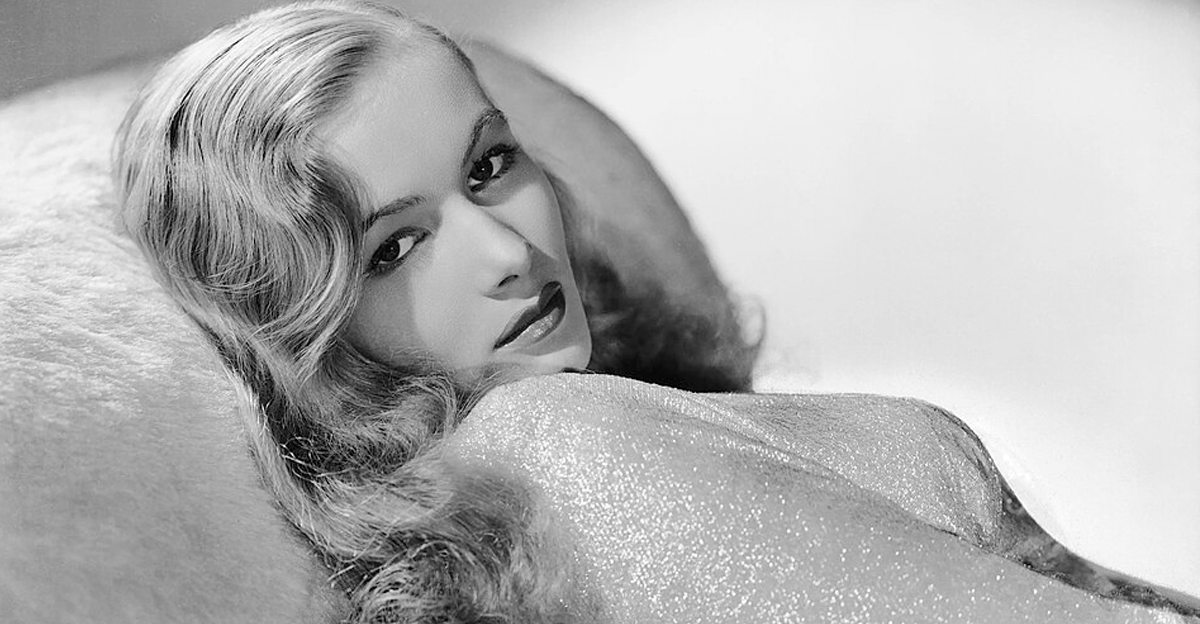 Paramount Pictures, Wikimedia Commons.
A Difficult Childhood
Lake was born Constance Frances Marie Ockelman in Brooklyn, New York, in 1922. Her father died in an industrial accident when she was still a child, leaving her family shaken. She later described a troubled upbringing that followed her long before Hollywood came calling.
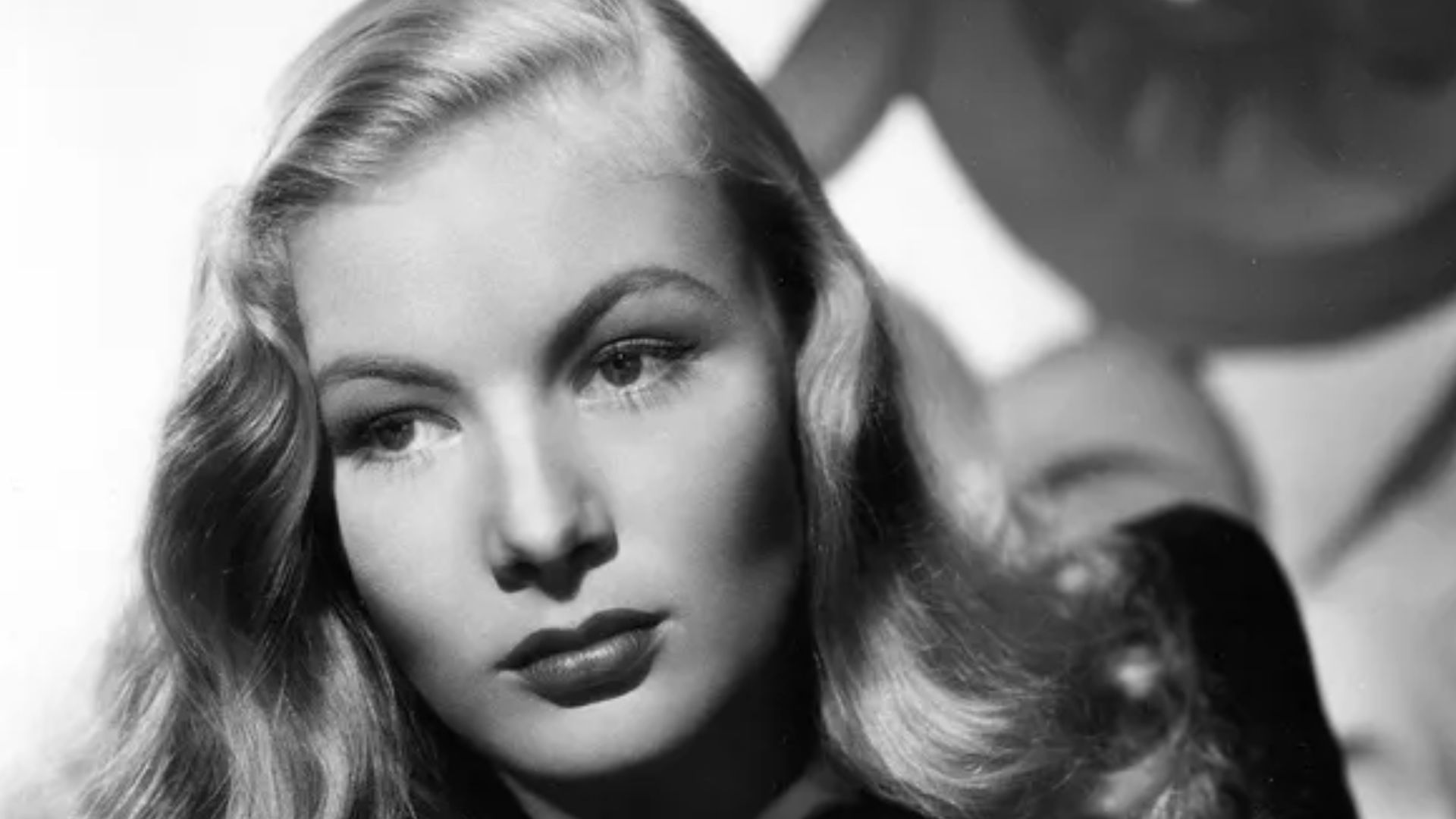 Whitey Schafer, Wikimedia Commons
Reinventing Herself
After moving with her family to Florida and later California, she pursued acting lessons. She eventually adopted the professional name Veronica Lake. The new identity helped launch a career that soon caught the attention of Paramount Pictures.

Hollywood Spots A Future Star
Lake's breakthrough came in 1941 with I Wanted Wings. Audiences immediately noticed her striking appearance and mysterious charm. Paramount quickly realized they had discovered someone with enormous commercial appeal.
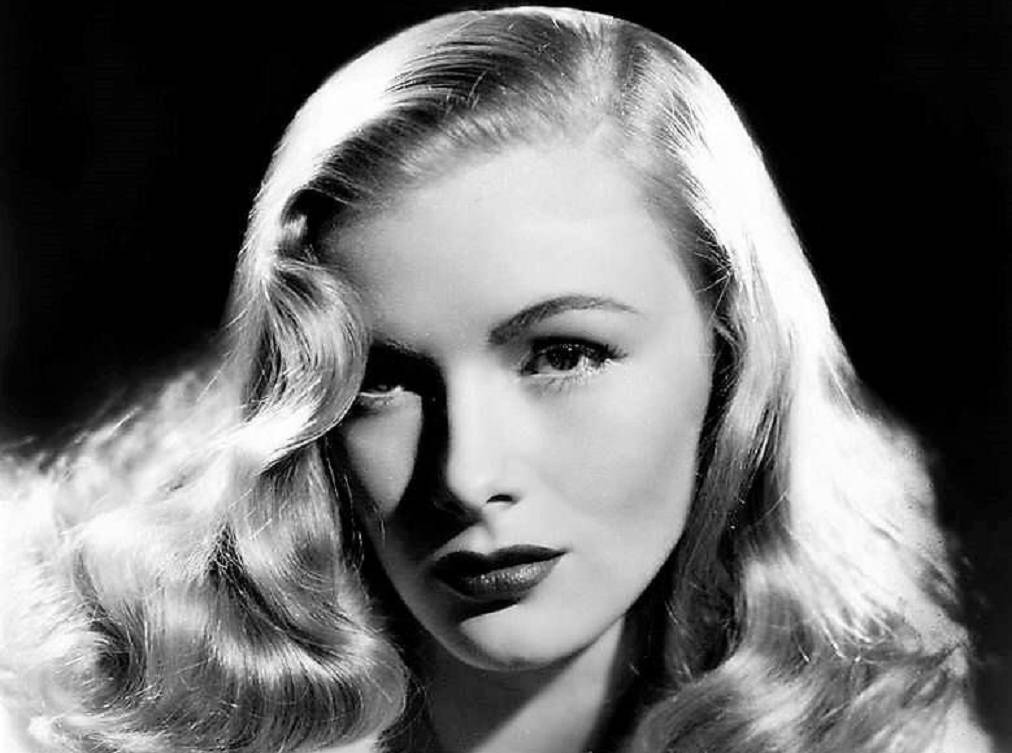 Paramount Pictures, Wikimedia Commons
The Peek A Boo Phenomenon
Lake's signature hairstyle became one of the most copied fashion trends of the decade. Women across America styled their hair to match the famous wave that covered one eye. Her look became nearly as recognizable as the films themselves.
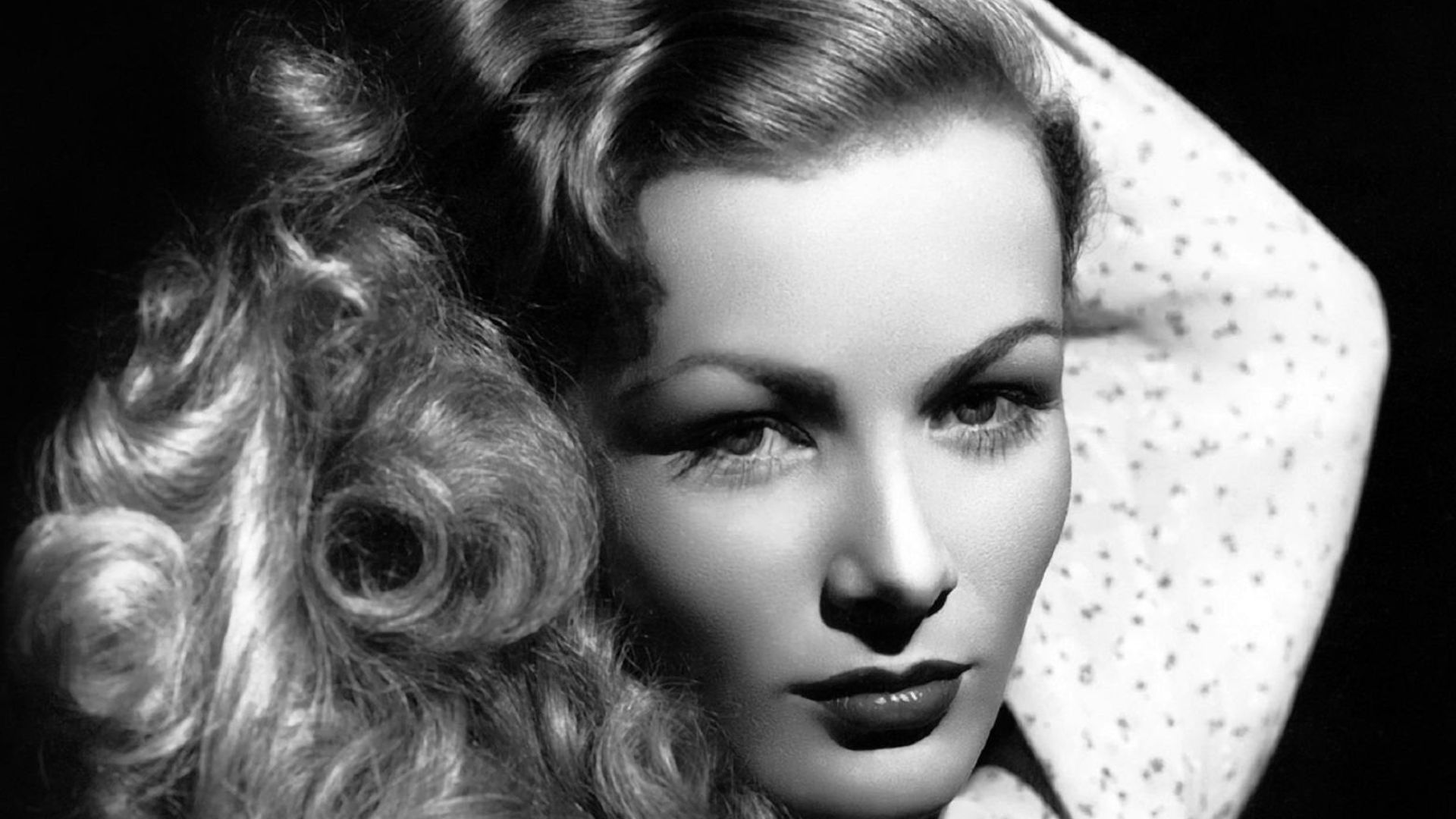 Unknown authorUnknown author, Wikimedia Commons
A Wartime Fashion Problem
The hairstyle became so popular that it unexpectedly created safety concerns during World War II. Women working in defense factories sometimes wore similar styles around dangerous machinery. Lake even participated in campaigns encouraging workers to pin their hair back for safety.
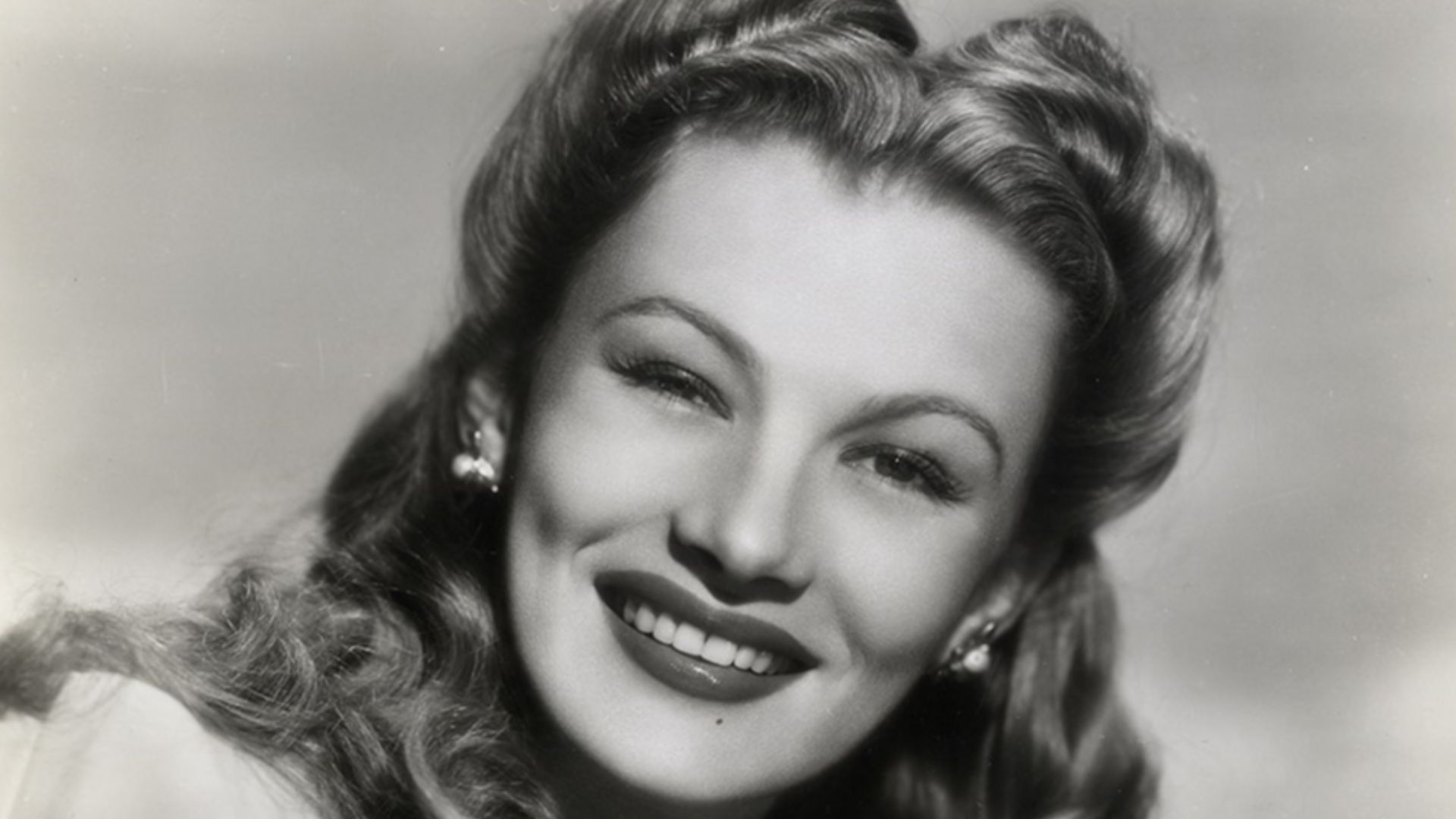 Whitey Schafer, Wikimedia Commons
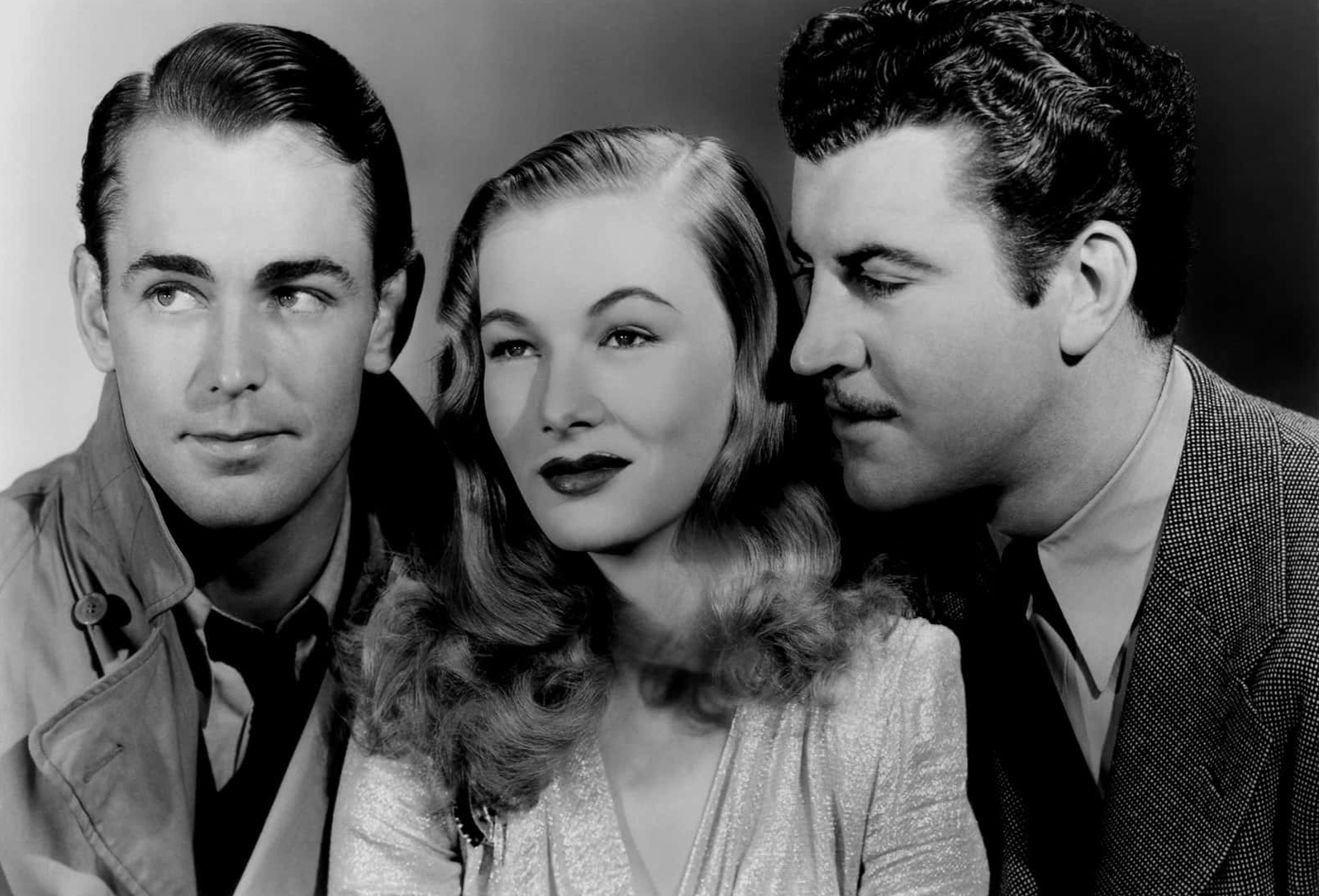
A Perfect Film Noir Match
One of Lake's greatest screen partnerships came with Alan Ladd. The pair starred together in several successful films, including This Gun for Hire and The Blue Dahlia. Their chemistry helped define the classic film noir style.
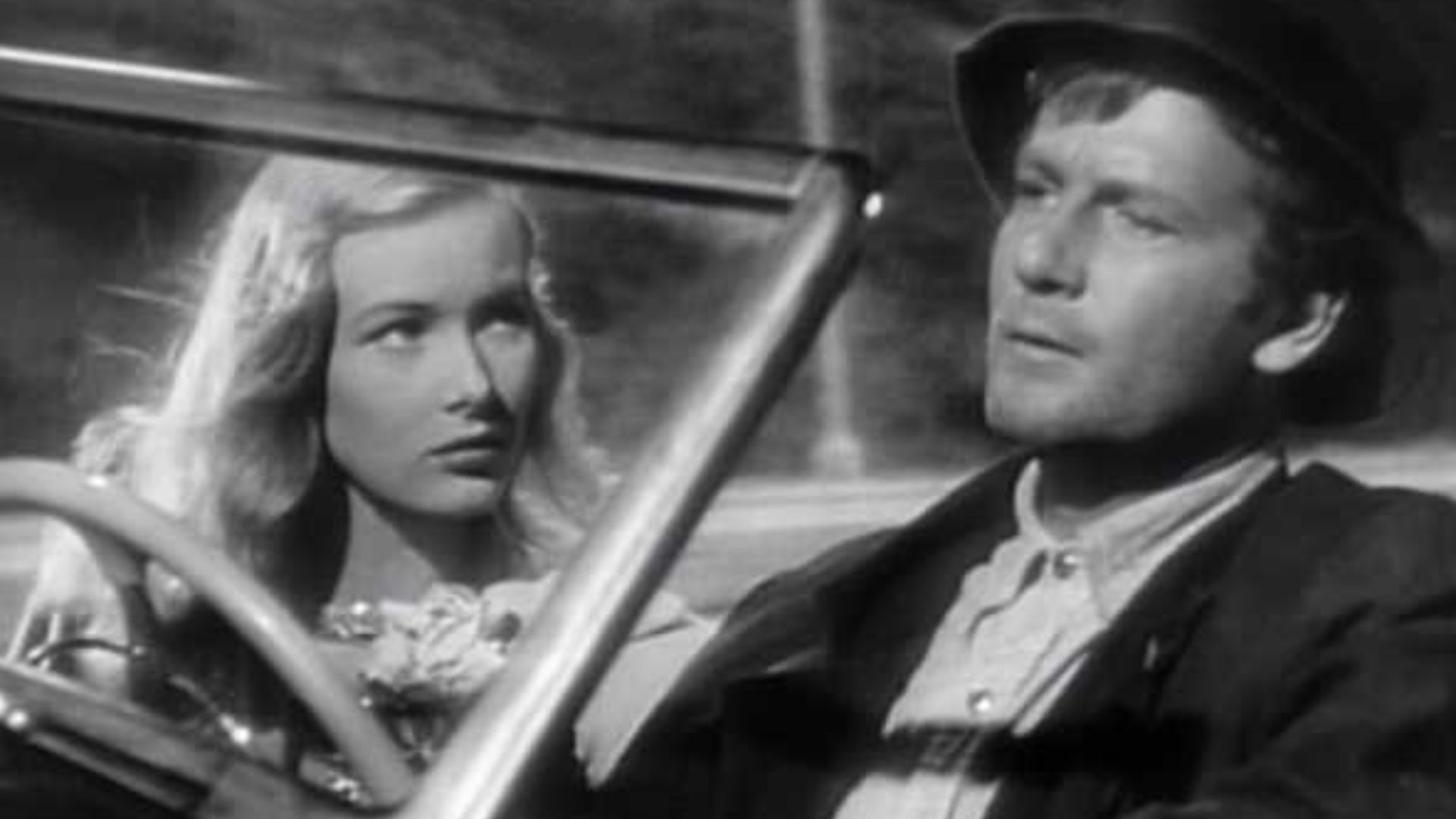
More Than A Femme Fatale
Although remembered for noir, Lake also displayed a playful side. Preston Sturges cast her in the acclaimed comedy Sullivan's Travels. She later charmed audiences again in I Married a Witch.
Fame Came At A Cost
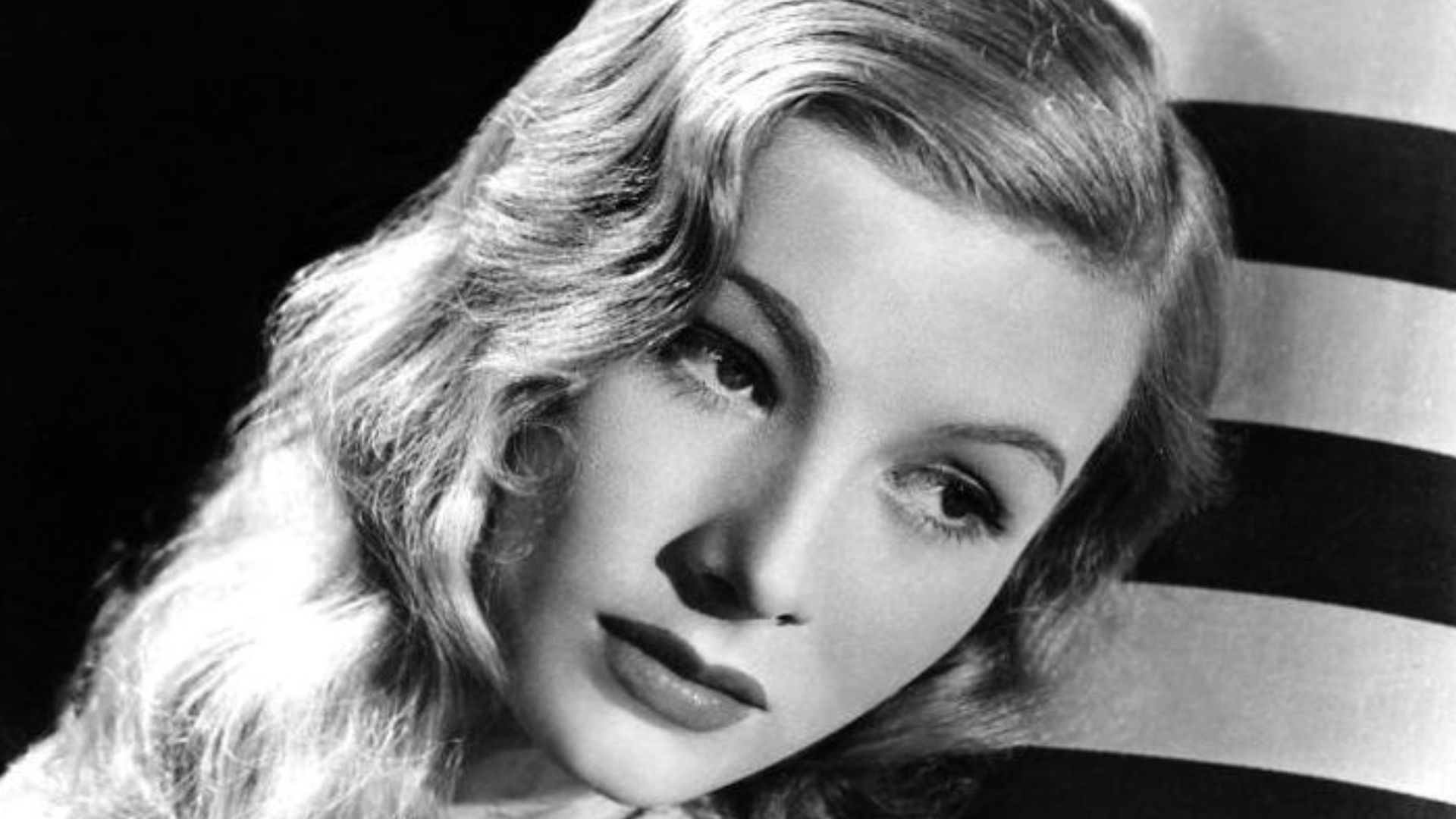
Behind the scenes, Lake struggled with growing personal pressures. She later said Hollywood often treated actors like products on an assembly line. The constant demands slowly began taking a toll on her personal life.
 Paramount Pictures, Wikimedia Commons
A Reputation That Followed Her
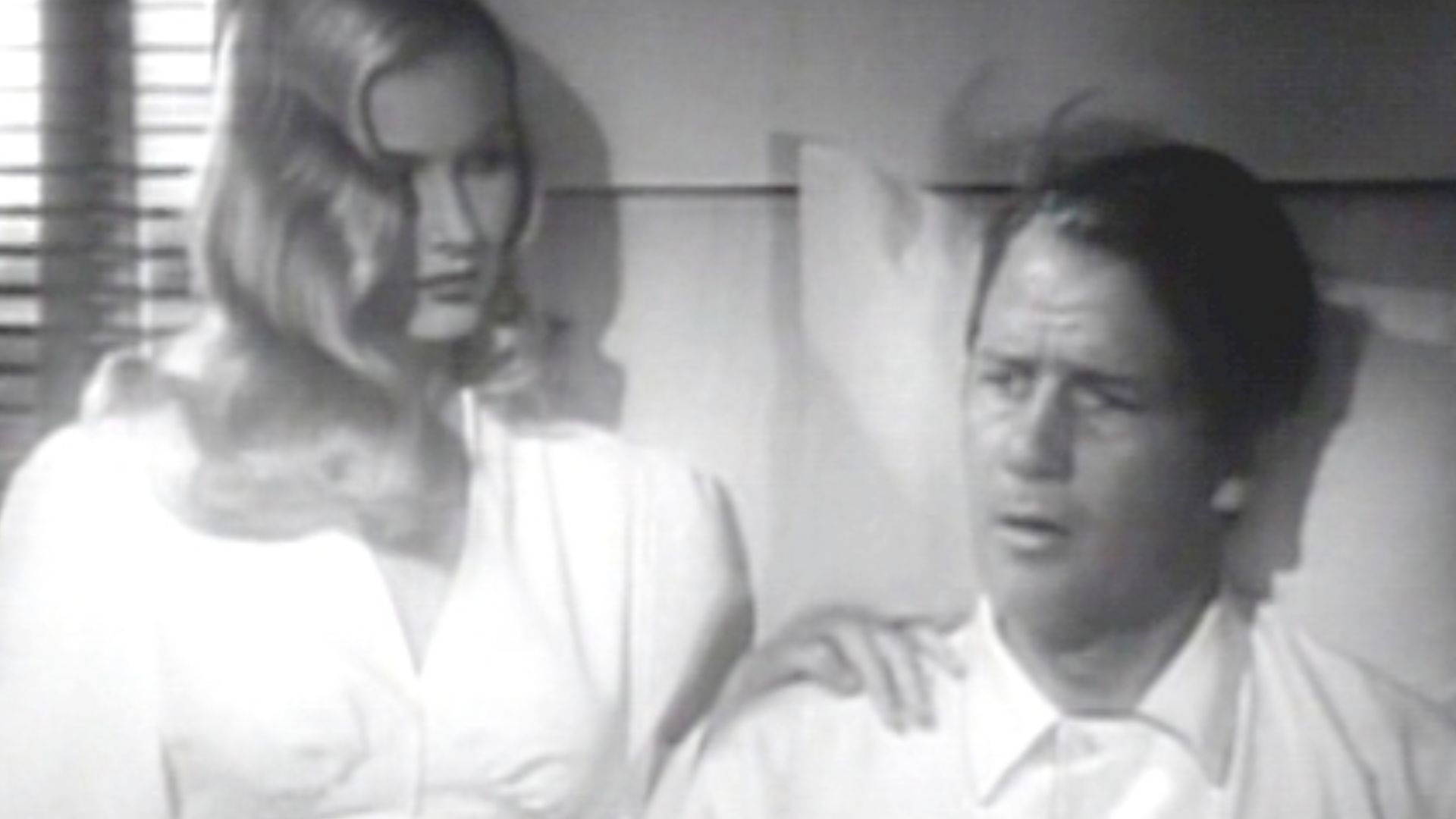
As the decade continued, Lake developed a reputation for being difficult on film sets. Several coworkers publicly criticized her years later. Whether entirely deserved or not, the stories damaged her standing within the industry.
Personal Tragedy Strikes
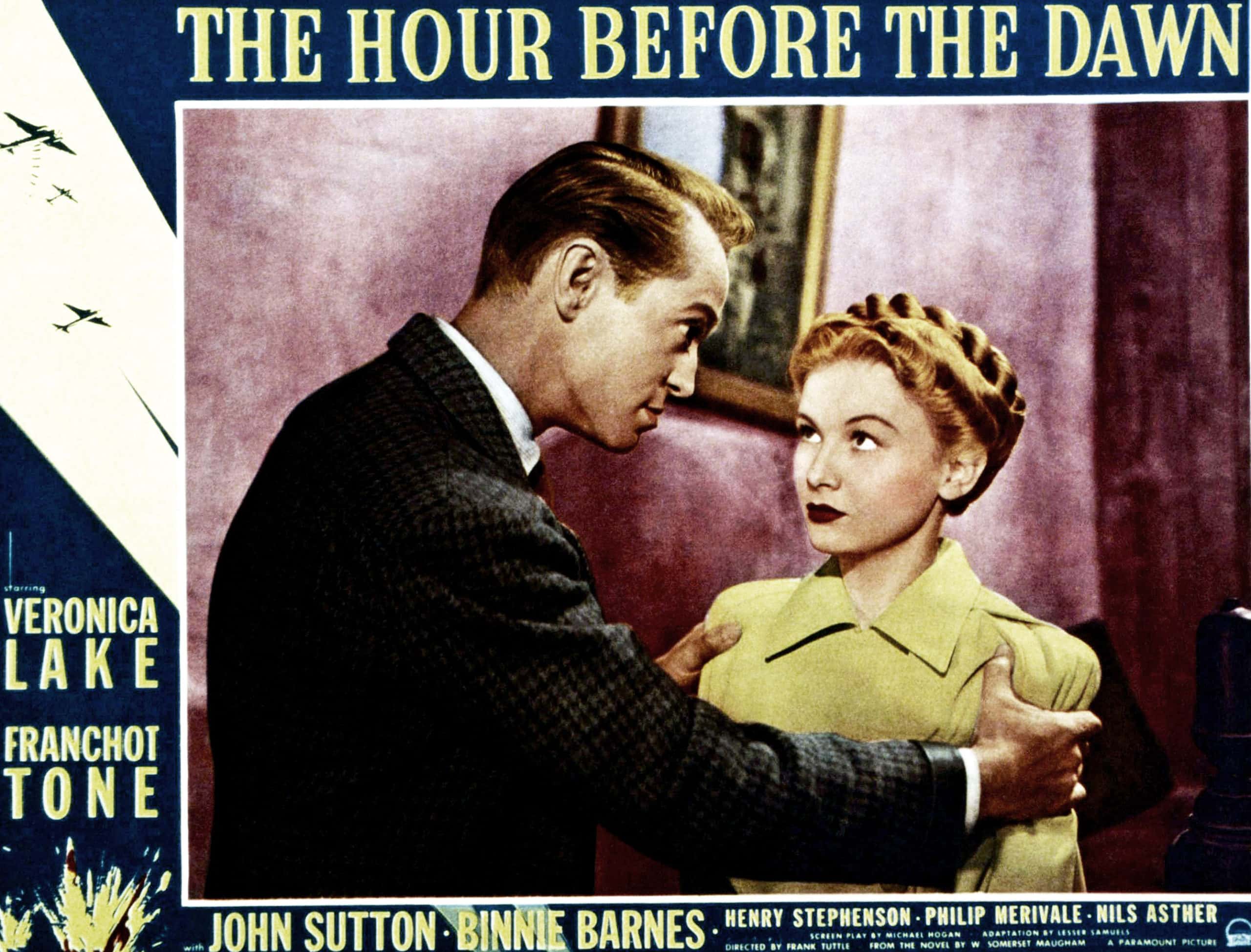
In 1943, Lake suffered a serious accident while filming The Hour Before the Dawn. She fell over equipment on set, and the incident contributed to the premature birth of her son, who died shortly afterward. The heartbreaking loss deeply affected her.
Alcohol Becomes A Serious Problem
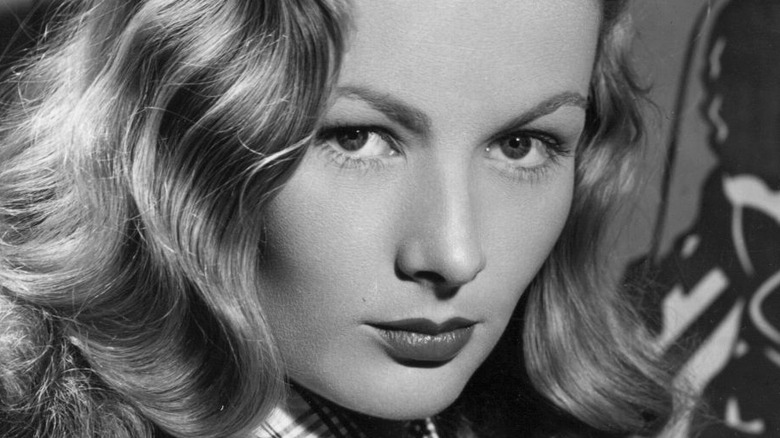
During the mid-1940s, Lake's drinking worsened. Alcohol increasingly affected both her professional and personal life. Historians generally agree it became one of the major reasons her career declined.
Hollywood Moves On
By the late 1940s, studios were promoting a new generation of stars. Lake's box office appeal weakened as her professional reputation suffered. Paramount eventually ended its relationship with one of its brightest stars.
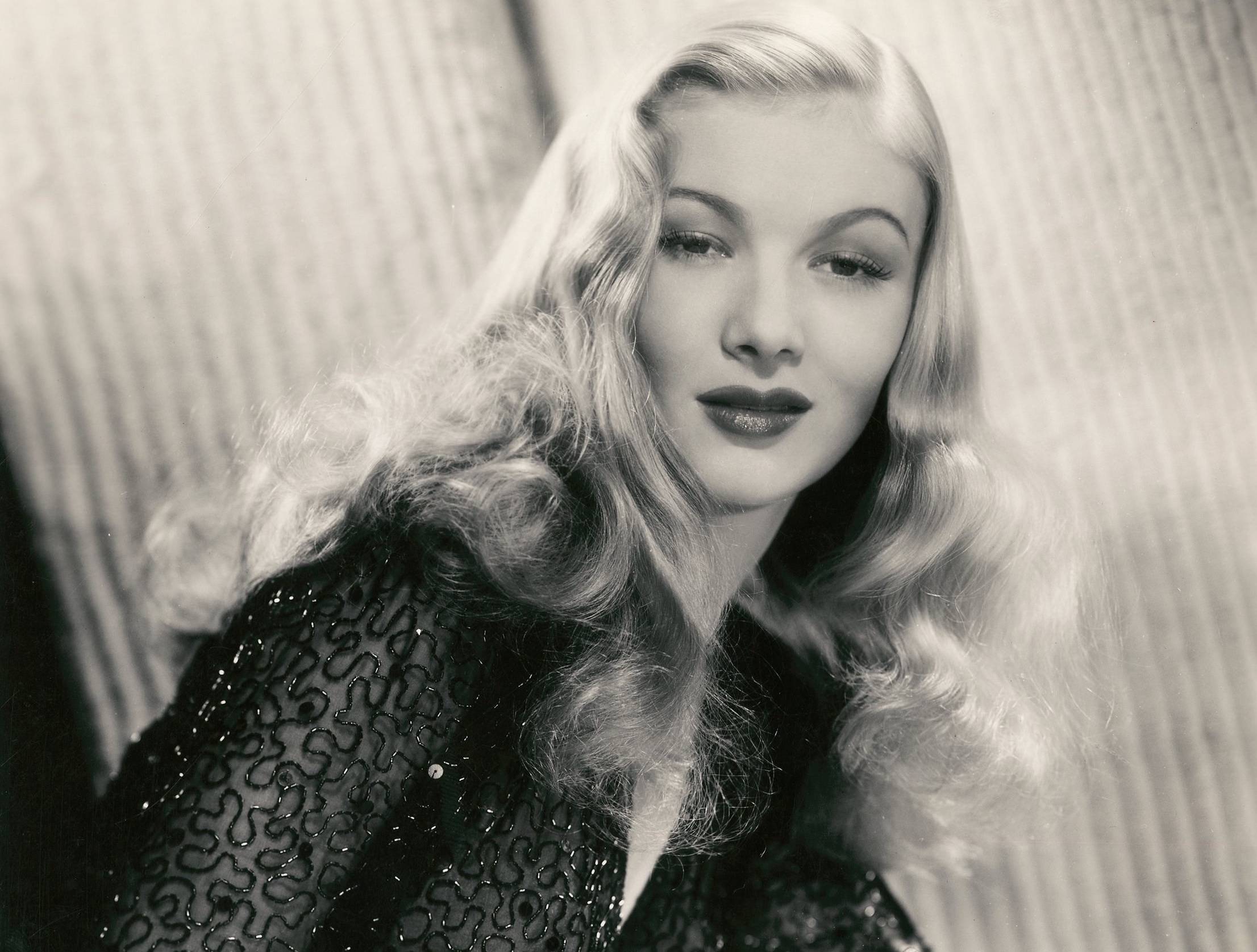 Whitey Schafer, Wikimedia Commons
Smaller Roles Replace Stardom
Lake continued acting after leaving Paramount. She appeared in a handful of films and television productions during the 1950s. None restored the fame she had once enjoyed.
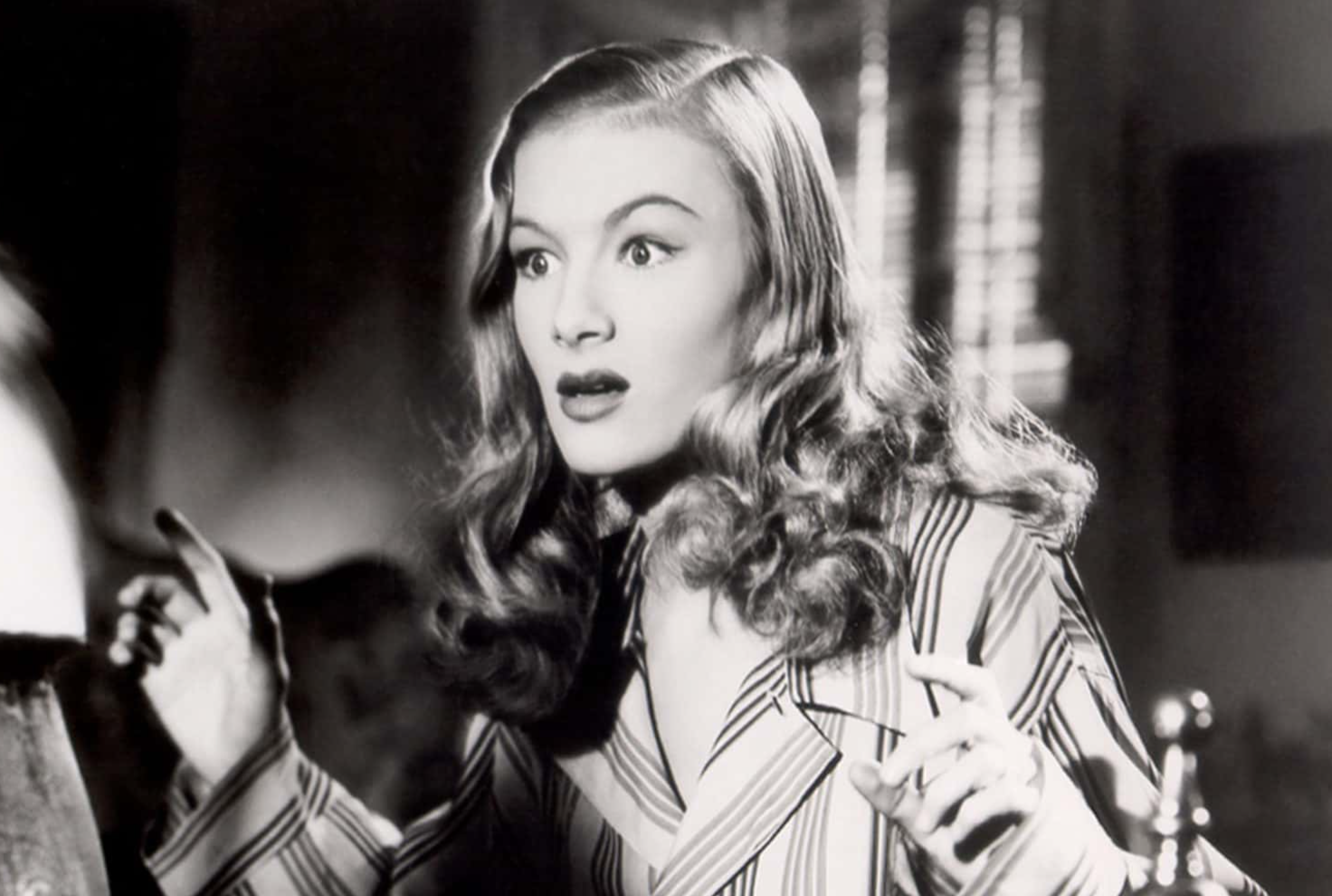 Donaldson Collection, Getty Images
Financial Troubles Mount
As work became less frequent, financial difficulties followed. Marriages ended, tax problems surfaced, and stable employment became harder to find. The glamorous Hollywood lifestyle disappeared.
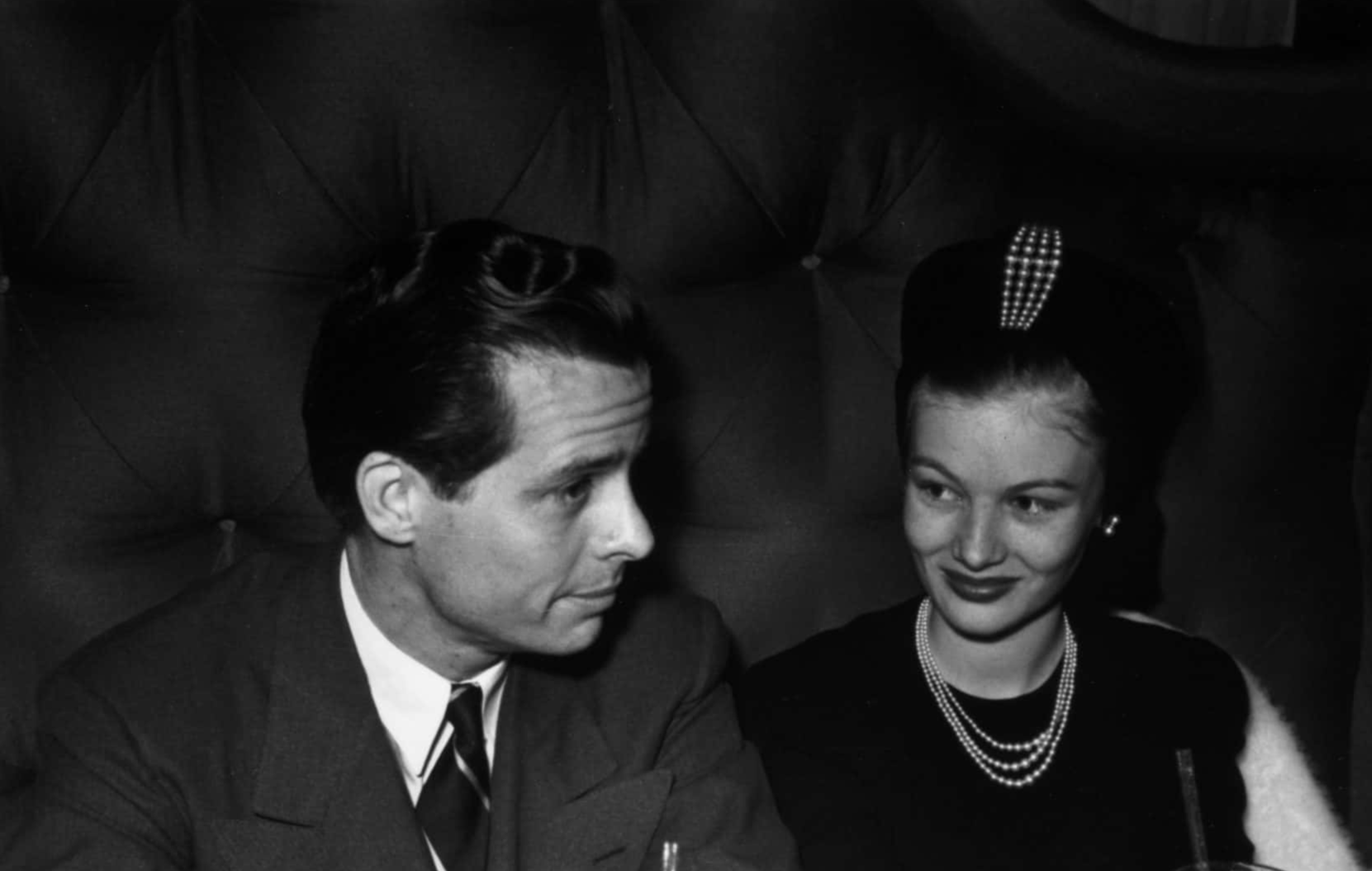
Living Far From The Spotlight
Following multiple divorces, Lake spent time living in inexpensive New York hotels. She also experienced several arrests related to public intoxication and disorderly conduct. The contrast with her glamorous screen image shocked many who remembered her at her peak.
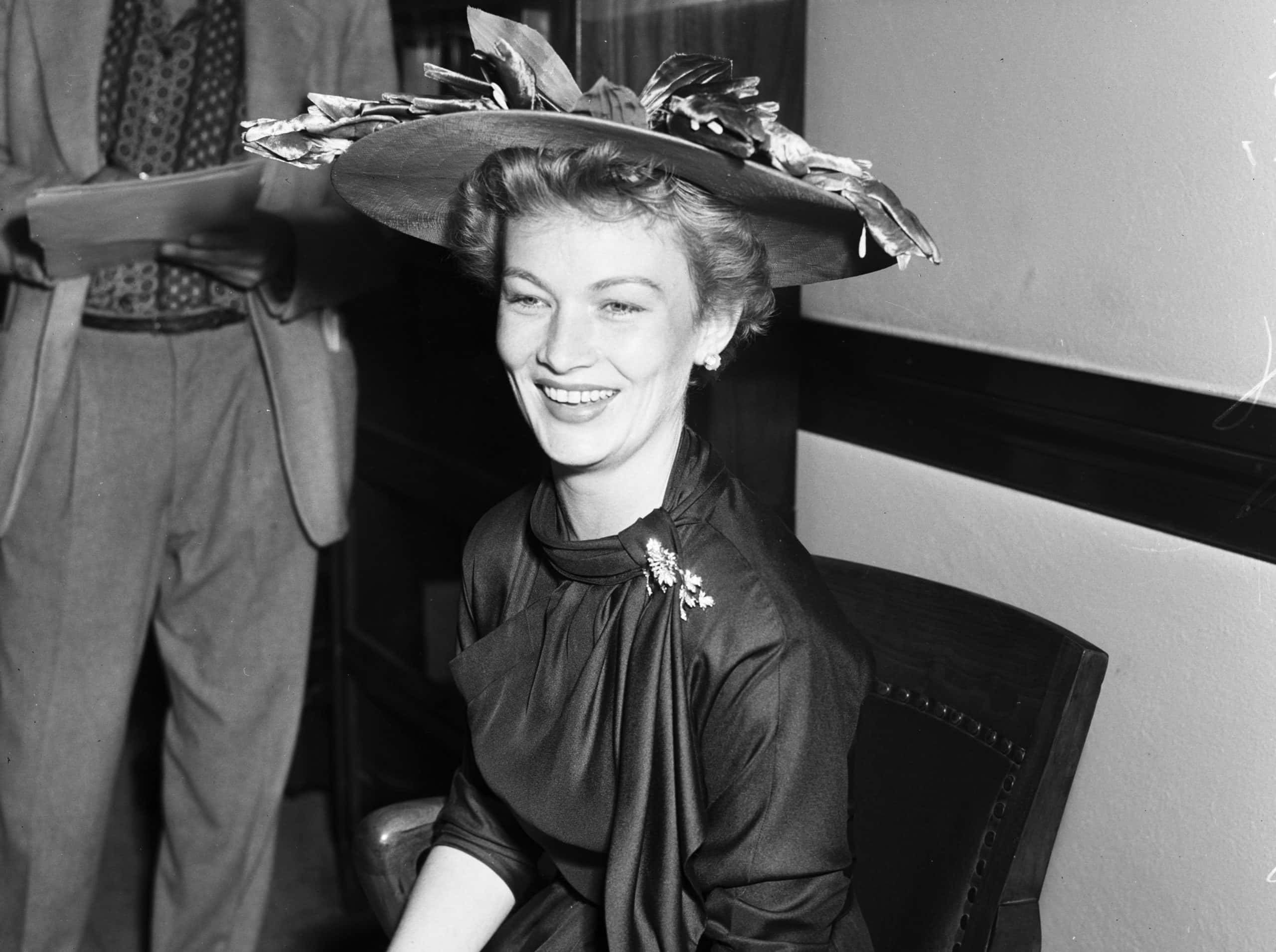 University of Southern California, Getty Images
The Waitress Story That Shocked America
In 1962, a New York Post reporter discovered Lake working as a waitress in the cocktail lounge of Manhattan's Martha Washington Hotel. She was using the name Connie de Toth. The story spread nationwide almost instantly.
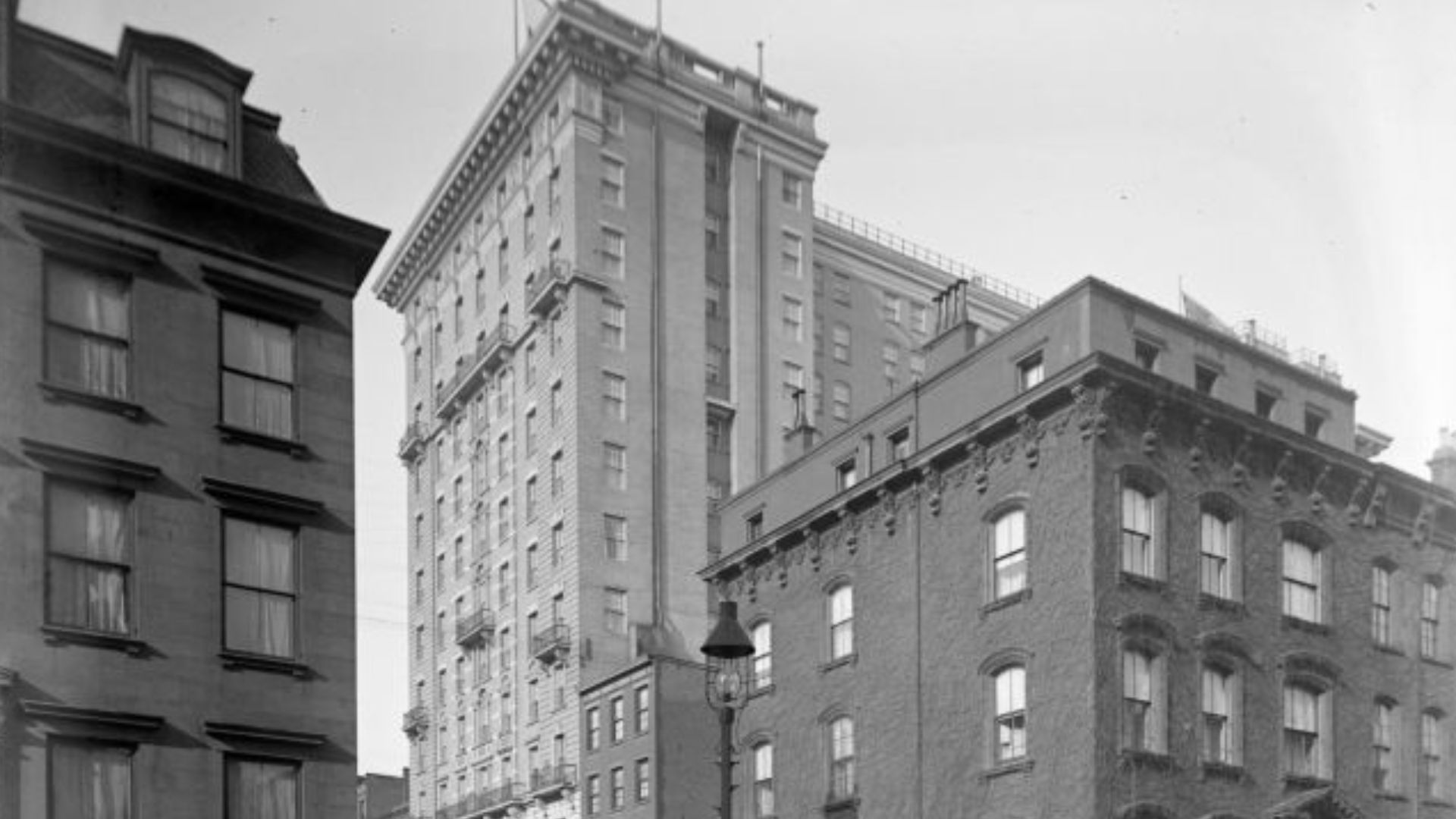 Robert L. Bracklow (Life time: 1849-1919), Wikimedia Commons
She Rejected Public Pity
Many readers assumed Lake had become completely destitute. Fans mailed her money after reading the story. She returned the donations, insisting she was supporting herself and was not looking for charity.
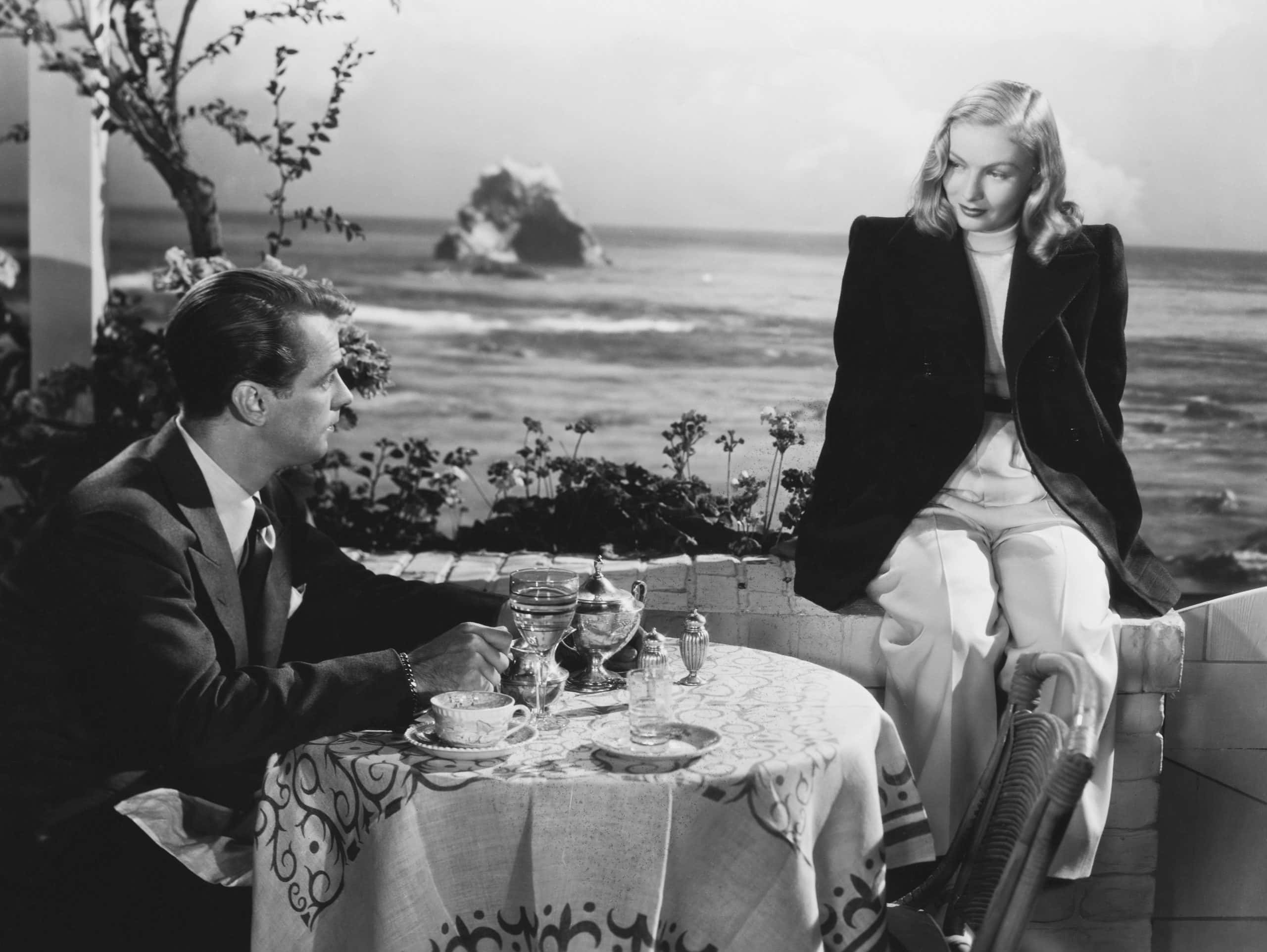 John Springer Collection, Getty Images
An Unexpected Career Boost
Ironically, the waitress story revived public interest in Lake. She soon appeared in stage productions and on television again. While the comeback was modest, it reminded audiences that she had not disappeared completely.
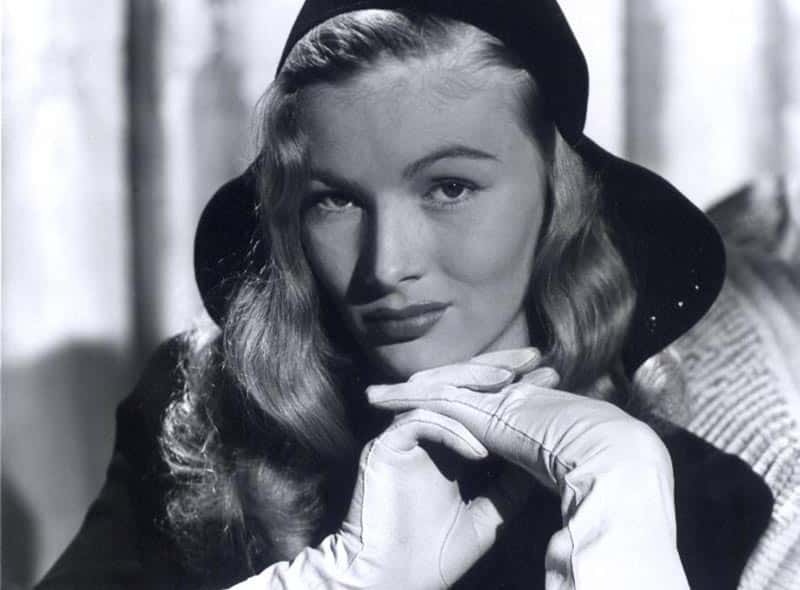
Telling Her Own Story
Lake dictated her autobiography, Veronica, which was published in 1970. In it, she openly discussed her alcoholism, marriages, career disappointments, and complicated relationship with Hollywood. It became one of her final major public statements.
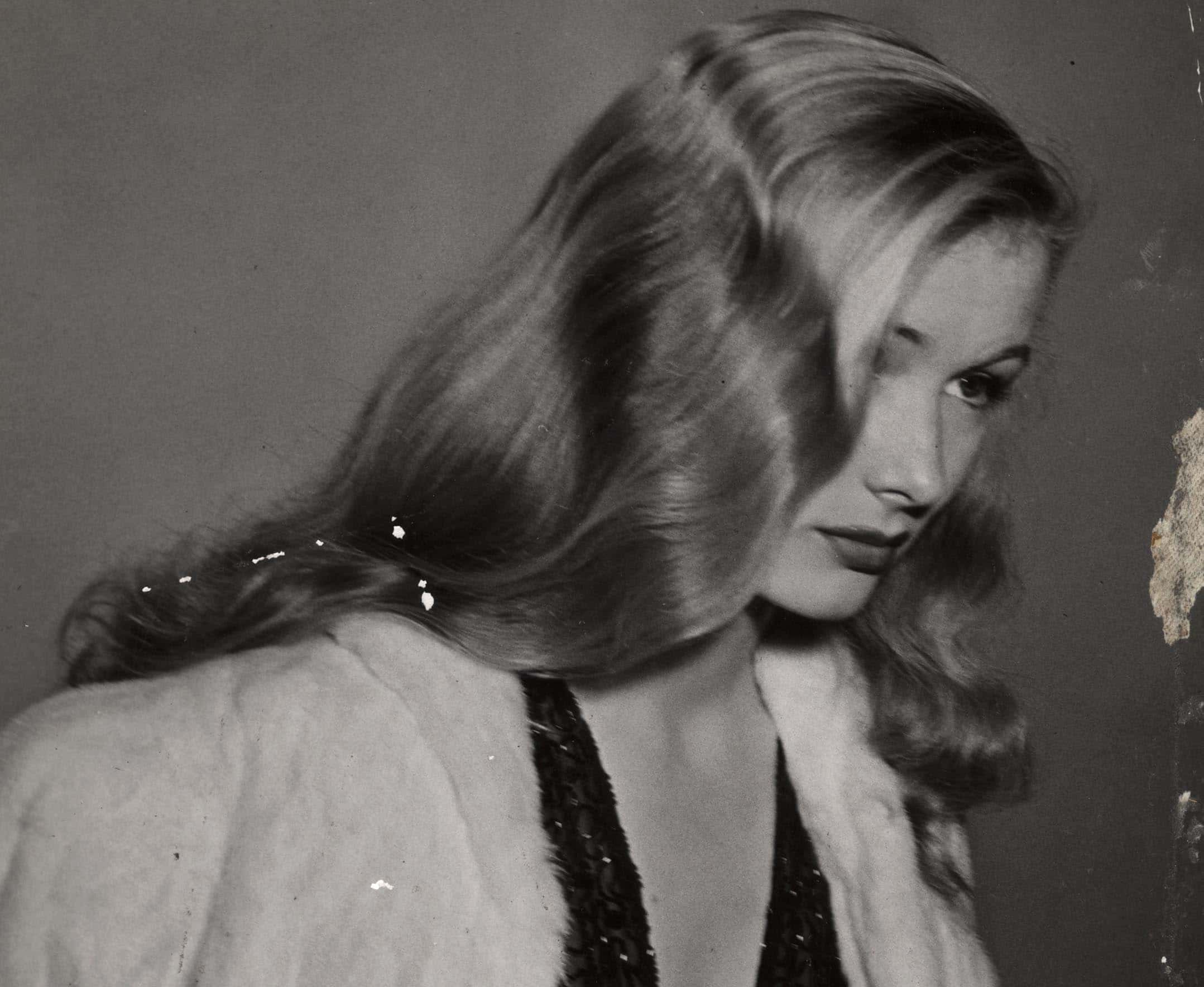 Weegee(Arthur Fellig)/International Center of Photography, Getty Images
One Final Film
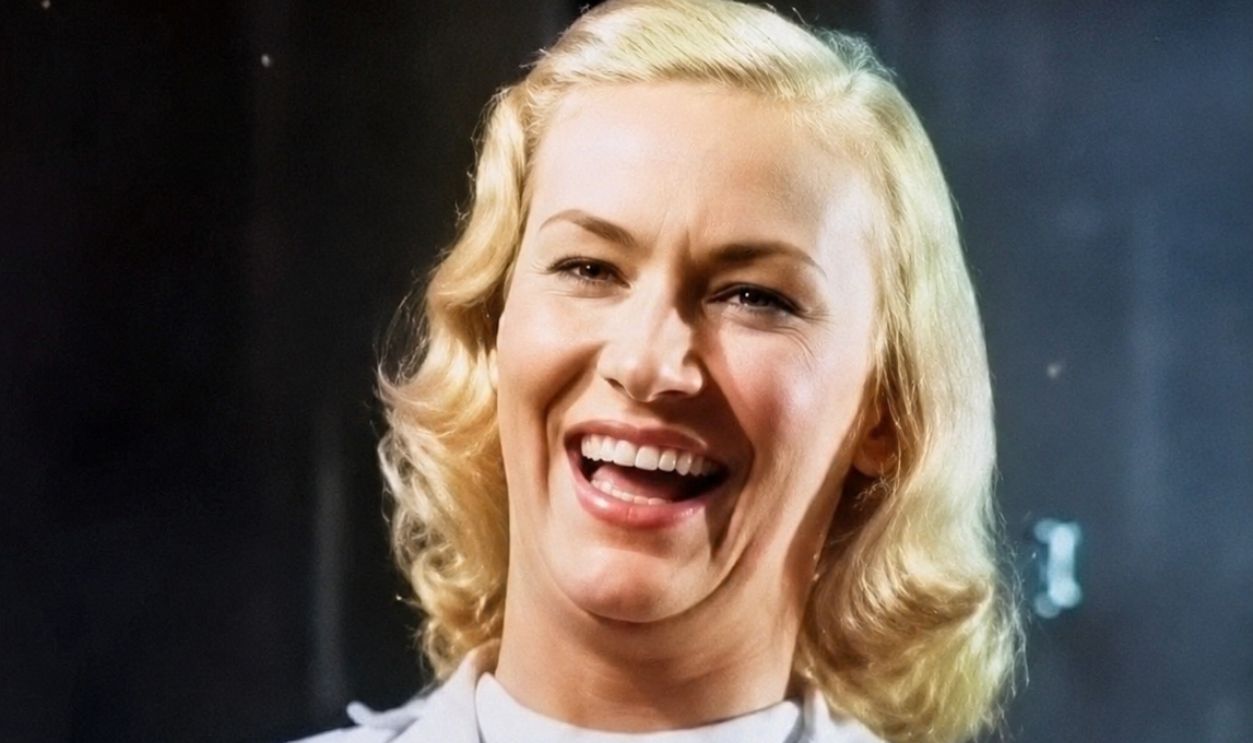
Lake's last screen appearance came in the low-budget horror film Flesh Feast. The movie failed to attract much attention. Still, it marked the end of a career that had once placed her among Hollywood's biggest stars.
 Trailer for Flesh Feast (1970), Wikimedia Commons
Declining Health
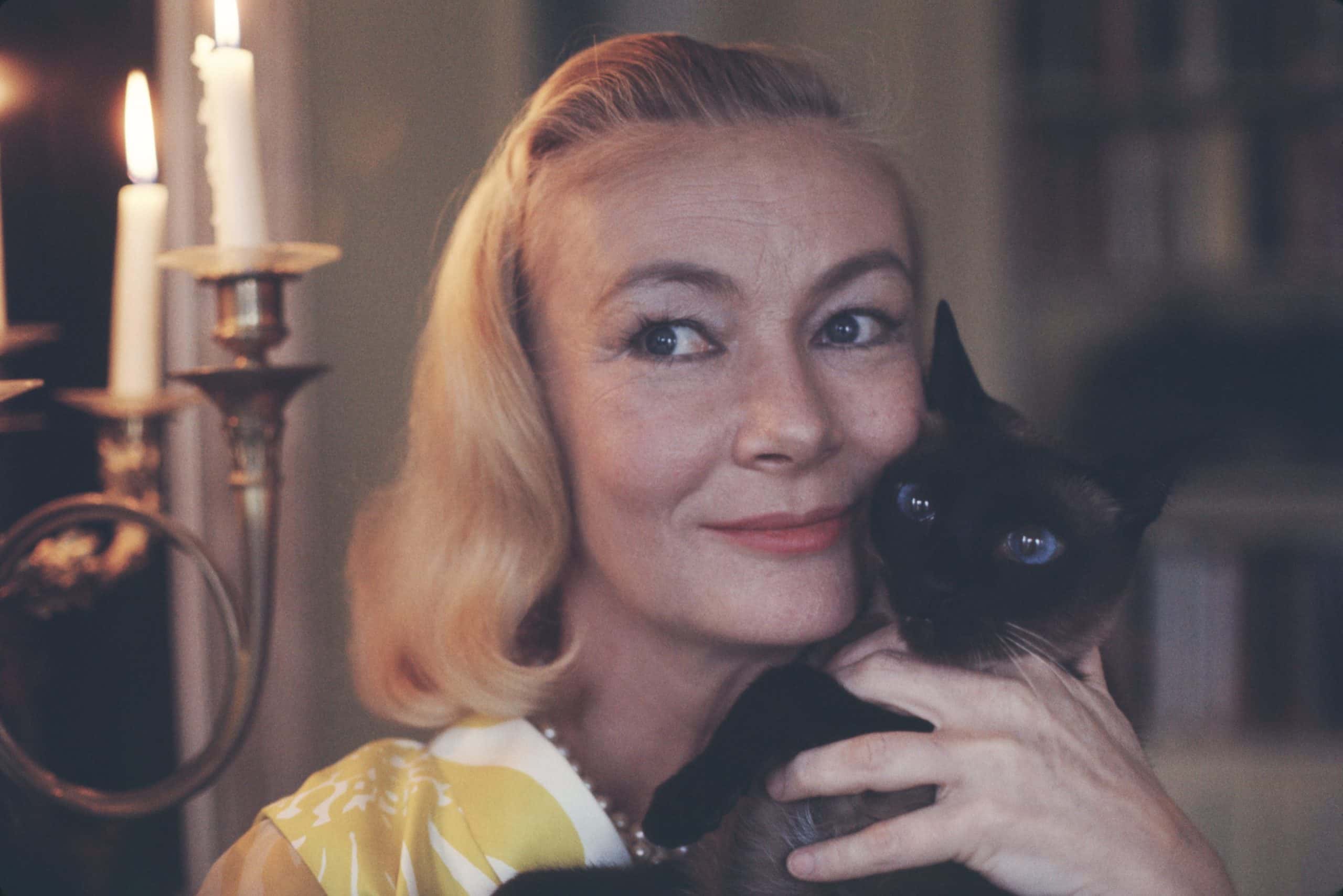
Years of heavy drinking severely damaged Lake's health. In 1973, she was hospitalized after becoming seriously ill while in Vermont. Doctors diagnosed advanced liver disease.
A Life Cut Short
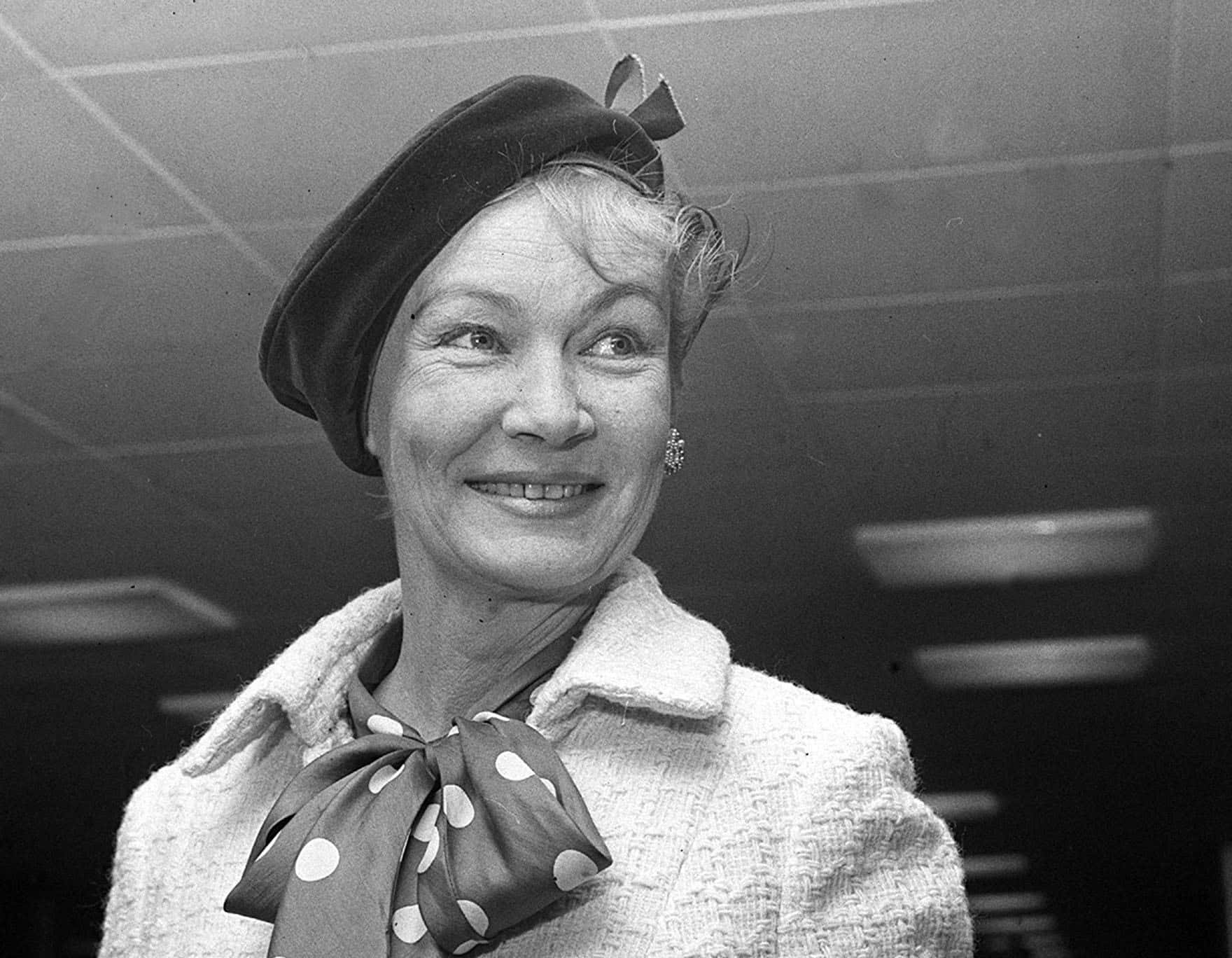
Veronica Lake died on July 7, 1973, at just 50 years old from acute hepatitis and acute kidney injury associated with years of alcoholism. Her death marked the end of one of Hollywood's most dramatic rises and falls.
The Waitress Story Needed Context
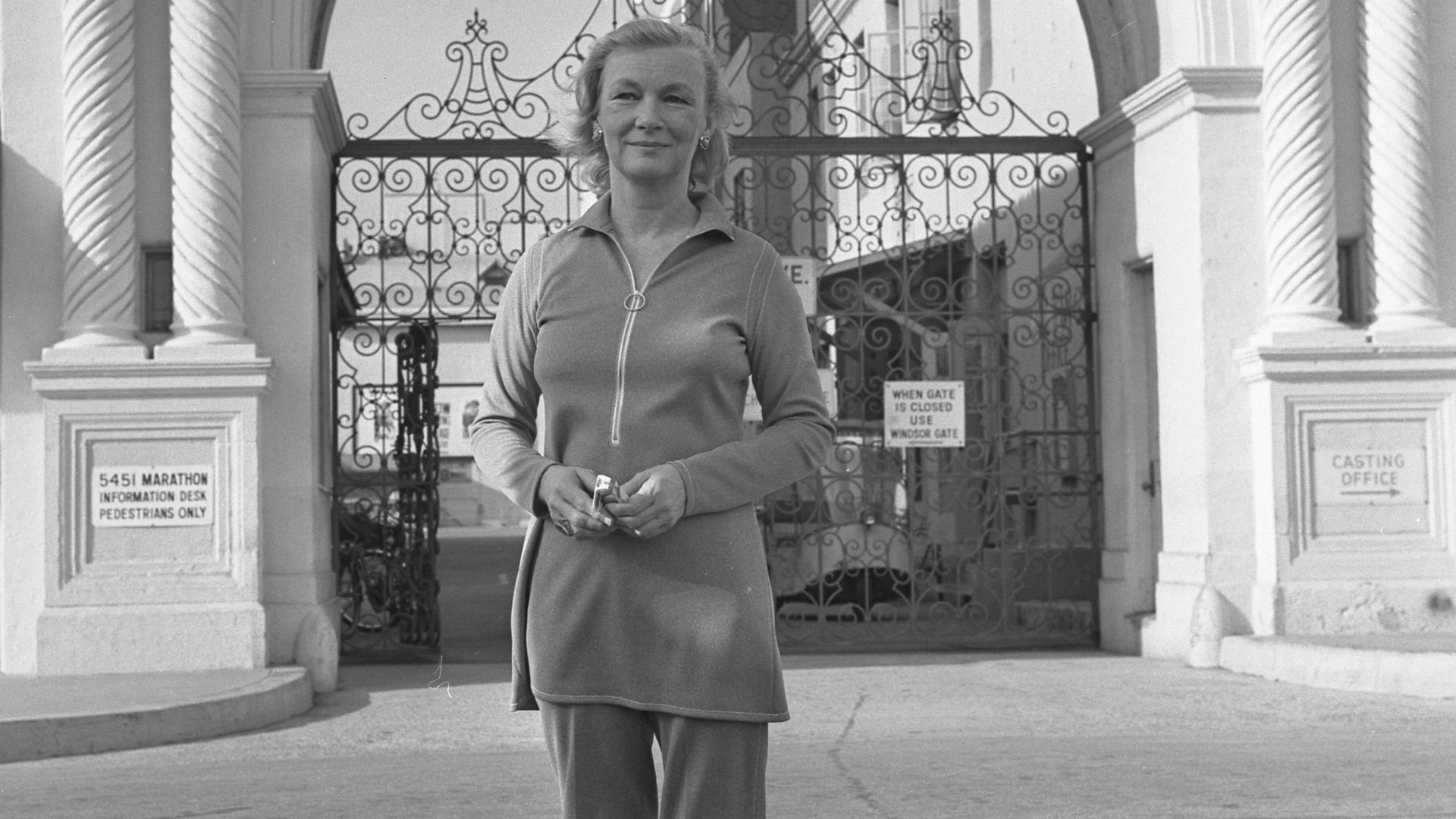
Although the image of a forgotten movie star serving drinks became famous, Lake repeatedly insisted that newspaper accounts exaggerated her situation. She explained that she had chosen the work because she enjoyed interacting with people and objected to being portrayed as completely broke.
 Kathleen Ballard, Wikimedia Commons
An Enduring Hollywood Icon
Despite her difficult later years, Veronica Lake remains one of classic Hollywood's most recognizable stars. Her influence can still be seen in fashion, film noir, and popular culture. The glamorous image that captivated audiences continues to outlive the hardships that followed.
Why Her Story Still Resonates
Lake's life is remembered because it captures both the magic and the harsh realities of old Hollywood. She reached extraordinary heights while still in her twenties, then experienced a remarkably public decline. Her legacy endures not only because of her beauty, but because her remarkable story continues to fascinate generations of movie fans.
You May Also Like:
42 Bombshell Facts About Veronica Lake, Hollywood's Bright Flame



.png)


