More Than Meets The Eye
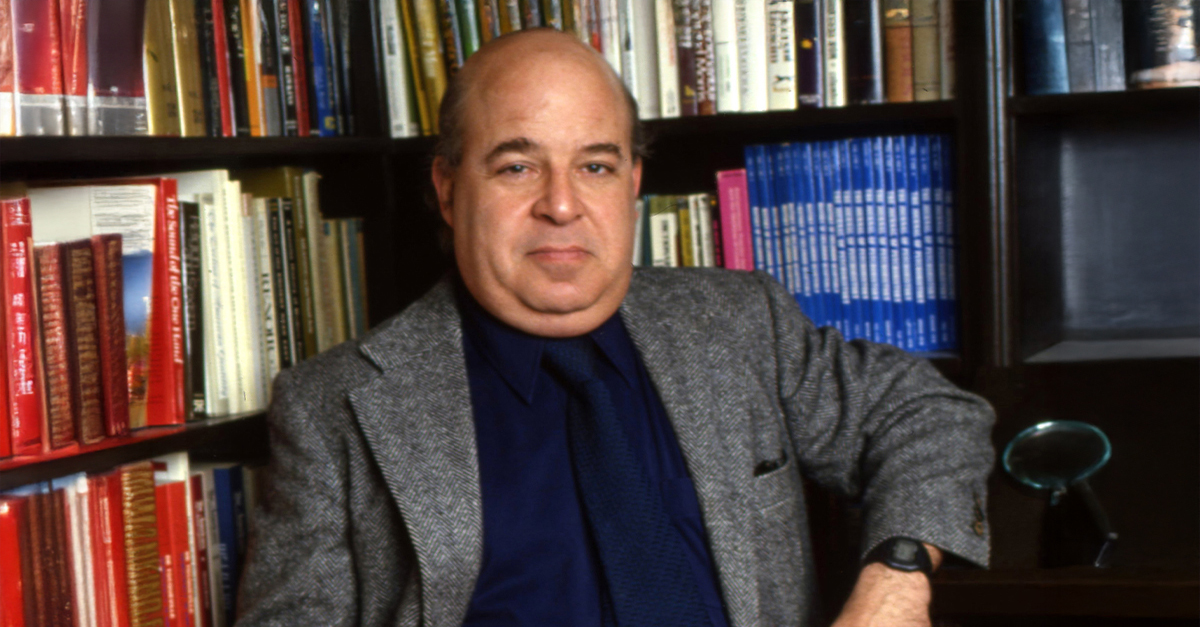
Sorrell Booke is best remembered as Boss Hogg from The Dukes of Hazzard (1979–1985), but his life went far beyond that memorable role. A decorated veteran, linguist, Broadway performer, and character actor, Booke’s life story reveals he was far more than the white-suited cigar-chomping schemer he played on TV.
Early Life And Education
Born in Buffalo, New York, in 1930, Booke showed early promise as a student and as a performer. He went to Columbia University before moving on to Yale, where he got his master’s in fine arts. His self-discipline and zest for performance set him on an unusual career path.

Korean War Counterintelligence
During the Korean War, Booke served in US Army counterintelligence. He worked in highly sensitive positions, using his brains and analytical skills to assist military operations. This improbable beginning showed his resourcefulness and commitment to his country, traits far removed from those associated with the buffoonish Boss Hogg.
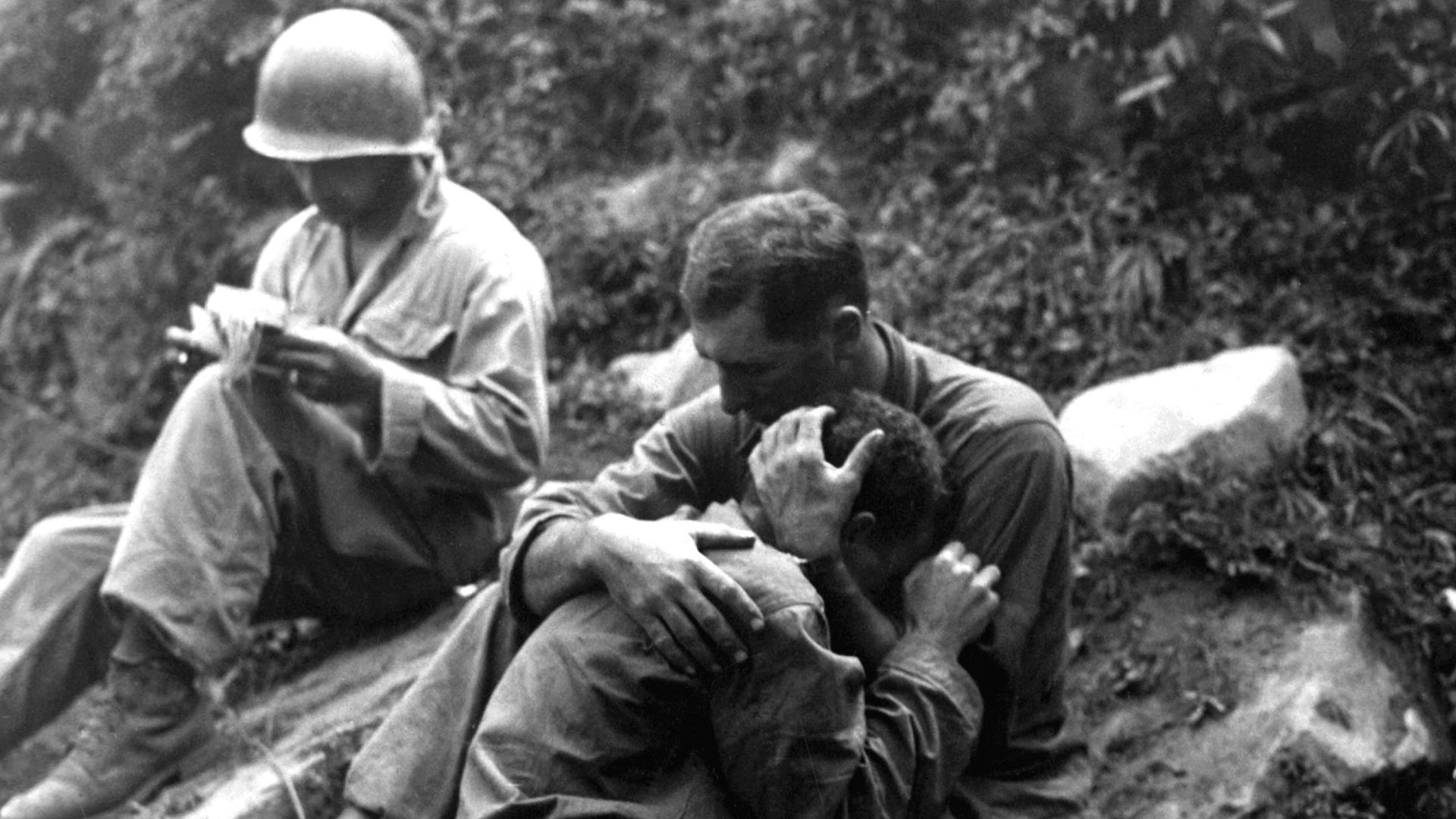 Sfc. Al Chang, U.S. Army, Wikimedia Commons
Master Of Languages
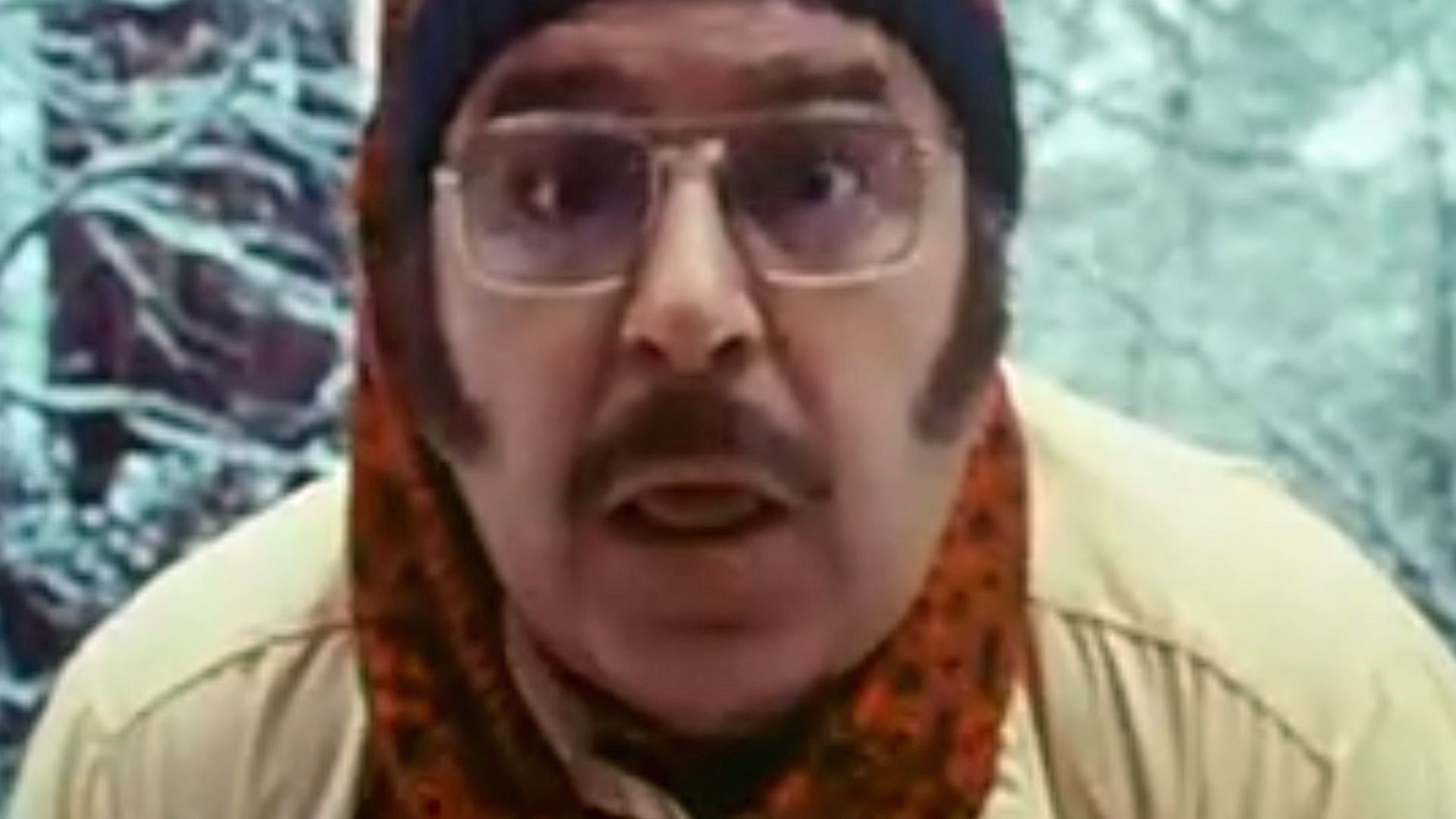
Booke was fluent in at least five languages, including Russian, Japanese, Korean, French, and Spanish. His linguistic prowess wasn’t from idle academic interest either; he applied his skills during his intelligence service and later used it to inhabit various roles on stage and screen. His foreign language mastery added a welcome dimension to his acting persona.
A Taste For Fixer-Uppers
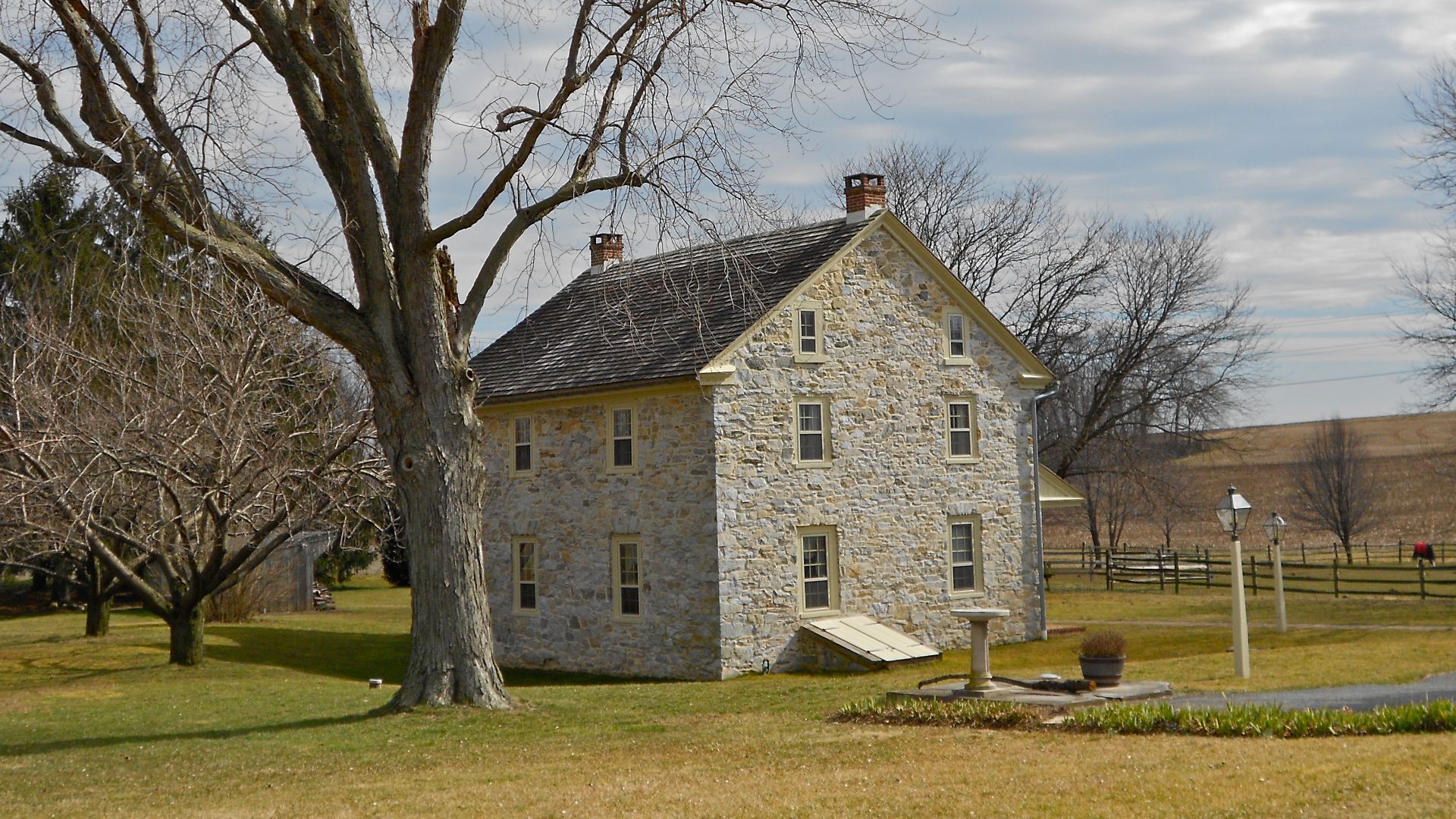
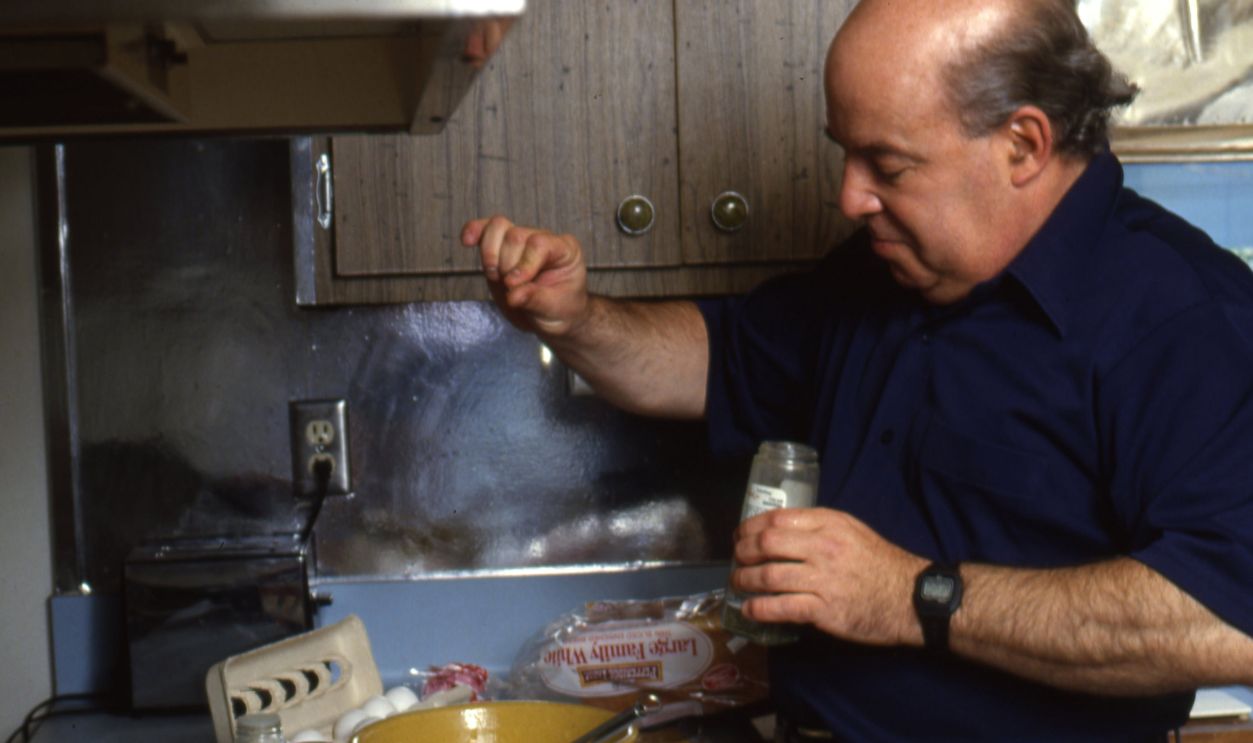
Offscreen, Booke had an unusual personal habit: he liked to buy run-down, historic houses and restore them to their former glory. He enjoyed the process of renovation, finding satisfaction in breathing new life into forlorn and neglected spaces. It was a hobby that also mirrored his acting career: the talent to take small or forgotten roles and make them shine with new vigor.
Broadway Beginnings
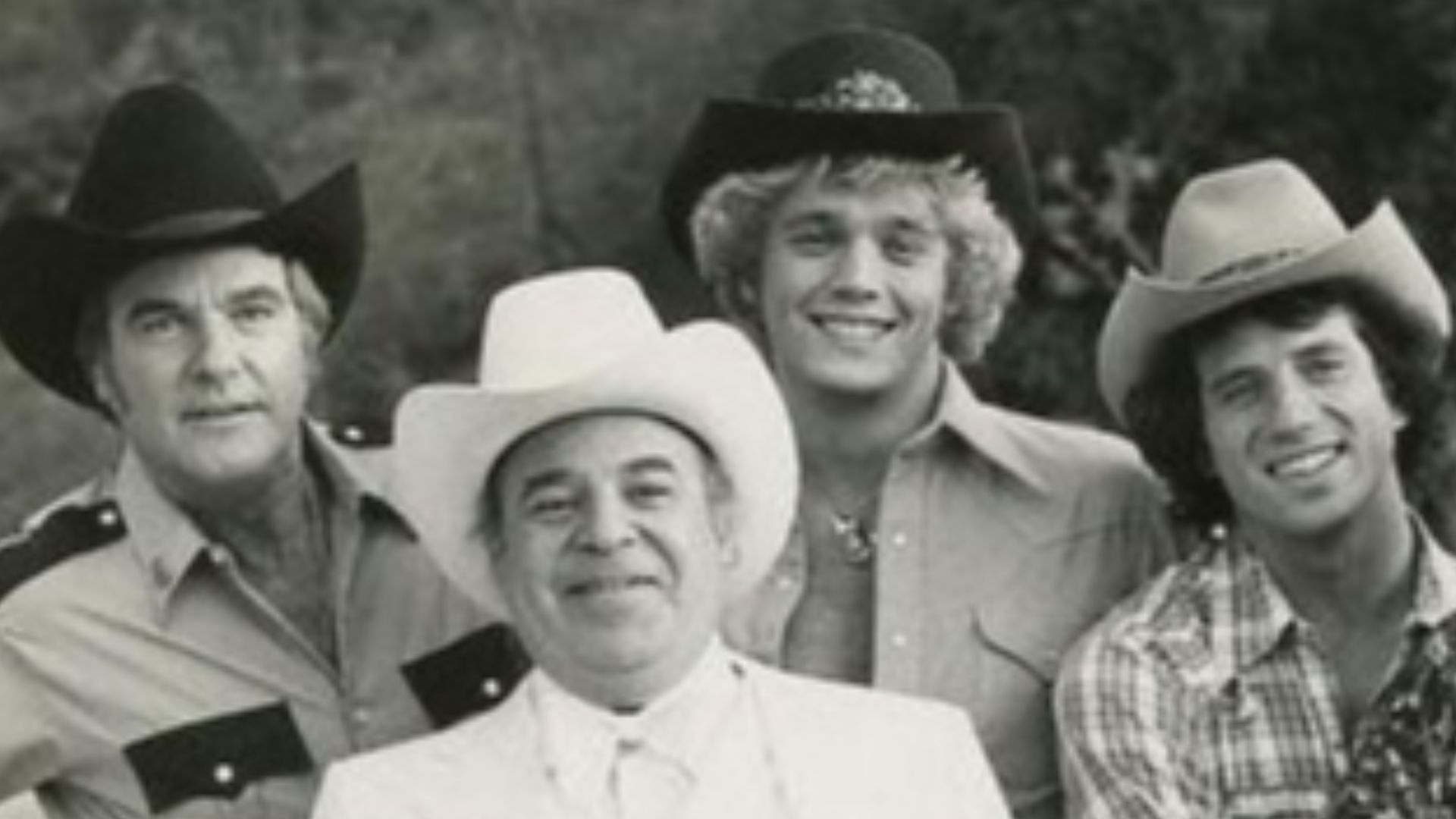
Booke’s acting journey gained momentum on Broadway. He appeared in productions such as The Disenchanted and Fiorello!, earning respect for his stage presence and versatility. These early performances were proof of his range, moving between drama and comedy without missing a beat. These well-honed skills later served him well in TV and film.
Television Guest Star Work And Emmy Nomination
In the early 60s, Sorrell Booke was a prolific guest actor on TV series, appearing in dramas like Gunsmoke, Route 66, Ironside, and many anthology series. He earned enough visibility from these varied roles that in 1964 he received a Primetime Emmy nomination for Outstanding Supporting Actor for his guest appearance in Dr. Kildare, in the episode “What’s God to Julius?”
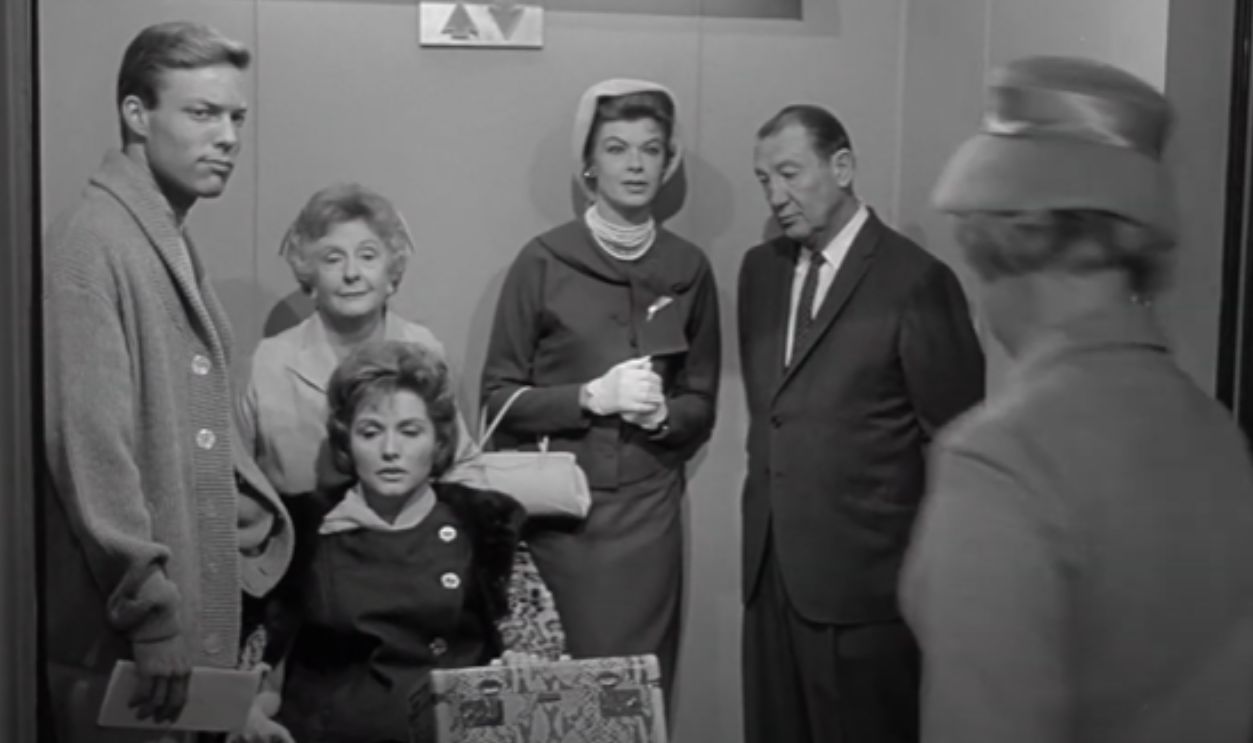 MGM Television, Dr. Kildare (1961-1966)
Film Appearances
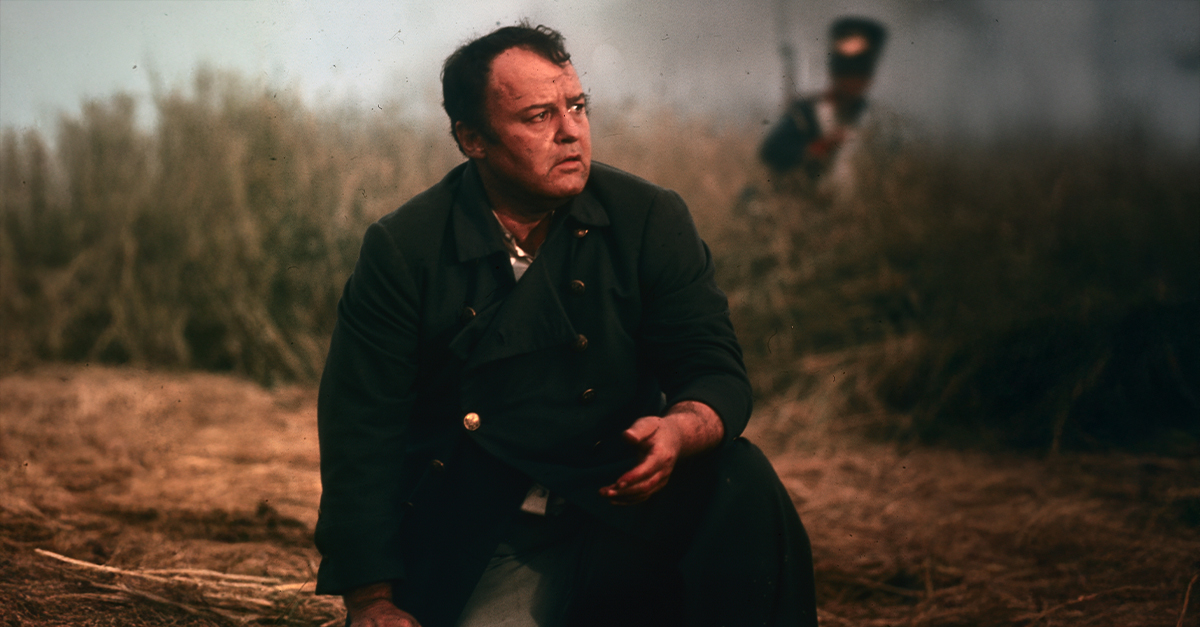
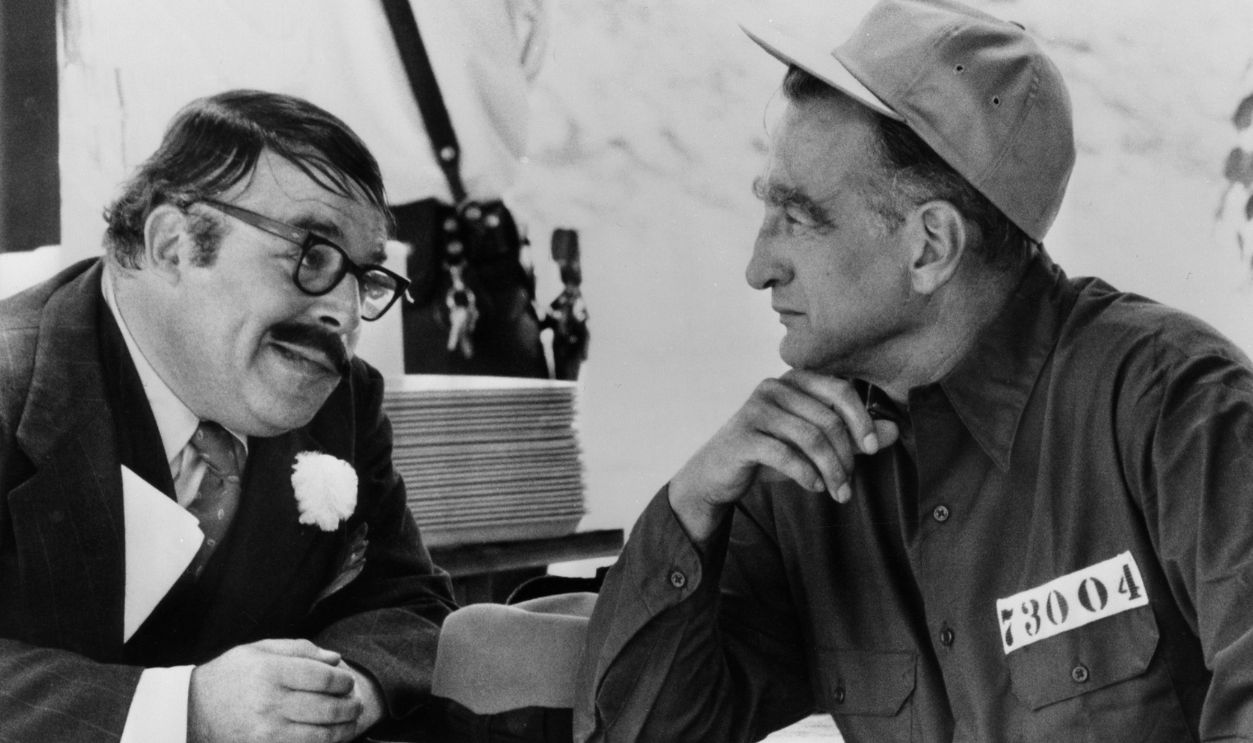
Booke was also busily putting together an impressive film résumé that included roles in Fail Safe (1964), Black Like Me (1964), and Slaughterhouse-Five (1972). He frequently played offbeat or cerebral characters, often in memorable supporting roles. Hollywood valued his contributions as a dependable “everyman” capable of surprising nuance.
 Universal Pictures, Slaughterhouse-Five (1972)
Moving Into Television
By the late 60s and early 70s, Booke was appearing in popular television shows such as All in the Family and *M*A*S*H*. His guest roles regularly made an impression, as he could bring gravitas or humor to the table as needed. Producers recognized his knack for bringing life to secondary characters.
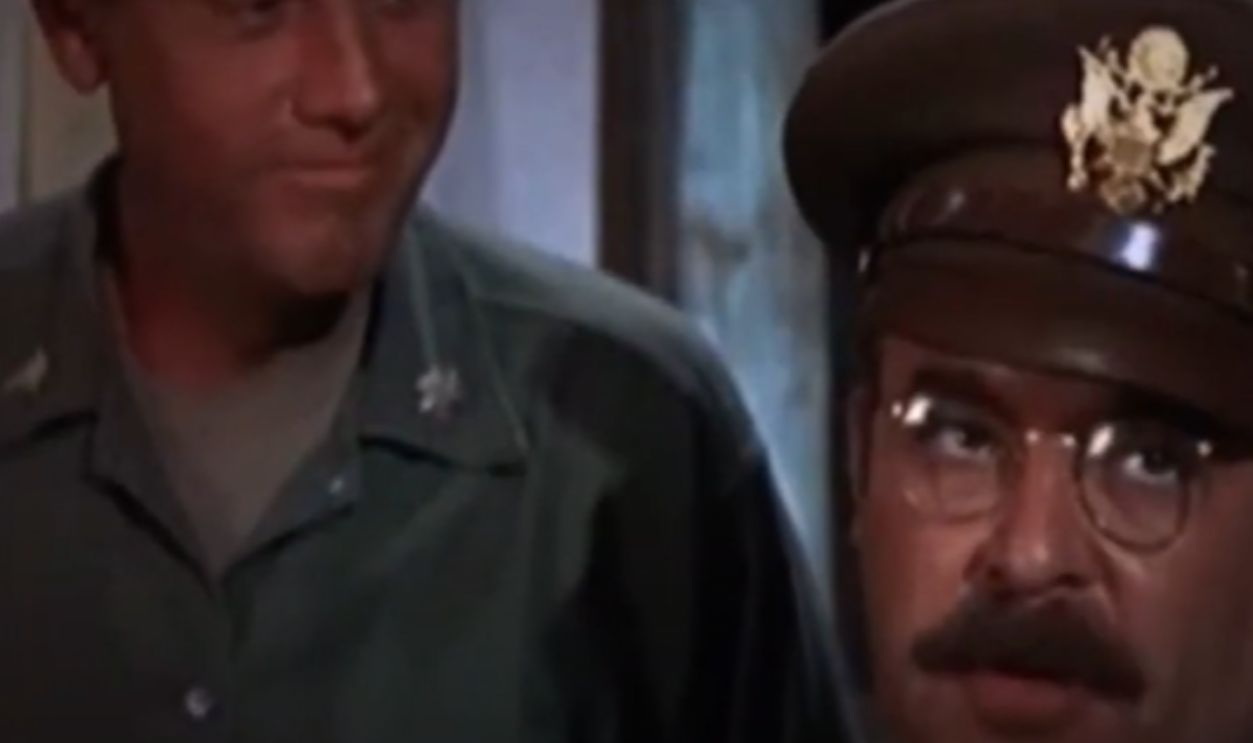 20th Century Fox Television, M*A*S*H (1972-1983)
The Road To Boss Hogg
When producers of The Dukes of Hazzard needed an actor to play Jefferson Davis “Boss” Hogg, they were determined to get someone larger-than-life but with all the typical human faults. Booke auditioned with charm, comic timing, and a sly menace. His personal and stage background allowed him to be over-the-top without losing believability. They thought he was the perfect choice for Boss Hogg. And he would prove them right.
 Donaldson Collection, Getty Images
Creating Boss Hogg
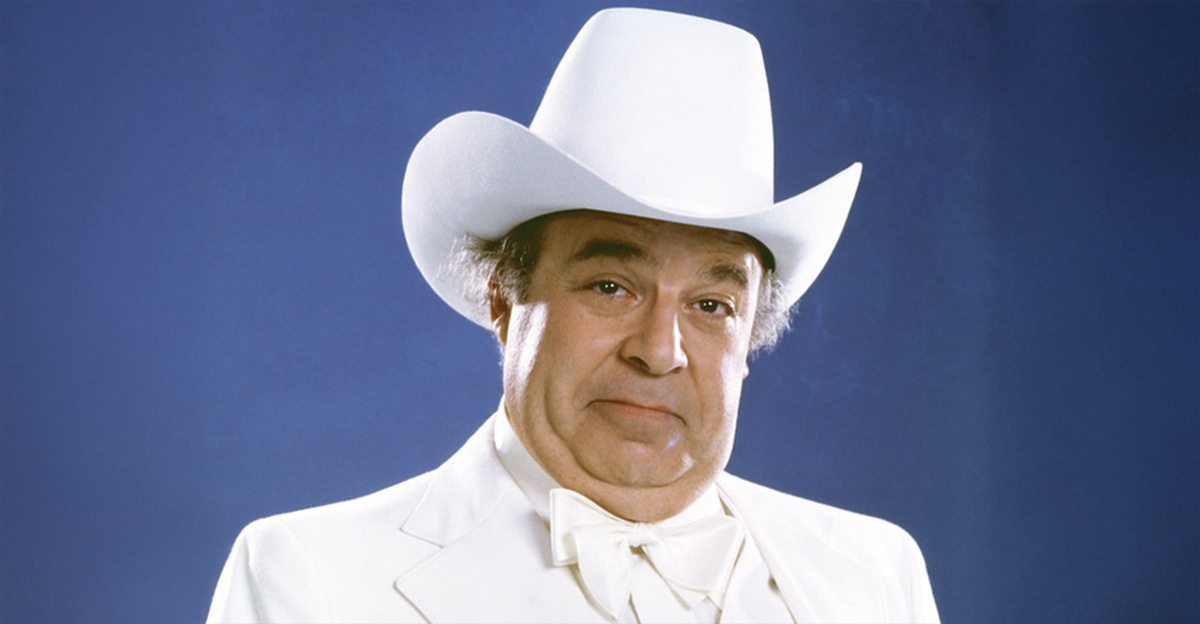
Booke embraced the absurd role, donning a white suit, cowboy hat, and cigar as his trademark schtick. He intentionally put on a bunch of weight and padded out his costume to show Hogg’s gluttony. With his southern drawl and screwball physical humor, he transformed a mundane stock villain into a memorable character that audiences loved to hate.
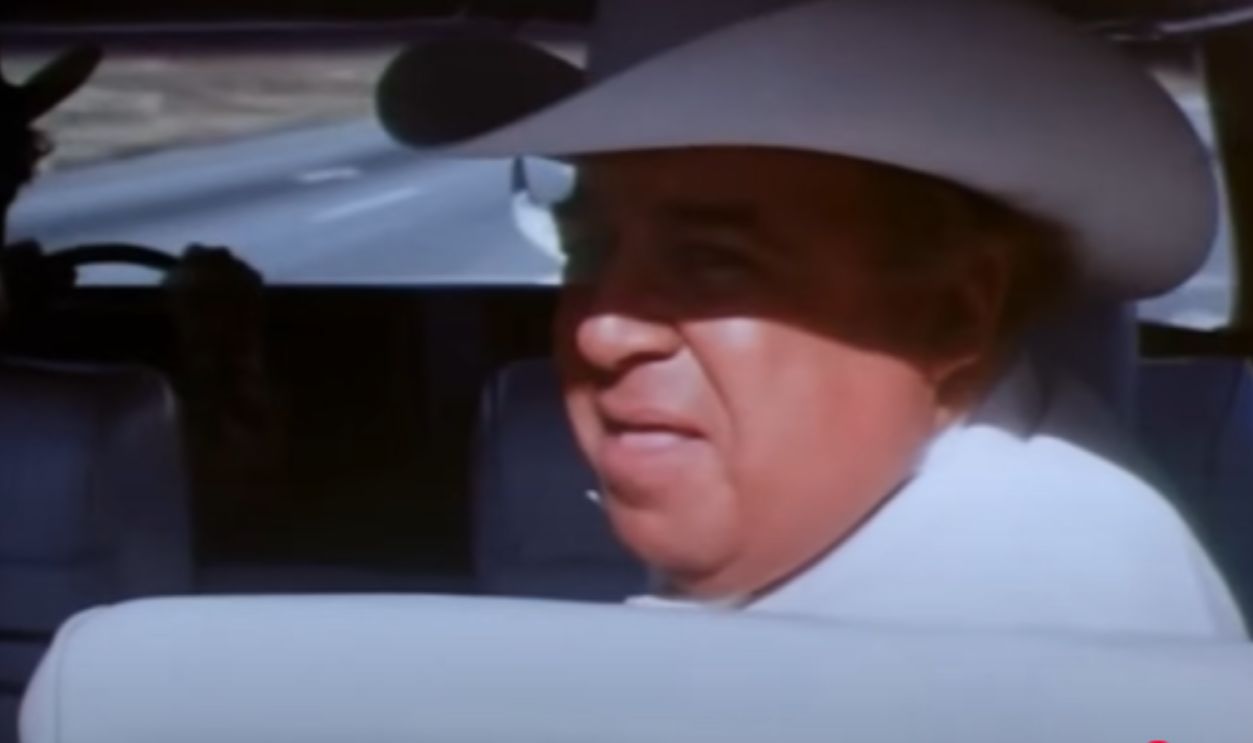 CBS, The Dukes of Hazzard (1979-1985)
Chemistry With Denver Pyle
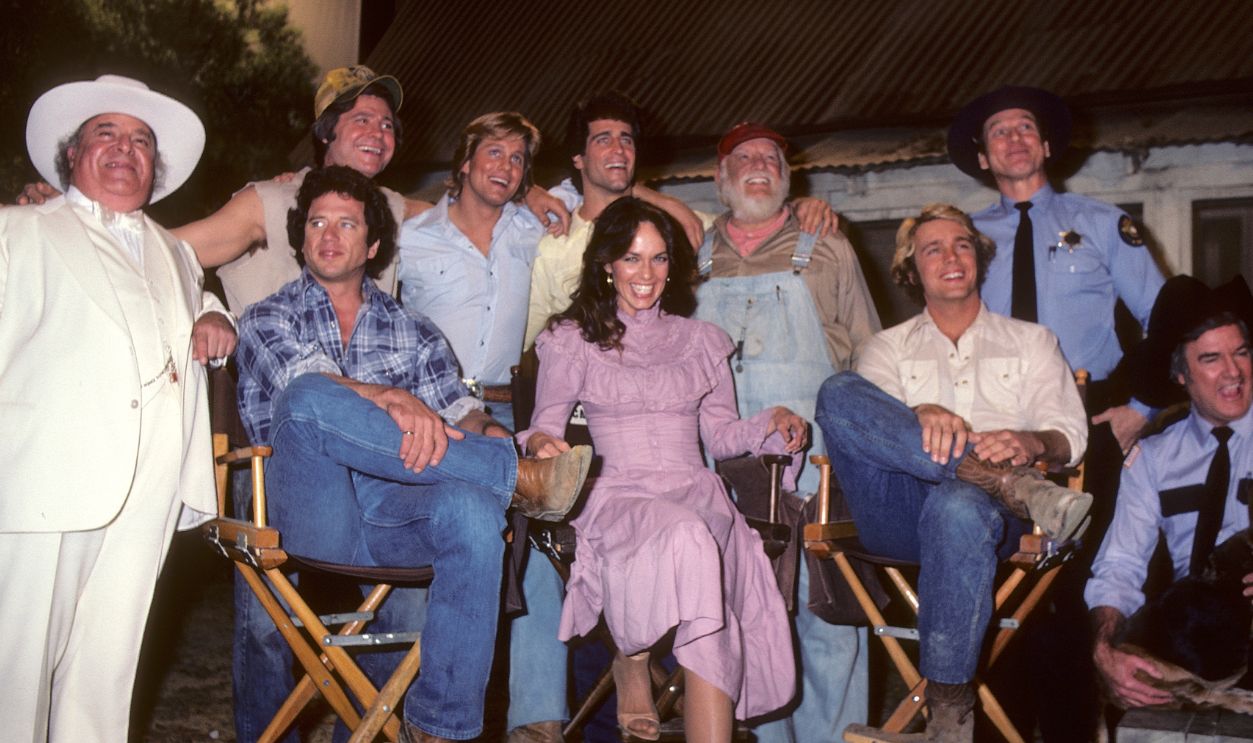
Booke’s scenes with Denver Pyle, who played Uncle Jesse, created some of the show’s most enjoyable conflicts. The contrast between Hogg’s constant conniving and Jesse’s solid moral grounding gave the series heart. Booke credited his offscreen friendship with Pyle for making their on-camera rivalry genuine and lively.
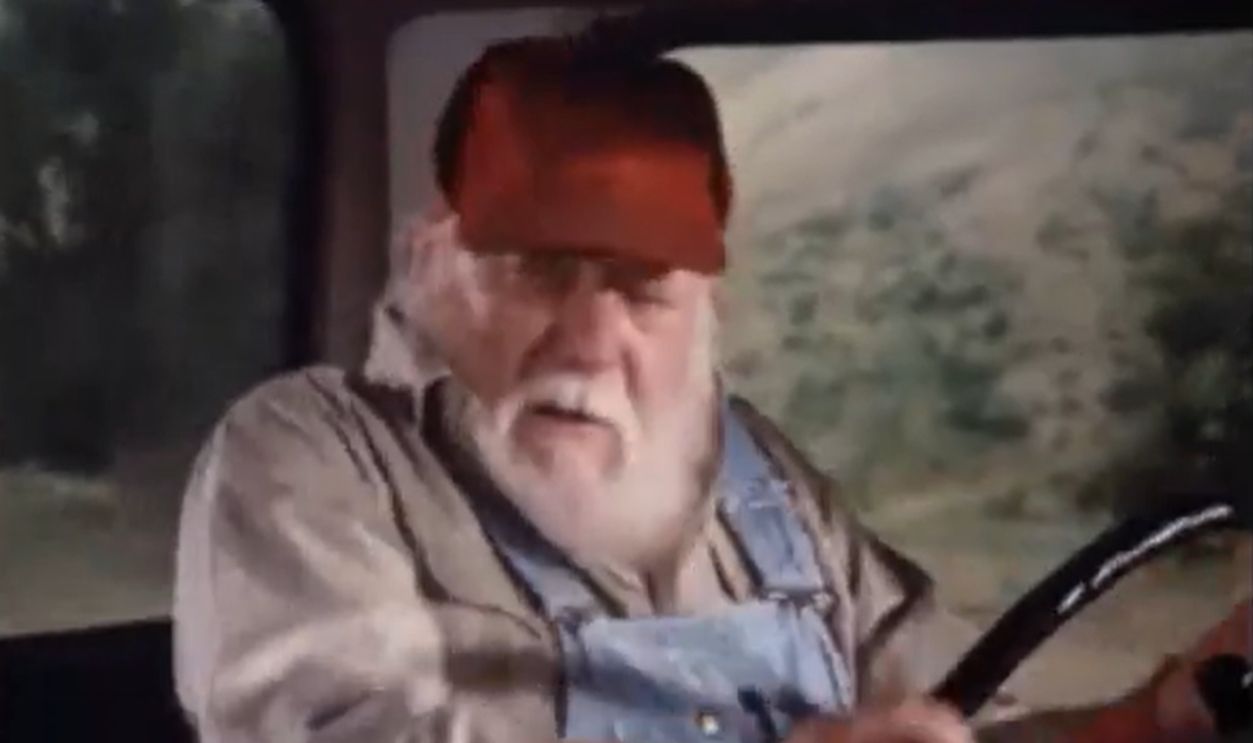 CBS, The Dukes of Hazzard (1979-1985)
All-Around Buffoonery
Though Boss Hogg was corrupt and greedy, Booke insisted on giving him a certain kind of charm. He leaned into Hogg’s buffoonish qualities, using slapstick and comic hyperbole to take the edge off the character’s villainy. The creative choice softened the role a bit, making Boss more entertaining than frightening and keeping The Dukes of Hazzard within its lighthearted limitations.
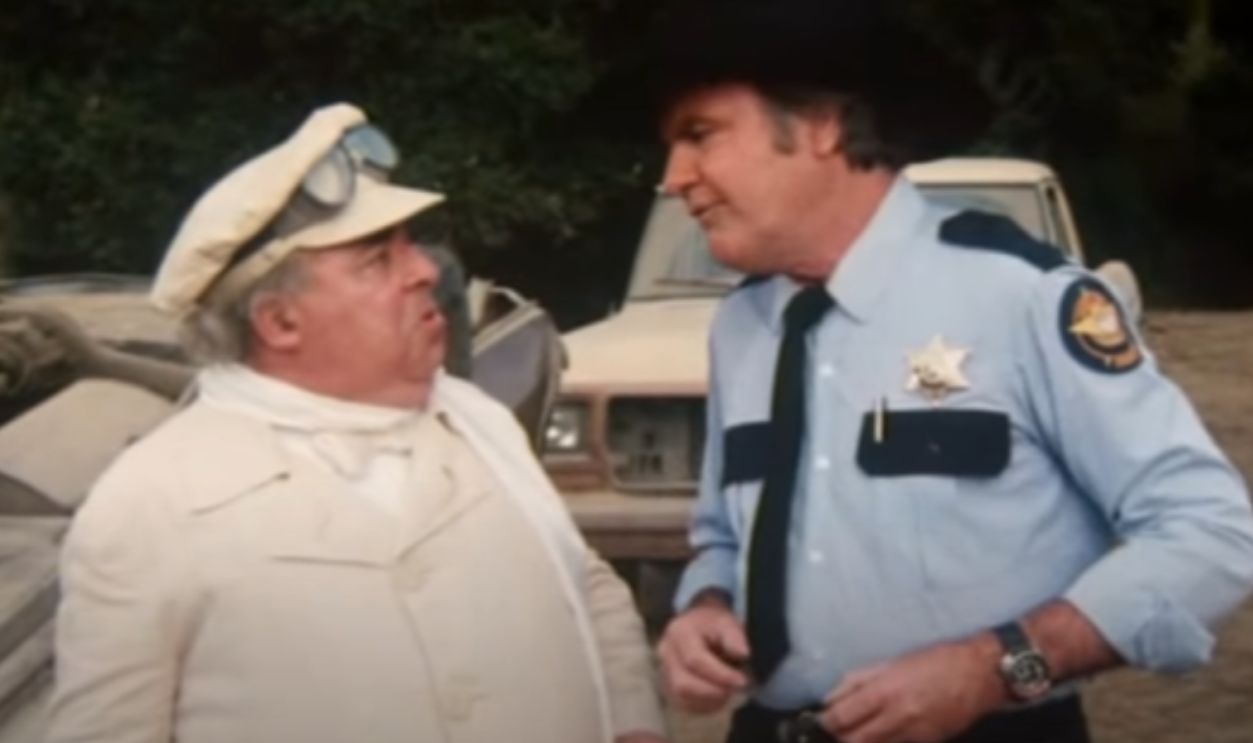 CBS, The Dukes of Hazzard (1979-1985)
The Actor Behind The Mask
Despite playing a cartoonish Southern boss, Booke wasn’t at all like his character. Soft-spoken, highly educated, and cultured, he kept his real life worlds apart from the back roads and hollows of Hazzard County. Cast and crew frequently remarked on the stark difference, underscoring his talent in bringing such a figure to life.
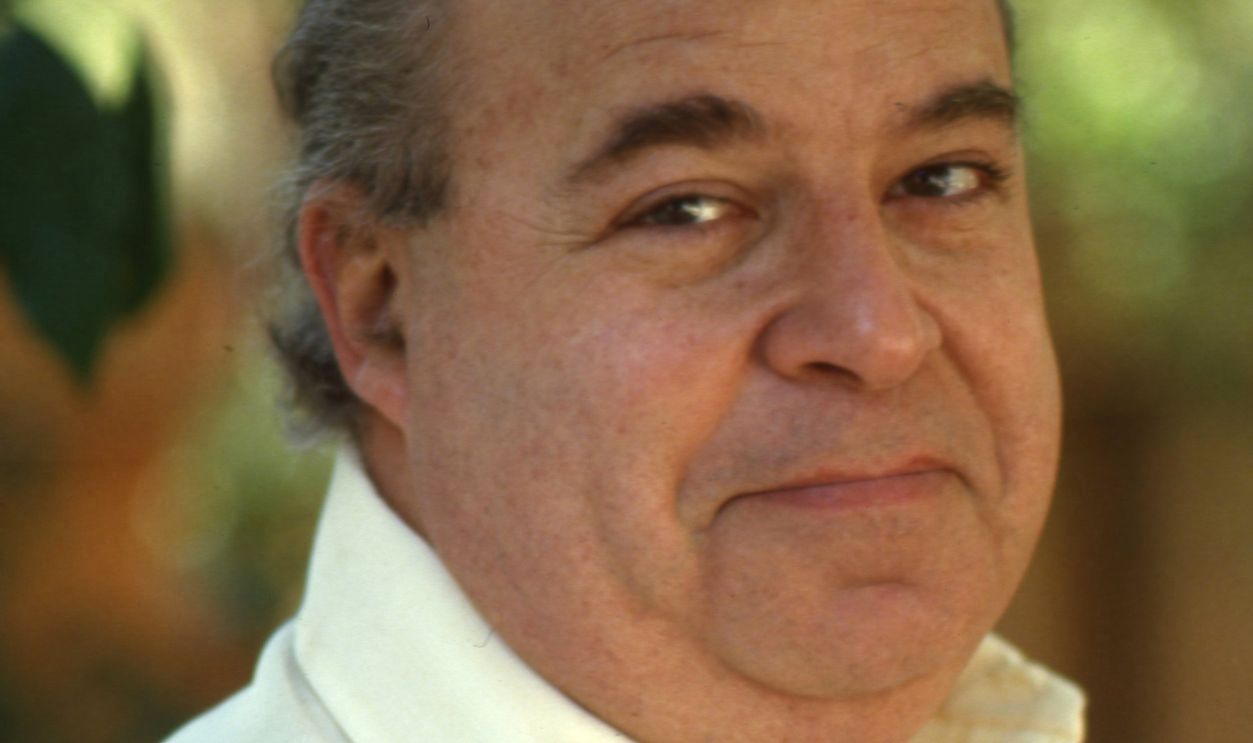 Donaldson Collection, Getty Images
Fan Reception And Legacy
Fans couldn’t help but like Boss Hogg, and Booke enjoyed interacting with them. While he naturally worried somewhat about becoming typecast, the role’s popularity gave him lasting fame. Even today, Boss Hogg is still cited as one of television’s most recognizable comedic villains, with Booke’s performance at the heart of the show’s appeal.
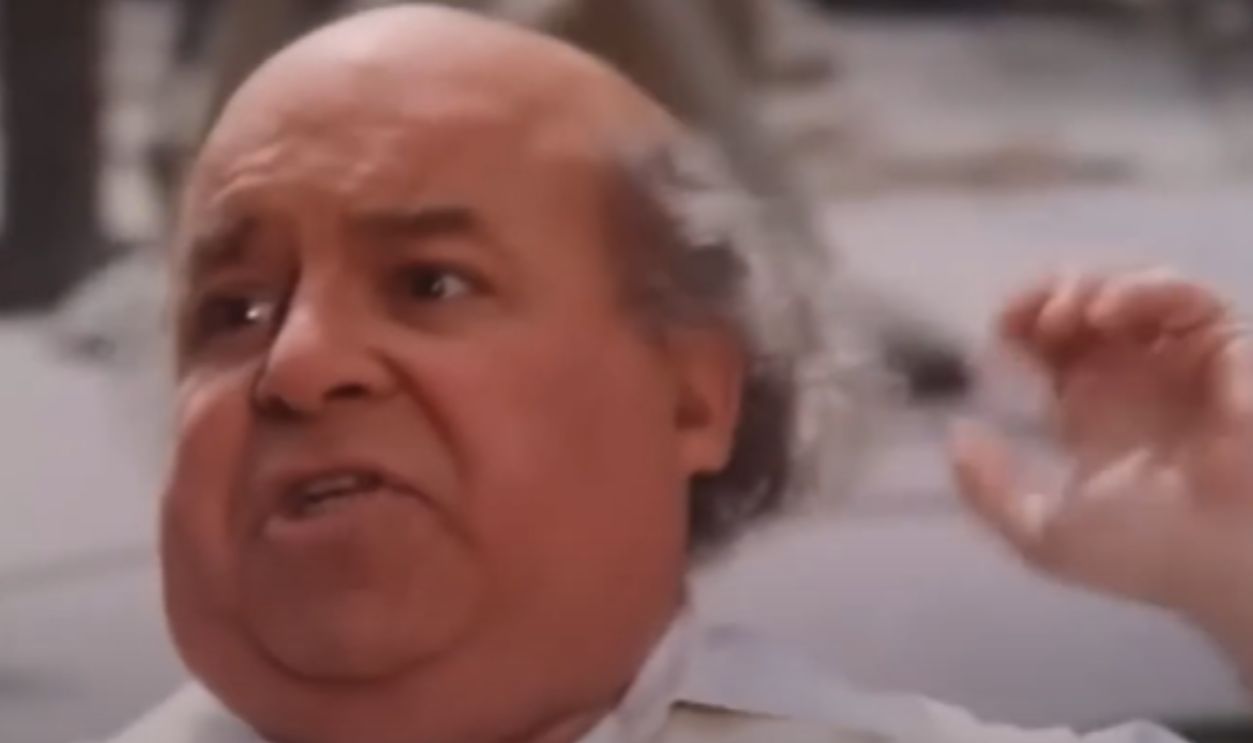 CBS, The Dukes of Hazzard (1979-1985)
Beyond The Dukes
During and after The Dukes of Hazzard, Booke made appearances in projects like Dr. Franken and numerous TV guest roles. He also became an accomplished voice actor, lending his versatile tones to animated series like Scooby-Doo and The Smurfs. It was this kind of adaptability that kept him busy far beyond Boss Hogg.
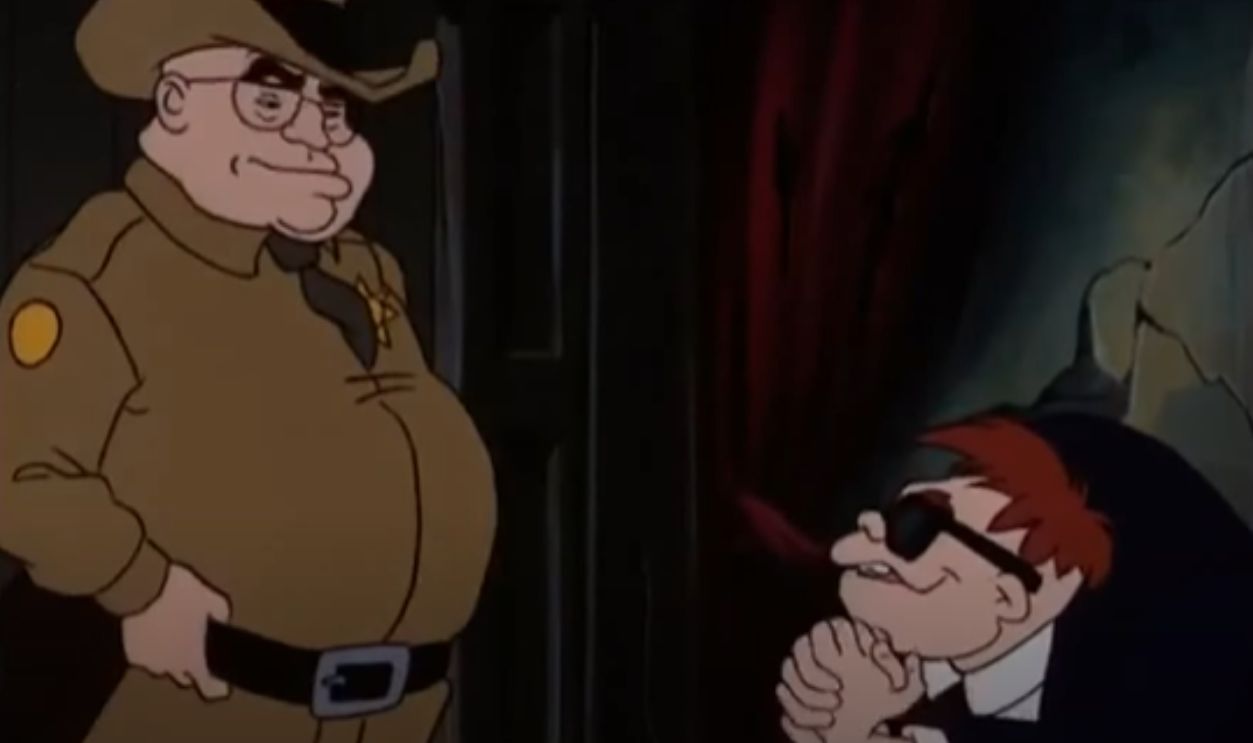 Warner Bros. Television Animation, Scooby-Doo Meets the Boo Brothers (1987)
Later Career And Personal Passions
Booke kept himself involved in acting while also carrying on his love of reading, languages, and restoring homes. He impressed friends with his intellectual curiosity and humility. Despite Hollywood fame, he lived a very private life away from the set and avoided the various problems and excesses so often associated with the celebrity life, choosing to focus instead on meaningful work and family.
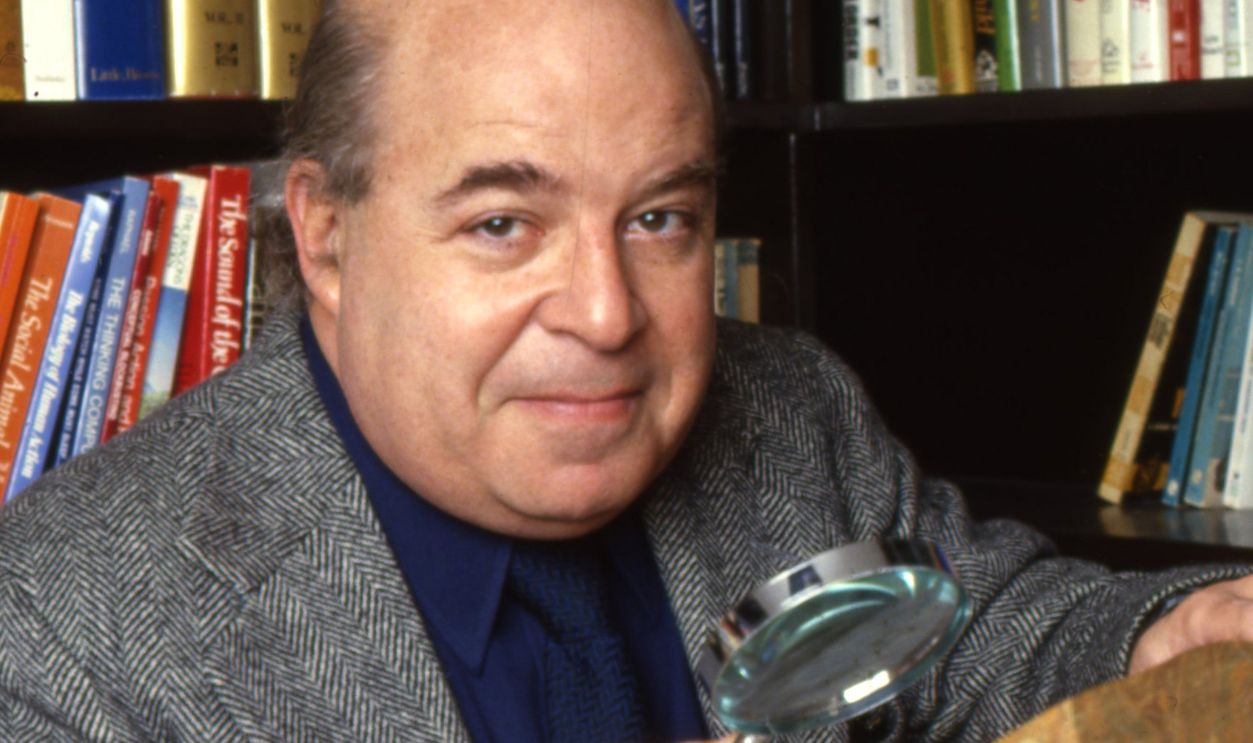 Donaldson Collection, Getty Images
Last Years
Booke kept acting straight on through into the early 1990s, but his health was beginning to decline by then. He battled colorectal cancer with resilience, while keeping himself busy with creative work whenever possible. His last performances mostly consisted of voice acting work, but it still bore his trademark wit and charisma. He passed away in 1994 at the relatively young age of 64.
 Michael Ochs Archives, Getty Images
The Sorrell Booke Story
Though most of us knew him only as Boss Hogg, Booke’s life encompassed military service, academic brilliance, and a long eclectic acting career across stage and screen. His colleagues remembered him as gracious, intelligent, and highly professional. It would be hard to think of any other performer who showed as much as he did that the man behind the costume was far more fascinating than he looked.
 Donaldson Collection, Getty Images
A Lasting Legacy
Sorrell Booke left behind an unusual but inspiring legacy: a patriotic veteran, an accomplished linguist, a Broadway stage actor, a film character actor, and one of TV’s funniest villains. The diverse nature of his talents meant that he would never be just one thing, and his legacy lives on in every rerun of The Dukes of Hazzard.
You May Also Like:
TV Theme Songs That Deserve Grammy Awards
You Probably Missed These Big Mistakes In Television's Most Loved Shows