A breakout that changed her life
When Basic Instinct premiered in 1992, Sharon Stone went from working actress to global phenomenon almost overnight. The film didn’t just elevate her career—it brought fame and fortune. But it also reshaped how the public, the press, and Hollywood viewed her in ways that would follow her for decades, and into parts of her life she never imagined (or wanted).

Overnight fame, permanent attention
Stone became instantly recognizable. Magazine covers, interviews, and nonstop media attention followed. With that fame came a level of scrutiny she hadn’t experienced before—one that blurred the line between the roles she played and who people assumed she was off-screen.
 Georges Biard, Wikimedia Commons
The interrogation scene
The interrogation scene became one of the most replayed moments in film history (yup, you know the one we're talking about). It cemented her stardom—but it also froze her public image in a way she would never fully escape.
 Screenshot from Basic Instinct, TriStar Pictures (1992)
When a role becomes an identity
For many viewers, that scene became shorthand for Sharon Stone herself. Over time, nuance disappeared. The performance overshadowed everything else she did, even as she took on a wide range of roles that showed she was far more than a single moment.
 Harald Krichel, Wikimedia Commons
How Hollywood responded
After Basic Instinct, Stone noticed the types of roles offered to her narrowing. The industry leaned into the image it had already created. She later said that perception distorted how people viewed her, both professionally and personally.
 Gage Skidmore from Peoria, AZ, United States of America, Wikimedia Commons
Media fixation and repetition
Interviews often circled back to the same topic. Coverage focused less on her work and more on her sexuality. Over time, the repetition turned one performance into a permanent label she didn’t get to define.
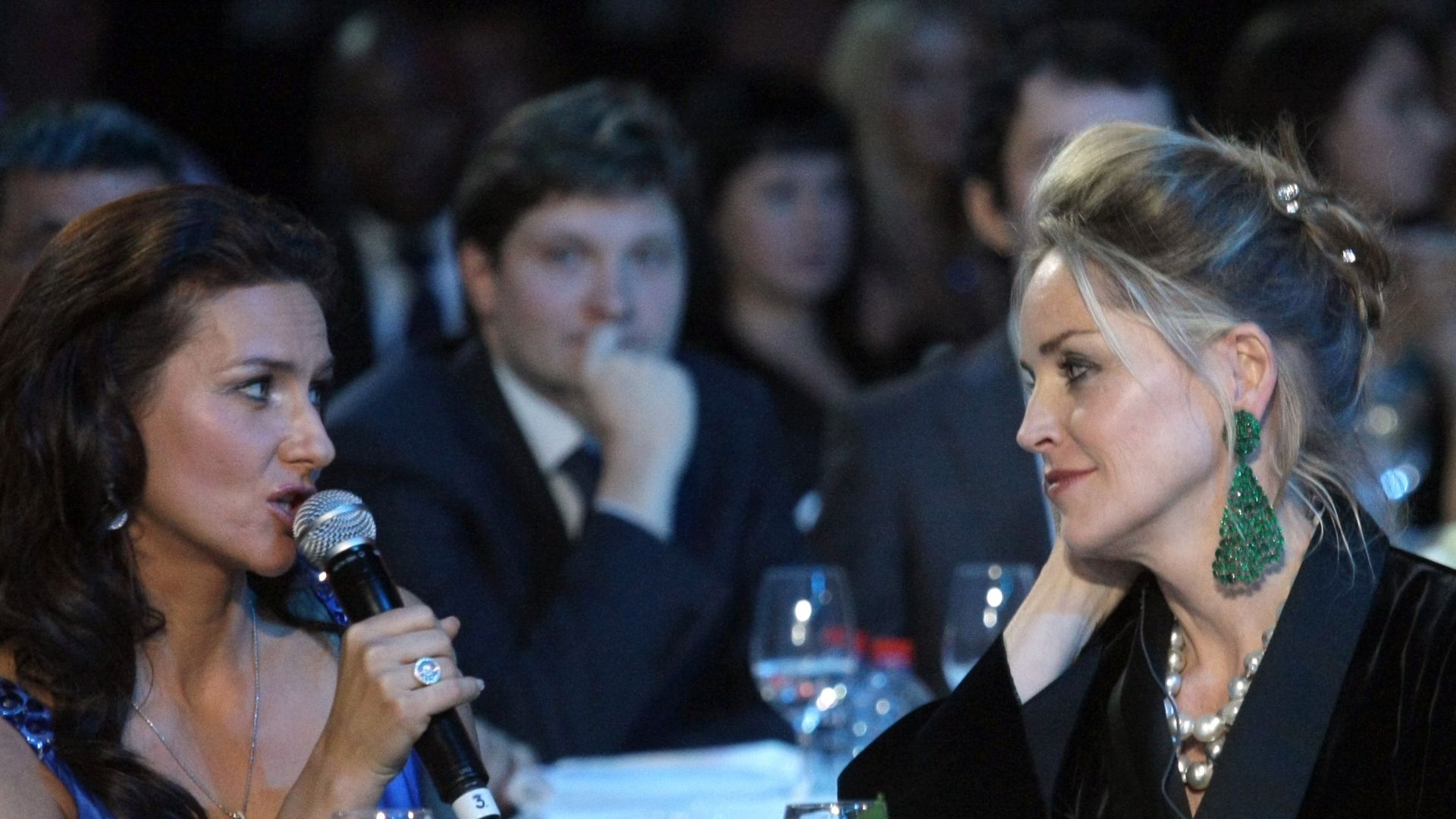 Premier.gov.ru, Wikimedia Commons
Personal struggles behind the scenes
Away from Hollywood, Stone faced serious health challenges and multiple miscarriages. These experiences quietly reshaped her priorities. The public image surrounding her career rarely reflected what was actually happening in her private life.
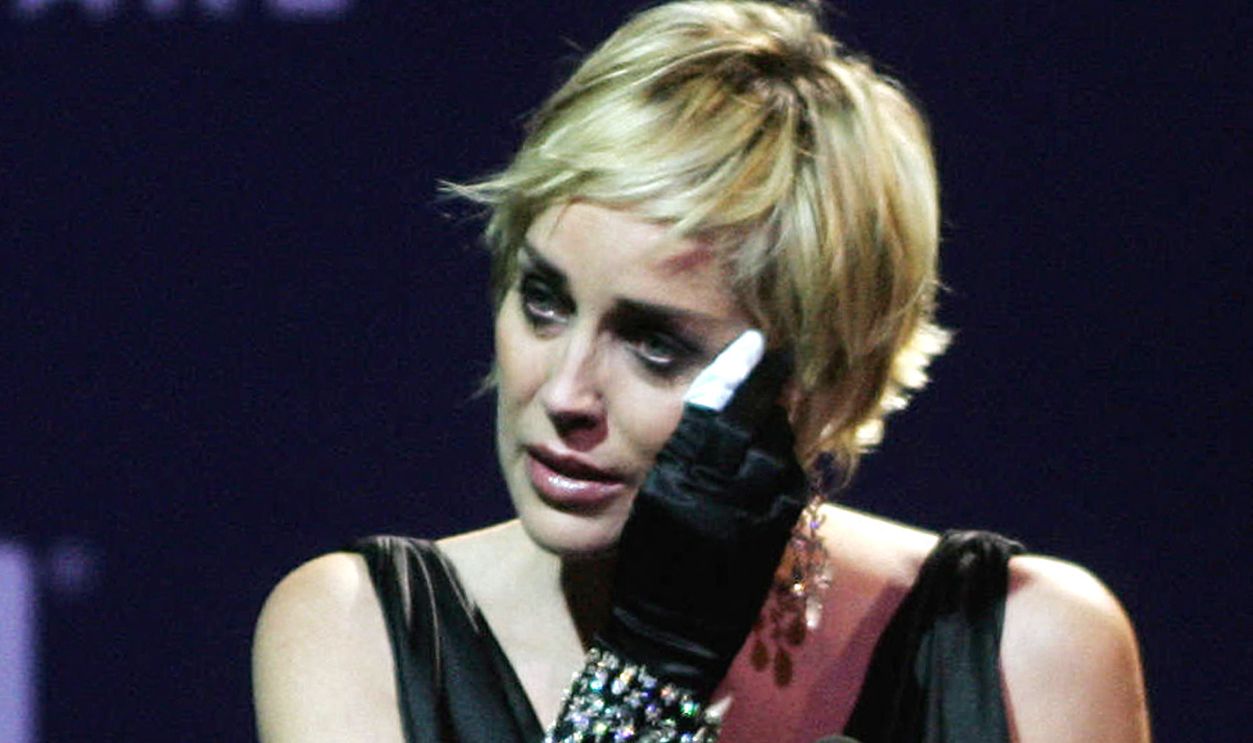
Choosing motherhood
In 2000, Stone adopted her son, Roan. Motherhood quickly became the center of her life, and she has spoken often about how seriously she takes being a parent.
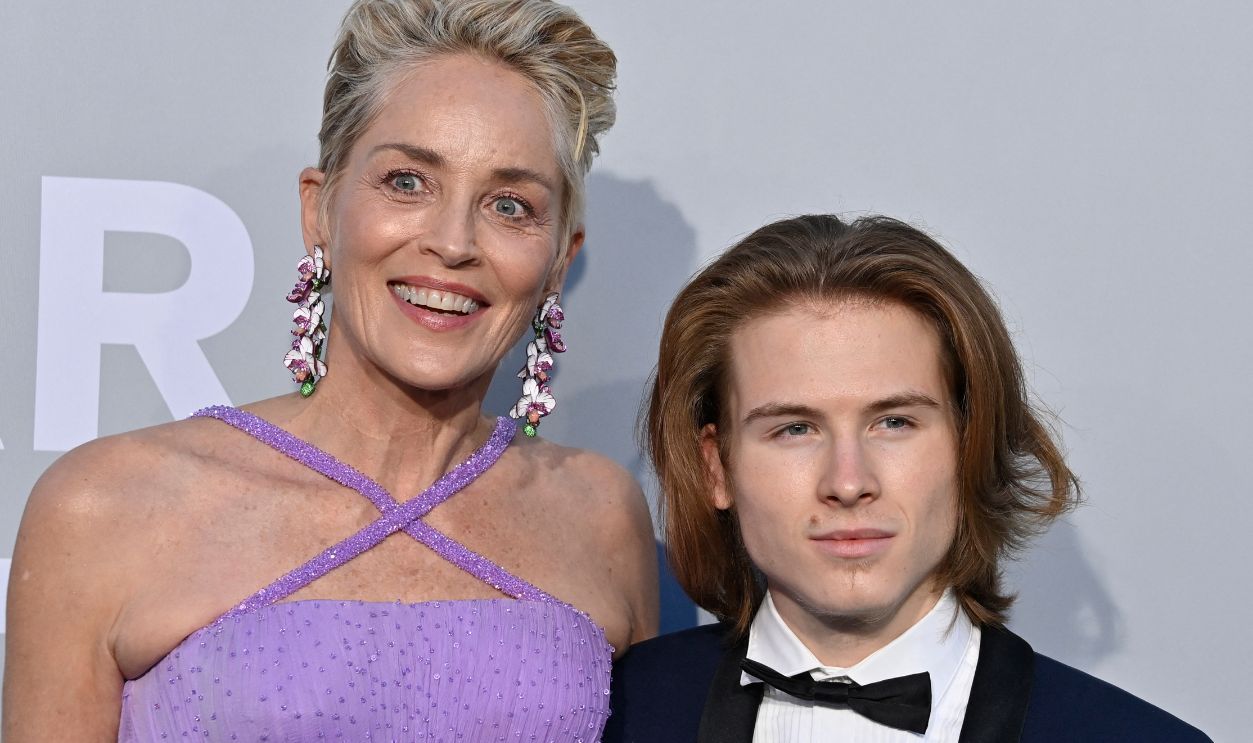
A marriage that didn’t last
Stone was married to journalist Phil Bronstein at the time she adopted Roan. Their marriage later ended in divorce, setting the stage for a custody dispute that would become one of the most painful chapters of her life.
 Christopher Michel from San Francisco, USA, Wikimedia Commons
Entering the custody battle
Stone assumed the custody process would be difficult but fair. Instead, she found herself facing arguments that went beyond parenting and into her past work as an actress and the public image attached to it.
 Damion Matthews, Wikimedia Commons
Her career enters the courtroom
Stone says her Basic Instinct image was effectively put on trial during the custody proceedings. The implication stunned her—that a fictional role from years earlier could be treated as relevant to her real-life motherhood.
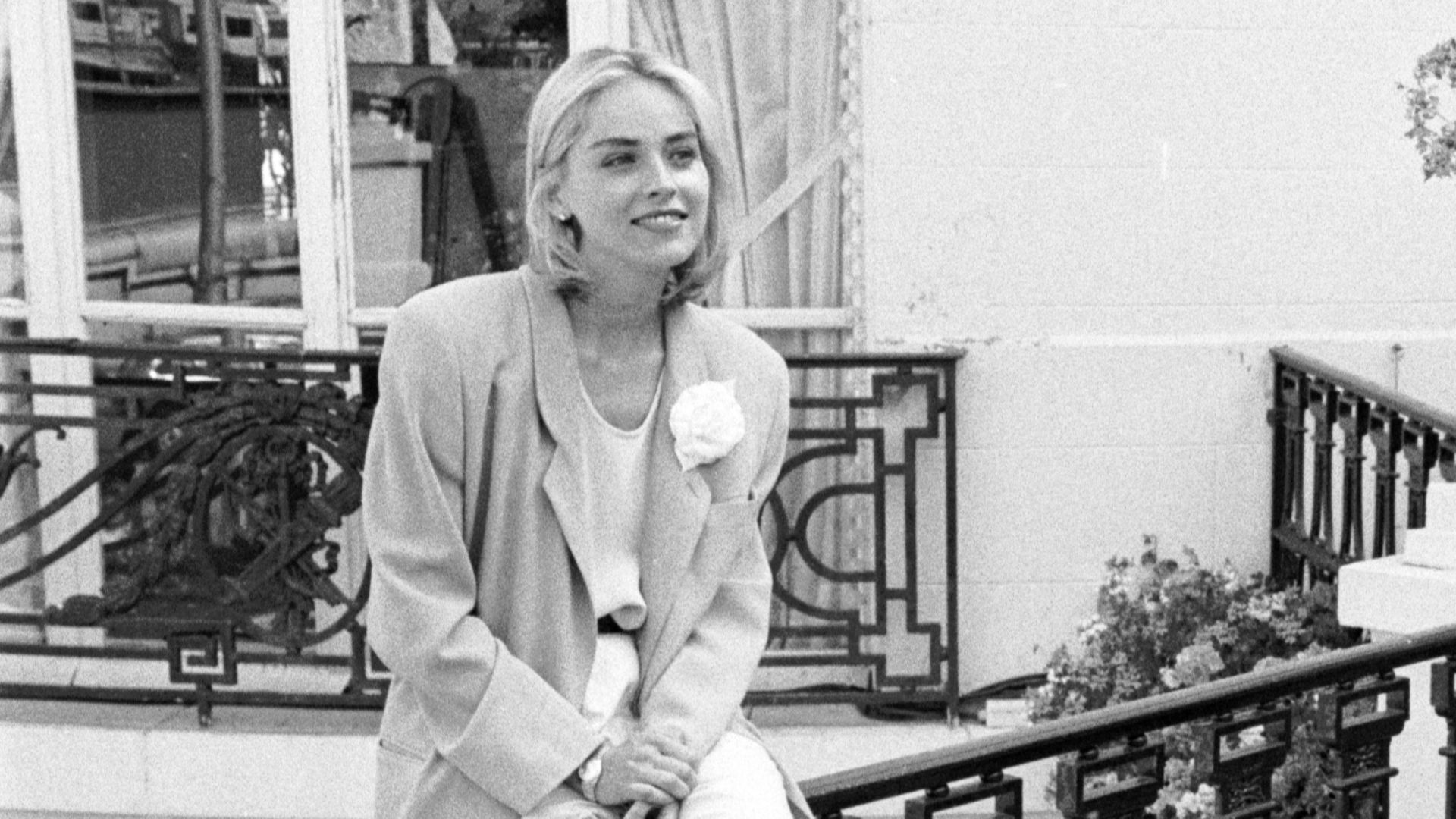 Roland Godefroy, Wikimedia Commons
The moment that changed everything
Stone later revealed that a judge asked her young son if he knew his mother made “sex movies.” She has said that moment altered the course of the case and made the outcome feel inevitable.

No exaggeration, no metaphor
Stone has repeatedly clarified she was being literal, not dramatic. People assumed she was speaking metaphorically—but she wasn’t. She has said plainly that the moment in court directly preceded losing custody.
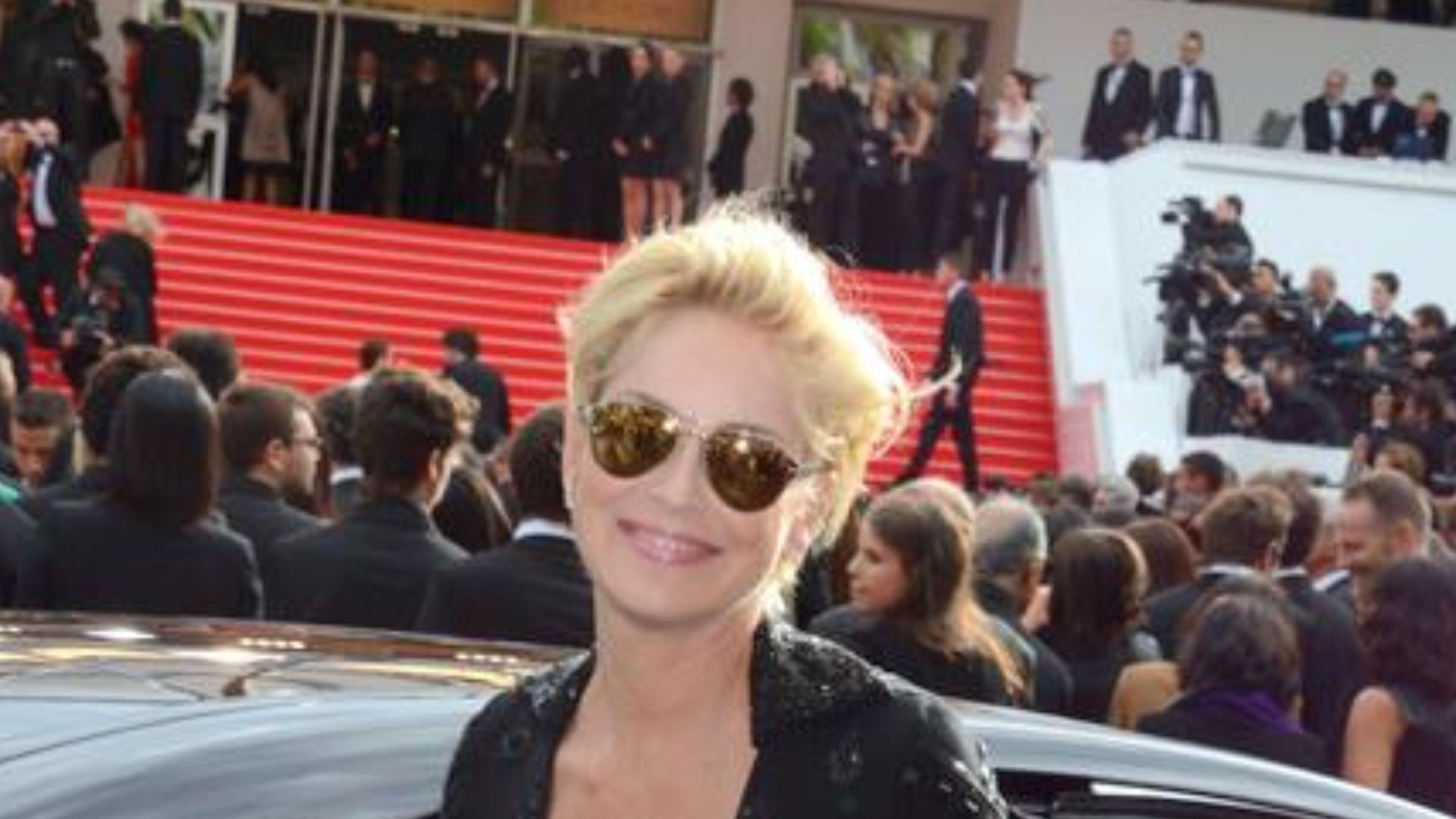 Georges Biard, Wikimedia Commons
Losing primary custody
The court ultimately awarded primary custody to Bronstein. Stone has described the loss as devastating and life-altering, saying she believes her past screen image played a decisive role.

The emotional fallout
Losing custody fundamentally changed how Stone viewed fame. Success no longer felt protective—it felt exposed. The thing that once empowered her now felt like something that could be used against her.
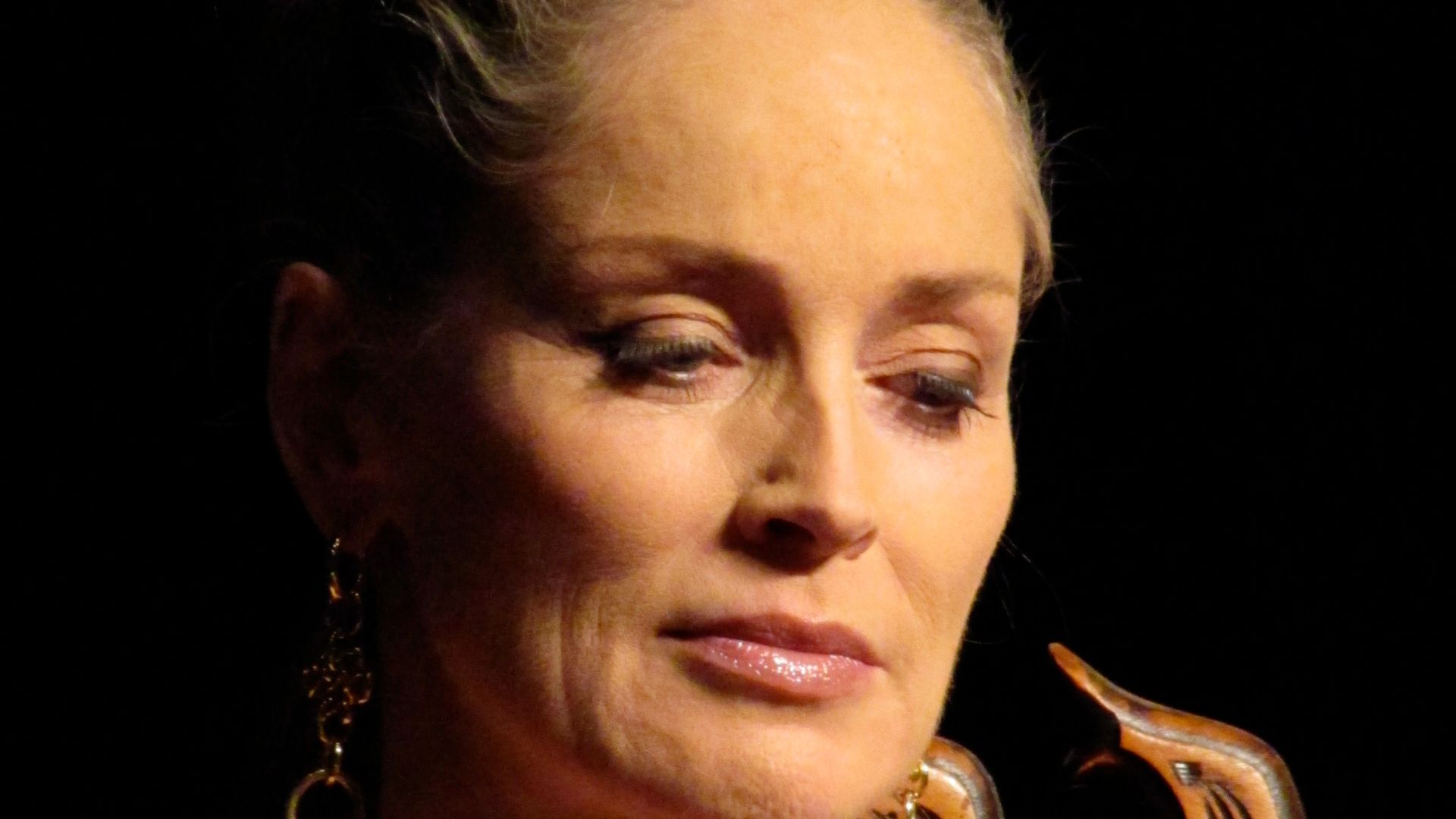
When sexuality becomes a liability
Stone later reflected on how differently women are judged once they become mothers. She has said she was treated as an unfit parent because of a movie role, while male actors rarely face similar scrutiny.
A double standard she couldn’t ignore
Stone has pointed out that men are often praised—or forgiven—for provocative performances. Women, she argues, are celebrated briefly and then judged later, especially when they step into traditionally scrutinized roles like motherhood.
 David Torcivia, Wikimedia Commons
Why she stayed quiet
For years, Stone avoided discussing the custody battle publicly. When she eventually spoke out, it wasn’t to reopen wounds but to explain how dangerous it can be when public image becomes evidence.
 Georges Biard, Wikimedia Commons
Not an isolated story
Stone’s experience fits a broader Hollywood pattern. Women are often rewarded for being bold—and later judged harshly for the same traits. Her story resonated with many who felt they had lived quieter versions of the same dynamic.
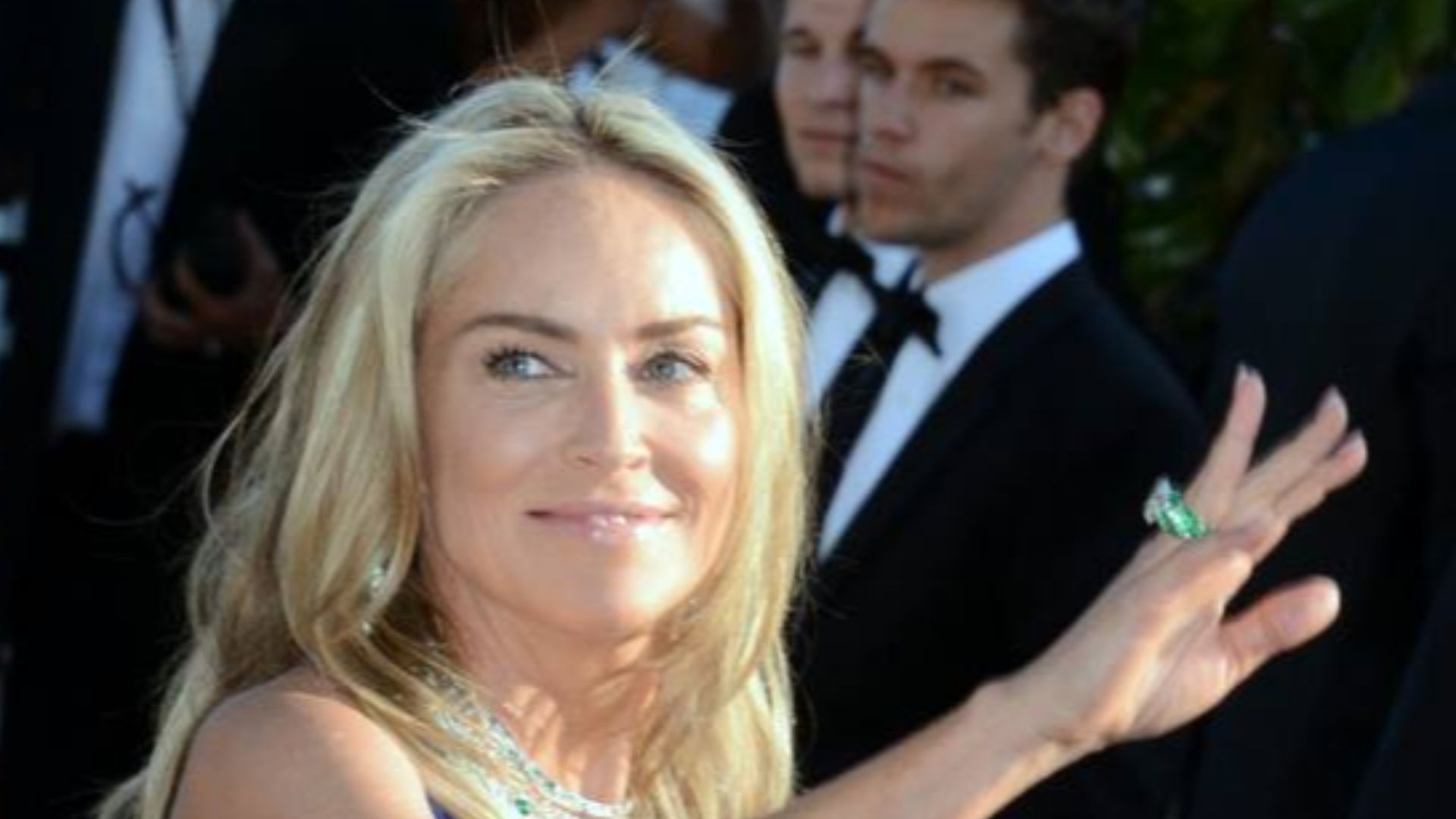 Georges Biard, Wikimedia Commons
Reclaiming her own story
Today, Stone doesn’t disown Basic Instinct. She has said she’s proud of her work and understands its cultural impact, but refuses to let it define her value as a parent or a person.
 Gage Skidmore from Peoria, AZ, United States of America, Wikimedia Commons
How she frames it now
Stone has been clear that this isn’t about regret—it’s about consequence. The same moment that opened every door professionally also closed one that mattered most.
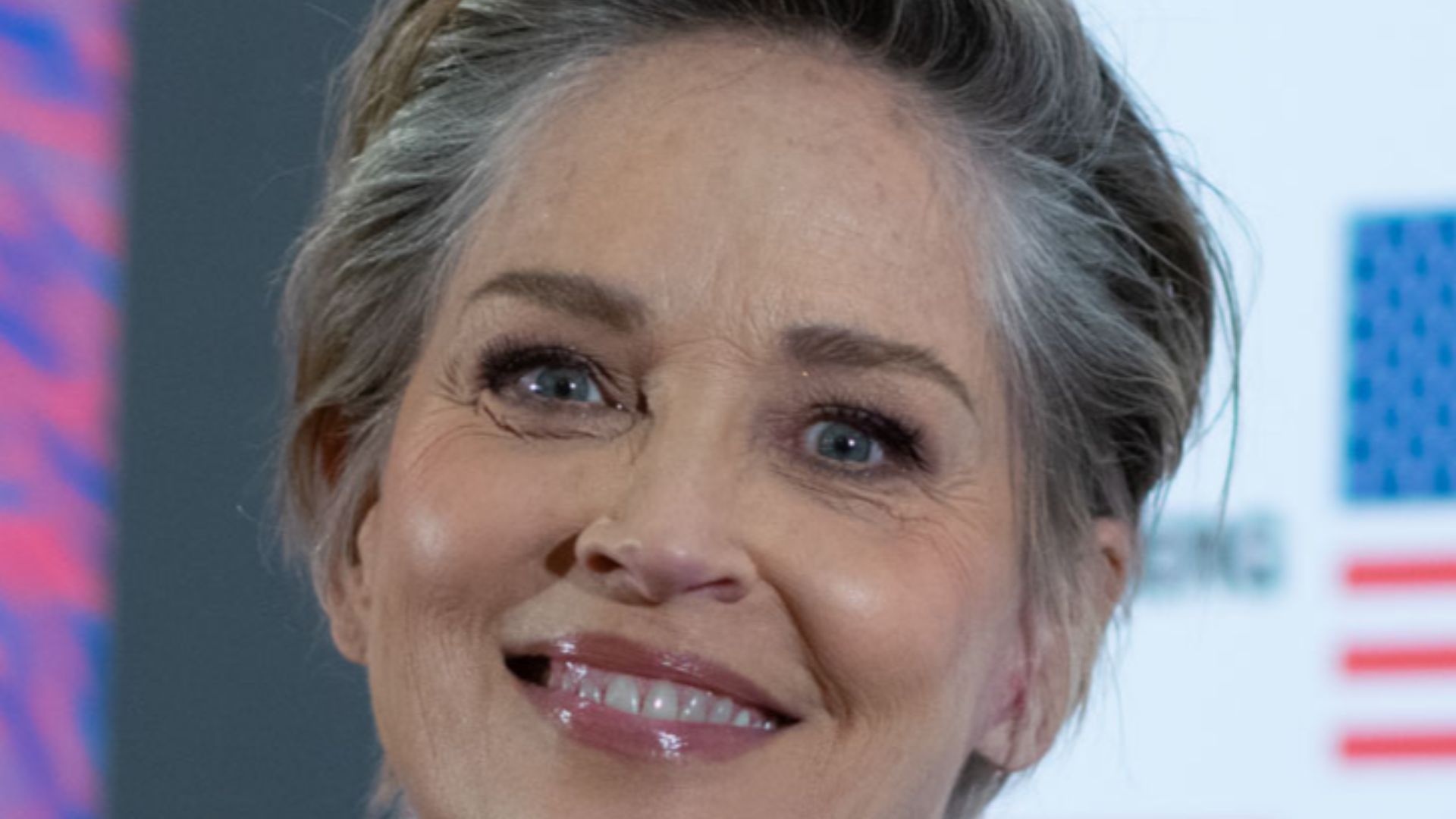 usbotschaftberlin, Wikimedia Commons
What she wants remembered
This isn’t a story about one movie scene. It’s about how easily success can be reframed as a liability, especially for women. Stone’s experience shows how fame doesn’t just follow you—it can show up where it never should.
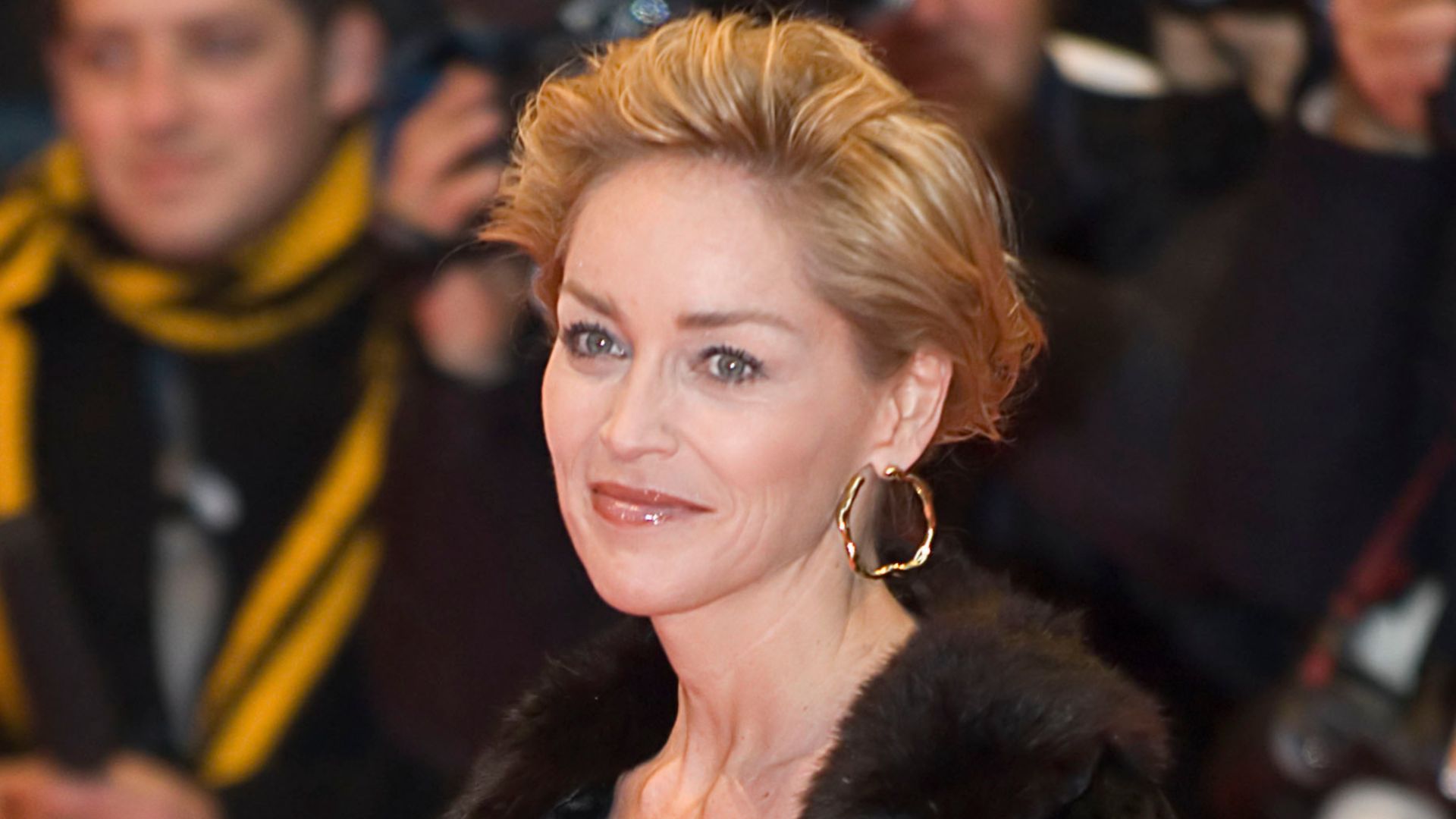 Thore Siebrands from Germany, Wikimedia Commons
You Might Also Like:
Celebrities Who Married The Same Person Twice, And Failed Spectacularly Both Times