Scotty Beckett’s Bright Beginning
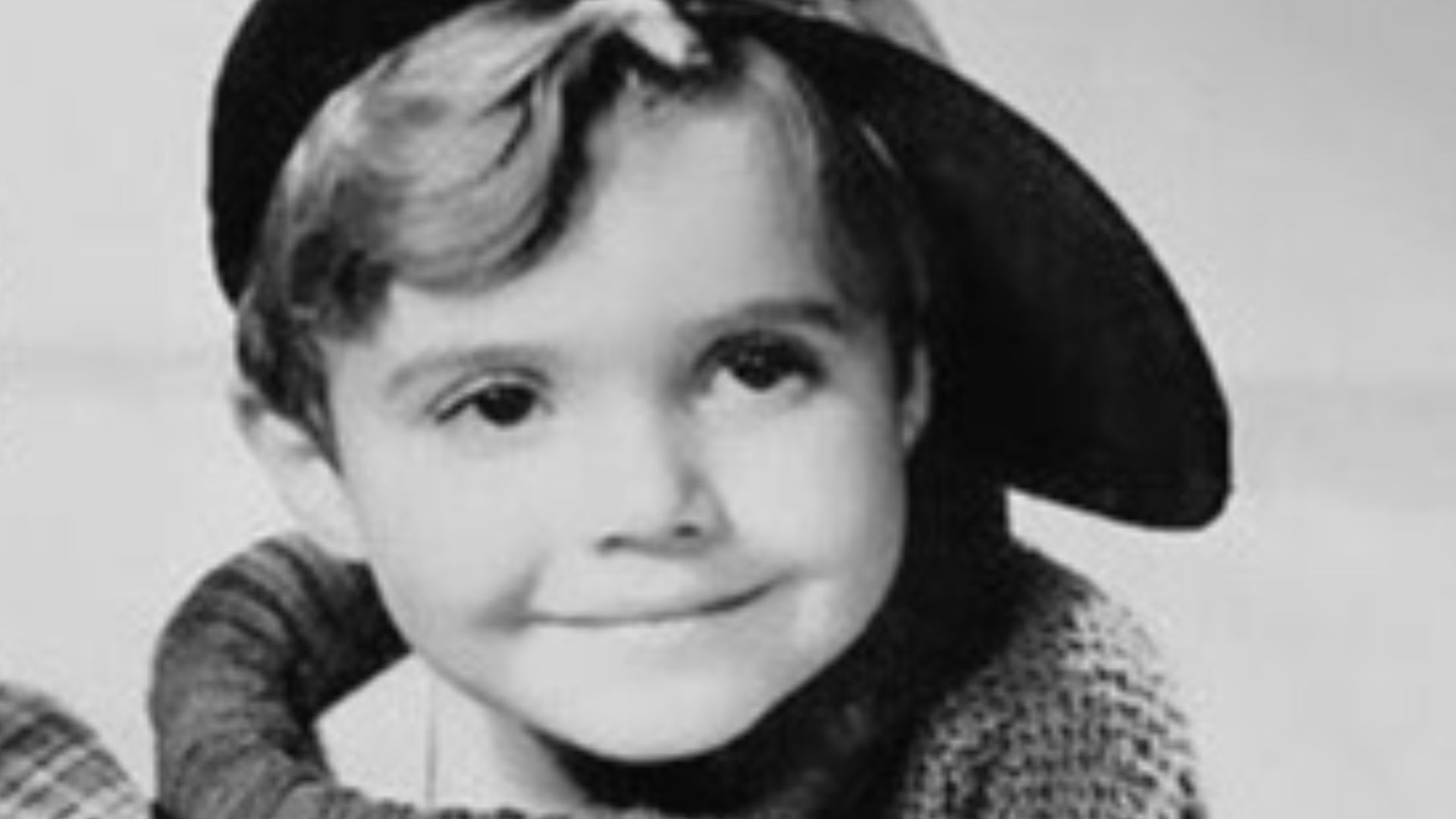
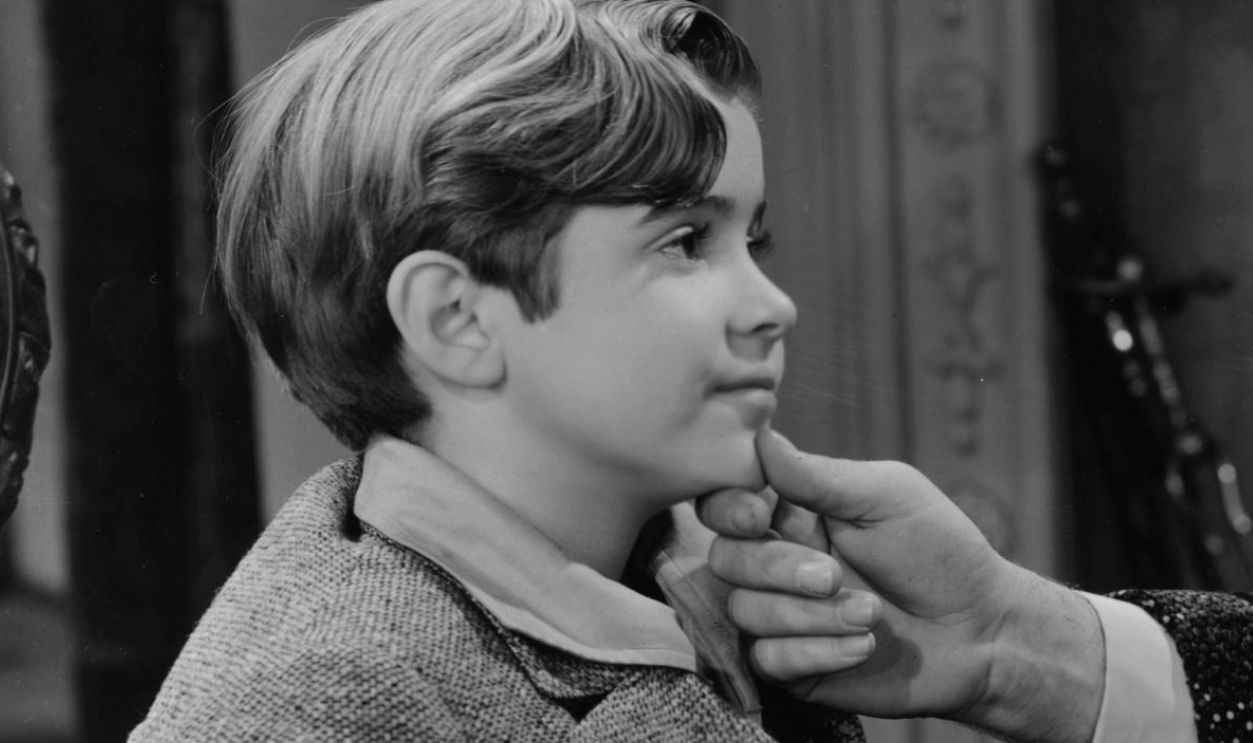
Scotty Beckett joined Our Gang in the 1930s, instantly becoming a fan favorite with his sharp delivery and bright smile. He stole scenes without ever trying. Everyone assumed a kid that charismatic was headed for a long, golden career—but childhood fame rarely works out that way. And sadly, Beckett was no exception.
Born Into a Spotlight
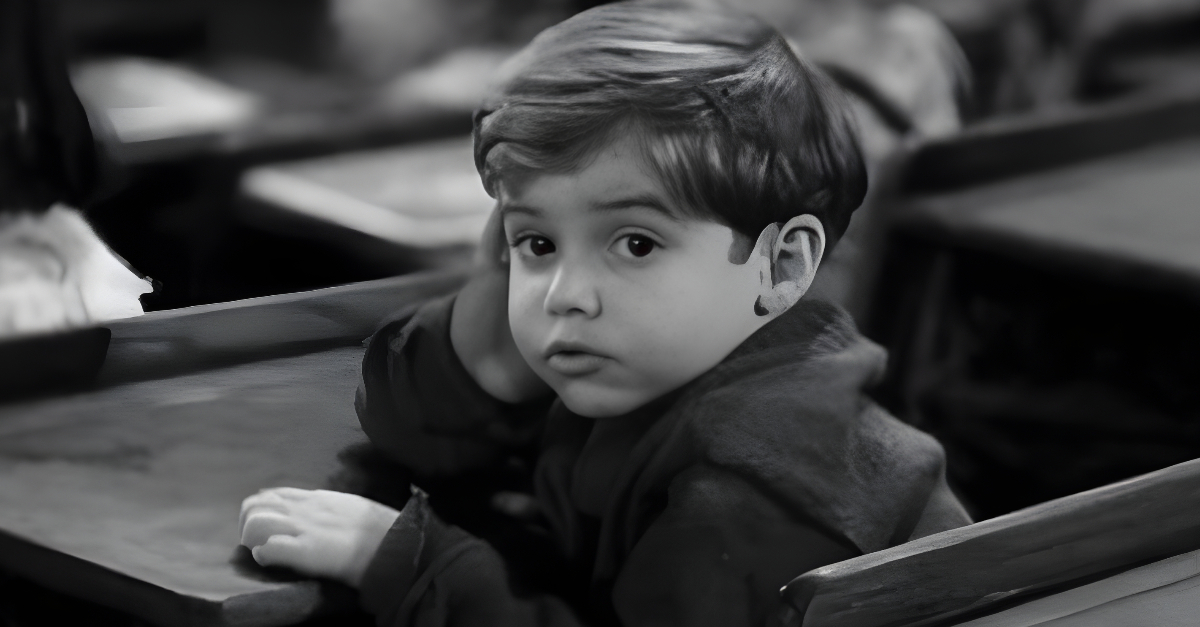
Born in 1929, Beckett began acting at age 4. By age 6 he was already working steadily. Studio staff described him as quick, sharp, and unusually comfortable on camera for a child his age.
 Ursula Halloran and Associates, Wikimedia Commons
The Our Gang Glow
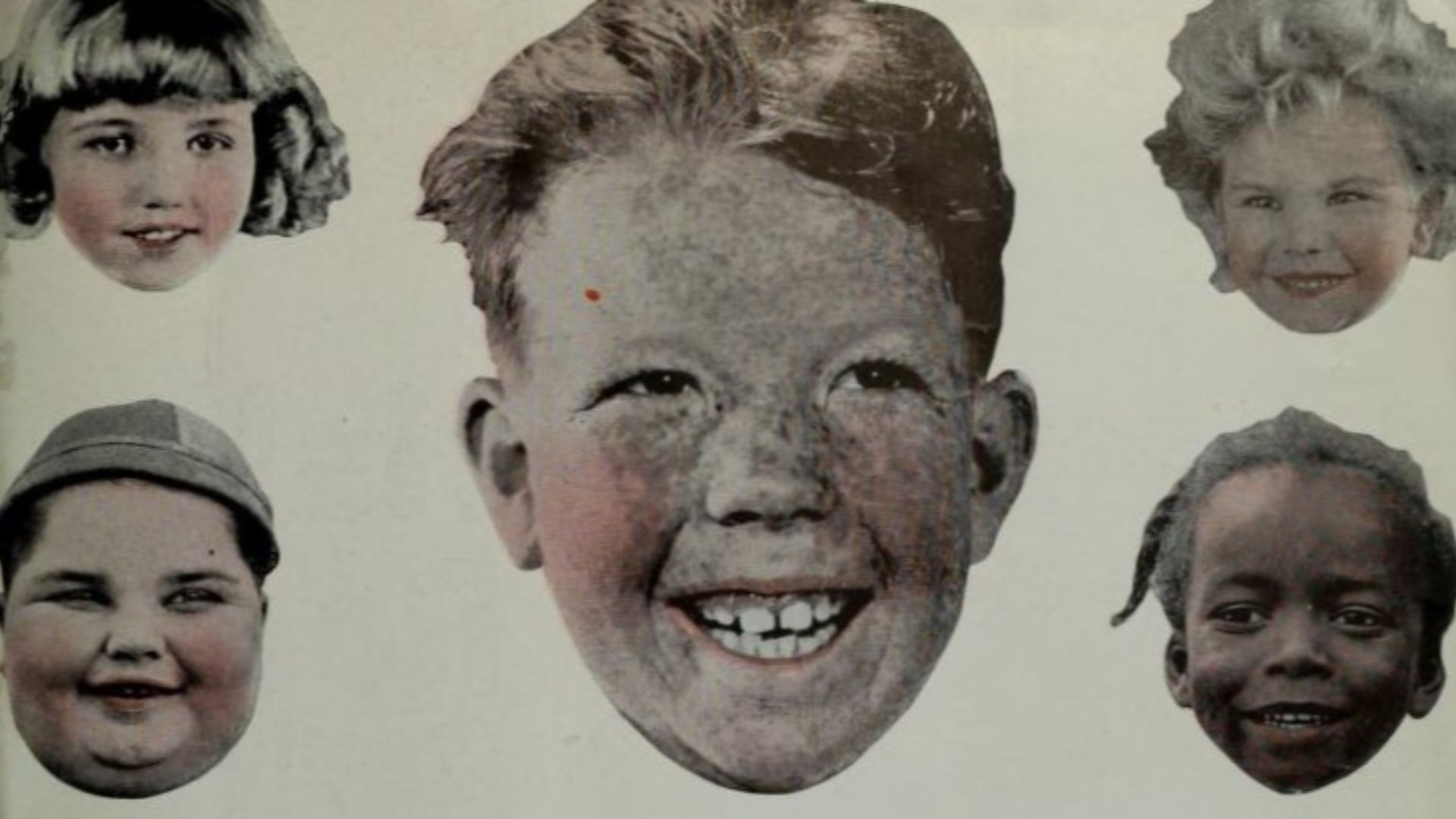
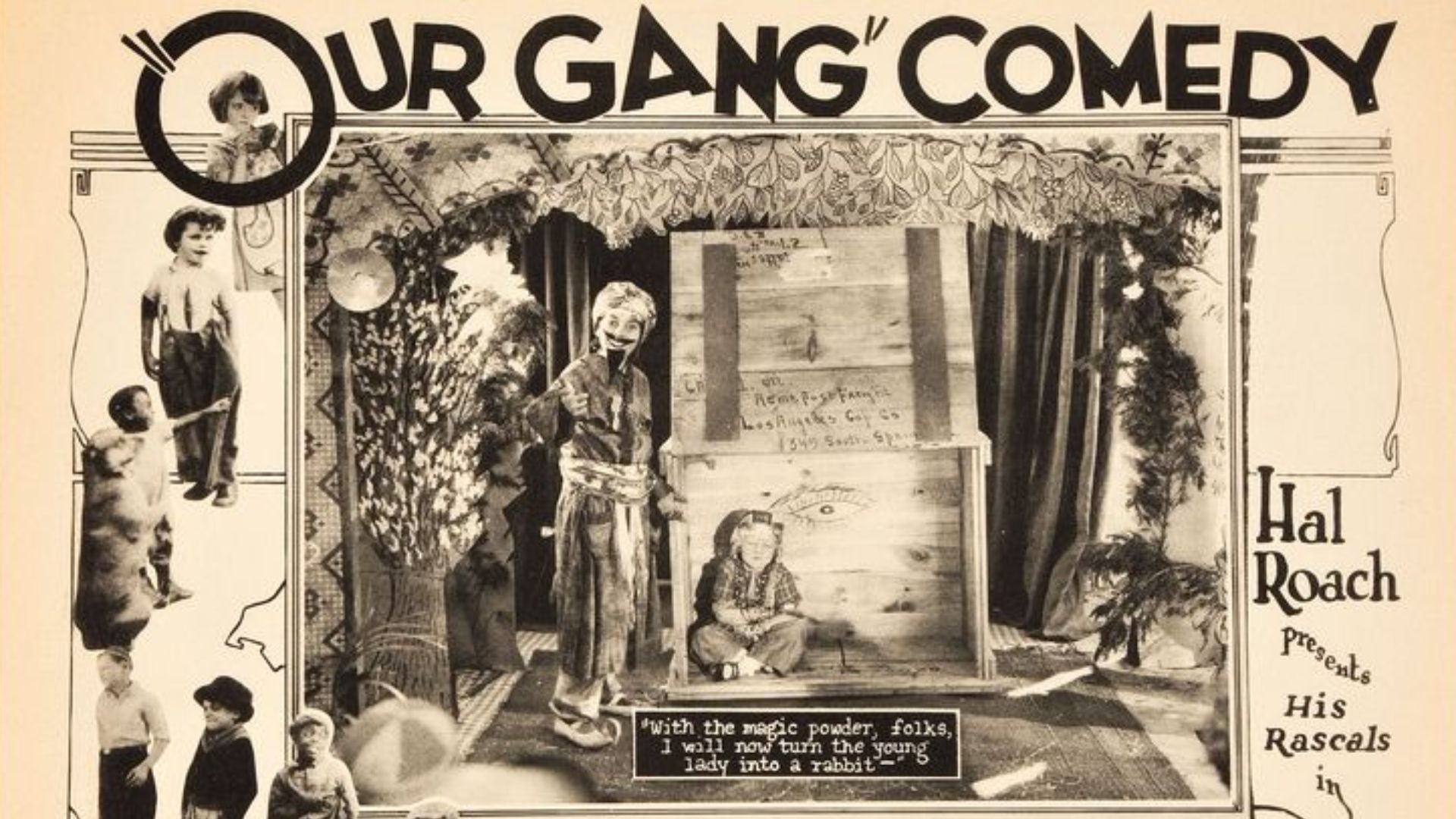
Beckett appeared in Our Gang shorts from 1934 to 1935. He often played the bright, confident friend who helped anchor scenes, and many of his episodes remained popular in reruns for decades. For a brief moment, he was one of Hollywood’s most recognizable kids.
 Pathécomedy, Wikimedia Commons
The Transition Problem
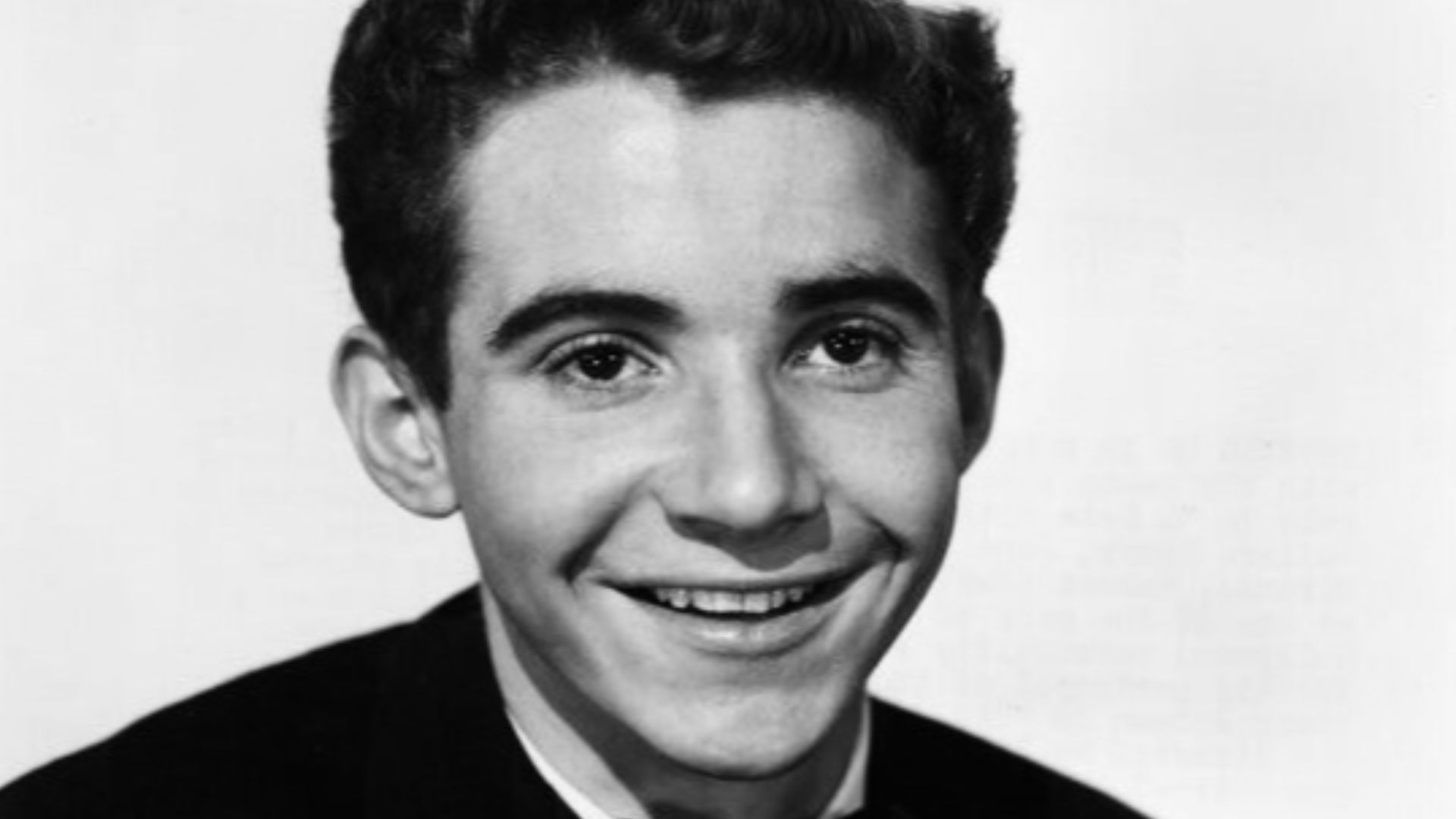
Like many child stars of his era, Beckett struggled as he got older. Studios didn’t know how to cast him once he outgrew the “cute kid” roles. By his mid-teens, the offers were slowing dramatically, and he had no roadmap for a normal young-adult career.
Still Working, But Drifting
Through the 1940s, Beckett continued acting in smaller roles. He frequently played the younger version of adult characters, including several roles connected to actor Don Taylor. But industry coverage increasingly described him as “searching for direction.”
 Asahi Shimbun, Wikimedia Commons
Trouble Starts Appearing
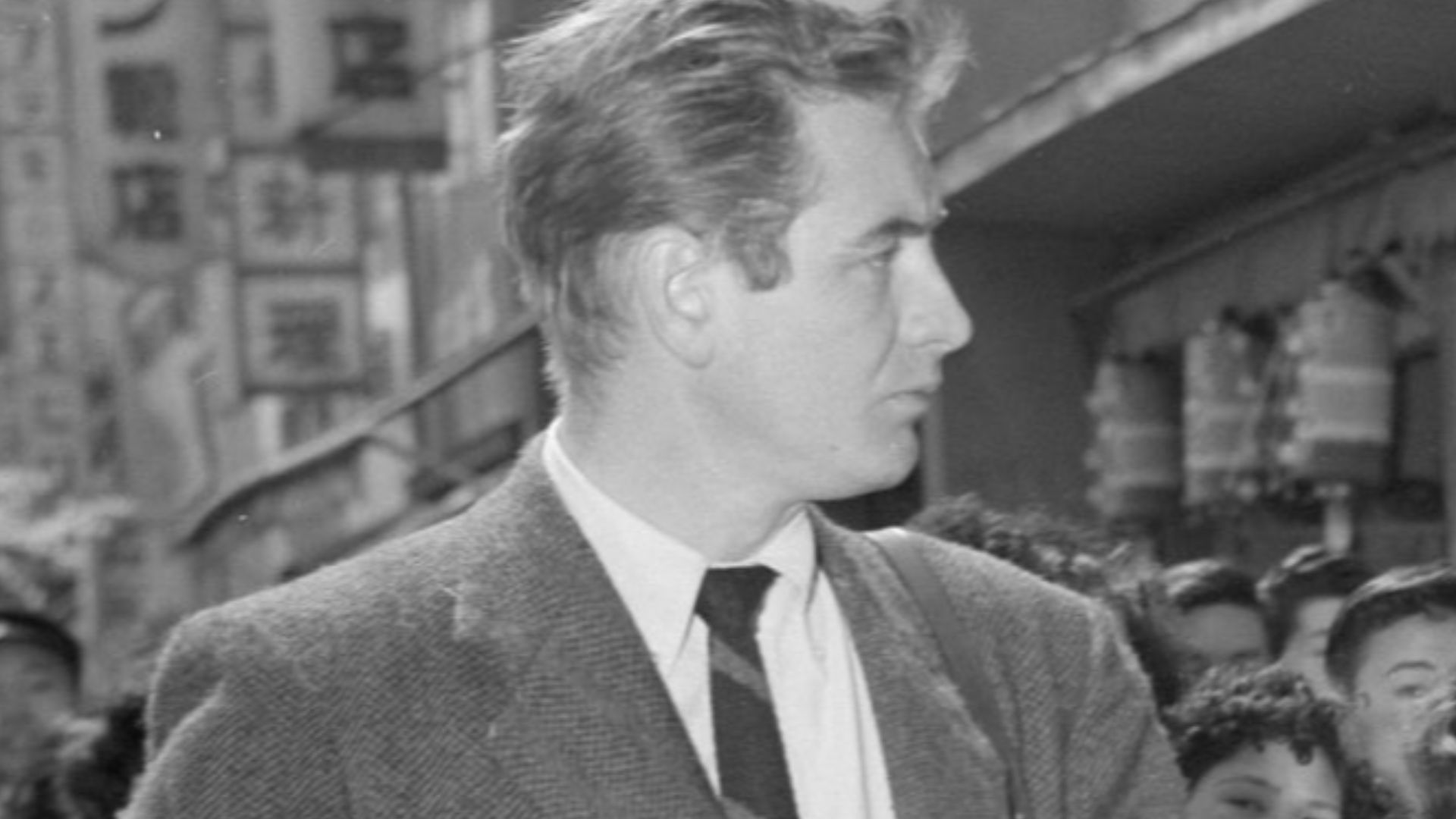
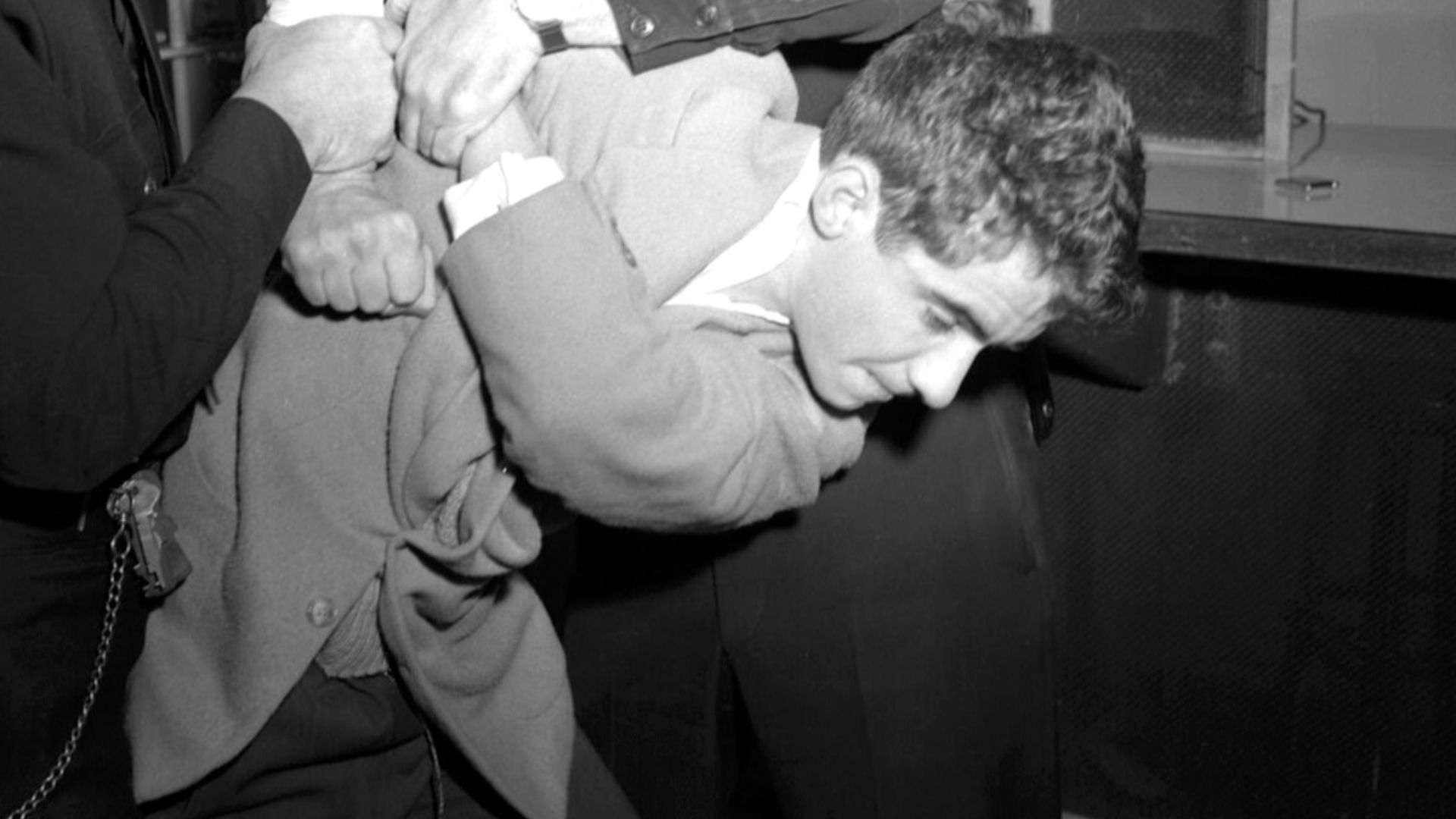
By the late 1940s, local news began reporting incidents involving Beckett—mostly reckless driving arrests and bar-related disputes. Nothing major individually, but enough to suggest he was struggling with the loss of steady work.
 Los Angeles Times, Wikimedia Commons
College Offered No Reset
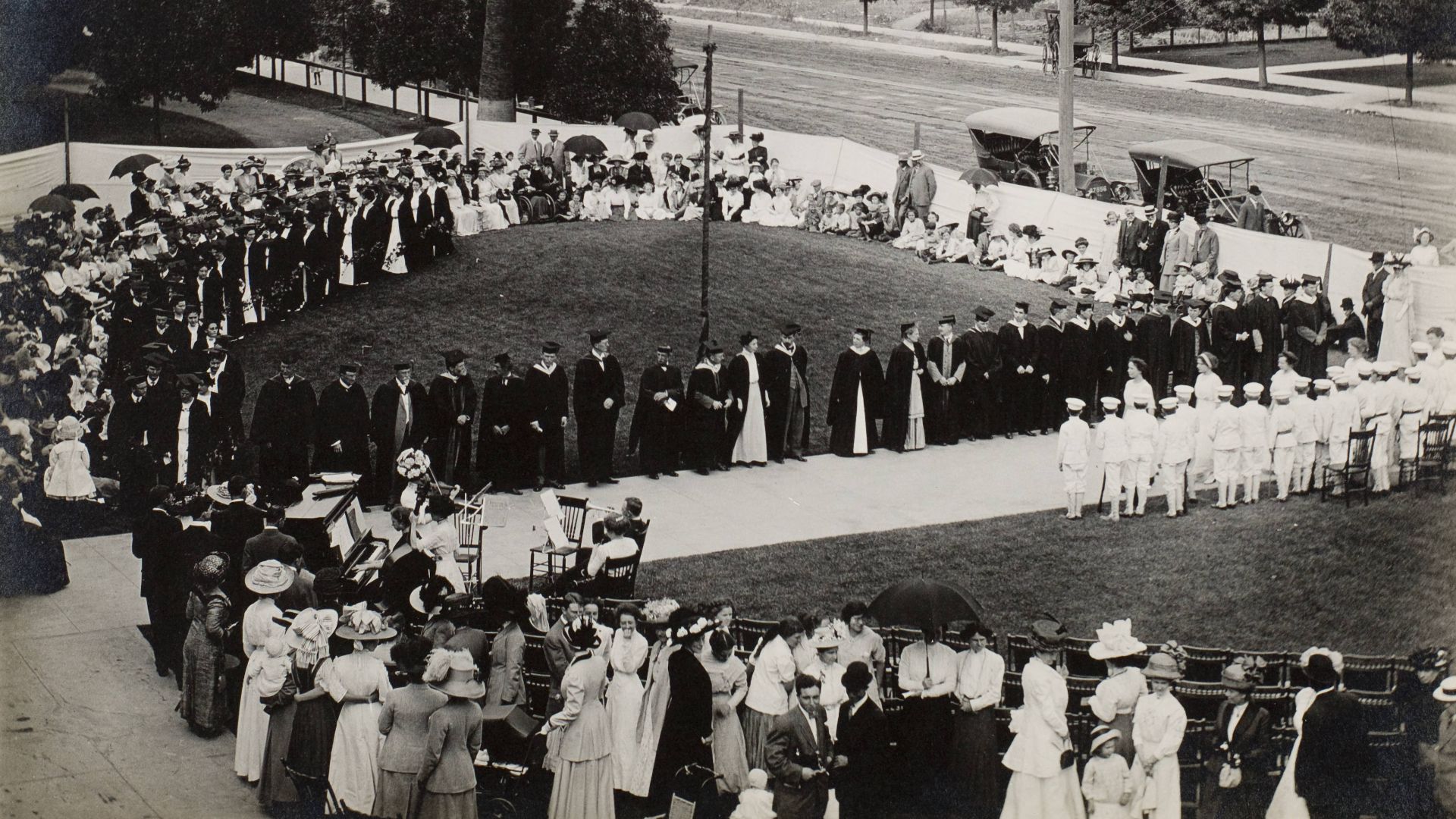
Beckett briefly enrolled at the University of Southern California, hoping for a fresh start. But he dropped out fairly quickly. Classmates later said he had difficulty adjusting to life outside the entertainment industry.
 Unknown author, Wikimedia Commons
A Short-Lived Return to Hollywood
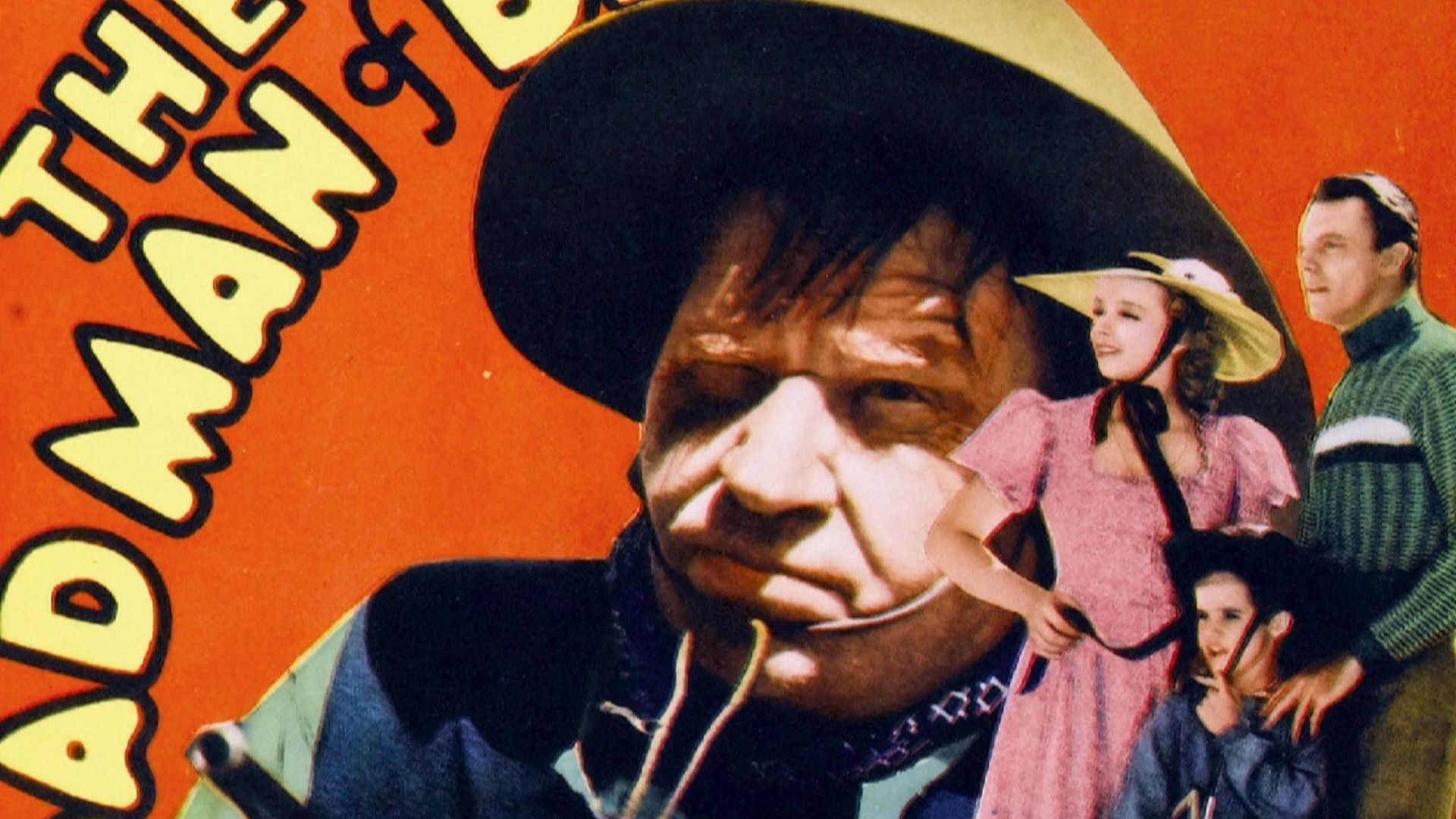
In the late 1940s and early 1950s, Beckett tried to revive his career. He did land a few supporting roles, but he wasn’t the same carefree performer. One director later recalled that Beckett “still had talent, but he seemed unsure of himself.”
 Metro-Goldwyn-Mayer (MGM), Wikimedia Commons
Relationships Filled With Turbulence
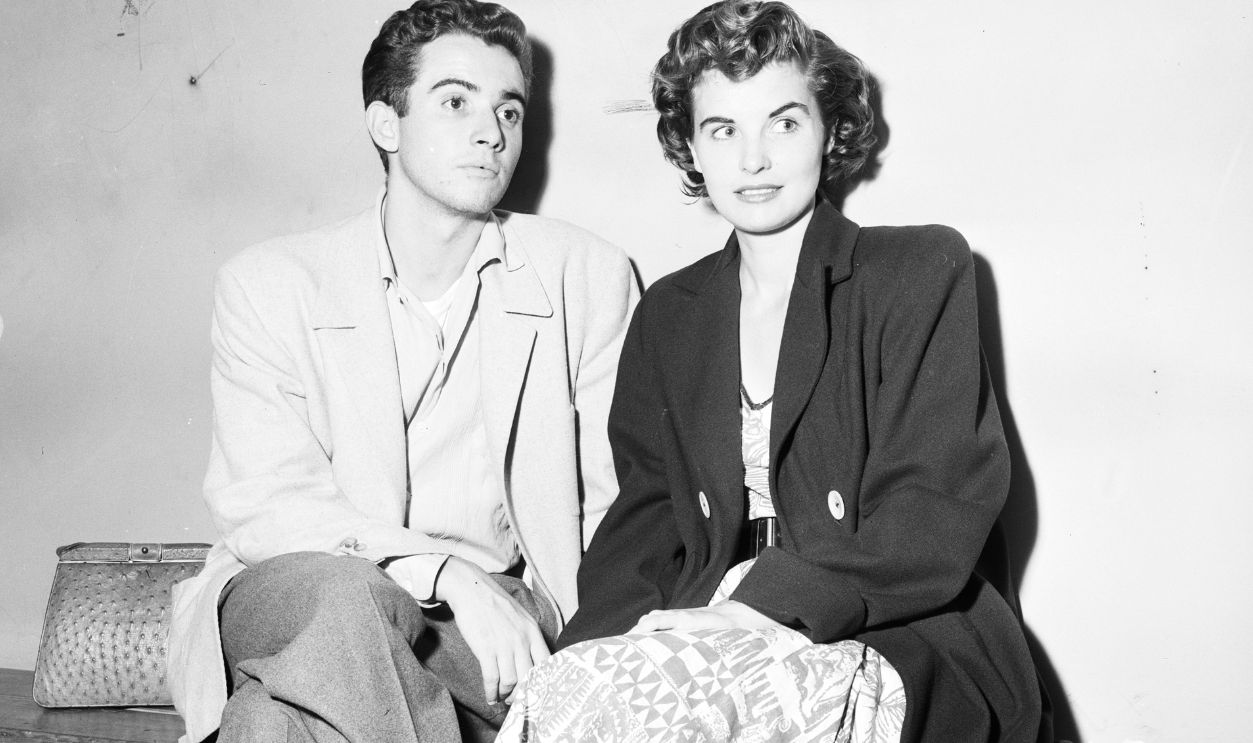
Beckett married three times. Friends described his relationships as emotionally intense but unstable. Those close to him said he genuinely wanted a steady family life but had trouble maintaining it.
 University of Southern California, Getty Images
The Arrests Pick Up
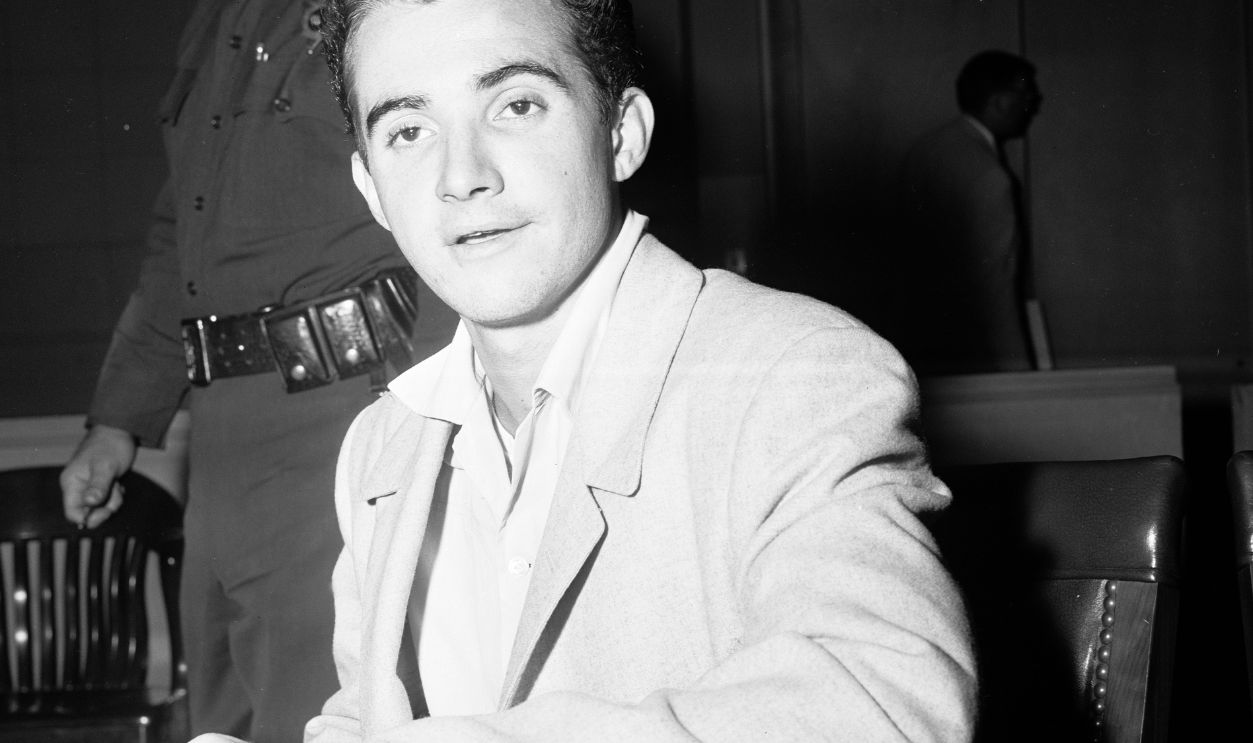
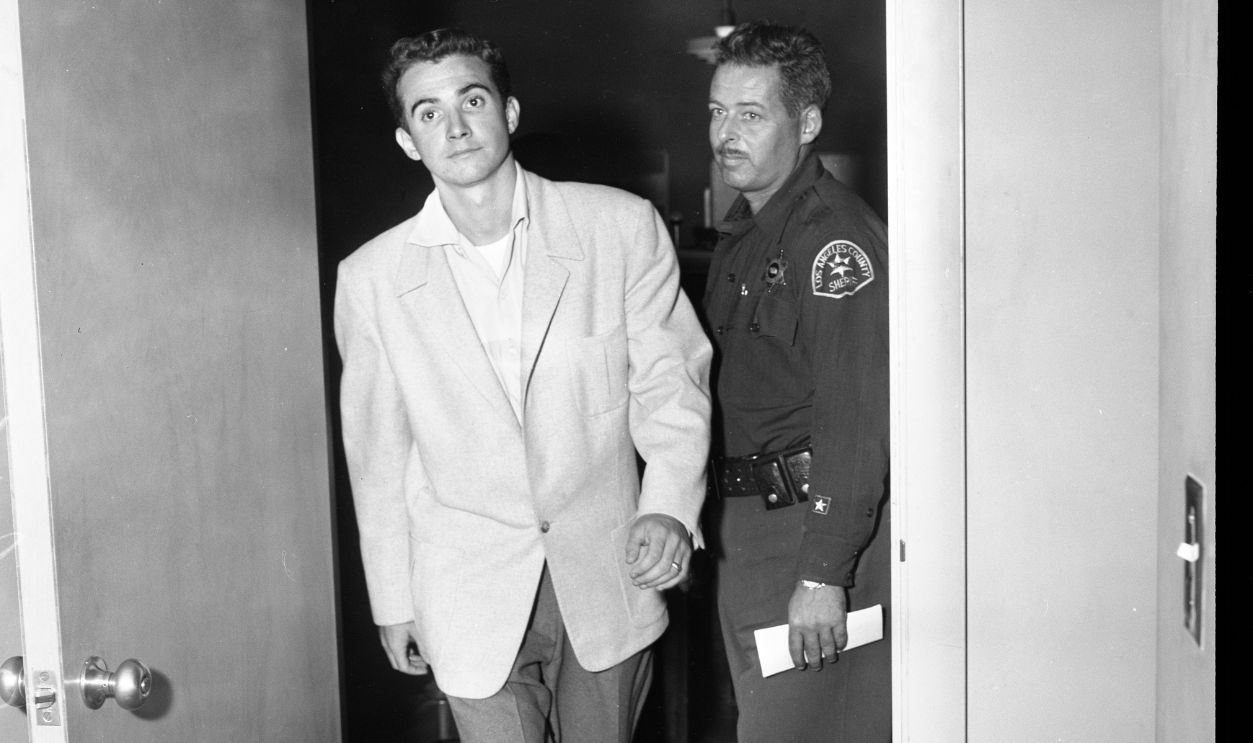
Court records and news articles confirm several arrests in the 1950s, including reckless driving, passing bad checks, carrying a concealed weapon, and other disturbances. Each incident chipped away at the possibility of a serious Hollywood comeback.
 University of Southern California, Getty Images
A Brief Hope Through Family
His marriage to model Sunny Vickers brought a short period of stability. Their son was born in 1951, and those close to Beckett said he tried hard to create a more stable life. But his personal struggles returned, and the marriage eventually ended.
 University of Southern California, Getty Images
Personal Struggles Intensify
By the mid-1950s, it was clear Beckett was facing serious personal issues. Reports described him as unreliable and increasingly troubled. A former colleague later recalled, “He was a good-hearted guy, but he was fighting battles nobody could see.”
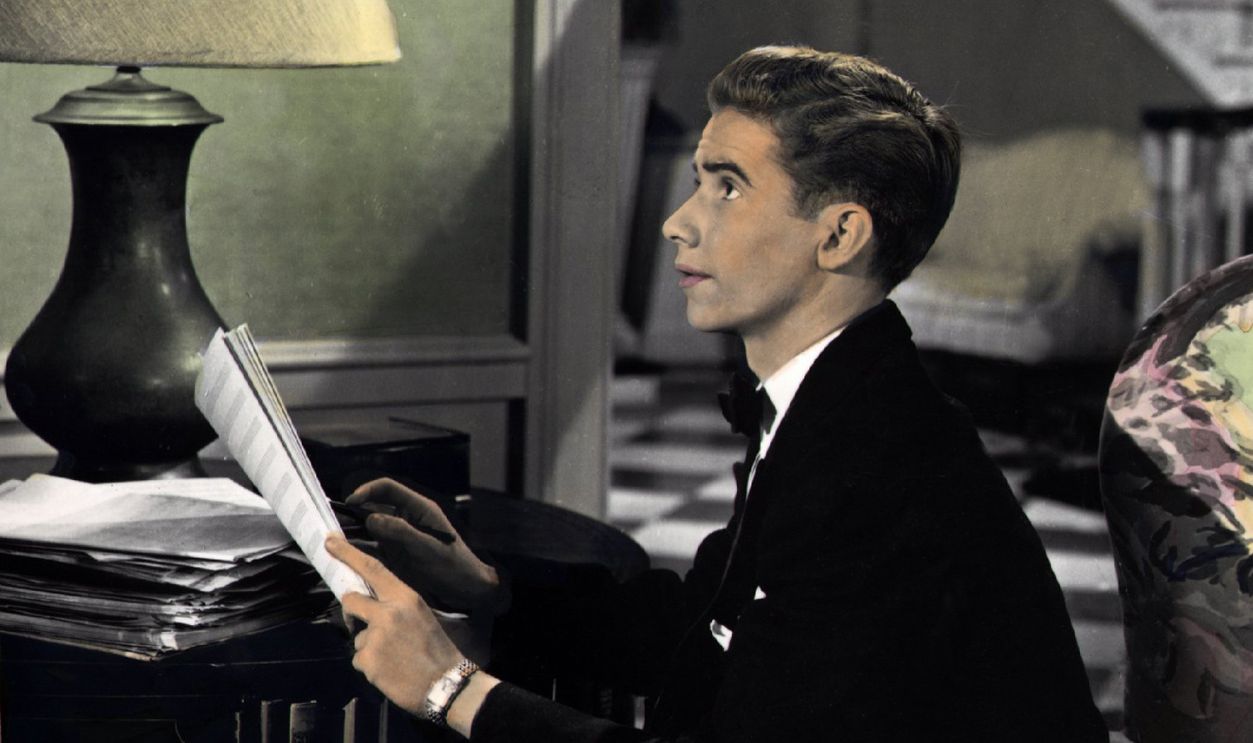
A 1954 Hospitalization
In 1954, Beckett was hospitalized after taking a dangerous amount of sleeping medication. Newspapers speculated on the circumstances, though no official determination was made. It was one of the first publicly documented signs of how overwhelmed he had become.
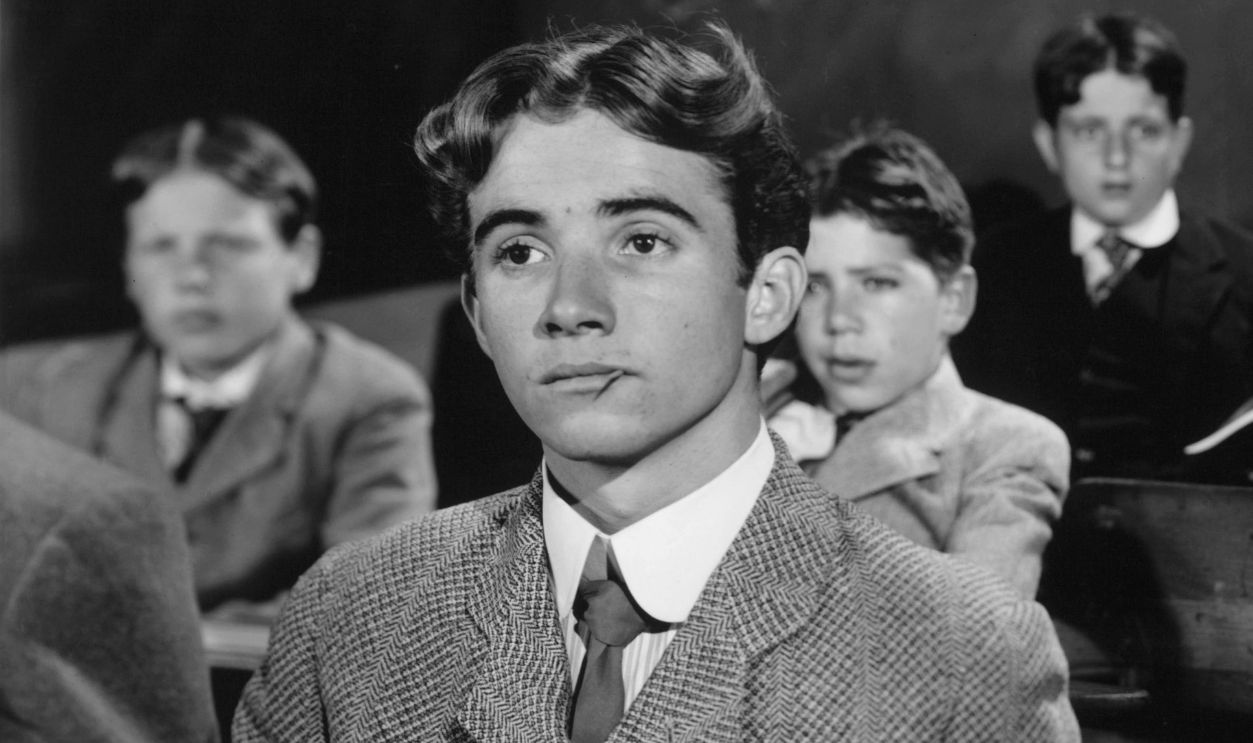
Increasing Chaos
Throughout the second half of the 1950s, Beckett continued having legal troubles and public altercations. Newspapers routinely referred to him as a “former child actor whose life had gone off track,” highlighting how far he had fallen from his Our Gang days.
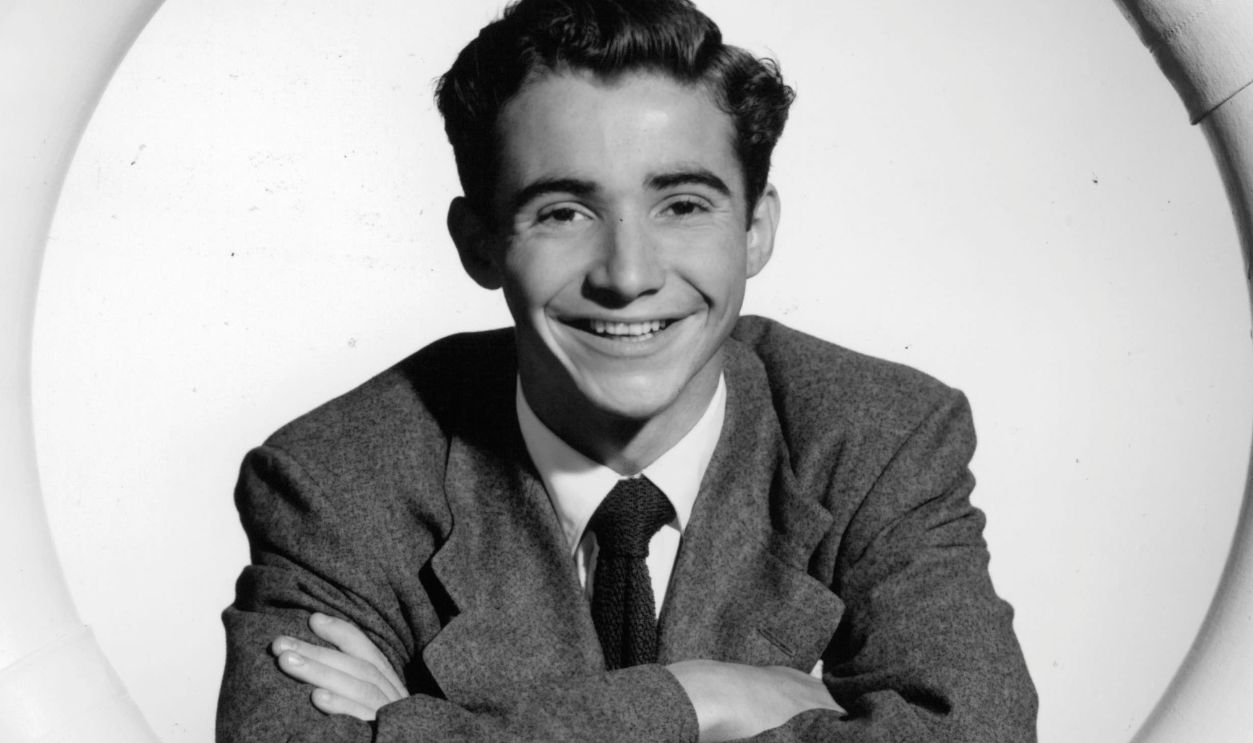
Another Attempt at a Comeback
Despite everything, Beckett genuinely wanted to rebuild his career. In a mid-1950s interview, he said, “I know I’ve made mistakes, but I’m trying.” But the industry had already shifted to newer faces, and studios weren’t willing to take the risk.
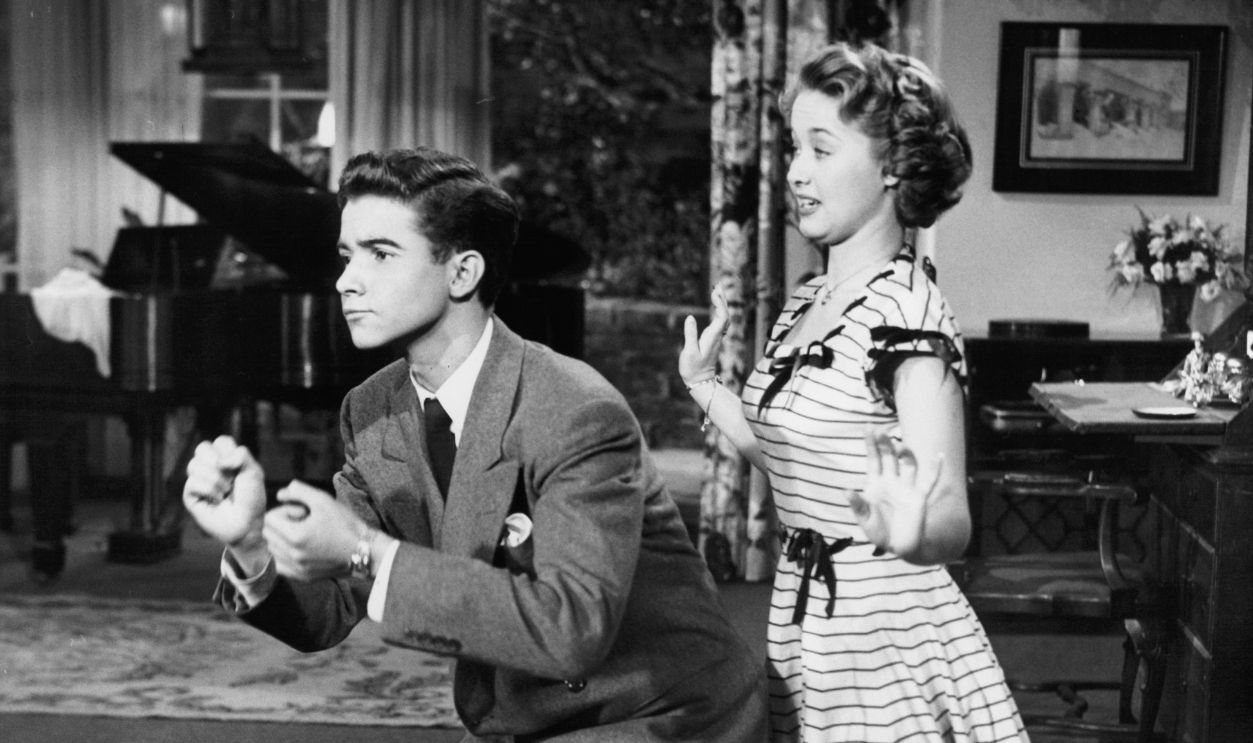
The Slide Into Desperation
By the late 1950s, Beckett faced additional charges including financial fraud accusations and other minor offenses. Most accounts describe these problems as the result of long-term instability rather than calculated wrongdoing.
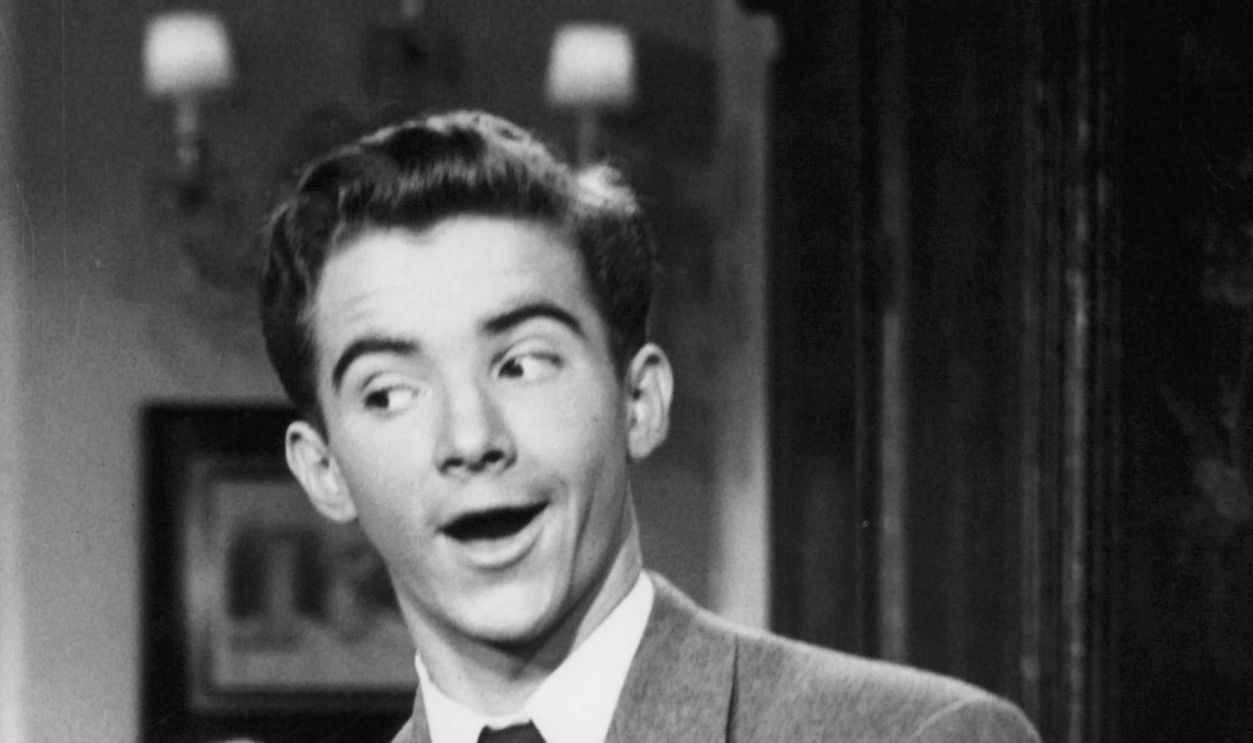
The Beating Before His Death
In May 1968, Beckett was reportedly beaten badly under circumstances that were never fully explained. Some reports placed the incident in Mexico; others suggested it happened in California. The details remain unclear, but the injuries were serious.
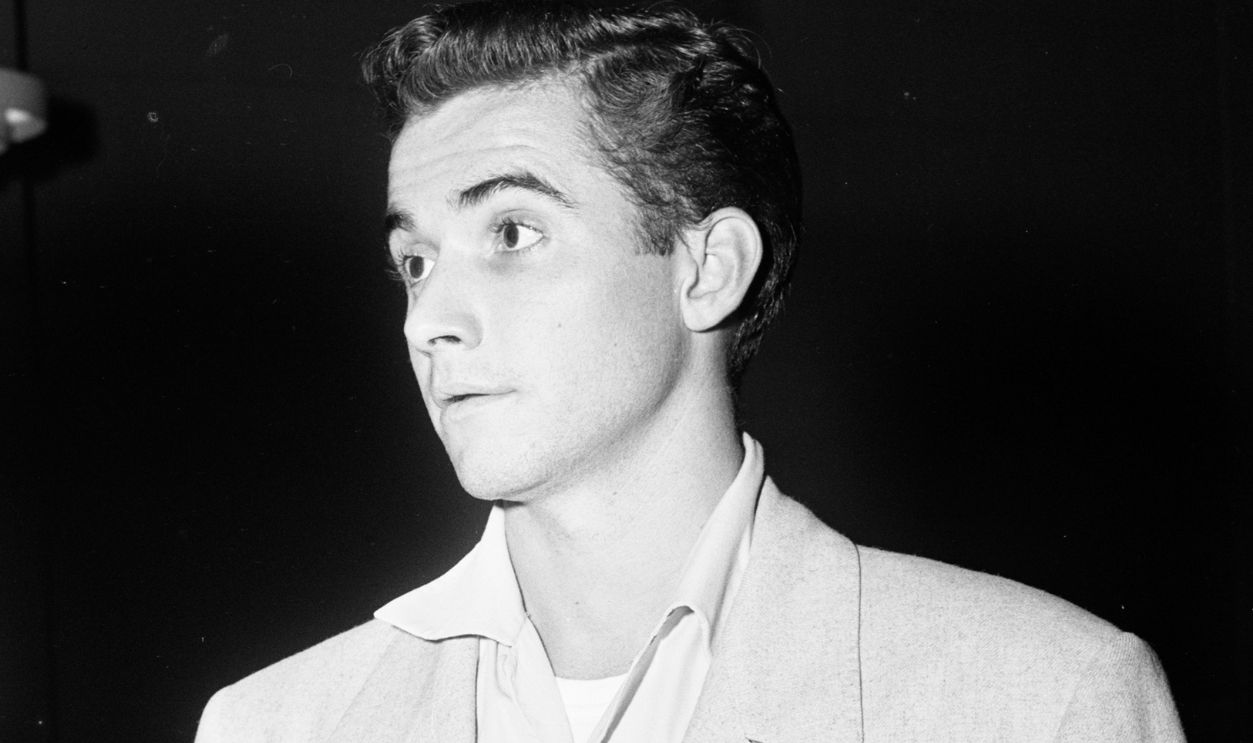 University of Southern California, Getty Images
Returning to Los Angeles in Decline
Shortly after the beating, Beckett checked into a Los Angeles nursing facility—an unusual step for a man only 38. Staff described him as weak and in noticeably poor condition.
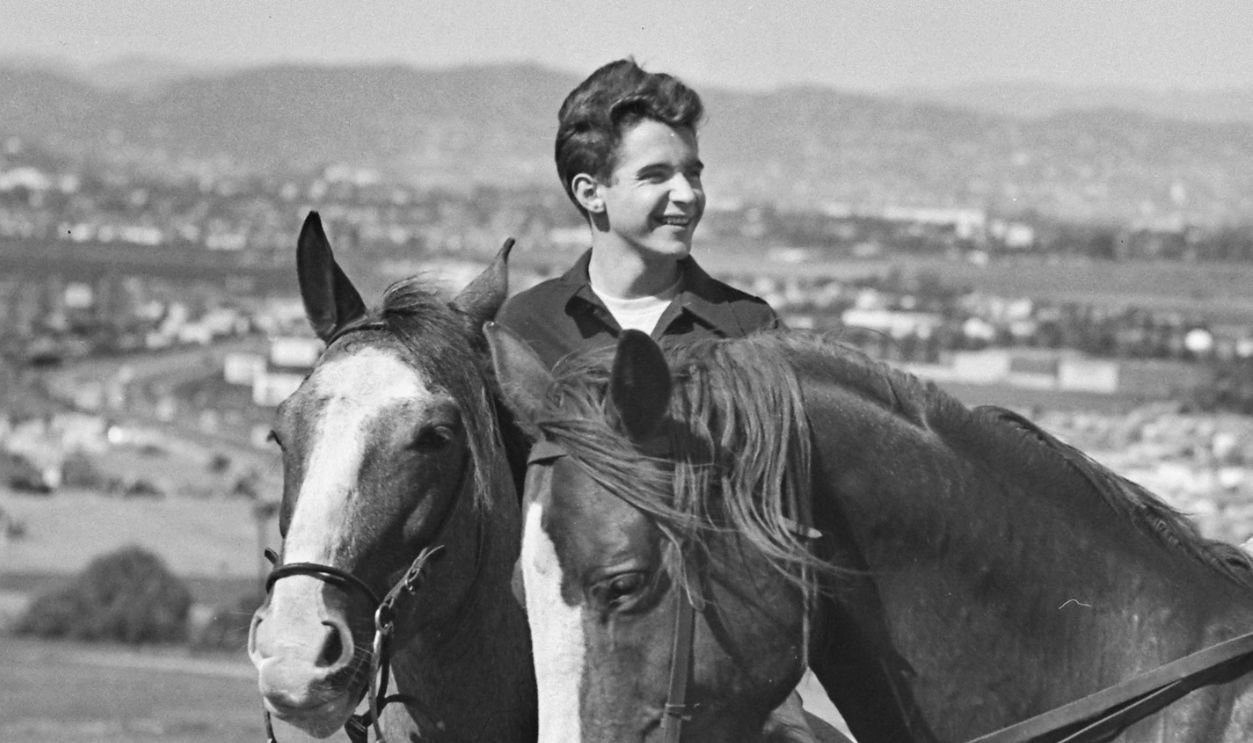
A Death With No Clear Cause
On May 10, 1968, Beckett was found dead in his room. The coroner did not determine a definitive cause of death. According to news reports, a note and pills were found nearby, but officials still labeled the circumstances as unresolved. To this day, no conclusive explanation exists.
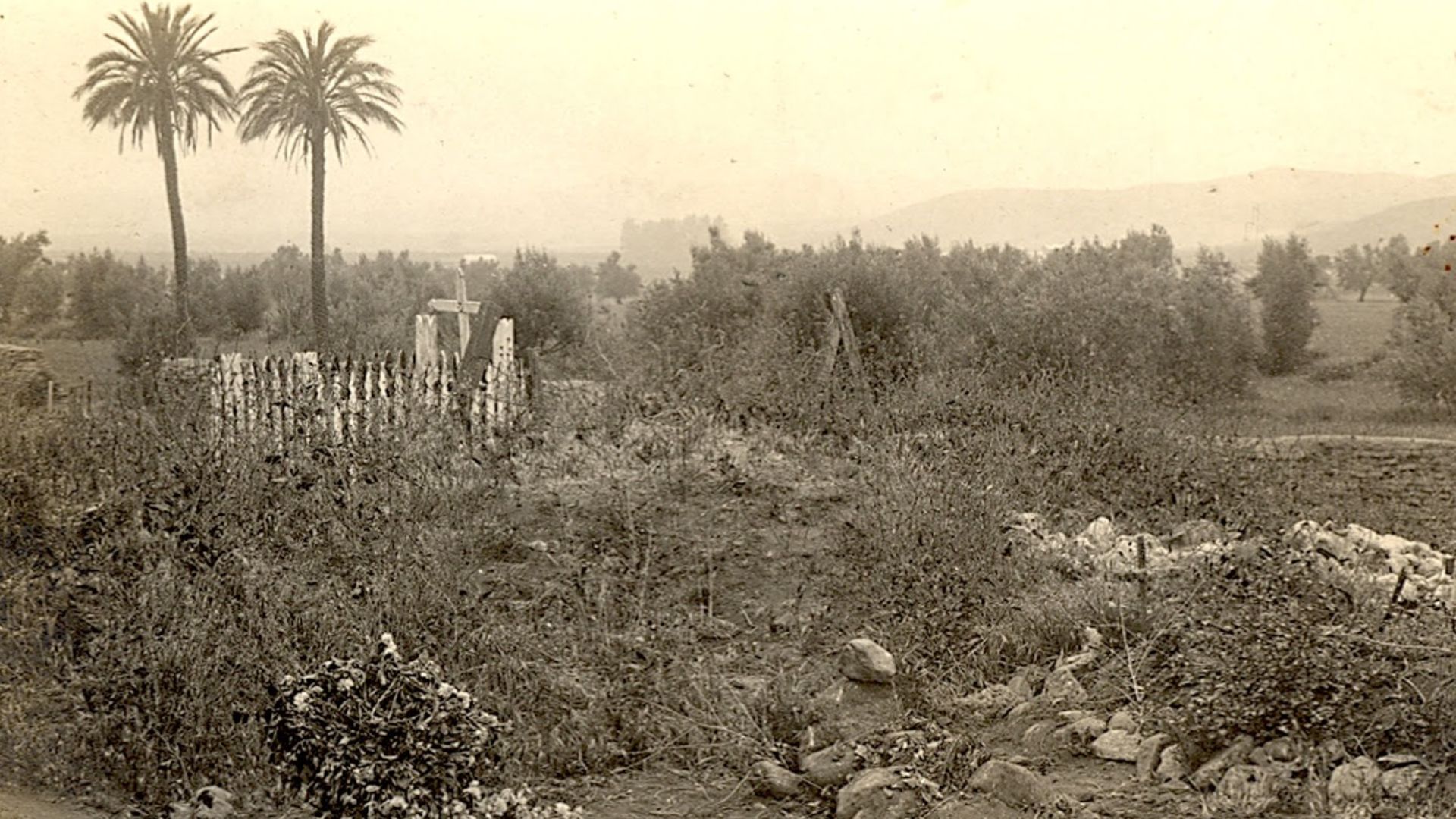 Unknown author, Wikimedia Commons
Hollywood Reacts Quietly
Beckett’s passing received modest press coverage. One columnist wrote that Beckett was “a former child star whose promise had been overshadowed by years of struggle,” highlighting how quickly Hollywood had forgotten him.
A Legacy in Shadow
Today, most people remember Beckett as the bright, charming kid in the early Our Gang shorts. Few realize how difficult his adult life became or how little support young actors received once the spotlight moved on.
 Hal Roach Studios, Wikimedia Commons
Lessons for Later Generations
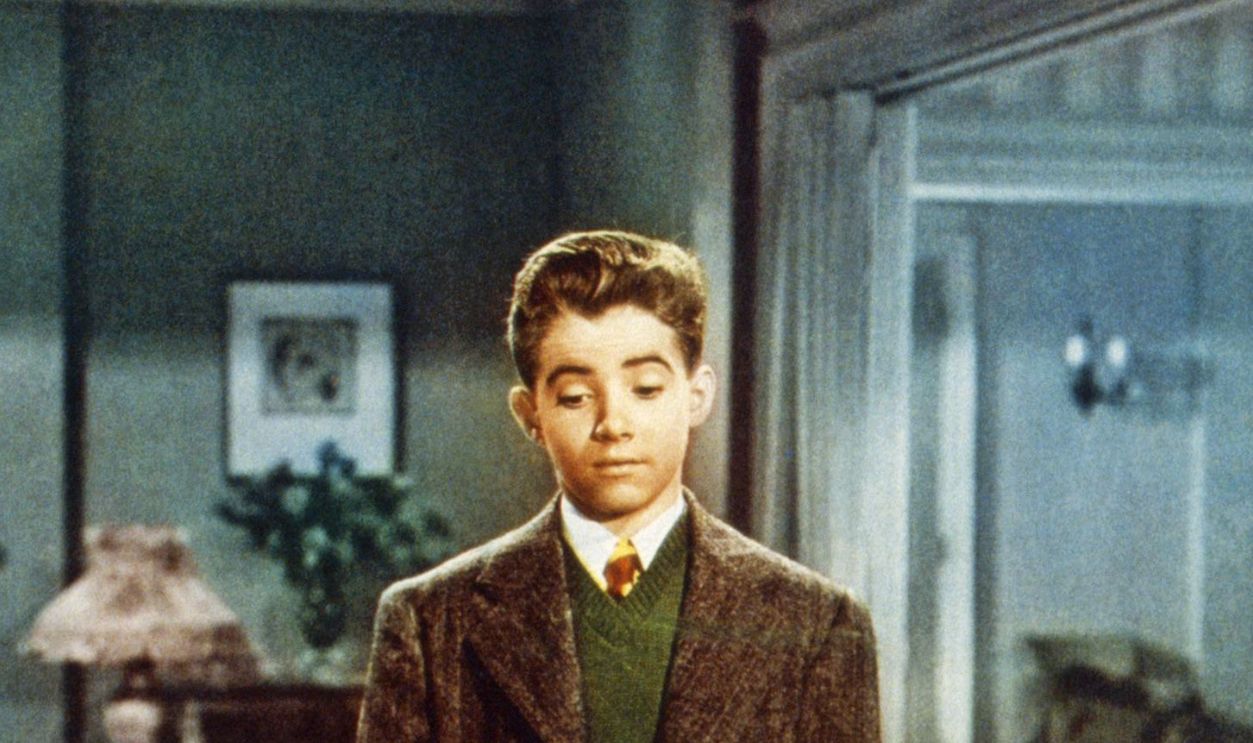
Historians often cite Beckett’s life as an example of the dangers faced by child actors in the studio-system era: early fame, no guidance in adulthood, and enormous pressures at a young age.
A Story That Still Matters
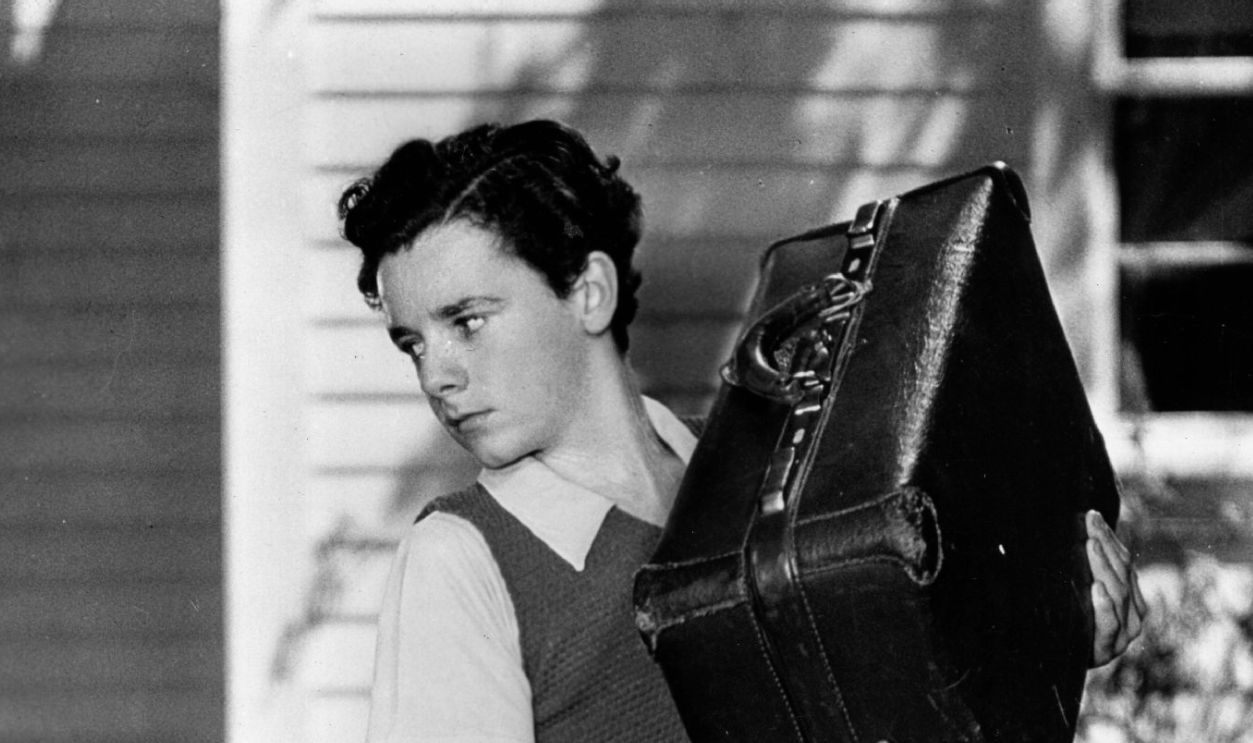
Scotty Beckett’s life remains a reminder that even the most promising child star is still just a child navigating an adult industry. Without support, the consequences can be devastating—and Beckett’s fate shows why these protections are essential today.
You Might Also Like: