America First Met Her As Gidget
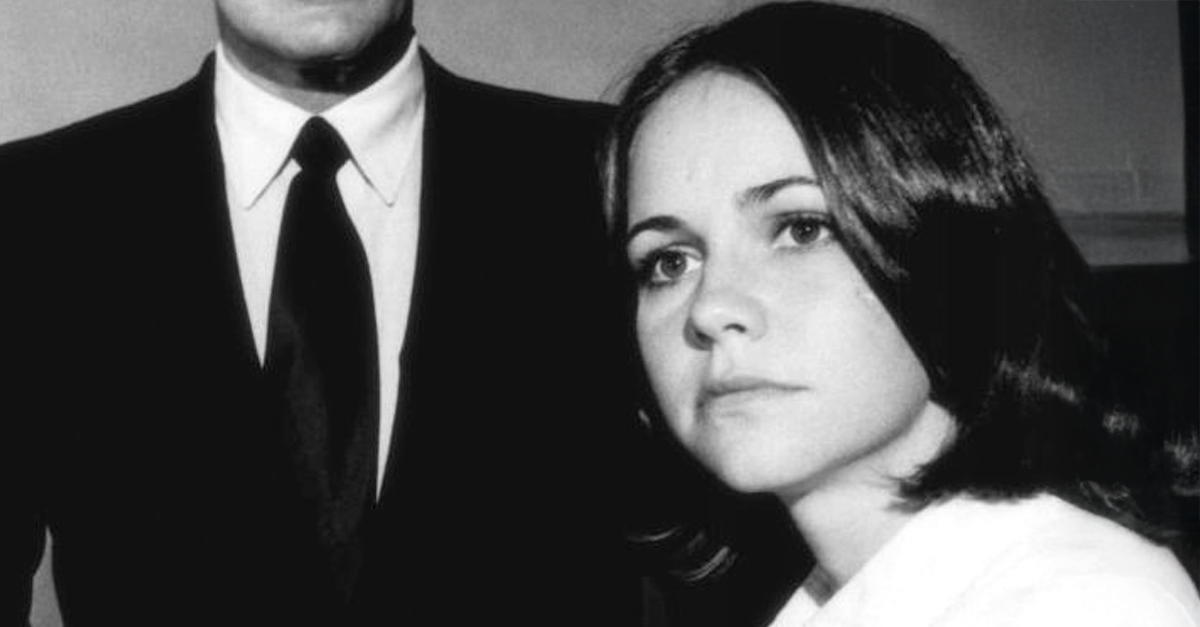
Sally Field first became a familiar face on television as Frances Elizabeth Lawrence, better known as Gidget. The 1965 ABC sitcom presented her as a sunny California teenager with a surfboard-ready smile. It gave Field national exposure when she was still very young. It also started a pattern that Hollywood would later use against her.
Then Came The Flying Nun
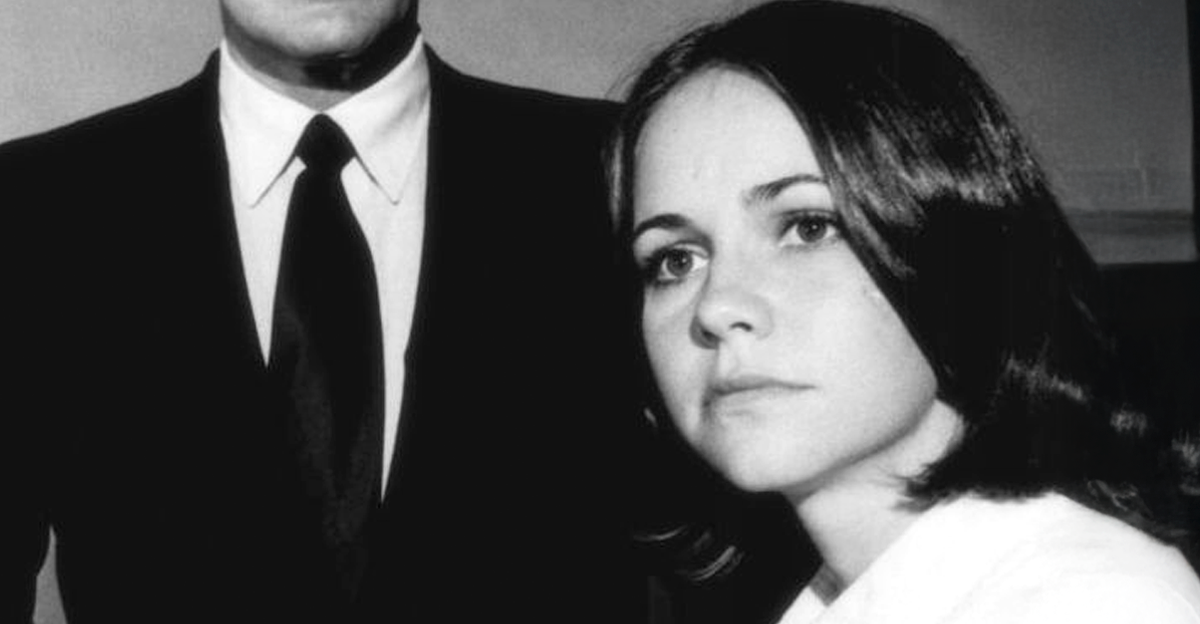
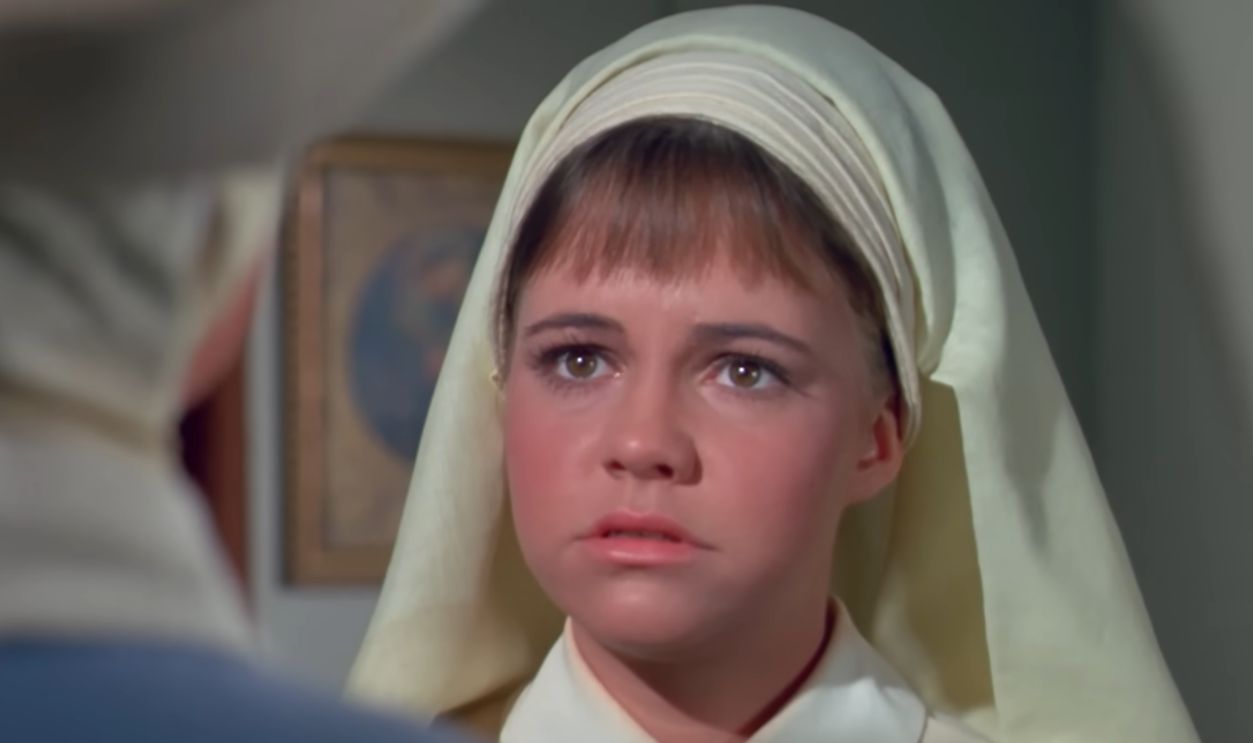
After Gidget, Field was cast as Sister Bertrille on The Flying Nun. The ABC sitcom ran from 1967 to 1970 and turned its unusual premise into a memorable piece of 1960s television. Field’s character was a young nun whose light weight and winged cornette allowed her to fly. The role made her even more famous, but it also made people think they already knew what she could do.
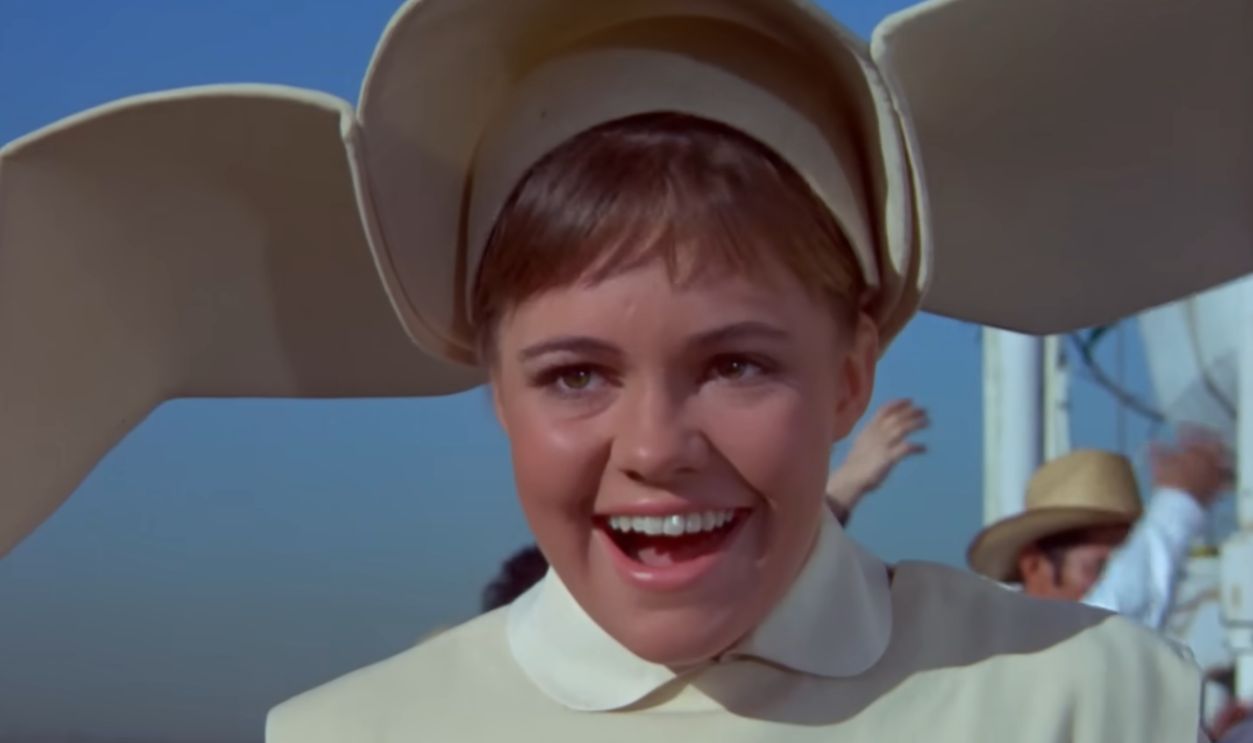 Screenshot from The Flying Nun, ABC (1967–1970)
The Role Became A Trap
The Flying Nun gave Field heightened visibility, but it did not give her the kind of respect she wanted as an actor. In later interviews, she described the difficulty of being taken seriously after playing such a whimsical part. People reported in 2026 that Field said she could not get into rooms to audition after the show. That is where her typecasting problem became painfully real.
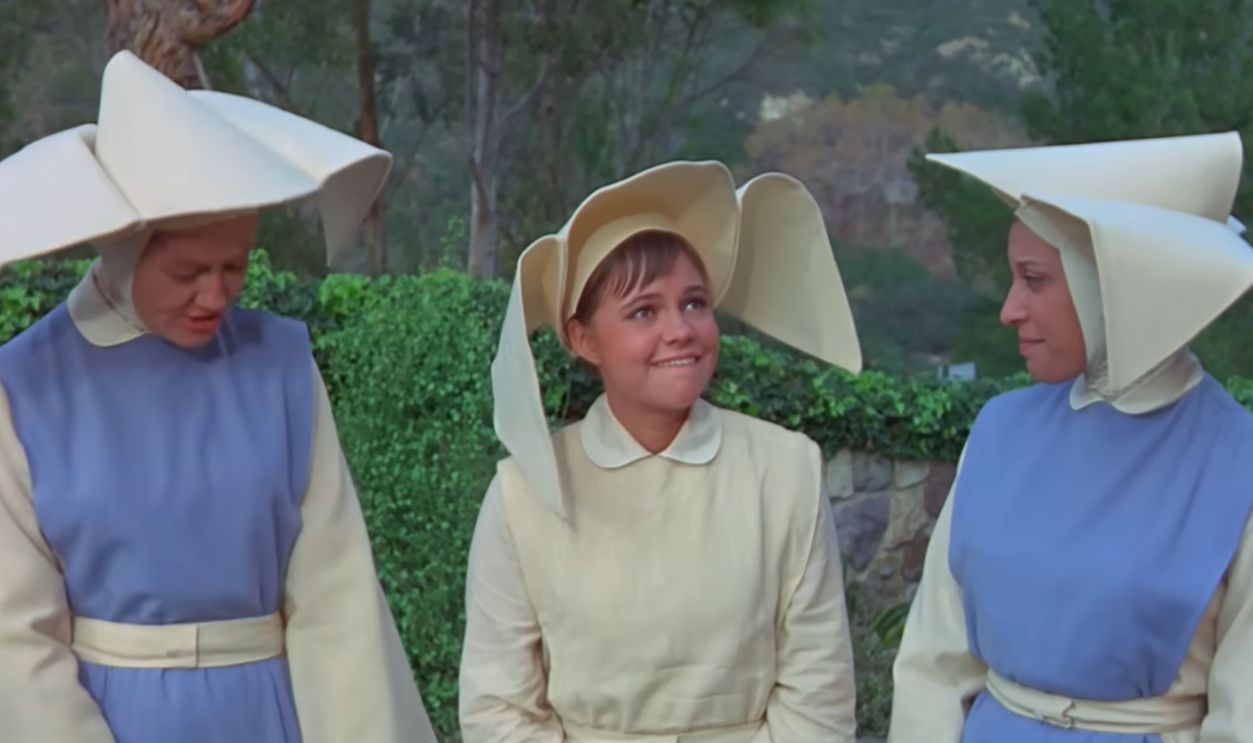 Screenshot from The Flying Nun, ABC (1967–1970)
Hollywood Put Her In A Box
Field’s early image was built around sweetness, youth, and light comedy. That image helped sell television shows, but it narrowed what producers imagined she could play. The Television Academy’s interview archive notes that she struggled to get out of sitcoms and into more serious roles. Instead of accepting the box, she decided to become harder to dismiss.
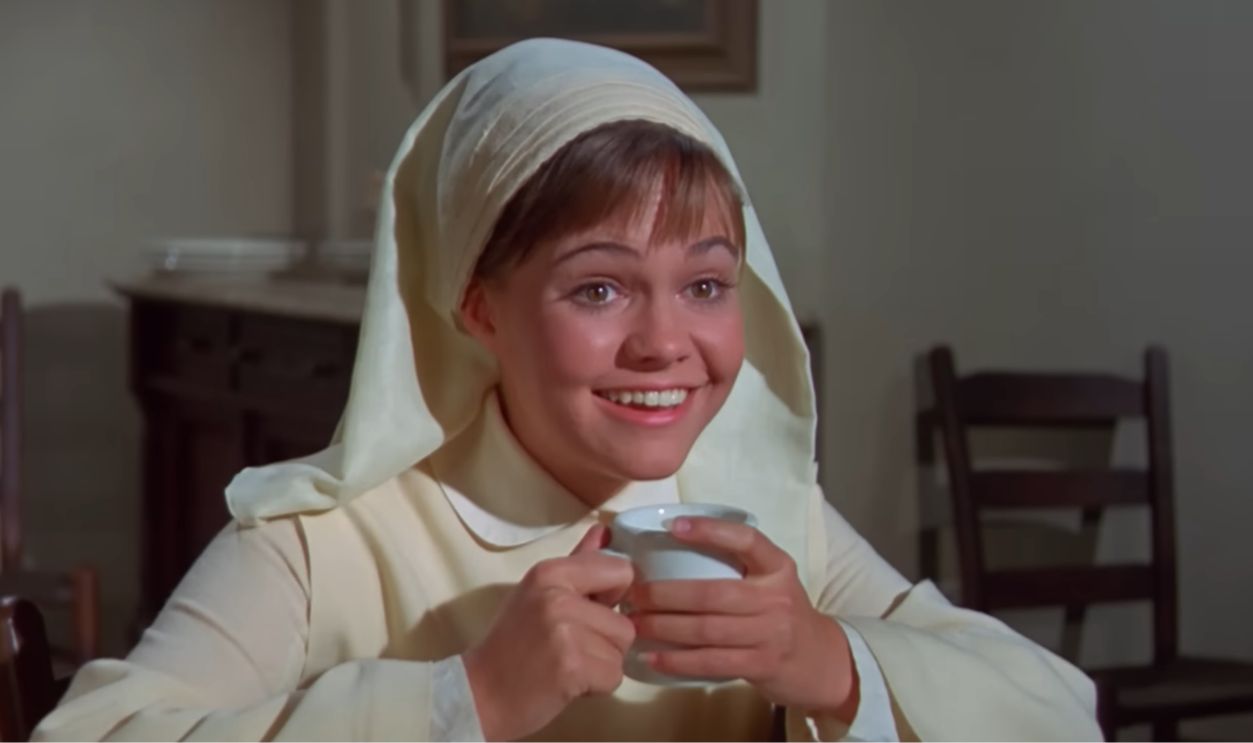 Screenshot from The Flying Nun, ABC (1967–1970)
She Went Back To The Work
Field studied at the Actors Studio and worked with Lee Strasberg. She later credited that training with helping her reach deeper emotional places as a performer. People reported that she told herself she had to get better if she was not where she wanted to be. That private decision became the turning point in her public career.
Jack Nicholson Noticed
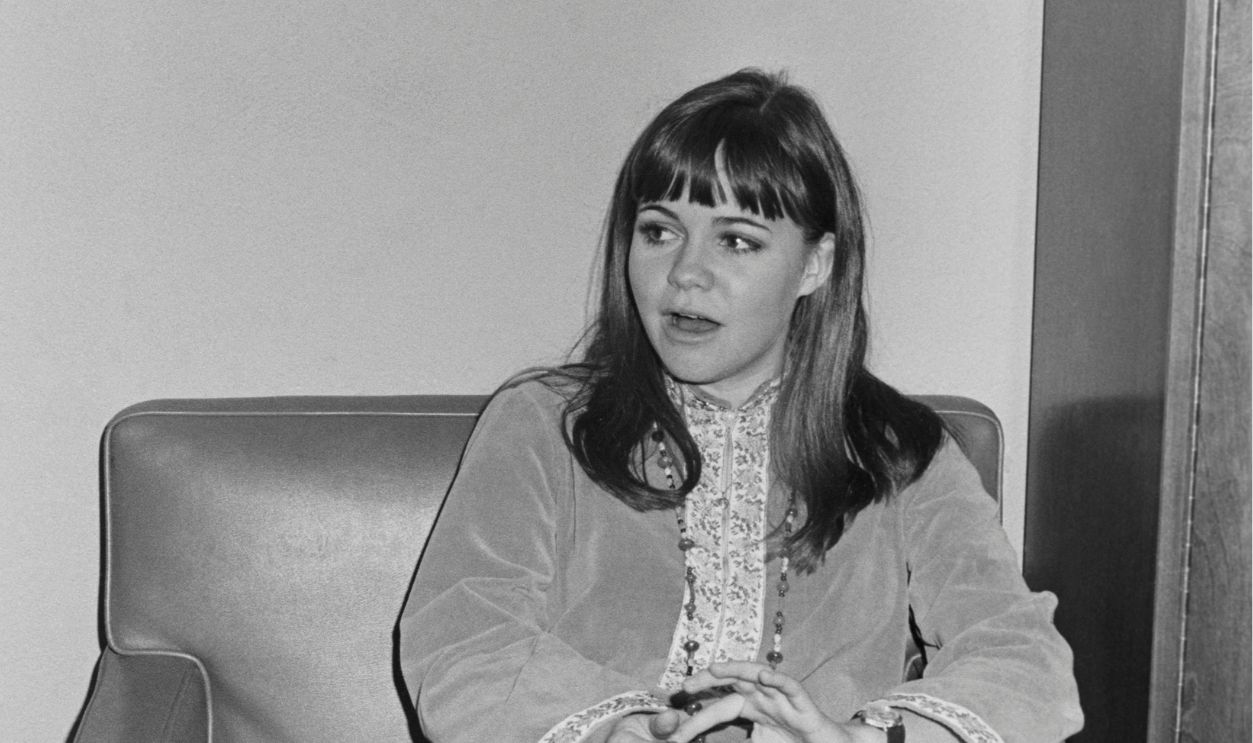
Field’s work at the Actors Studio eventually caught the attention of Jack Nicholson. In a 2026 People interview, Field said Nicholson recommended her as an “undiscovered talent” to casting director Dianne Crittenden and director Bob Rafelson. That recommendation helped lead to an audition for Stay Hungry. For Field, it was the beginning of a new chapter.
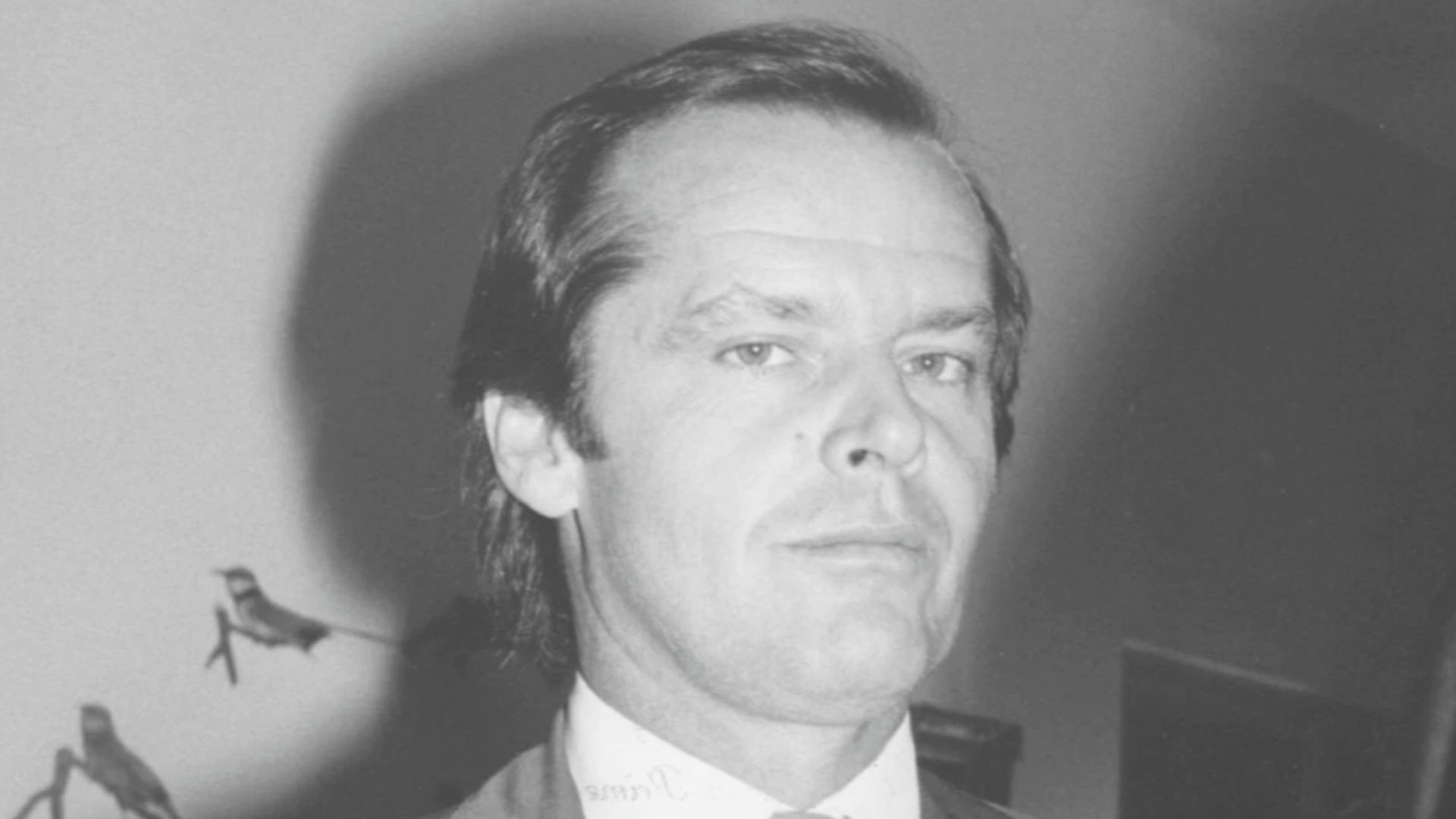 Alena Prime, Wikimedia Commons
Stay Hungry Opened A Door
Stay Hungry was released in 1976 and gave Field a chance to appear in a very different kind of project. The Bob Rafelson film put her opposite Jeff Bridges and Arnold Schwarzenegger. It did not erase her television past overnight, but it helped people see another side of her. Most important, it put her back in motion.
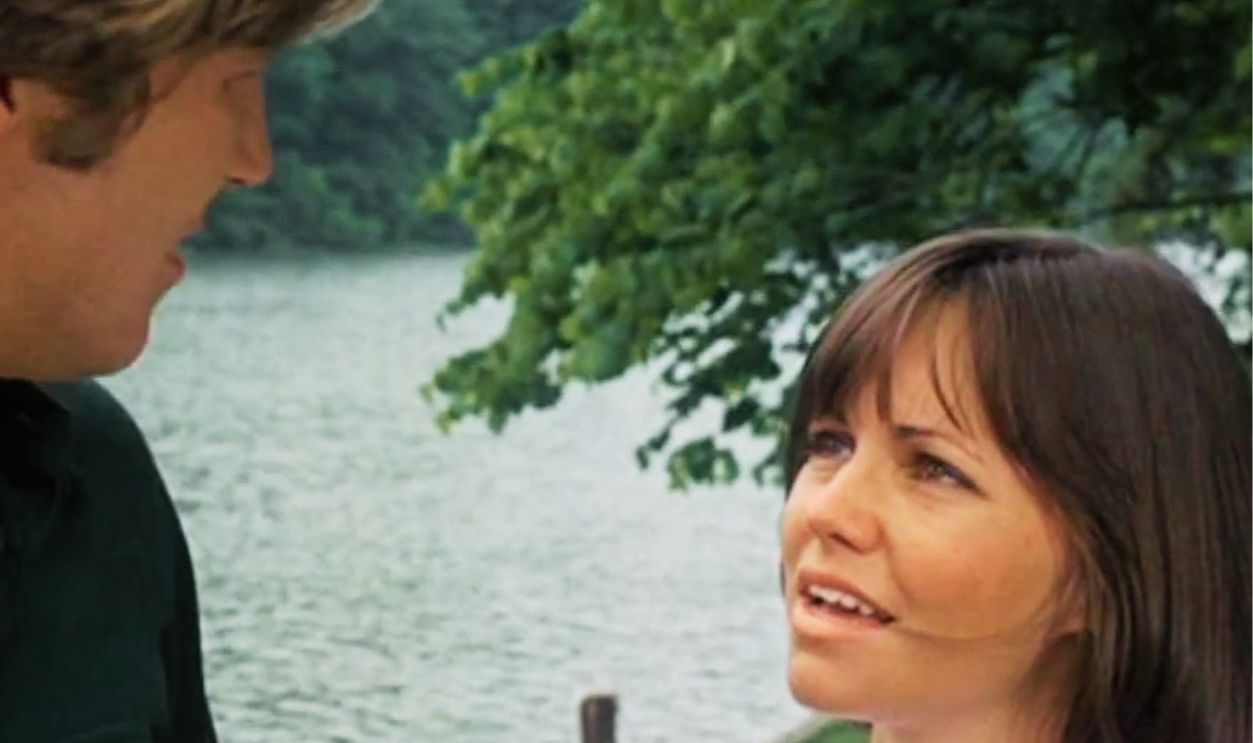 Screenshot from Stay Hungry, United Artists (1976)
Sybil Changed The Conversation
Field’s true dramatic breakthrough came with the 1976 television movie Sybil. She starred opposite Joanne Woodward in a demanding role that was far removed from Gidget or Sister Bertrille. The Television Academy credits Sybil as the performance that brought Field her first Emmy Award. Suddenly, the actress some people had underestimated could not be dismissed so easily.
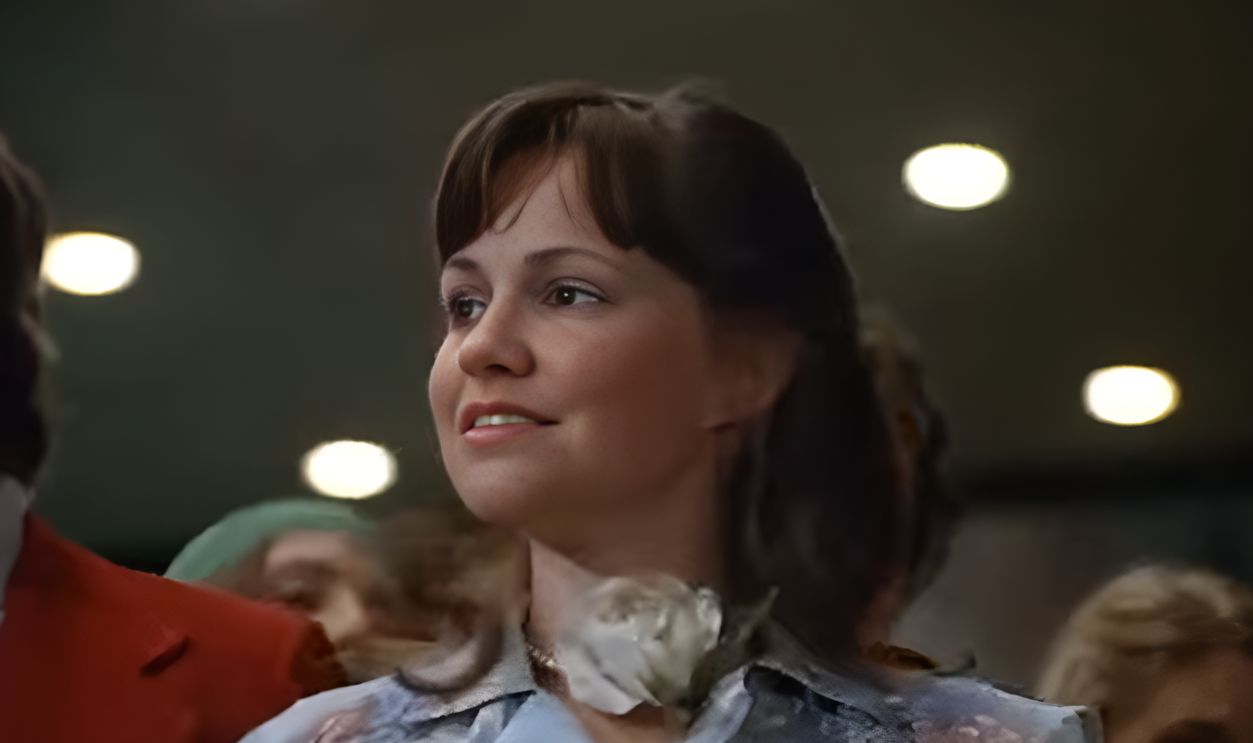 Screenshot from Sybil, NBC (1976), Modified
The Sitcom Star Had Range
Sybil proved that Field could carry emotionally intense material. It also proved that her early television persona had hidden how much skill she had been building. The Academy of Achievement describes Sybil as the role that established her as a dramatic actress almost overnight. That was exactly the kind of reinvention Hollywood had not expected from her.
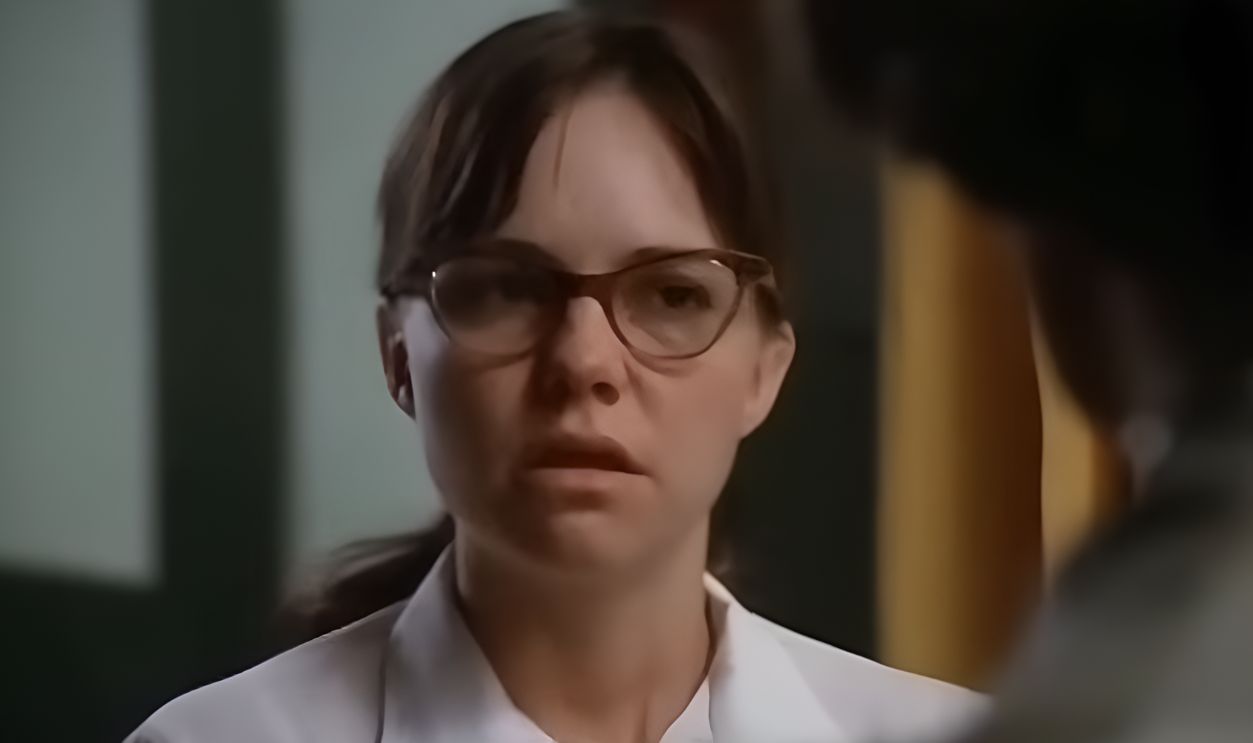 Screenshot from Sybil, NBC (1976), Modified
Smokey And The Bandit Made Her Popular Again
In 1977, Field appeared with Burt Reynolds in Smokey and the Bandit. The film became one of her best-known commercial hits and showed that she could bring charm to a big-screen comedy without being trapped by old sitcom formulas. It helped connect her television audience to her movie career. Even better, it kept her momentum going.
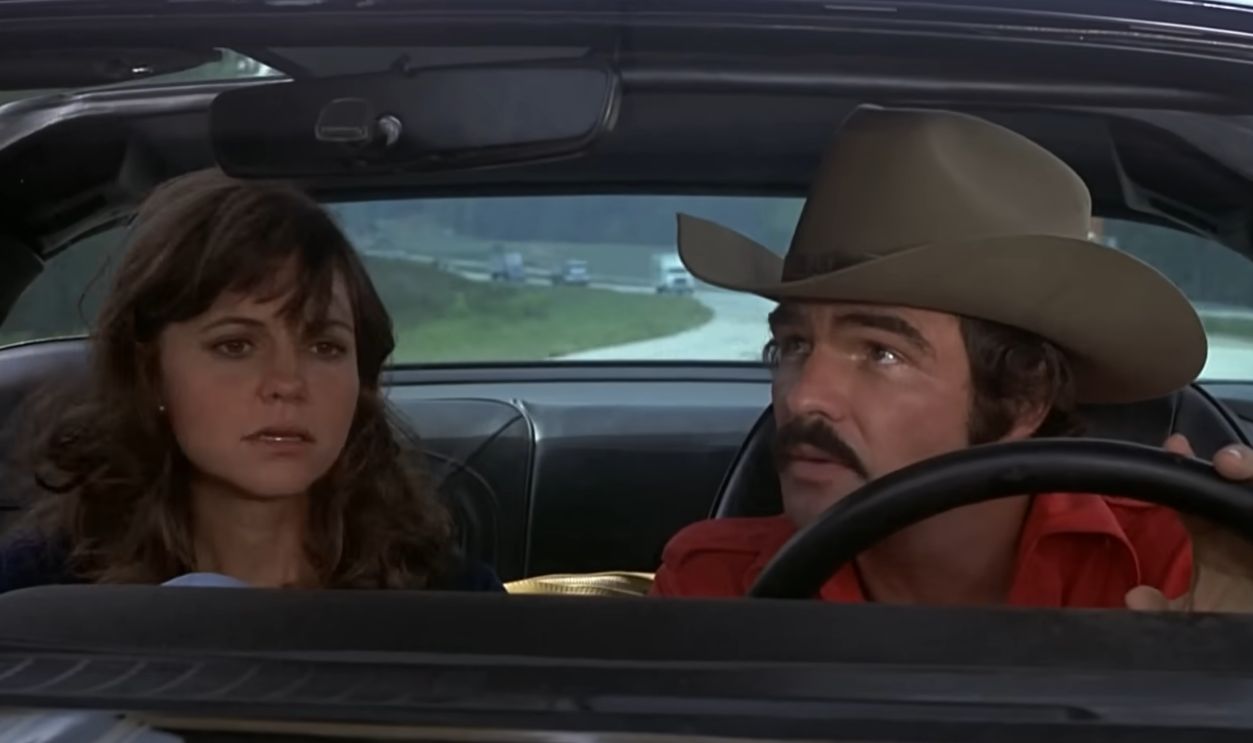 Screenshot from Smokey and the Bandit, Universal Pictures (1977)
Norma Rae Made Her Undeniable
Field’s career reached a new level with Norma Rae in 1979. She played a textile worker who becomes involved in union organizing, a role that required grit, anger, and moral force. The Academy of Achievement describes the character as a courageous union organizer. The performance won Field the Academy Award for Best Actress.
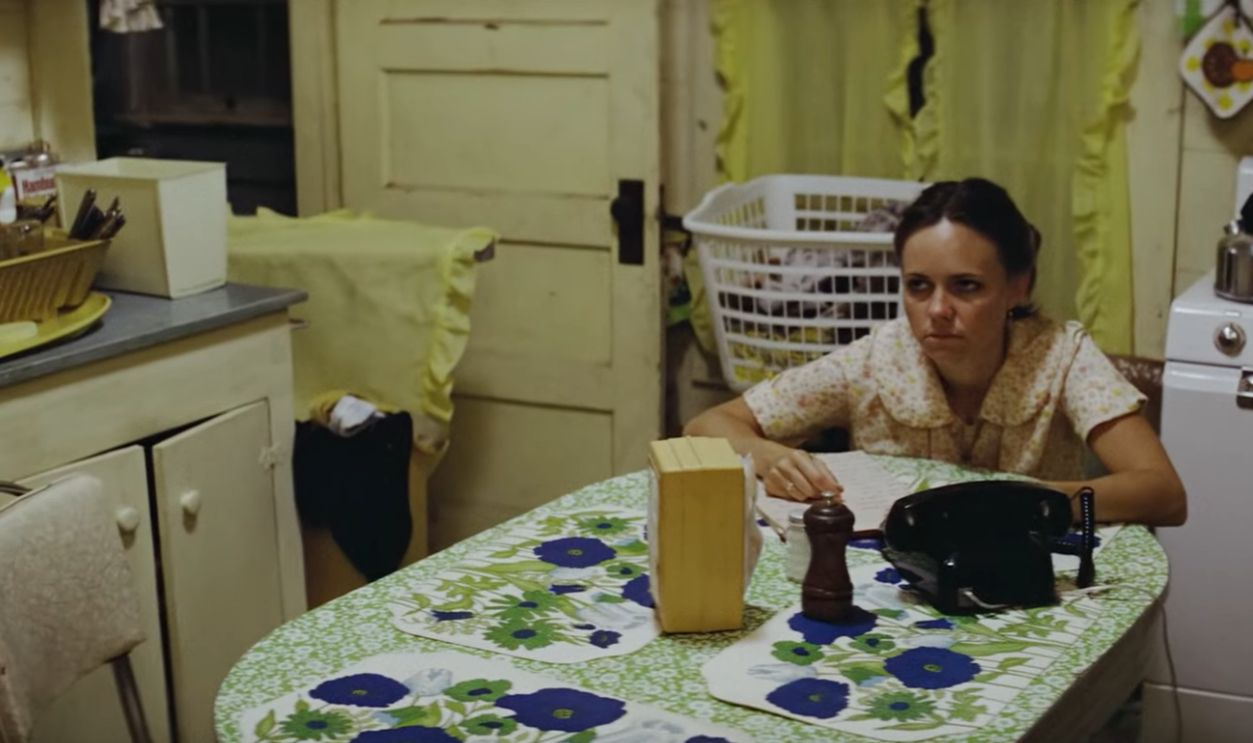 Screenshot from Norma Rae, 20th Century Fox (1979)
That Oscar Changed Everything
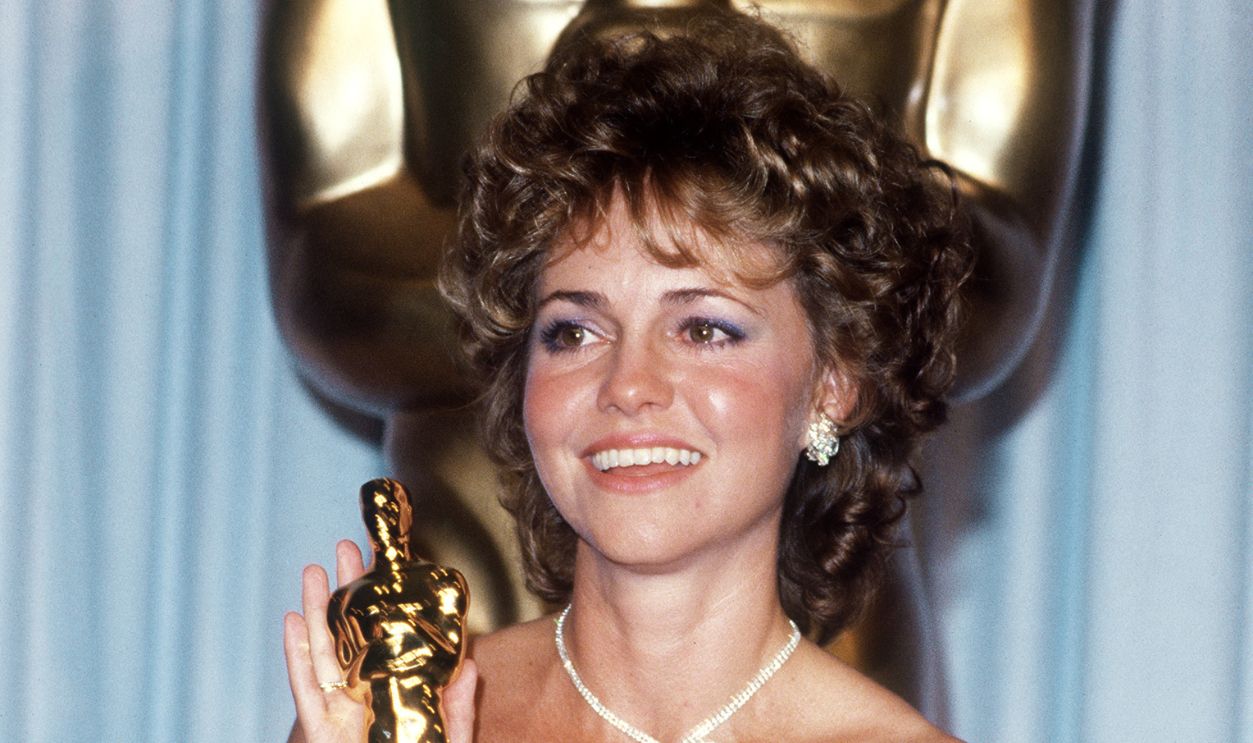
Field accepted her first Oscar for Norma Rae at the 52nd Academy Awards in 1980. The official Academy acceptance speech database lists her as the winner in the Actress in a Leading Role category. The win marked a stunning reversal for someone once dismissed as a sitcom lightweight. It proved that the old image had been too small for her talent.
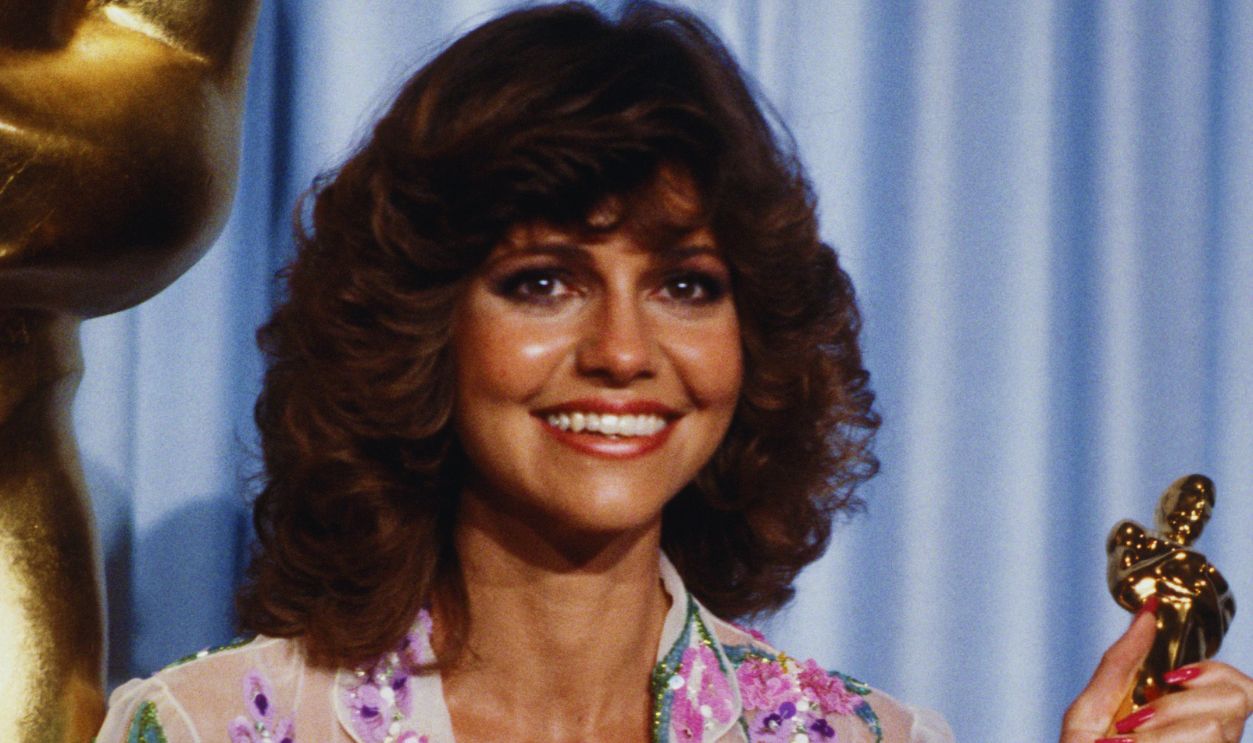
She Became A Serious Movie Star
After Norma Rae, Field’s name carried new weight. She went on to appear in films such as Absence of Malice and Murphy’s Romance. The Kennedy Center’s biography lists those titles among the highlights of her film career. By then, Field had moved from fighting typecasting to building one of the most respected résumés in Hollywood.
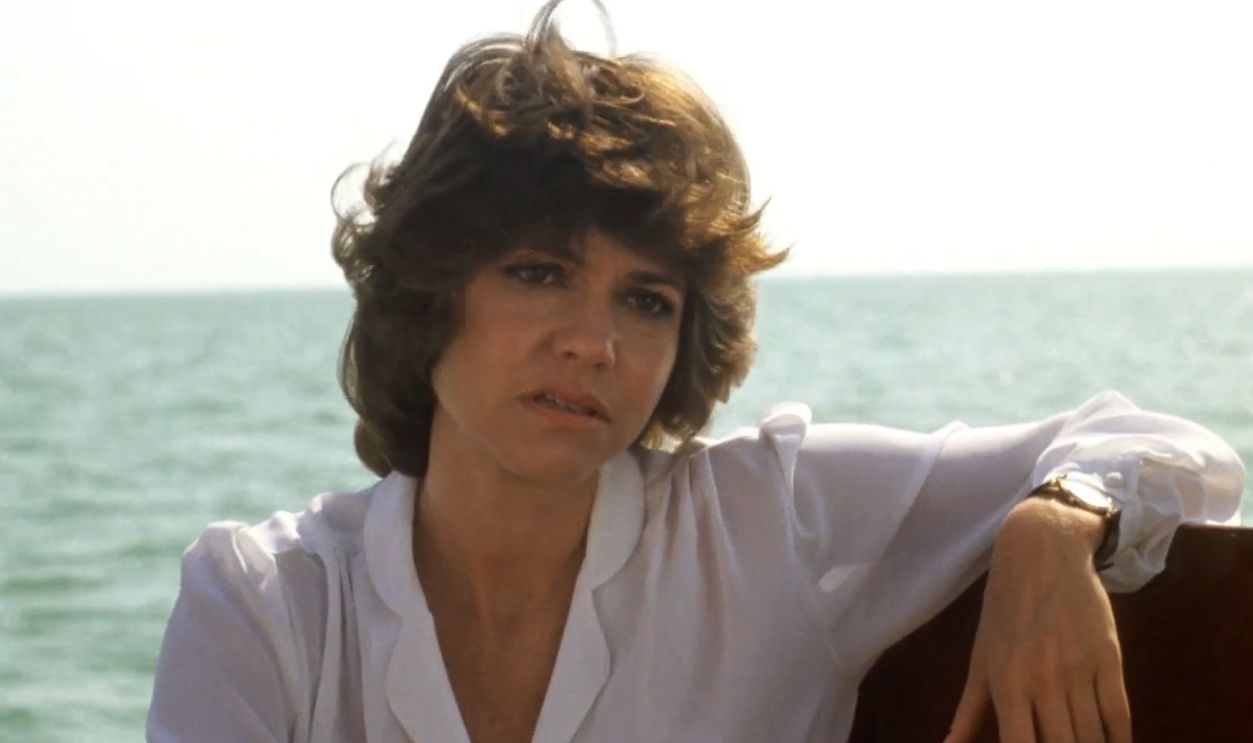 Screenshot from Absence of Malice, Columbia Pictures (1981)
Places In The Heart Brought A Second Oscar
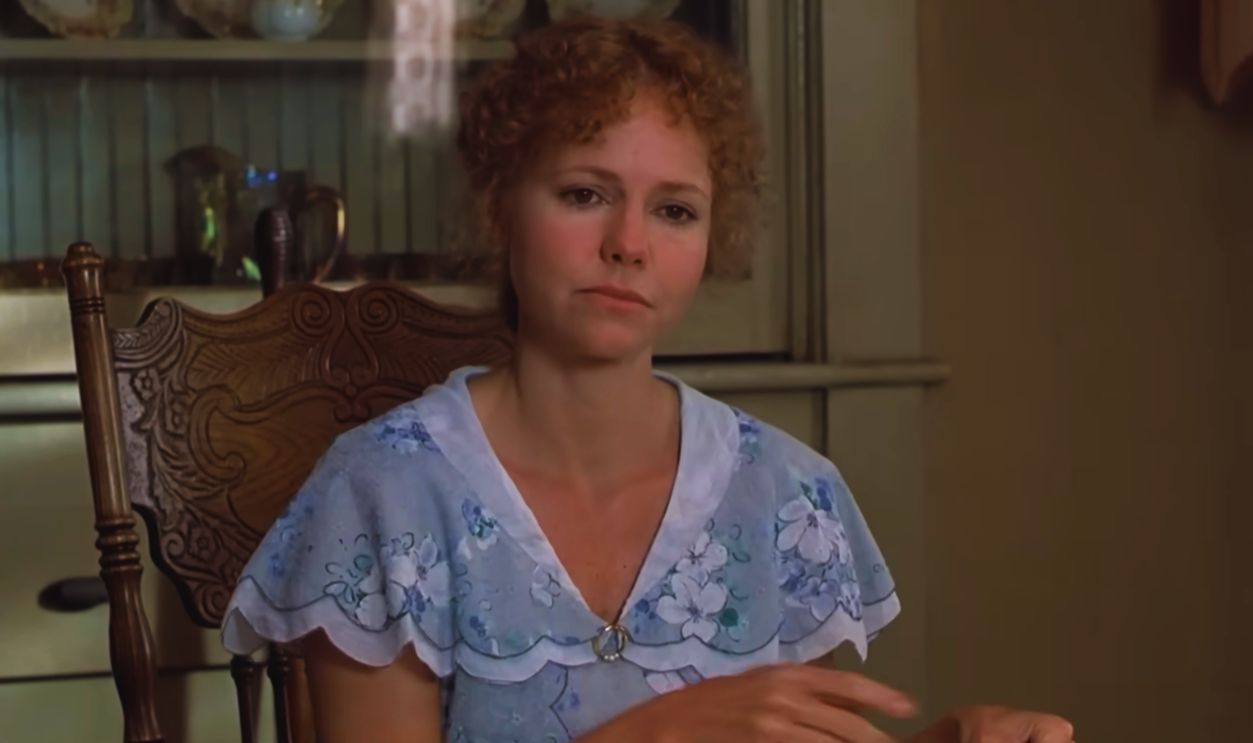
Field won another Academy Award for Places in the Heart. In the 1984 drama, she played a Depression-era widow trying to save her family farm. The Academy of Achievement identifies that role as one of her defining performances. The second Oscar made it impossible to treat her success as a fluke.
 Screenshot from Places in the Heart, Tri-Star Pictures (1984)
The Speech Became Famous
Field’s 1985 Oscar acceptance speech became one of the most quoted moments in awards-show history. The Oscars’ official ceremony notes say the speech ended with her saying that the industry liked her “right now.” The line was often parodied, but the emotion behind it came from years of fighting for acceptance. It was not vanity as much as relief.
She Kept Choosing Emotional Roles
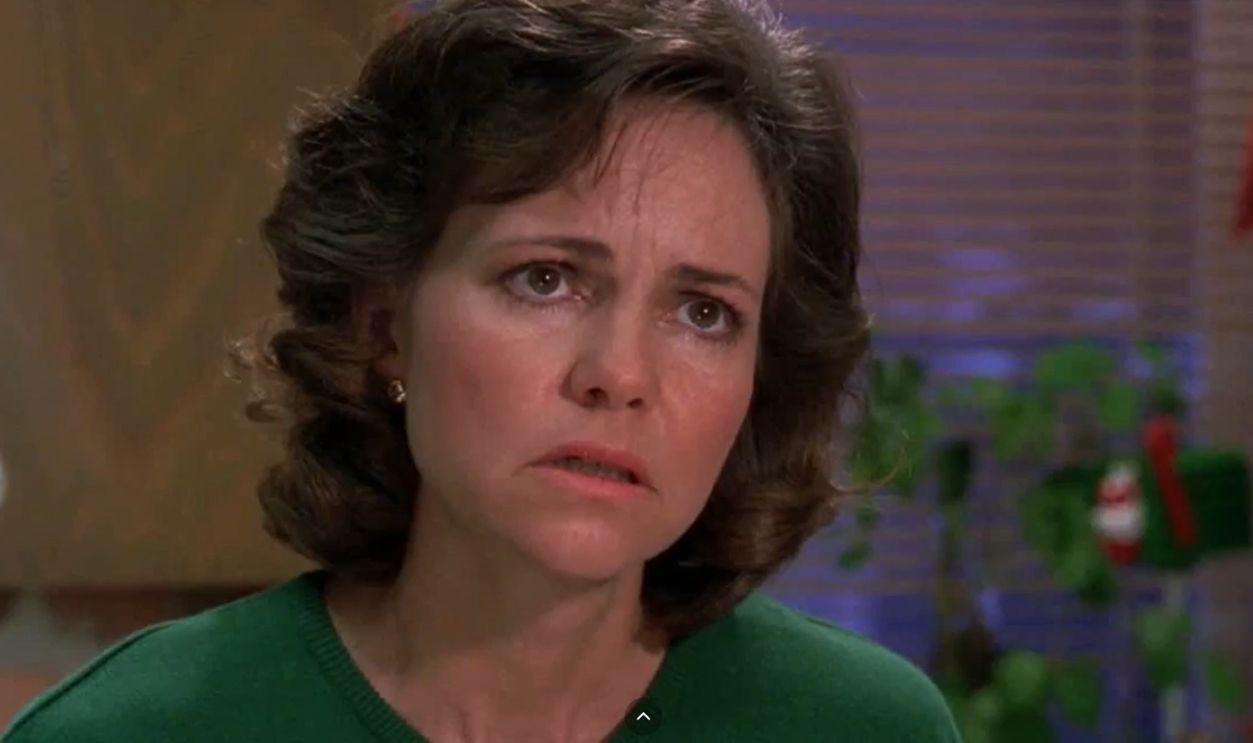
Field did not settle into one kind of prestige part after her Oscar wins. She appeared in Steel Magnolias, Mrs. Doubtfire, and Forrest Gump, all of which reached wide audiences. The Television Academy lists those films among her major credits. Her gift was making characters feel familiar without making them simple.
 Screenshot from Steel Magnolias, Tri-Star Pictures (1989)
Steel Magnolias Gave Her A Memorable Grief Scene
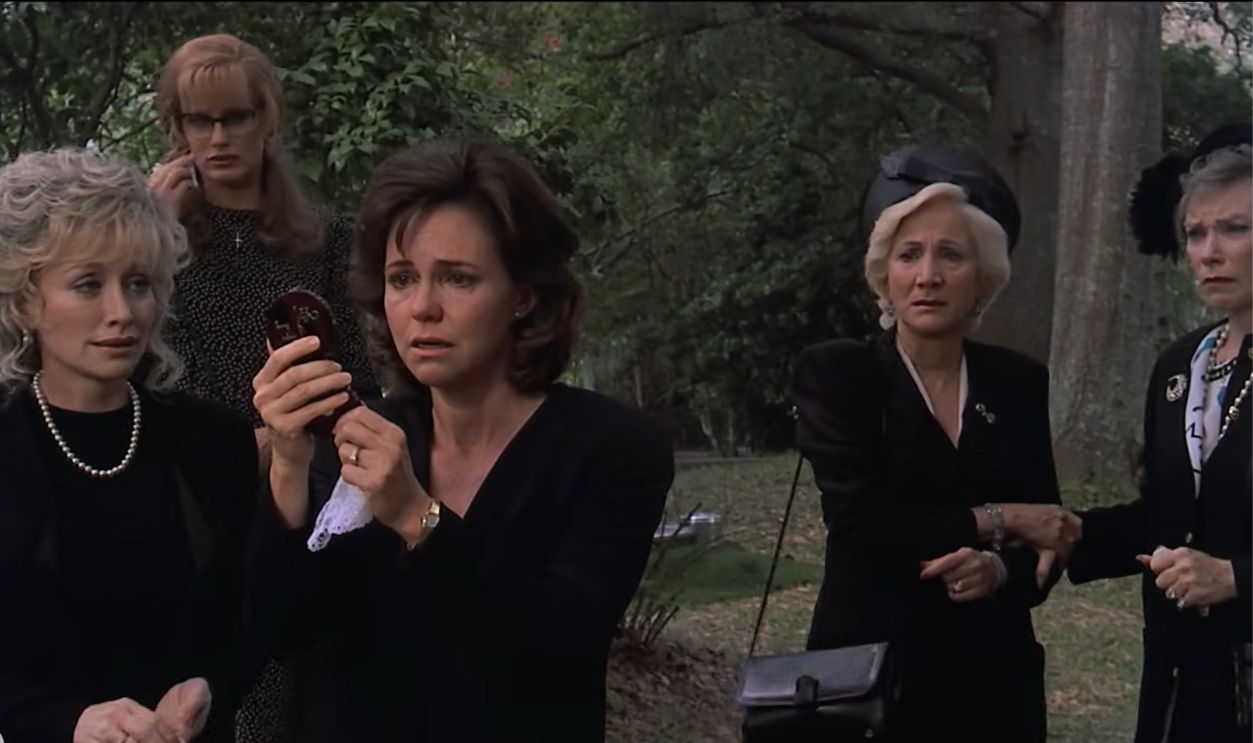
In Steel Magnolias, Field played M’Lynn Eatenton, the mother of Julia Roberts’ character. The 1989 film surrounded her with a major ensemble that included Shirley MacLaine, Dolly Parton, Olympia Dukakis, and Daryl Hannah. Field’s emotional cemetery scene became one of the movie’s most remembered moments. It showed again how powerfully she could shift from warmth to heartbreak.
 Screenshot from Steel Magnolias, Tri-Star Pictures (1989)
Forrest Gump Added Another Classic
Field reached another generation of moviegoers through Forrest Gump. She played Mrs. Gump opposite Tom Hanks in the 1994 hit. The role was smaller than some of her earlier showcases, but it became part of one of the decade’s most recognizable films. It also showed how effectively Field could make a supporting role feel essential.
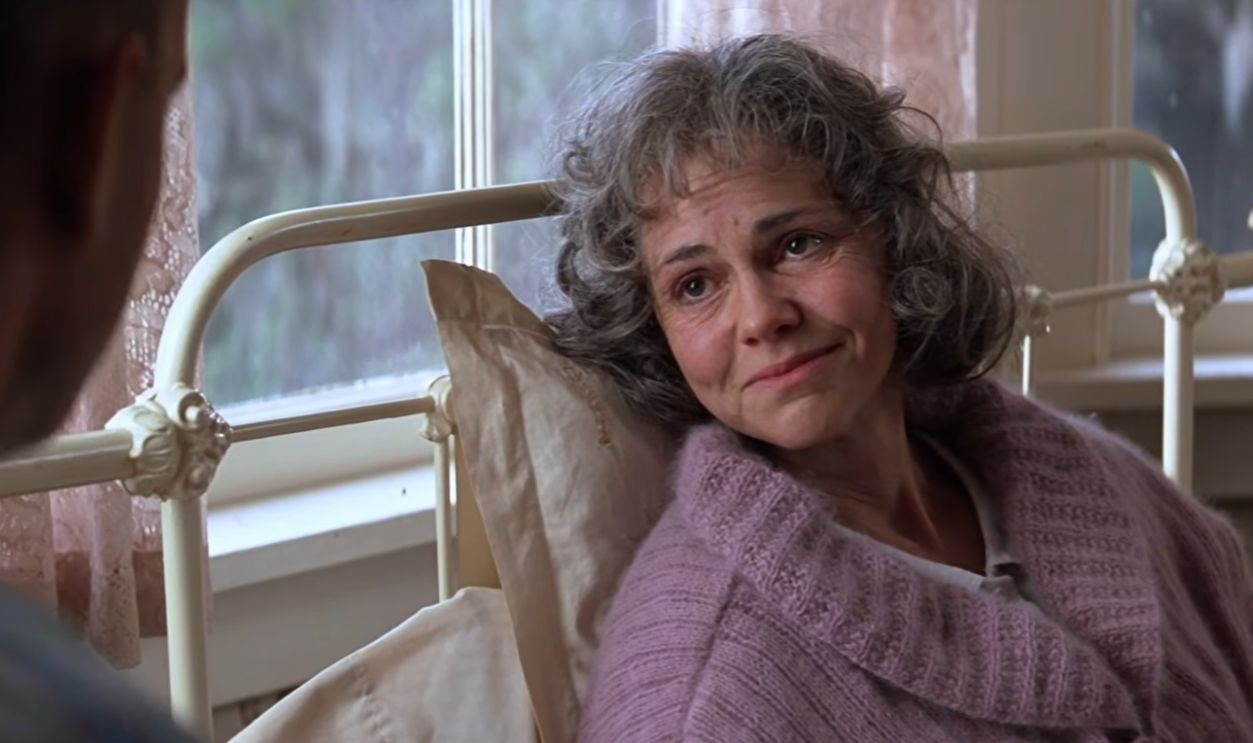 Screenshot from Forrest Gump, Paramount Pictures (1994)
Television Welcomed Her Back Differently
Field later returned to television with the authority of a major dramatic actor. The Television Academy lists her Emmy-winning guest role on ER and her Emmy-winning work as Nora Walker on Brothers & Sisters. Those wins mattered because television had once been the place where she was boxed in. Decades later, it became another place where she proved her range.
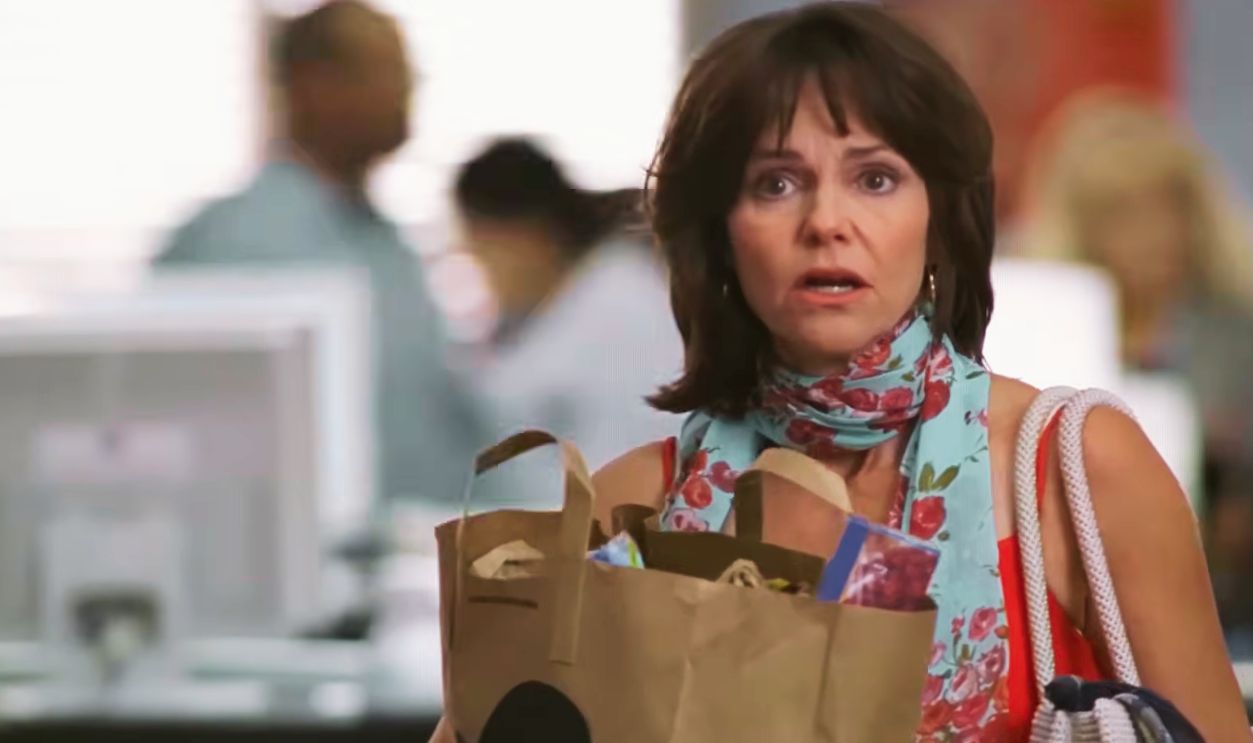 Screenshot from ER, NBC (1994–2009)
Brothers And Sisters Gave Her A New Chapter
On Brothers & Sisters, Field played Nora Walker, the emotional center of a complicated family drama. The Television Academy lists her 2007 Emmy win for Outstanding Lead Actress in a Drama Series for that role. The part let her play warmth, frustration, humor, and grief across multiple seasons. It was another reminder that Field could hold an audience without leaning on nostalgia.
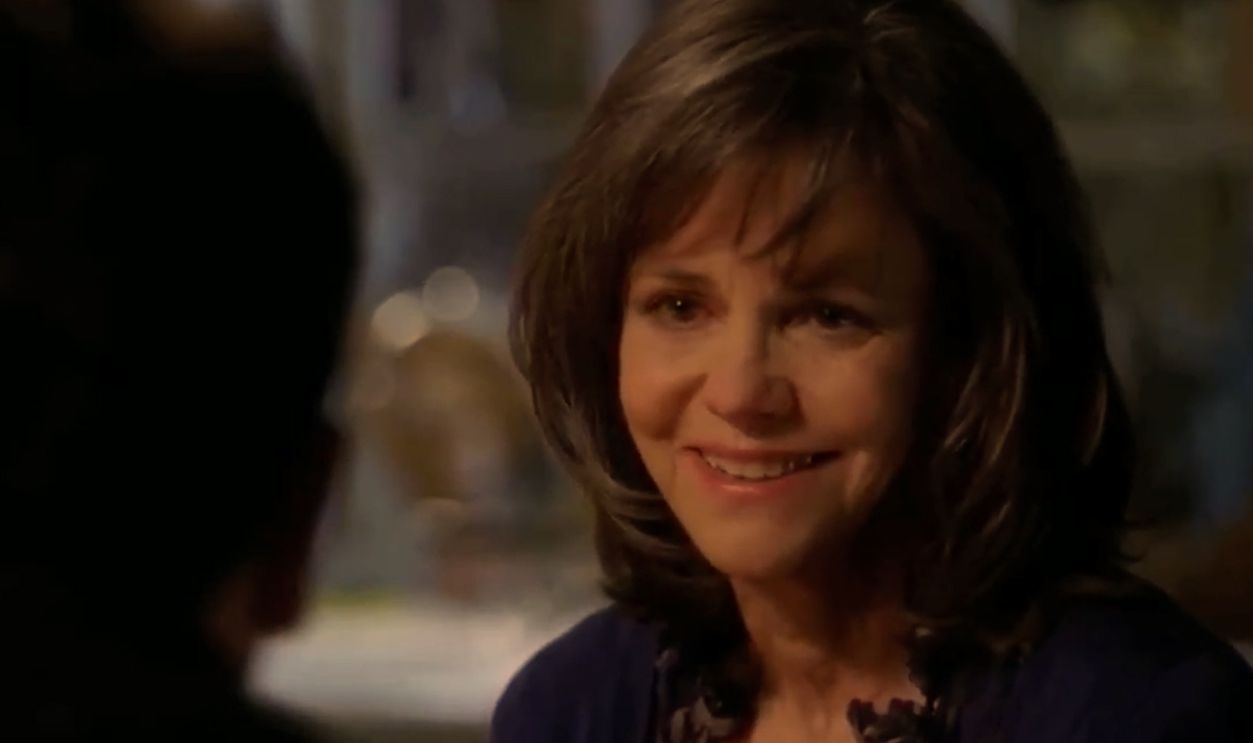 Screenshot from Brothers & Sisters, ABC (2006–2011)
Lincoln Brought Another Oscar Nomination
Field earned renewed film acclaim as Mary Todd Lincoln in Steven Spielberg’s Lincoln. The Academy of Achievement notes that her 2012 performance brought further critical recognition. The role placed her opposite Daniel Day-Lewis in a major historical drama. It also brought Field back into the Oscar conversation decades after her first wins.
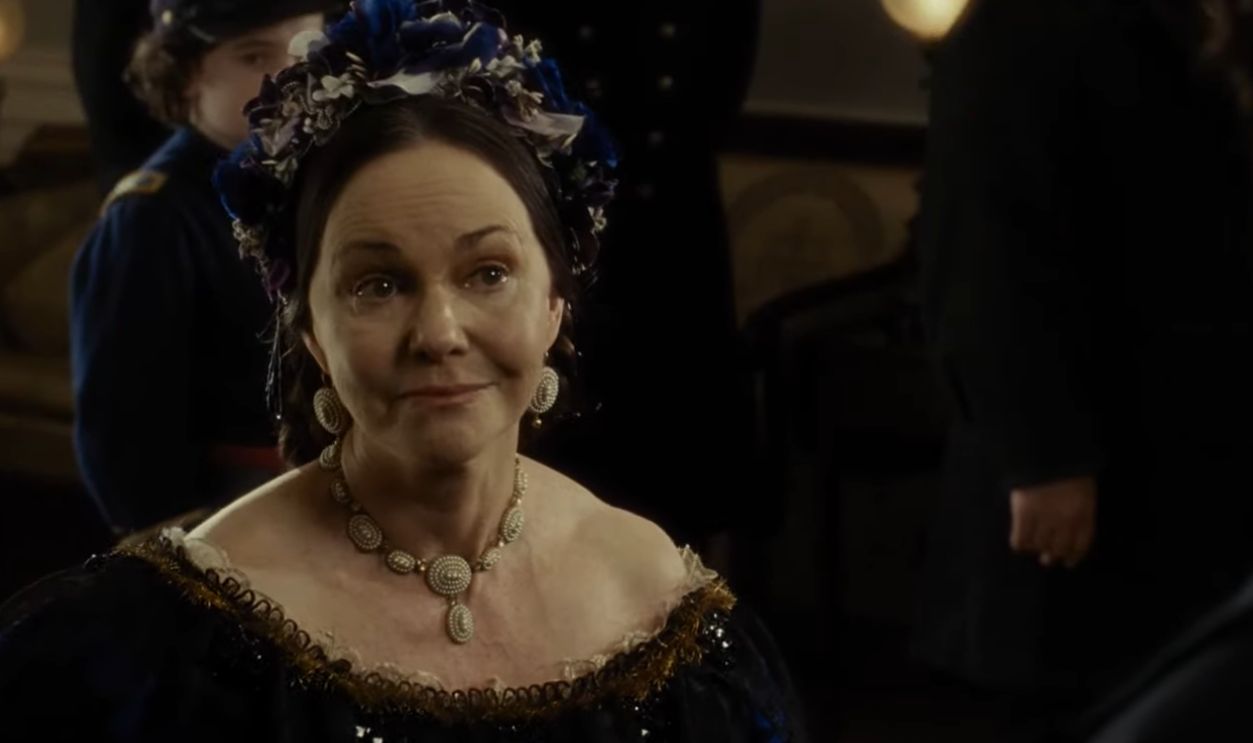 Screenshot from Lincoln, DreamWorks Pictures (2012)
Broadway Showed Another Side
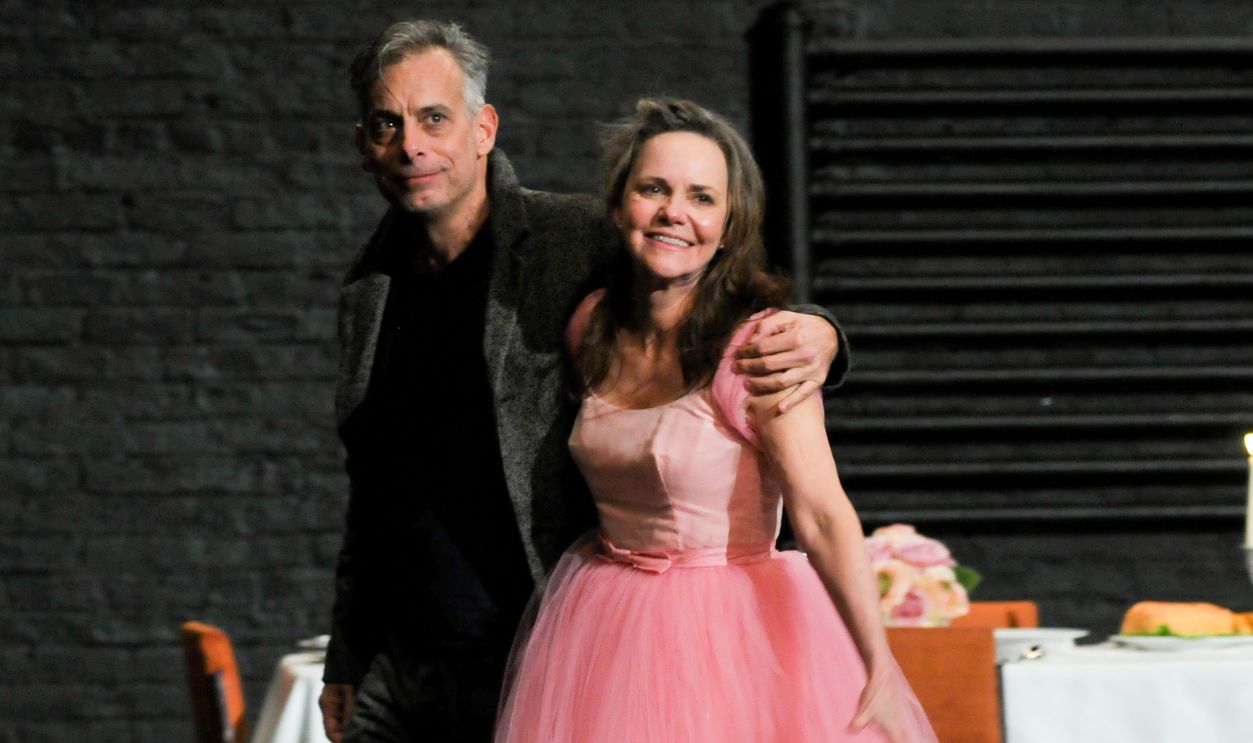
Field also took her talents to the stage. Playbill reported that she received a 2017 Tony nomination for The Glass Menagerie. The role of Amanda Wingfield gave her a classic American theater challenge. It showed that her career was not just long, but still artistically restless.
The Industry Eventually Honored Her
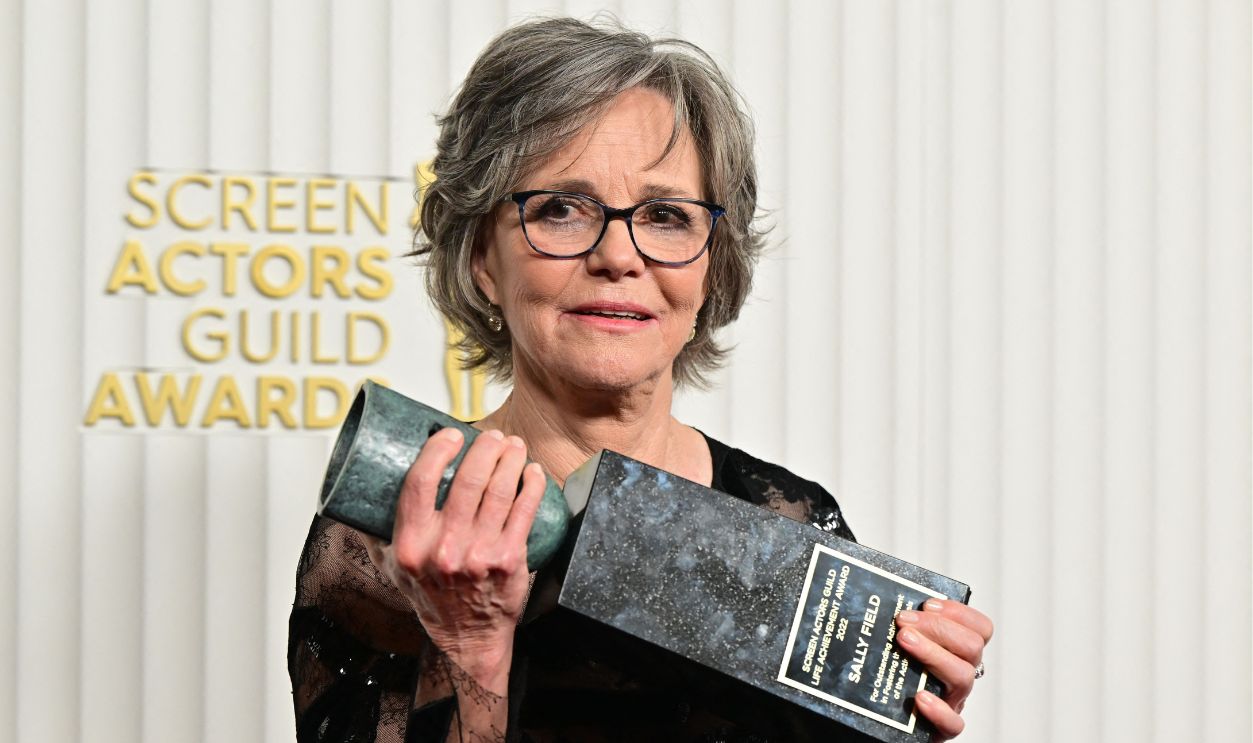
Field became a Kennedy Center Honoree in 2019. The Kennedy Center describes her as a two-time Academy Award winner and three-time Emmy winner with a career spanning more than five decades. In 2023, SAG-AFTRA named her the 58th recipient of its Life Achievement Award. Those honors confirmed what her career had already shown.
 FREDERIC J. BROWN, Getty Images
She Still Resists Small Roles For Women
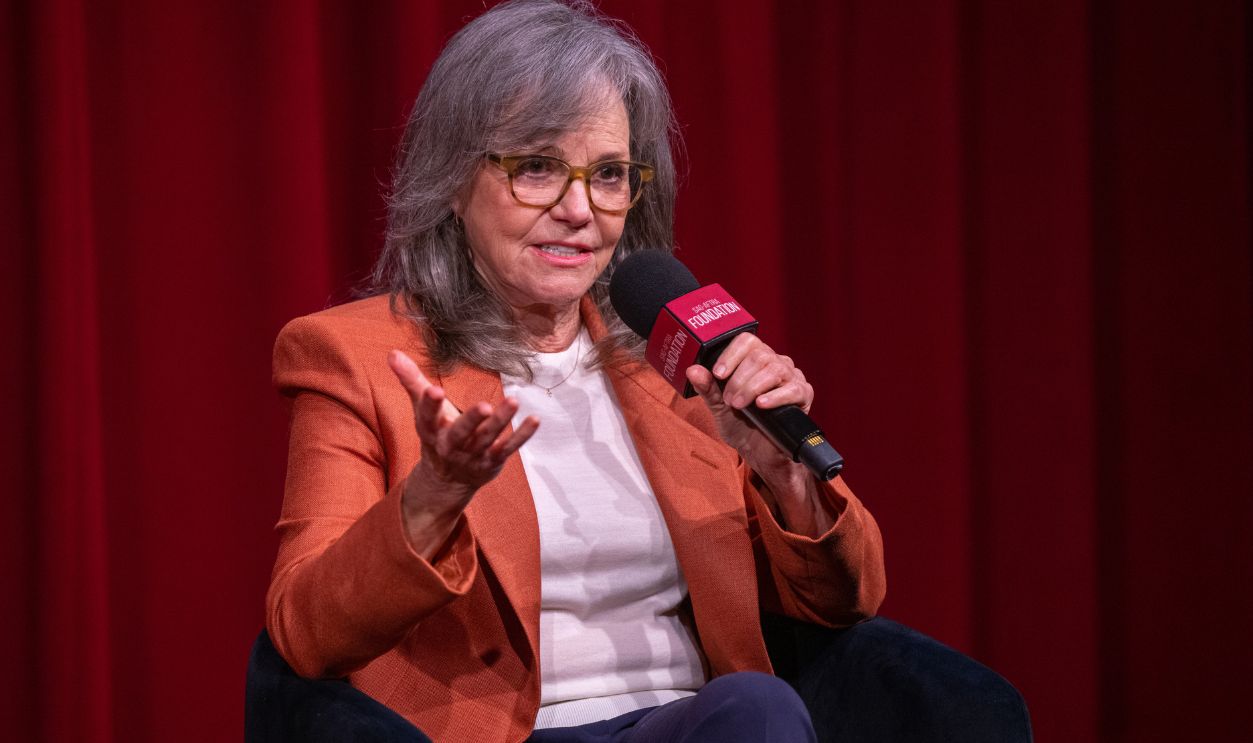
Field has remained outspoken about the kinds of stories she wants to tell. In a 2026 People interview, she said she does not take stories about women whose main goal is finding a man. Her point was that women’s lives are more complicated than that. It was the same instinct that had pushed her beyond The Flying Nun in the first place.
The Flying Nun Never Defined Her
The Flying Nun will always be part of Sally Field’s story, but it never became the whole story. She turned a career trap into fuel for reinvention. She trained harder, took bigger risks, and forced Hollywood to reconsider what it thought it knew. That is why her career still feels like one of pop culture’s great second acts.
 Screenshot from The Flying Nun, ABC (1967–1970)