A Tragic Talent
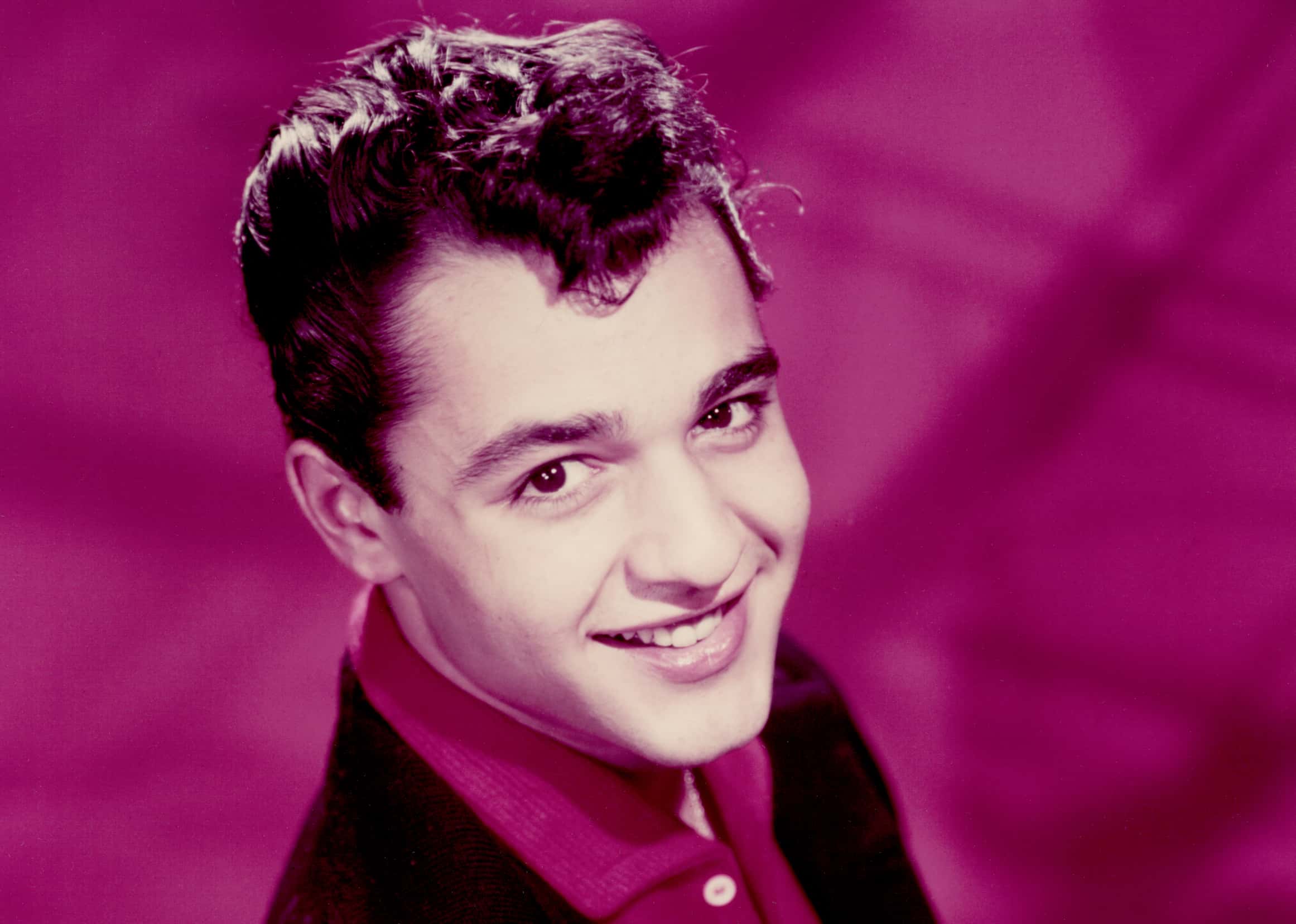
Sal Mineo’s life story reads like a classic Hollywood tragedy, marked by meteoric success, personal struggles, and an untimely death. Emerging into fame as a teen idol in the 1950s, Mineo became one of his era’s most compelling young actors. But behind the acclaim, he faced identity struggles, career setbacks, and finally a shocking end that still haunts Hollywood history.
Growing Up In The Bronx
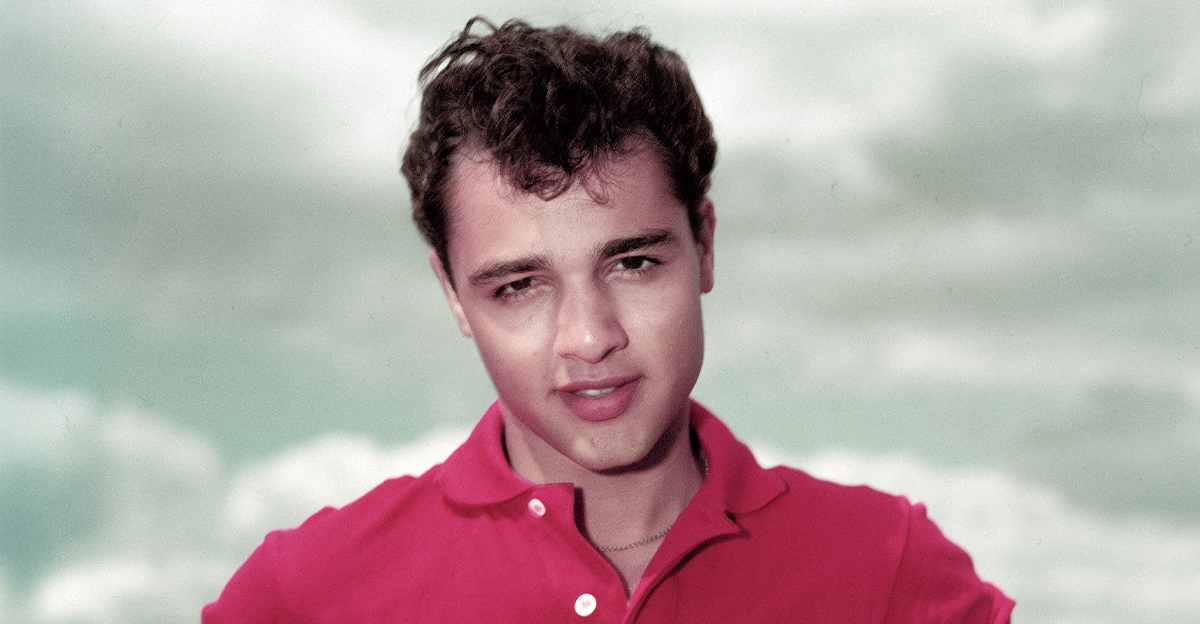
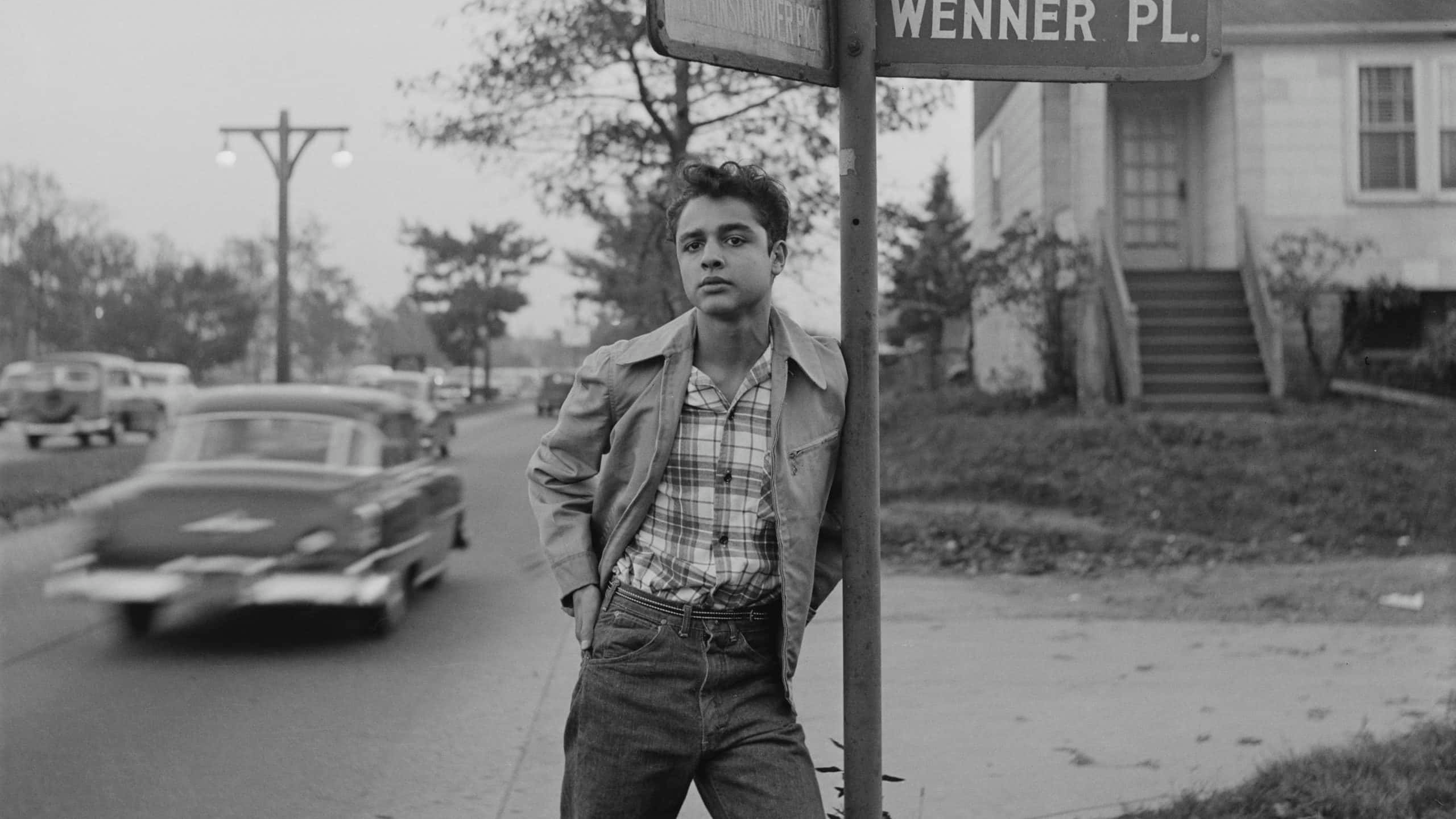
Born Salvatore Mineo Jr. in 1939 in the Bronx, New York, Mineo grew up in a working-class Italian-American family. His parents were strict, and young Sal had a restless energy that often led to trouble. Realizing this, his harried mother encouraged him to pursue acting to channel him in a positive direction. This set him on a path that would change his life forever.
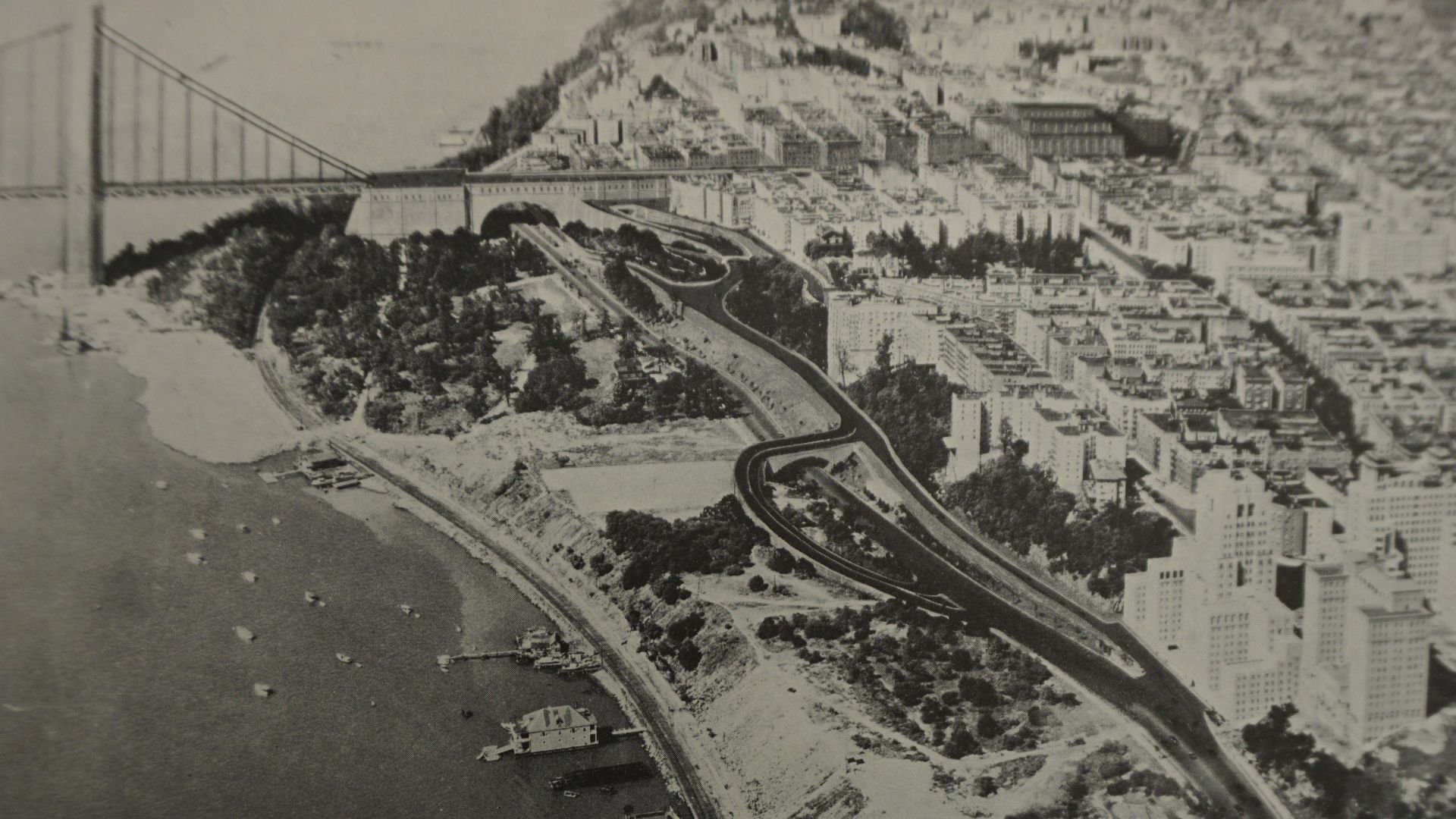 Manhattan Borough President's Office, Wikimedia Commons
A Natural Performer Emerges
Mineo’s early acting roles quickly revealed his natural talent. He started to appear in stage productions and television roles during the early 1950s, showing a charisma that made him stand out from his childhood peers. These early opportunities had him poised for a breakthrough that would arrive sooner than anyone imagined.
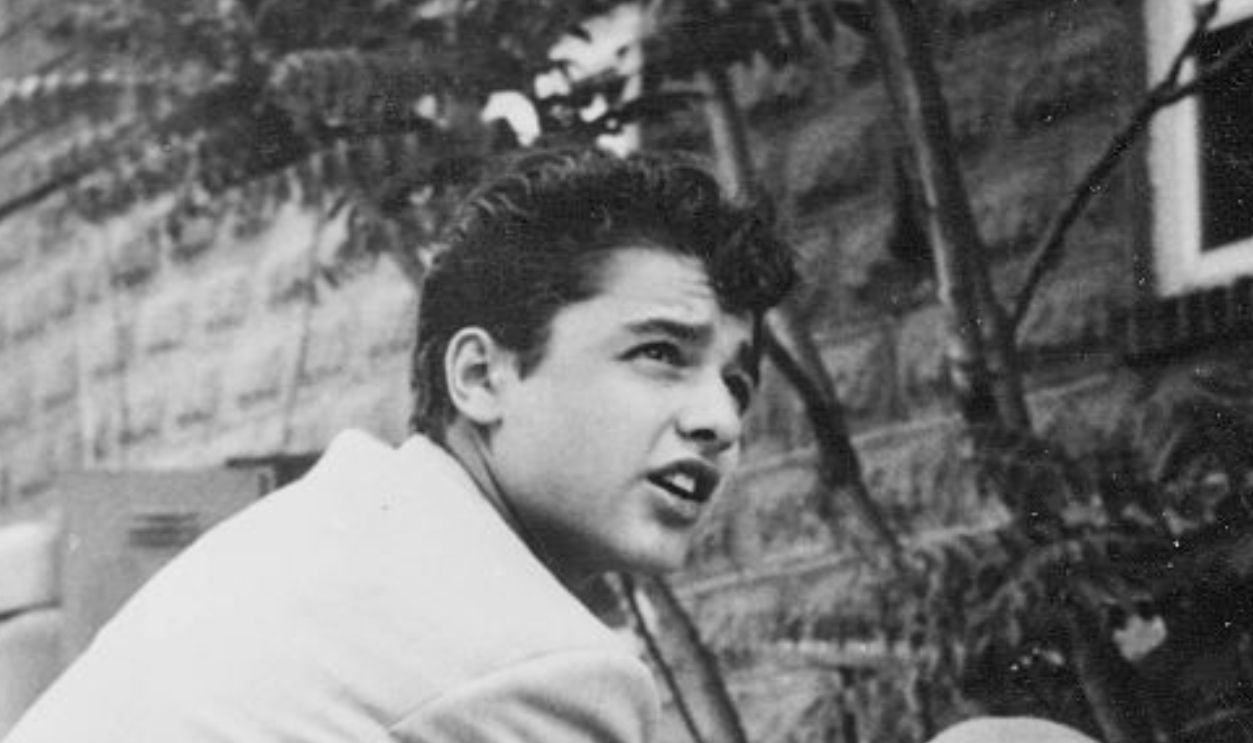 Smith Collection/Gado, Getty Images
Broadway Breakthrough
Before Hollywood fully embraced him, Mineo made his mark on Broadway. His performance in the Tennessee Williams play The Rose Tattoo (1951) showed emotional depth well beyond his years, impressing critics and audiences alike. This success helped him transition from stage to screen, opening the door to film roles that would soon define his career.
Sharing The Stage With Yul Brynner
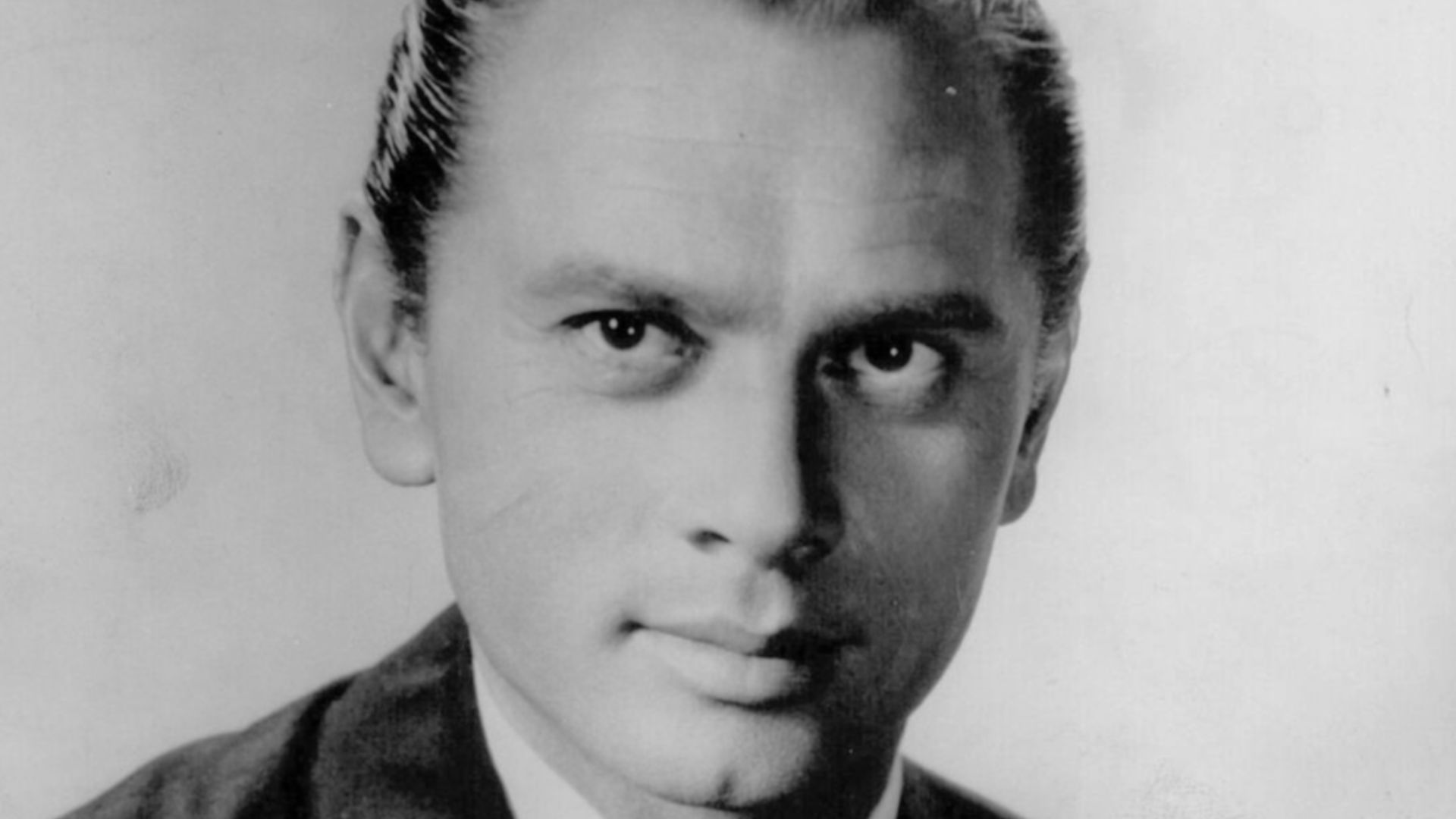
Early in his career, Sal Mineo gained valuable experience performing in the stage musical The King and I in 1952 at Broadway’s St James Theatre, where he appeared alongside the commanding presence of Yul Brynner. Playing one of the royal children, Mineo absorbed the discipline and professionalism of a major Broadway production. That experience honed his stage instincts and helped prepare him for bigger opportunities.
 Unknown authorUnknown author, Wikimedia Commons
Hollywood Comes Calling
Mineo’s growing reputation led to film opportunities, and he soon started to appear in movies aimed at younger audiences. His boyish charm and intensity made him a natural fit for angst-driven teen roles. But it was one film above all that would transform him from a promising actor into a cultural icon almost overnight.

Rebel Without A Cause Changes Everything
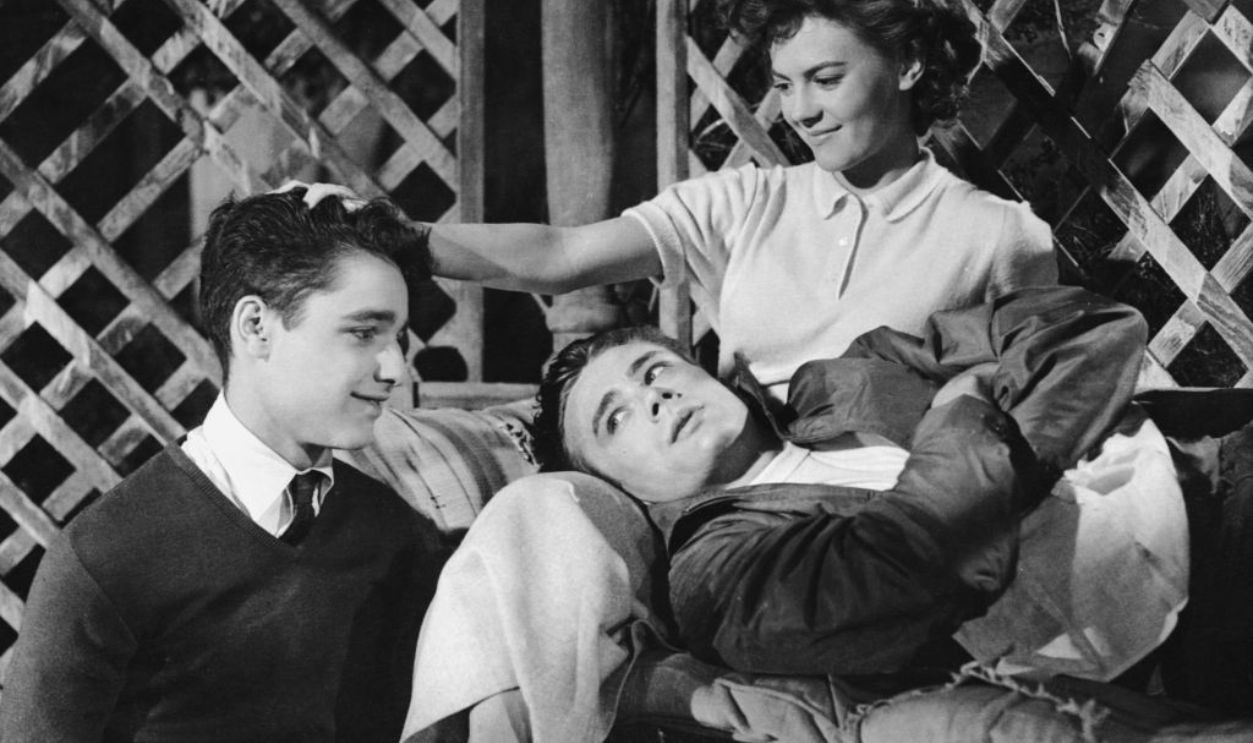
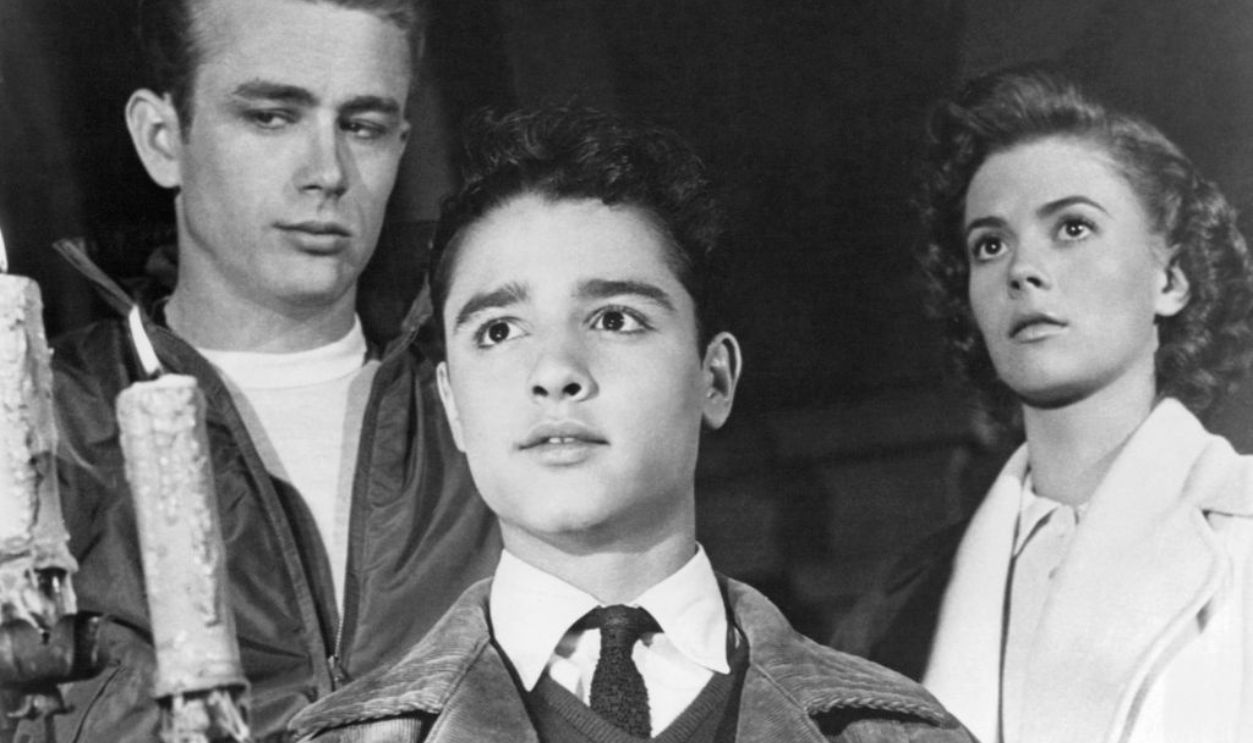
In 1955, Mineo starred in Rebel Without a Cause, a movie that captured the experience of a generation. Playing John “Plato” Crawford, he delivered a deeply emotional performance that resonated with audiences. Acting alongside James Dean, Mineo held his own, setting the stage for a career-defining moment.
 John Kobal Foundation, Getty Images
Oscar Nomination At Seventeen
Mineo’s portrayal of Plato earned him an Academy Award nomination for Best Supporting Actor, which made him one of the youngest nominees in history at the time. The honor cemented his claim as a rising Hollywood star. But subsequent events showed that early success can be both a blessing and a burden.
 Academy of Motion Picture Arts and Sciences, Wikimedia Commons
Teen Idol
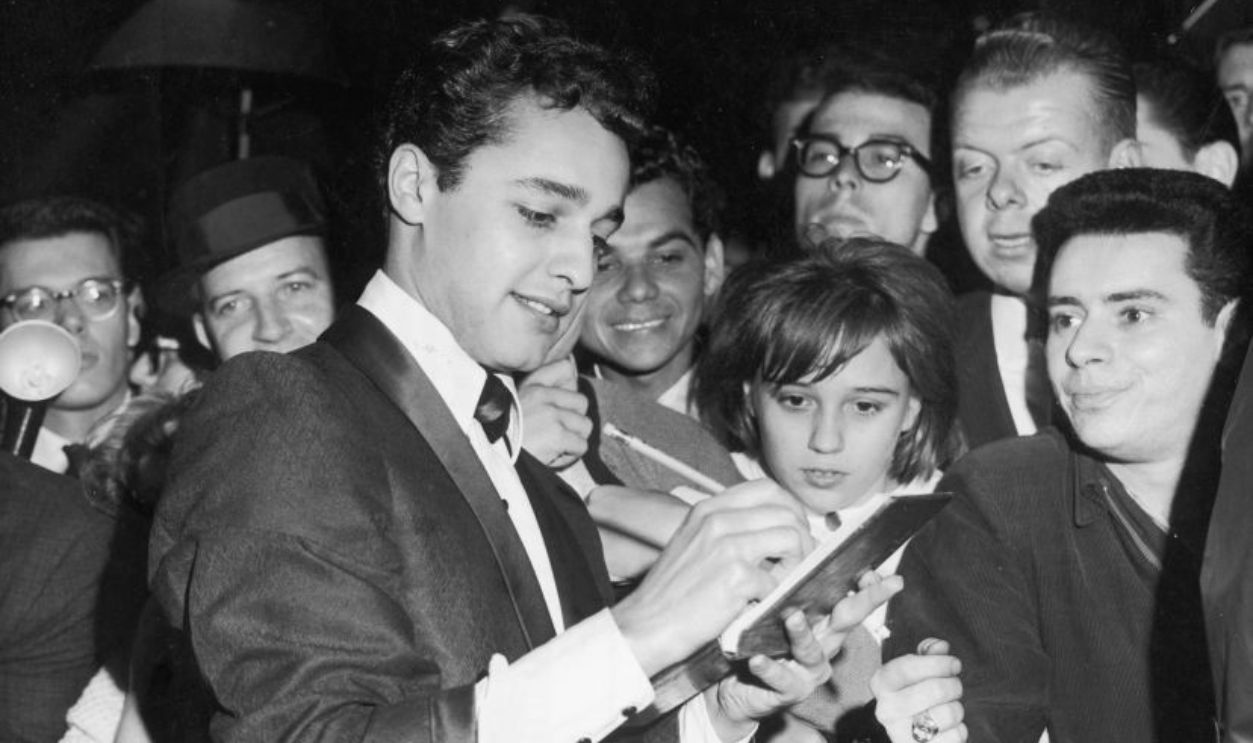
Following his breakout, Mineo became a teen idol, adored by a growing fan base across the country. He showed up in magazines, recorded music, and cultivated a strong fan base. While this brought fame and financial success, it also risked typecasting him, and limiting the kinds of roles he could get in Hollywood.
Pop Singer
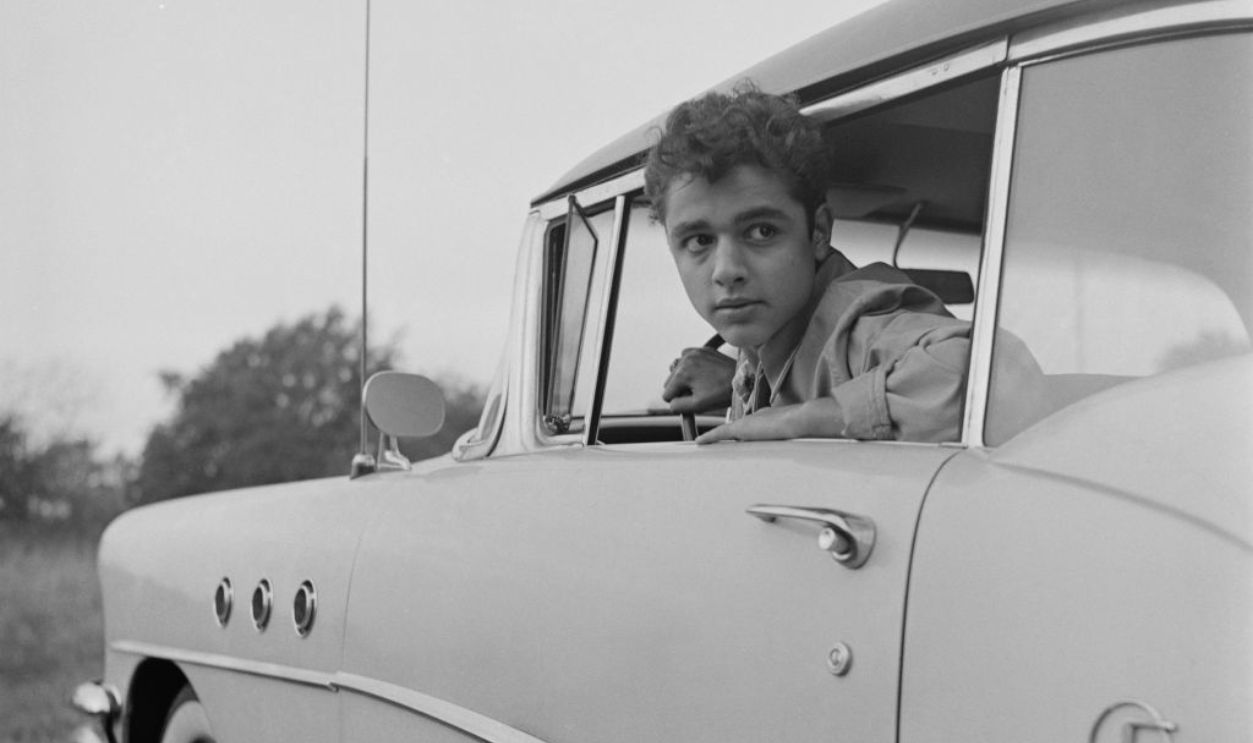
In 1957, Sal Mineo made a short-lived but successful move into pop music, recording several singles and even an album. His biggest success came with “Start Movin’ In My Direction,” a catchy track with backing by the Ray Ellis Orchestra that climbed to No. 9 on the Billboard pop chart and sold over a million copies. The unexpected hit briefly positioned Mineo as a chart-topping pop singer even while he sought more ambitious acting roles.
He Expanded His Range
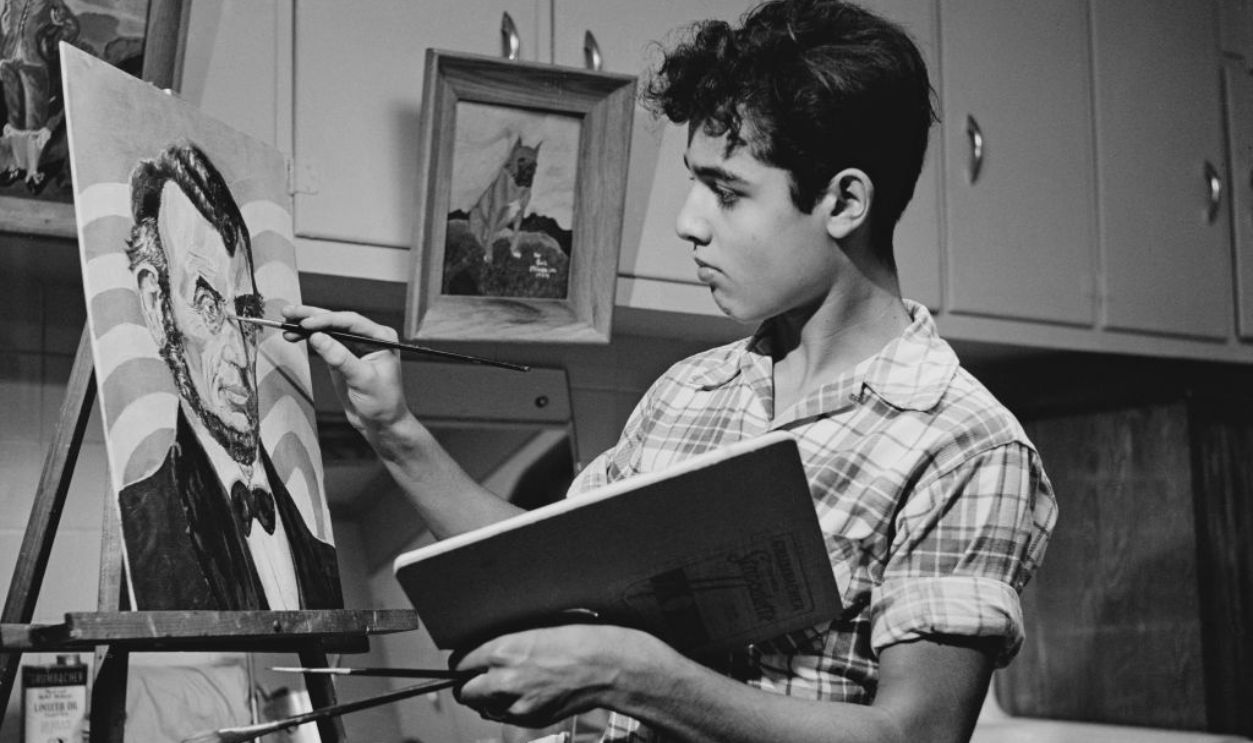
Determined not to be boxed in, Mineo made a point of seeking out more complex roles. He appeared in films like The Private War of Major Benson (1955) and Somebody Up There Likes Me (1956), showcasing his versatility. These performances showed that he was more than just a teen heartthrob, though the industry certainly took its time in adjusting to this perception.
Exodus And Another Oscar Nod
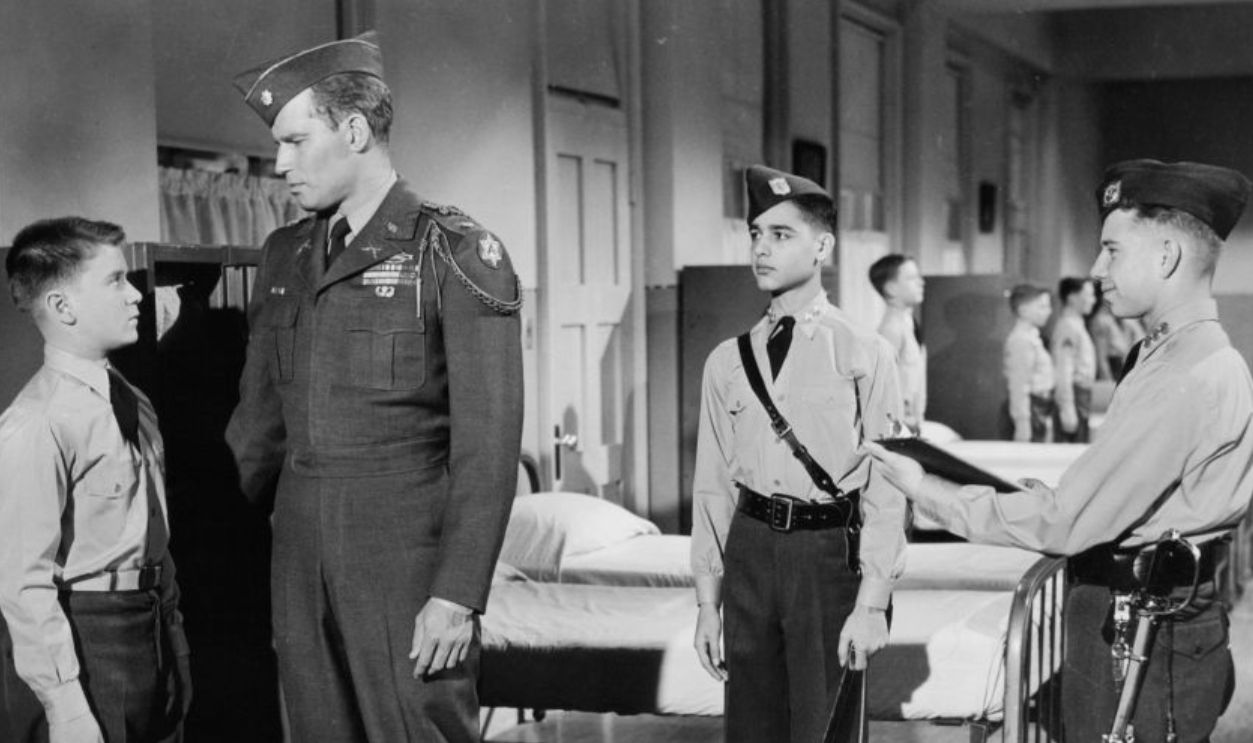
In 1960, Mineo starred in Exodus, portraying a Jewish soldier. His performance earned him a second Academy Award nomination, proof of his staying power as a serious actor. This achievement suggested an even brighter future, but the changing tides of Hollywood fortune would soon complicate his trajectory.
Hollywood Started To Shift
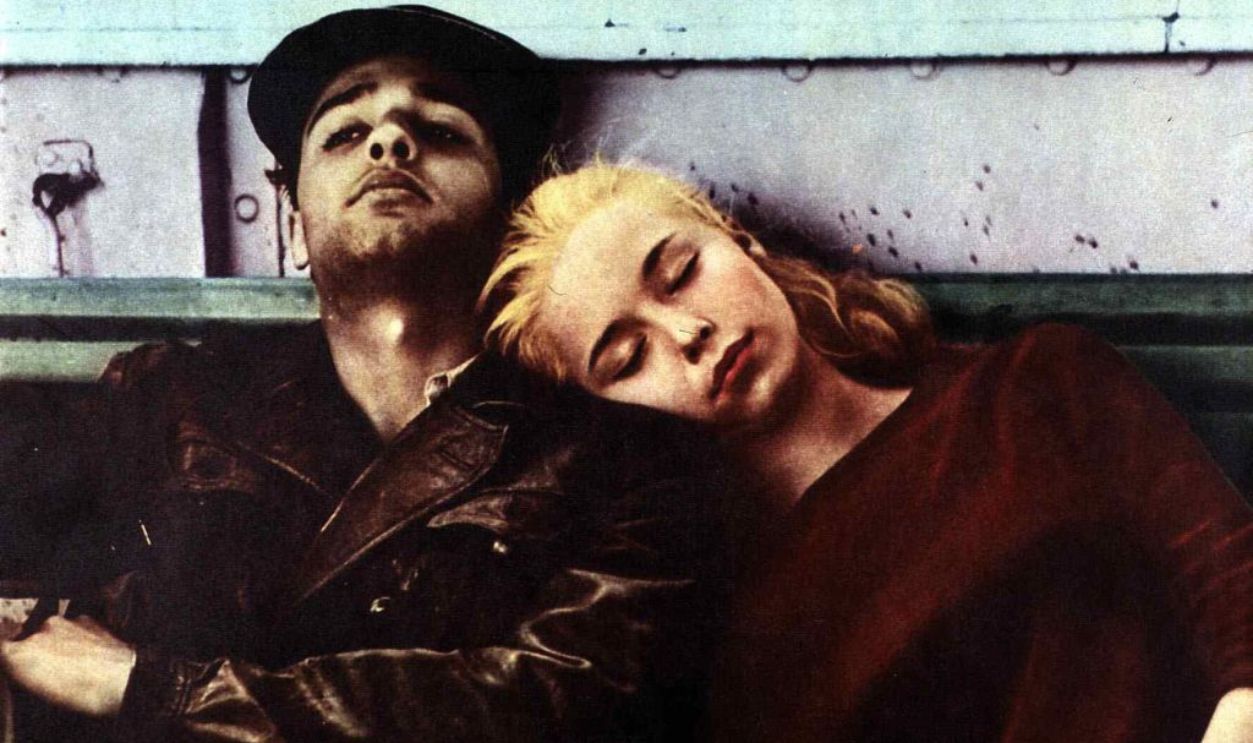
As the 1960s progressed, Hollywood began moving away from the studio system and teen-driven films. As a result of this, Mineo found fewer leading roles coming his way. The industry’s evolving tastes made it difficult for actors associated with a specific era to maintain their footing, pushing Mineo to cast a wider net.
Career Slowdown And Challenges
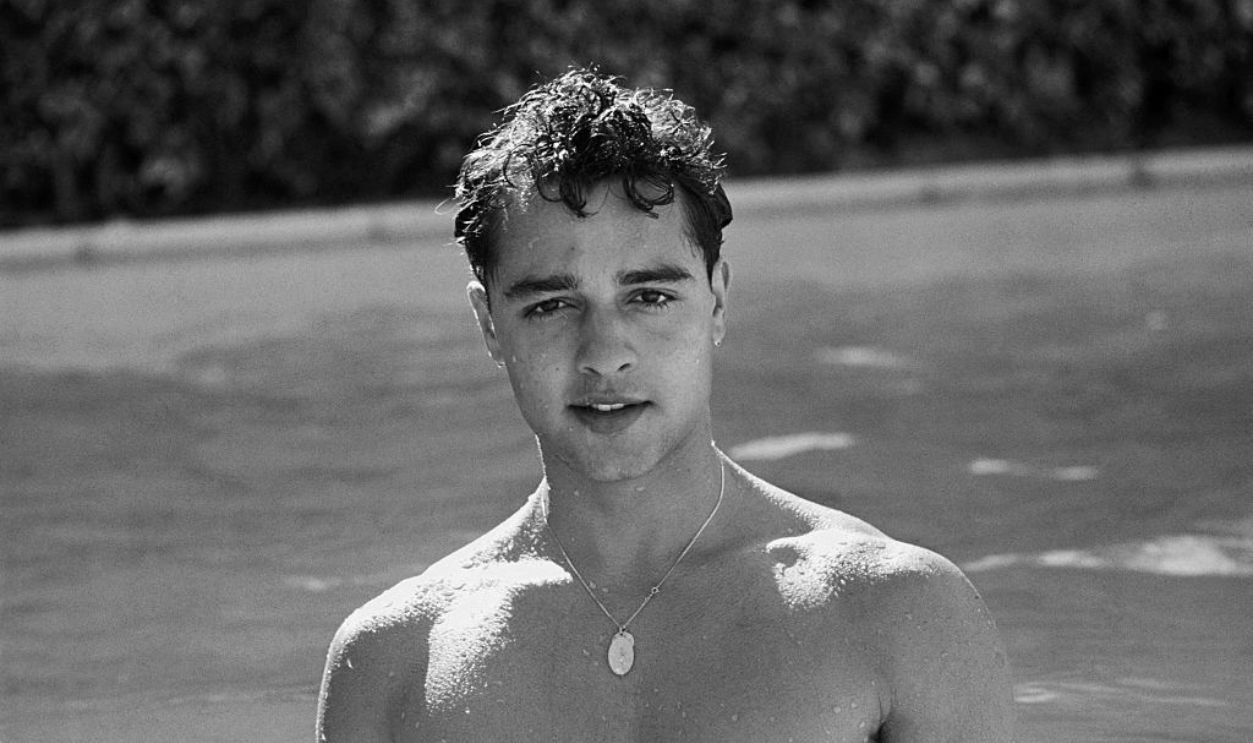
Mineo saw a noticeable decline in the number of his film roles during the mid-1960s. Offers became sporadic, and he struggled to find projects that matched his earlier success. This period forced him to take a hard second look at his career and consider alternative avenues within the entertainment world.
Turning To Television
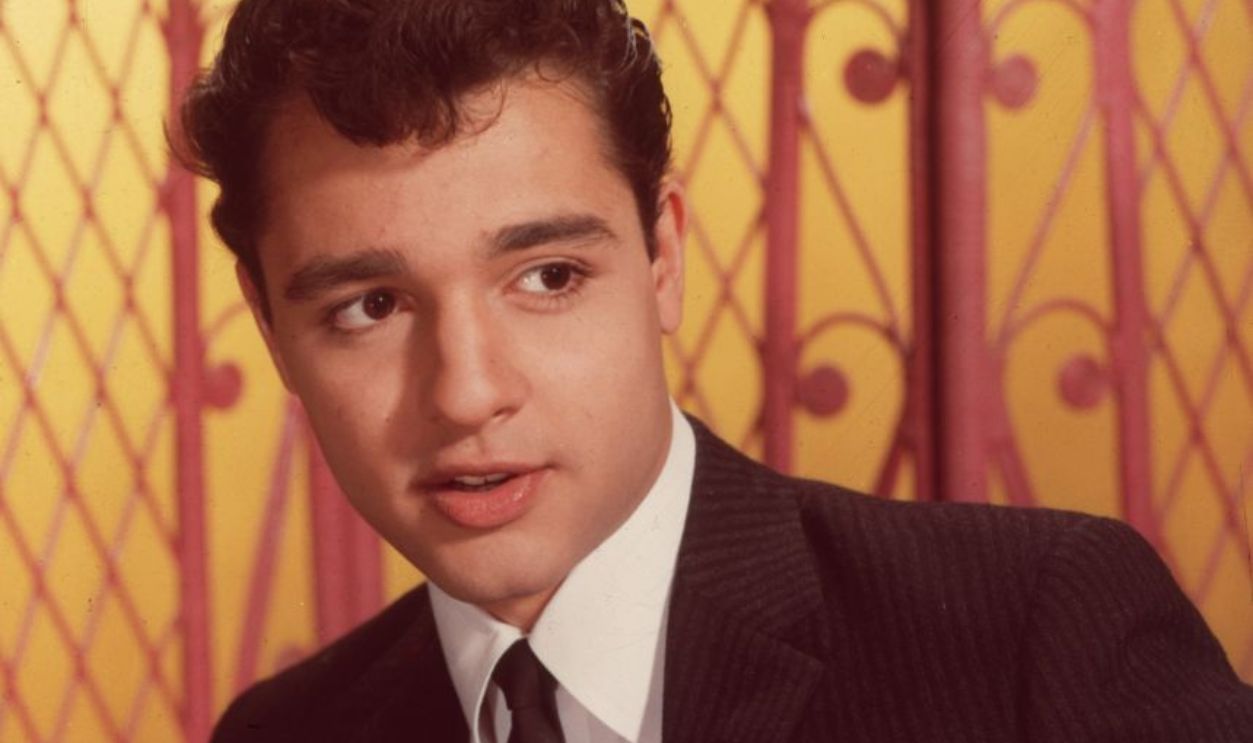
To stay active, Mineo began appearing in television shows, which offered steady work during a difficult time. He made guest appearances on series like The Virginian, Dr. Kildare, and Combat!, demonstrating his adaptability across genres. Though TV lacked the prestige of film at the time, it helped him remain visible as he navigated an uncertain career phase.

Back To Stage Work Again
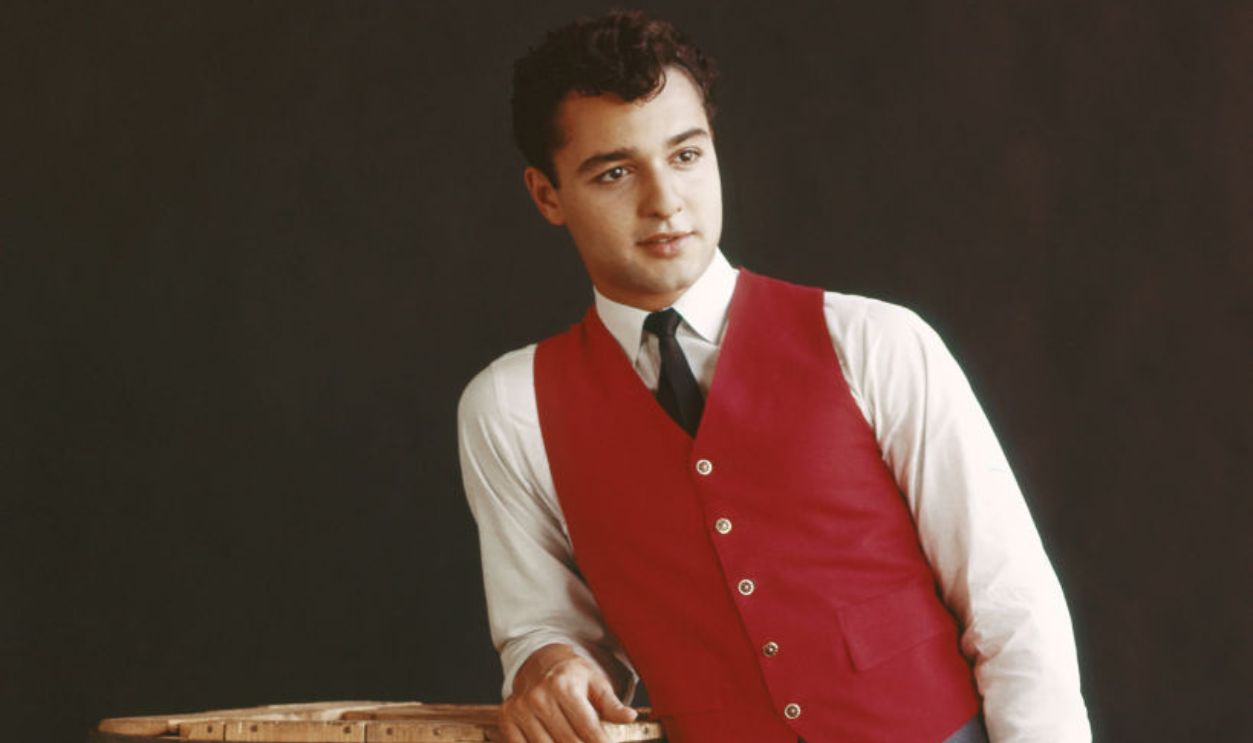
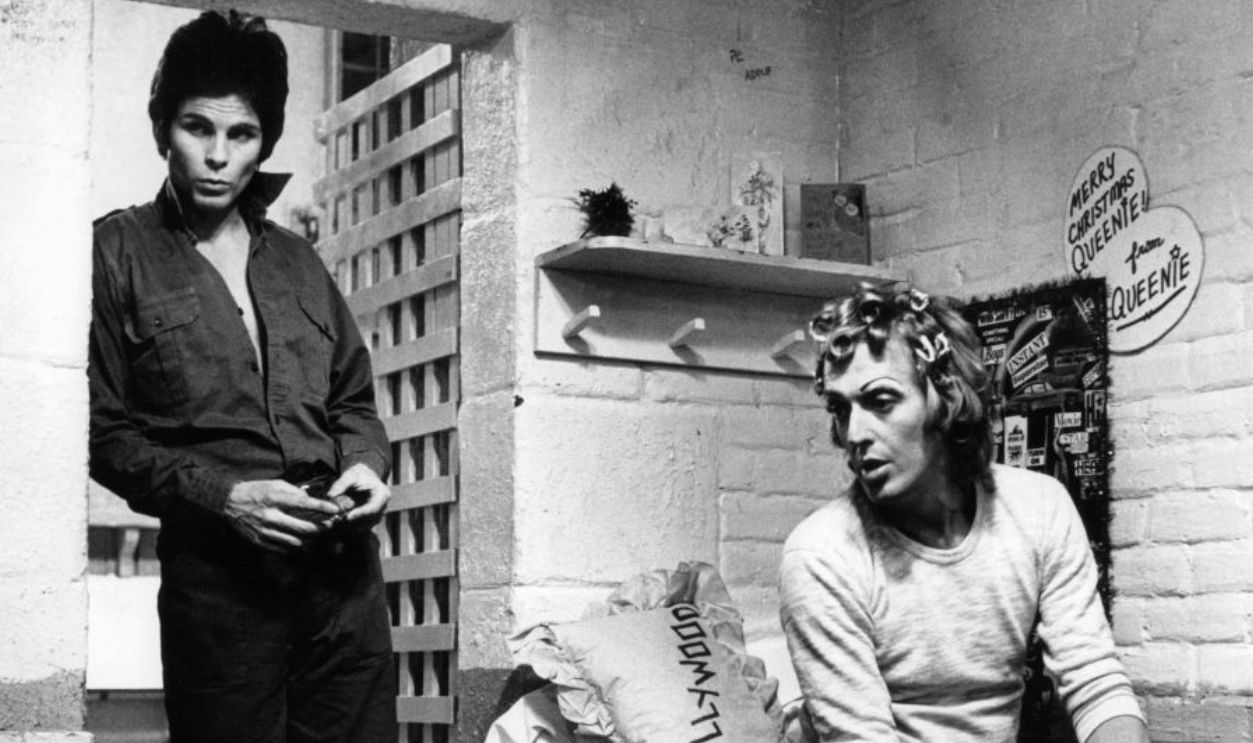
Returning to his theatrical roots, Mineo found some renewed purpose directing a Los Angeles-based production of the John Herbert play Fortune and Men’s Eyes in 1969, which starred a then-unknown Don Johnson. This shift helped him grow artistically during a transitional period in his career.
 Silver Screen Collection, Getty Images
Personal Life Under Scrutiny
As his career went through changes, Mineo’s personal life drew increasing attention. In an era less accepting of sexual identity differences, rumors and speculation about his relationships affected his public image. These pressures added another layer of difficulty as he tried to maintain both his career and sense of self.
Relationship With Jill Haworth
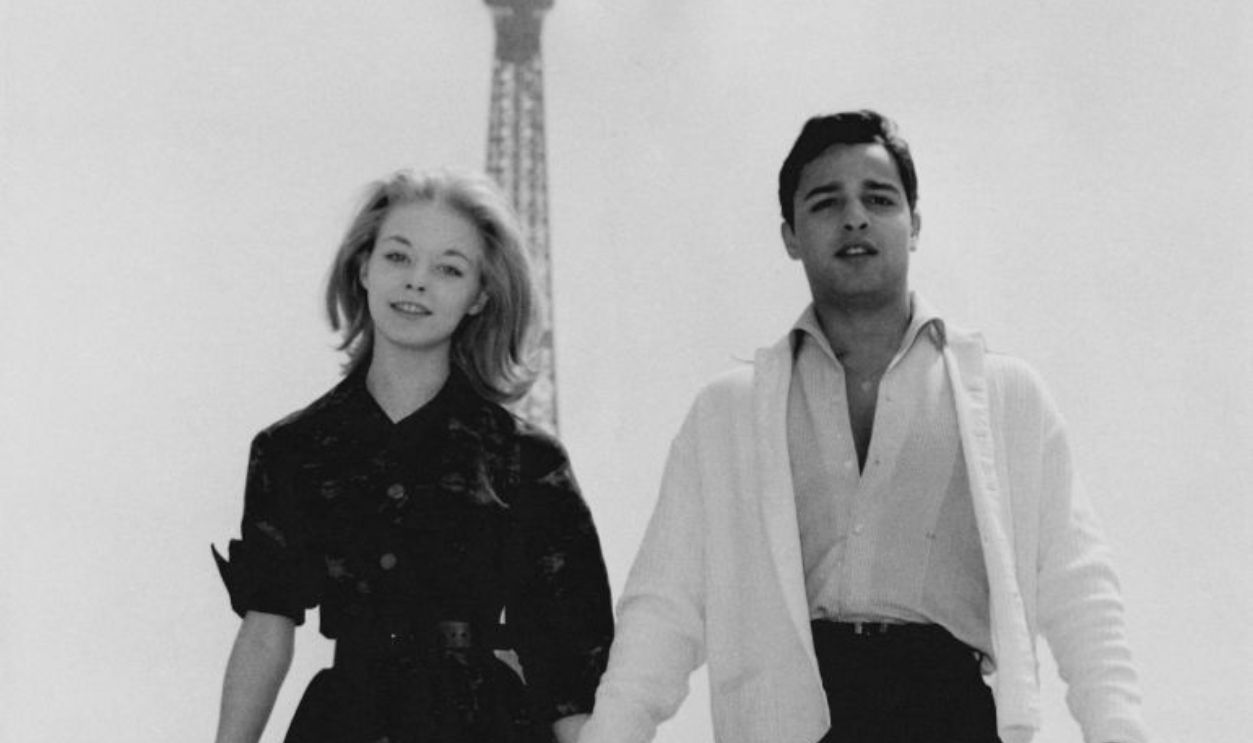
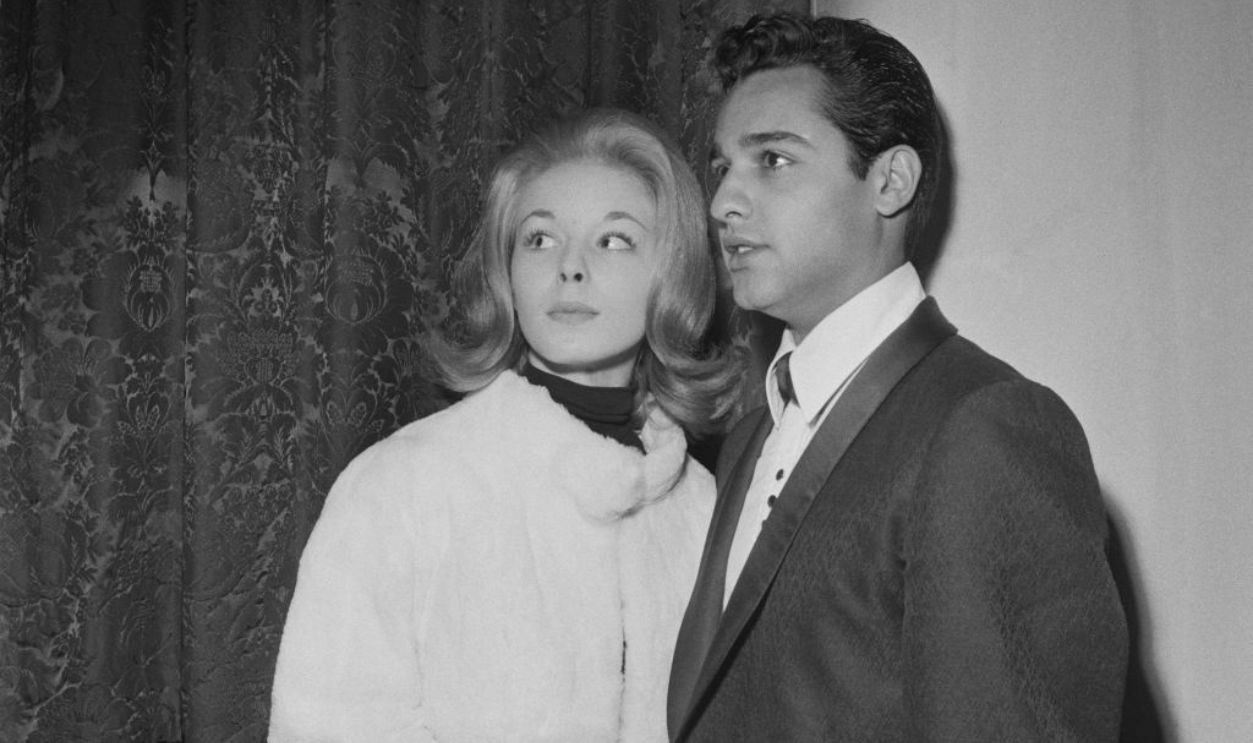
During the filming of Exodus (1960), Sal Mineo and his co-star Jill Haworth developed a close and much-publicized relationship. Haworth was still in her teens, while Mineo was in his early 20s, and their on-set chemistry carried into real life. The two were even engaged at one point. But Haworth ended things suddenly.
Openly Acknowledging His Identity
It later emerged that Haworth’s deal breaker was that she had caught Mineo with another man. Later in life, Mineo became more open about his bisexuality, a bold move for that era. That honesty came with risks, especially in Hollywood’s conservative climate.
 Evening Standard, Getty Images
A Career Reinvention Attempt
By the late 60s and early 70s, Mineo was actively seeking to reinvent himself. He pursued film and TV roles and worked behind the scenes as a director. This period marked a determined effort to reassert some control over his career and redefine how audiences and studios perceived him.

Notable Later Roles
Mineo found success in character roles, including appearances in films like Escape from the Planet of the Apes (1971). Though the films themselves were far from cinematic masterpieces, Mineo still showed his ability to adapt and evolve. He was no longer a leading man, but he could still step in to a role with authority and deliver compelling work when given the opportunity.

Keeping Busy
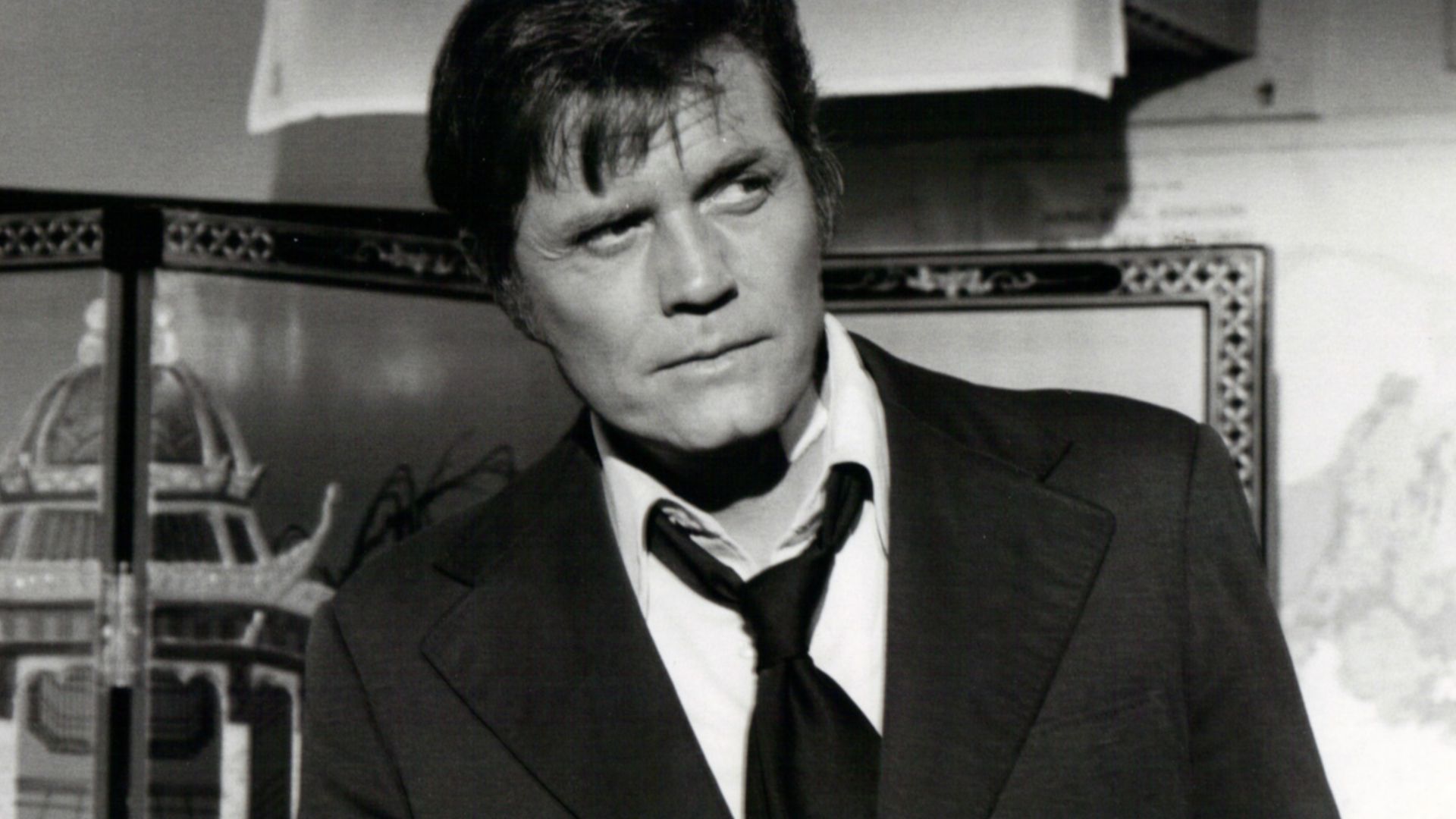
Mineo kept himself busy in the mid-70s with a steady stream of TV parts and guest-starring roles. These included parts in such shows as Harry O, S.W.A.T., Columbo, and Hawaii Five-O. This kind of TV output kept Mineo in the public consciousness while he focused on a growing passion: stage work.
 CBS Television, Wikimedia Commons
Signs Of A Comeback
By the mid-1970s, there were signs that Mineo’s career might be on the upswing again. His directing had already earned strong reviews for Fortune and Men’s Eyes. His acting in the 1976 play P.S. Your Cat Is Dead!, brought positive publicity as Mineo joined the production for an LA theater run. It was starting to look like a career comeback from the edge of oblivion. But it didn't last.
 Michael Ochs Archives, Getty Images
A Shocking Murder
On February 12, 1976, Mineo was stabbed to death outside his West Hollywood apartment. The brutal nature of the crime shocked fans and the entertainment industry alike. Initially shrouded in confusion and speculation, the case quickly became one of Hollywood’s most disturbing real-life tragedies.

Investigation And Arrest
The investigation into Mineo’s murder took time, with early theories focusing on personal connections. Eventually, a suspect named Lionel Ray Williams was arrested. Authorities determined the killing was likely a botched robbery rather than a targeted attack. The findings at least brought some clarity and closure to a deeply unsettling case.

A Life Cut Short
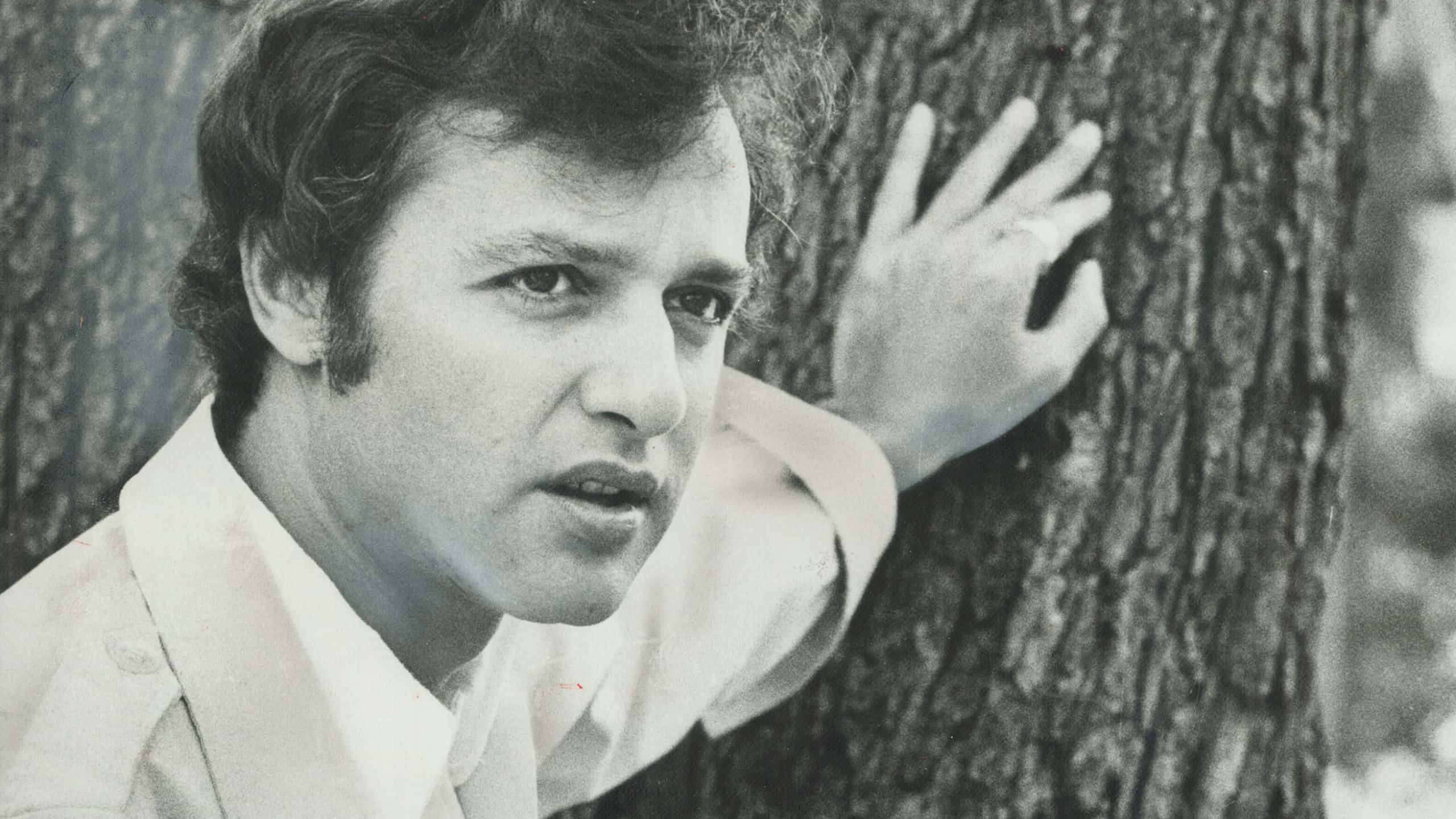
Mineo was just 37 years old at the time of his death. His murder ended a life that had already experienced remarkable highs and painful lows. The tragedy underscored how fragile success can be, especially in an industry as unpredictable as Hollywood.
Industry Reaction And Mourning
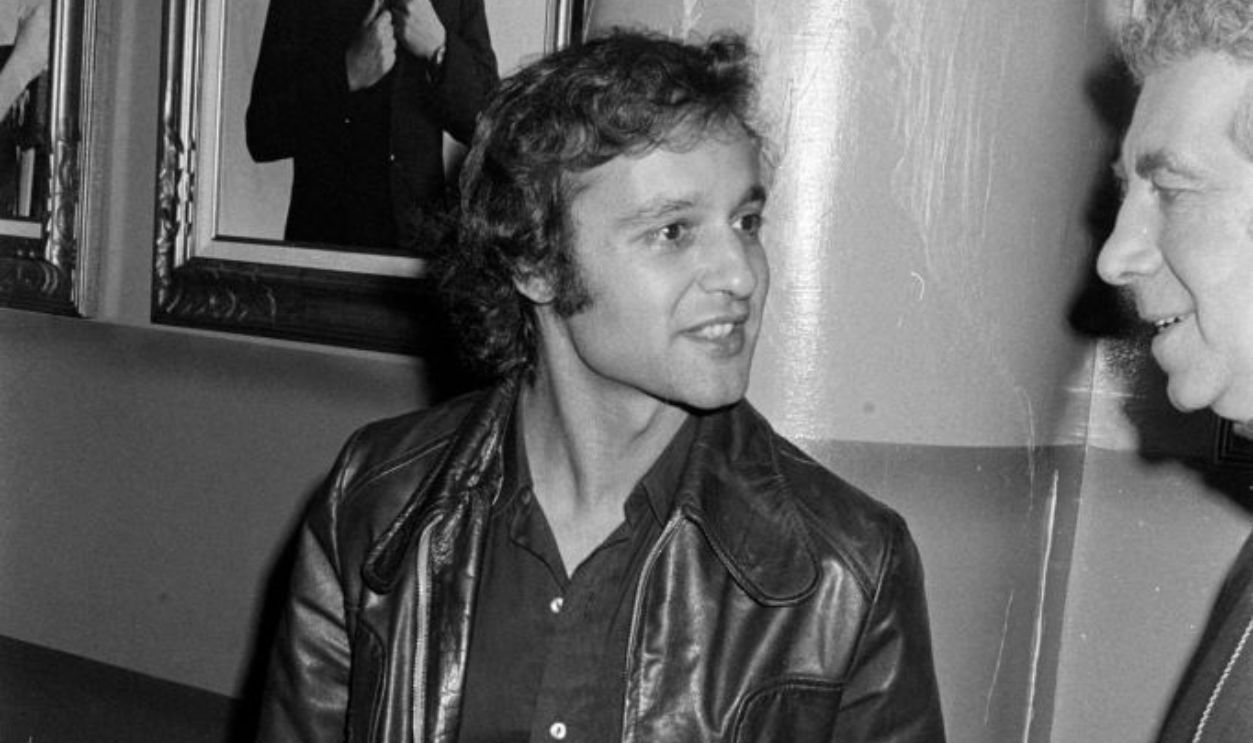
Hollywood reacted with shock and sadness to Mineo’s death. Fellow actors and fans reflected on his talent and the promise he had shown from such a young age. His passing served as a somber reminder of both his contributions and the potential that would never be fully realized.
Cultural And Historical Impact
Mineo’s performance in Rebel Without a Cause remains one of the most iconic portrayals of teenage vulnerability in film history. His willingness to take on emotionally complex roles helped pave the way for future actors. Even decades later, his work continues to influence the craft.
 Silver Screen Collection, Getty Images
A Legacy Of Courage And Talent
Beyond his acting, Mineo’s openness about his identity and his persistence through career challenges have become part of his legacy. He navigated an industry that was often unforgiving, leaving behind a story that resonates not just for its tragedy but for its resilience.
Remembering Sal Mineo
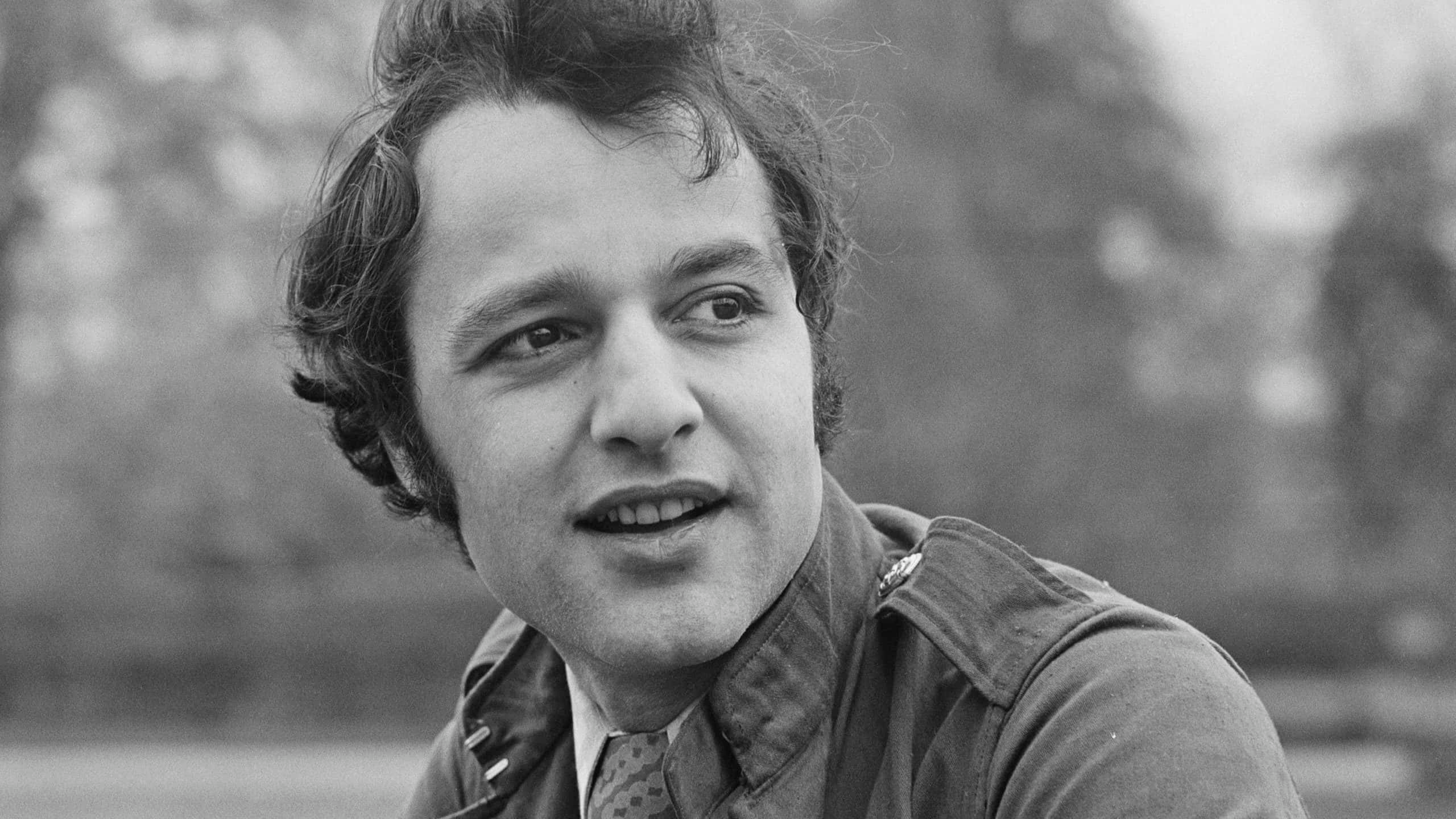
Today, Sal Mineo is remembered as both a gifted actor and a symbol of Hollywood’s changing fortunes. His career was an amazing example of an early breakthrough followed by long perseverance through uneven success. Though Mineo lost his life far too young, his story lives on because of the honesty and commitment he brought to every role.
 Silver Screen Collection, Getty Images
You May Also Like:
Bill Hickman: Hollywood’s Greatest Stunt Driver
Crazy Facts About Dennis Hopper, Hollywood Renegade
27 Movies That Prove The Original Is Always Better Than The Remake