America’s Reliable Kid
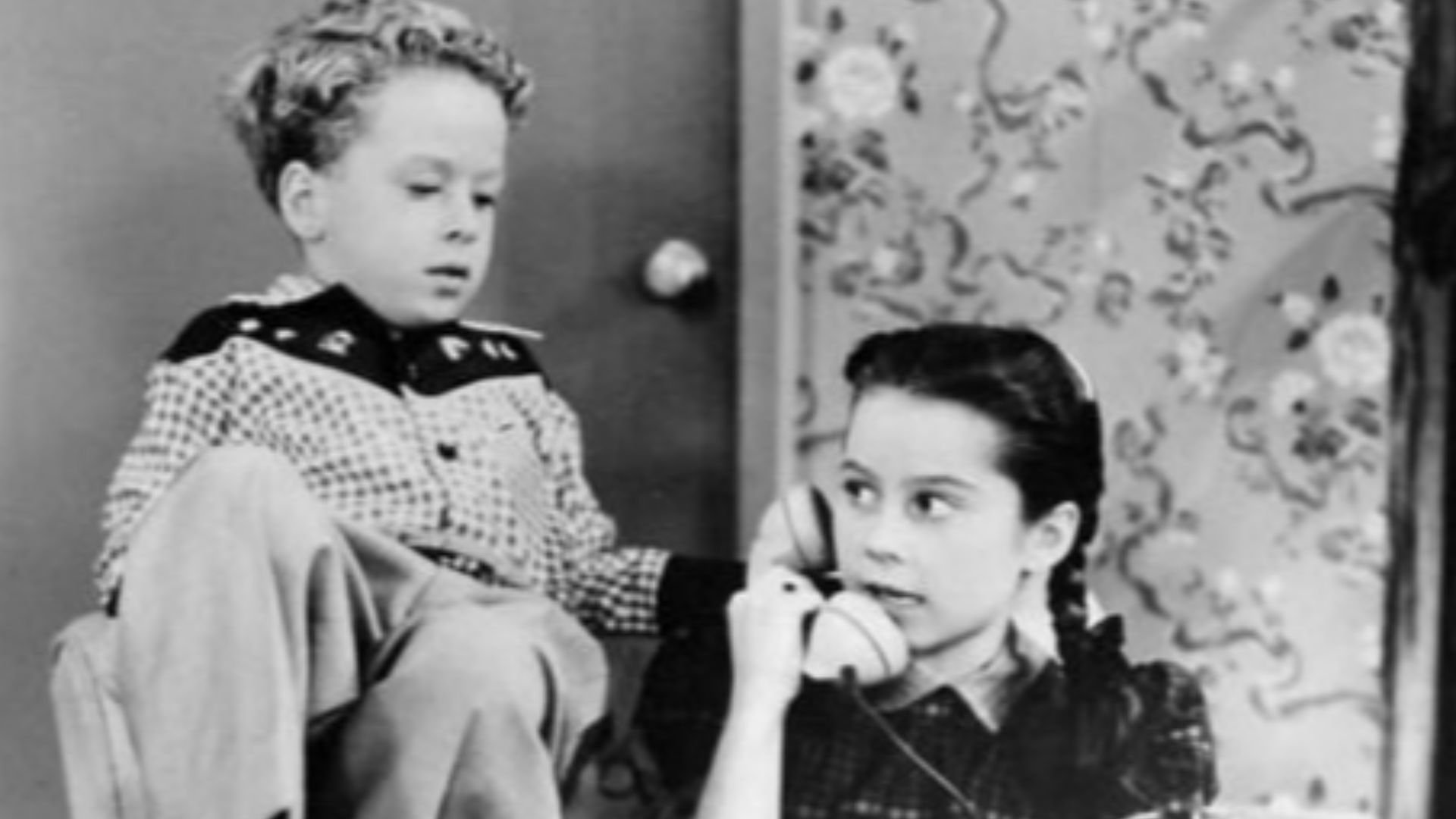
For years, Rusty Hamer felt safely permanent on American television. On Make Room for Daddy, he became the version of childhood viewers trusted and assumed would always be there. What audiences saw was a happy, funny son. What they never saw was how completely things collapsed once the cameras stopped.

Fame Came Early—and Fully
Hamer entered television at a time when shows regularly reached 30–40 million viewers per week. For a child performer, that meant instant national recognition, demanding schedules, and little separation between personal development and professional performance.
 ABC Television., Wikimedia Commons
One Role Became His Identity
As the show continued year after year, Hamer aged on screen in real time. For audiences, he wasn’t playing a character—he was the character. That association followed him long after the series ended.
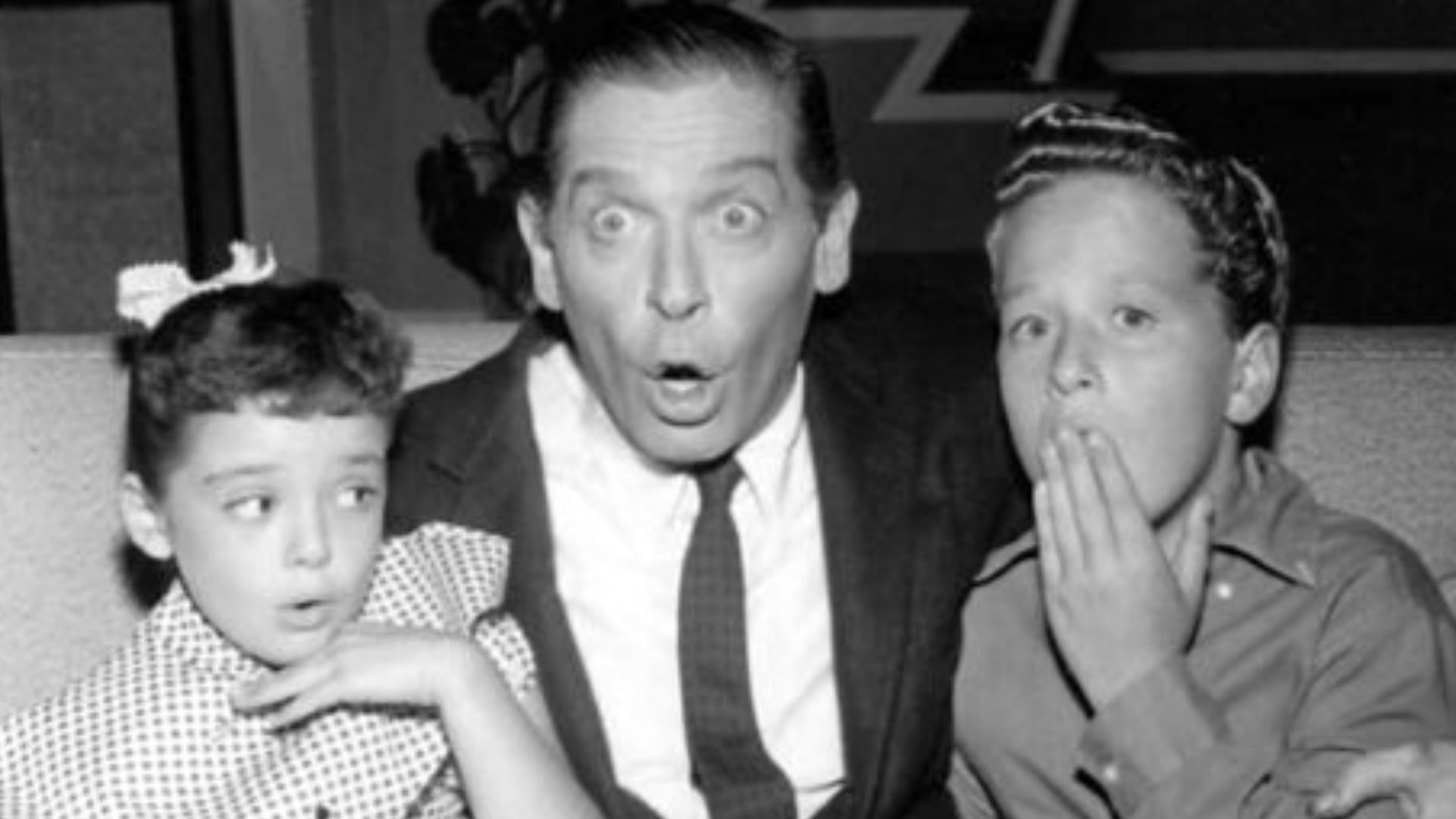 CBS Television, Wikimedia Commons
A System With Few Protections
Child performers in the 50s and early 60s worked under inconsistent labor laws. Trust accounts were not universally enforced, and mental health support was virtually nonexistent. Many former child actors later reported limited access to their own earnings or long-term planning.
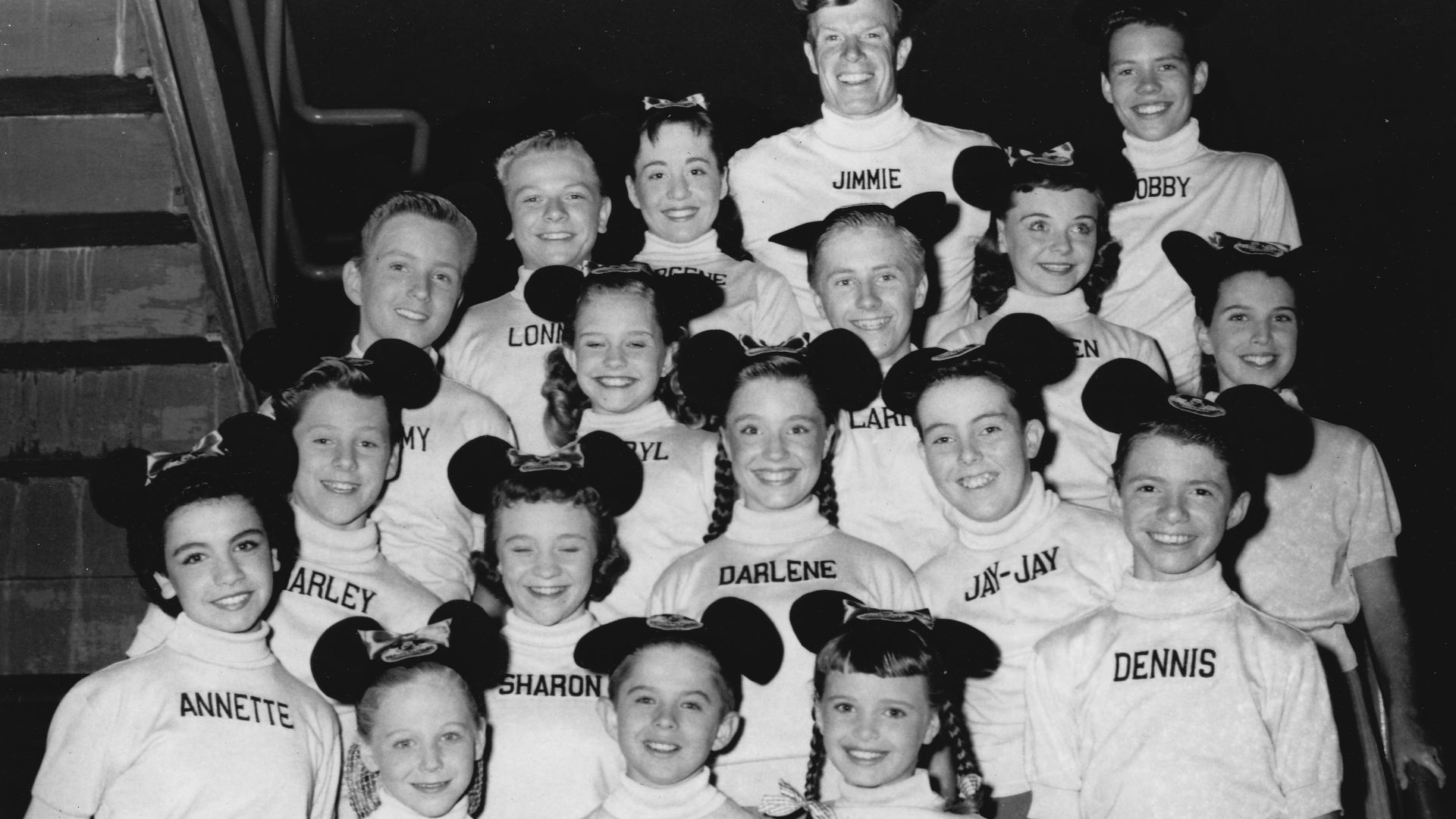 Macfadden Publications, Wikimedia Commons
The Show Ended—The Structure Vanished
When Make Room for Daddy ended, Hamer lost daily routine, public relevance, and professional stability all at once. Unlike adult cast members, he didn’t have industry leverage or a clearly defined identity outside the show.
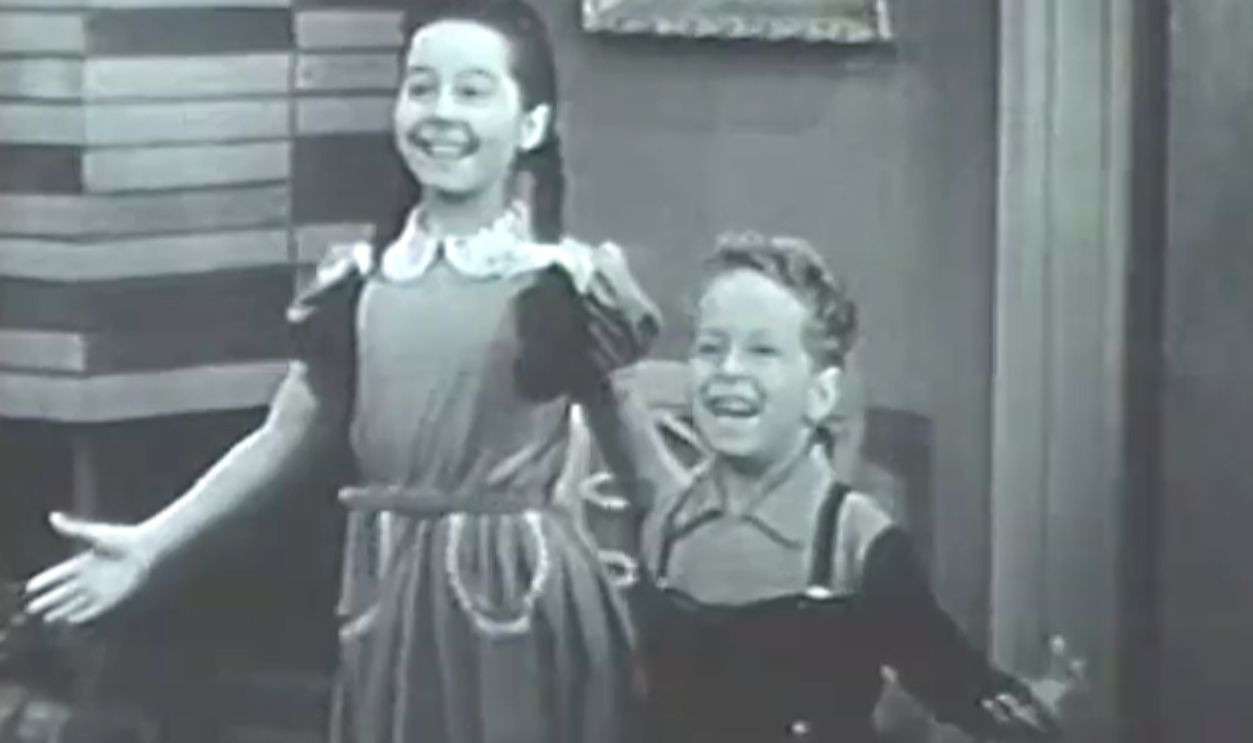 Screenshot from Make Room for Daddy, Desilu Studios (1953—1964)
Aging Out Happened Fast
As Hamer grew older, roles disappeared quickly. Child parts ended, adult roles never arrived, and Hollywood shifted its attention to younger talent. The transition was abrupt, leaving little time to adapt or redefine himself.
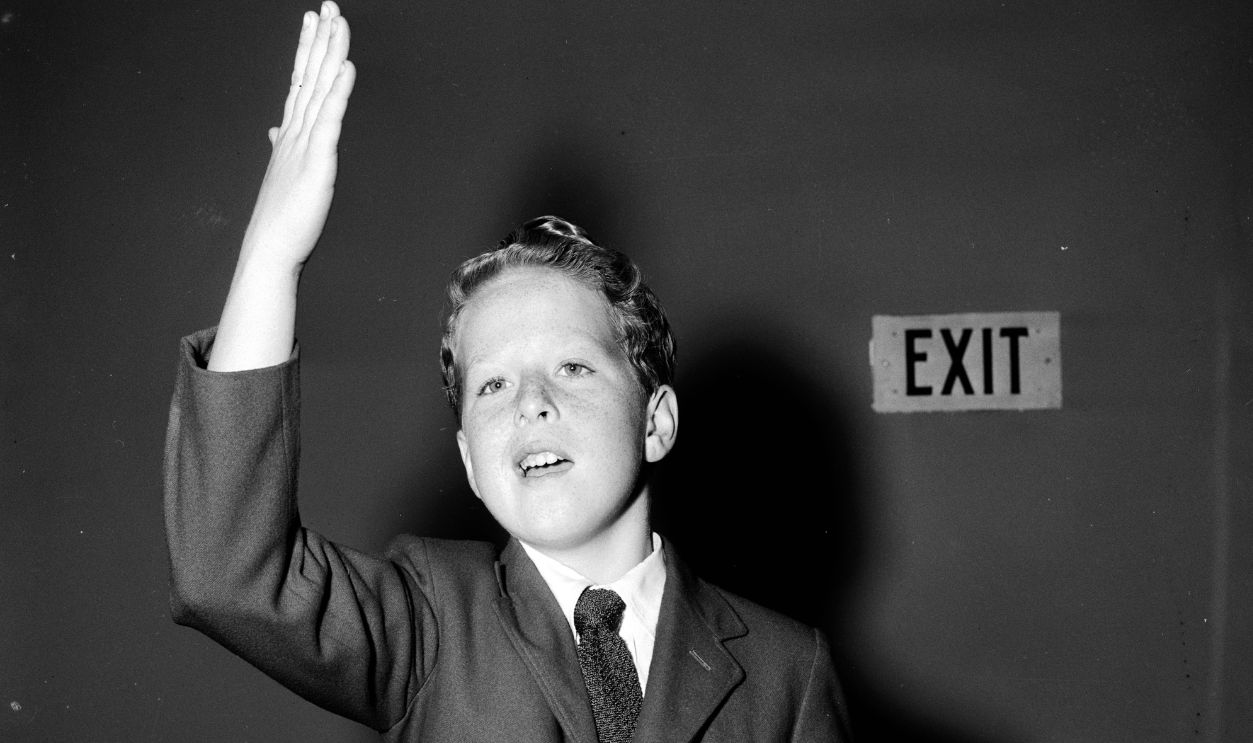 University of Southern California, Getty Images
Recognized—but No Longer Valued
People still recognized Hamer in public, but recognition no longer came with opportunity. Friends later said being remembered as a former child star became painful—a reminder of visibility without usefulness, and fame without relevance.
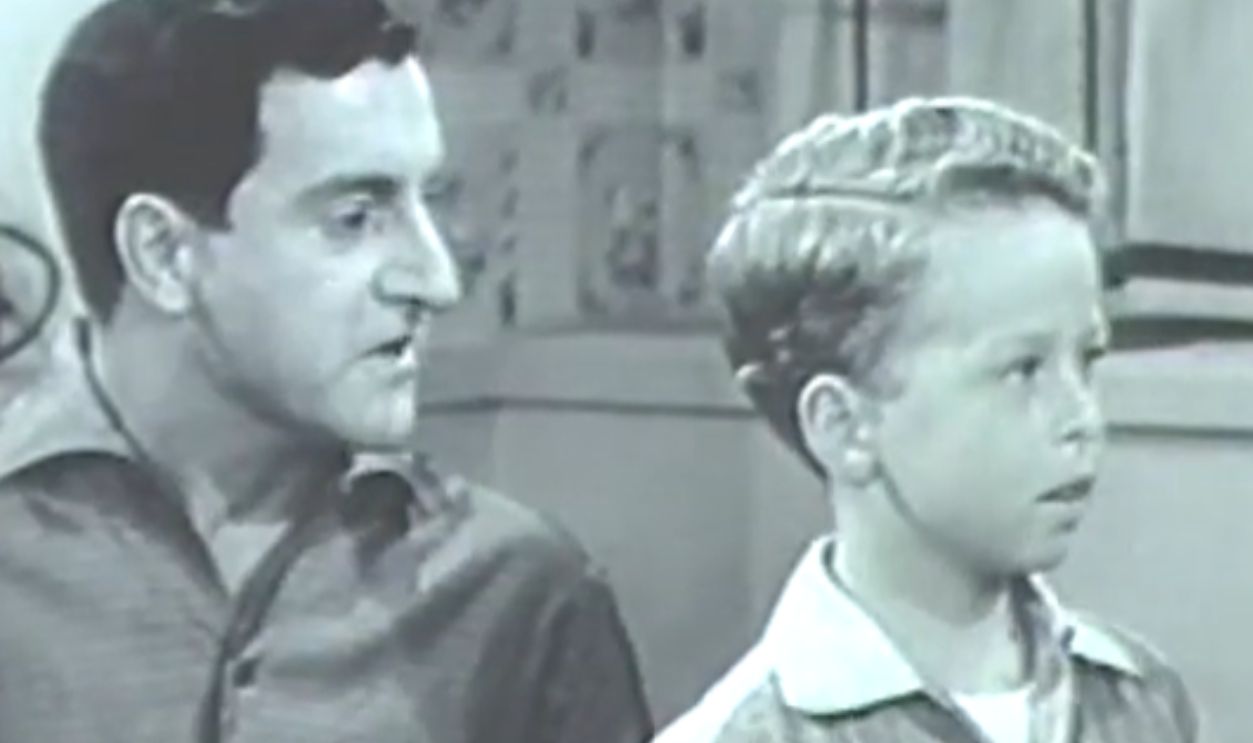 Screenshot from Make Room for Daddy, Desilu Studios (1953—1964)
He Resented the Role That Trapped Him
In later years, Hamer openly expressed resentment toward the role that made him famous. He felt it locked him into a version of himself he couldn’t outgrow, and that casting agents never looked past the smiling child audiences remembered.
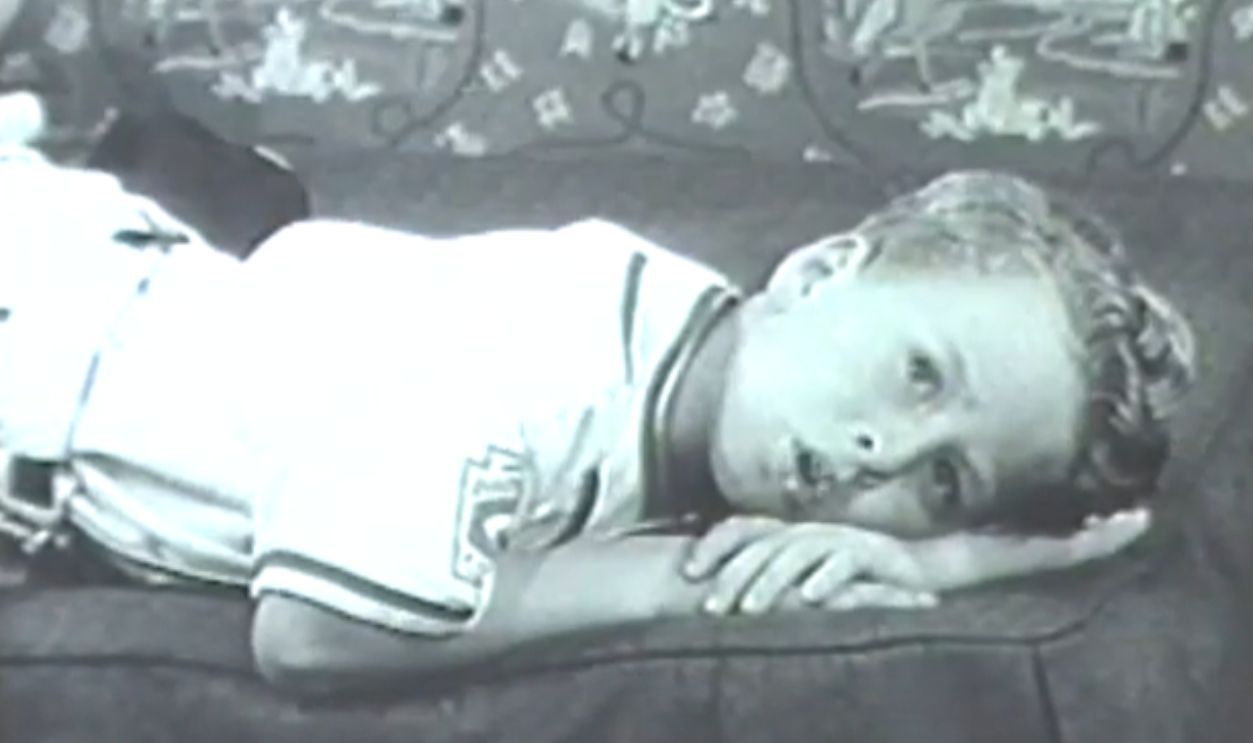 Screenshot from Make Room for Daddy, Desilu Studios (1953—1964)
He Said Fame Changed Him
Hamer later acknowledged that early fame interfered with his ability to function as an adult. He said growing up on television left him unprepared for relationships, responsibility, and life outside a controlled, scripted environment.
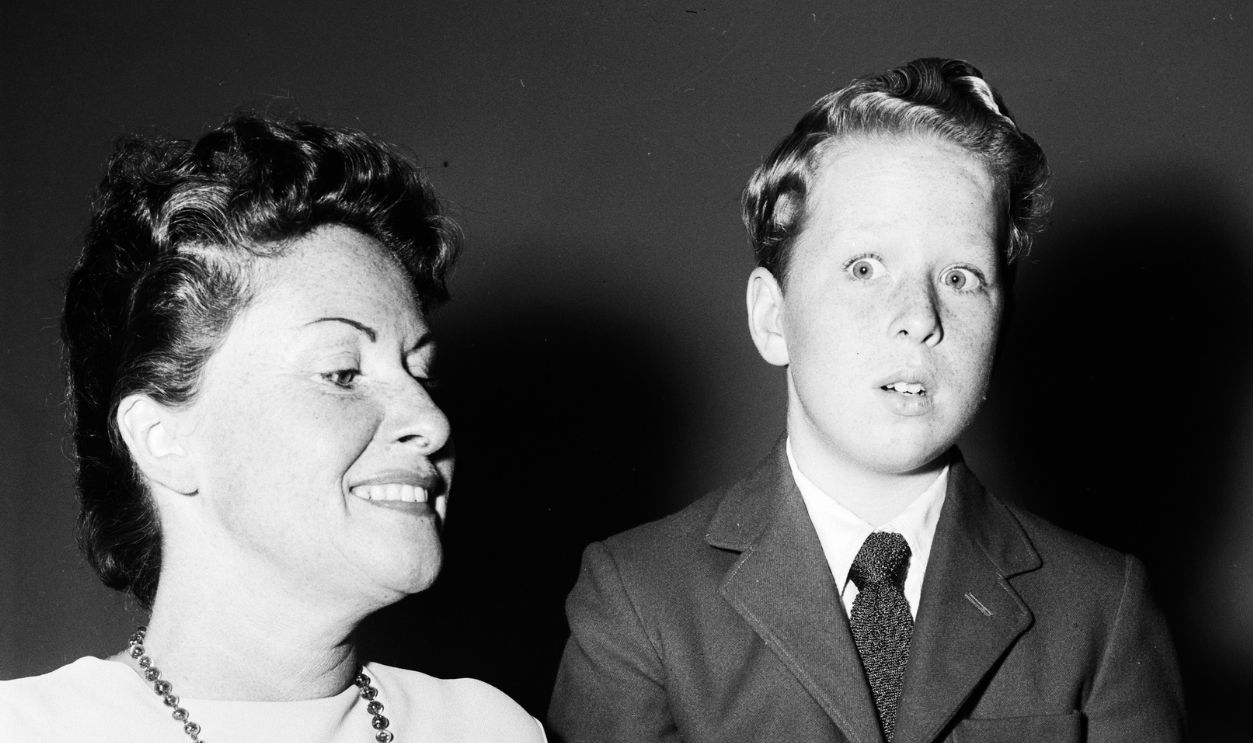 University of Southern California, Getty Images
Relationships Didn’t Hold
Hamer was married more than once, but none of the relationships lasted. Those close to him later described instability at home, emotional distance, and difficulty separating his childhood identity from adult expectations.
 ABC Television, Wikimedia Commons
Relevance Hurt More Than Money
Friends and acquaintances later said Hamer struggled more with being forgotten than with financial stress. Being reduced to a memory—recognized only for who he used to be—proved harder than the loss of steady income.
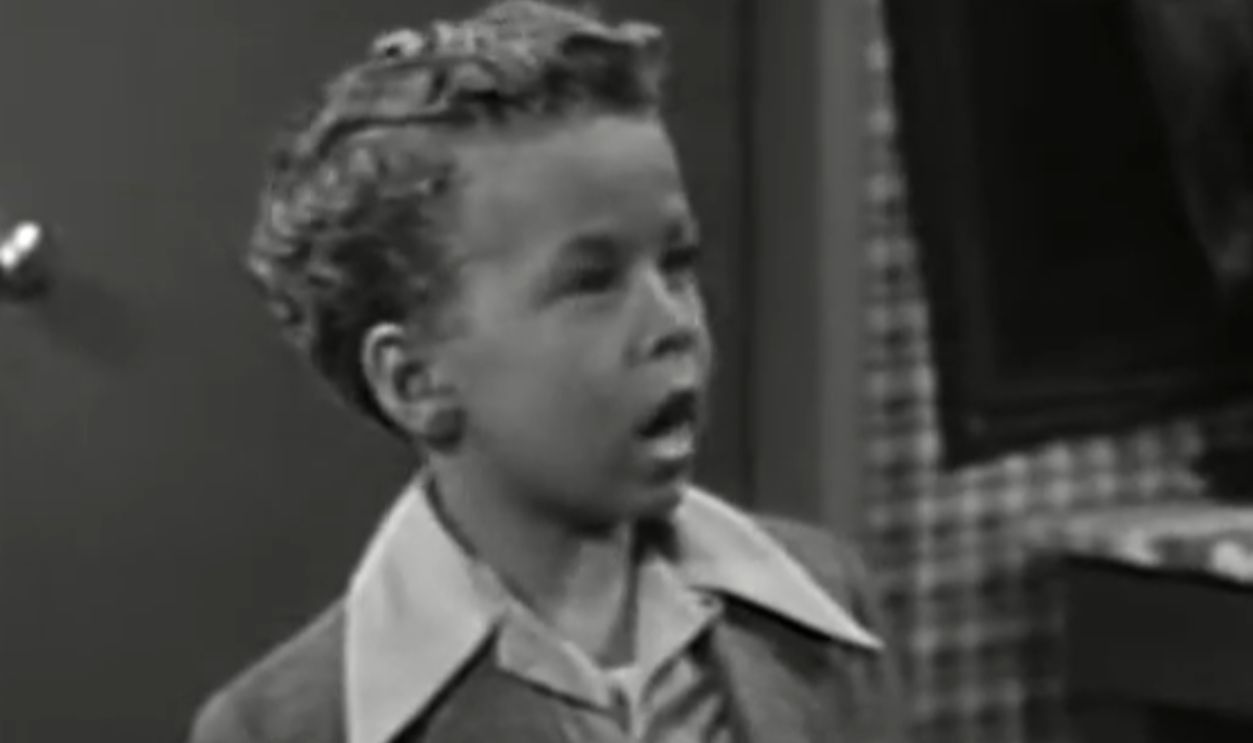 Screenshot from Make Room for Daddy, Desilu Studios (1953—1964)
He Tried to Come Back—and Failed
Hamer made repeated efforts to restart his career through auditions, small roles, and public appearances. None led to sustained work. Each attempt reinforced the sense that effort alone couldn’t undo what time and the industry had already decided.
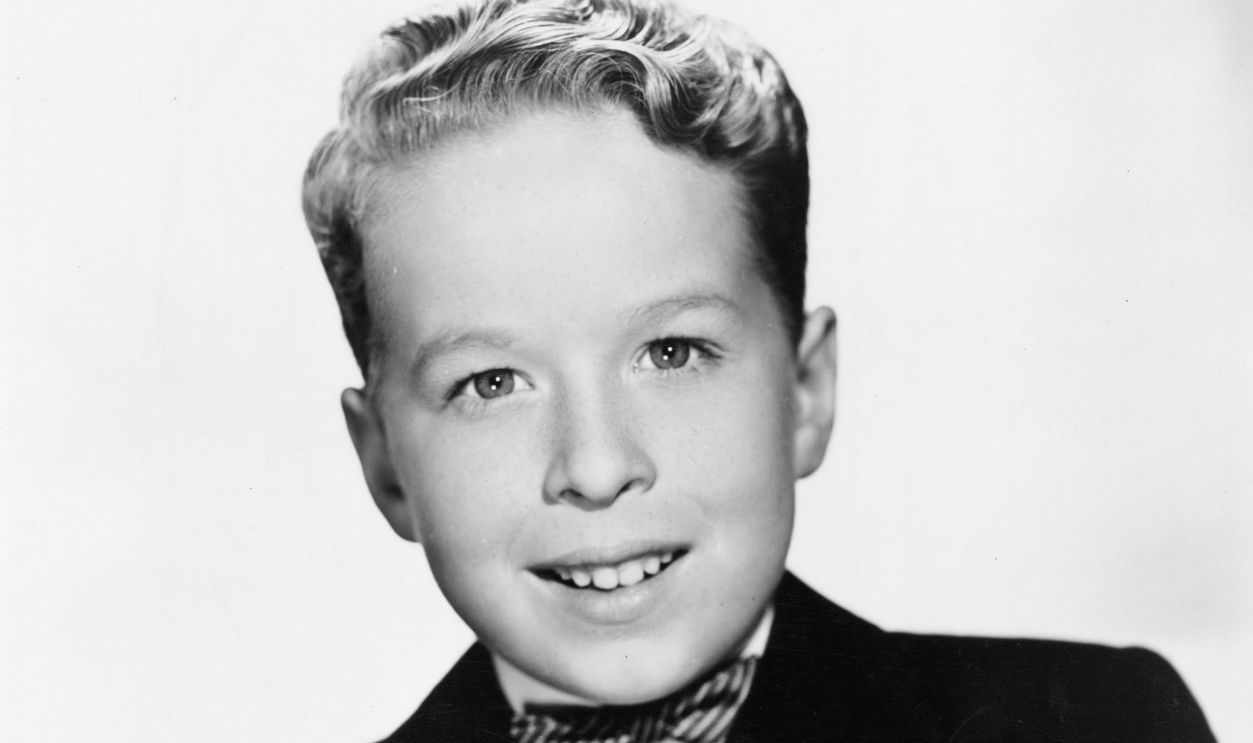 Michael Ochs Archives, Getty Images
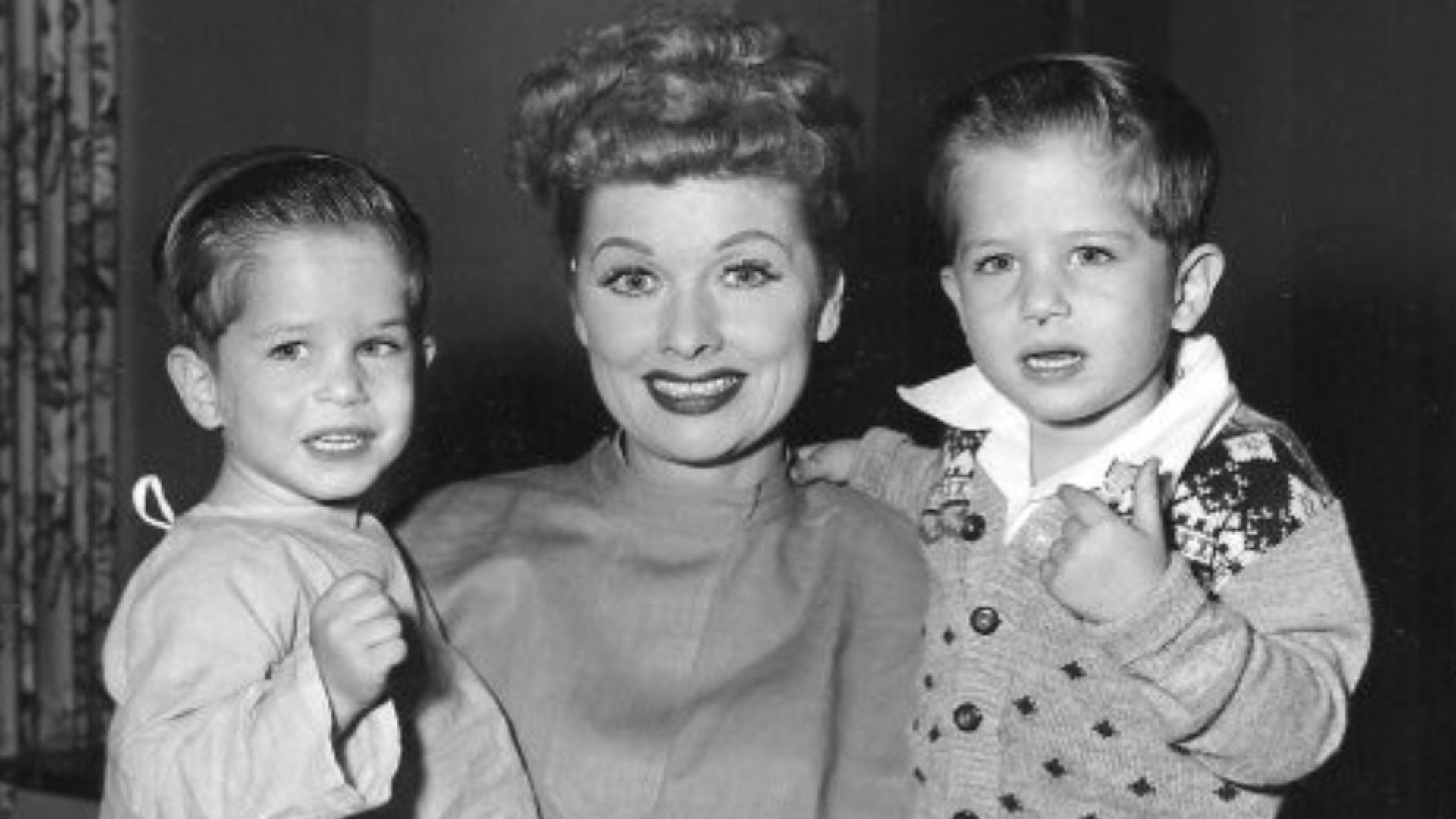
A Documented Pattern
By the 1980s, psychologists studying former child stars identified common outcomes: depression, identity confusion, and difficulty transitioning to adult autonomy. Hamer’s experience closely mirrored those findings.
Withdrawal Became Noticeable
Friends later described Hamer as increasingly withdrawn. He saw fewer people, spoke often about being left behind, and struggled to imagine a future not defined by the role he played as a child.
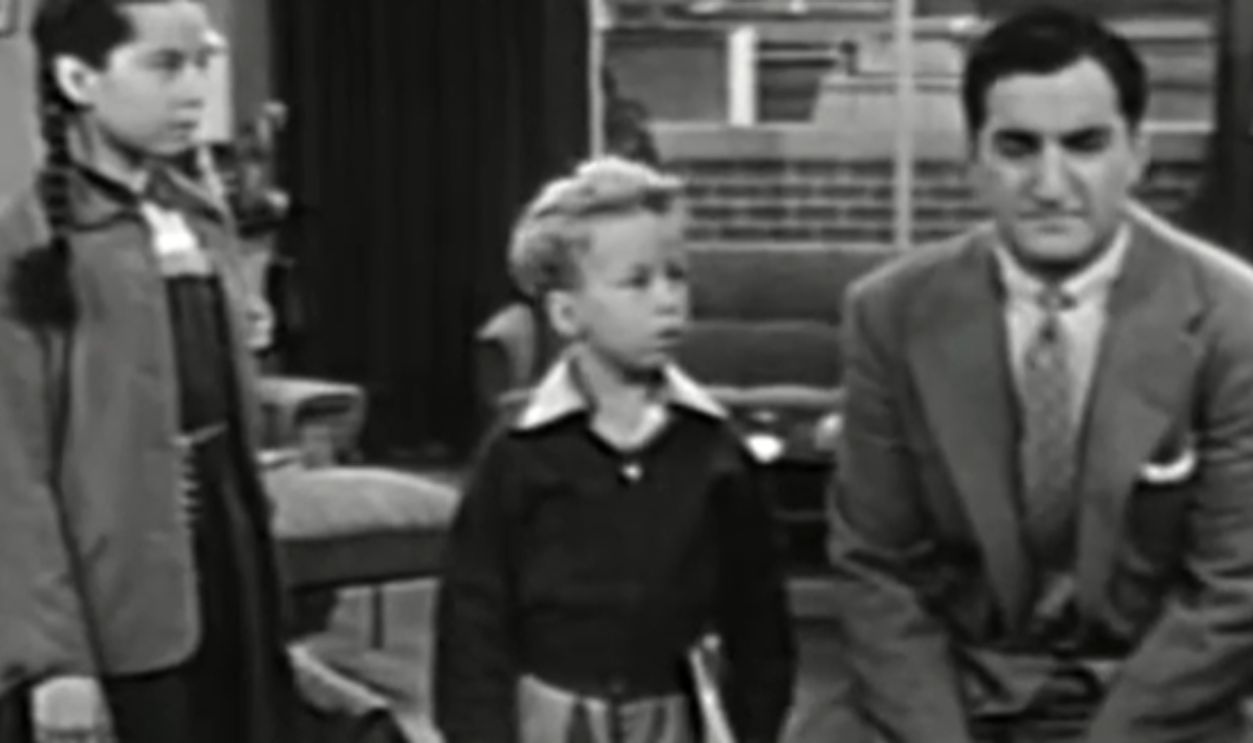 Screenshot from Make Room for Daddy, Desilu Studios (1953—1964)
Little Support From the People Who Knew Him Best
There is little documented evidence of sustained support from former cast members, studios, or networks after the show ended. Once Hamer was no longer essential to production, those connections largely disappeared.
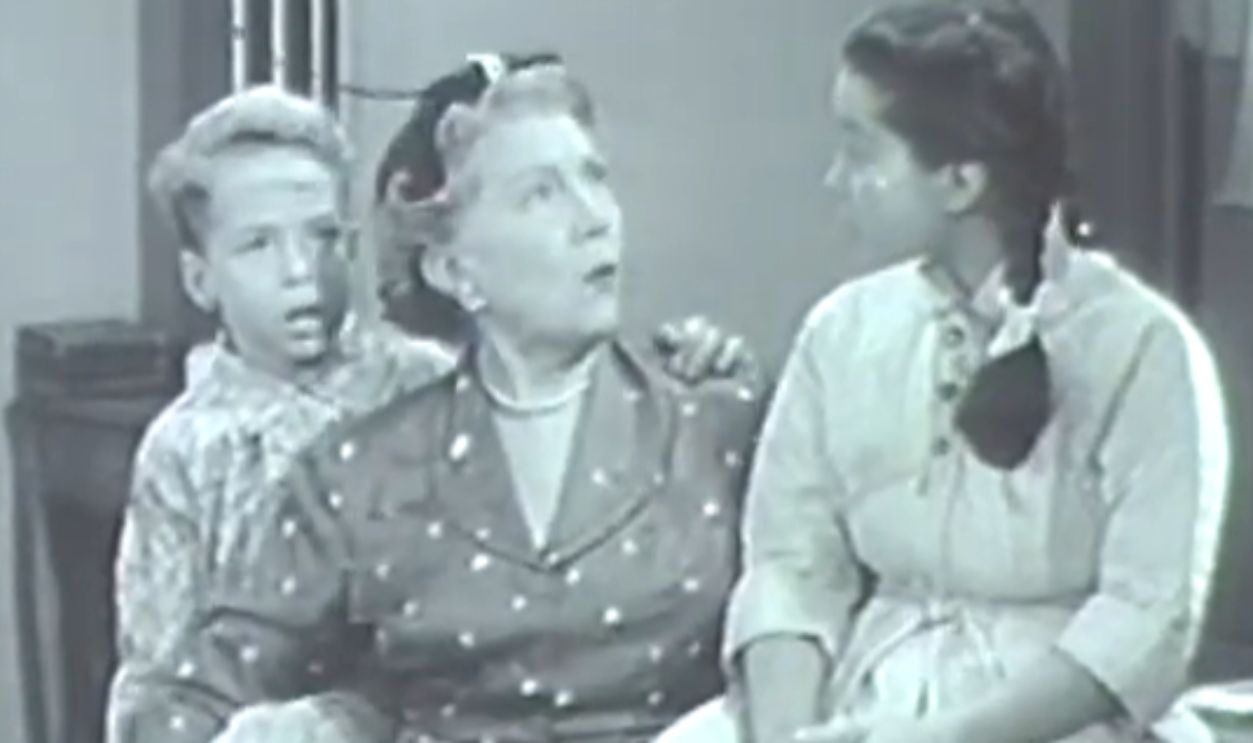 Screenshot from Make Room for Daddy, Desilu Studios (1953—1964)
Living Quietly, Out of View
By the late 1980s, Hamer was living alone and largely outside public attention. There was no comeback underway, no renewed industry interest—just distance from the world that once depended on him.
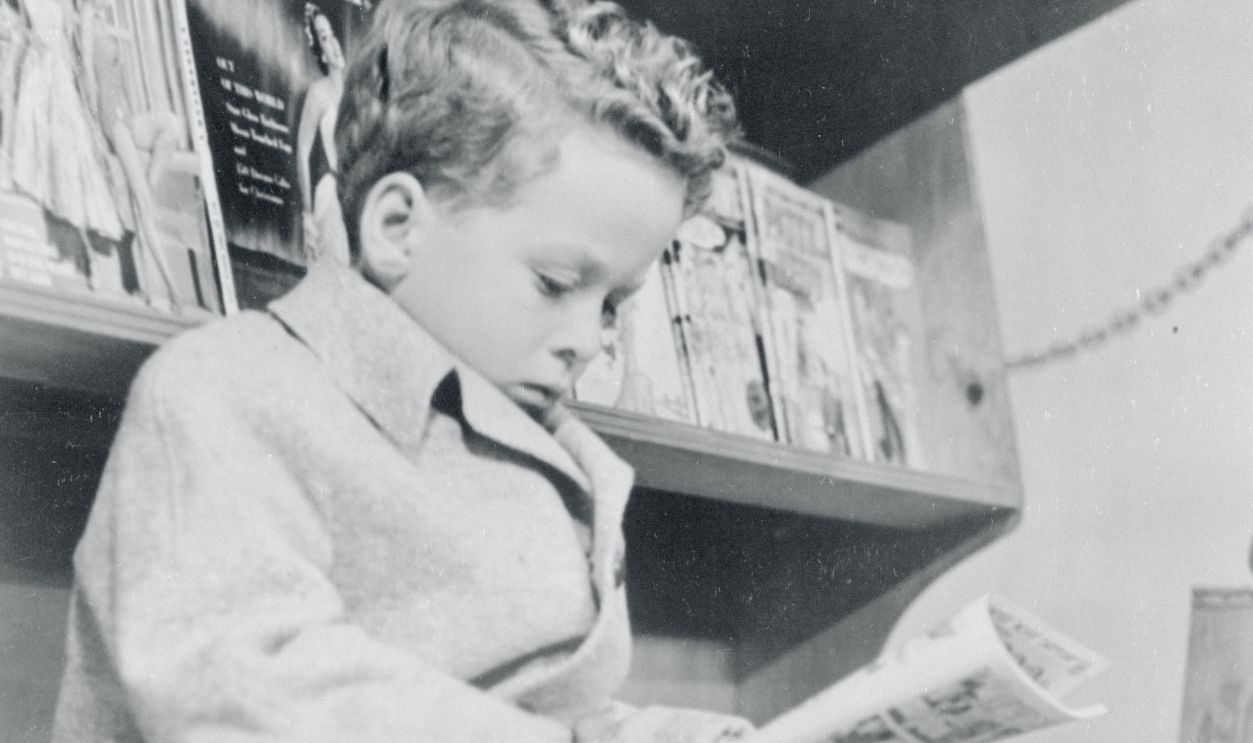
The End Was Abrupt
In 1990, Rusty Hamer died at age 42 at his Los Angeles home from a self-inflicted gunshot wound. The announcement was brief, and the story moved quickly through the news cycle.
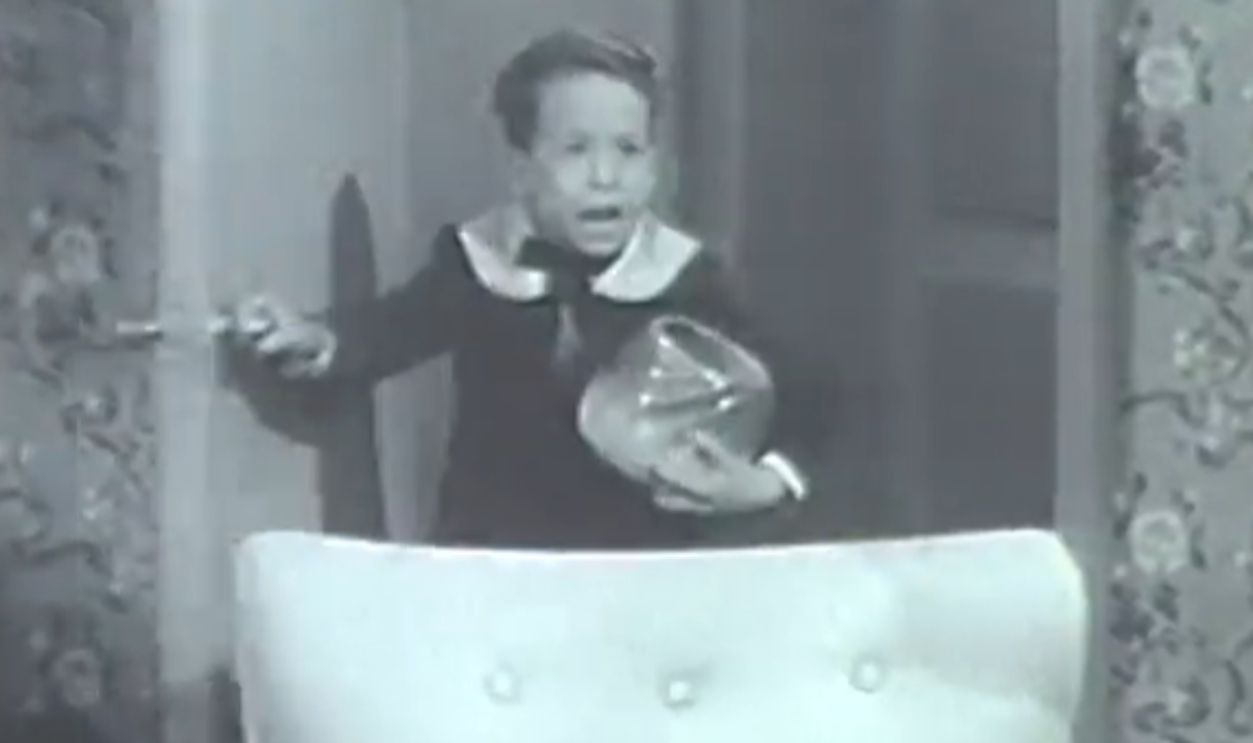 Screenshot from Make Room for Daddy, Desilu Studios (1953—1964)
The Silence Afterward
Despite once being a household name, Hamer’s death received limited coverage. Many viewers who remembered him fondly never heard about it at all, underscoring how completely his visibility had faded.
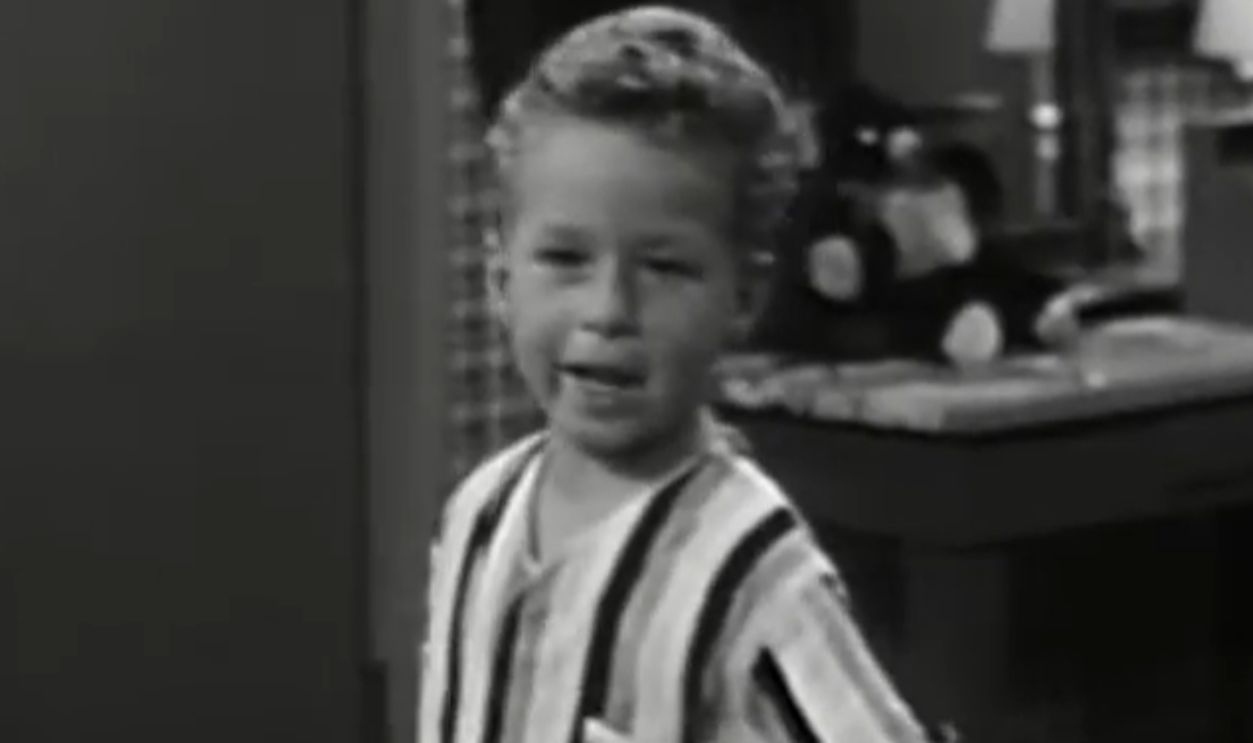 Screenshot from Make Room for Daddy, Desilu Studios (1953—1964)
An Era That Failed Its Kids
Entertainment historians frequently cite Hamer when discussing the vulnerabilities of early television child stars. Fame arrived early. Oversight did not. Protections came decades too late for those who needed them most.
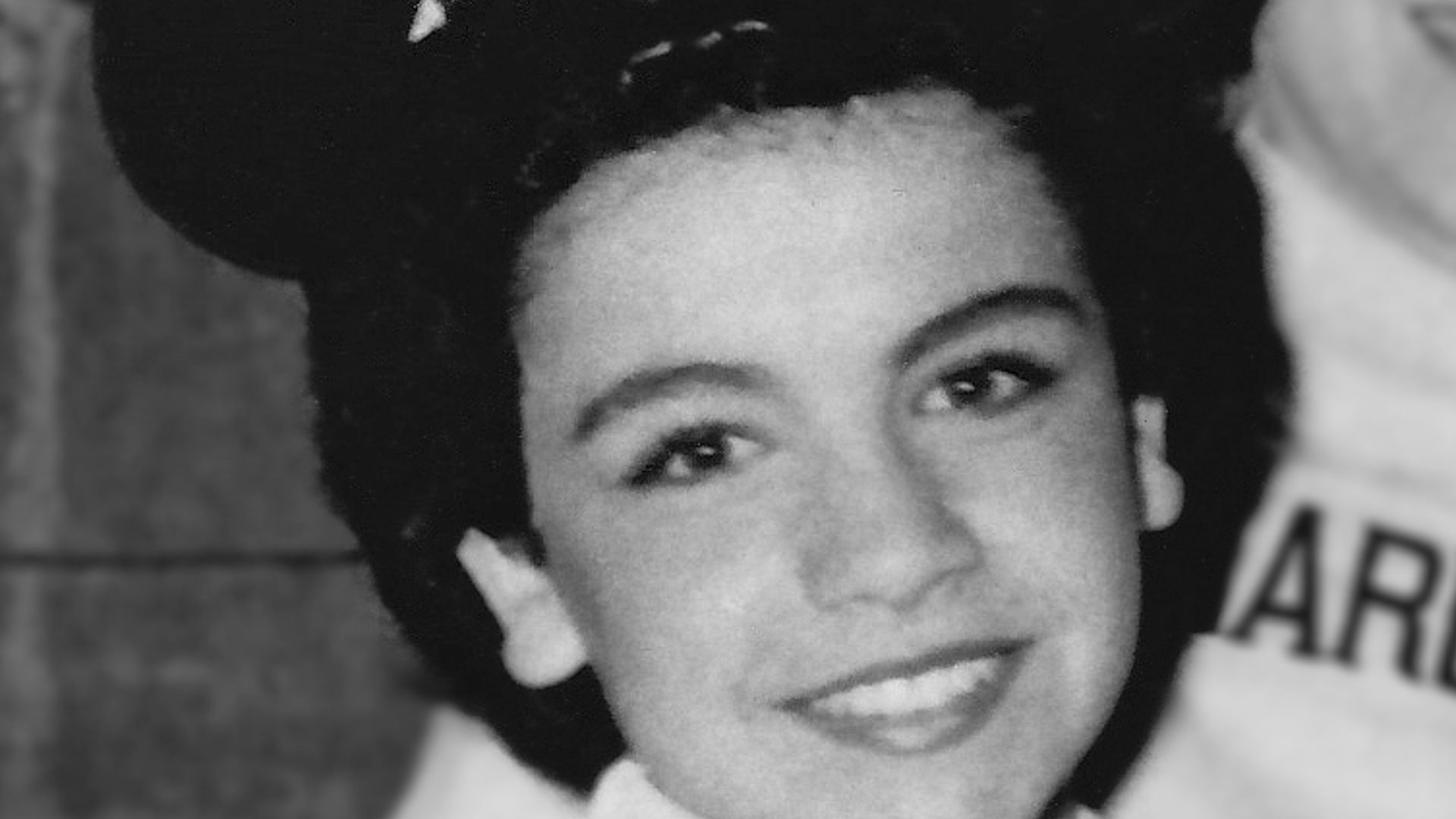 Walt Disney Productions, Wikimedia Commons
Watching the Show Now Feels Different
Revisiting Make Room for Daddy today is unsettling. The confidence and stability Hamer projected on screen contrast sharply with how unsupported his life became once the cameras stopped rolling.
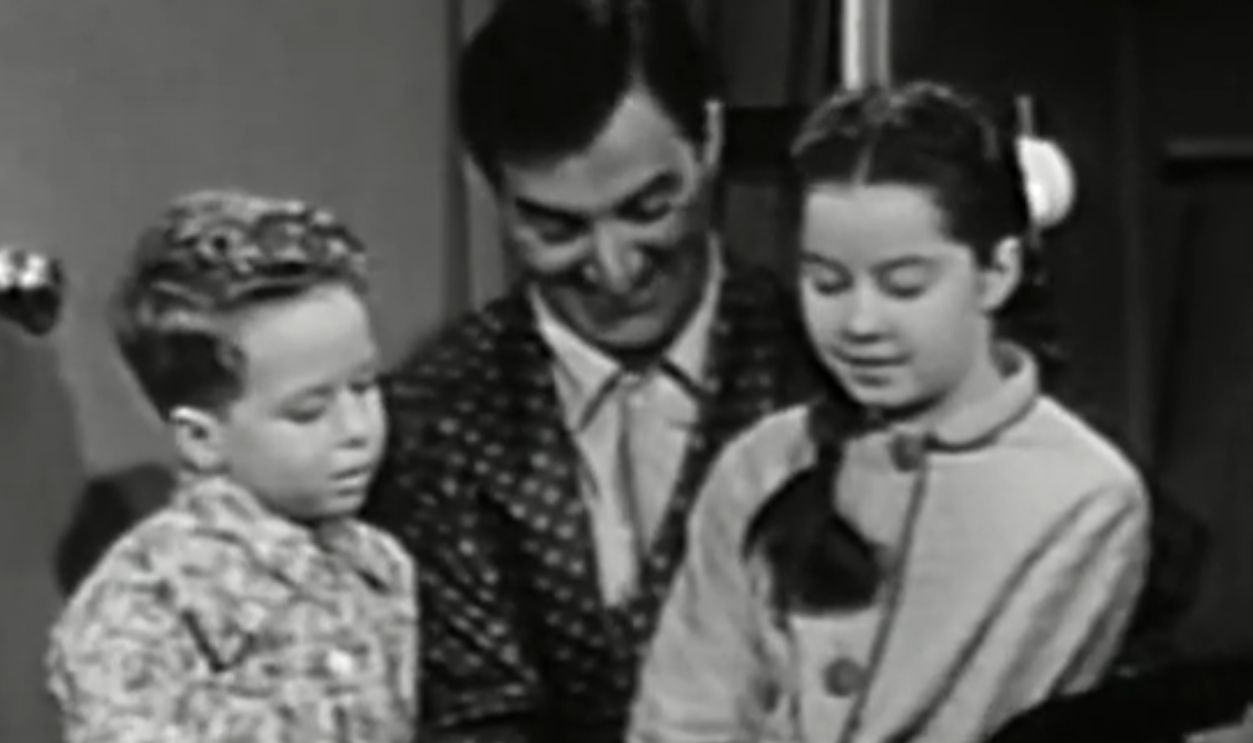 Screenshot from Make Room for Daddy, Desilu Studios (1953—1964)
What His Story Still Warns Us About
Rusty Hamer’s life wasn’t undone by a single moment, but by long-term neglect. His story remains a stark reminder of what happens when early success is not matched with lasting care.
You Might Also Like:
Elizabeth Hurley Is 60—And Somehow Looks Better Than Women Half Her Age
Classic TV Catchphrases Baby Boomers Love That Most Millennials Don’t Get At All