He Made Authority Look Humane.
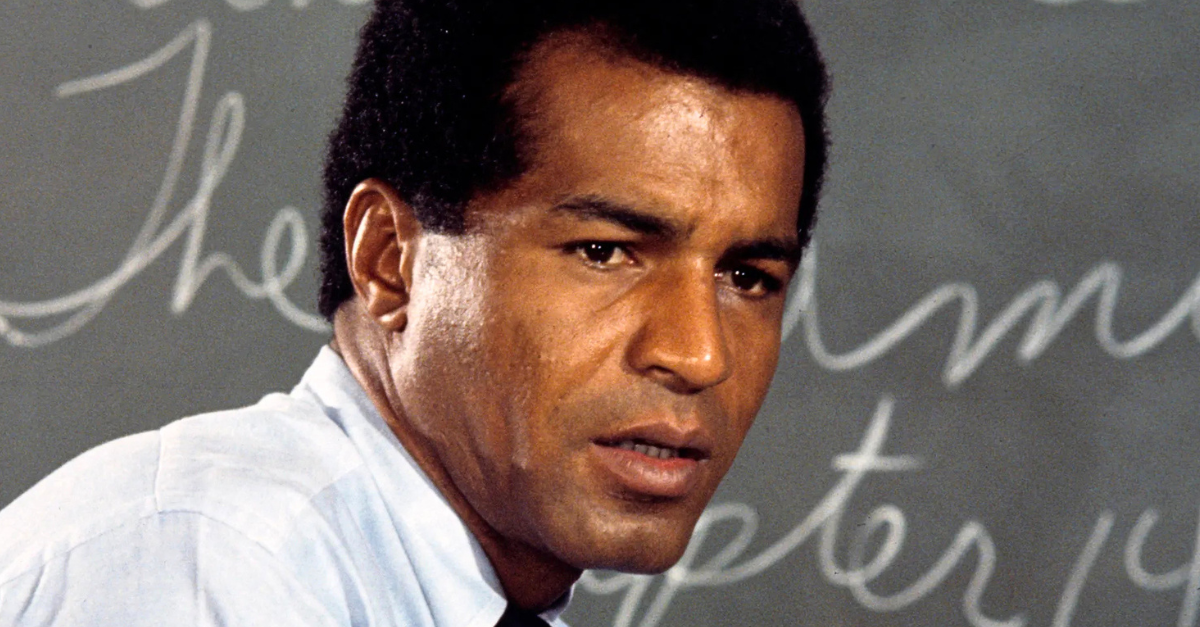
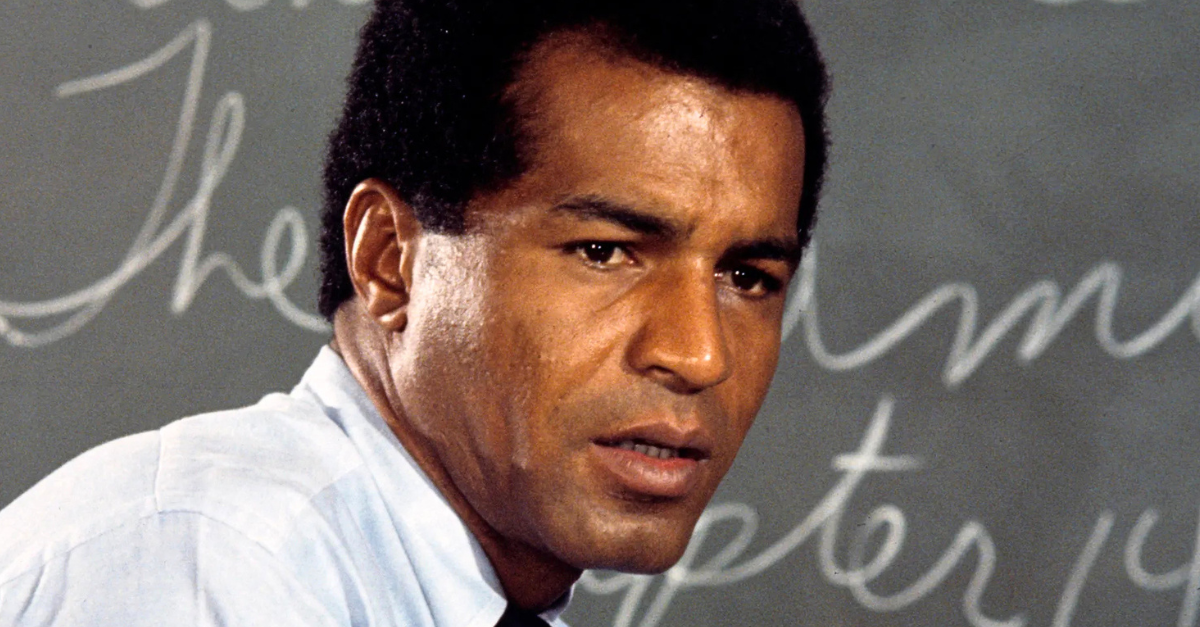
As history teacher Pete Dixon on Room 222, Lloyd Haynes showed that leadership could come from patience, intelligence, and trust rather than fear. The groundbreaking classroom drama placed a Black educator at its center and made him one of early 1970s television’s most reassuring figures.
 ABC Photo Archives / Getty Images
Pete Dixon Was The Teacher Everyone Wanted
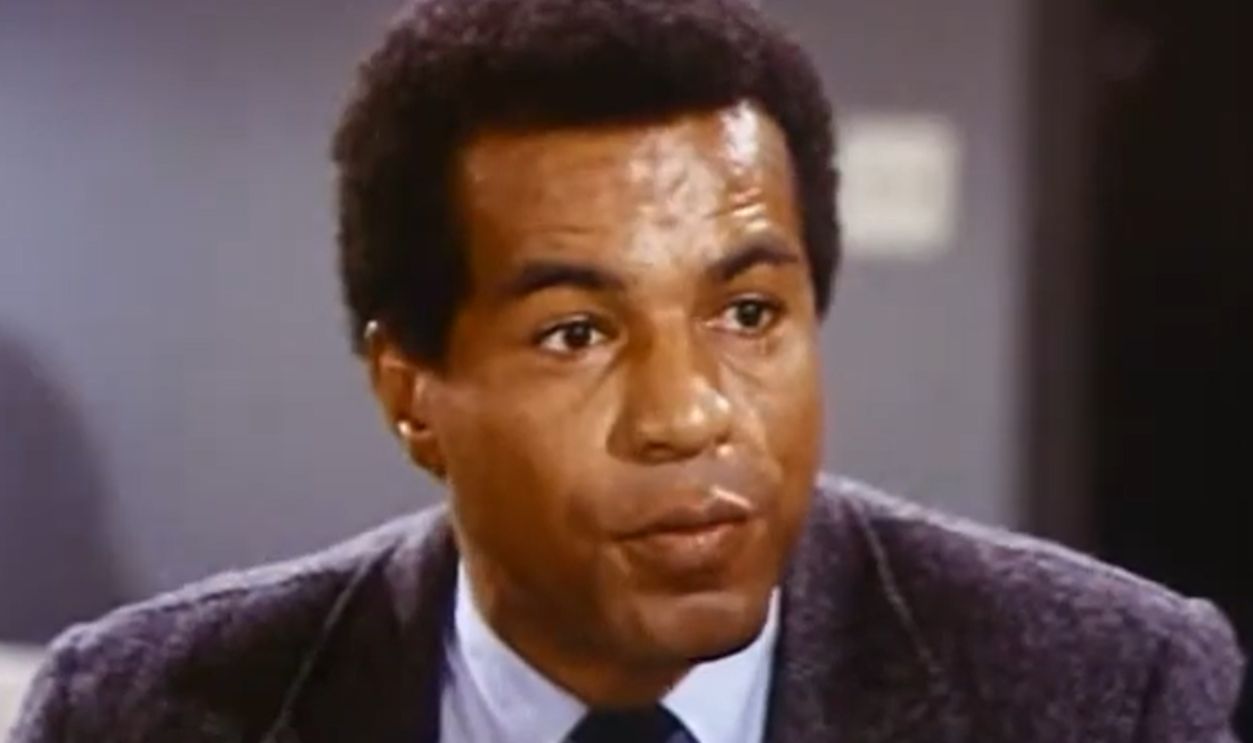
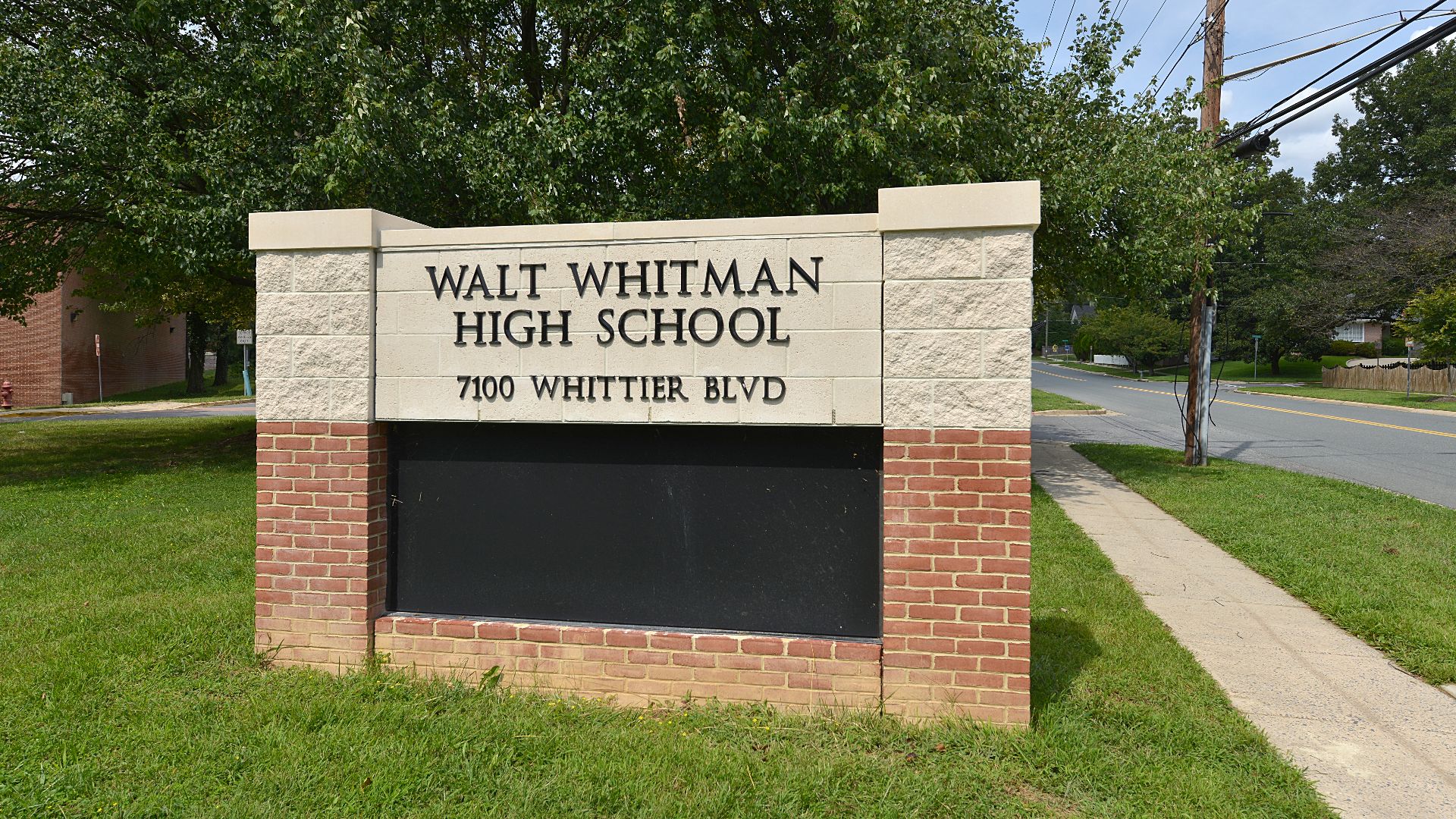
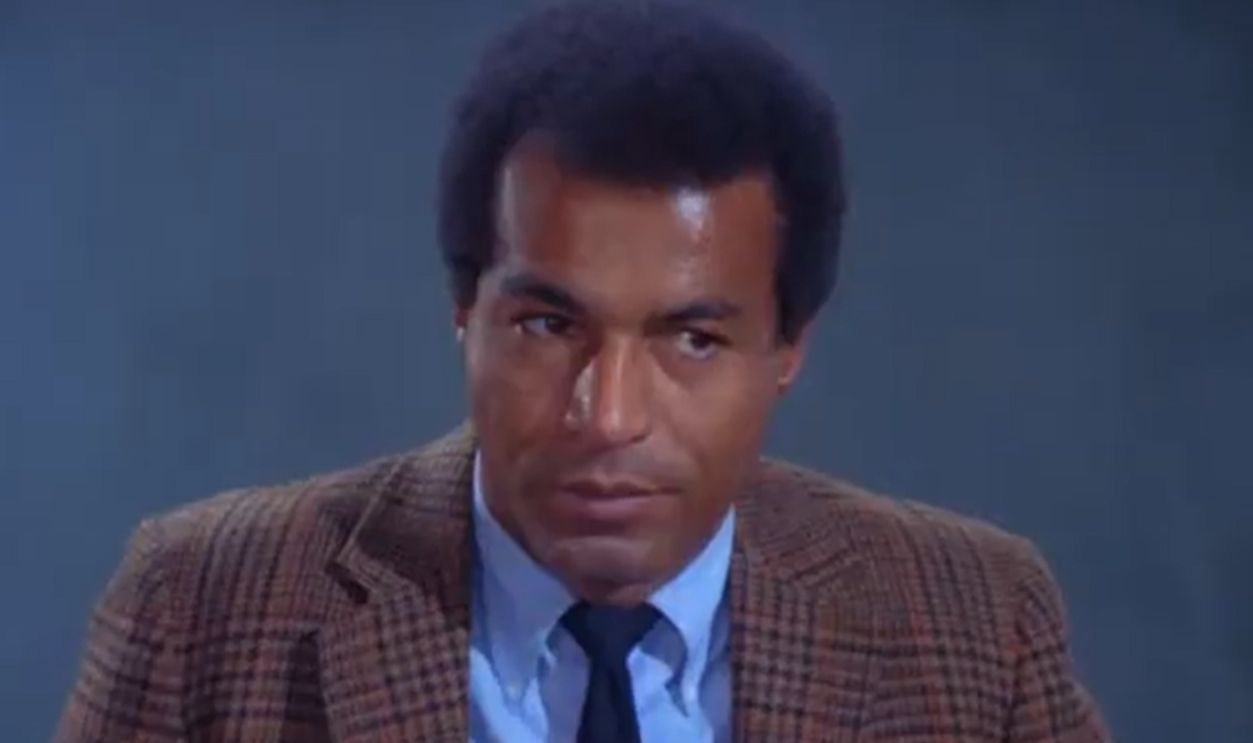
Pete Dixon taught 11th-grade American history at the fictional Walt Whitman High School in Los Angeles. He was thoughtful, approachable, and respected by students who knew he would listen before passing judgment. Haynes made the character feel like a genuine educator rather than an idealized television symbol. That credibility became the foundation of the entire series.
 Screenshot from Room 222, ABC (1969–1974)
He Stood At The Center Of The Story
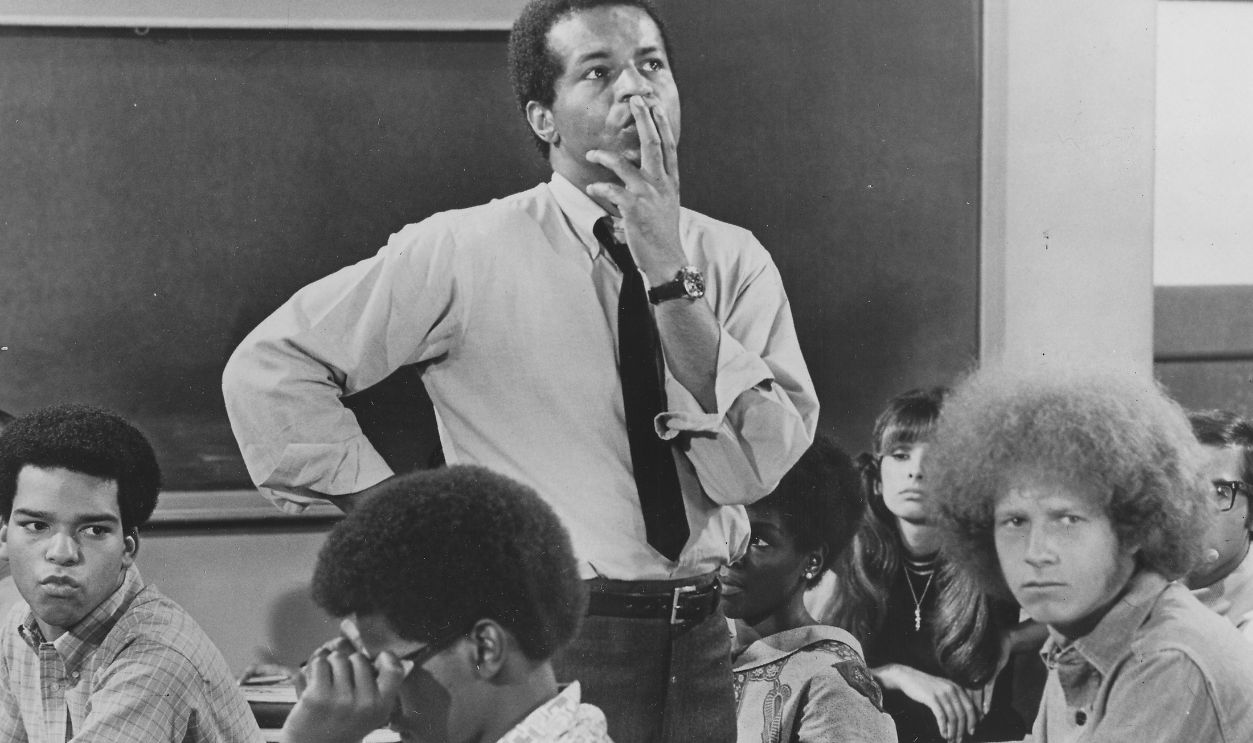
Room 222 used an ensemble of teachers, administrators, counselors, and students, but Pete remained its central figure. Many episodes began with a classroom problem that expanded into a larger question about school or society. Haynes anchored those stories without demanding every dramatic moment for himself. His quiet presence kept the sprawling school community connected.
 Afro Newspaper/Gado, Getty Images
A Black Teacher Led The Series
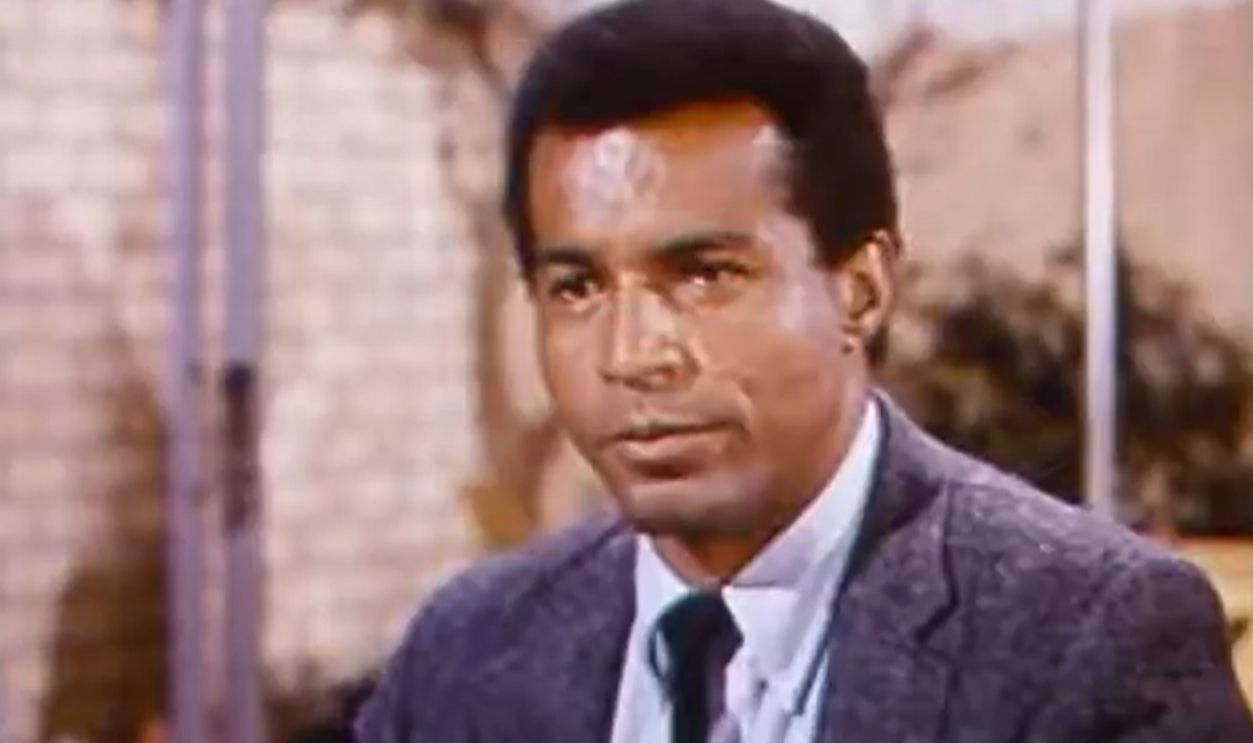
Placing a dedicated Black history teacher at the center of a network series was a meaningful choice in 1969. Pete was presented as educated, professionally secure, compassionate, and trusted by a racially diverse student body. His identity mattered, but the show did not limit him to stories that only concerned race. Haynes portrayed a complete person whose authority extended throughout the school.
 Screenshot from Room 222, ABC (1969–1974)
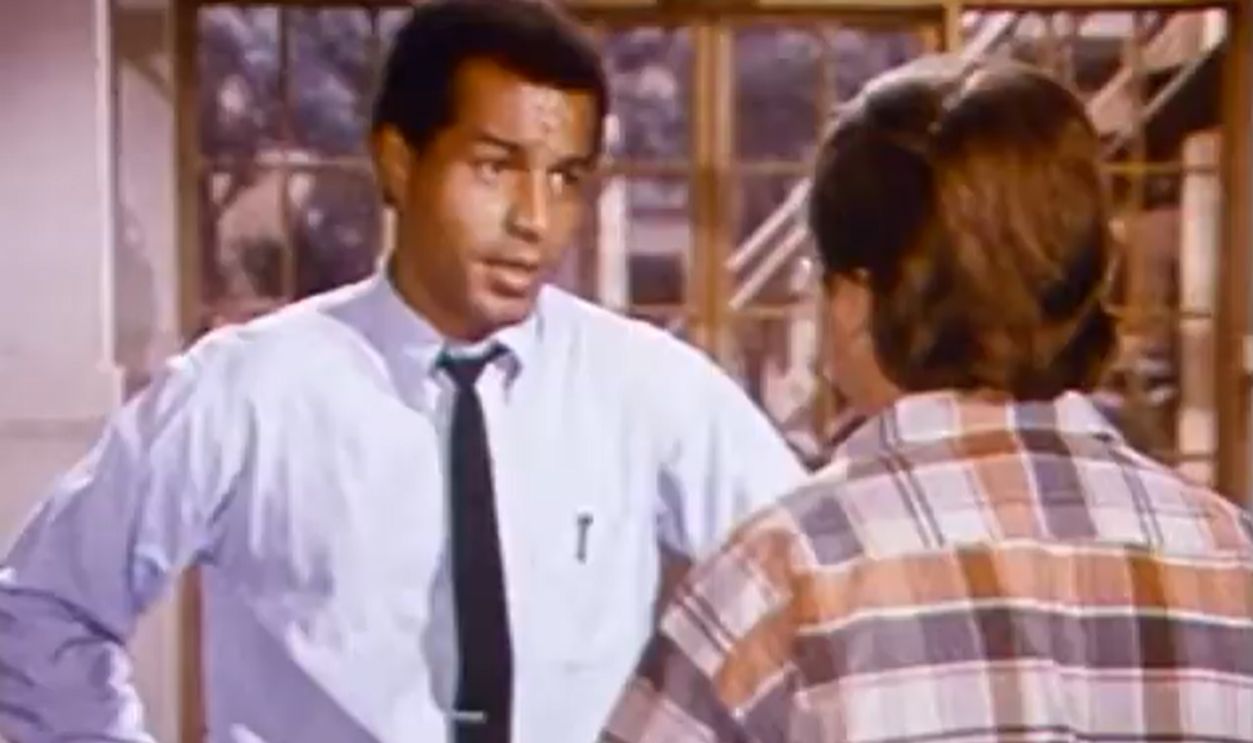
His Authority Came From Trust
Pete rarely controlled students through shouting or threats. He asked questions, encouraged them to examine their assumptions, and treated their problems seriously. That approach made his classroom feel demanding without becoming oppressive. Haynes showed that respect could be earned through consistency rather than intimidation.
 Screenshot from Room 222, ABC (1969–1974)
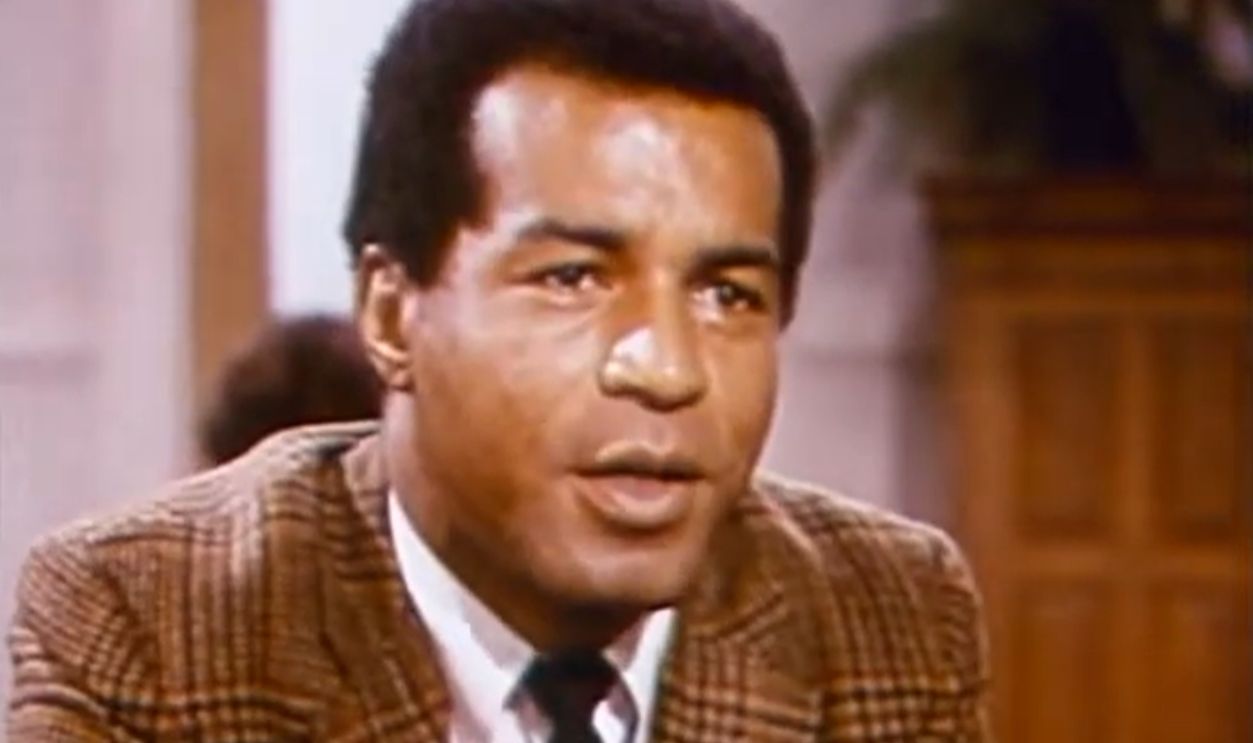
He Never Played Pete As A Saint
A less careful performance might have turned Pete into a flawless lecturer who always delivered the approved moral. Haynes kept him relaxed, humorous, and occasionally uncertain about the correct response. Pete had principles, but he still had to navigate difficult situations involving students, parents, and colleagues. Those human details made his wisdom more persuasive.
 Screenshot from Room 222, ABC (1969–1974)
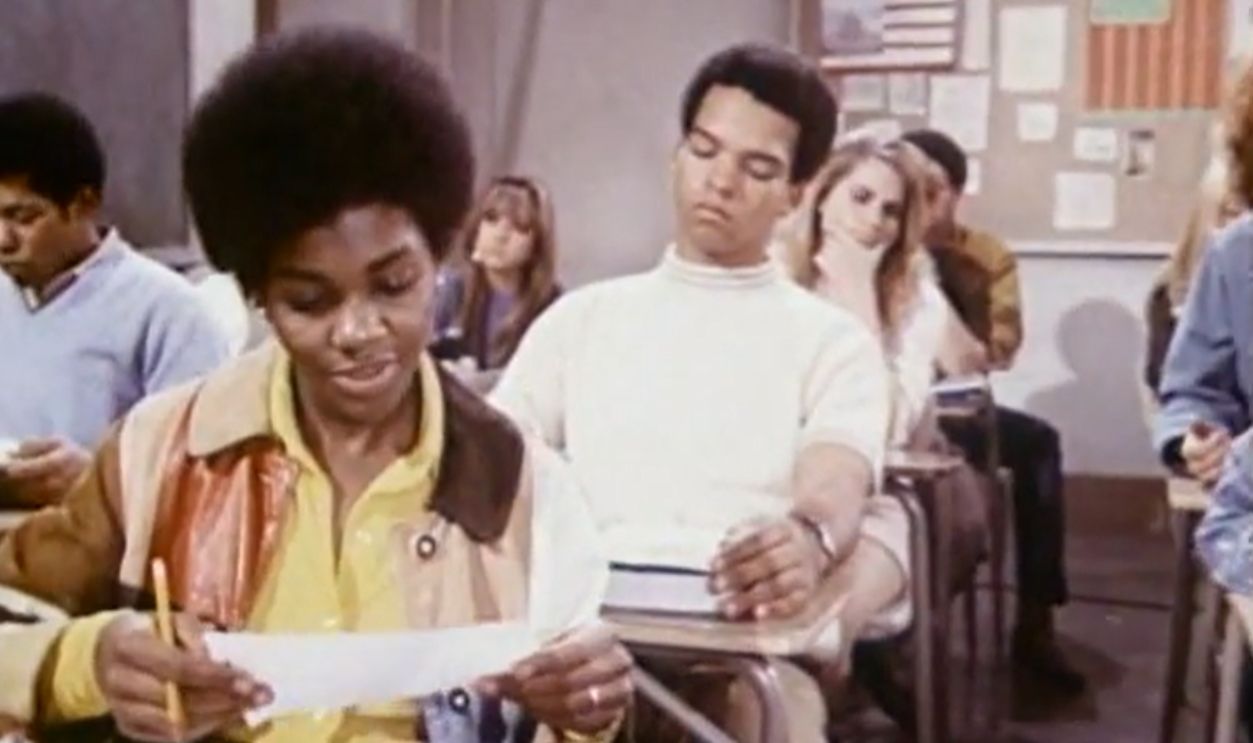
History Became A Living Subject
Pete did not teach American history as a collection of disconnected dates. The series linked classroom lessons to the conflicts affecting the students outside school. Questions about citizenship, prejudice, protest, and responsibility could therefore become personal rather than abstract. Haynes made Pete sound like a teacher inviting discussion, not a spokesman delivering a lecture.
 Screenshot from Room 222, ABC (1969–1974)
The School Reflected A Changing America
Walt Whitman High was presented as an integrated urban school with students from different racial and economic backgrounds. Their experiences allowed the series to explore competing perspectives within the same classroom. Pete’s job was not to pretend those differences did not exist. He helped students confront them without allowing disagreement to destroy the community.
 G. Edward Johnson, Wikimedia Commons
The Show Tackled Difficult Issues Early
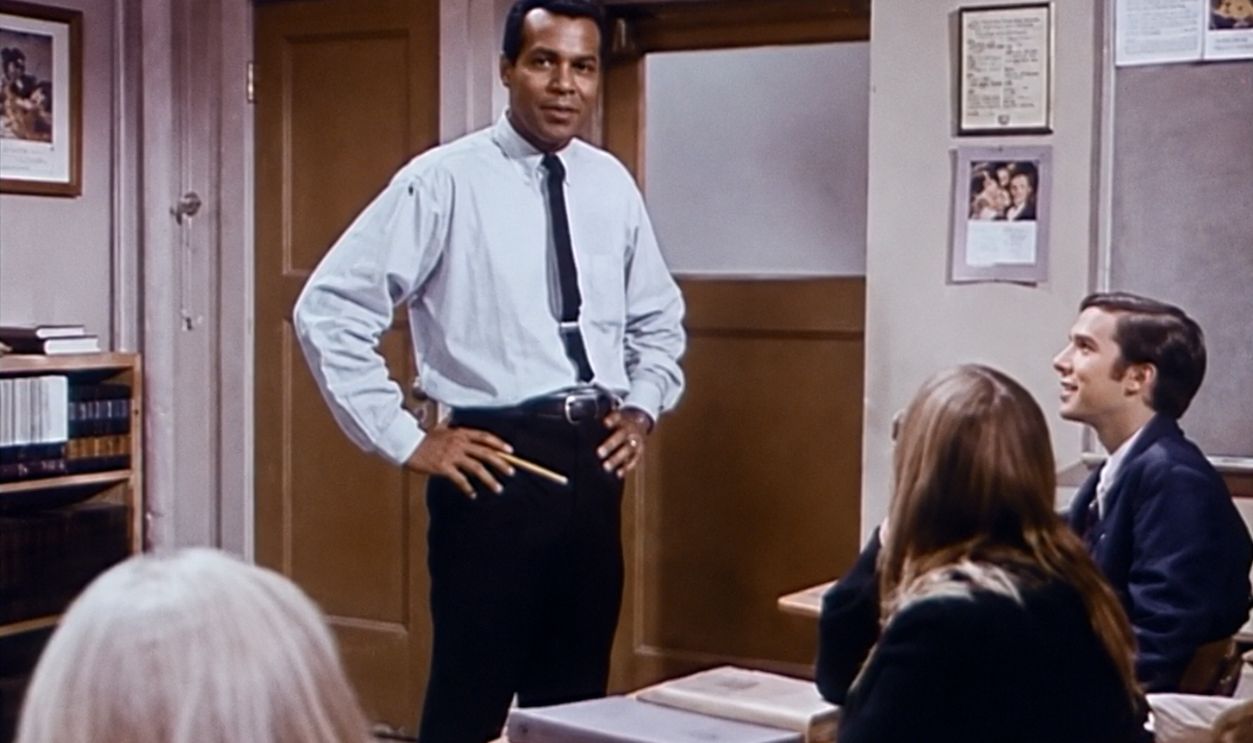
Room 222 addressed social subjects before issue-driven sitcoms became a dominant television form. Its stories dealt with racism, sexism, student protest, drug use, dropping out, guns in schools, the Vietnam War, and other contemporary concerns. The Television Academy’s historical account credits the series with breaking narrative ground later developed by major 1970s producers. Haynes gave those stories a calm moral center.
 Screenshot from Room 222, ABC (1969–1974), Modified
He Made Serious Television Feel Welcoming
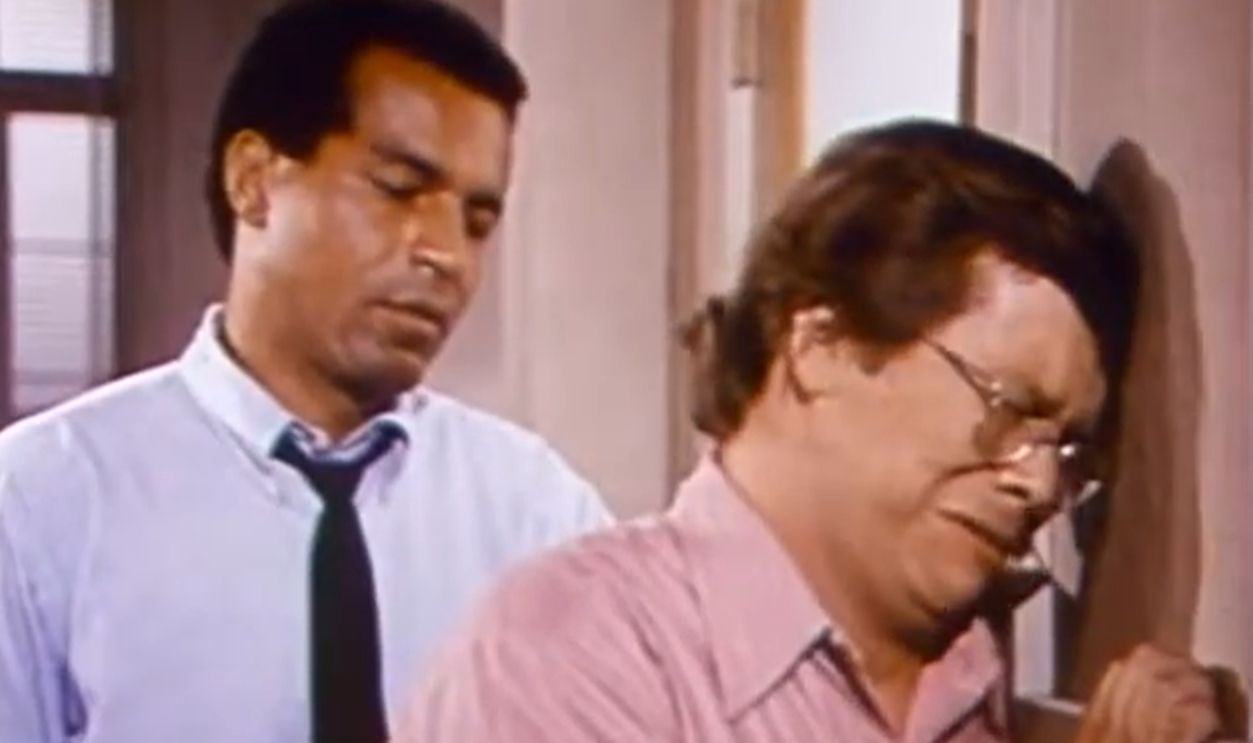
The show’s half-hour format combined drama with humor rather than treating every issue like a grim emergency. Haynes could shift from a playful exchange to an emotionally difficult conversation without making the change feel abrupt. His warmth allowed the series to address difficult material while remaining accessible to families. Pete felt like the person viewers could trust to guide them through the subject.
 Screenshot from Room 222, ABC (1969–1974)
His Military Experience Added Discipline
Before becoming an actor, Haynes served in the United States Marine Corps. He also remained connected to the Naval Reserve and eventually held the rank of commander. That background did not make Pete a military-style disciplinarian, but it gave Haynes personal familiarity with responsibility and leadership. His composed bearing suggested someone comfortable being depended upon.
 Lance Cpl. Aaron Patterson, Wikimedia Commons
Discipline Never Became Rigidity
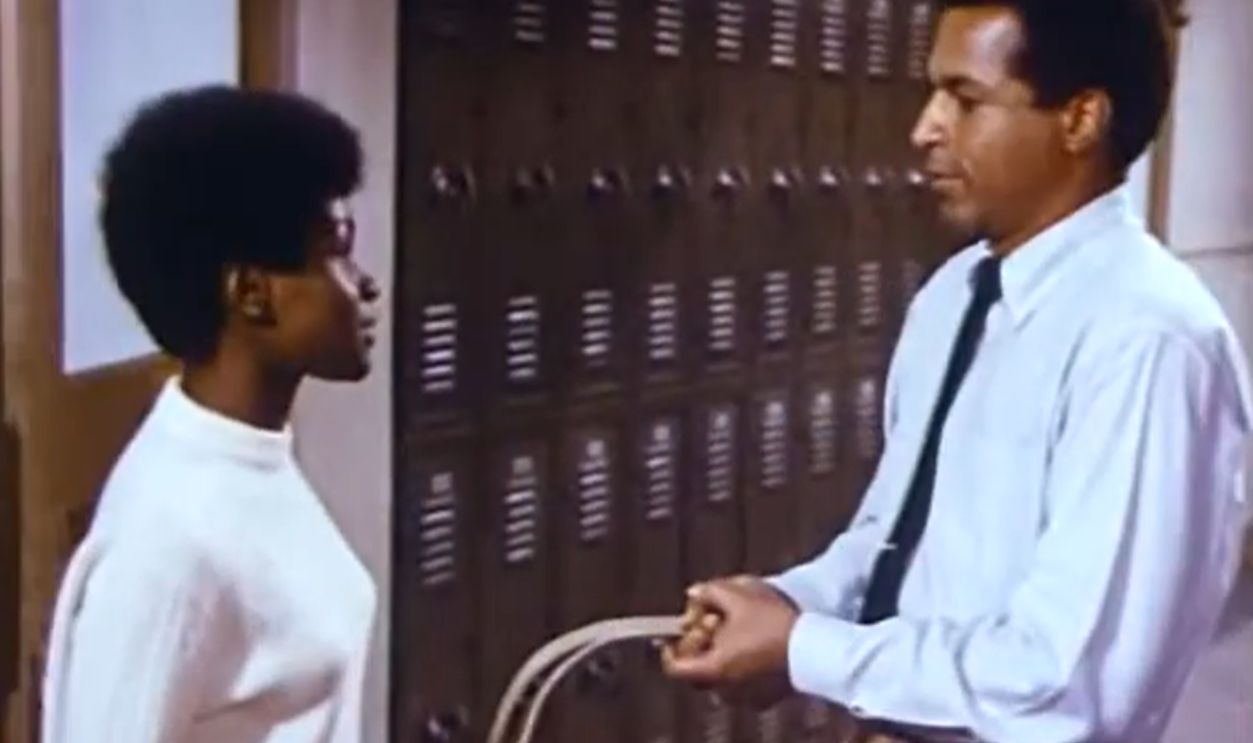
Pete maintained standards, but he did not assume that punishment solved every problem. He tried to understand why a student was acting out before deciding what should happen next. Haynes communicated firmness without making the character emotionally distant. That balance made Pete a believable authority figure for teenagers who were naturally skeptical of adults.
 Screenshot from Room 222, ABC (1969–1974)
Haynes Understood The Value Of Mentorship
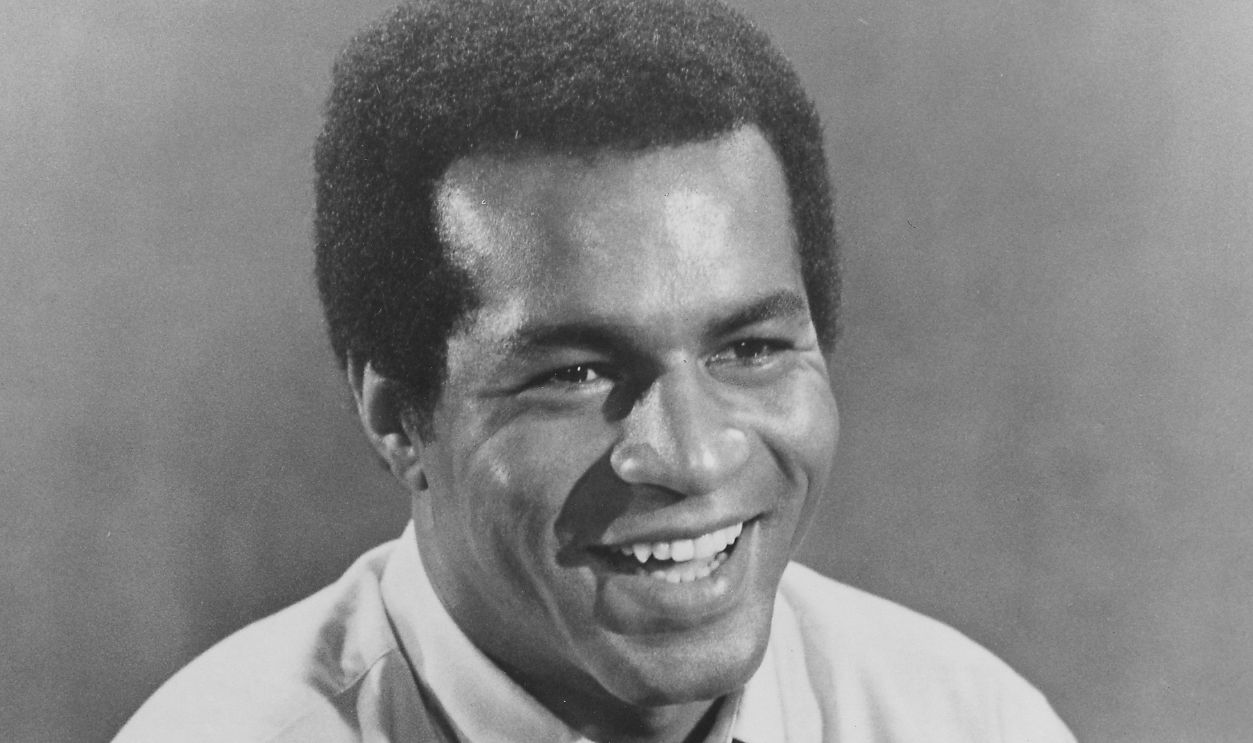
Outside acting, Haynes was an accomplished pilot who supported efforts to interest young people and minorities in aviation. His obituary also described his involvement in programs intended to motivate young people. That real-world commitment fits naturally beside Pete Dixon’s belief in helping students imagine a larger future. The actor’s public life reinforced the generosity viewers associated with the character.
 Afro American Newspapers/Gado, Getty Images
Liz McIntyre Was His Equal
Denise Nicholas played guidance counselor Liz McIntyre, Pete’s colleague and romantic partner. Their relationship presented two Black professionals working within the same integrated school community. Liz had her own responsibilities and viewpoints rather than existing simply to admire Pete. Their mutual respect made his authority feel collaborative instead of controlling.
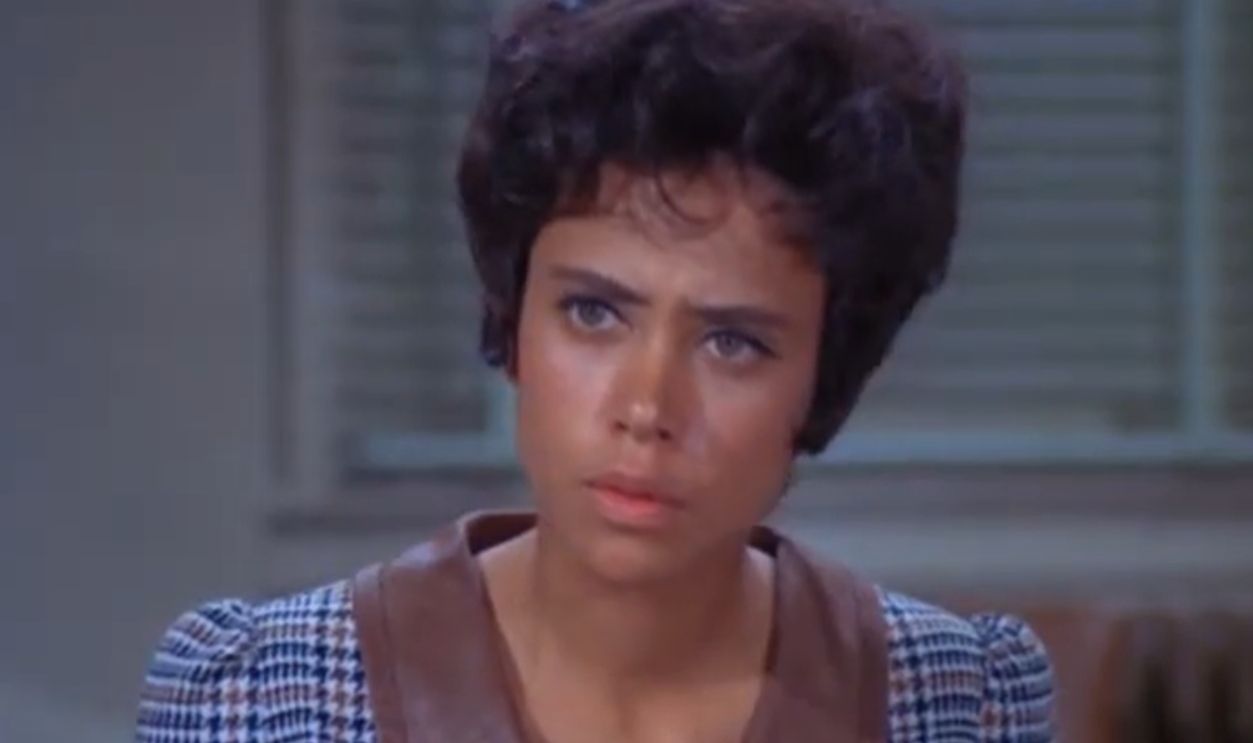 Screenshot from Room 222, ABC (1969–1974)
Seymour Kaufman Shared The Burden
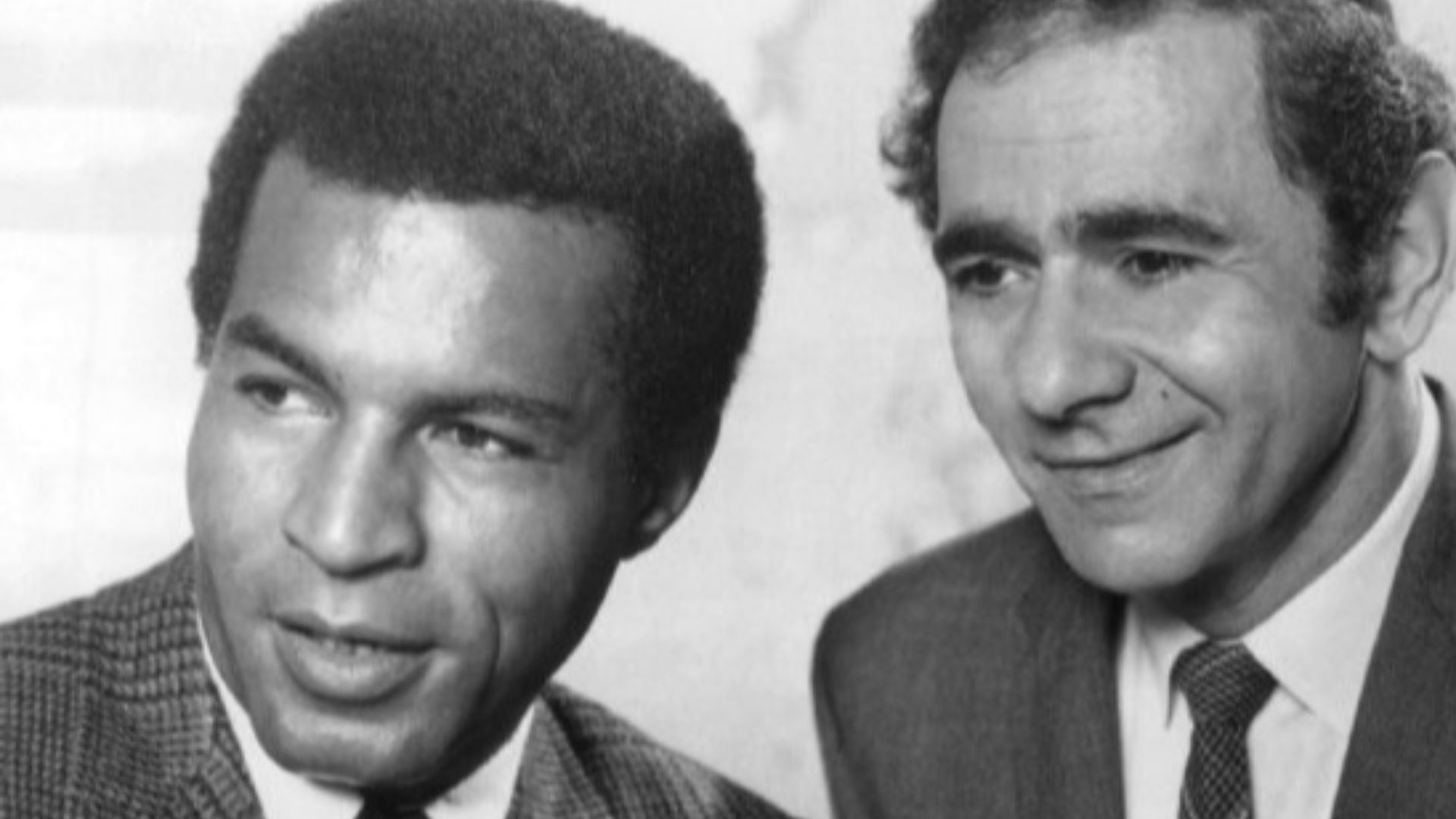
Michael Constantine played principal Seymour Kaufman, whose administrative responsibilities often placed him beside Pete in difficult situations. Kaufman could be dryly funny, frustrated, or cautious, while Pete was often closer to the students’ perspective. The men did not always approach problems in the same way, but they respected each other’s judgment. Their partnership showed that effective authority could include disagreement.
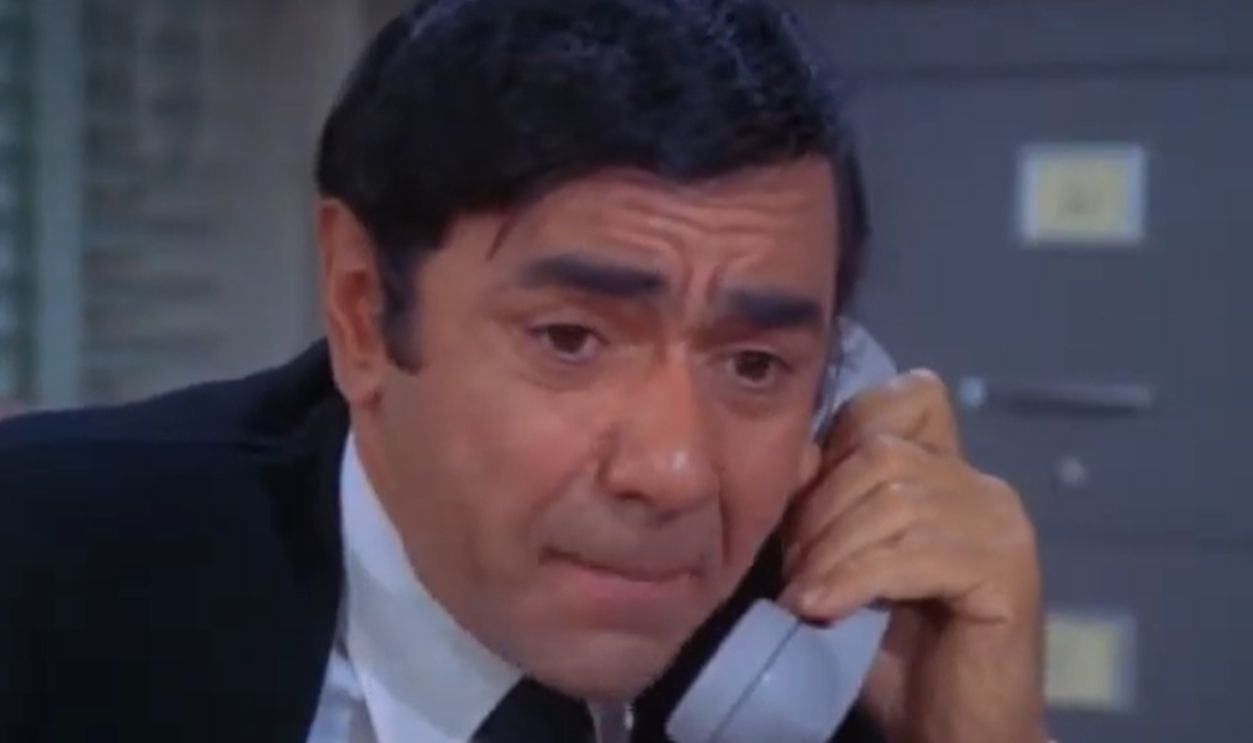 Screenshot from Room 222, ABC (1969–1974)
Alice Johnson Learned From Him
Karen Valentine began the series as Alice Johnson, an enthusiastic student teacher under Pete’s guidance. Pete encouraged her without pretending that good intentions automatically made someone an effective educator. Haynes played the mentoring relationship with patience and understated humor. Alice’s development strengthened the impression that Pete improved the adults around him as well as the students.
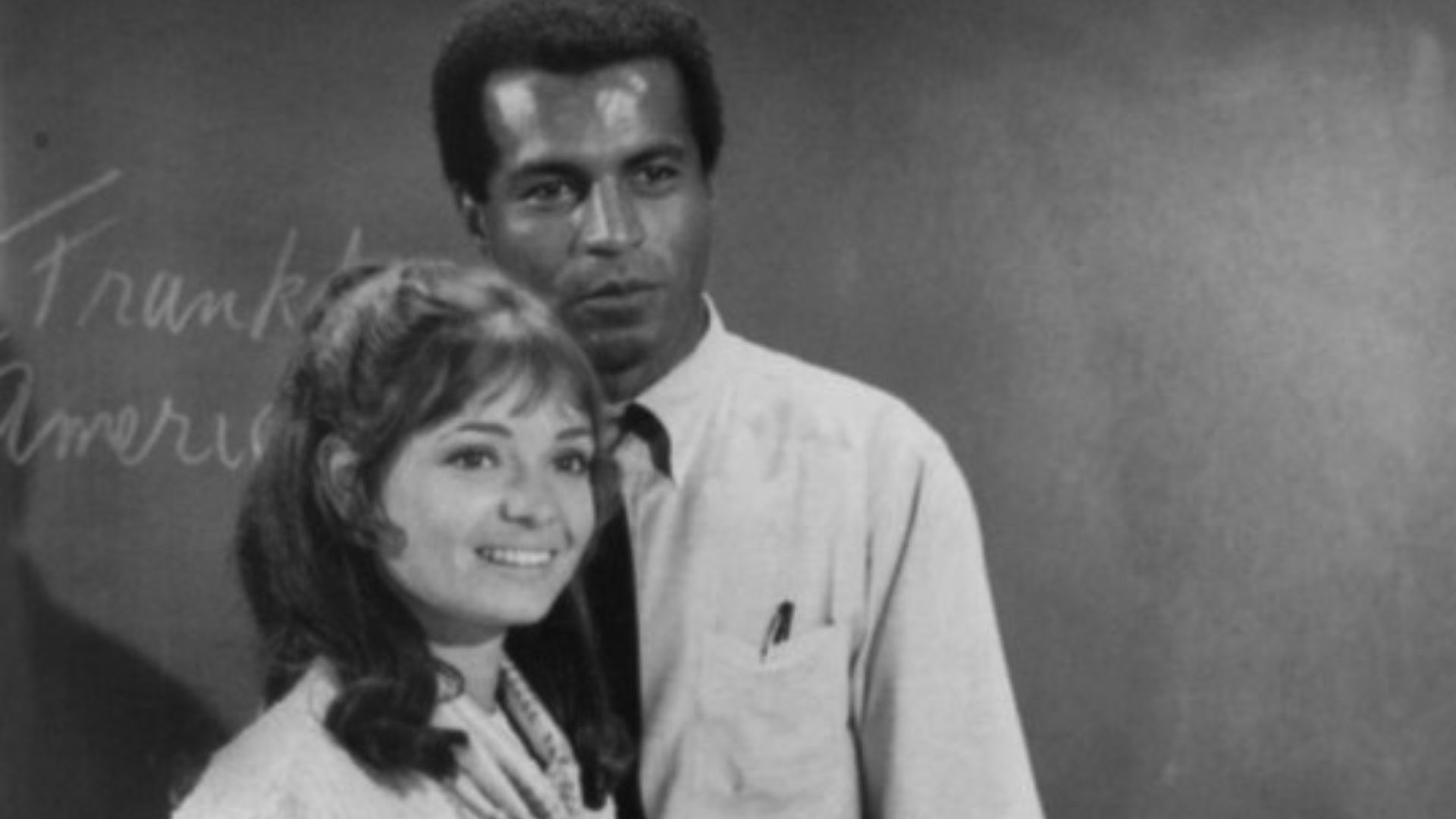 ABC Television, Wikimedia Commons
The Students Were More Than Weekly Problems
The series featured recurring students rather than replacing the classroom with a completely new group each episode. That continuity allowed Pete’s relationships with them to develop over time. He knew their personalities, strengths, and defensive habits, which made his advice feel personal. Haynes’s familiarity with the young cast helped create the impression of a real school year unfolding.
 Screenshot from Room 222, ABC (1969–1974)
The Premiere Established His Compassion
The series premiere, “Richie’s Story,” introduced Pete and the Walt Whitman community through a troubled student’s experience. James L. Brooks wrote the episode, while Gene Reynolds produced and directed it. From the beginning, Pete’s role involved seeing beyond a student’s behavior to the insecurity underneath it. Haynes established the character’s defining mixture of insight and restraint immediately.
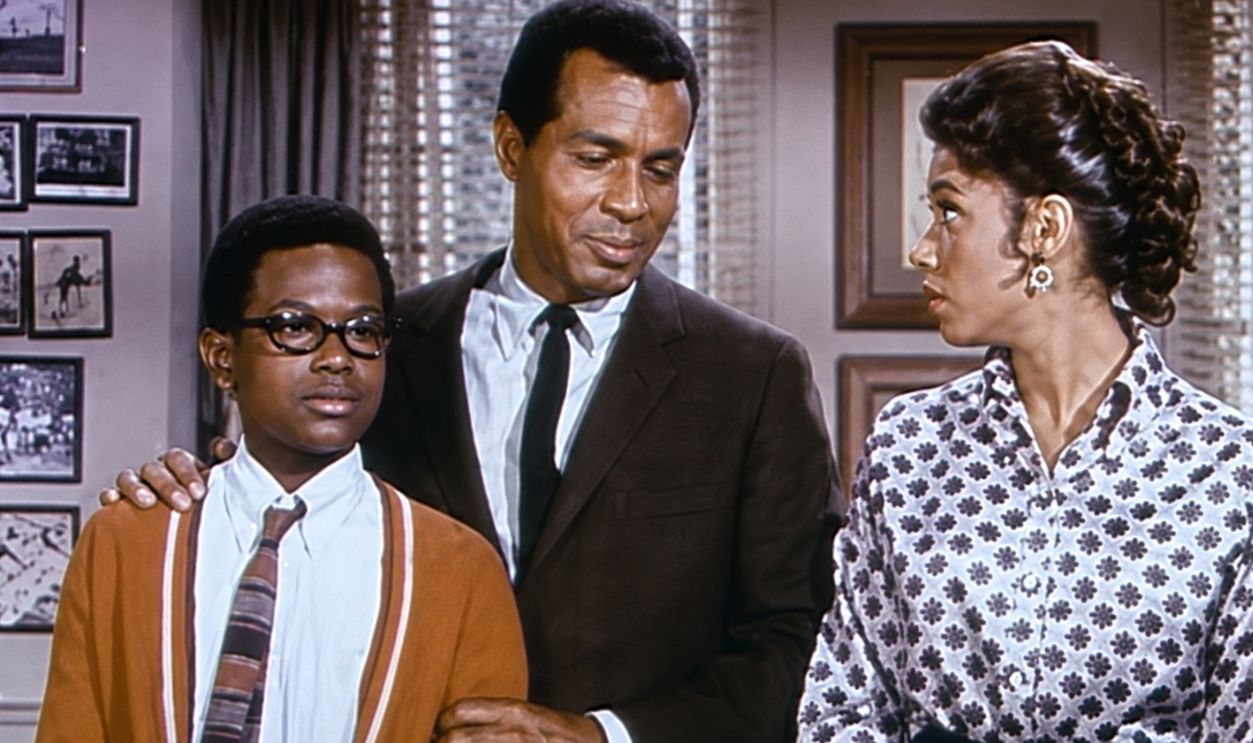 Screenshot from Room 222, ABC (1969–1974), Modified
He Challenged Narrow Ideas Of Masculinity
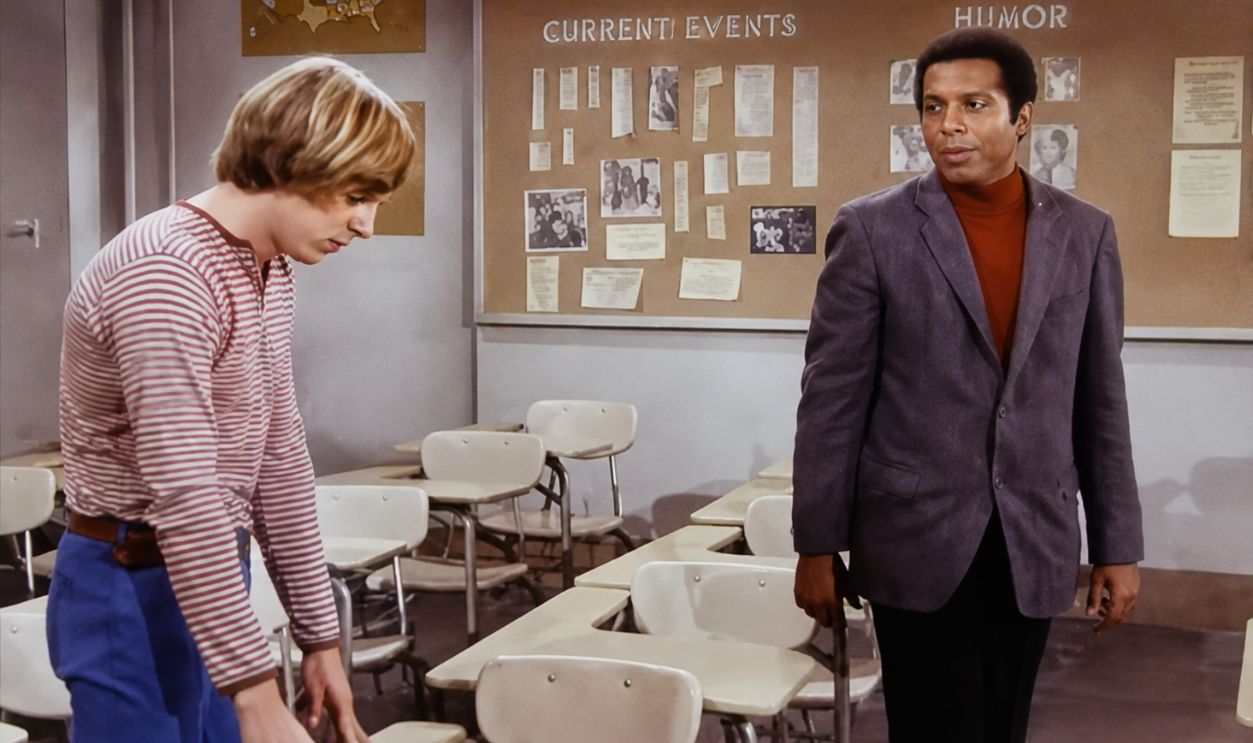
The 1971 episode “What Is a Man?” centered on harassment and assumptions about masculinity. Pete’s presence allowed the story to question cruelty without turning its teacher into another bullying authority figure. The episode demonstrated that strength could include tolerance, self-control, and the willingness to defend vulnerable students. Haynes made that alternative model of manhood look completely natural.
 Screenshot from Room 222, ABC (1969–1974), Modified
Famous Guests Entered His Classroom
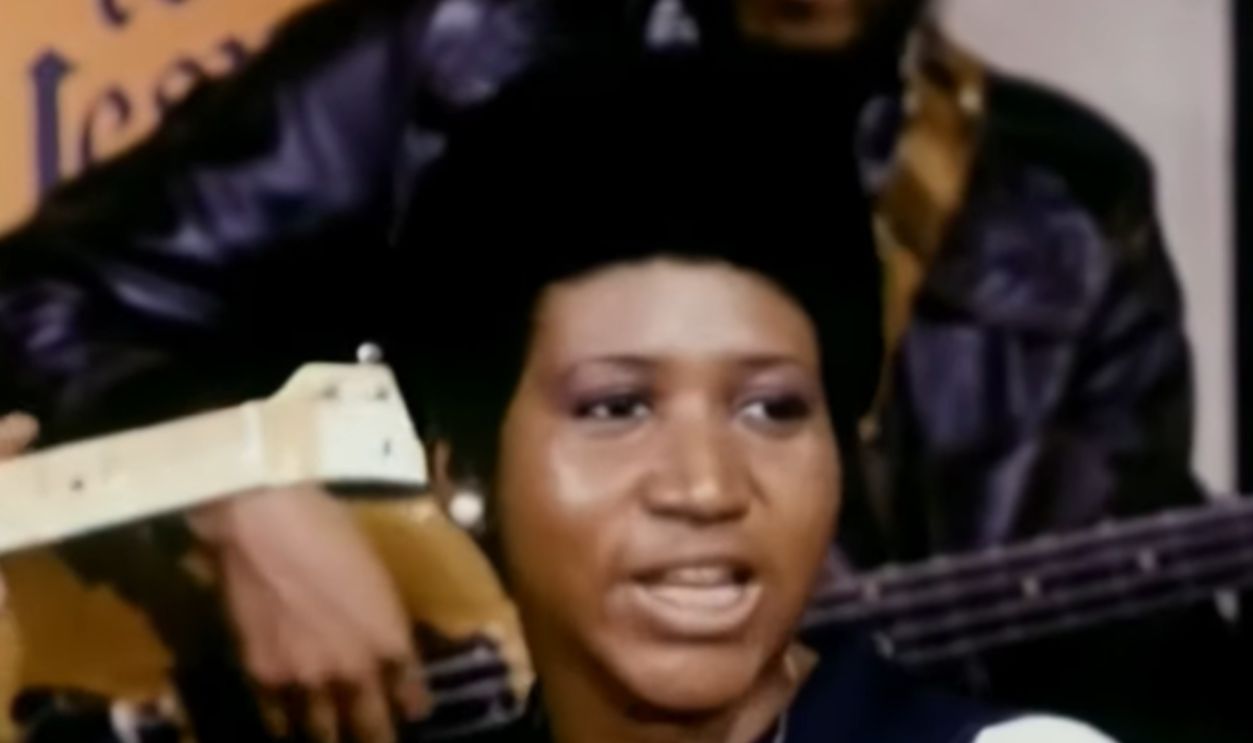
The series attracted guest performers who added fresh energy to Walt Whitman High. Aretha Franklin appeared in “Where Is It Written?”, while Richard Dreyfuss appeared in “The Valediction.” Their presence showed how flexible the school setting could be, but Pete remained the dependable figure connecting unusual guests to the regular ensemble. Haynes could share scenes with prominent visitors without losing his authority.
 Screenshot from Room 222, ABC (1969–1974)
He Never Confused Authority With Attention
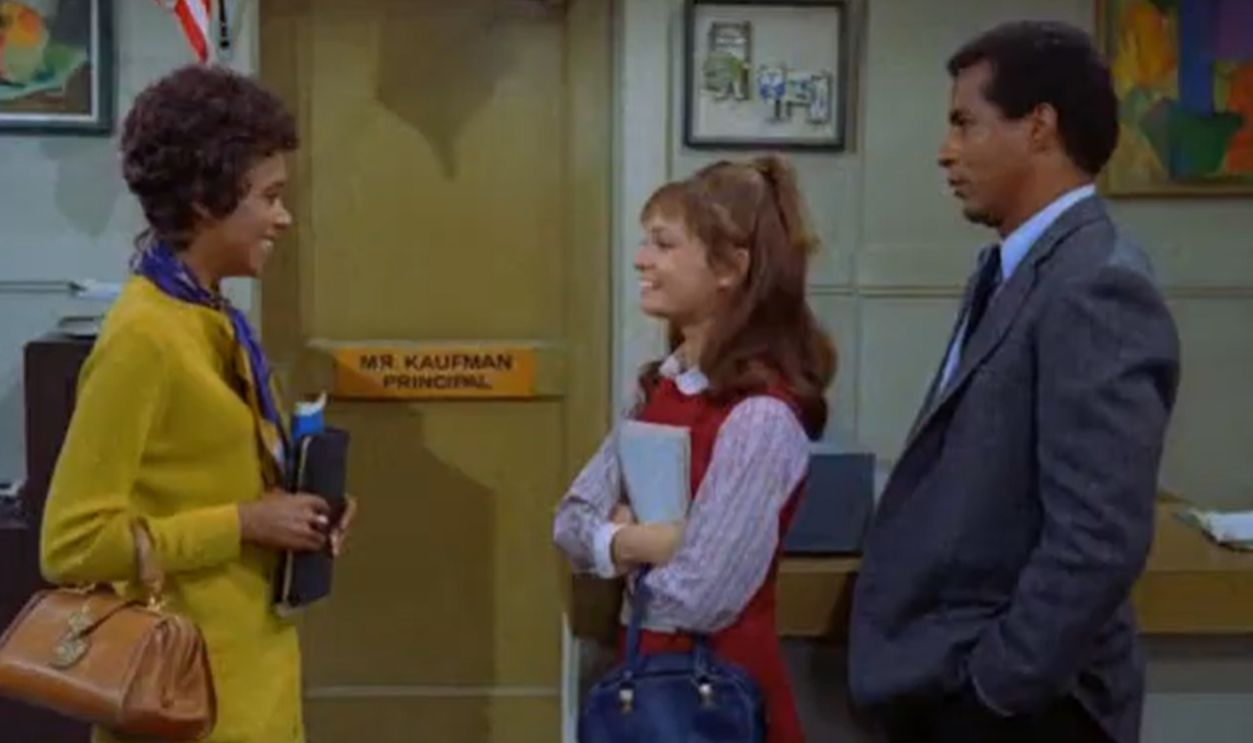
Pete did not need to dominate every conversation to remain important. Haynes frequently listened while students or colleagues worked through their own feelings. His reactions communicated whether Pete was concerned, skeptical, or quietly proud. That generosity made the character seem like a teacher focused on other people rather than his own image.
 Screenshot from Room 222, ABC (1969–1974)
James L. Brooks Built Around Humanity
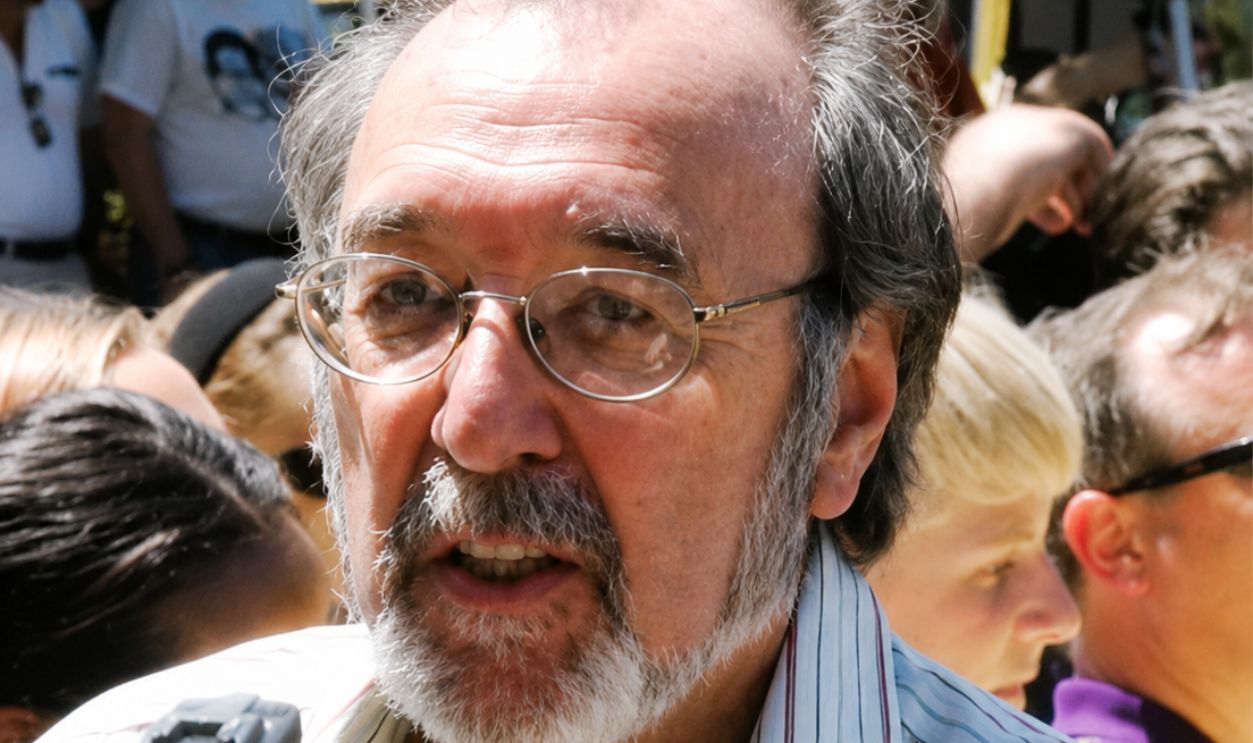
Room 222 was created by James L. Brooks, years before his work on The Mary Tyler Moore Show, Taxi, and The Simpsons. The series already displayed his interest in intelligent ensembles and characters who confronted social change through everyday life. Pete Dixon was an ideal center for that approach because his profession required empathy, curiosity, and conversation. Haynes gave Brooks’s humane writing a grounded voice.
 Tim, Wikimedia Commons, Modified
Gene Reynolds Gave The Show Balance
Producer Gene Reynolds helped shape a series that could discuss serious subjects without abandoning entertainment. He later became closely associated with another landmark comedy-drama, MASH*. On Room 222, he helped establish a tone in which laughter and moral seriousness could occupy the same episode. Haynes understood that balance and never pushed Pete into melodrama.
 Trailer screenshot, Wikimedia Commons
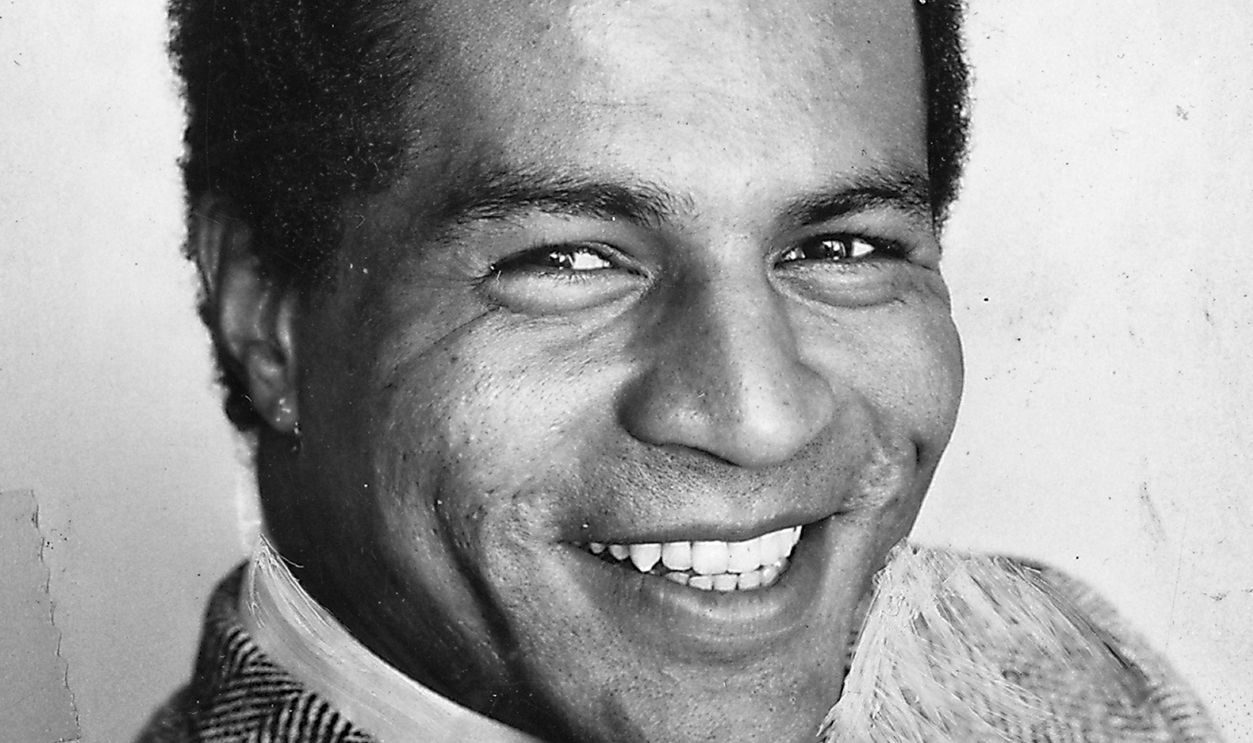
Emmy Voters Recognized Haynes
Haynes received a 1970 Emmy nomination for Outstanding Continued Performance by an Actor in a Leading Role in a Comedy Series. The nomination placed his understated performance beside the year’s most prominent television work. It also confirmed that Pete Dixon was not merely a symbolic character in an important series. Haynes’s acting was being recognized on its own terms.
 Afro American Newspapers/Gado, Getty Images
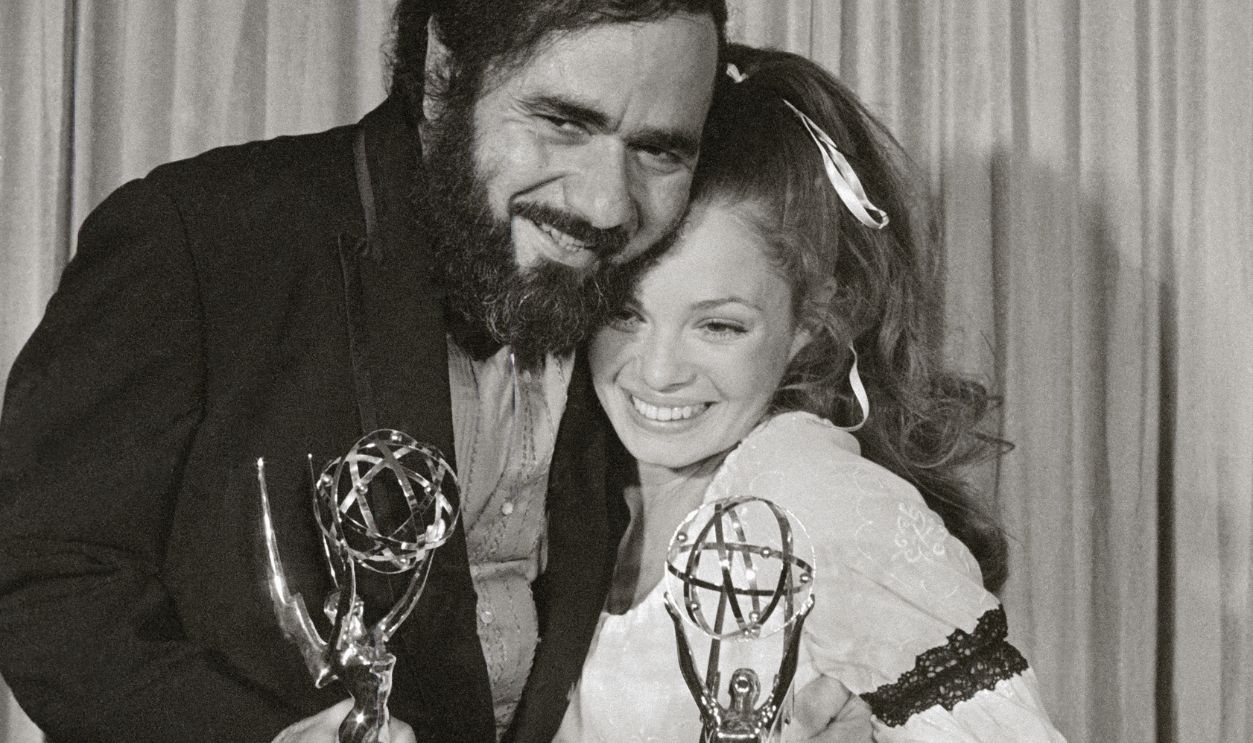
The Entire Show Earned Respect
Room 222 won the Emmy for Outstanding New Series in 1970. Michael Constantine and Karen Valentine also won supporting-performance Emmys that year. In total, the program received seven nominations and three wins. The awards reflected how successfully the ensemble had turned a school drama into something both entertaining and socially meaningful.
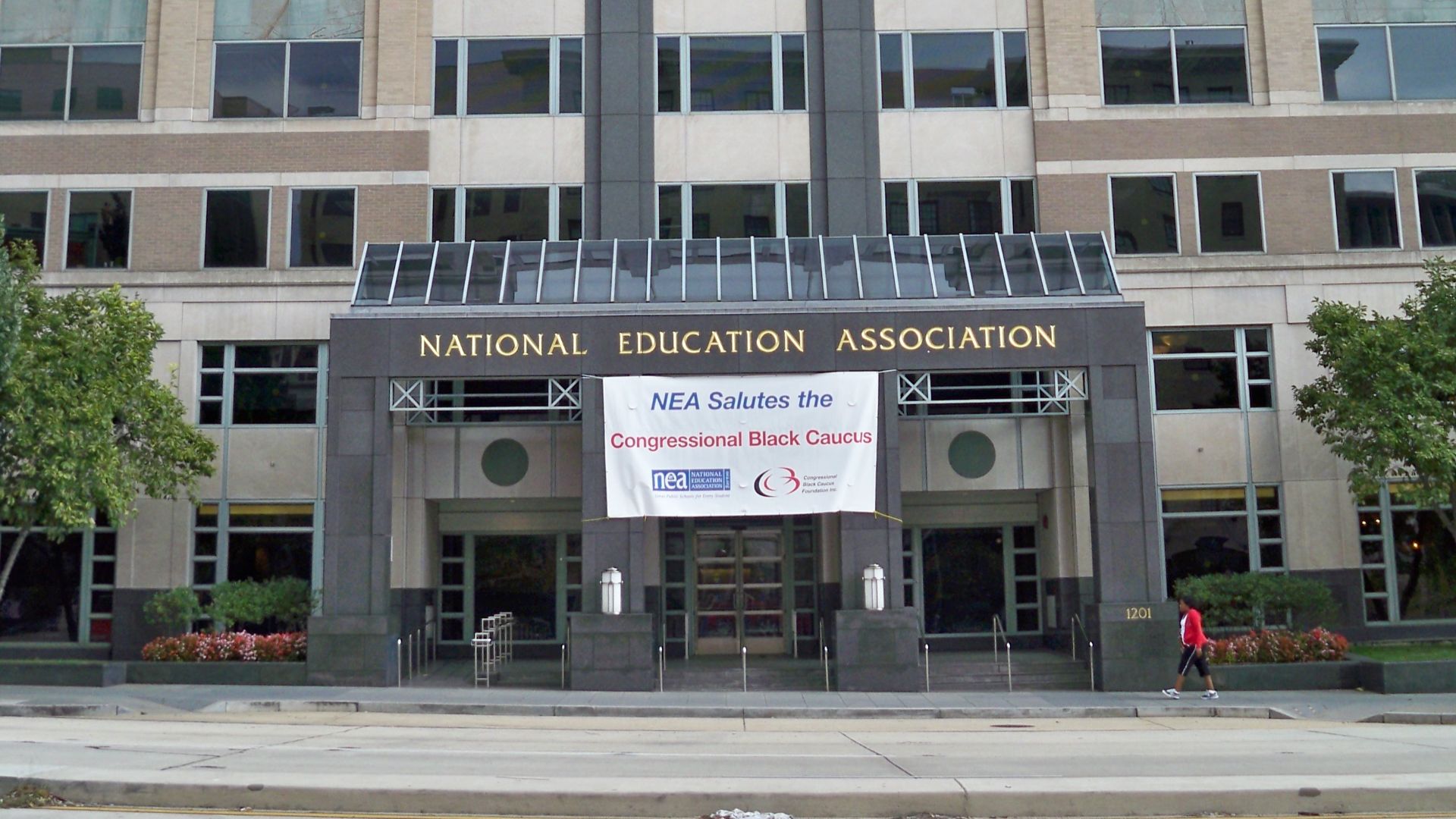
Educators Responded To Its Honesty
The series received recognition from community and educational organizations for addressing subjects that television often avoided. Its positive reception was not based only on Pete being likable. Viewers and educators responded to a teacher who took young people seriously while still maintaining standards. Haynes made responsible authority seem admirable rather than old-fashioned.
 MBisanz talk, Wikimedia Commons
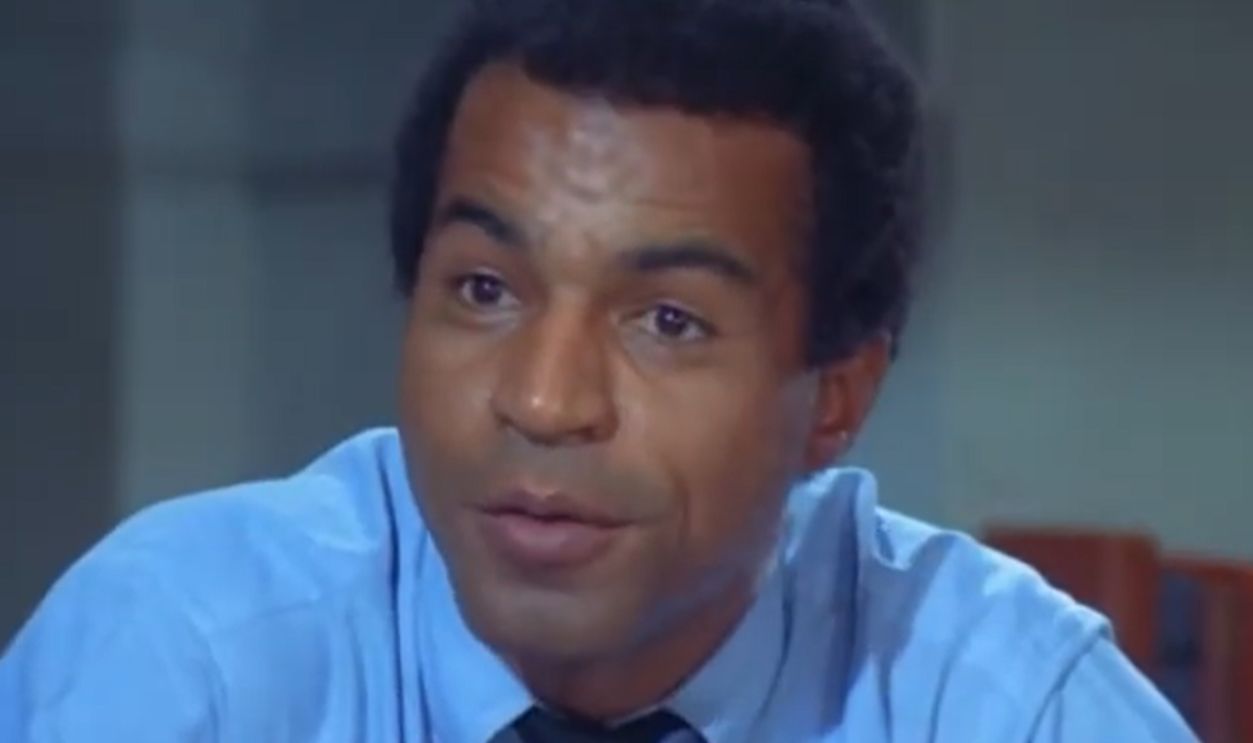
Five Seasons Made Pete Familiar
Room 222 aired on ABC from 1969 to 1974. Its five-season run allowed Pete to become more than a groundbreaking first impression. Viewers repeatedly watched him manage conflict, mentor colleagues, and help students mature. That sustained familiarity turned Haynes into a trusted presence in American living rooms.
 Screenshot from Room 222, ABC (1969–1974)
The Show Deserves To Be Better Remembered
The Television Academy notes that Room 222 is seldom seen in syndication today despite its historical importance. As a result, Pete Dixon may be less familiar to younger viewers than teachers from later television series. Yet the program’s combination of diversity, social relevance, and gentle humor anticipated much of what followed. Haynes was doing subtle, progressive work before television had developed an easy label for it.
 ABC Television, Wikimedia Commons
Pete Dixon Made Respect Look Earned
Haynes created an authority figure who was intelligent without being smug, strong without being threatening, and compassionate without losing control. Pete respected his students enough to challenge them and trusted them enough to hear their answers. That combination made him convincing as both a teacher and a leader. Room 222 made Lloyd Haynes respected because he showed viewers that the best authority figures do not demand respect before giving it.
 Screenshot from Room 222, ABC (1969–1974)
You May Also Like:
TV Shows Boomers Love That Most Millennials Haven’t Even Heard Of
Famous 70s Celebrities That Everyone Forgot—And These Legends Are Worth Remembering