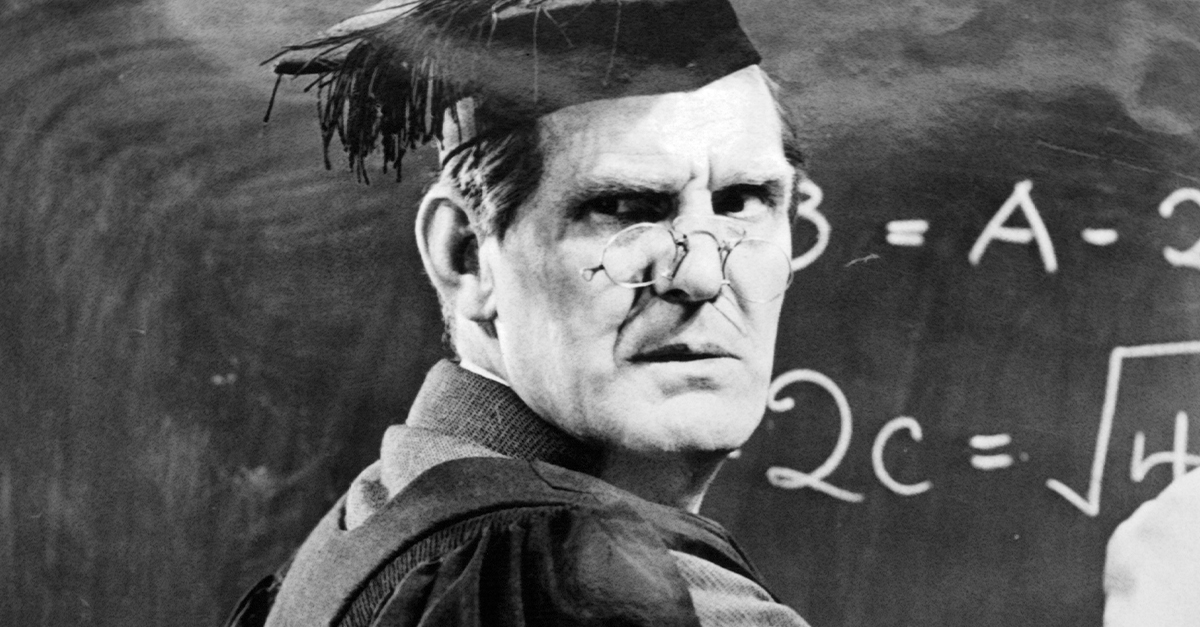
He wasn’t discovered. He arrived.
Before Hollywood ever put a camera in his face, Robert Mitchum had already lived through things most leading men only pretended to survive. By the time he was old enough to vote, he had a record, a reputation, and a stare that didn’t come from acting lessons. The studios didn’t create his edge. They just recognized it.
He grew up fast
Robert Mitchum was born in 1917, and his childhood didn’t exactly ease him into the world. His father, a railroad brakeman, was killed in a yard accident when Robert was just two. His mother moved the family frequently, chasing work during the Depression. Stability wasn’t part of the plan. By his early teens, Mitchum was already restless and pushing against authority.
 J. Fred Henry Publications, Wikimedia Commons
He ran away at 11
Around age 11, Mitchum reportedly got into serious trouble at school—some biographers say he struck a principal who disciplined him. His mother sent him to live with relatives in Delaware to straighten him out. He didn’t last long. He ran away and began moving between family members, already resisting authority and routine.
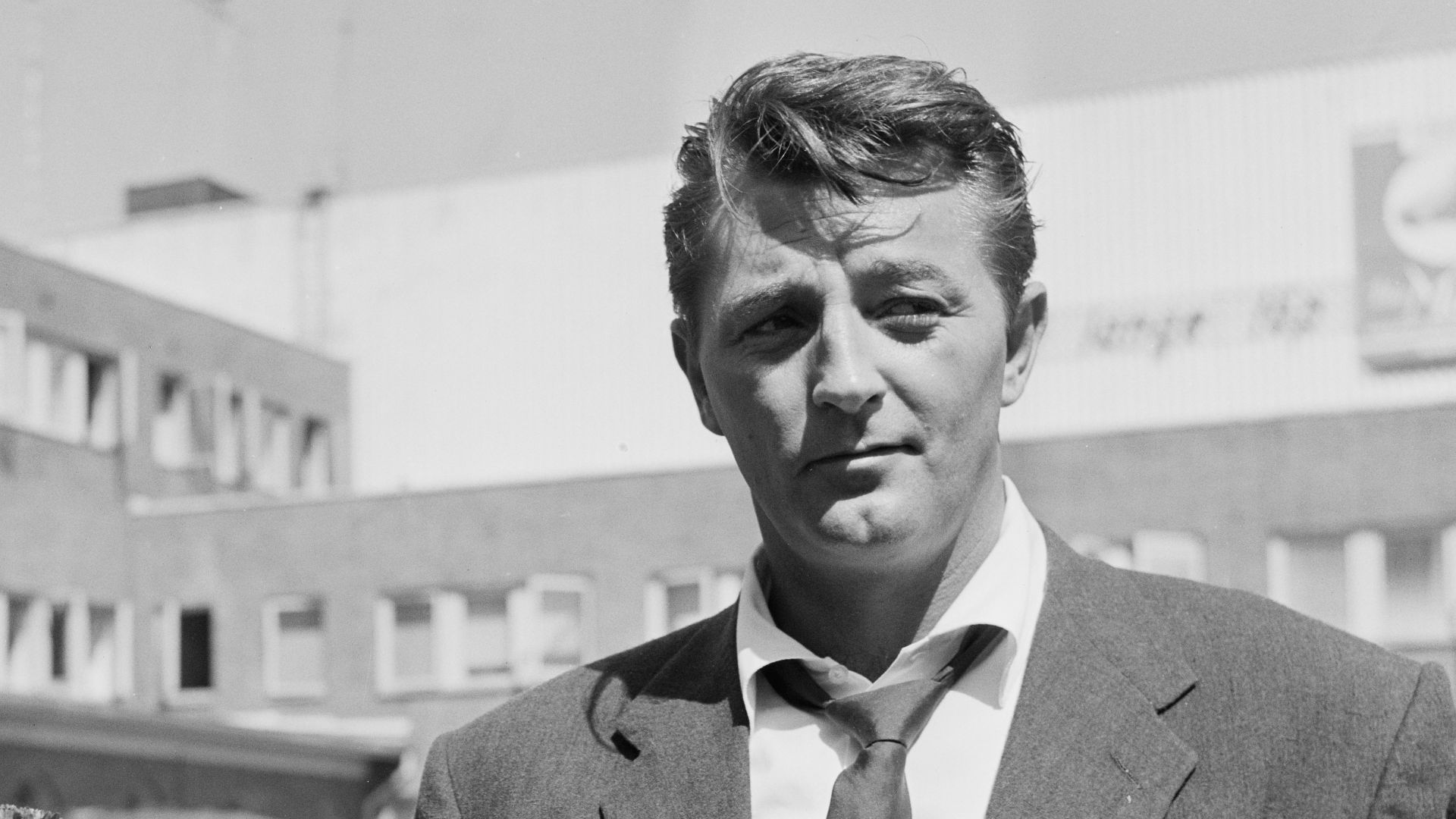 Bjorn Fjortoft, Wikimedia Commons
He ran away again at 14
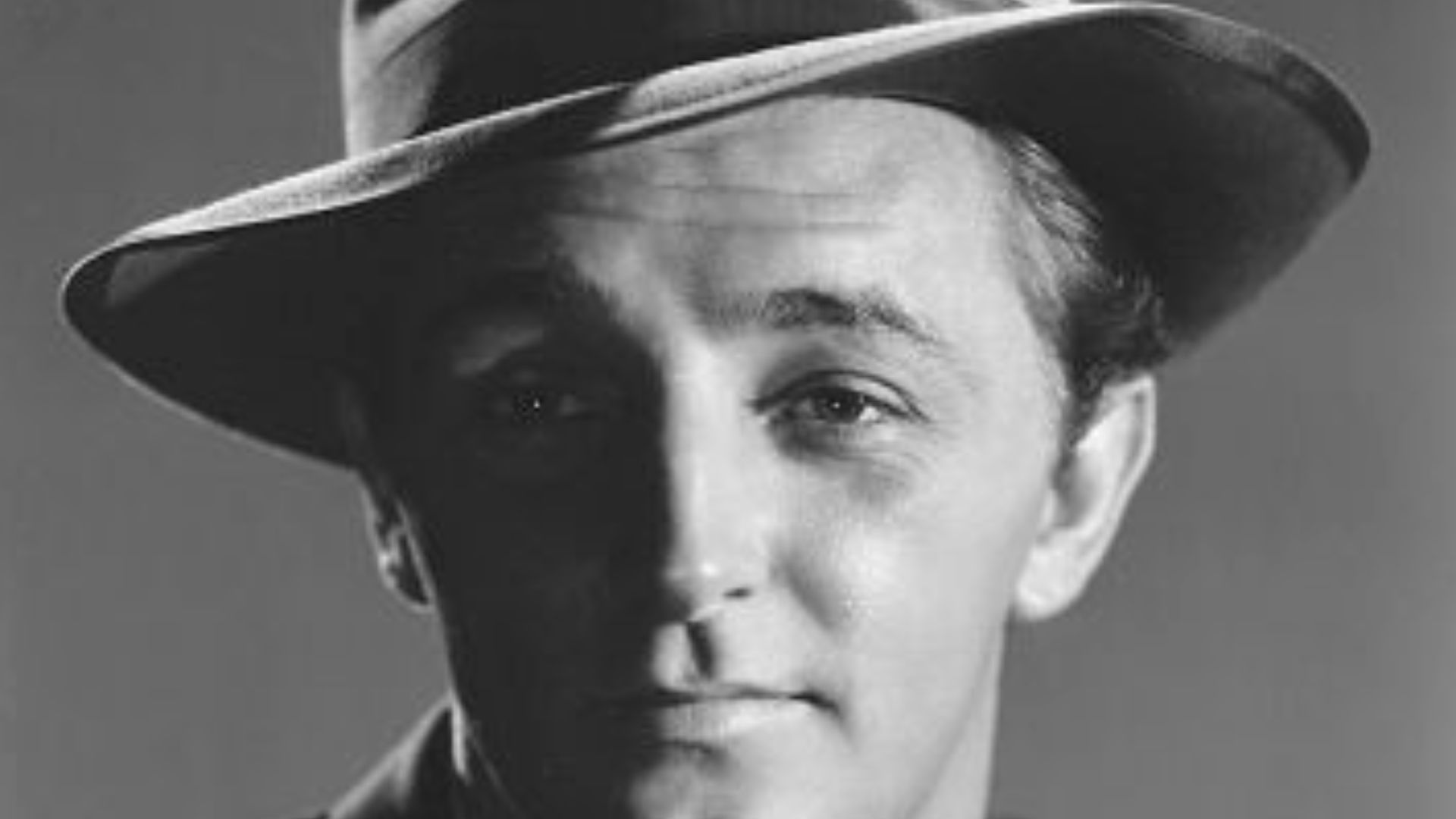
At 14, Mitchum left for good. He dropped out of school and began riding freight trains across the eastern United States during the Great Depression. He took whatever work he could find—ditch digging, fruit picking, manual labor—and often slept in boxcars or cheap boarding houses. From that point on, he was largely supporting himself.
 Unknown authorUnknown author, Wikimedia Commons
He rode the rails like a character out of a novel
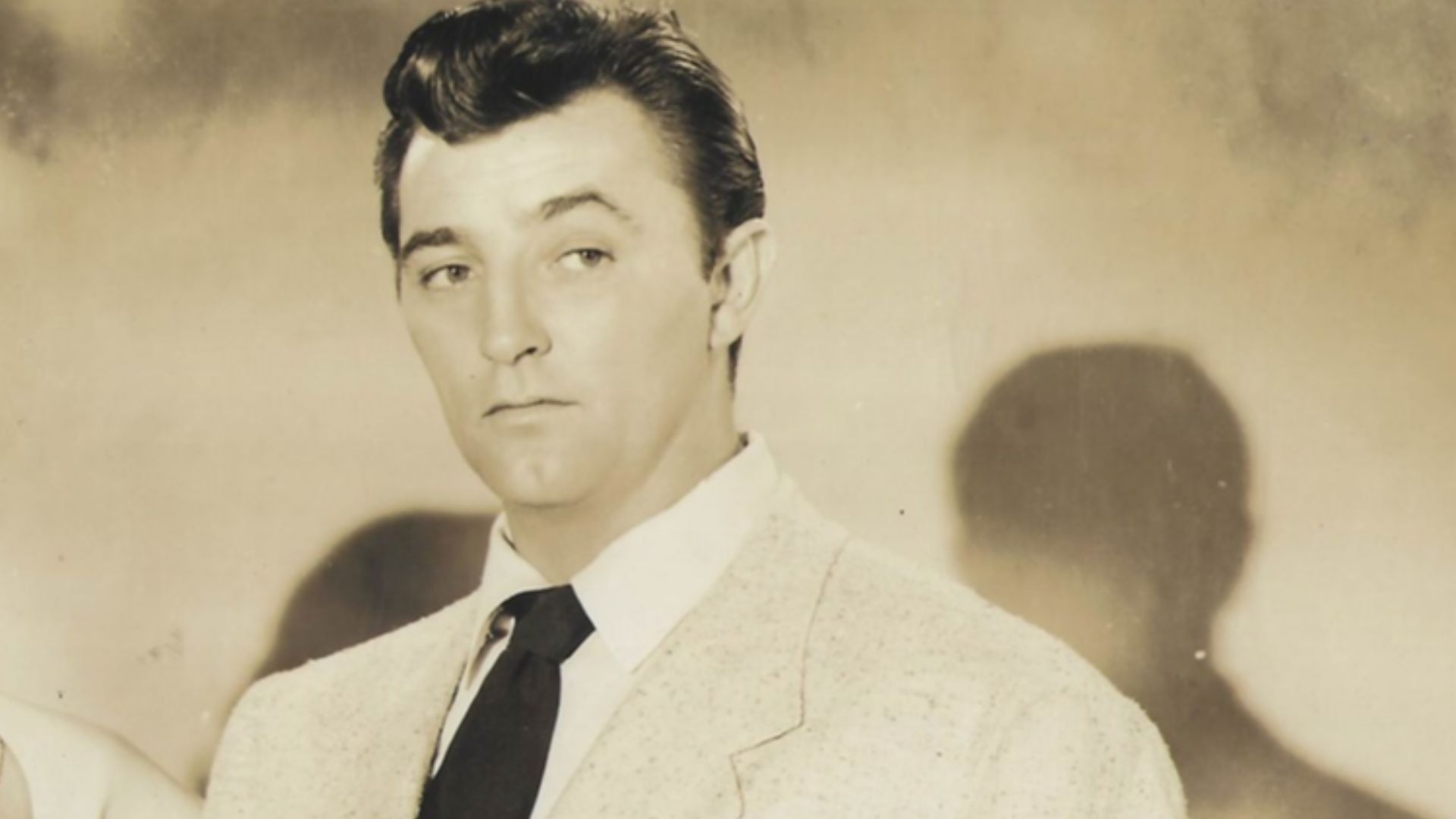
Hopping freight trains wasn’t romantic. It was dangerous, illegal, and often violent. Mitchum later spoke about riding in boxcars, sleeping rough, and getting into fights. He picked fruit, dug ditches, shoveled coal—whatever kept him moving. The hard stare he’d later bring to the screen was shaped during these years.
 RKO Pictures, Wikimedia Commons
He landed on a chain gang at 15
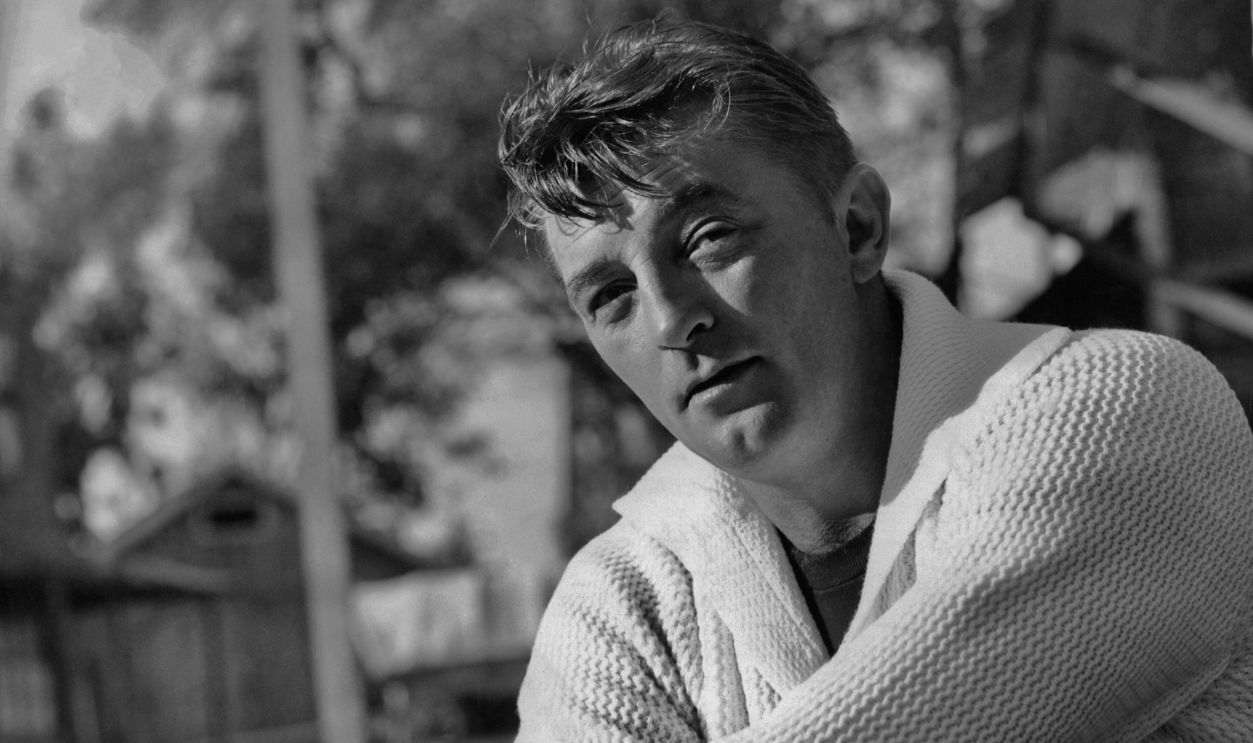
In 1933, at 15 years old, Mitchum was arrested in Savannah, Georgia for vagrancy. With no money and no fixed address, that was enough. He was sentenced to a chain gang—forced labor under harsh conditions. Prisoners worked long hours outdoors, often shackled together, maintaining roads and doing heavy manual work.
 Pictorial Parade, Getty Images
He didn’t stay there
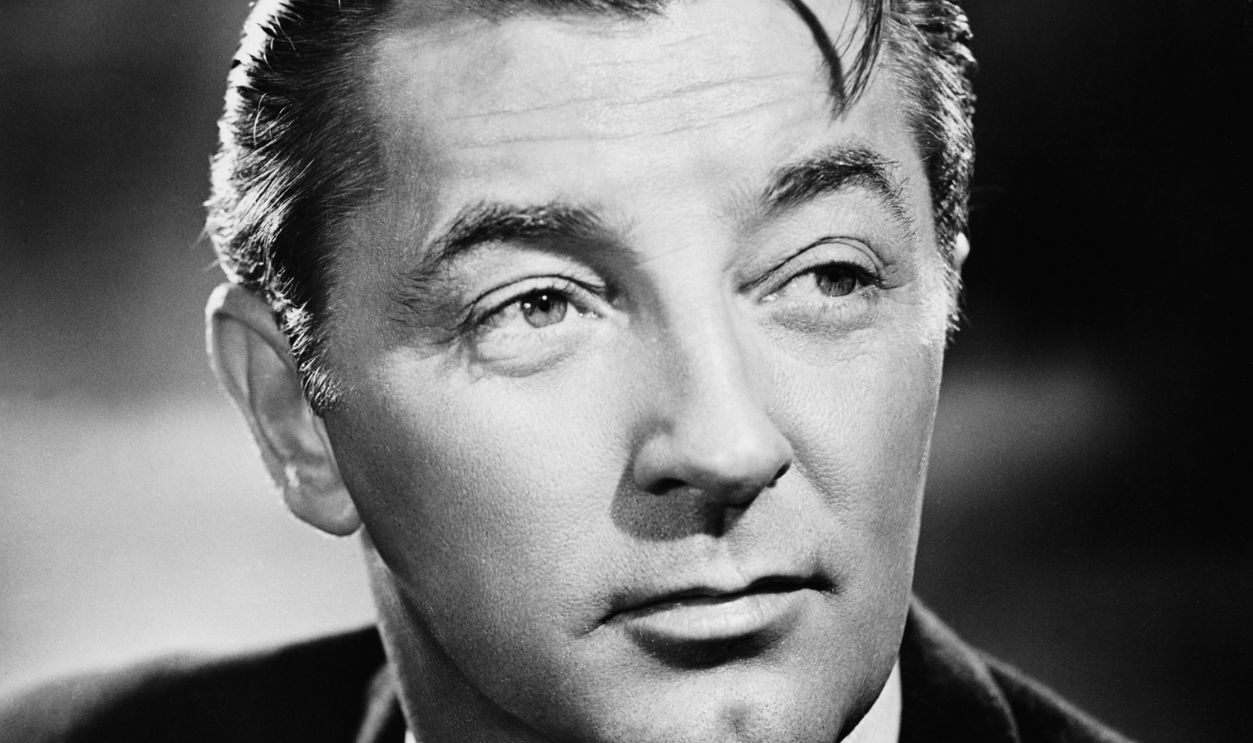
Accounts differ on the exact details, but Mitchum did not serve out the full sentence. He later said he escaped. Some versions claim he slipped away during a work detail; others suggest a guard may have quietly helped him leave. However it happened, he was back on the move while still in his mid-teens.
 John Springer Collection, Getty Images
He boxed to survive
During his drifting years, Mitchum reportedly boxed in small-time matches for cash. He was tall, strong, and willing to take hits if it meant getting paid. It wasn’t a career—it was income. The physical confidence he later carried on screen had practical roots.
 Michael Ochs Archives, Getty Images
He worked everywhere
Before acting, Mitchum held a long list of jobs: ditch digging, railroad labor, factory work, and even work connected to merchant seafaring. He lived in Delaware, New York, and across the South. He wasn’t building credentials. He was learning how to navigate hard environments.
 Michael Ochs Archives, Getty Images
He stumbled into acting almost by accident
In the late 30s, while in California, Mitchum’s sister encouraged him to try acting with a local theater group. It offered steady work and indoor hours. He had no formal training. What he had was a deep voice, physical presence, and a natural stillness that casting directors quickly noticed.
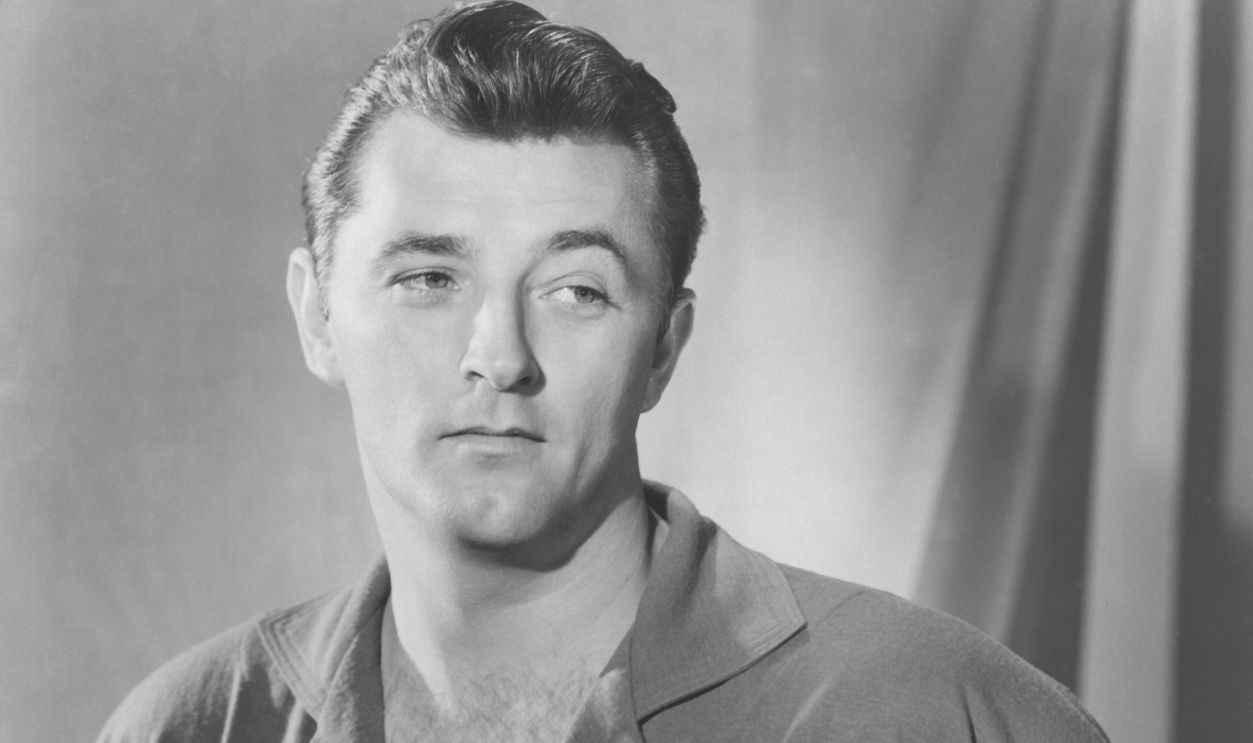
Hollywood couldn’t teach what he already had
By the time Mitchum broke through in the 40s with films like Out of the Past, he didn’t need to manufacture toughness. Directors saw that he wasn’t forcing it. He moved slowly, spoke calmly, and didn’t overplay emotion. The restraint felt real because it was grounded in experience.
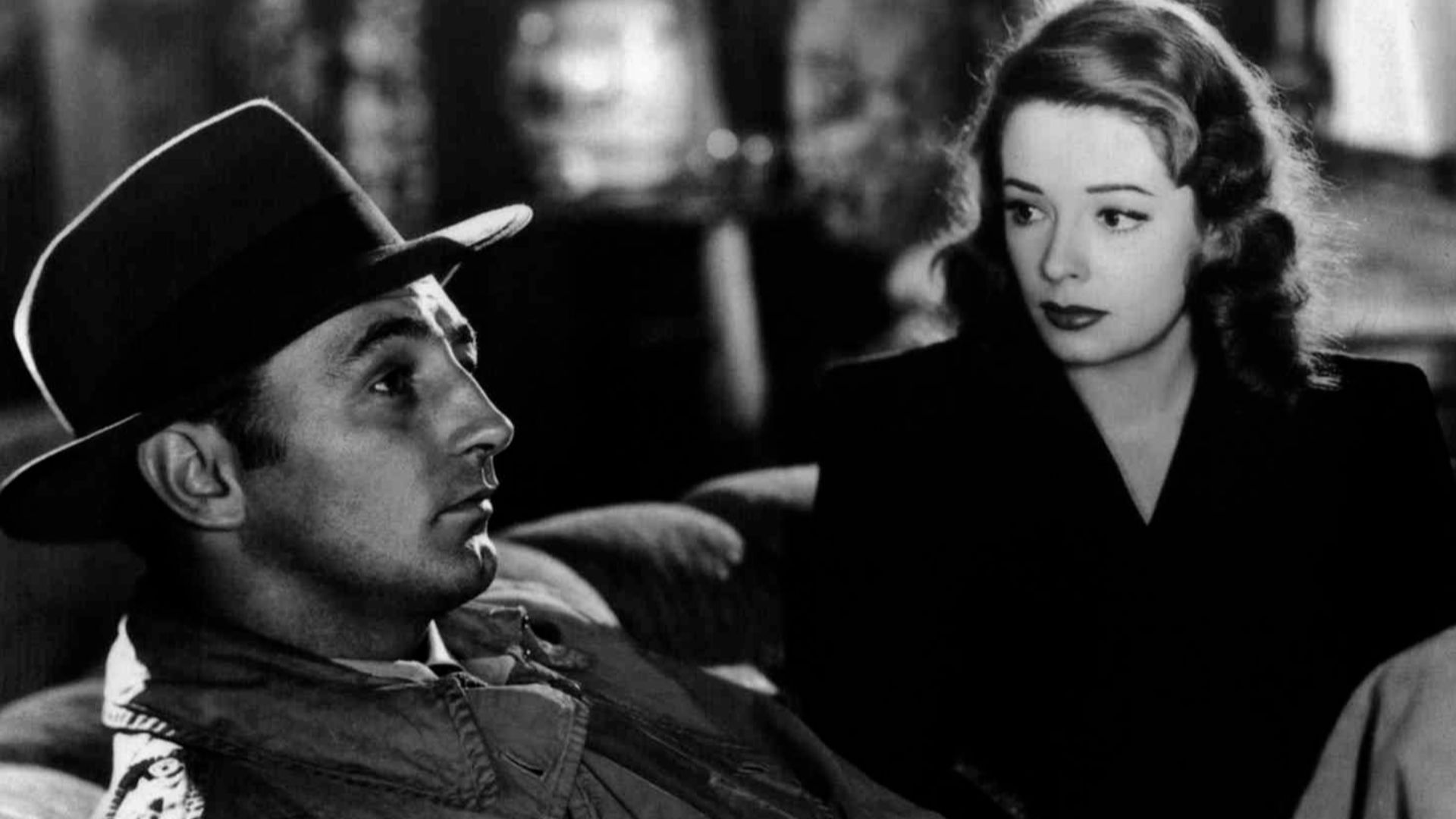 Original property rights holder: RKO Radio Pictures, Wikimedia Commons
He earned an Oscar nomination almost immediately
In 1945, Mitchum was nominated for Best Supporting Actor for The Story of G.I. Joe. It was one of his first major roles. The performance was restrained and natural—very different from the theatrical war films of the time. Hollywood didn’t just see toughness. They saw control.
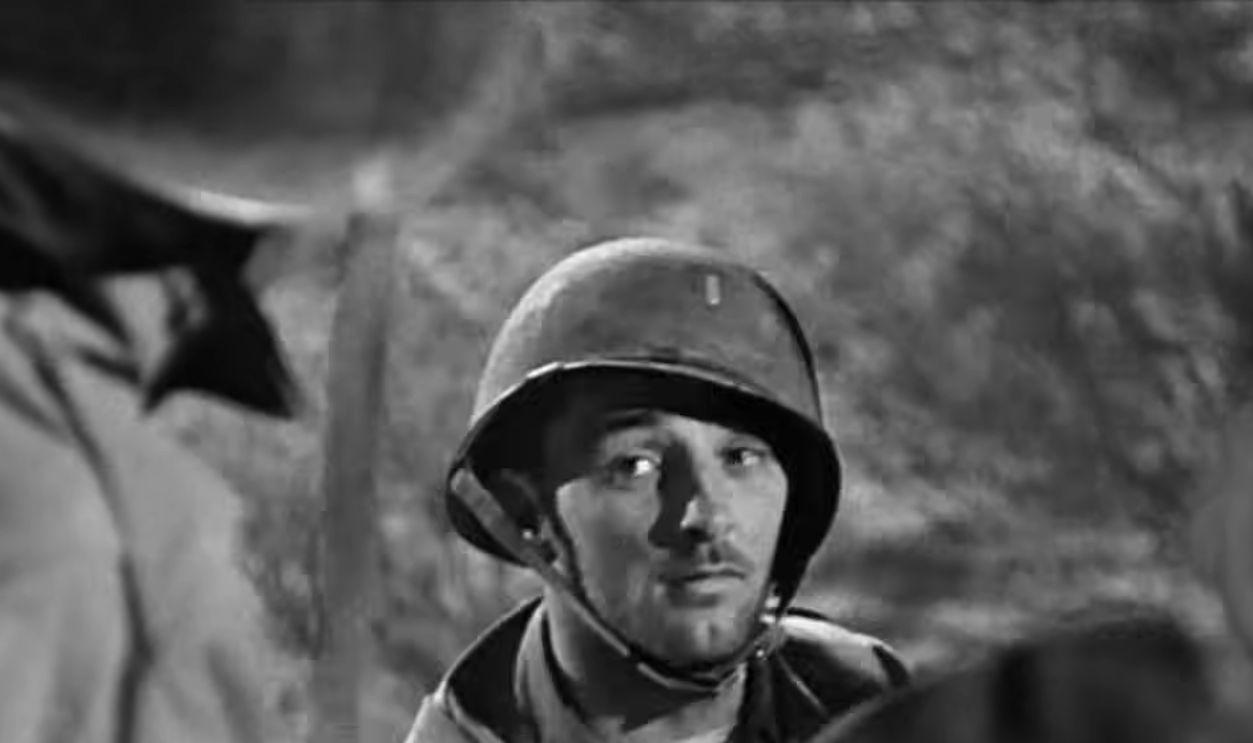 Screenshot from The Story of G.I. Joe, United Artists (1945)
He became the face of film noir
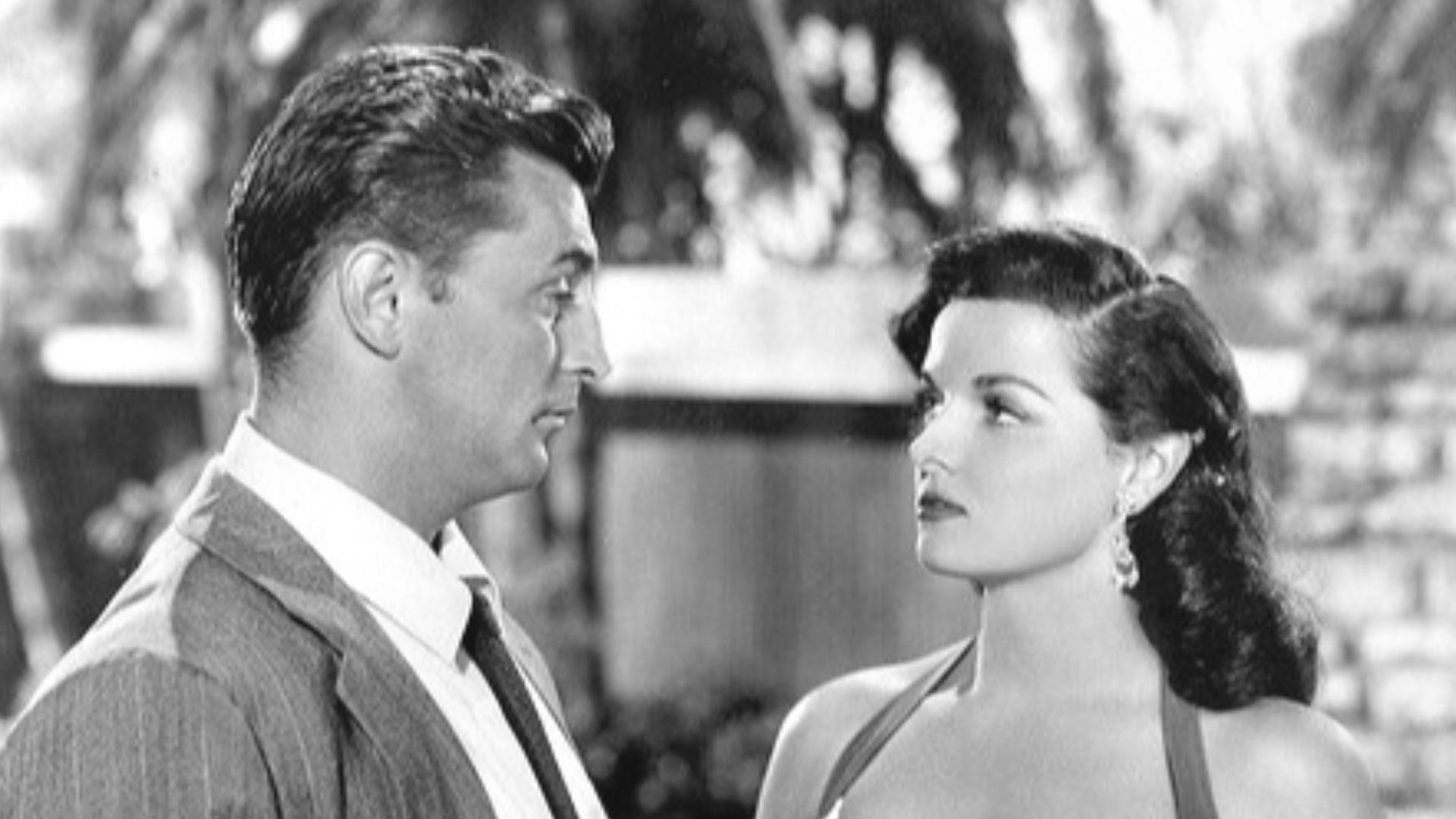
In movies like The Big Steal and His Kind of Woman, Mitchum helped define the cool, detached antihero. His half-lidded gaze and measured delivery became trademarks. Audiences believed him in morally gray roles because he projected someone who had already seen consequences—and accepted them.
Then came "The Night of the Hunter"
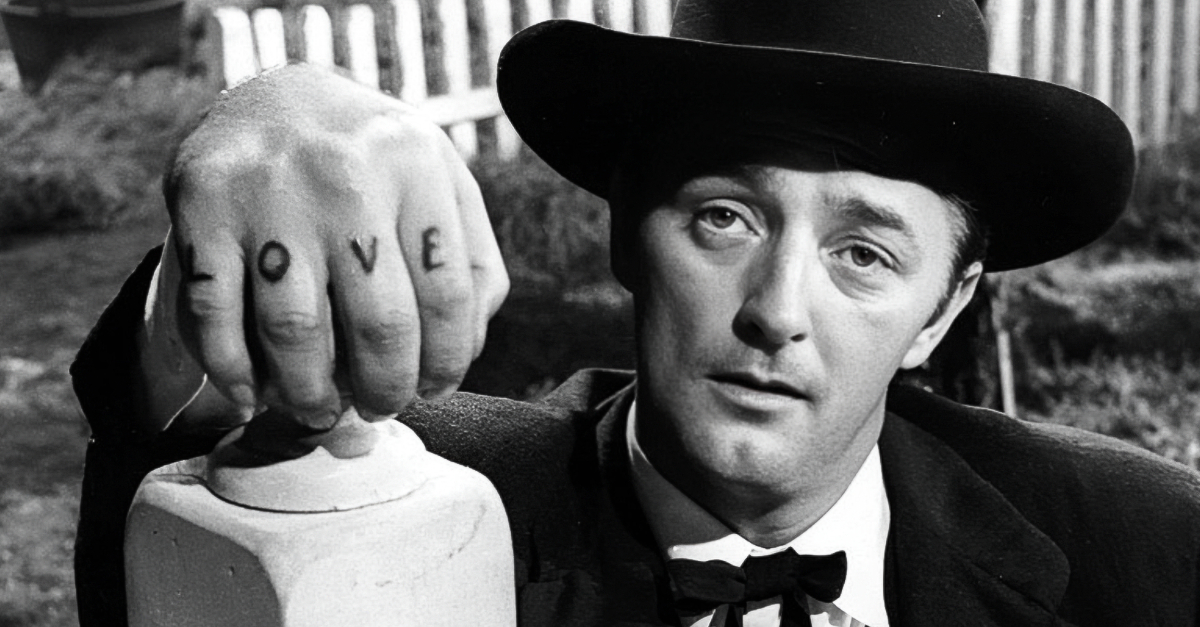
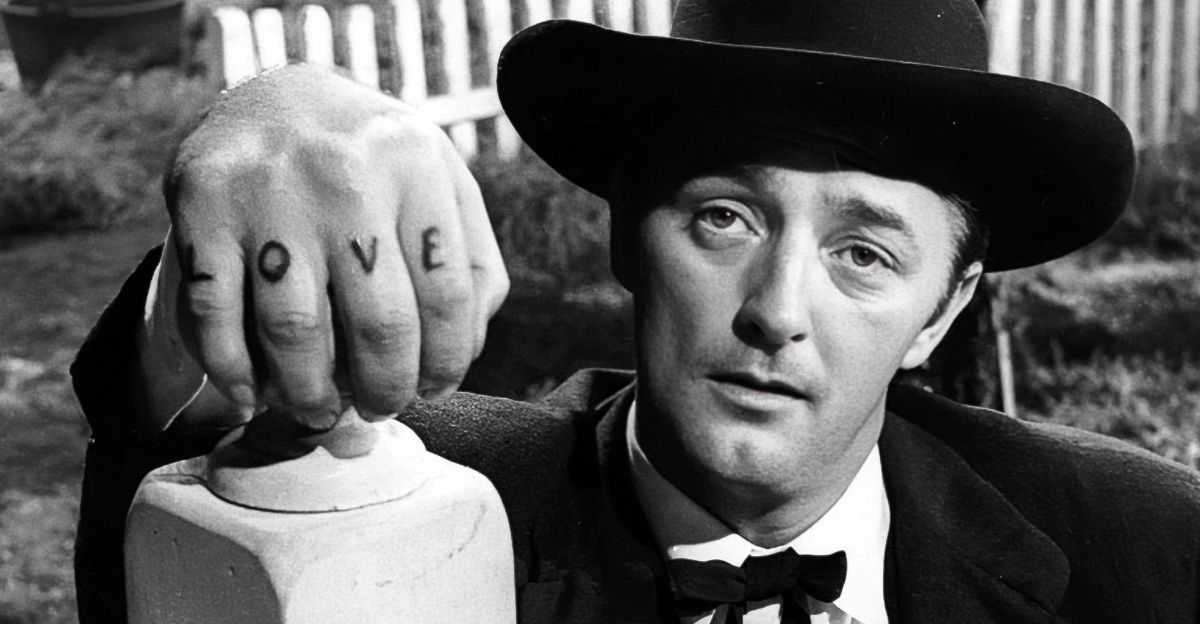
As preacher Harry Powell in The Night of the Hunter, Mitchum delivered one of cinema’s most unsettling performances. With “LOVE” and “HATE” tattooed across his knuckles, he played the character with eerie calm instead of theatrical villainy. The quiet approach made the performance more disturbing—and more memorable.
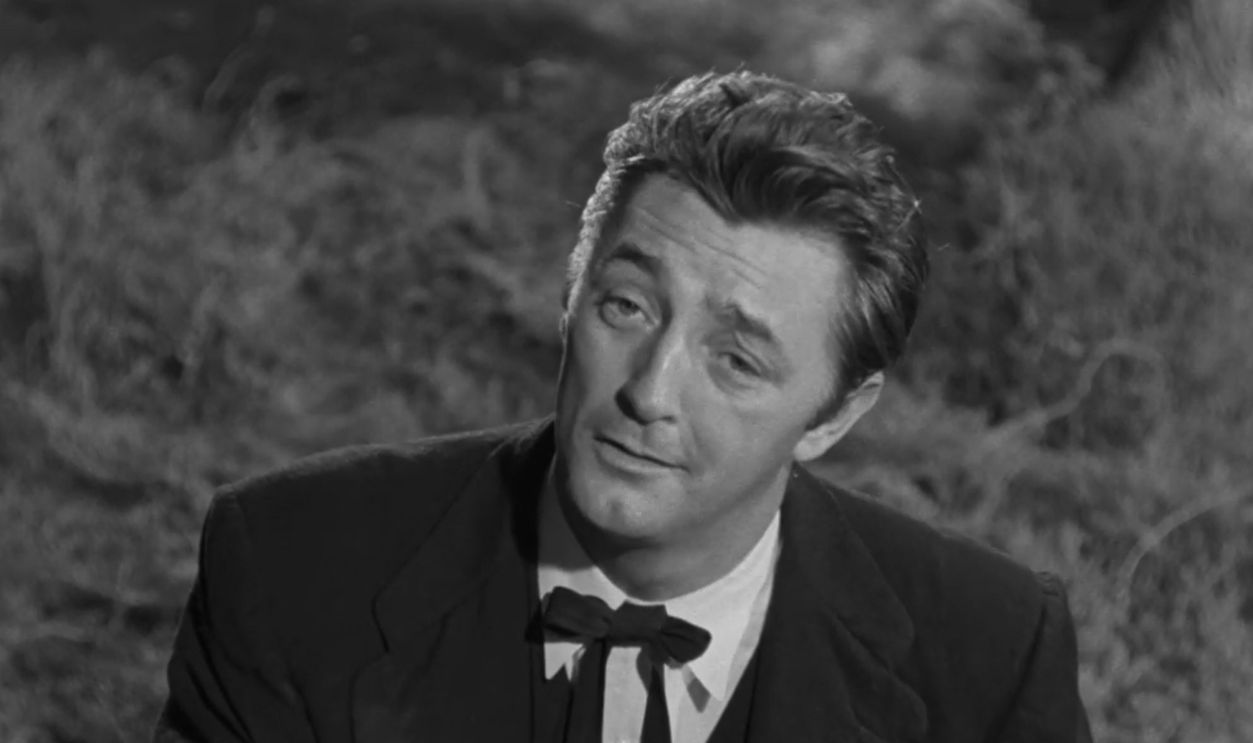 Screenshot from The Night of the Hunter, United Artists (1955)
He even survived scandal
In 1948, Mitchum was arrested in a widely publicized Hollywood drug case. He was sentenced to 60 days in jail and served roughly 50–60 days before being released in 1949. At a time when studios tightly controlled star images, that could have ended his career. Instead, he returned to work quickly.
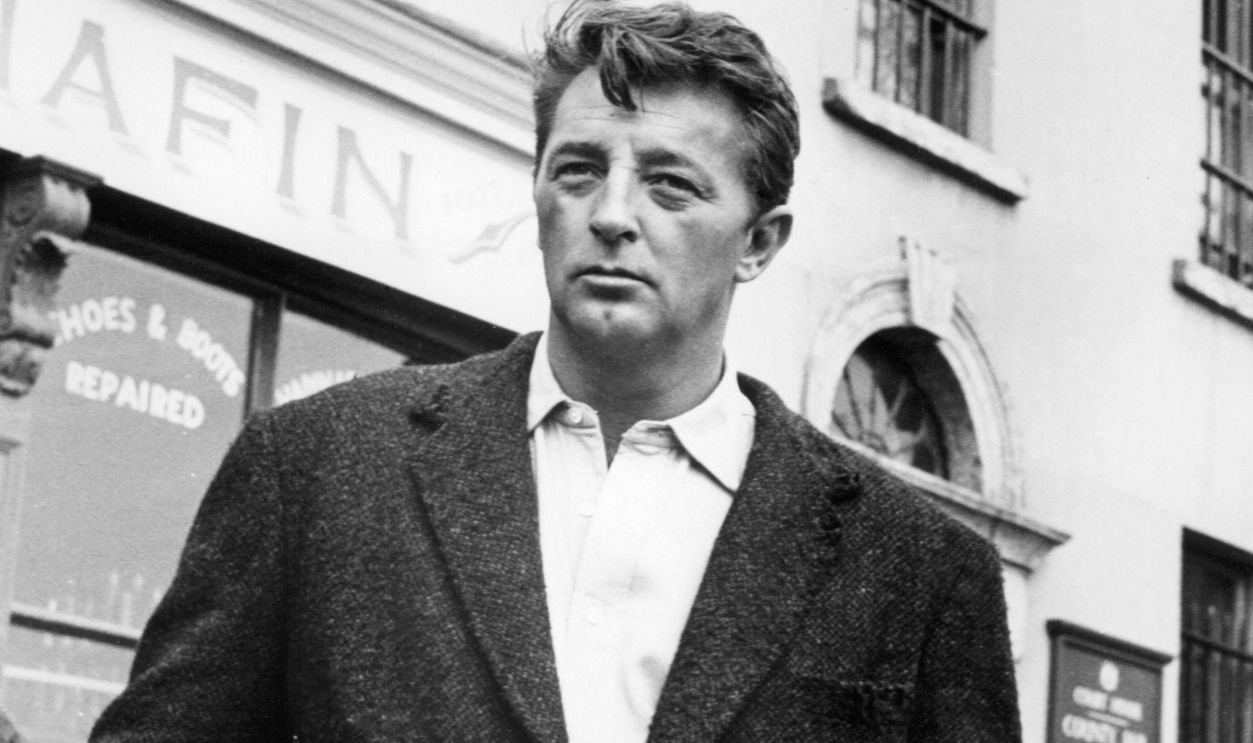 Silver Screen Collection, Getty Images
The conviction didn’t stick
In 1951, Mitchum’s conviction from the 1948 arrest was vacated after testimony suggested police misconduct and entrapment. What could have permanently damaged a 40s career instead became part of his reputation. He didn’t publicly rage about it. He went back to work.
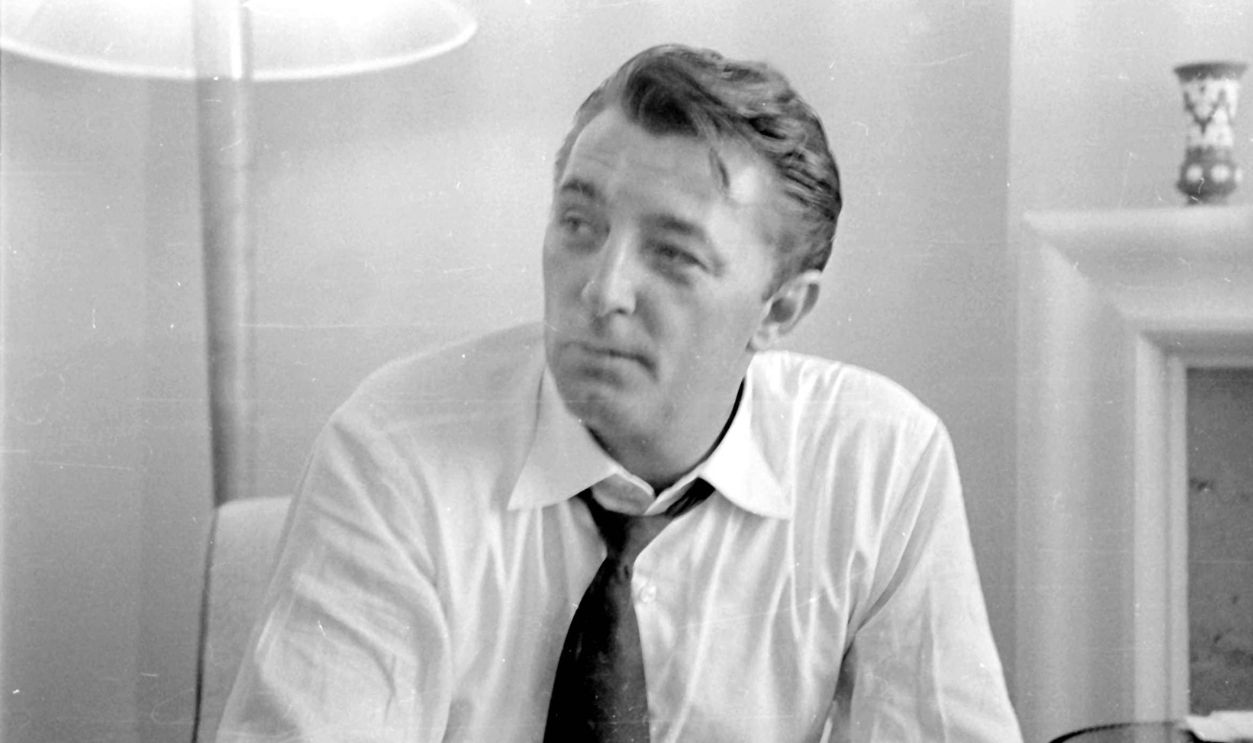
He didn’t chase respectability
Mitchum never leaned into polished studio charm. He gave blunt interviews, mocked Hollywood seriousness, and seemed uninterested in self-mythology. That indifference became part of his appeal. He looked like someone who had already tested the world—and wasn’t overly impressed by it.
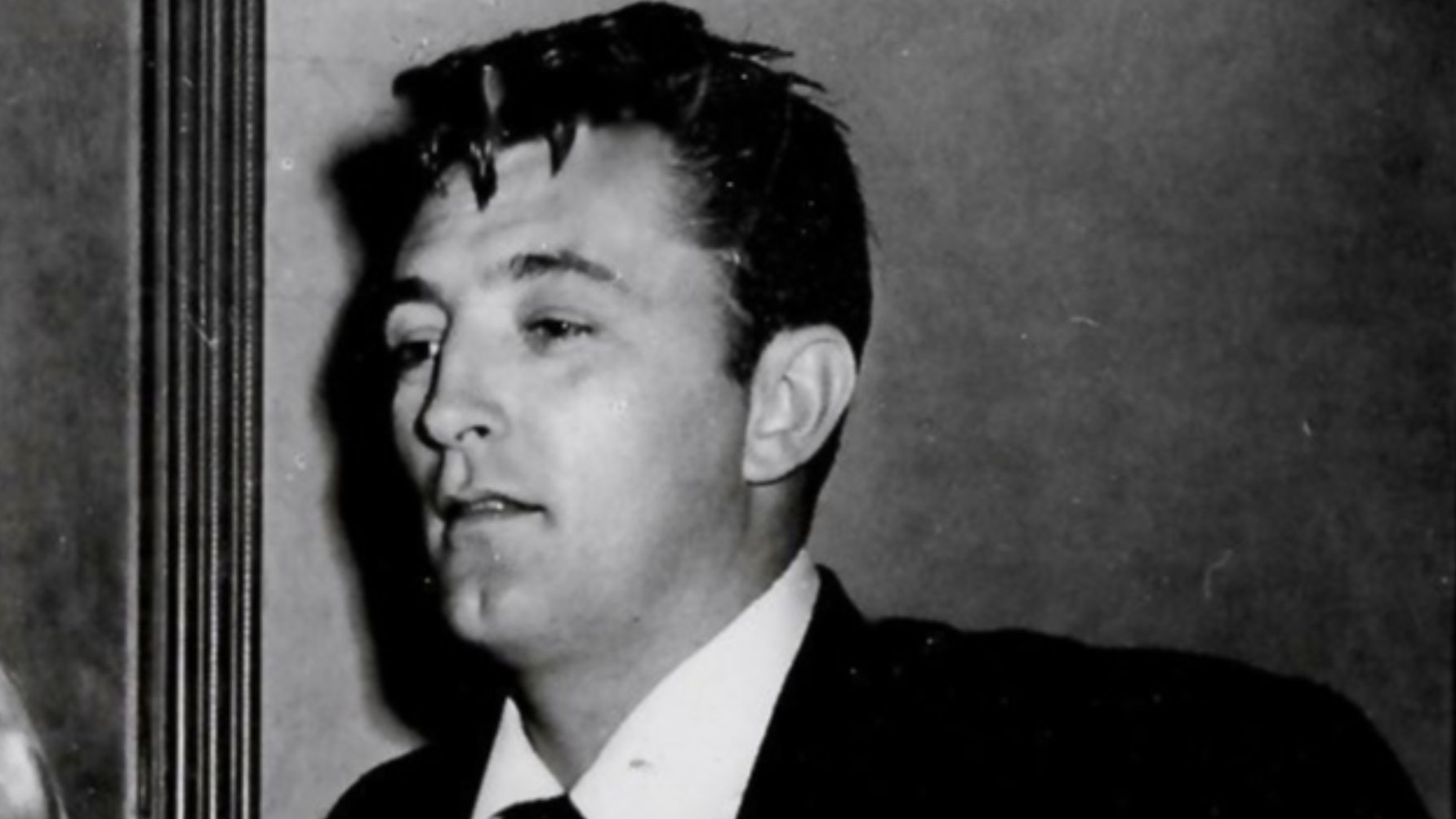 Unknown authorUnknown author, Wikimedia Commons
He recorded a calypso album
In 1957, Mitchum released Calypso — Is Like So..., a full-length calypso record on Capitol. It wasn’t a novelty stunt. The same man who defined film noir was suddenly singing Caribbean folk songs. He didn’t explain it. He just did it.

He never treated acting like sacred work
Mitchum once said, “Look, I have two kinds of acting. One on a horse and one off it.” He often described acting as a job, not a calling. While other stars polished their mystique, he downplayed his craft. The indifference became part of his image.
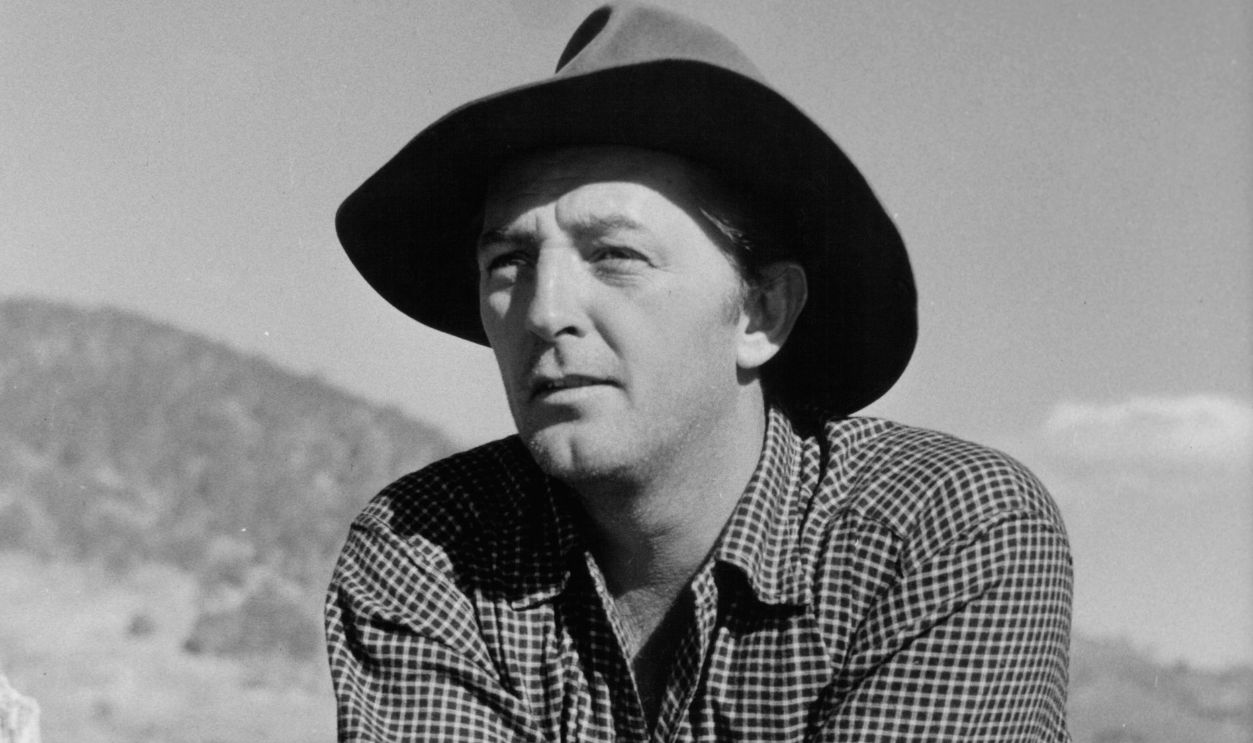
He aged into something even heavier
By the time he starred in Cape Fear (1962) as Max Cady, Mitchum’s presence had deepened. He underplayed the menace, relying on stillness and eye contact rather than volume. Decades later, he appeared in the 1991 remake in a different role, tying his legacy back to a new generation.
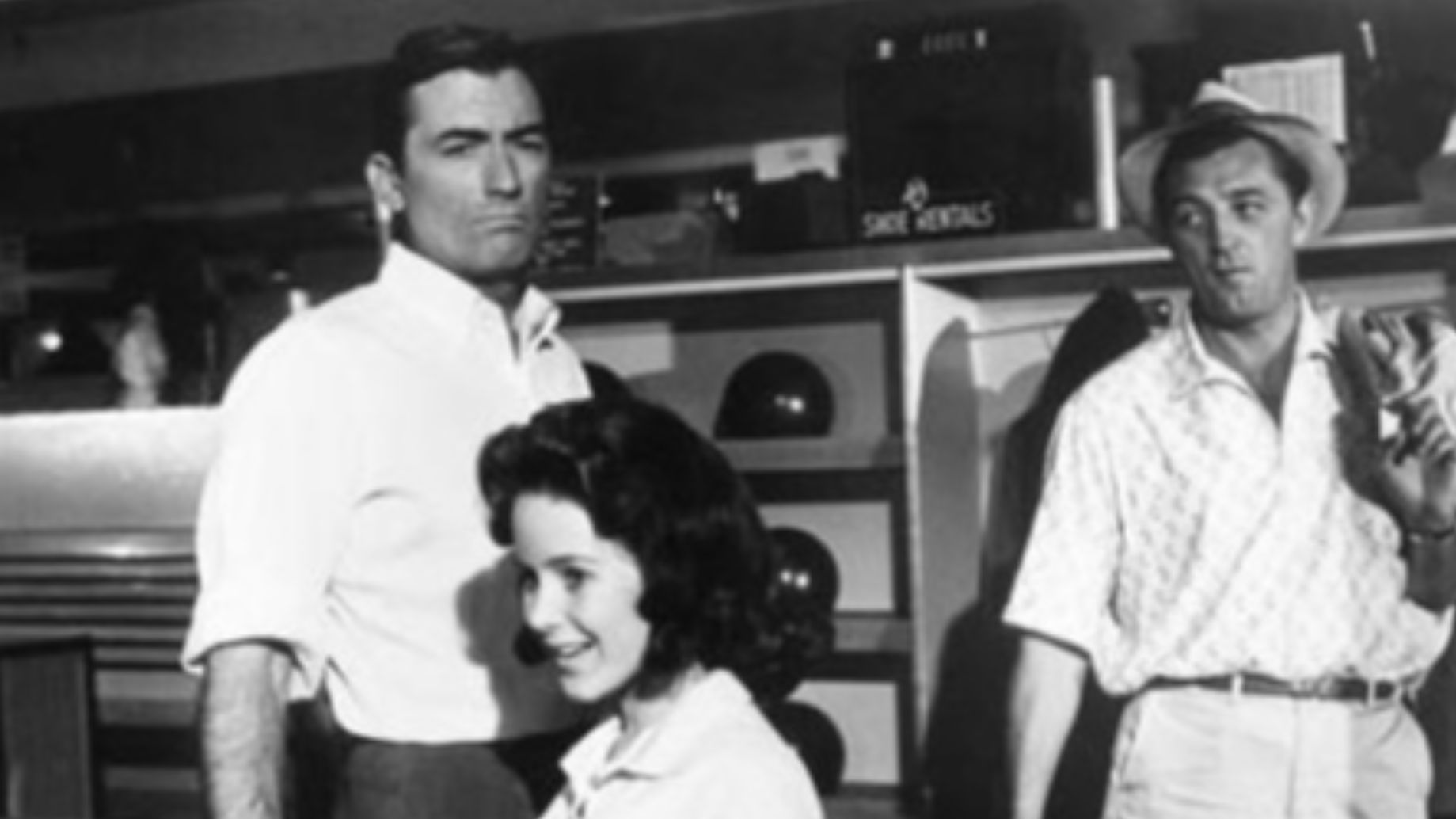 Universal Pictures, Wikimedia Commons
The toughness was real—but so was the stability
Despite his early instability, Mitchum remained married to his wife Dorothy for nearly 60 years. The long marriage contrasted sharply with his outlaw image. Off-screen, he was known to be private, dryly funny, and far less volatile than his early years suggested.
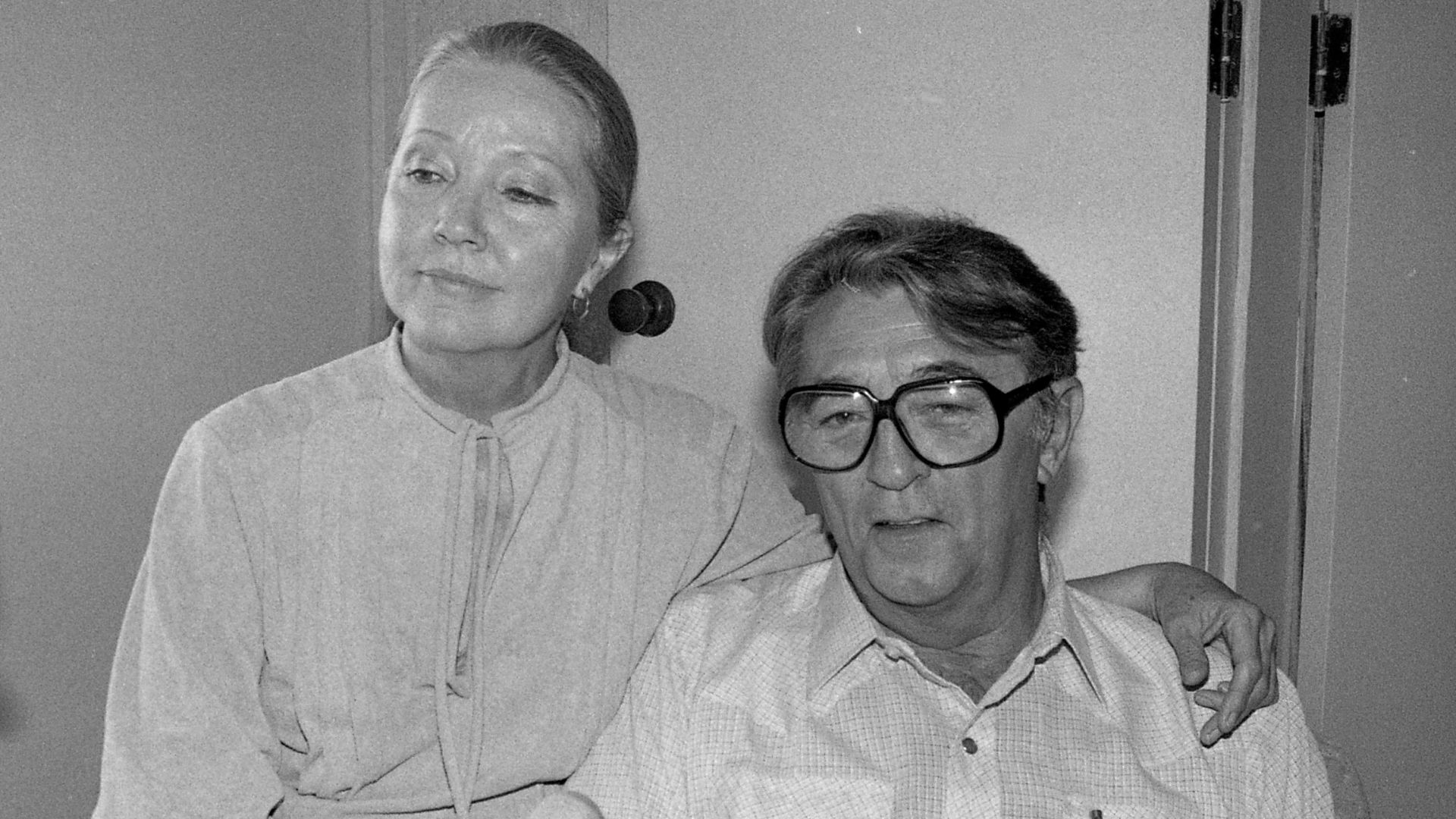 Tsevi Goldfarb, Wikimedia Commons
His body eventually paid the price
Later in life, Mitchum battled lung cancer and emphysema after decades of heavy smoking. He died in 1997 at 79. The voice remained steady for years. The presence never faded. But even for someone that tough, there were limits.
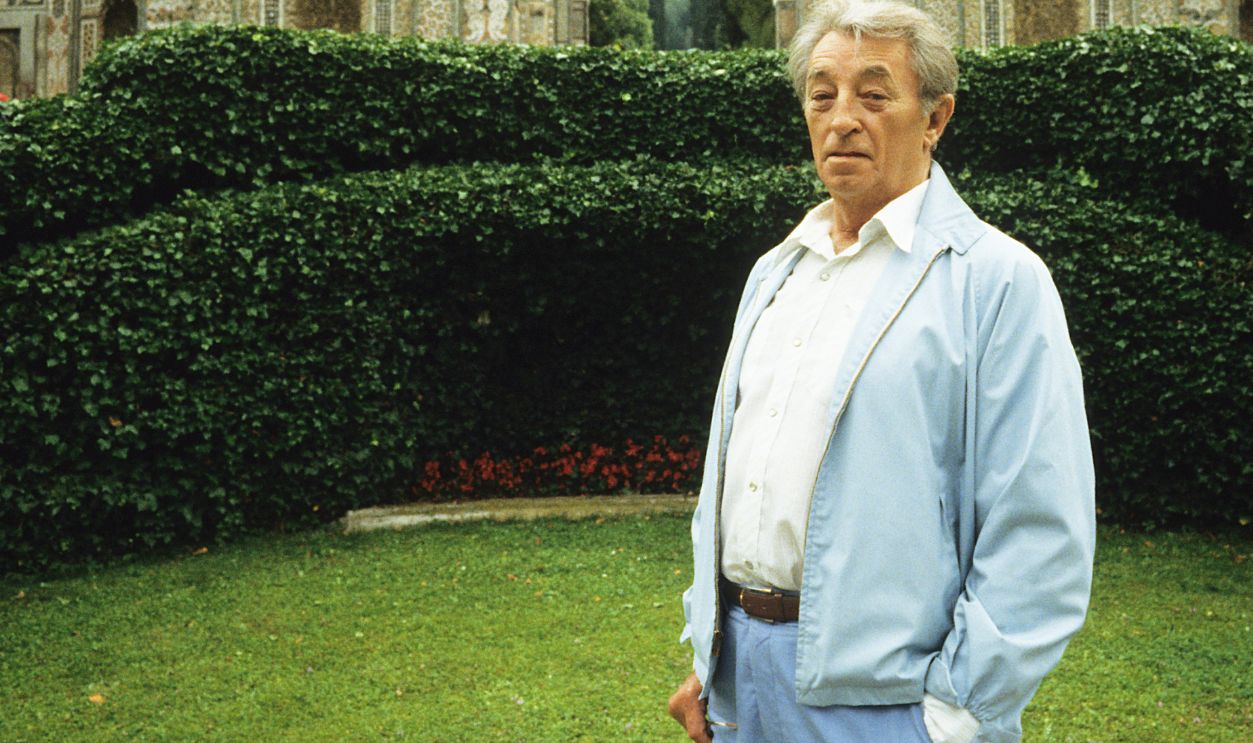 Leonardo Cendamo, Getty Images
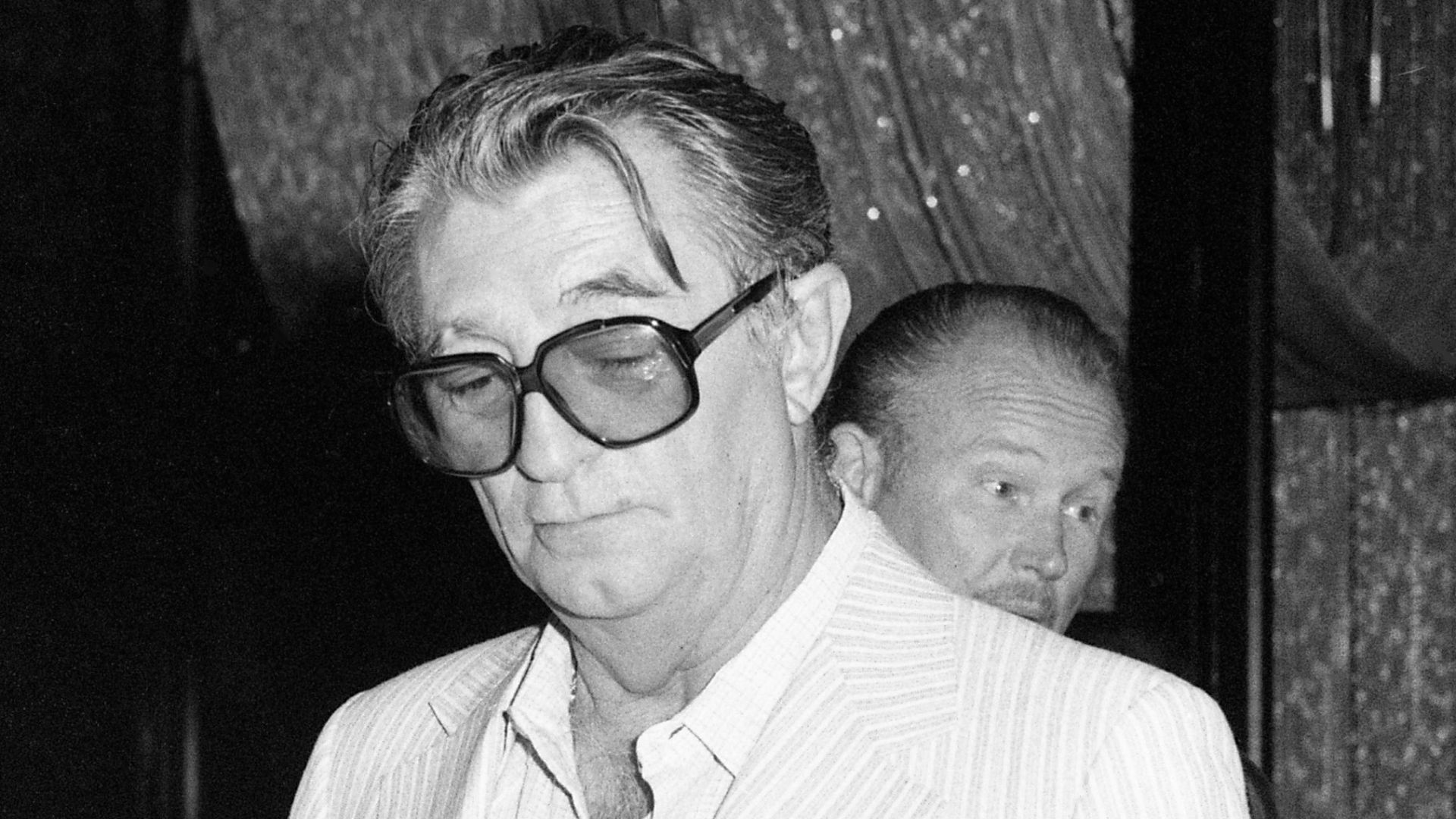
He never rewrote his past
Mitchum didn’t sanitize his early life in interviews. He acknowledged the arrests, the drifting, and the jail time. He didn’t exaggerate them either. He treated those years as part of the record—events that shaped him but didn’t need polishing.
 IPPA photographer, Wikimedia Commons
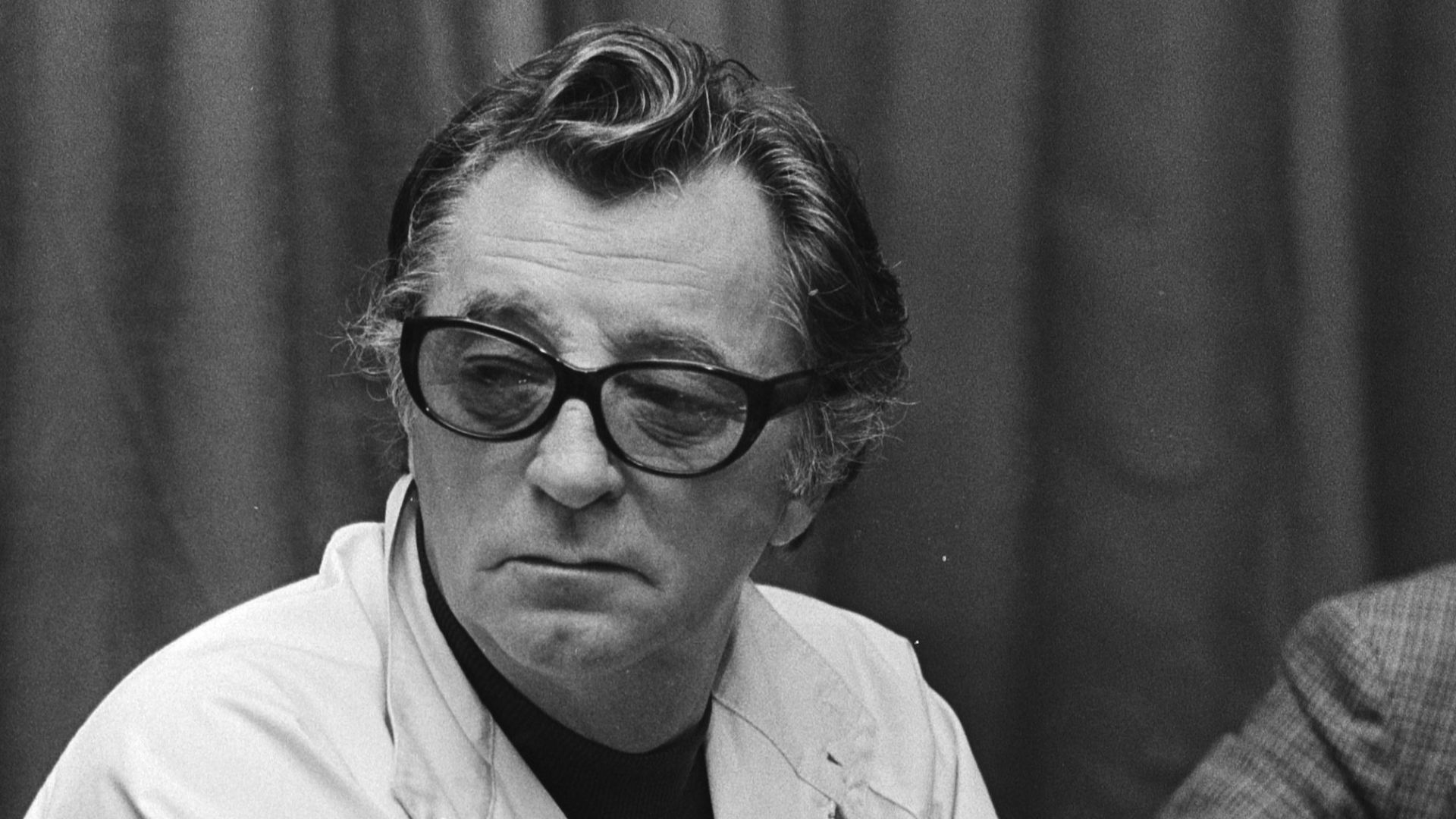
A legend forged before fame
By the time Robert Mitchum was 16, he had run away twice, ridden freight trains across multiple states, worked manual labor jobs, been arrested, and escaped a chain gang. Long before film sets and studio lights, he had already built the foundation of the persona audiences later recognized.
 Koen Suyk / Anefo, Wikimedia Commons
You Might Also Like:
The Bittersweet Career and Life of Adam Rich
The Legendary Film Career of Roy Scheider