She Was Only 24
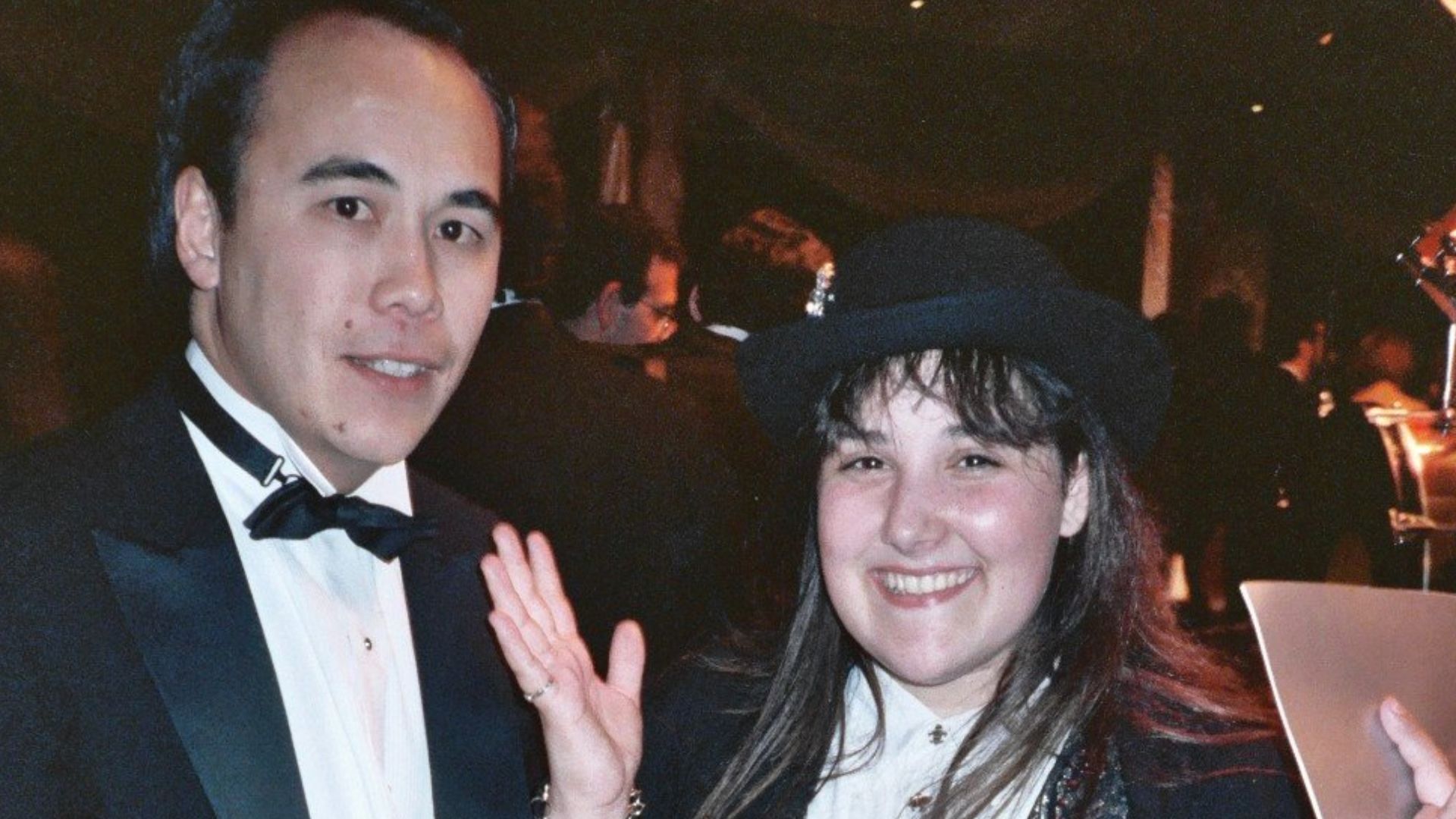
When Ricki Lake premiered in September 1993, its host was just 24 years old. Sony later credited Lake with making television history as the youngest syndicated talk-show host of her era. Not even old enough to rent a car, and Lake was suddenly competing with veterans who had spent decades building their daytime audiences.
 lukeford.net, Wikimedia Commons
Before Talk TV Came Hairspray
Lake was already recognizable before anyone handed her a microphone. John Waters selected the 18-year-old actress to play Tracy Turnblad in his 1988 comedy Hairspray. The exuberant lead role became Lake’s breakthrough and changed the direction of her life.
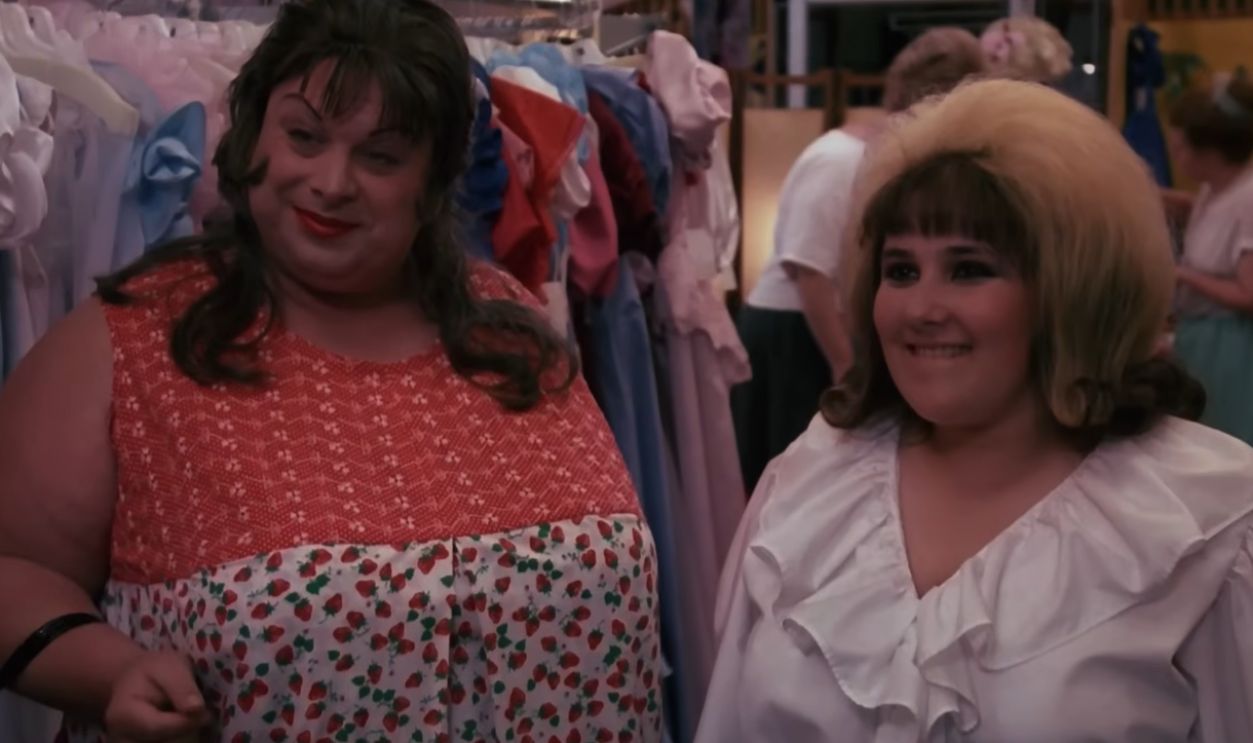 Screenshot from Hairspray, New Line Cinema (1988)
Hollywood Took Notice
Lake’s performance brought more than visibility. She received an Independent Spirit Award nomination for Best Female Lead alongside actresses including Jodie Foster, Julia Roberts, and Meg Ryan. Suddenly, the young newcomer from Hairspray appeared to have an unusual Hollywood career ahead of her.
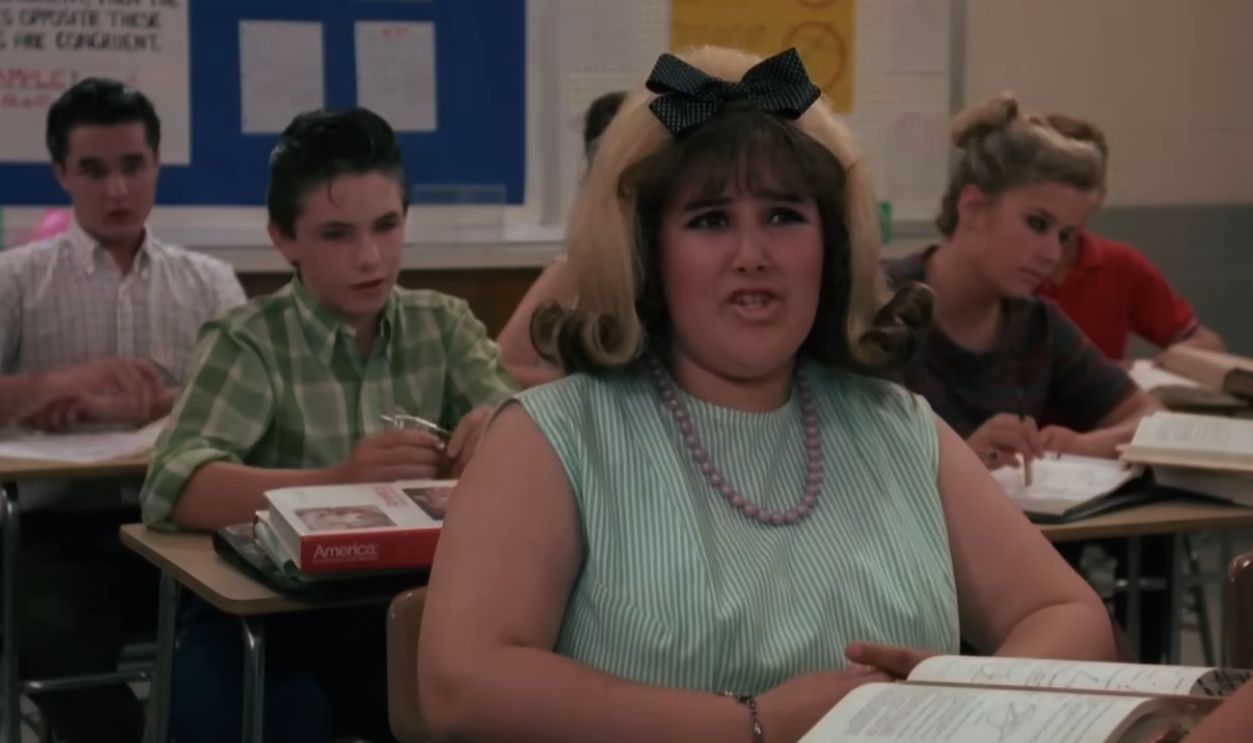 Screenshot from Hairspray, New Line Cinema (1988)
Then The Roles Slowed Down
Success did not turn into steady acting work. Lake later recalled that opportunities became scarce after projects including Cry-Baby (with Johnny Depp) and China Beach. She was still searching for her place when an appearance with David Letterman helped point her toward an entirely different kind of television career.
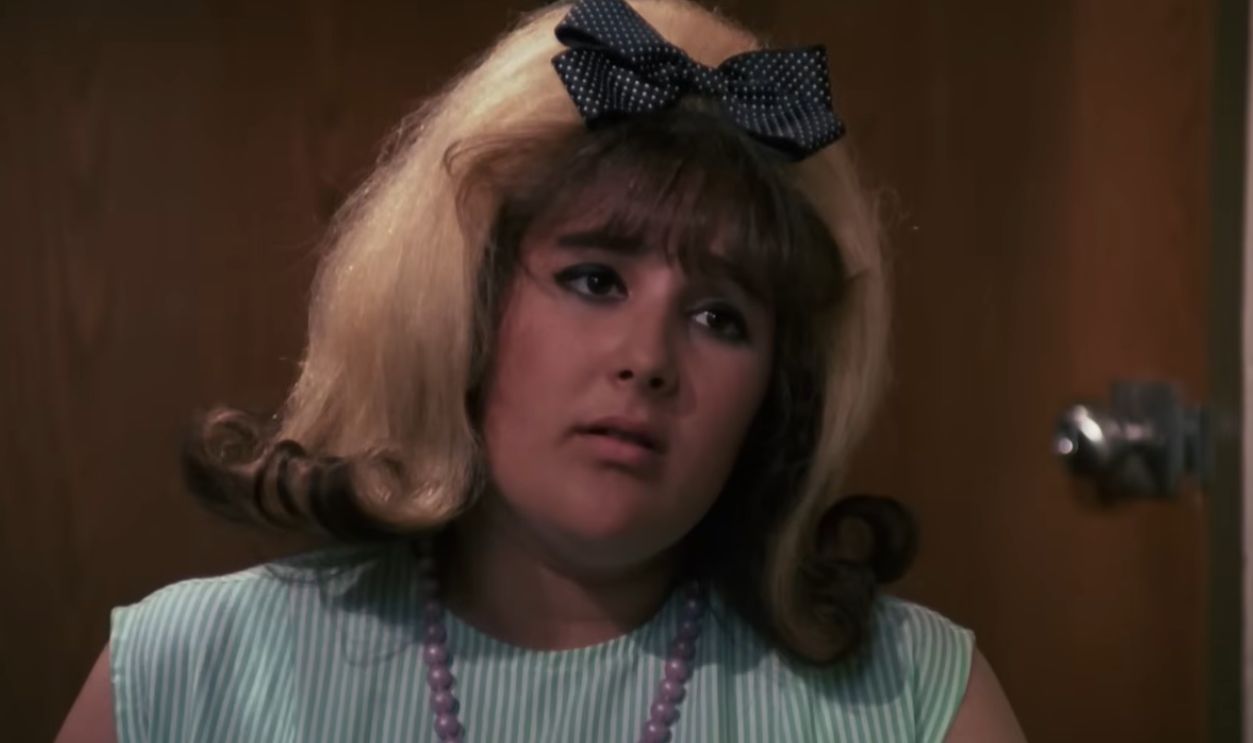 Screenshot from Hairspray, New Line Cinema (1988)
Someone Saw A Talk Show Host
Lake credited producer Stuart Krasnow with noticing her rapport with David Letterman and recognizing something useful. She was candid, quick, and comfortable responding in the moment. Those qualities mattered because the proposed show was supposed to feel considerably younger than traditional daytime television.
![Collectie / Archief : Fotocollectie Anefo
Reportage / Serie : [ onbekend ]
Beschrijving : Opdracht Gelderlander, R. Lake
Datum : 11 oktober 1988
Persoonsnaam : R. Lake
Fotograaf : Croes, Rob C. / Anefo
Auteursrechthebbende : Nationaal Archief
Materiaalsoo](https://www.factinate.com/storage/app/media/theshot/2026/9/3/1788431606f6f3de09632ac2e4a9ad250ff5532f6b5dd155bf.jpg) Rob Croes for Anefo, Wikimedia Commons
Rob Croes for Anefo, Wikimedia Commons
Daytime Had An Age Problem
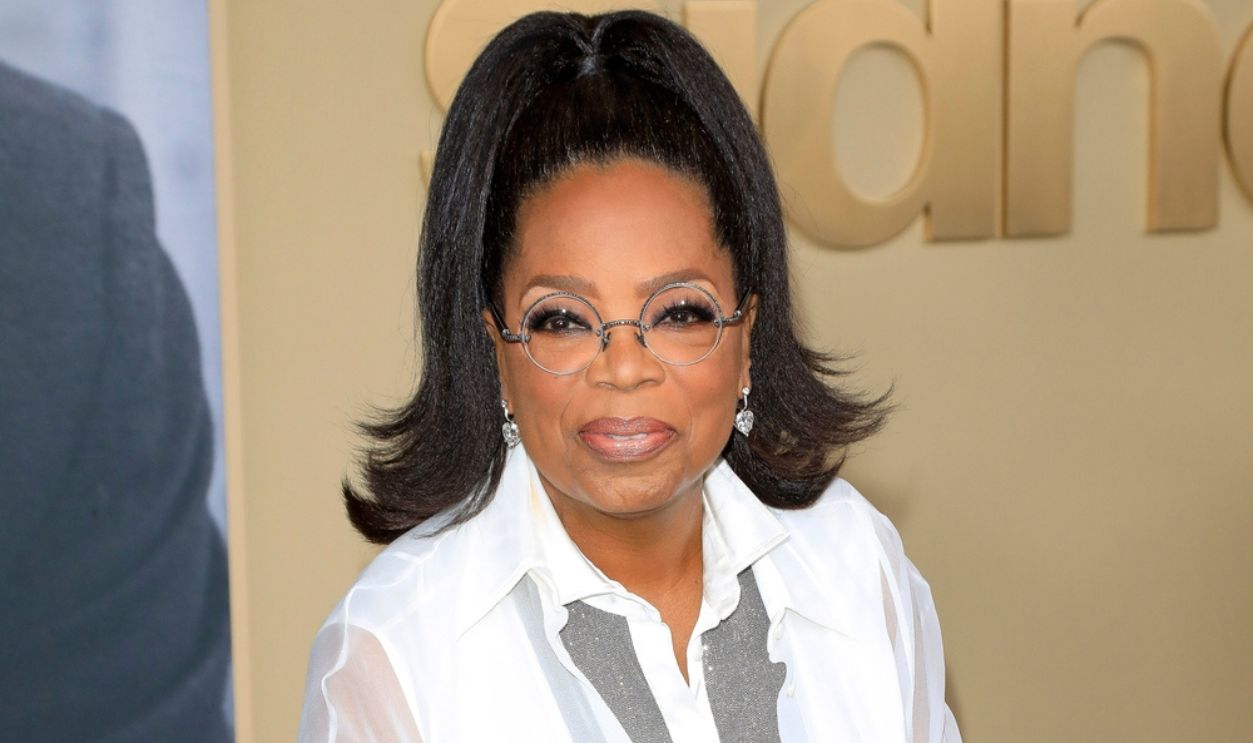
Producer Garth Ancier believed existing talk programs were overlooking viewers between 18 and 34. Daytime was dominated by established personalities including Oprah Winfrey, Phil Donahue, and Sally Jessy Raphael. Ancier wanted younger guests, younger issues, and a host who naturally belonged to that generation.
Ricki Was The Experiment
That strategy turned Lake’s age from an apparent liability into the program’s defining advantage. Ricki Lake entered syndication in September 1993 with a host who was still days away from turning 25. The entire production was designed around reaching viewers closer to her age.
The Perspective Was Different
Lake later explained that her program approached familiar conflicts from the younger person’s point of view. Parent-child disputes, dating problems, sexuality, friendships, and family tensions could therefore sound very different on Ricki compared to the competitors. It was daytime television spoken in the language of its intended Generation X audience.
 Screenshot from Ricki Lake, syndicated television (1993–2004)
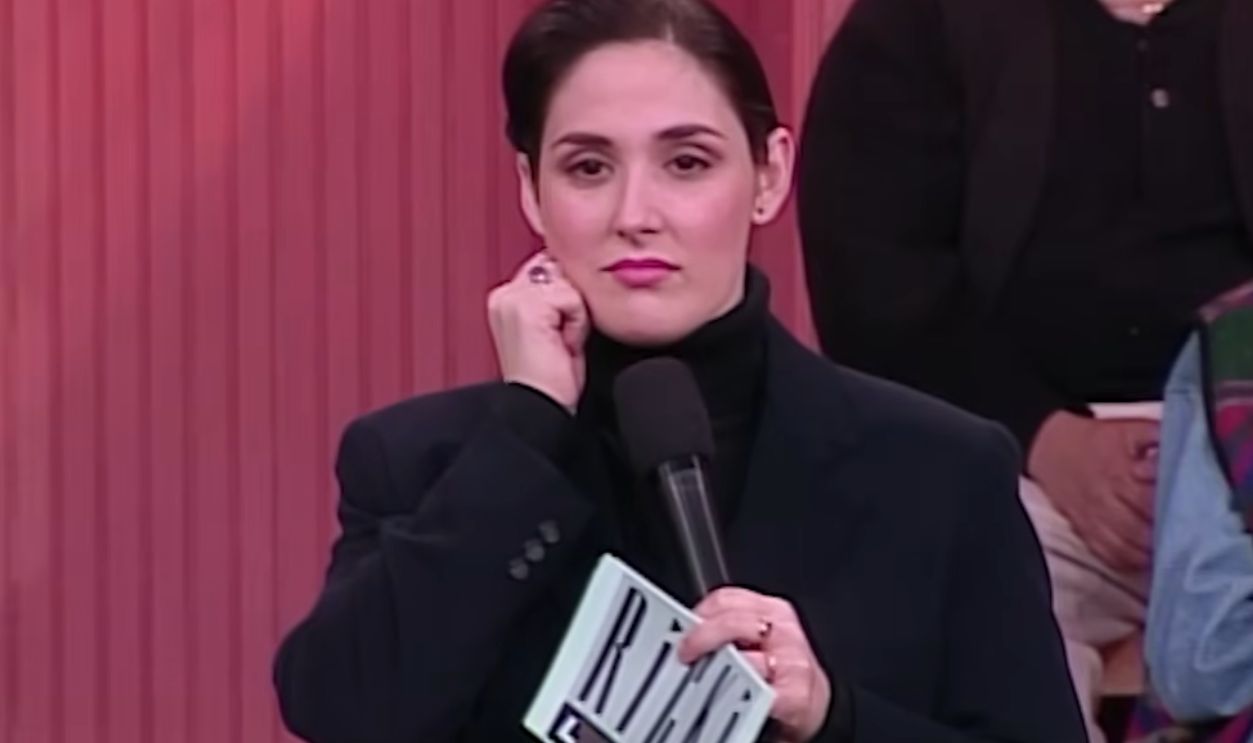
The Show Moved Quickly
Producers also changed the mechanics of daytime talk. Episodes were faster paced, surprise entrances could heighten confrontations, and audience members became active participants. Relationship problems were especially common, giving viewers an hour built around recognizable disputes rather than lengthy discussions of distant public issues.
 Screenshot from Ricki Lake, syndicated television (1993–2004)
Lake Made It Feel Personal
Lake said her approach was essentially the one she had previously used while watching talk shows at home. She asked questions she genuinely wanted answered. That relatively informal presence helped separate her from hosts who appeared more authoritative, experienced, or removed from their guests’ generation.
 Screenshot from Ricki Lake, syndicated television (1993–2004)
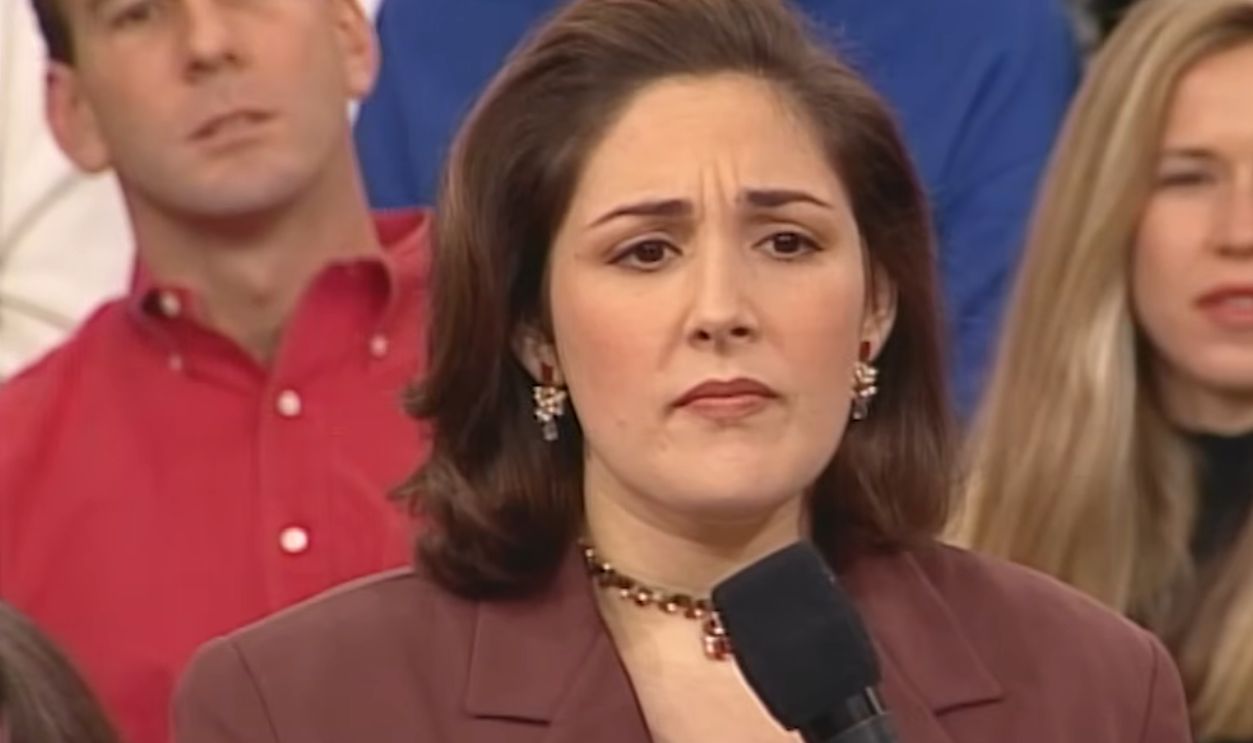
The Ratings Took Off
The gamble paid off remarkably quickly. By May 1994, the Los Angeles Times reported that the show’s ratings had more than doubled since its premiere. Among female viewers nationally, Lake was already trailing only Oprah Winfrey, while outperforming several established daytime names.
 Screenshot from Ricki Lake, syndicated television (1993–2004)
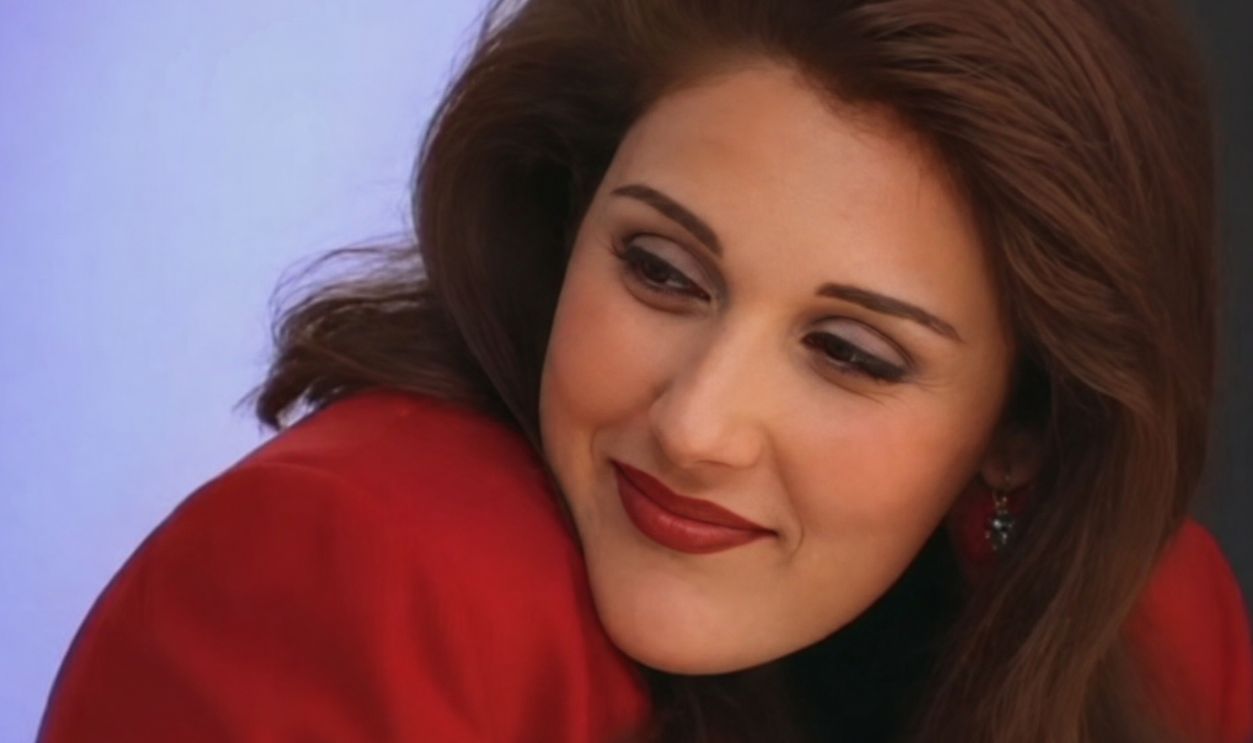
Suddenly She Was Number Two
The momentum continued into the second season. By November 1994, Lake’s national rating had climbed from 2.0 to 4.9, making her the second-highest-rated talk-show host behind Winfrey. A host who had seemed unusually young was now forcing daytime television to reconsider what its audience looked like.
 Screenshot from Ricki Lake, syndicated television (1993–2004)
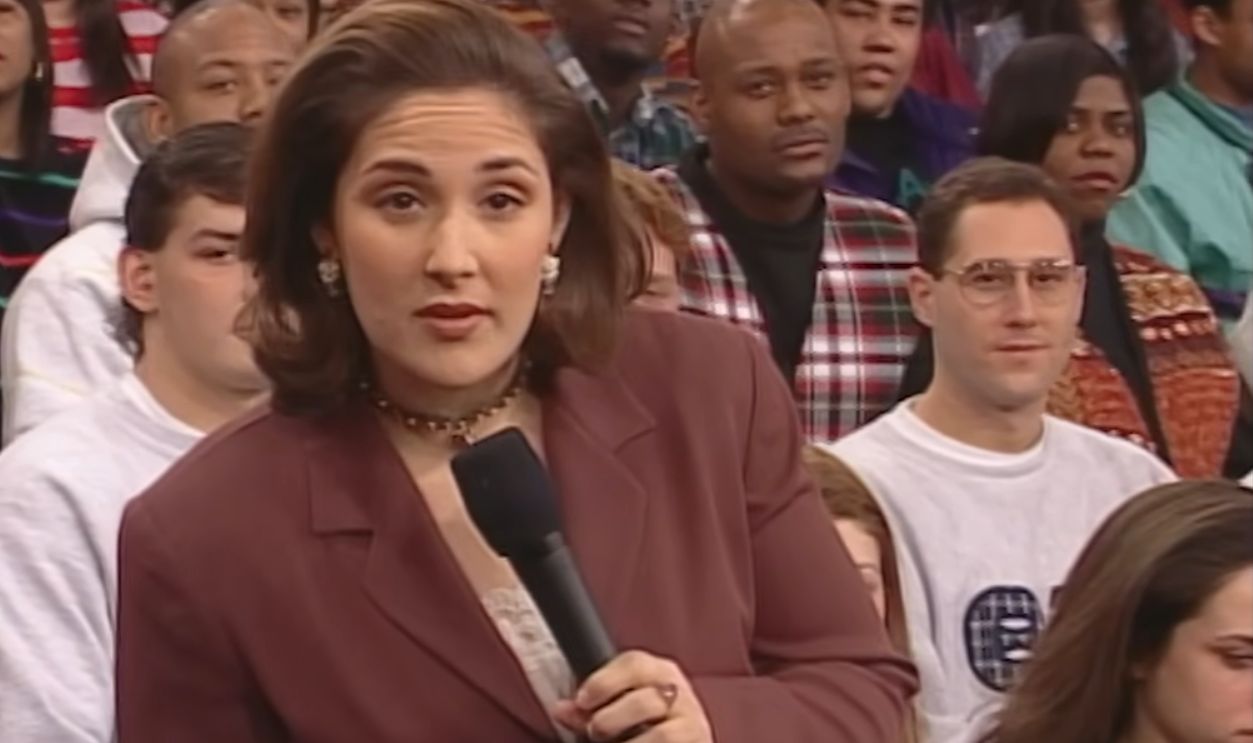
Everyone Noticed The Younger Audience
Lake was particularly valuable because she attracted viewers the television business had previously considered difficult to reach with daytime talk. By 1999, CBS was calling her program Generation X’s answer to the format. Established hosts could no longer assume younger viewers simply were not interested.
 Screenshot from Ricki Lake, syndicated television (1993–2004)
Competitors Tried To Follow
The industry responded with a flood of new daytime personalities and youth-oriented concepts. Sony claimed dozens of talk shows tried to capitalize on the audience Lake had demonstrated existed. CBS similarly noted that about 50 competing talk shows had come and gone during her first six years.
 Screenshot from Ricki Lake, syndicated television (1993–2004)
Not Everyone Loved Ricki
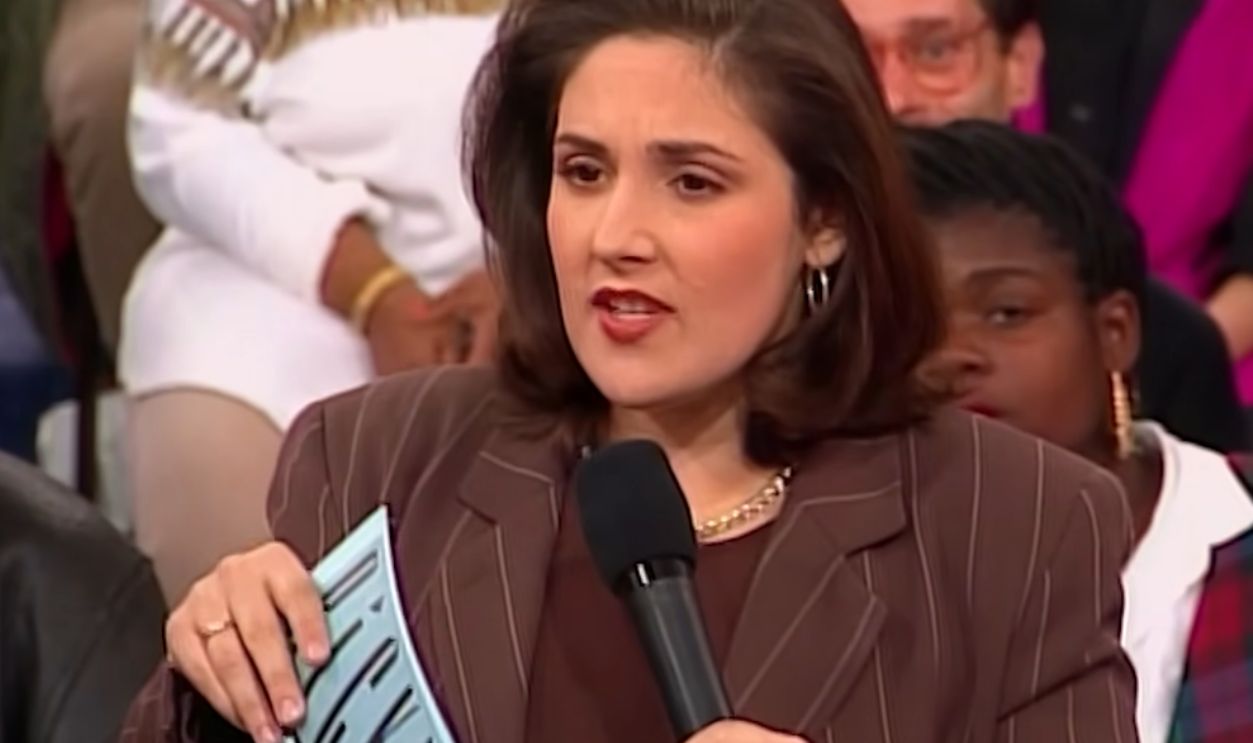
That success also placed Lake inside the increasingly controversial world of 1990s daytime talk. Critics objected to sensational subjects and confrontational episodes across the genre. Lake defended her own program, arguing that its guests were treated professionally and viewers remained free to decide whether to watch.
 Screenshot from Ricki Lake, syndicated television (1993–2004)
There Was More Than Relationship Drama
The program did not limit itself to romantic betrayals and family arguments. Episodes addressed subjects including drugs, gang violence, teen pregnancy, and other problems facing younger viewers. Producers increasingly emphasized that Lake’s unusually young audience gave the show an opportunity to address serious issues directly.
 Screenshot from Ricki Lake, syndicated television (1993–2004)
Some Episodes Had A Public-Service Goal
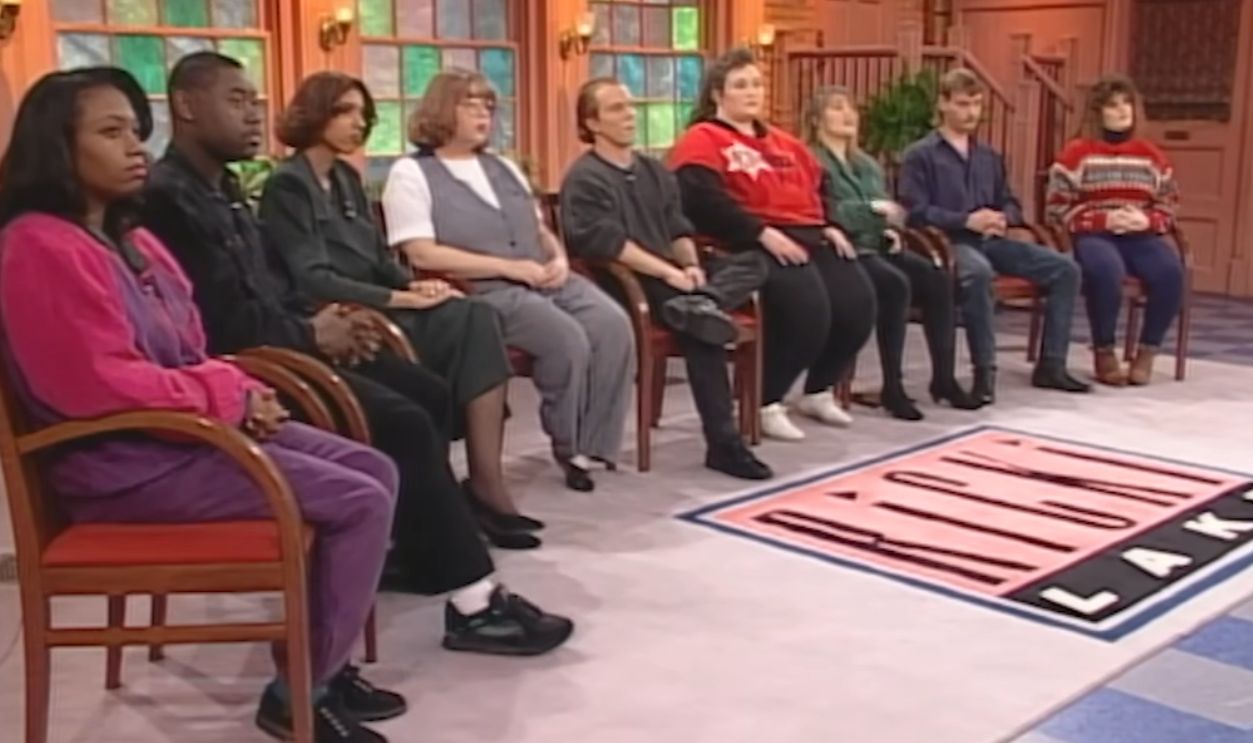
Teen pregnancy became a particularly significant focus around 2000. Sony said the program worked with outside organizations and used episodes to connect frightened young people with assistance. In 2002, those efforts earned the show a Gracie Award Allen award for its Teen Pregnancy PSA Campaign.
 Screenshot from Ricki Lake, syndicated television (1993–2004)
The Audience Grew Up With Her
By the late 1990s, Lake was no longer simply the startlingly young newcomer. Her viewers had aged alongside her, and so had her interests. That gradually presented the show with a challenge that few successful programs escape: how to evolve without losing the identity that created the success.
 Screenshot from Ricki Lake, syndicated television (1993–2004)
Season Ten Brought Changes
In 2002, Ricki Lake entered its tenth season with new producers, new graphics, a redesigned set, and a broader editorial approach. Lake also became a supervising producer. The host who had once simply fronted the program was taking greater responsibility for shaping it.
 Screenshot from Ricki Lake, syndicated television (1993–2004)
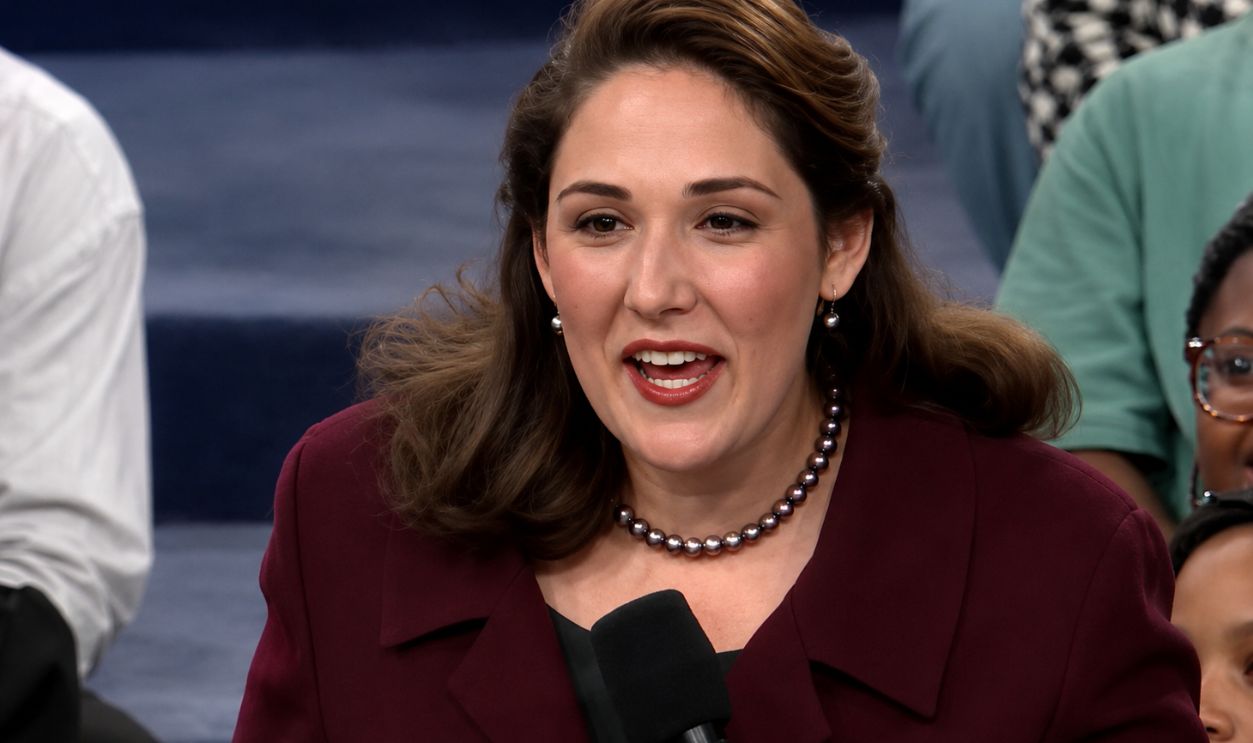
Ricki Wanted The Show To Mature
Lake said the subjects needed to reflect the changing lives of both herself and her viewers. Later episodes expanded into women’s issues, current events, weight, relationships, and investigations of controversial topics. The show was trying to grow older without abandoning its directness.
 Screenshot from Ricki Lake, syndicated television (1993–2004), Enhanced
More Than 2,000 Episodes Followed
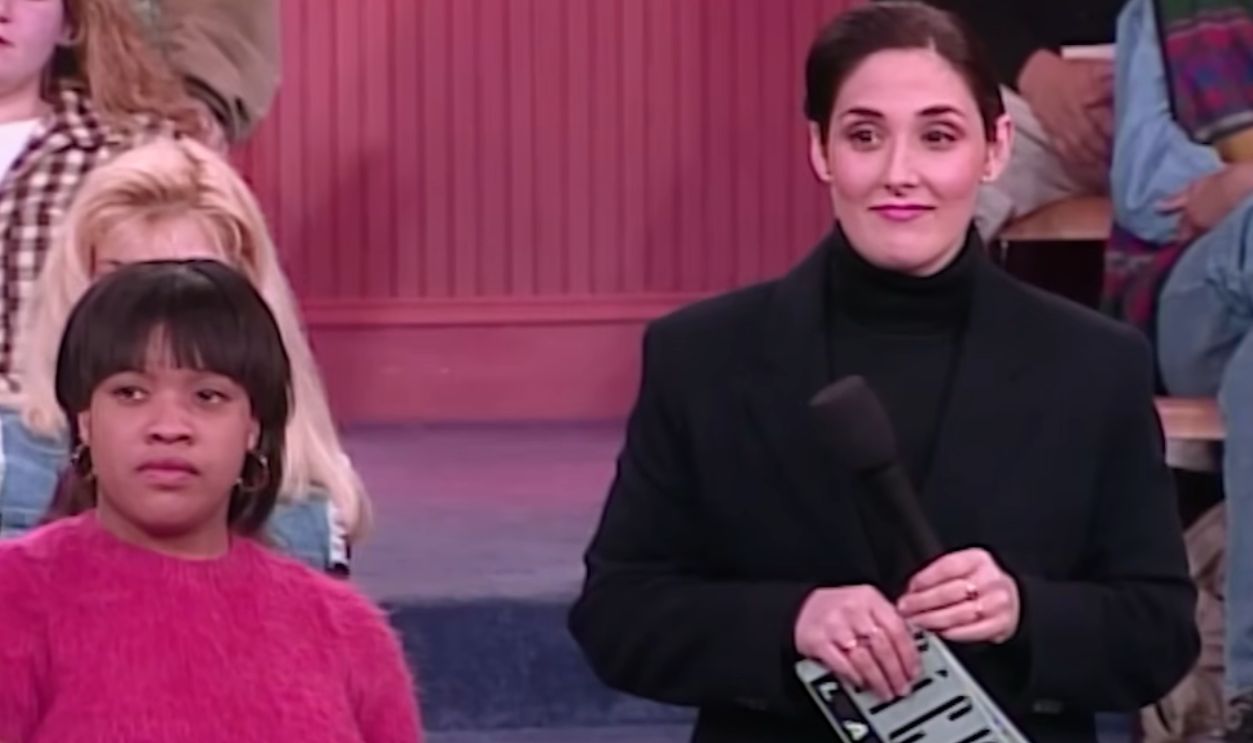
The original Ricki Lake ultimately lasted 11 seasons, from 1993 into 2004. Published program histories tally its enormous output at more than 2,000 episodes. Whatever critics thought about the format, surviving that long in the competitive syndicated television business represented an extraordinary run.
 Screenshot from Ricki Lake, syndicated television (1993–2004)
But Ricki Chose To Leave
The ending is sometimes reduced to saying the show was canceled, but Lake has described something more personal. In 2026, she said witnessing the September 11 attacks from New York profoundly changed her priorities. She decided she would eventually leave the city and her television job.
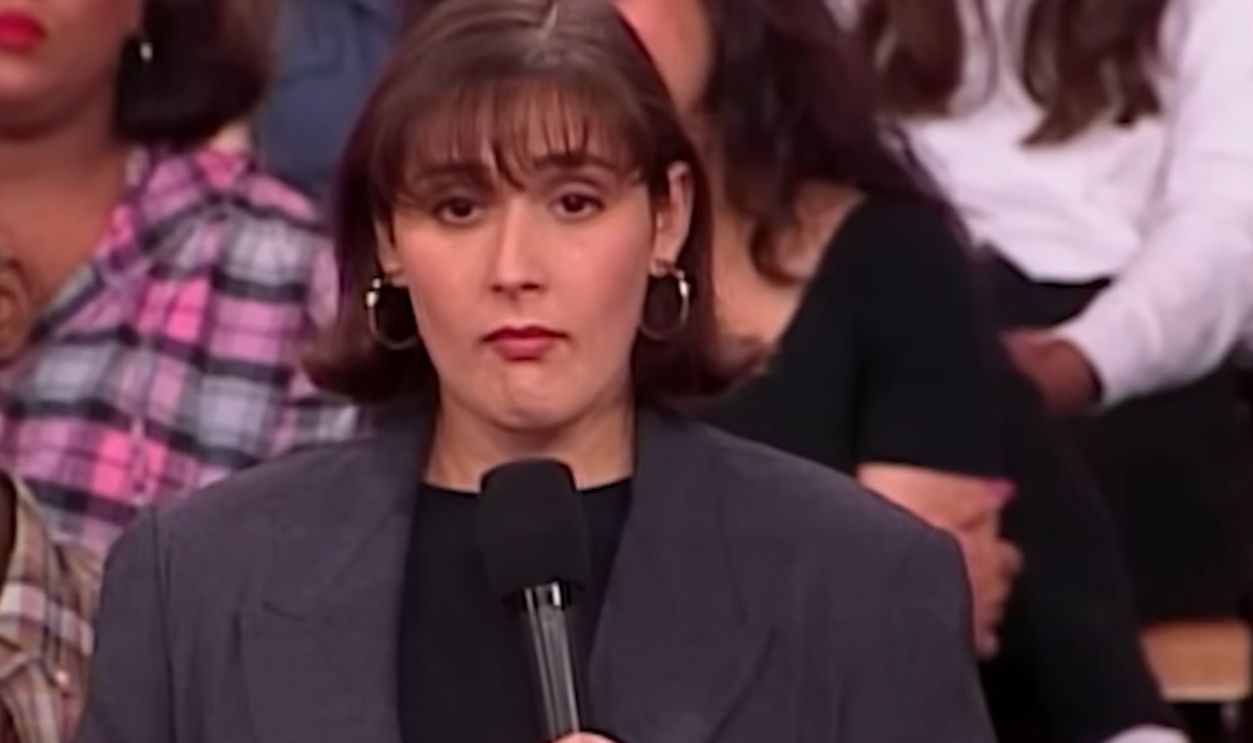 Screenshot from Ricki Lake, syndicated television (1993–2004)
She Finished Her Contract First
Lake could not simply walk away immediately. She said she spent the following years completing the agreement she had already made, knowing she would not renew afterward. The original show consequently finished in 2004, closing a run that had begun when its host was barely 24.
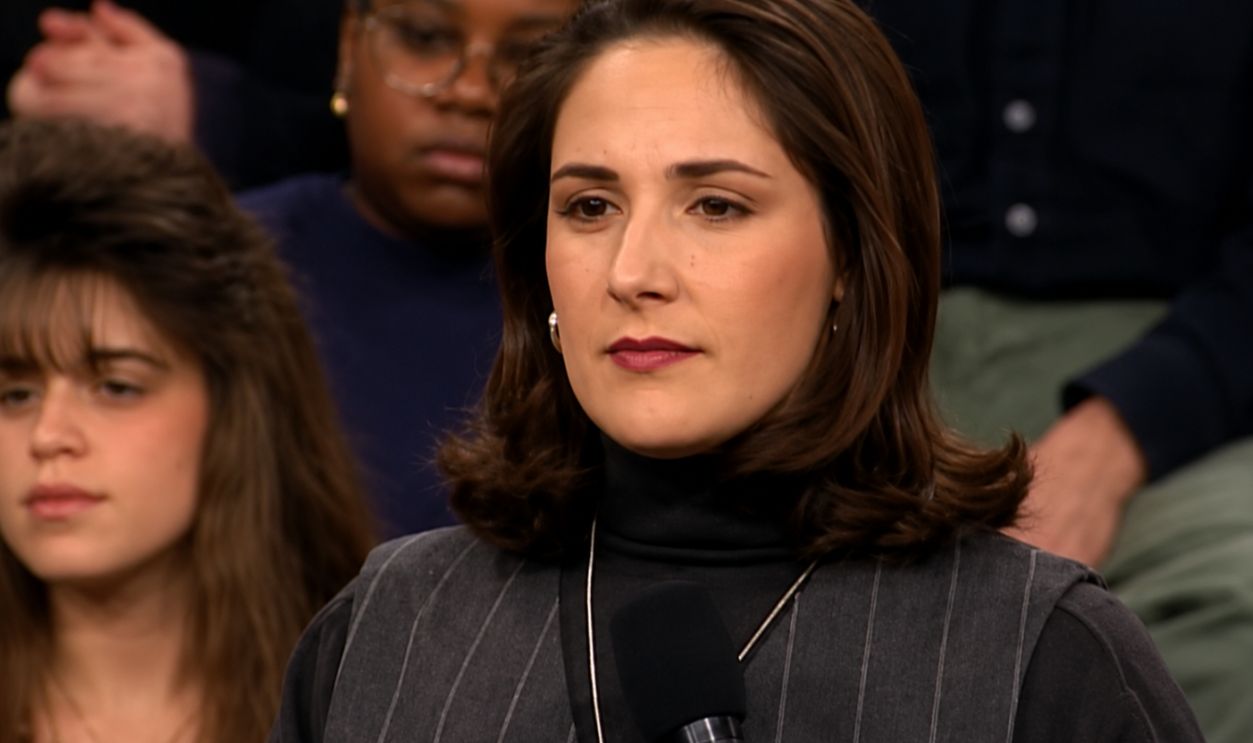 Screenshot from Ricki Lake, syndicated television (1993–2004)
Life After Daily Talk Looked Different
Lake subsequently moved west and stepped away from the relentless schedule of daytime television. In a 2006 CBS interview, she described working at a slower pace and concentrating on a documentary about childbirth. The project offered a dramatically different outlet for her curiosity.
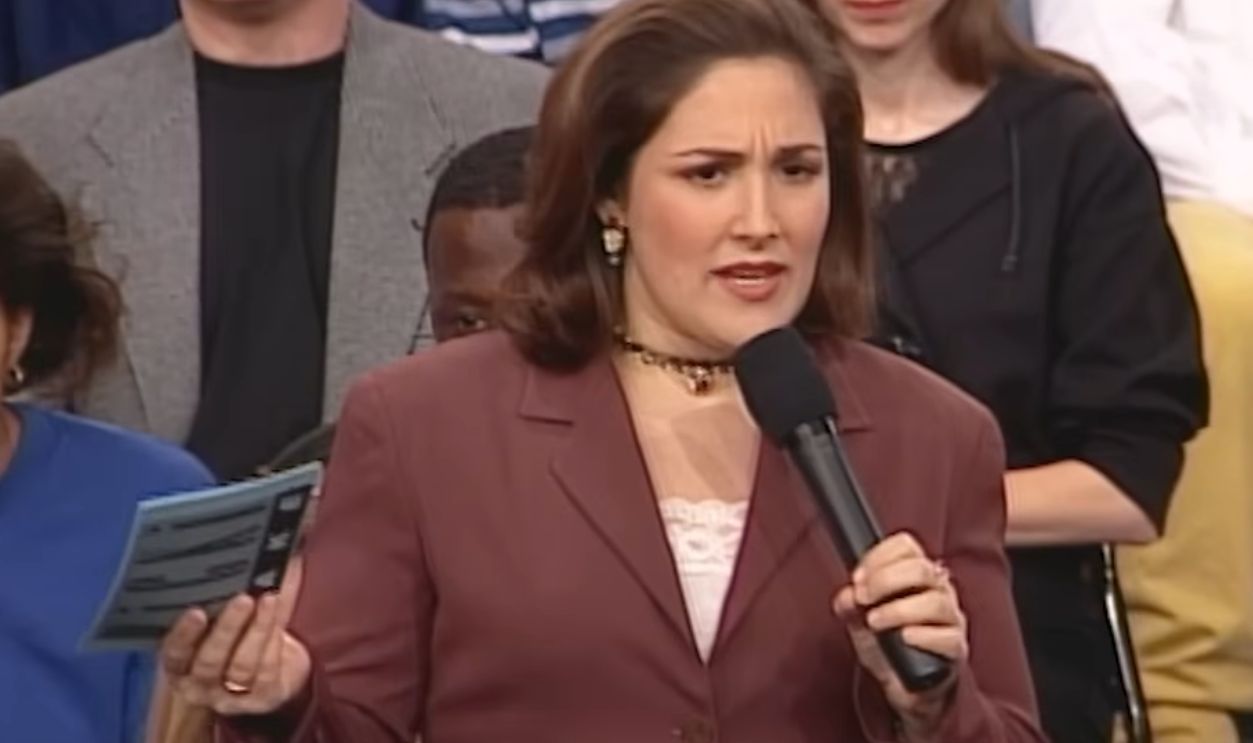 Screenshot from Ricki Lake, syndicated television (1993–2004)
Documentary Work Became A Passion
That project became The Business of Being Born, released in 2008 and produced with filmmaker Abby Epstein. It examined childbirth practices and choices in the United States. Lake later described the documentary and its impact on parents as work about which she remained deeply passionate.
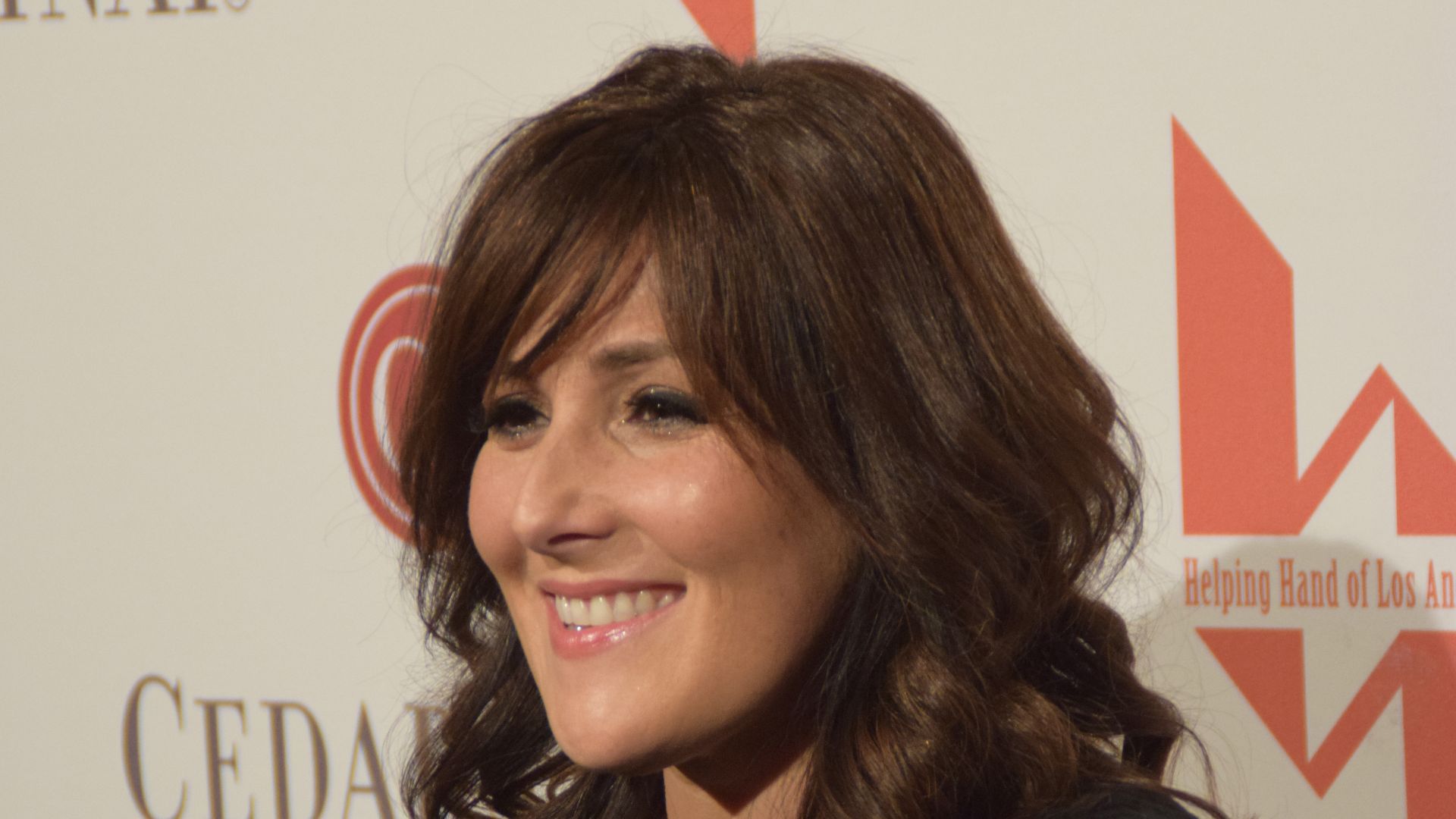 Mingle MediaTV, Wikimedia Commons
Then Daytime Called Again
Eight years after leaving her original program, Lake returned with The Ricki Lake Show in 2012. This time, she promised something more mature and informed by marriage, motherhood, divorce, filmmaking, and her own changing life. She called the new incarnation a more evolved version of herself.
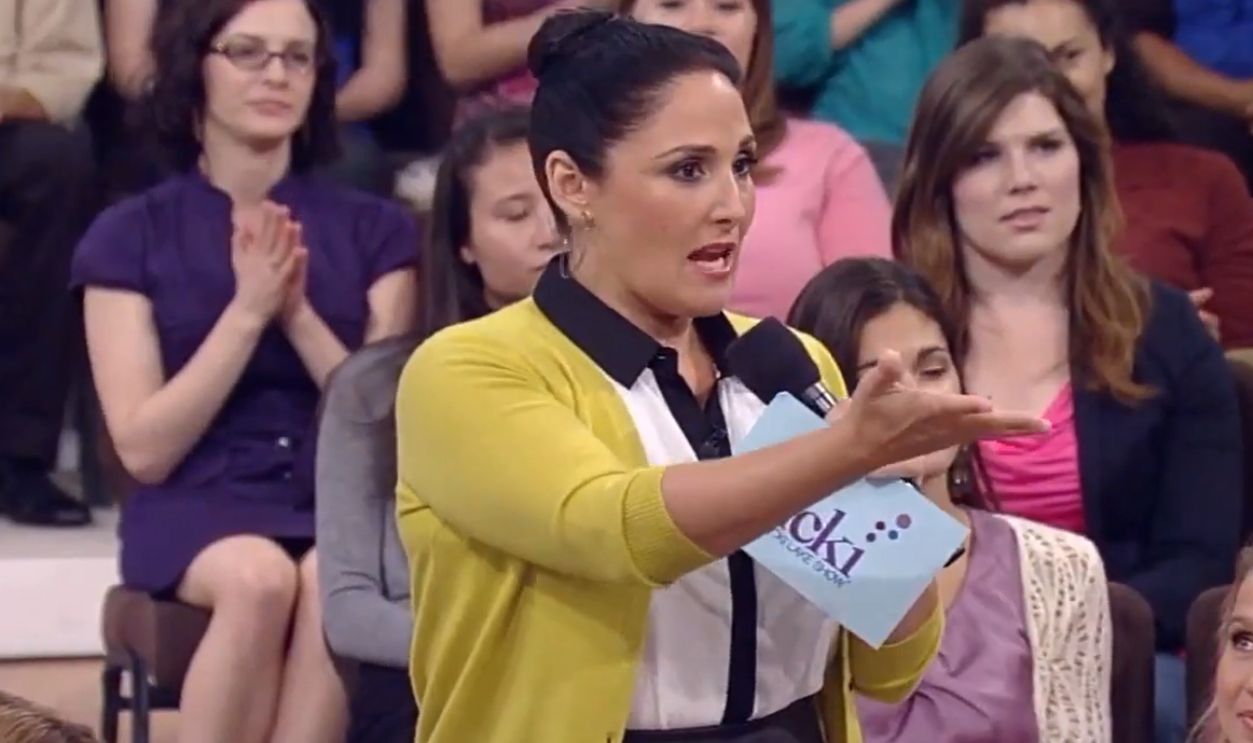 Screenshot from The Ricki Lake Show, Syndication (2012–2013)
The Comeback Was Short
The second show faced a crowded syndicated marketplace that included several new daytime competitors. Ratings remained low, and distributor 20th Television declined to order a second season. Unlike Lake’s first extraordinary run, this version lasted only one season.
 Screenshot from The Ricki Lake Show, Syndication (2012–2013)
Then Came An Unexpected Emmy
Cancellation produced one final twist. In June 2013, Lake won the Daytime Emmy for Outstanding Talk Show Host for the short-lived revival. The award arrived after the show’s fate had already been decided, giving her television comeback an unexpectedly triumphant postscript.
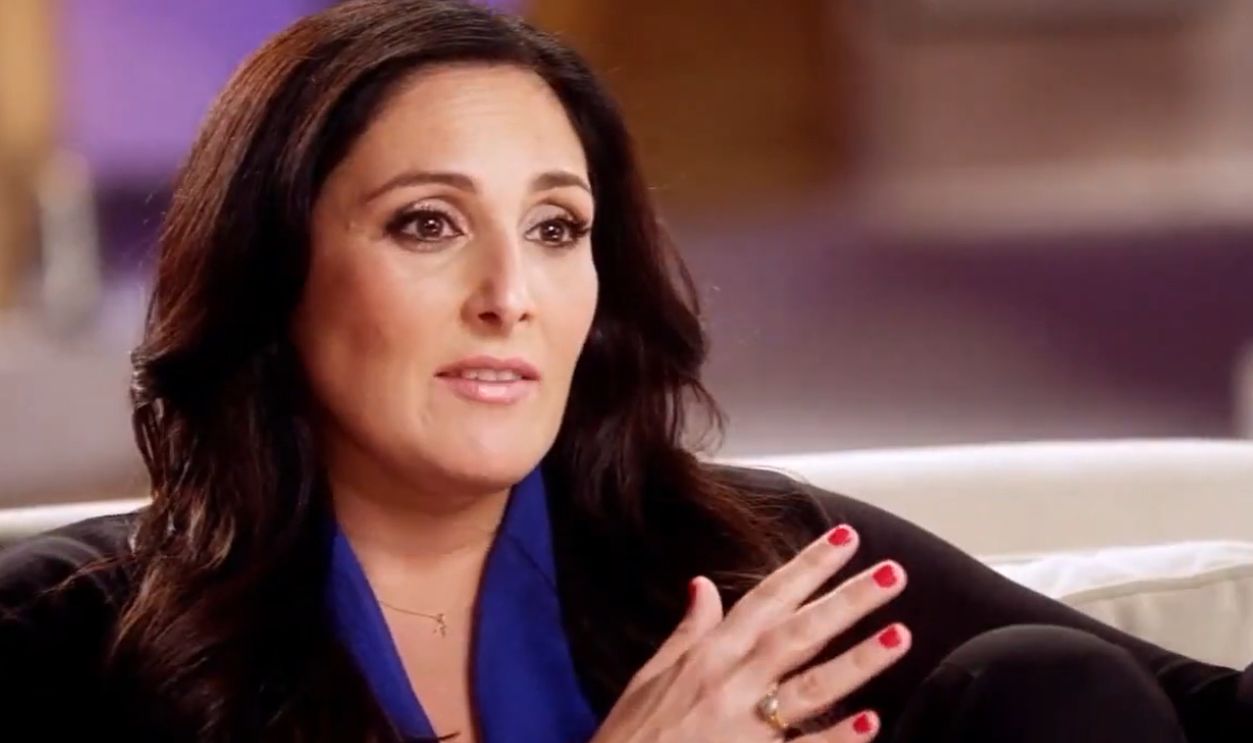 Screenshot from The Ricki Lake Show, Syndication (2012–2013)
Other Hosts Remember Her Impact
Lake’s arrival had genuinely unsettled the established daytime hierarchy. Maury Povich told her in 2026 that older hosts were frightened by the young audience she immediately attracted. Lake had demonstrated that daytime could speak directly to viewers who previously seemed outside the format’s traditional demographic.
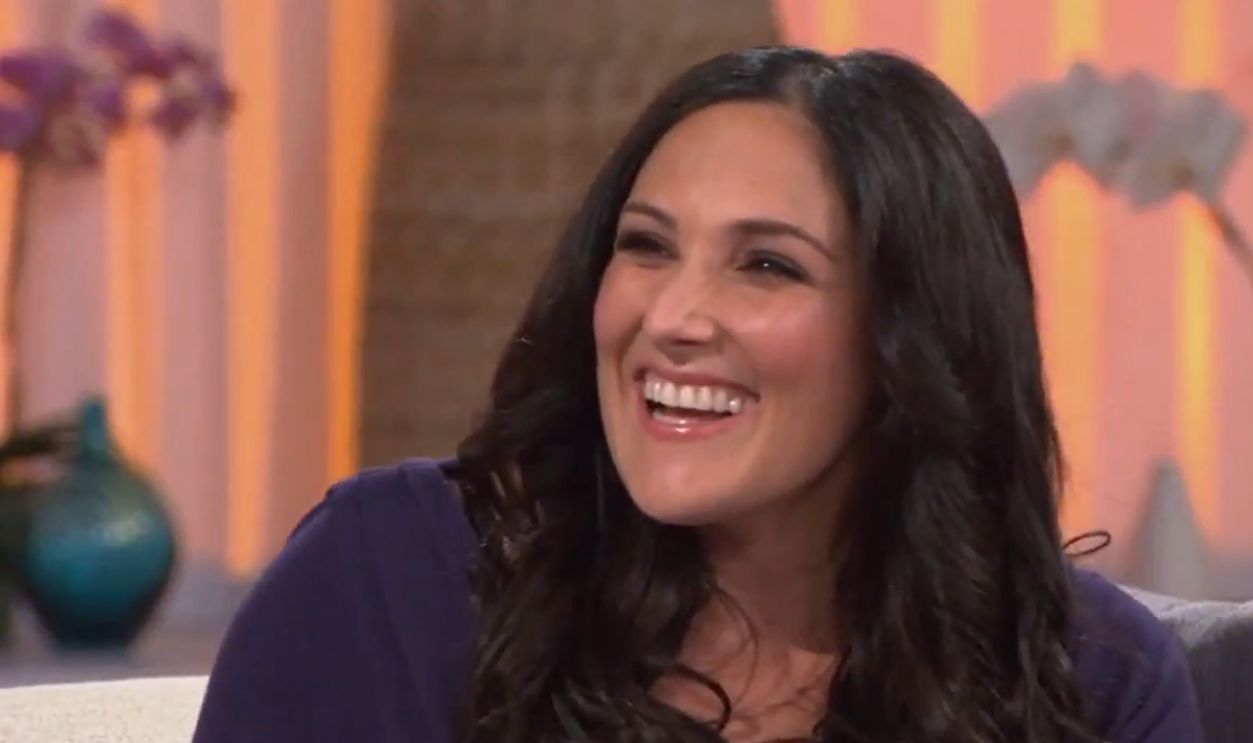 Screenshot from The Ricki Lake Show, Syndication (2012–2013)
Ricki Sees The Legacy Differently Now
Years later, Lake said she better understood what the original program had accomplished. She believes it helped marginalized people appear on television and encouraged conversations among younger viewers. She has also reflected that simply treating guests respectfully turned out to matter more than she understood at the time.
 Screenshot from The Ricki Lake Show, Syndication (2012–2013)
She Changed What Daytime Could Sound Like
Ricki Lake definitely didn't invent daytime talk, and her program was never immune from the genre’s excesses. What she did was prove that a much younger host and audience could sustain a major syndicated hit. Eleven seasons later, daytime television looked considerably different from the business she had entered at 24.
 Screenshot from The Ricki Lake Show, Syndication (2012–2013)