Hollywood In The Pre-Bionic Age
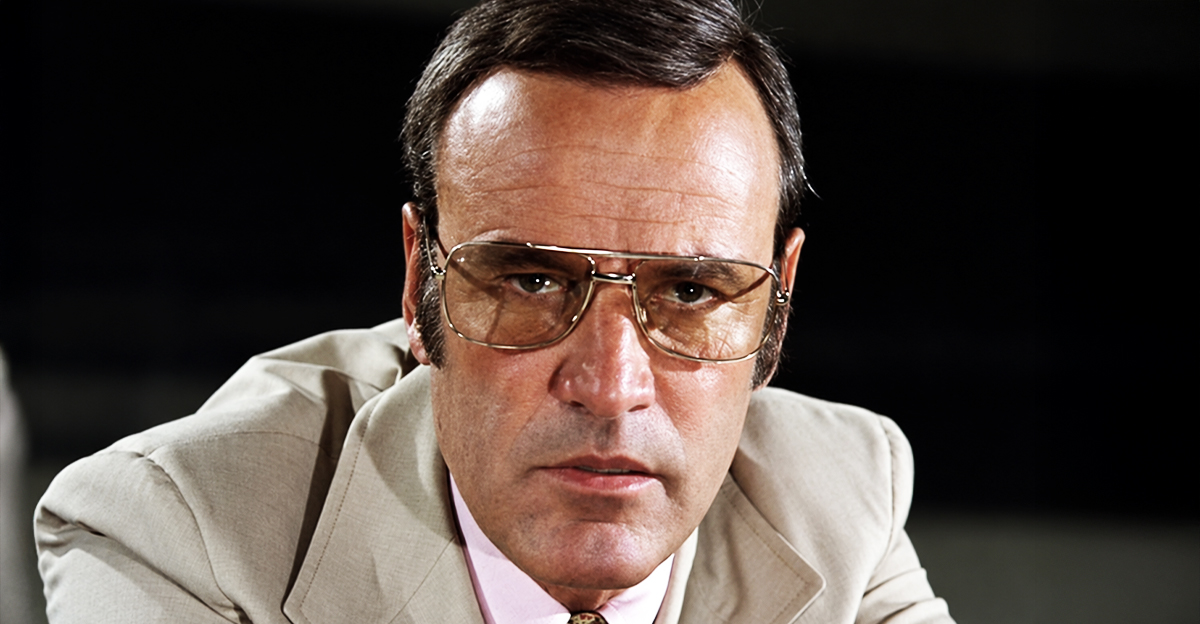
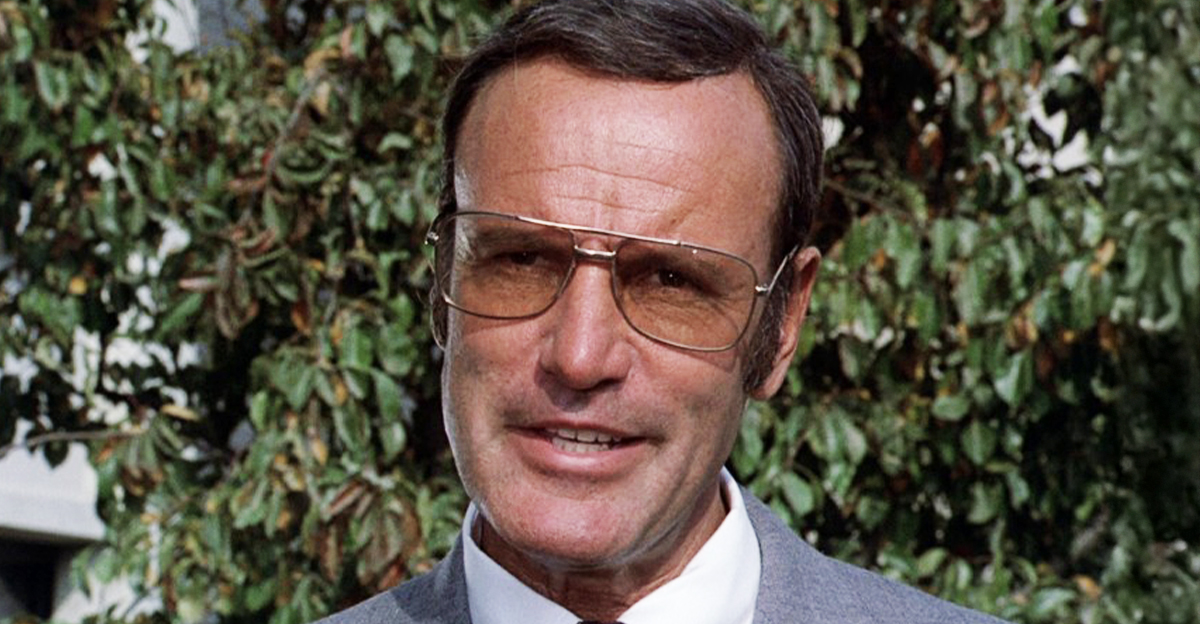
To millions of 1970s viewers, Richard Anderson was Oscar Goldman, the impeccably composed government official overseeing Steve Austin on The Six Million Dollar Man, and later, Jaime Sommers on The Bionic Woman. But Anderson was nearly 50 when he landed his defining role. By then, he was already a familiar face from spending decades in feature films and across seemingly every corner of television.
 Screenshot of Richard Anderson on
A New Jersey Beginning
Richard Norman Anderson was born August 8, 1926, in Long Branch, New Jersey. His family eventually relocated to Los Angeles, placing the future actor remarkably close to the industry that would consume most of his working life. He began performing in high-school plays, although Hollywood stardom was still some distance away.
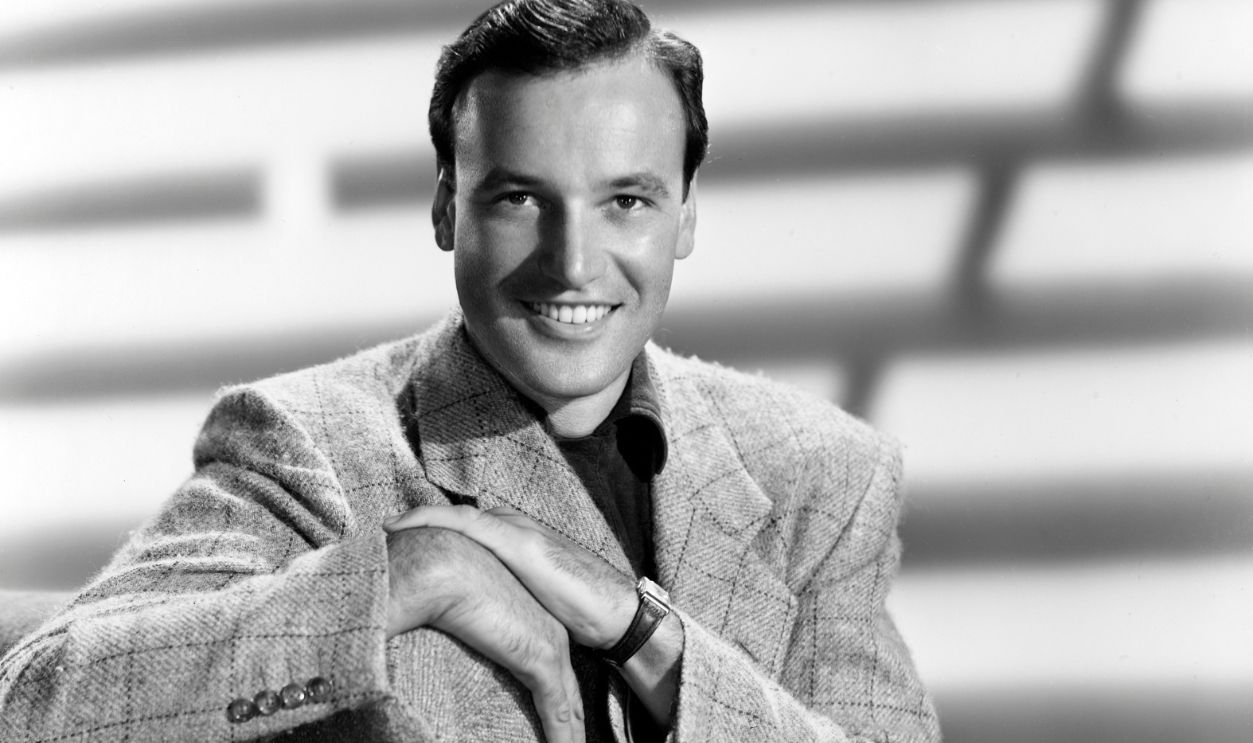 John Springer Collection, Getty Images
Inspired By Gary Cooper
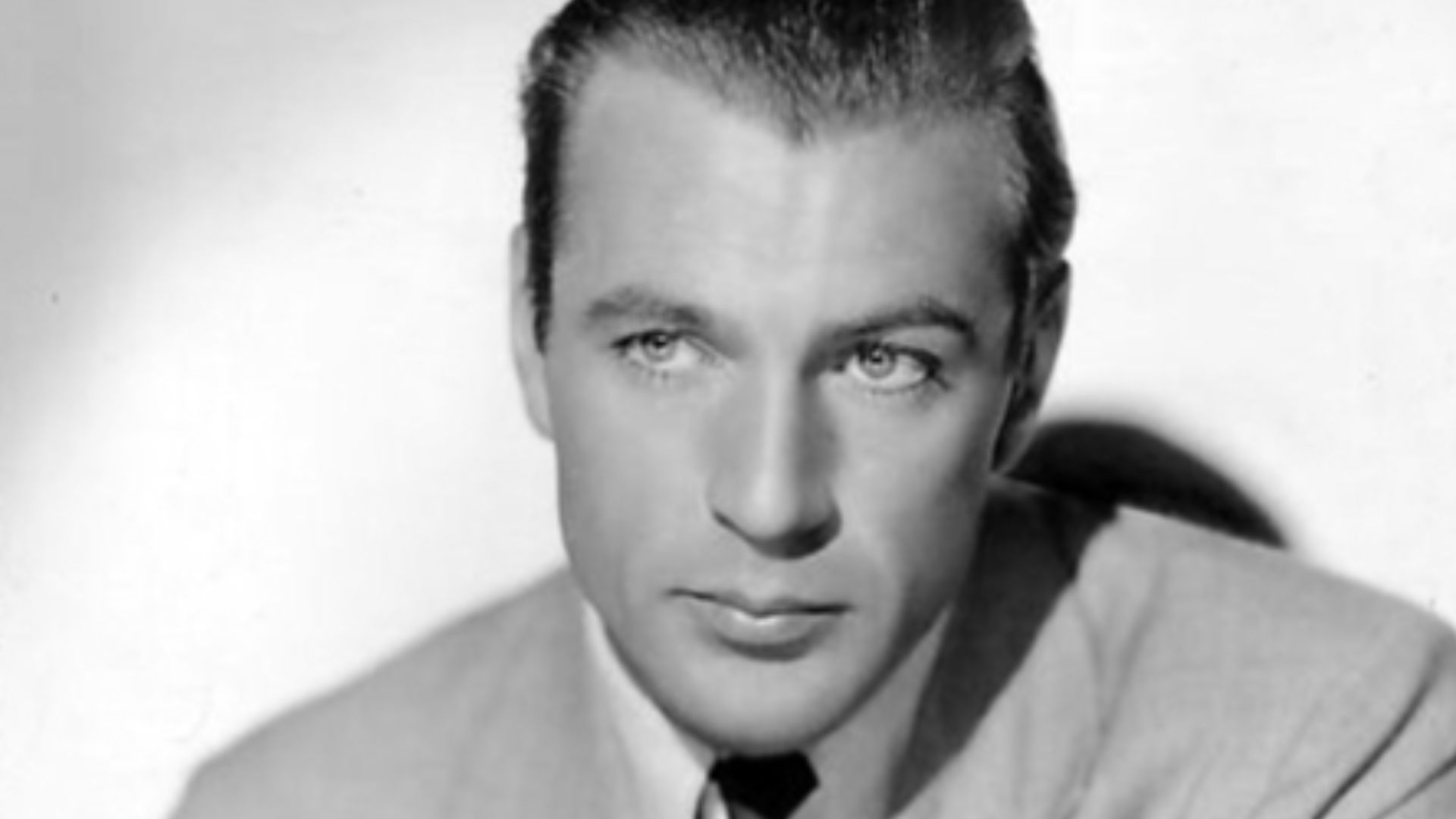
One of Anderson's early inspirations was Gary Cooper, whose understated screen presence made a lasting impression on him. Anderson eventually decided to pursue acting himself, but World War II-era military service intervened first. He served two years in the Army before returning to Los Angeles and seriously pursuing his ambitions as a performer.
 Paramount Pictures, Wikimedia Commons
Learning His Craft
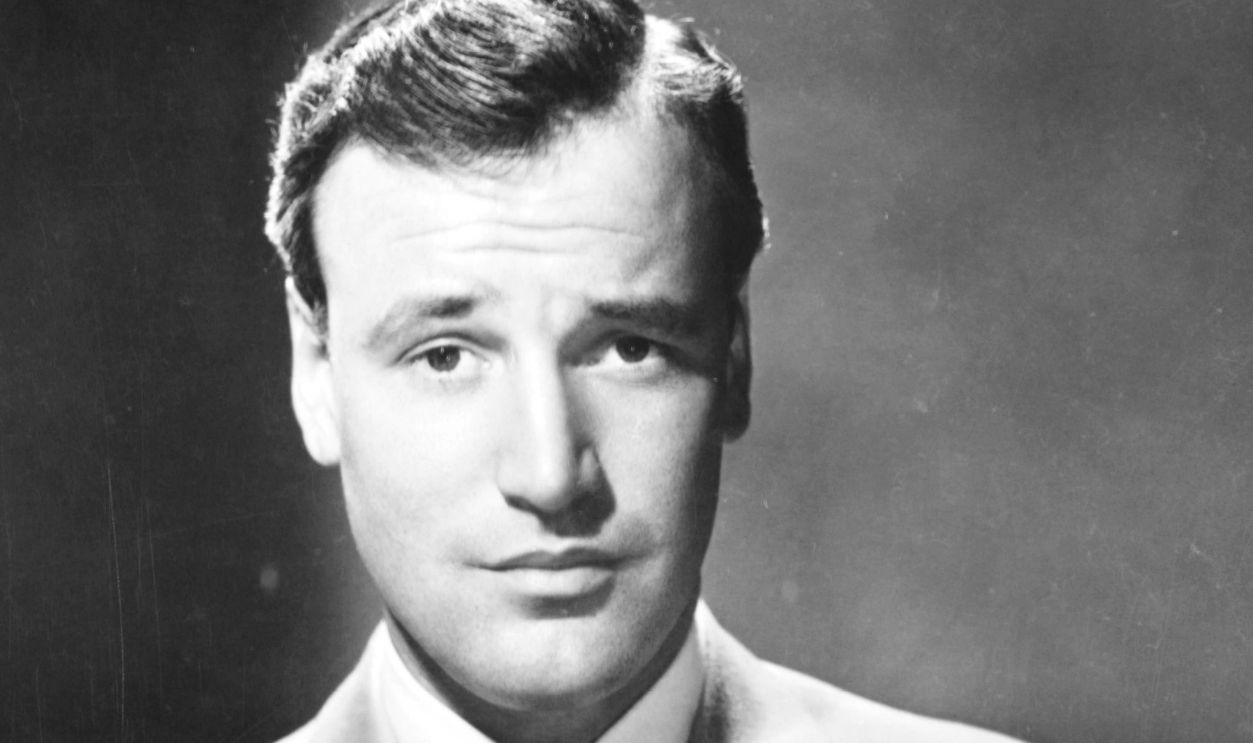
After leaving the Army, Anderson studied at Los Angeles's Actors Laboratory, an influential acting school and theater company. He picked up professional experience in radio and summer stock, gradually learning the business from the ground up. A tiny appearance as a wounded soldier in Twelve O'Clock High (1949), directed by Henry King and starring Gregory Peck, helped launch his film career.
Cary Grant Took Notice
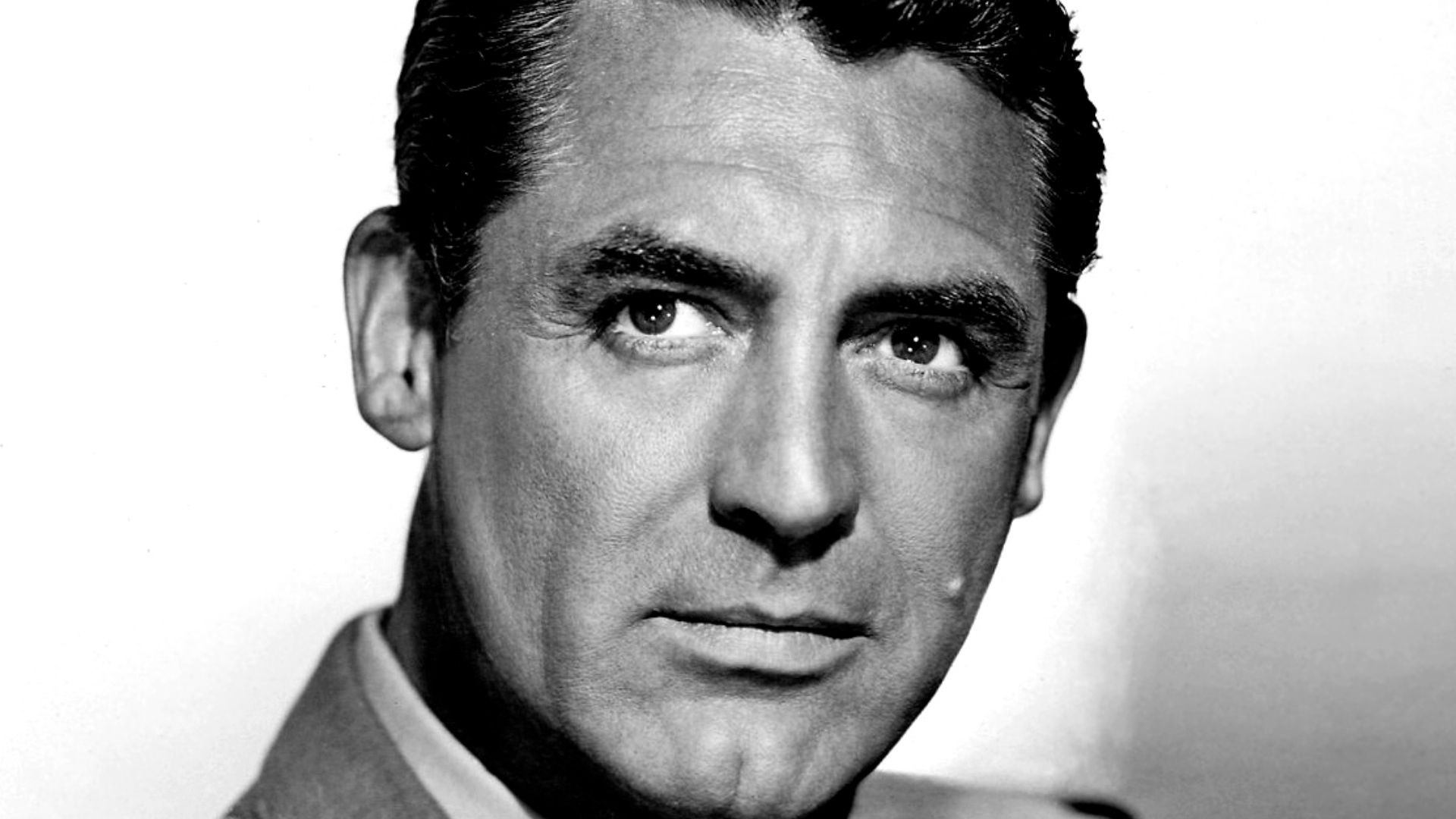
Anderson's appearances on the television program Lights, Camera, Action! brought an extraordinary admirer: Cary Grant. According to the Television Academy, Grant saw Anderson perform and requested a meeting. That connection helped lead to a screen test at MGM, where Anderson performed material associated with Gary Cooper, one of the stars who had inspired him.
Joining The MGM Factory
MGM signed Anderson to a contract, beginning what he later jokingly called his education at "MGM U." He remained with the studio for about six years and appeared in nearly 30 films. Rather than immediately becoming a leading man, the tall, polished Anderson became a dependable supporting player who could convincingly portray officers, professionals, and authority figures.
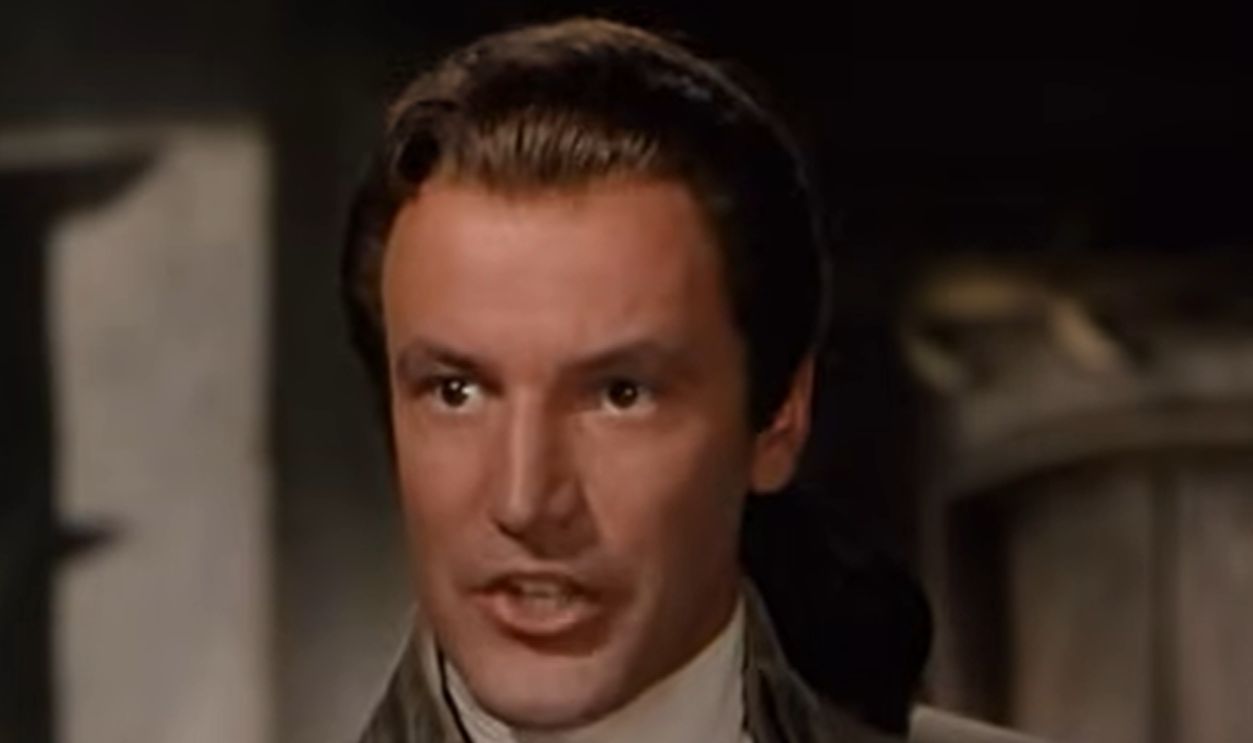 Screenshot from Scaramouche, Loew's Inc. (1952)
Learning From The Veterans
His early MGM assignments included The Magnificent Yankee (1950), starring Louis Calhern as Supreme Court Justice Oliver Wendell Holmes Jr., and The Unknown Man (1951), directed by Richard Thorpe and starring Walter Pidgeon. In the latter, Anderson played the idealistic law-student son of Pidgeon's attorney character, an early example of his clean-cut screen persona.
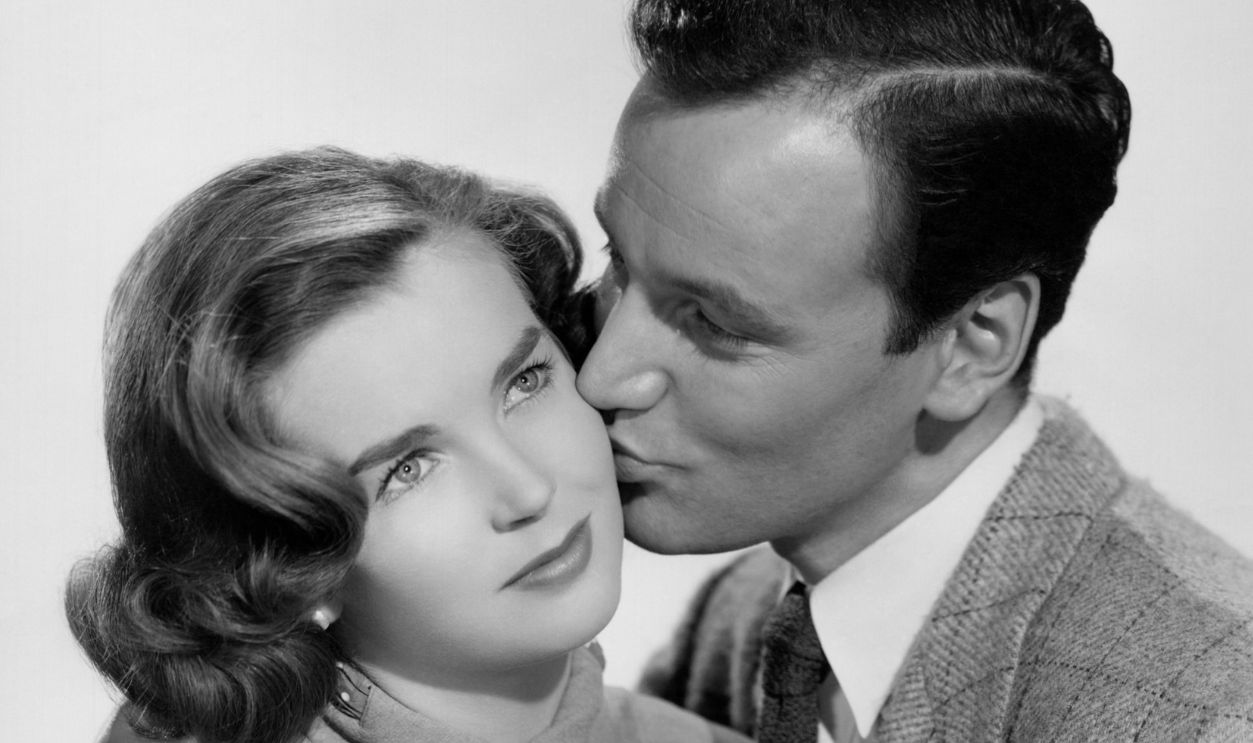 De Carvalho Collection, Getty Images
Musicals And Adventures
MGM kept Anderson busy across genres. He appeared with Jane Powell, Danielle Darrieux, Wendell Corey, Vic Damone and Fernando Lamas in Norman Taurog's musical Rich, Young and Pretty (1951). Other assignments included Across the Wide Missouri (1951), Scaramouche (1952), The Story of Three Loves (1953), The Student Prince (1954), and Hit the Deck (1955).
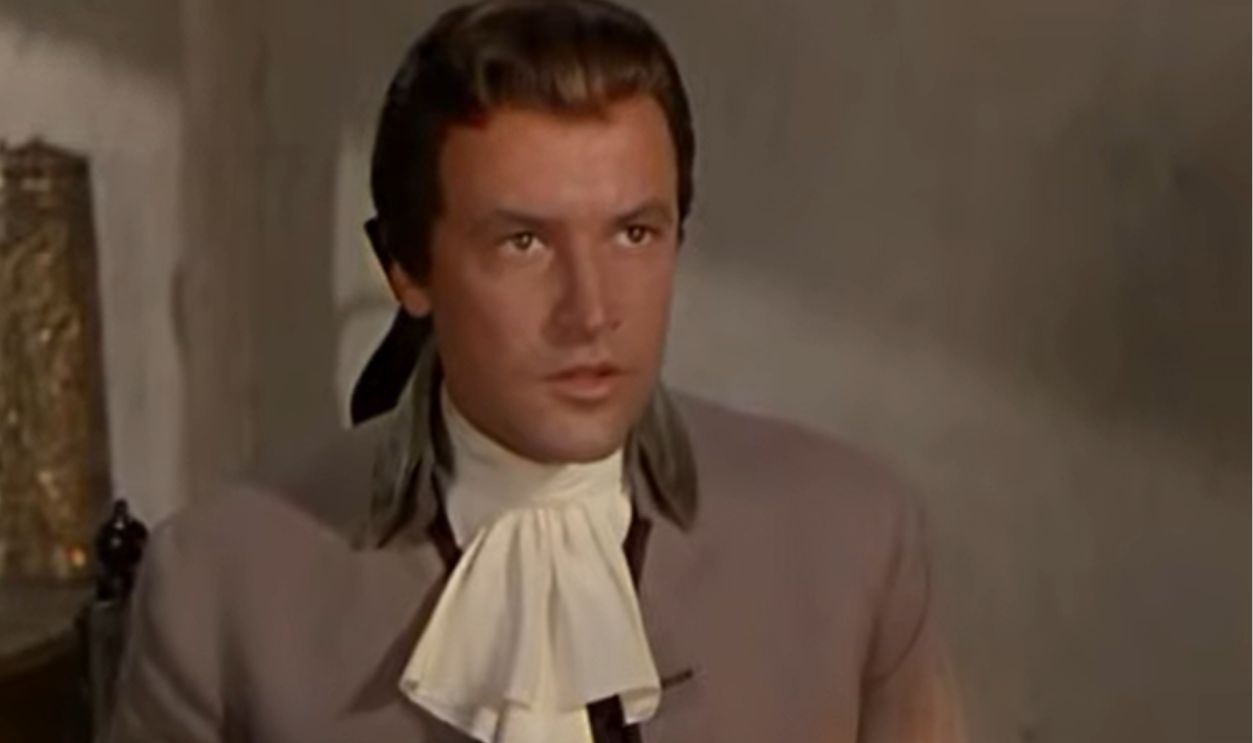 Screenshot from Scaramouche, Loew's Inc. (1952)
Venturing Into Science Fiction
One MGM assignment became a genuine genre classic. Fred M. Wilcox's Forbidden Planet (1956) starred Walter Pidgeon, Anne Francis and Leslie Nielsen and introduced moviegoers to Robby the Robot. Anderson played Chief Quinn, the spacecraft's chief engineer, placing him in a landmark science-fiction production nearly two decades before his Bionic fame.
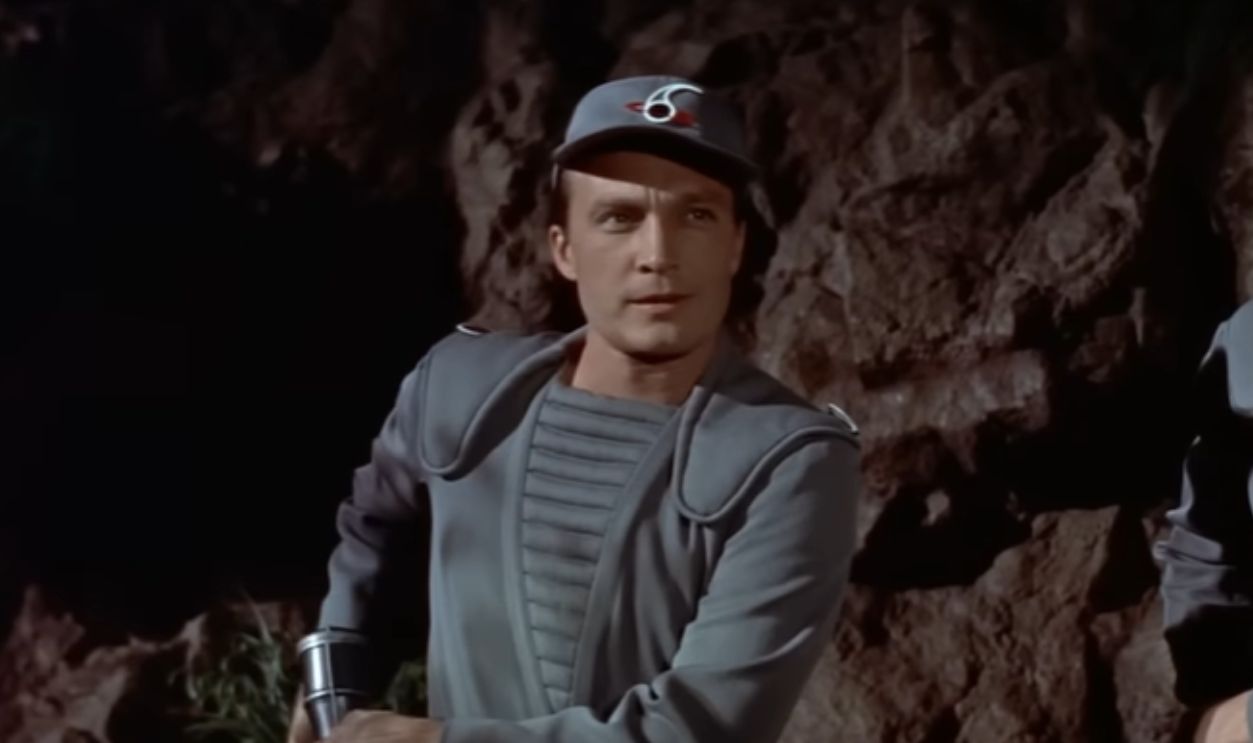 Screenshot from Forbidden Planet, Metro-Goldwyn-Mayer (1956)
The Studio Era Fades
Anderson's MGM years gave him invaluable experience but not the major breakthrough that would make him a star. As Hollywood's old studio system contracted during the 1950s, MGM reduced its roster of contract performers and Anderson was released. Rather than ending his career, the setback pushed him toward freelance work and ultimately toward television.
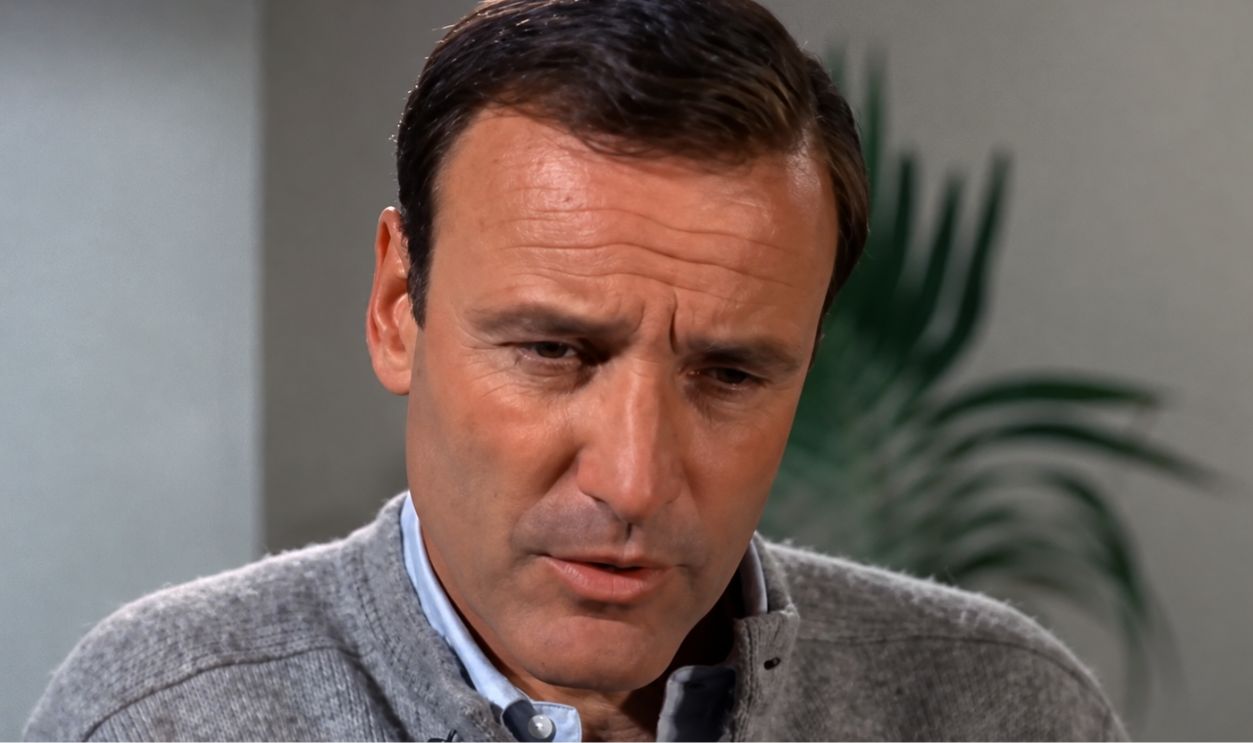 Screenshot from The Fugitive, United Artists Television (1963–1967), Modified
Working Beyond MGM
Freed from his MGM contract, Anderson began moving among studios and independent productions. One important destination was 20th Century Fox, where his films included Martin Ritt's The Long, Hot Summer (1958), starring Paul Newman, Joanne Woodward, Orson Welles and Anthony Franciosa. Anderson was becoming the kind of reliable character actor who could move easily between prestigious pictures and commercial entertainment.
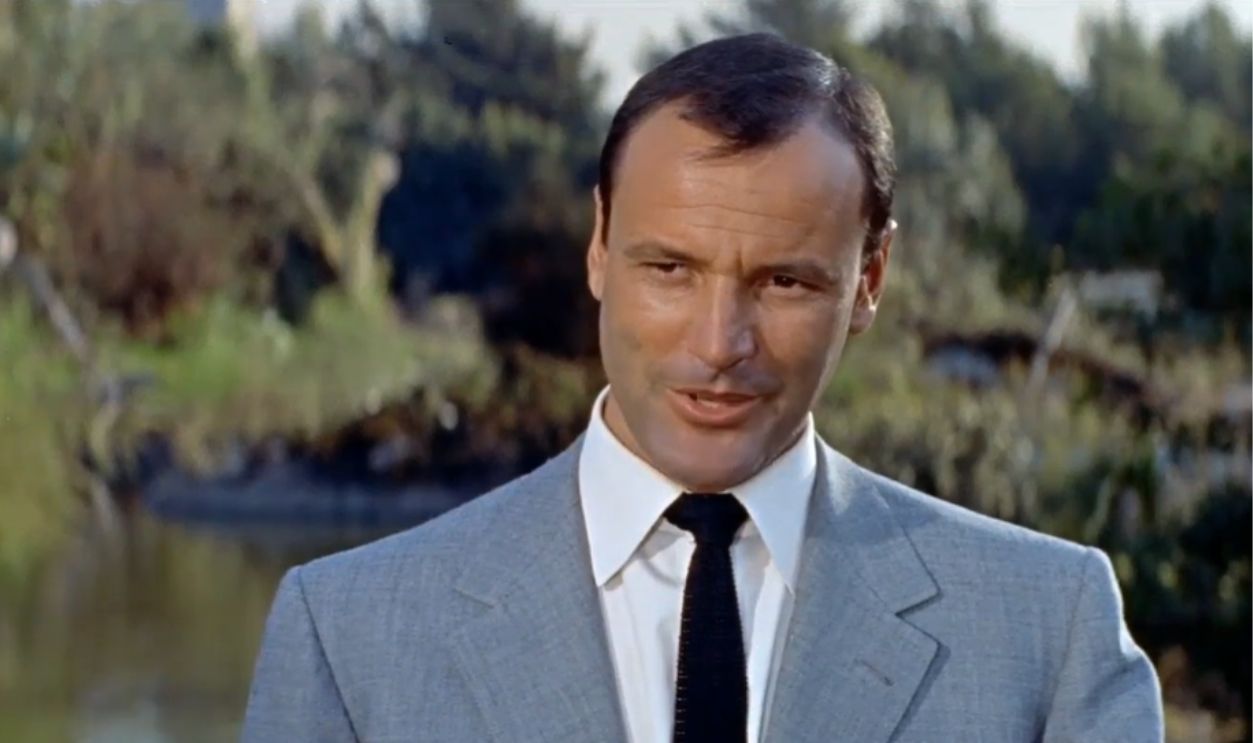 Screenshot from The Long, Hot Summer, Twentieth Century-Fox Film Corporation (1958)
Stanley Kubrick Came Calling
One of Anderson's finest films arrived with Stanley Kubrick's Paths of Glory (1957). Kirk Douglas starred as Colonel Dax, an officer defending French soldiers selected for court-martial after a disastrous World War I attack. Anderson played Major Saint-Auban, an aide to George Macready's ruthless General Mireau, alongside Ralph Meeker and Adolphe Menjou.
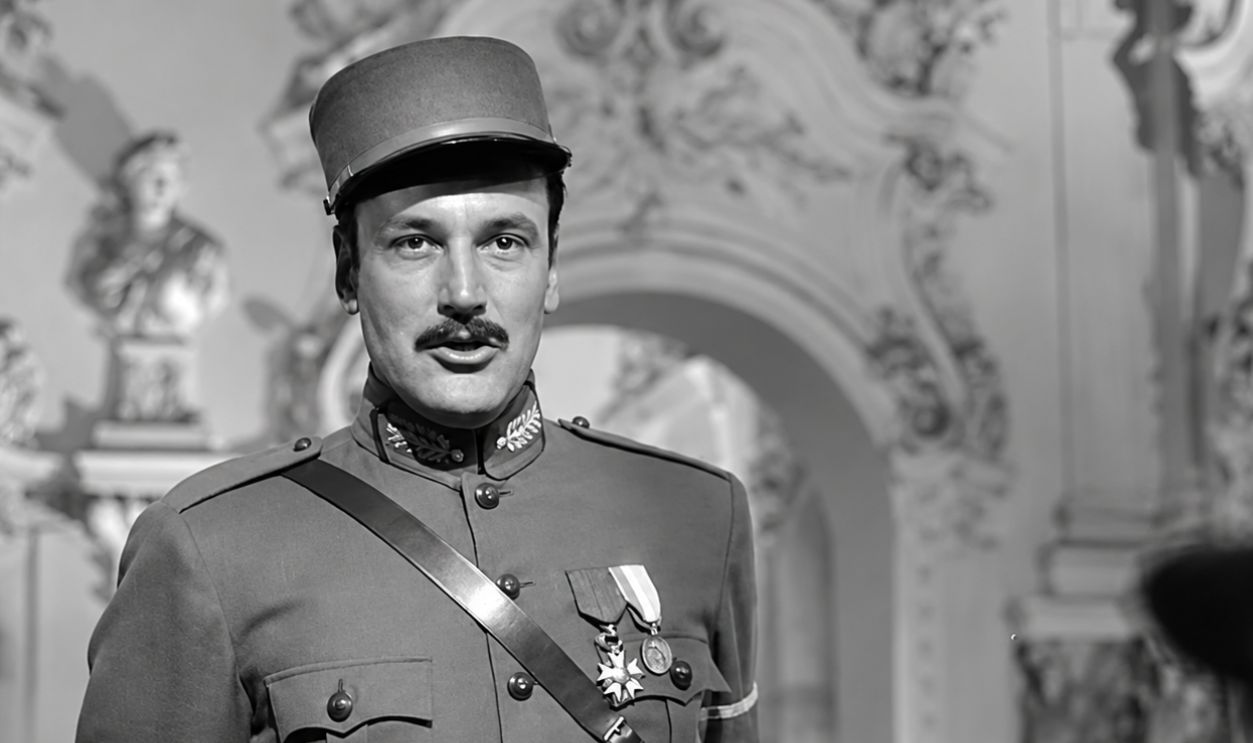 Screenshot from Paths of Glory, United Artists (1957), Modified
A Film That Endured
Paths of Glory (1957) initially faced a difficult reception, including restrictions abroad because of its portrayal of the French military. Its reputation grew enormously with time, and Anderson consequently found himself associated with one of Kubrick's most acclaimed early works. It was quite a distinction for an actor still years away from his most recognizable part.
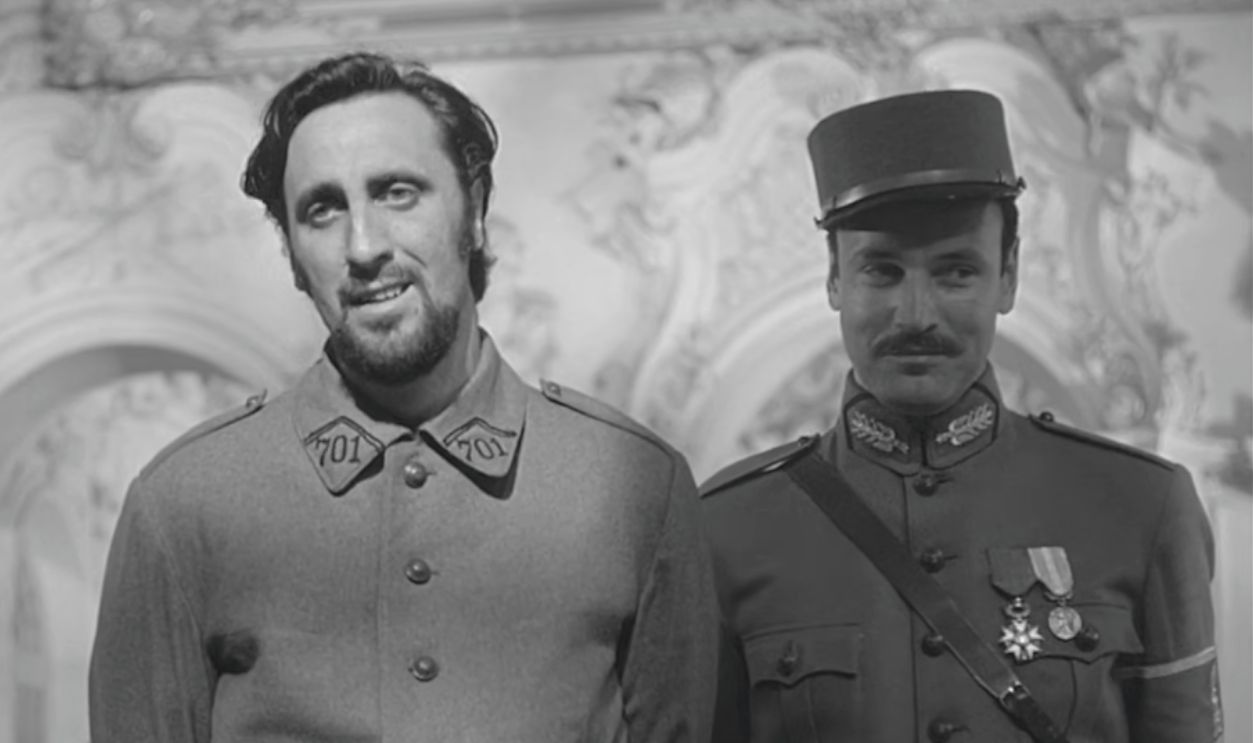 Screenshot from Paths of Glory, United Artists (1957)
Television Opened New Doors
By the late 1950s and early 1960s, television was becoming increasingly important to Anderson. His guest appearances eventually included Zorro, Wagon Train, The Untouchables, The Rifleman, The Virginian, The Alfred Hitchcock Hour, The Man from U.N.C.L.E., Bonanza, Gunsmoke, and The Mod Squad. His authoritative presence made him particularly useful to casting directors.
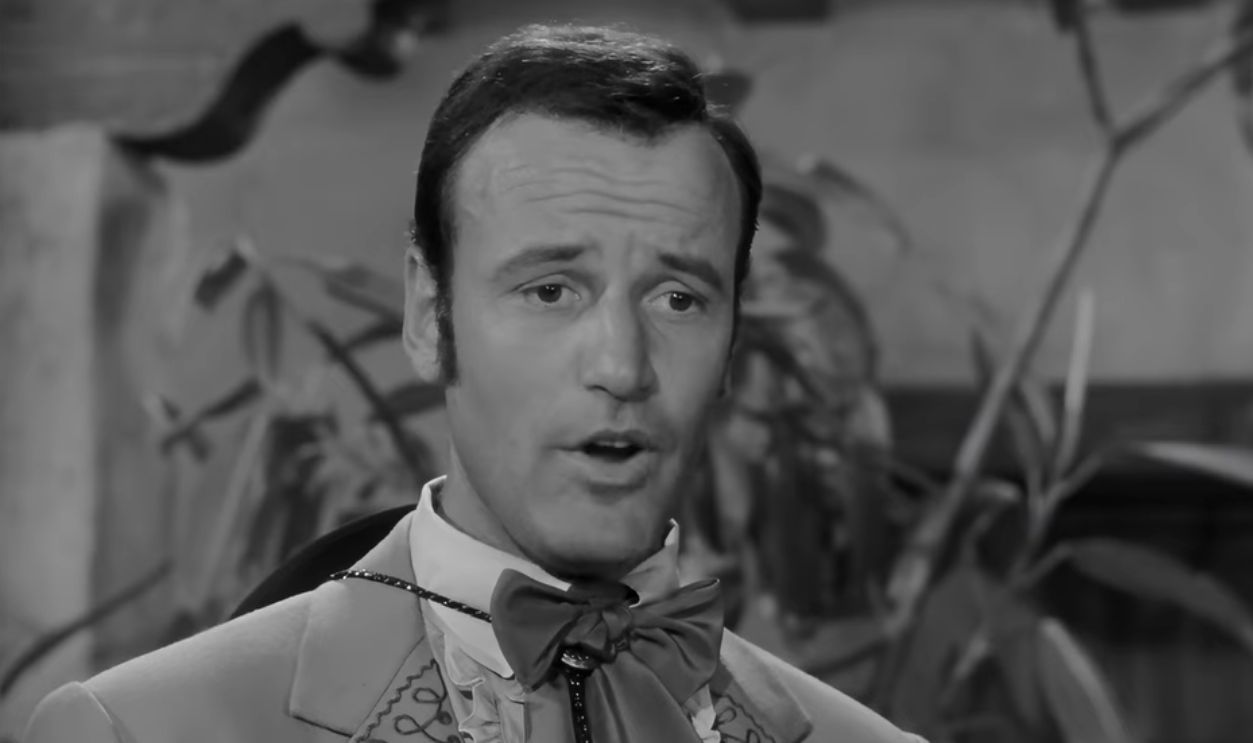 Screenshot from Zorro, Walt Disney Television (1957–1959)
Movies Still Beckoned
Anderson continued making substantial films while television occupied more of his schedule. He appeared in Richard Fleischer's Compulsion (1959), starring Orson Welles, Dean Stockwell and Bradford Dillman, and John Frankenheimer's political thriller Seven Days in May (1964), starring Burt Lancaster, Kirk Douglas and Fredric March. He also appeared in Frankenheimer's unsettling Seconds (1966), starring Rock Hudson.
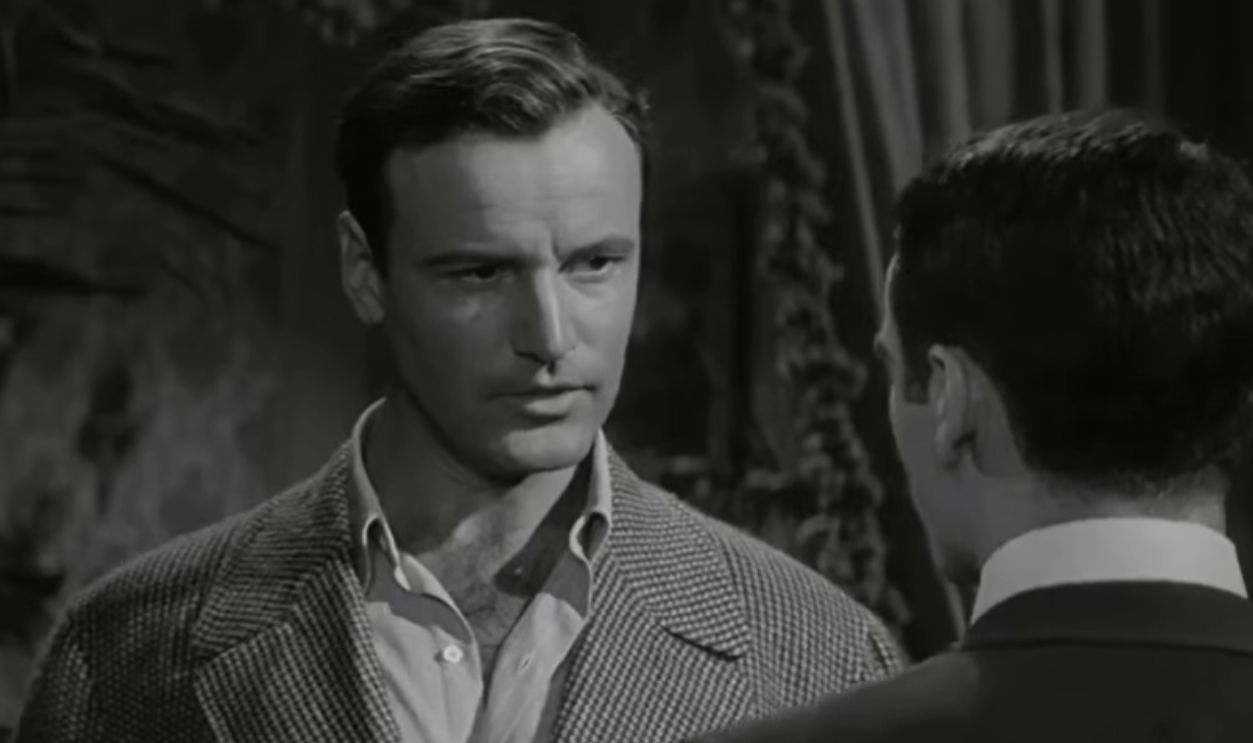 Screenshot from Compulsion, 20th Century-Fox (1959)
Joining Perry Mason
Anderson received a recurring showcase during the final season of Perry Mason. He played police Lieutenant Steve Drumm, providing another variation on the cool, competent authority figures that had become his specialty. By now, audiences might not necessarily have known Anderson's name, but his face and distinctive voice were becoming fixtures on America's TV screens.
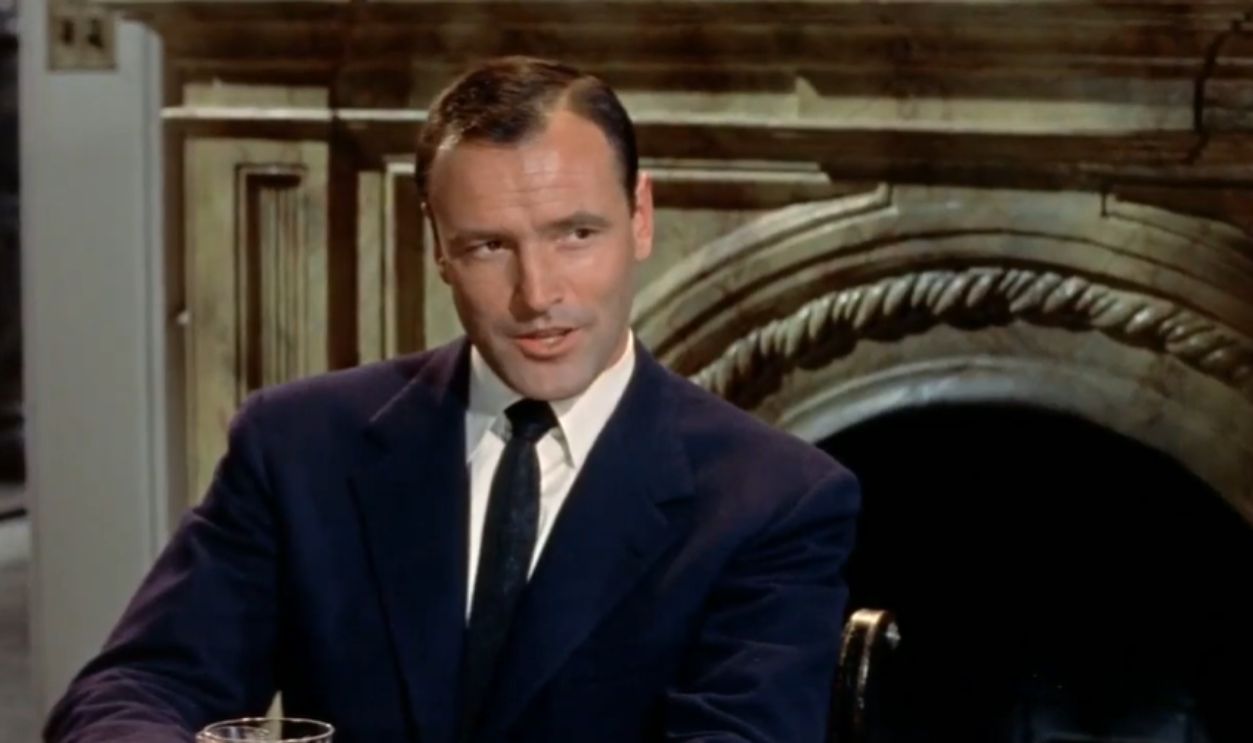 Screenshot from The Long, Hot Summer, Twentieth Century-Fox Film Corporation (1958)
Everywhere On Television
More work followed in series including The Fugitive, where Anderson appeared in the celebrated series finale, and Dan August, the police drama starring Burt Reynolds. He also appeared multiple times on The Big Valley. Those episodes introduced him to Lee Majors, creating a professional relationship that would become tremendously important several years later.
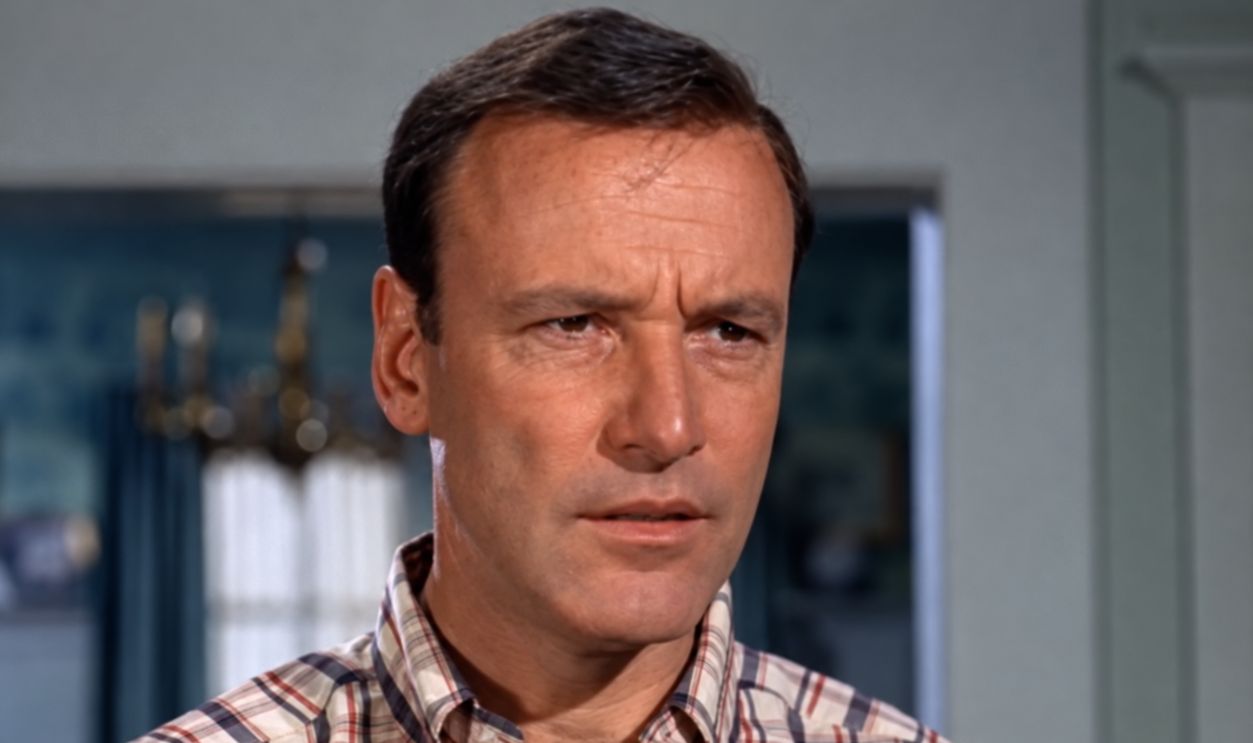 Screenshot from The Fugitive, United Artists Television (1963–1967), Modified
A Bionic Opportunity
The Six Million Dollar Man, adapted from Martin Caidin's novel Cyborg, began with television movies before becoming a weekly ABC series in 1974. Lee Majors played astronaut Steve Austin, rebuilt with extraordinary mechanical replacements after a devastating crash. Darren McGavin had occupied a similar role as Oliver Spencer in the original pilot, but Richard Anderson ultimately became Oscar Goldman.
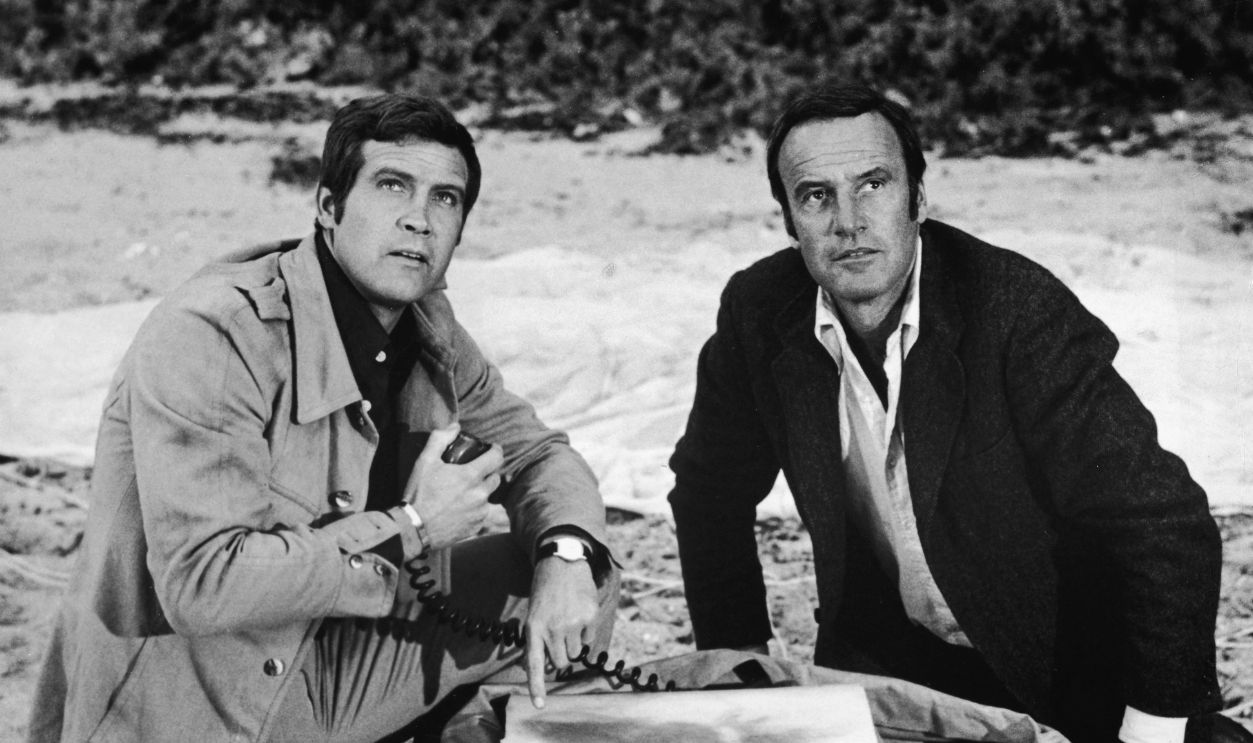 Fotos International, Getty Images
Oscar Goldman Arrives
Anderson's Oscar was Steve Austin's government boss, but the actor avoided making him simply a cold bureaucrat. His natural authority, measured delivery and chemistry with Majors helped make Goldman an essential part of the show's world. Majors affectionately nicknamed Anderson "Old Money," recalling his friend's impeccable style, calm manner and unmistakable class.
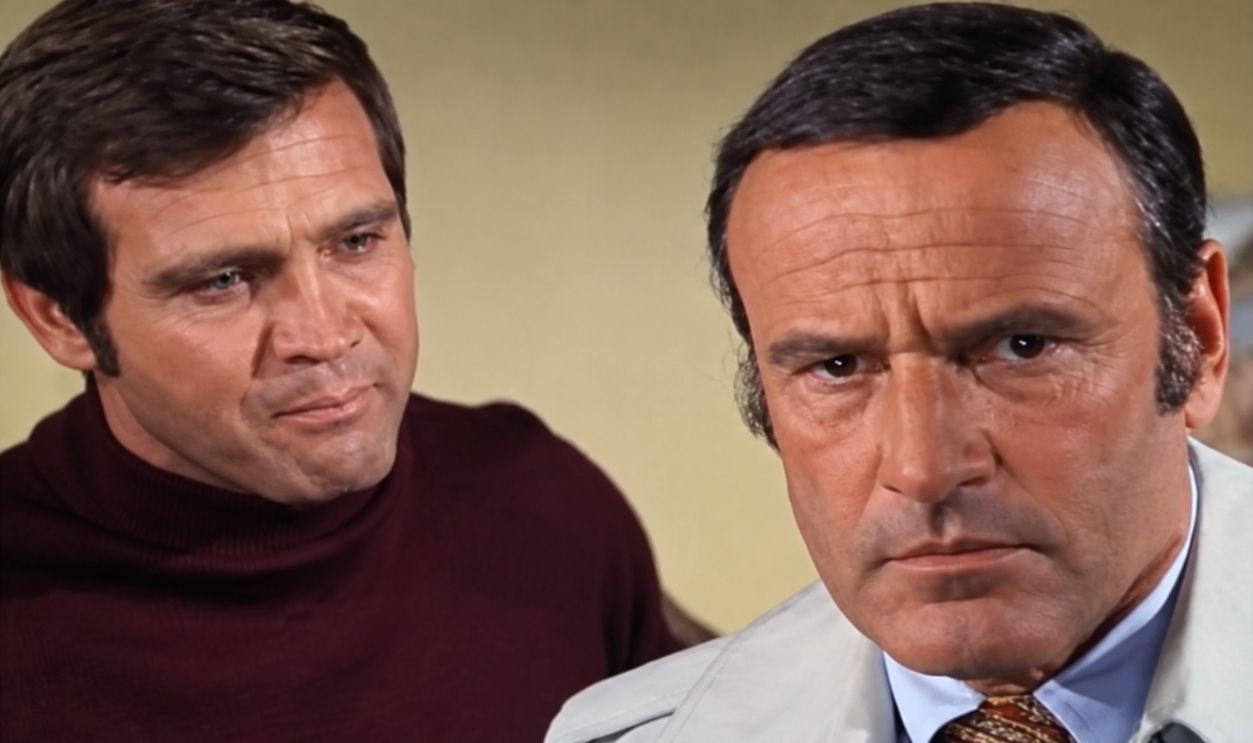 Screenshot from The Six Million Dollar Man, Universal Television (1973–1978), Modified
“We Have The Technology”
Anderson's voice became almost as recognizable as his face. He delivered most of the famous narration accompanying The Six Million Dollar Man's opening sequence, including the memorable description of the technology used to rebuild Steve Austin. Producer Harve Bennett supplied part of the narration when Anderson was unavailable for a retake, creating an opening that became embedded in 1970s pop culture.
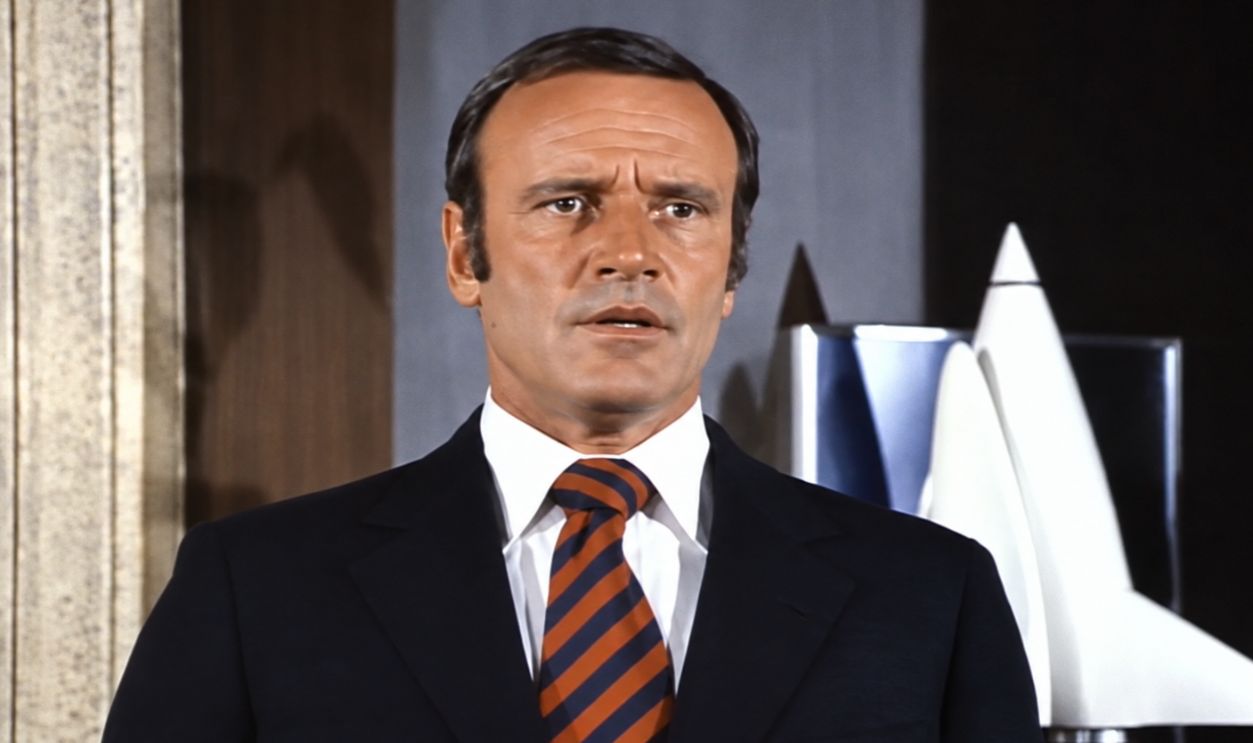 Screenshot from The Six Million Dollar Man, Universal Television (1973–1978), Modified
A Television Phenomenon
The weekly The Six Million Dollar Man ran from January 1974 until March 1978, ultimately producing five seasons. Steve Austin's bionic adventures turned Lee Majors into one of television's defining action stars, while Oscar Goldman became the indispensable link between Austin and his missions. After decades as a supporting actor, Anderson finally had his signature role.
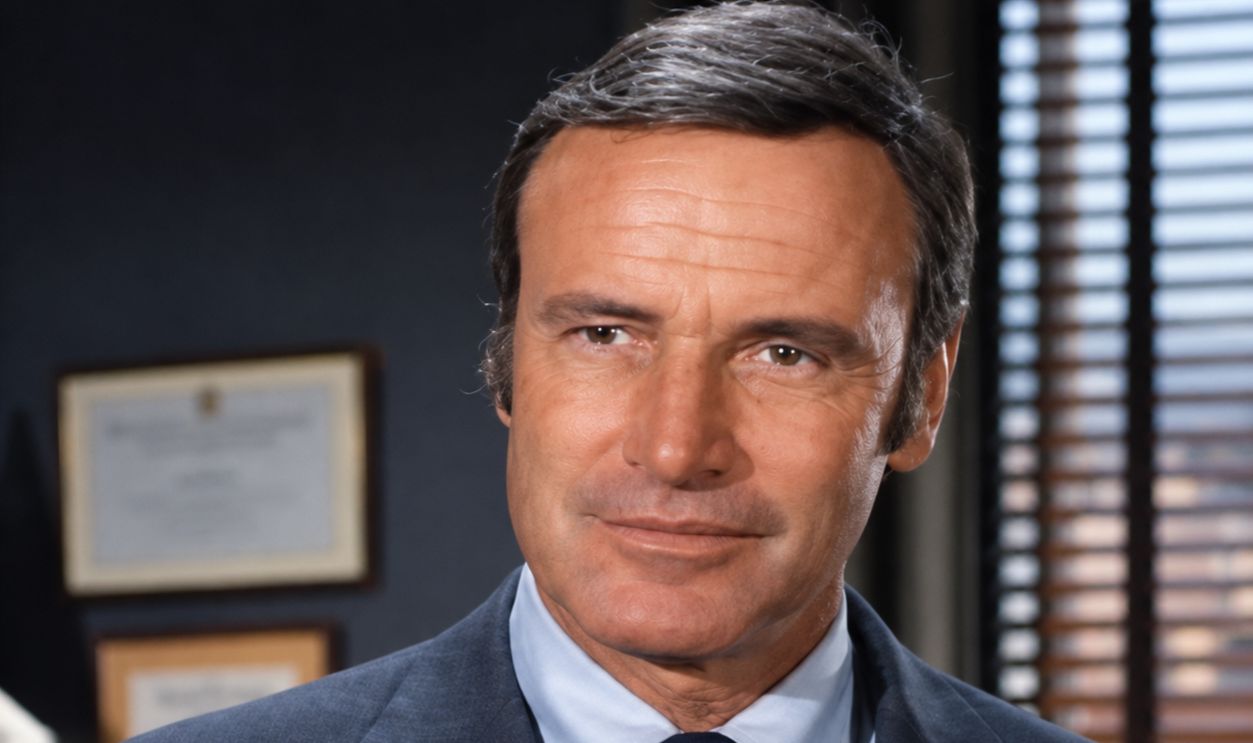 Screenshot from The Six Million Dollar Man, Universal Television (1973–1978), Modified
Enter The Bionic Woman
Lindsay Wagner's Jaime Sommers proved popular enough to receive the spinoff The Bionic Woman in 1976. Anderson brought Oscar Goldman with her, while Martin E. Brooks played bionics specialist Dr. Rudy Wells. The Bionic Woman originally aired on ABC before moving to NBC for its third season in 1977. As a result, Anderson played Oscar Goldman on two television series airing on competing networks.
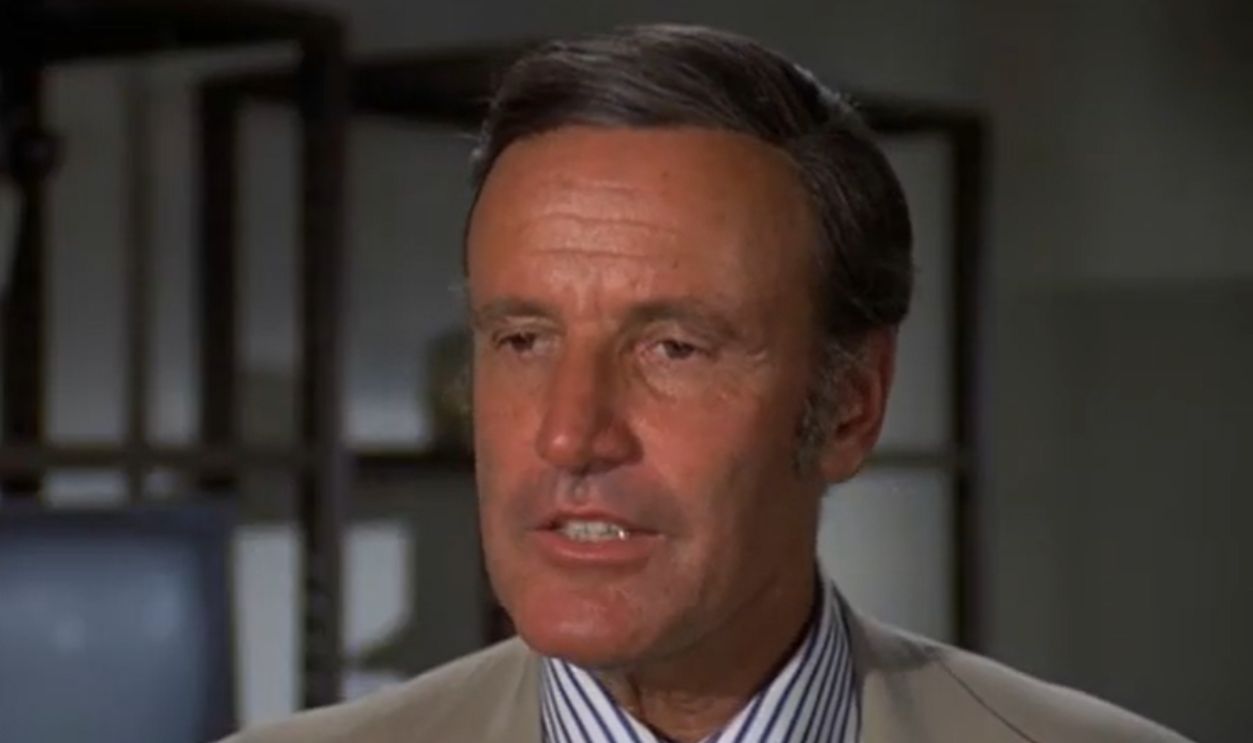 Screenshot from The Bionic Woman, Universal Television (1976–1978)
The Bionic Era Ends
Both Bionic series concluded in 1978, but Anderson was hardly finished. During the following decade he appeared on shows including The Love Boat, Charlie’s Angels, Knight Rider, Fantasy Island, The A-Team, and Dynasty. The dependable authority figure of the 1950s had evolved naturally into the distinguished veteran guest star of the 1980s.
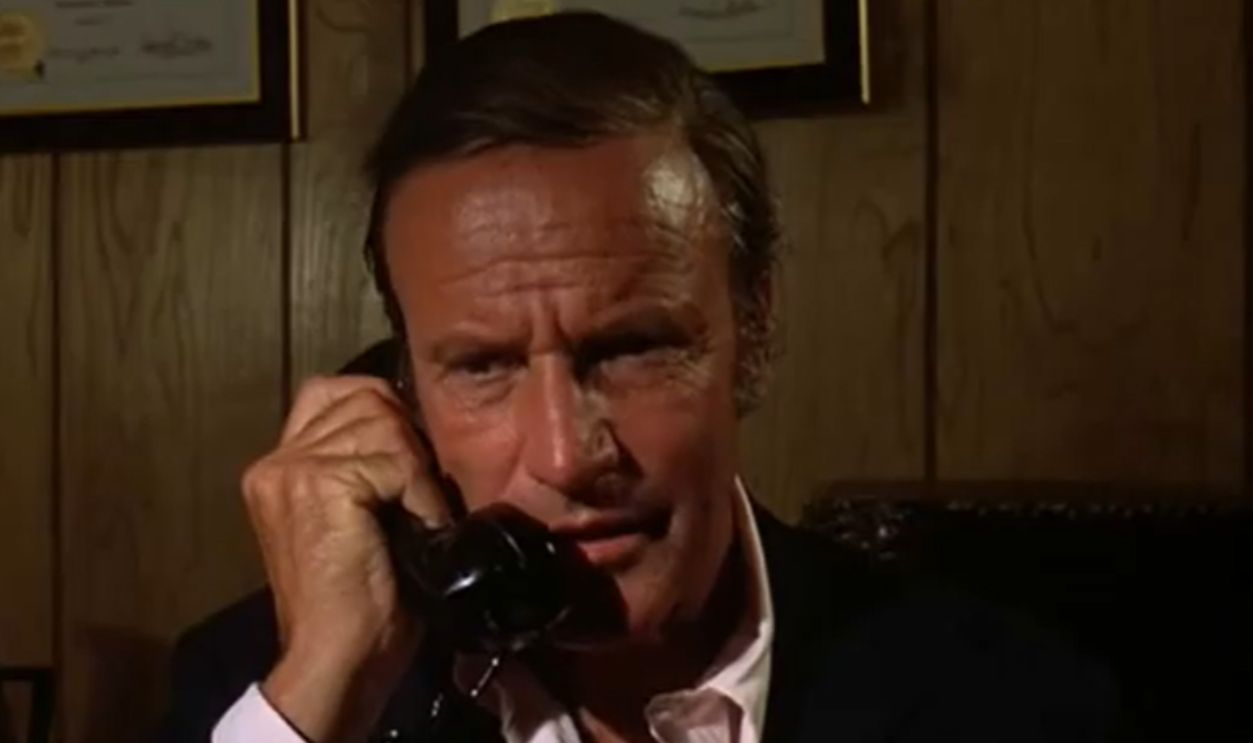 Screenshot from The Bionic Woman, Universal Television (1976–1978)
Oscar Returns Again
The Bionic franchise refused to disappear. Anderson reprised Oscar Goldman alongside Majors and Wagner in reunion television movies beginning with The Return of the Six Million Dollar Man and the Bionic Woman. He also returned for Bionic Showdown: The Six Million Dollar Man and the Bionic Woman and Bionic Ever After?, while taking on producing duties for the revivals.
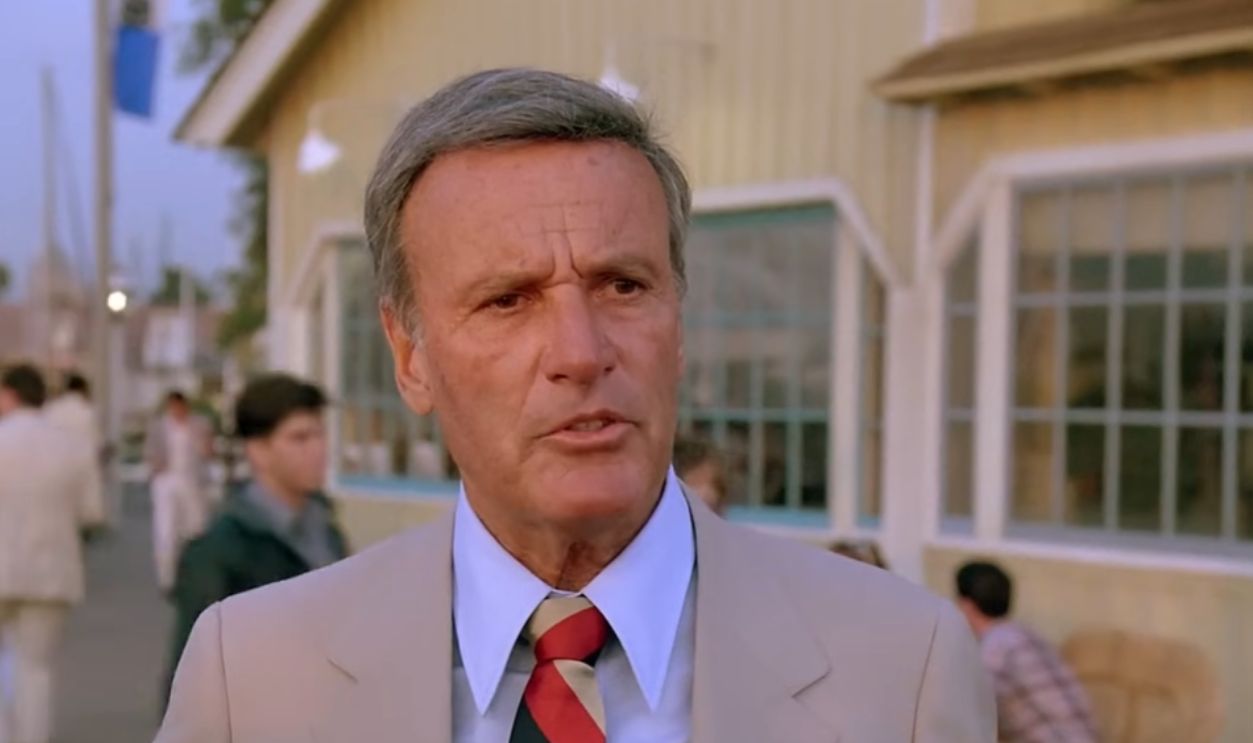 Screenshot from The Return of the Six Million Dollar Man and the Bionic Woman, NBC (1987)
Hollywood Family Connections
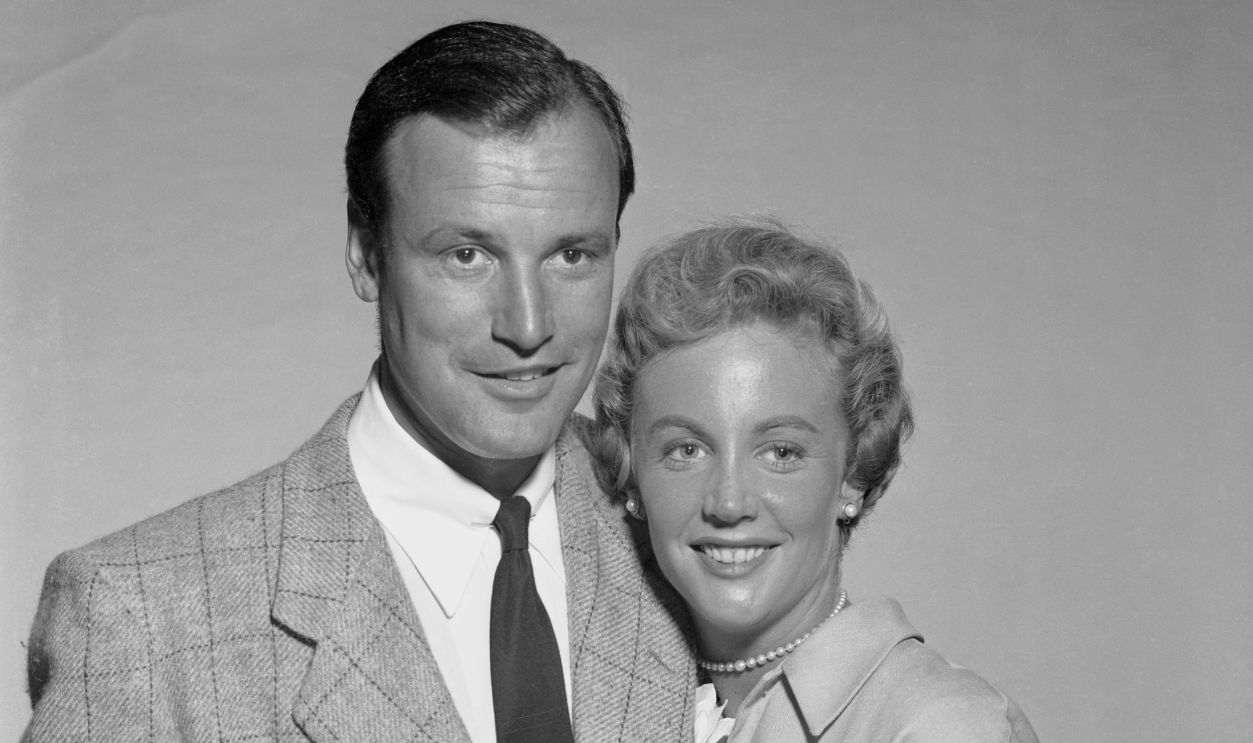
Anderson's private life contained remarkable links to classic Hollywood. His first wife, Carol Lee Ladd, was the daughter of movie star Alan Ladd. His second wife, Katharine Thalberg, was the daughter of legendary MGM producer Irving Thalberg and actress Norma Shearer. Anderson and Katharine had three daughters, Ashley, Brooke and Deva, before their marriage ended in divorce.
His Final Decades
Anderson continued acting into the 1990s, with credits including Murder, She Wrote; Kung Fu: The Legend Continues; and the 1992 Robert Altman film The Player. All this time he stayed connected to the Bionic phenomenon. Away from acting, tennis was a major enthusiasm. Lee Majors later remembered that Anderson traveled internationally to play in tournaments and described his three daughters, tennis and acting as the great loves of his friend's life.
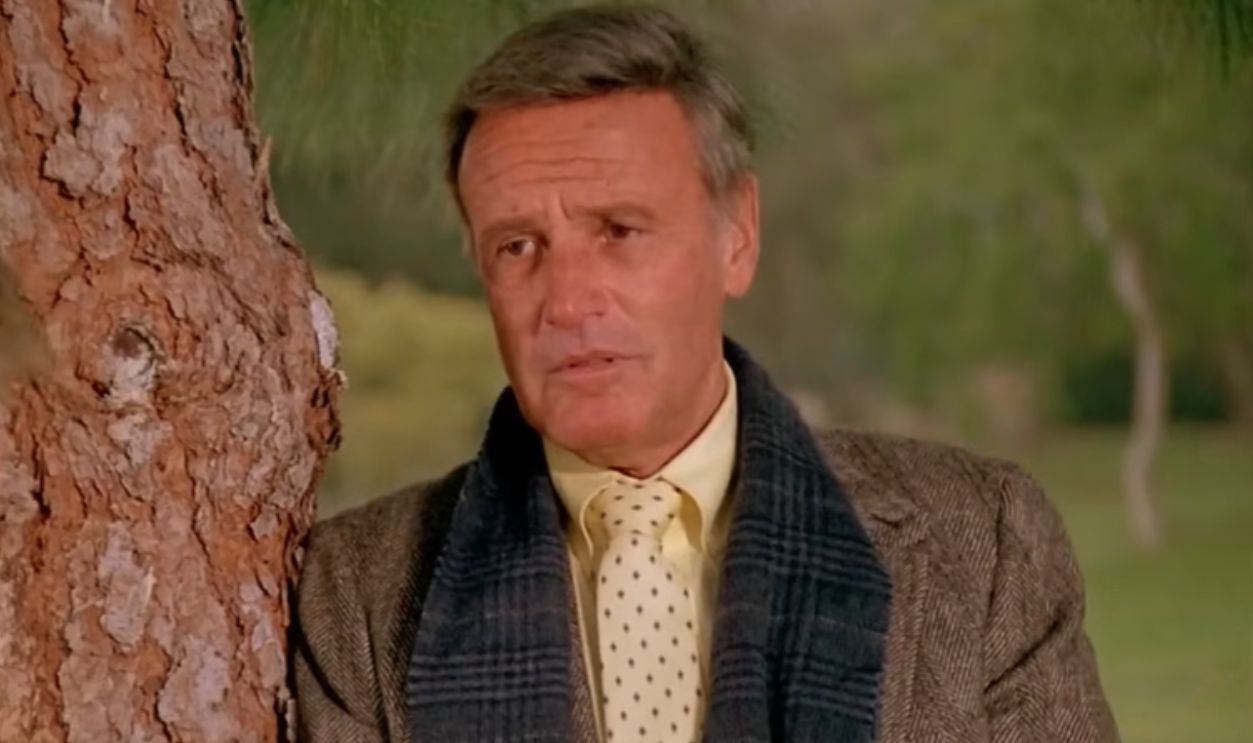 Screenshot from The Return of the Six Million Dollar Man and the Bionic Woman, NBC (1987)
A Career That Endured
Richard Anderson died of natural causes at his Beverly Hills home on August 31, 2017, just weeks after turning 91. His career had stretched from postwar Hollywood through the age of network television and beyond. Lindsay Wagner remembered his elegance and friendship, while Majors remembered the stylish, gracious man he affectionately called "Old Money."
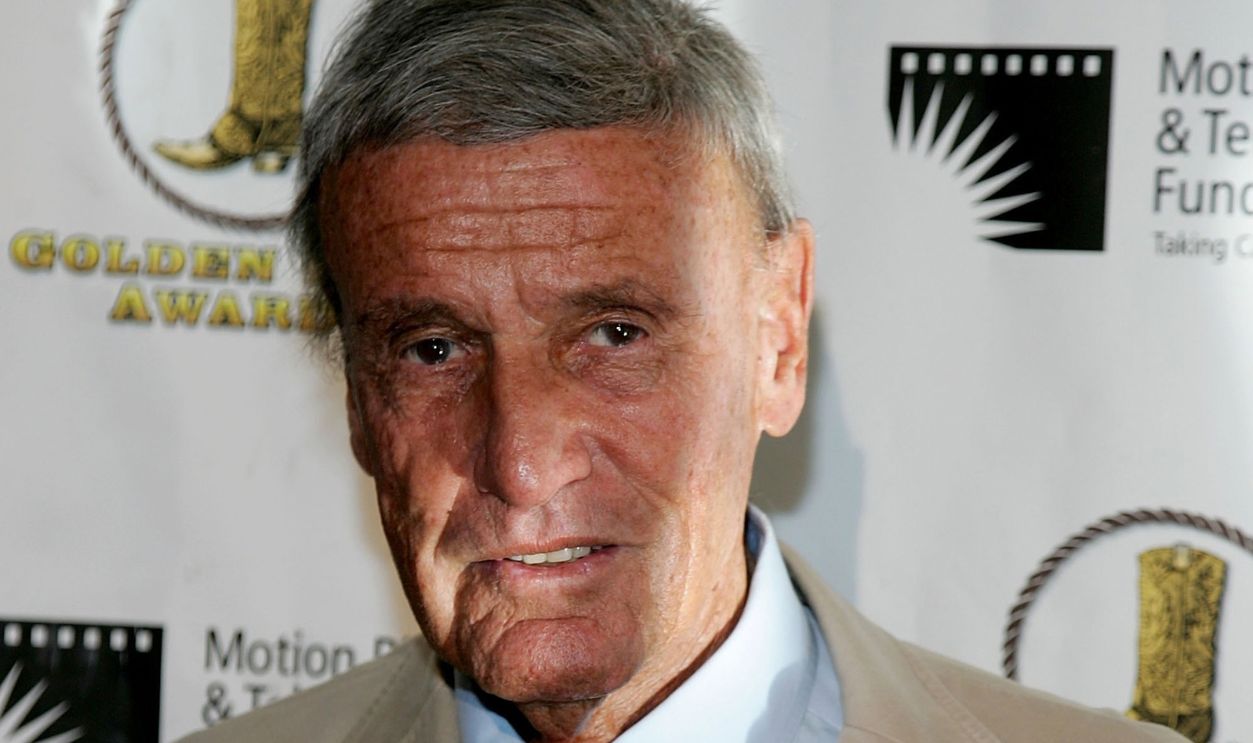
The Man With The Technology
Anderson's legacy and body of work is much larger than Oscar Goldman. He worked at MGM during the studio era, appeared in Forbidden Planet (1956) and Paths of Glory (1957), became one of television's most dependable guest actors, and then achieved his greatest fame decades into his career. For Bionic fans, though, he'll forever be the man who had the technology.
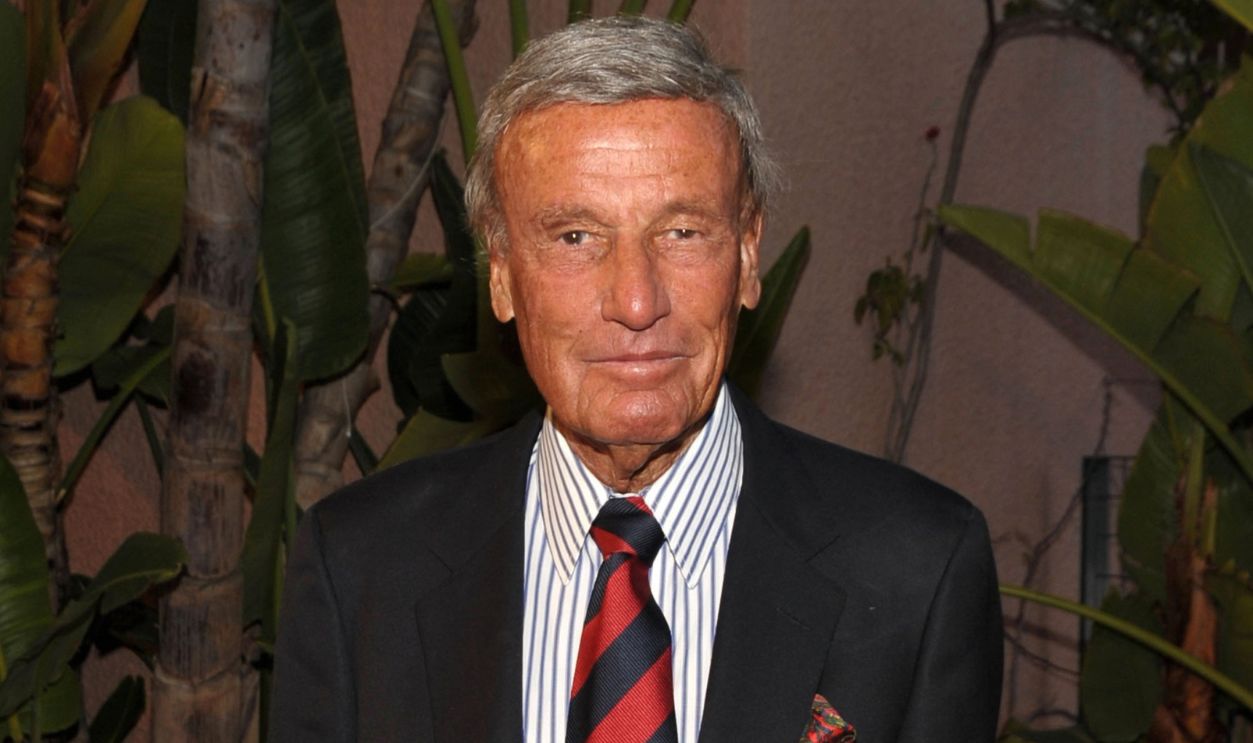
You May Also Like:
America Saw Lee Majors As The Six-Million-Dollar Man. His Real Life Told a Different Story.
Character Actors No One Knows Today, But You Saw Everywhere In The 1970s—Do You Recognize Them All?