
Raquel Welch Refused To Apologize
By 1982, Raquel Welch had already spent nearly two decades battling one of Hollywood’s favorite labels for outspoken women: “difficult.” When she was suddenly fired from a major studio film, the industry expected her to quietly accept it. Instead, she filed a lawsuit that forced MGM to defend its decision in court and explain exactly what it meant when it called a woman “unprofessional.”
 Herbert Dorfman / Contributor via Getty Images
The Woman Behind the Fur Bikini
Raquel Welch was born Jo Raquel Tejada on September 5, 1940, in Chicago, Illinois, and raised in San Diego, California. She became an international sex symbol after One Million Years B.C. (1966), thanks to the iconic fur bikini that became one of the most reproduced images of the decade. But Welch consistently pushed back against the image. She insisted she was an actress first and refused to be reduced to a poster.
 John Vachon, Wikimedia Commons
Hollywood’s Reluctant Bombshell
Throughout the 1970s, Welch made it clear she did not enjoy being labeled a blonde bombshell. In interviews, she insisted she had never seen herself that way and rejected the narrow image Hollywood assigned to her. She sought serious roles and negotiated for stronger scripts, which sometimes frustrated studios that preferred her silent and glamorous. That tension slowly shaped her reputation.
 NBC Television Uploaded by We hope at en.wikipedia, Wikimedia Commons
A Reputation Begins
By the late 1970s, whispers circulated that Welch could be demanding on set. Crew members described her as meticulous and highly aware of lighting, camera angles, and wardrobe. Some admired her preparation. Others saw it as control. In an industry dominated by male directors and producers, her insistence on oversight did not always land well.
 Metro-Goldwyn-Mayer, Wikimedia Commons
Enter Cannery Row
In 1982, Welch was cast in MGM’s adaptation of John Steinbeck’s Cannery Row, directed by David S Ward and starring Nick Nolte. The production was set to film in Monterey, California. It appeared to be a solid career move for Welch, who was then in her early forties and eager to prove she remained a bankable star.
 Jim G from Silicon Valley, CA, USA, CC BY 2.0, Wikimedia Commons
Fired Before Filming Began
On the first day of principal photography in October 1982, MGM terminated Welch’s contract. She was replaced by Debra Winger. The studio claimed Welch had been late for rehearsals and costume fittings and had caused production delays. The firing made headlines immediately and reinforced the “difficult” narrative.
 Lloyd Spainhower for the St. Louis Post-Dispatch newspaper., Wikimedia Commons
The Studio’s Accusation
MGM publicly described Welch’s behavior as unprofessional and costly to the production. Executives suggested she had failed to meet expectations and had disrupted the schedule. The language was firm and damaging. In Hollywood, reputation often matters more than fact, and the accusation traveled quickly.
 Thank You (25 Millions ), Flickr
Welch’s Response
Welch denied the claims outright. She insisted she had been present and prepared and argued that the studio had planned to replace her from the start. She later said, “They wanted me out,” suggesting age and image played a role in the decision. She believed the accusations were a convenient excuse.

The Lawsuit
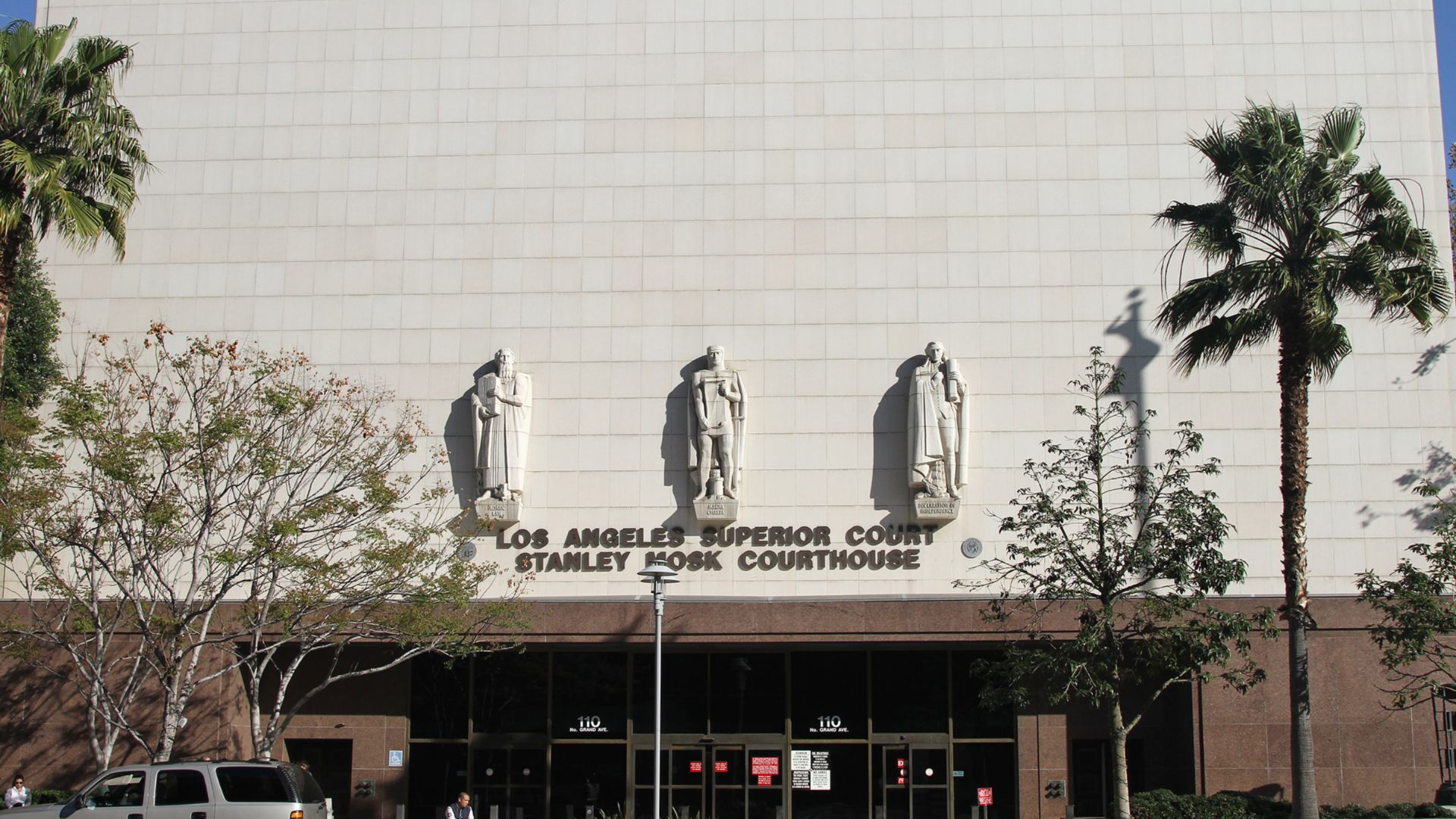
In 1983, Welch filed a $24 million breach-of-contract lawsuit against MGM in Los Angeles Superior Court. She alleged wrongful termination and defamation, arguing that the studio had deliberately harmed her professional reputation. Filing suit against a major studio was bold and risky, but Welch appeared determined to clear her name.
A Career on Trial
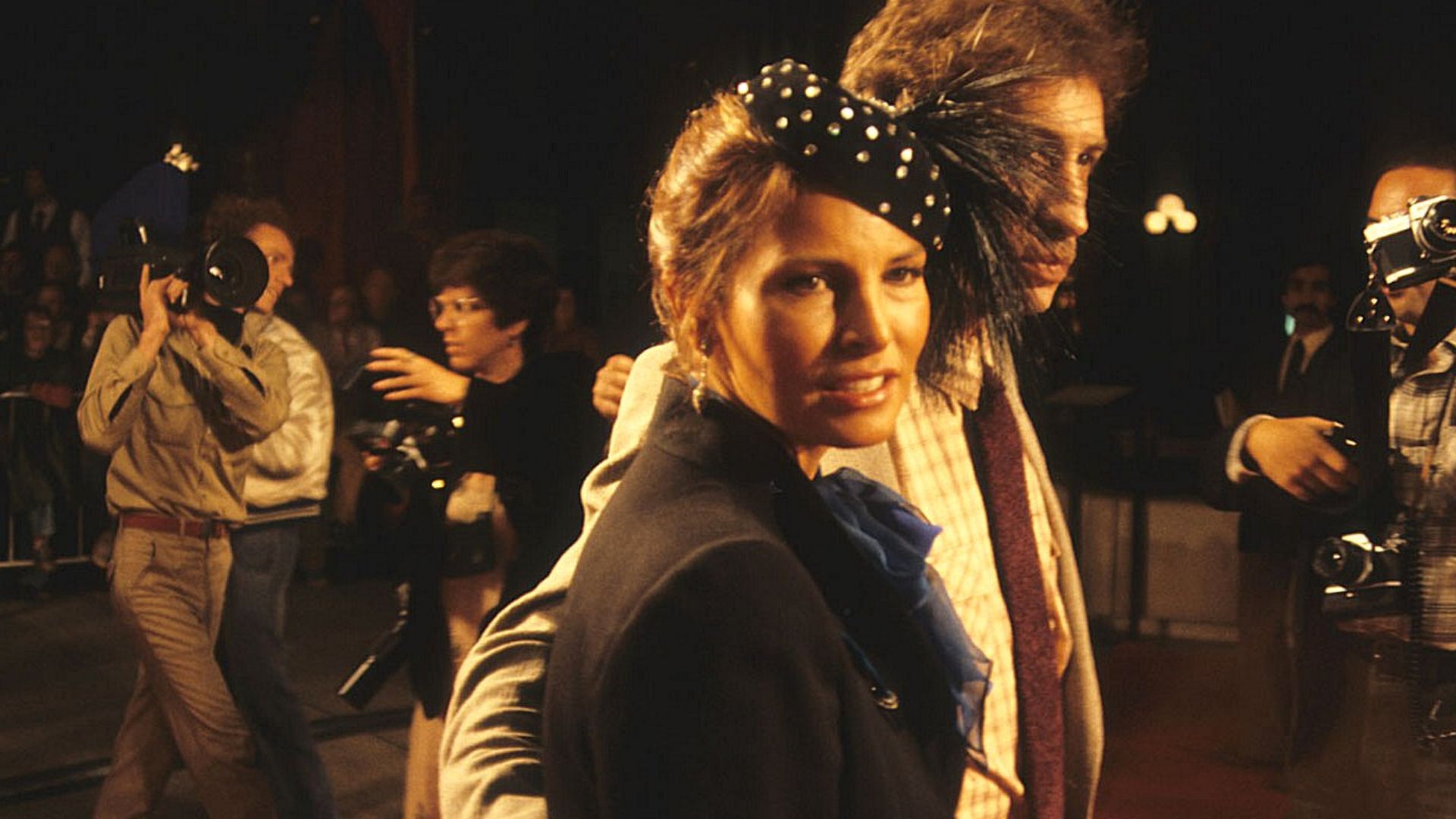
When the case went to trial in 1986, it became less about scheduling disputes and more about personality. Witnesses testified about Welch’s behavior on previous sets. Some described her as controlling and particular about wardrobe and lighting. Others said she was disciplined and prepared. The courtroom became a forum for debating what “difficult” really meant.
 Unknown author, Wikimedia Commons
Gender Bias Takes Center Stage
Welch’s legal team argued that she was being judged more harshly because she was a woman asserting control. They suggested that a male star with the same level of involvement might be praised for professionalism. The argument resonated in a courtroom that was beginning to recognize the double standards women faced in the entertainment industry.
The Verdict
In November 1986, the jury ruled in Welch’s favor. She was awarded approximately $10.8 million in damages, although the final payout was reduced through later settlements. The verdict marked one of the largest breach-of-contract awards against a Hollywood studio at the time and publicly validated her claims.

A Public Victory
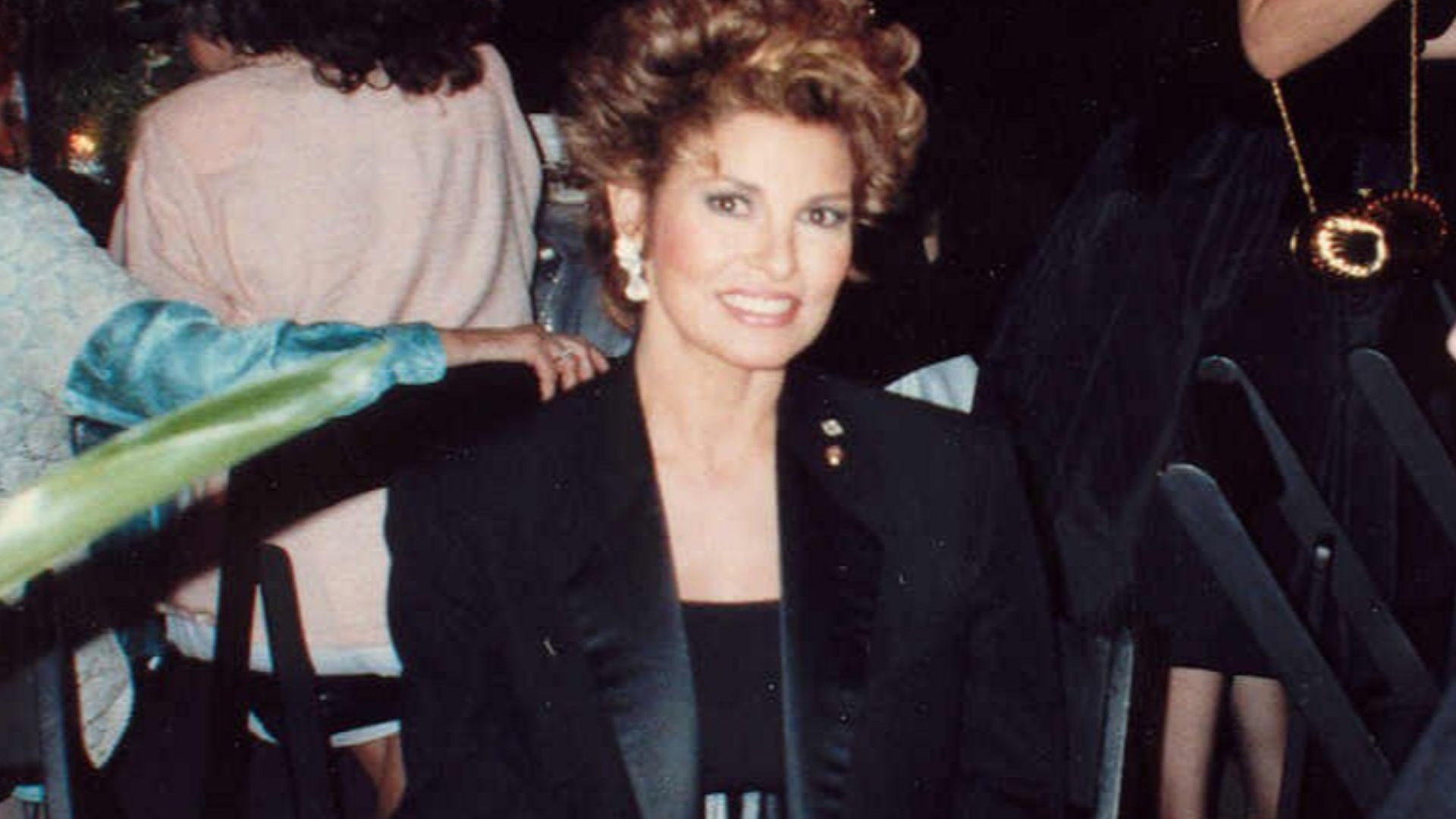
After the ruling, Welch told reporters that the case was never just about money. “It was about my name,” she explained. For Welch, reputation was currency, and she believed MGM had attempted to tarnish it. The courtroom win allowed her to reclaim some control over her narrative.
But it came at a dark price of its own.
The Label That Lingered
Despite the legal victory, the “difficult” label never fully disappeared. Hollywood has a long memory when it comes to outspoken women. Welch continued working, but the industry’s perception of her remained complicated. Winning the case did not erase the gossip.
Other Production Clashes
Welch had clashed with producers before. During projects like Myra Breckinridge (1970), she reportedly negotiated intensely over wardrobe and portrayal. Critics sometimes blamed her for on-set tension, though the production itself faced widespread creative chaos unrelated to her involvement.
 Screenshot from Myra Breckinridge, Twentieth Century (1970)
Control as Survival
Welch maintained strict routines and insisted on approving certain visual elements in her contracts. To some executives, that was vanity. To Welch, it was self-preservation in an industry that built careers on image and discarded actresses quickly once they aged out of preferred roles.

A Career That Continued
Following the lawsuit, Welch continued appearing in films and television throughout the 1990s and 2000s. She also launched a successful line of wigs and beauty products, proving she could reinvent herself outside traditional studio systems. She did not retreat quietly after the courtroom battle.
“I Never Played the Victim”
In later interviews, Welch stated that she never viewed herself as a victim. She said she fought because she had to protect herself in an environment that could be ruthless. Her perspective framed the lawsuit as strength rather than grievance.

The Final Chapter
Raquel Welch died on February 15, 2023, in Los Angeles at the age of 82. Obituaries revisited the fur bikini, her Golden Globe win for The Three Musketeers (1973), and the lawsuit that challenged Hollywood’s power structure. Her legacy became more layered with time.
 Justin Hoch photographing for Hudson Union Society, Wikimedia Commons
The Bigger Question
Was Raquel Welch truly difficult, or was she simply unwilling to surrender control of her career? The 1986 verdict suggests that at least one jury believed the studio had acted unfairly. The question continues to spark debate about gender, power, and perception in Hollywood.

You May Also Like:
Natalie Wood’s death was one of Hollywood’s most enduring mysteries—until the captain of her yacht changed his story.