Jerry Was Only The Beginning.
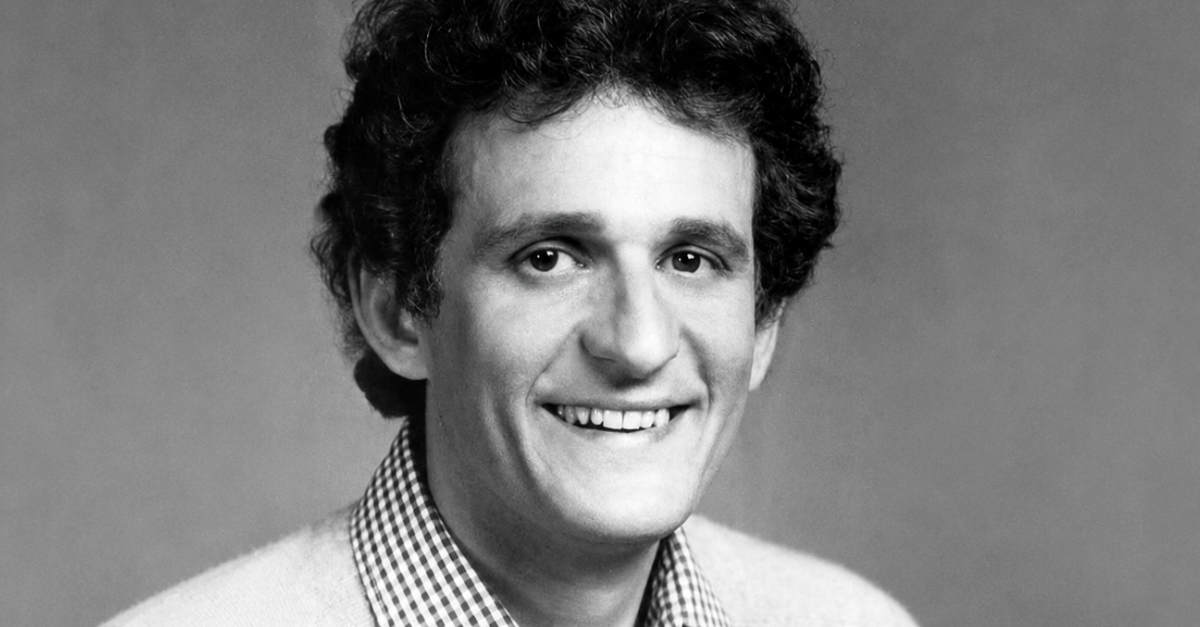
Peter Bonerz became instantly recognizable as Bob Hartley’s orthodontist friend on The Bob Newhart Show, but he was already an accomplished improviser before the sitcom and eventually became one of television comedy’s busiest directors. His path from scene-stealing supporting actor to Emmy-winning director explains why his influence reaches far beyond the dentist’s chair.
 CBS Television / Wikimedia Commons
A Stutter Could Not Keep Him Offstage
Bonerz has spoken about overcoming a childhood stutter while developing an interest in performing. He eventually discovered that comedy and theater gave him a place to channel that nervous energy instead of being controlled by it. The future sitcom performer was therefore learning to manage timing and speech long before professional audiences knew his name.
Milwaukee Became His Creative Home
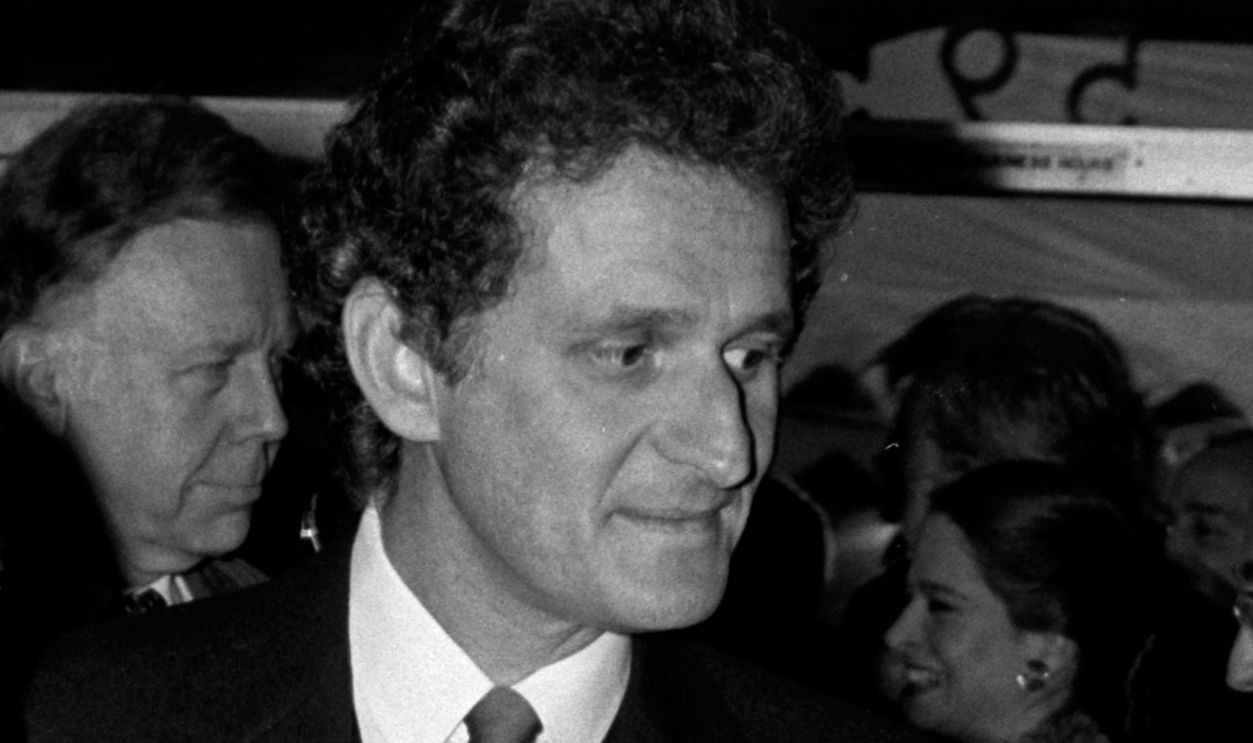
Although Bonerz was born in Portsmouth, New Hampshire, he grew up in Milwaukee and attended Marquette University. Marquette’s archives identify him as a 1960 alumnus who later returned as a visiting theater professor. His university years included participation in theater, giving him a foundation before he headed toward professional comedy.

Second City Showed Him A New Kind Of Comedy
Bonerz has recalled seeing Chicago’s Second City and meeting influential improviser Paul Sills. The experience helped reveal that comedy did not always need to be performed from a rigidly fixed script. That discovery would influence both his acting and the way he later directed other comedians.
New York Put Him Inside The Premise
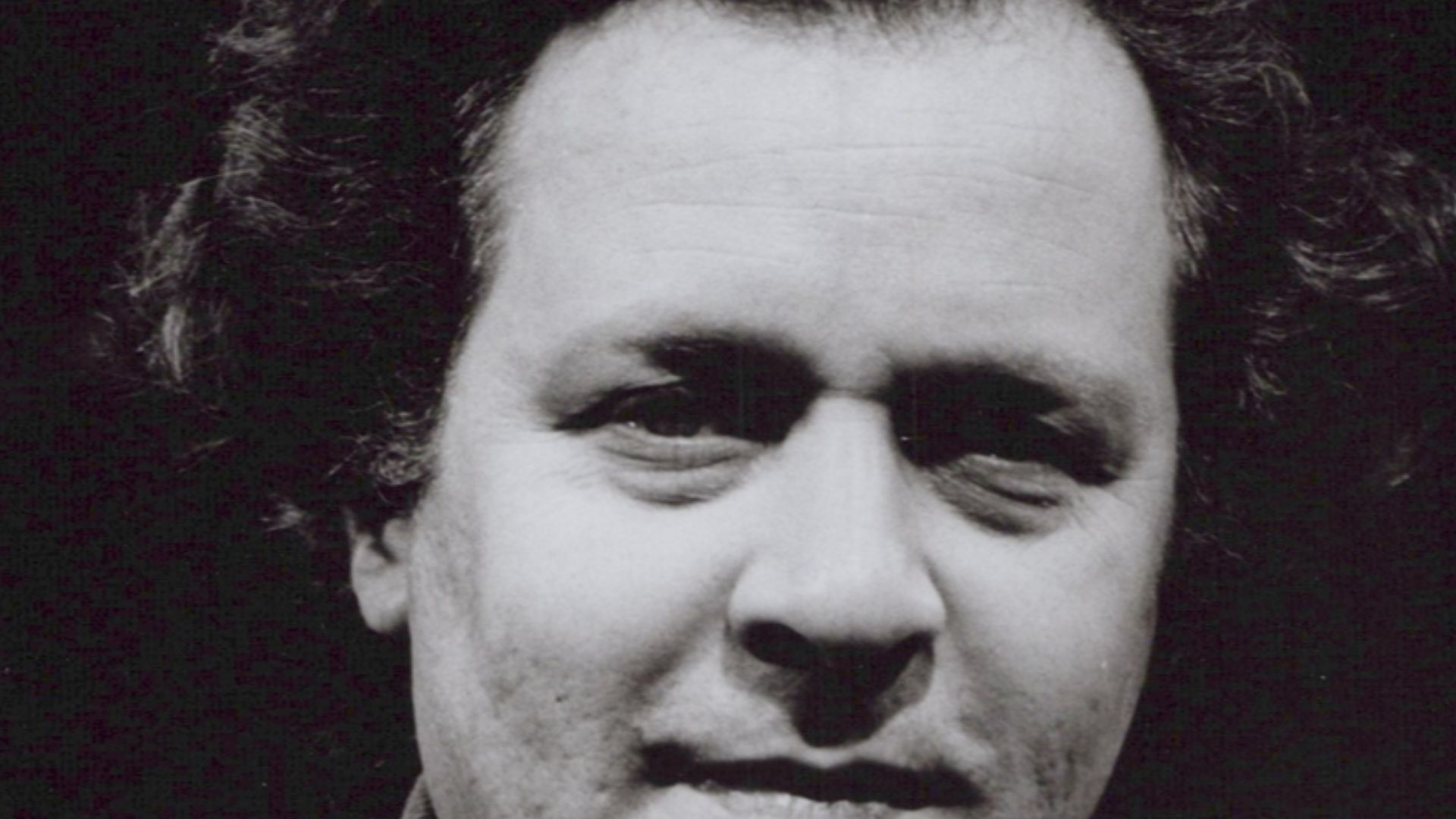
After leaving Milwaukee, Bonerz worked professionally with the improvisational group The Premise in New York. The company was part of a growing movement that treated performers as active creators rather than people simply reciting somebody else’s jokes. Bonerz was learning to listen, react, and build comedy collaboratively, skills that later fit naturally beside Bob Newhart.

The Army Interrupted His Comedy Education
Bonerz’s early professional momentum was interrupted when he was drafted into the United States Army. After completing that service, he returned to performance instead of abandoning the uncertain entertainment business. The interruption ultimately became another stop on a career that repeatedly changed direction without losing its connection to comedy.
 U.S. Army 21TSC by Staff Sgt. Daniel Yeadon, Wikimedia Commons
The Committee Became His Improv Laboratory
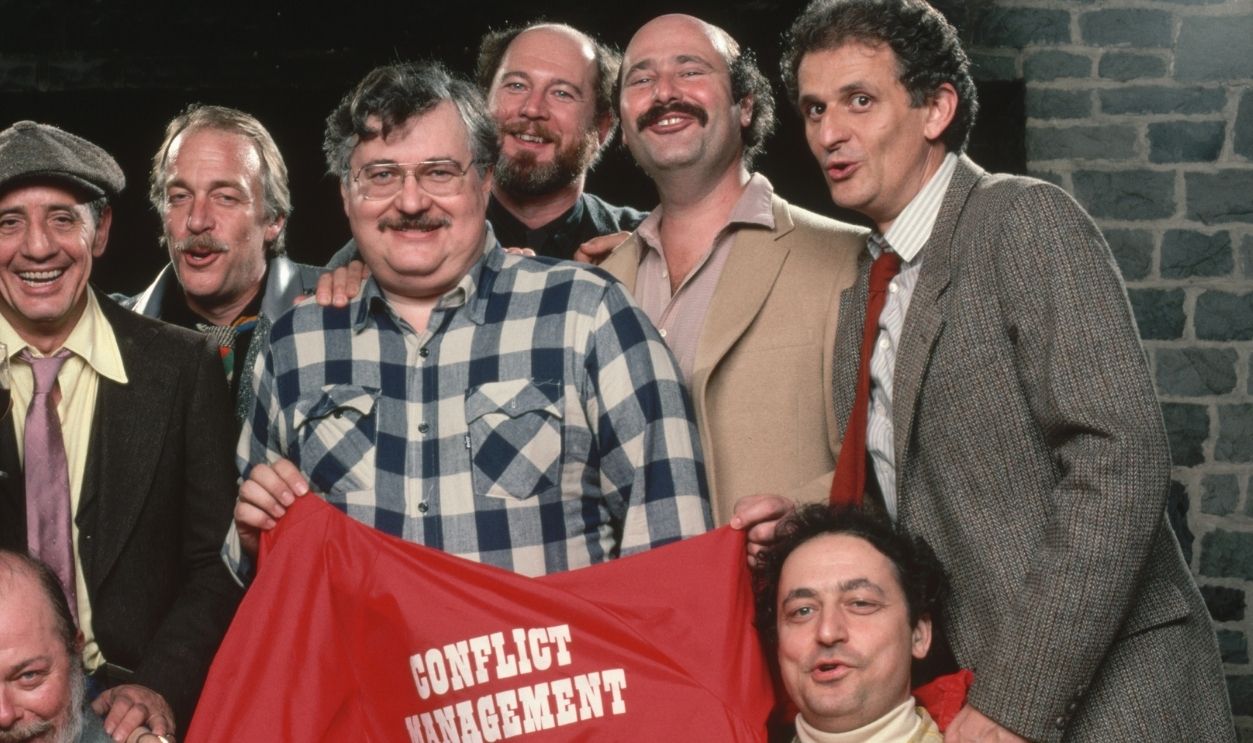
Bonerz next joined The Committee in San Francisco, one of the influential improvisational groups of the 1960s. Fellow members and collaborators included performers who would also become recognizable television faces, including Howard Hesseman. Bonerz’s years there strengthened the ensemble instincts that later became central to both The Bob Newhart Show and his directing career.
Television Taught Him Not To Improv Everything
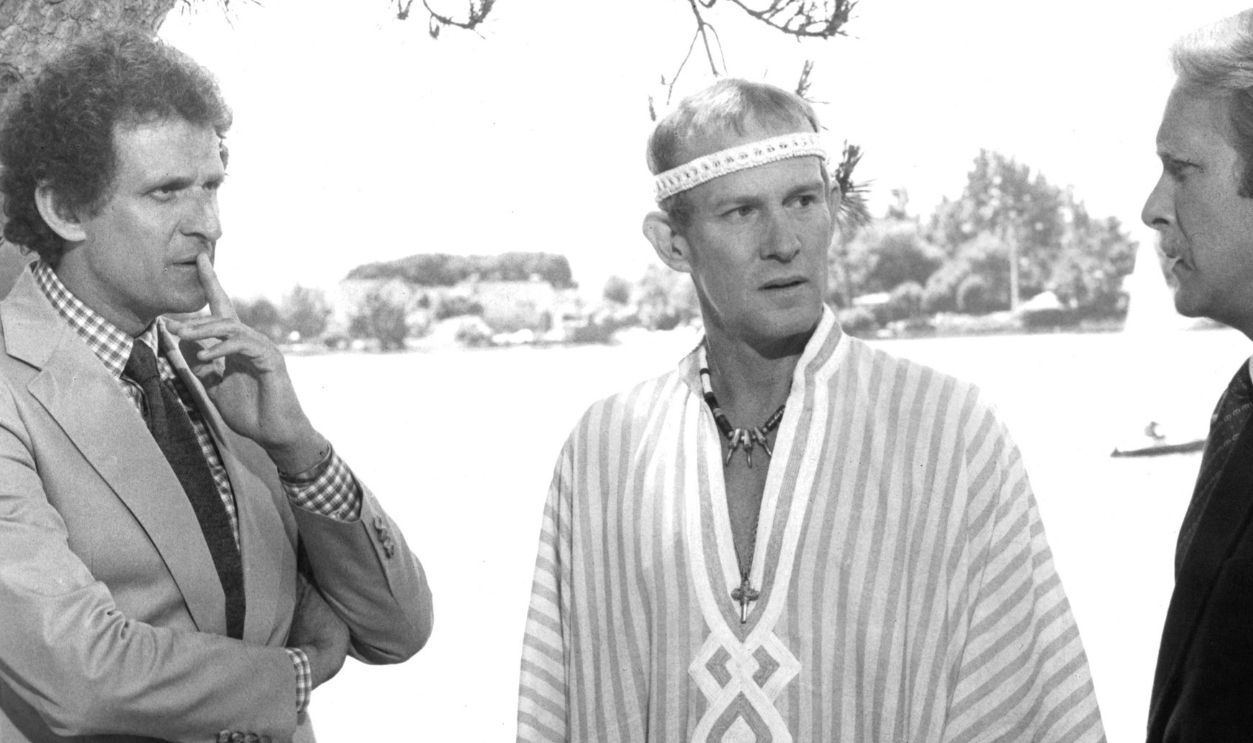
Improvisational freedom did not always transfer neatly onto scripted television. Bonerz remembered learning that changing written dialogue could irritate sitcom writers, so he began improvising physical behavior and small bits of business instead. That compromise gave him a valuable lesson in serving a script while still finding personal comic details within it.
 Michael Ochs Archives,Getty Images
The Addams Family Gave Him His First TV Lesson
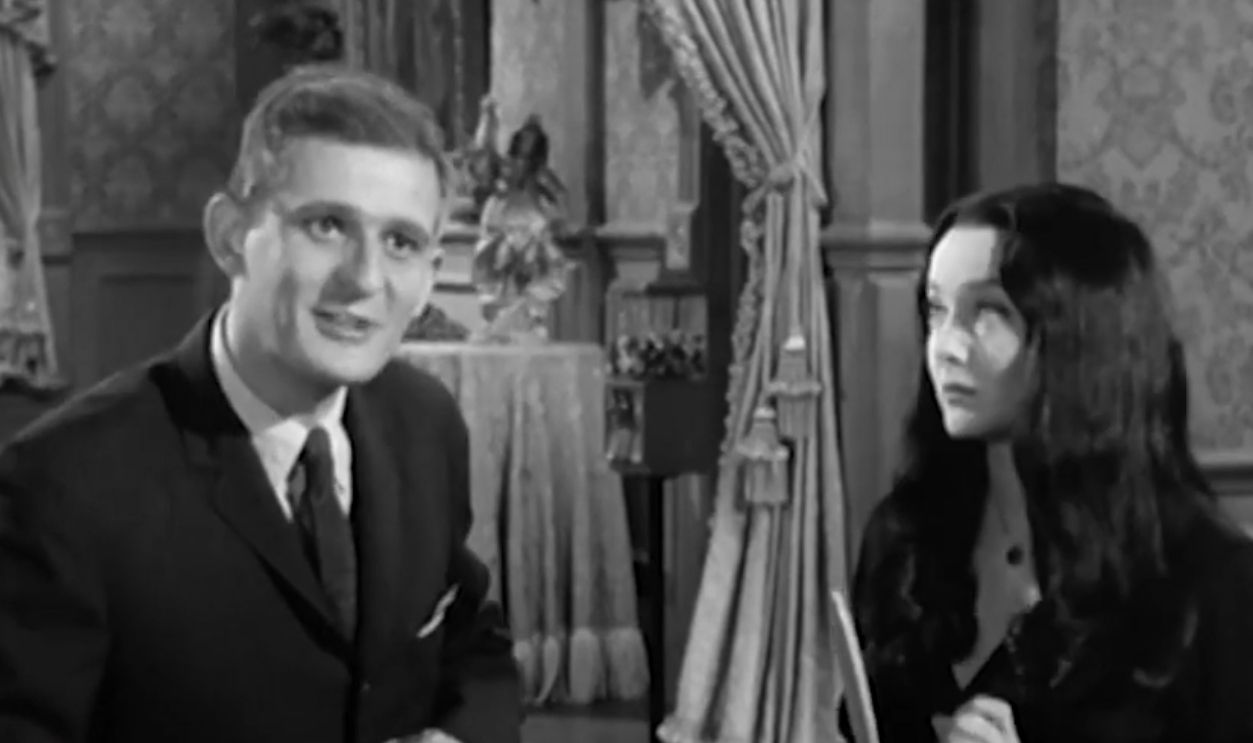
Bonerz identifies an appearance on The Addams Family episode “Morticia the Writer” as his first television role. He later credited star John Astin with teaching him important basics about working for the camera. A performer trained in live improvisation was beginning to understand how television required a different scale and discipline.
 Screenshot from The Addams Family, Filmways Syndication Sales (1966)
Catch-22 Put Bob Newhart In His Path
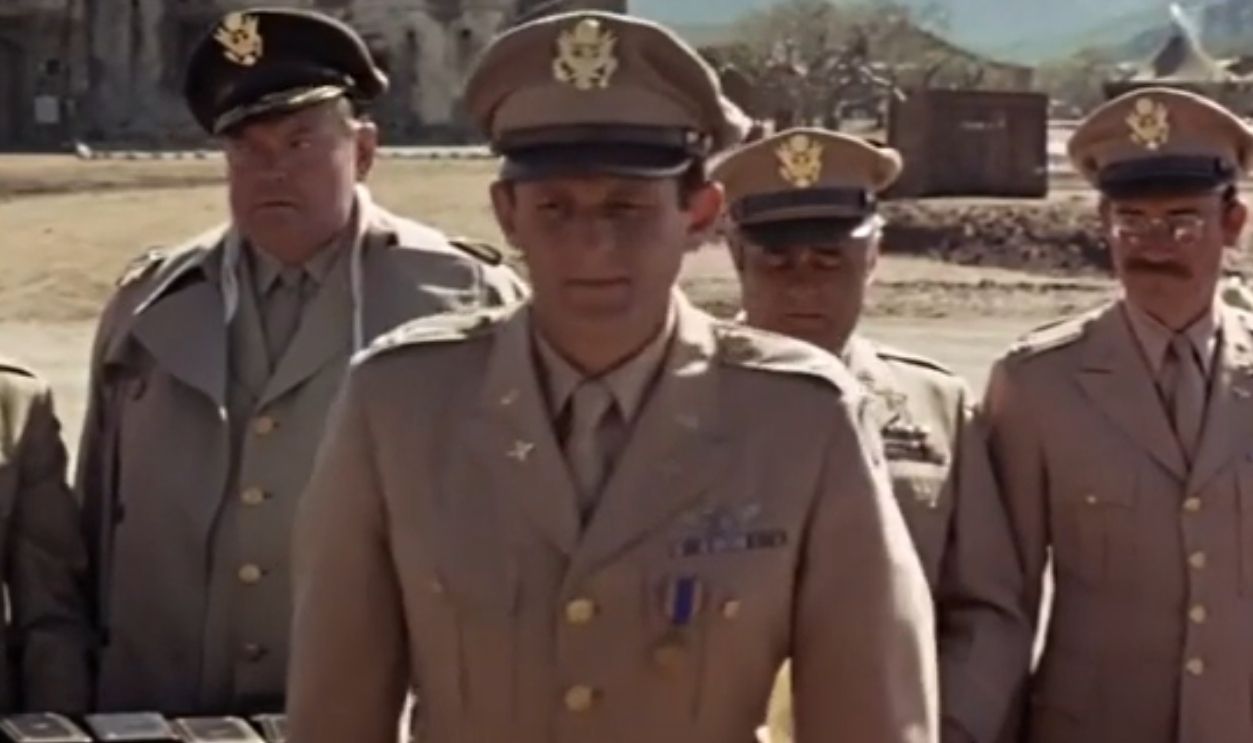
Bonerz appeared as Captain McWatt in Mike Nichols’s 1970 adaptation of Joseph Heller’s Catch-22. The enormous ensemble also included Alan Arkin, Orson Welles, Anthony Perkins, Martin Sheen, Jon Voight, and Bob Newhart. Bonerz later remembered meeting Newhart during the production, creating a connection that soon became far more important to his career.
 Screenshot from Catch-22, Paramount Pictures Corp. (1970)
He Was Already A Bob Newhart Fan
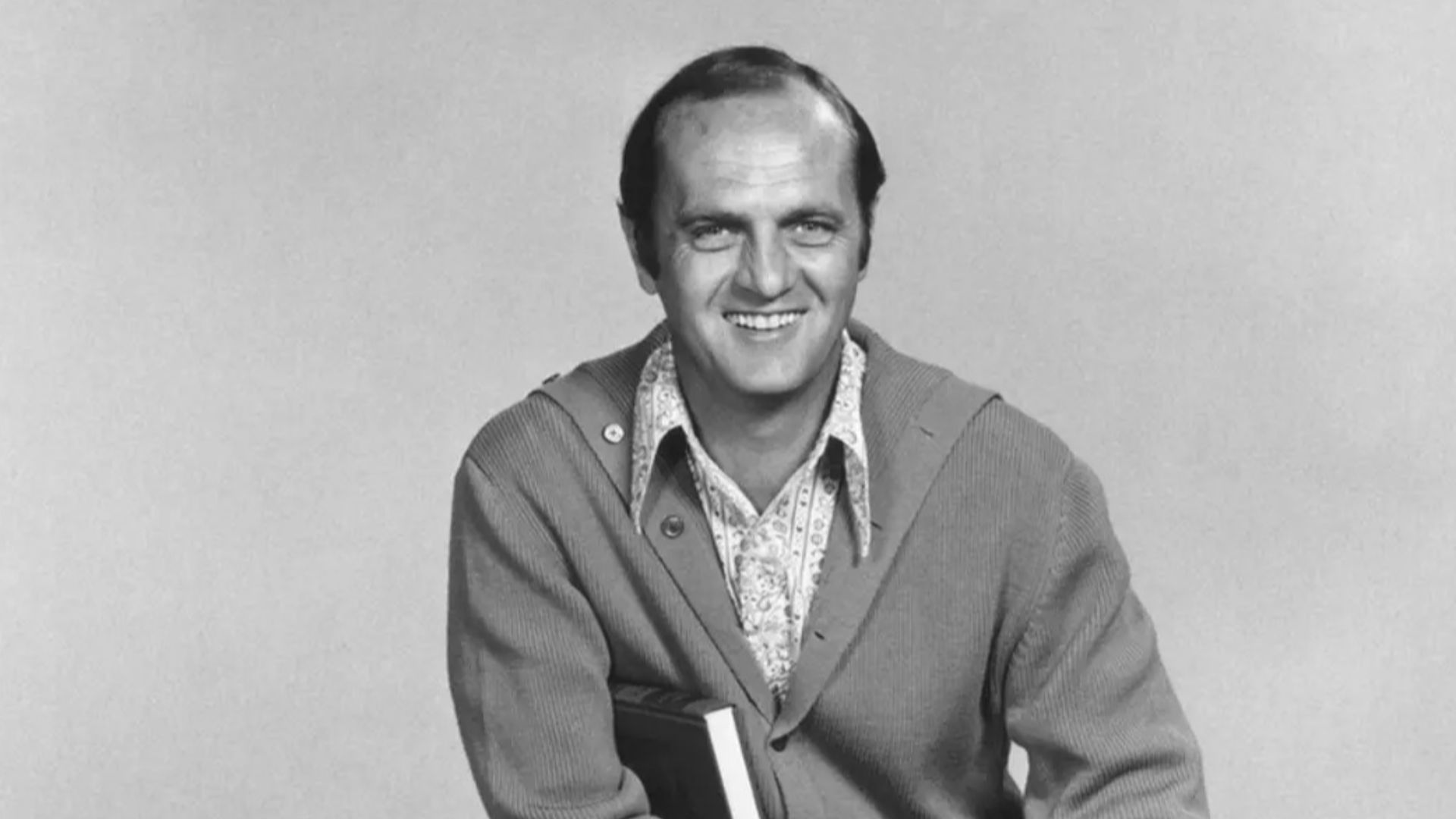
Bonerz had admired Newhart long before the two men became colleagues. He remembered working in a Milwaukee record store when Newhart’s hugely successful comedy albums arrived and sold rapidly. That made the eventual chance to audition for Newhart’s television series especially appealing to him.
 CBS Television, Wikimedia Commons
The Audition Was Almost Suspiciously Easy
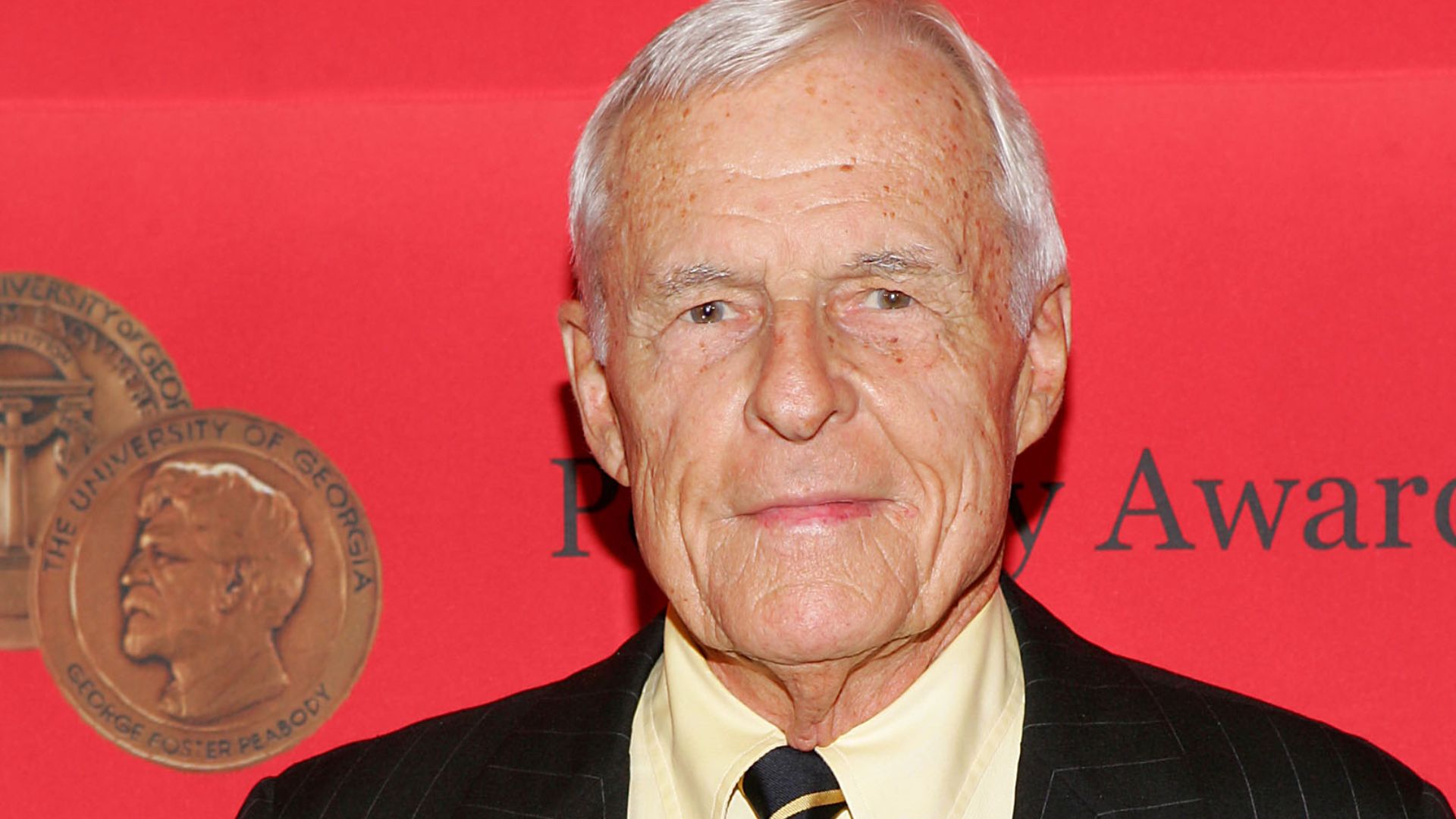
When The Bob Newhart Show was being cast, Bonerz received a call asking whether he was interested. He later remembered reading with Newhart in front of people including CBS casting executive Ethel Winant and MTM chief Grant Tinker. The room laughed, Bonerz left feeling optimistic, and the job eventually became his most famous acting role.
 Albert Ferreira/STARTRAKS PHOTO for The Peabody Awards, Wikimedia Commons
Jerry Started Out As A Different Kind Of Doctor
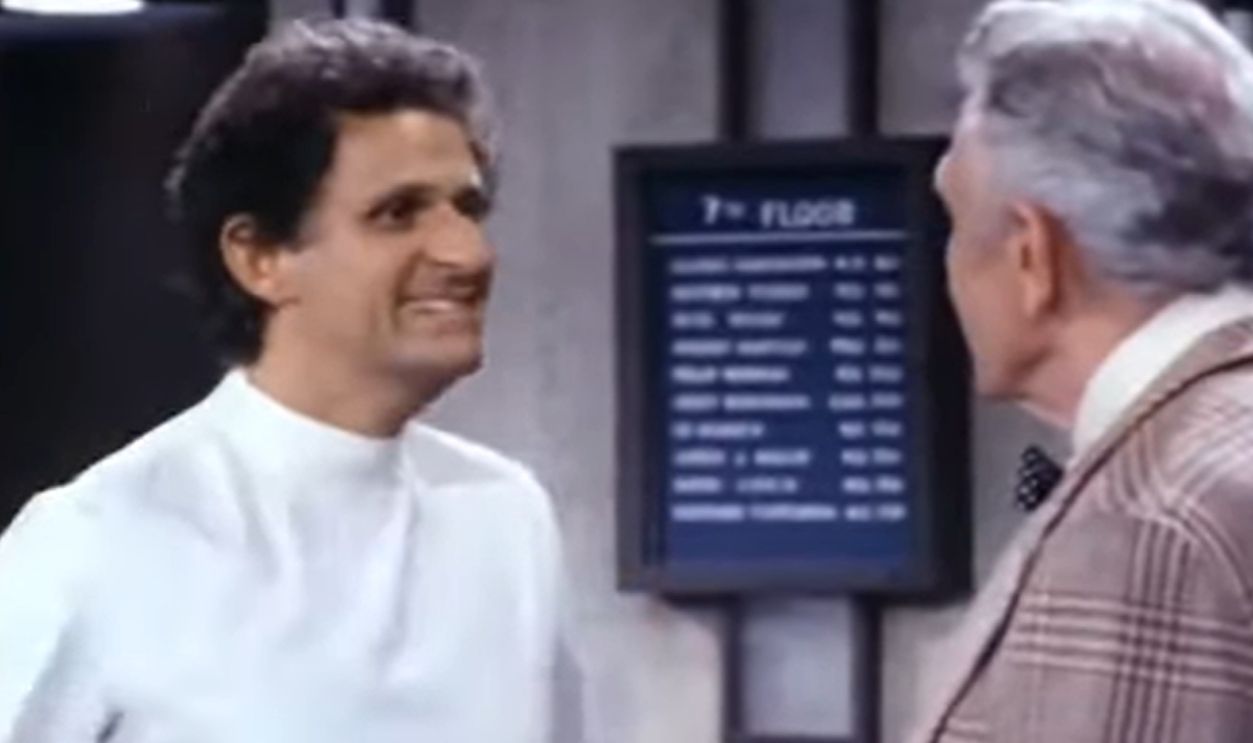
The character Bonerz played was not always conceived exactly as viewers remember him. Accounts of the series’ development say Jerry was initially imagined as another psychologist whose methods could contrast with Bob Hartley’s approach. The producers ultimately made Jerry Robinson an orthodontist instead, separating the friends professionally while keeping them together socially.
 Screenshot from The Bob Newhart Show, MTM Enterprises (1972–1978)
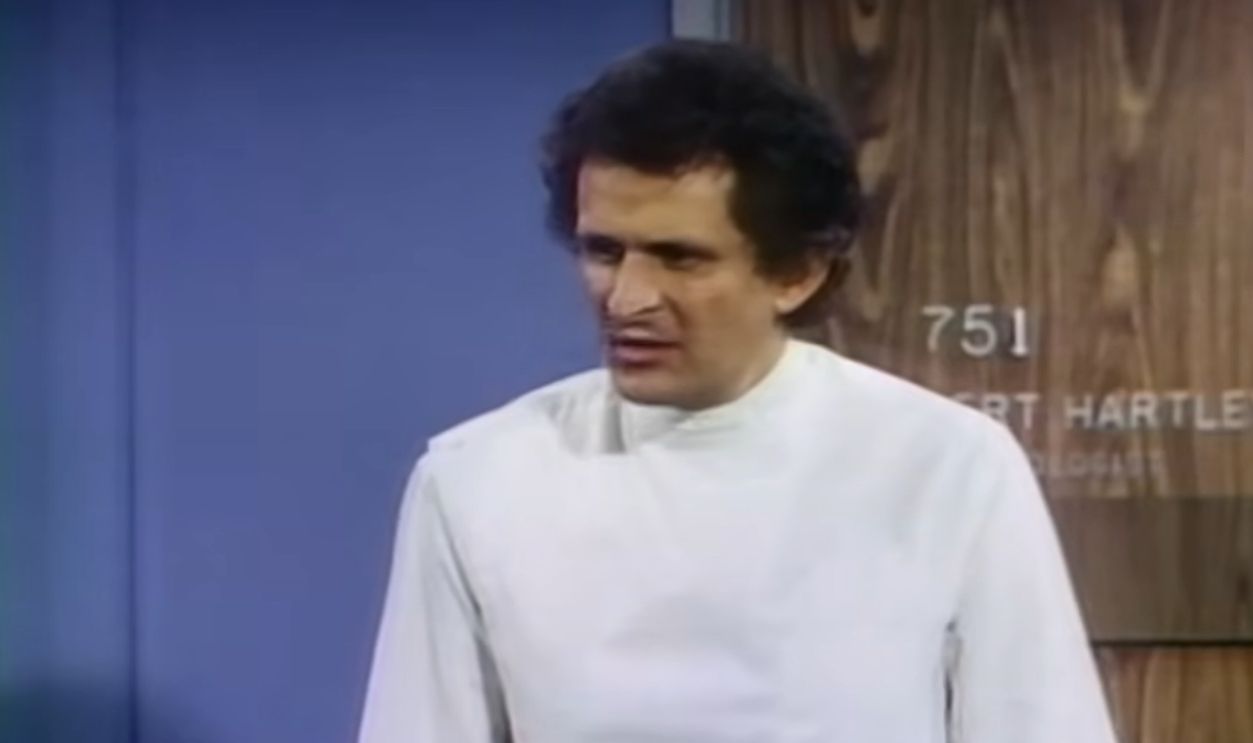
Jerry Was The Swinging Single Beside Bob
The Television Academy describes Jerry as a typical 1970s swinging single who worked in the same medical building as Bob. That gave Bonerz a different comic lane from Newhart’s married, cautious psychologist. Jerry could be more impulsive and romantically restless while still feeling believable as Bob’s close friend.
 Screenshot from The Bob Newhart Show, MTM Enterprises (1972–1978)
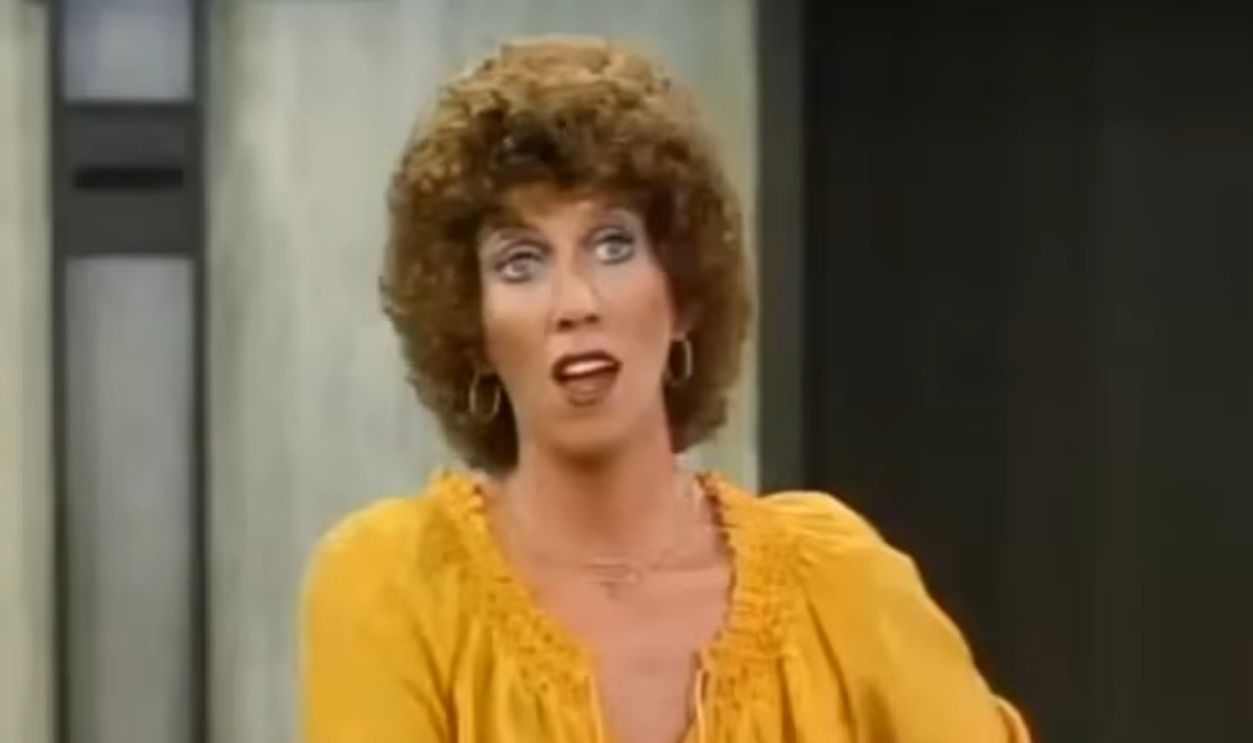
Carol Made The Office Trio Click
Jerry and Bob shared receptionist Carol Kester, played by Marcia Wallace. Bonerz later praised Wallace’s strong and wonderfully silly presence, while the show used Carol to puncture both men whenever they became too self-important. The combination made the office feel like a social world rather than simply a location for Bob’s therapy scenes.
 Screenshot from The Bob Newhart Show, MTM Enterprises (1972–1978)
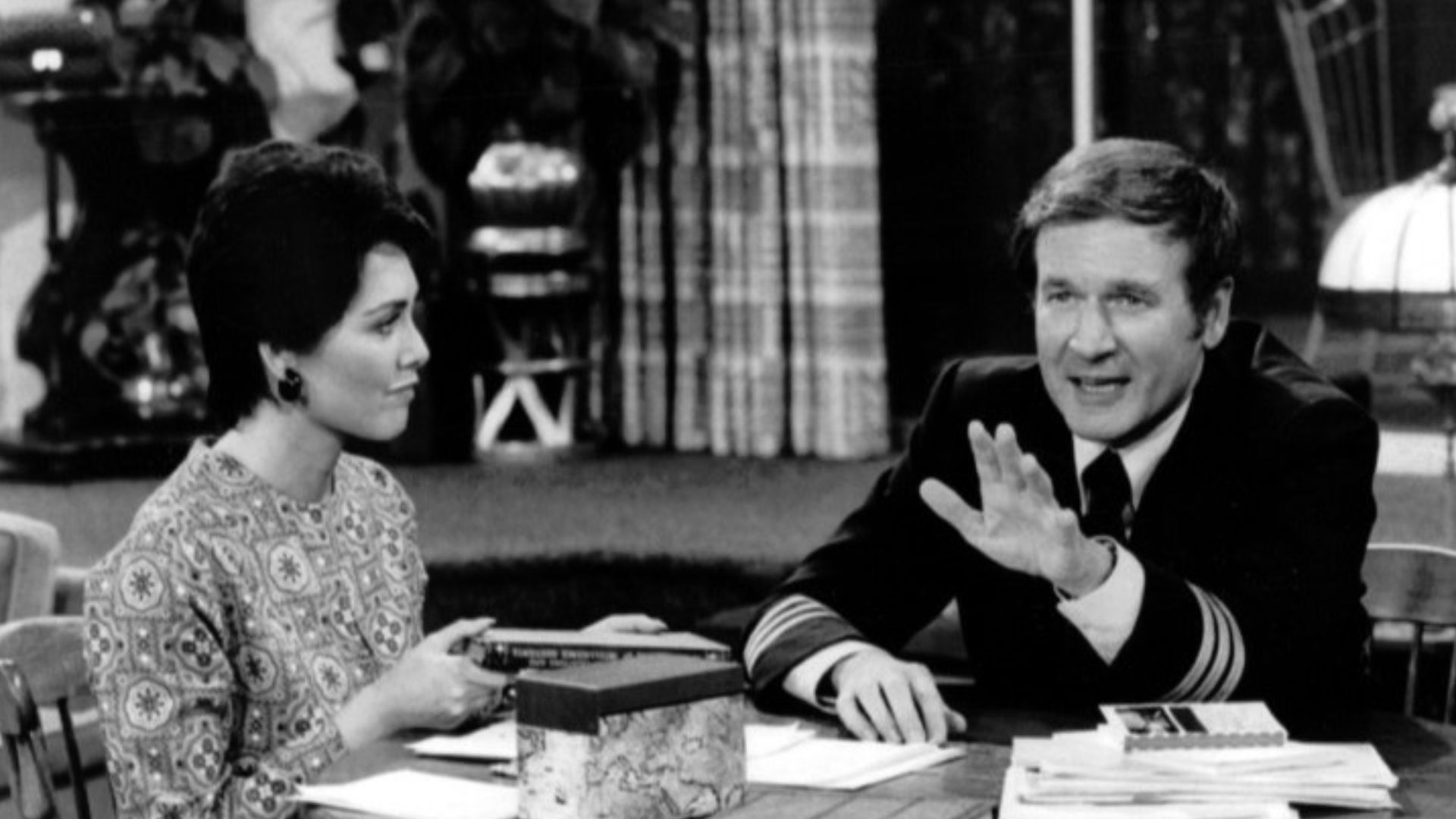
The Supporting Cast Was Never Just Background
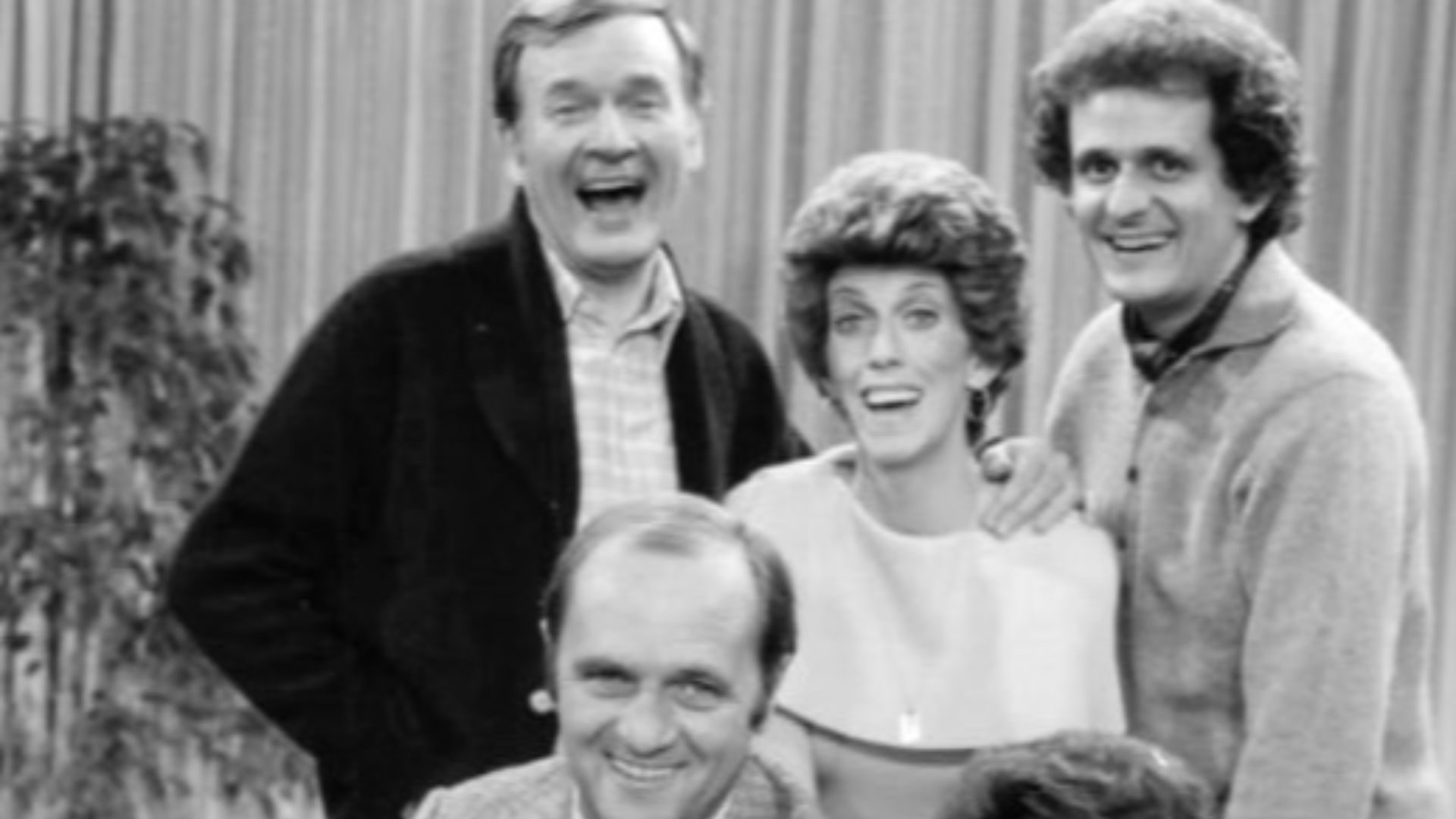
The Bob Newhart Show surrounded its famously restrained star with an unusually colorful ensemble. Bill Daily’s Howard Borden, Jack Riley’s Elliot Carlin, Wallace’s Carol, and Bonerz’s Jerry gave Newhart an endless supply of personalities to react against. Bonerz later identified that ensemble chemistry as a major reason the show worked so well.
 CBS Television, Wikimedia Commons
The Set Was Unusually Open
Bonerz remembered The Bob Newhart Show as having a casual, open atmosphere compared with other productions at MTM. Cast members socialized, and performers could learn by watching how the program was assembled. That openness became especially important when Bonerz started wondering whether acting was really the only job he wanted there.
 CBS Television, Wikimedia Commons
Being Jerry Eventually Left Him Restless
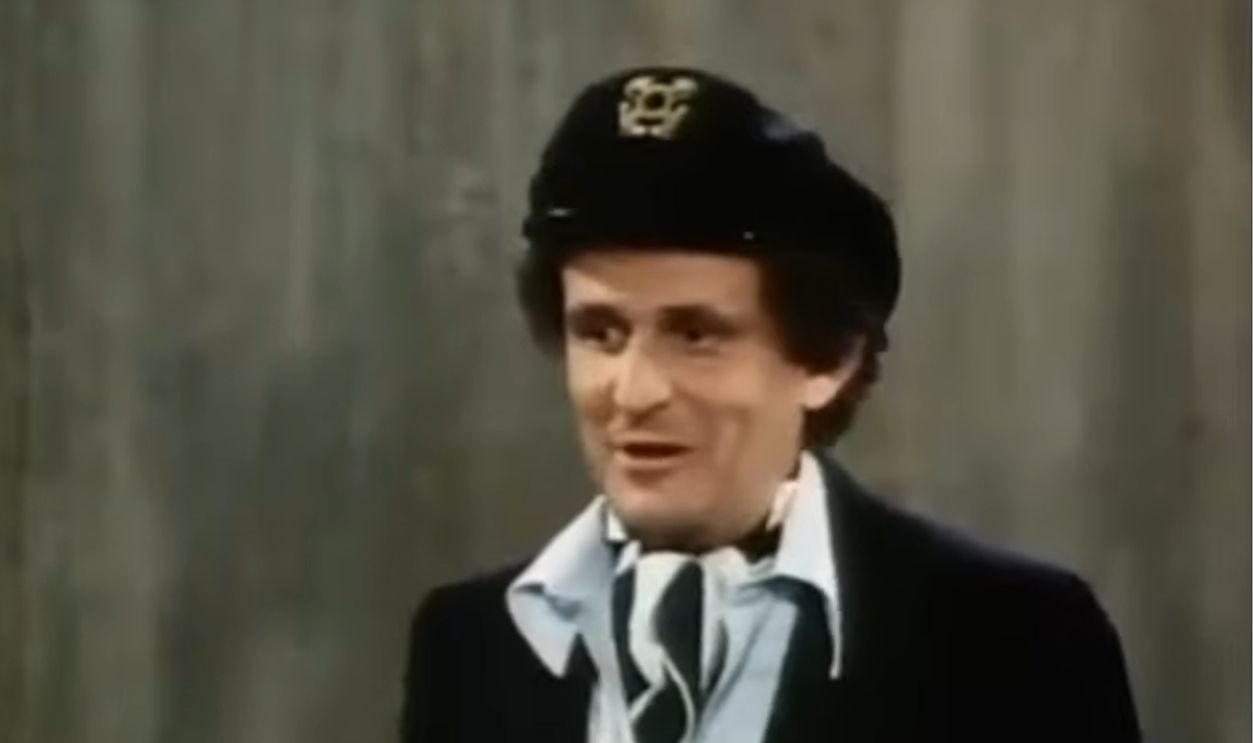
Bonerz enjoyed playing Jerry, but a supporting sitcom role could leave him with surprisingly little to do during a full production week. He later told the Los Angeles Times that some weeks might involve only one or two scenes and roughly a dozen lines. Instead of treating the downtime as a perk, he decided to learn another profession.
 Screenshot from The Bob Newhart Show, MTM Enterprises (1972–1978)
He Started Studying Everything Behind The Camera
Bonerz began observing editors and camera crews while discussing directing with experienced filmmakers working on the show. He specifically remembered learning from directors such as Jay Sandrich and Peter Baldwin. Acting had given him one view of sitcom construction, but now he was deliberately studying how every element was coordinated.
Grant Tinker Gave Him The Chance
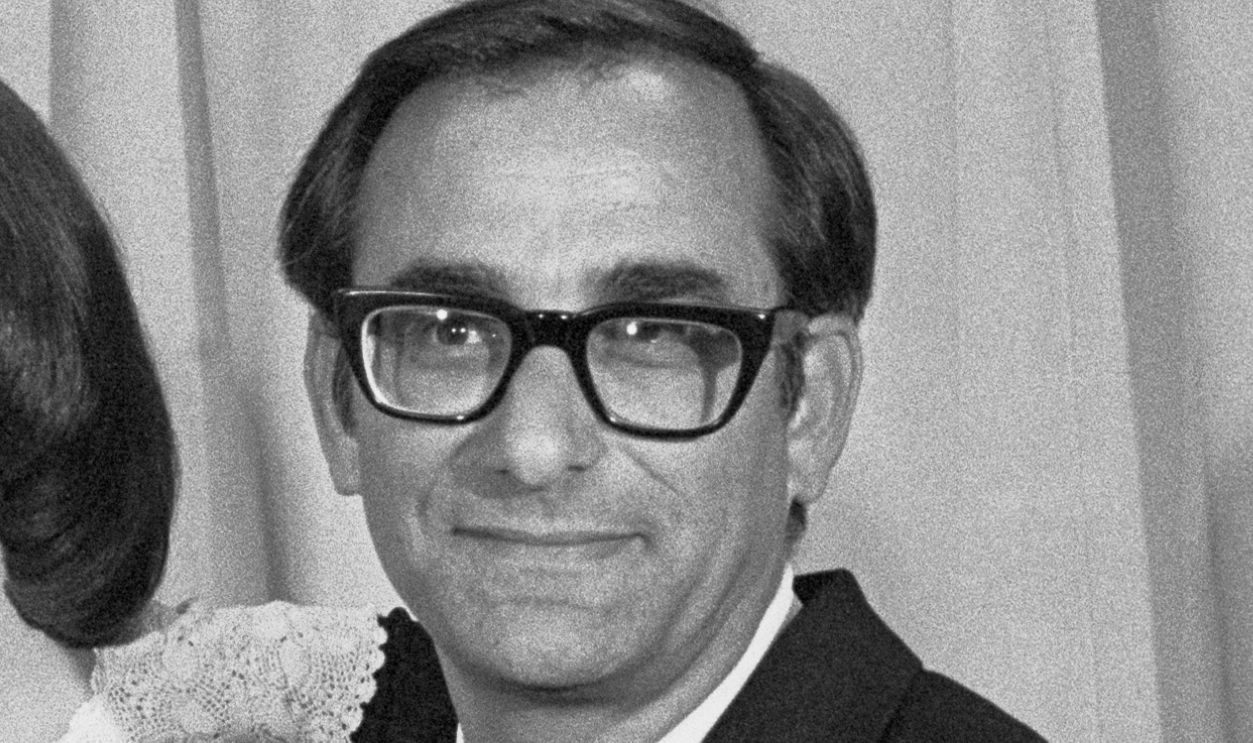
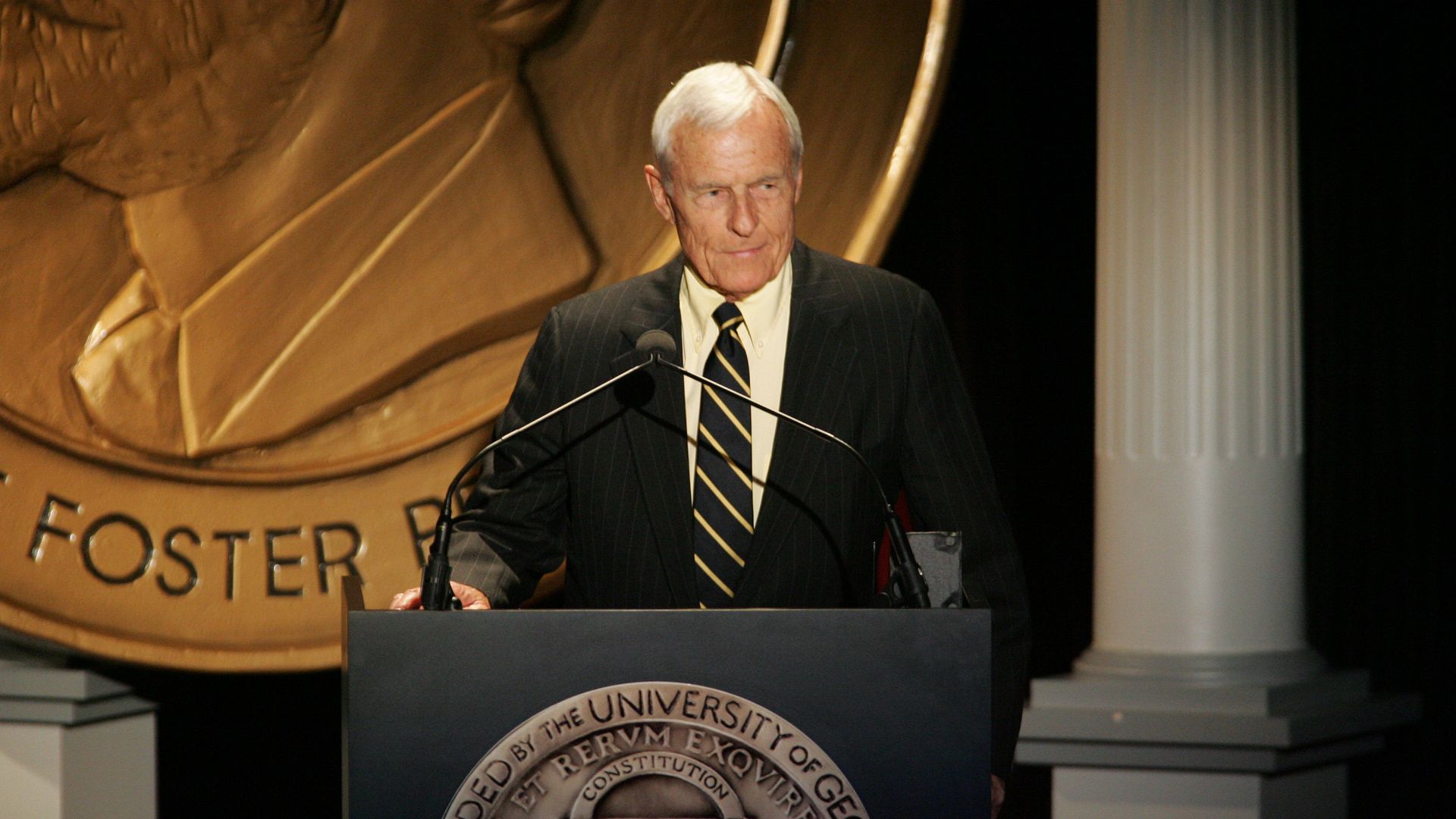
When Bonerz felt ready, he approached Newhart and MTM president Grant Tinker about directing. Tinker allowed him to try, creating the second career that would eventually eclipse his acting work in volume. The opportunity also showed how strongly the supportive culture around the series encouraged people to grow into new jobs.
 Peabody Awards, Wikimedia Commons
He Directed The Same Show He Starred In
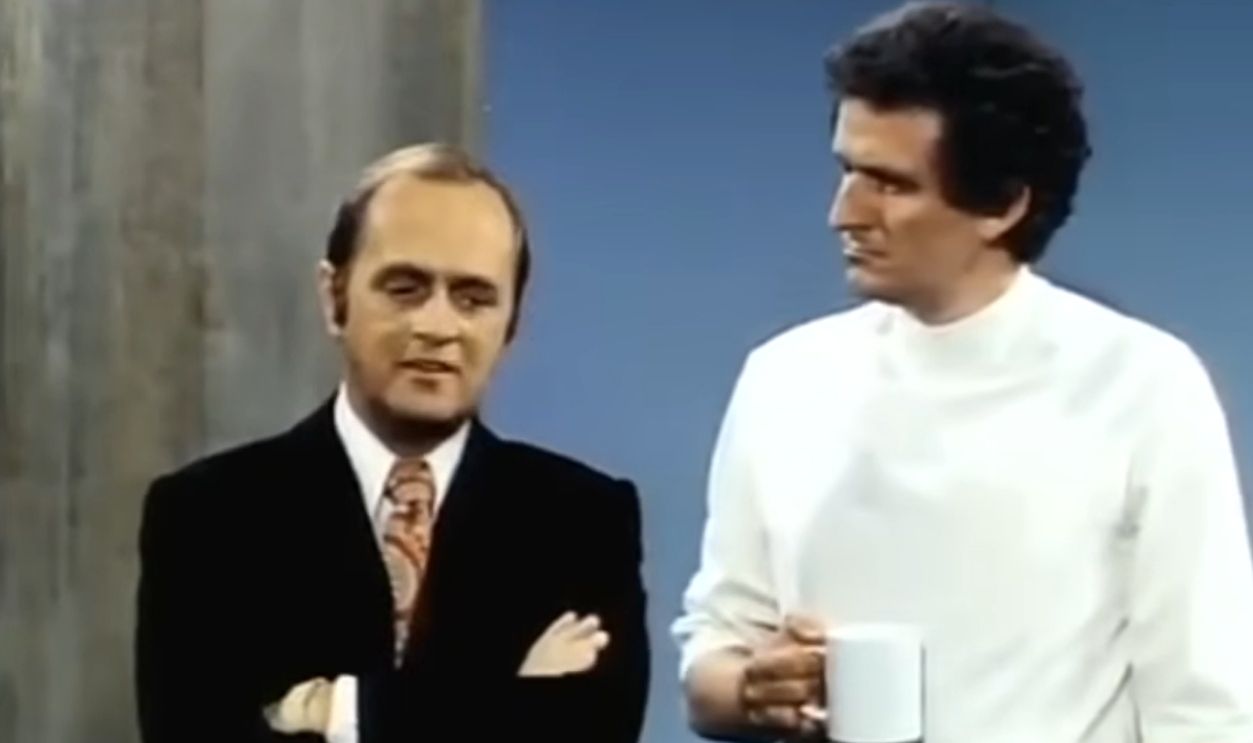
Bonerz began directing episodes of The Bob Newhart Show while continuing to play Jerry. The Los Angeles Times later estimated that he directed nearly a third of the sitcom’s episodes. Being part of the cast gave him an unusual understanding of Newhart’s rhythms and the ensemble’s strengths before he ever called “action.”
 Screenshot from The Bob Newhart Show, MTM Enterprises (1972–1978)
MTM Became His Directing Classroom
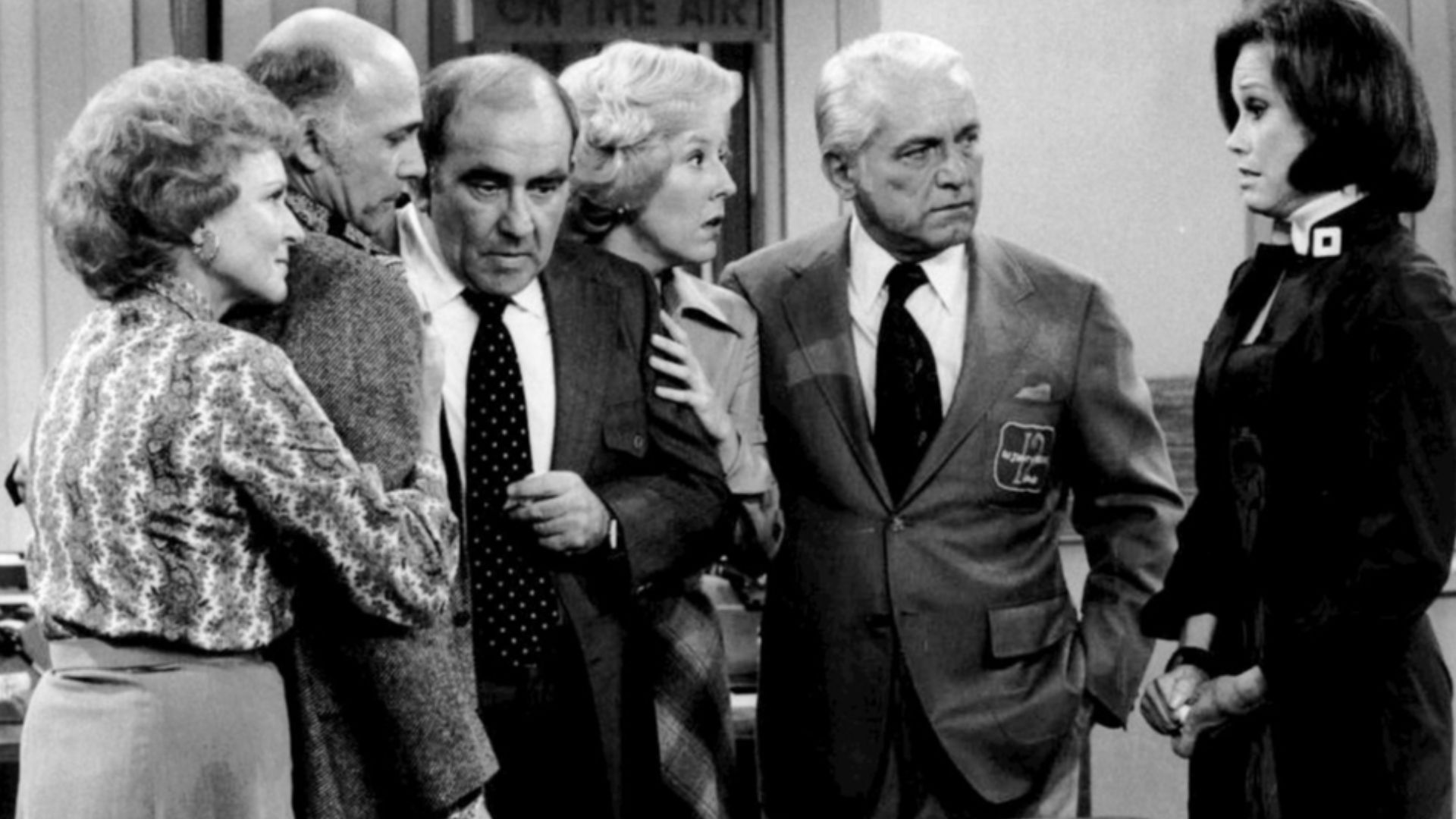
Once Bonerz demonstrated that he could direct The Bob Newhart Show, additional opportunities followed. His credits expanded to other comedies associated with the era, including The Mary Tyler Moore Show and Rhoda. The actor who had once worried about having too little to do was building a résumé that could keep him working every day of the week.
 CBS Television, Wikimedia Commons
He Never Completely Abandoned Acting
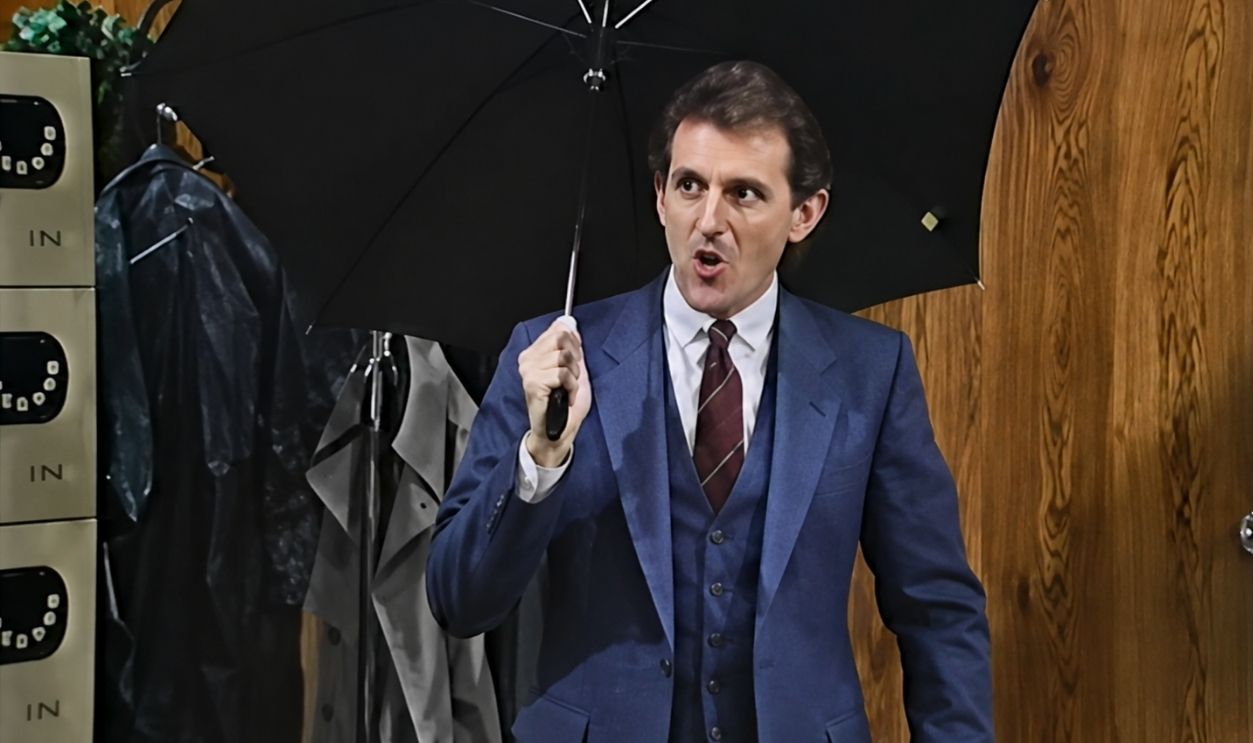
Bonerz continued appearing in front of the camera after The Bob Newhart Show. His Television Academy interview includes a discussion of joining the sitcom version of 9 to 5, where he played Franklin Hart during the ABC run. The experience also reminded him that he had developed strong opinions about how comedy should be constructed, something easier to act on when he was directing.
 Screenshot from 9 to 5, 20th Century Fox Television (1982–1988), Modified
E/R Let Him Experiment With Live Sitcom Technique
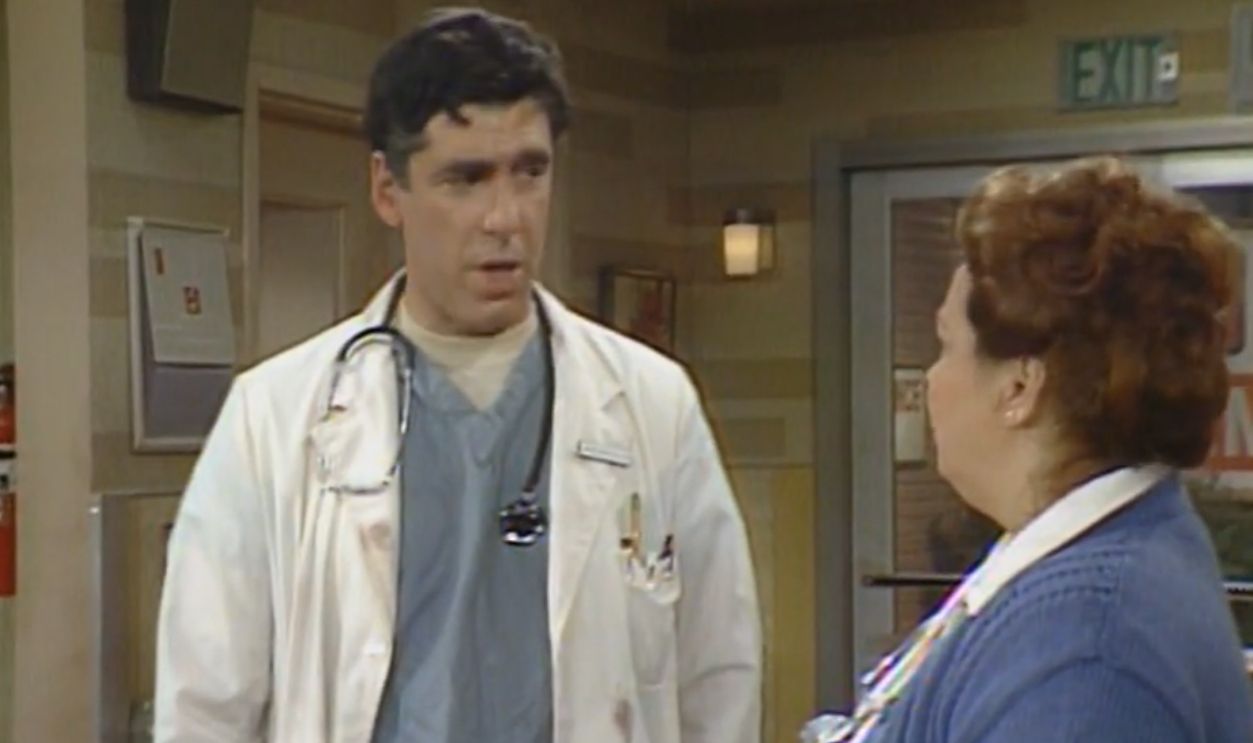
Bonerz continued refining his directing craft on the 1980s sitcom E/R. In his Television Academy interview, he specifically discussed creating effects within a production performed in front of a live audience. His improvisational background and years on Bob Newhart made him particularly comfortable with comedy that depended on the energy of people watching in the room.
 Screenshot from E/R, CBS (1984–1985)
Murphy Brown Became His Directing Showcase
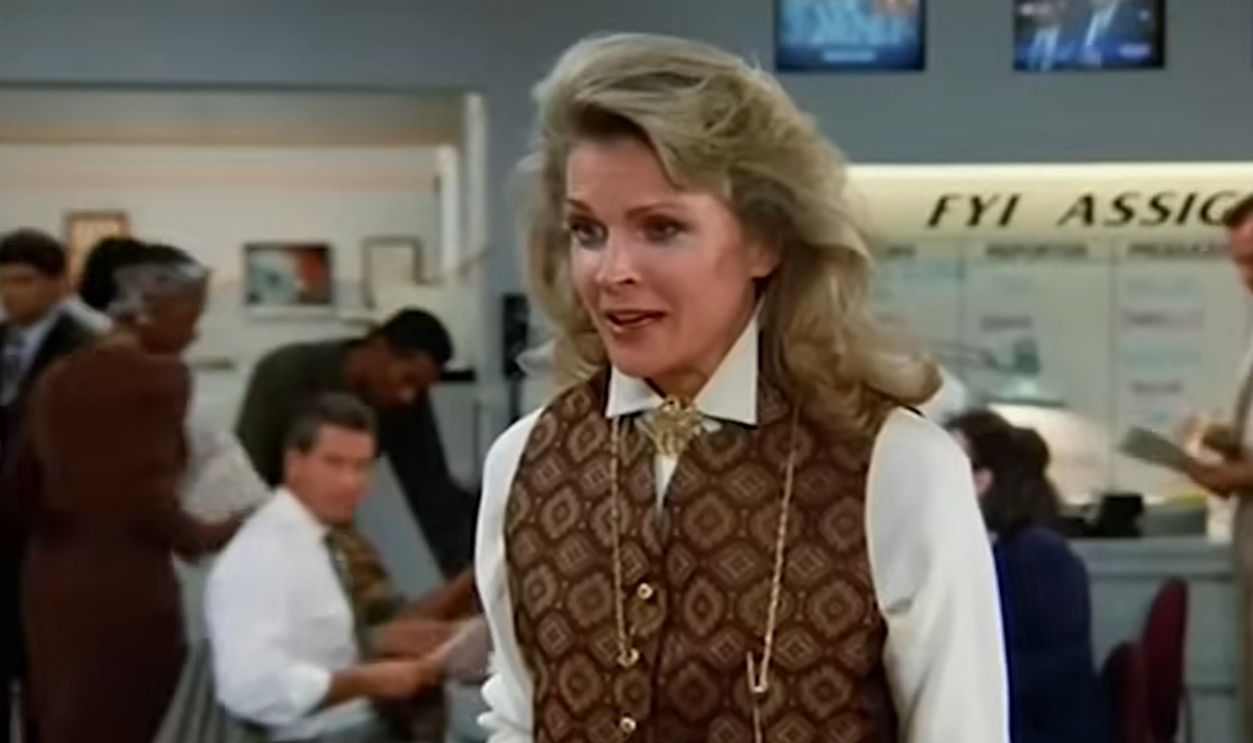
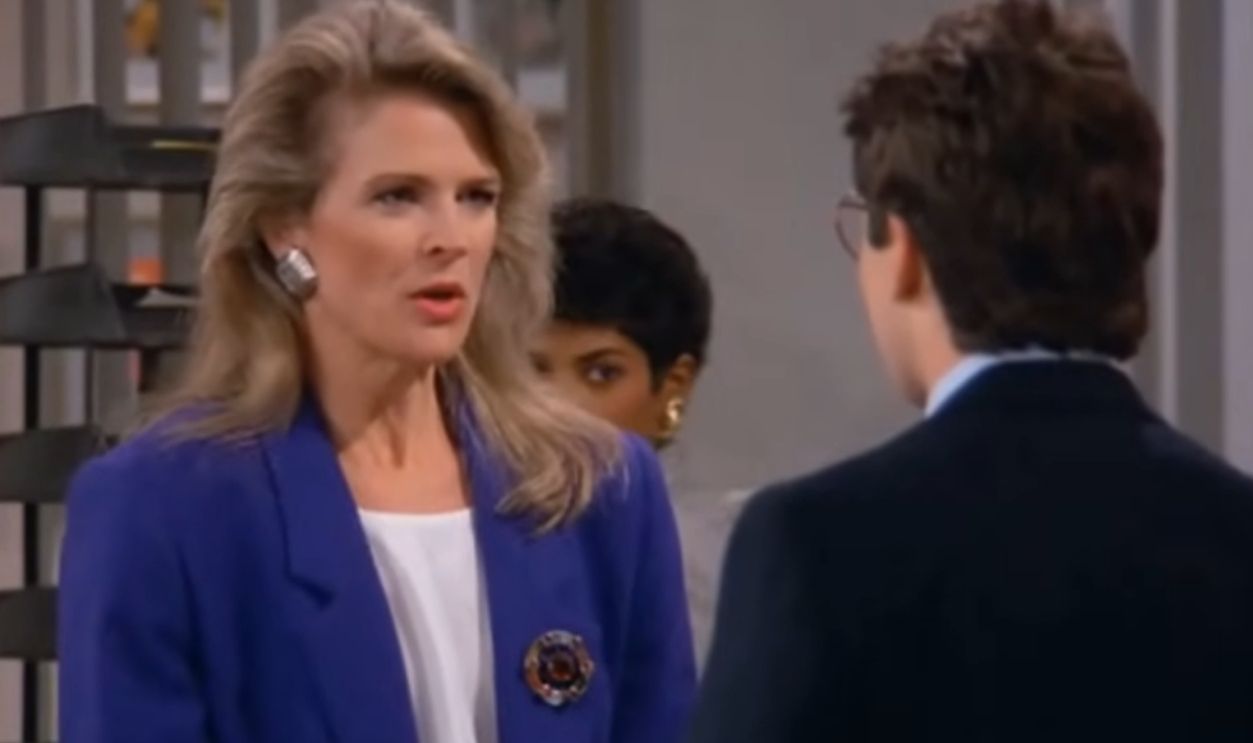
By the 1990s, Bonerz was deeply involved with Murphy Brown. He worked closely with creator Diane English and star Candice Bergen and eventually became one of the sitcom’s most important recurring directors. His ability to understand performers while respecting the strong authorial voice of the series made him a natural fit for a comedy built around a forceful ensemble.
 Screenshot from Murphy Brown, Warner Bros. Television (1988–1998)
He Was There For Murphy’s Biggest Controversy
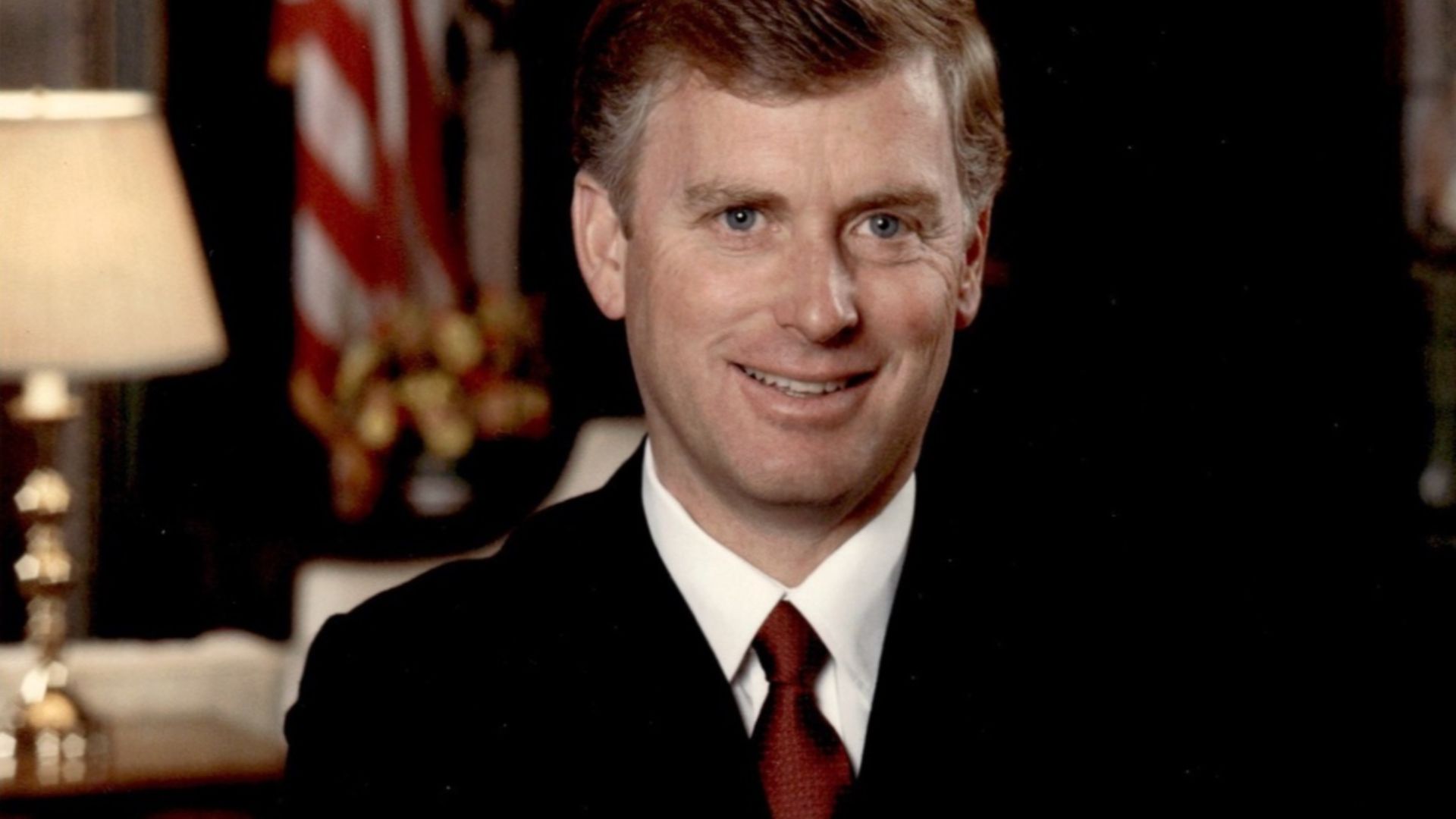
Bonerz directed during the period when Murphy Brown became part of a national political argument over Murphy becoming a single mother. Vice President Dan Quayle publicly criticized the fictional character in 1992, and Bonerz later discussed both the controversy and the episode responding to it. The former Jerry the dentist was now directing television that was being debated far beyond entertainment pages.
 George Bush Presidential Library and Museum, Wikimedia Commons
An Emmy Confirmed The Career Change
Bonerz won the 1993 Primetime Emmy for Outstanding Individual Achievement in Directing in a Comedy Series for Murphy Brown. By then, directing was no side project he had picked up because acting left him bored between scenes. It had become the craft for which the television industry was giving him its highest recognition.
 Screenshot from Murphy Brown, Warner Bros. Television (1988–1998)
Friends Handed Him One Of Its Biggest Romantic Moments
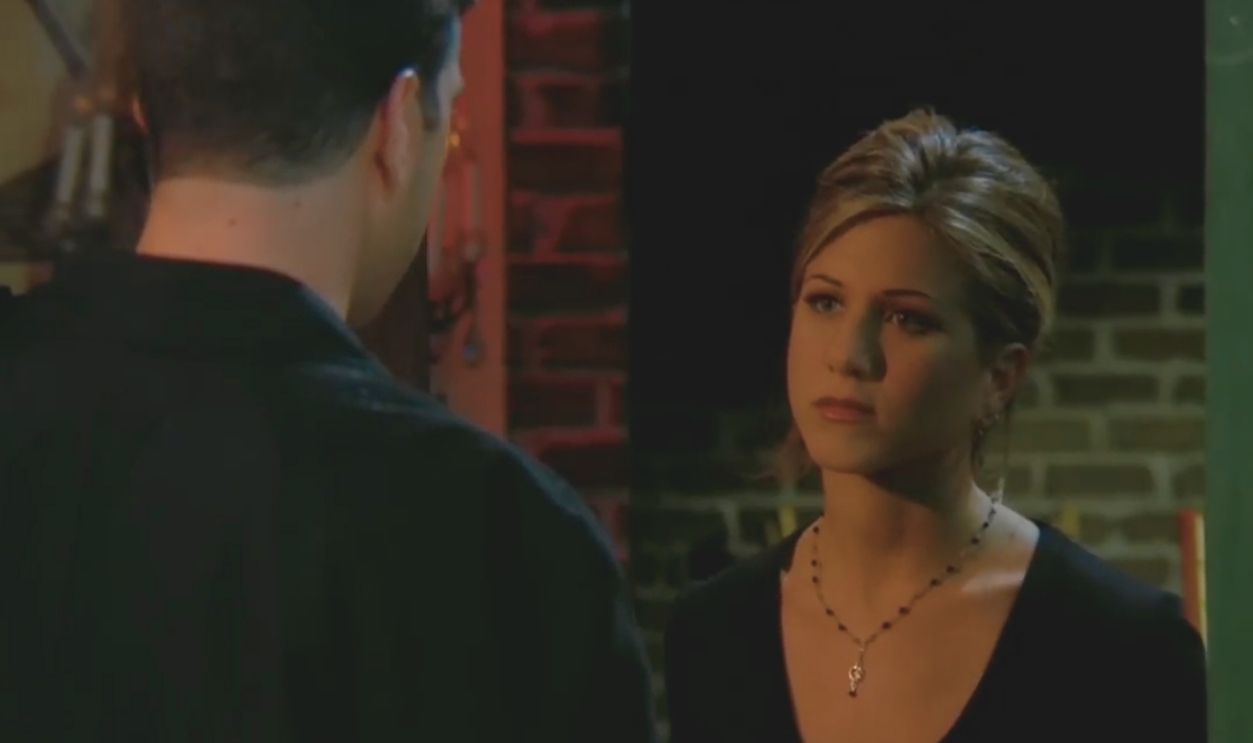
Bonerz later directed episodes of Friends, including the pivotal second-season installment “The One Where Ross Finds Out.” The episode culminates in Ross and Rachel’s famous first kiss after their argument at Central Perk. Bonerz remembered the scene in his Television Academy interview, while the Academy later singled the episode out as a milestone in one of television’s defining sitcom romances.
 Screenshot from Friends, Warner Bros. Television (1994–2004)
He Changed His Style For Every Sitcom
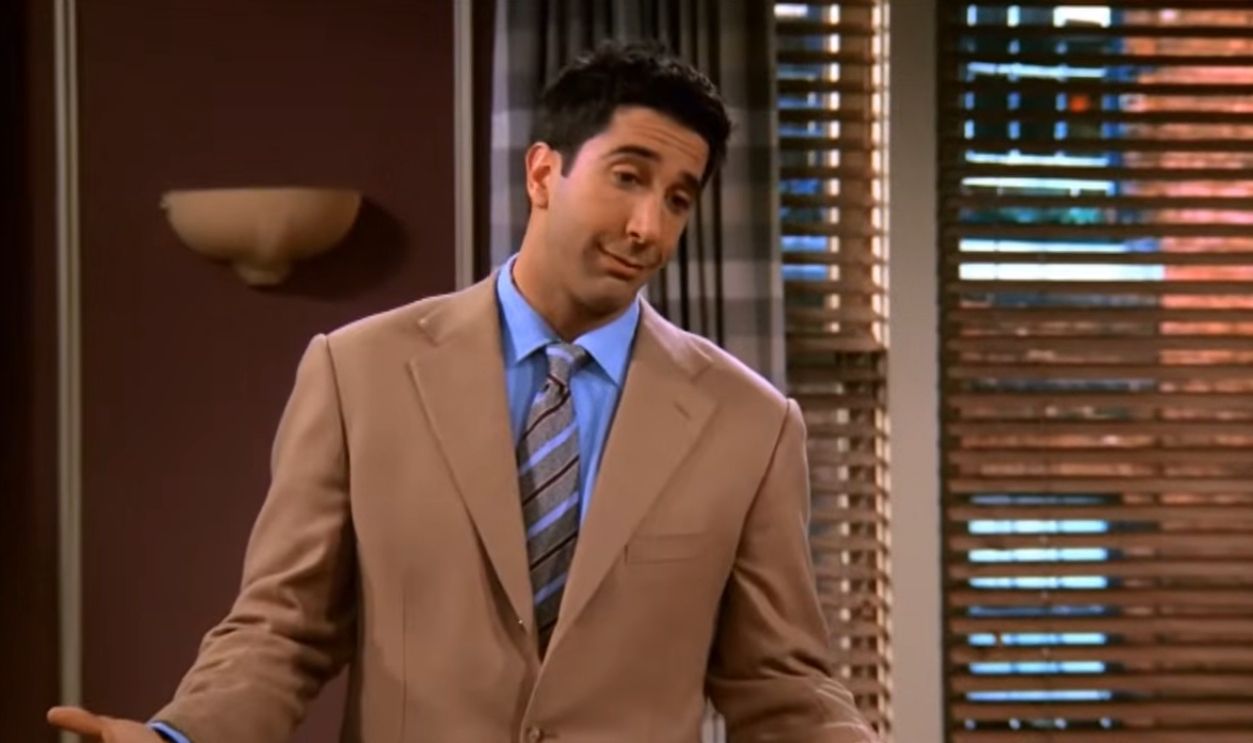
Bonerz did not believe one directing method would work everywhere. In a 1996 Los Angeles Times interview, he contrasted the tightly organized Murphy Brown, the more changeable environment of Friends, and the almost-live videotaped energy of Home Improvement. His job, as he saw it, was to understand each show’s comic temperature rather than force every cast into his preferred rhythm.
 Screenshot from Friends, Warner Bros. Television (1994–2004)
Movies Eventually Gave Him The Director’s Chair Too
Bonerz’s directing career was not confined entirely to television. The American Film Institute credits him with directing the 1981 comedy Nobody’s Perfekt, his feature directing debut, as well as 1989’s Police Academy 6: City Under Siege. Moving into feature filmmaking demonstrated how far he had traveled from the days when Jerry Robinson occupied only a few scenes each week.
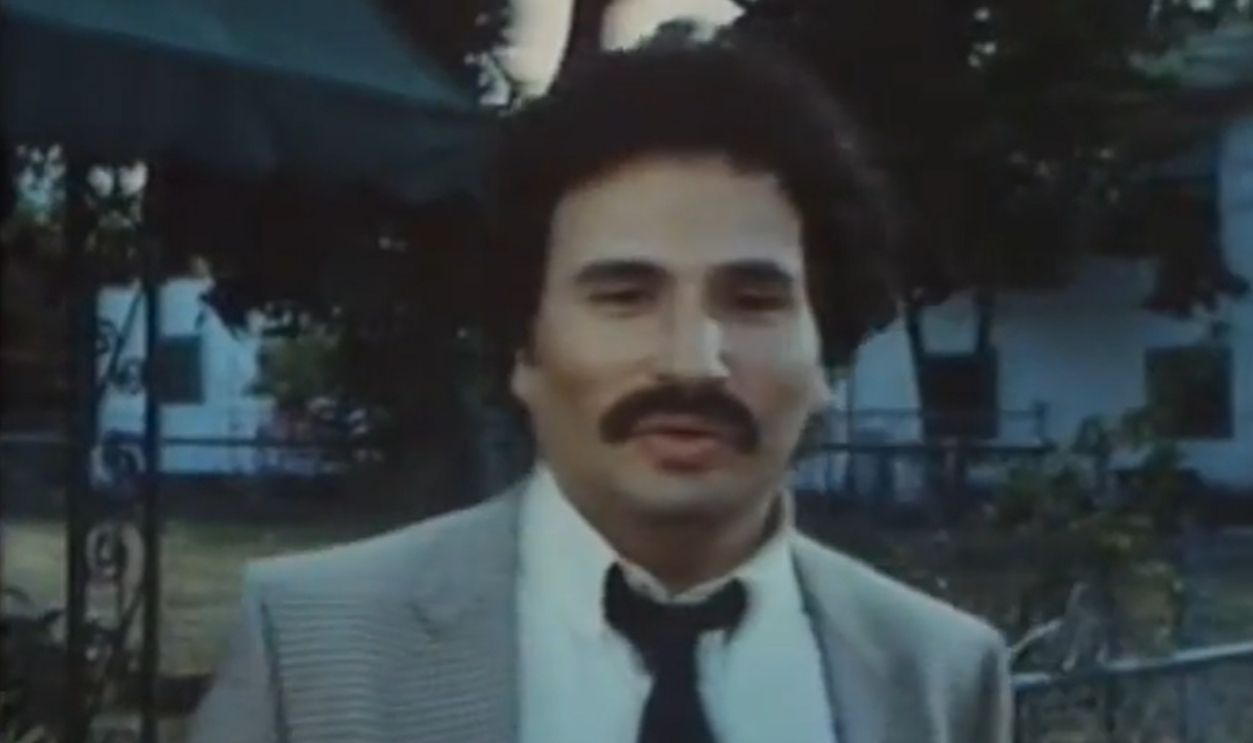 Screenshot from Nobody’s Perfekt, Columbia Pictures (1981)
Teaching Let Him Pass The Craft Along
Bonerz eventually taught at the University of Southern California and discussed directing actors and maintaining good morale in his Television Academy oral history. He emphasized leadership and communication rather than treating directors as dictators. Decades of working on both sides of the camera had taught him that comedy improves when actors feel understood rather than managed.

Jerry Was Famous, But Directing Became The Bigger Story
Bonerz once joked that Jerry was probably the high point of his acting career, but he also said directing provided a completely different kind of satisfaction. By the mid-1990s, the Los Angeles Times described him as one of television comedy’s most sought-after directors, with Murphy Brown, Friends, and Home Improvement among his assignments. Jerry the dentist made Peter Bonerz recognizable, but the career he built behind the camera helped shape sitcom comedy for decades afterward.
You May Also Like:
Facts About Classic TV Shows That Will Make You Nostalgic
The First TV Shows To Break Major Barriers
Does Anyone Remember These Television Shows? Anyone?
Sources: 1, 2, 3, 4, 5, 6, 7, 8, 9, 10, 11, 12, 13, 14, 15, 16