She Nearly Walked Away From Star Trek
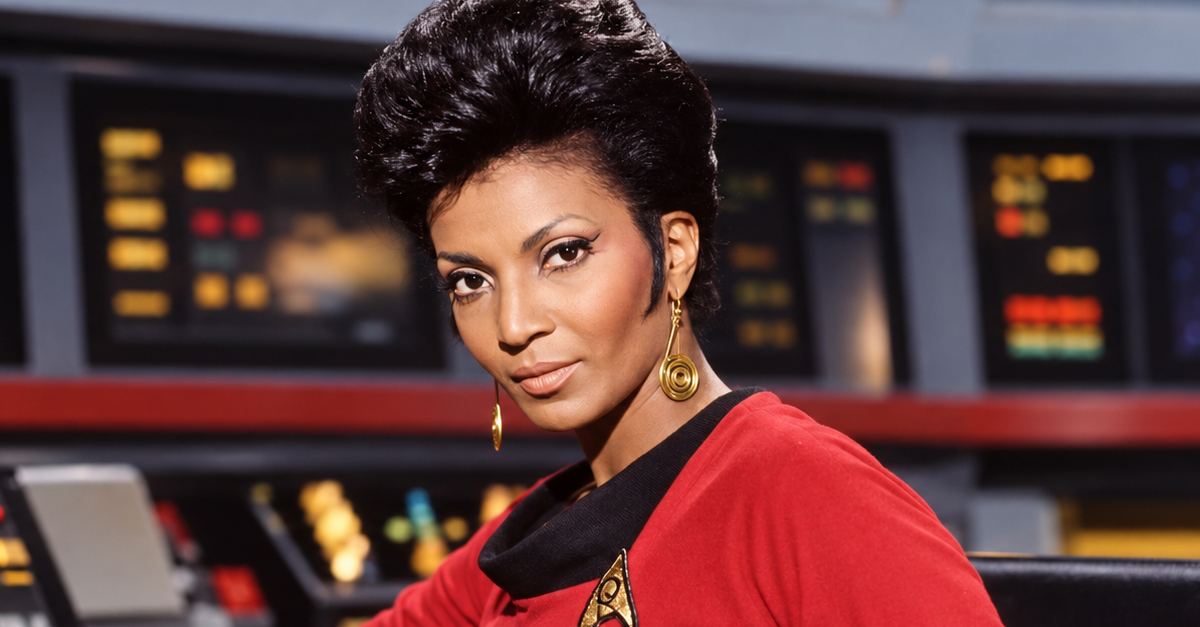
Nichelle Nichols became one of the most recognizable faces in science fiction when she played Lieutenant Uhura on the original Star Trek. Yet after the show's first season, Nichols had every intention of leaving the Enterprise behind. According to her later recollections, an unexpected conversation with Martin Luther King Jr. completely changed her mind.
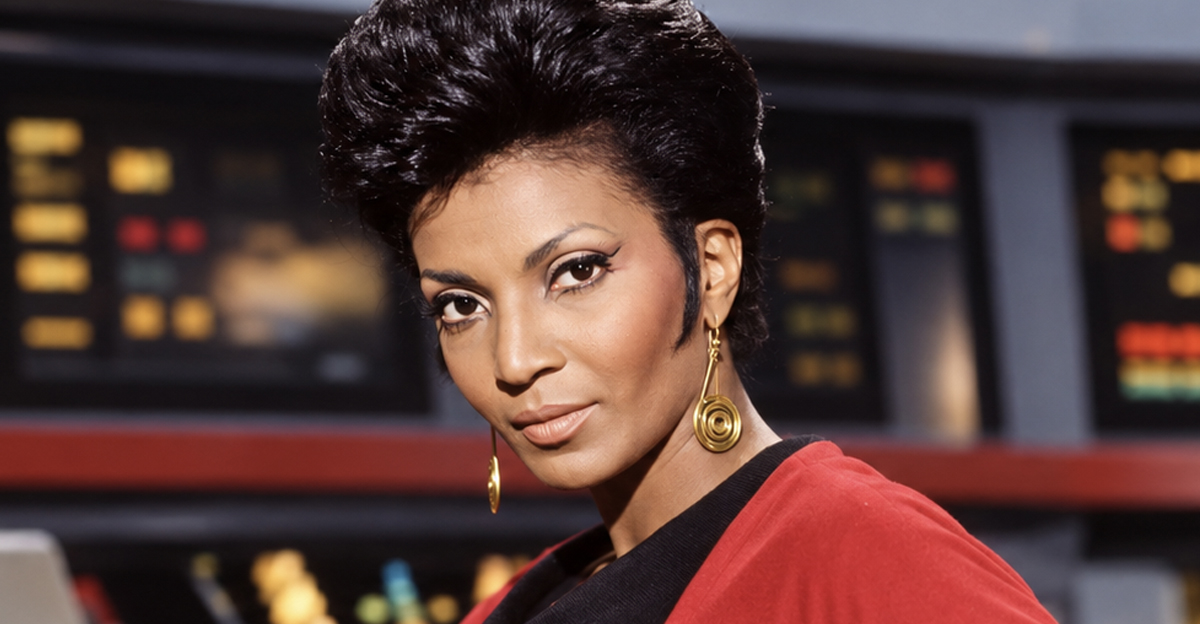 John Springer Collection/CORBIS/Corbis via Getty Images
Stardom Was Never The Original Plan
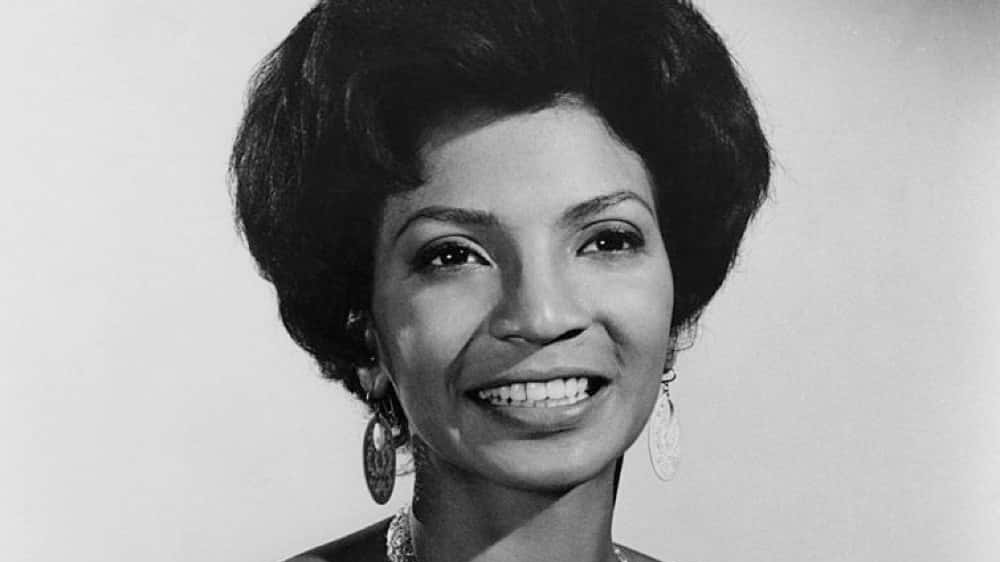
Nichols had built a career as a singer, dancer, and stage performer long before Star Trek entered her life. She performed with Duke Ellington's organization and worked in musical theater, which remained one of her great ambitions even after television came calling. Nichols later said that she still pictured Broadway, rather than a science-fiction series, as the destination of her career.
Gene Roddenberry Already Knew Her
Before Star Trek, Nichols had worked with creator Gene Roddenberry on his military drama The Lieutenant. When Roddenberry developed his futuristic series, he envisioned a starship crew reflecting a much more diverse humanity than television audiences normally saw in the 1960s. Nichols ultimately became a crucial part of that vision.
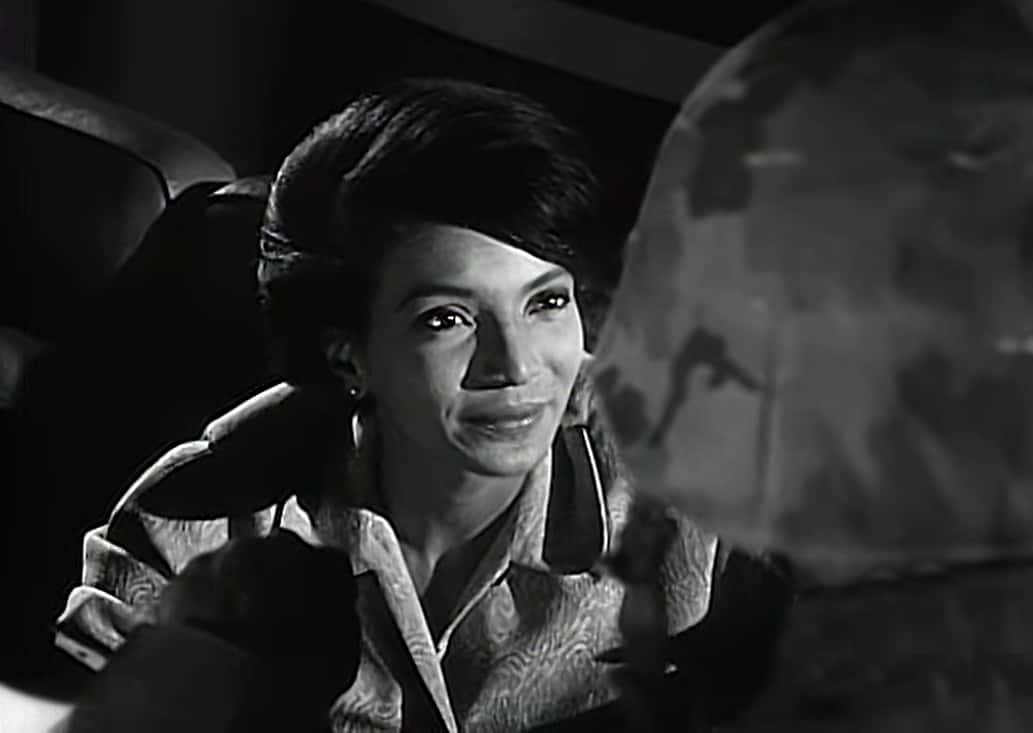 Screenshot from The Lieutenant, MGM Television (1964)
She Helped Create Uhura
Even the character's famous name had an unusual origin. Nichols recalled bringing a book about Africa called Uhuru, a Swahili word meaning freedom, to her audition process. When Roddenberry liked the word but thought "Uhuru" sounded too harsh for the character, Nichols suggested changing the ending to create "Uhura."
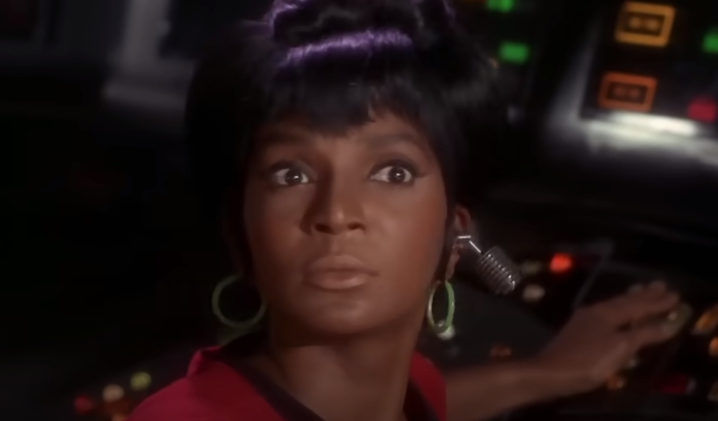 Screenshot from Star Trek, NBC (1966–1969)
The Enterprise Looked Different From Other Television
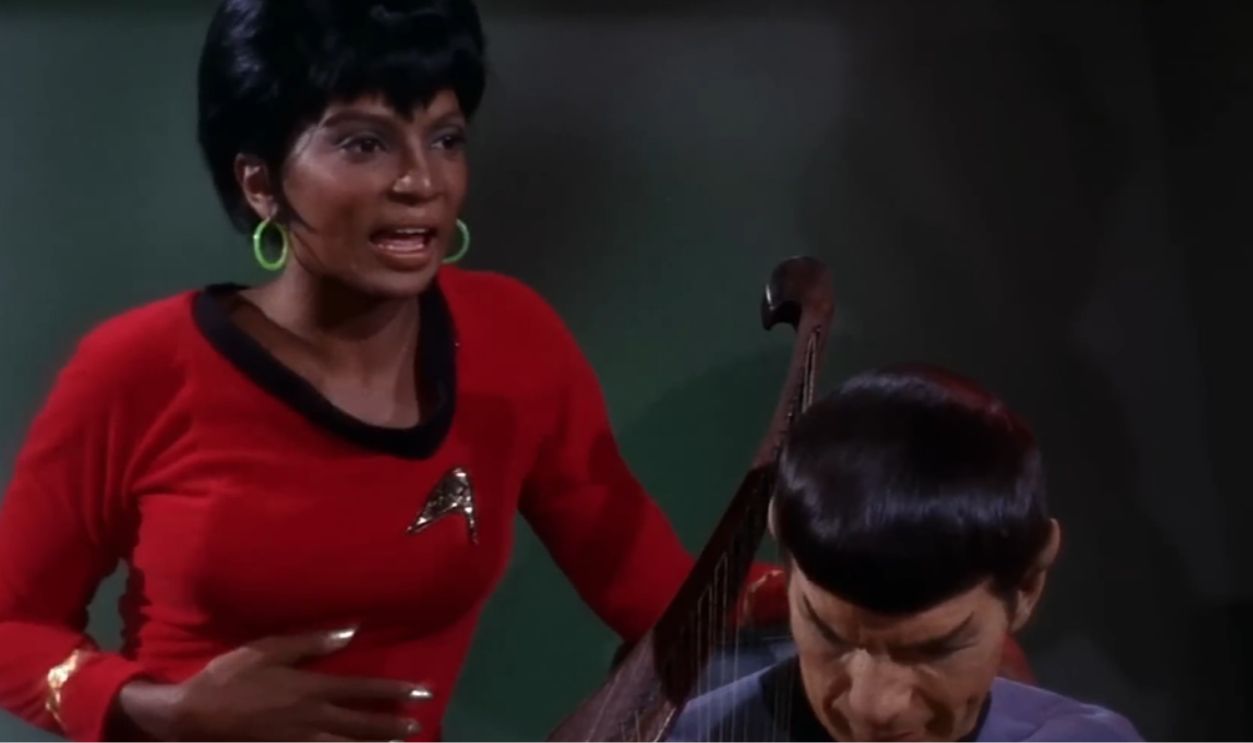
When Star Trek premiered on NBC in September 1966, the Enterprise bridge presented an unusually diverse vision of the future. Uhura was not a maid, servant, or comic caricature. She was a trained officer responsible for communications aboard one of the Federation's most important vessels.
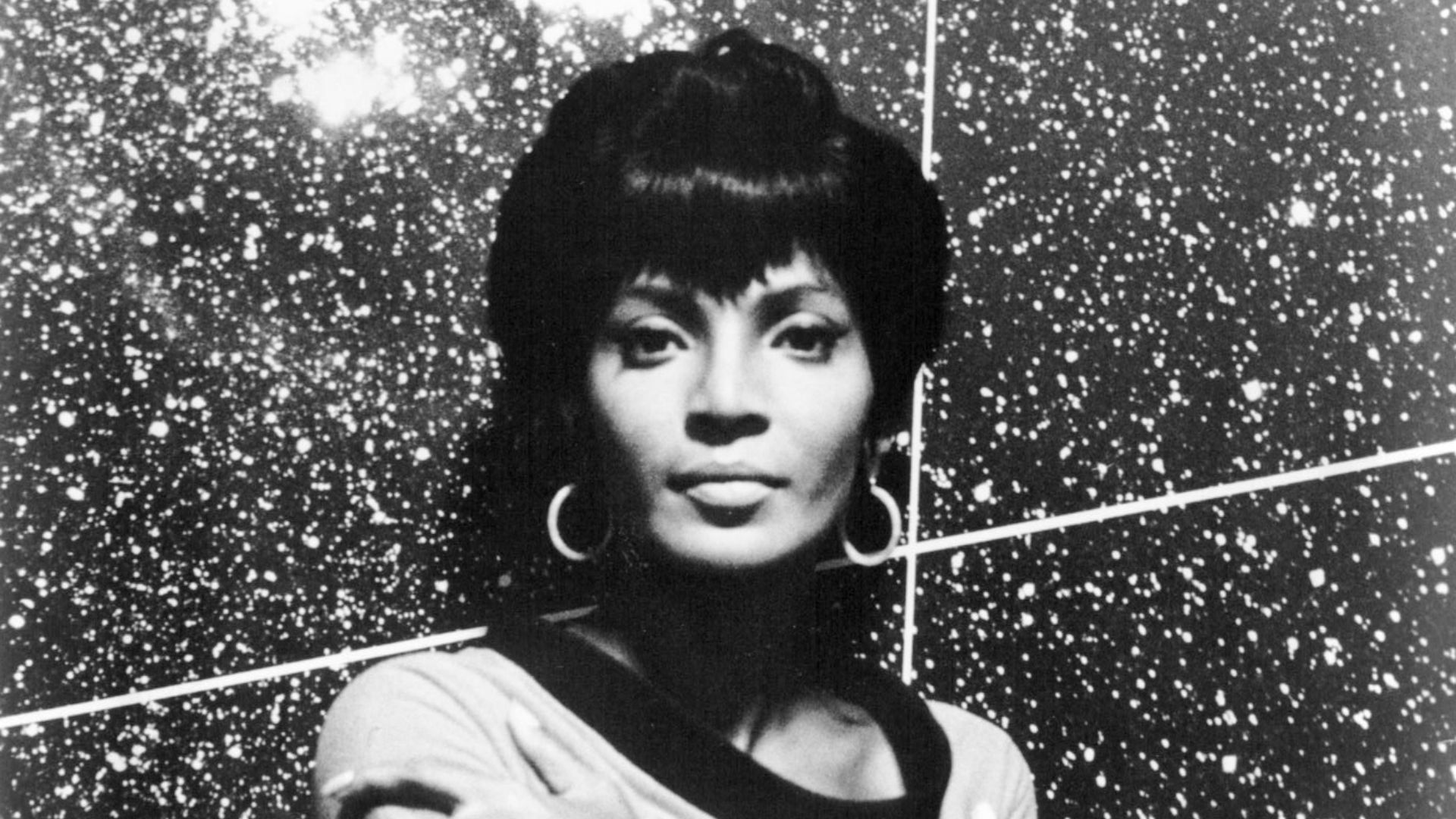
Uhura Quietly Broke A Barrier
The significance was especially striking because prominent, continuing roles for Black women on American television were scarce. Smithsonian has described Nichols as the first African American woman with a continuing co-starring television role. The Television Academy likewise credits Uhura with challenging the stereotypes commonly imposed on Black women onscreen.
 Screenshot from Star Trek, NBC (1966–1969)
Nichols Did Not See It That Way Yet
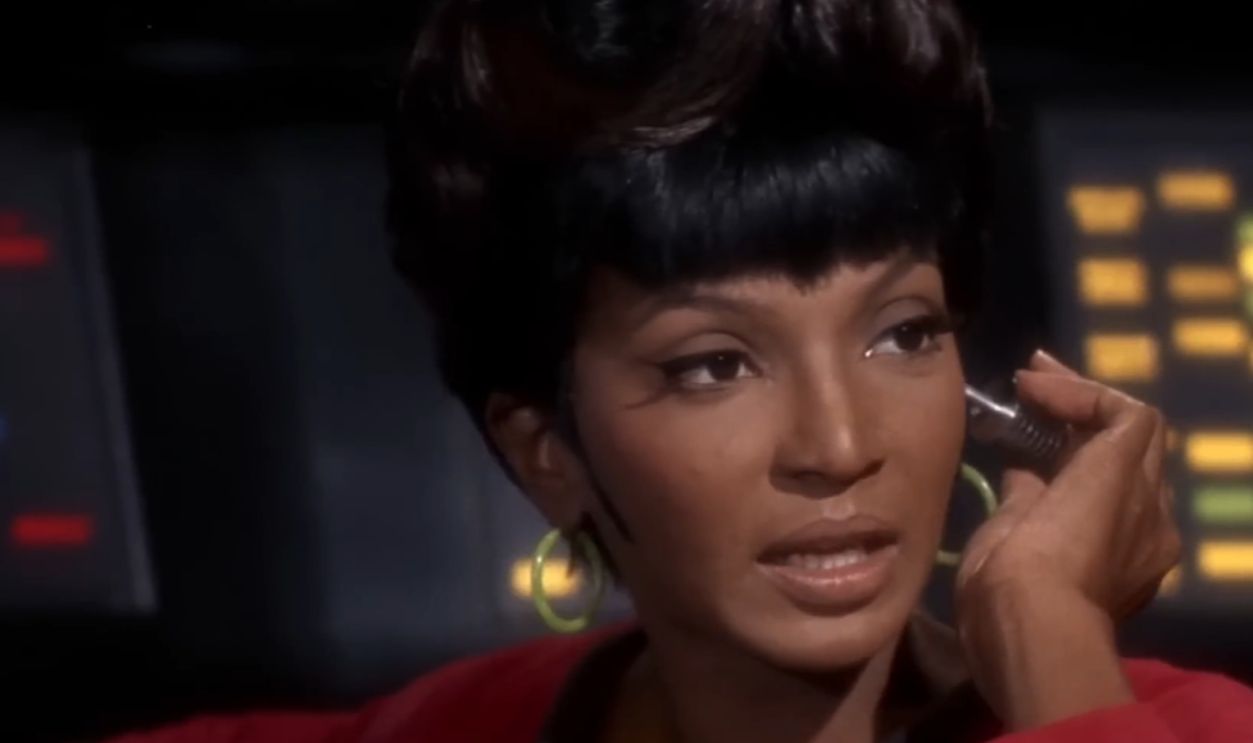
Nichols herself initially viewed Star Trek very differently. In her 2010 Television Academy interview, she said she did not initially recognize how groundbreaking Uhura was because she remained focused on becoming a Broadway star. In her mind, Star Trek had interrupted the career she had planned rather than become its defining achievement.
 Screenshot from Star Trek, NBC (1966–1969)
Broadway Came Calling
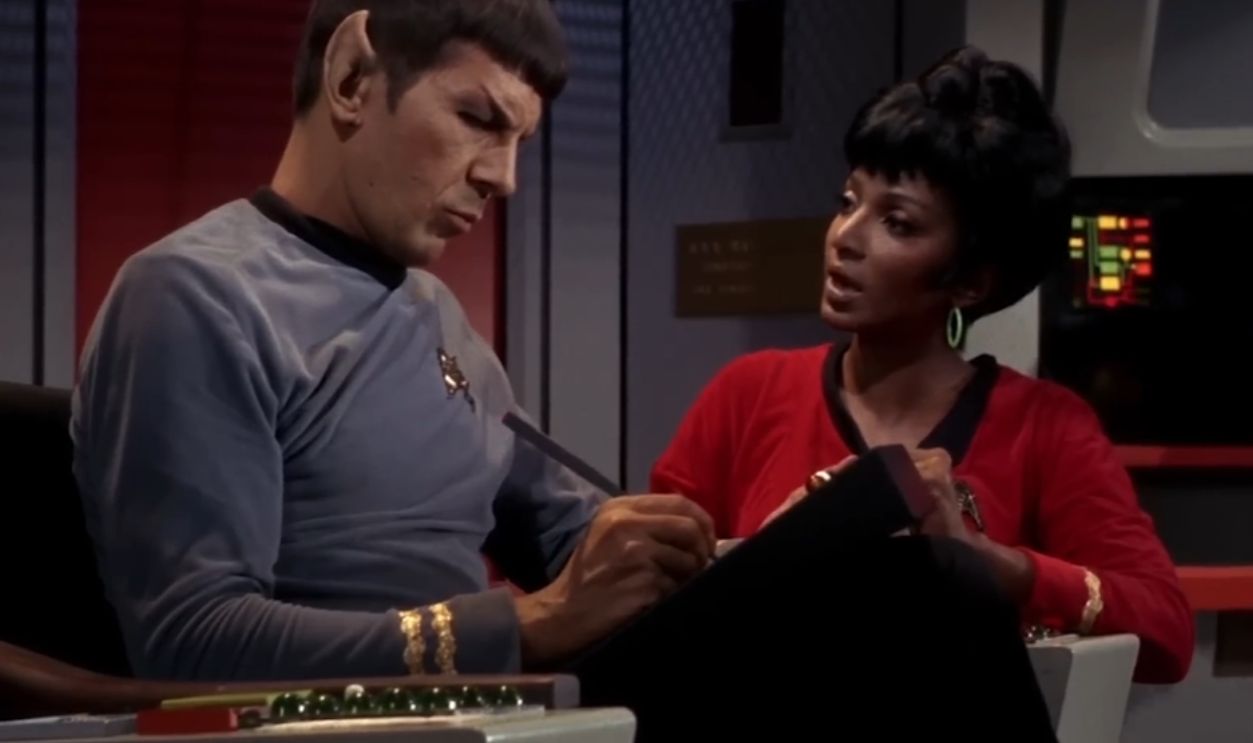
By the end of the first season, Nichols said she had been offered a part in a play that was headed toward Broadway. That was exactly the kind of opportunity she had been hoping to pursue. She therefore decided that her time on the Enterprise was finished.
 Screenshot from Star Trek, NBC (1966–1969)
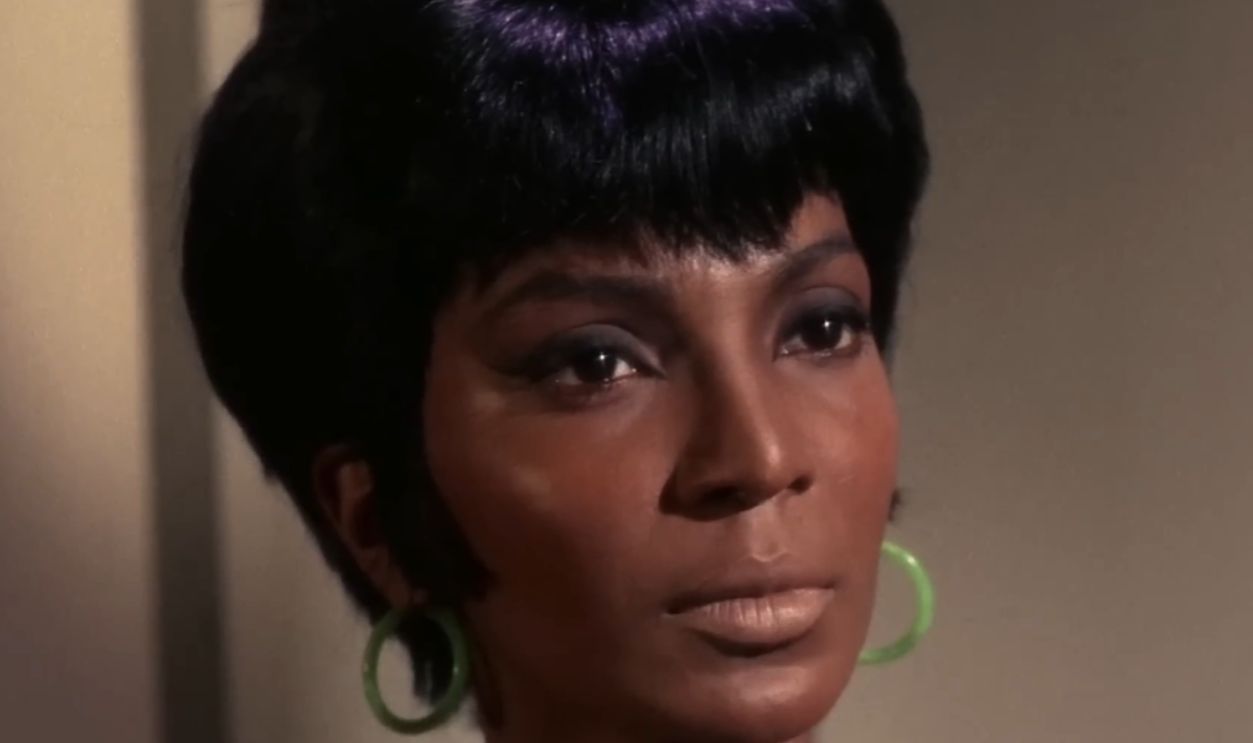
She Handed Roddenberry Her Resignation
Nichols recalled telling Roddenberry that she intended to leave the series and giving him a written resignation. Roddenberry tried to explain that she did not fully understand what he was attempting to accomplish with Star Trek. When she remained determined, he asked her to take the weekend and think about the decision.
 Screenshot from Star Trek, NBC (1966–1969)
Then Came An Extraordinary Weekend
That weekend, Nichols was scheduled to appear at a fundraising event in Beverly Hills, which she remembered as an NAACP fundraiser. An organizer approached her and said that one of her biggest fans desperately wanted to meet her. Nichols naturally assumed that the admirer would be an enthusiastic young Star Trek viewer.
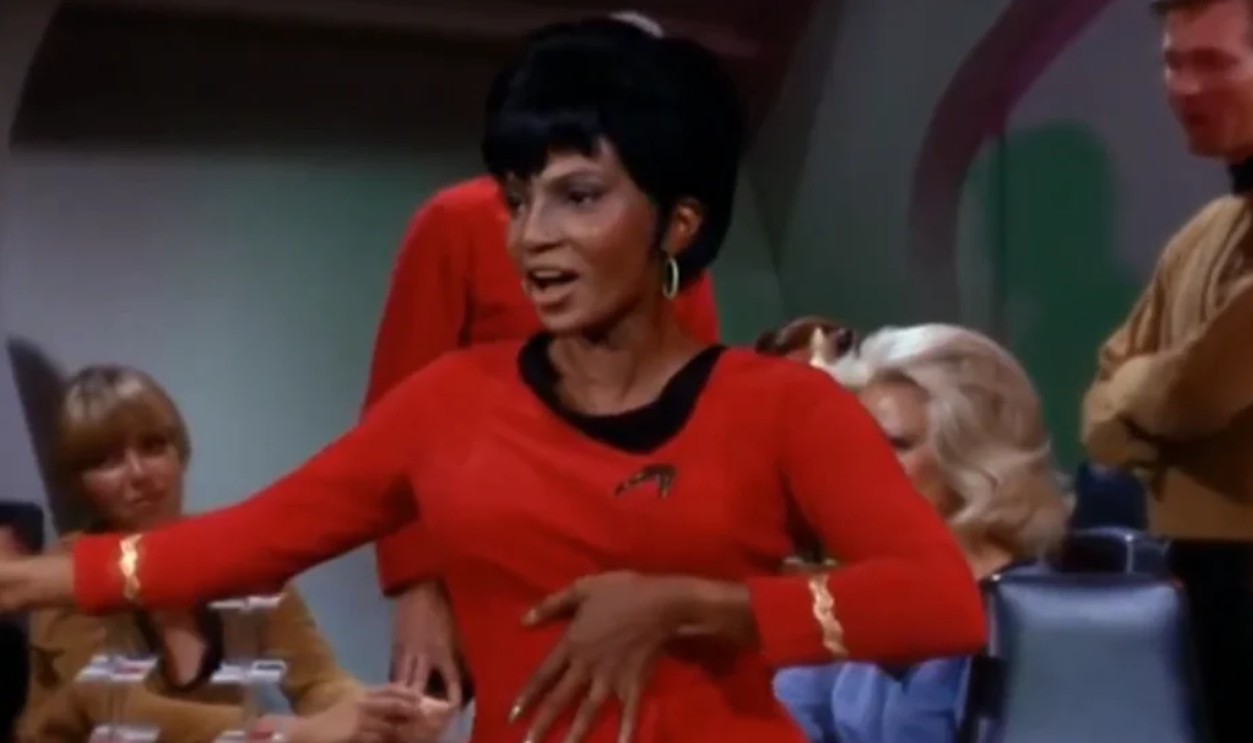 Screenshot from Star Trek, NBC (1966–1969)
Her Biggest Fan Was Martin Luther King Jr.
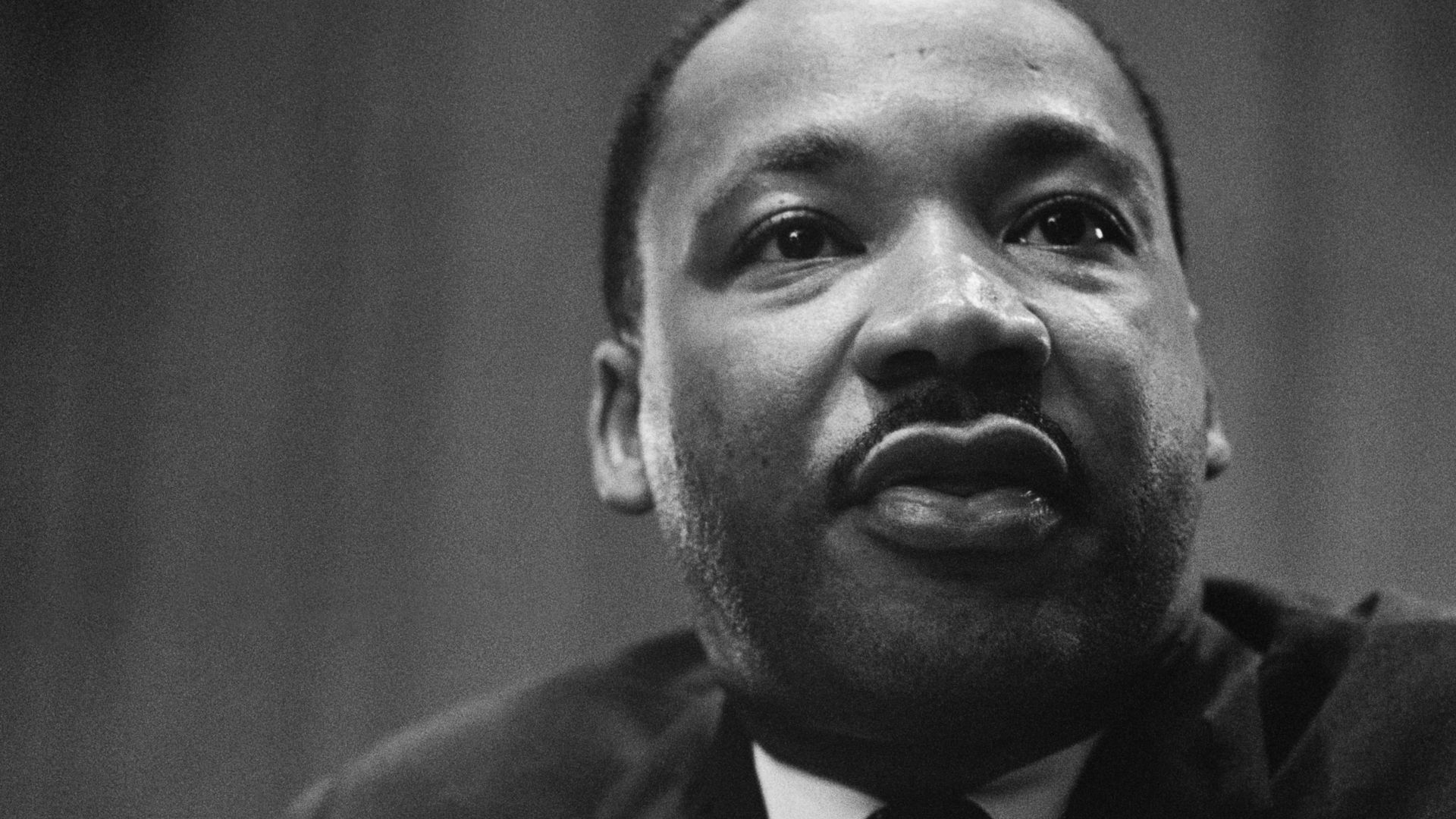
Instead, Nichols looked up and saw Martin Luther King Jr. approaching her. The civil rights leader identified himself as the fan she had been told about. Nichols later remembered being stunned that one of the most important figures in American public life knew exactly who she was.
 Marion S. Trikosko, Wikimedia Commons
King Watched Star Trek With His Family
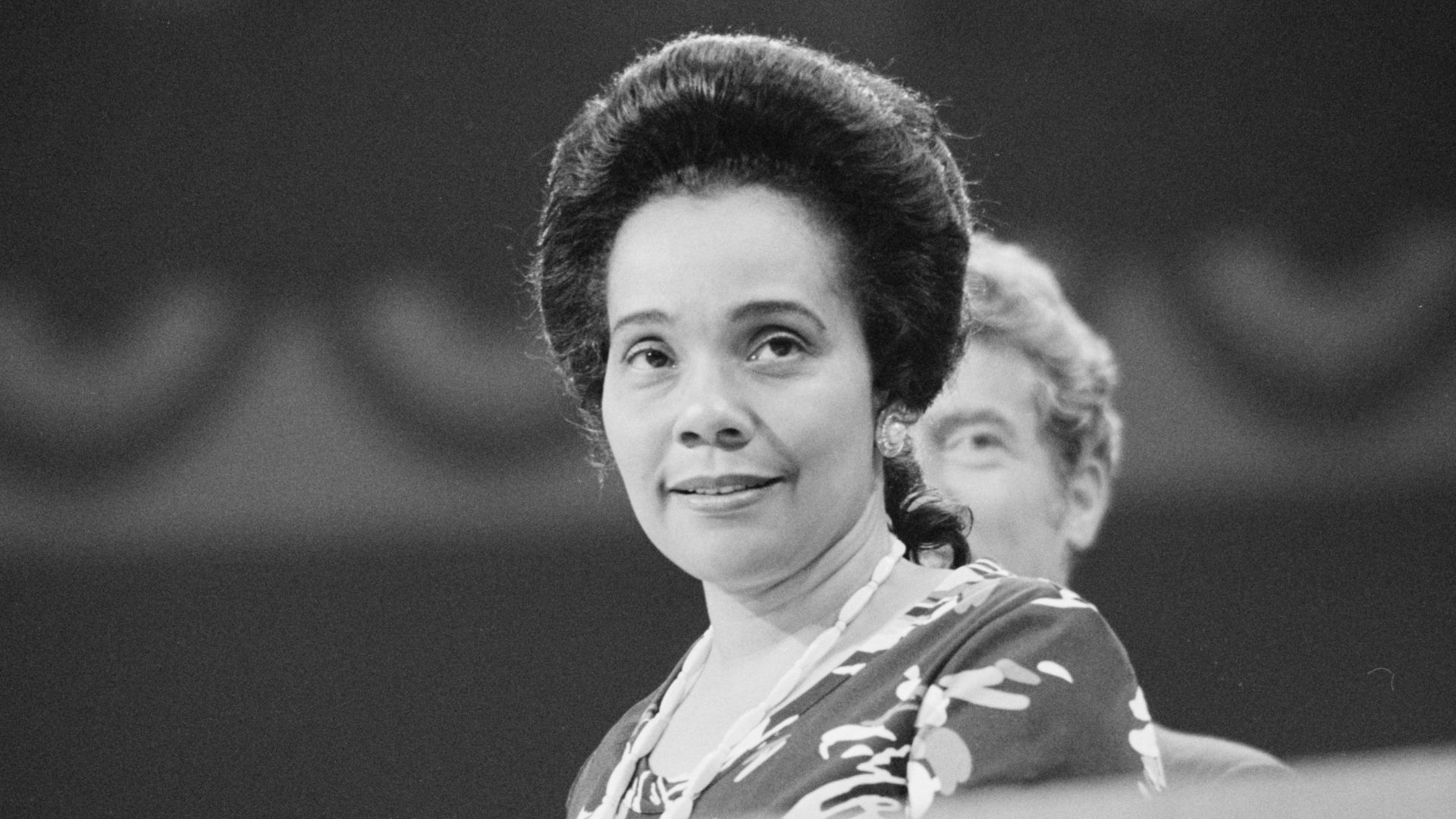
According to Nichols, King told her that he and Coretta Scott King admired Star Trek and that their family watched the program. He particularly admired the dignity with which Nichols portrayed Uhura. Suddenly, a television job Nichols had regarded as temporary looked very different.
 Warren K. Leffler, Wikimedia Commons
Then She Told Him She Was Quitting
Nichols thanked King for his praise but explained that she was planning to leave the series. His response, as Nichols remembered it, was immediate. King told her that she could not abandon the role.
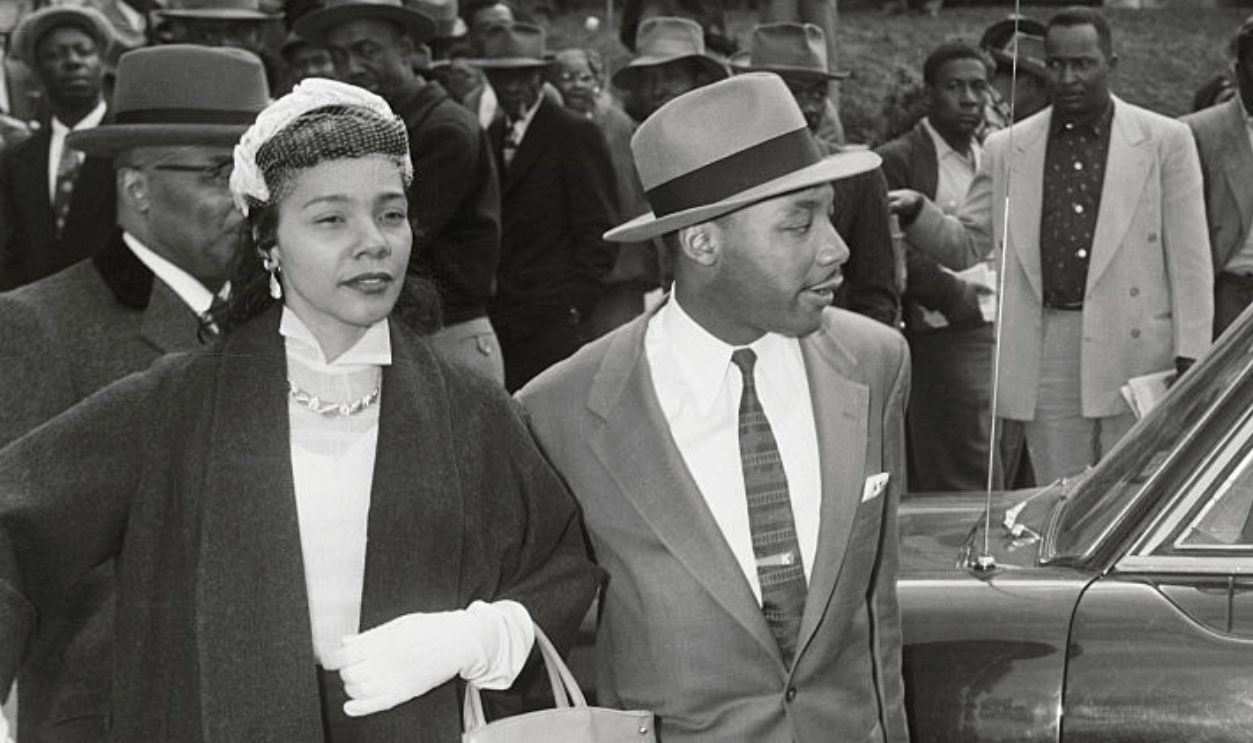
He Saw Something She Had Missed
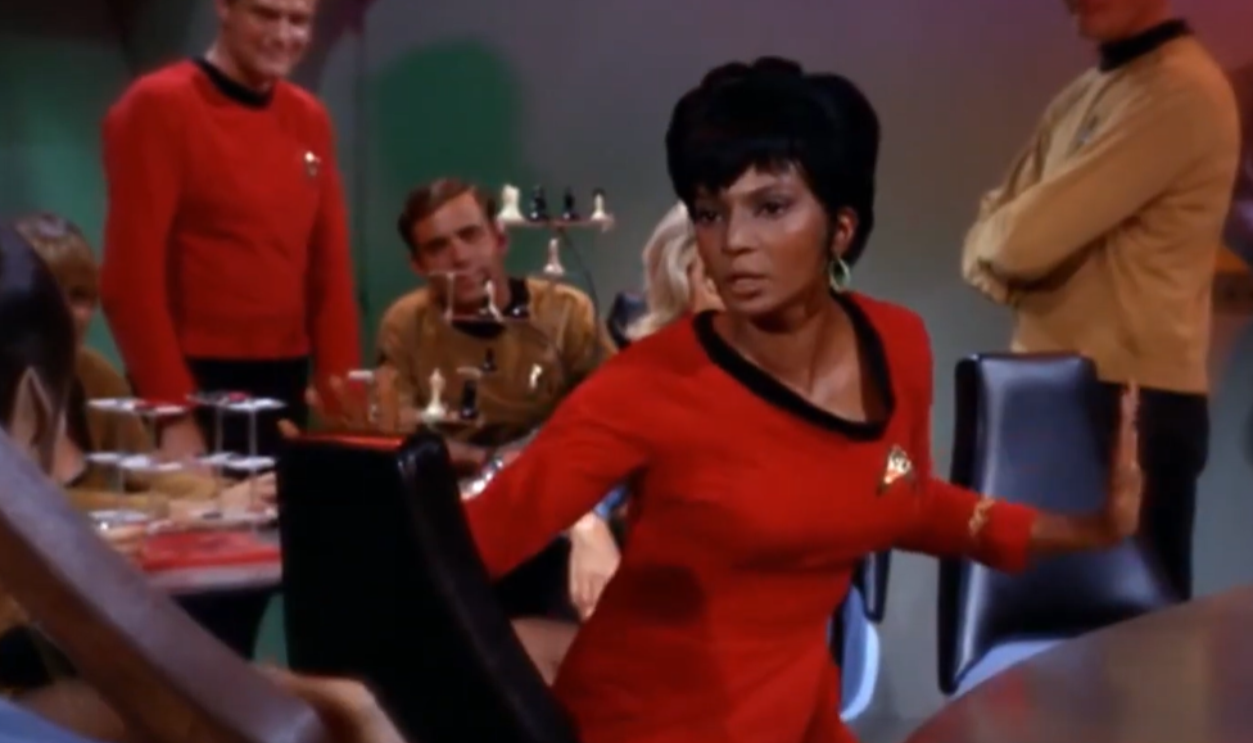
Nichols recalled King explaining that Star Trek allowed Americans to see Black people as intelligent, capable, accomplished members of society. Uhura existed in a future where her race did not prevent her from serving as an officer on the bridge. That simple presentation carried enormous weight during the civil rights era.
 Screenshot from Star Trek, NBC (1966–1969)
It Was More Than A Television Job
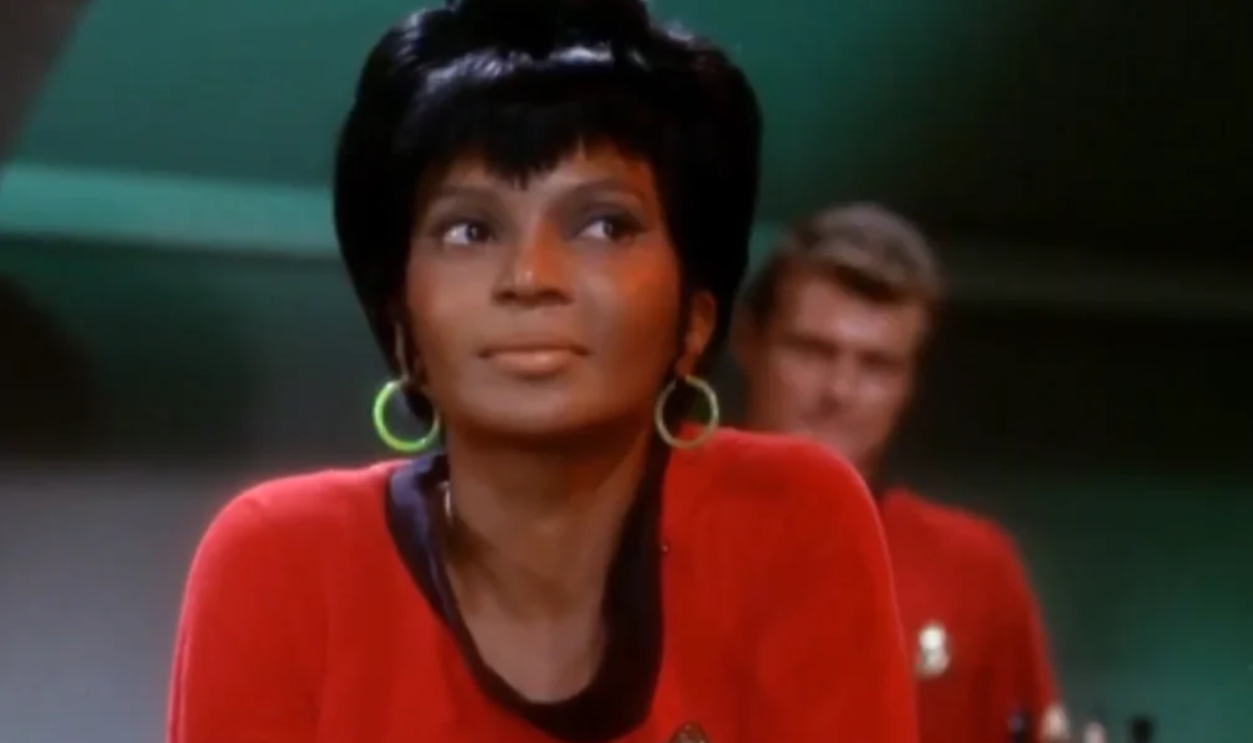
King's point went directly to the importance of representation. According to Nichols, he argued that Roddenberry had opened a door by putting someone like Uhura on television and treating her as an equal. If Nichols left, King feared that the door might close again.
 Screenshot from Star Trek, NBC (1966–1969)
Everything Changed For Nichols
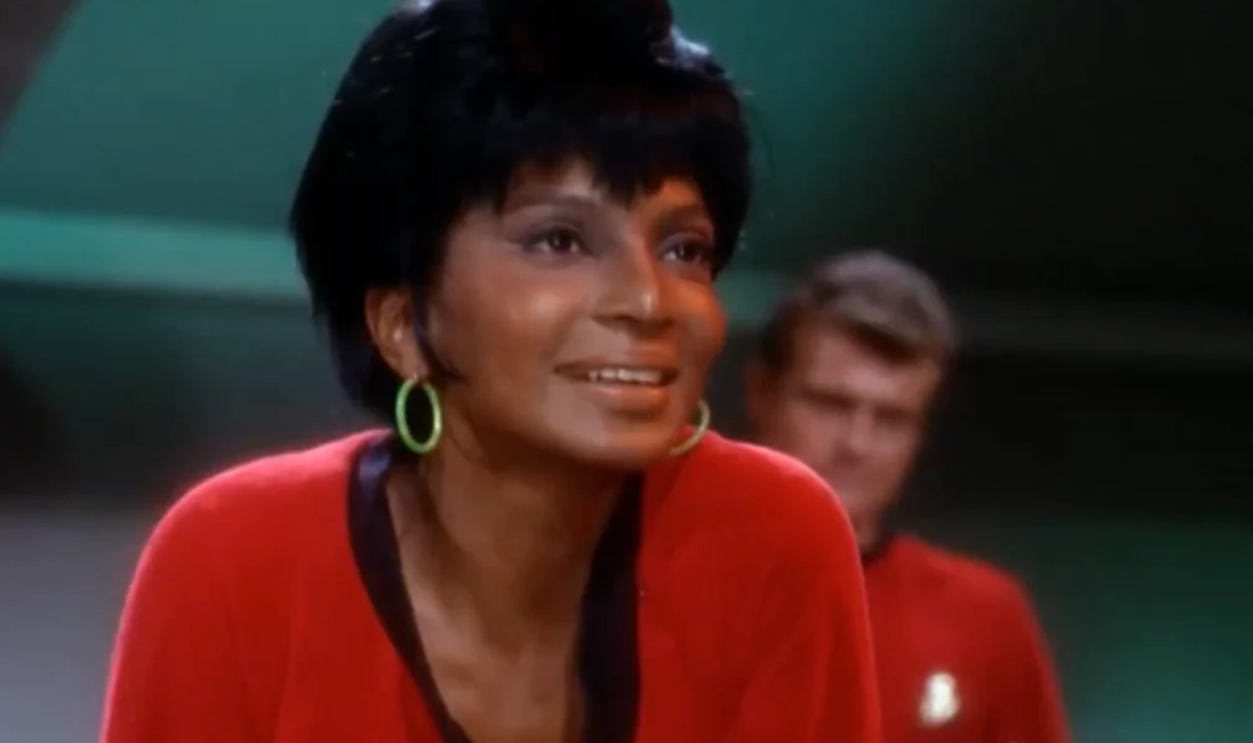
Nichols later described the conversation as a moment when her understanding of the role fundamentally shifted. She no longer saw herself simply as an actress deciding between a television contract and the stage. She began to understand Uhura as a character whose presence could influence how millions of viewers imagined Black women and the future itself.
 Screenshot from Star Trek, NBC (1966–1969)
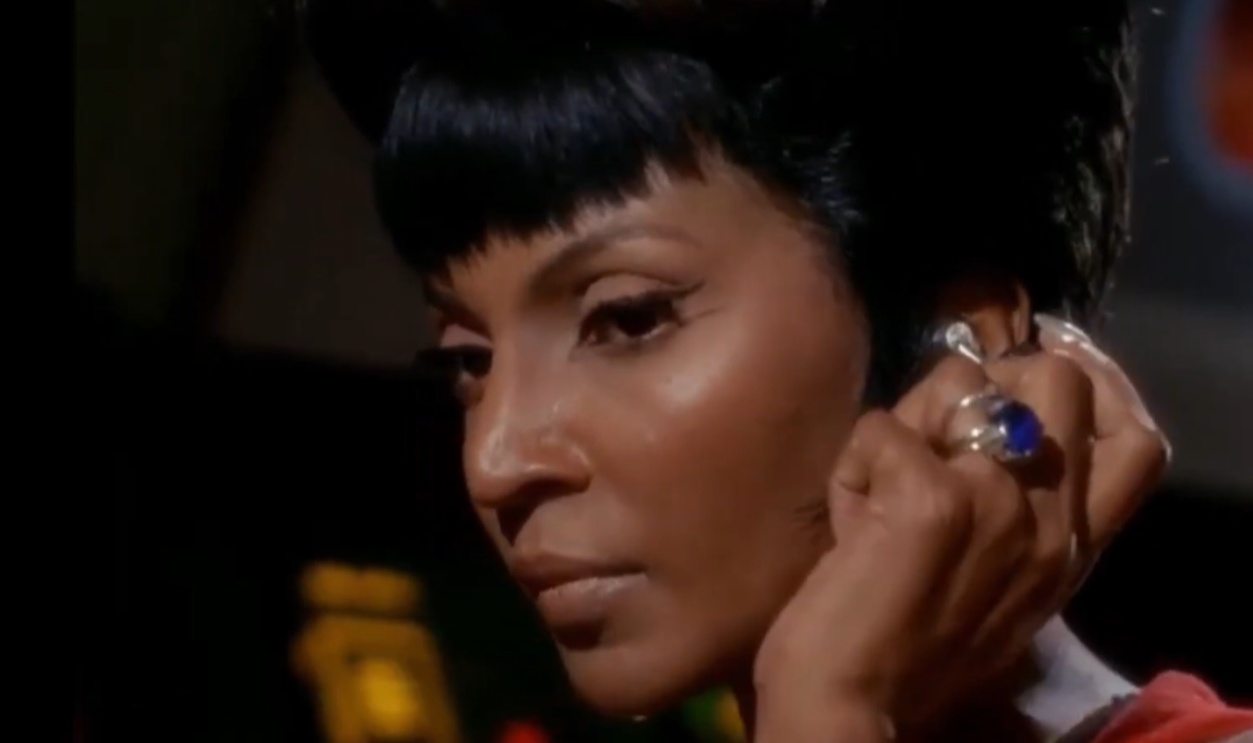
She Went Back To Roddenberry
When Nichols returned to work, she told Roddenberry about her encounter with King and announced that she would stay. According to her account, Roddenberry responded with gratitude toward King and destroyed the resignation letter he had kept over the weekend. Nichols remained with Star Trek for the rest of its original run.
 Screenshot from Star Trek, NBC (1966–1969)
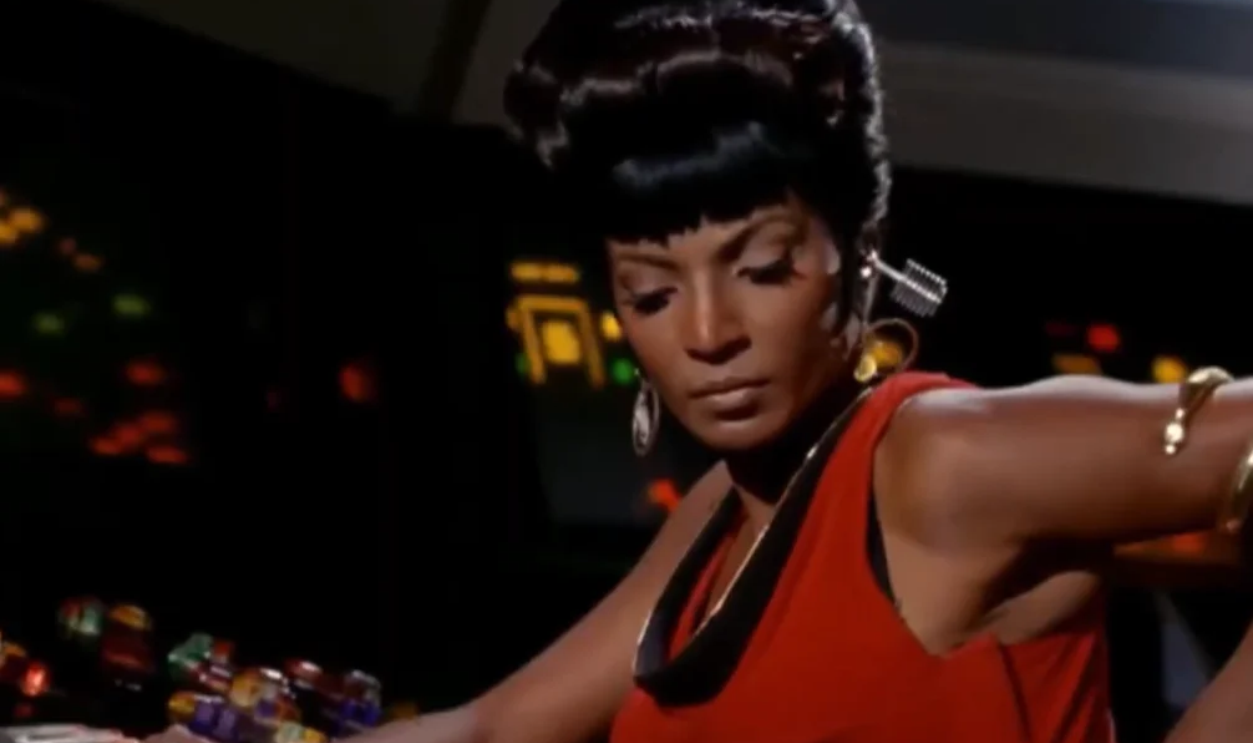
Her Decision Became Part Of Star Trek History
Nichols eventually realized that King and Roddenberry had been making versions of the same argument. Both understood that presenting an integrated future on television could matter in the present. Nichols later said she never regretted her decision to remain.
 Screenshot from Star Trek, NBC (1966–1969)
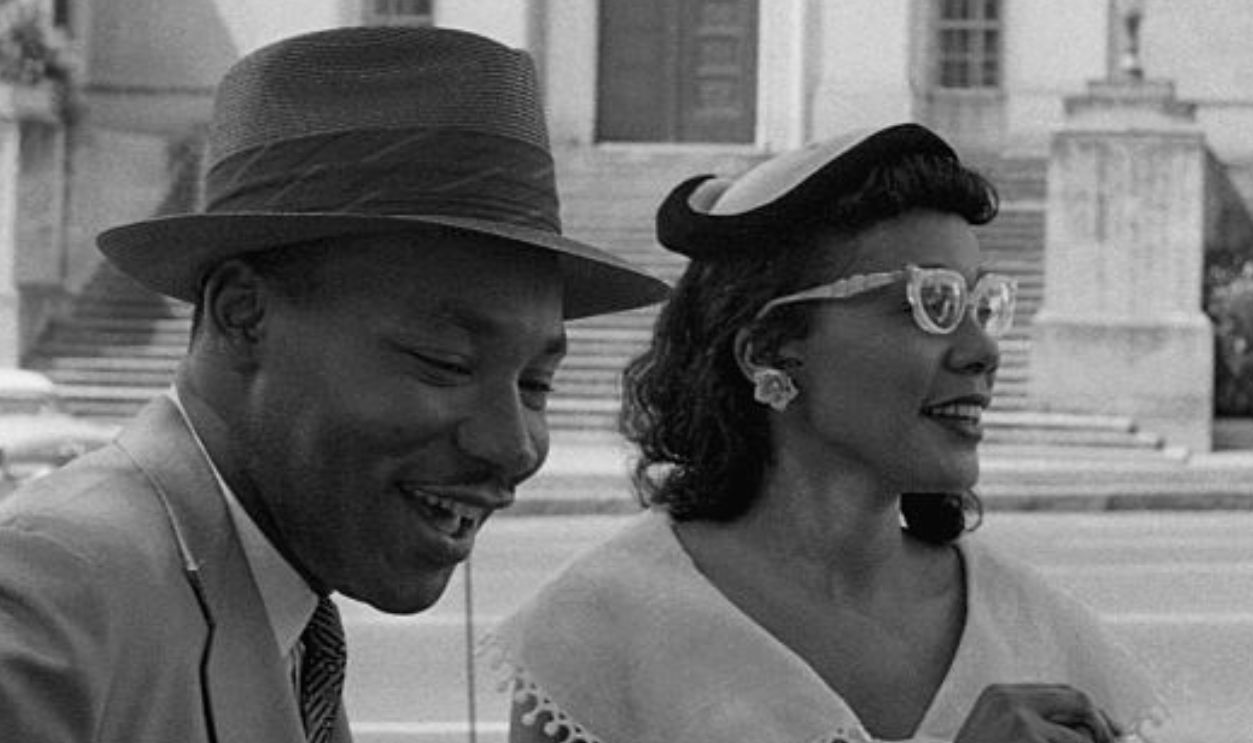
Then Tragedy Struck
King was assassinated in Memphis on April 4, 1968, while Star Trek was still in production. Nichols told the Television Academy decades later that she felt profoundly lost when she learned of his death. The man who had helped her understand the importance of her television role was suddenly gone.
 Michael Ochs Archives, Getty Images
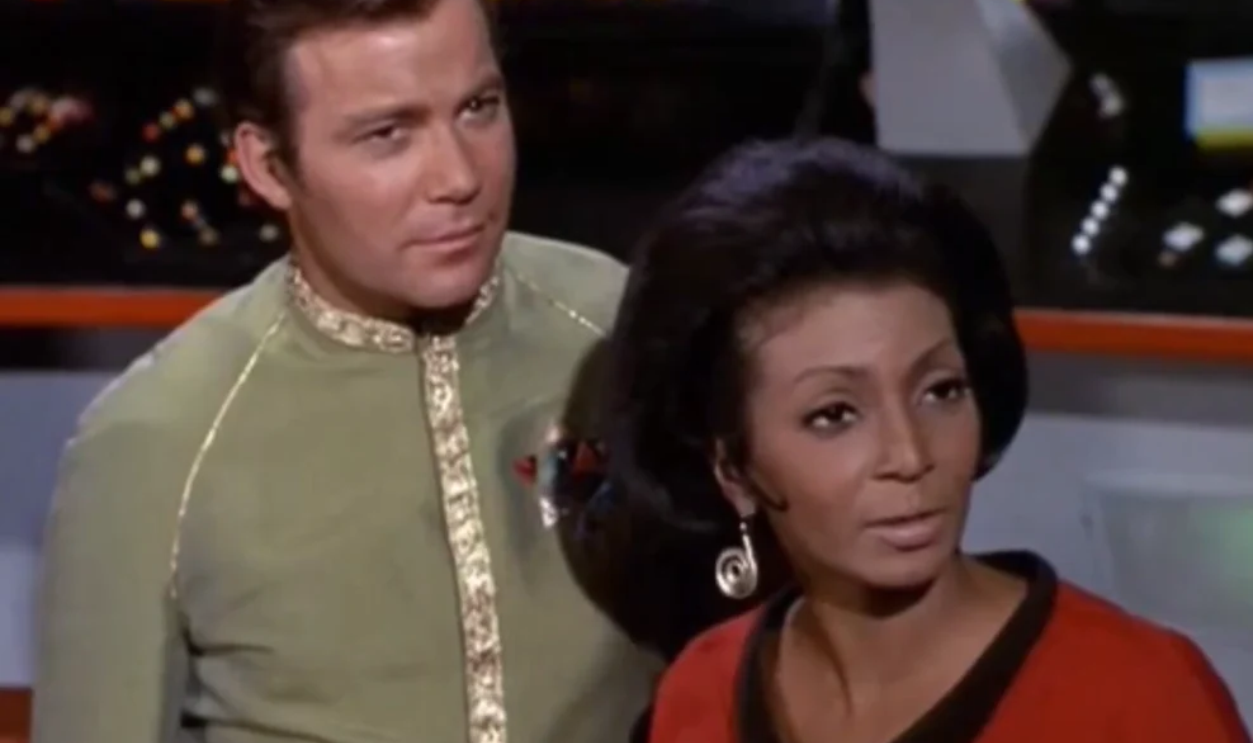
Uhura Kept Pushing Boundaries
Nichols continued playing Uhura through the show's third and final season. By then, the character had become much more than another member of a science-fiction ensemble. She was a visible example of a Black woman occupying a professional position of authority in an imagined future.
 Screenshot from Star Trek, NBC (1966–1969)
Then Came Television's Famous Kiss
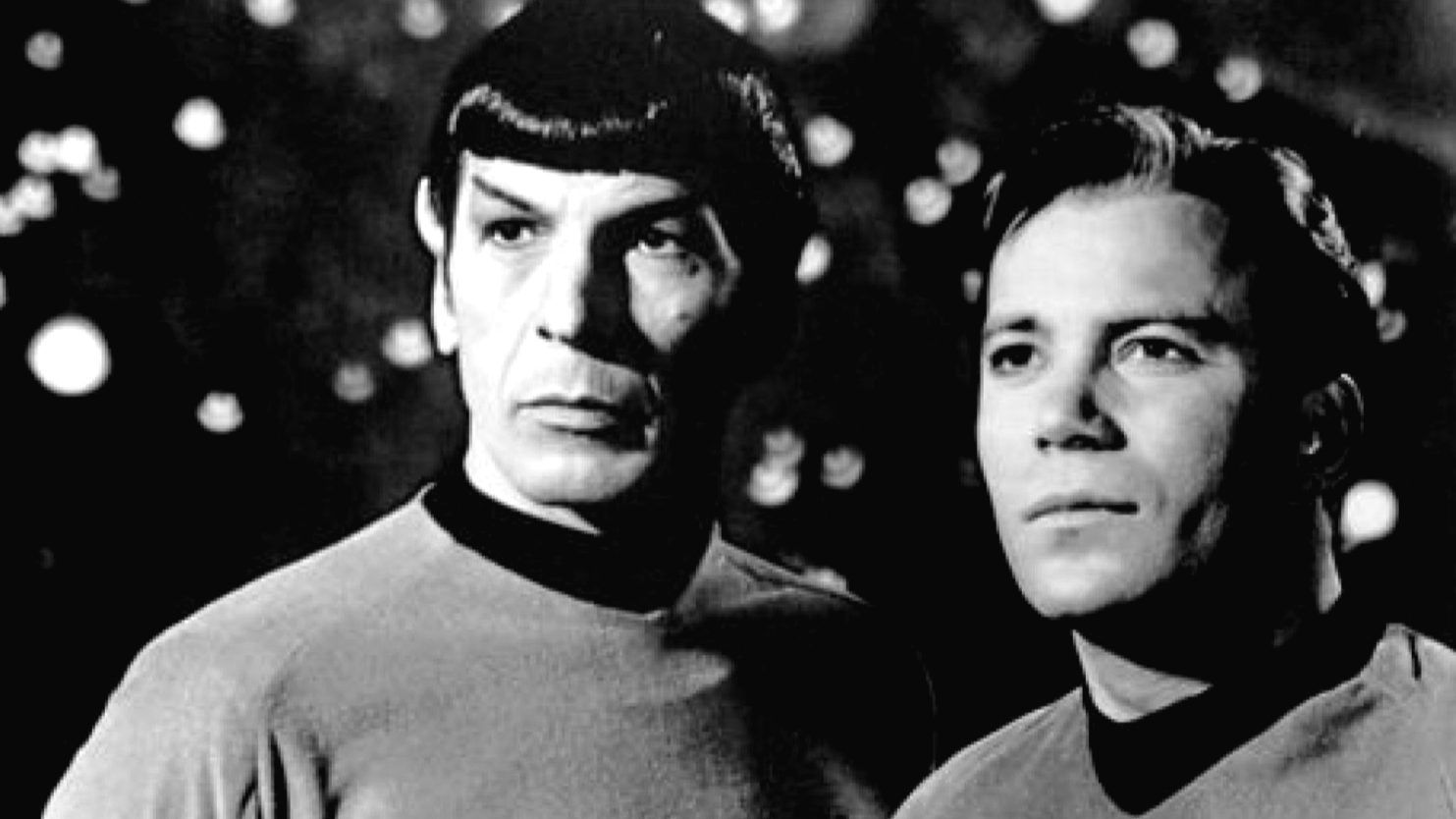
In the 1968 episode "Plato's Stepchildren," aliens compel Captain Kirk and Uhura to kiss. The scene is frequently described as one of American television's earliest and most famous interracial kisses, though historians have noted that claims that it was literally television's first interracial kiss are more complicated. Either way, a Black woman and a white male television hero sharing such a scene on a major network program was remarkable in 1968.
 NBC Television, Wikimedia Commons
Star Trek Ended, But Uhura Did Not
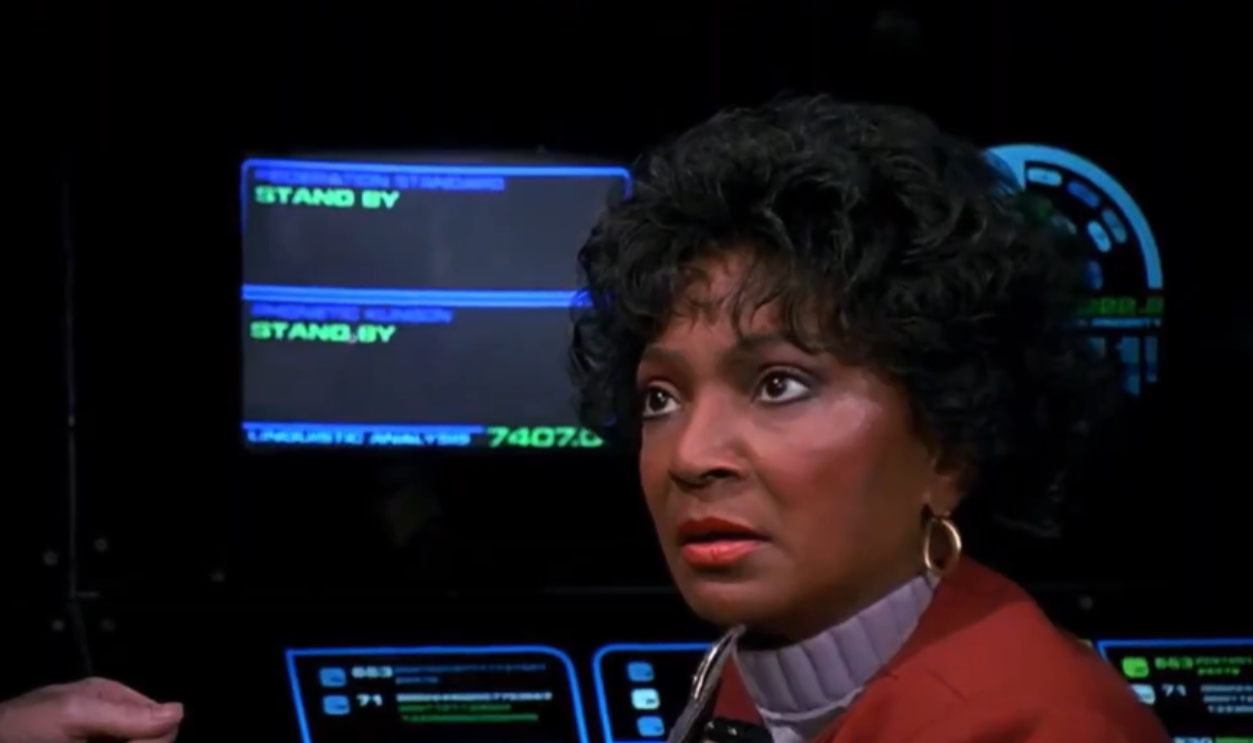
NBC canceled the original Star Trek after three seasons, with its final episode airing in 1969. Syndication and an increasingly devoted fan community eventually transformed the short-lived series into a cultural phenomenon. Nichols returned as Uhura when the original cast moved into feature films, eventually appearing in six Star Trek movies.
 Screenshot from Star Trek, NBC (1966–1969)
Nichols Started Looking Beyond Television
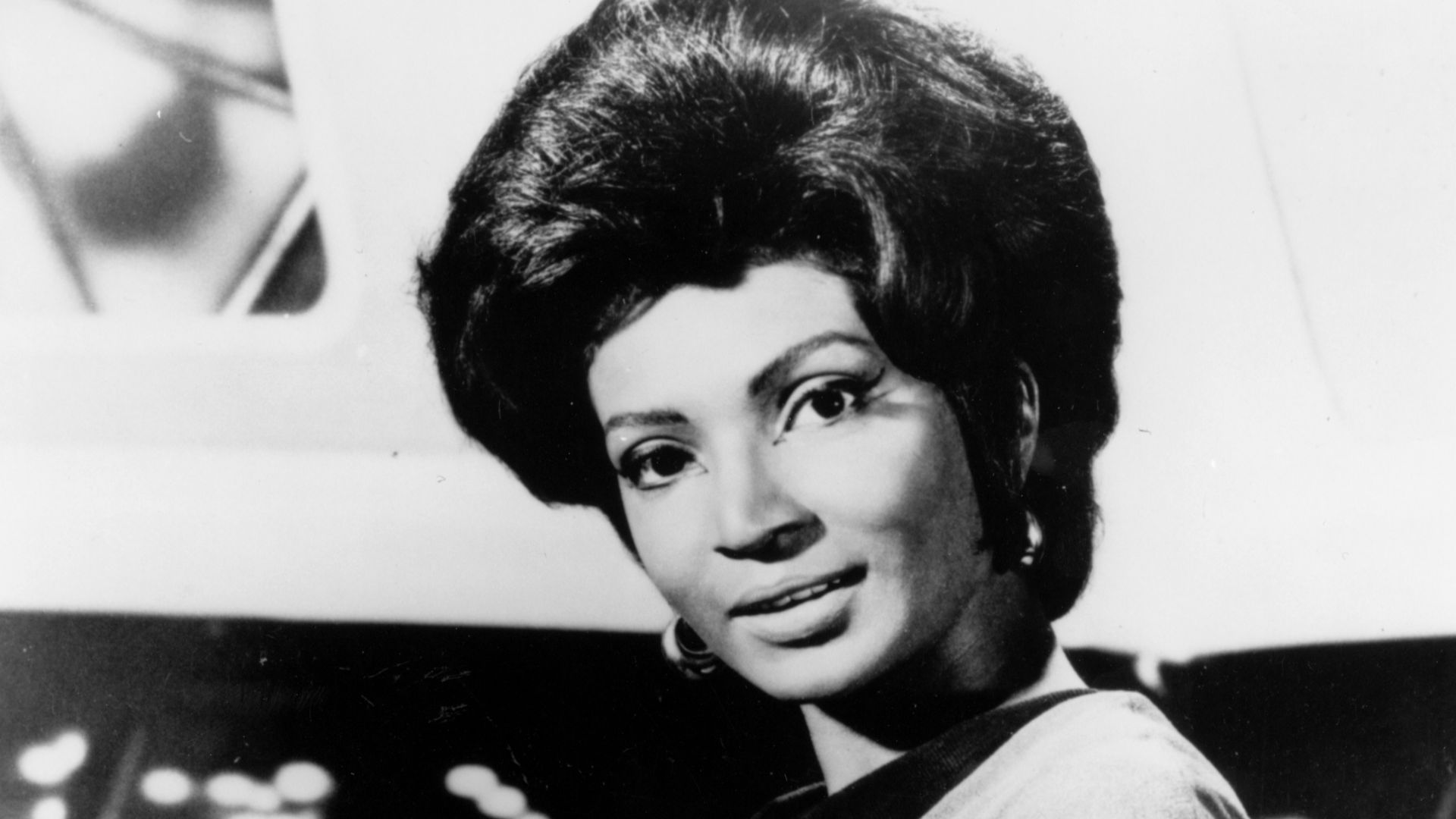
As the Star Trek fan community expanded, Nichols increasingly spoke about the gap between the fictional diversity of the Enterprise and the real American space program. She later remembered wondering why women and people of color remained so scarce among America's astronauts. That question would lead her toward a remarkable second act.
 NASA on The Commons, Wikimedia Commons
Star Trek And NASA Were Already Colliding
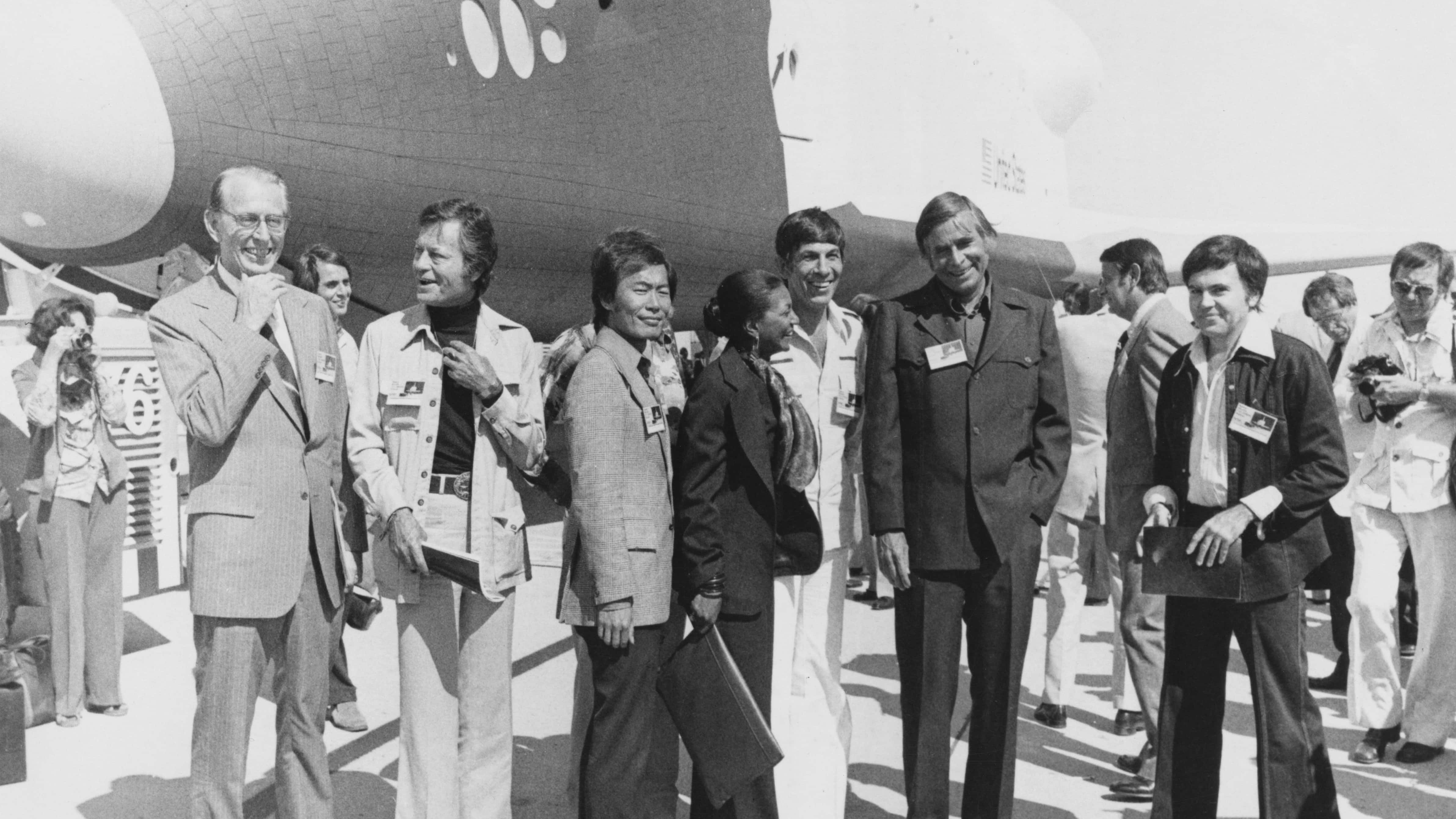
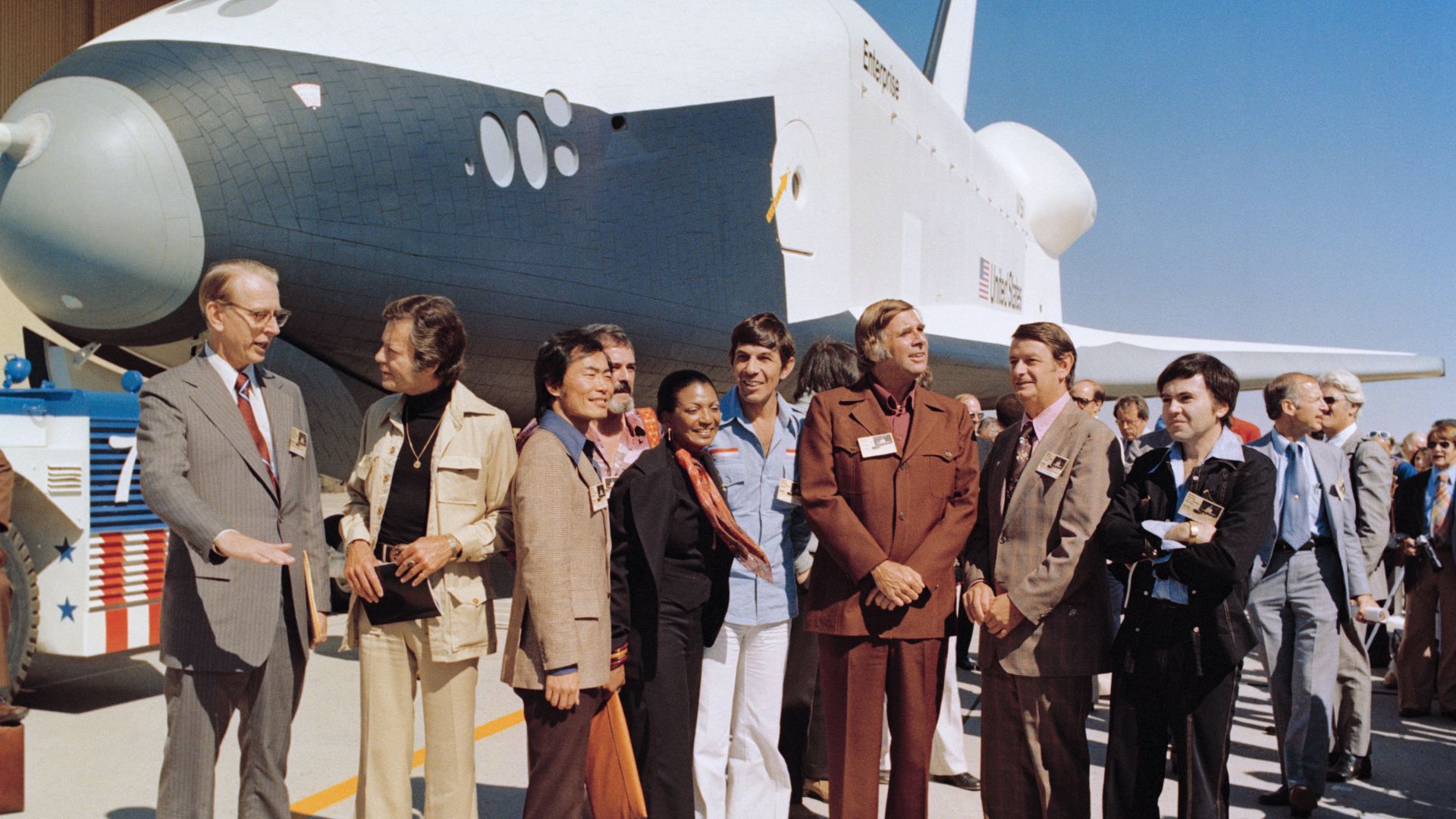
The relationship between Star Trek and America's real space program grew stronger during the 1970s. After a fan campaign, NASA's first Space Shuttle orbiter was named Enterprise, and members of the show's cast attended its 1976 rollout. Nichols stood alongside several of her former castmates and Roddenberry at the ceremony.
NASA Gave Uhura A New Mission
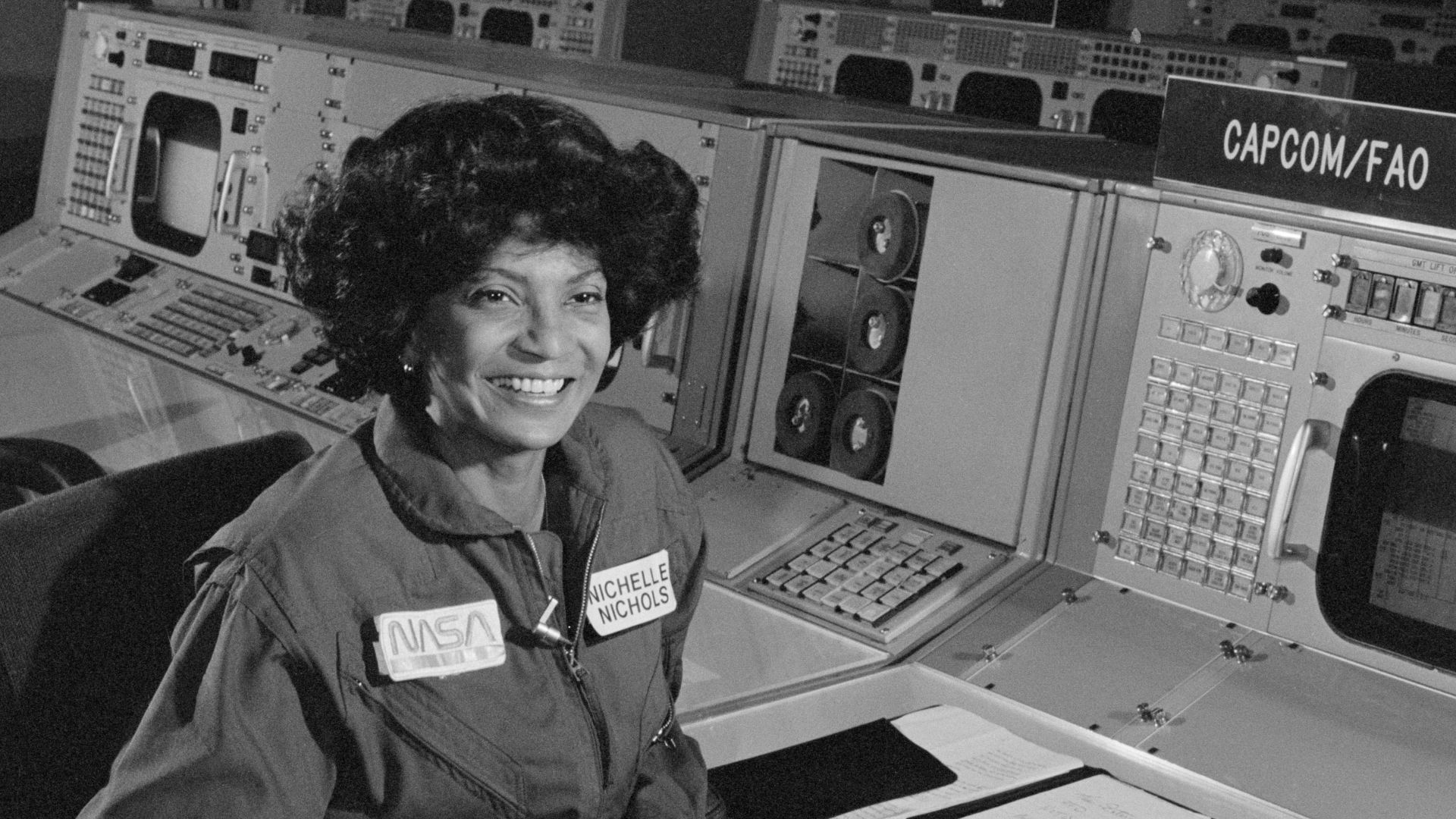
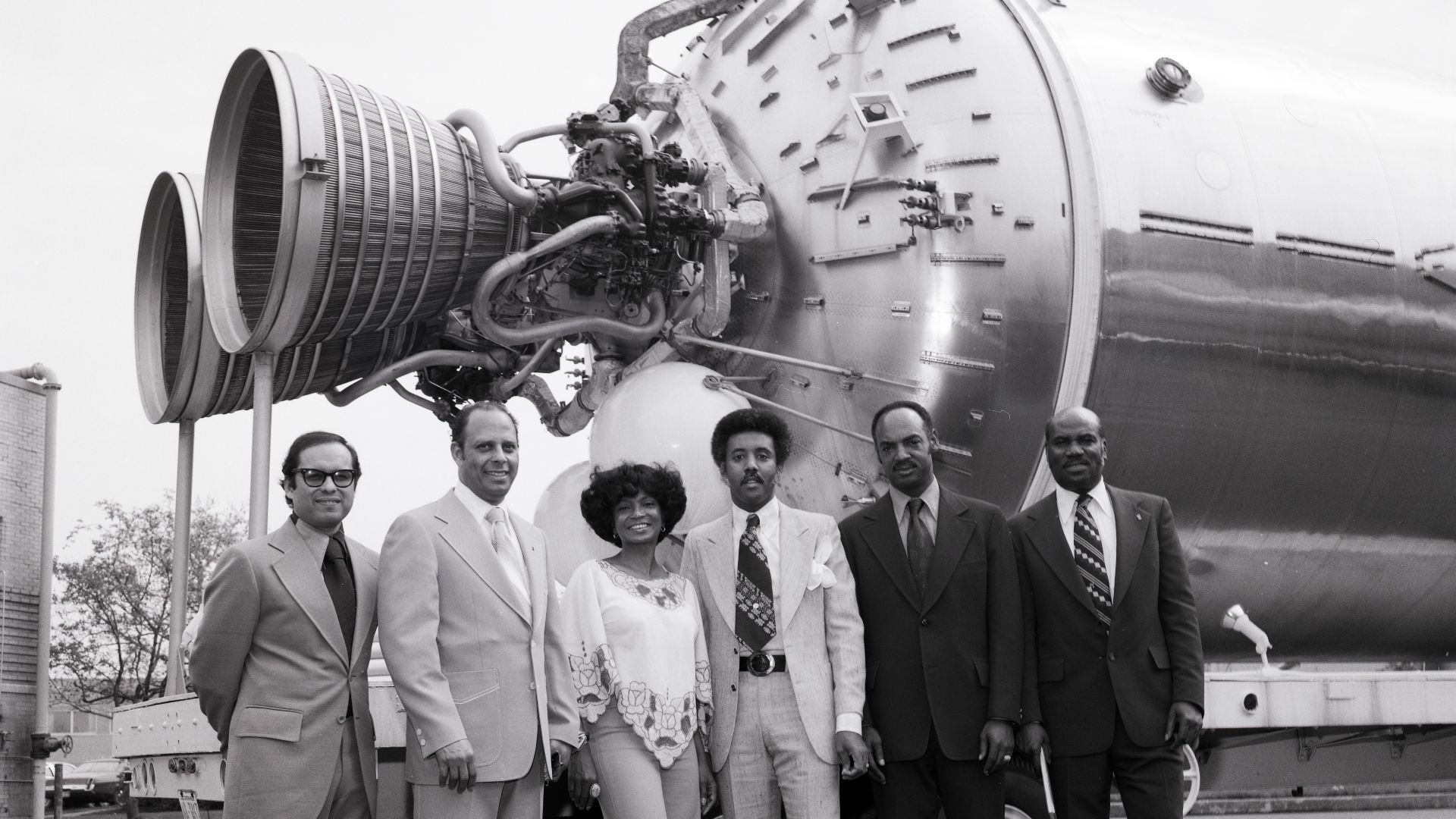
NASA was preparing for the Space Shuttle era and wanted more women and racial minorities to apply for its next astronaut class. The agency turned to Nichols to help reach those potential candidates. In 1977, she participated in a nationwide recruitment effort and filmed promotional material at Johnson Space Center.
She Took The Assignment Seriously
Nichols traveled around the country encouraging qualified women and minority candidates to view NASA as a place where they genuinely belonged. NASA records describe her campaign as an effort to attract applicants who historically had been badly underrepresented in the astronaut corps. The actress who had once wanted to escape a science-fiction spaceship was now helping change the makeup of America's real space program.
 Donald Huebler, Wikimedia Commons
The Next Astronaut Class Made History
NASA received more than 8,000 applications for its 1978 astronaut class and selected 35 candidates. For the first time, the group included women and racial minorities. Among the members were Sally Ride, who became the first American woman in space, and Guion Bluford, who became the first Black American in space.
 NASA on The Commons, Wikimedia Commons
Uhura Inspired A Real Astronaut
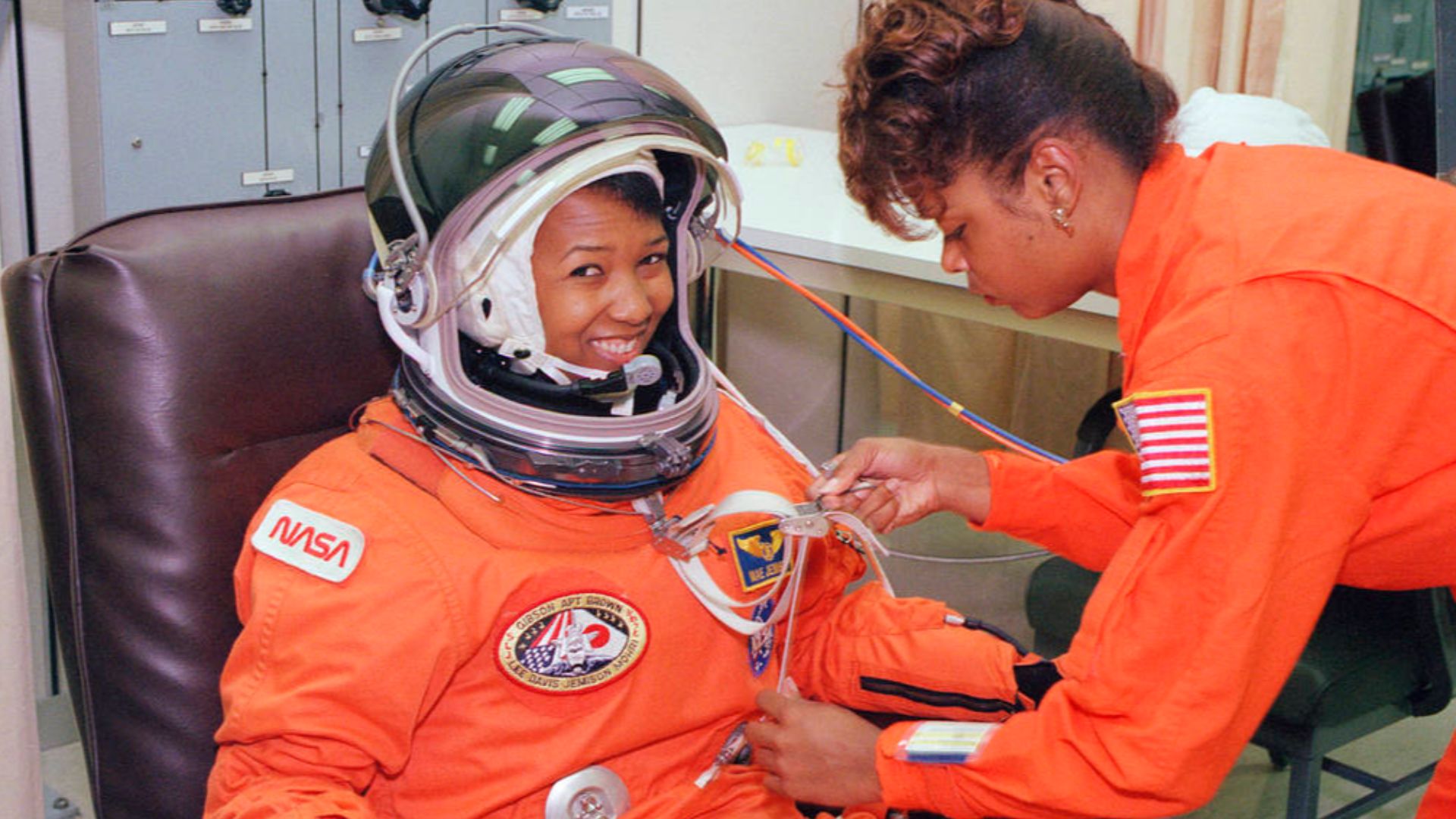
One of the clearest examples of Nichols's influence came from Mae Jemison. NASA says Jemison credited Nichols's portrayal of Uhura with helping inspire her interest in space. In 1992, Jemison flew aboard Space Shuttle Endeavour and became the first Black woman to travel into space.
Fiction Had Become Reality
The symbolism was hard to miss. Nichols had portrayed a Black woman working confidently aboard a futuristic spacecraft at a time when NASA's astronaut corps did not include Black people or women. Years later, she actively helped the real agency broaden the pool from which a new generation of astronauts would emerge.
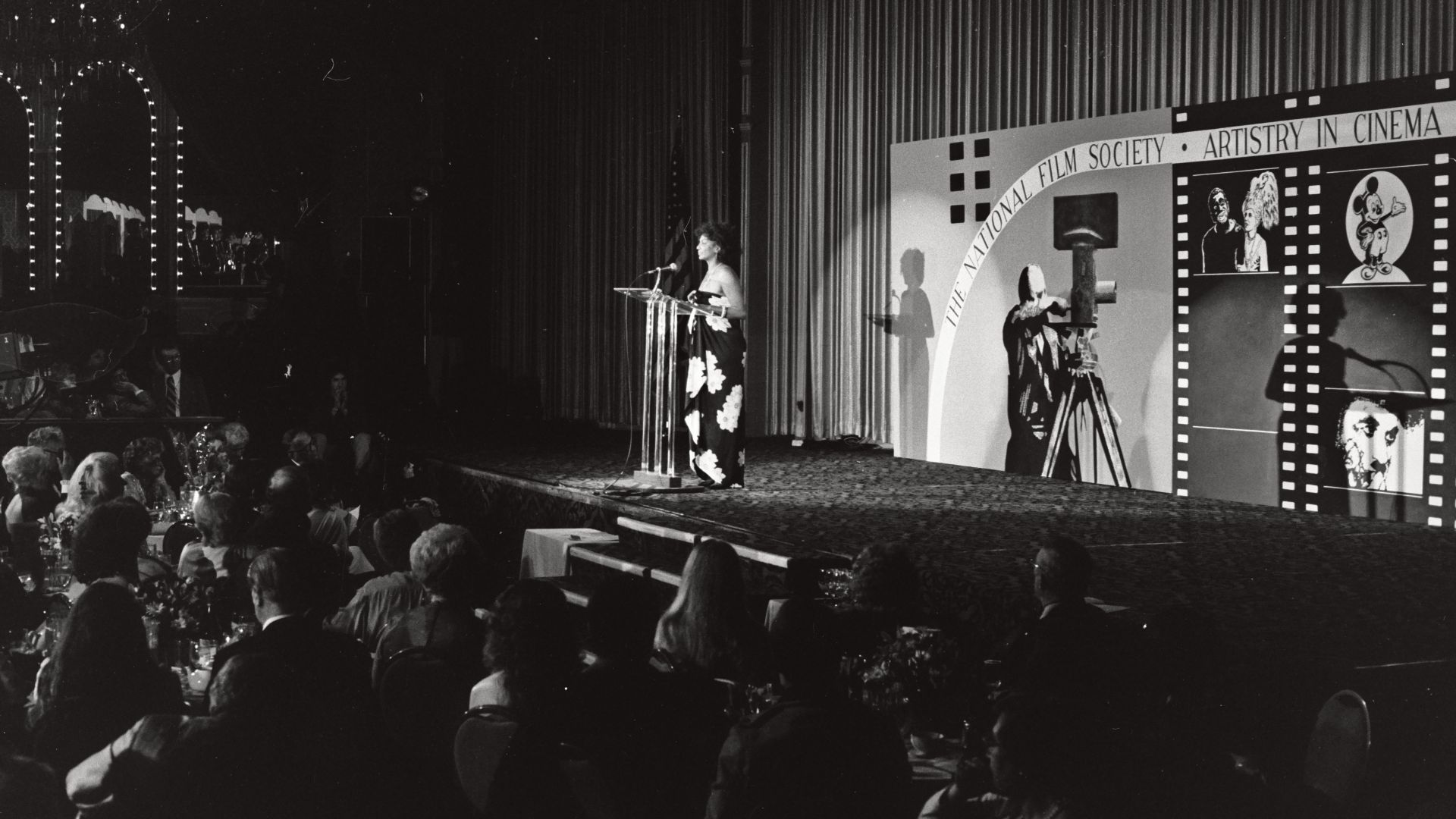
Her Legacy Stretched Far Beyond Uhura
Nichols remained closely associated with both Star Trek and space advocacy for the rest of her life. In 2021, the Television Academy notes, NASA awarded her its Exceptional Public Achievement Medal in recognition of her contributions. When Nichols died on July 30, 2022, at age 89, NASA described her as both a pioneering actress and an advocate who helped transform the agency.
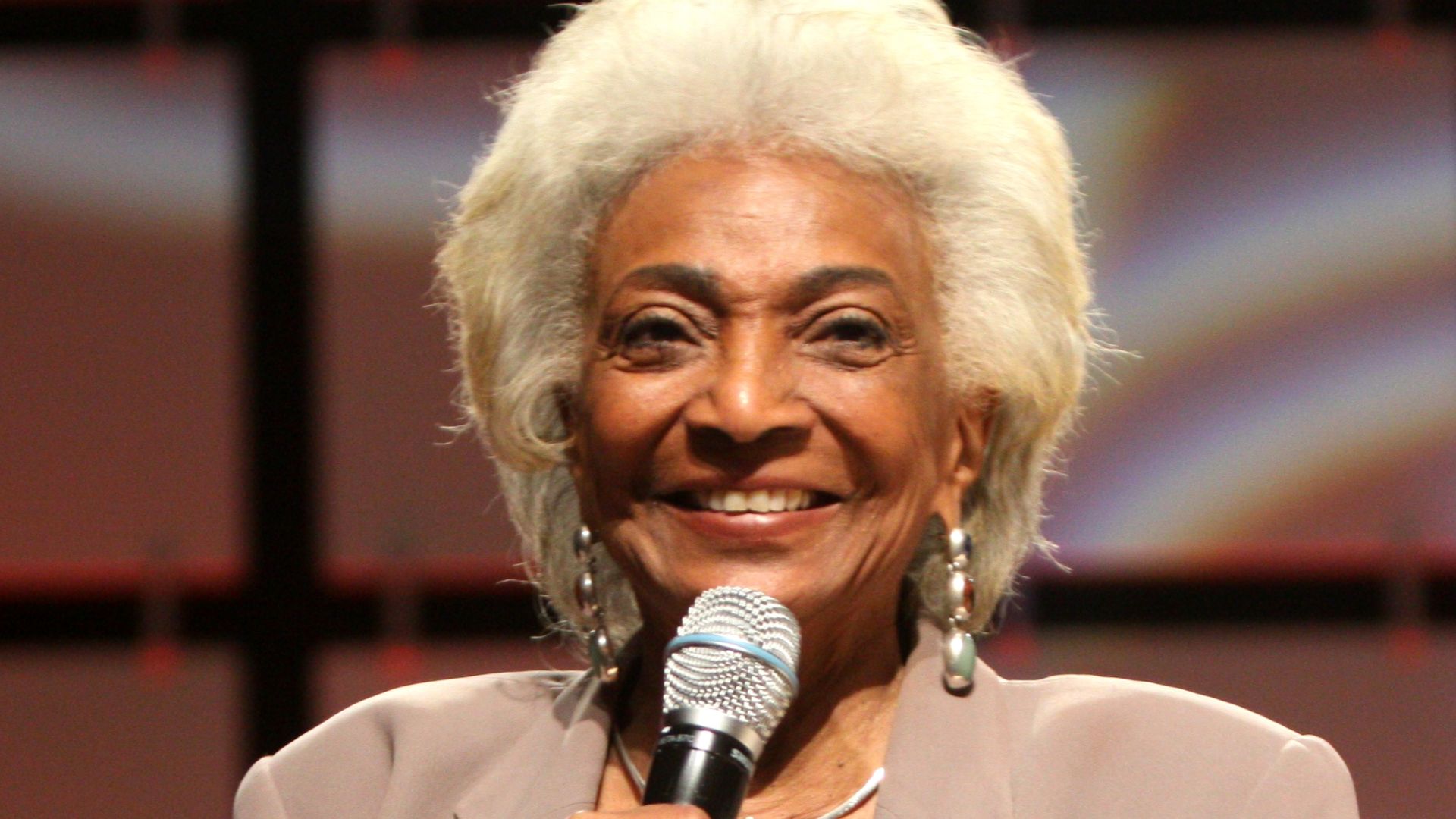 Nichelle Nichols, Wikimedia Commons
One Conversation Changed Everything
Had Nichols followed her original plan, Lieutenant Uhura might have disappeared from Star Trek after a single season. Instead, Nichols said Martin Luther King Jr. persuaded her that staying could accomplish something far bigger than advancing one acting career. Her decision helped preserve one of television's most influential characters, and the impact eventually reached all the way from a Hollywood soundstage to America's astronaut corps.
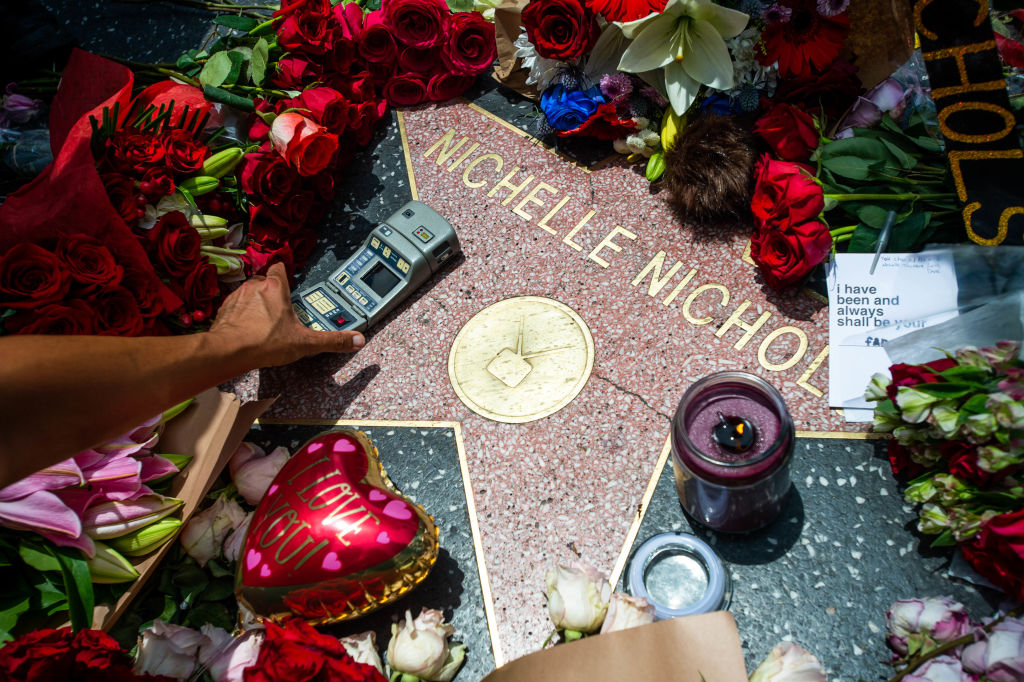 MediaNews Group/Los Angeles Daily News, Getty Images
You May Also Like: