A Case That Never Lets Go
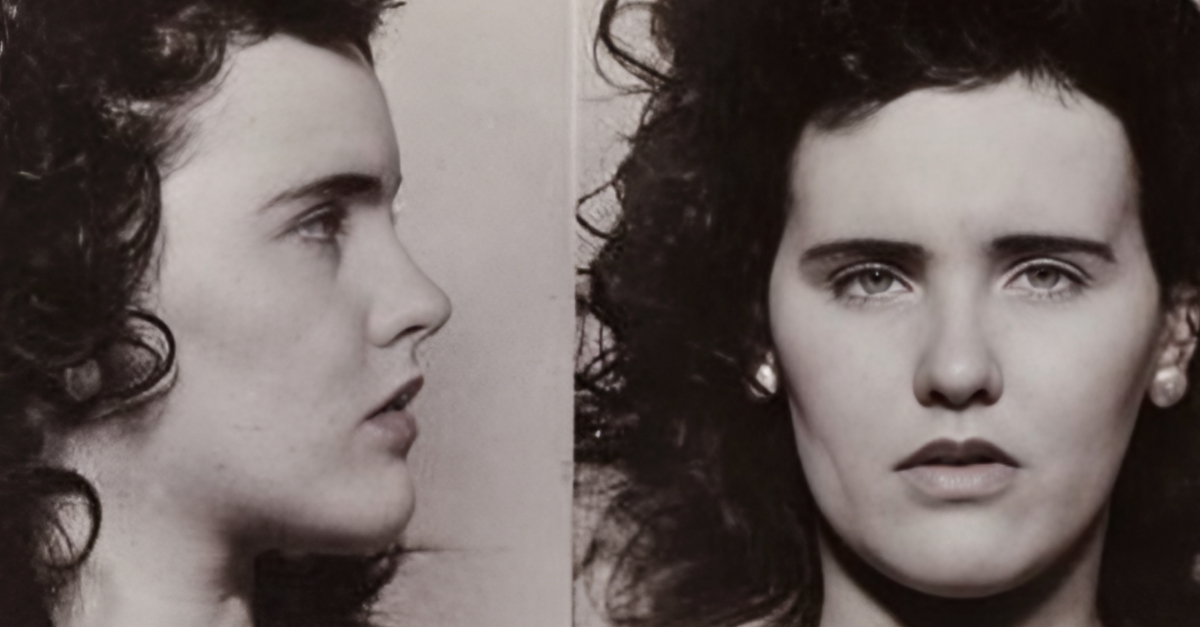
Some stories fade into history. This one never did. Nearly 80 years later, the fate of Elizabeth Short—forever known as the Black Dahlia—still grips investigators, writers, and the public. Now, new evidence has surfaced, and it’s quietly reshaping how her story is being understood.
 Santa Barbara police, Wikimedia Commons
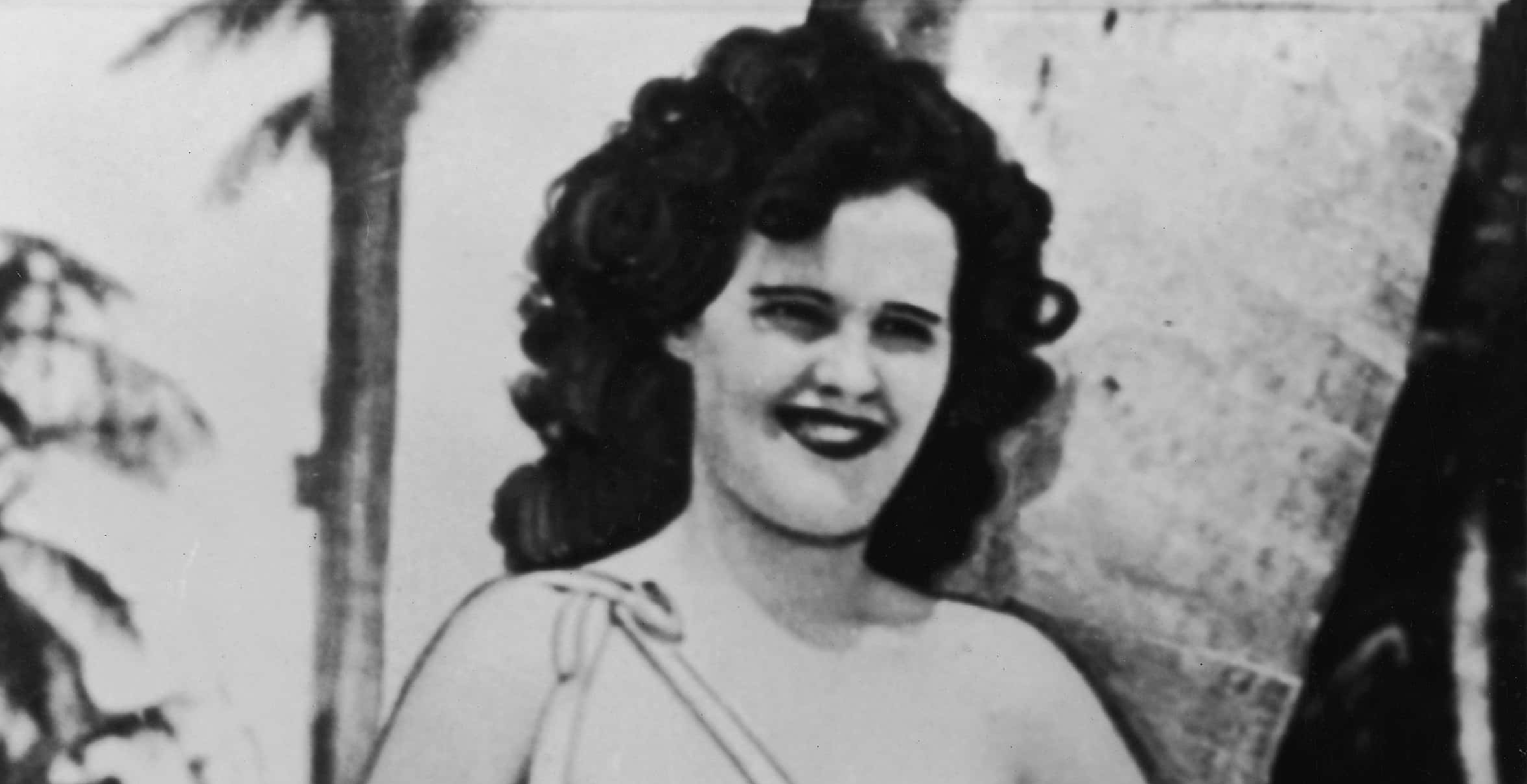
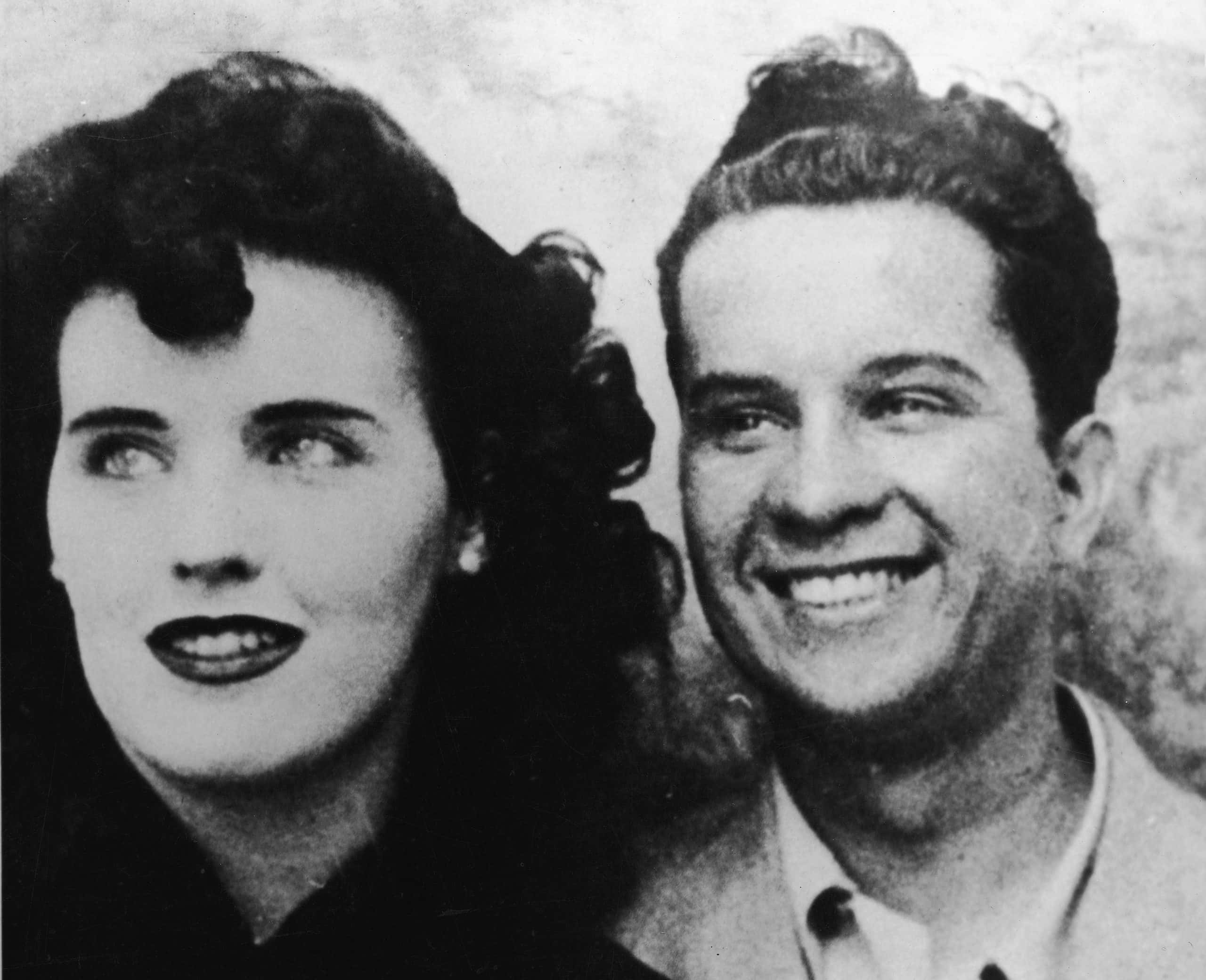
Elizabeth Short in Los Angeles
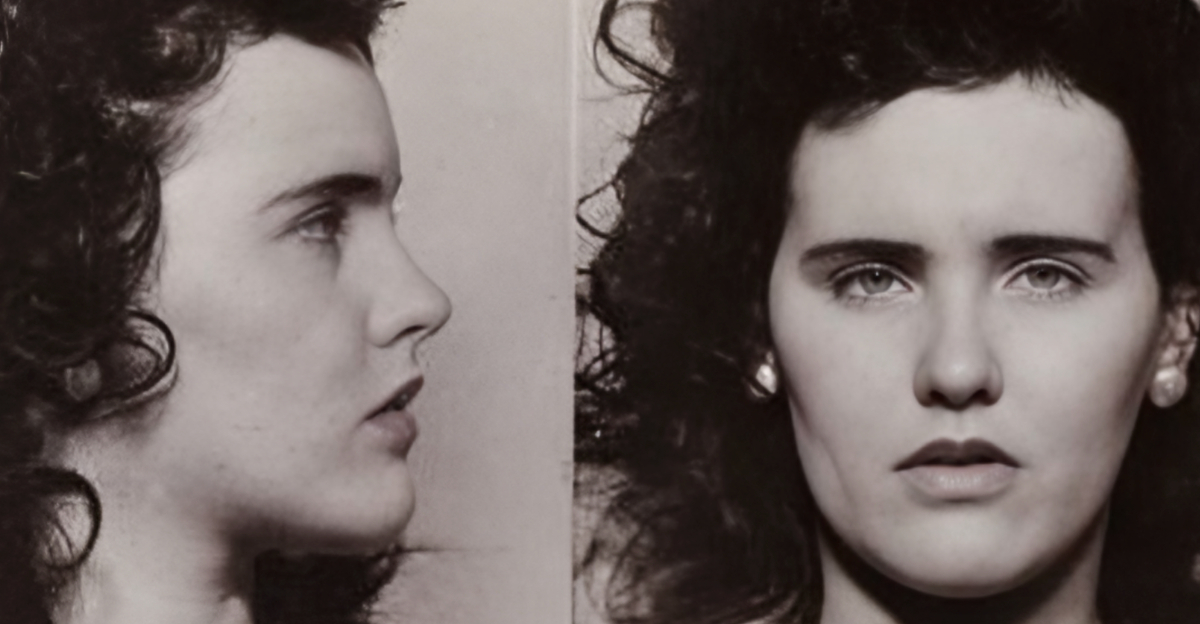
Elizabeth Short was 22 years old in late 1946 and living without a permanent address in Los Angeles. She relied on friends, acquaintances, and short stays at hotels. Police later described her as transient, a label that would heavily influence how her actions were interpreted.
The Days Before January 1947
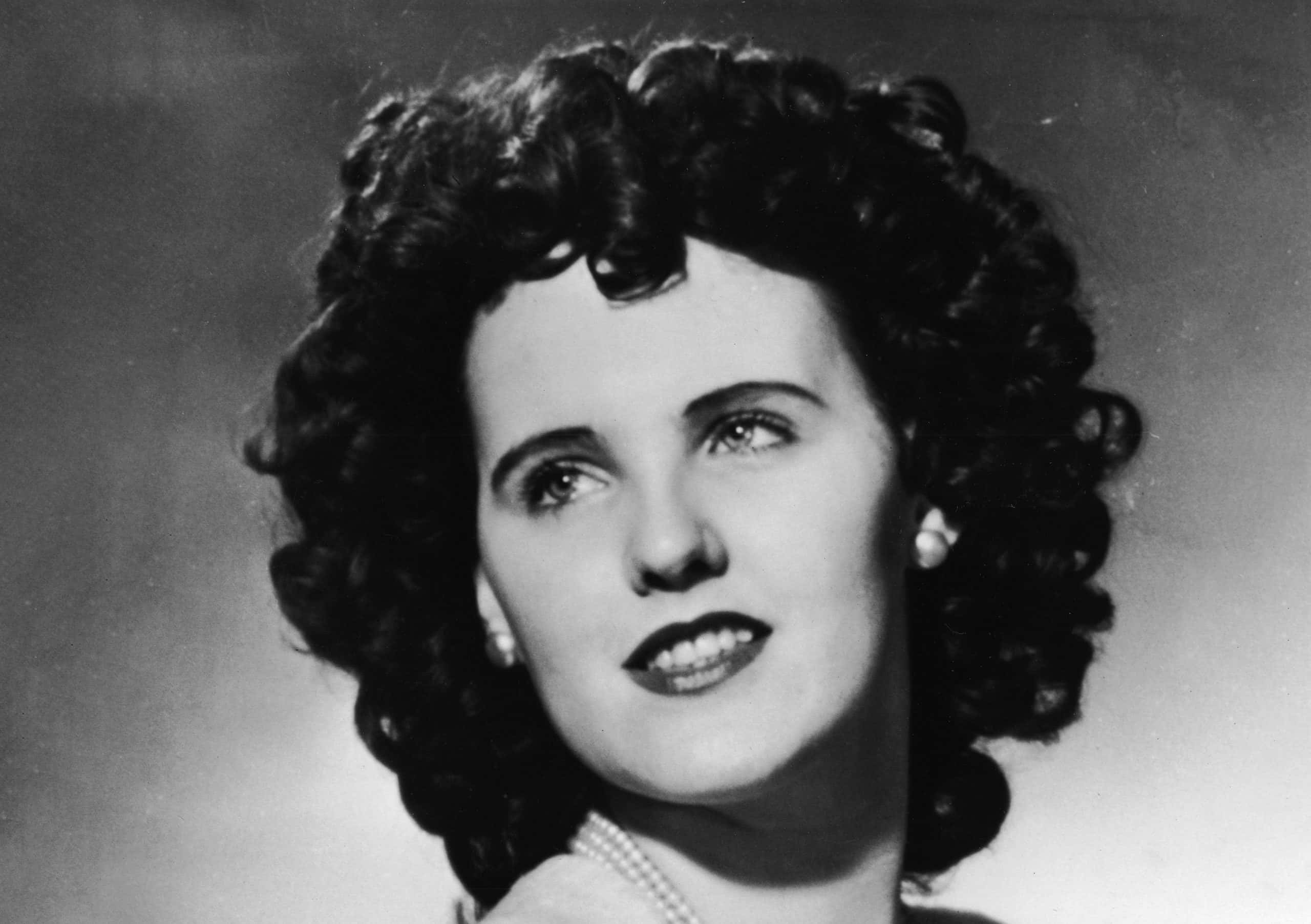
In the weeks leading up to her death, Elizabeth Short was seen at several locations around Los Angeles, including hotels, restaurants, and private homes. Witness accounts existed, but they were never fully reconciled into a clear, verified timeline.
 University of Southern California, Getty Images
The Discovery and Immediate Fallout
On January 15, 1947, Elizabeth Short was found in a vacant lot in the Leimert Park area. The scene drew immediate attention from law enforcement and the press. National coverage followed within days, placing intense pressure on investigators.
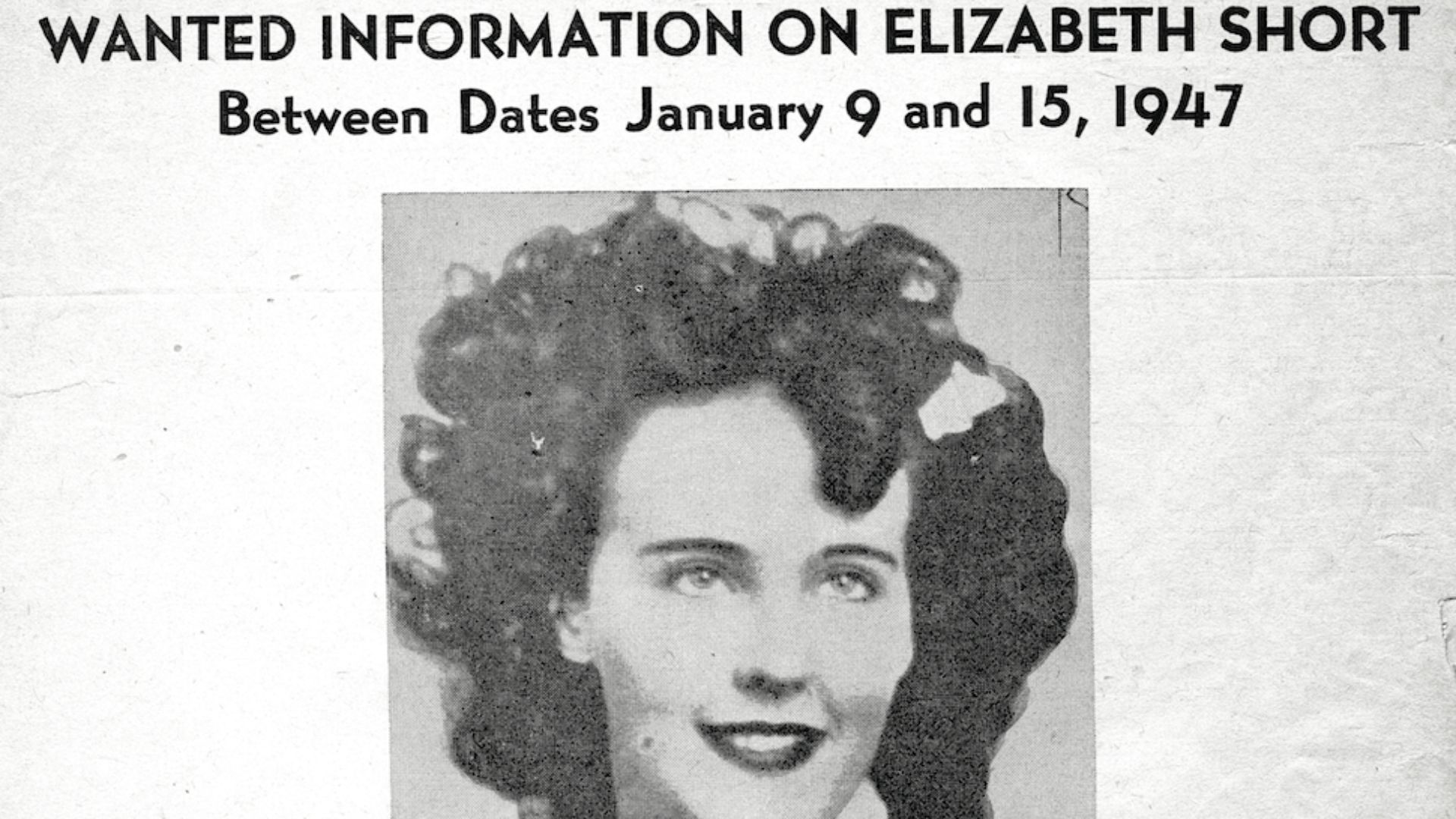 City of Los Angeles Police Department, Wikimedia Commons
An Investigation Overwhelmed
Hundreds of tips poured in, along with dozens of false confessions. Detectives chased leads across multiple states, many based on rumor rather than documentation. By the end of 1947, despite enormous effort, the investigation stalled without clear answers.
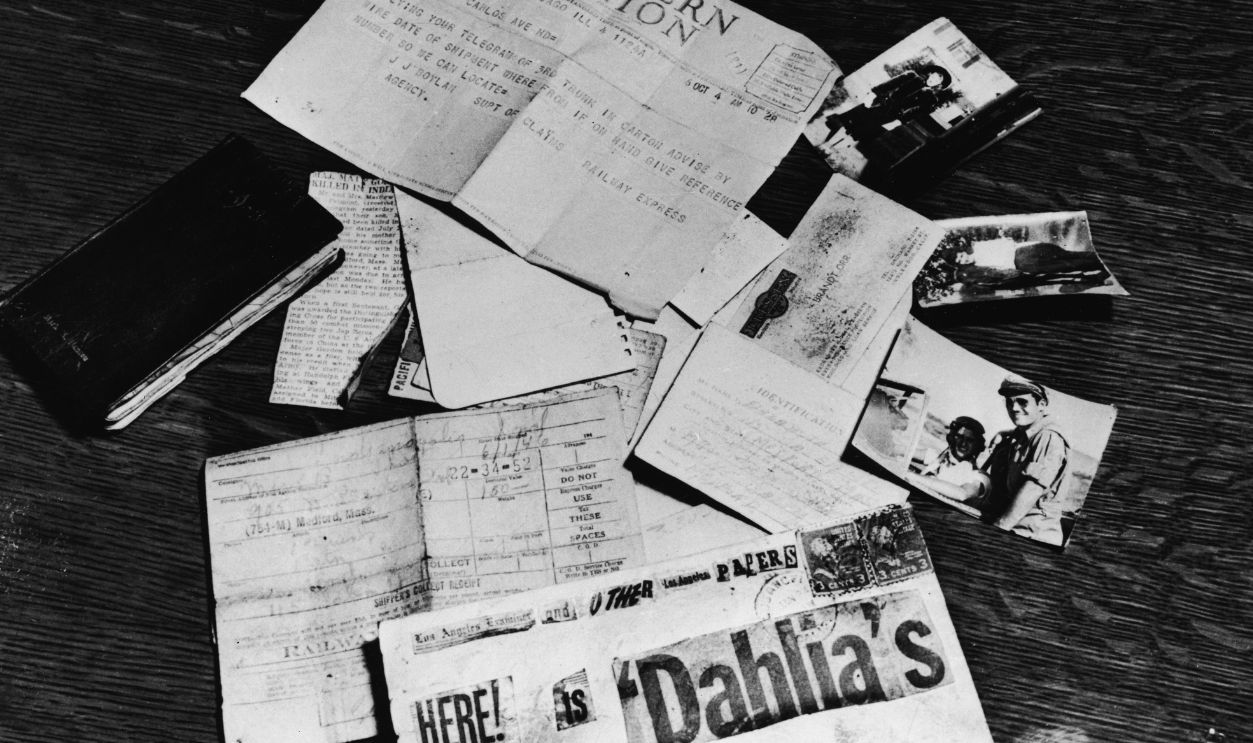
Early Assumptions Took Root
From the start, assumptions about Elizabeth Short’s lifestyle shaped how evidence was evaluated. Some statements were pursued aggressively, while others were dismissed. Those early judgments influenced how the case was understood for decades.
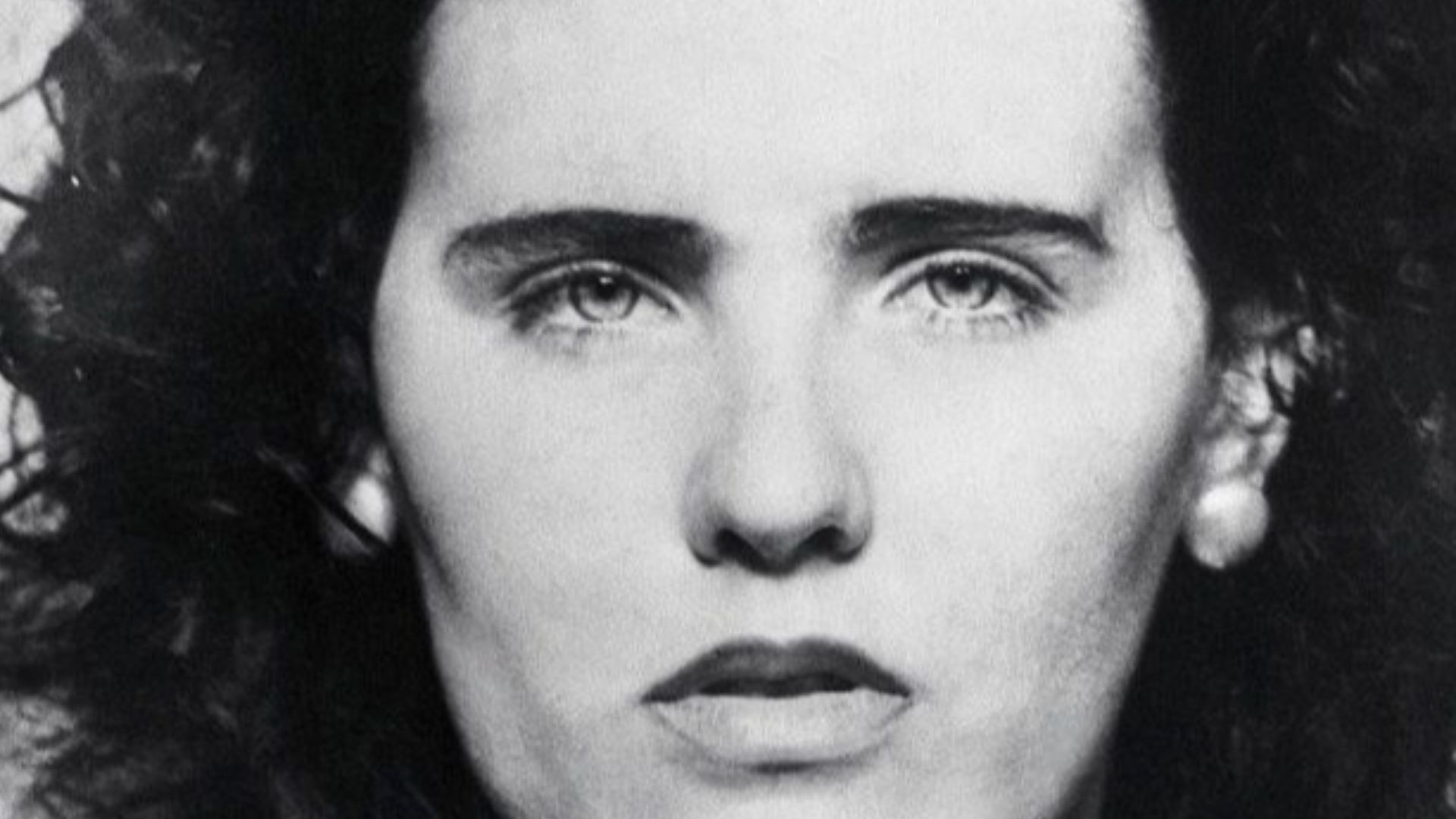 Santa Barbara police, Wikimedia Commons
When Assumptions Replaced Follow-Up
LAPD records show that investigators quickly focused on character-based theories about Elizabeth Short’s life. Statements that didn’t align with those assumptions were sometimes set aside without deeper follow-up, narrowing the scope of the investigation early on.
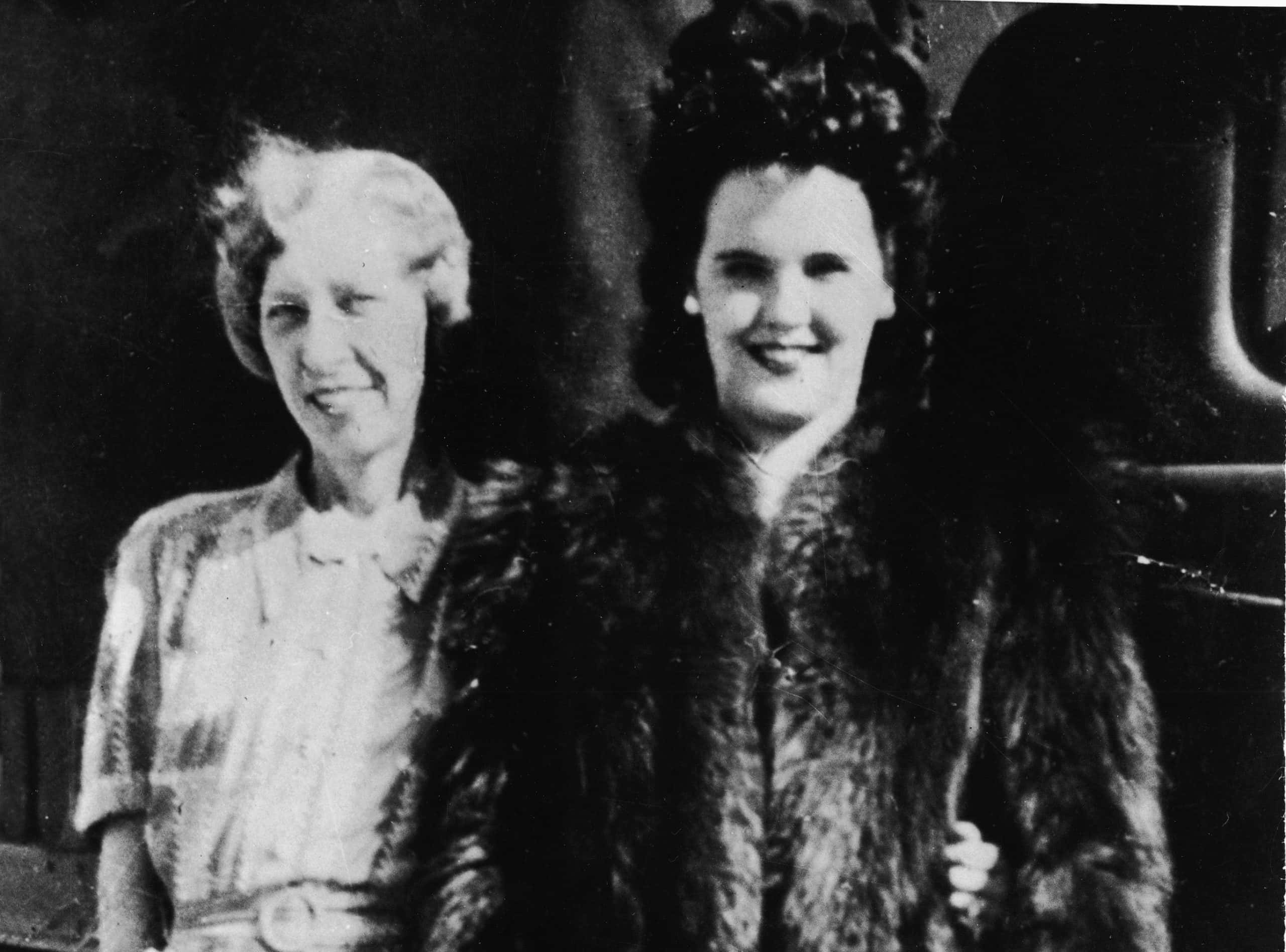
How the “Black Dahlia” Took Over
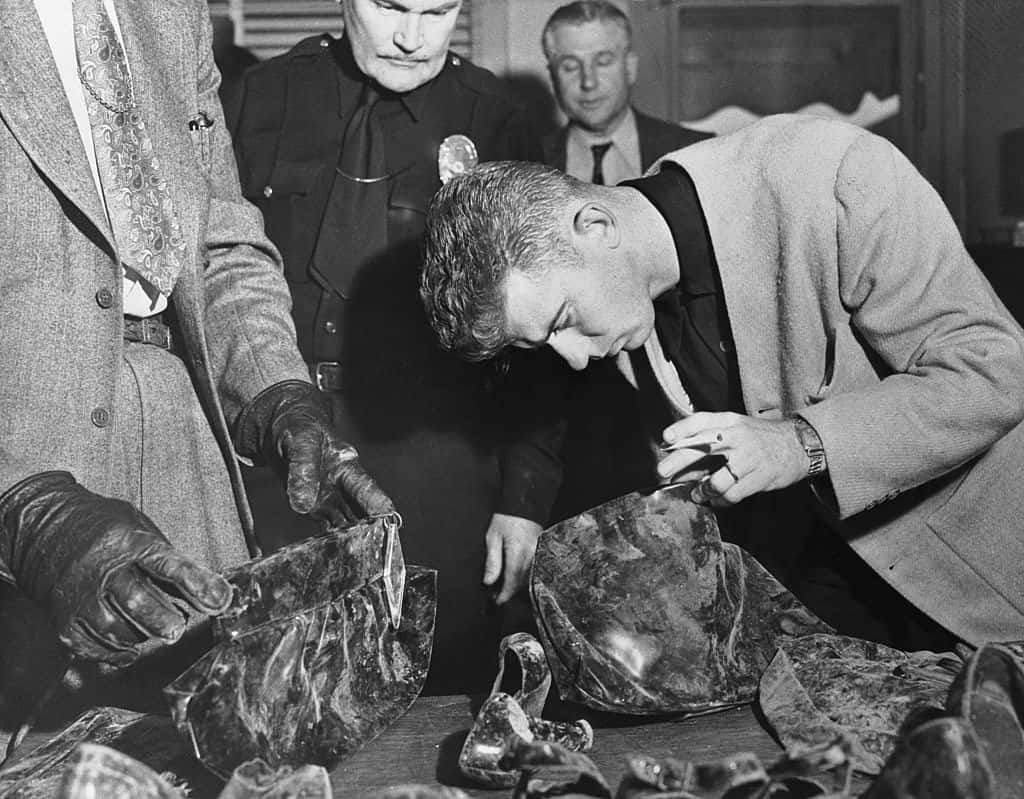
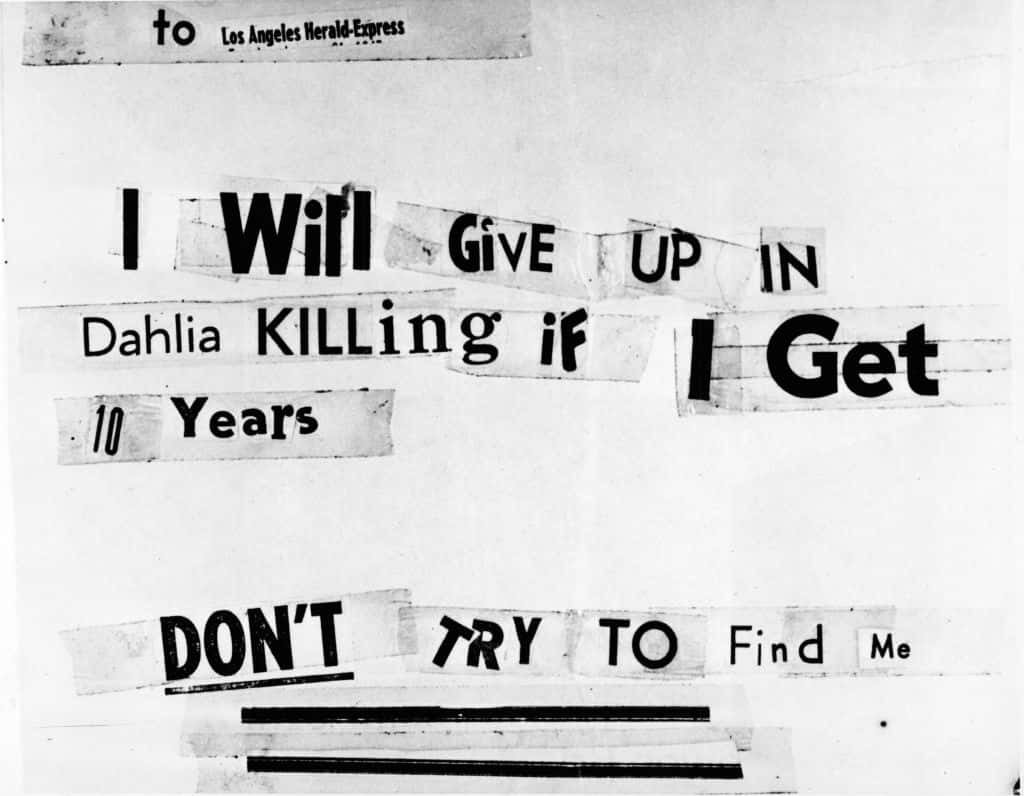
Newspapers popularized the nickname “Black Dahlia,” reportedly borrowed from acquaintances and inspired by a current film title. The label quickly overshadowed Elizabeth Short’s real name, shifting attention from documentation to image and mystery.
A Name That Came From Headlines, Not Files
The nickname “Black Dahlia” was a creation of the press, not law enforcement. Police records consistently referred to Elizabeth Short by name, underscoring the gap between investigative work and the narrative the public absorbed.
A Case Frozen in Narrative
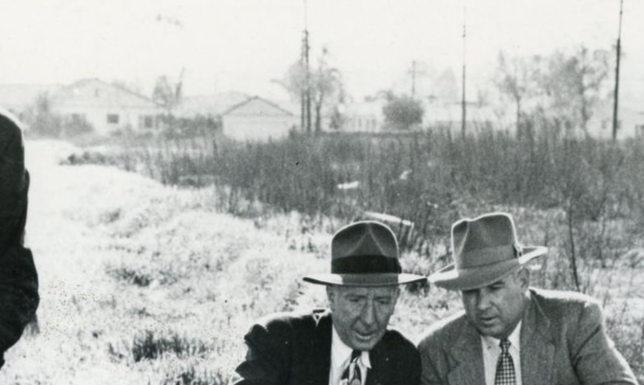
With no resolution, speculation filled the gap. Books and documentaries repeated theories that relied more on repetition than records. Over time, those interpretations hardened into accepted versions of events—until fresh examination began to challenge them.
 Los Angeles Times, Getty Images
What’s Different About the New Evidence
Recent reporting has returned to primary sources—police notes, witness interviews, and timelines—that were available for decades but rarely examined together. Seeing them side by side has changed how key moments are understood.
Reassembling Her Last Confirmed Movements
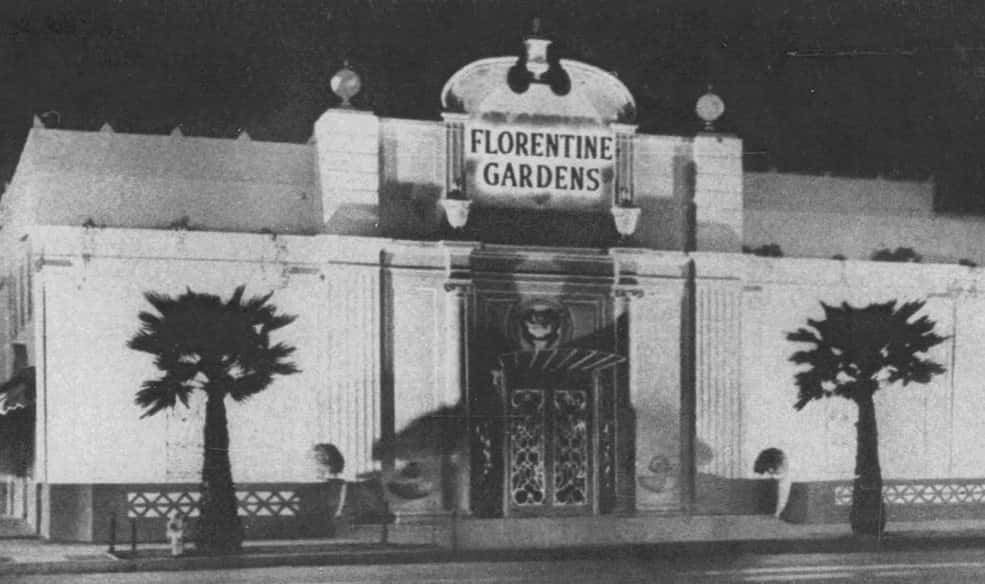
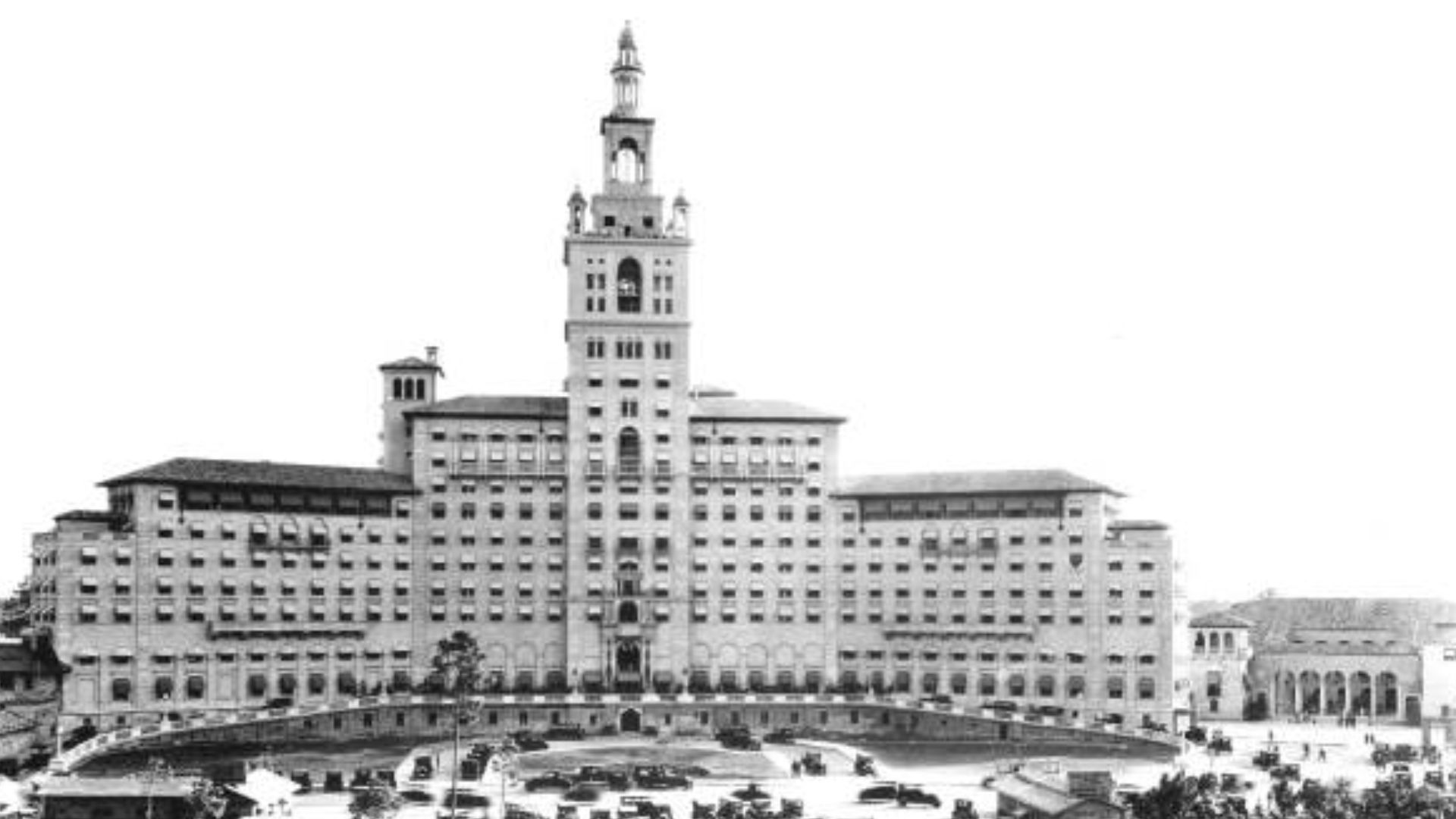
Researchers focused only on sightings that could be corroborated. Two locations stand out as firmly documented: Florentine Gardens nightclub on January 8, 1947, and the Biltmore Hotel lobby on January 9.
 Unknown Author, Wikimedia Commons
Florentine Gardens and the Biltmore Hotel
Elizabeth Short was seen at Florentine Gardens on January 8, supported by multiple accounts. The following day, she was observed sitting in the Biltmore Hotel lobby—alone, calm, and waiting. This remains the last verified sighting.
The Biltmore Was Chosen for a Reason
The Biltmore Hotel was a public, central meeting place commonly used for scheduled appointments. It was busy, neutral, and visible. Her decision to wait there suggests intent and planning rather than random wandering.
 Florida Memory, Wikimedia Commons
Why the Timeline Now Looks Tighter
For decades, these locations were treated as separate stops with days of uncertainty between them. New analysis places them sequentially, within roughly 24–36 hours. Later claimed sightings lack documentation and are now widely viewed as unreliable.
How the Timeline Expanded—Then Contracted
Several sightings placing Elizabeth Short alive after January 9 were reported years later, often during media revivals of the case. Modern researchers give these accounts less weight, tightening the confirmed timeline.
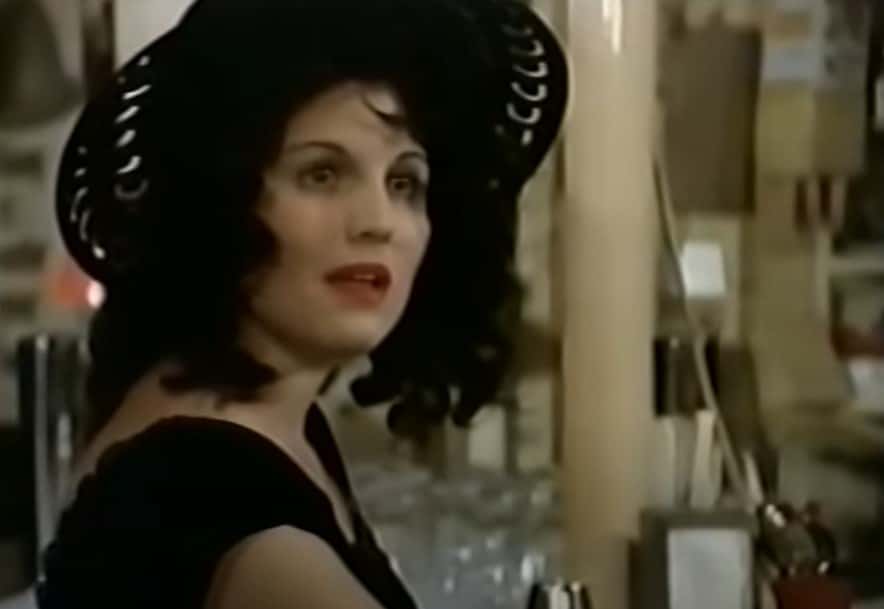 Screenshot from Who Is the Black Dahlia?, NBC (1975 TV Movie)
Rethinking Her State of Mind
Earlier narratives often portrayed Elizabeth Short as drifting without concern. Statements recorded by police shortly before January 9 suggest she was thinking about leaving Los Angeles and changing her circumstances.
 Screenshot from Who Is the Black Dahlia?, NBC (1975 TV Movie)
What Dorothy French Told Police
Dorothy French, who hosted Short on January 8–9, told investigators that Elizabeth said she was tired of her lifestyle and wanted to return east. She planned to meet someone at the Biltmore to discuss next steps, indicating intent and planning.
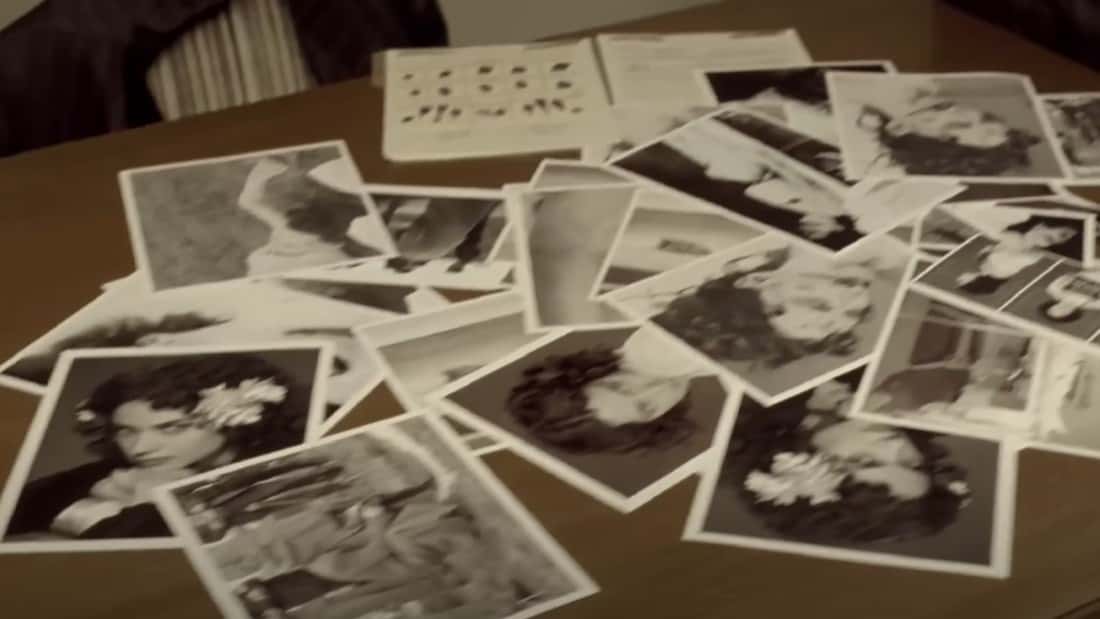 Screenshot from Who Is the Black Dahlia?, NBC (1975 TV Movie)
Caution Within Limited Options
Witnesses at the Biltmore described Short as composed and waiting, not socializing or drinking. Combined with her pattern of seeking temporary but safer housing, the records suggest awareness and caution rather than carelessness.
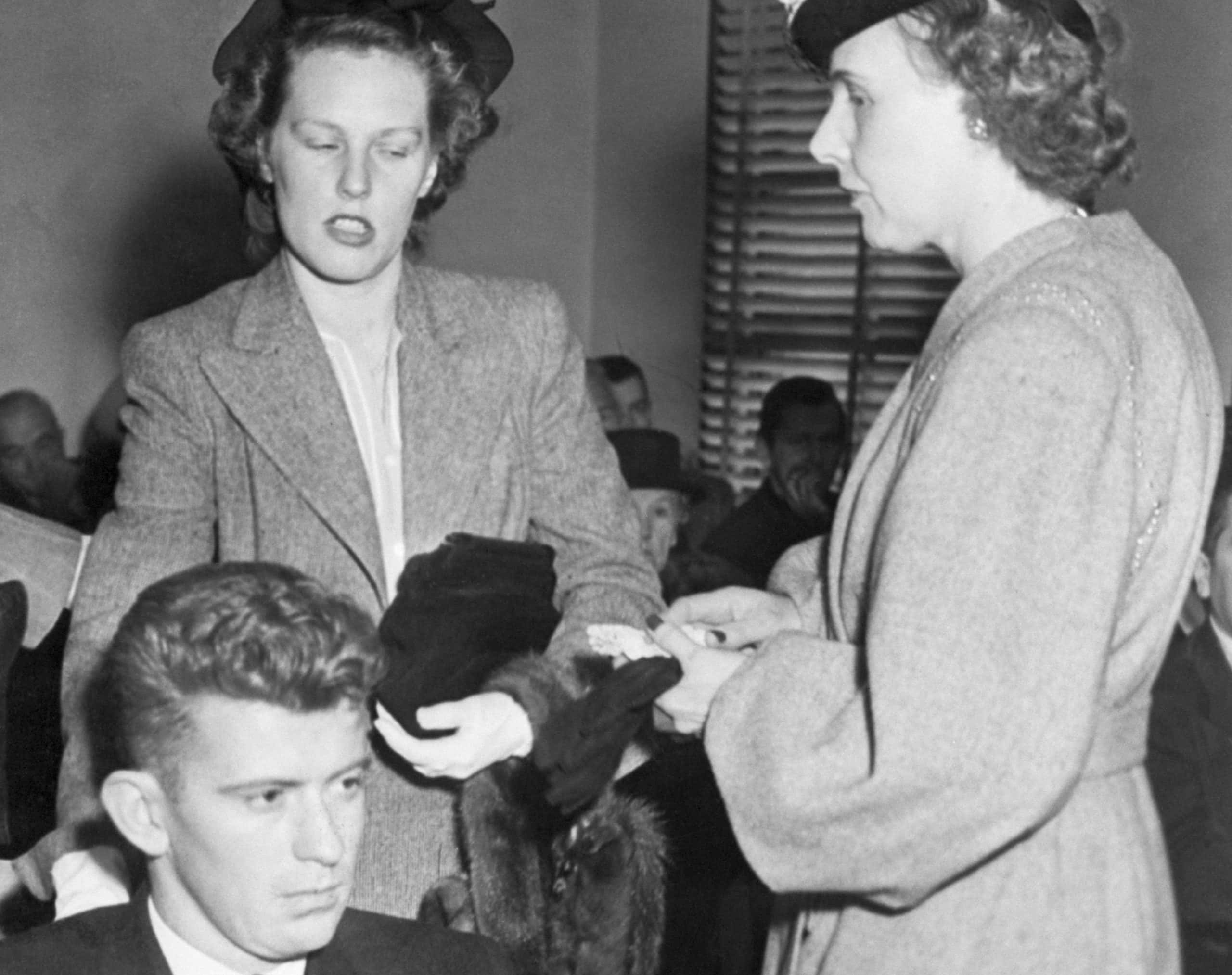
What Investigators May Have Missed
Policing in the 1940s often relied on moral judgment. Statements that didn’t fit expectations were sometimes deprioritized. Modern researchers are reassessing those decisions using documentation rather than assumptions.
 Screenshot from Who Is the Black Dahlia?, NBC (1975 TV Movie)
How the Case Is Being Reframed
Today’s historians are focusing on primary sources instead of inherited theories. Police files, contemporaneous interviews, and verified timelines are being reassessed with fewer narrative filters.
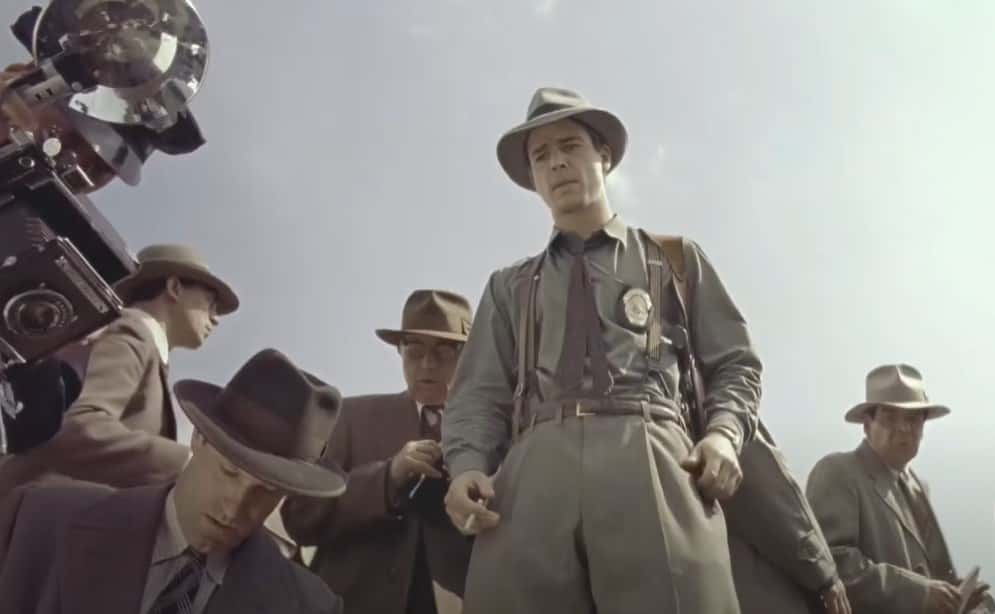 Screenshot from The Black Dahlia, Universal Pictures (2006)
Why This Doesn’t Solve the Case
The new evidence does not identify a responsible party or provide closure. Its significance lies in correcting the record and narrowing uncertainty rather than offering resolution.
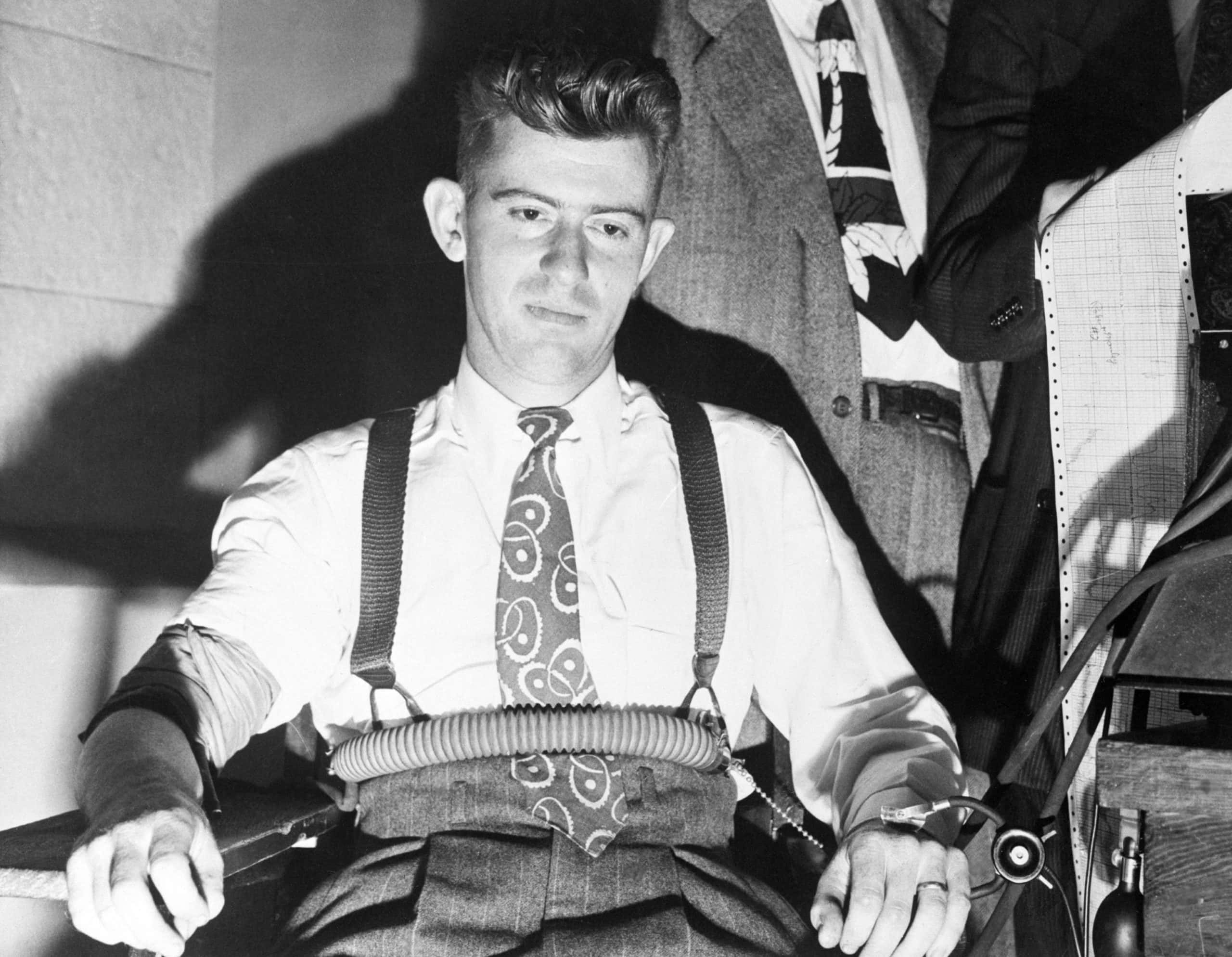
Elizabeth Short Back at the Center
This reframing places Elizabeth Short—not the nickname—back at the center of her own story. Her movements, decisions, and statements are treated as relevant evidence rather than background detail.
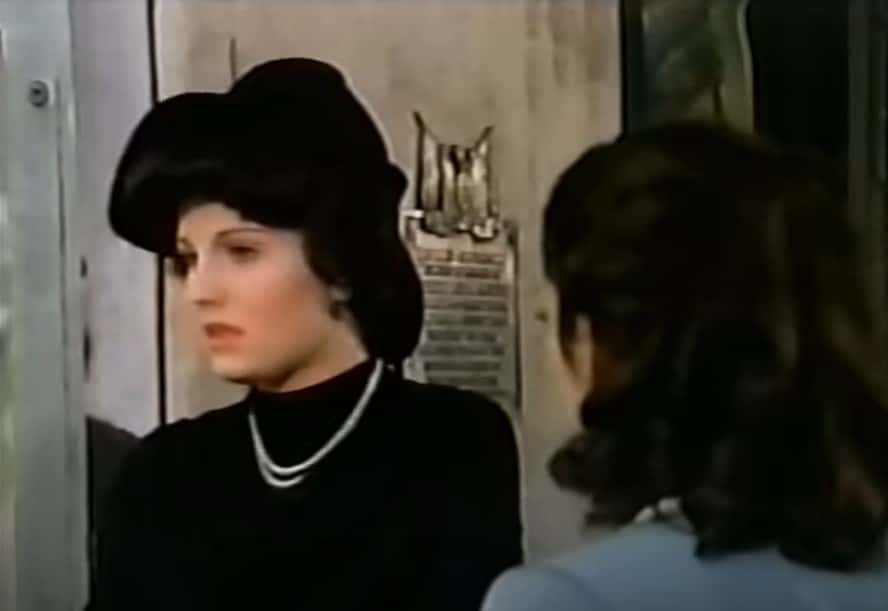 Screenshot from Who Is the Black Dahlia?, NBC (1975 TV Movie)
Why the Case Still Matters
Unresolved cases endure because they reveal how investigations can be shaped by pressure, bias, and narrative convenience. The Black Dahlia case remains one of the clearest examples.
 Screenshot from Who Is the Black Dahlia?, NBC (1975 TV Movie)
A Story Still Being Corrected
The Black Dahlia case is changing not because of spectacle, but because overlooked documentation is being reconsidered. That shift doesn’t close the story—but it makes it more accurate.
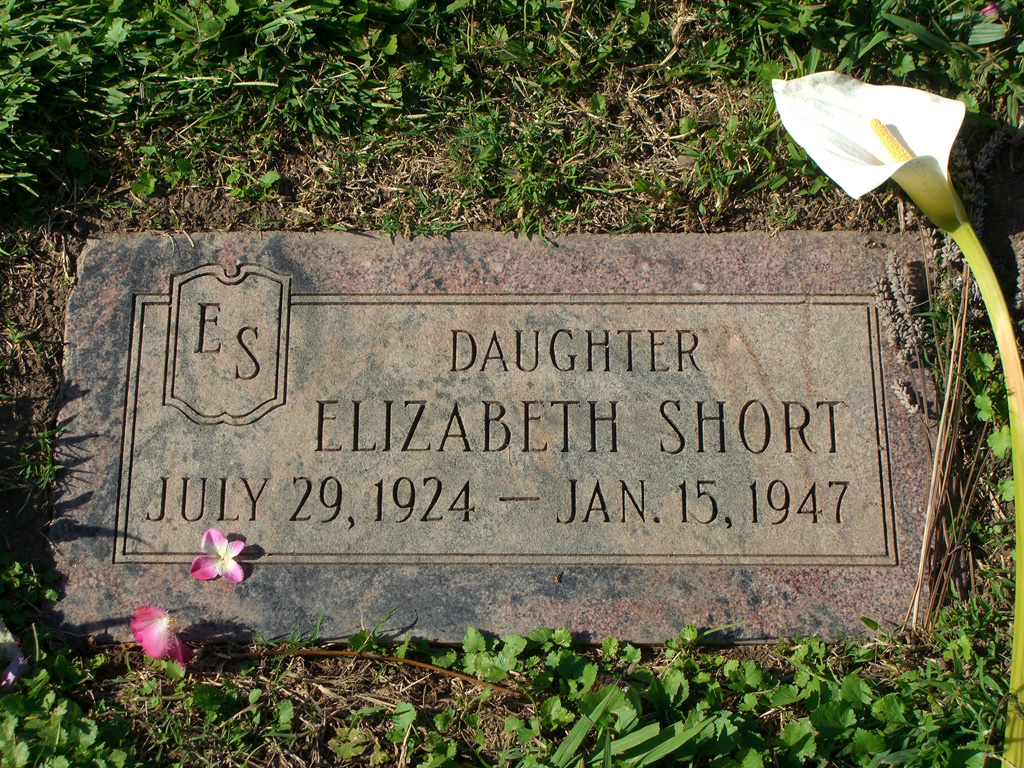 DarkCryst , CC BY-SA 3.0, Wikimedia Commons
You Might Also Like: