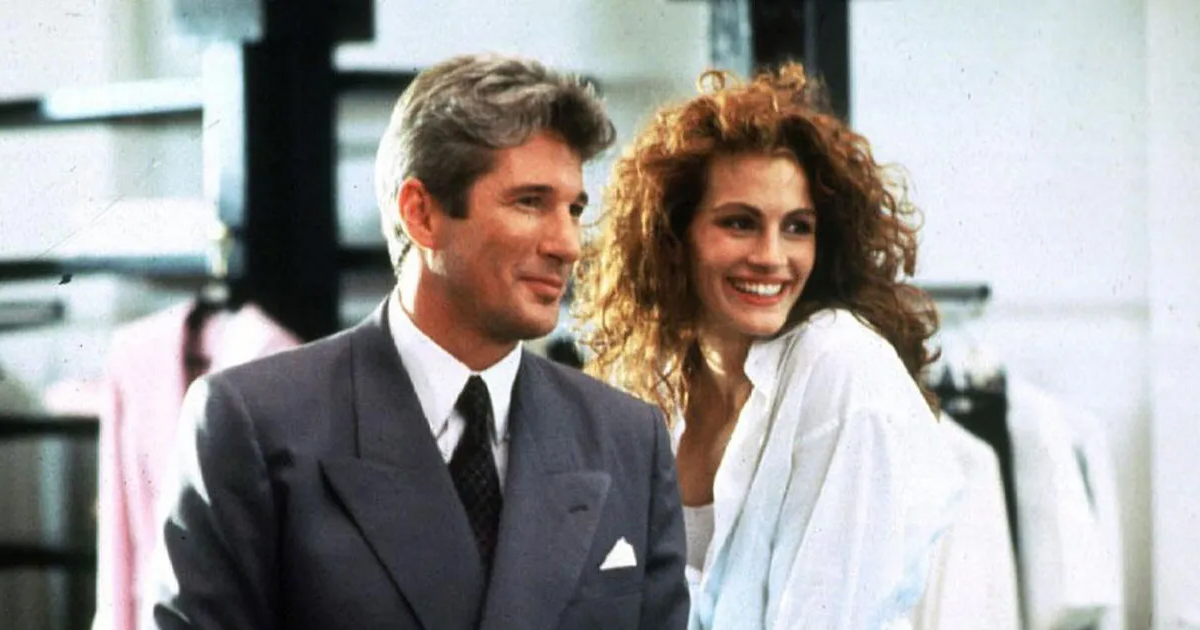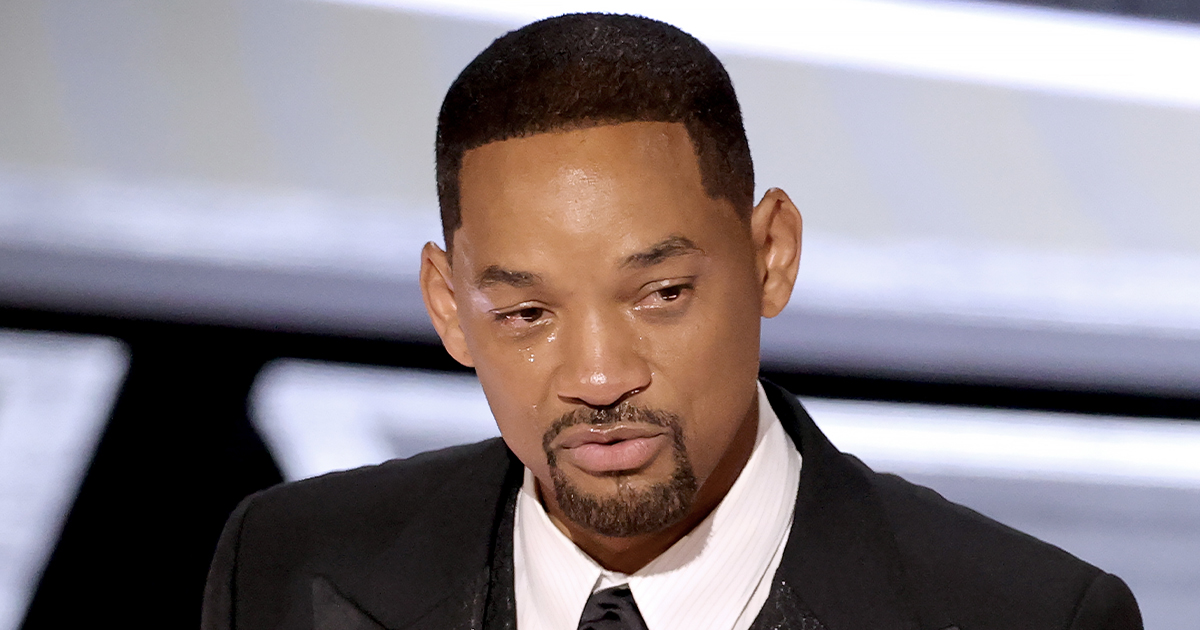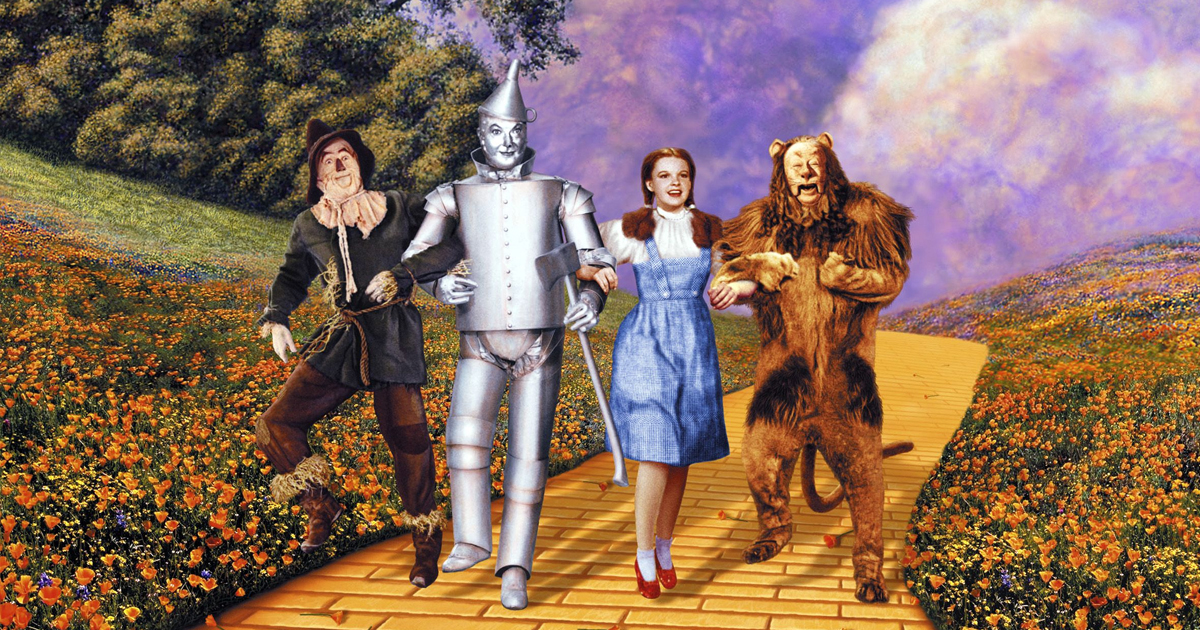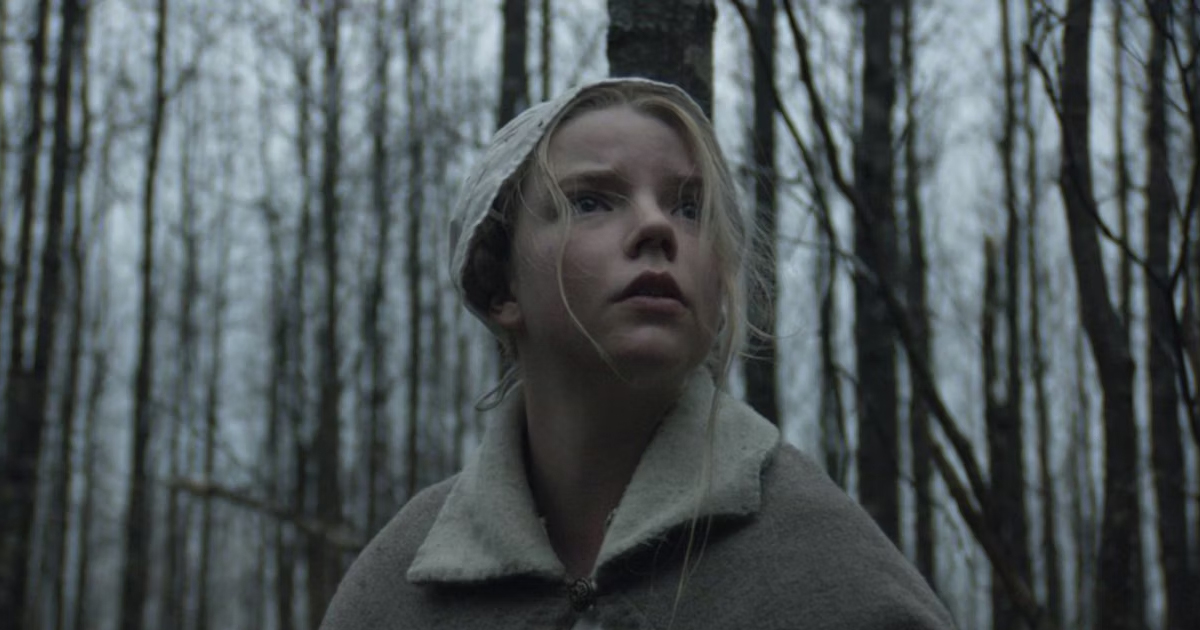
The Casting Calls That Almost Changed Hollywood
It is hard to imagine anyone else playing Indiana Jones, Michael Corleone, or Marty McFly. Yet some of Hollywood’s most iconic roles nearly went to other actors, while a few stars came dangerously close to losing the parts themselves. Here are the surprising casting stories behind the performances that changed movie history.
 Screenshot from The Godfather, Paramount Pictures (1972)
Harrison Ford as Indiana Jones
Indiana Jones almost belonged to Tom Selleck, who was the first choice for Raiders of the Lost Ark. Selleck’s commitment to Magnum, P.I. kept him from taking the movie, which opened the door for Harrison Ford. George Lucas had been hesitant to use Ford again after Star Wars, but Steven Spielberg pushed for him. The result turned Ford into the face of another blockbuster franchise.
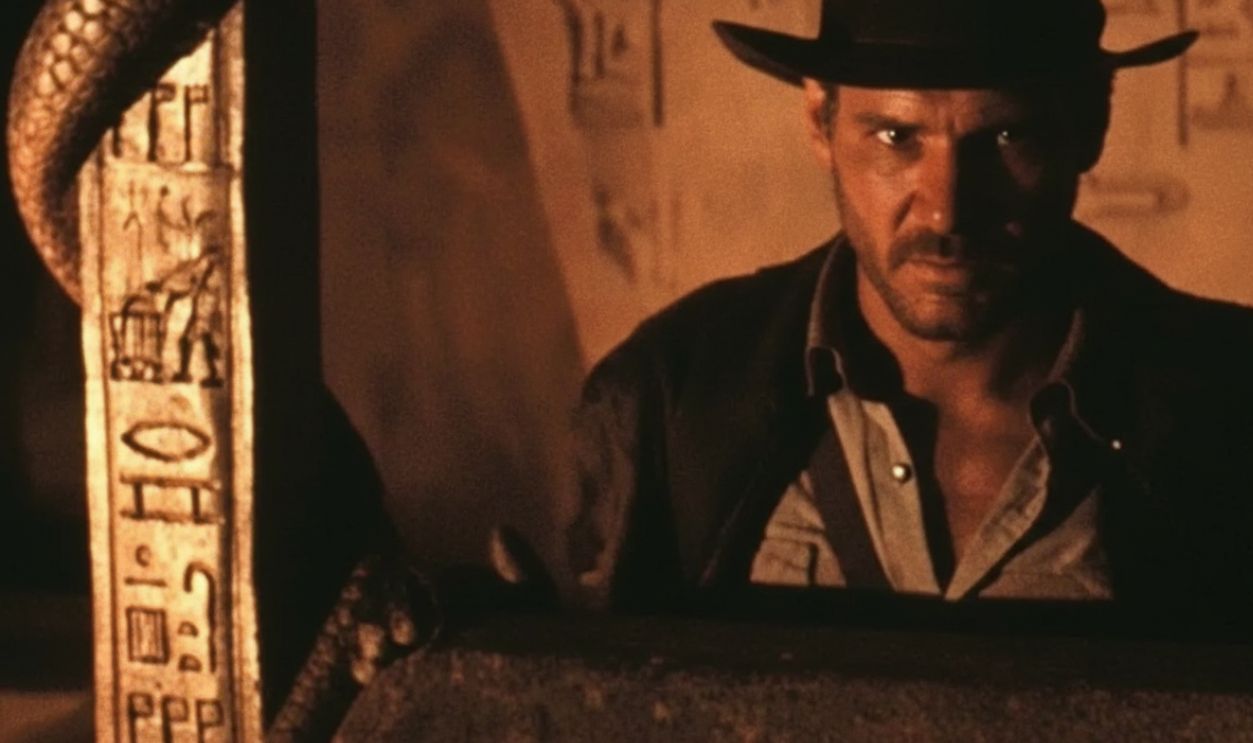 Screenshot from Raiders Of The Lost Ark, Paramount Pictures (1981)
Michael J. Fox in Back to the Future
Michael J. Fox was the filmmakers’ first choice for Marty McFly, but his Family Ties schedule initially made him unavailable. Eric Stoltz was cast and filmed for weeks before the team decided his performance was too dramatic for the comedy they wanted. Fox then joined the movie while still working on his sitcom. It was exhausting for him, but it gave Back to the Future its perfect spark.
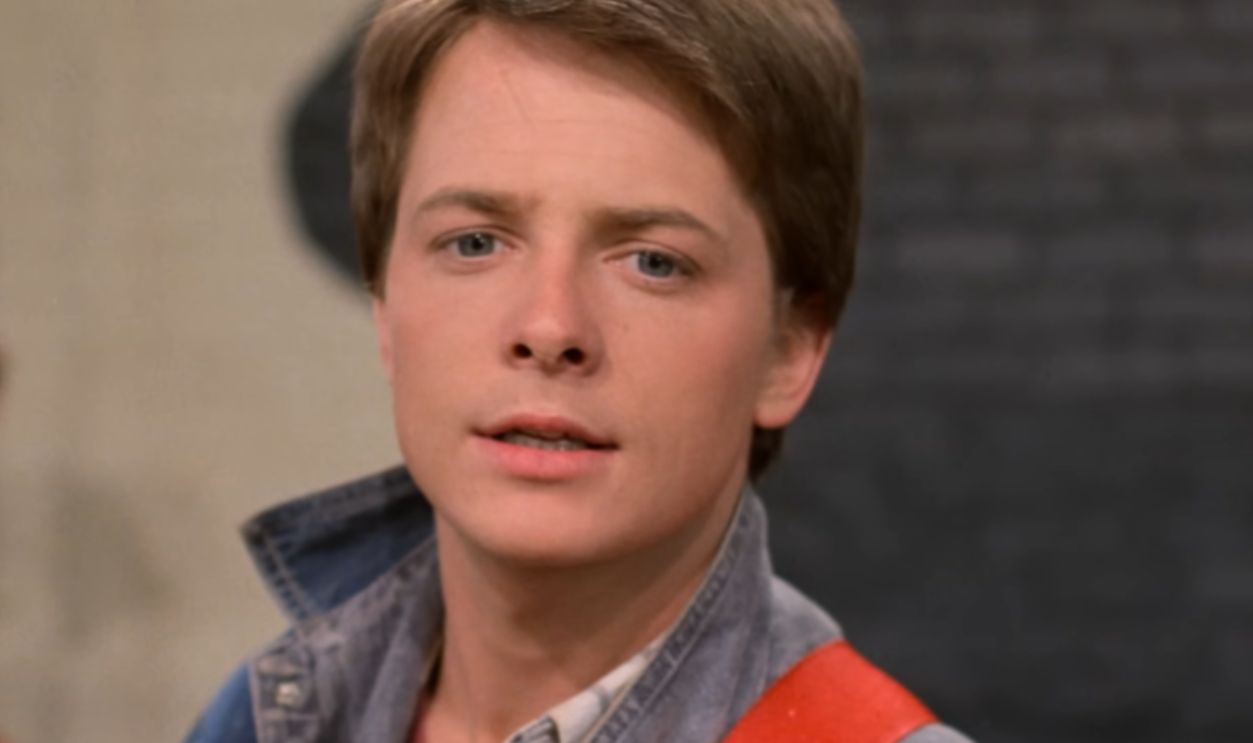 Screenshot from Back to the Future, NBCUniversal (1985)
Robert Downey Jr. as Iron Man
Robert Downey Jr. now feels inseparable from Tony Stark, but Marvel was nervous about casting him in Iron Man. His past legal troubles and insurance concerns made him a risky choice for the studio. Director Jon Favreau pushed hard because he believed Downey’s life experience made him right for the role. That gamble launched the Marvel Cinematic Universe and reshaped Downey’s career.
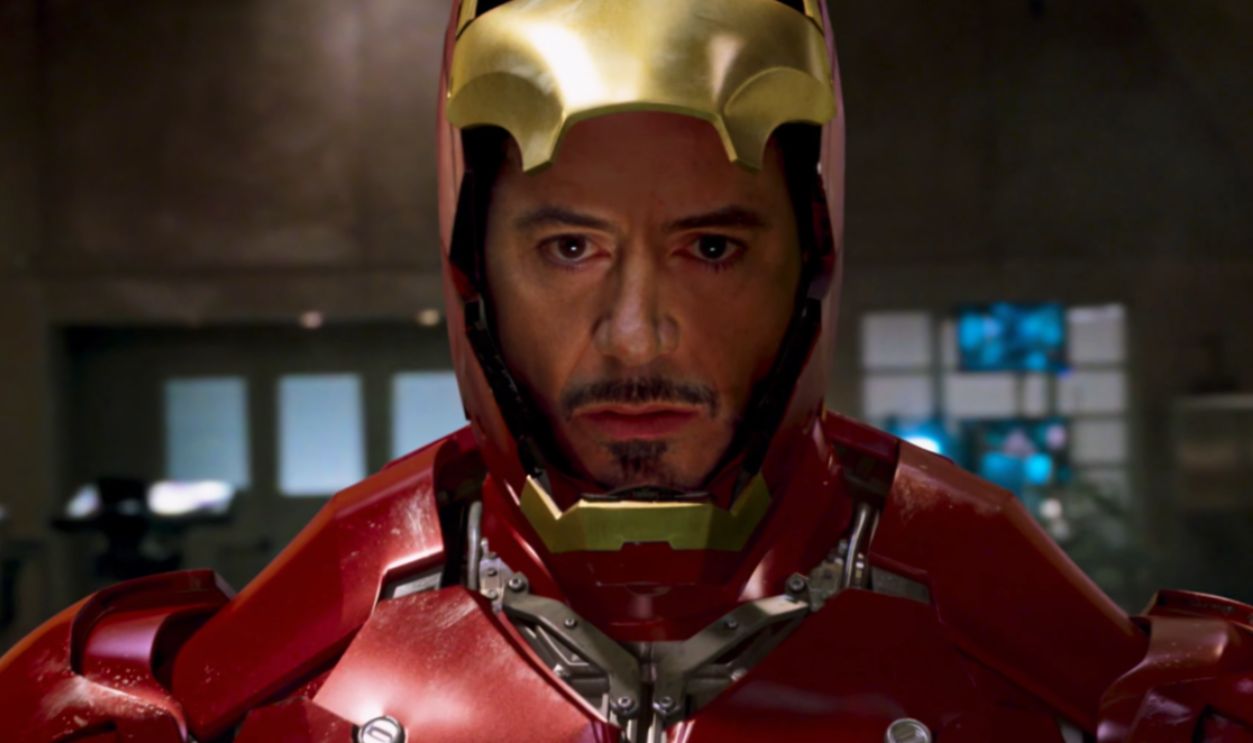 Screenshot from Iron Man, Paramount (2008)
Chris Evans as Captain America
Chris Evans did not immediately jump at the chance to play Captain America. He worried about the massive commitment and the pressure of joining a long-running franchise. Marvel kept pursuing him, and Robert Downey Jr. also encouraged him to think differently about the opportunity. Evans eventually said yes, and Steve Rogers became his defining role.
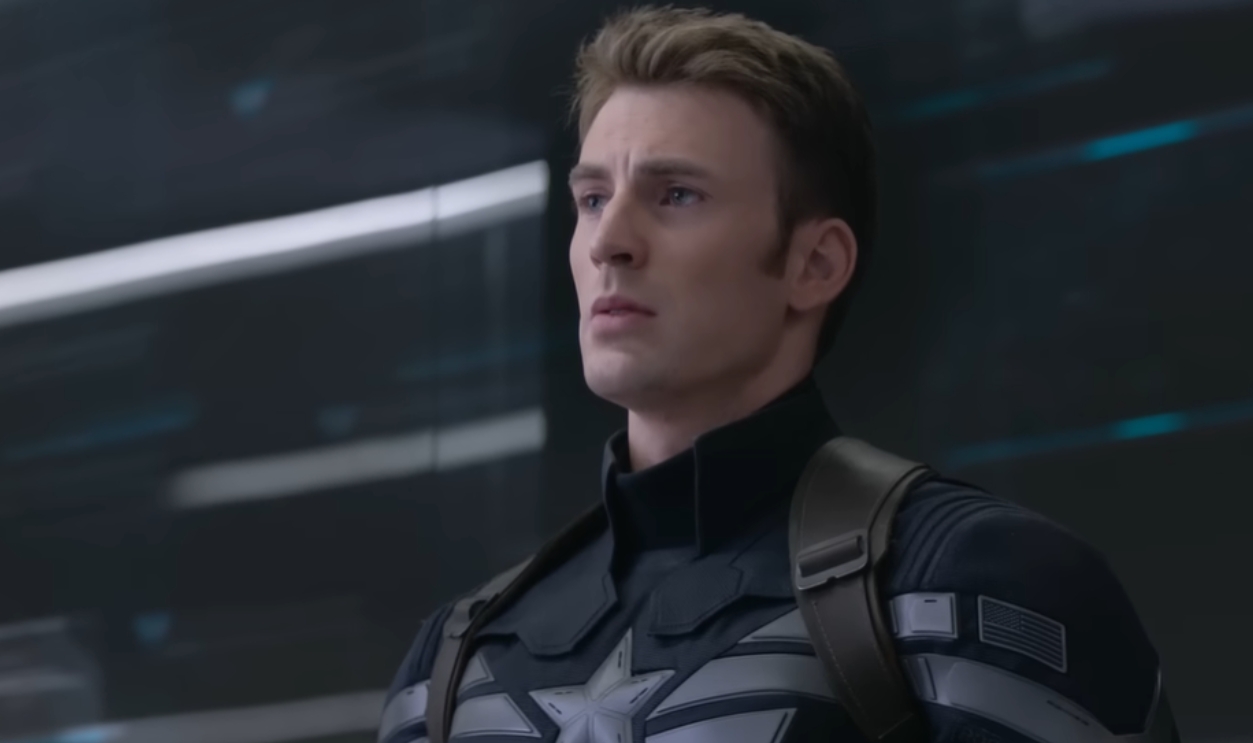 Screenshot from Captain America: The Winter Soldier, Marvel Studios (2014)
Hugh Jackman in X-Men
Hugh Jackman was not the original Wolverine in X-Men. Dougray Scott had the role first, but delays on Mission: Impossible 2 forced him to drop out. Jackman was brought in late and had to catch up quickly. His performance became so popular that he played Wolverine across decades of films.
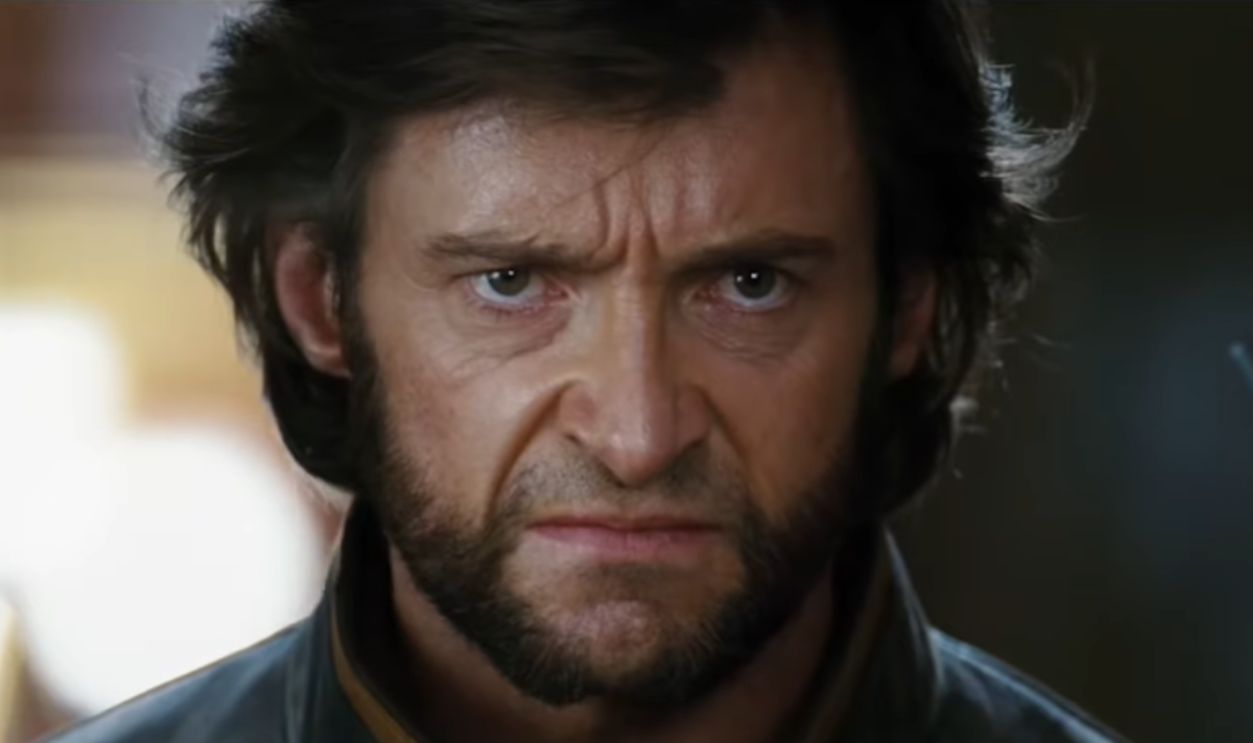 Screenshot from X-Men Origins: Wolverine, 20th Century Studios (2009)
Viggo Mortensen in The Lord of the Rings
Stuart Townsend was originally cast as Aragorn in The Lord of the Rings. Shortly before filming began, Peter Jackson decided Townsend was not the right fit for the role. Viggo Mortensen was offered the part and accepted after encouragement from his son, who loved Tolkien. He stepped into a massive production and became the rugged heart of the trilogy.
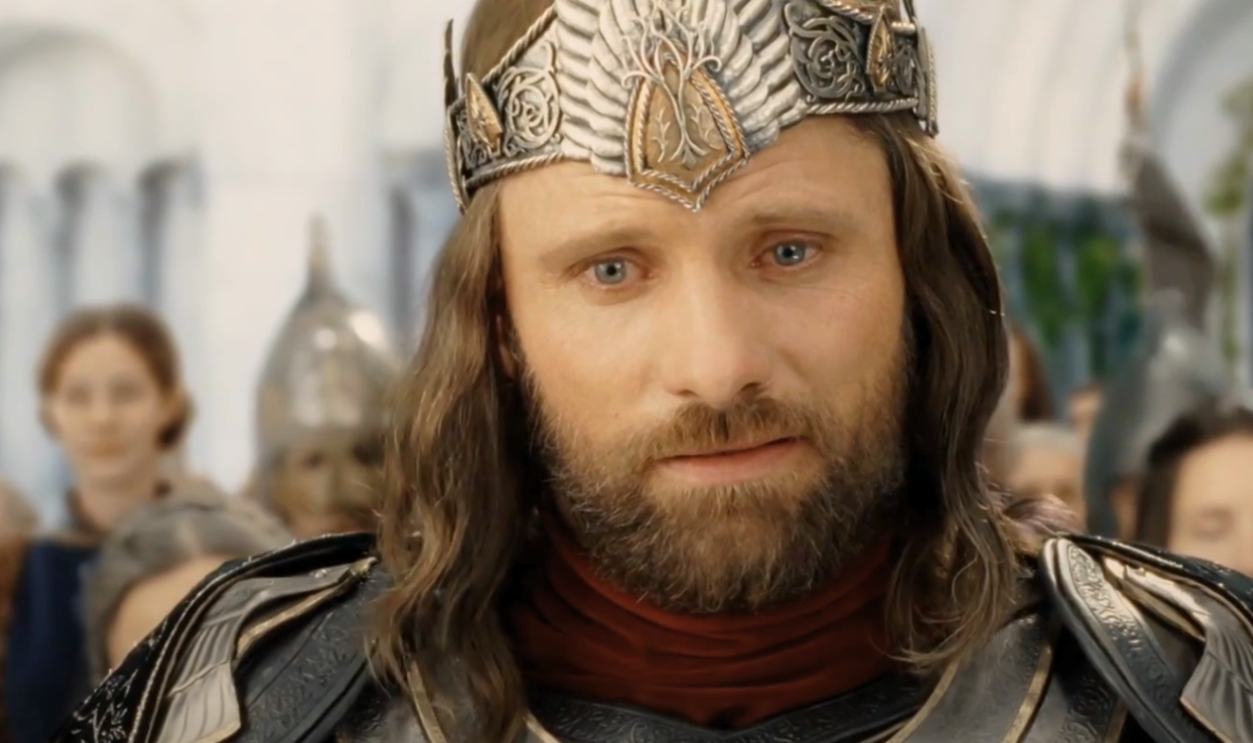 Screenshot from The Lord Of The Rings: The Return Of The King, Warner Bros. Pictures(2003)
Leonardo DiCaprio in Titanic
Leonardo DiCaprio was already a rising star when James Cameron considered him for Jack Dawson in Titanic. Cameron said DiCaprio resisted doing a screen test because he thought the meeting was more casual. The director made it clear that no reading meant no role. DiCaprio eventually tested with Kate Winslet, and the chemistry sealed it.
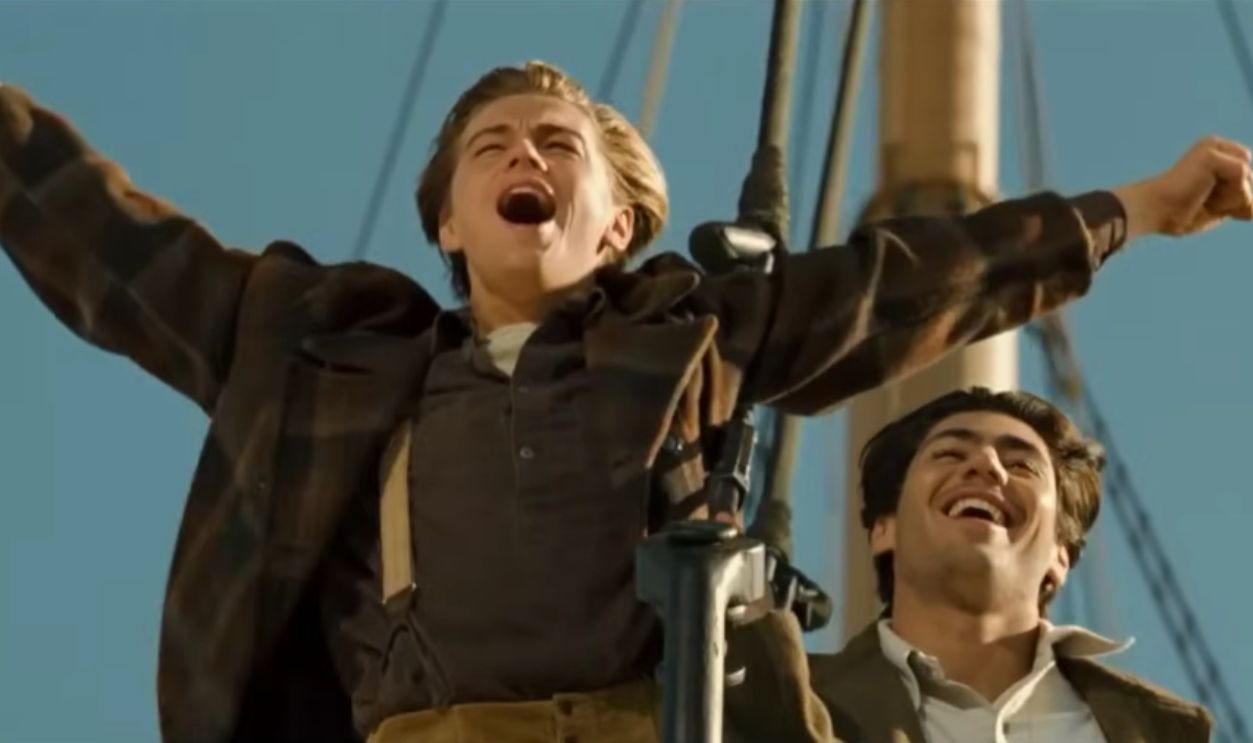 Screenshot from Titanic, Paramount Pictures(1997)
Jennifer Lawrence in The Hunger Games
Jennifer Lawrence knew The Hunger Games could change her life, and that scared her. She worried about losing privacy and being trapped by franchise fame. After taking time to think, she accepted the role of Katniss Everdeen. The decision turned her into one of the biggest movie stars of the 2010s.
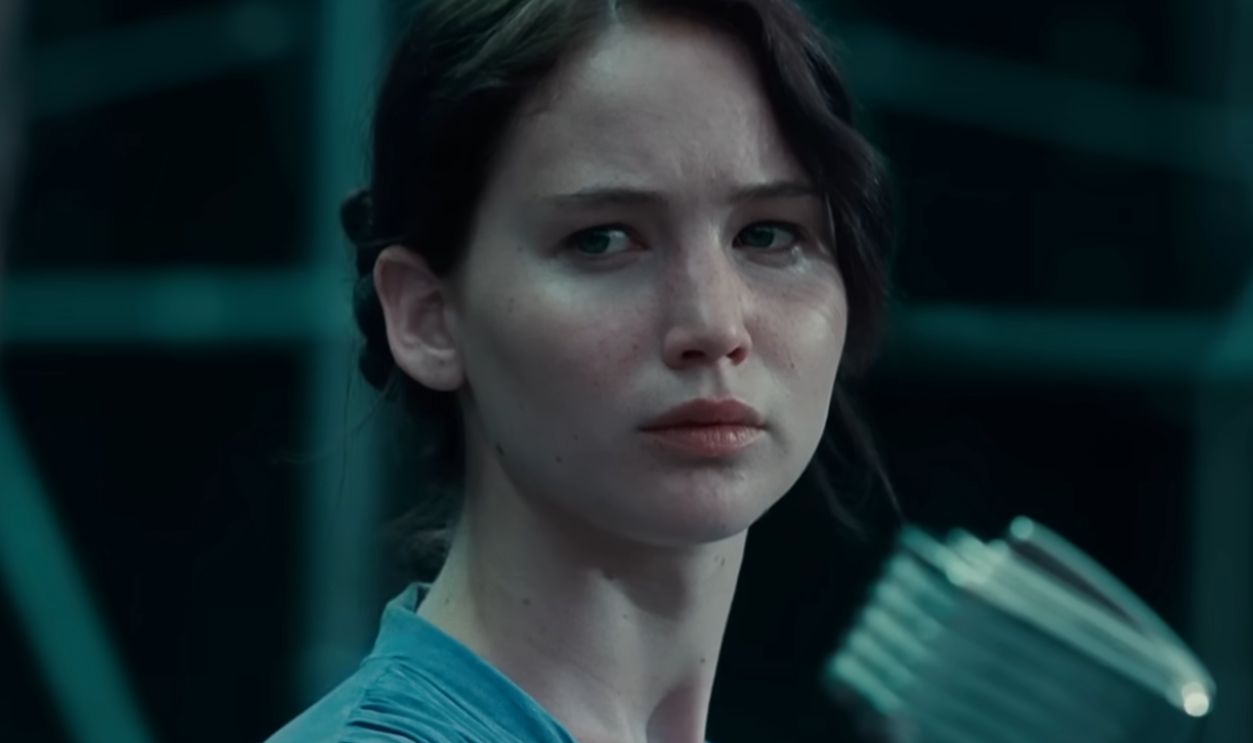 Screenshot from The Hunger Games, Lionsgate(2012)
Al Pacino in The Godfather
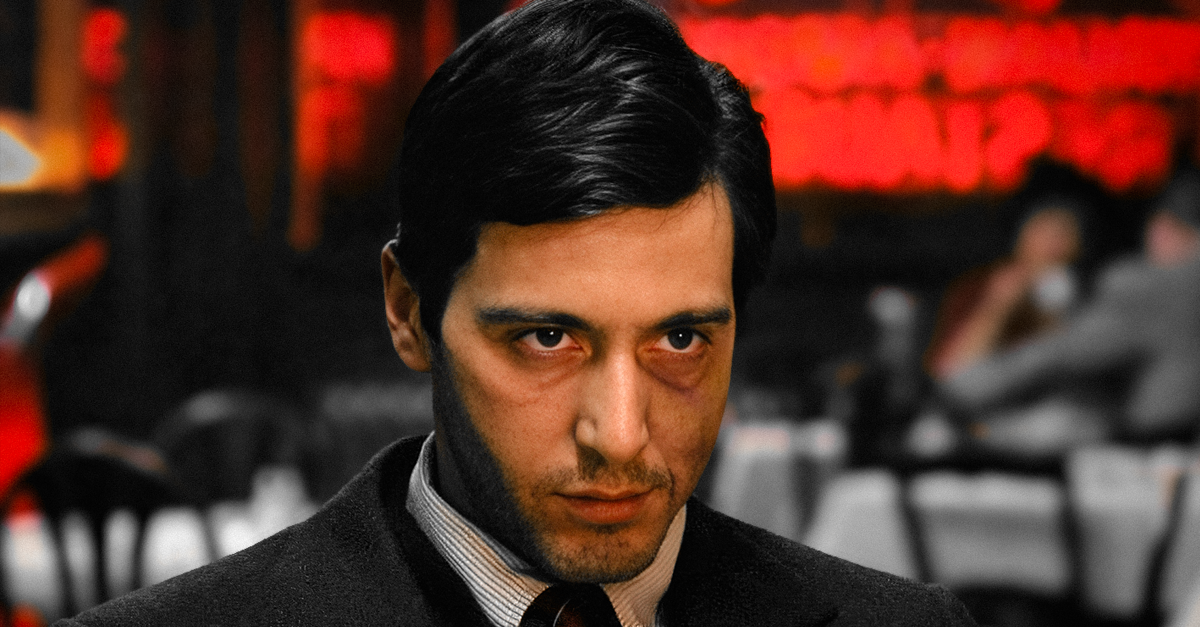
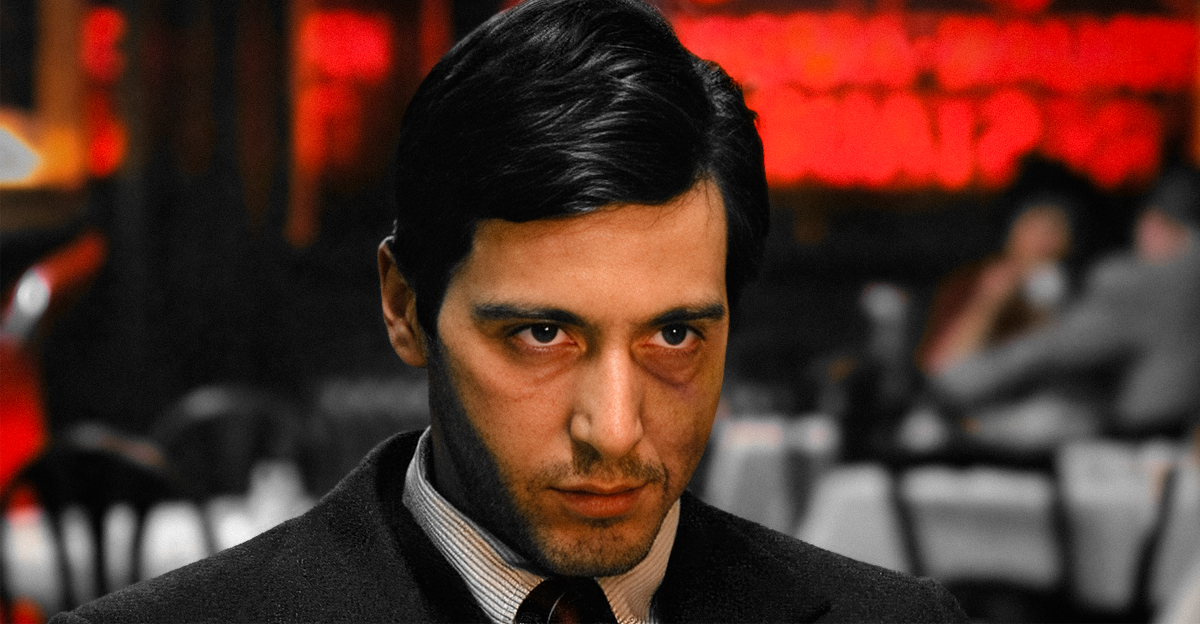
Al Pacino’s quiet, watchful take on Michael Corleone did not immediately convince everyone behind The Godfather. The studio wanted a more obvious leading man, and Pacino later said he was close to being fired during production. Francis Ford Coppola stuck with him, and the restaurant assassination scene helped prove the performance was working. That patience gave movie history one of its most chilling transformations.
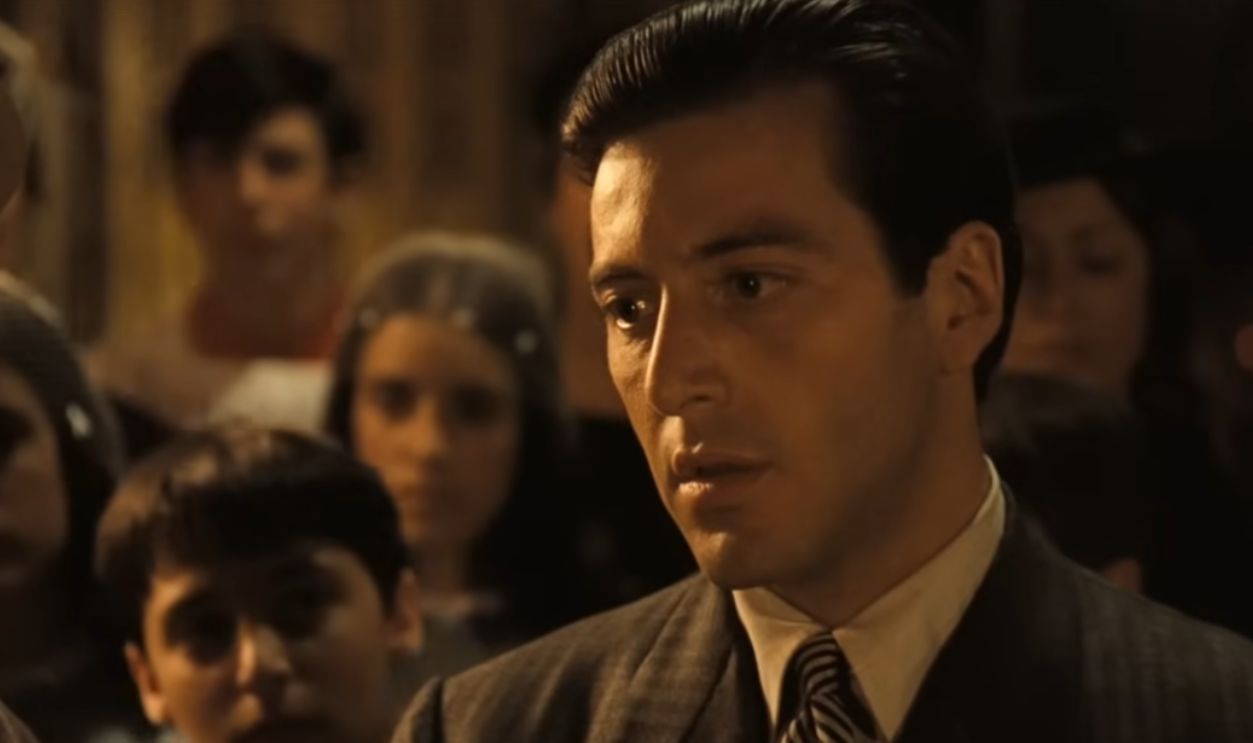 Screenshot from The Godfather, Paramount Pictures (1972)
Daniel Radcliffe in Harry Potter
Daniel Radcliffe’s parents were protective when the Harry Potter opportunity came along. They initially worried about the disruption that a huge film series could bring to his childhood. The production plan changed enough to make the commitment more manageable. Radcliffe took the role and grew up on screen as one of cinema’s most recognizable young heroes.
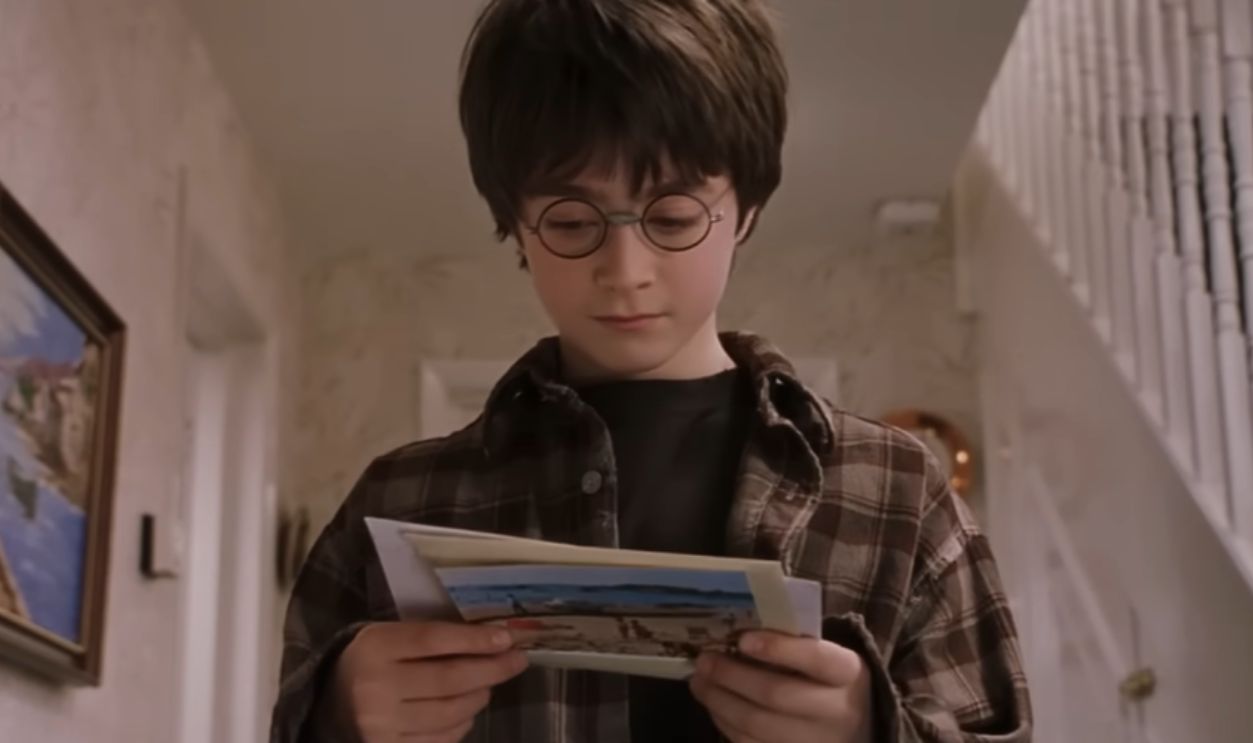 Screenshot from Harry Potter And The Sorcerer's Stone, Warner Bros. Pictures (2001)
Emma Watson in Harry Potter
Emma Watson became famous very young as Hermione Granger, and that fame came with pressure. During the later Harry Potter years, she admitted she questioned whether she wanted to continue. Her castmates and the production team understood how intense the experience had become. Watson stayed through the finale, giving Hermione a full and beloved arc.
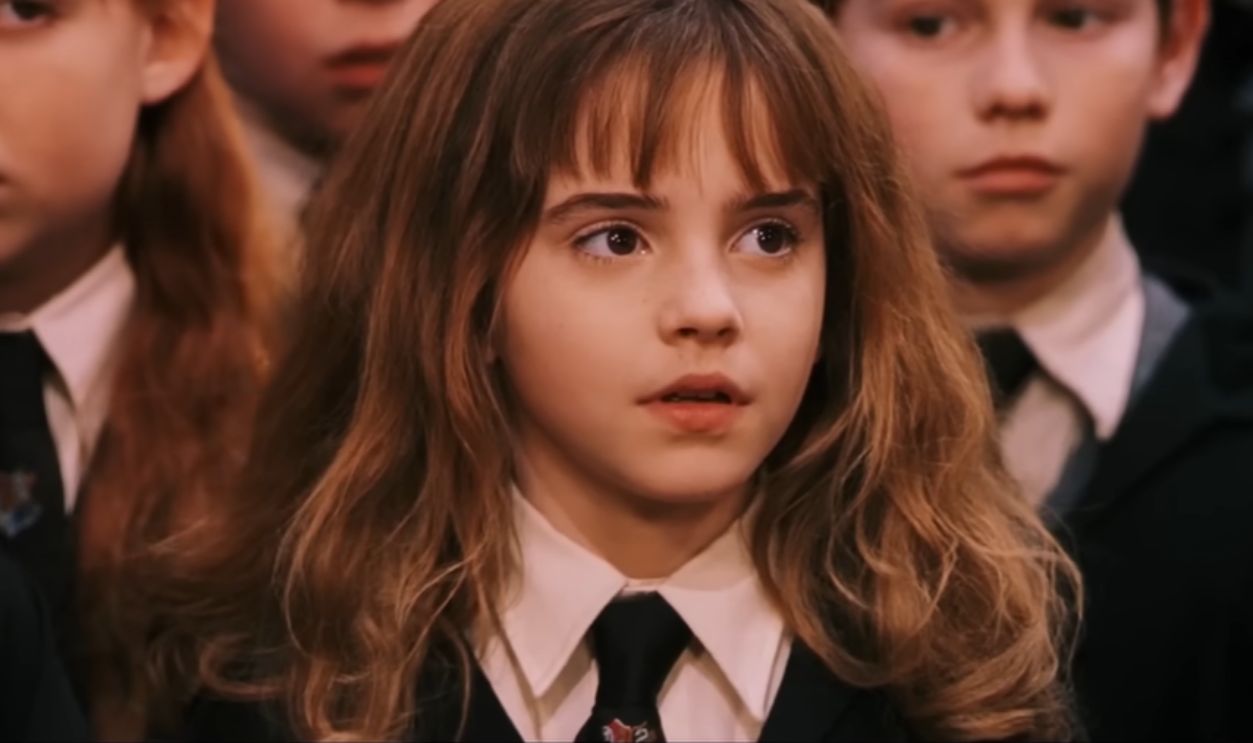 Screenshot from Harry Potter And The Sorcerer's Stone, Warner Bros. Pictures (2001)
Anne Hathaway in The Devil Wears Prada
Anne Hathaway has said she was not the first choice for Andy Sachs in The Devil Wears Prada. In fact, she later revealed she was the ninth choice for the part. She kept pursuing the movie because she felt strongly connected to it. Her persistence paid off with one of the most rewatchable performances of her career.
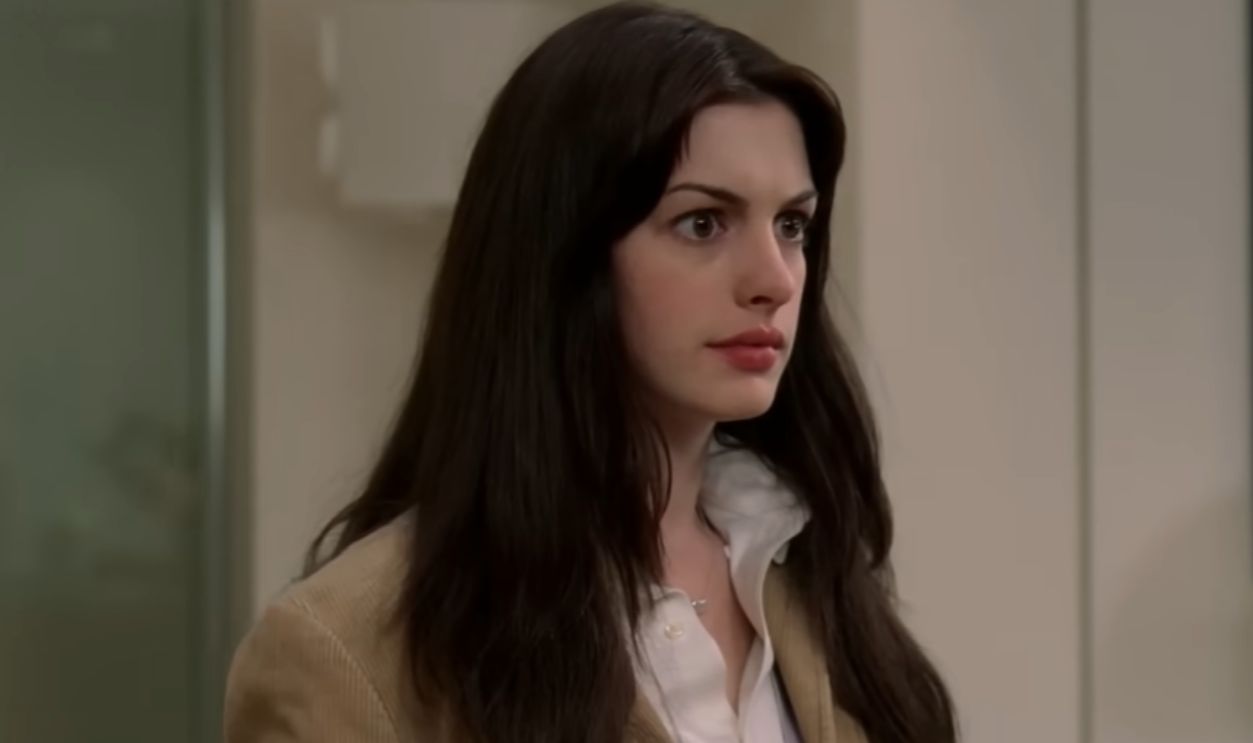 Screenshot from The Devil Wears Prada, 20th Century Fox (2006)
Reese Witherspoon in Legally Blonde
Reese Witherspoon nearly missed Legally Blonde because executives associated her with the sharp, ambitious character she played in Election. She said one studio head saw her as too serious and not right for Elle Woods. Witherspoon had to show she could bring warmth, style, and comedy to the part. Once she did, Elle became a pop culture icon.
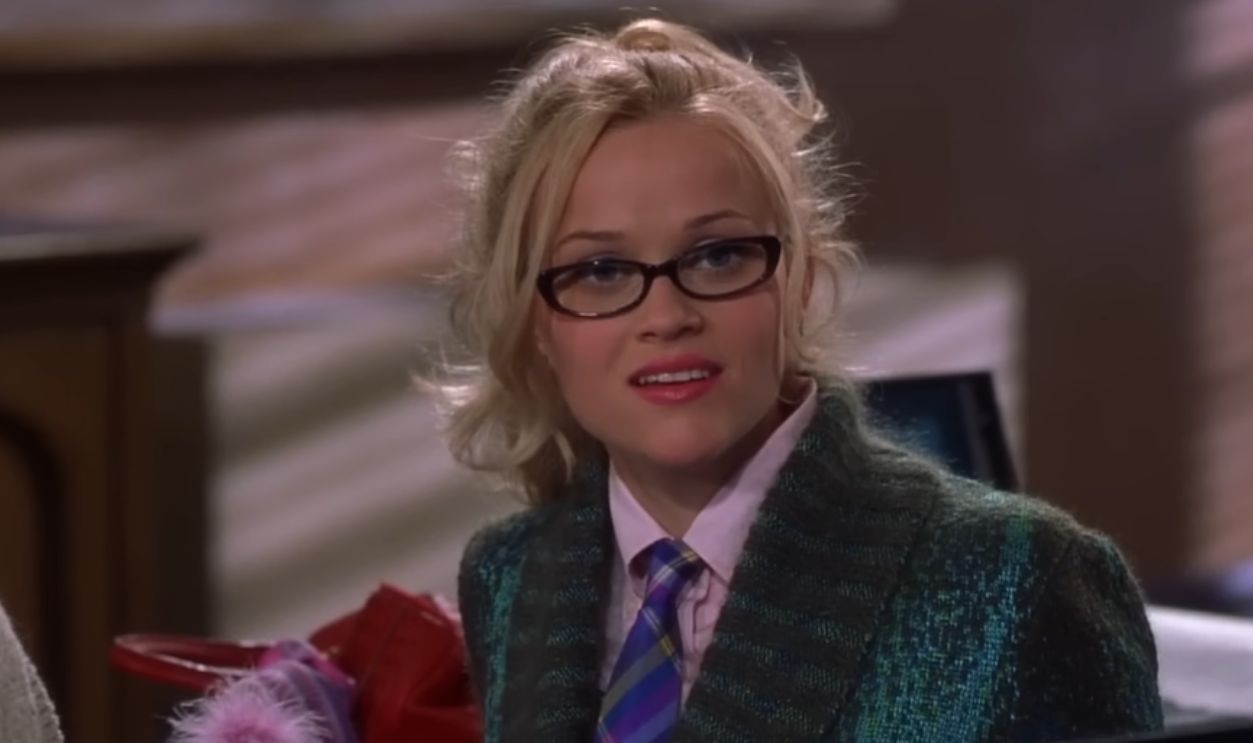 Screenshot from Legally Blonde, Metro-Goldwyn-Mayer (2001)
Uma Thurman in Pulp Fiction
Uma Thurman did not instantly accept the role of Mia Wallace in Pulp Fiction. Quentin Tarantino wanted her badly enough that he reportedly read the script to her over the phone. Thurman eventually said yes, and the role earned her an Oscar nomination. Mia’s black bob, white shirt, and cool stare became instantly recognizable.
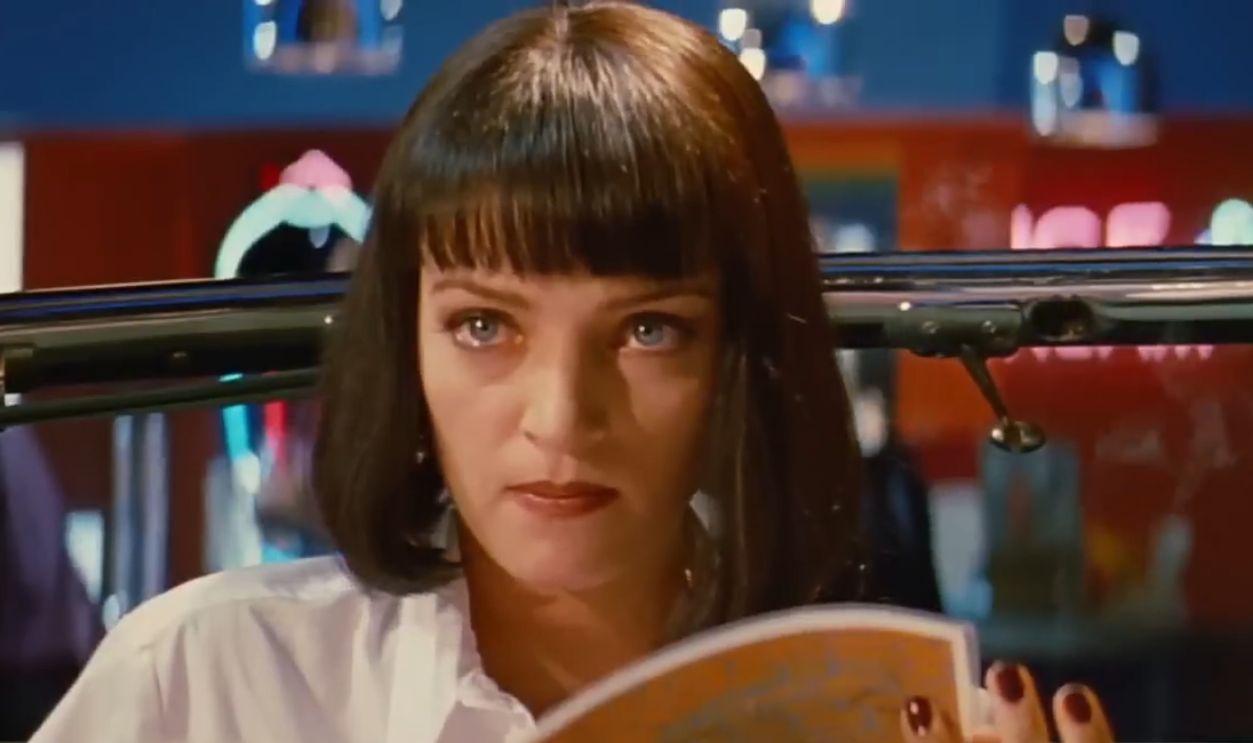 Screenshot from Pulp Fiction, Miramax Films (1994)
John Travolta in Pulp Fiction
John Travolta’s career was in a slump before Pulp Fiction. Quentin Tarantino believed in him, but there were other names in the mix and industry doubts about Travolta’s box office power. Tarantino held firm and cast him as Vincent Vega. The role revived Travolta’s career and gave the movie one of its most unexpected pleasures.
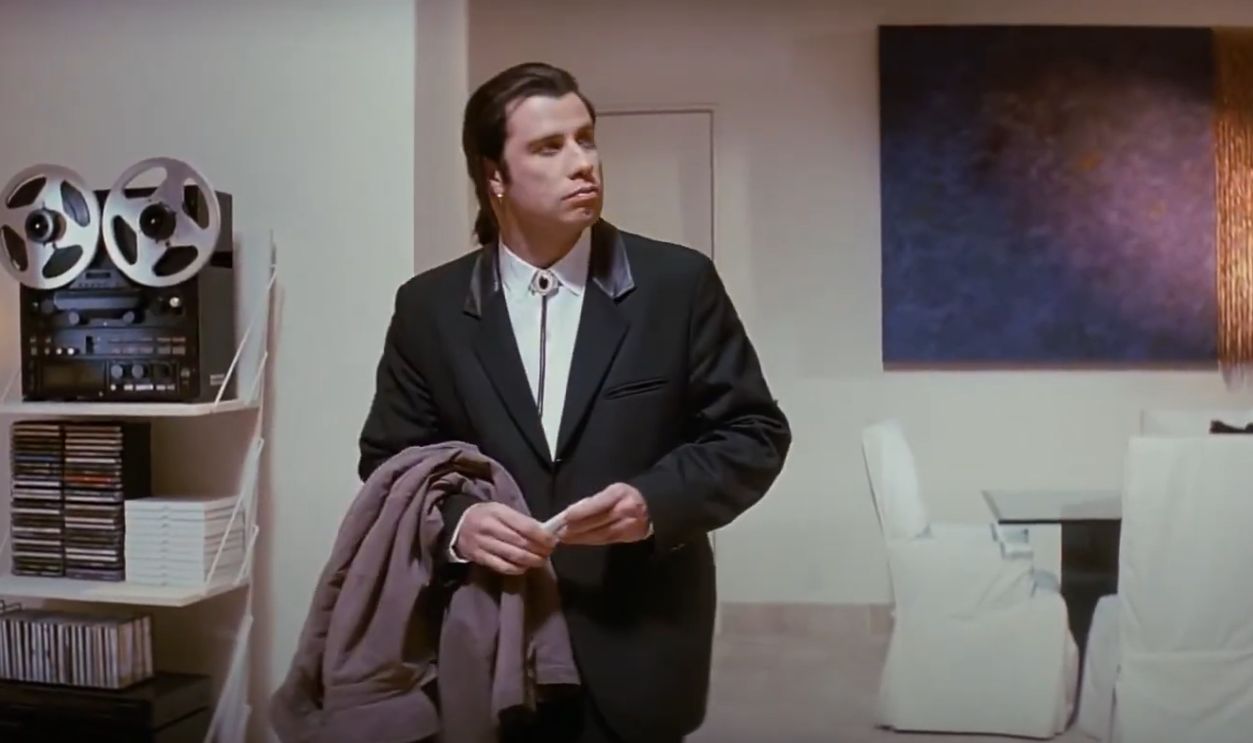 Screenshot from Pulp Fiction, Miramax Films (1994)
Sylvester Stallone in Rocky
Sylvester Stallone wrote Rocky, but producers initially wanted the script more than they wanted him as the star. He turned down major money because he insisted on playing Rocky Balboa himself. That decision was risky because Stallone was struggling financially at the time. His bet on himself led to an Oscar-winning classic and a lifelong screen identity.
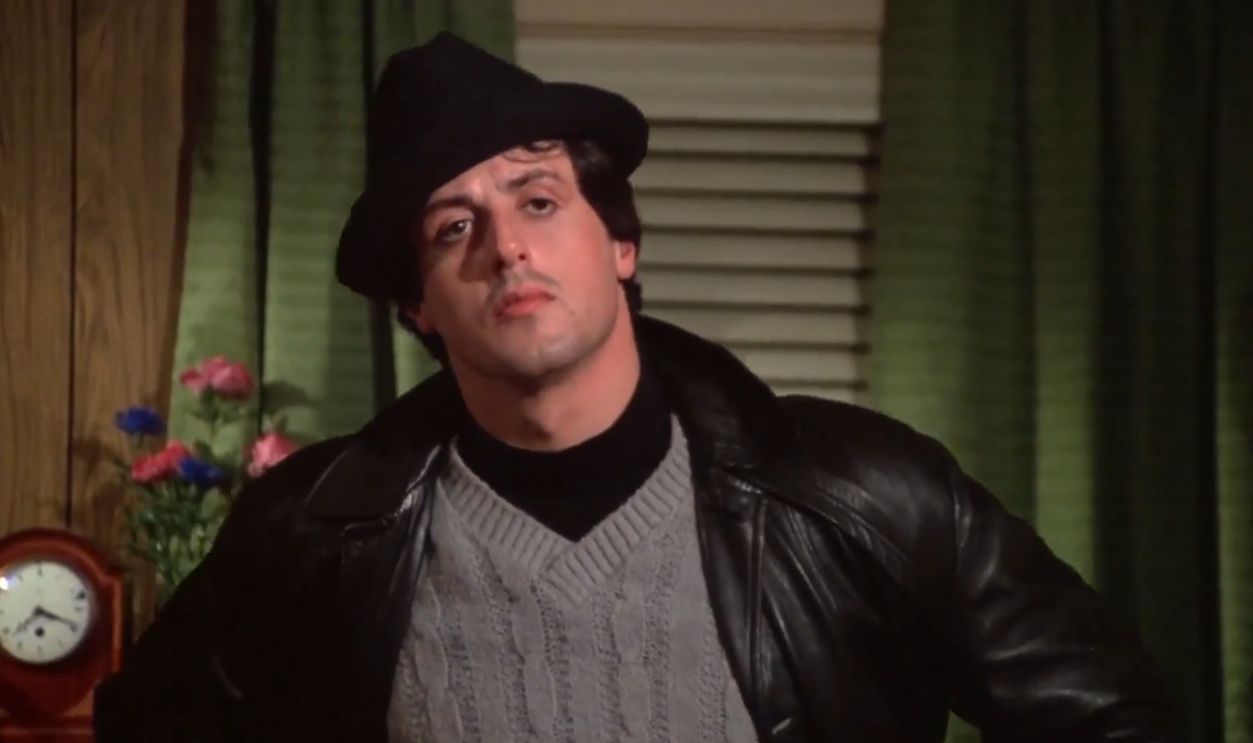 Screenshot from Rocky, United Artists (1976)
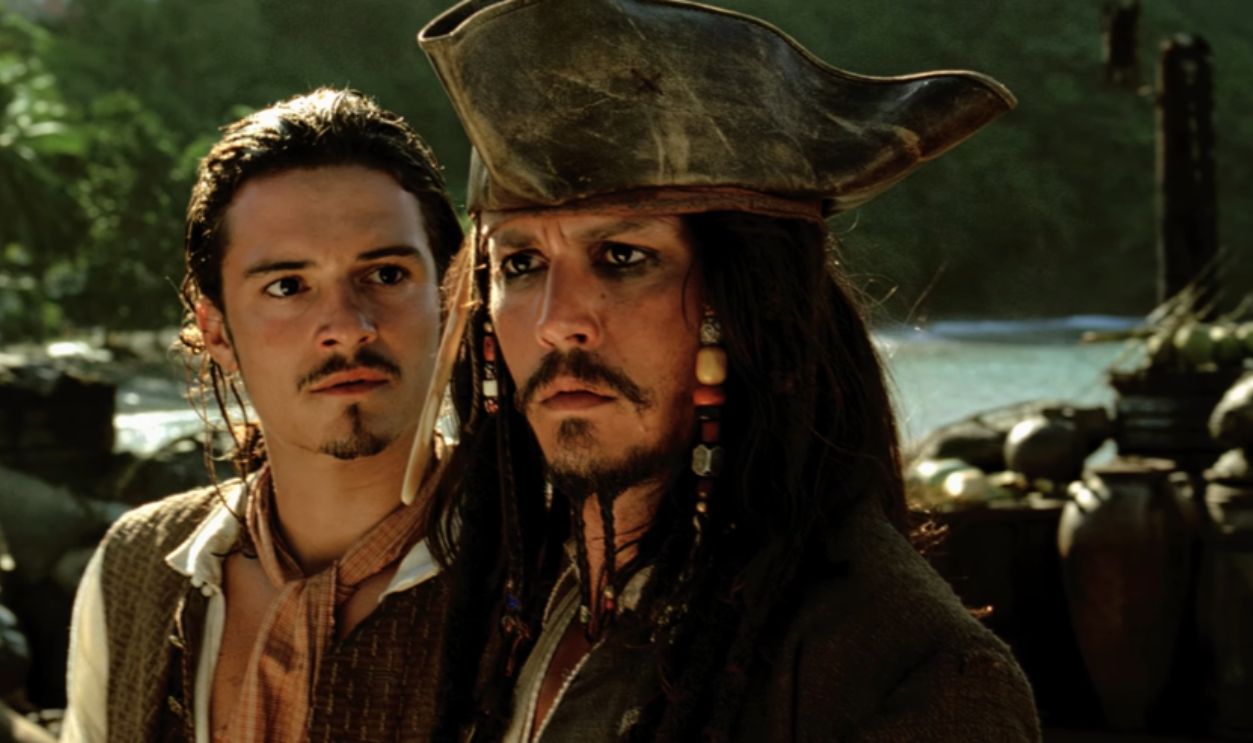
Johnny Depp as Captain Jack Sparrow
Johnny Depp’s Captain Jack Sparrow was not an easy sell at Disney. Executives were reportedly alarmed by his eccentric choices, including the character’s mannerisms, teeth, and accessories. Depp stayed committed to the performance, with director Gore Verbinski backing him. Jack Sparrow became the breakout attraction of Pirates of the Caribbean.
Arnold Schwarzenegger in The Terminator
Arnold Schwarzenegger was first discussed for Kyle Reese in The Terminator, not the killer cyborg. James Cameron later realized Schwarzenegger’s presence and ideas made him more compelling as the machine. The switch changed the entire movie. With only a few words and a terrifying stare, Schwarzenegger became a sci-fi legend.
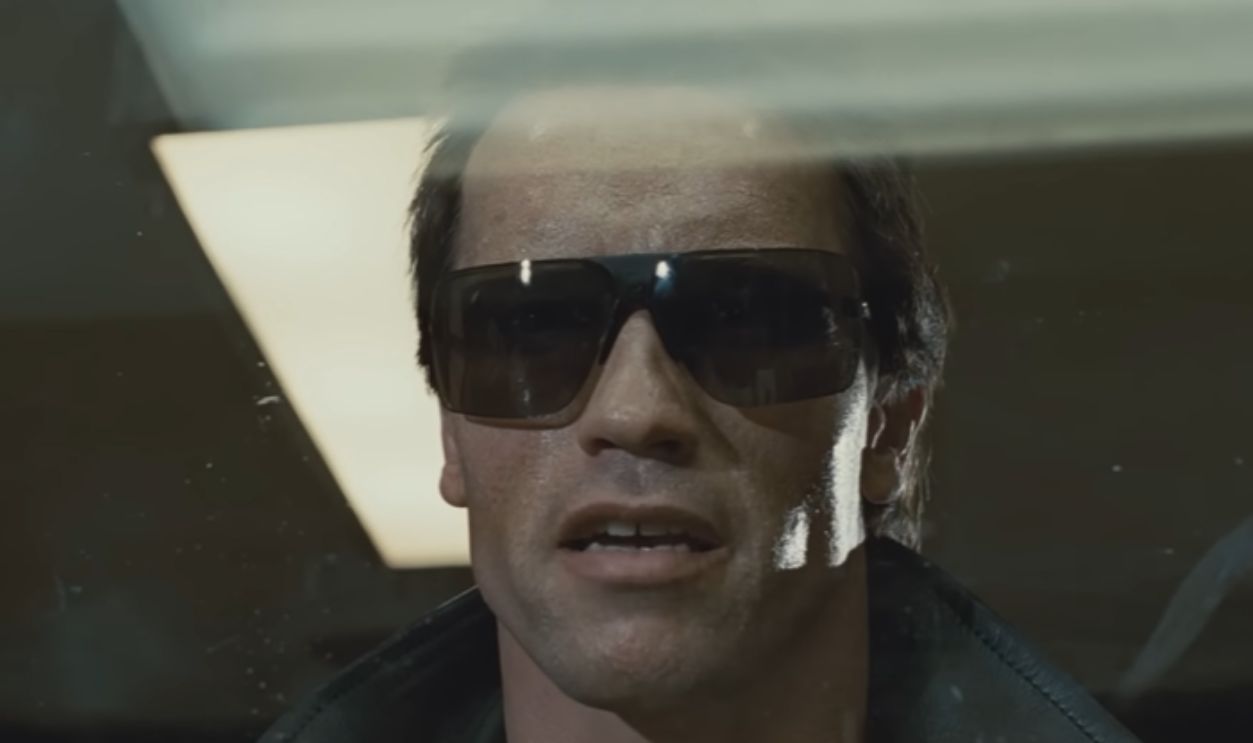 Screenshot from The Terminator, Orion Pictures (1984)
Keanu Reeves in The Matrix
Before Keanu Reeves became Neo in The Matrix, Will Smith was offered the role. Smith later explained that he did not fully connect with the Wachowskis’ pitch and chose Wild Wild West instead. Reeves stepped into the part and brought a calm, searching quality to the character. The movie became a landmark of late 1990s action cinema.
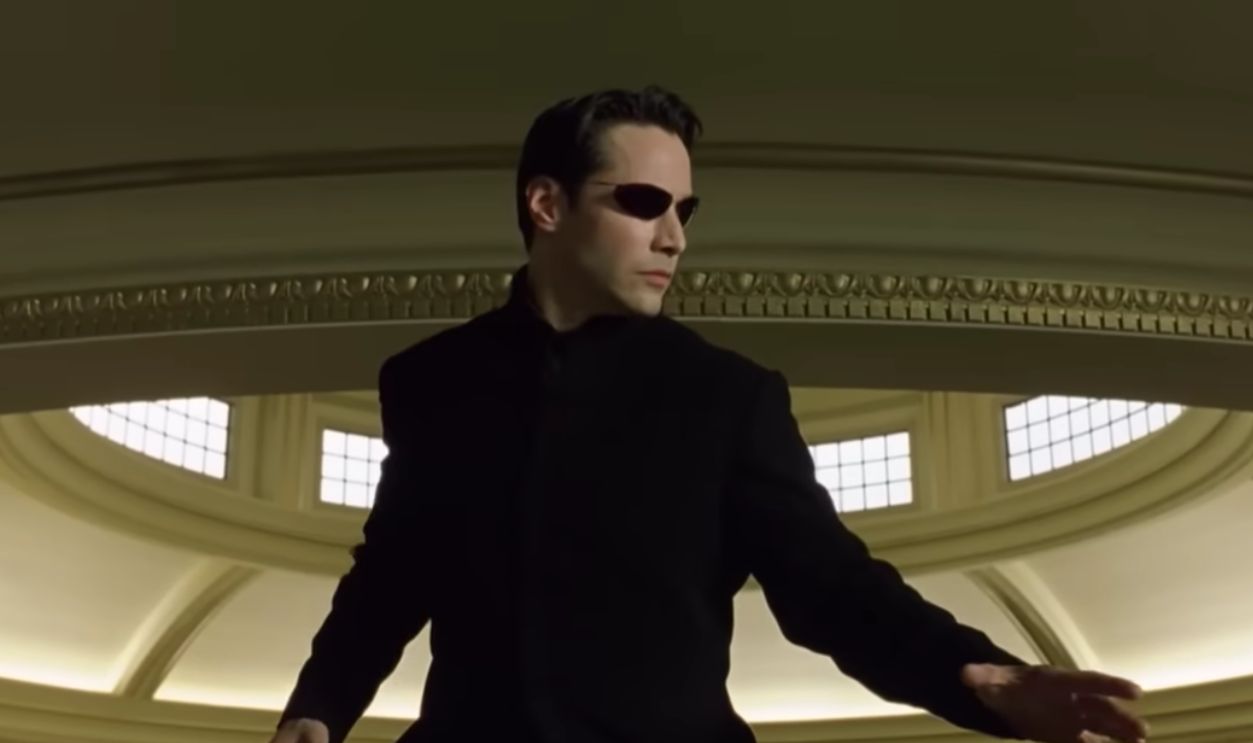 Screenshot from The Matrix, Warner Bros. (1999)
Daniel Craig as James Bond
Daniel Craig was offered James Bond, but he was not immediately convinced. He worried the series had become too formulaic and questioned whether the role was right for him. Reading the finished Casino Royale script changed his mind. His grittier Bond helped reboot the franchise for a new era.
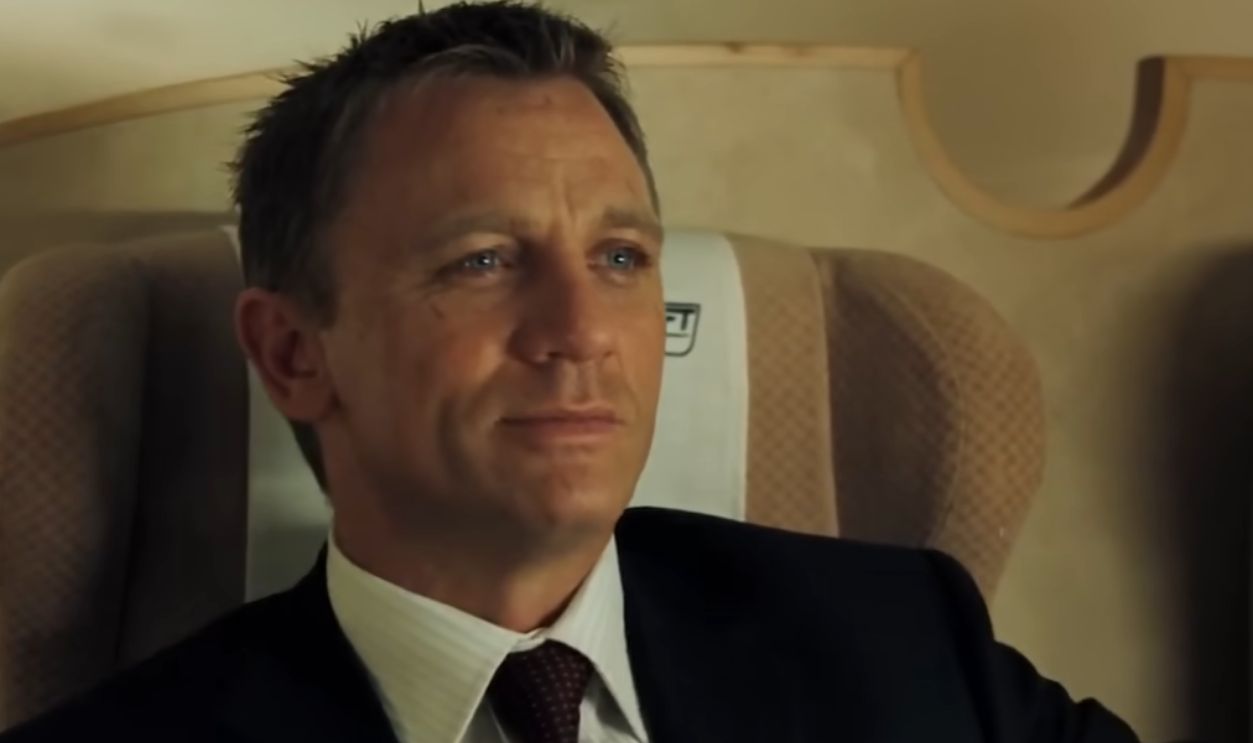 Screenshot from Casino Royale, Sony Pictures Releasing (2006)
Tom Hanks as Forrest Gump
Forrest Gump went through major casting possibilities before Tom Hanks took the role. John Travolta has said he passed on the film, a decision he later recognized as a mistake. Hanks brought sincerity and emotional clarity to Forrest without turning him into a joke. The performance won him his second consecutive Best Actor Oscar.
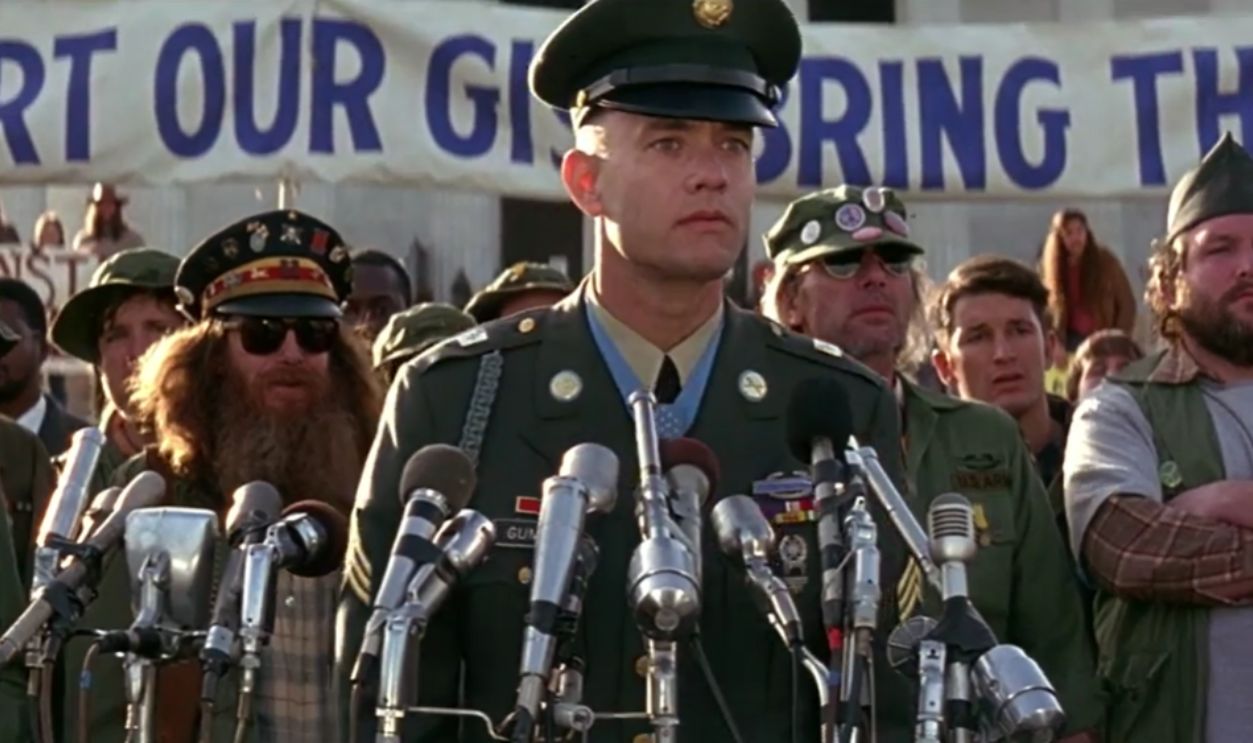 Screenshot from Forrest Gump, Paramount Pictures (1994)
Julia Roberts in Pretty Woman
Julia Roberts was attached to an earlier, darker version of the project that became Pretty Woman. When the original company folded and Disney developed the film as a romantic comedy, the role could have slipped away. Director Garry Marshall kept Roberts in mind and helped reshape the movie around her charm. The result made her America’s sweetheart almost overnight.
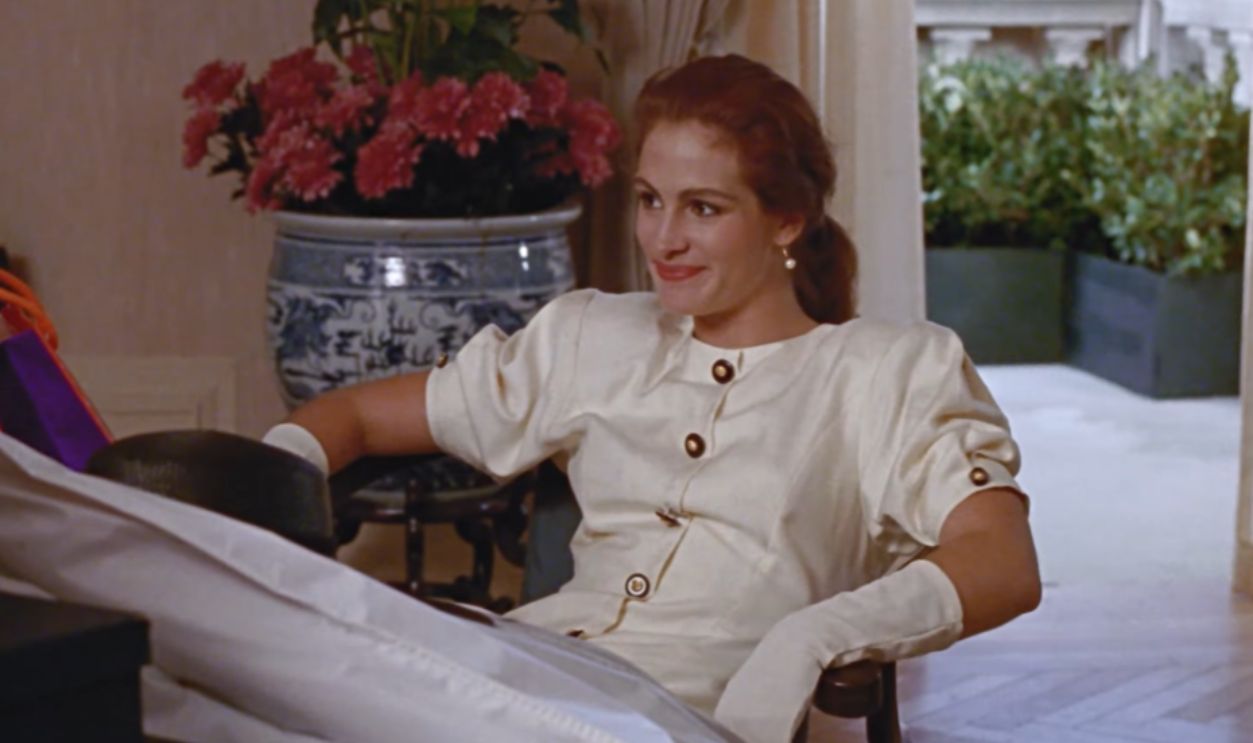 Screenshot from Pretty Woman, Buena Vista Pictures (1990)
Sandra Bullock in Speed
Sandra Bullock was not yet a huge star when she joined Speed. The role of Annie had been considered for other actresses before Bullock landed it. Her relaxed humor and chemistry with Keanu Reeves gave the thriller a human pulse. After the film became a hit, Bullock’s leading-lady career took off.
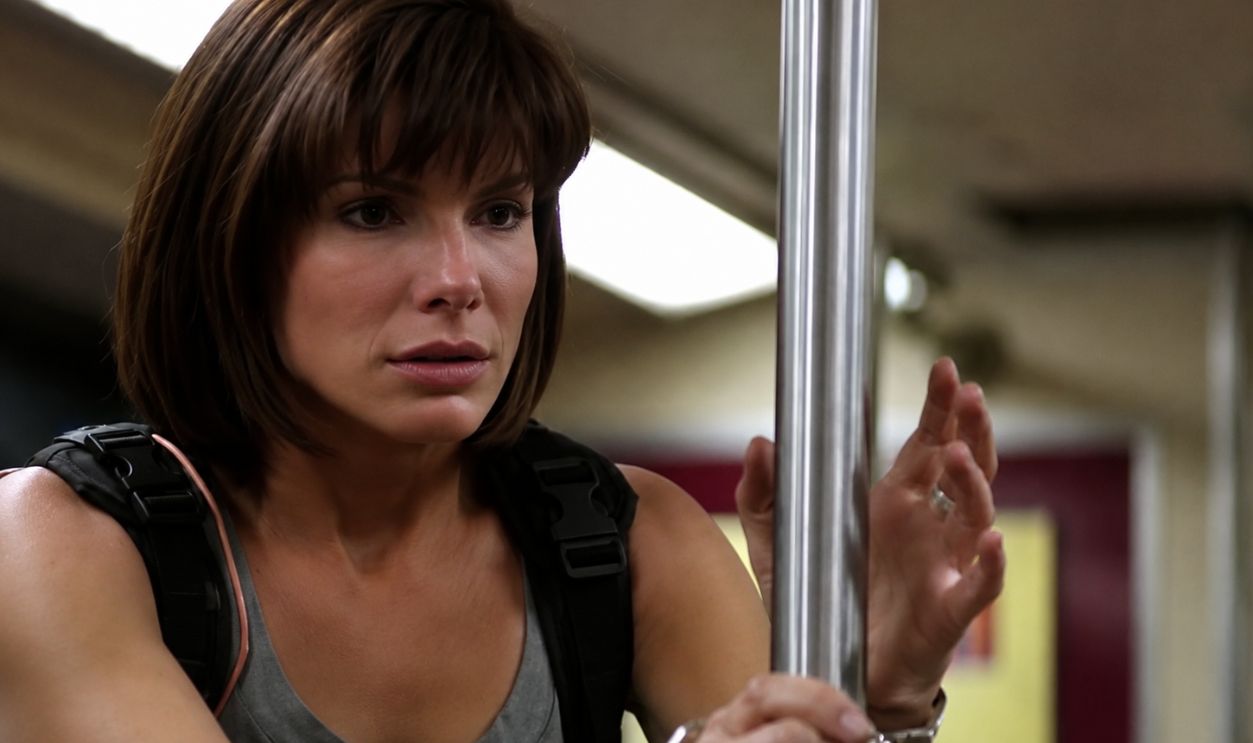 Screenshot from Speed, 20th Century Fox (1994), Enhanced
Kate Winslet in Titanic
Kate Winslet actively pursued Rose in Titanic and did not wait quietly for the role to come to her. She has said she called James Cameron after auditioning and told him he would be mad if he did not cast her. Cameron eventually chose her opposite Leonardo DiCaprio. Winslet’s intensity helped make Rose more than just the romantic lead.
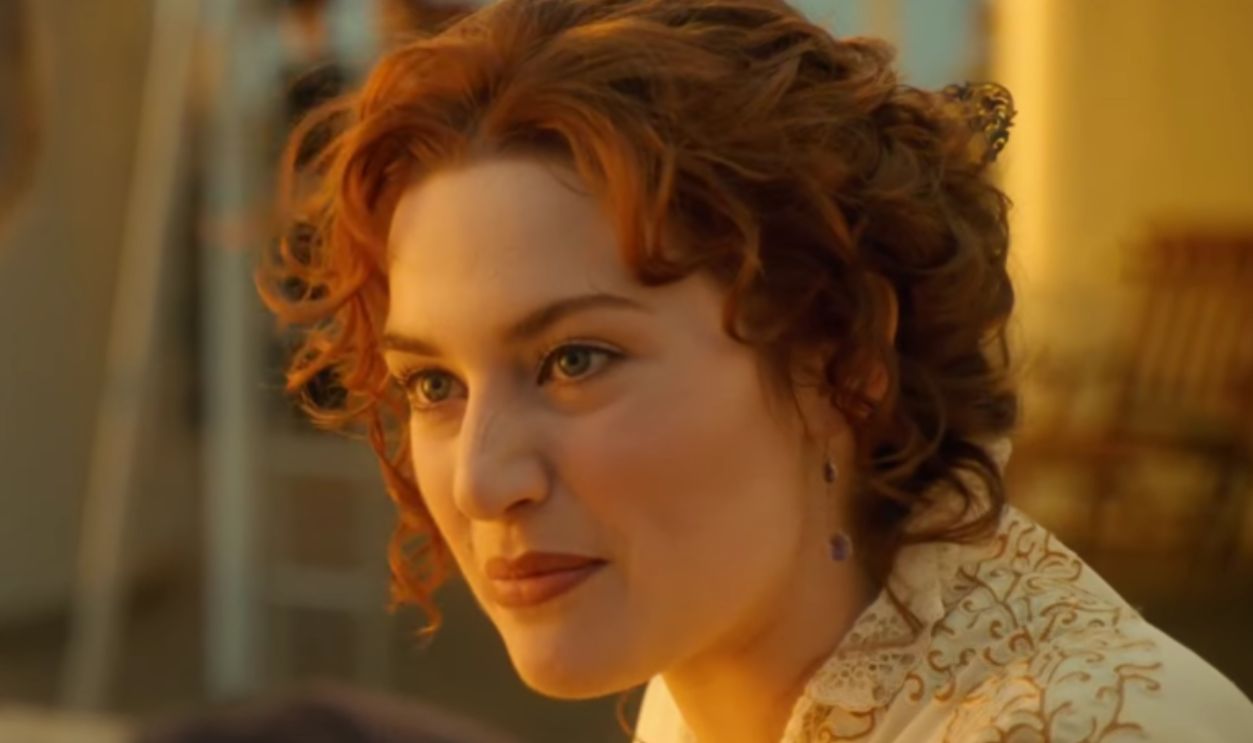 Screenshot from Titanic, Paramount Pictures (1997)
Michelle Pfeiffer as Catwoman
Michelle Pfeiffer was not the original Catwoman in Batman Returns. Annette Bening had been cast, but she left the film after becoming pregnant. Pfeiffer stepped in and created a performance that mixed danger, sadness, and dark comedy. Her Selina Kyle remains one of the most praised comic book movie villains.
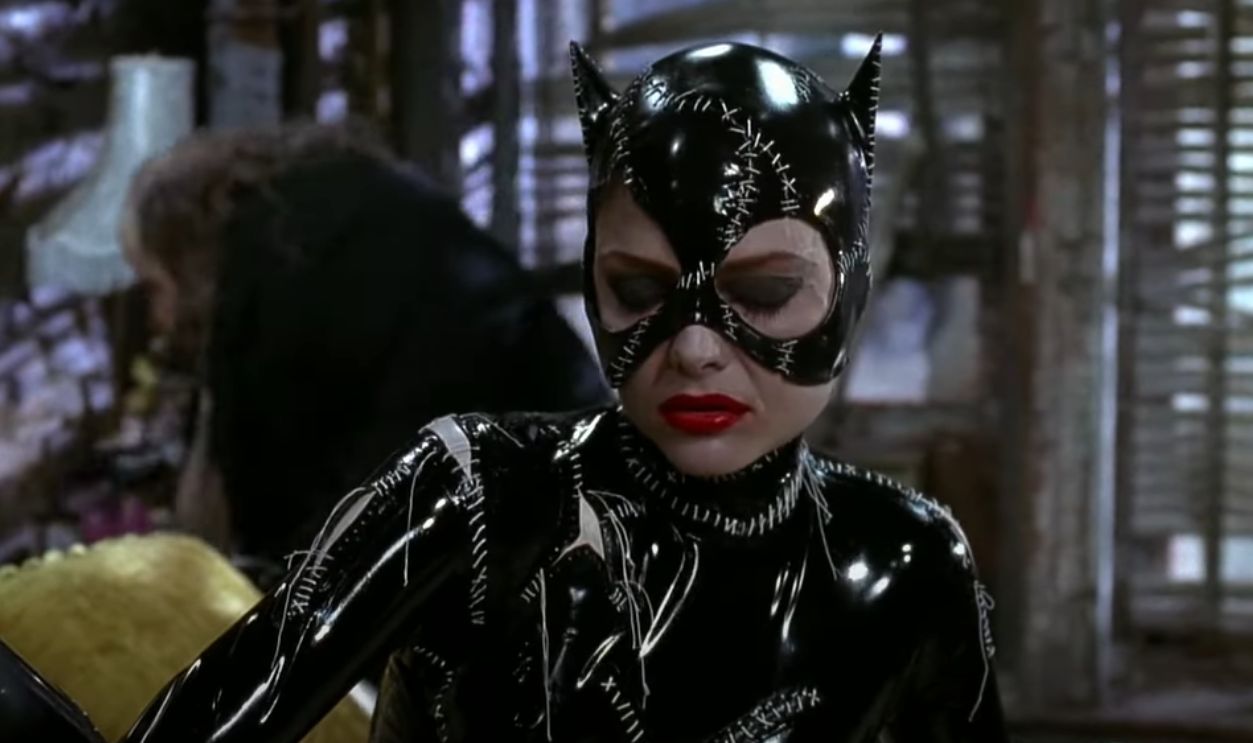 Screenshot from Batman Returns, Warner Bros. Pictures(1992)
You May Also Like:
Actors Who Admitted They Never Fully Understood Their Most Famous Roles
Actors Who Turned Down Iconic Roles And Never Looked Back—And Those Who Regretted It
Famous TV Sidekicks Who Became Bigger Stars Than Anyone Expected