She Made Desperation Hilarious
Louise Lasser could make a nervous pause, a blank stare, or a quietly bewildered question funnier than another performer’s punchline. As Mary Hartman, the overwhelmed Ohio housewife at the center of Mary Hartman, Mary Hartman, she turned exhaustion and anxiety into a startlingly original style of comedy.
Yet Lasser understood that emotional territory more intimately than audiences realized, and the story behind her greatest performance was considerably darker than the show’s absurd humor suggested.
 NBC Television, Wikimedia Commons
Her Childhood Was More Complicated Than It Looked
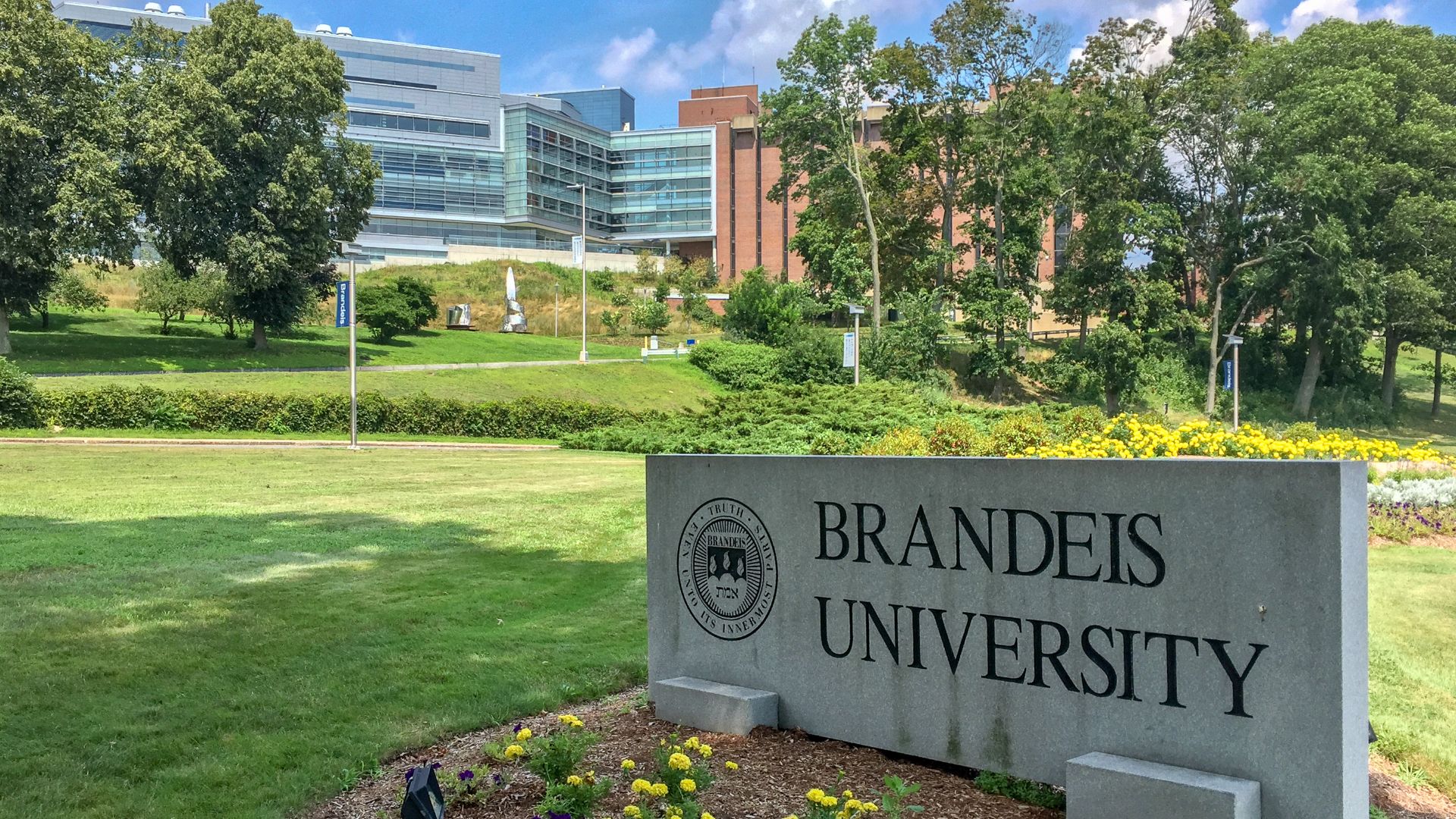
Lasser was born in Manhattan on April 11, 1939, the only child of tax specialist Sol Jay Lasser and designer Paula Lasser. She grew up in comfortable circumstances and later attended Brandeis University, where she studied political science and performed in musicals and cabaret. Beneath that outwardly privileged upbringing, however, her family was dealing with profound emotional difficulties.
 Kenneth C. Zirkel, Wikimedia Commons
Depression Entered Her Life Early
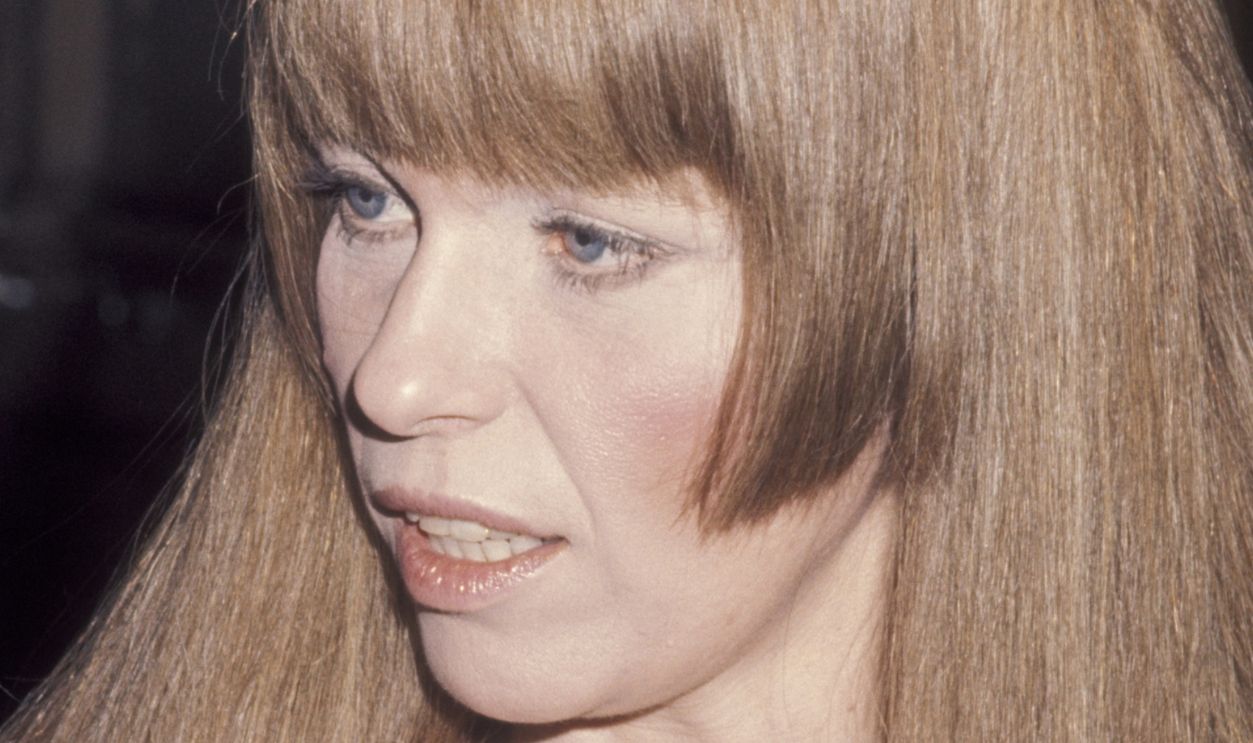
Years later, Lasser said that she began experiencing what she eventually recognized as depression while she was still in college. At the time, she could identify depression in her mother but did not initially understand that the same word described what she herself was feeling. She eventually left Brandeis before graduating and turned increasingly toward acting.
Her Mother Struggled Profoundly
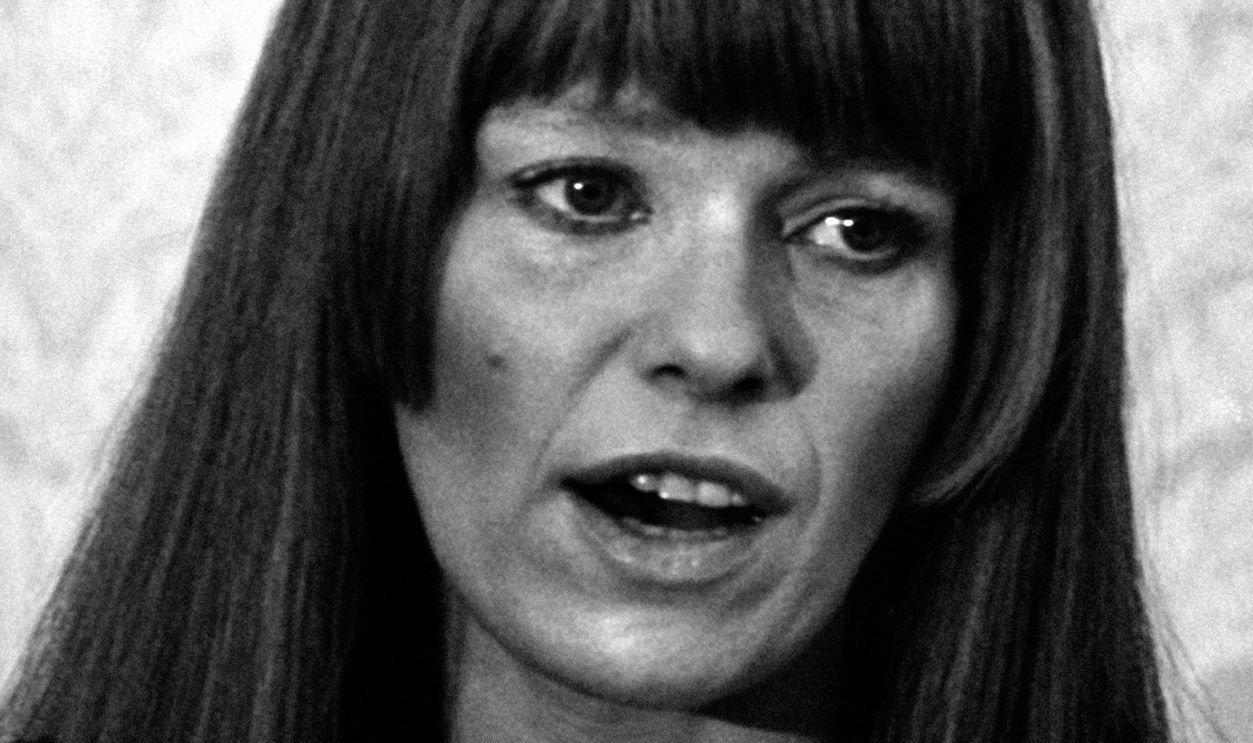
Lasser described her mother as an interesting woman who lived with severe depression. In a lengthy 2013 interview, she recalled growing up with that emotional atmosphere as her normal, because she had little basis for comparison with other families. The instability eventually produced a devastating crisis that Lasser carried with her for decades.
She Could Not Save Her Mother Forever
According to accounts of Lasser’s early life, she intervened during one of her mother’s self-harm attempts in 1961. Her mother later took her own life in 1964, during a period when Lasser’s professional life was beginning to take shape. Lasser would later say that the trauma seemed, in some ways, more powerful to her with the passage of time than it had when she was young.
Tragedy Struck Her Family Again
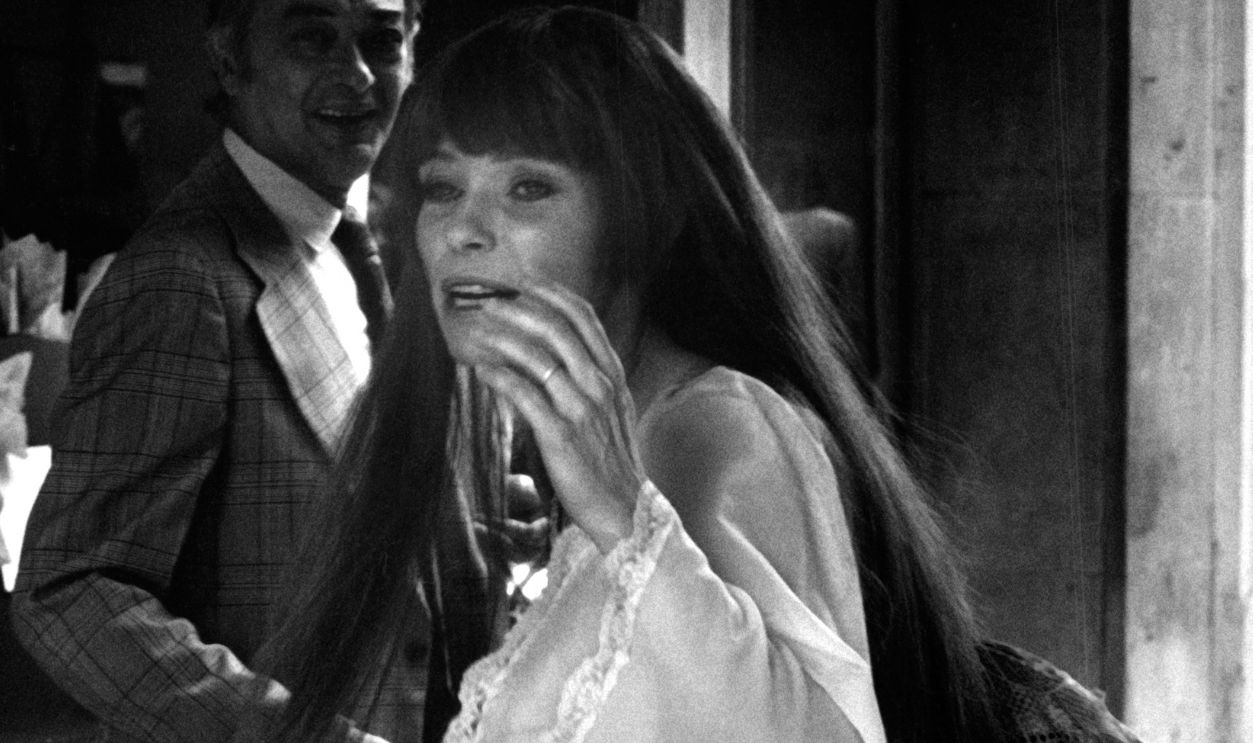
Lasser’s father, Sol, also eventually passed on in the same manner. The deaths of both parents formed an unusually painful backdrop to the career of a woman who became famous for making emotional distress funny. Her own later discussions of depression make clear that darkness was not merely something she knew how to imitate for a camera.
Acting Gave Her Somewhere To Go
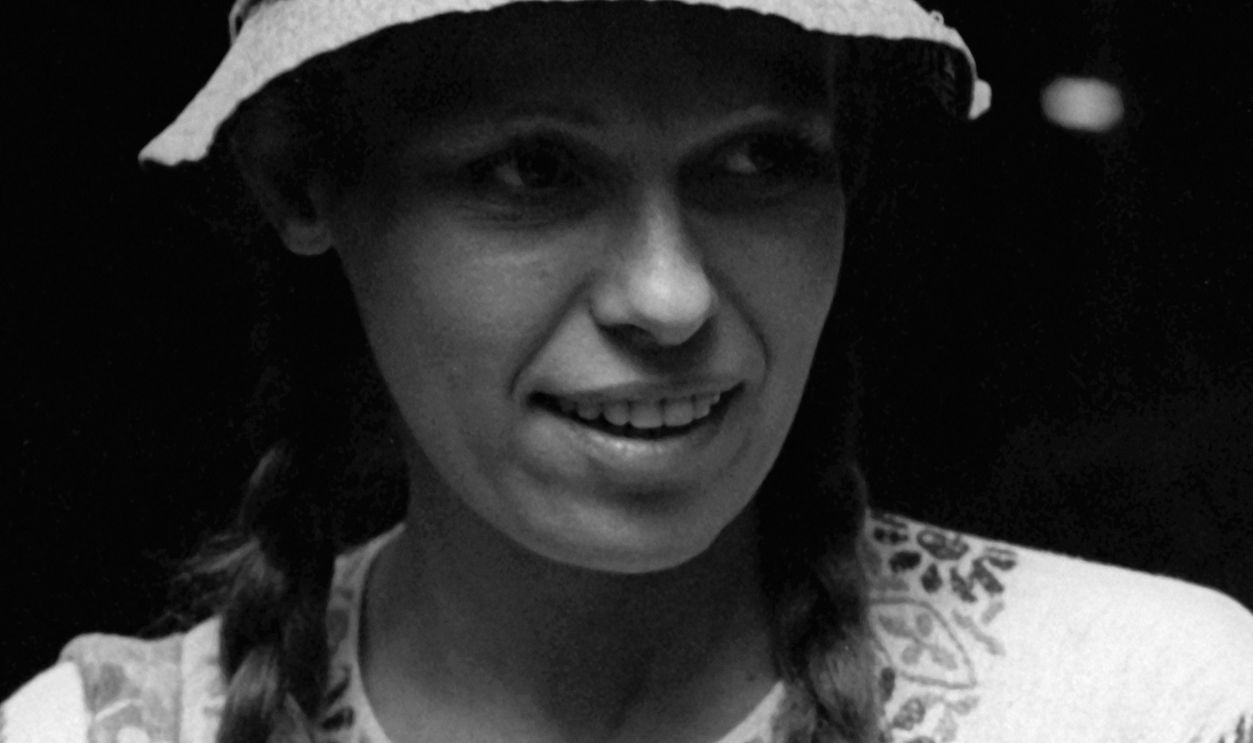
After leaving college, Lasser studied acting, including work with celebrated teacher Sanford Meisner. She performed in Greenwich Village venues and began finding professional opportunities in New York. Her career gathered momentum quickly enough that Lasser later remarked that success had initially seemed almost too easy.
Broadway Put Her Near A Future Superstar
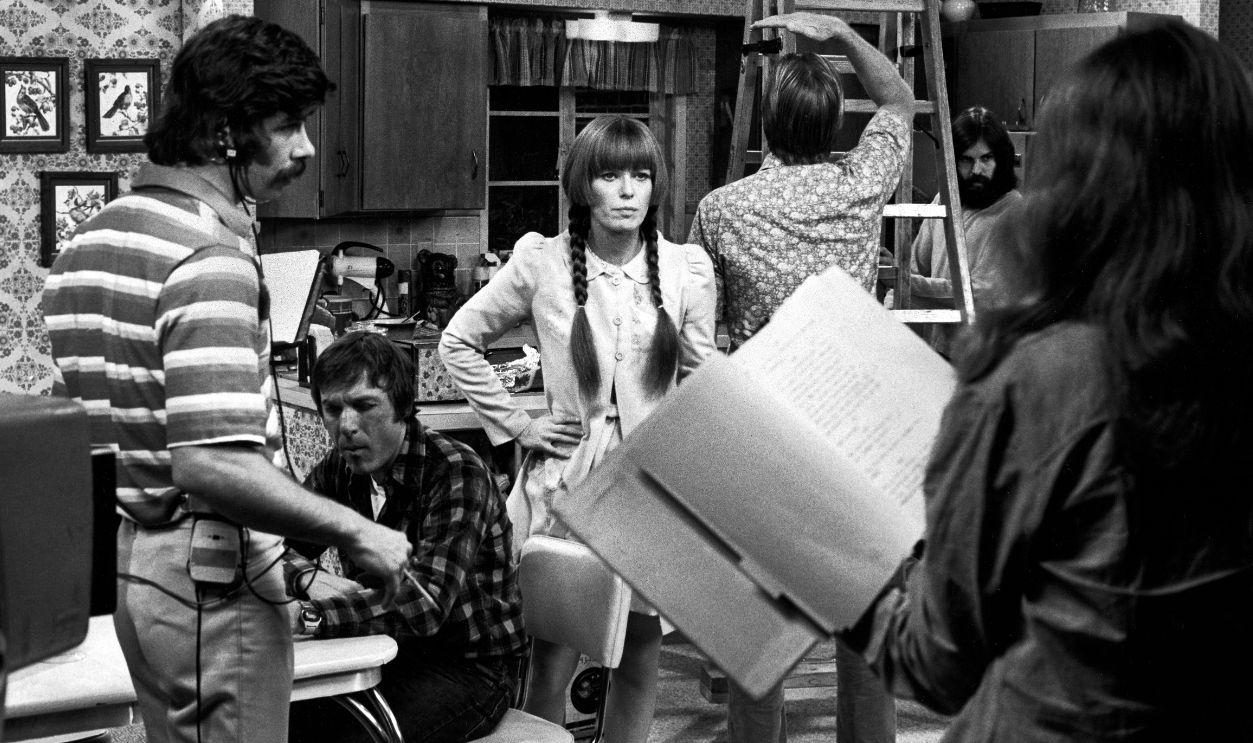
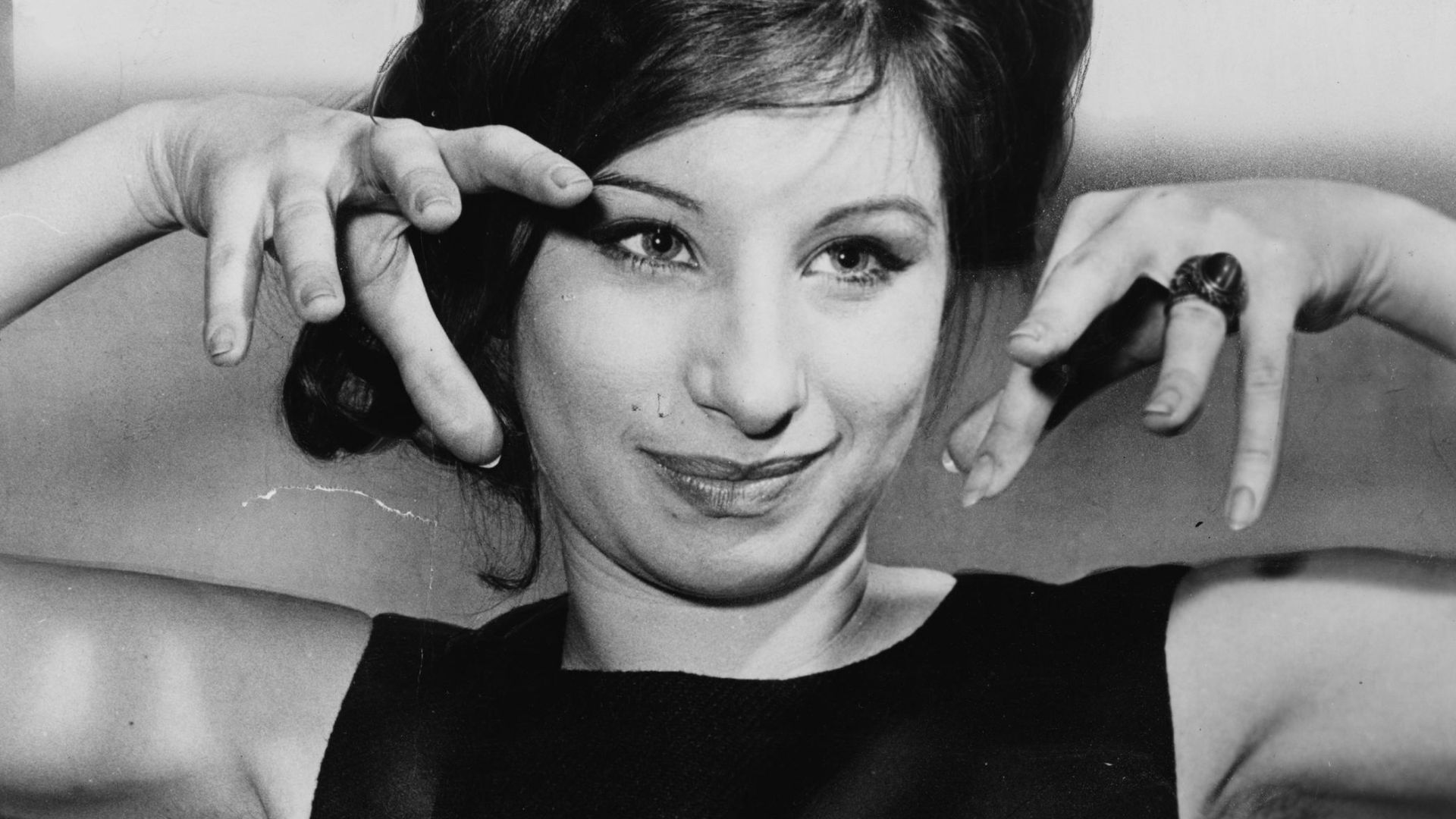
Lasser joined the Broadway production of I Can Get It for You Wholesale, the 1962 musical that famously helped launch Barbra Streisand. Broadway records list Lasser among the replacement performers in the production. It was an early sign that she had entered a theatrical world filled with performers who were about to reshape American entertainment.
 Al Ravenna, World Telegram staff photographer, Wikimedia Commons
Then Woody Allen Entered Her Life
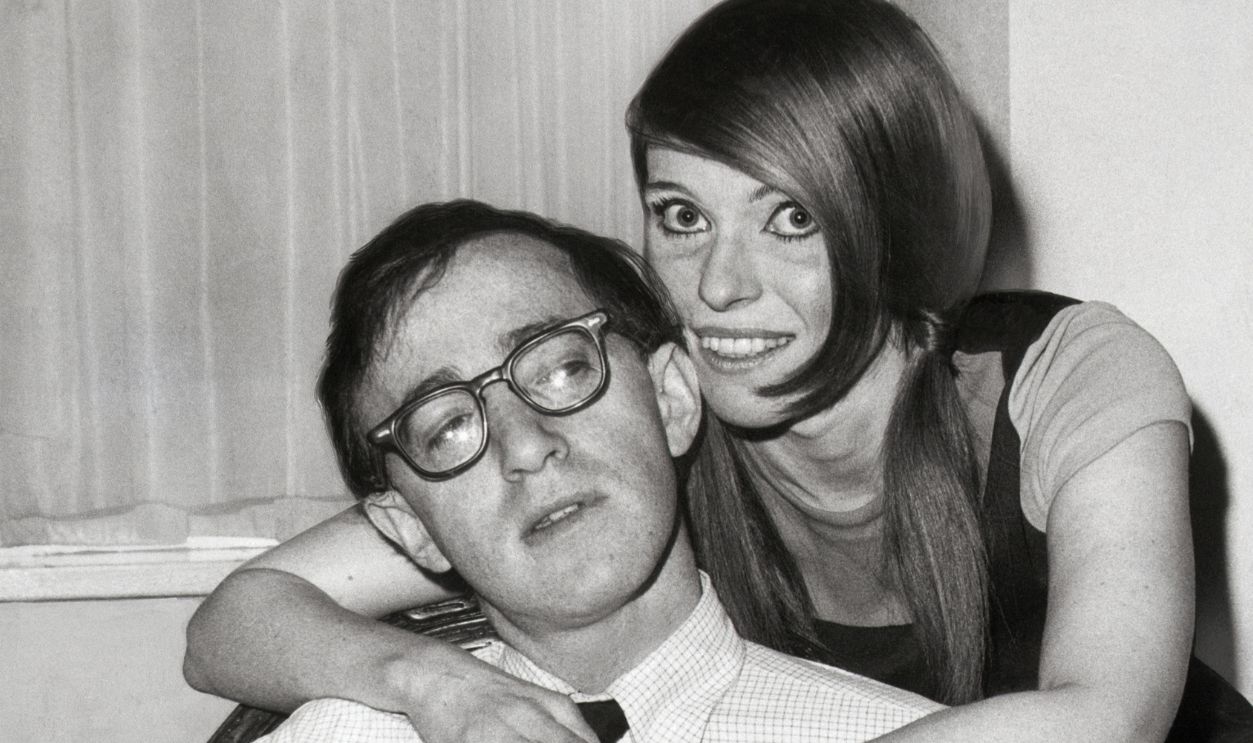
Lasser became romantically involved with Woody Allen when both were still young performers building their careers. They eventually married in 1966 and divorced in 1970, although their professional relationship continued afterward. Lasser appeared in several of Allen’s early films and developed the nervous, eccentric comic presence that would later become unmistakably her own.
Their Comedy Could Feel Strangely Personal
Lasser appeared in Take the Money and Run, Bananas, and Everything You Always Wanted to Know About Sex (But Were Afraid to Ask), among other Allen projects. She later suggested that aspects of the famous breakup scene in Bananas may have drawn, at least loosely, on their own relationship and improvisation. Allen remembered her as extremely quick, witty, and intelligent.
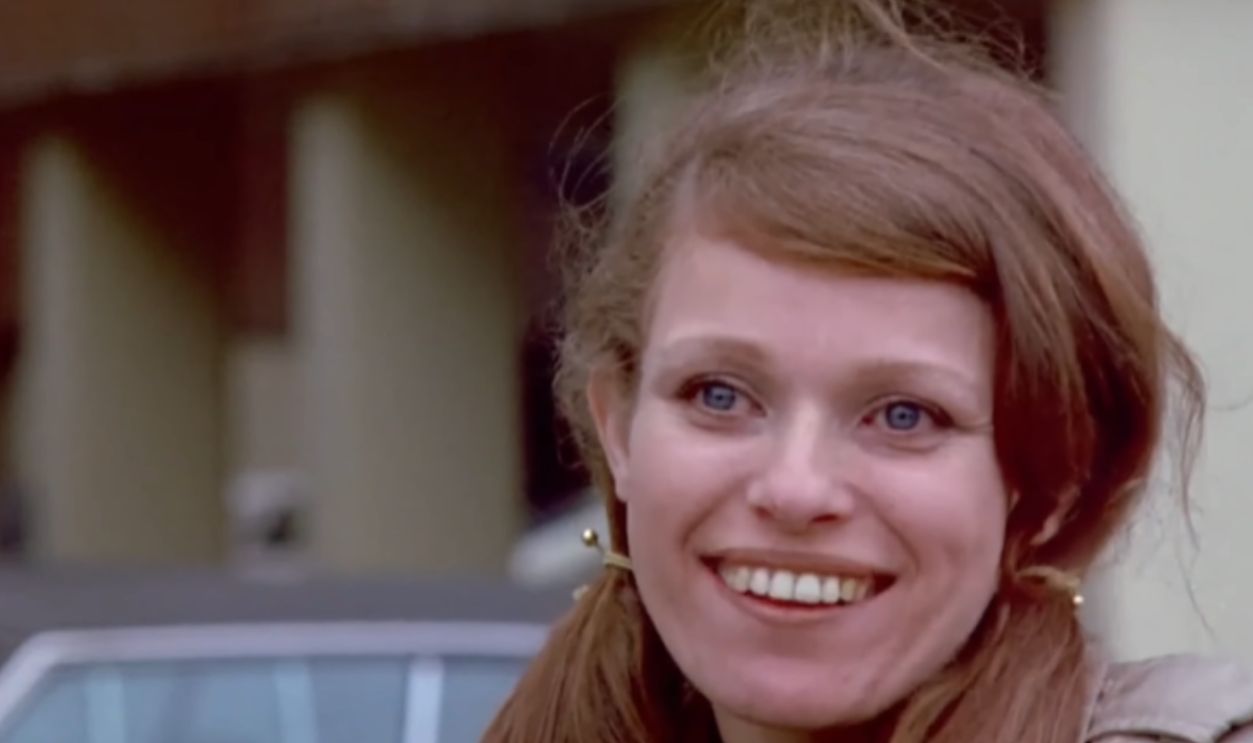 Screenshot from Take the Money and Run, Cinerama Releasing Corporation (1969)
Television Started Calling
Before Mary Hartman, Lasser accumulated television experience that included appearances on The Mary Tyler Moore Show and The Bob Newhart Show. She also worked on The Lie, a television drama scripted by Ingmar Bergman. Those jobs demonstrated that she could move between broad comedy and more uncomfortable emotional material, a combination that would soon become crucial.
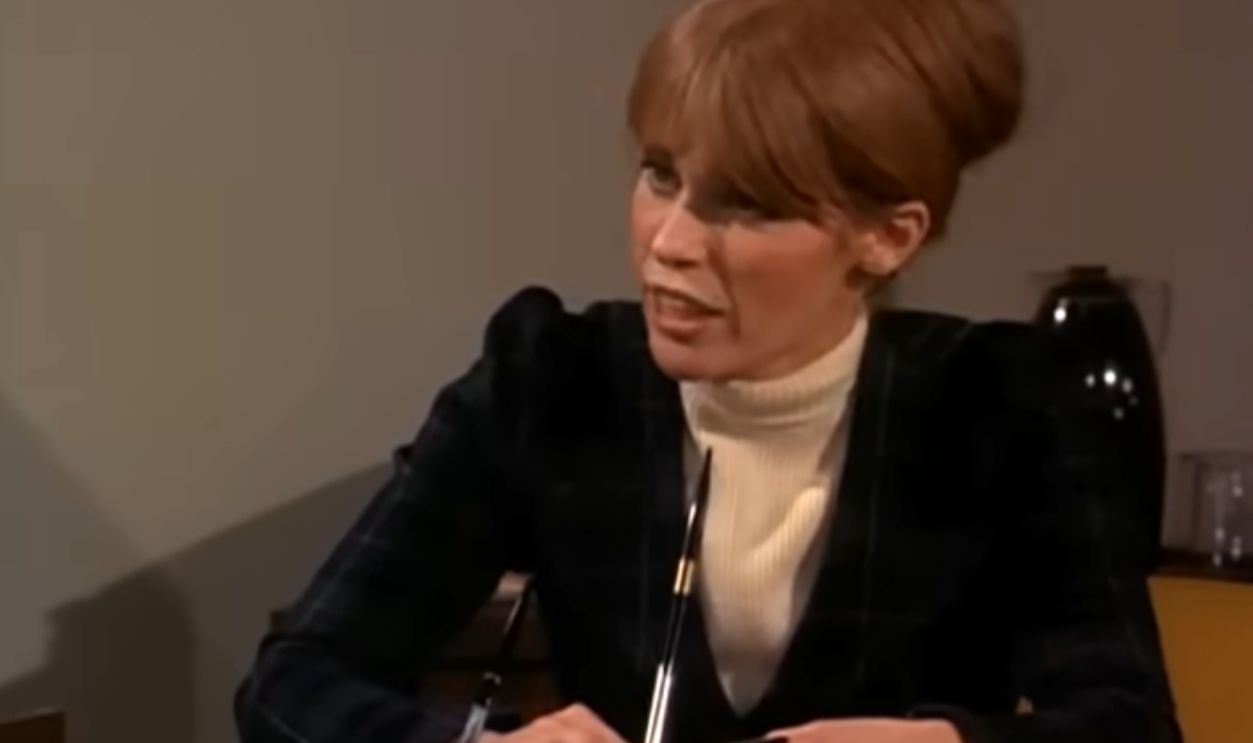 Screenshot from The Mary Tyler Moore Show, 20th Television (1970-1977)
Norman Lear Had A Very Strange Idea
By the mid-1970s, producer Norman Lear was already one of television’s most important figures. Mary Hartman, Mary Hartman was conceived as a dark satire of American domestic life and the conventions of daytime soap operas. Rather than air once a week like a conventional sitcom, the series was designed to appear five nights a week in syndication after the major broadcast networks passed on it.
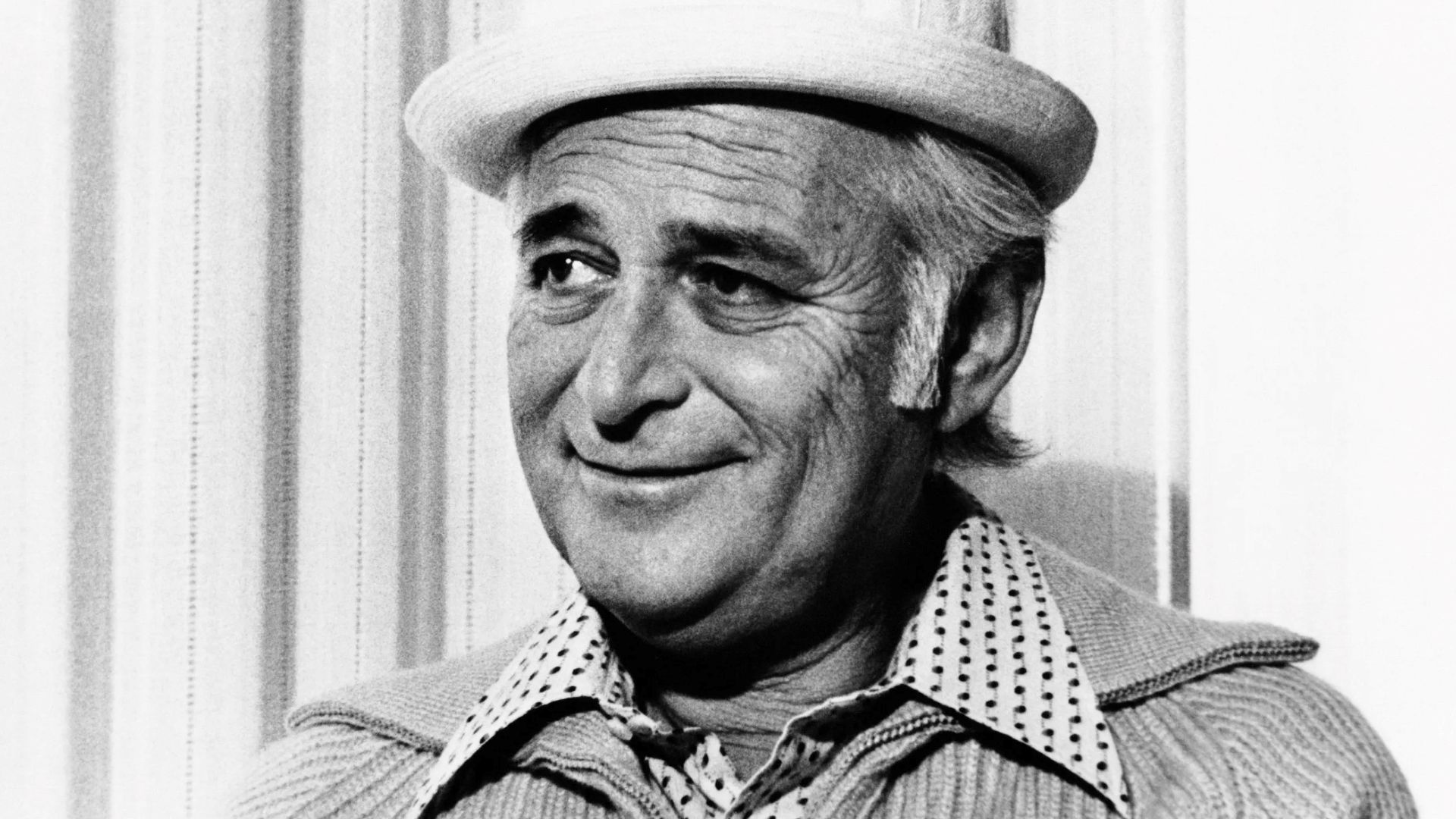 PBS Television, Wikimedia Commons
Louise Was Mary
Lear’s team saw Lasser as uniquely suited to play Mary Hartman. Her unusual rhythm, vulnerability, distracted gaze, and ability to treat absurd situations with complete seriousness gave the character an identity that would have been difficult to reproduce with another performer. Lasser later said she felt a strong connection between herself and Mary, even though their lives were outwardly very different.
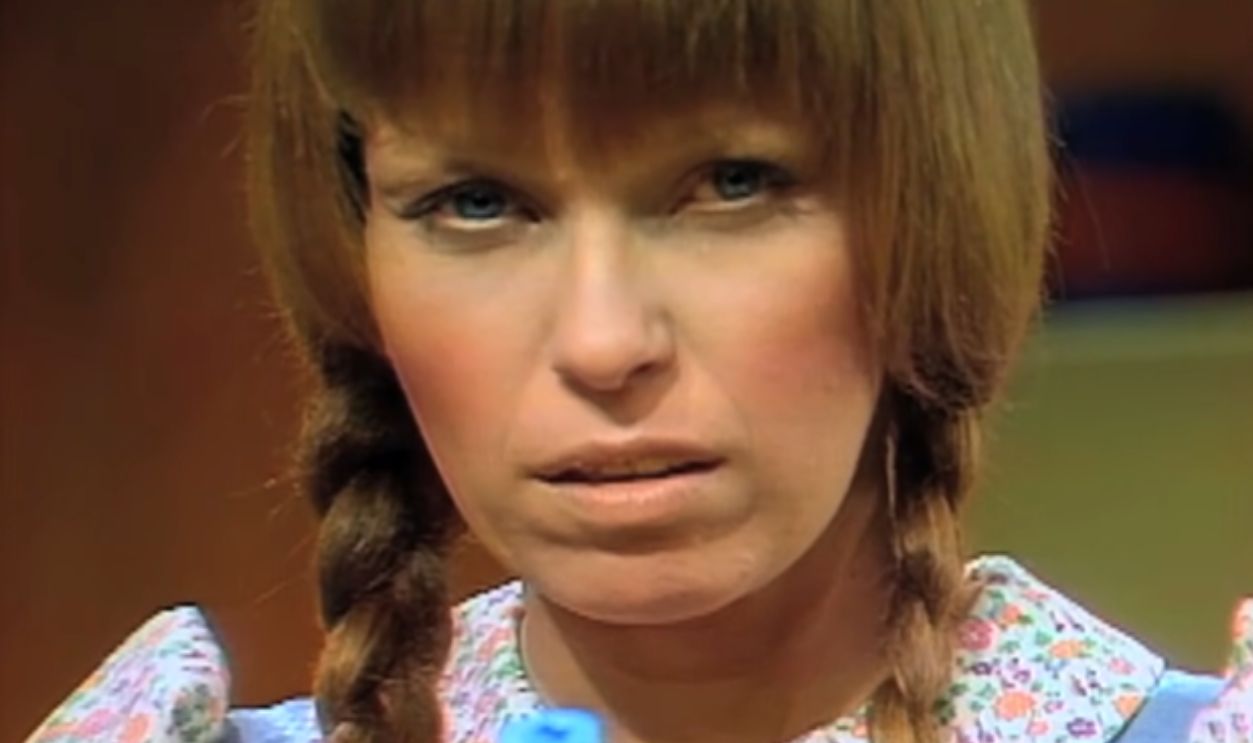 Screenshot from Mary Hartman, Mary Hartman, Sony Pictures Television (1976-1977)
Fernwood Was A Nightmare In Pastel
Mary lived in the fictional town of Fernwood, Ohio, where mundane household worries existed beside increasingly bizarre catastrophes. Storylines involved everything from a serial flasher to deaths involving chicken soup, a Christmas tree, and a bathtub. Through it all, Mary could remain preoccupied with consumer products and the infamous waxy yellow buildup on her kitchen floor.
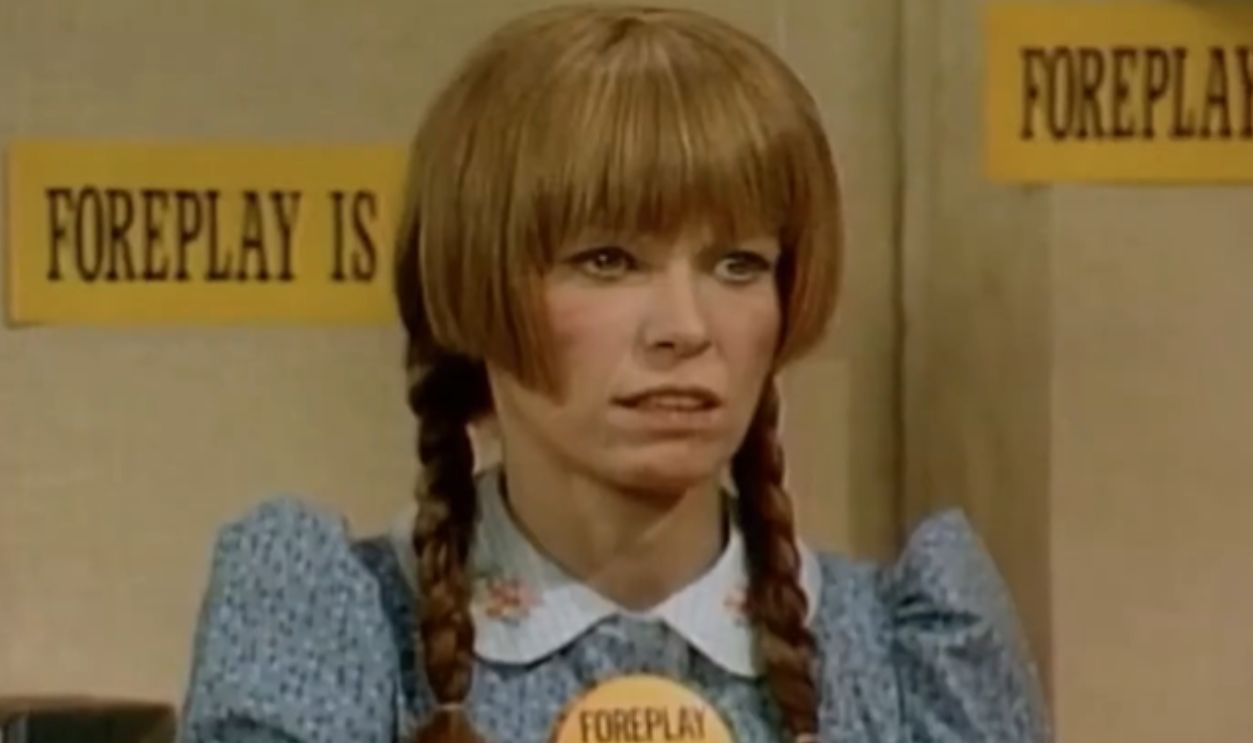 Screenshot from Mary Hartman, Mary Hartman, Sony Pictures Television (1976-1977)
Lasser Knew Not To Push The Joke
The brilliance of her performance came partly from restraint. Lasser rarely behaved as though Mary knew she was funny, which allowed the absurdity around her to become even funnier. That deadpan commitment also let the series shift unexpectedly from satire into genuine sadness without completely changing its tone.
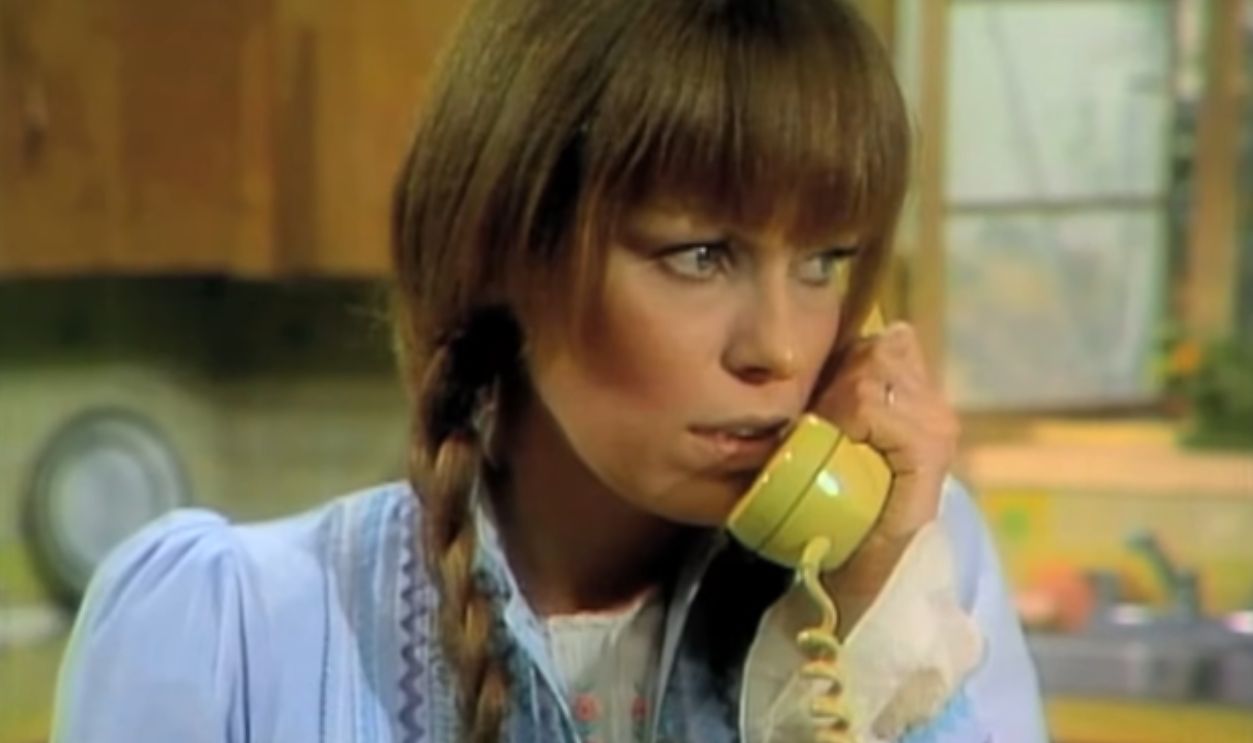 Screenshot from Mary Hartman, Mary Hartman, Sony Pictures Television (1976-1977)
Suddenly Everyone Knew Her Face
Mary Hartman, Mary Hartman became a genuine cultural phenomenon soon after its January 1976 debut. More than 128 independent television stations reportedly carried it, and Lasser appeared on major magazine covers as Mary became one of the decade’s most recognizable television characters. The Television Academy later described stations promoting themselves as part of the unofficial “Mary Hartman Network.”
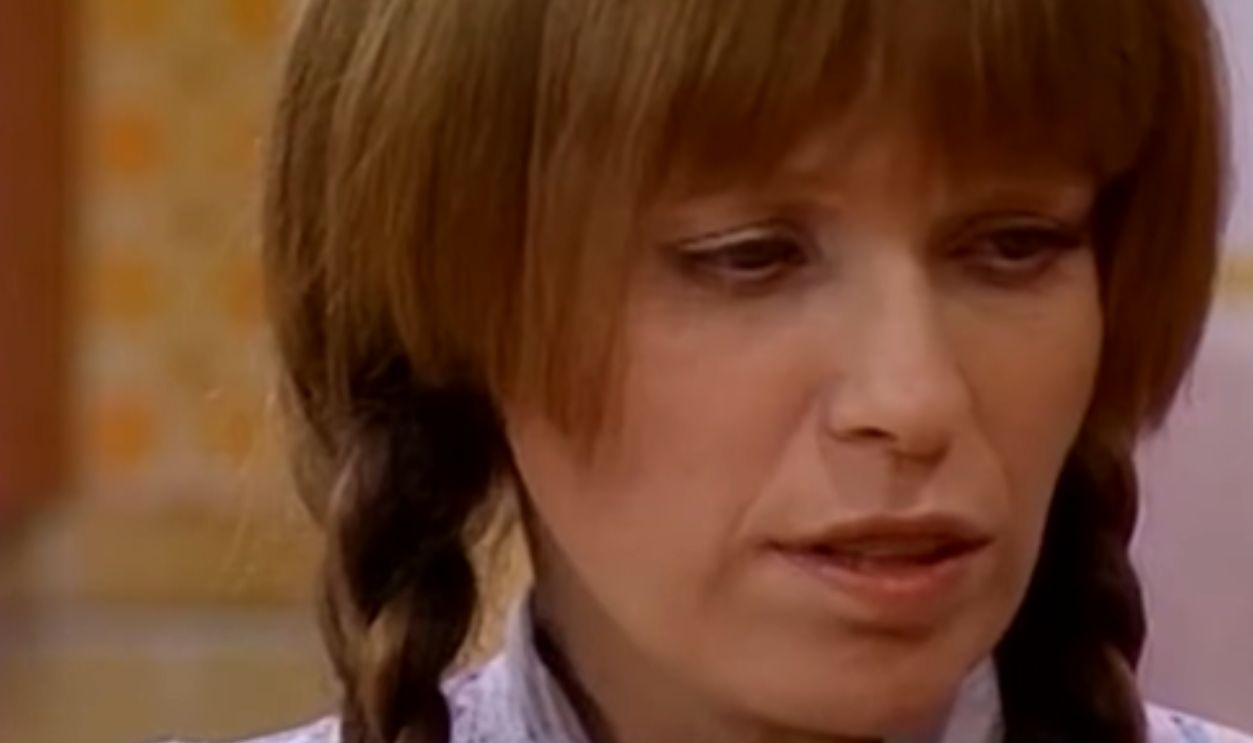 Screenshot from Mary Hartman, Mary Hartman, Sony Pictures Television (1976-1977)
Success Came At A Brutal Pace
There was a serious cost to producing something that resembled a nightly soap opera. Lasser later recalled making five episodes a week for stretches of eight weeks before getting a short break. She once lost her voice badly enough to require extended vocal rest, and she remembered becoming increasingly exhausted as the production continued.
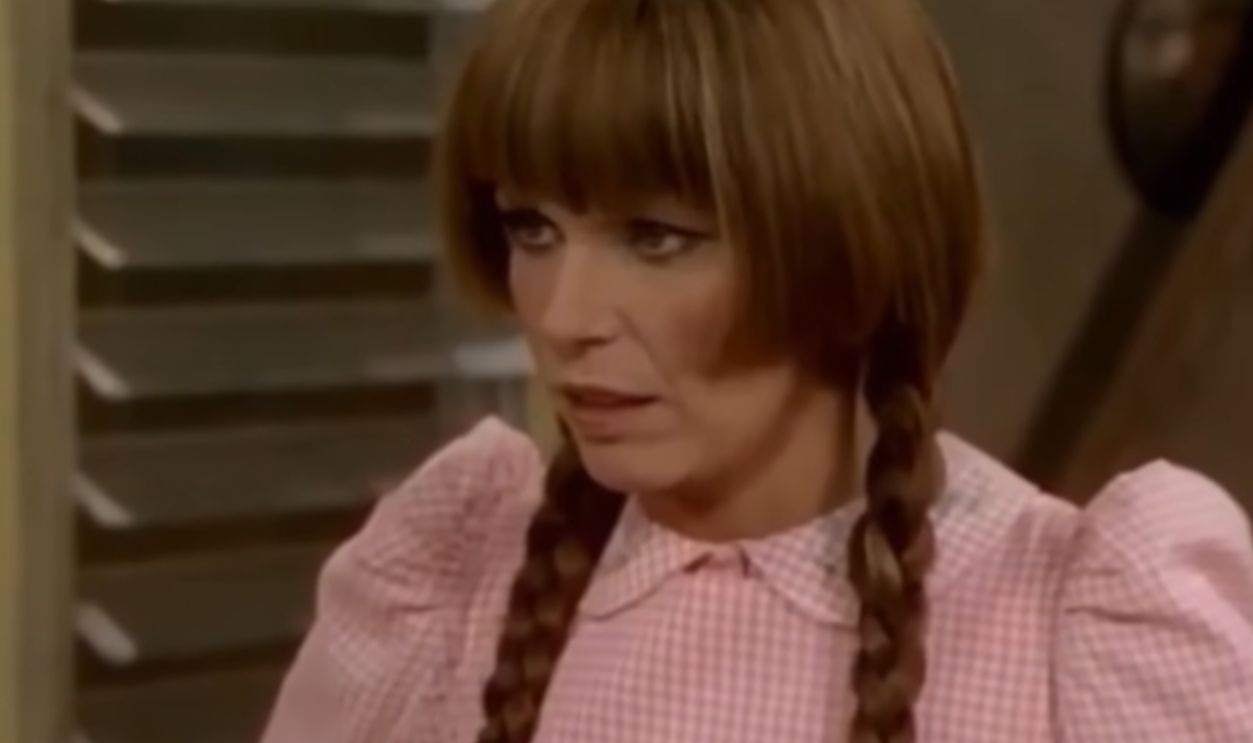 Screenshot from Mary Hartman, Mary Hartman, Sony Pictures Television (1976-1977)
She Was Starting To Come Apart
Lasser said that she loved the show but simply became too tired. Looking back, she remembered reaching a point where everything felt tarnished and she was no longer enjoying acting the way she once had. The difference between the exhausted Louise Lasser and the overwhelmed Mary Hartman was becoming increasingly difficult to separate.
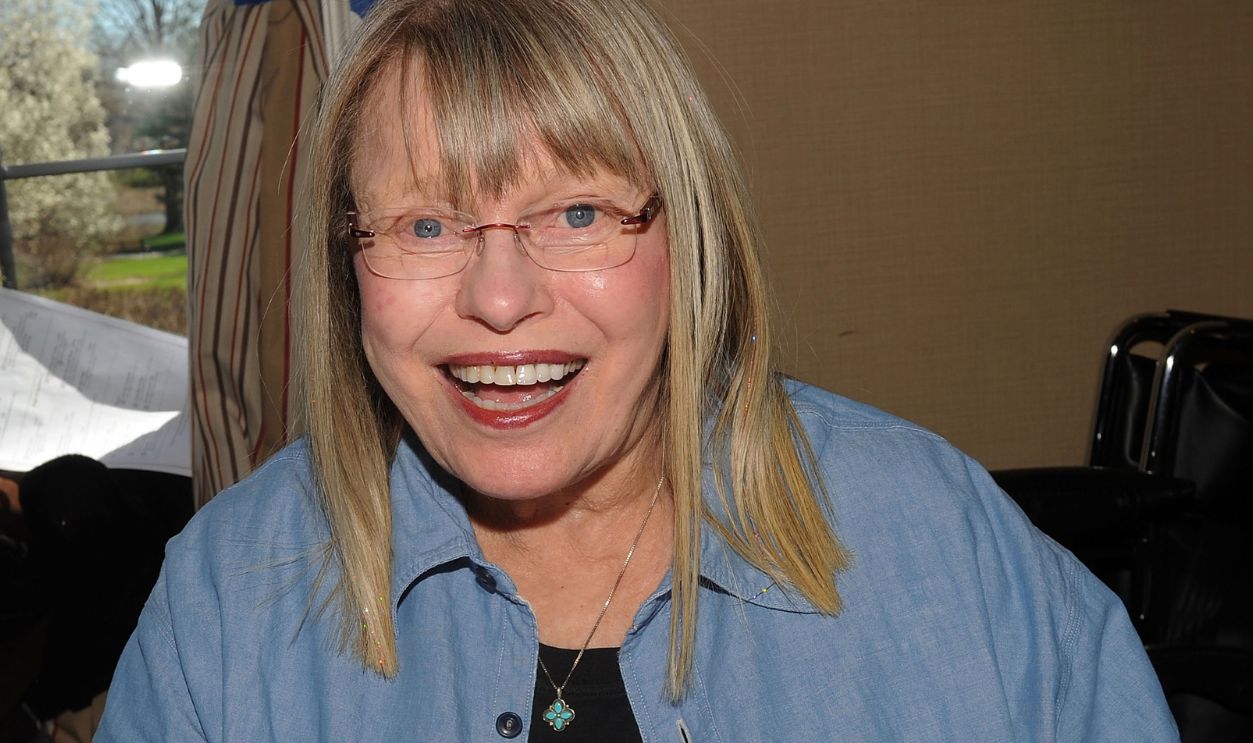
Then Came The Dollhouse Incident
In May 1976, Lasser visited a Los Angeles boutique while trying to purchase a dollhouse as a birthday present. She later recalled that her credit card was not working and that she stubbornly refused to leave the store without the dollhouse. Police arrived, and what might have been an embarrassing celebrity misunderstanding became considerably more serious.
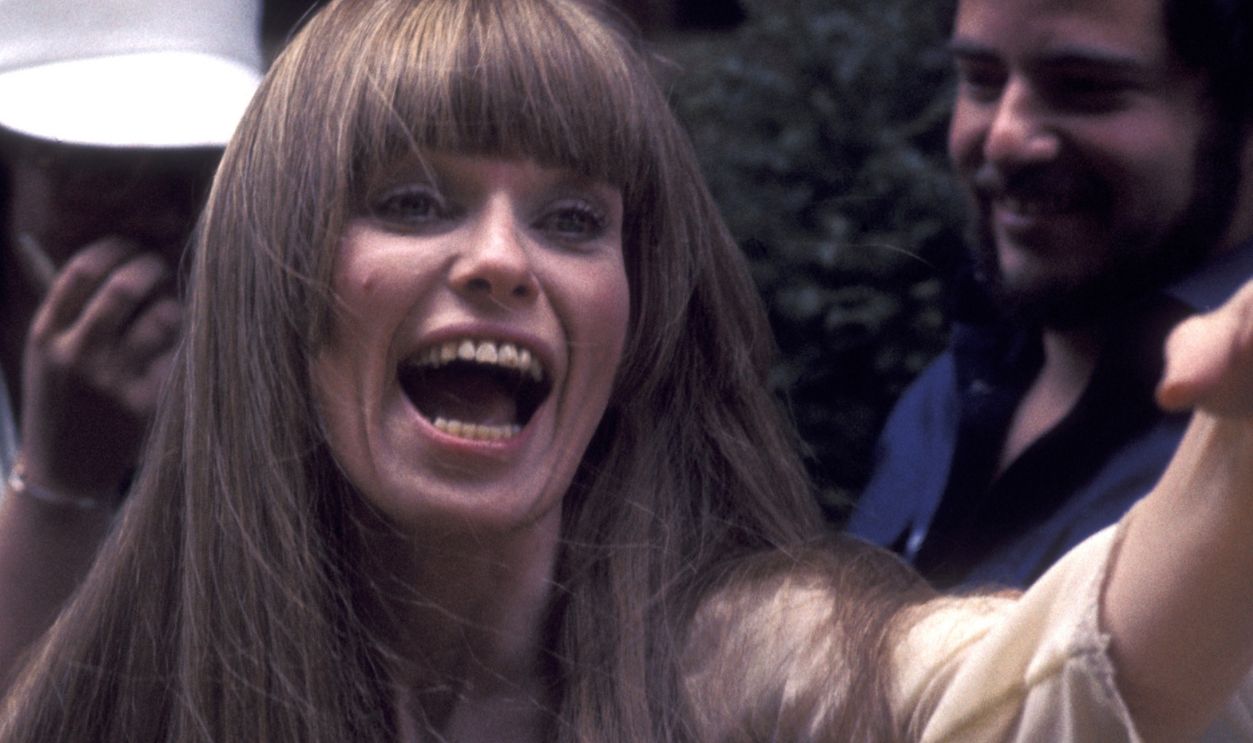
Her Arrest Became National News
Police initially detained Lasser over the disturbance and outstanding traffic violations. Officers subsequently found a small amount of a prohibited substance in her purse, and the incident became tabloid fodder at precisely the moment when her television fame was exploding. Lasser later maintained that the substance had been given to her and that she had forgotten it was there.
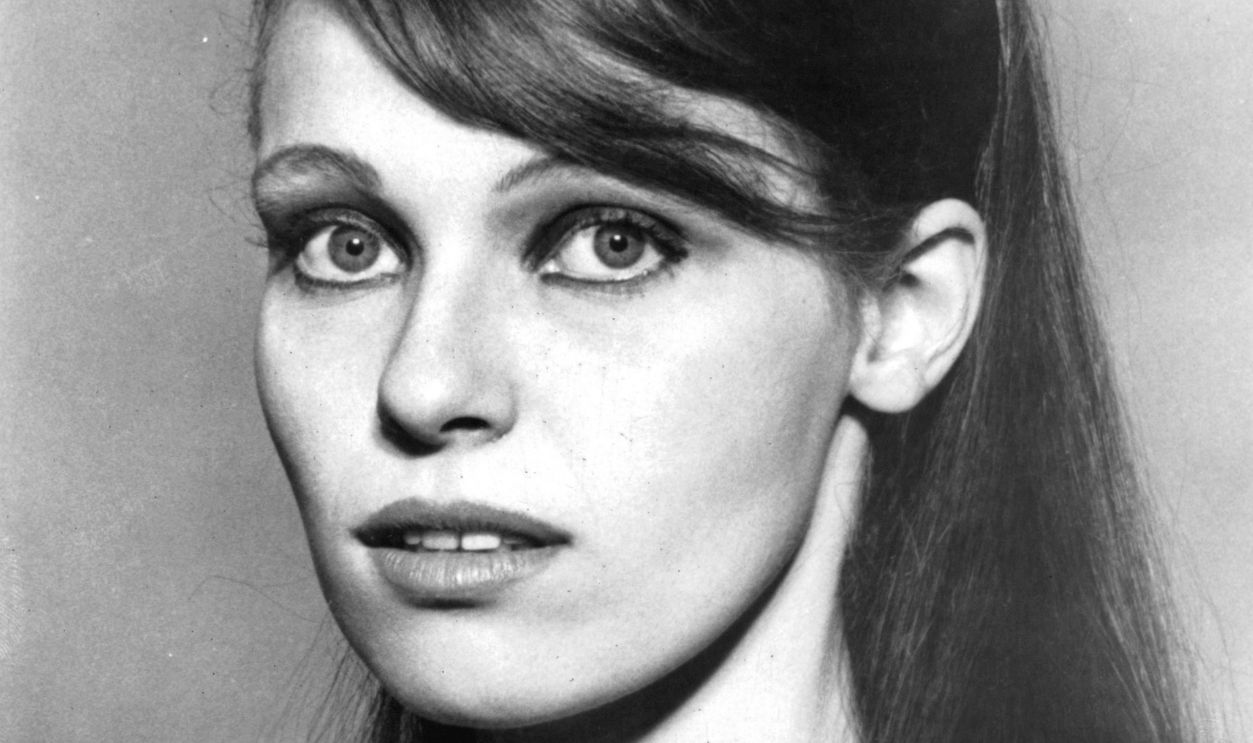 Michael Ochs Archives, Getty Images
The Show Turned Reality Into Fiction
In a move that feels astonishing even by Mary Hartman standards, the writers incorporated elements of the dollhouse incident into the series. Mary refuses to leave a toy store without a dollhouse shortly before she is supposed to make a television appearance, helping propel the character toward a breakdown. Lasser later discussed how the real incident and its fictional counterpart became intertwined in her memory of the show.
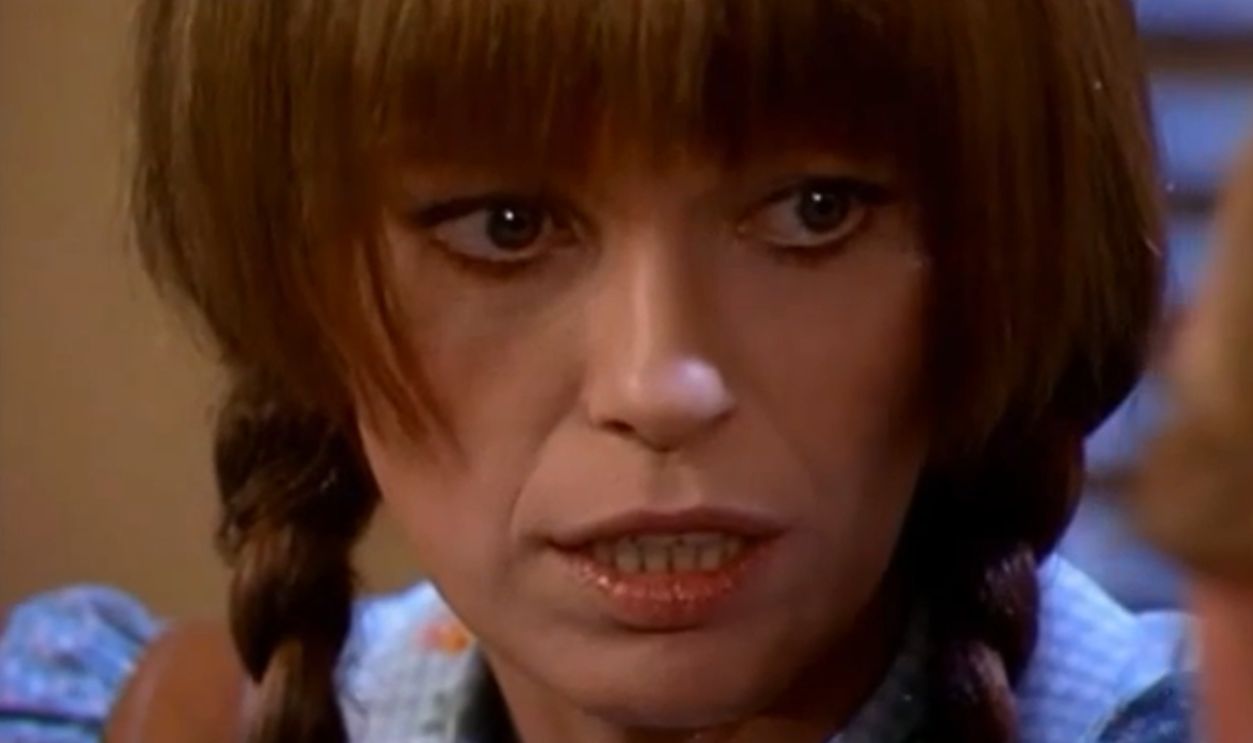 Screenshot from Mary Hartman, Mary Hartman, Sony Pictures Television (1976-1977)
Mary Had A Breakdown Too
The series eventually placed Mary in an institution following an extended emotional collapse. Lasser later remembered the material growing darker as she performed it and said she herself was genuinely affected by the scenes. She particularly valued Norman Lear’s praise for the performance because the breakdown had been played with unusual restraint rather than melodrama.
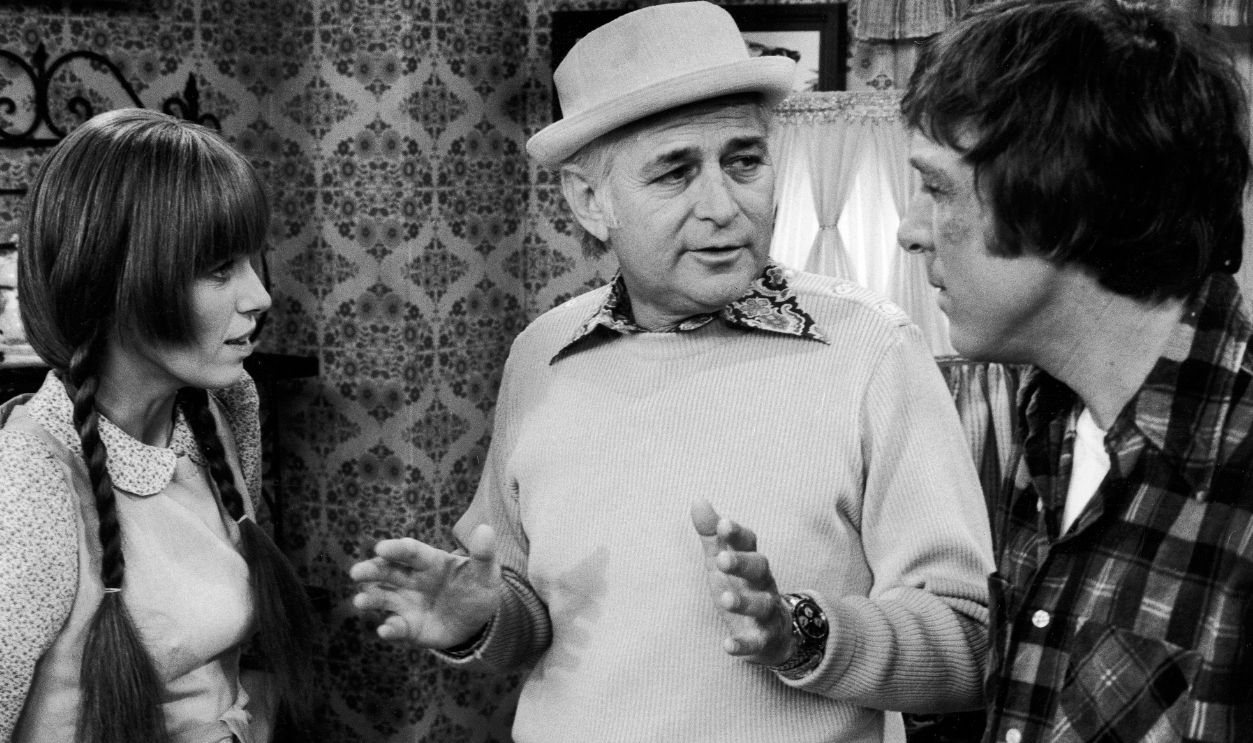
Saturday Night Live Became Another Strange Chapter
In July 1976, at the height of Mary Hartman mania, Lasser hosted Saturday Night Live. Her episode deliberately blurred her real public troubles with Mary’s fictional breakdown, including a monologue in which she appeared anxious about performing live. The broadcast became one of the most notorious episodes of the show’s early history.
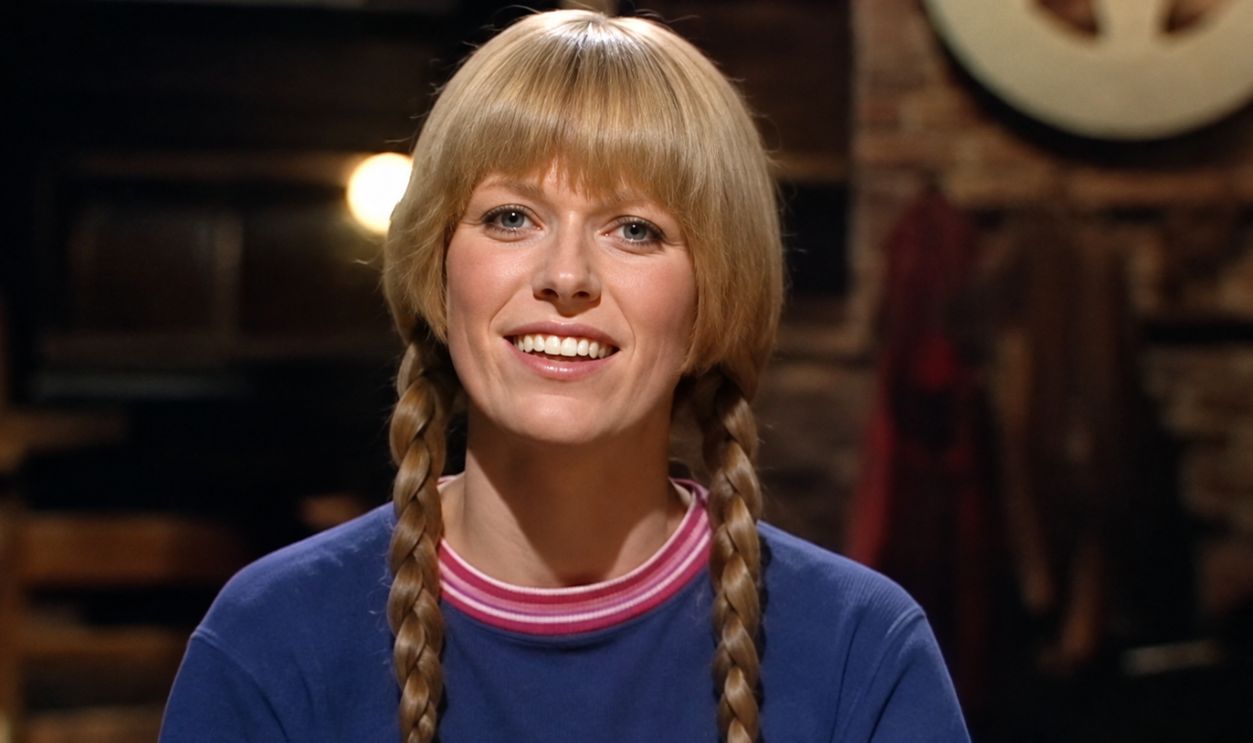 Screenshot from Saturday Night Live, NBC (1975-), Enhanced
The Truth Was More Complicated Than The Legend
Accounts subsequently circulated that Lasser had been uncontrollable or even banned from SNL. Lasser firmly disputed that version, explaining years later that much of what viewers interpreted as an actual breakdown had been deliberate performance. She also said there had been conflict over sketches she did not want to perform, making the backstage story far more complicated than the enduring “disaster” legend suggests.
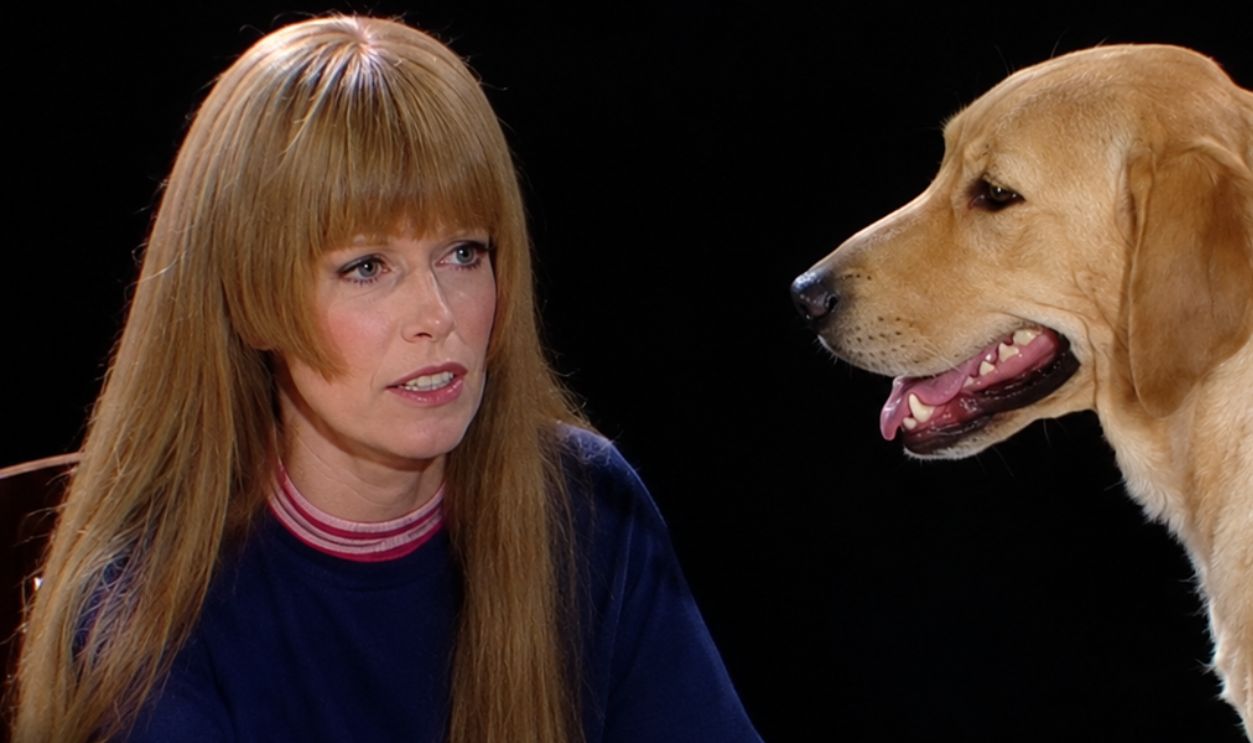 Screenshot from Saturday Night Live, NBC (1975-), Enhanced
She Was Exhausted By Being Mary
Eventually, the pace became unsustainable. After an extraordinary 325 episodes produced in only about 17 months, Lasser left Mary Hartman, Mary Hartman in 1977. The series continued without her under the title Forever Fernwood, but Lasser had been such a defining presence that her absence fundamentally changed the program.
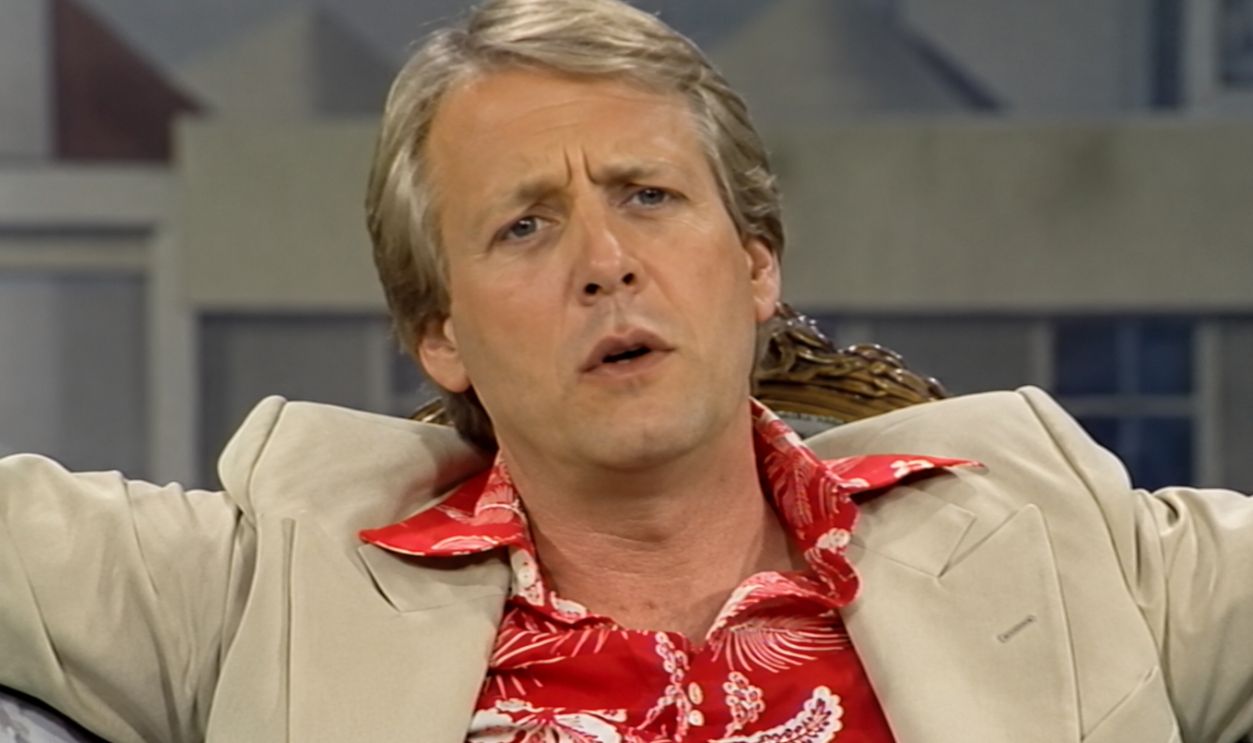 Screenshot from Forever Fernwood, Sony Pictures Television (1977-1978), Enhanced
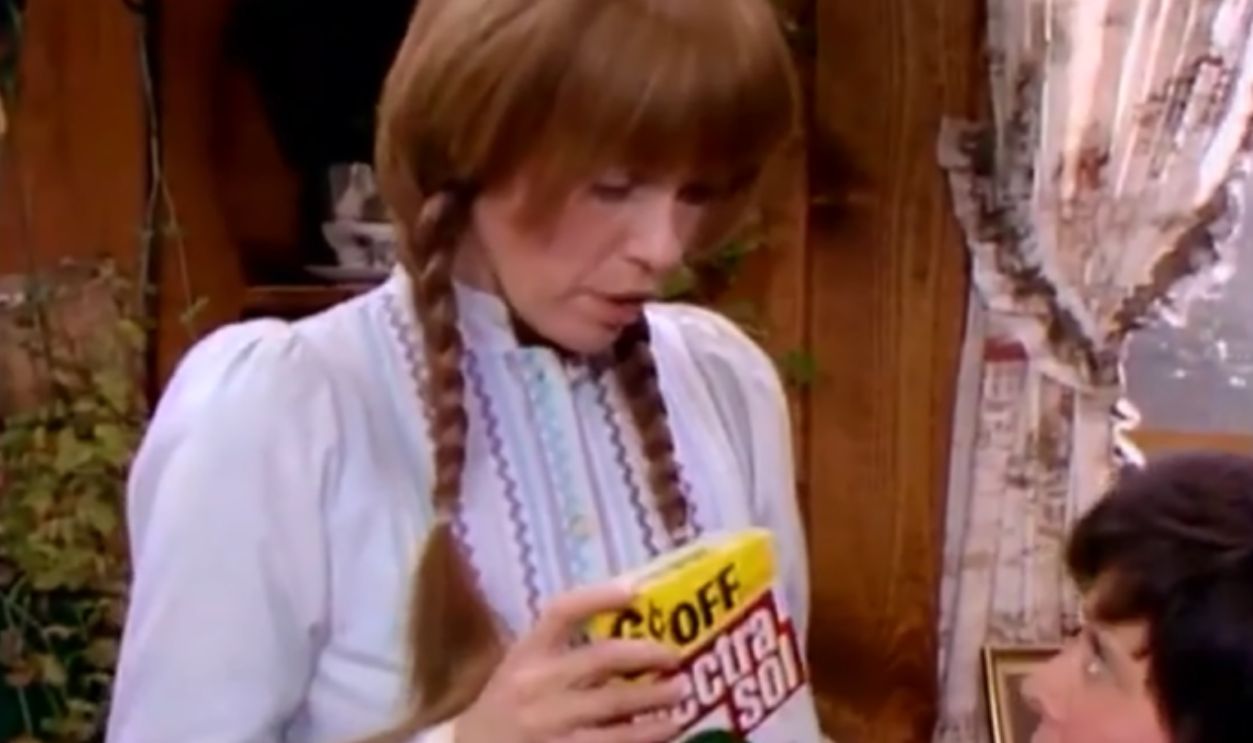
Leaving Did Not Mean Escaping Mary
Lasser later admitted that she had difficulty separating herself from Mary after the series ended. The character had absorbed so much of her energy and had become so strongly associated with her public image that returning to an ordinary acting career was not simple. Her Television Academy interview decades later still devoted substantial time to the relationship between Louise and Mary.
 Screenshot from Mary Hartman, Mary Hartman, Sony Pictures Television (1976-1977)
She Never Completely Disappeared
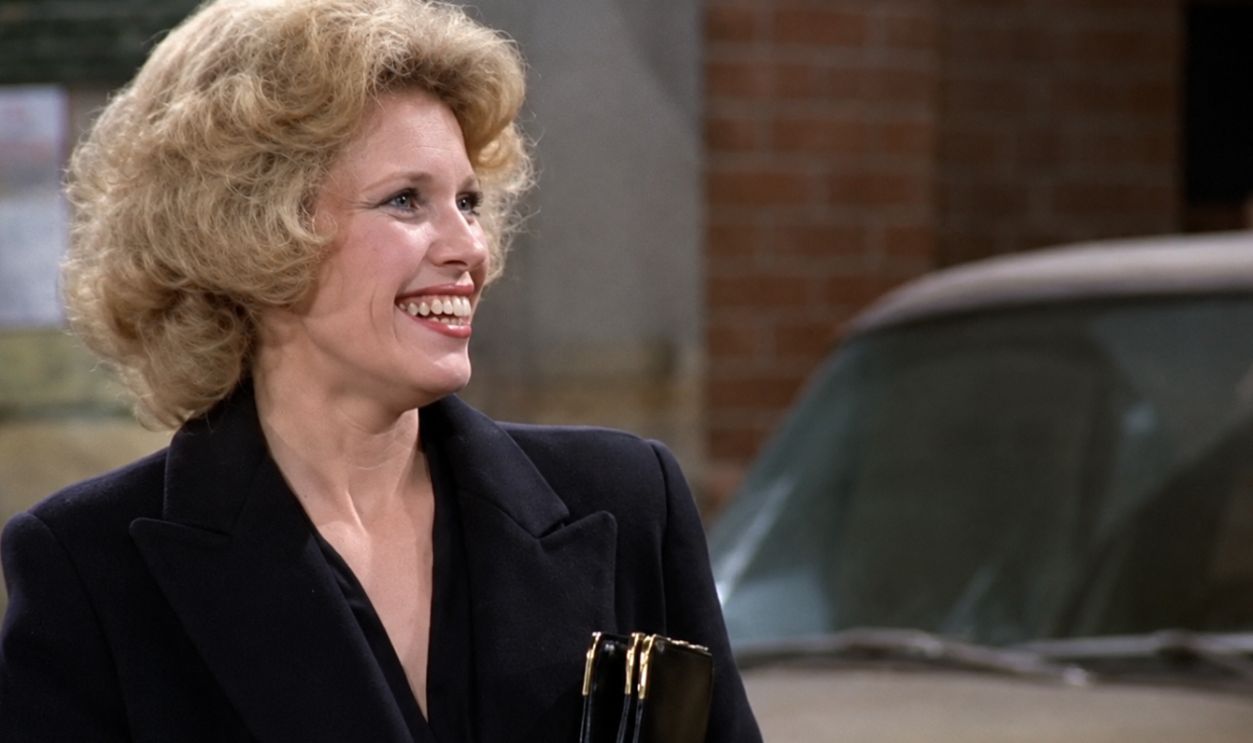
Although Lasser never again experienced the same level of mainstream celebrity, she continued working in film and television. Her later credits included Taxi, St. Elsewhere, Todd Solondz’s dark comedy Happiness, Darren Aronofsky’s Requiem for a Dream, and Lena Dunham’s Girls. Those performances often made imaginative use of the nervous intensity and unpredictability that had always distinguished her work.
 Screenshot from Taxi, Paramount Television (1978-1983), Enhanced
She Passed Her Knowledge On
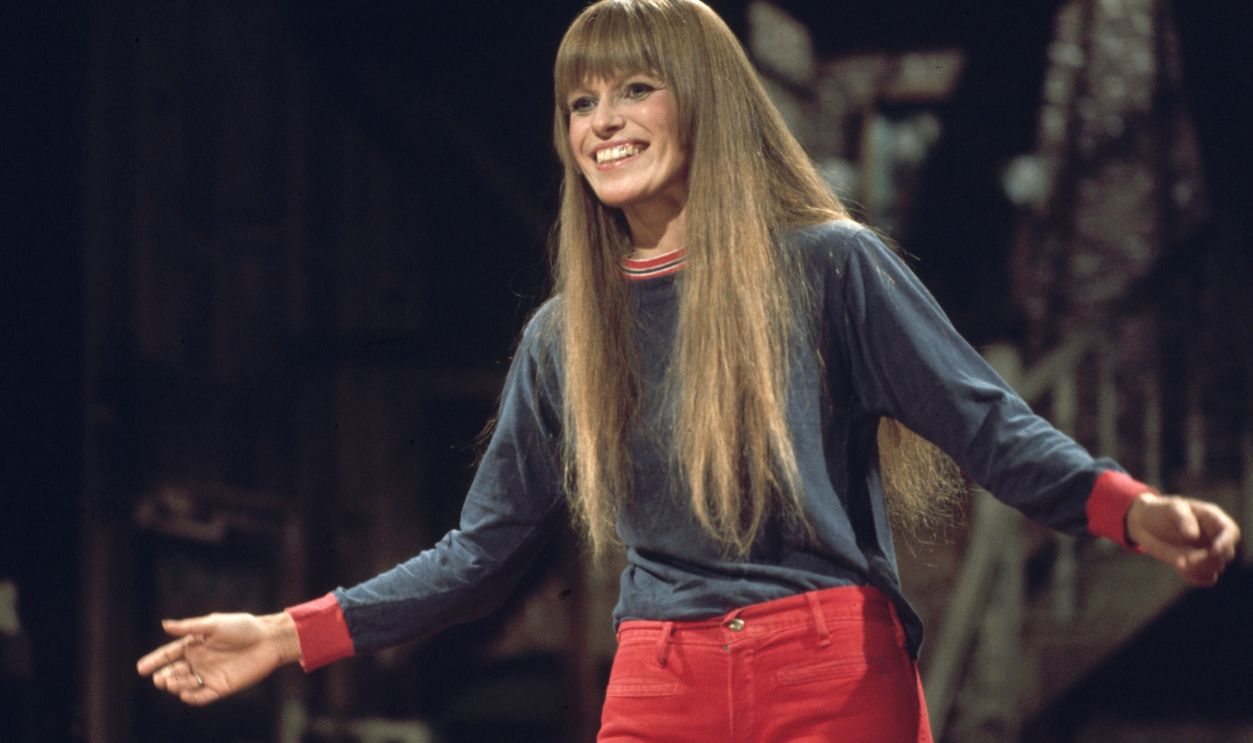
Lasser eventually became an acting teacher as well as a performer. She operated the Louise Lasser Acting Studio in New York and also worked as a director, giving younger performers access to lessons accumulated across decades of theater, film, and television. In that sense, the woman forever associated with one overwhelmed housewife built a much broader artistic life than her most famous credit suggests.
She Was Still Acting In Her Eighties
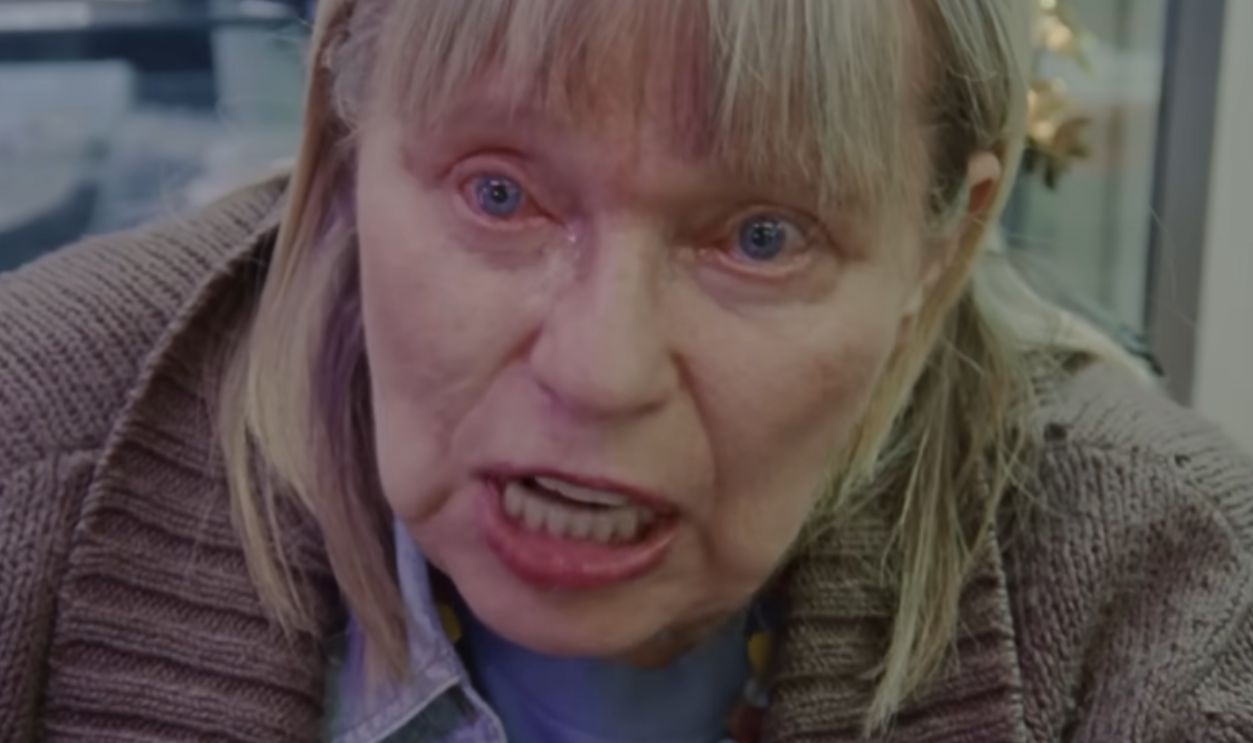
Lasser continued appearing on screen late in life. One of her final roles came in Owen Kline’s 2022 film Funny Pages, more than six decades after she began pursuing professional acting. Her career had traveled from Broadway and Woody Allen movies through experimental television, cult films, prestige cable, teaching, and independent cinema.
 Screenshot from Funny Pages, A24 (2022)
Louise Lasser Died At 87
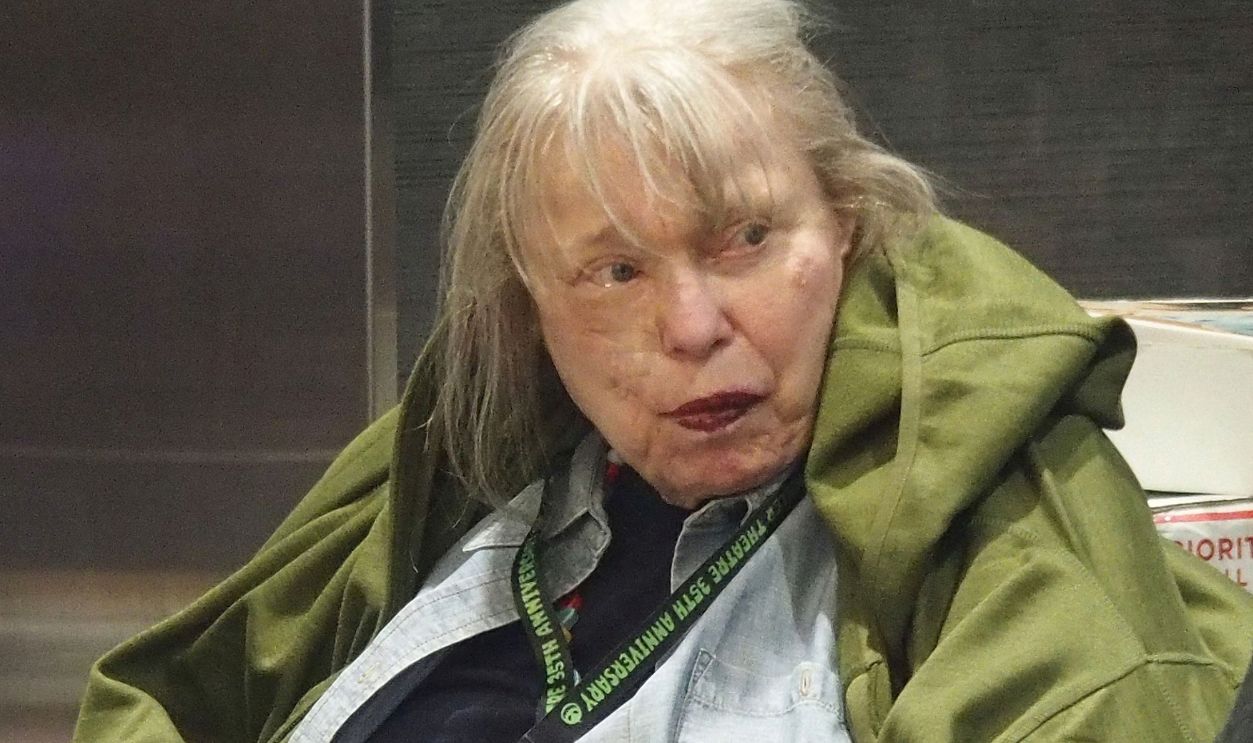
Lasser died in Manhattan on July 6, 2026, at the age of 87. News of her death prompted renewed attention not only to Mary Hartman, Mary Hartman, but also to just how unusual her style had been. Few television leads have ever made confusion, fatigue, anxiety, and deadpan bewilderment feel so unmistakably their own.
The Comedy Came From Somewhere Real
Looking back, Lasser herself drew connections between Mary’s inability to understand what was happening emotionally and her own youthful experience of depression. That does not mean Mary Hartman was simply Louise Lasser in disguise, but it helps explain why the performance could feel painfully authentic beneath all the absurdity. She knew how funny bewilderment could be because she also knew it could hurt.
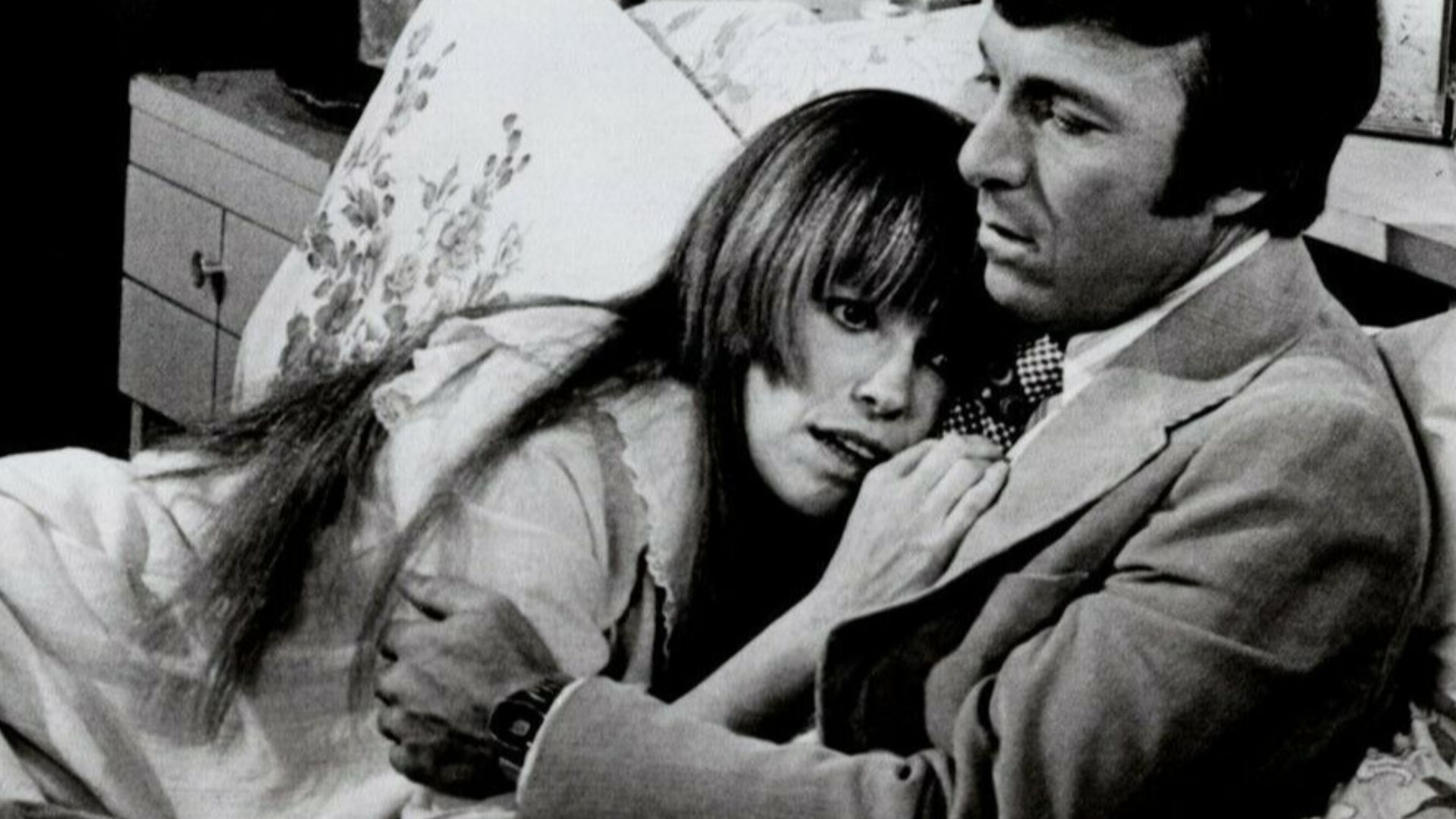 Tandem Productions, Wikimedia Commons
Mary Hartman Could Not Have Existed Without Her
Mary Hartman, Mary Hartman was built by an exceptional group of writers, producers, directors, and actors, yet Lasser provided its strange emotional center. She made a television housewife facing impossible events seem ridiculous, sympathetic, exhausted, and somehow completely believable at the same time. Behind those famous braids was a performer who transformed some of the hardest parts of her own emotional vocabulary into comedy unlike anything television had seen before.
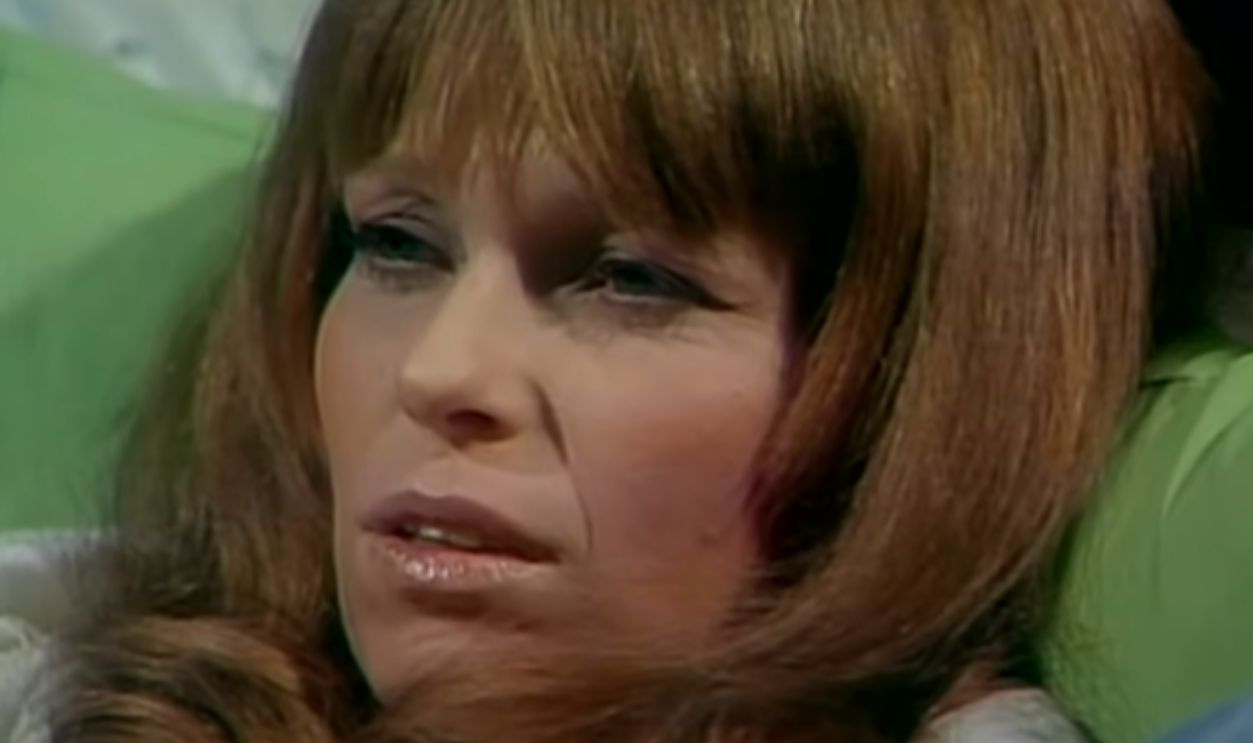 Screenshot from Mary Hartman, Mary Hartman, Sony Pictures Television (1976-1977)
You May Also Like:
The 3 Funniest Sitcoms From Every Decade That No One Talks About Anymore—How Many Do You Remember?
Every Host And Musical Guest From SNL’s First Season—Do You Remember Them All?
The Most Unforgettable TV Wives From The 1970s—Which One Would You Have Married?