

The Secret Behind America’s Most Glamorous Maestro
Leonard Bernstein and Felicia Montealegre appeared to have everything: brilliance, fame, three children, and a glamorous New York marriage. Behind closed doors, however, they were keeping a deep, dark secret.
 Leo Friedman, New York, Wikimedia Commons
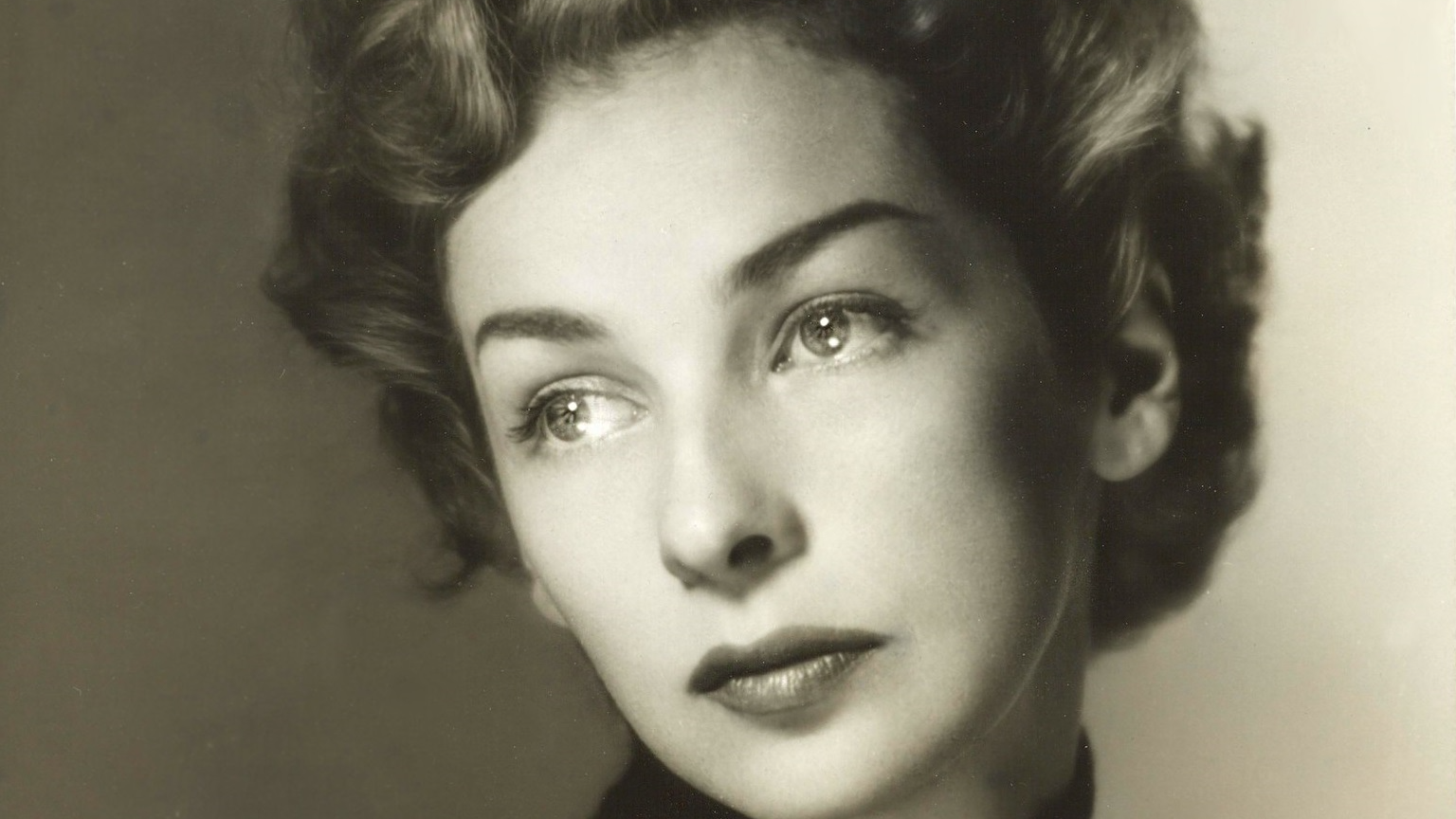
Felicia Was Already Becoming a Star
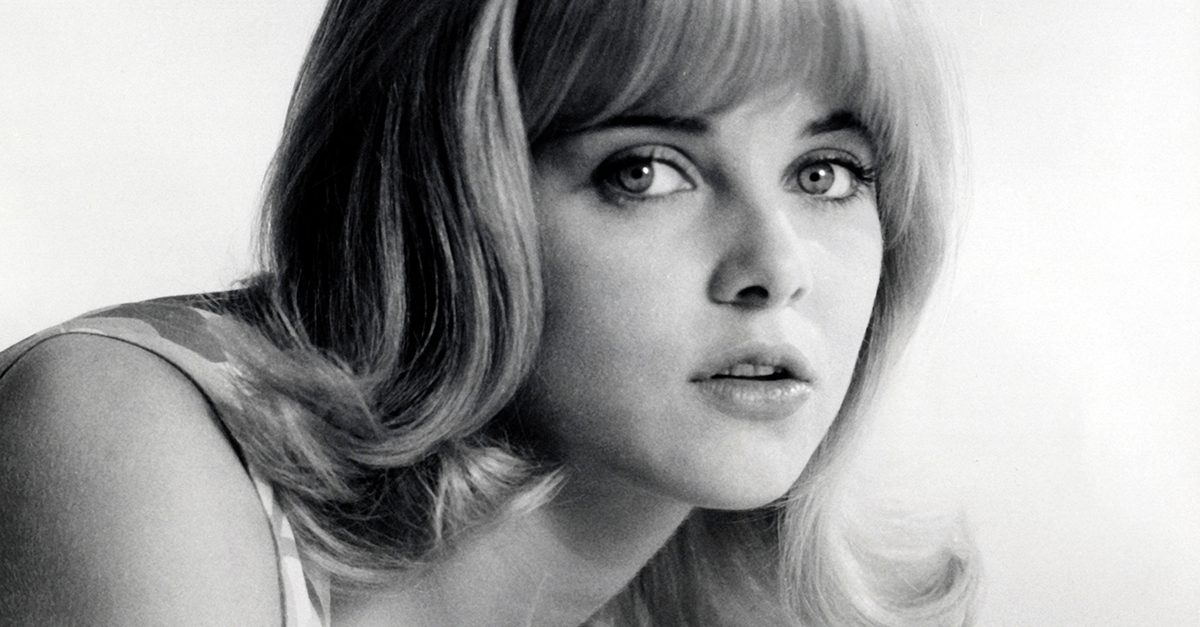
Felicia Montealegre Cohn was born on February 6, 1922, in San José, Costa Rica, and raised largely in Chile. After moving to New York, she studied acting with Herbert Berghof and began finding roles onstage and in live television.
 Unknown Author, Wikimedia Commons
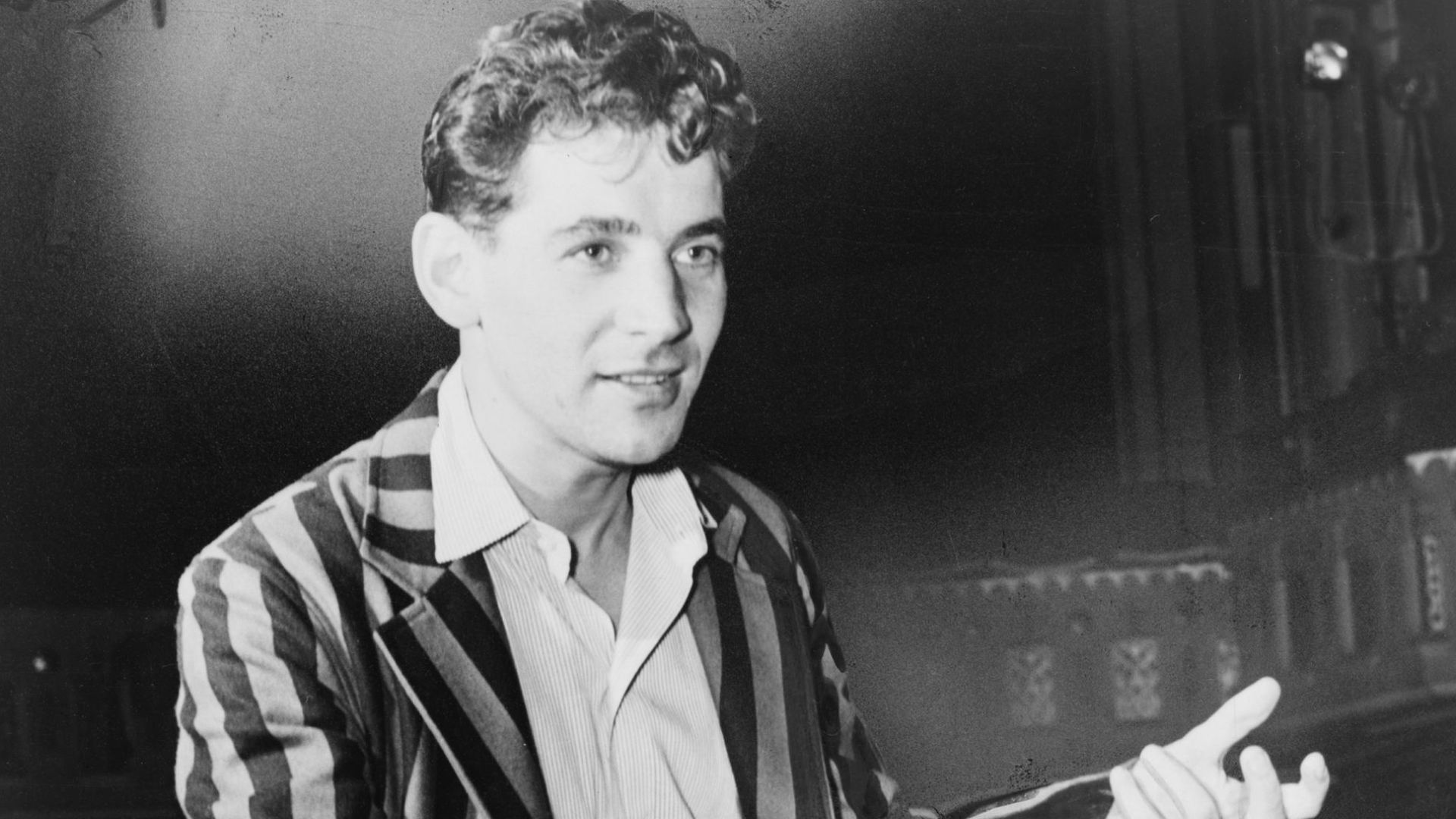
Leonard’s Career Exploded Overnight
Born in Massachusetts on August 25, 1918, Leonard Bernstein became nationally famous at 25. On November 14, 1943, he replaced an ill Bruno Walter at Carnegie Hall and conducted the New York Philharmonic without a full rehearsal.
 Fred Palumbo, World Telegram staff photographer, Wikimedia Commons
They Met While Both Were Rising
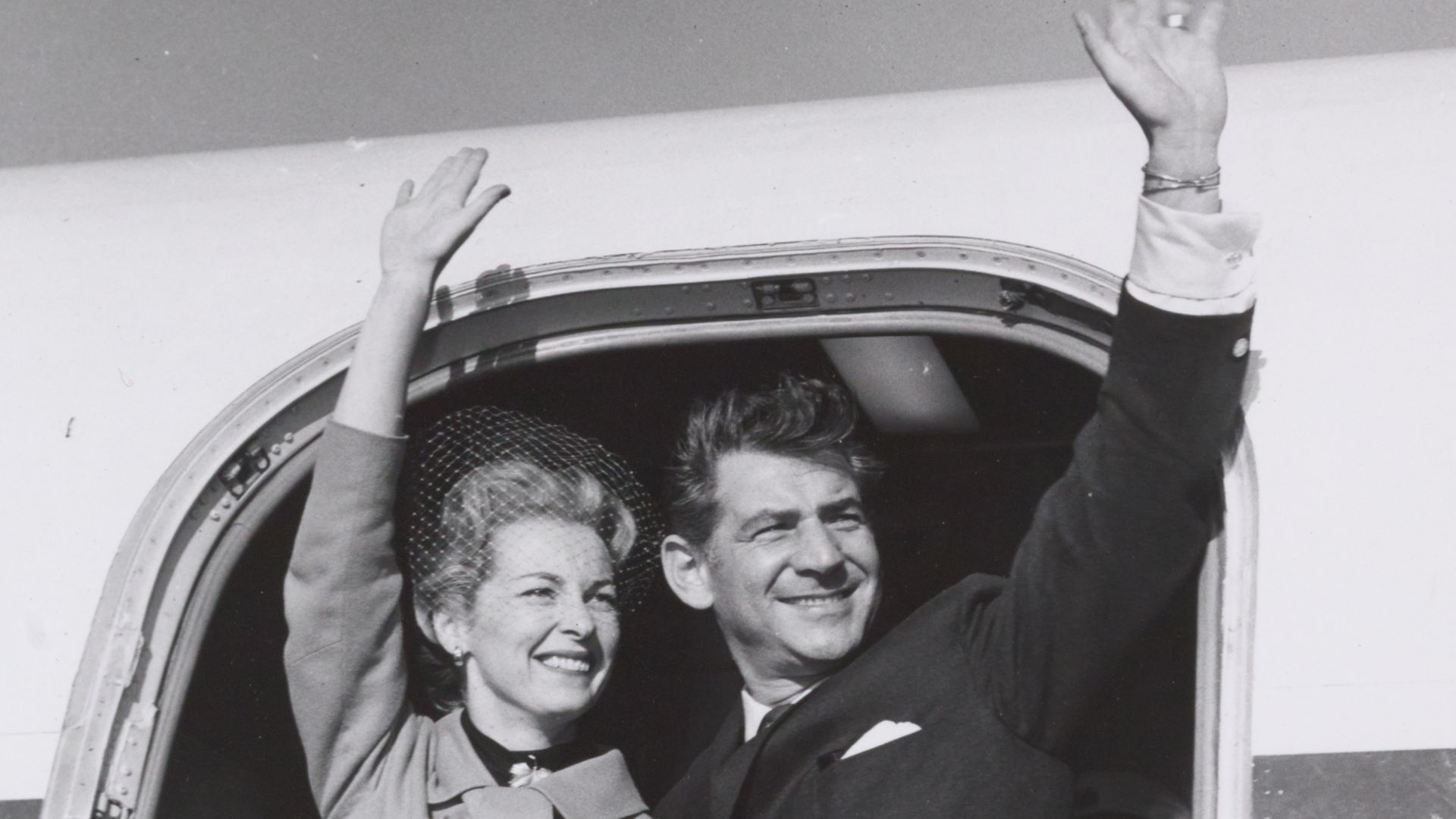
Bernstein and Montealegre met at a New York party in 1946, when he was 28 and she was 24. Their attraction was immediate, but their surviving letters reveal uncertainty almost as quickly as they reveal affection.
 Youmissedaword, Wikimedia Commons
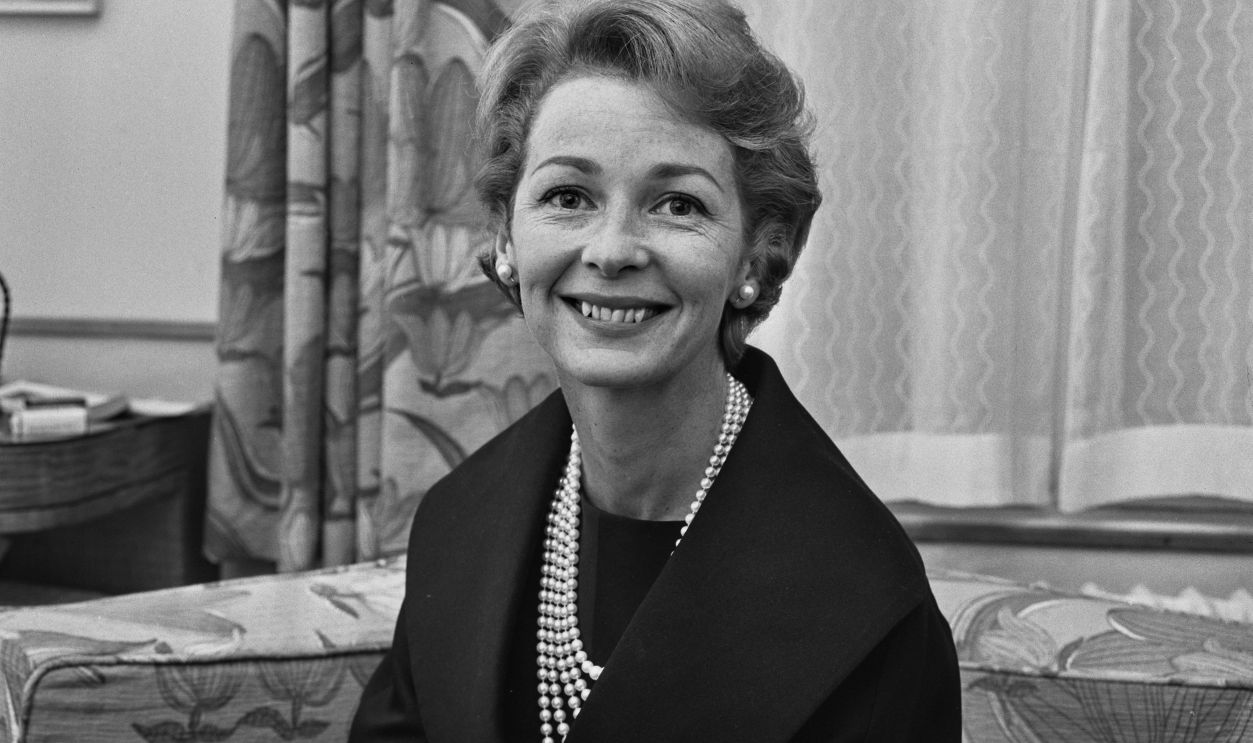
Felicia Wanted More Than Charm
While Bernstein traveled to London that summer, Felicia wrote that she was hurt he had left without saying goodbye. She understood he was busy and “confused,” but she still wanted him to remember that she existed without constant reminders.
A Proposal Arrived That Winter
By December 1946, Bernstein was telling friends that the relationship was becoming serious. He soon proposed, beginning an engagement that promised stability while forcing him to confront desires he was not prepared to discuss publicly.
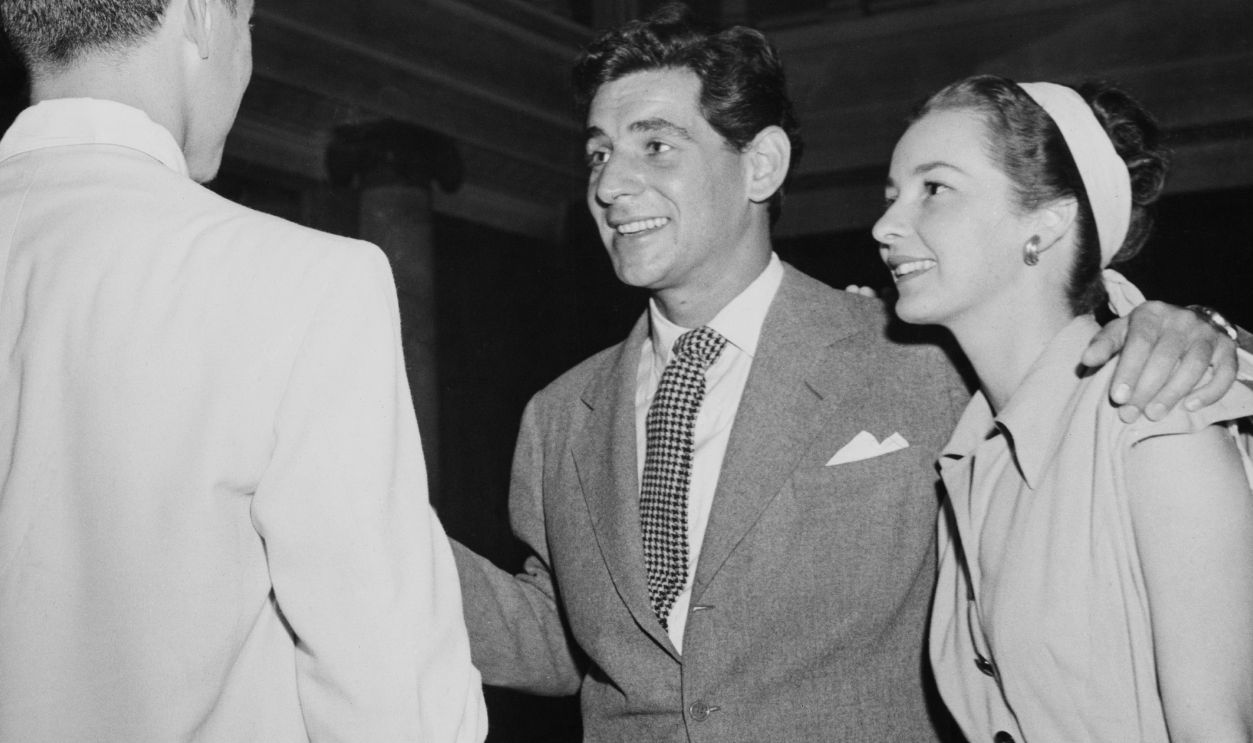
Even Her Happiest Letter Asked a Question
On her 25th birthday in February 1947, Felicia sent Bernstein a joyful letter about her new puppy and driving lessons. Beneath the excitement, however, she asked him directly, “What’s with you? You never really tell me how you feel.”
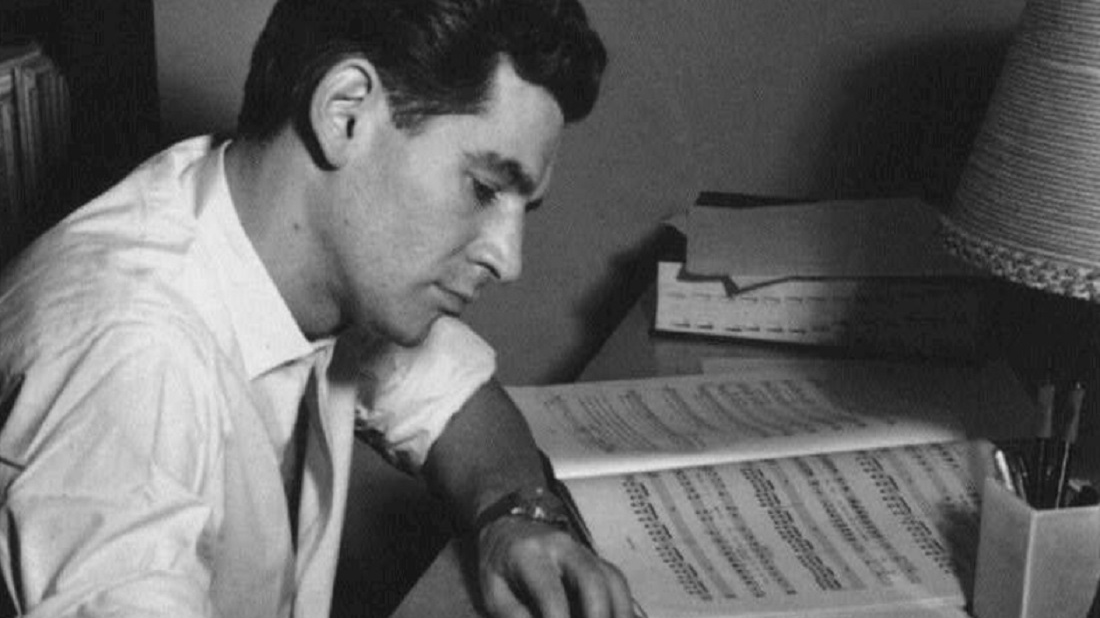
The First Engagement Collapsed
By the fall of 1947, their wedding plans had been canceled. A newspaper gossip column announced the broken engagement, but the public explanation concealed the conflict that their private correspondence would eventually make much clearer.
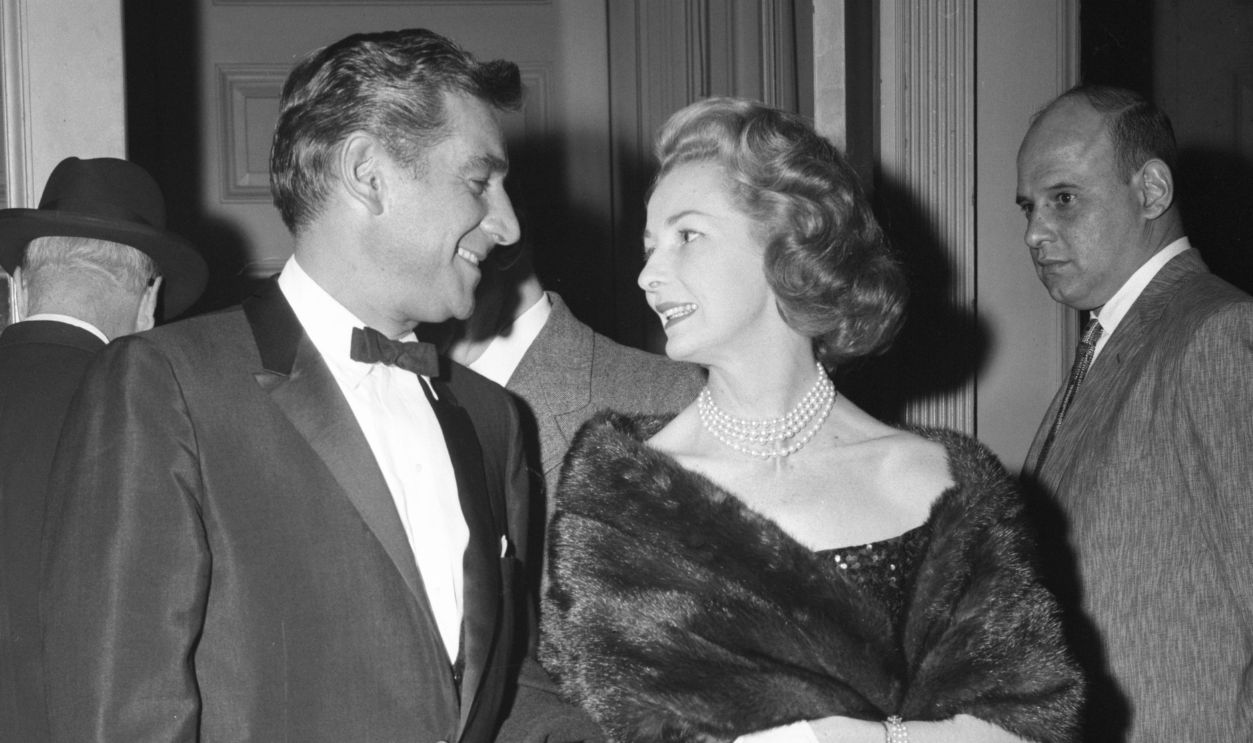
His Analyst Saw Two Competing Lives
During the engagement, Bernstein discussed troubling dreams with psychoanalyst Marketa Morris. She reportedly interpreted them as the “same old pattern”: he would see Felicia, then feel compelled to arrange another encounter with a man.
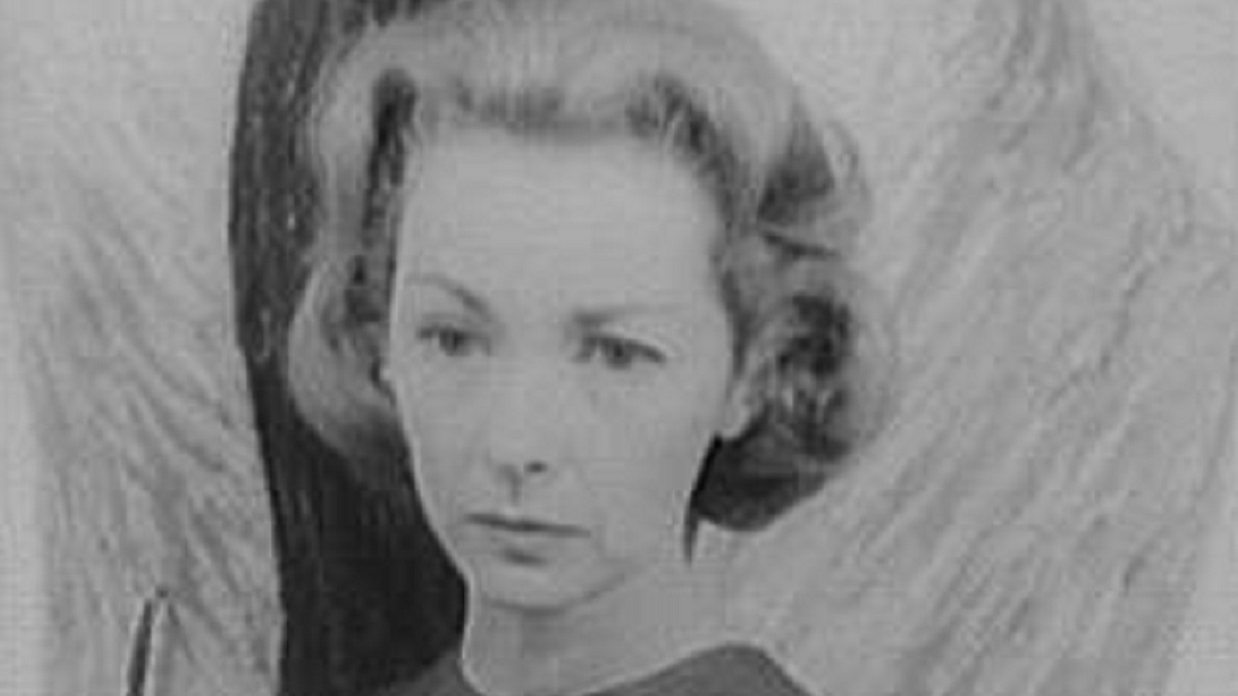 Carl Van Vechten, Wikimedia Commons
Four Years Apart Changed His Mind
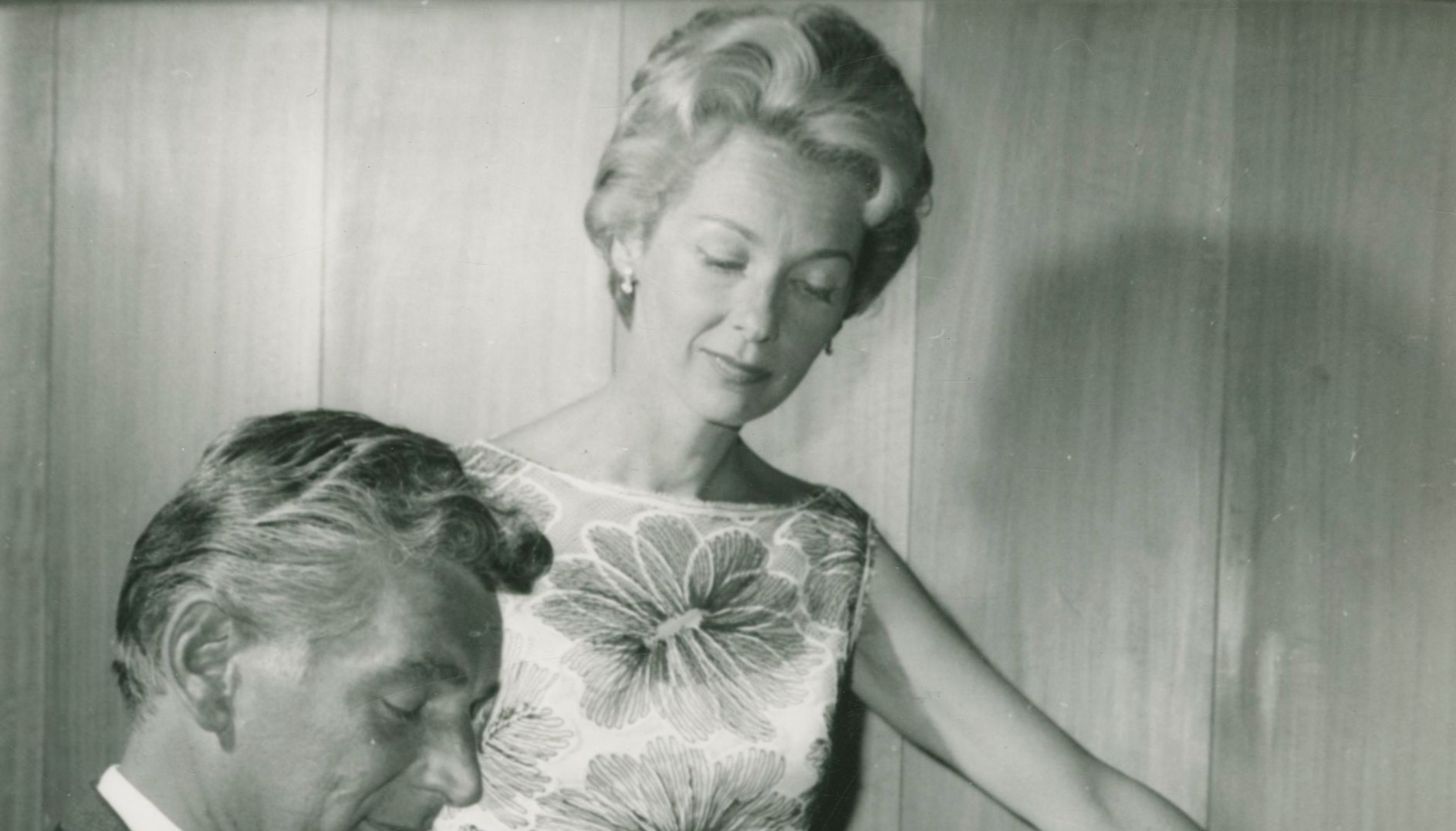
Bernstein and Felicia remained apart while their careers advanced, but he never completely released the idea of marrying her. In 1950, he wrote that she had occupied his thoughts “uninterruptedly” and that he finally understood what she meant to him.
 Unknown authorUnknown author, Wikimedia Commons
He Named Both Men and Women
In that same correspondence, Bernstein declared that “other girls (and/or boys) meant nothing.” The parenthetical confession suggested that Felicia was not ignorant of his attraction to men when their relationship began moving toward marriage again.
A Wedding With Hope—and History
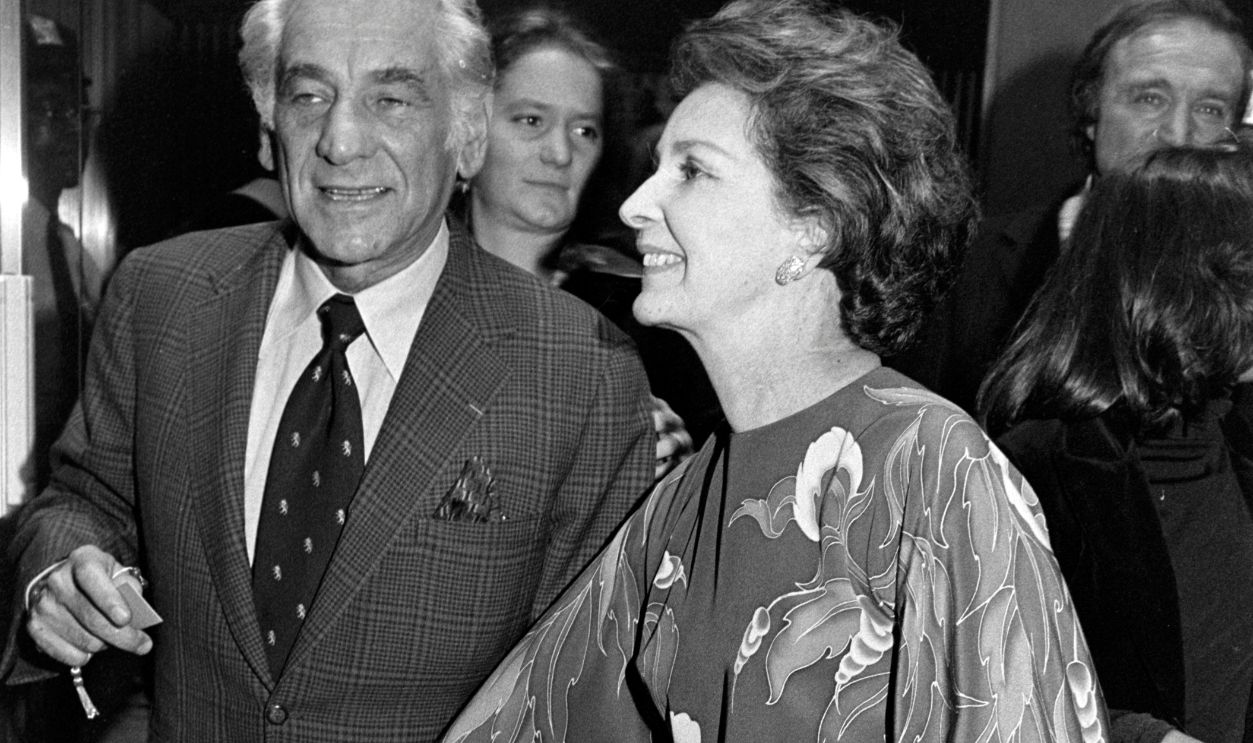
Leonard, 33, and Felicia, 29, married on September 9, 1951. His wedding suit had once belonged to mentor Serge Koussevitzky, and Bernstein wrote to his new wife that he knew they were “beginning a beautiful life.”
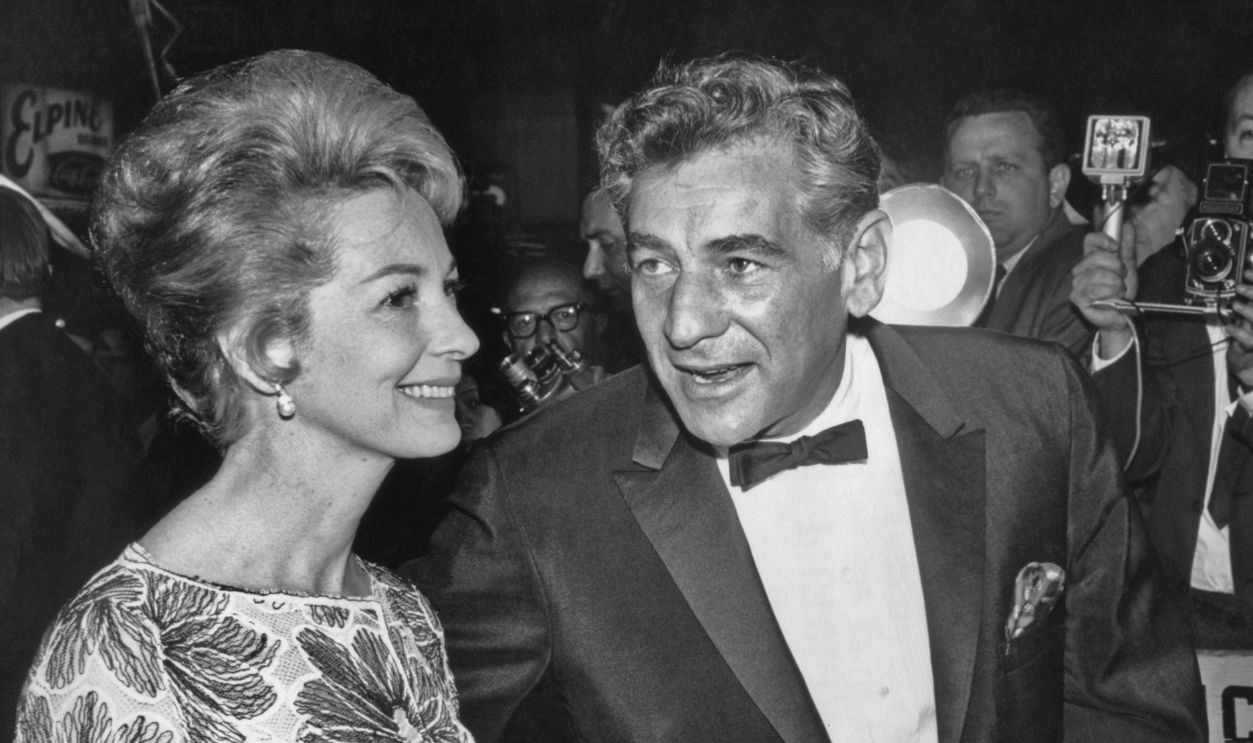 Pictorial Parade, Getty Images
Then Felicia Put the Truth on Paper
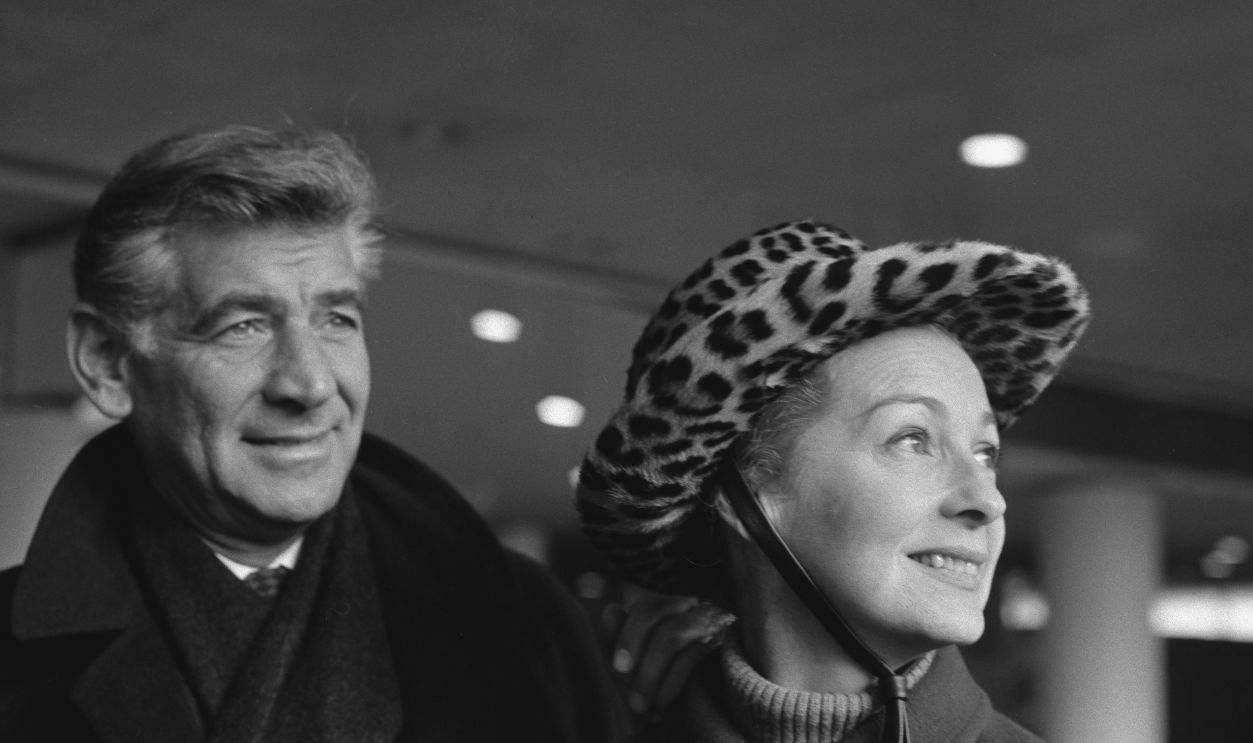
Late in 1951 or early in 1952, Felicia wrote the letter that would eventually redefine their public love story. “You are a homosexual and may never change,” she told Bernstein with startling directness.
She Actually Used the Words “Double Life”
Felicia continued, “You don’t admit to the possibility of a double life,” but recognized that his well-being might depend upon a particular “[intimate] pattern.” She proposed trying freedom without the cycle of guilt, confession, and emotional tension.
 Evening Standard, Getty Images
Her Acceptance Came With a Boundary
“I am willing to accept you as you are,” Felicia wrote, “without being a martyr or sacrificing myself on the L.B. altar.” She offered understanding, but the letter did not promise unlimited tolerance for humiliation or dishonesty.
This Was Never Simply a Fake Marriage
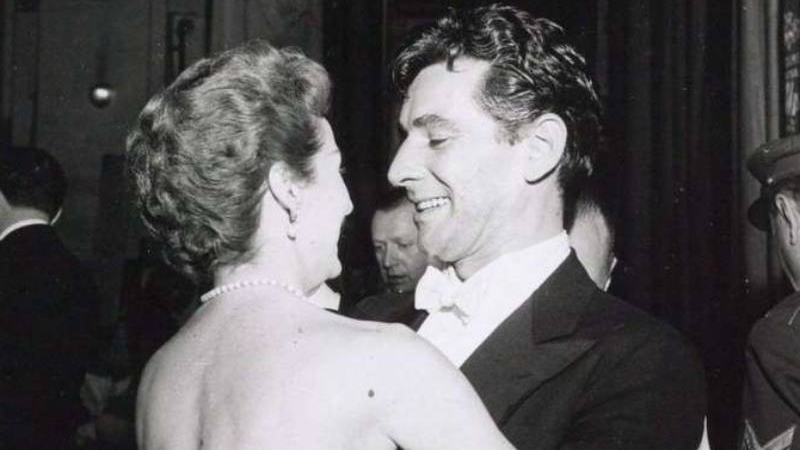
The marriage was not merely camouflage for Bernstein’s sexuality. Their letters, children, friends, and biographers describe genuine devotion, intellectual companionship, physical affection, and a shared family life that mattered enormously to both of them.
He Composed a Marriage Story on Their Honeymoon
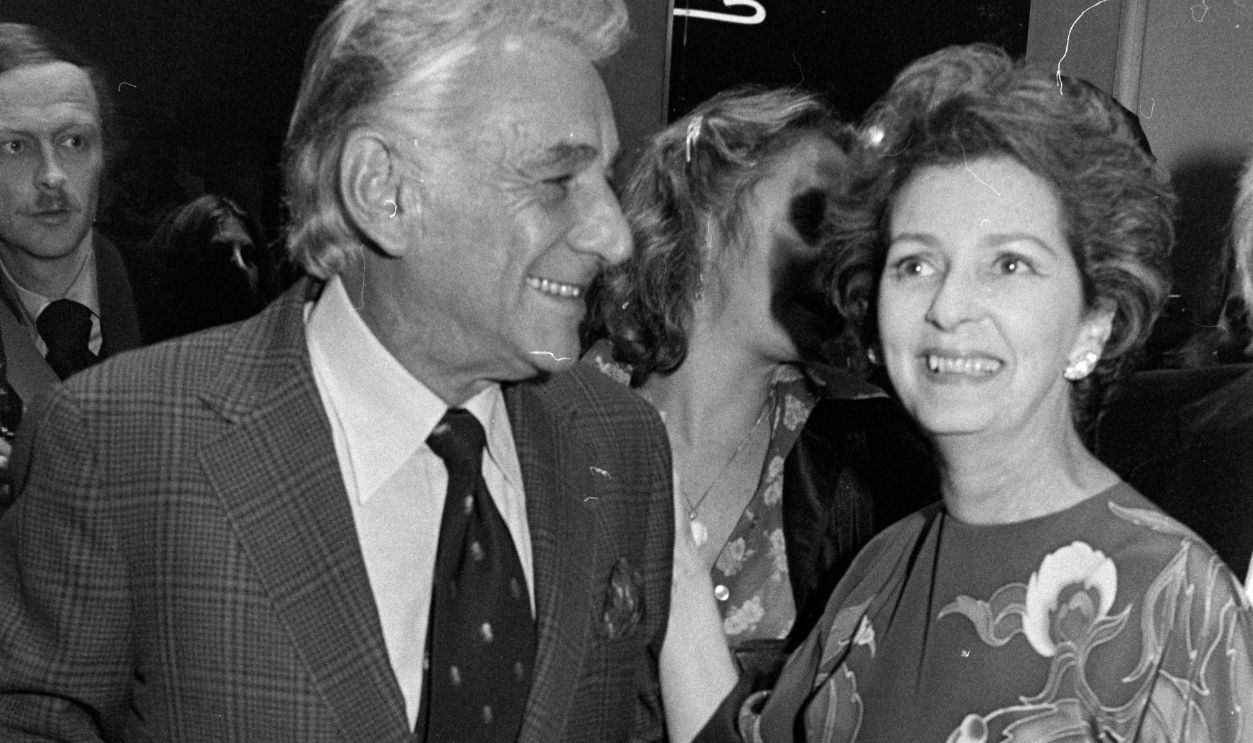
While honeymooning with Felicia in Mexico, Bernstein began composing Trouble in Tahiti, a one-act opera about an unhappy suburban couple. The timing is irresistible, although treating the work as a direct confession would go beyond the evidence.
Their Family Quickly Grew
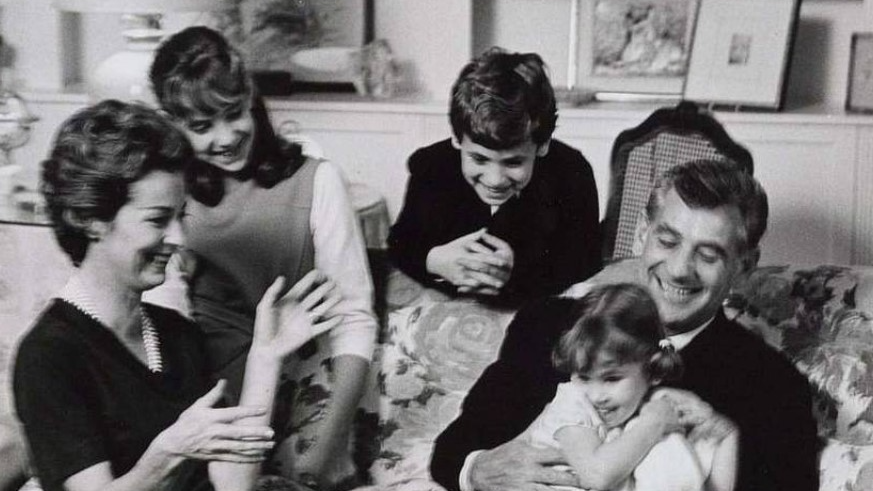
The Bernsteins had three children: Jamie, Alexander, and Nina. Their home became a lively world of music, elaborate word games, celebrity guests, private jokes, homemade movies, and a father who could transform almost any evening into a performance.
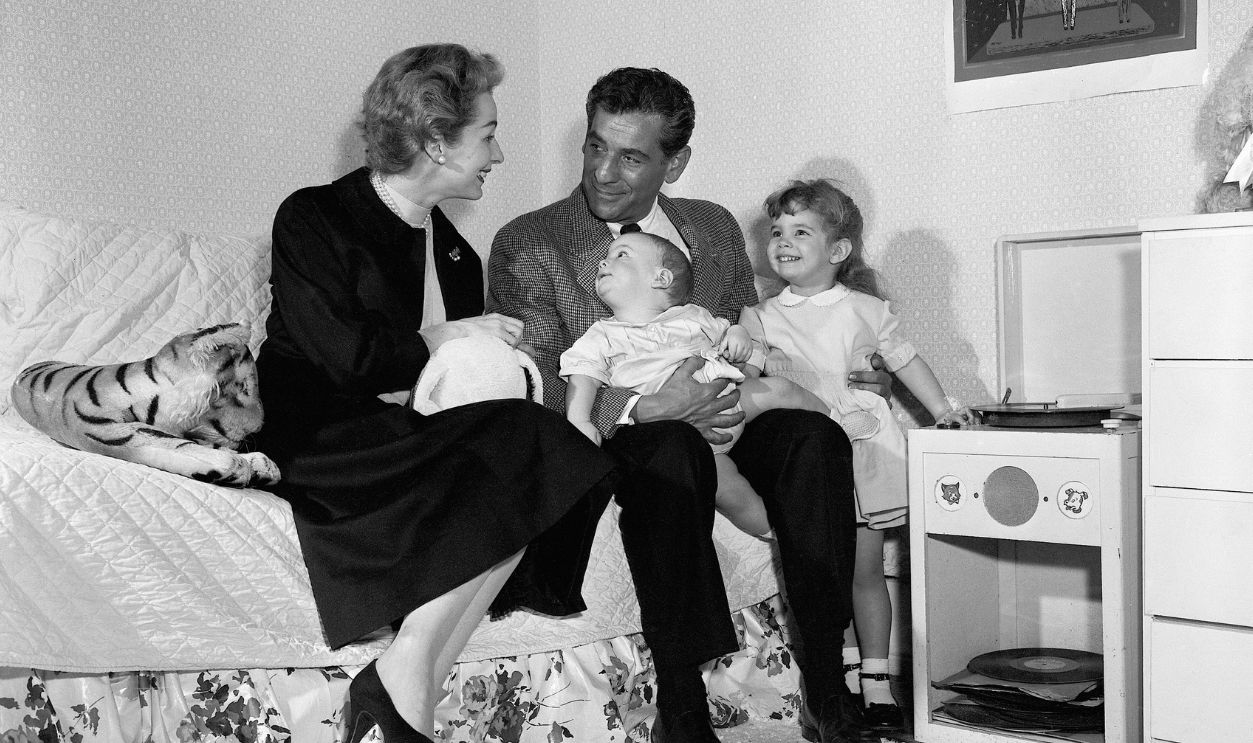
Felicia Did Not Simply Become “Mrs. Maestro”
Felicia continued acting on television, Broadway, and concert stages, appearing in works such as The Little Foxes and Poor Murderer. She also narrated major orchestral pieces, including her husband’s Kaddish Symphony.
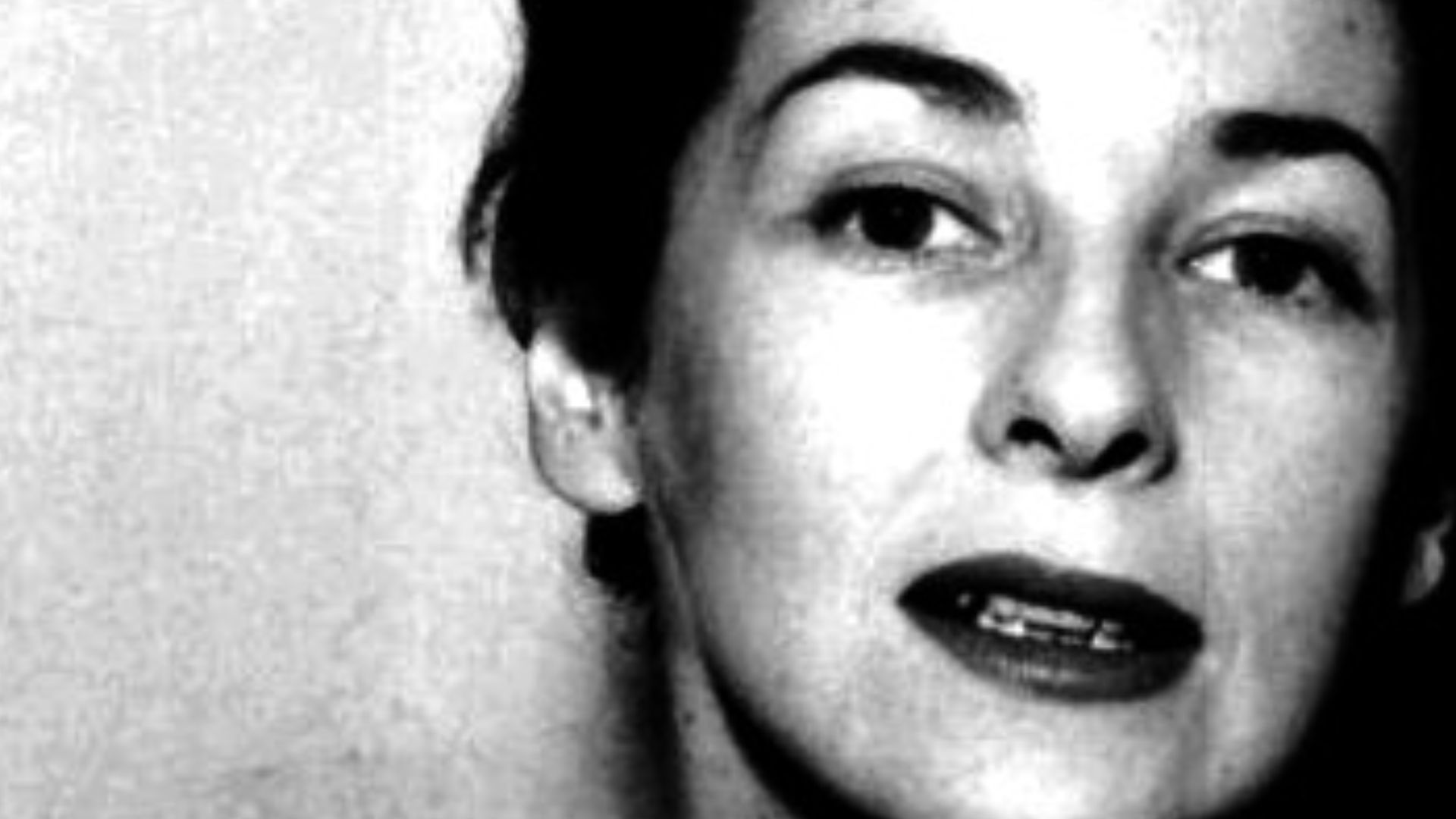 Photographer-Leo Friedman, New York, Wikimedia Commons
Leonard Became an American Institution
During their marriage, Bernstein composed Wonderful Town, Candide, West Side Story, and the score for On the Waterfront. In 1958, he became music director of the New York Philharmonic, a position he held until 1969.
 Lorraine Gray, Wikimedia Commons
Together, They Ruled Musical New York
The couple entertained artists, politicians, actors, and musicians at their Manhattan home, eventually settling in the Dakota. Publicly, they appeared sophisticated and inseparable—an elegant actress beside America’s most charismatic classical musician.
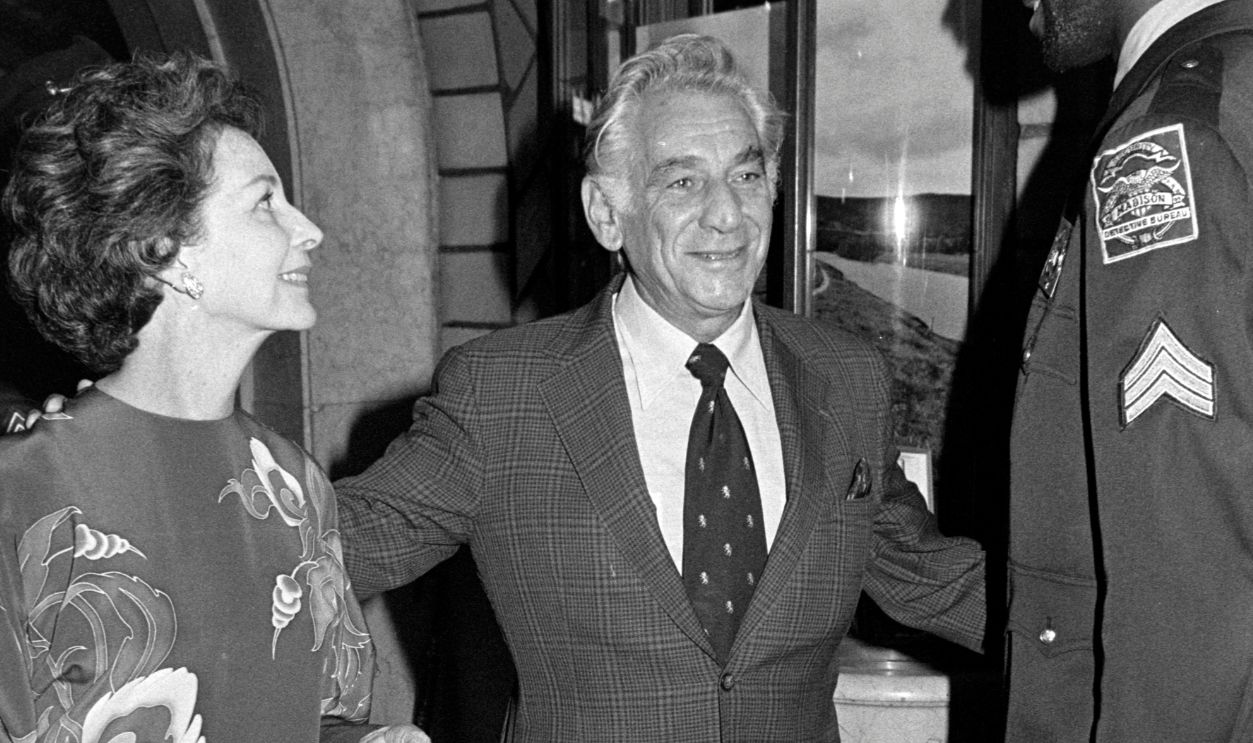
Felicia Built a Public Life of Her Own
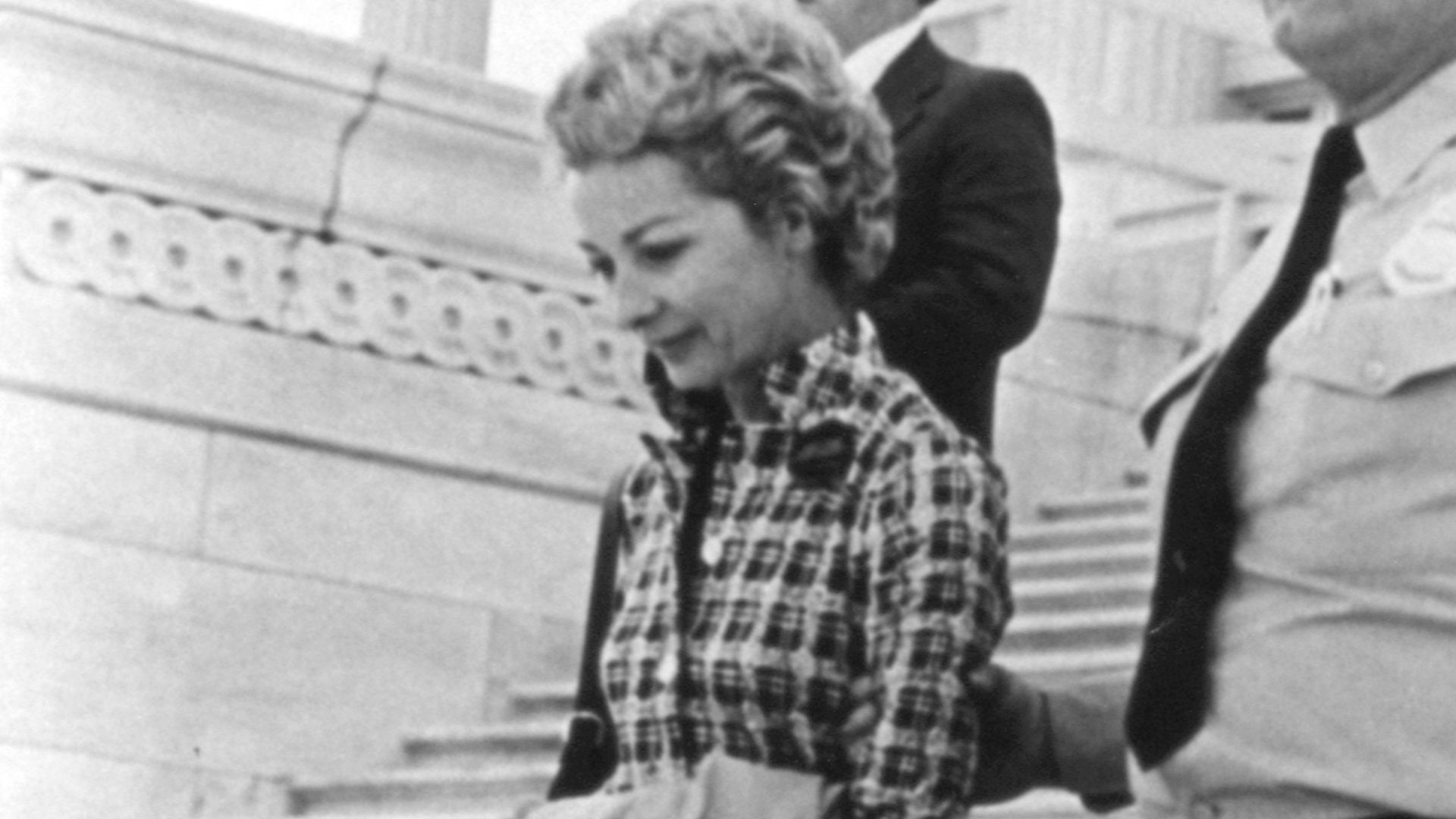
She chaired the women’s division of the American Civil Liberties Union, supported antiwar organizations, and worked with Amnesty International in Chile. In 1970, she hosted a controversial fundraiser benefiting the families of the Black Panther 21.
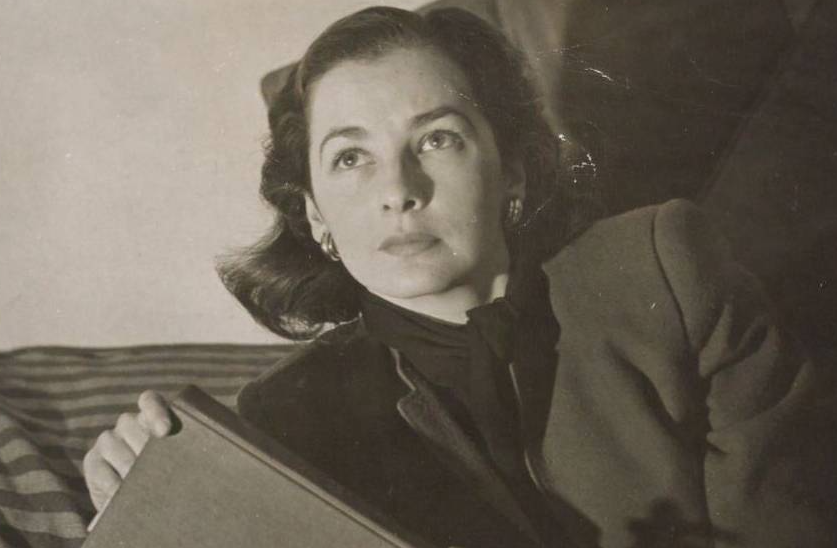
The Agreement Required Discretion
Felicia apparently accepted that Bernstein would have relationships with men, provided he protected her dignity and their family. That delicate arrangement became harder to maintain as his fame increased and his affairs grew less private.
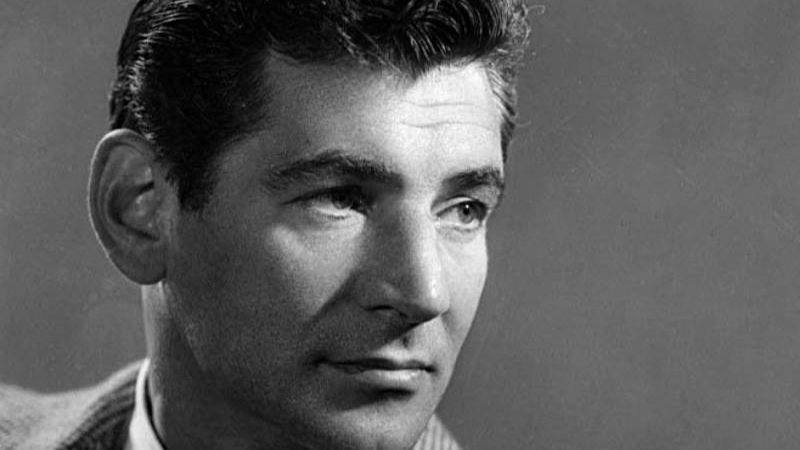 Unknown Author, Wikimedia Commons
Their Children Began Hearing Rumors
In 1970, their eldest daughter, Jamie, confronted Bernstein after hearing stories about his relationships with men. He denied them, reportedly at Felicia’s insistence, leaving the children unaware of the private bargain governing their parents’ marriage.
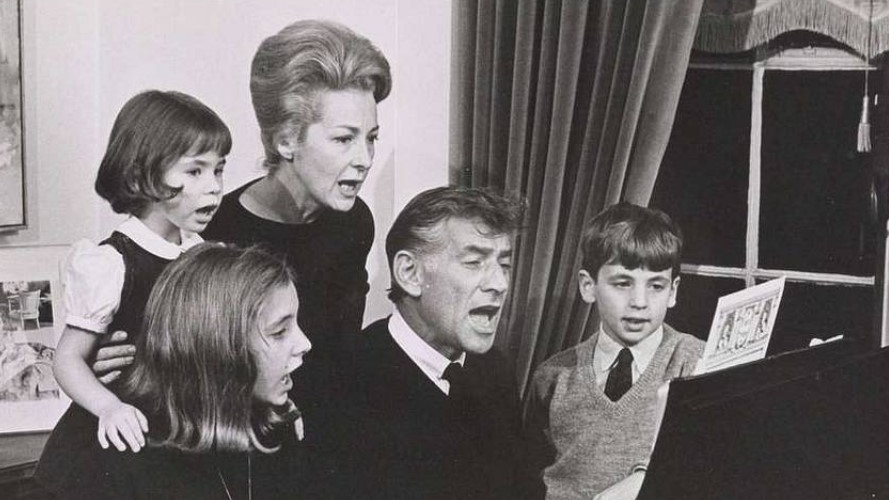
Then Tom Cothran Entered the Family’s Orbit
By 1972, Bernstein had developed a serious relationship with Tom Cothran, a young music researcher and former radio music director. Cothran also assisted with Bernstein’s Harvard Norton Lectures, making him both a romantic and creative partner.

The Hidden Relationship Became Impossible to Hide
Cothran’s continuing presence pushed the marriage beyond the boundaries Felicia believed they had established. Around 1976, she reportedly told Bernstein that if he wanted to come home, he would have to end his relationship with Cothran. His response was completely unexpected.
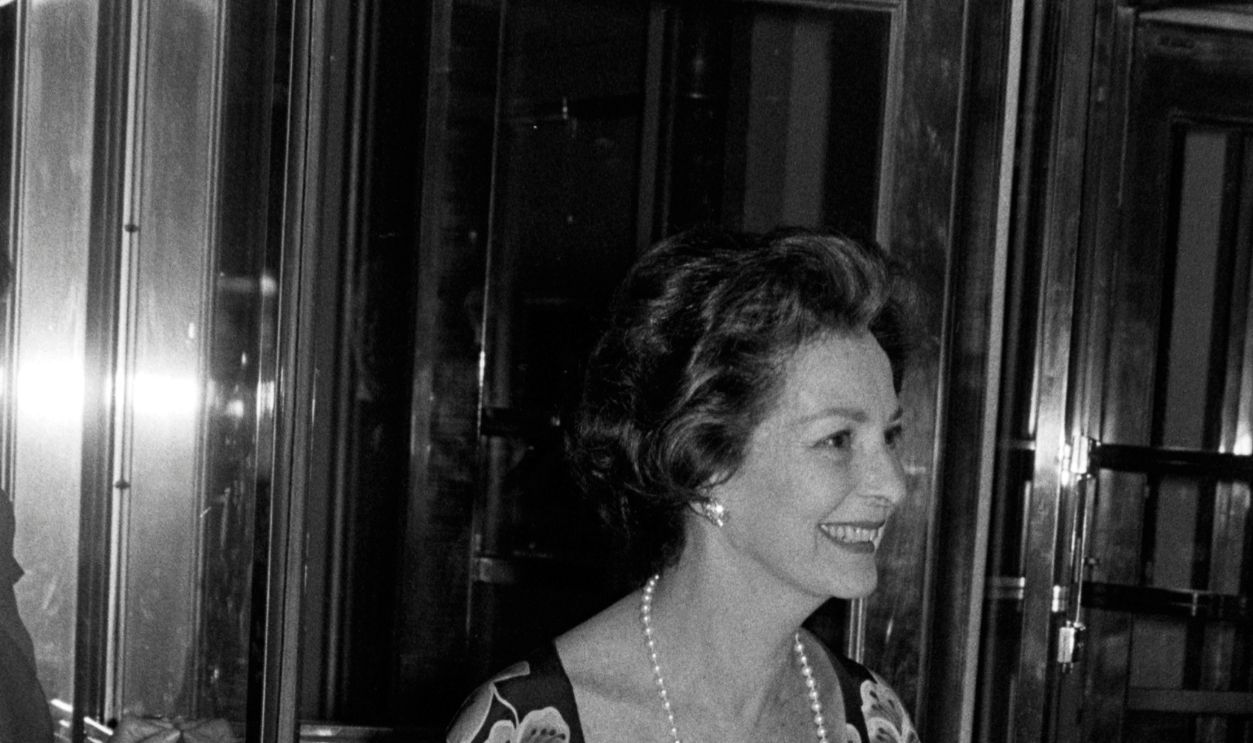 ullstein bild Dtl, Getty Images
Bernstein Chose the Other Life
Bernstein chose Cothran and left the family home, beginning what Newsweek called a “trial separation, with no divorce planned.” He and Cothran spent time in California, New York, and Paris while exploring whether they could build a permanent life together.
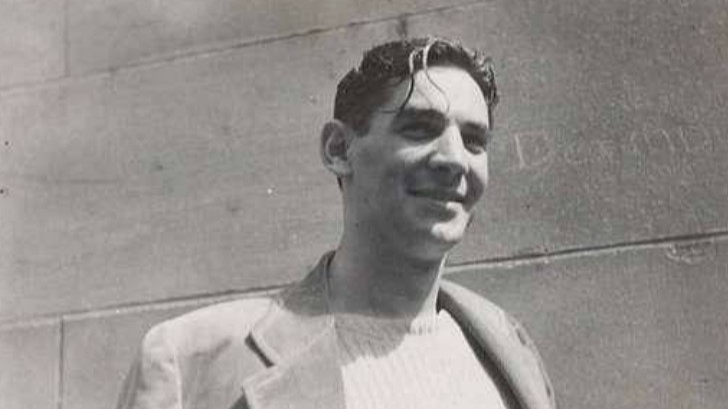
Freedom Did Not Bring Him Peace
Away from Felicia, Bernstein described himself as “caught in a depressed turmoil of drives and choices.” The life he had imagined outside his marriage did not resolve his contradictions, and he soon began considering reconciliation.
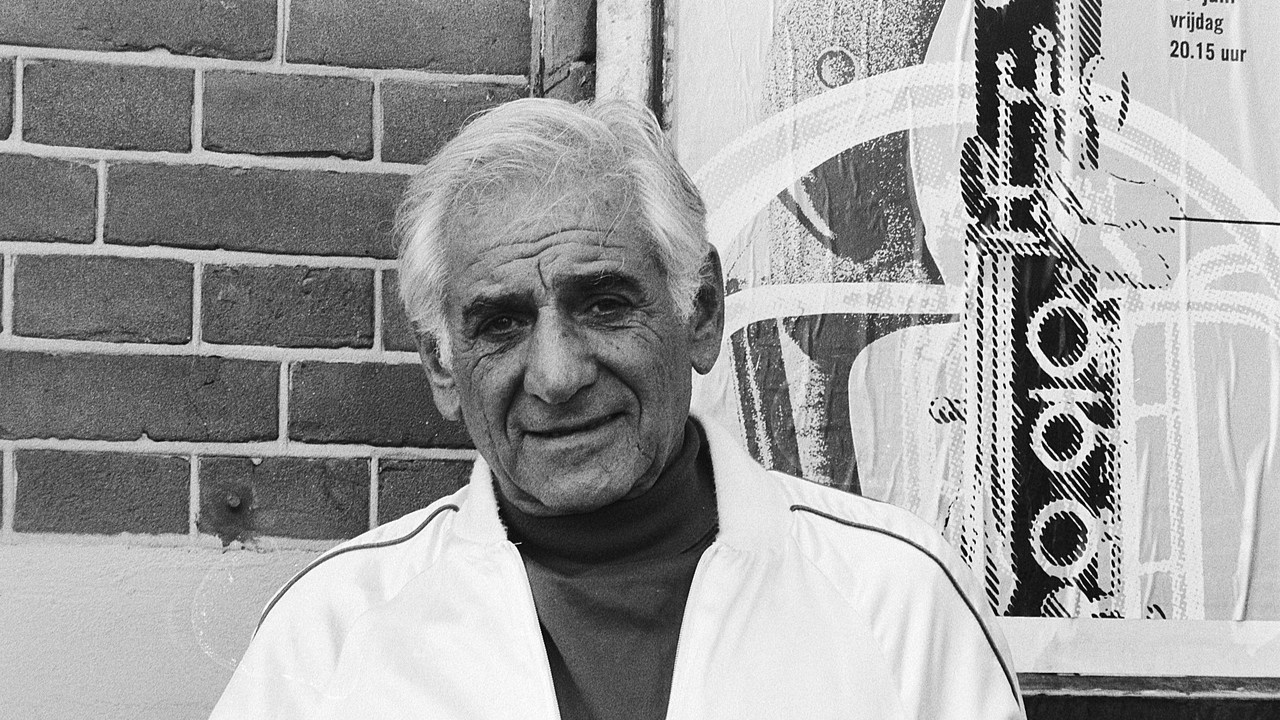 Sjakkelien Vollebregt, CC0, Wikimedia Commons
Then the Story Changed Without Warning
Soon after the separation, Felicia—who had been a heavy smoker—was diagnosed with lung cancer. Bernstein returned and devoted himself to her care, remaining beside her as the illness progressed.
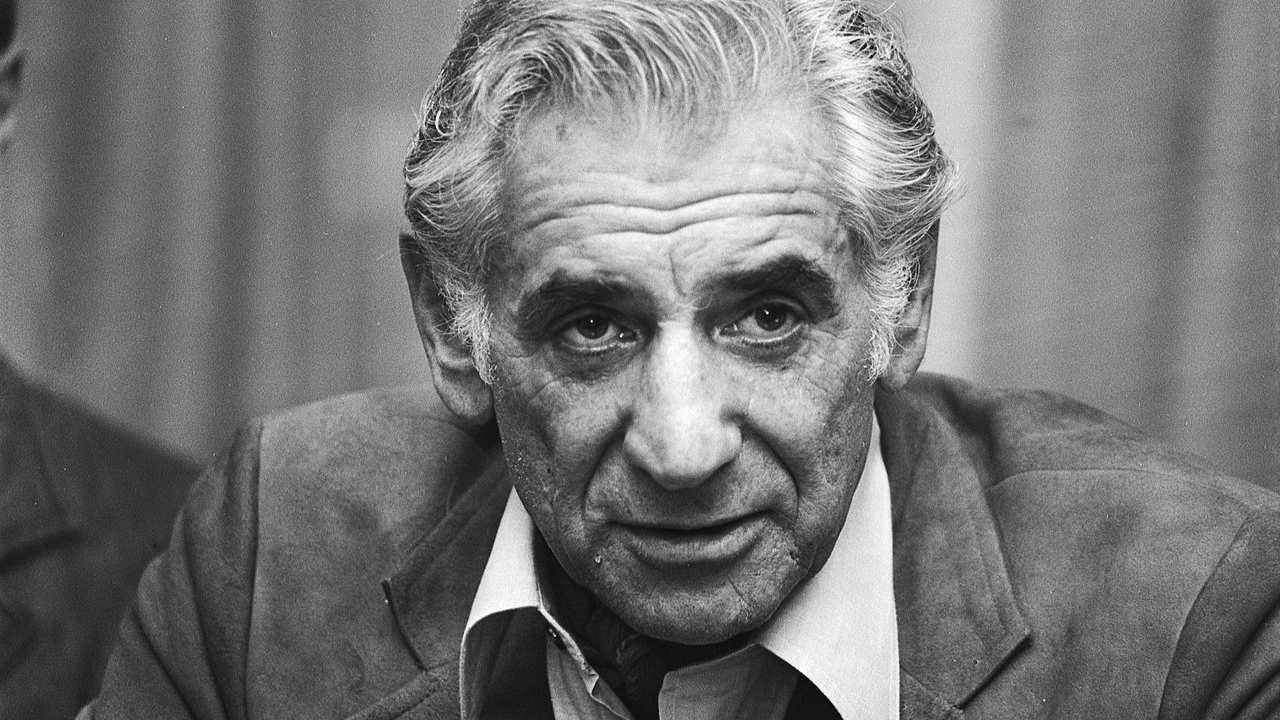 Hans Peters , CC0, Wikimedia Commons
Felicia’s Death Ended the Experiment
Felicia Montealegre Bernstein died on June 16, 1978, at age 56, ending their 27-year marriage. She was buried at Green-Wood Cemetery in Brooklyn, where Leonard would eventually be laid to rest beside her.
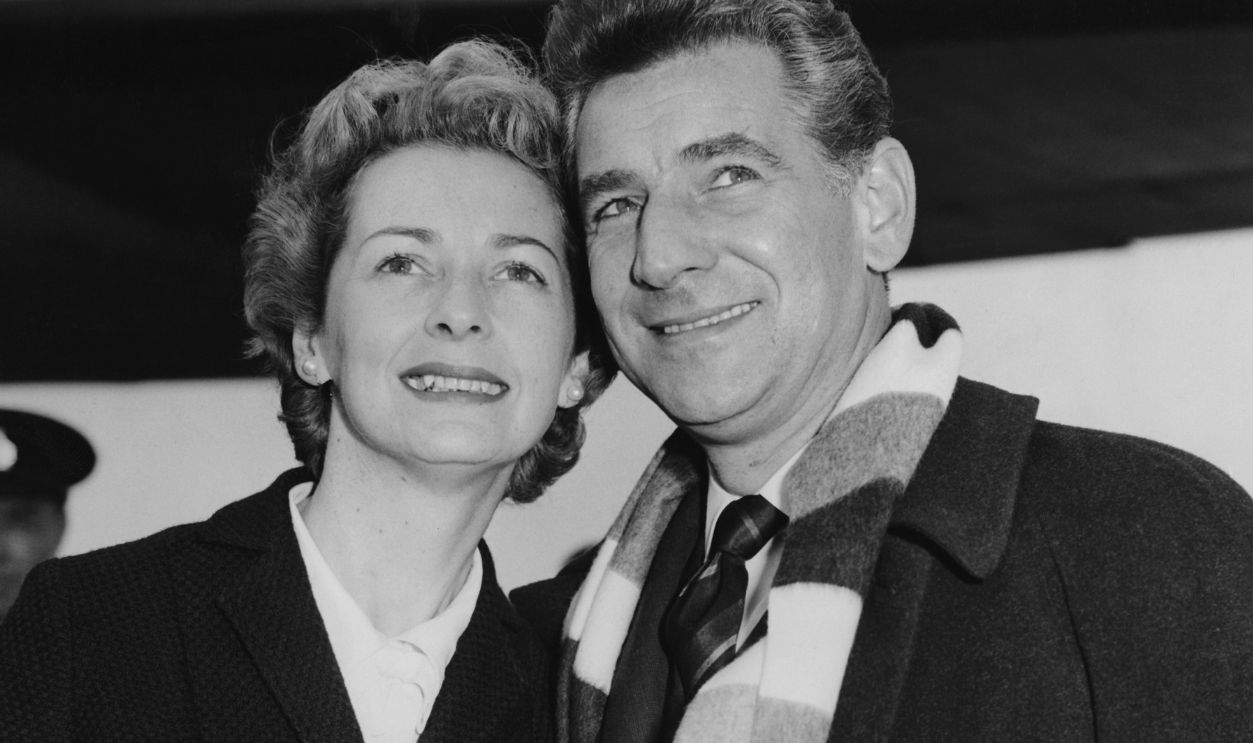
He Never Escaped the Guilt
Biographer Humphrey Burton wrote that Bernstein’s guilt over Felicia’s final years never left him. “Felicia was the greatest love of his life,” Burton concluded. “He never recovered from her loss.”
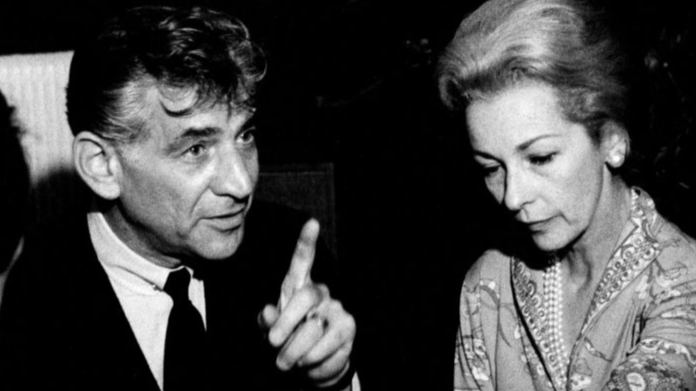
The Double Life Continued Without Her
Bernstein continued having relationships with men while conducting, composing, teaching, and traveling internationally. He retired from conducting on October 9, 1990, and died five days later, on October 14, at age 72.
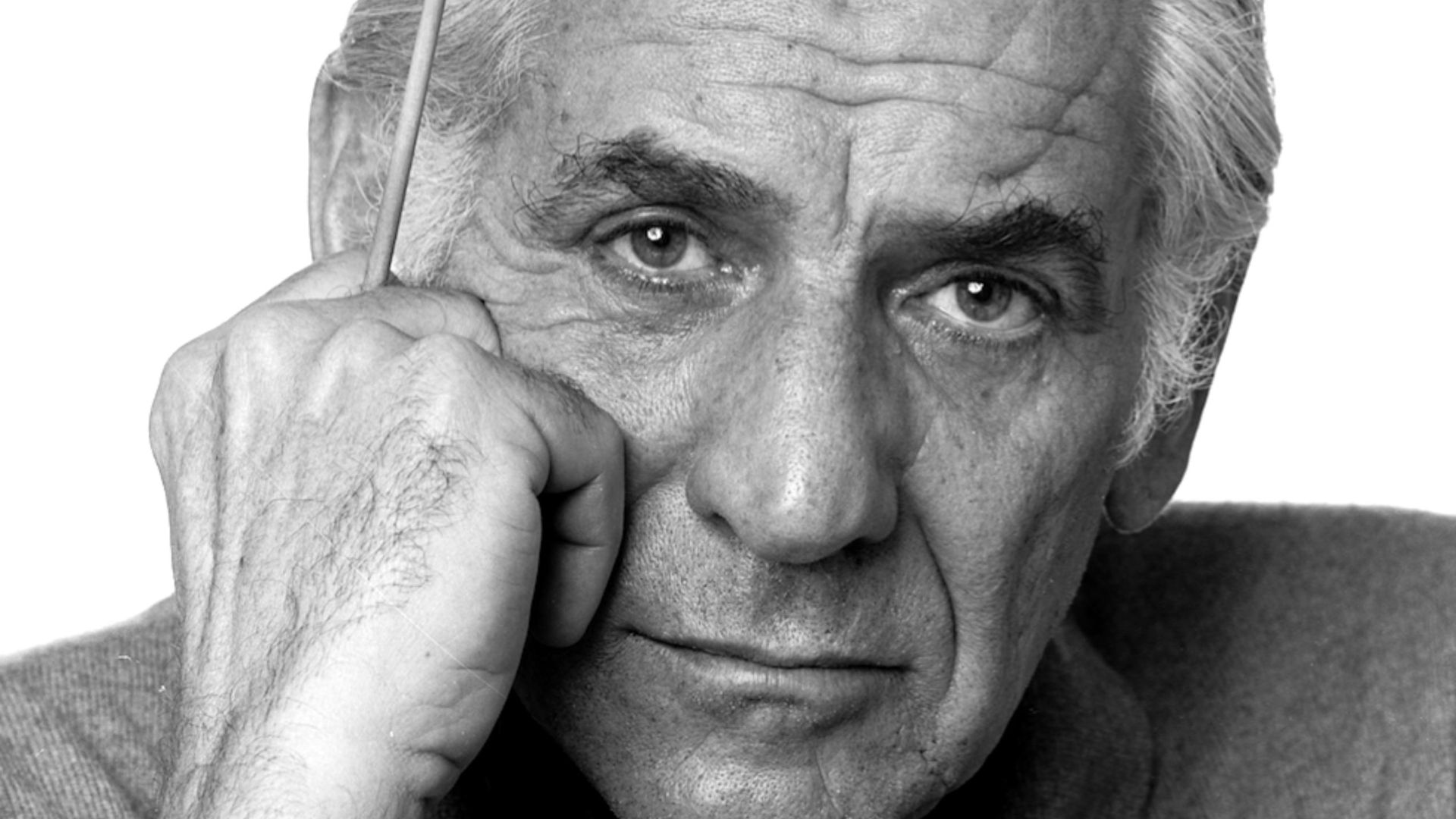 Jack Mitchell, Wikimedia Commons
Their Marriage Refuses a Simple Verdict
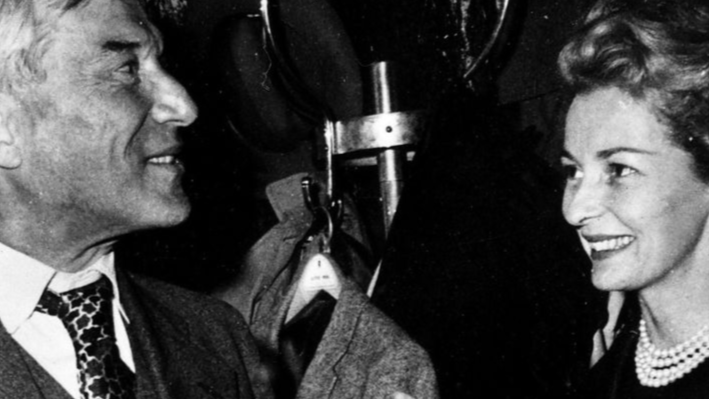
Felicia was neither an oblivious wife nor merely a victim, and Bernstein was neither secretly loveless nor completely honest. Their marriage contained real devotion and real damage—a private bargain that survived for decades, until secrecy finally demanded more than love could comfortably provide.
You May Also Like:
Natalie Wood’s death was one of Hollywood’s most enduring mysteries—until the captain of her yacht changed his story.



_LCCN2004663357.jpg)


