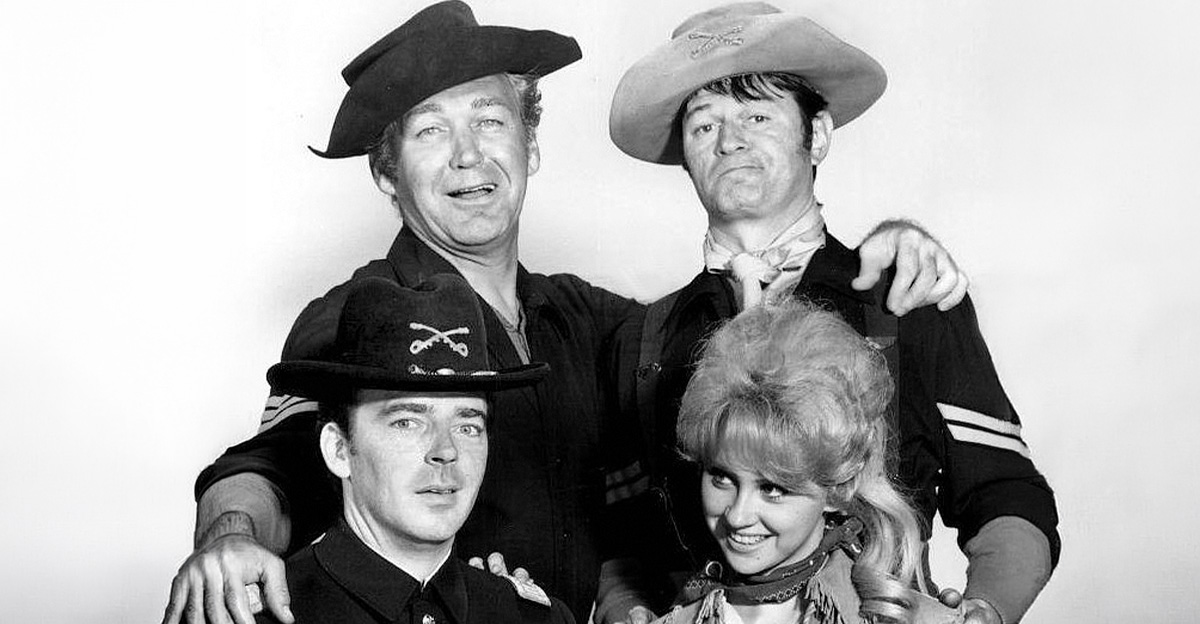
The Soldier Who Stole The Show
Long before Larry Storch marched into Fort Courage as the gloriously confused Corporal Agarn, he had already survived nightclubs, live television, Broadway, Hollywood and an actual war. F Troop made him famous, but it was only one wonderfully silly chapter in a career built on unstoppable energy.
 ABC Photo-ABC Television, Public domain, via Wikimedia Commons
A New York Original
Lawrence Samuel Storch was born in New York City in 1923 and grew up in the Bronx. The crowded neighbourhood gave him plenty of voices, accents and personalities to imitate. While other children played ball, young Larry was apparently studying everyone around him for future comedy material.
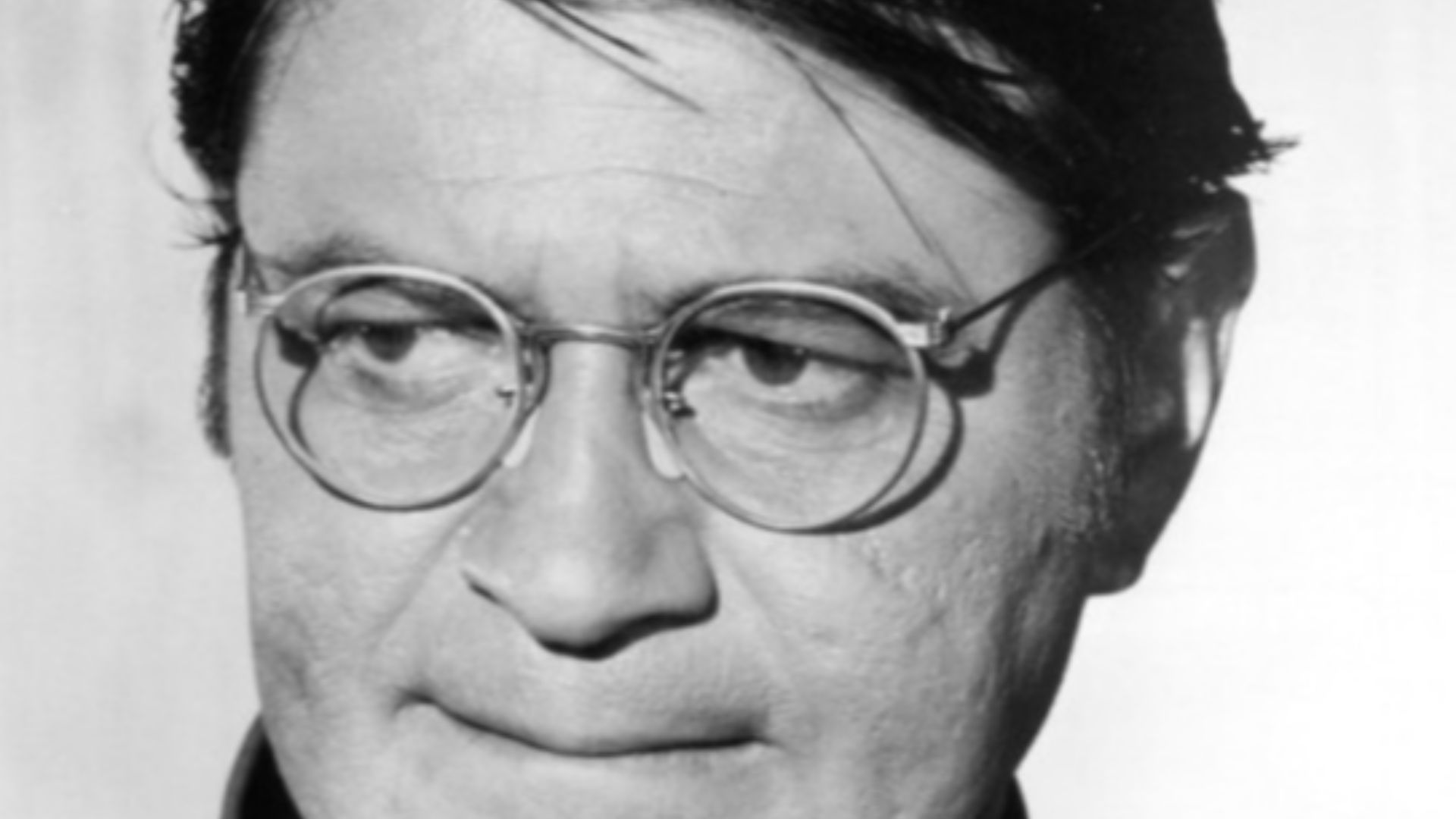 ABC Television, Wikimedia Commons
Comedy Became His Classroom
Money was tight during the Great Depression, and Storch left school before graduating. He began performing comedy while still young, learning through tough audiences rather than textbooks. Those early experiences gave him quick timing, strong nerves and the ability to recover whenever a joke landed with a thud.
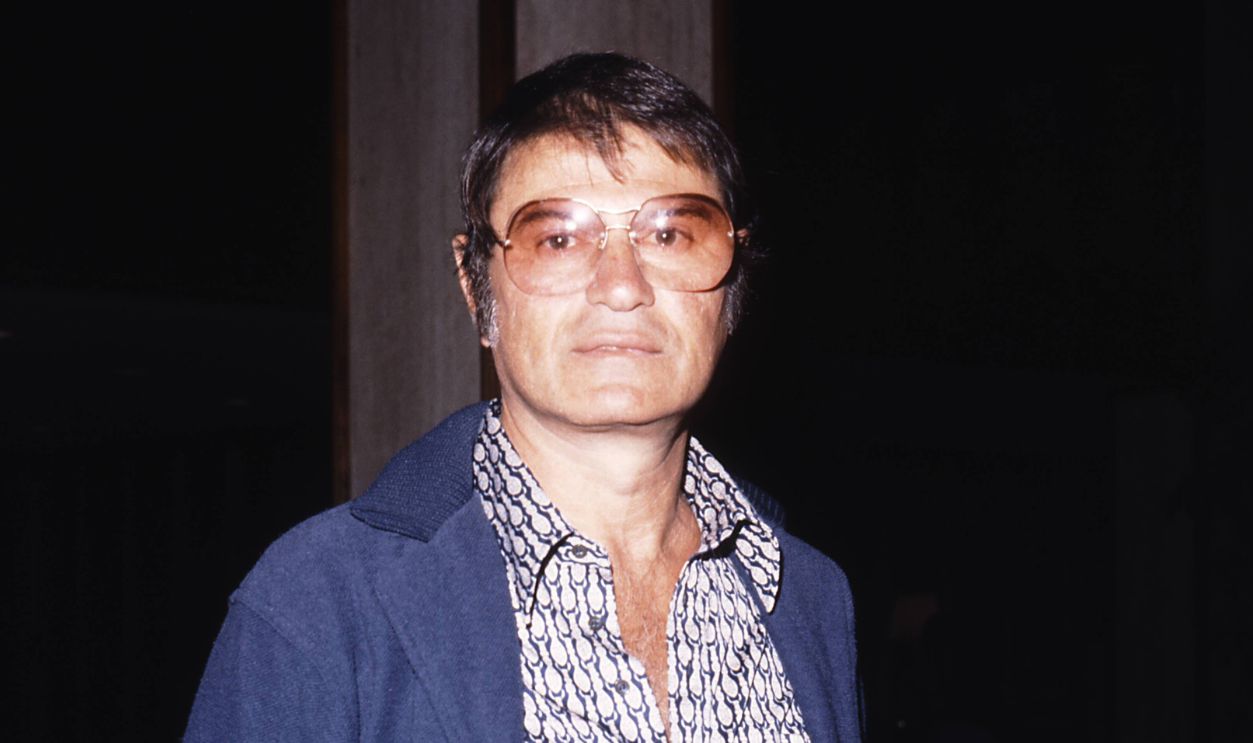 Michael Ochs Archives, Getty Images
Learning The Nightclub Trade
Storch built his reputation in nightclubs, where comedians had to work fast and hold the attention of noisy rooms. His impressions became a major part of his act. He could switch characters, accents and expressions so quickly that watching him sometimes felt like watching an entire comedy troupe.
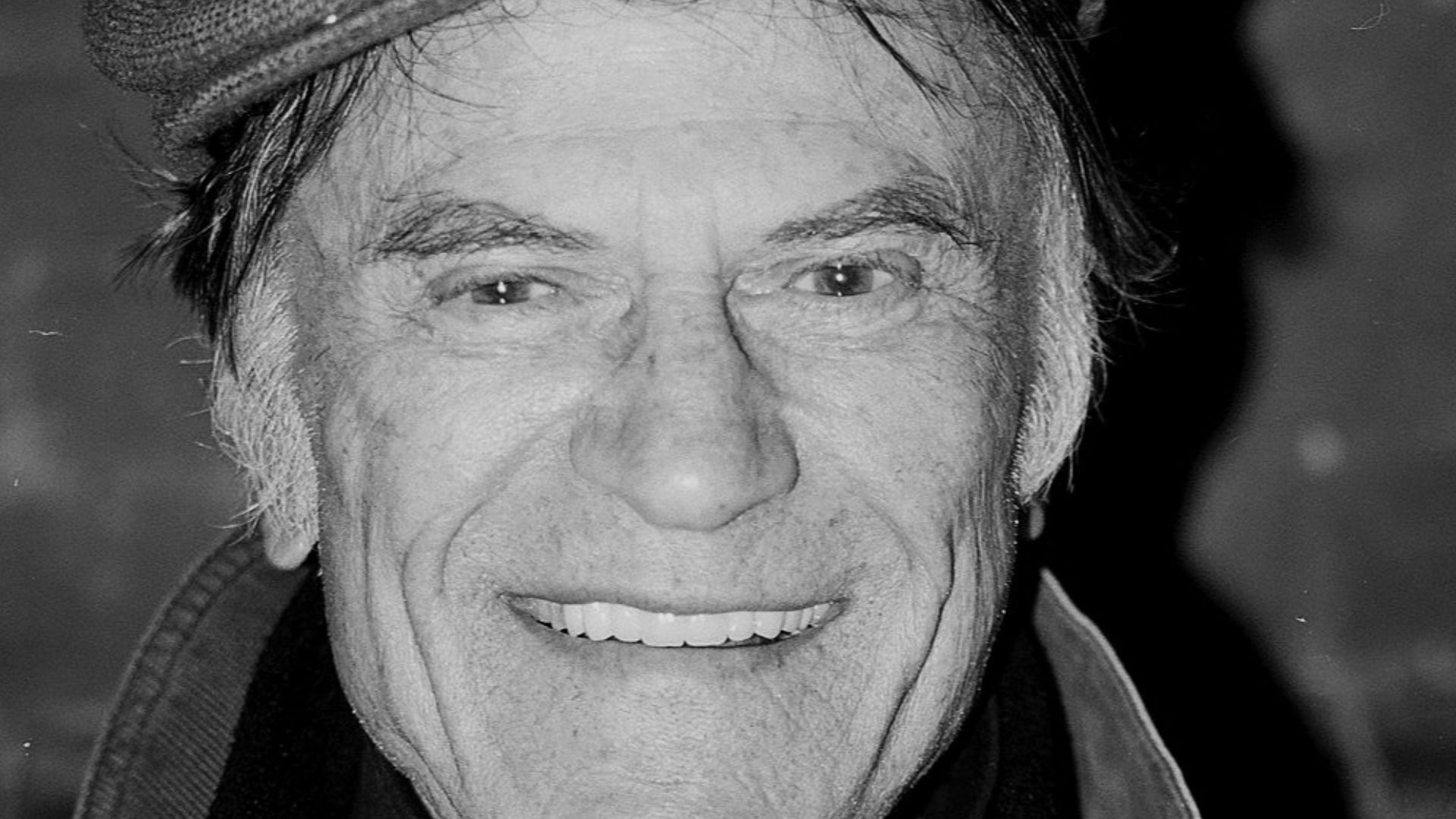
A Real Wartime Uniform
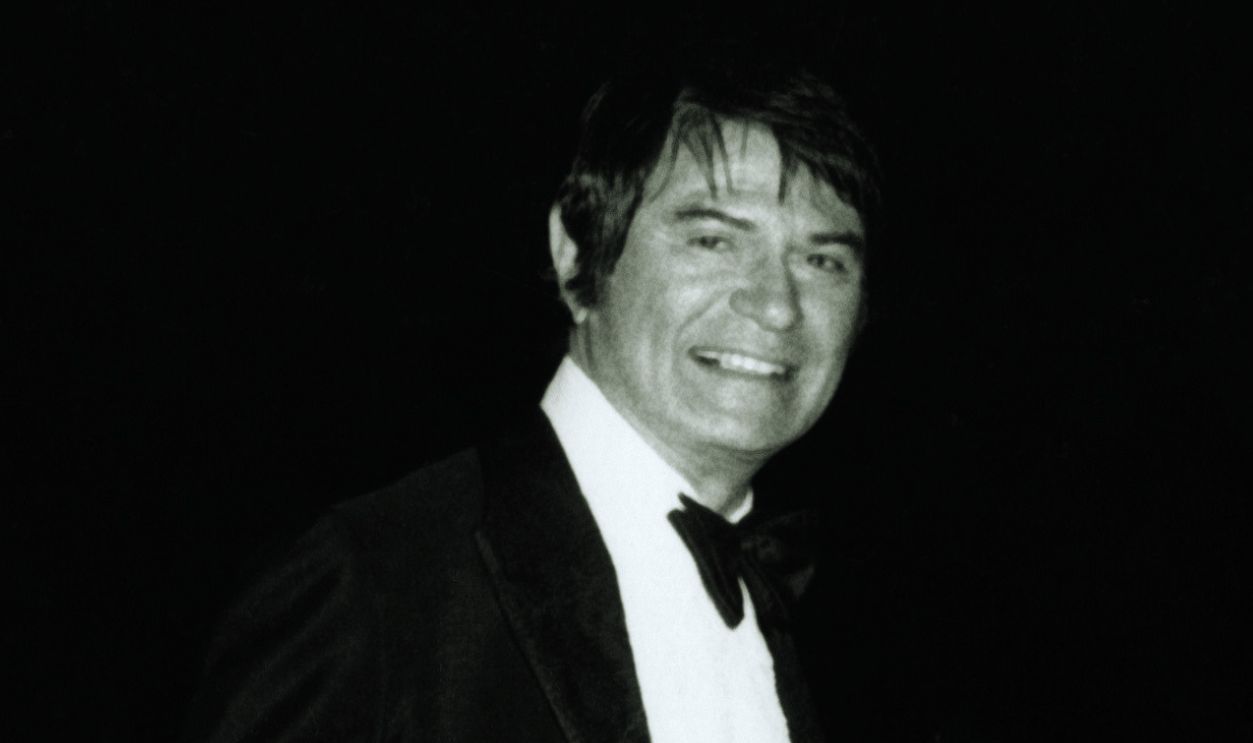
Before playing television’s least reliable cavalryman, Storch served in the United States Navy during the Second World War. He was stationed aboard the submarine tender USS Proteus. It was serious work, far removed from the collapsing watchtowers and chaotic drills he would later experience on F Troop.
 John Mathew Smith & www.celebrity-photos.com from Laurel Maryland, USA, Wikimedia Commons
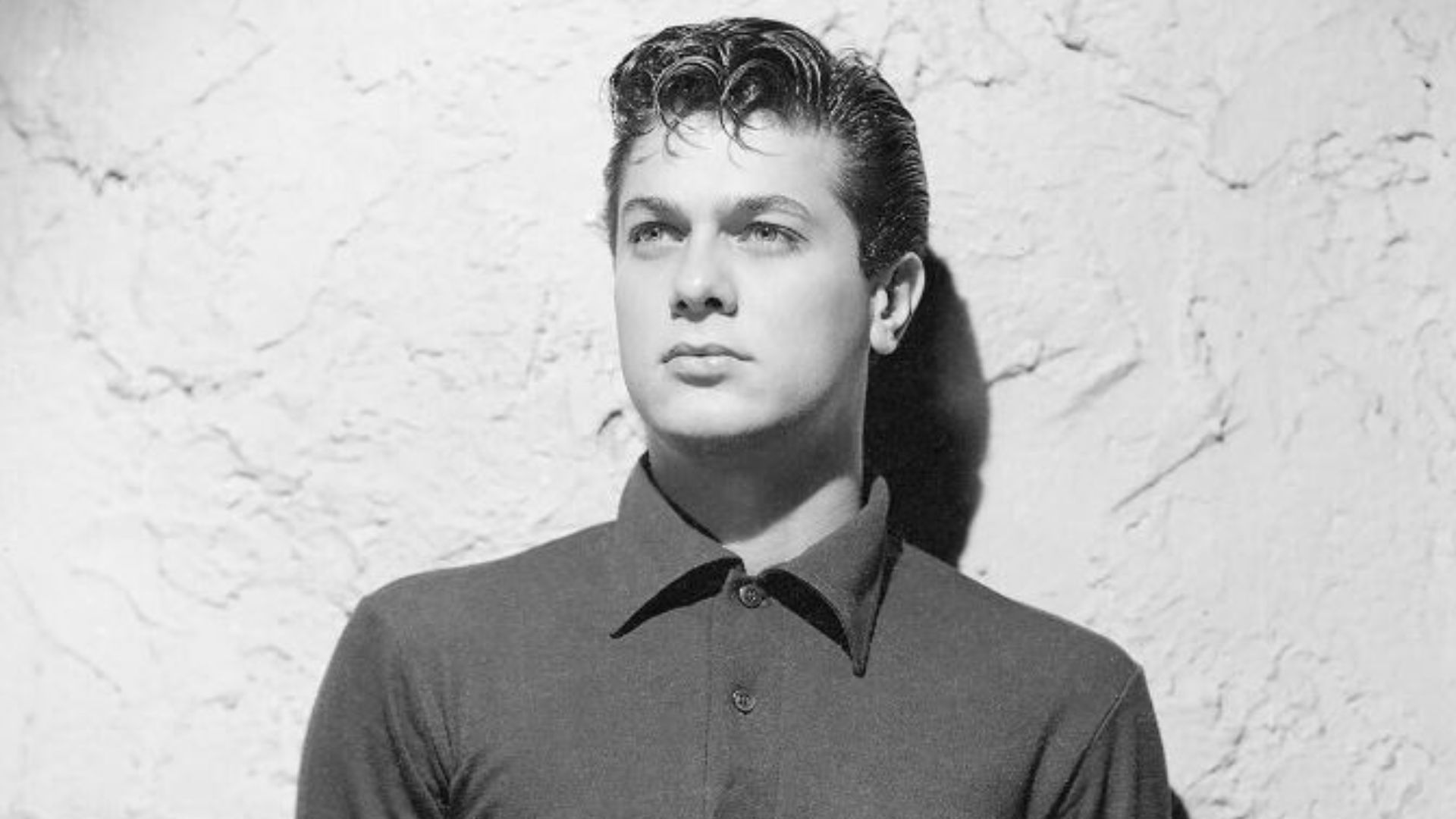
Meeting Tony Curtis
One of Storch’s Navy shipmates was Bernard Schwartz, who later became movie star Tony Curtis. Their friendship continued after the war, and Storch appeared in several Curtis films. It was an extraordinary connection: two young sailors met aboard ship and eventually reunited on major Hollywood productions.
 Unknown author, Wikimedia Commons
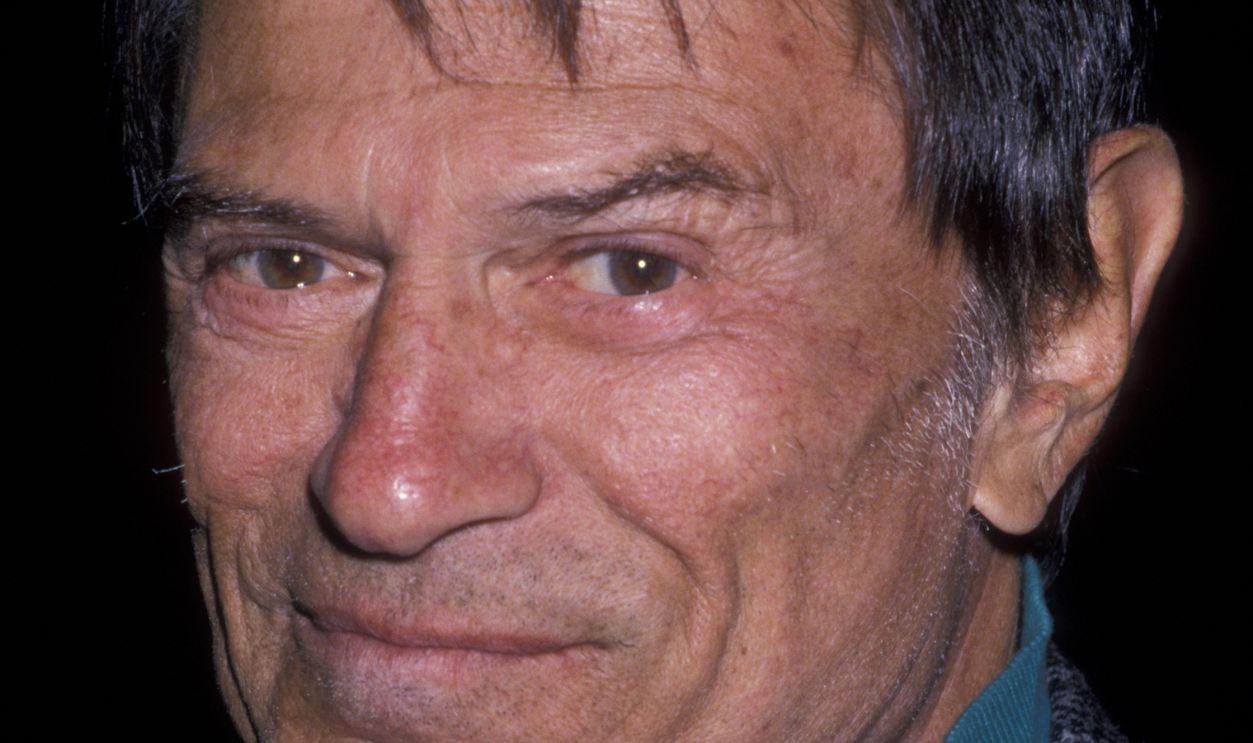
Live Television Came Calling
As television expanded during the early 1950s, Storch was ready. He hosted summer editions of Cavalcade of Stars, stepping into the programme normally associated with Jackie Gleason. Live television rewarded performers who could think quickly, change direction instantly and keep smiling when something went wrong—perfect conditions for Storch.
 Ron Galella, Ltd., Getty Images
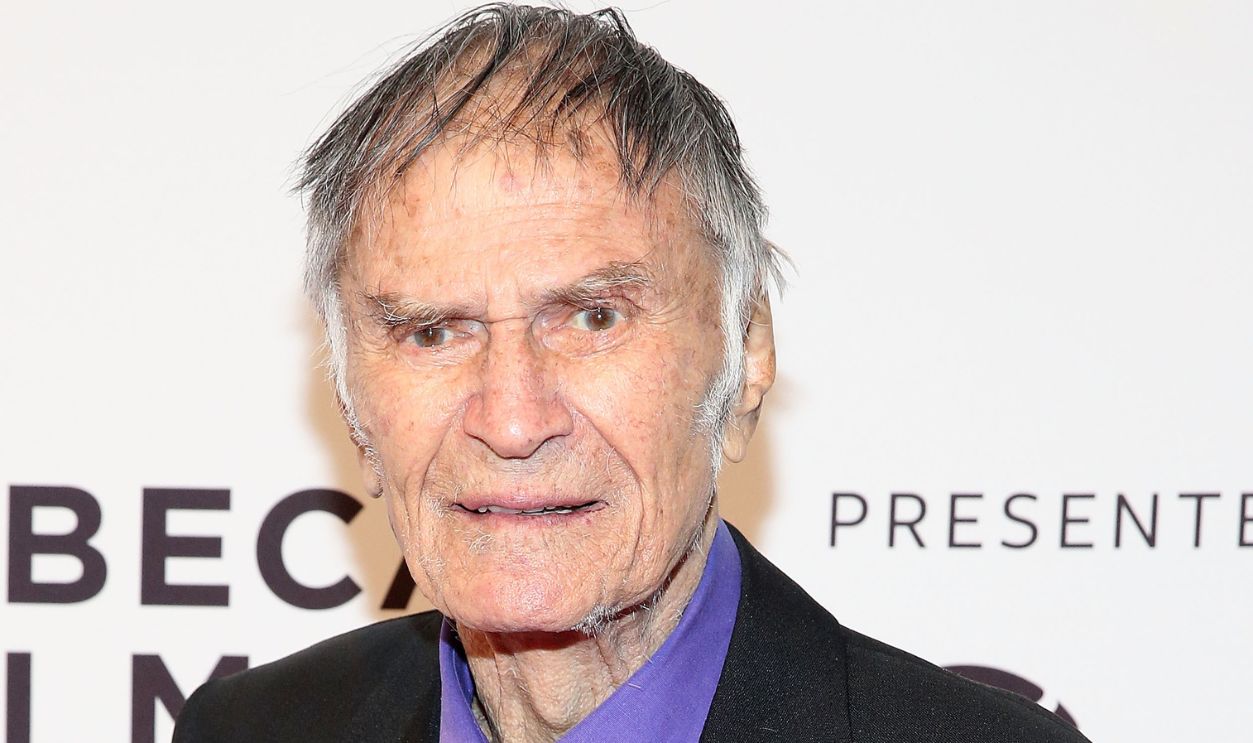
The Larry Storch Show
In 1953, CBS gave him The Larry Storch Show, a live summer replacement for The Jackie Gleason Show. It lasted ten episodes and featured comedy sketches, music and Storch’s many characters. The programme was brief, but having his name in the title showed how far he had already travelled.
Broadway Before Fort Courage
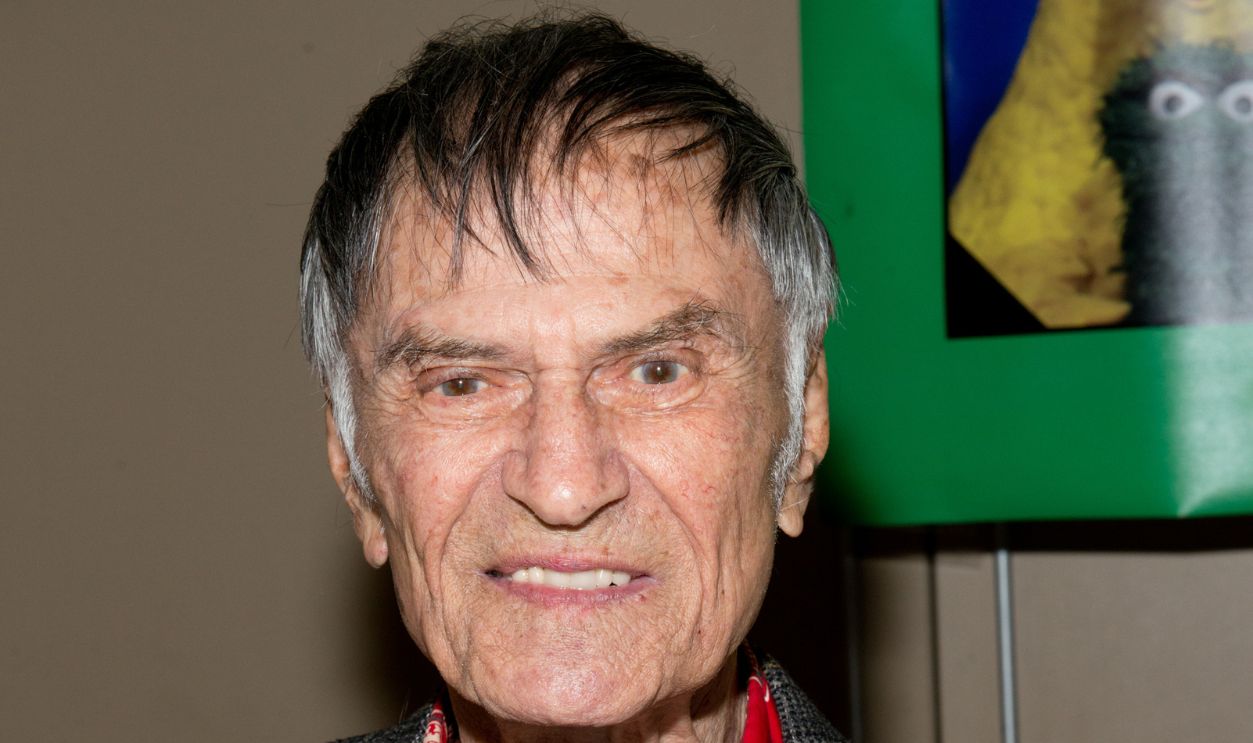
Storch was not simply a television comedian. His Broadway career began during the 1950s with productions including The Littlest Revue and Who Was That Lady I Saw You With? He could handle scripted theatre, musical comedy and live audiences, skills that would later strengthen his wildest television performances.
 David Shankbone, Wikimedia Commons
Hollywood Discovered His Energy
Movie roles gradually followed. Storch appeared in films including 40 Pounds of Trouble, Captain Newman, M.D., and The Great Race. He rarely played the calmest person in the room. Directors hired him when a scene needed a jolt of nervous, fast-talking comic electricity.
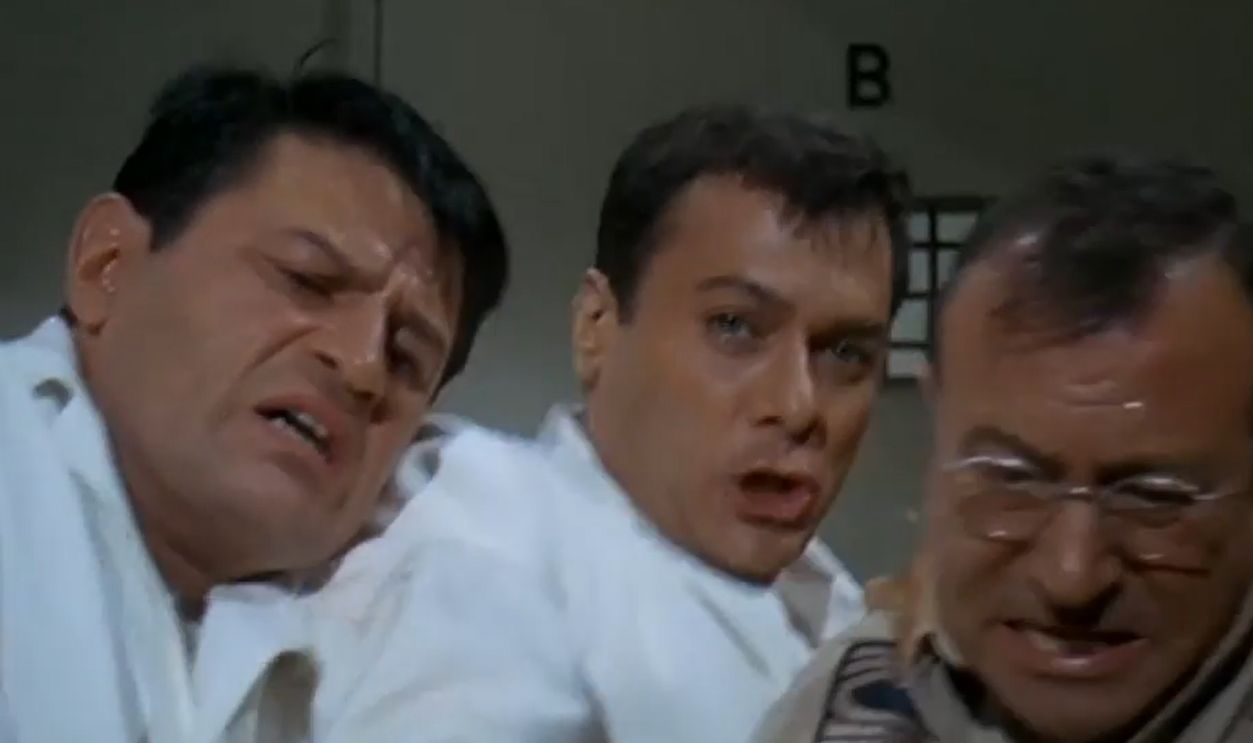 Screenshot from Captain Newman, M.D., Universal Pictures (1963)
A Voice Made For Cartoons
Storch’s talent for impressions naturally led to animation. He could create distinctive characters without costumes, makeup or his famously expressive face. Over the years, his voice appeared in numerous cartoons, allowing him to become scientists, villains, animals and assorted oddballs simply by stepping up to a microphone.
Everyone Needed Mr Whoopee
One of his best-known animated roles was the brilliant Phineas J. Whoopee on Tennessee Tuxedo and His Tales. Whenever Tennessee needed an explanation, Mr Whoopee supplied it. Storch gave the character an enthusiastic authority that made even the strangest cartoon lesson sound completely convincing.
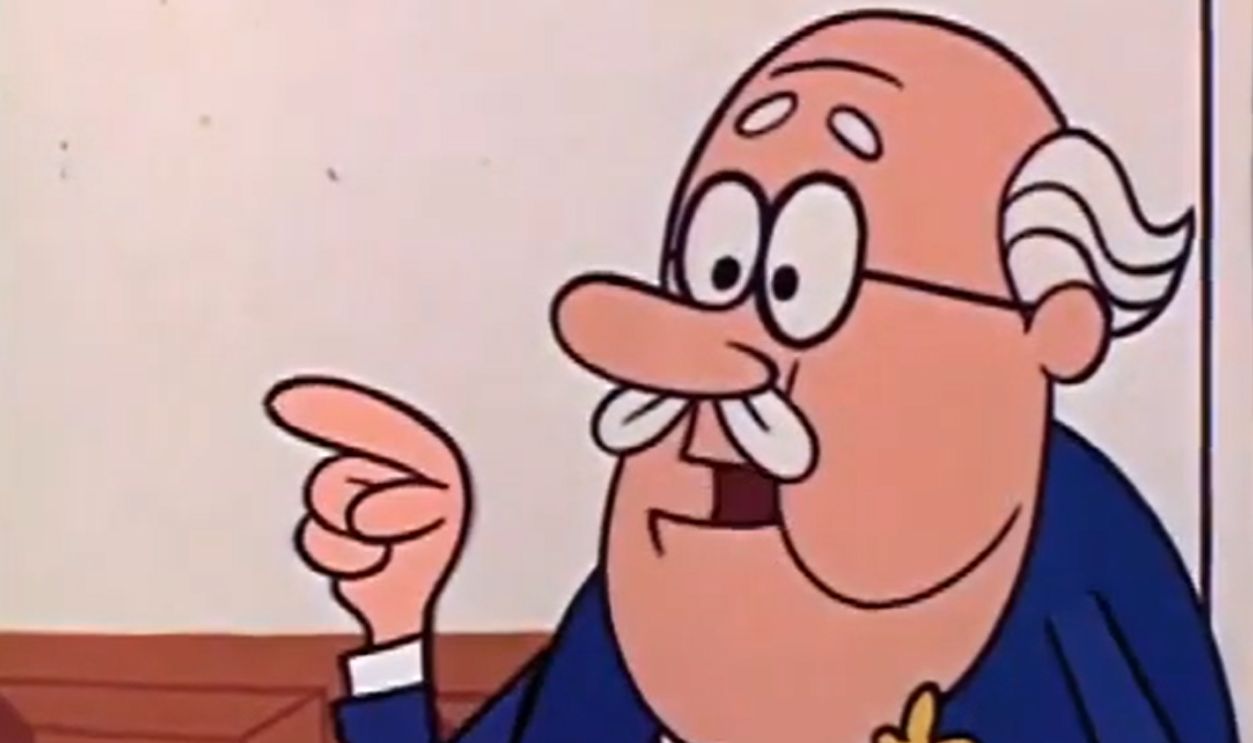 Screenshot from Tennessee Tuxedo and His Tales, CBS (1963–1966)
Welcome To Fort Courage
In 1965, F Troop arrived on ABC. Set at a frontier outpost after the Civil War, it followed Captain Wilton Parmenter and the spectacularly undisciplined soldiers under his command. The programme cheerfully treated military order as something that might happen someday, assuming nobody accidentally blew up the fort first.
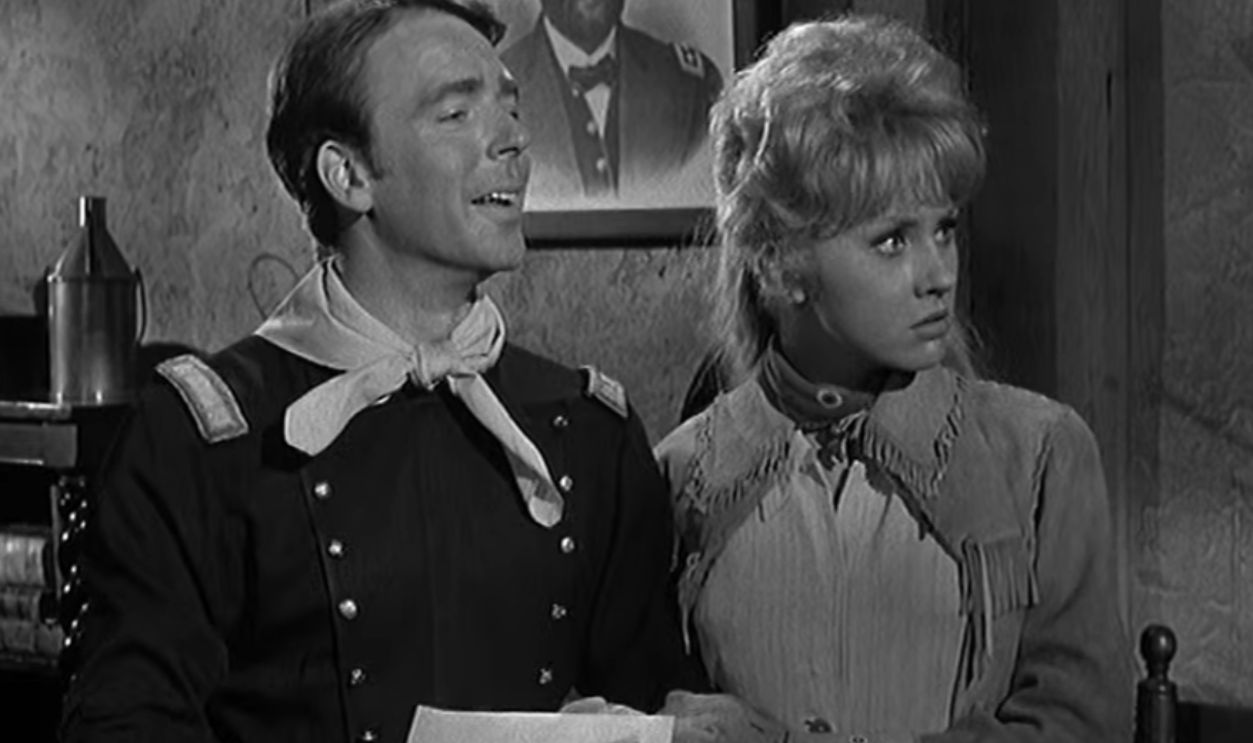 Screenshot from F Troop, ABC (1965–1967)
Corporal Agarn Reports For Duty
Storch played Corporal Randolph Agarn, the excitable sidekick of Sergeant Morgan O’Rourke. Agarn was suspicious, emotional, easily confused and somehow involved in nearly every questionable business operating around Fort Courage. He could be sneaky one moment and completely fooled by his own scheme the next.
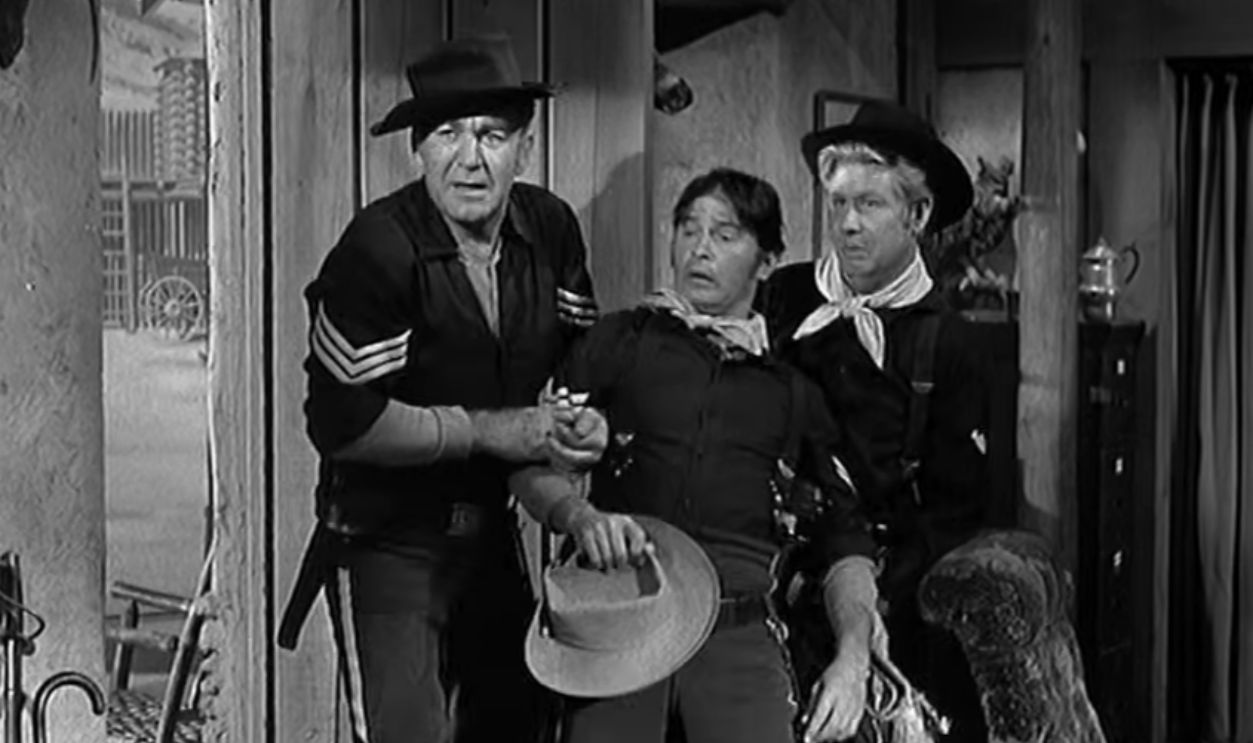 Screenshot from F Troop, ABC (1965–1967)
The Perfect Comedy Partnership
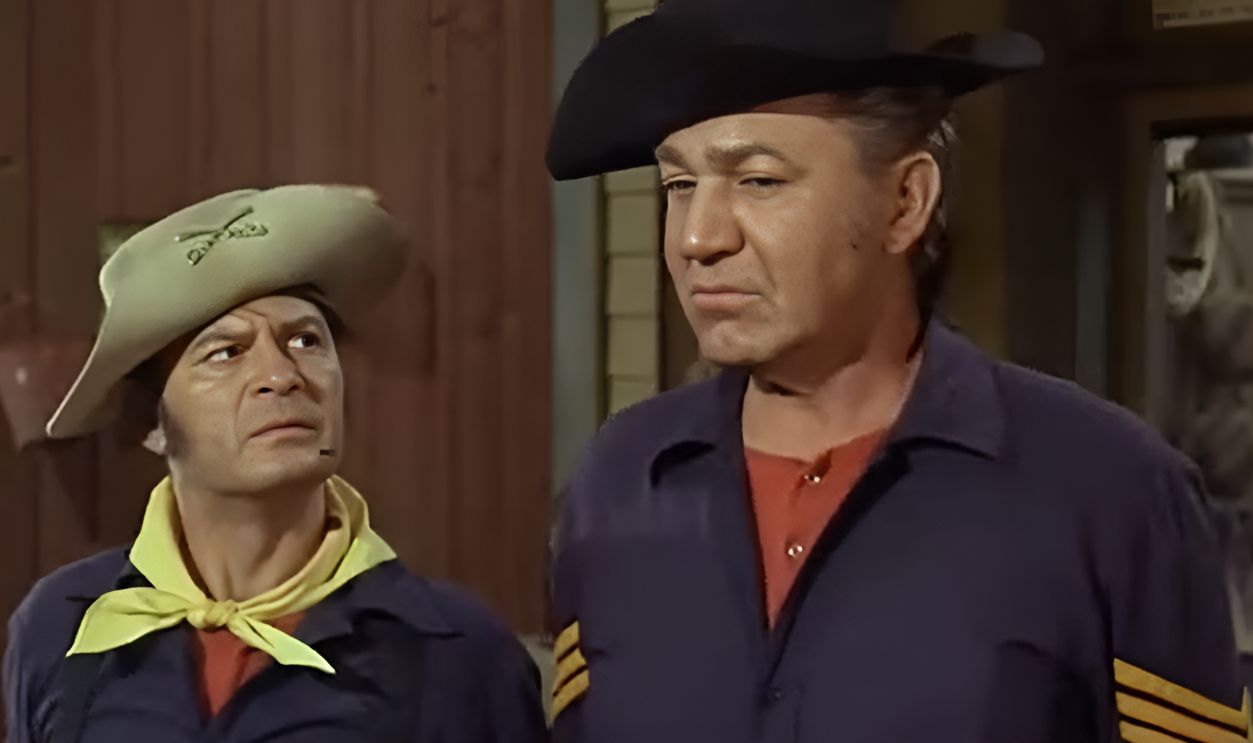
Forrest Tucker’s Sergeant O’Rourke usually acted like the confident mastermind, while Storch’s Agarn supplied panic, misunderstandings and complaints. Their contrasting styles worked beautifully. Tucker remained comparatively steady while Storch bounced around him, creating the feeling that every carefully planned operation was only seconds away from disaster.
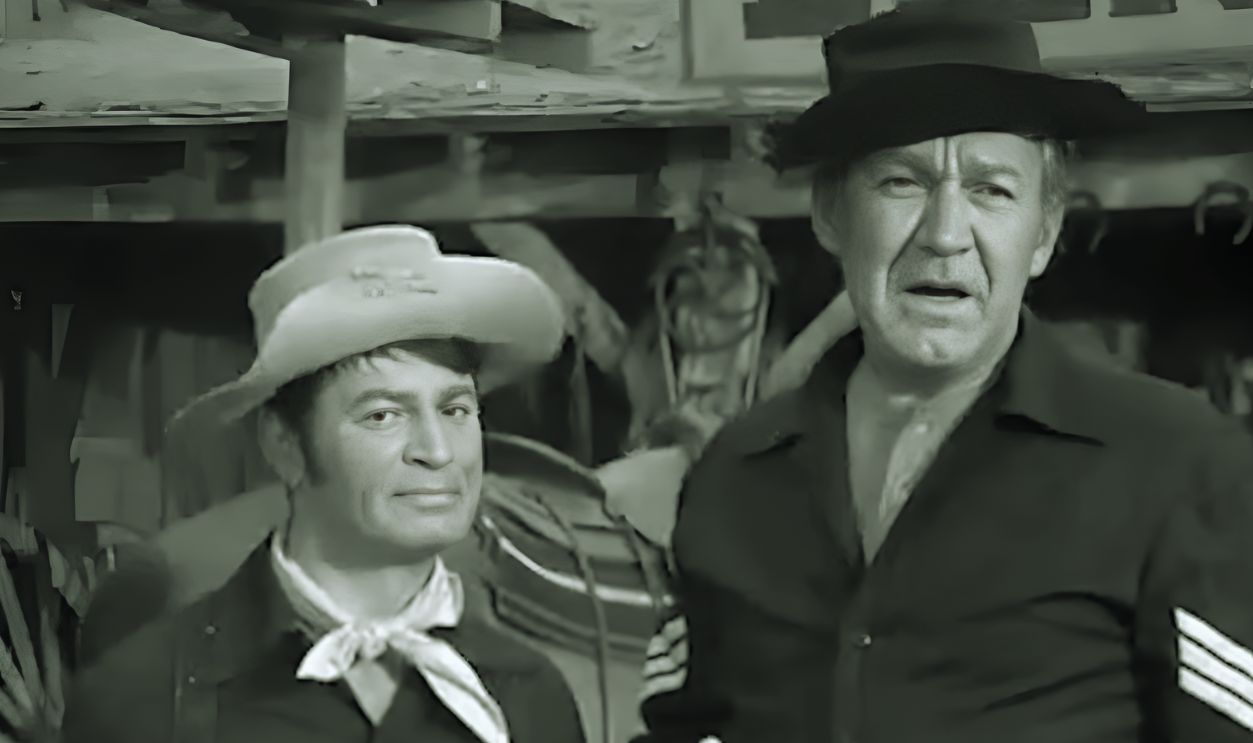 Screenshot from F Troop, ABC (1965–1967), Modified
Agarn Was Always Catching Up
One of Agarn’s funniest qualities was how slowly he sometimes understood an insult or a bad situation. The conversation would continue, his face would change and suddenly the meaning would hit him. Storch could turn that delayed reaction into an entire joke without needing an elaborate punchline.
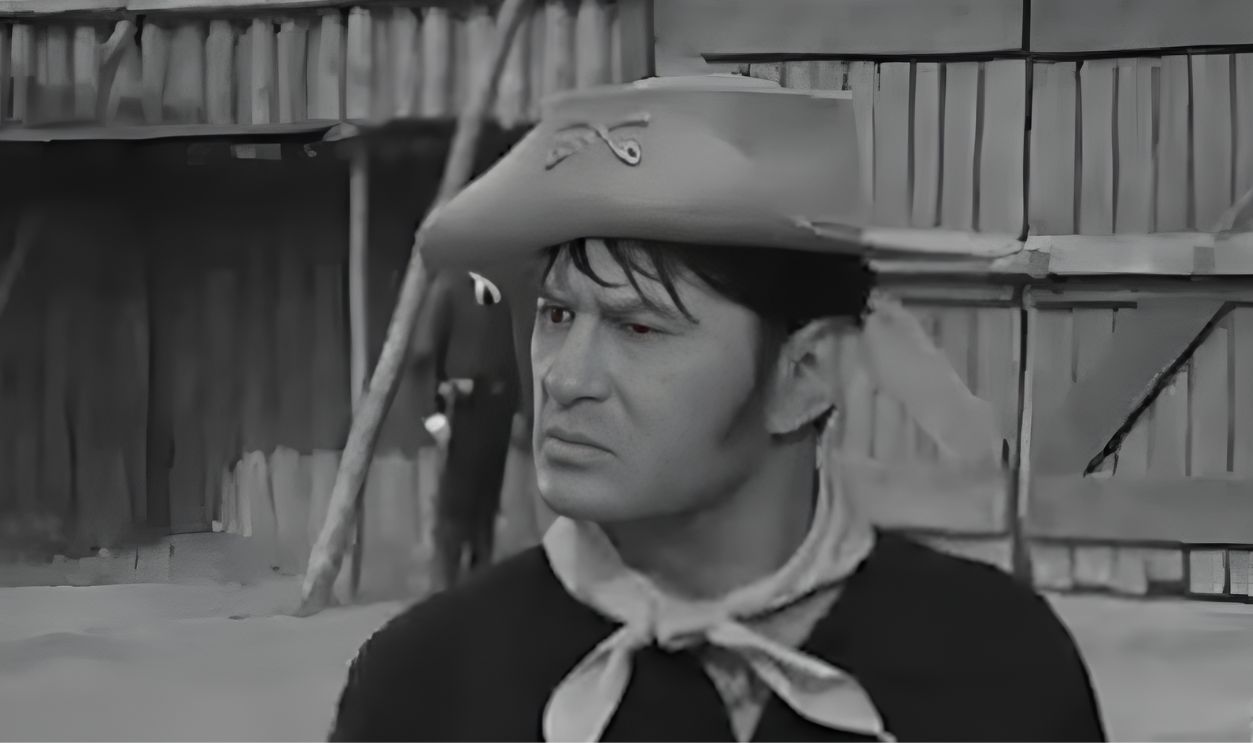 Screenshot from F Troop, ABC (1965–1967), Modified
That Remarkable Rubber Face
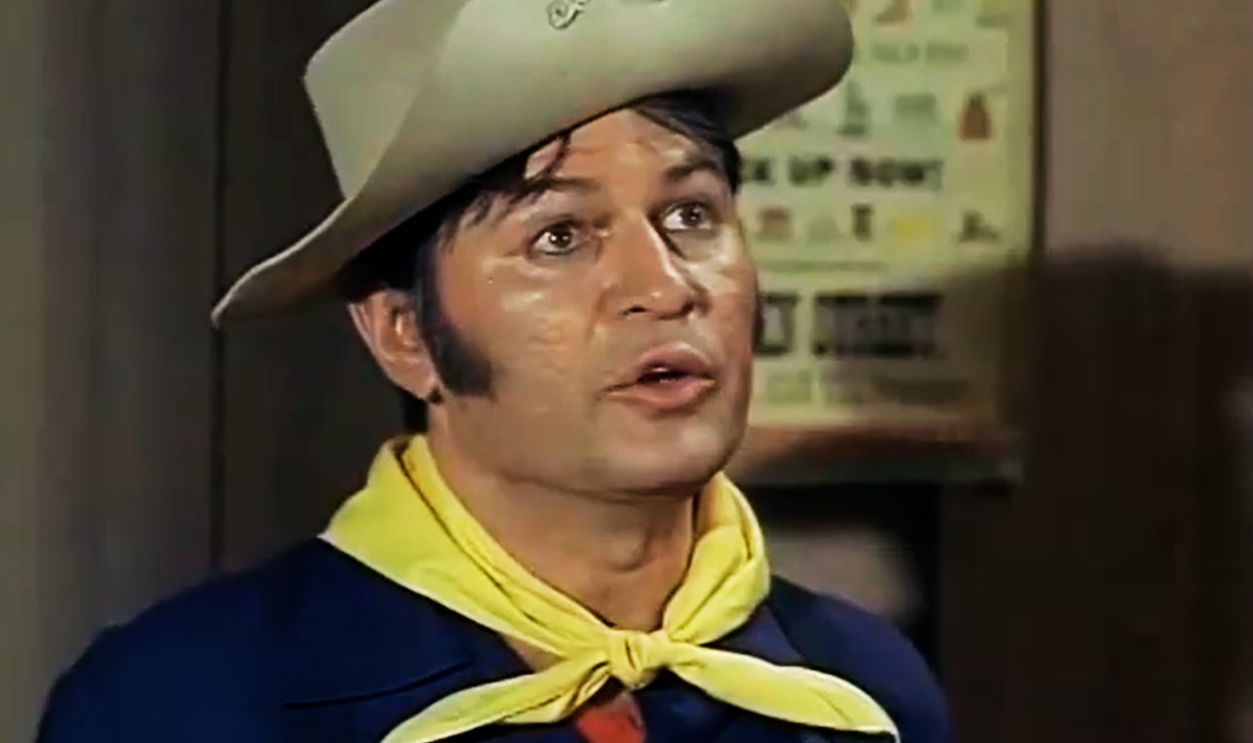
Storch possessed the kind of face that seemed designed for comedy. His eyes widened, his mouth twisted and his whole expression could collapse into outrage. He did not merely deliver jokes as Agarn. He physically reacted to every ridiculous development as though Fort Courage’s latest crisis were personally insulting him.
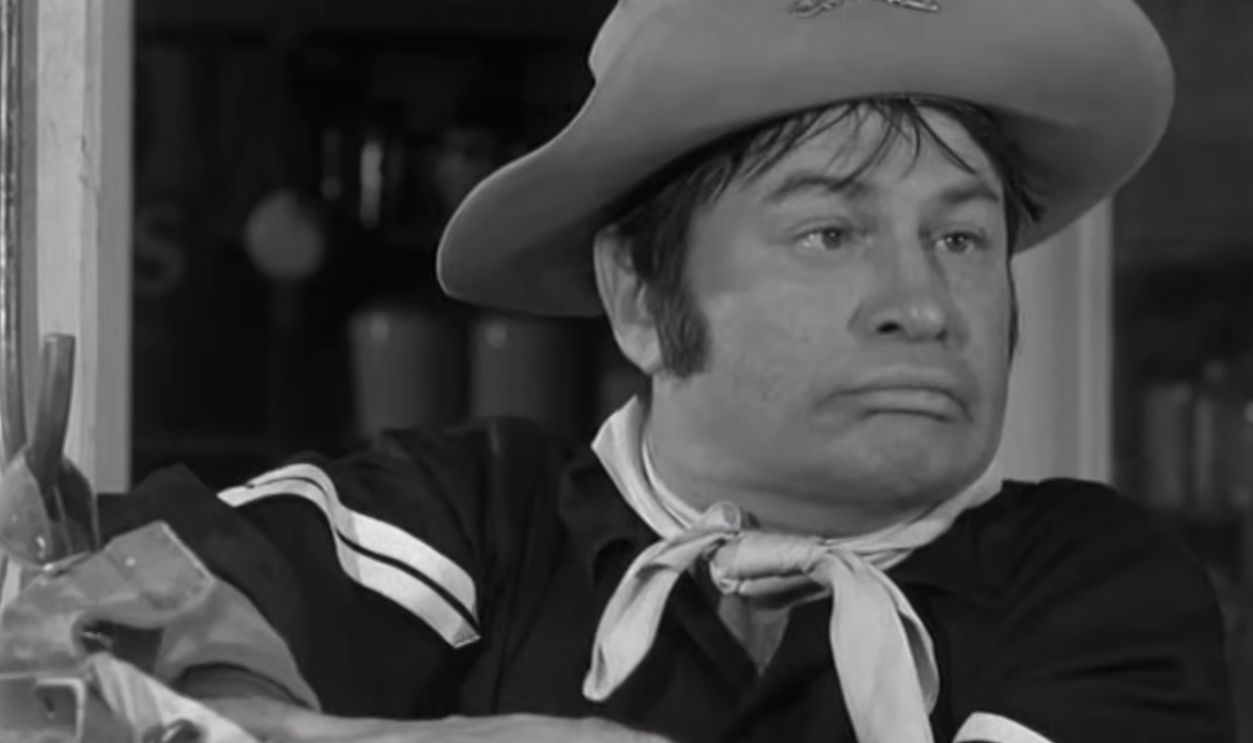 Screenshot from F Troop, ABC (1965–1967)
The Agarn Family Expanded
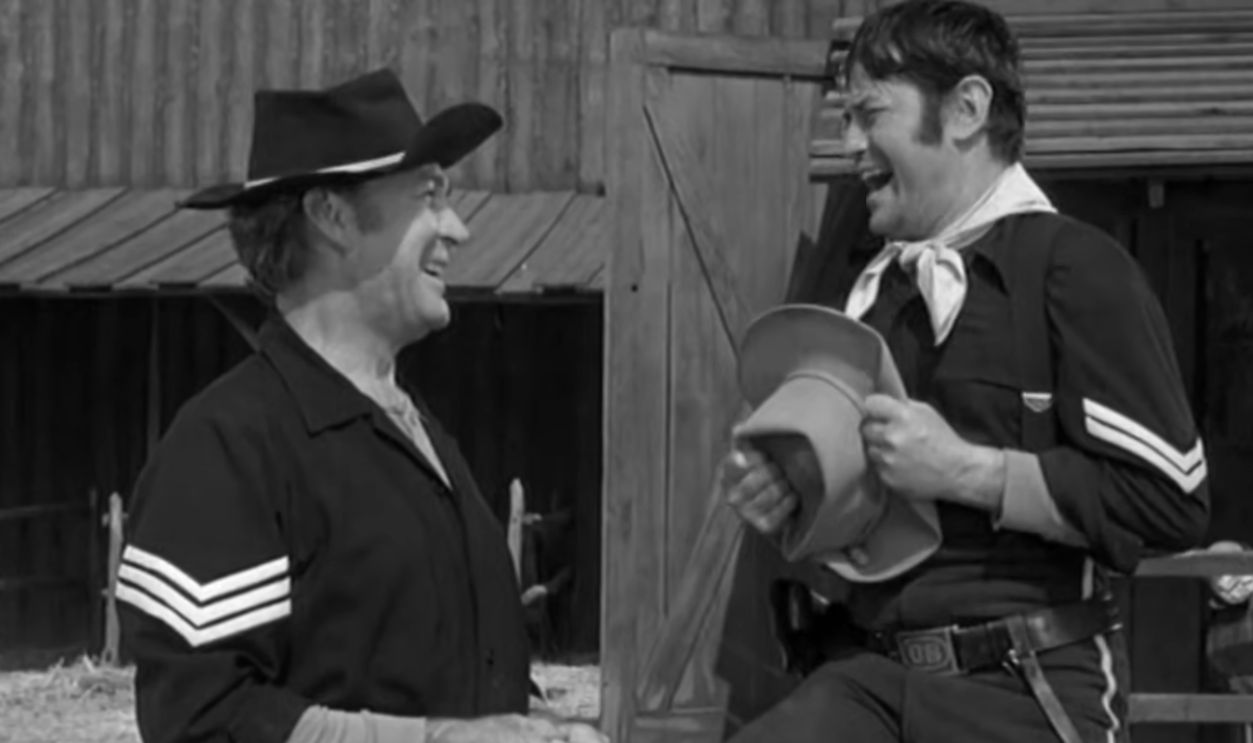
The series made excellent use of Storch’s gift for characters by having him play several of Agarn’s relatives and lookalikes. These included French-Canadian, Russian and Mexican variations on the familiar corporal. Each one gave Storch another excuse to unleash the accents and character work he had practised for decades.
 Screenshot from F Troop, ABC (1965–1967)
A Cast Built For Chaos
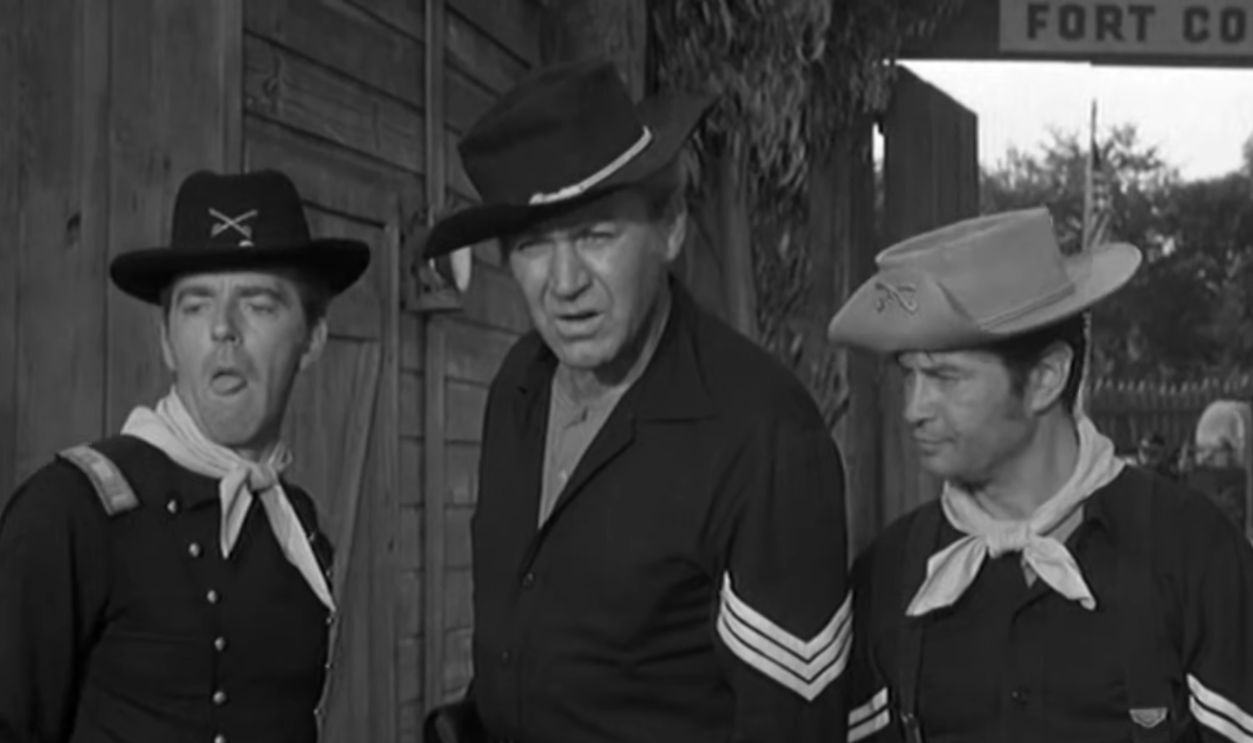
Ken Berry brought friendly innocence to Captain Parmenter, Forrest Tucker supplied booming confidence and Melody Patterson played the capable Wrangler Jane. Surrounded by that cast, Storch could push Agarn toward total comic madness without overwhelming the programme. Everyone understood the exaggerated world they were creating together.
 Screenshot from F Troop, ABC (1965–1967)
More Than Random Slapstick
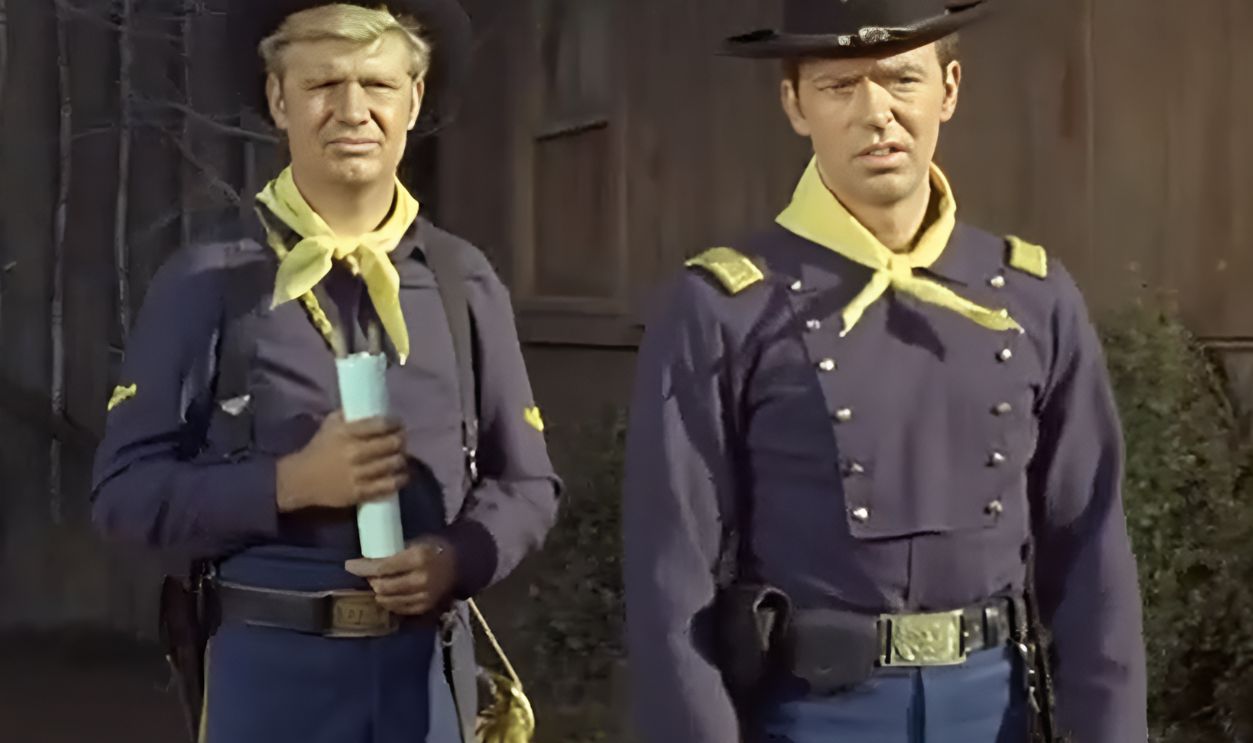
Beneath the pratfalls, F Troop frequently mocked military pride, heroic Western clichés and supposedly respectable businessmen. Its treatment of Native American characters relied on broad period stereotypes that have aged unevenly, but the soldiers were usually the biggest fools. Fort Courage survived despite its leaders, not because of them.
 Screenshot from F Troop, ABC (1965–1967)
An Emmy Nomination Arrived
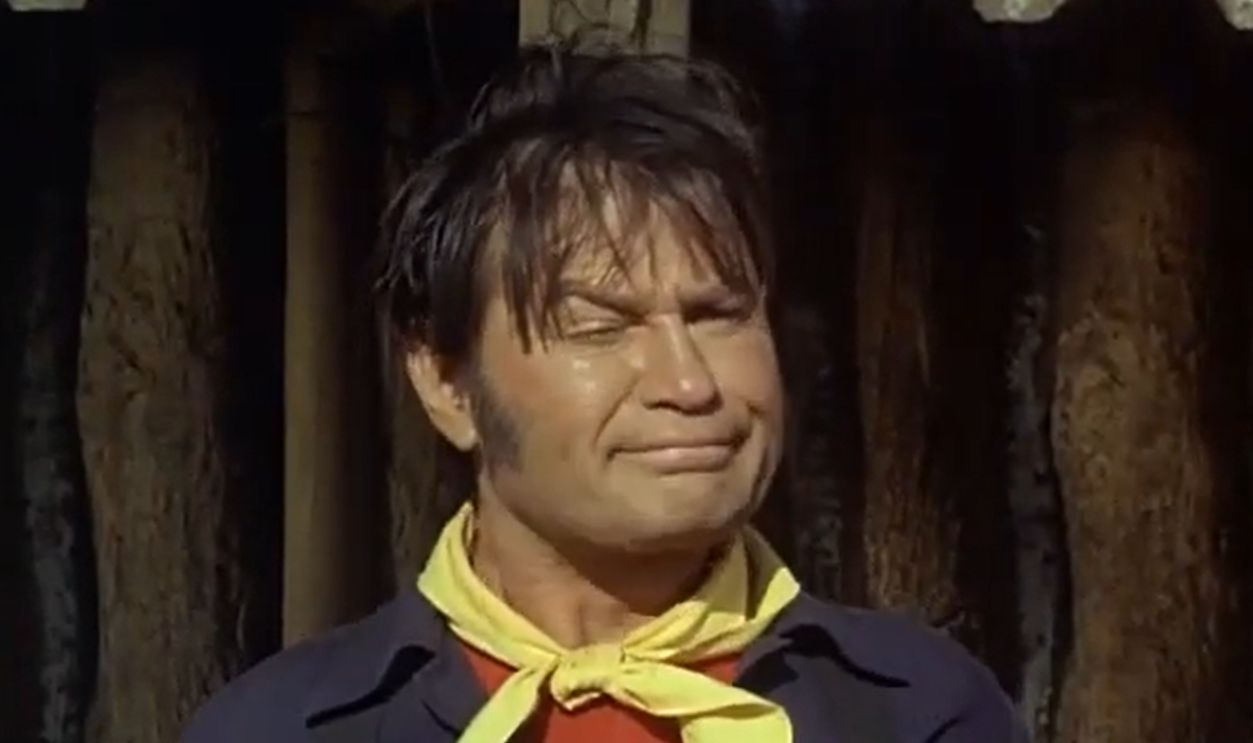
Storch’s performance earned him a 1967 Emmy nomination for continued performance by an actor in a leading comedy role. The recognition confirmed that Agarn was more than a collection of funny expressions. Storch had transformed a foolish sidekick into one of television’s most memorable comic soldiers.
 Screenshot from F Troop, ABC (1965–1967)
Two Seasons That Never Disappeared
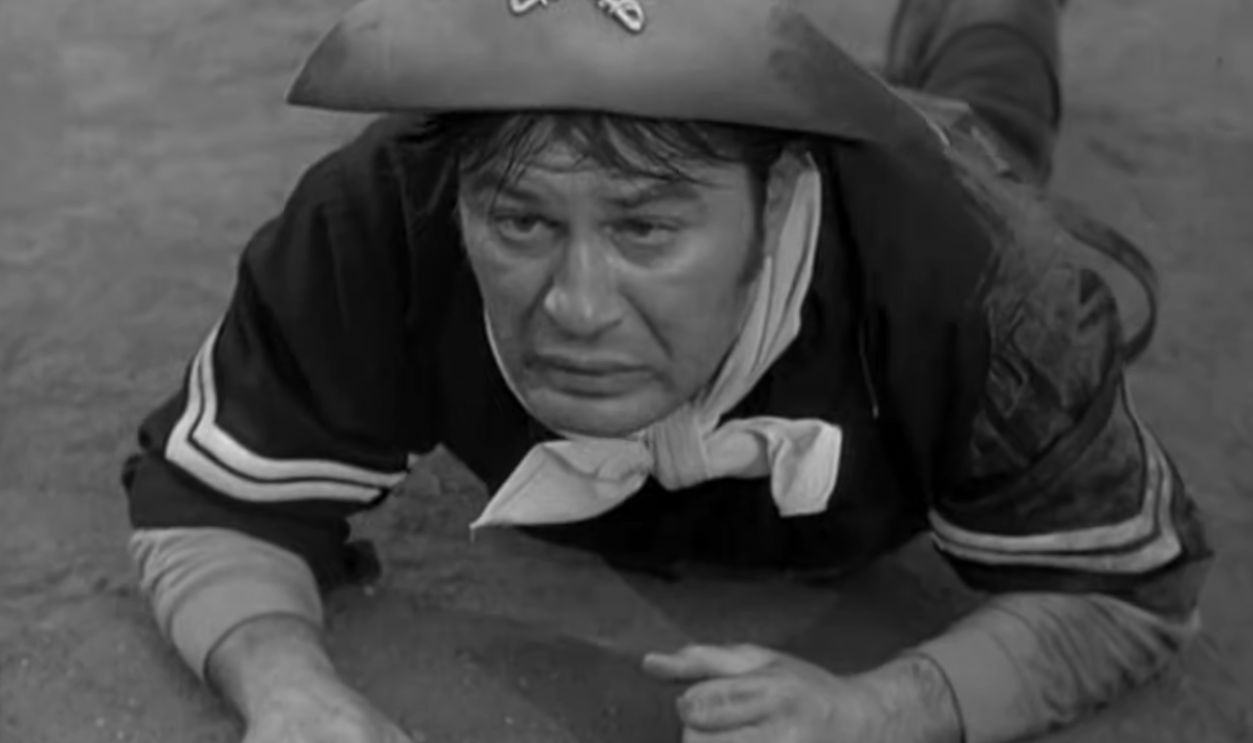
F Troop lasted only two seasons, ending in 1967. Yet reruns gave the programme a much longer life, turning it into a cult favourite. Viewers who discovered Fort Courage years later often remembered Agarn first—the nervous corporal who could ruin a scheme before fully understanding it.
 Screenshot from F Troop, ABC (1965–1967)
Reuniting With Forrest Tucker
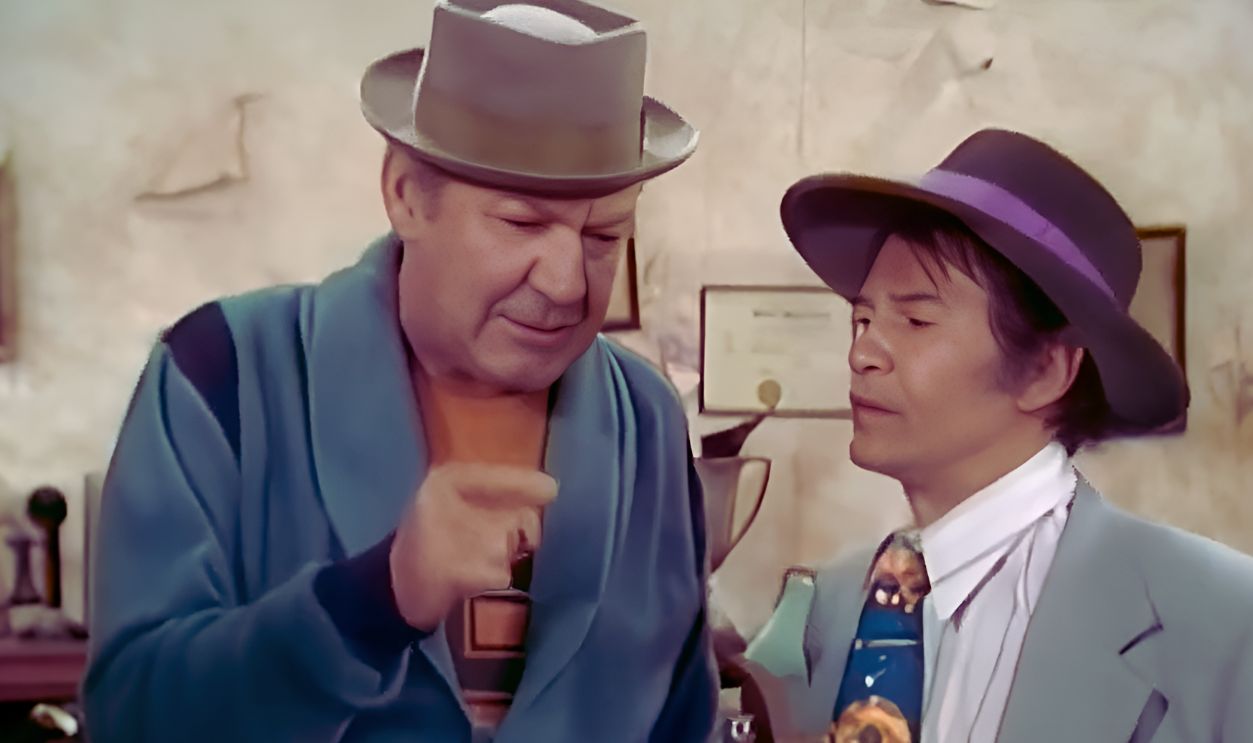
In 1975, Storch and Tucker reunited for the Saturday morning series The Ghost Busters. They played bumbling supernatural detectives working alongside a gorilla named Tracy. The programme was different from F Troop, but the familiar partnership remained: Tucker made plans, Storch created confusion and trouble quickly followed.
 Screenshot from The Ghost Busters, CBS (1975), Modified
Television’s Favourite Guest Star
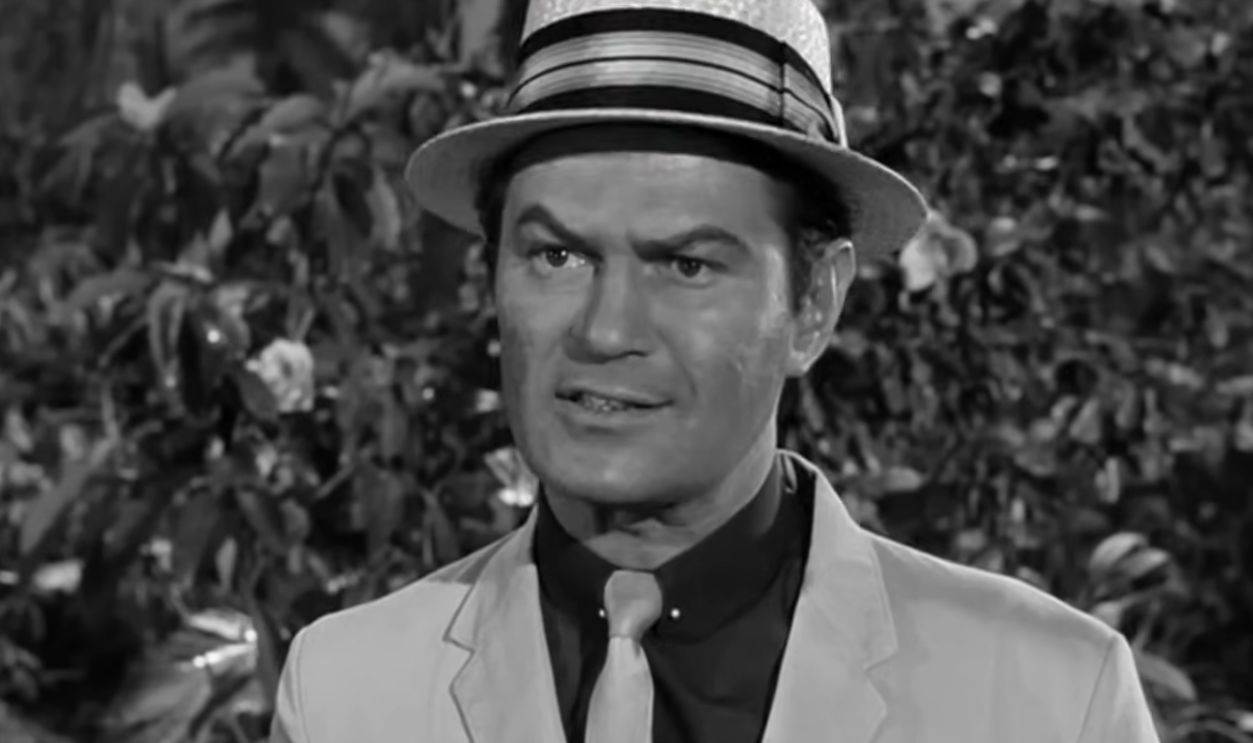
Storch appeared across an astonishing range of programmes, including Car 54, Where Are You?, Get Smart, Gilligan’s Island, I Dream of Jeannie, All in the Family, The Love Boat and Married… with Children. Whatever the decade, he could arrive, cause comic disruption and leave viewers smiling.
 Screenshot from Gilligan's Island, CBS (1964–1967)
Stealing Scenes On Film
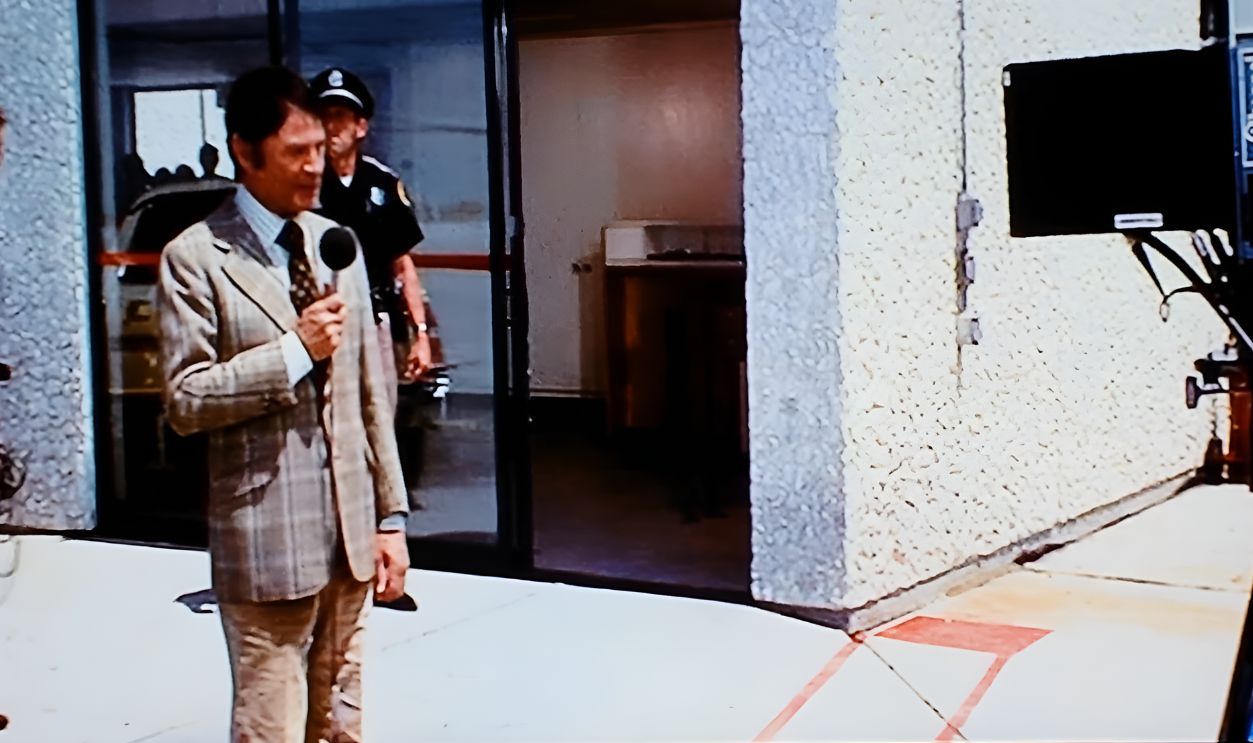
His film career continued with appearances in Airport 1975, The Great Bank Robbery, S.O.B. and other productions. Storch rarely needed to dominate an entire movie. Give him a few minutes, a nervous character and some sharp dialogue, and he could make a supporting role remarkably difficult to forget.
 Screenshot from Airport 1975, Universal Pictures (1974), Modified
Returning To The Stage
Storch repeatedly returned to theatre, appearing in Broadway productions of Porgy and Bess, Arsenic and Old Lace, Annie Get Your Gun and Sly Fox. His stage work proved that the frantic corporal was only one part of his talent. He remained a versatile live performer well into later life.
Fans Kept Fort Courage Alive
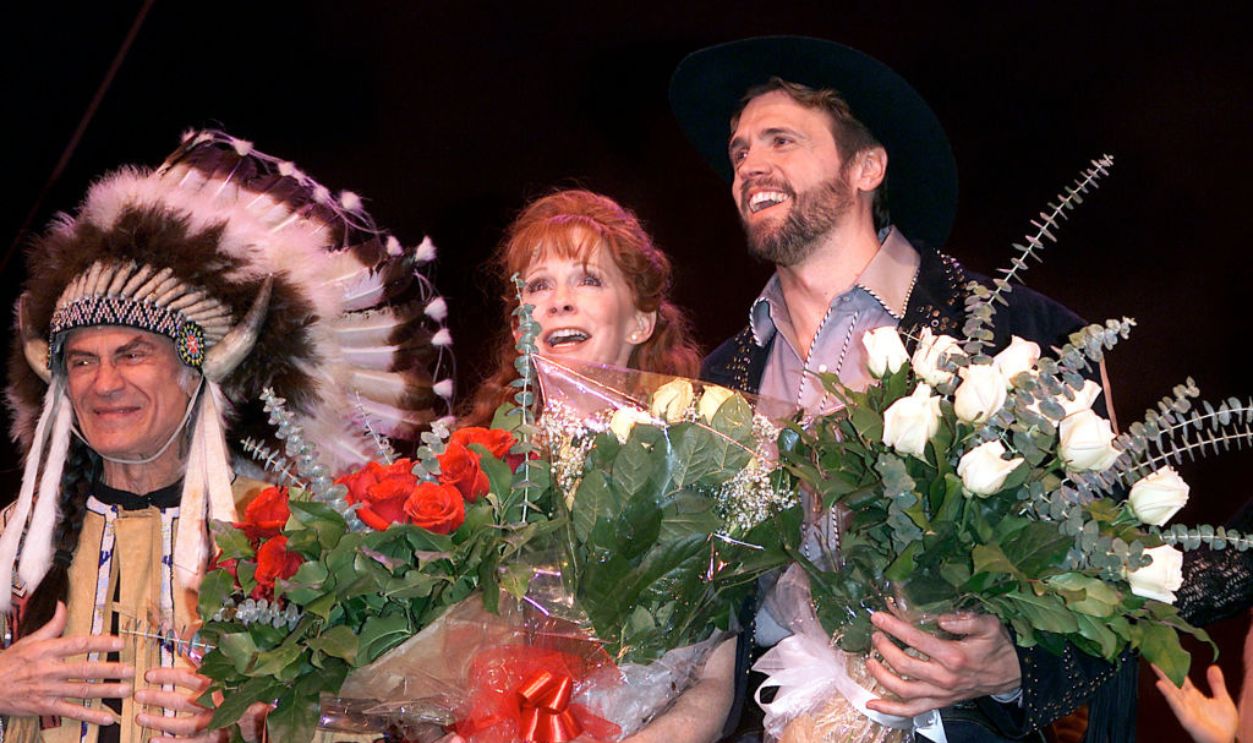
For Storch, F Troop never became an embarrassing old credit he tried to escape. He understood that Agarn had brought generations of viewers genuine laughter. Fans continued celebrating the series long after its cancellation, and Storch remained warmly associated with the character for the rest of his life.
 Screenshot from F Troop, ABC (1965–1967), Modified
The Laughs Outlasted The Cavalry
Larry Storch died in 2022 at the age of 99, leaving behind far more than one famous television role. Still, Corporal Agarn remains the perfect showcase for everything he did best: voices, expressions, panic, timing and fearless silliness. Fort Courage was hopelessly disorganised, but Storch’s comedy was always in command.
 Screenshot from F Troop, ABC (1965–1967)
You May Also Like: