The Grace Of A Fighter
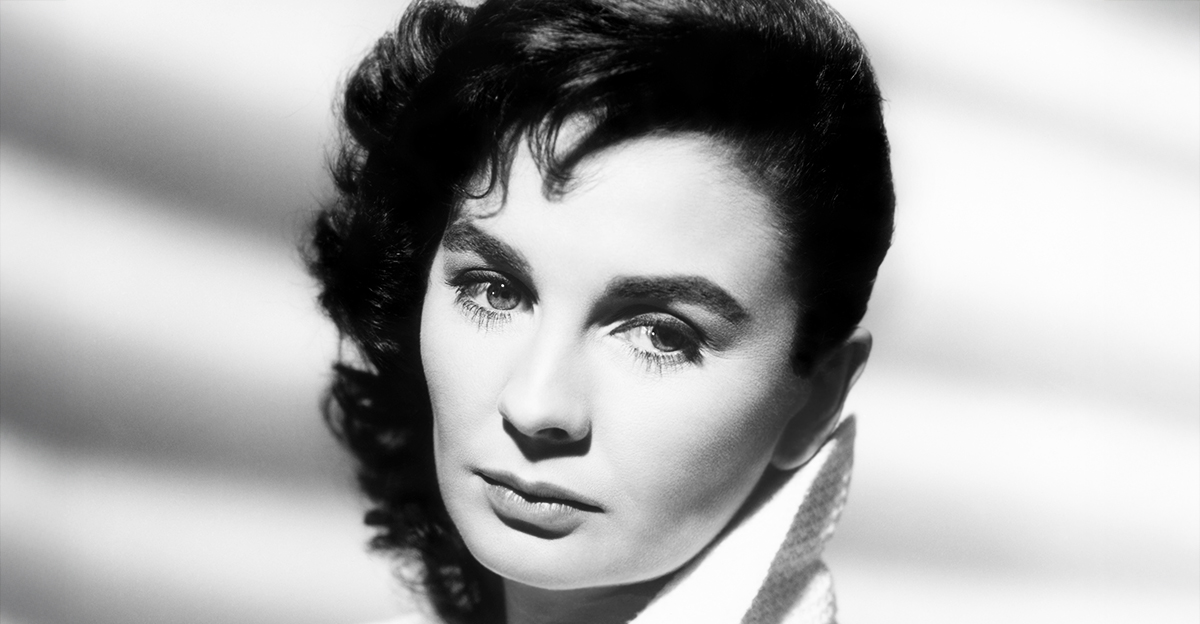
Jean Simmons seemed almost designed for the golden age of Hollywood: poised, beautiful, quietly mischievous, and equally convincing in Shakespeare, film noir, musicals and enormous historical epics. But behind the elegance was an actress who fought studio control, overcame life and career disappointments, and performed at a high level for more than six decades.
 Donaldson Collection/Getty Images
A London Childhood
Jean Merilyn Simmons was born in London in 1929 and grew up in Cricklewood. Acting was not initially the plan. She trained in dance, but a talent scout spotted the teenage Simmons, helping turn an ordinary wartime London childhood into the beginning of an extraordinary screen career.
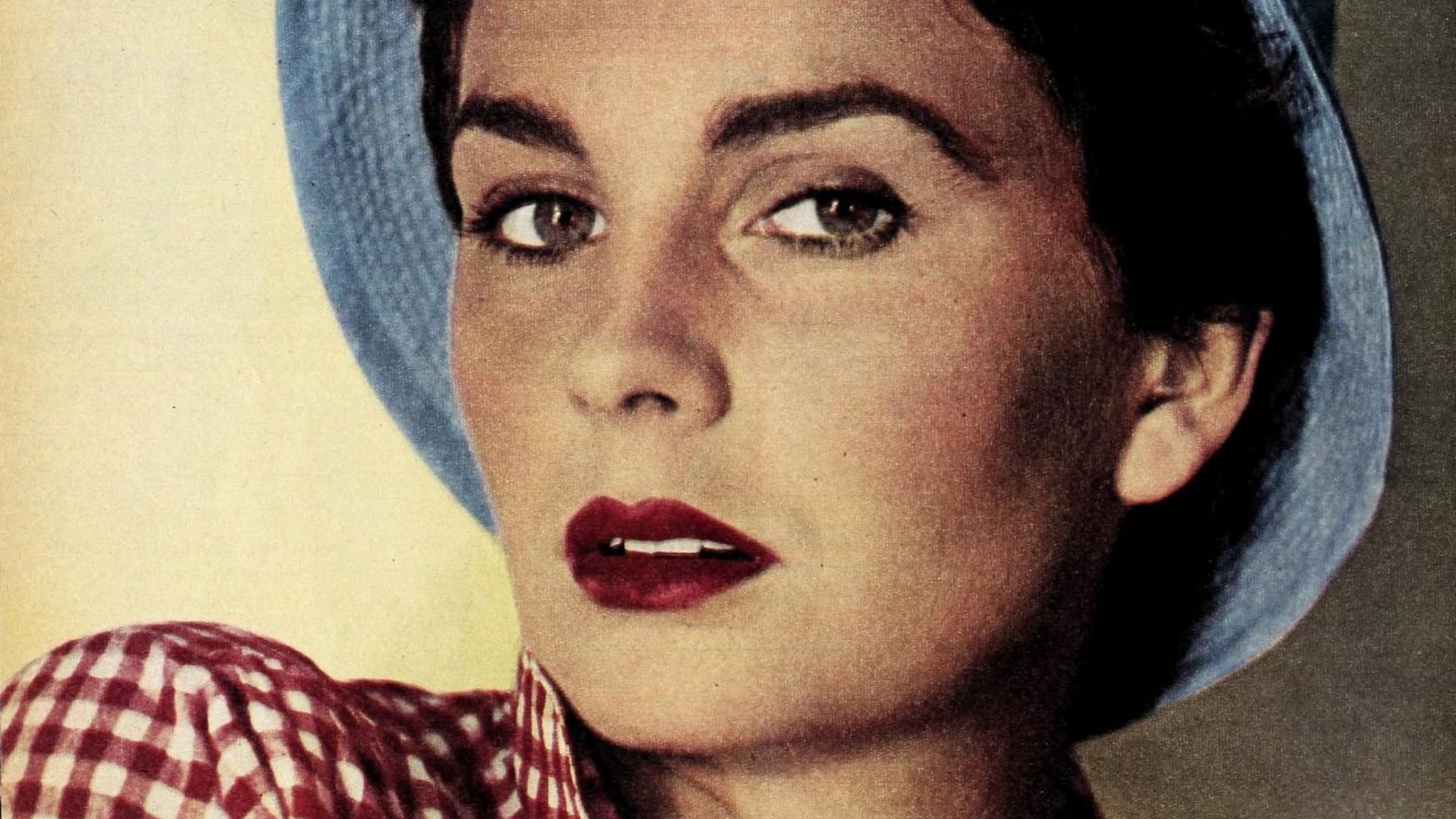 Photographer: Ernest A. Bachrach (1899–1973), [1], Wikimedia Commons
Discovered At Fourteen
Simmons was only 14 when she made her screen debut in Give Us the Moon (1944), appearing as Heidi alongside Margaret Lockwood. Small parts followed in British productions including Mr. Emmanuel (1944), The Way to the Stars (1945) and Caesar and Cleopatra (1945), starring Vivien Leigh and Claude Rains.
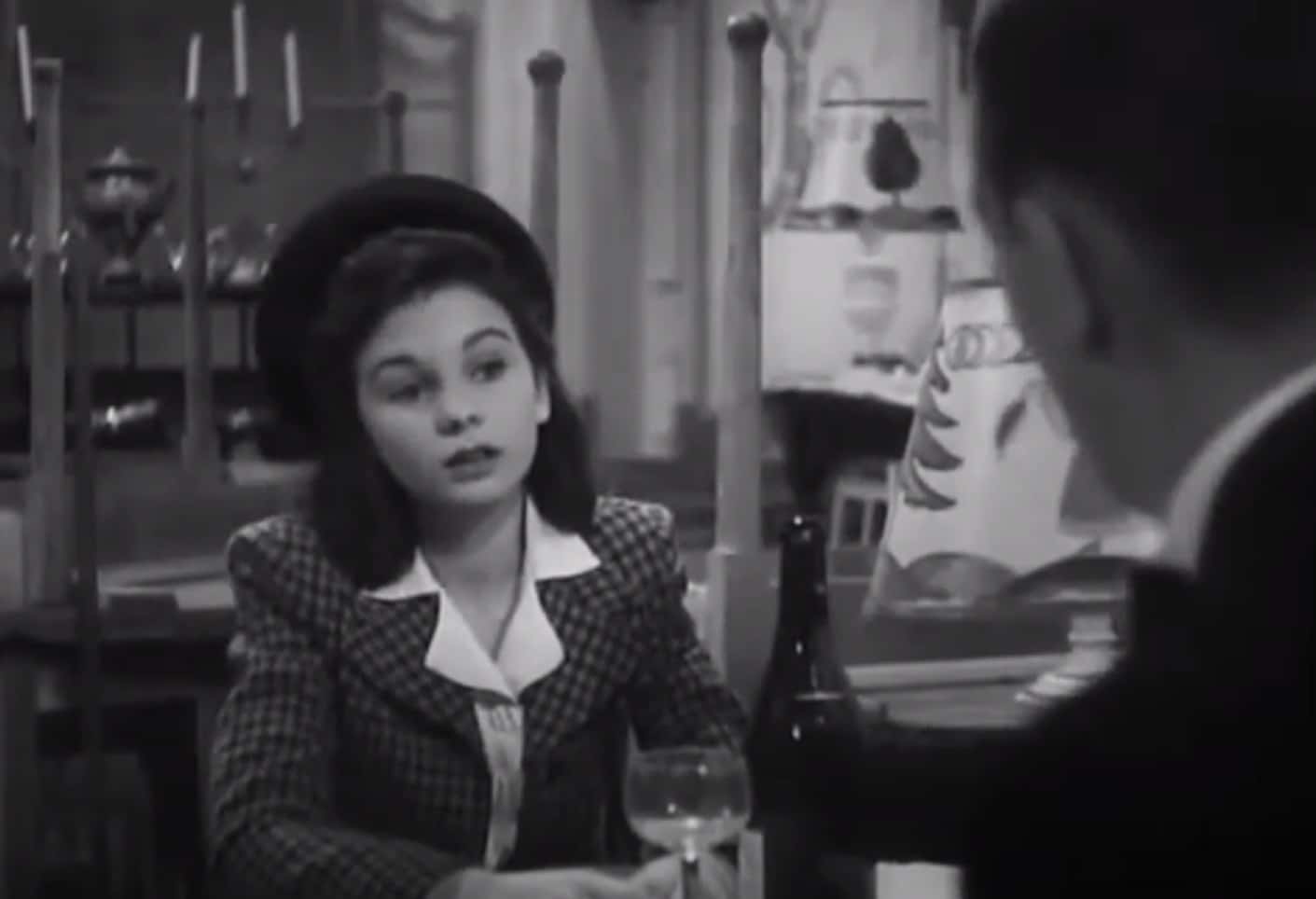 : Screenshot from Give Us the Moon, Gainsborough Pictures(1944)
Estella Changed Everything
David Lean gave Simmons her first truly memorable role as the young Estella in Great Expectations (1946). Opposite Anthony Wager as the young Pip, Simmons captured Estella's beauty, cruelty and emotional distance so effectively that the Dickens adaptation helped transform the teenager from promising performer into a rising British star.
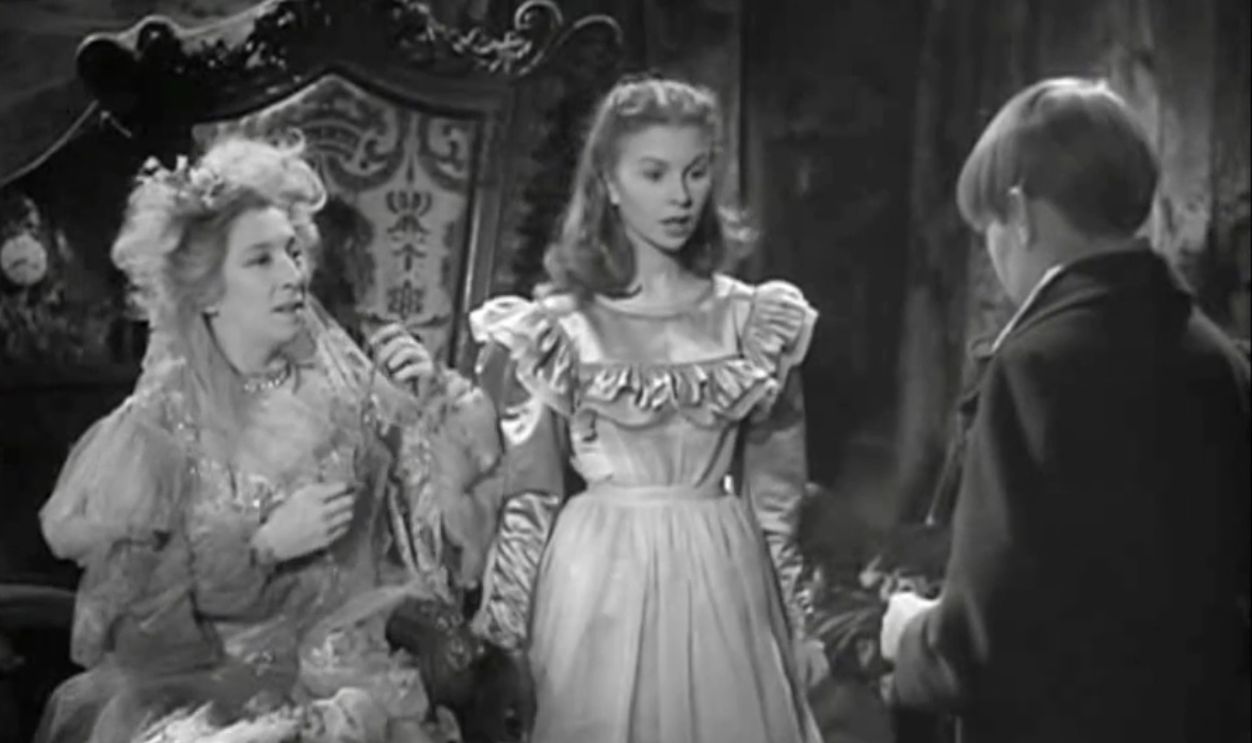 Screenshot from Great Expectations,General Film Distributors (1946)
Black Narcissus Followed
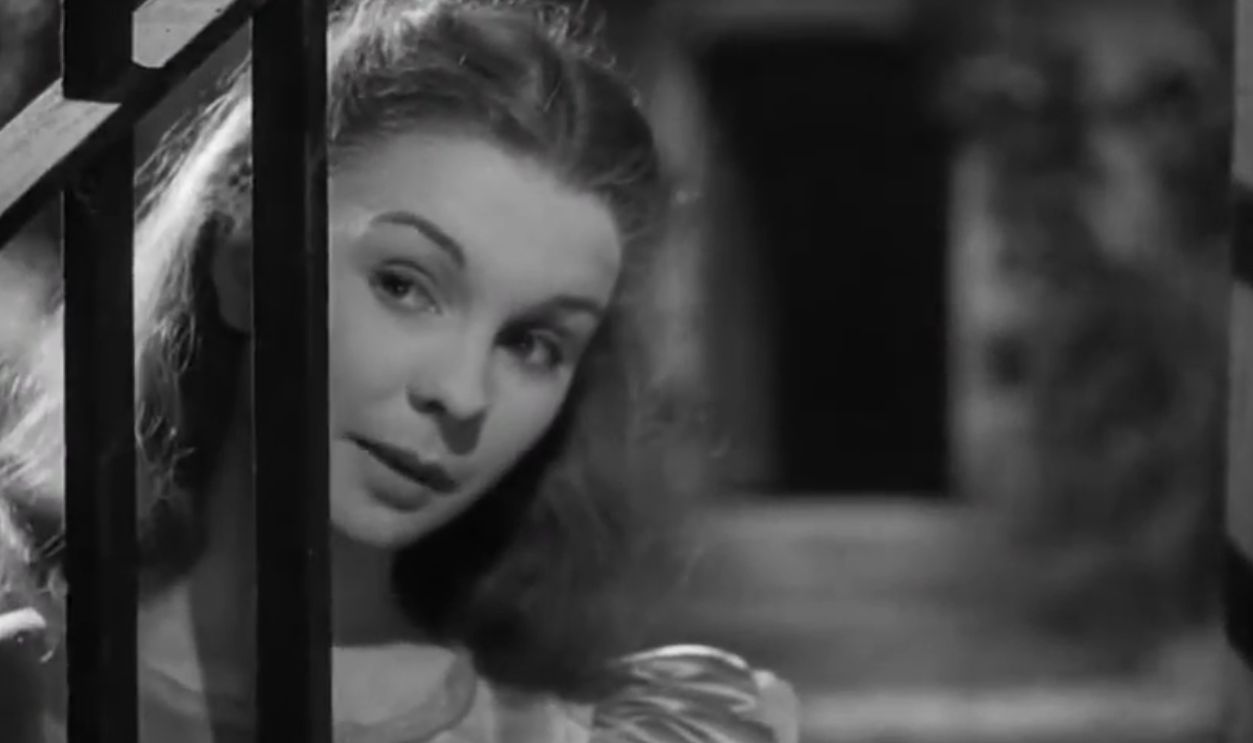
Michael Powell and Emeric Pressburger cast Simmons as Kanchi in Black Narcissus (1947), their visually dazzling Himalayan drama starring Deborah Kerr. Playing a seductive young Indian woman, Simmons was striking enough to stand out in a film overflowing with extraordinary images, although the casting itself reflected the era's troubling racial conventions.
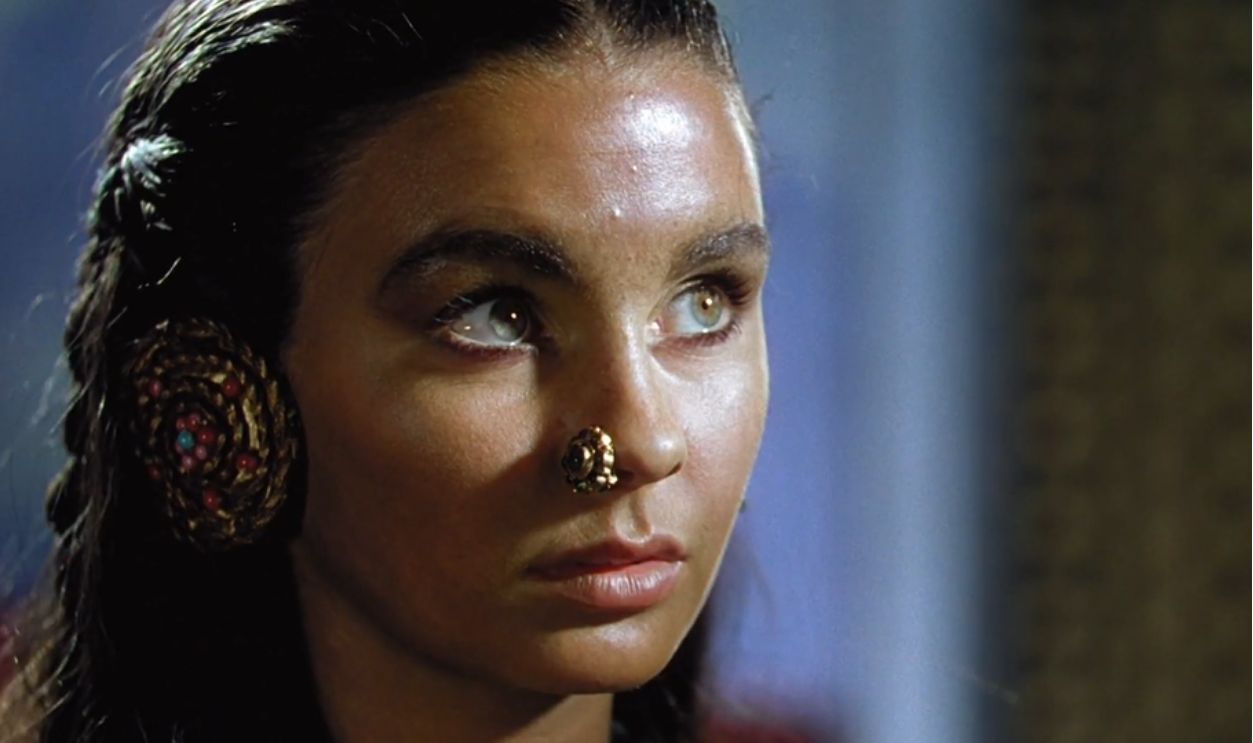 Screenshot from Black Narcissus, General Film Distributors (1947)
Olivier Chose His Ophelia
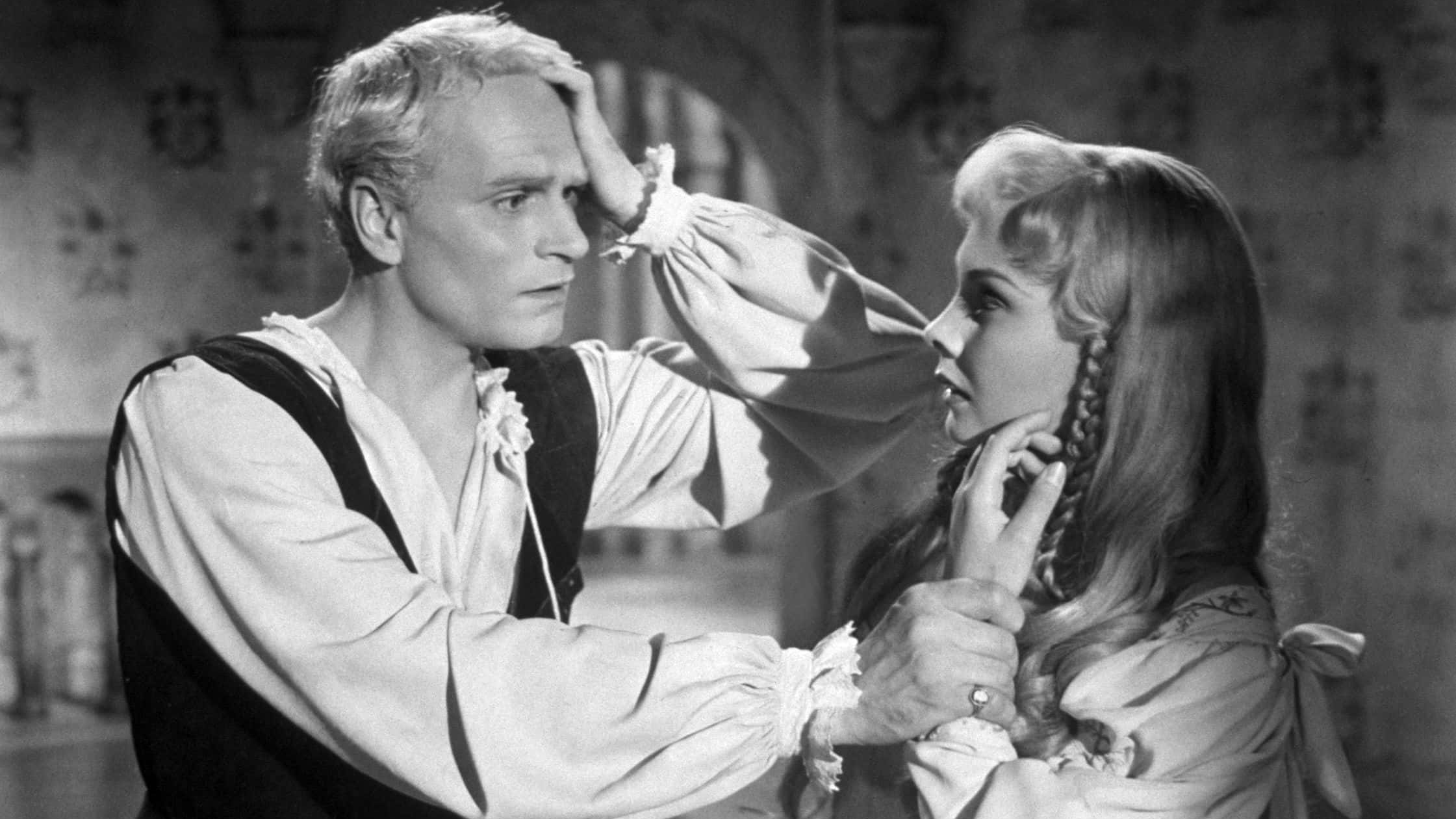
Laurence Olivier selected Simmons to play Ophelia opposite his title character in Hamlet (1948), despite her limited Shakespearean experience. Olivier's film won Best Picture, while the 19-year-old Simmons earned an Academy Award nomination for Supporting Actress. She had become internationally important before reaching her twenties.
Stardom Came Quickly
Simmons remained extremely busy, appearing in The Blue Lagoon (1949), Adam and Evelyne (1949) and So Long at the Fair (1950). Adam and Evelyne paired her with Stewart Granger, the handsome British star who was becoming increasingly important in both her professional and personal life.
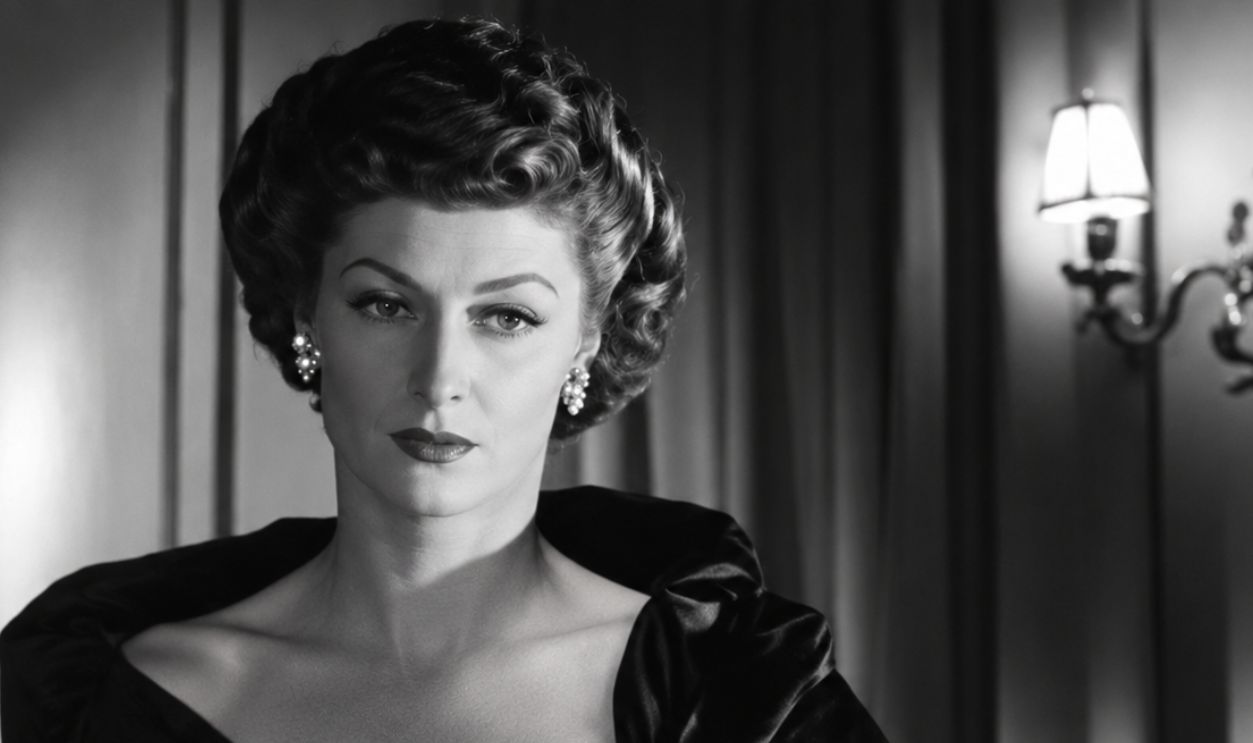 Screenshot from Adam and Evelyne, General Film Distributors (1949), Modified
She Married Granger
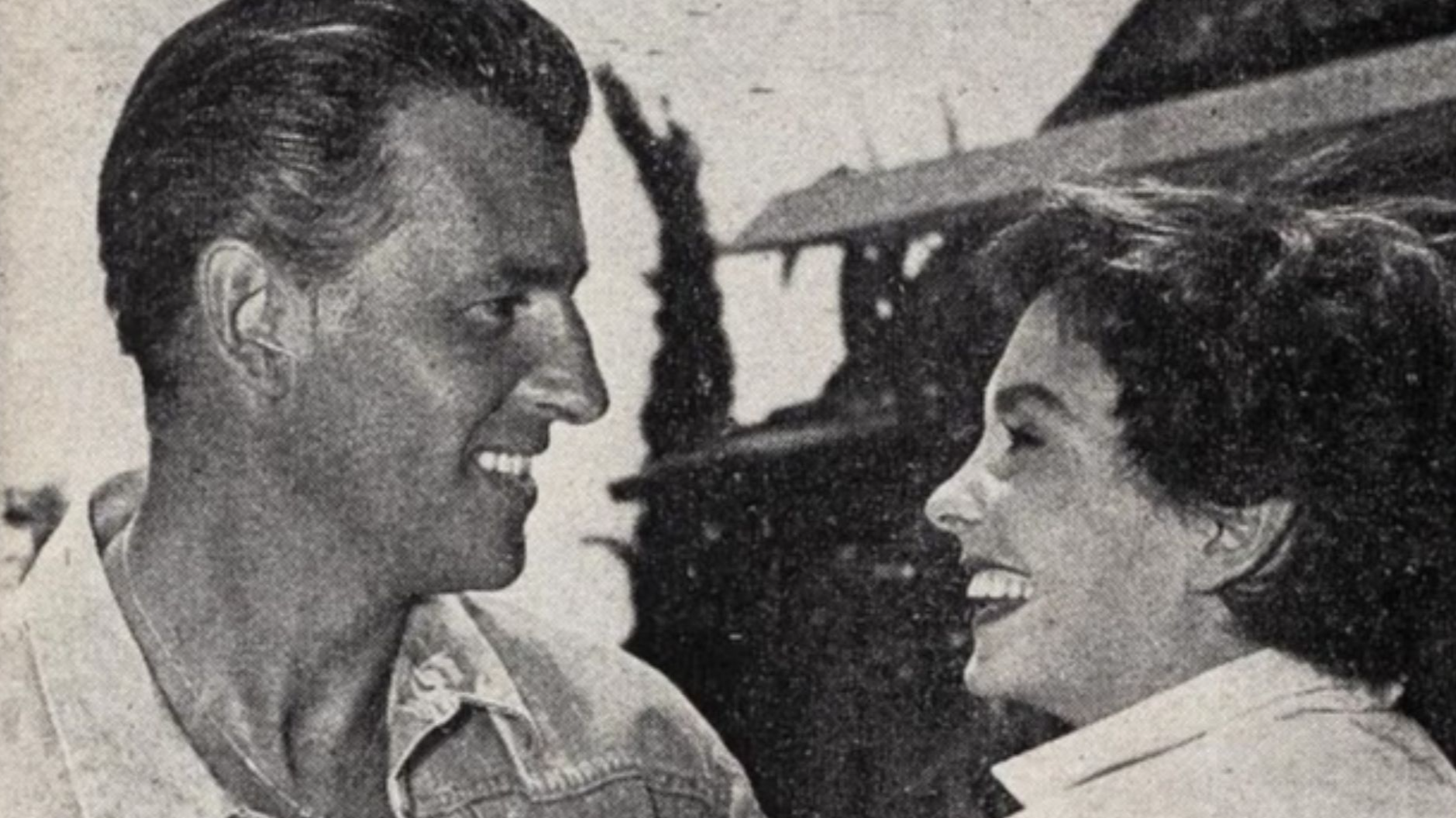
Simmons married Stewart Granger in December 1950, when she was 21. Their careers soon carried them to Hollywood, where Granger signed with MGM. Simmons, however, was about to discover that her own career had effectively been traded without her consent, creating one of the defining battles of her professional life.
 Photographer not credited, Wikimedia Commons
Hughes Owned Her Contract
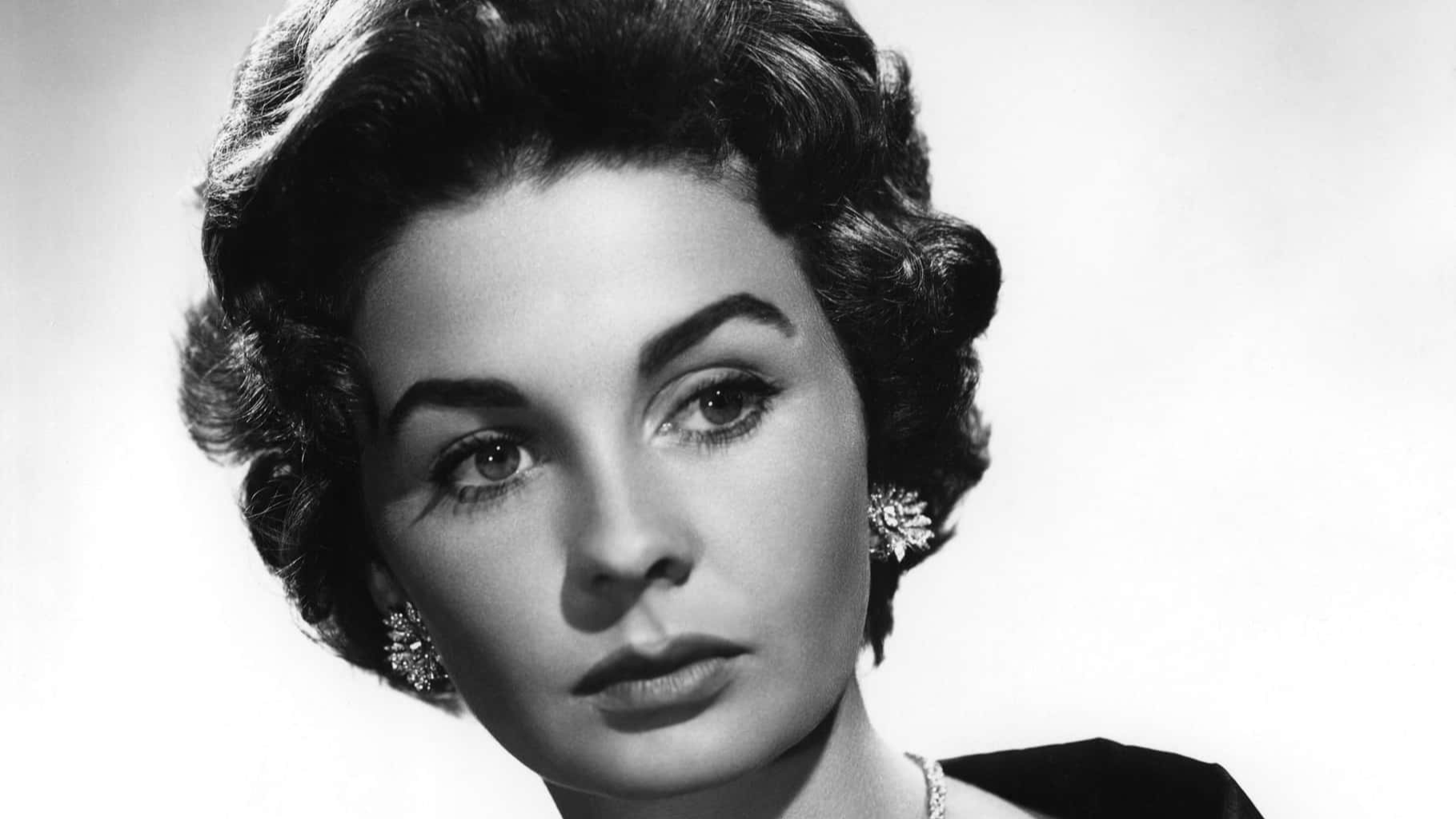
J. Arthur Rank had sold Simmons' contract to Howard Hughes, the eccentric industrialist who controlled RKO. Simmons later recalled the experience as a shock, saying that everything had been taken out of her hands. Hughes wanted her to commit to a new seven-year agreement. Simmons refused.
 Unknown Author, Wikimedia Commons
Roman Holiday Slipped Away
The consequences became painfully clear when director William Wyler pursued Simmons to play Princess Ann in Roman Holiday (1953). Her situation with Hughes made the casting impossible. Audrey Hepburn ultimately received the role opposite Gregory Peck and turned it into an Oscar-winning breakthrough, leaving one of Hollywood's great what-ifs behind.
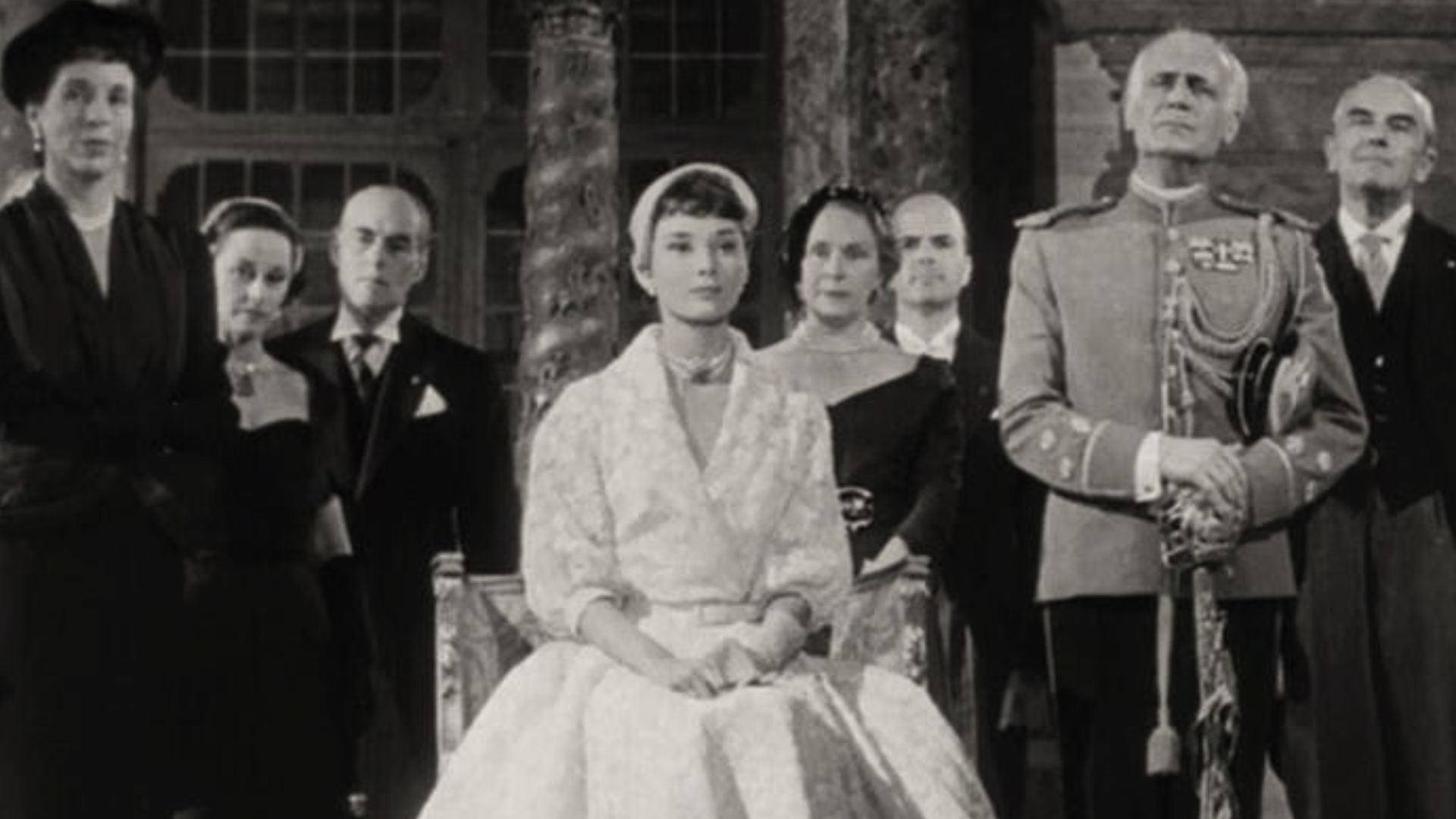 trailer screenshot (Paramount Pictures), Wikimedia Commons
She Fought Back
Unable to reach an agreement with Hughes, Simmons went to court. She did not simply walk away from every RKO obligation, but she won important concessions, limiting what she owed Hughes and gaining the ability to work for other studios. The famously graceful actress had successfully challenged one of Hollywood's most powerful men.

Angel Face Got Dark
One Hughes-era assignment unexpectedly became one of Simmons' finest films. Otto Preminger's Angel Face (1952) cast her opposite Robert Mitchum as Diane Tremayne, a wealthy young woman with murderous impulses. The unsettling film noir revealed a dangerous, psychologically complicated side of Simmons that Hollywood rarely exploited afterward.
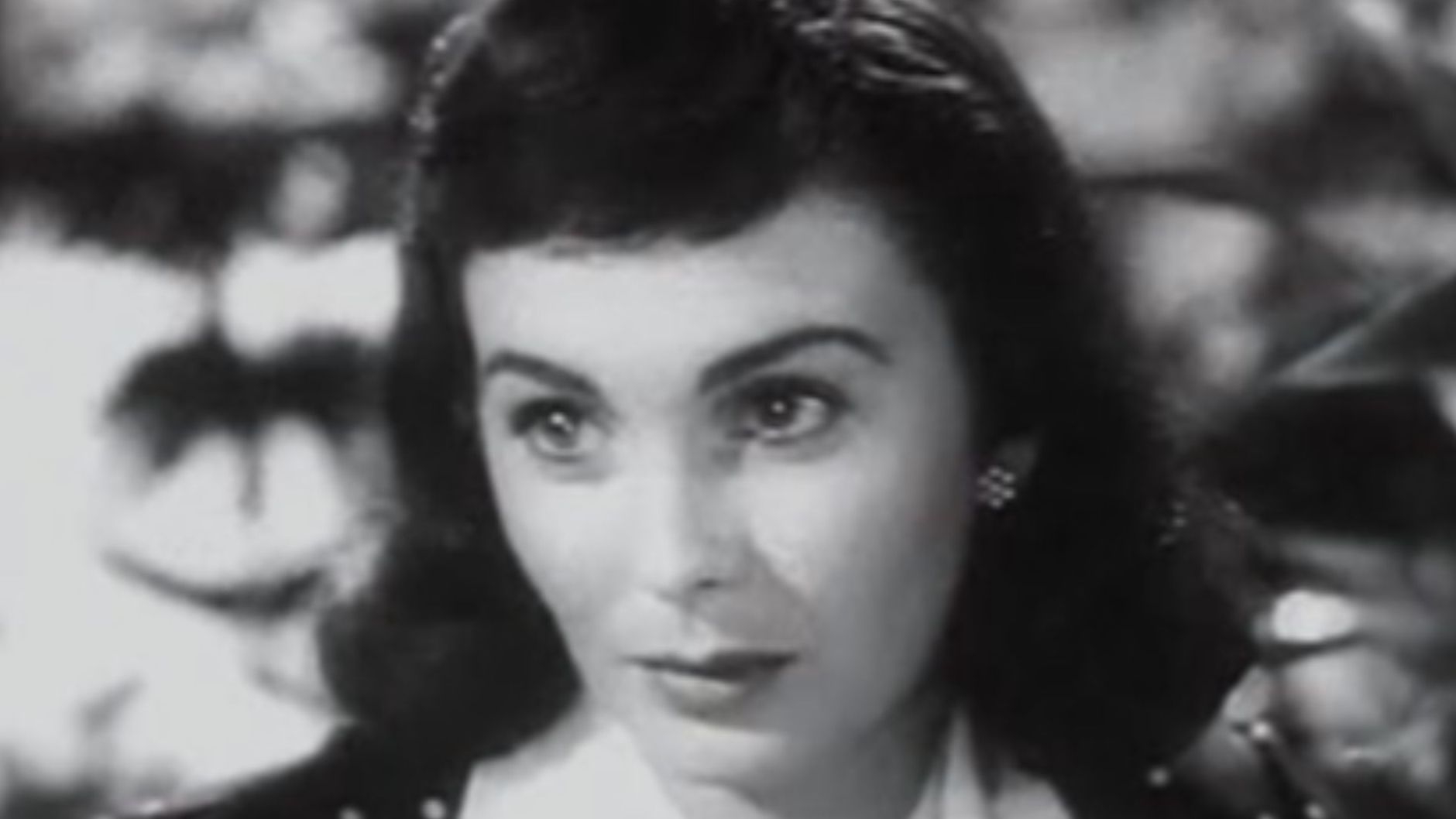 trailer screenshot (RKO Pictures), Wikimedia Commons
The Robe Went Huge
Simmons joined Richard Burton and Victor Mature in Henry Koster's biblical epic The Robe (1953), playing Diana, the devoted love of Burton's Roman tribune Marcellus Gallio. The film became historically significant as the first feature released in CinemaScope, placing Simmons at the center of Hollywood's widescreen spectacle era.
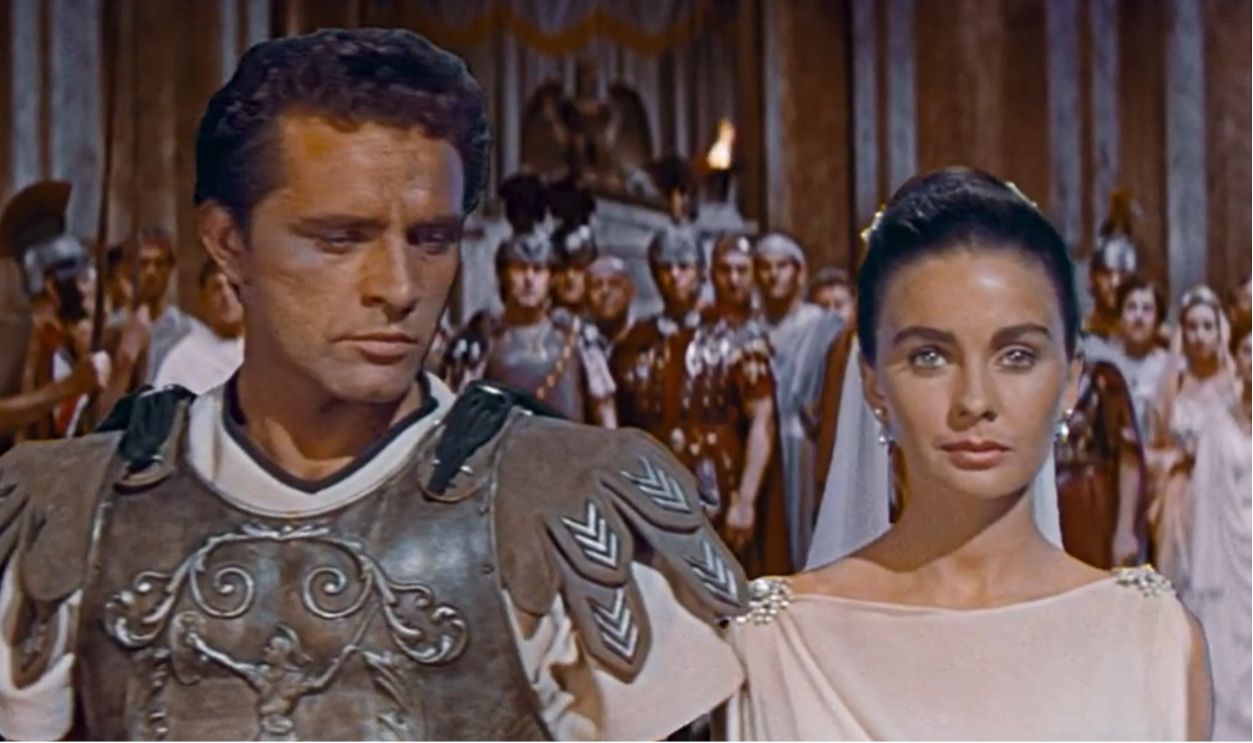 Screenshot from The Robe, 20th Century Fox (1953)
She Became Young Bess
That same year, Simmons played the young Elizabeth I in George Sidney's Young Bess (1953). Stewart Granger portrayed Thomas Seymour, with Deborah Kerr as Catherine Parr and Charles Laughton as Henry VIII. The lavish MGM production also allowed Simmons and Granger to capitalize on their status as a glamorous real-life Hollywood couple.
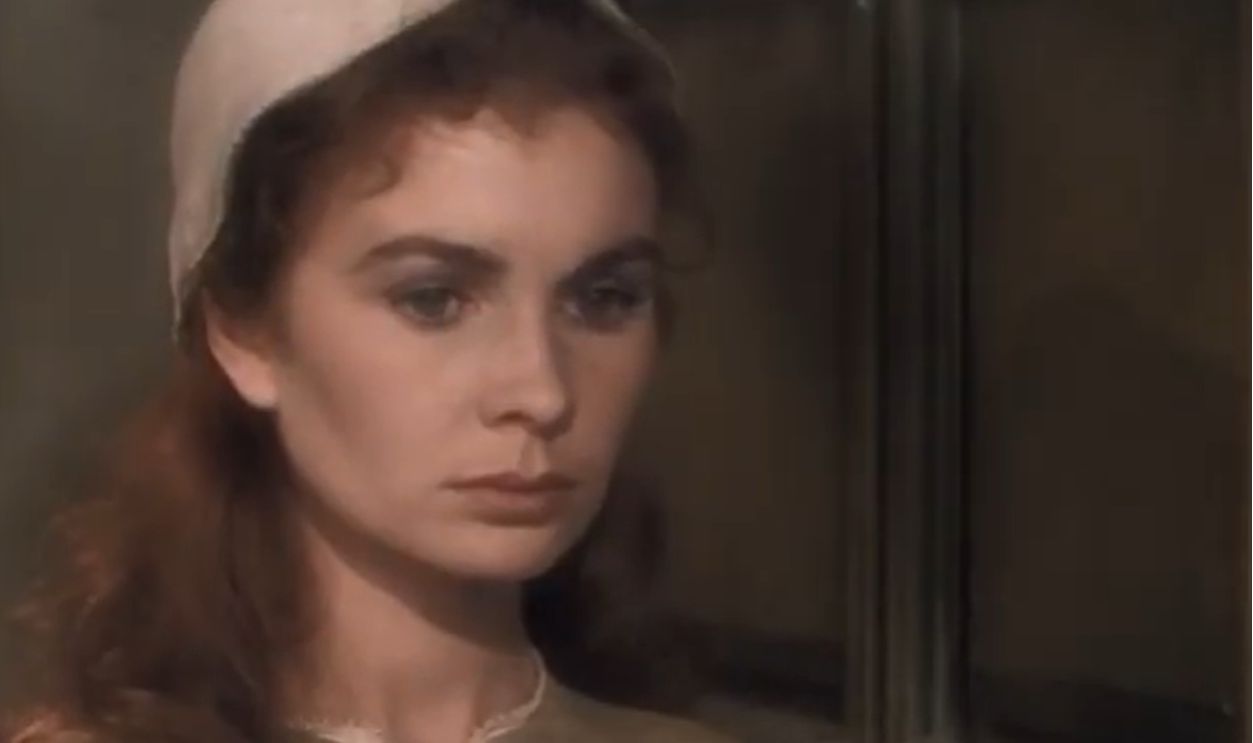 Screenshot from Young Bess, Metro-Goldwyn-Mayer (1953)
Brando Became Napoleon
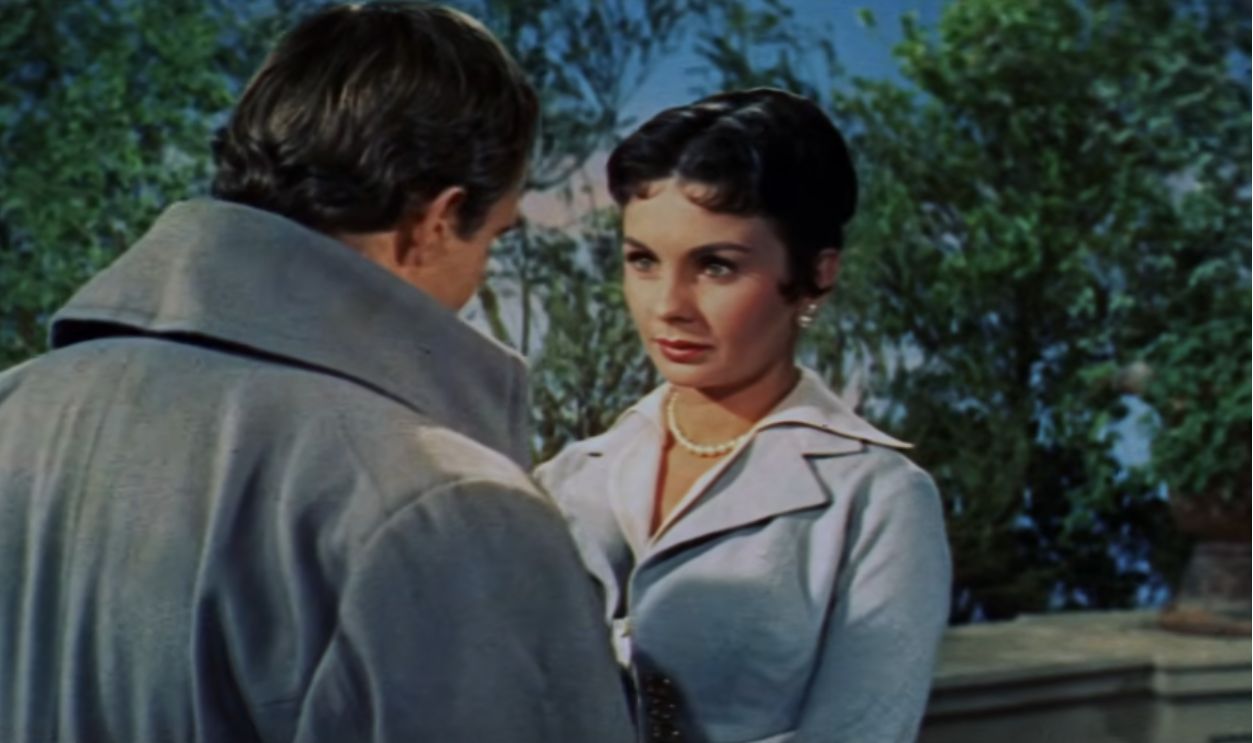
Simmons reunited with the costume-drama world for Désirée (1954), playing Désirée Clary opposite Marlon Brando's Napoleon Bonaparte. The role placed her at the emotional center of another major historical production and began an unlikely screen partnership that would produce something much lighter, and more enduring, the following year.
 Screenshot from Désirée, 20th Century Fox (1954)
Guys And Dolls
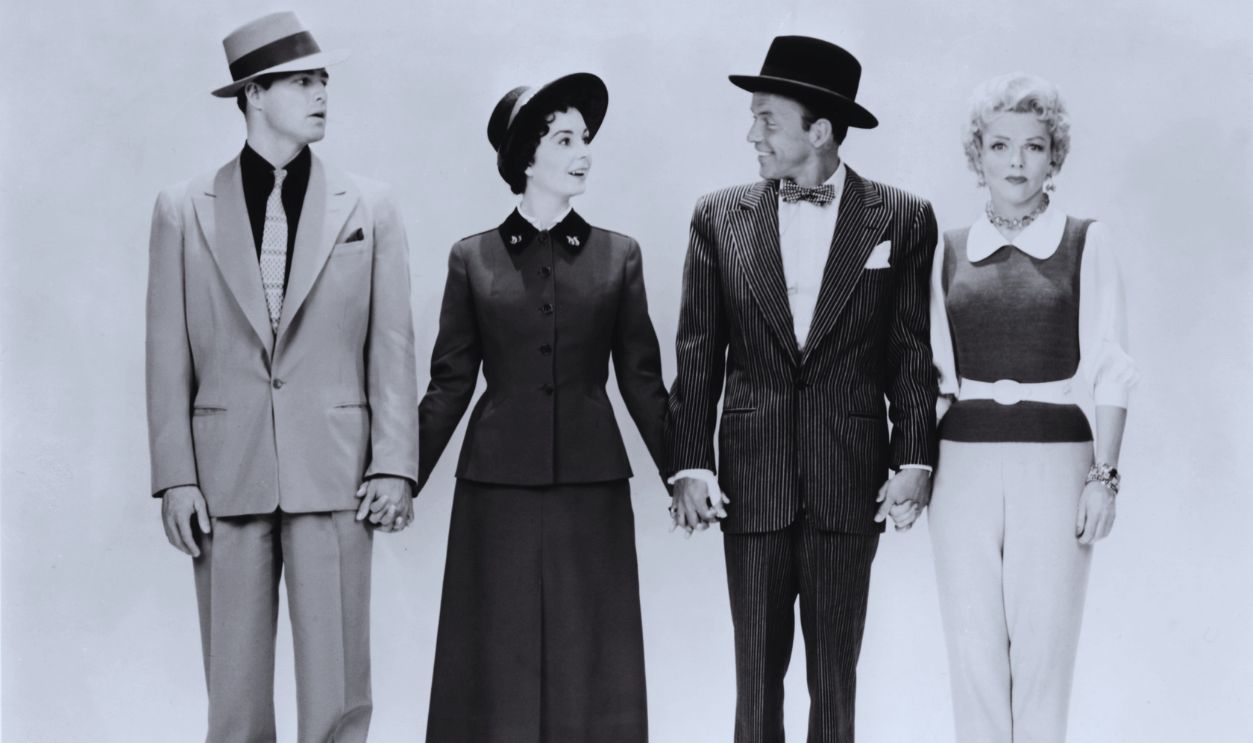
Joseph L. Mankiewicz's Guys and Dolls (1955) let Simmons do something audiences had rarely seen: comedy and music. As straitlaced missionary Sarah Brown, she sparred and fell in love with Marlon Brando's Sky Masterson, while Frank Sinatra and Vivian Blaine completed one of the era's most memorable musical casts.
 Michael Ochs Archives, Getty Images
She Did Her Singing
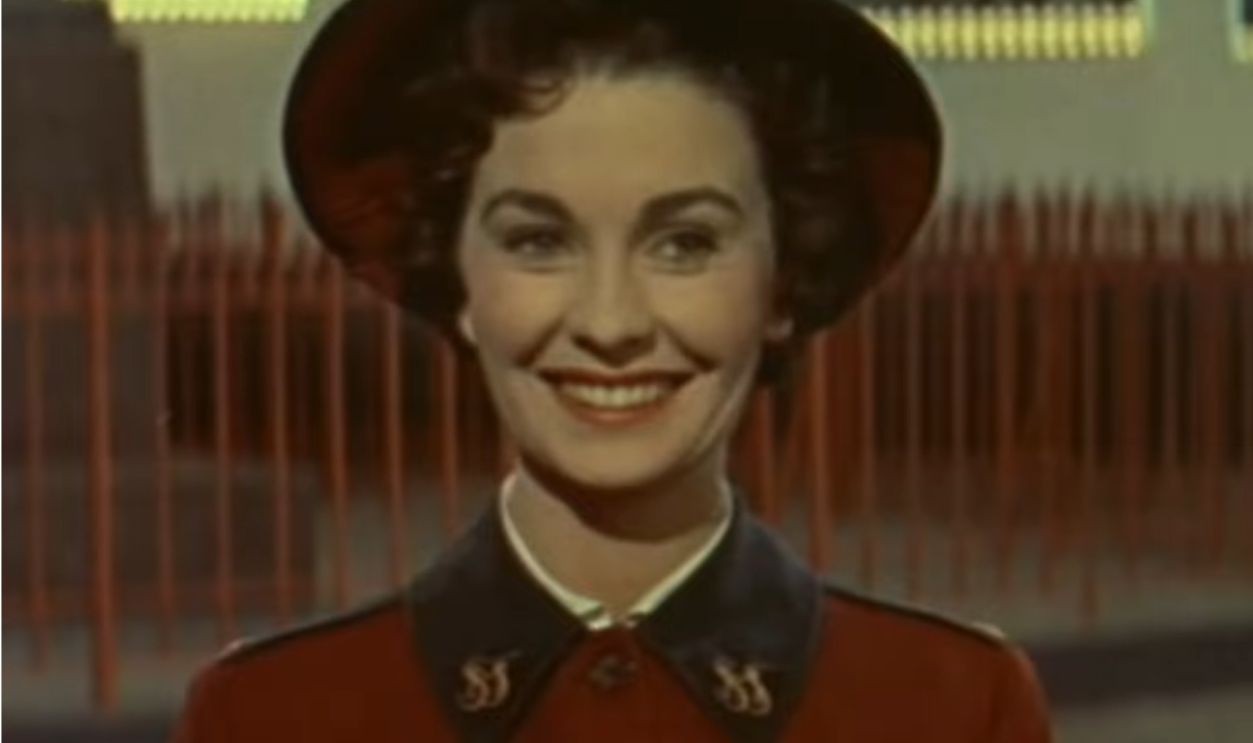
Simmons and Brando were not trained musical performers, yet they ultimately sang their own parts. Simmons' warmth and comic timing helped make Sarah Brown one of her most beloved roles. Director Mankiewicz later called her enormously underrated and wondered why her considerable talent had not produced even greater stardom.
 Screenshot from Guys and Dolls, Samuel Goldwyn Productions (1955)
Her Marriage Was Straining
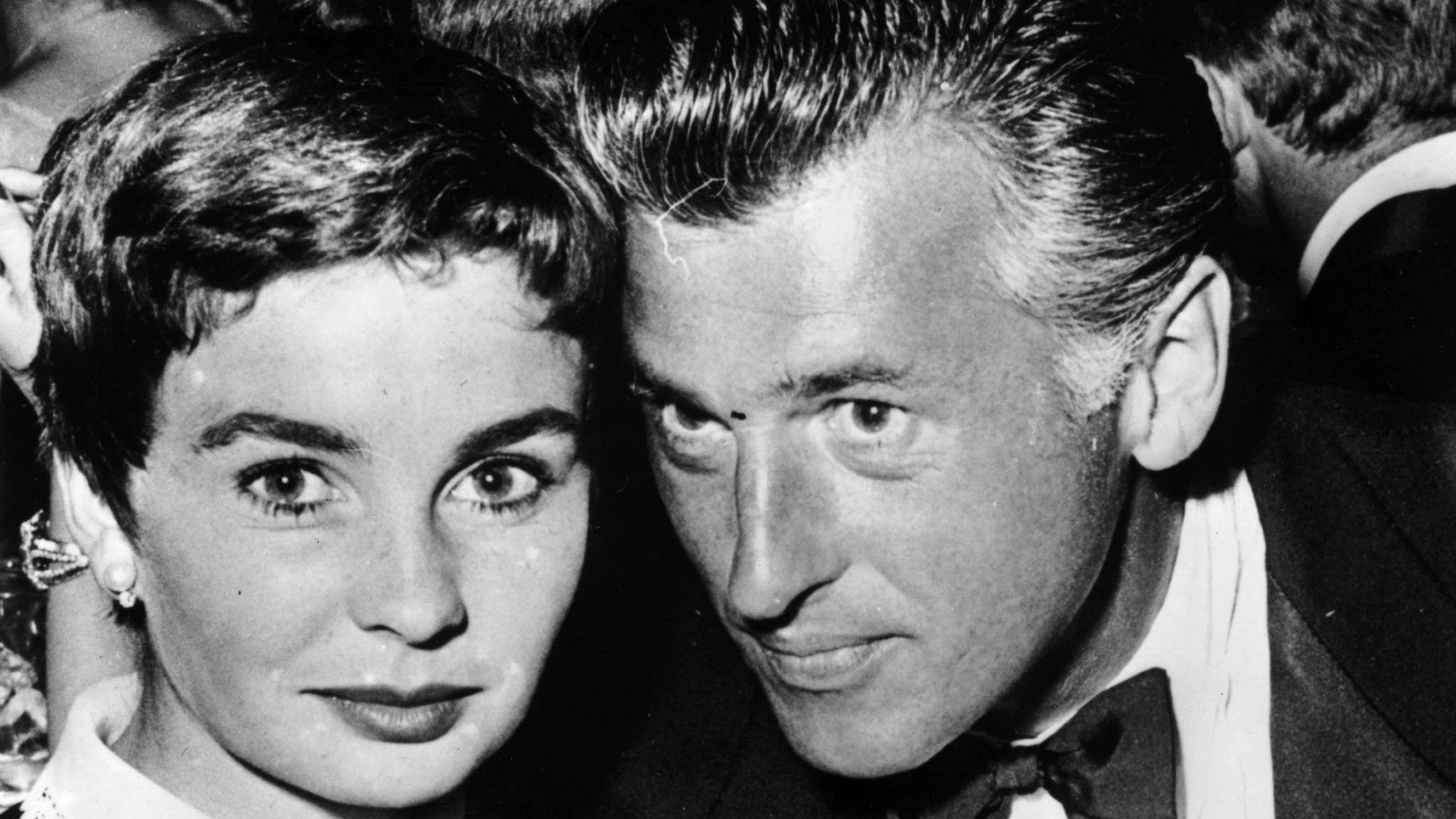
Simmons and Granger had become parents to daughter Tracy, but two demanding movie careers meant lengthy separations. They made Footsteps in the Fog (1955) together, yet their marriage gradually deteriorated. Their glamorous partnership ultimately ended in divorce in 1960 after nearly a decade together.
Home Before Dark
Mervyn LeRoy's Home Before Dark (1958) gave Simmons one of her most demanding roles. Opposite Dan O'Herlihy, she played Charlotte Bronn, a woman returning home after psychiatric treatment and struggling within an unhappy marriage. Some later critics regarded the emotionally difficult performance as among the finest of her career.
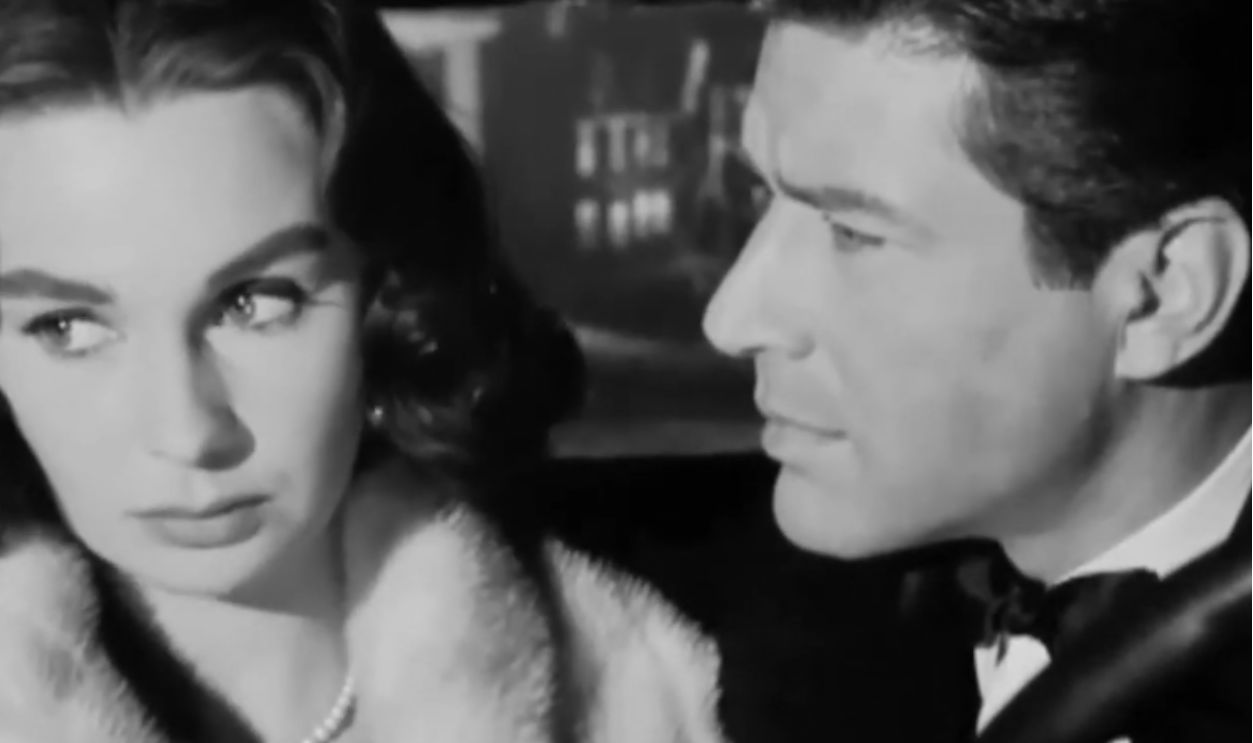 Screenshot from Home Before Dark, United Artists (1958)
The Big Country
Also in 1958, Simmons joined Gregory Peck, Charlton Heston, Carroll Baker and Burl Ives in William Wyler's sprawling Western The Big Country (1958). As schoolteacher Julie Maragon, Simmons supplied intelligence and moral steadiness amid a violent family feud, demonstrating how naturally she could move from intimate drama to epic filmmaking.
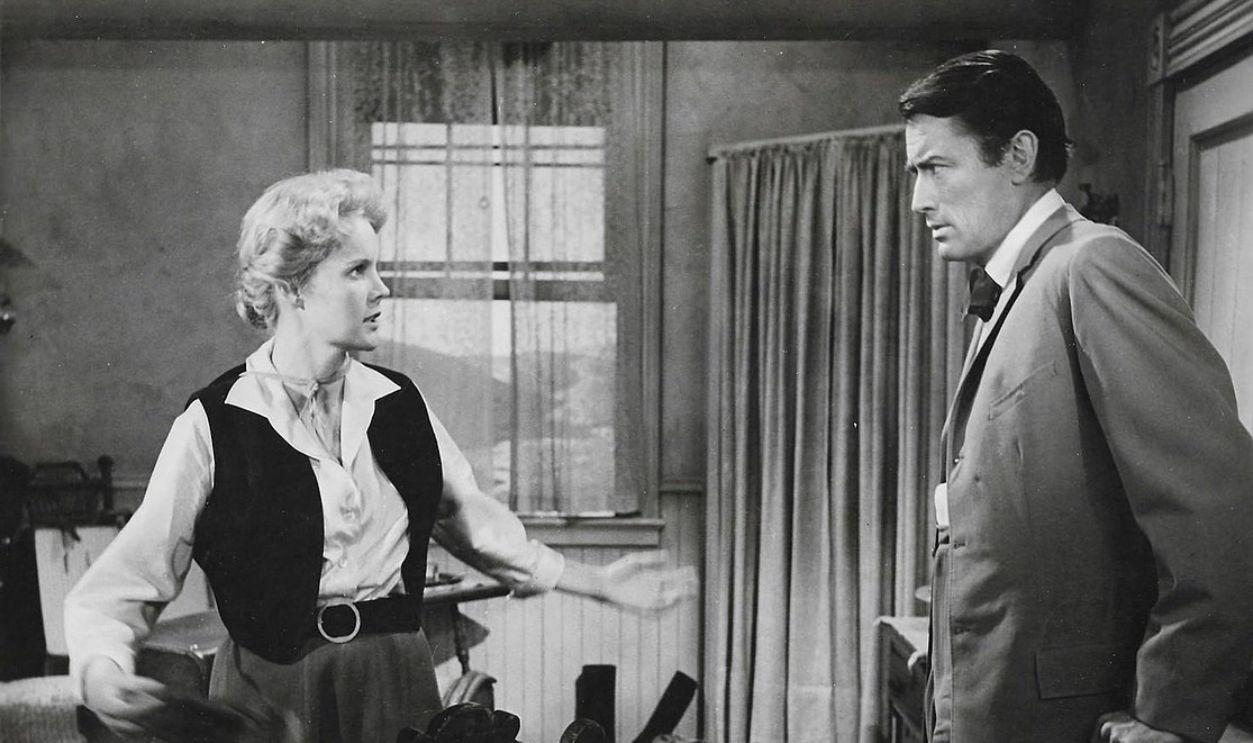 United Artists, Wikimedia Commons
Elmer Gantry
Richard Brooks gave Simmons another substantial role in Elmer Gantry (1960), starring Burt Lancaster as the charismatic title character. Simmons played evangelist Sister Sharon Falconer, whose sincerity contrasts with Gantry's opportunism. Lancaster and Shirley Jones won Oscars, while Simmons delivered another highly regarded performance without receiving a nomination.
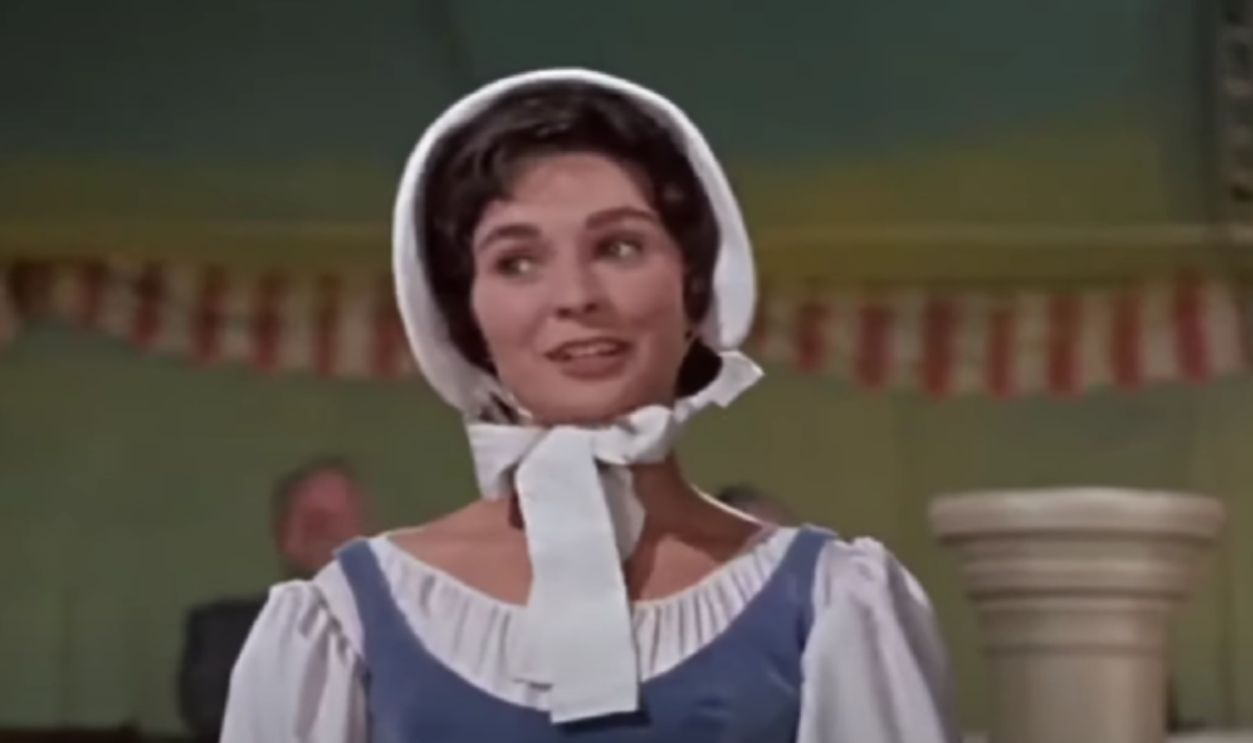 Screenshot from Elmer Gantry, United Artists (1960)
Spartacus Became A Classic
Stanley Kubrick's Spartacus (1960) placed Simmons opposite Kirk Douglas as Varinia, the enslaved woman who becomes Spartacus' partner. Laurence Olivier, Charles Laughton, Peter Ustinov and Tony Curtis surrounded them. The enormous production became one of Simmons' most enduring films and a defining epic of its era.
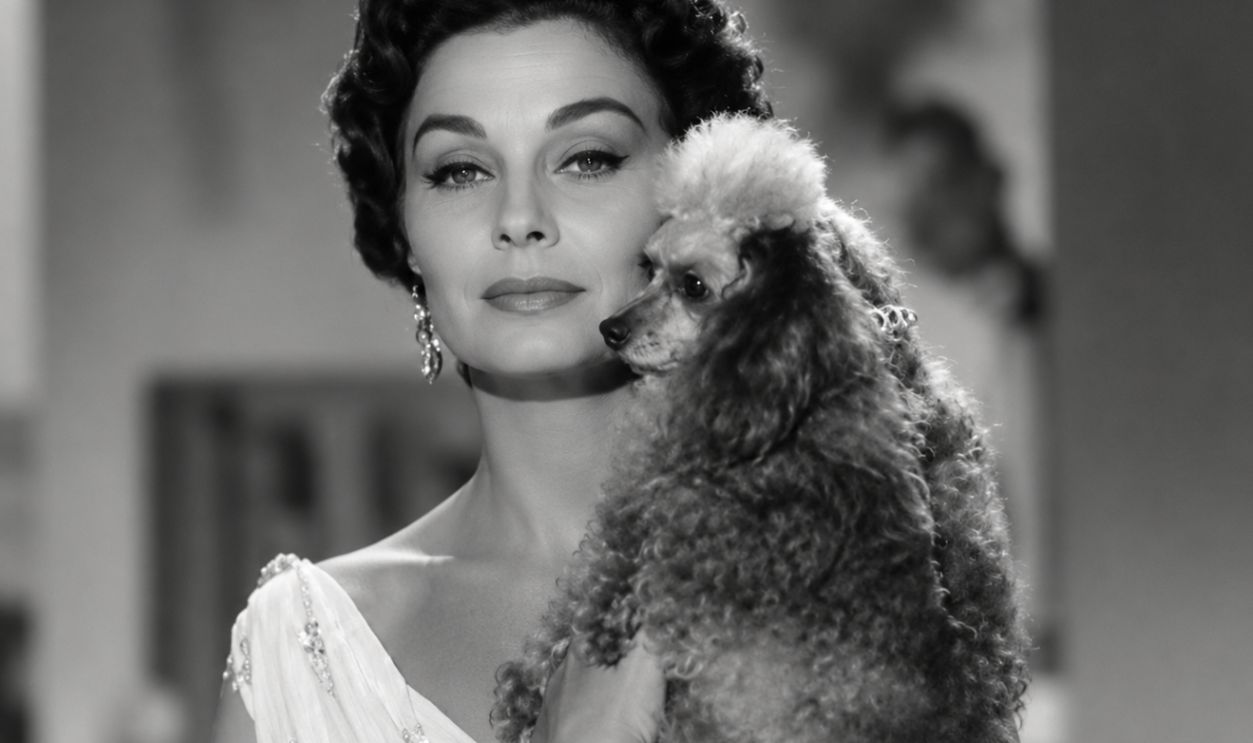 Screenshot from Spartacus, Universal-International (1960), Modified
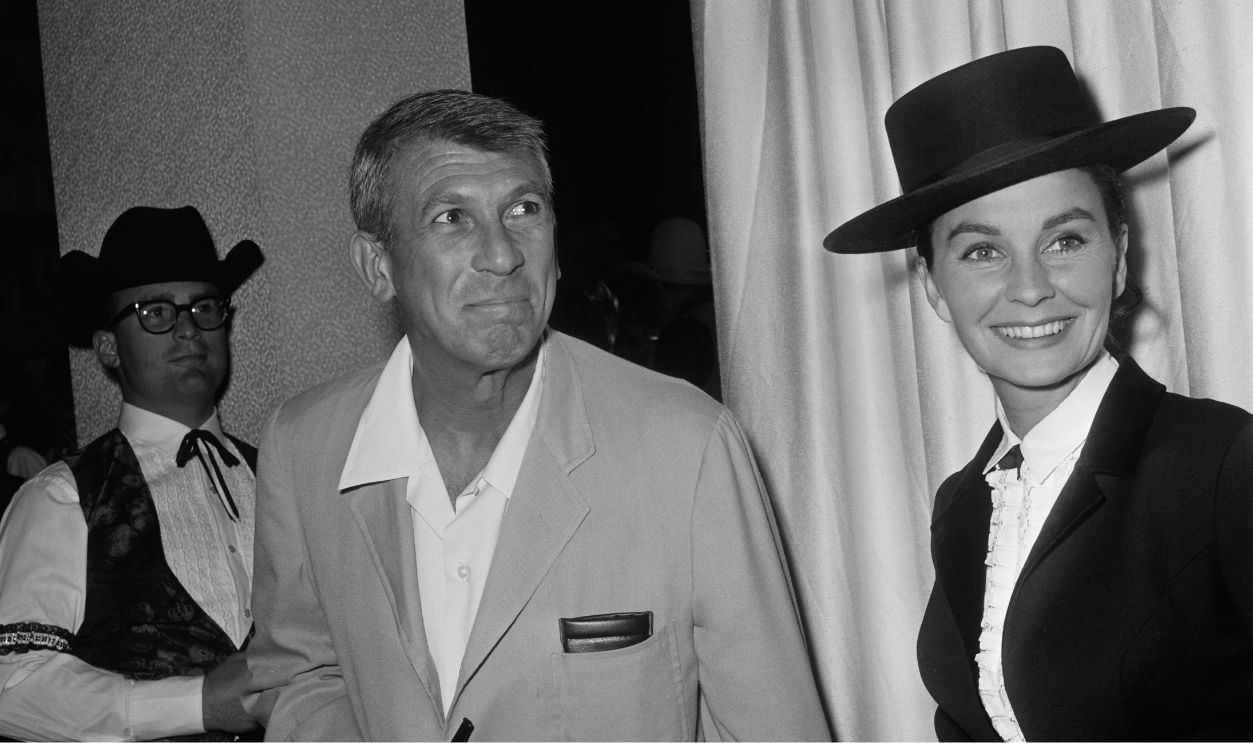
A Second Marriage
Simmons married Richard Brooks in November 1960, shortly after her divorce from Granger. Their daughter Kate arrived the following year. Brooks was an acclaimed writer-director behind films including Blackboard Jungle (1955) and Cat on a Hot Tin Roof (1958), making theirs another marriage deeply intertwined with Hollywood filmmaking.
The Sixties Changed Things
As Hollywood changed, Simmons' movie stardom became less consistent. She delivered strong work in All the Way Home (1963), appeared in Life at the Top (1965), and joined Jason Robards in the Norman Lear-scripted comedy Divorce American Style (1967), starring Dick Van Dyke and Debbie Reynolds.
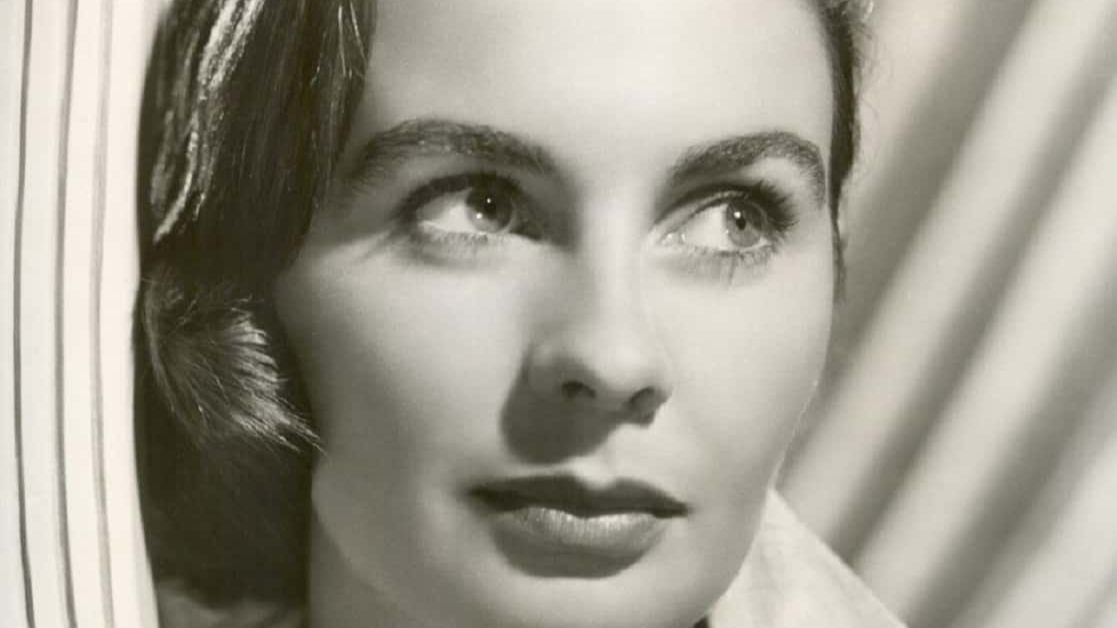 Metro-Goldwyn-Mayer, Wikimedia Commons
The Happy Ending
Brooks wrote and directed Simmons in The Happy Ending (1969), casting her as Mary Wilson, a disillusioned suburban wife confronting alcoholism and the collapse of her romantic expectations. Simmons later acknowledged that the character's problems struck painfully close to home. The performance earned her a second Academy Award nomination.
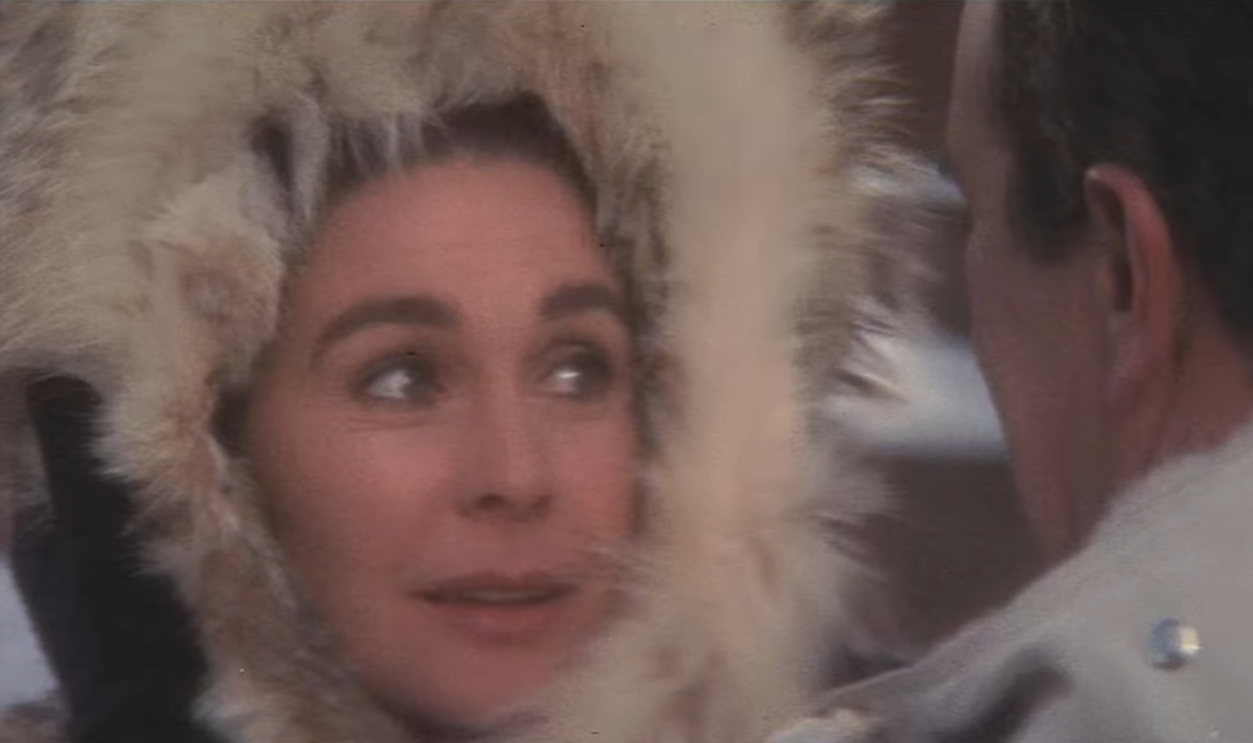 Screenshot from The Happy Ending, Metro-Goldwyn-Mayer (1969)
The Stage Beckoned
Film roles became less central during the 1970s, but Simmons found a new showcase onstage as Desirée Armfeldt in Stephen Sondheim and Hugh Wheeler's A Little Night Music. She toured America in the role and then starred in the musical's 1975 West End premiere opposite Joss Ackland.
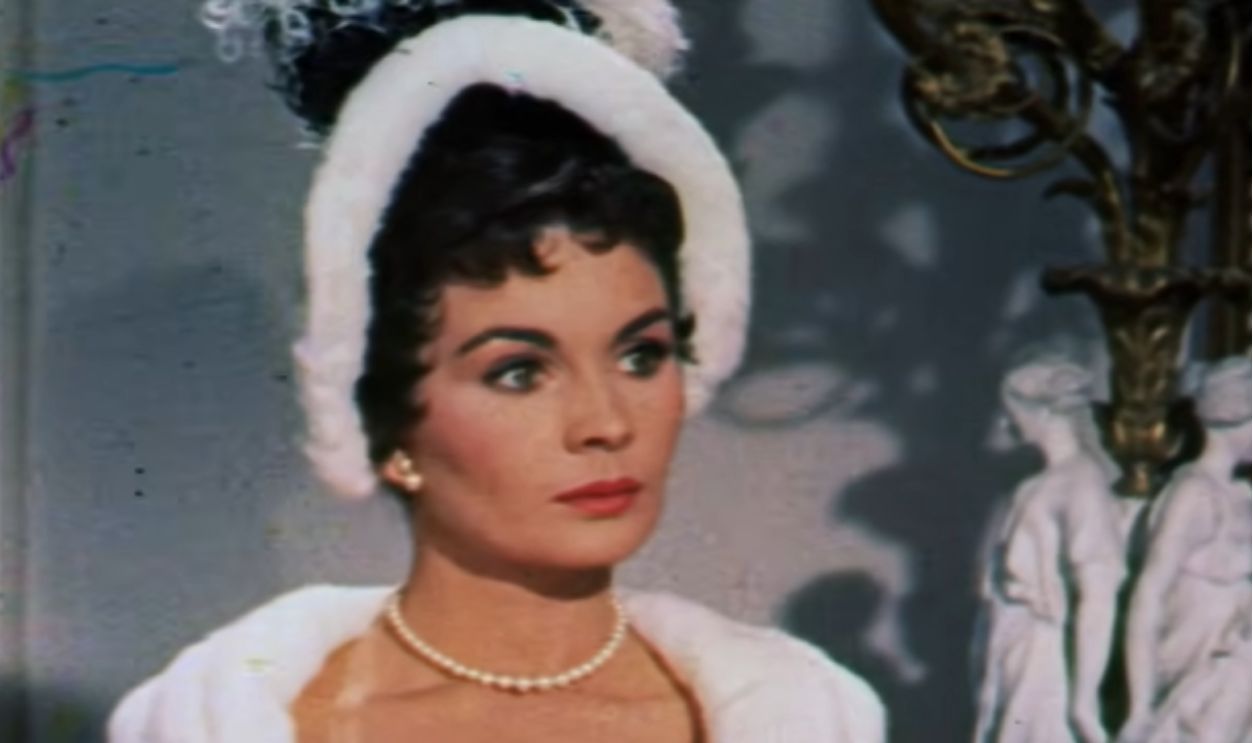 Screenshot from Désirée, 20th Century Fox (1954)
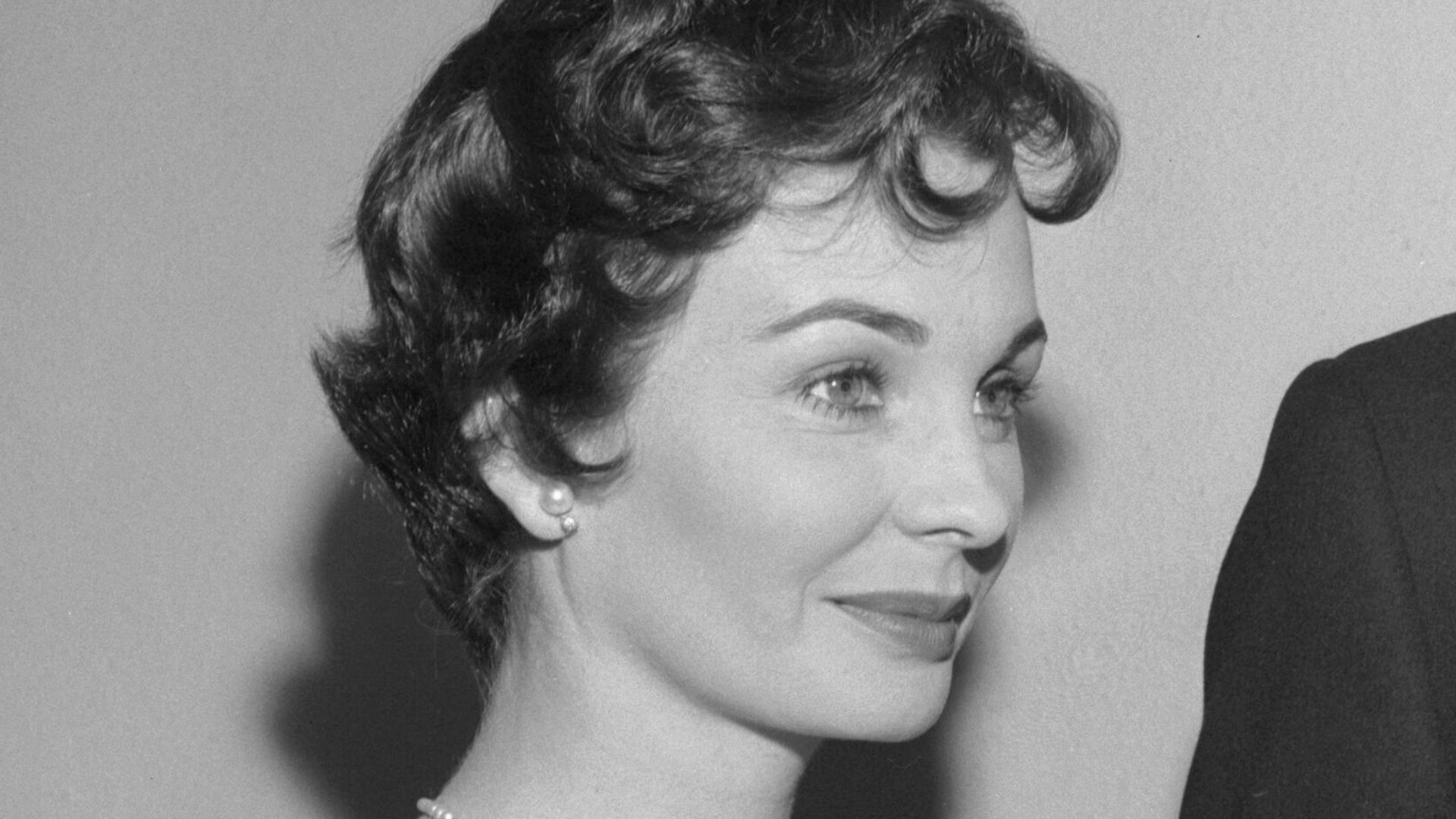
Life Became Difficult
Simmons and Brooks divorced in 1977 after more than 16 years of marriage. Simmons also struggled with alcohol, a problem she later discussed publicly. In 1986, she sought treatment at the Betty Ford Center, later expressing profound gratitude for the help she received there.
 Los Angeles Times, Wikimedia Commons
Television Revived Her
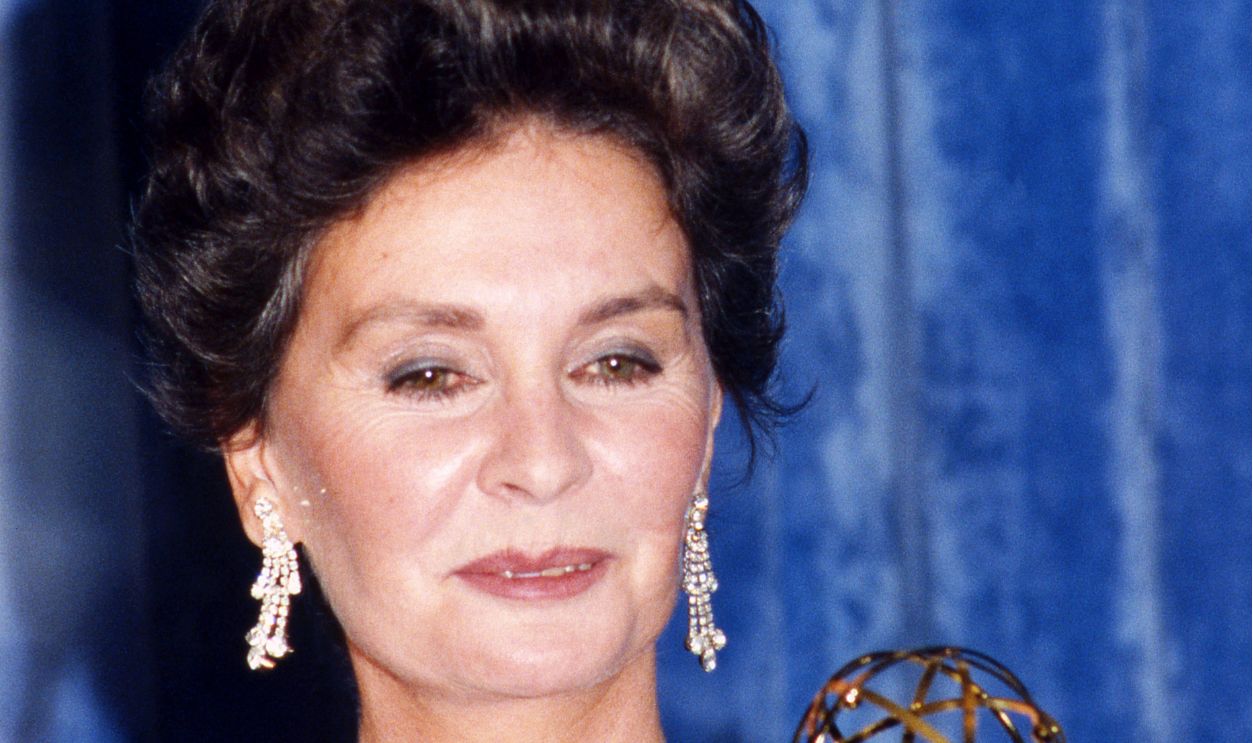
Television provided Simmons with increasingly substantial opportunities. In the blockbuster miniseries The Thorn Birds, she played Fiona Cleary alongside Richard Chamberlain, Rachel Ward, Barbara Stanwyck and Christopher Plummer. Her performance won the 1983 Emmy for Outstanding Supporting Actress in a Limited Series or Special.
 Joan Adlen Photography, Getty Images
She Kept Reinventing Herself
Simmons continued working throughout the 1980s in television movies, miniseries and guest roles. Her appearances ranged from North and South to Murder, She Wrote. The latter brought another Emmy nomination in 1989, evidence that the former teenage movie star remained a formidable character actress four decades later.
 Jack Metzger, Wikimedia Commons
Back To Great Expectations
More than four decades after playing Estella, Simmons returned to Dickens as Miss Havisham in the 1989 television adaptation Great Expectations. The transformation was wonderfully circular: the teenage beauty who had tormented Pip in David Lean's film was now playing the embittered older woman who had taught Estella to break hearts.
 Screenshot from Black Narcissus, General Film Distributors (1947)
Another Generation Found Her
Simmons remained active into the 1990s and 2000s, appearing in How to Make an American Quilt (1995) and lending her voice to the English-language version of Hayao Miyazaki's Howl's Moving Castle (2004). She voiced the elderly Sophie alongside Emily Mortimer, Christian Bale, Lauren Bacall and Billy Crystal.
 Screenshot from Howl’s Moving Castle, Studio Ghibli (2004)
One Final Performance
One of Simmons' final major performances came in Shadows in the Sun (2009), directed by David Rocksavage. She played an aging poet living with chronic illness, bringing unusual poignancy to a role arriving more than six decades after her debut. By then, Simmons had grown from ingénue into a revered screen veteran.
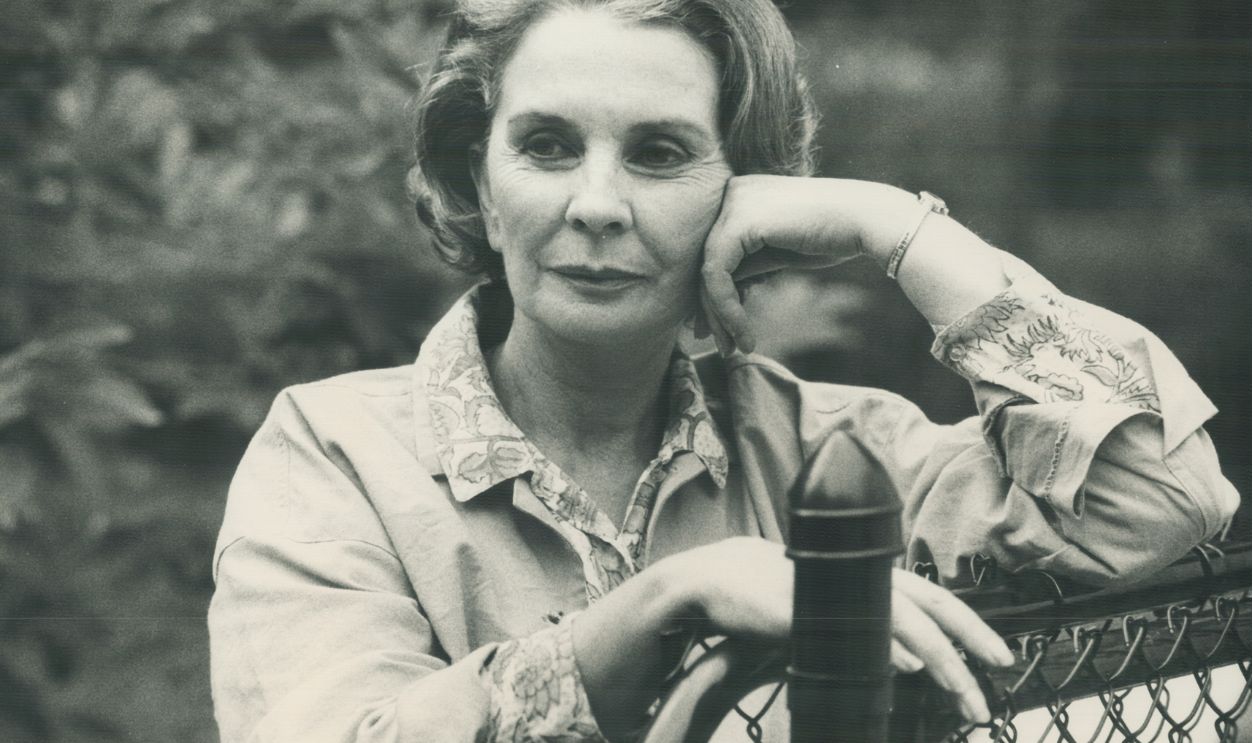
Her Final Years
Jean Simmons died from lung cancer at her Santa Monica home on January 22, 2010, aged 80. She was survived by her daughters Tracy and Kate. Her death brought to a close a remarkable screen and stage career that had begun when she was just 14 years old.
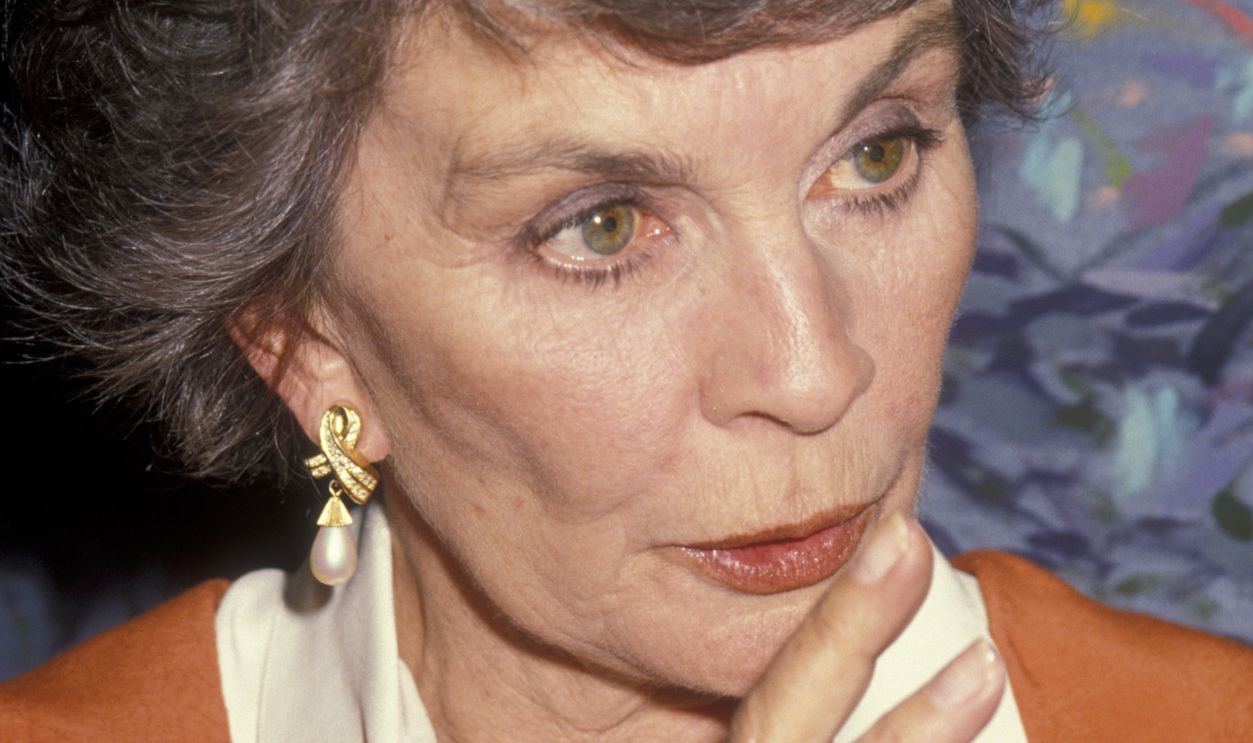
Grace And Determination
Simmons left behind more than six decades of performances, from Estella and Ophelia to Sarah Brown, Varinia and Miss Havisham. Hollywood celebrated her grace and beauty, but her career revealed something stronger underneath: an actress who fought for independence, survived setbacks, embraced reinvention and refused to be defined by any single role.
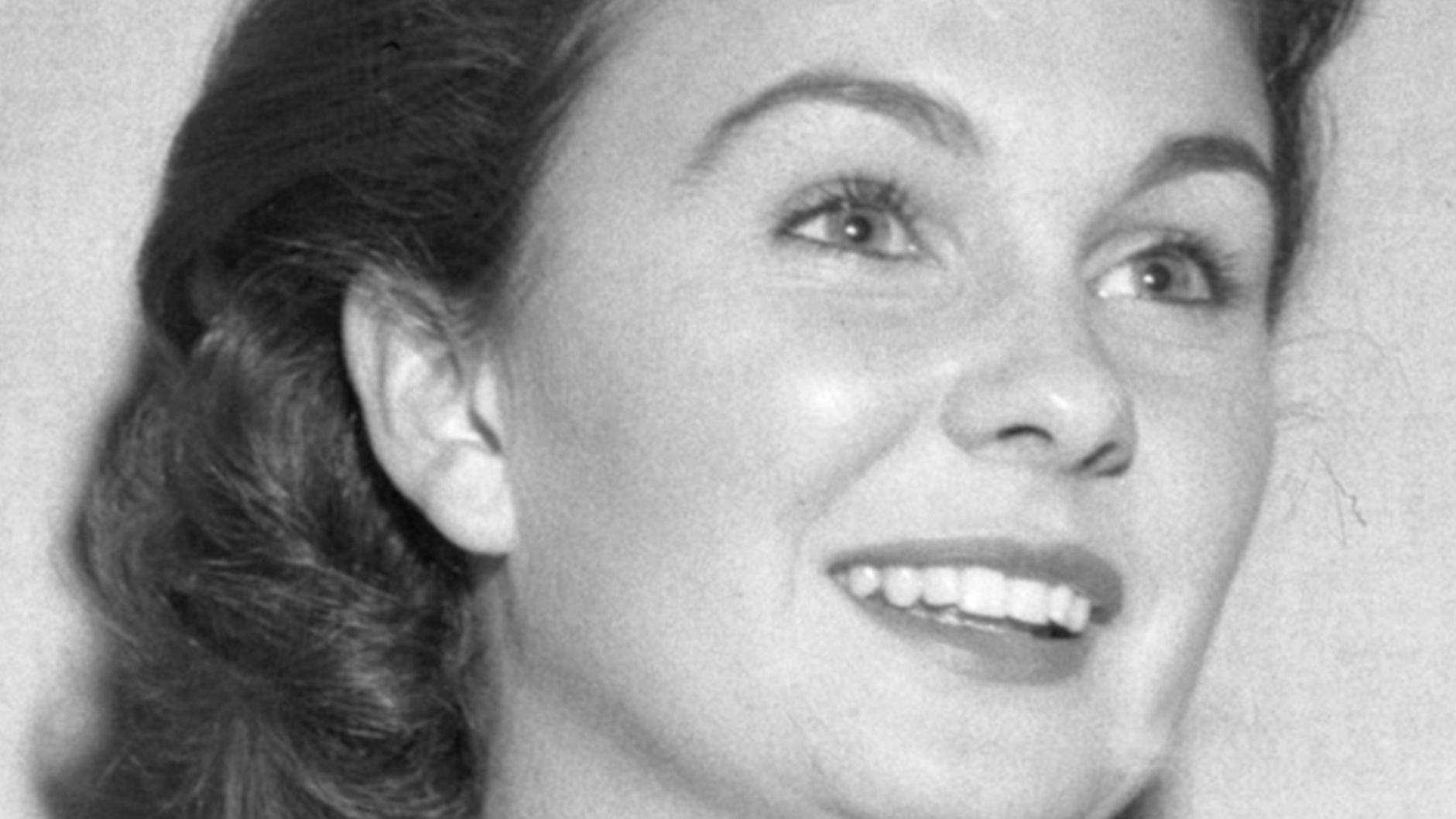 Los Angeles Times, Wikimedia Commons
You May Also Like:
Marlon Brando And Frank Sinatra Hated Each Other—And Their Feud Nearly Cost Brando His Life
The Best Movie Musicals (And Some Of The Worst)
The Cinematic Legend Of James Mason
Sources: 1, 2, 3, 4, 5, 6, 7, 8, 9, 10, 11, 12, 13, 14, 15, 16