Fame Could Not Save This Blonde
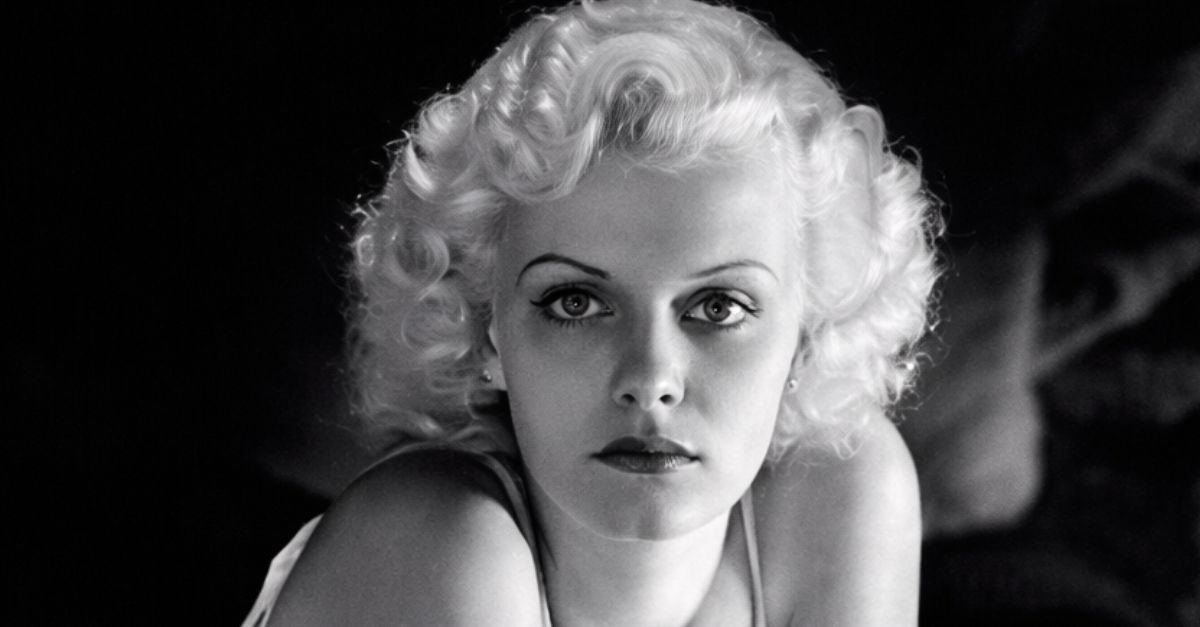
Hollywood loved Jean Harlow’s confidence and shine, but it struggled to confront what was happening beneath the surface. Her sudden demise shocked an industry built on control. Decades later, unanswered questions and whispered stories keep her presence alive.
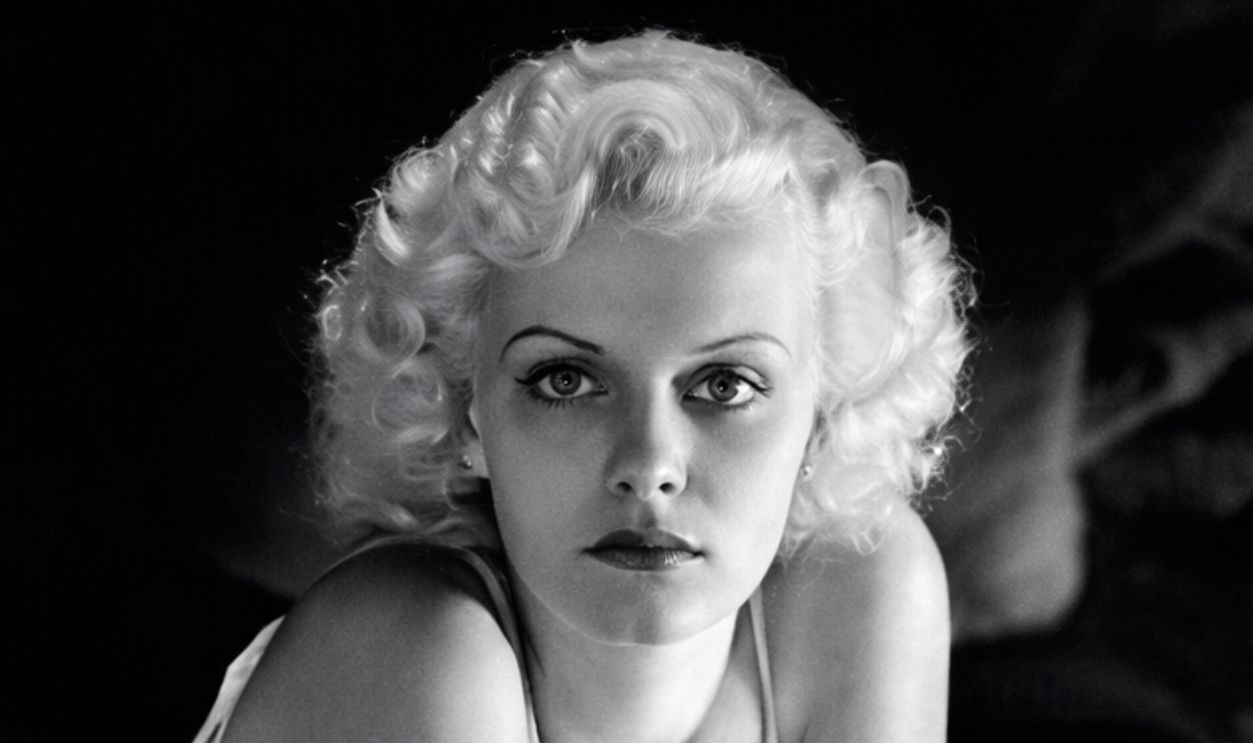 Metro-Goldwyn-Mayer Studio, Wikimedia Commons, Modified
A Star Hollywood Didn’t Expect
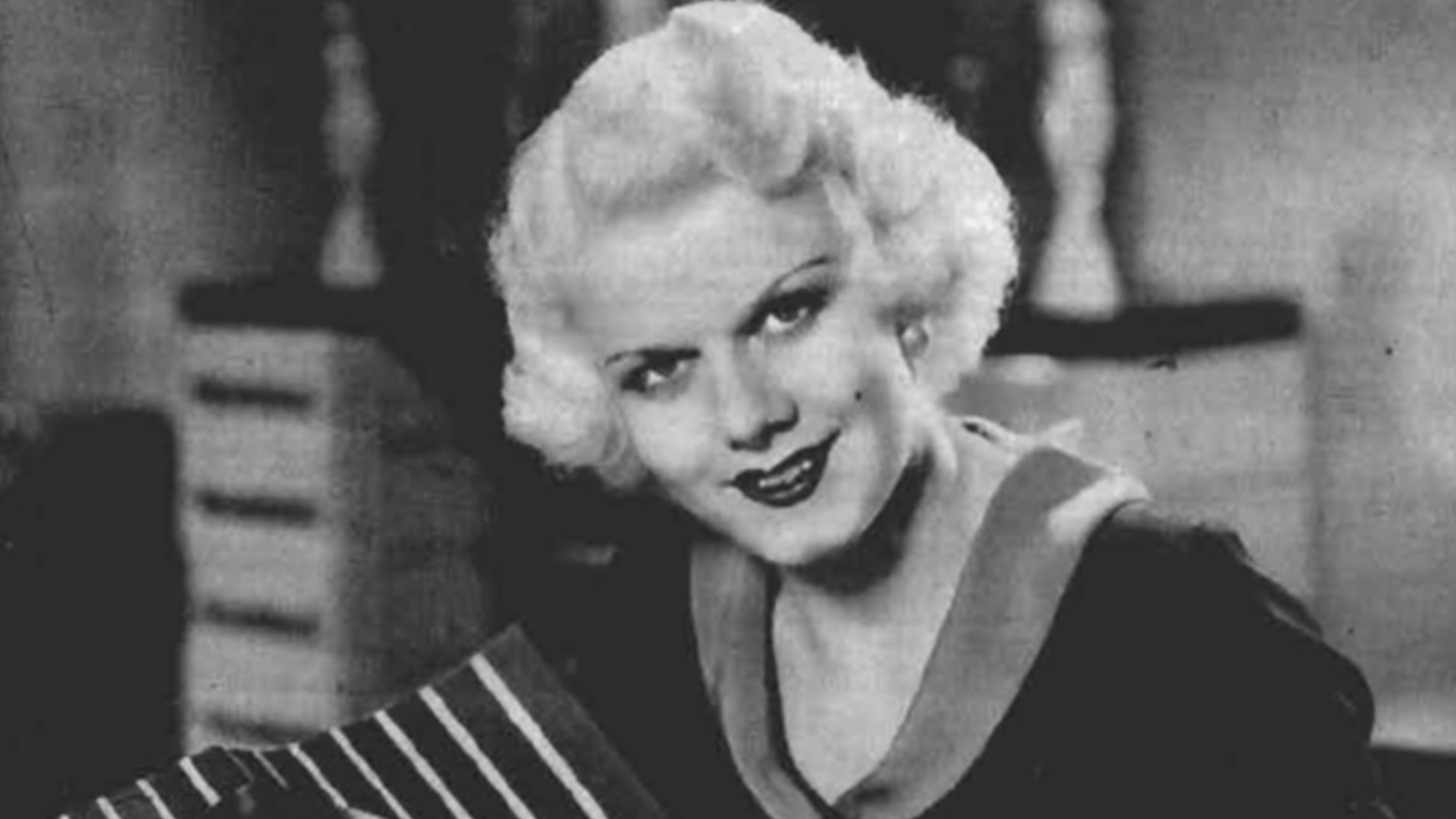
Jean Harlow emerged during the early sound era, when studios were still experimenting with what audiences wanted. Her bold confidence and modern sensuality broke from polished conventions. Executives hesitated at first, but moviegoers responded immediately, forcing Hollywood to recognize a new kind of star.
 Desconocido - Revista Ecran, Wikimedia Commons
The Girl Behind The Platinum Image
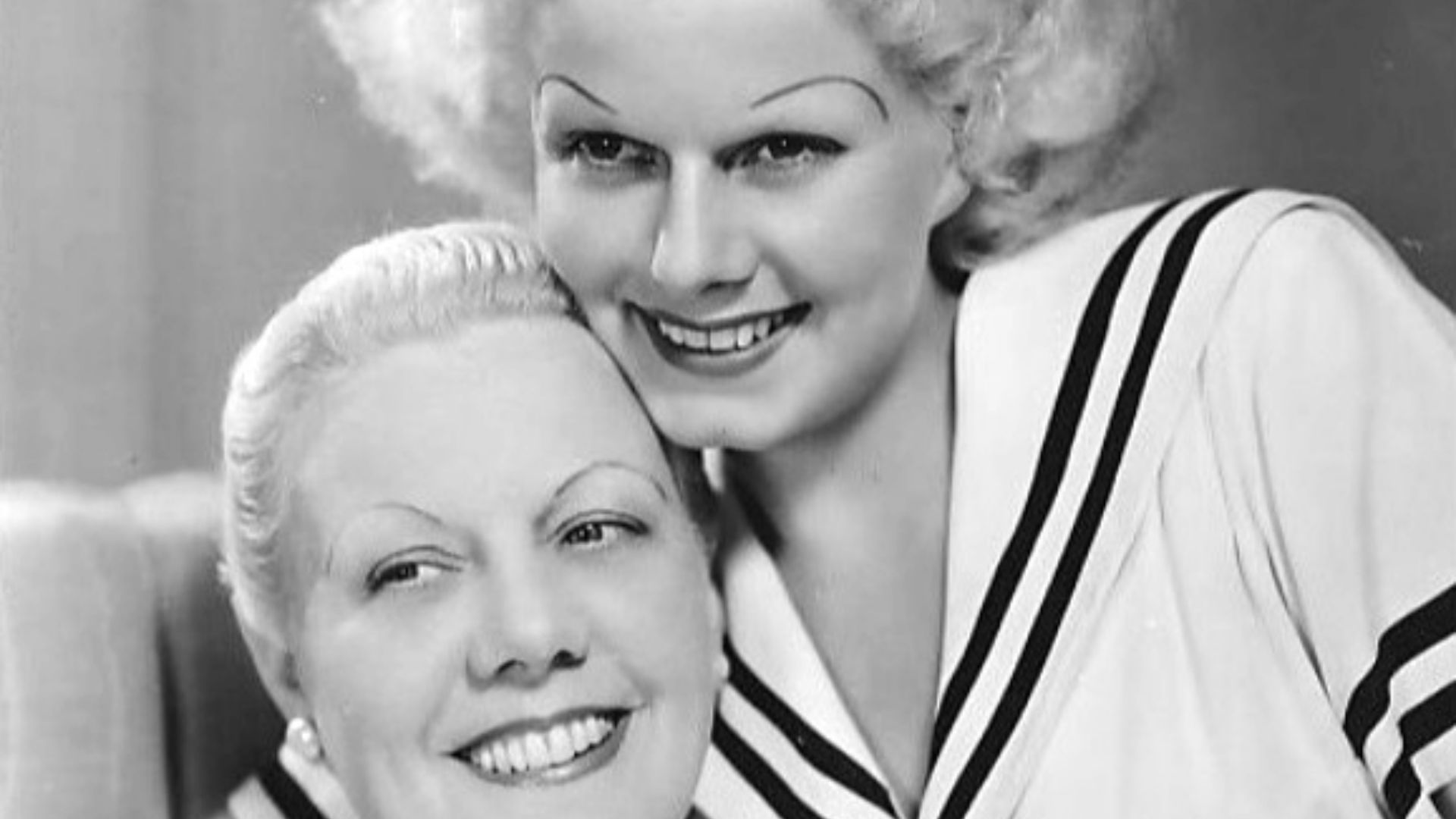
Born Harlean Harlow Carpenter in Kansas City, she was largely shaped by her mother’s ambition. Friends often described her as shy, kind, and far less provocative than her screen persona. This contrast between image and reality followed her throughout her career and public life.
 MGM-photo also marked as MGM on front-can be seen in original uncropped upload., Wikimedia Commons
How MGM Created A Screen Sensation
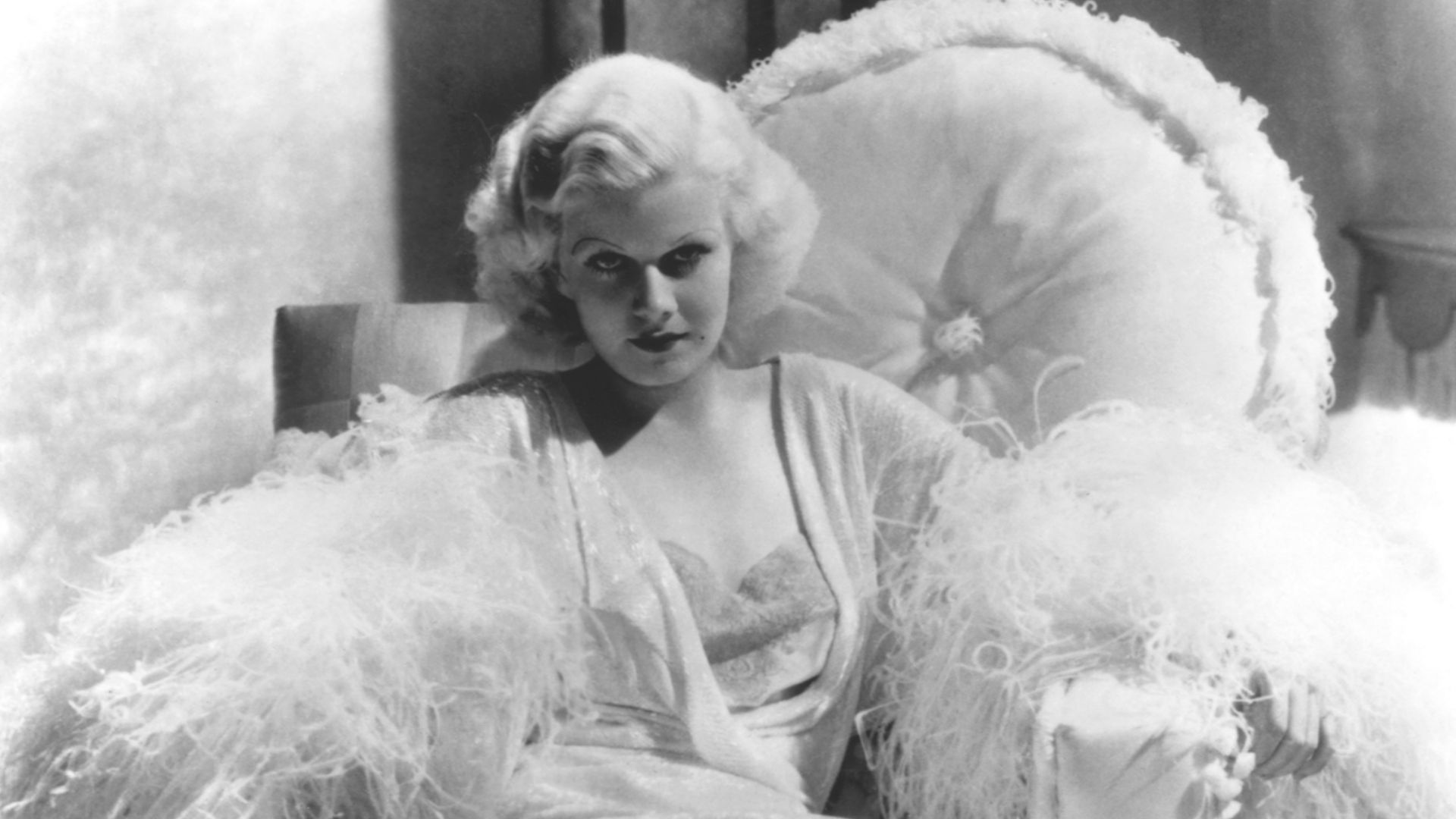
MGM carefully refined Harlow’s image through wardrobe and sharp dialogue that emphasized confidence rather than innocence. The studio promoted her aggressively, positioning her as both glamorous and relatable. This calculated approach turned a rising actress into one of the decade’s most reliable box office attractions.
 Time Inc., Metro-Goldwyn-Mayer photograph by Harvey White, Wikimedia Commons
Fame Came Faster Than Anyone Planned
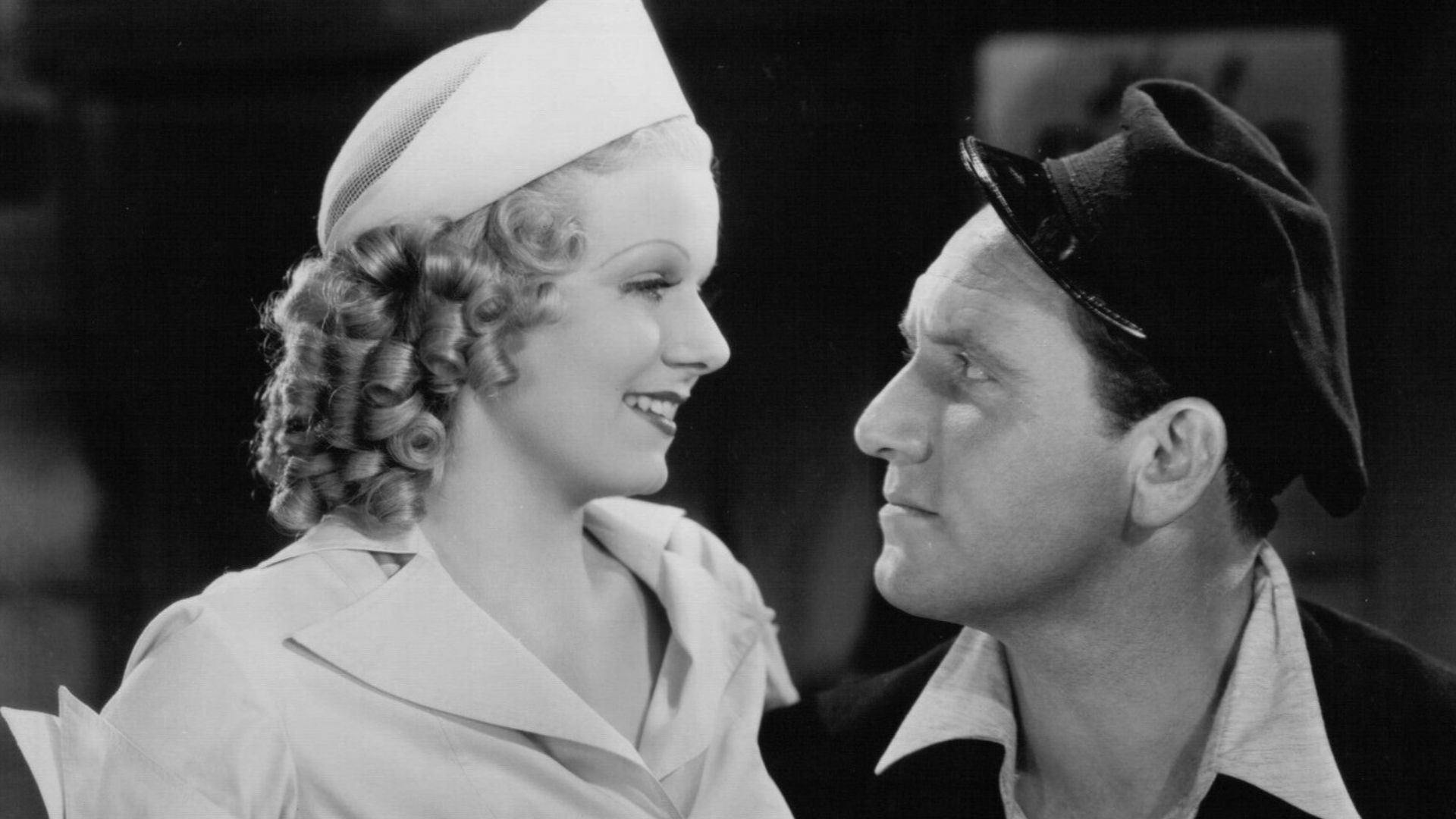
Harlow’s career accelerated at a pace few young actors experienced. Major roles arrived back-to-back, and public attention intensified rapidly. The sudden fame left little opportunity for rest or privacy. It created pressures that compounded as studio demands and audience expectations continued to grow.
 Unknown authorUnknown author, distributed by: Metro-Goldwyn-Mayer, Wikimedia Commons
The Physical Cost Of Becoming “Jean Harlow”
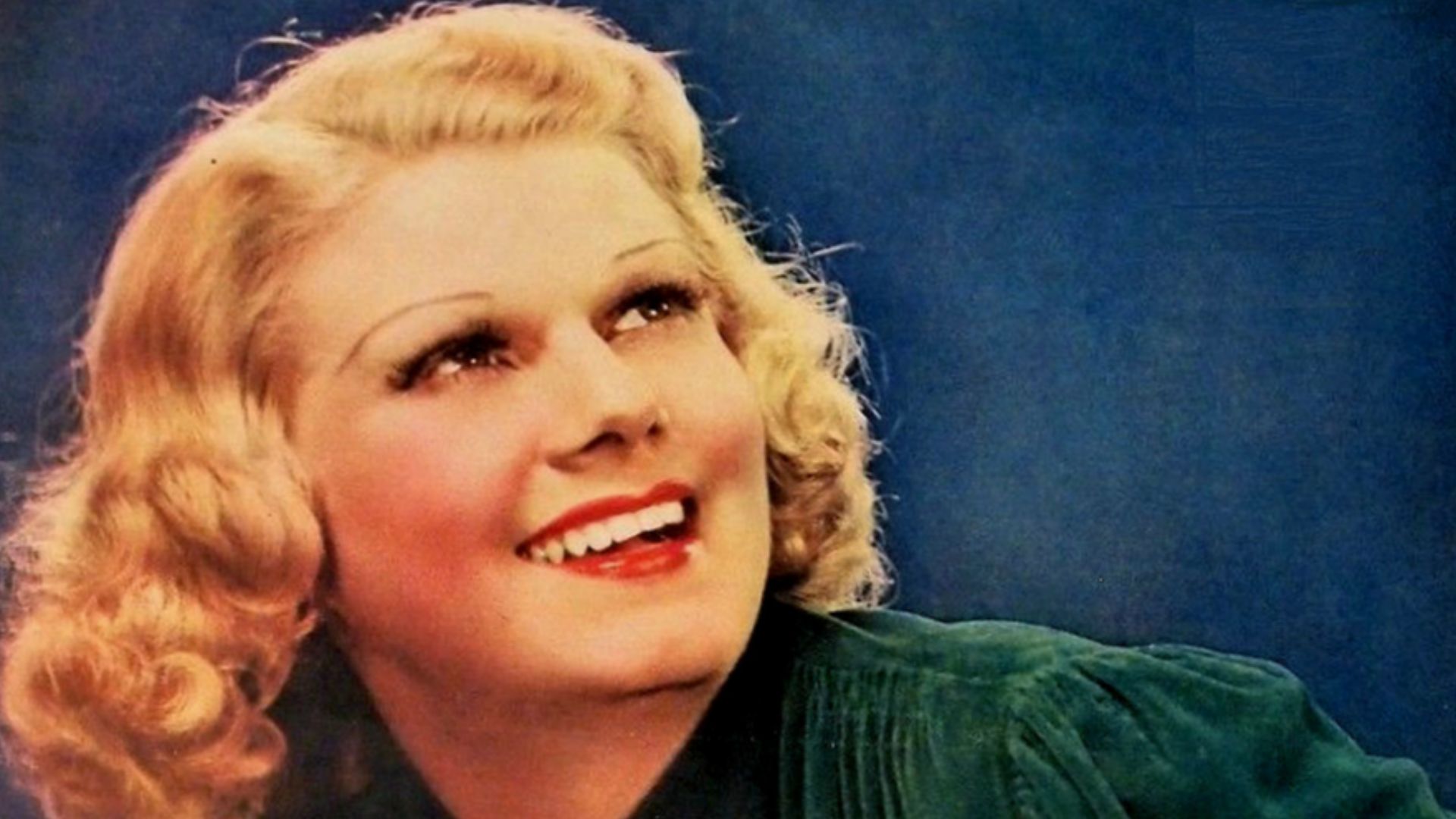
Maintaining Harlow’s platinum hair required repeated chemical bleaching that damaged her scalp and hair. Combined with exhausting filming schedules and limited medical understanding, the physical demands of stardom quietly weakened her health long before serious illness became impossible for those around her to ignore.
 New York Sunday News., Wikimedia Commons
A Private Life Hidden From The Cameras
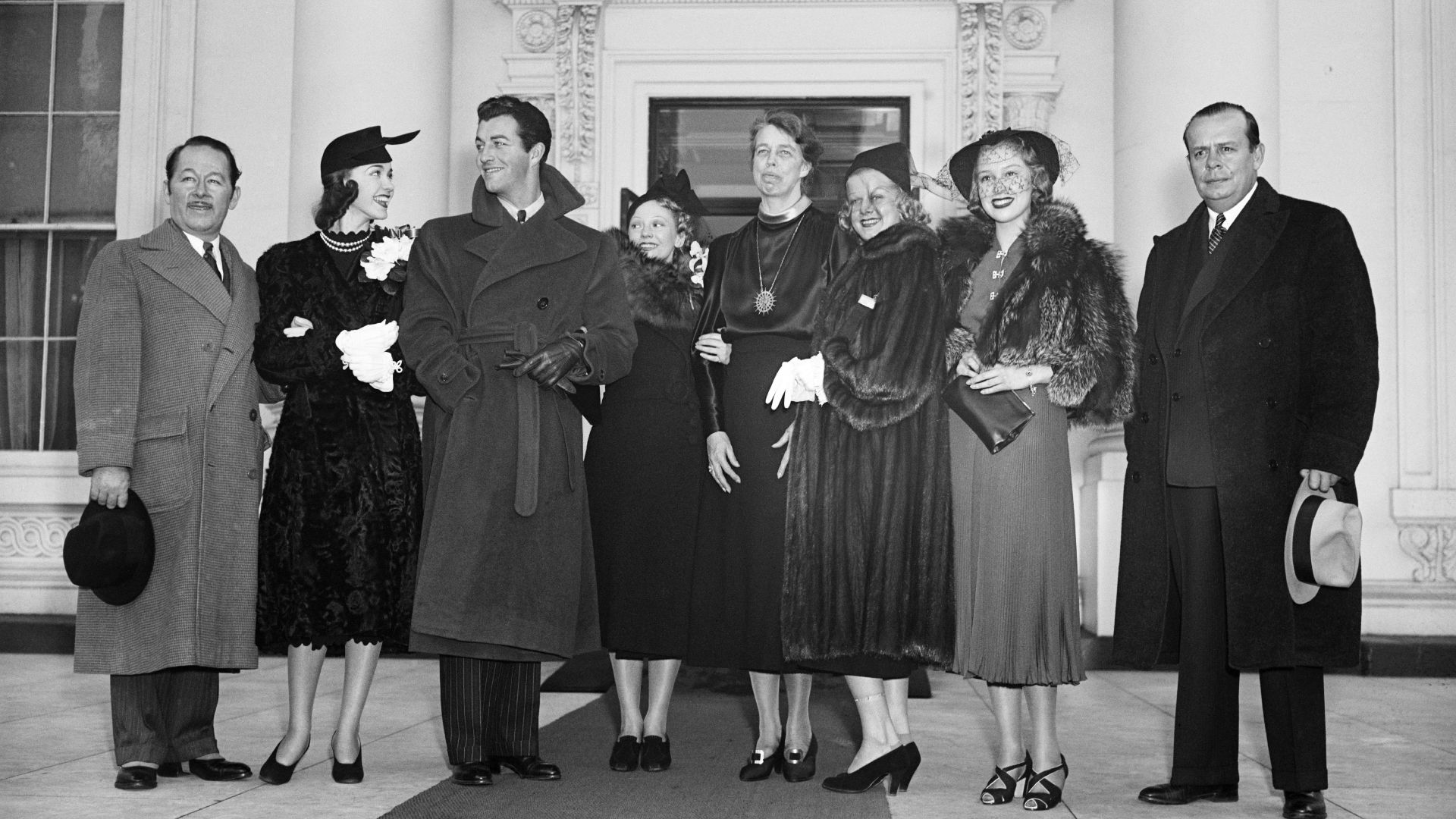
Despite her public image, Harlow valued quiet routines and time at home. She avoided Hollywood parties when possible and preferred small gatherings. This privacy helped her recharge, yet it also masked early health problems that coworkers and executives often failed to notice.
 Harris & Ewing, photographer, Wikimedia Commons
Marriage, Stability, And A Brief Sense Of Calm
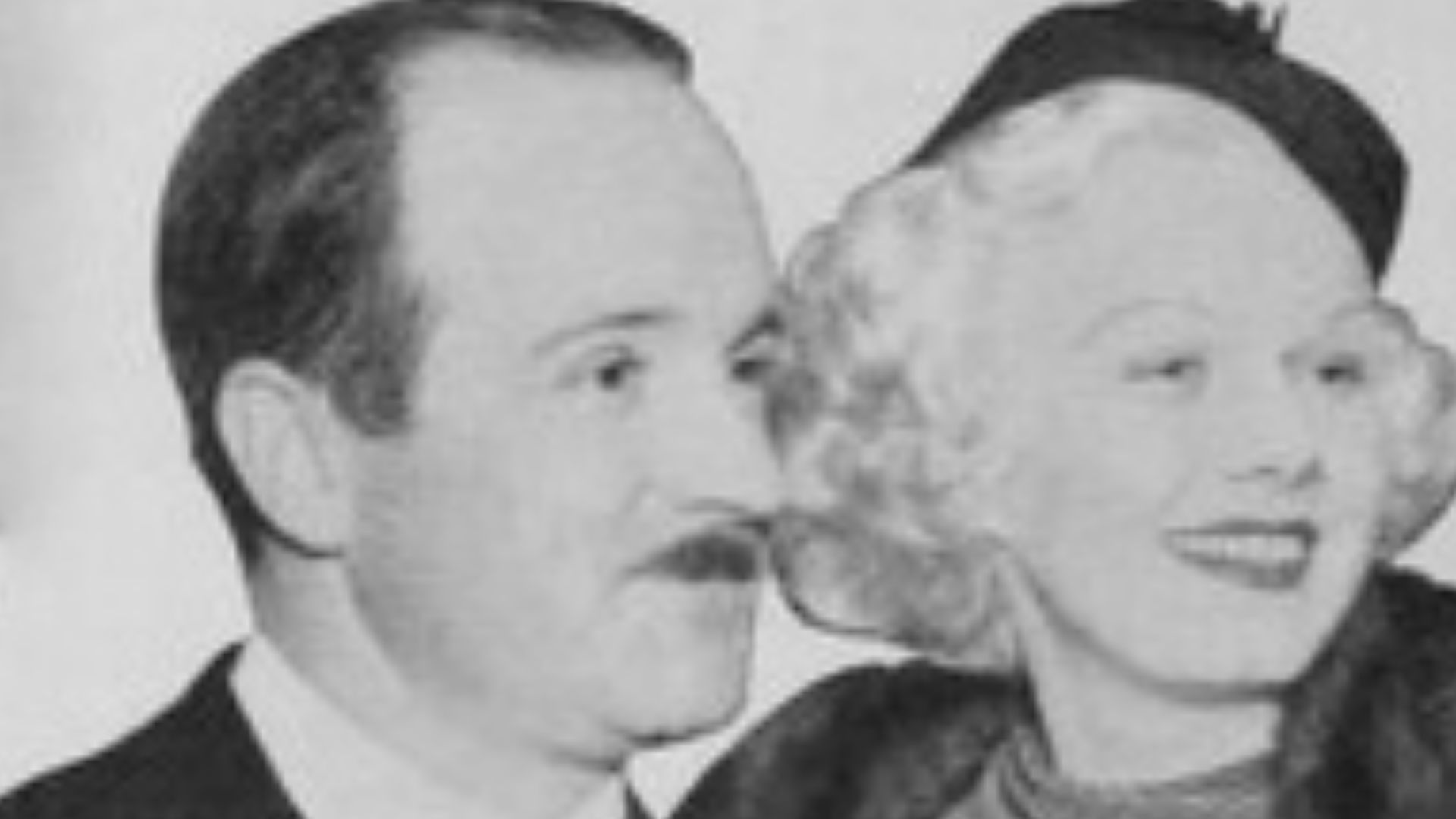
Marriage to cinematographer Harold Rosson brought Harlow a period of stability after earlier turmoil. Friends noticed she seemed calmer and happier. The couple shared a Beverly Hills home that became a refuge that offered brief relief from studio pressures and relentless public scrutiny.
 Unknown authorUnknown author, Wikimedia Commons
Subtle Signs That Something Was Wrong
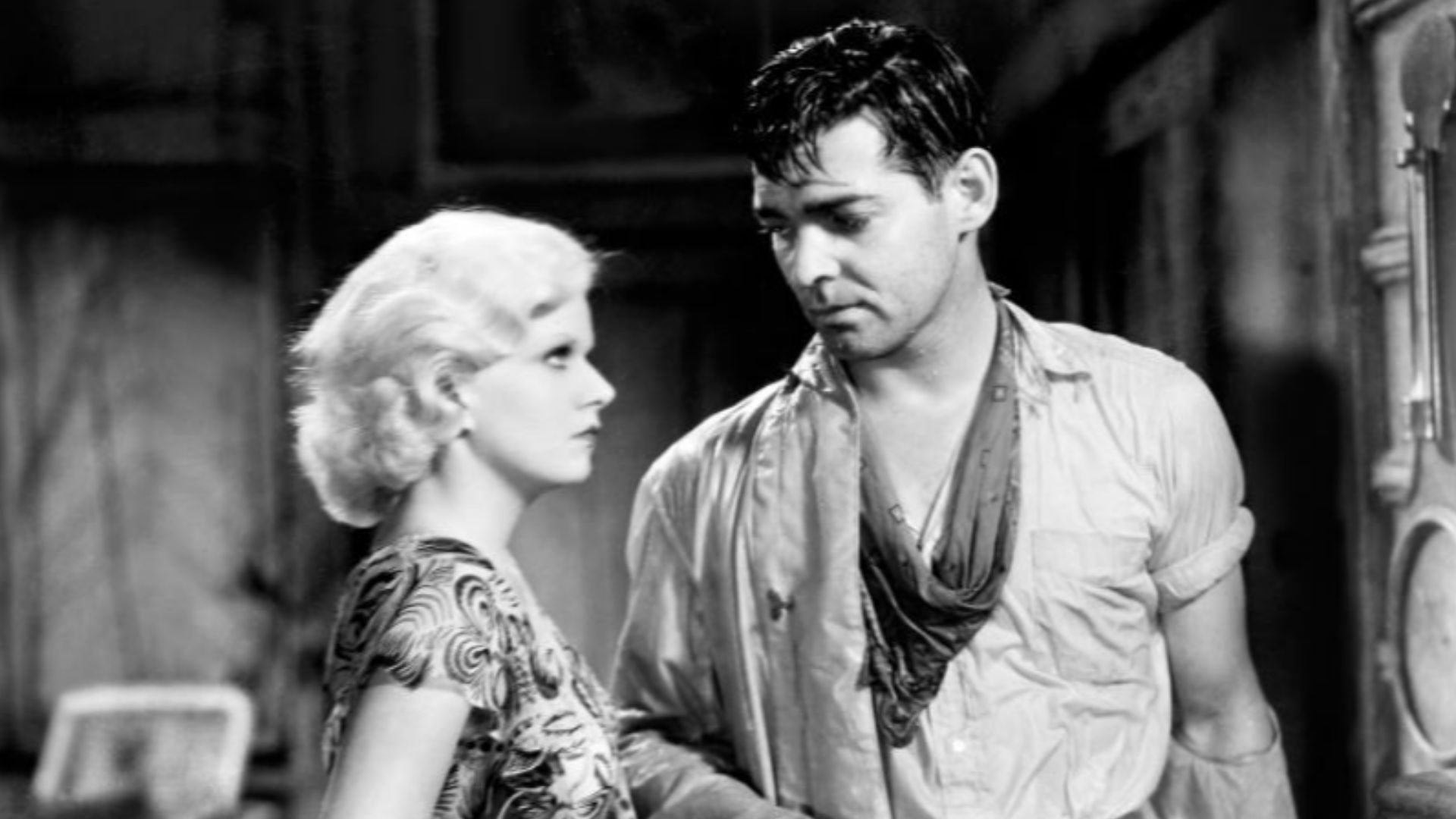
During filming in 1937, colleagues observed Harlow growing fatigued and visibly unwell. She complained of pain, bloating, weakness, and several other symptoms that were often misunderstood at the time. Her appearance changed quickly, alarming some coworkers who sensed something serious developing beneath the surface of her declining health.
 Unknown authorUnknown author, distributed by: Metro-Goldwyn-Mayer, Wikimedia Commons
Illness Brushed Off As Exhaustion
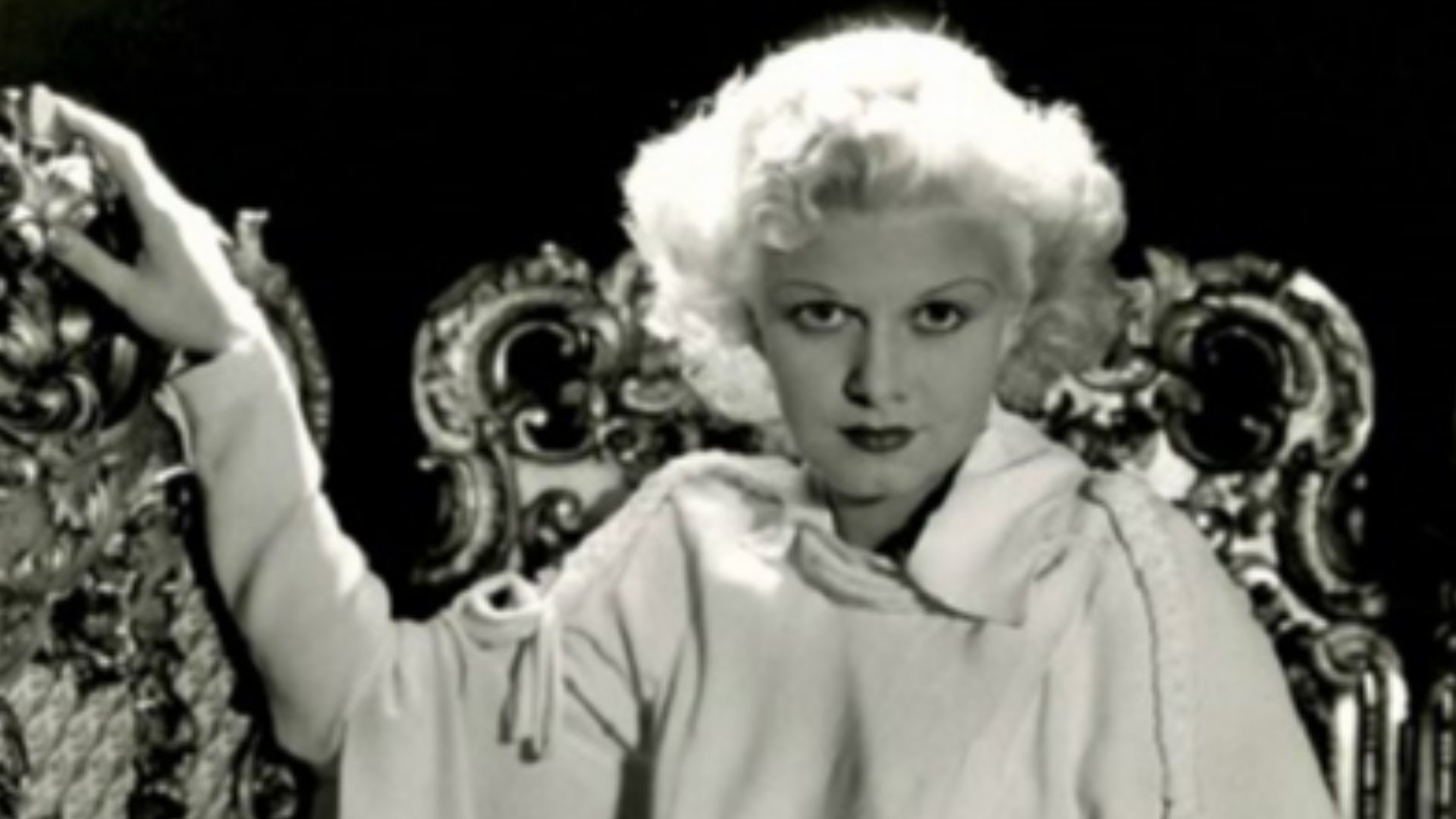
Studio doctors initially dismissed Harlow’s condition as exhaustion or stress, common explanations in Hollywood’s demanding environment. Production schedules continued with little adjustment. This delay reflected limited medical knowledge and a studio culture that prioritized efficiency, unintentionally worsening her already fragile health.
 Russell Ball (1896-1942), Wikimedia Commons
The Collapse On The Saratoga Set
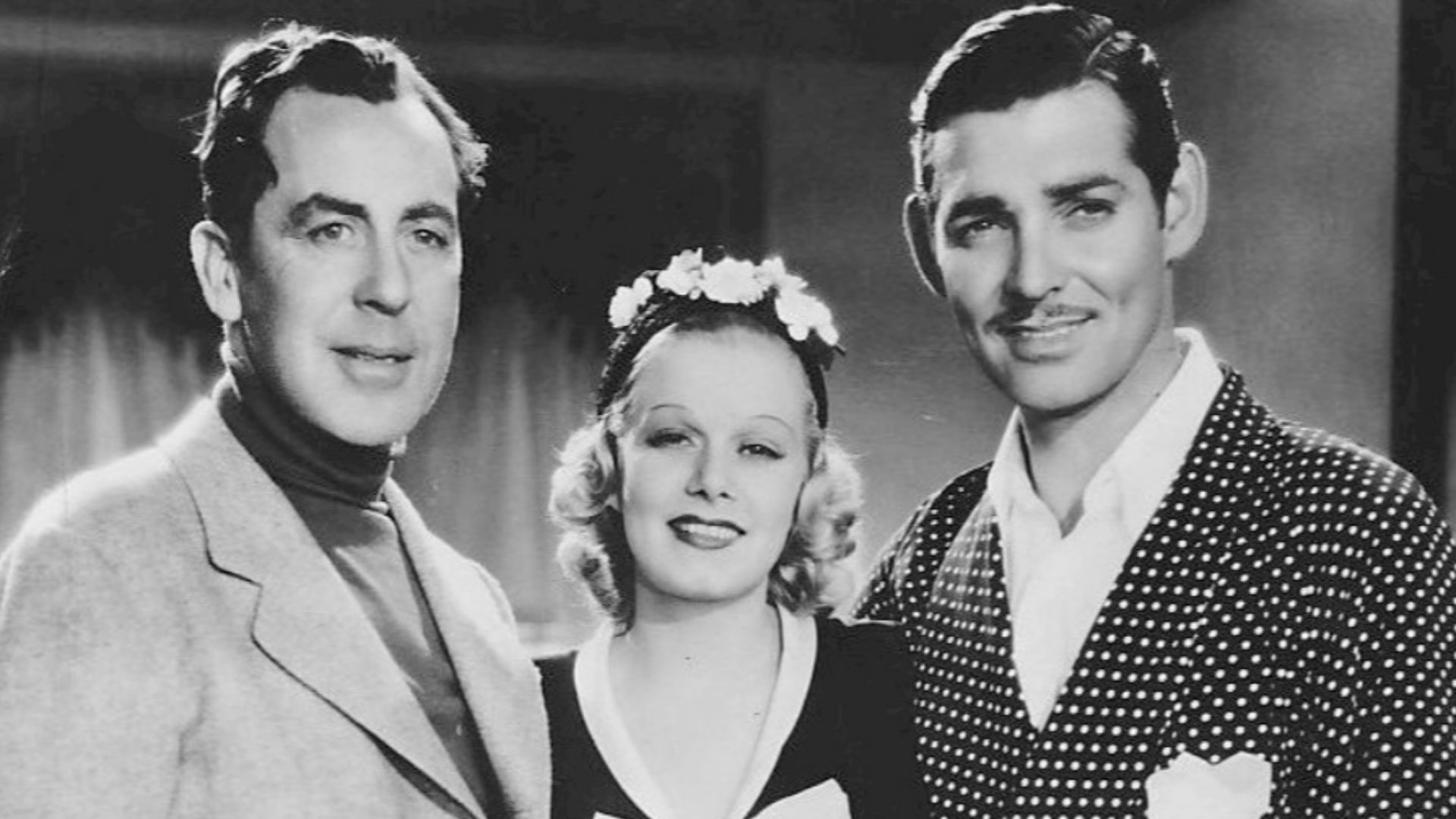
In May 1937, Harlow collapsed while filming Saratoga. She was sent home rather than hospitalized immediately. Her condition deteriorated rapidly after this, which showed how severely ill she had become and how little time remained to reverse the damage to her failing kidneys.
 Acme News photos, Wikimedia Commons
Hollywood Realizes It’s Too Late
As news spread, MGM halted production and brought in specialists, but intervention came too late. Hollywood’s confidence in control suddenly collapsed. The industry realized that even its brightest stars were vulnerable, and studio power could not always outpace human mortality.
News That Shocked The Industry
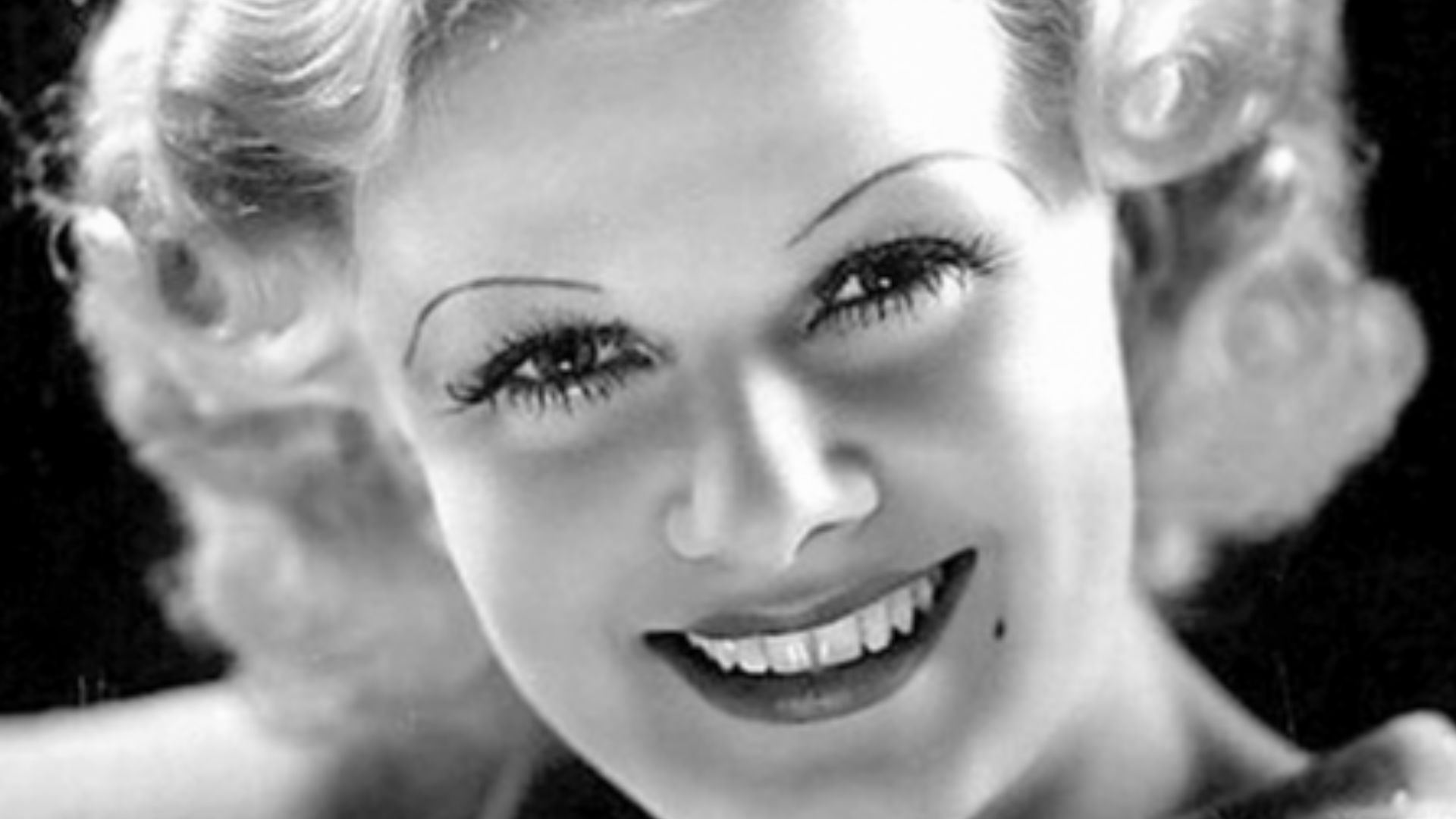
Jean Harlow passed away on June 7, 1937, at just 26 years old. Her official cause was uremia from kidney failure. Fans mourned nationwide, and Hollywood reeled as one of its most luminous young stars vanished almost overnight during a moment of peak fame and promise.
 Unknown authorUnknown author, Wikimedia Commons
What Doctors Missed In The 1930s
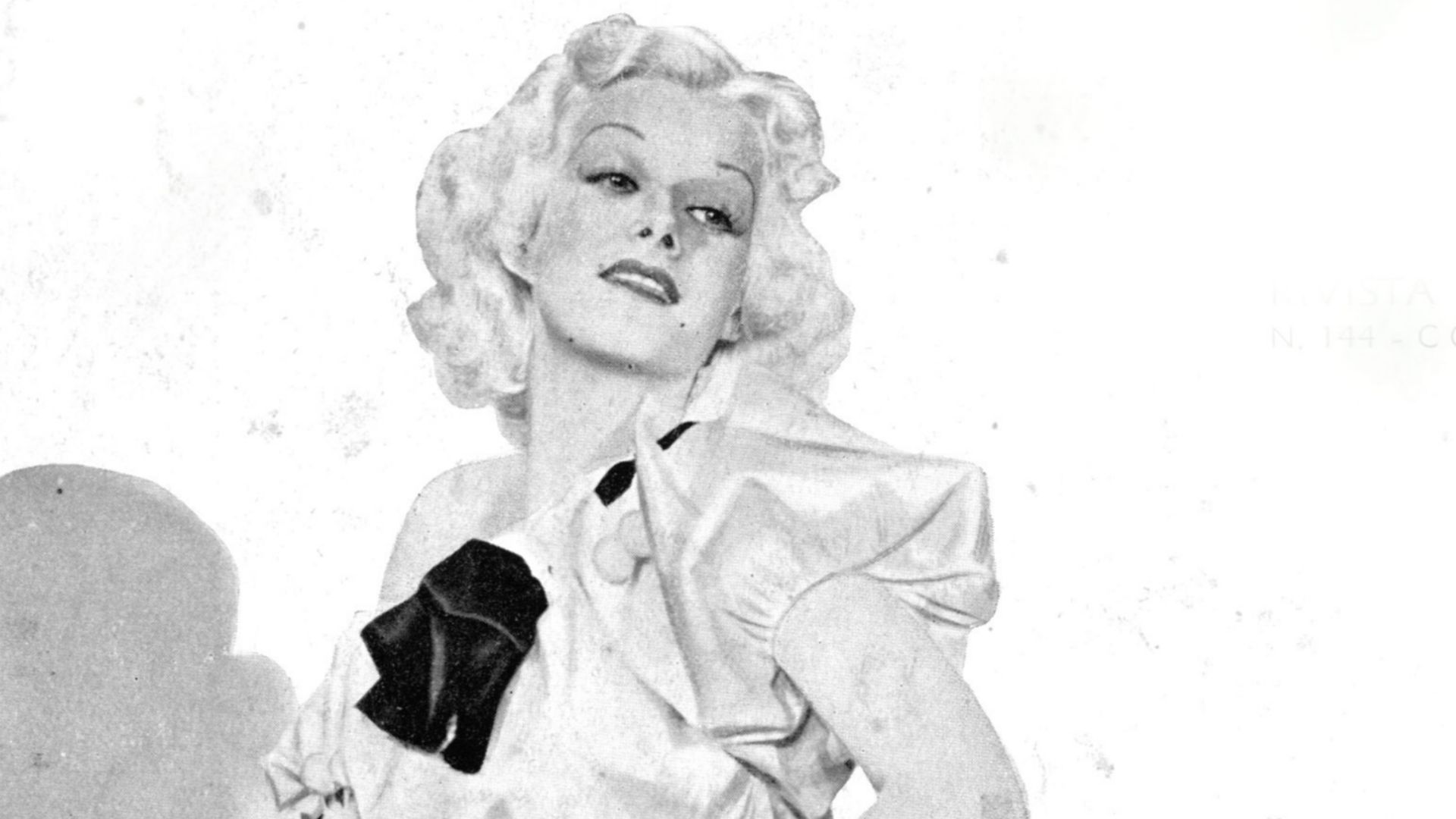
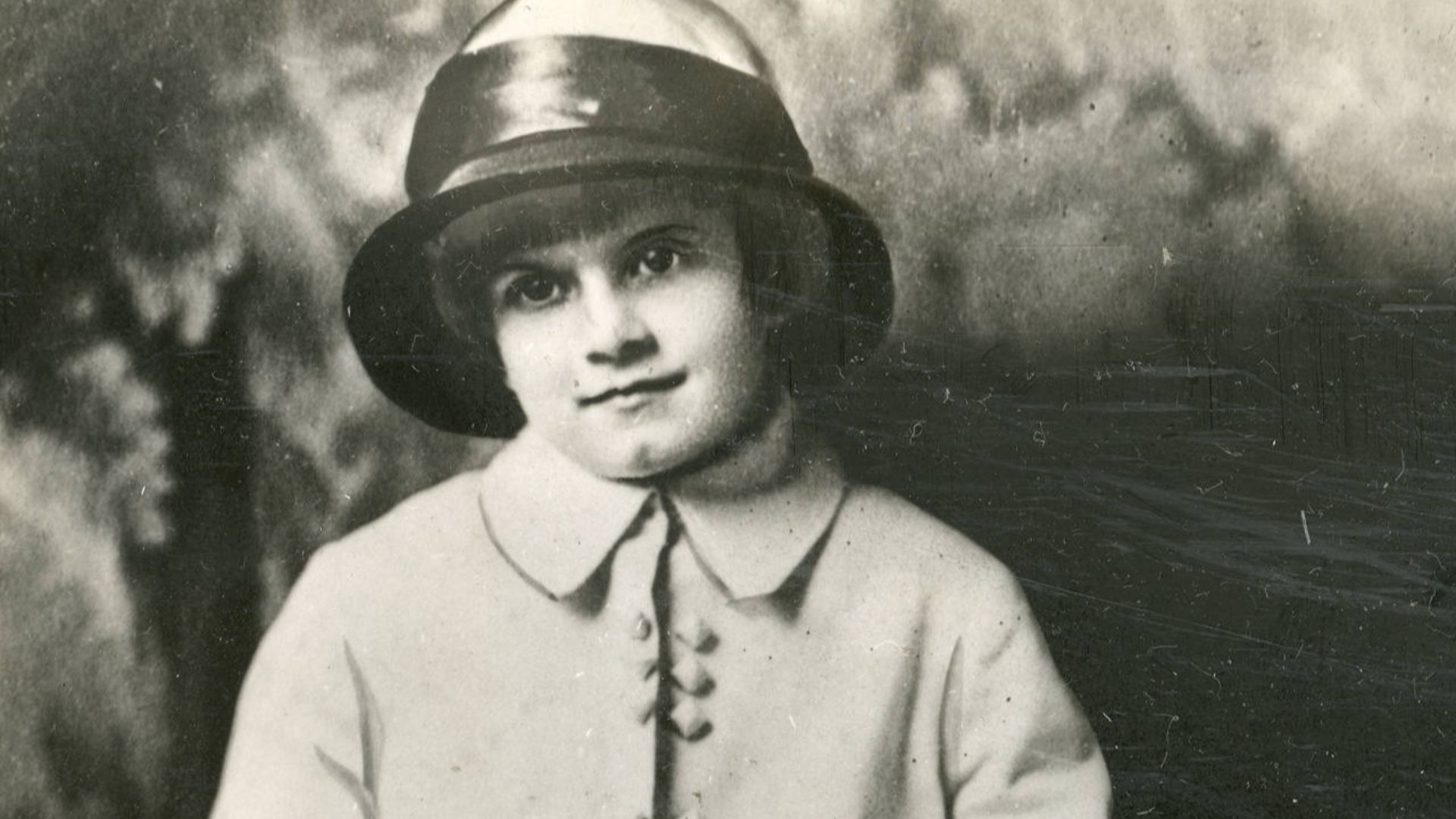
Doctors in the 1930s lacked diagnostic tools to detect kidney failure early. Harlow’s childhood scarlet fever likely caused lasting damage, but connections were poorly understood. Without antibiotics or modern testing, symptoms progressed quietly until her condition reached an irreversible, fatal stage.
 Unknown authorUnknown author, Wikimedia Commons
The Film Finished Without Its Star
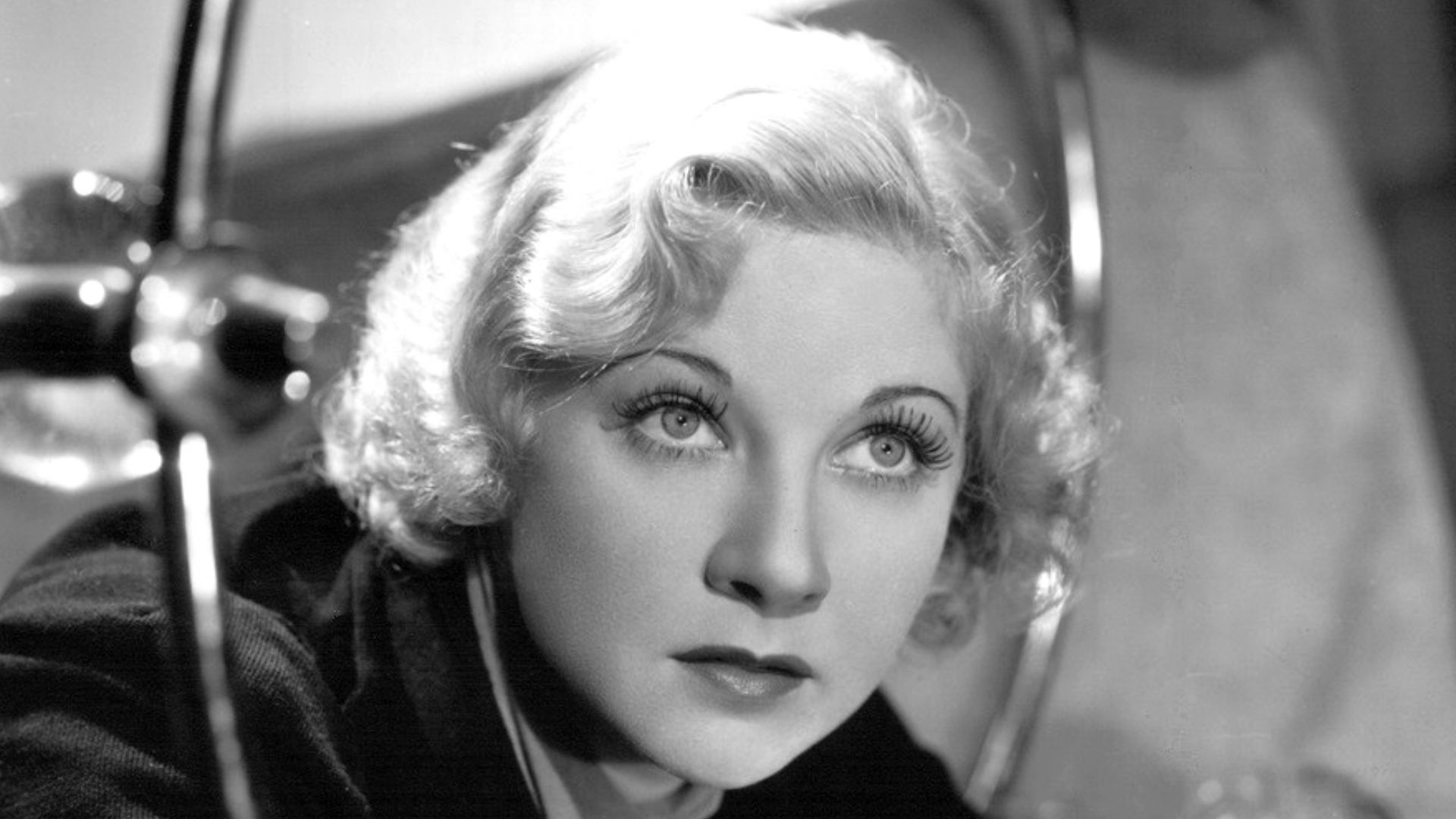
After Harlow’s demise, MGM faced a difficult decision. Saratoga was nearly complete and enormously expensive. The studio used body doubles, careful camera angles, and rewritten dialogue to finish the film. The cast avoided close shots while preserving her presence for audiences.
 MGM-photo by Ted Allan, Wikimedia Commons
Success Arrives After She’s Gone
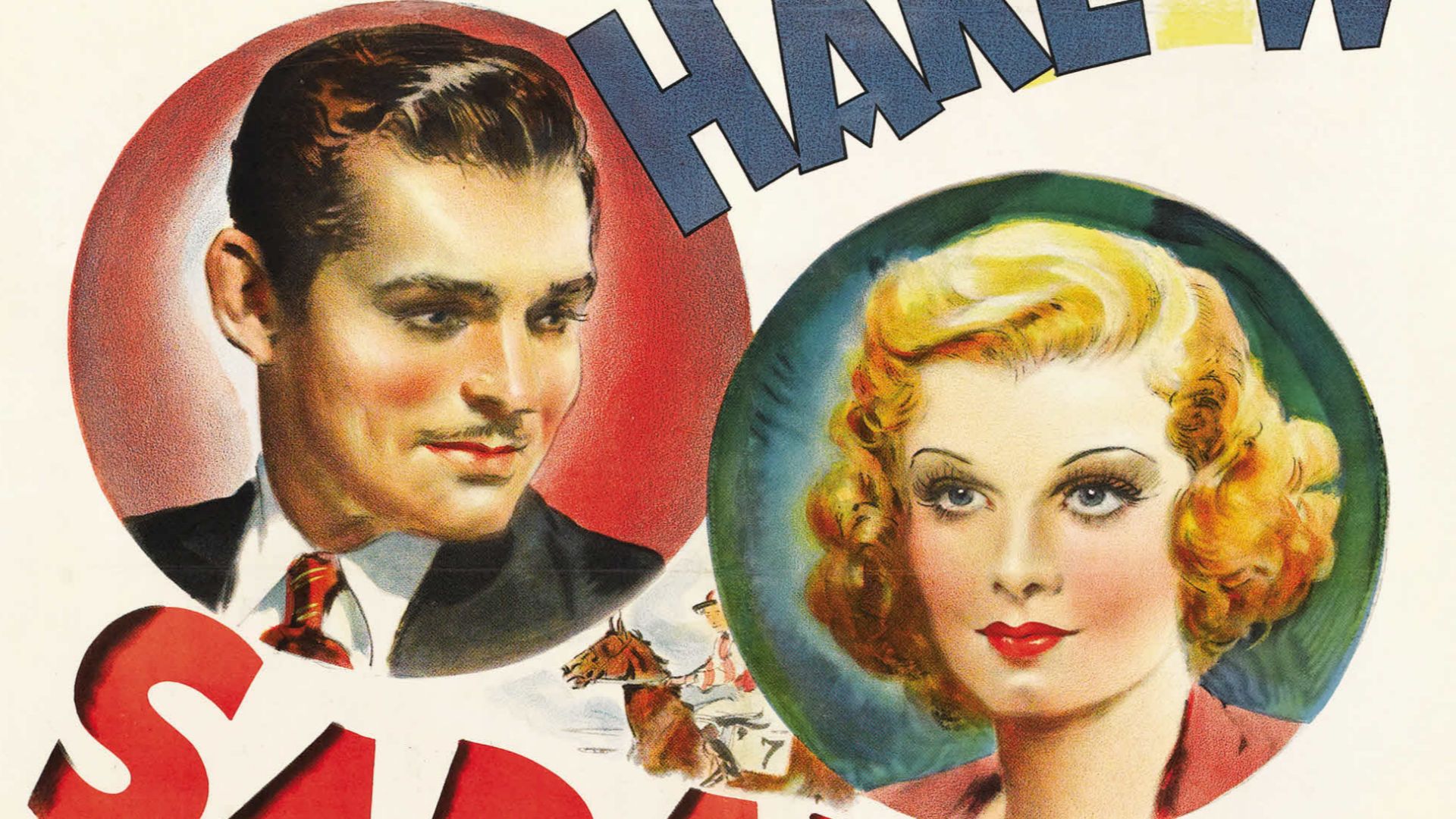
Saratoga premiered weeks after Harlow passed away and became the highest-grossing film of her career. Audiences packed theaters, aware they were watching her final performance. The success underscored Hollywood’s cruel irony that it rewards stars most lavishly only after they have been lost.
Grief Inside The Studio System
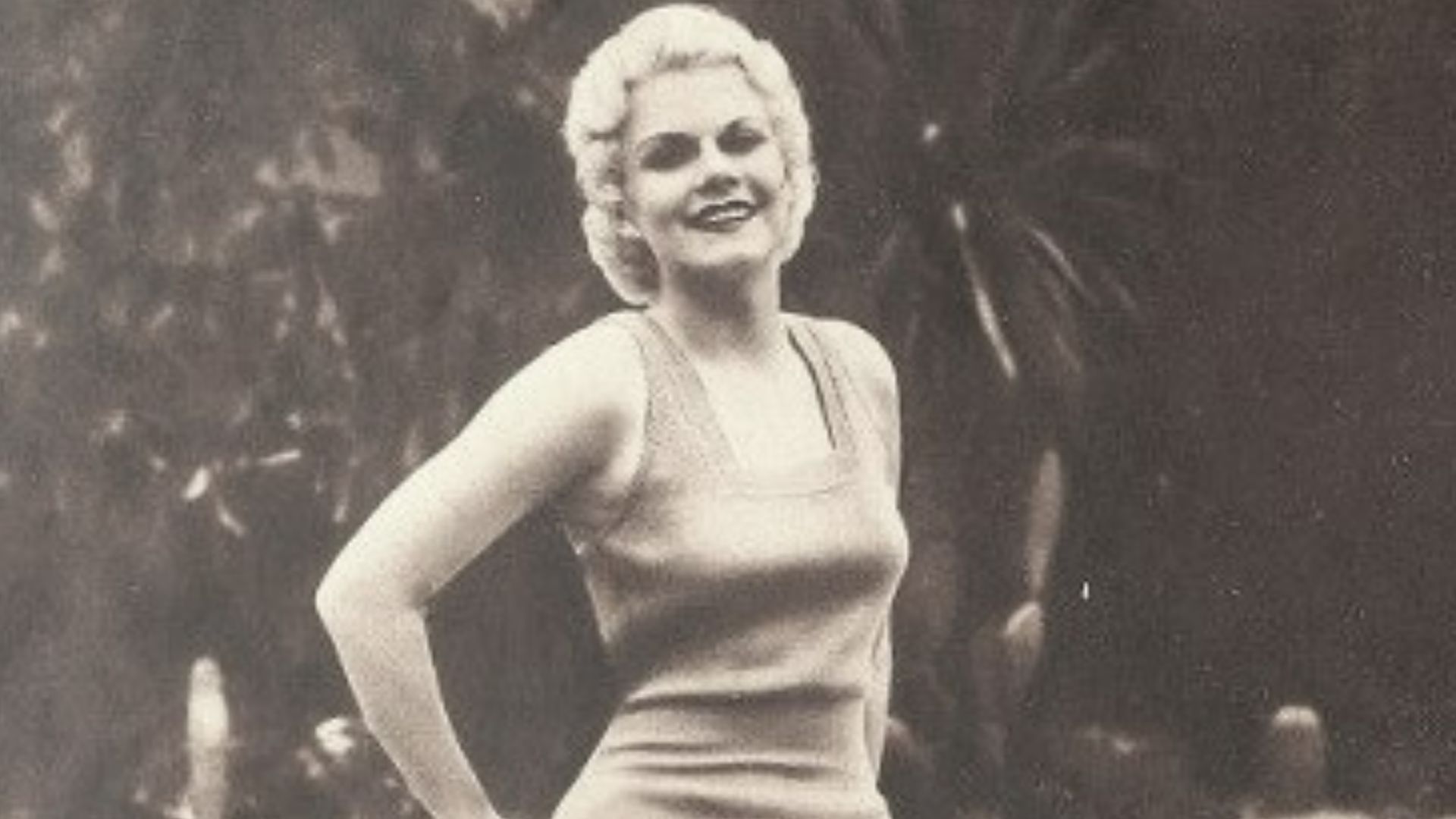
Harlow’s fate rattled MGM employees who had worked closely with her. Publicly, the studio projected composure, but privately, many were devastated. Her passing exposed how emotionally isolated stars could be, even while surrounded by coworkers and constant professional attention.
 Movie Classic, Wikimedia Commons
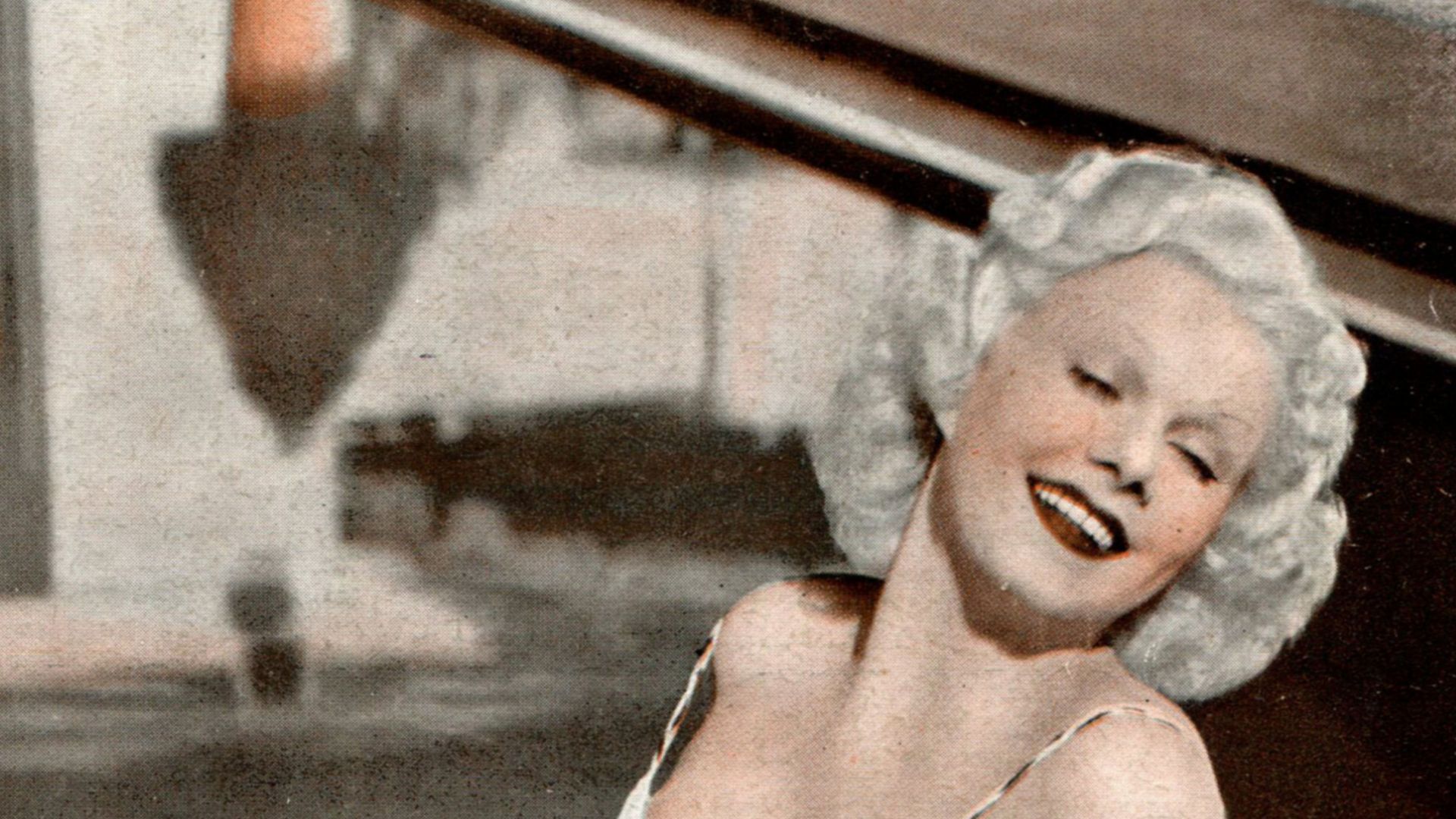
Unfortunately, She Did Not Get To Be A Mother
Jean Harlow never had children. Despite her fame as Hollywood’s “Blonde,” her personal life was marked by brief marriages and health struggles. When she passed on, all she left behind were films and a glamorous legacy, but no descendants to carry her name forward.
 Unknown authorUnknown author, Wikimedia Commons
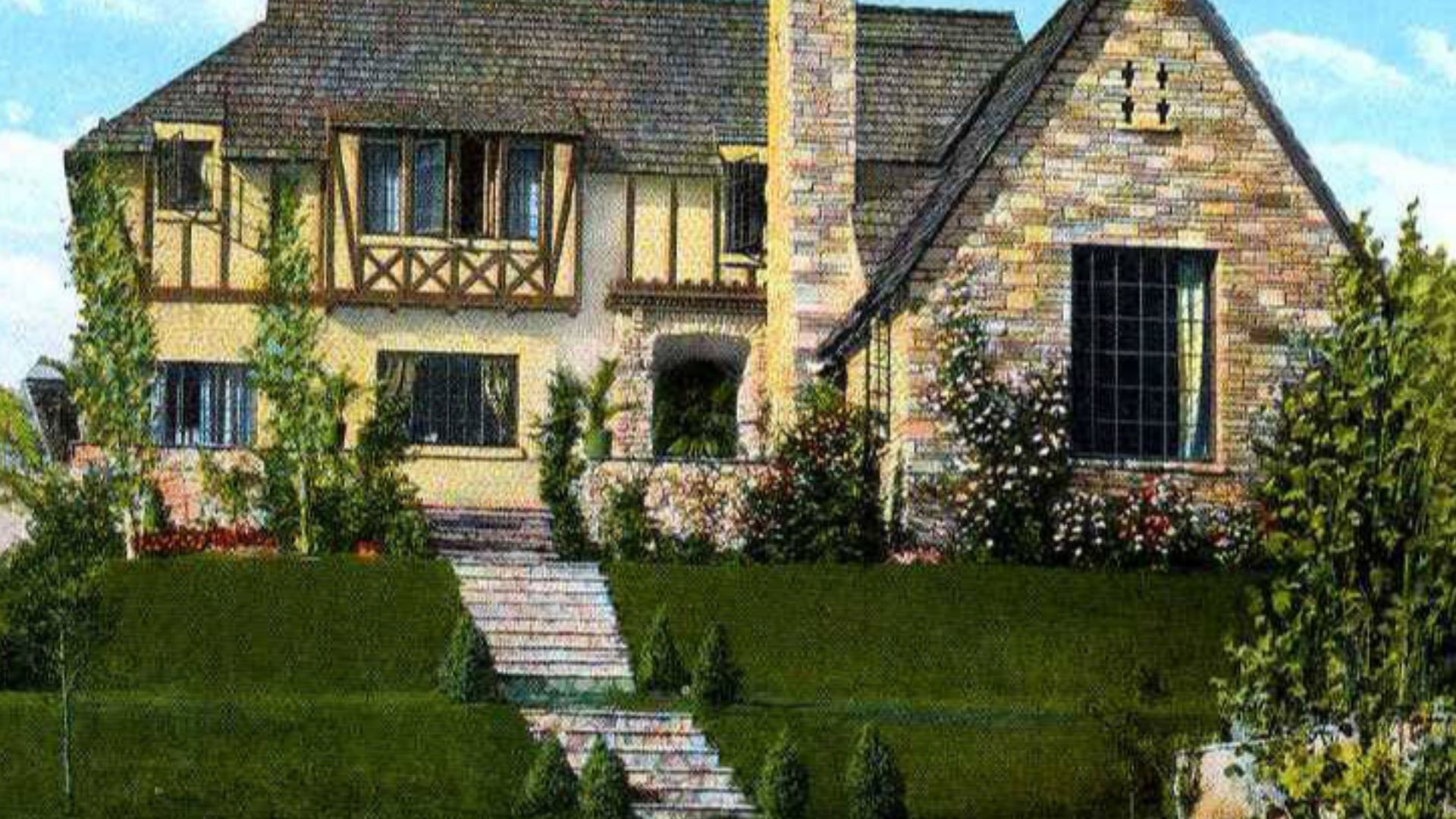
A House That Refused To Feel Empty
After Jean Harlow’s passing in 1937, attention shifted to the Beverly Hills home where she had been living with her mother. While friends and biographers described her private life as modest and quiet, Hollywood lore soon attached itself to the property, fueling rumors that her presence lingered long after she was gone.
 Unknown authorUnknown author, Wikimedia Commons
When Stories Of Her Presence Began
Reports of strange experiences began circulating years later. Visitors claimed sudden chills, unexplained noises, or fleeting reflections resembling Harlow. These accounts spread quietly at first, passed through Hollywood circles, gradually evolving into one of the city’s most enduring celebrity ghost stories.
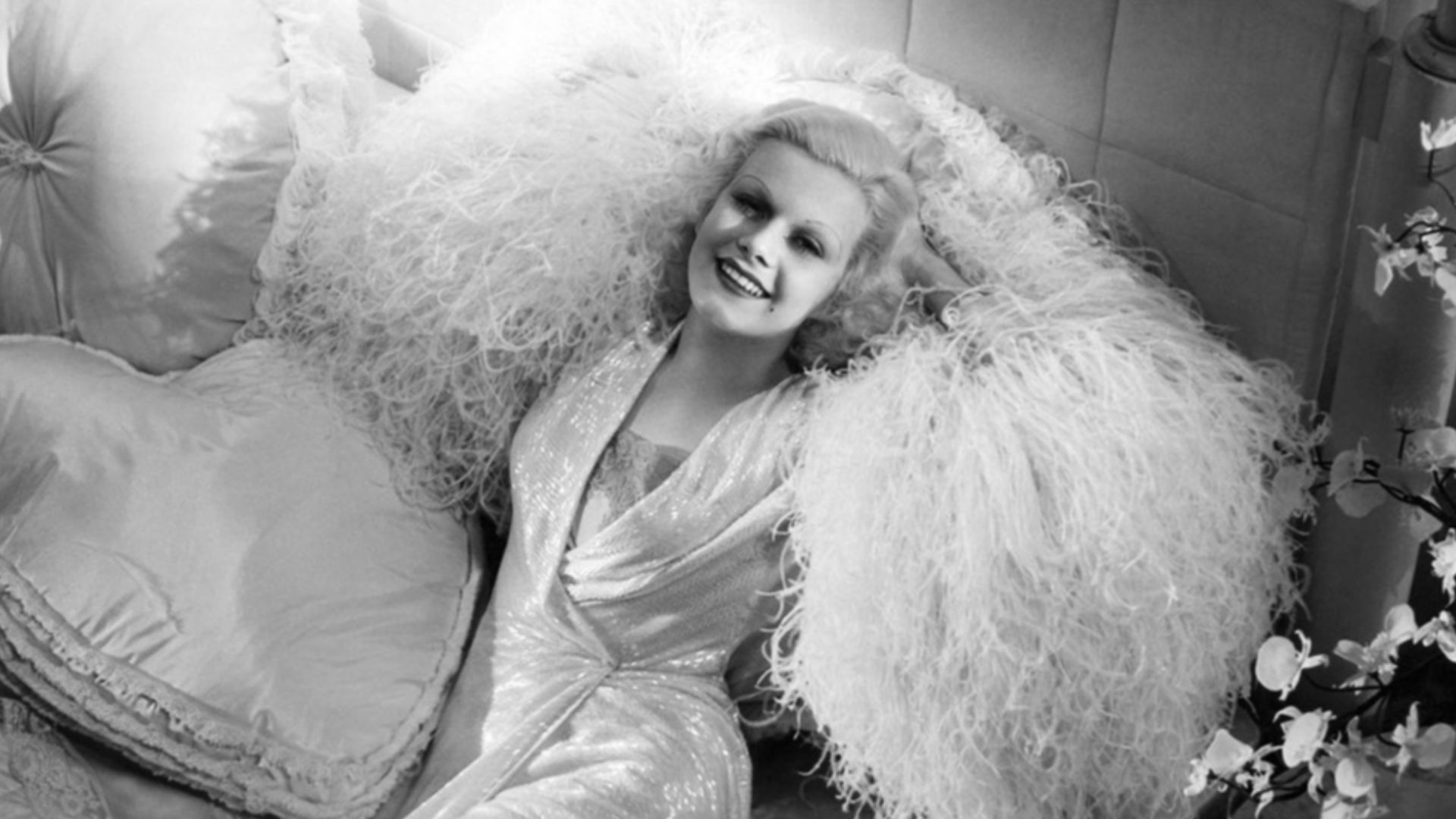
Sightings And Hollywood Whispers
Over the decades, stories multiplied with each new owner or guest. Some described seeing a blonde woman in mirrors, and others felt cold drafts without explanation. Although unverifiable, these tales became part of Hollywood’s oral tradition, retold whenever Harlow’s name resurfaced.
 Unknown authorUnknown author, Wikimedia Commons
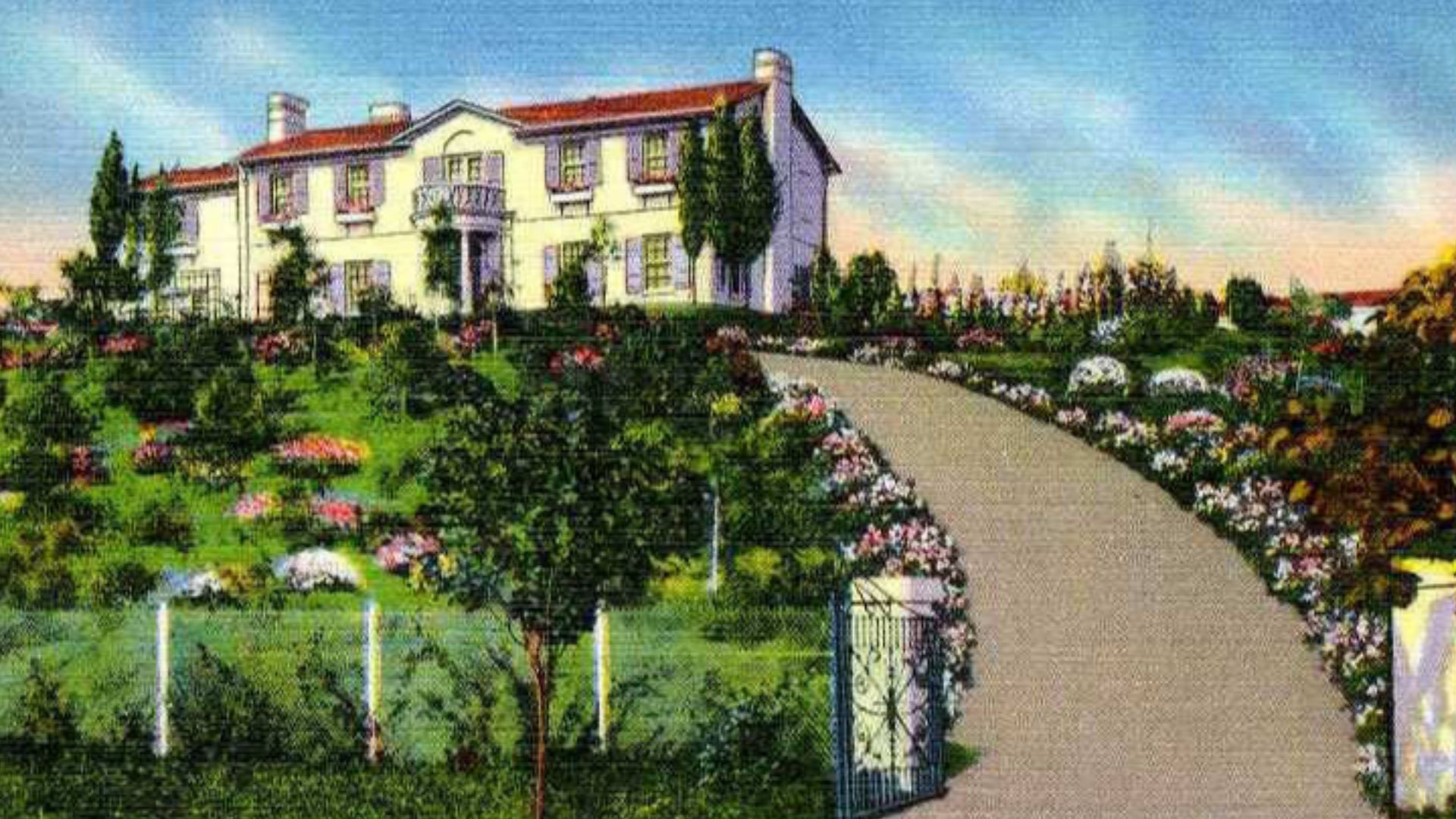
How Myth Took Root Around Her Name
Jean Harlow passed away when Hollywood thrived on publicity and rumor. Fan magazines and unanswered questions created space for legend. Without clear explanations, her story absorbed speculation, which allowed myth to grow alongside fact.
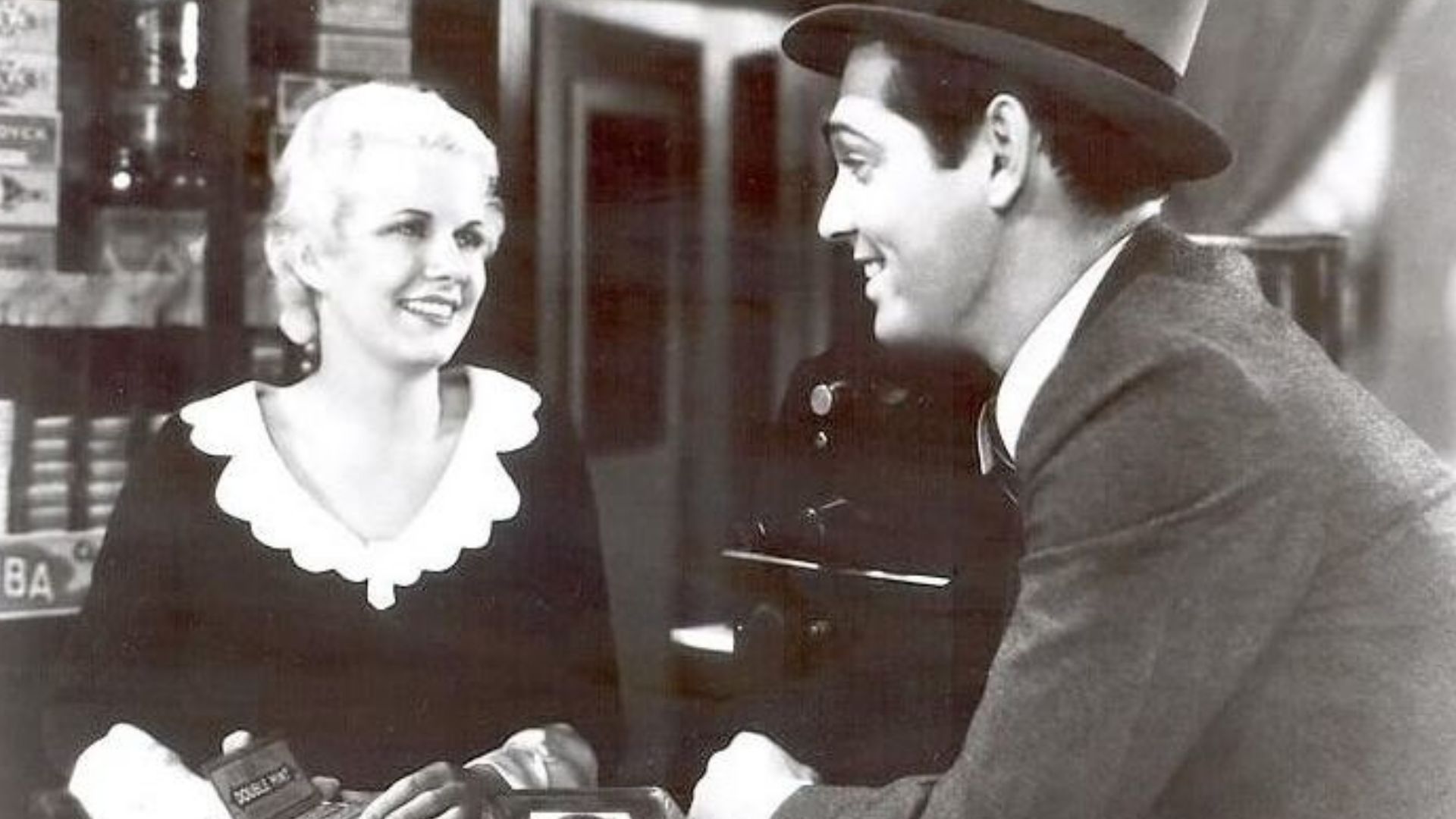
A Blurred Line
Verified records explain Harlow’s illness, yet folklore persists because it fills emotional gaps that facts can’t explain. Ghost stories and dramatic retellings coexist with medical history. Together, they illustrate how Hollywood transforms real loss into narrative by blending truth with imagination.
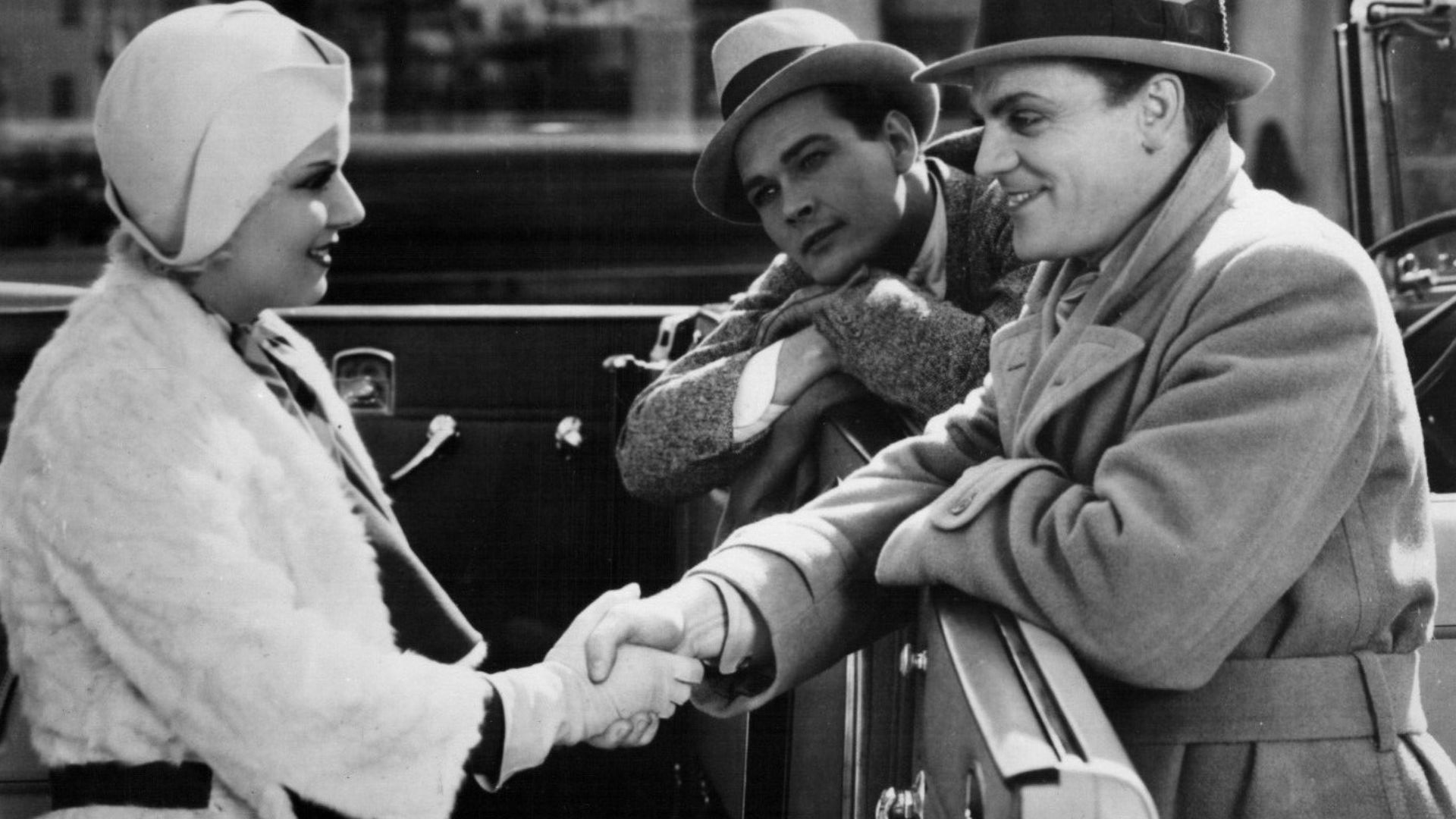 Unknown authorUnknown author, distributed by: Warner Bros. Pictures, Wikimedia Commons
Why Jean Harlow Never Truly “Left”
Harlow remains culturally present through her films and the cautionary lessons attached to her life. Her youth and abrupt ending fixed her permanently in Hollywood’s collective memory, allowing audiences to feel she never aged or fully disappeared from the public consciousness.
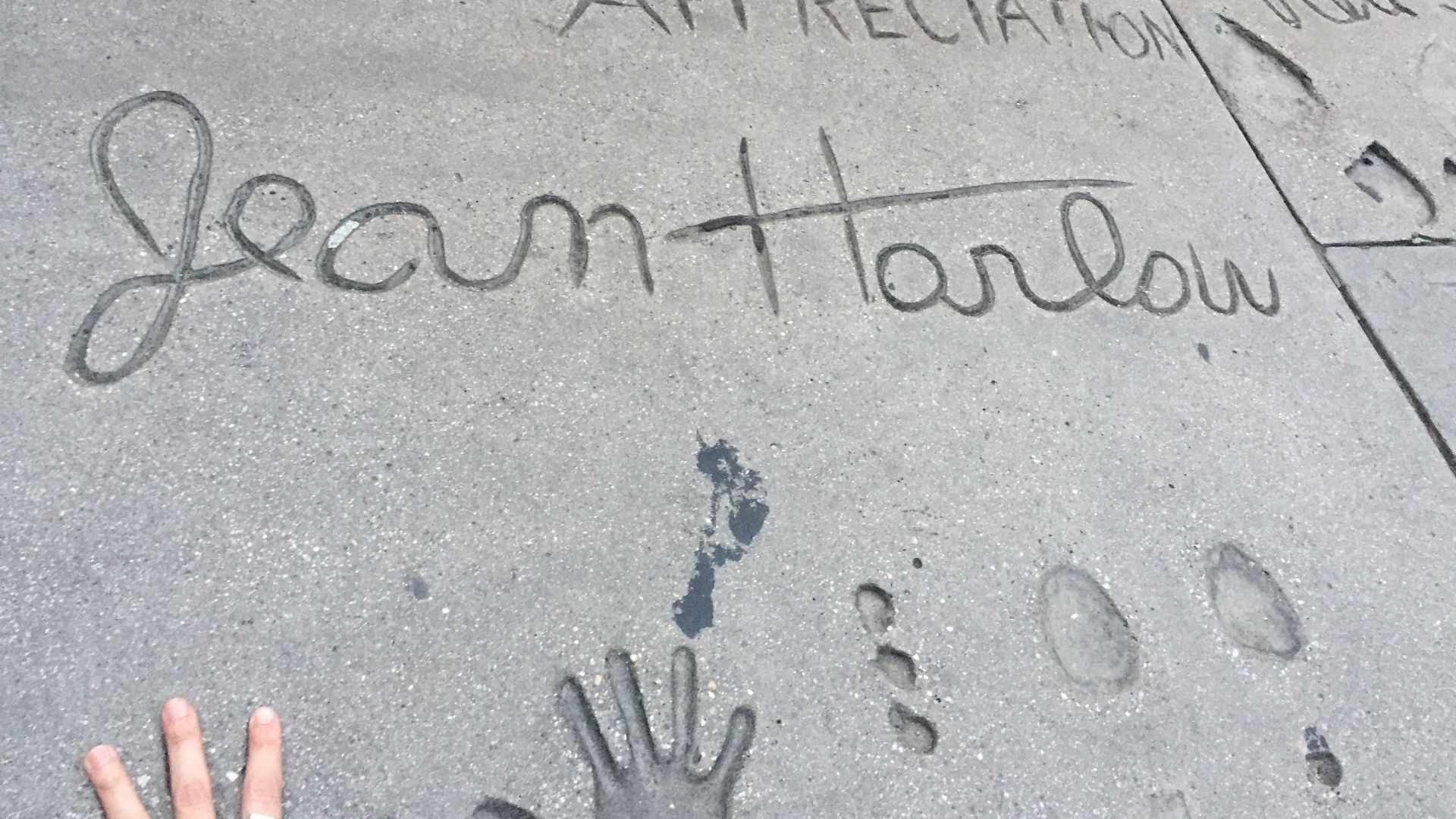 Caterpillar84, Wikimedia Commons
A Legend Frozen At 26
Jean Harlow’s legacy lives because it captures both glamour and vulnerability. She symbolizes early Hollywood’s brilliance and its blind spots. By passing away young, she became timeless, remembered for a moment of peak promise preserved in black-and-white forever.
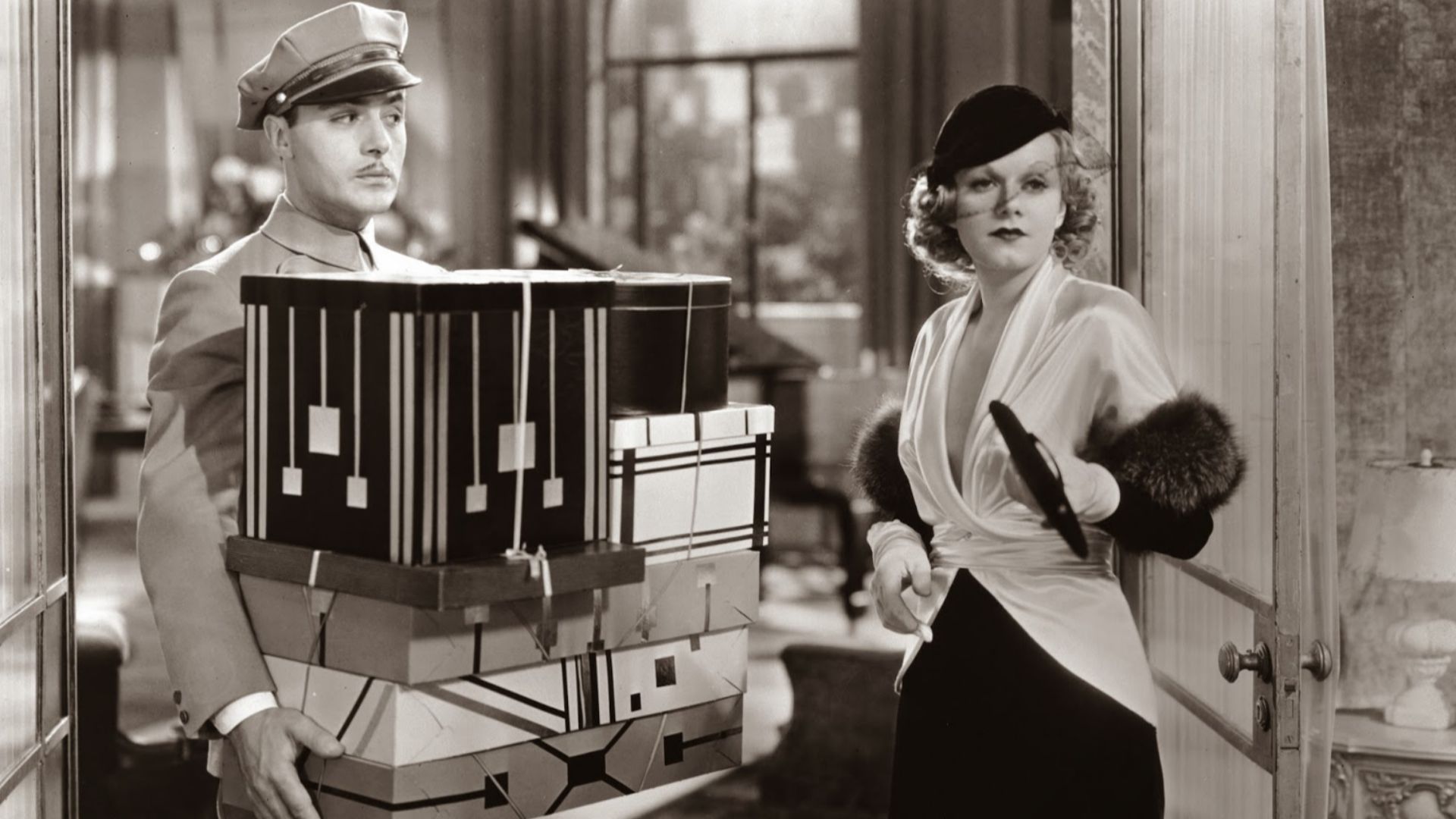 Metro-Goldwyn-Mayer, Wikimedia Commons