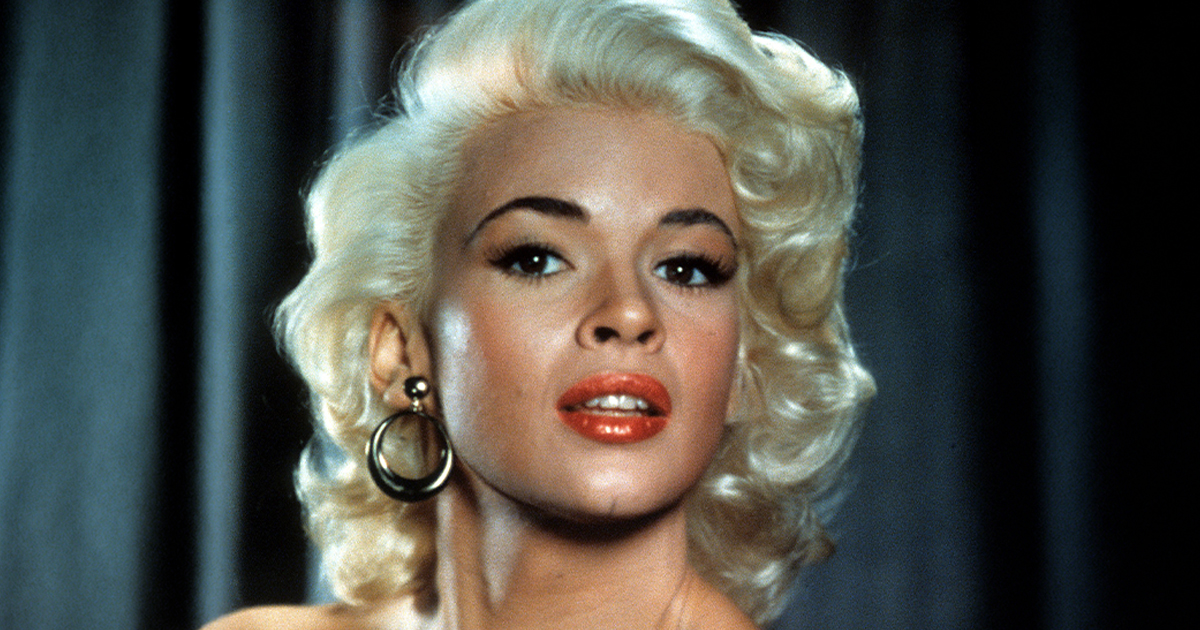
She Knew Exactly What She Was Doing
Jayne Mansfield didn’t “accidentally” become controversial. She engineered it. In the 1950s, when Hollywood carefully controlled female image, Mansfield treated publicity like performance art. Every headline, every photo, every scandal? Calculated. And she was very, very good at it.
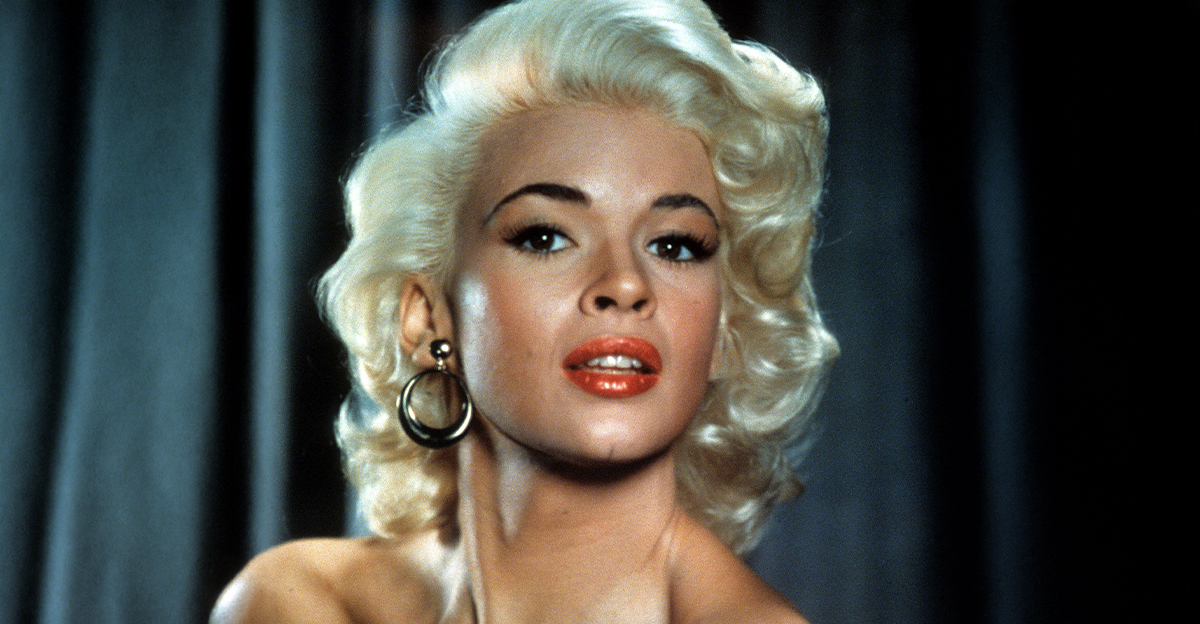 Archive Photos / Stringer, Getty Images
Born Vera Jayne Palmer
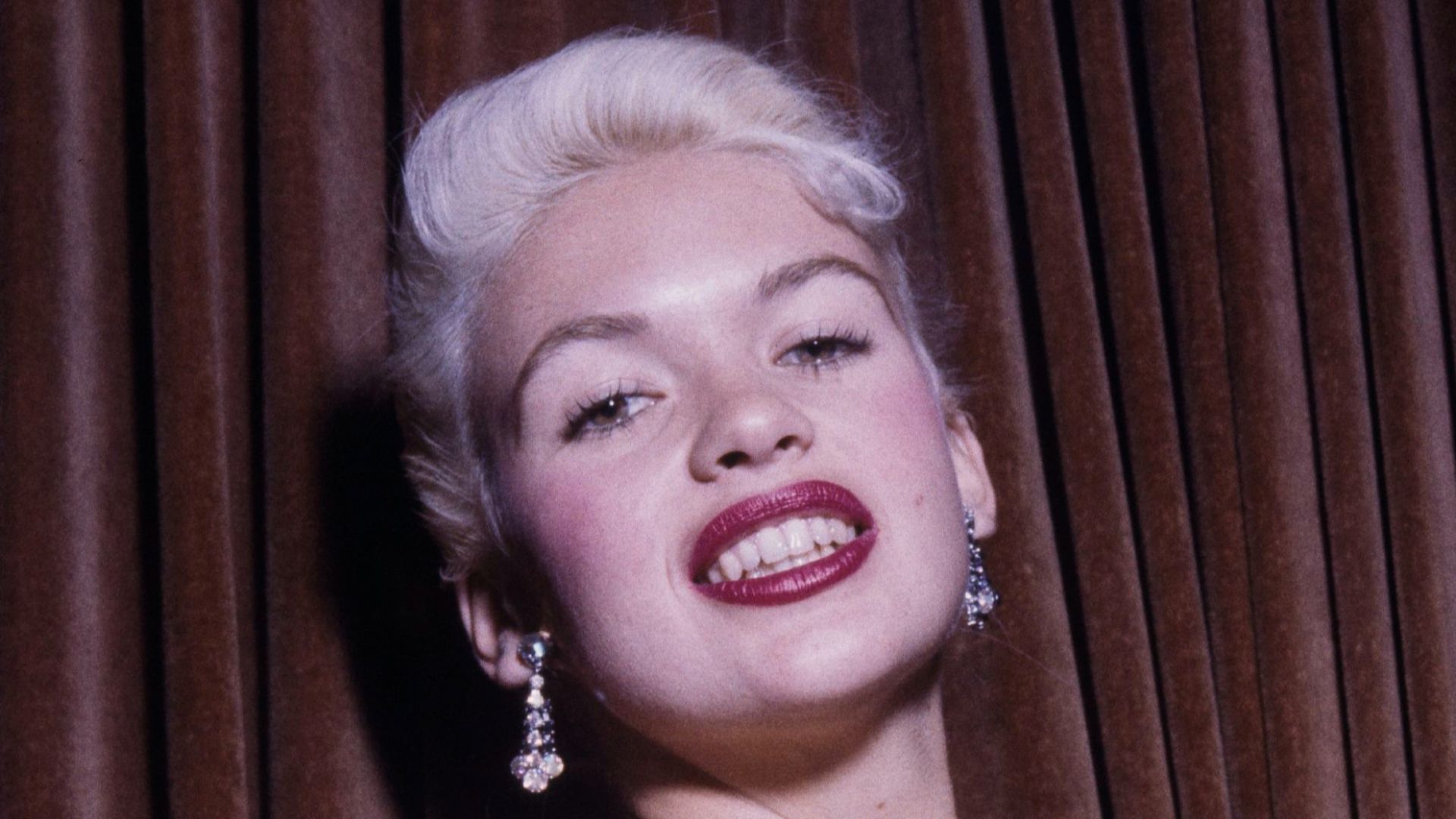
Jayne Mansfield was born Vera Jayne Palmer on April 19, 1933, in Bryn Mawr, Pennsylvania. After her father died when she was three, her family relocated to Texas. She was smart—reportedly with an IQ of 163—and classically trained in piano and violin.
The “dumb blonde” persona was an act—and she mastered it.
 Unknown authorUnknown author, Wikimedia Commons
The Blonde Bombshell Strategy
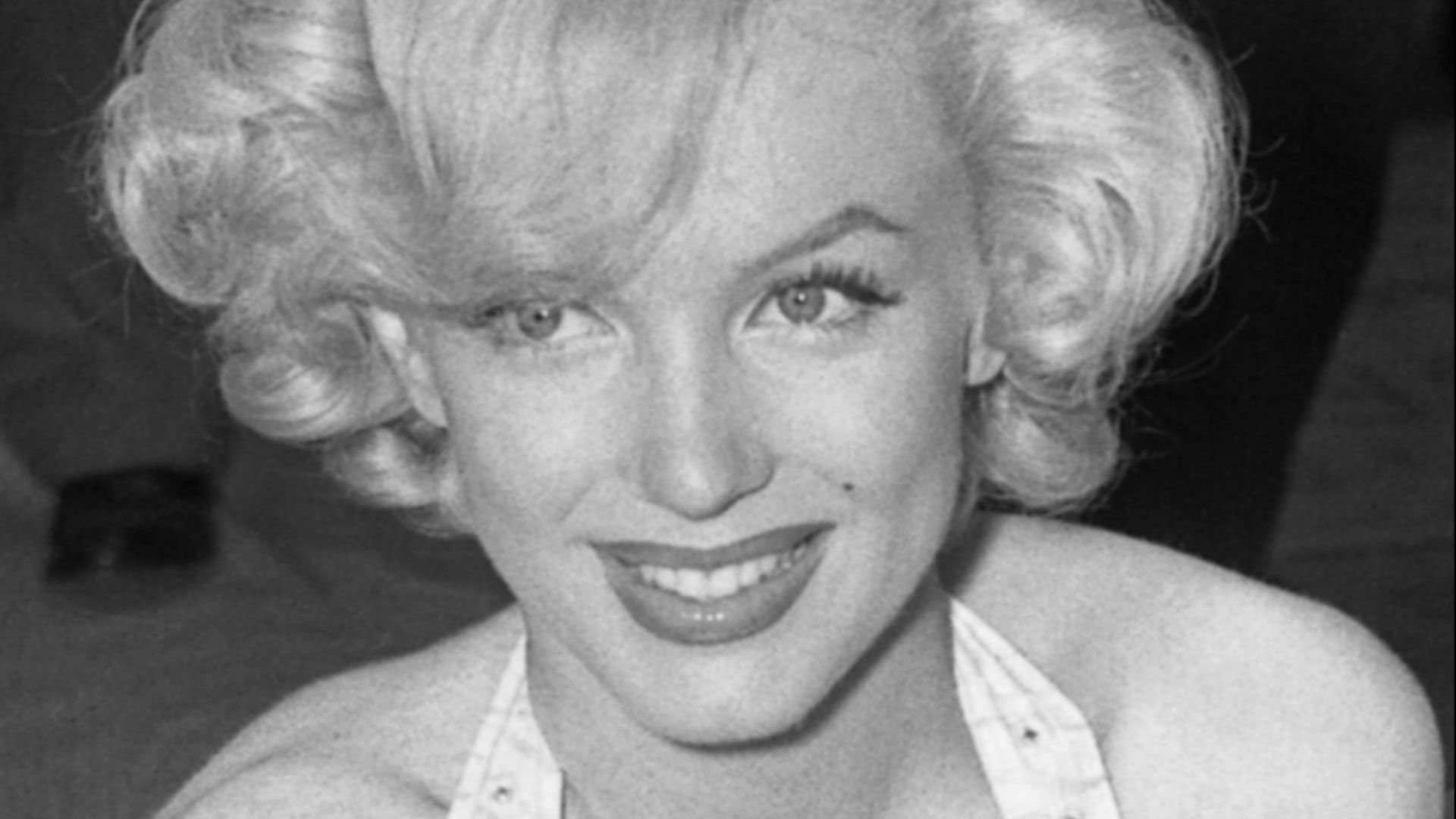
In the mid-1950s, Mansfield arrived in Hollywood just as Marilyn Monroe dominated headlines. Studios were looking for the “next Monroe.” Jayne leaned in hard. She bleached her hair platinum, adopted a breathy voice, and amplified her curves.
She once said, “It’s not what you’ve got, it’s what people think you’ve got.”
 Los Angeles Times, Wikimedia Commons
Publicity Stunts as Performance
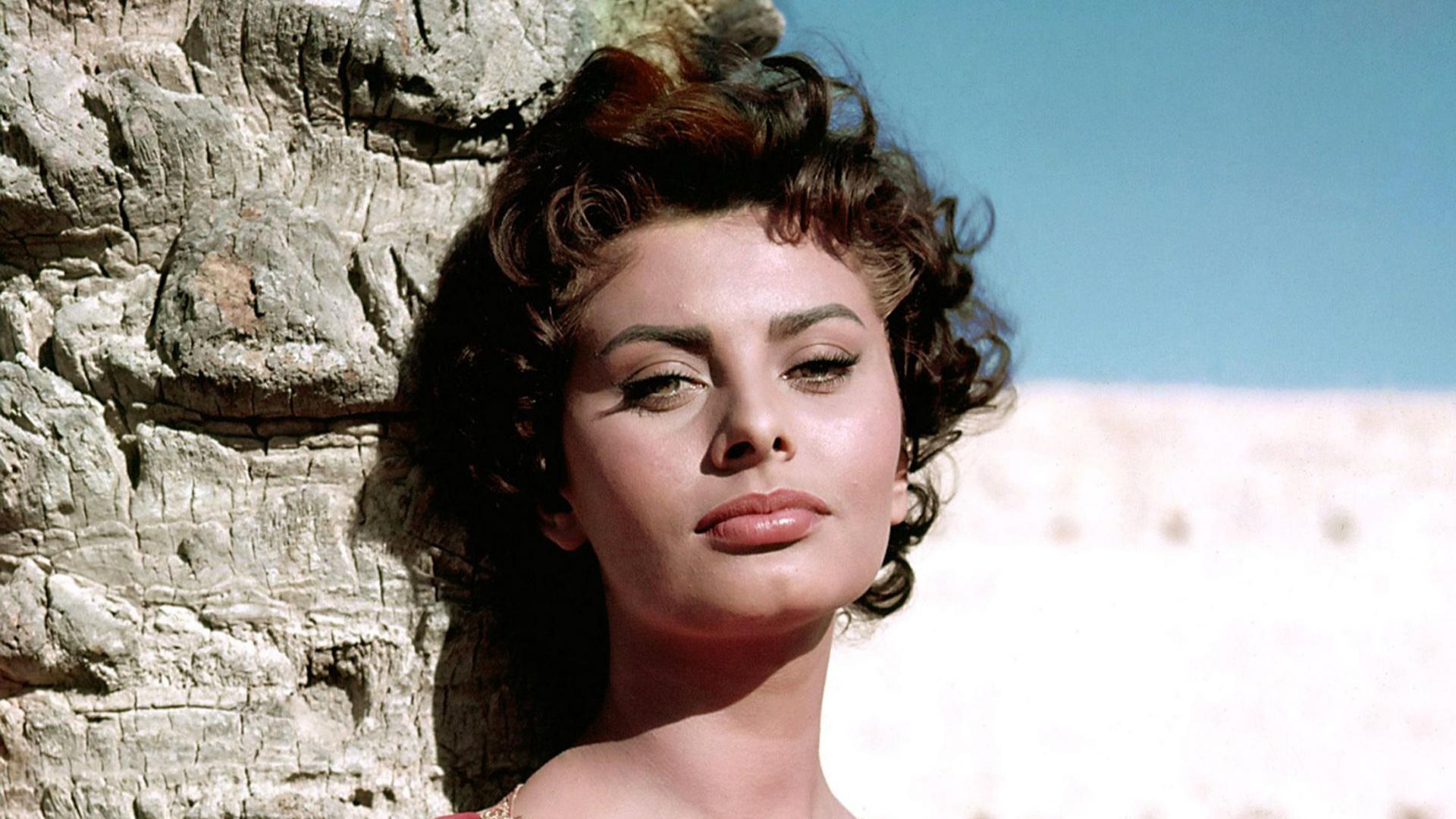
Mansfield understood cameras better than most directors. In 1957, she famously “accidentally” revealed too much during a dinner with Sophia Loren at Romanoff’s in Beverly Hills. Loren’s side-eye became iconic.
Jayne later claimed the moment was unplanned. Few believed that.
 United Artists, Wikimedia Commons
Before It Was Normal
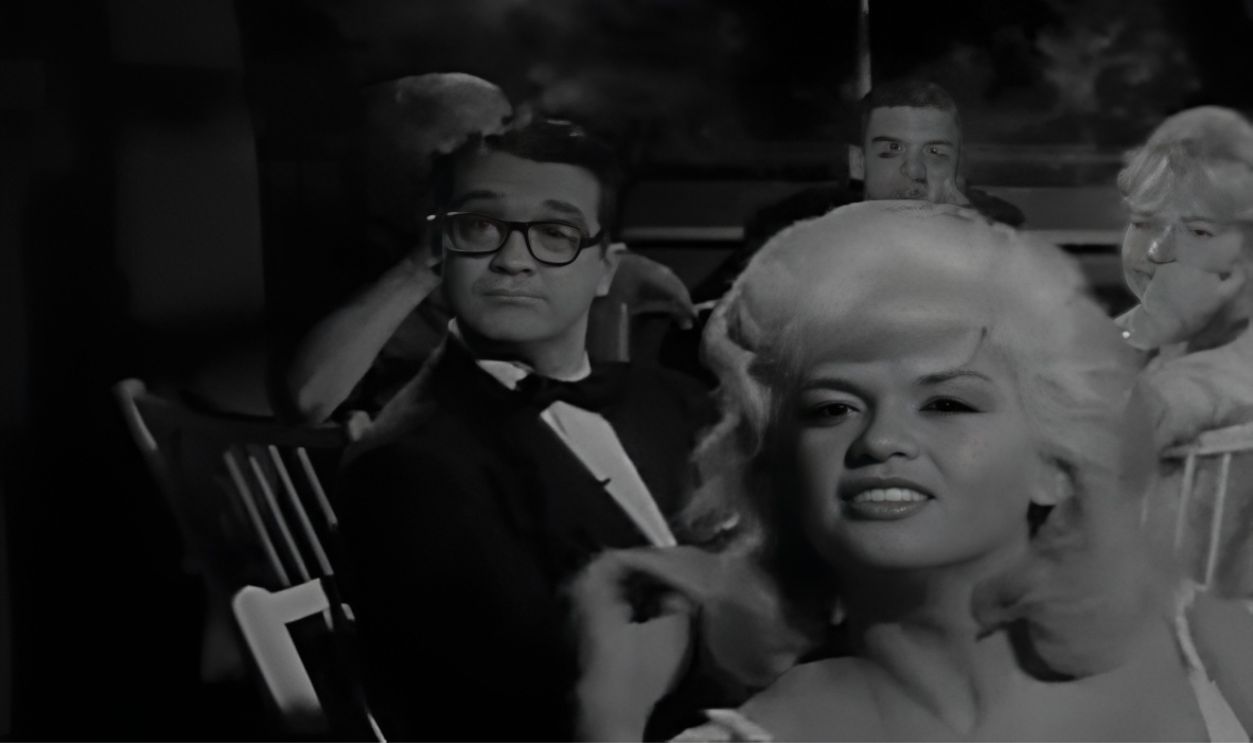
In 1963, Mansfield became one of the first major American actresses to appear unclothed in a mainstream film, Promises! Promises! The film was banned in several cities. The Vatican condemned it.
Jayne defended herself by saying, “I’m not immoral. I’m uninhibited.”
 film trailer screenshot (Noonan-Taylor Prod.), Wikimedia Commons, Modified
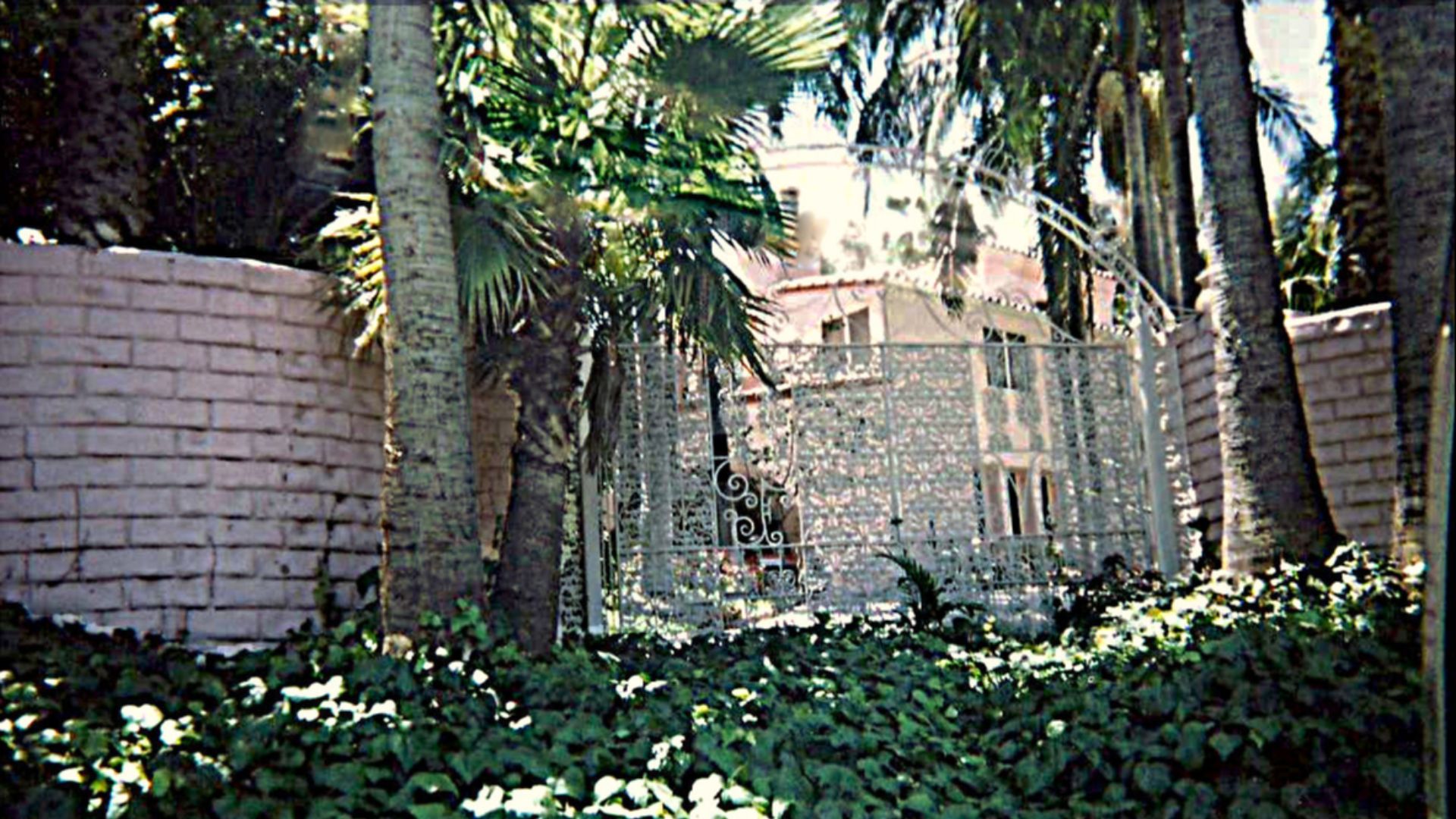
The Pink Palace
Her Beverly Hills mansion, dubbed “The Pink Palace,” featured heart-shaped pools, pink fountains, and champagne-colored décor. It was flamboyant, theatrical, and impossible to ignore.
She invited the press constantly. Privacy was not part of the branding.
A Marriage to Mickey Hargitay
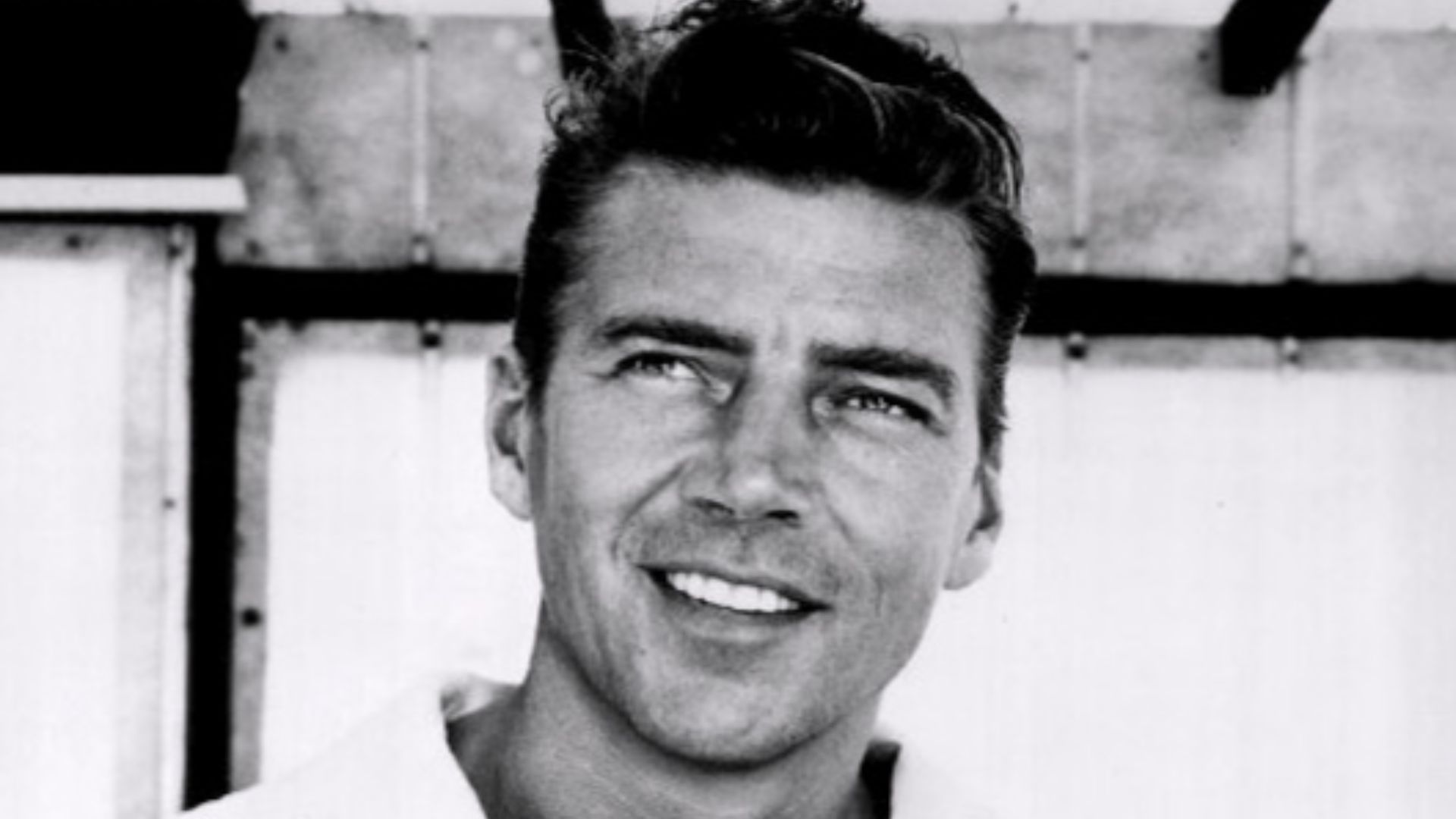
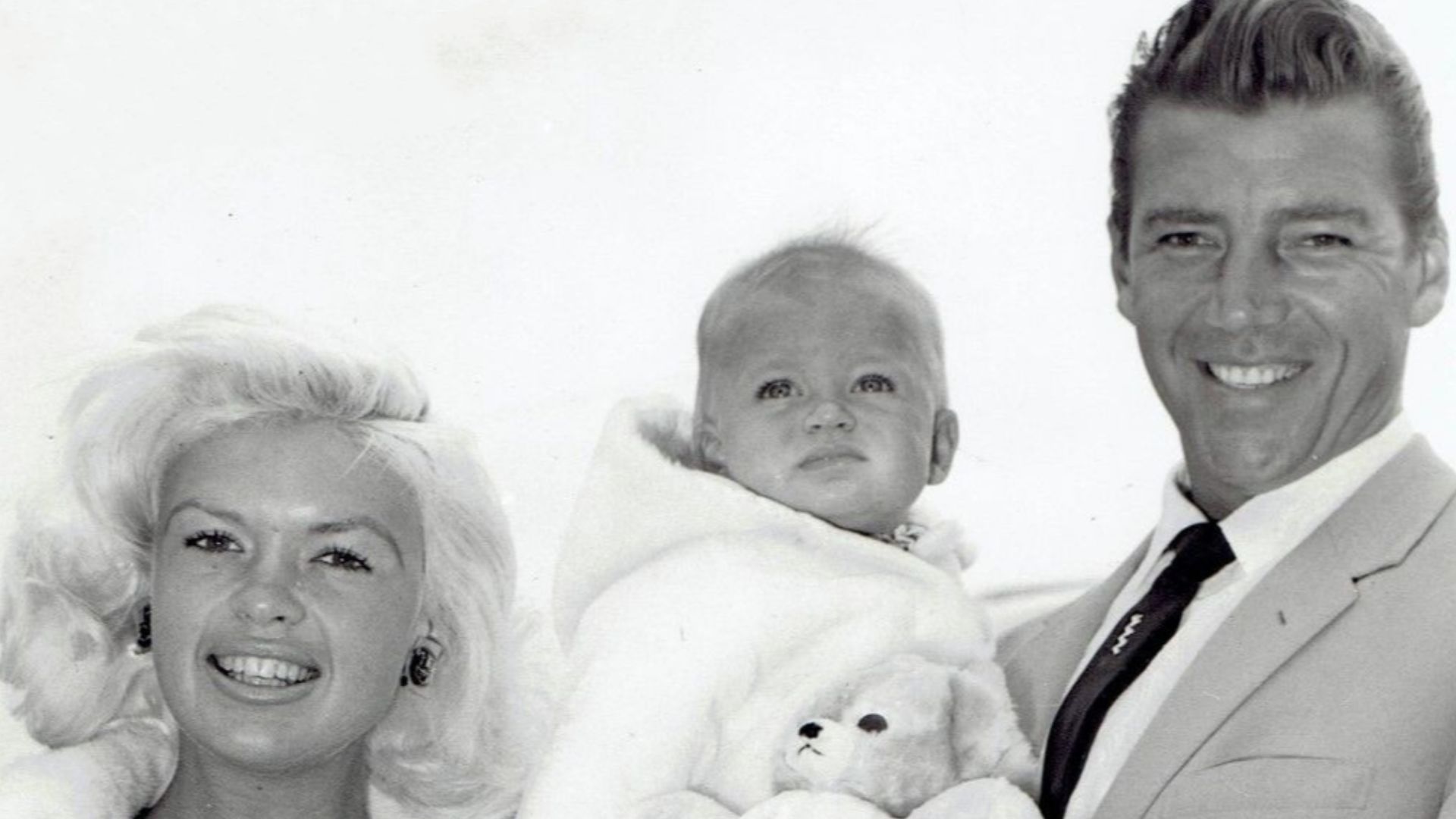
In 1958, she married Hungarian-born bodybuilder Mickey Hargitay, whom she met at Mae West’s nightclub act. The two became a publicity powerhouse couple, starring together in films and appearing in countless photo spreads.
They had three children, including Mariska Hargitay, born in 1964.
 Ross W. Christera and Associates, Beverly Hills (management), Wikimedia Commons
A Divorce That Drew Attention
By 1964, Mansfield and Hargitay separated amid reports of affairs and career disagreements. The divorce became tabloid fodder. Mansfield later admitted their marriage had become more business arrangement than romance.
Even heartbreak became publicity.
 Unknown (Keystone New York), Wikimedia Commons
Courtroom Chaos
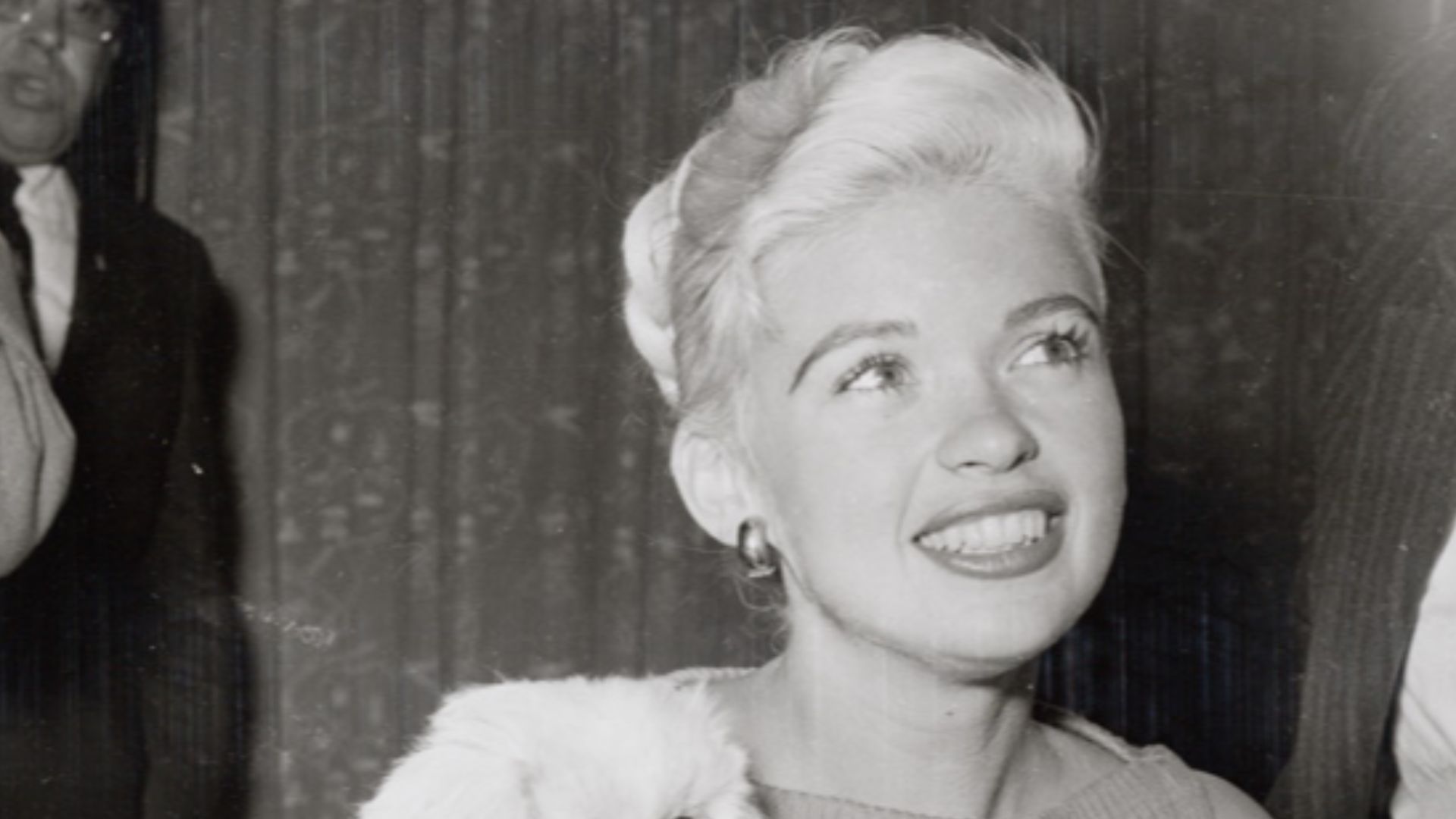
Mansfield was arrested multiple times for minor infractions, including speeding and public disturbances. Each arrest generated headlines. She once quipped, “I’ve been arrested so many times, I should get a frequent flyer card.”
She understood the game.
The Custody Battles
Her relationship with attorney Sam Brody, whom she began dating in 1966, was volatile. Brody reportedly acted as both boyfriend and manager. Custody disputes over her children became public and messy.
Friends later described the relationship as intense—and unstable.
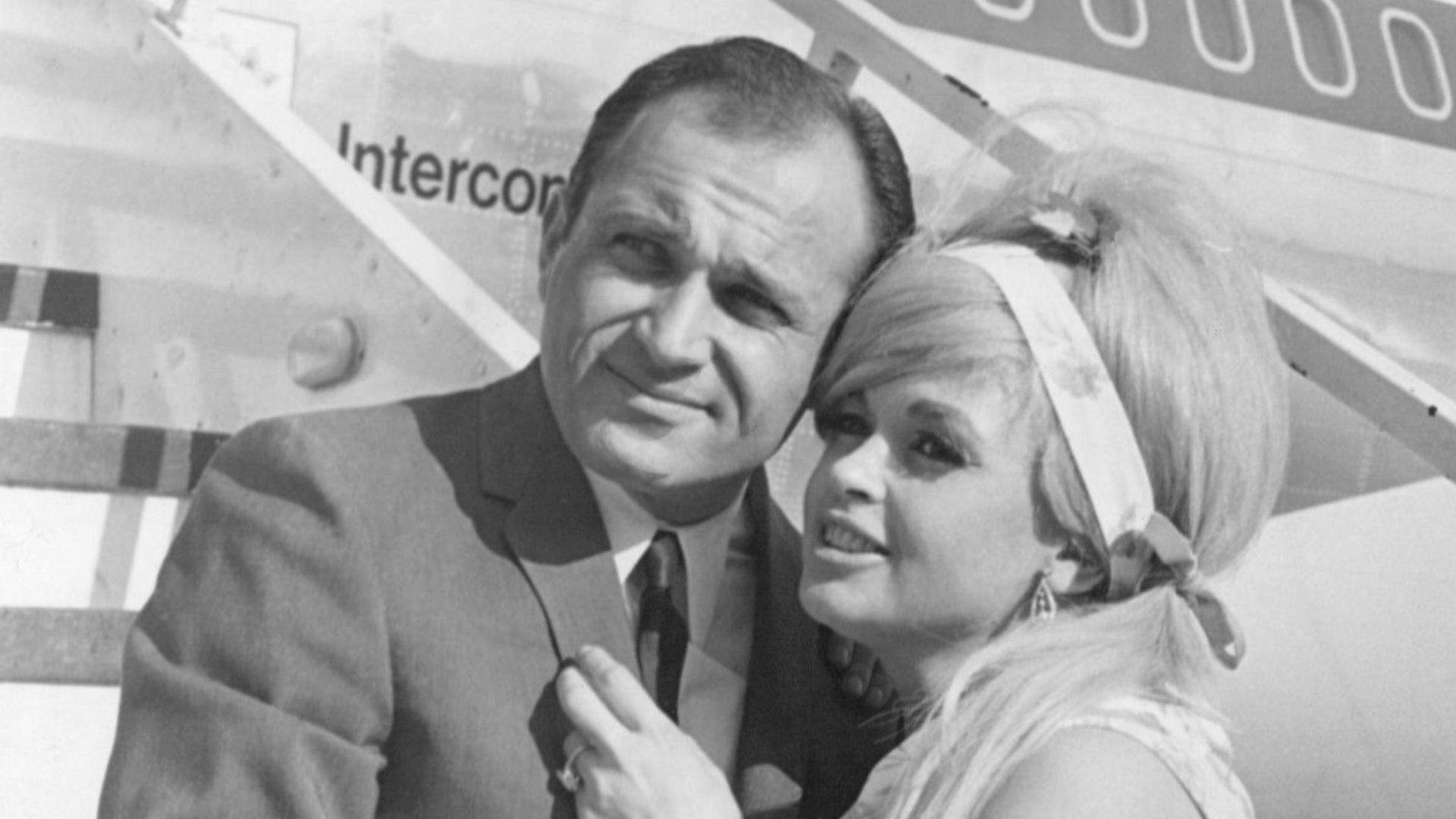 Photo by Metro News Service, Chicago, Wikimedia Commons
Hollywood vs. Mansfield
By the mid-1960s, major studios began distancing themselves. Mansfield’s box office appeal had faded, and producers worried that her constant publicity stunts overshadowed her acting. She once told reporters, “I’ve made more headlines than most actresses make movies.”
She wasn’t wrong.
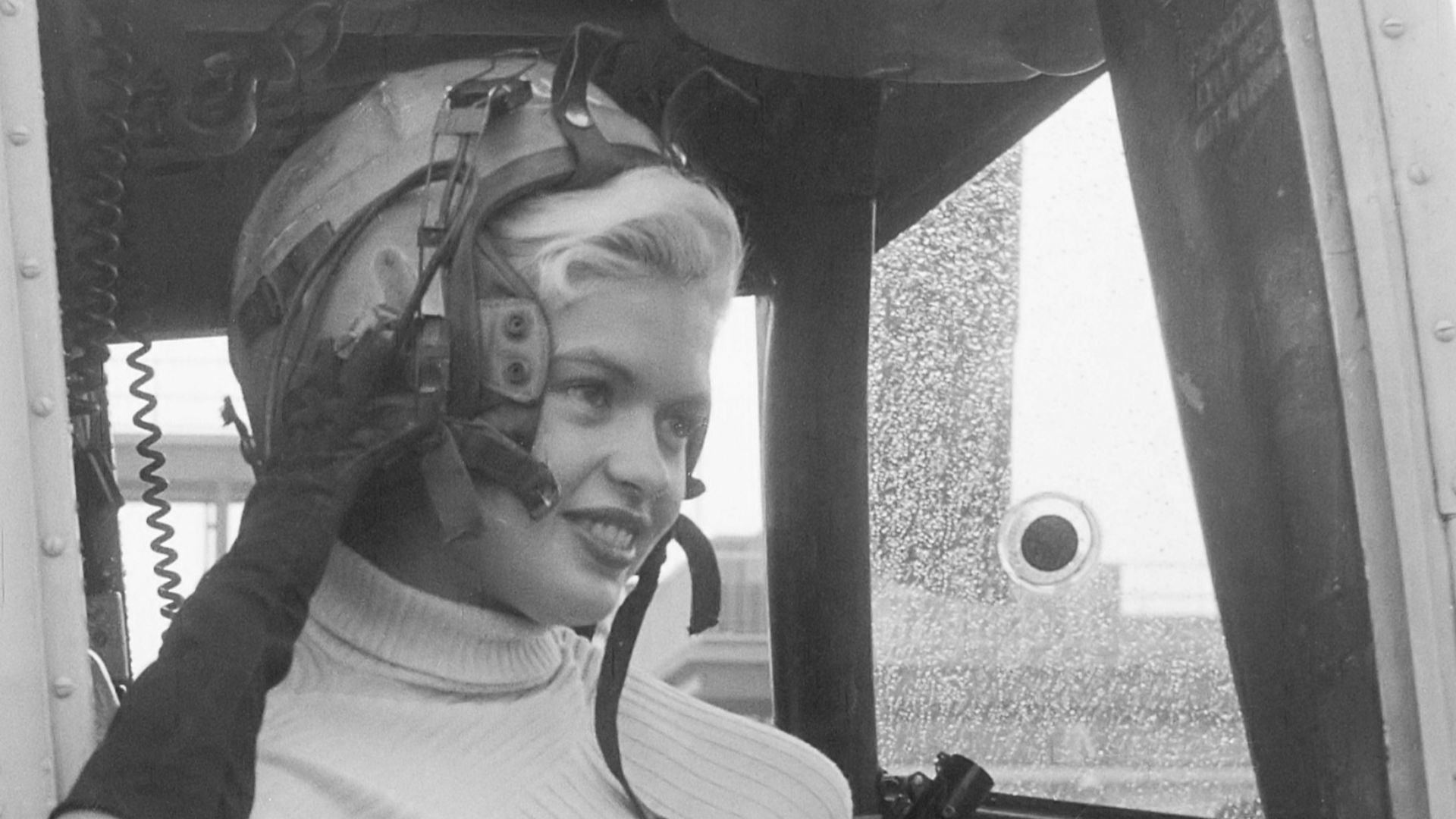 J.D. Noske / Anefo, Wikimedia Commons
The Kennedy Rumors
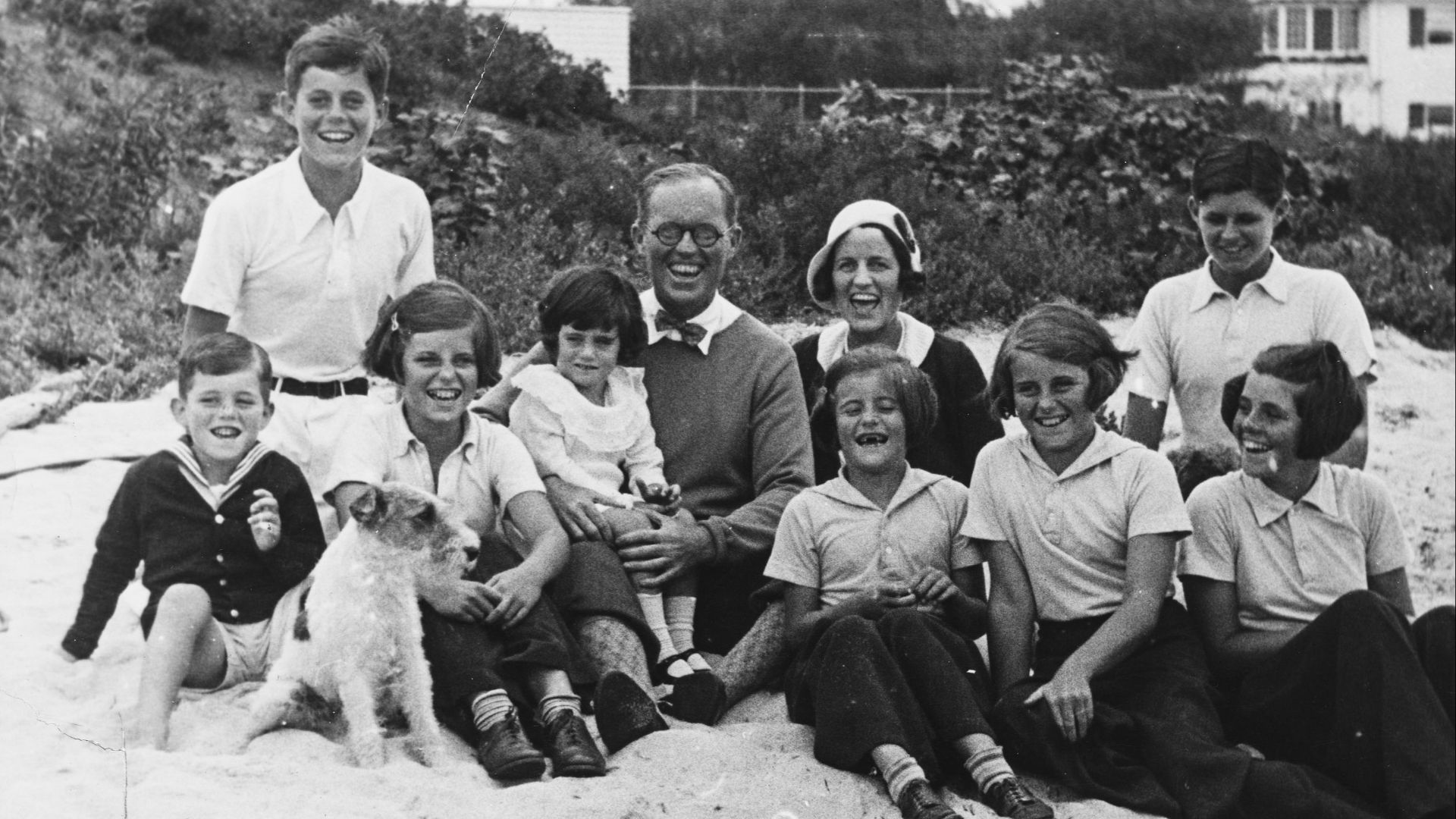
Like many celebrities of her era, Mansfield was rumored to have crossed paths socially with members of the Kennedy circle. There is no verified evidence of a serious relationship.
But in 1960s Hollywood, rumor often outran fact. Jayne rarely corrected the record.
Television’s Curious Guest
As film roles declined, Mansfield turned to television variety shows. She appeared on programs like The Ed Sullivan Show and international broadcasts in Europe.
Her persona became more exaggerated over time—part glamour, part parody.
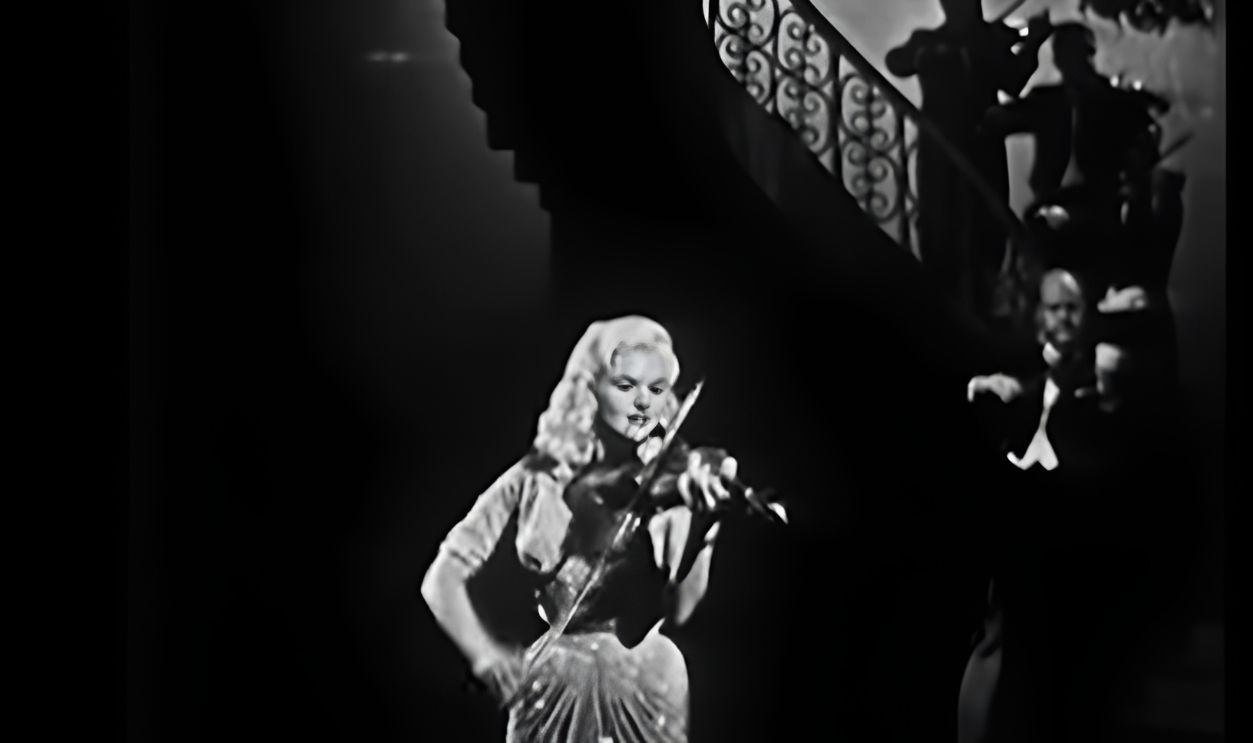 Screenshot from The Ed Sullivan Show, CBS
Financial Troubles
Despite her flashy lifestyle, Mansfield reportedly faced mounting debt in the late 1960s. Lavish spending and uneven income created strain. She continued touring nightclubs to maintain cash flow.
The spotlight was dimming.
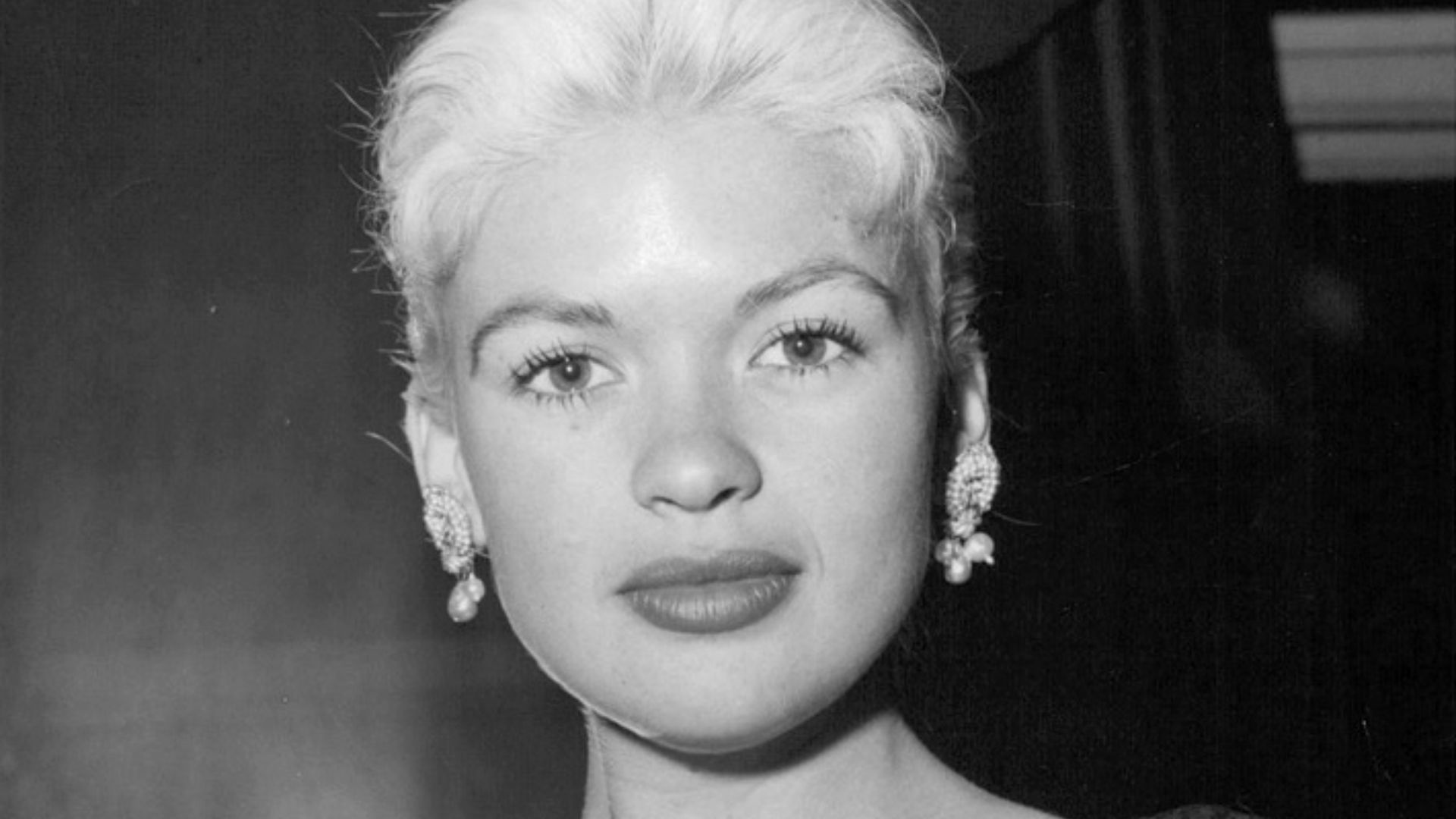 John Kjellström, Wikimedia Commons
The Nightclub Circuit
By 1967, Mansfield was performing in smaller venues, including clubs in the Deep South. She remained a draw, but the venues were a step down from Hollywood premieres.
She was working hard to sustain visibility. Fame can shrink quickly.
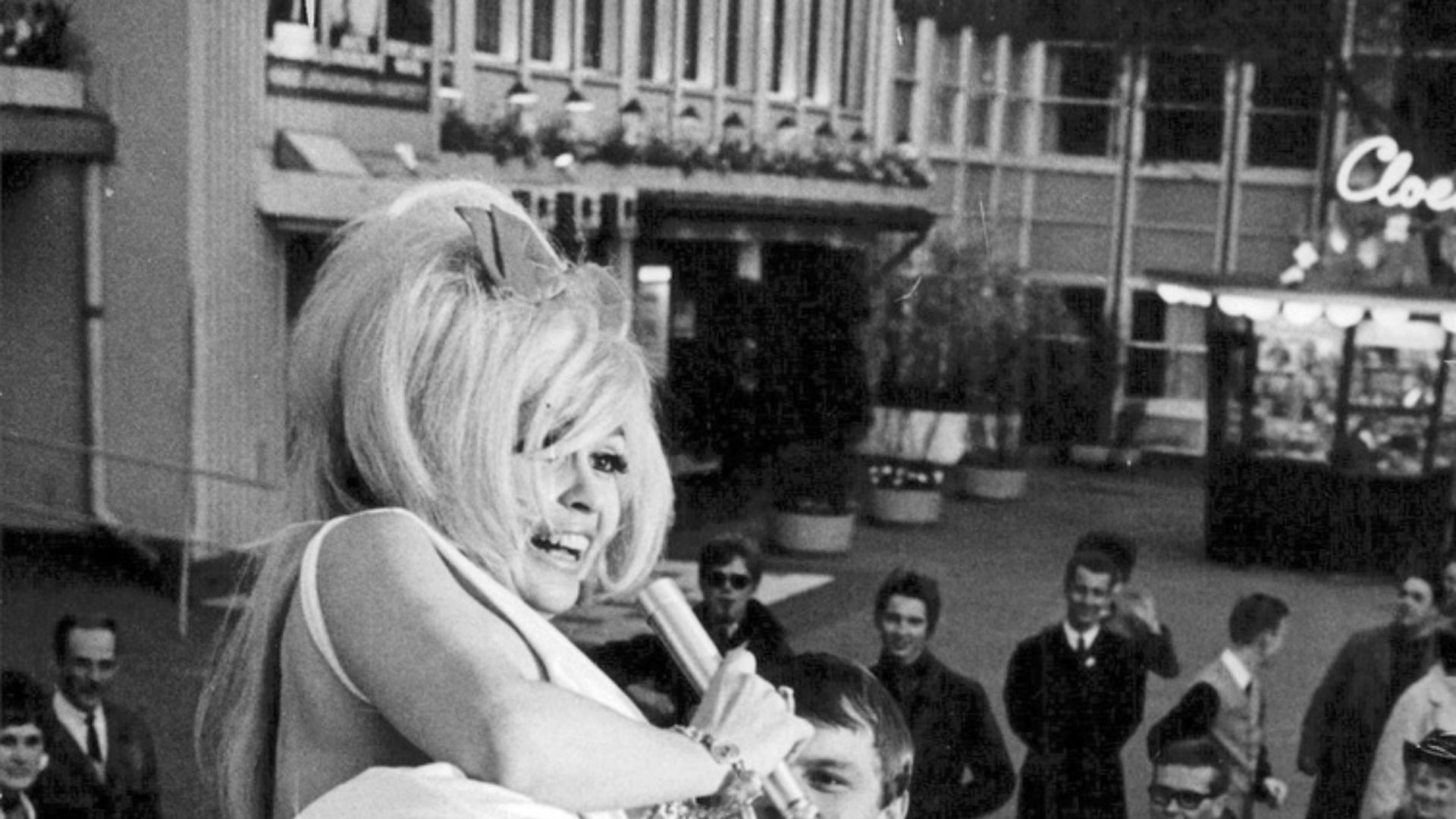 Lennart Nygren, Wikimedia Commons
The Fatal Car Crash
On June 29, 1967, Mansfield was traveling in Mississippi with Sam Brody and three of her children when their car crashed into a tractor-trailer near Slidell, Louisiana. She was 34 years old.
The accident instantly fueled new myths.
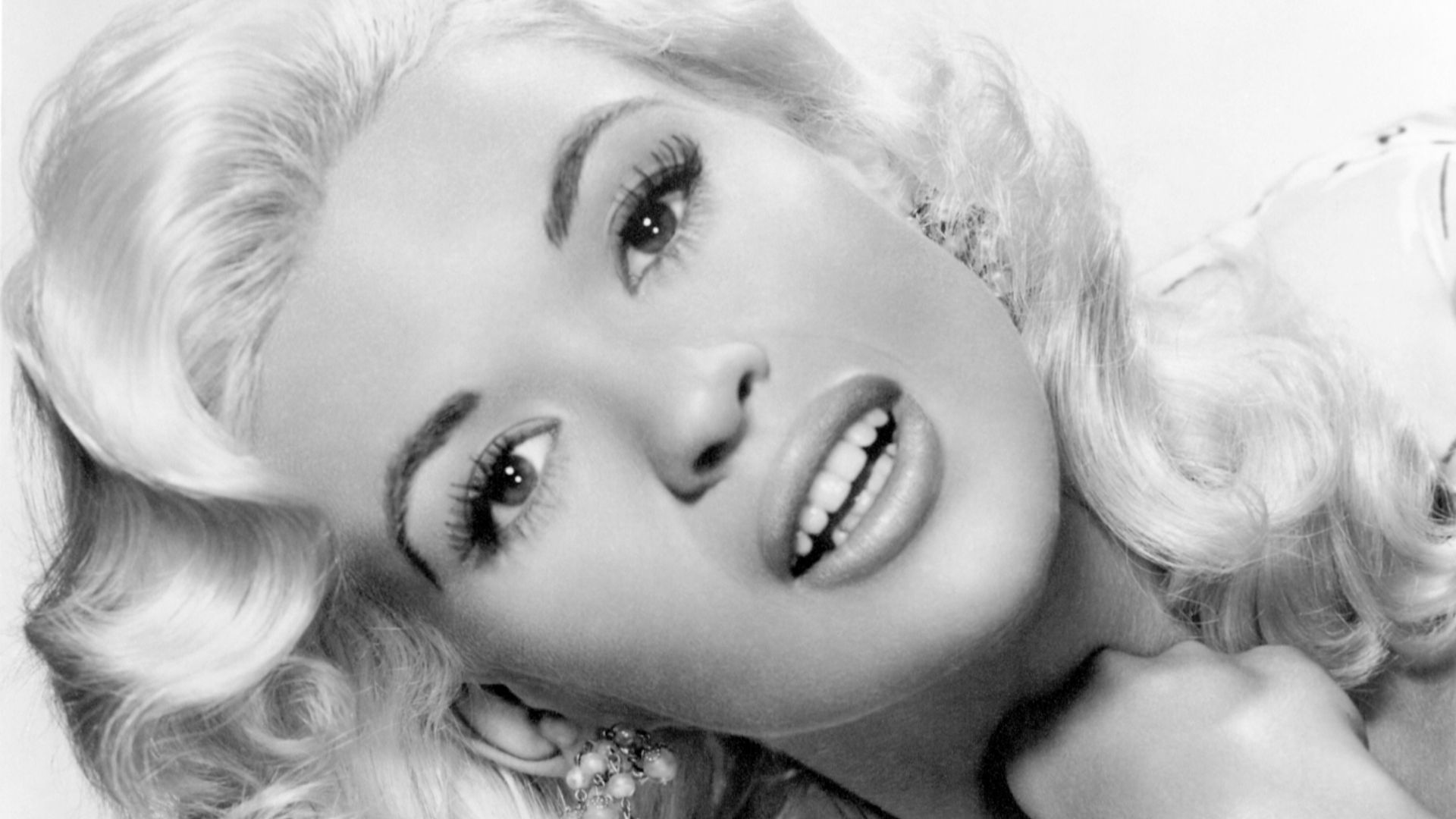 20th Century Fox, 1957. Photographer not credited. Studio publicity., Wikimedia Commons
The Urban Legends Begin
Almost immediately, rumors surfaced—including the infamous but false claim that Mansfield was decapitated in the crash. Official records confirm she died from severe head injuries.
Sensationalism often eclipsed accuracy. And Jayne’s story was ripe for exaggeration.
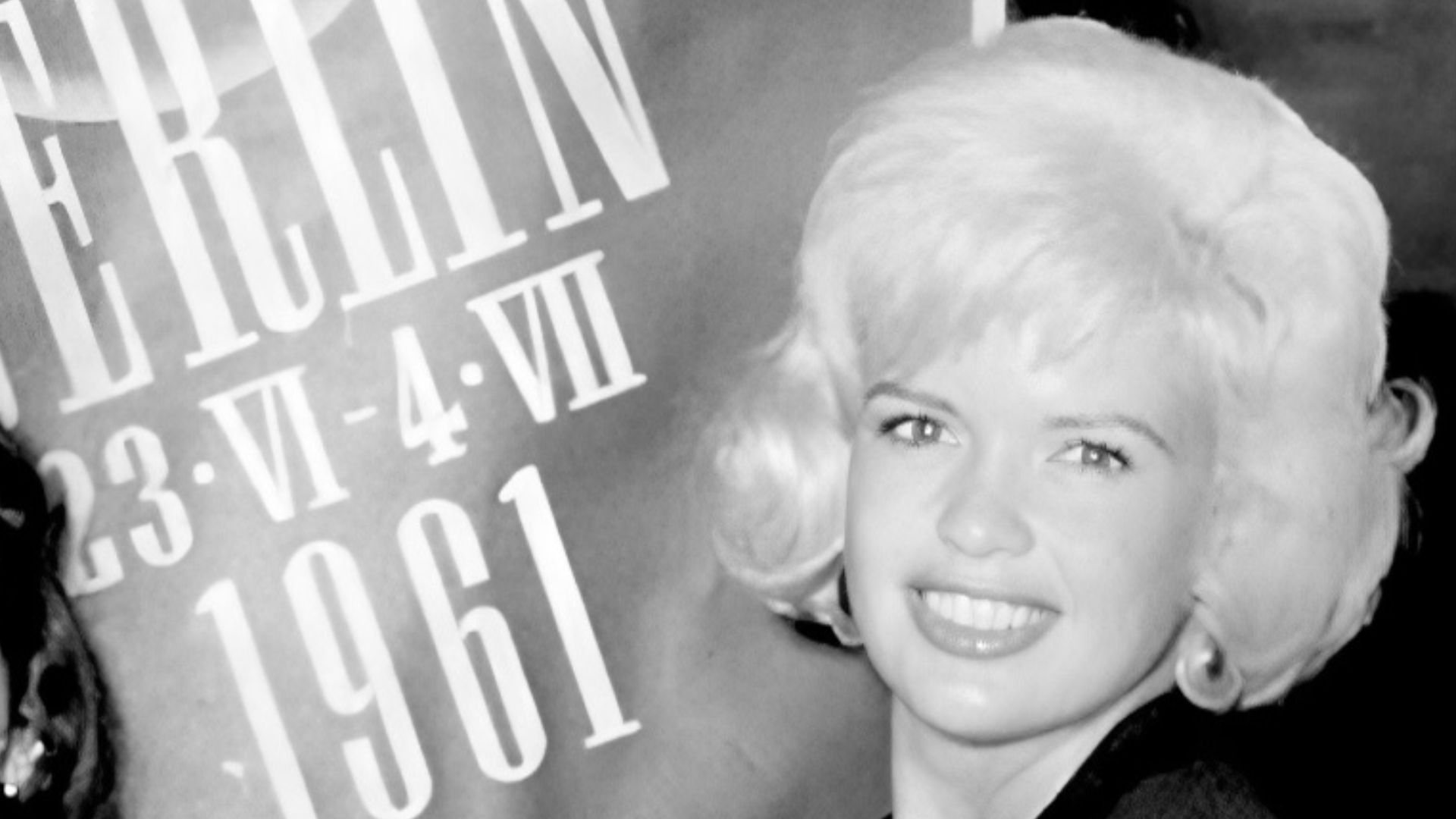 Unknown authorUnknown author, Wikimedia Commons
Enter Anton LaVey
Now we arrive at the most enduring controversy. In 1966, Mansfield met Anton LaVey, founder of the Church of Satan, in San Francisco.
Photographs of the two together spread quickly. The headlines wrote themselves.
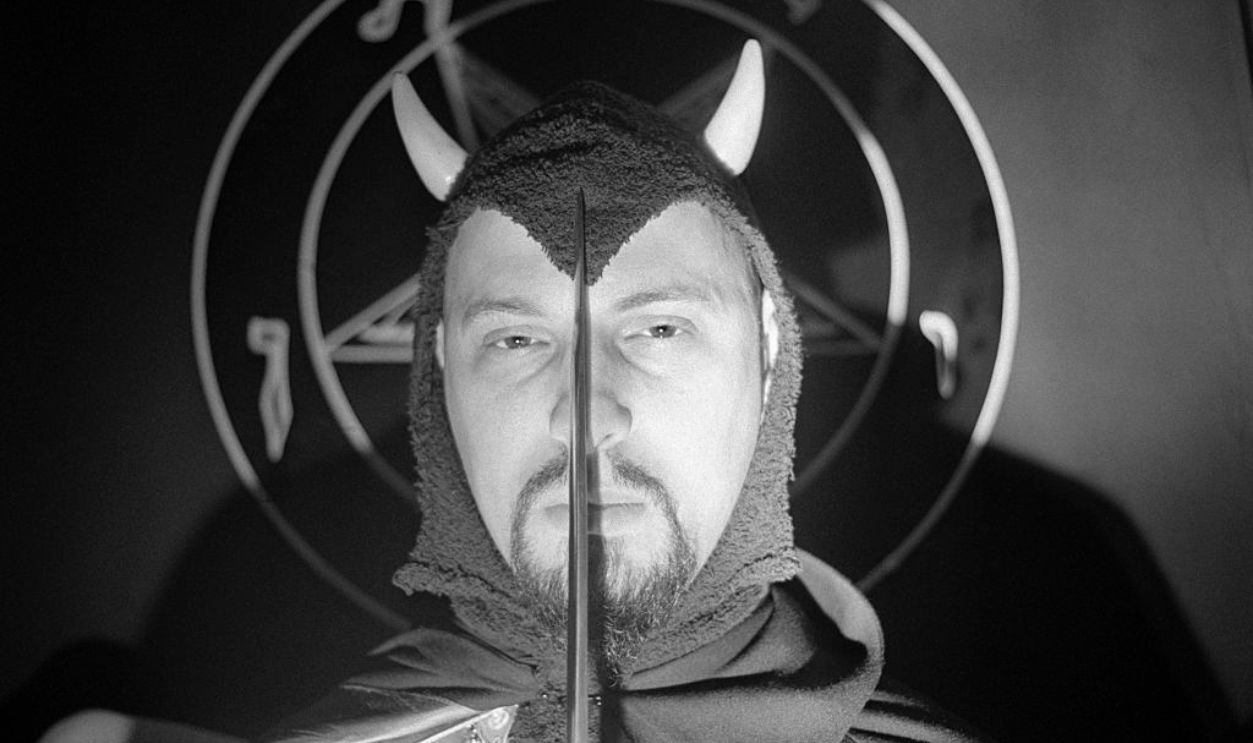
The High Priest and the Starlet
LaVey dubbed Mansfield “High Priestess of San Francisco.” She appeared at events at the so-called Black House and posed for dramatic publicity photos.
LaVey later claimed she was affiliated. But documentation tells a more complicated story.
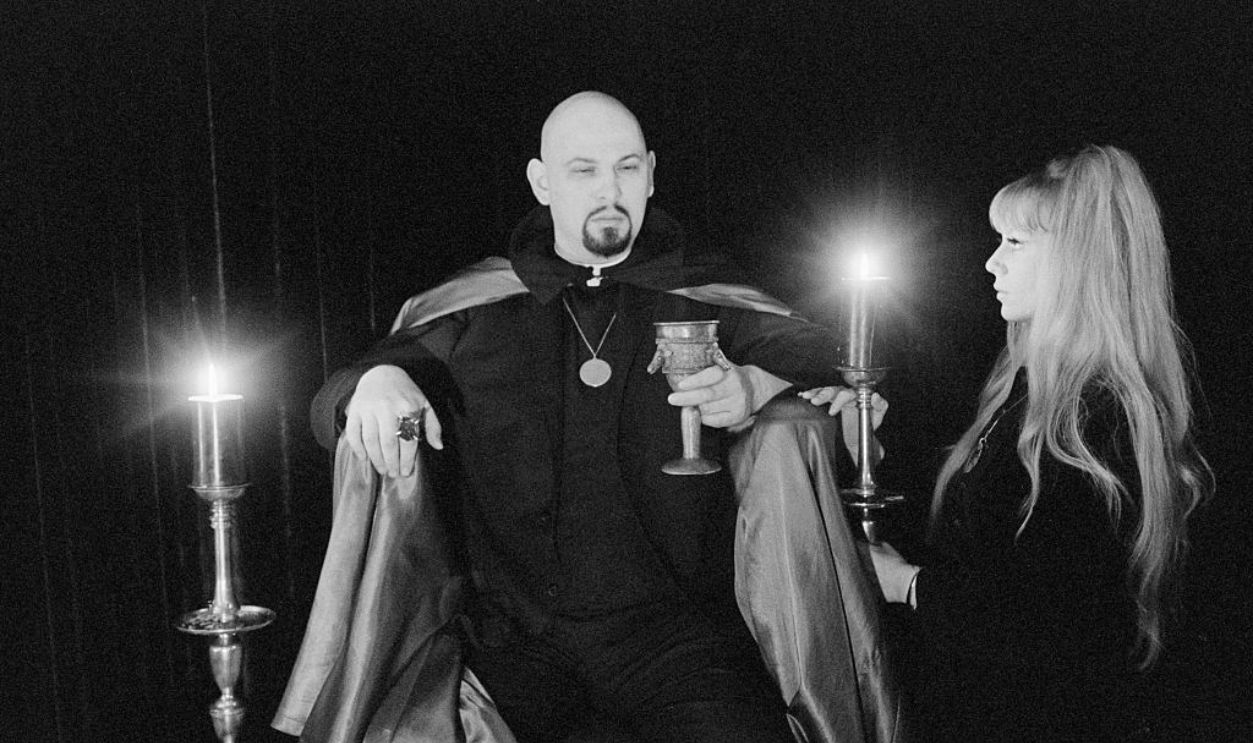
Publicity or Devotion?
Many historians believe Mansfield’s involvement was largely promotional. According to later statements from Church of Satan officials, Jayne was not an official member at the time of her death.
Even LaVey’s daughter, Karla LaVey, later suggested the relationship was more theatrical than spiritual.
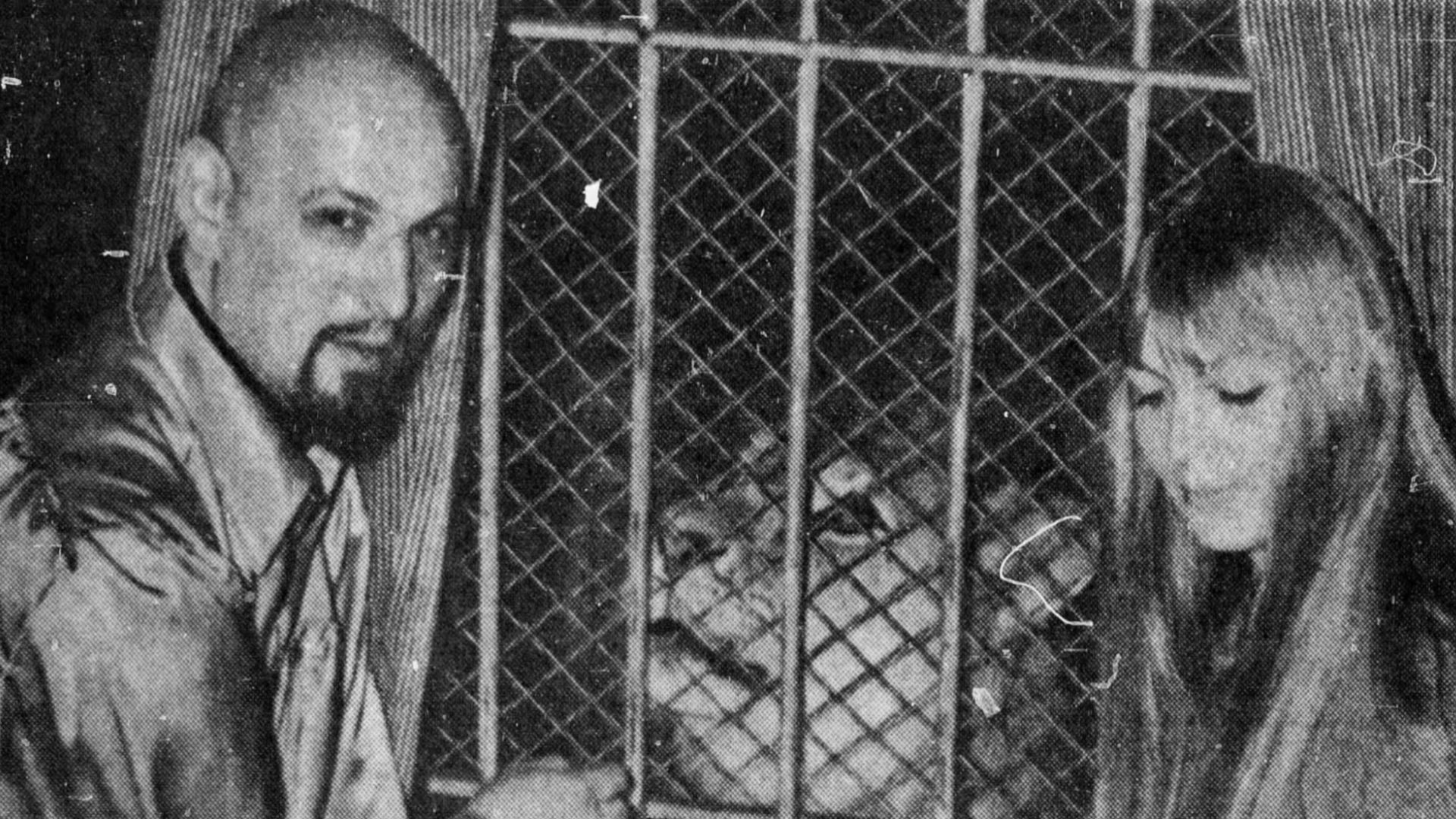
“A Curse”
After Mansfield’s death, rumors spread that LaVey had placed a curse on Sam Brody following a dispute — and that the crash was the result.
There is no credible evidence supporting that claim. It remains folklore.
 Photo by Metro News Service, Chicago, Wikimedia Commons
The Religion Question
Mansfield publicly explored multiple spiritual interests during her life, including Catholicism and mysticism. Friends described her as curious and impressionable.
Whether she believed in Satanism or simply embraced shock value remains debated. But the imagery stuck.
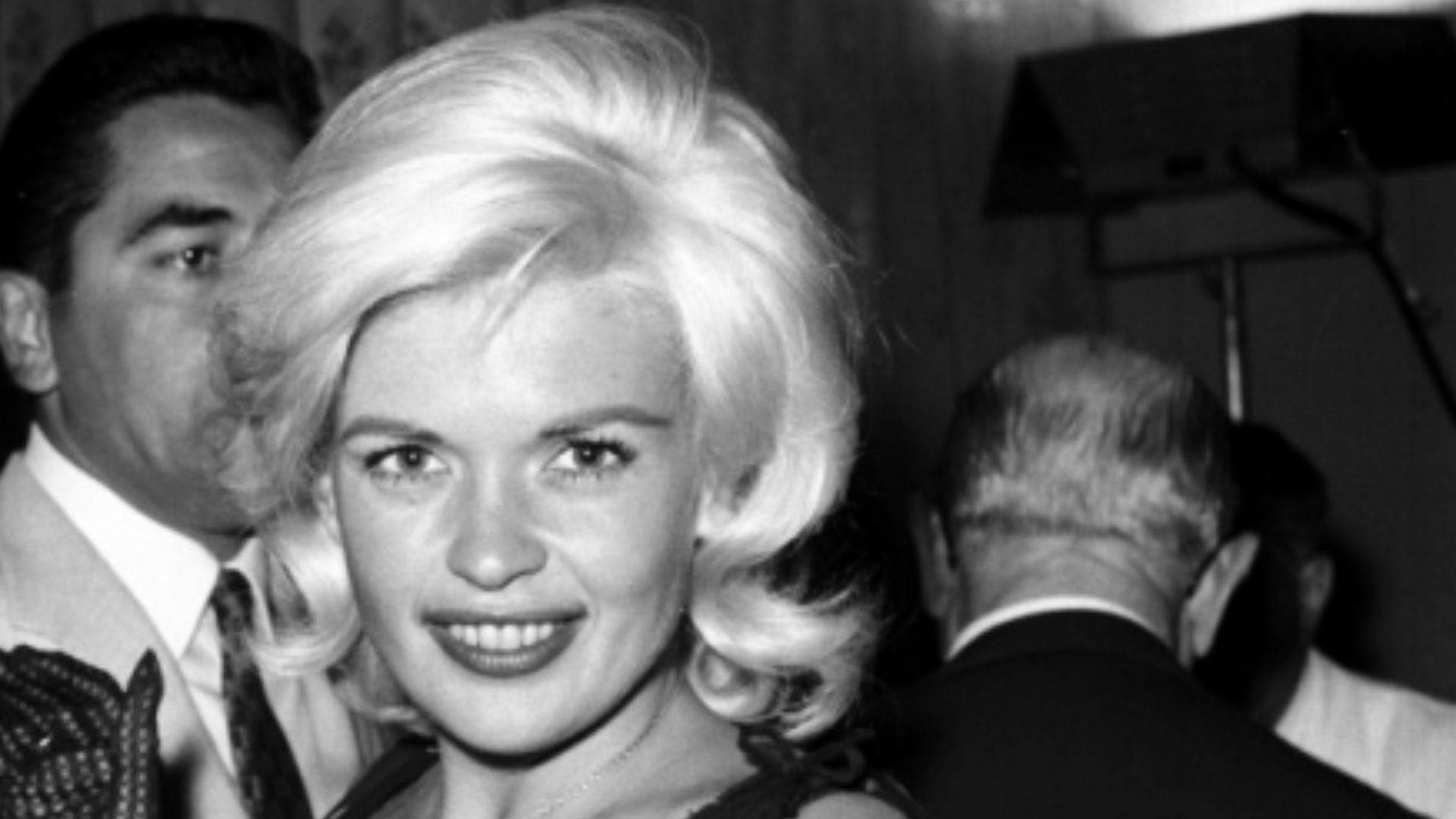
A Carefully Constructed Persona
Jayne Mansfield once said, “I will be a star. That’s my goal.” She achieved it—but often on her own unconventional terms.
Her scandals weren’t accidents. They were strategy.
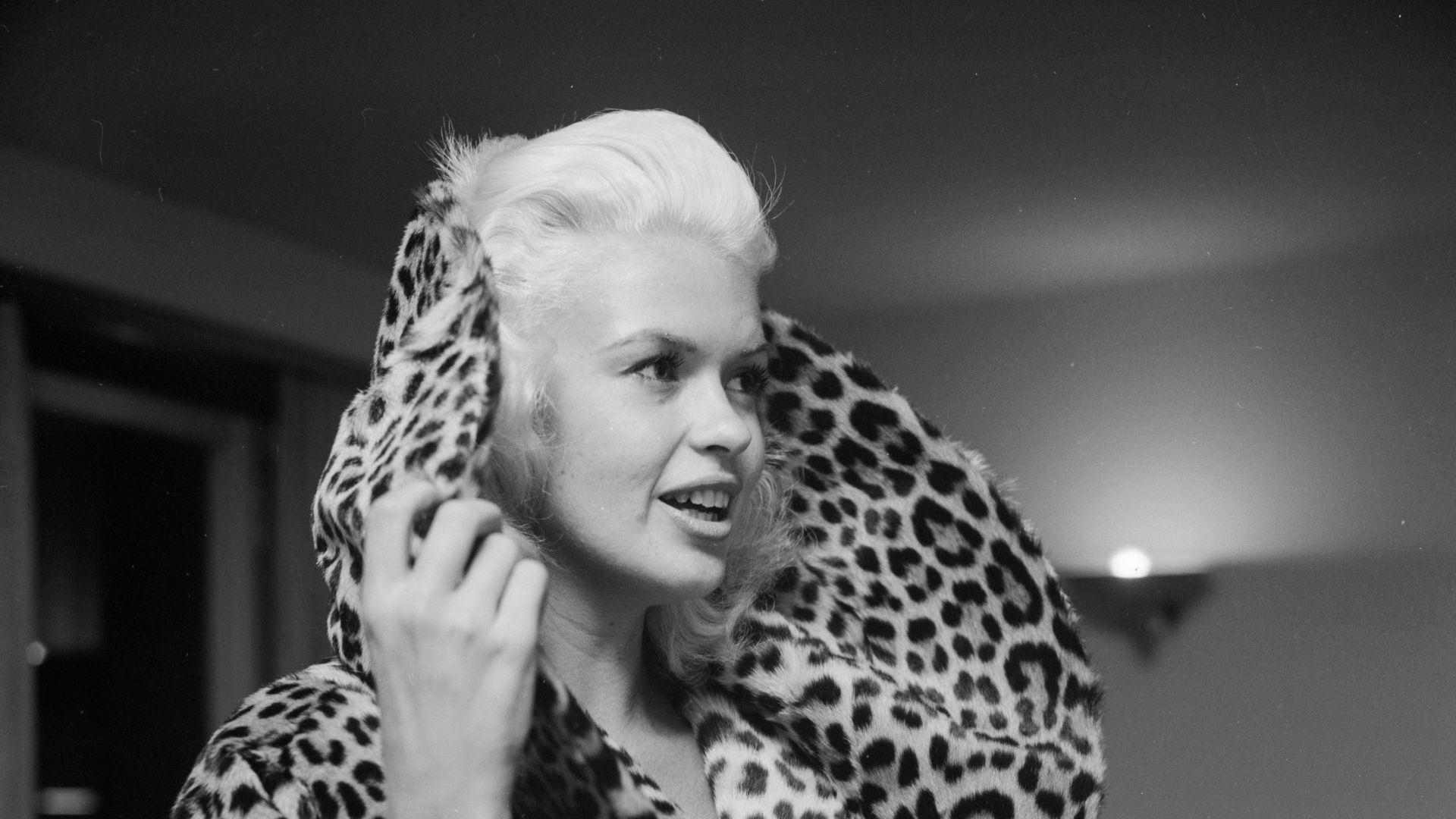 Comet Photo AG (Zürich), Wikimedia Commons
The Woman Behind the Headlines
Behind the controversy was a mother of five, a multilingual performer, and a woman navigating fame in an era that punished ambition in women.
She wasn’t just tabloid fodder. She was self-aware.
![Collectie / Archief : Fotocollectie Anefo
Reportage / Serie : [ onbekend ]
Beschrijving : Amerikaanse filmster Jayne Mansfield arriveert op Schiphol
Datum : 10 oktober 1957
Locatie : Noord-Holland, Schiphol
Trefwoorden : actrices, filmsterren, vliegvelden
Persoonsnaam : Mansfield, Jayne
Fotograaf : Pot, Harry / Anefo
Auteursrechthebbende : Nationaal Archief
Materiaalsoort : Negatief (zwart/wit)
Nummer archiefinventaris : bekijk toegang 2.24.01.04
Bestanddeelnummer : 909-0211](https://www.factinate.com/storage/app/media/theshot/2026/4/29/17774481942b76fef51199a96a25d6b7ae57f57e8d9c702c54.jpg) Harry Pot / Anefo, Wikimedia Commons
Harry Pot / Anefo, Wikimedia Commons
The Legacy
Jayne Mansfield remains one of Hollywood’s most misunderstood figures. Her scandals — from wardrobe malfunctions to Satanic rumors—were often fueled by spectacle. But beneath the drama was a sharp mind who understood exactly how publicity worked.
Even now, people are still talking about Jayne Mansfield.
![Collectie / Archief : Fotocollectie Anefo
Reportage / Serie : [ onbekend ]
Beschrijving : Jayne Mansfield vertrekt per helicopter naar Rotterdam
Datum : 11 oktober 1957
Trefwoorden : actrices, filmsterren, helicopters
Persoonsnaam : Mansfield, Jayne
Fotograaf : Noske, J.D. / Anefo
Auteursrechthebbende : Nationaal Archief
Materiaalsoort : Negatief (zwart/wit)
Nummer archiefinventaris : bekijk toegang 2.24.01.03
Bestanddeelnummer : 909-0255](https://www.factinate.com/storage/app/media/theshot/2026/4/29/1777448148a06af9875fa87933b1ab48b6c7bc854272db8e60.jpg) Daan Noske / Anefo, Wikimedia Commons
Daan Noske / Anefo, Wikimedia Commons
You May Also Like:
Natalie Wood’s death was one of Hollywood’s most enduring mysteries—until the captain of her yacht changed his story.