The Four Notes That Changed Television
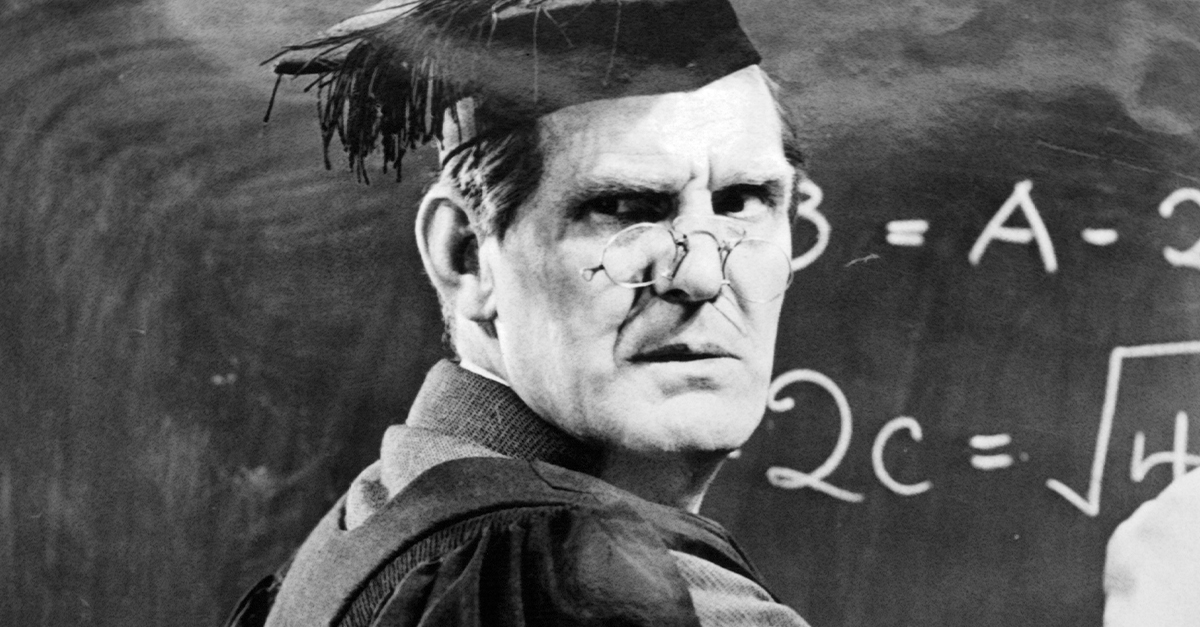
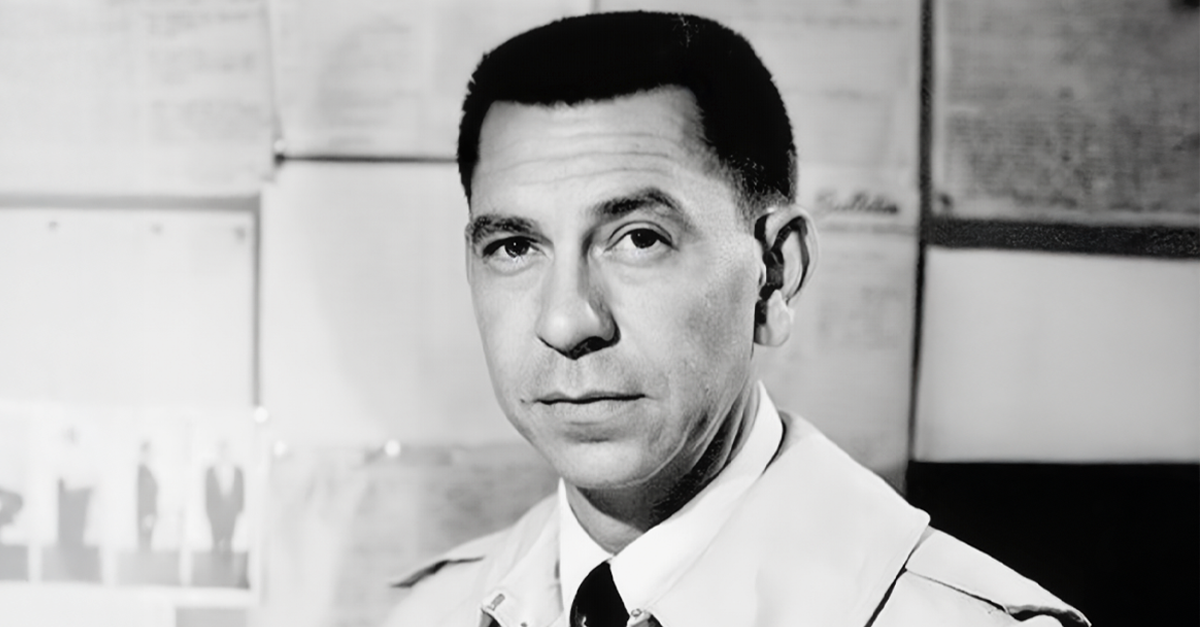
Before viewers saw a badge or heard a suspect speak, four blunt musical notes announced that Dragnet had begun. The sound was severe, instantly recognizable, and perfectly suited to Jack Webb’s vision of police work. From its opening seconds, the series promised something more disciplined than an ordinary cops-and-robbers adventure.
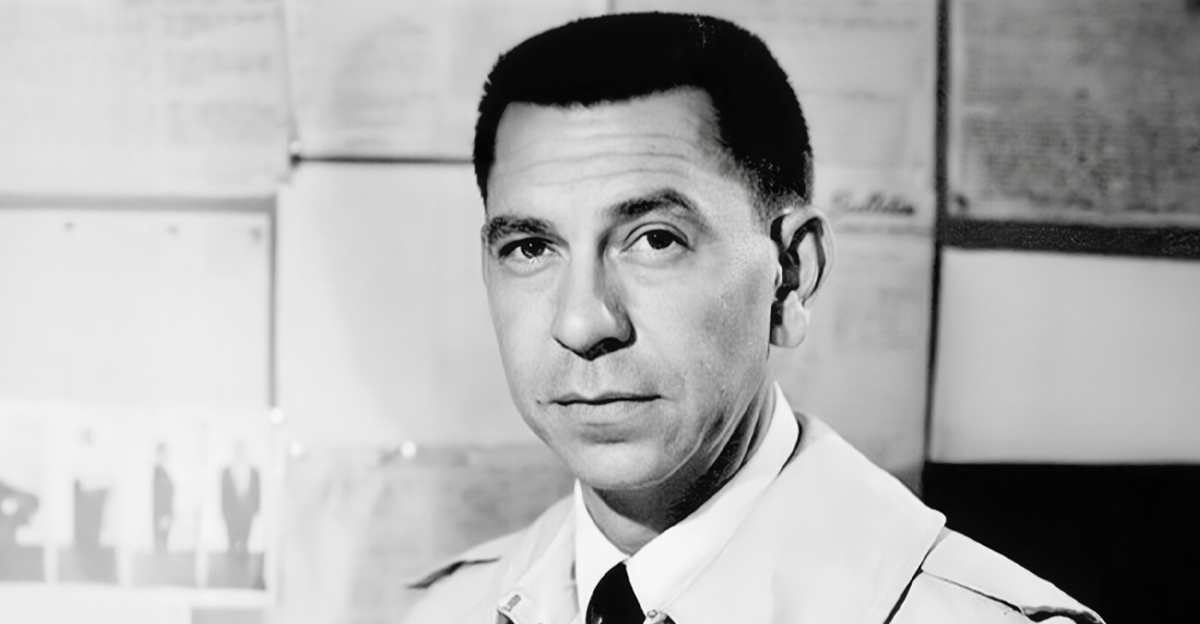 NBC Television, Wikimedia Commons
Television Crime Once Looked Very Different
Early television detectives often belonged to the tradition of hard-boiled private eyes, theatrical villains, and dramatic shootouts. Webb believed that routine investigative work could be compelling without constant action or romantic subplots. His approach would make reports, interviews, telephone calls, and paperwork part of the drama.
Jack Webb Was Still Finding His Place
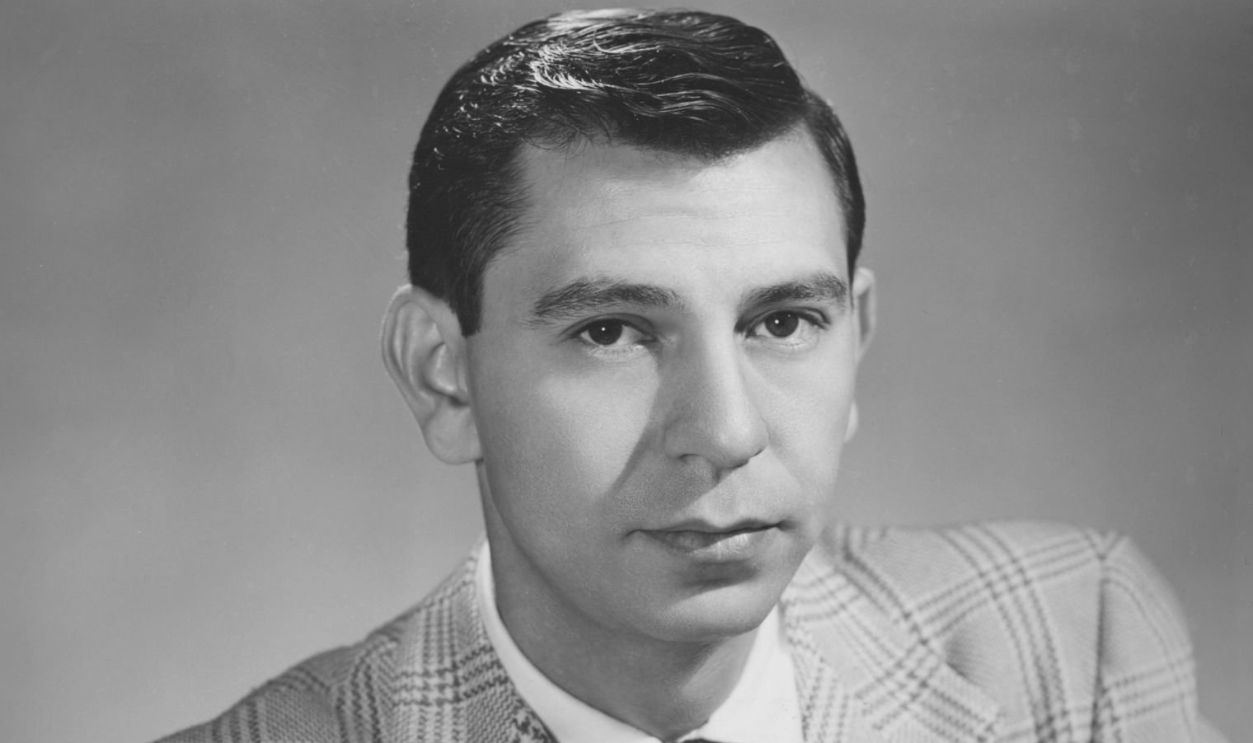
Webb was born in Santa Monica, California, in 1920 and grew up in difficult financial circumstances. He worked in radio after serving in the Army Air Forces during World War II, gradually developing the clipped vocal style that became his trademark. Before Dragnet, he played private detectives in radio programs including Pat Novak, for Hire.
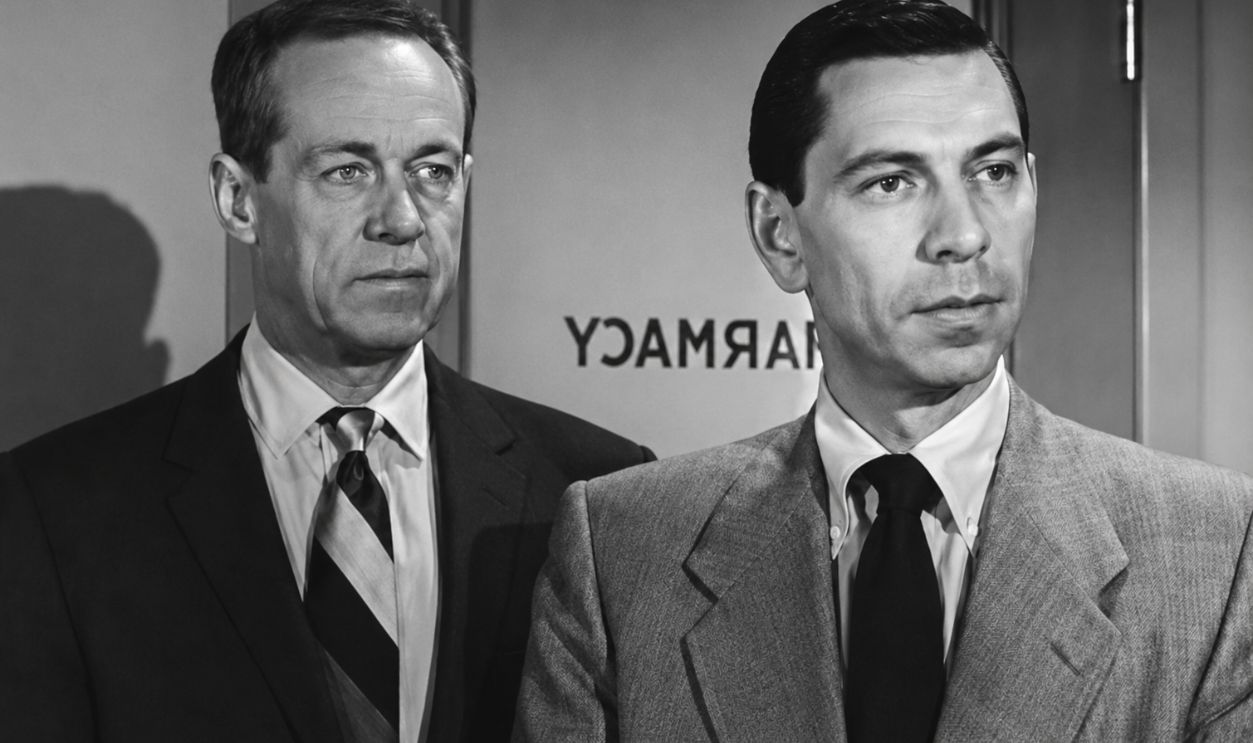 Screenshot from Dragnet, NBC (1949-1957)
A Film Noir Pointed The Way
Webb appeared as a police laboratory technician in the 1948 film He Walked by Night. The picture used a semi-documentary style and followed investigators through a methodical manhunt. Its technical adviser, Los Angeles police officer Marty Wynn, helped Webb see how real investigative procedure might sustain an entire series.
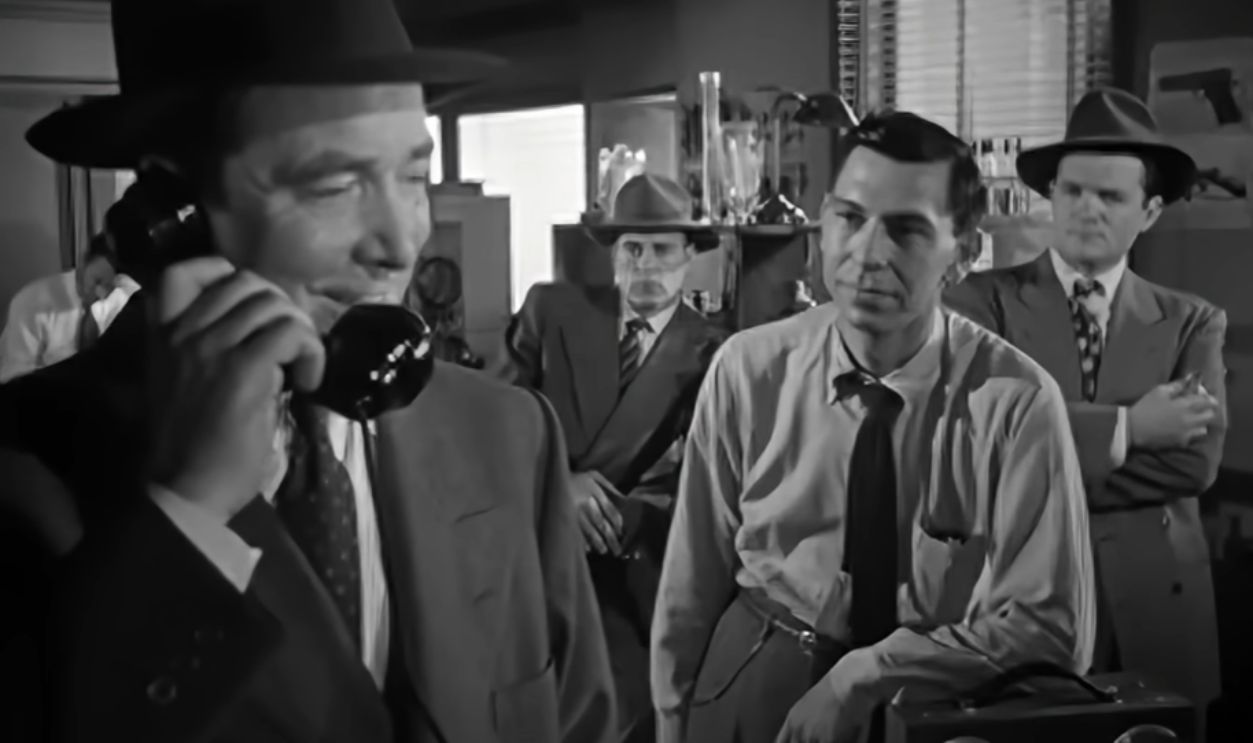 Screenshot from He Walked by Night, Eagle-Lion Films (1948)
Webb Saw Drama In Procedure
Many producers would have treated paperwork and evidence testing as background details. Webb placed those details at the center of the story. He believed viewers would remain interested if police work was presented carefully, clearly, and with the steady accumulation of facts.
Dragnet Began On The Radio
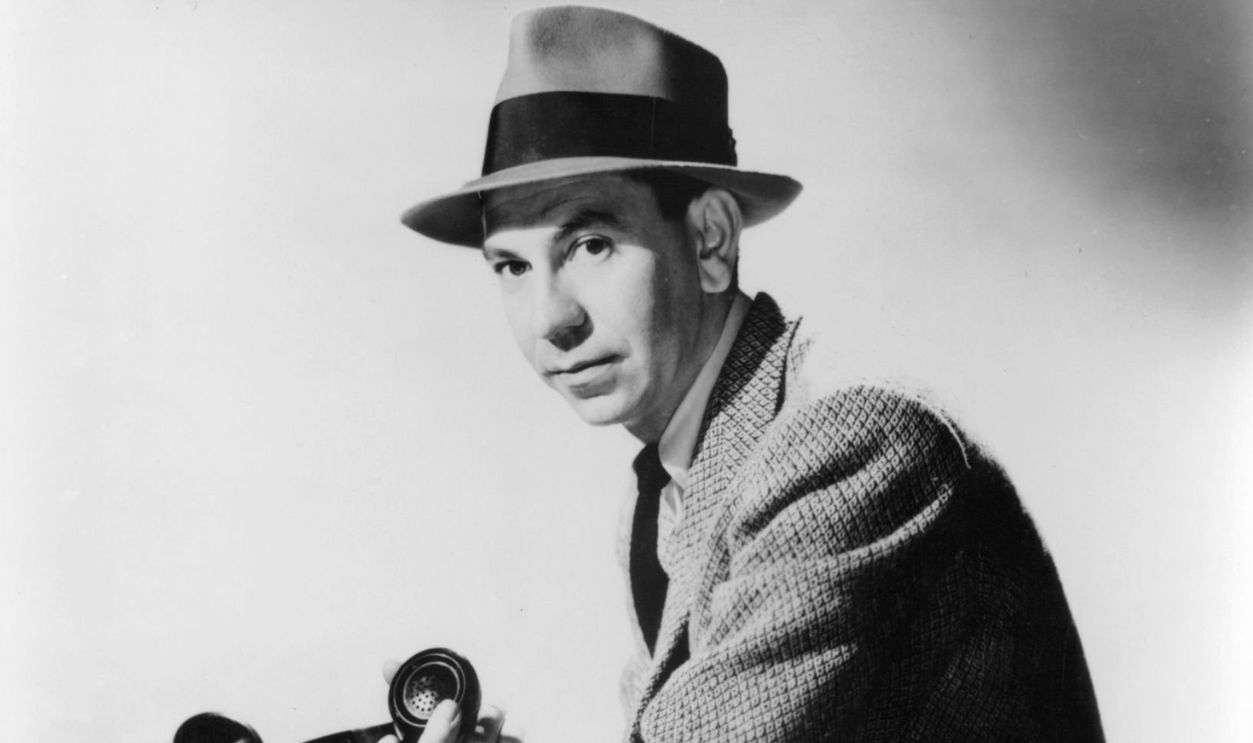
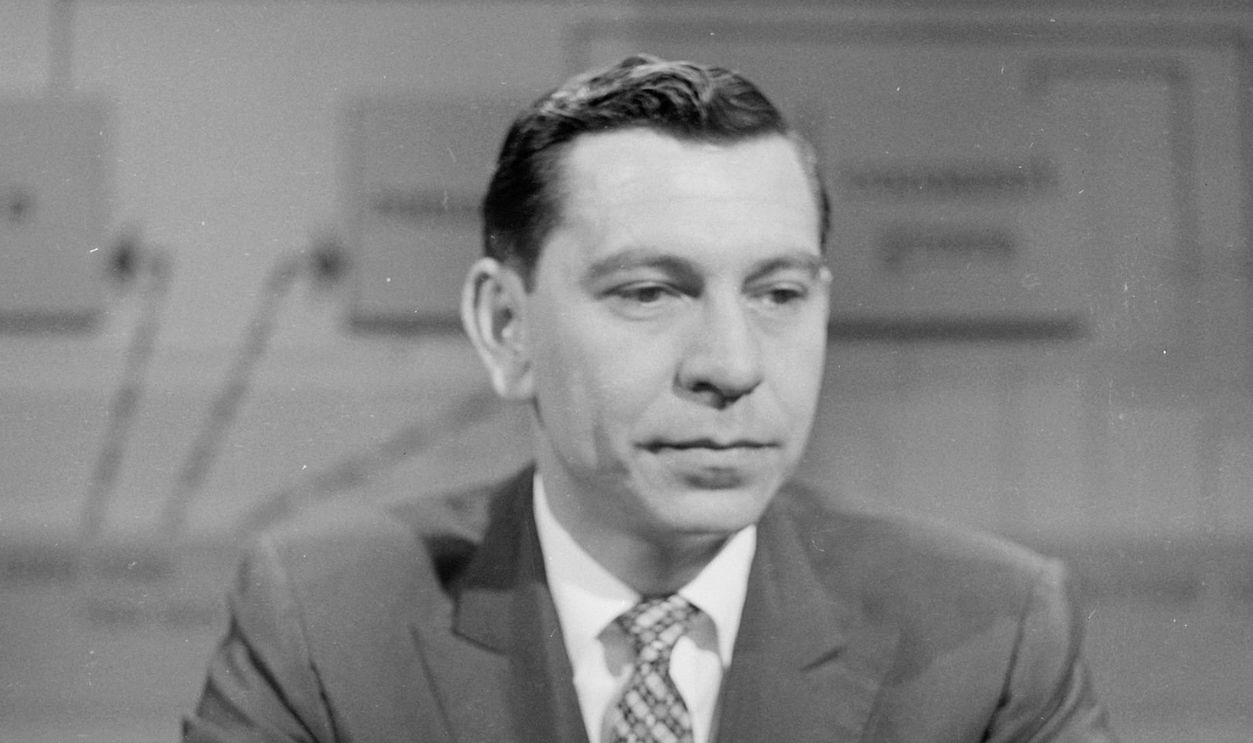
The radio version of Dragnet premiered on NBC in 1949, with Webb playing Sergeant Joe Friday. Barton Yarborough portrayed his original partner, Ben Romero. The program used sound effects, restrained performances, and carefully structured narration to make listeners feel as though they were accompanying officers through Los Angeles.
Every Sound Was Supposed To Matter
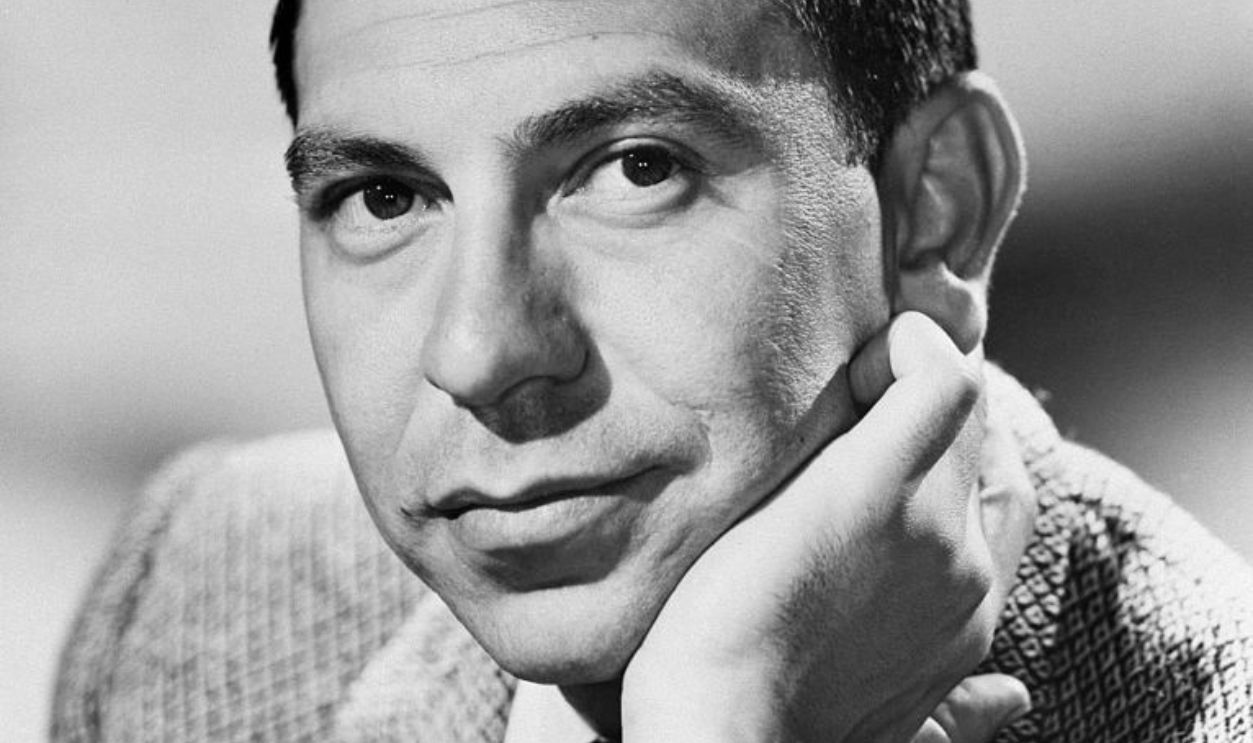
Webb wanted the radio series to capture the texture of ordinary police work. Background noises, footsteps, ringing telephones, and office activity were allowed to remain audible instead of being polished away. He once explained that the production tried to sound as natural as someone pouring a cup of coffee.
 Michael Ochs Archives, Getty Images
The Police Department Opened Its Files
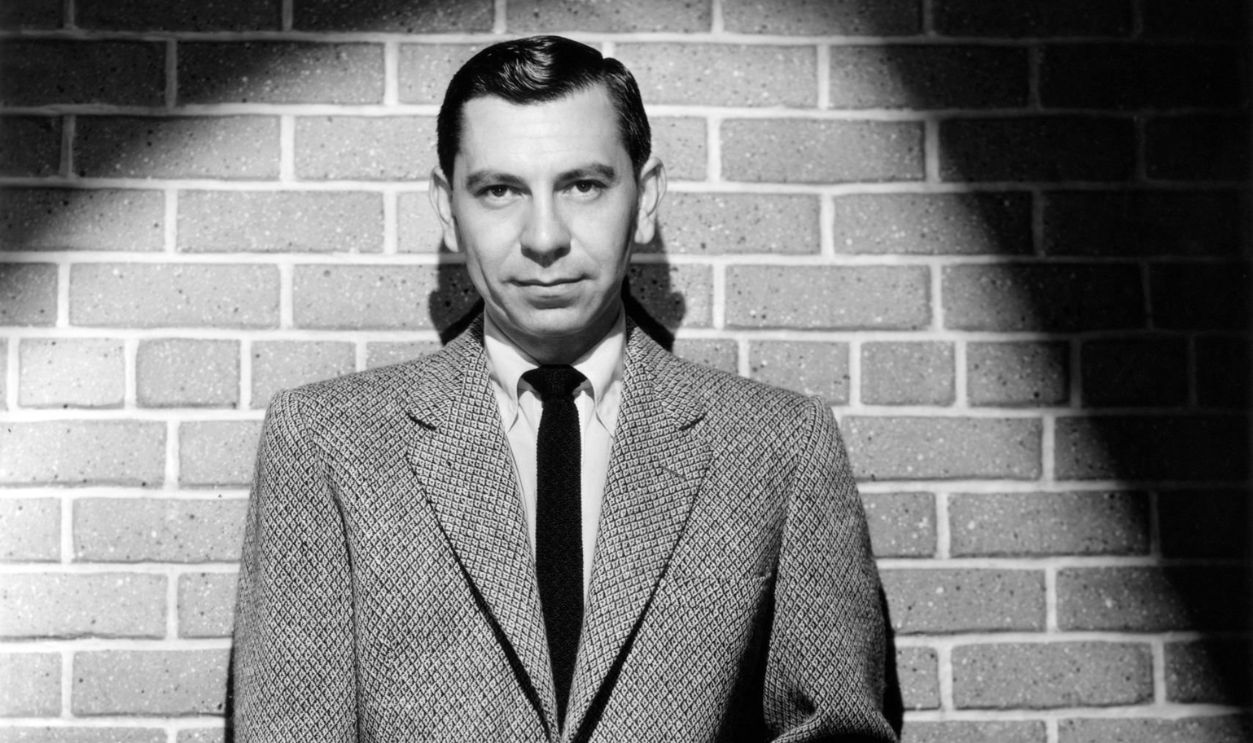
The Los Angeles Police Department cooperated with Webb and provided access to actual cases, technical information, facilities, and advisers. Stories were adapted for broadcasting, with names and identifying details changed to protect the people involved. That access gave Dragnet a level of procedural specificity that most fictional crime programs could not match.
The Familiar Disclaimer Meant Business
Episodes announced that the story was true and that names had been changed to protect the innocent. That statement was not merely an atmospheric flourish because many plots were based on police case material. It encouraged audiences to watch the program almost as though they were seeing a dramatized official record.
 Screenshot from Dragnet, NBC (1951-1959), Enhanced
Joe Friday Was No Action Hero
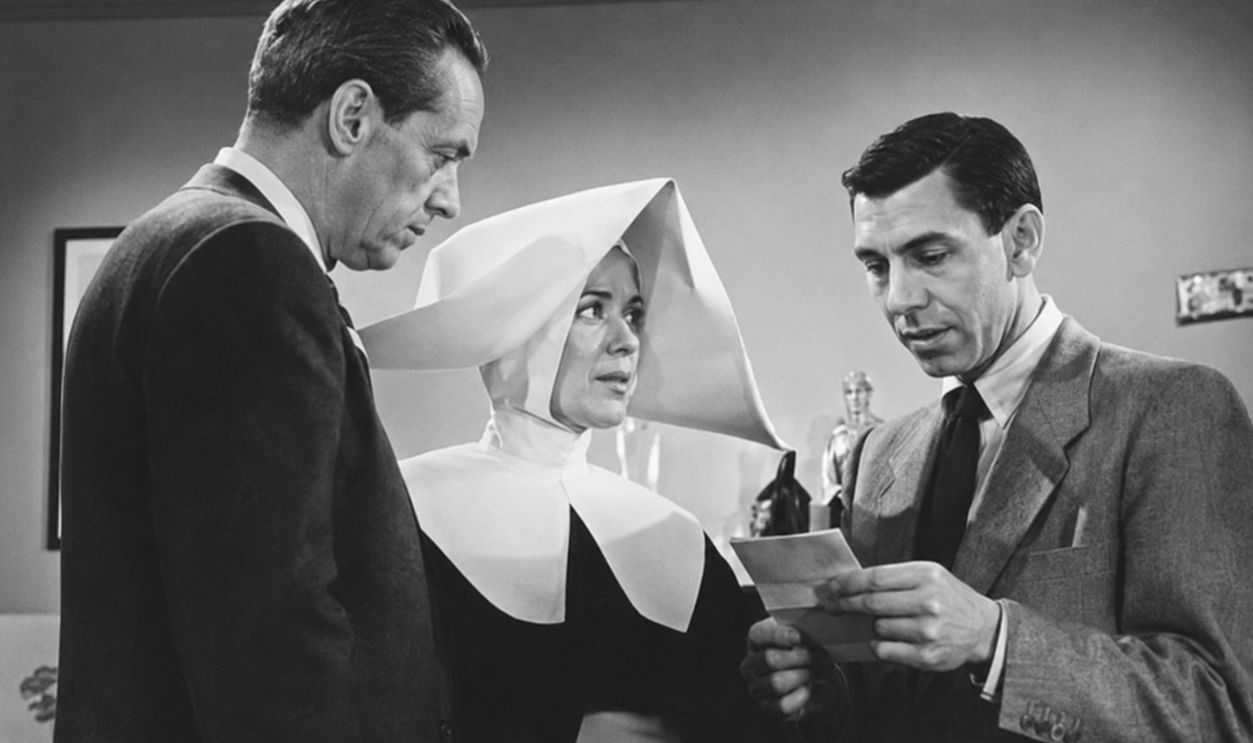
Friday rarely behaved like the impulsive detectives who populated crime fiction. Webb played him as controlled, patient, observant, and almost aggressively professional. The character’s authority came from his command of procedure rather than physical intimidation or personal glamour.
 Screenshot from Dragnet, NBC (1951-1959), Enhanced
“This Is The City” Set The Scene
Webb’s narration regularly introduced Los Angeles with the declaration, “This is the city.” He followed it with precise descriptions of the date, weather, location, or police division involved. The city became more than a backdrop because its streets, institutions, and daily rhythms shaped every investigation.
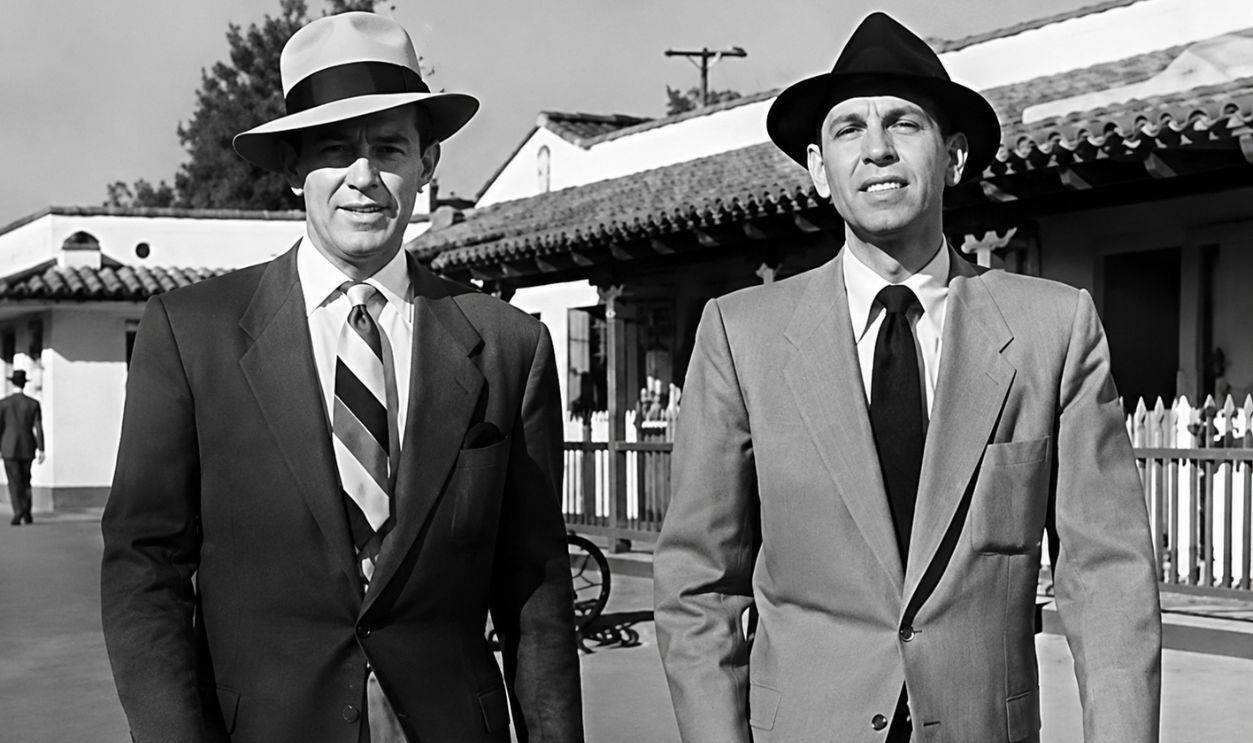 Screenshot from Dragnet, NBC (1951-1959), Enhanced
The Television Experiment Worked
A television version of Dragnet appeared in December 1951 as an installment of Chesterfield Sound Off Time. The episode, commonly known as “The Human Bomb,” placed Friday in a tense situation involving a man threatening to destroy a public building. Its reception helped clear the way for Dragnet to become a regular NBC series in January 1952.
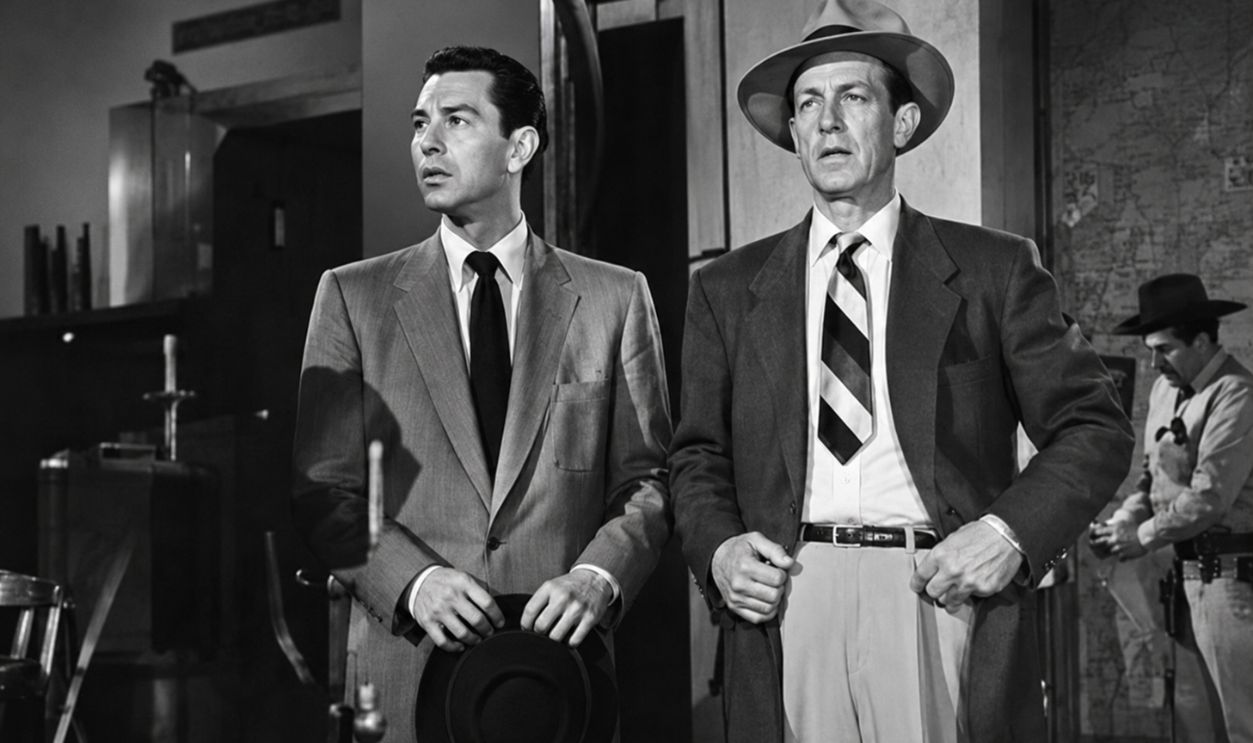 Screenshot from Dragnet, NBC (1951-1959), Enhanced
Filming Changed What Viewers Could See
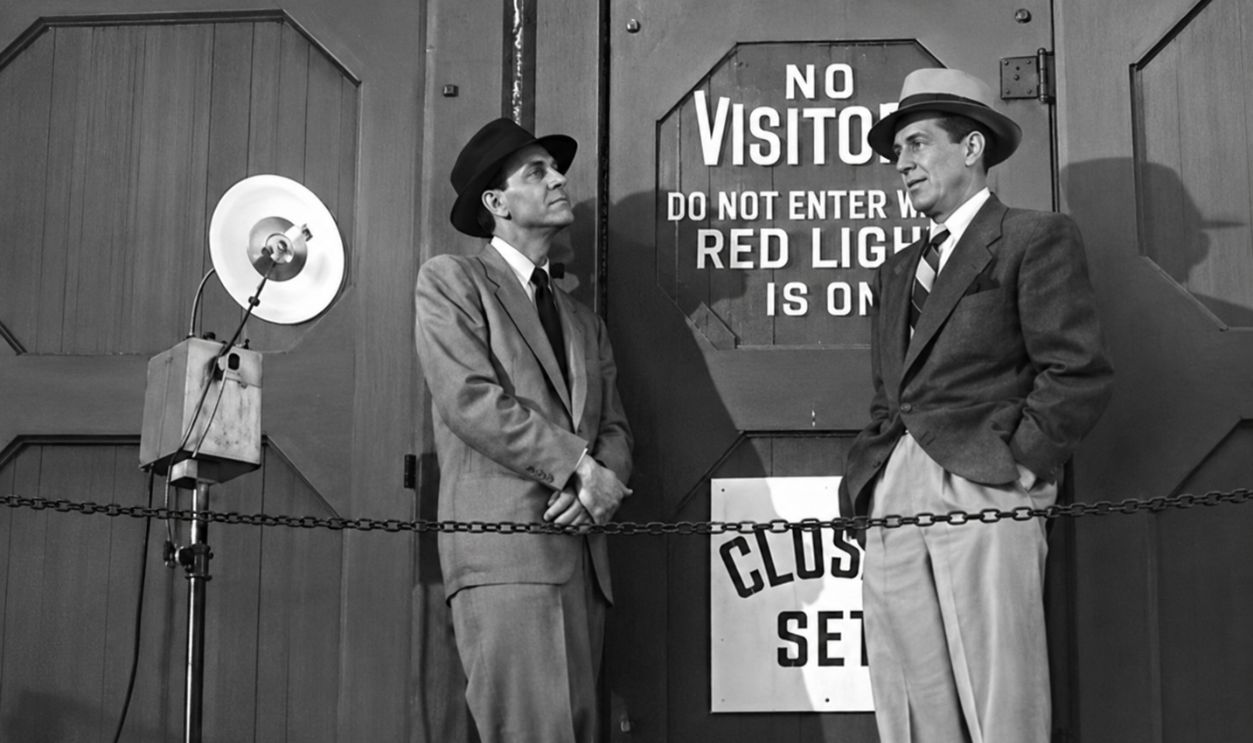
Unlike many early television dramas performed live in enclosed studios, Dragnet was shot on film. That allowed Webb to incorporate exterior footage, recognizable Los Angeles locations, and images of police operations. The resulting world felt larger and more tangible than the stage-bound settings common in early television.
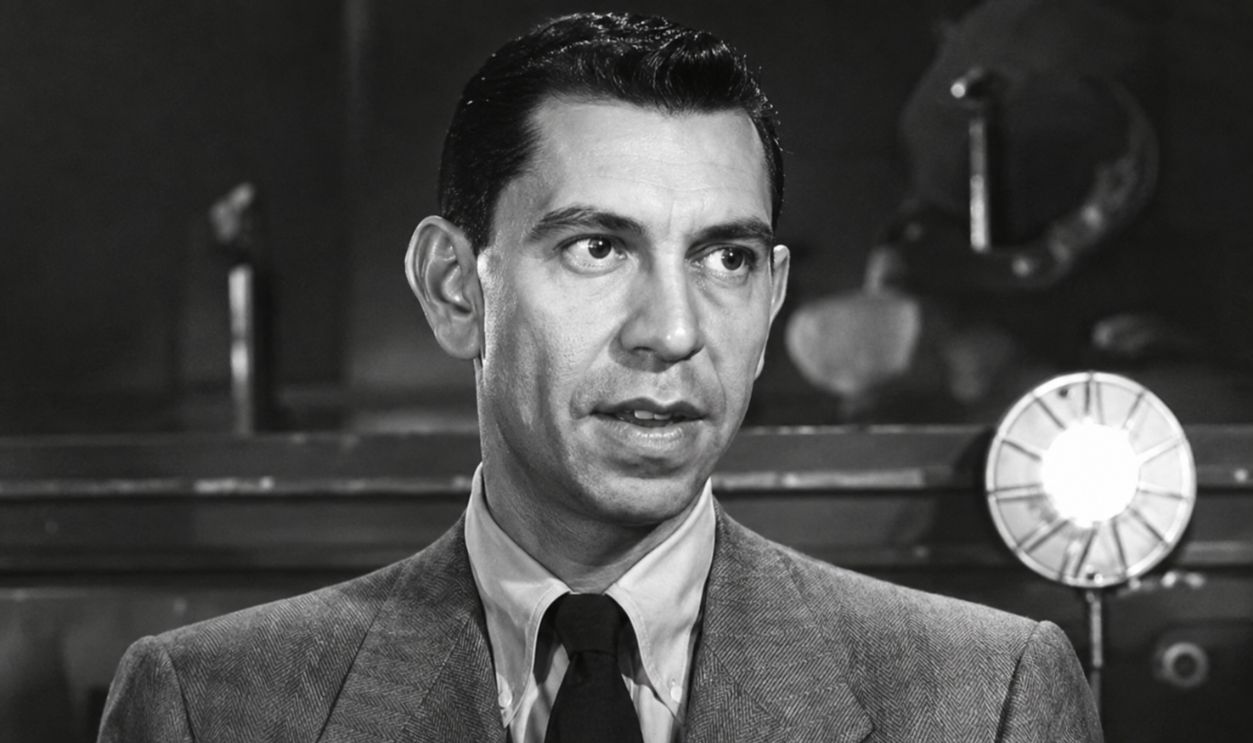 Screenshot from Dragnet, NBC (1951-1959), Enhanced
Webb Controlled Almost Everything
Webb did far more than play Joe Friday. He created, produced, directed, and frequently wrote for the franchise, giving the series an unusually consistent tone. Photographs preserved by the Library of Congress show him reviewing scripts and directing while also preparing for his own scenes.
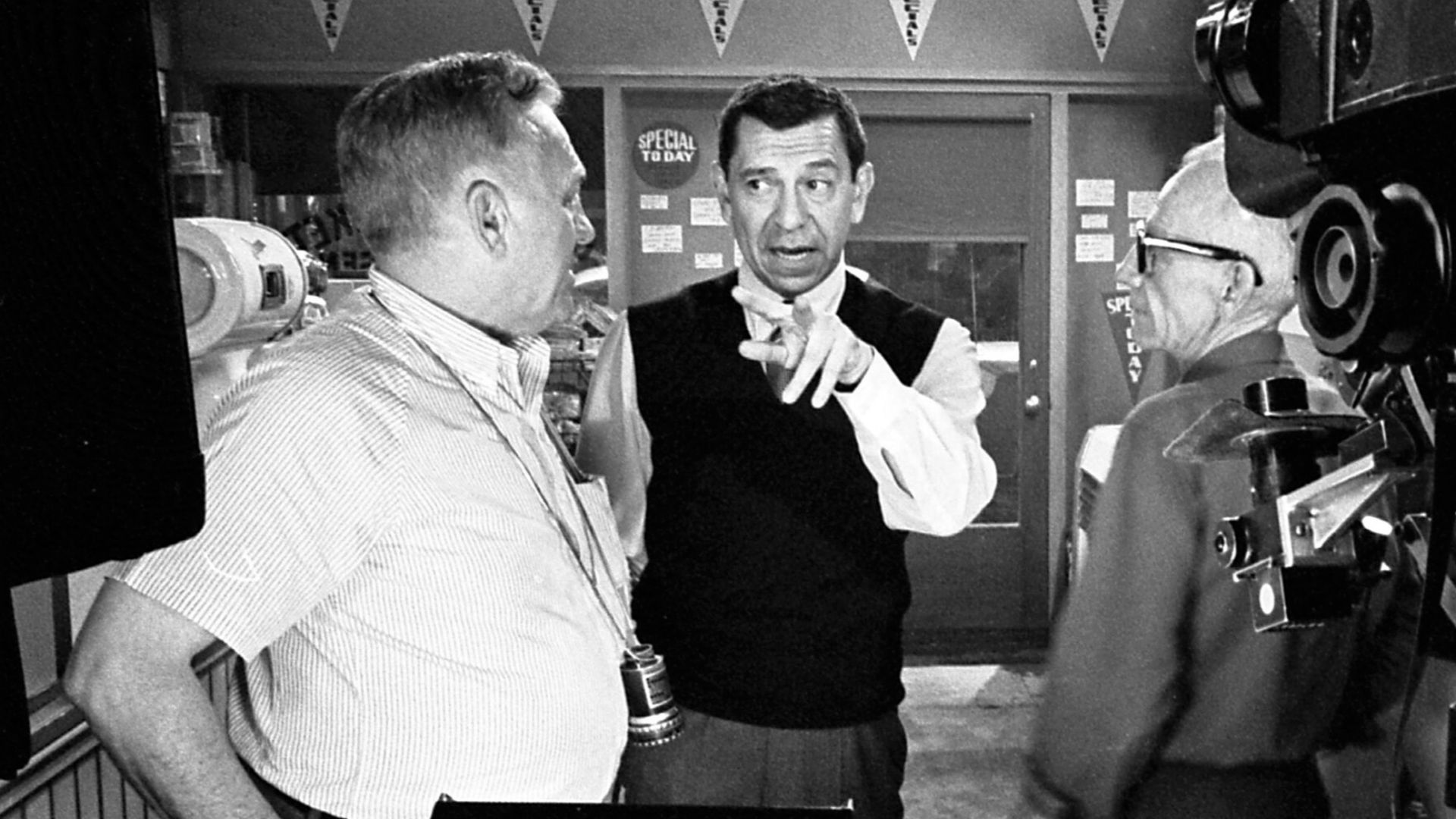 Nelson Tiffany, Los Angeles Times, Wikimedia Commons
Efficiency Became Part Of The Style
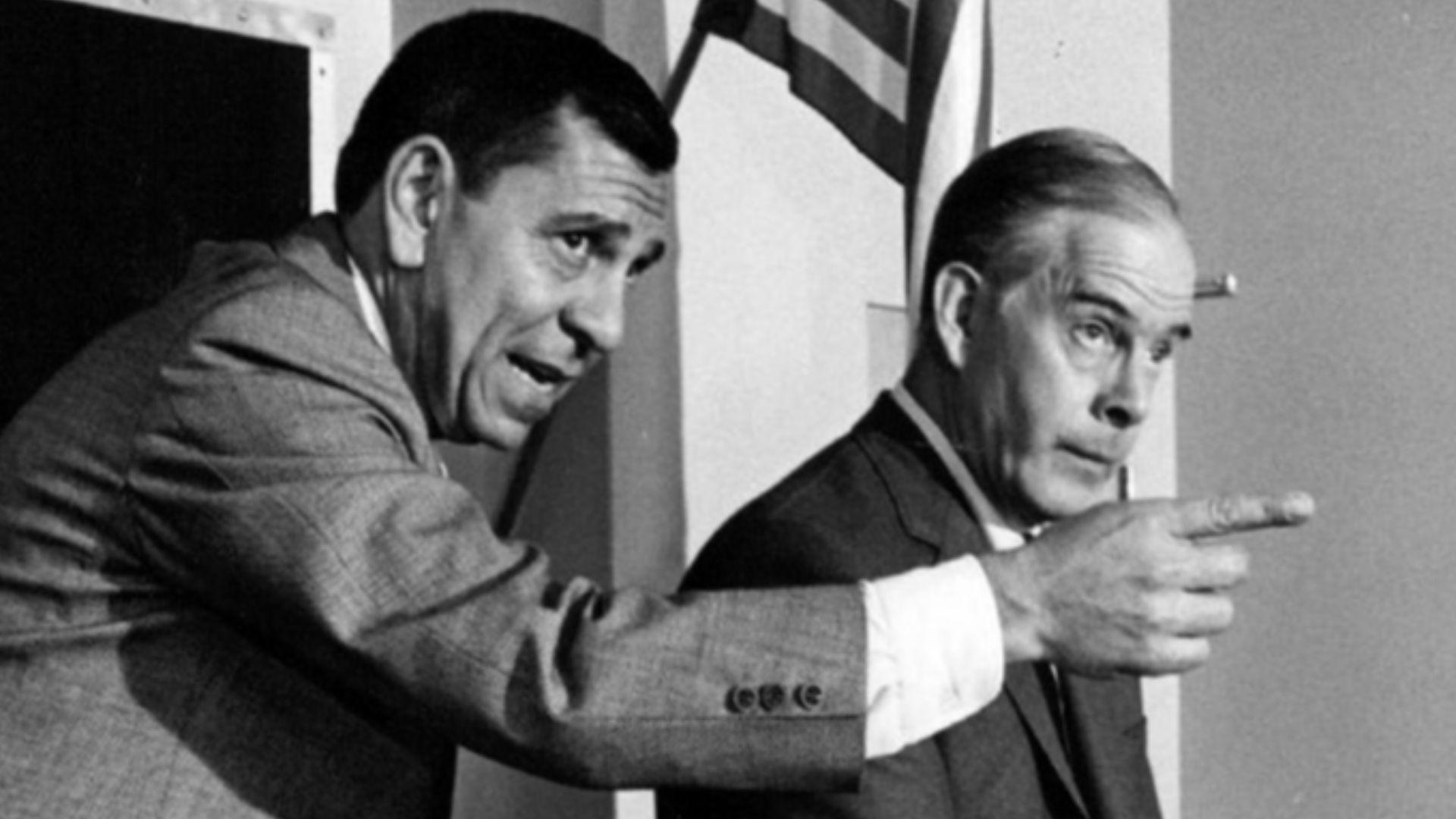
Webb entered production knowing exactly how he wanted scenes to look and sound. Harry Morgan later remembered that episodes could sometimes be completed in only one or two shooting days. That speed was possible partly because the staging was economical and Webb avoided filming coverage he did not expect to use.
 NBC Television, Wikimedia Commons
The Dialogue Had Its Own Rhythm
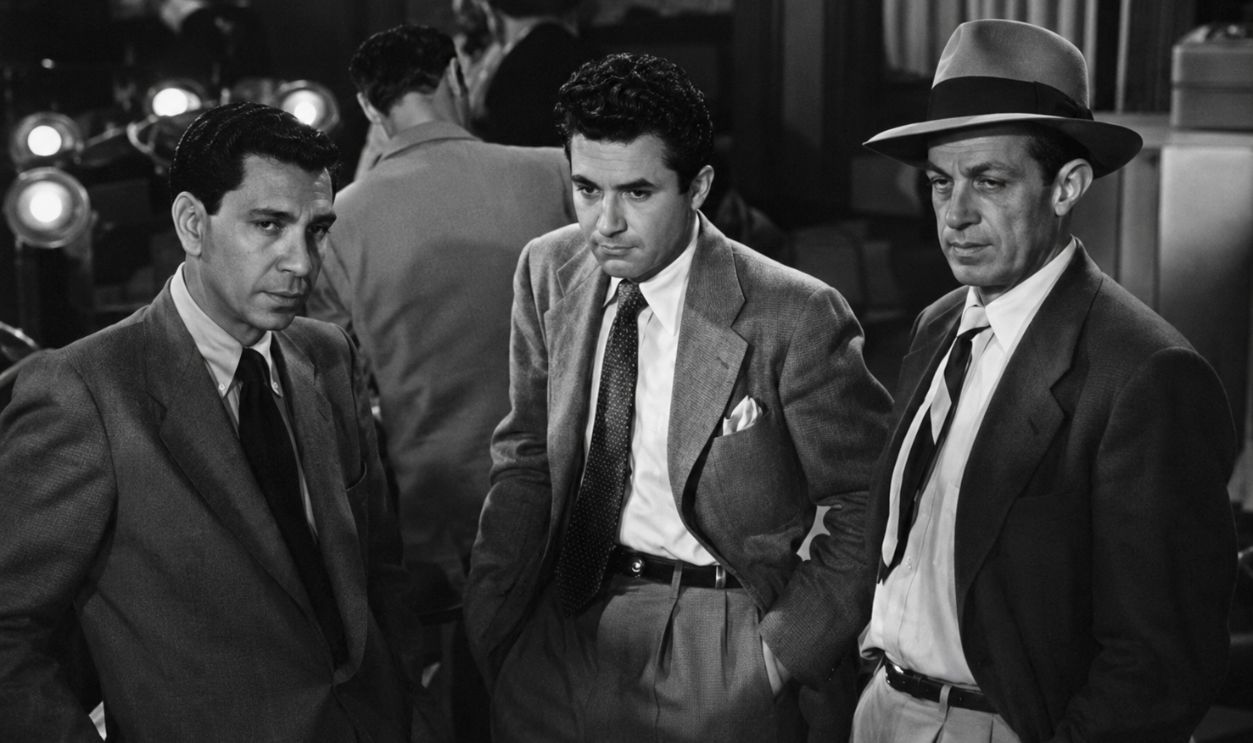
Characters spoke in short, direct exchanges that made every question sound purposeful. Actors sometimes relied on TelePrompTers, contributing to the measured and slightly impersonal delivery associated with the program. What might have seemed stiff elsewhere became an essential part of Dragnet’s documentary atmosphere.
 Screenshot from Dragnet, NBC (1951-1959), Enhanced
The Work Was Often Deliberately Mundane
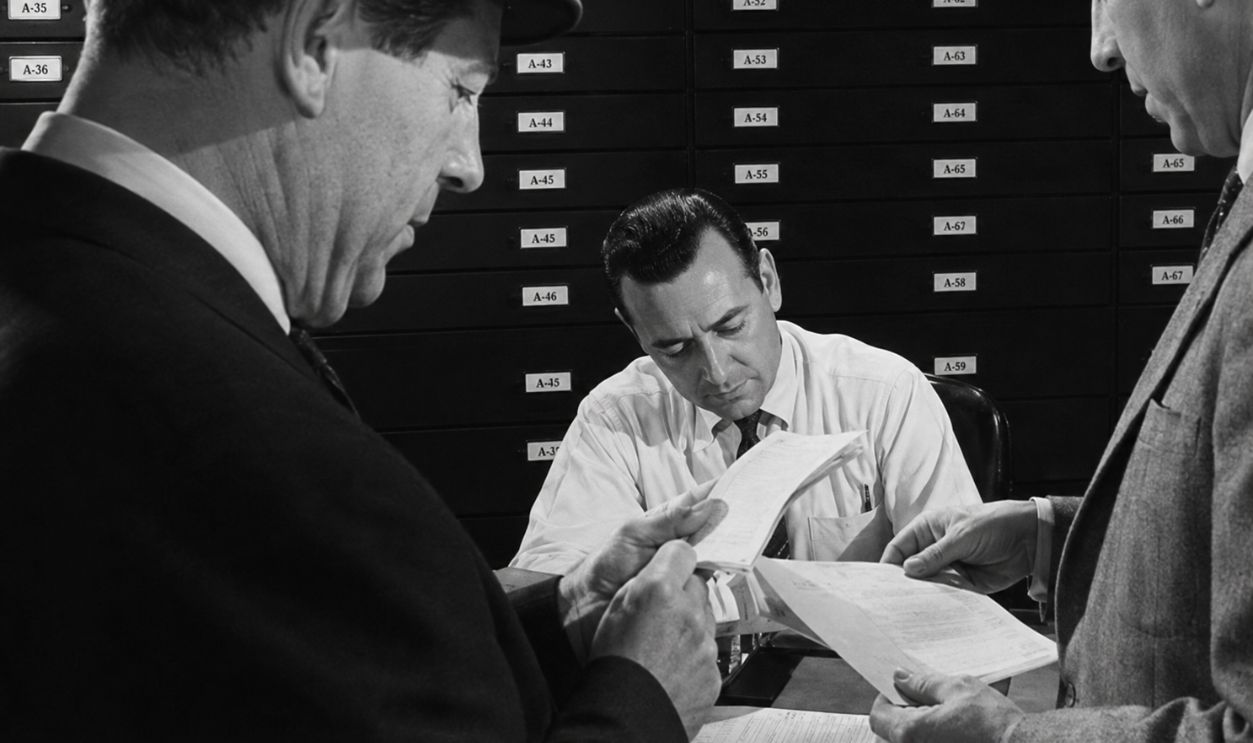
Friday and his partners spent time interviewing witnesses, making calls, checking records, waiting for information, and pursuing leads that went nowhere. Webb refused to pretend that every hour of police work involved a chase. By presenting repetition and frustration, he made a successful investigation feel earned.
 Screenshot from Dragnet, NBC (1951-1959), Enhanced
Frank Smith Made Friday More Human
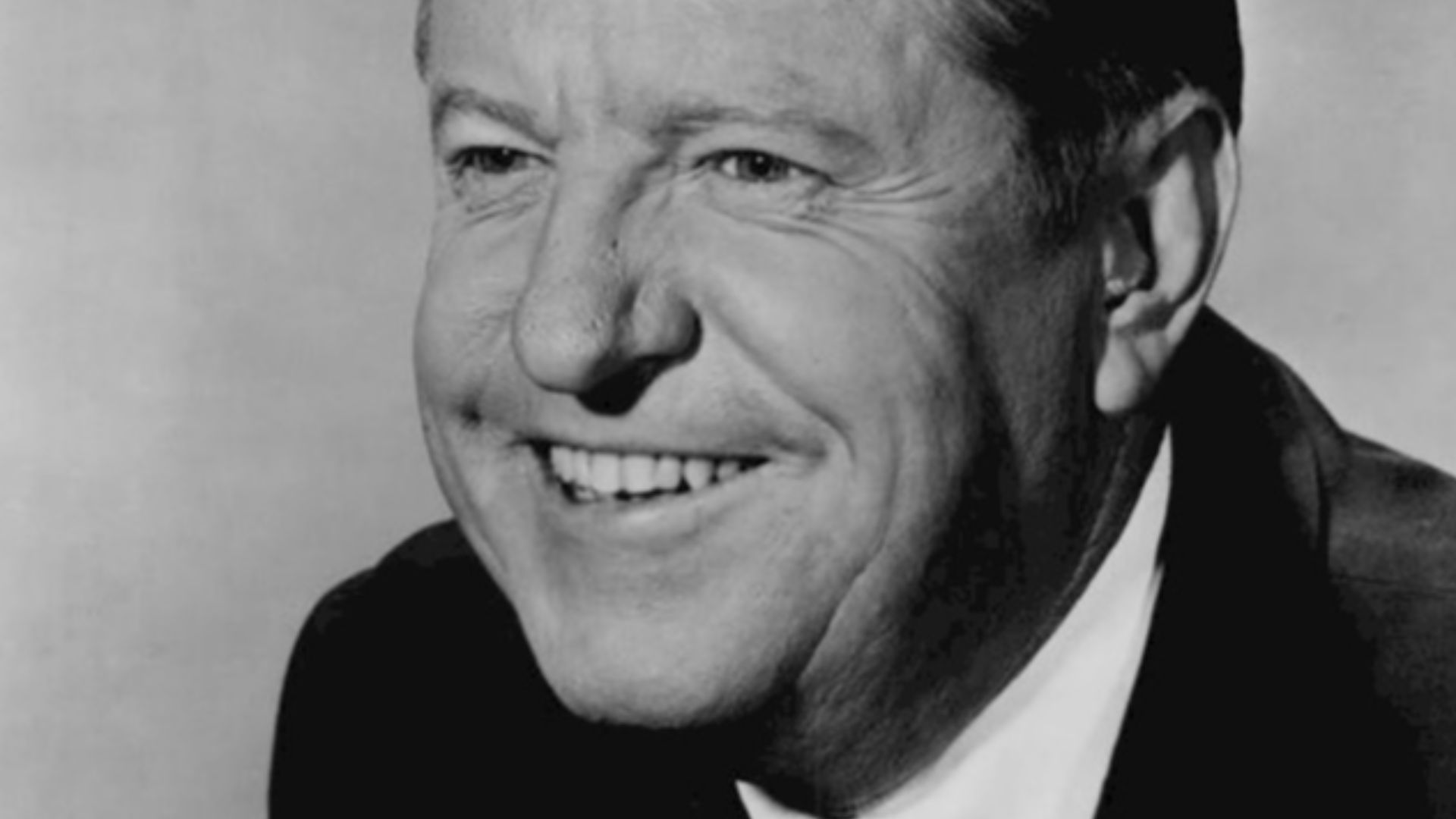
Ben Alexander became Friday’s best-known partner during the original television run, playing Officer Frank Smith. Smith was warmer, more conversational, and more willing to discuss domestic life than Friday. Their contrasting personalities prevented the show’s restraint from becoming completely mechanical.
 ABC Television, Wikimedia Commons
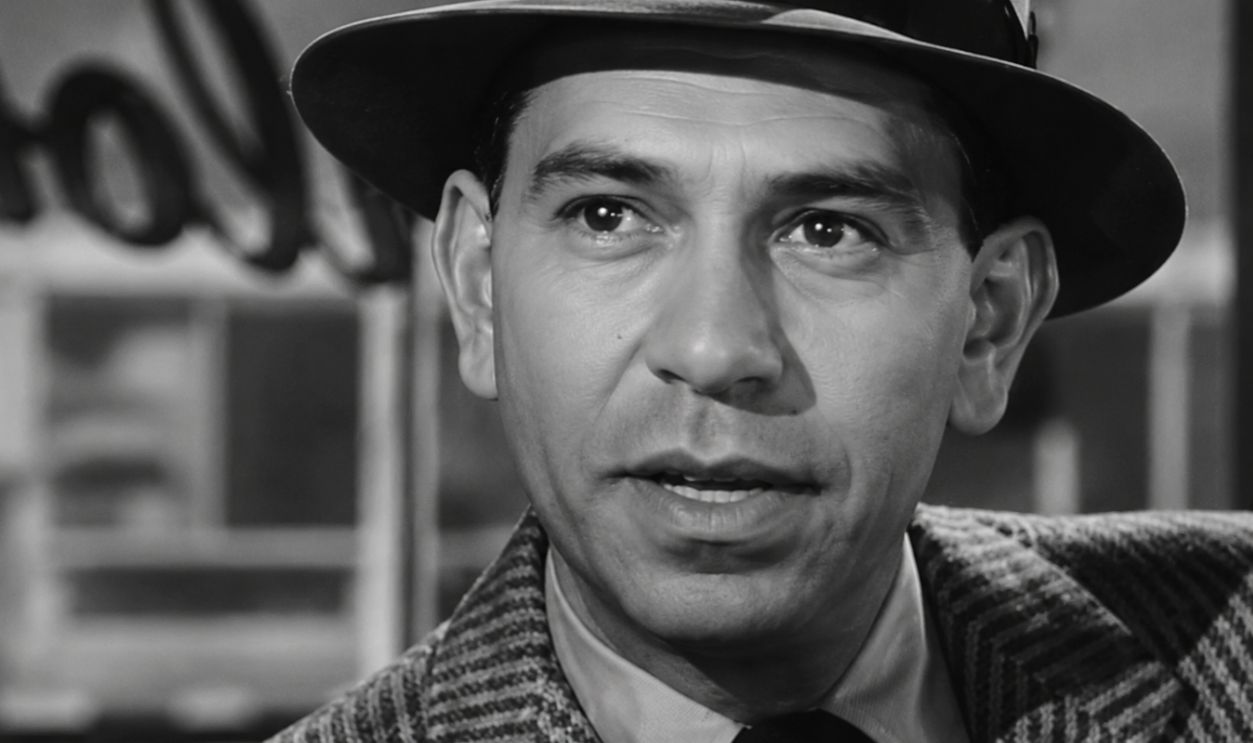
Violence Was Used Sparingly
Webb did not believe that a crime series required a weekly barrage of gunfire. He later recalled that Dragnet could go for long periods without showing anyone suffer even a minor injury. By limiting violence, the program made its occasional dangerous confrontations more unsettling.
 Screenshot from Dragnet, NBC (1951-1959), Enhanced
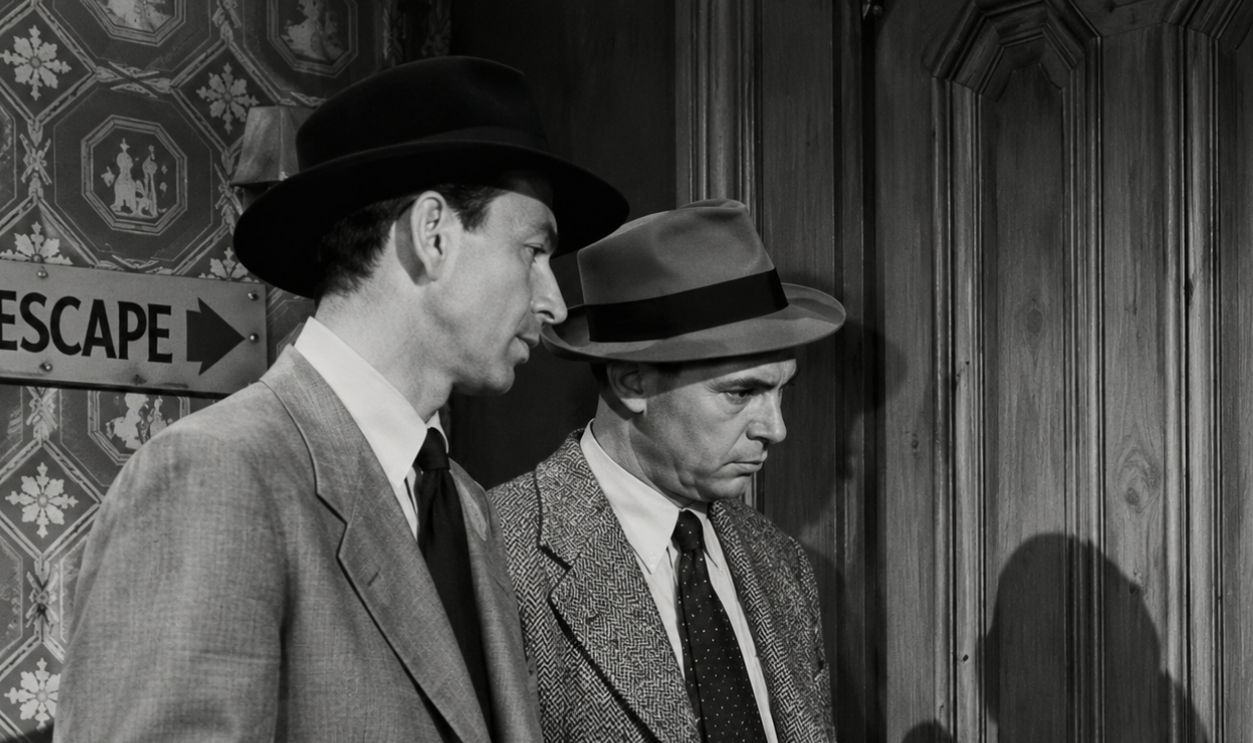
The Criminal’s Fate Was Part Of The Story
Episodes usually continued beyond the arrest to explain what happened in court. An epilogue identified the charge, trial result, or sentence imposed on the offender. This closing device reinforced the sense that viewers had followed a complete case rather than an isolated television adventure.
 Screenshot from Dragnet, NBC (1951-1959), Enhanced
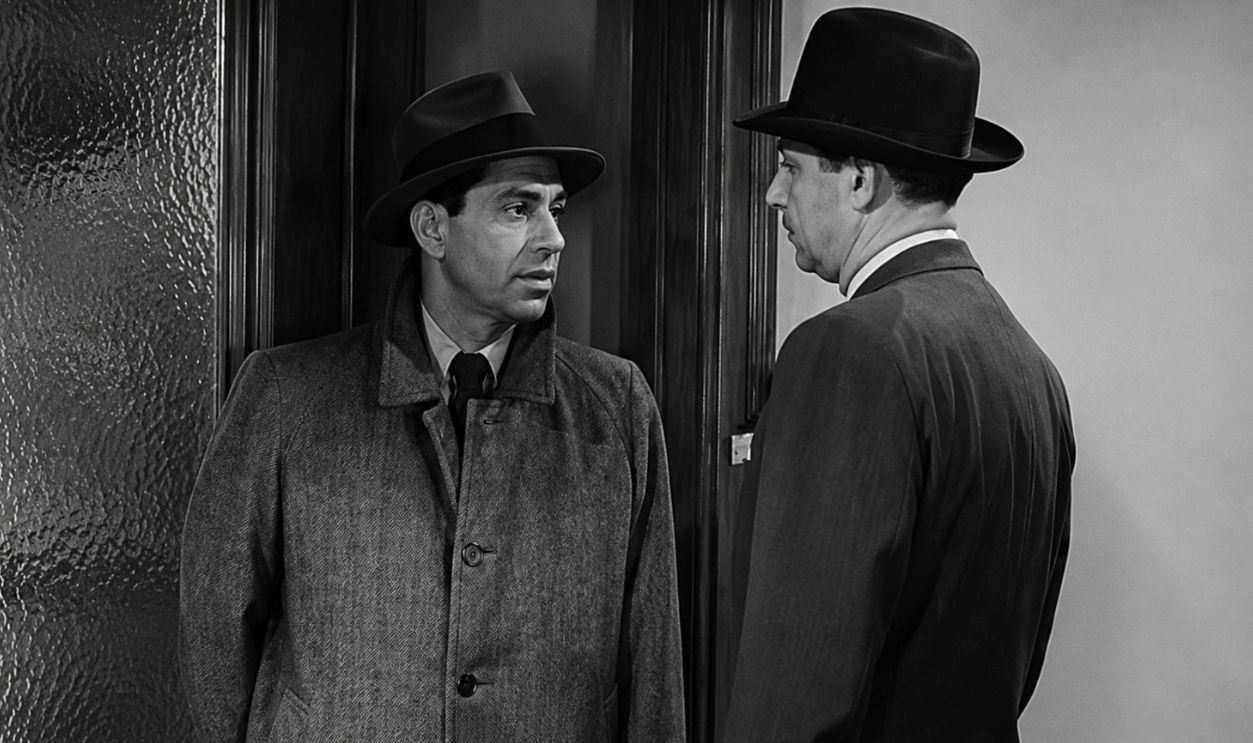
America Could Not Get Enough
The television series became one of the defining hits of the 1950s. Its popularity turned Webb’s impassive face, flat delivery, and badge-carrying introduction into instantly recognizable pieces of American culture. It also demonstrated that a police drama could succeed by emphasizing process rather than spectacle.
 Screenshot from Dragnet, NBC (1951-1959), Enhanced
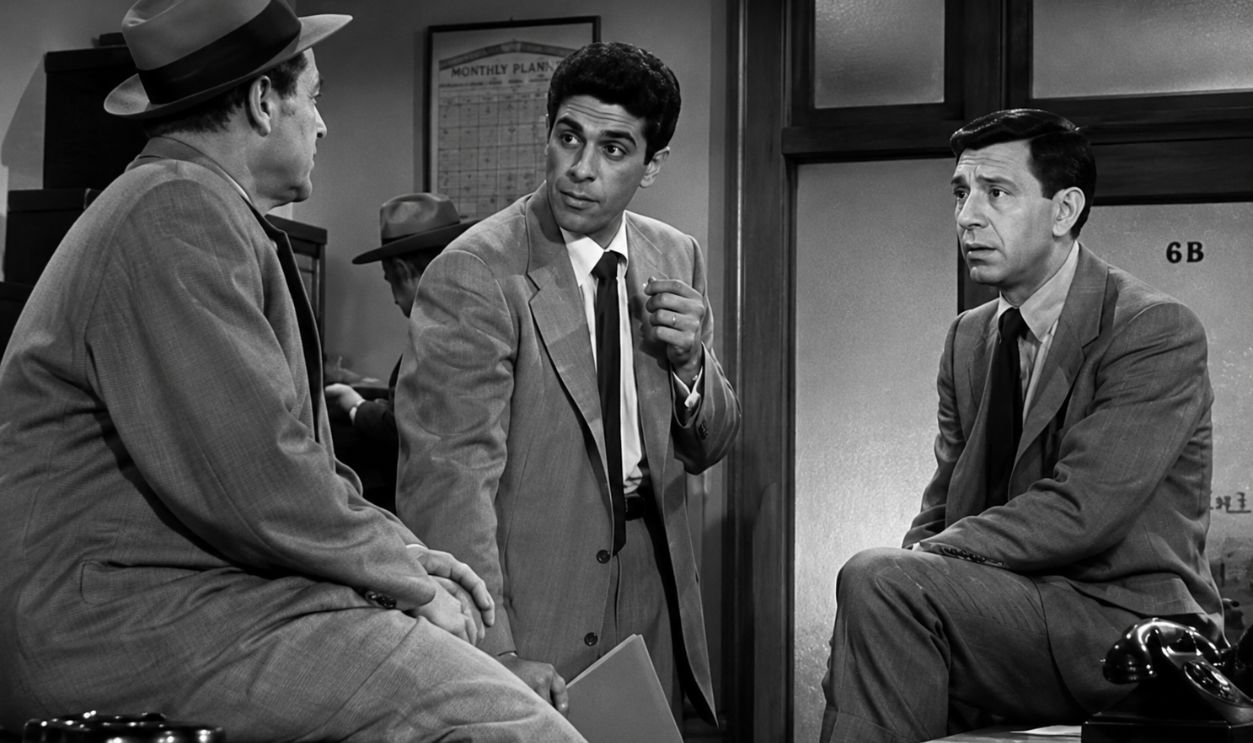
Even The Supposed Catchphrase Took On A Life Of Its Own
“Just the facts, ma’am” became inseparable from popular impressions of Joe Friday. The exact wording was reinforced through comedy routines, impressions, and parodies rather than serving as a rigid weekly slogan. Its survival shows how completely audiences absorbed Friday’s impatient demand for relevant information.
 Screenshot from Dragnet, NBC (1951-1959), Enhanced
Hollywood Gave Dragnet A Bigger Canvas
Webb directed and starred in a feature-film version of Dragnet released in 1954. Ben Alexander returned as Frank Smith, while Richard Boone played a police captain. The film extended the franchise without abandoning its emphasis on official procedure and a carefully assembled case.
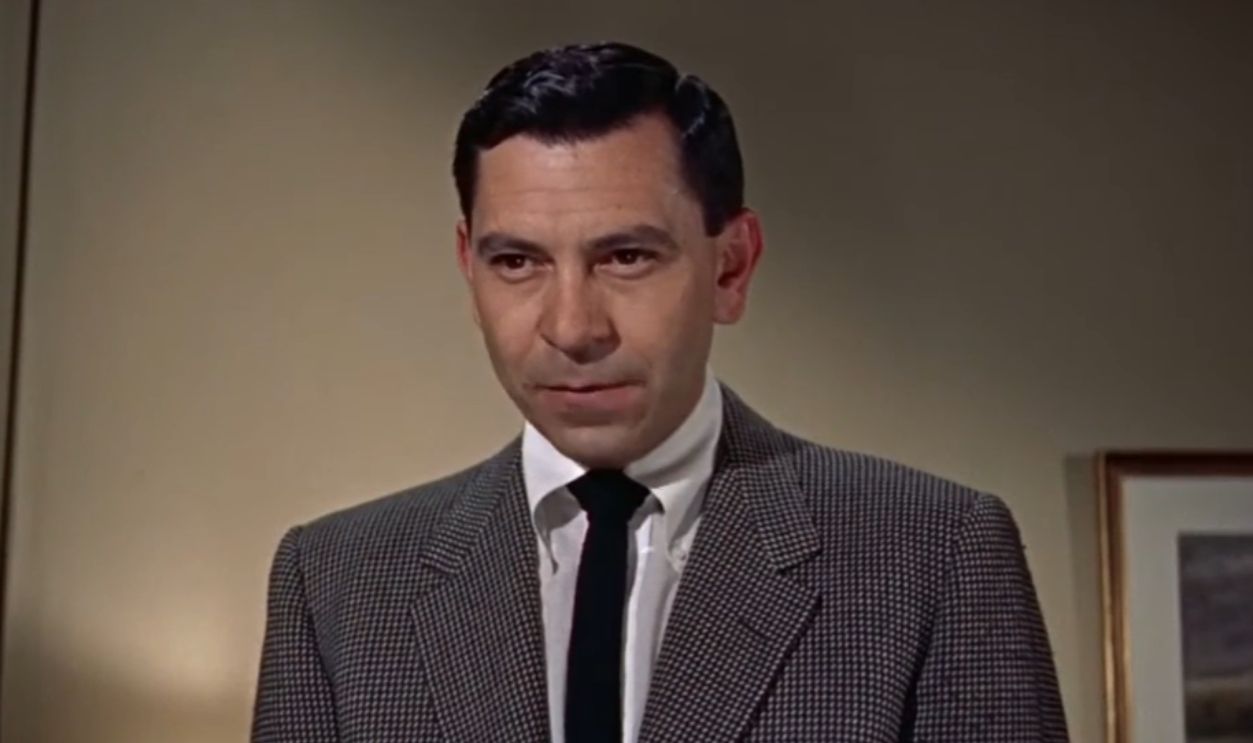 Screenshot from Dragnet, Warner Bros. Pictures (1954)
The First Run Finally Ended
The original television series concluded in 1959 after producing hundreds of episodes. By then, its dialogue, music, narration, and visual methods had been imitated and parodied throughout popular culture. Webb moved into other acting and directing projects, but Joe Friday remained the role audiences associated with him.
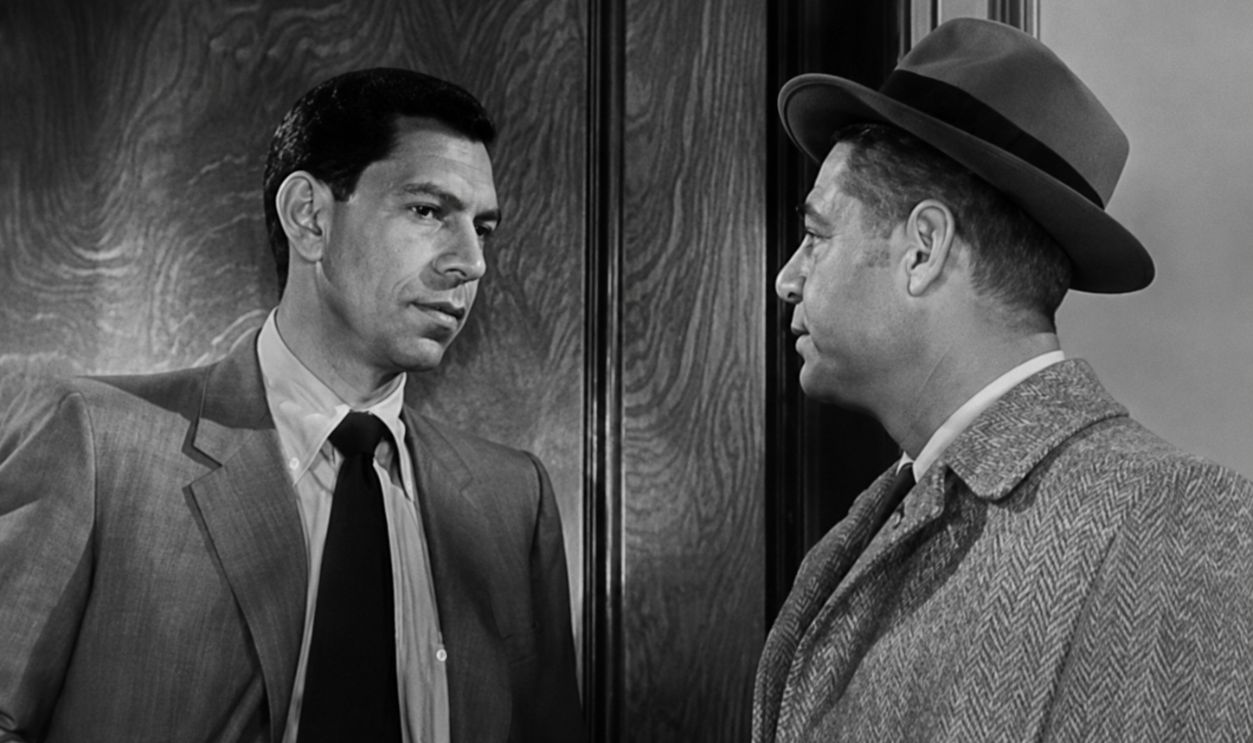 Screenshot from Dragnet, NBC (1951-1959)
Friday Returned In Color
Webb revived Dragnet in 1967 after producing a new television movie that reintroduced the format. The revived series paired Friday with Officer Bill Gannon, played by Harry Morgan. Color photography changed the appearance, but the precise narration and procedural storytelling remained familiar.
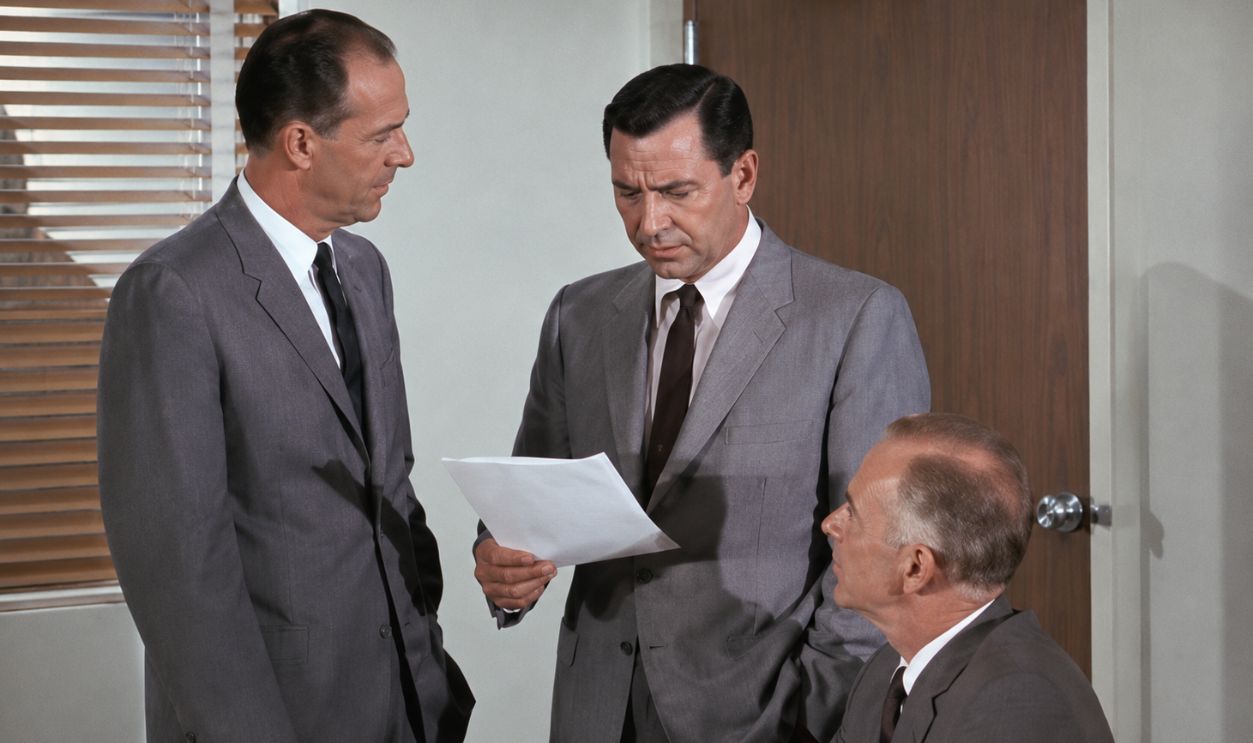 Screenshot from Dragnet, Universal Television (1967-1970)
Harry Morgan Found The Man Behind Friday
Morgan remembered Webb as far warmer and more sociable than his stern television persona suggested. Behind the scenes, Webb could be generous, affectionate, and convivial with colleagues. The contrast helped explain why the distant Joe Friday should not be mistaken for a complete portrait of the actor playing him.
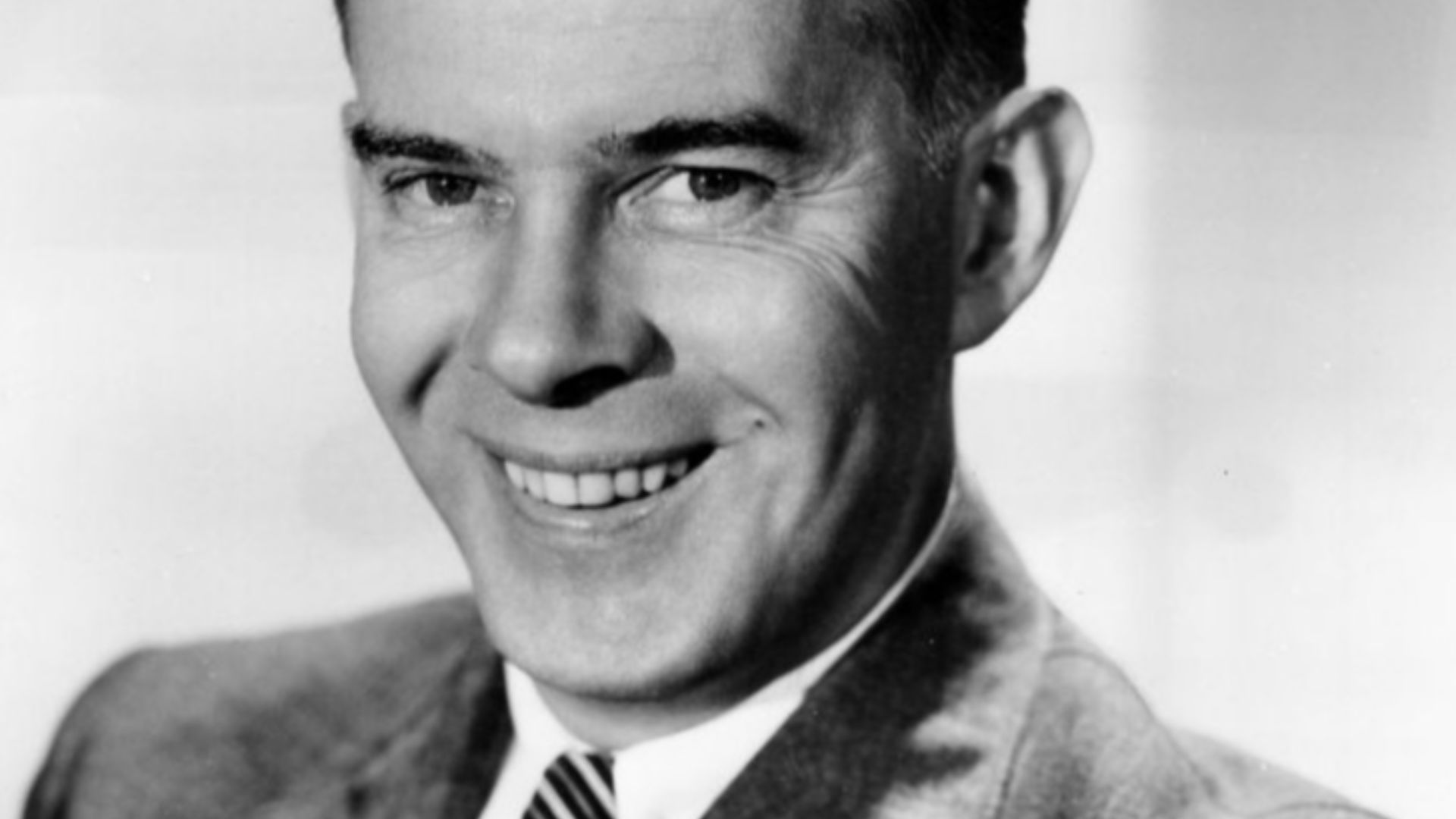 General Public Relations, Wikimedia Commons
The Revival Reflected A Changing America
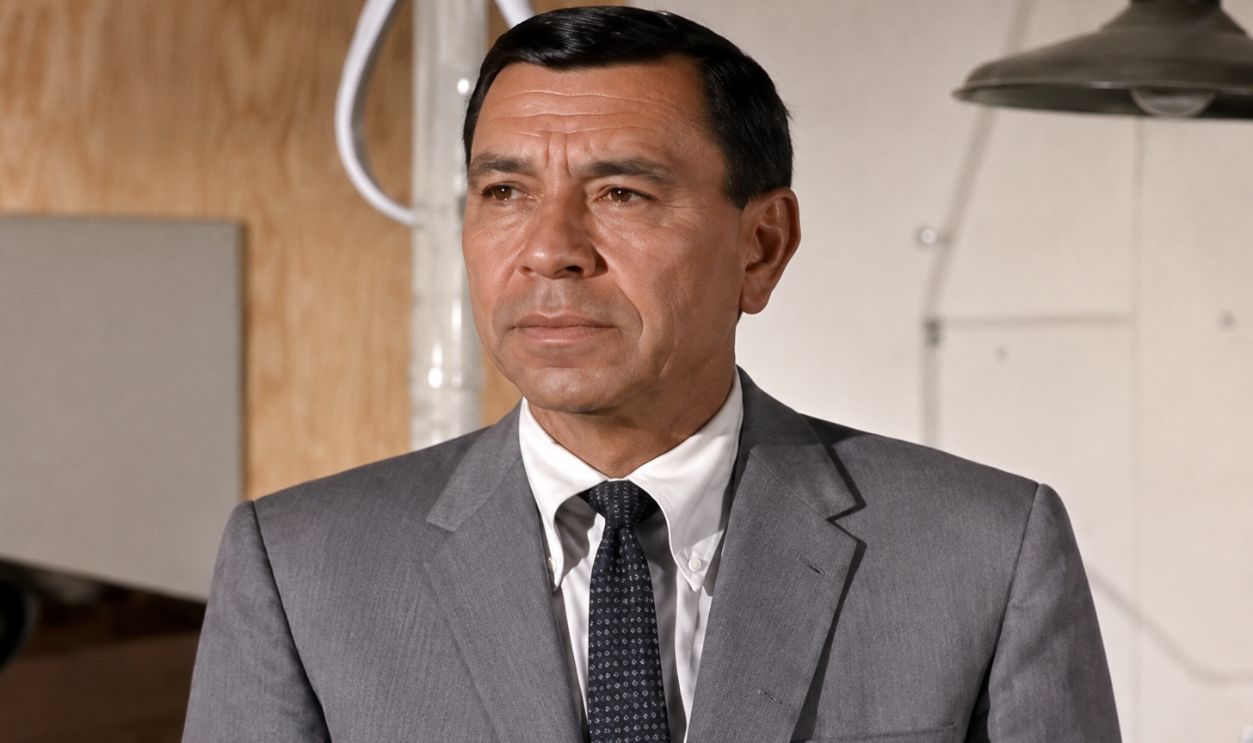
The later episodes addressed subjects including drug use, juvenile crime, protests, and shifting social attitudes. Friday frequently represented institutional order while younger characters questioned authority and convention. That approach kept the series topical, although some of its lectures and sharply drawn moral positions later became frequent targets of parody.
 Screenshot from Dragnet, Universal Television (1967-1970)
Its Realism Had Important Limits
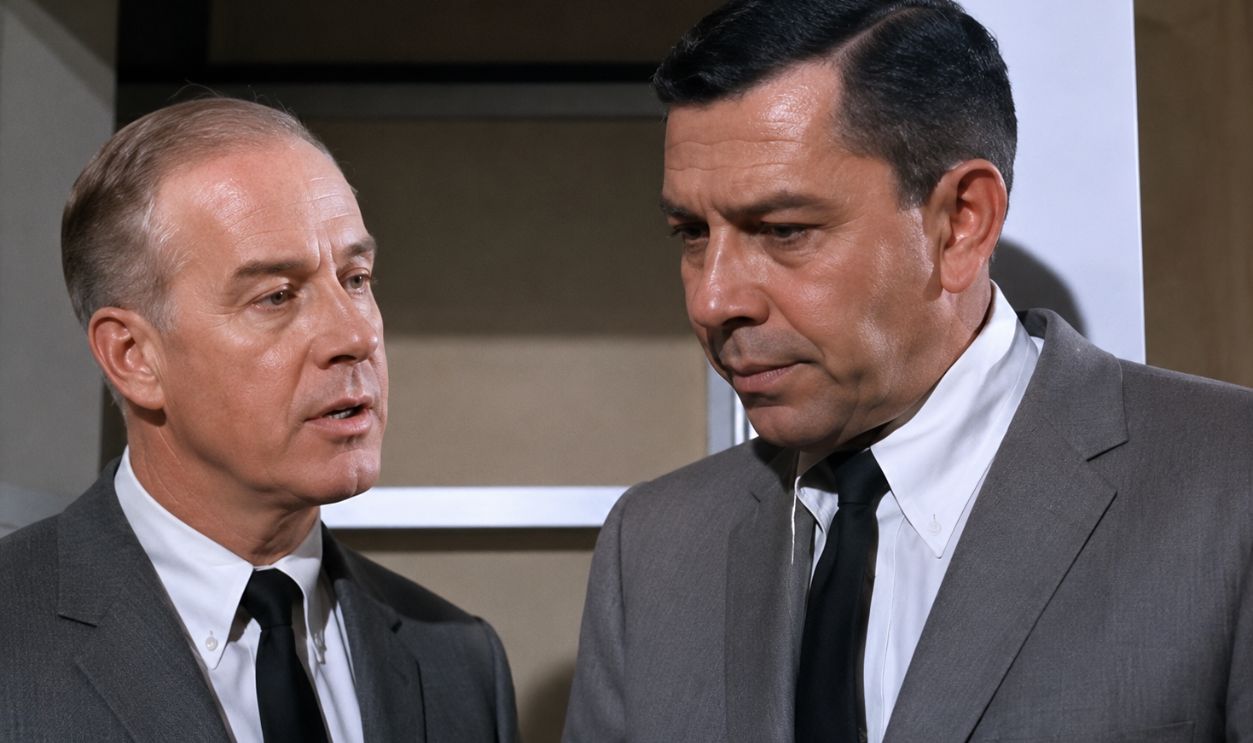
Dragnet presented police procedure with extraordinary technical detail, but its relationship with the LAPD influenced what audiences saw. Officers were generally portrayed as competent, restrained, and justified, while misconduct and institutional failings received far less attention. Later police writers such as former LAPD detective Joseph Wambaugh explored moral ambiguity and psychological damage that Webb’s programs usually left outside the frame.
 Screenshot from Dragnet, Universal Television (1967-1970)
Webb Expanded His Television Beat
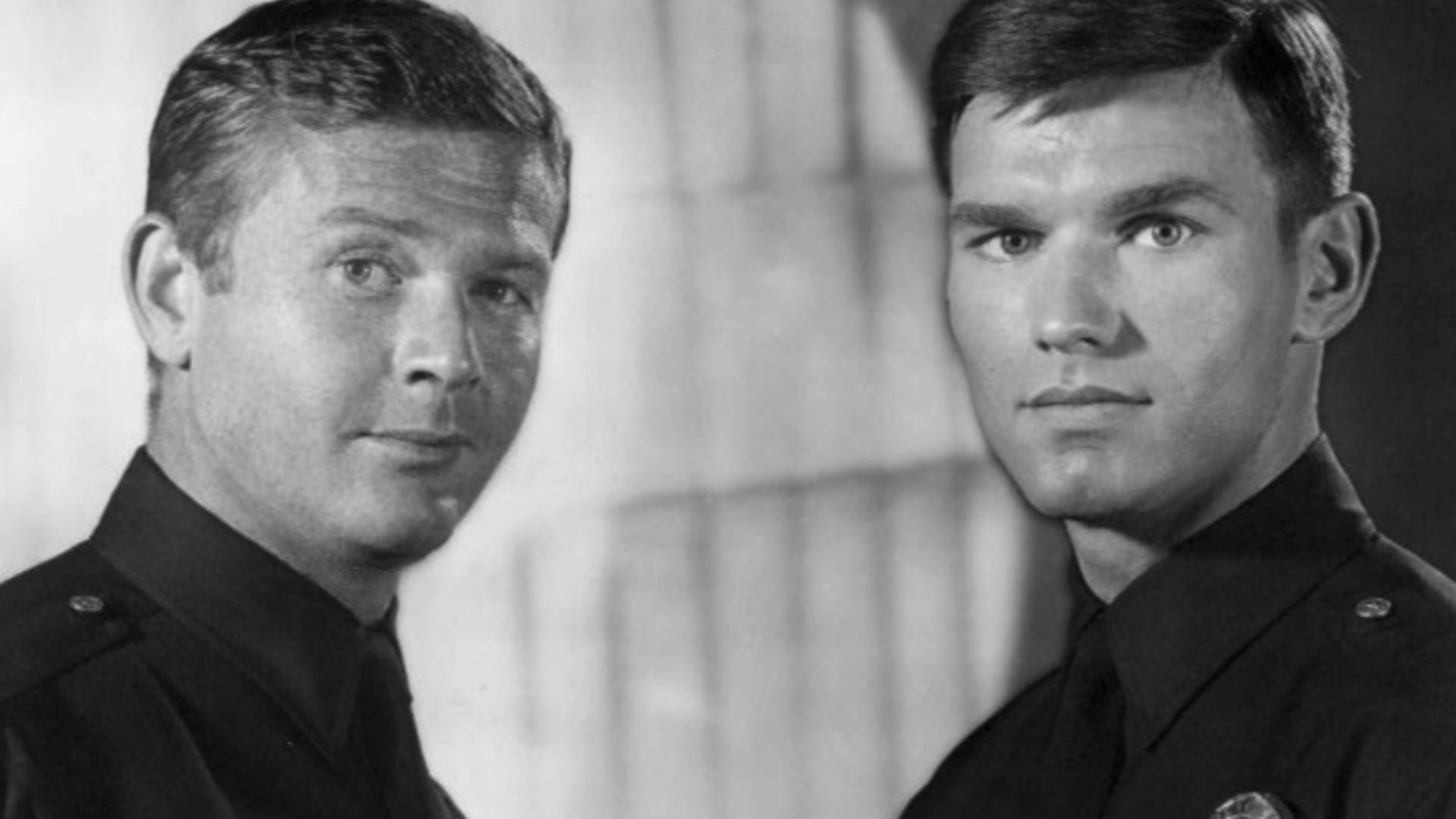
Through Mark VII Limited, Webb produced other reality-inspired series, most notably Adam-12 and Emergency!. Those programs applied his procedural method to uniformed patrol officers, paramedics, firefighters, and hospital personnel. The clipped dialogue and attention to professional routine clearly carried forward the production language established by Dragnet.
 Universal Television, Wikimedia Commons
Police Shows Never Went Back
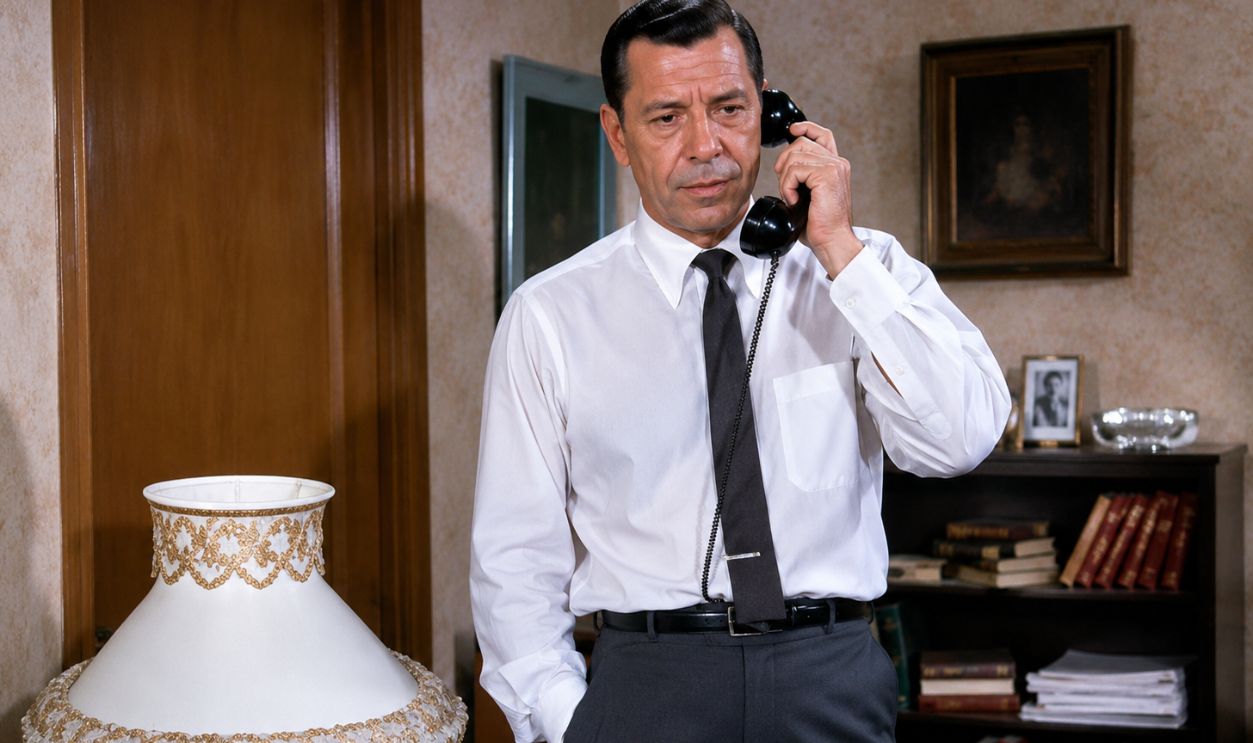
Later programs became more psychologically complex, morally ambiguous, and visually dynamic than Dragnet. Even so, the basic idea of watching professionals assemble a case step by step remained fundamental to the police procedural. The Television Academy has described Webb’s series as a benchmark against which later television crime dramas were judged.
 Screenshot from Dragnet, Universal Television (1967-1970), Enhanced
The Badge Became A Final Tribute
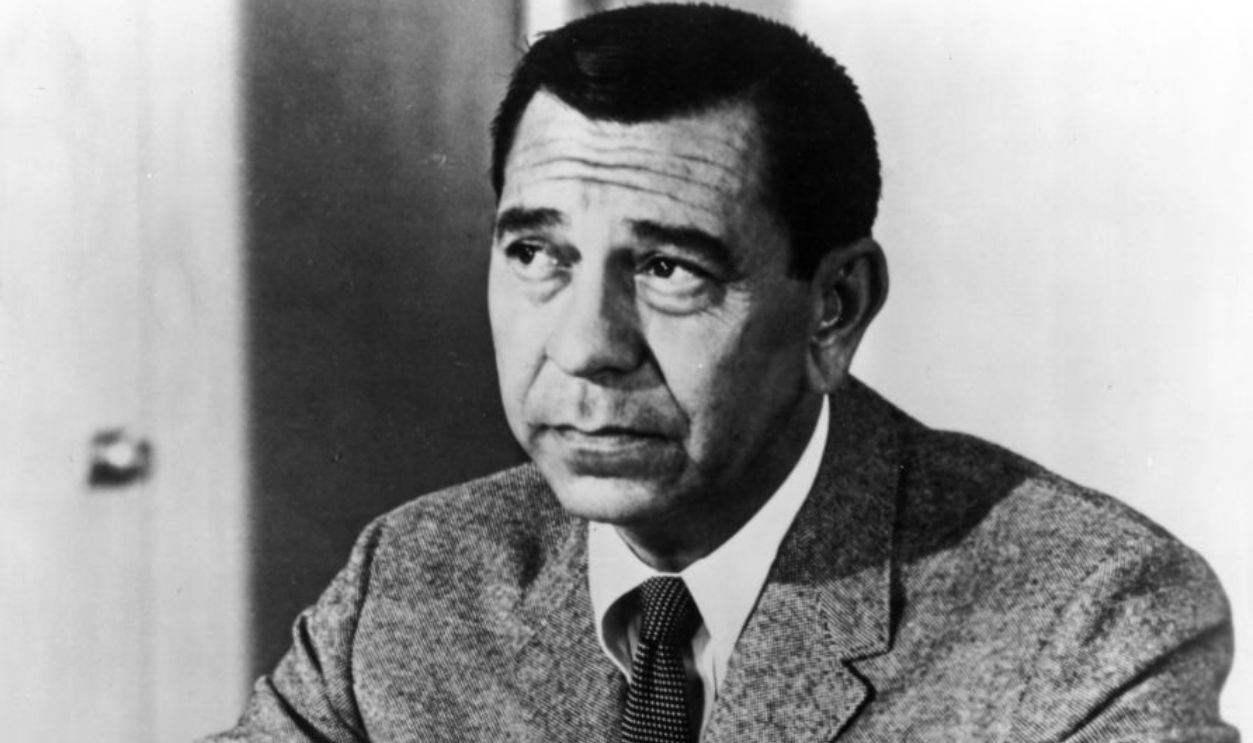
Webb died of a heart attack on December 23, 1982, at the age of 62. He was later inducted into the Television Academy Hall of Fame, and his work continued to circulate through reruns, tributes, and parody. The LAPD also retired badge number 714, the number associated with Joe Friday, in Webb’s honor.
 Michael Ochs Archives, Getty Images
Jack Webb Made Routine Work Unforgettable
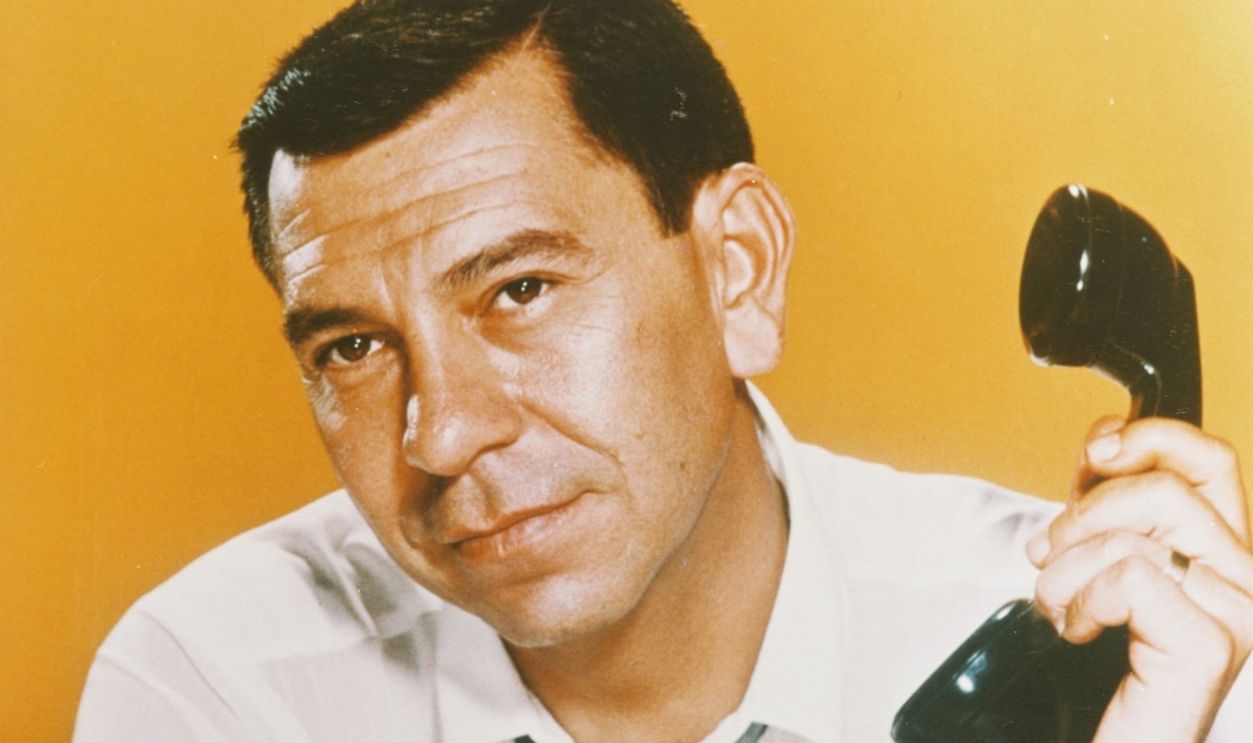
Webb understood that realism did not require a story to be shapeless or dull. He used repetition, official language, city locations, restrained acting, and procedural detail to create a highly controlled dramatic world. Every police series that treats the investigation itself as the main attraction still operates in territory that Dragnet helped establish.
 Silver Screen Collection, Getty Images