He Was Much More Than Ernest T. Bass.
Howard Morris created one of Mayberry’s wildest characters, but his larger career stretched from pioneering live comedy to sitcom direction, feature films, commercials, and some of animation’s most familiar voices. While audiences remembered the rock-throwing hill man, generations of performers were also working inside a comic style Morris helped shape.
He Grew Up Far From Mayberry
Howard Morris was born in the Bronx in 1919 and grew up in New York City. Nothing in his urban childhood naturally pointed toward a future as television’s most enthusiastic mountain man. His interest in performing developed early, leading him toward radio training, theater, and eventually live television. Ernest T. Bass would later demonstrate how completely Morris could transform himself through voice and movement.
 Screenshot from The Twilight Zone, CBS (1959–1964)
Radio Training Started The Transformation
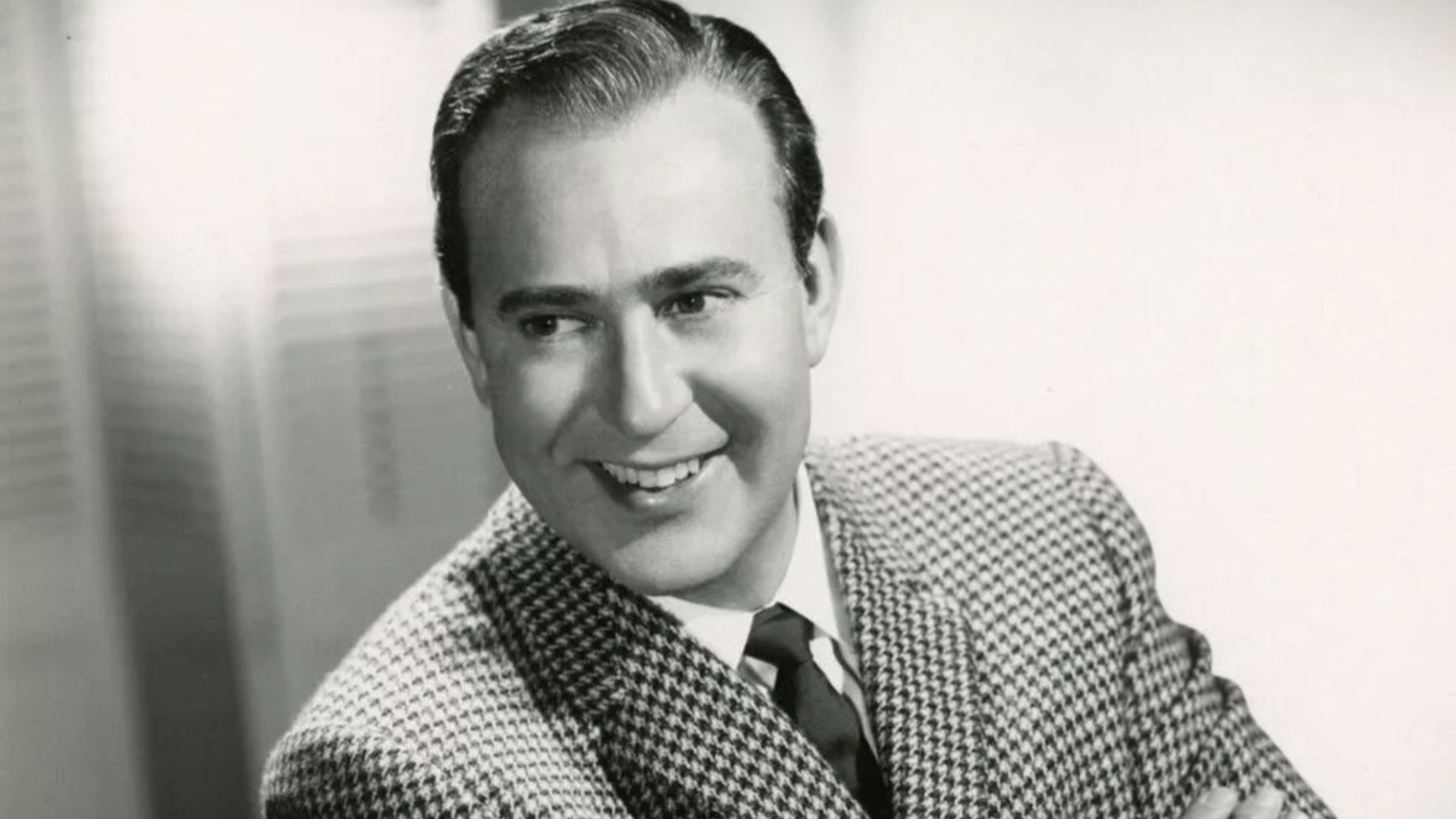
As a teenager, Morris attended a radio workshop operated through the National Youth Administration. There he met Carl Reiner, another young performer who would become central to his professional life. Radio taught Morris to create personalities through vocal rhythm before an audience could see his face. That skill later served both his outrageous live characters and his extensive animation career.
 Unknown author, Wikimedia Commons
The Army Reunited Him With Carl Reiner
During World War II, Morris served in an Army entertainment unit based in Hawaii. Reiner was part of the same unit, and the two performed in military productions that included Hamlet and Macbeth. The experience placed Morris inside both disciplined military life and demanding classical theater. His future comic characters could look chaotic, but the performer behind them had serious stage training.
 CBS Television, Wikimedia Commons
Shakespeare Came Before Sketch Comedy
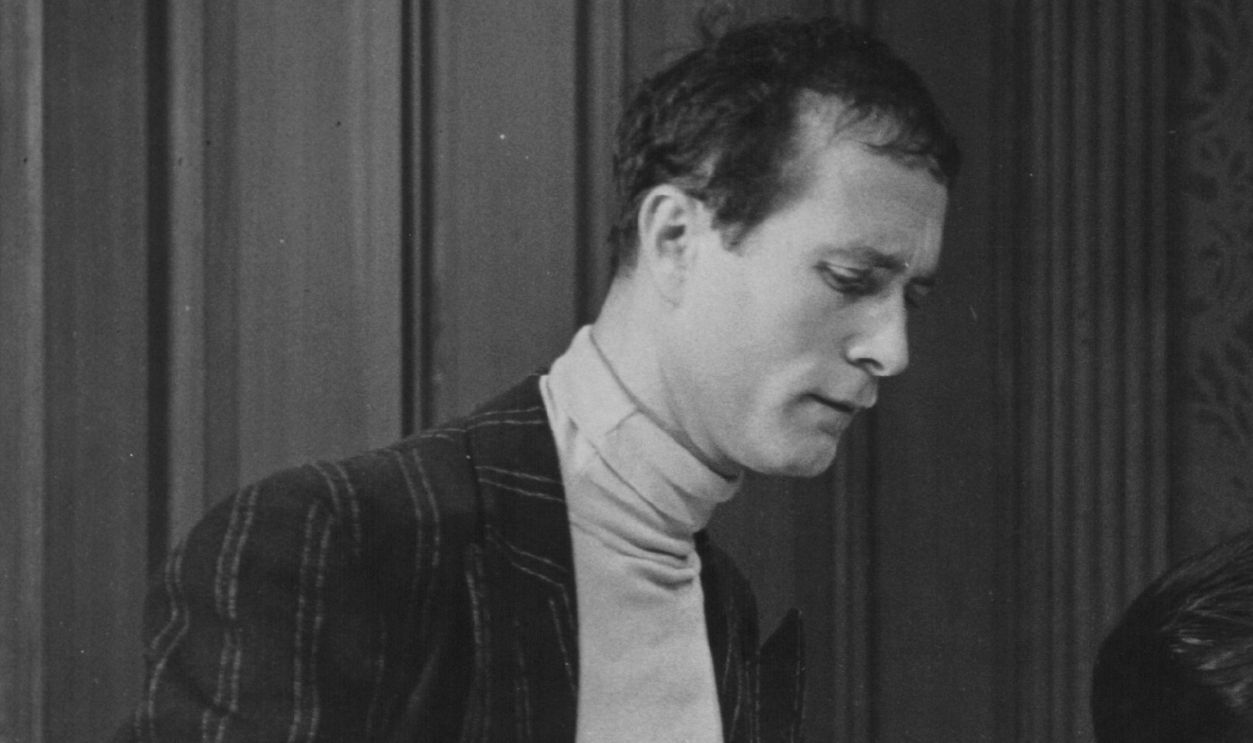
After the war, Morris and Reiner appeared in the touring musical Call Me Mister. Morris also spent time performing classical and Broadway material before television comedy became his main arena. That theatrical background helped him control exaggerated characters without allowing them to become completely shapeless. Ernest T. Bass may have jumped through the woods, but every movement came from an actor who understood construction and timing.
 Pictorial Parade, Getty Images
Sid Caesar Changed His Career
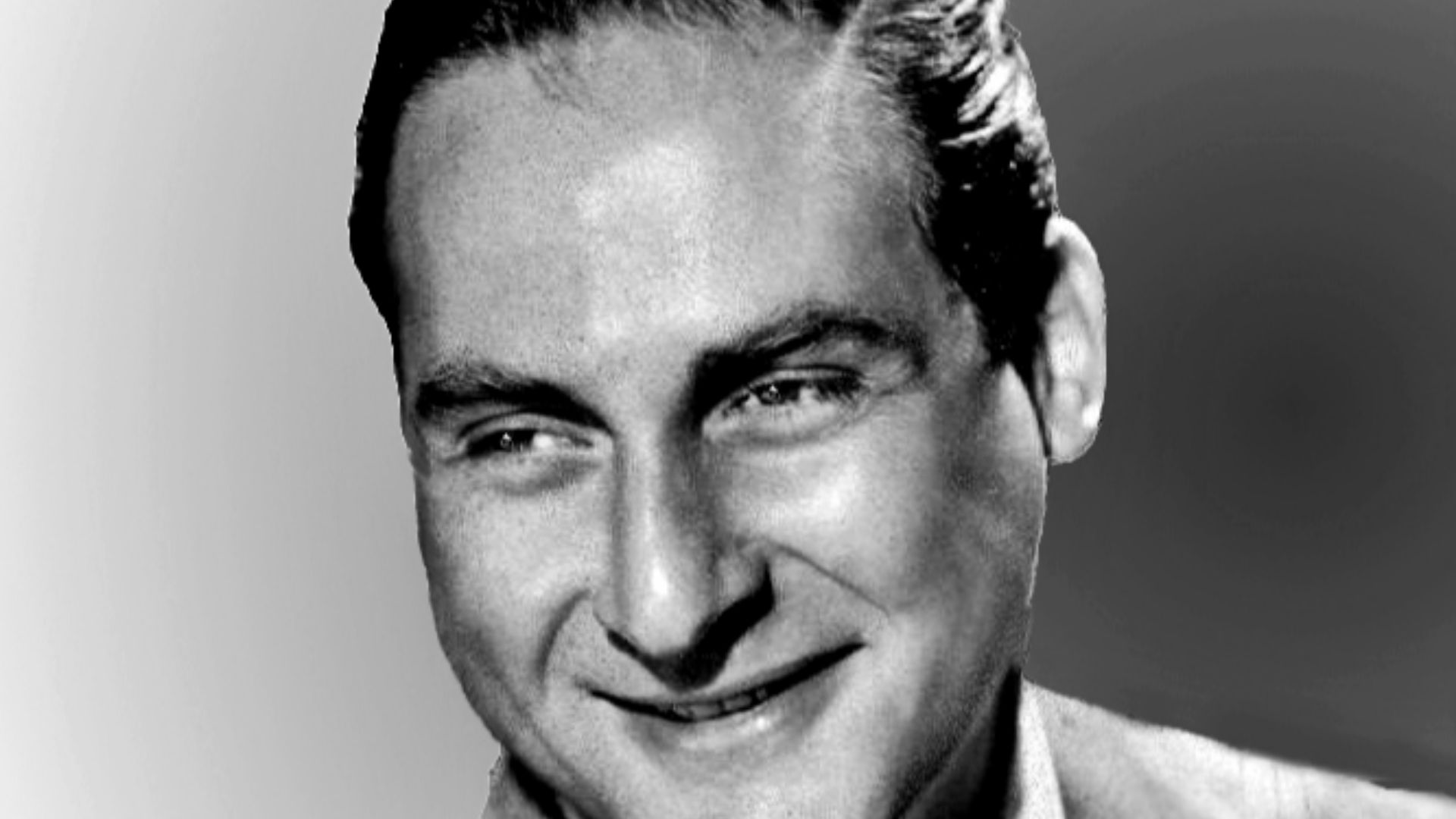
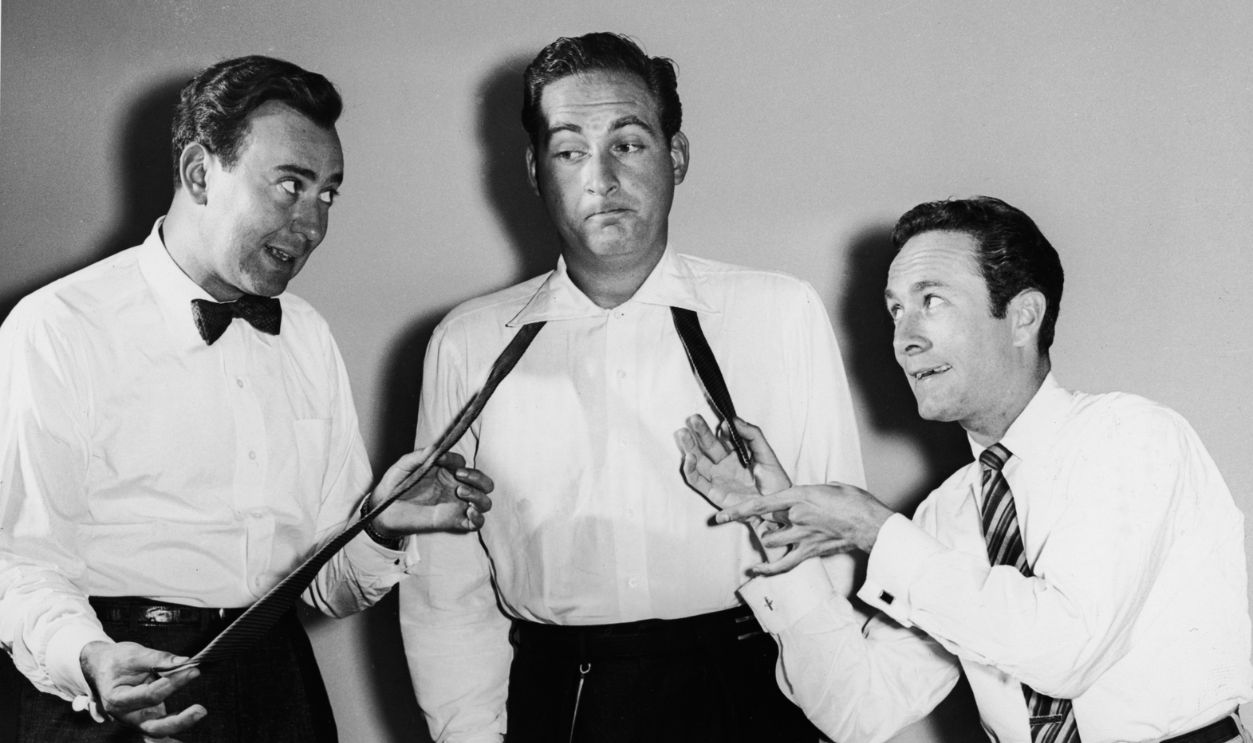
Morris joined Sid Caesar, Imogene Coca, and Carl Reiner on The Admiral Broadway Revue. The performers then became central to Your Show of Shows, one of early television’s most influential live comedy programs. Weekly broadcasts demanded fast preparation, precise timing, and the ability to recover immediately when something changed. Morris learned comedy in an environment where actors had no second take.
 News service, Wikimedia Commons
Live Television Made Him Fearless
Your Show of Shows placed Morris inside long sketches requiring dialects, physical comedy, music, and rapid character changes. The ensemble worked with celebrated comedy writers while performing before a national audience in real time. That pressure rewarded performers who could make bold choices without losing control of a scene. Morris carried that fearlessness into nearly everything he did afterward.
 Pictorial Parade, Getty Images
Uncle Goopy Became An Early Triumph
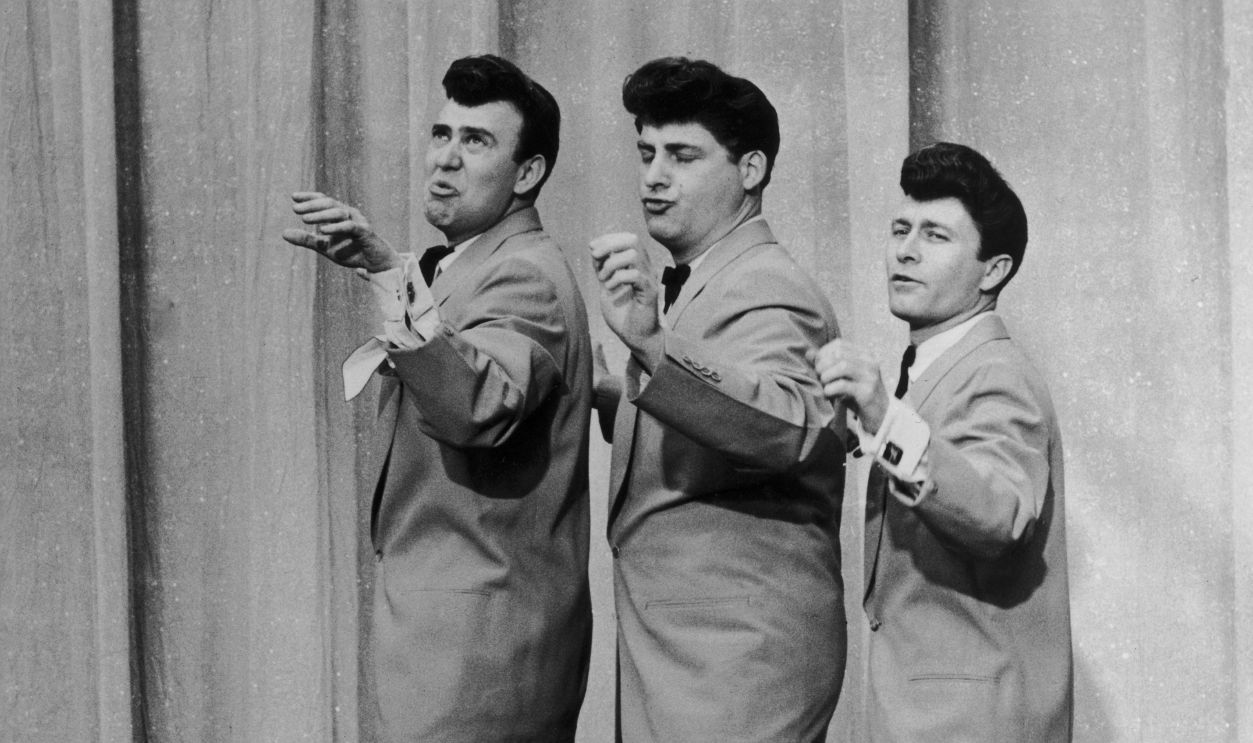
One of Morris’s most remembered Your Show of Shows creations was Uncle Goopy, an overly affectionate relative who physically clung to Sid Caesar. The sketch depended upon Morris’s commitment to an absurd emotional and physical idea. Later comedians remembered the routine as an example of how intensely funny a character could become through movement alone. It foreshadowed the full-bodied approach he would use for Ernest T. Bass.
He Understood Ensemble Comedy
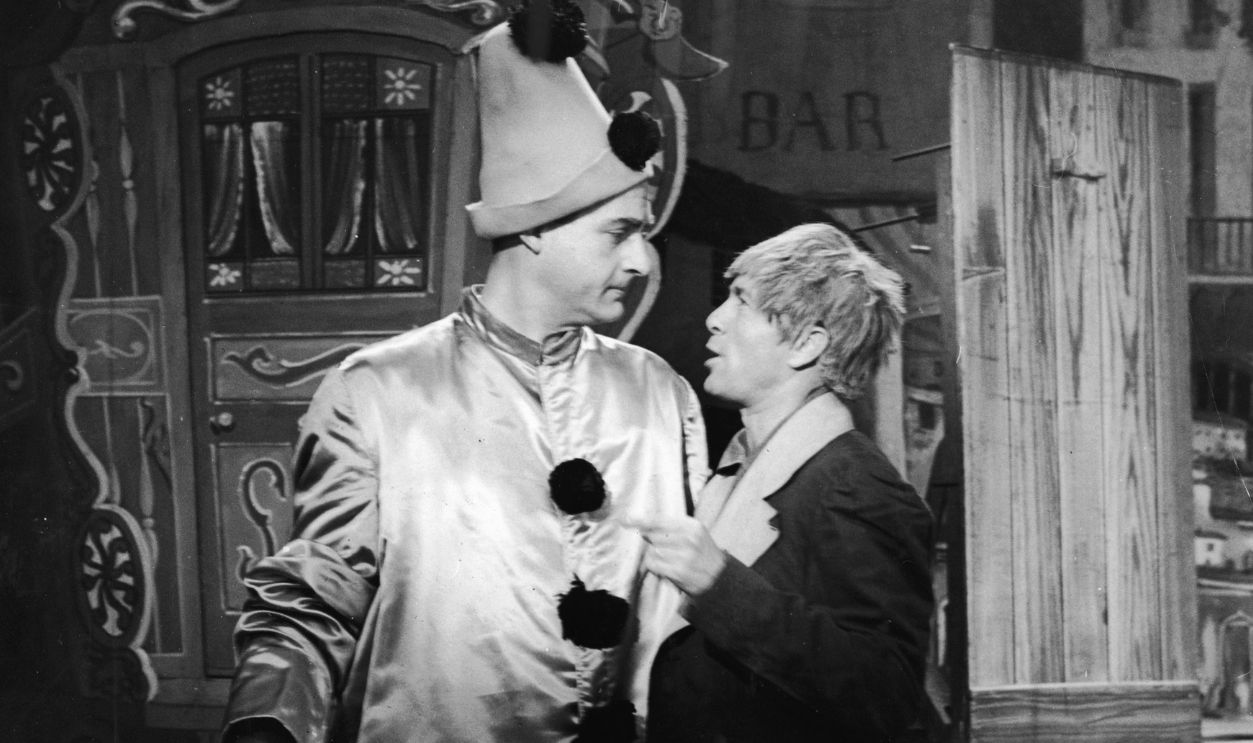
Working beside Caesar, Coca, and Reiner taught Morris that a scene-stealer still had to serve the larger sketch. The funniest reaction could destroy a routine if it arrived at the wrong moment or pulled attention from the story. Morris became skilled at entering with enormous energy while responding precisely to the actors around him. That balance later made him valuable as both a guest performer and a director.
Los Angeles Opened A New Chapter
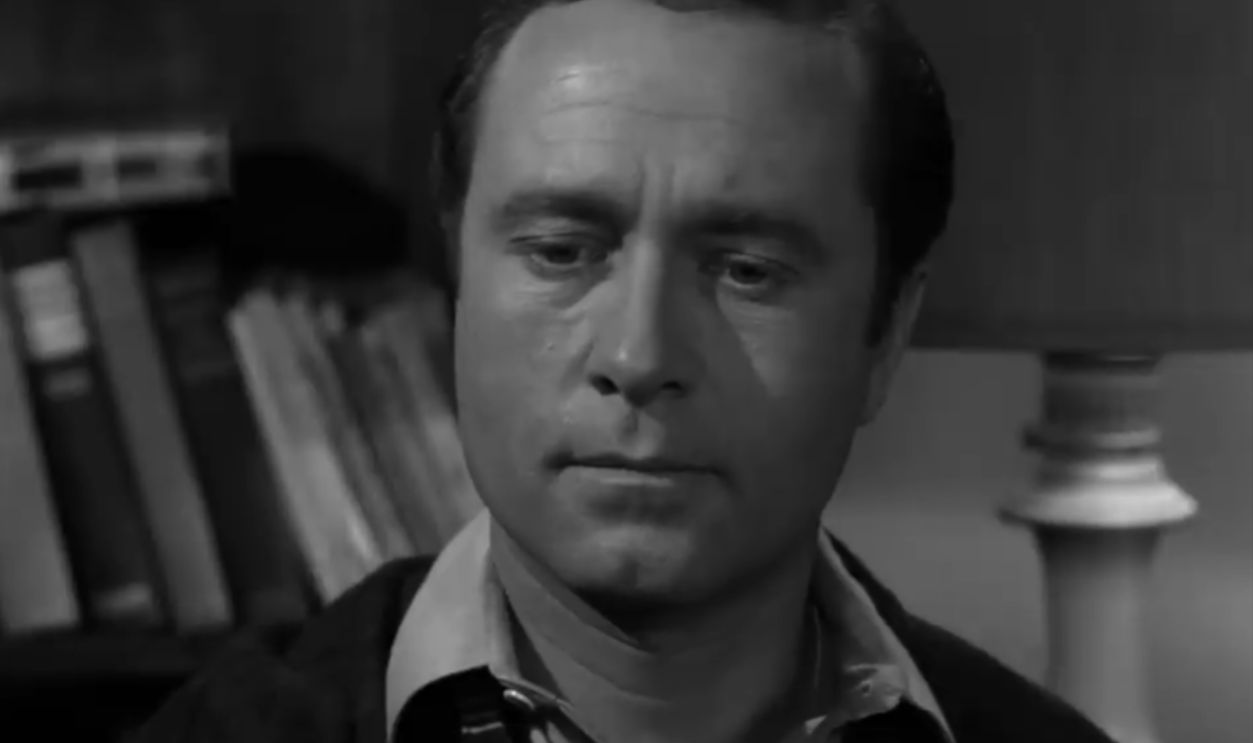
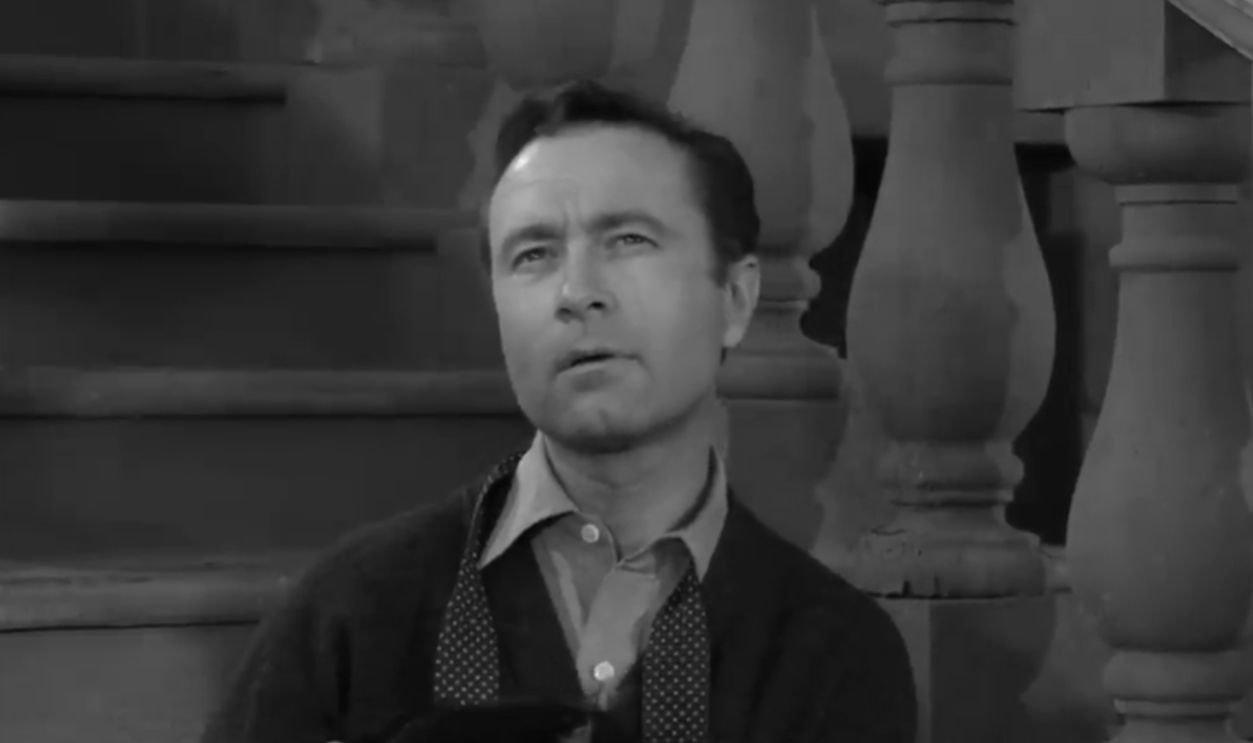
Morris moved to Los Angeles in 1961 and began appearing in episodic television. His guest work included programs such as The Twilight Zone, Wanted: Dead or Alive, The Dick Van Dyke Show, and Alfred Hitchcock Presents. Hollywood initially used him as a versatile comic and character actor. Before long, he began shaping television from the director’s chair as well.
 Screenshot from The Twilight Zone, CBS (1959–1964)
Aaron Ruben Found Ernest T. Bass
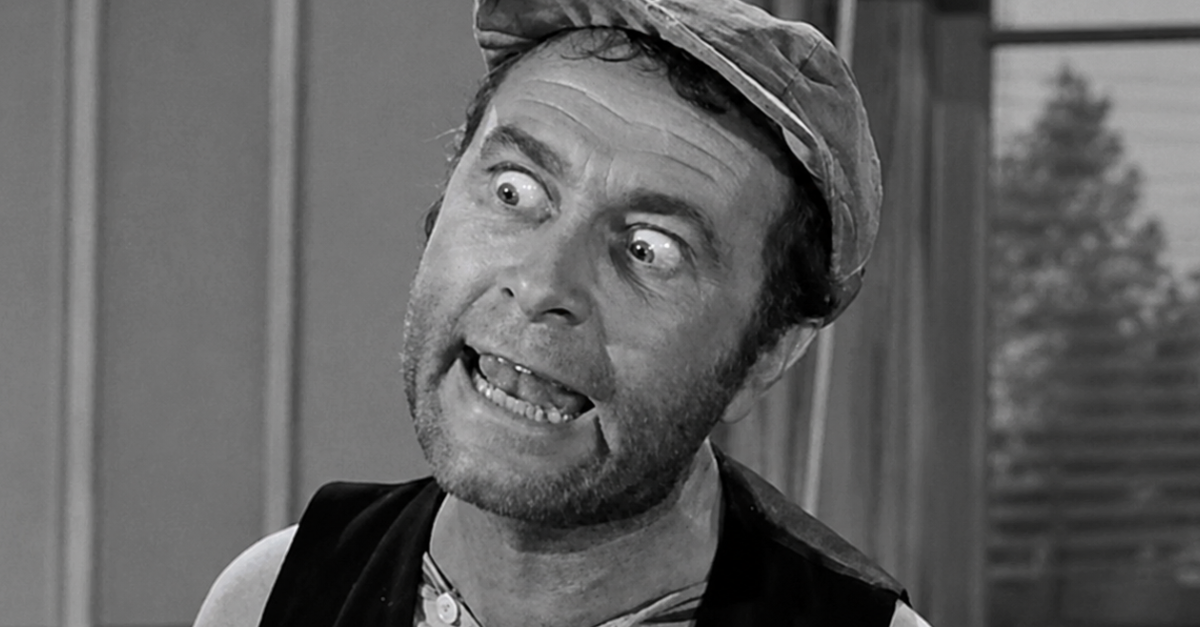
Producer Aaron Ruben brought Morris into The Andy Griffith Show to play Ernest T. Bass. The character was a volatile mountain resident who threw rocks, spoke in rhymes, and pursued romance with overwhelming confidence. Morris later described the creation process as experimental because he was discovering Ernest’s behavior while performing him. The result felt less like a scripted guest role than a strange creature suddenly wandering into Mayberry.
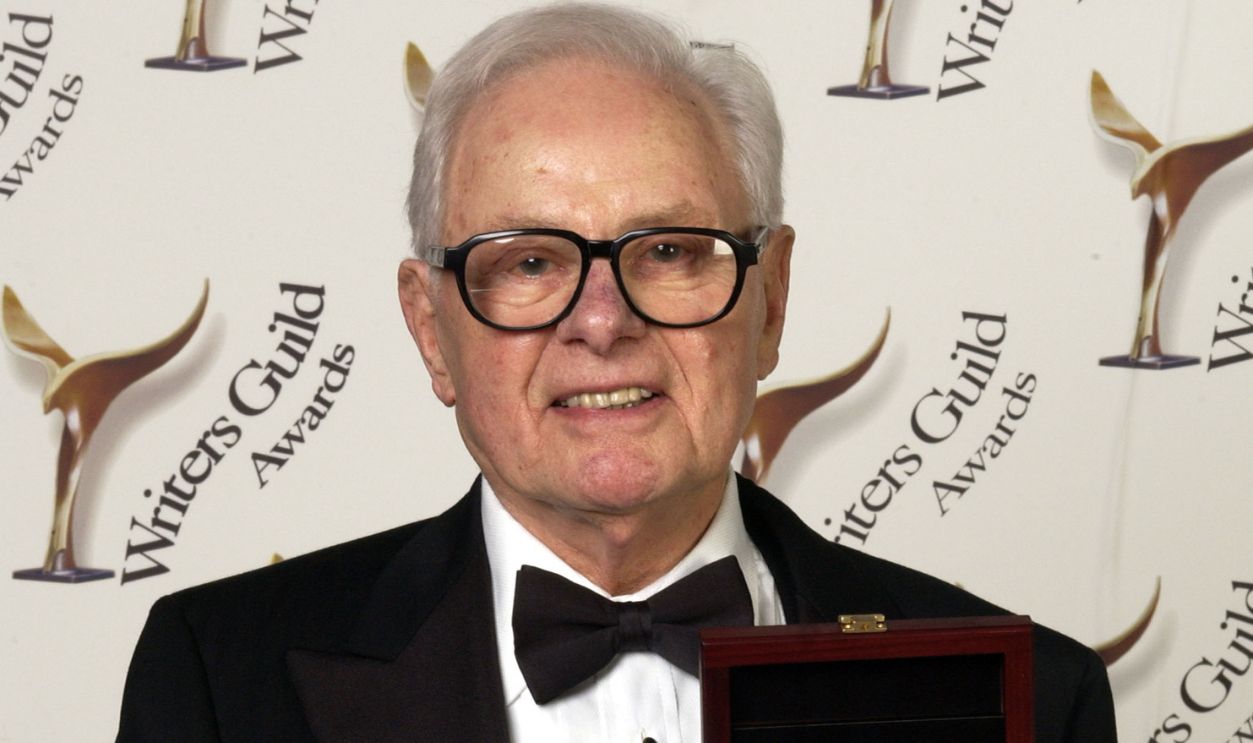
The Bronx Actor Invented A Hill Man
Morris had to create a rural Southern character despite having grown up in New York City. He drew upon accents and comic observations rather than presenting Ernest as a version of himself. The exaggerated speech became only one part of the transformation. His posture, facial tension, darting eyes, and unpredictable movement completed the illusion.
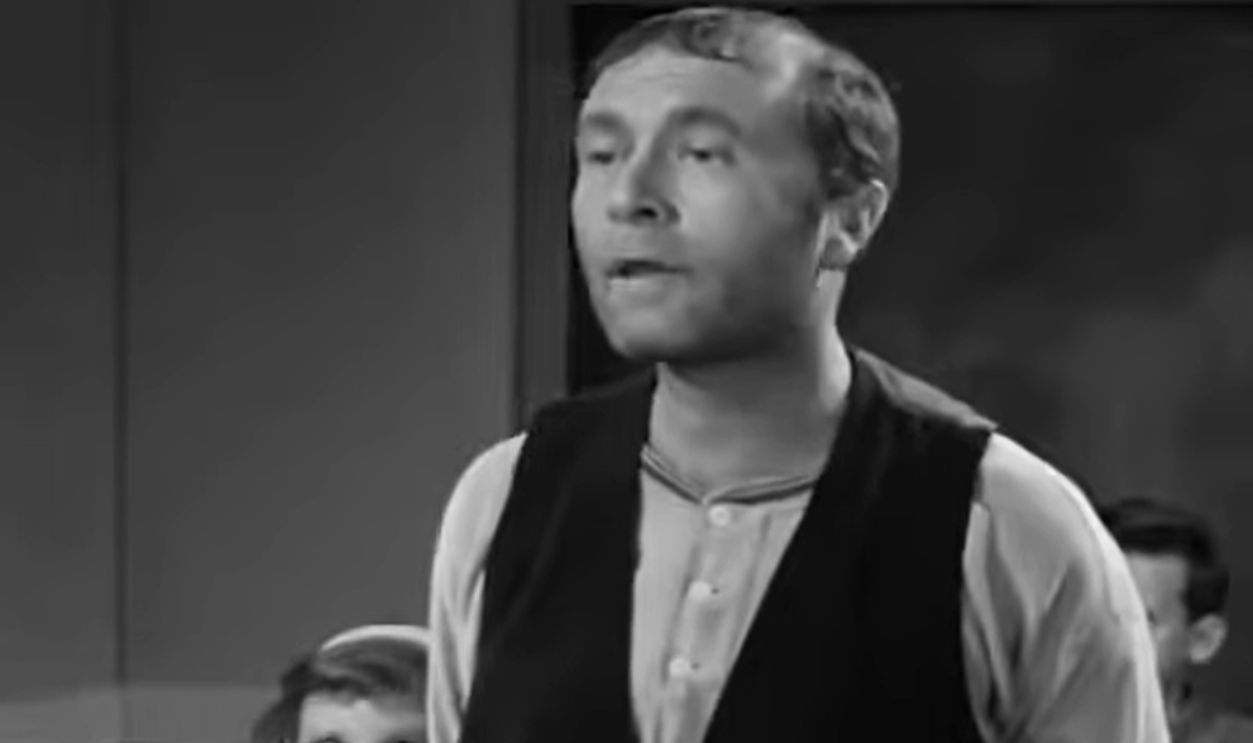 Screenshot from The Andy Griffith Show, CBS (1960–1968)
The Script Never Ordered Those Jumps
Morris said Ernest’s leaping and frantic movements were not specified in the original script. While filming his first scene in the woods, he experimented with ducking between trees and racing up a hill. The physical behavior emerged as he searched for the way Ernest needed to move. That improvisational choice became as essential to the character as his missing tooth and battered cap.
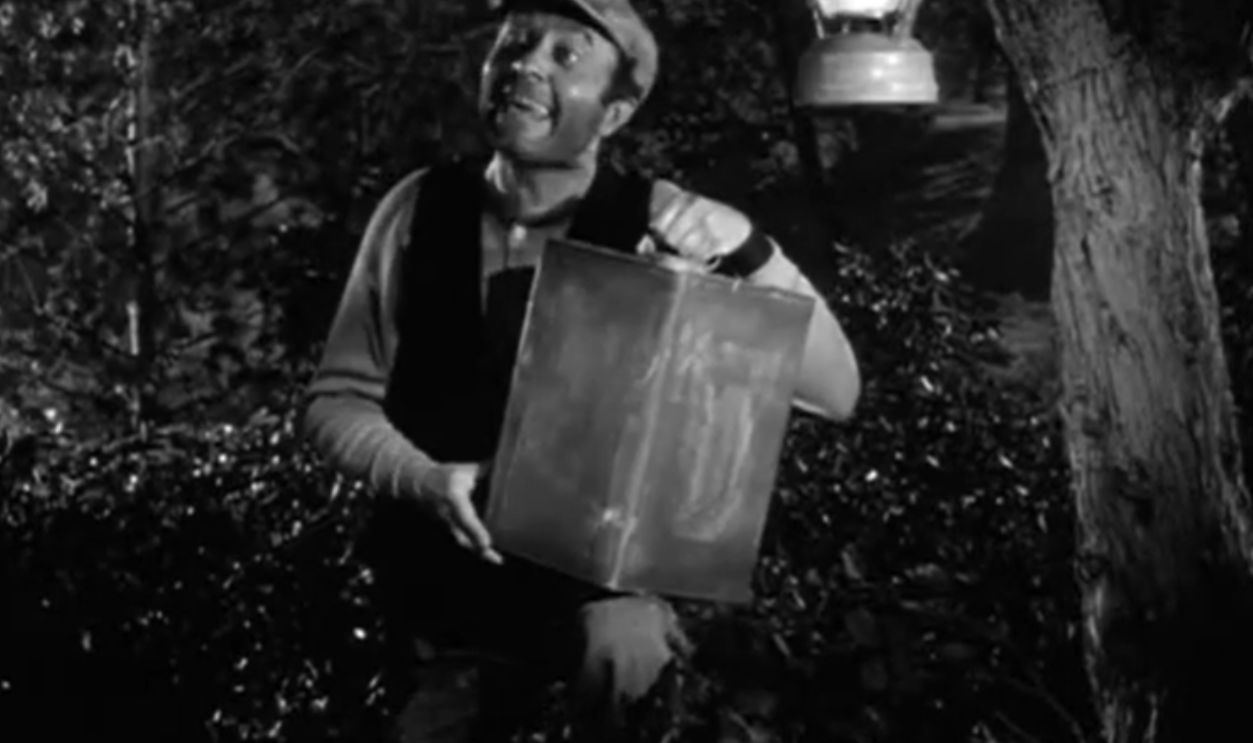 Screenshot from The Andy Griffith Show, CBS (1960–1968)
Mountain Wedding Introduced A Force Of Nature
Ernest first appeared in the 1963 episode “Mountain Wedding.” He was threatening the Darling family because he believed Charlene Darling should marry him instead of Dud Wash. Andy and Barney tried to manage a man who treated rocks, rhymes, and romantic entitlement as perfectly reasonable tools. Morris turned a potentially unpleasant troublemaker into a bizarrely magnetic comic presence.
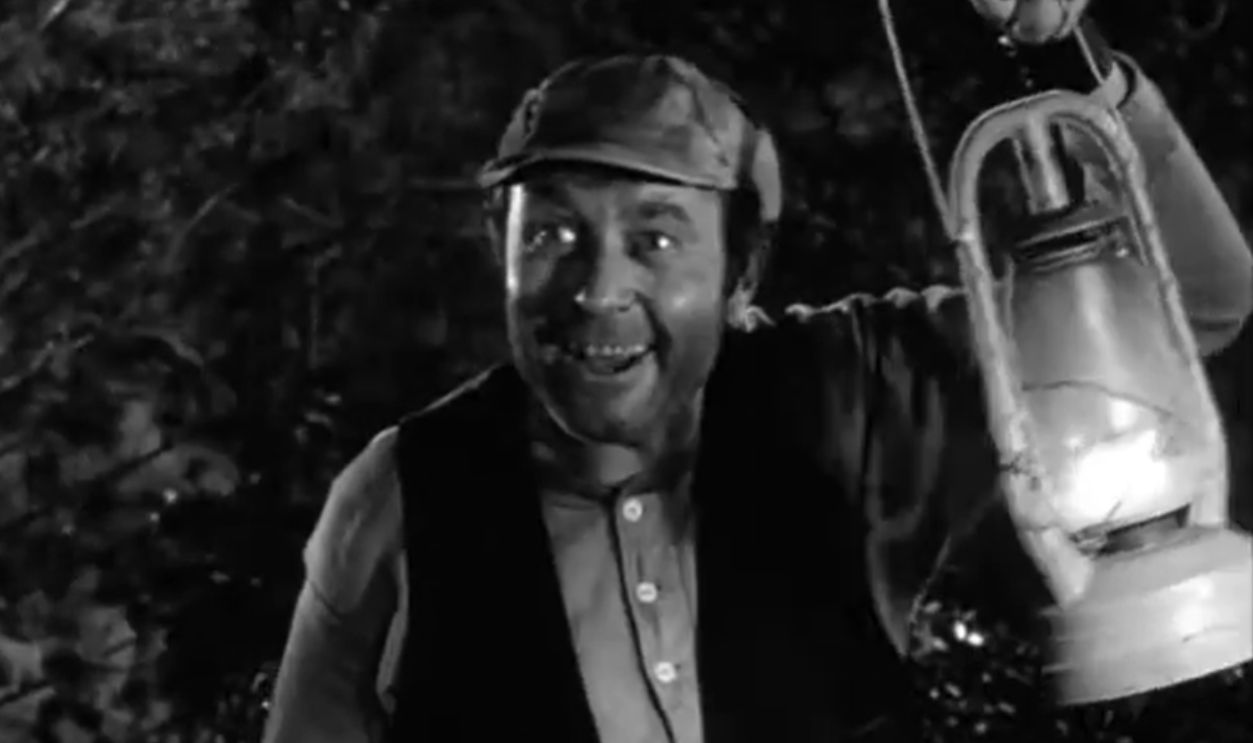 Screenshot from The Andy Griffith Show, CBS (1960–1968)
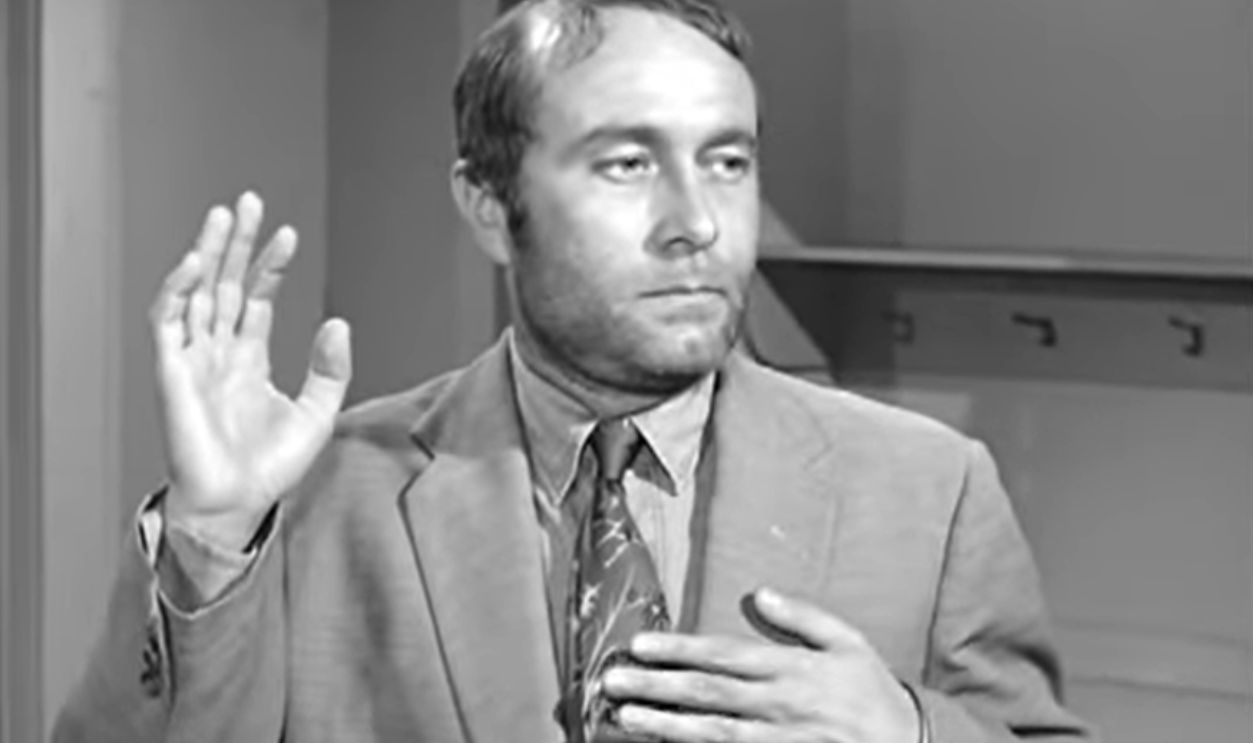
He Made Ernest Dangerous And Childlike
Ernest could threaten people, smash windows, and react violently when frustrated. At the same time, Morris gave him the emotional impulsiveness of a child desperate for attention and approval. That contradiction allowed the character to remain disruptive without becoming a conventional villain. Viewers could worry about his next rock while still hoping that someone might teach him better manners.
 Screenshot from The Andy Griffith Show, CBS (1960–1968)
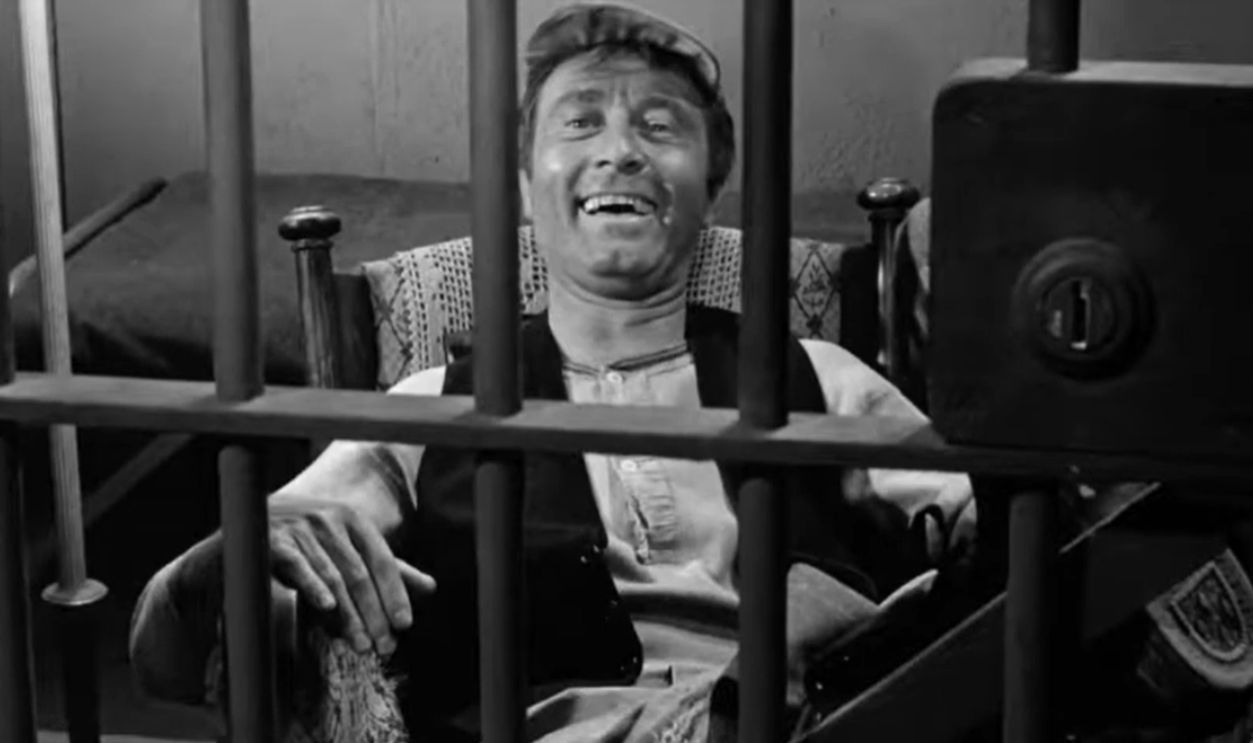
My Fair Ernest T. Bass Showed His Range
In “My Fair Ernest T. Bass,” Andy and Barney attempted to transform Ernest into a respectable gentleman. The story required Morris to play the familiar wild man while also imitating a painfully rehearsed version of sophistication. His performance worked on two comic levels because Ernest remained visible beneath every artificial manner. The episode demonstrated that Morris could expand the character without making him less recognizable.
 Screenshot from The Andy Griffith Show, CBS (1960–1968)
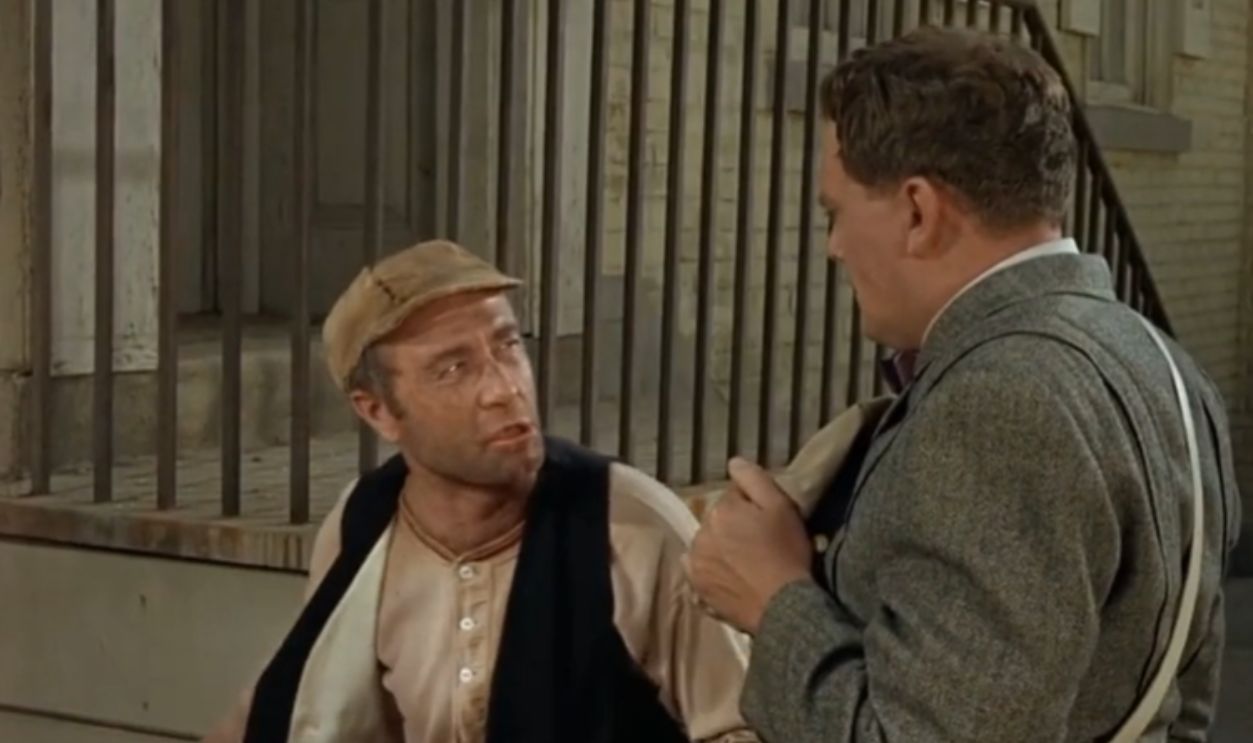
Five Appearances Built A Legend
Morris played Ernest T. Bass in only five episodes of The Andy Griffith Show. The small number is surprising because the character became one of Mayberry’s most familiar supporting figures. His scarcity may have protected the role from becoming predictable or exhausting. Every return felt like a special disturbance in the town’s usually gentle rhythm.
 Screenshot from The Andy Griffith Show, CBS (1960–1968)
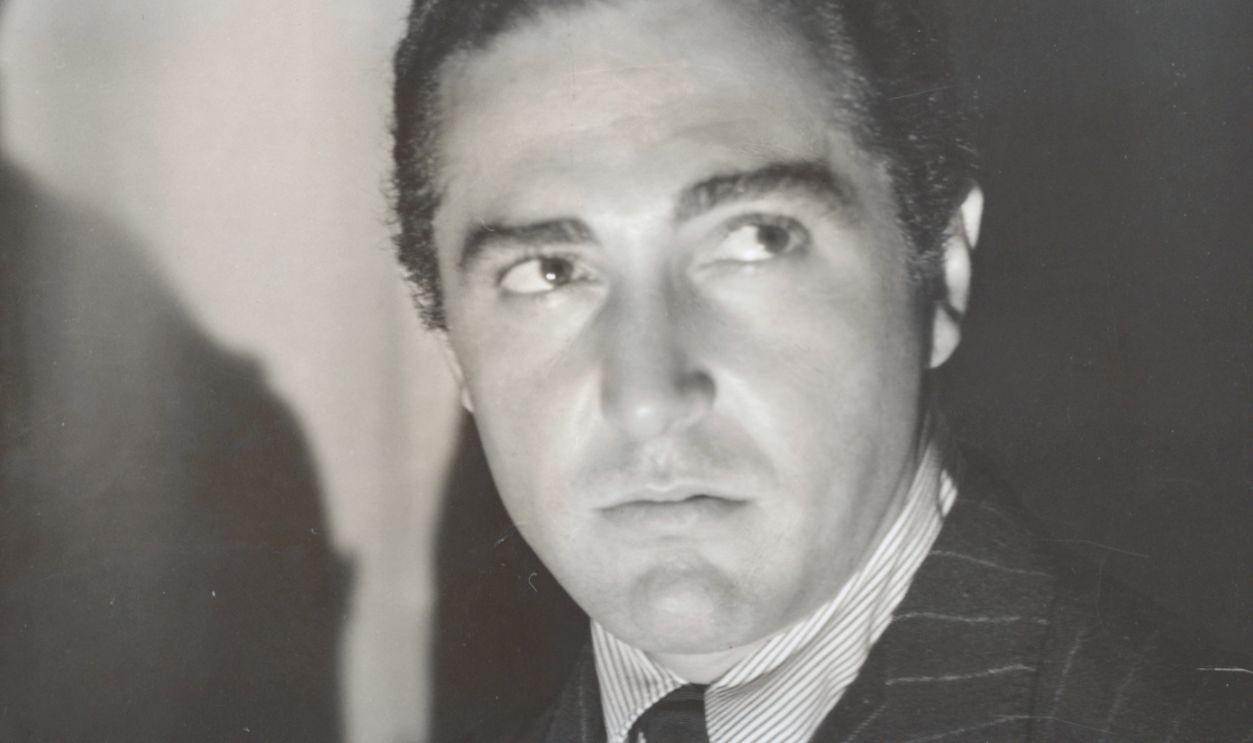
He May Have Been Too Effective
Morris later recalled producer Sheldon Leonard telling him that Ernest overpowered the program’s other characters. Whether delivered as criticism or praise, the comment captured the challenge of placing such explosive energy inside Mayberry’s restrained comic world. Ernest could dominate a scene simply by entering it. Morris’s appearances remained limited, but that limitation helped preserve their impact.
 John Springer Collection, Getty Images
He Returned Without The Beanie
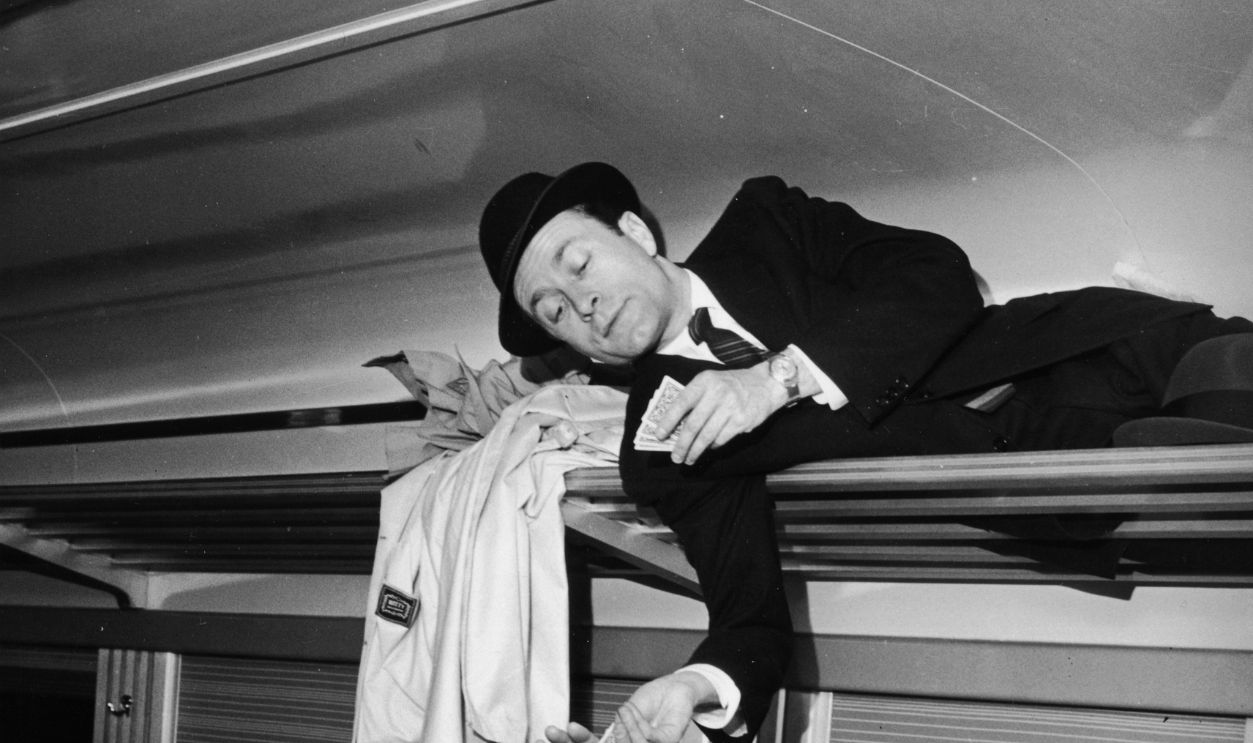
Morris also appeared on The Andy Griffith Show as George, a television repairman, in “Andy and Helen Have Their Day.” The role allowed viewers to see him without Ernest’s accent, costume, and frantic body language. Morris also directed the episode, combining his on-camera and behind-the-camera work within the same production. That assignment revealed a professional identity far broader than the character fans remembered.
Mayberry Also Used Him As A Director
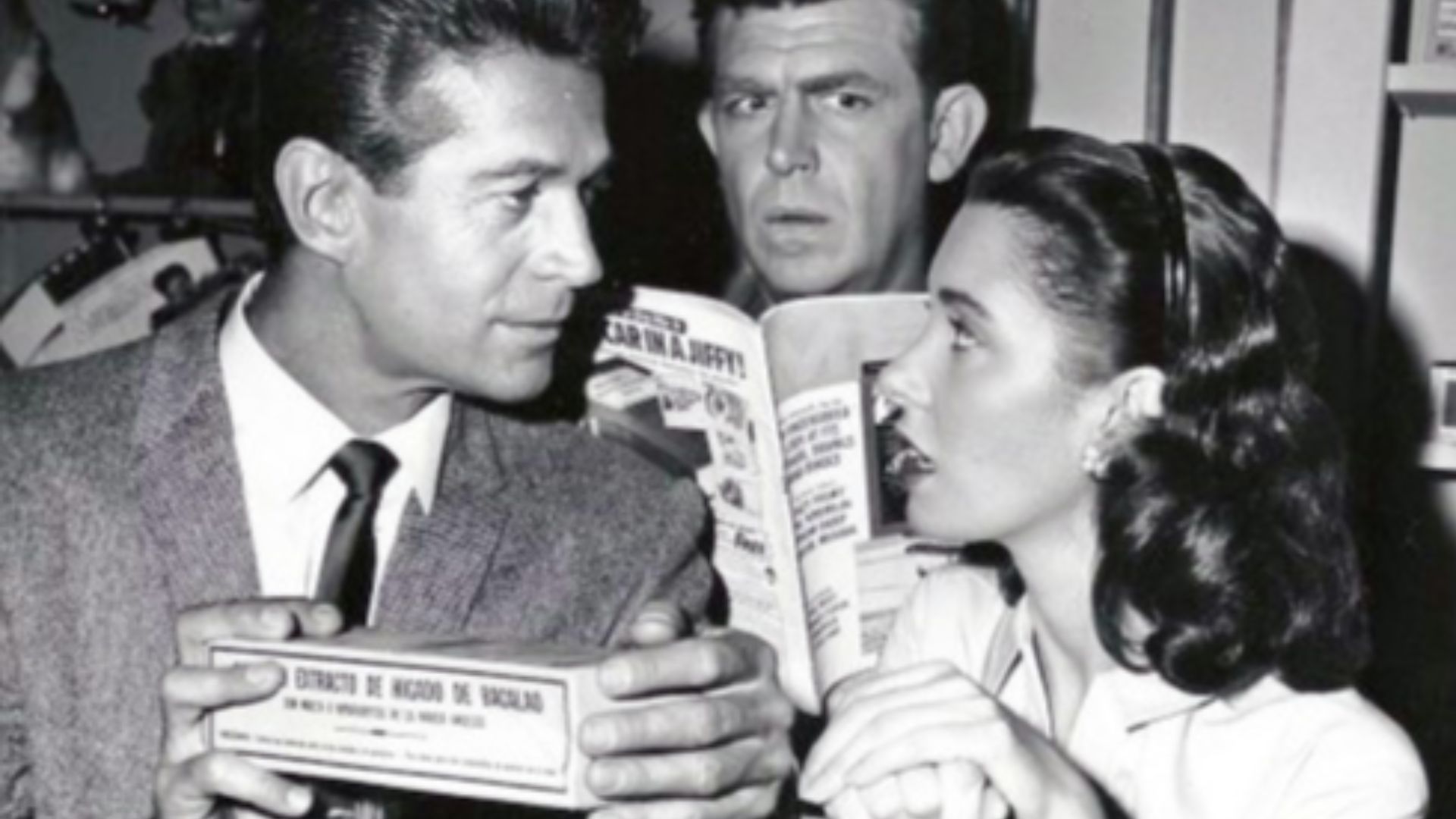
Morris directed episodes of The Andy Griffith Show in addition to acting on the series. Directing required him to protect the show’s delicate balance of warmth, realism, and precisely timed comedy. His background as an ensemble performer gave him insight into what actors needed from the person behind the camera. He could recognize when a scene required a larger reaction and when the funniest choice was to remain still.
 CBS Television, Wikimedia Commons
He Saw Ron Howard’s Future Early
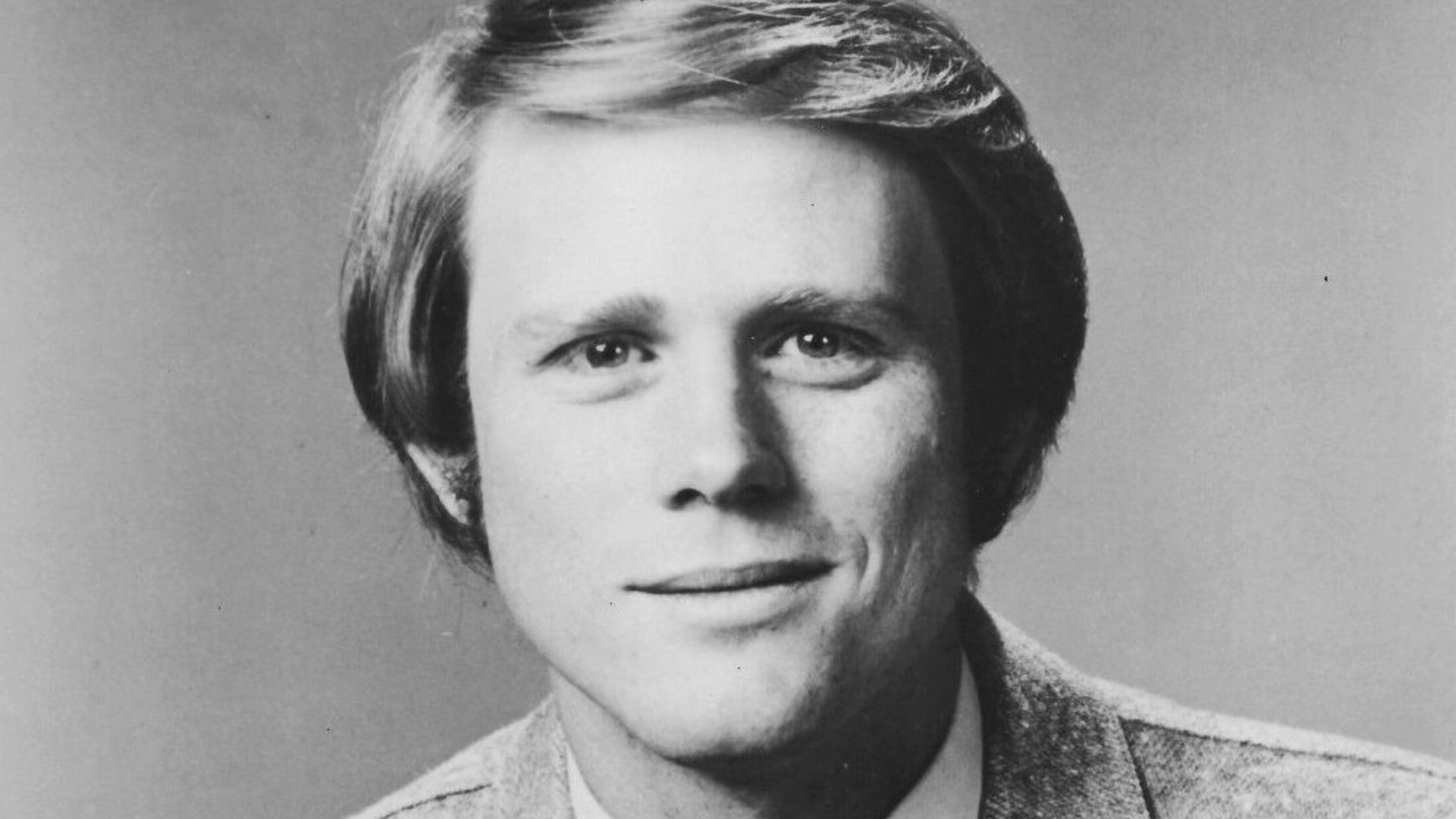
Ron Howard later remembered Morris noticing his curiosity about the directing process when Howard was still a child. Morris told him that he might eventually become a director because he watched how scenes were assembled. The observation was remarkably accurate given Howard’s later filmmaking career. It also shows that Morris was paying attention to the creative development of people around him, not merely waiting for his own scene.
 Entertainment Tonight, Wikimedia Commons
Get Smart Trusted Him With Its Pilot
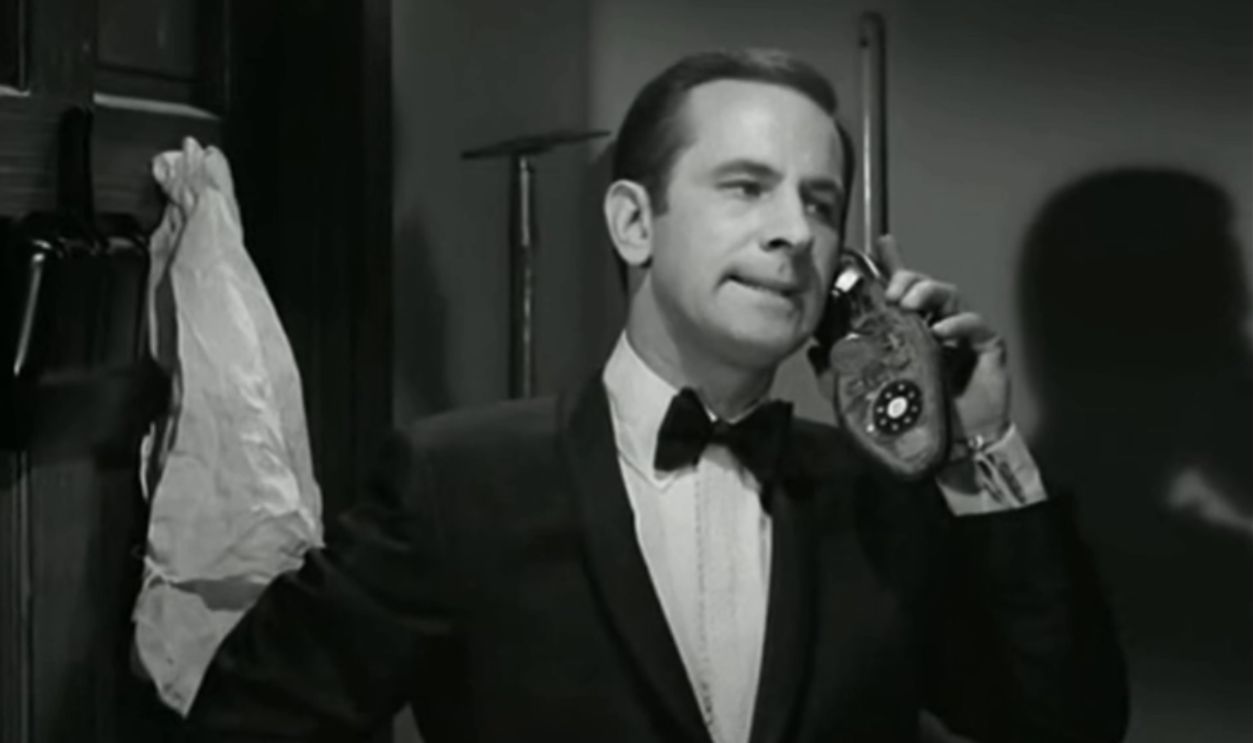
Morris directed the original black-and-white pilot of Get Smart. A pilot must establish character relationships, visual rhythm, comic tone, and the basic rules of a potential series within one episode. The assignment placed Morris in a crucial position on a program created by Mel Brooks and Buck Henry. His work helped introduce television’s famously incompetent secret agent, Maxwell Smart.
 Screenshot from Get Smart, NBC Films (1965–1970)
He Directed Some Of Television’s Biggest Comedies
Morris directed episodes of The Dick Van Dyke Show, Bewitched, Gomer Pyle, U.S.M.C., The Patty Duke Show, The Lucy Show, Hogan’s Heroes, and other popular series. Each program had a distinct pace and comic identity, requiring him to adjust rather than impose one rigid method. His name may not have appeared in the opening credits, but his decisions shaped performances watched by millions. This body of work was far more extensive than his handful of Mayberry appearances.
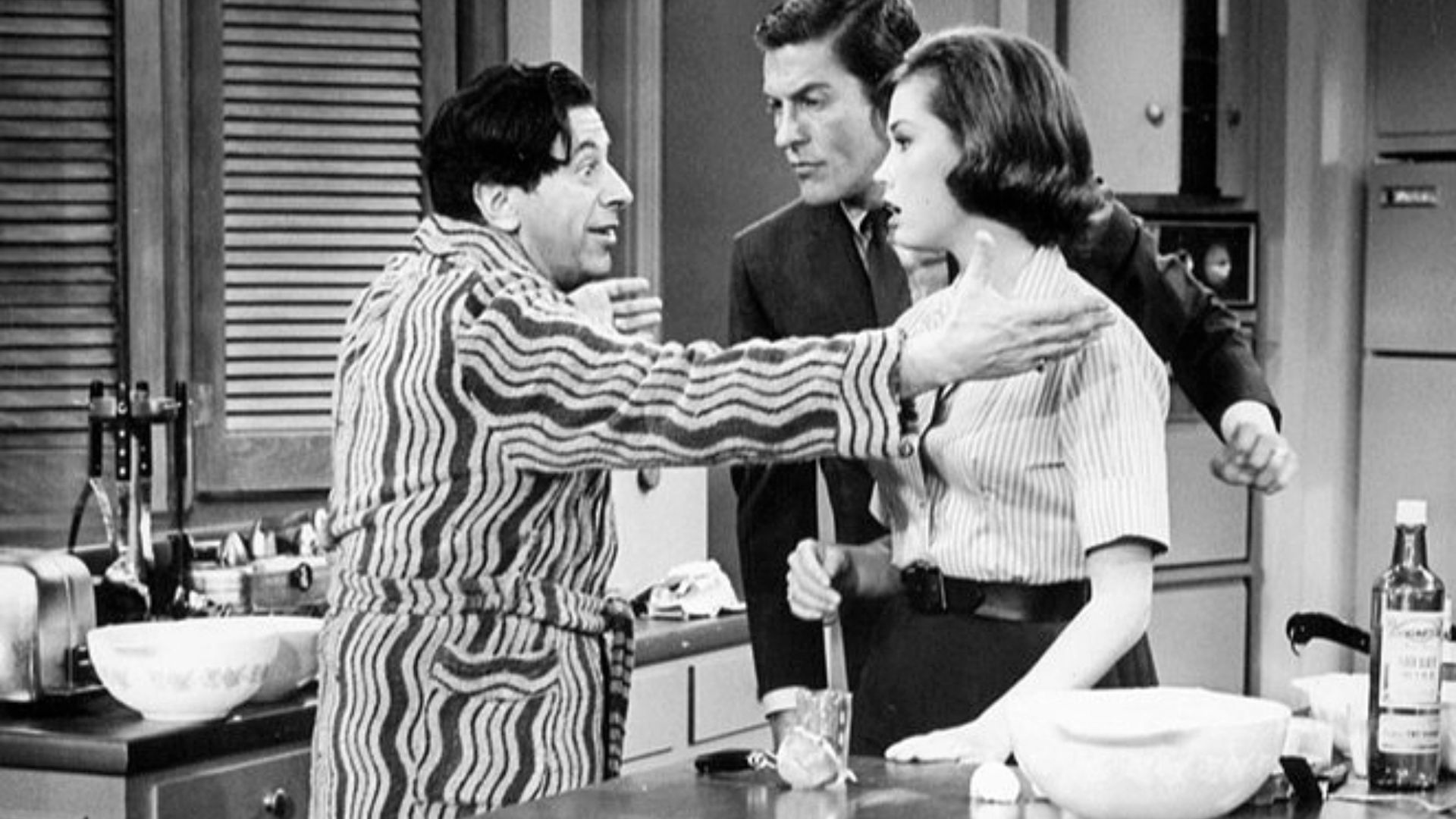 CBS Television Uploaded by We hope at en.wikipedia, Wikimedia Commons
Features Expanded His Influence
Morris moved from episodic television into feature-film direction. His movies included Who’s Minding the Mint?, With Six You Get Eggroll, and an adaptation of Woody Allen’s Don’t Drink the Water. These projects required him to sustain comic storytelling over a much longer format than a sitcom episode. Directing major performers such as Doris Day and Jackie Gleason further established him as more than a character actor with a memorable accent.
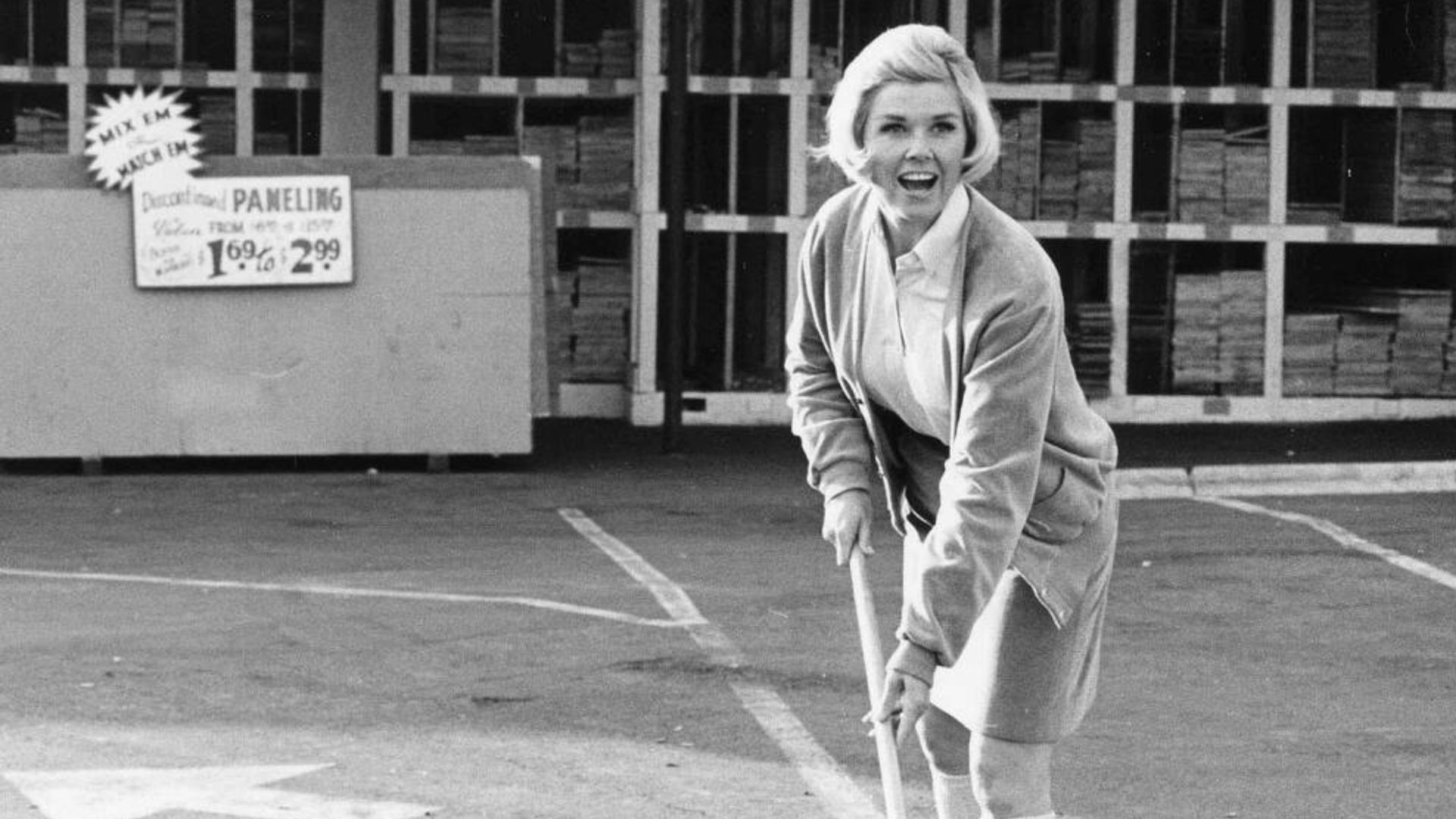 Unknown authorUnknown author, Wikimedia Commons
Commercials Became Another Hidden Career
Morris also directed commercials, bringing his sense of timing and character to extremely short productions. Advertising demanded that a comic idea, product, and memorable image arrive within seconds. His experience in live sketches and sitcoms made him well suited to that compressed storytelling. Much of this work reached enormous audiences who never knew Ernest T. Bass was controlling the action.
![Collectie / Archief : Fotocollectie Anefo
Reportage / Serie : [ onbekend ]
Beschrijving : Televisie-uitzending bij Philips
Datum : 2 april 1948
Trefwoorden : Televisieuitzendingen
Instellingsnaam : Philips
Fotograaf : Fotograaf Onbekend / Anefo
Auteursrec](https://www.factinate.com/storage/app/media/theshot/2026/8/10/178635115494eb61209102c8886bc3d3dcb131ba8844117e67.jpg)
Animation Made His Voice Nearly Everywhere
Morris became one of the busiest voice performers in American animation. His television work included The Flintstones, The Jetsons, Magilla Gorilla, Peter Potamus, and Sabrina the Teenage Witch. He also created signature voices for Atom Ant and Jughead Jones. The vocal flexibility developed in radio and live sketch comedy found an ideal home in cartoons.
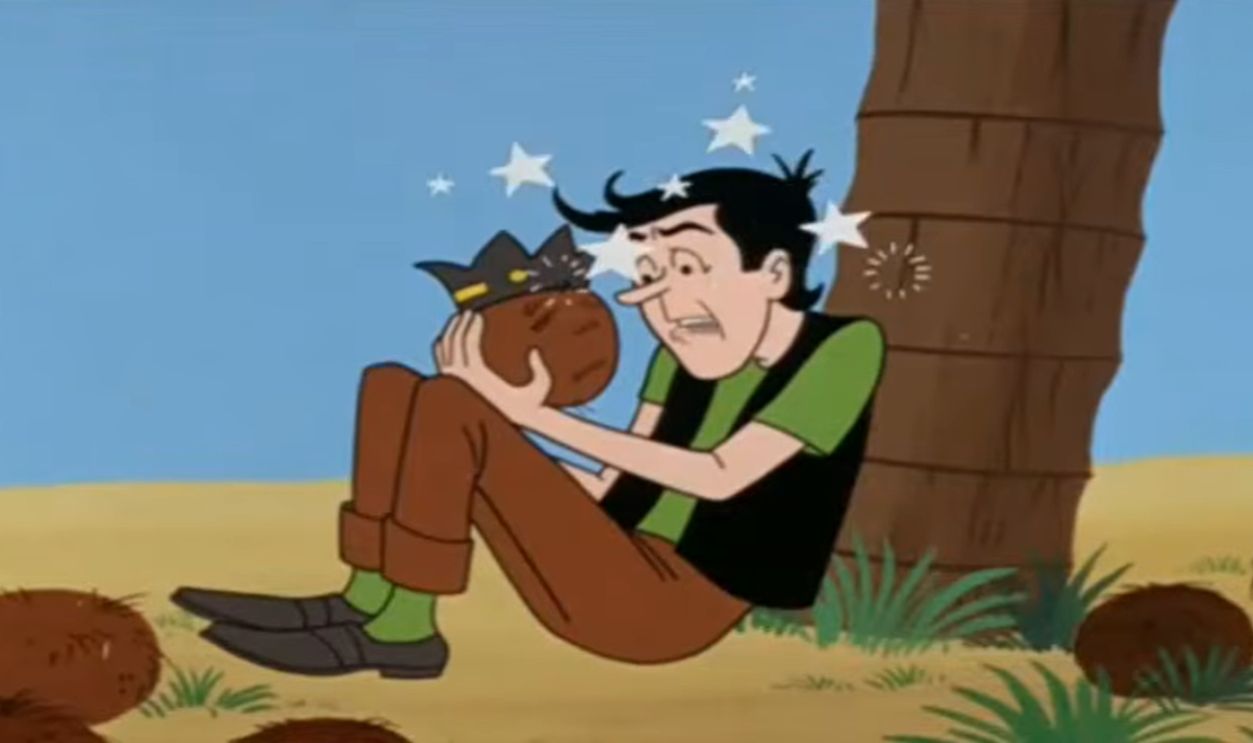 Screenshot from The Archie Show, Vitt Media International (1968–1969)
Disney Gave Him Gopher
Morris voiced Gopher in Disney’s Winnie the Pooh and the Honey Tree. Disney created the character for its adaptation rather than taking him directly from A.A. Milne’s original group. Morris returned as Gopher in Winnie the Pooh and the Blustery Day, which won the Academy Award for animated short. His quick, whistling delivery made Gopher another character remembered more readily than the actor’s name.
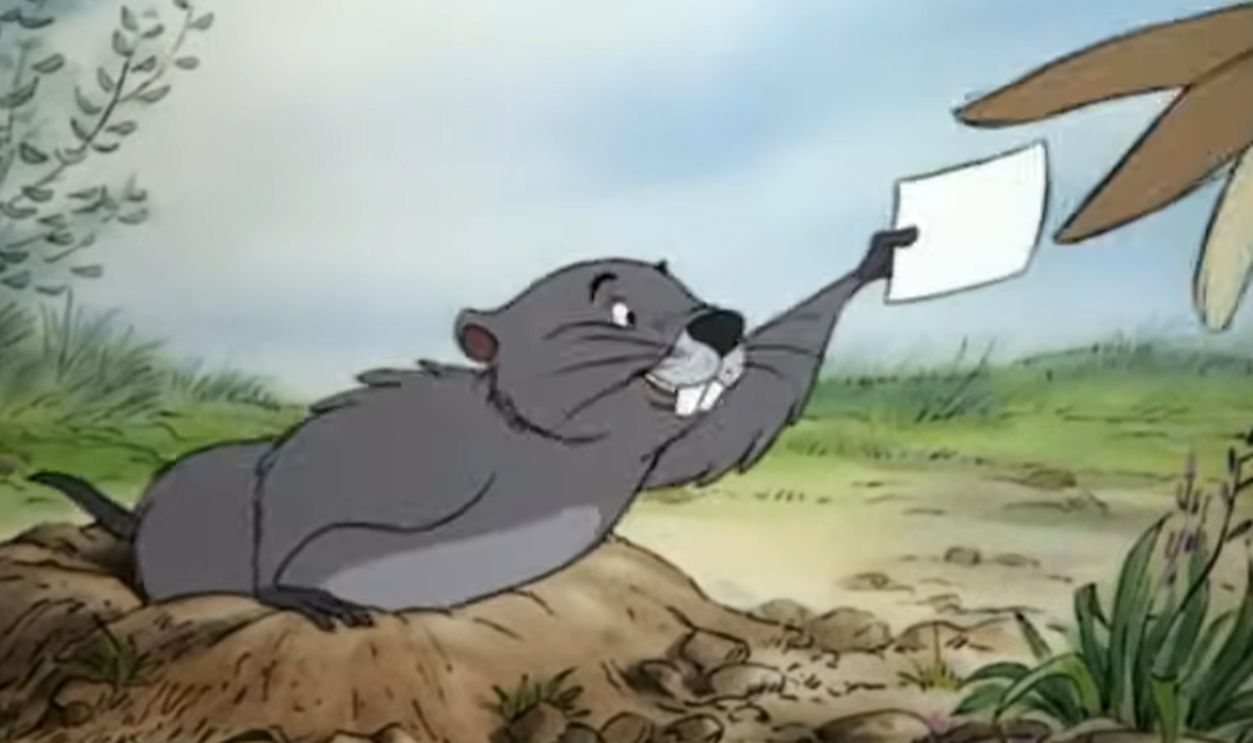 Screenshot from Winnie the Pooh and the Honey Tree, Buena Vista Distribution (1966)
Voice Direction Extended His Reach
Morris eventually worked as a voice director as well as a performer. That role required him to guide other actors, shape vocal characterizations, and maintain consistency across animated productions. His behind-the-scenes knowledge therefore influenced performances he did not personally voice. The career path combined everything he had learned about acting, rhythm, sound, and direction.
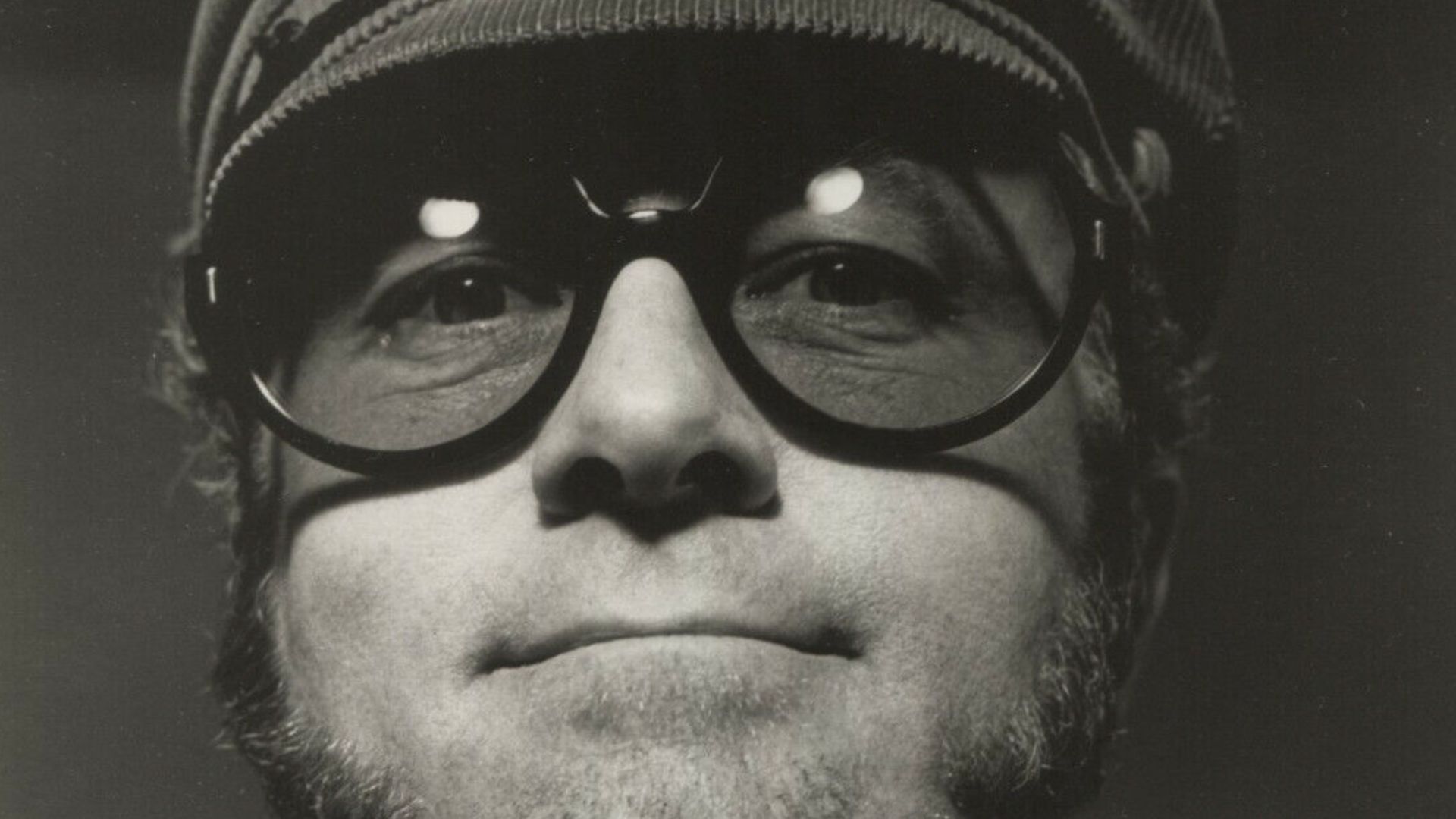 Unknown authorUnknown author, Wikimedia Commons
Ernest T. Remained The Face Of A Much Larger Legacy
Morris reprised Ernest in the 1986 television movie Return to Mayberry, joining many familiar members of the original cast. He continued to speak affectionately about the character even though Ernest represented only a tiny portion of his professional output. Morris died in 2005 after a career spanning more than 50 years and over 150 film and television credits. Fans remembered the rocks and rhymes, while television history also carries the mark of the actor, director, and vocal craftsman working behind them.
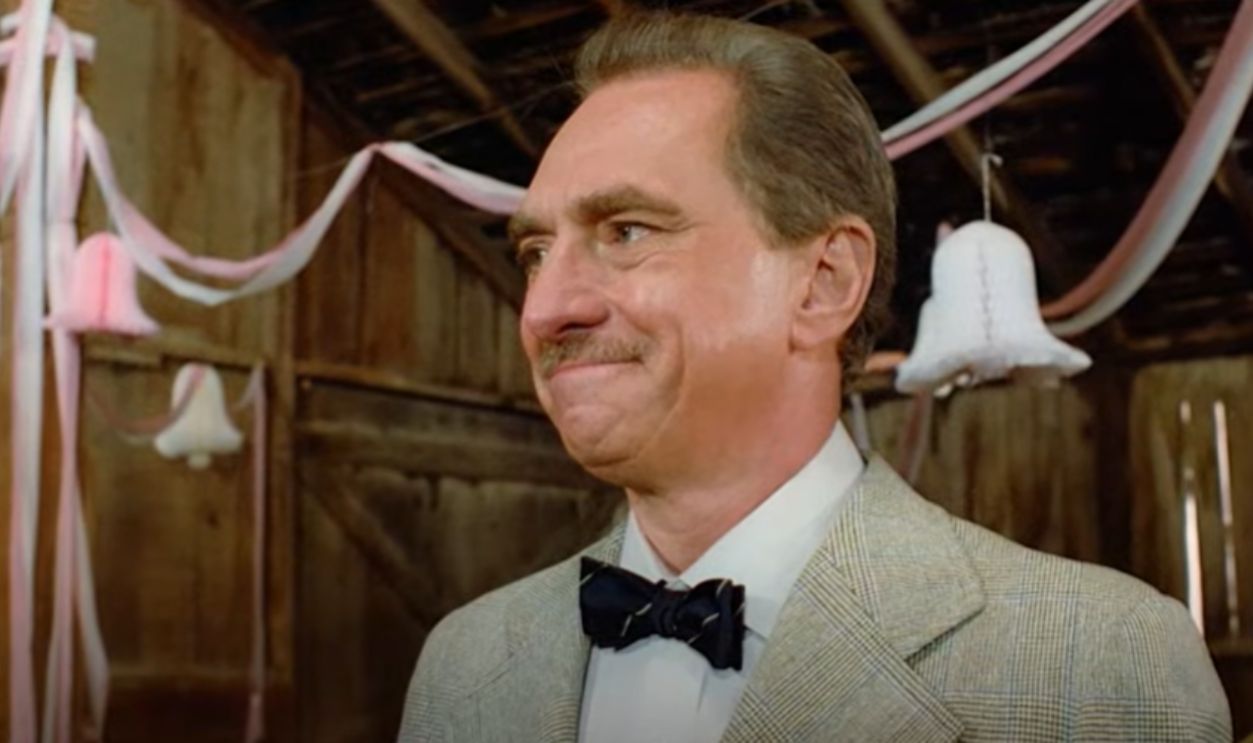 Screenshot from Return to Mayberry, Viacom Inc. (1986)
You May Also Like:
Forgotten Shows From The Golden Age Of Television
Andy Griffith: The Hidden Darkness Behind the Sheriff’s Badge