Ma Ingalls Had More Fight Than Viewers Knew
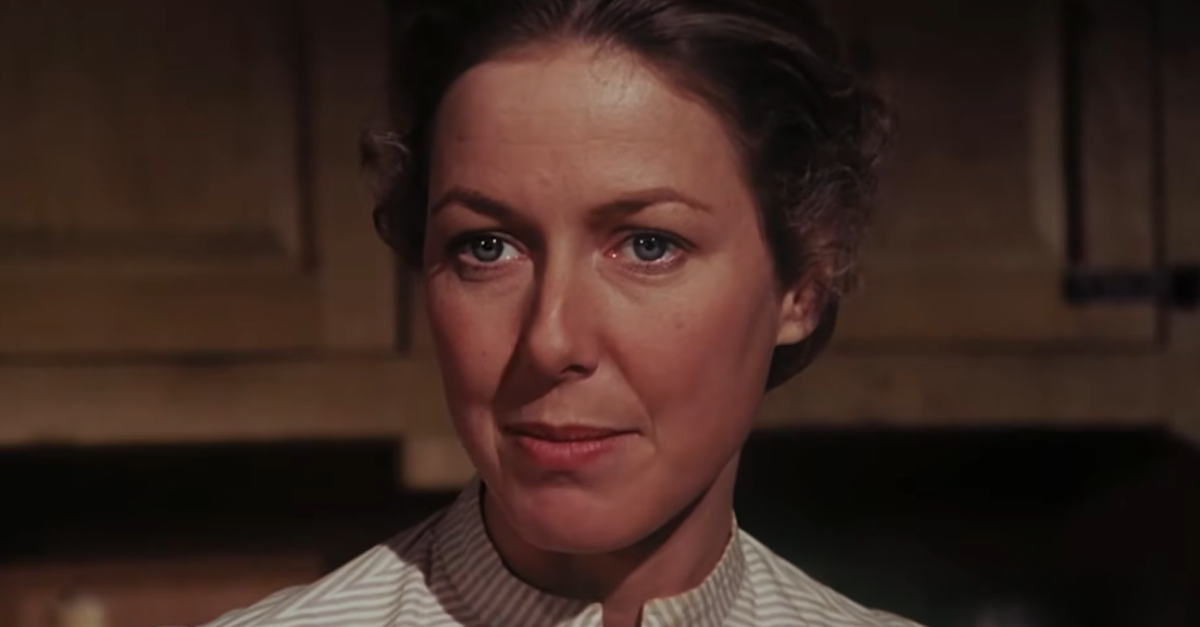
For millions of viewers, Karen Grassle was the steady, reassuring Caroline Ingalls on Little House on the Prairie. Behind the scenes, however, Grassle was a classically trained actress navigating a television production where her costar Michael Landon was also a director, writer, executive producer, and ultimately her boss. As Grassle later explained, that arrangement meant their working relationship could never truly be equal.
 Screenshot from Little House on the Prarie, Amazon Prime Video
She Had Serious Training Before Little House
Grassle did not arrive in Hollywood as an inexperienced performer hoping television might work out. After studying at the University of California, Berkeley, she received a Fulbright to study at the London Academy of Music and Dramatic Art. She also trained with San Francisco's Actor's Workshop and Pasadena Playhouse, giving her an extensive theatrical background before becoming Caroline Ingalls.
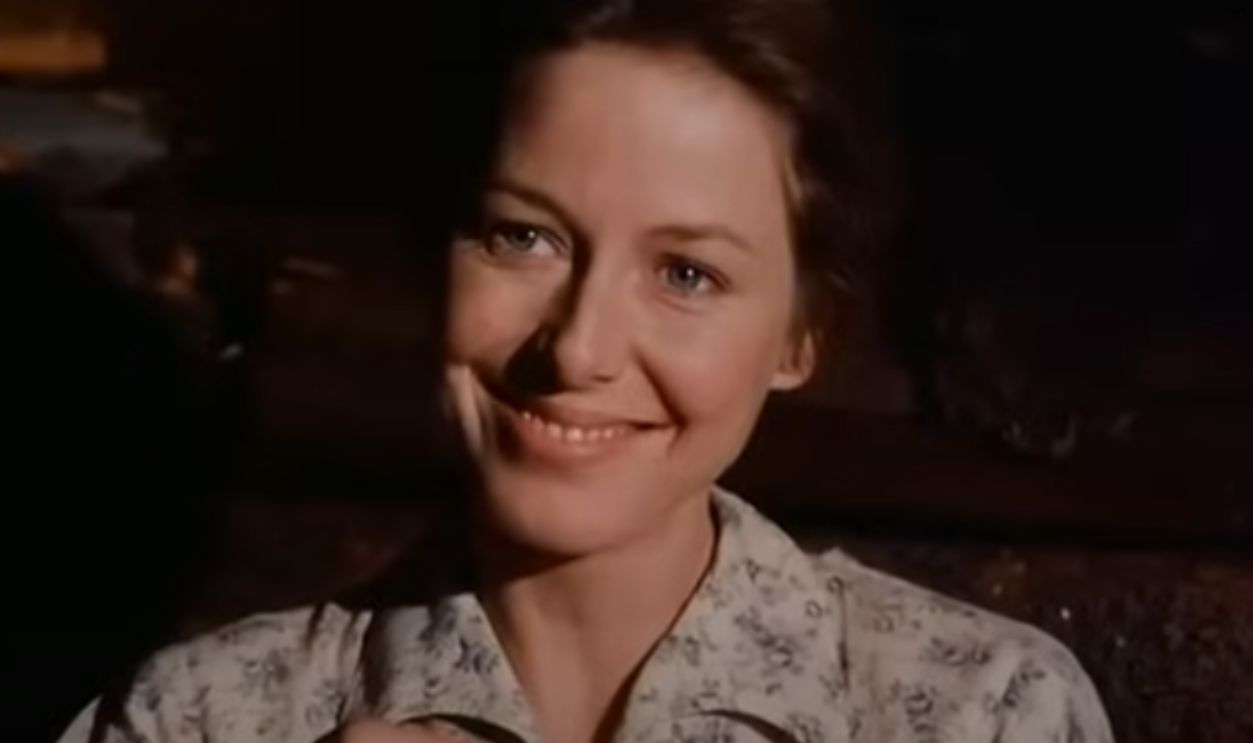 Screenshot from Little House on the Prairie, NBC (1974–1983)
Broadway Came Before Walnut Grove
Before audiences knew her as Ma, Grassle had already reached Broadway. She made her Broadway debut in The Gingham Dog and later worked with the New York Shakespeare Festival, appearing alongside performers including Sam Waterston and Christopher Walken. Theater remained important to her even after television made her famous.
 By Tabercil, Wikimedia Commons
Hollywood Wasn't Exactly Her Master Plan
Grassle's road to Little House began with a professional disaster. She returned from England for an independent movie in California, only for the project to collapse. She later recalled being essentially broke when her agent suggested auditioning for a television project starring Michael Landon, whom she primarily knew as an actor from Bonanza.
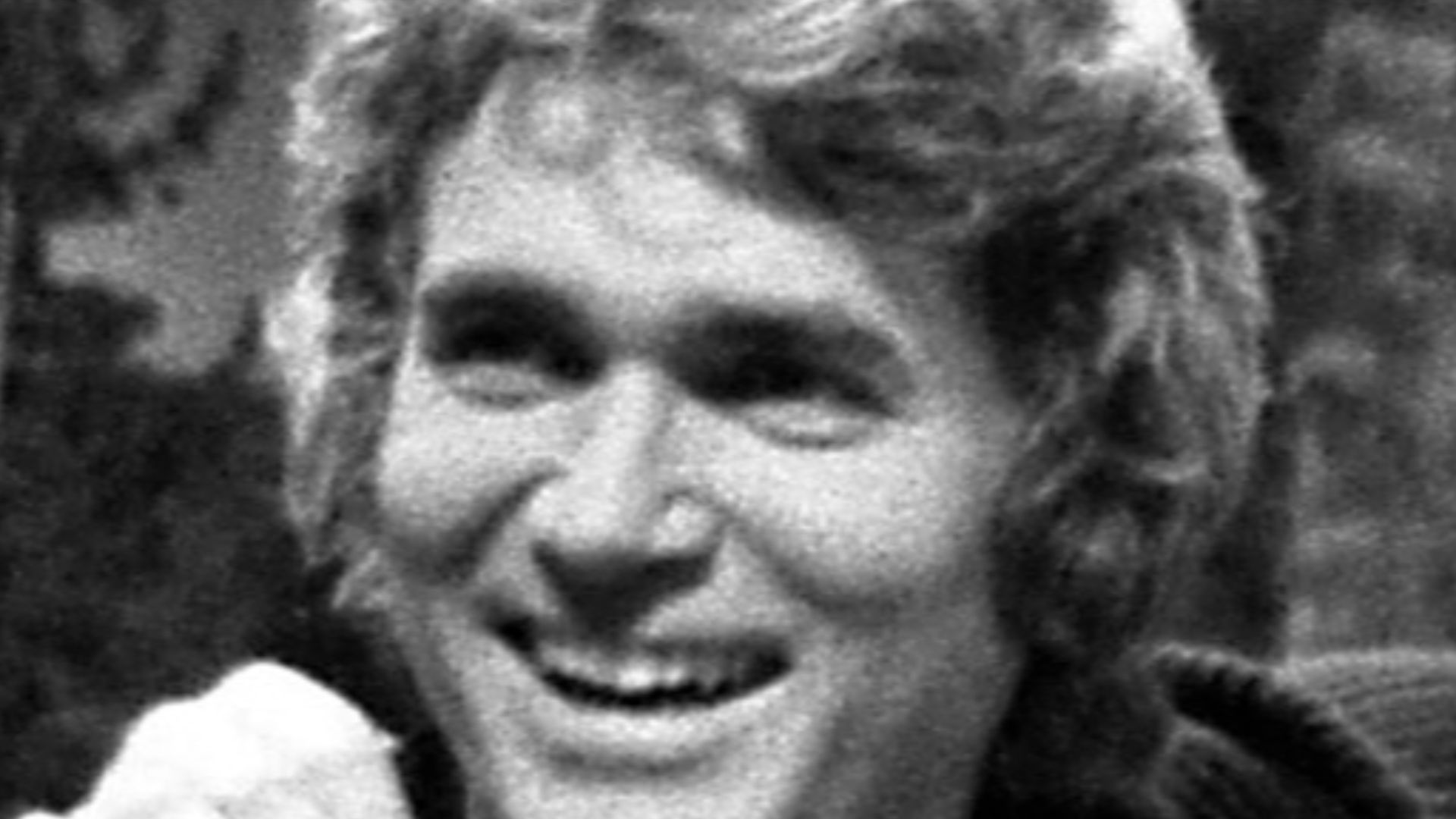 Larry Bessel, Los Angeles Times, Wikimedia Commons
Her Audition Changed Everything
Grassle's meeting with Landon quickly became more promising than the failed movie. She remembered Landon getting down on the floor to read scenes with her during the audition. Her performance apparently settled the matter quickly, and she was soon headed to wardrobe as the newly cast Caroline Ingalls.
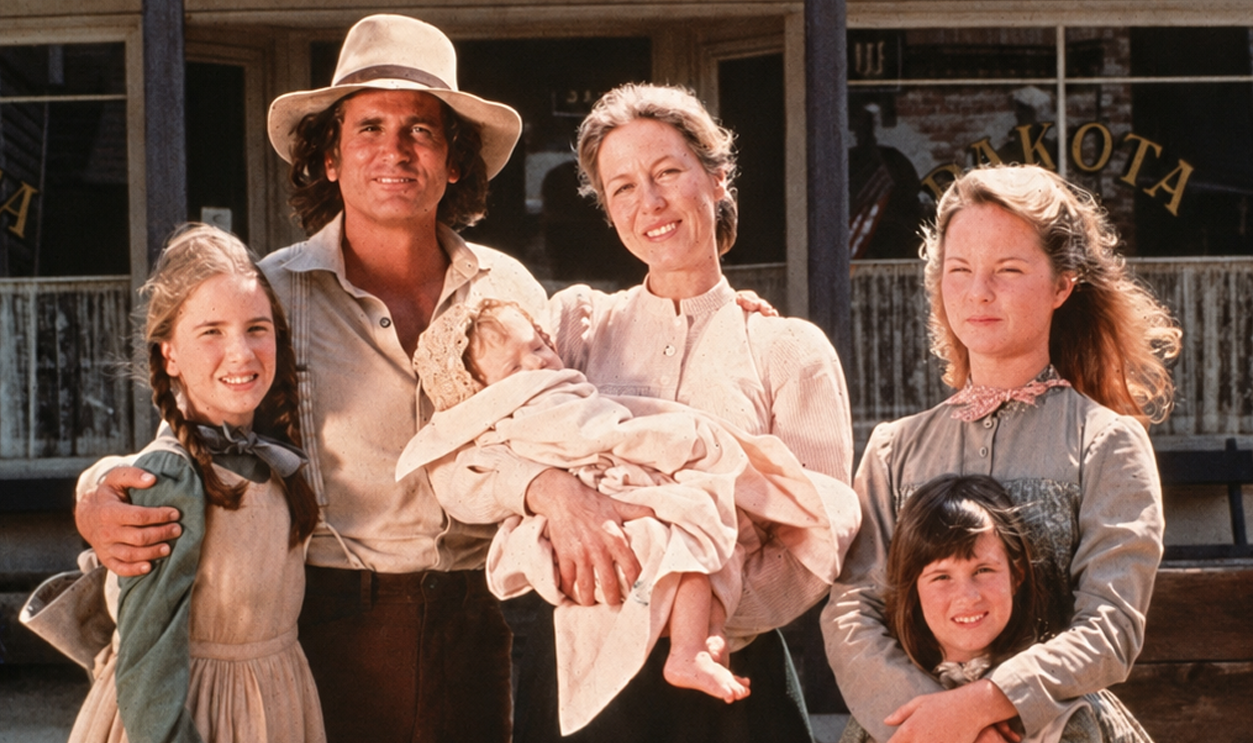 Fotos International, Getty Images
She Built Caroline Around Her Own Mother
Grassle did not approach Caroline as a generic television mom. She studied Laura Ingalls Wilder's descriptions and photographs while drawing heavily from her own mother, who had taught in a one-room schoolhouse and ridden a horse to school. Grassle used that toughness, intelligence, and practicality to shape her performance.
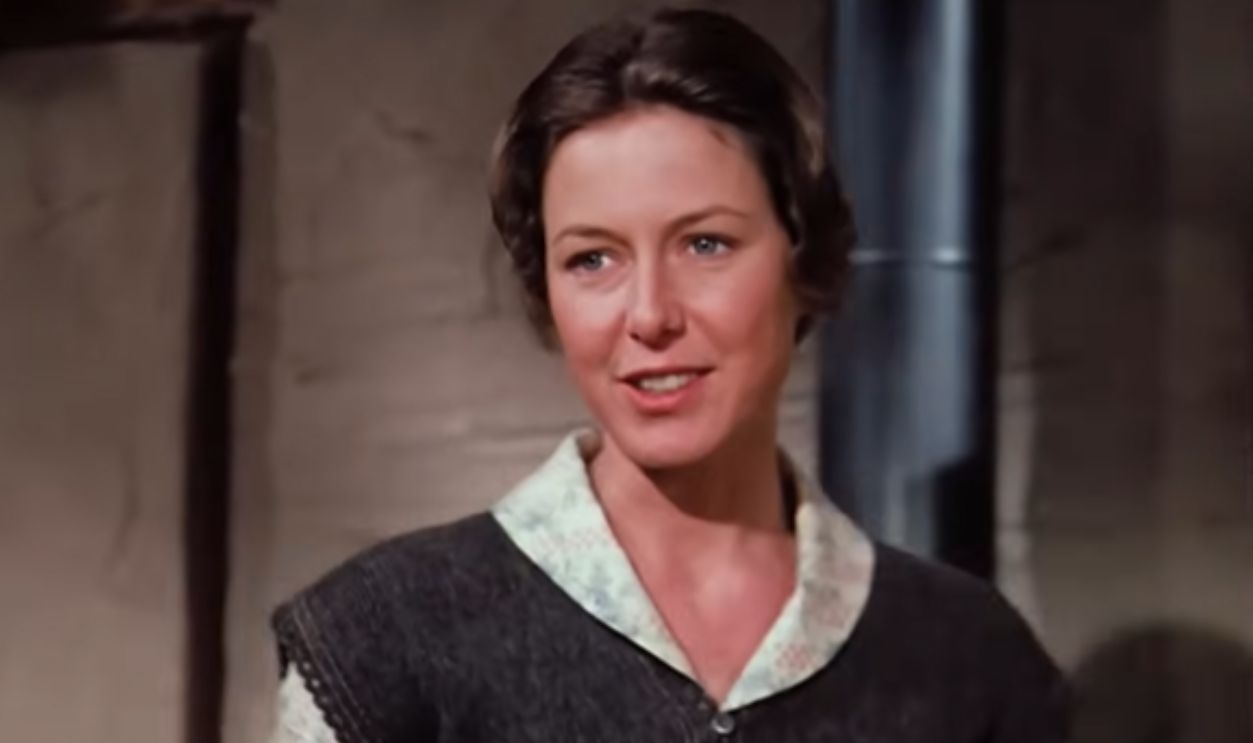 Screenshot from Little House on the Prairie, NBC (1974-1983)
The Show Became A Hit
Little House on the Prairie became one of the defining family dramas of its era, but success created new questions about what Grassle's contribution was worth. Once the series was performing strongly, Grassle believed her compensation should reflect her position as one of its principal adult stars. That was when her relationship with Landon began changing dramatically.
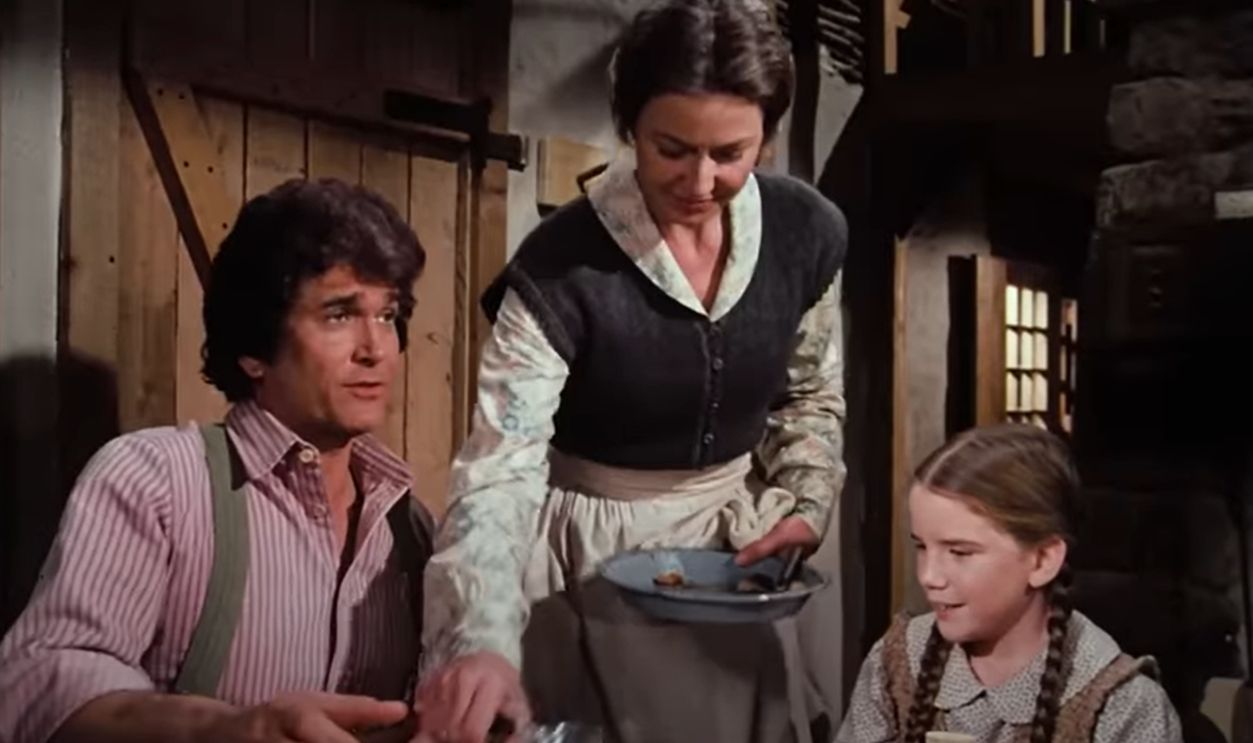 Screenshot from Little House on the Prairie, NBC (1974–1983)
She Asked For A Raise
Grassle has said that the trouble intensified during the show's second season when she pushed for better compensation. She believed she deserved a fair wage for her work on a successful television series. Landon resisted, beginning a dispute that affected far more than Grassle's paycheck.
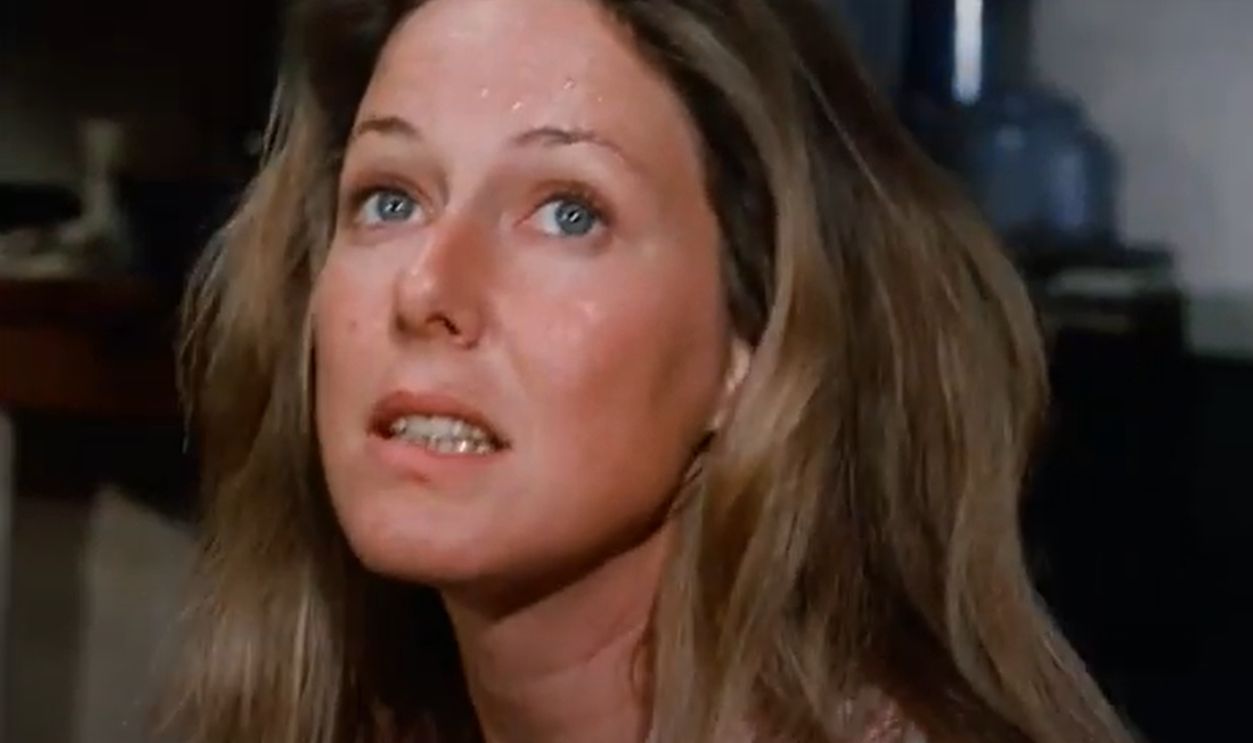 Screenshot from Little House on the Prairie, NBC (1974–1983)
The Negotiation Became Personal
According to Grassle, Landon's attitude toward her noticeably changed during their contract dispute. She remembered arriving at work knowing that he was angry with her and described the tension as extremely difficult. Nevertheless, she made a deliberate decision to continue showing up and performing her job professionally.
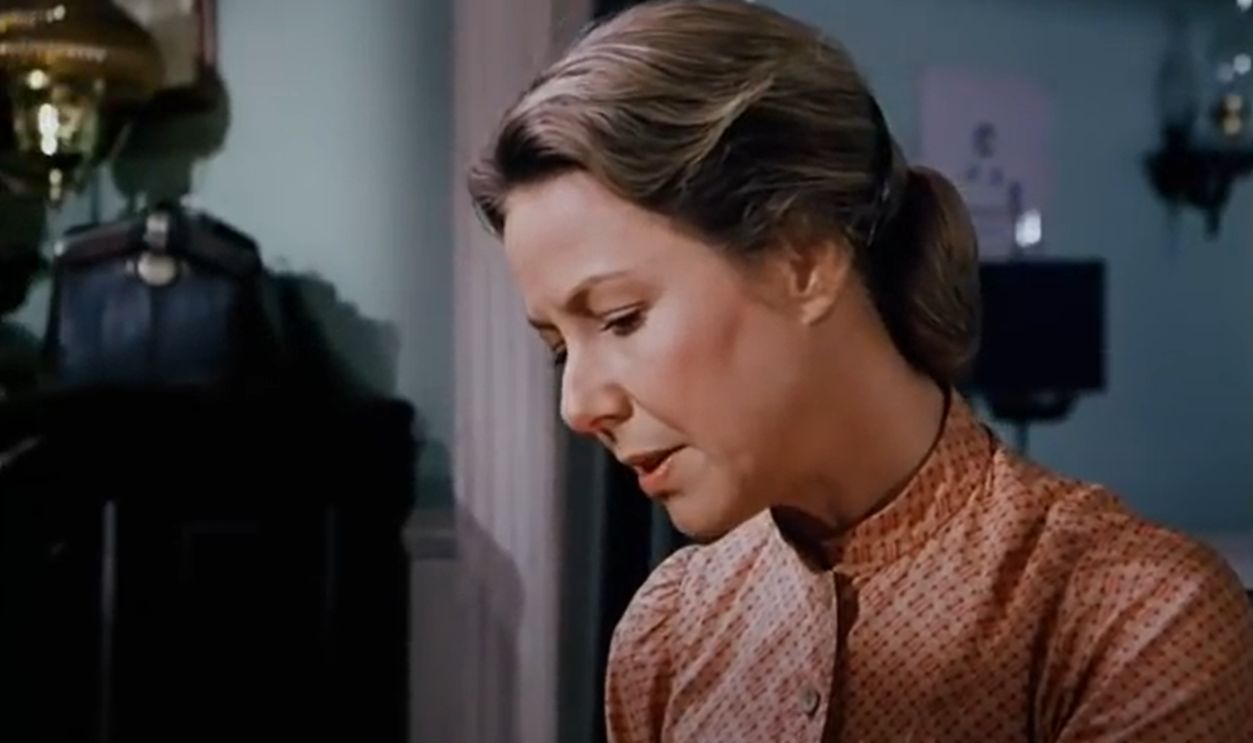 Screenshot from Little House on the Prairie, NBC (1974–1983)
Walking Away Would Have Been Easier
Grassle later explained why she kept going despite the uncomfortable atmosphere. She had spent years developing herself as an actress and did not want to abandon what she had worked for simply because negotiations had become unpleasant. For her, continuing to perform became an act of professional self-respect.
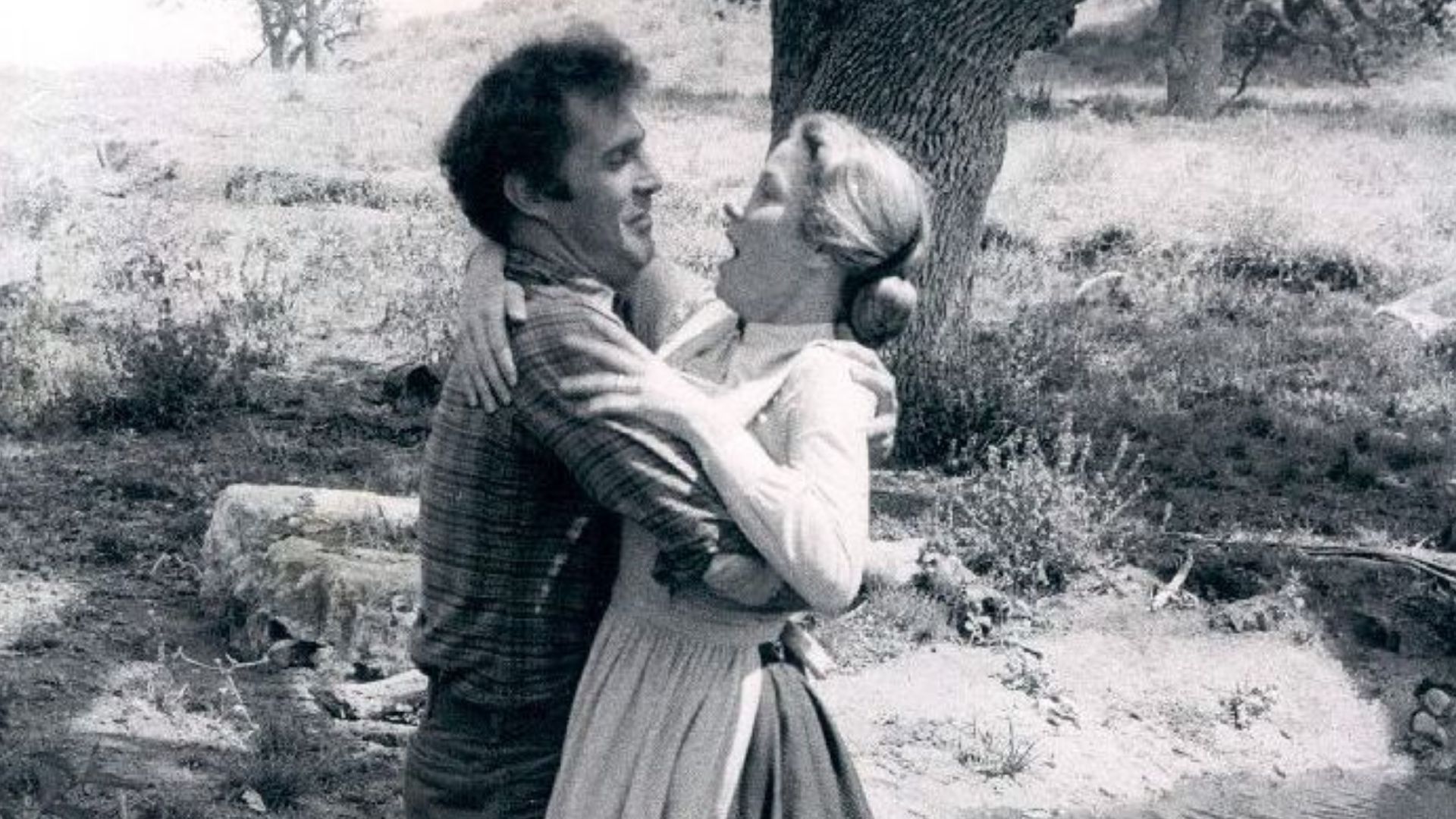
Landon Held Enormous Power
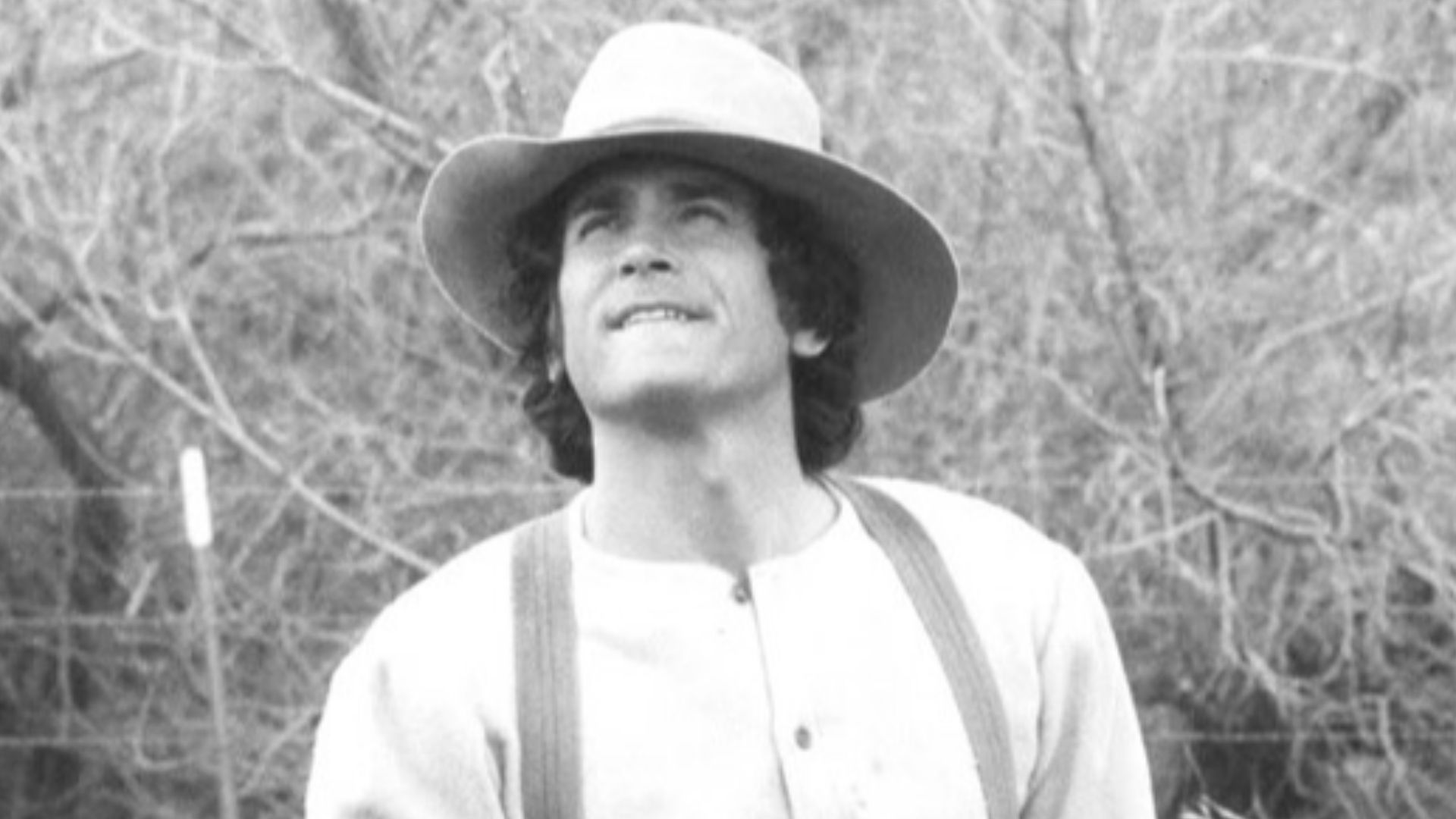
The conflict was complicated by Landon's multiple roles on the series. Grassle wasn't merely negotiating with a fellow actor. Landon was also deeply involved creatively and professionally in the production, meaning disagreements followed them straight onto the set. Grassle later called this imbalance the greatest challenge of working on Little House.
 NBC Television, Wikimedia Commons
She Eventually Got Her Contract
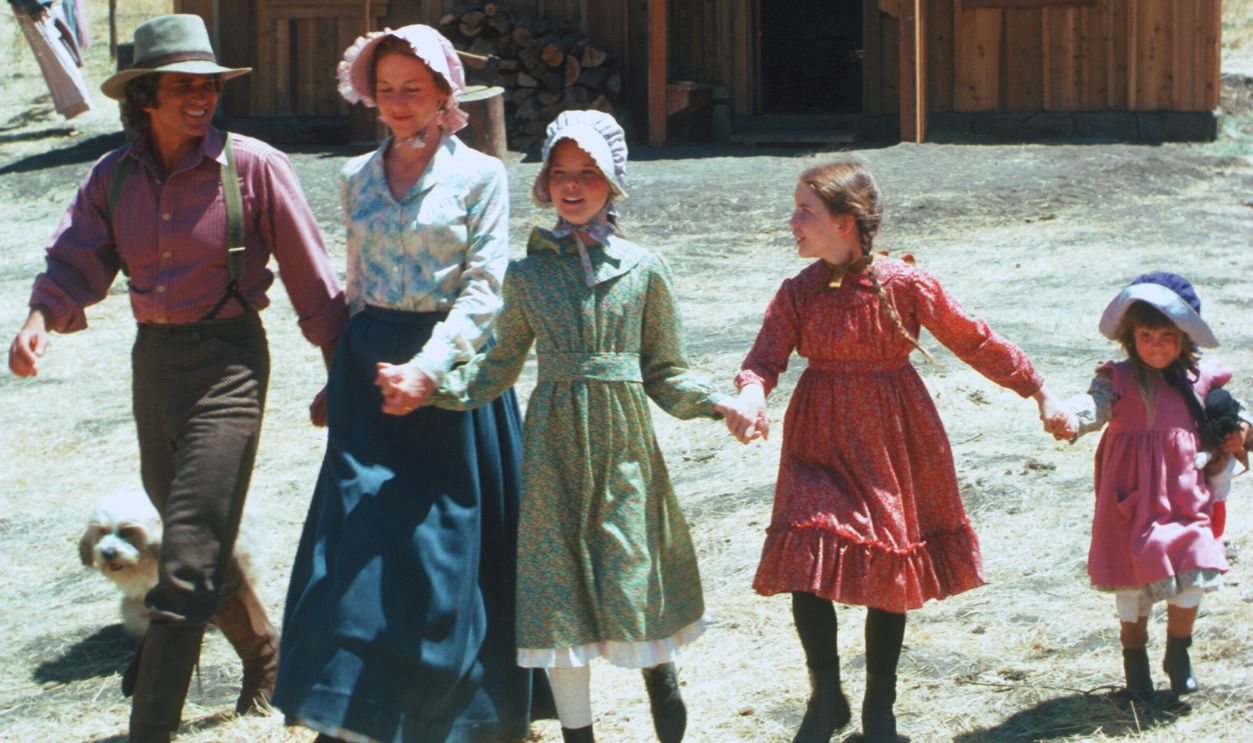
Grassle's persistence ultimately produced results. She said that after roughly a year and a half she received what she considered an excellent contract appropriate for that period. Yet she also remembered feeling that obtaining fair compensation came at a substantial personal and professional cost.
 Michael Ochs Archives, Getty Images
The Atmosphere Didn't Immediately Improve
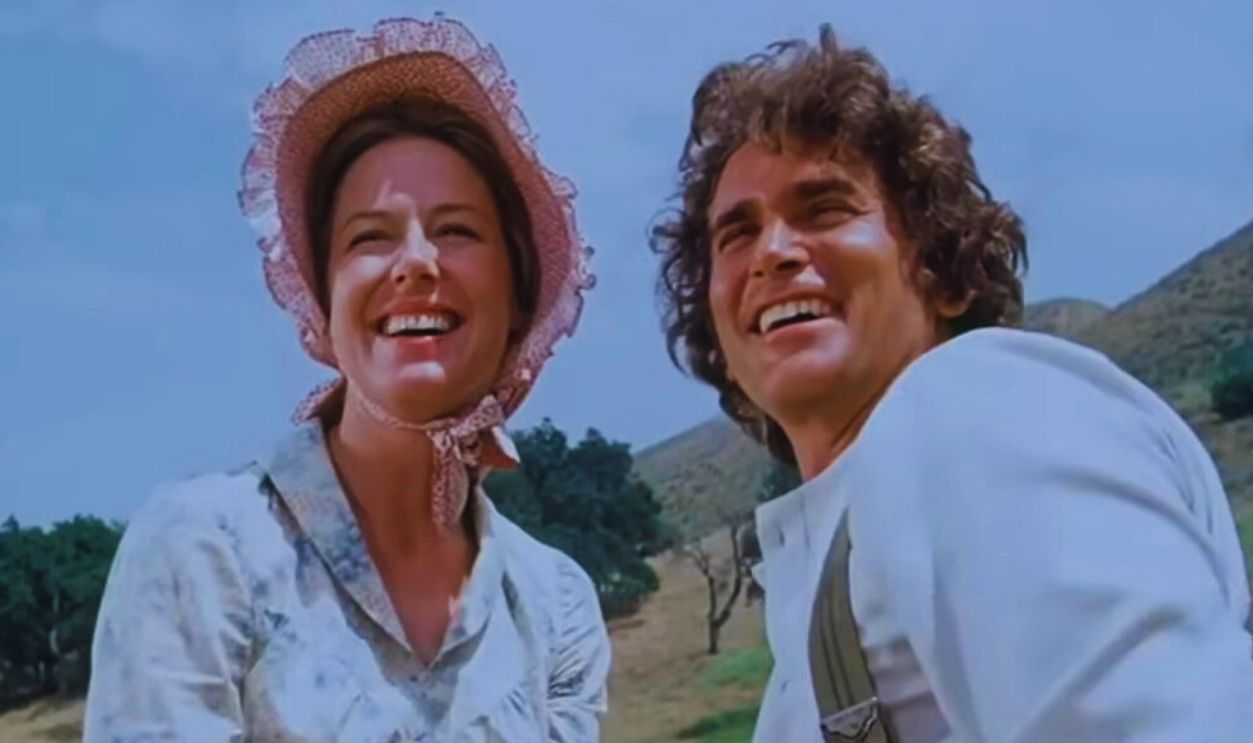
Winning the contract did not magically erase the resentment. Grassle recalled feeling that Landon could use his sharp sense of humor against people and that she sometimes became its target. She continued working opposite him, creating the affectionate Charles-and-Caroline marriage viewers saw even when their real working relationship was strained.
 Screenshot from Little House on the Prairie, NBC (1974–1983)
His Humor Also Bothered Her
Salary was not Grassle's only complaint. In later accounts, she described being uncomfortable with crude and humor on the set. Those experiences contributed to the resentment she carried long after the series ended and complicated her feelings about a program audiences associated with warmth and wholesome family entertainment.
Screenshot from Little House on the Prairie, NBC (1974–1983)
She Wanted More For Caroline
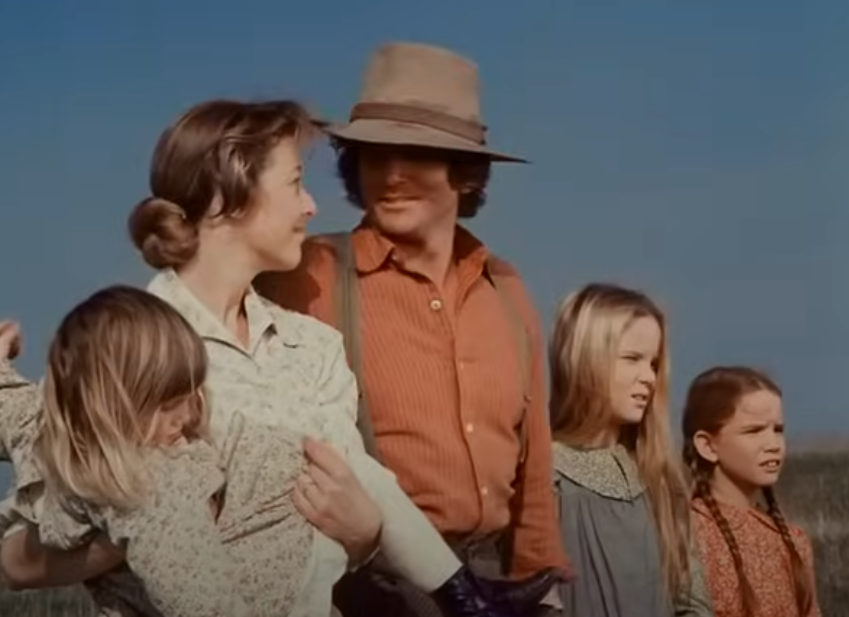
Grassle also tried to make Caroline a more complex character. She later revealed that she proposed a storyline in which the pressures and disasters of frontier life would cause Caroline to experience a nervous breakdown. Grassle believed such a story could portray a historically grounded hardship faced by pioneer women, but producers rejected the idea.
 Screenshot from Little House on the Prairie, NBC (1974–1983)
Ma Wasn't Her Only Creative Outlet
Grassle's interest in serious issues extended beyond Little House. During the series' run, she co-created and helped write the 1978 television movie Battered, a drama concerning domestic issues. Grassle also appeared in the film, alongside performers including Mike Farrell, LeVar Burton, Joan Blondell, and Diana Scarwid.
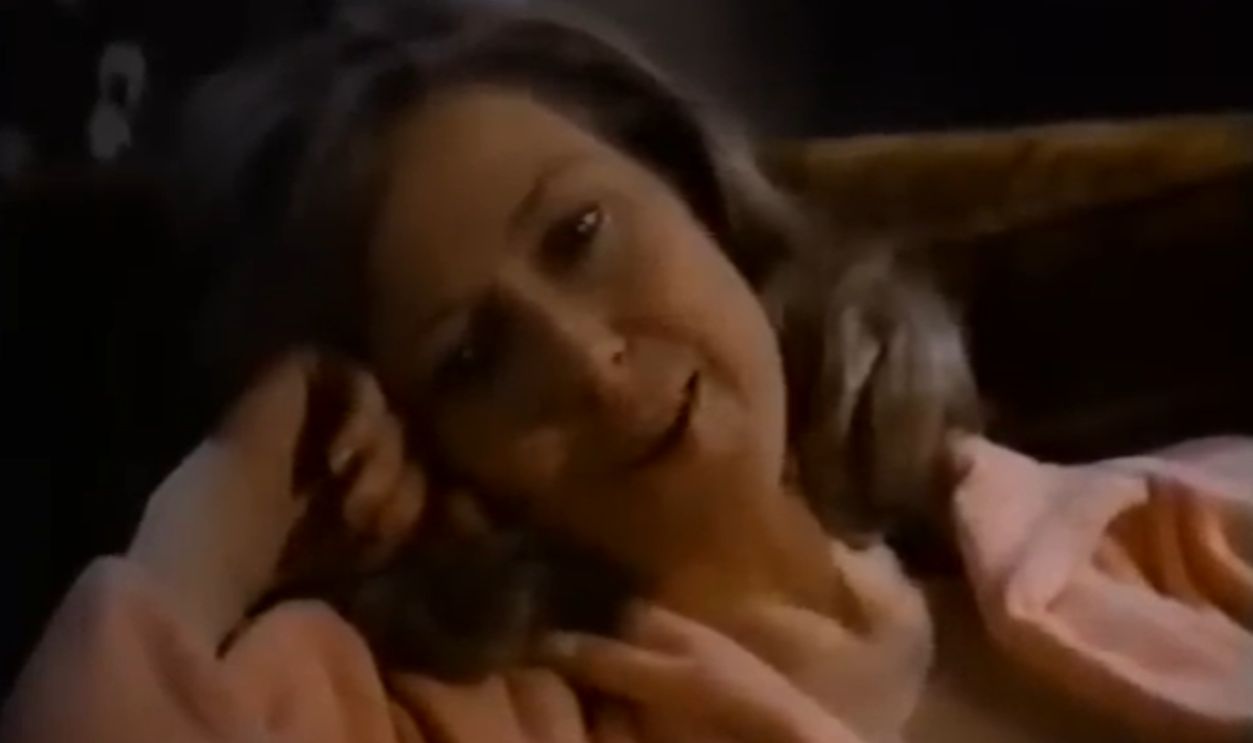 Screenshot from Battered, NBC (1978)
She Was Dealing With Personal Problems Too
While navigating professional conflict, Grassle was also confronting alcoholism. She has spoken publicly about seeking help in 1977, shortly before her father passed from the disease. Her later willingness to discuss her sobriety added another layer to the composed television mother viewers remembered.
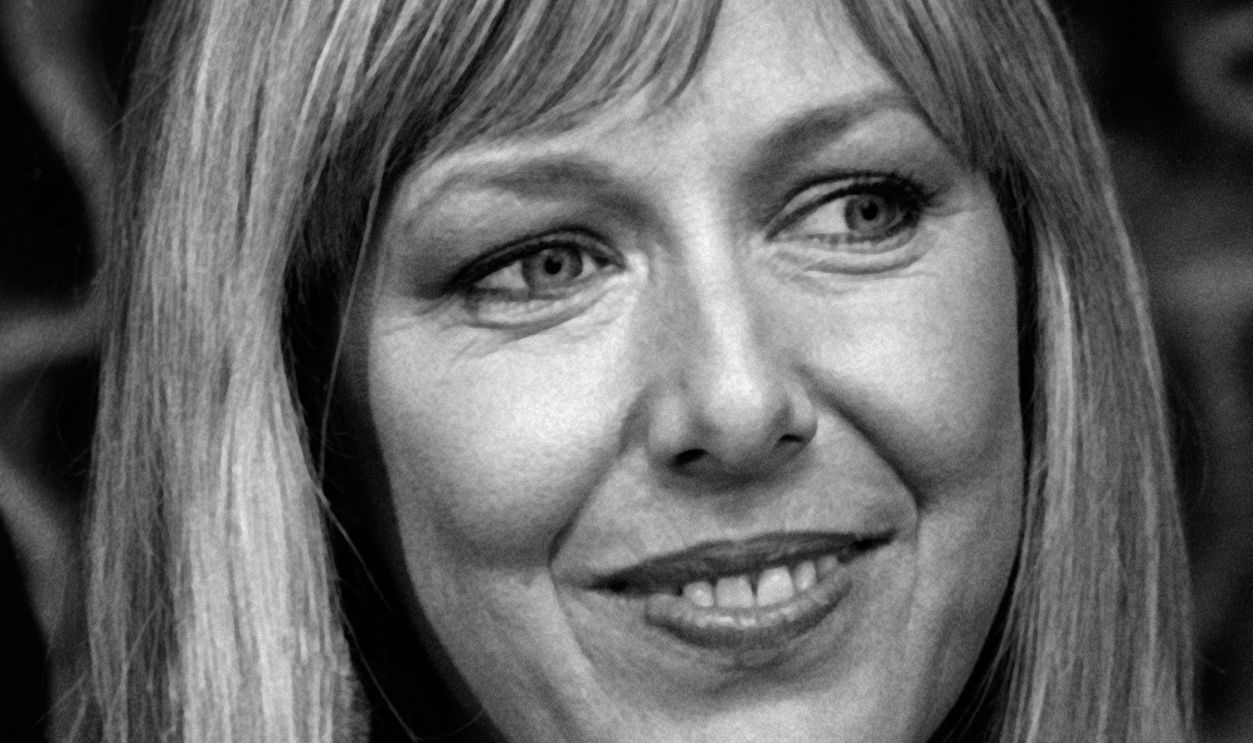
Eight Seasons Were Enough
Grassle remained with Little House on the Prairie for eight seasons, an impressive run considering the tensions she later described. By the time she left, Caroline Ingalls had become inseparable from her public identity. Grassle nevertheless continued pursuing other acting opportunities rather than simply remaining inside the world of Walnut Grove.
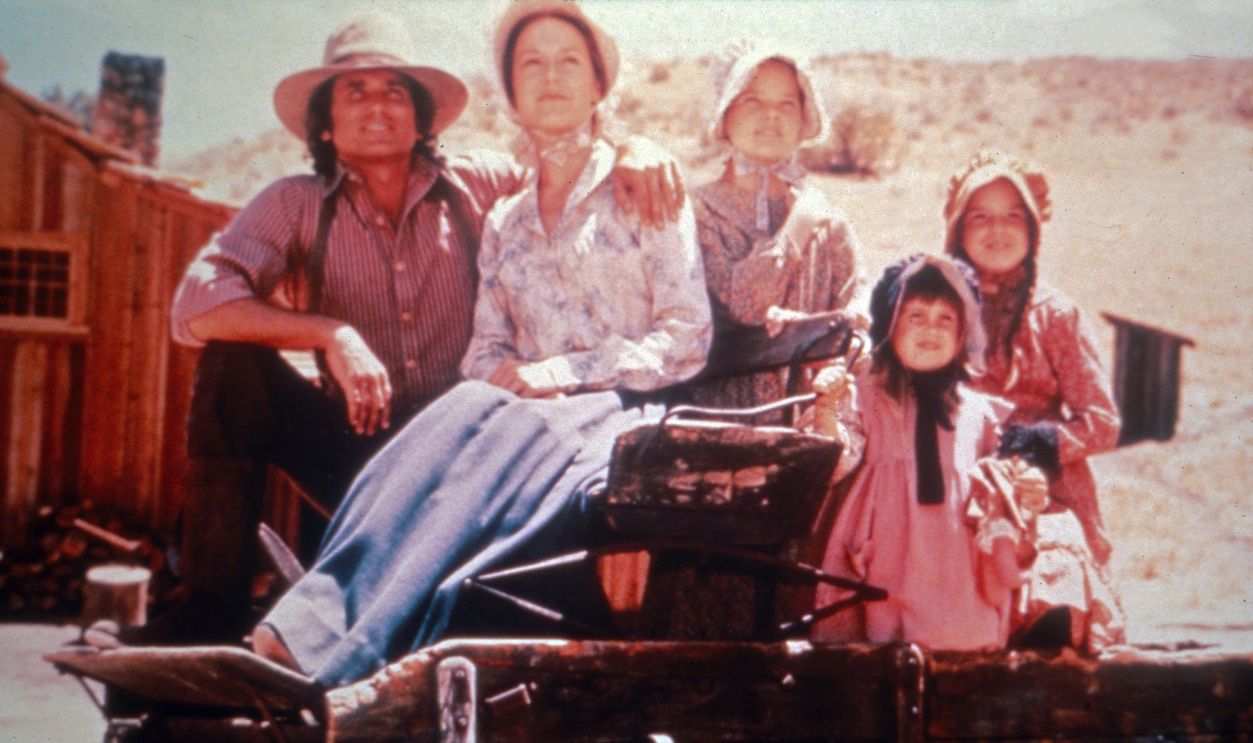
Theater Kept Calling Her Back
Grassle continued working extensively onstage after Little House. Her career included six years at Actors Theatre of Louisville as well as performances around the United States and Canada. That long return to theatrical work reflected the career she had been building before television unexpectedly turned her into one of America's most recognizable mothers.

She Eventually Returned As Caroline
Grassle did not completely close the door on Walnut Grove. She returned as Caroline for the 1984 television movie Little House: The Last Farewell, alongside Landon and Melissa Gilbert. The story brought Charles and Caroline back as Walnut Grove residents fought a businessman claiming ownership of their land.
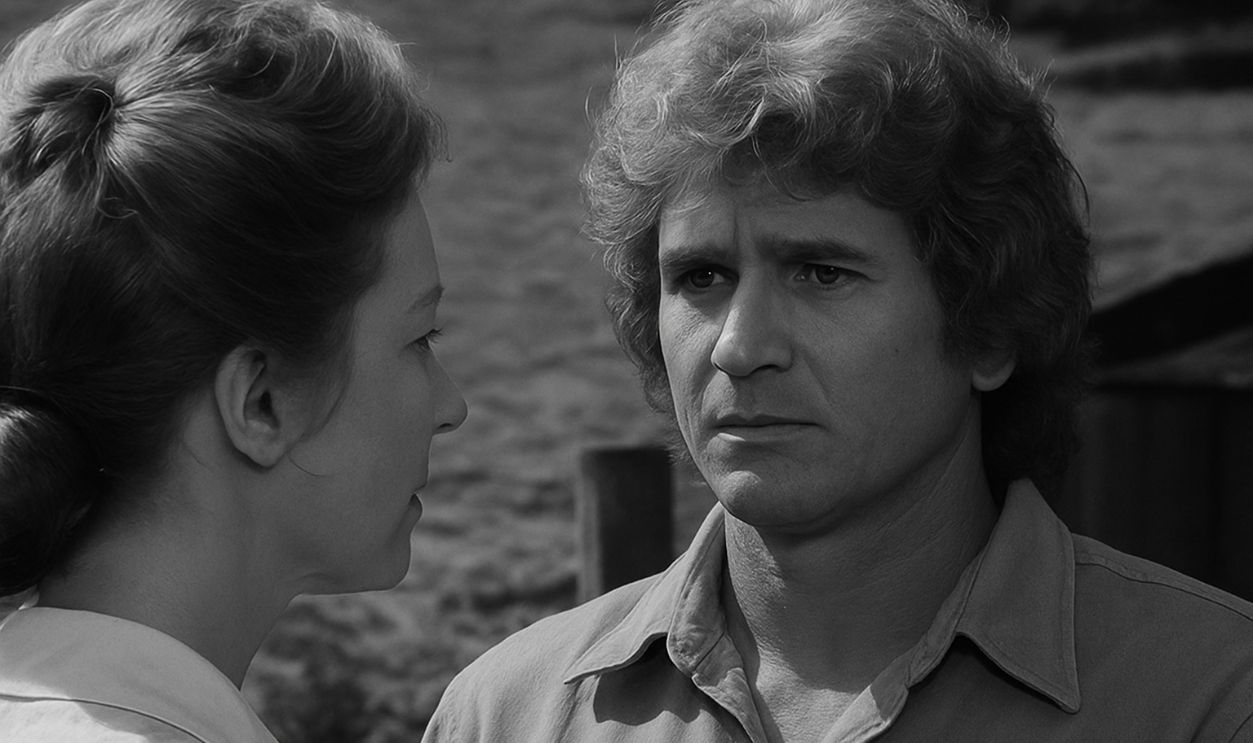 Screenshot from Little House: The Last Farewell, NBC (1984–1986)
She Made Peace With Landon
Despite their difficult history, Grassle's relationship with Landon did not end entirely in bitterness. She has discussed reconnecting with him before his end in 1991 and reaching a degree of resolution. That reconciliation did not erase what happened, but it allowed Grassle to acknowledge both his considerable talent and the problems she experienced working for him.
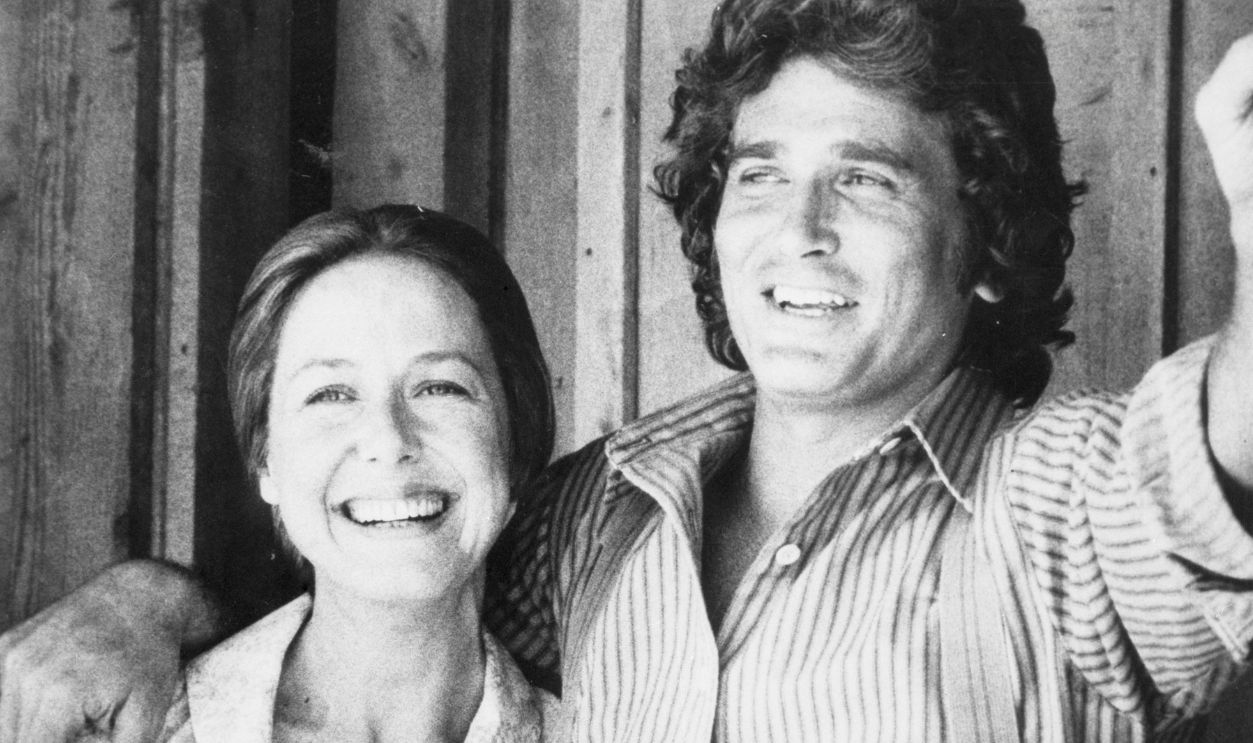
For Years, She Kept Her Distance
The emotional fallout lasted much longer than the series itself. Grassle said she separated herself from the Little House fan community for years because her memories remained connected to resentment and anger surrounding Landon. Publishing her 2021 memoir, Bright Lights, Prairie Dust, helped her begin revisiting that part of her life more openly.
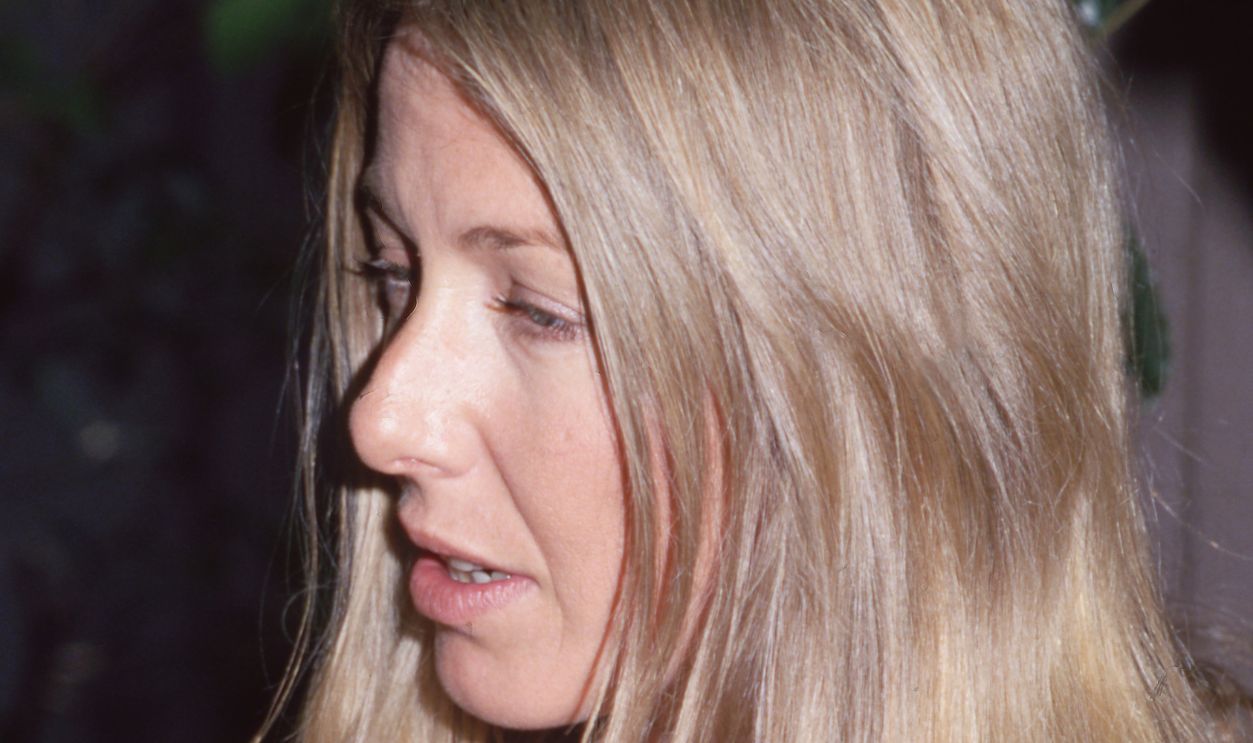
Fans Changed The Way She Saw Ma
Reconnecting with viewers gave Grassle a different perspective on Caroline. She has spoken about being astonished by people who told her that Ma's strength and kindness influenced their lives. The character she had once struggled to make deeper had become meaningful to generations of viewers in ways Grassle could not fully appreciate while filming the show.
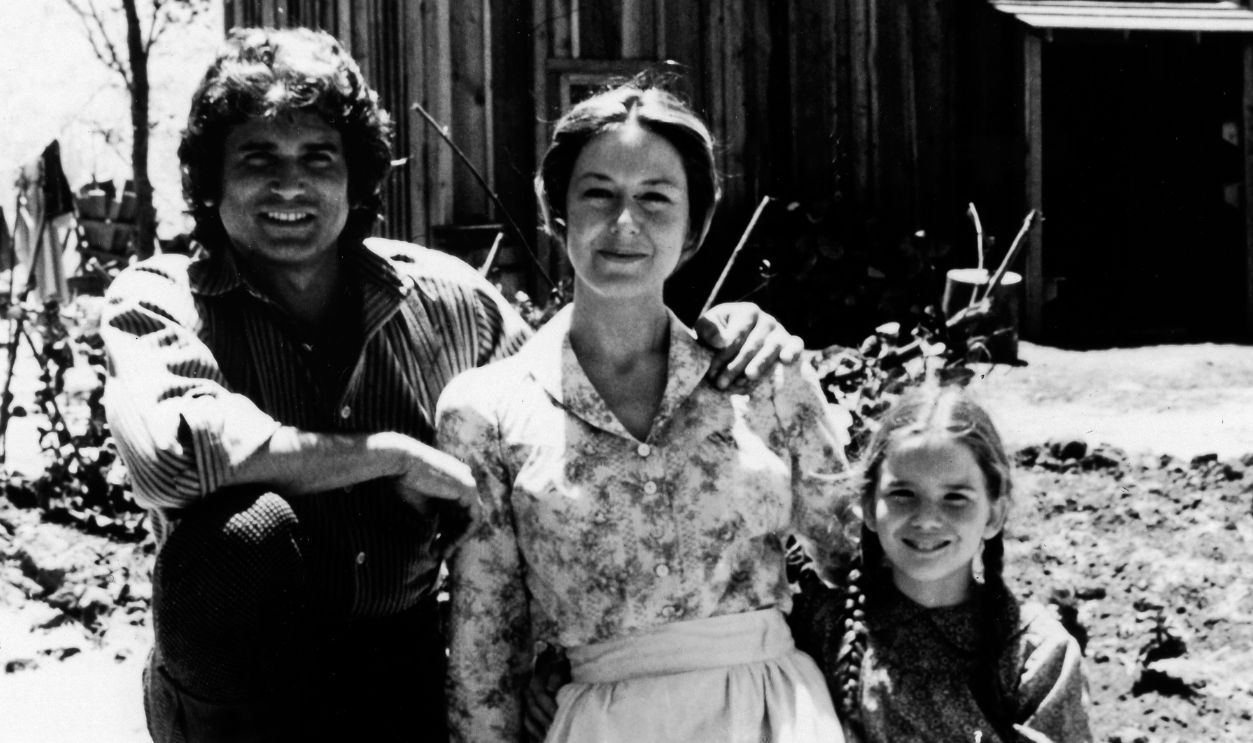
Grassle Finally Got To Tell Her Own Story
Grassle's memoir and later interviews allowed her to describe Little House without pretending everything behind the camera matched the harmony onscreen. She could celebrate the work, acknowledge Landon's abilities, discuss their conflicts, and explain why fighting for better treatment mattered. Caroline Ingalls may remain her defining role, but Grassle ultimately made sure audiences understood the determined actress behind Ma's bonnet.
You May Also Like: