He Made Longevity Look Effortless.
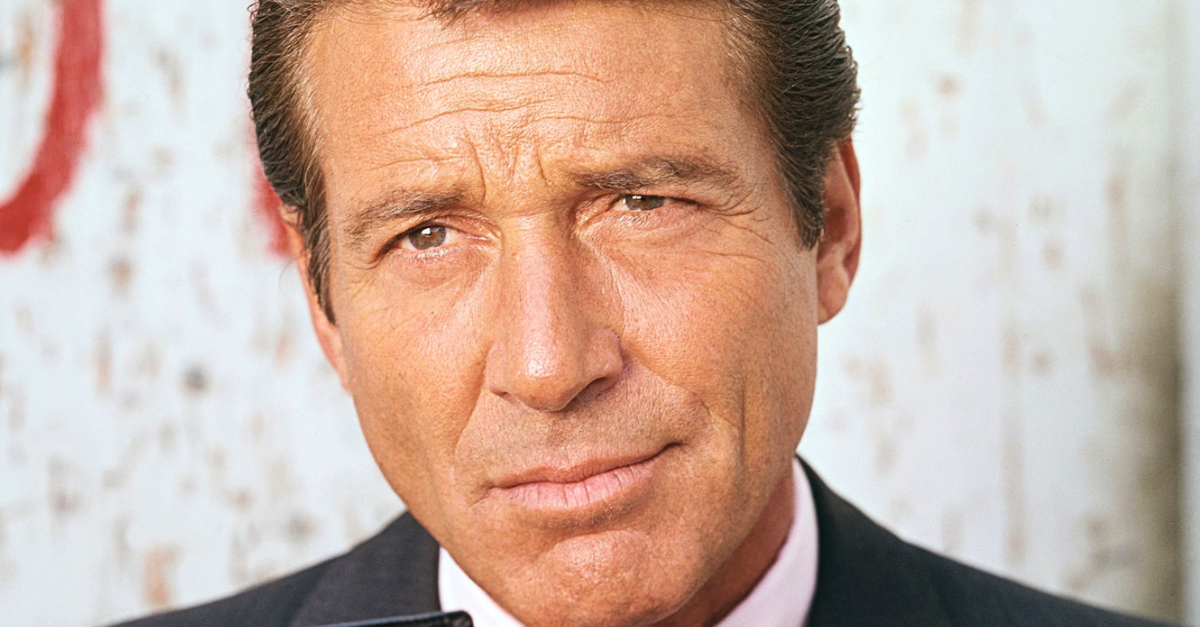
Efrem Zimbalist Jr. moved from Broadway and military service to two long-running television hits, then reinvented himself as a distinguished voice actor when many of his contemporaries had already retired. His career endured because he never chased attention as aggressively as he earned an audience’s trust.
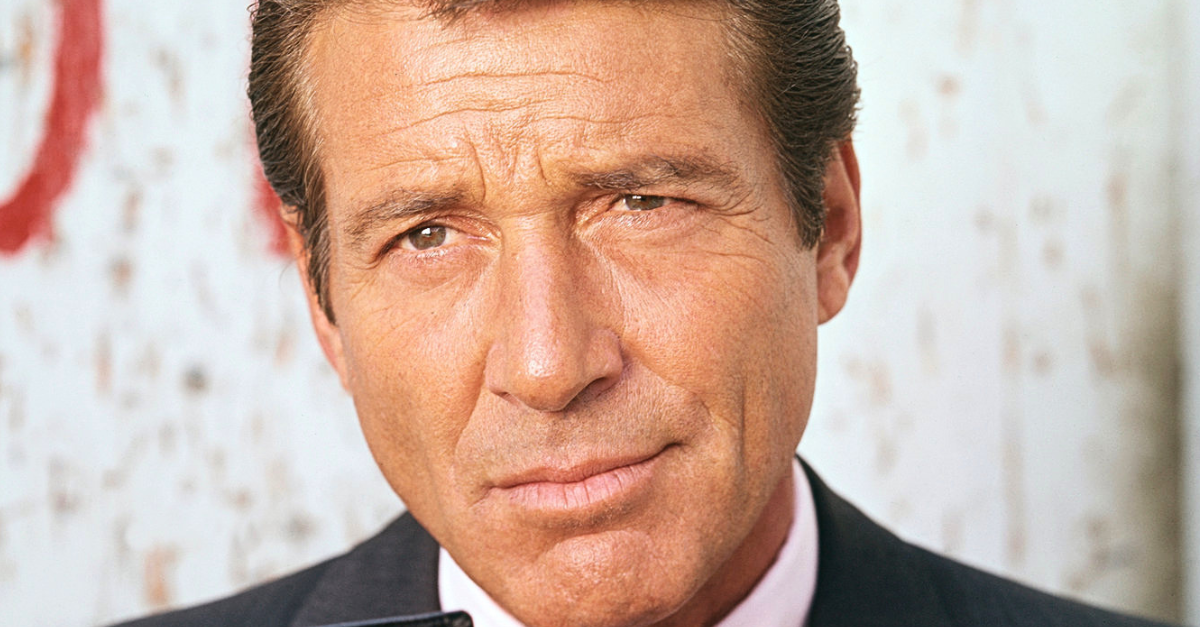 ABC Photo Archives / Getty Images
He Was Born Into A Famous Musical Family
Zimbalist was the son of concert violinist Efrem Zimbalist Sr. and acclaimed opera singer Alma Gluck. Growing up around internationally recognized musicians exposed him to performance, discipline, and public life from an early age. He eventually built a career independent of both parents, but their polished artistic world remained visible in his voice and bearing.

His First Television Persona Felt Naturally Sophisticated
Obituary writers repeatedly described Zimbalist as handsome, debonair, and blessed with a distinguished voice. Those qualities made him especially convincing as cultured detectives, federal agents, wealthy professionals, and other men accustomed to authority. He rarely looked as though he was forcing sophistication because it seemed built into his posture and speech.
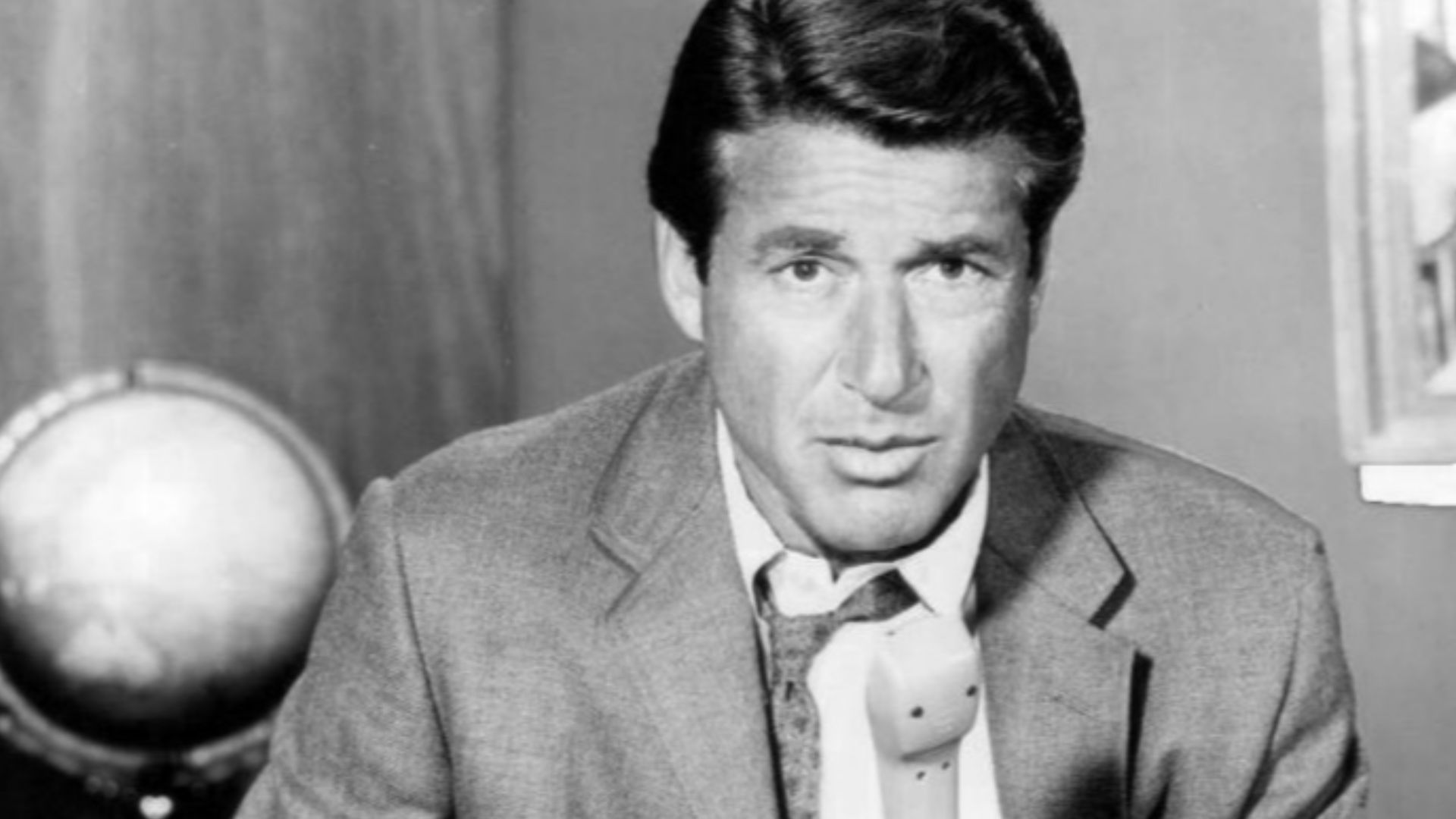 ABC Television, Wikimedia Commons
He Served Before He Became A Star
During World War II, Zimbalist served in the United States Army infantry. He was wounded by shrapnel and received a Purple Heart, adding genuine wartime experience to the discipline he later brought to professional roles. His military service made the seriousness behind his polished screen presence easier to understand.
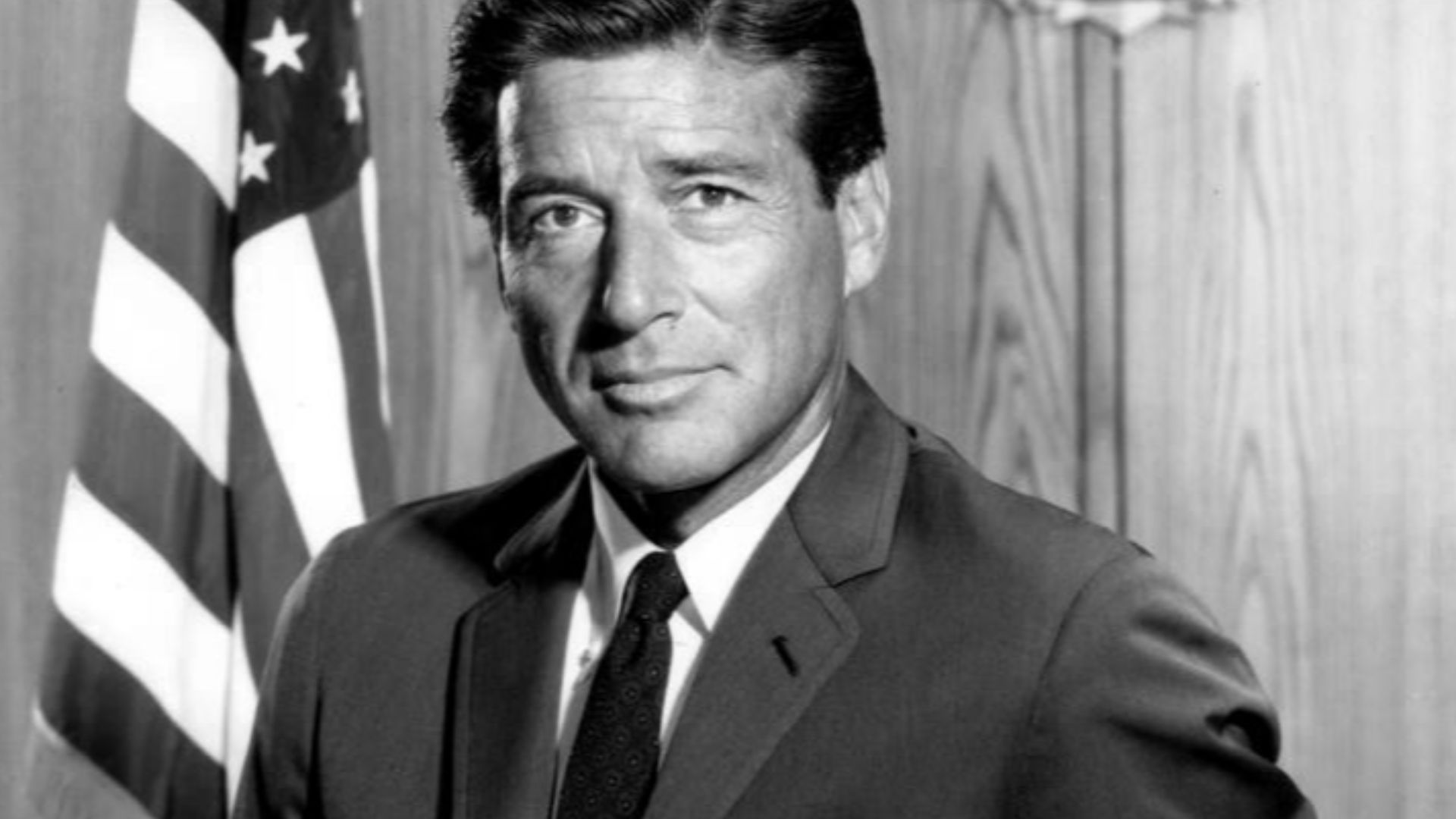 ABC Television-ABC Photo, Wikimedia Commons
Broadway Came Before Prime Time
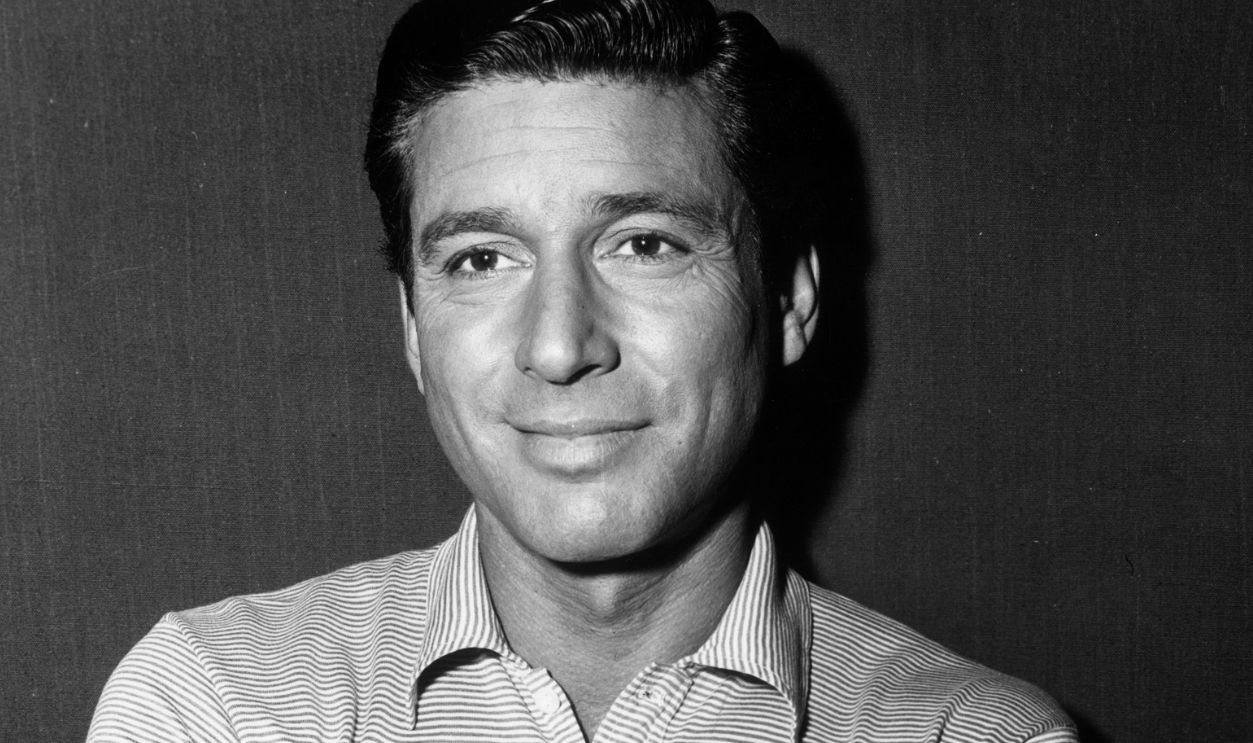
After the war, Zimbalist pursued acting in New York and worked on the Broadway stage. He also developed experience as a theatrical producer rather than limiting himself to performing. That background taught him how productions functioned beyond the boundaries of a single role. Television later benefited from an actor who understood timing, ensemble work, and the demands placed on everyone around him.
Personal Tragedy Interrupted His Momentum
Zimbalist’s first wife died in 1950, leaving him with two young children. He stepped away from acting for a period and worked at the Curtis Institute of Music, where his father was closely associated. That pause could have ended a less persistent career. Instead, Zimbalist eventually returned to acting and began the long television run that defined him.

Dandy Jim Buckley Introduced His Television Charm
Before becoming a series lead, Zimbalist appeared on Maverick as the recurring gambler Dandy Jim Buckley. The character allowed him to display charm, intelligence, and a slightly mischievous edge within the Western format. It was an early sign that his formality could be playful rather than stiff. Producers soon found a more durable vehicle for that appealing combination.
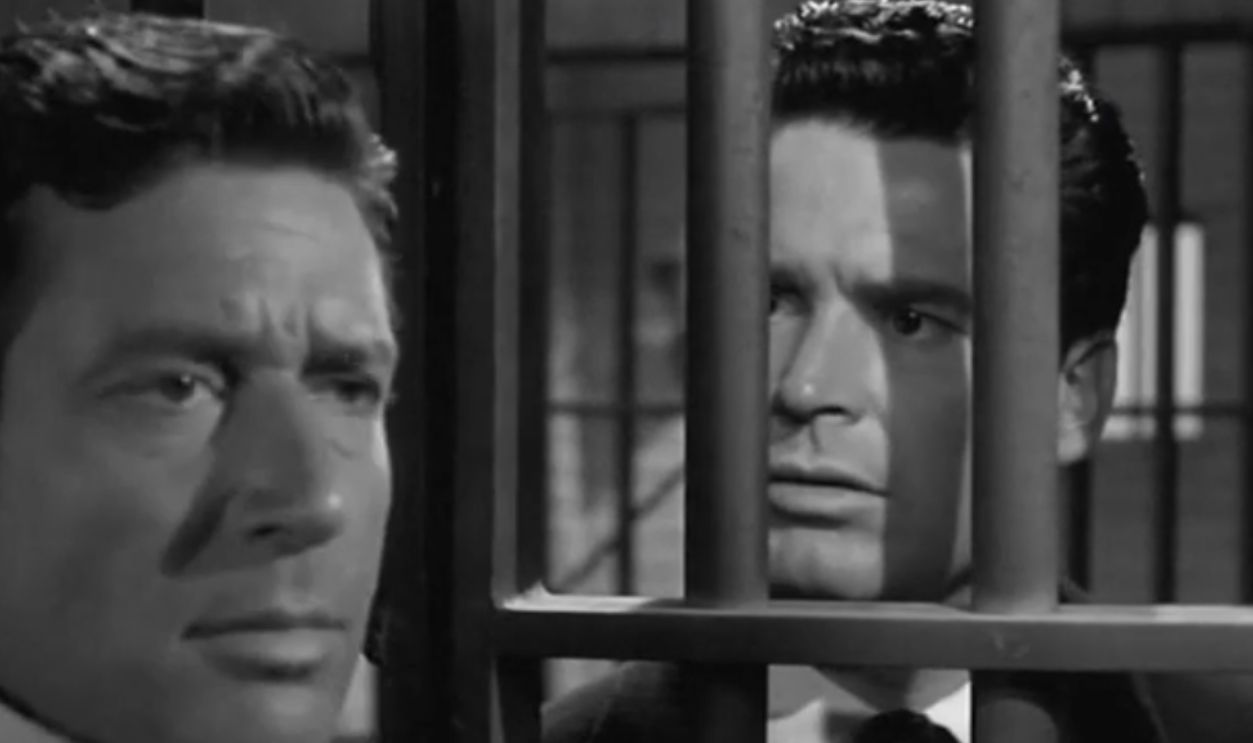 Screenshot from Maverick, Warner Bros. Discovery (1957-1962)
77 Sunset Strip Made Him A Television Star
Zimbalist starred as private detective Stuart Bailey on 77 Sunset Strip, which ran from 1958 to 1964. The series mixed mystery, glamour, youth culture, and the stylish atmosphere of Los Angeles. Its success turned Zimbalist into a major television name and established his talent for making intelligence look exciting.
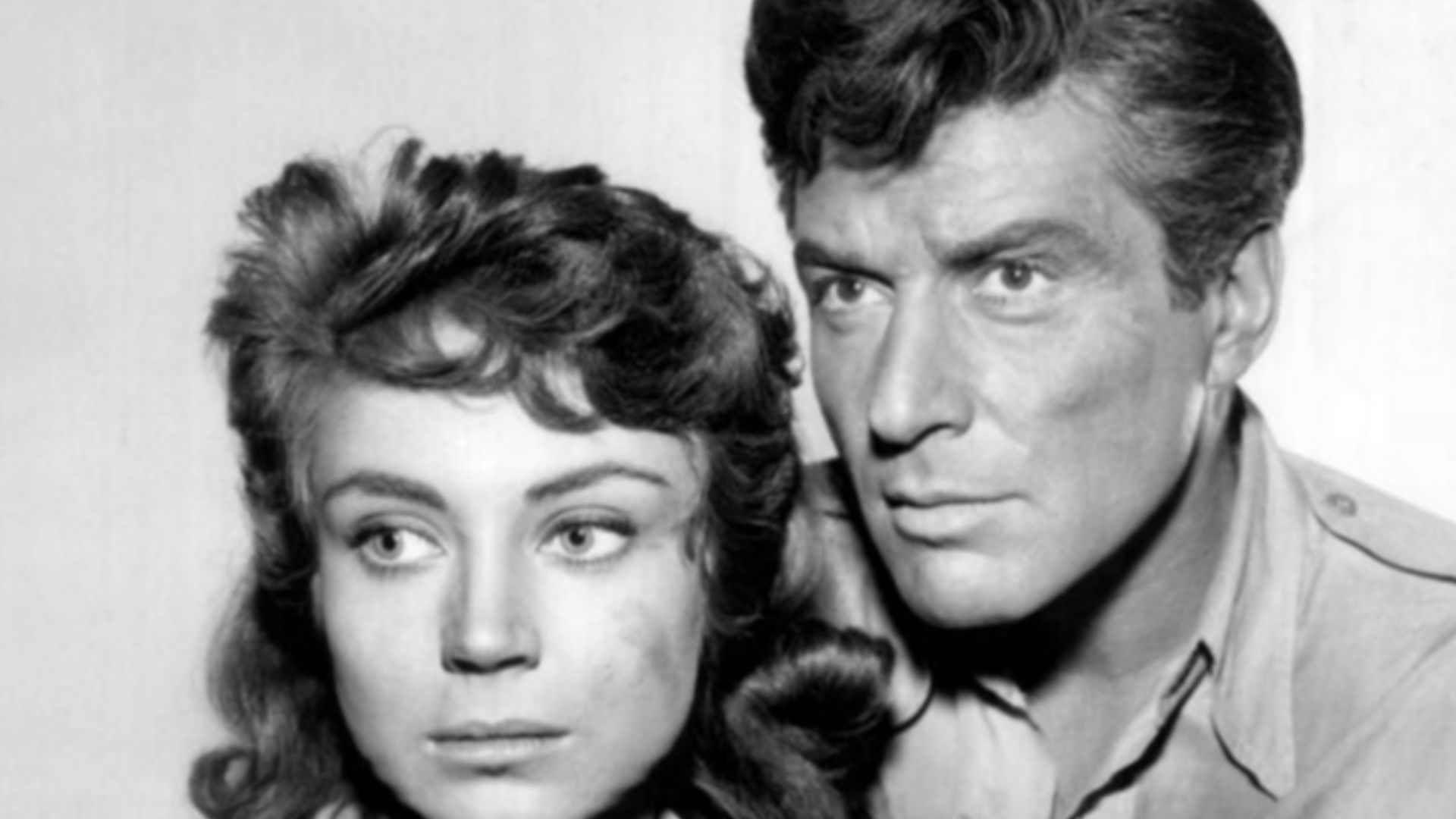 ABC Television, Wikimedia Commons
Stuart Bailey Was Cool Without Showing Off
Bailey was polished and self-assured, but Zimbalist rarely pushed him into exaggerated tough-guy behavior. His calm delivery suggested a detective who preferred deductions and experience to noisy displays of masculinity. That controlled style helped distinguish him from the rougher crime-show heroes of the period. It also became the foundation of his next major role.
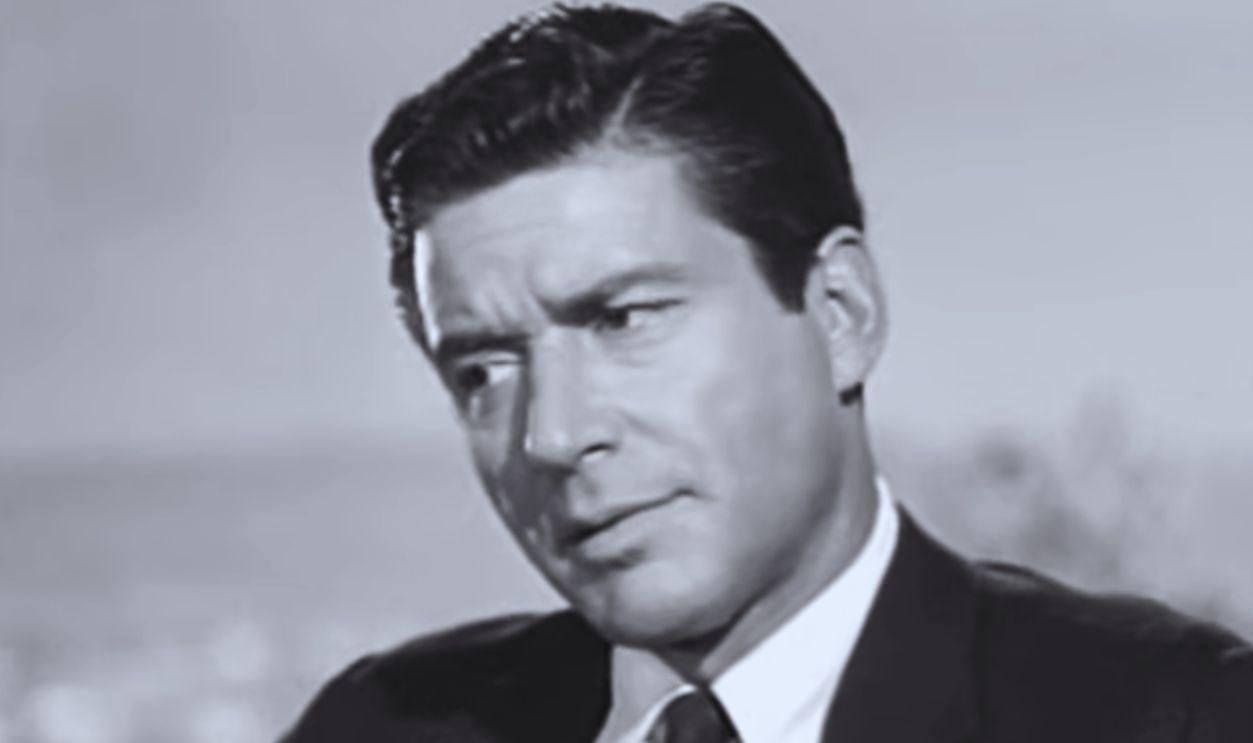 Screenshot from 77 Sunset Strip, Warner Bros. Discovery (1958-1964)
He Survived The End Of His First Hit
Many actors become permanently tied to the first successful series that makes them famous. When 77 Sunset Strip ended, Zimbalist did not disappear into nostalgia or spend years searching for another identity. Within a relatively short period, he moved into a role that was more restrained, authoritative, and institutionally serious. The transition turned one successful television career into two.
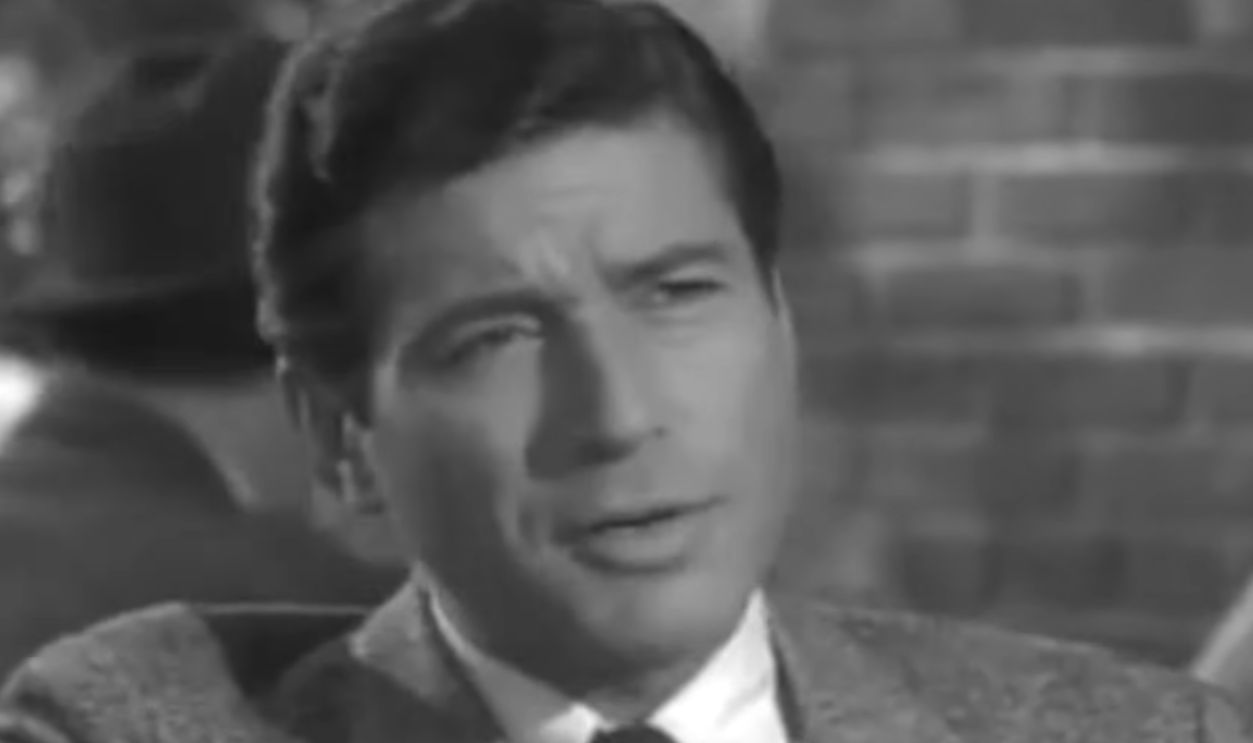 Screenshot from 77 Sunset Strip, Warner Bros. Discovery (1958-1964)
Lewis Erskine Replaced Glamour With Duty
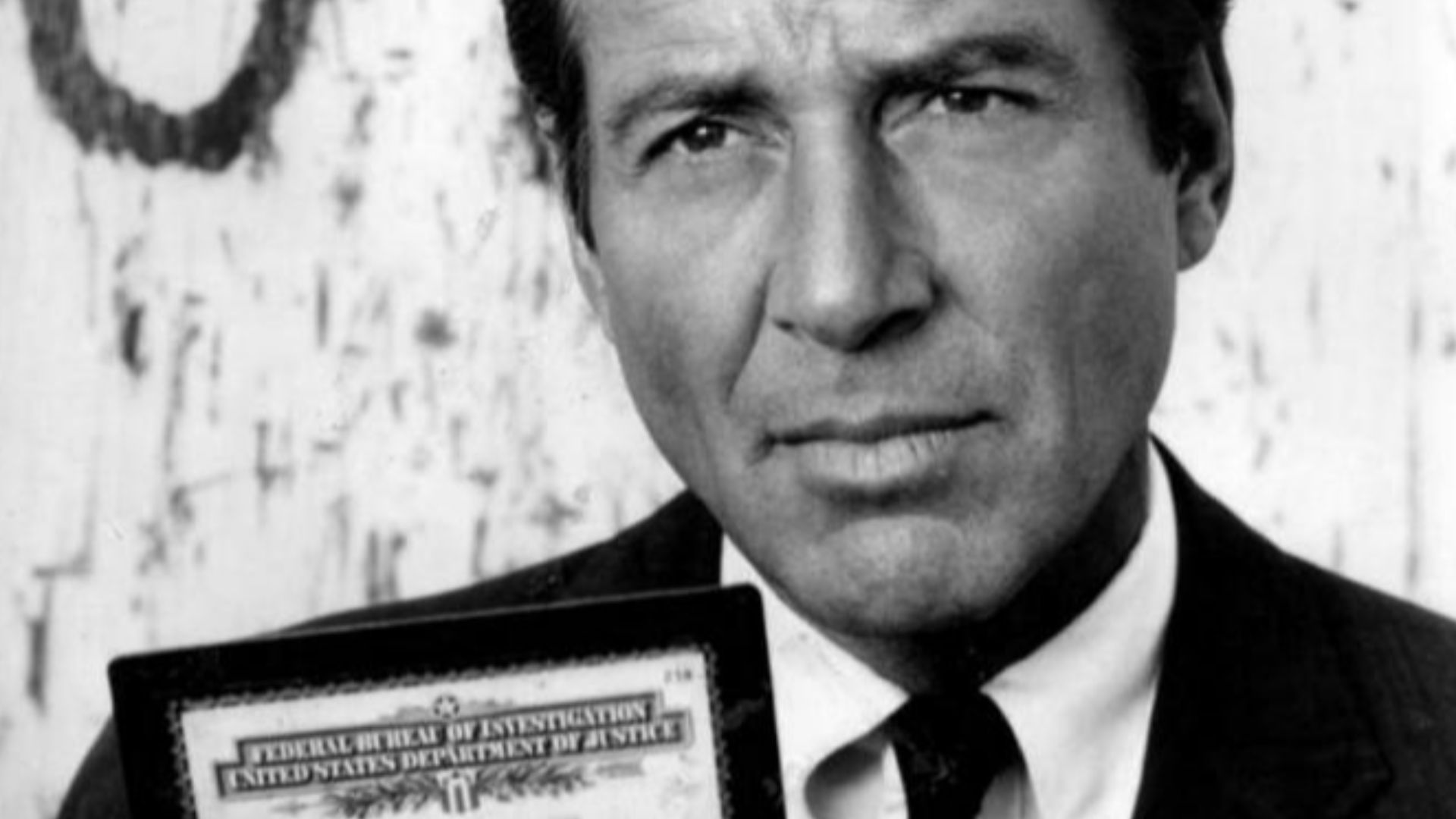
On The F.B.I., Zimbalist played Inspector Lewis Erskine, a fictional federal agent investigating major crimes and threats. The role removed much of Stuart Bailey’s playful private-eye glamour and replaced it with procedure, discipline, and public responsibility. Zimbalist adjusted without losing the calm authority audiences already associated with him.
 ABC Television, Wikimedia Commons
The Bureau Watched The Production Closely
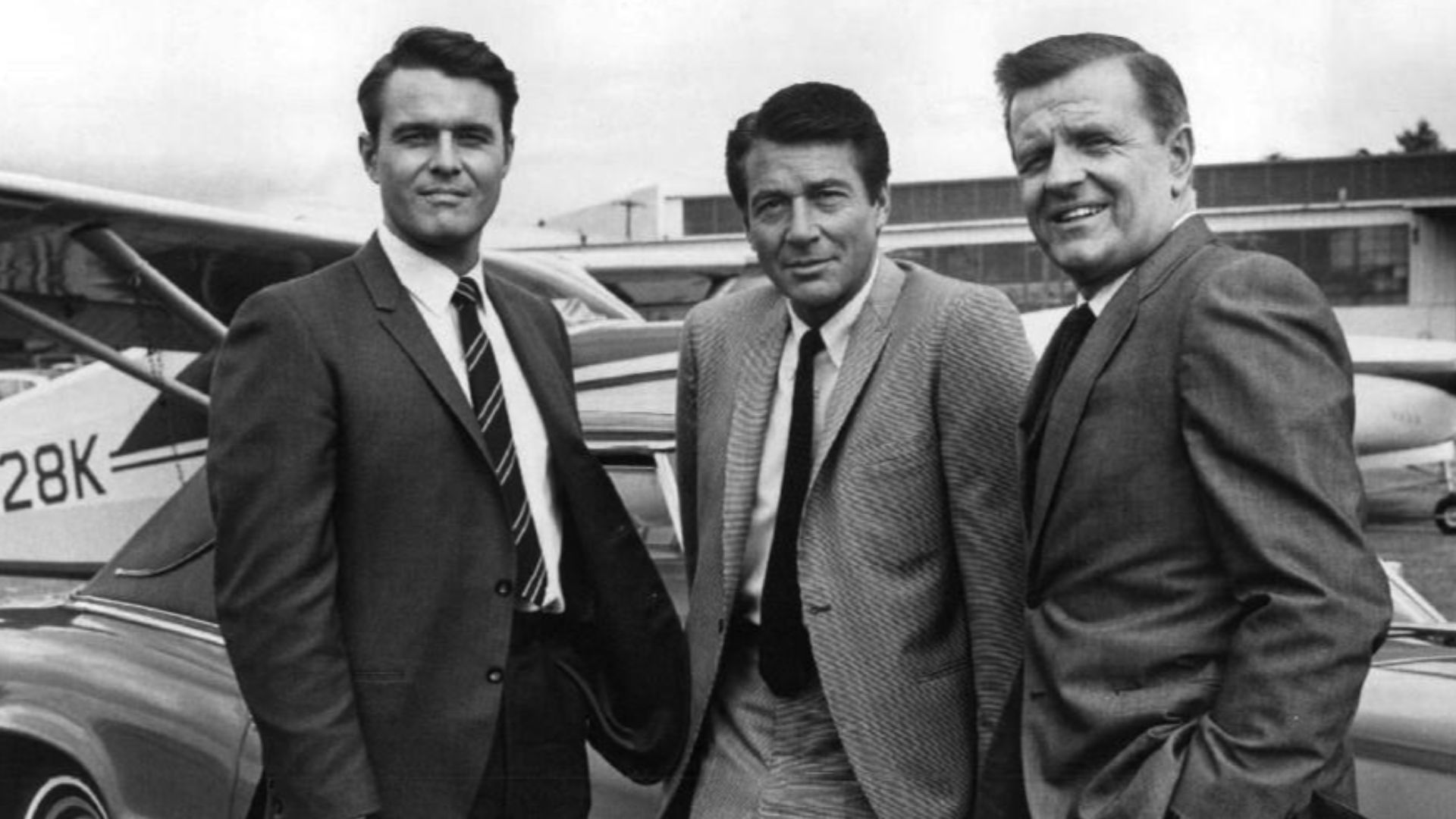
The series was made with cooperation and consultation from the real Federal Bureau of Investigation. Stories drew partly from actual investigations, while fictional names and characters carried the drama. That relationship placed unusual pressure on Zimbalist to represent the agency with consistency and dignity.
 ABC Television, Wikimedia Commons
Erskine Embodied The FBI Motto
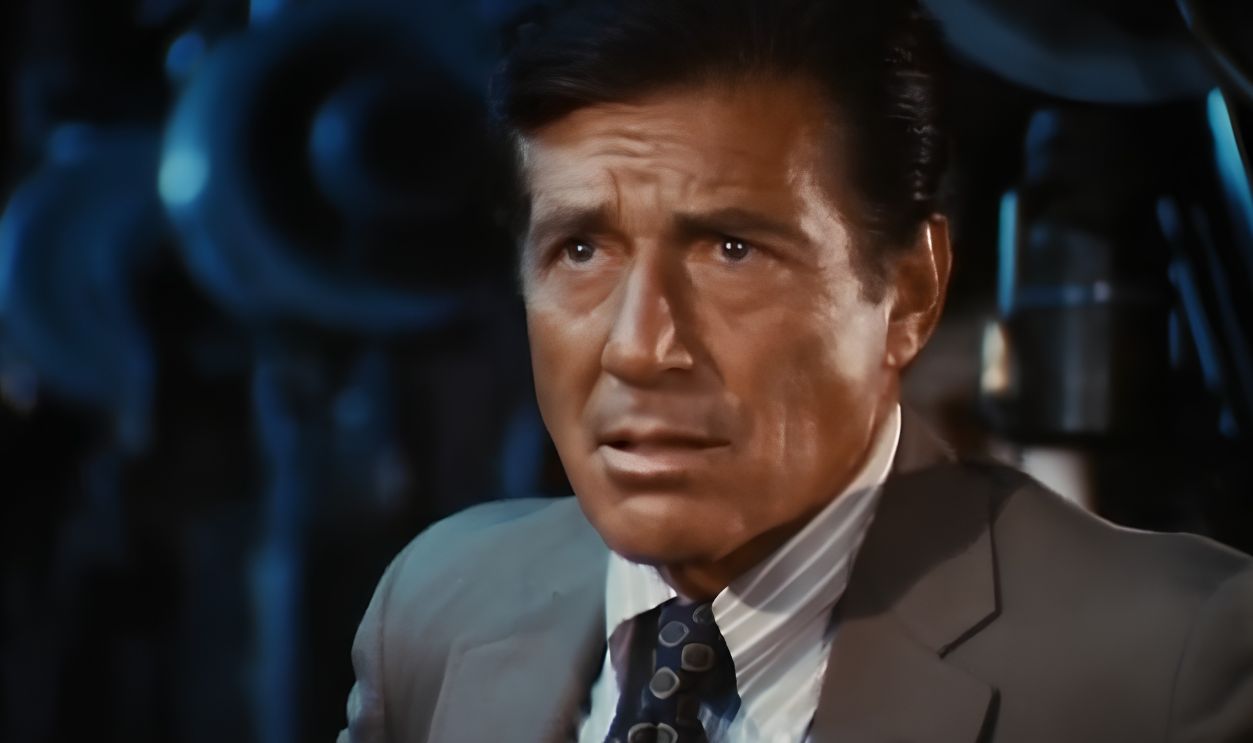
The real FBI later praised Zimbalist’s character as an embodiment of fidelity, bravery, and integrity. Those qualities did not depend on explosive acting or flamboyant speeches. Zimbalist communicated them through composure, careful questioning, and a sense that Erskine considered the job larger than himself.
 Screenshot from The F.B.I., Warner Bros. Discovery (1965-1974)
His Voice Did Much Of The Work
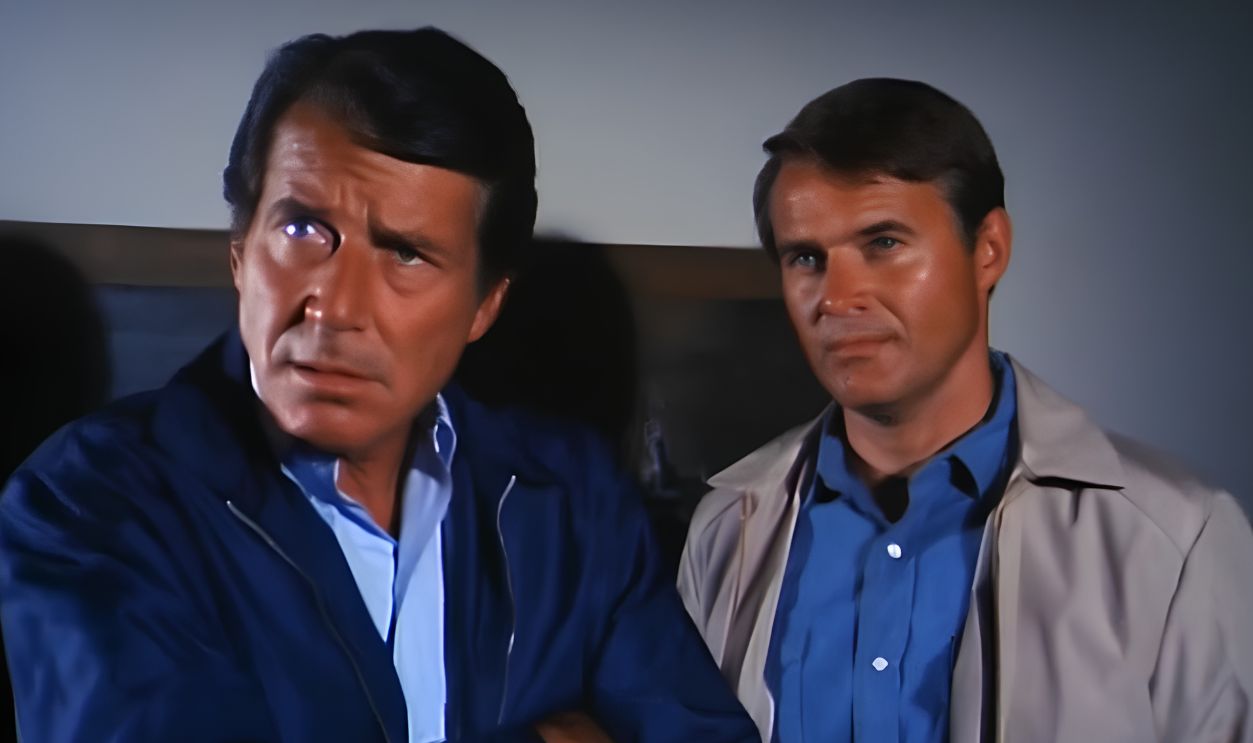
Zimbalist’s measured baritone gave Erskine immediate credibility. He could question a witness, brief another agent, or confront a suspect without raising his voice unnecessarily. That restraint made any sudden change in tone more powerful. The same vocal control later allowed him to extend his career through animation and narration.
 Screenshot from The F.B.I., Warner Bros. Discovery (1965-1974)
He Made Federal Procedure Watchable
The F.B.I. depended on surveillance, interviews, evidence, coordination, and patient investigative work. Those activities could have felt mechanical without a central performer capable of holding attention through small decisions. Zimbalist made Erskine’s concentration part of the drama. Viewers watched him think rather than waiting only for the next chase.
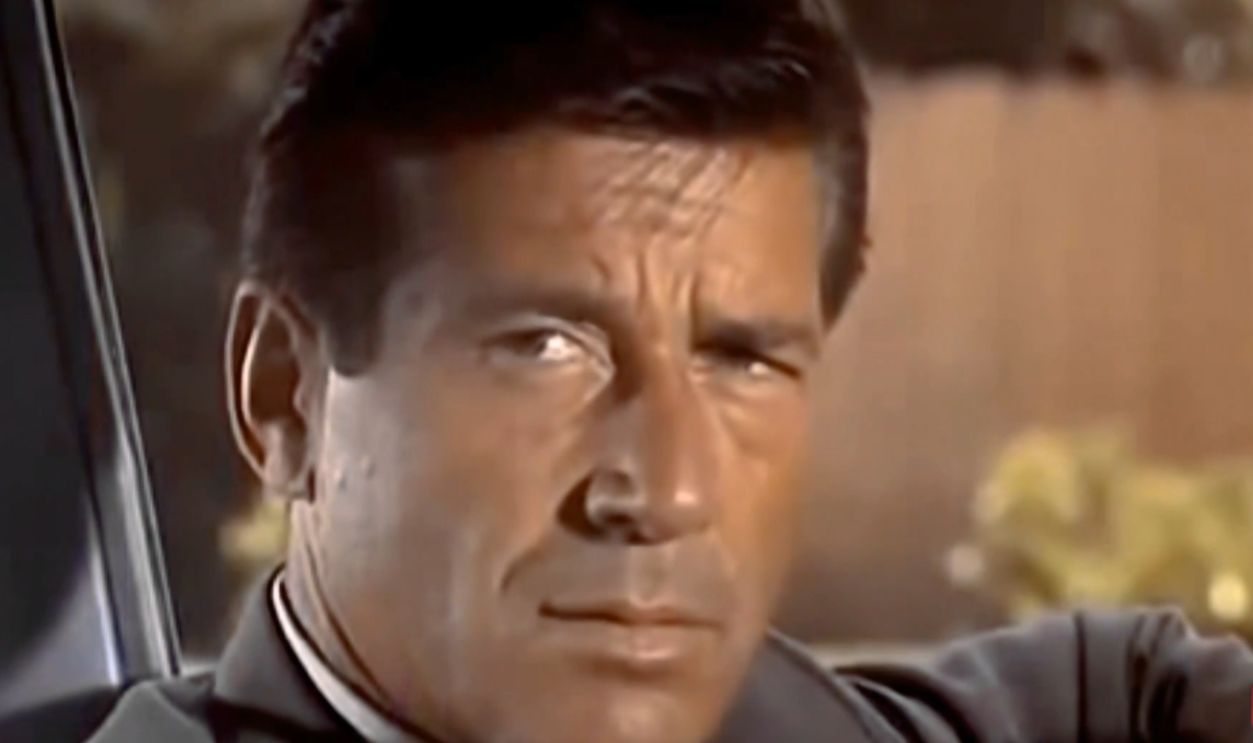 Screenshot from The F.B.I., Warner Bros. Discovery (1965-1974)
He Rarely Confused Authority With Aggression
Erskine carried a weapon and confronted dangerous criminals, but Zimbalist did not play him as a swaggering enforcer. His authority came from preparation, command of the facts, and confidence in the people working around him. That approach made the character feel professional rather than theatrical. It also helped the series age differently from louder crime dramas.
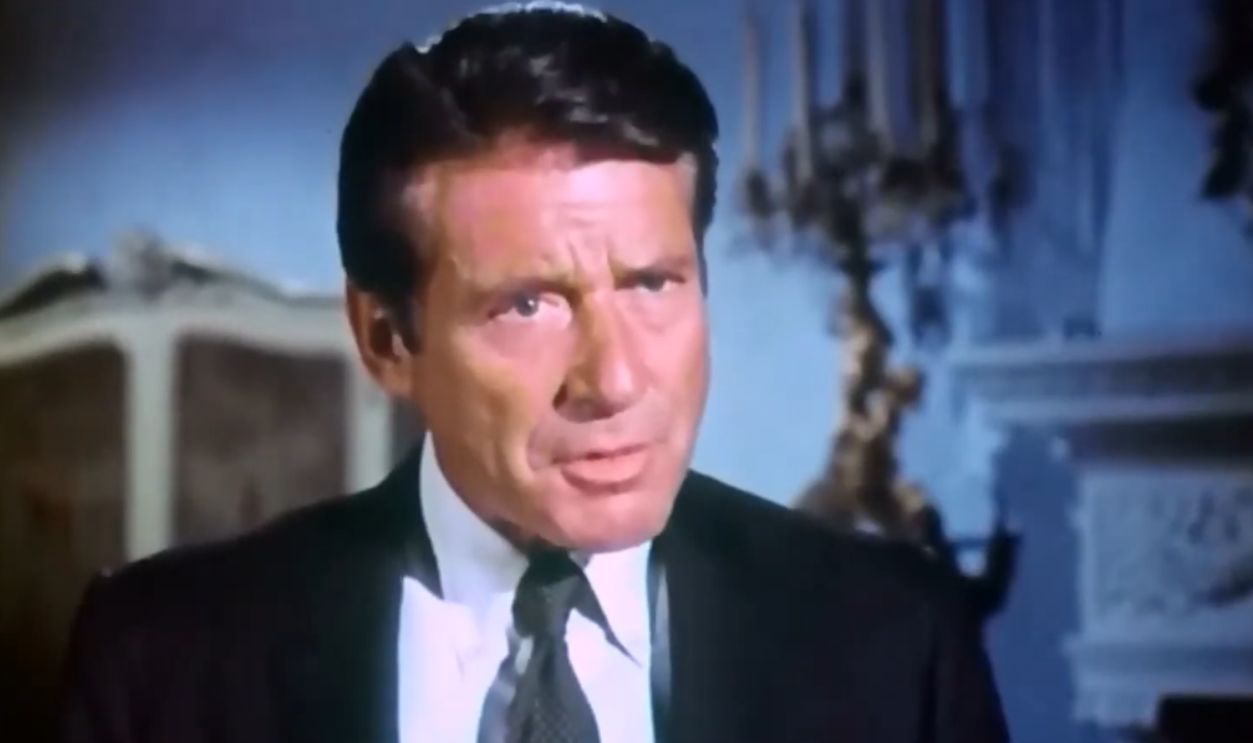 Screenshot from The F.B.I., Warner Bros. Discovery (1965-1974)
Quinn Martin Supplied A Durable Formula
The F.B.I. was produced under Quinn Martin, whose name became closely associated with disciplined crime television. The format used strong guest casts, carefully structured investigations, and a central hero who restored order without overwhelming the story. Zimbalist fit that system because he could remain compelling while allowing suspects, victims, and younger agents to carry individual episodes.
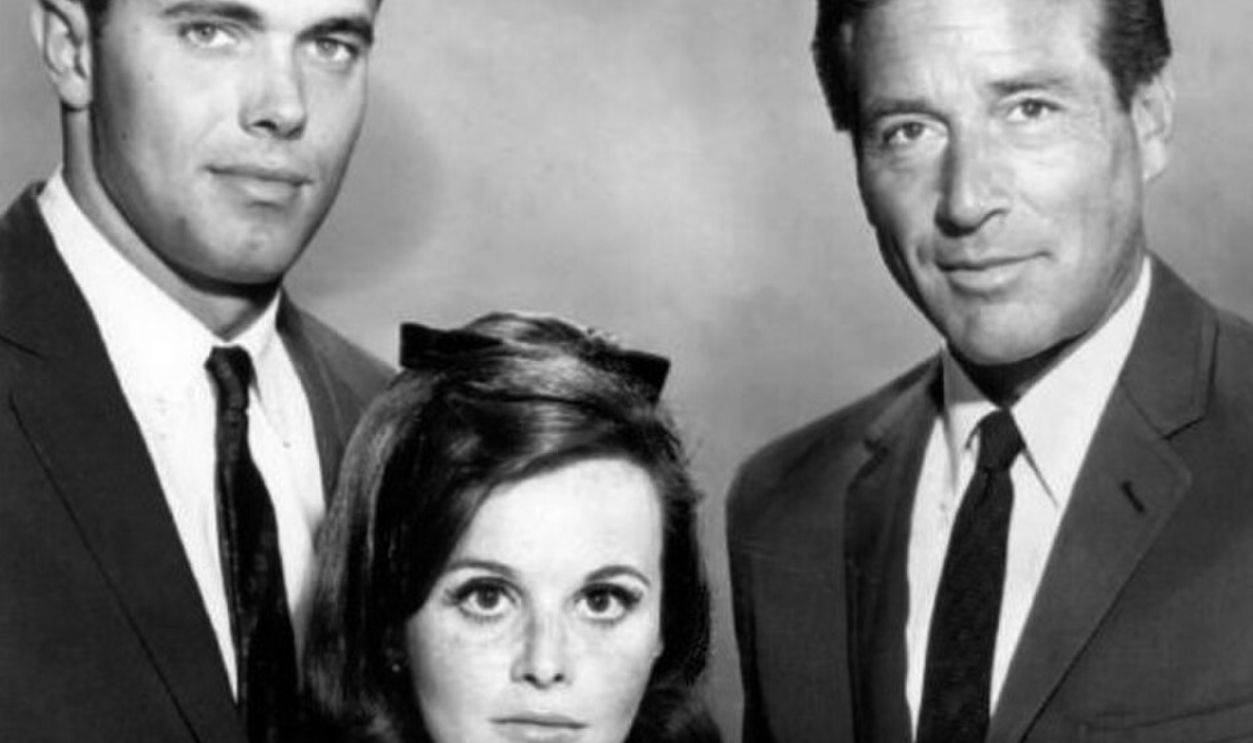 ABC Television, Wikimedia Commons
He Anchored A Changing Supporting Cast
Different agents worked alongside Erskine during the series, including Jim Rhodes and Tom Colby. Philip Abbott remained a major presence as assistant director Arthur Ward, but Zimbalist supplied the program’s most consistent identity. His steadiness allowed personnel and guest stars to change without making the series feel unfamiliar.
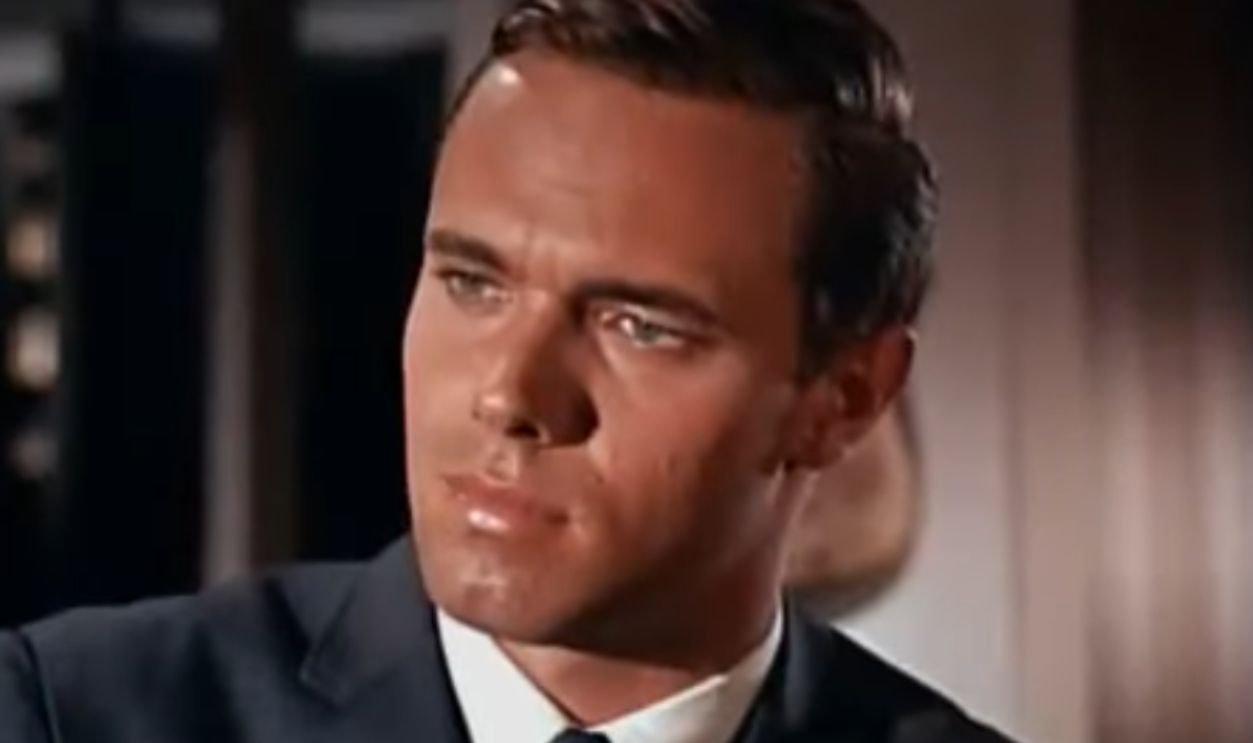 Screenshot from The F.B.I., Warner Bros. Discovery (1965-1974)
Nine Seasons Built Remarkable Familiarity
The F.B.I. aired from 1965 through 1974 and produced 241 episodes across nine seasons. Combined with the six seasons of 77 Sunset Strip, Zimbalist spent approximately 15 consecutive television seasons at the center of major network dramas. That consistency made him a fixture rather than a temporary celebrity.
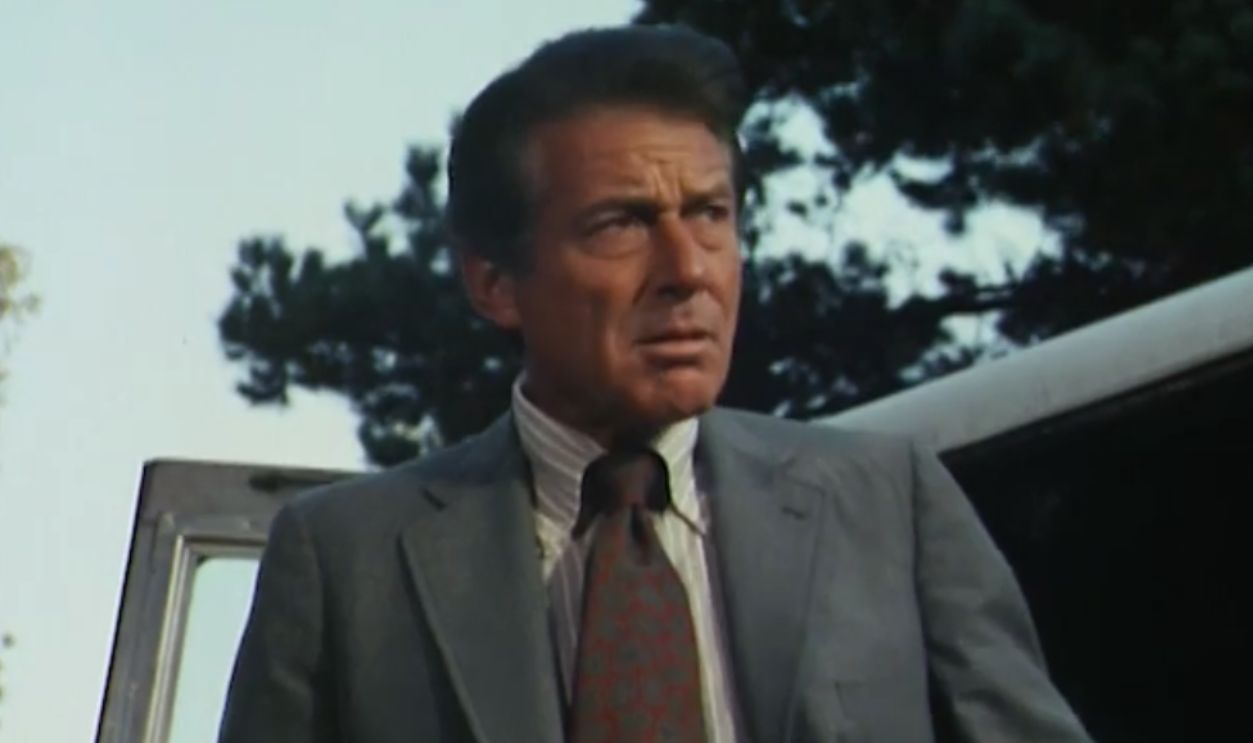 Screenshot from The F.B.I., Warner Bros. Discovery (1965-1974)
Sunday Nights Became His Territory
The series remained a Sunday-night presence throughout its original run. Returning at the same point in the week strengthened the association between Zimbalist, Erskine, and dependable television drama. He became part of viewers’ routines without relying on tabloid visibility or a constantly changing public persona.
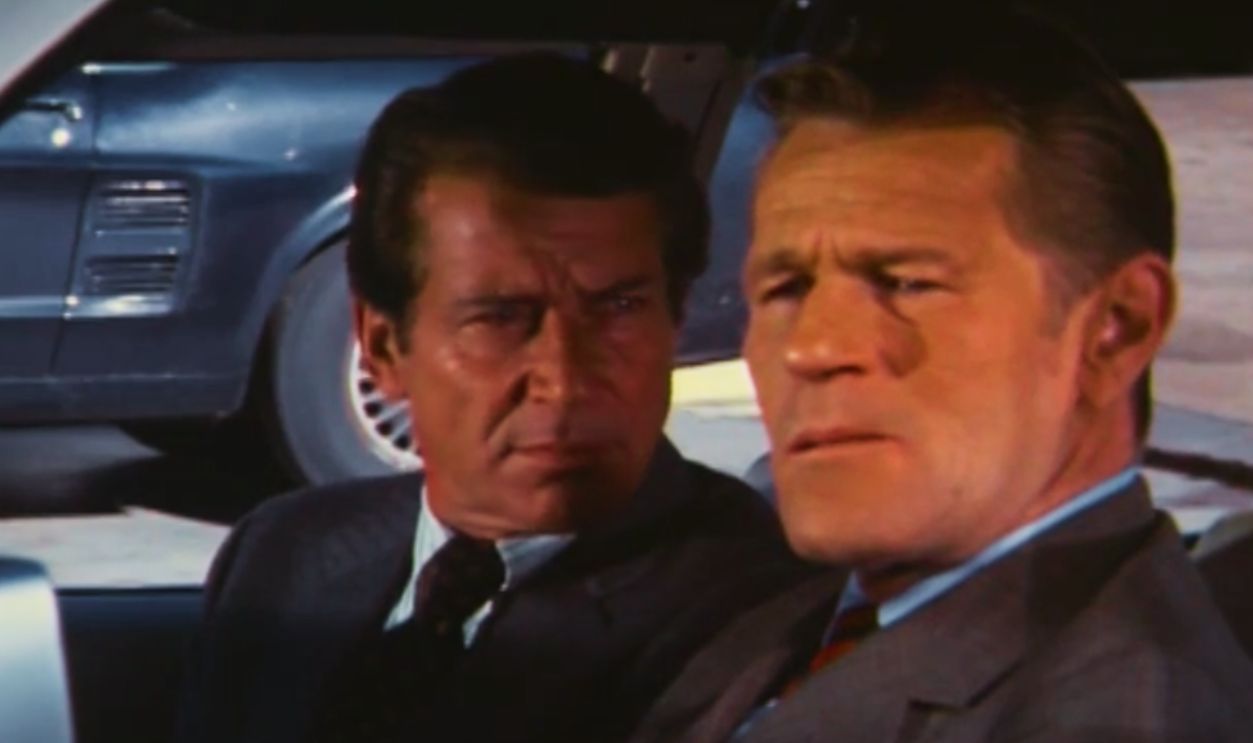 Screenshot from The F.B.I., Warner Bros. Discovery (1965-1974)
He Inspired Real Career Choices
The FBI later stated that many employees had been inspired to pursue Bureau careers after watching the series as children. Officials jokingly called Zimbalist one of the organization’s most effective recruiters. That influence showed how completely viewers accepted his portrayal of professional federal service.
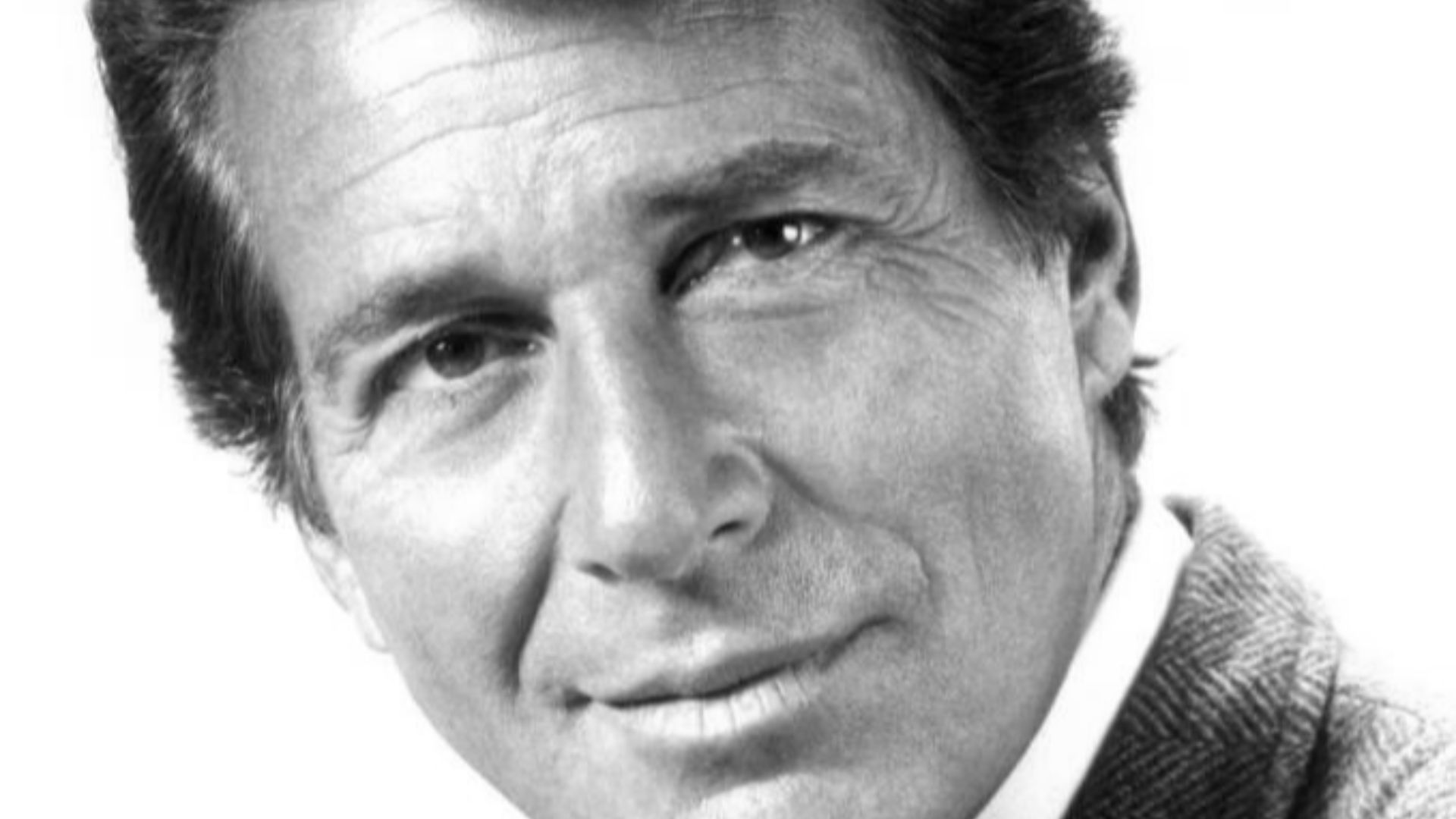 ABC Television, Wikimedia Commons
His Relationship With The FBI Continued
Zimbalist’s connection to the Bureau did not end when the show left television. He narrated recruiting materials, attended FBI events, and helped raise funds for the families of agents killed in the line of duty. The Society of Former Special Agents even presented Lewis Erskine with retired credentials in 1985.
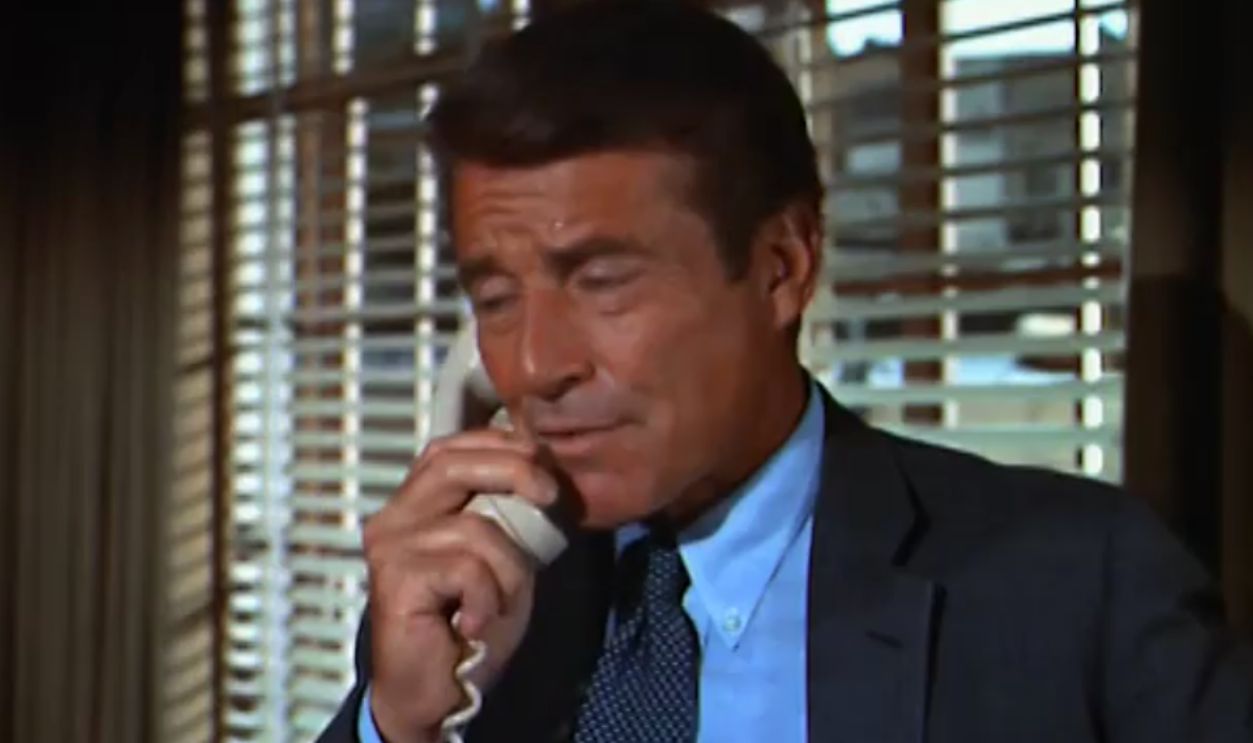 Screenshot from The F.B.I., Warner Bros. Discovery (1965-1974)
The Bureau Eventually Made Him Honorary Family
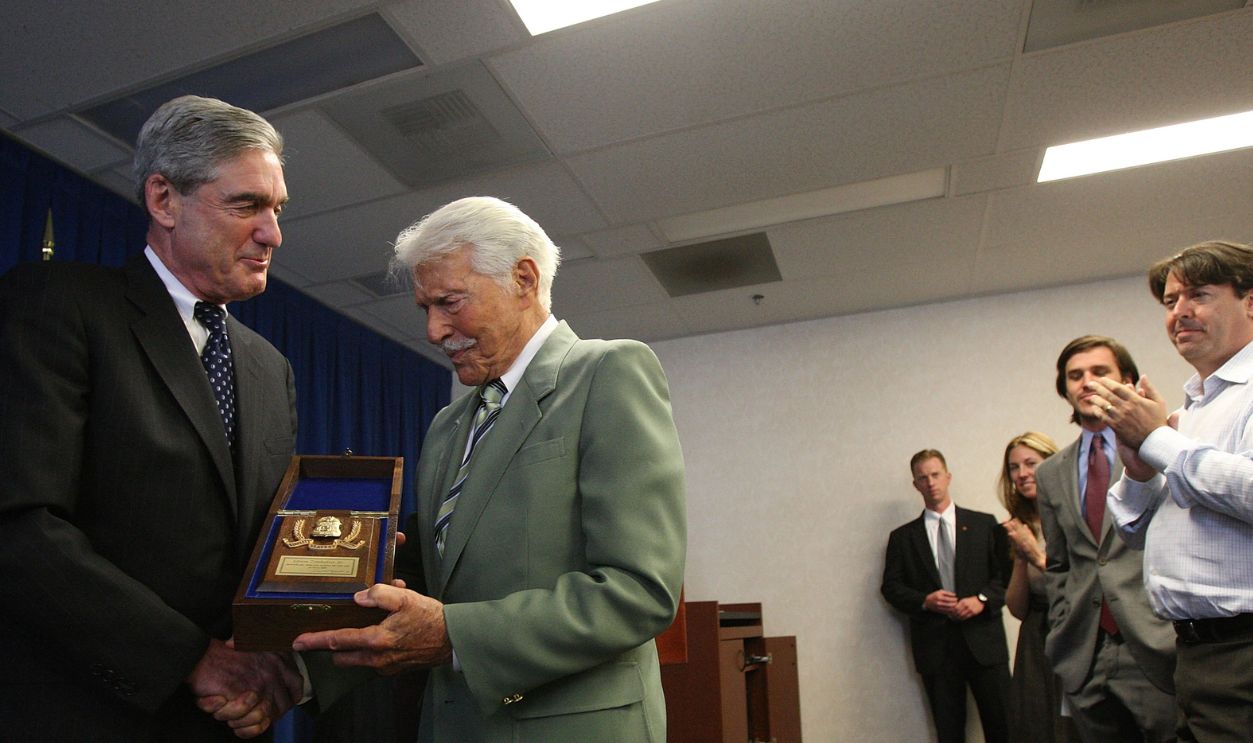
In 2009, FBI Director Robert Mueller presented Zimbalist with an honorary special-agent badge. The ceremony recognized both his portrayal of Erskine and his long friendship with the organization. Few actors receive such direct acknowledgment from the institution they once represented in fiction.
He Never Needed A Loud Reinvention
After The F.B.I., Zimbalist continued appearing in television dramas rather than attempting a desperate image change. He accepted guest roles, recurring parts, and mature authority figures suited to his evolving screen presence. His durability came partly from understanding what he did well and allowing age to deepen those qualities.
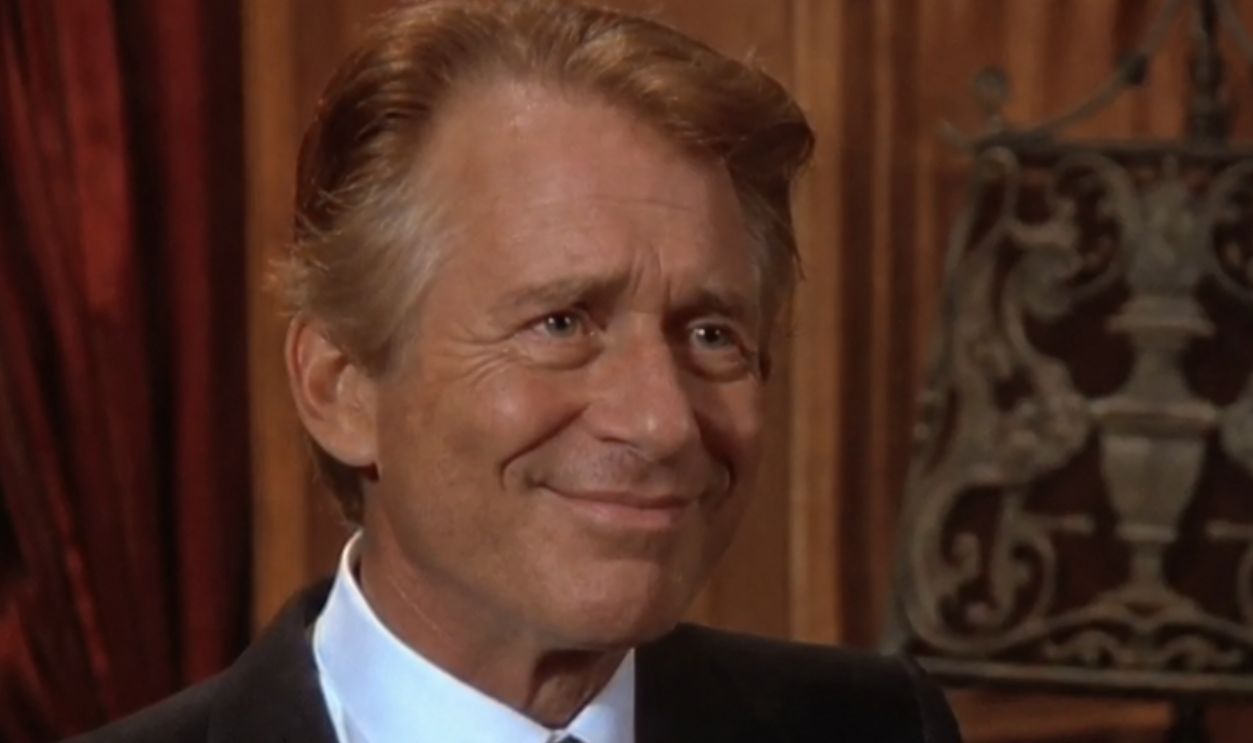 Screenshot from Remington Steele, The Walt Disney Company (1982-1987), enhanced
Working With His Daughter Added A Personal Chapter
Zimbalist’s daughter Stephanie became a successful television actress in her own right. He appeared with her on Remington Steele, where she starred opposite Pierce Brosnan. The guest appearances linked two generations of the family’s performing tradition without turning either career into a novelty act.
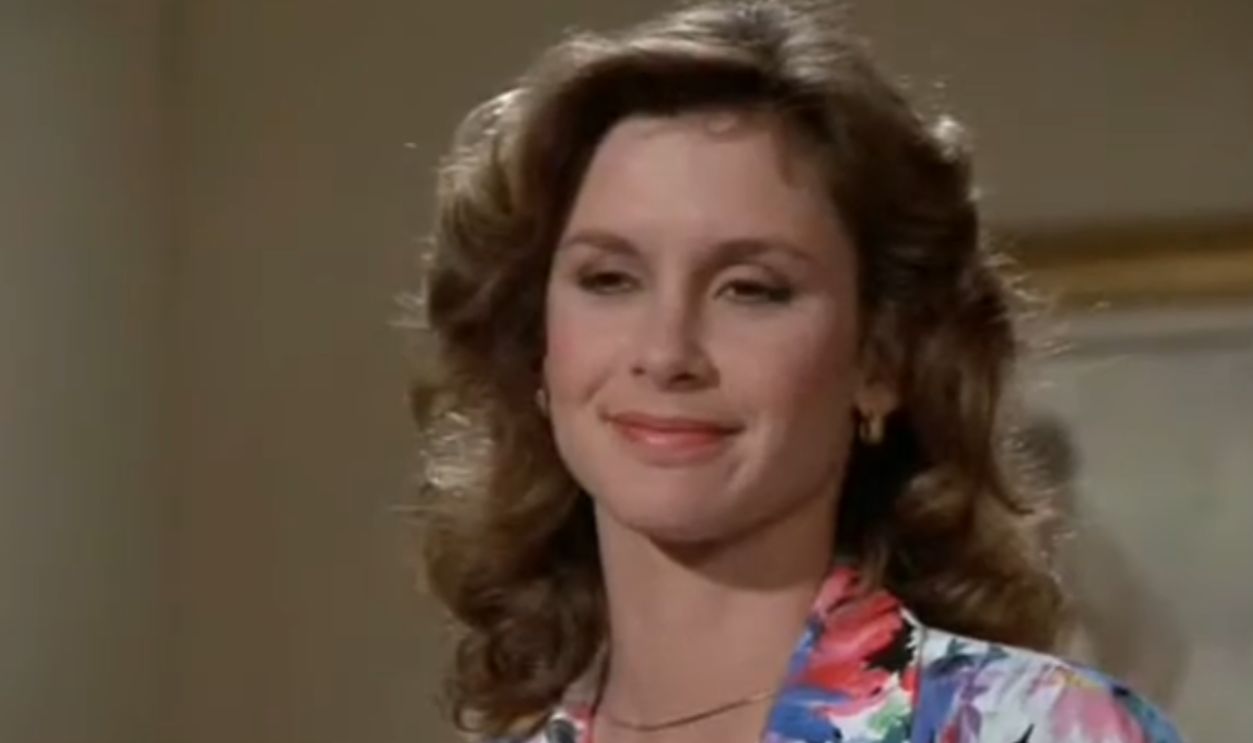 Screenshot from Remington Steele, The Walt Disney Company (1982-1987)
Alfred Pennyworth Introduced Him To New Fans
In the 1990s, Zimbalist became the voice of Alfred Pennyworth in Batman: The Animated Series and related productions. His warmth, elegance, and dry authority made him an ideal vocal match for Bruce Wayne’s trusted butler. The role introduced him to viewers who had never seen Stuart Bailey or Lewis Erskine.
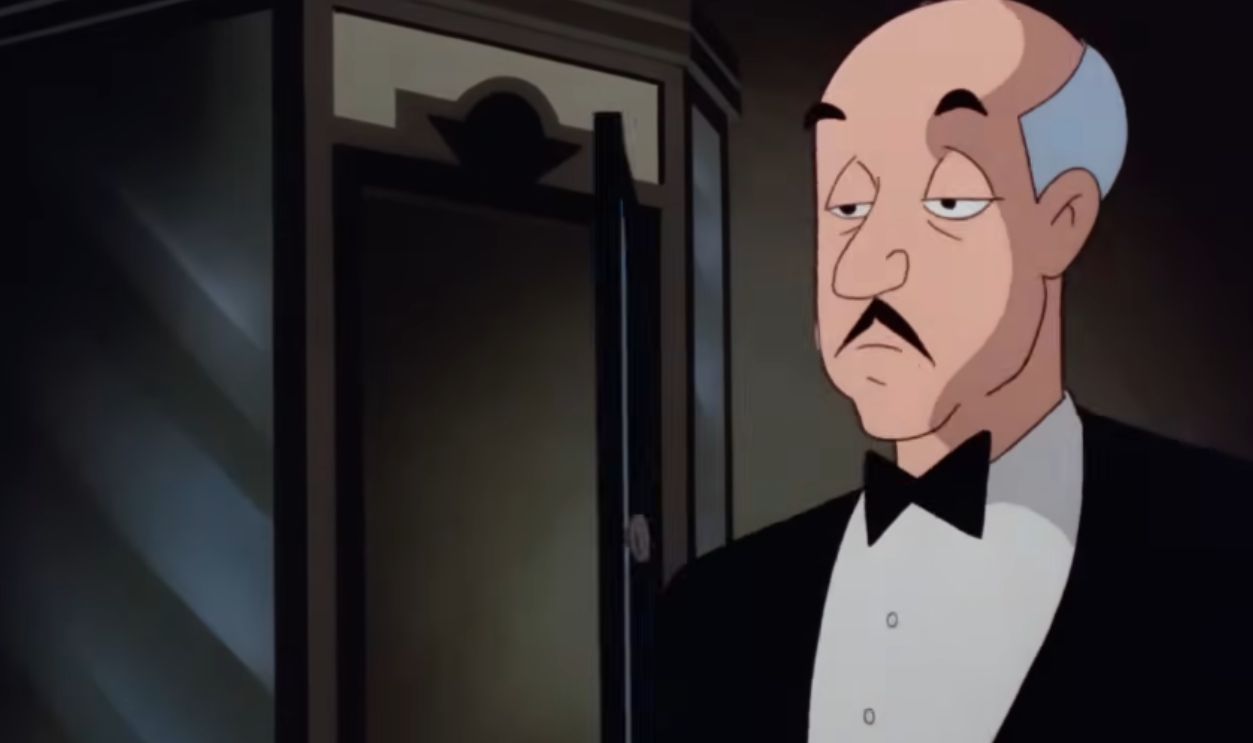 Screenshot from Batman: The Animated Series, Warner Bros. Discovery (1992-1995)
Voice Acting Extended His Career Naturally
Zimbalist also voiced characters such as King Arthur in The Legend of Prince Valiant and Doctor Octopus in animated Spider-Man productions. Animation did not require him to imitate a younger physical image. It allowed the voice that had always been central to his appeal to become the entire performance.
 Screenshot from The Legend of Prince Valiant, Hearst Entertainment (1991-1993)
Hollywood Eventually Honored His Longevity
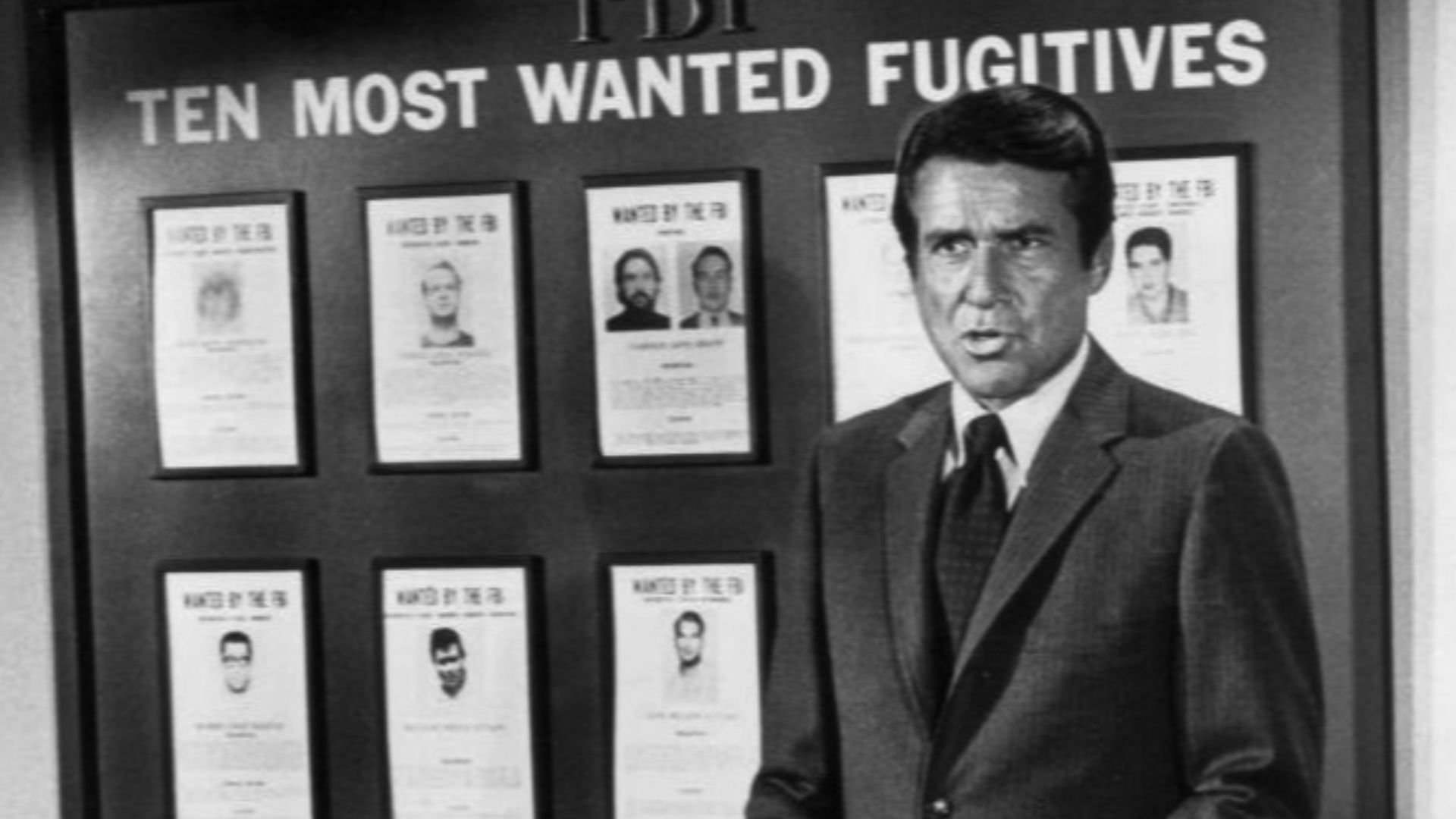
Zimbalist received a television star on the Hollywood Walk of Fame in 1994. By then, his résumé connected the early years of network detective drama with a new generation of animated television. The honor recognized not one brief peak but decades of reliable work.
 ABC Television, Wikimedia Commons
Quiet Consistency Became His Greatest Strength
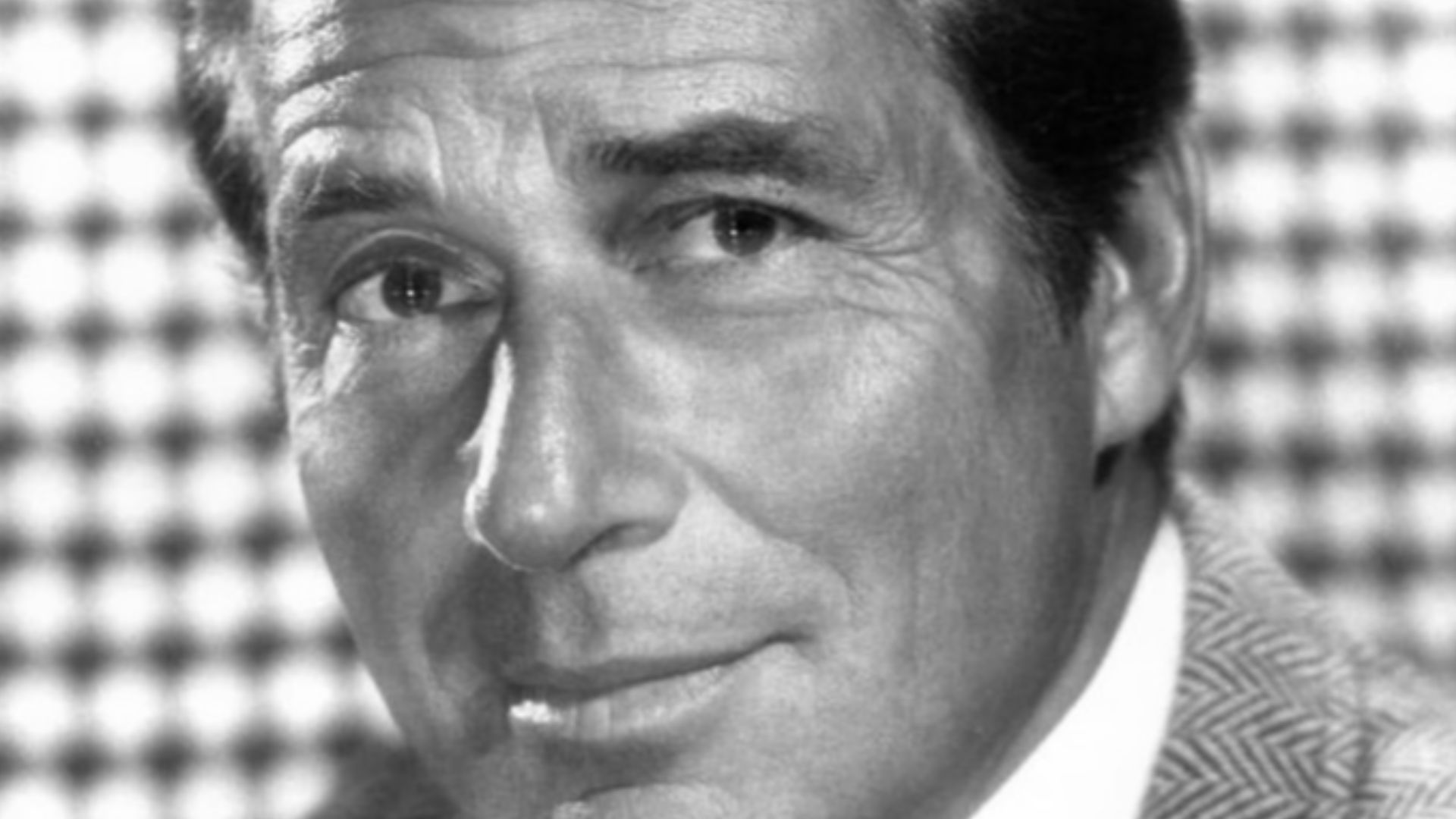
Zimbalist rarely generated the off-screen spectacle associated with more volatile stars. Instead, he kept working, adapted his voice and presence to new formats, and treated each phase of his career as serious professional work. He endured because audiences believed him whether he was solving crimes, representing the FBI, advising Batman, or simply entering a room with that unmistakable voice.
 ABC Television, Wikimedia Commons
You May Also Like:
Forgotten Detective Shows From The 1980s That Briefly Dominated Television
The Best Detective Shows Ever Made
These 1970s Shows Aren't Trending Anymore, But Their Impact Is Unforgettable