Male Stars Who Had To Hide Their Identities
Cinema, television, theater, and music sold romance as fantasy, yet many stars lived far different realities. Behind studio-approved weddings and polished headlines were private struggles shaped by fear and expectations when public images once mattered more than personal honesty.
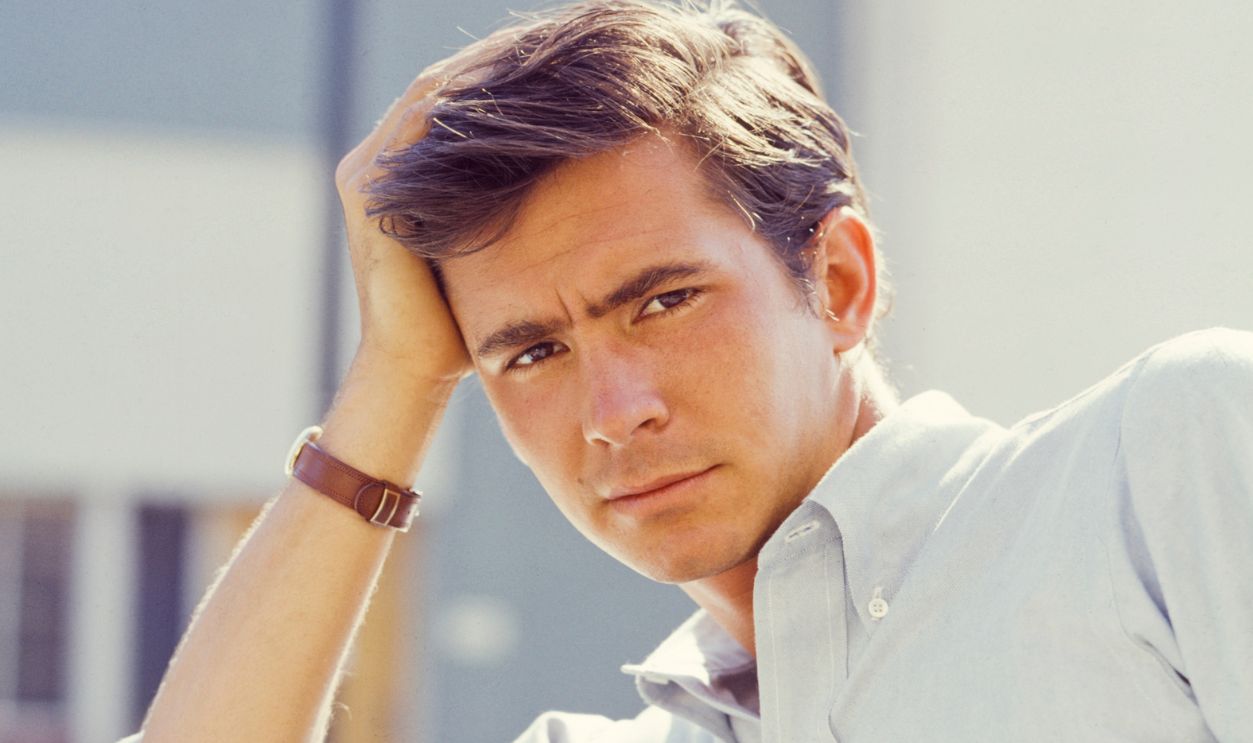
Rock Hudson
Rock Hudson became one of Hollywood’s most bankable leading men during the studio era. In 1955, he married Phyllis Gates following advice from his agent. Gates mentioned that she wasn’t aware of his identity, and they divorced three years later.
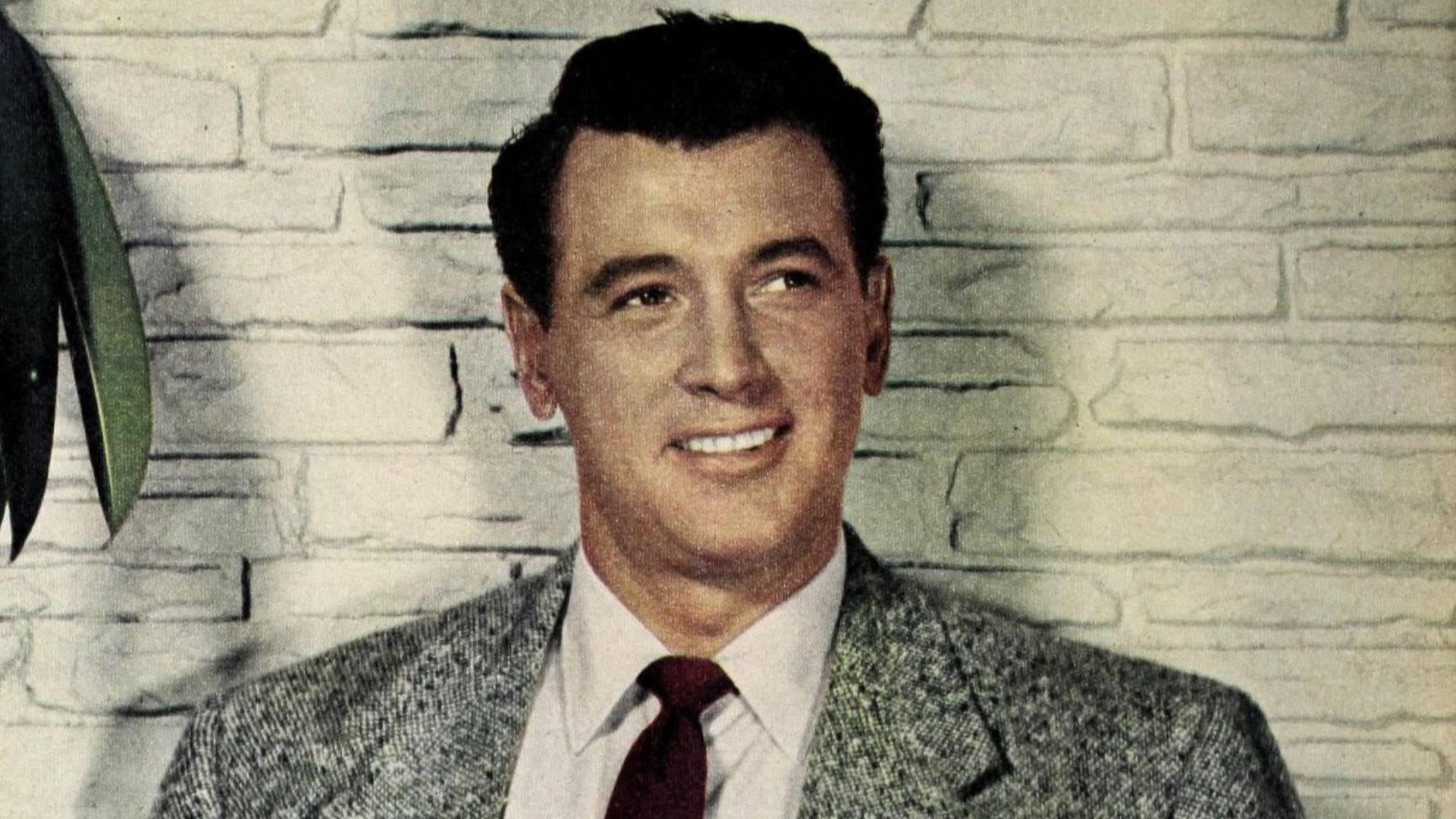 Photographer: Ray Jones (1892-1967), [1], Wikimedia Commons
Raymond Burr
Widely recognized for authoritative television roles, Raymond Burr married actress Isabella Ward in 1948, though the marriage was brief. Burr had a long-term relationship with Robert Benevides, which he kept private due to the limited acceptance of openly gay actors.
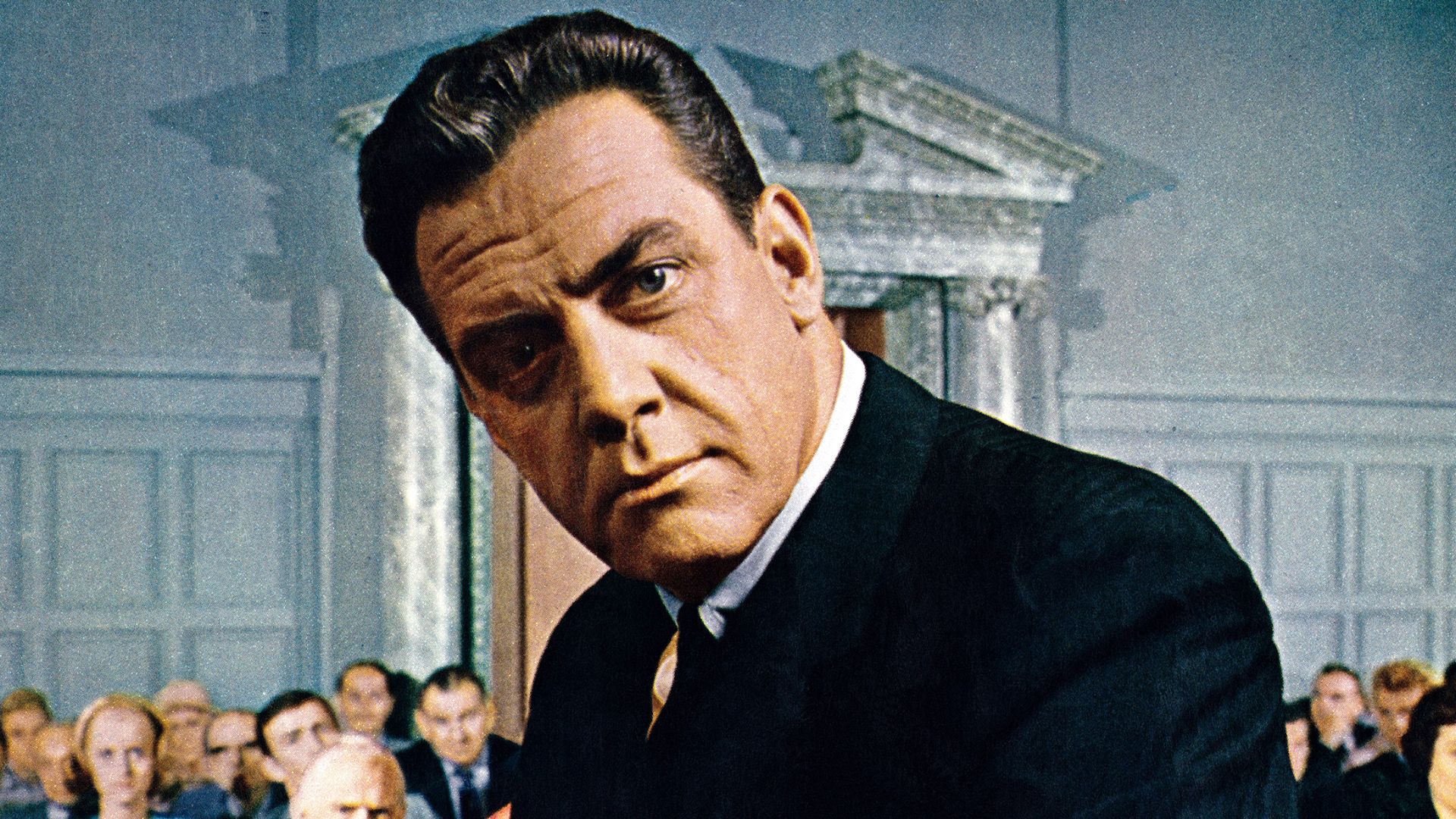 Cowles Communications, Inc.; photograph by Robert Vose, Wikimedia Commons
Dirk Bogarde
British star Dirk Bogarde achieved international success while maintaining strict privacy. Early publicity promoted romantic appeal to women, despite his long-term relationship with a male partner. However, Bogarde never discussed his identity publicly.
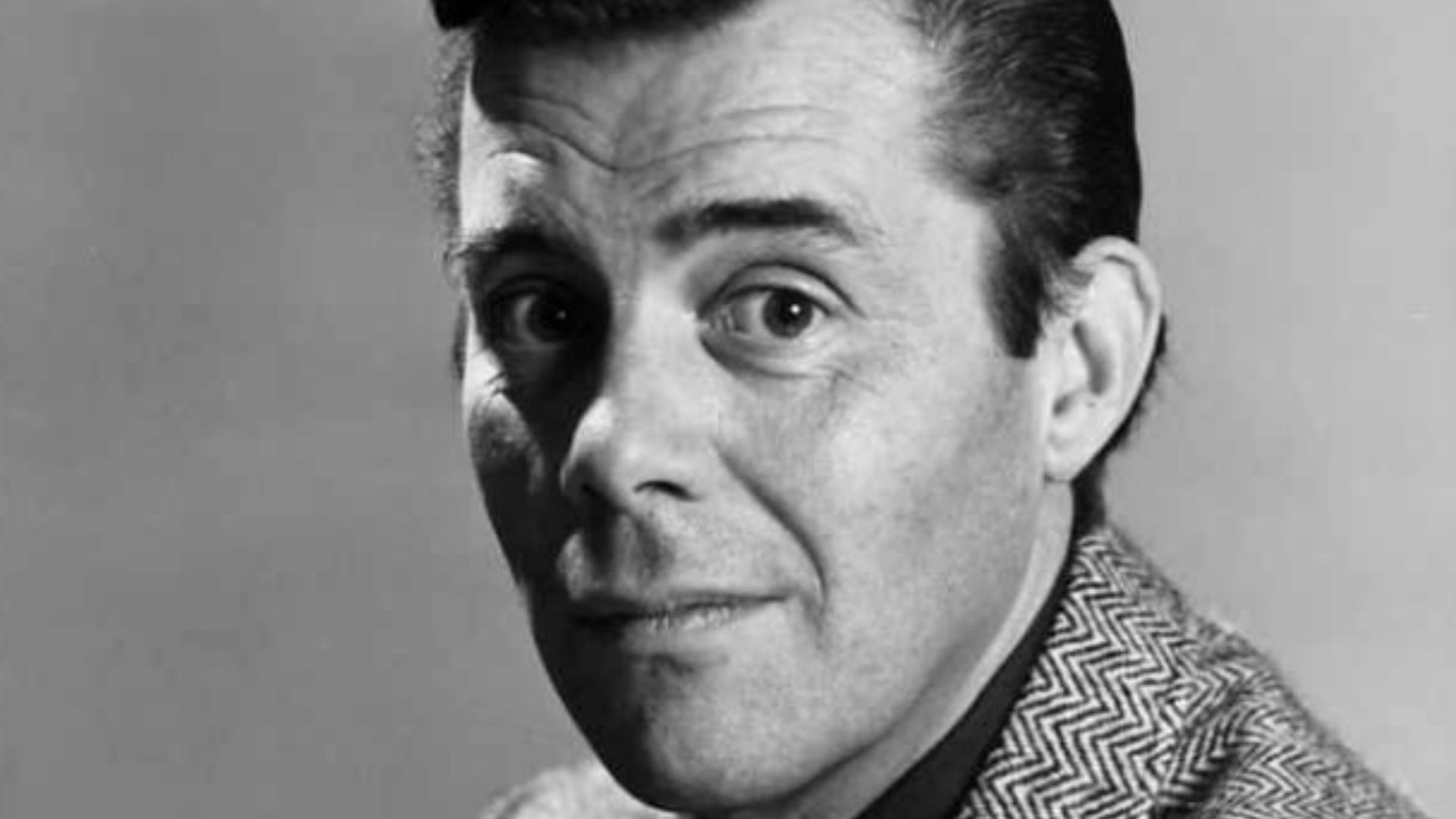 NBC Television, Wikimedia Commons
John Gielgud
As one of the greatest actors of his generation, John Gielgud guarded his private life carefully for decades. Arrested in the 1950s, he continued working by maintaining discretion and remained closeted until he passed away.
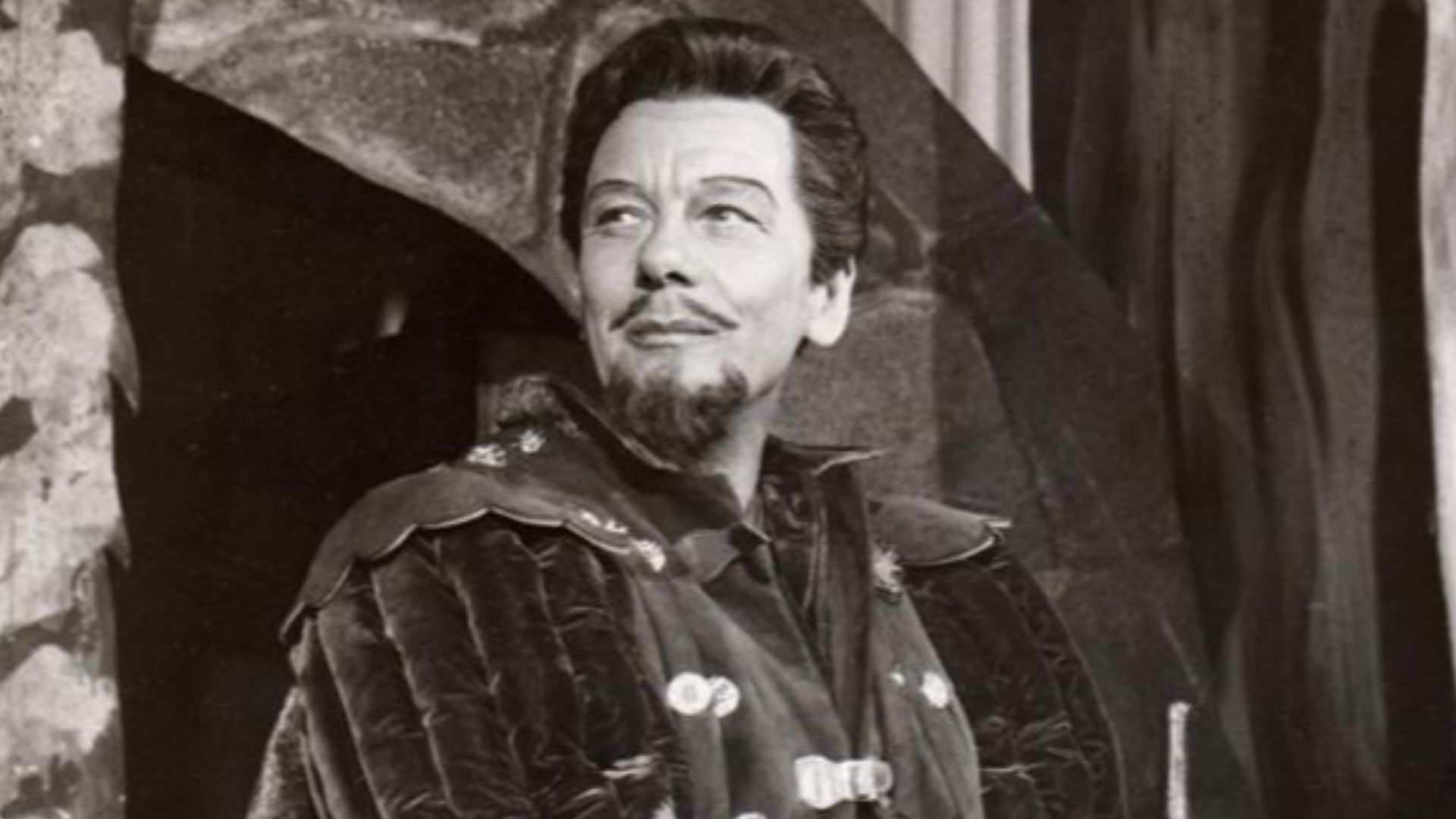 Unknown authorUnknown author, Wikimedia Commons
Robert Reed
Robert Reed became a household name as the father on The Brady Bunch. Earlier in life, he married Marilyn Rosenberger in 1954, but the marriage ended in divorce. Reed later shared with close friends that he was gay. However, public disclosure felt impossible within television’s conservative environment.
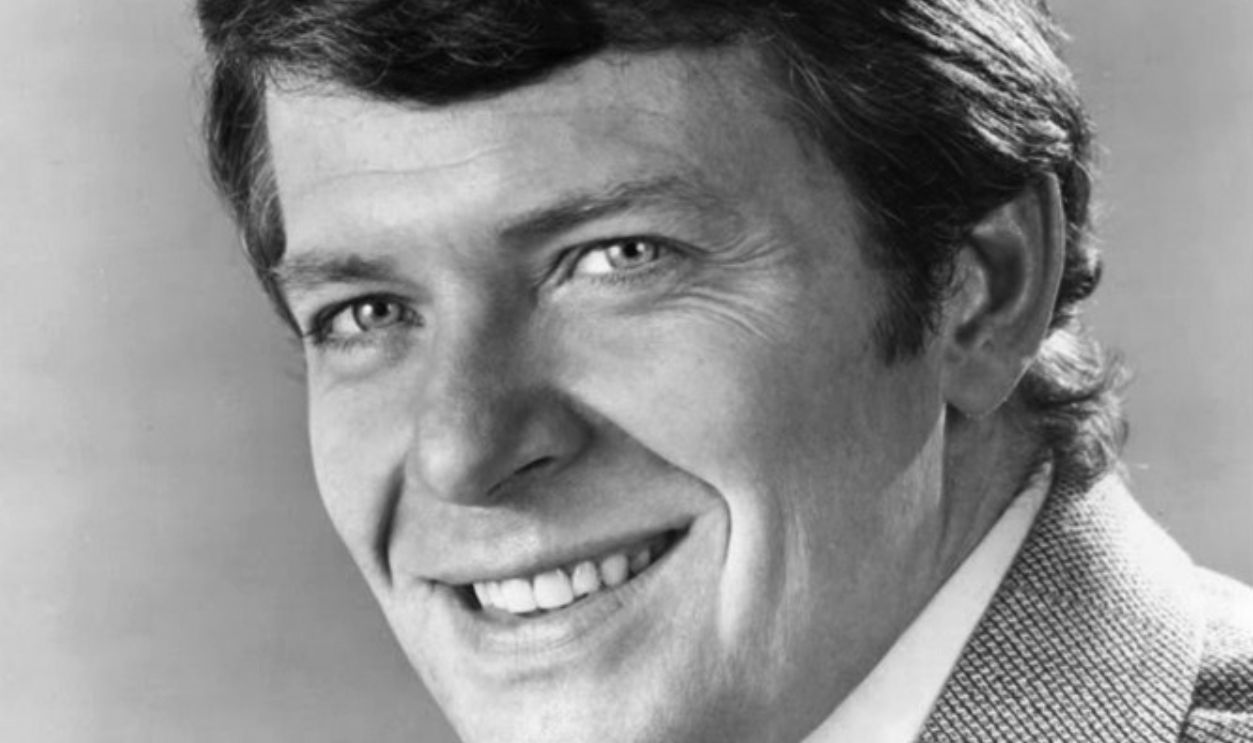 ABC Television, Wikimedia Commons
Vincente Minnelli
Earning acclaim as a visionary director, Vincente Minnelli was married multiple times, including to Judy Garland. Biographers have long discussed his relationships with men and women, which remained unspoken publicly. Like many of his era, Minnelli carefully balanced artistic innovation with a personal life shaped by industry expectations.
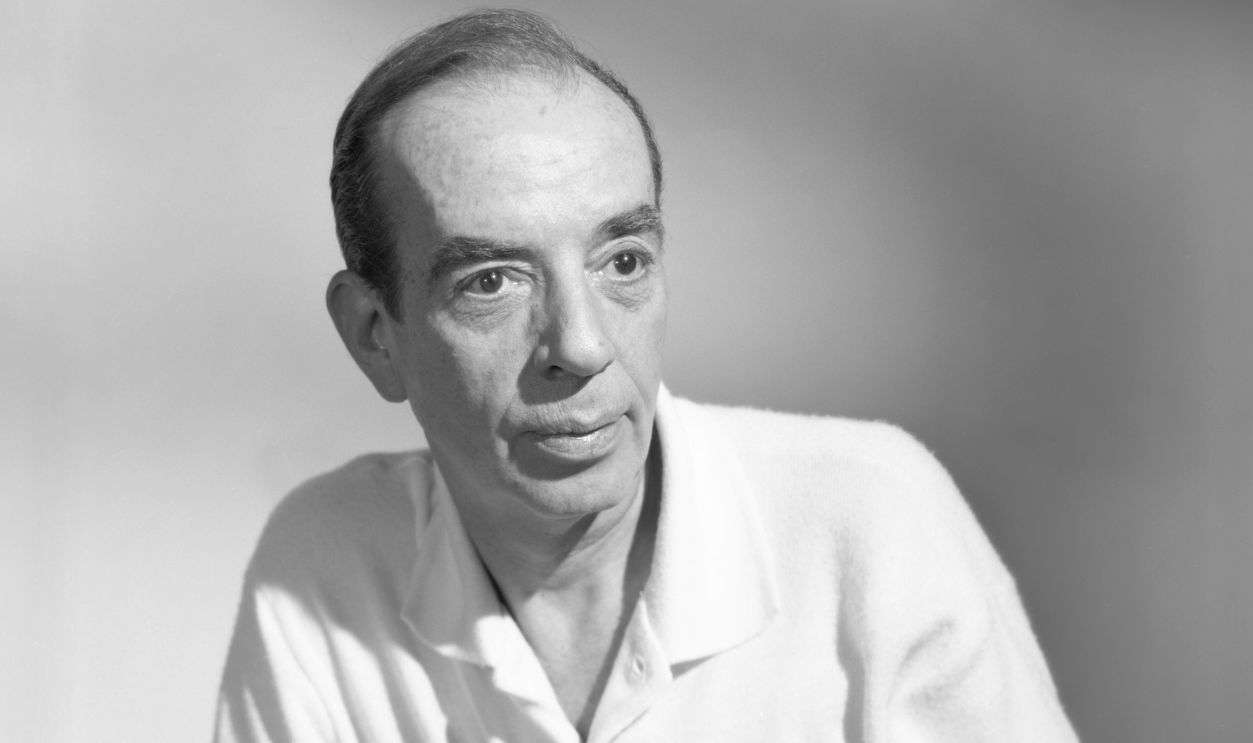
Cesar Romero
Known for charm and sophistication, Cesar Romero maintained the image of a lifelong bachelor. Studio publicity emphasized his appeal while avoiding personal details. Although he never married, historians frequently cite Romero as an example of how carefully crafted ambiguity protected careers.
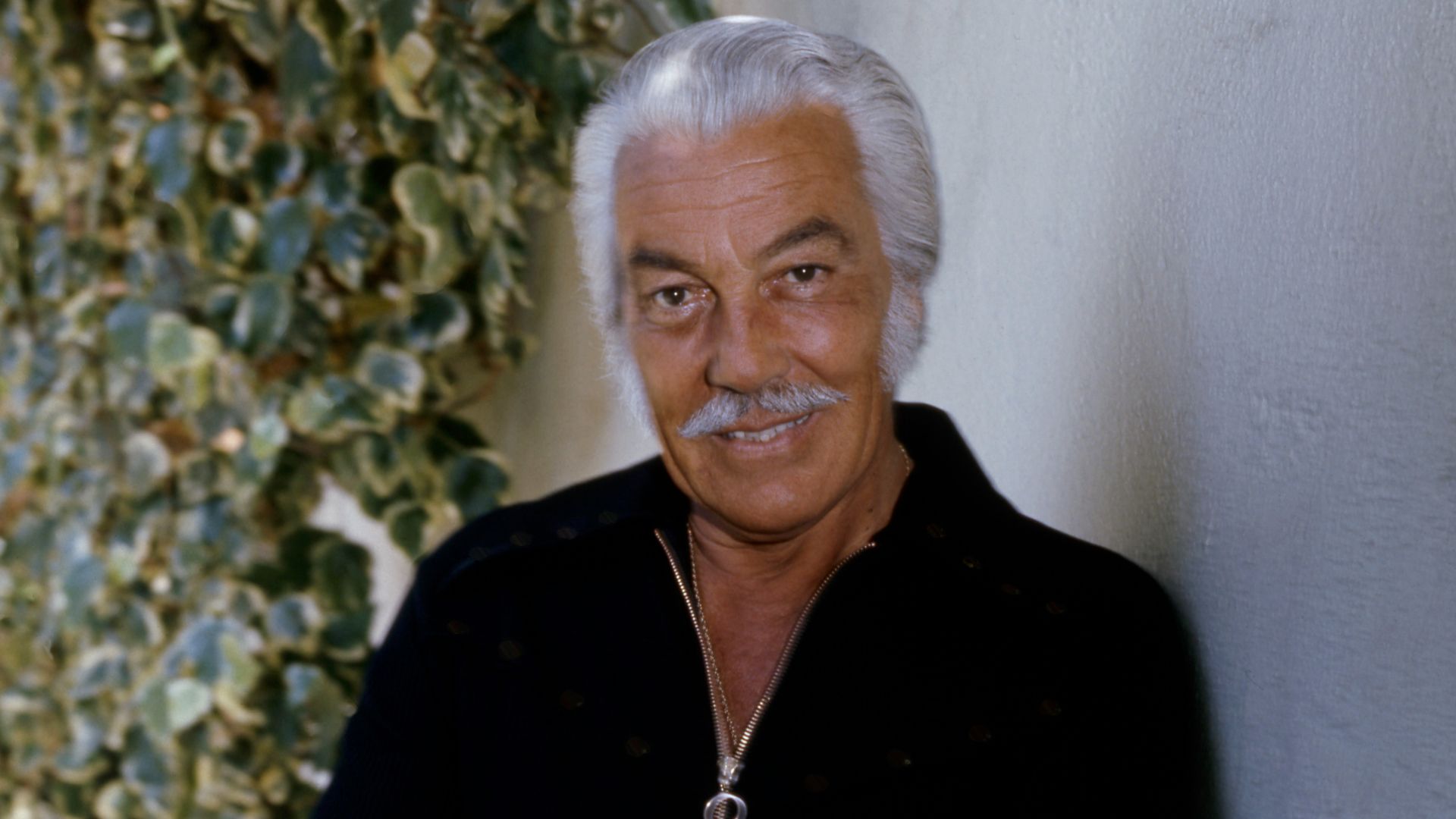 Allan warren, Wikimedia Commons
Montgomery Clift
Celebrated for emotional depth and vulnerability, Montgomery Clift lived under constant studio supervision. Though never married, he was paired publicly with actresses to deflect speculation. Later discussions described his private relationships with men and shed light on the cost of secrecy imposed on actors who defied traditional masculinity.
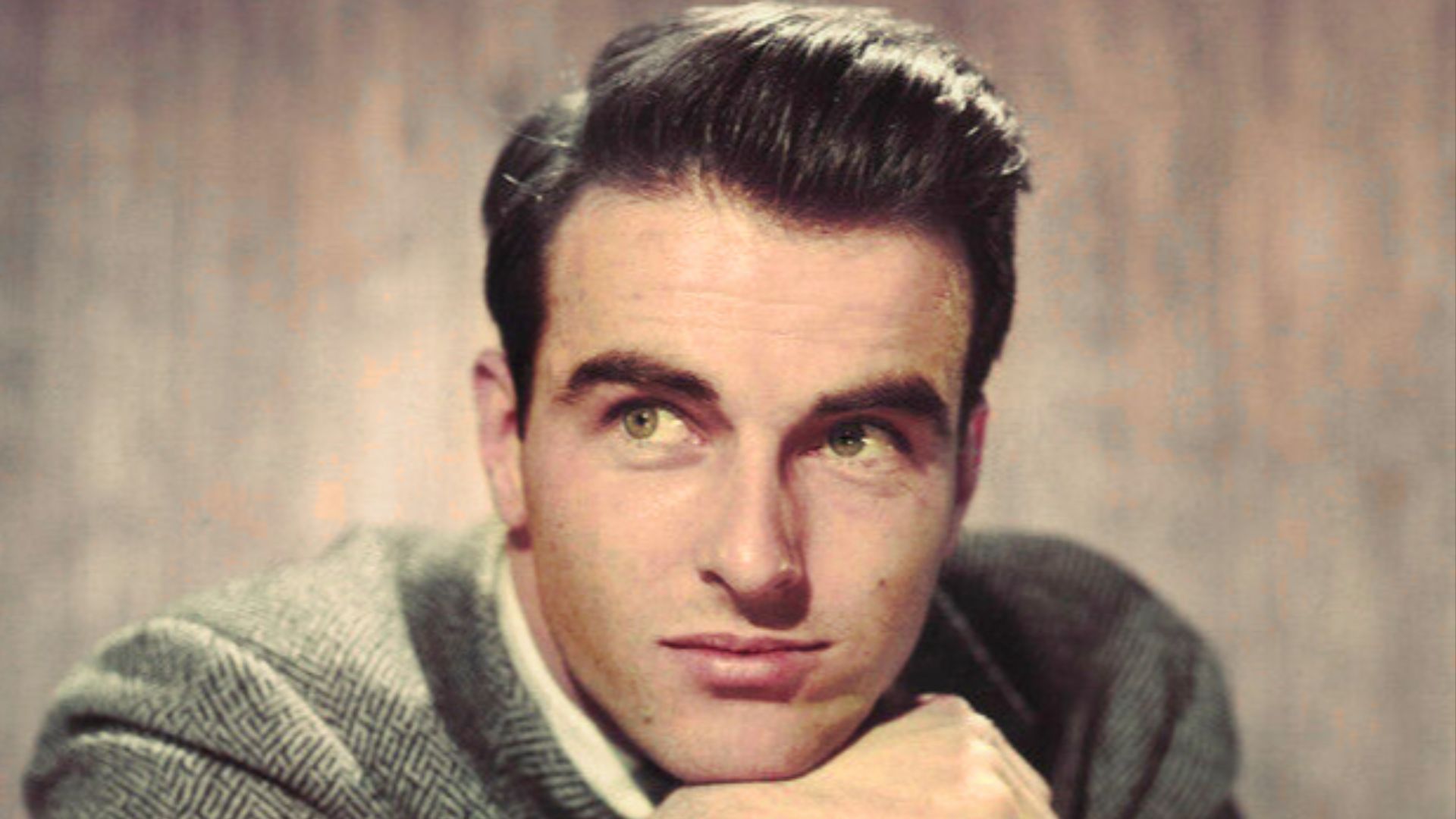 Studio Publicity, Wikimedia Commons
Cary Grant
Cary Grant’s polished charm concealed a complicated private world. He married five women over several decades, yet biographers have documented relationships with both men and women. These marriages are often viewed within the context of Hollywood’s golden age, when mystery helped preserve leading-man status.
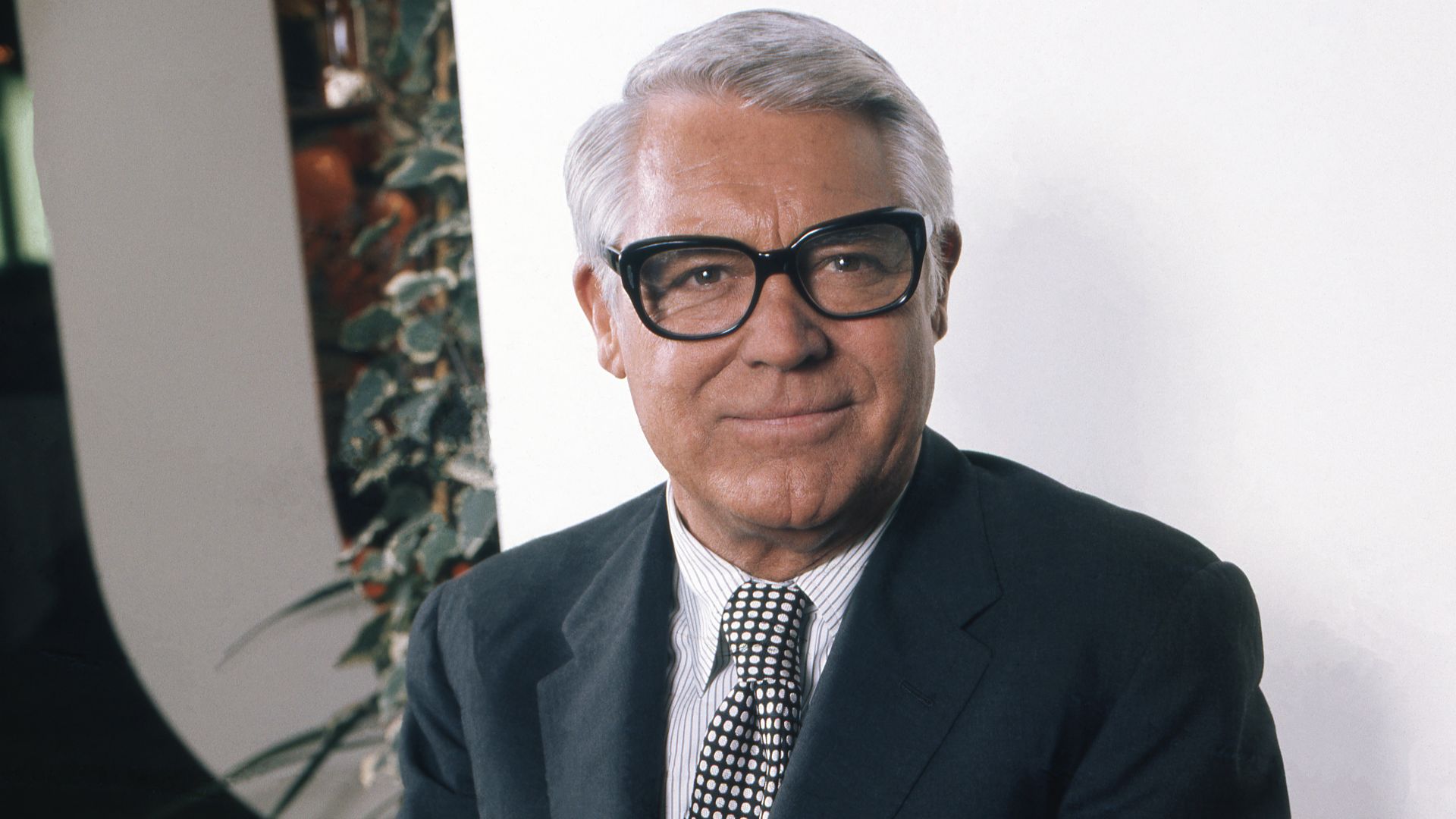 Allan warren, Wikimedia Commons
Helmut Berger
International fame arrived quickly for Helmut Berger through arthouse and mainstream films. In 1994, he entered a brief marriage with actress Francesca Guidato, yet he later had relationships with men and women. His life is a candid example of industry pressures and emotional struggles.
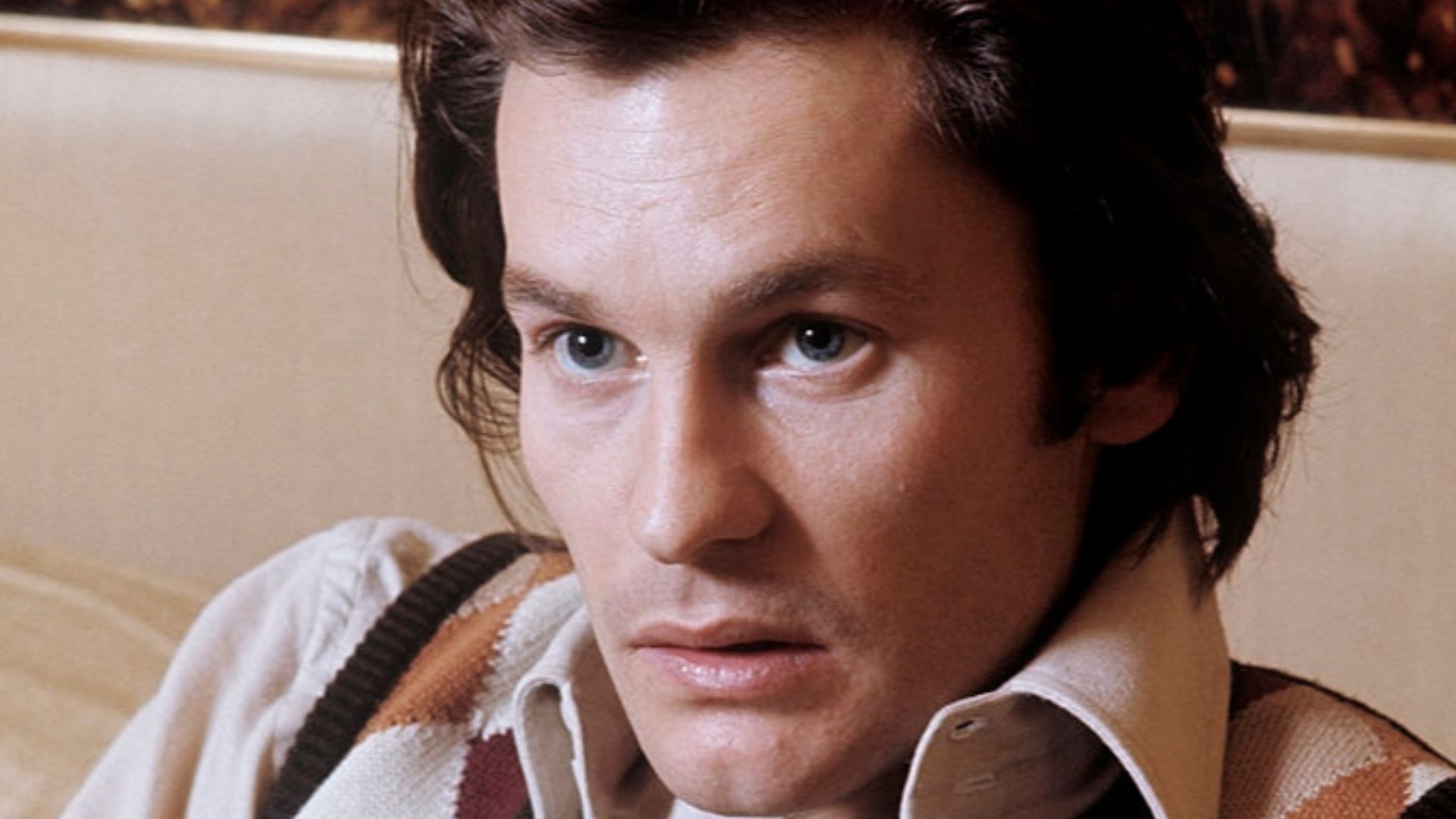 Marisa Rastellini (Mondadori Publisher), Wikimedia Commons
Laurence Olivier
Laurence Olivier’s marriages, including his famed union with Vivien Leigh, placed him among Hollywood royalty. Documentaries and books later explored relationships with men and women, in addition to emotional struggles, largely hidden in an era hostile to openness.
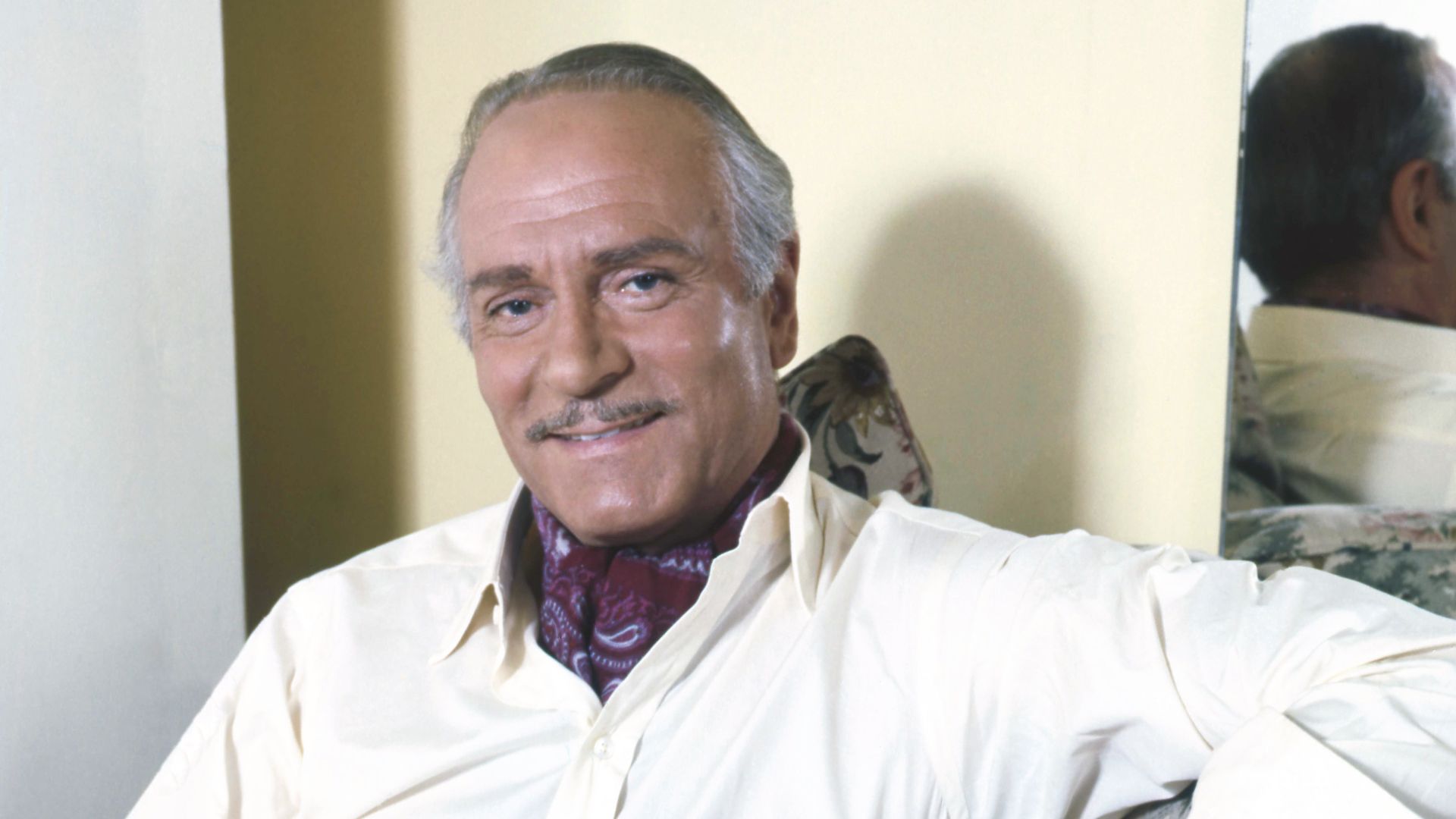 Allan warren, Wikimedia Commons
Jean-Claude Brialy
A prominent figure in European cinema with Hollywood connections, Jean-Claude Brialy lived most of his life single. As he grew older, he came out publicly, reflecting on career limitations that once made honesty risky.
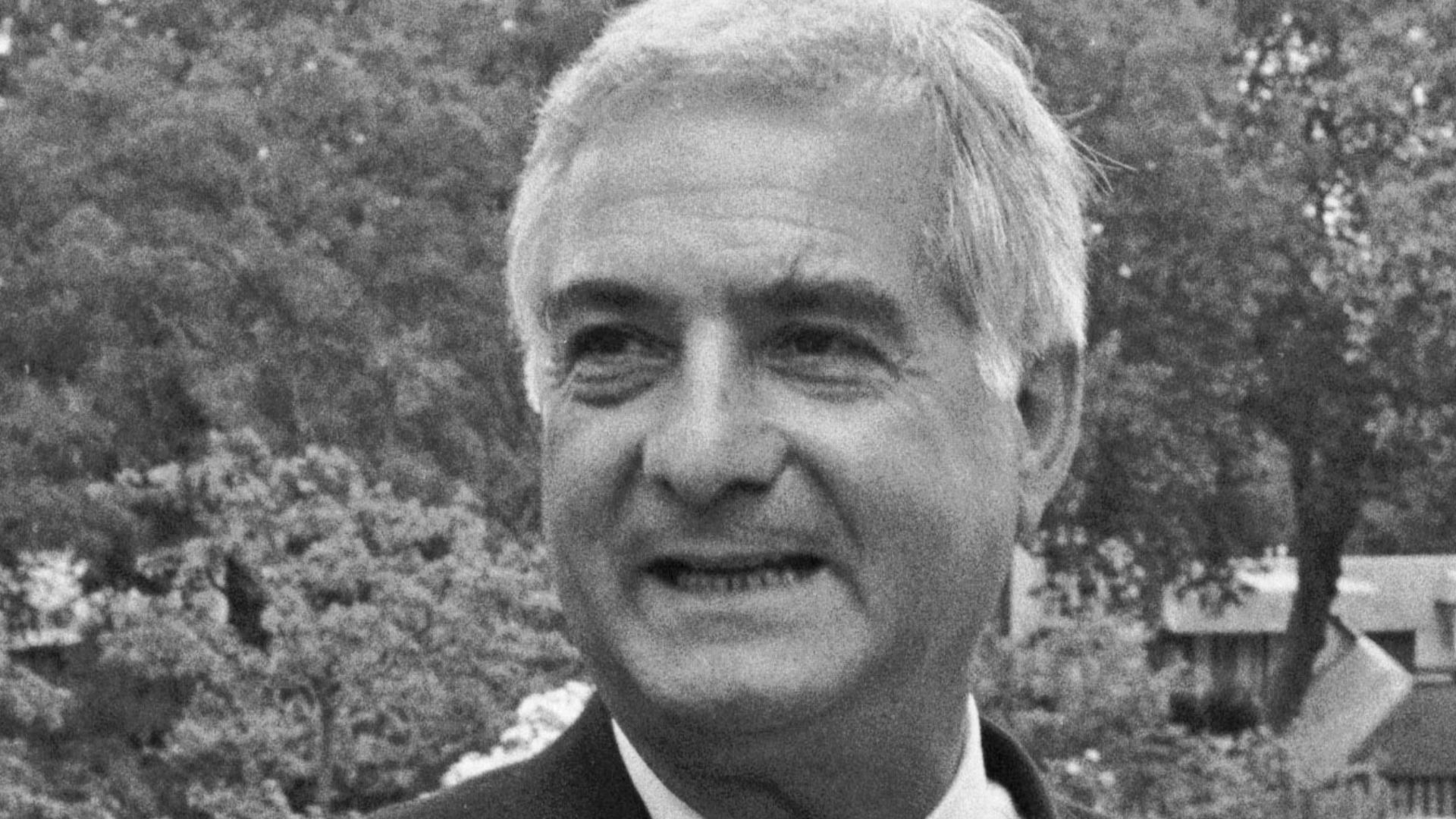 Roland Godefroy, Wikimedia Commons
Tom Drake
During the 1940s and 1950s, Tom Drake enjoyed steady work in film and television. He married actress Isabella Dunn between 1945 and 1946 and never came out publicly. Later commentary from colleagues and biographers highlighted the silent expectations placed on him and how they affected his mental health.
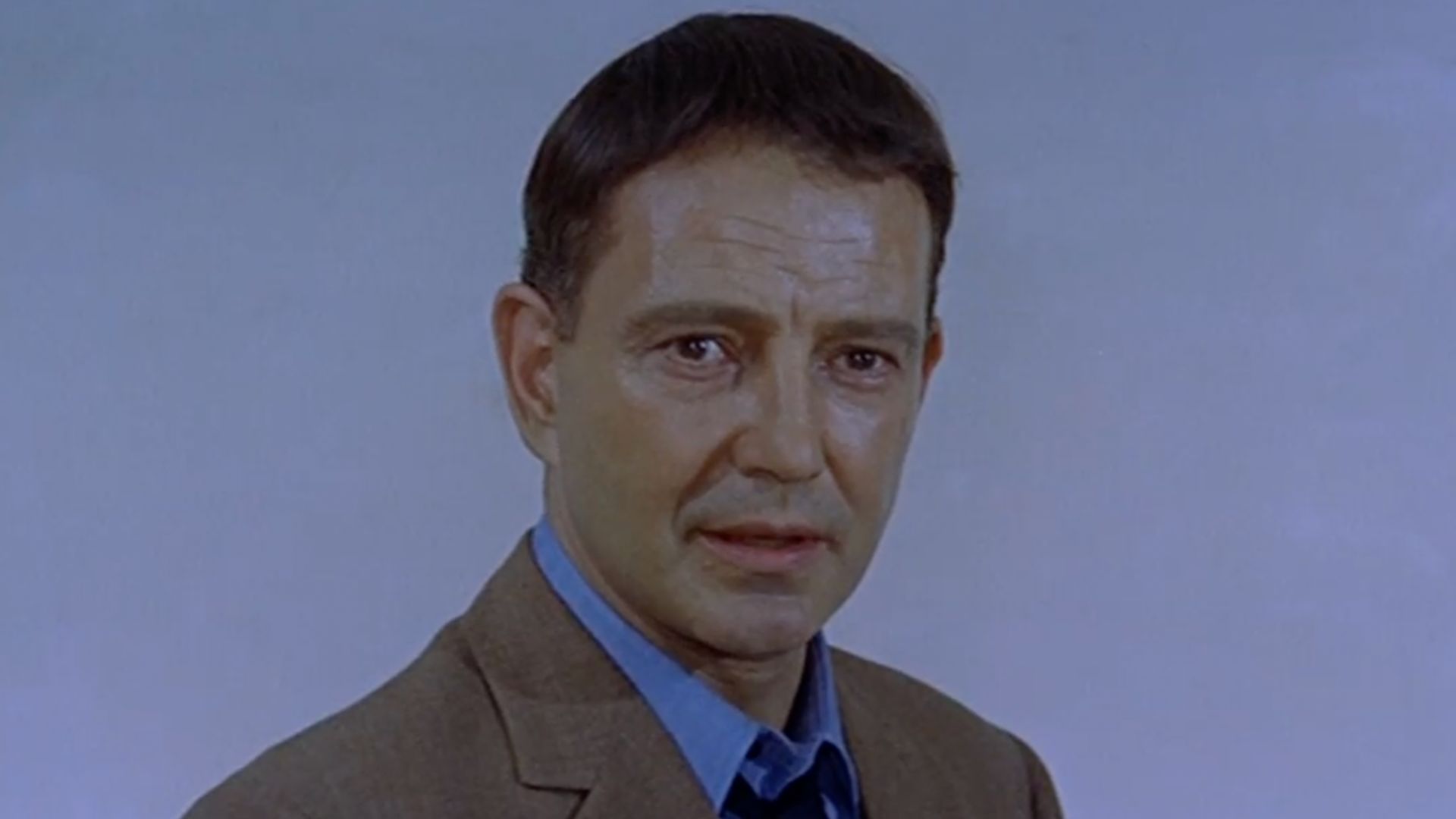 Film diretto da Vittorio Sindoni e prodotto da Semafilm, Wikimedia Commons
William Haines
One of MGM’s brightest stars, William Haines, didn’t fall victim to social pressure. He ultimately chose to live openly with his male partner, rejecting studio demands and becoming a lasting symbol of integrity during an intolerant era for queer artists.
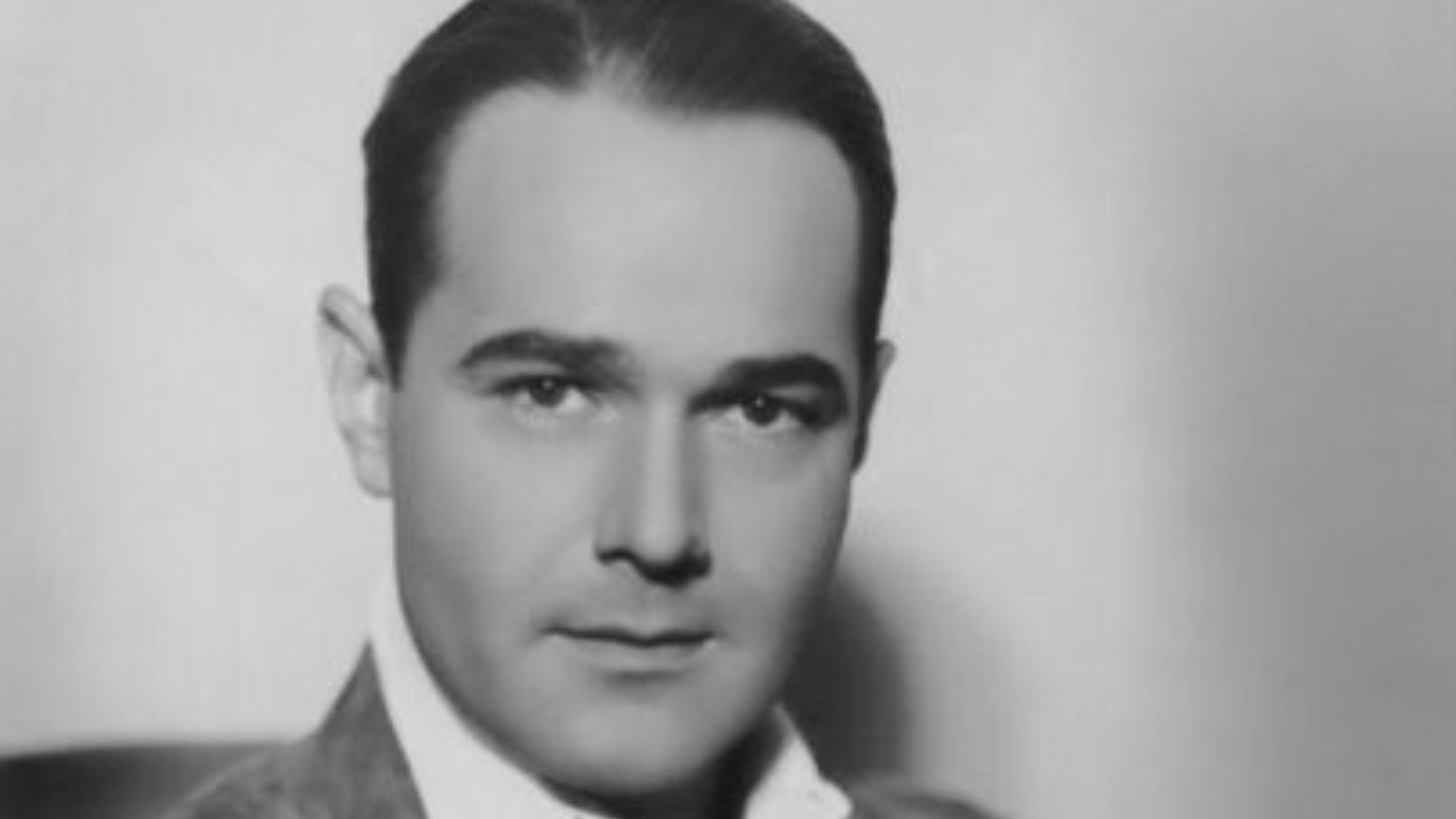 Studio publicity still, Wikimedia Commons
Little Richard
Little Richard’s public persona mixed flamboyance with contradiction. In 1959, he married Ernestine Campbell, though the marriage ended several years later. Across his life, he made varying statements about orientation and faith.
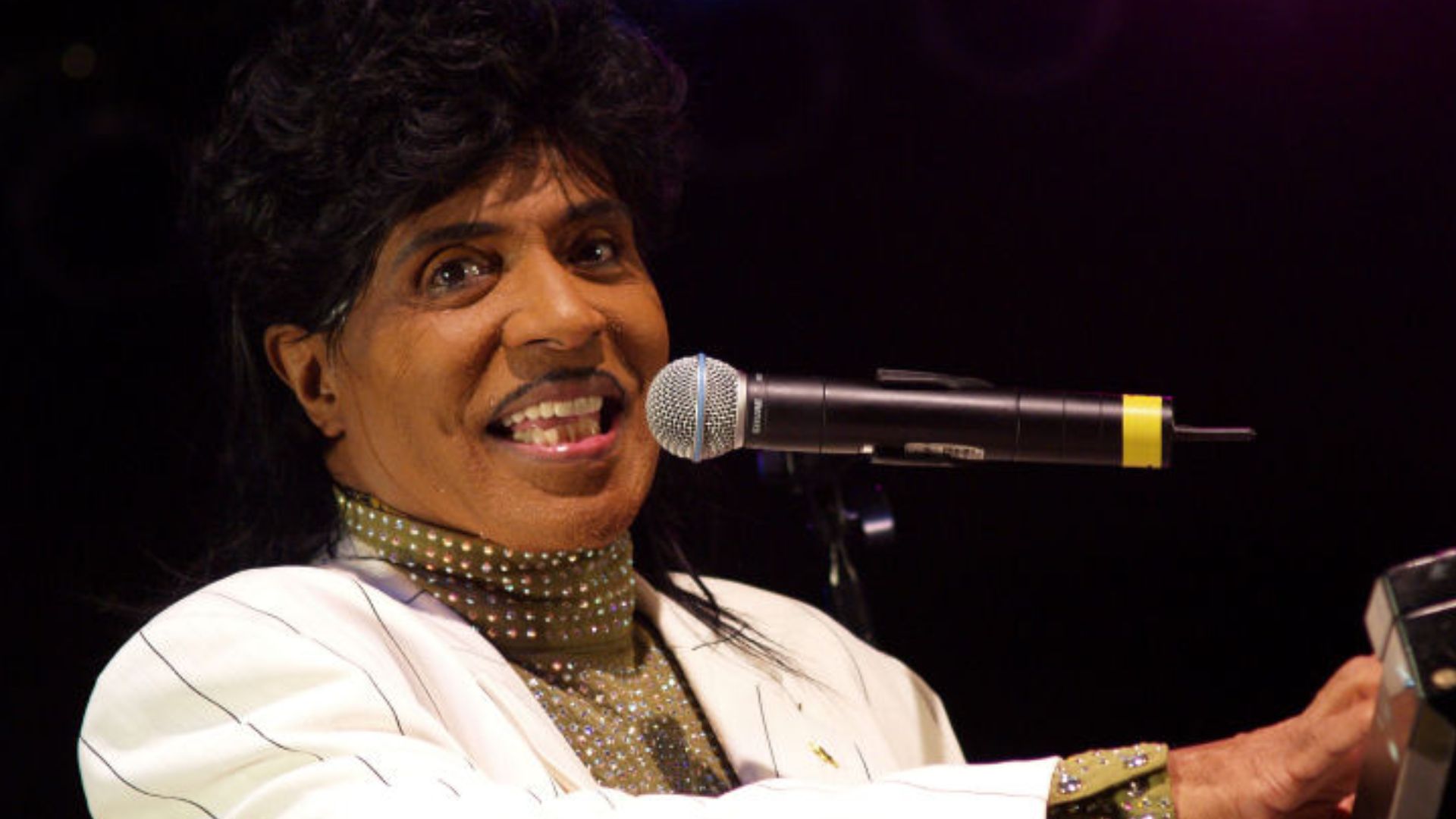 Anna Bleker, Wikimedia Commons
Ramon Novarro
A silent-film heartthrob, Ramon Novarro struggled with intense studio control over his private life. Though never married, he was linked to several men. Despite his success, his career declined with talking films and never recovered.
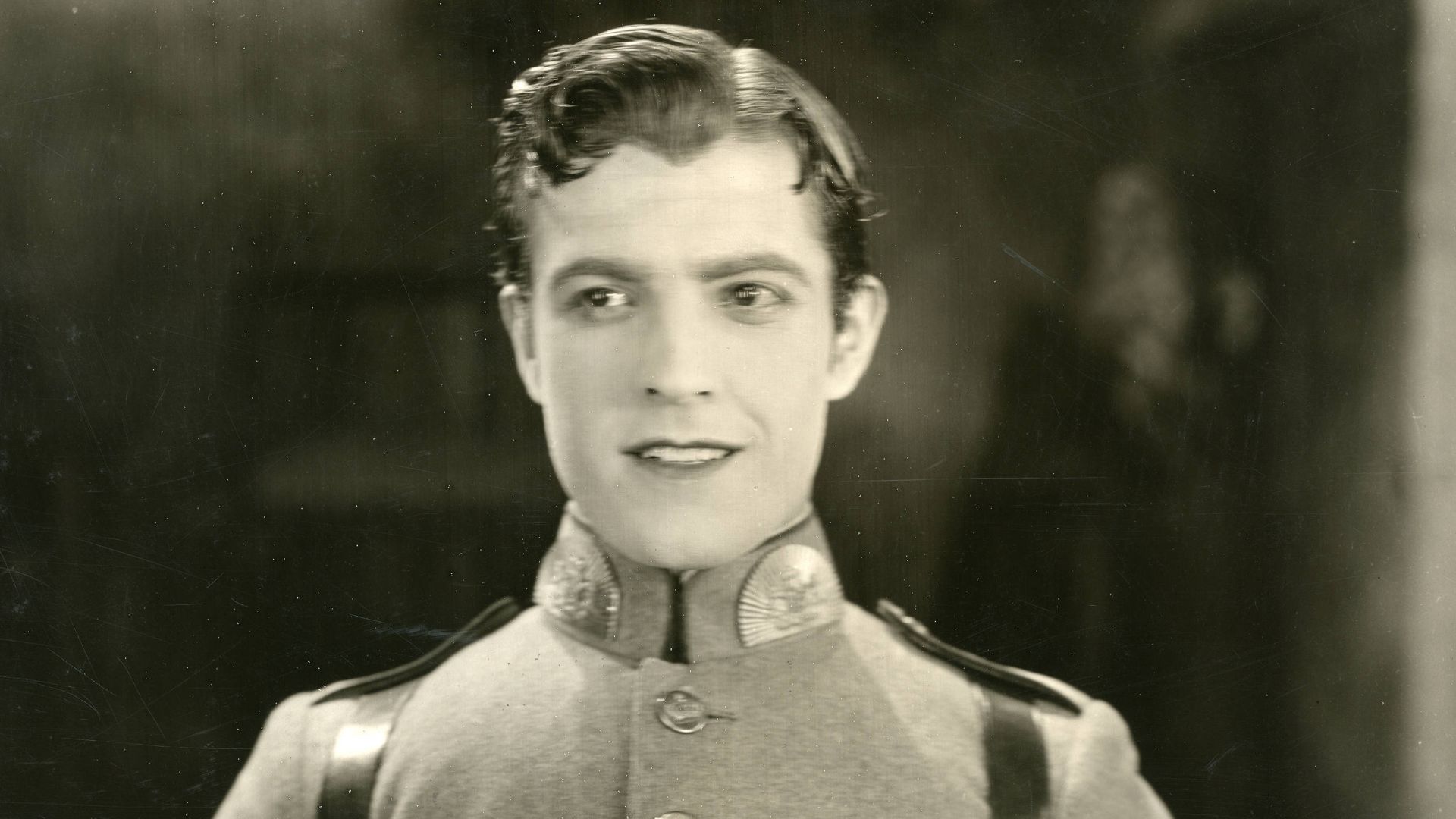 Unknown authorUnknown author, Wikimedia Commons
Farley Granger
Best remembered for Hitchcock thrillers, Farley Granger was romantically linked to actress Jean Simmons in 1950, though the union lasted only months. Granger later announced he had relationships with both men and women, and criticized Hollywood’s pressure to maintain certain appearances.
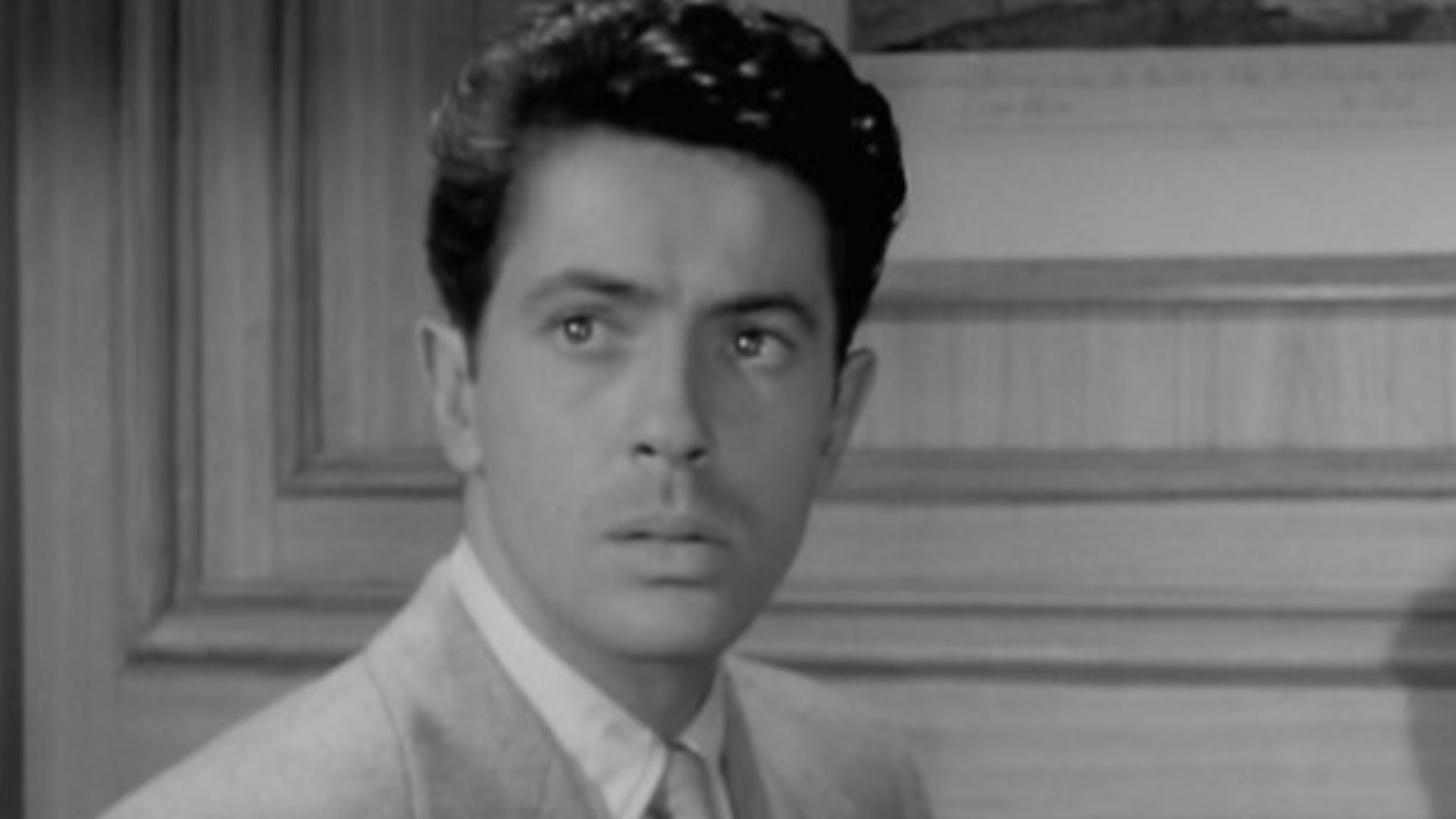 Trailer screenshot, Wikimedia Commons
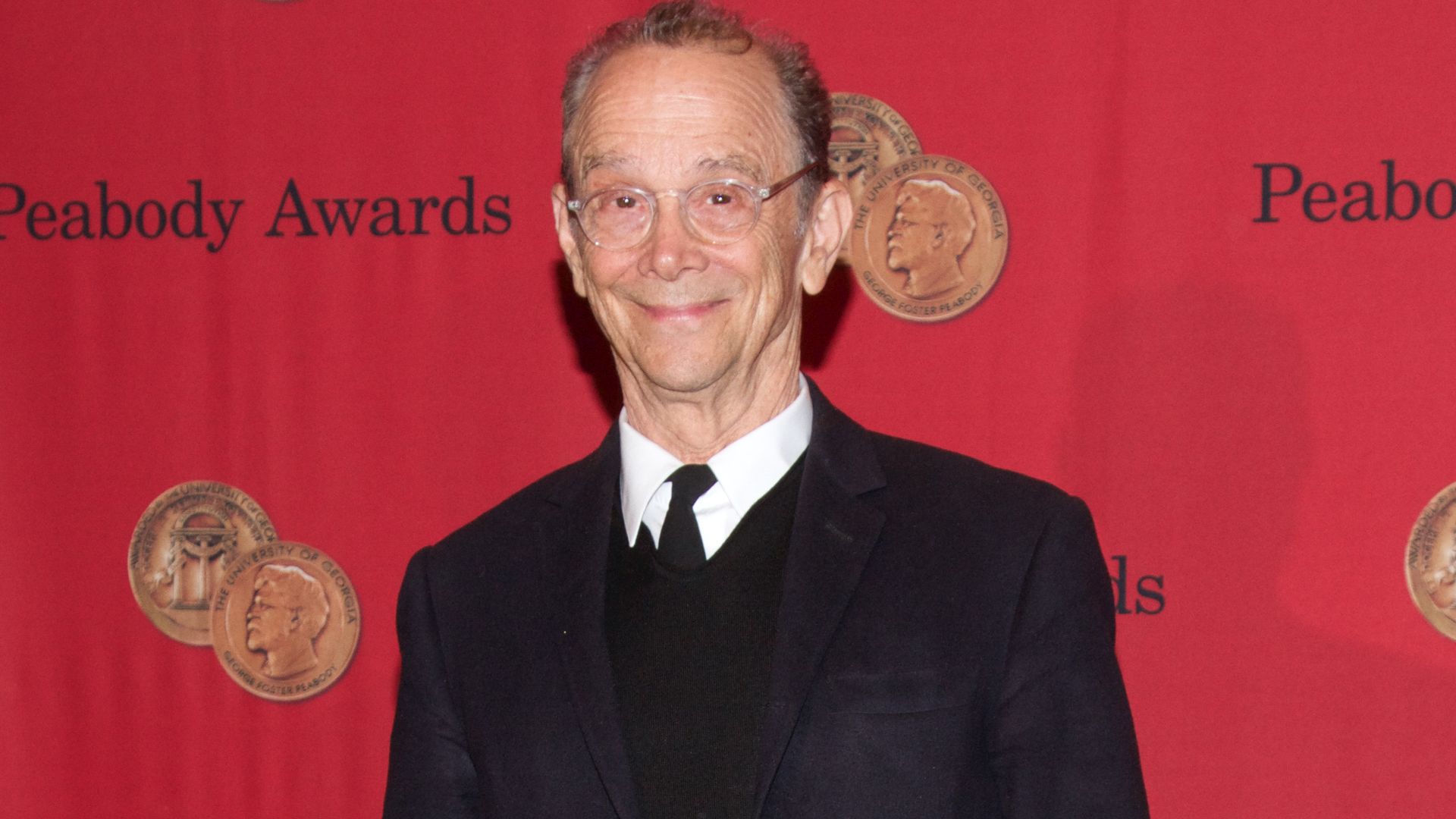
Joel Grey
Celebrated for stage and screen performances, Joel Grey married actress Jo Wilder in 1958 and later divorced her. In 2015, he publicly came out as gay, decades into his career. Grey’s experience highlights how many performers delayed honesty until professional risks diminished.
 Peabody Awards, Wikimedia Commons
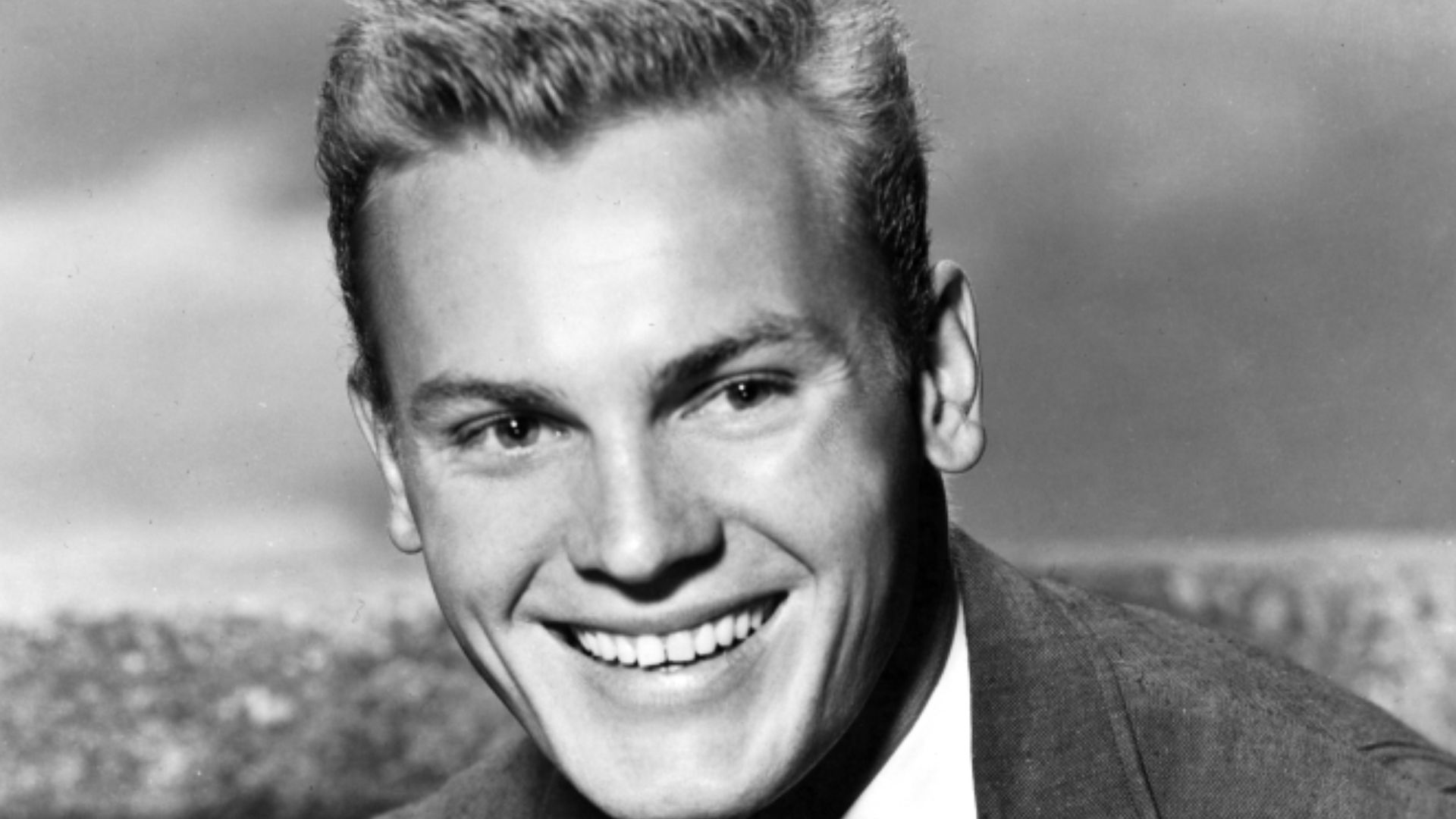
Tab Hunter
A defining teen idol of the 1950s, Tab Hunter was carefully marketed as an all-American romantic lead. Studio-arranged publicity romances reinforced that image, but he later married his long-term partner, producer Allan Glaser.
 Studio Publicity, Wikimedia Commons
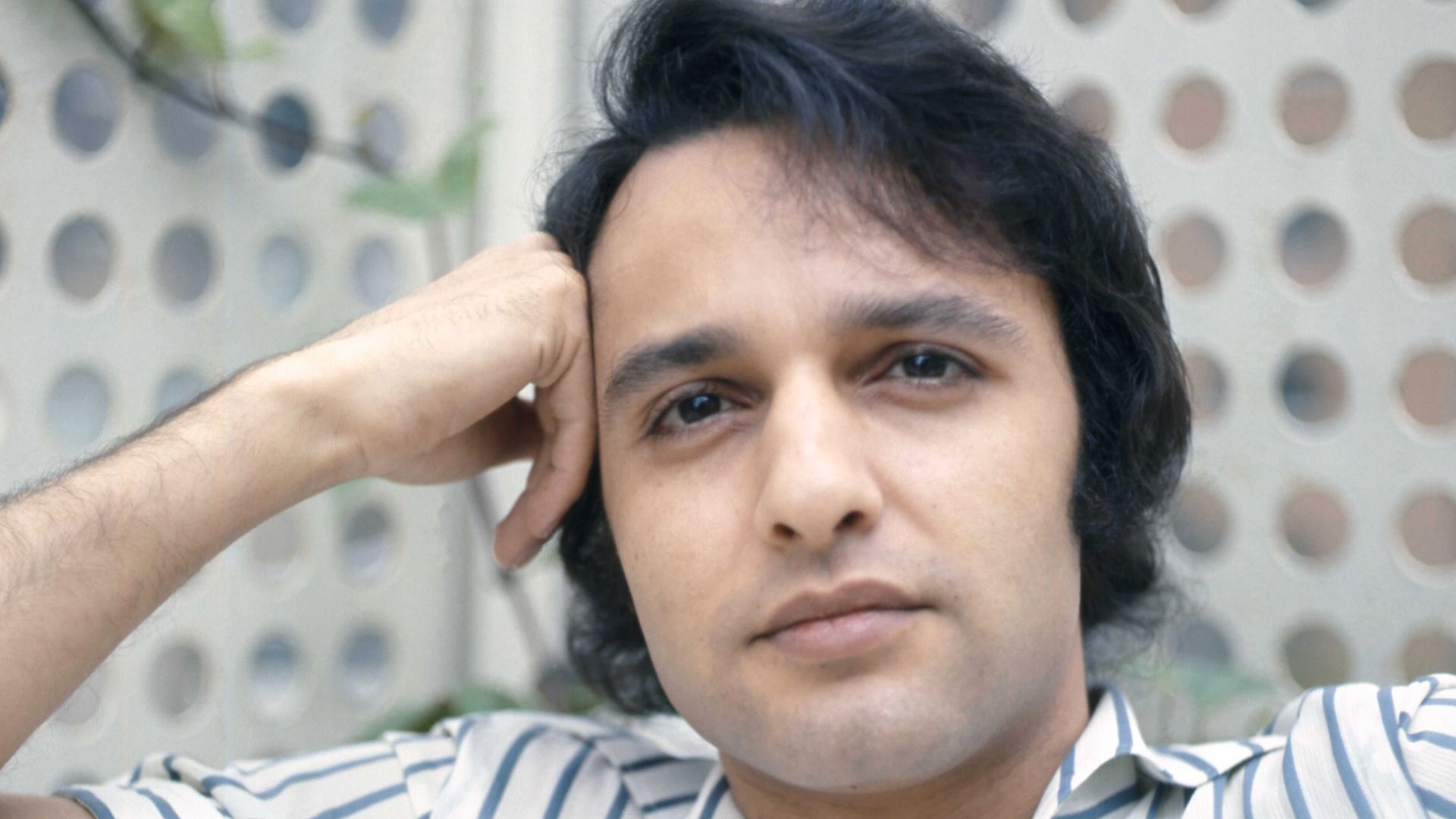
Sal Mineo
Sal Mineo gained acclaim in Rebel Without a Cause, but his career suffered as rumors about his identity circulated. Casting opportunities declined sharply in a conservative industry. Mineo later lived more openly, becoming a visible example of how intolerance directly influenced professional longevity in midcentury Hollywood.
 Allan warren, Wikimedia Commons
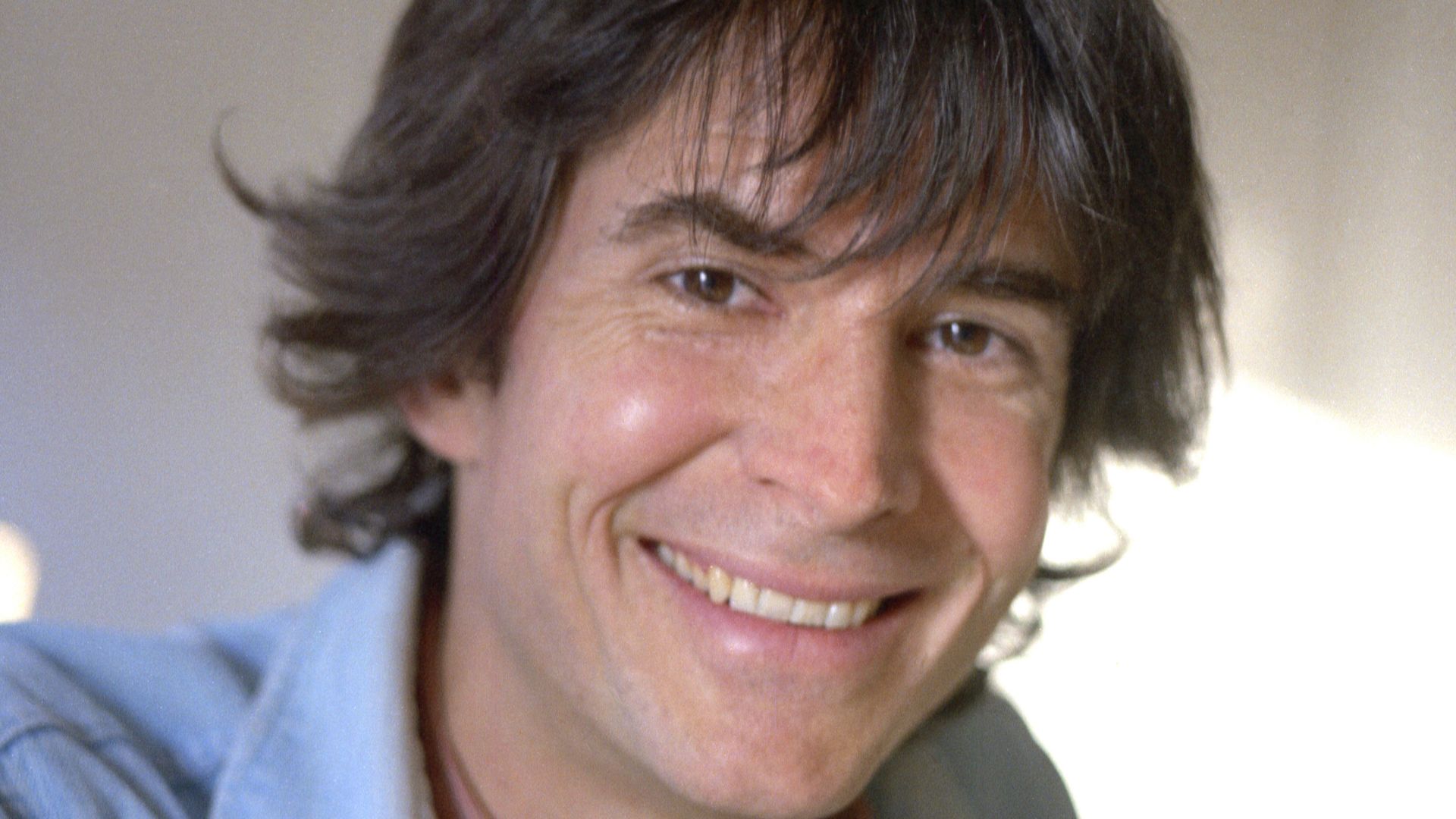
Anthony Perkins
Best known for Psycho, Anthony Perkins rose to fame during a period when studios tightly controlled public perception. Publicly linked to women, he kept his relationships with men private. His life highlights the emotional toll of maintaining a leading-man image while suppressing an authentic identity.
 Allan warren, Wikimedia Commons
Richard Chamberlain
Television audiences embraced Richard Chamberlain as the ideal romantic hero in Dr Kildare and other popular shows. He maintained a carefully managed public image for decades. Chamberlain did not publicly come out until 2003, long after his peak fame.
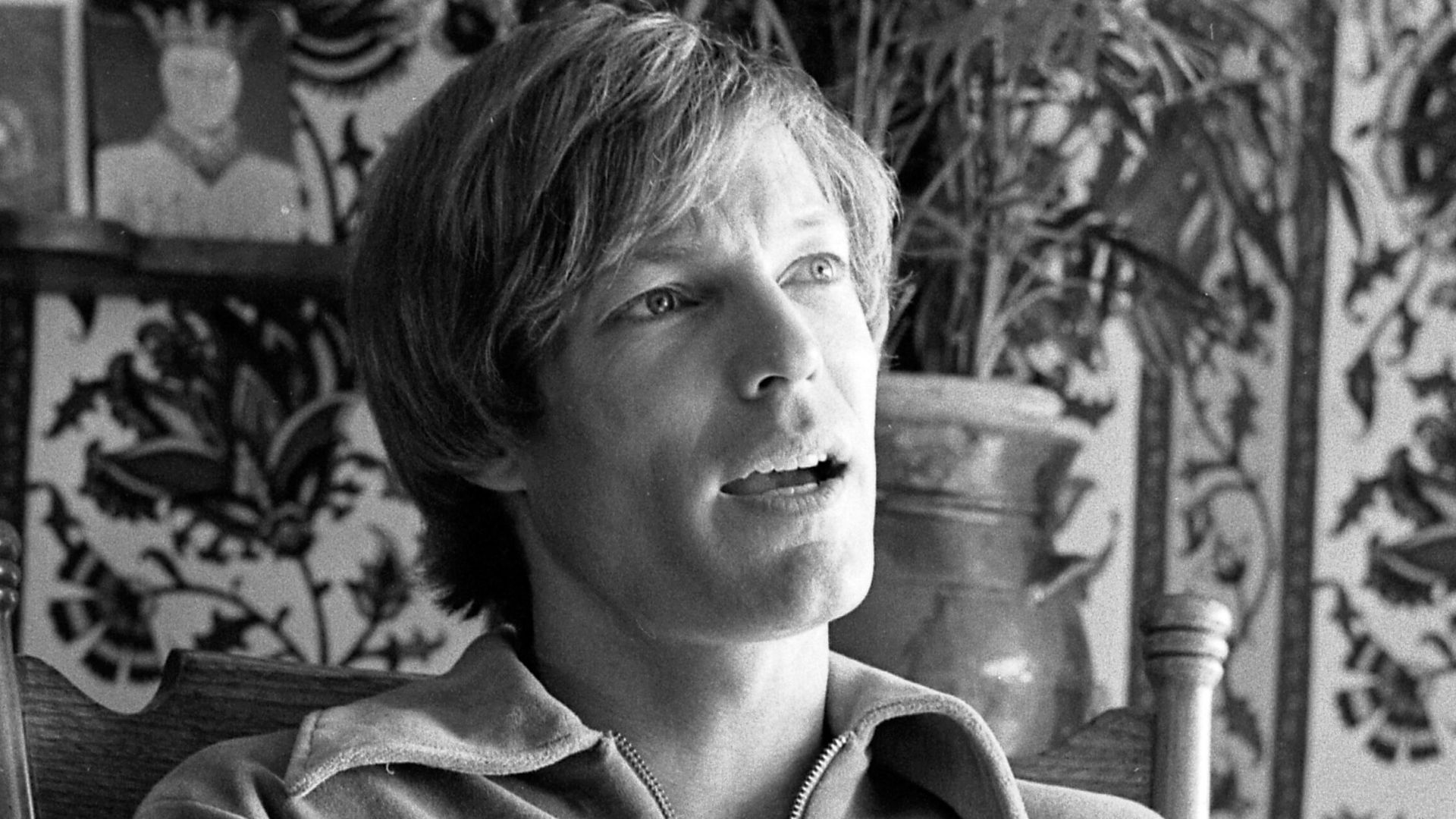 Harry Chase, Los Angeles Times, Wikimedia Commons
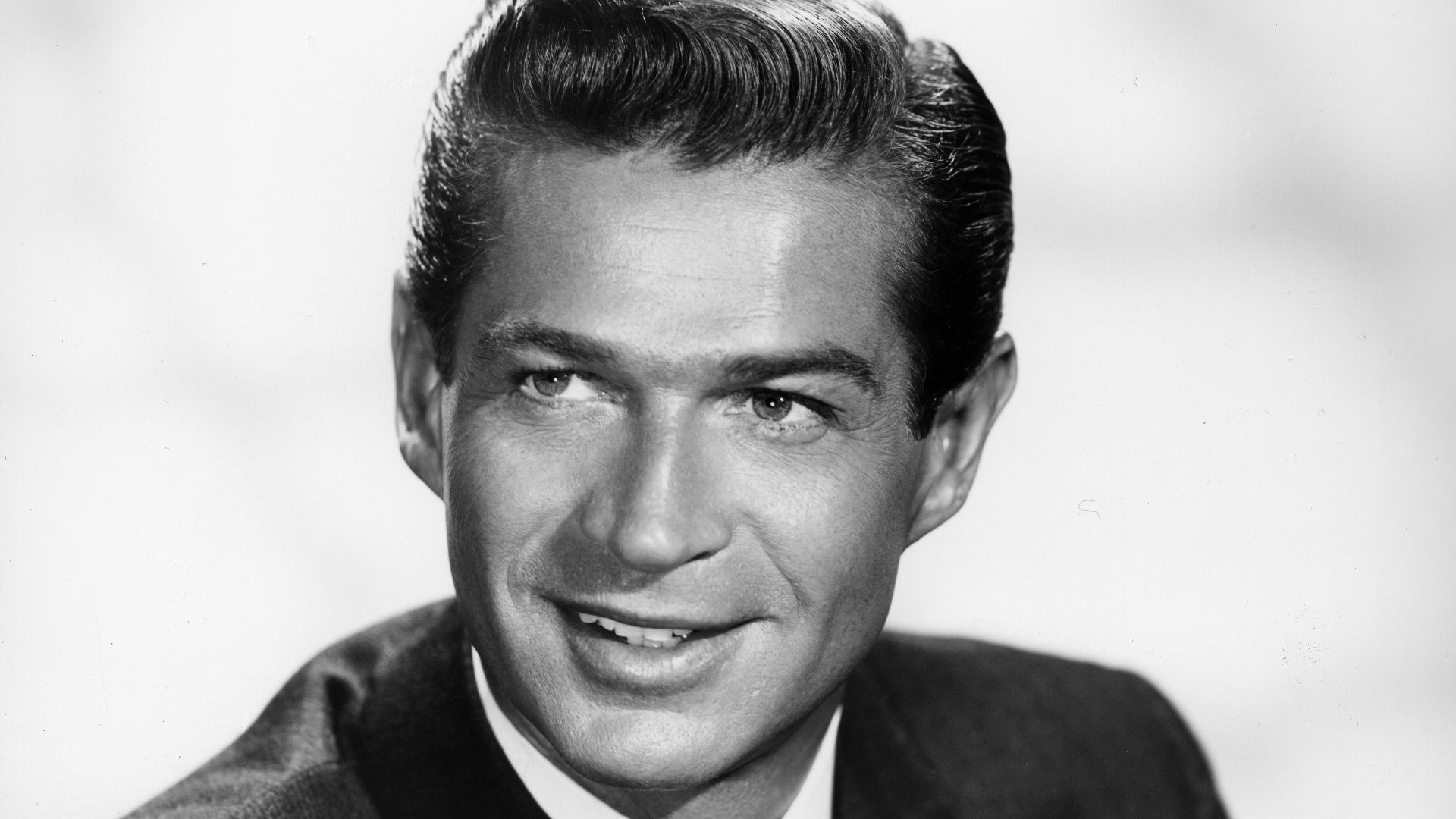
George Nader
As a prominent leading man in 1950s adventure films, George Nader saw his Hollywood career collapse. Nevertheless, he didn’t have relationships with women to conceal his identity and stayed with his partner, Mark Miller, for decades.
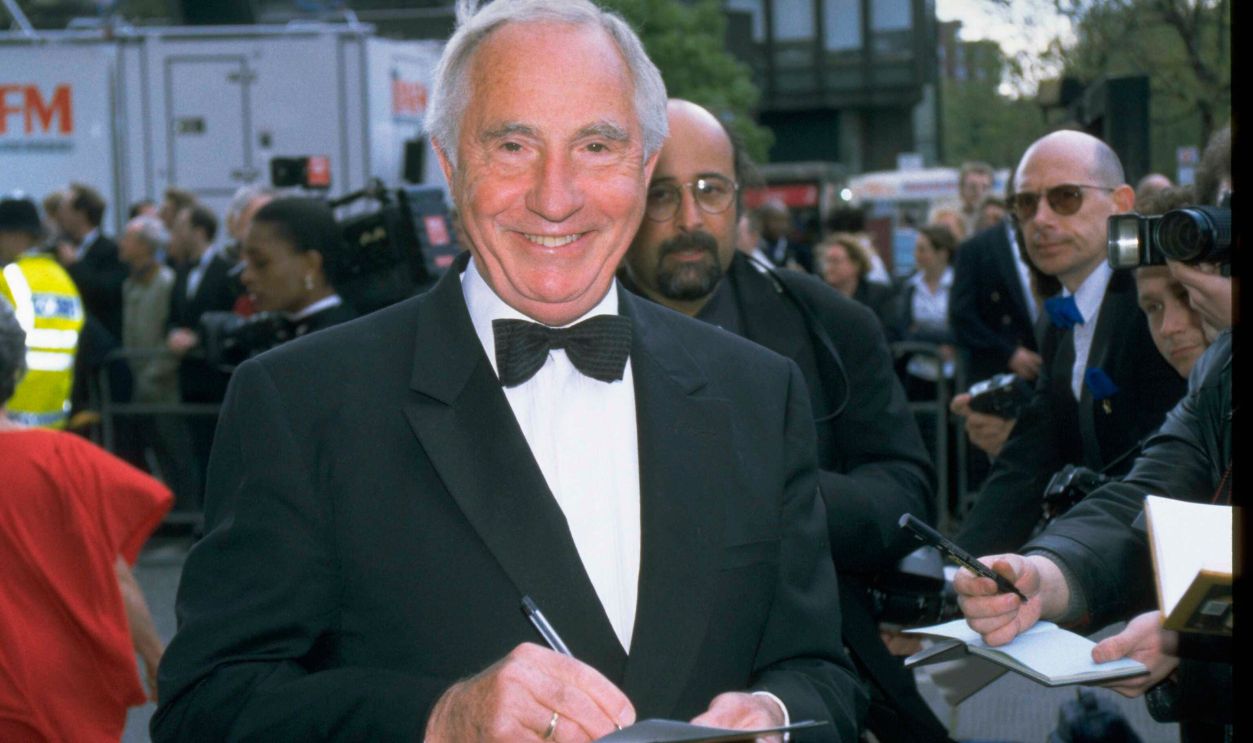
Nigel Hawthorne
Celebrated for powerful performances on stage and screen, Nigel Hawthorne guarded his private life for decades. Despite professional acclaim, he avoided public disclosure until later in life. His eventual openness illustrated how even respected actors felt compelled to prioritize career security over personal truth.
Ian McKellen
Early in his career, Ian McKellen remained cautious about his personal life amid fears of professional repercussions. His decision to come out publicly in 1988 marked a pivotal moment, reflecting shifting attitudes within entertainment and signaling growing space for honesty.
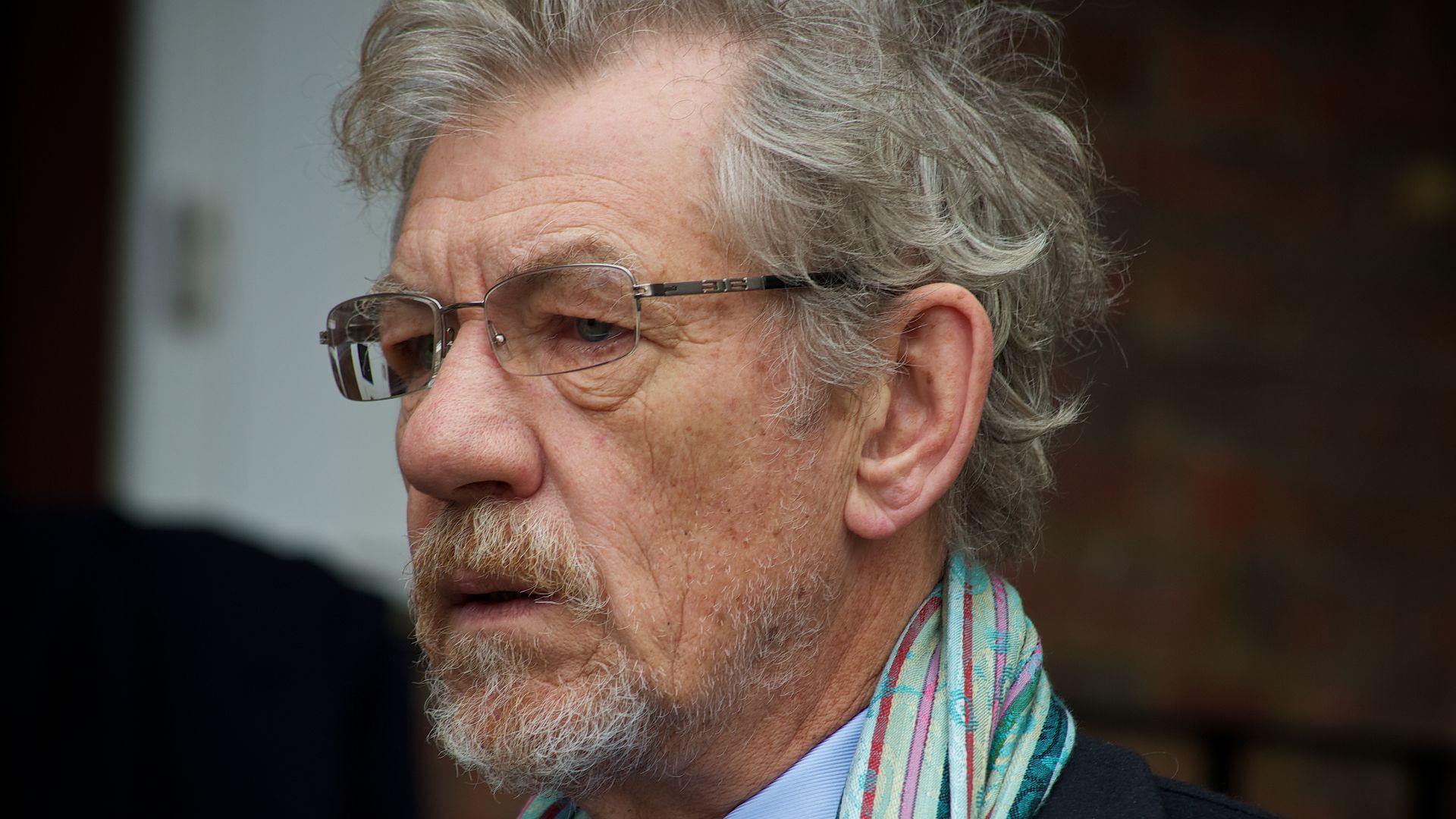 Southbanksteve, Wikimedia Commons