From Sketch Player To Scene Stealer
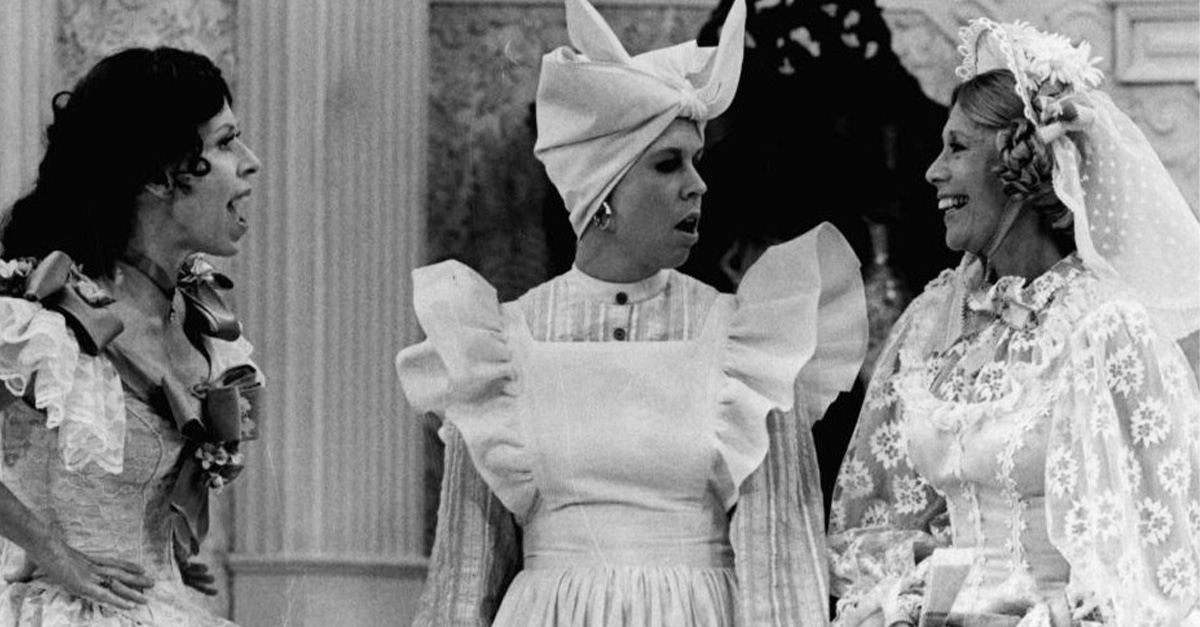
Vicki Lawrence could have been remembered as the young comic who somehow kept up with Carol Burnett, Harvey Korman, and Tim Conway. Instead, she turned that once-in-a-lifetime start into something much bigger: sitcom stardom, game shows, talk shows, touring, music, and decades of TV comebacks.
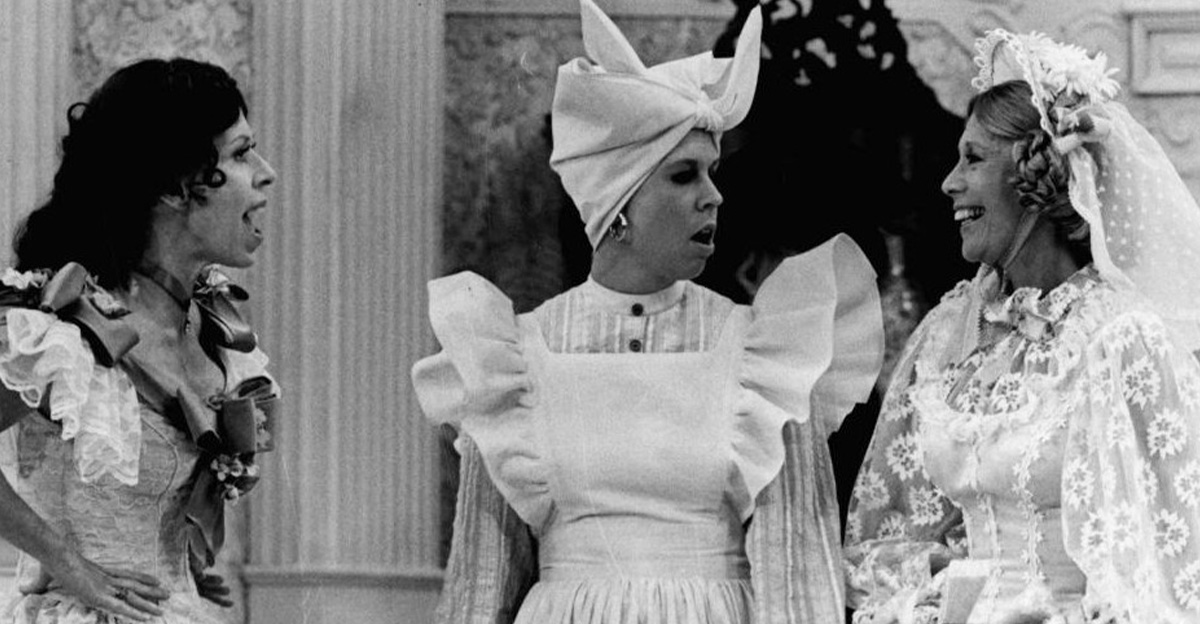 CBS Television, Public domain, via Wikimedia Commons
She Left With A Character Fans Already Loved
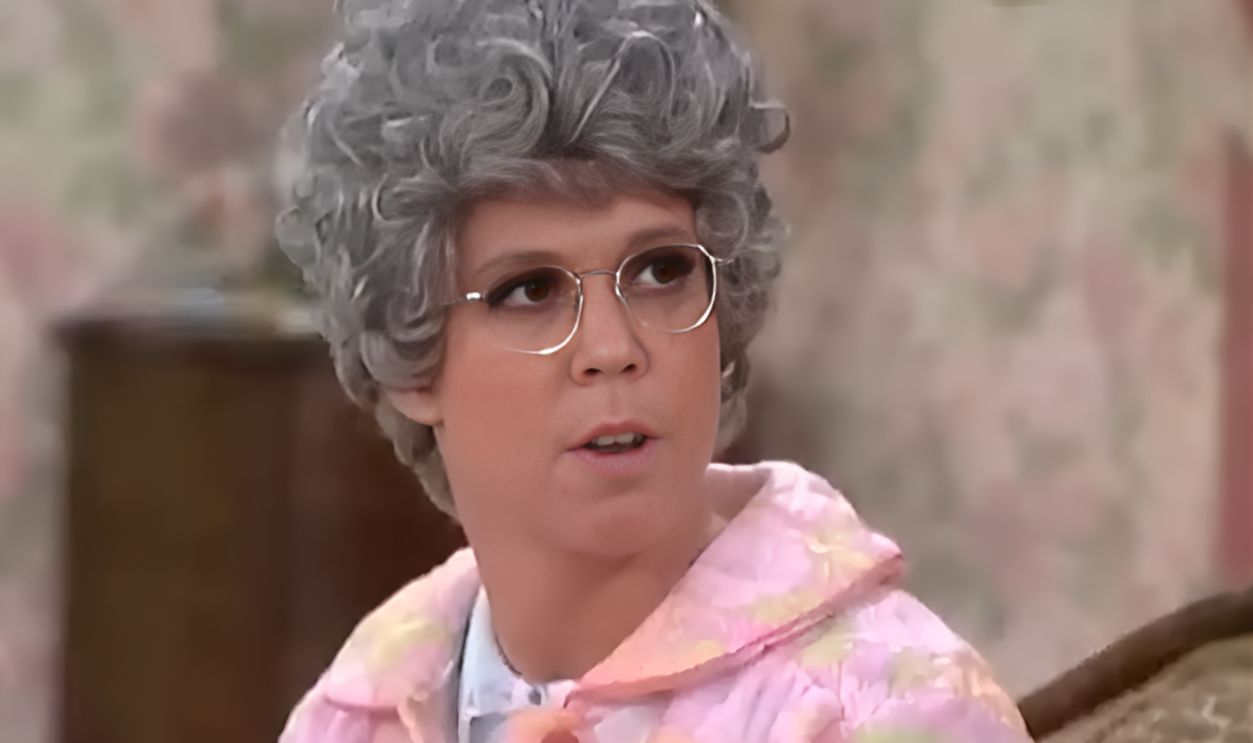
When The Carol Burnett Show ended in 1978, Lawrence did not leave empty-handed. She had “Mama,” the sharp-tongued Thelma Harper from “The Family” sketches. The character was loud, cranky, and impossible to ignore, which is exactly why audiences wanted more.
 Screenshot from The Carol Burnett Show, CBS (1967–1978), Modified
Mama Was Too Big For One Sketch
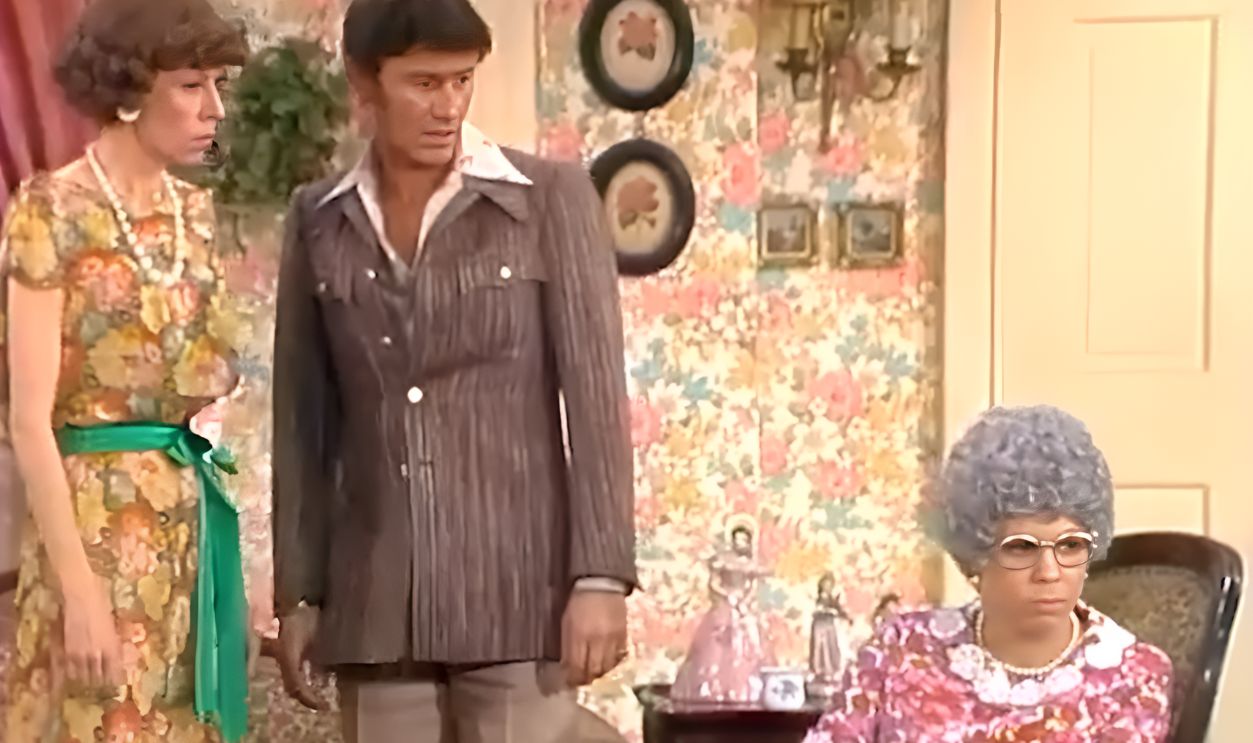
Most sketch characters vanish when the applause ends. Mama did not. Lawrence’s old-lady wig, stiff walk, and killer timing gave the character a life beyond the variety stage. Fans remembered her because Mama felt like every terrifying relative at Thanksgiving, only funnier.
 Screenshot from The Carol Burnett Show, CBS (1967–1978), Modified
Eunice Helped Open The Door
Before Mama’s Family became a sitcom, the 1982 TV movie Eunice proved there was still interest in the Harper clan. Lawrence returned as Mama, surrounded by familiar family chaos. It showed that “The Family” was not just a sketch. It was a whole comic universe.
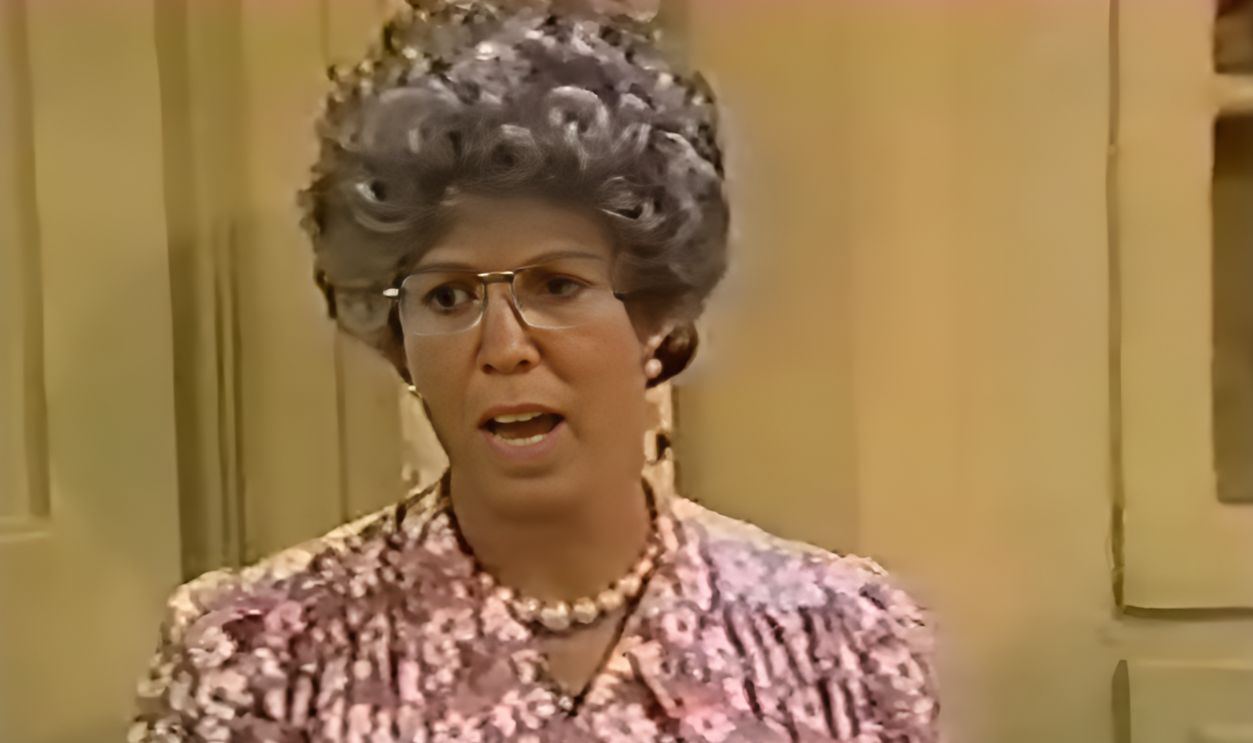 Credit: Screenshot from Eunice, CBS (1982), Modified
Mama’s Family Made Her The Star
In 1983, Mama’s Family arrived, and Lawrence moved from scene-stealing side character to leading lady. The show put Mama at the center, letting her snap, scheme, complain, and occasionally show a softer side. Suddenly, Lawrence was not supporting the joke. She was the joke machine.
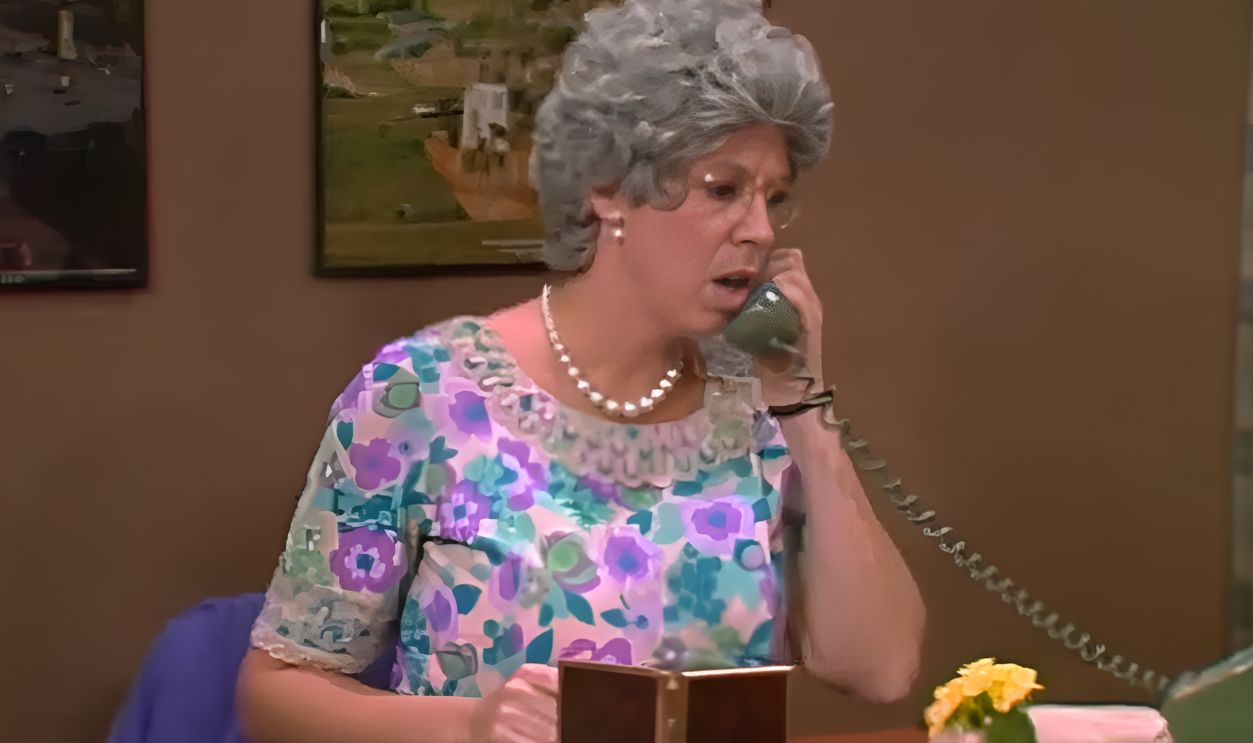 Screenshot from Mama’s Family, NBC (1983–1990), Modified
The Sitcom Had A Second Life
Mama’s Family first ran on NBC, but its real staying power came when it returned in first-run syndication from 1986 to 1990. That second run helped make the show a comfort-TV favorite, the kind people discovered in reruns and then quoted forever.
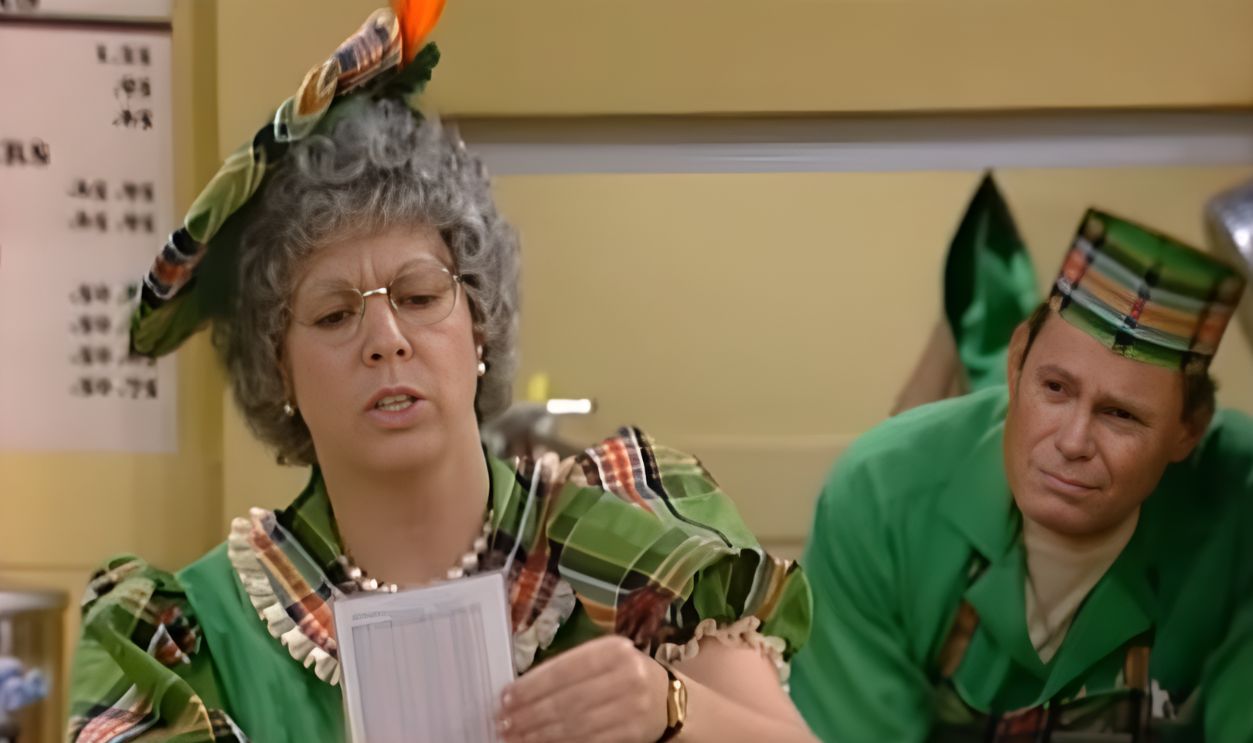 Screenshot from Mama’s Family, NBC (1983–1990), Modified
She Made Mama More Than A Gimmick
Lawrence could have played Mama as one big grumpy note. Instead, she kept adding layers. Mama was rude, yes, but also lonely, proud, stubborn, and strangely lovable. That depth helped the character survive long after her original sketch-show roots.
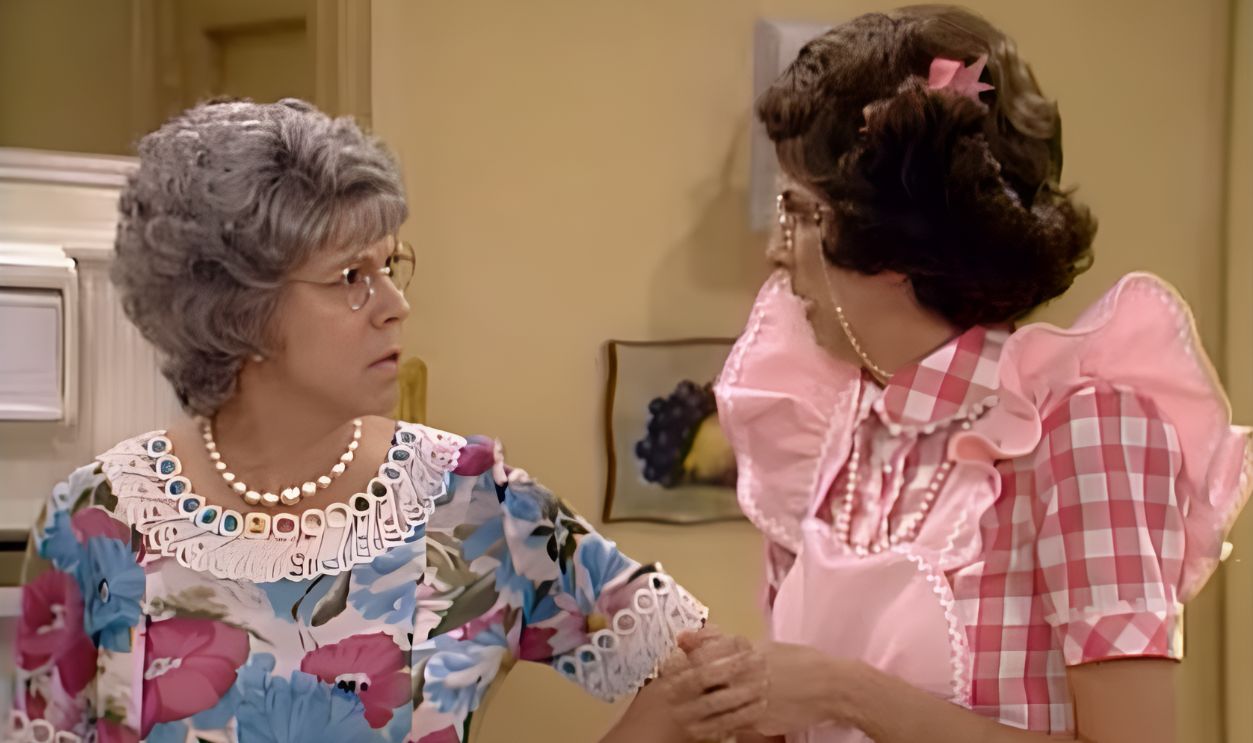 Screenshot from Mama’s Family, NBC (1983–1990), Modified
She Proved She Could Carry A Cast
Leading a sitcom is different from landing laughs in a sketch. Lawrence had to anchor stories, share scenes, and keep the energy moving. On Mama’s Family, she proved she could be the center of a show without losing the fast, punchy rhythm that made her famous.
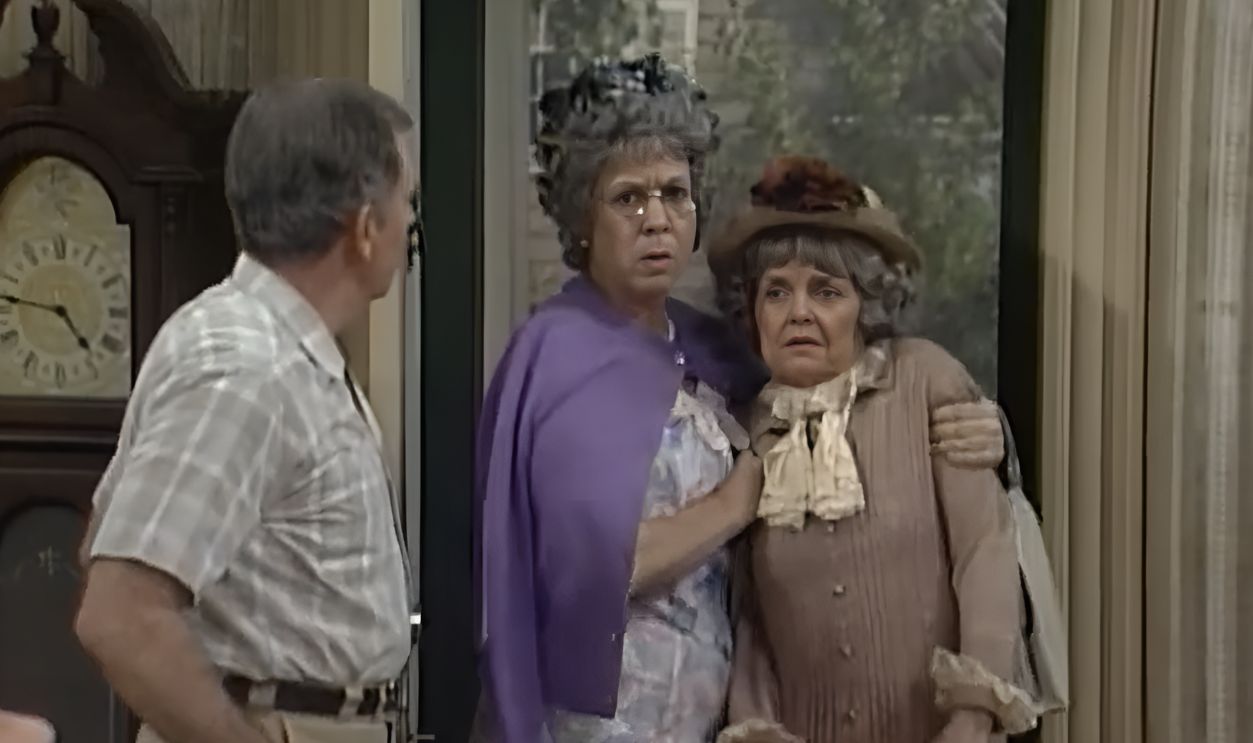 Screenshot from Mama’s Family, NBC (1983–1990), Modified
The Wig Became A Brand
Some performers spend years looking for one unmistakable image. Lawrence had Mama’s dress, glasses, wig, purse, and glare. That look became television shorthand. The second Mama appeared, viewers knew they were about to hear something rude, funny, and probably true.
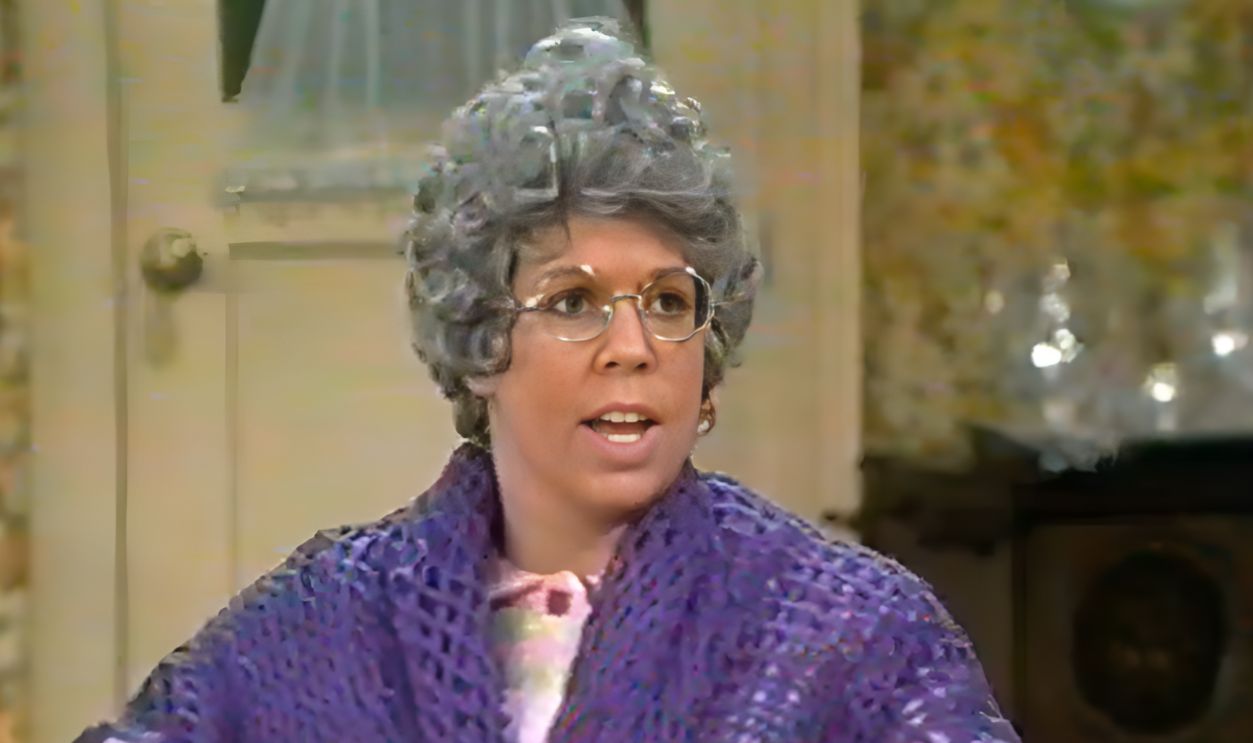 Screenshot from Mama’s Family, NBC (1983–1990), Modified
She Had Already Conquered Music
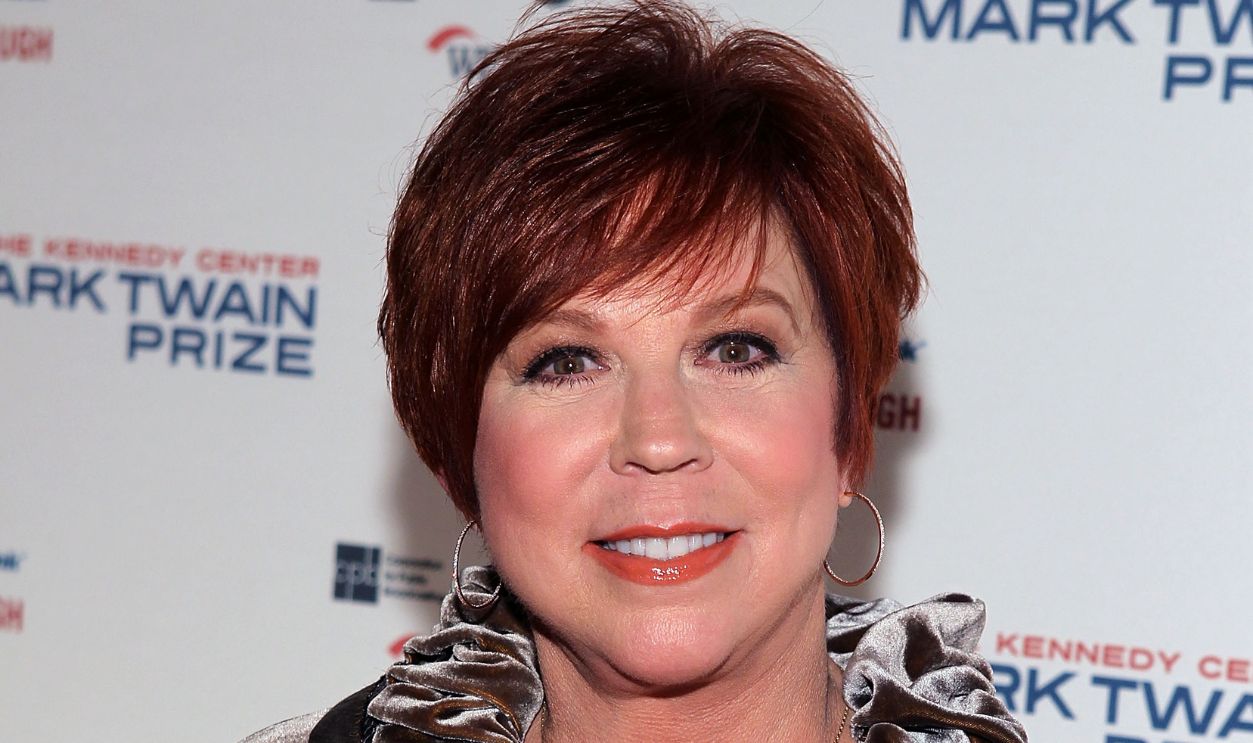
Even before her post-Carol Burnett years, Lawrence had pulled off one of the strangest career twists in ’70s pop. Her 1973 hit “The Night the Lights Went Out in Georgia” reached No. 1, proving she was never just a sketch comedian with good timing.
Music Kept Her Career Flexible
That hit gave Lawrence something many TV performers never get: a second lane. She could sing, tell stories, and work a stage without hiding behind a sitcom set. It made her future live performances feel natural, because she already knew how to command a crowd.
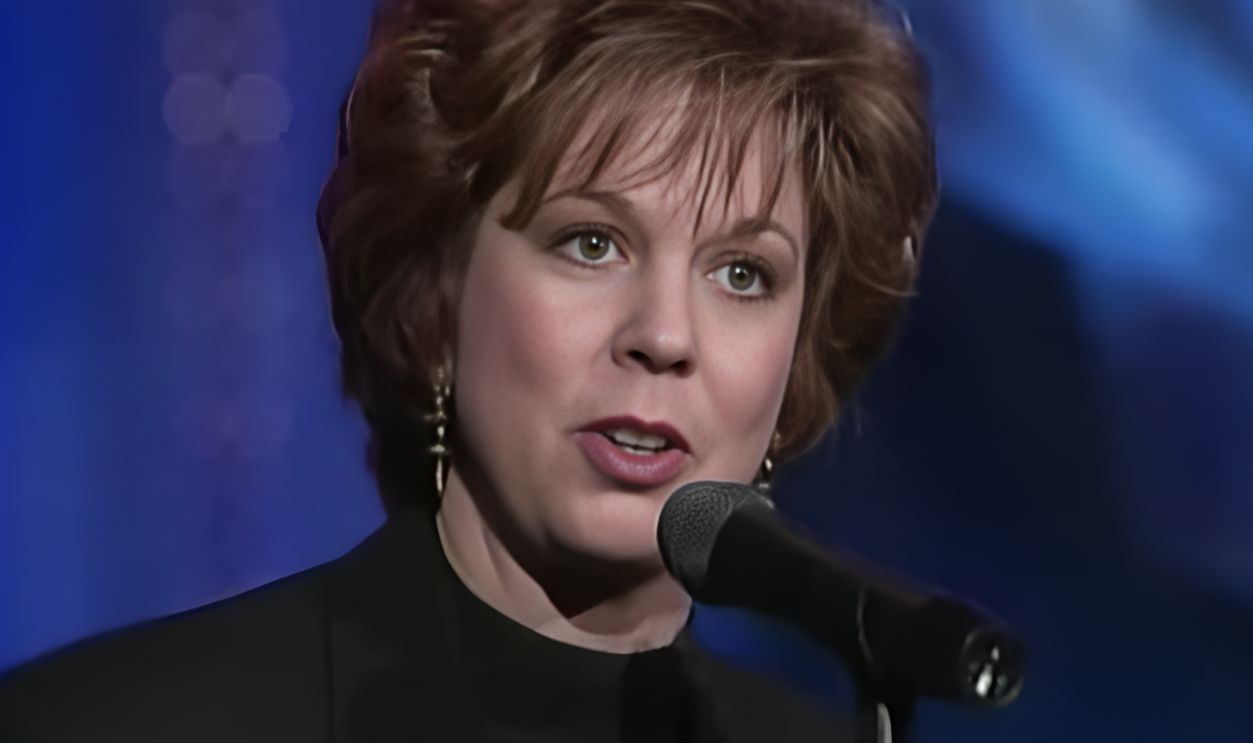 Screenshot from The Night the Lights Went Out in Georgia, Bell (1981), Modified
Game Shows Found A Natural Host
In the late 1980s, Lawrence hosted the NBC daytime version of Win, Lose or Draw. It was a smart fit. She was quick, playful, and comfortable around celebrities. The show needed someone who could keep the party moving, and Lawrence already knew that job well.
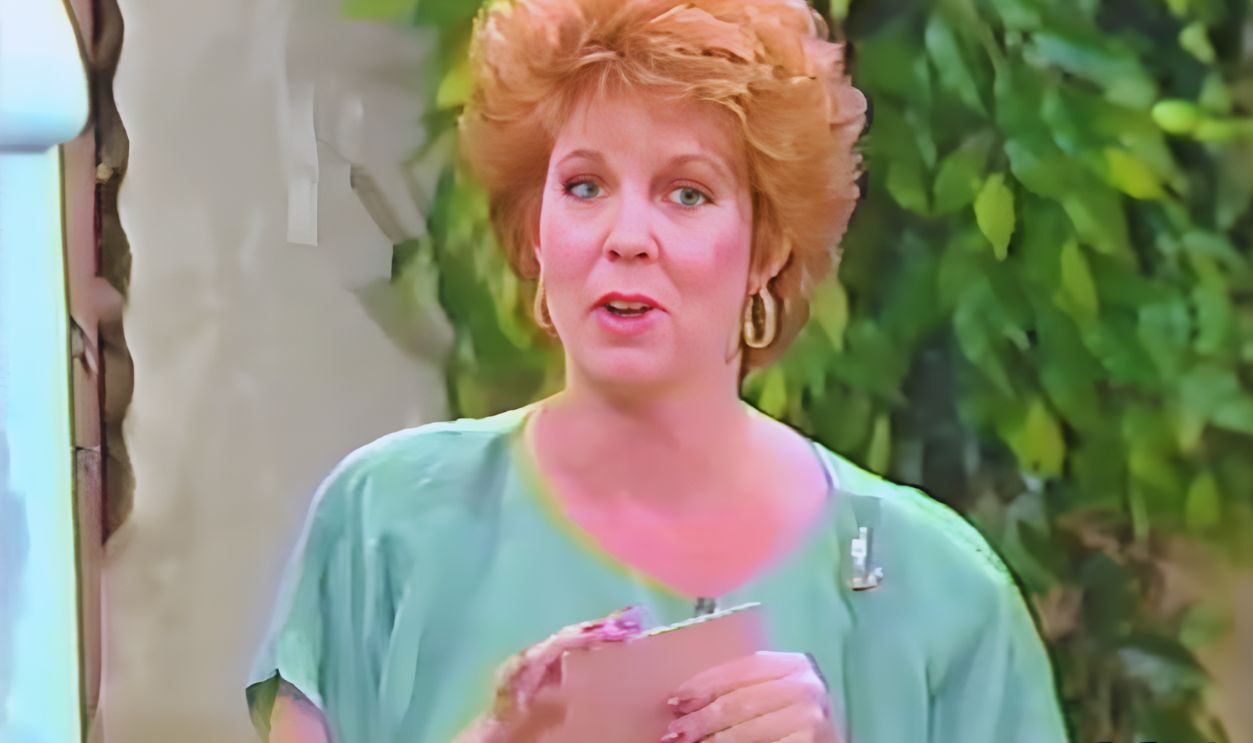 Screenshot from Win, Lose or Draw, NBC (1987–1992), Modified
She Made Daytime Feel Loose
Game shows can get stiff when the host is too polished. Lawrence brought a friendly chaos to the room. She could laugh at mistakes, tease contestants, and keep everything breezy. That warmth made her feel less like a host and more like the funniest person at the table.
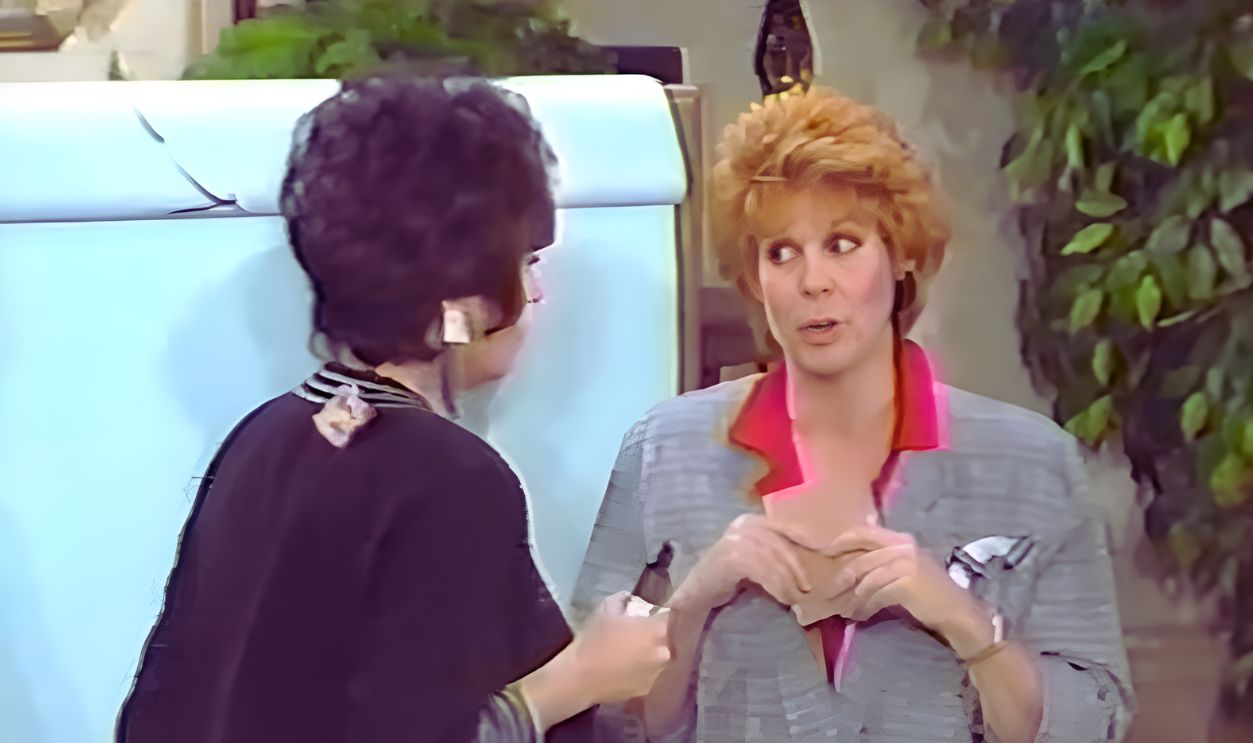 Screenshot from Win, Lose or Draw, NBC (1987–1992), Modified
Then Came Her Own Talk Show
In 1992, Lawrence launched Vicki!, a syndicated daytime talk show that ran until 1994. It gave her another chance to be herself rather than Mama. For fans used to the wig and attitude, it was a reminder that Lawrence’s real personality was just as watchable.
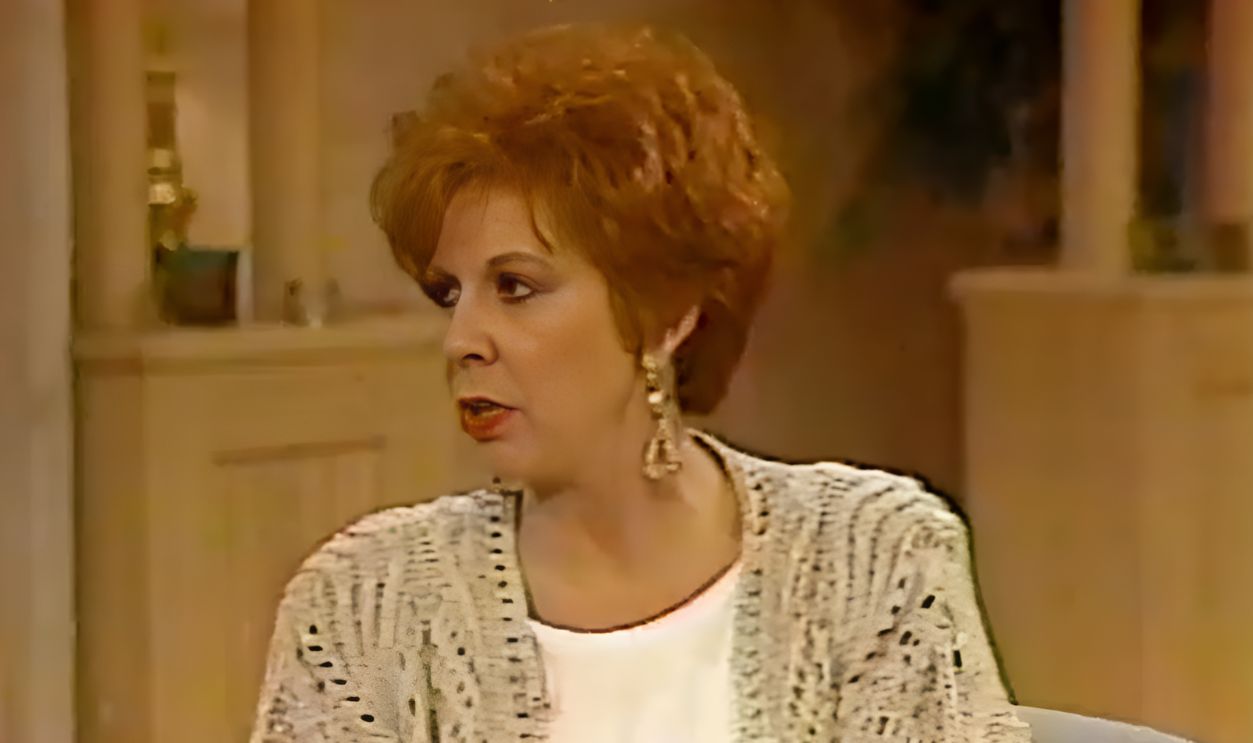 Screenshot from Vicki!, Syndication (1992-1994), Modified
She Chose Conversation Over Tabloid Noise
The early ’90s talk-show world could be wild, messy, and loud. Lawrence’s show leaned more toward celebrity guests, human stories, and humor. That choice fit her. She had spent years getting laughs without cruelty, and she brought that same approachable style to daytime TV.
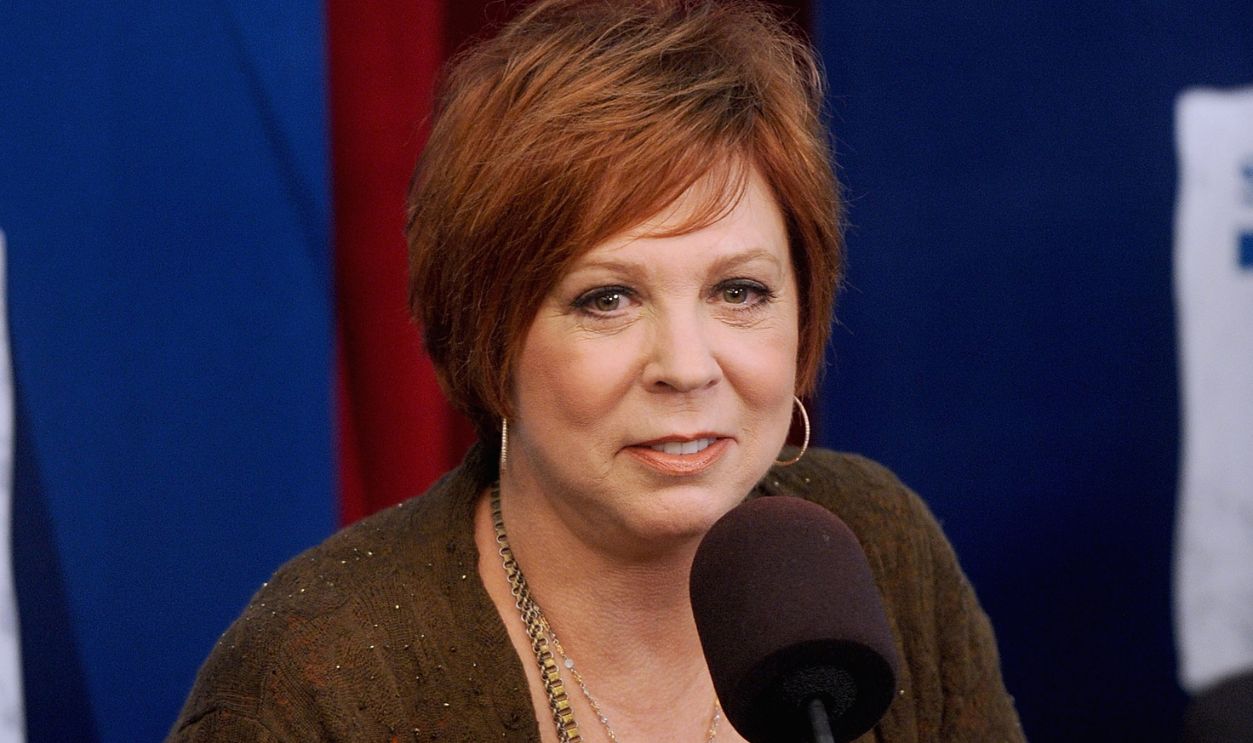
Television Kept Calling
After Mama’s Family, Lawrence kept popping up across TV. She appeared on shows like Roseanne, Diagnosis: Murder, Yes, Dear, and more. These roles reminded audiences that she was not locked inside one character, even if Mama remained her most famous creation.
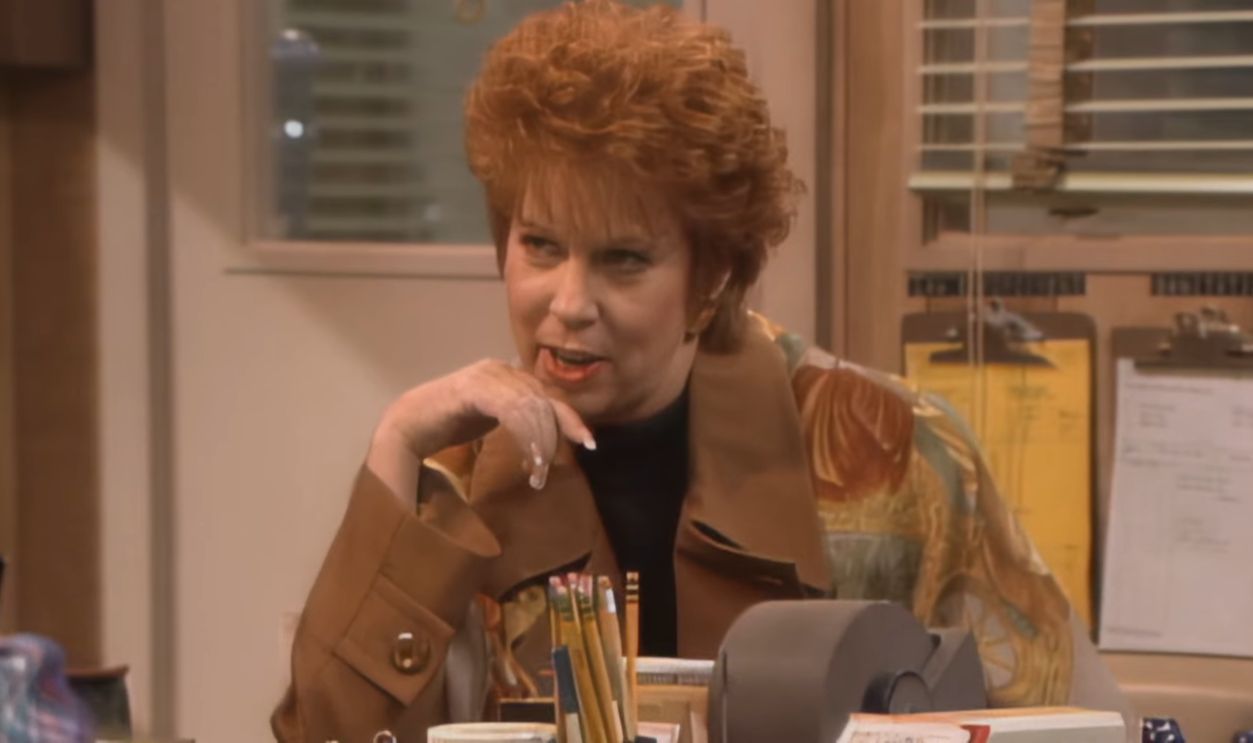 Screenshot from Roseanne, ABC (1988–2018)
She Became A Welcome Guest Star
A great guest star arrives with instant energy, and Lawrence had plenty. Whether playing a relative, neighbor, old flame, or troublemaker, she brought a familiar spark. Viewers trusted her. Writers knew she could land a punchline. That combination kept her working.
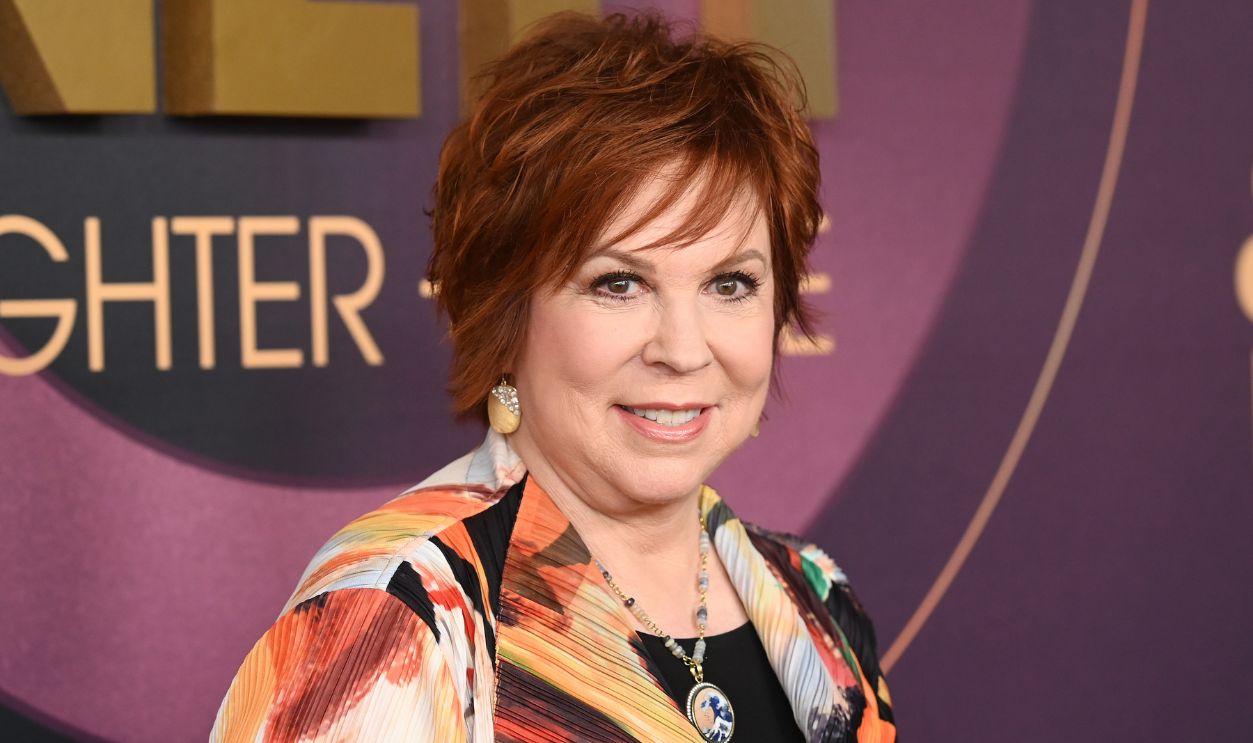
Mama Hit The Road
In 2001, Lawrence launched Vicki Lawrence and Mama: A Two-Woman Show. The idea was simple and brilliant: let audiences spend time with both the real Vicki and her legendary character. It turned nostalgia into a live comedy event instead of a museum piece.
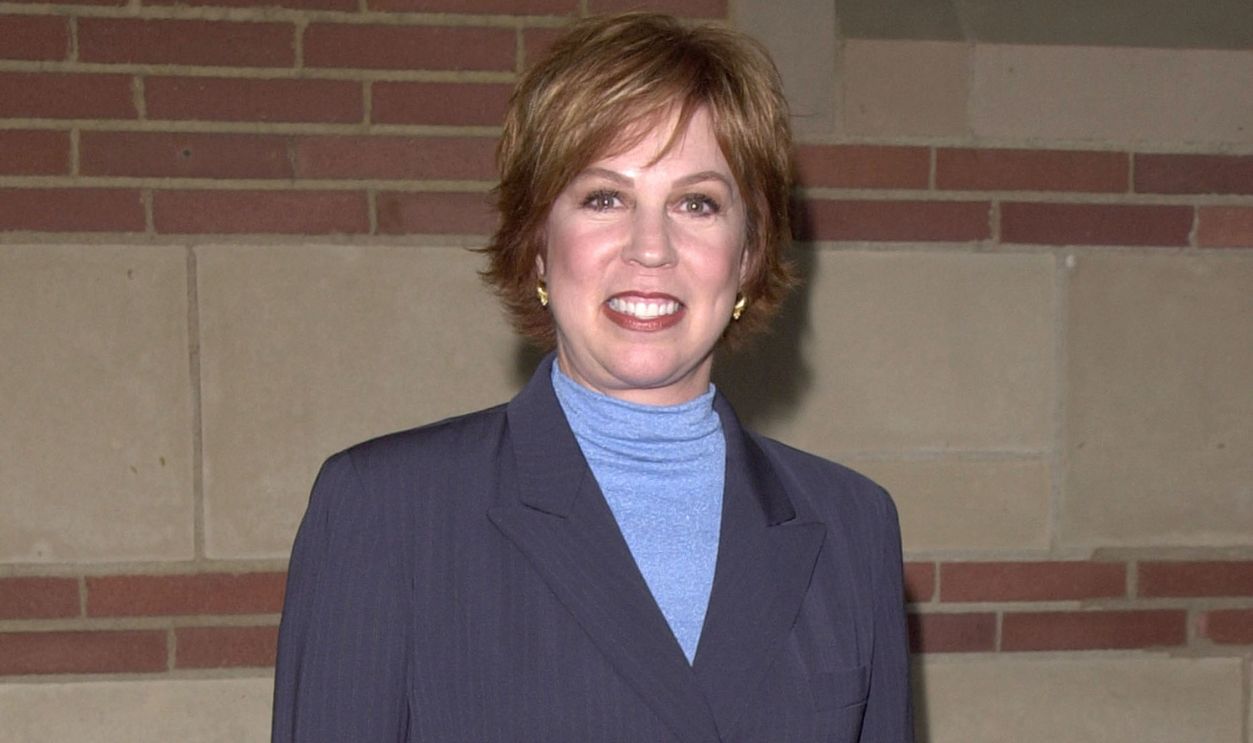
Her Stage Show Let Fans Catch Up
The touring show worked because Lawrence understood what fans wanted. They wanted stories, laughs, memories, and, yes, Mama saying what everyone else was too polite to say. It gave longtime viewers a chance to reconnect, while proving Lawrence could still own a room.
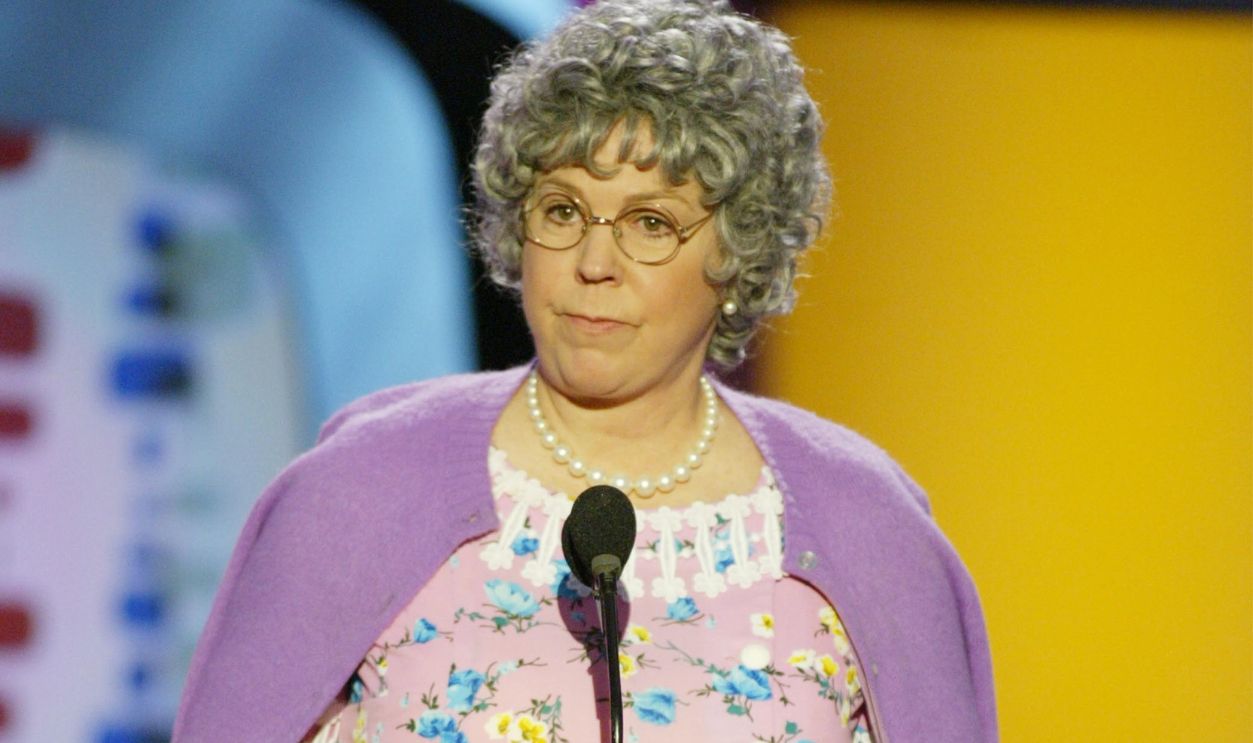
Disney Introduced Her To New Fans
From 2006 to 2011, Lawrence played Mamaw Ruthie Stewart on Hannah Montana. For younger viewers, she was not “that lady from Mama’s Family.” She was Miley’s funny grandmother. That role quietly introduced her to a generation that missed her first TV heyday.
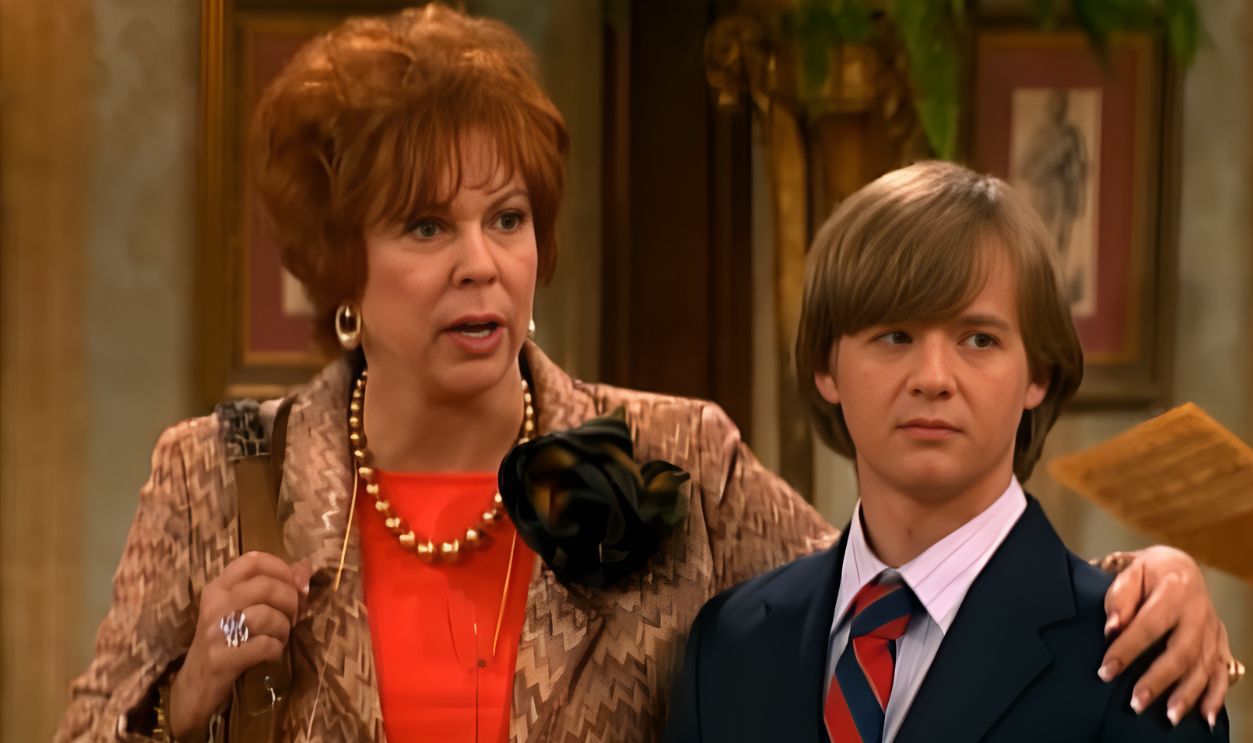 Screenshot from Hannah Montana, Disney Channel (2006–2011), Modified
She Fit Right Into Family Comedy
Hannah Montana worked because it mixed big kid-friendly laughs with old-school sitcom timing. Lawrence slid right in. She knew how to play broad without losing the character. That is harder than it looks, and it showed why her comedy instincts had lasted so long.
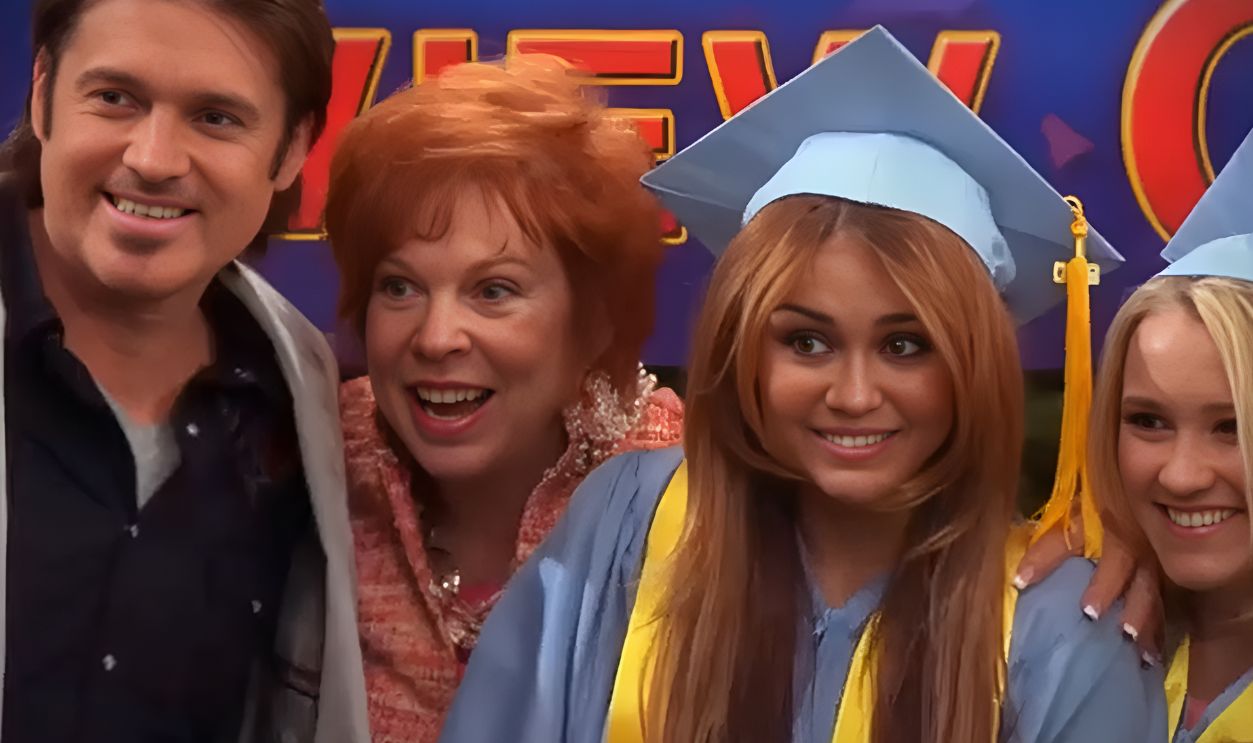 Screenshot from Hannah Montana, Disney Channel (2006–2011), Modified
She Never Seemed Stuck In The Past
Many stars from classic TV spend later years only revisiting old glories. Lawrence did that, but she also kept saying yes to new rooms. Whether the project was nostalgic, modern, silly, or sentimental, she treated it like another chance to play.
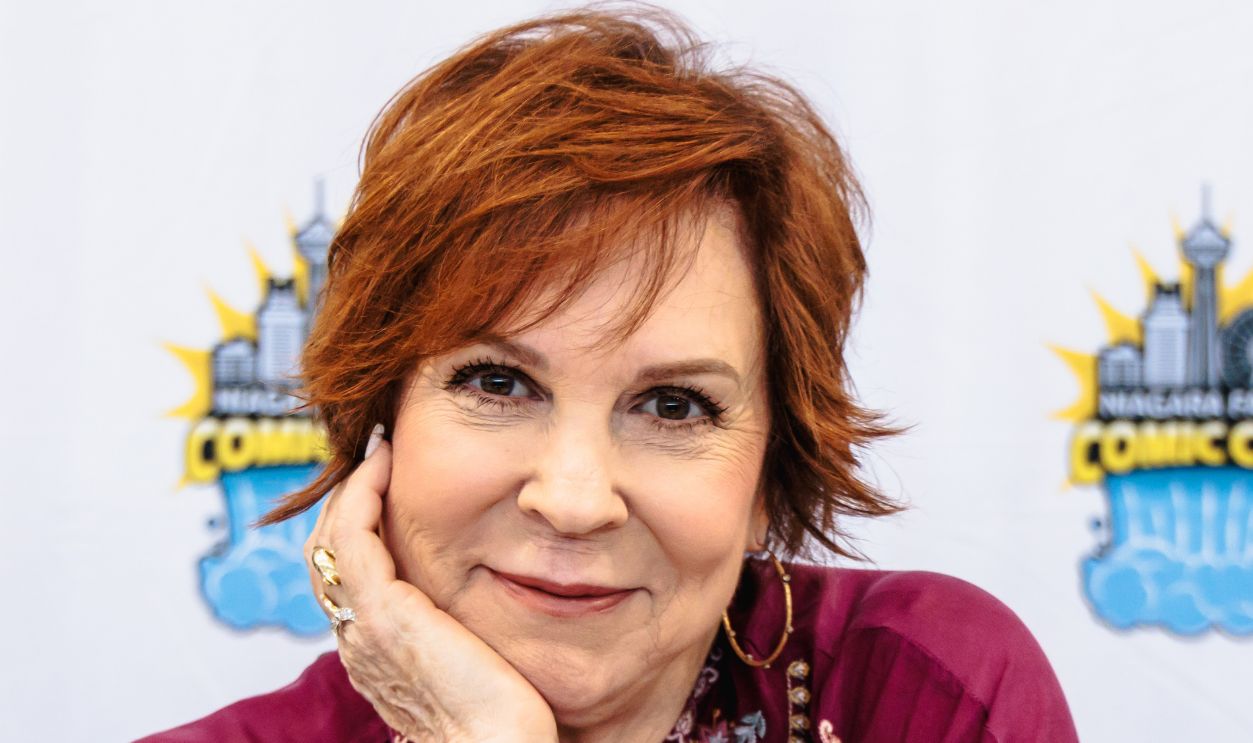
The Cool Kids Put Her Back In A Sitcom Ensemble
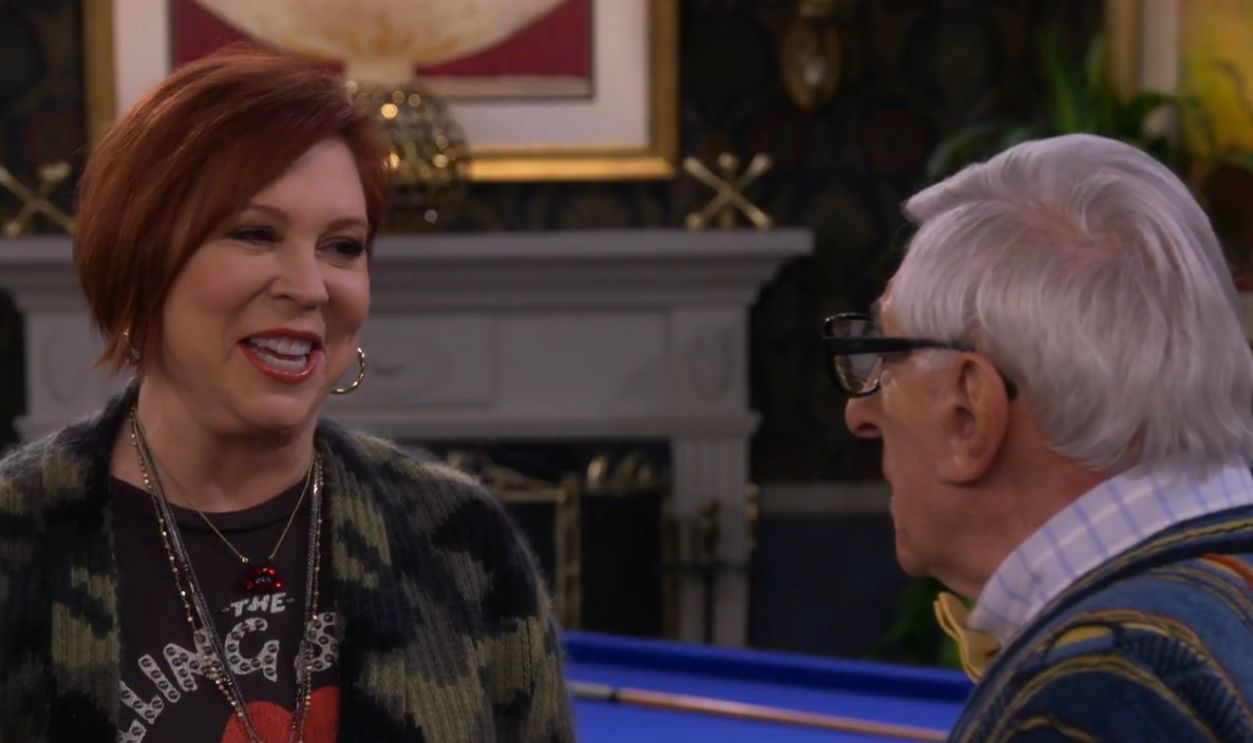
In 2018, Lawrence starred in Fox’s The Cool Kids alongside David Alan Grier, Martin Mull, and Leslie Jordan. The series followed rebellious seniors in a retirement community. Lawrence played Margaret, a bold newcomer who shook up the boys’ little kingdom.
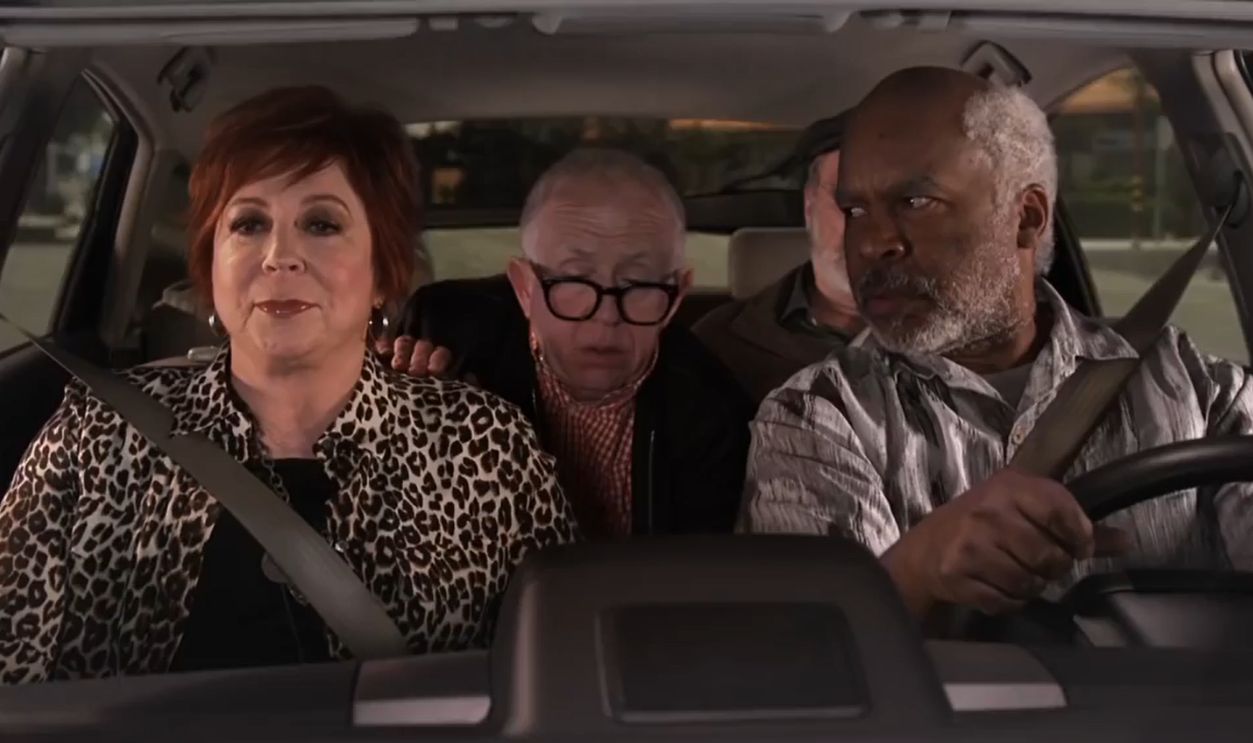 Screenshot from The Cool Kids, Fox (2018–2019)
She Made Aging Funny Without Apologizing
What made The Cool Kids refreshing was its attitude. The joke was not simply that the characters were older. The joke was that they were still petty, flirty, competitive, dramatic, and ridiculous. Lawrence understood that comedy does not retire just because the characters have gray hair.
 Screenshot from The Cool Kids, Fox (2018–2019)
She Stayed Connected To Carol Burnett
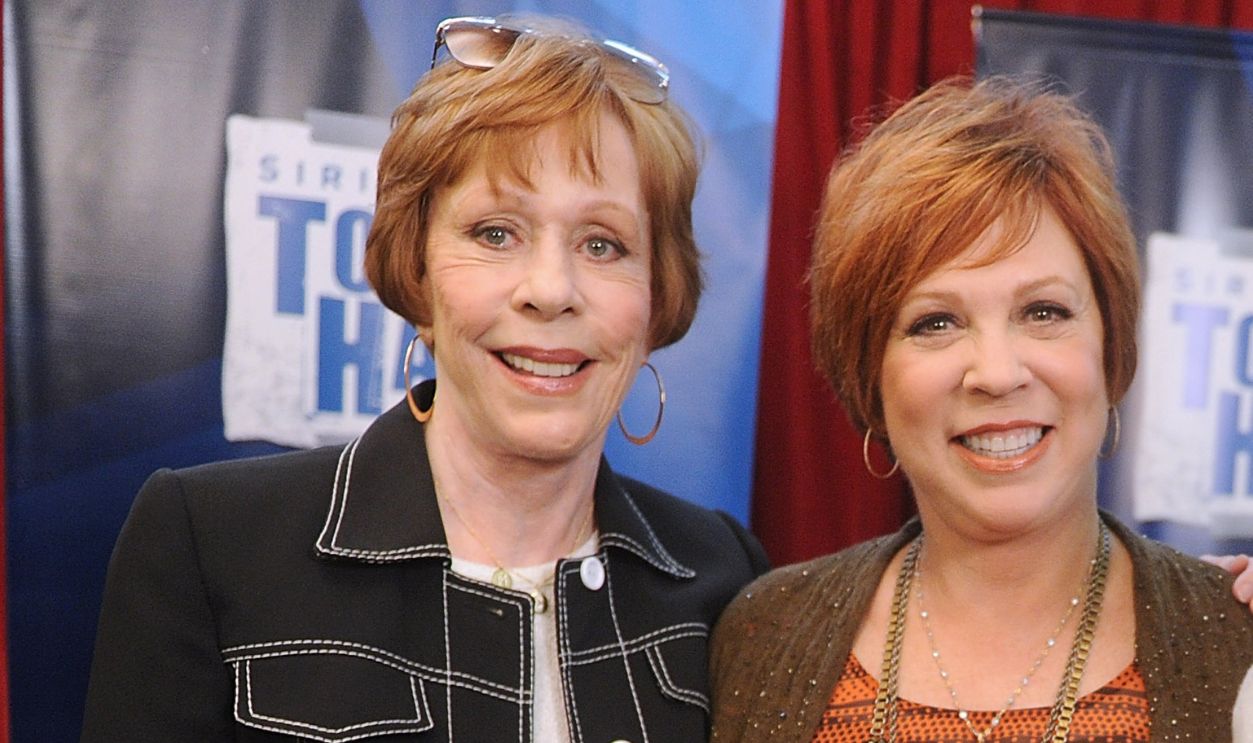
Lawrence’s career will always be linked to Carol Burnett, and that is part of the charm. Their bond began when Lawrence was a teenager and grew into one of TV comedy’s most famous partnerships. Decades later, fans still love seeing them together.
Palm Royale Brought A Sweet Reunion
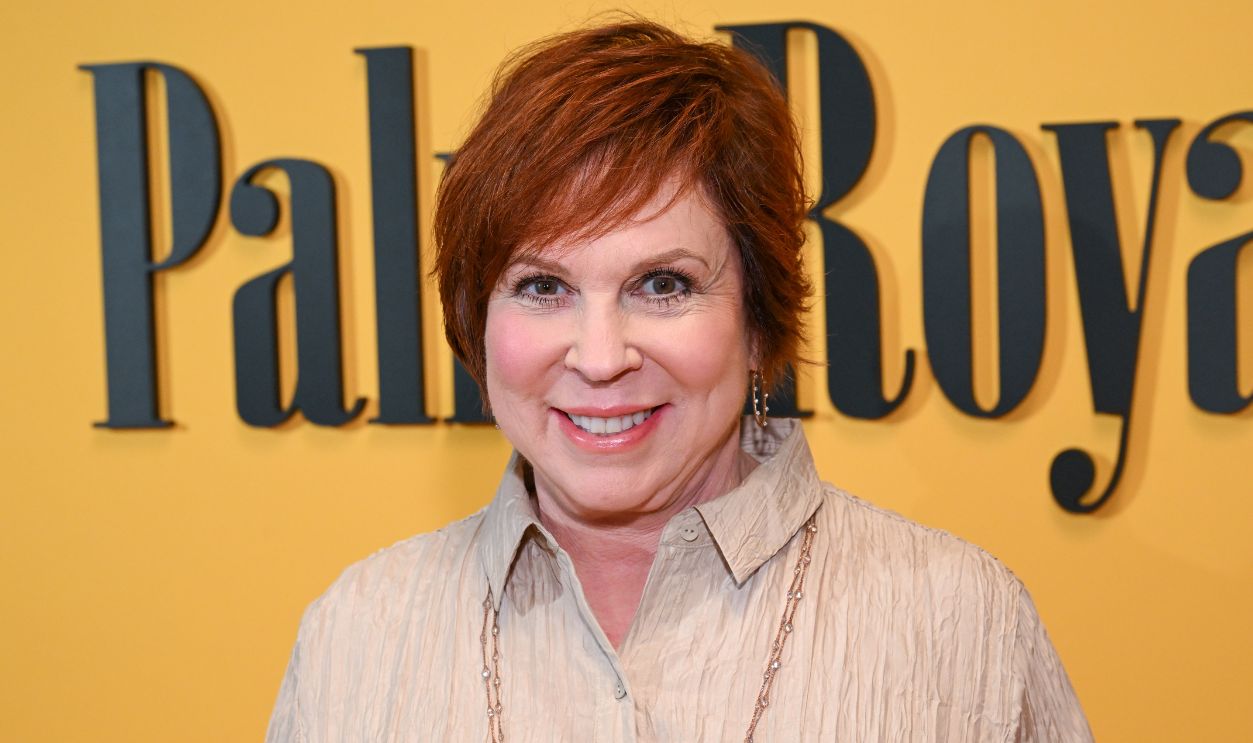
Recent coverage of Palm Royale celebrated Lawrence and Burnett sharing the screen again, with Lawrence joining the Apple TV+ series in a role connected to Burnett’s character. For longtime fans, it was a full-circle treat: two comedy legends still having fun together.
Her Secret Was Range
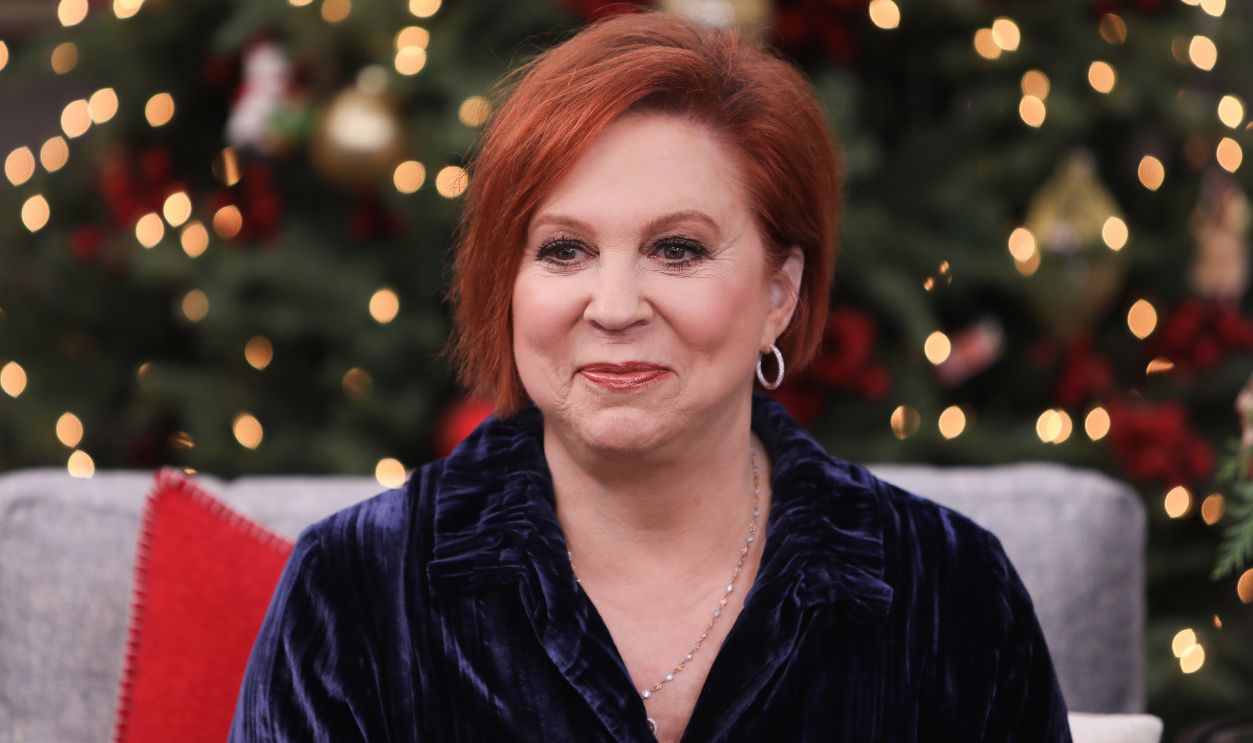
Lawrence built her post-Carol Burnett career by refusing to be only one thing. She was Mama, but also a singer, host, guest star, stage performer, sitcom lead, and dependable comic presence. That range turned what could have been a footnote into a long-running career.
Vicki Lawrence Got The Last Laugh
Vicki Lawrence’s story is not just about surviving after a classic show. It is about building outward from it. She took one unforgettable character, added hustle, timing, warmth, and nerve, and created a career that stretched across generations. Mama may be loud, but Vicki’s legacy speaks even louder.
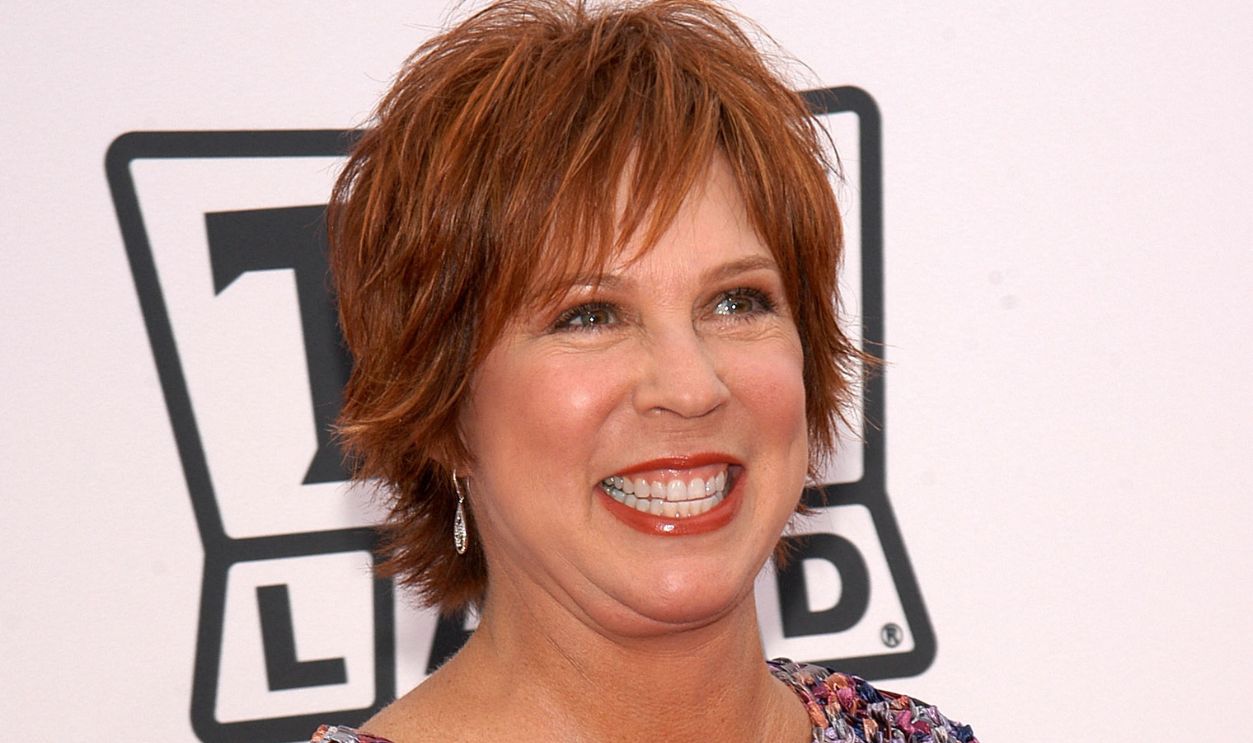 Stephen Shugerman, Getty Images